Watts Bar Lake Bass Fishing Guide
Watts Bar Bass Fishing, Season by Season
Forty thousand acres between Knoxville and Chattanooga, wedged between two of Tennessee's most fished reservoirs and quietly ignored by the tournament circuit. Watts Bar has grass coming back, Florida-strain fish going in, and one of the pros who grew up on it thinks it is next.
The Lake Everyone Drives Past
Watts Bar is a mainstem TVA impoundment on the Tennessee River at river mile 530, completed in 1942 after a rapid three-year build that helped power the war effort including nearby Oak Ridge. It covers 39,600 acres with 722 miles of shoreline and stretches roughly seventy-two miles from Watts Bar Dam up to Fort Loudoun Dam.
It is not just a river channel. The Clinch River joins the main lake and Watts Bar creates slack water more than twenty miles up it, plus around twelve up the Emory. Add White's Creek, Piney Creek and a long list of smaller arms and you have a reservoir with far more varied water than its neighbours.
Water level is stable by TVA standards — a winter drawdown of only five to six feet, with summer pool held close to 740 or 741 feet. That keeps ramp and marina access dependable through the season.
Habitat is genuinely mixed: rocky shorelines and points, stumps, laydowns and aquatic vegetation. TWRA stocks striped bass, black crappie, walleye and Florida-strain largemouth here annually — Watts Bar was added to the Florida-strain programme in 2015, alongside Fort Loudoun and Nickajack, following what that programme did to Chickamauga.
The most interesting thing about this lake is what it is not. Sandwiched between Fort Loudoun and Chickamauga, both of which draw tournament traffic constantly, Watts Bar gets comparatively little pressure despite supporting a strong largemouth and smallmouth fishery. Bass Pro Tour angler Wesley Strader, who grew up fishing it, has said outright that he expects it to become the next Chickamauga — grass returning after being wiped out three decades ago, plus the Florida-strain influx.
There is history here too. B.A.S.S. first visited in 1974 for the Tennessee Invitational, won by Al Lindner with 42 pounds 14 ounces — the same Al Lindner who went on to found In-Fisherman.
Points, Channel Swings and Two Rivers
Four patterns cover the year. Each one pairs the technique with the baits we'd actually tie on.
Staging on Secondary Points
Spring is one of the two best windows here, and the pattern is textbook. Prespawn largemouth and smallmouth stage on secondary points inside the big creeks and on channel swings running back toward the spawning areas. Both provide shelter and ambush, which is exactly what prespawn fish want and where they hold after a cold front. The bonus on this lake is that you can target both species at once.




Channels, Vegetation and the River Arms
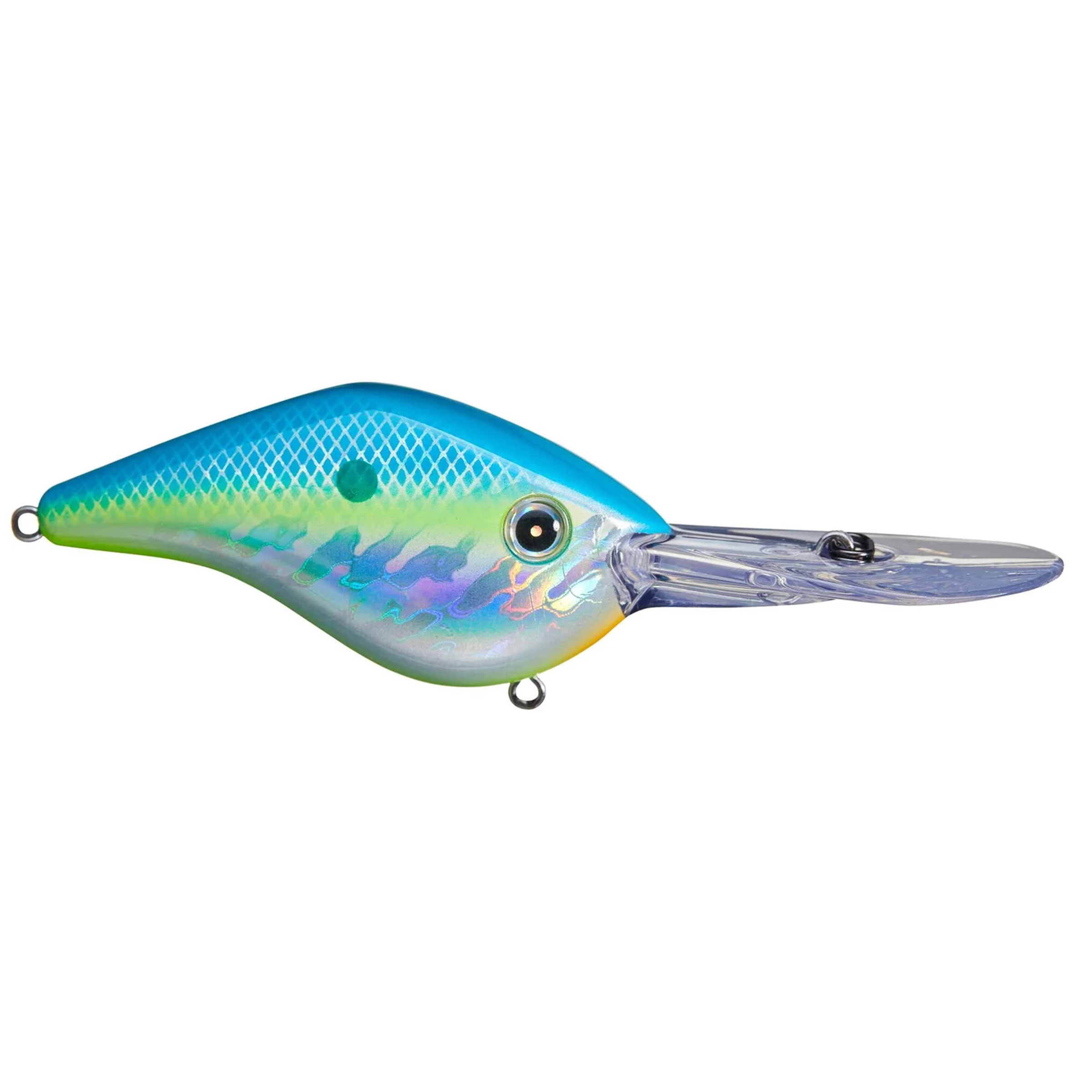
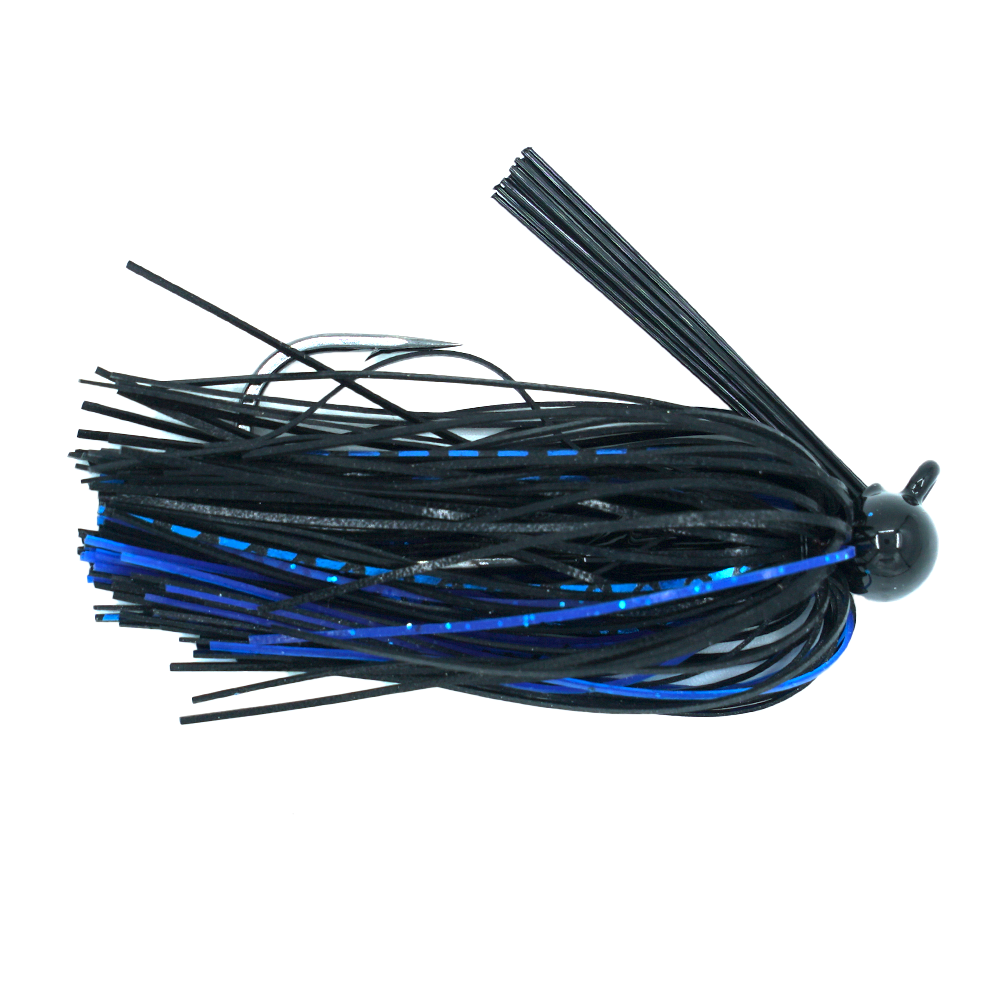
Summer sends fish to the deeper channels and the returning vegetation. The Clinch and Emory arms fish differently from the main lake — cooler, with their own current — and are worth a day when the main river is slow. Rocky points and laydowns hold fish throughout.

The Best Time to Be Here
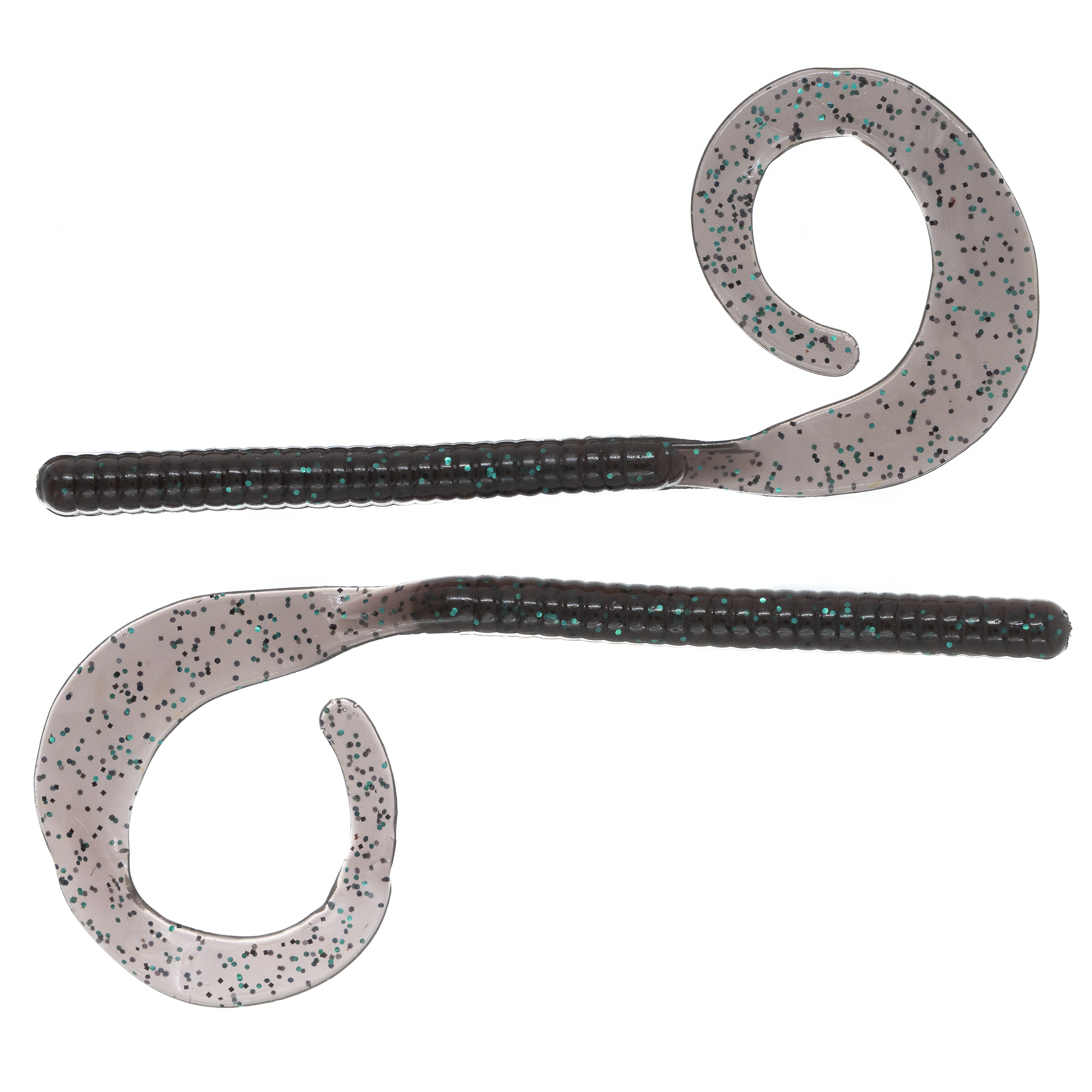
September and October are prime, and the fall colour on the hills around this lake is a genuine reason to plan the trip. Fish move shallow behind bait, the recreational traffic disappears, and the tournament pressure that crowds Fort Loudoun and Chickamauga is somewhere else. Rocky shorelines, points and creek mouths all produce.

Deep Points and Stable Levels
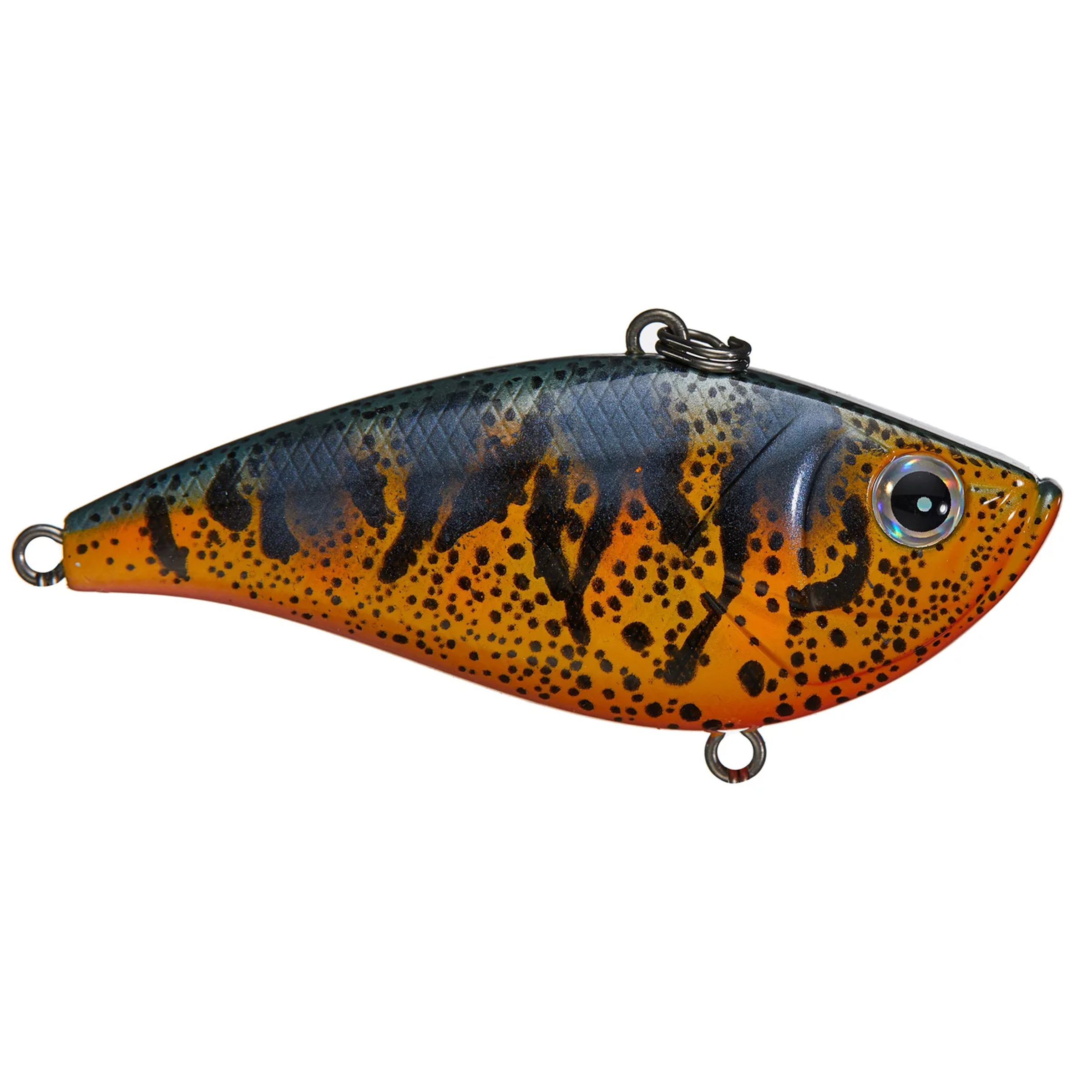
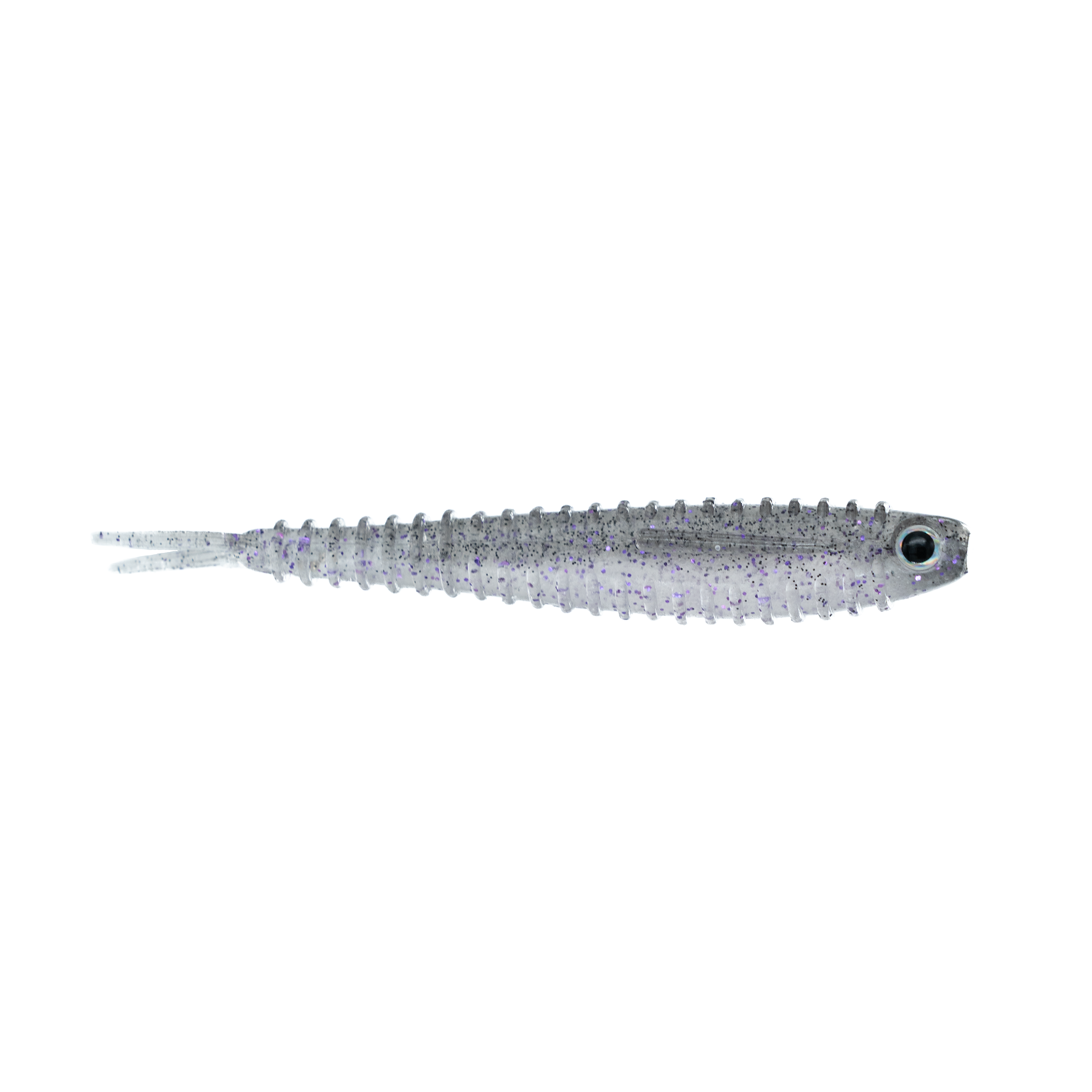
The modest five-to-six-foot drawdown means winter here is less disruptive than on reservoirs that drop forty. Fish concentrate on deeper points, channel edges and rock, and the smallmouth fishing holds up well in cold water. Stripers are active too, and the tailwaters below Fort Loudoun and Melton Hill draw guides all winter.


Watts Bar Lake Access
Ramps and marinas serve the lake from Kingston, Rockwood, Harriman, Spring City and Lenoir City. Roane County waterfronts have easy public ramps and parks, and there is good access up both the Clinch and Emory arms.
The Big Creek Secondary Points
The prespawn pattern that Bassmaster singles out for this lake. Secondary points inside the larger creeks, paired with the channel swings running back toward spawning water. Two textbook staging areas, and both hold fish through cold fronts rather than losing them.
The Clinch River Arm
Watts Bar backs slack water more than twenty miles up the Clinch, creating what is effectively a separate fishery with its own current and character. Cooler than the main lake in summer, and a reliable option when the Tennessee River section is flat.
The Emory Arm and Piney Creek
The Emory backs up around twelve miles, and Piney and White's Creek add more water still. Stumps, laydowns and returning vegetation. These are the areas where the lake feels least like a mainstem reservoir and most like somewhere you can have to yourself.
Watts Bar Lake Bass Fishing FAQ
How big is Watts Bar Lake?
39,600 acres with 722 miles of shoreline, stretching about seventy-two miles from Watts Bar Dam up to Fort Loudoun Dam. It sits on the Tennessee River between Knoxville and Chattanooga, in Rhea and Meigs counties and beyond.
Why does Watts Bar get less fishing pressure?
It sits between Fort Loudoun and Chickamauga, both of which attract far more tournament traffic. That leaves Watts Bar comparatively quiet despite supporting a strong largemouth and smallmouth fishery. For a visiting angler that is an advantage, not a warning.
Is Watts Bar going to be the next Chickamauga?
Bass Pro Tour angler Wesley Strader, who grew up fishing it, has said he expects exactly that — on the basis of grass returning after being wiped out three decades ago, combined with the Florida-strain largemouth influx. TWRA added Watts Bar to the Florida-strain stocking programme in 2015, the same programme that transformed Chickamauga.
What is the winter drawdown on Watts Bar?
Modest by TVA standards — only five to six feet, with a minimum winter elevation around 735 feet and a typical summer operating range of 740 to 741. Access stays dependable through the year, which is not true of every reservoir in the region.
What are the Clinch and Emory arms?
Two major tributaries that Watts Bar backs slack water up — more than twenty miles up the Clinch and about twelve up the Emory. They fish differently from the main lake, carry their own current, and are effectively separate fisheries worth a day each.
Can you eat fish from Watts Bar?
Parts of the lake carry fish consumption advisories, including a do-not-eat advisory on striped bass and precautionary limits on some catfish, sauger and white bass, particularly in the Tennessee River and Clinch arm portions. Check the current TDEC advisory page before keeping anything.
What baits work best on Watts Bar?
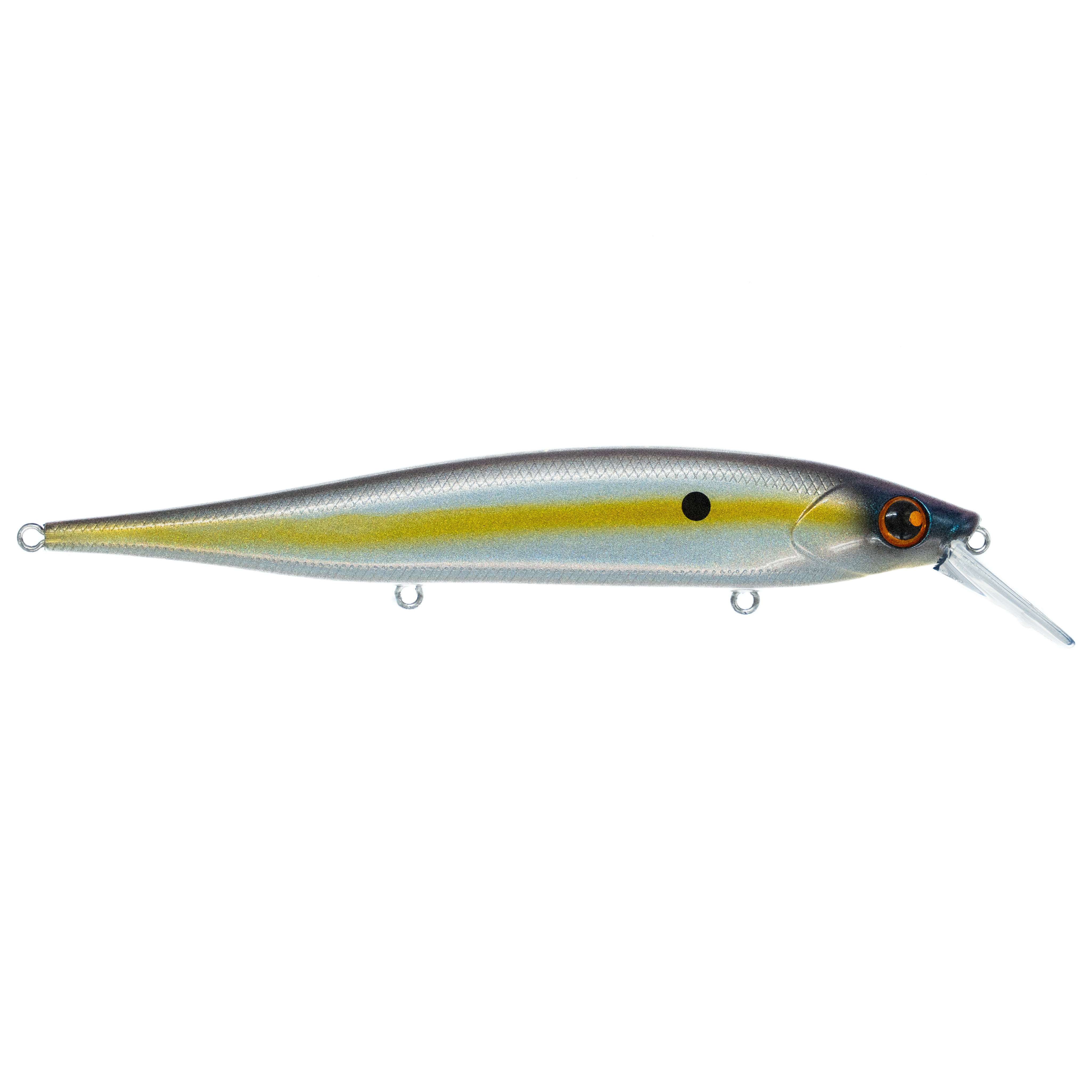
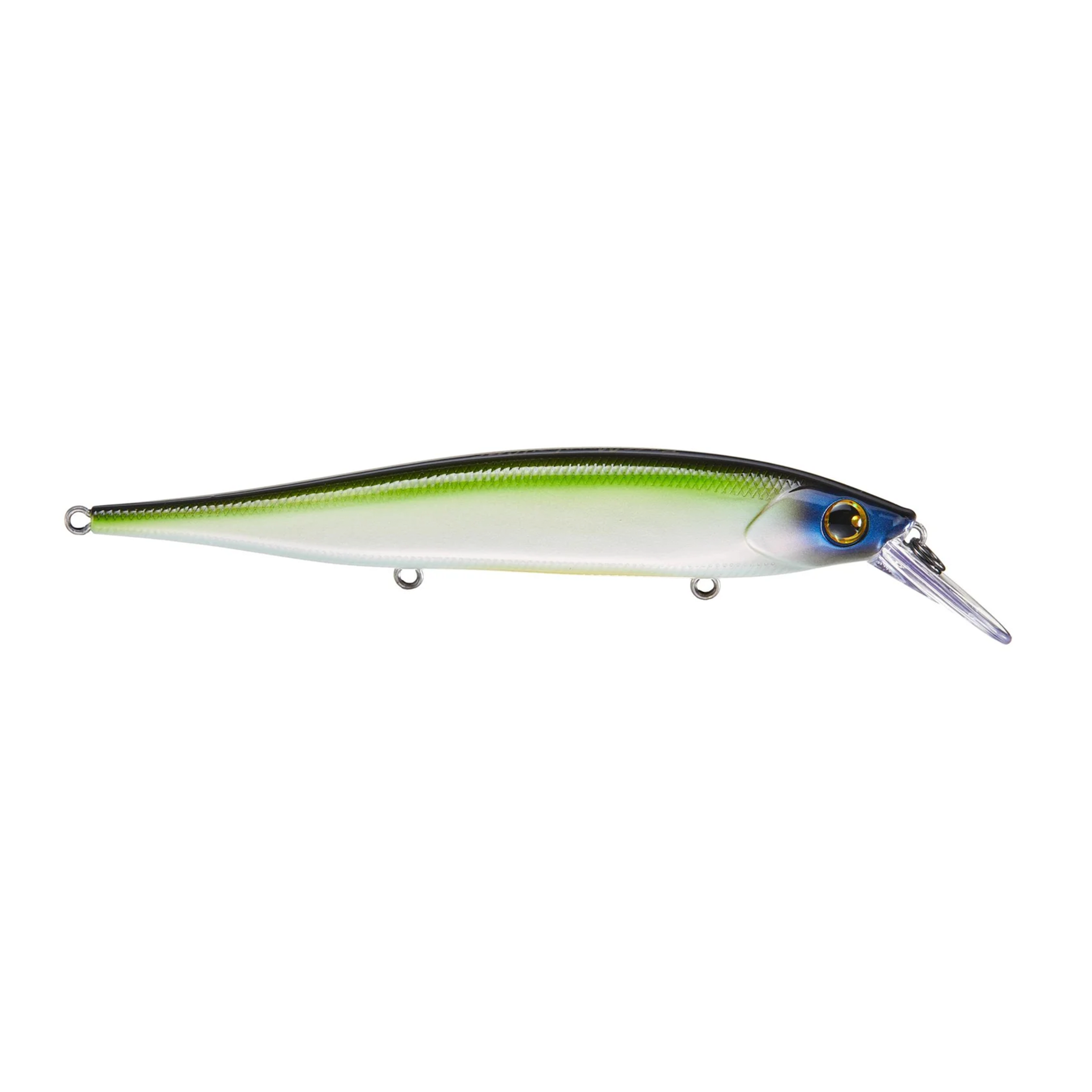
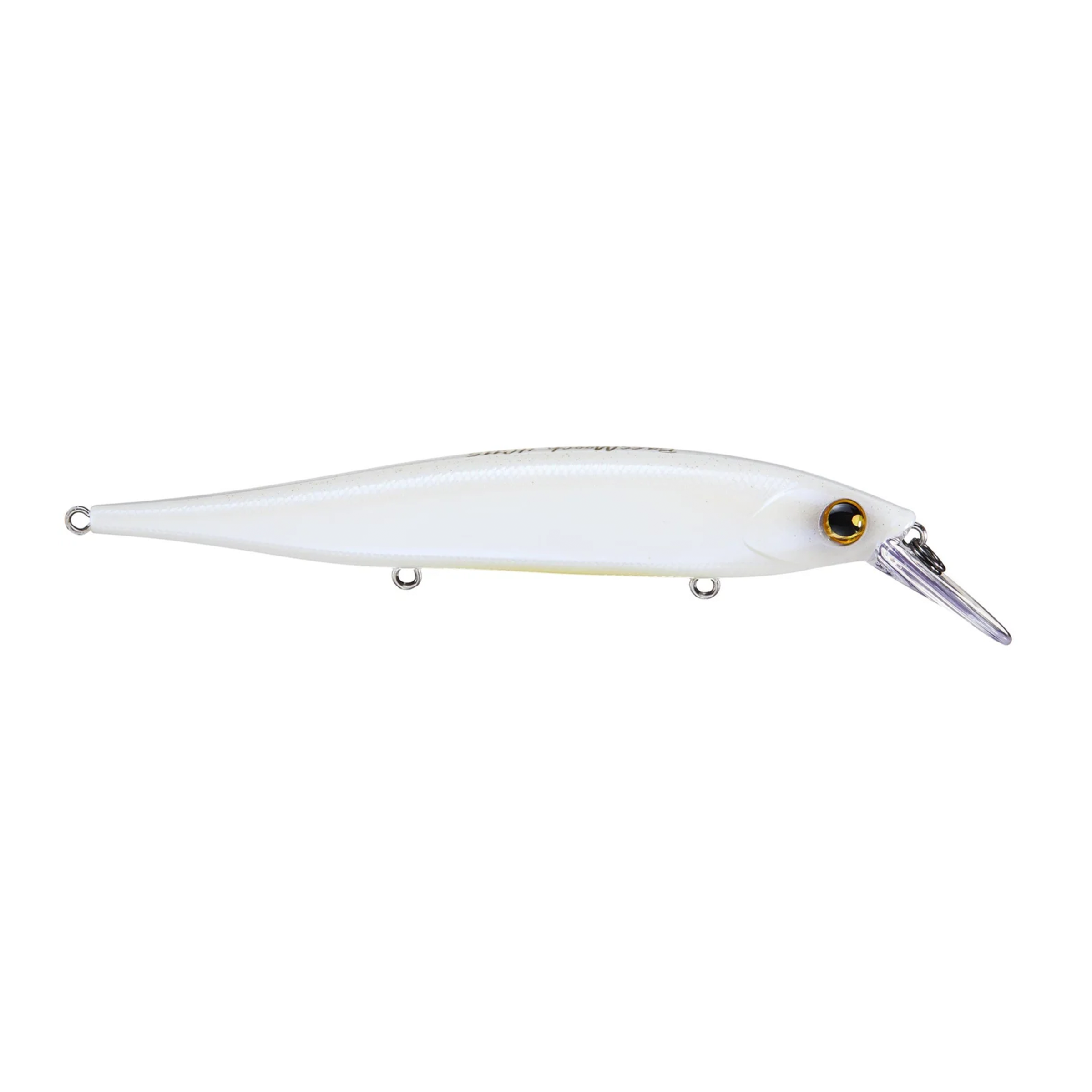
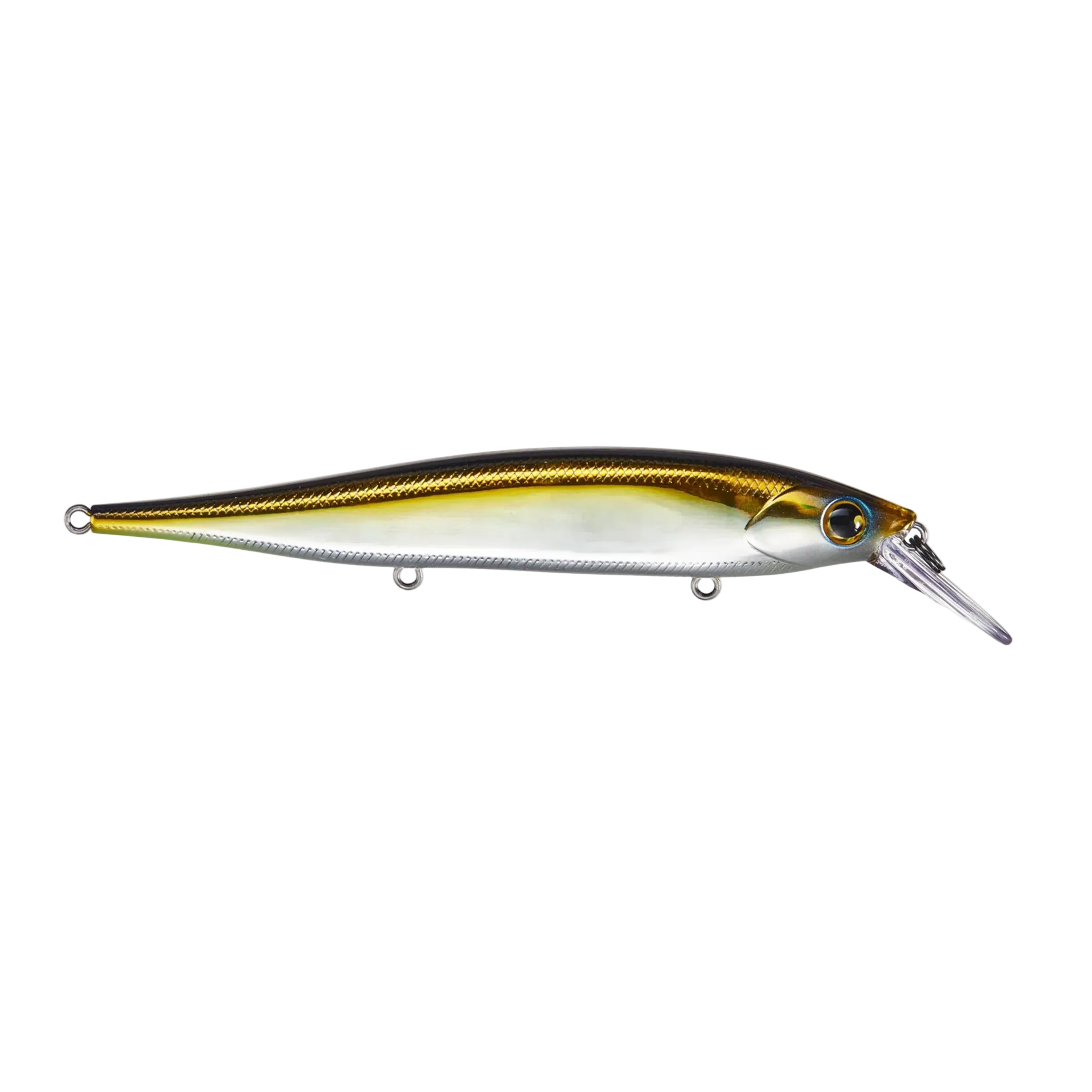
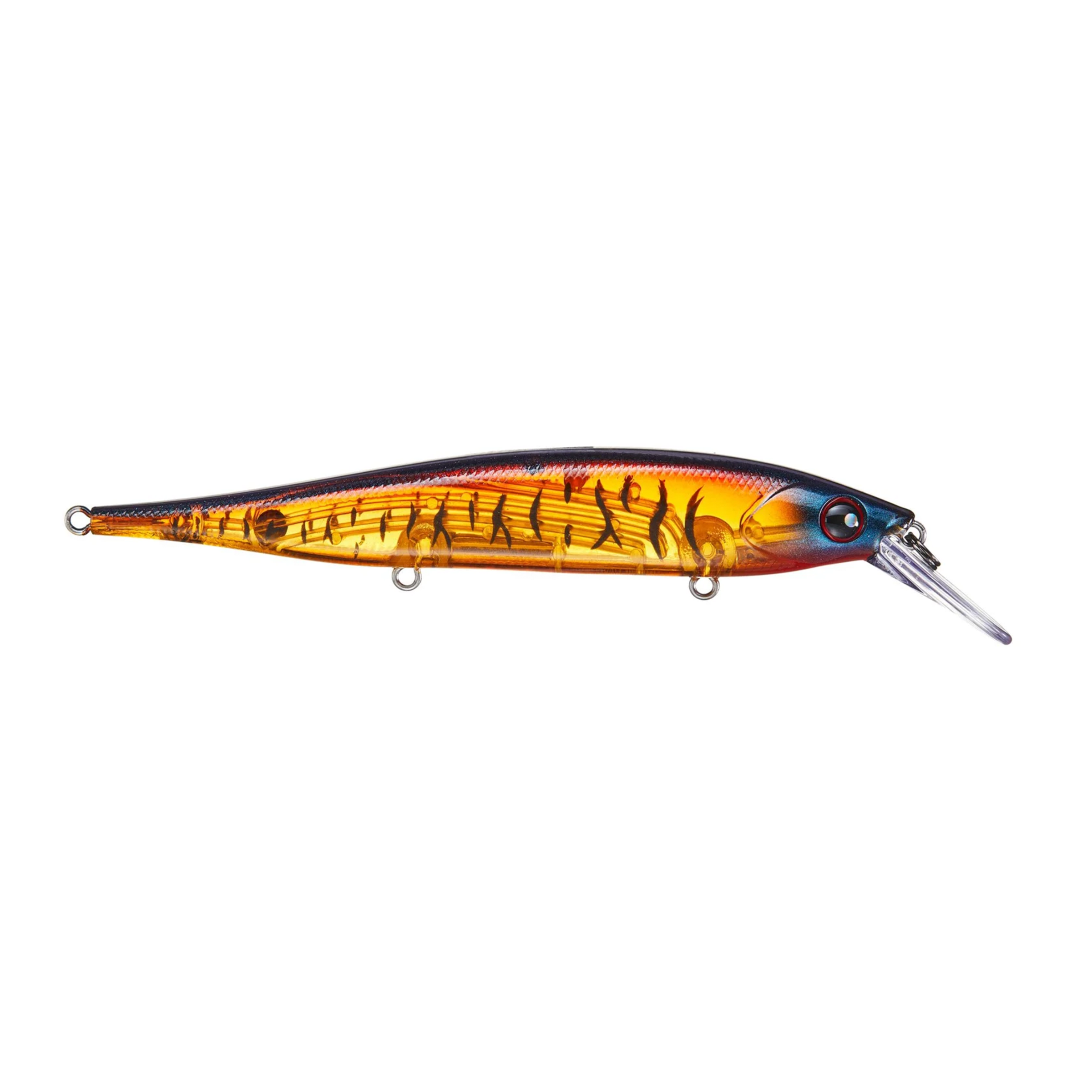
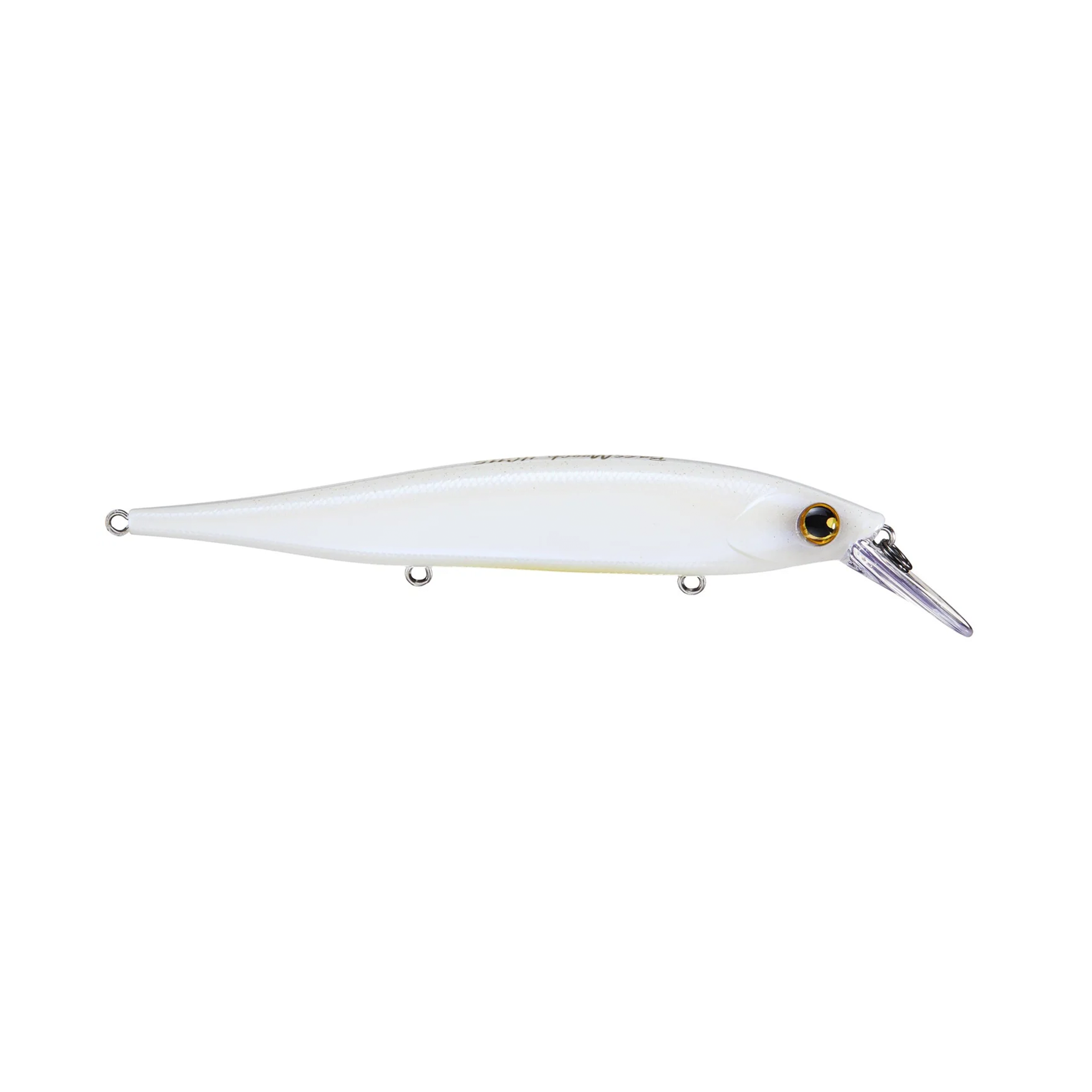
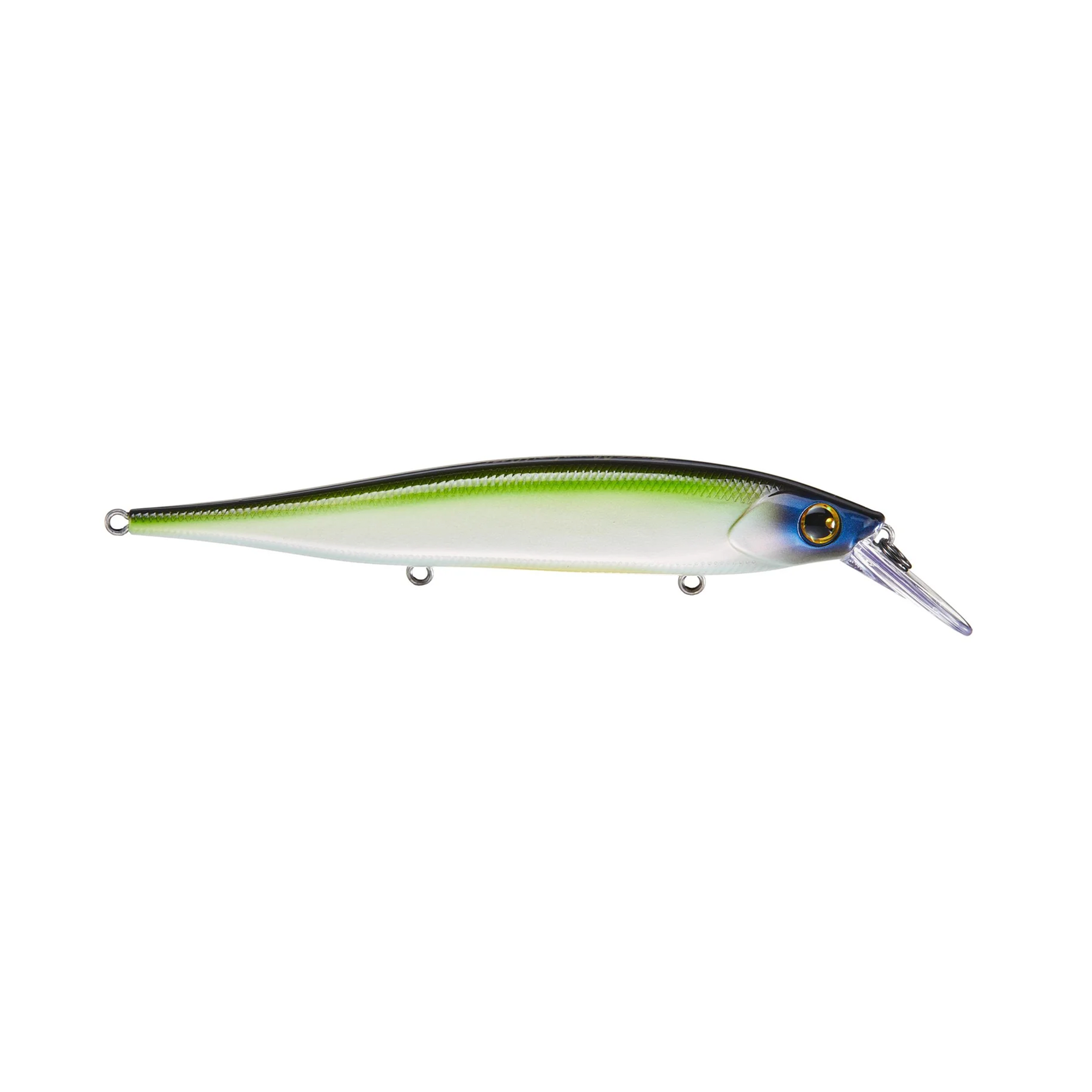
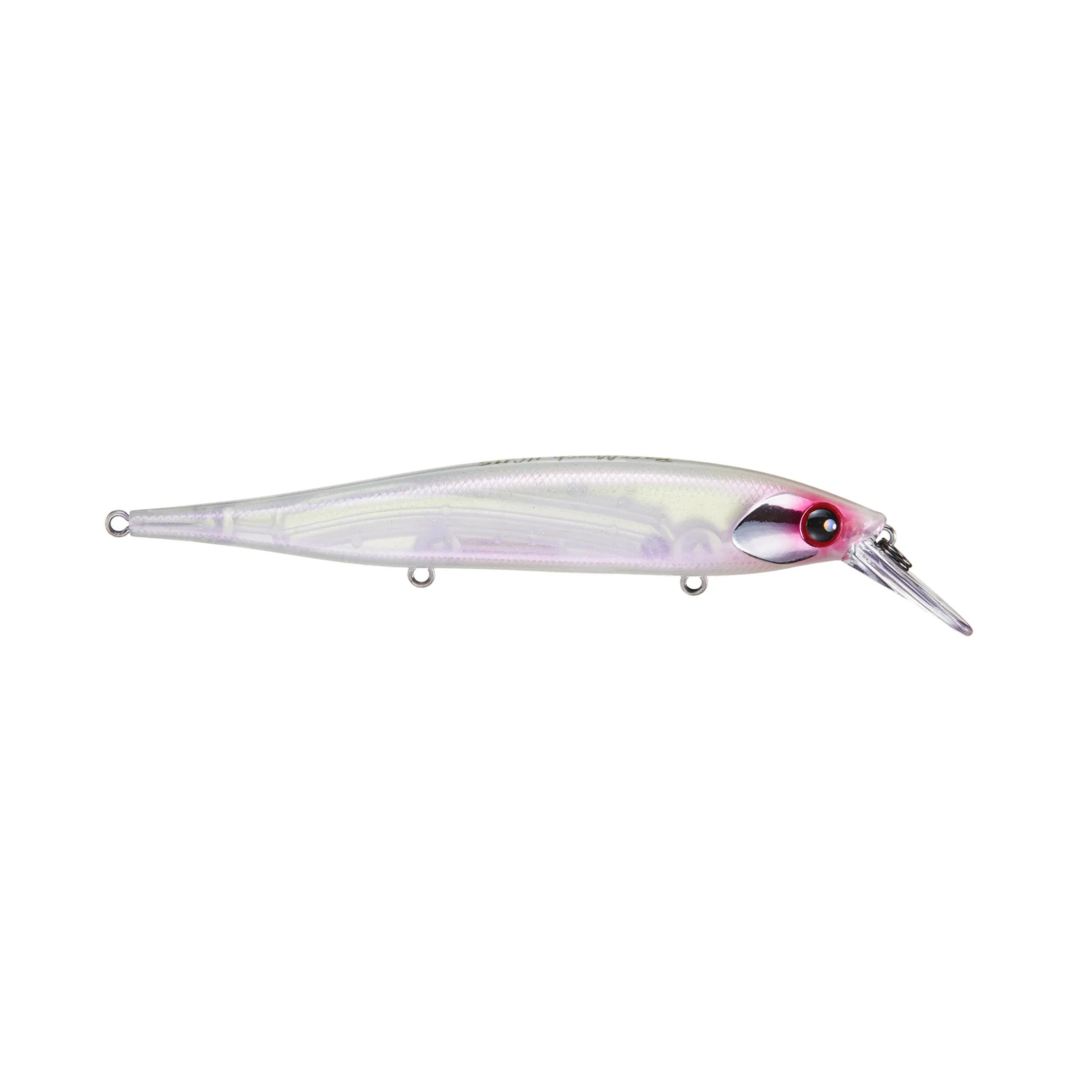
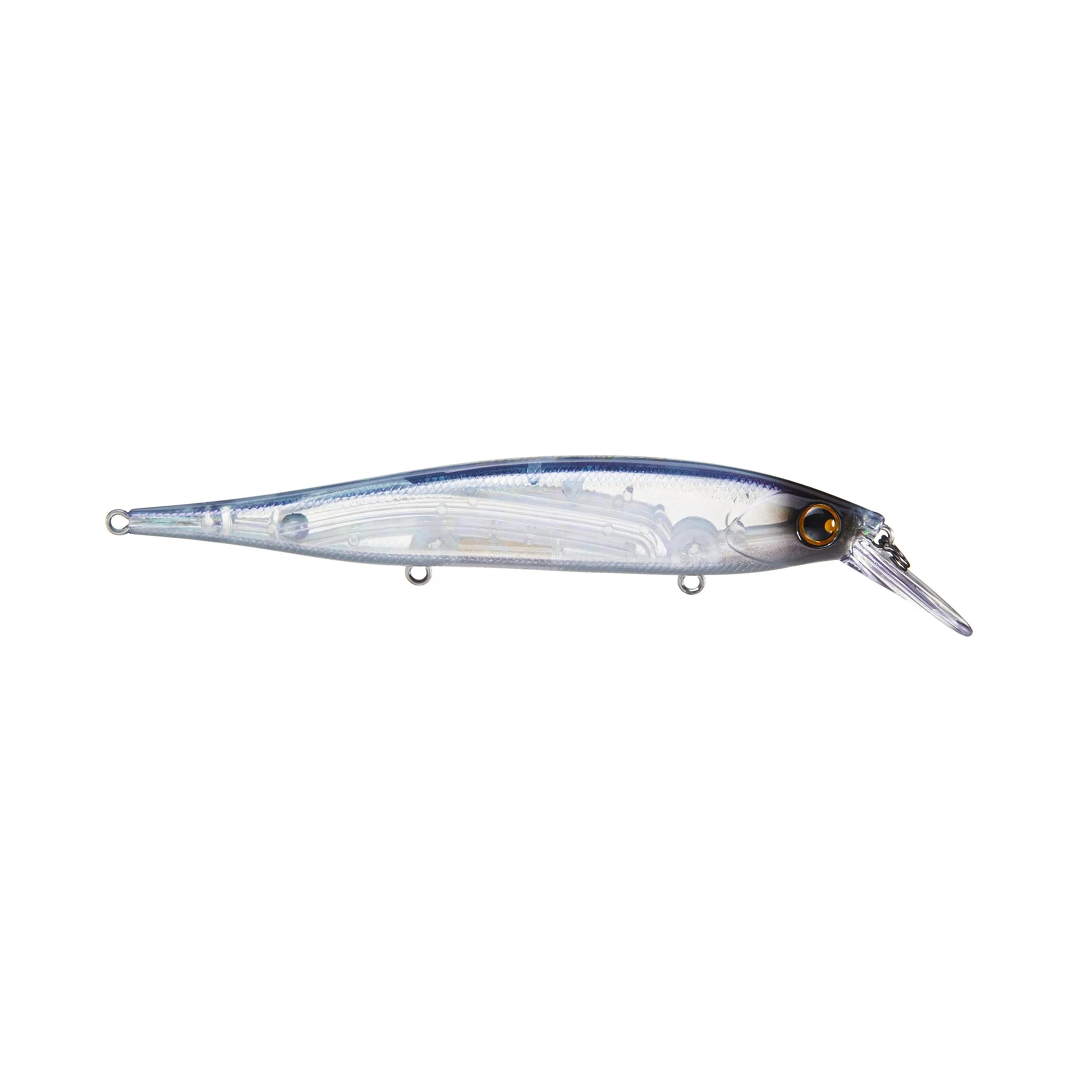
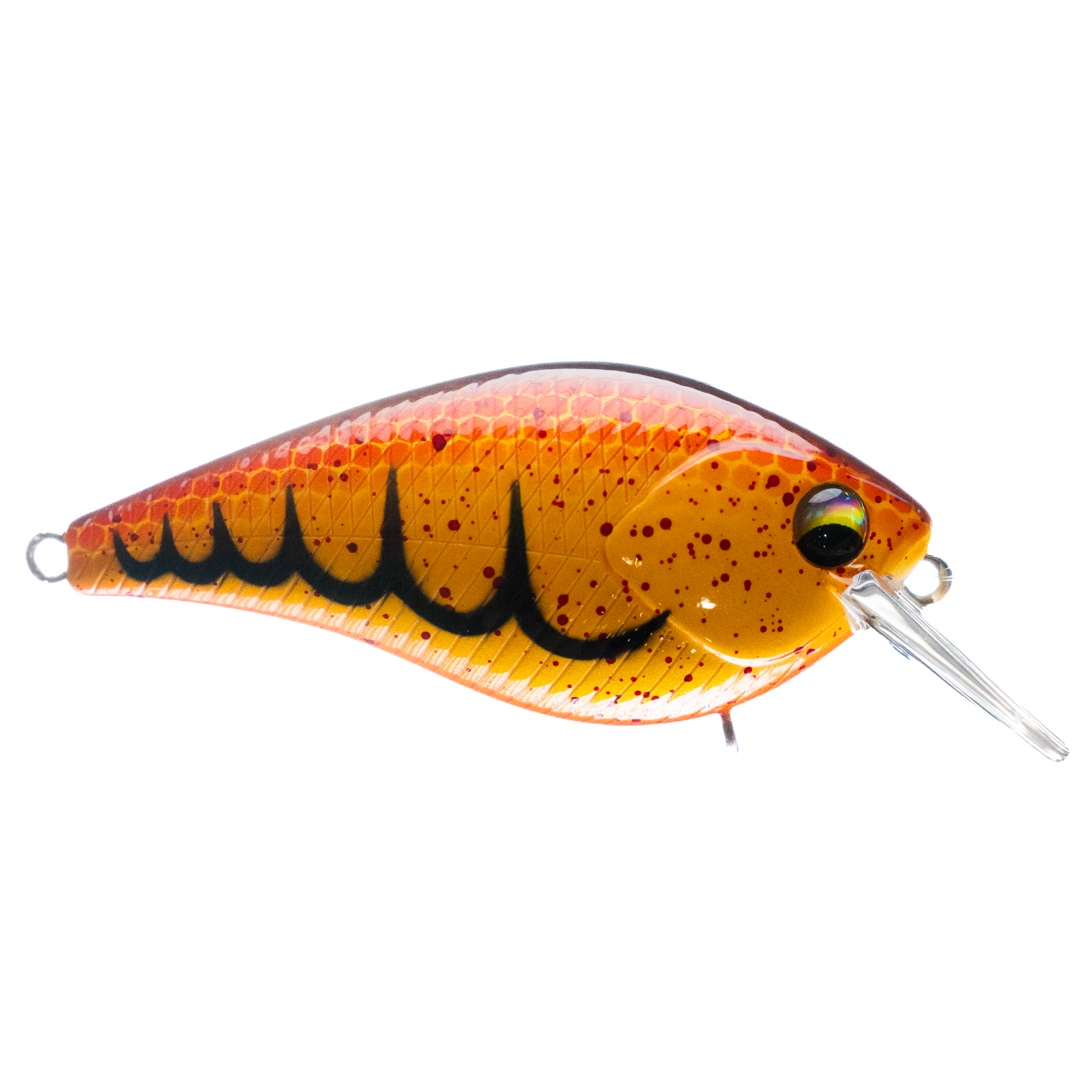
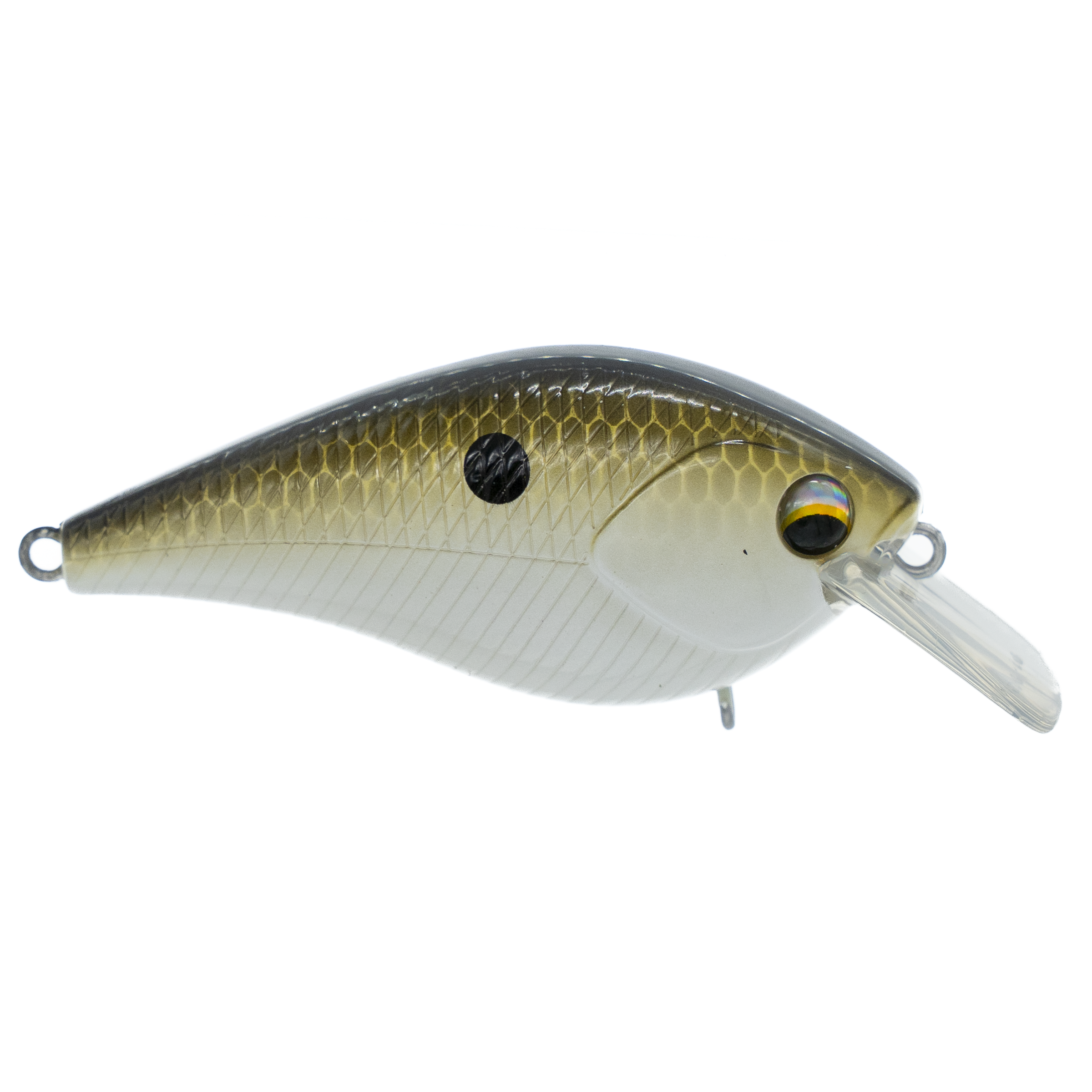
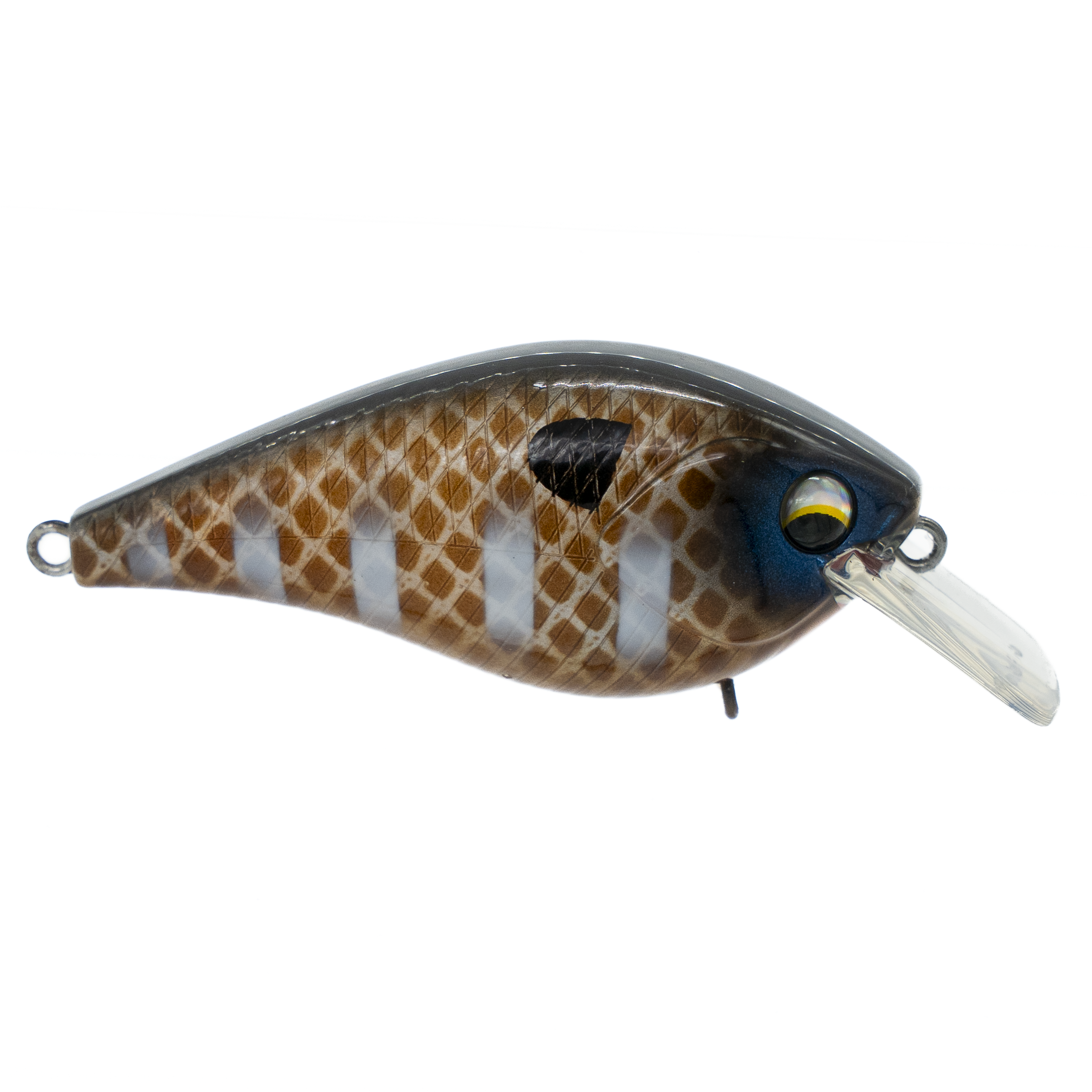
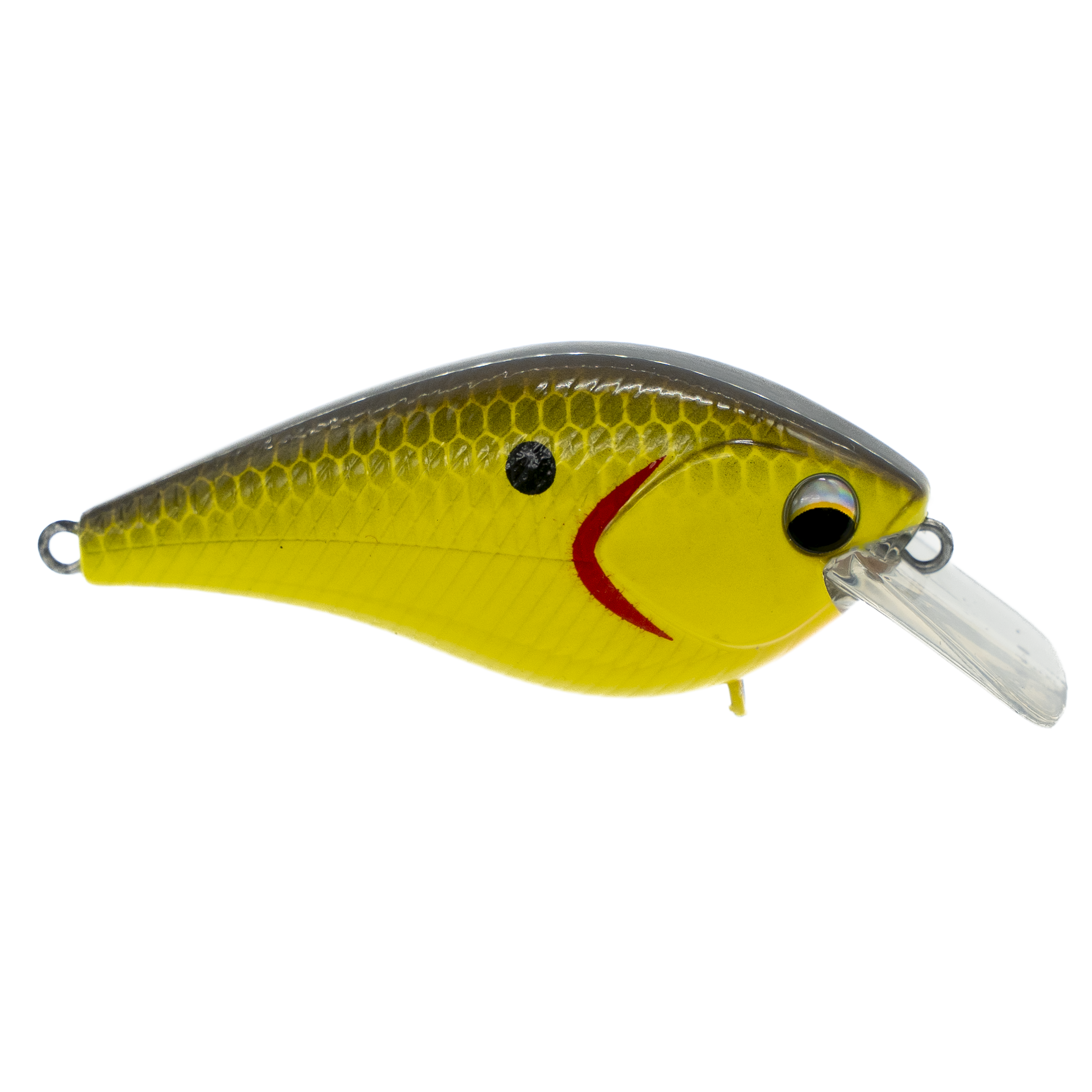
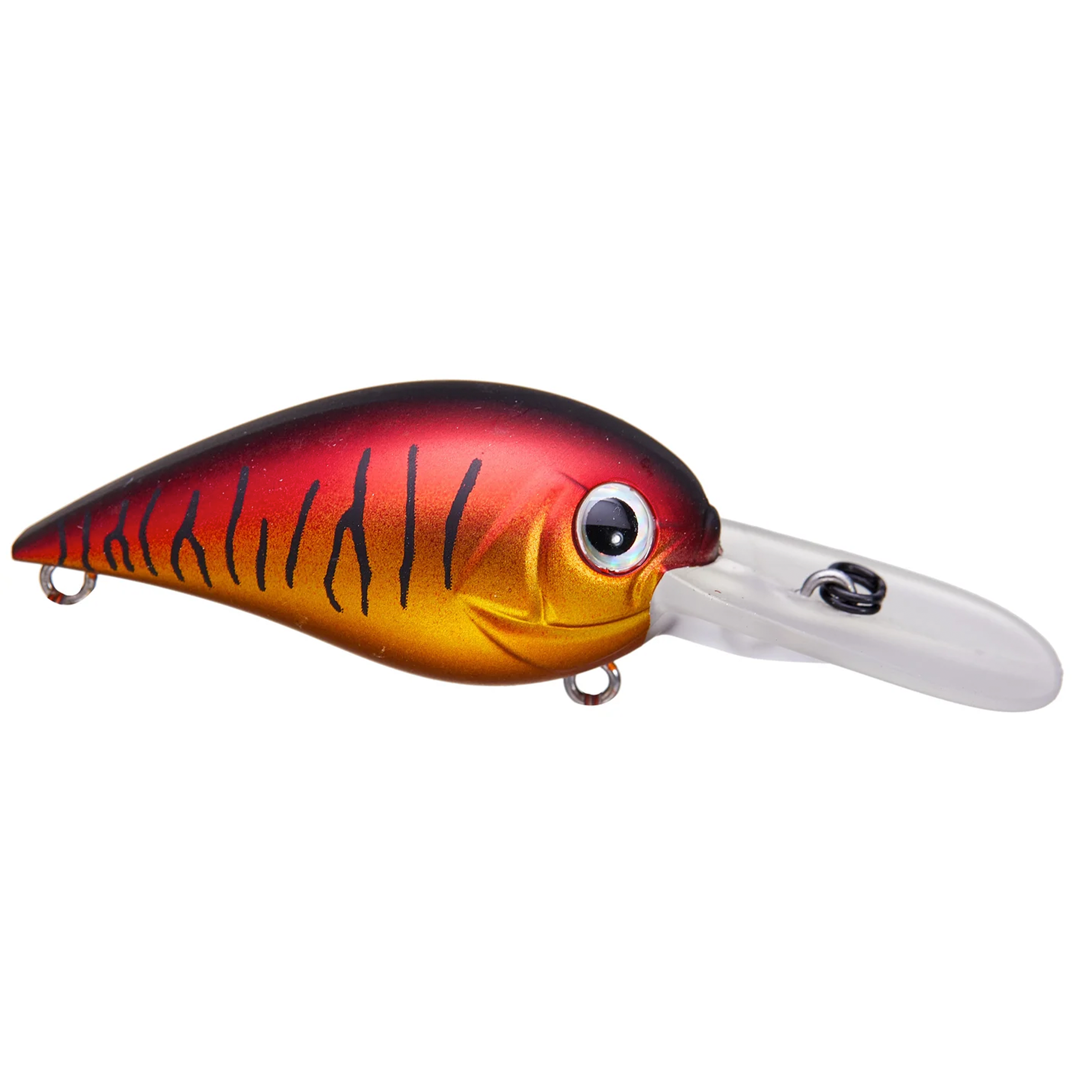
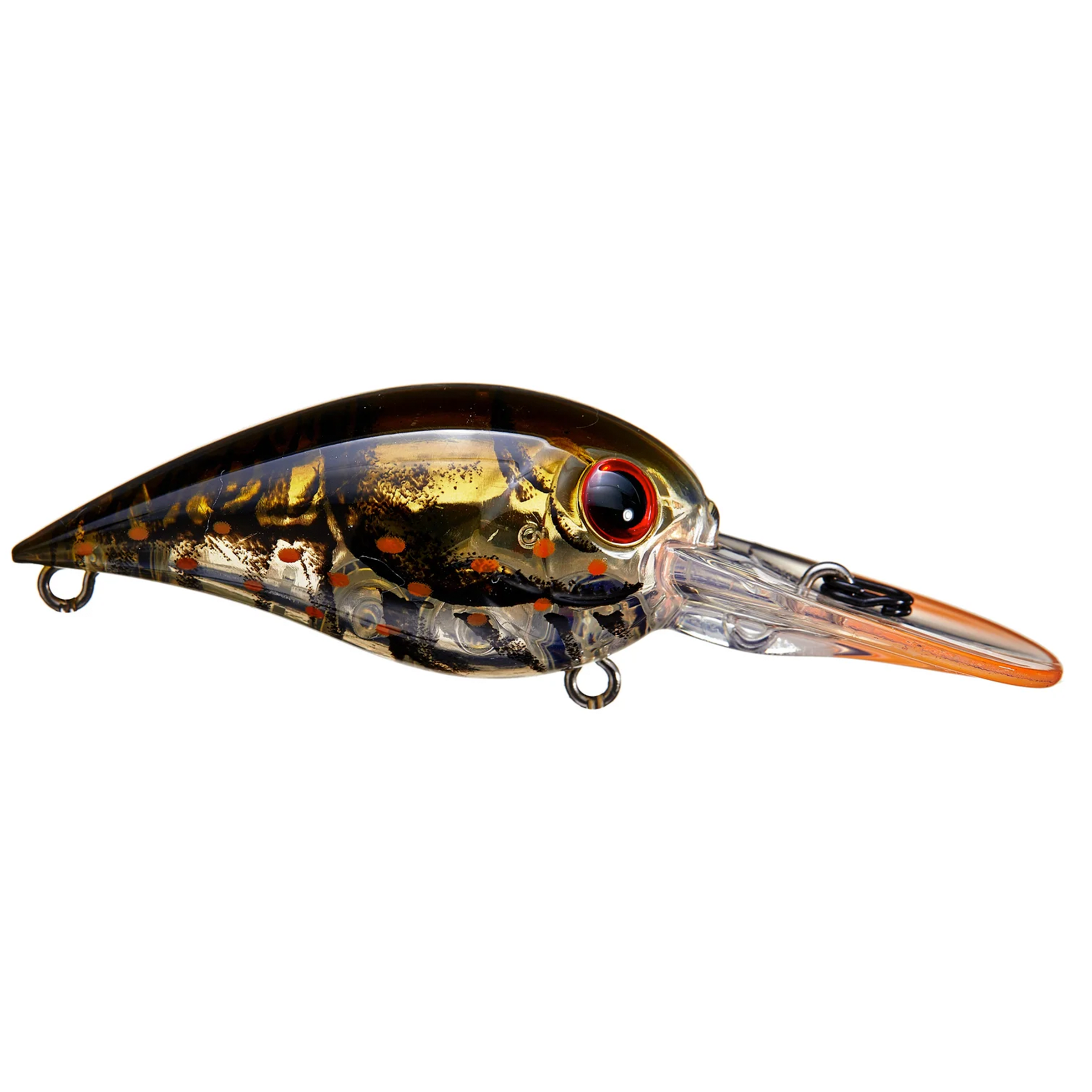
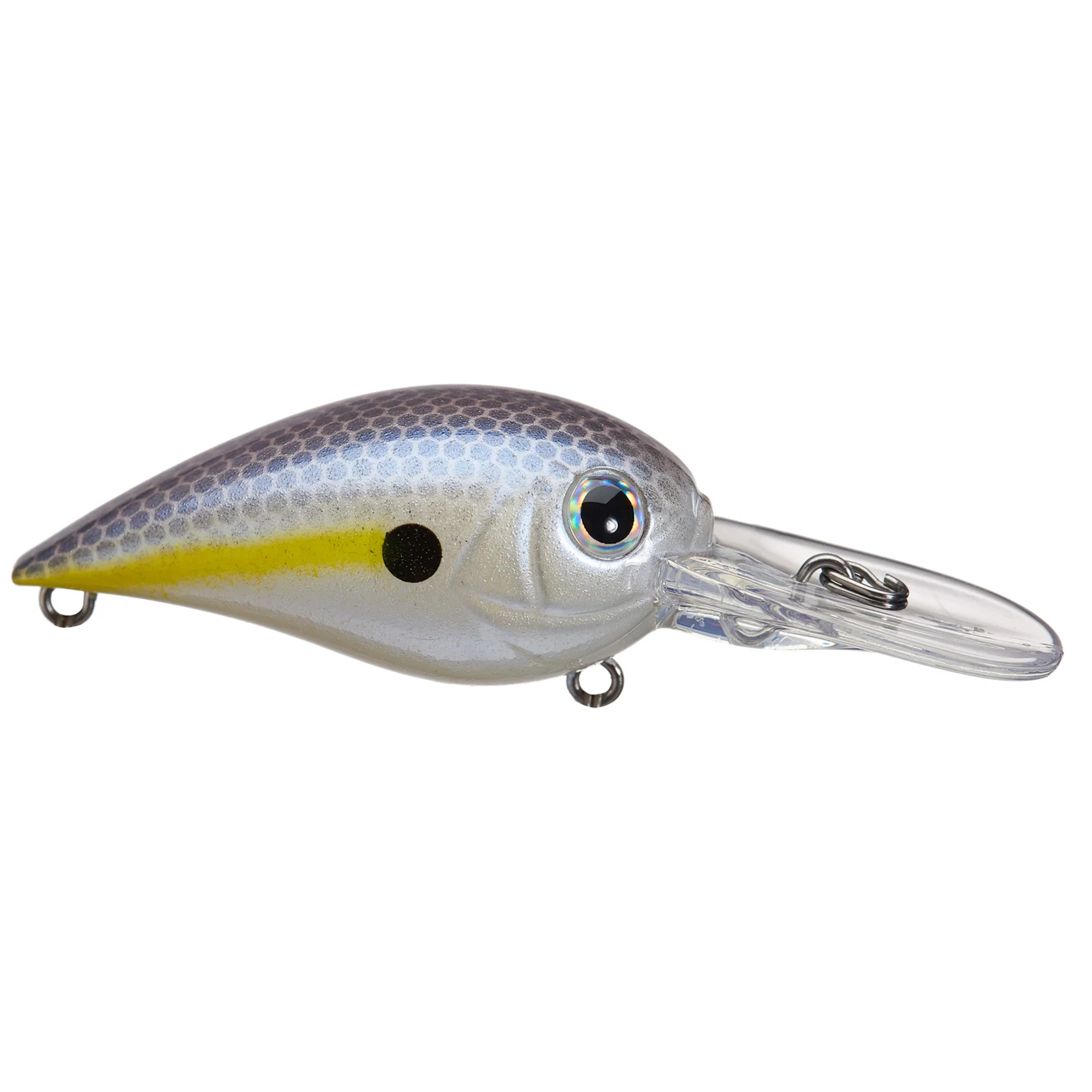
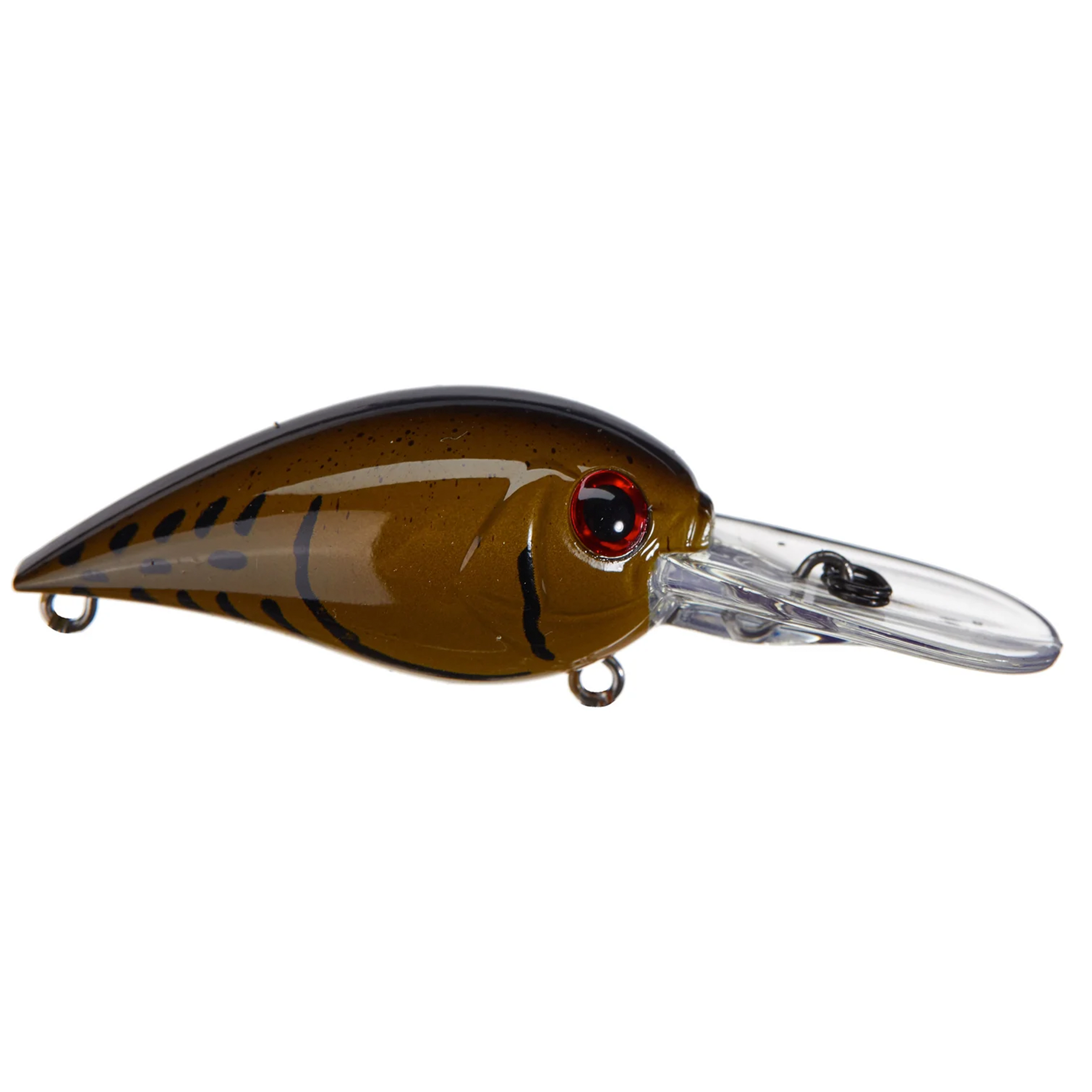
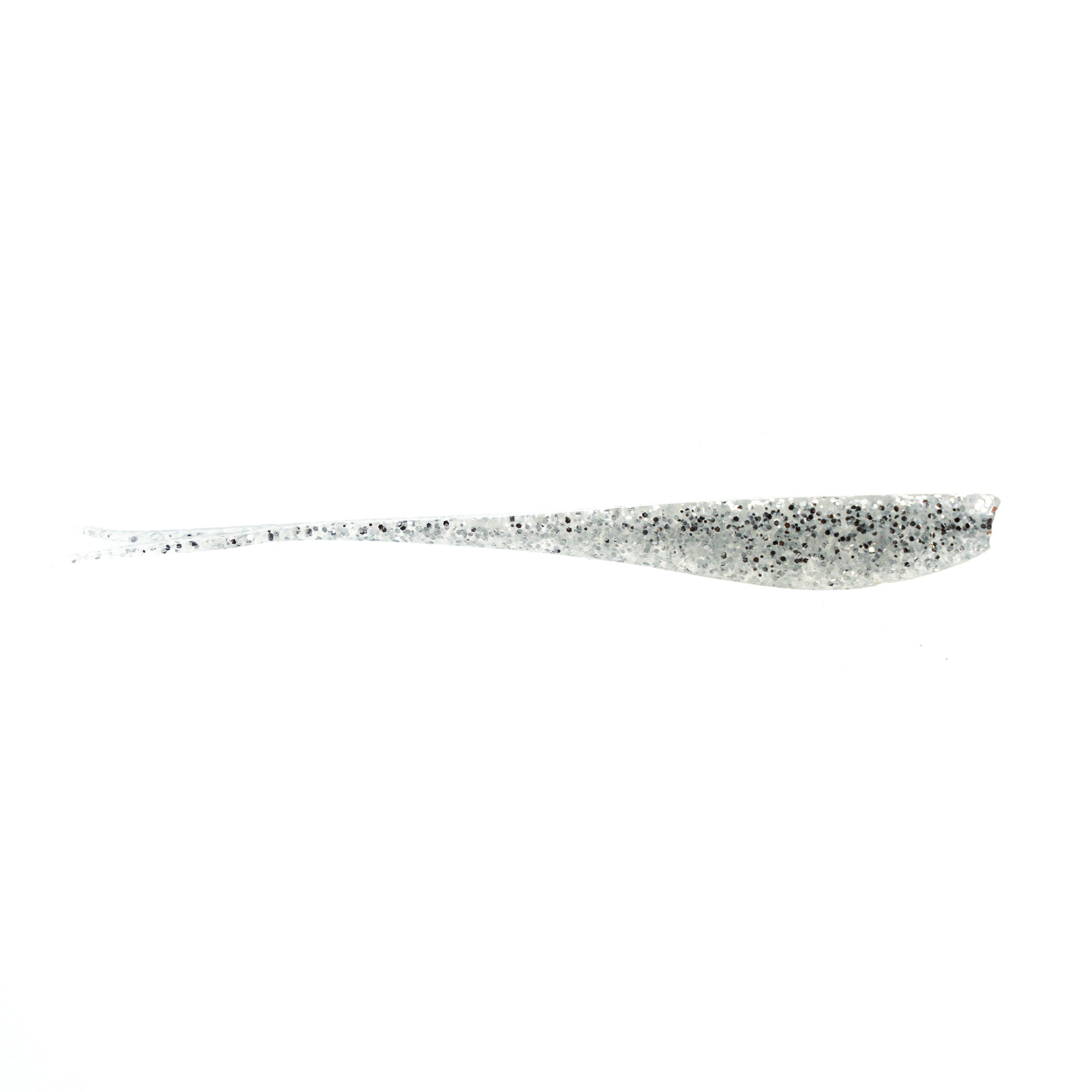
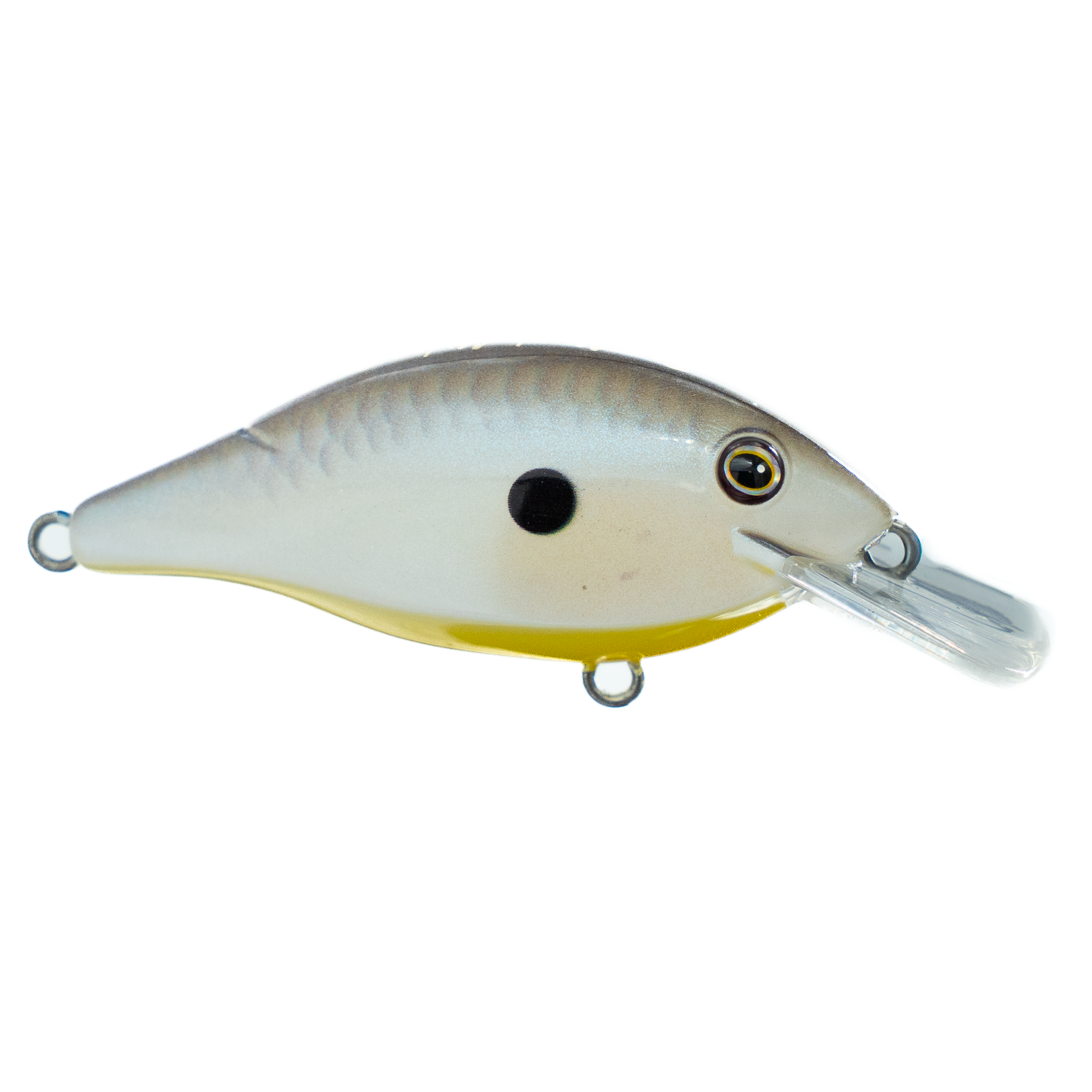
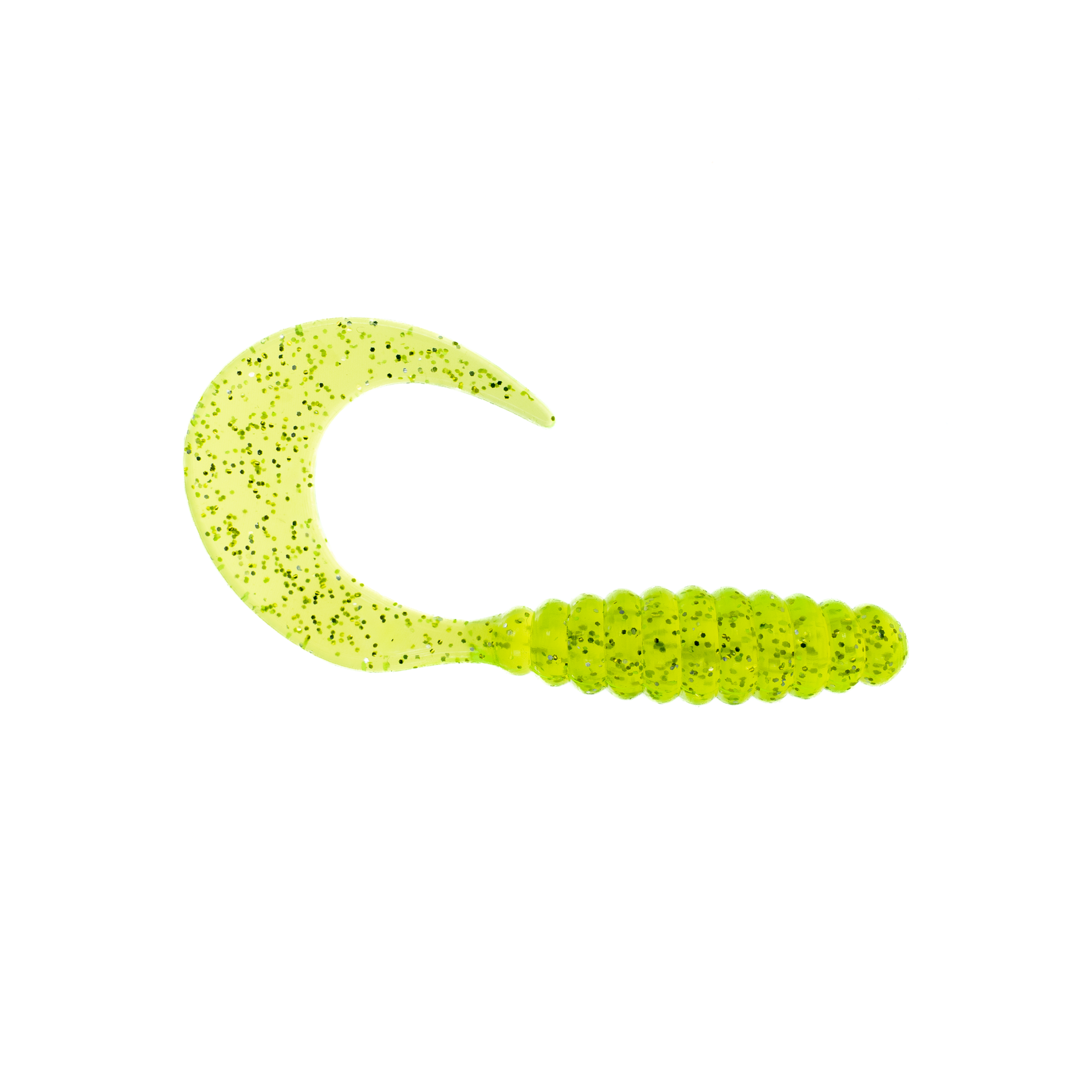
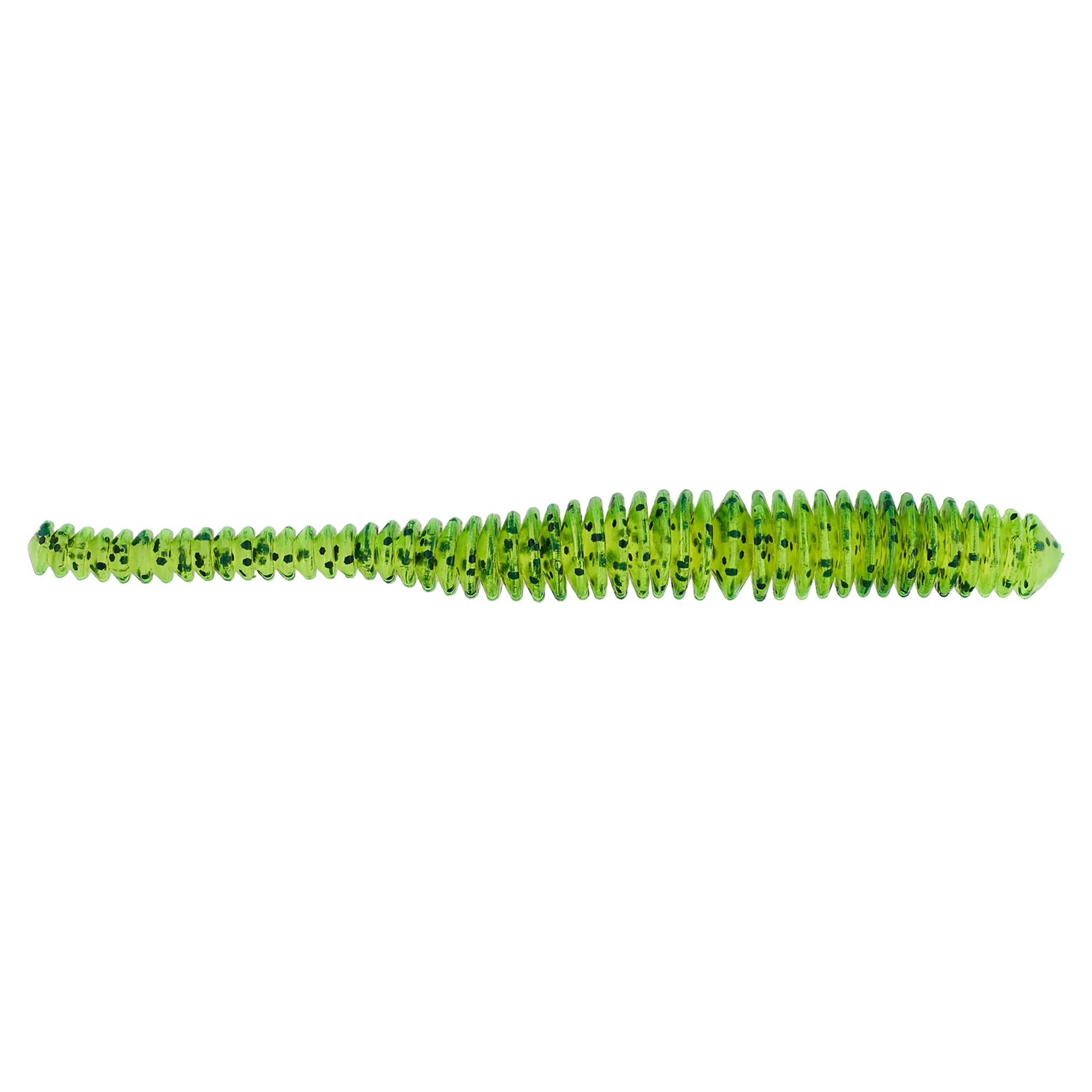
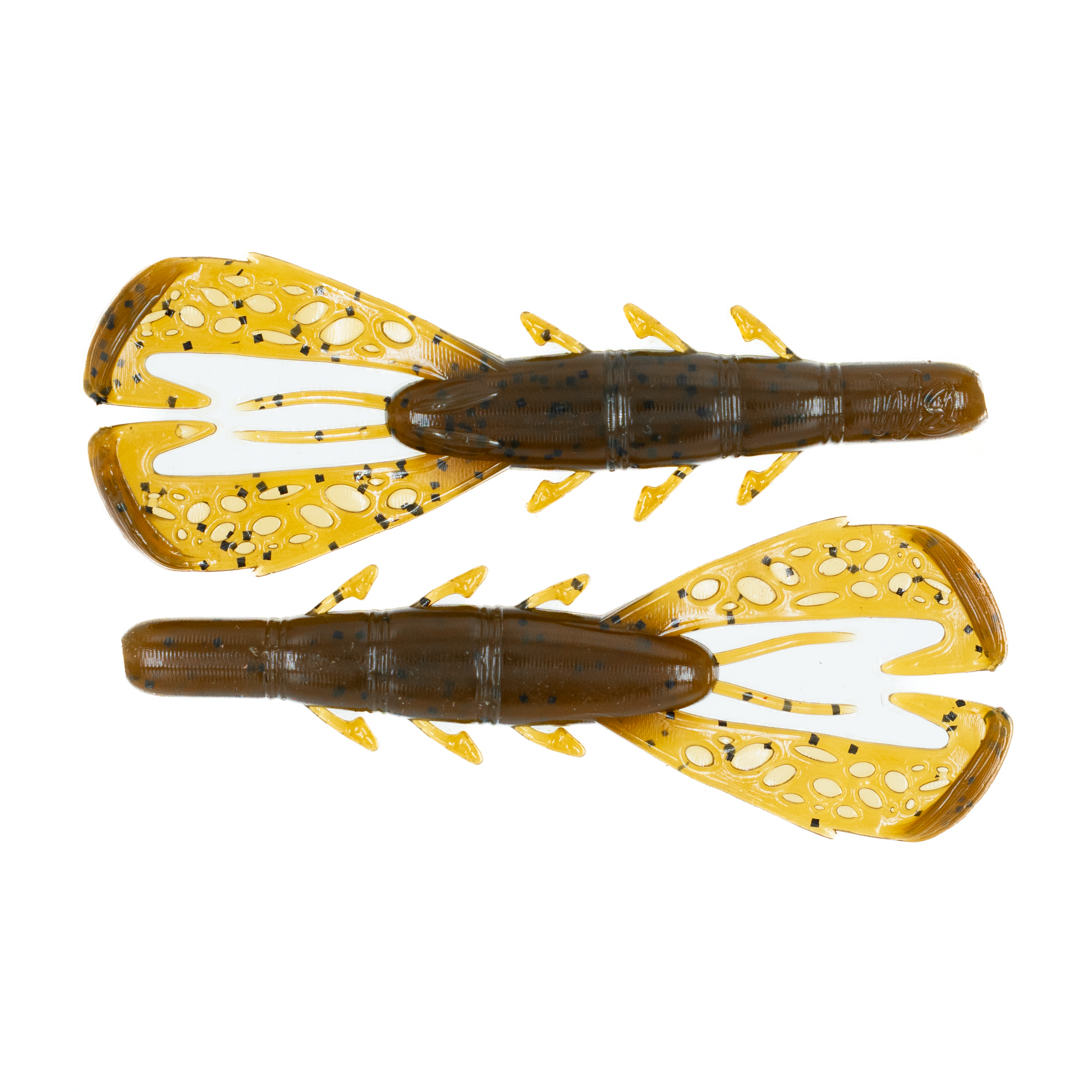
Jerkbaits and moving baits on secondary points and channel swings in the prespawn, Carolina rigs and deep presentations along the channels in summer, moving baits behind the autumn shad, and slow bottom presentations on deep points in winter. Our full bait lineup covers all four seasons.
Do I need a fishing license?
Yes, a Tennessee fishing license through TWRA. Statewide black bass regulations apply — check current creel and length limits before you go.
Two Species, One Trip
A lake where a secondary point can hand you a five-pound largemouth and a four-pound smallmouth on consecutive casts asks for tackle that handles both without compromise. Level Rods builds models with the backbone for a largemouth in wood and the forgiveness for a smallmouth's run in open water.
Tournament Winning Baits & Gear
Designed, crafted and tested by anglers who fish the Tennessee River every week. Free shipping on orders over $75.
Shop All Baits