Upper Chesapeake Bass Fishing Guide
Upper Chesapeake Bass Fishing, Season by Season
Where the Susquehanna meets the Chesapeake — enormous grass flats, tidal creeks and brackish water holding largemouth in numbers. Maryland's own fisheries people say the Northeast and Susquehanna rivers hold the largest populations of legal adult bass in the state.
Grass Flats at the Top of the Bay
The upper Chesapeake Bay is where the Susquehanna River empties into the estuary, creating the Susquehanna Flats near Havre de Grace and feeding the Northeast River and a network of tidal creeks. It is brackish water, tidal throughout, and it holds an outstanding largemouth population.
Maryland's own guidance is direct on this: the best rivers in the state for legal largemouth over twelve inches are the Northeast, the Susquehanna and the Potomac, and of those, the upper bay rivers have the largest populations of legal adults.
The habitat is submerged aquatic vegetation across shallow flats, with deep channels running between them. That combination of extensive grass and adjacent depth is what makes the fishery, and it is also why tidal timing matters so much — fish move on and off the flats with the water.
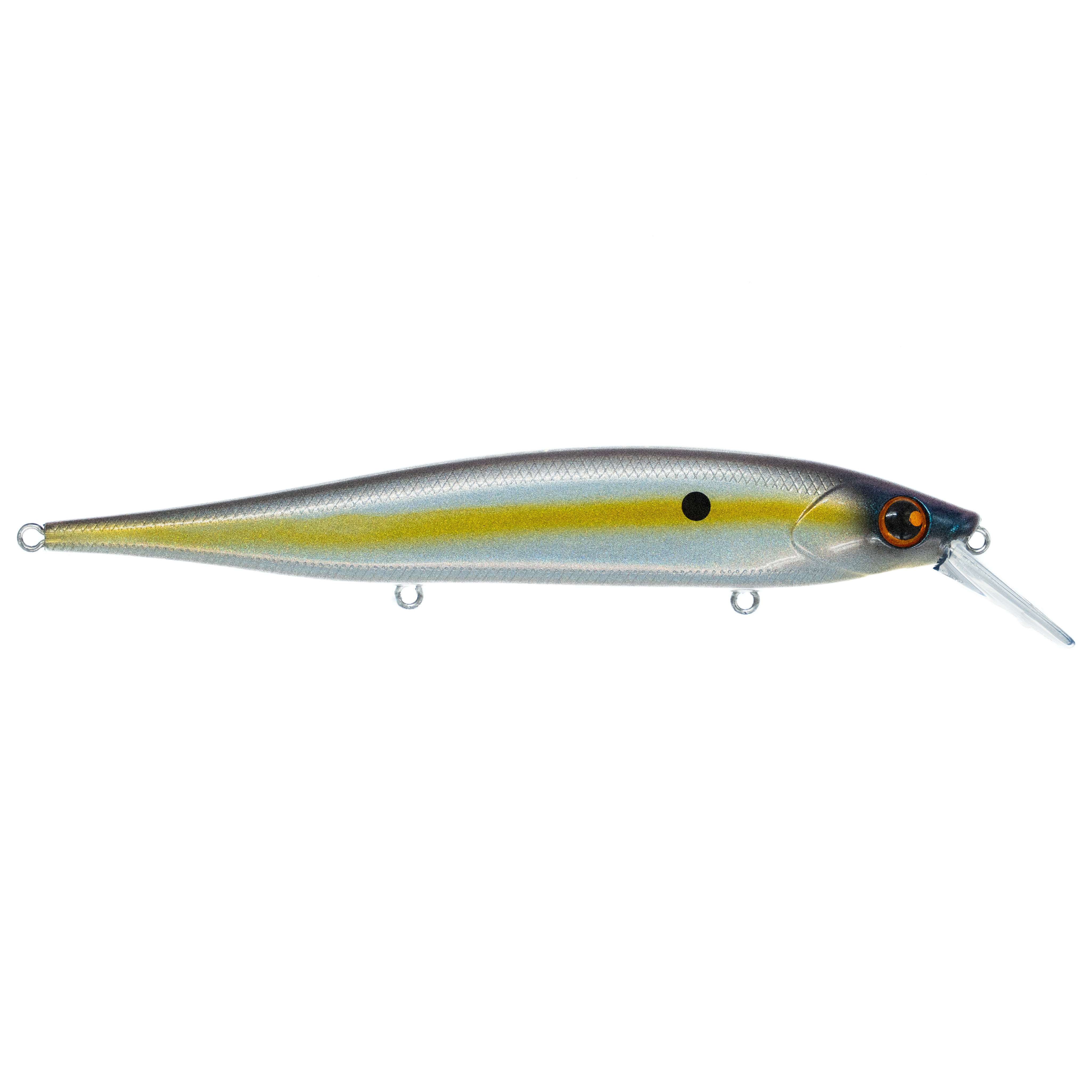
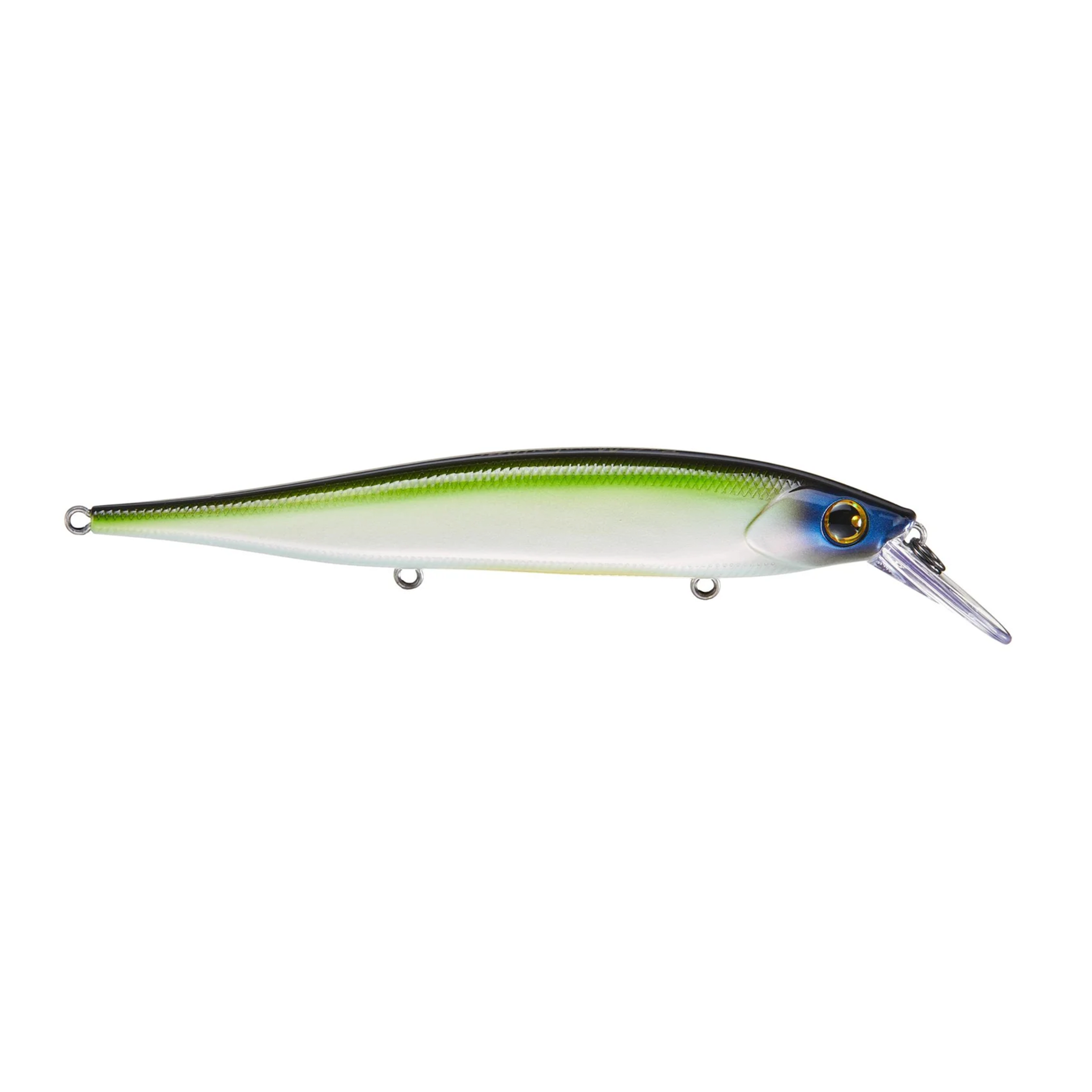
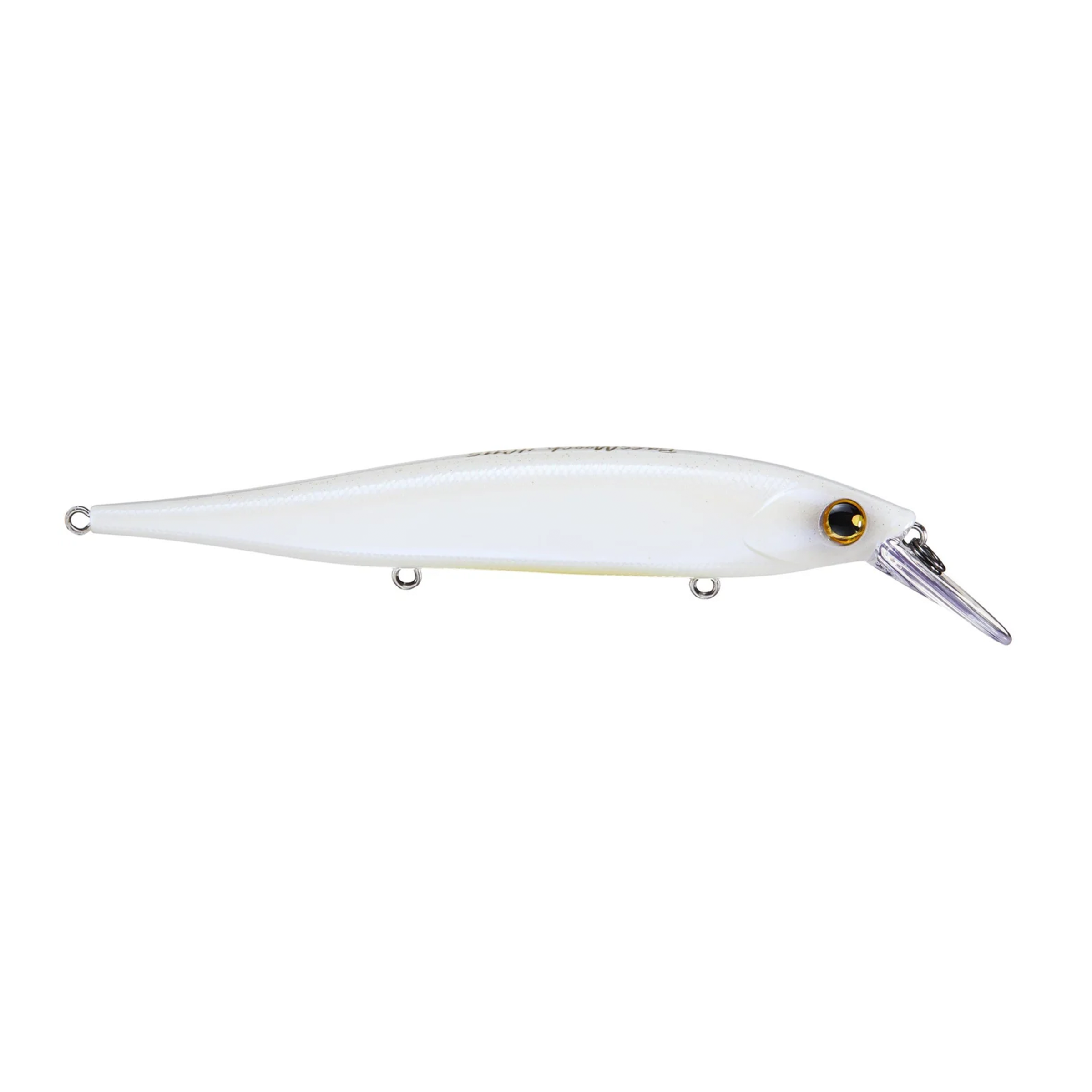
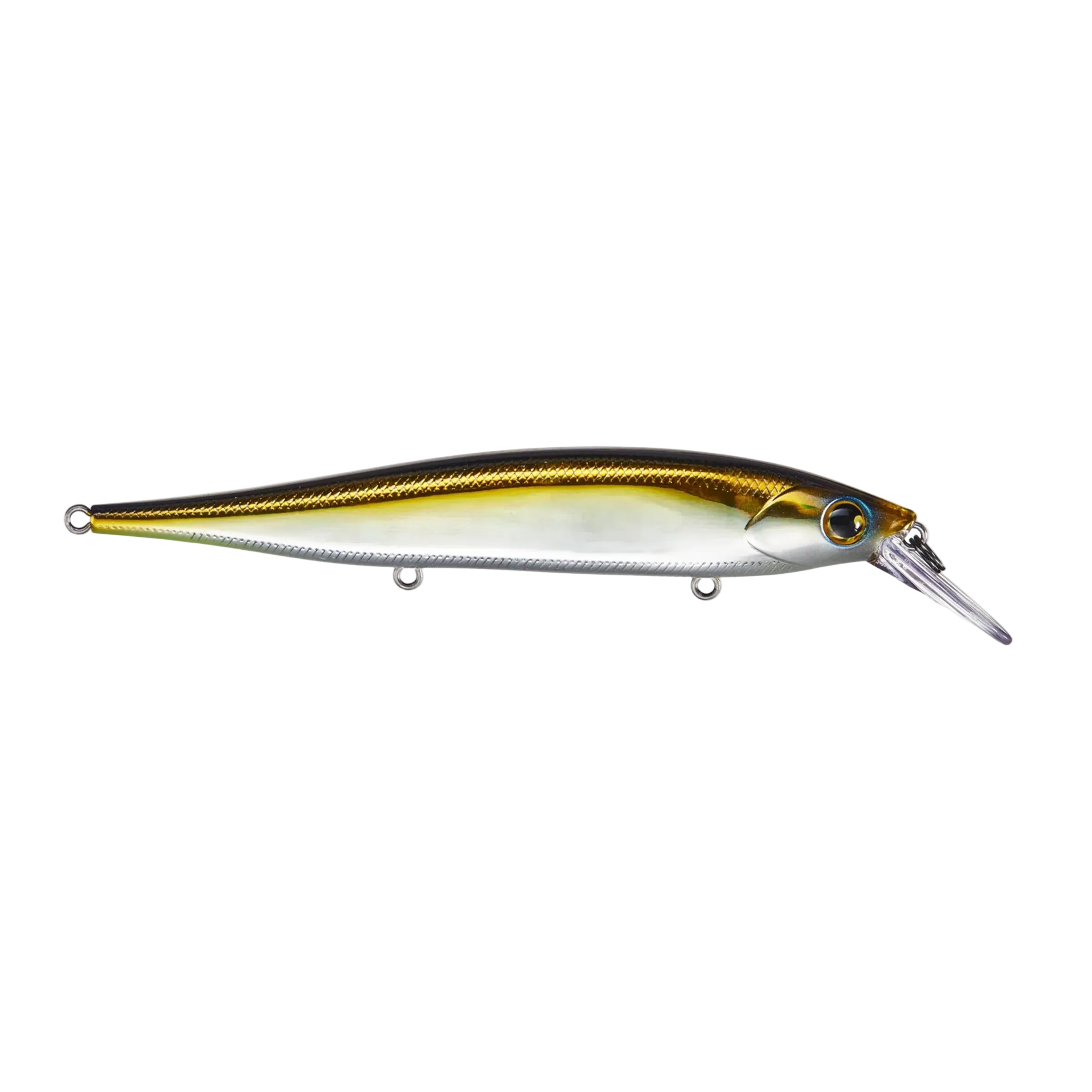
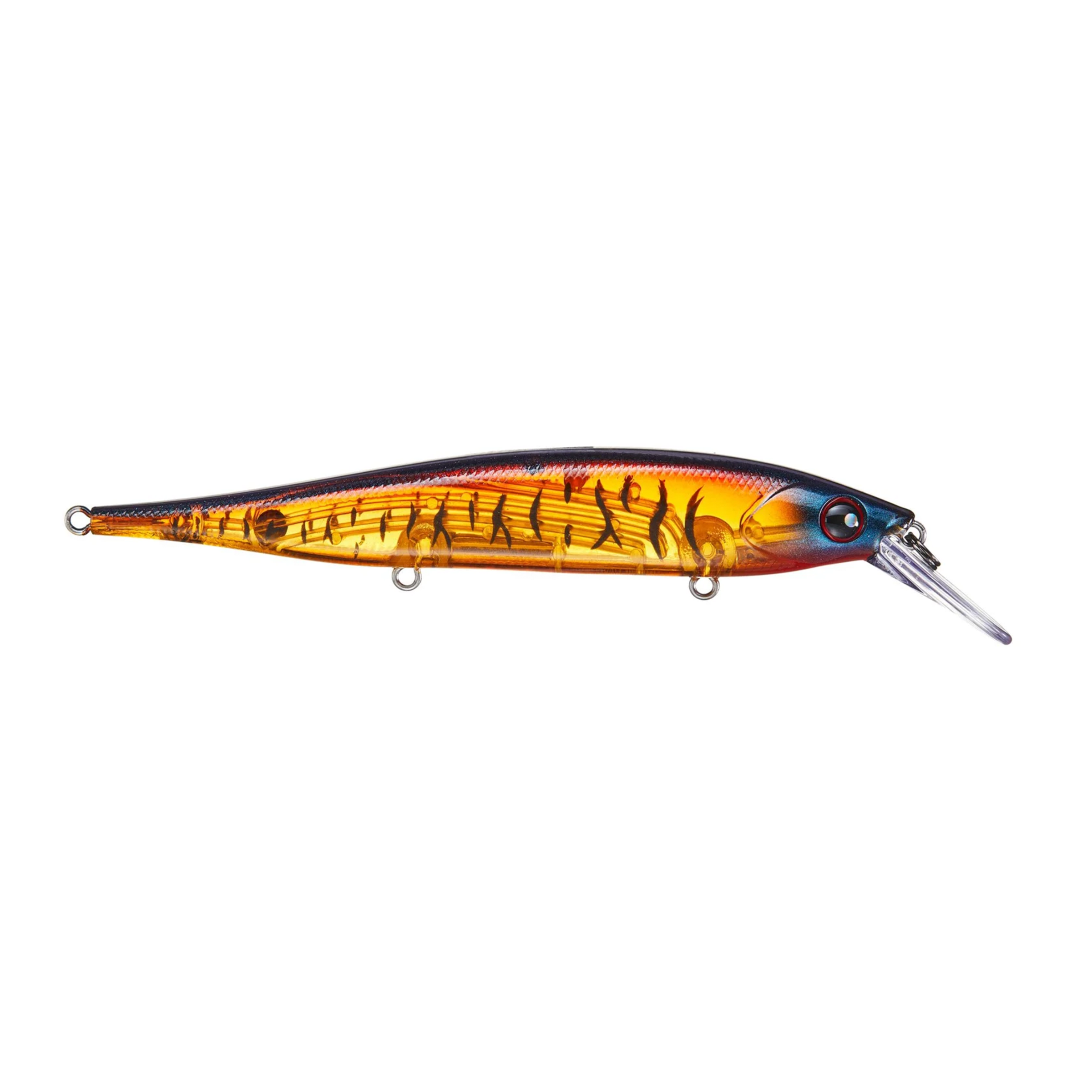
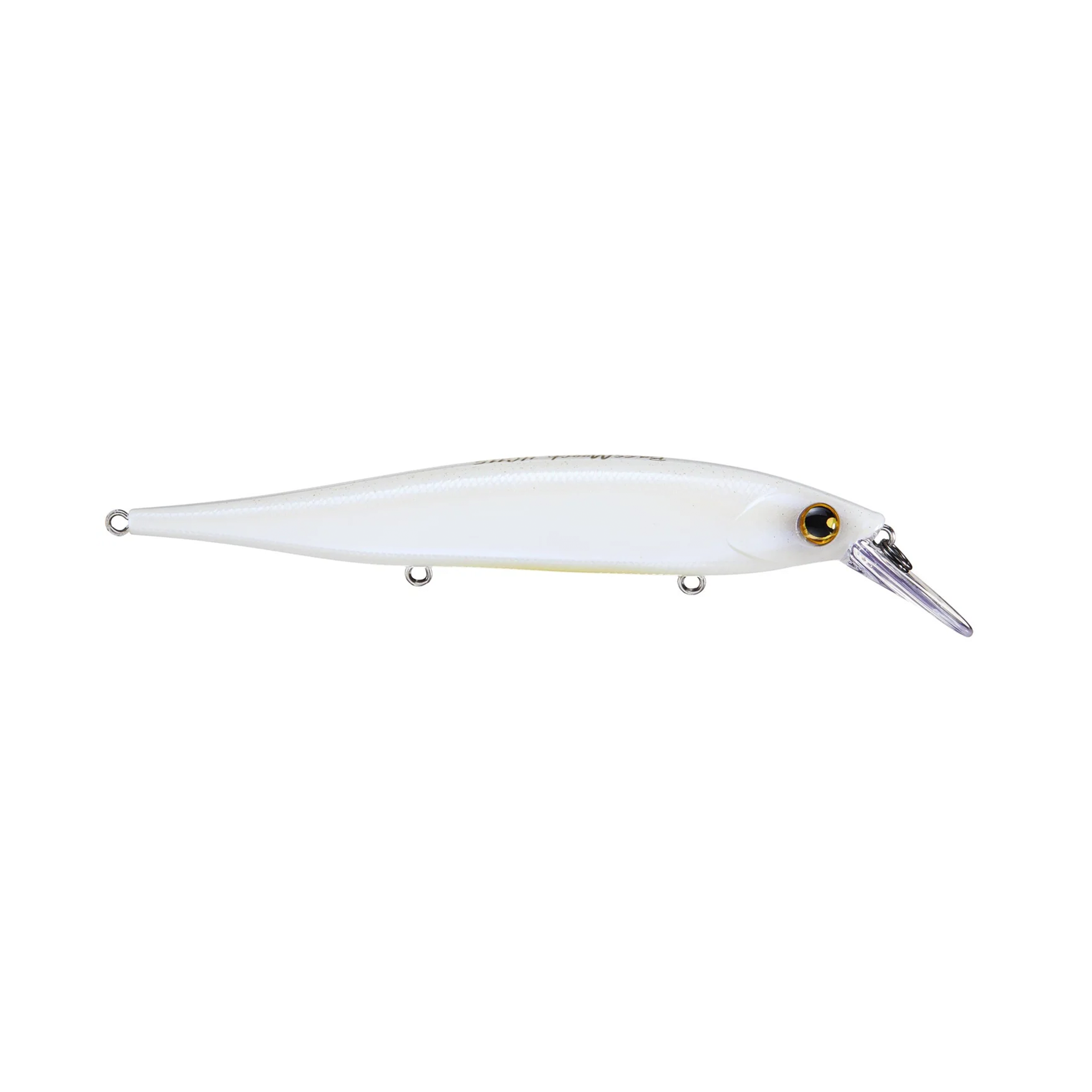
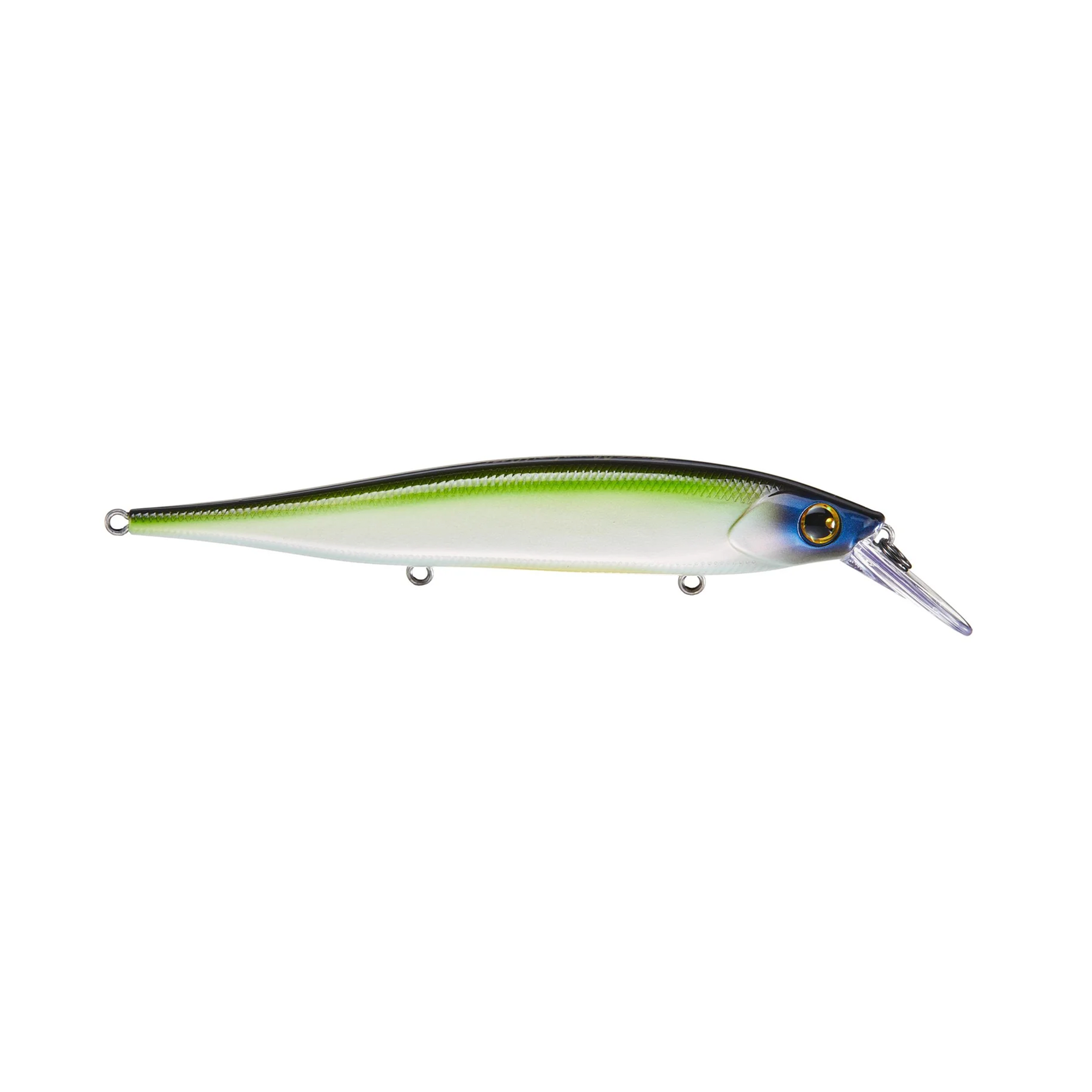
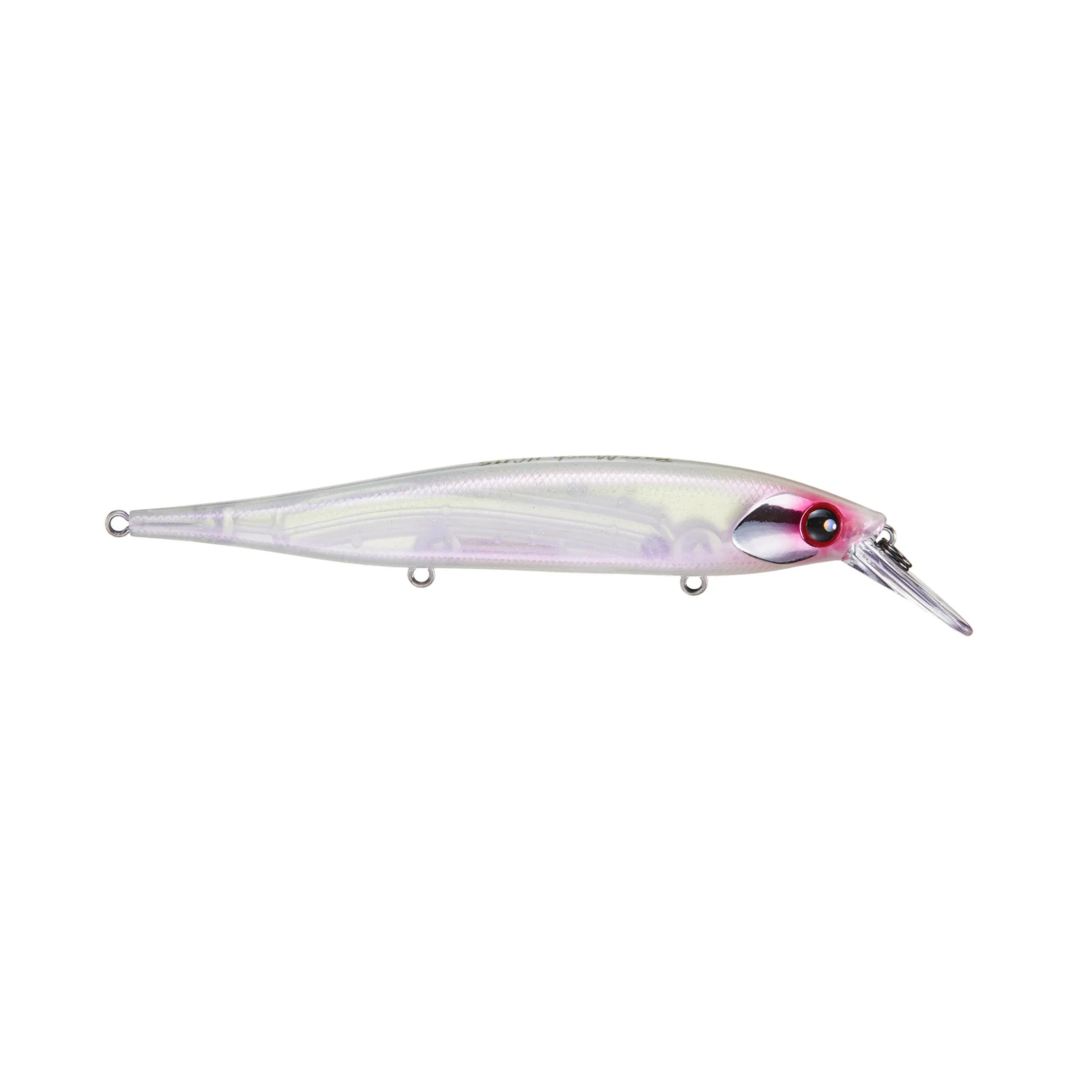
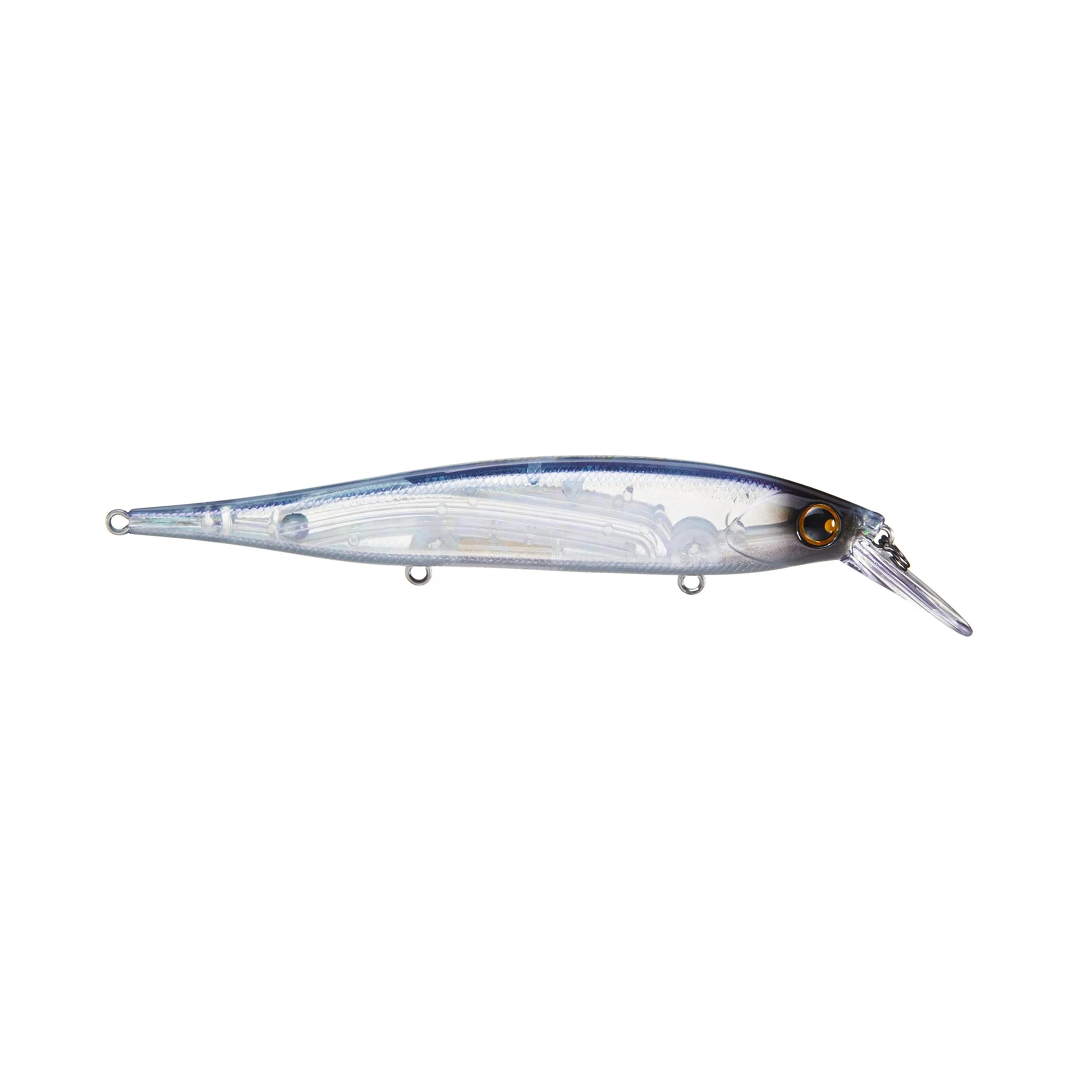
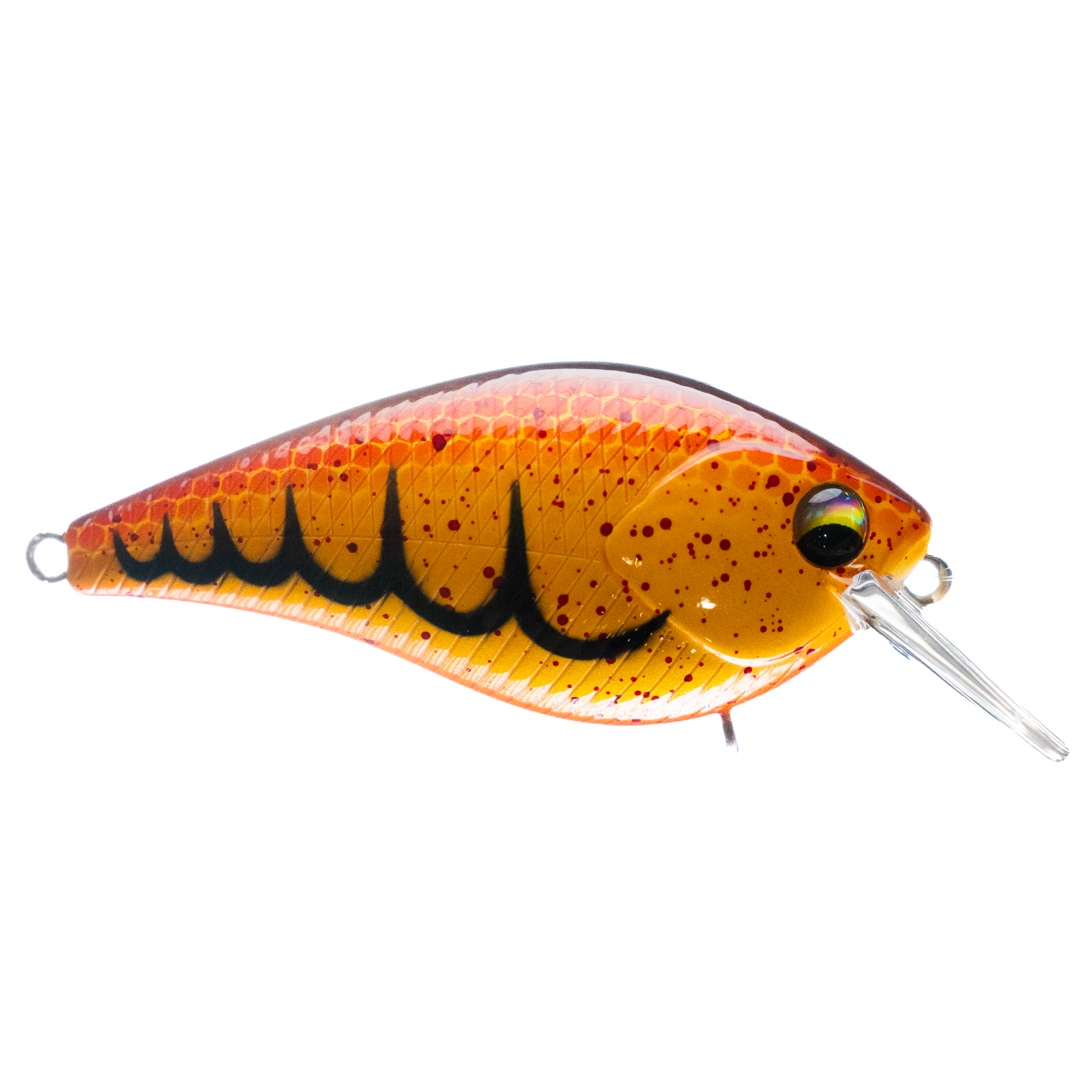
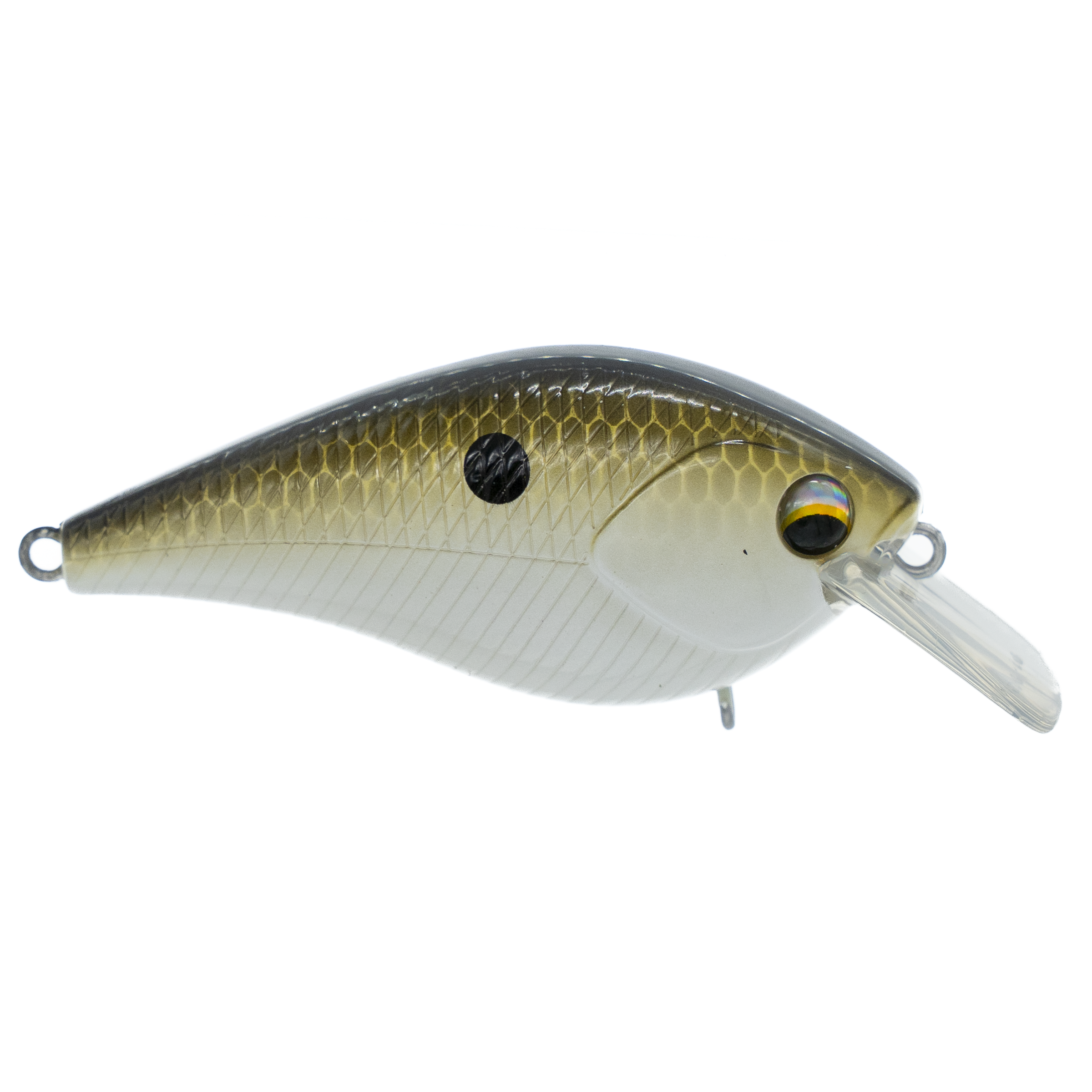
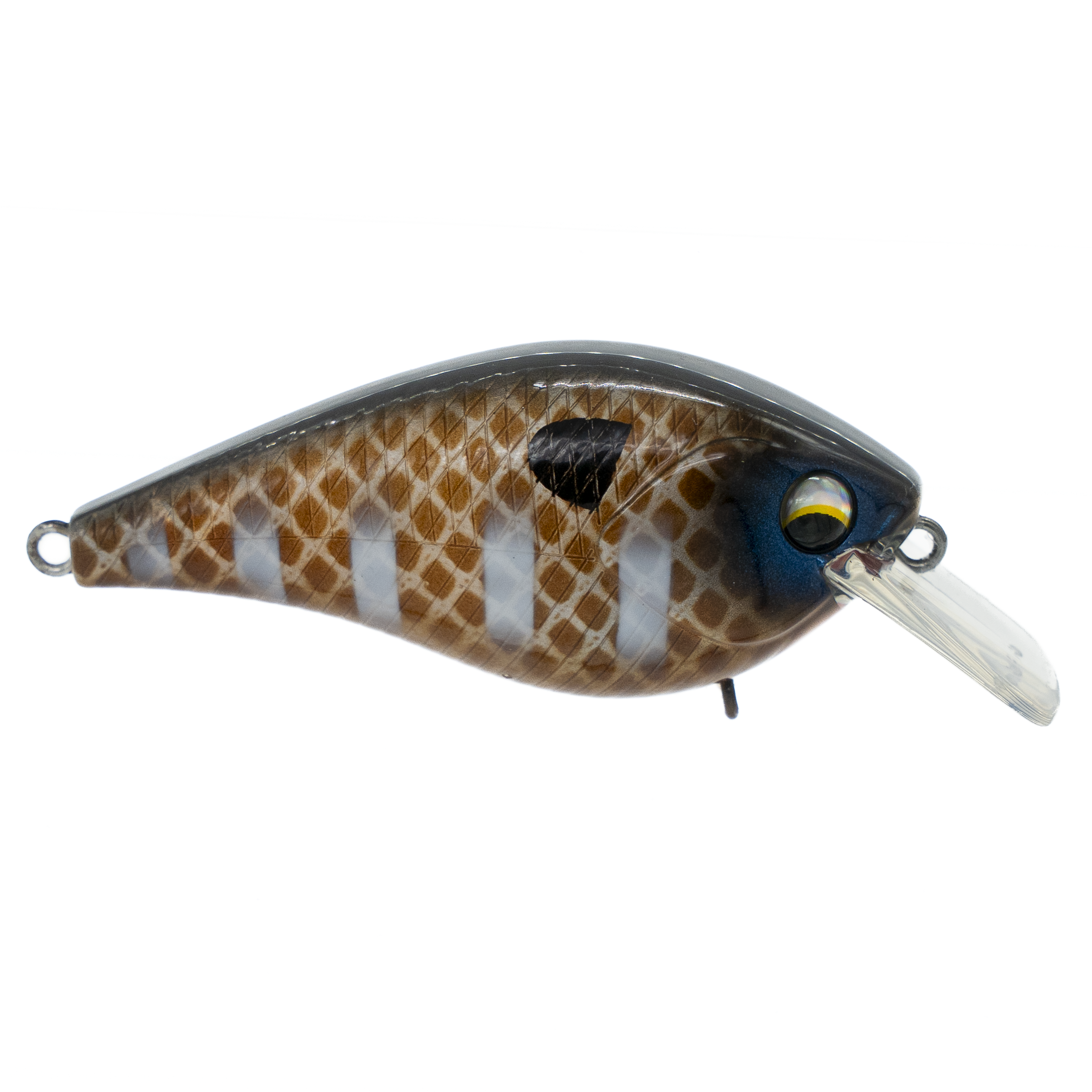
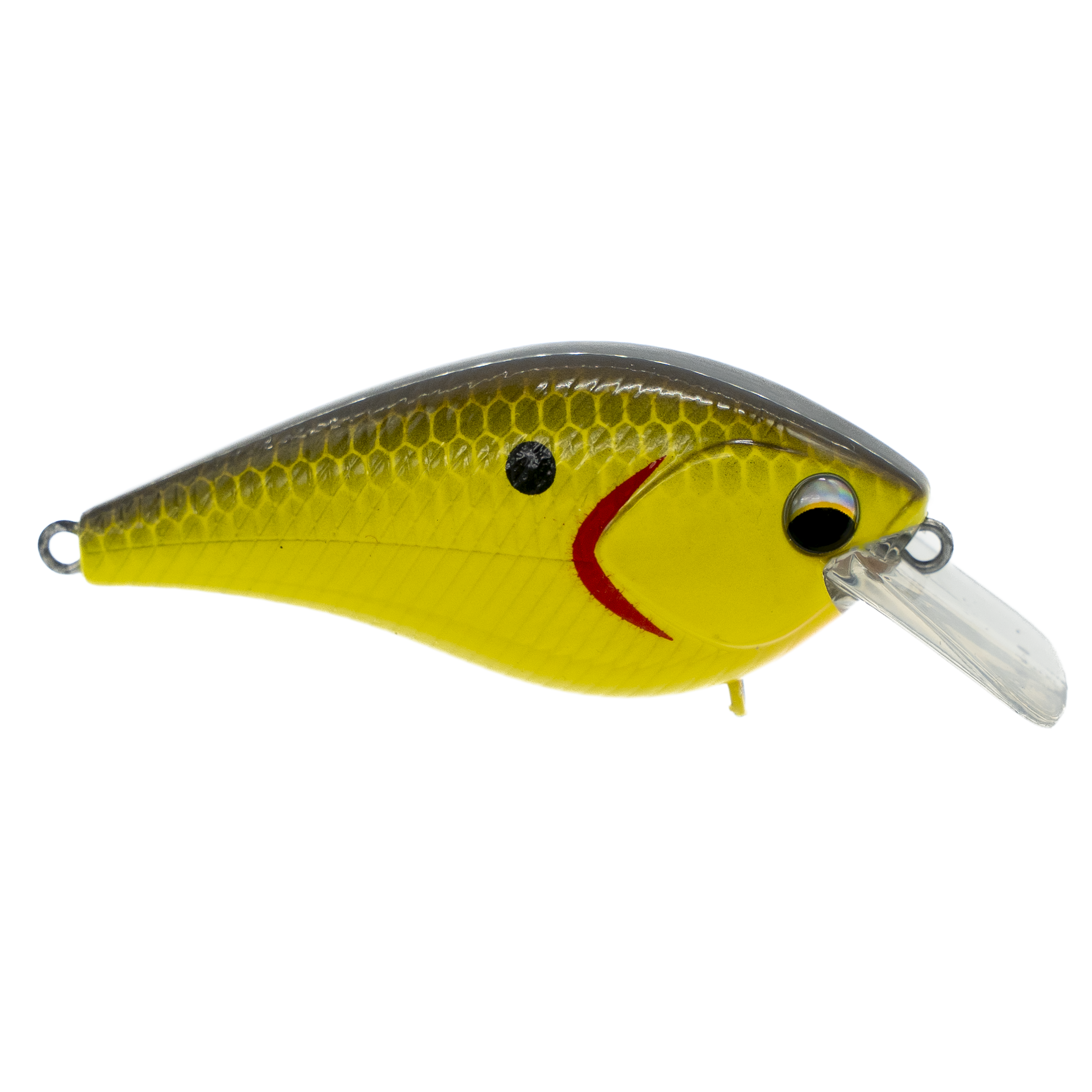
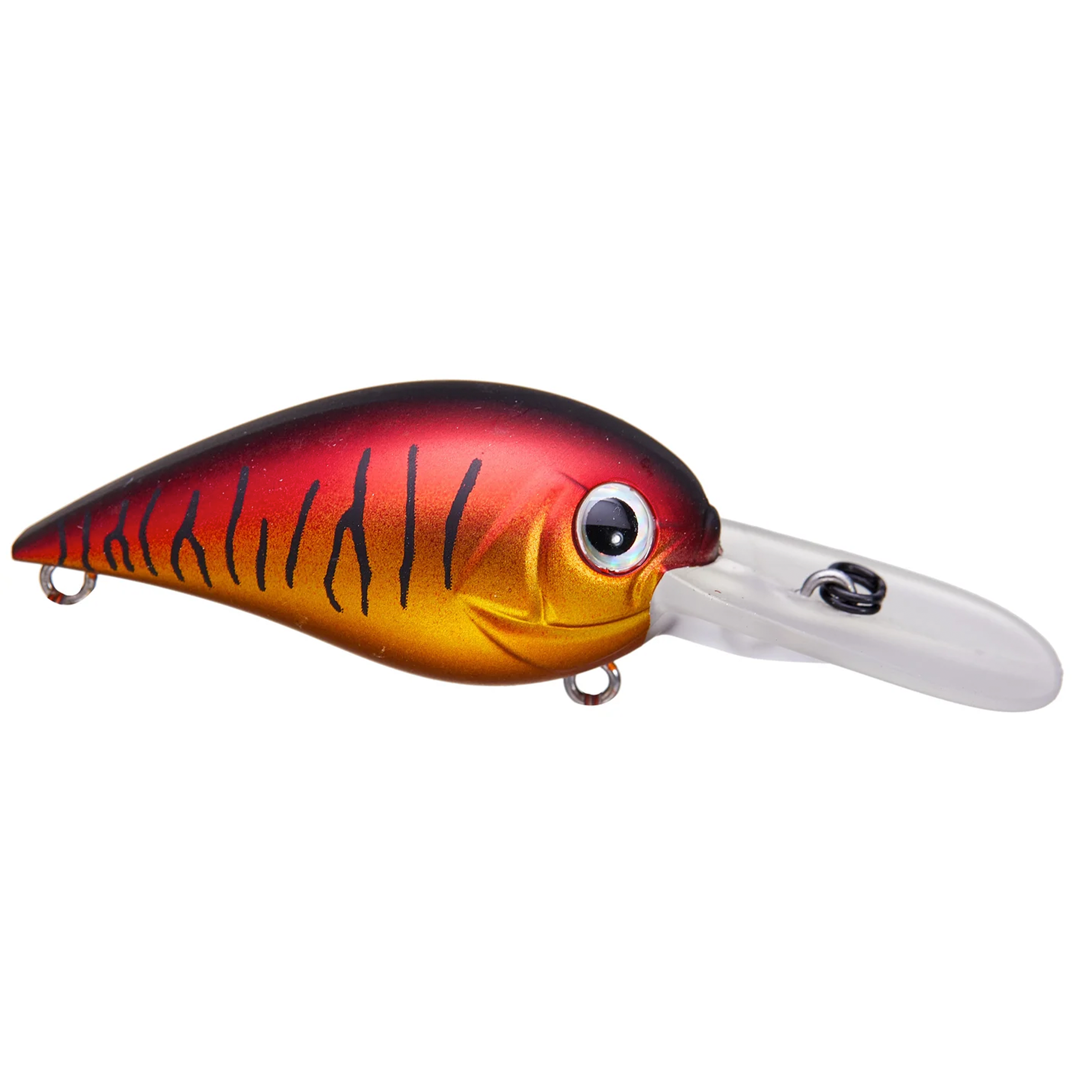
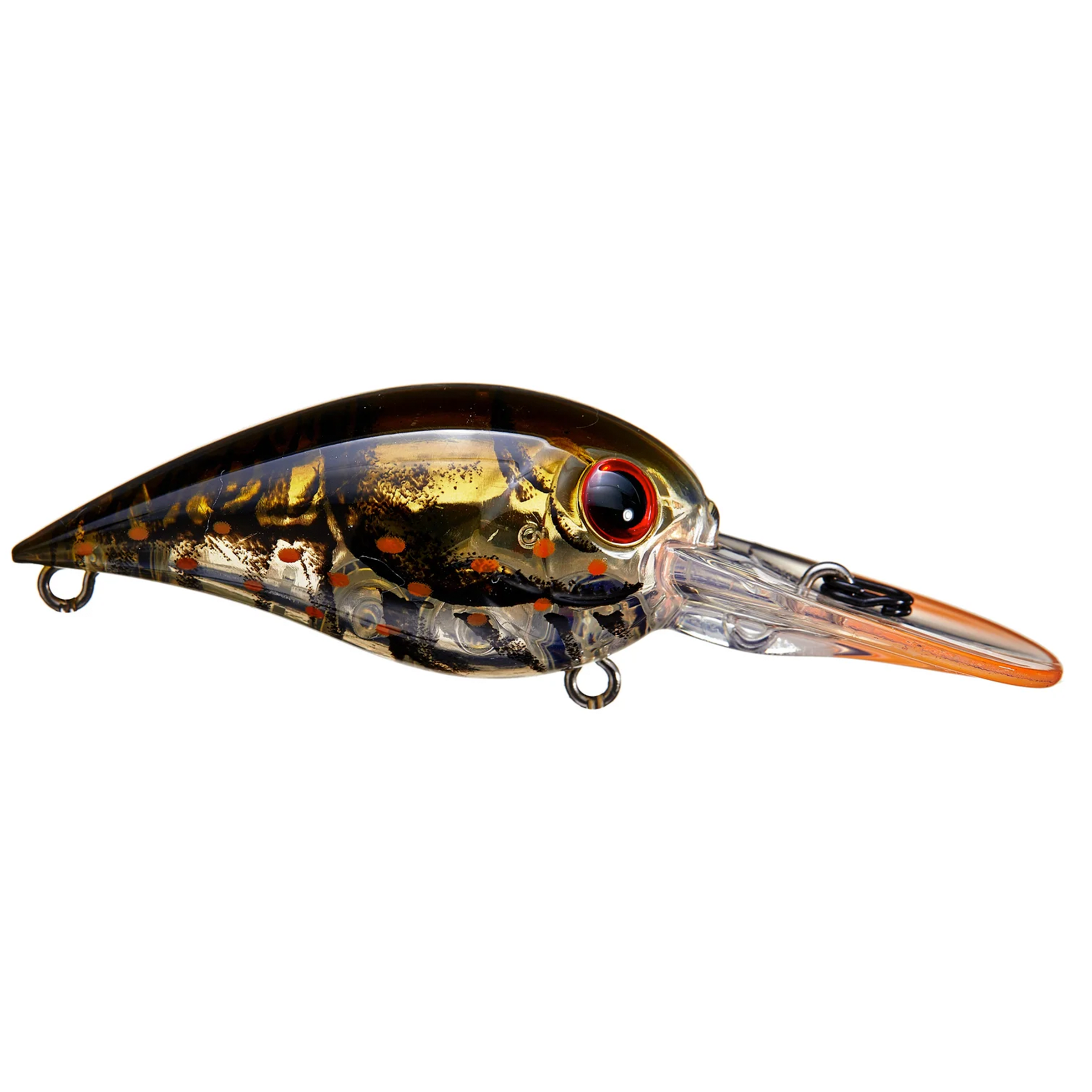
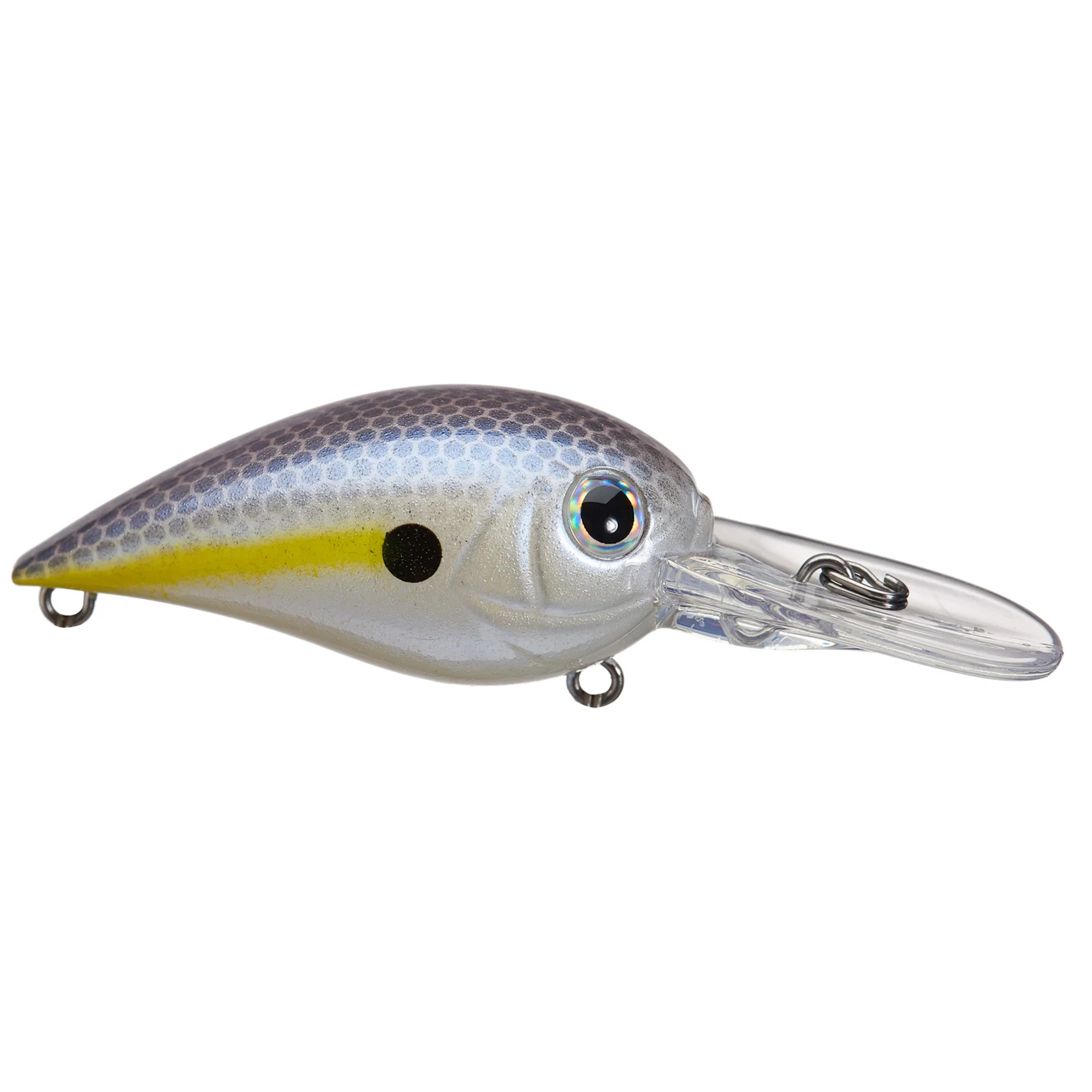
Local guidance on approach is consistent: focus on the tidal changes when bass are most active, and work crankbaits and spinnerbaits near grass beds and submerged structure. Spring and autumn are when the fish are most abundant and most catchable.
Alongside largemouth, the upper bay holds smallmouth and striped bass, which makes it a genuinely versatile trip. The striper fishery here has its own considerable following.
Maryland's bass regulations differ from neighbouring states and have included size restrictions on how many larger fish may be kept. Check current Department of Natural Resources rules before you go.
Flats, Channels and Tide
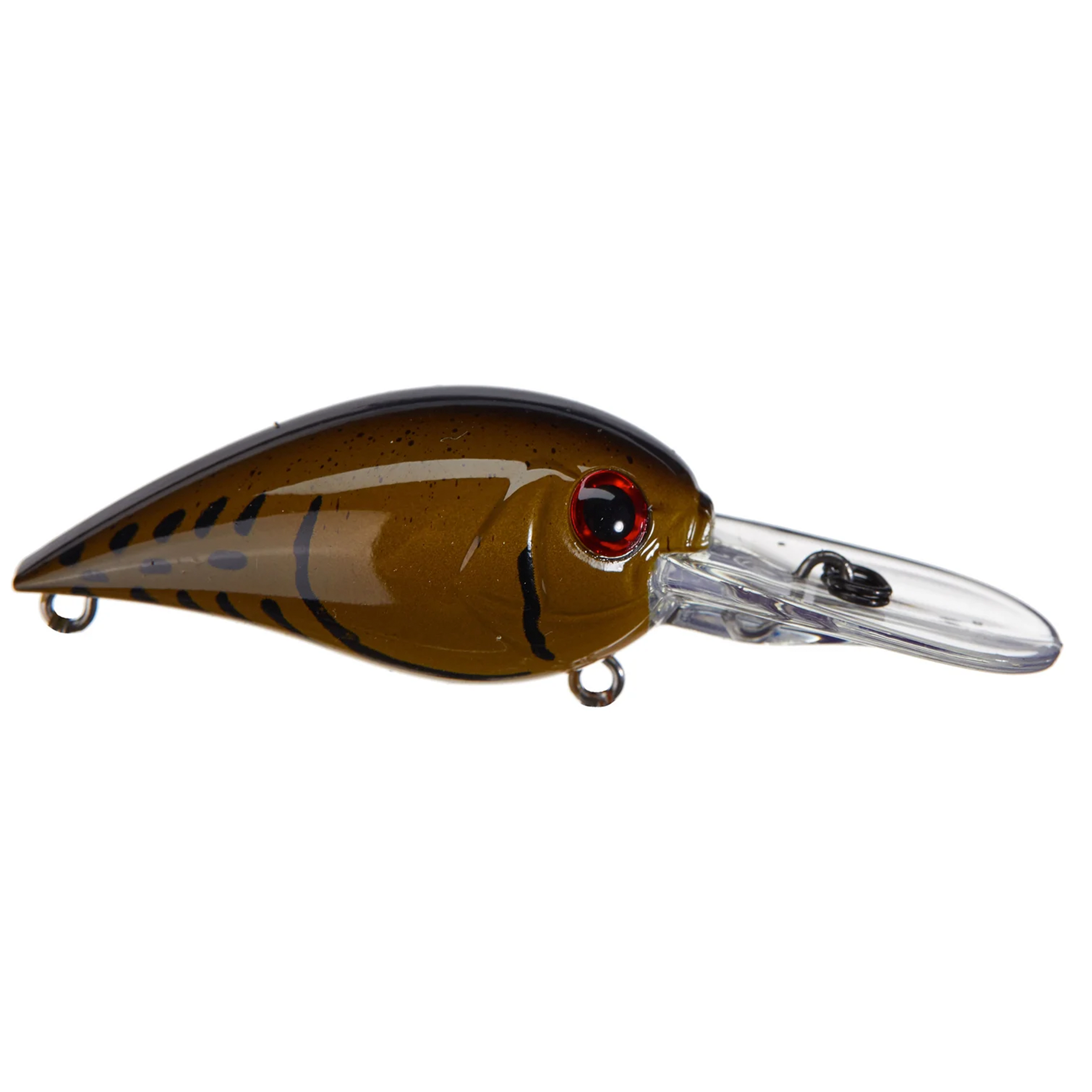
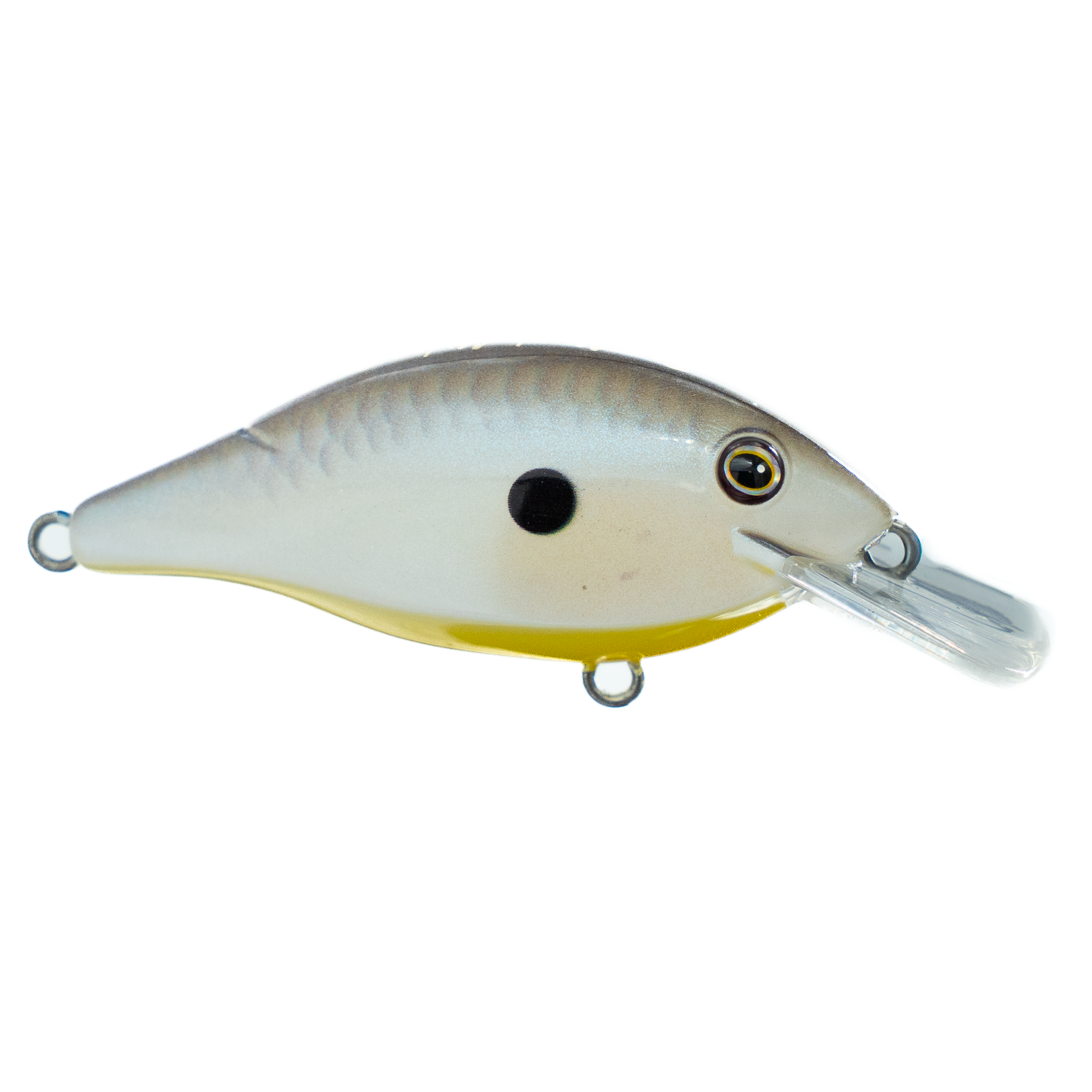
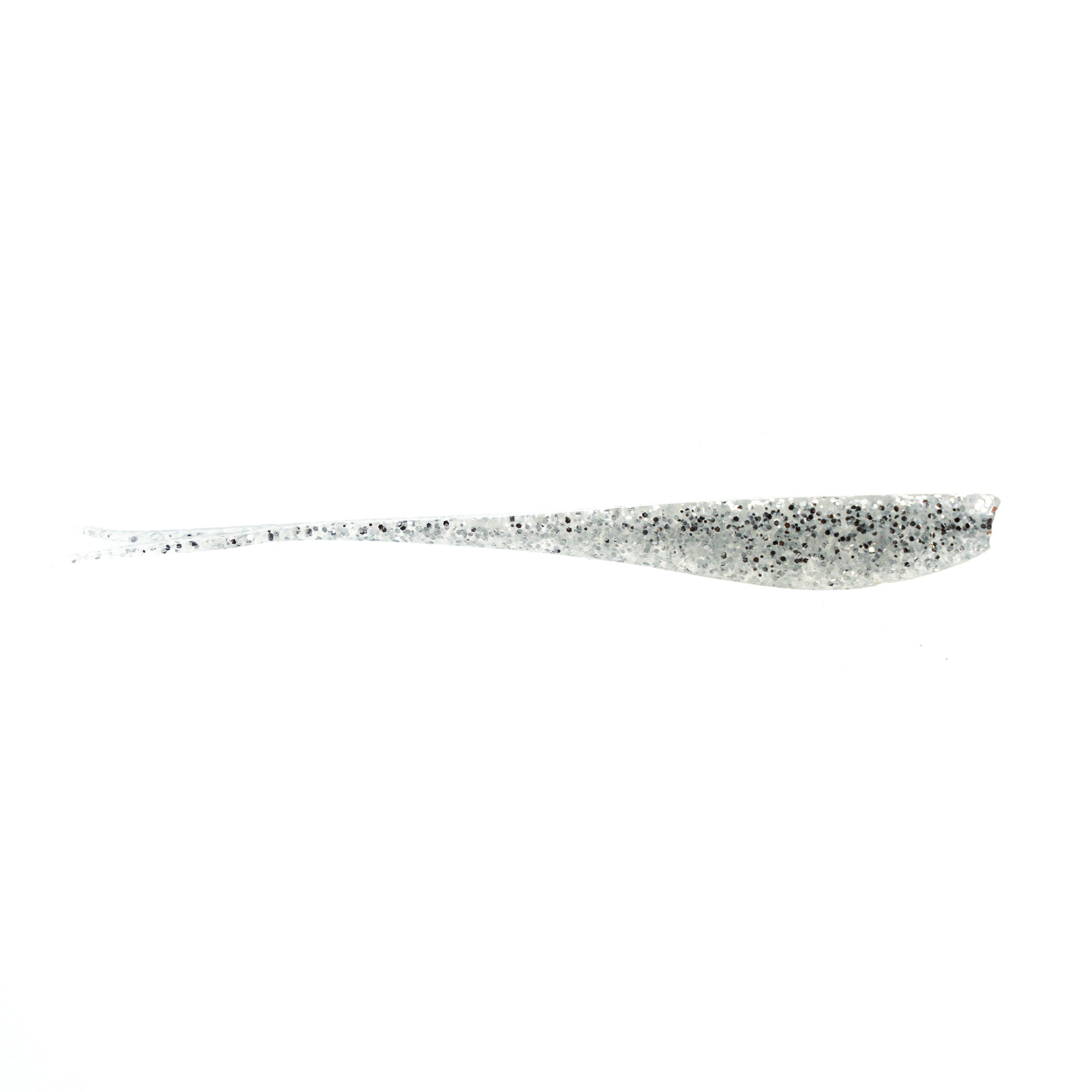
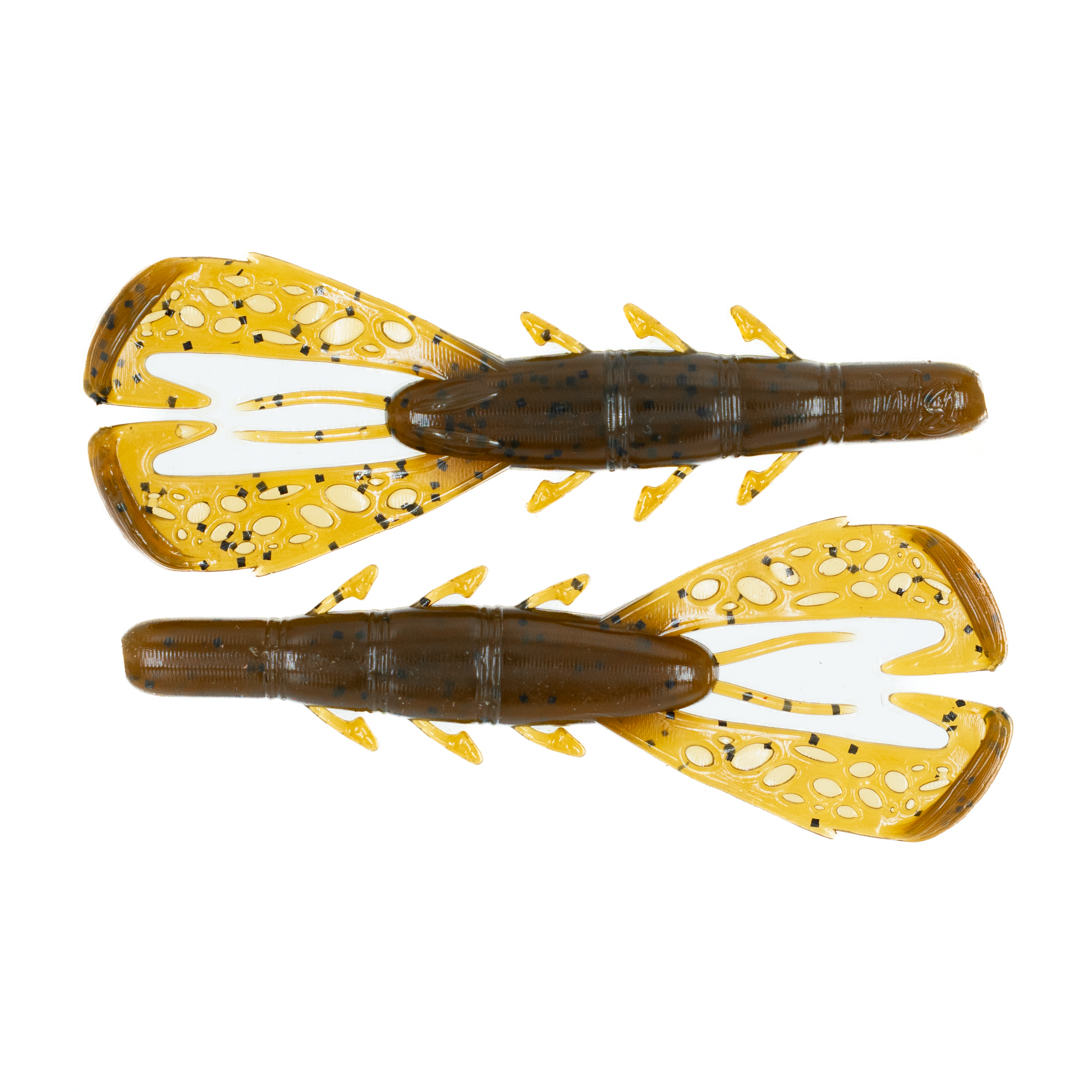
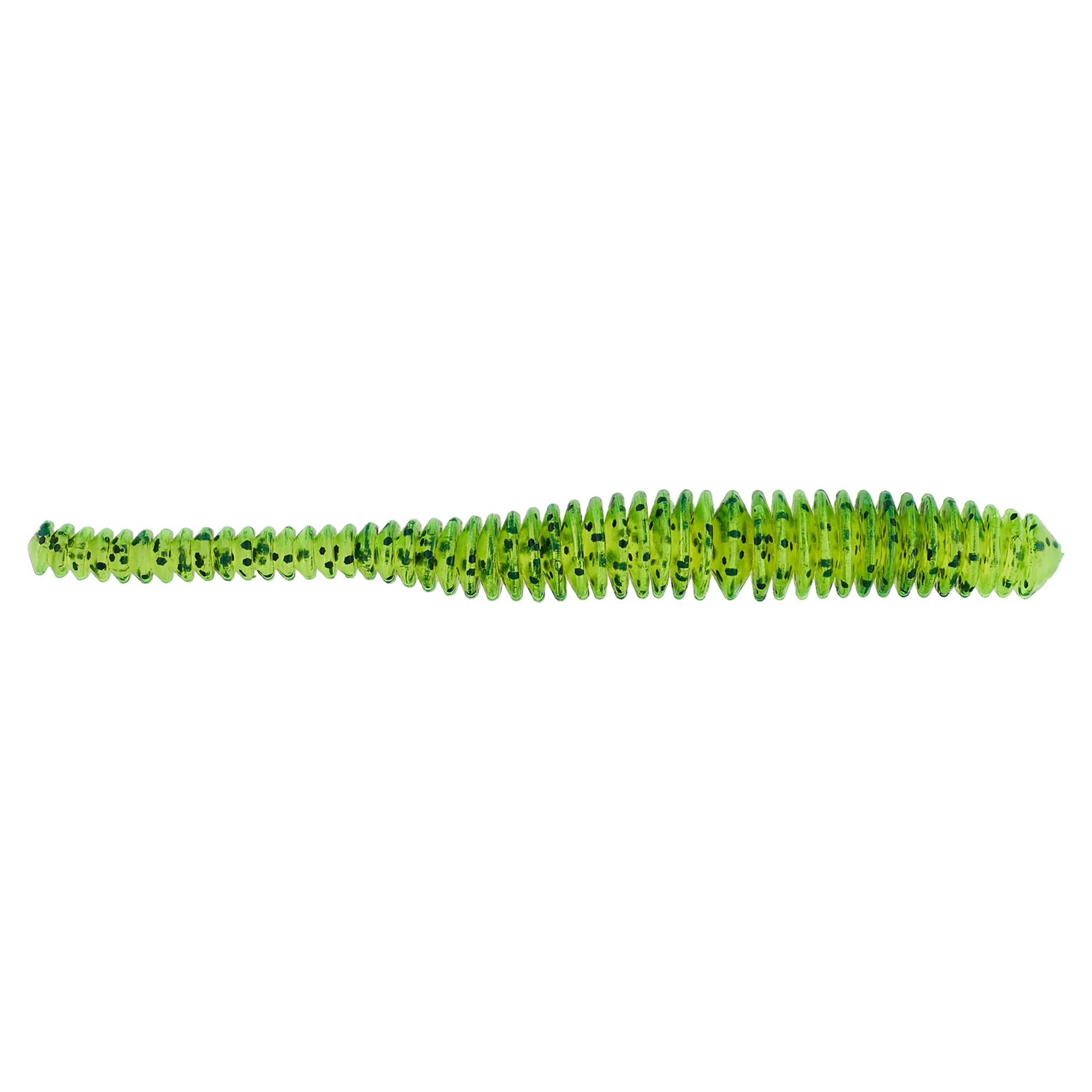
Four patterns cover the year. Each one pairs the technique with the baits we'd actually tie on.
The Strongest Window
Spring is when the upper bay is at its best. Bass move onto the flats and into the tidal creeks to spawn, and Maryland's fisheries guidance points to the Northeast and Susquehanna as holding the largest populations of legal adults in the state. Grass is coming up and the fish are on it.


Grass, Heat and Low Light
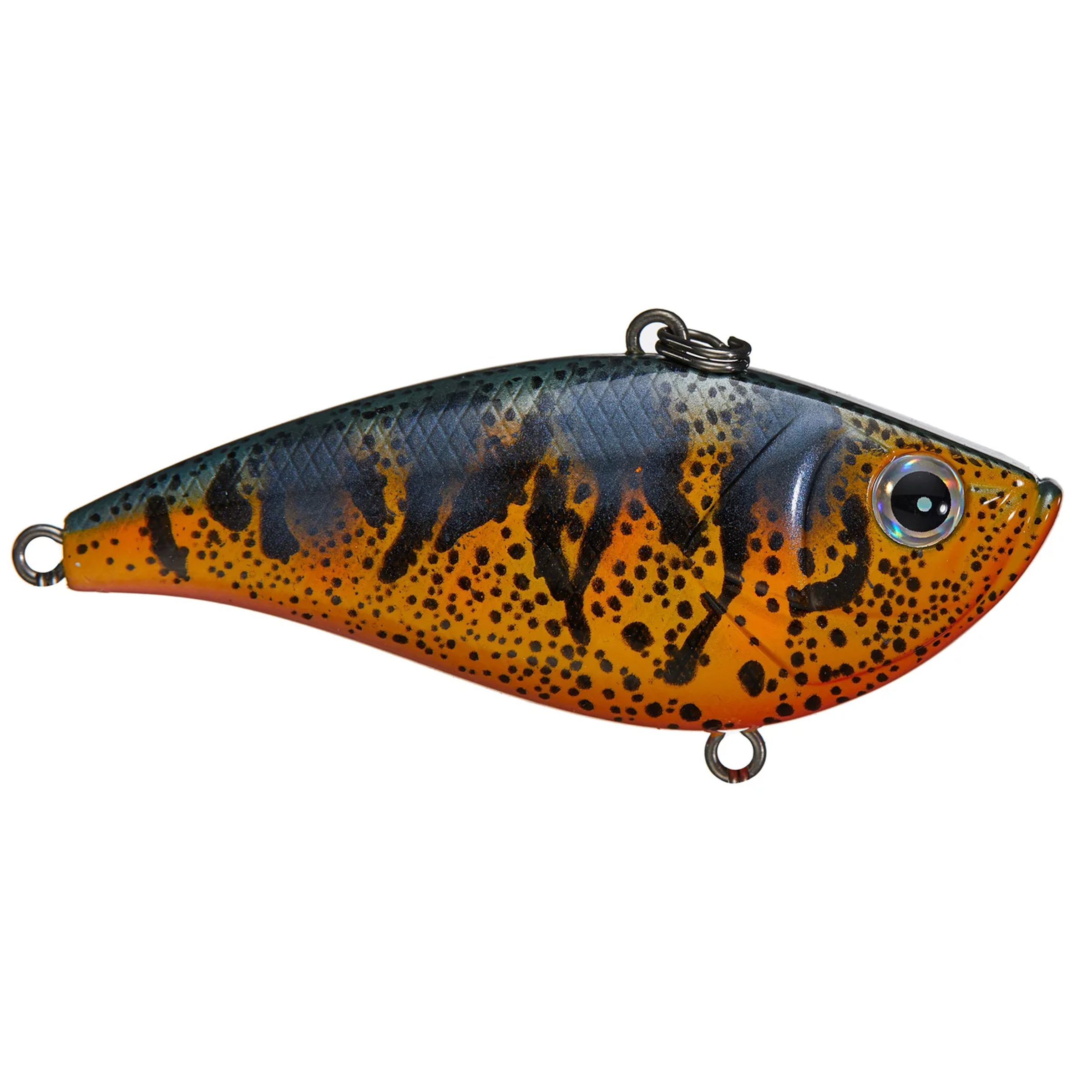
Summer thickens the submerged vegetation and the fish use it heavily. Maryland summers are hot and humid and the fishing compresses into the low-light windows, with bass feeding in the shallows at night and holding in shade through the heat of the day.


Bait, Grass Edges and Comfort
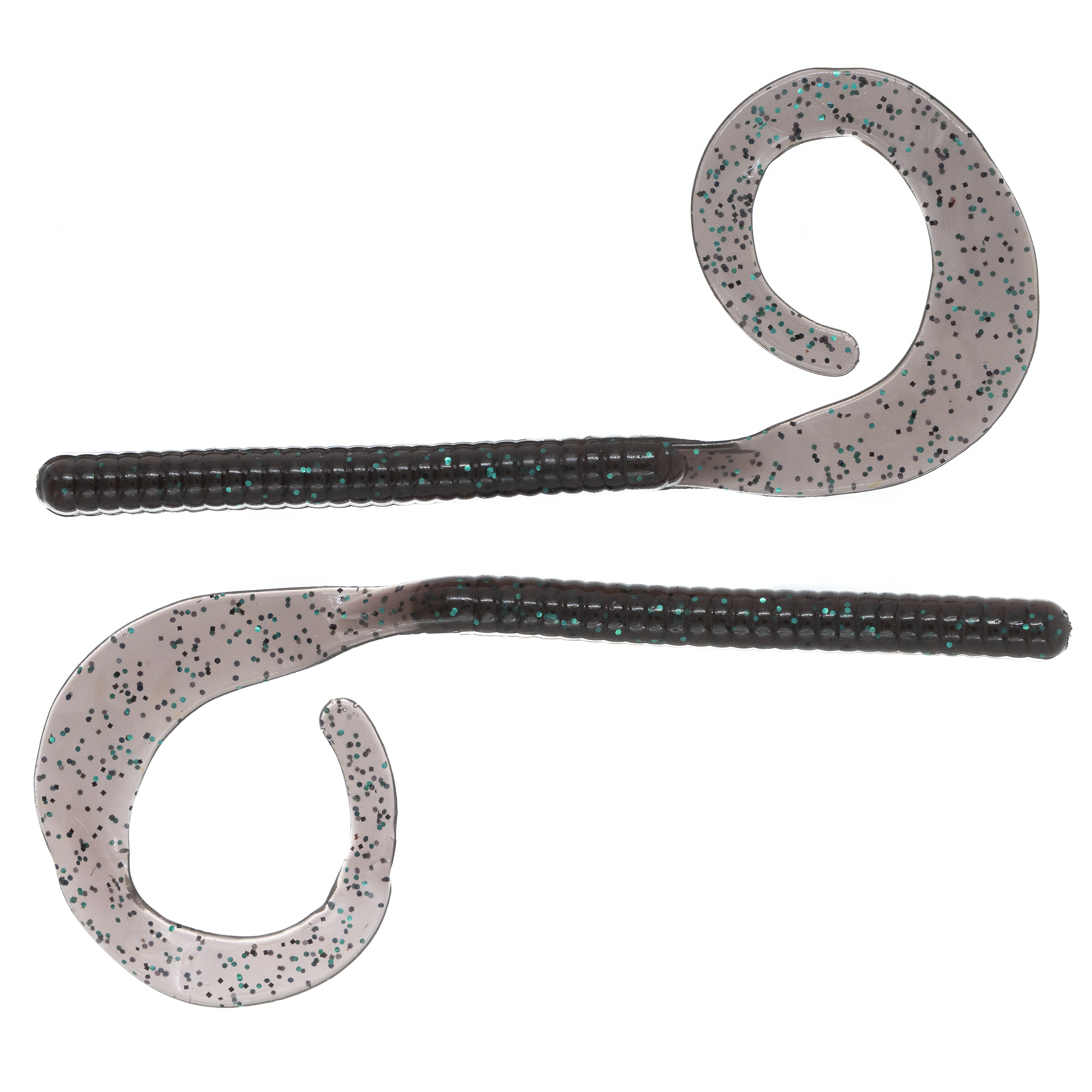
Autumn is the other strong window. Bait concentrates along the grass edges and in the creek mouths, the fish feed hard, and the summer heat has broken. This is the most forgiving fishing of the year on the upper bay.
Deep Channels and Slow Baits
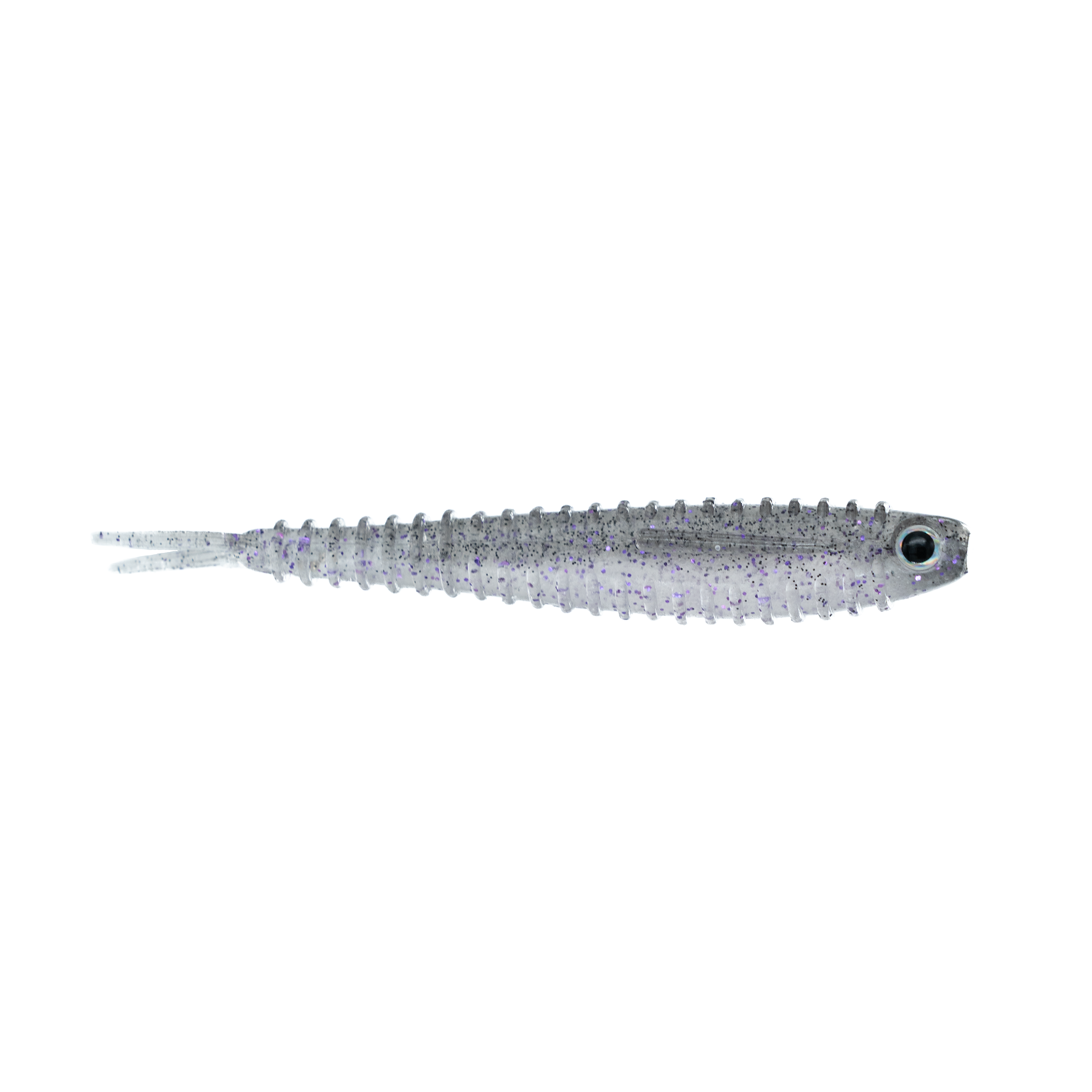
Winter pushes fish into the deeper channels and the holes in the tidal creeks where temperature is steadier than on the flats. Grass dies back, which concentrates the remaining fish and makes the deeper structure disproportionately valuable.


The Upper Chesapeake Access
Havre de Grace is the natural base for the Susquehanna Flats, with public access there and at North East for the Northeast River. The upper bay is well served by ramps and Maryland has extensive public access throughout.
The Susquehanna Flats
Extensive shallow grass flats where the river meets the bay, near Havre de Grace. The signature water here and one of the best largemouth areas in Maryland, with tidal movement dictating when the fish are on them.
The Northeast River
Named by Maryland's own fisheries guidance alongside the Susquehanna as holding the largest population of legal adult largemouth in the state. Tidal creek water with grass and shallow cover.
The Deep Channels
Running between the flats and holding fish in winter and through summer heat. The structure that gives bass somewhere to go when the shallow grass is not producing, and the reason the flats fish as well as they do.
The Upper Chesapeake Bass Fishing FAQ
Where is the best bass fishing on the upper Chesapeake?
The Susquehanna Flats near Havre de Grace and the Northeast River. Maryland's own guidance names the Northeast and Susquehanna as the state's best rivers for legal largemouth and says the upper bay rivers have the largest populations of legal adults.
Is the water salty?
Brackish, and tidal throughout. That is a large part of what makes it productive — the mix of fresh river water and estuary supports extensive submerged vegetation and an enormous forage base.
How does the tide affect fishing?
It decides when the fish are on the flats. Local guidance is to focus on the tidal changes when bass are most active, and the flats and channels work together — fish move on and off with the water rather than staying put.
When is the best time to fish it?
Spring and autumn, when bass are most abundant and most catchable on the flats. Summer is productive but compresses into the low-light windows, with fish feeding in the shallows at night and holding in shade by day.
What is the standard approach?
Crankbaits and spinnerbaits near grass beds and submerged structure, worked around tidal changes. That is the documented local method and it holds up across most of the season.
What else can I catch?
Smallmouth and striped bass both, which makes this a genuinely versatile trip. The upper bay striper fishery has its own substantial following, and white perch are abundant in the tidal creeks.
What baits work best here?
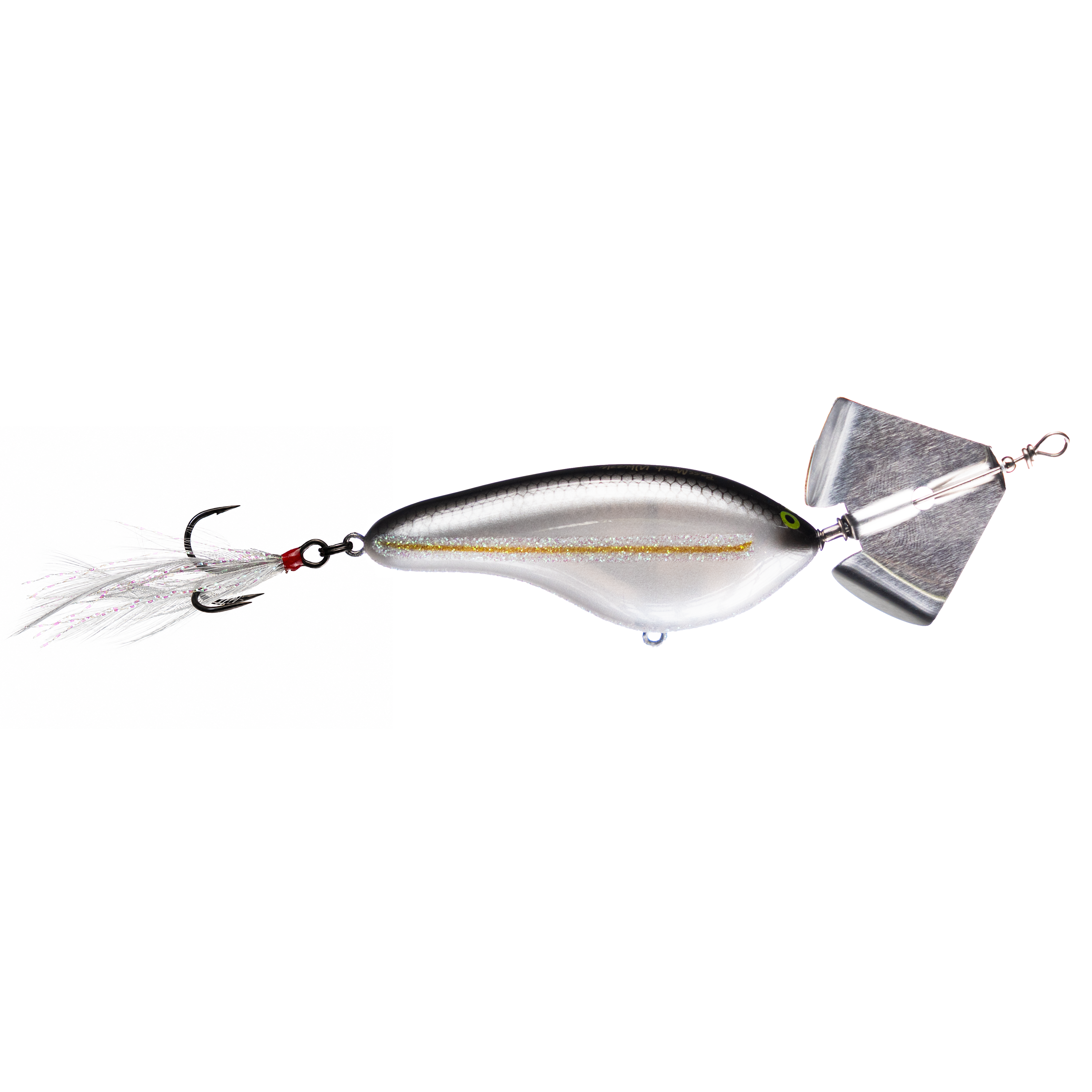
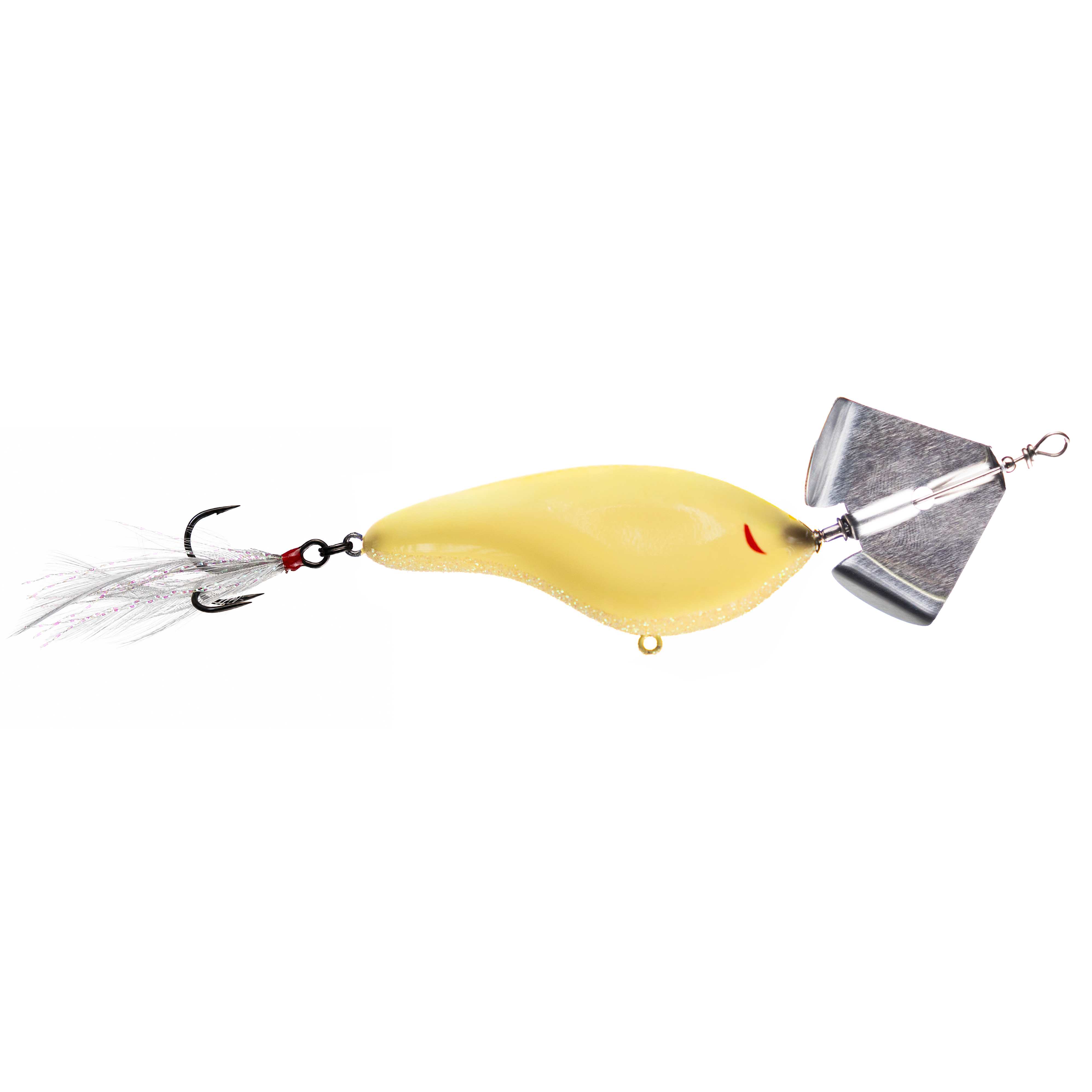
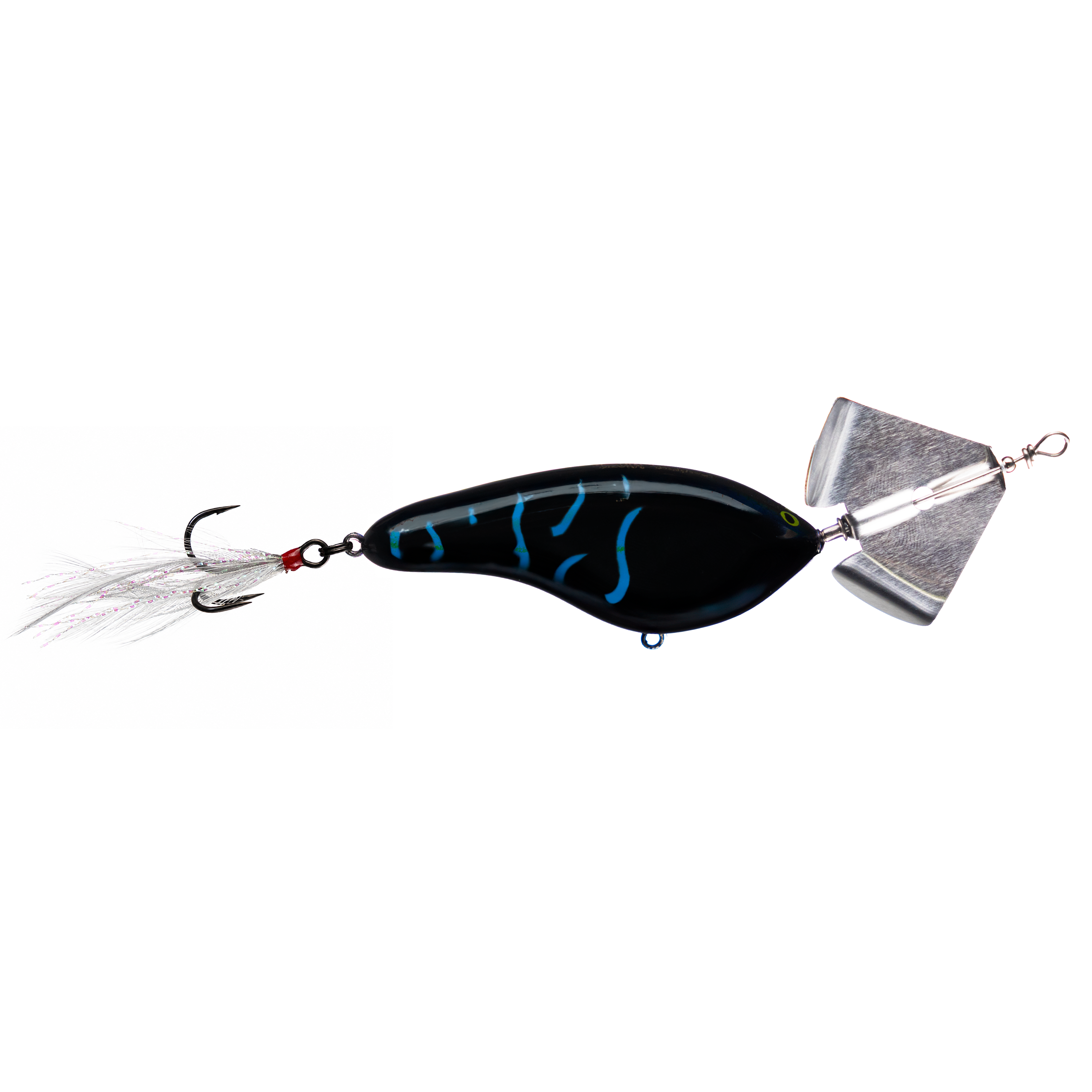
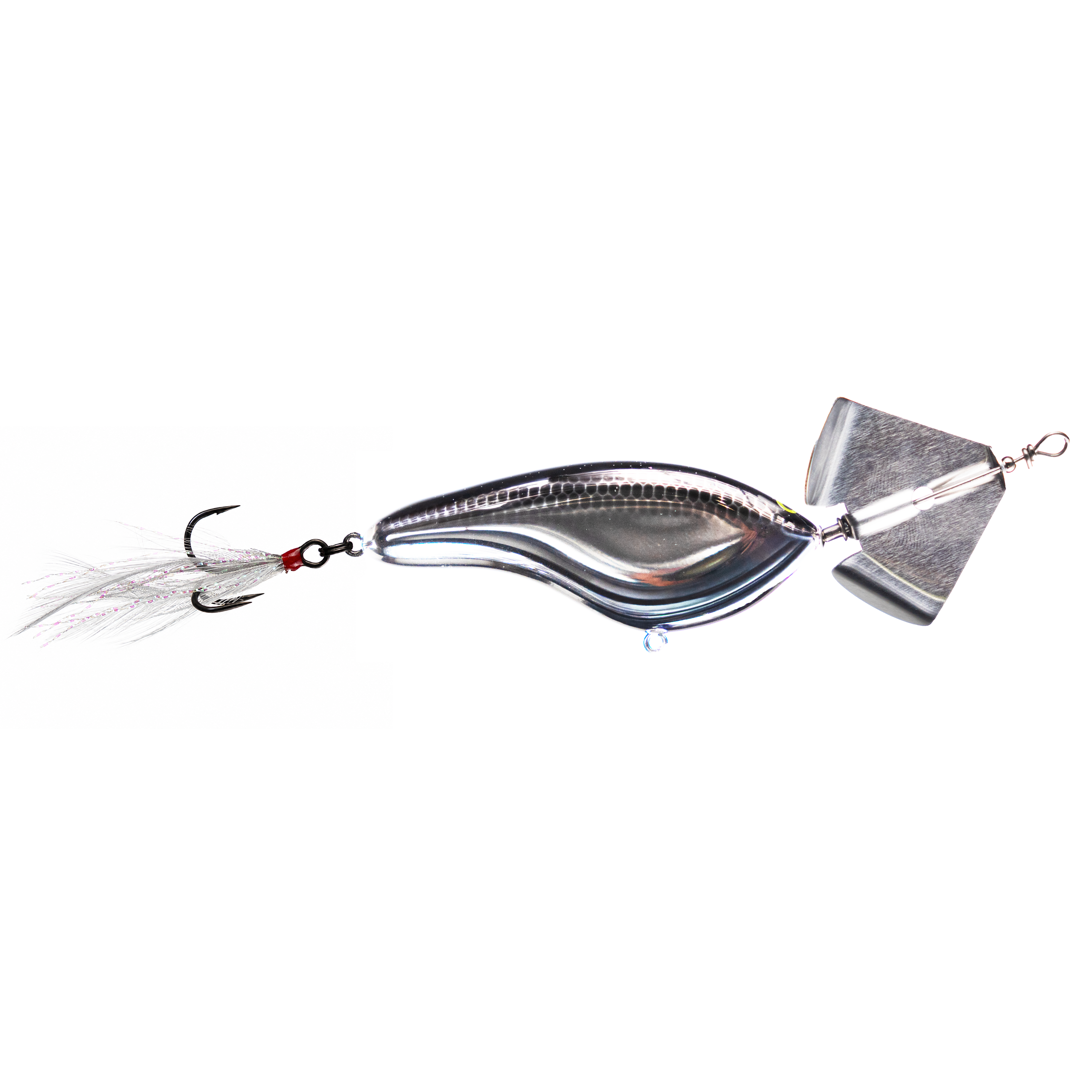
Crankbaits and spinnerbaits along the grass, flipping and punching gear for the thicker summer beds, topwater at first light, and slow bottom presentations in the deep channels in winter. Our full bait lineup covers all four seasons.
Do I need a fishing license?
Yes, a Maryland fishing license. Maryland's bass regulations differ from neighbouring states and have included restrictions on how many larger fish may be kept — check current Department of Natural Resources rules before you go.
Grass and Moving Water
Tidal grass fishing means putting a bait into vegetation with current pushing your line and getting a fish out before the tide helps her. Level Rods builds heavy models with the backbone for that and the sensitivity to feel a bite through moving water.
Tournament Winning Baits & Gear
Designed, crafted and tested by anglers who fish tidal grass every week. Free shipping on orders over $75.
Shop All Baits