Truman Lake Bass Fishing Guide
Truman Bass Fishing, Season by Season
Fifty-five thousand acres and more than nine hundred miles of shoreline, filled with submerged timber that routinely produces four to six pound largemouth. Truman is Missouri's biggest reservoir and the stumps in it have ended a lot of days early.
Vast Timber, and a Warning
Harry S. Truman Reservoir covers around 55,000 acres in west-central Missouri near Warsaw, with more than nine hundred miles of shoreline. It is the largest reservoir in the state and it is defined by one thing above all: submerged timber, in enormous quantity.
That timber is why the lake produces what it does. Truman routinely pumps out largemouth in the four to six pound range with a genuine trophy possible on any cast, and the structure list — stumps, rocks, logs, old roadbeds and more — spans the whole reservoir. Spotted bass are strong too, and the crappie and catfish fishing are both nationally regarded.
The warning is not decoration. Submerged stumps are everywhere and they are unforgiving — one description of the lake notes that you will find largemouth here but you might also need to find someone to repair your lower unit. Navigate with real caution, particularly in unfamiliar water and at anything above idle.
Water is relatively clear for a reservoir with this much wood in it, which affects presentation more than most anglers expect. Natural colour patterns on baits and skirts and low line visibility both matter here.
Water levels fluctuate substantially, which affects bass behaviour and which cover is in play. Local knowledge on when and where the fish are biting is worth asking for, and levels are the first thing to check before a trip.
Pressure is moderate overall, with genuinely less-pressured water available around some of the creek channels. On nine hundred miles of shoreline, that is a real option. Missouri sets black bass length and creel limits by water, and many Ozark lakes and streams carry special regulations that differ from the statewide rule. Check the current Department of Conservation summary for this water before you go.
Timber, Roadbeds and Fluctuating Water
Four patterns cover the year. Each one pairs the technique with the baits we'd actually tie on.
Into the Timber
Spring moves fish into the shallower timber and the creek arms to spawn, and on a lake with this much wood the challenge is choosing which of it to fish. Rising water floods additional cover and the fish move up with it. Levels swing enough that checking before you go is worth the phone call.


Deep Timber and Roadbeds
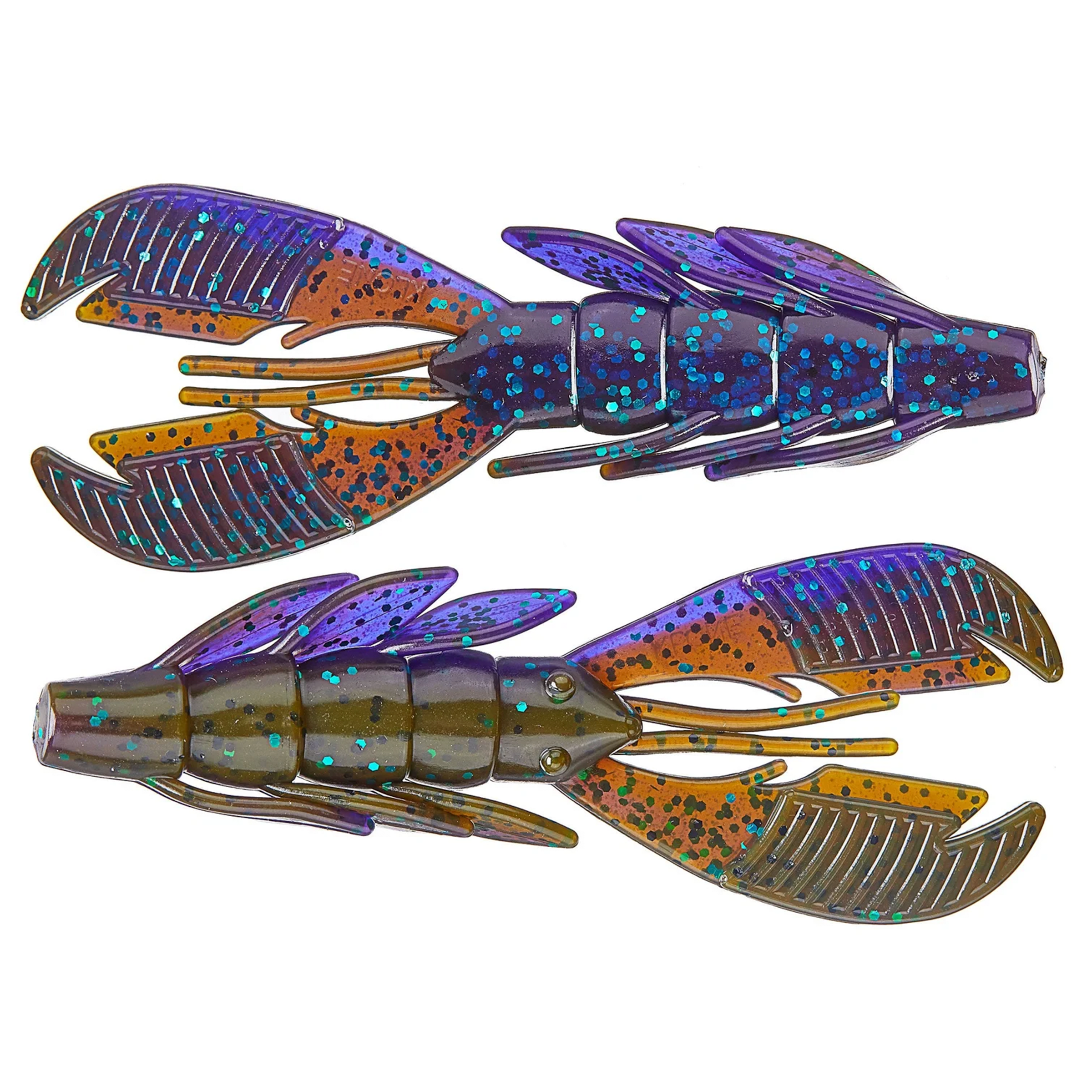
Summer moves fish onto the deeper timber, the old roadbeds and the channel edges. Missouri heat compresses the productive fishing into the early and late windows, and the creek channels offer both cooler water and less pressure than the main lake.
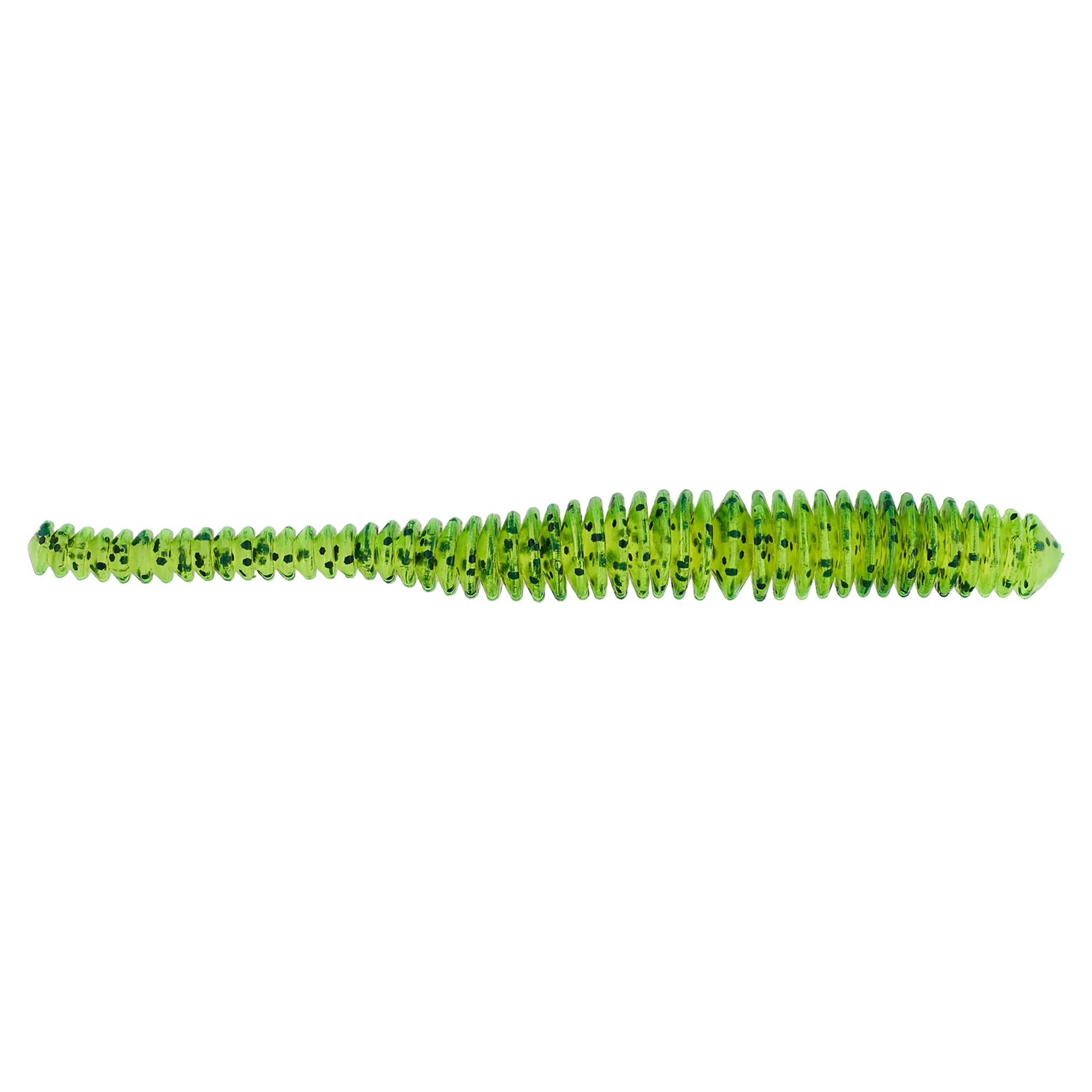
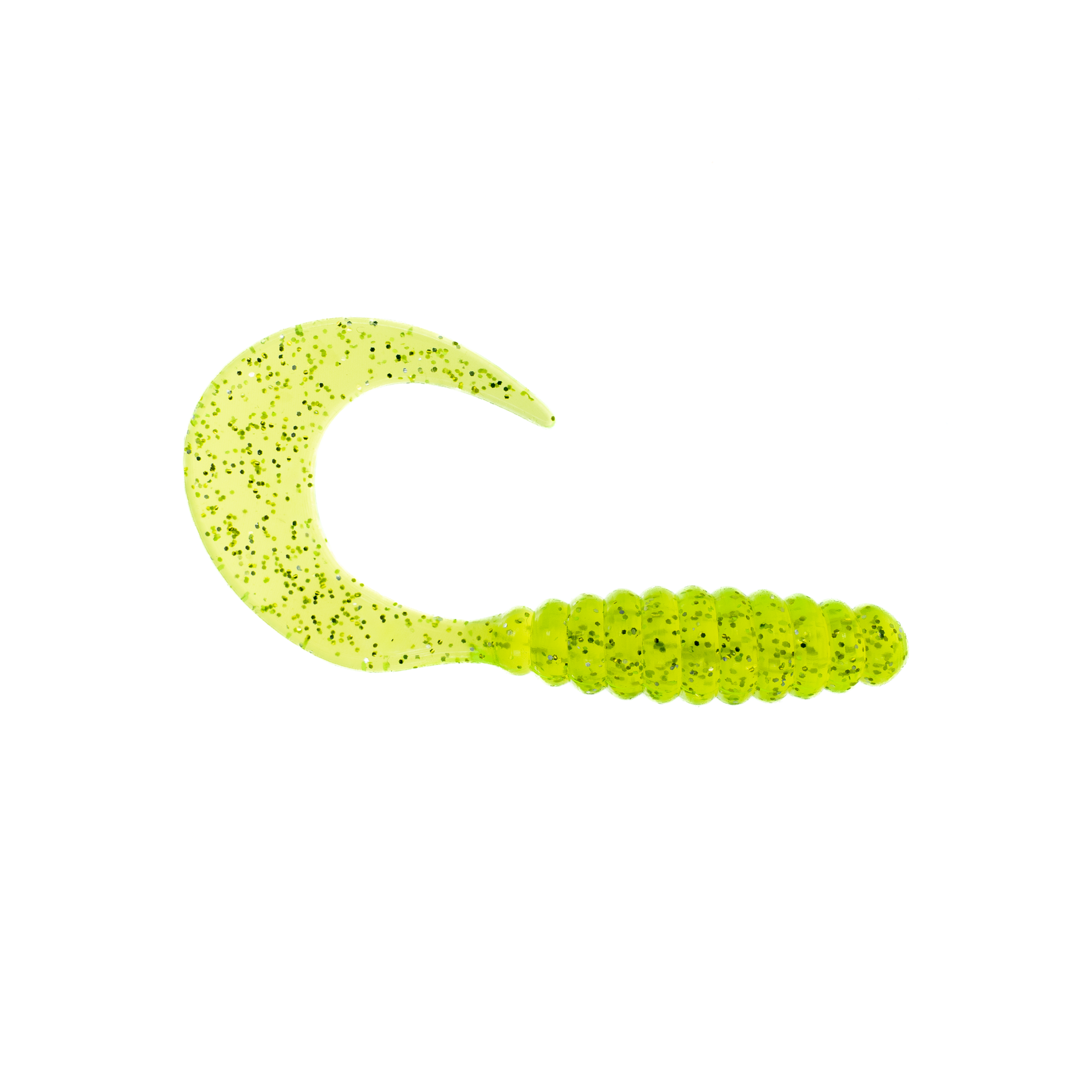

Shad Into the Arms
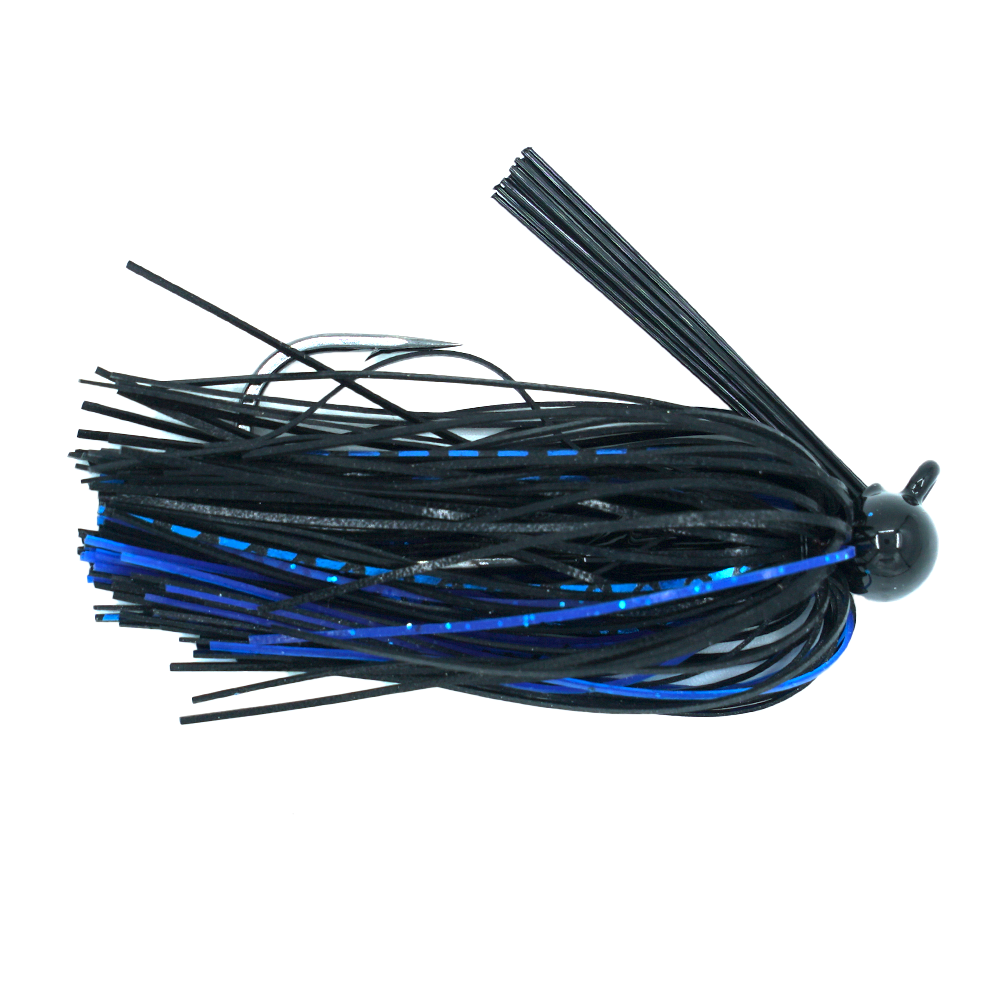
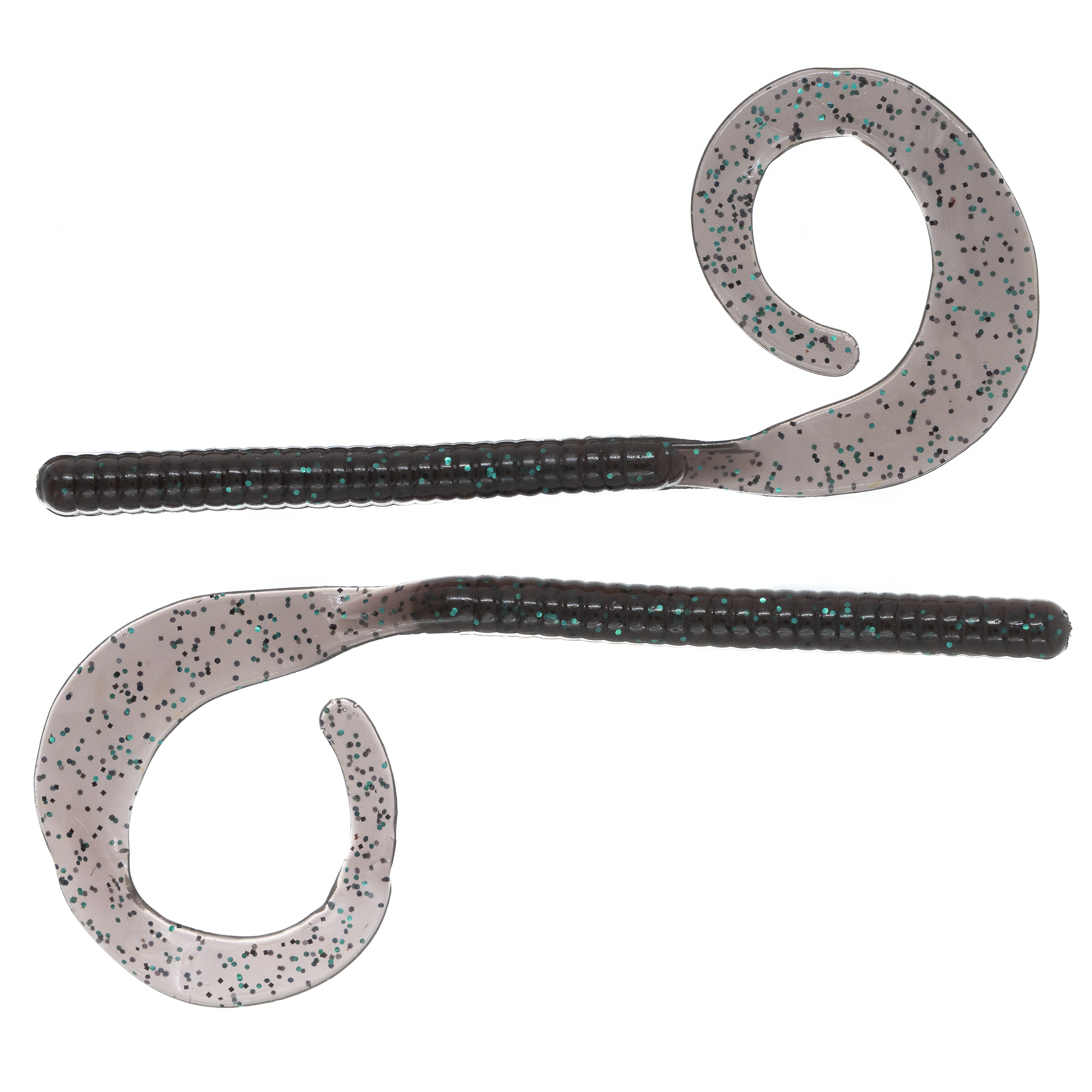
Autumn pulls shad into the creek arms and the bass follow, and on nine hundred miles of shoreline this is genuinely an exploration season. Fish become catchable on moving baits across huge areas and the summer traffic thins.
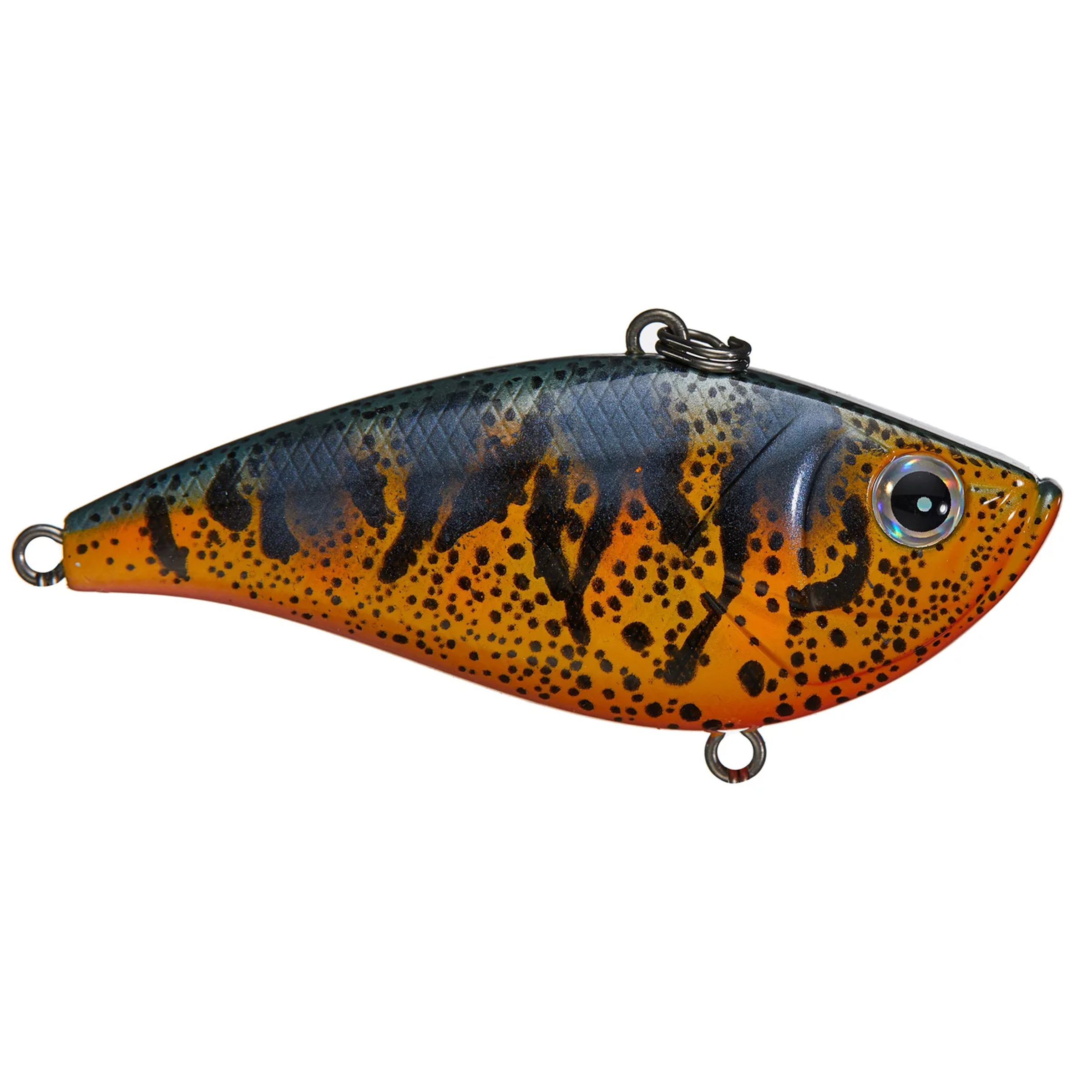
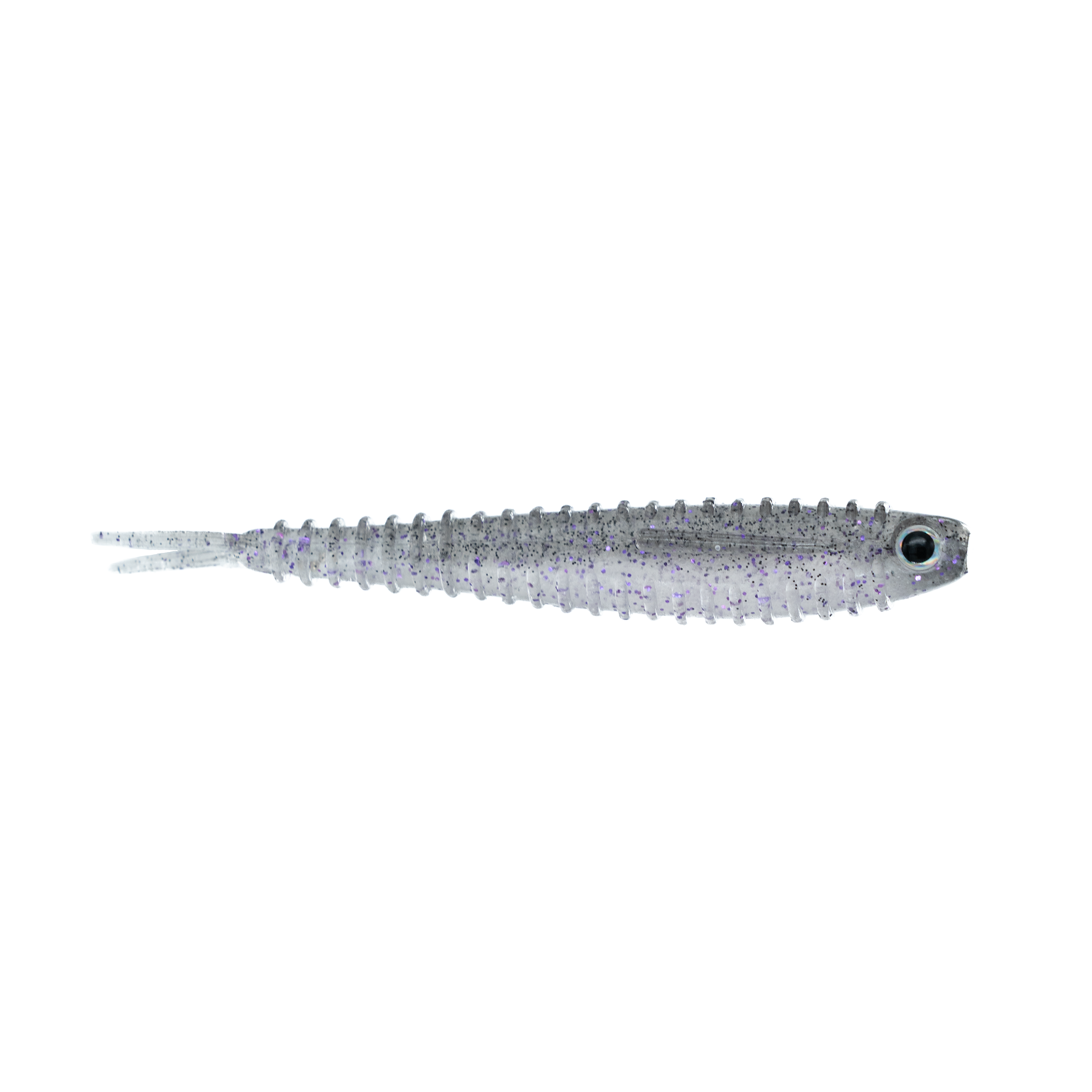
Deep Wood, Empty Reservoir
Winter concentrates fish on the deepest timber, the roadbeds and the channel bends, and fifty-five thousand acres becomes an extremely quiet place. Missouri winters bring some ice on the shallower arms, but open water is usually available.


Truman Lake Access
Corps of Engineers ramps and campgrounds serve the reservoir throughout, with Warsaw the main town and Truman State Park on the water. Given nine hundred miles of shoreline, pick an arm and launch into it rather than planning to cover the lake.
The Submerged Timber
The defining feature and the reason the lake produces four to six pound largemouth routinely. Stumps, logs and standing wood across the whole reservoir. It also eats lower units — navigate carefully.
The Old Roadbeds
Hard bottom and defined edges left from before the impoundment, holding fish through summer and winter. Easier to find with electronics than random timber and disproportionately productive when you do.
The Creek Channels
Where the less-pressured water is, according to local guidance, and where fish concentrate in heat and cold. On a reservoir this size the channels are the constant when levels are moving.
Truman Lake Bass Fishing FAQ
How big is Truman Lake?
Around 55,000 acres with more than nine hundred miles of shoreline in west-central Missouri near Warsaw. It is the largest reservoir in the state.
How big do the bass get?
Truman routinely produces largemouth in the four to six pound range with a genuine trophy possible on any cast. The vast submerged timber is why. Spotted bass are strong here too.
Is the timber dangerous?
Yes. Submerged stumps are everywhere and unforgiving — one description notes you may find largemouth but also need someone to repair your lower unit. Navigate with real caution in unfamiliar water and never at speed.
Is the water clear?
Relatively, for a reservoir with this much wood in it, and that affects presentation more than anglers expect. Natural colour patterns on baits and skirts and low line visibility both matter here.
Do water levels change?
Substantially, and they affect bass behaviour and which cover is in play. Local knowledge on when and where the fish are biting is worth asking for, and level is the first thing to check before a trip.
Is it crowded?
Moderate overall, and genuinely less-pressured water is available around some of the creek channels. On nine hundred miles of shoreline that is a real option rather than a hopeful one.
What baits work best on Truman?
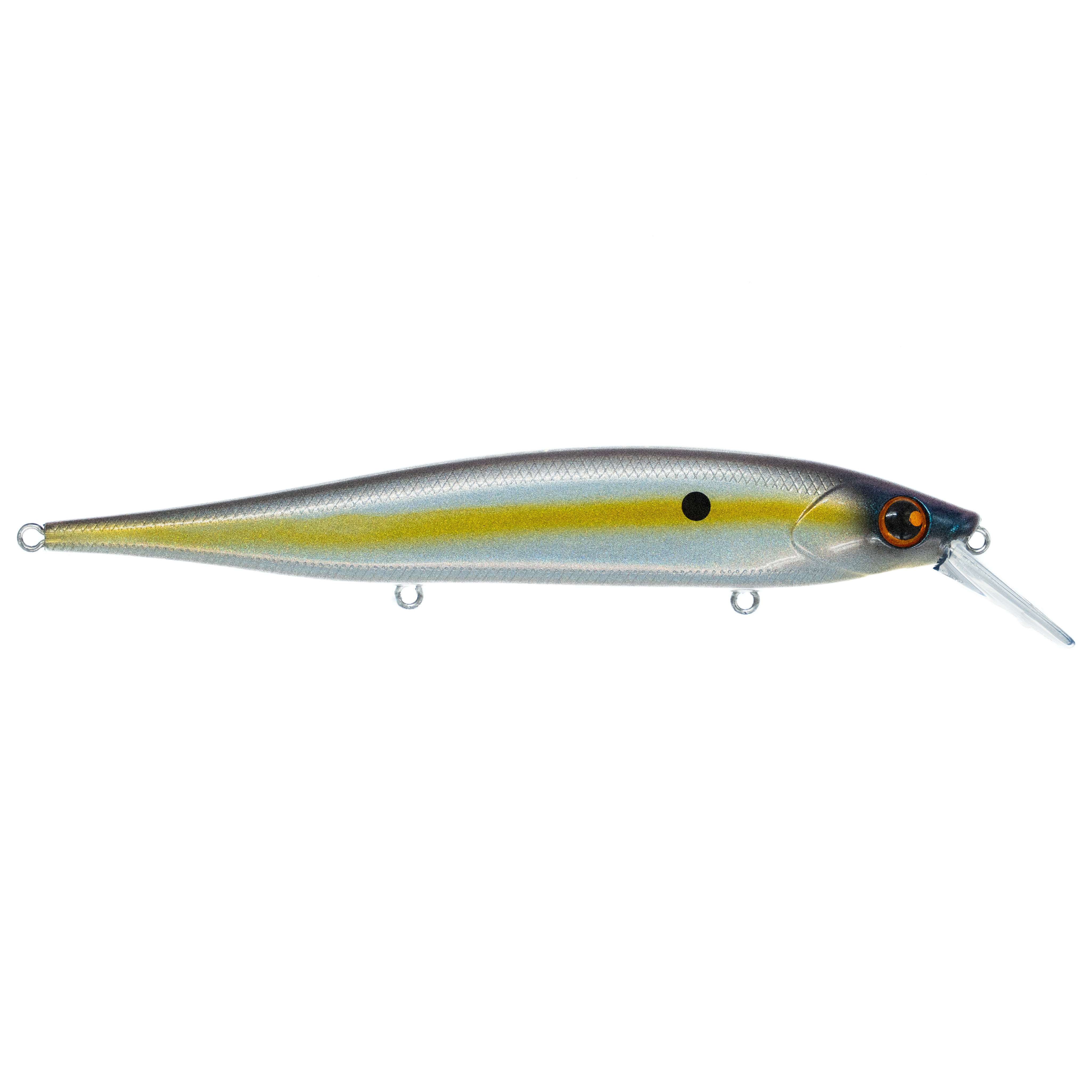
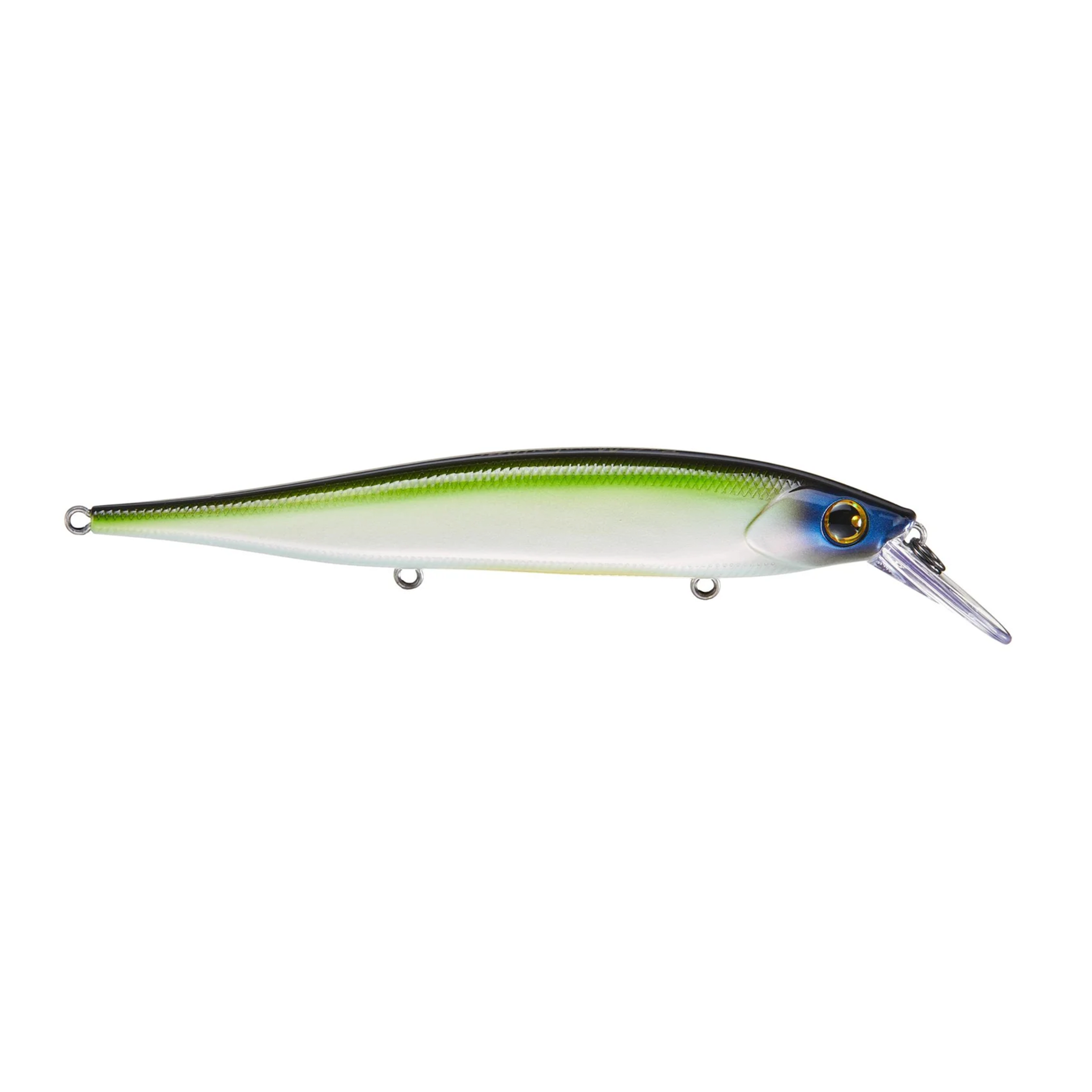
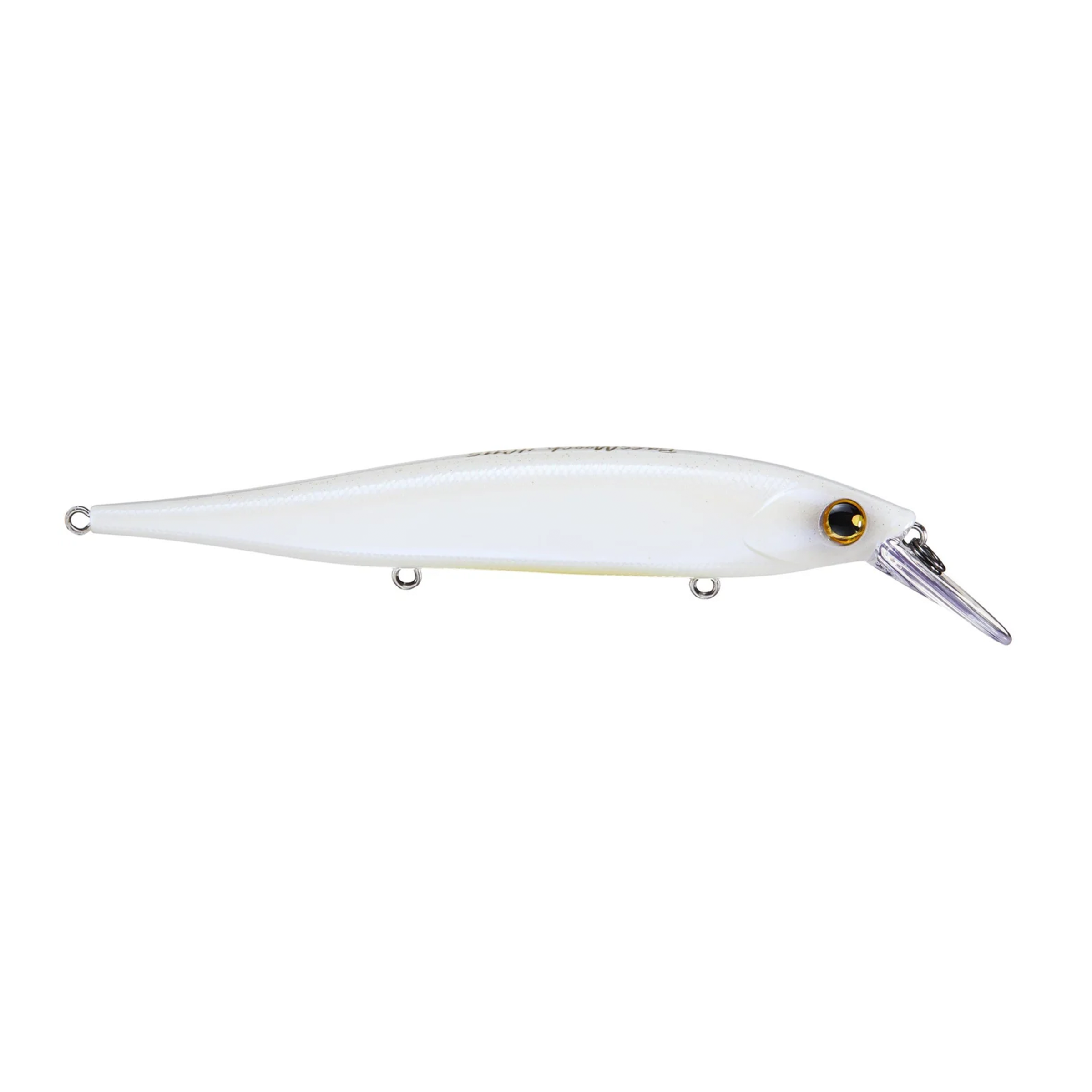
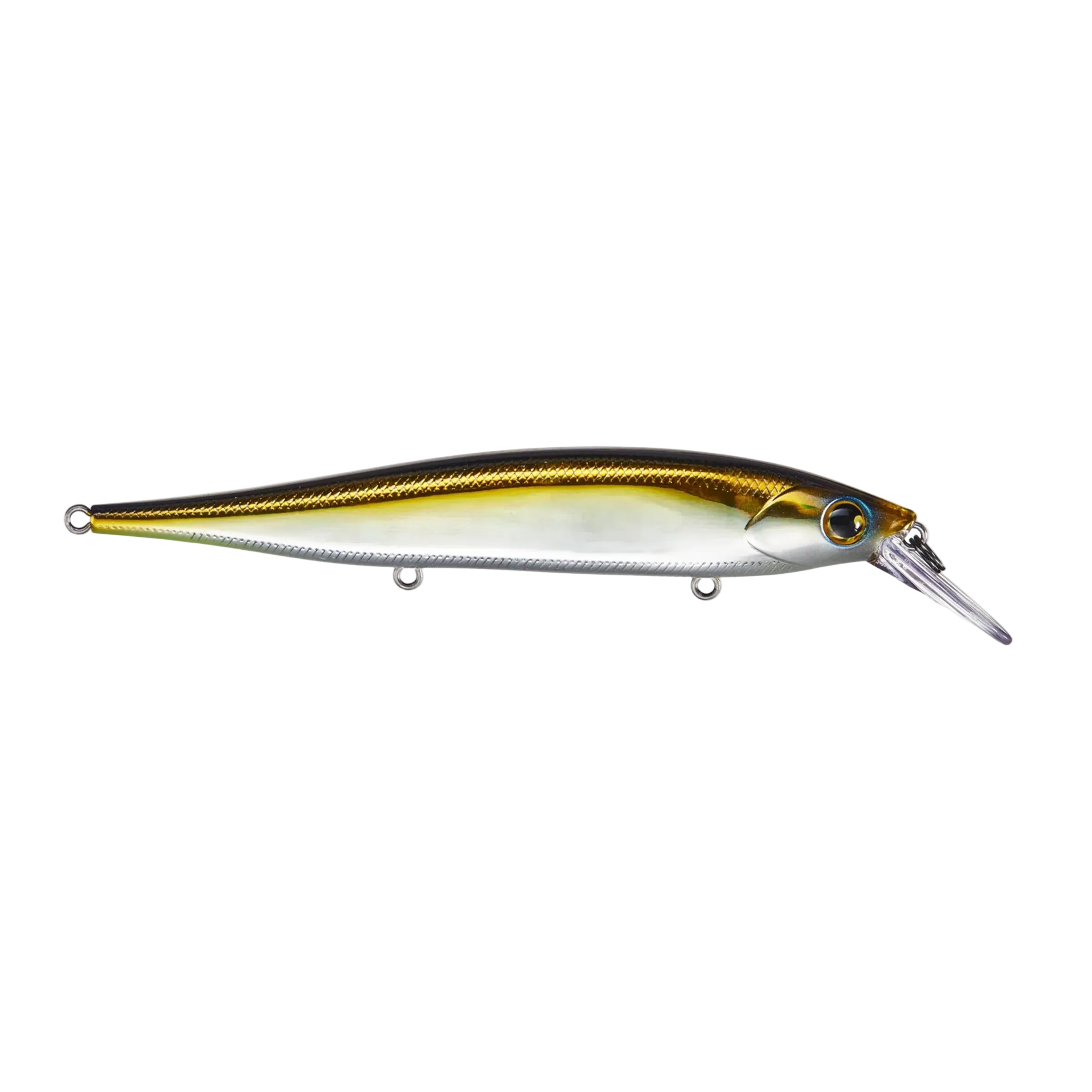
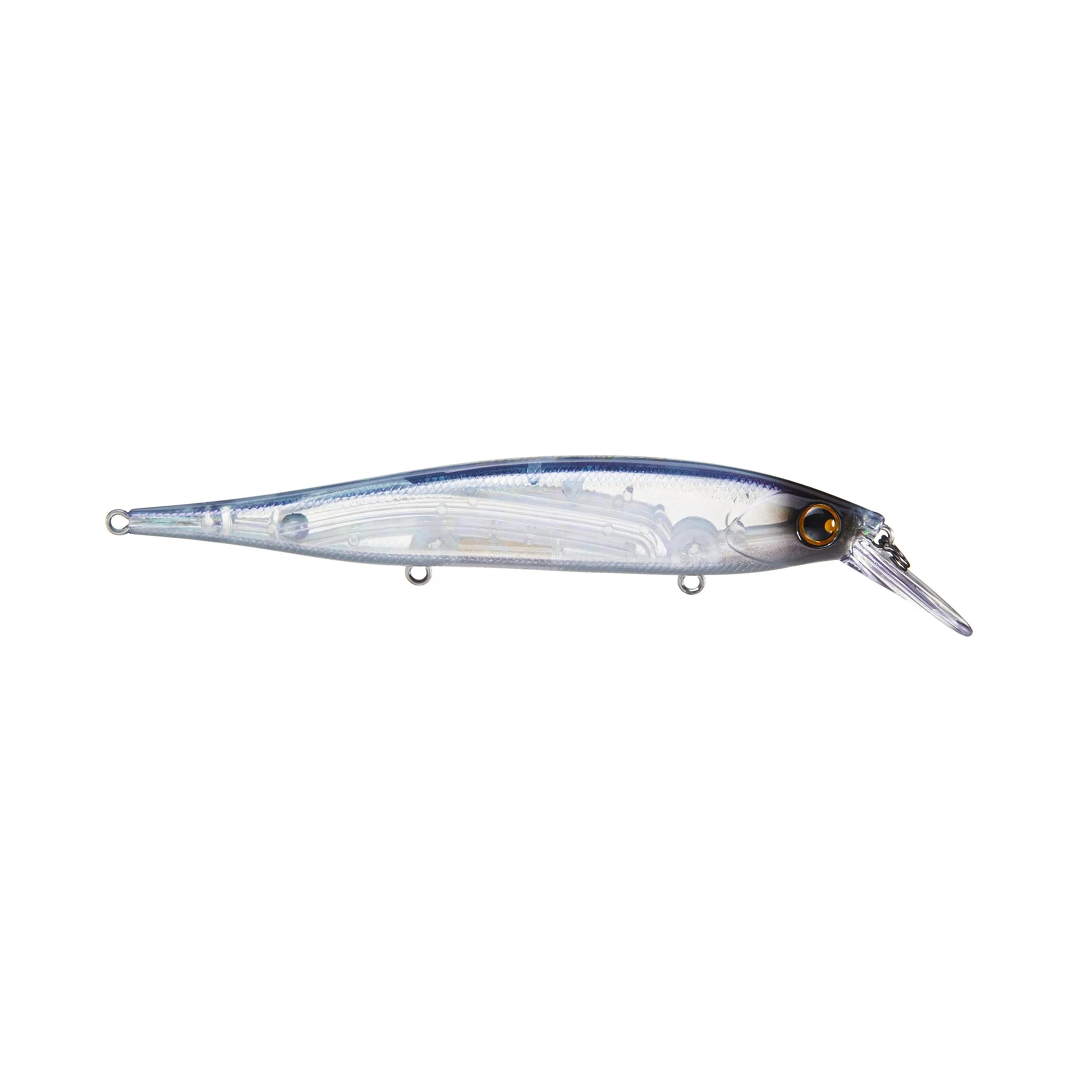
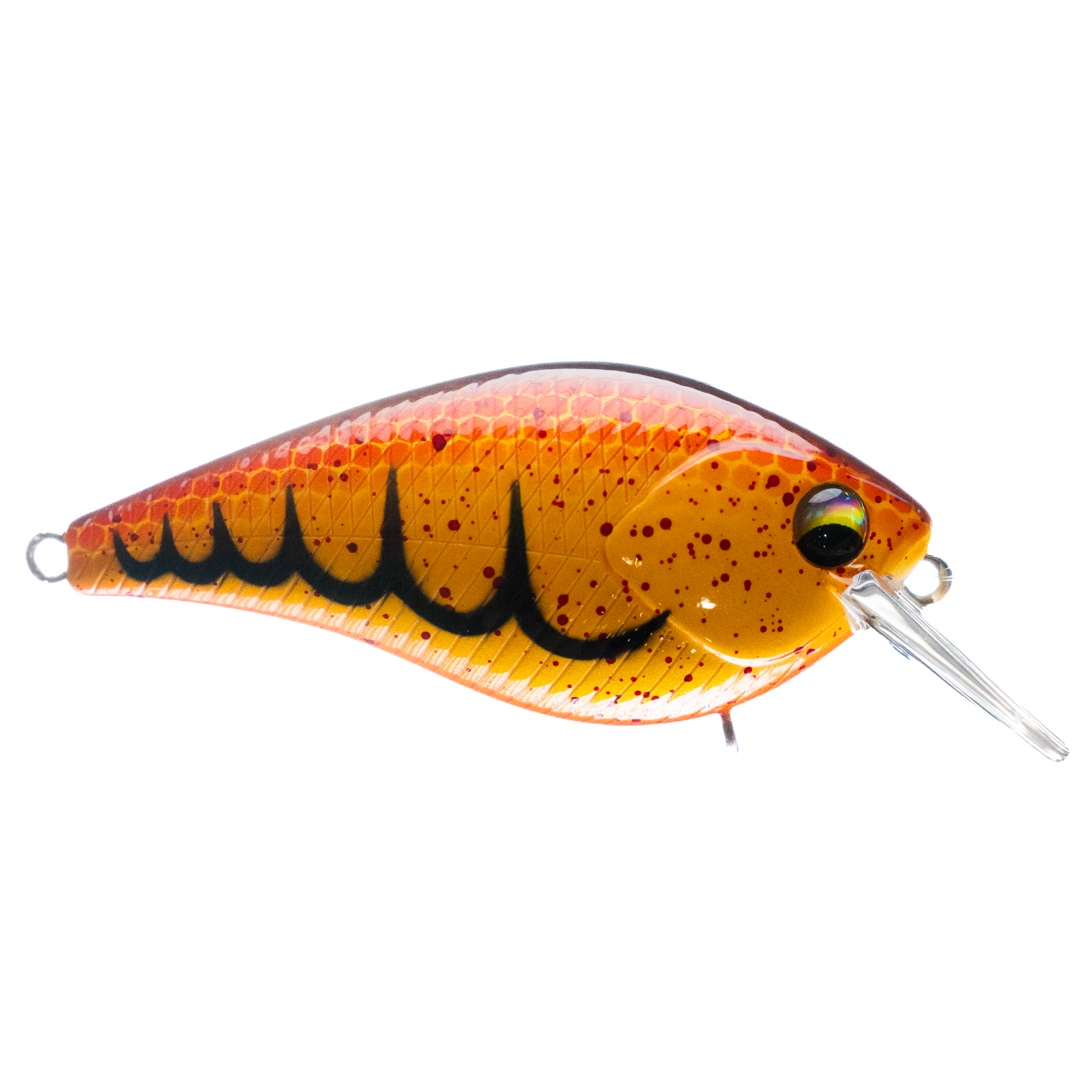
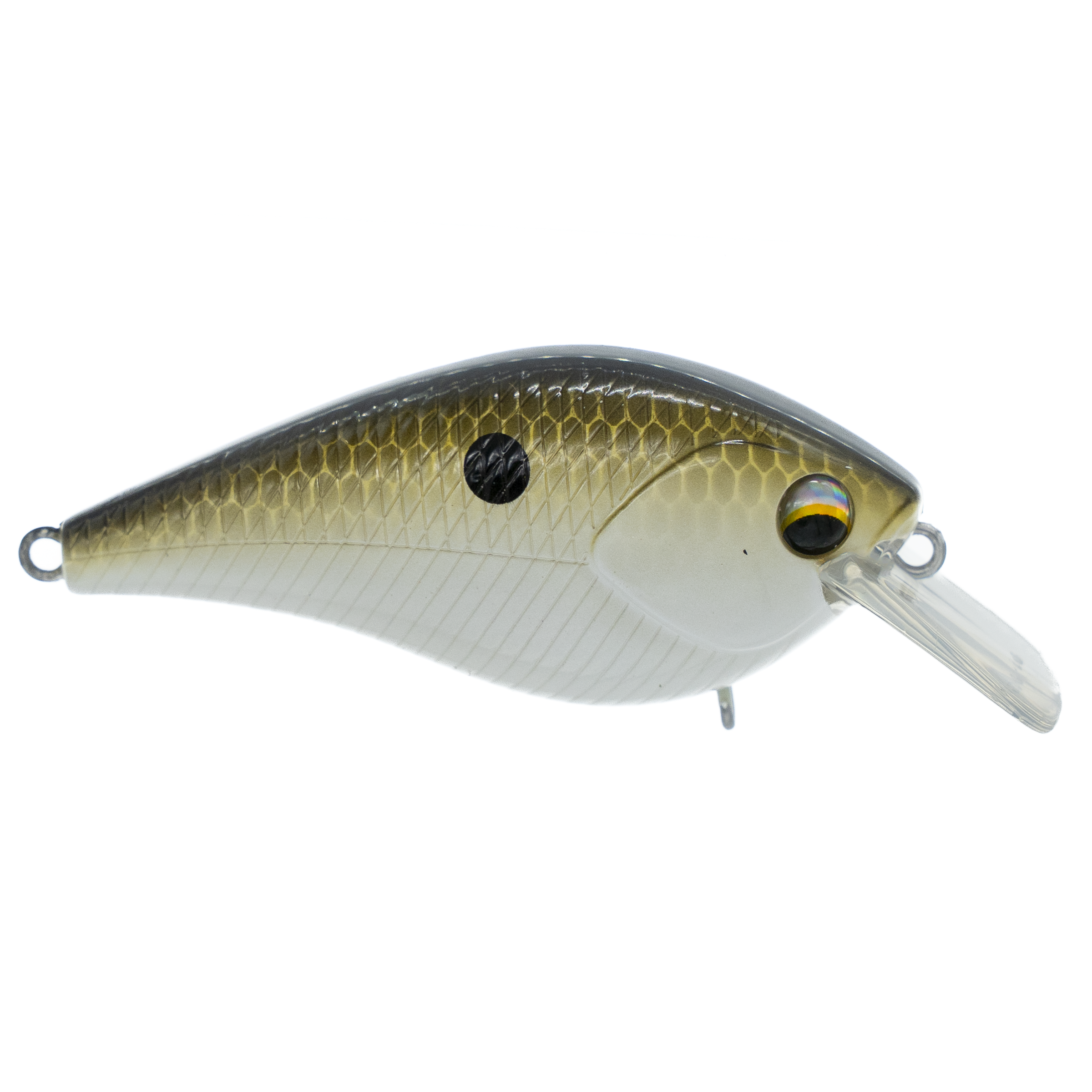
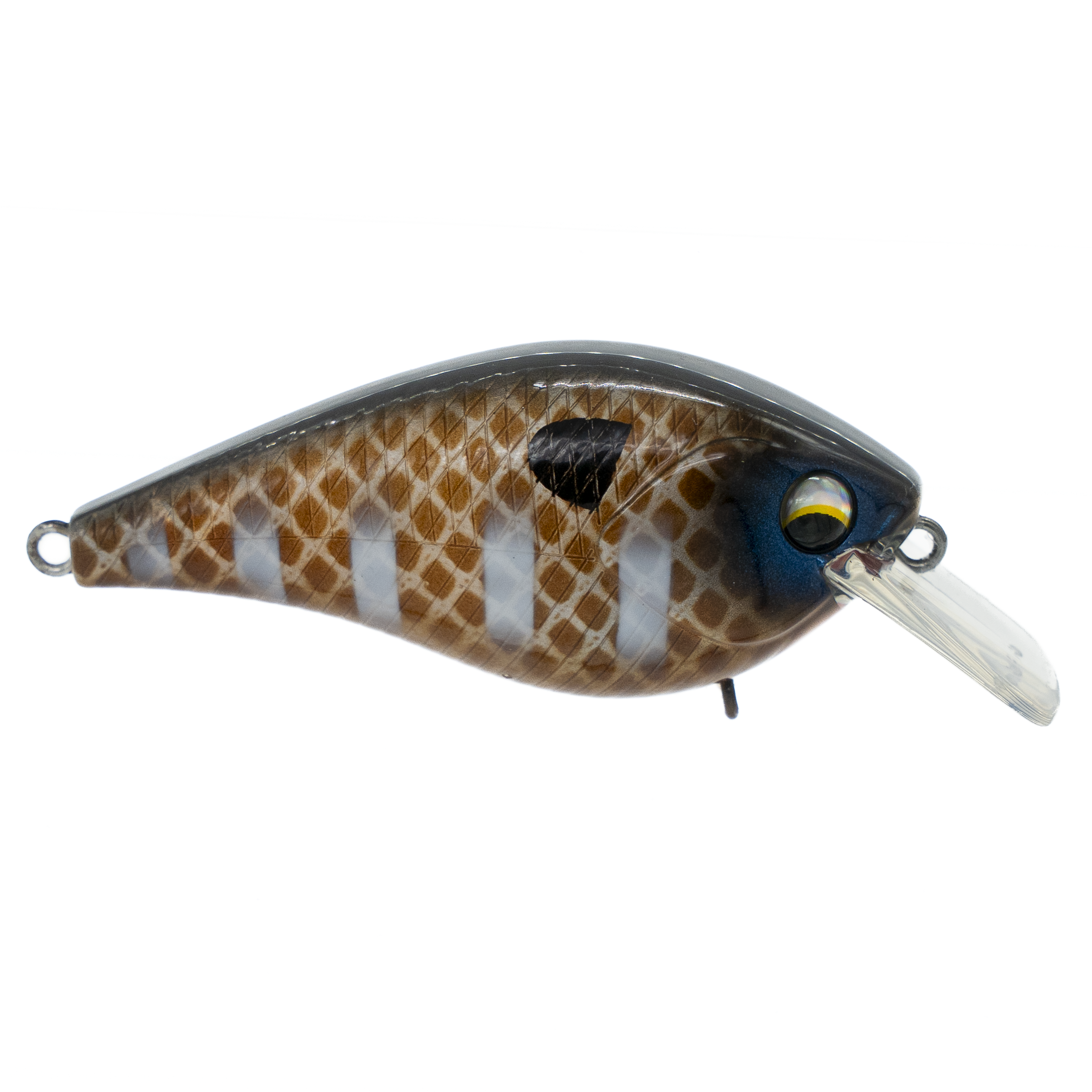
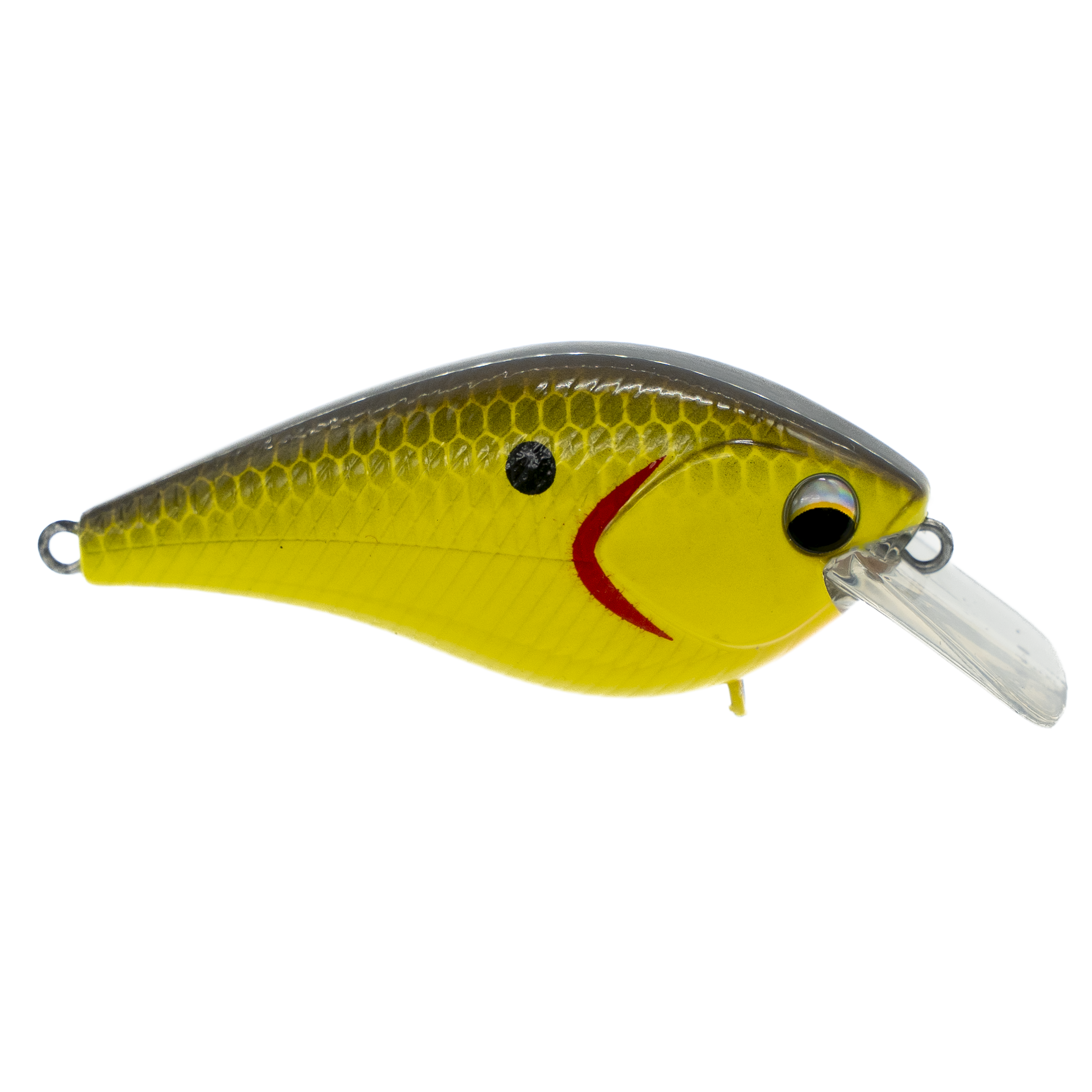
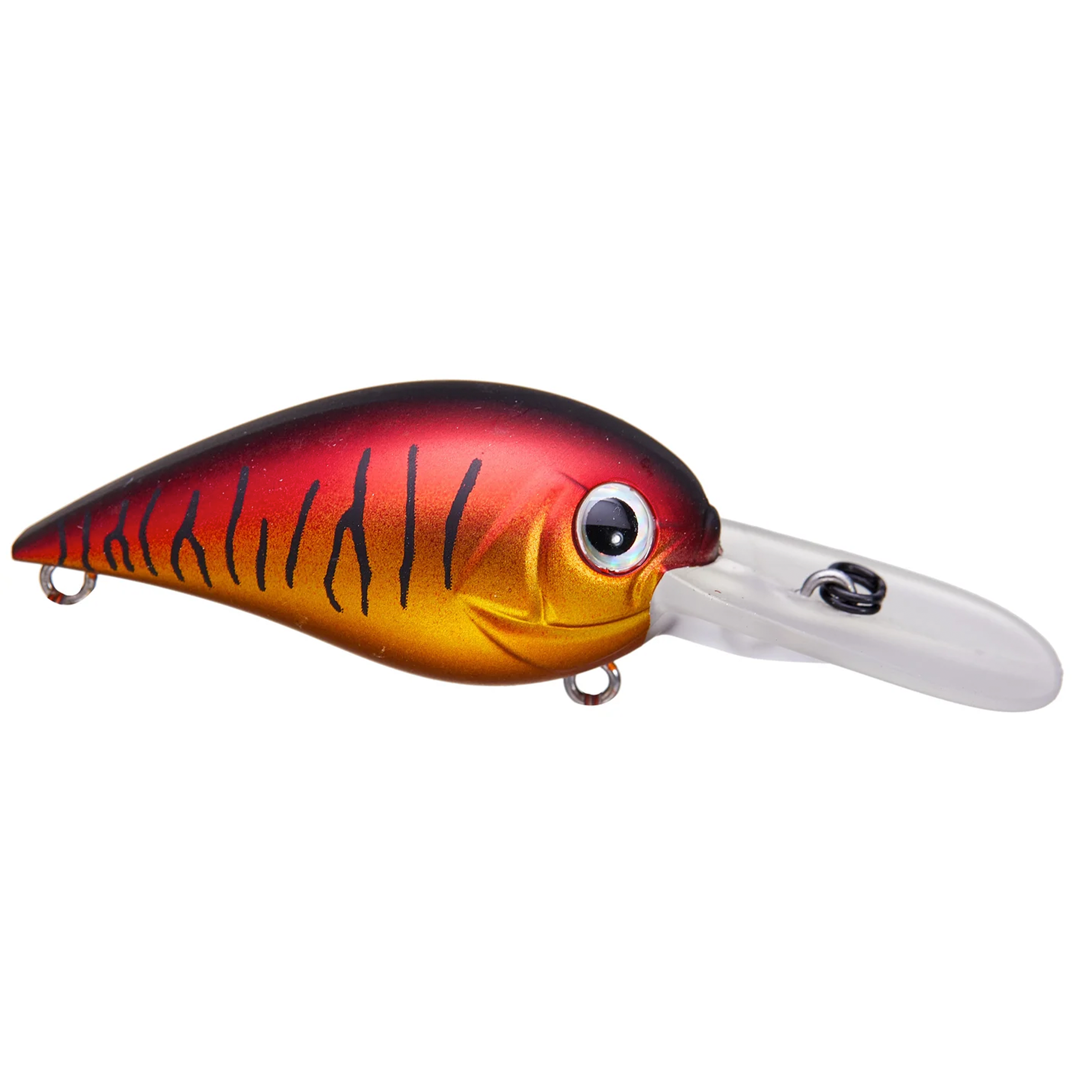
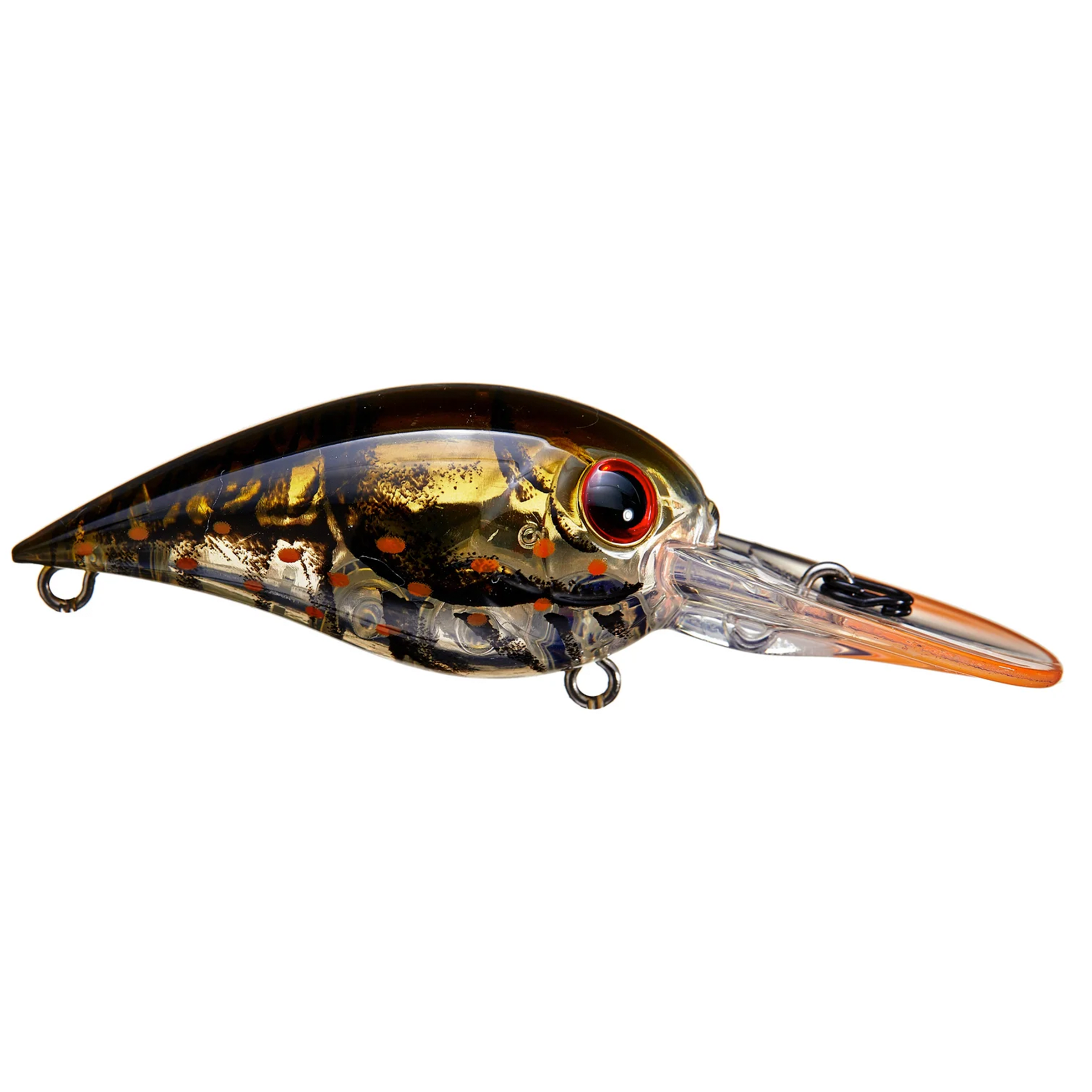
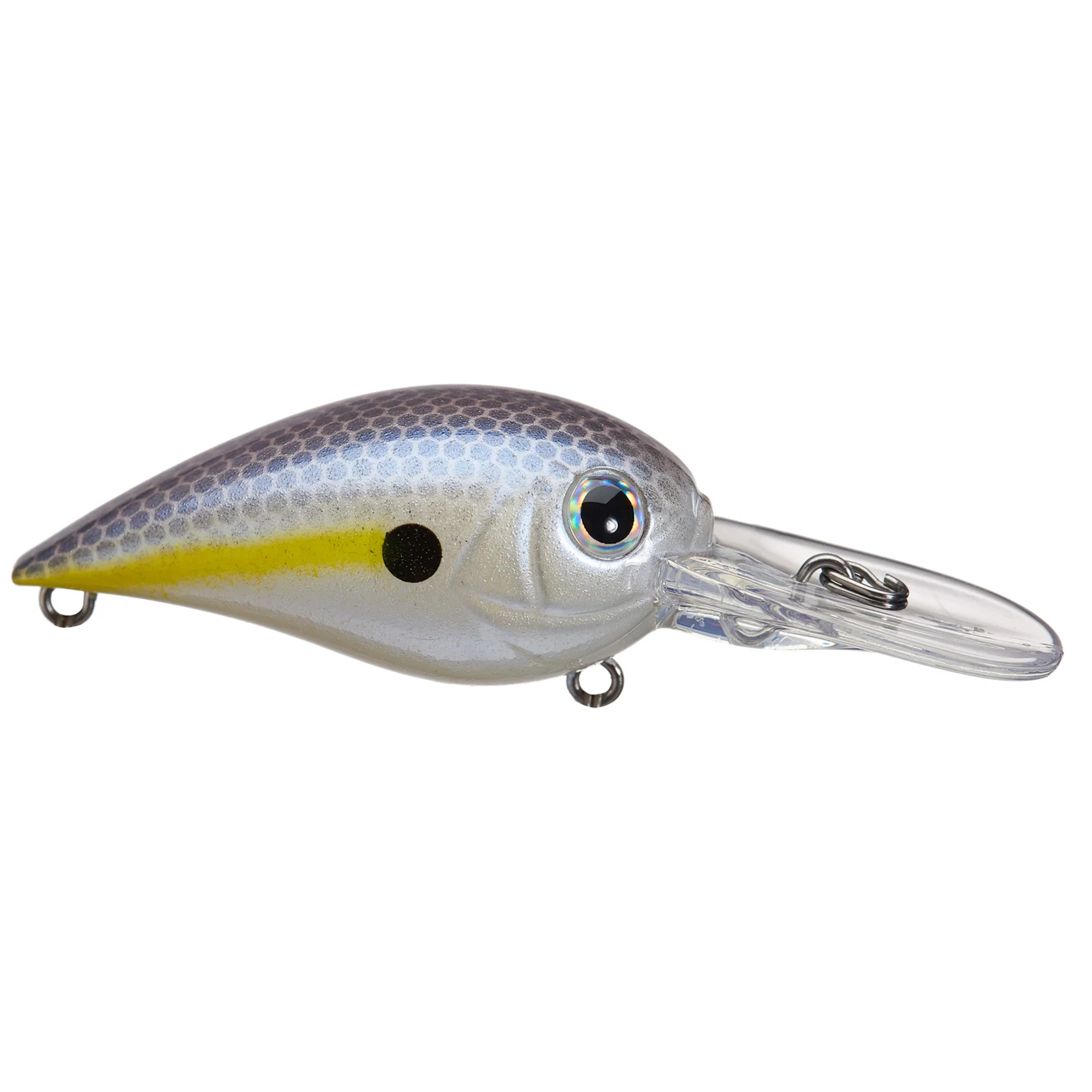
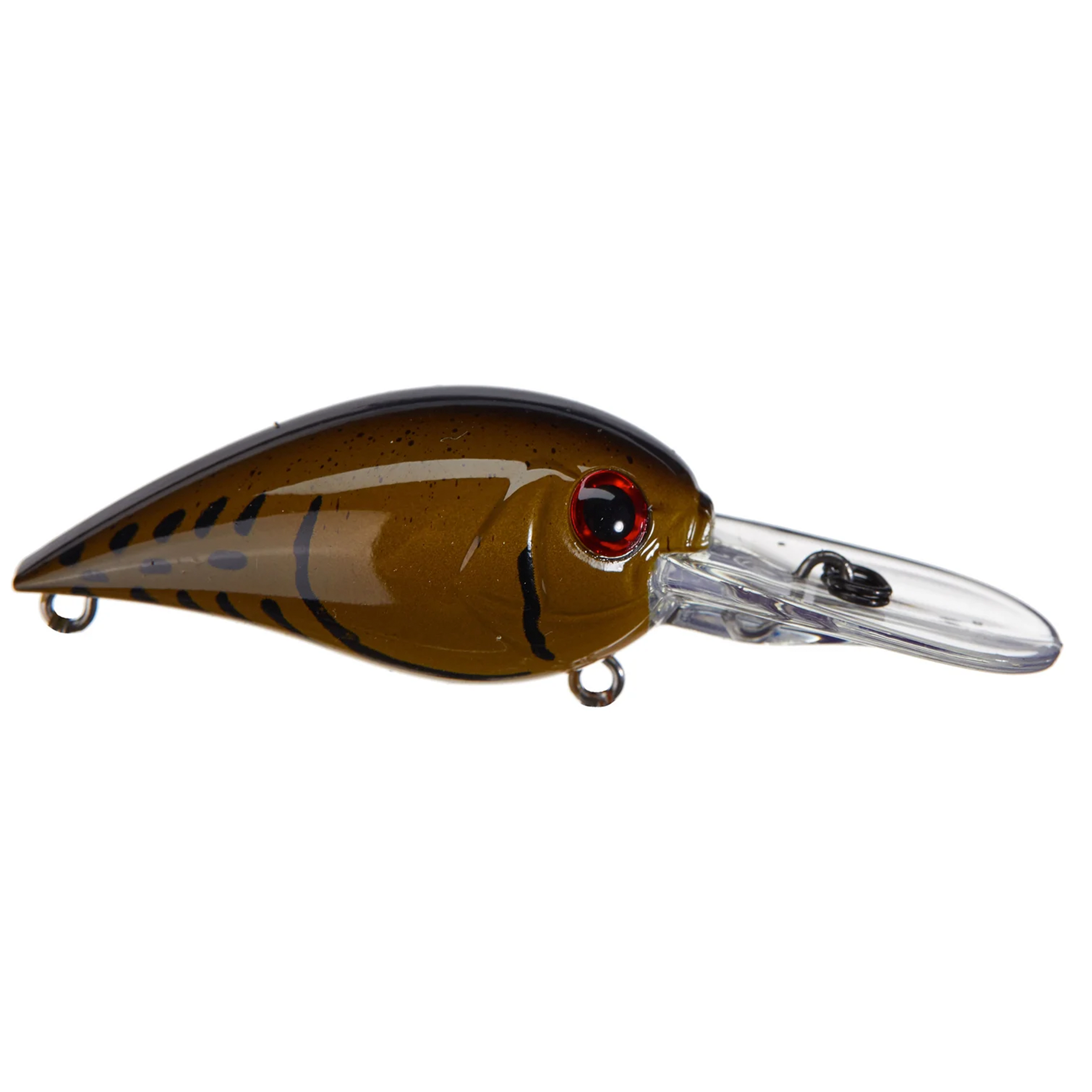
Jigs, plastic worms, crankbaits and bladed jigs, fished around submerged structure and riprap. Natural colours and low-visibility line given the clarity. Our full bait lineup covers all four seasons.
What else can I catch?
Truman is one of Missouri's top crappie lakes and is nationally regarded for catfish as well. If the bass are difficult there is genuinely something else worth targeting.
Timber, and Careful Navigation
Fifty-five thousand acres of submerged wood costs jigs and tests hooksets all day. Level Rods builds models with the backbone to pull a five-pounder clear of a stump immediately and the sensitivity to tell a bite from the hundredth piece of timber you have touched.
Tournament Winning Baits & Gear
Designed, crafted and tested by anglers who fish flooded timber every week. Free shipping on orders over $75.
Shop All Baits