Toledo Bend Bass Fishing Guide
Toledo Bend Bass Fishing, Season by Season
A hundred and eighty-five thousand acres straddling the Texas–Louisiana line, one of the largest reservoirs in the country, and a lake that produces five to ten pound bass with a regularity almost nothing else can match.
A Reservoir the Size of a County
Toledo Bend impounds the Sabine River along the Texas–Louisiana border near Hemphill, covering roughly 185,000 acres and running about sixty-five miles from end to end. It is one of the largest manmade reservoirs in the United States and the largest in the South.
The reputation is for consistency rather than record fish. Toledo Bend produces largemouth in the five to ten pound range in numbers that few lakes anywhere can match, and it does so across a huge amount of water with comparatively spread-out pressure.
The lake divides in a way worth knowing before you plan. The northern end runs more stained and shallower with more timber and river influence; the southern end is clearer and deeper with the best of the hydrilla. Guides and fishing reports routinely describe conditions separately for each, and a pattern that works on one end frequently fails on the other.
Hydrilla is the primary cover and the primary pattern. Outside grass lines in eight to twelve feet are the classic Toledo Bend target, with heavy jigs and craw combinations the traditional answer along them. Deeper structure — main lake ridges, humps, creek channel points and bends — holds fish in twelve to twenty-five feet through the harder seasons, along with planted brush tops.
Because the reservoir crosses a state line, check which licence you need. Both Texas and Louisiana license their own waters, and where you launch does not determine where you fish.
Grass Lines, Ridges and Two Ends
Four patterns cover the year. Each one pairs the technique with the baits we'd actually tie on.
Shallow Cover and Warming Water
Spring moves fish into the shallow vegetation and the shoreline cover, and the northern end typically warms first. Topwater and light Texas rigs around docks and shoreline vegetation in five to eight feet is a documented spring pattern here. Timber, brush piles, laydowns and submerged roadbeds all hold fish as they stage and spawn.


Outside Hydrilla Lines
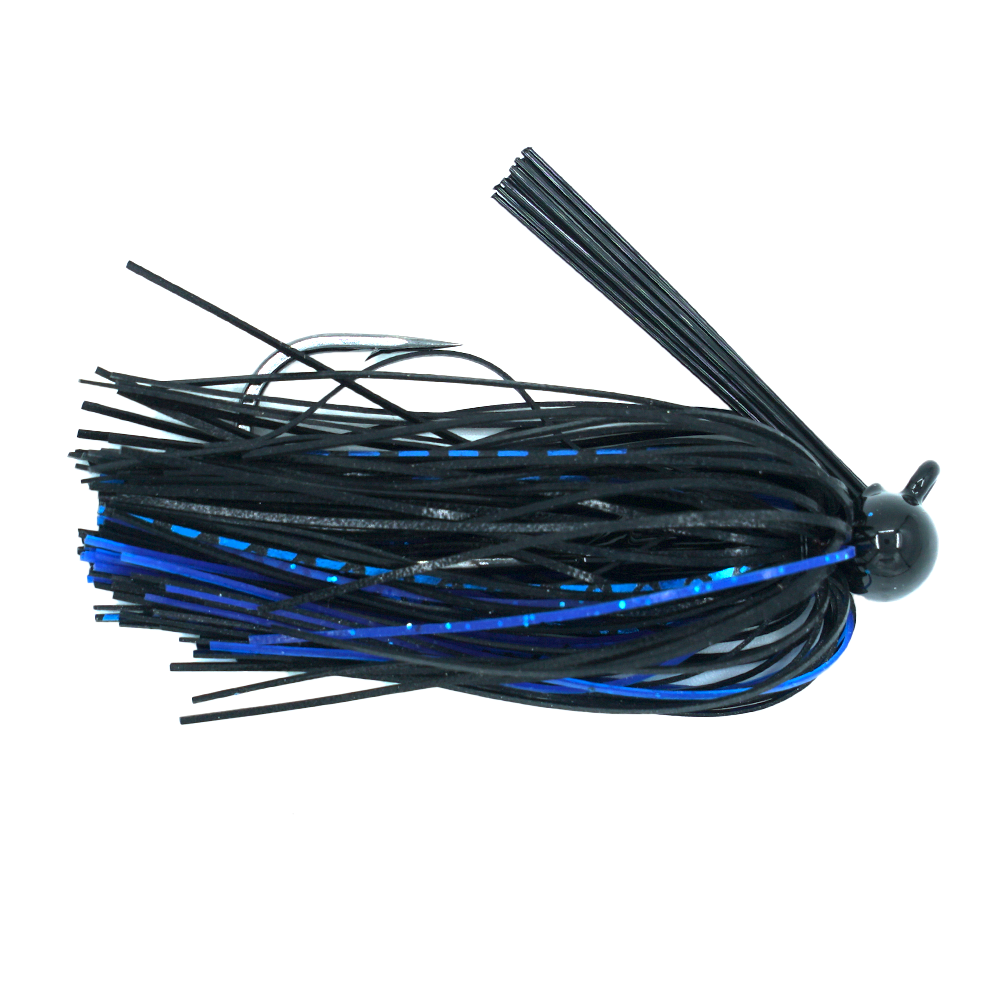
Summer is the pattern this lake is known for. Fish set up on the outside hydrilla lines in eight to twelve feet, and the traditional answer is a heavy jig and craw combination worked along the edge. Deeper structure in twelve to twenty-five feet holds the rest, and jigging spoons over it produce when the grass bite slows.

Schooling on the Flats
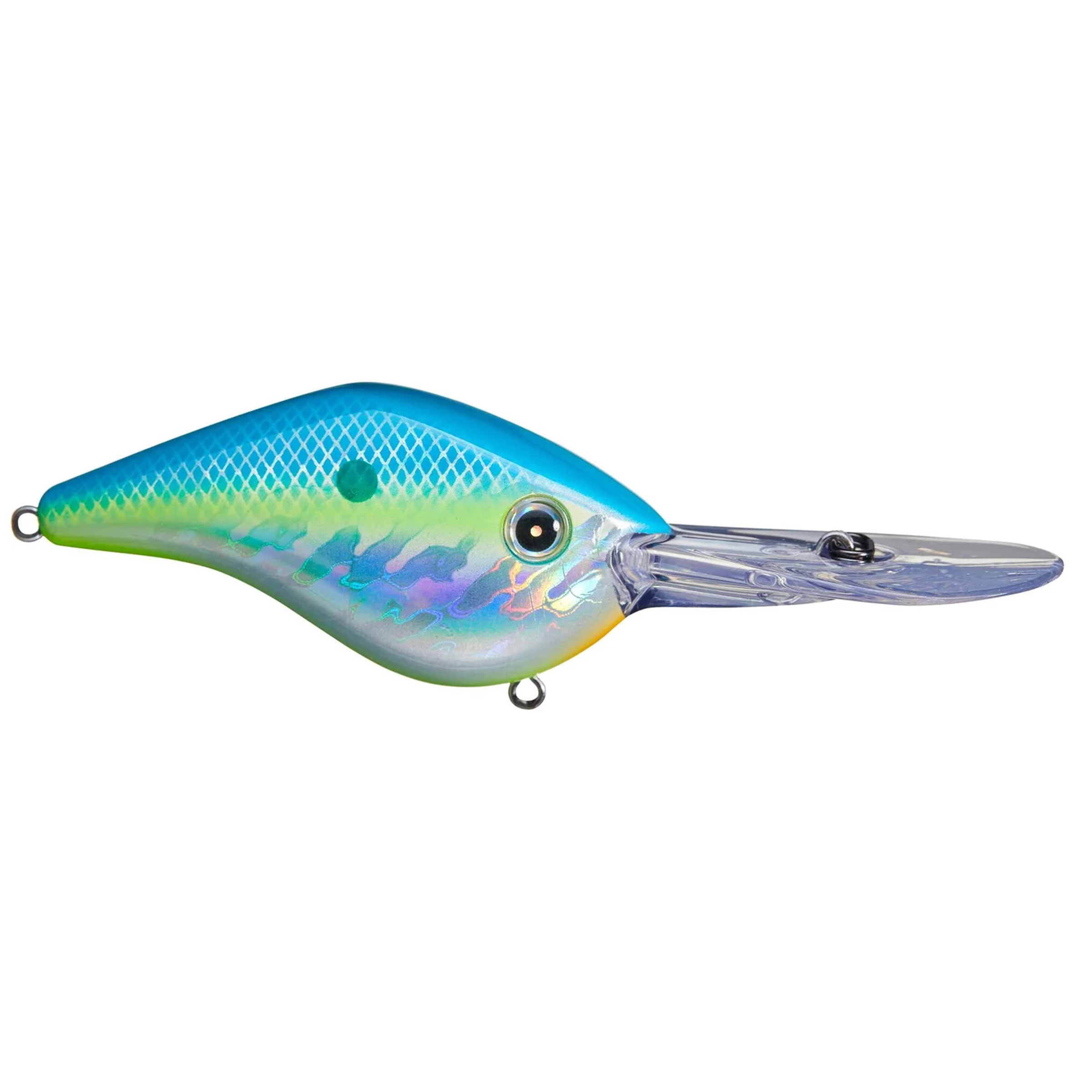
Autumn pulls the fish behind the shad and out onto timber flats, sand bars and roadbeds. White bass school along the river channel sand bars at the same time and give the location away. The lake is big enough that autumn is genuinely an exploration season here.
Deep Grass and Slow Presentations
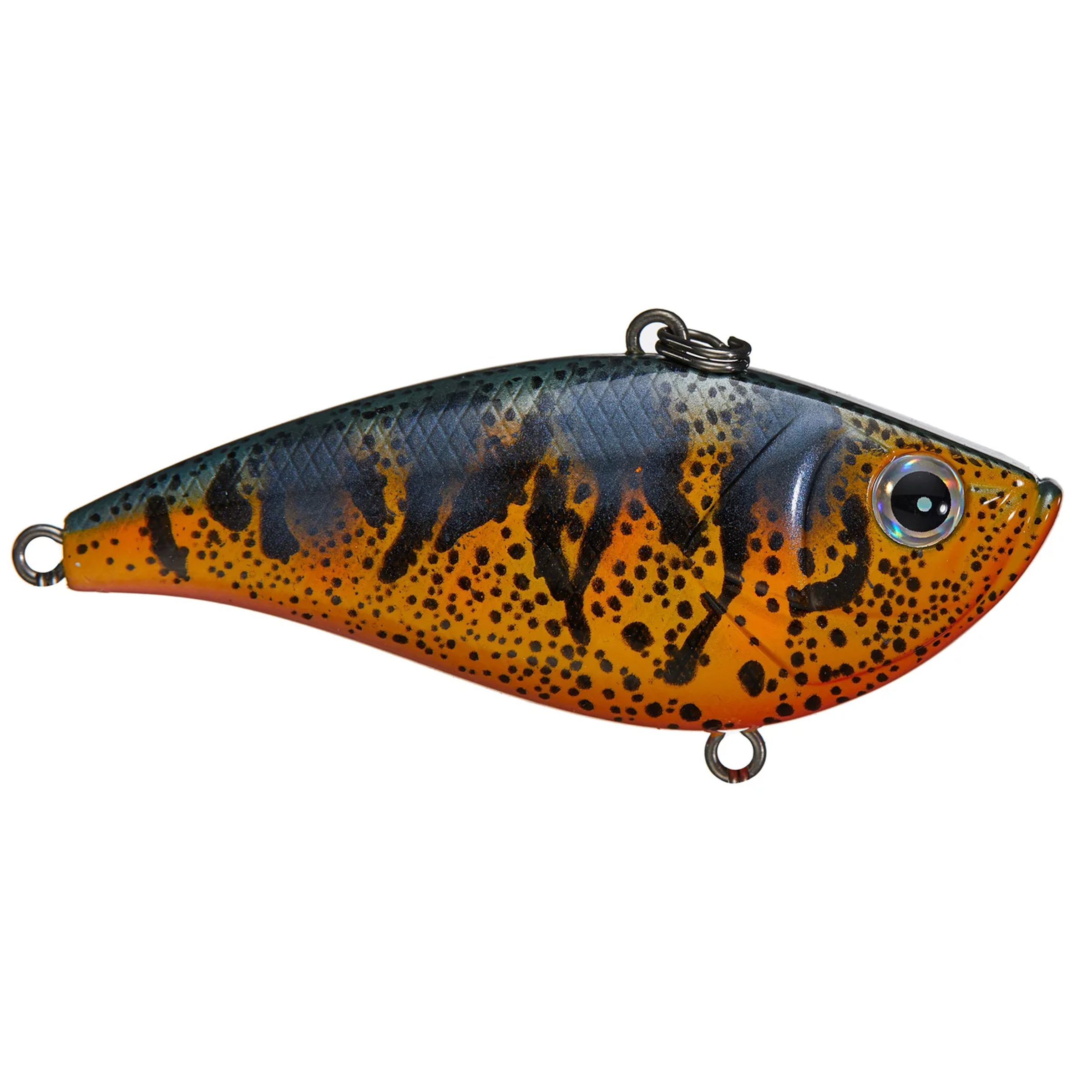
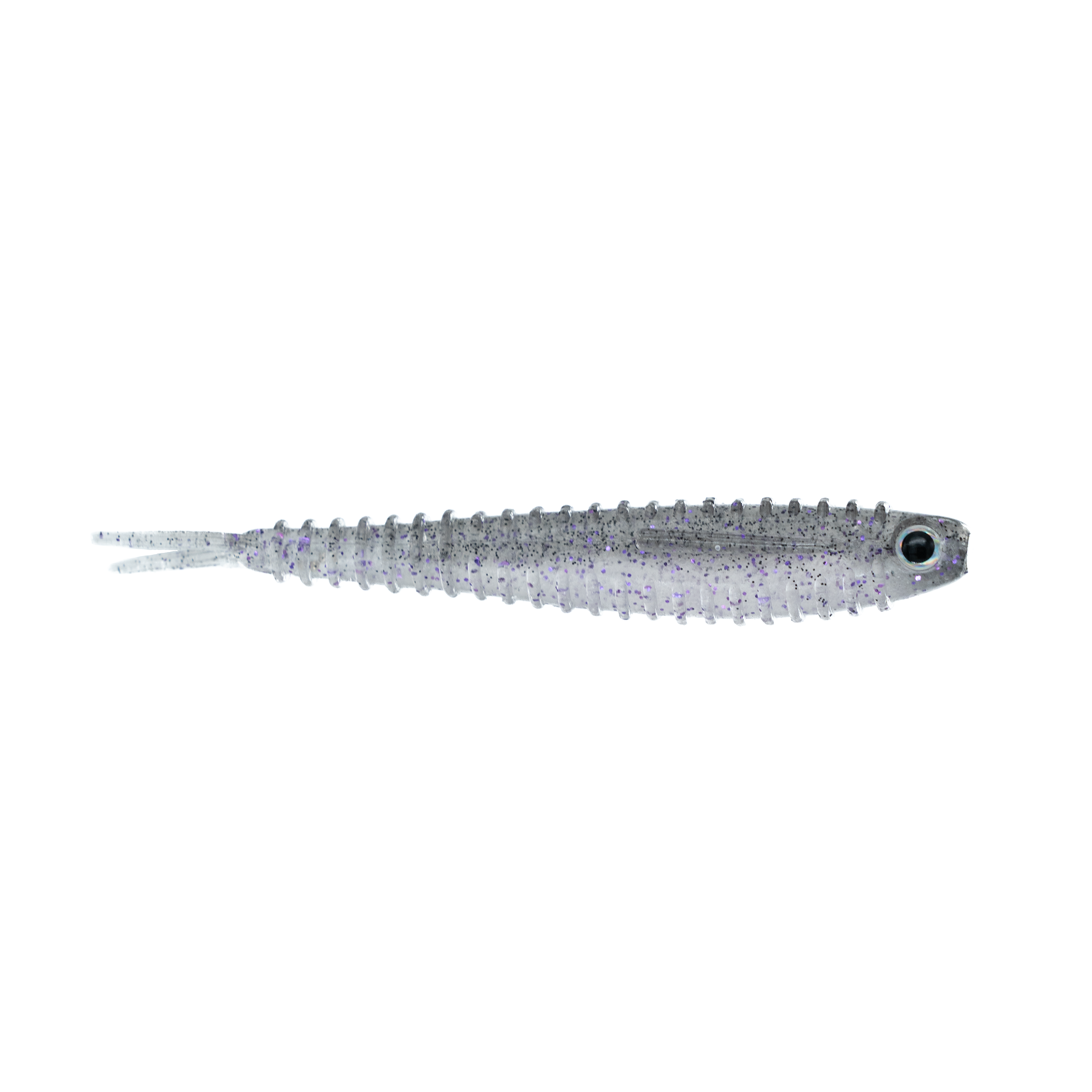
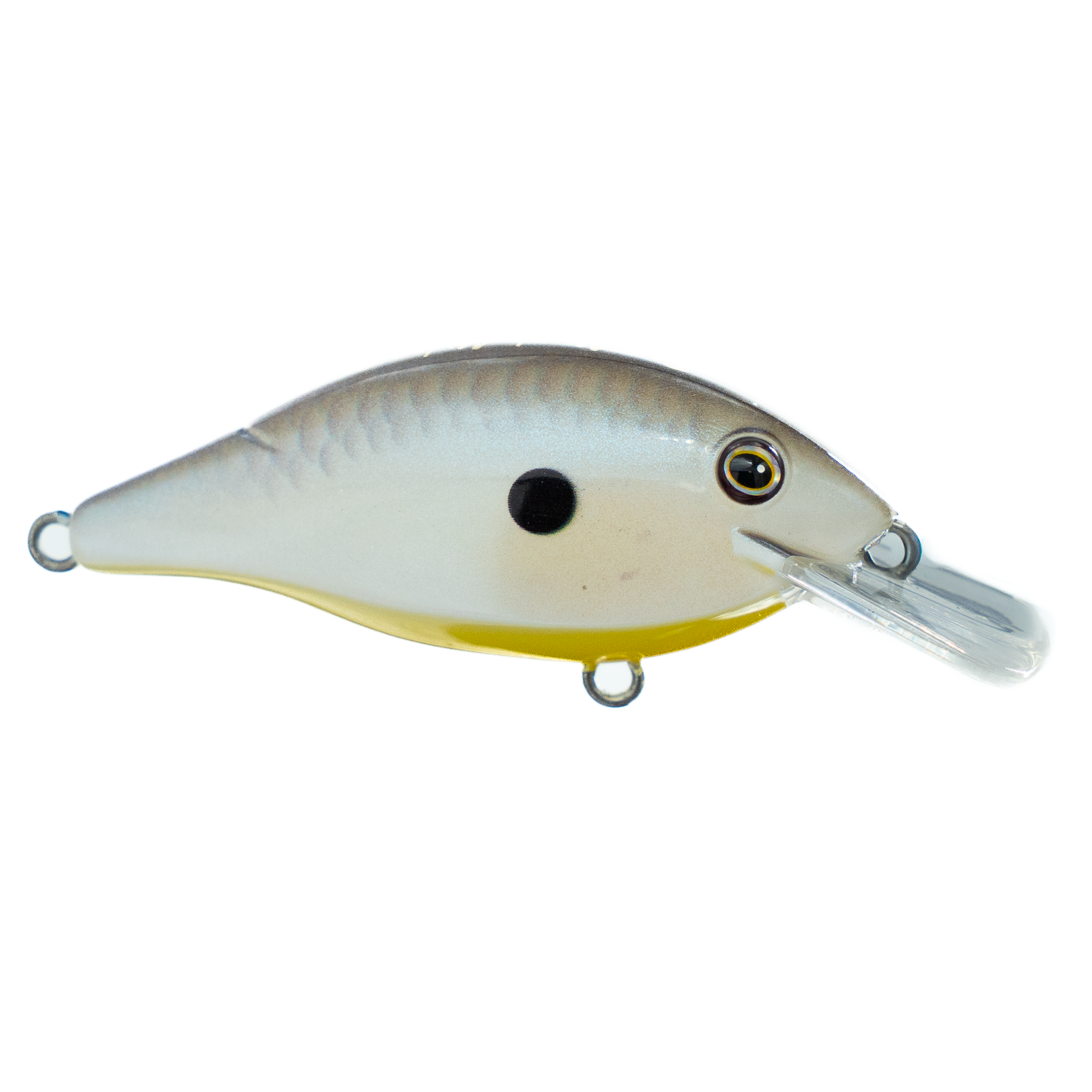
Winter concentrates fish on the deeper hydrilla on the south end and on main lake points and humps in fifteen to twenty-five feet. The bigger fish come to slow presentations — jig and craw combinations and heavily weighted Texas rigs worked over deep grass are the local standard through the cold months.
Toledo Bend Access
Ramps and marinas serve both the Texas and Louisiana shorelines along the full sixty-five miles. Hemphill is the main Texas town on the lake. Given the size, pick an end and launch into it rather than planning to run the whole reservoir.
The South End Hydrilla
Clearer, deeper water and the best grass on the reservoir. The outside hydrilla lines in eight to twelve feet are the signature Toledo Bend pattern and the first place to go when the north end is stained or muddy.
The North End Timber
Shallower, more stained, more river influence and more wood. It warms first in spring and holds fish when the clear south end gets difficult. Fishes more like an East Texas timber lake than a grass lake.
Main Lake Ridges and Humps
Offshore structure in twelve to twenty-five feet holding fish through summer and winter, along with planted brush tops. This is where the lake is fished when neither shallow pattern is working, and it rewards time spent idling with electronics.
Toledo Bend Bass Fishing FAQ
How big is Toledo Bend?
About 185,000 acres, roughly sixty-five miles long, straddling the Texas–Louisiana border on the Sabine River near Hemphill. It is the largest reservoir in the South and one of the largest in the country.
Do I need a Texas or Louisiana license?
Depends where you fish, not where you launch. Both states license their own portion of the reservoir. Check which side you will be on and buy accordingly, or carry both if you plan to move around.
Is the north or south end better?
They are different. The south end is clearer and deeper with the best hydrilla; the north end is shallower, more stained and has more timber and river influence. The north warms first in spring. Fishing reports for this lake are routinely issued separately for each end, which tells you how differently they fish.
What is the main pattern on Toledo Bend?
Outside hydrilla lines in eight to twelve feet, worked with a heavy jig and craw combination. That is the signature Toledo Bend approach and it produces across most of the year. Deep structure in twelve to twenty-five feet is the fallback when the grass bite is off.
How big do the bass get?
Toledo Bend is known for consistency more than for record fish — largemouth in the five to ten pound range in numbers few lakes match. It does produce ShareLunker-class fish, but if a single giant is the goal, Fork and O.H. Ivie are the Texas answers.
When is the best time to fish Toledo Bend?
Spring for the spawn and autumn for the shad migration are the strongest. Summer produces well on the outside grass lines if you can stand the heat. Winter fishes slower but the bigger fish come on deep grass.
What baits work best on Toledo Bend?
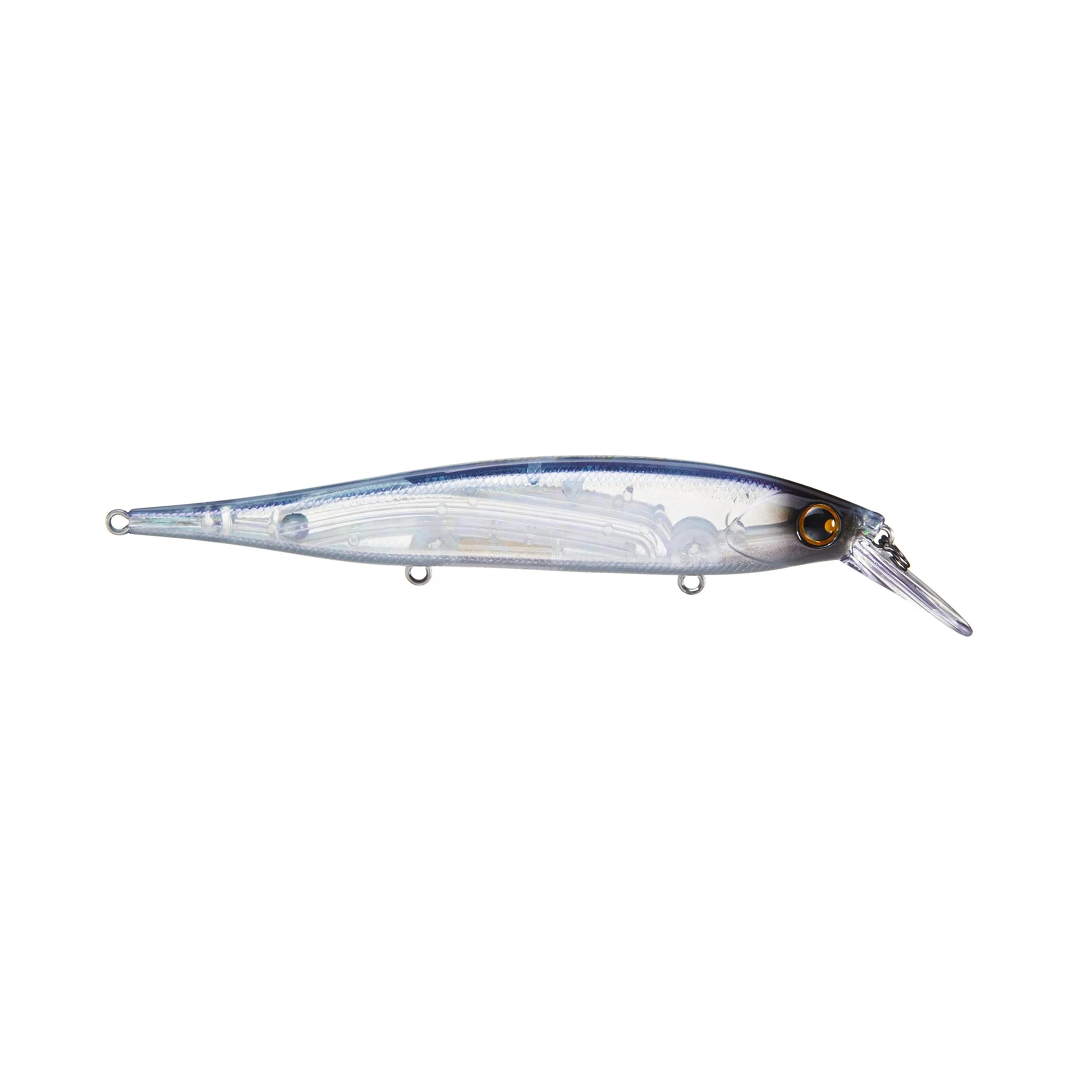
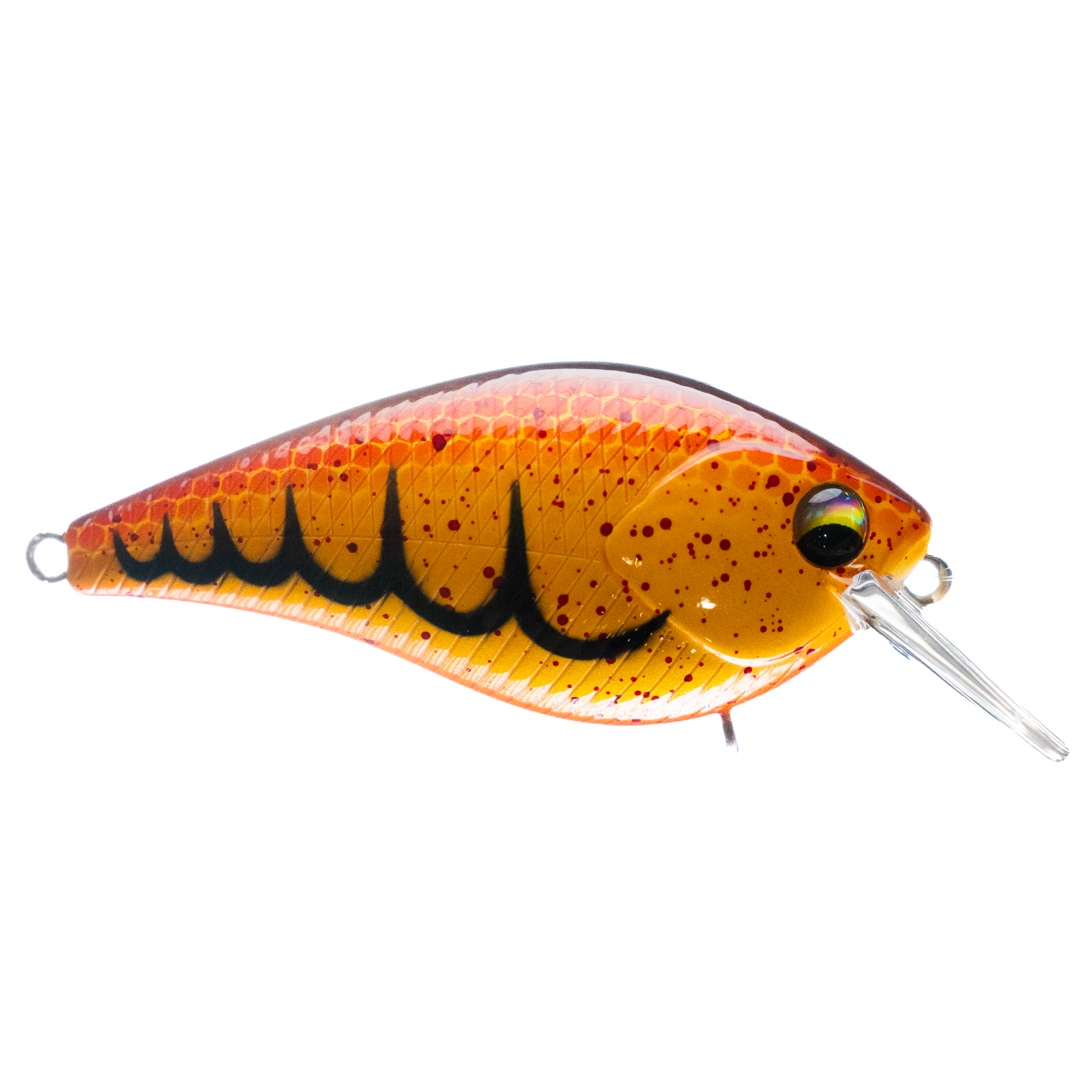
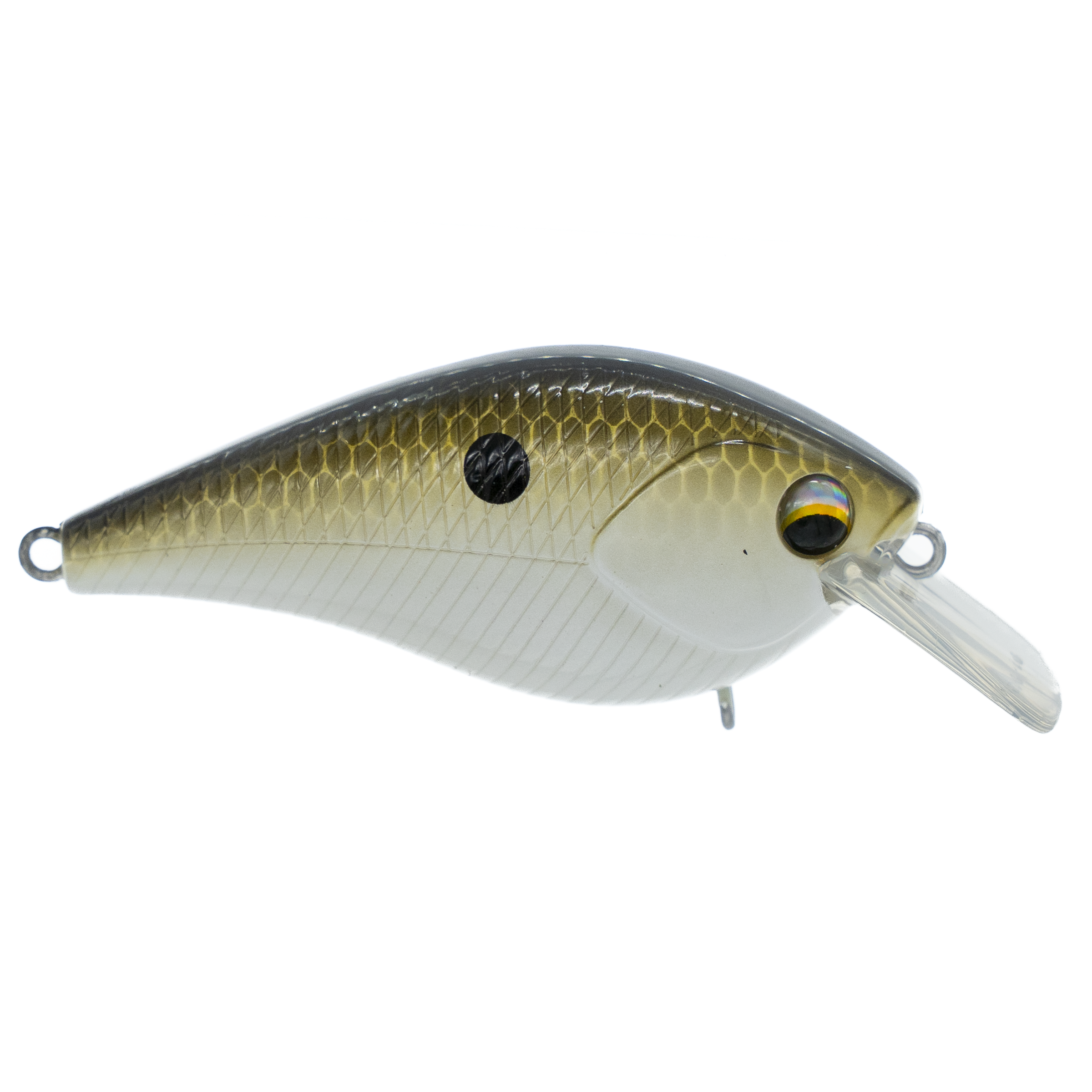
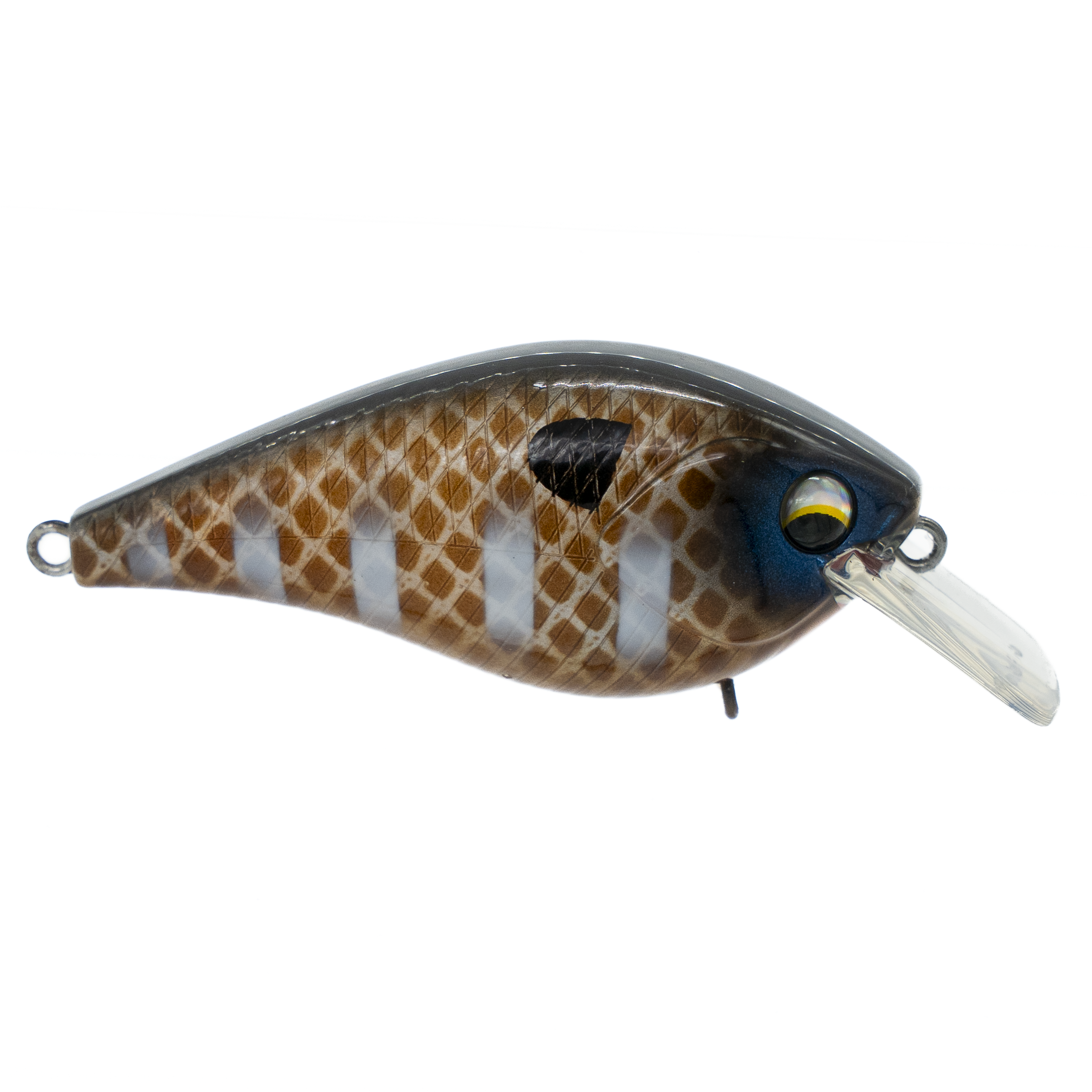
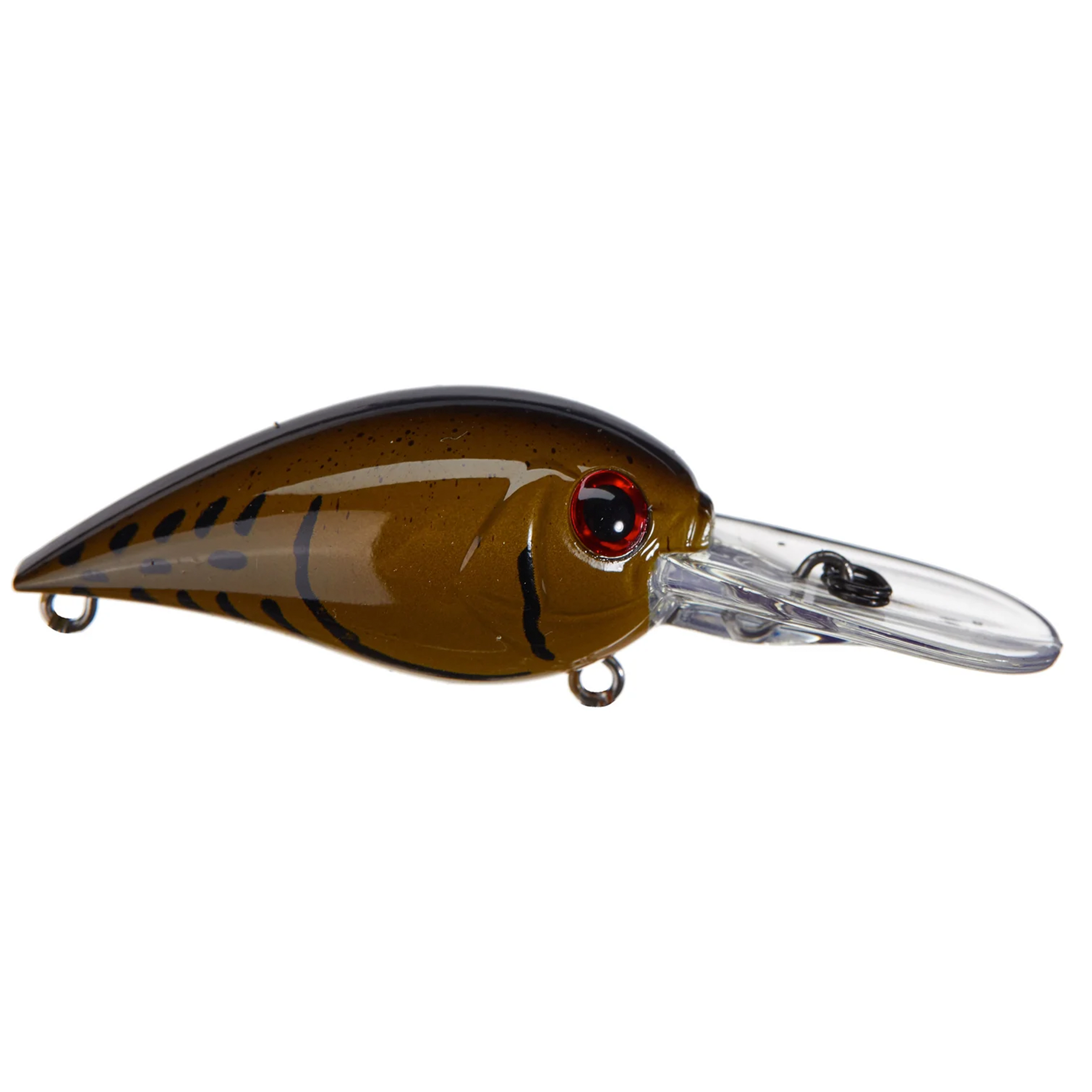
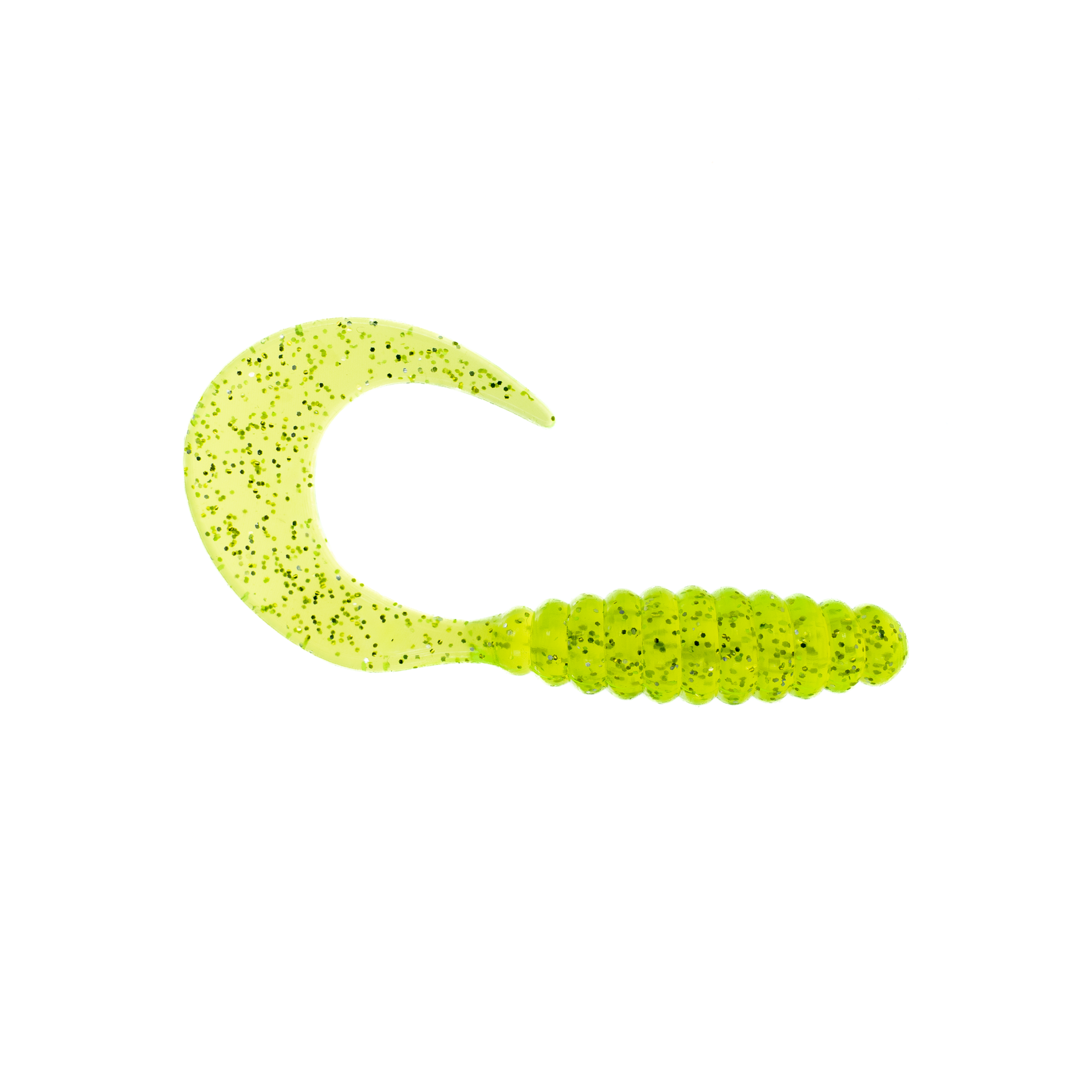
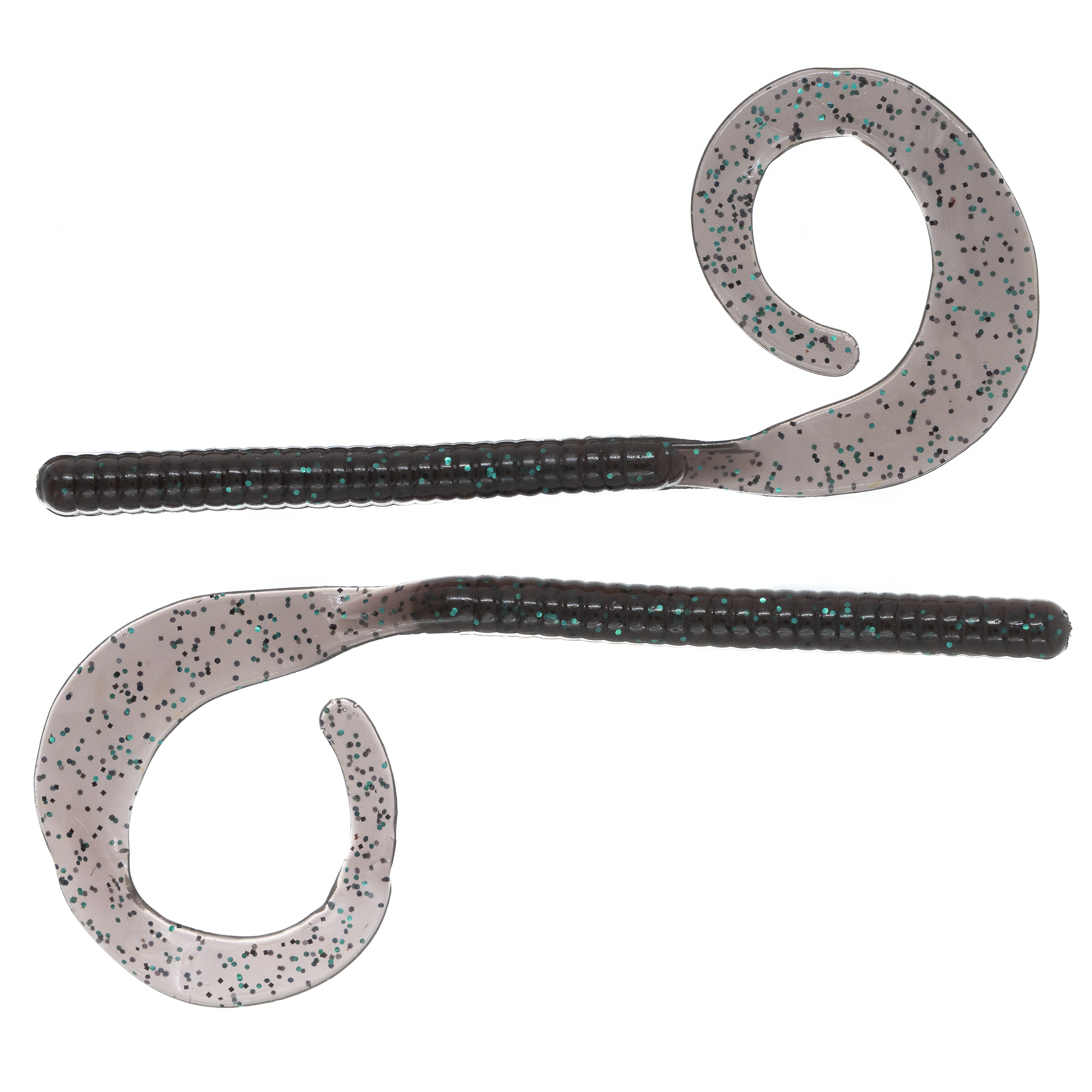
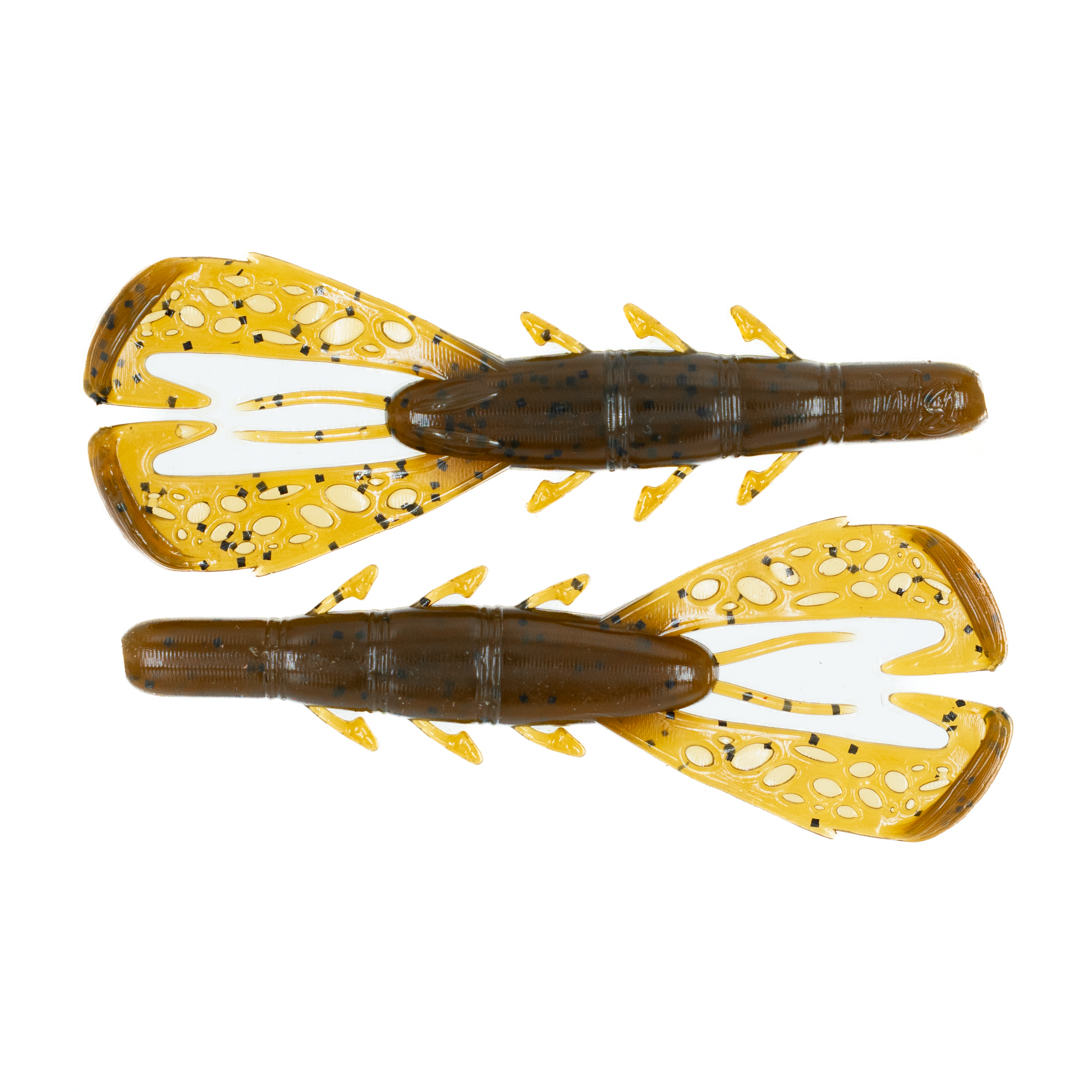
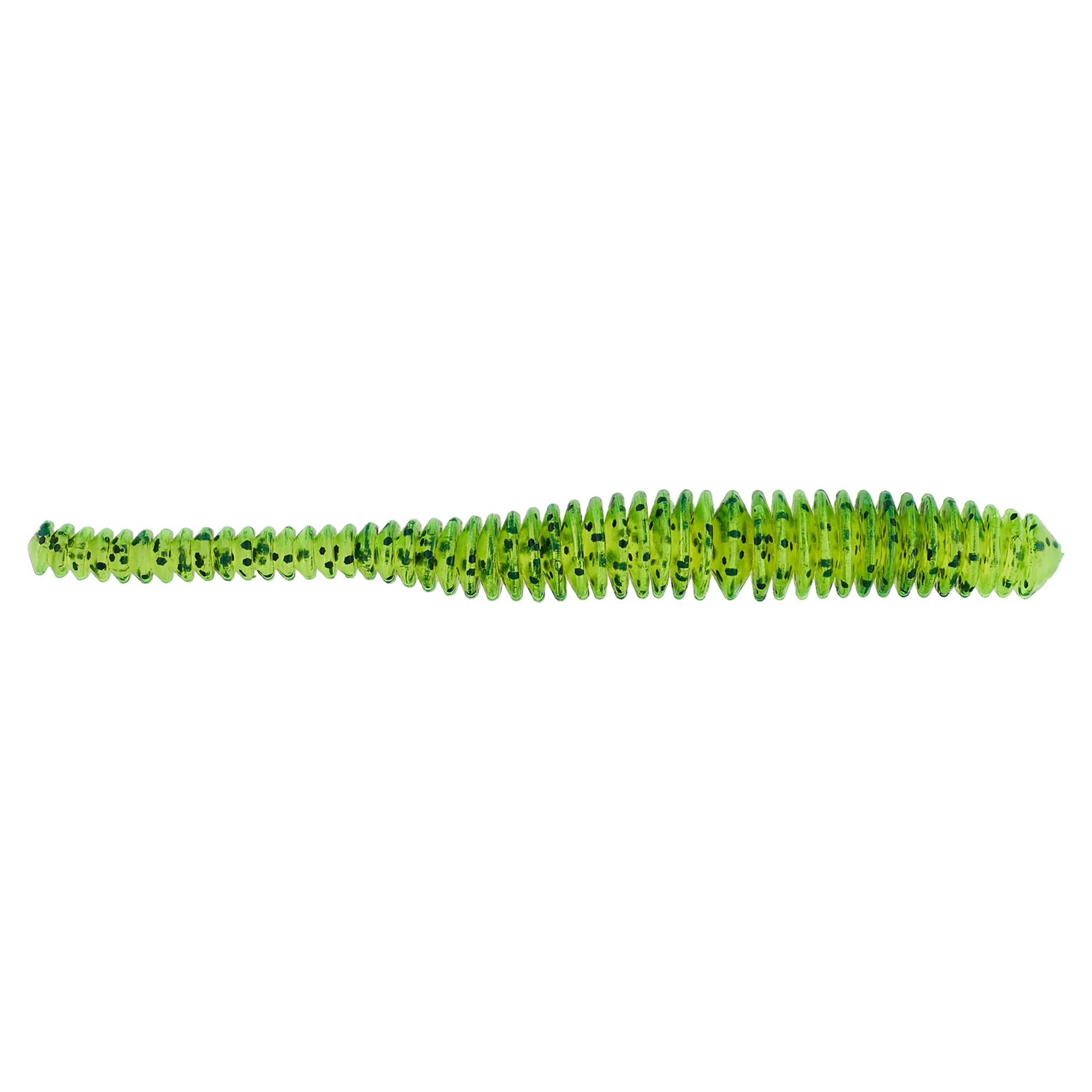
Heavy jigs and craw trailers along grass lines, Carolina-rigged plastics on ridges and humps, Texas rigs through vegetation, and topwater plus shallow crankbaits when fish school in autumn. Our full bait lineup covers all four seasons.
Is Toledo Bend hard to navigate?
It is very large and it holds timber, particularly on the north end. Learn one section rather than trying to run sixty-five miles of reservoir, and use GPS in the timber. Most anglers who fish it well fish a fraction of it.
Heavy Jigs, Deep Grass
Dragging a heavy jig and craw down an outside hydrilla line in twelve feet, all day, is the Toledo Bend job description. Level Rods builds models with the backbone to move a fish out of grass immediately and enough sensitivity to know the difference between a strand and a bite at the end of a long cast.
Tournament Winning Baits & Gear
Designed, crafted and tested by anglers who fish grass lines every week. Free shipping on orders over $75.
Shop All Baits