
Taylorsville Lake Bass Fishing Guide
Taylorsville Bass Fishing, Season by Season
Three thousand acres of the Salt River half an hour from Louisville, full of standing timber and brush, and one of the best early-spring largemouth lakes in Kentucky. Taylorsville is the metro lake that still fishes like a real one.
Close to the City, Still Good
Taylorsville Lake impounds the Salt River in Spencer and Anderson counties, about half an hour southeast of Louisville. At around 3,050 acres it is small next to Cumberland and Barkley, but its proximity to Kentucky's largest city makes it the most-fished quality bass water in the state.
The state fisheries department names it among the lakes offering excellent early spring bass fishing, alongside Green River and Barren River, and that early bite is the lake's calling card. Fish move up and get catchable here before many of Kentucky's deeper reservoirs have woken up.
The habitat is timber and brush. Standing wood, laydowns, submerged brush piles and stump flats fill the creek arms and the coves, and the old Salt River channel runs through the middle giving fish a route between deep and shallow. There is limited aquatic vegetation.
Largemouth are the main event, with smallmouth, crappie, white bass, channel catfish and bluegill alongside them. The lake carries a reputation for good numbers rather than giants, which suits the way most people fish it — an evening after work rather than a destination trip.
Pressure is the honest caveat. This is the closest good bass water to a metro area of well over a million people, and the obvious spots get fished daily. The anglers who do well here work the timber nobody else bothers to pick apart, or fish the hours nobody else will.
Access is straightforward, with a state park, marina and multiple ramps, which is another reason it absorbs the traffic it does.
Timber, Coves and the Salt River Channel
Four patterns cover the year. Each one pairs the technique with the baits we'd actually tie on.
The Early Bite
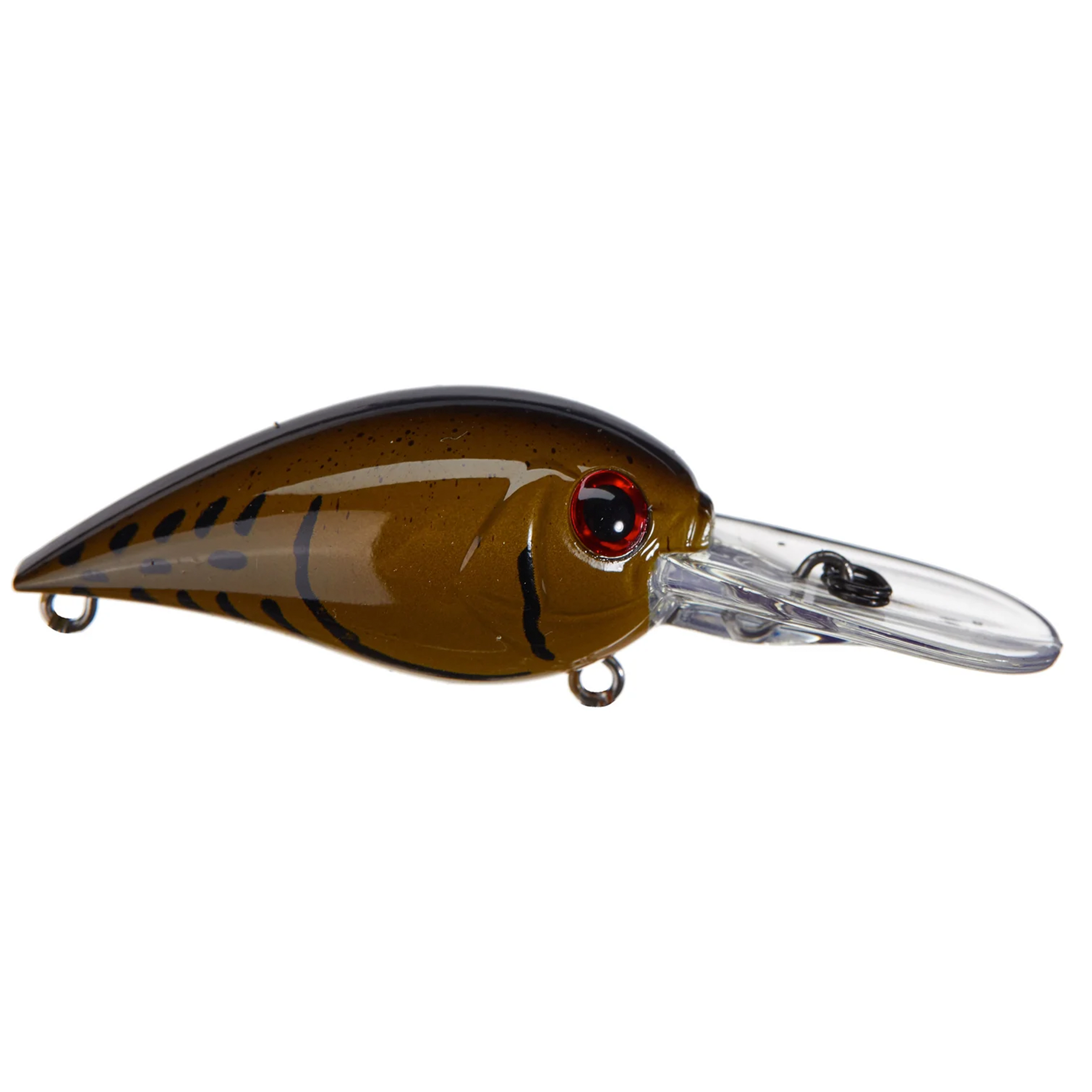
Early spring is what this lake is known for. Largemouth move shallow into the timber and the backs of the coves sooner than they do on Kentucky's deeper reservoirs, which makes Taylorsville the place to go when you want to start fishing and the big lakes are still cold. Prespawn fish stage on the channel edges leading into the spawning coves.


Deep Timber and Off Hours
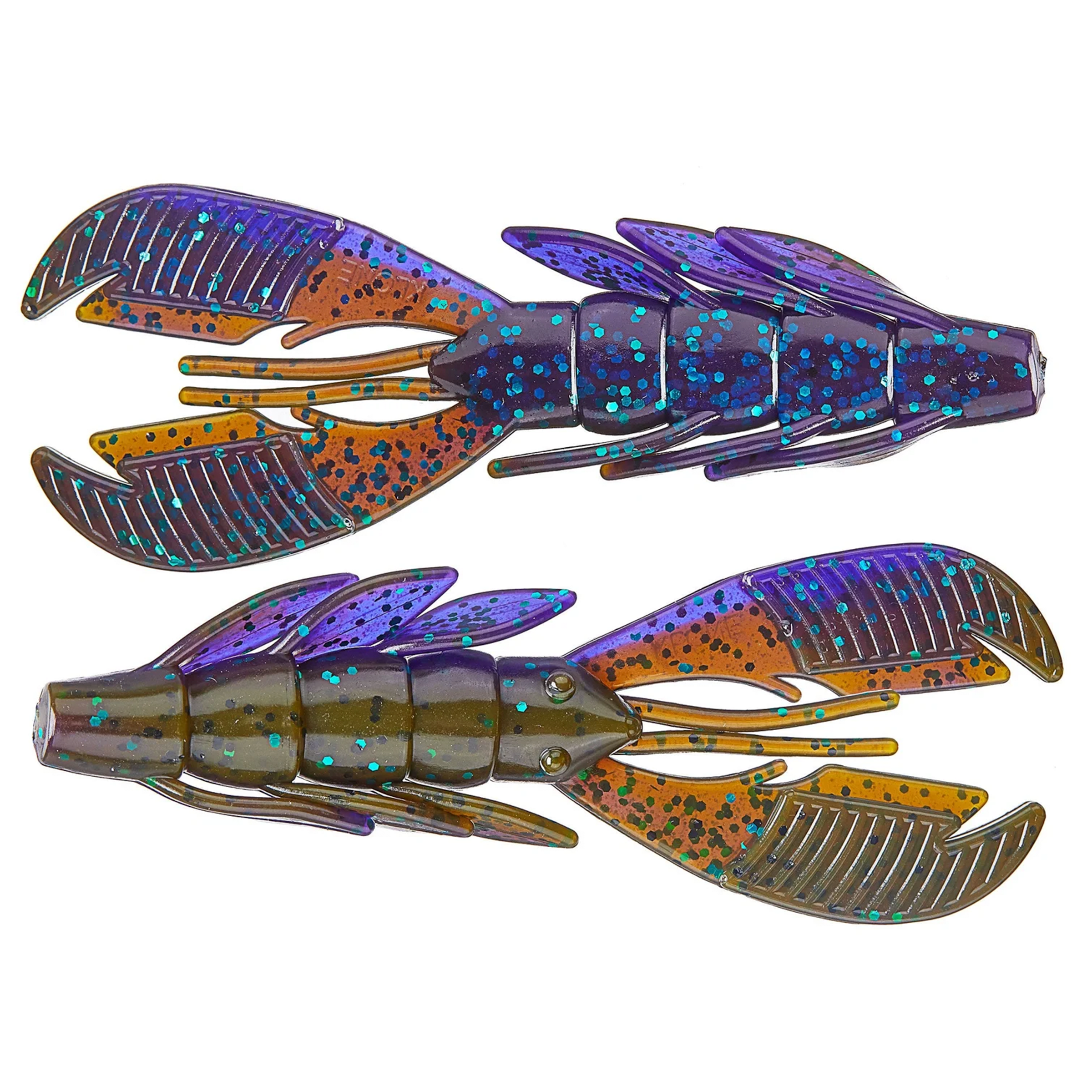
Summer pushes fish onto the deeper timber and the channel edges and puts recreational traffic on the lake through the middle of the day. Early morning, late evening and midweek are the productive windows. Brush piles and submerged wood along the channel hold fish through the heat.


Shad Into the Creek Arms
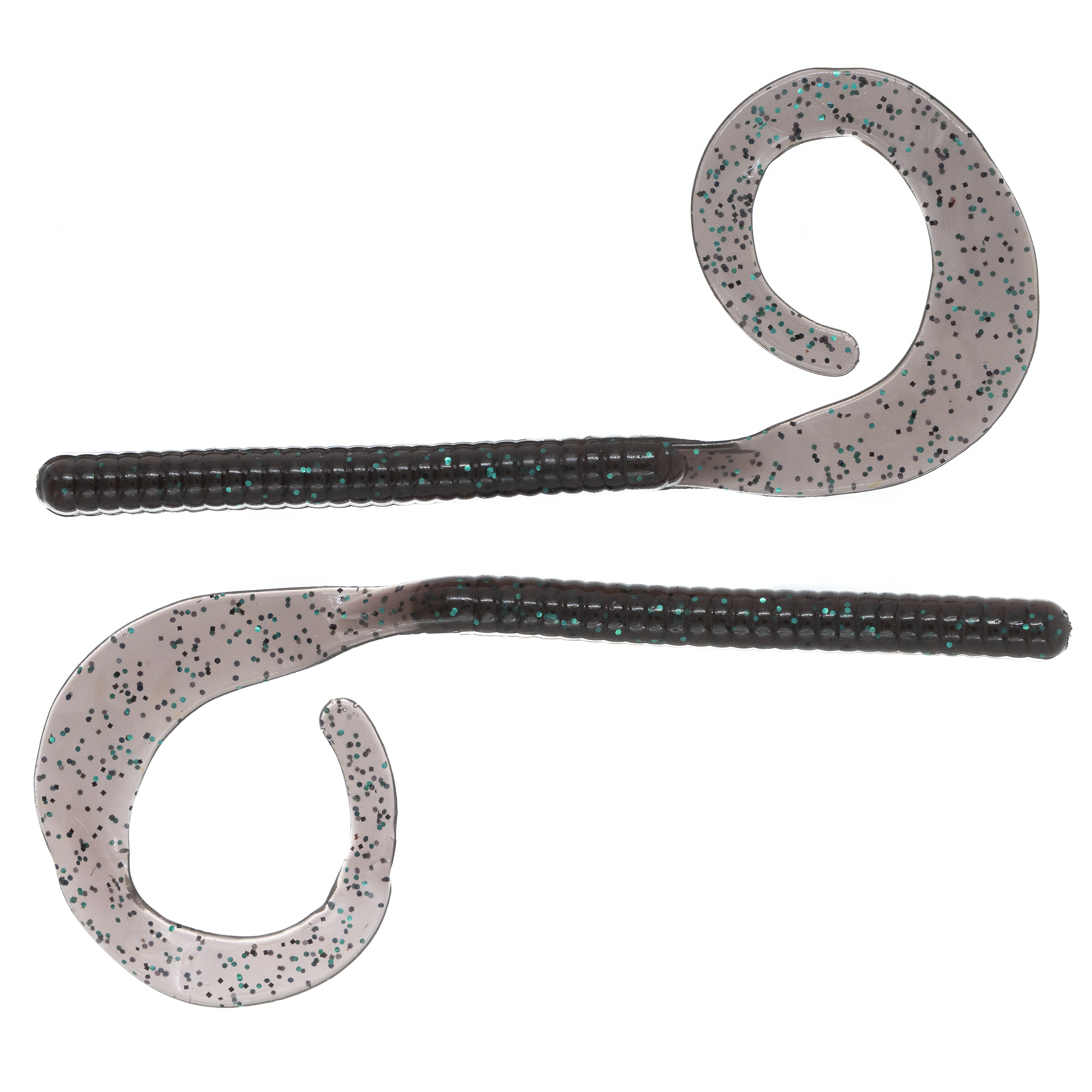
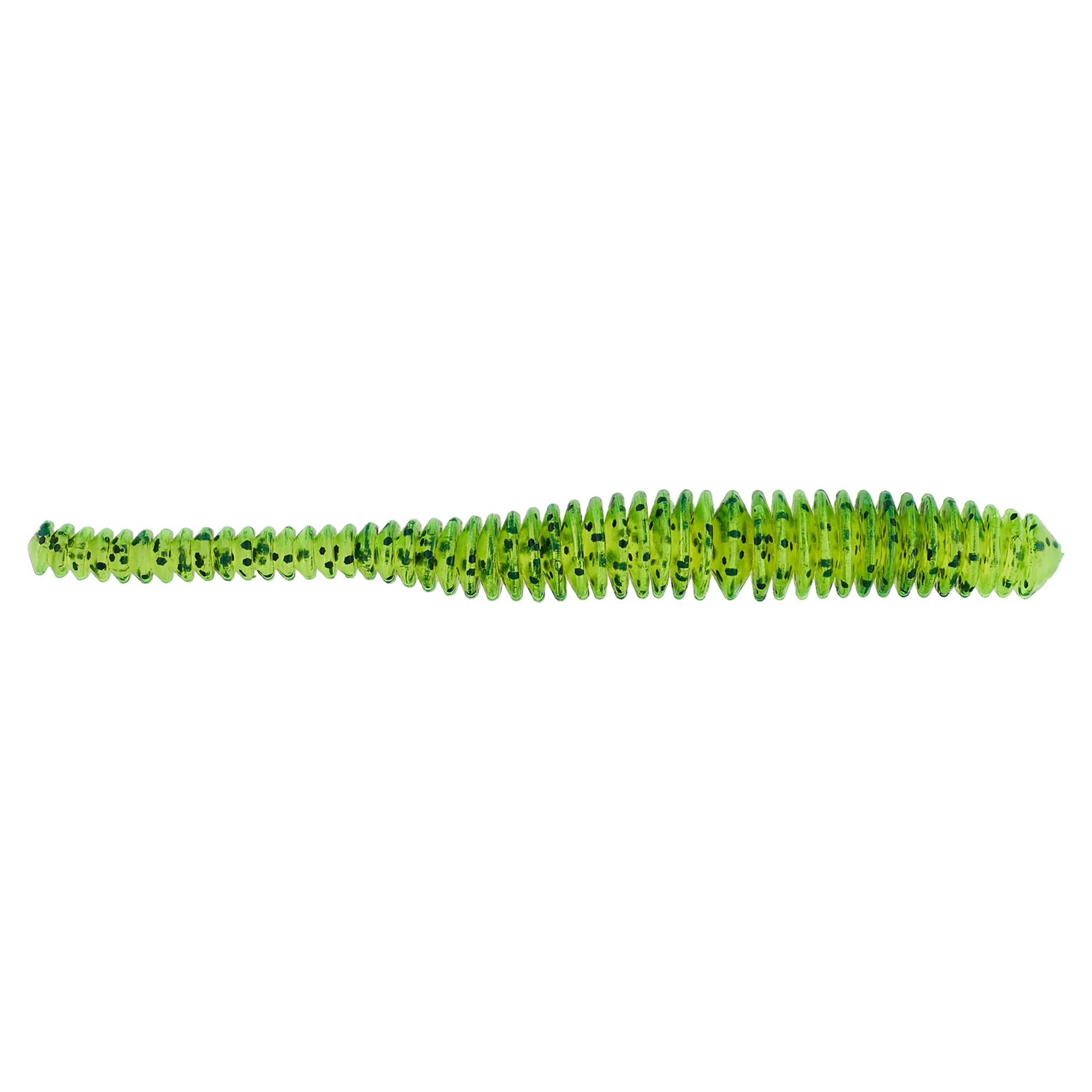
Autumn moves bait into the creek arms and the coves and the bass follow, and the summer boat traffic disappears. It is the most comfortable fishing of the year and the fish are aggressive enough to chase moving baits, which suits a lake where covering water is often the challenge.
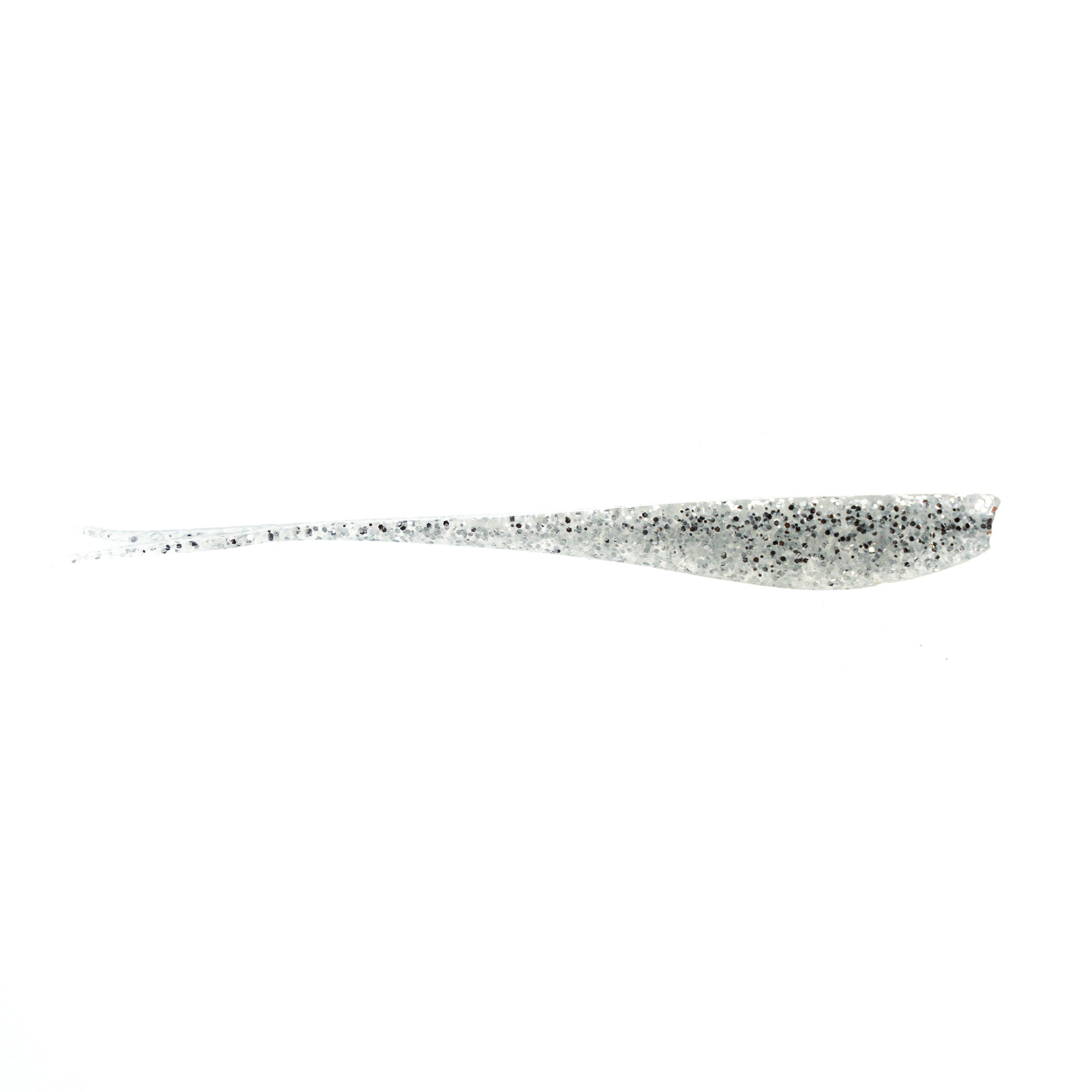
Deep Wood and Nobody Around
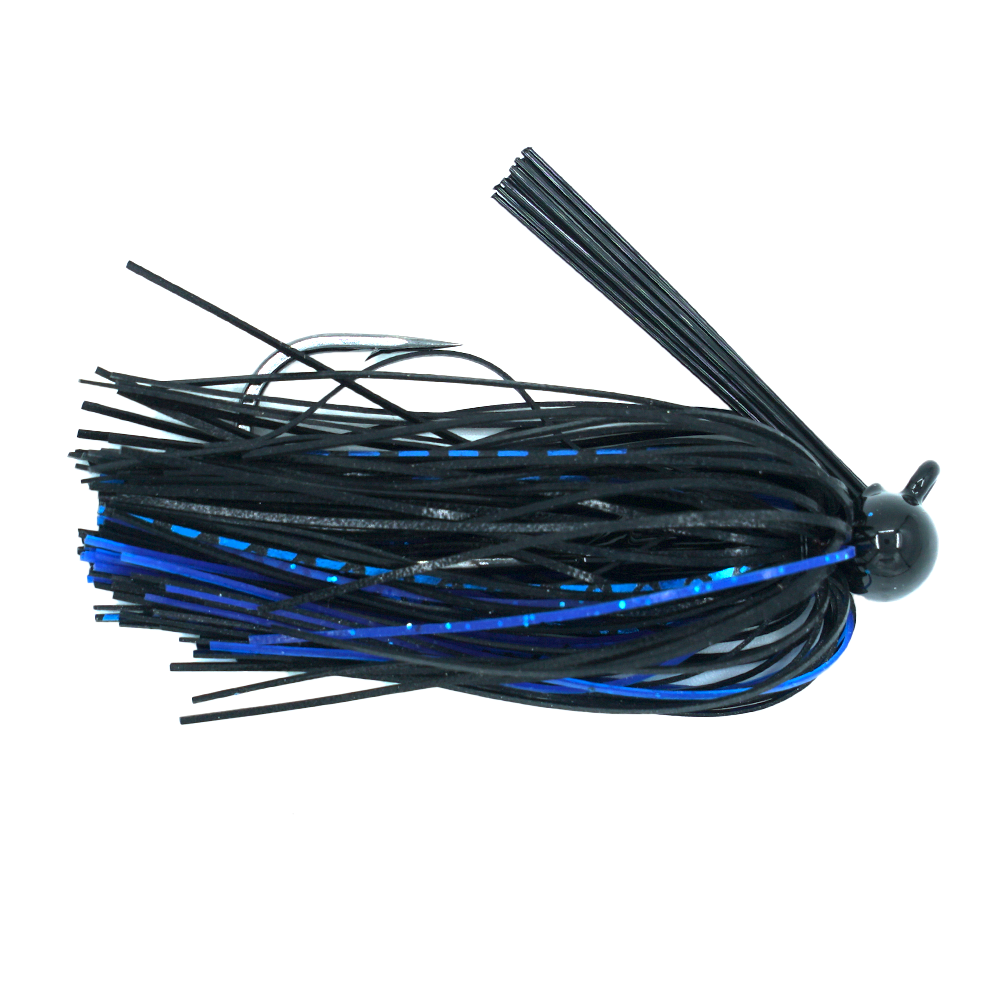
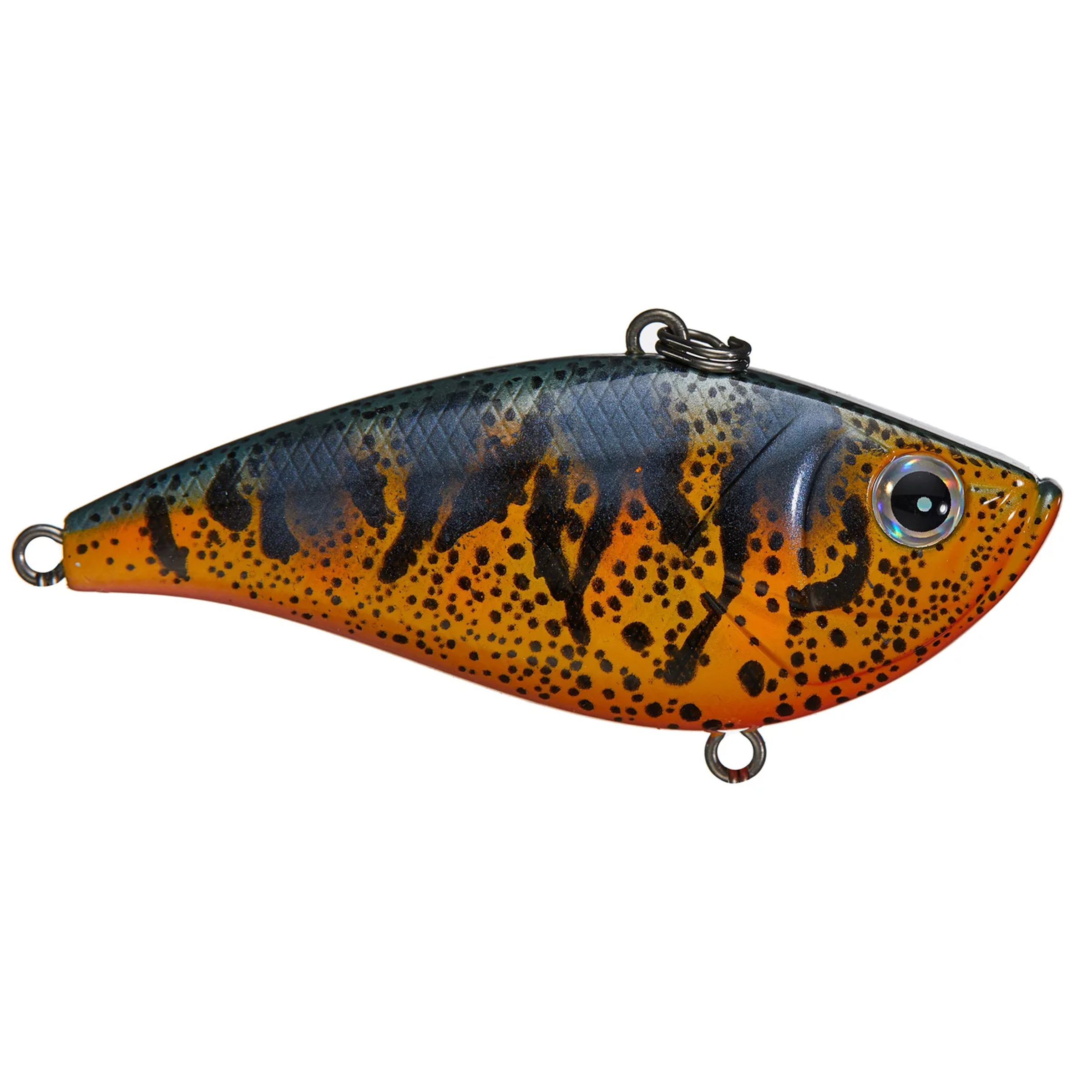
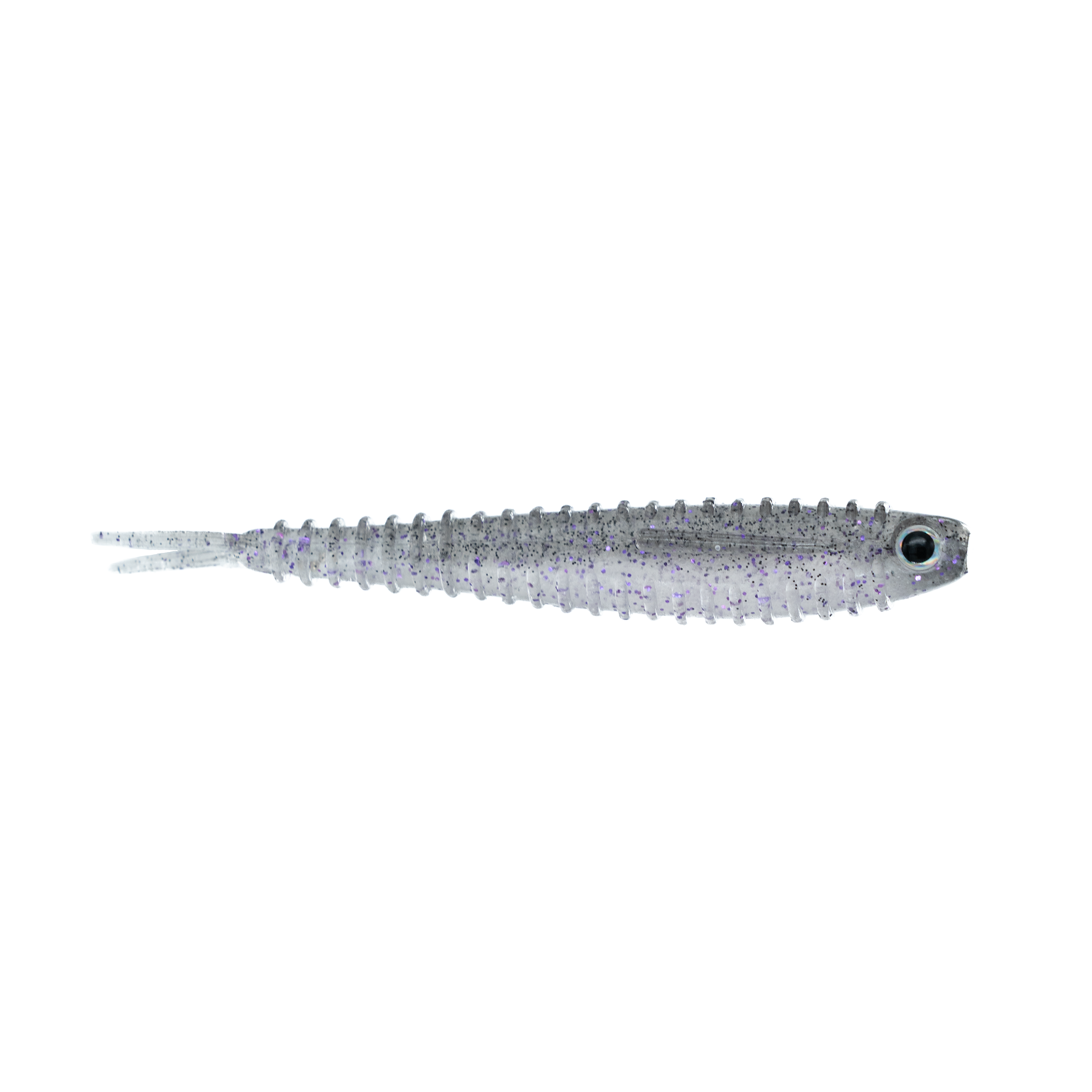
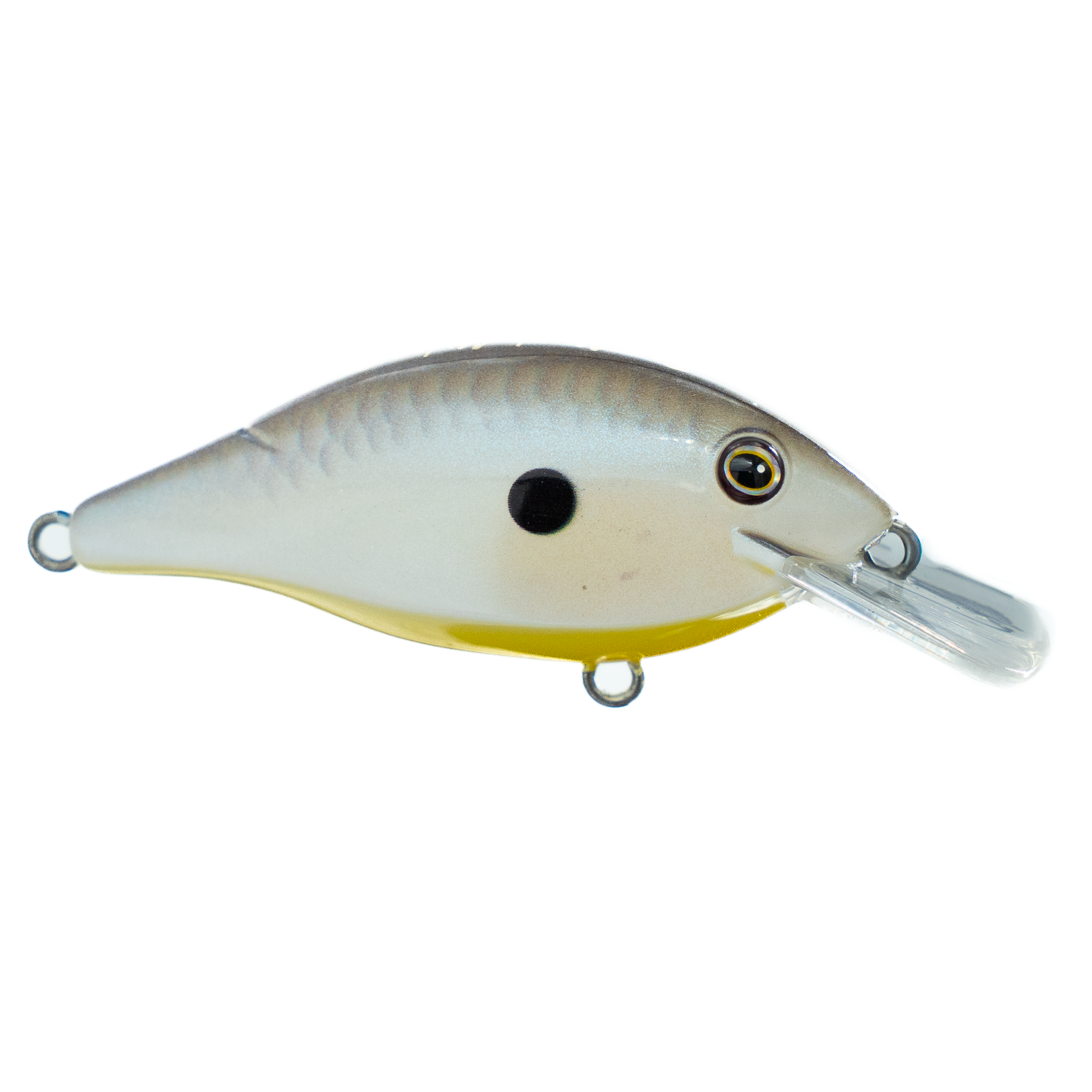
Winter empties the lake and pushes the fish onto the deepest timber and the old Salt River channel. It is slow, but the average size improves and the pressure that defines this lake for the rest of the year simply is not there. The early spring bite starts sooner than most people expect, so late winter is worth watching.
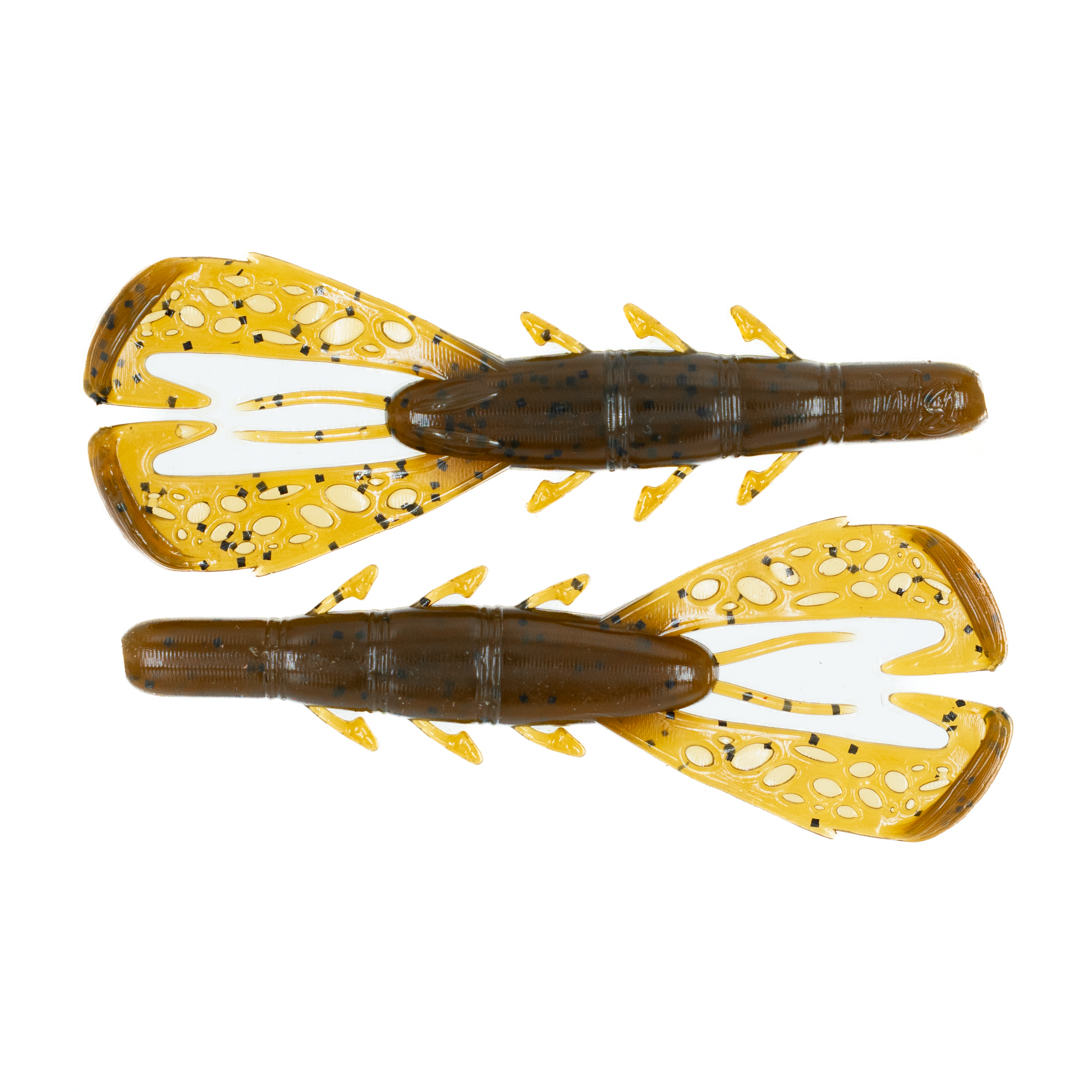


Taylorsville Lake Access
Taylorsville Lake State Park provides the main access with a marina and ramps, and additional public ramps serve the lake around the reservoir. Taylorsville is the nearest town and Louisville is about half an hour away.
The Timber-Filled Coves
Standing wood, laydowns and brush filling the coves and creek arms, and the primary cover on this lake. The spring pattern happens here. On pressured water, the trees other anglers skip are the ones worth picking apart.
The Salt River Channel
The old river channel running the length of the lake, giving fish a route between the deep water and the spawning coves. Channel edges hold prespawn fish in late winter and deep fish through summer and winter.
The Upper Arms
Shallower, more stained and further from the ramps, which means less traffic. Warms first in spring and holds bait in autumn. Worth the run when the lower lake is crowded or the water is too clear for comfort.
Taylorsville Lake Bass Fishing FAQ
How far is Taylorsville Lake from Louisville?
About half an hour southeast, on the Salt River in Spencer and Anderson counties. That proximity is the point — it is the best bass water within easy reach of Kentucky's largest city.
How big is Taylorsville Lake?
Around 3,050 acres, which is small compared with Cumberland or Barkley but plenty for an evening trip. Standing timber, brush and the old Salt River channel give it more structure than the acreage suggests.
When is the best time to fish Taylorsville?
Early spring. The state fisheries department names it among Kentucky's best early spring bass lakes, and fish move up and get catchable here before the deeper reservoirs have warmed. Autumn is the second window and the most comfortable.
Is Taylorsville heavily fished?
Yes. It is the closest quality bass water to a metro area of well over a million people and the obvious spots get fished daily. The fish are still there — it rewards working cover others skip and fishing early, late or midweek.
Does Taylorsville produce big bass?
Its reputation is good numbers rather than giants. For a trophy largemouth in Kentucky you would look at the bigger reservoirs or the eastern lakes. For a reliable evening's fishing close to Louisville, this is the answer.
What else is in the lake?
Smallmouth bass, black and white crappie, white bass, channel catfish and bluegill. The crappie fishing draws its own following, and the lake gets substantial crappie pressure alongside the bass traffic.
What baits work best on Taylorsville?
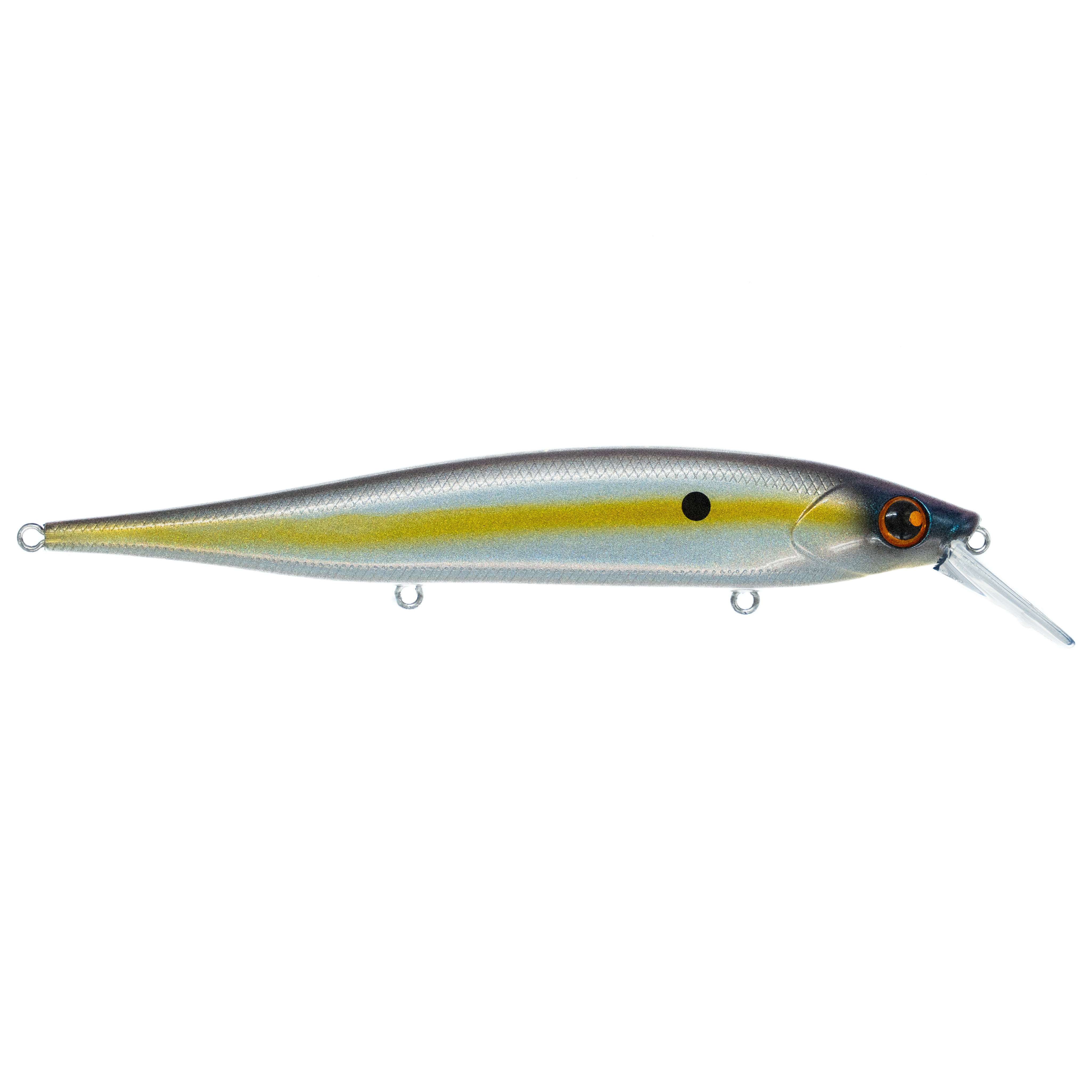
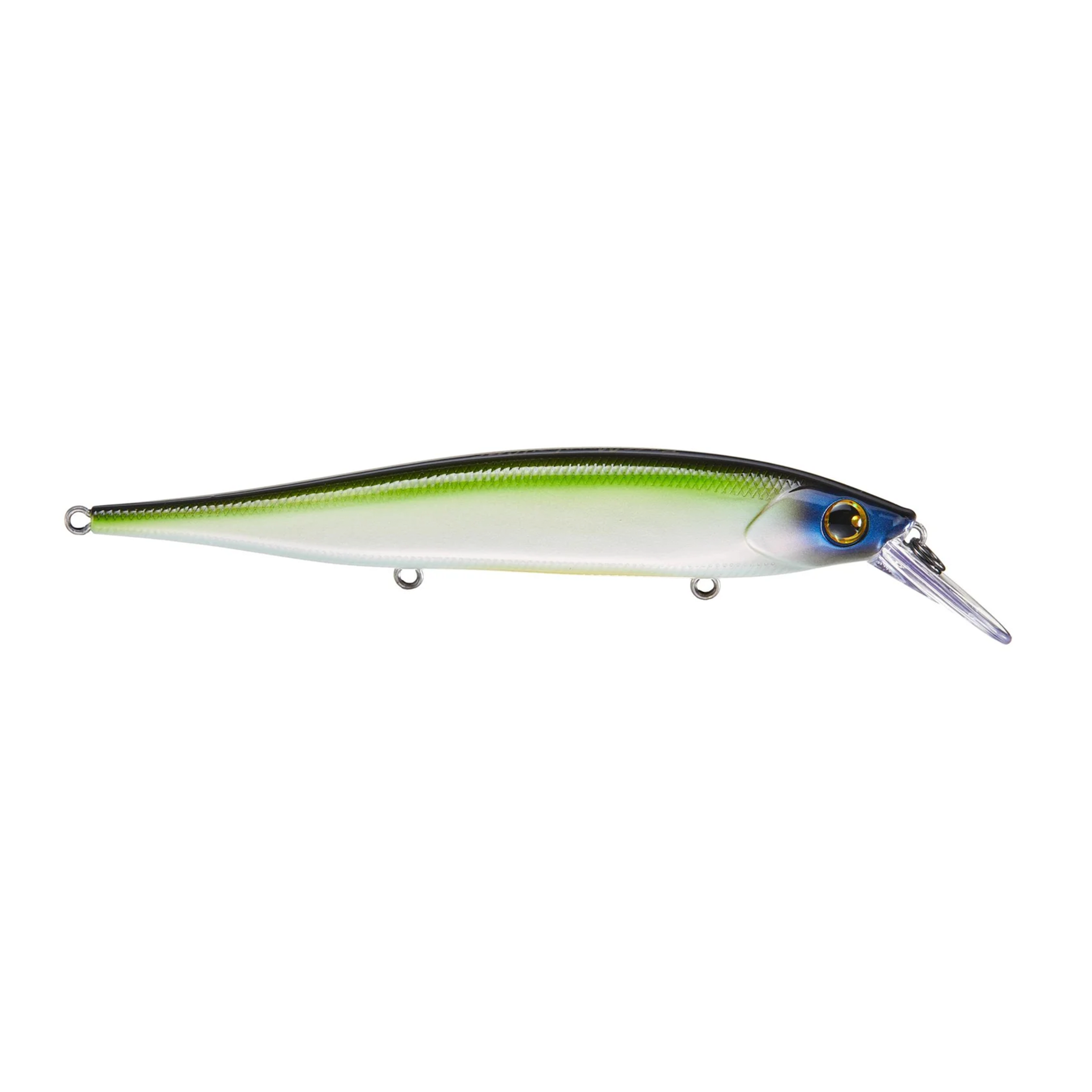
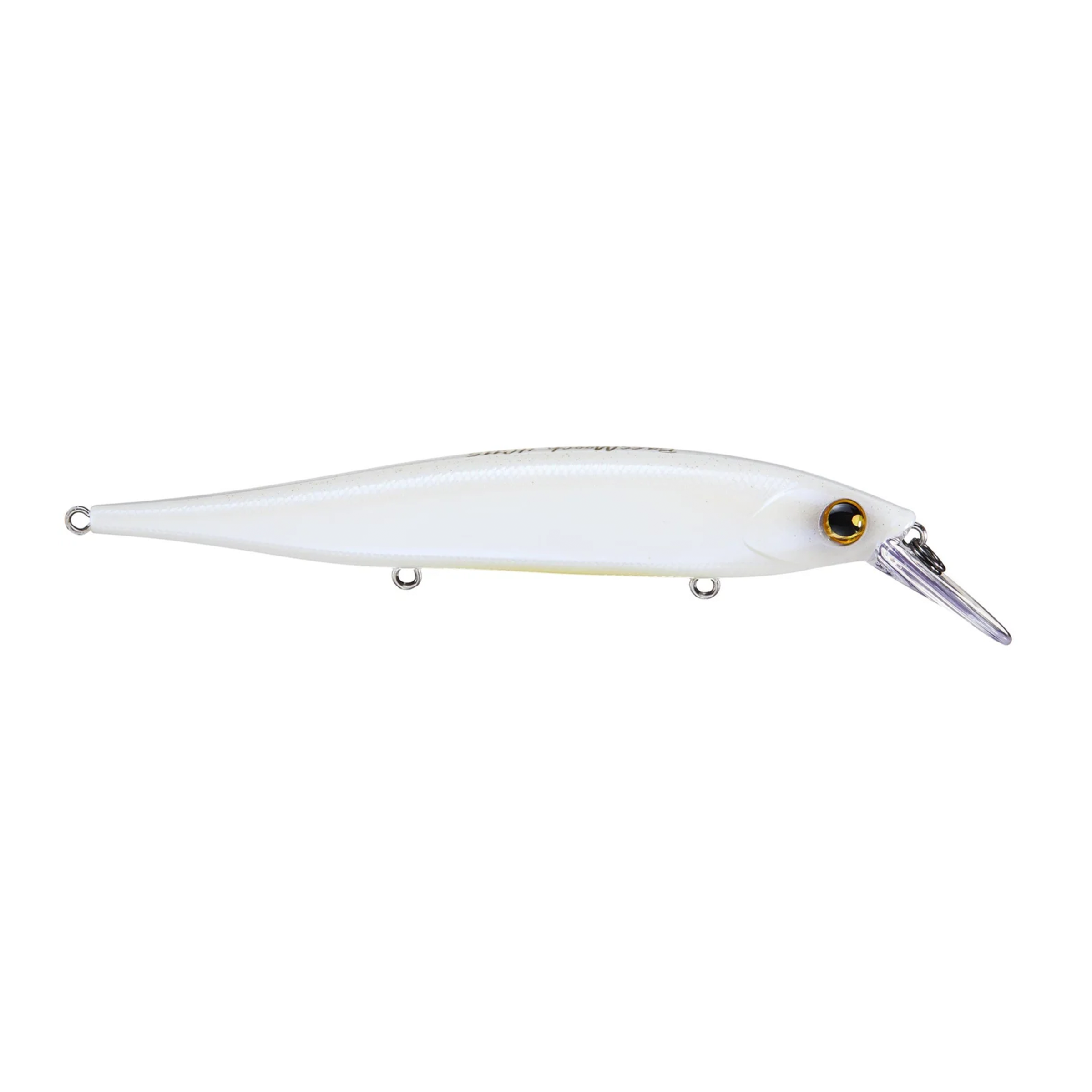
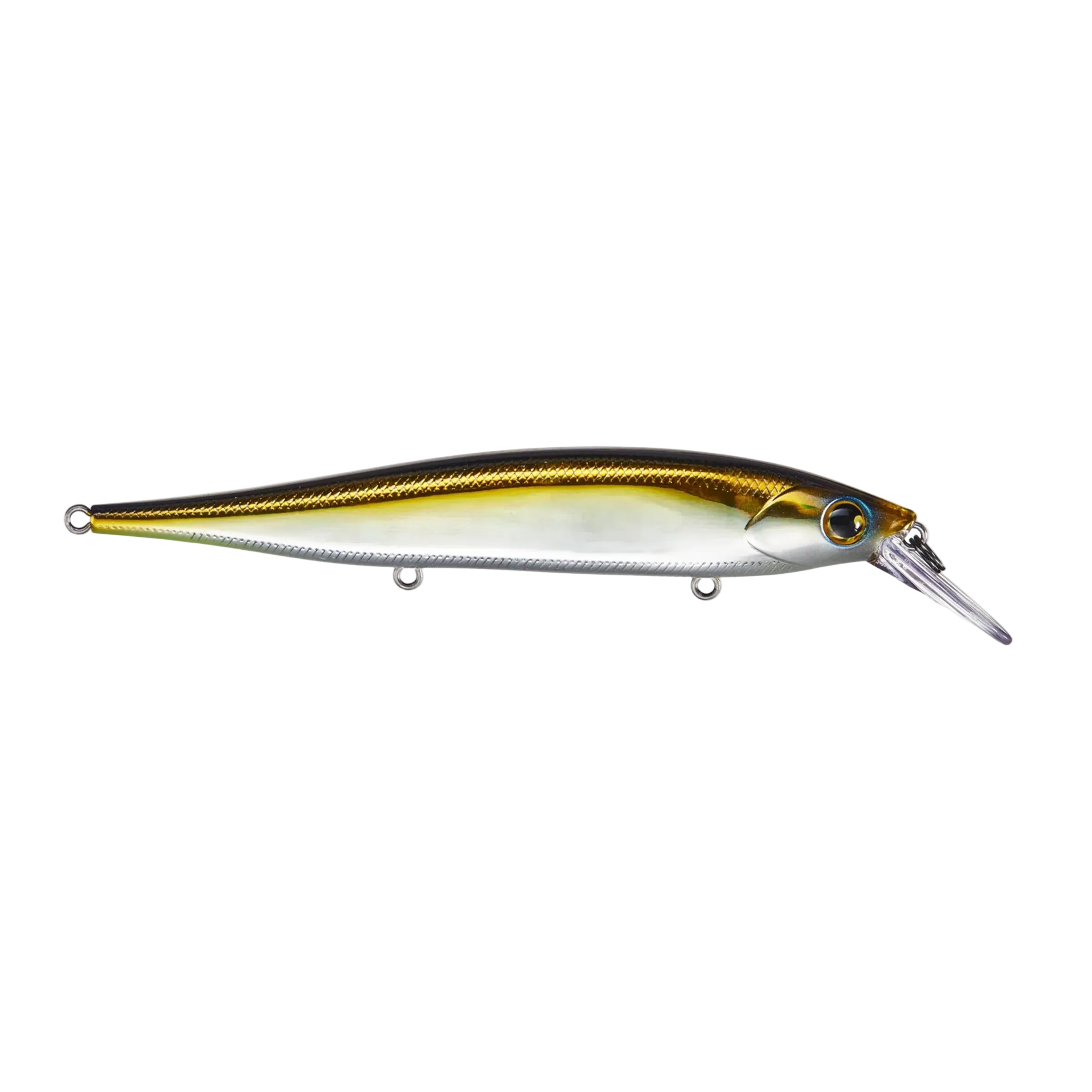
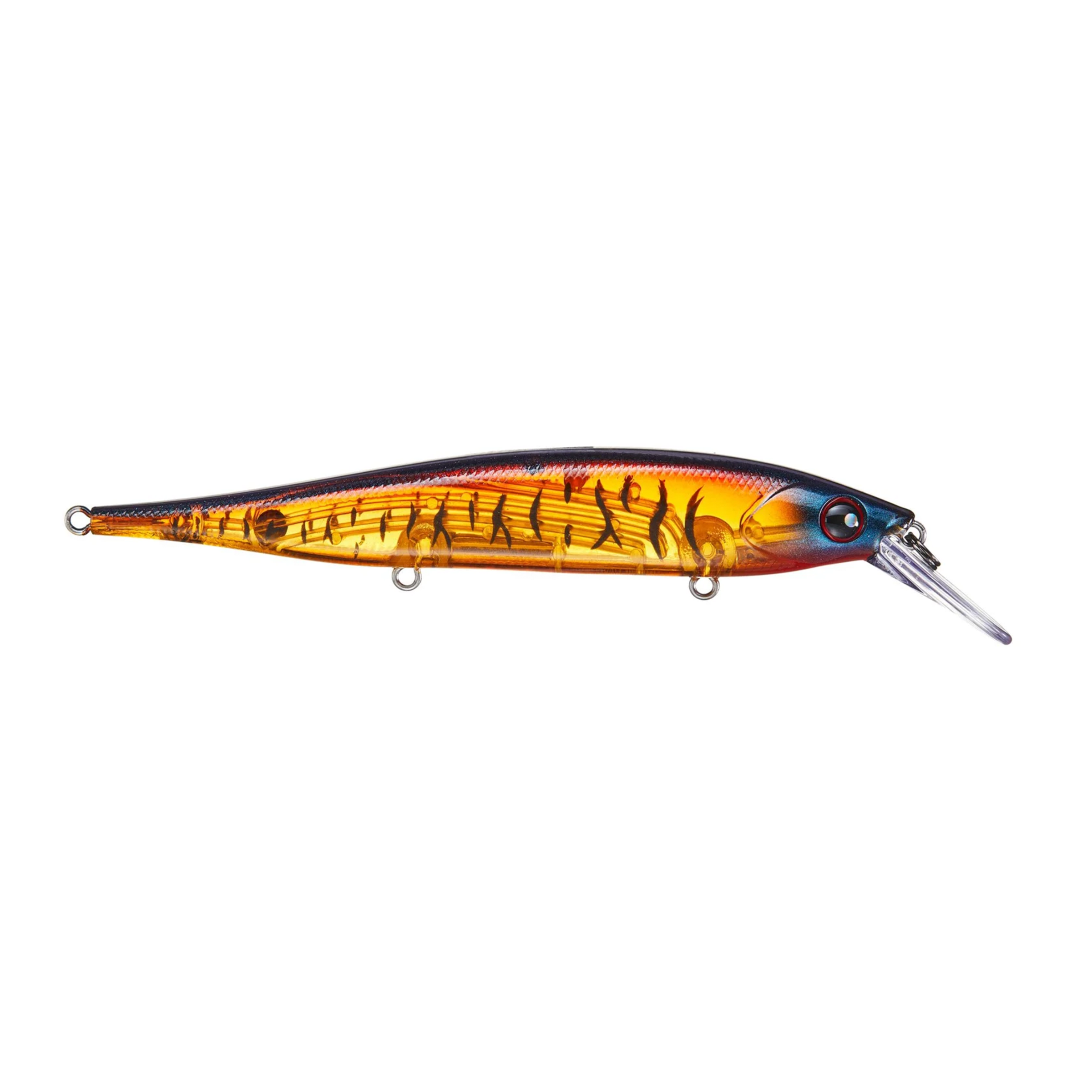
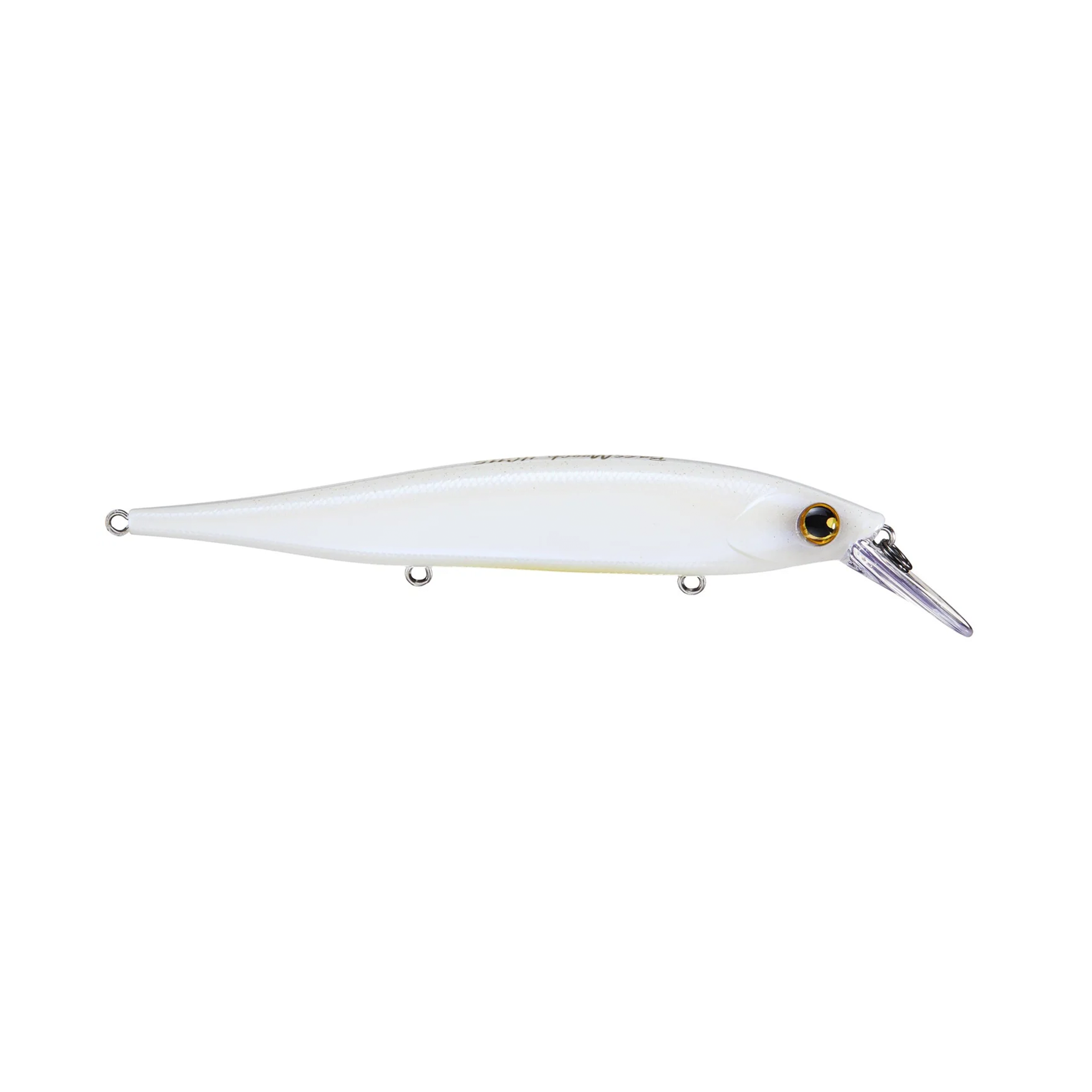
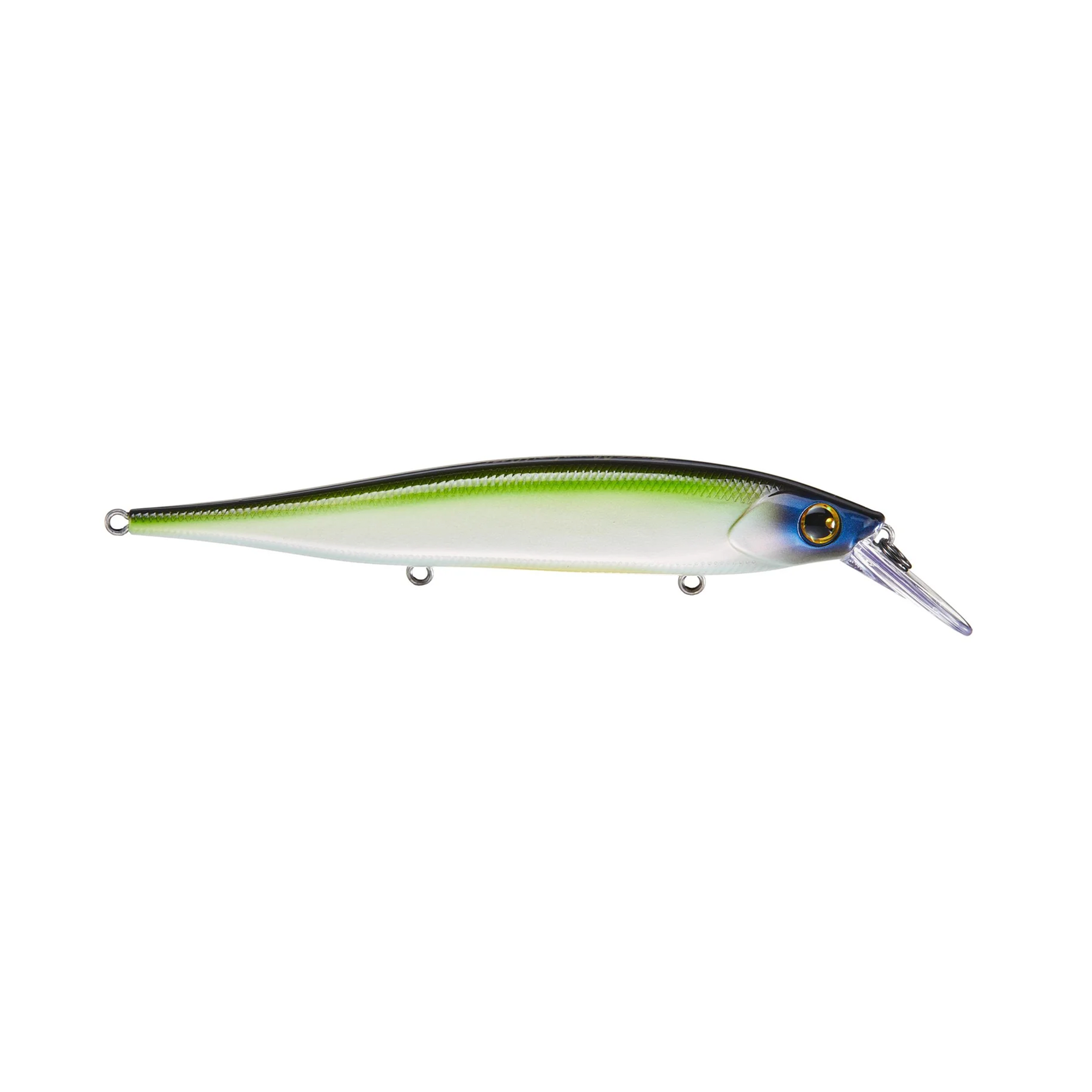
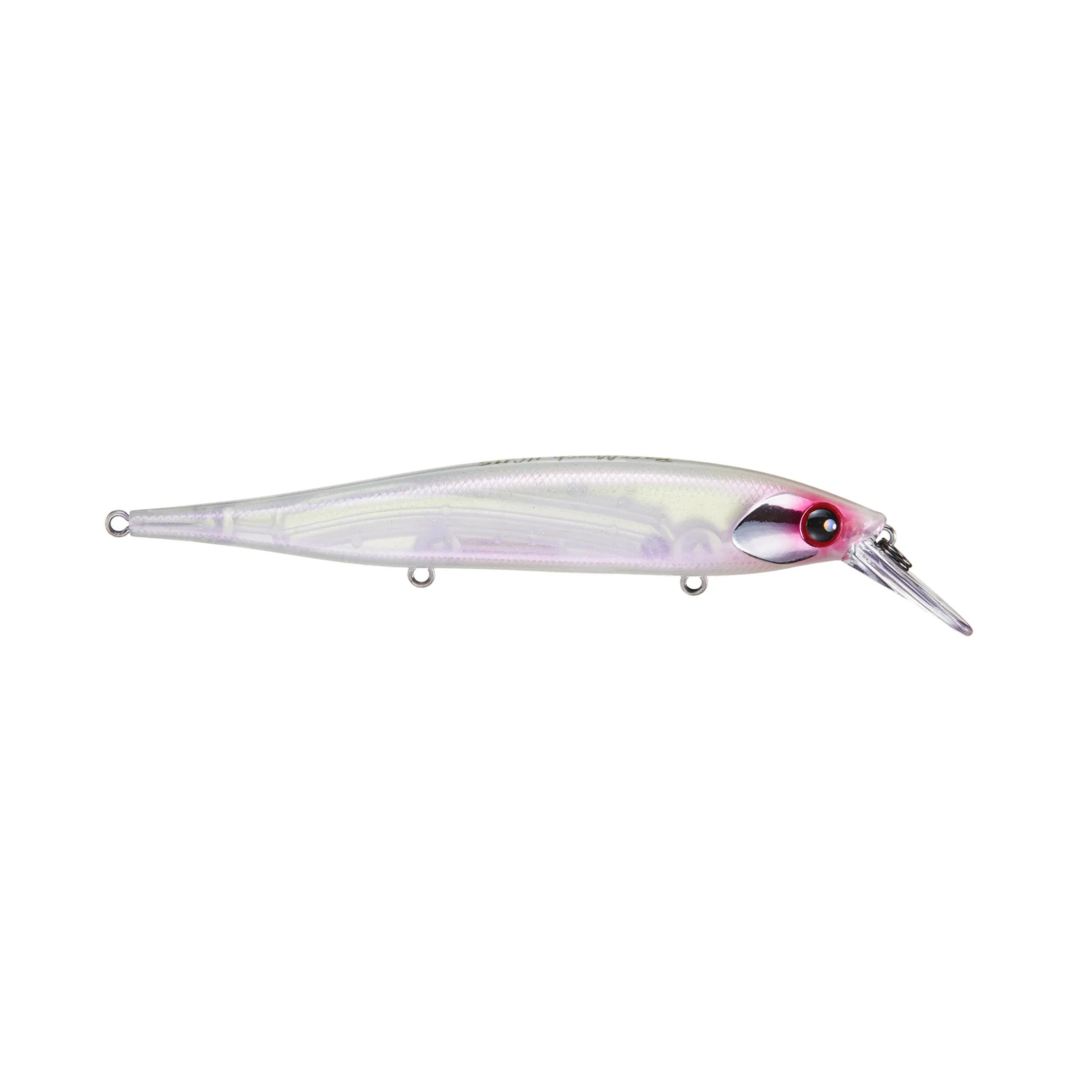
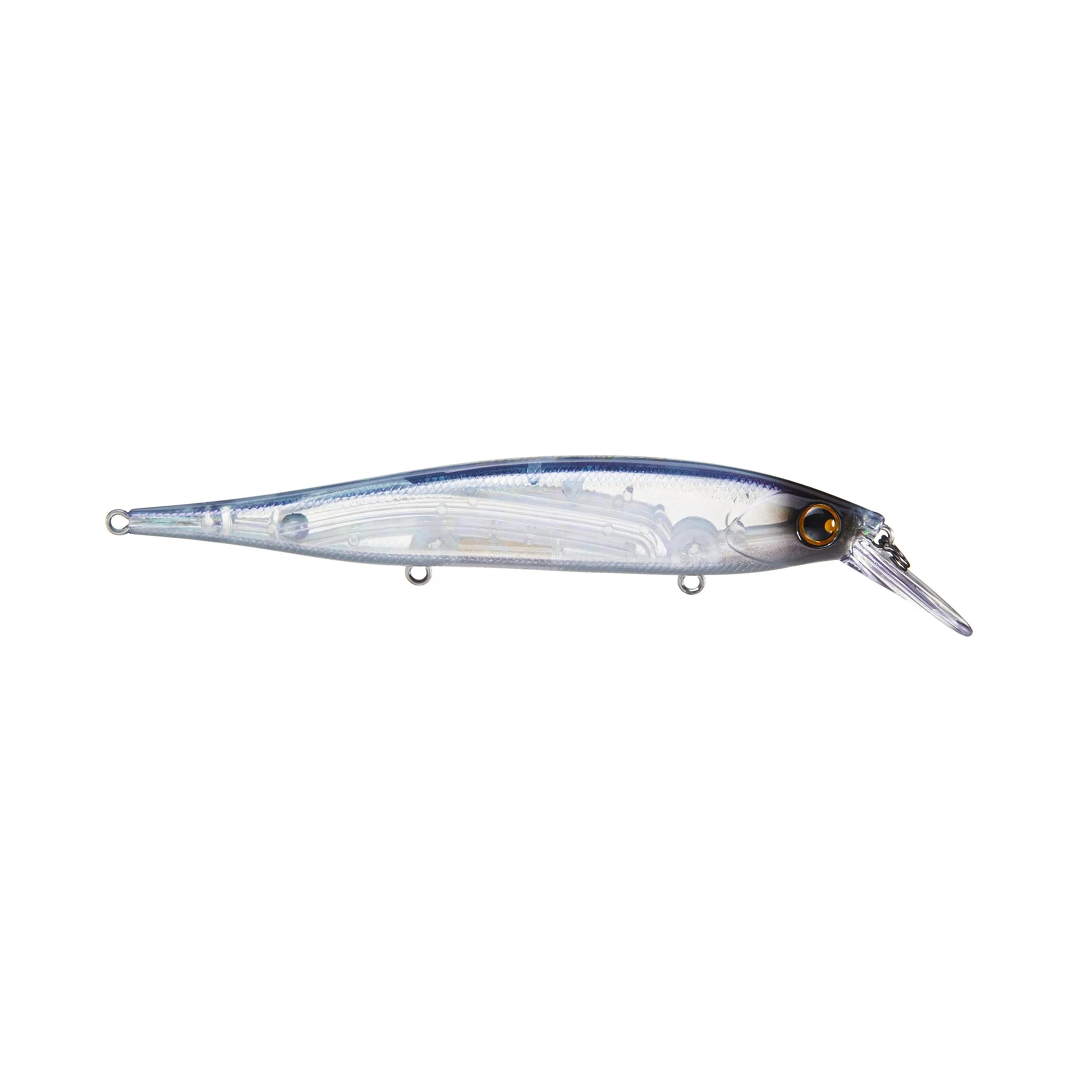
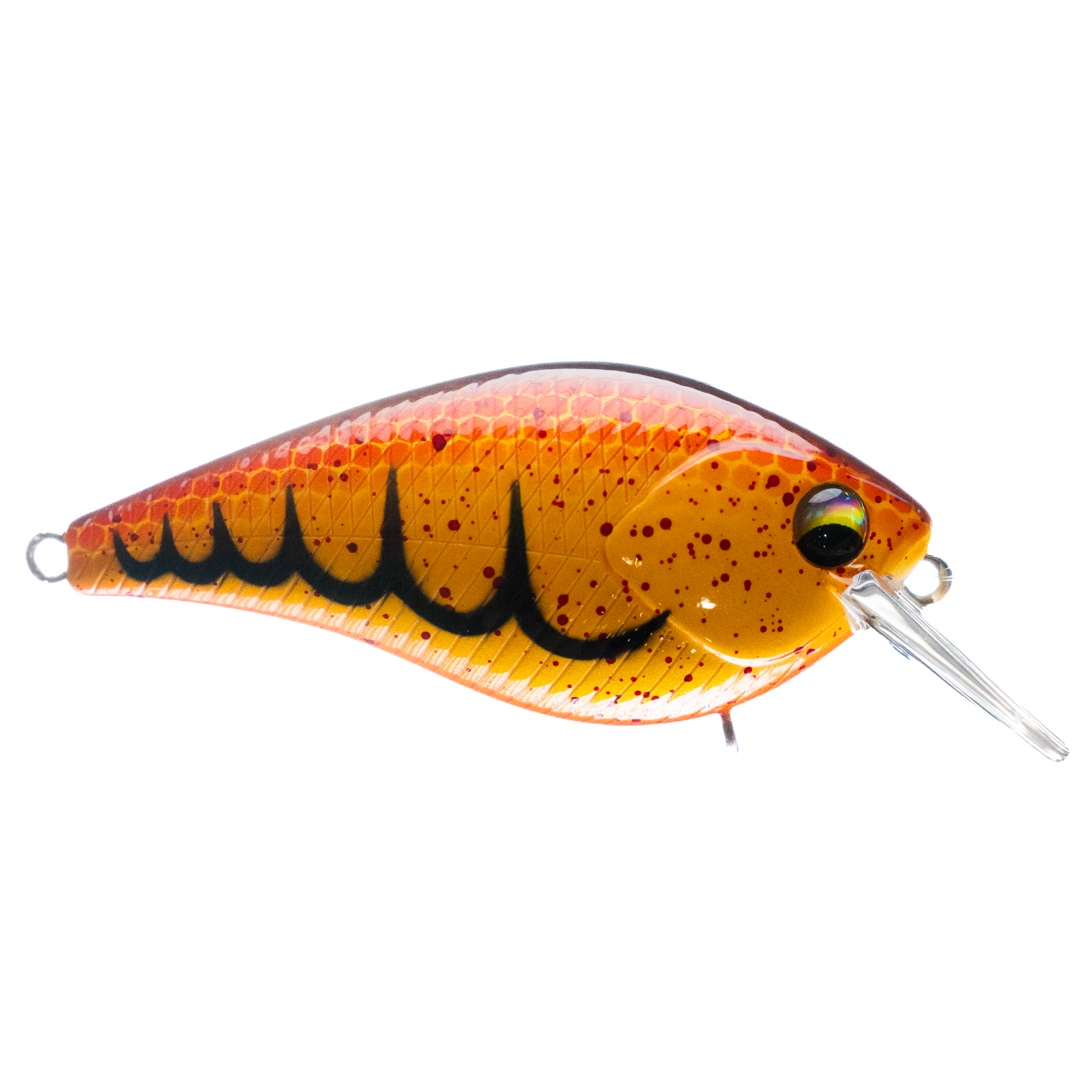
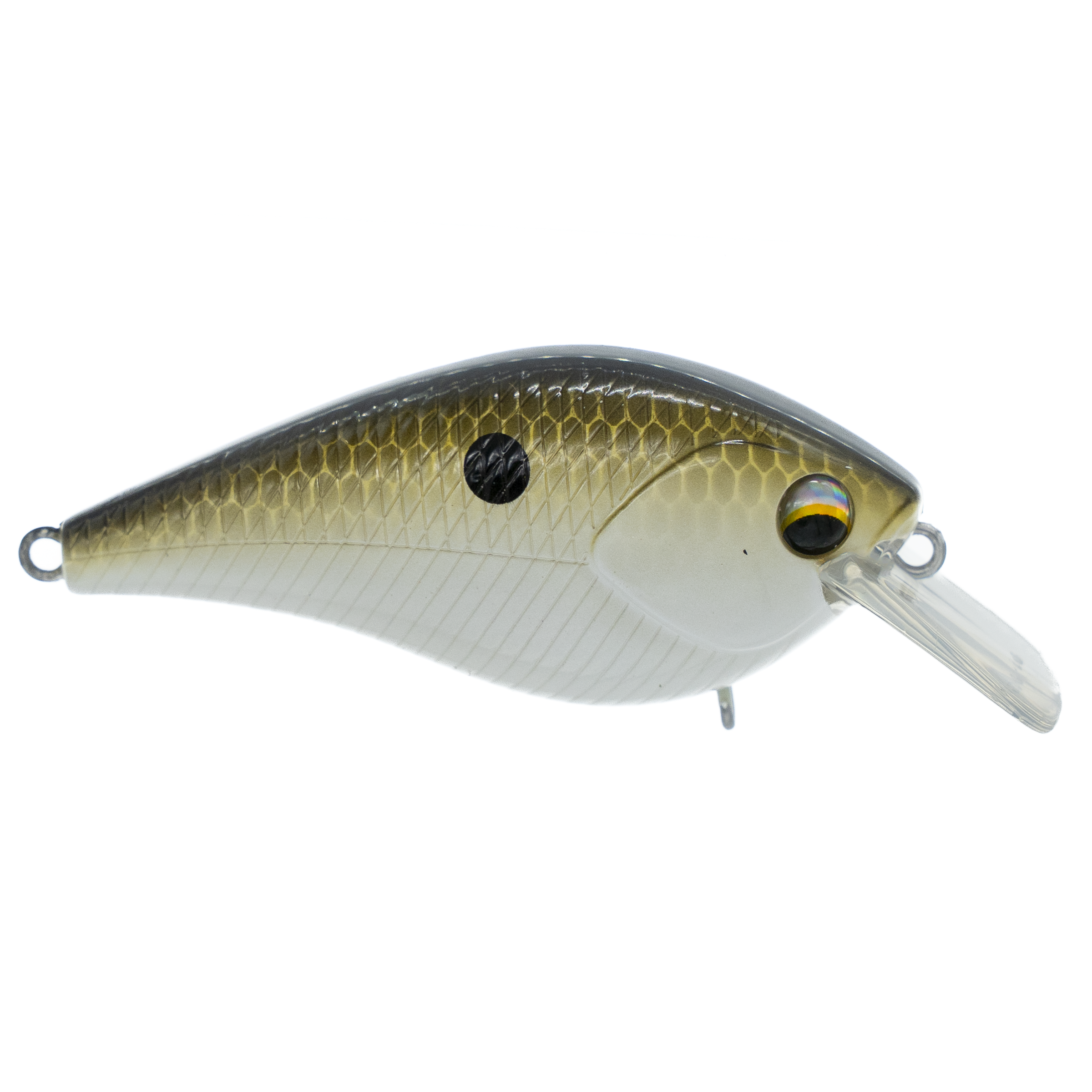
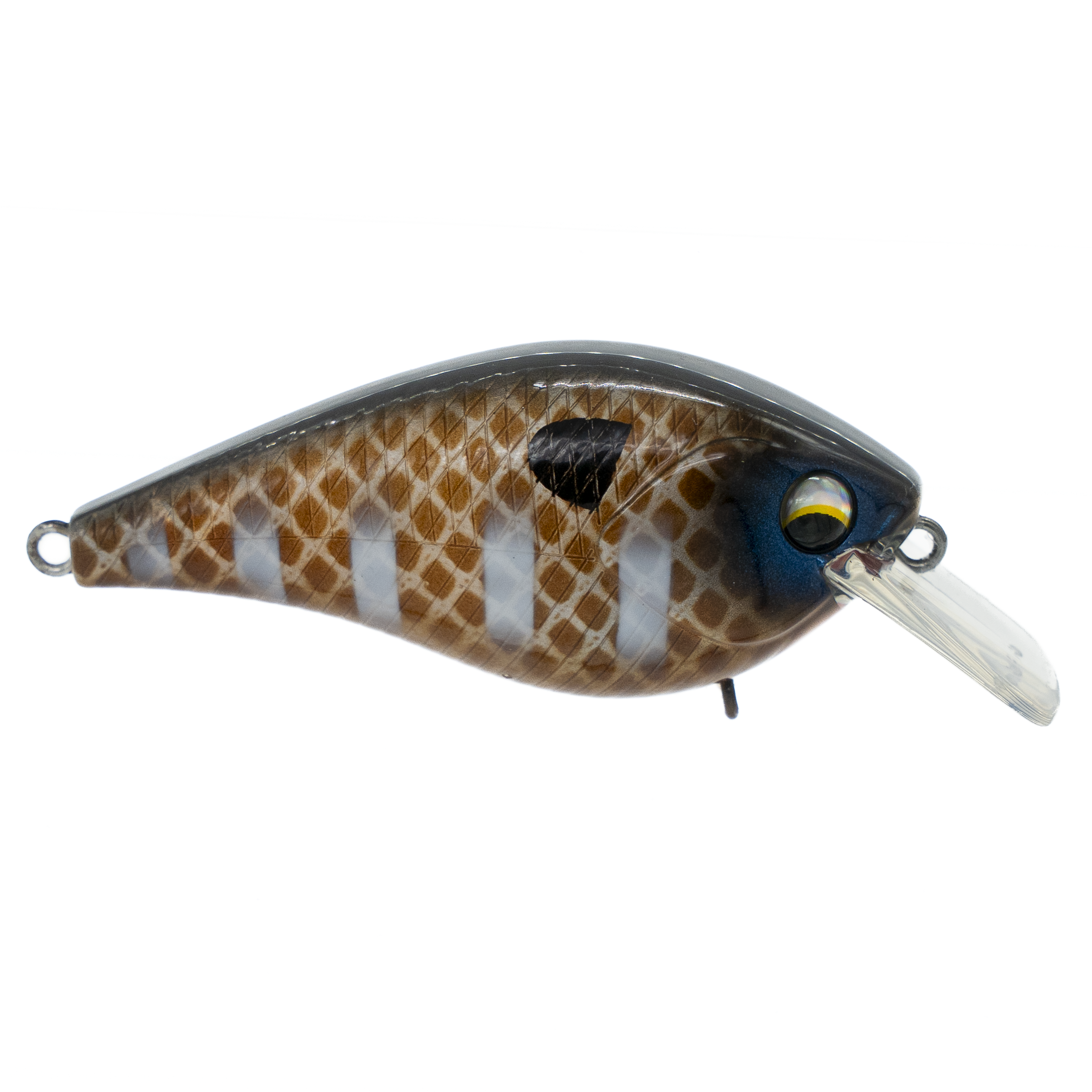
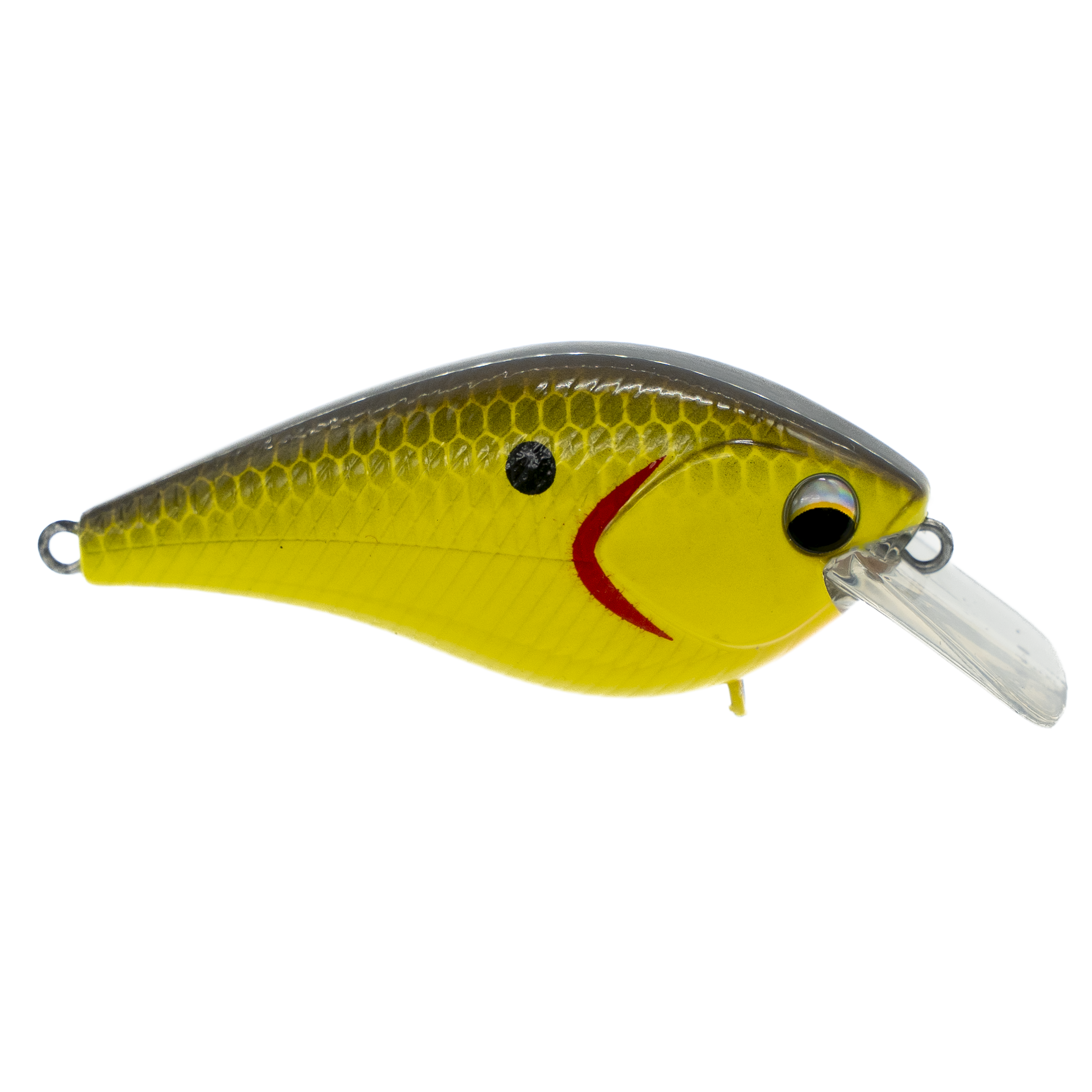
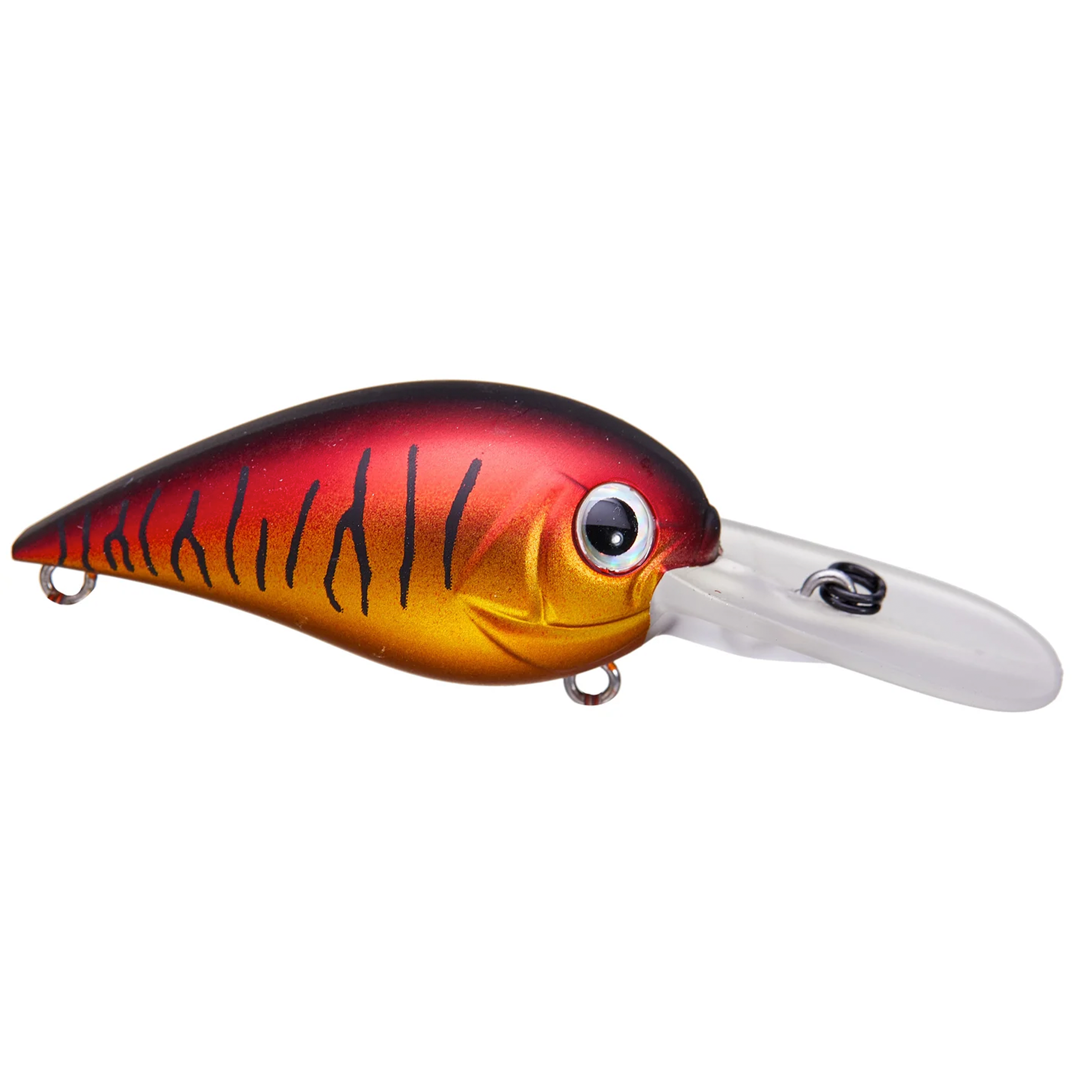
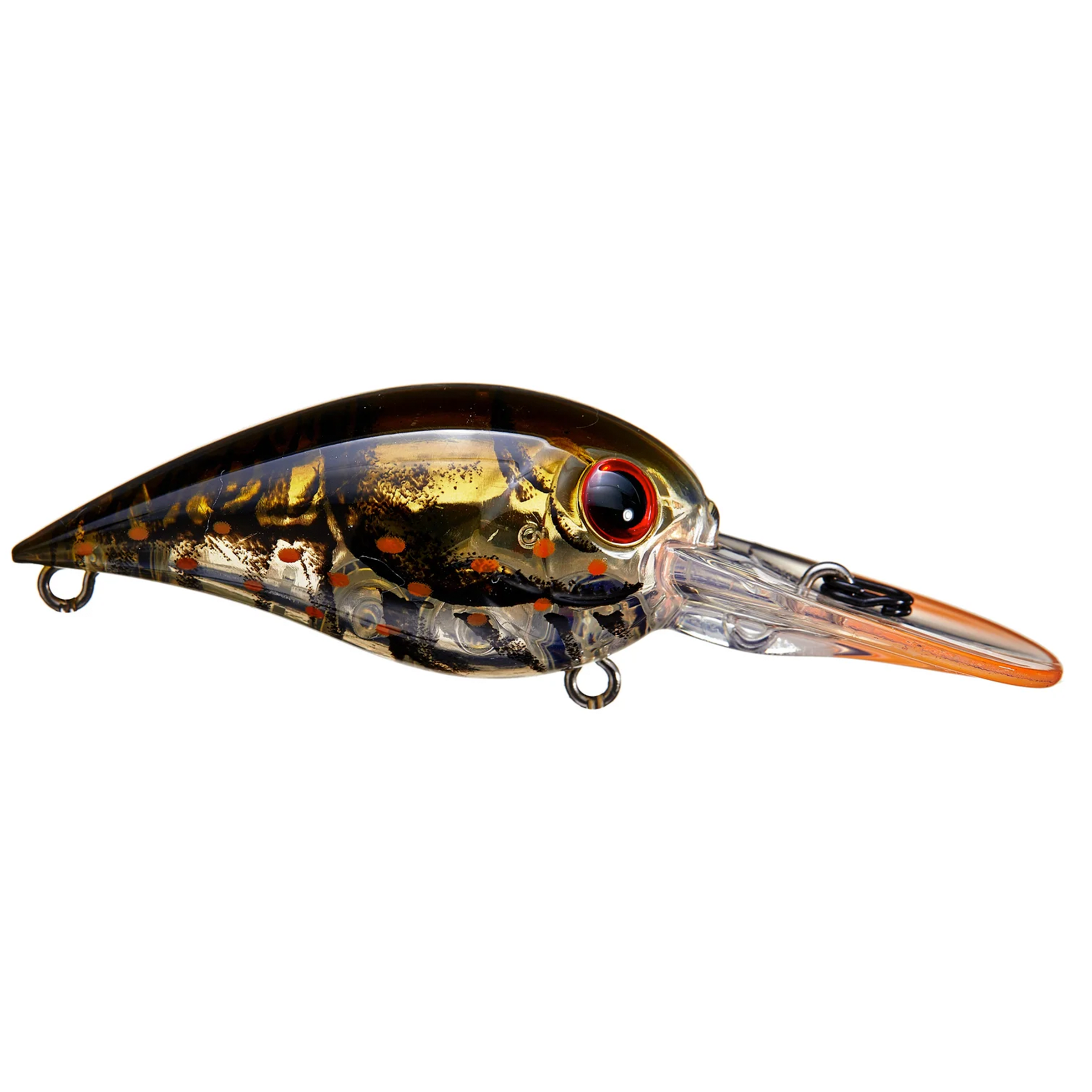
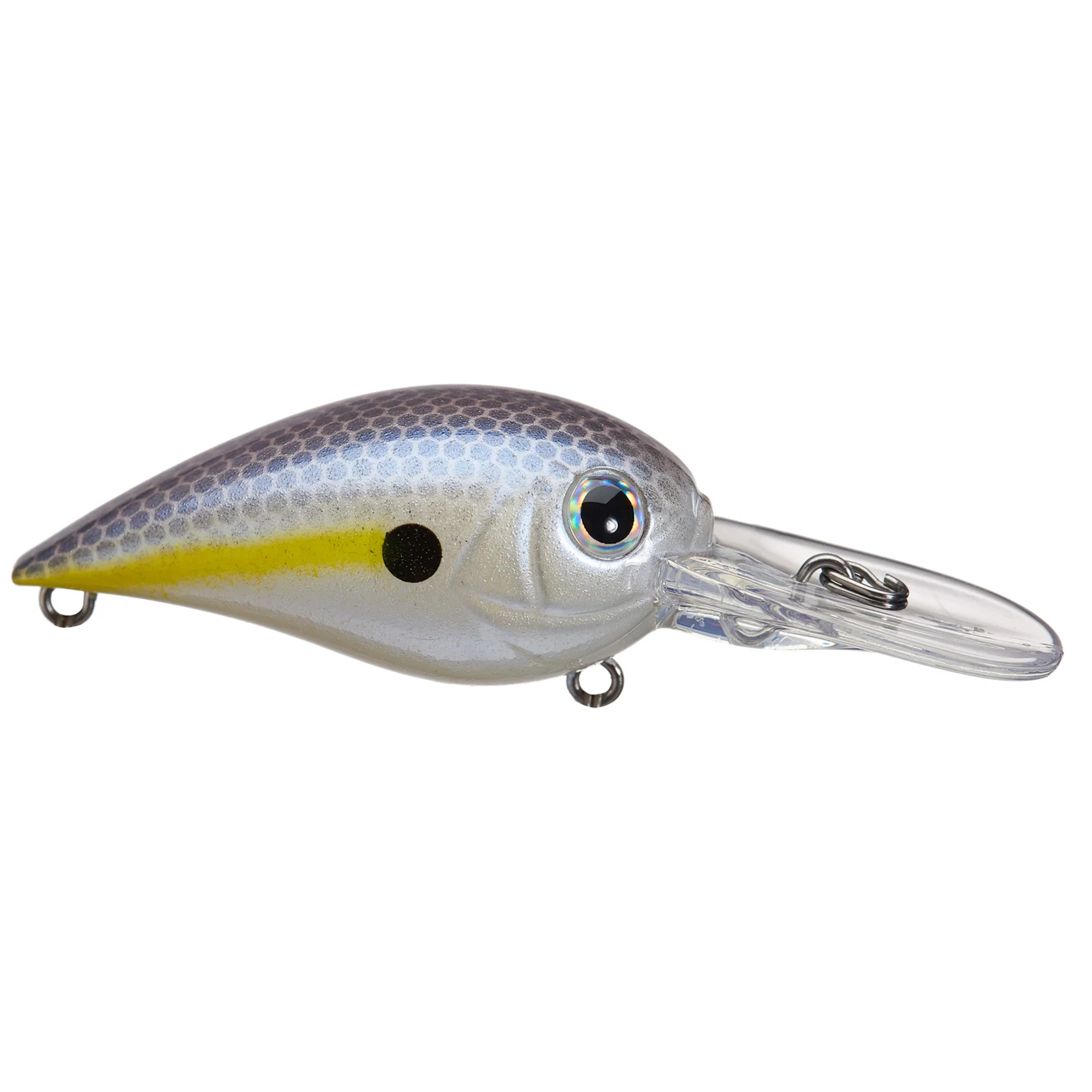
Soft plastics and jigs pitched to timber in spring, deeper presentations on the channel edges in summer, moving baits behind the autumn shad, and slow vertical work on deep wood in winter. Weedless matters — almost everything here is near wood. Our full bait lineup covers all four seasons.
Do I need a fishing license?
Yes, a Kentucky fishing license from the Department of Fish and Wildlife Resources. Check current black bass regulations for the lake before you go.
Pressured Fish, Tight Cover
On water this heavily fished, the bass that are left are the ones sitting in the cover nobody wants to fish. Level Rods builds models accurate enough to put a bait into those places and strong enough to get the fish back out again.
Tournament Winning Baits & Gear
Designed, crafted and tested by anglers who fish timber every week. Free shipping on orders over $75.
Shop All Baits