
Table Rock Lake Bass Fishing Guide
Table Rock Bass Fishing, Season by Season
Forty-three thousand acres of clear White River water in the Ozarks outside Branson, holding all three species of black bass with high catch rates and non-stop action. Table Rock has been won on topwater and won in fifty feet of water, which tells you most of what you need to know.
One of the Most Productive Tournament Lakes in the Midwest
Table Rock Lake impounds the White River in southwest Missouri near Branson, covering about 43,000 acres. The 252-foot dam flooded the original valley along with its tributaries, road systems and valley infrastructure, and what that left behind is submerged habitat of unusual complexity.
That complexity is why the lake supports largemouth, smallmouth and spotted bass in the concentrations it does, and why it has become one of the most productive professional tournament fisheries in the American Midwest. Kevin VanDam and Mike McClelland have both won events here, and Major League Fishing brought its Bass Pro Tour championship to the lake in April 2026.
The structure to target is bluff walls and rocky points, along with submerged logs and heavy brush. Catch rates are high and the action is close to non-stop, which is a large part of why both tournament and recreational anglers keep coming back.
Water is clear, in the way Ozark highland reservoirs are, and that dictates the approach: natural colours, lighter line, longer casts and more attention to depth than a stained lake requires.
Fishing pressure is high during the peak seasons, which is the honest caveat on a lake this well known and this close to Branson. Spring and autumn are the strongest windows.
Bull Shoals sits nearby across the Arkansas line and has its own guide on this site — the two are frequently fished on the same trip. Missouri sets black bass length and creel limits by water, and many Ozark lakes and streams carry special regulations that differ from the statewide rule. Check the current Department of Conservation summary for this water before you go.
What It Took to Win Here
Patterns that produced at the highest level on this water, and the baits to fish them with.
James Watson — Following the Wind, Looking for the Right Rock
Watson is a Missouri pro and Table Rock is home water. He had already won a Professional Angler Association event there in September 2013 on a topwater pattern, and when he came back for the Central Open he pretty much copied it.
The pattern was wind-dependent, and every day he had to play games with it. His description of the final morning is the part worth keeping: he was struggling to get a bite before noon, called it the slowest morning he had ever had, and just kept winging it — following the wind, looking for the right kind of rock, and plugging away. He then weighed the biggest bag of the tournament, 16-1, to finish at 46-4 and secure a berth in the Bassmaster Classic.
The runner-up did the same thing differently. Jacob Wheeler also fished topwater, running both steep and flat banks, and figured out on the second day that the fish wanted a buzzbait and a walking bait with one side shaved off to make it translucent. Rick Clunn finished third.
Now the contrast that actually tells you about this lake. The year before, Mike McClelland won the same event by keeping his boat in forty-five to fifty feet of water, catching largemouth for two days and only spotted bass on the last, before abandoning his deep fish in the afternoon and switching to a stickbait to fill his limit. Table Rock has been won on the surface and won in fifty feet of water in consecutive years.

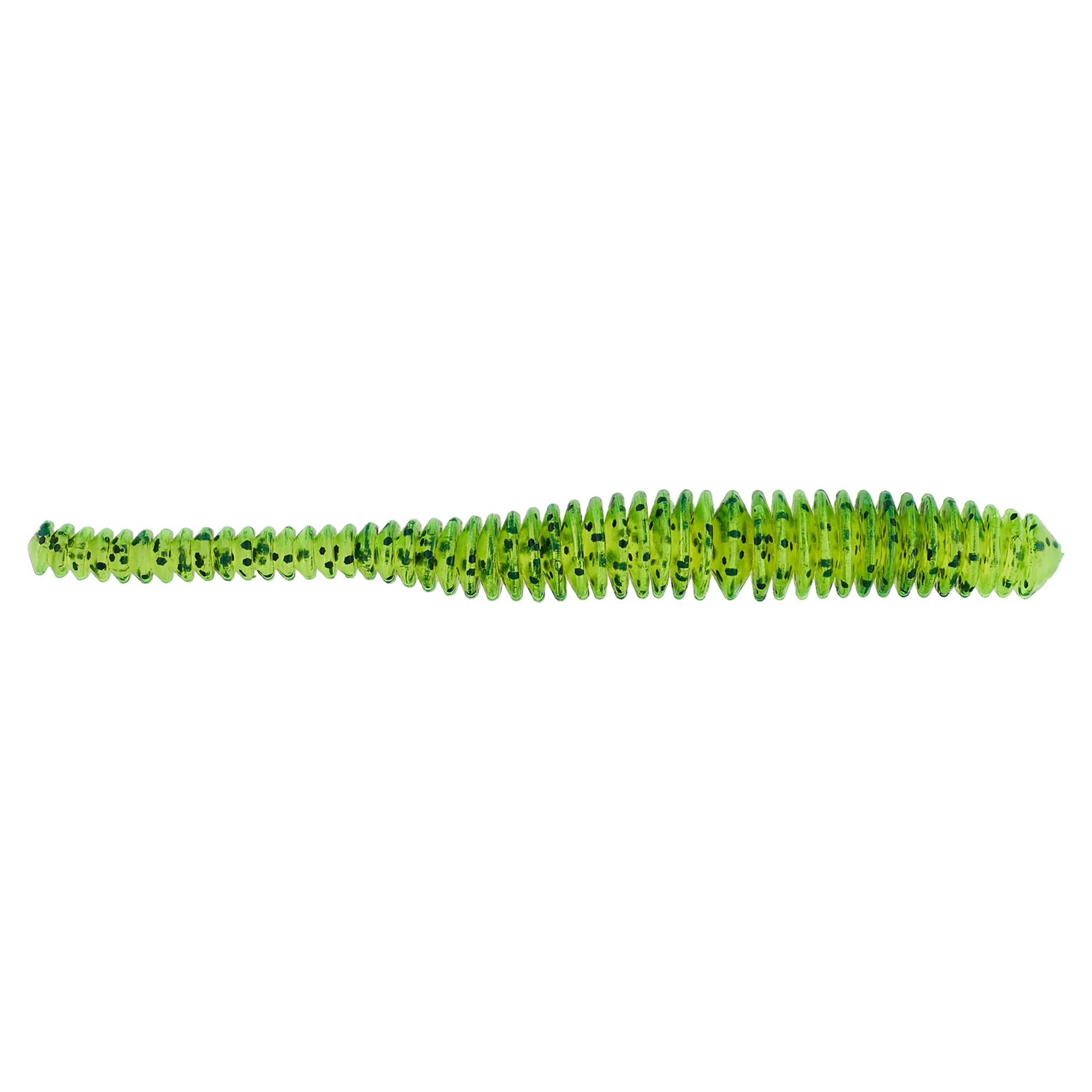

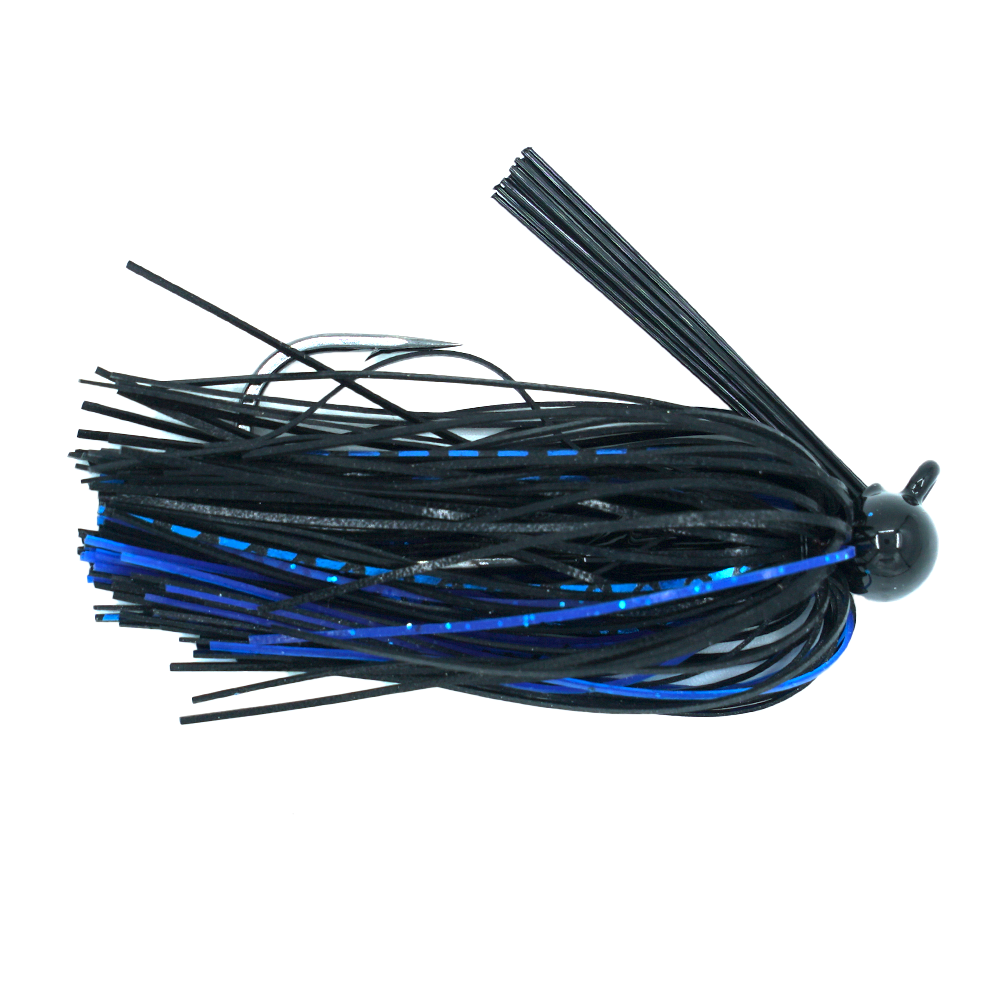
Bluffs, Rock and Two Ways to Win
Four patterns cover the year. Each one pairs the technique with the baits we'd actually tie on.
Rock, Wind and Topwater
Spring is one of the two strongest windows and the one the Opens have been scheduled into. All three species move onto the rocky points and bluff transitions, and the topwater pattern that has won here twice comes into play. Wind is the variable that decides which rock is worth fishing.


Deep, Clear and Technical
Summer pushes fish deep on a lake with genuine depth, and this is where Table Rock's second personality shows. An Open here was won with the boat sitting in forty-five to fifty feet of water, and a college event was won with bites about twenty feet down over a hundred feet, on shad schools that gulls gave away.

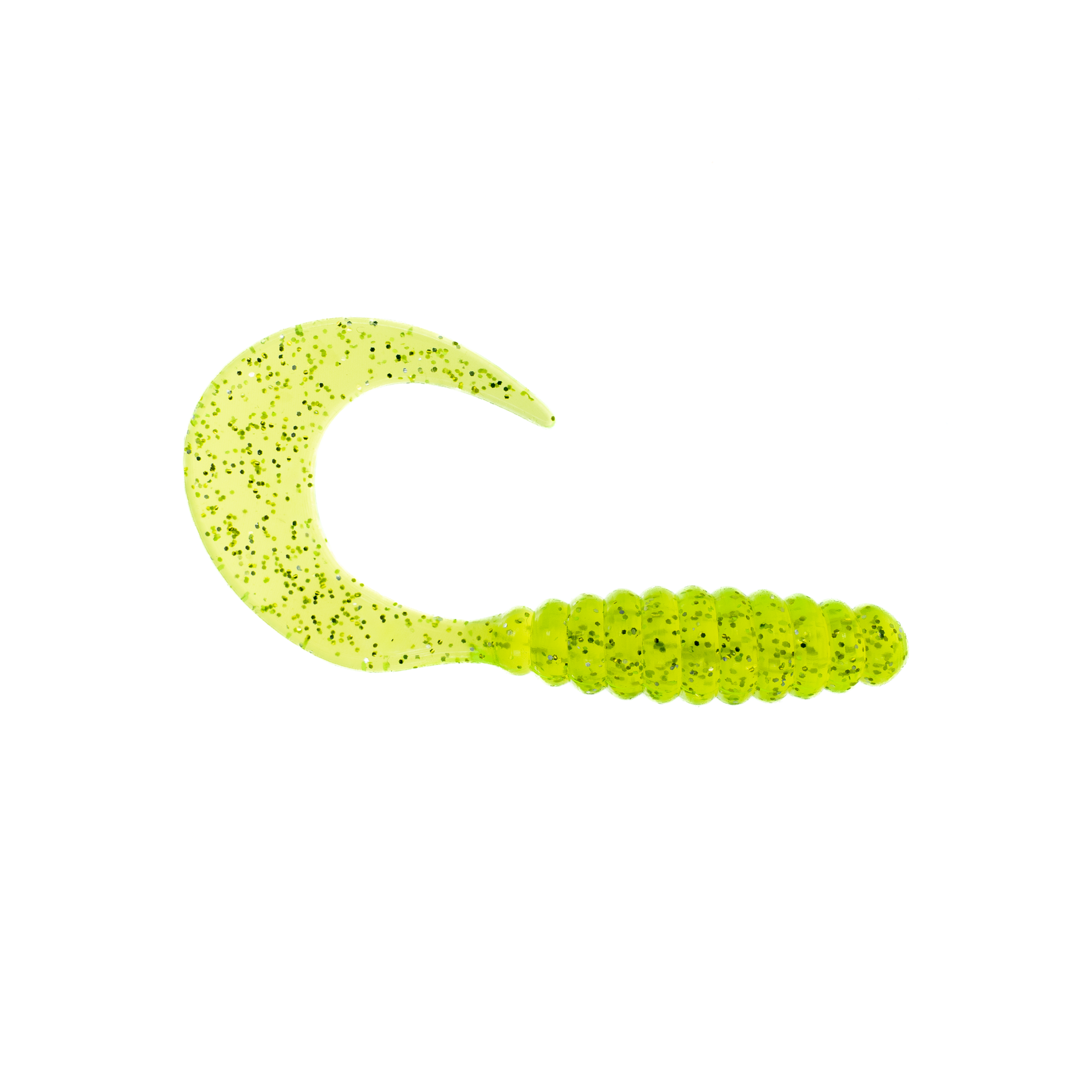
The Other Strong Window
Autumn cools the water and all three species feed hard on shad, and the Branson summer traffic thins. Fish move back toward reachable structure and become willing to chase, which makes this the most forgiving fishing of the year on clear water.
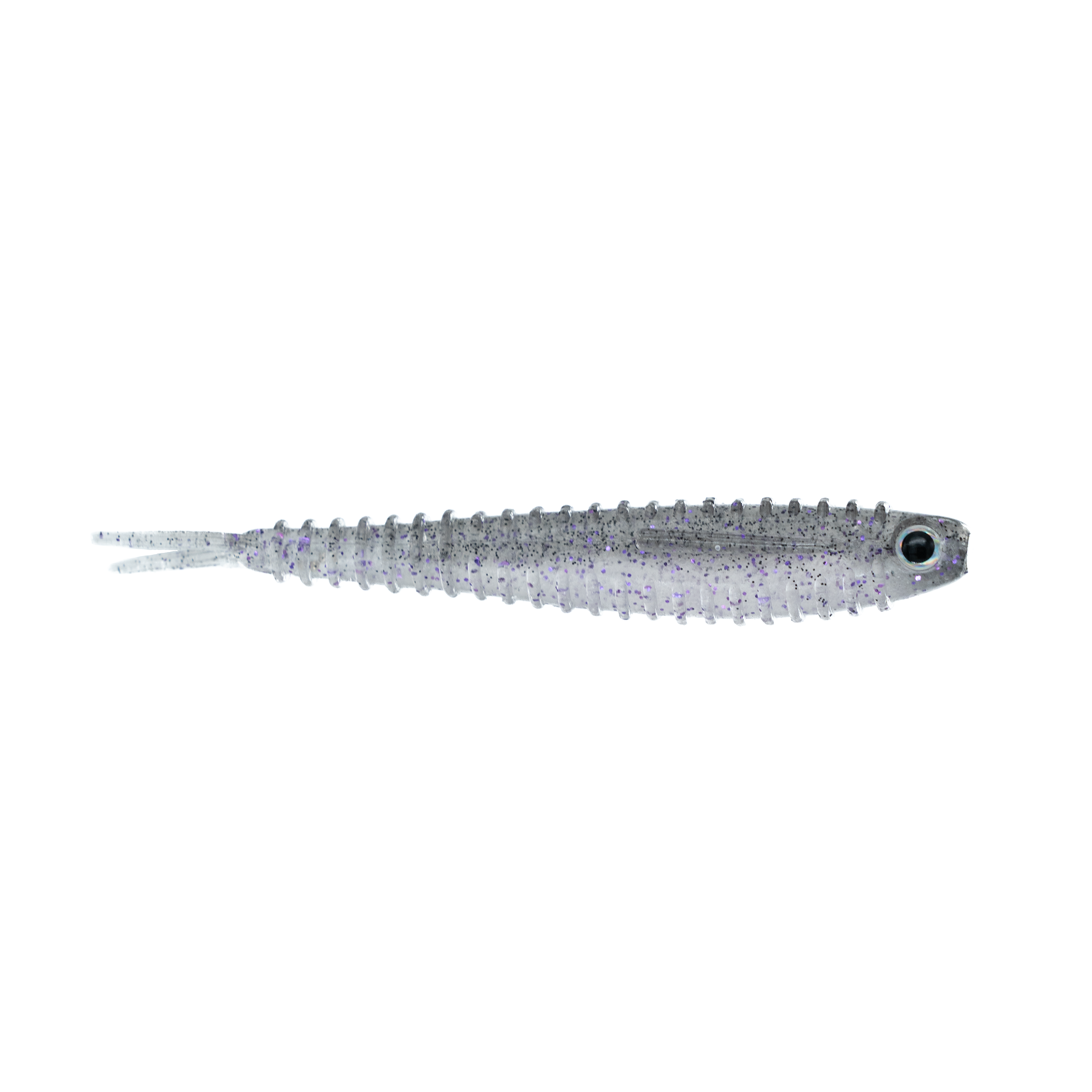
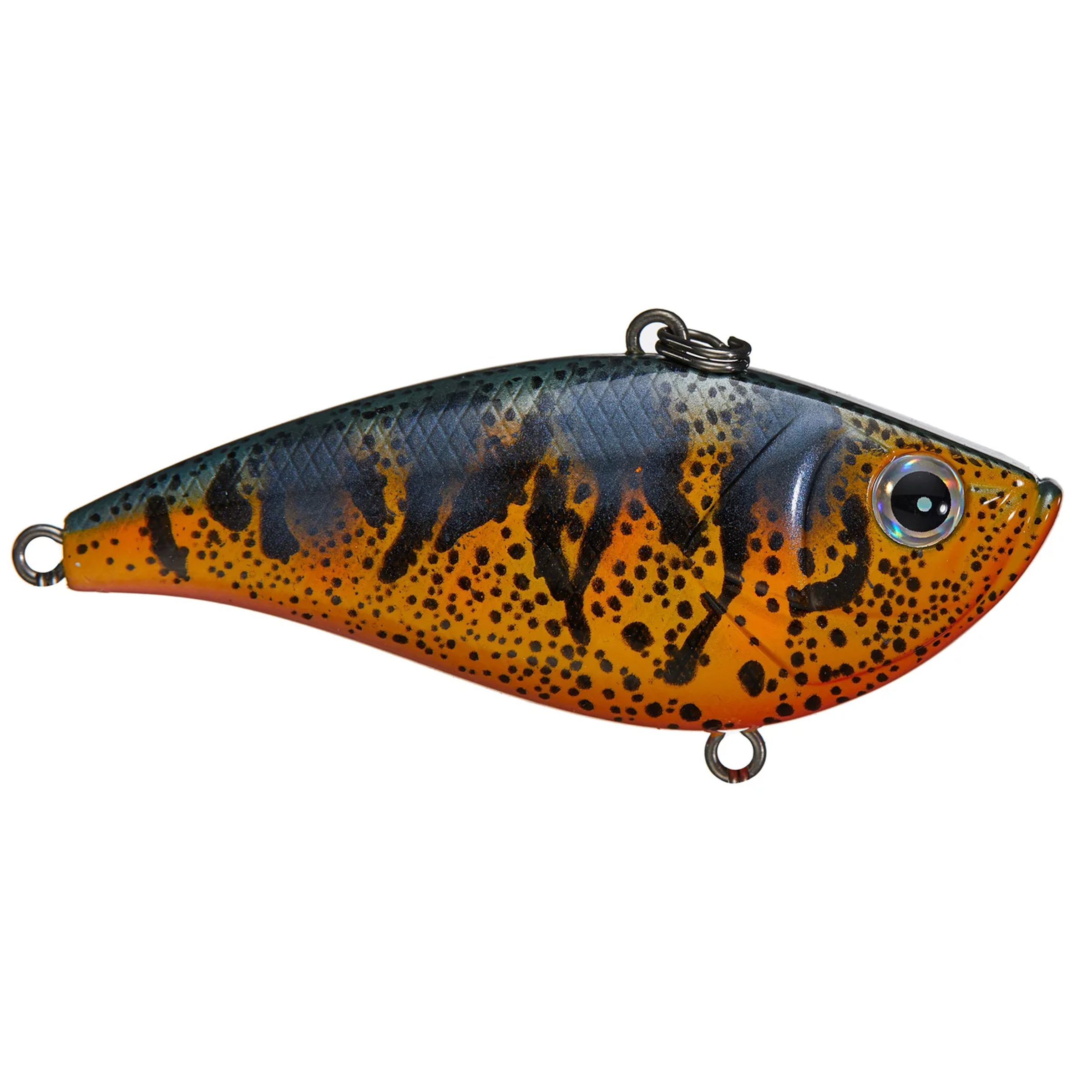
Deep Rock, Best Average Size
Winter concentrates fish on the deepest rock and the bluff ends, where clear water makes them locatable. It is slow, cold fishing on an empty lake with the best average size of the year, and it runs straight into the spring window the tournaments come for.
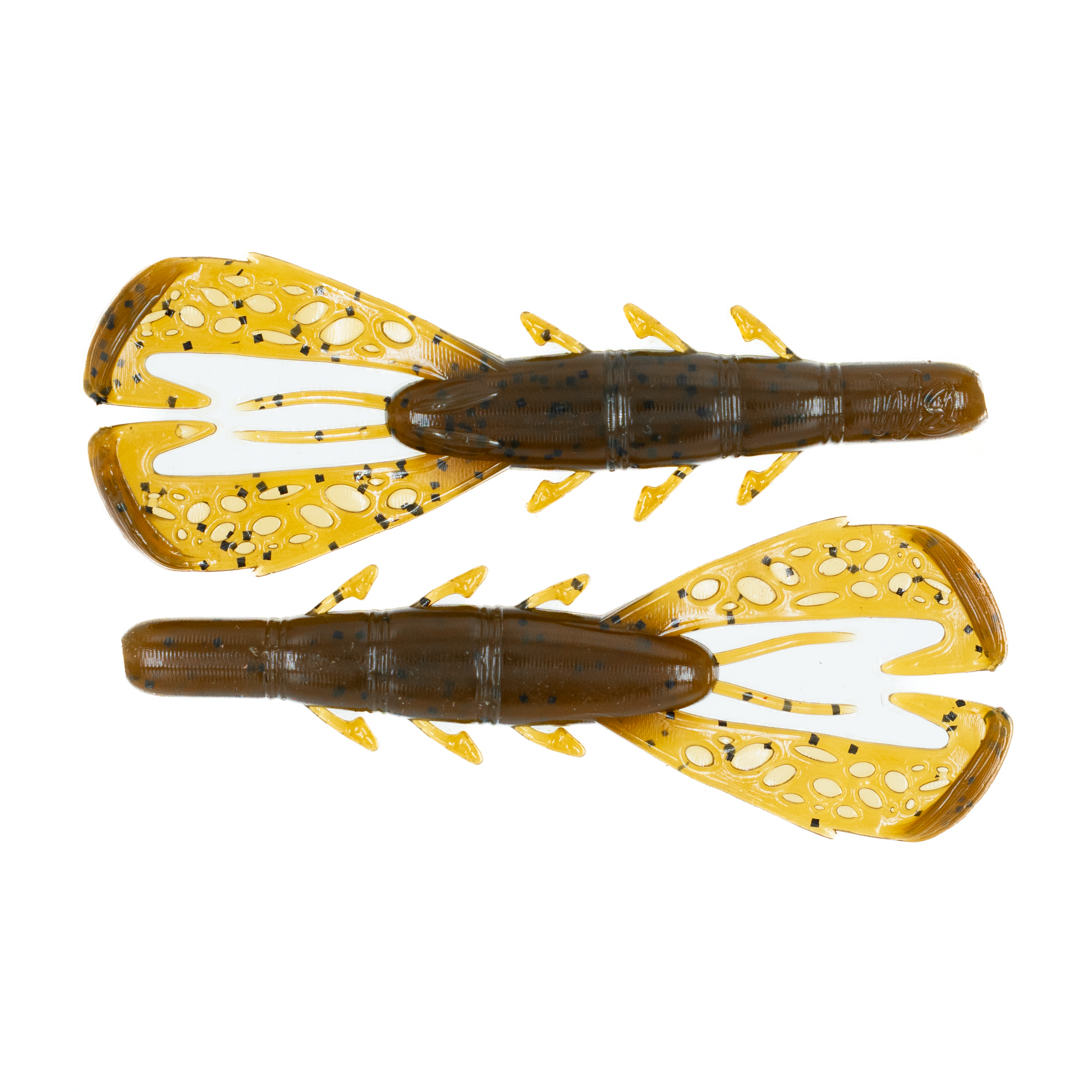
Table Rock Lake Access
Countless public ramps and marinas serve the lake, with Branson West, Shell Knob, Kimberling City and Branson all on the water. Bent Hook Marina is a common tournament staging point. Shoreline fishing opportunities are good as well.
The Bluff Walls
Steep rock dropping into deep water, giving fish the whole water column within a cast. The structure that makes an Ozark highland reservoir work, and where the deep patterns that have won tournaments here are fished.
The Rocky Points
Where the topwater pattern that has won two events on this lake gets fished. The right kind of rock, with wind on it, is the whole description a winning angler gave — and it is worth taking literally.
The Submerged Infrastructure
Flooded tributaries, road systems and valley infrastructure left when the dam closed, plus submerged logs and heavy brush. Unusual complexity for a highland lake, and the reason three species thrive here.
Table Rock Lake Bass Fishing FAQ
How big is Table Rock Lake?
About 43,000 acres of White River impoundment in southwest Missouri near Branson. The 252-foot dam flooded the original valley along with its tributaries, roads and infrastructure, which is why the submerged habitat is as complex as it is.
What species are there?
All three — largemouth, smallmouth and spotted bass, with plentiful quality smallmouth and sizeable populations of the other two. Catch rates are high and the action close to non-stop, which is why both tournament and recreational anglers keep returning.
How has it been won at tournament level?
Both ways, in consecutive years. One Central Open was taken on a topwater pattern following the wind and hunting the right rock; the year before, another was won with the boat sitting in forty-five to fifty feet of water. A college event was won with bites twenty feet down over a hundred feet of water.
What should I look for?
Bluff walls, rocky points, submerged logs and heavy brush. And gulls — diving birds over schooling bait have given anglers the visual roadmap to winning patterns on this lake more than once.
Is it crowded?
Pressure is high during peak seasons. It is a well-known lake next to Branson with a heavy tournament calendar. Spring and autumn are the strongest windows and winter is by far the quietest.
How does the clear water change things?
Natural colours, lighter line, longer casts and more attention to depth than a stained lake requires. That is standard for an Ozark highland reservoir and it applies here across every season.
What baits work best on Table Rock?
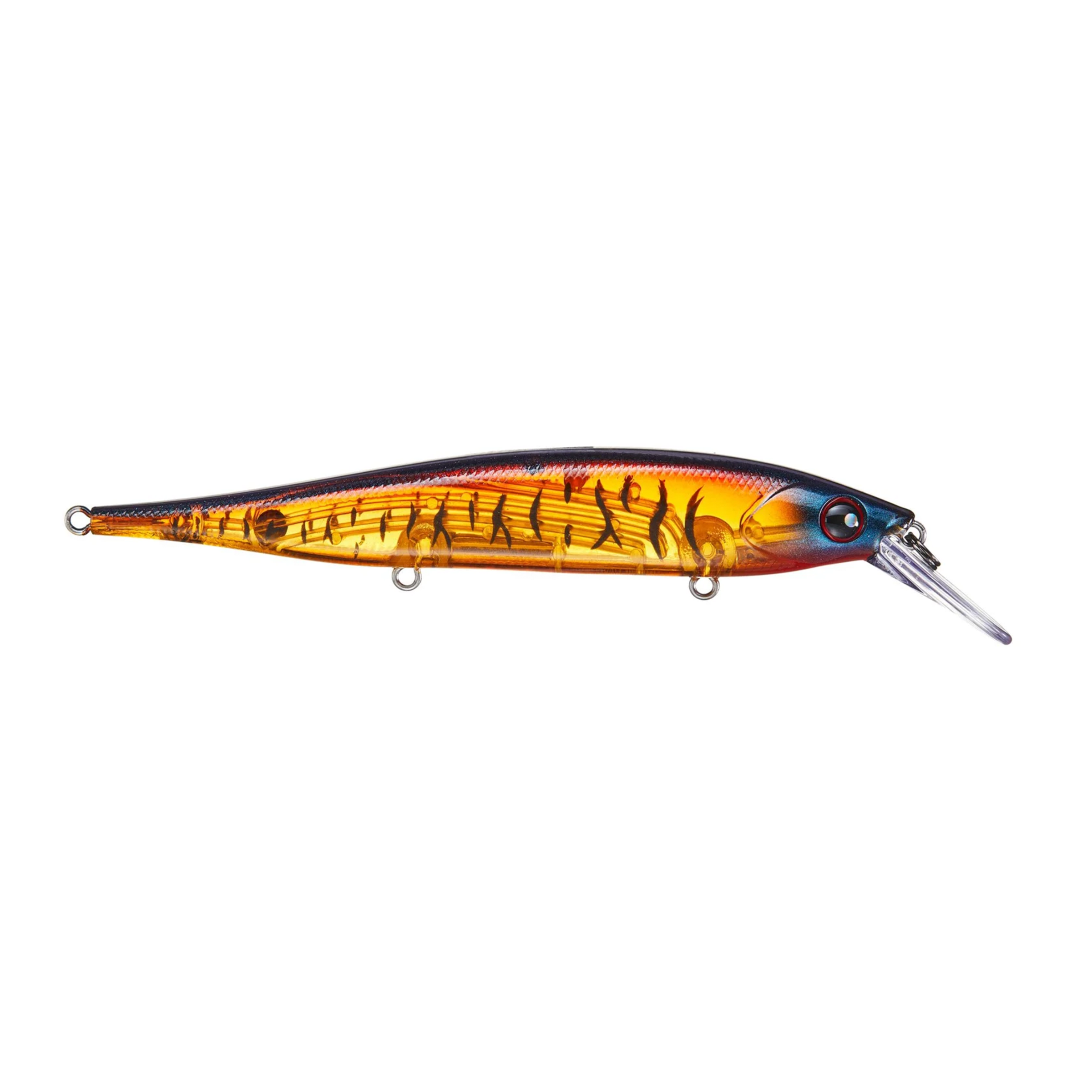
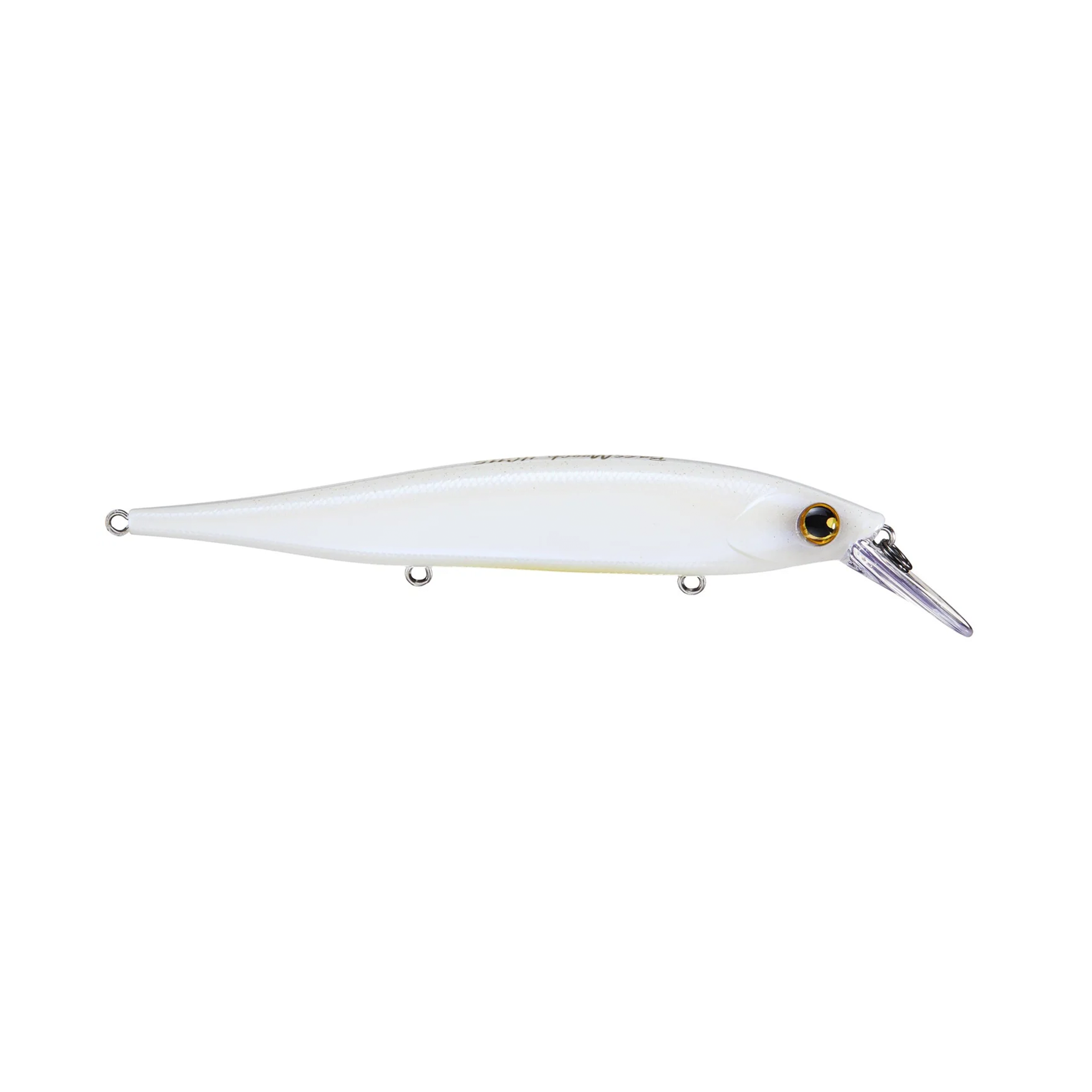
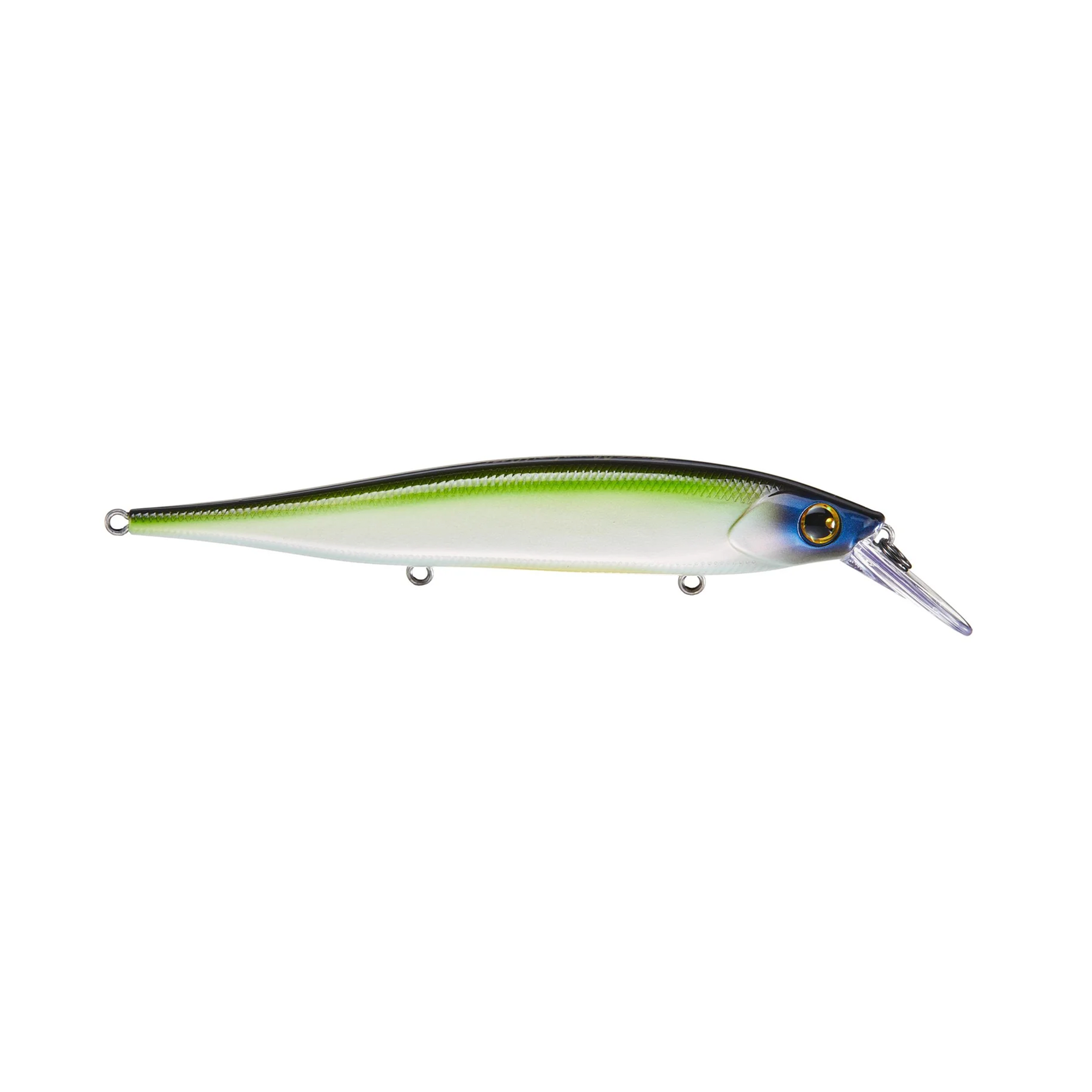
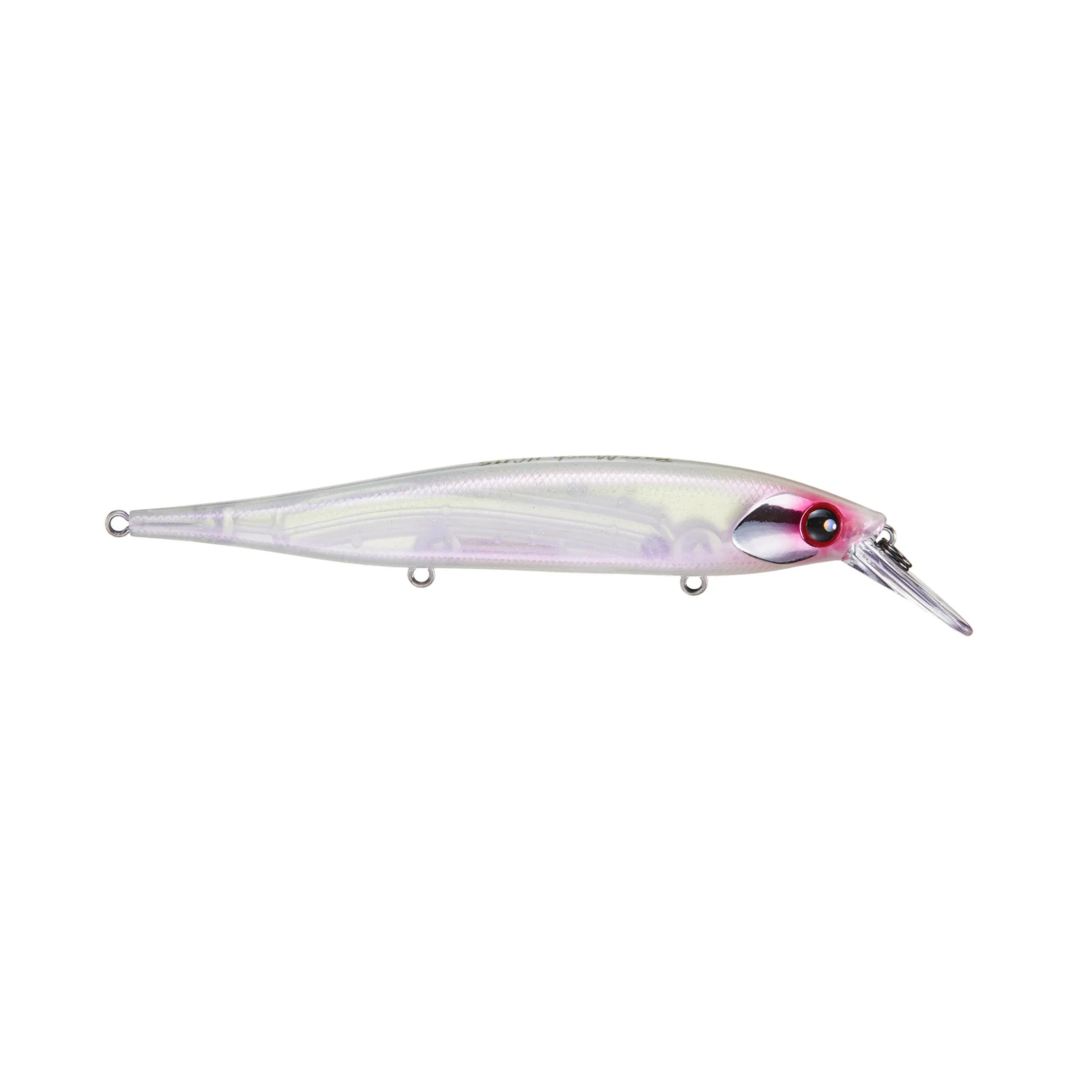
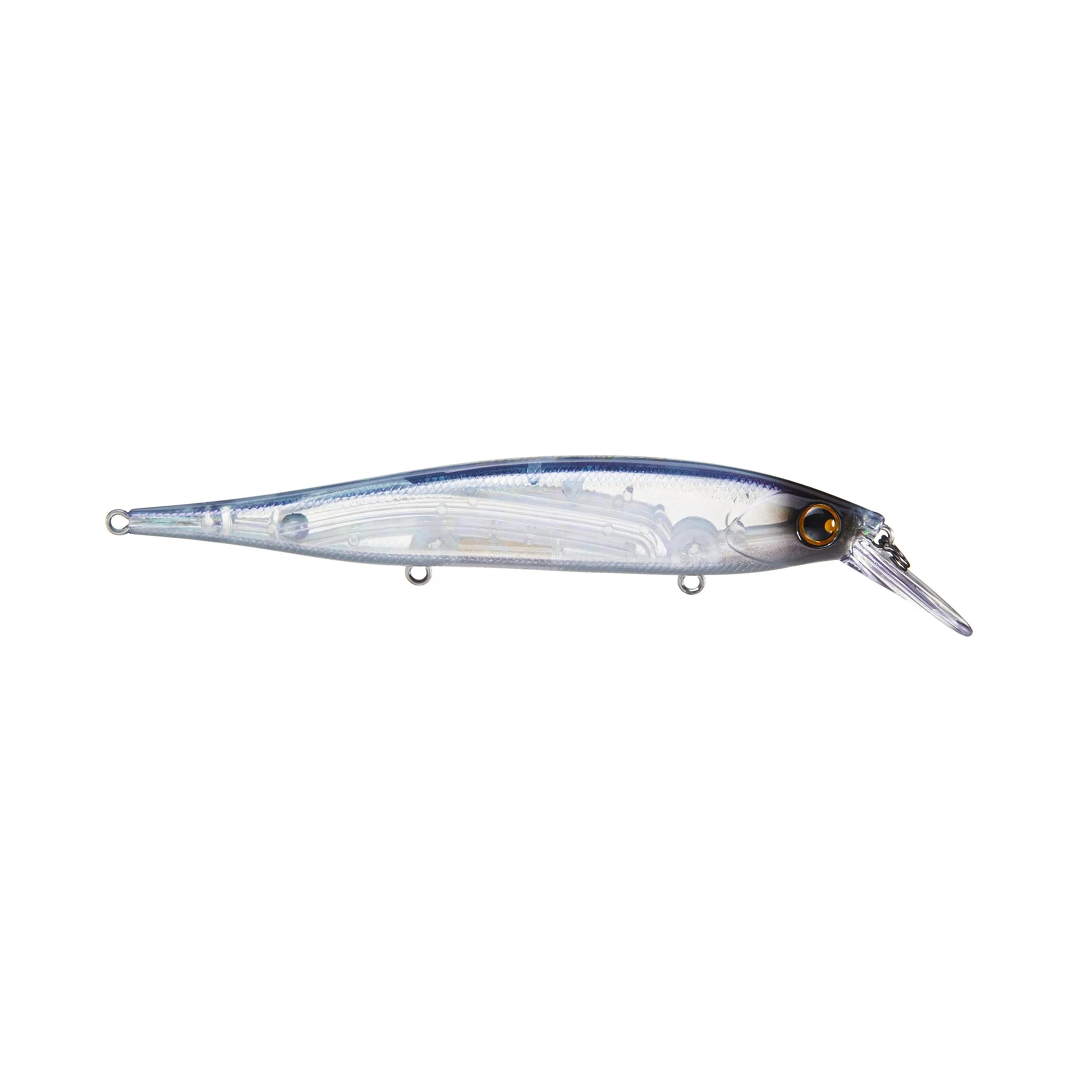
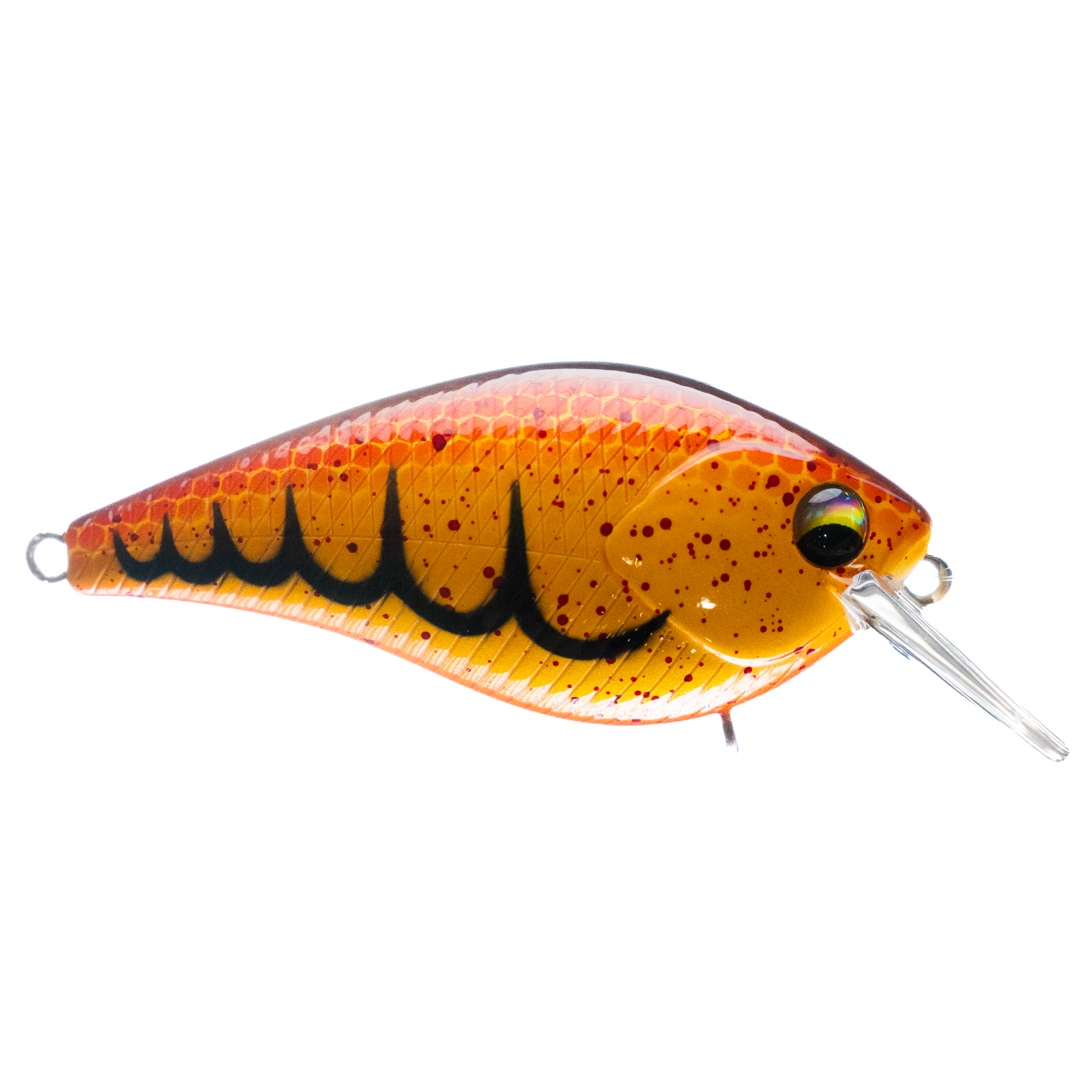
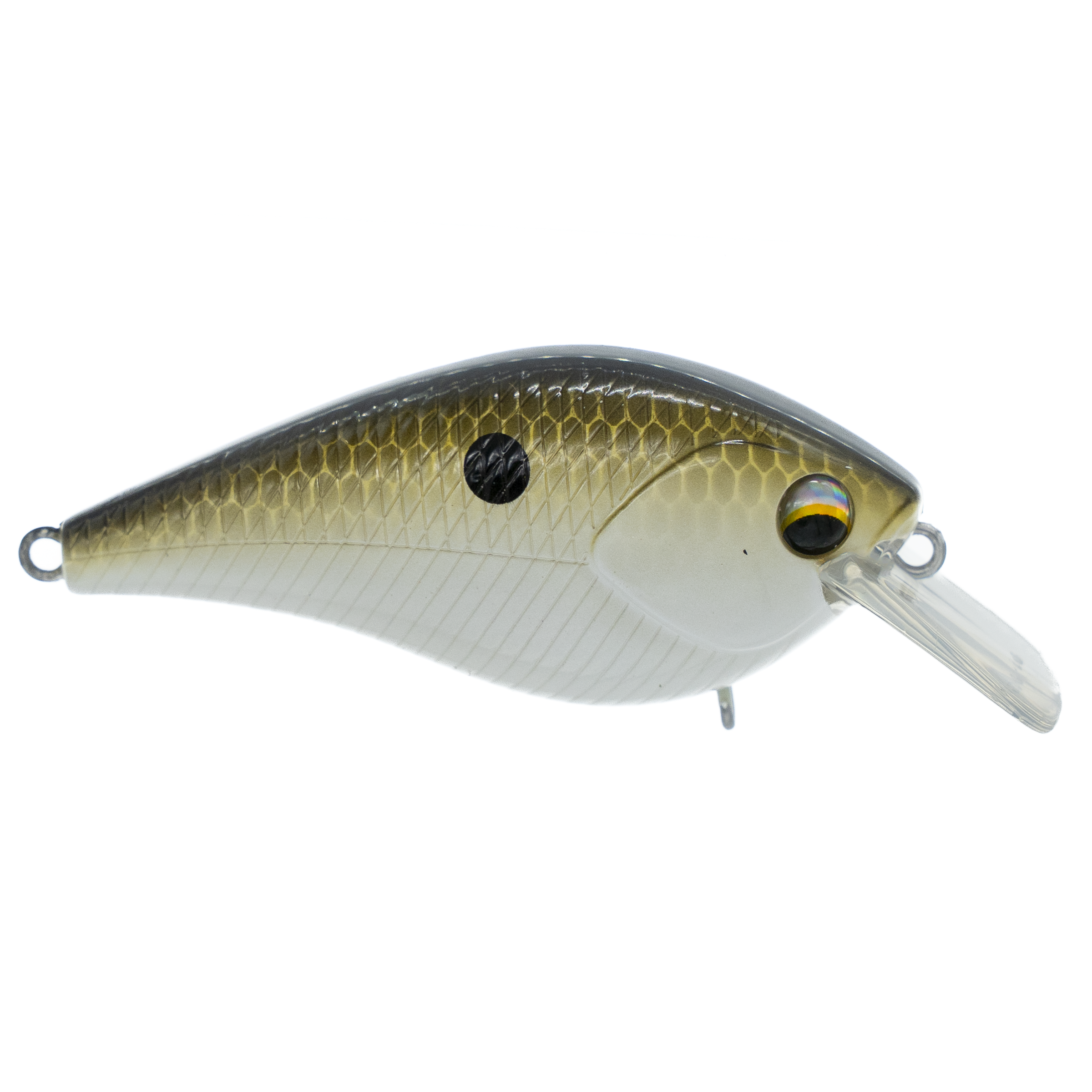
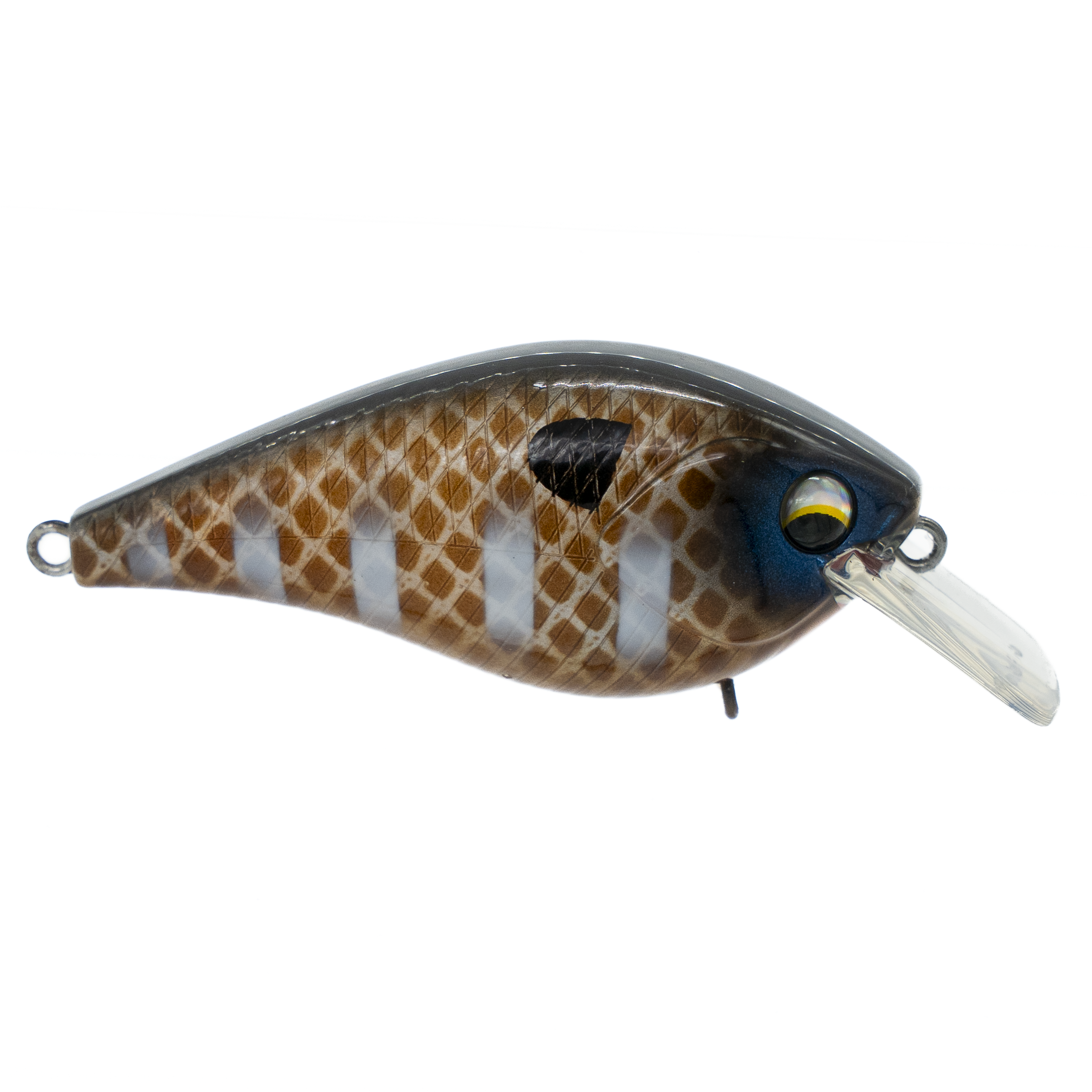
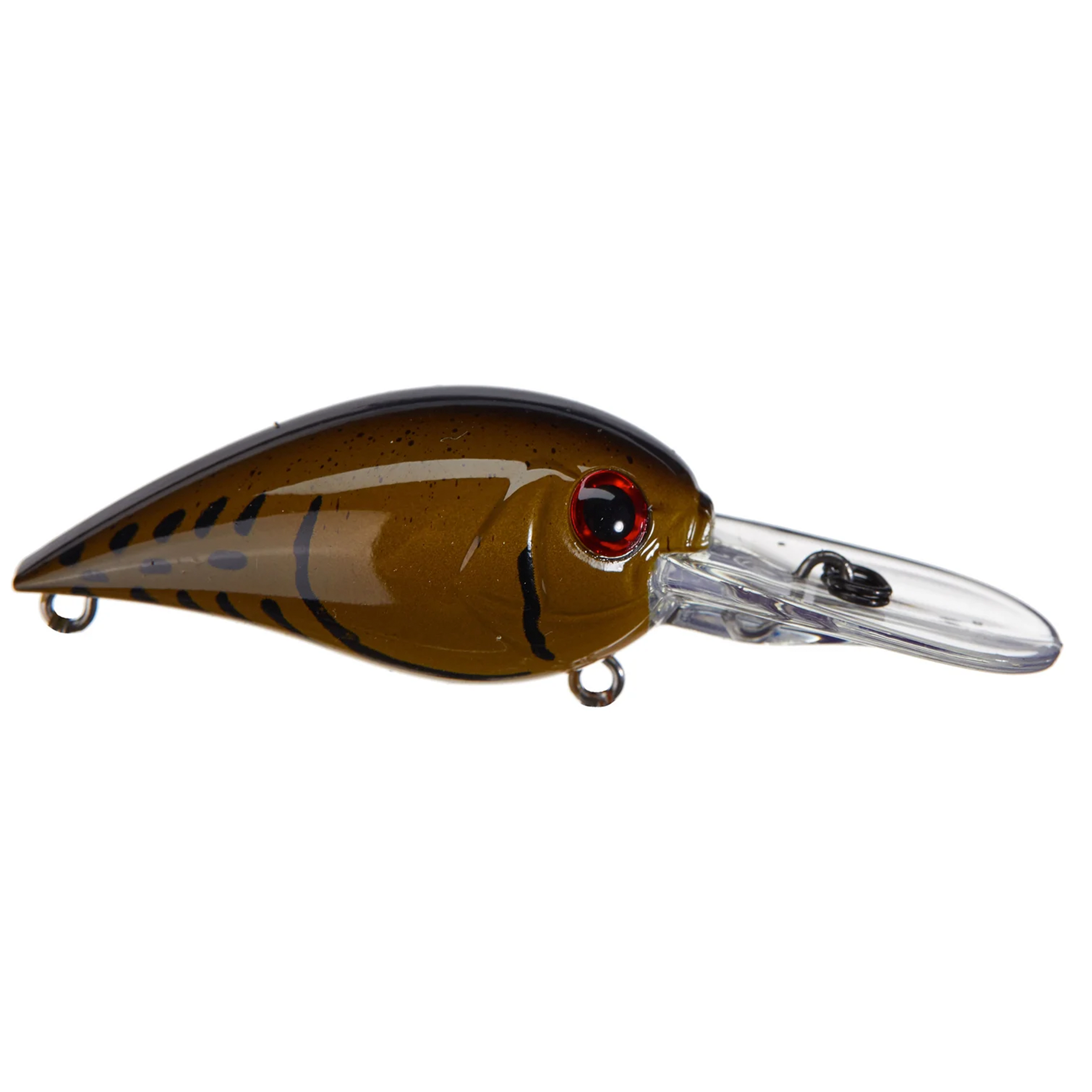
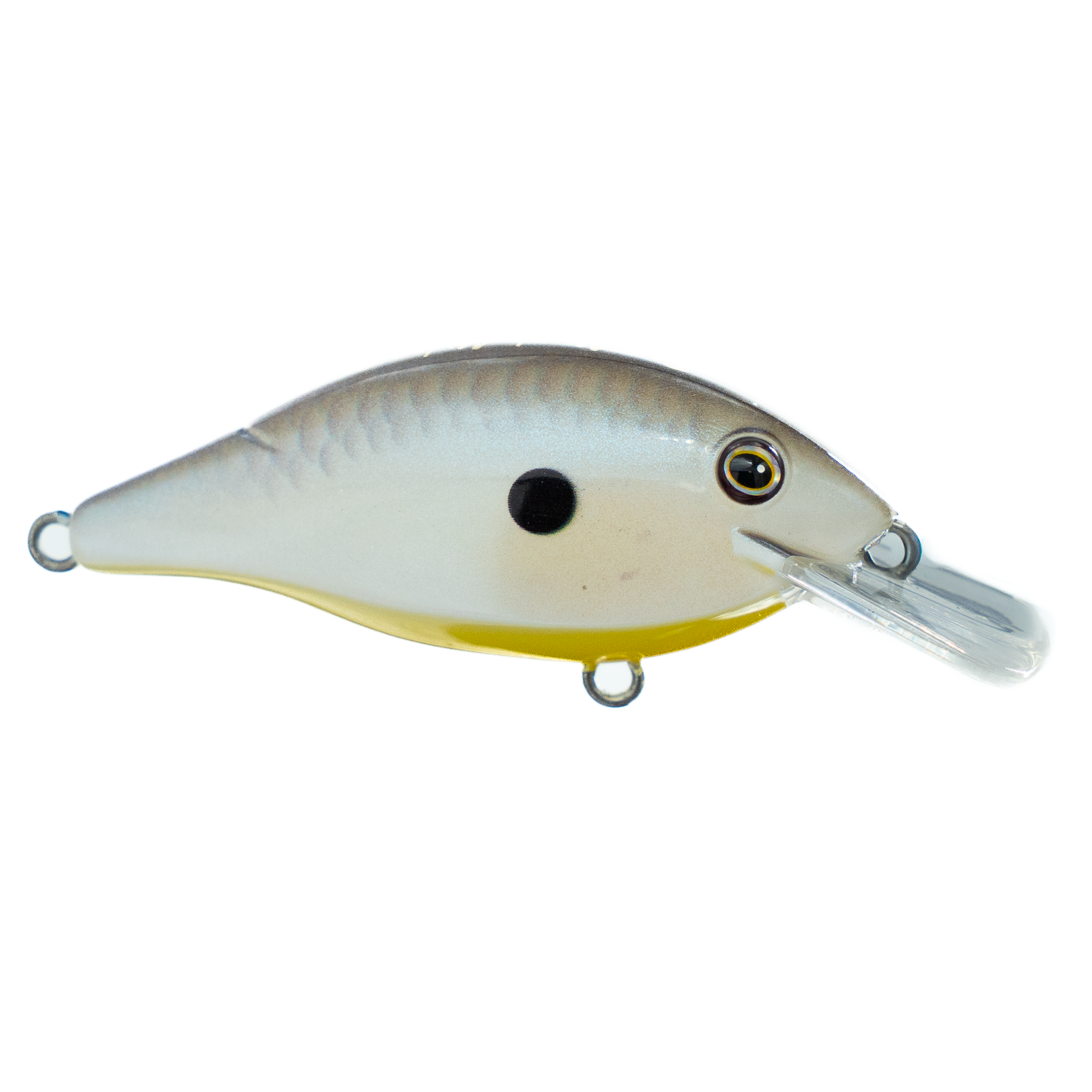
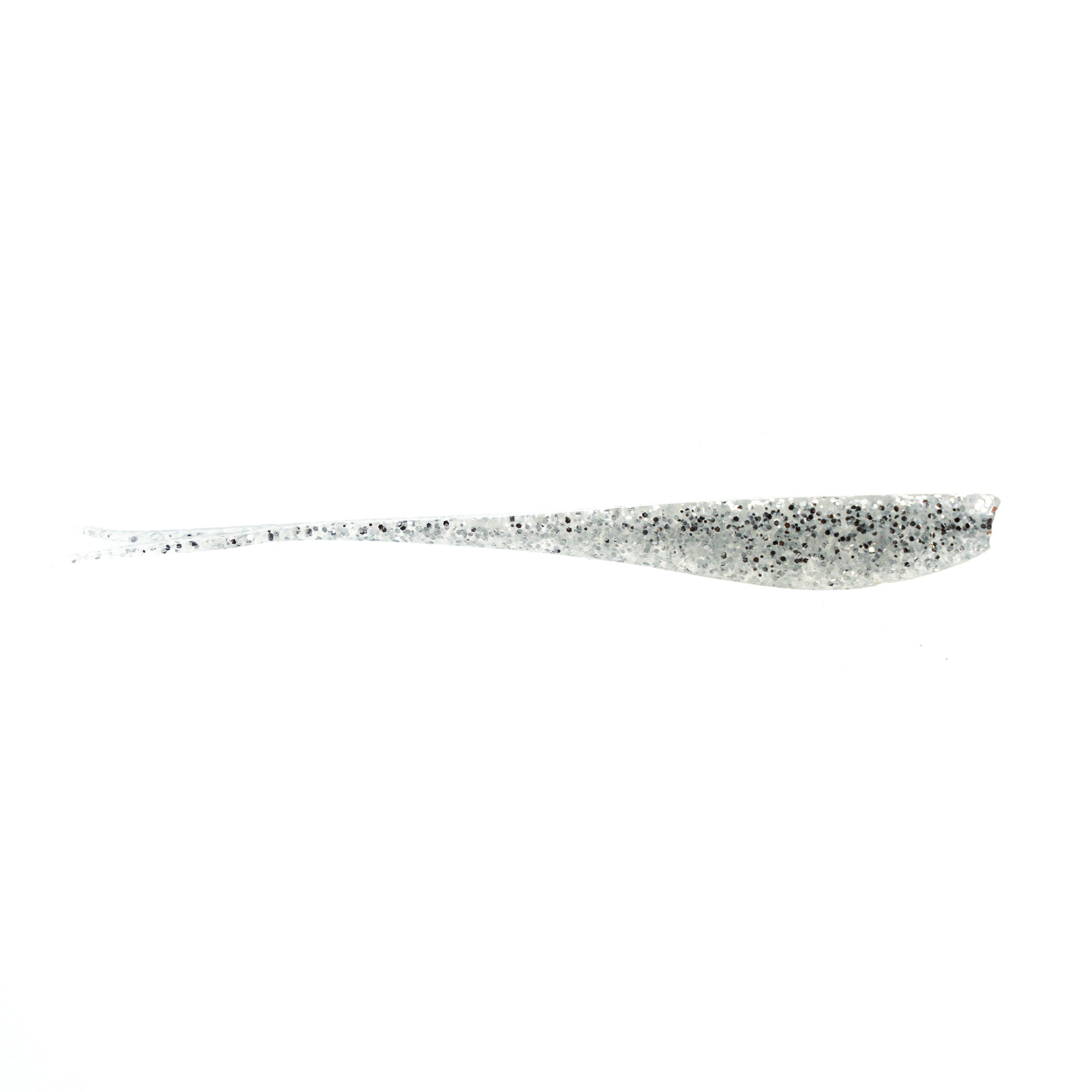
Topwater on wind-blown rock, jerkbaits and finesse plastics on the bluffs and points, and drop shots or small plastics when the fish go deep. Jigs and plastic worms around the submerged wood. Our full bait lineup covers all four seasons.
Is Bull Shoals nearby?
Yes, across the Arkansas line, and the two are frequently fished on the same trip. Bull Shoals has its own guide on this site.
Topwater and Fifty Feet
A lake won on the surface one year and in fifty feet of water the next asks for genuine range. Level Rods builds models that walk a topwater accurately across wind-blown rock and finesse models sensitive enough to feel a bite at depth in clear water.
Tournament Winning Baits & Gear
Designed, crafted and tested by anglers who fish Ozark highland lakes every week. Free shipping on orders over $75.
Shop All Baits