Susquehanna River Bass Fishing Guide
Susquehanna Bass Fishing, Season by Season
Four hundred and forty-four miles of shallow, ledge-strewn river running the length of Pennsylvania, and one of the most famous smallmouth fisheries in the country. The Susquehanna is wade-and-float water, and it is fished on flow rather than on the calendar.
A Wide, Shallow River Full of Ledges
The Susquehanna runs 444 miles through Pennsylvania on its way to the Chesapeake, and along much of that length it is unusually wide and unusually shallow — a river you can wade across in places, floored with limestone ledges, boulder fields and grass beds. It holds both smallmouth and largemouth plus catfish, musky, walleye and rock bass, but its reputation is built entirely on brown fish.
The structure is what makes it. Ledges running across the current, boulders breaking the flow, grass beds in the slower water, and eddies behind everything. Smallmouth sit where current does the work for them, on the downstream side of anything that breaks it, and reading water matters far more here than electronics do.
Flow is the controlling variable and it is not subtle. High water makes long stretches unfishable and genuinely unsafe; low water concentrates fish into the deeper runs and pools and makes wading practical. Anglers who check the gauge before they check the forecast do considerably better.
The river fishes best from spring through summer, and the sections around Harrisburg, the Wilkes-Barre area and the West Branch each have their own following. The Juniata, a major tributary, offers the same fishing at a smaller and more manageable scale and is worth knowing about.
One regulation is unusual enough to state plainly: it is unlawful to conduct a fishing tournament on the North Branch, the West Branch or the main stem of the Susquehanna that allows anglers to harvest bass. Pennsylvania takes the protection of this fishery seriously, and so should you.
More generally, Pennsylvania does not close bass season outright but enforces a spring no-harvest period while bass are spawning, during which fishing in or near spawning beds is also prohibited. Check the current Fish and Boat Commission rules for the section you intend to fish, because regulations on this river vary by stretch.
Ledges, Seams and Flow
Four patterns cover the year. Each one pairs the technique with the baits we'd actually tie on.
High Water and the No-Harvest Window
Spring brings the highest and least predictable flows of the year, and it coincides with Pennsylvania's no-harvest period. Fishing is permitted but harvest is not, and fishing in or near spawning beds is prohibited. Smallmouth move out of the deep wintering pools onto adjacent flats and slower runs as the water warms.

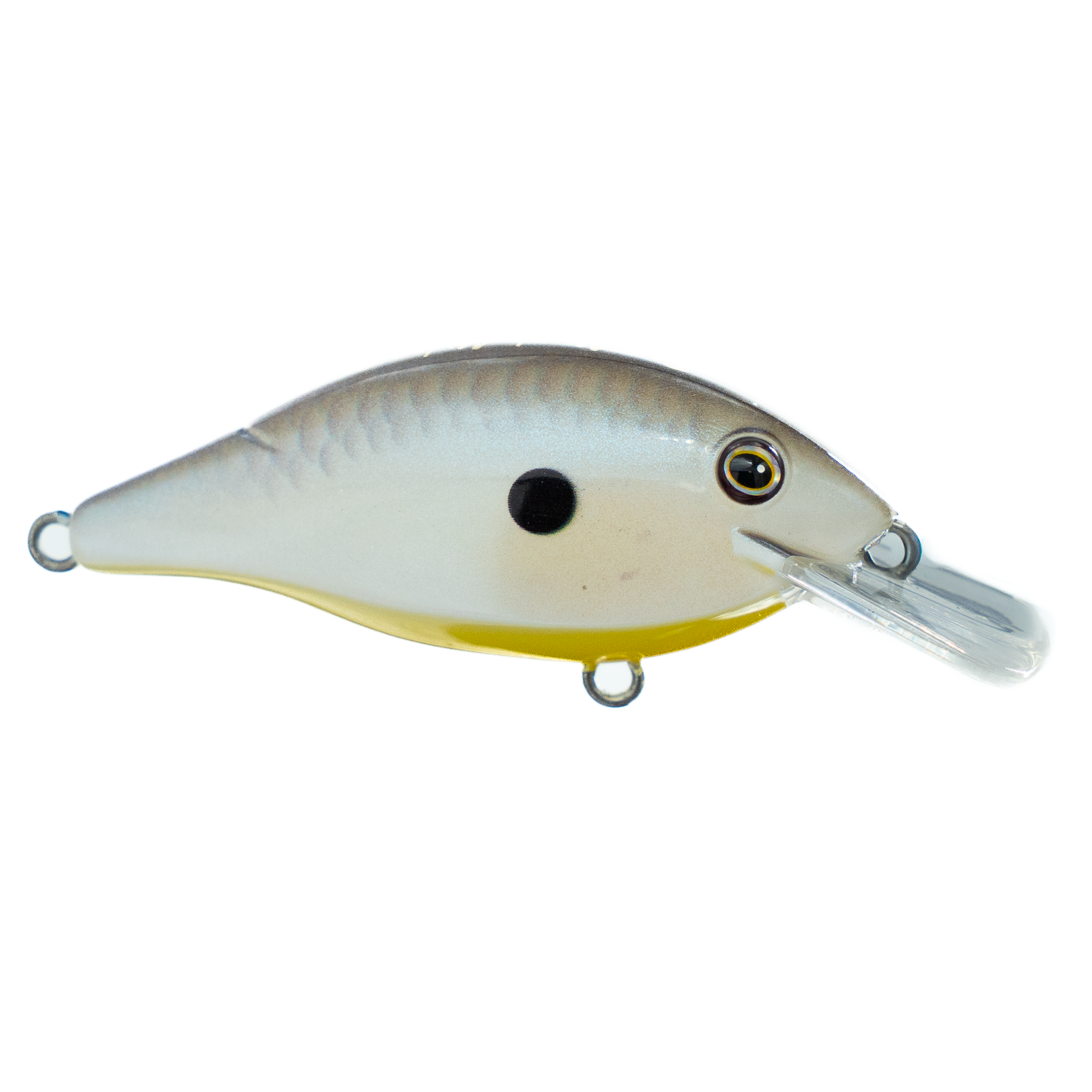
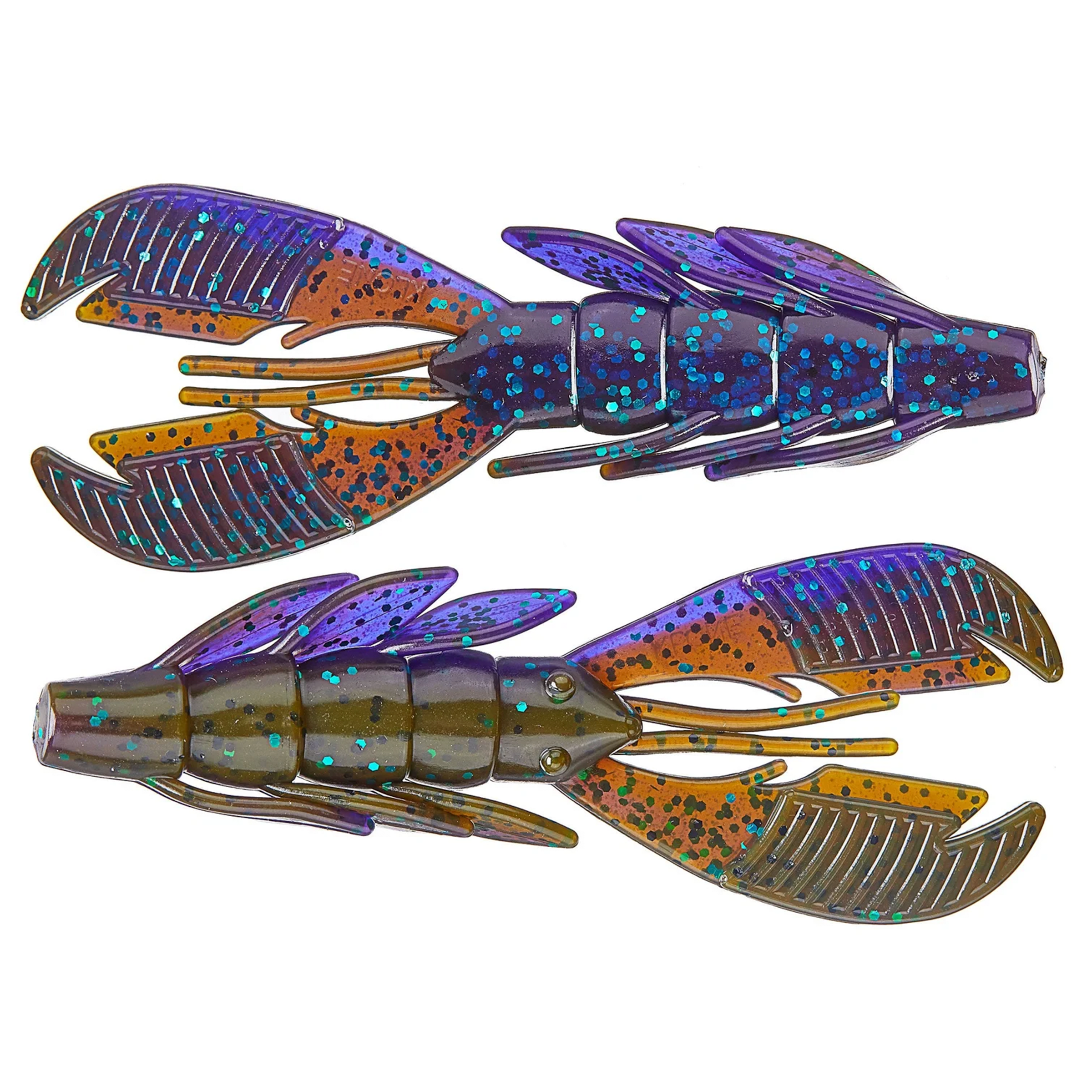
Wading Water and Low Light
Summer drops the flows and opens the river up for wading, which is how a great many people fish it. Smallmouth spread across the ledges, riffles and boulder fields, and grass beds in the slower stretches hold fish through the heat. Night fishing from shore is a longstanding local tradition along the Wilkes-Barre stretches.

Cooling Water and Aggressive Fish
Autumn is arguably the best window. Smallmouth feed hard ahead of winter, flows are typically stable, and the summer crowds are gone. The fish will chase, which makes this the season to cover water rather than pick at individual rocks.
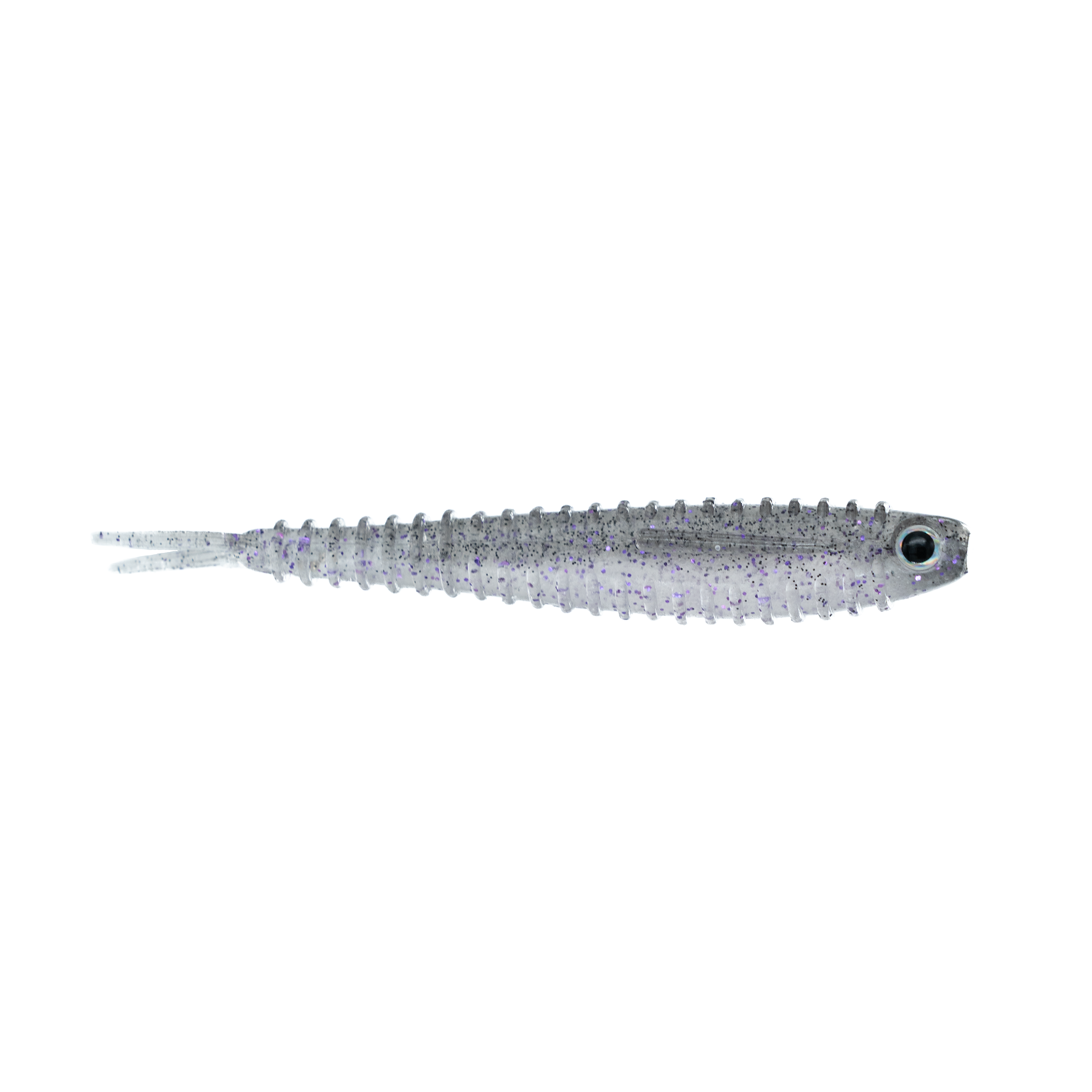

Deep Pools and Very Slow Baits
Winter concentrates smallmouth in the deepest pools and the slowest water available, and they stay there. Access is harder with cold and high water and the fishing is limited, but the fish that are catchable tend to be the better ones. This is not float season.


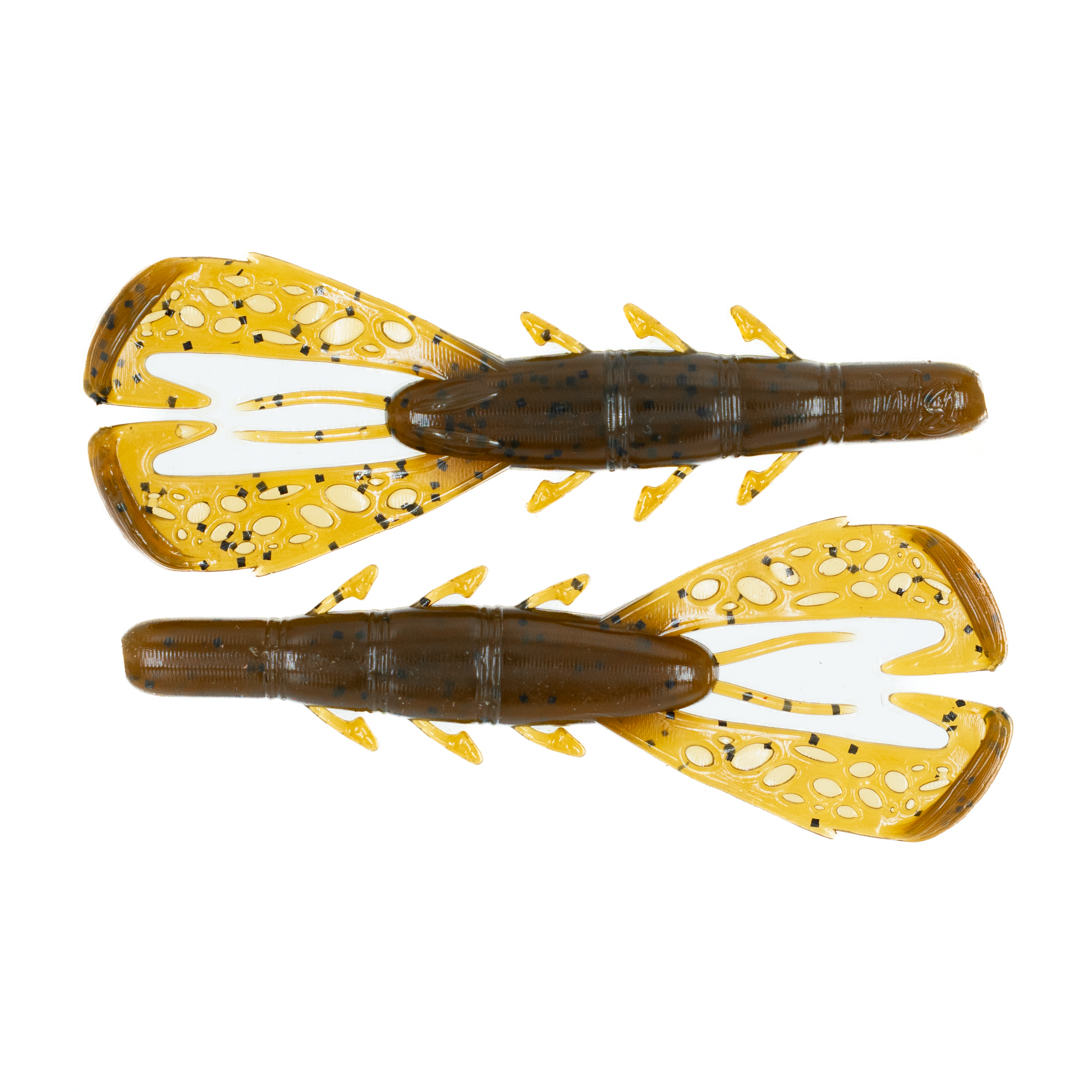

The Susquehanna River Access
Public access points line the river throughout Pennsylvania, with the Harrisburg area, the Wilkes-Barre and Pittston stretches and the West Branch all well served. Much of the river is wadeable at summer flows, and float trips between access points are the other standard approach.
The Limestone Ledges
Running across the current and breaking it, and the signature structure of this river. Smallmouth hold on the downstream side. Learning to read which ledges hold fish at which flow is most of the skill here.
The Boulder Fields and Eddies
Individual current breaks scattered through the shallower stretches, each one holding fish. Wading water at summer flows, and where the topwater fishing happens in low light.
The Juniata River
A major Susquehanna tributary offering the same smallmouth fishing at a smaller and more manageable scale. Worth knowing when the main stem is high, discoloured or crowded.
The Susquehanna River Bass Fishing FAQ
Is the Susquehanna good for smallmouth?
It is one of the most famous smallmouth rivers in the country. Four hundred and forty-four miles of shallow ledge-strewn water through Pennsylvania, holding smallmouth throughout along with largemouth, catfish, musky, walleye and rock bass.
Can you run a bass tournament on the Susquehanna?
Not one that allows harvest. It is unlawful to conduct a fishing tournament on the North Branch, the West Branch or the main stem that permits tournament anglers to harvest bass. Catch-and-release events are the only option.
What is Pennsylvania's bass season?
There is no fully closed season. Instead the Fish and Boat Commission enforces a spring no-harvest period while bass spawn, during which fishing in or near spawning beds is also prohibited. Regular harvest season on most inland waters runs from mid-June to the end of September. Rules vary by water — check the current summary book.
How does flow affect the fishing?
It controls everything. High water makes long stretches unfishable and unsafe; low water concentrates fish into the deeper runs and makes wading practical. Check the gauge before you check the forecast.
Do I need a boat?
No. Much of the river is wadeable at summer flows and that is how a great many anglers fish it. Float trips between access points are the other standard approach, and they cover water that walking cannot.
What is the Juniata River?
A major Susquehanna tributary offering the same smallmouth fishing on a smaller, more manageable scale. A good alternative when the main stem is high or discoloured.
What baits work best on the Susquehanna?
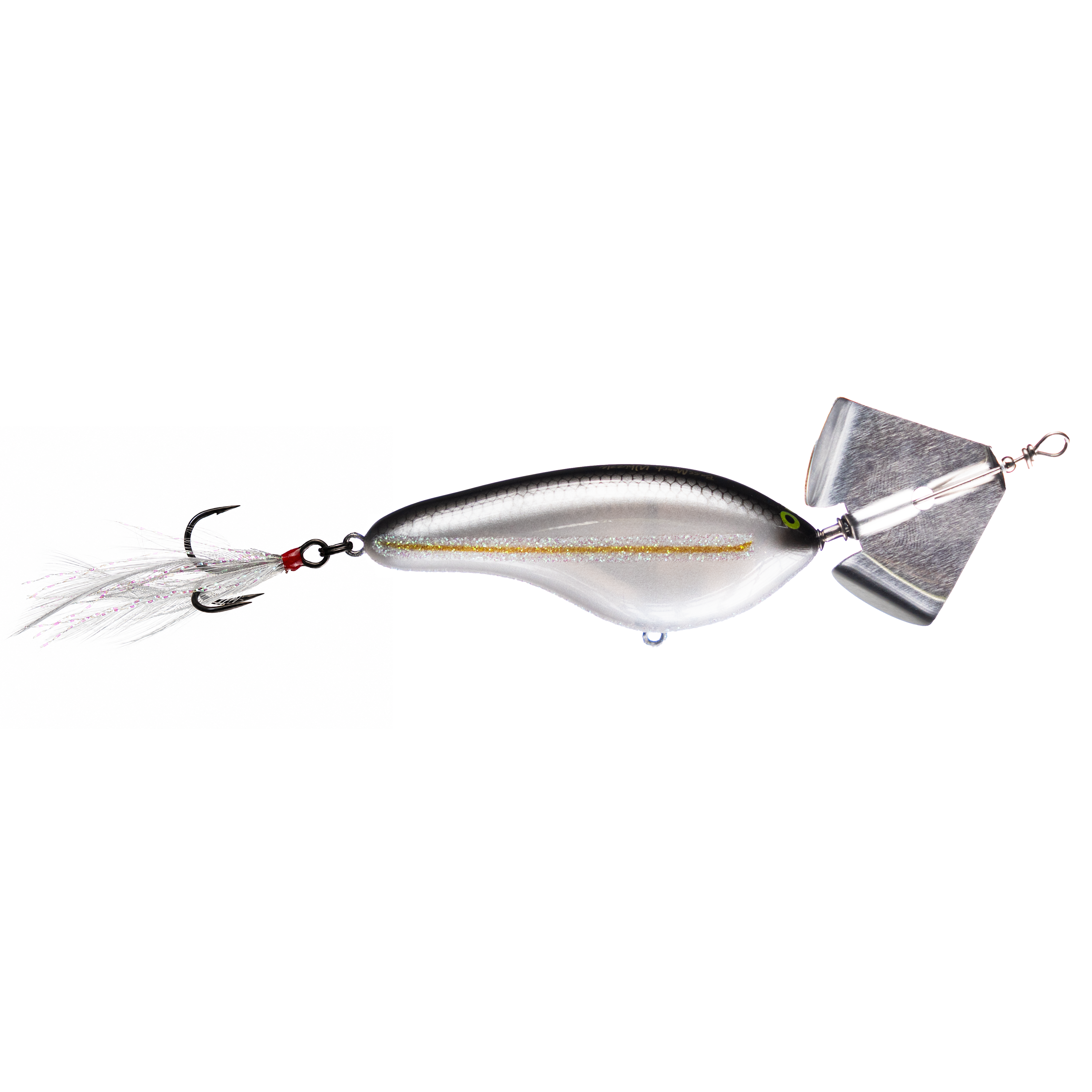
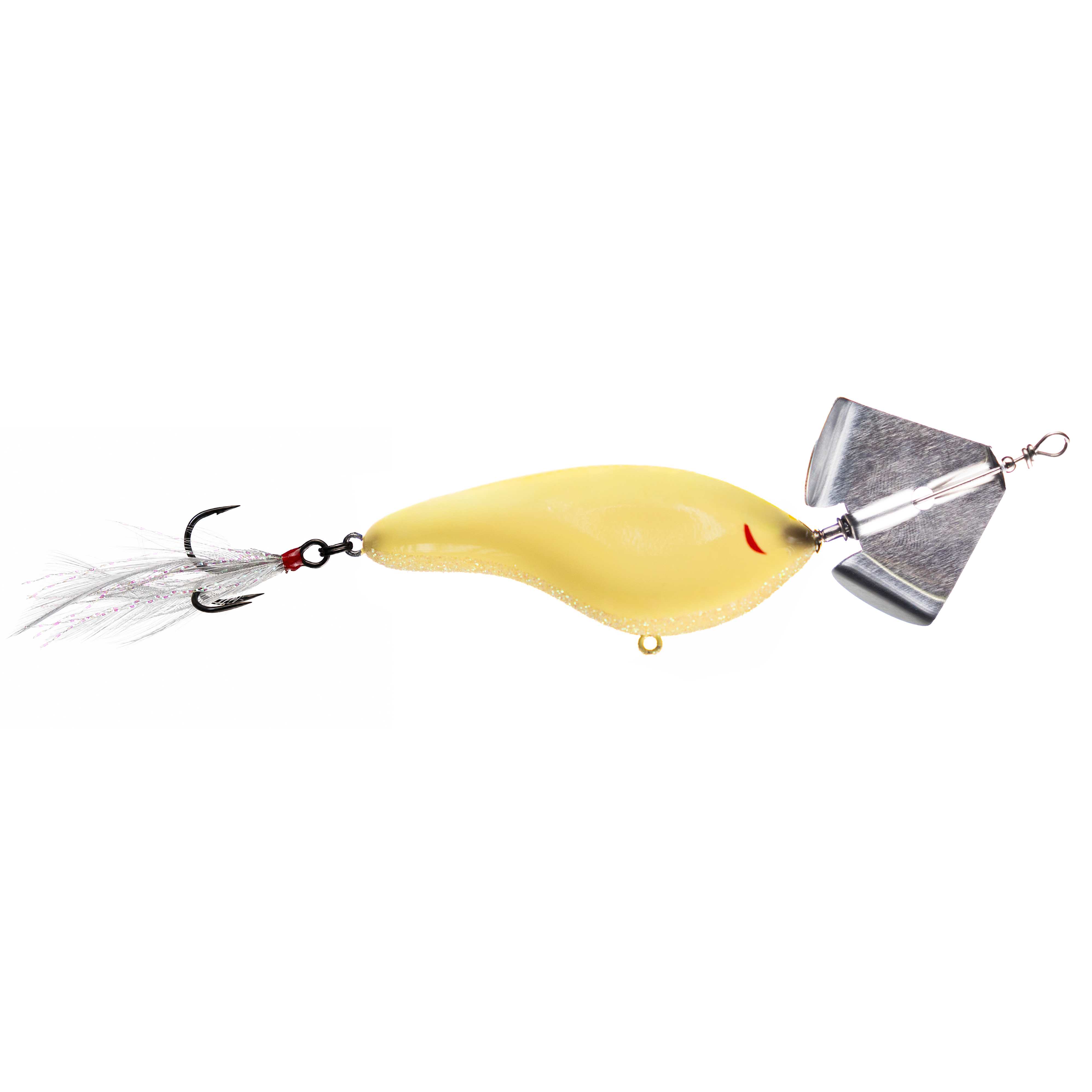
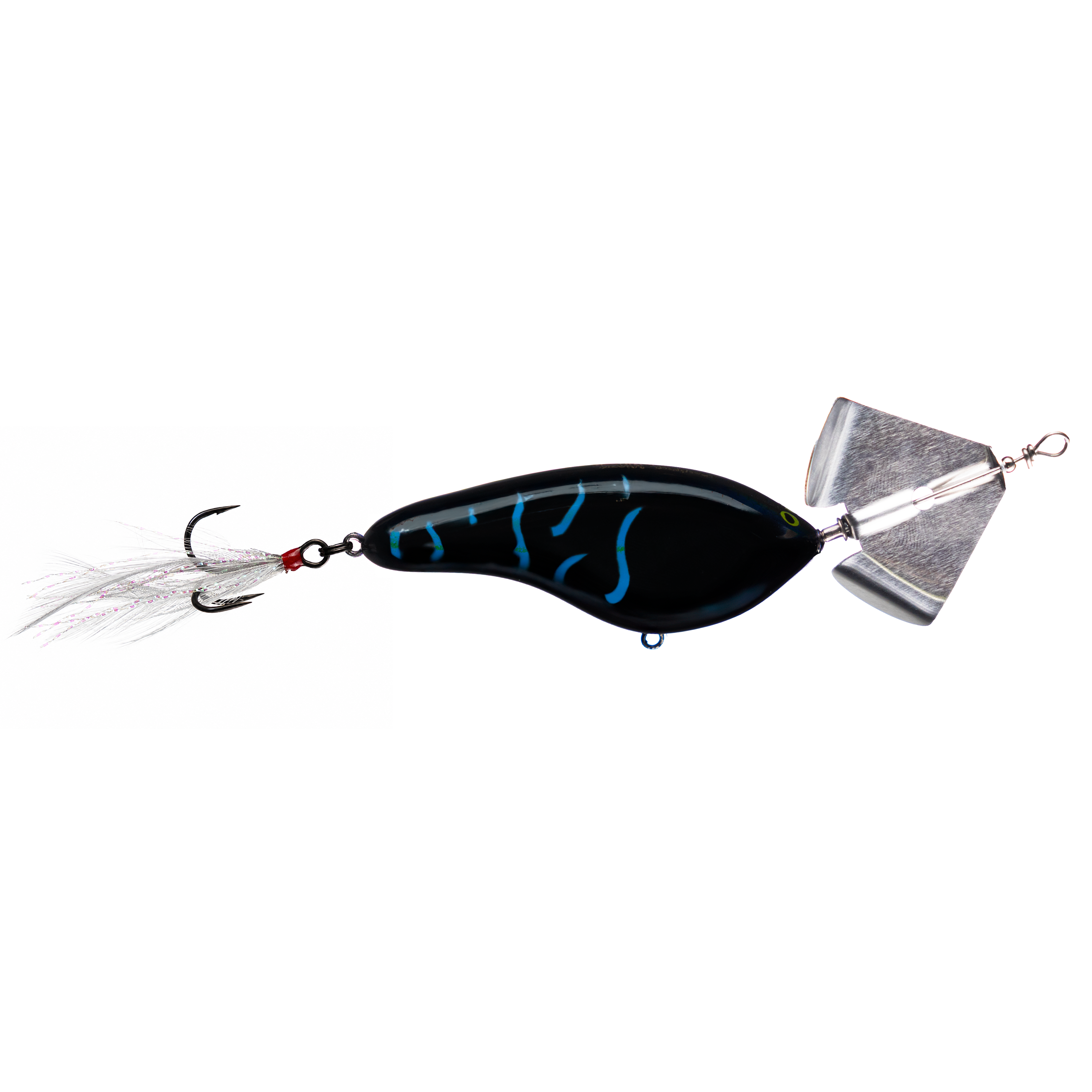
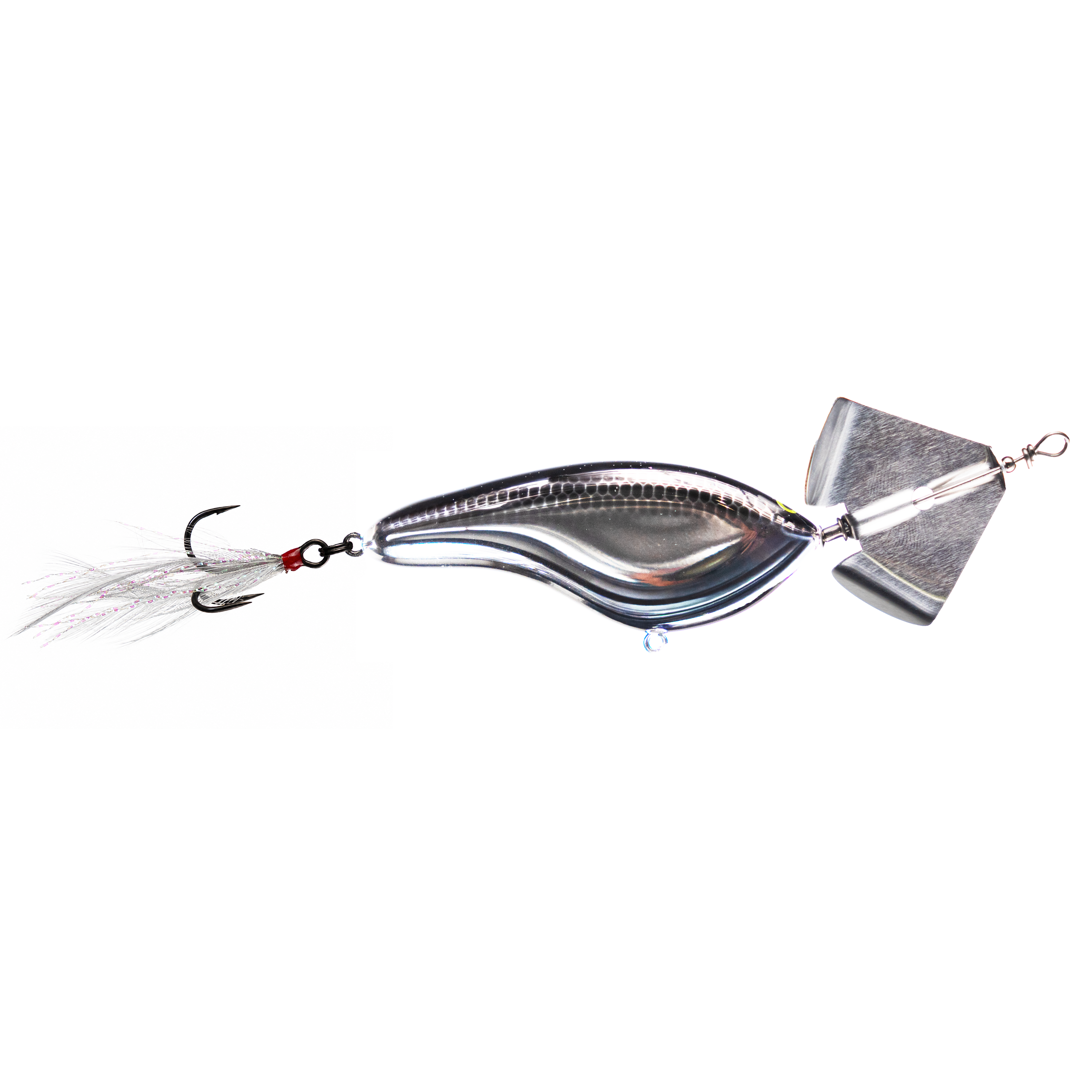
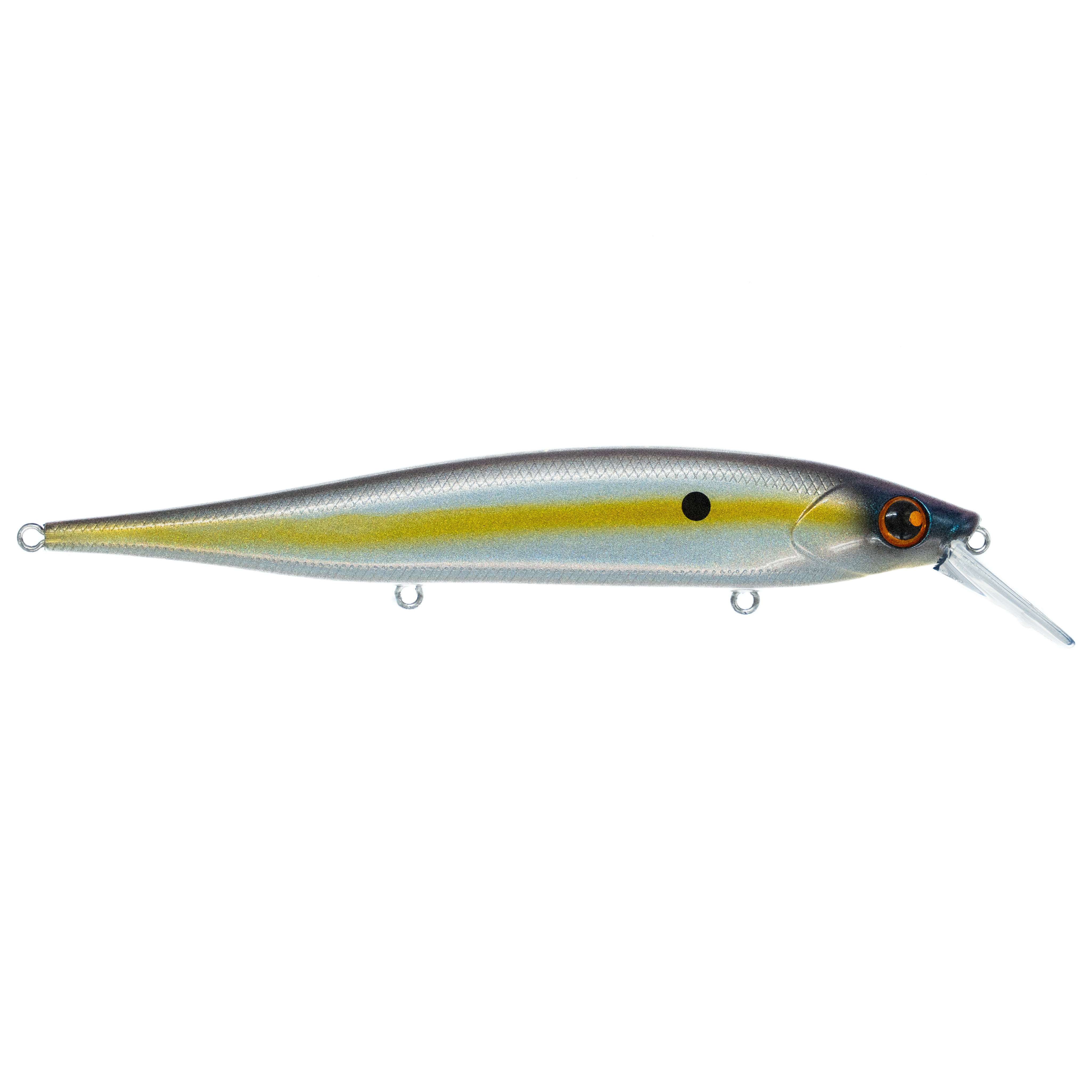
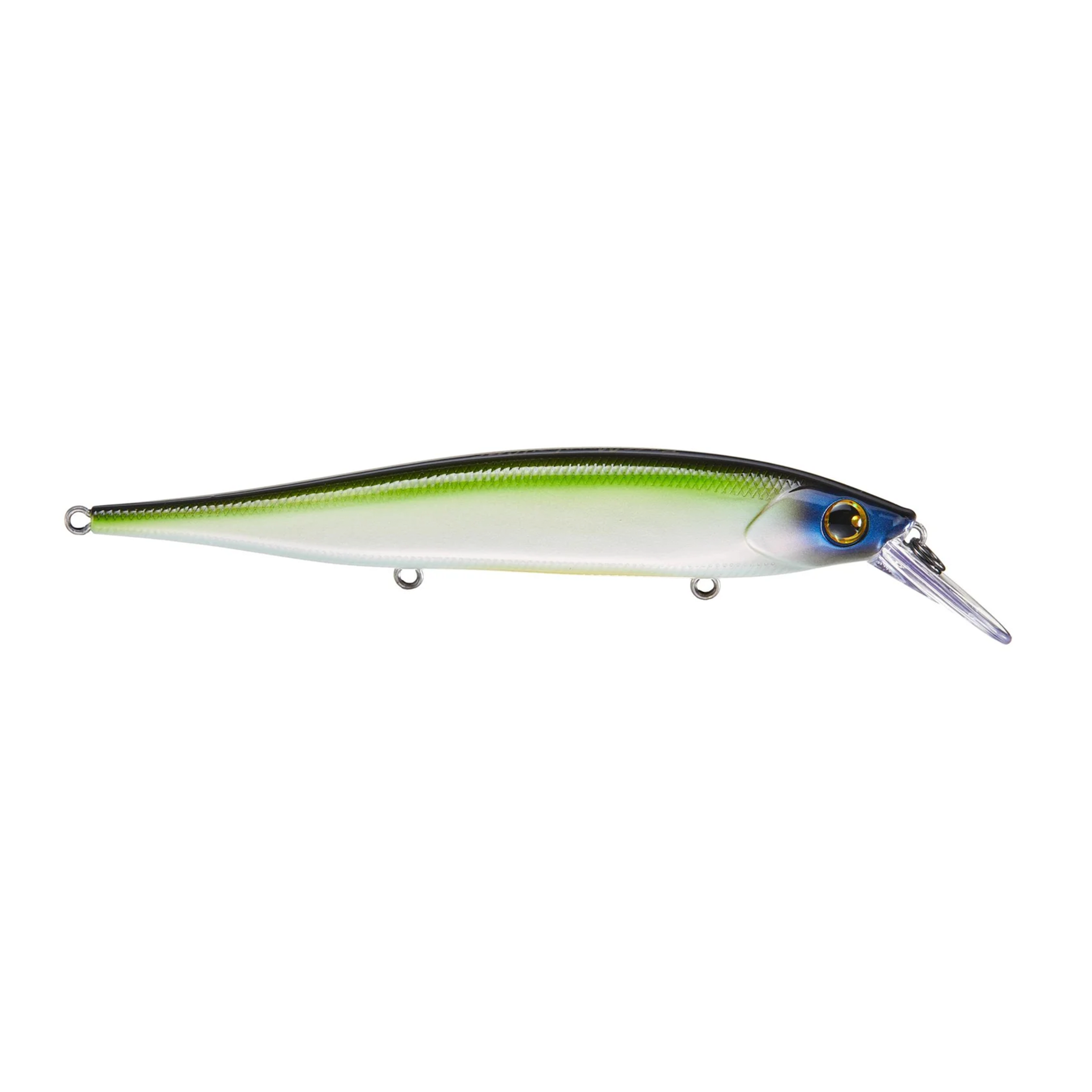
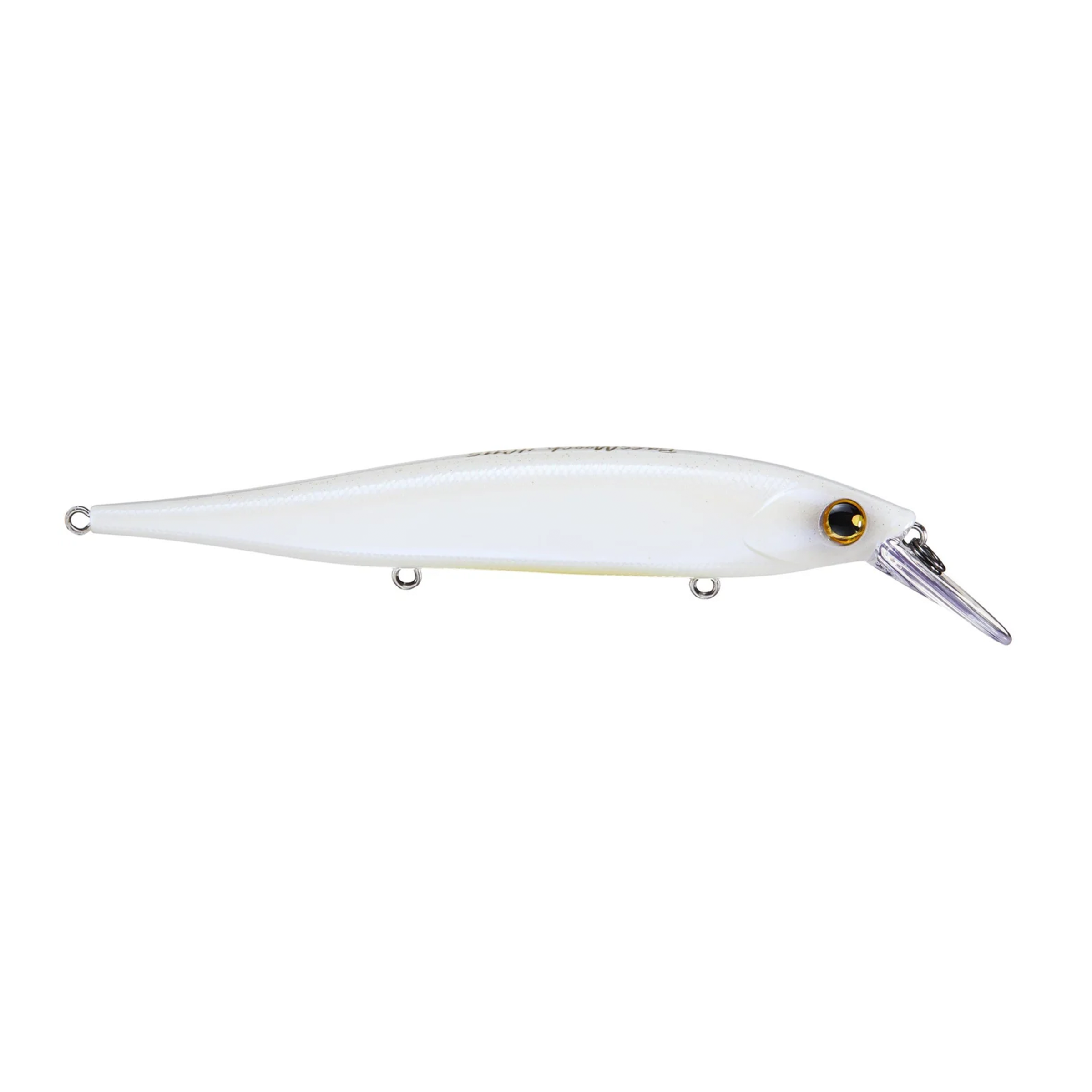
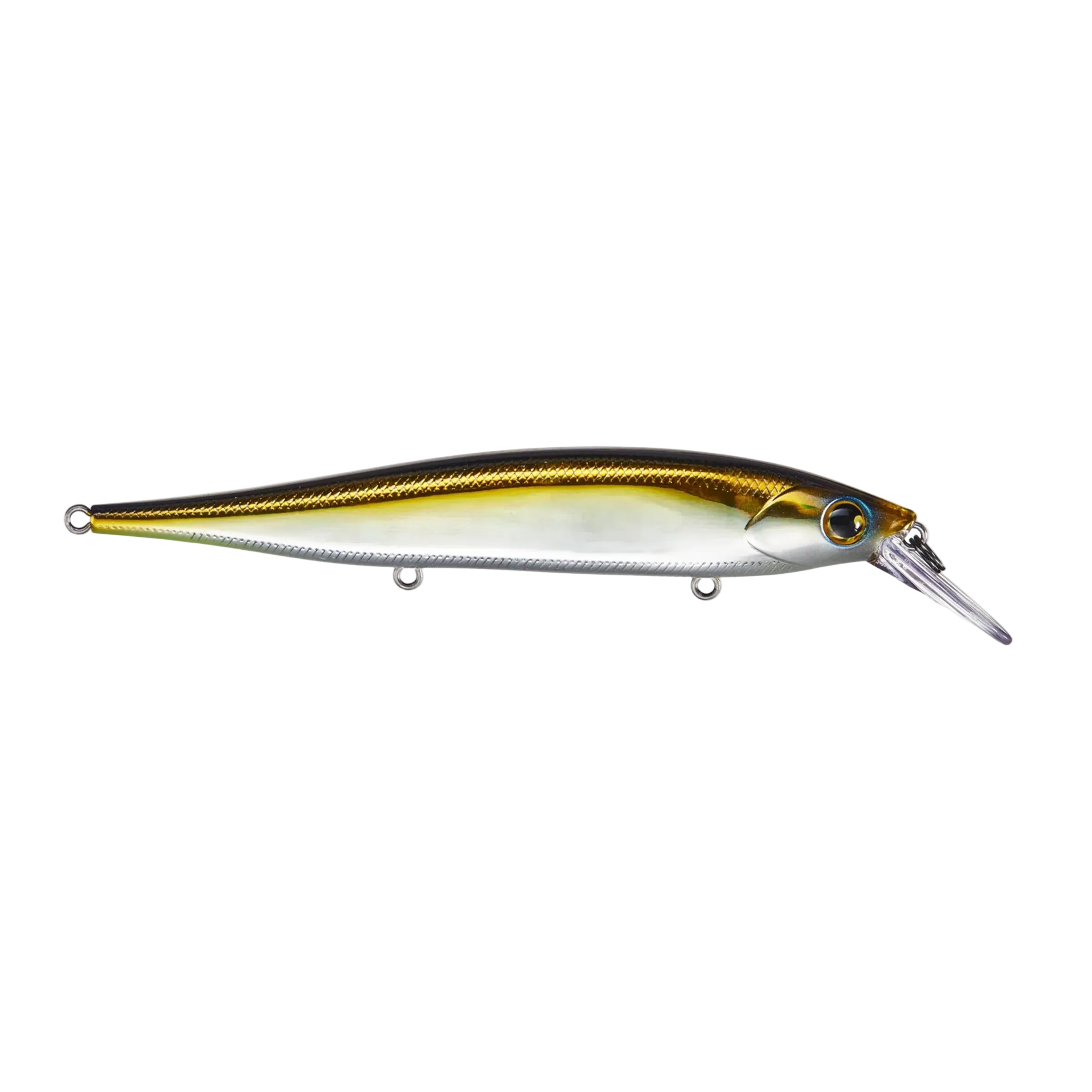
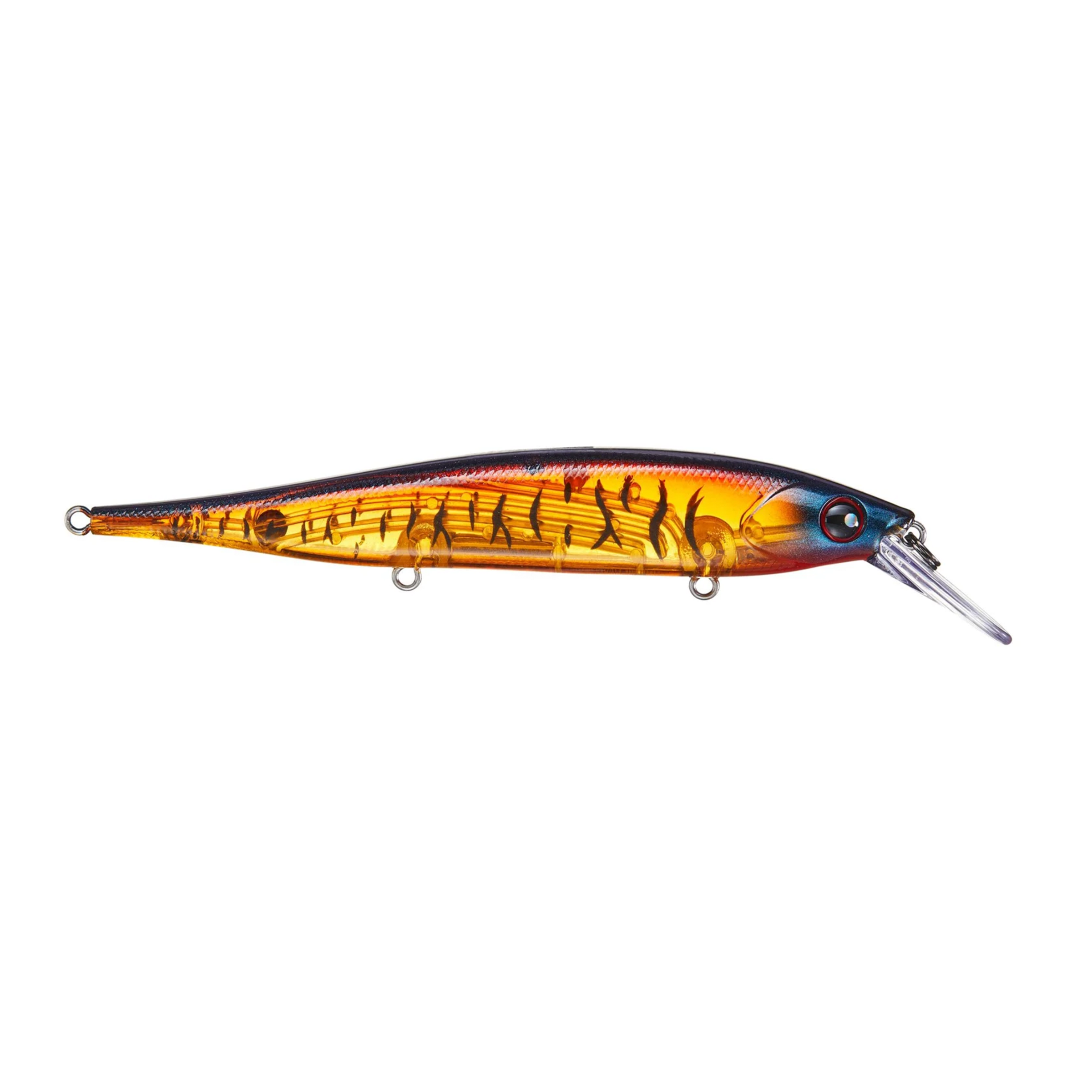
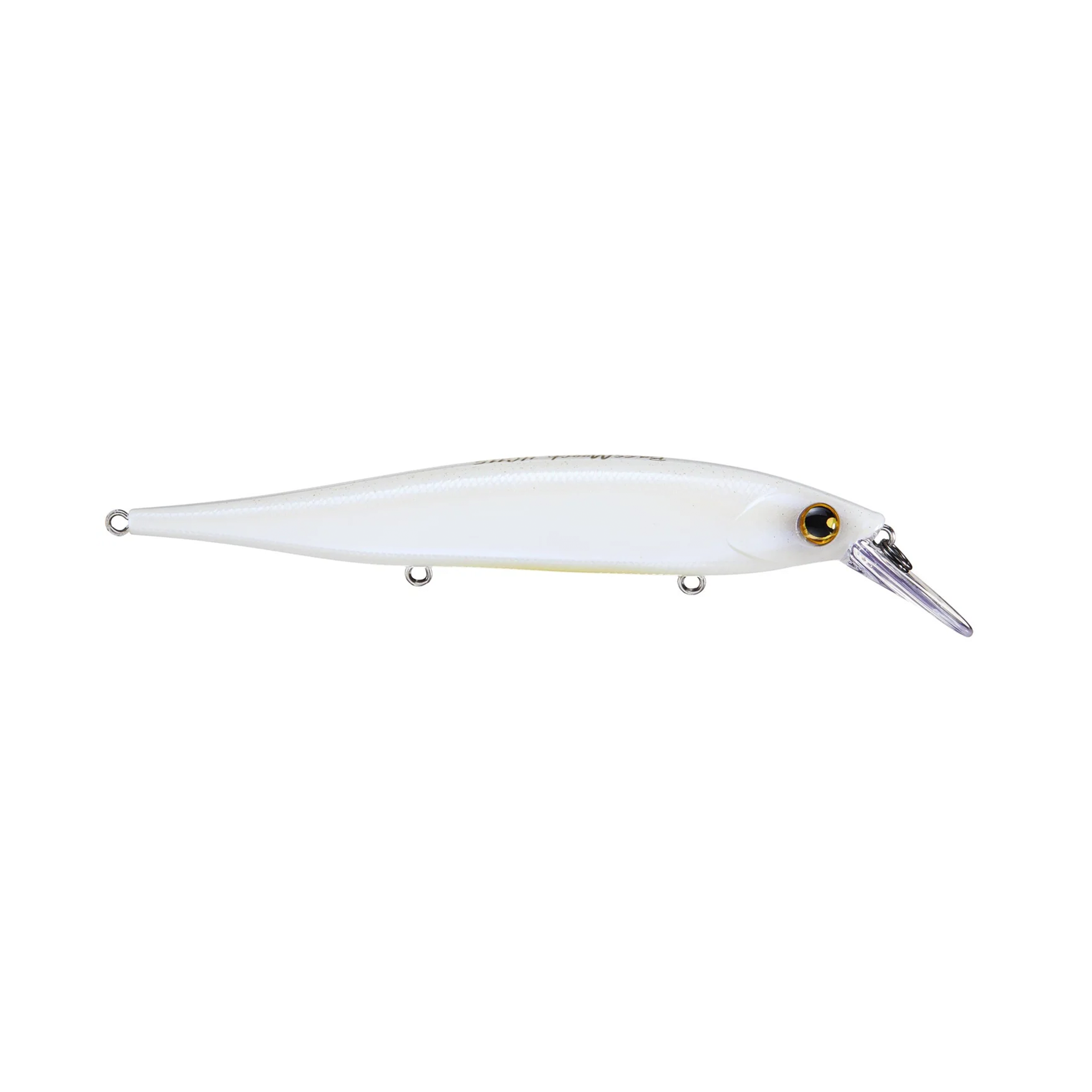
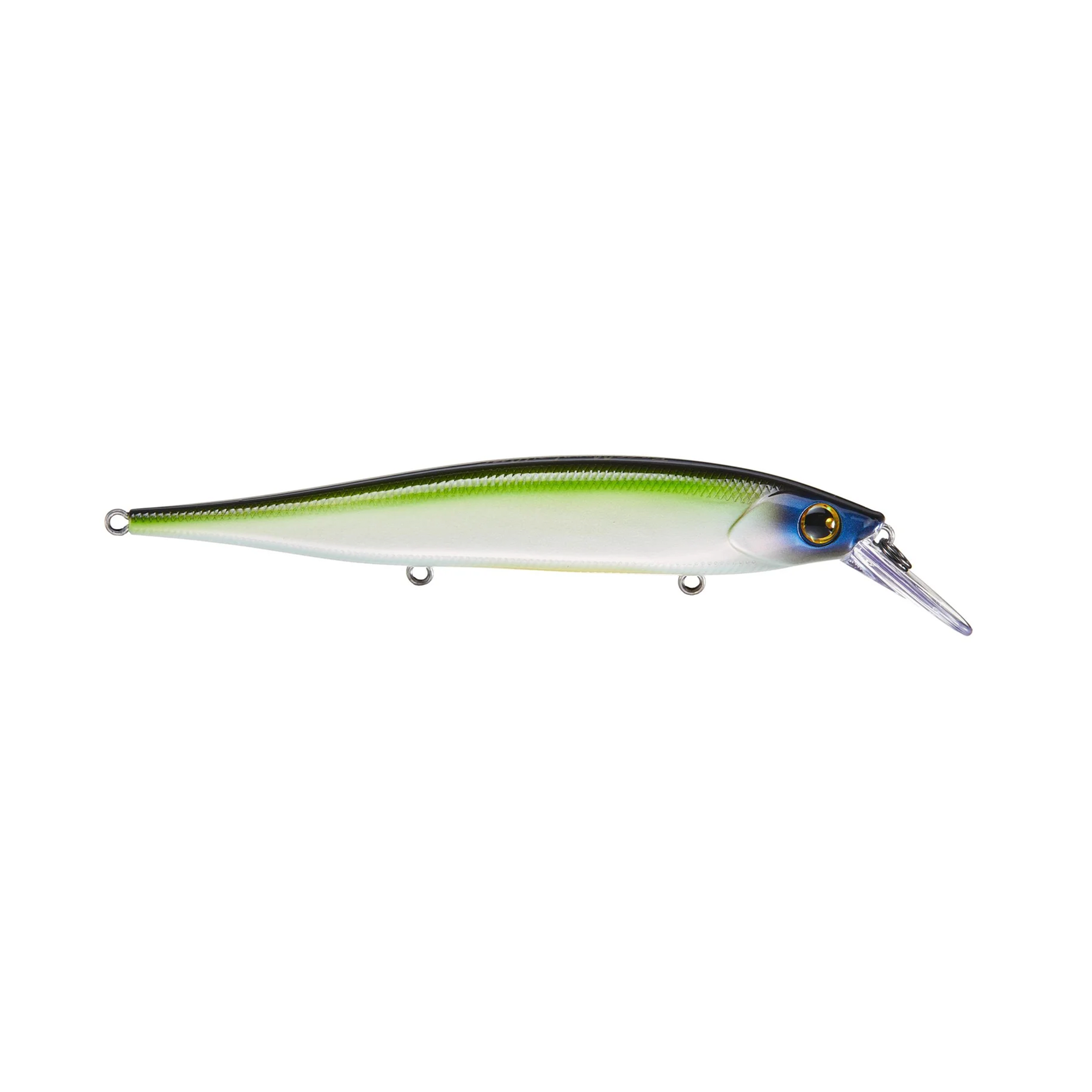
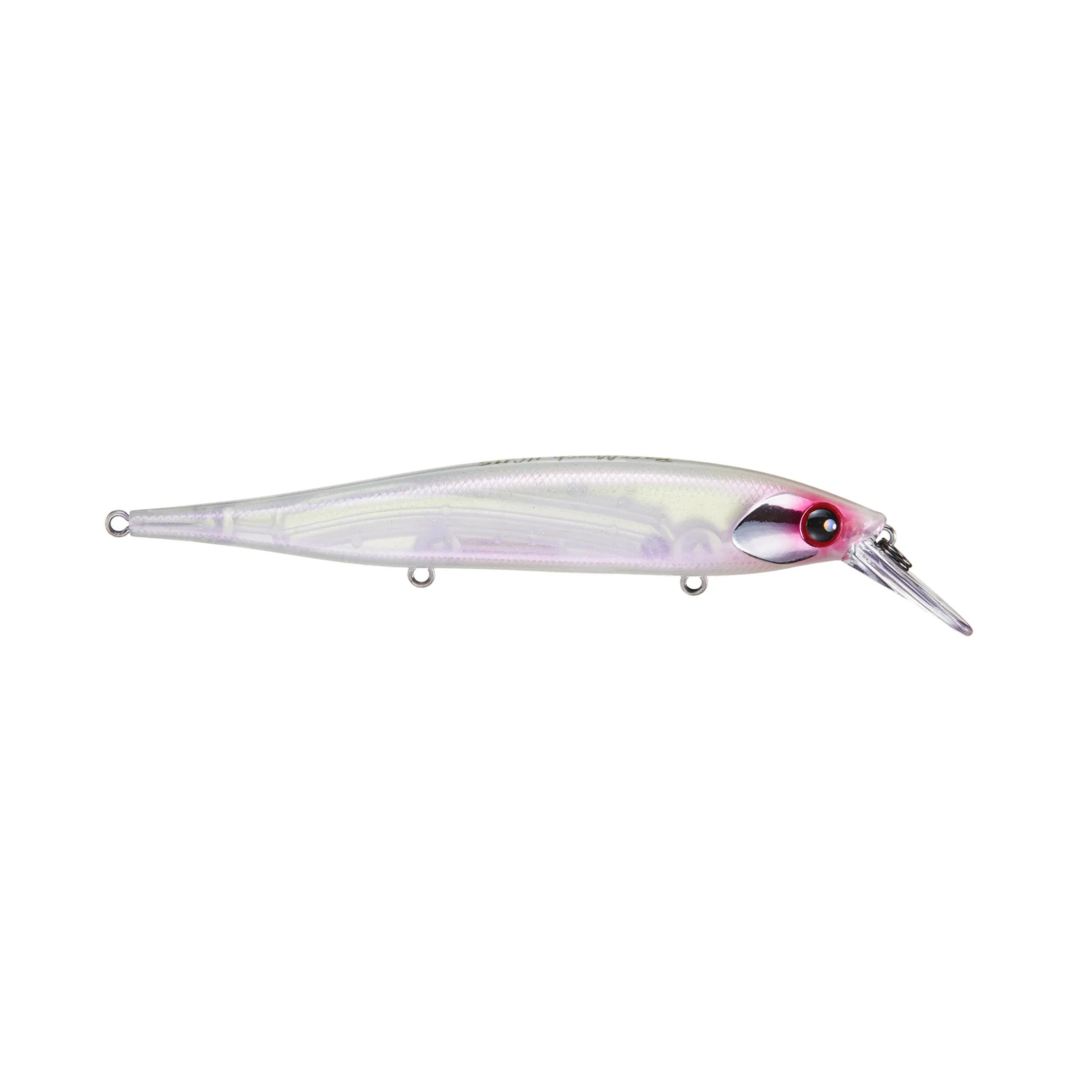
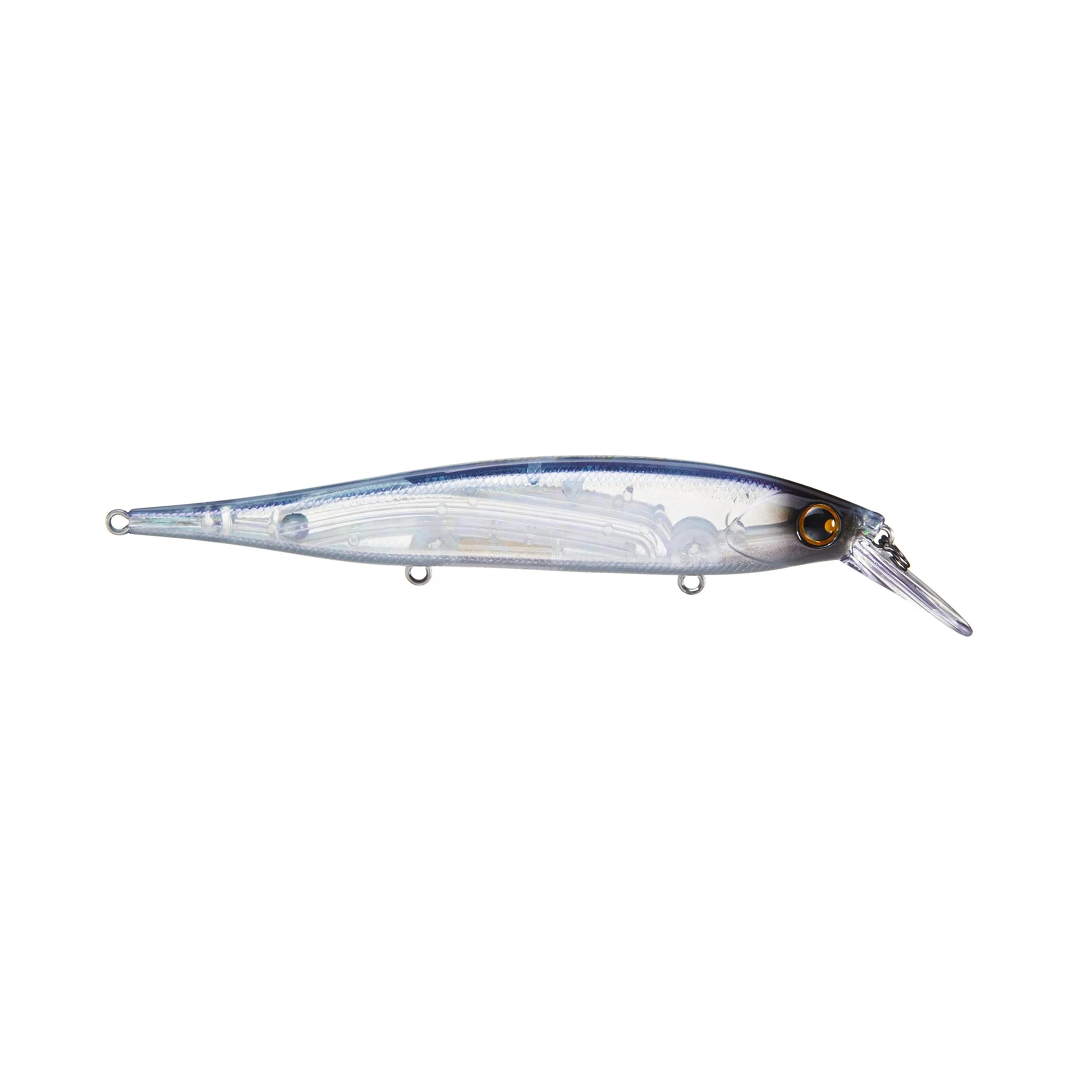
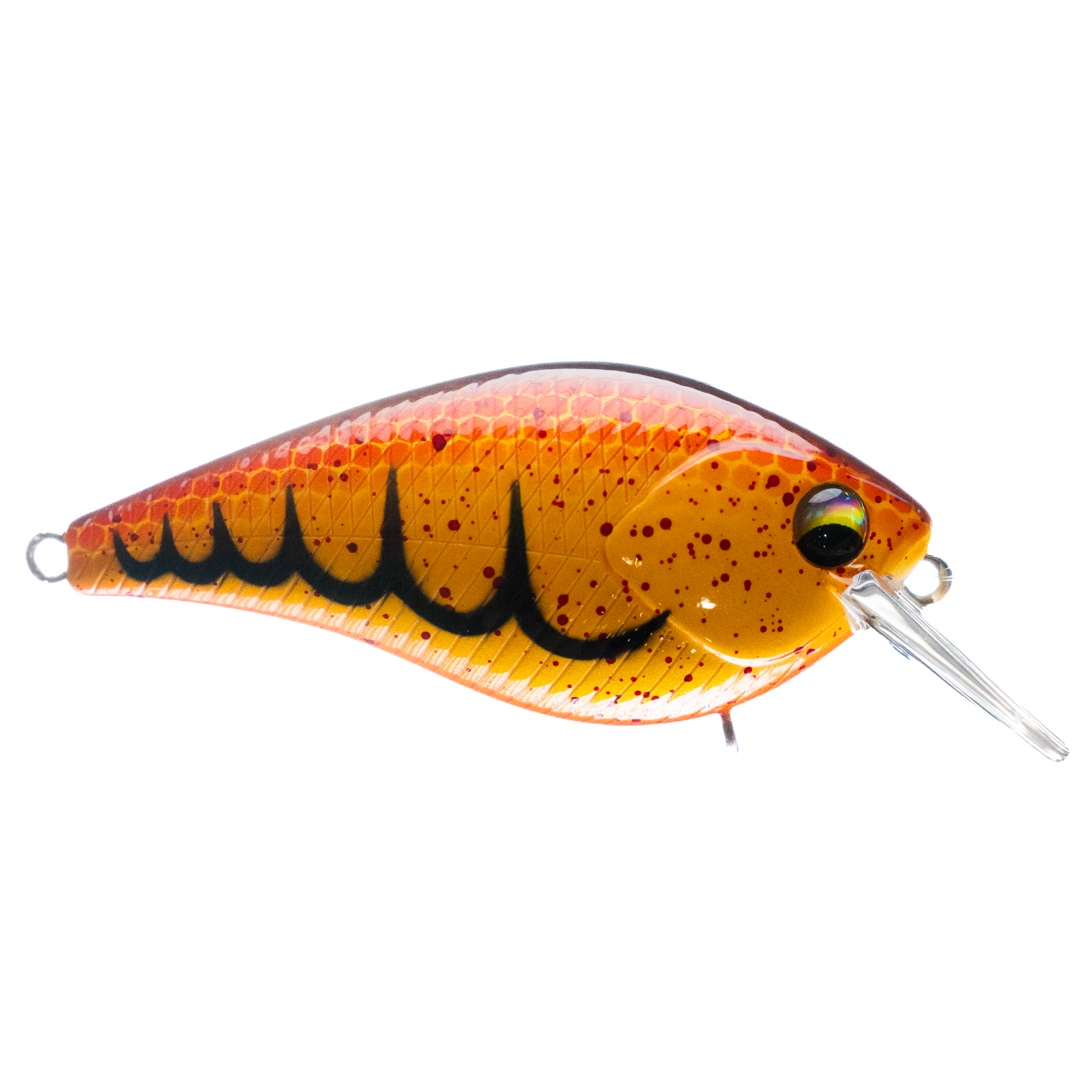
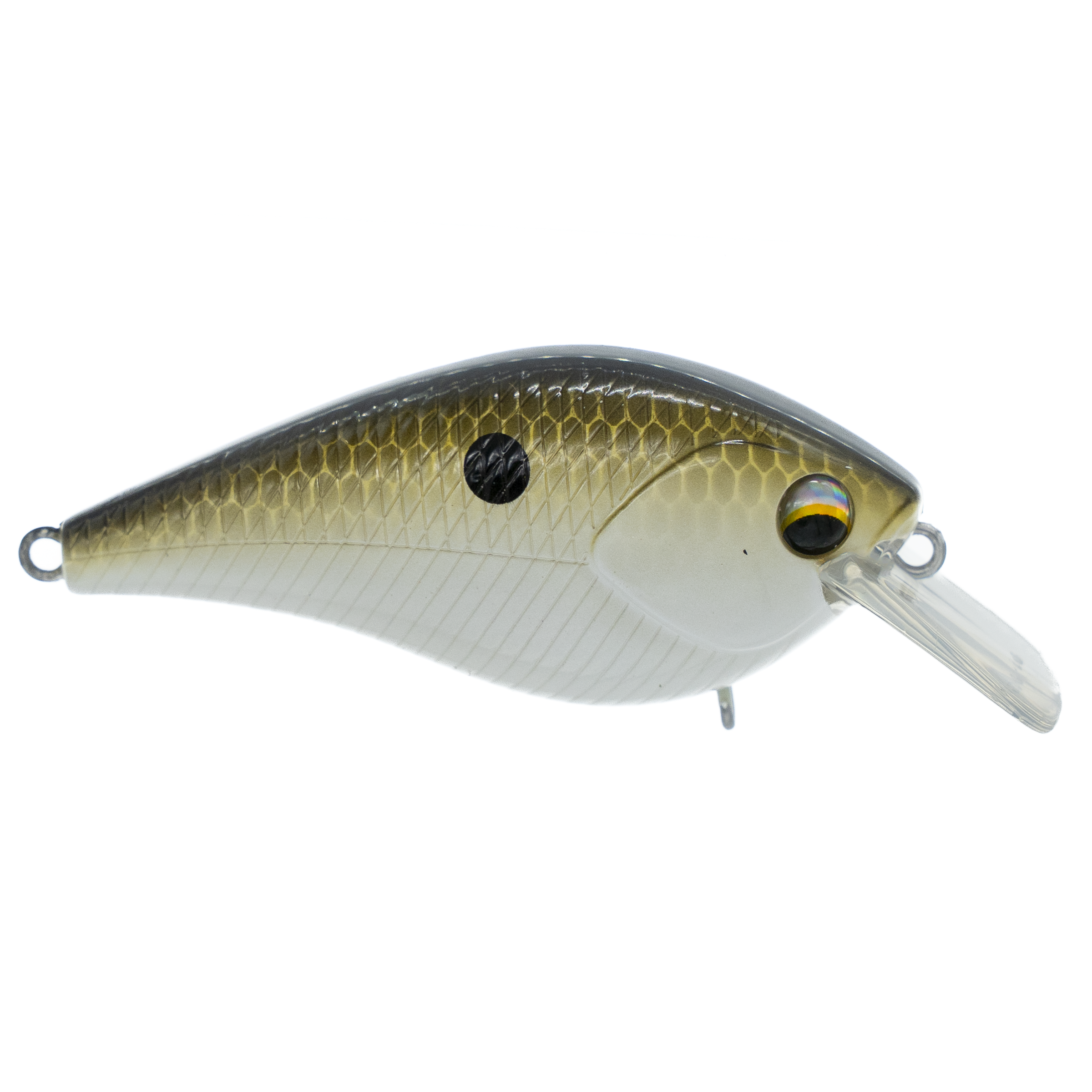
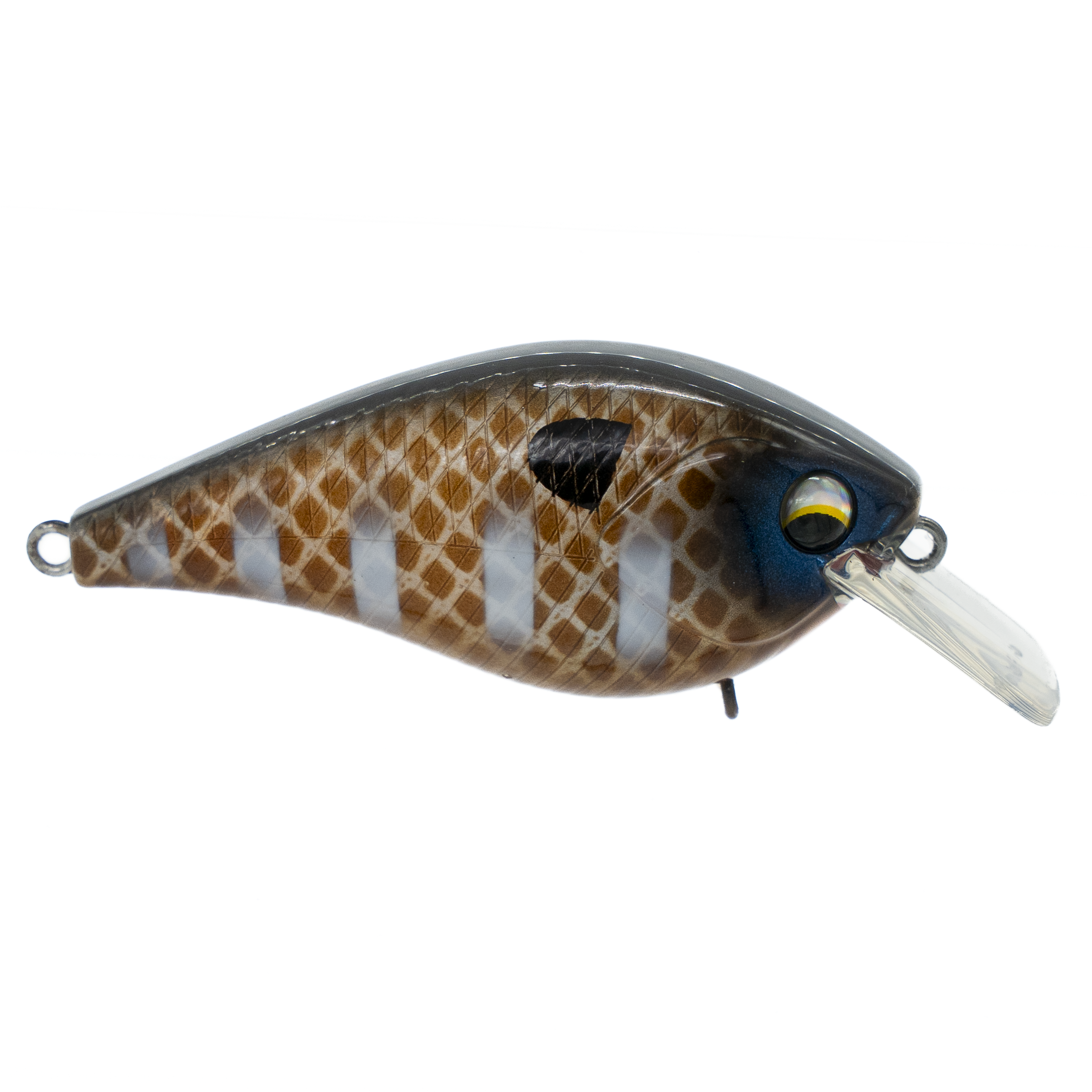
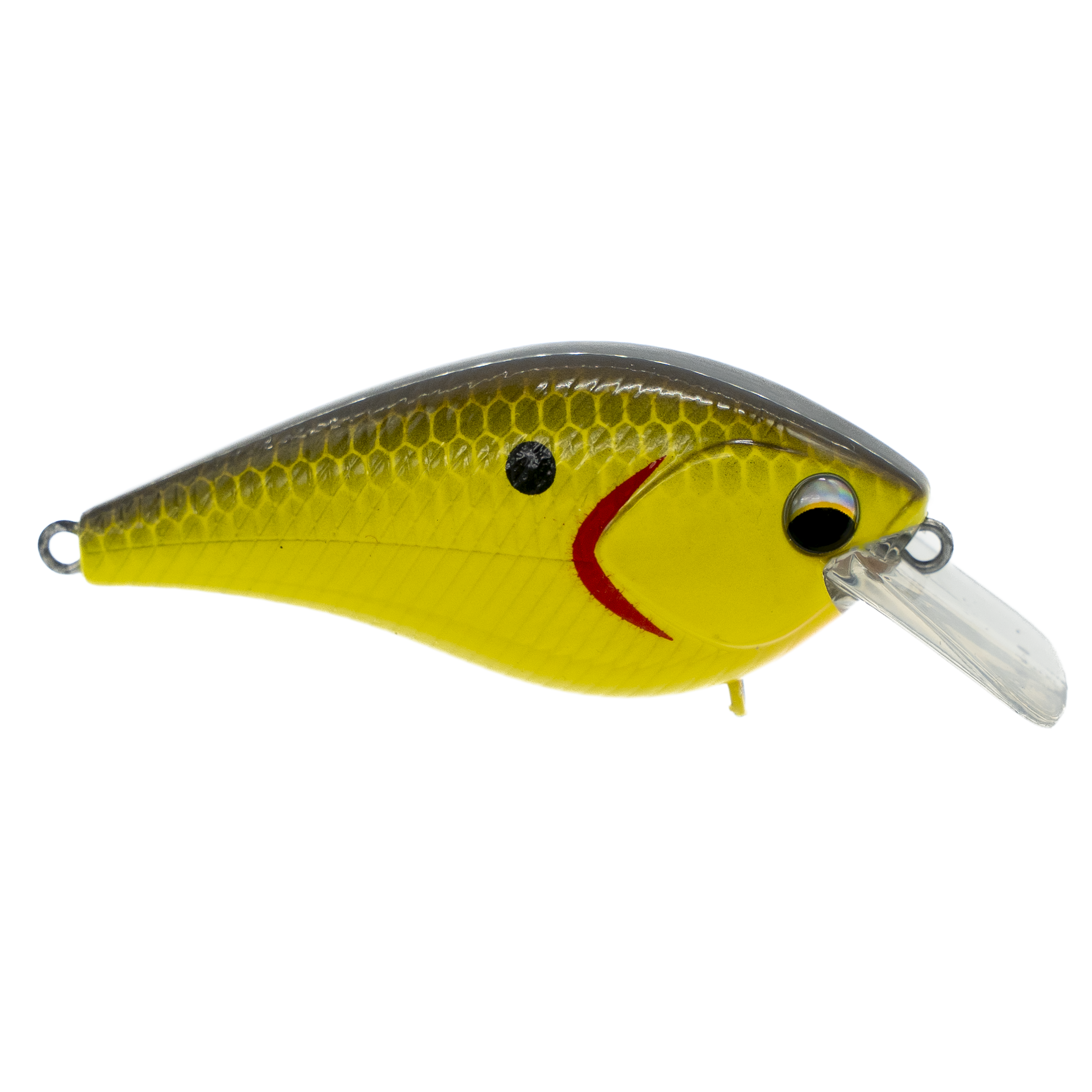
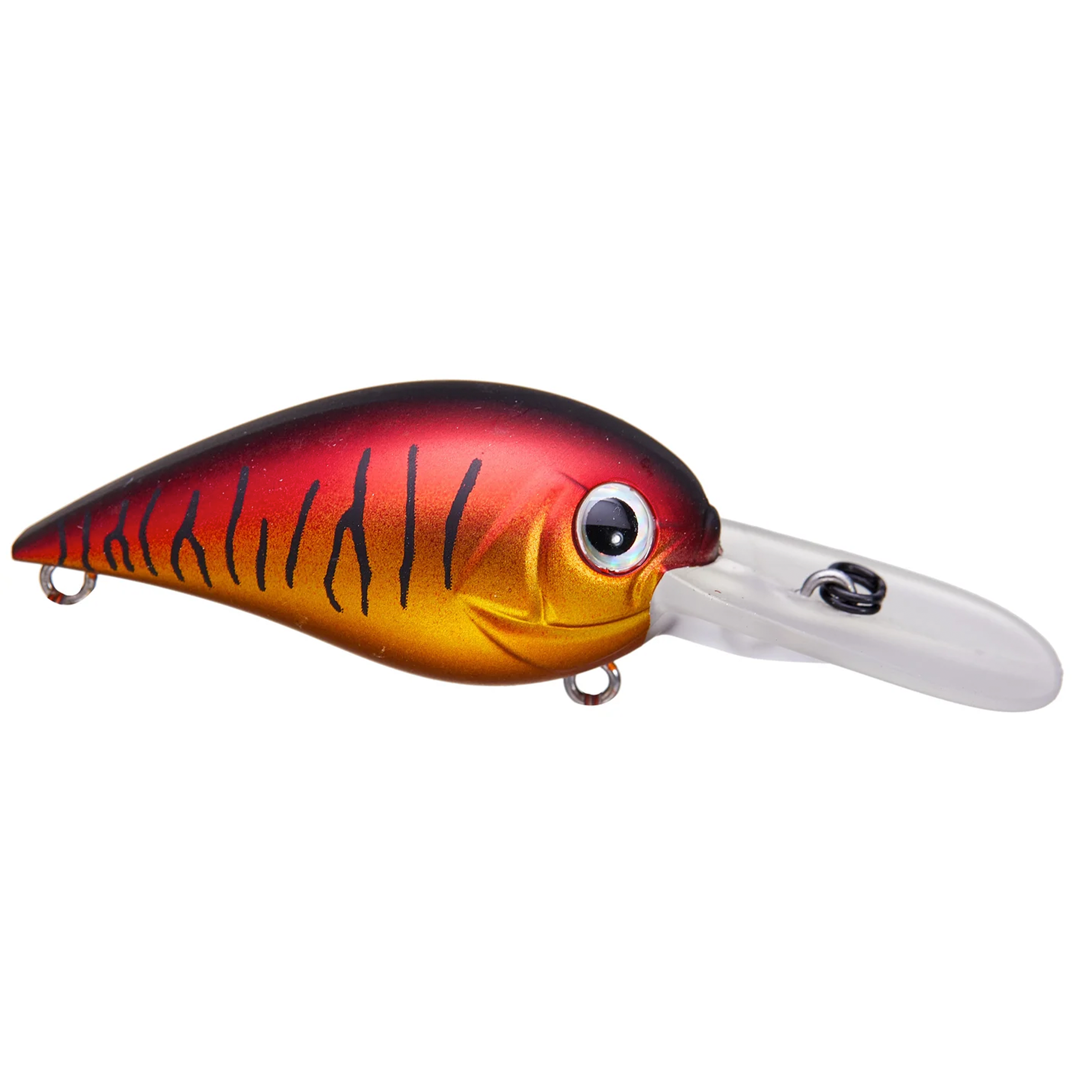
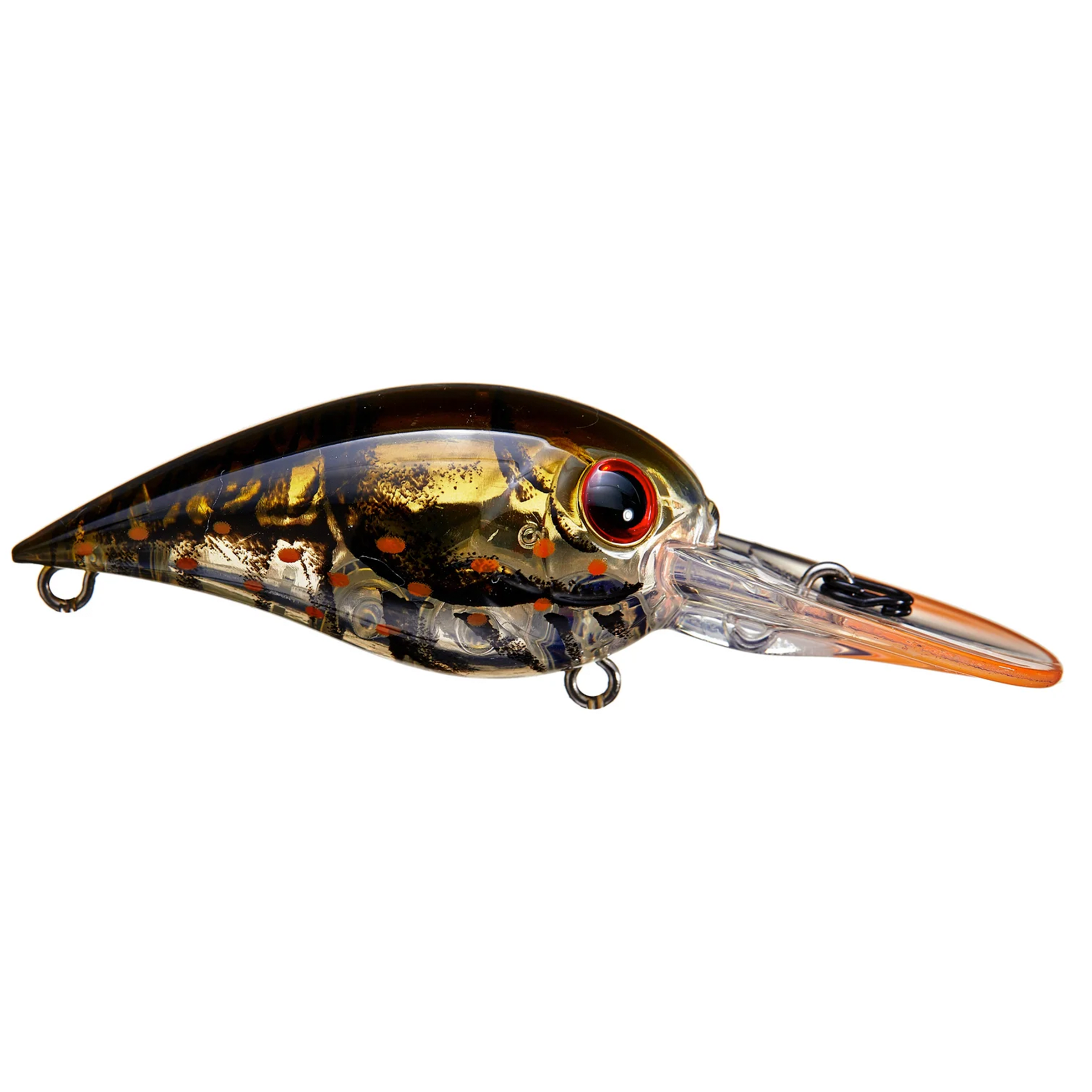
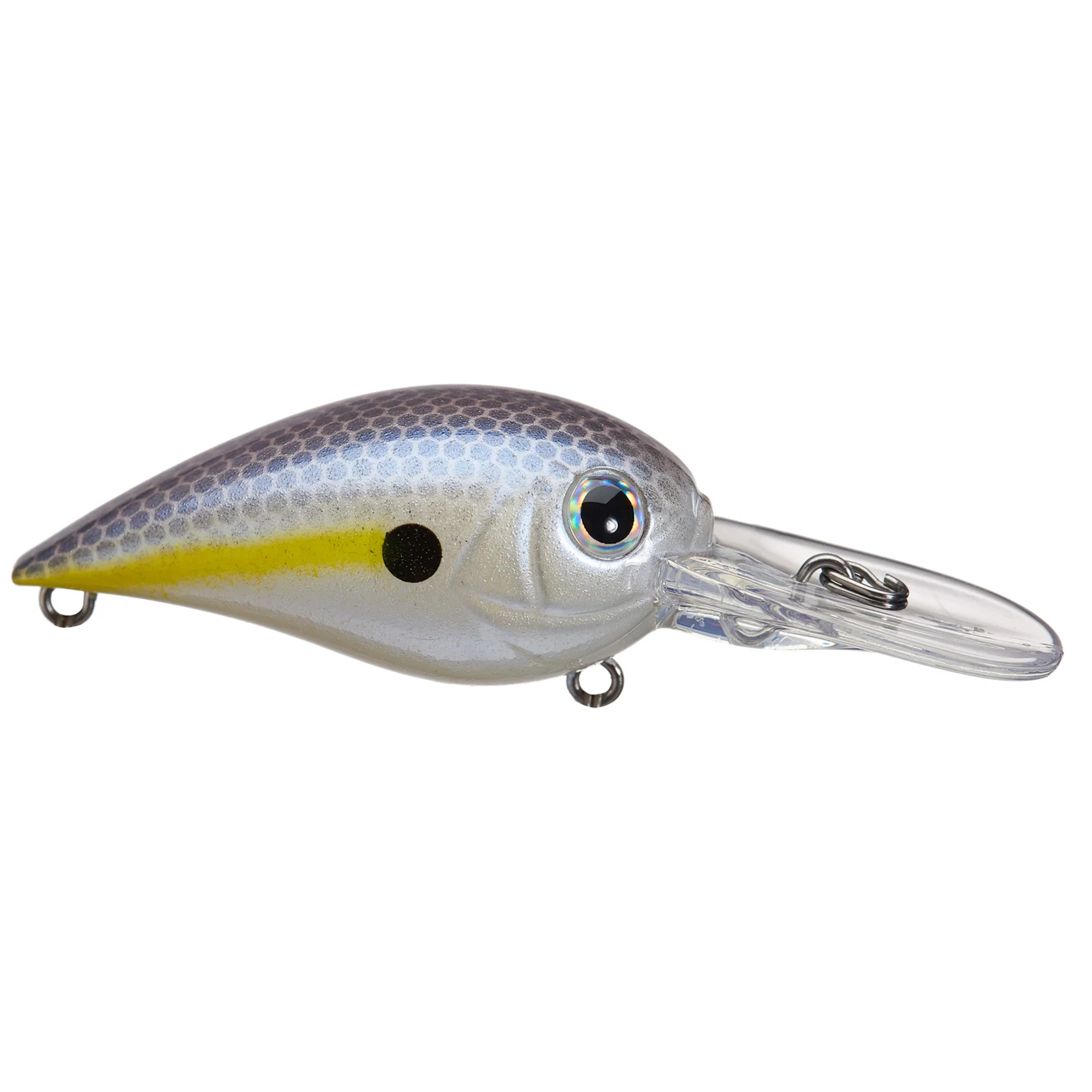
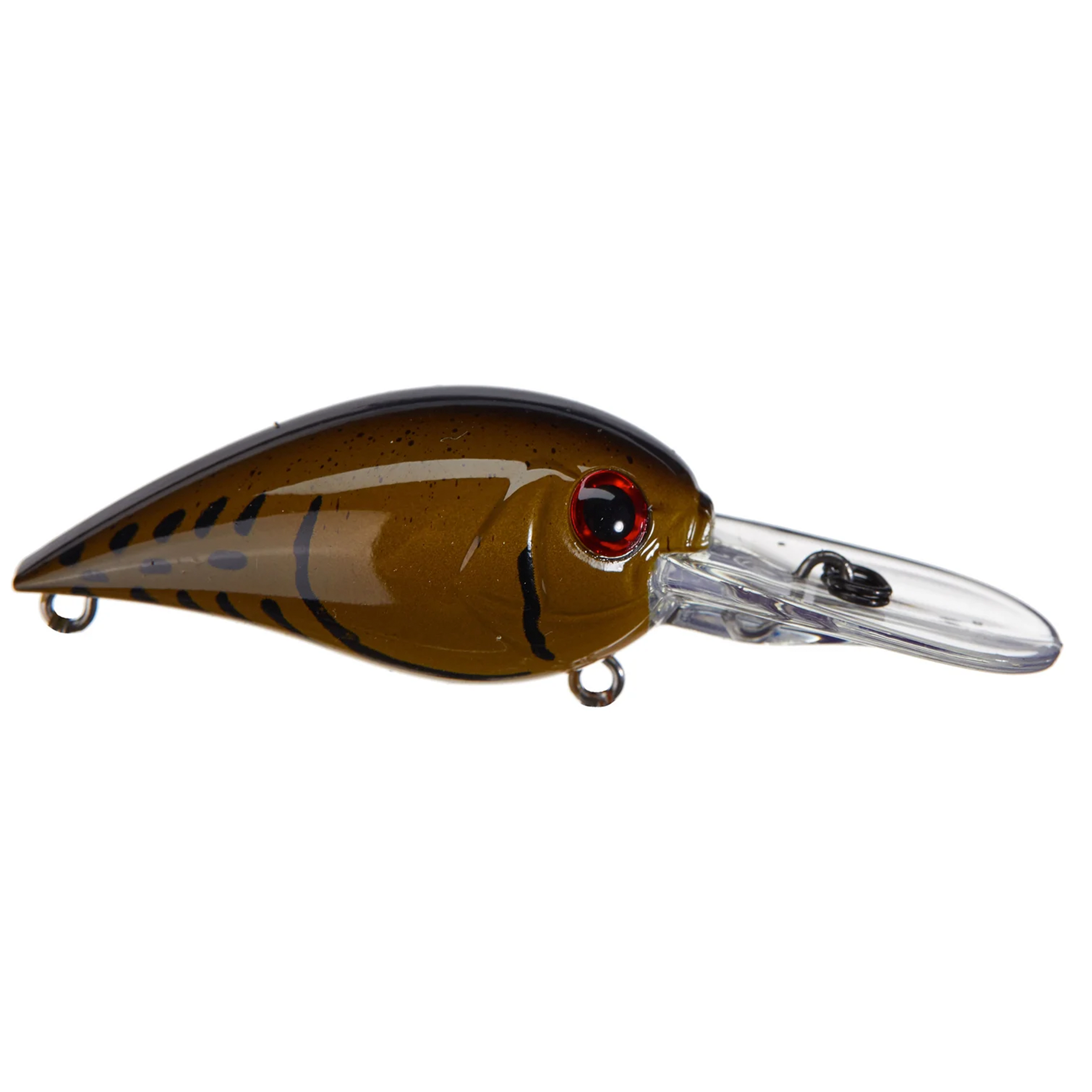
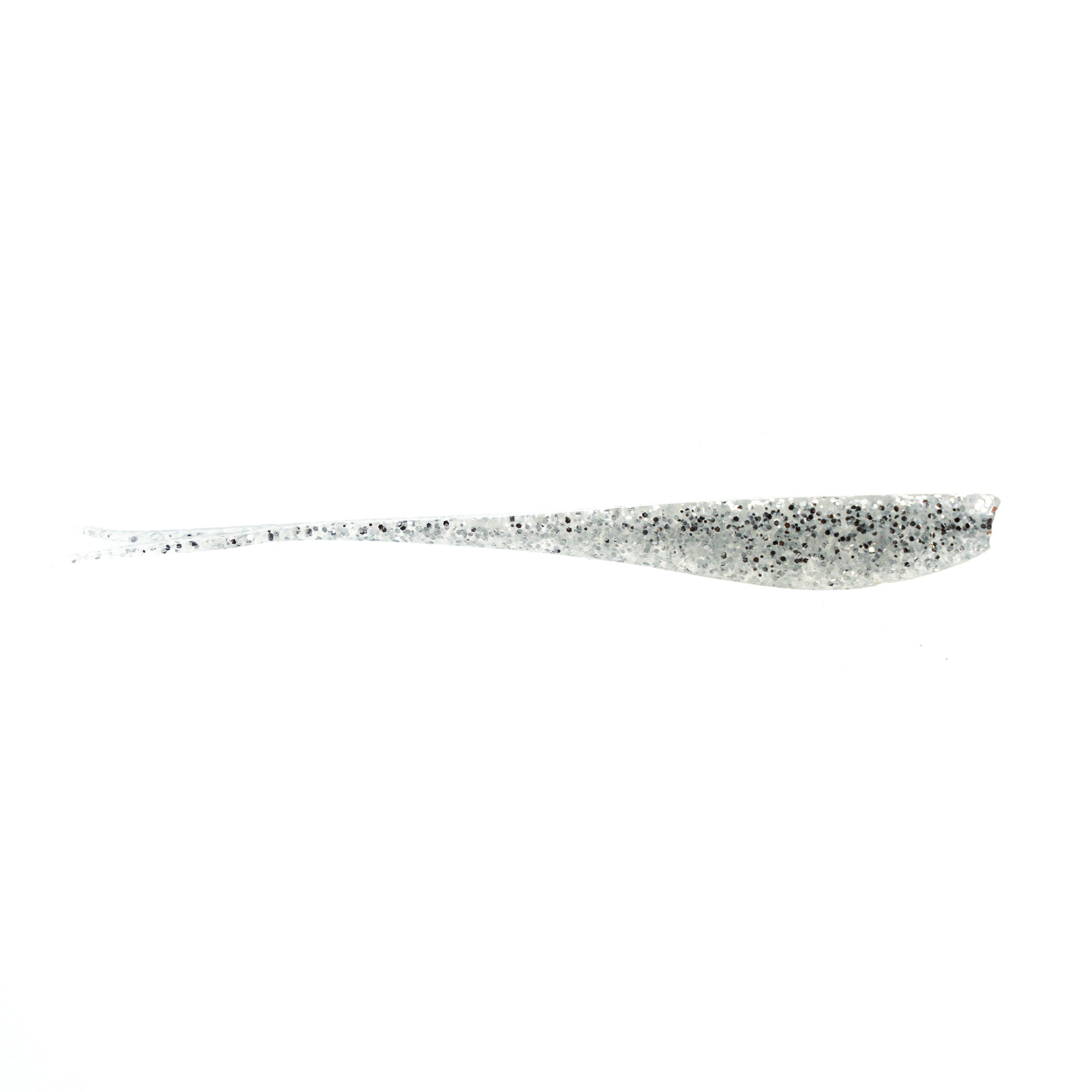
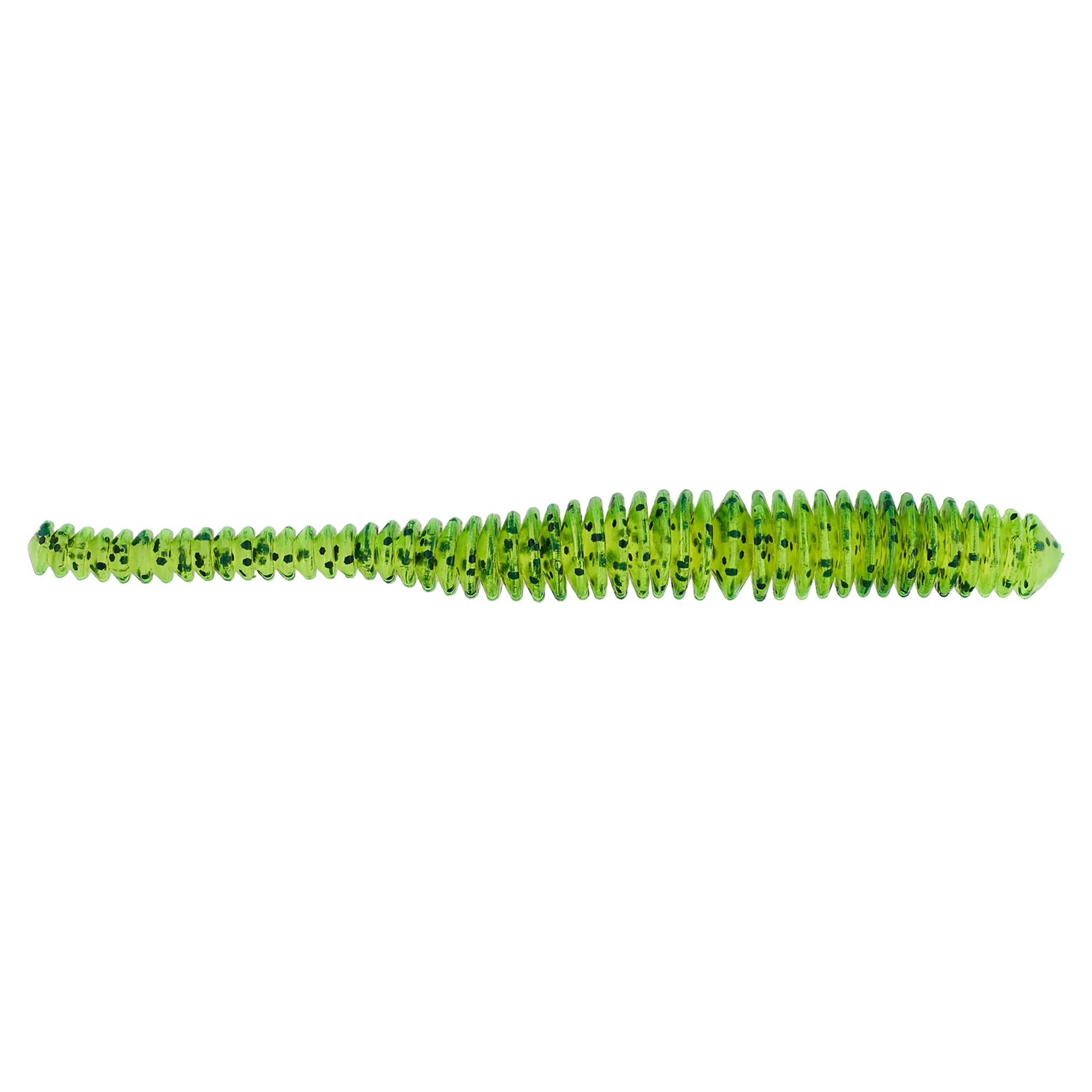
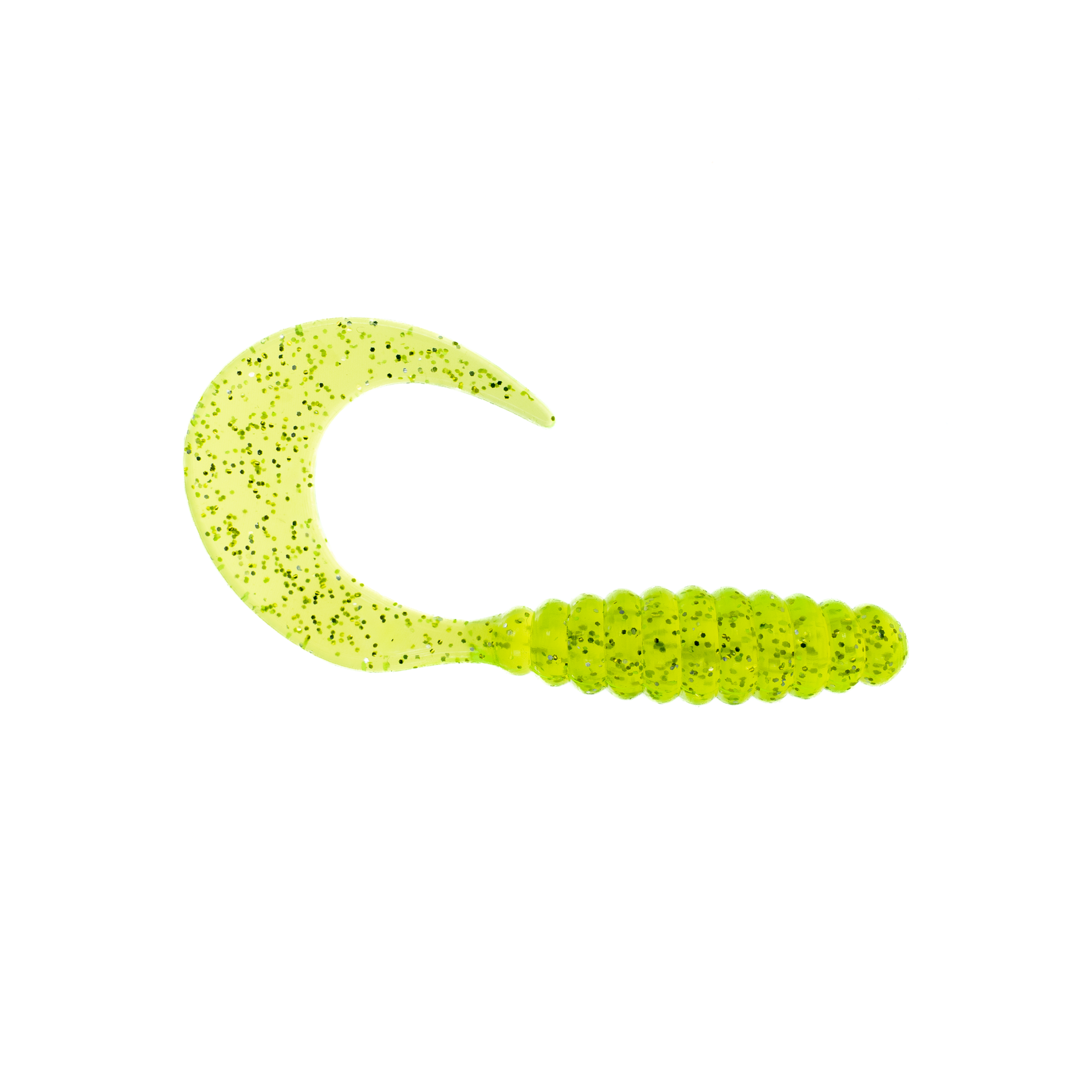
Crawfish imitations on the bottom, finesse plastics through the seams, topwater over ledges and boulder fields in low light, and a suspending jerkbait in cold water. River smallmouth want natural colours and baits that behave like something drifting in current. Our full bait lineup covers all four seasons.
Do I need a fishing license?
Yes, a Pennsylvania fishing license from the Fish and Boat Commission. Note that regulations vary by section on this river, and boundary-water licence agreements apply on the Delaware if you are fishing that instead.
Reading Water, Not Screens
River smallmouth fishing is about putting a bait into a seam and feeling what happens as it drifts. Level Rods builds models sensitive enough to tell a ledge from a bite in moving water and forgiving enough to keep a hot smallmouth pinned when she uses the current against you.
Tournament Winning Baits & Gear
Designed, crafted and tested by anglers who fish moving water every week. Free shipping on orders over $75.
Shop All Baits