Summersville Lake Bass Fishing Guide
Summersville Bass Fishing, Season by Season
Twenty-seven hundred acres of gin-clear water on the Gauley River, ringed by limestone cliffs and known locally as the Little Bahamas of the East. Summersville is West Virginia's largest lake, its best-known dive site, and a considerably better smallmouth fishery than its reputation suggests.
Clear Water, Hard Rock and a Long Way Down
Summersville Lake is a 2,700-acre reservoir on the Gauley River in Nicholas County, and the largest lake in West Virginia. Its water is exceptionally clear — clear enough that it is a well-known scuba destination and has earned the nickname the Little Bahamas of the East — and it is ringed by towering limestone cliffs.
The reputation is trophy walleye, and the state record of 18.97 pounds came out of here. The bass fishing is underrated as a direct consequence. Smallmouth are the dominant black bass species, and the lake produces good numbers of fat, healthy fish in the twelve to eighteen inch range, along with largemouth and rock bass.
The habitat is rock. Rocky points and ledges are where the smallmouth live, and there is very little vegetation anywhere — because the lake is drawn down sixty feet or more every winter, nothing gets a chance to establish. That drawdown is the defining fact about fishing here and it changes access, structure and where fish sit from season to season.
Deep clear water makes the fishing difficult at times, and it is worth being honest about that. On bright days with flat water the fish can be extremely hard to approach. Lighter line, natural colours and finesse presentations are not stylistic preferences here; they are the difference between catching and not.
Two areas come up consistently as reliable when the rest of the lake is tough: McKeys Creek and Battle Run. Both are worth knowing before a first trip.
The lake sits close to the New River, which makes a combined trip straightforward — smallmouth on a river and smallmouth on a clear highland lake within an easy drive of each other.
Rock, Ledges and Clarity
Four patterns cover the year. Each one pairs the technique with the baits we'd actually tie on.
Rock Warms First
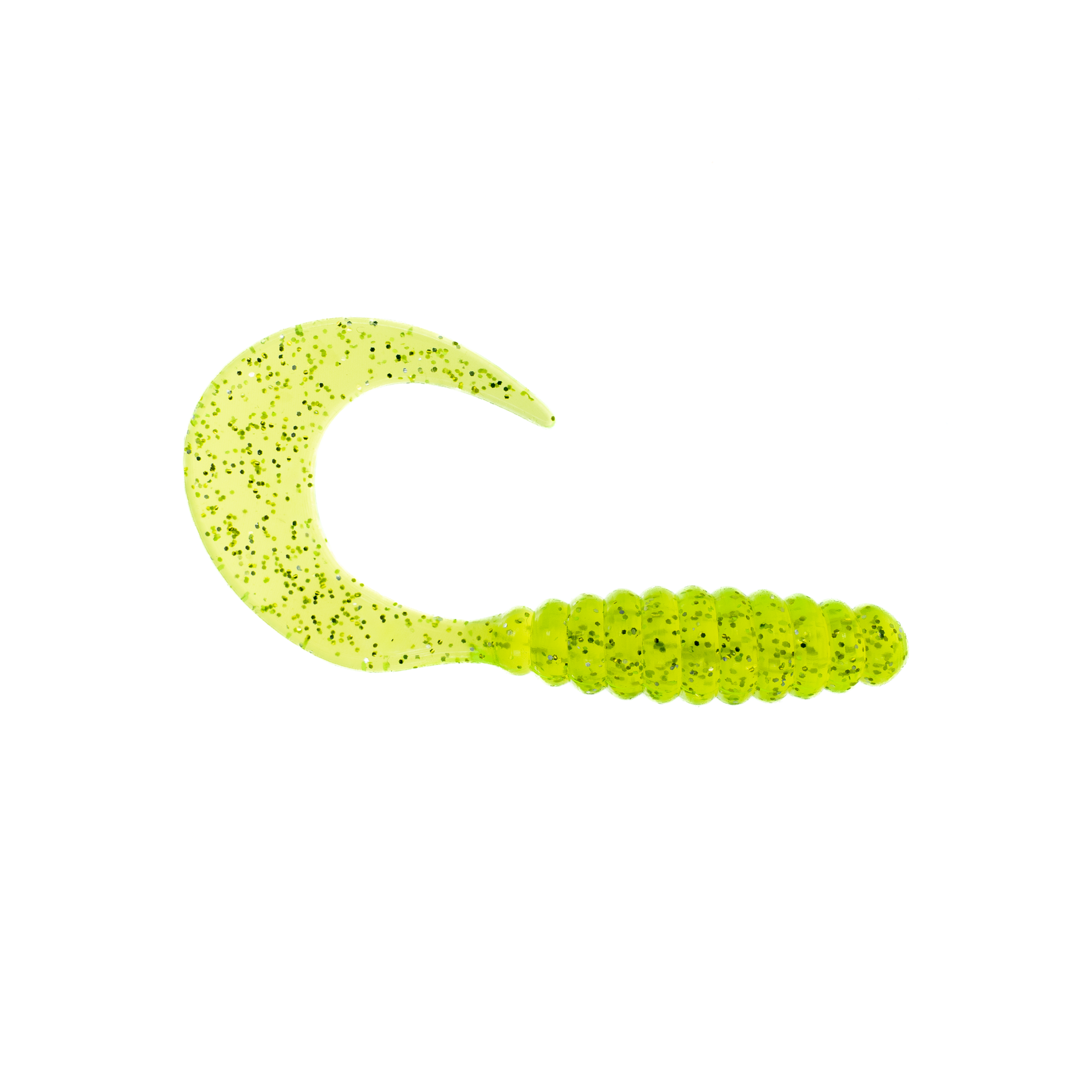
Spring is the strongest season, and it happens on rock. As the lake refills after the winter drawdown, smallmouth move onto the rocky points and the shallower ledges to feed and spawn. Water clarity means they can be shallow and still spook easily, so distance and quiet matter more here than on stained water.
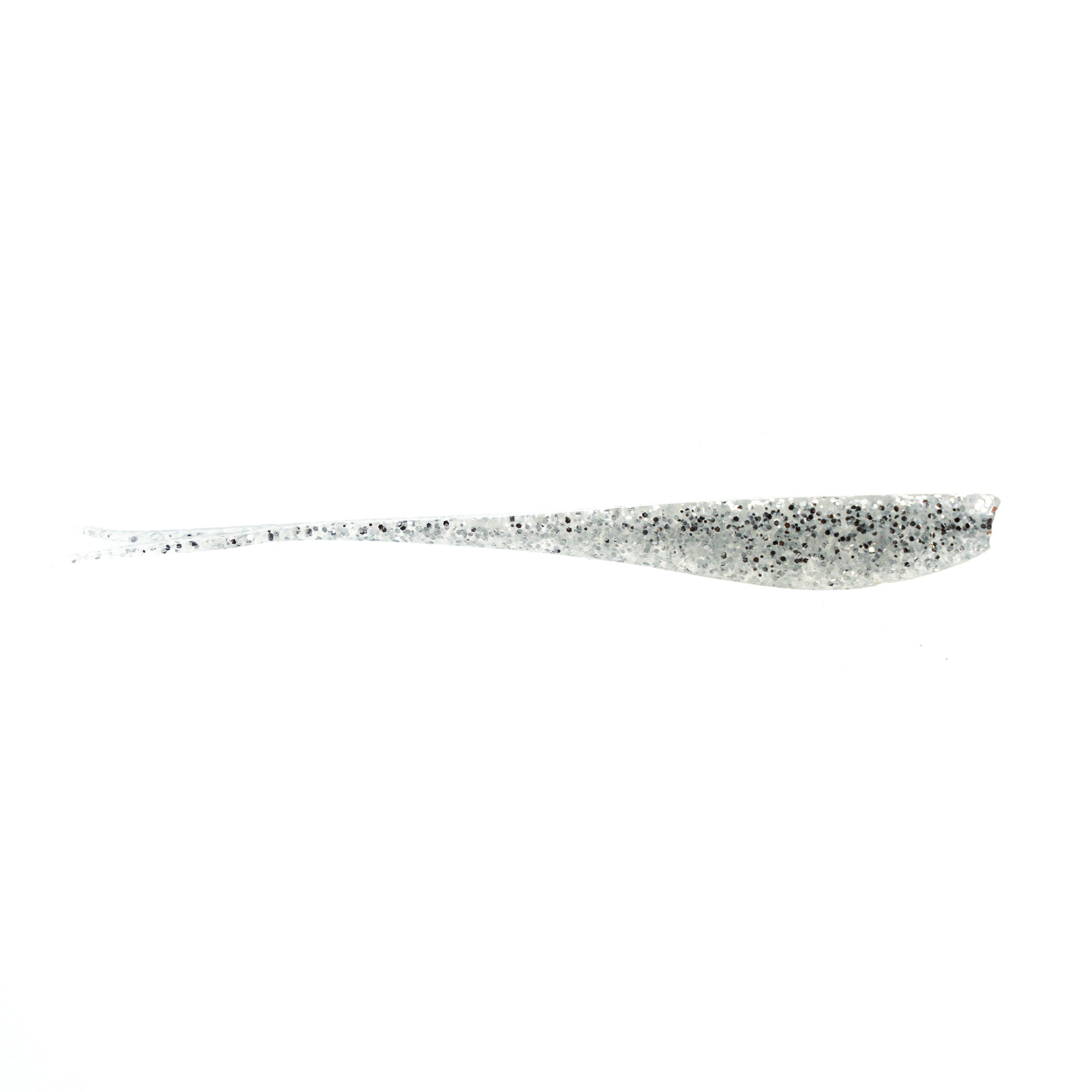
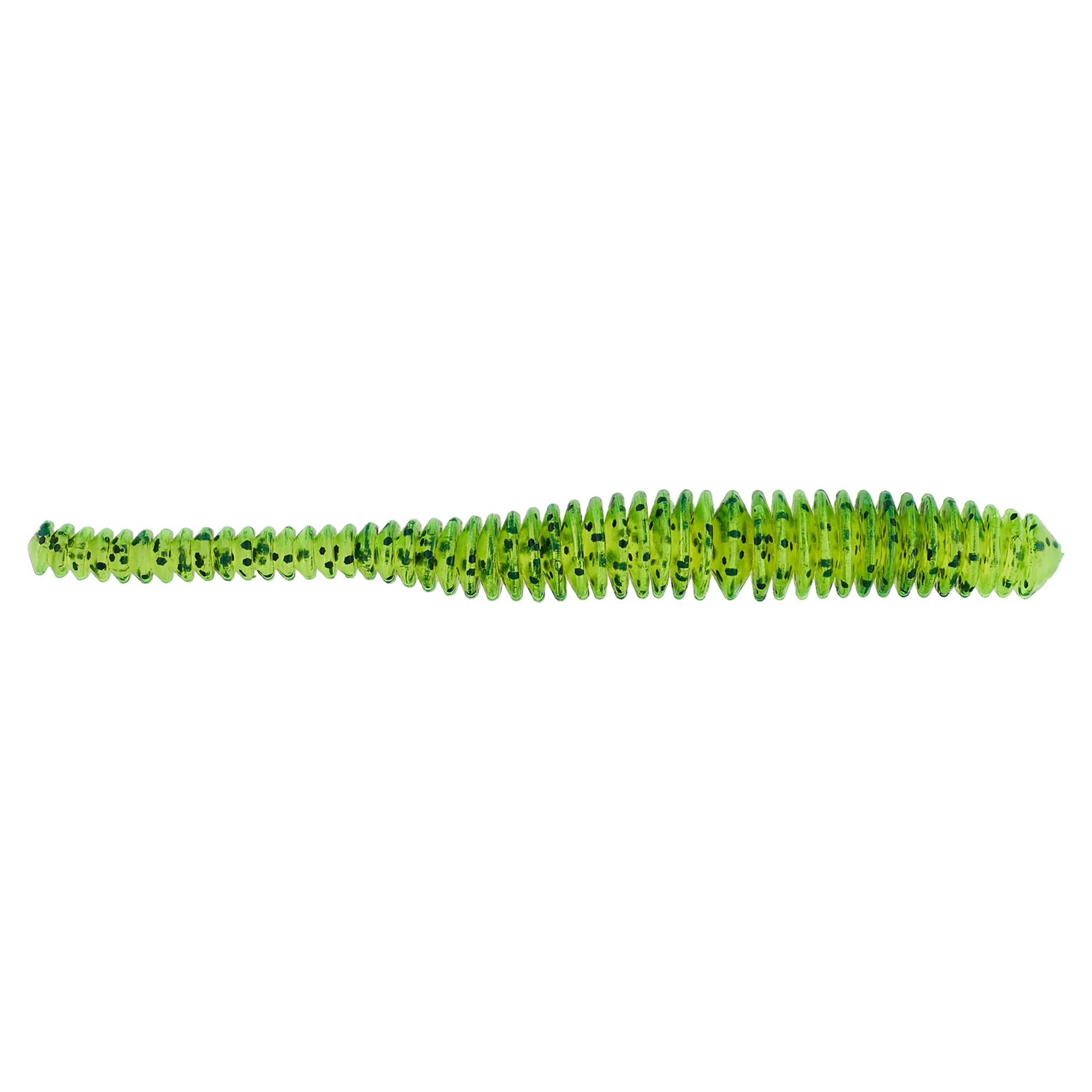

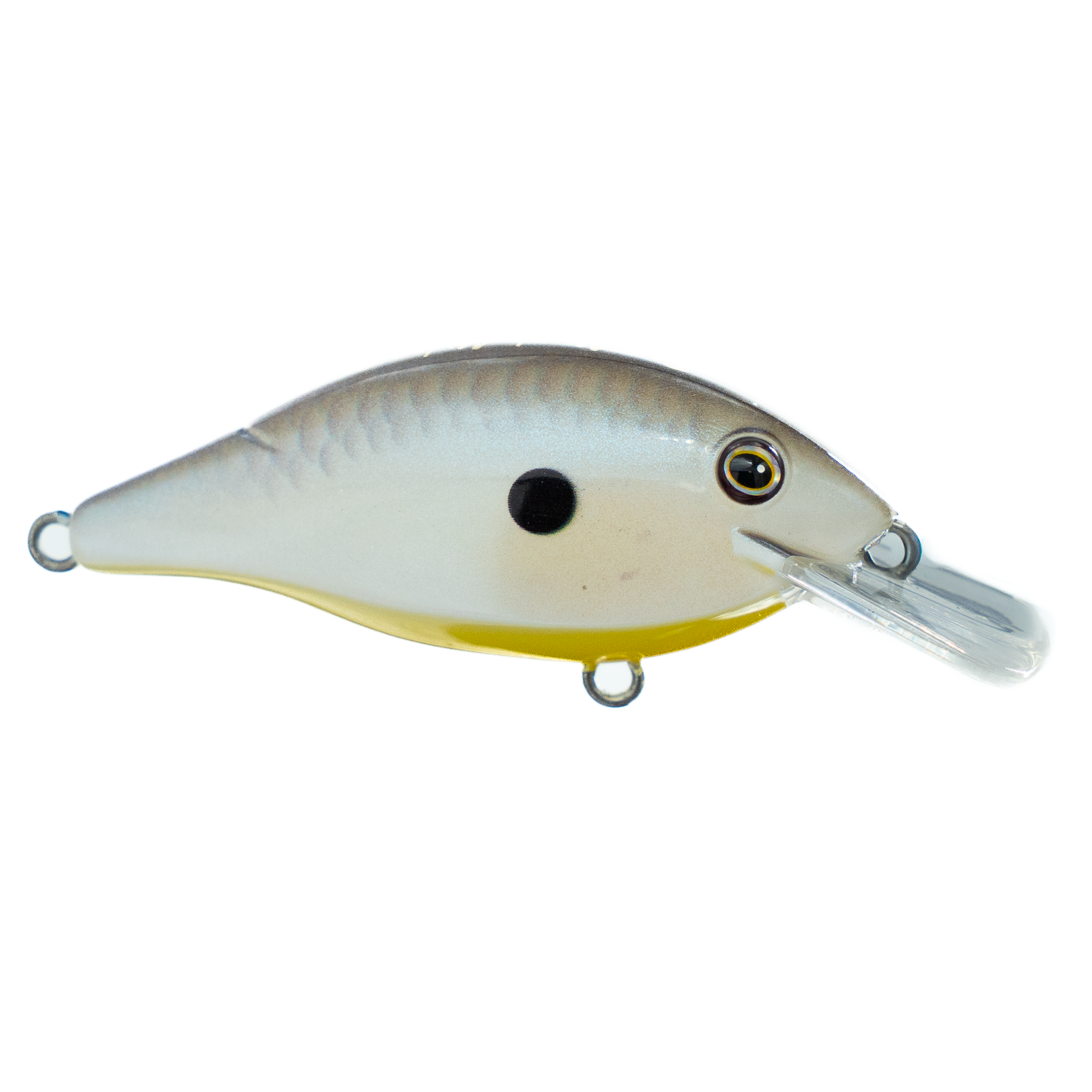

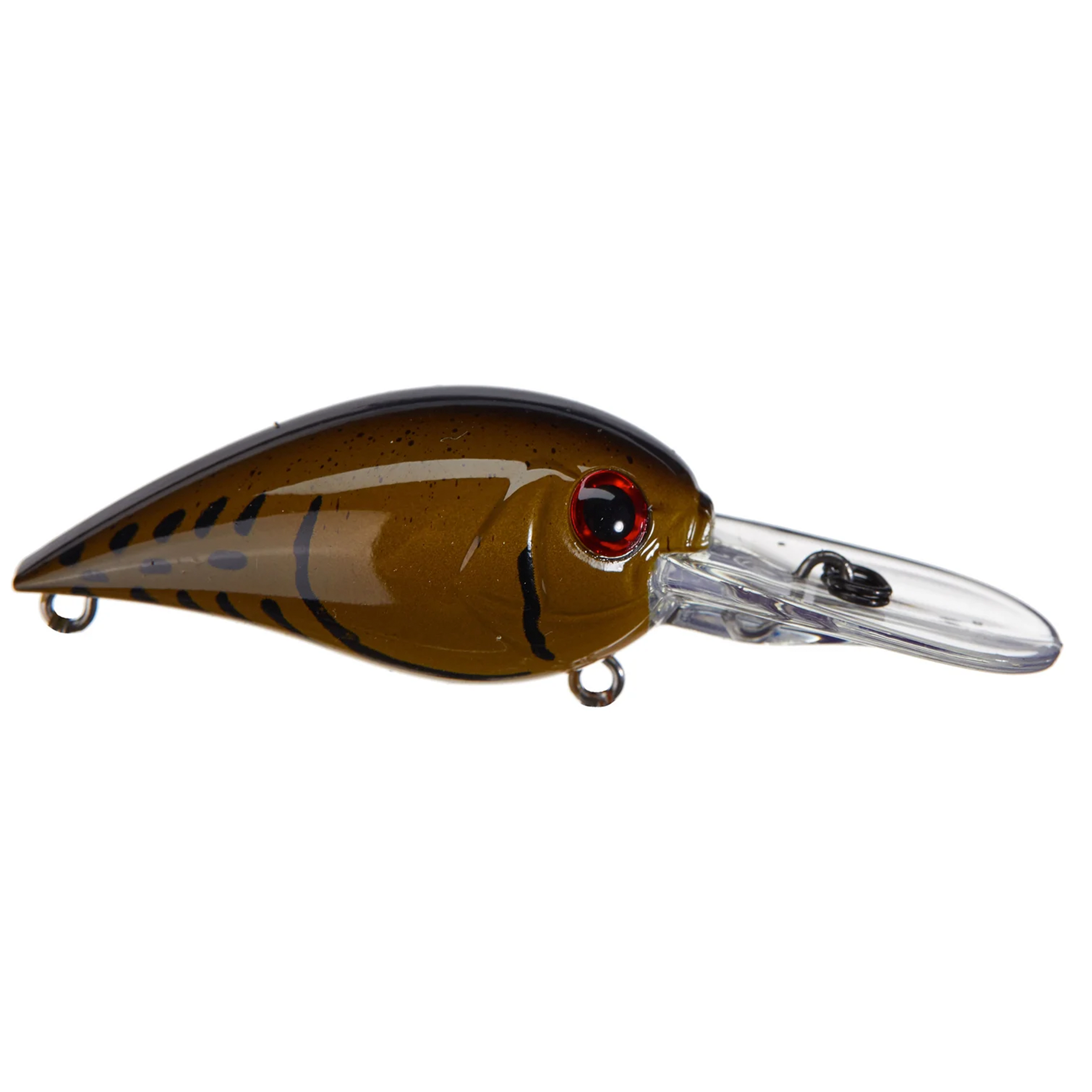
Deep, Clear and Picky
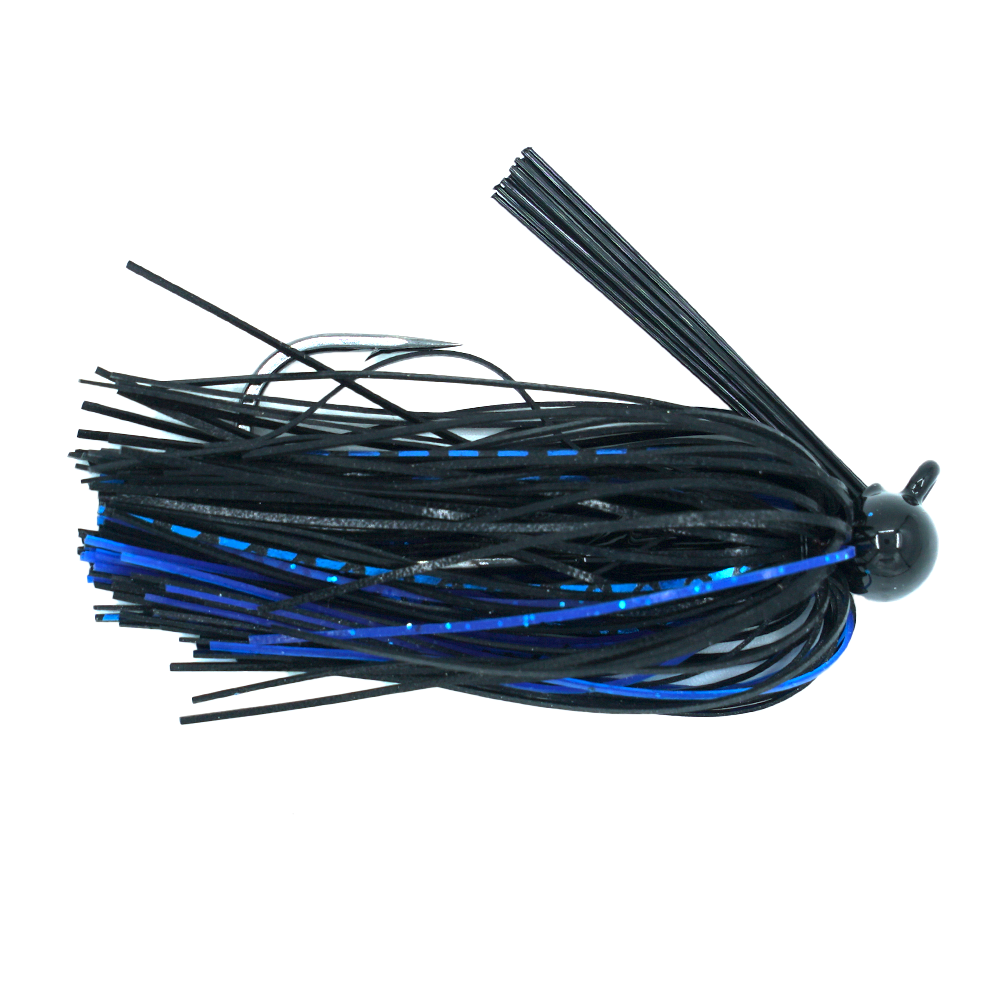
Summer pushes fish deeper and makes bright days genuinely difficult. This is the season the clarity works against you, and the fishing compresses into early morning and late evening on the shallow rock, with deep ledges holding fish through the day. Recreational and dive traffic builds through the warm months.

The Drawdown Begins
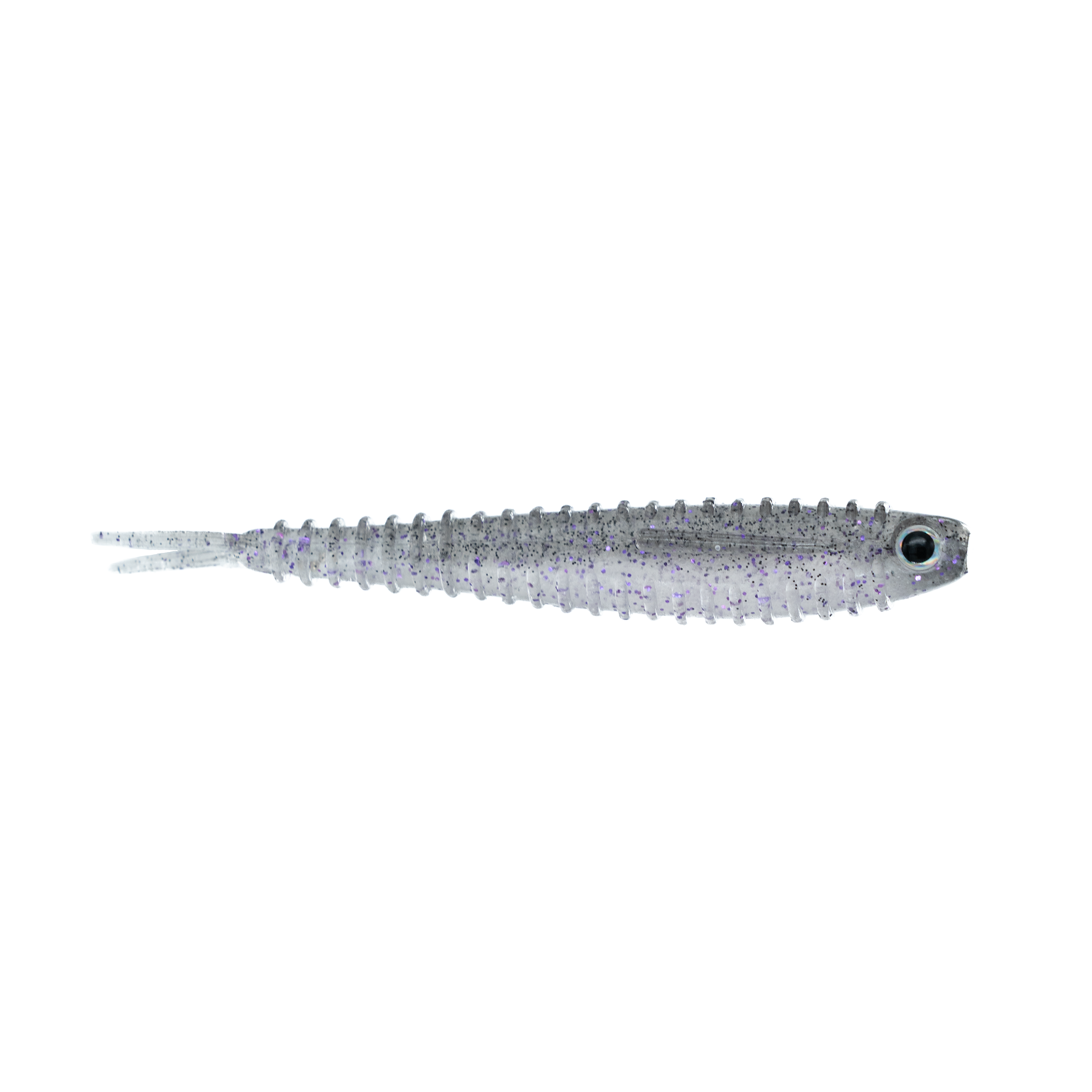
Autumn brings the start of the seasonal drawdown, and falling water is an advantage for anglers. It pulls fish off the shallow flats and concentrates them along the ledges and rock, and it exposes structure you can note for next season. Cooling water has the smallmouth feeding hard.

Sixty Feet Down and Very Quiet
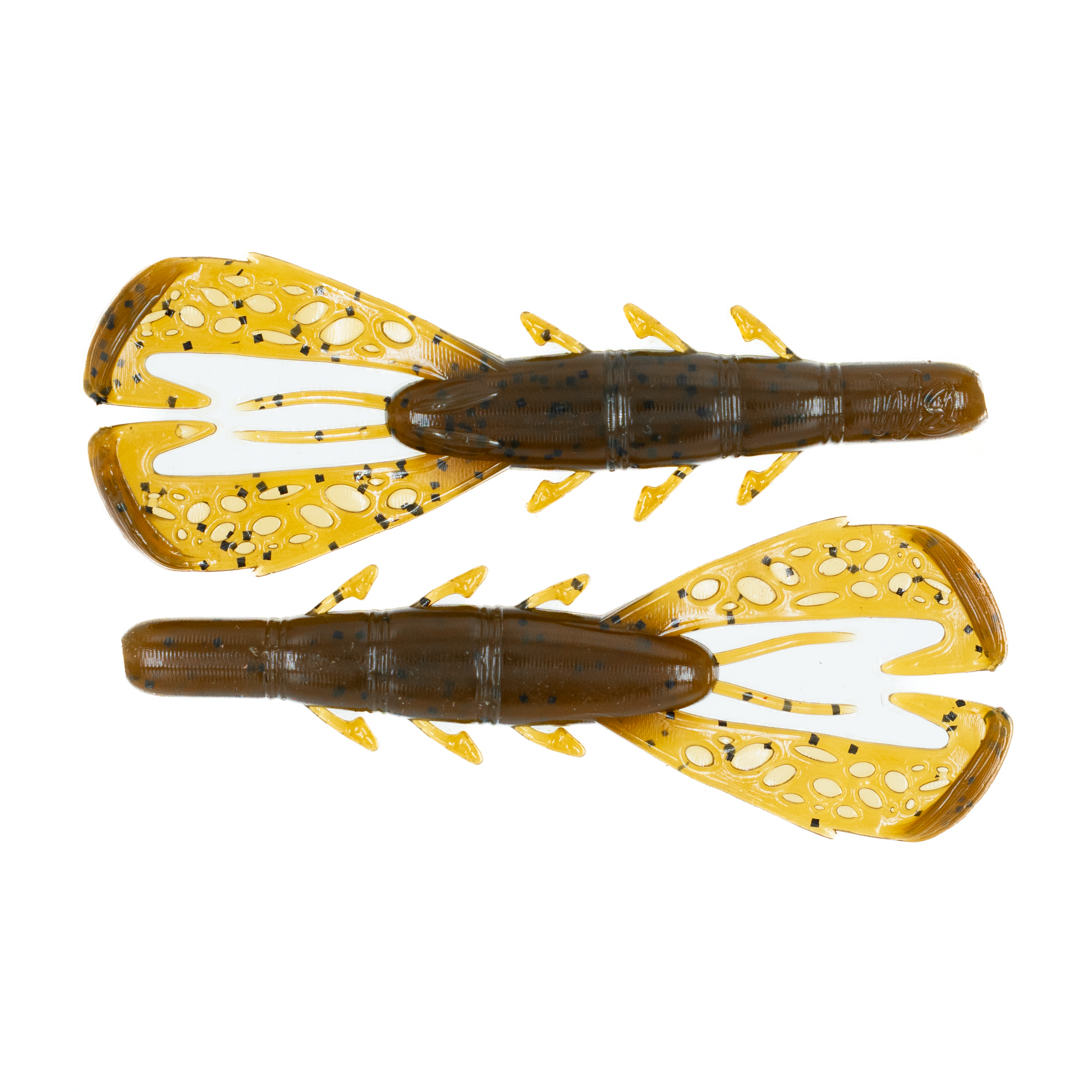
Winter holds the lake sixty feet or more below summer pool, which changes it entirely. Access is limited, the fishable area is a fraction of normal, and the fish are concentrated into the deepest water. It is difficult, cold, and nearly deserted. Check ramp availability before towing anything.

Summersville Lake Access
Battle Run Campground and the Summersville Lake Retreat provide the main access, with ramps serving the lake around the dam and at several points along the shoreline. Ramp availability depends heavily on the drawdown — check before travelling outside the summer season.
McKeys Creek
One of the two areas local anglers name as reliable when the main lake is difficult. Worth starting here on a first trip, particularly in spring, and worth returning to when bright flat conditions have shut the open water down.
Battle Run
The other reliable area, and the site of the main campground and access point. Convenient and productive, which is an unusual combination. A sensible base for a weekend on the lake.
The Rocky Points and Ledges
Where the smallmouth actually live. With no vegetation to speak of, rock is the entire structural story on this lake, and points and ledges hold fish through every season. Learn a handful properly and they produce year after year.
Summersville Lake Bass Fishing FAQ
How clear is Summersville Lake?
Exceptionally — clear enough to be a well-known scuba diving destination and to have earned the nickname the Little Bahamas of the East. That clarity is beautiful and it makes the bass fishing harder. Light line, natural colours and finesse presentations are necessary rather than optional.
Why is there no vegetation?
The lake is drawn down sixty feet or more every winter, so nothing gets the chance to establish. Rocky points and ledges are the entire structural picture, which simplifies where to look but removes the shallow cover patterns that work on most lakes.
How does the drawdown affect fishing?
Substantially. Falling water in autumn concentrates fish along the ledges and makes them easier to find. Winter leaves the lake sixty feet down with limited access and a fraction of the usual fishable area. Spring refill puts fish back onto the shallow rock. Check ramp availability before travelling outside summer.
Is Summersville good for bass?
Better than its reputation. It is known regionally as a trophy walleye lake and a dive site, which means the bass fishing is underrated. Smallmouth dominate and the lake produces good numbers of fat, healthy fish in the twelve to eighteen inch range, with largemouth and rock bass alongside them.
How big is Summersville Lake?
About 2,700 acres on the Gauley River in Nicholas County, which makes it the largest lake in West Virginia. That says something about the state — several pages on this site cover single lakes forty times its size.
Where should I start?
McKeys Creek and Battle Run are the two areas local anglers name as reliable, particularly when the clear open water is difficult. Beyond that, work rocky points and ledges and fish further from the boat than you would on stained water.
What baits work best on Summersville?
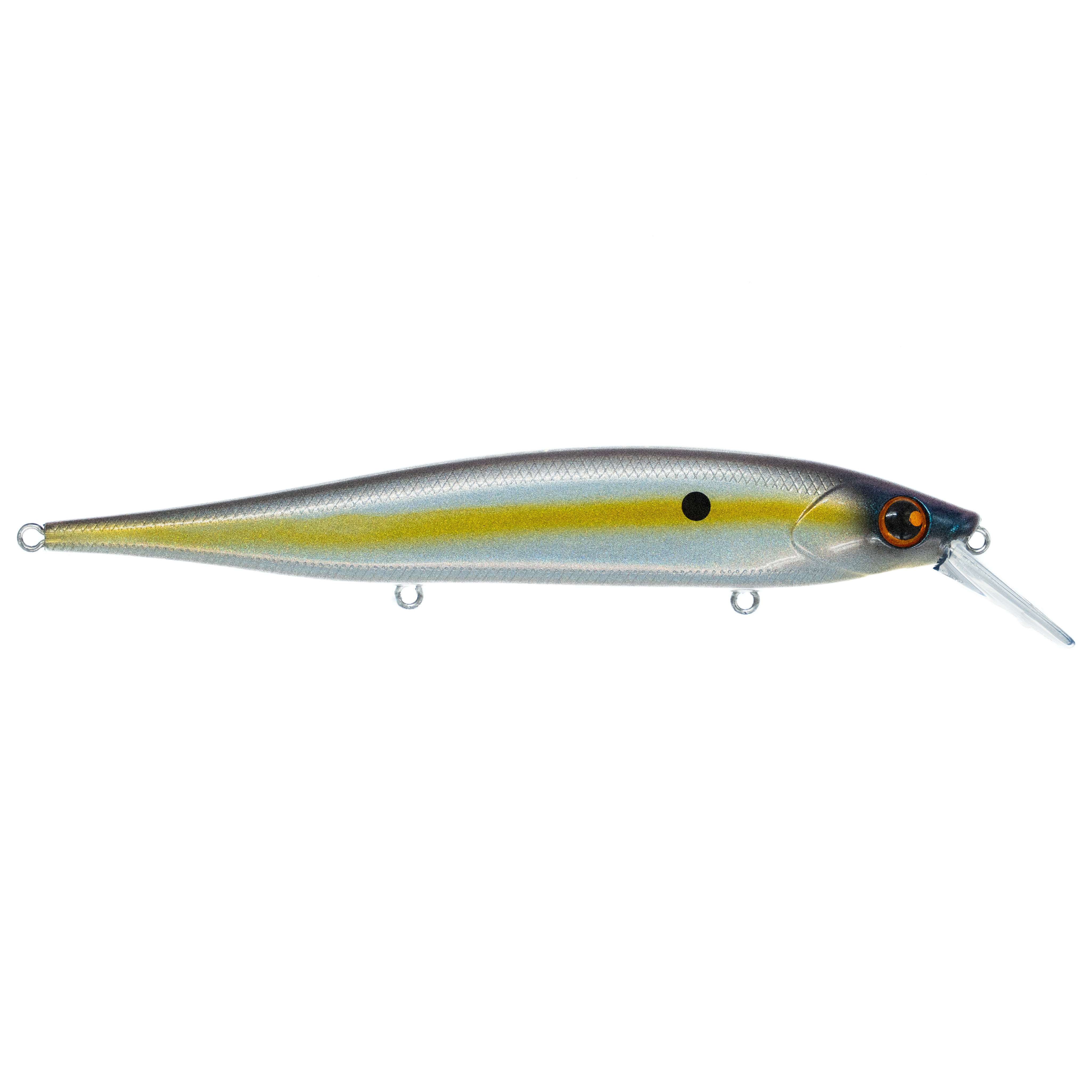
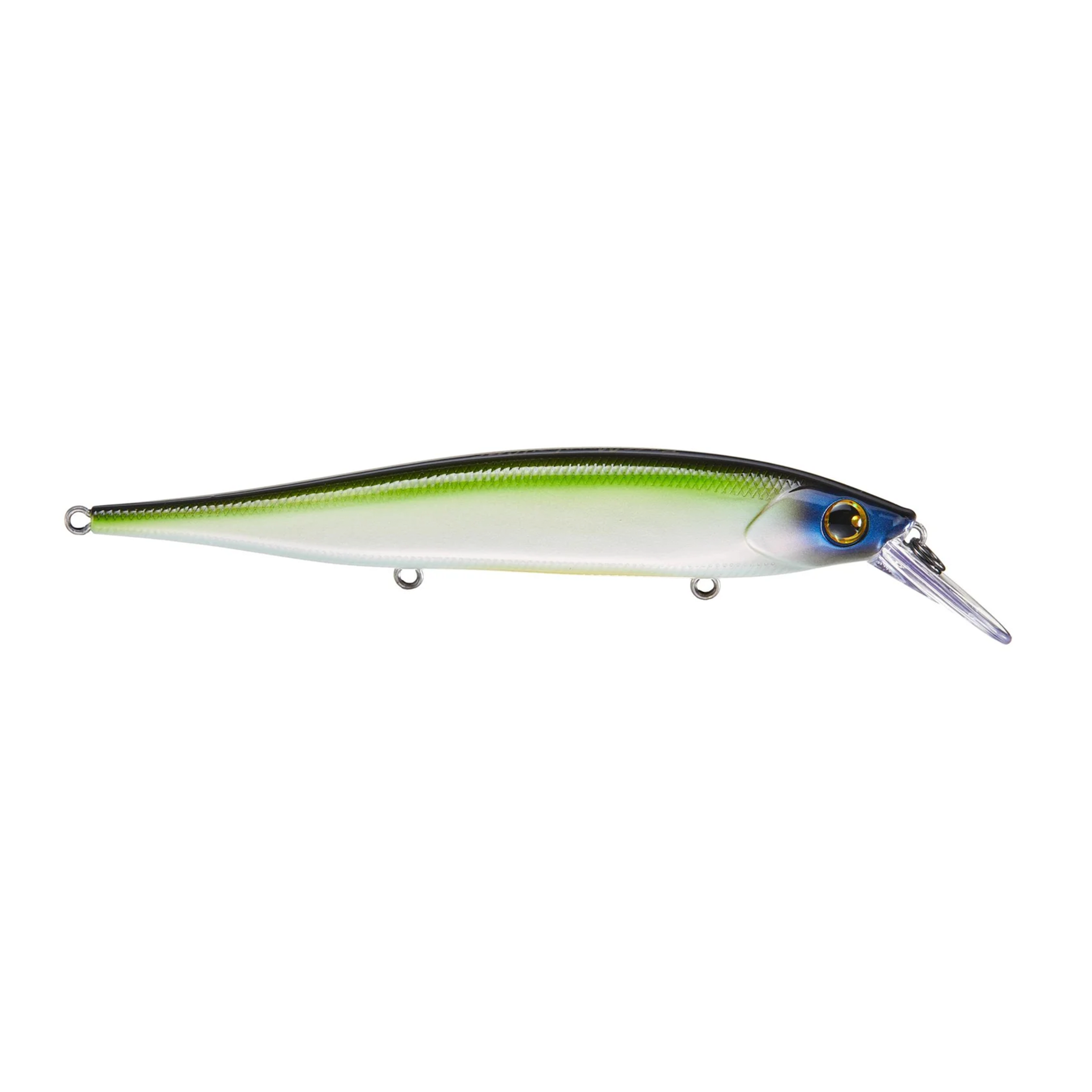
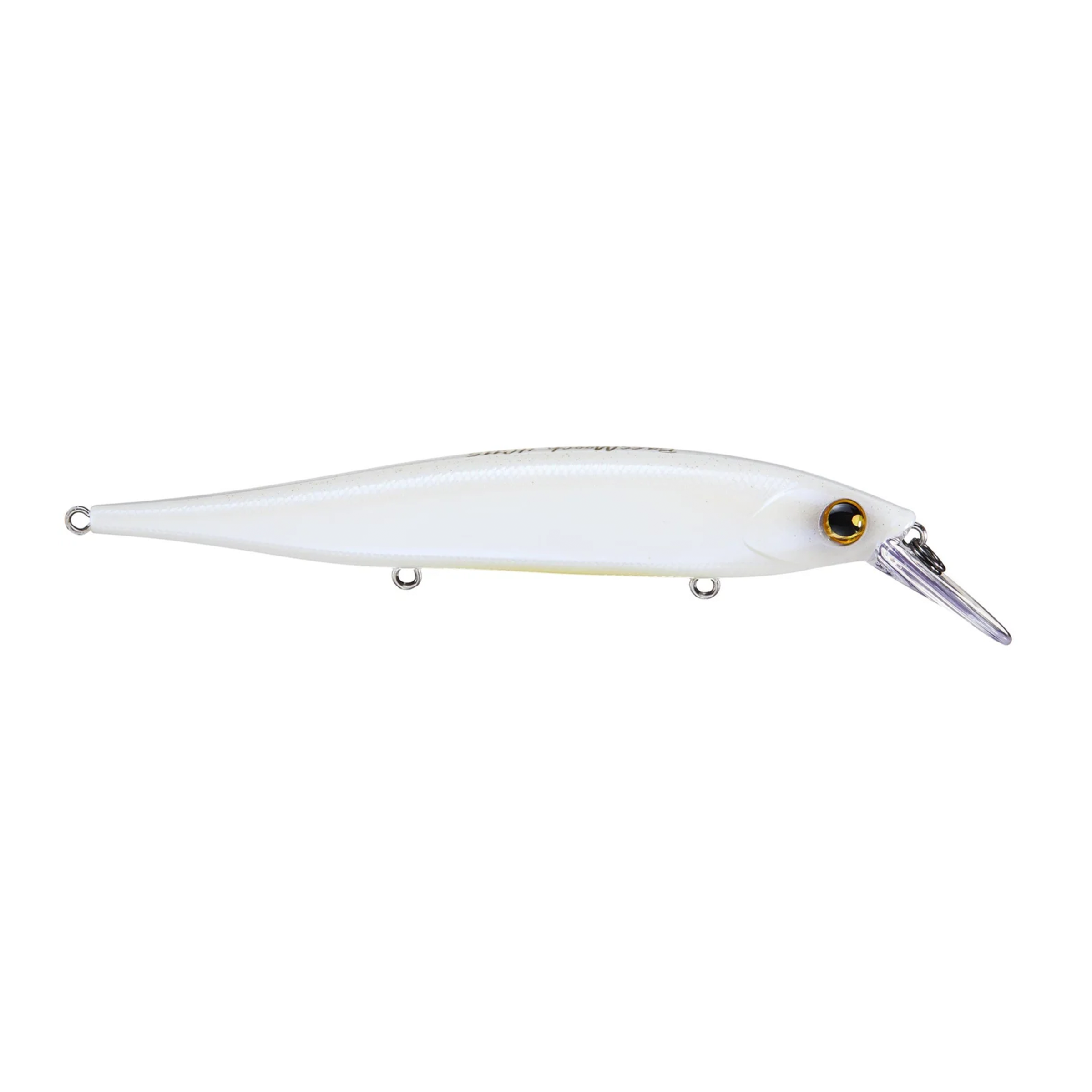
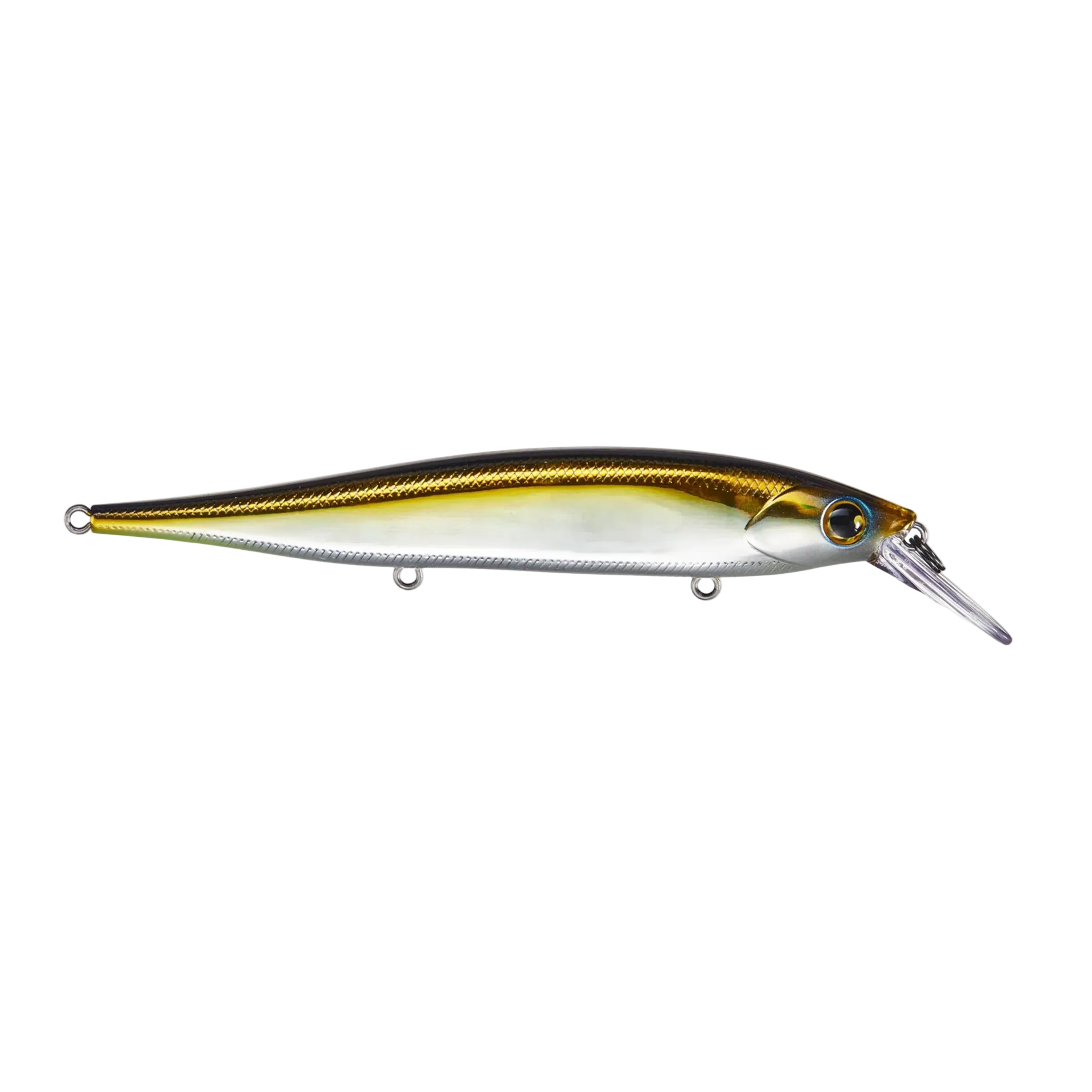
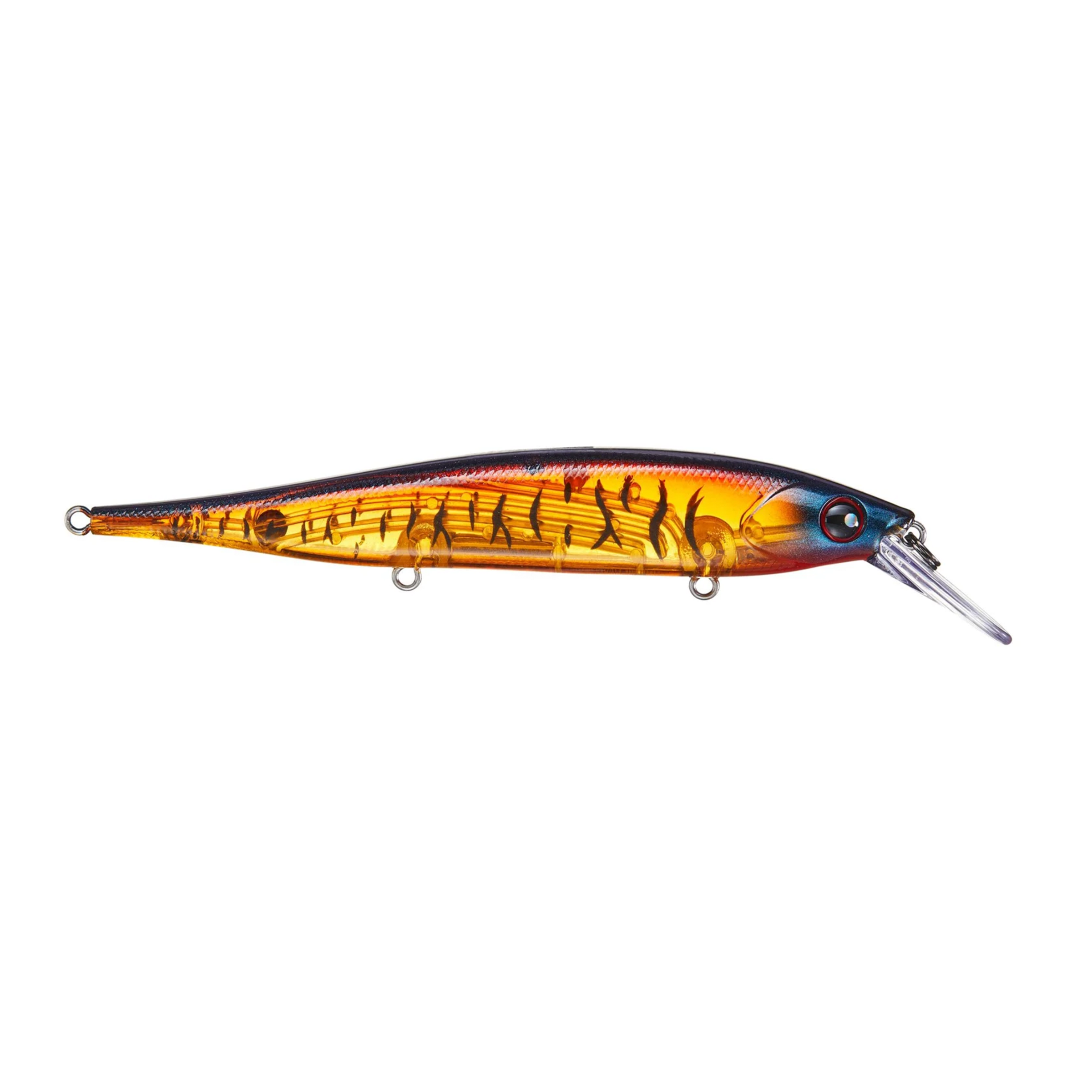
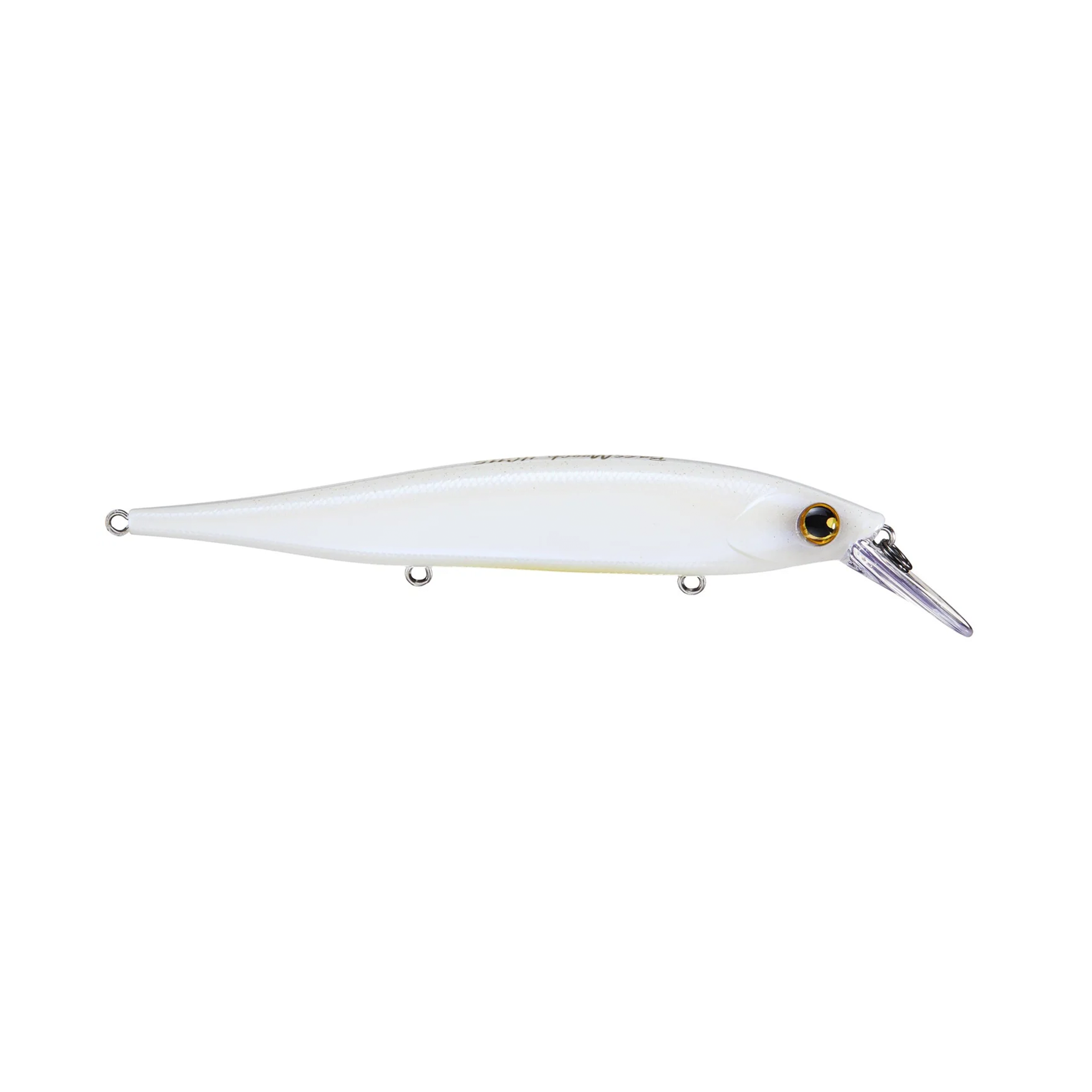
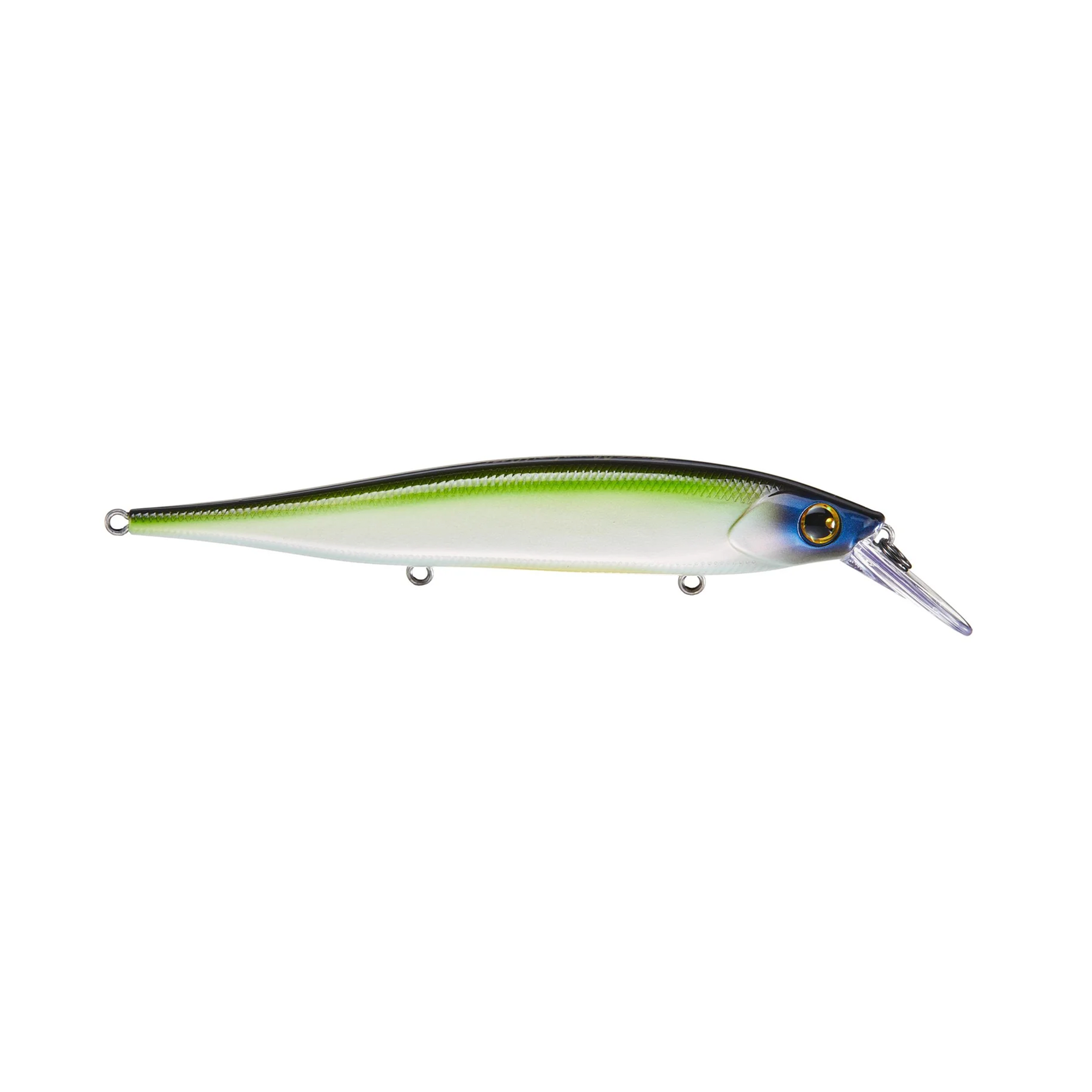
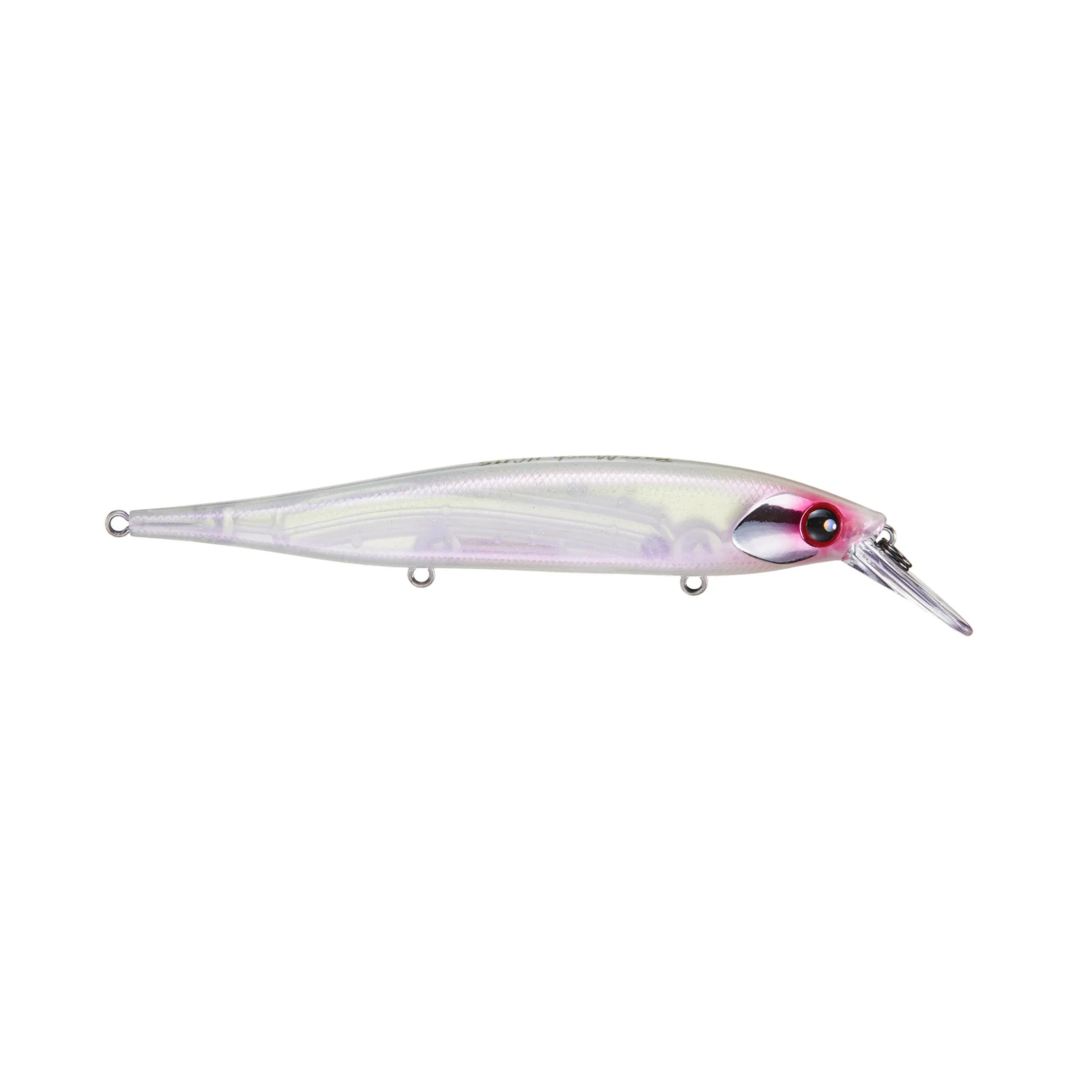
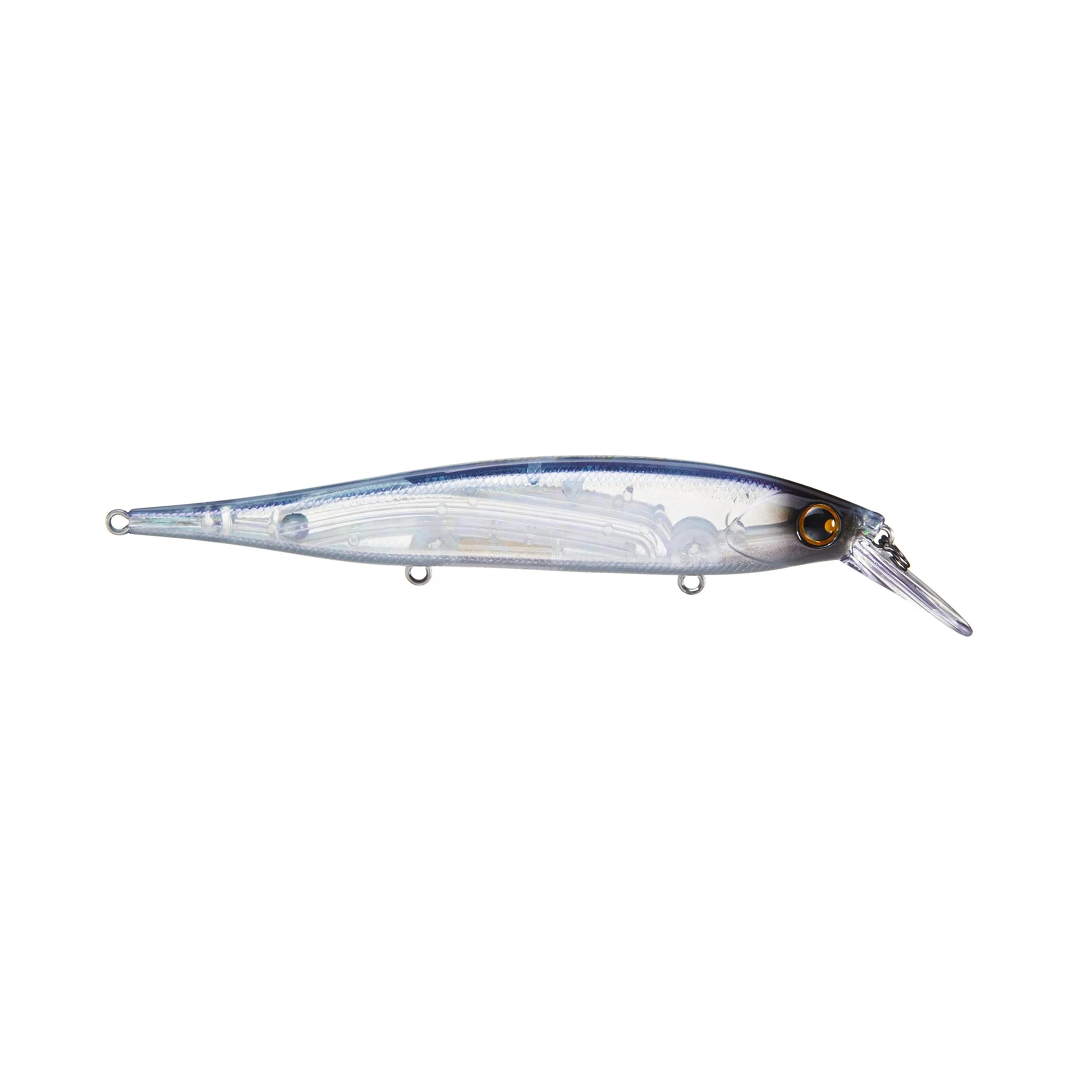
Finesse presentations. A drop-shot with a finesse worm when bass get picky, suspending jerkbaits on the points, and small natural-coloured plastics on deep rock. Clear water rewards subtlety and punishes heavy tackle. Our full bait lineup covers all four seasons.
Do I need a fishing license?
Yes, a West Virginia fishing license from the Division of Natural Resources. Check current black bass regulations before you go.
Light Line, Clear Water
Gin-clear water means long casts, light line and finesse presentations, then holding on to a smallmouth that fights harder than her size suggests. Level Rods builds spinning models with the forgiveness to protect light line through the first run and the sensitivity to feel a drop-shot bite in forty feet.
Tournament Winning Baits & Gear
Designed, crafted and tested by anglers who fish clear water every week. Free shipping on orders over $75.
Shop All Baits