
Stockton Lake Bass Fishing Guide
Stockton Bass Fishing, Season by Season
Twenty-five thousand acres of clear water north of Springfield, with a smallmouth population strong enough to be the state's standout and enough wind to make it a sailing destination. Stockton is the finesse lake in a state full of timber and docks.
Missouri's Smallmouth Lake
Stockton Lake covers roughly 25,000 acres in southwest Missouri, just north of Springfield. It stands out among Missouri reservoirs for its clear water and a genuinely strong smallmouth bass population, alongside excellent walleye fishing.
That combination makes it the finesse lake in a state whose other big reservoirs are defined by timber and docks. Truman is submerged wood, Lake of the Ozarks is dock lines, Table Rock is bluffs. Stockton is clear water over rock, and it rewards a different angler.
The structure is rocky points, bluffs, gravel banks, drop-offs and the old river channels, with limited vegetation. Smallmouth take the rock and largemouth use what shallower cover exists, though the smallmouth are the reason people come.
Clarity dictates the approach: natural colours, lighter line, longer casts and real attention to depth. On bright flat days the shallow fishing becomes difficult and the answers are early, late and deeper rather than harder.
Wind matters more here than on most Missouri water. Stockton is a well-known sailing destination, which tells you what an open reservoir does with a breeze. It also stacks bait on windblown banks, so learning to use it rather than avoid it pays.
There are plenty of parks, campgrounds and marinas around the lake, so accommodation and amenities are straightforward. Missouri sets black bass length and creel limits by water, and many Ozark lakes and streams carry special regulations that differ from the statewide rule. Check the current Department of Conservation summary for this water before you go.
Rock, Clarity and Wind
Four patterns cover the year. Each one pairs the technique with the baits we'd actually tie on.
Smallmouth on Rock
Spring is the strongest season here. Smallmouth move onto rocky points, gravel and the shallower rock to spawn, and the clarity means you can often see them — and they can see you first. Largemouth push into what shallower cover the lake offers.


Deep, Clear and Difficult
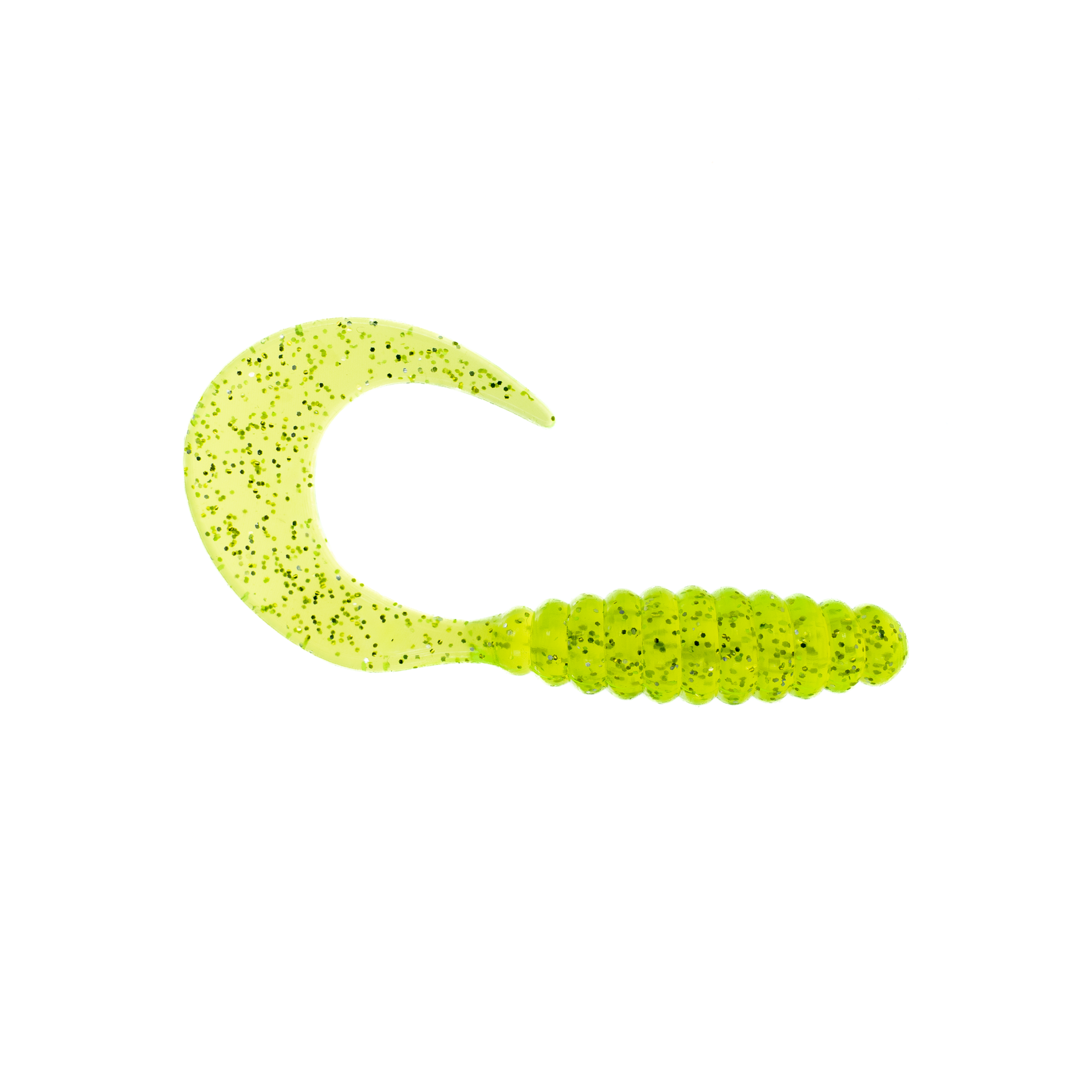
Summer pushes fish deep and makes bright flat days genuinely hard. That is the trade for clarity, and it is the same story on every clear reservoir on this site. Bluff ends give fish the whole water column within a cast and are efficient places to find the day's depth.


Cooling Water, Reachable Fish
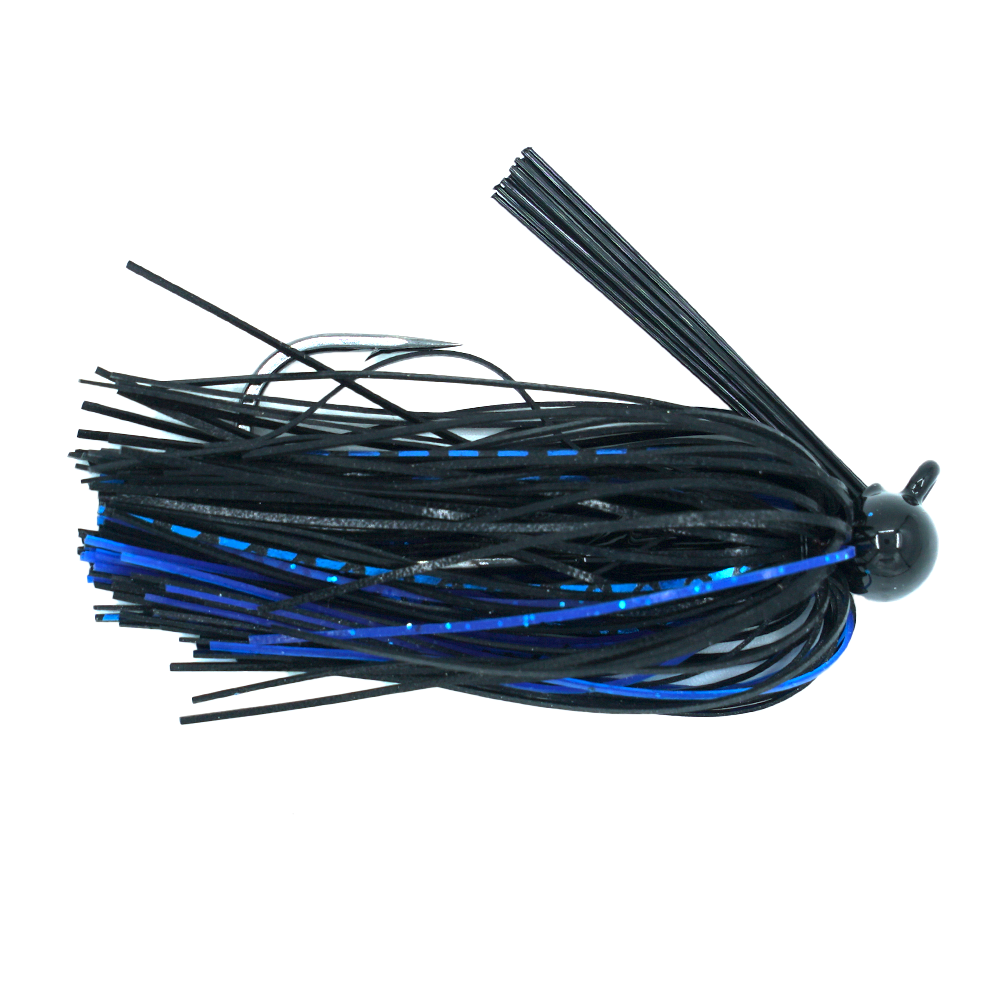
Autumn brings smallmouth back onto shallower rock as they feed before winter, and the fish become willing to chase again after a summer of finesse. The sailing and recreational traffic thins and the fishing is at its most forgiving.
Deep Rock, Clear and Cold
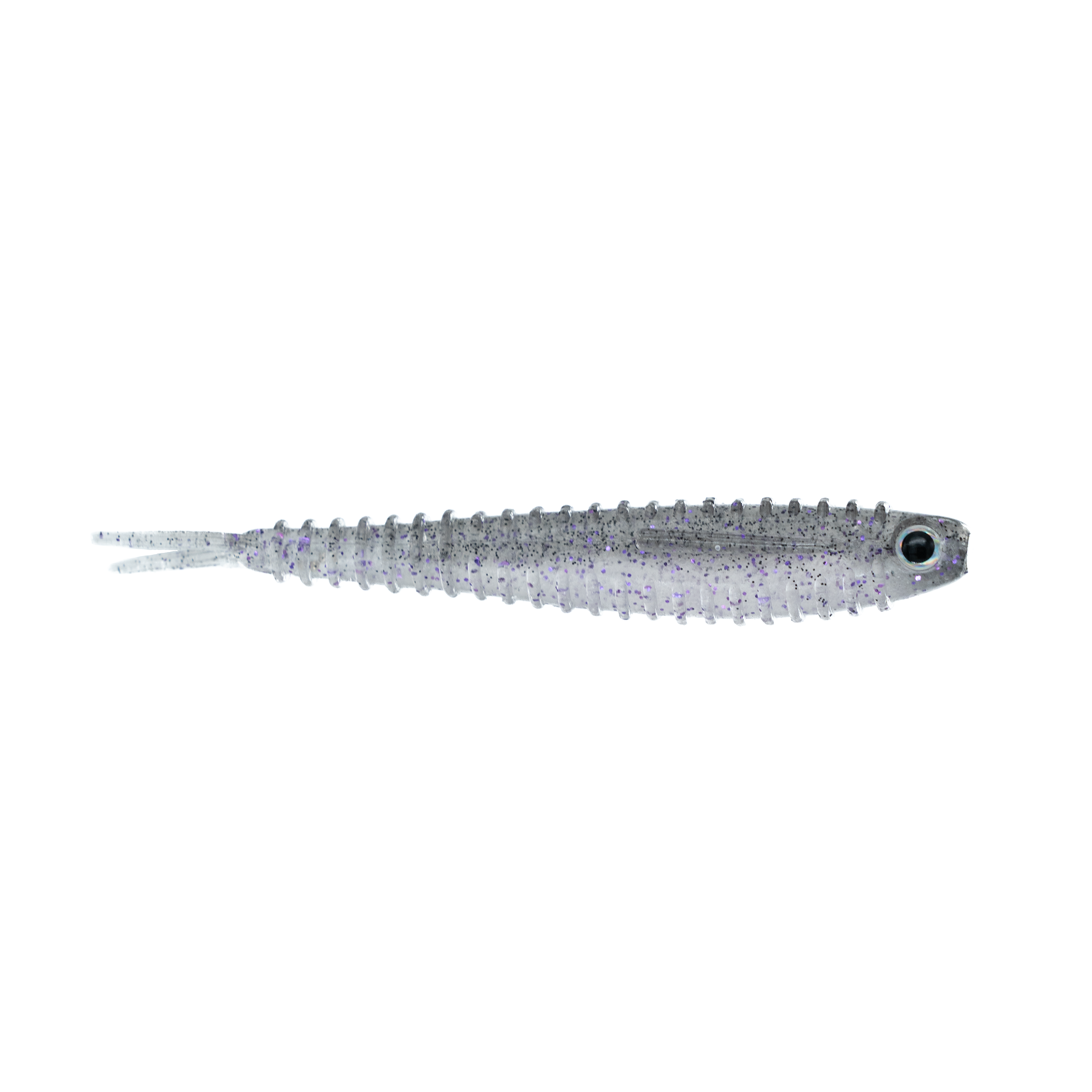
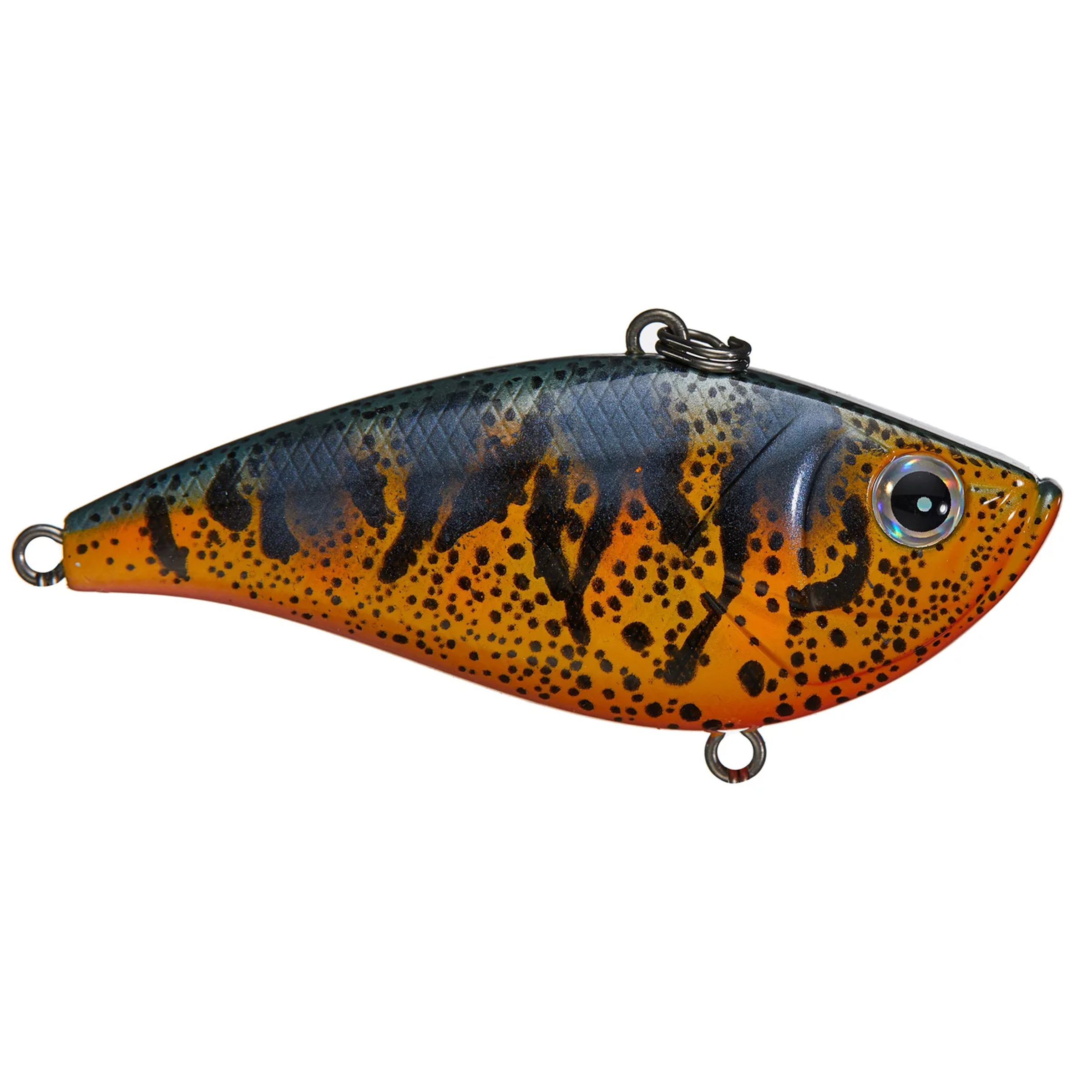
Winter concentrates fish on the deepest rock, where clarity makes them locatable in a way they are not on a stained reservoir. It is slow fishing on an empty lake and the average size is the best of the year.
Stockton Lake Access
Stockton Lake offers a variety of parks, campgrounds and marinas, which makes accommodation and amenities straightforward. Stockton is the town on the lake and Springfield is under an hour south.
The Rocky Points
Where the smallmouth are, and the reason this lake stands out in Missouri. Gravel and rock transitions, best in spring and autumn, and worth the finesse tackle they demand.
The Bluffs and Drop-Offs
Steep rock letting fish move vertically without travelling, which keeps them catchable through summer heat and winter cold. Efficient places to work out what depth the fish are holding at.
The Windblown Banks
Worth actively seeking rather than avoiding. Wind stacks bait against rock on this lake and the smallmouth follow it. Knowing which banks are fishable in which wind direction is the local skill.
Stockton Lake Bass Fishing FAQ
Why is Stockton different from Missouri's other lakes?
Clear water over rock. Truman is submerged timber, Lake of the Ozarks is dock lines, Table Rock is bluffs and complexity. Stockton is the finesse lake, and it has the state's standout smallmouth population as a result.
How big is Stockton Lake?
Roughly 25,000 acres in southwest Missouri just north of Springfield. Clear water, rocky structure and limited vegetation.
Is it good for smallmouth?
It is Missouri's best-known smallmouth lake. Clear water over rock is exactly what they want, and the population is strong. Walleye fishing here is excellent too.
How windy is it?
Windy enough to be a well-known sailing destination, which on an open reservoir tells you what you need to know. It also stacks bait on windblown banks, so wind is an opportunity as much as an obstacle.
How does the clear water change things?
Natural colours, lighter line, longer casts and much more attention to depth. Bright flat days make shallow fishing difficult and the answers become early, late and deeper rather than fishing harder.
When is the best time to fish it?
Spring for smallmouth on the rock, and autumn as the second window when the fish will chase moving baits again. Winter is slow but produces the best average size on an empty lake.
What baits work best on Stockton?
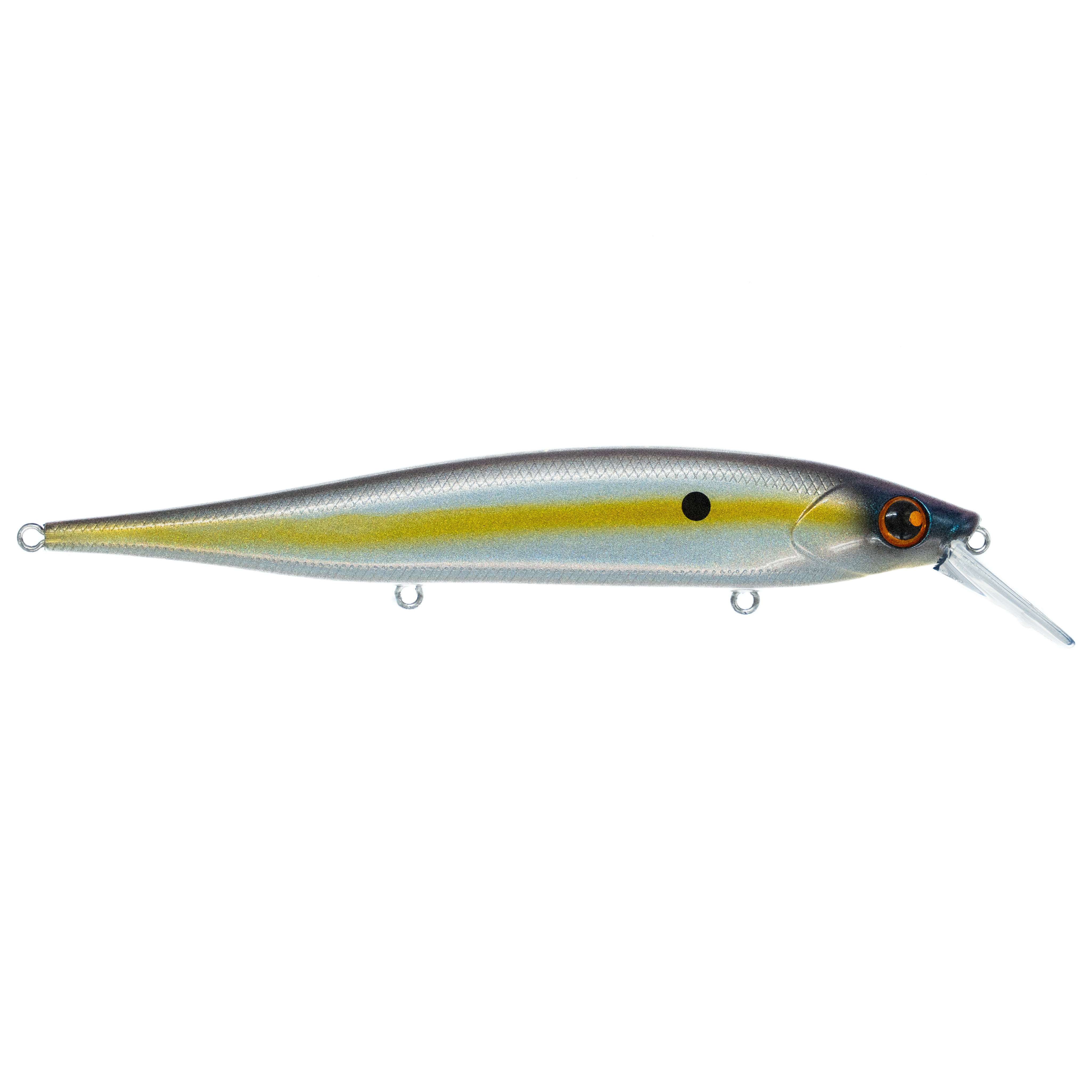
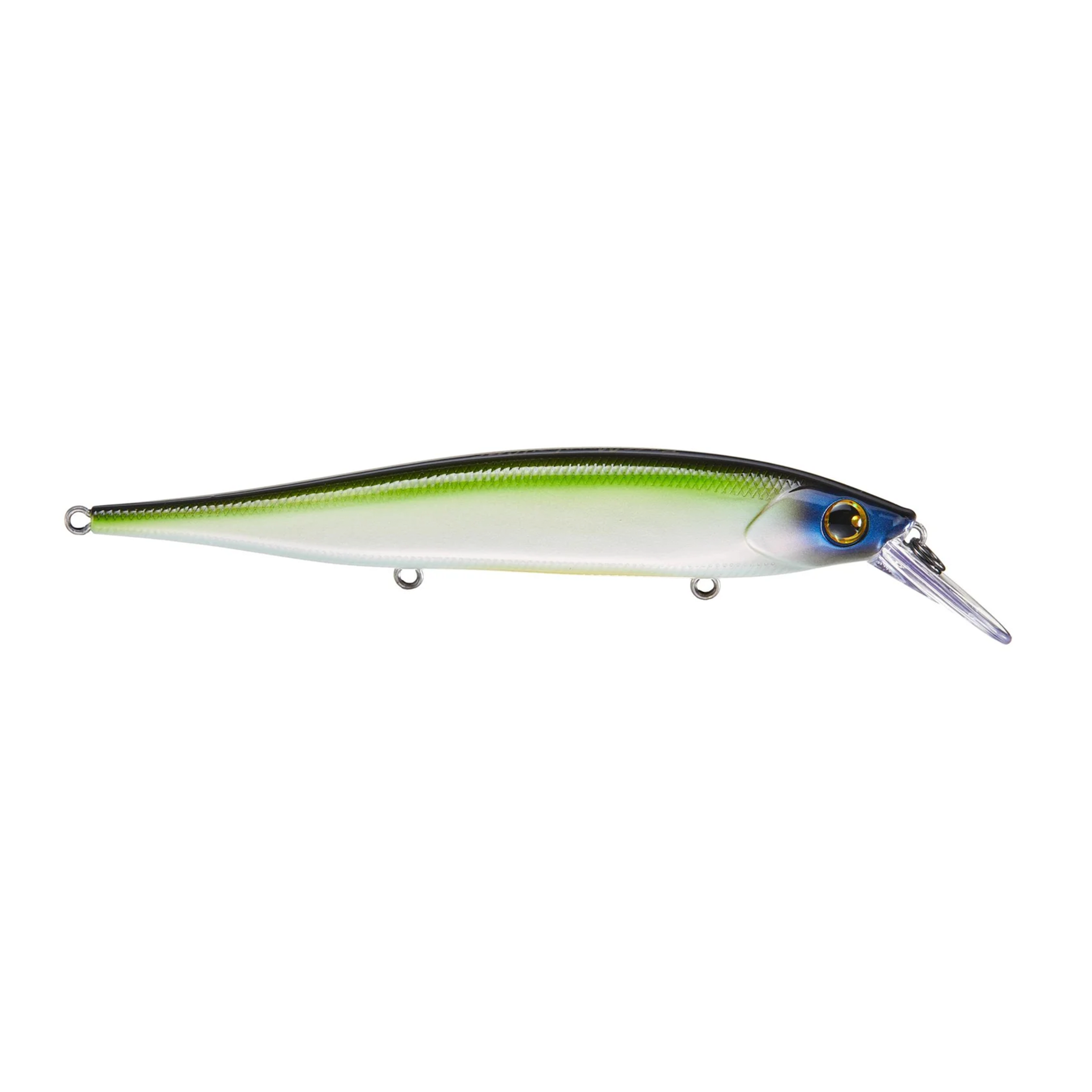
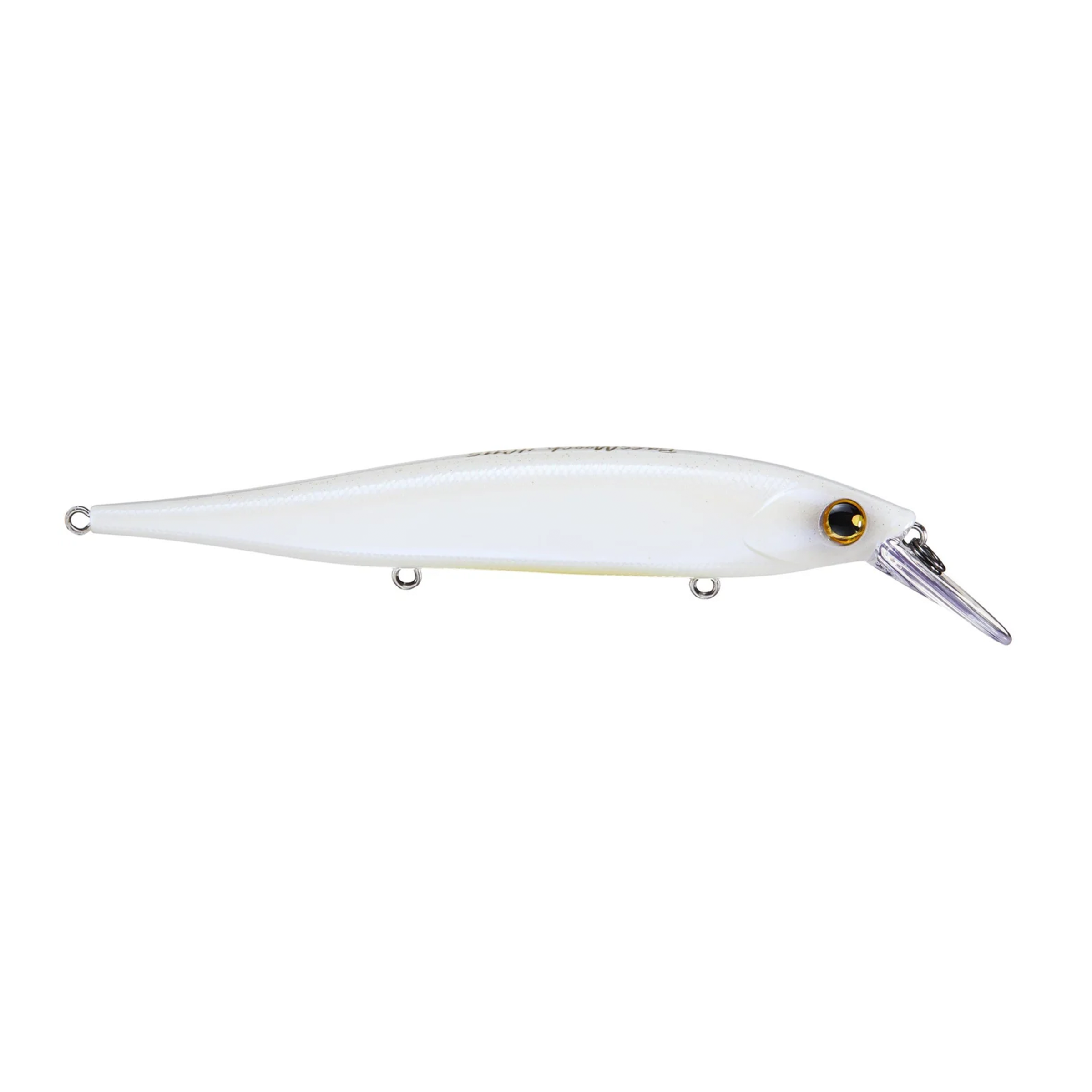
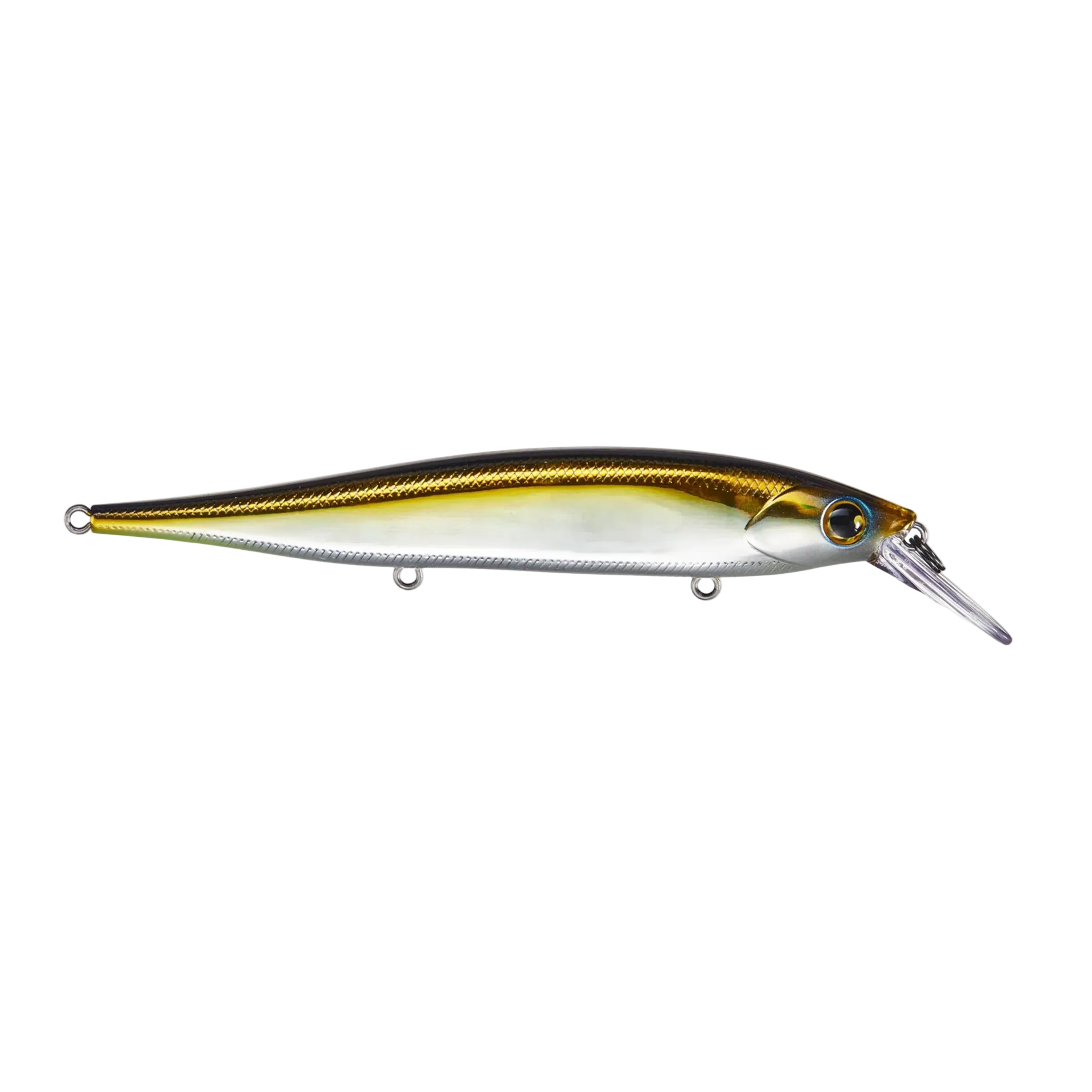
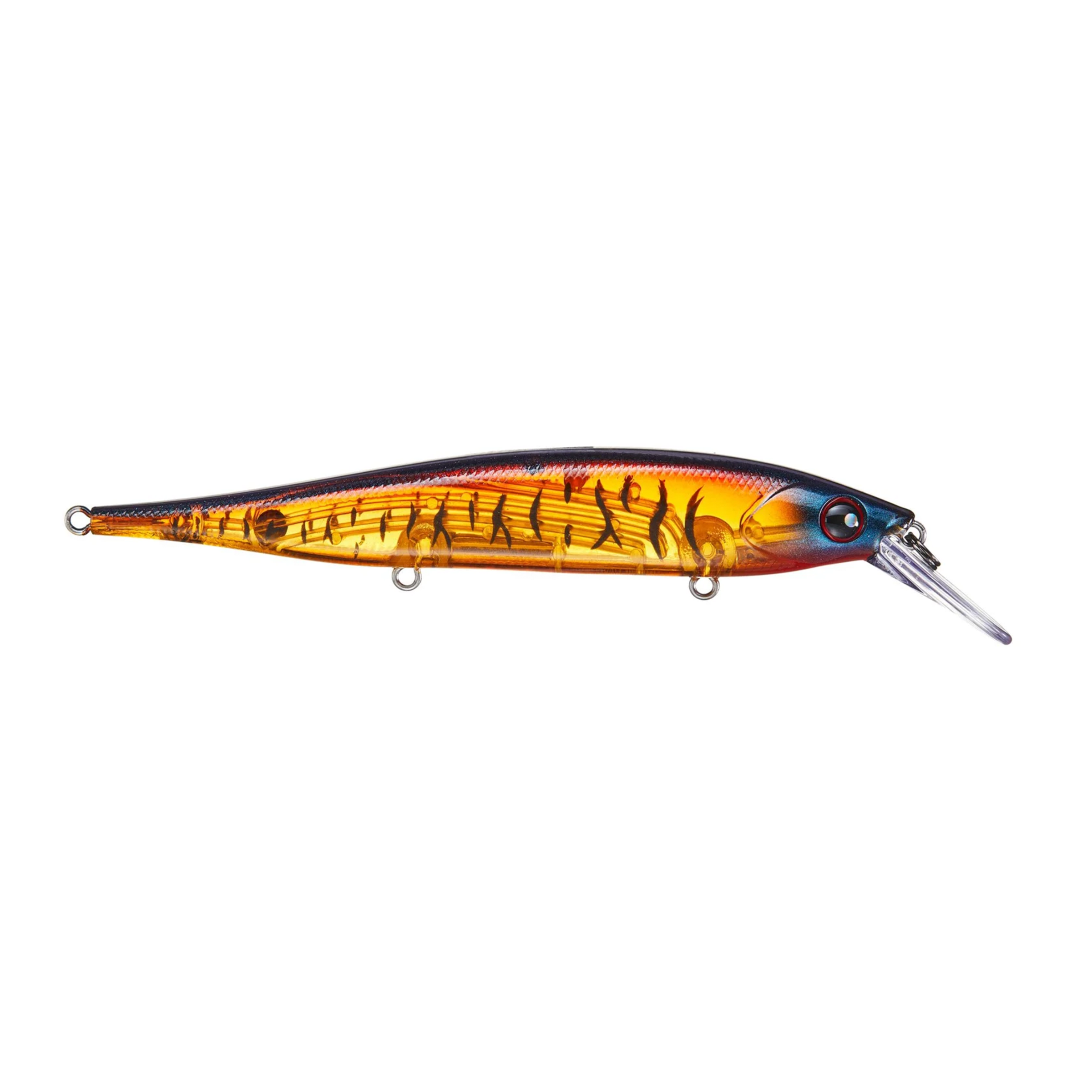
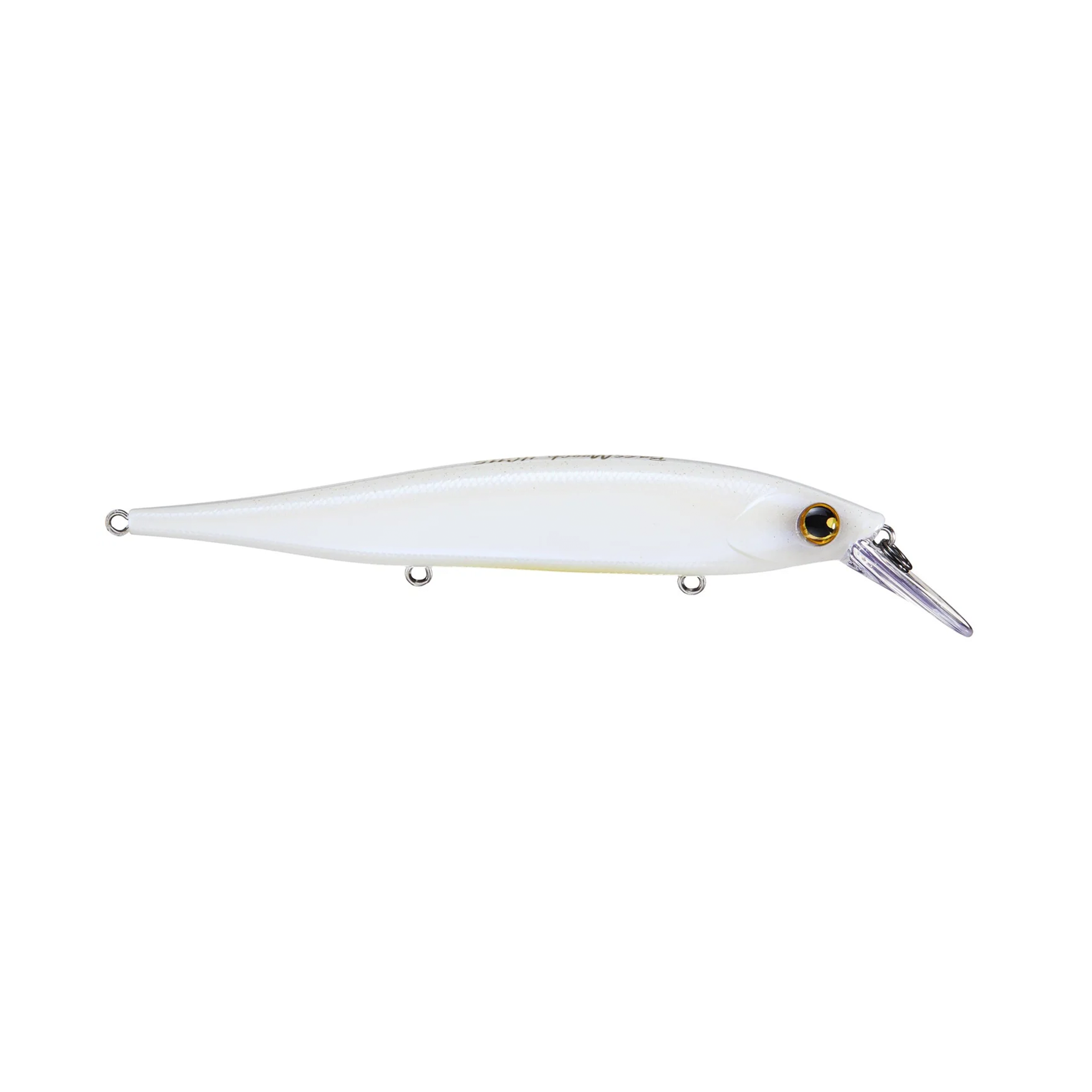
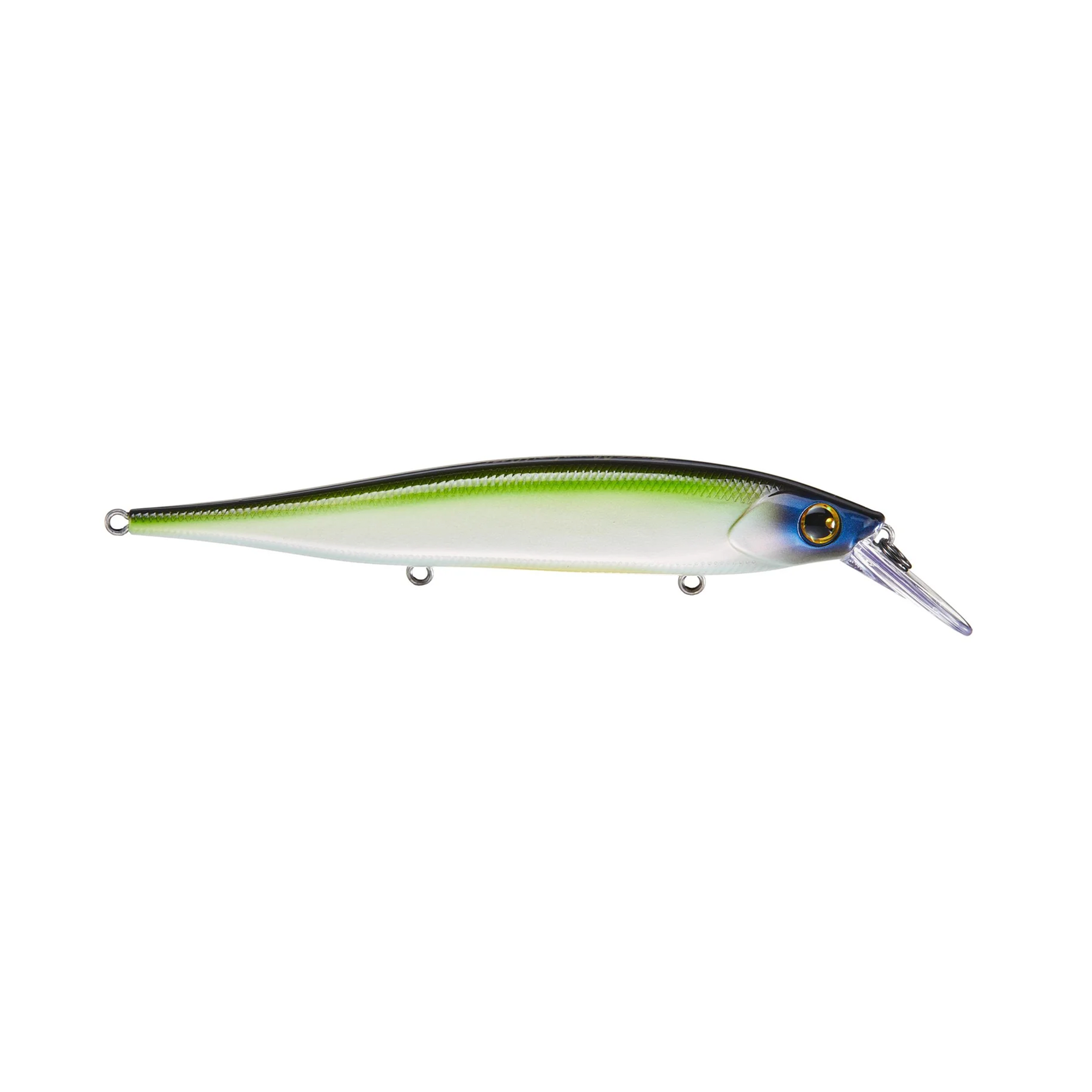
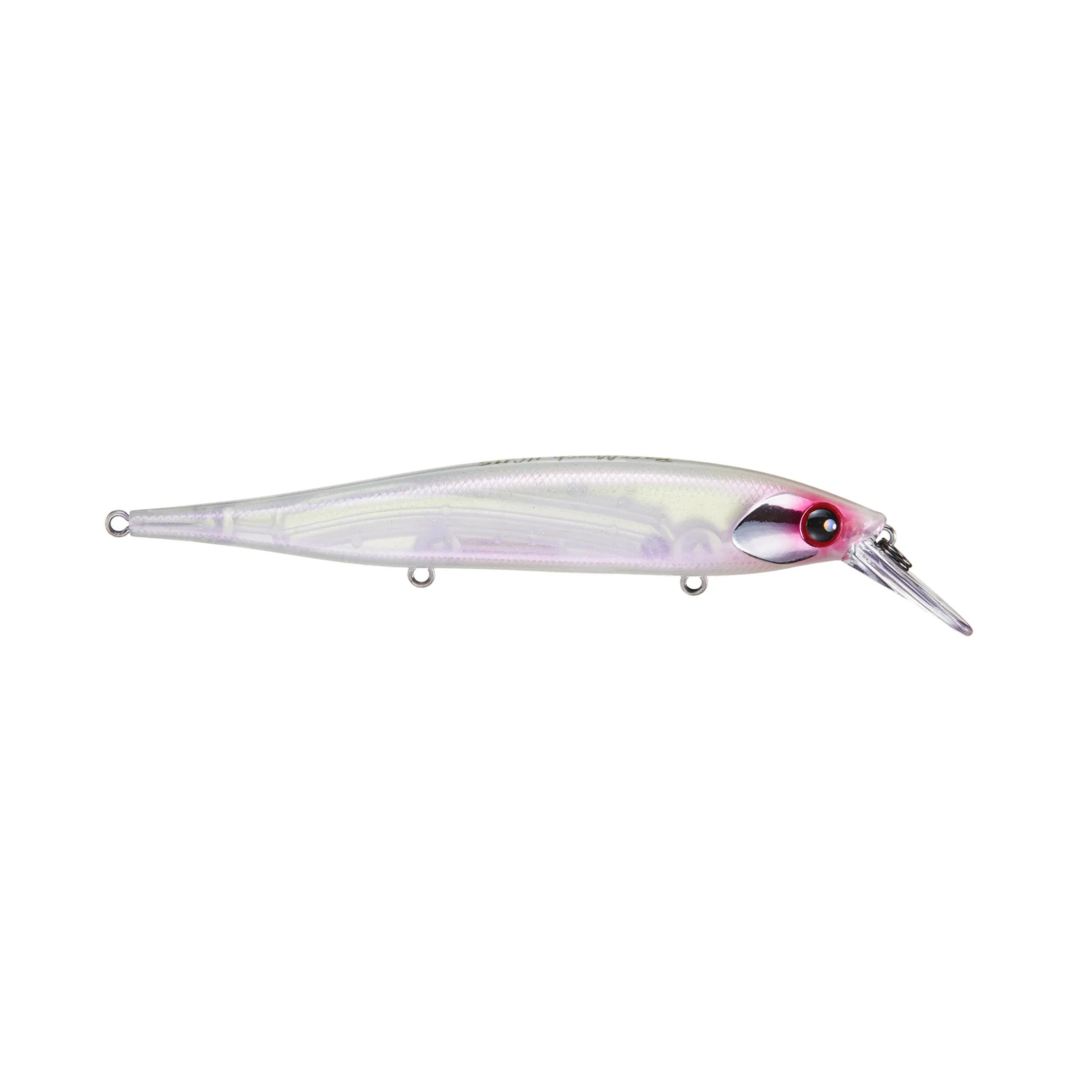
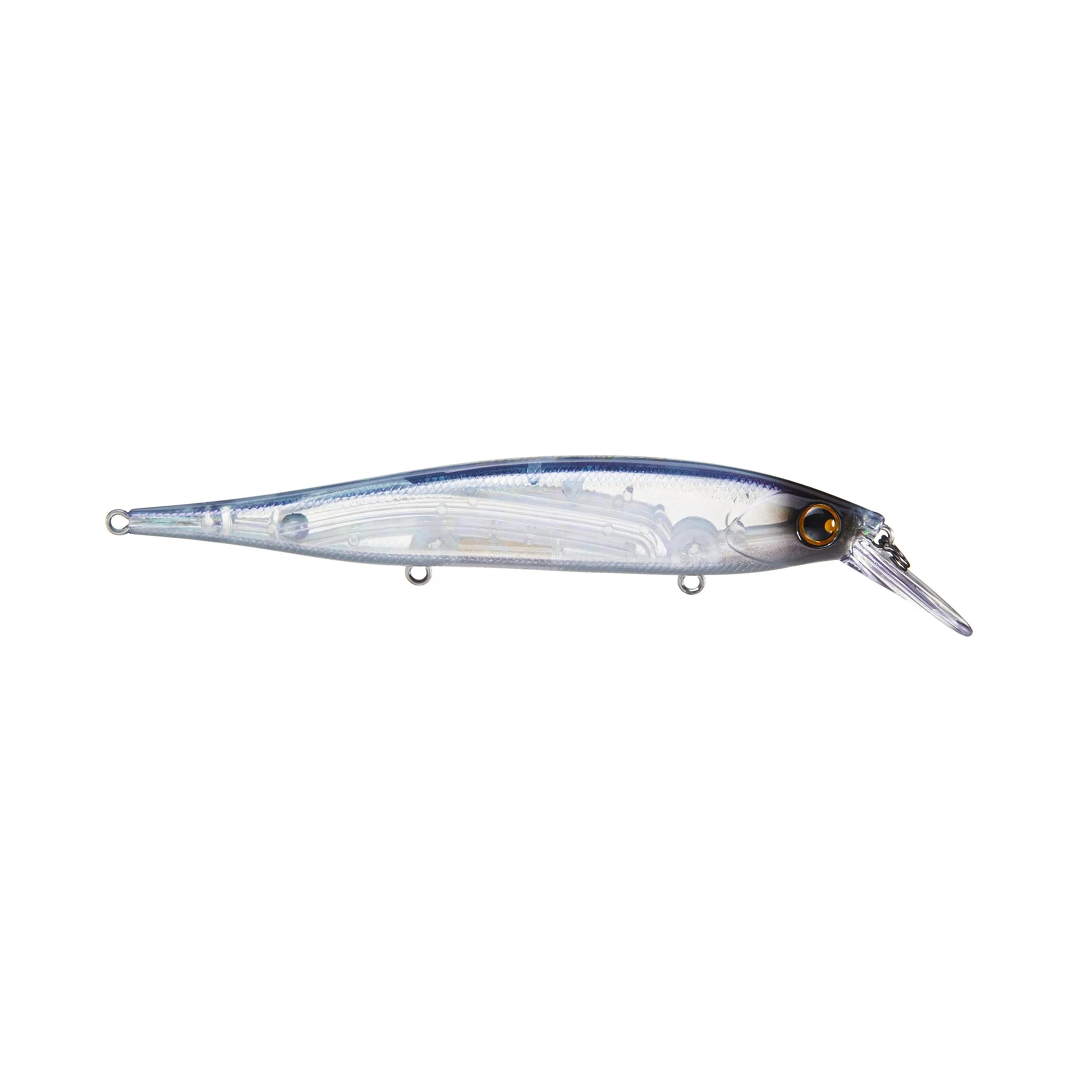
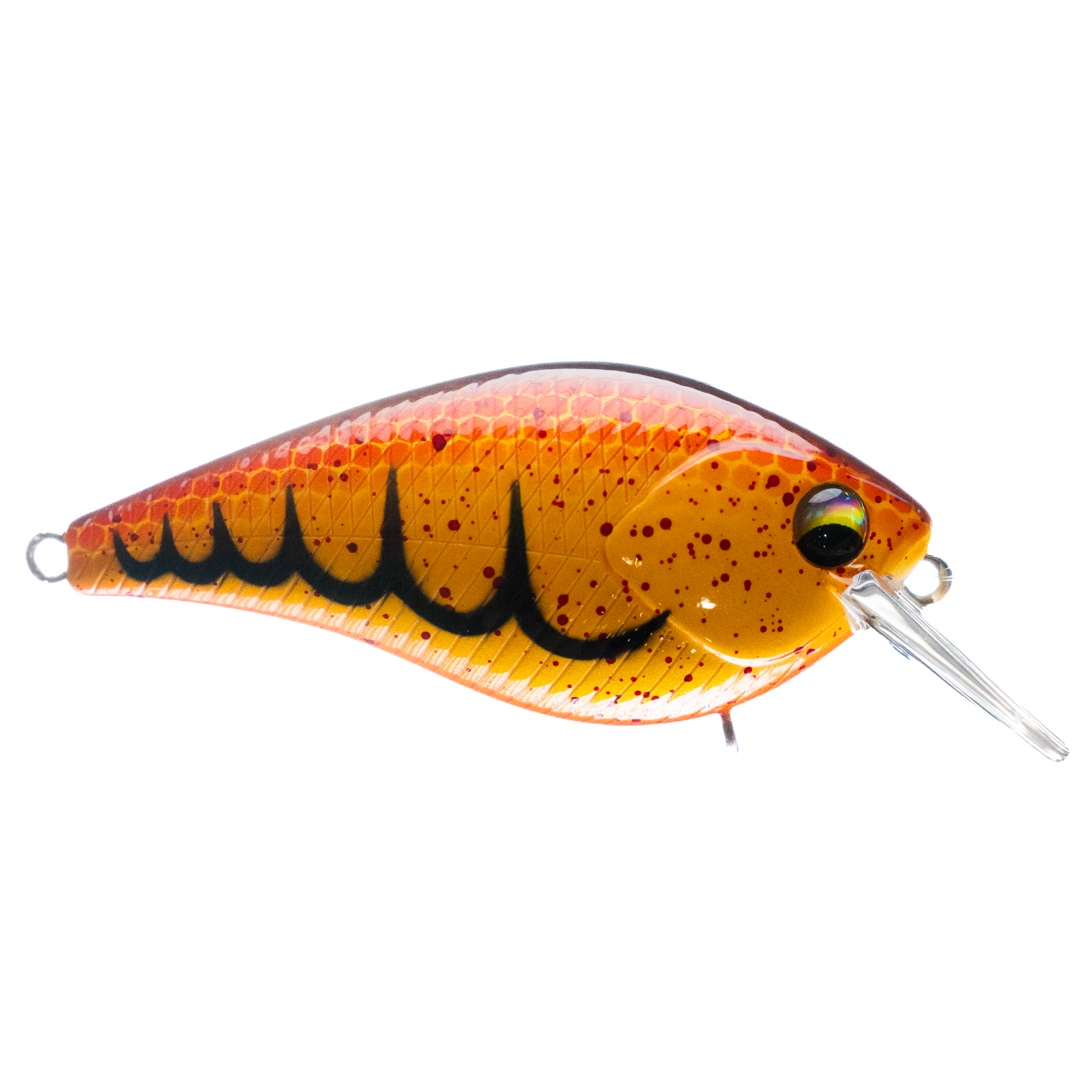
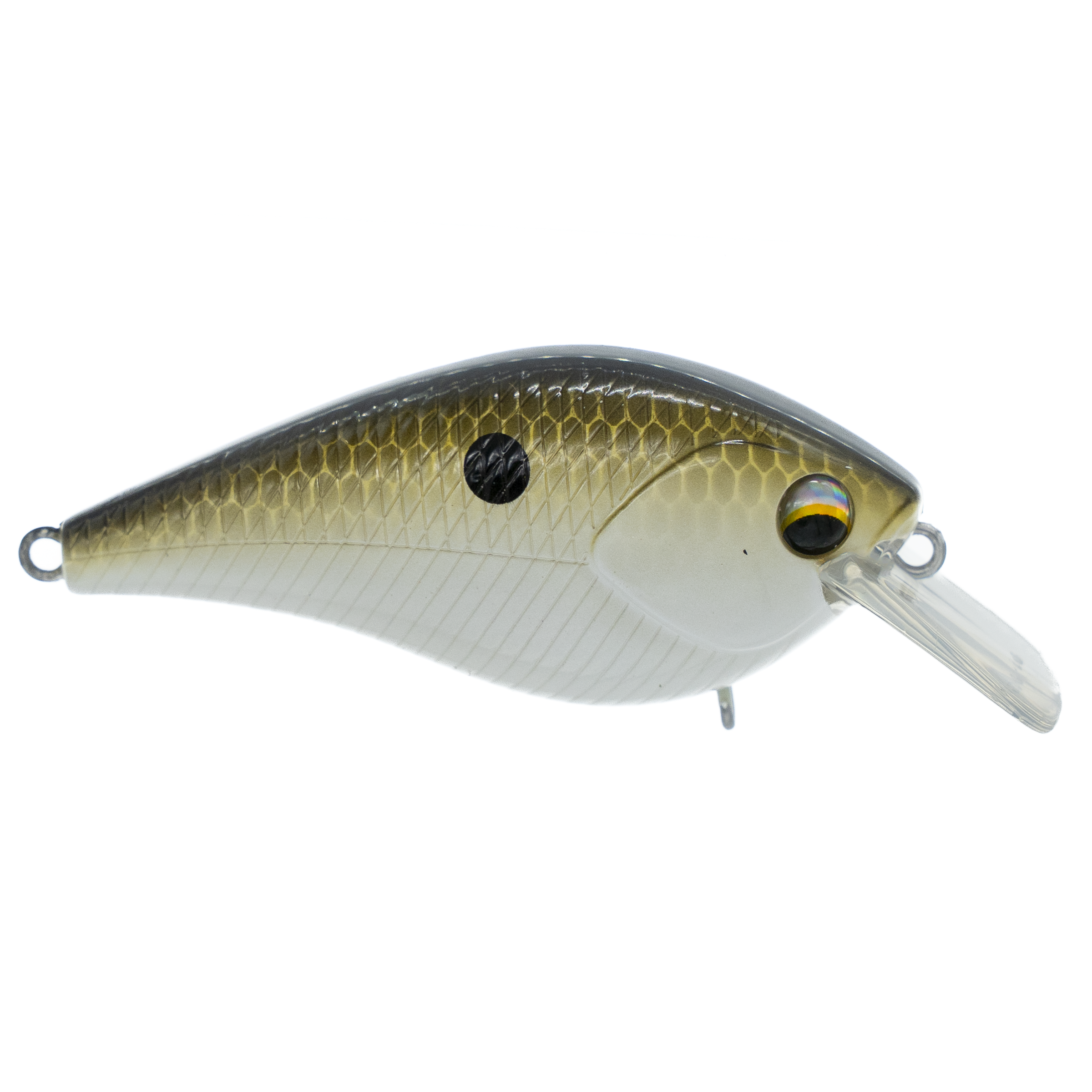
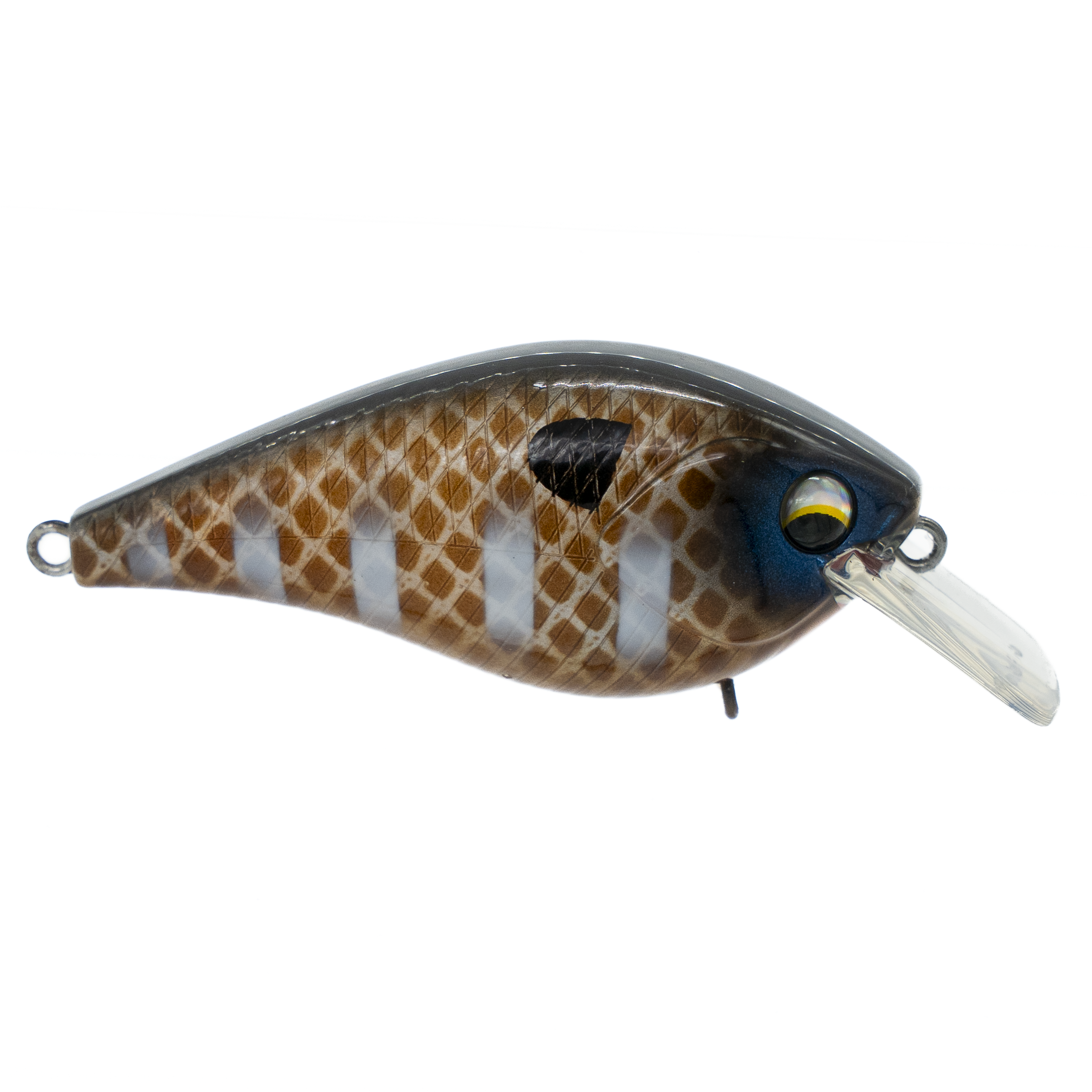
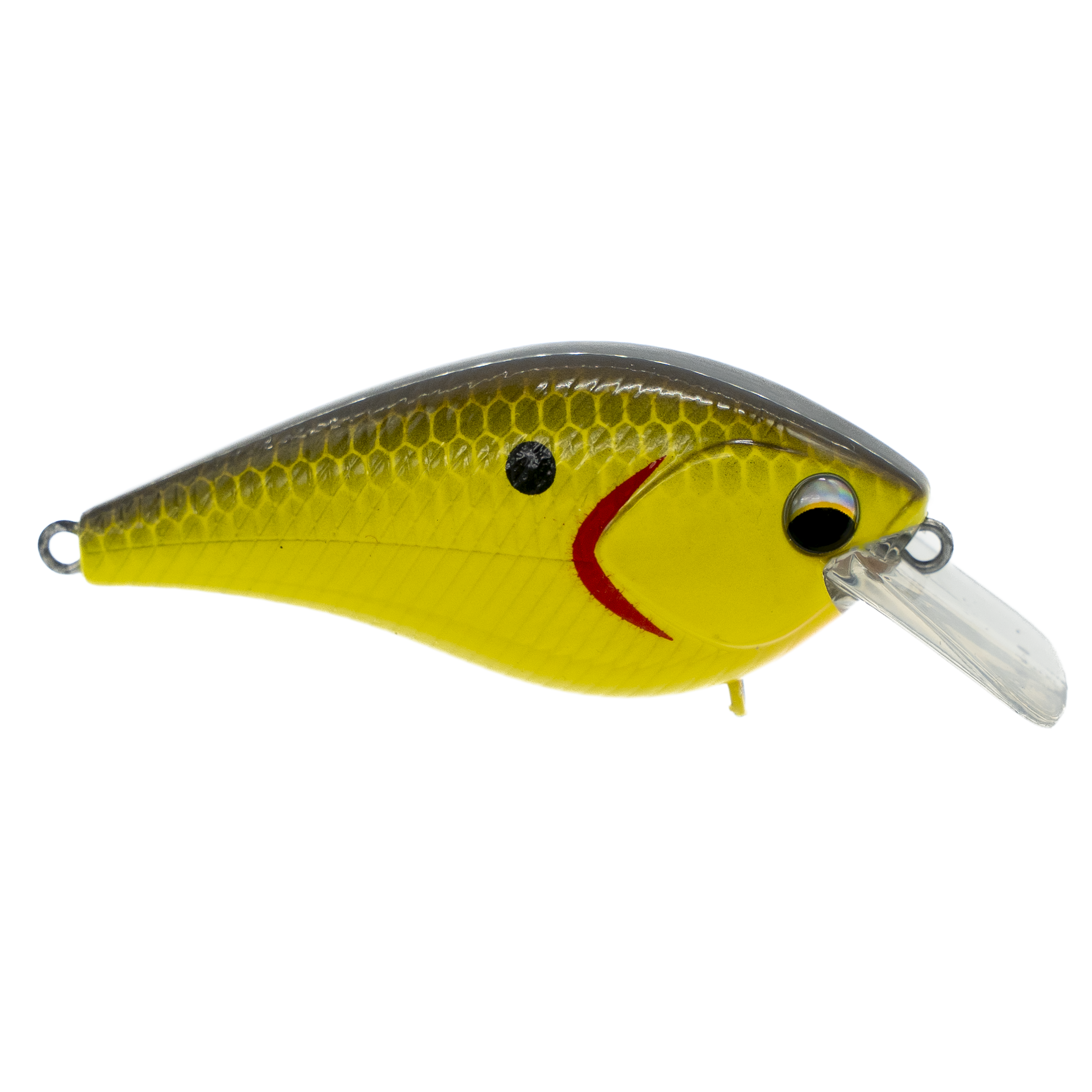
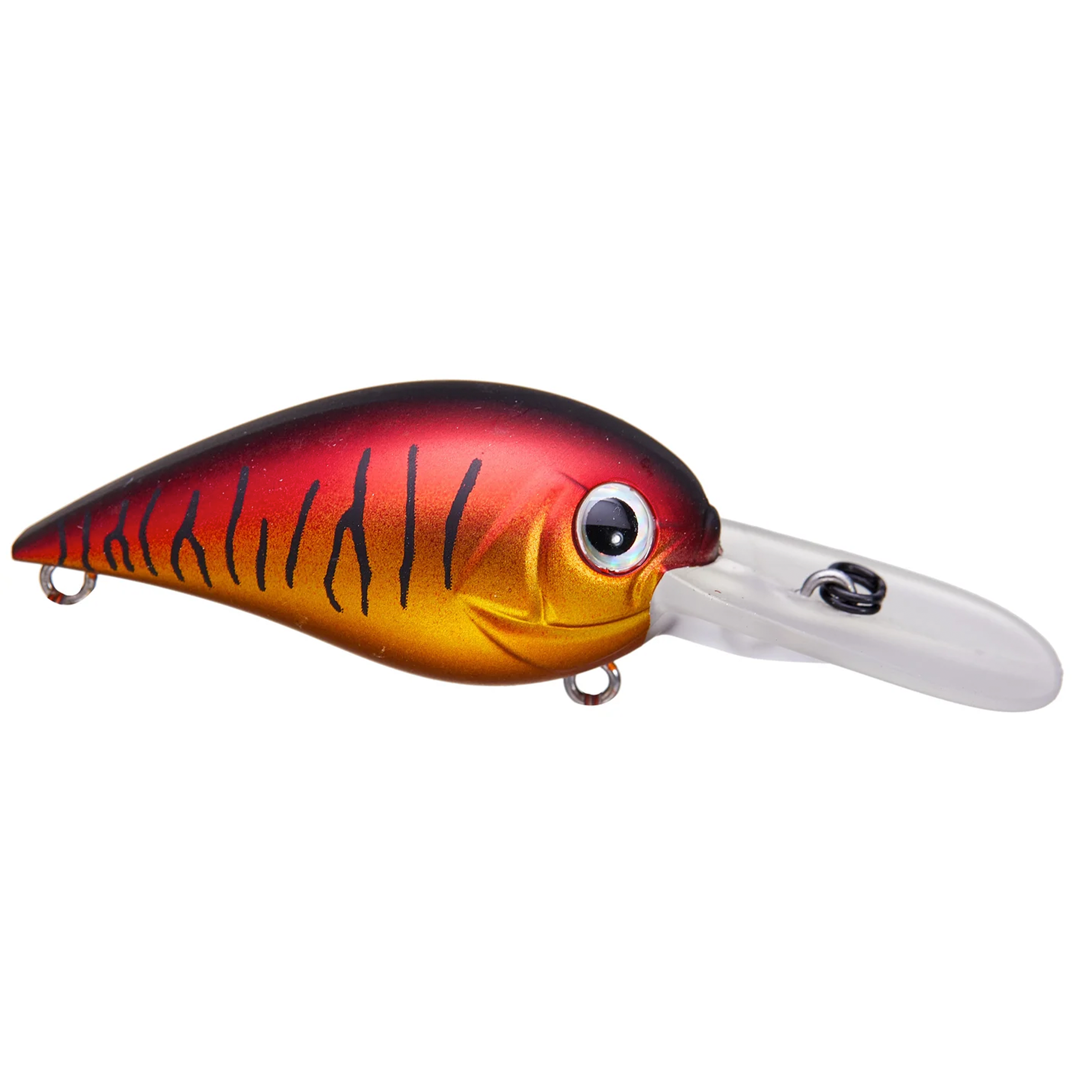
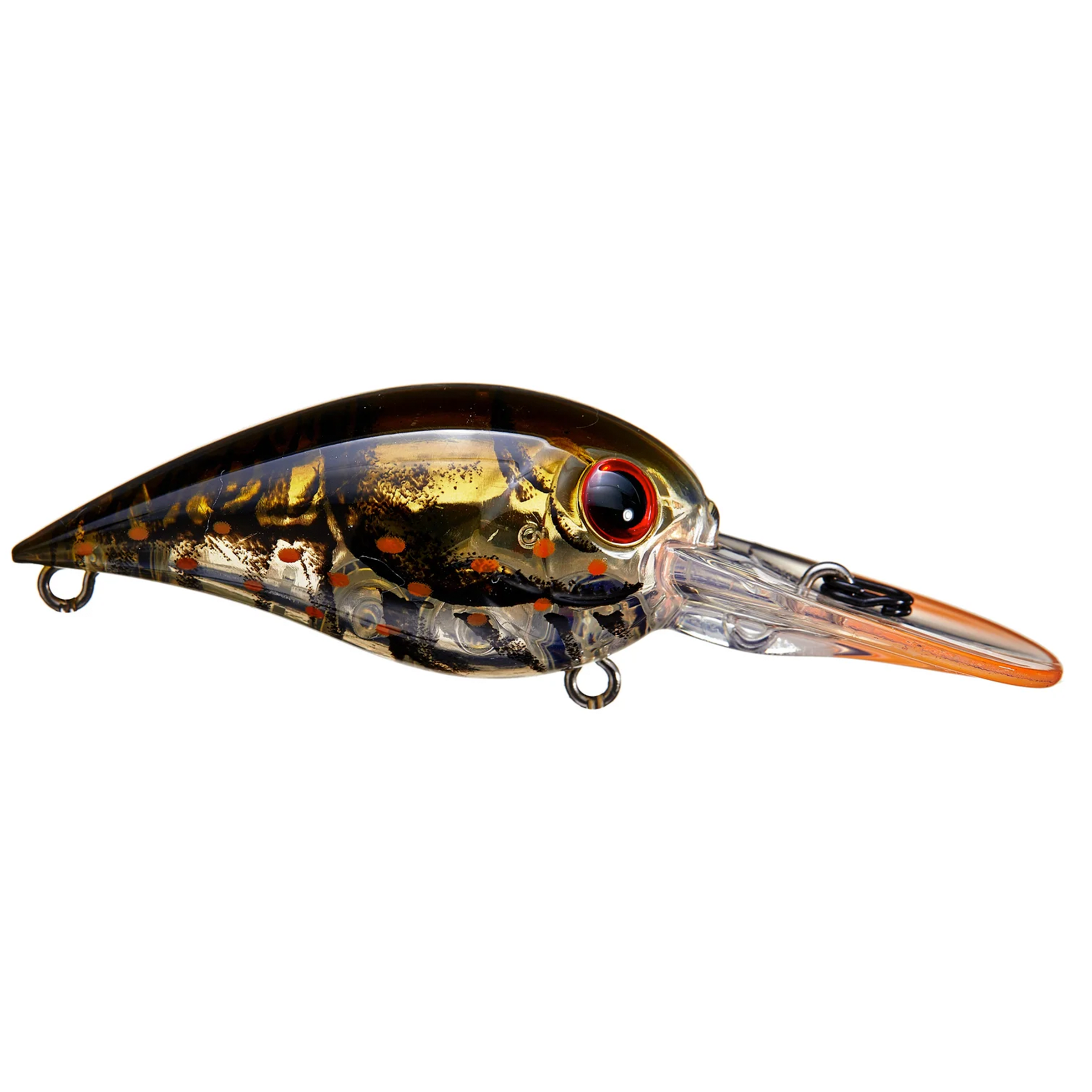
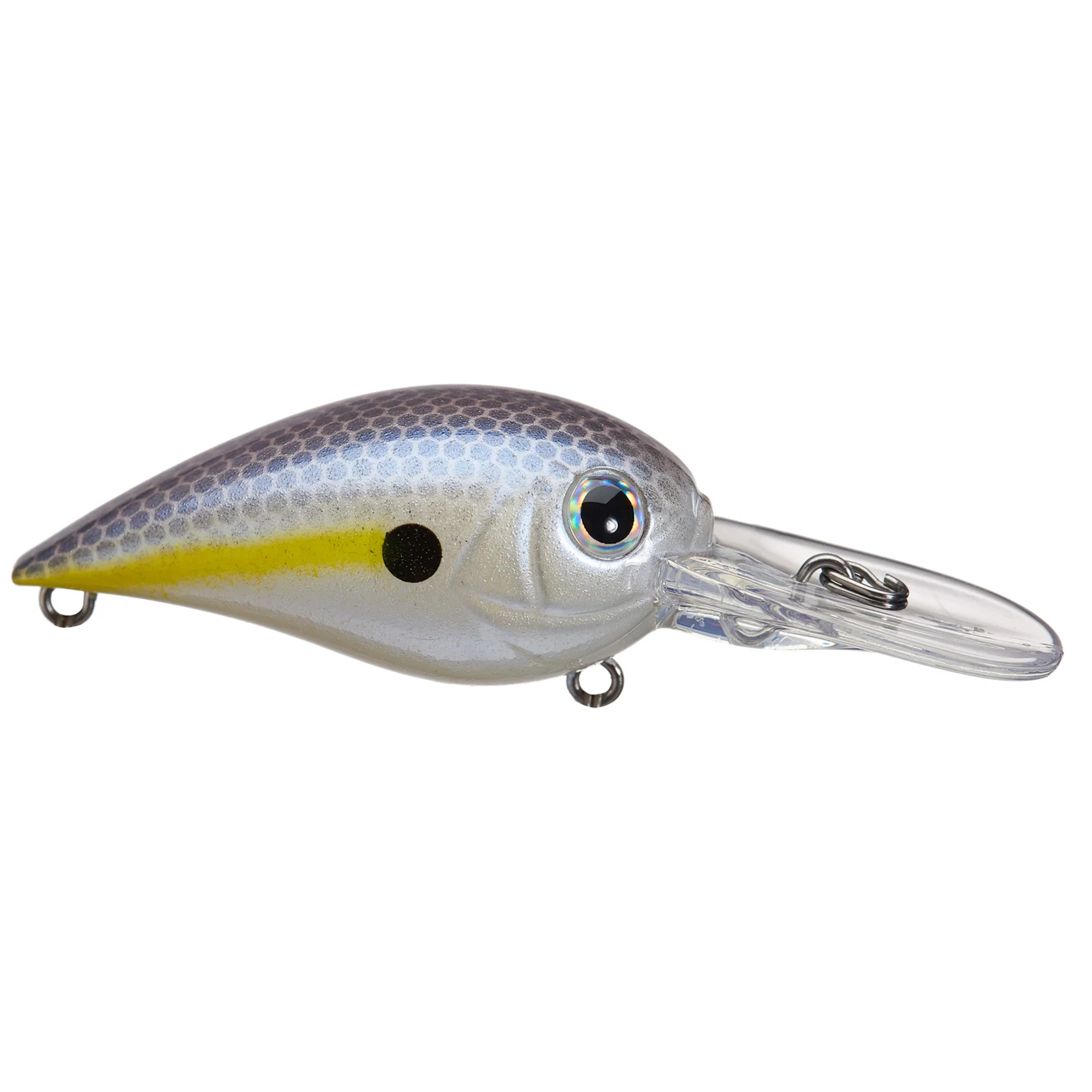
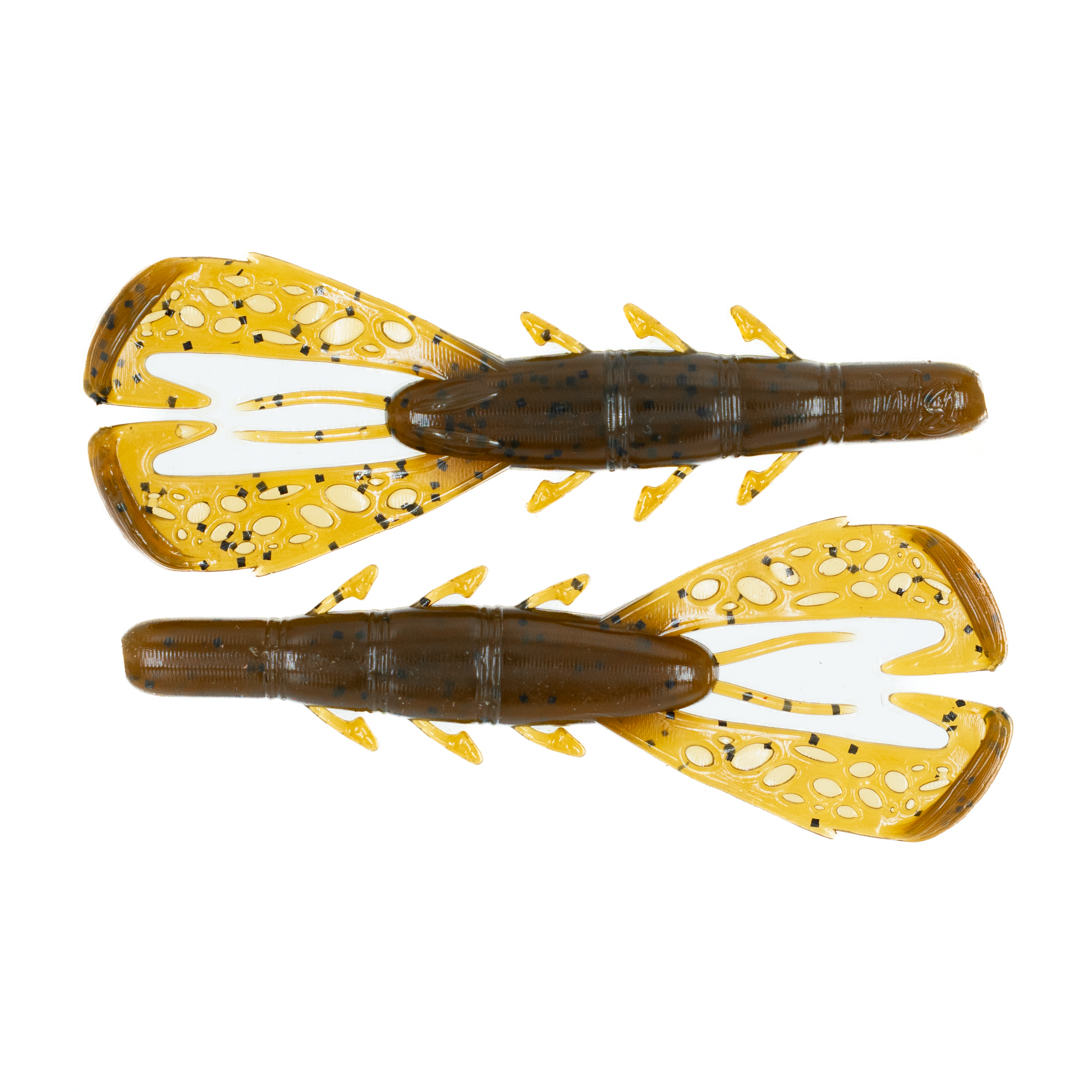
Jerkbaits and finesse plastics on the rock, drop shots and small worms at depth in summer, and moving baits on rocky banks in autumn. Clear water rewards natural colours and light line. Our full bait lineup covers the range.
Are the facilities good?
Yes. A variety of parks, campgrounds and marinas surround the lake, which makes a weekend trip easy to organise. Springfield is under an hour south for anything else.
Light Line, Windy Water
Clear water asks for finesse presentations and light line; an open reservoir asks you to cast them into wind. Level Rods builds spinning models that load properly into a breeze and protect thin line when a smallmouth decides to leave.
Tournament Winning Baits & Gear
Designed, crafted and tested by anglers who fish clear water every week. Free shipping on orders over $75.
Shop All Baits