
Stick Marsh Farm 13 Bass Fishing Guide
Stick Marsh Bass Fishing, Season by Season
Sixty-five hundred acres of flooded farmland in Indian River County that became world famous almost the moment it filled. Stick Marsh has been catch and release since the start, and three and a half decades later it is still one of the densest bass populations in Florida.
Farmland That Became a Legend
The St. Johns Water Management Area — known to every angler who fishes it as the Stick Marsh or Farm 13 — is a 6,500-acre impoundment in northwest Indian River County, on Florida's east coast. Water flowed over the interior levees and filled a marsh full of standing trees, brush and old fruit trees, and FWC stocked the result with gamefish. It became world renowned as a premier trophy bass fishery almost immediately after impoundment in 1991.
Depths run four to eight feet. The structure is agricultural: levees, berms, and a numbered ditch system left from the property's farming past. Ditch 7 and Ditch 13 come up in conversation the way named points come up on a natural lake. The north flow-way, known locally as the back lot, has grown in with cattails and is a good place to start on a windy day or out of a kayak.
The catch-and-release rule has been in place since around 1990 and it is the whole story. The original intent was a naturally reproducing fishery, and everyone involved concluded that protecting the gamefish was the way to keep it producing. It worked. Fed by fertile agricultural runoff, the bass here grow fast, and the reservoir has carried a biomass figure of roughly eight hundred pounds of fish per acre with better than a third of that being largemouth.
In 2023 FWC and the St. Johns River Water Management District ran the first drawdown in the reservoir's history, lowering the water about four feet to stimulate submersed plant growth and re-establish native emergent vegetation. Over 131,000 bulrush and 40,000 spatterdock plants went in across the southern end, laid out east to west to act as a natural wave break for the shallow water there. That offshore bulrush line is now established cover in its own right.
A Critical Wildlife Area sits within the reservoir, providing nesting and roosting habitat for imperiled waterbirds including roseate spoonbills and tricolored herons. You will see them.
Practical notes: there is a double-lane concrete ramp, an airboat launch, restrooms and paved parking, and no gas, food or bait on site. Numerous manmade and natural hazards mean unfamiliar boaters should navigate with real caution, and GPS is strongly recommended.
Ditches, Berms and the Back Lot
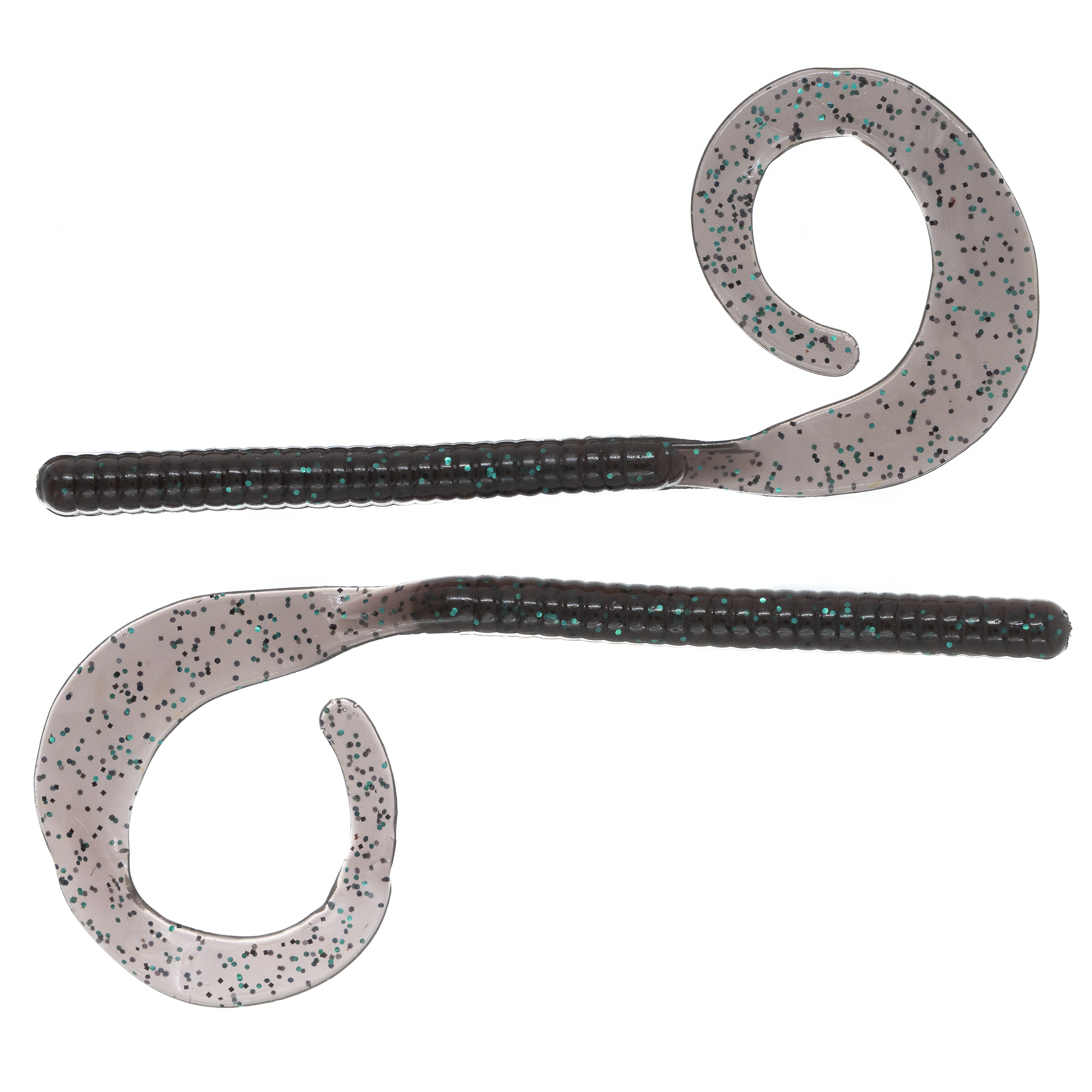
Four patterns cover the year. Each one pairs the technique with the baits we'd actually tie on.
Vegetation at the South End
Spring concentrates fish on the vegetated habitat at the southern end of the reservoir, which is where the 2023 planting work went in. The established bulrush line and spatterdock give spawning fish the cover and the wave protection they need on water this shallow. Cattails through the back lot hold fish too.


Early, Late, and After the Storm
Summer is a low-light game. The best bite is morning or evening, and the local knowledge worth having is that a calm cool evening after the day's thunderstorms have moved through can be the best window of the day. Fish hold on the vegetated south end, the central ditches along the levee, and on top of the underwater berms near deeper water.




Schooling on the Structure
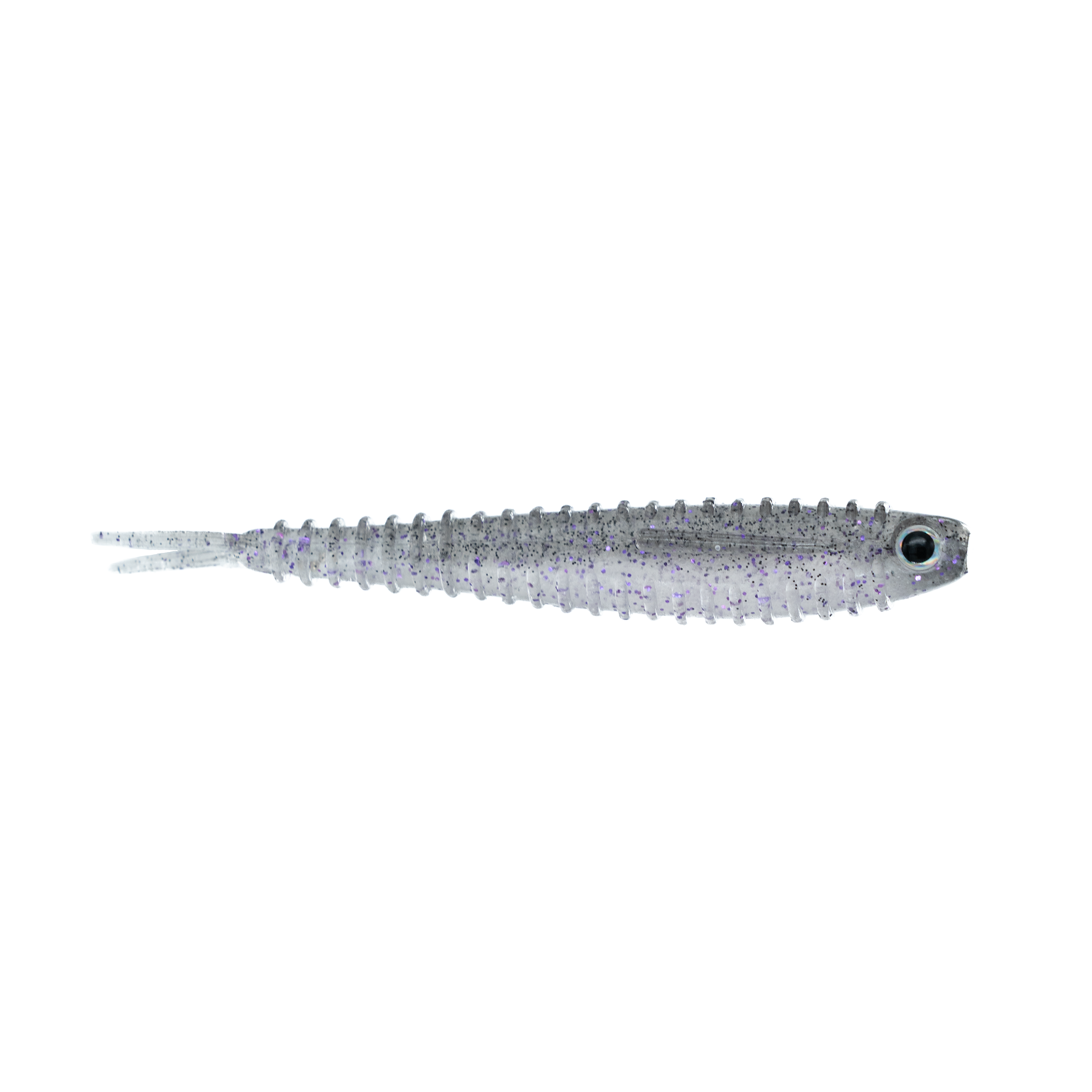
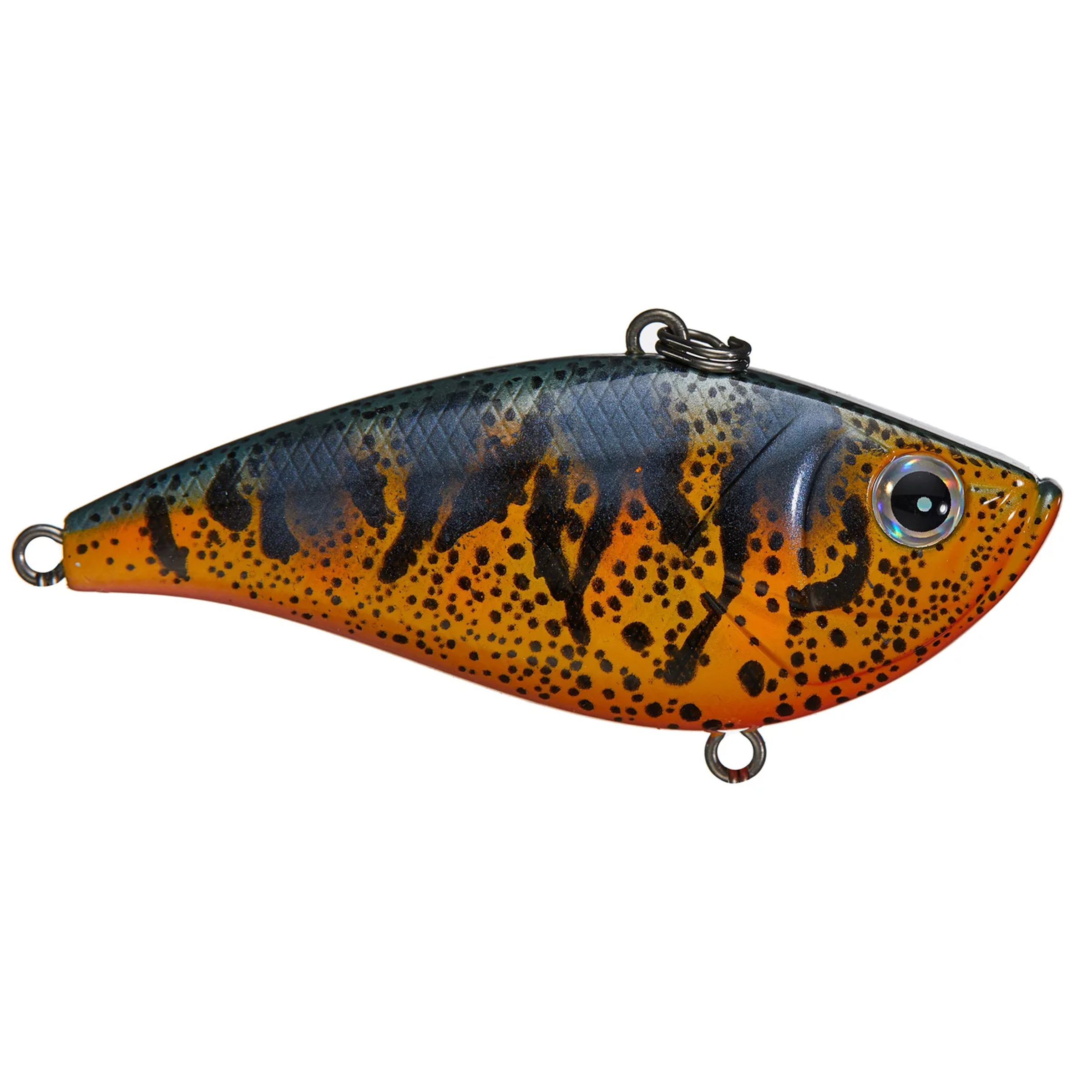
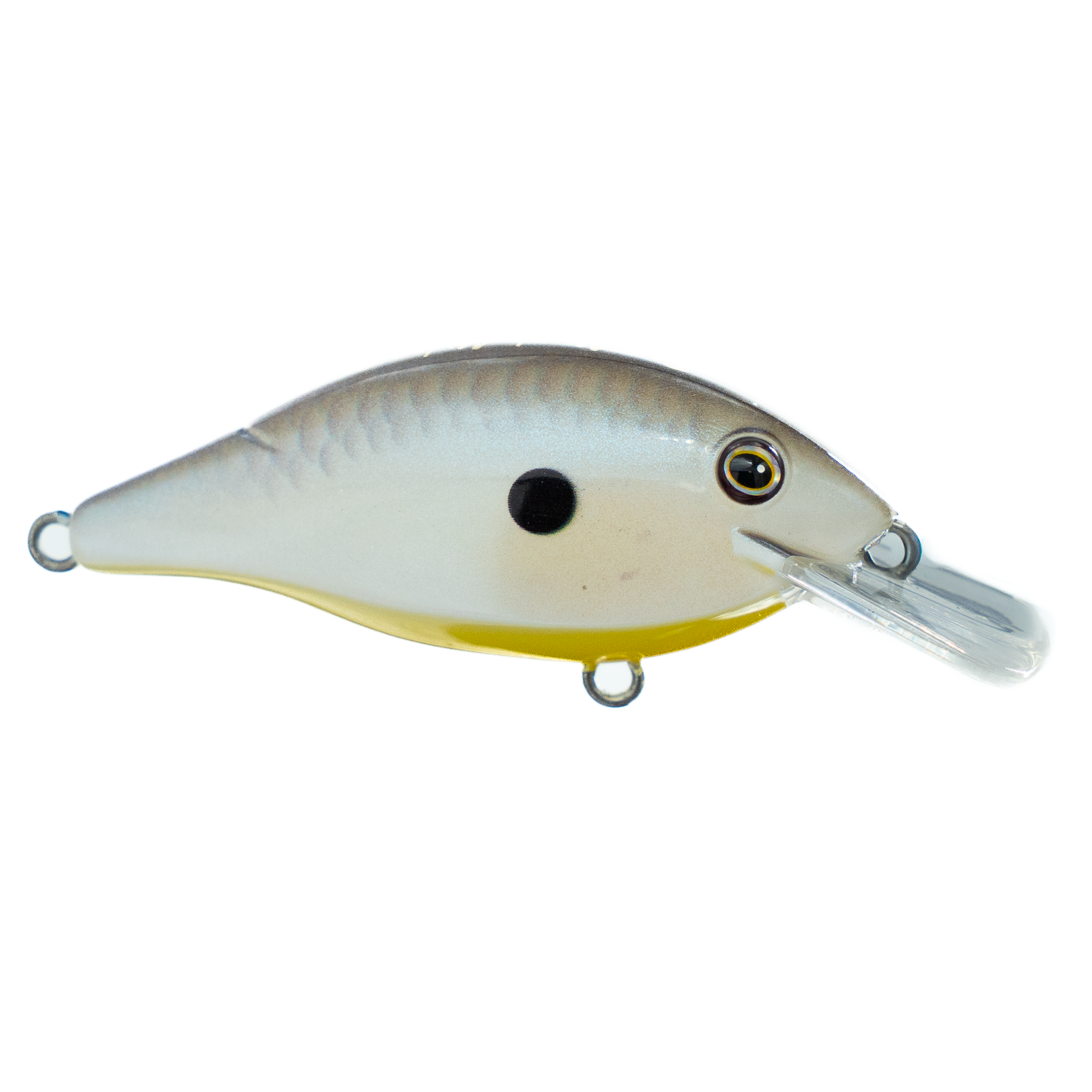
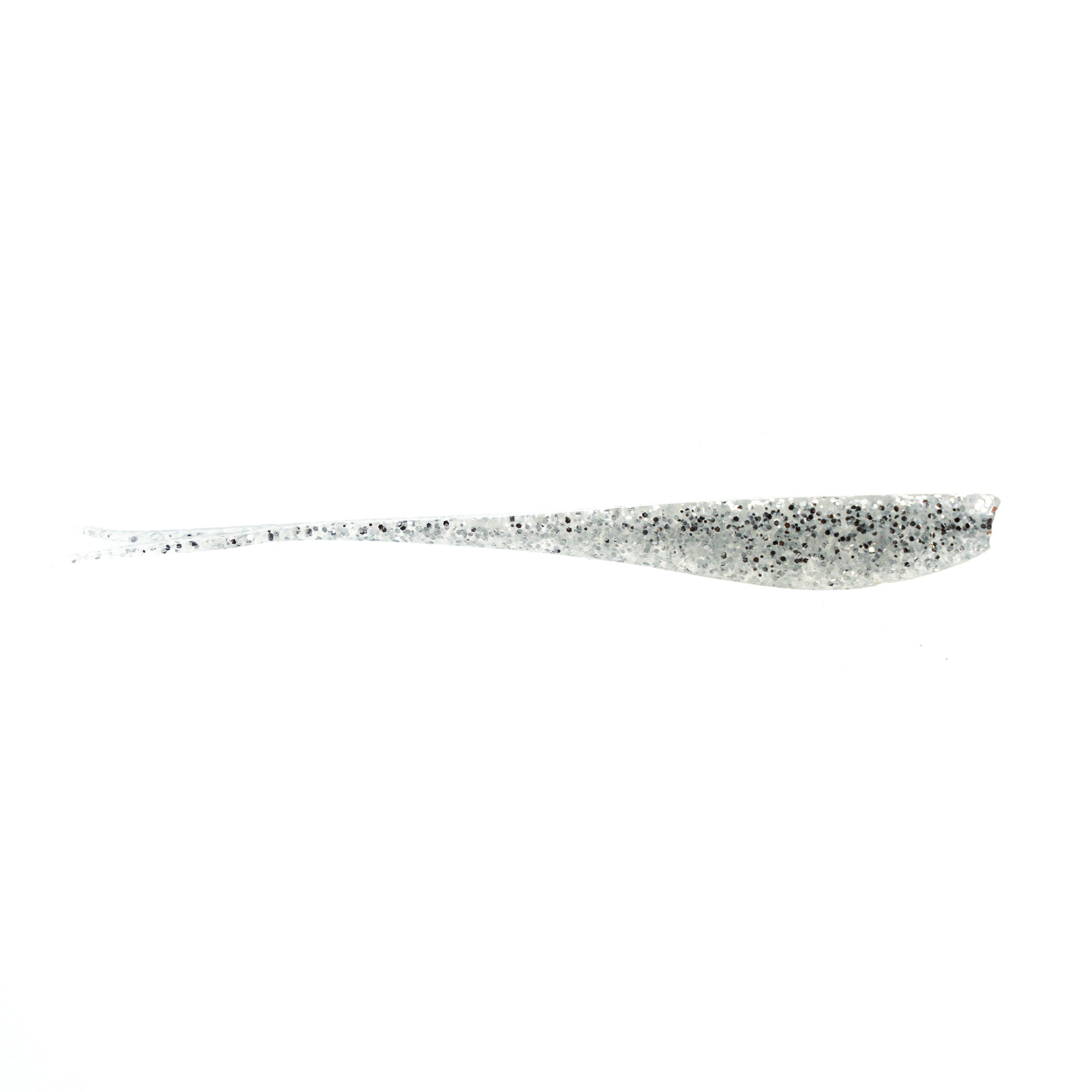
Autumn has the bass grouping up to feed on baitfish over the berms, ditches and structural edges. The geometry helps here in the same way it does at Headwaters — straight, defined features that hold fish predictably and can be fished end to end rather than searched for.
Deeper Cuts and the Best Average Size
Winter drops the crowds and raises the average fish. Prespawn females stage on the deeper structure adjacent to the southern spawning areas, and the ditch system gives them somewhere to sit when a front comes through. Crappie anglers work Ditch 7, Ditch 13, the drop-offs of the secondary drainage ditches and the fish attractors at the same time.


Stick Marsh / Farm 13 Access
The St. Johns Water Management Area boat ramp serves Stick Marsh — a double-lane concrete ramp with an airboat launch, restroom and paved parking. There is no gas, food or bait on site. The Thomas O. Lawton Recreation Area ramp at Three Forks Conservation Area is the other option in the area.
The Back Lot
The north flow-way, grown in with cattails since the restoration work. FWC points bass anglers here as a starting point, and it is the right call on a windy day or from a kayak — sheltered, fishable, and productive without needing to run the open water.
The Central Ditches and Levee
The farming infrastructure that makes this reservoir fish the way it does. Numbered ditches, levee edges and underwater berms, holding fish year round and offering the deeper water bass fall back to when a front pushes through. Ditch 7 and Ditch 13 are the names you will hear most.
The South End Plantings
Where 131,000 bulrush and 40,000 spatterdock went in during the 2023 drawdown, laid out east to west as a wave break. Now established cover, and the spawning water on the reservoir. The offshore bulrush line in particular has become a feature worth fishing in its own right.
Stick Marsh / Farm 13 Bass Fishing FAQ
Can you keep bass at Stick Marsh?
No. Stick Marsh and Farm 13 are catch and release for largemouth bass, and have been since around 1990. The no-harvest rule is the reason this reservoir is noted for its bass fishing — it was put in place deliberately to protect the trophy potential, and it worked.
What is the difference between Stick Marsh and Farm 13?
They are two halves of the same impoundment, and most anglers use the names interchangeably or together. Officially the water is the St. Johns Water Management Area. The Stick Marsh name comes from the standing timber left in place when it flooded.
How is Stick Marsh different from Headwaters Lake?
They sit two miles apart in the same corner of Indian River County and are often fished on the same trip, but they are different waters. Stick Marsh flooded in 1991 over standing timber and farm infrastructure; Headwaters is newer, larger at around 10,000 acres, and had its bottom deliberately sculpted before flooding. Both are catch and release for largemouth. Additional parking for Headwaters is available at the Stick Marsh ramp.
Was there a drawdown at Stick Marsh?
Yes, in 2023 — the first ever conducted on the reservoir. Water was lowered about four feet to stimulate submersed plant growth and re-establish native emergent vegetation, and FWC planted over 131,000 bulrush and 40,000 spatterdock at the southern end at a cost of around $400,000.
How many bass are in Stick Marsh?
A great many. The reservoir has carried a fish biomass figure of roughly eight hundred pounds per acre, with about thirty-five percent of that being largemouth bass. Fertile agricultural runoff drives fast growth rates, which is why a relatively small 6,500-acre impoundment built its reputation so quickly.
Is Stick Marsh hard to navigate?
It has numerous manmade and natural hazards — standing timber, berms, levees and ditches — and anglers unfamiliar with it should navigate with real caution. GPS is strongly recommended. Depths run four to eight feet, so there is not much margin.
What baits work best at Stick Marsh?
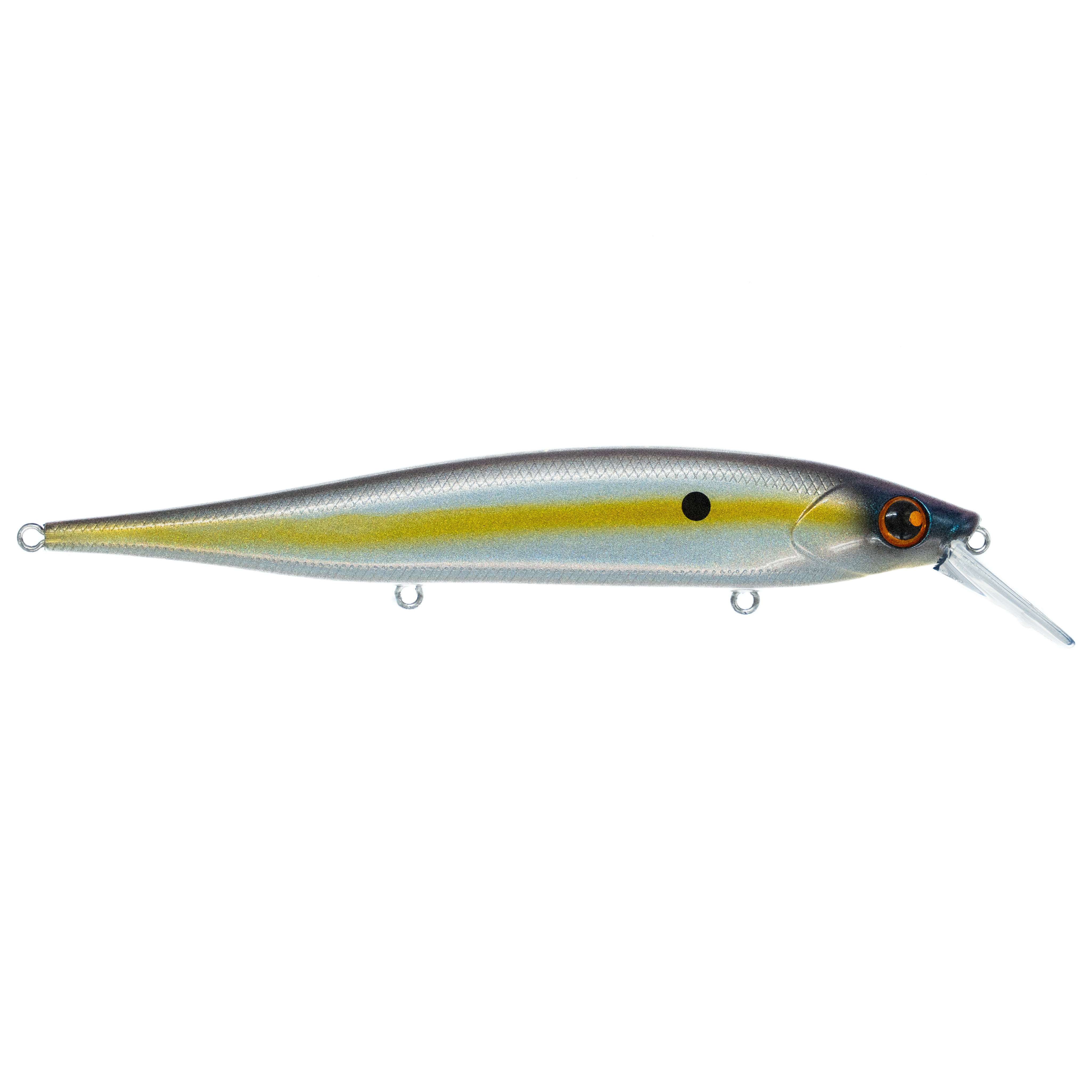
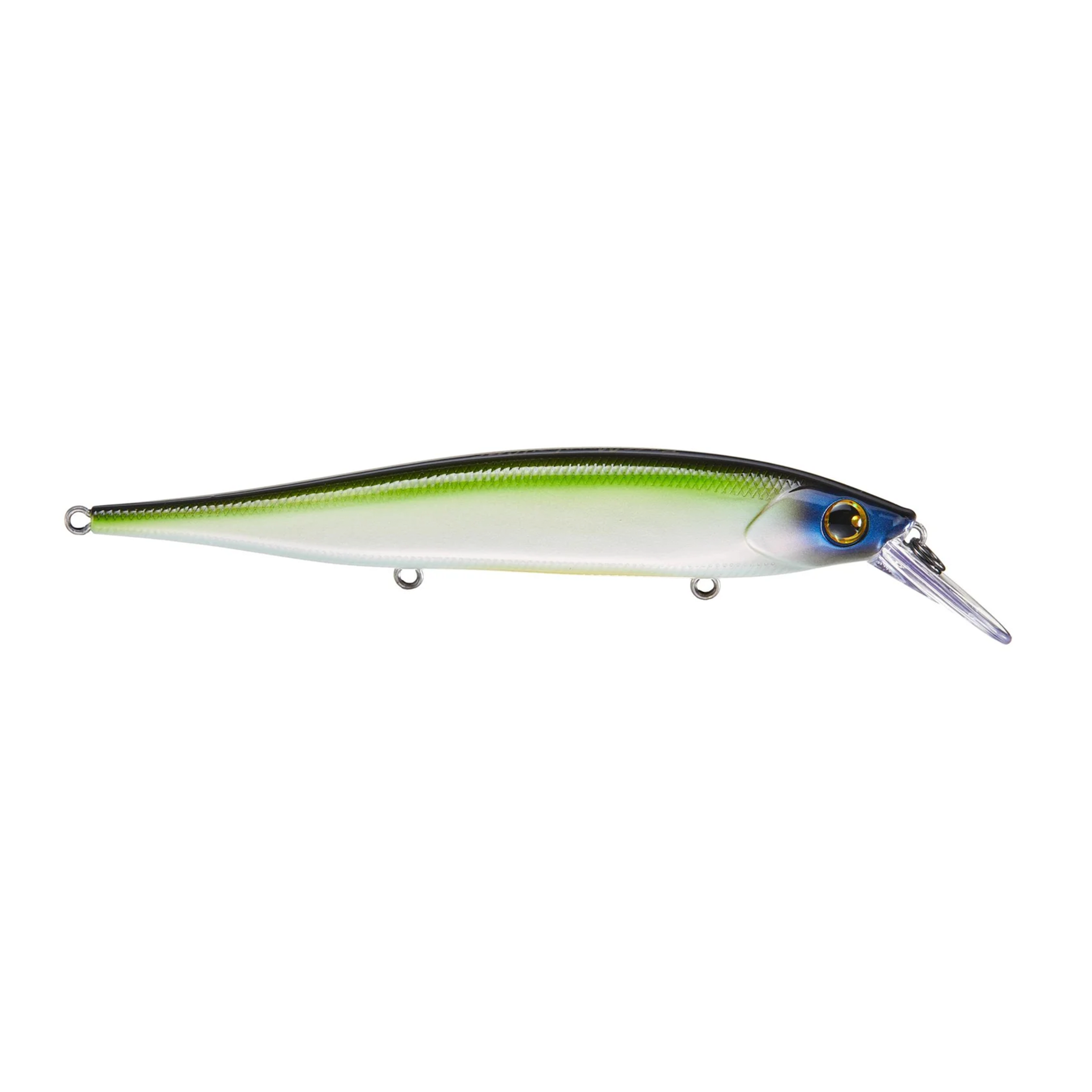
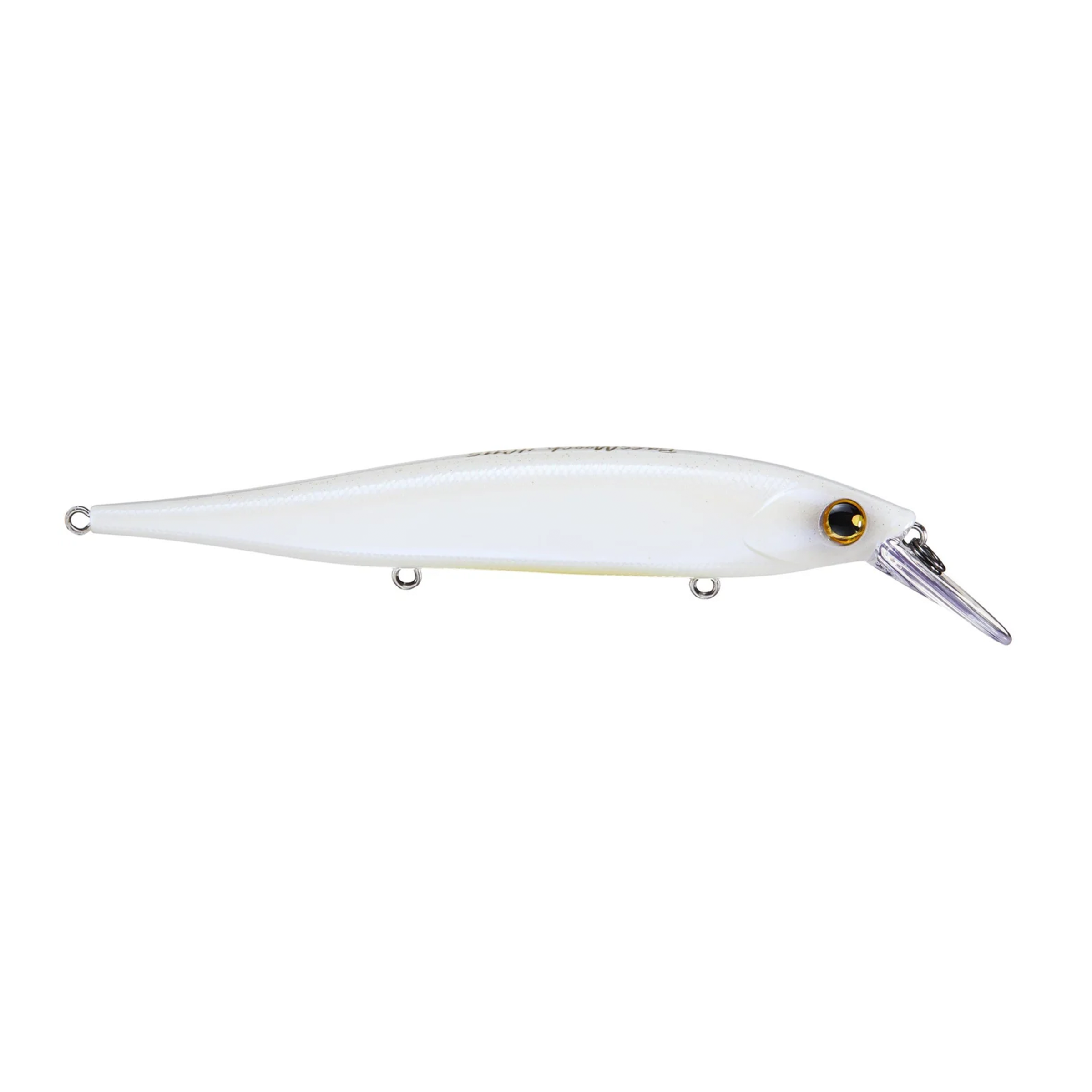
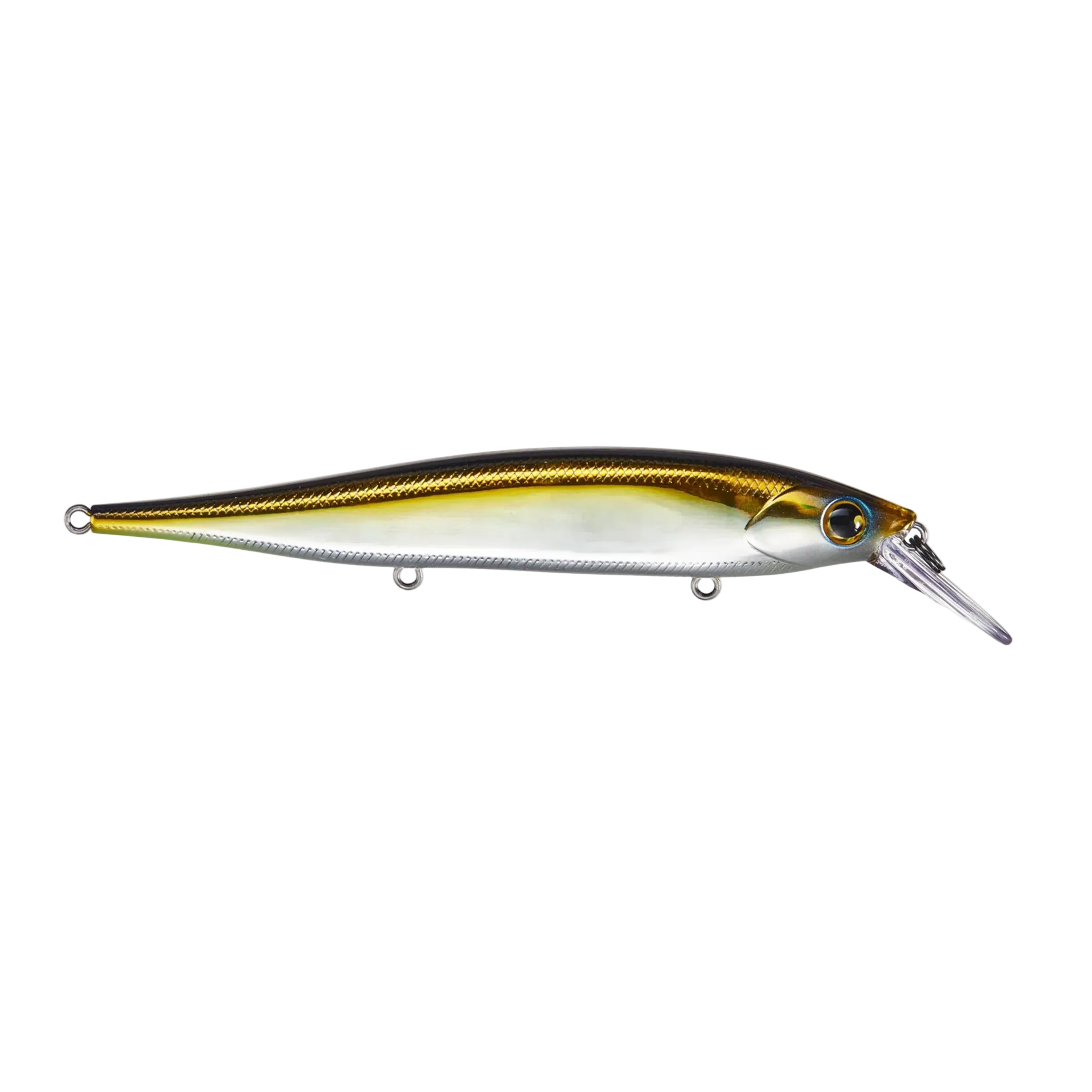
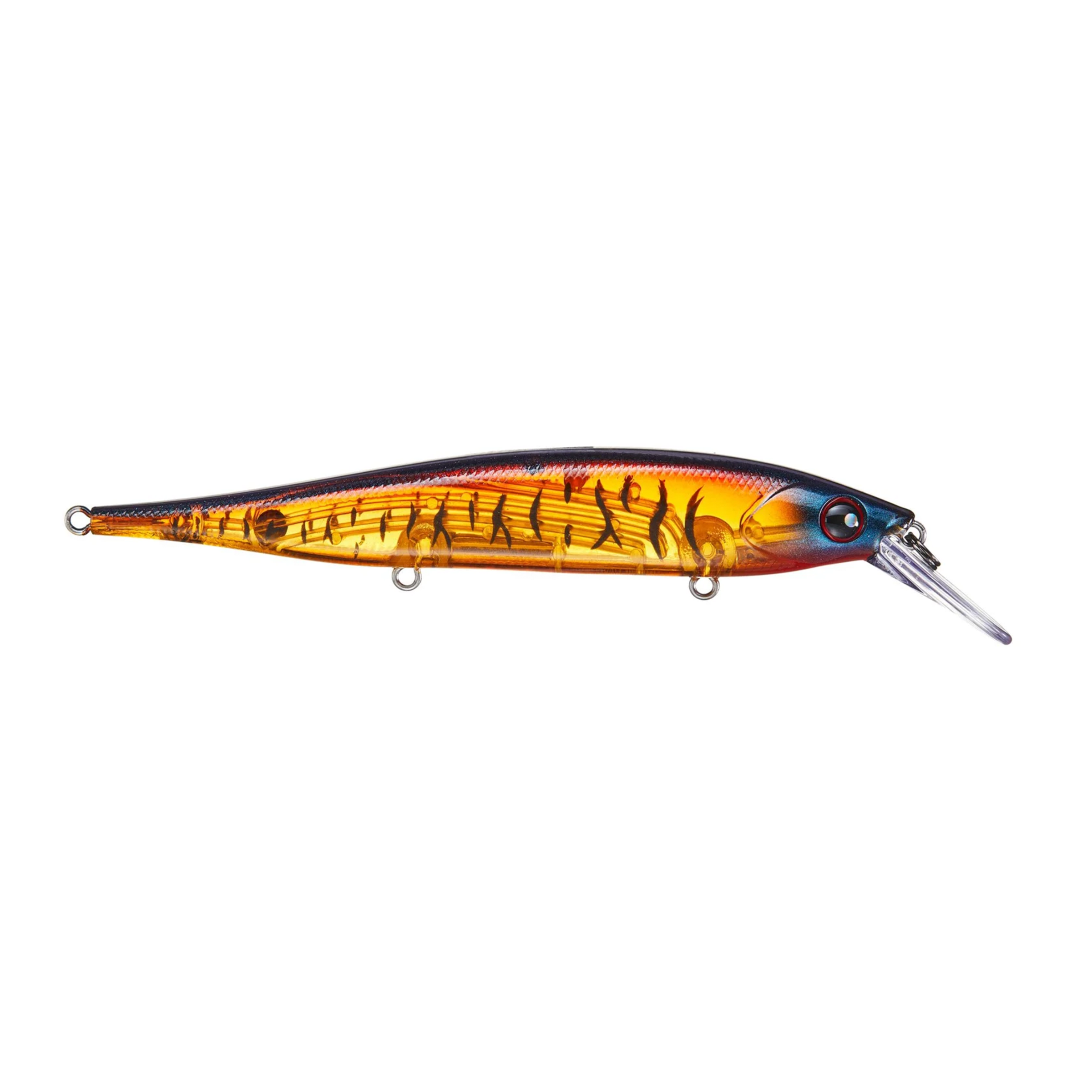
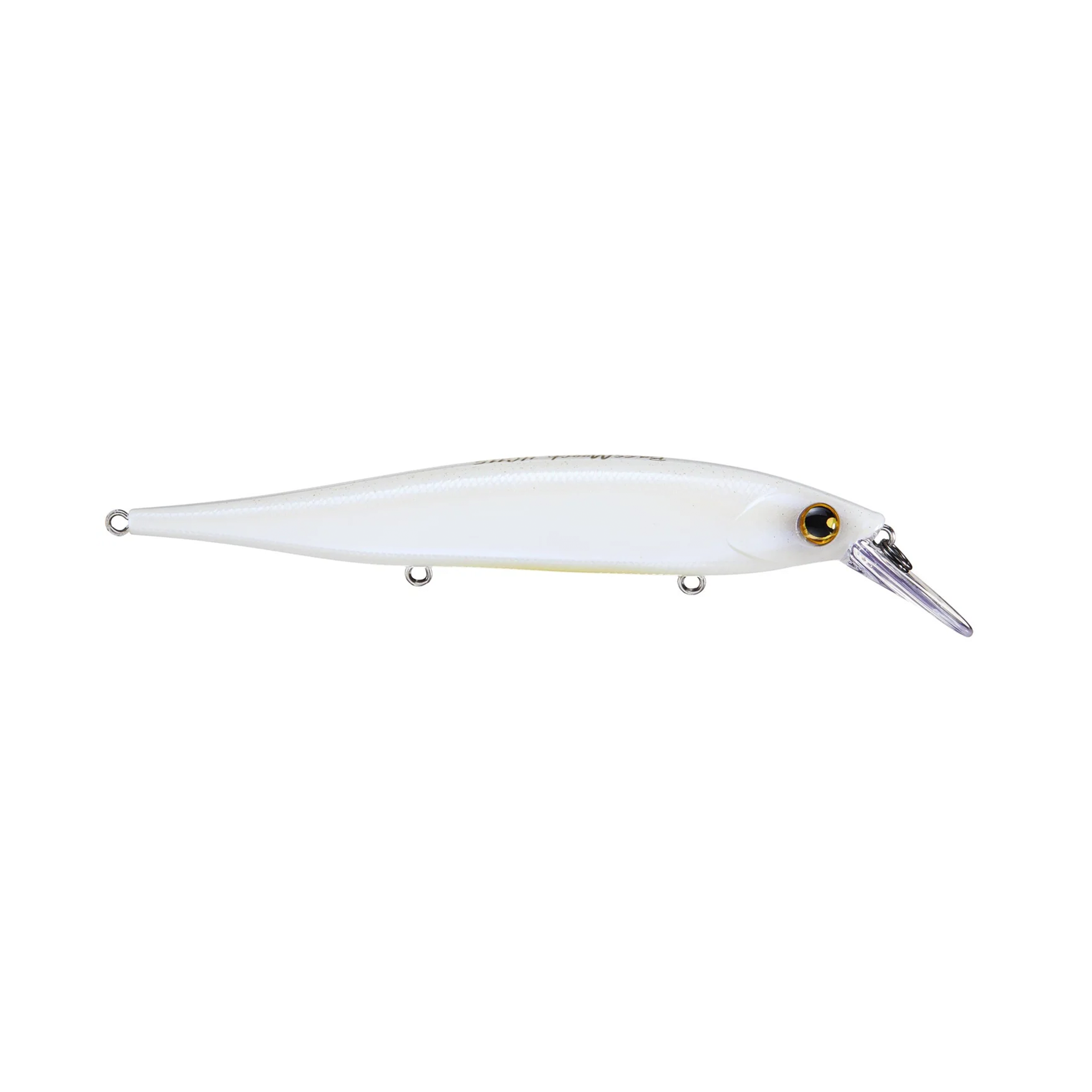
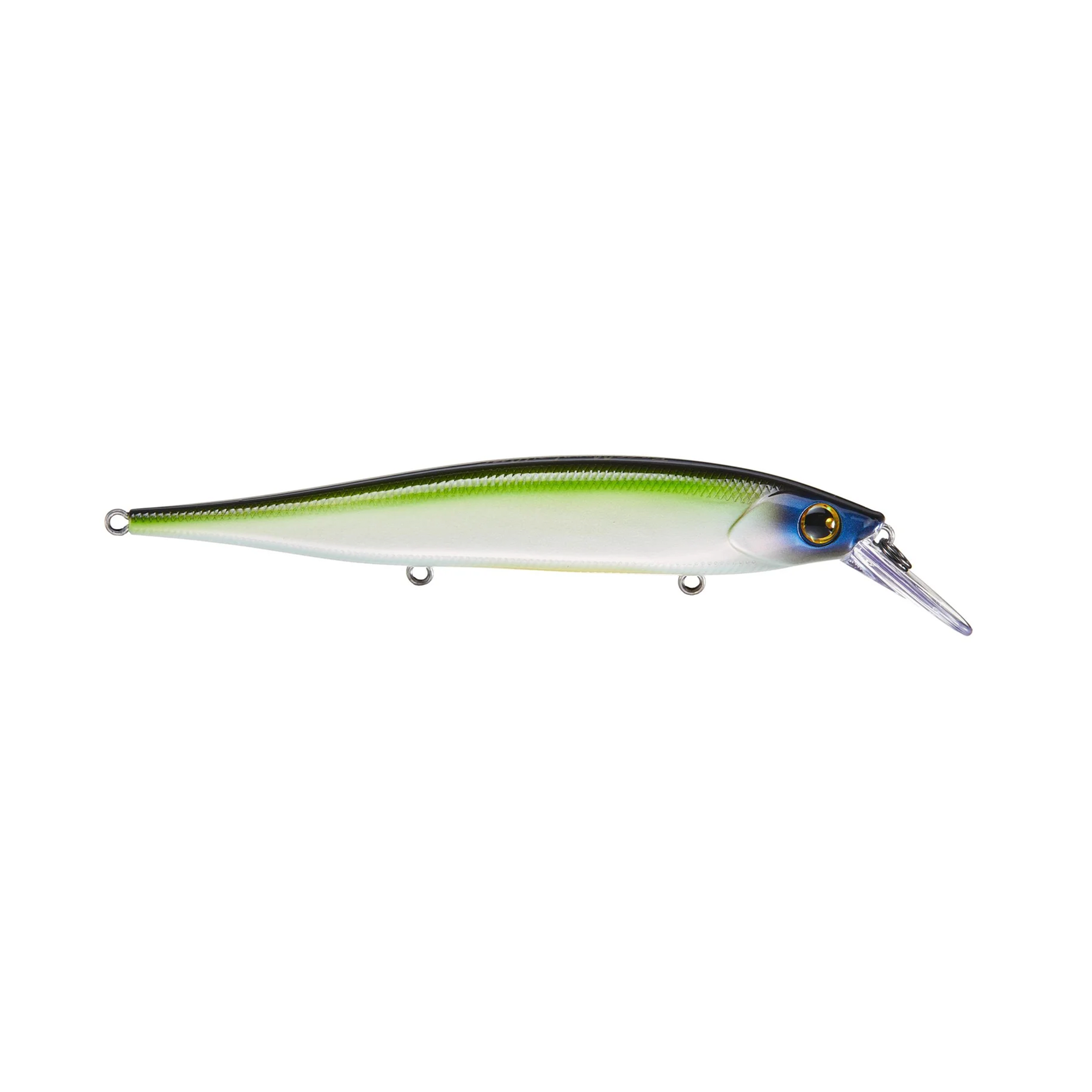
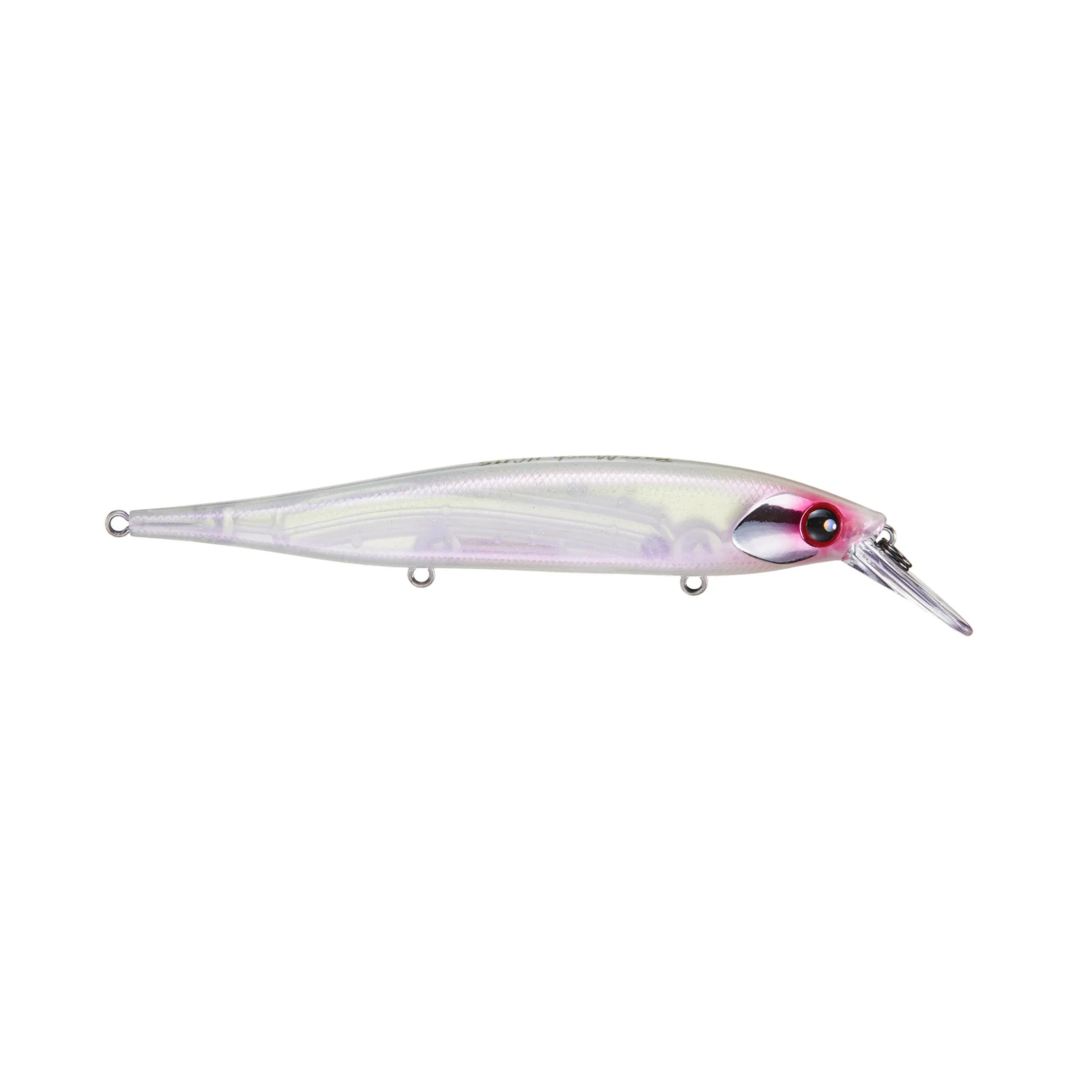
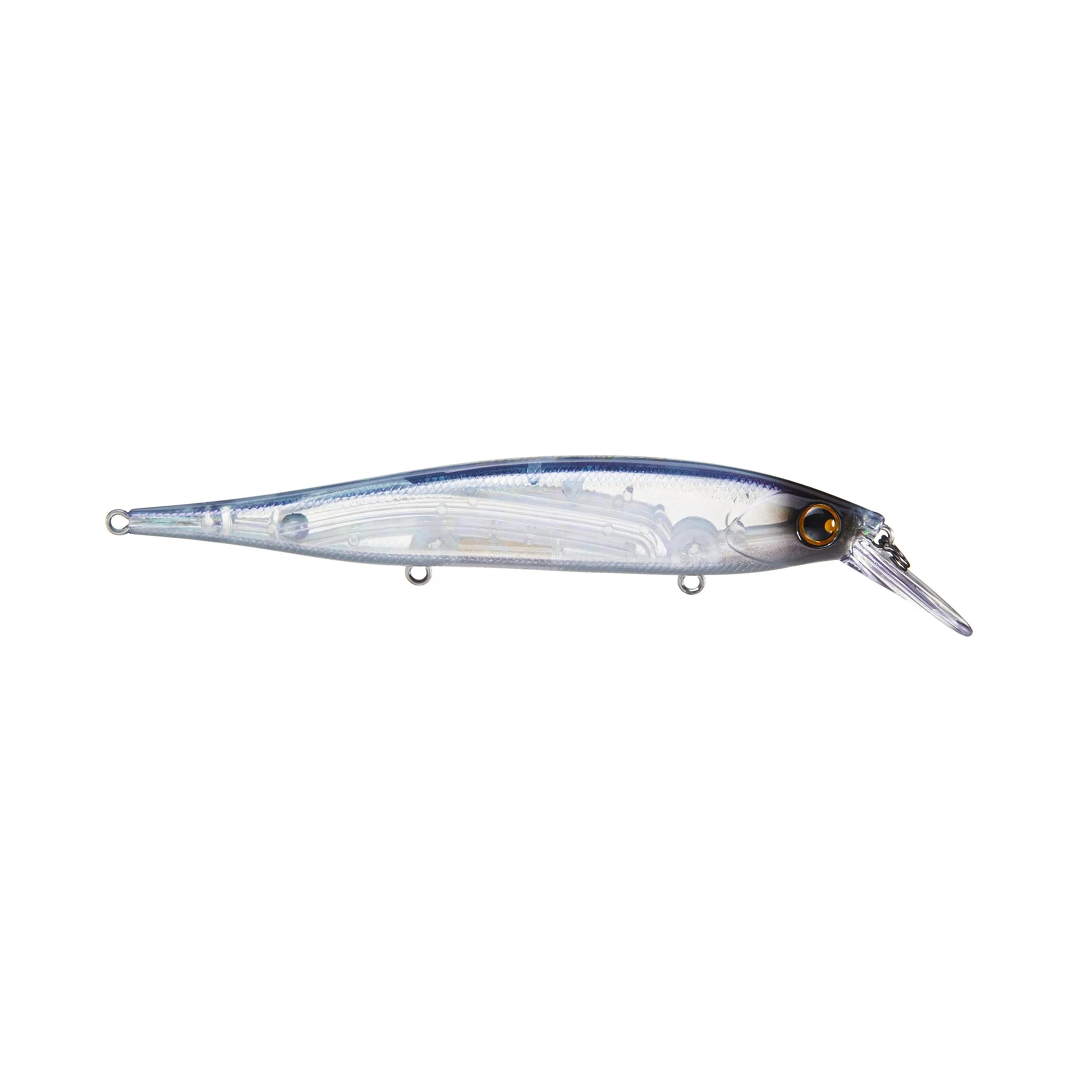
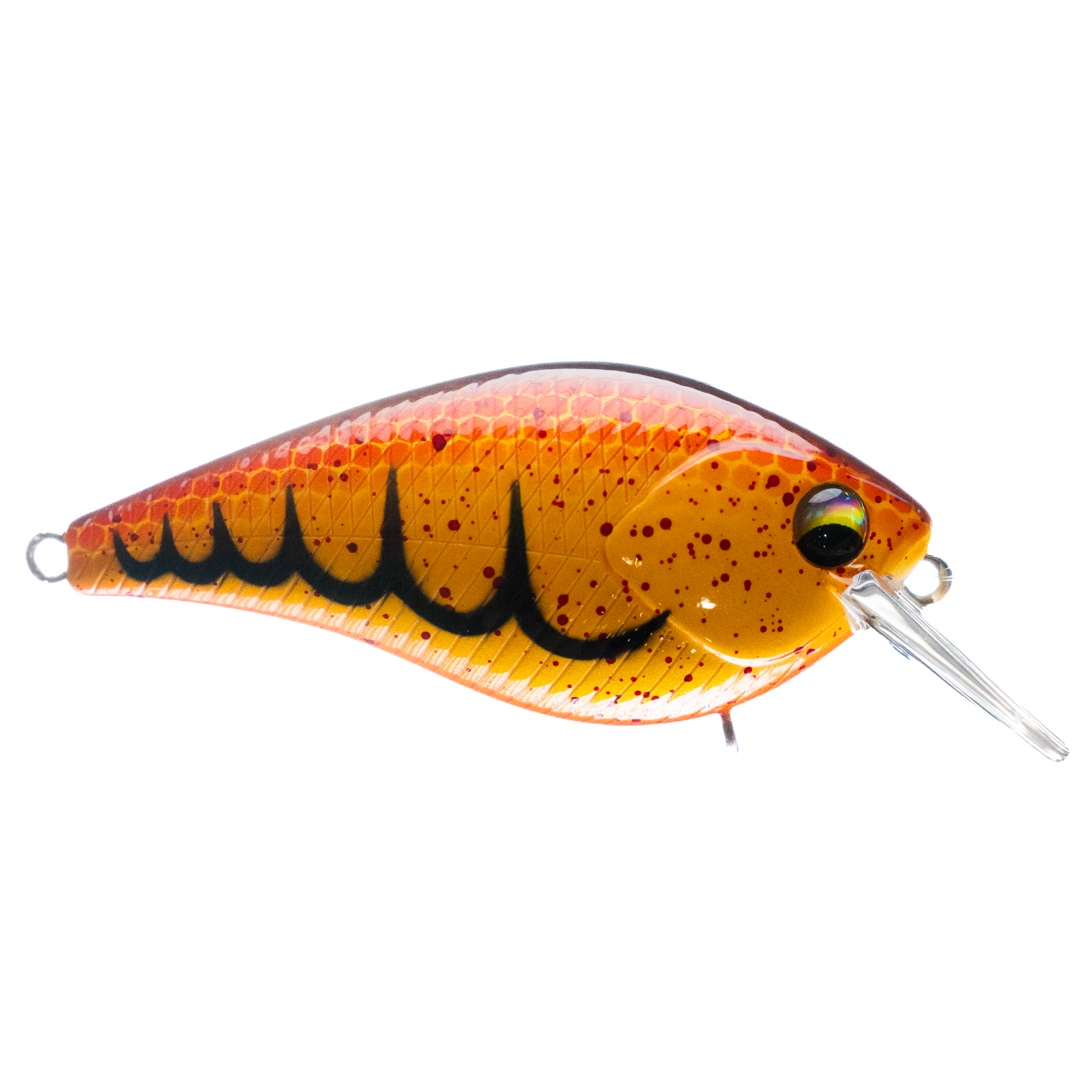
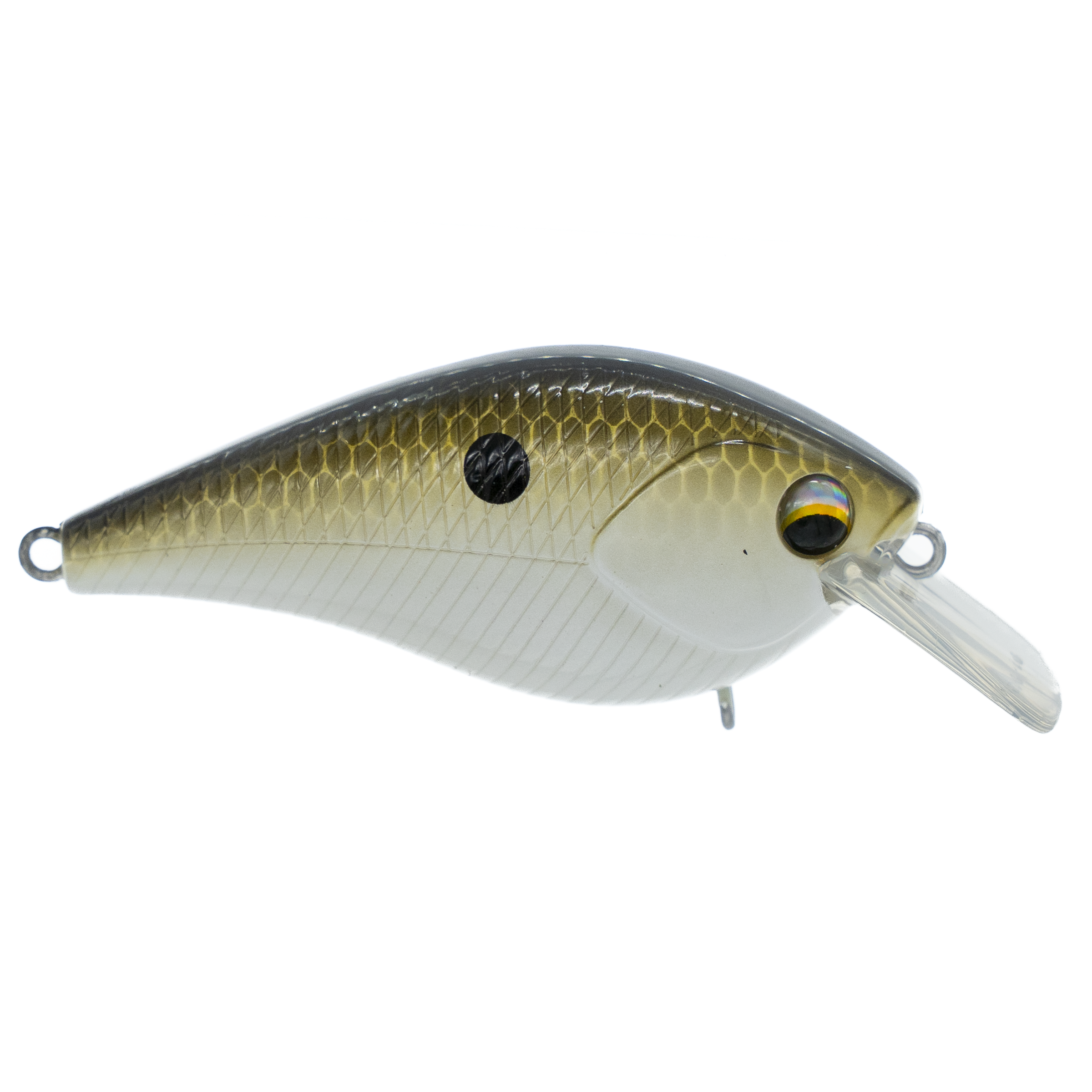
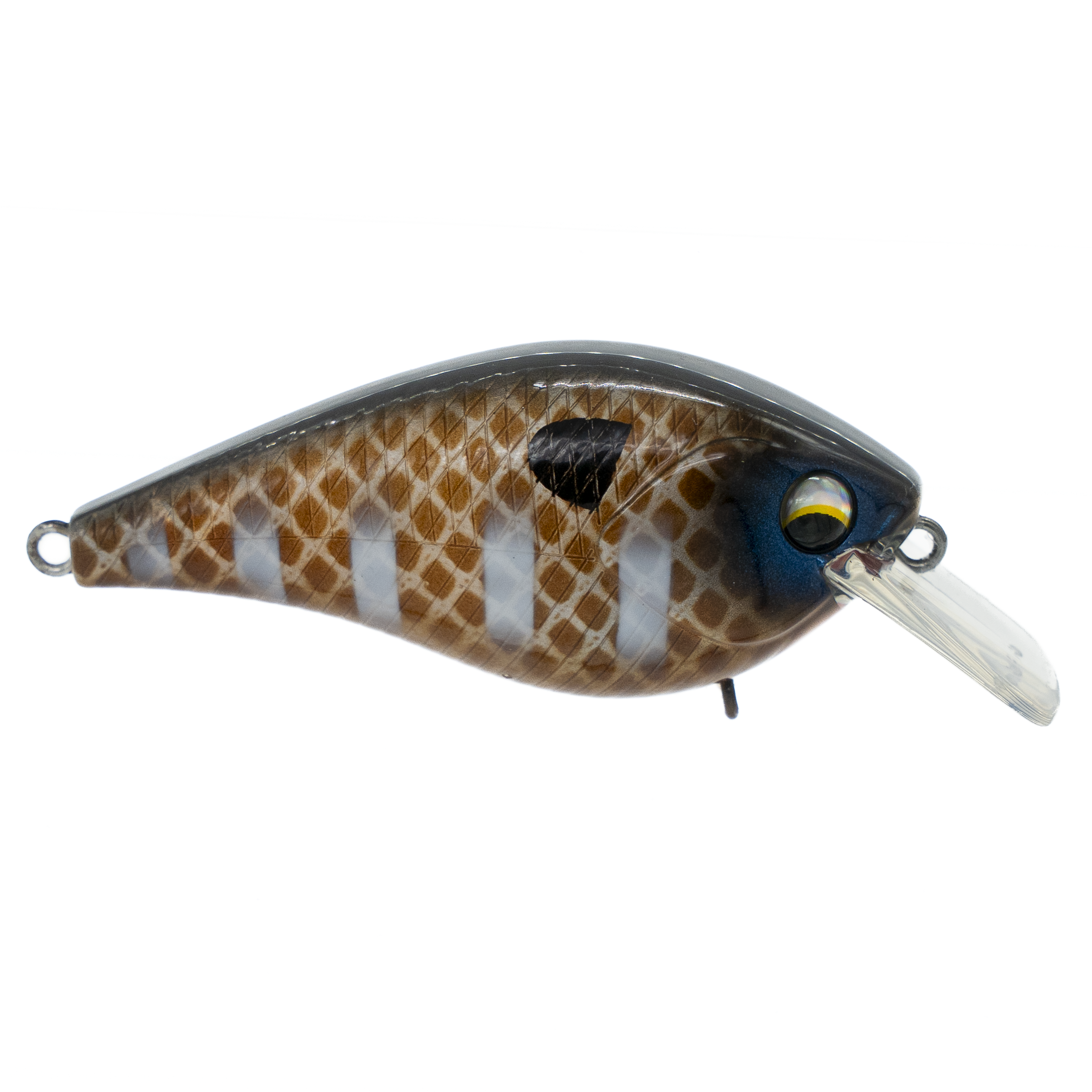
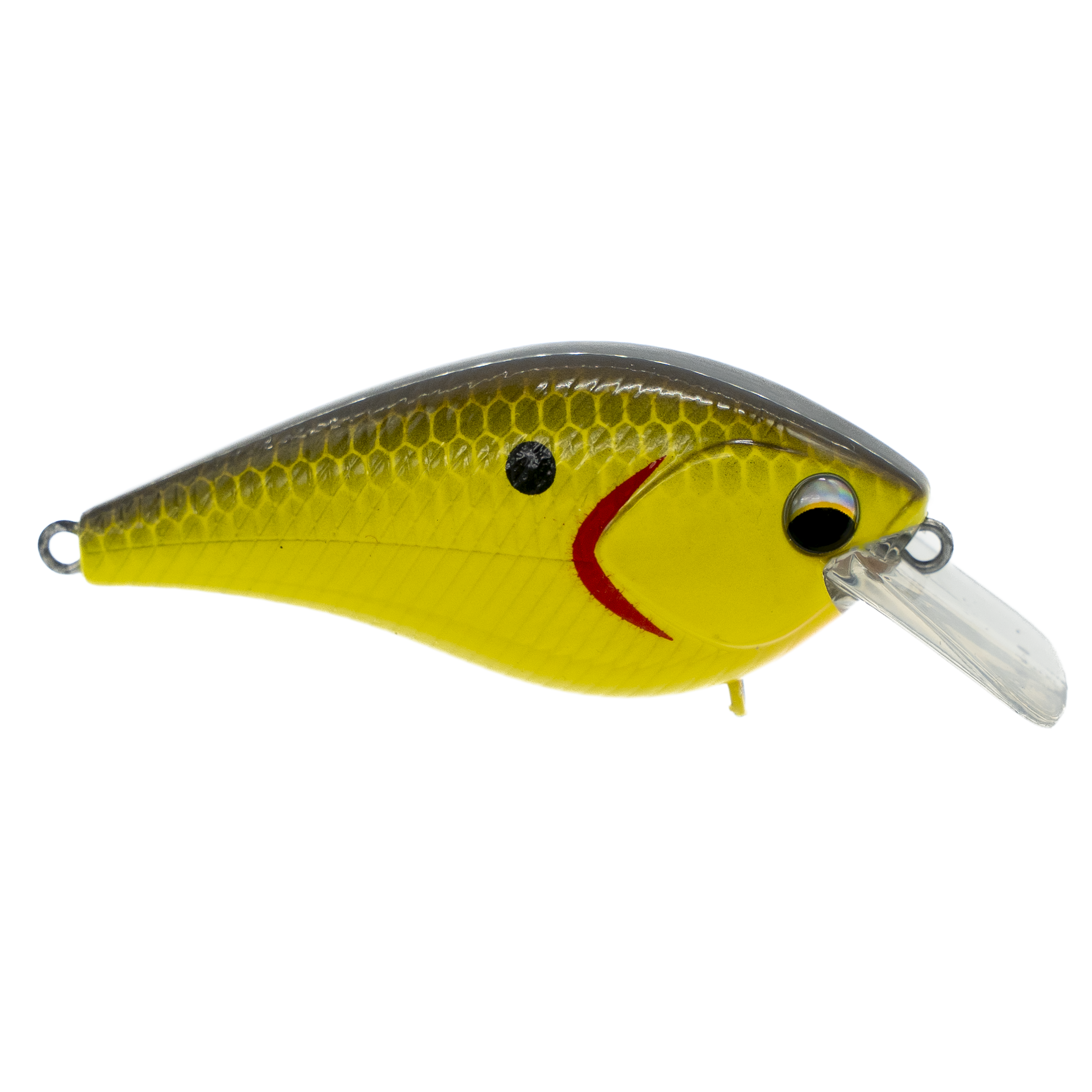
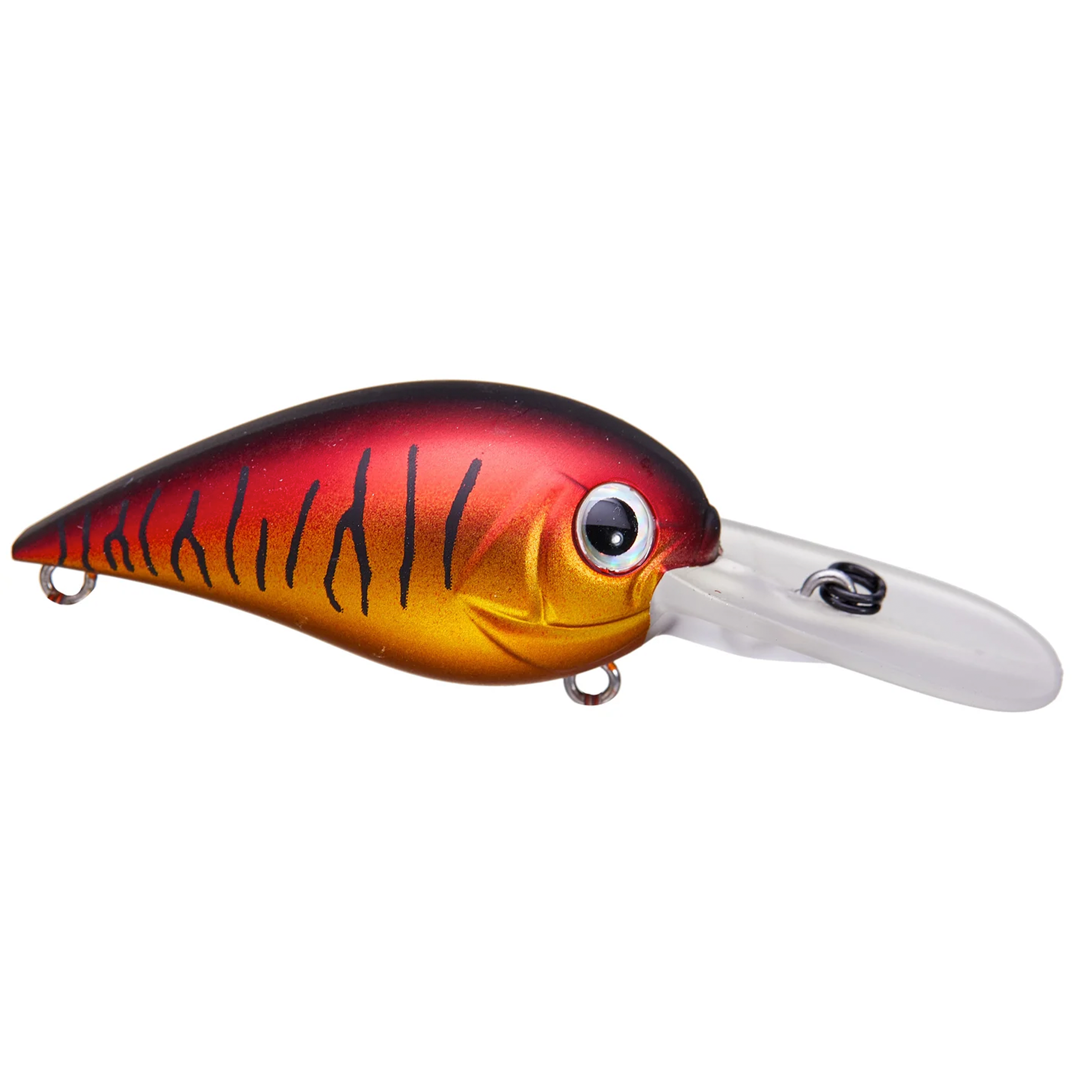
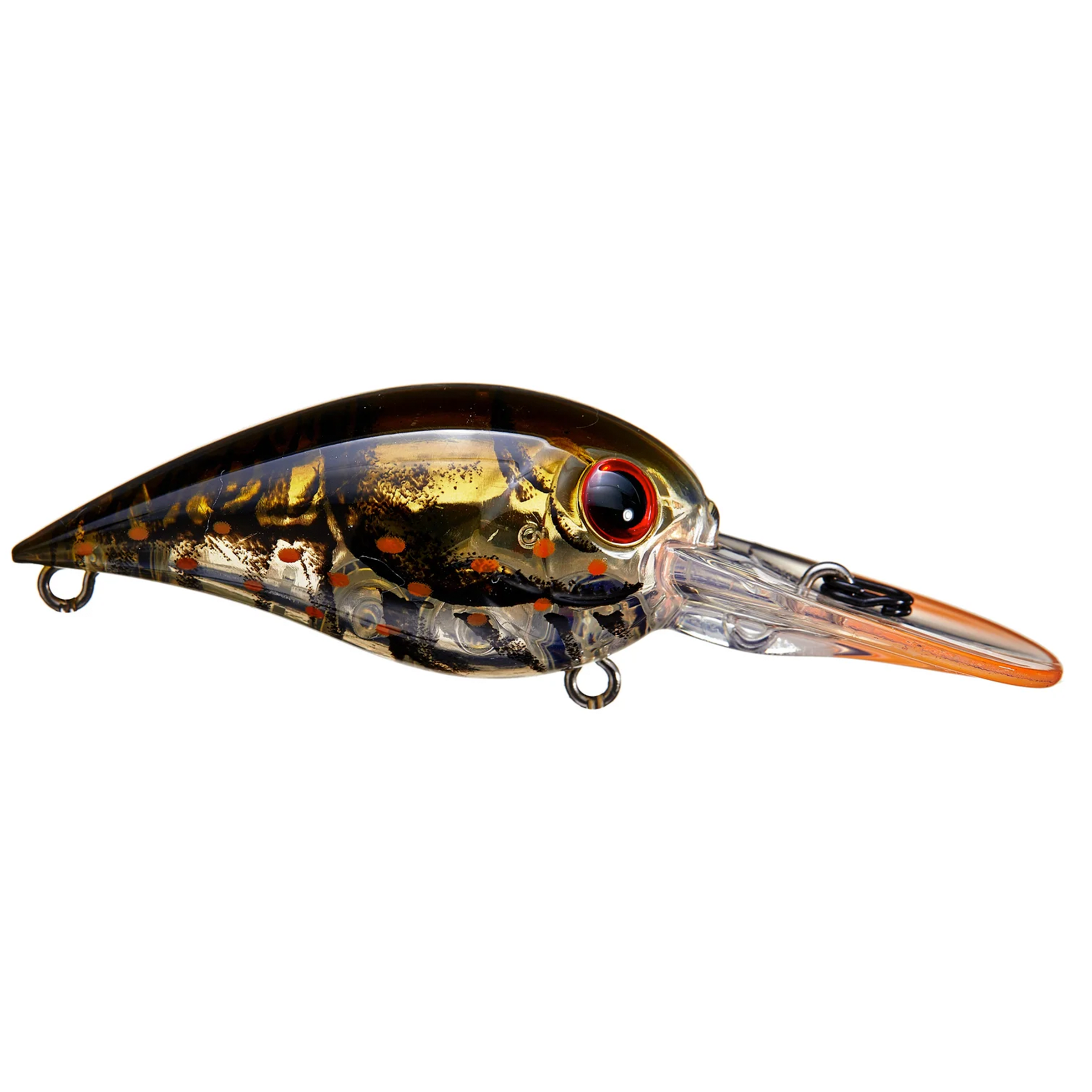
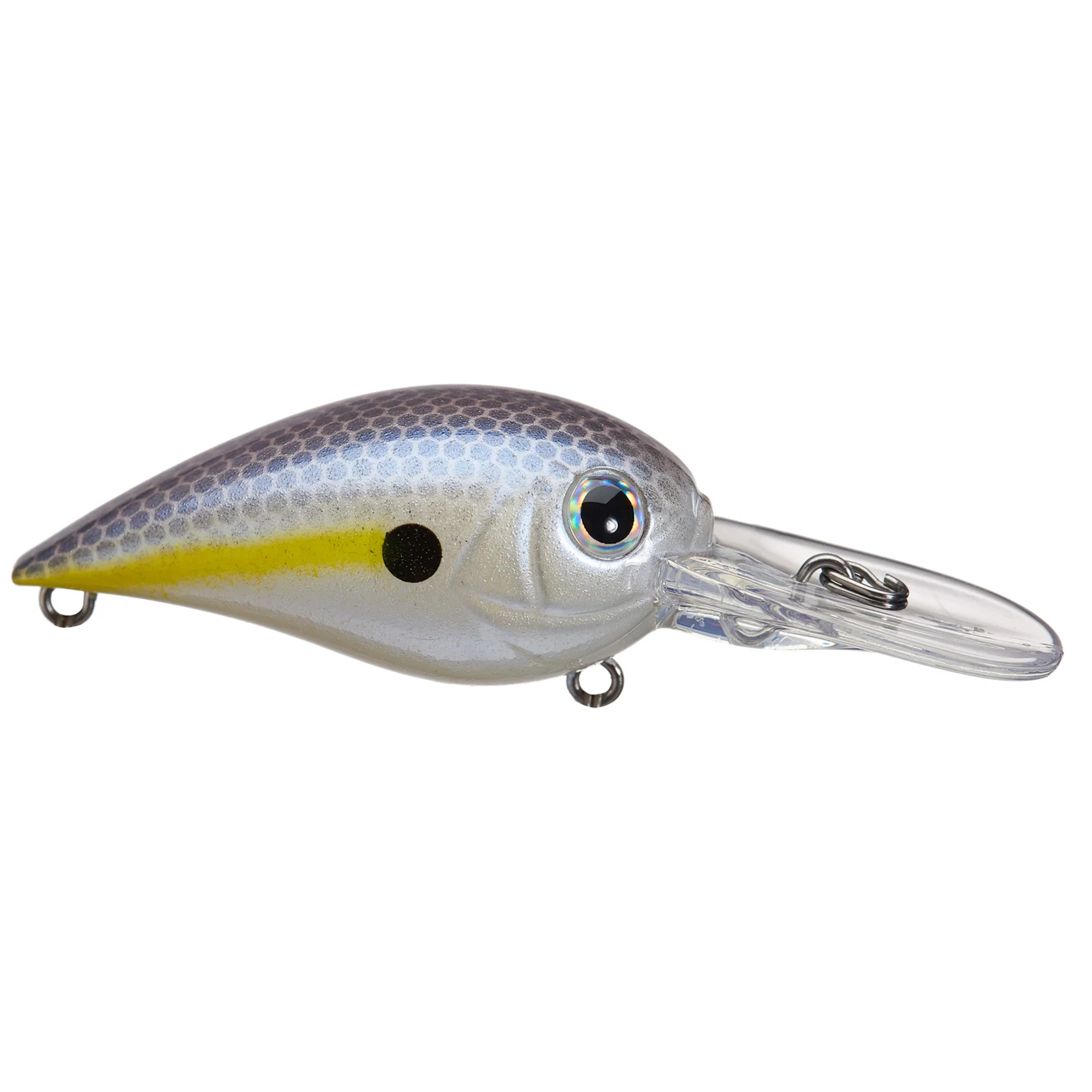
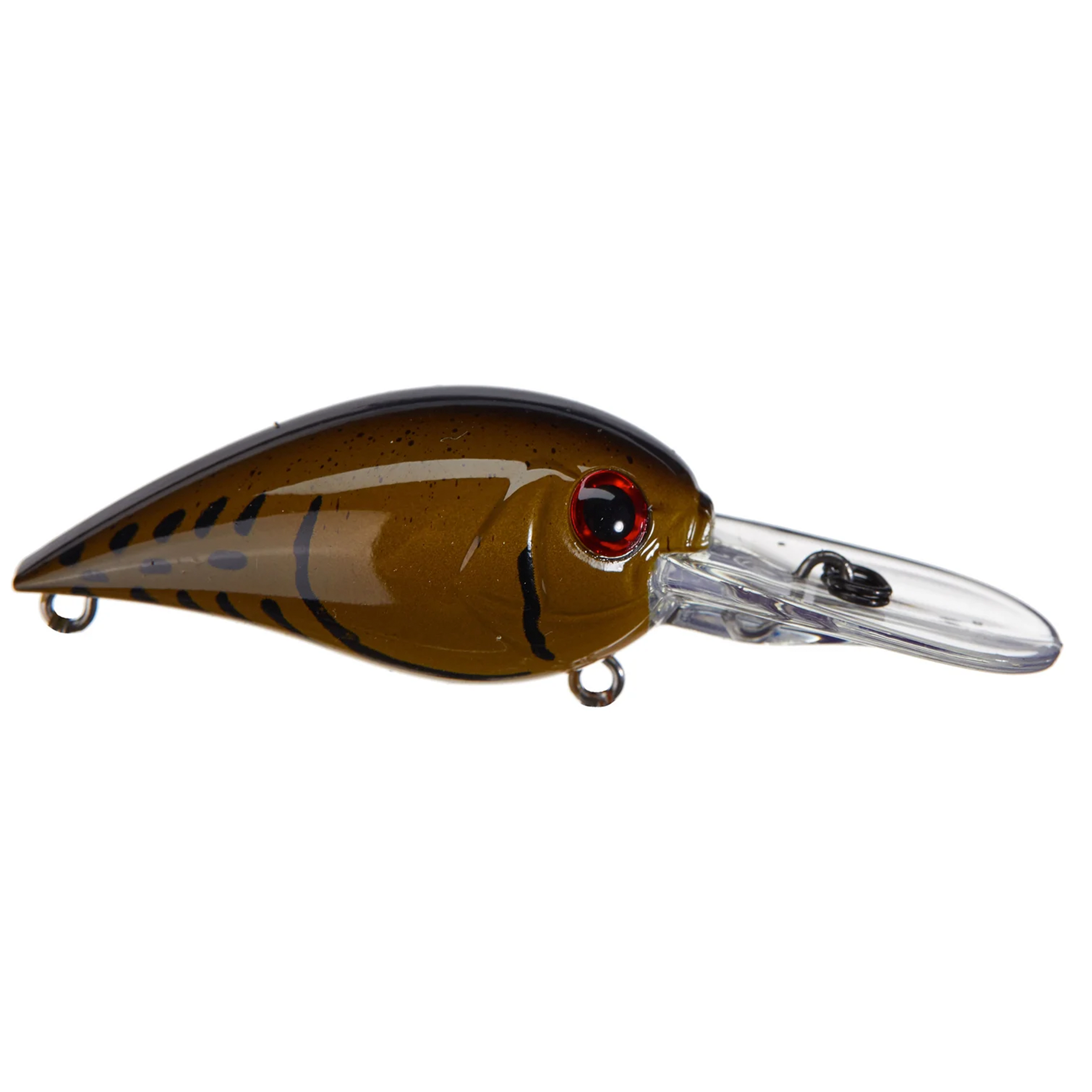
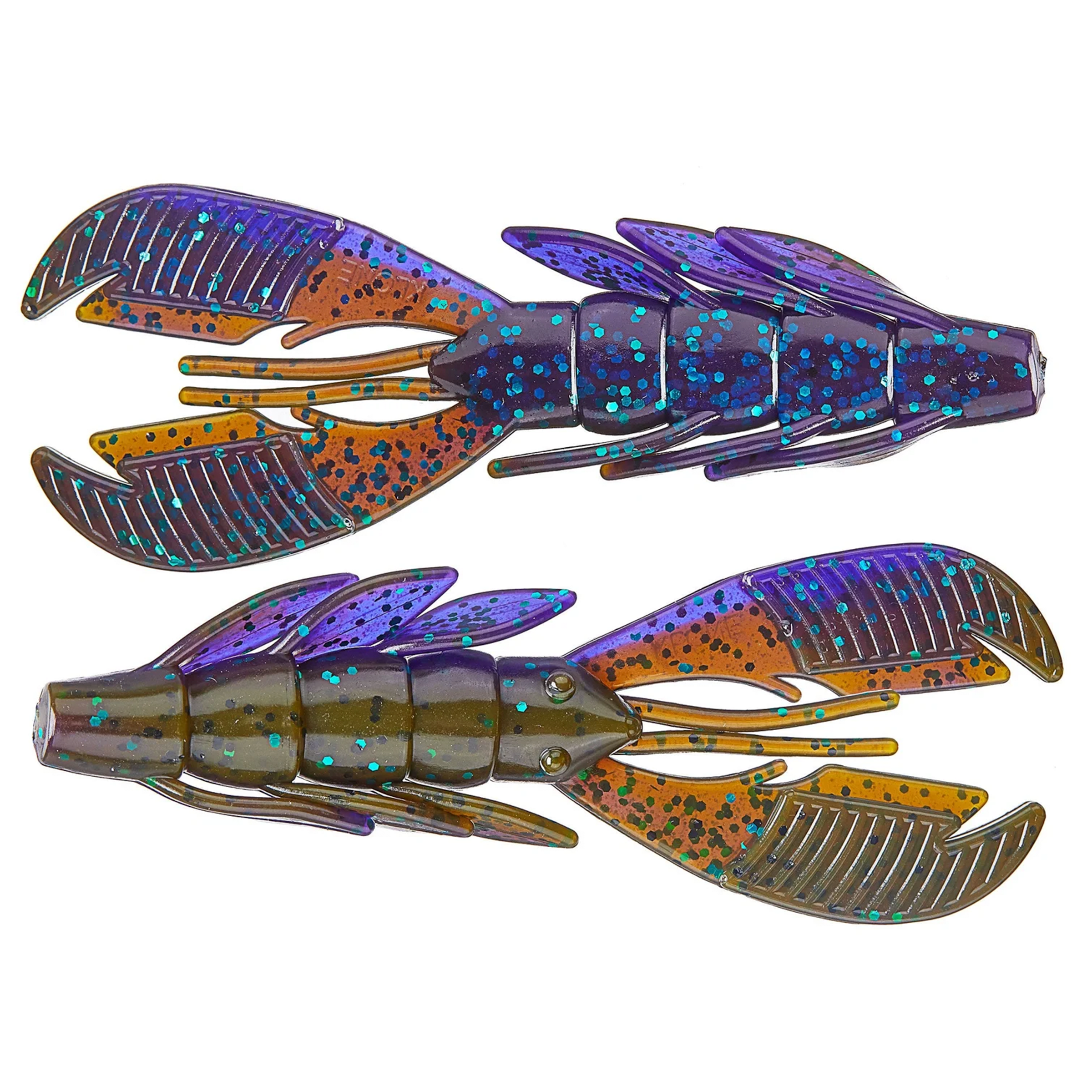
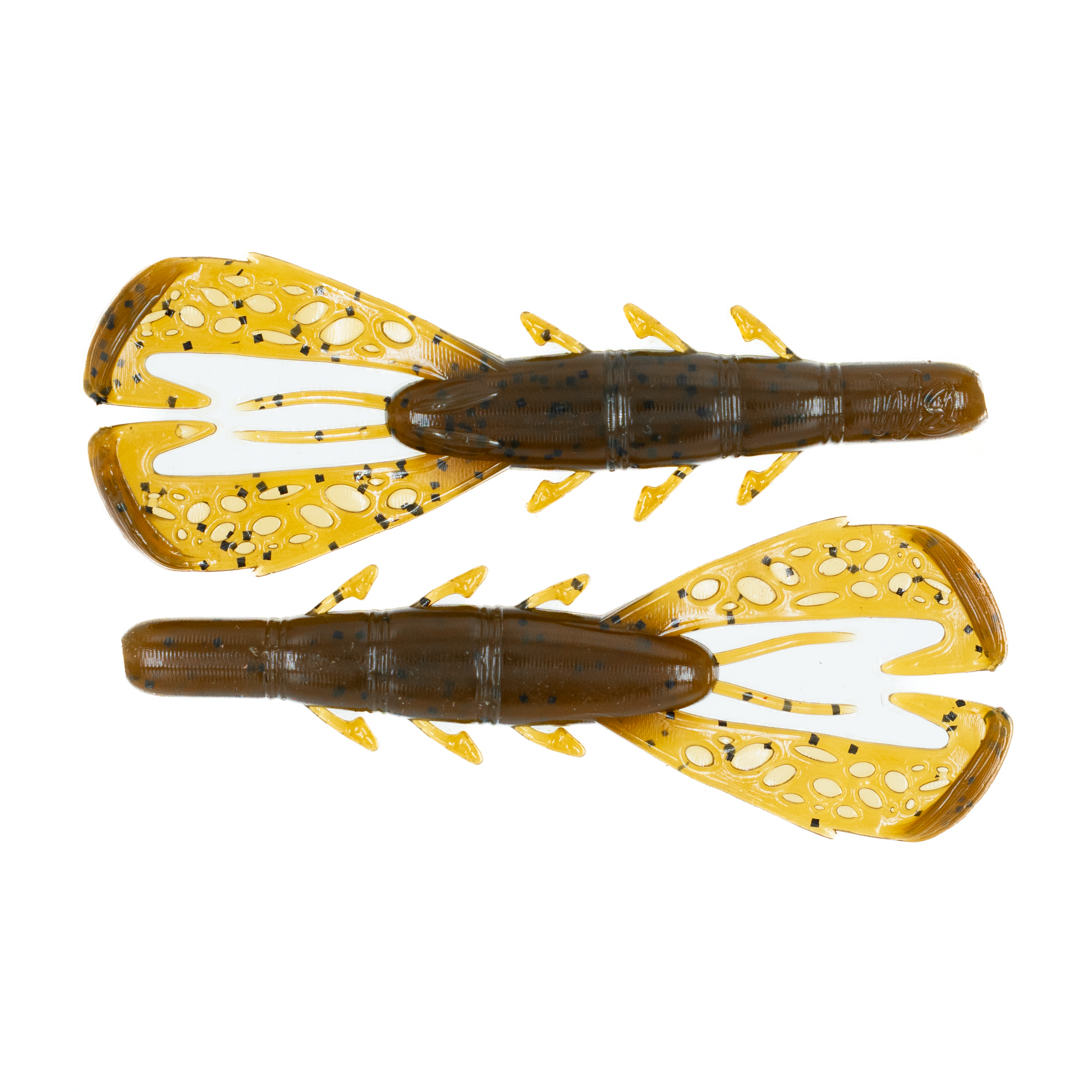
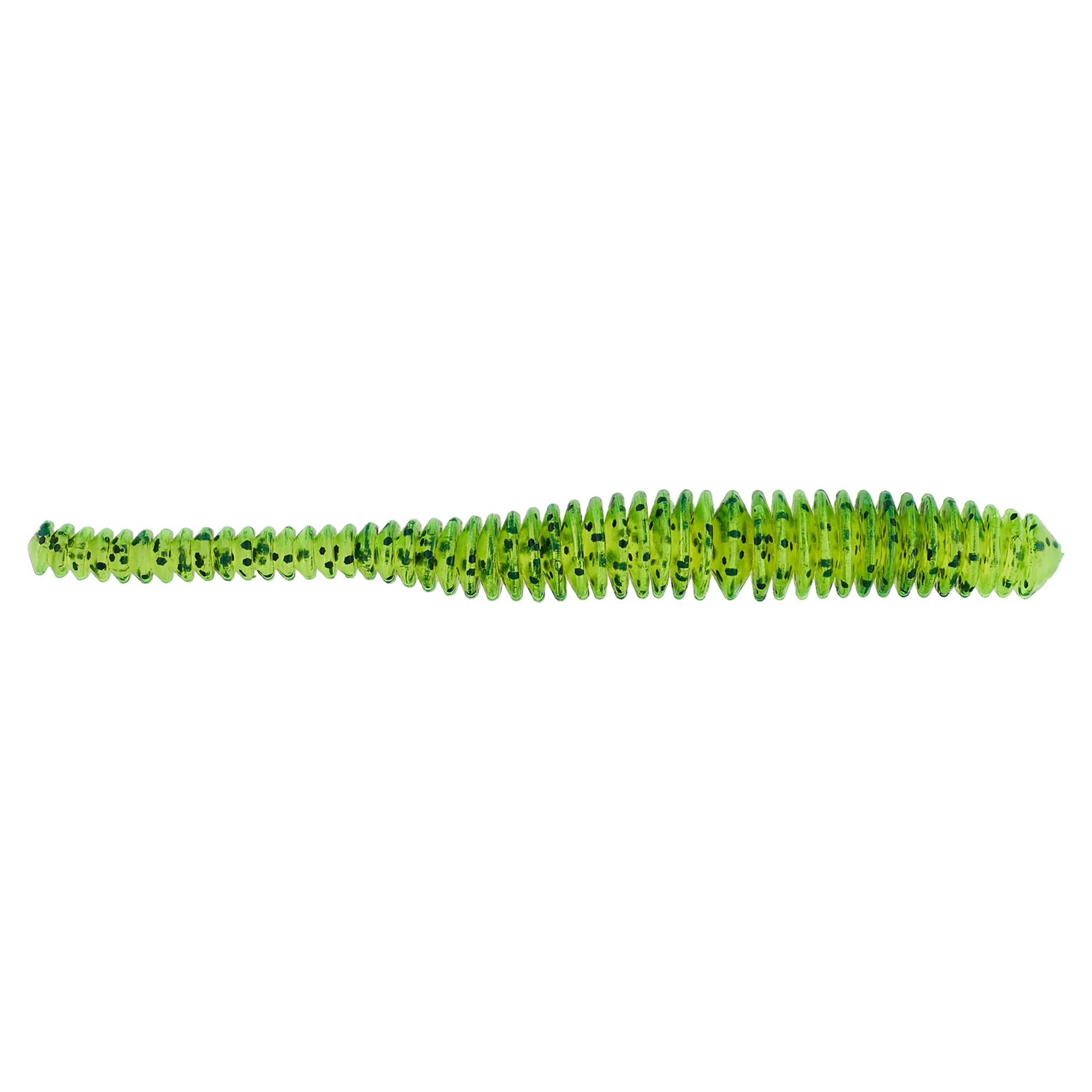
Flipping baits through the vegetated south end and the cattails, moving baits over the berms and ditch edges, and shad imitations when the fish school in autumn — topwater, shallow and deep crankbaits, plastic worms and swimbaits. Our full bait lineup covers all four seasons.
Do I need a fishing license?
Yes. A Florida freshwater fishing license is required for anglers 16 and older through the Florida Fish and Wildlife Conservation Commission. Remember that all largemouth bass here must be released — other species fall under statewide regulations.
Every Fish Goes Back
Catch and release water changes what you want from a rod. Getting a fish in quickly and in good condition matters more than winning a long fight, which means enough power to control her early rather than wearing her out. Level Rods builds models that end the fight fast and put her back swimming.
Tournament Winning Baits & Gear
Designed, crafted and tested by anglers who fish shallow cover every week. Free shipping on orders over $75.
Shop All Baits