St. Johns River Bass Fishing Guide
St. Johns River Bass Fishing, Season by Season
Three hundred and ten miles of river running the wrong way — north, slow and wide — through grass flats, creek mouths and cypress. Palatka calls itself the Bass Capital of the World and has the tournament history to argue the case. The tide decides everything.
A River That Changes Its Mind
The St. Johns runs north for over three hundred miles, from the marshes of central Florida up past Sanford and Palatka to Jacksonville and the Atlantic. It shifts from clear fresh water in the upper basin to brackish and fully tidal near the coast, and each section fishes differently enough that they are effectively separate fisheries.
The stretch that matters for bass, and the one national events are held on, is the upper part of the lower basin — roughly from the Lake George outlet down to Palatka. Lake George, the second largest lake in Florida, sits on it. Crescent Lake connects. Rodman Reservoir is a short run south and is a trophy factory in its own right, though it is regularly ruled off limits during Elite events.
The single thing to understand here is tide. The lower basin is tidal, and the direction of current reverses through the day. Bass and other game fish reposition to the downcurrent side of breaks and structure as it turns, which means a specific spot can go from loaded to empty and back within a couple of hours. Anglers who plan their day around the tide rather than around a map do far better here.
Cover is varied in a way Florida lakes usually are not: eelgrass, hydrilla, lily pads, cypress trees, docks, reeds, creek mouths and canals. When the water is higher the pads flood and the cypress come into play; when it drops you fish the outside edges and the outer clumps instead. Rainfall drives water level, and water level drives the size of the playing field.
The spawn runs long here — roughly December through May. In practice that means during the peak weeks you can have prespawn, spawning and postspawn fish in the same stretch of river on the same day, and the anglers who win are the ones who recognise which is in front of them and adjust rather than committing to one phase.
What It Took to Win Here
Patterns that produced at the highest level on this water, and the baits to fish them with.
Bill Lowen — Deep Creek, Cold Water and Four Ounces
A severe cold front hit Palatka during the event and largely shut down the bed-fishing that most of the field was counting on. While the rest of the Elites chased spawners and fry guarders, Lowen went the other direction — up into Deep Creek, a winding tidal artery north of the tournament site on the east bank, chosen specifically because it had over twenty feet of water in places and therefore more stable temperatures.
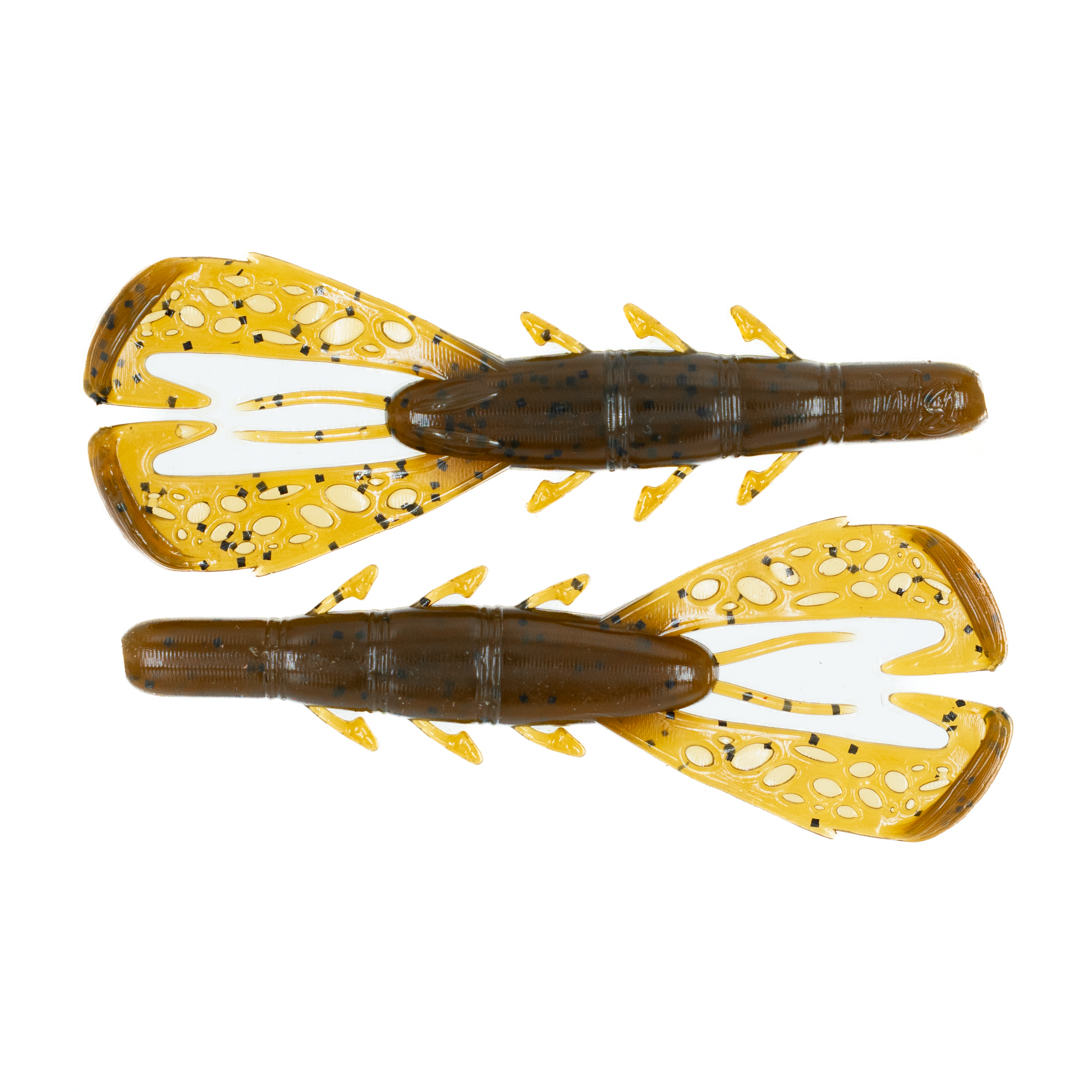
The whole thing hinged on slowing down. He crawled a five-sixteenths-ounce swim jig with a craw trailer through submerged cover at a pace he described as painful, after opening the tournament flipping a three-eighths-ounce jig. Cold water fish wanted it barely moving. His boat covered water fast while the bait did not.
His bigger bites came when the tide dropped, and that window arrived later every day of the event. On the final day it never really came. He finished one fish short of a limit, and what saved him was a 7-7 he caught by punching through a mat of grass that had drifted in that morning. It was the difference in a four-ounce win.
For scale on what this river can do in better conditions: the previous year's Elite here was won with 93-6 and a twenty-one-pound margin, the second largest winning margin in Elite Series history.




Tide, Pads and a Five-Month Spawn
Four patterns cover the year. Each one pairs the technique with the baits we'd actually tie on.
Three Phases at Once
From mid-February the spawn is properly underway and the shallows fill up, but the long spawn window means some fish are still prespawn, some are on beds and some are already guarding fry — often within sight of each other. The morning shad spawn plays a significant role in April and has decided the top of the leaderboard in national events here. Lily pads and docks are the two highest-percentage targets on the main river.


Grass Lines, Creek Mouths and Shade
Through the summer the river runs warm and oxygen drops in the shallows, which pushes fish to deeper holes and into thick weed cover. Shaded edges become genuinely important. The eelgrass and hydrilla hold fish, docks hold fish, and the creek mouths pull them in whenever water is moving. Early and late are the windows on the main river.



Learning the Tide Properly
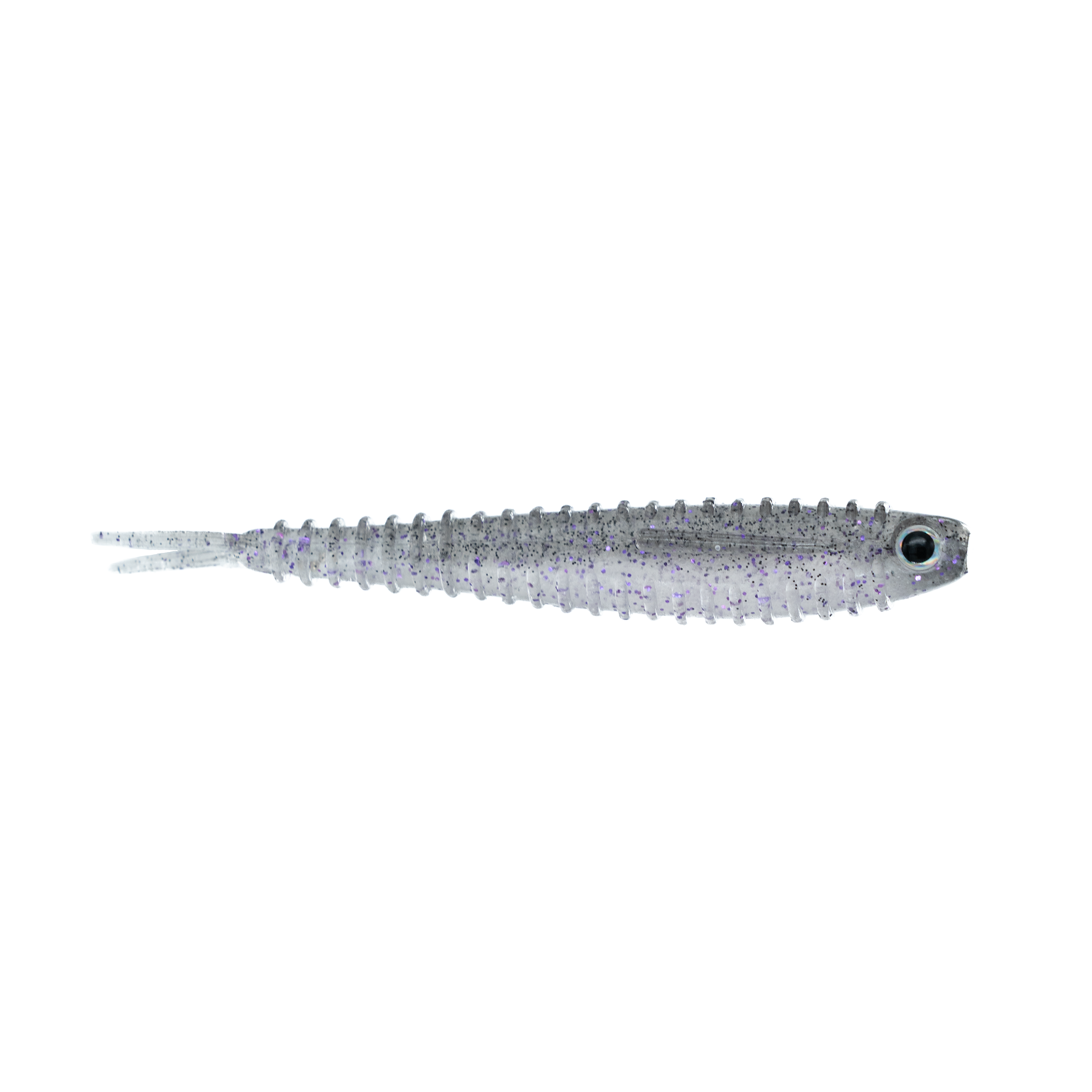
Autumn is the season to work out how this river actually behaves, because the fish are neither spawning nor heat-stressed and the tide becomes the dominant variable rather than one of several. Bass position on the downcurrent side of every break and every piece of structure, and they move as it turns. Cooler water brings them back onto the grass lines and around the wood.
Deep Creeks and Stable Water
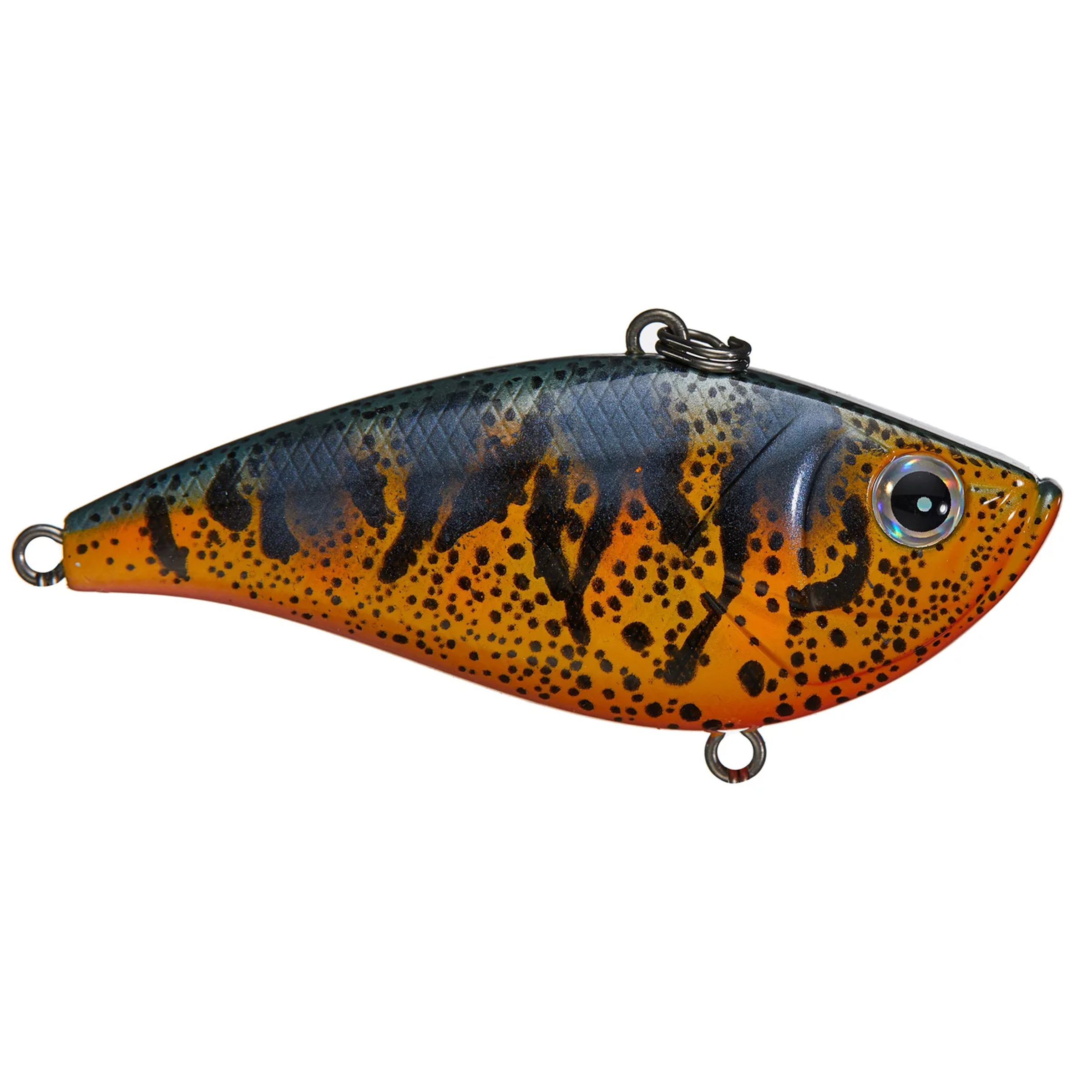
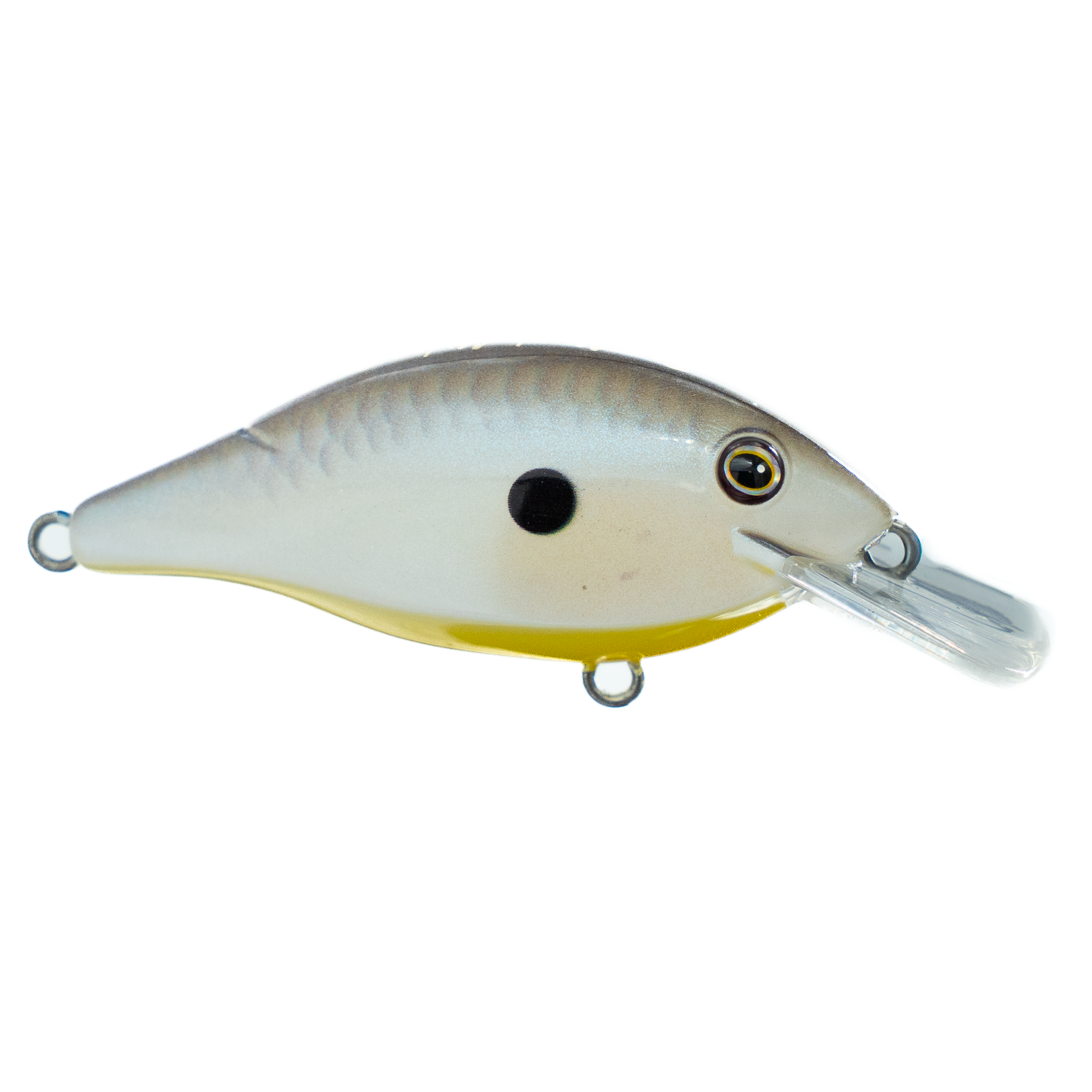
December through March is prime time for size, as fish move shallow toward the spawn and the biggest females of the year are catchable. Cold fronts are the complication — they are the reason the deeper tidal creeks matter, because twenty feet of water holds its temperature when the shallows do not. Speckled perch stack in the creeks and oxbows at the same time, if you want a change.
The St. Johns River Access
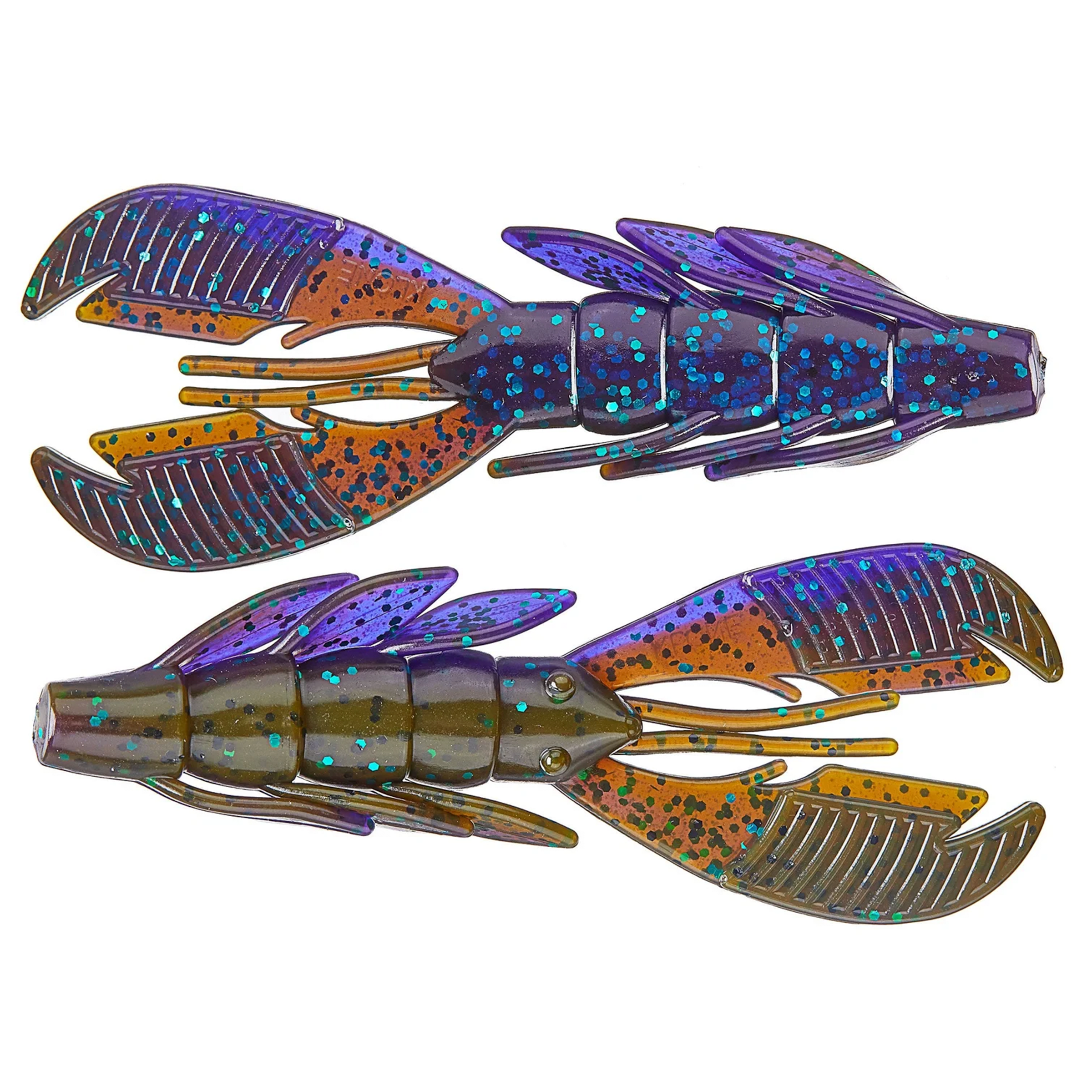
Palatka is the hub. The Palatka City Dock and Boat Ramp at 319 River Street is the tournament launch, and there is excellent bank fishing at Palatka's Riverfront Park. Brown's Landing, Pico Road and Elgin Grove provide free public launches in the same area.
Palatka and the Main River
The heart of the tournament stretch, and the place to start. Grass lines, dock rows and creek mouths along the main river, fishable early and late through most of the year. Everything here is governed by the tide — the same dock row is a different spot four hours later.
The Tidal Creeks
Deep Creek and the other winding arteries feeding the main river hold considerably deeper water than the river itself, in places over twenty feet. That depth means stable temperature, which makes them the answer during cold fronts and the reason a national event was won out of one in February.
Lake George and Crescent Lake
Lake George is the second largest lake in Florida and an easy run from Palatka — miles of open water, shell bars and grass. Crescent Lake connects as well. Both are useful when the main river is uncooperative, and both fish more like conventional Florida lakes than the tidal river does.
The St. Johns River Bass Fishing FAQ
Why does the St. Johns River flow north?
The land falls gently in that direction. It is one of a small number of major rivers in the United States that flows north, dropping only a few inches per mile across more than three hundred miles, which is also why it is so slow and so wide.
Is the St. Johns River tidal?
The lower basin is, and it matters enormously for fishing. The direction of current reverses with the tide, and bass reposition to the downcurrent side of breaks and structure as it changes. A spot can go from productive to empty within a couple of hours. Plan your day around the tide stages, not around a list of waypoints.
Where is the best bass fishing on the St. Johns River?
The upper part of the lower basin, from the Lake George outlet down to around Palatka. That stretch holds the tournament history and the reputation, and Palatka is the practical base for fishing it. Rodman Reservoir a short run south is a trophy fishery in its own right.
When do bass spawn on the St. Johns River?
The window runs roughly December through May, with the heart of it from mid-February. Because it is so long, at the peak you will find prespawn, spawning and postspawn fish in the same area on the same day — recognising which is in front of you is most of the skill here.
What is the shad spawn and when does it happen?
An early-morning event in spring where shad spawn against hard cover and bass feed on them heavily. It has played a decisive role in national events on this river, particularly in April. It is a first-light pattern and it does not last long into the morning.
Can you fish the St. Johns River from the bank?
In places. Palatka's Riverfront Park offers good bank access, and there are parks and piers along much of the river's length. That said, the best water is grass lines, creek mouths and dock rows reachable by boat, and the tidal positioning that makes this river work is hard to exploit from shore.
What baits work best on the St. Johns River?
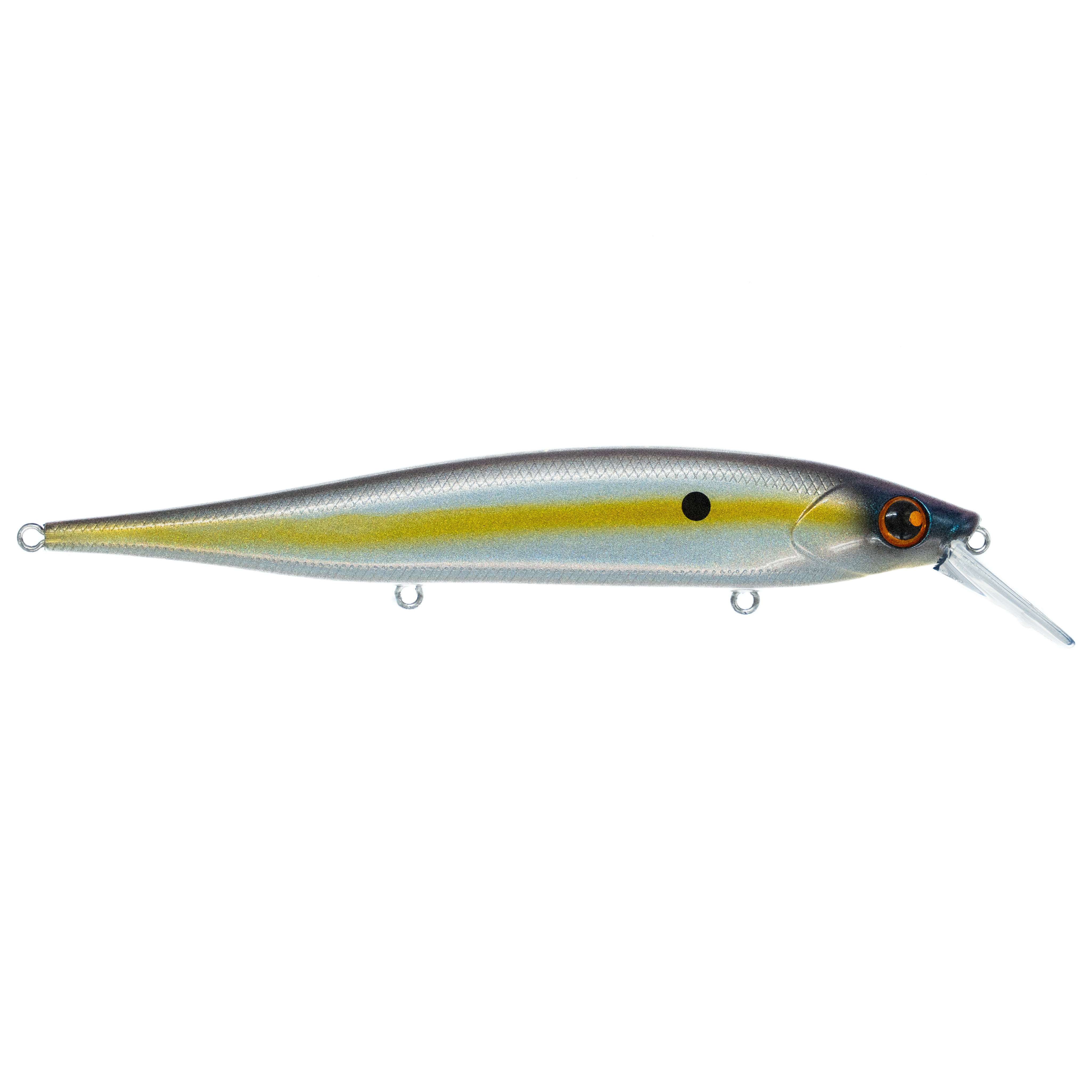
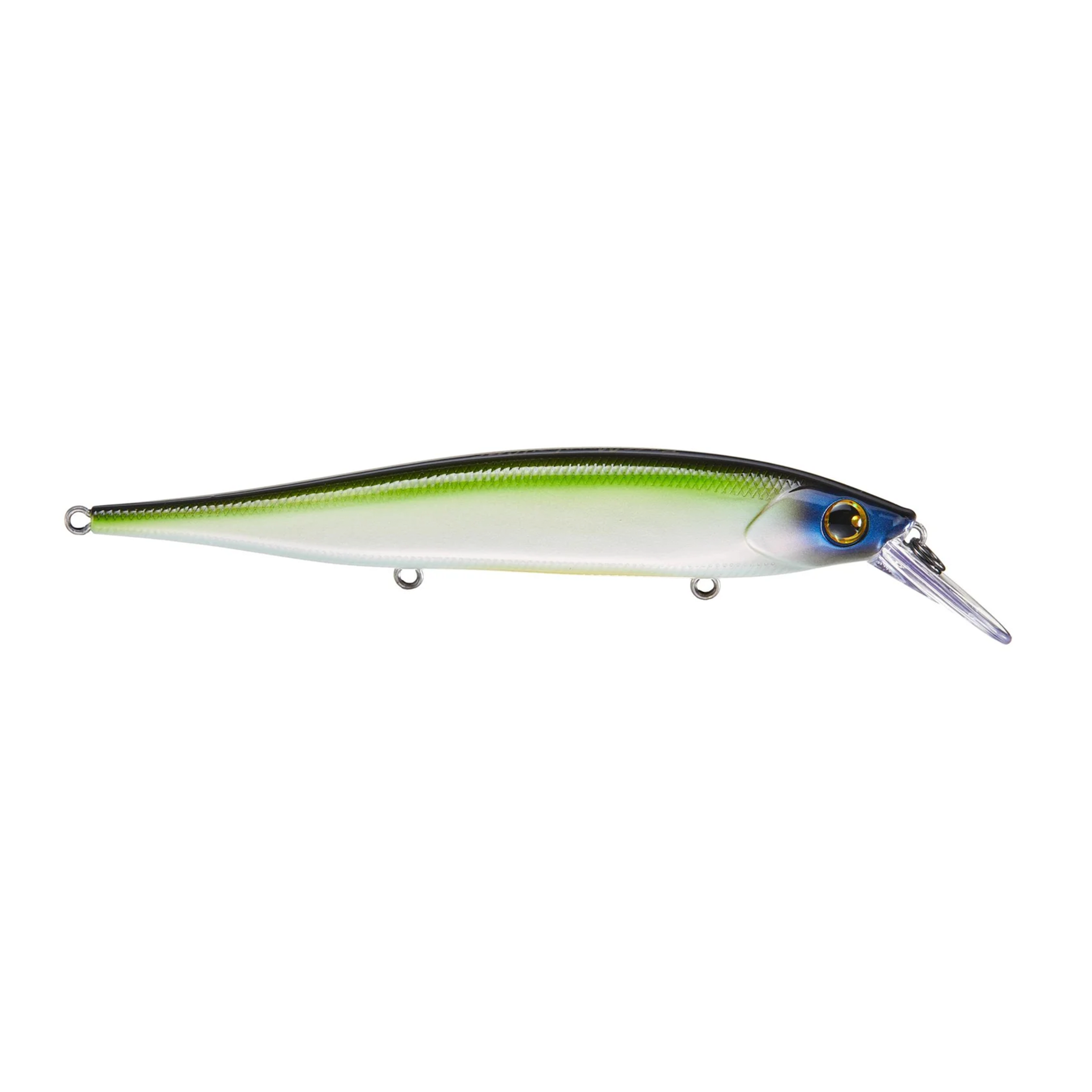
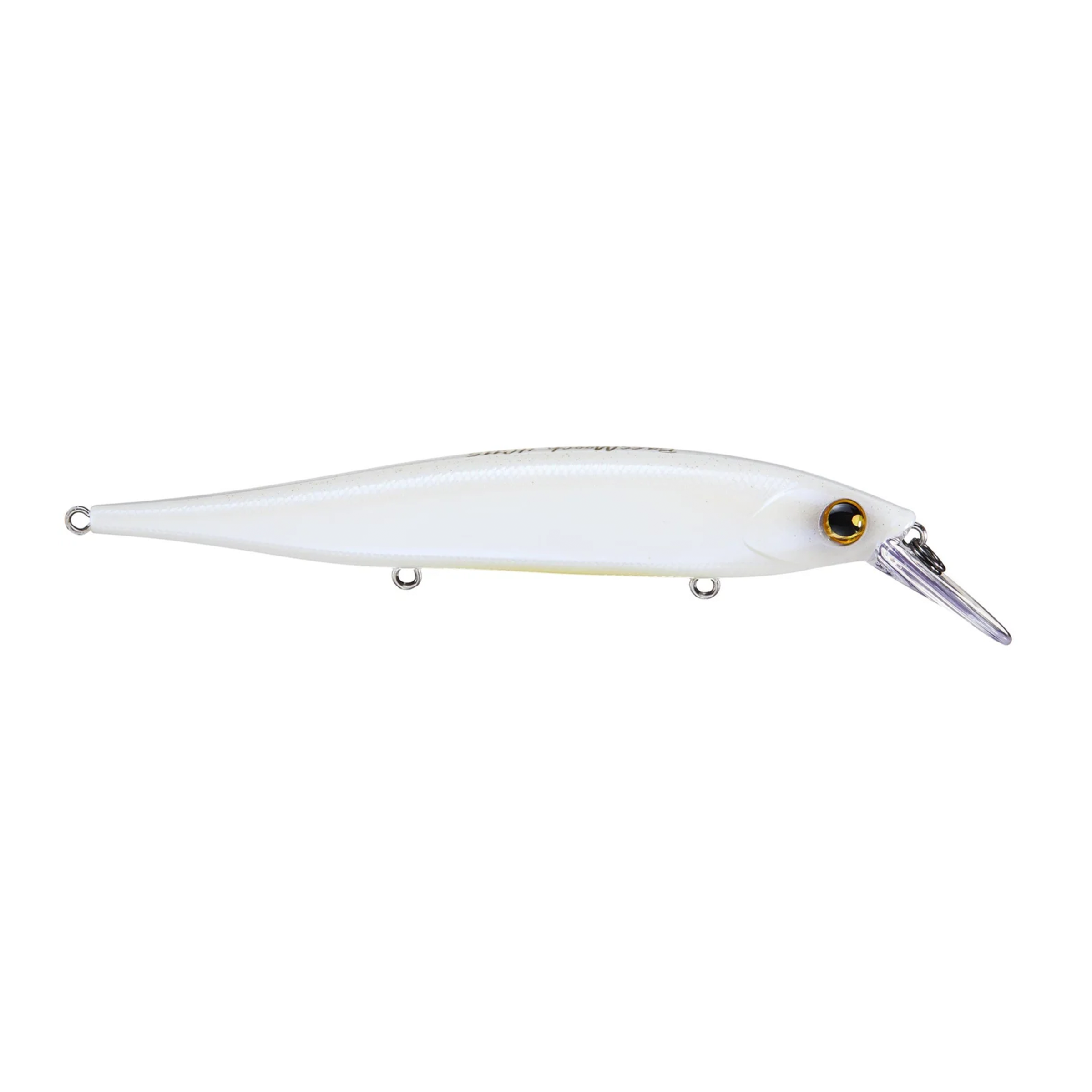
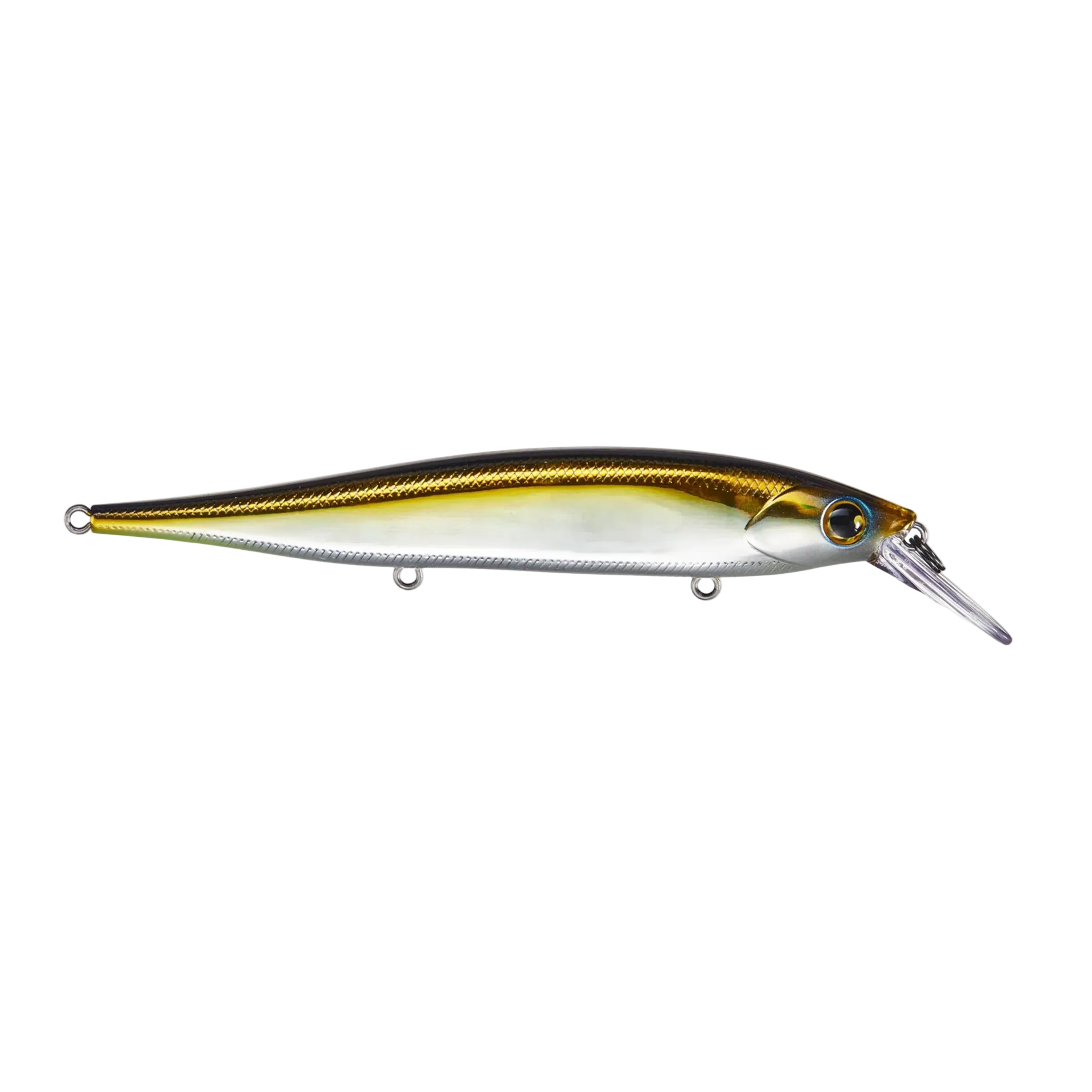
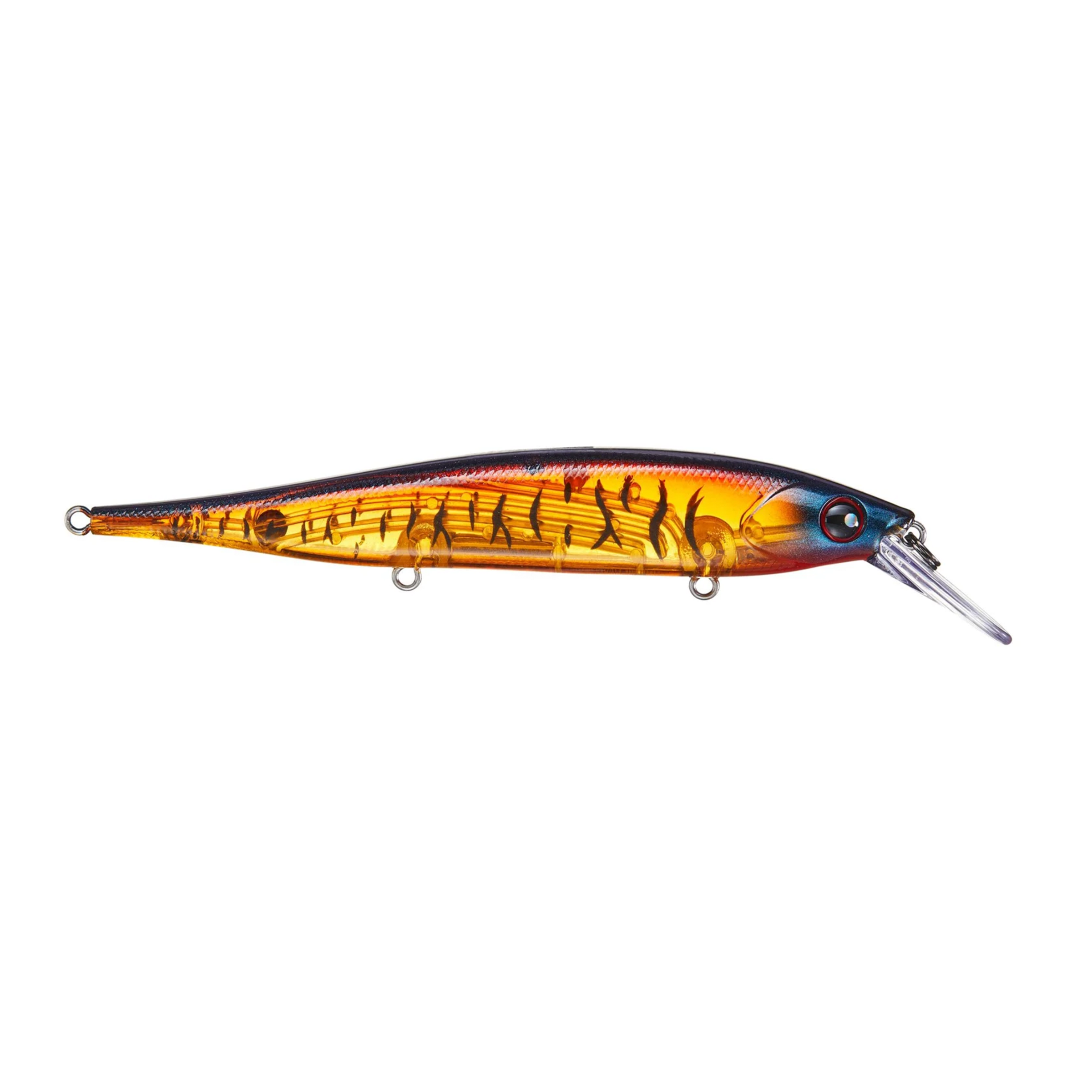
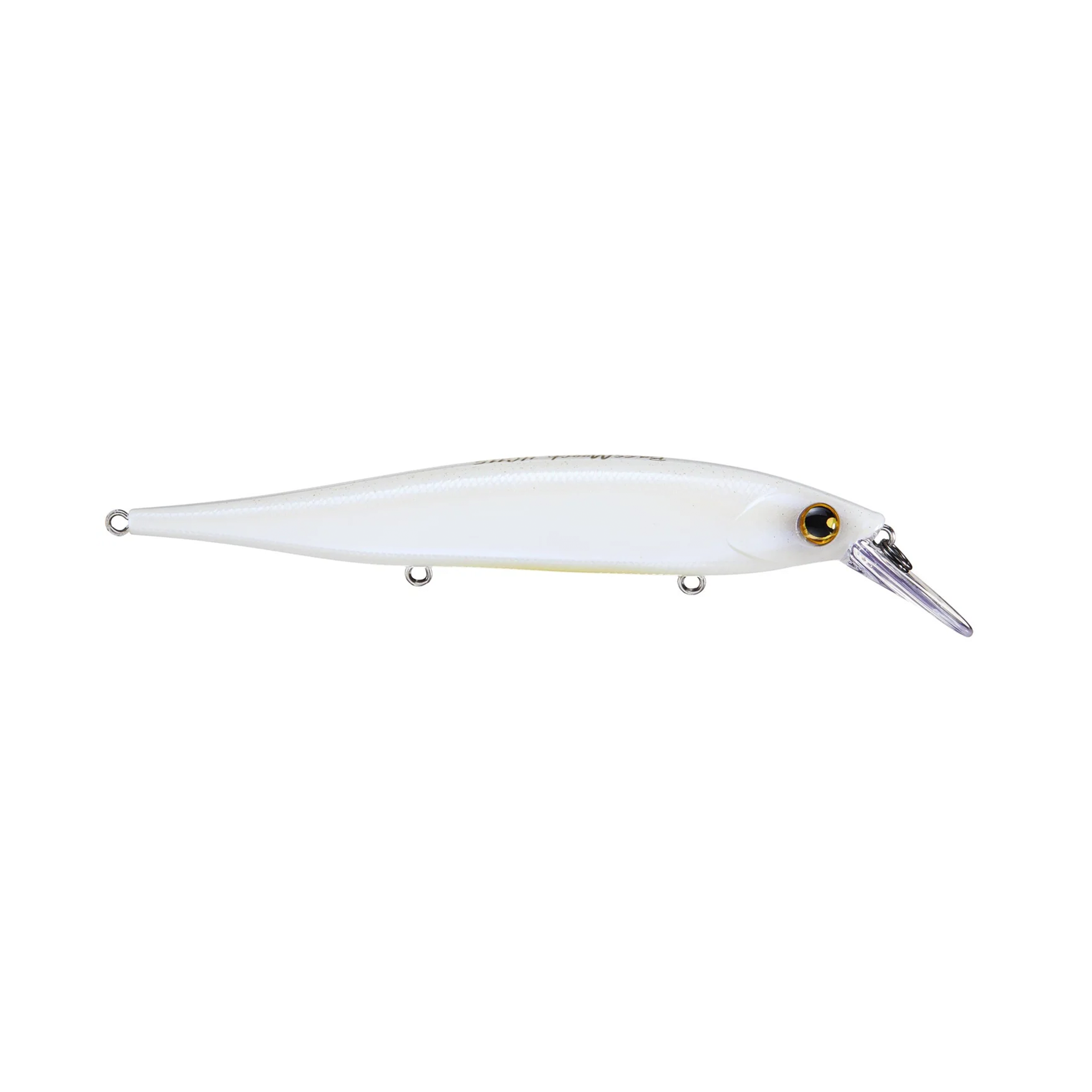
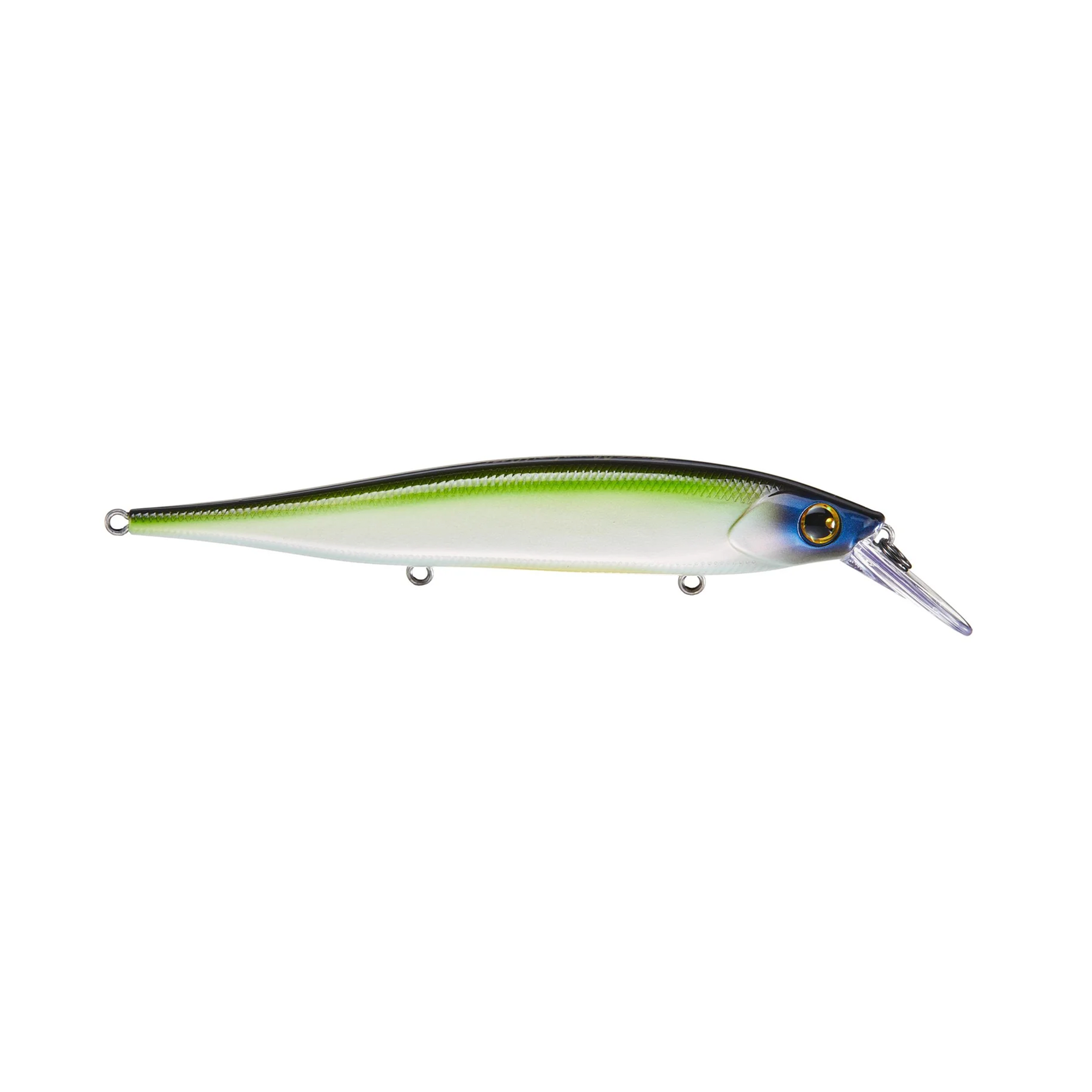
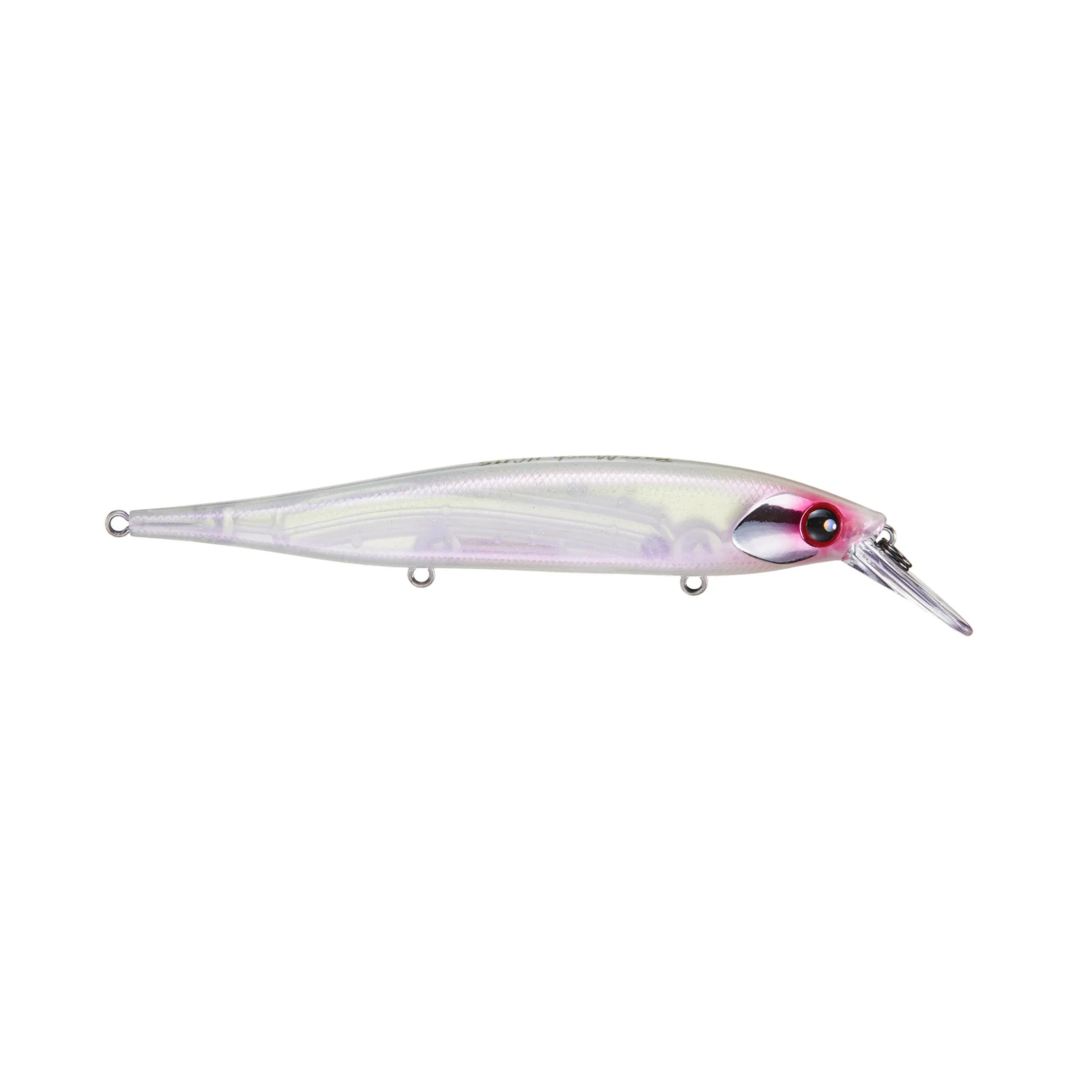
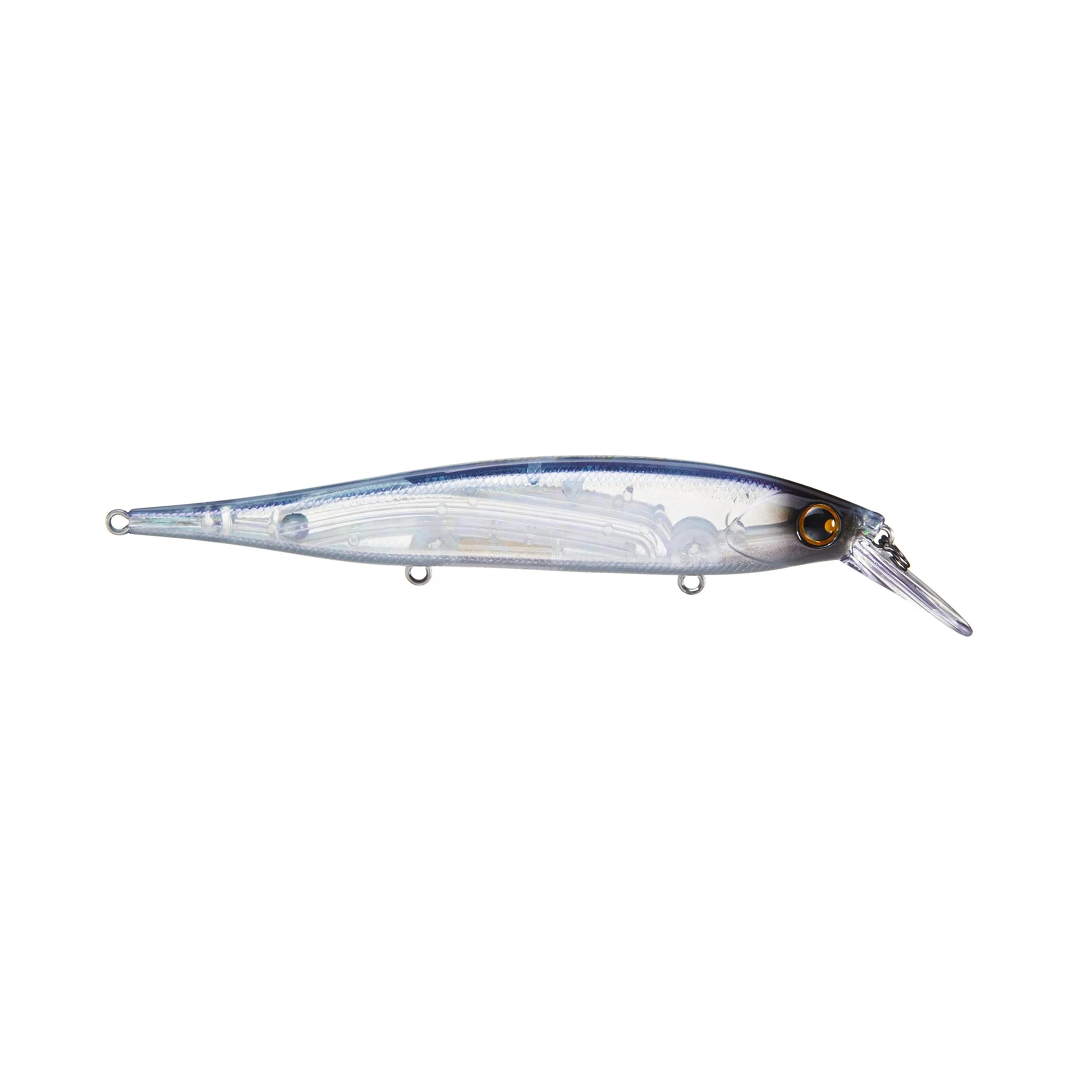
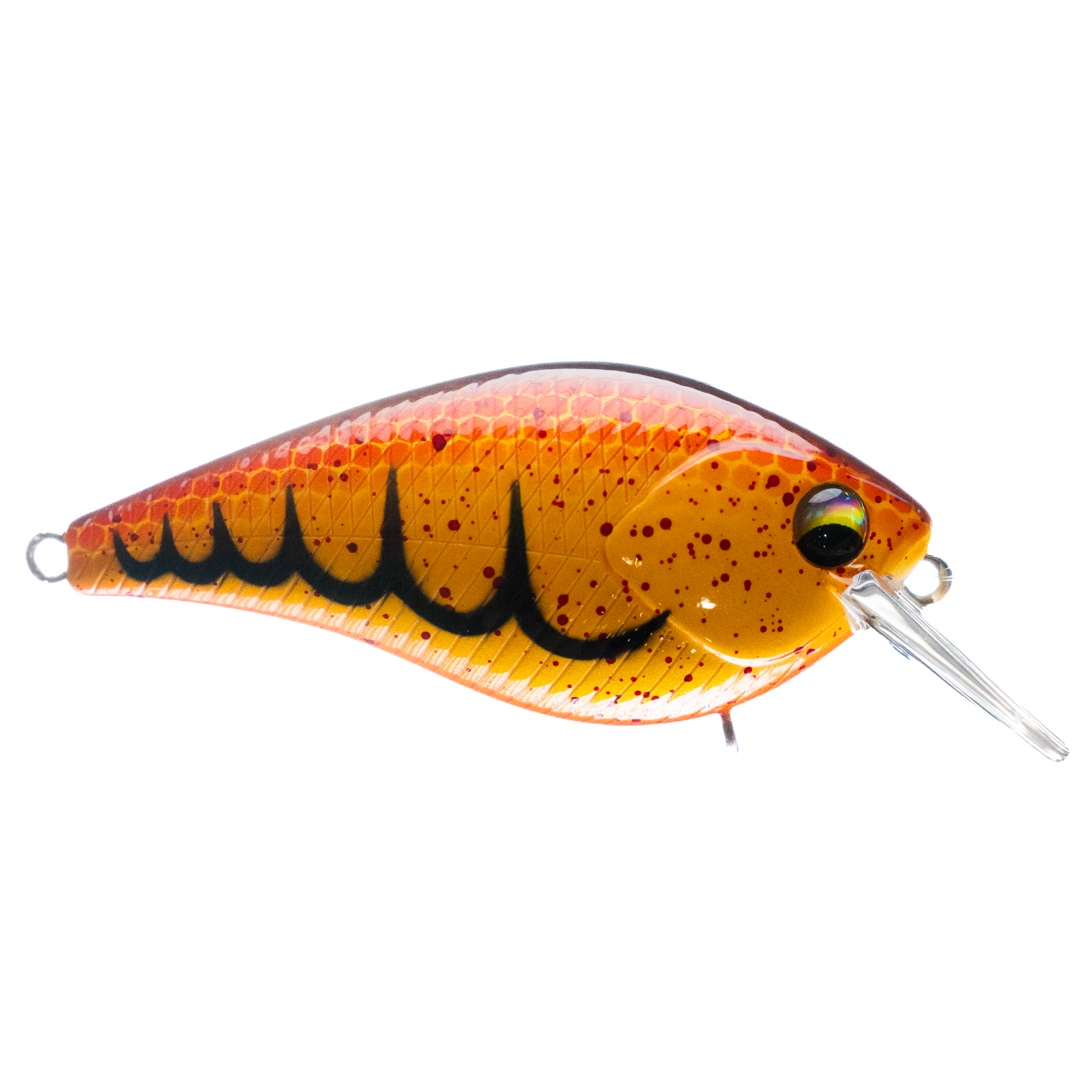
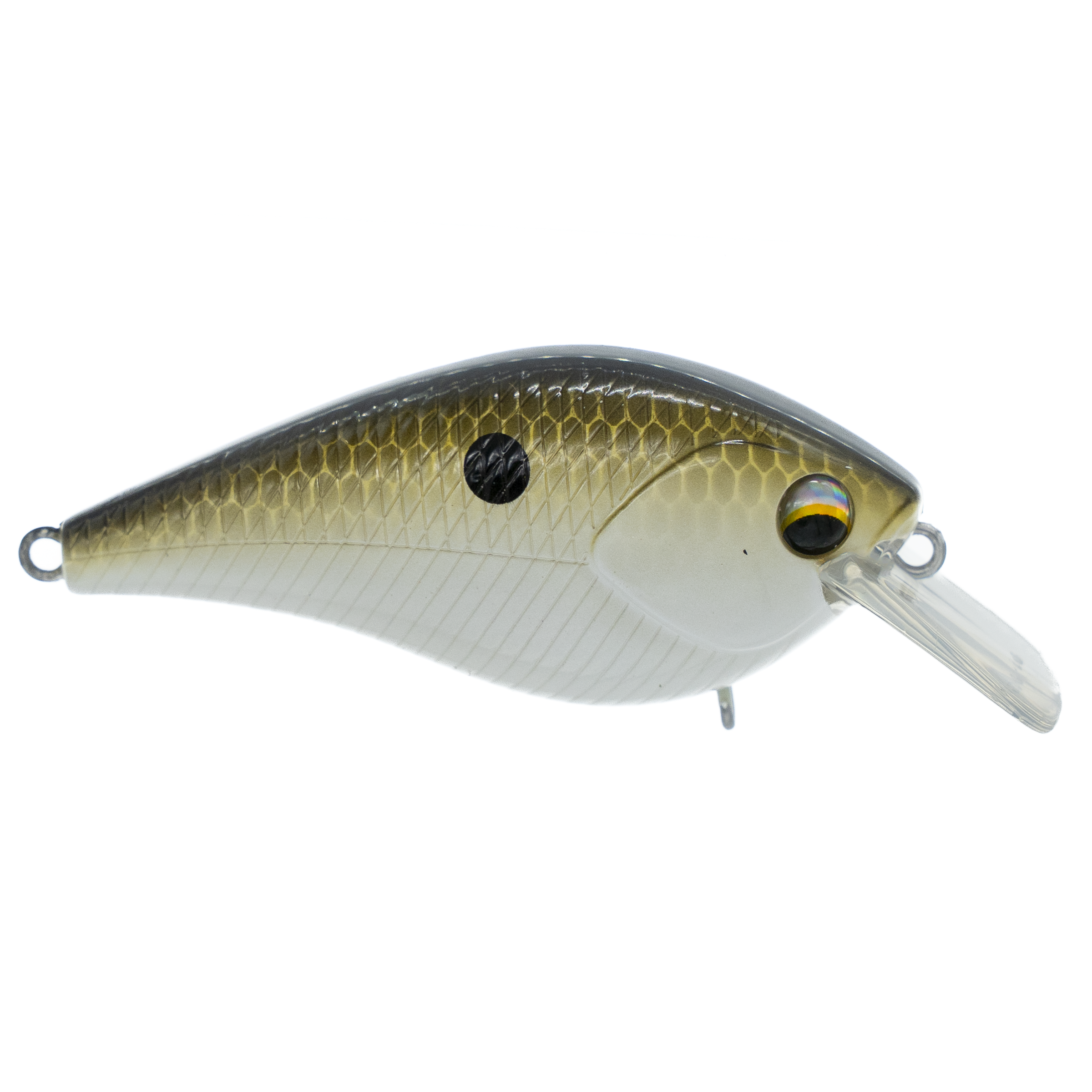
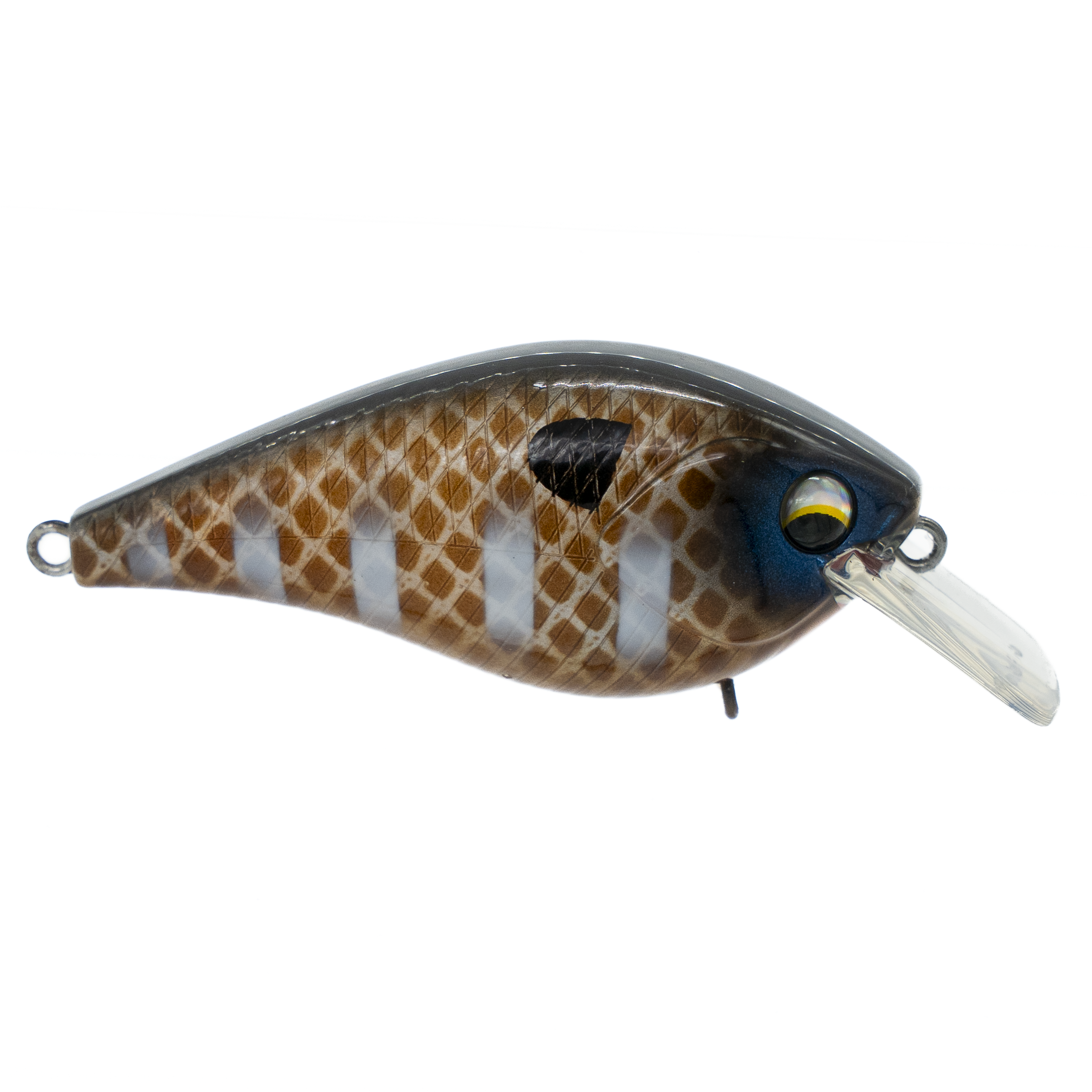
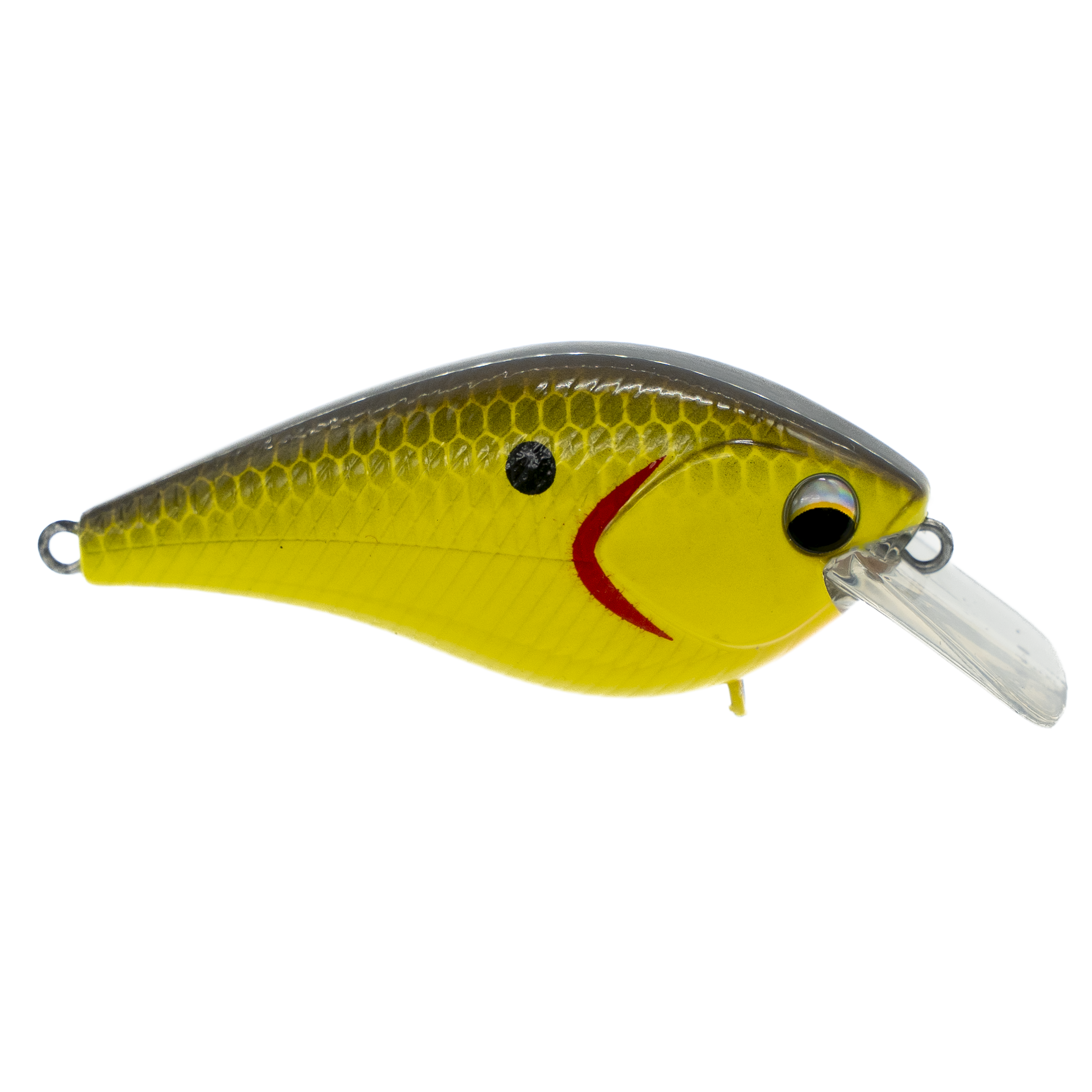
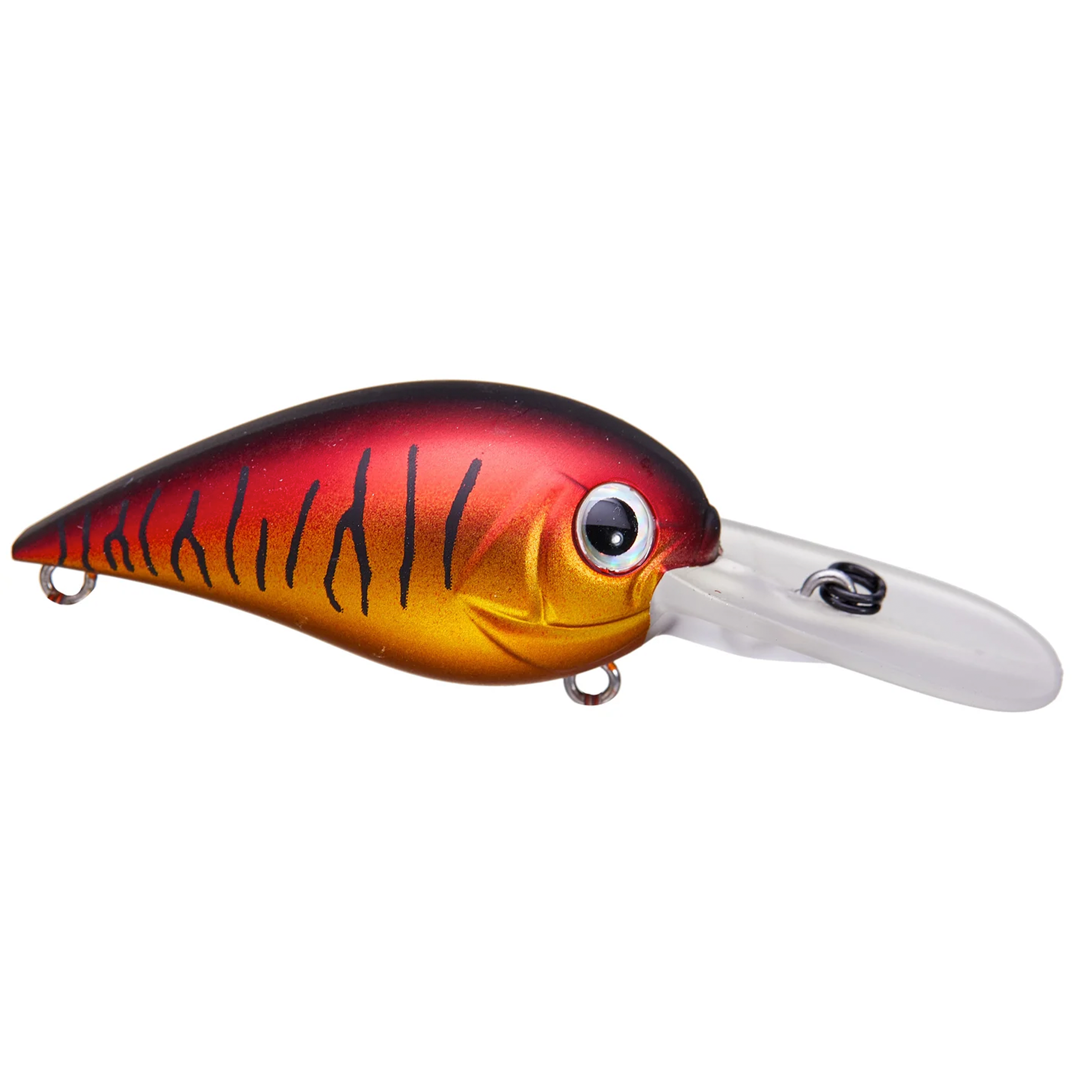
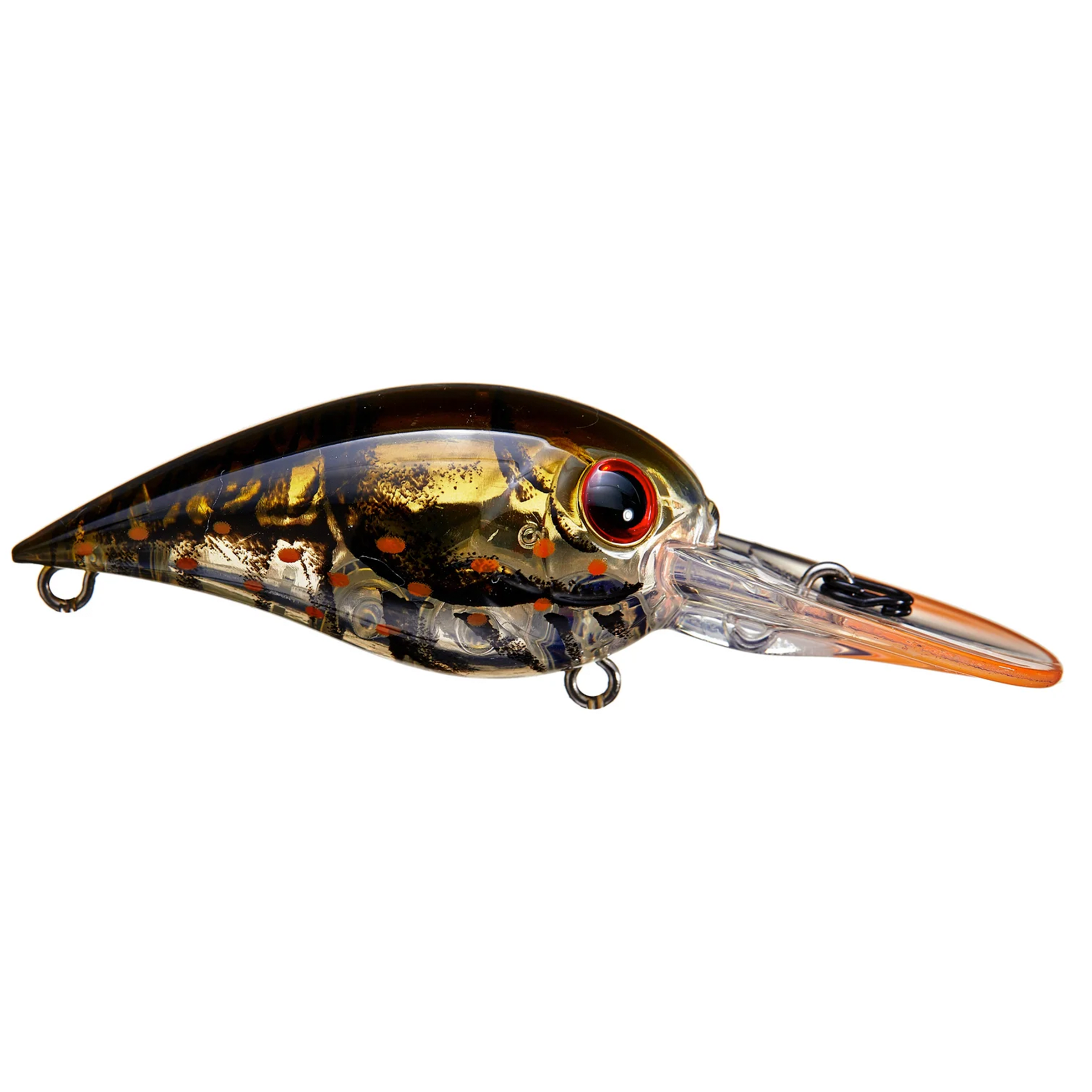
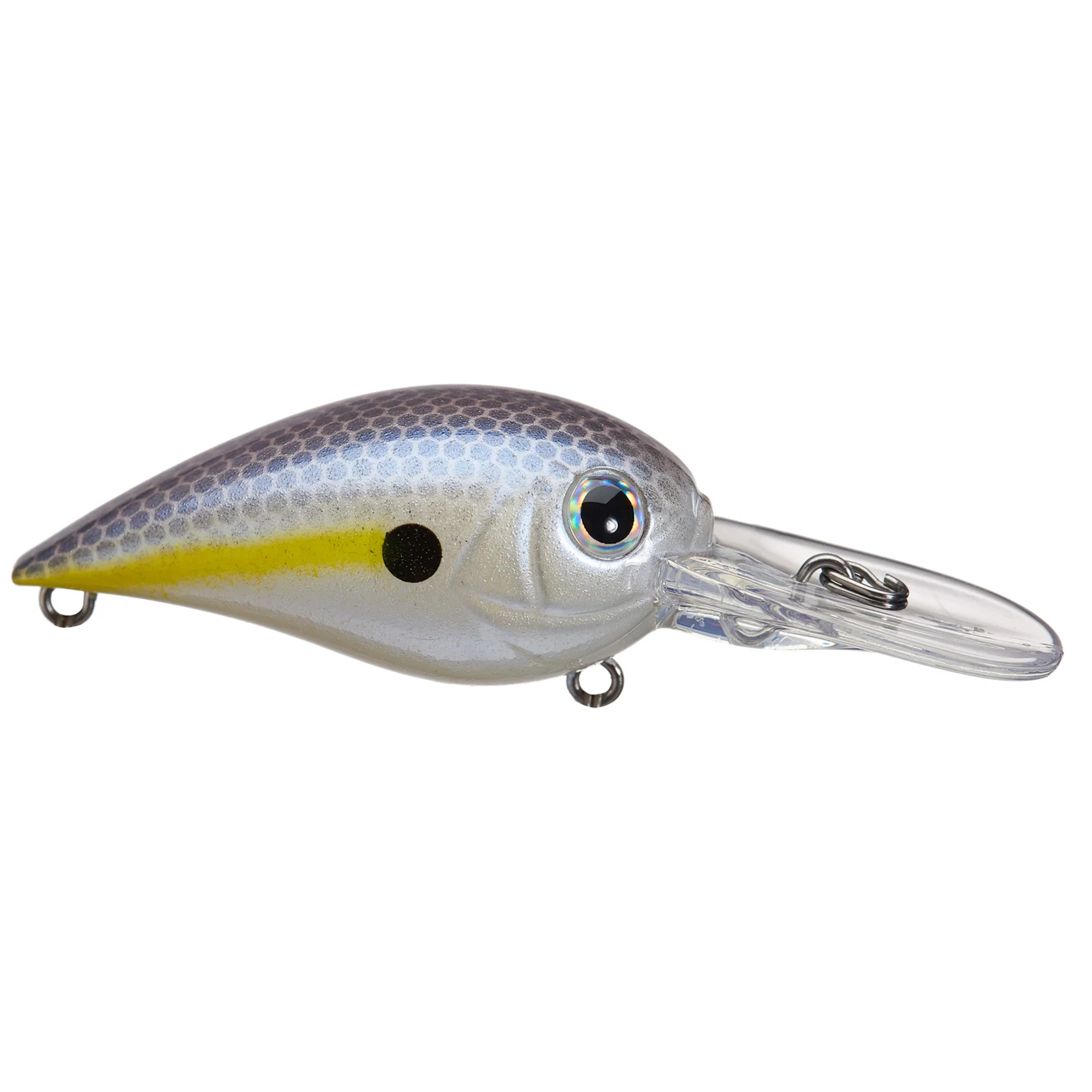
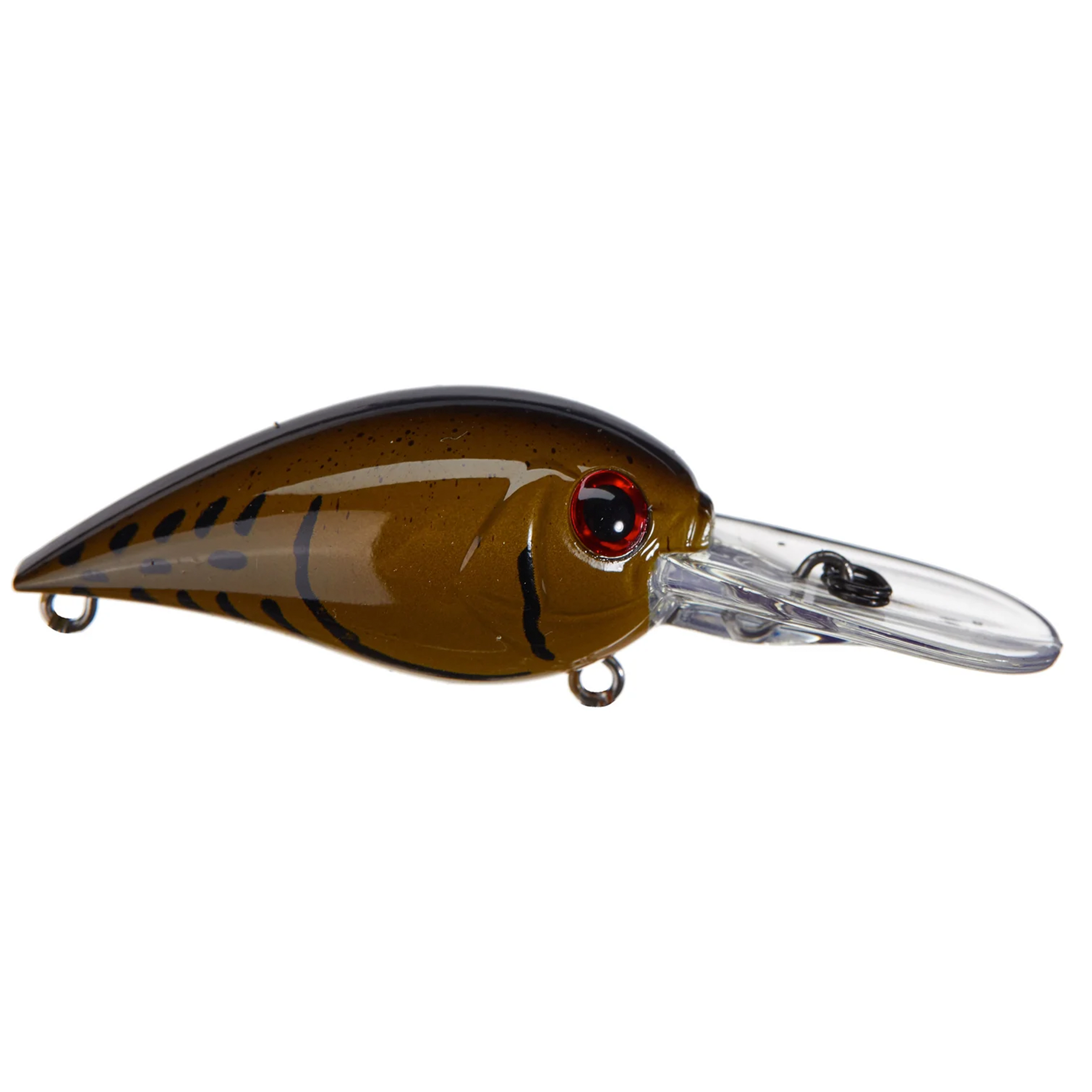
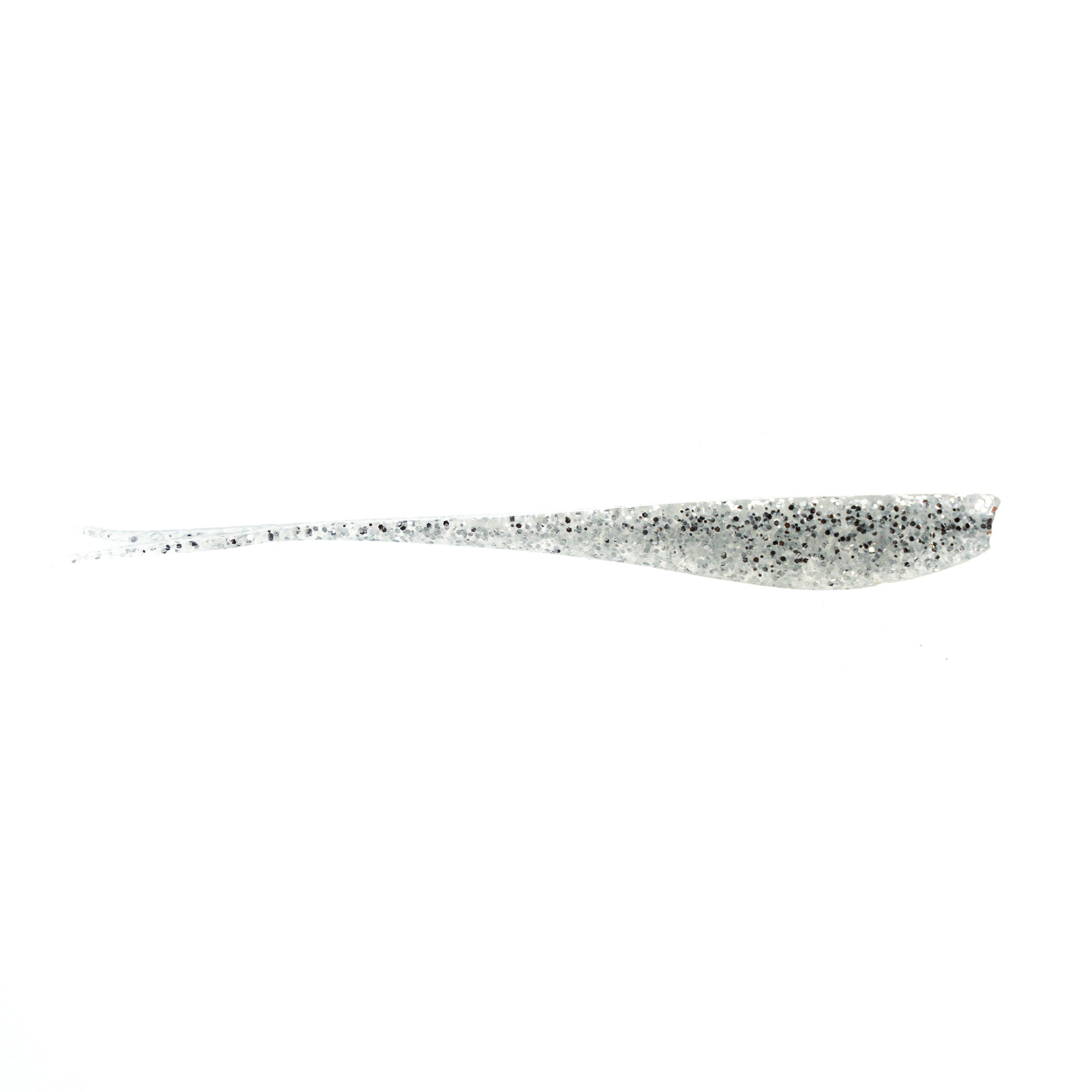
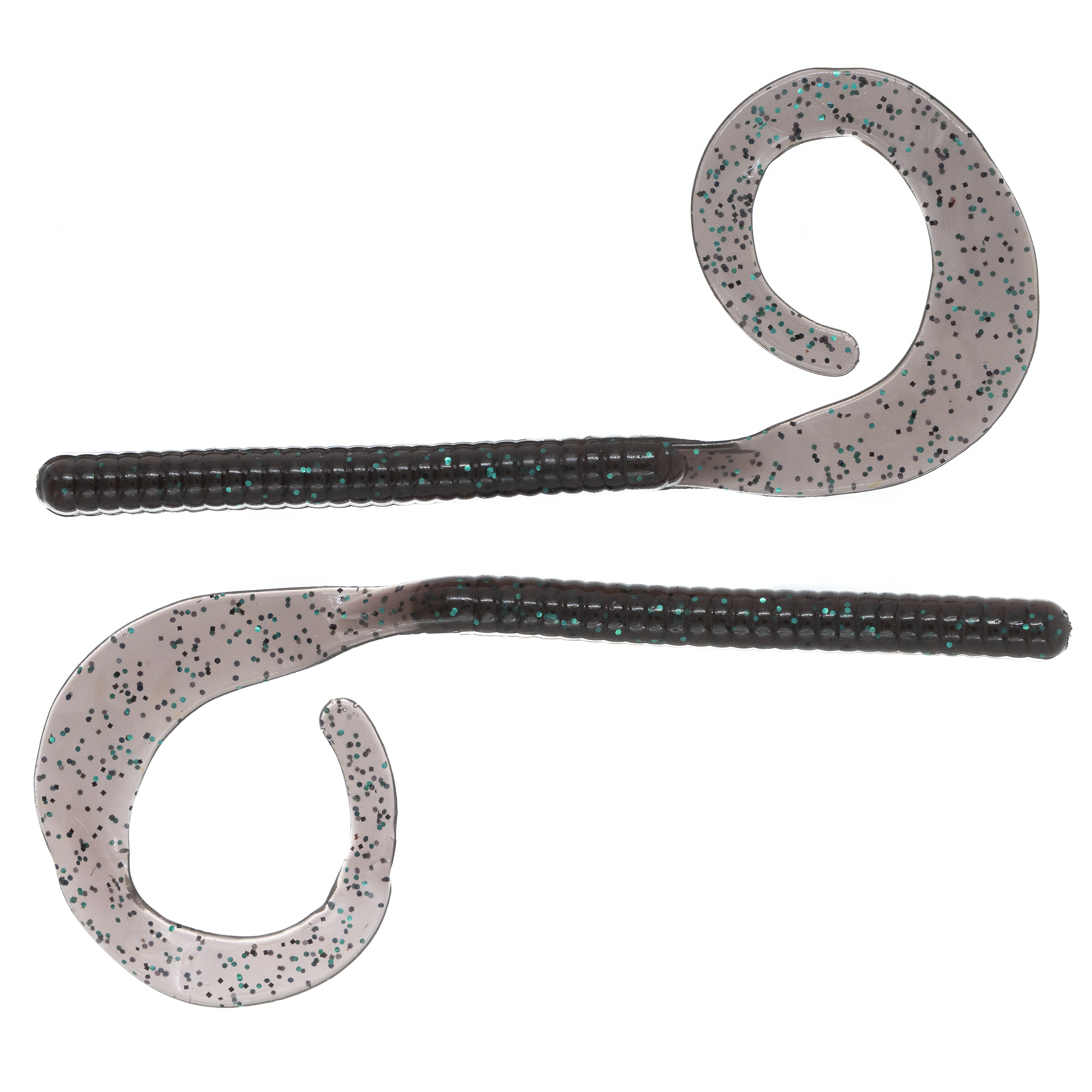
Flipping and pitching jigs and plastics into pads, wood and docks is the backbone of it all year. Add a swim jig for covering grass lines, a soft jerkbait for fry guarders in spring, and something to punch mats with. Our full bait lineup covers all four seasons.
Do I need a fishing license?
Yes. A Florida freshwater fishing license is required for anglers 16 and older through the Florida Fish and Wildlife Conservation Commission. Note that the lower river becomes brackish and holds saltwater species — if you are fishing that far down, check which licence applies to what you are targeting.
Feeling a Bite in Moving Water
Crawling a swim jig through submerged cover in cold water means the bite is often nothing more than weight. Add a tidal current pushing the line and the margin between a strand of eelgrass and a seven-pounder gets very thin. Level Rods builds models sensitive enough to tell them apart and strong enough to finish the argument.
Tournament Winning Baits & Gear
Designed, crafted and tested by anglers who fish tidal water every week. Free shipping on orders over $75.
Shop All Baits