
South Holston Lake Bass Fishing Guide
South Holston Bass Fishing, Season by Season
Seventy-five hundred acres at the foot of the Appalachians, ringed by the Cherokee National Forest and clearer than almost anything else in Tennessee. South Holston does not hold many bass by regional standards — but the ones it holds are in exceptional condition.
Fewer Fish, Better Fish
South Holston is a TVA reservoir in upper east Tennessee, impounding twenty-four miles of the South Fork Holston River behind a dam completed in 1950. It covers 7,580 acres with 168 miles of shoreline, and roughly 1,250 acres sit across the line in Virginia.
It sits at the foot of the Appalachian Mountains with much of its shoreline bordered by the Cherokee National Forest, which means large stretches are undeveloped and public. That makes it unusually good for bank anglers and campers as well as boat fishermen.
The defining characteristic is low productivity. South Holston is less fertile than most reservoirs in the region and its water clarity is normally far greater. The consequence is fewer bass than a fertile lake would hold — but the ones that are here grow large and stay in excellent condition. Roughly half the bass sampled exceed fifteen inches, and both largemouth and smallmouth up to twenty-one inches have been collected in recent years.
Smallmouth are the headline and the local favourite, growing bigger here than in most lakes in the area. Largemouth are genuinely good and routinely overlooked — they dominate electrofishing samples on the Virginia side and concentrate in the upper end of the reservoir and the backs of the creeks. Spotted bass are present in limited numbers. Forage is diverse: alewives, gizzard and threadfin shad, and shiners.
The winter drawdown is severe and needs planning around. Water levels can fall forty feet below summer pool in some years, which changes ramp access, exposes structure and completely rearranges where fish live. Check levels before you tow.
One local technique dominates cold water here and across this region: float-and-fly, suspending a small hair or feather jig ten feet or more beneath a float. If you fish this lake in January without one, you are fishing it the hard way.
Shale, Points and Cold Water
Four patterns cover the year. Each one pairs the technique with the baits we'd actually tie on.
Clay Banks and Secondary Points
Spring is the best all-round fishing of the year. Smallmouth move onto clay and broken-shale banks, and secondary points become prime holding water as fish stage toward spawning areas. March can be exceptional — the prespawn jerkbait bite around the dam and off the rock is a local tradition. Largemouth push into the upper end and the flooded willows in the creeks and backs of coves.


Shallow Mornings, Deep Middays
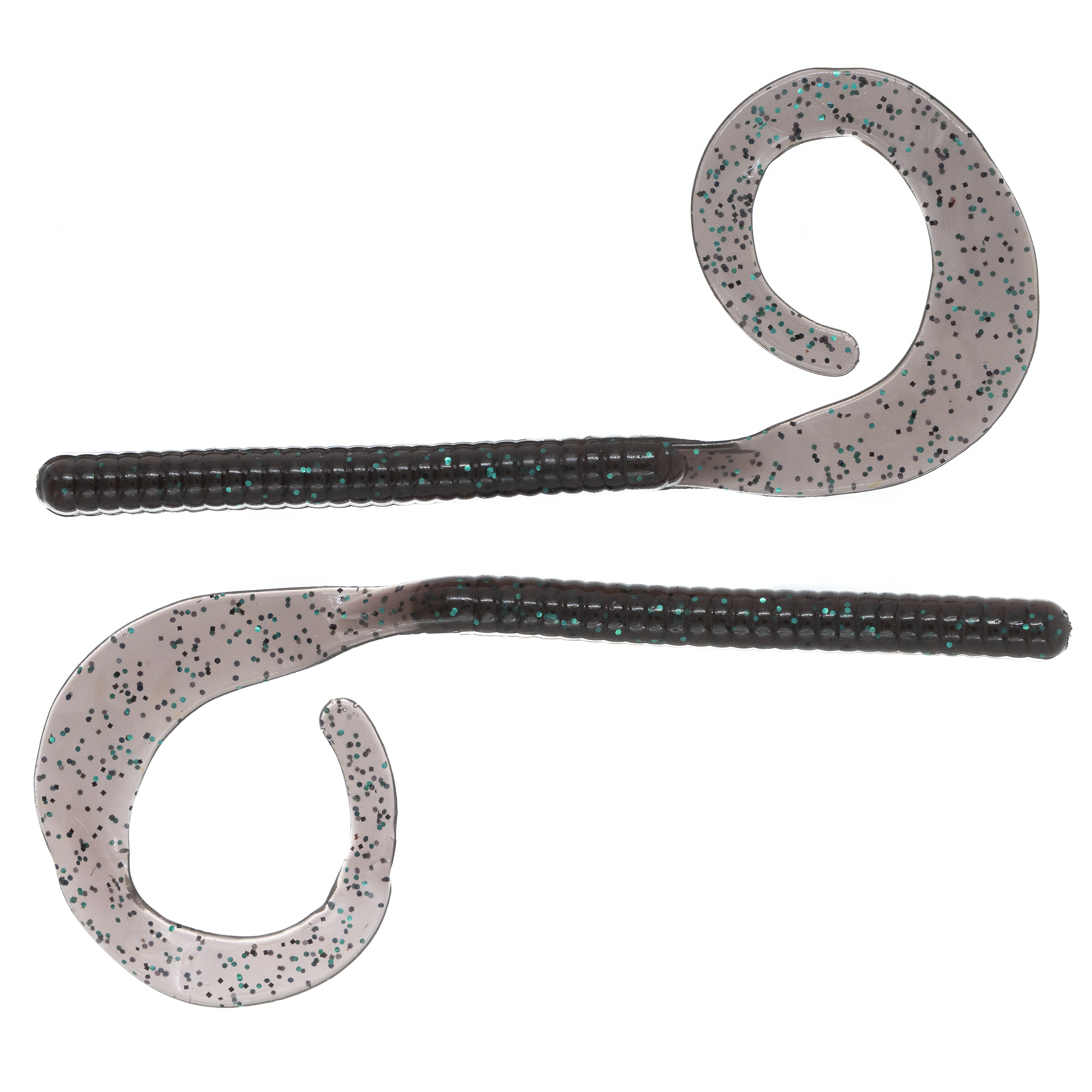
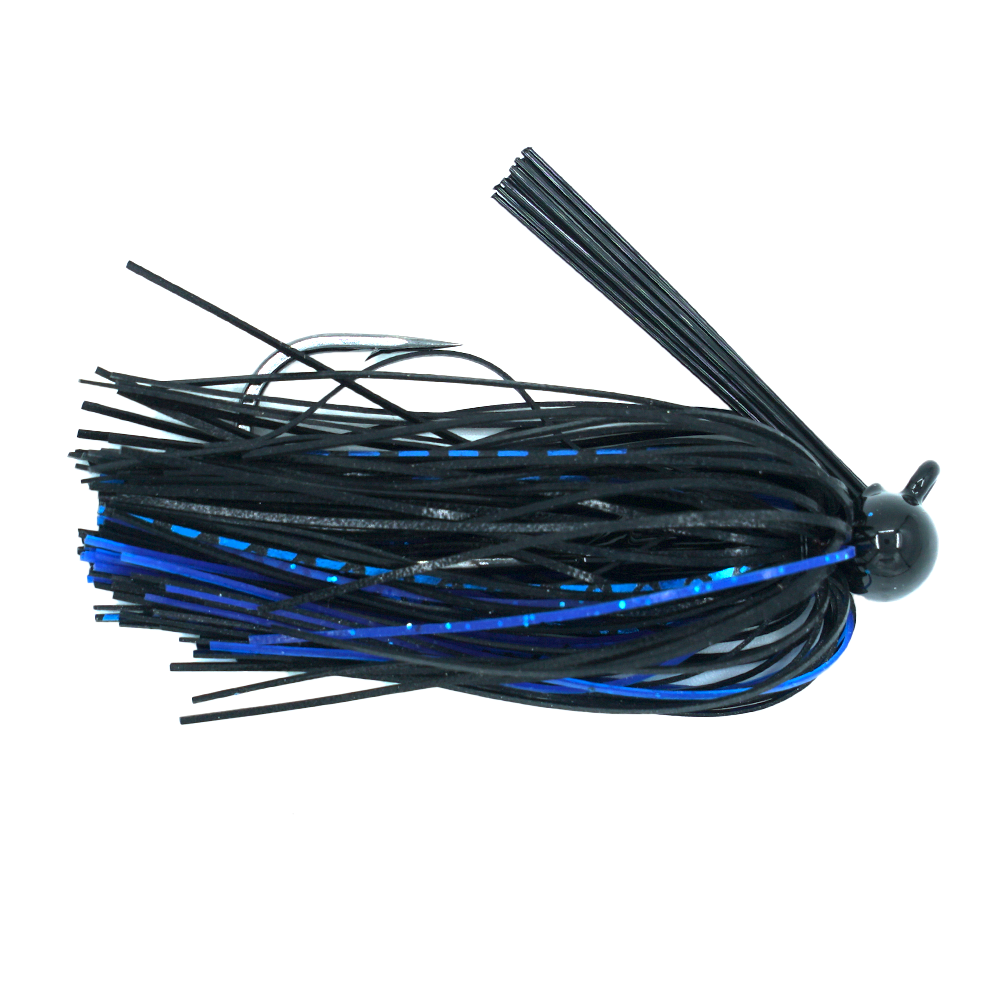
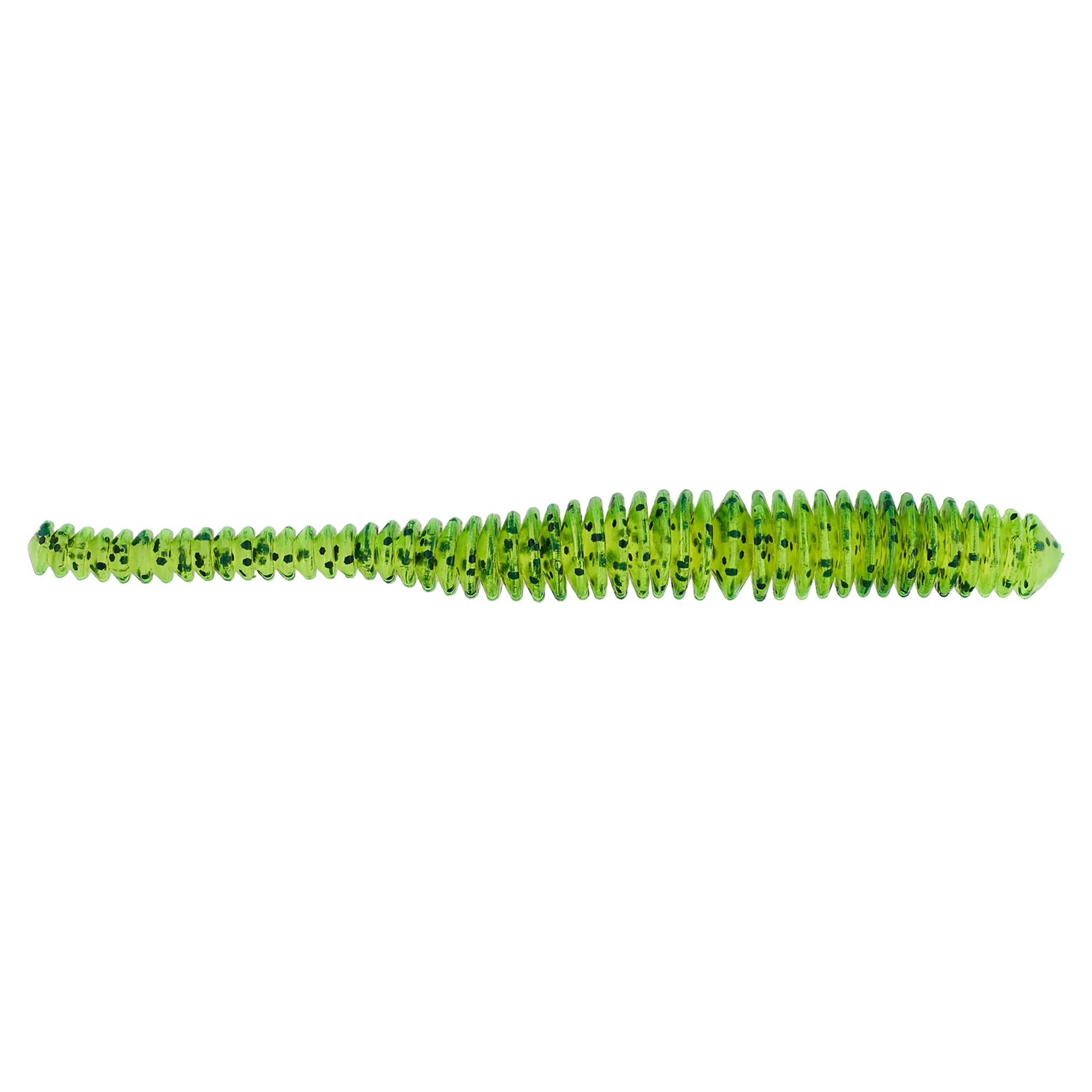
Smallmouth fishing here is good any time they are shallow, and in summer that means mornings. Once the sun is up, clear water and warm temperatures push them down. Night fishing with worms and lizards is a genuine and productive local tactic through the hot months rather than a curiosity.



Warm Afternoons on the Rock
Autumn brings smallmouth back shallow, and the pattern here is specifically about warmer afternoons rather than early mornings — the reverse of summer. Cooling water and feeding fish make October and November a strong window, and the lake is quiet with the summer traffic gone.

Float-and-Fly
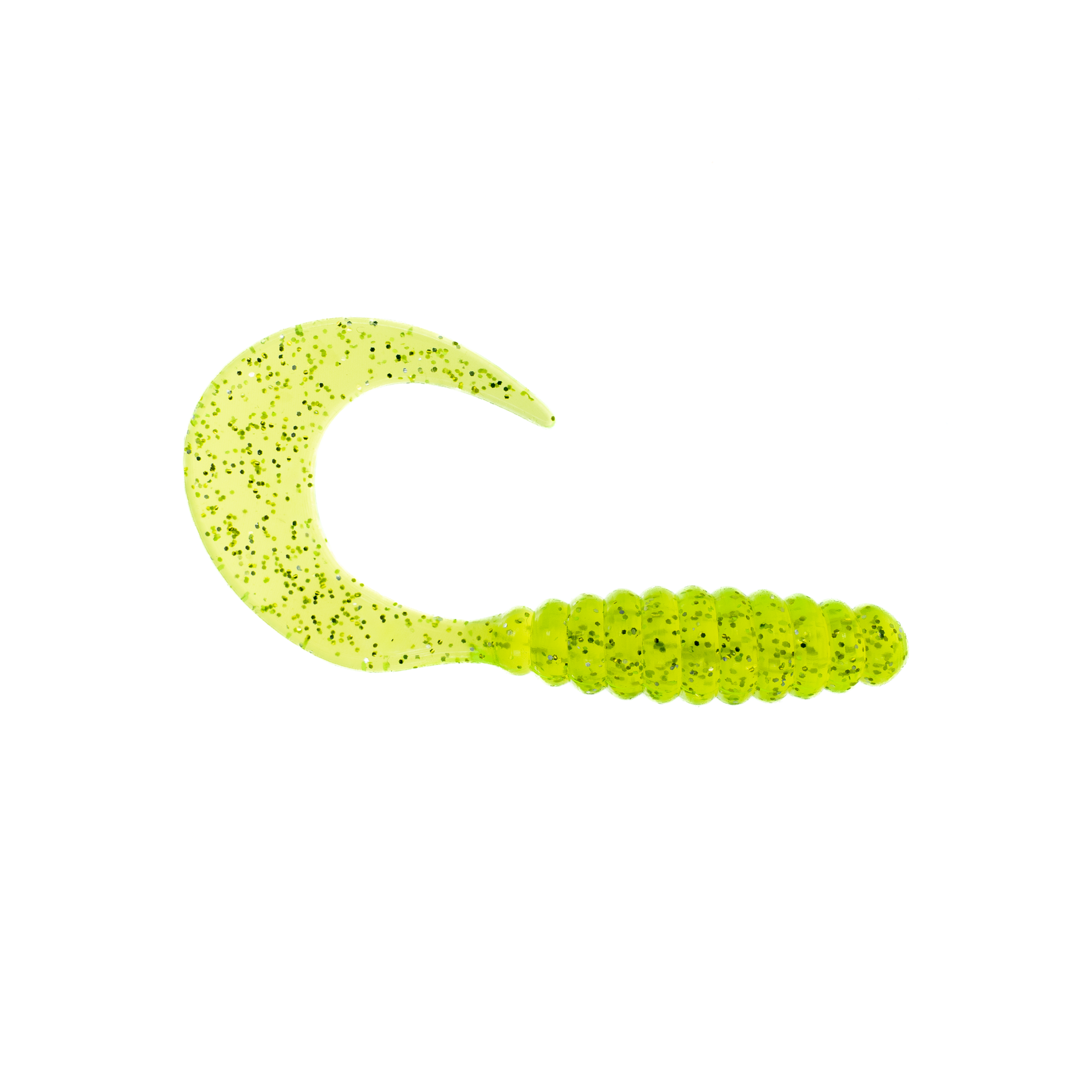
Winter on South Holston means suspended smallmouth over deep water, and the regional answer is float-and-fly — a light hair or feather jig hung ten feet or more under a small float. It is the most popular winter bass technique on this reservoir and it exists because it is the only thing that reliably works. Deeper structure with drop shots, small worms, jigs and spoons is the other half.

South Holston Lake Access
Access is good and much of it is public thanks to the Cherokee National Forest surrounding the reservoir. Ramps serve both the Tennessee and Virginia sides, with Bristol on the state line the nearest sizeable town and Abingdon, Virginia nearby. Check water levels before travelling in winter — a severe drawdown can put ramps out of use.
The Dam and the Lower Rock
Clear, deep water and the rock the prespawn jerkbait bite happens on. March around the dam is a local tradition and produces limits of quality smallmouth quickly. It is also where the deepest water is when the drawdown pulls everything else down.
The Clay and Broken-Shale Banks
The defining smallmouth structure on this lake. Broken shale gives fish edges and ambush points on an otherwise clean bottom, and clay holds heat. Combine either with a secondary point and you have the highest-percentage spring water on the reservoir.
The Upper End and the Creek Backs
Where the largemouth are, and consistently overlooked. More stained, more fertile, with flooded willows in the creeks and the backs of coves. When the clear lower end gets difficult, this is where to go and fish conventionally.
South Holston Lake Bass Fishing FAQ
How big is South Holston Lake?
7,580 acres with 168 miles of shoreline, impounding twenty-four miles of the South Fork Holston River. About 1,250 acres lie in Virginia and the rest in upper east Tennessee, at the foot of the Appalachian Mountains.
Do I need a Virginia license to fish South Holston?
To fish the Virginia portion, yes — either a Virginia fishing licence or a South Holston Reservoir licence, which allows anglers from both states to fish the entire lake. Worth buying if you plan to move freely across the reservoir.
How severe is the winter drawdown?
Severe. Water levels can fall forty feet below summer pool in some years. That changes ramp access, exposes structure and completely relocates the fish. Always check current levels before travelling in winter.
What is float-and-fly?
A cold-water technique in which a small hair or feather jig is suspended ten feet or more beneath a small float. It is the most popular winter bass technique on South Holston and across this region, and it works because winter smallmouth suspend over deep water where nothing else reaches them convincingly.
Are there many bass in South Holston?
Fewer than in a fertile lake, and that is the trade. The reservoir has relatively low productivity, so bass numbers are modest — but the fish that are here grow large and are in excellent condition. About half the bass sampled exceed fifteen inches, and both species have been collected up to twenty-one inches.
Is South Holston better for smallmouth or largemouth?
Smallmouth are the reputation and grow bigger here than in most nearby lakes. But largemouth are genuinely good and routinely ignored — they dominate sampling on the Virginia side and concentrate in the upper end and the backs of creeks. Fishing both is the sensible approach.
What baits work best on South Holston?
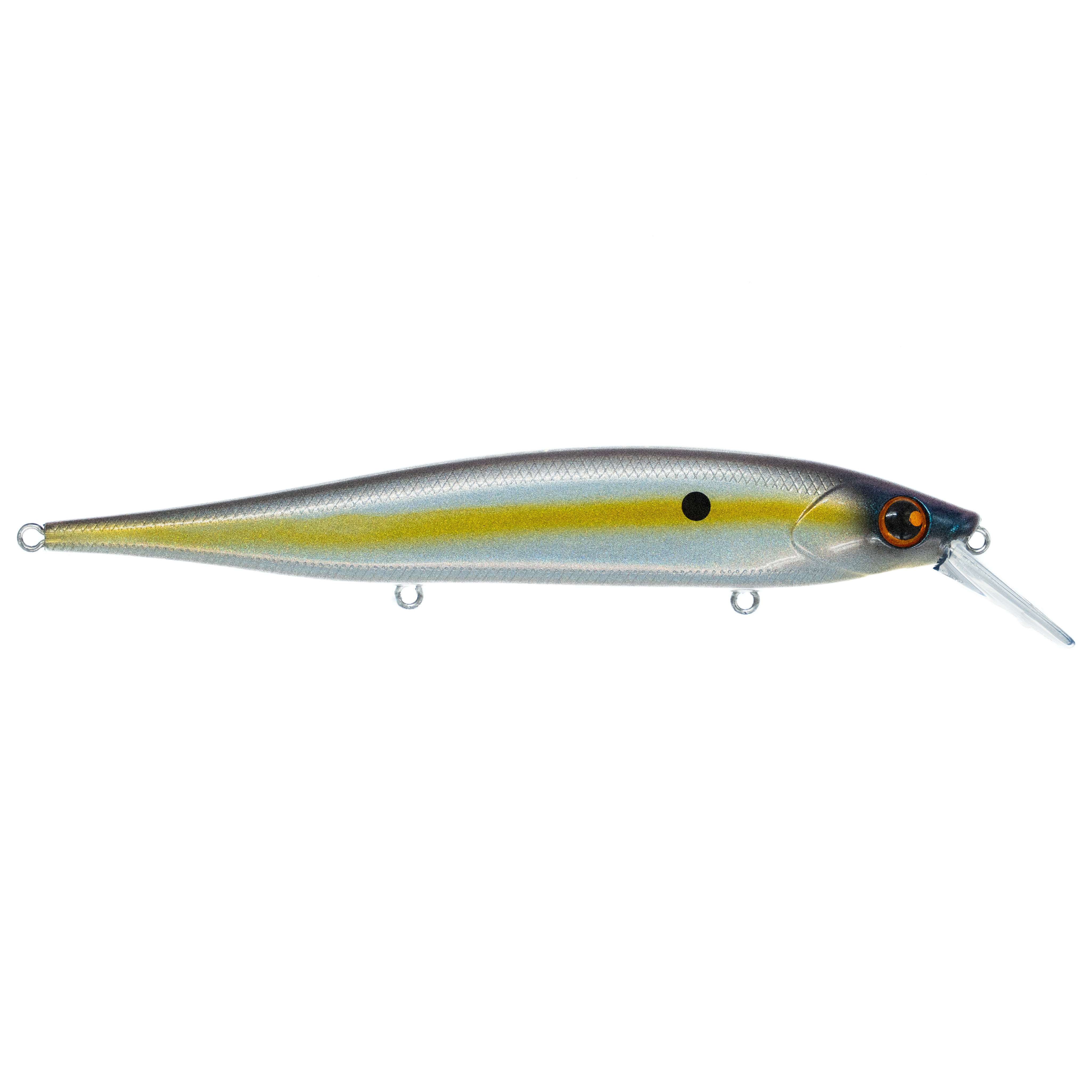
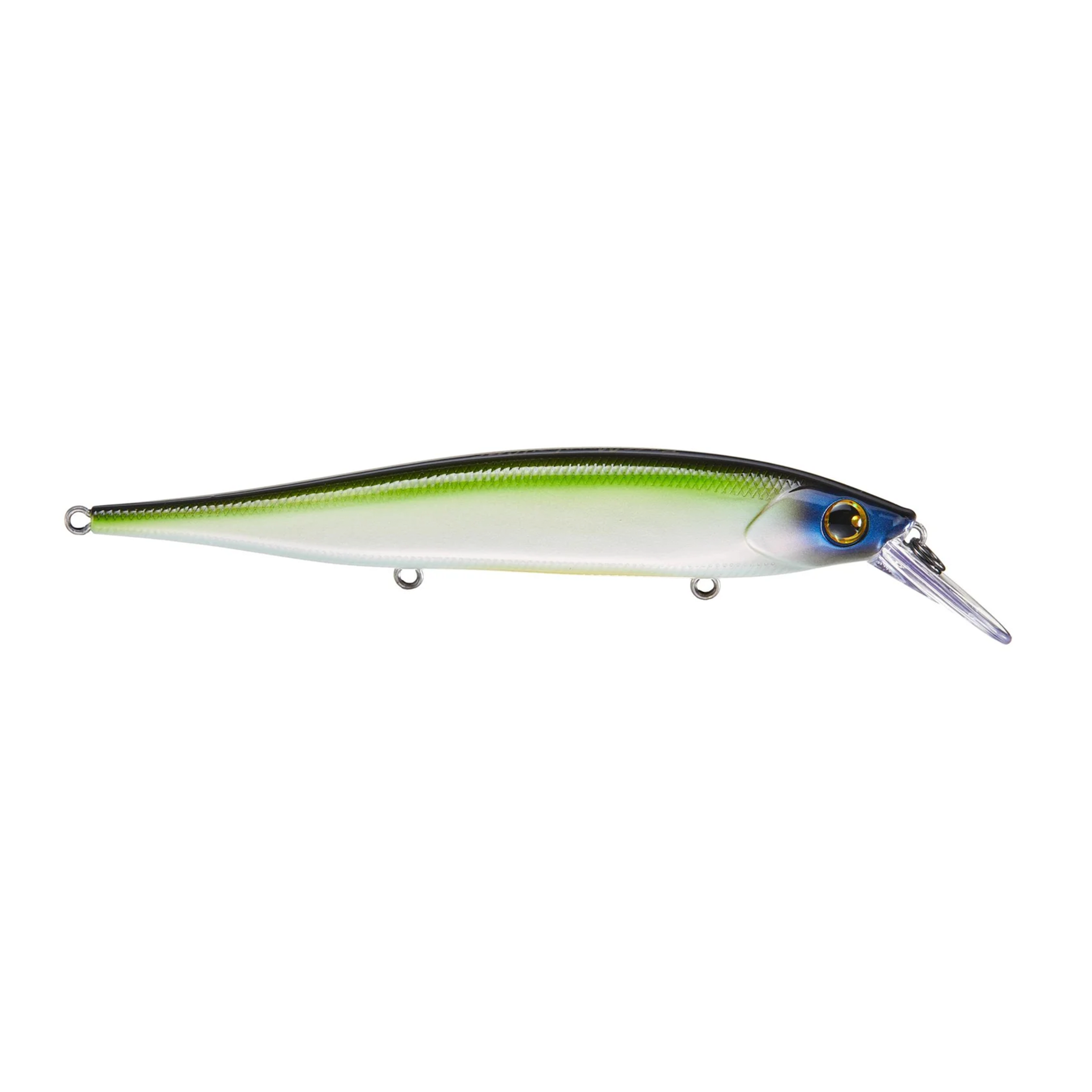
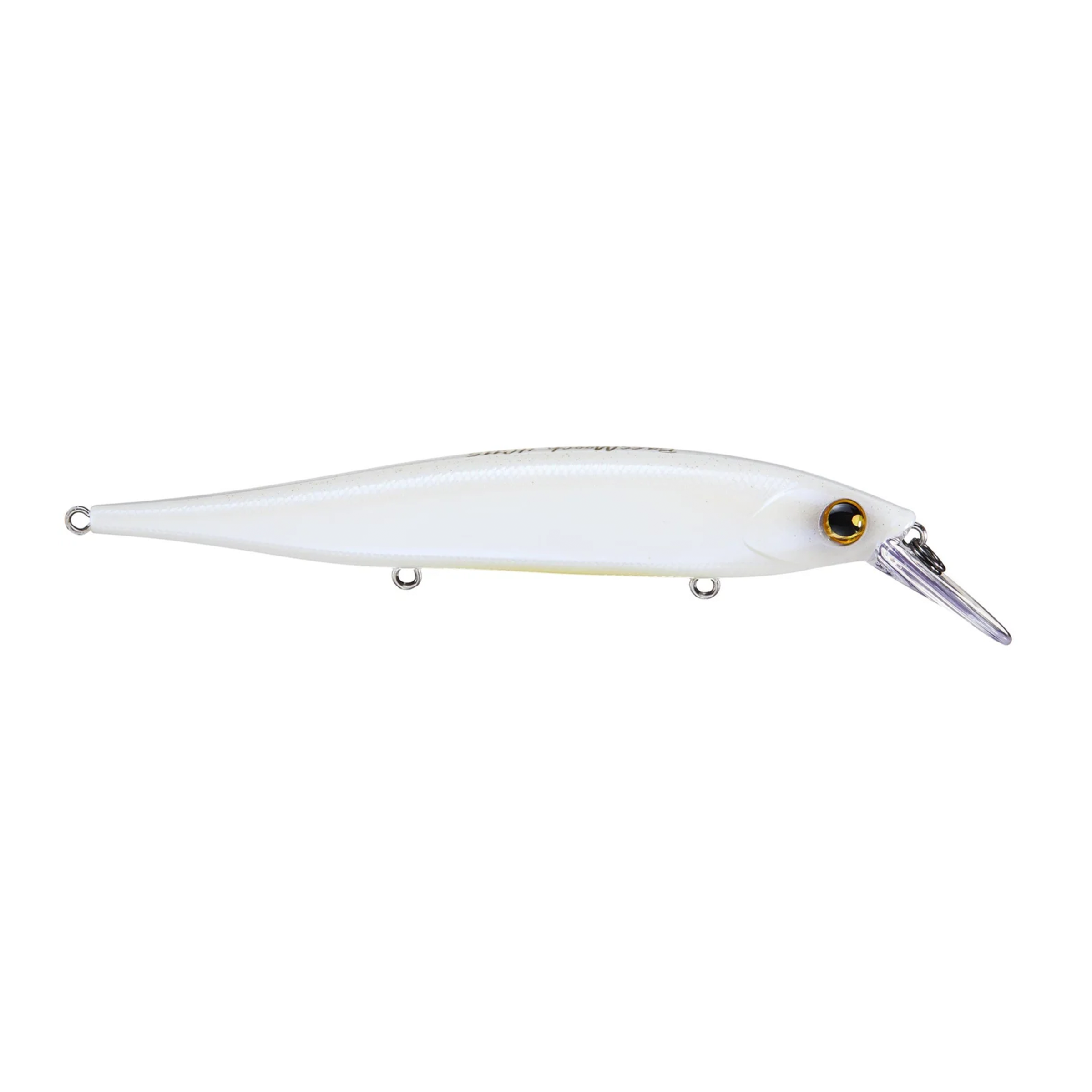
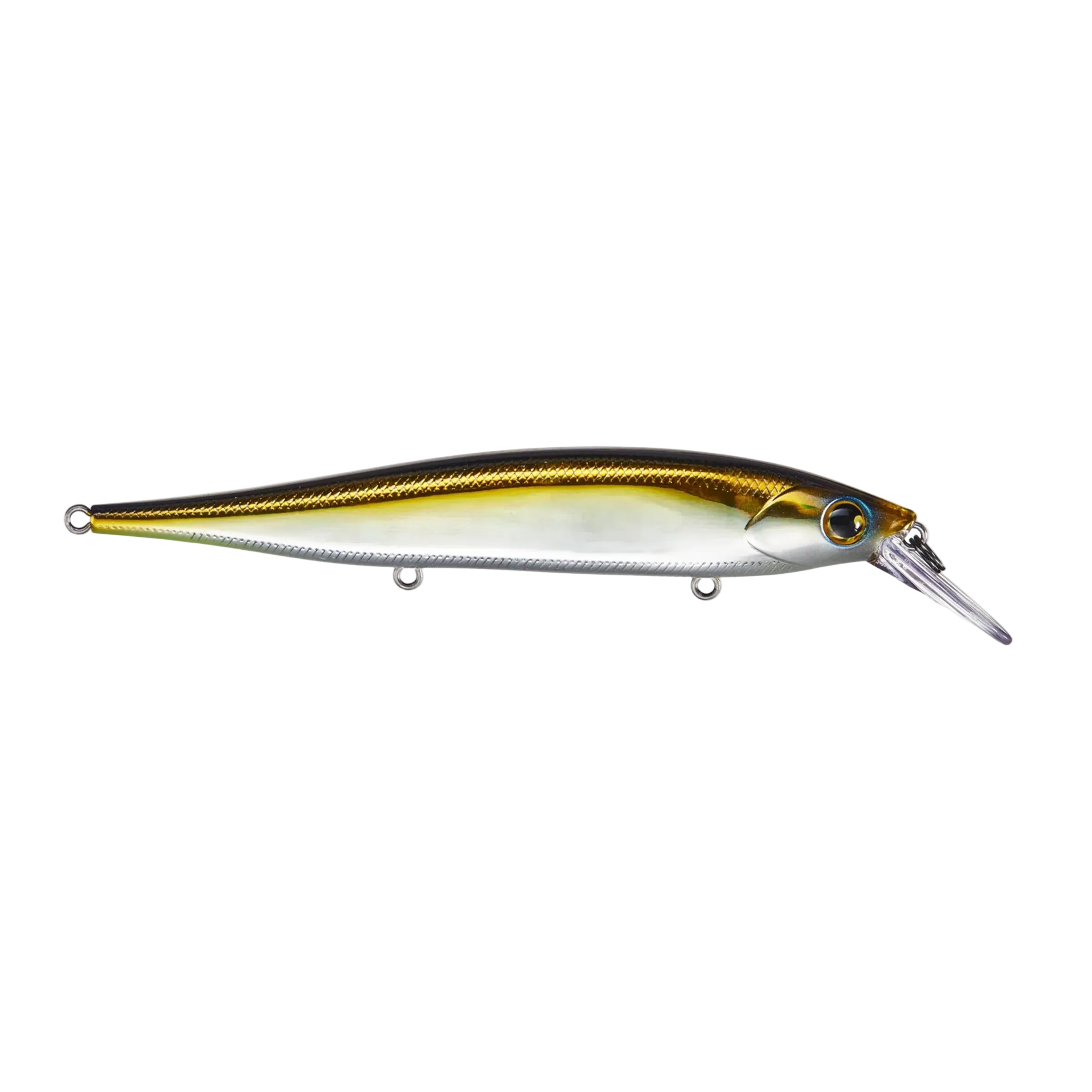
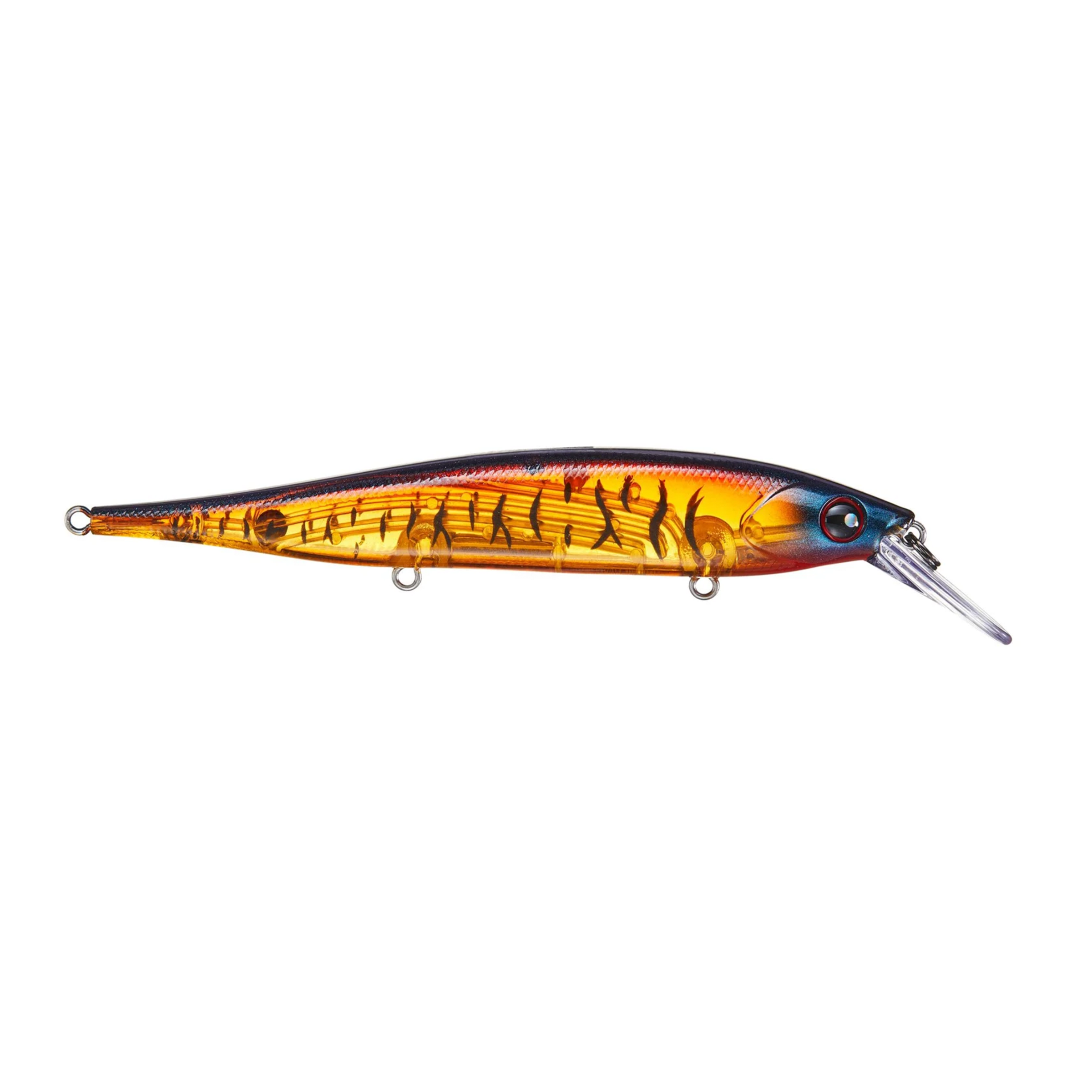
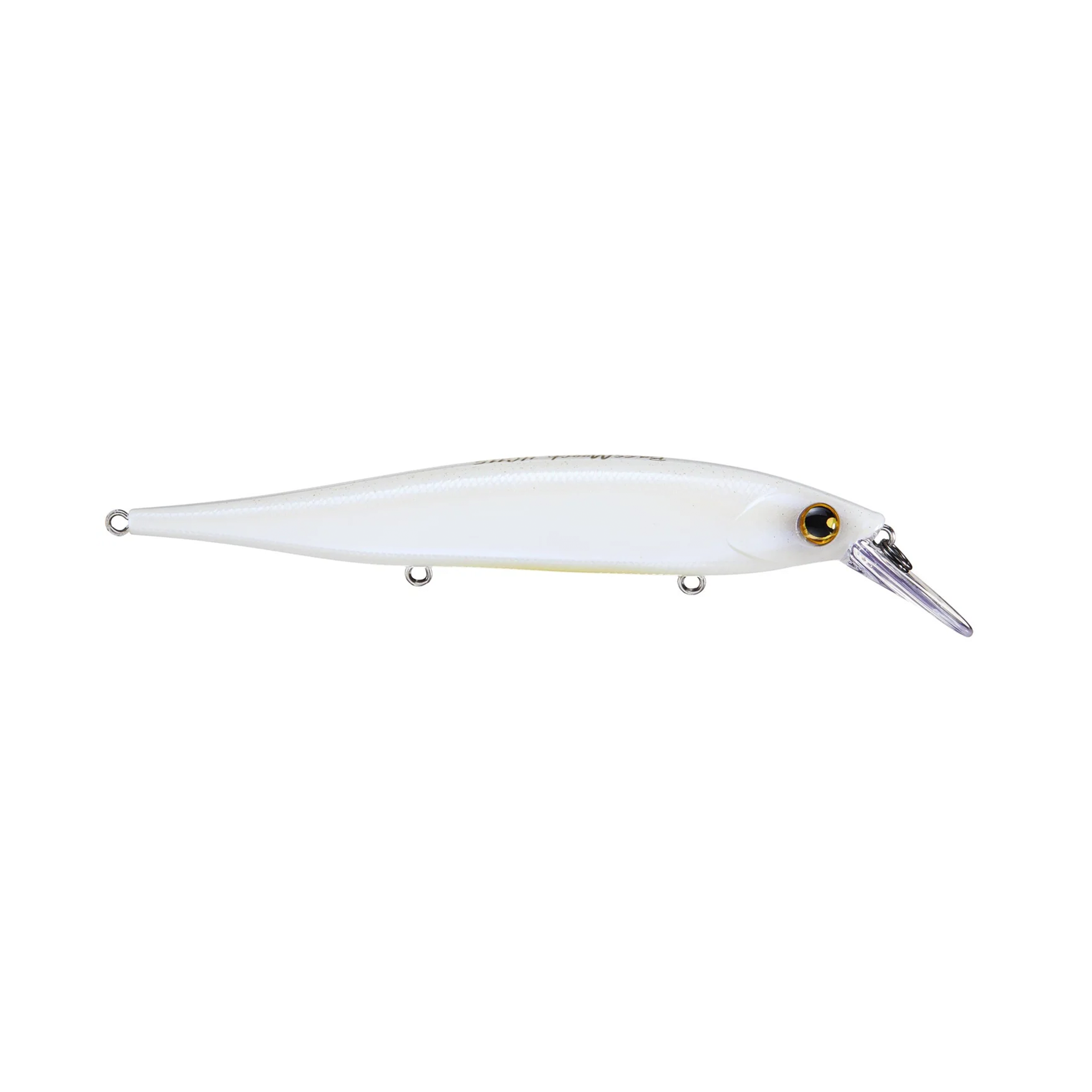
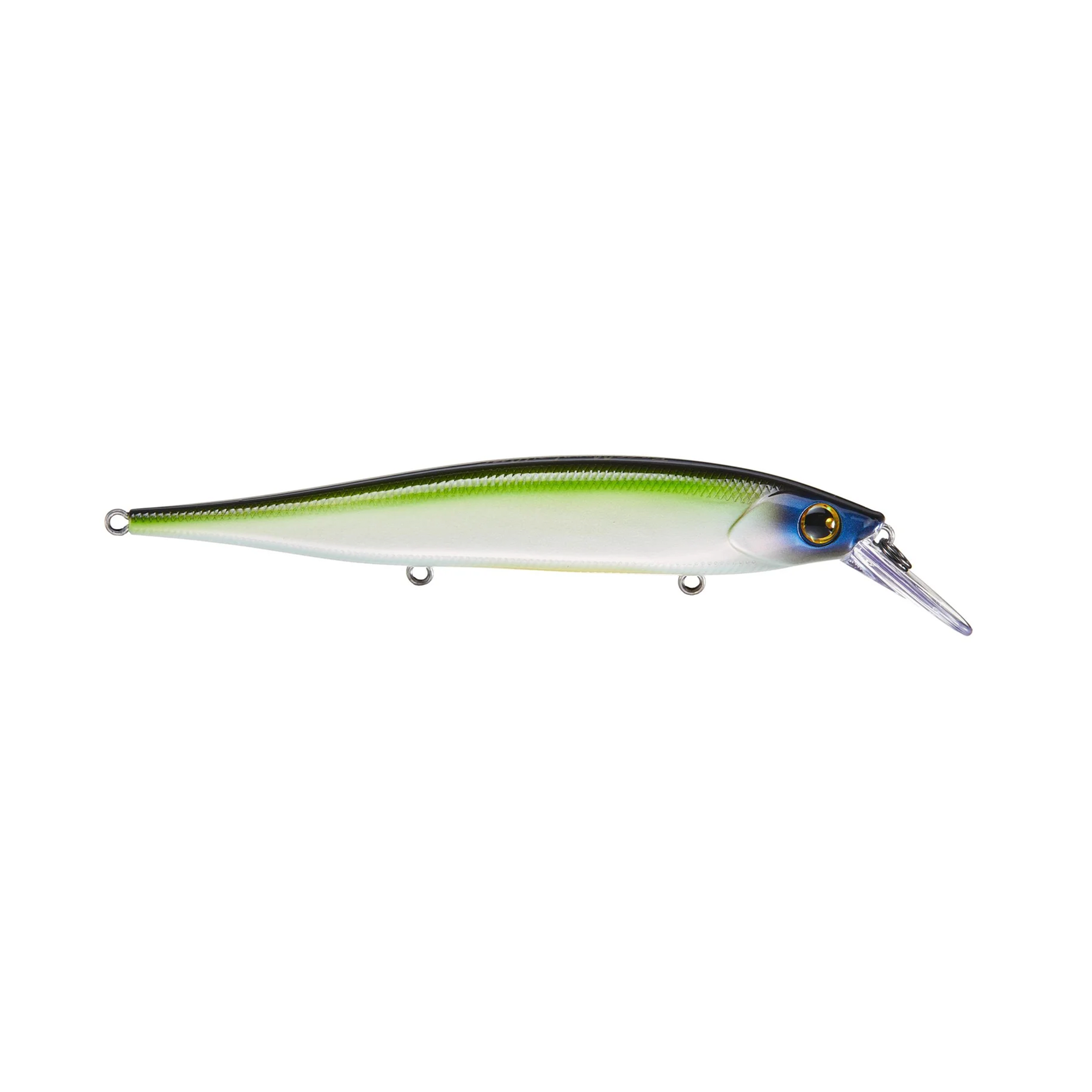
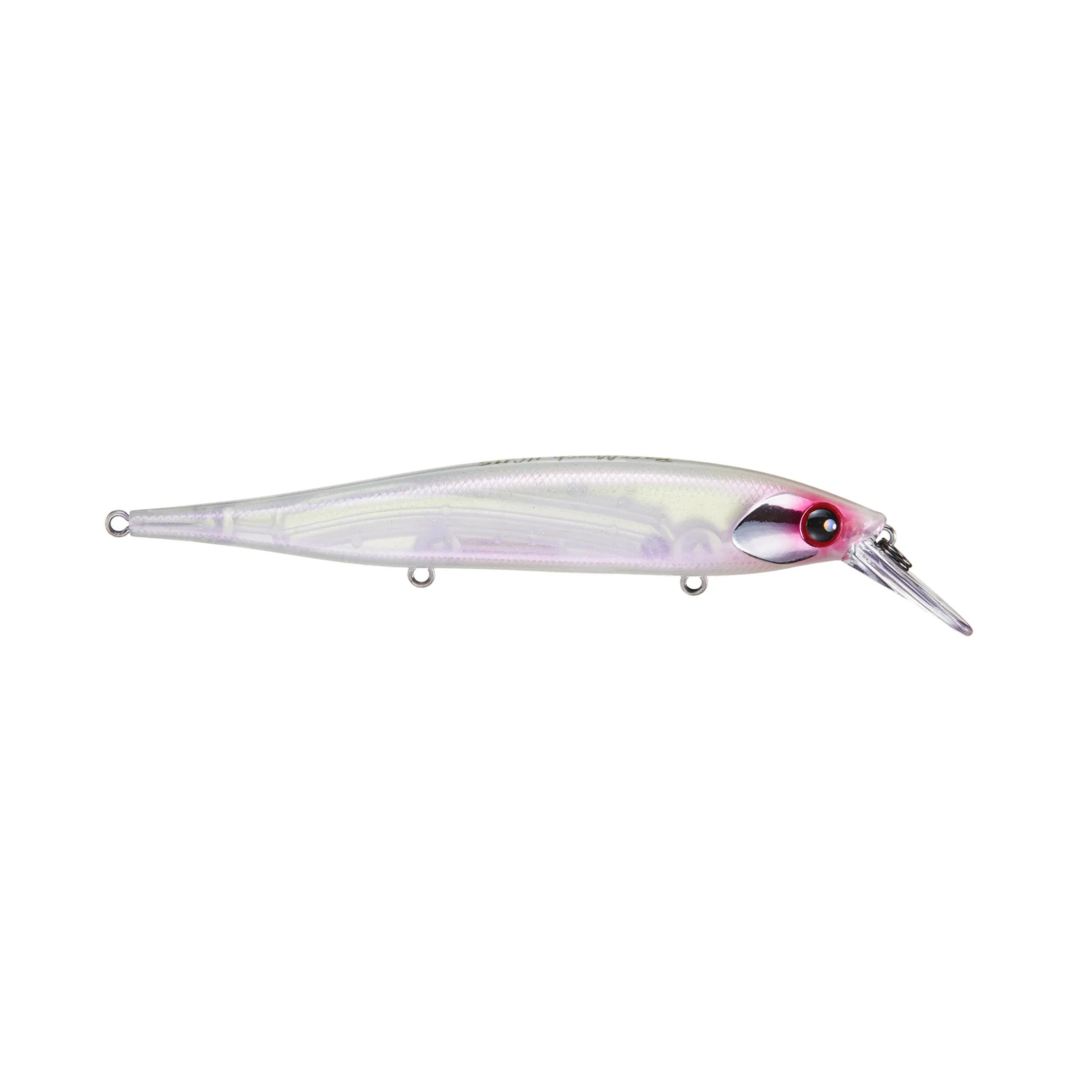
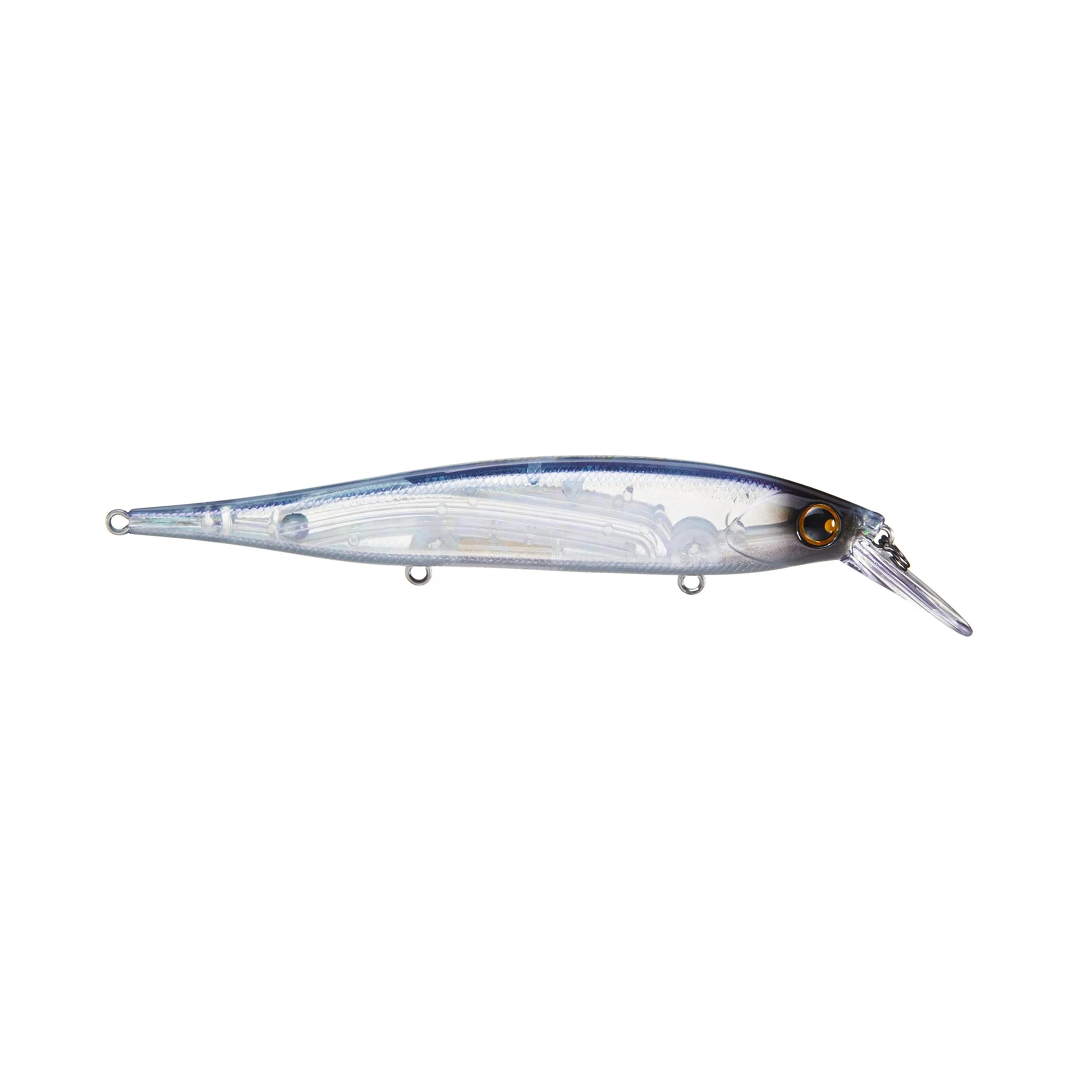
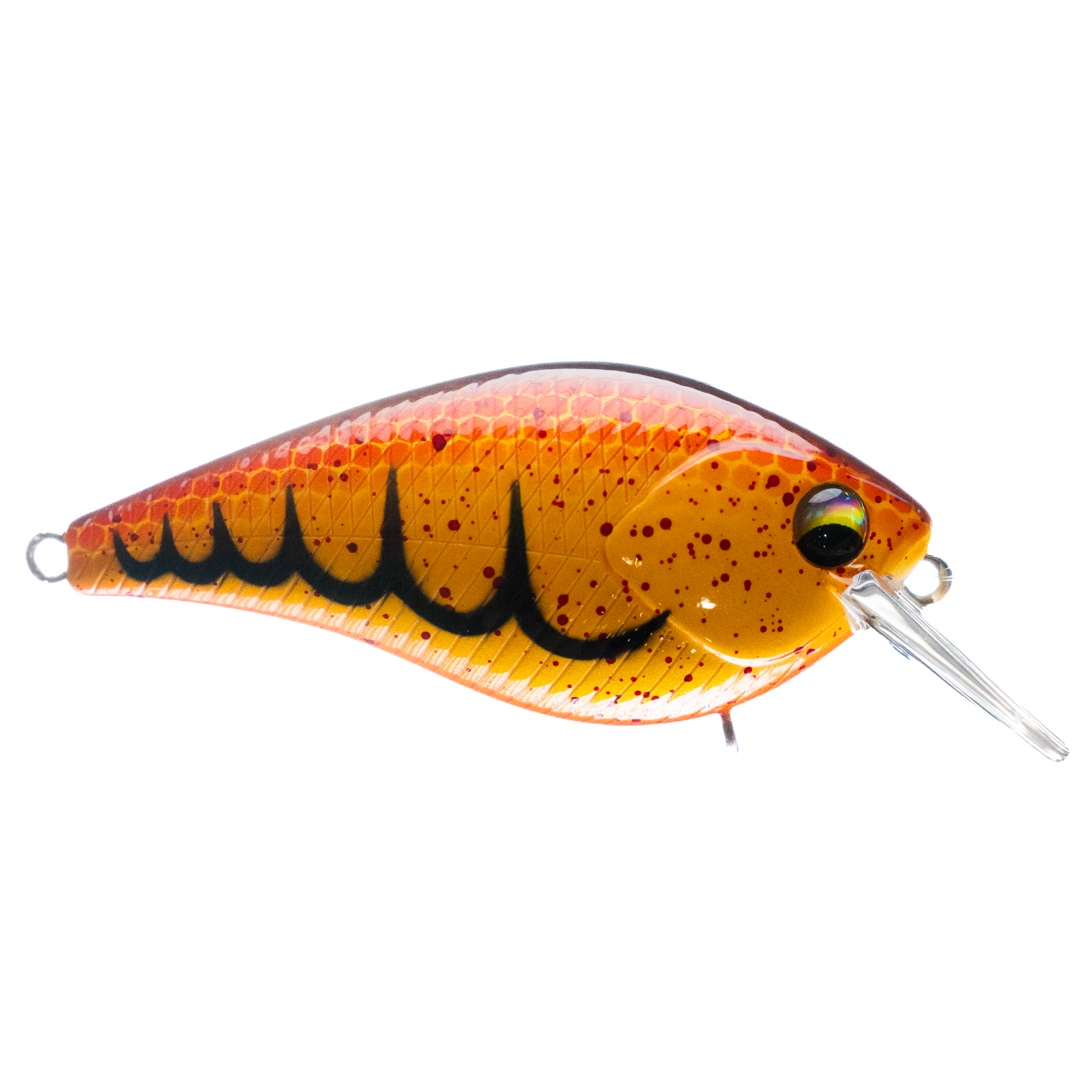
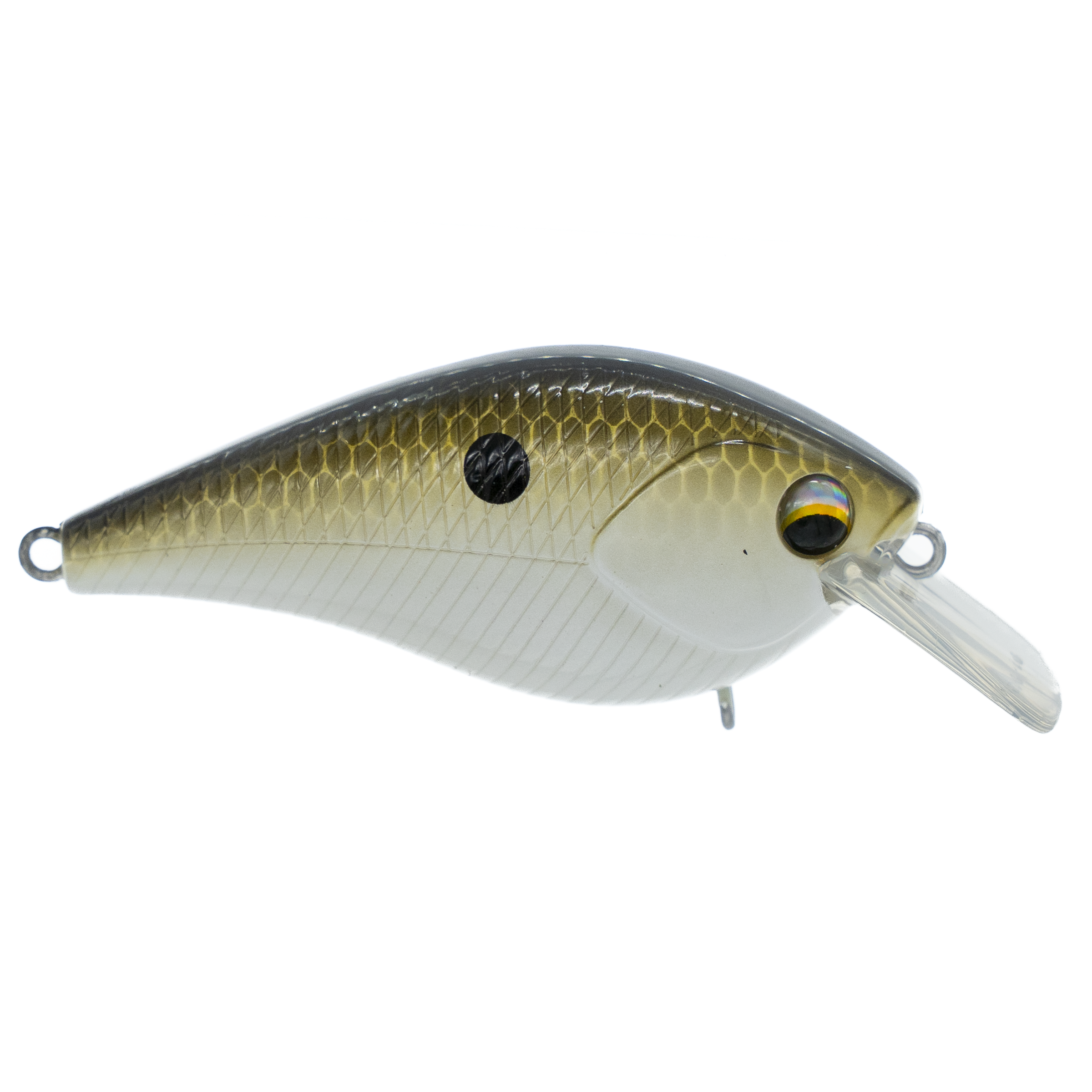
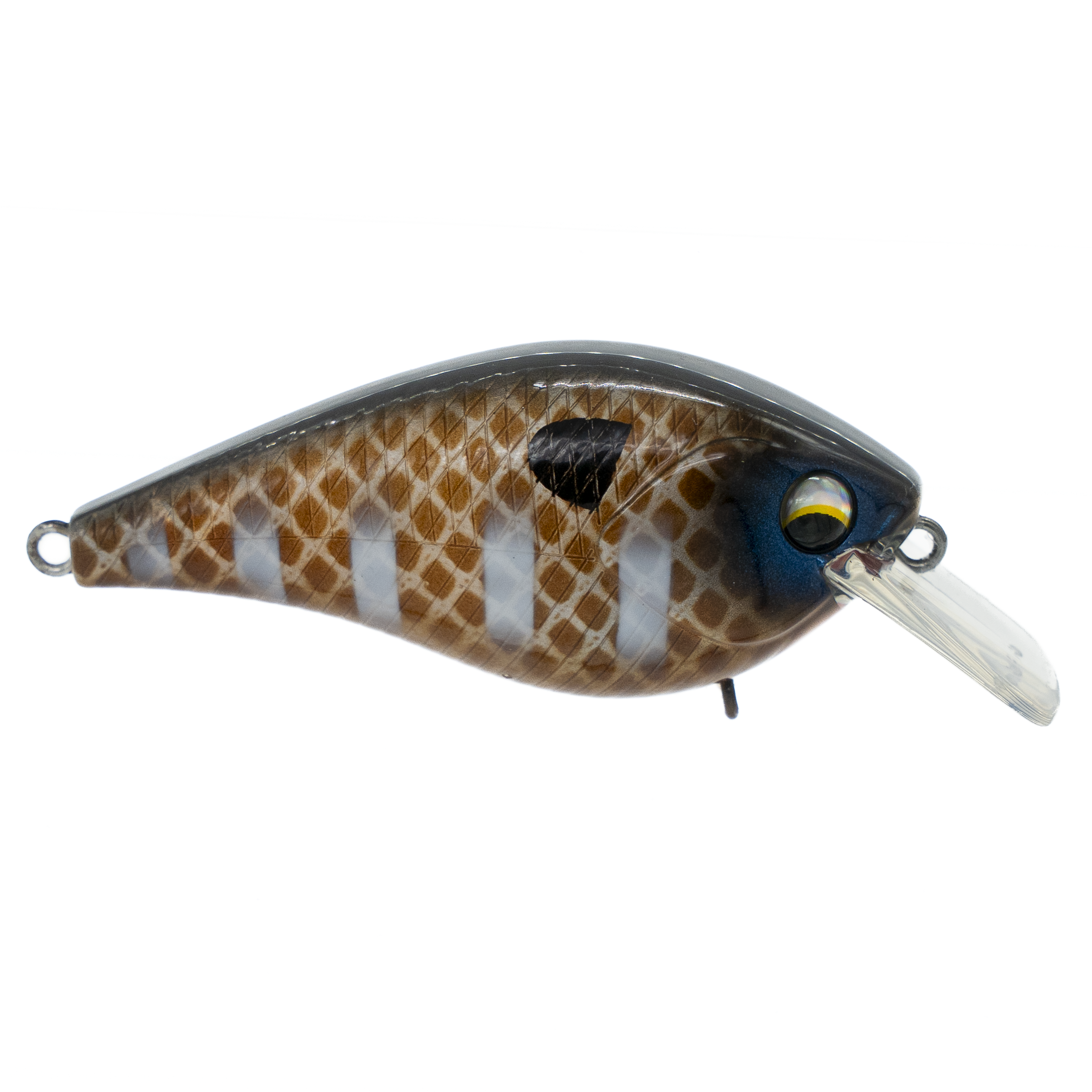
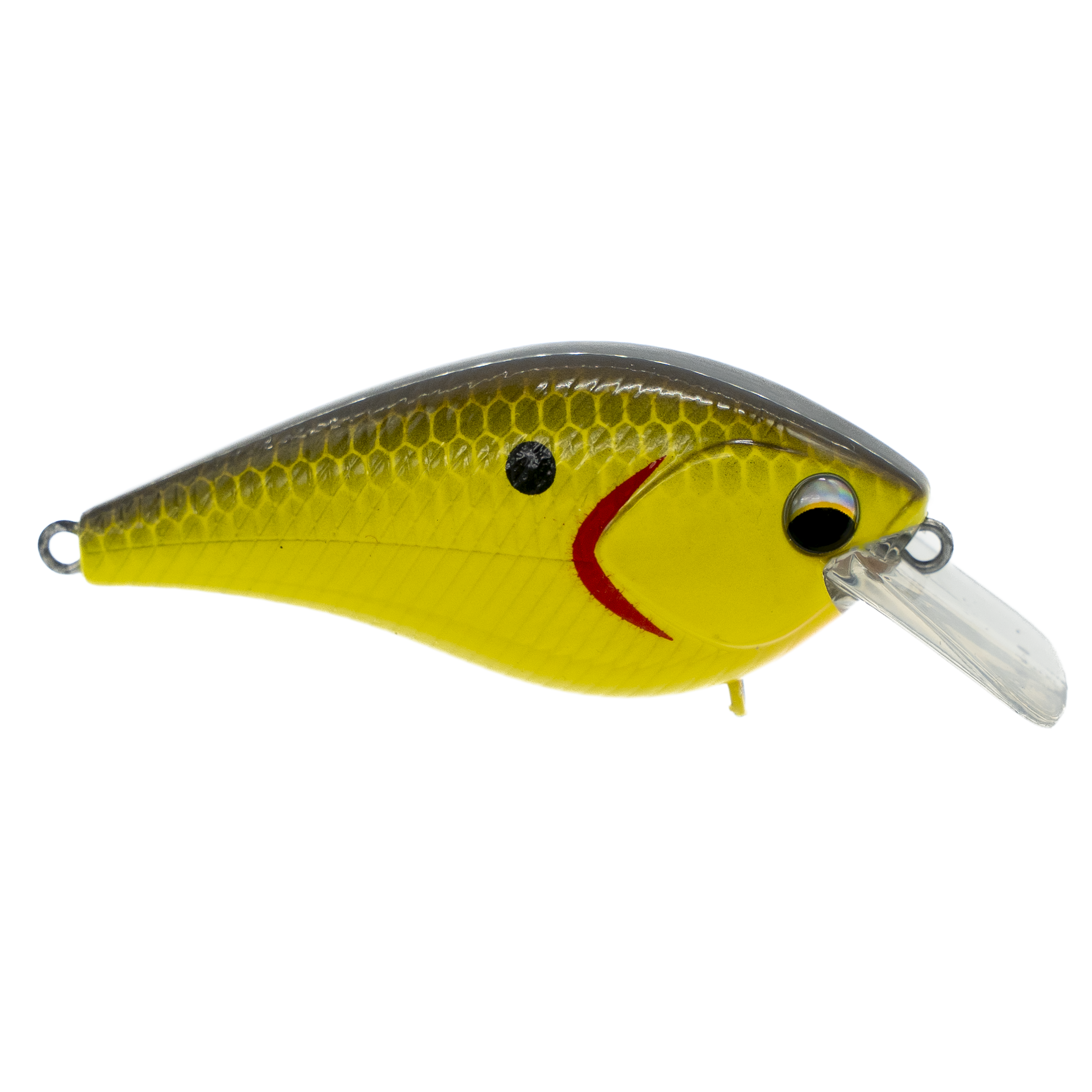
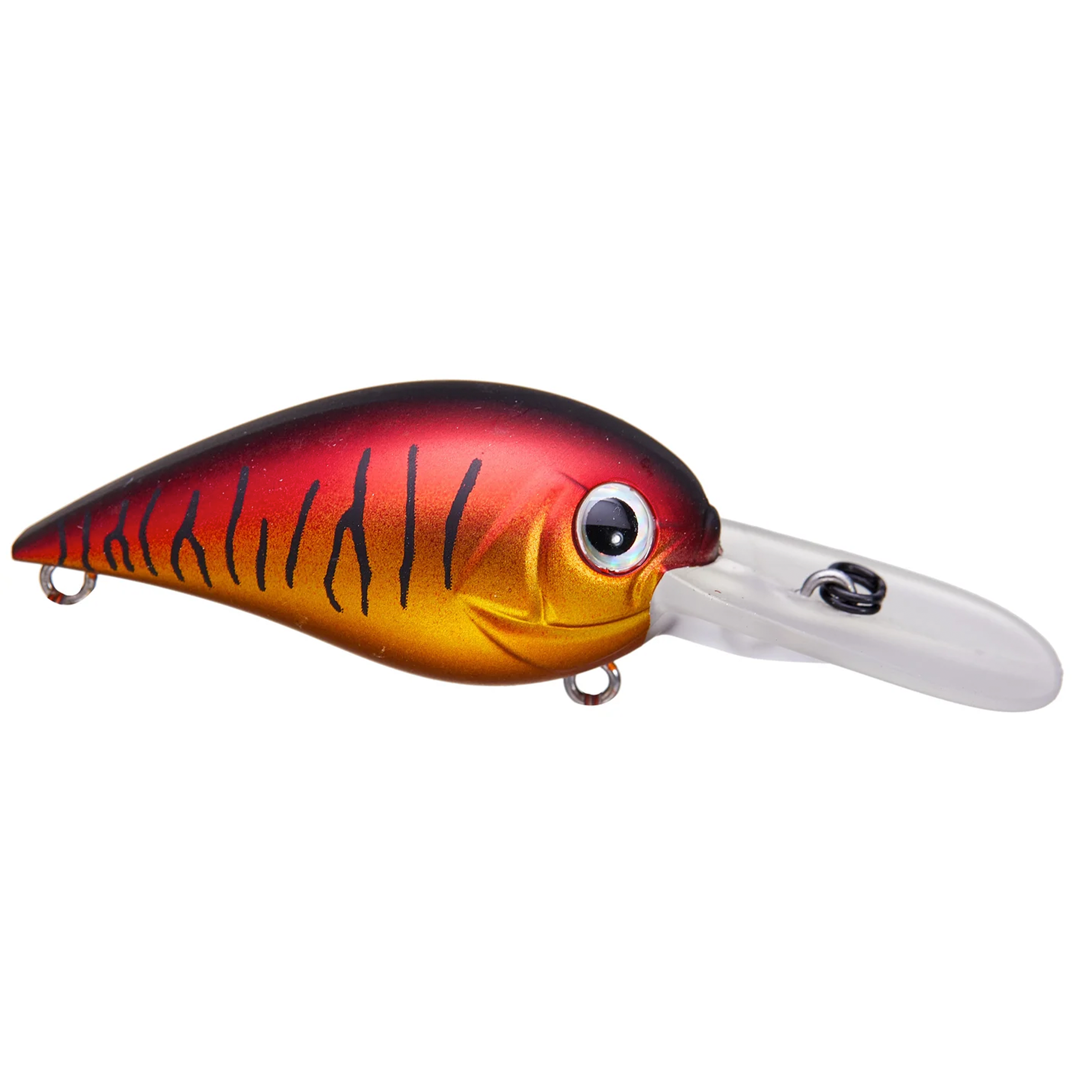
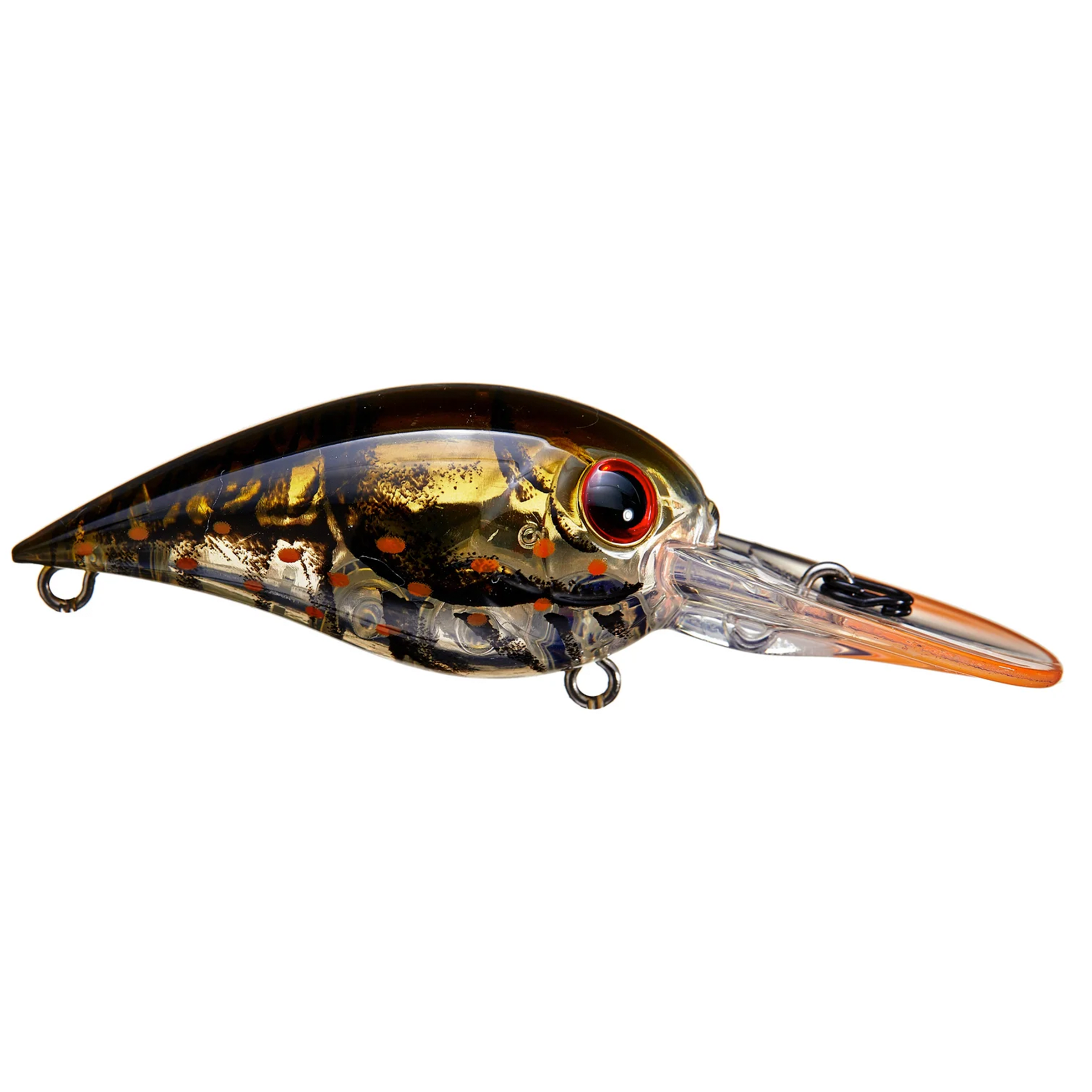
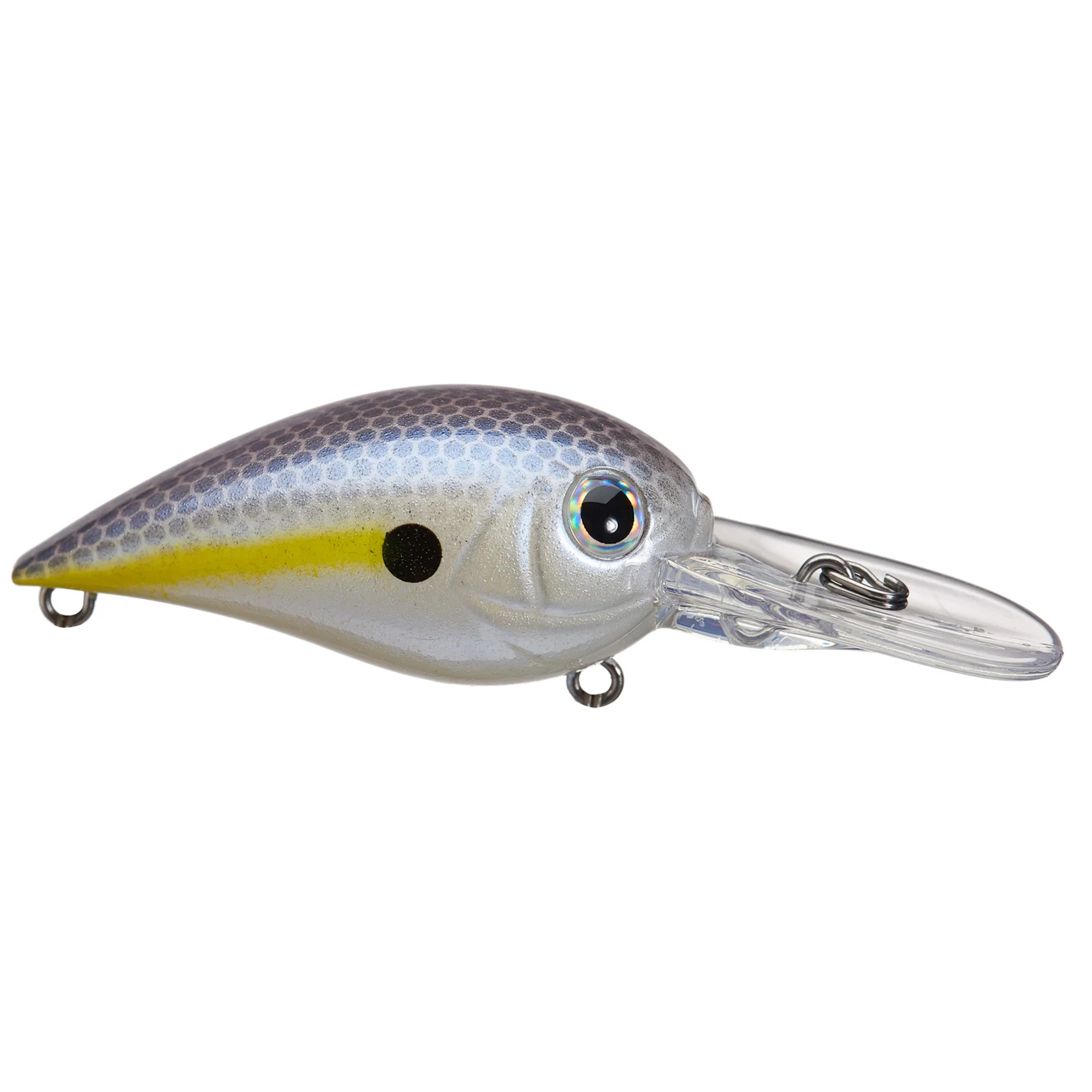
Suspending jerkbaits off rock in spring, shallow crankbaits and spinnerbaits around riprap in summer mornings, moving baits on shallow rock in autumn afternoons, and float-and-fly plus deep finesse presentations in winter. Clear water means lighter line and more natural colours. Our full bait lineup covers all four seasons.
What is the smallmouth size limit?
Fifteen inches minimum on smallmouth, with largemouth and smallmouth combined at five fish per day. There are no size or creel limits on spotted bass. Rules differ either side of the state line, so check the regulations for the portion you are fishing.
Subtle Bites, Clear Water
A float-and-fly bite in January does not feel like anything. Neither does a suspended smallmouth eating a jerkbait on a long pause in forty feet of visibility. Level Rods builds models sensitive enough to register what you cannot feel and forgiving enough to keep light line intact when a big smallmouth finally decides to run.
Tournament Winning Baits & Gear
Designed, crafted and tested by anglers who fish clear mountain water every week. Free shipping on orders over $75.
Shop All Baits