Smith Mountain Lake Bass Fishing Guide
Smith Mountain Bass Fishing, Season by Season
Twenty thousand acres in the Blue Ridge foothills, forty miles long with five hundred miles of shoreline and docks along most of it. Smith Mountain is Virginia's best-known bass lake, which means it is also its most fished — and the anglers who do well here fish it differently from everyone else.
Two Rivers, Five Hundred Miles of Shoreline
Smith Mountain Lake sits in the Blue Ridge foothills of southwestern Virginia, created to generate electricity and manage downstream flows. It runs about forty miles across 20,600 acres with roughly five hundred miles of shoreline, and it is nationally recognised for both bass and striped bass fishing.
The lake has two main arms — the Roanoke River and the Blackwater River — meeting near the dam. Those arms fish differently from one another and differently again from the main body, which is the first useful thing to know about a lake this size.
Development defines the cover. Five hundred miles of shoreline in a desirable part of Virginia means docks, and a great many of them. Boat docks, boathouses, riprap and seawalls are the primary structure, with points, brush and standing timber in the upper arms filling in the rest. There is limited aquatic vegetation.
Largemouth are the main black bass, with smallmouth on the rockier main-lake structure and spotted bass increasingly present. Striped bass have their own following and their own guides, and they use the open water and the deeper channels.
The honest caveat is pressure. Smith Mountain is the lake most Virginia anglers name first, it sits within easy reach of Roanoke and Lynchburg, and it carries substantial recreational boat traffic through the warm months on top of the fishing. The obvious docks near the ramps get fished constantly.
What that means practically: the anglers who do well here go further, fish earlier, or work the docks that are harder to reach and less comfortable to fish. On a lake with five hundred miles of shoreline, there is always water nobody touched this week.
Docks, Points and Two Arms
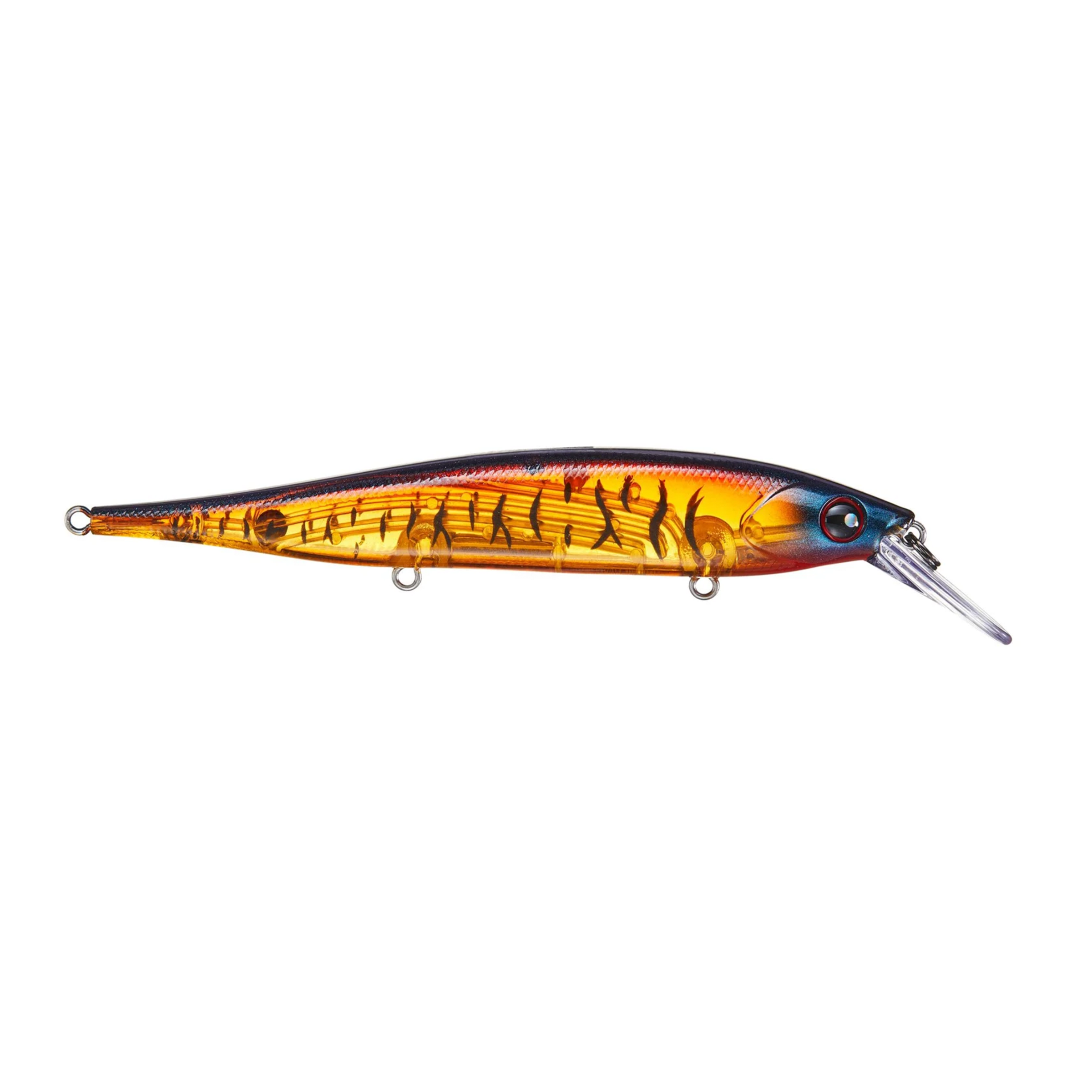
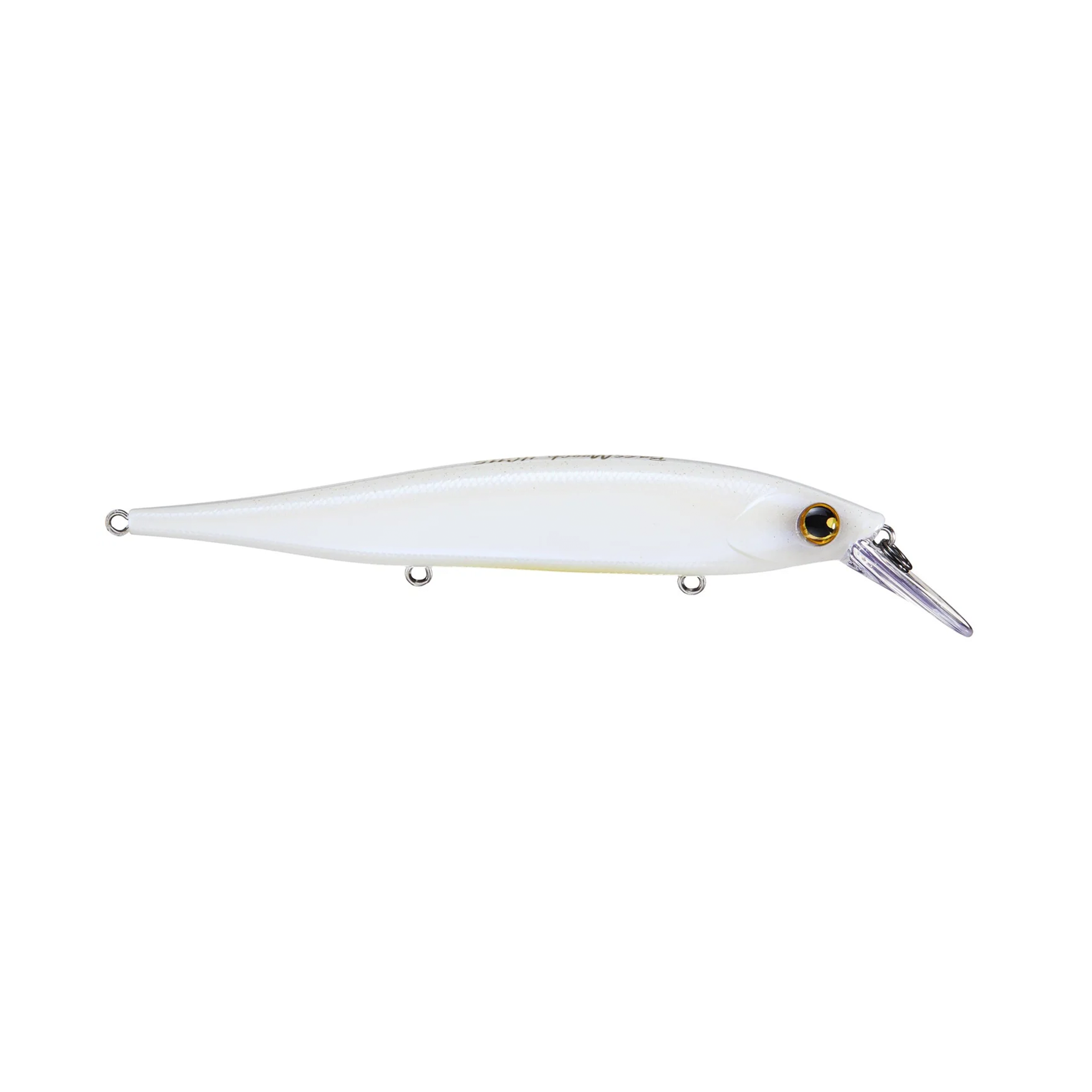
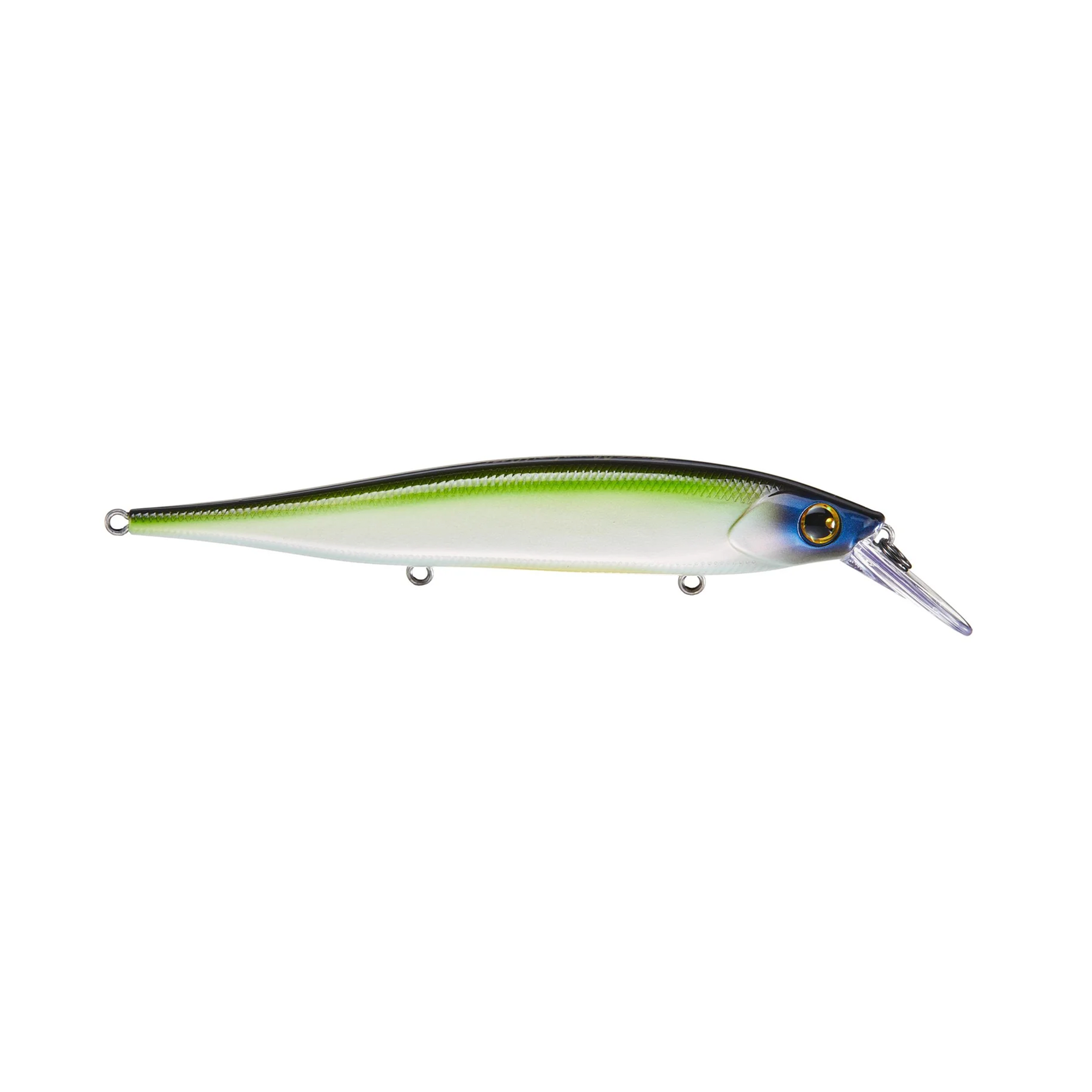
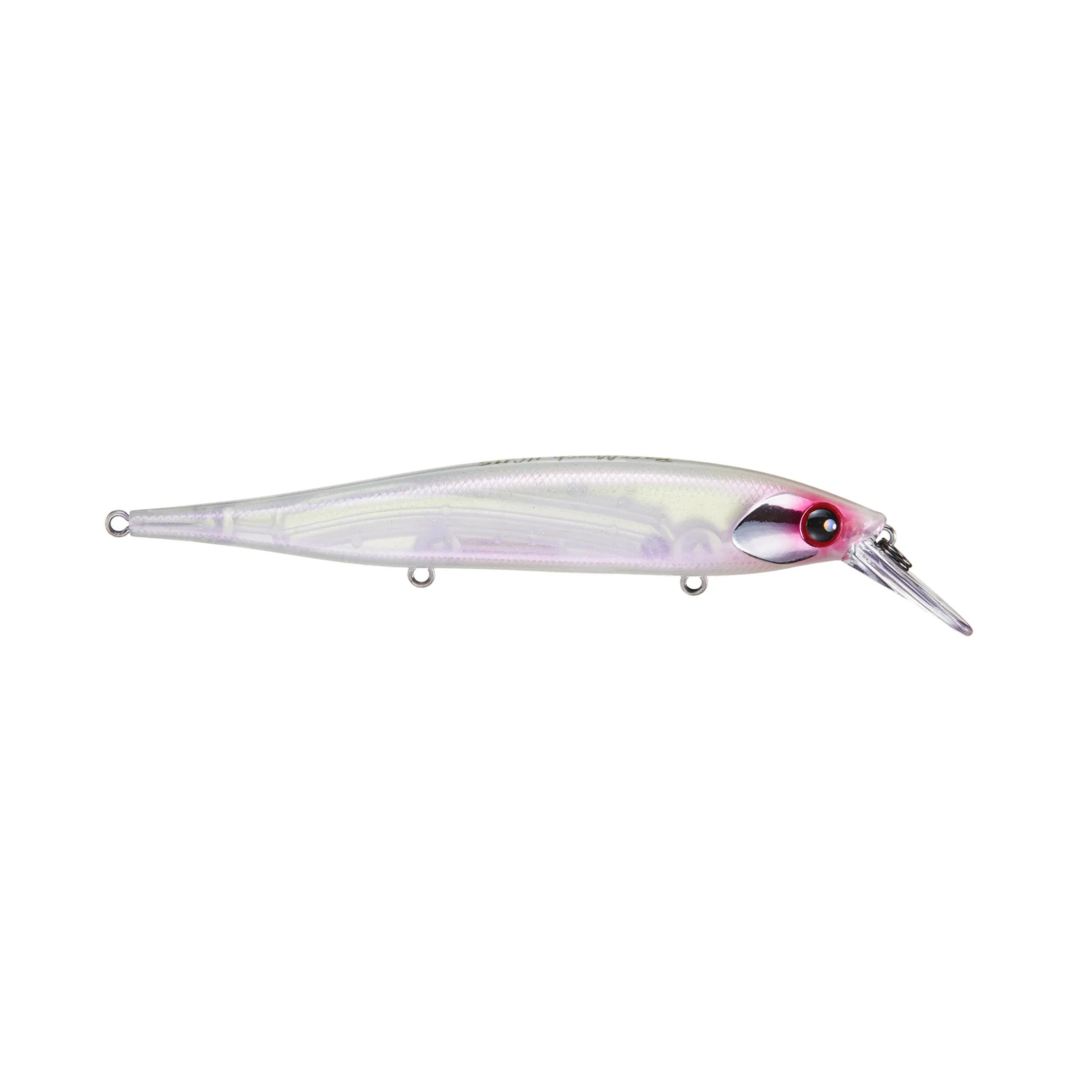
Four patterns cover the year. Each one pairs the technique with the baits we'd actually tie on.
Up the Arms and Under the Docks
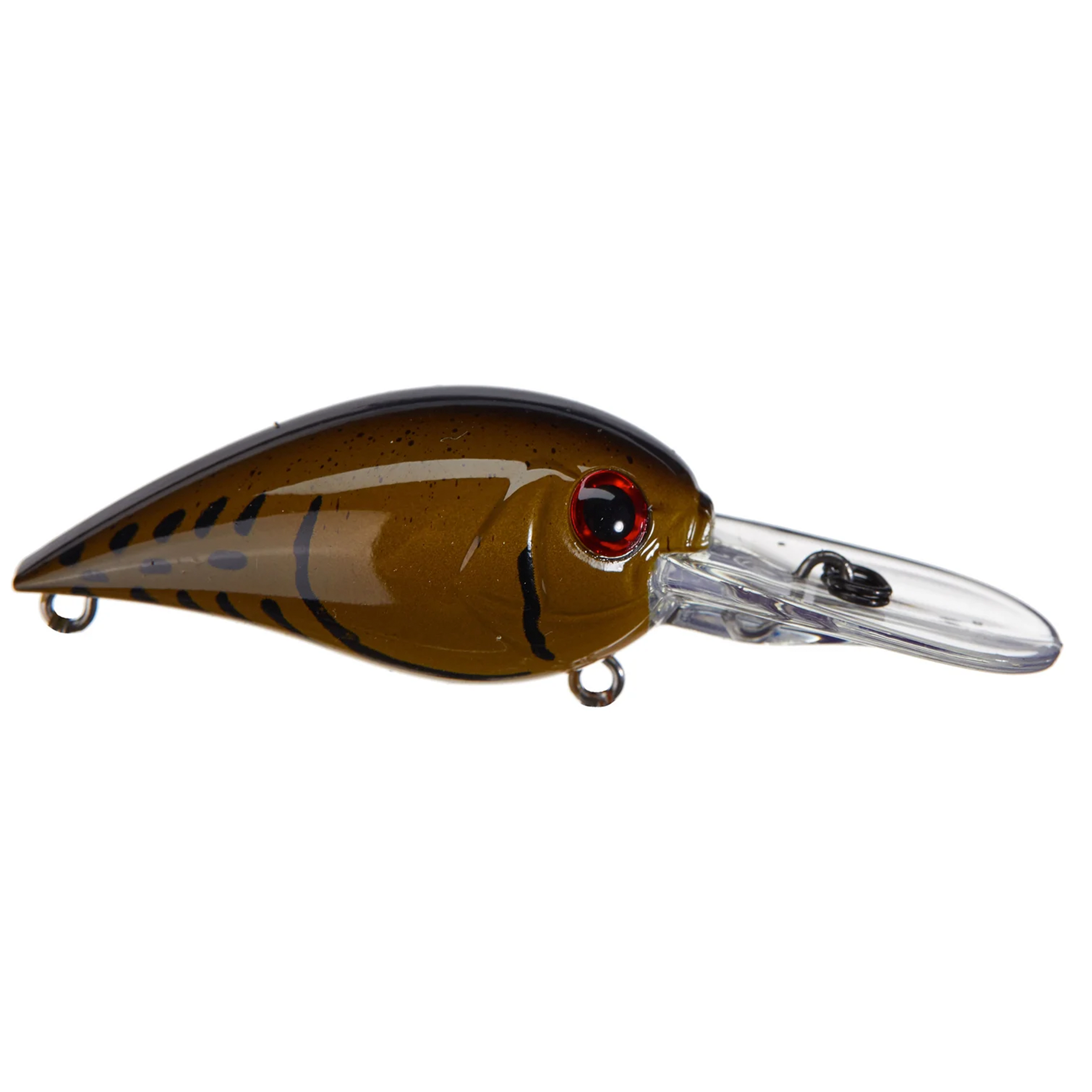
Spring pulls fish into the creek arms and the backs of the coves, and the Roanoke and Blackwater arms warm before the main lake. Prespawn fish stage on secondary points and around dock structure outside the spawning pockets, then move up. Docks in the backs of coves hold spawning fish and are consistently productive.


Shade, Depth and Early Starts
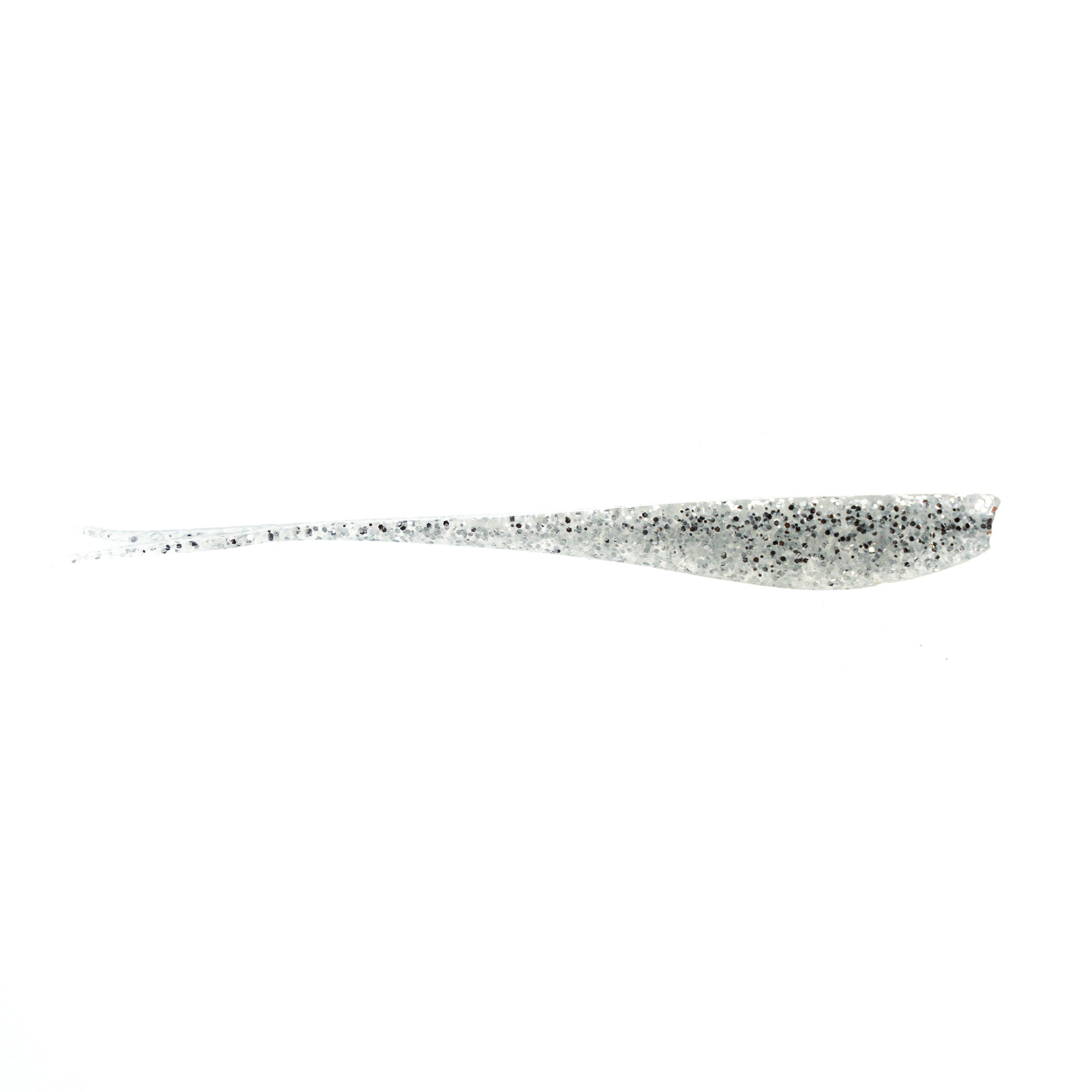
Summer brings heavy recreational traffic and pushes the fishing into the early and late windows. Docks become genuinely valuable as shade rather than just as cover, and the deeper structure — main-lake points, channel edges, brush — holds fish through the middle of the day. Night fishing has a real following here.


Bait Into the Creeks
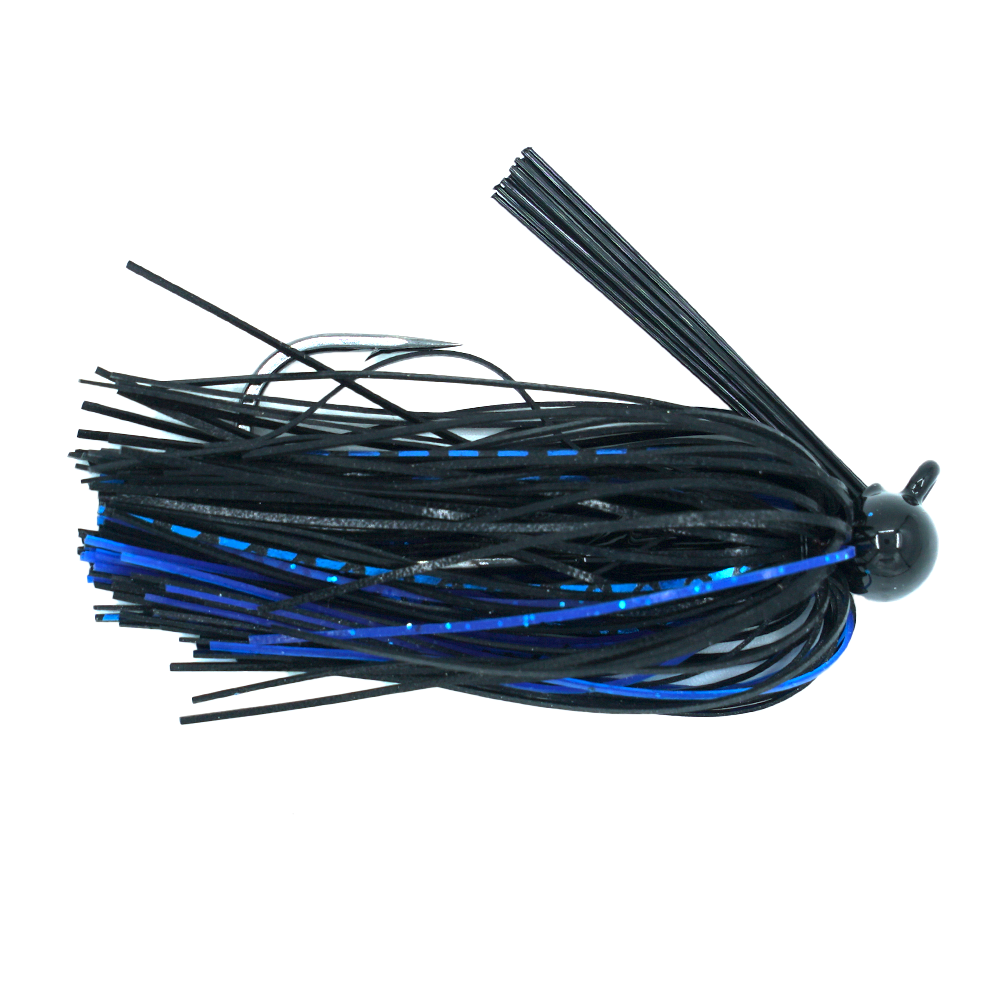
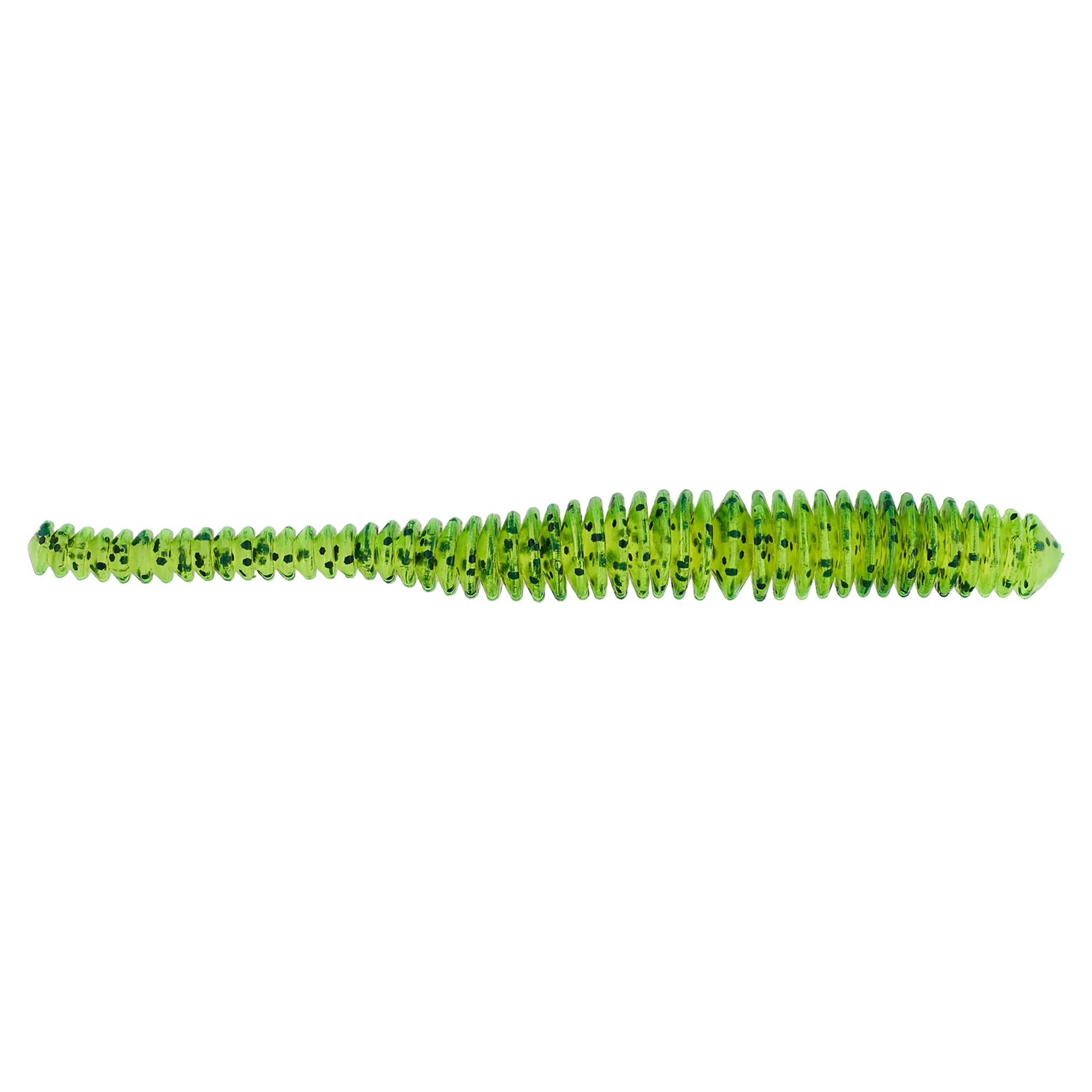
Autumn moves bait into the creek arms and the coves and the bass follow, and the summer traffic disappears. This is the most comfortable and forgiving fishing of the year on Smith Mountain, and the fish are aggressive enough to chase moving baits along the dock lines and points.

Deep Docks and Empty Water
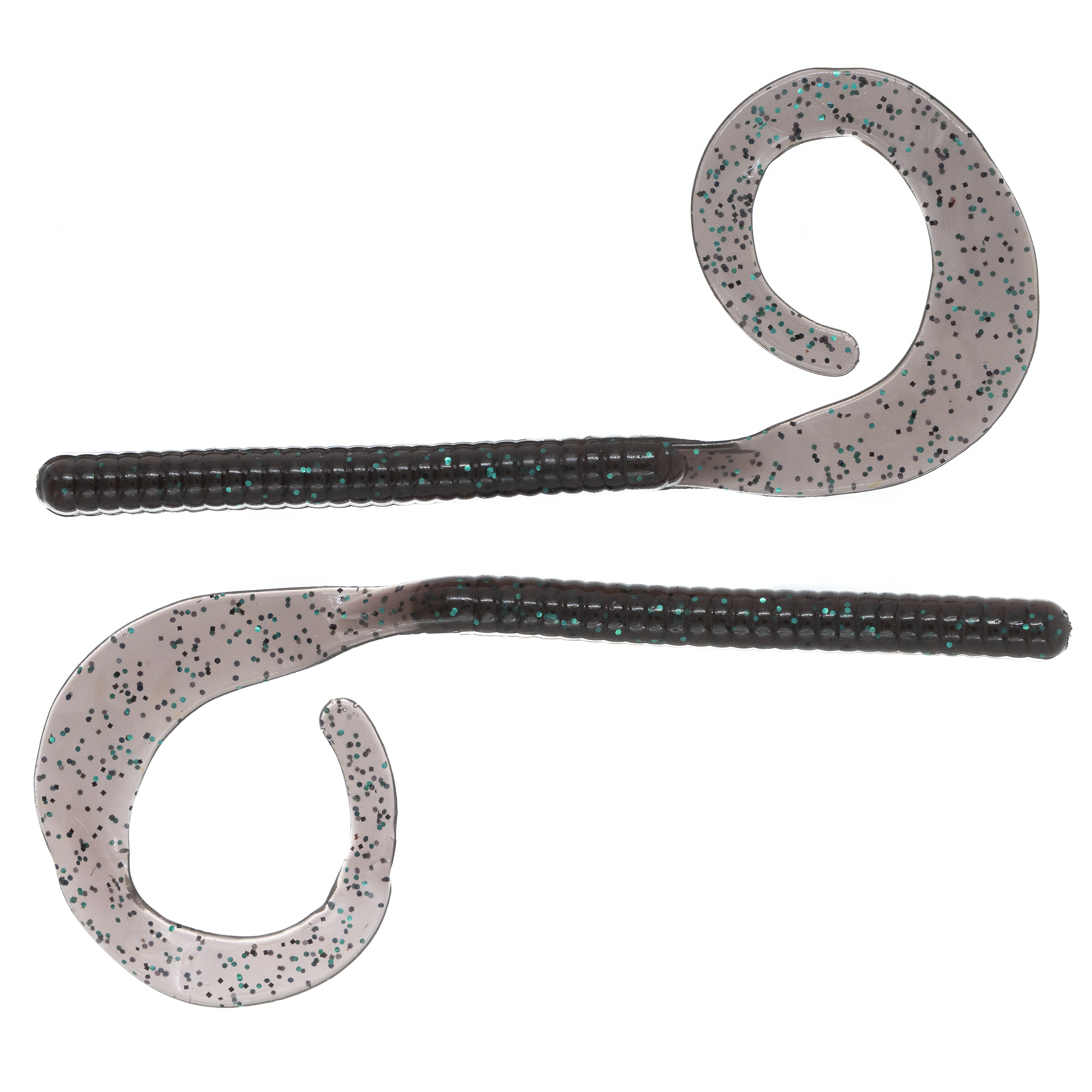
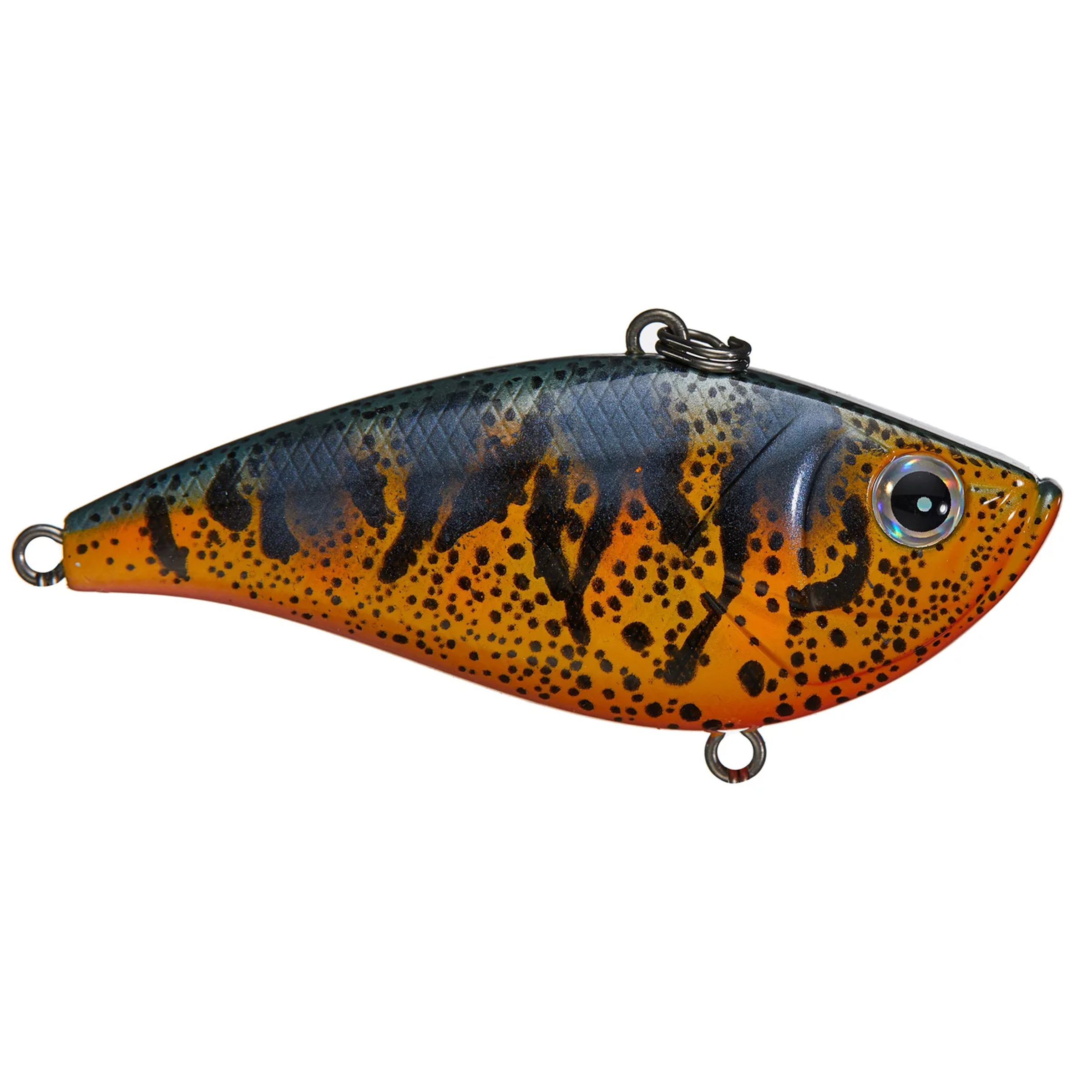
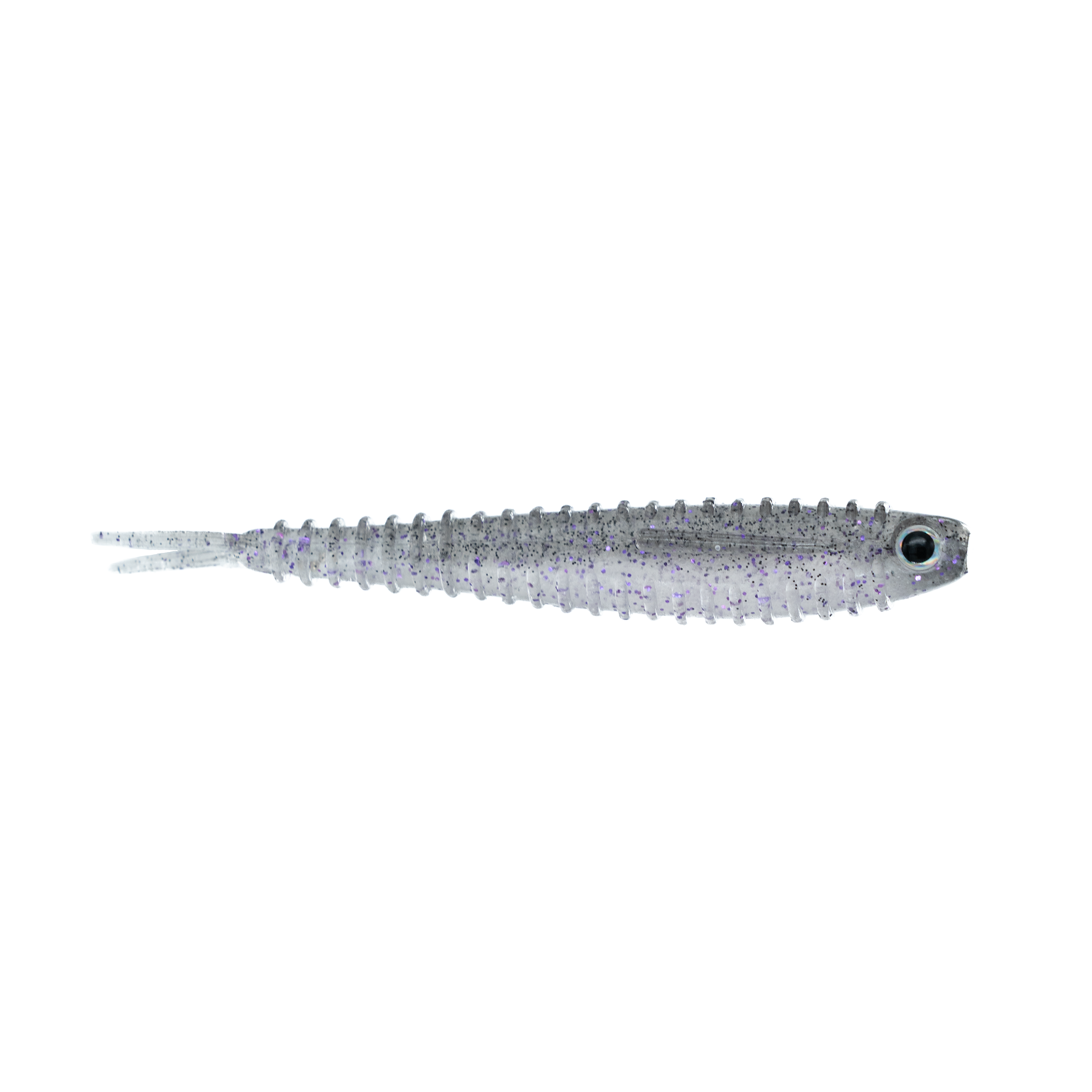
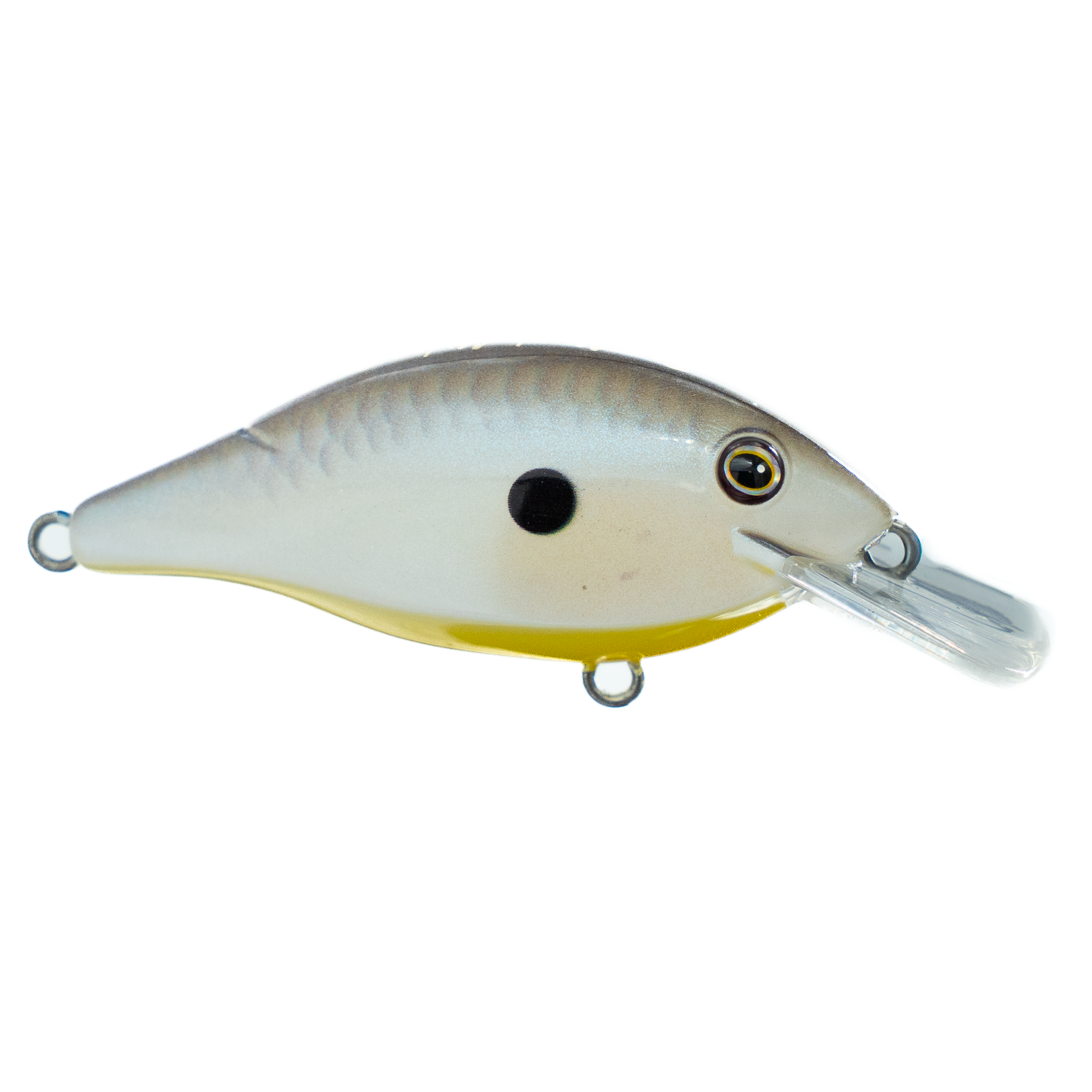
Winter empties the lake of everyone except anglers and pushes fish onto the deeper docks, points and channel edges. It is slow fishing that produces the best average size of the year, and the pressure that defines this lake for eight months simply is not there.


Smith Mountain Lake Access
Smith Mountain Lake State Park provides public access on the Blackwater arm, with additional public and marina ramps around the lake. Moneta, Huddleston and Union Hall are the local towns, with Roanoke and Lynchburg both within easy reach.
The Dock Lines
Five hundred miles of shoreline, most of it developed, which makes docks the primary cover on this lake year round. Skipping is the core skill here. The docks worth fishing are the ones with depth under them and the ones awkward enough that most anglers pass them by.
The Roanoke and Blackwater Arms
The two main arms, warming first in spring and holding bait in autumn. More stained and less pressured than the main body, and the answer when the lower lake is bright, busy or unproductive.
The Main-Lake Points
Rock and clay points holding smallmouth and spotted bass, and the deeper structure fish drop to in summer and winter. Less obvious than the docks and correspondingly less fished.
Smith Mountain Lake Bass Fishing FAQ
How big is Smith Mountain Lake?
About 20,600 acres running forty miles, with roughly five hundred miles of shoreline. It sits in the Blue Ridge foothills of southwestern Virginia and was built for hydroelectric generation and downstream flow management.
Is Smith Mountain Lake crowded?
Yes. It is Virginia's best-known bass lake, within easy reach of Roanoke and Lynchburg, and it carries heavy recreational traffic through the summer on top of the fishing pressure. The fish are still there — it rewards going further, fishing earlier and working the docks other people skip.
What is the main pattern on Smith Mountain?
Docks. With five hundred miles of largely developed shoreline, dock fishing is the year-round backbone here, and skipping is the skill that separates anglers. Points, brush and the upper-arm timber fill in the rest.
What is the difference between the two arms?
The Roanoke and Blackwater arms meet near the dam and each fishes differently from the other and from the main body. Both are more stained and less pressured than the lower lake, and both warm first in spring.
Are there smallmouth in Smith Mountain Lake?
Yes, on the rockier main-lake structure, along with an increasing spotted bass presence. Largemouth are the main black bass and the reason most people fish here. Striped bass have their own dedicated following and guides.
When is the best time to fish it?
Autumn is the most forgiving — bait in the creeks, aggressive fish and no summer traffic. Spring produces well in the arms and coves. Winter gives the best average size on an empty lake if you can handle the conditions.
What baits work best on Smith Mountain?
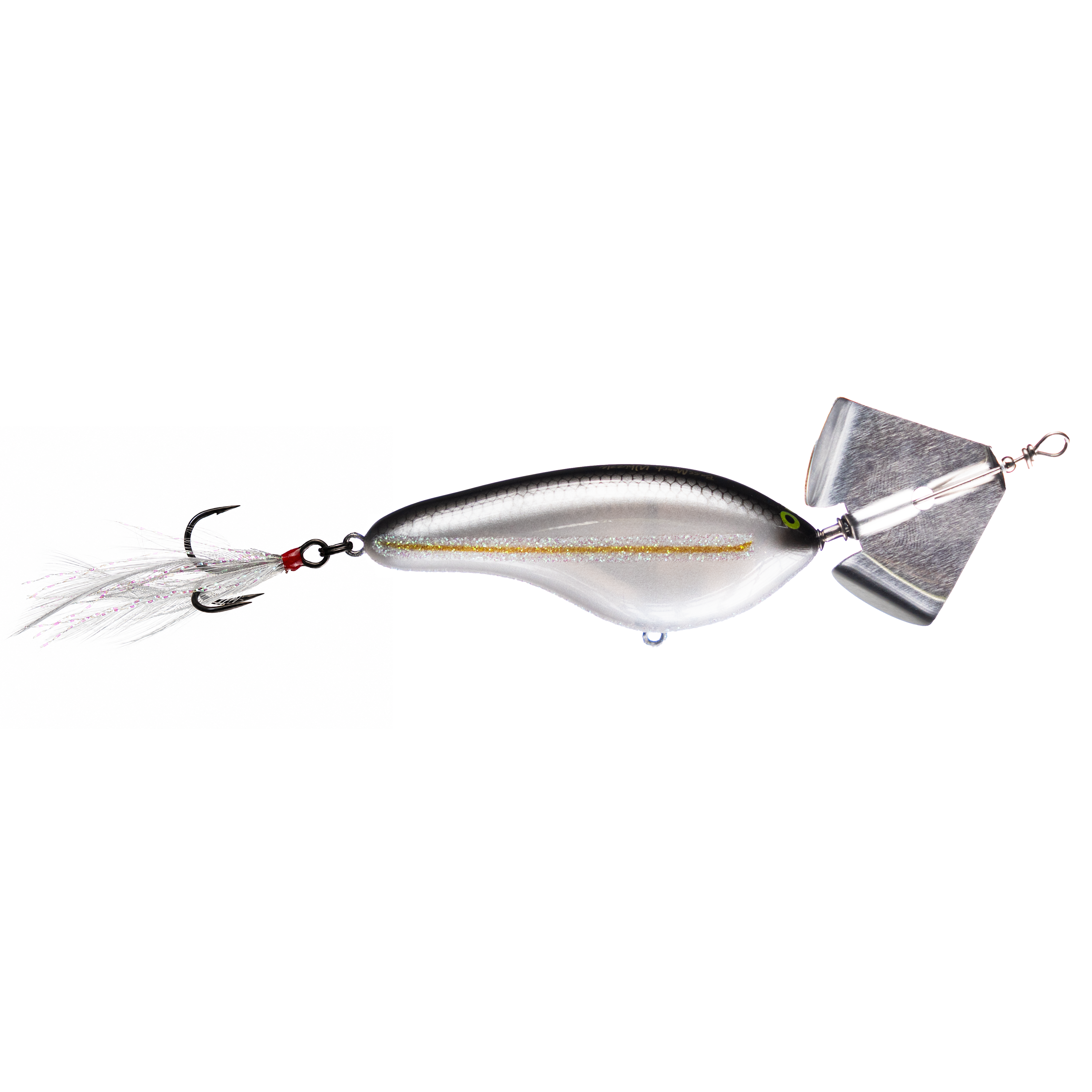
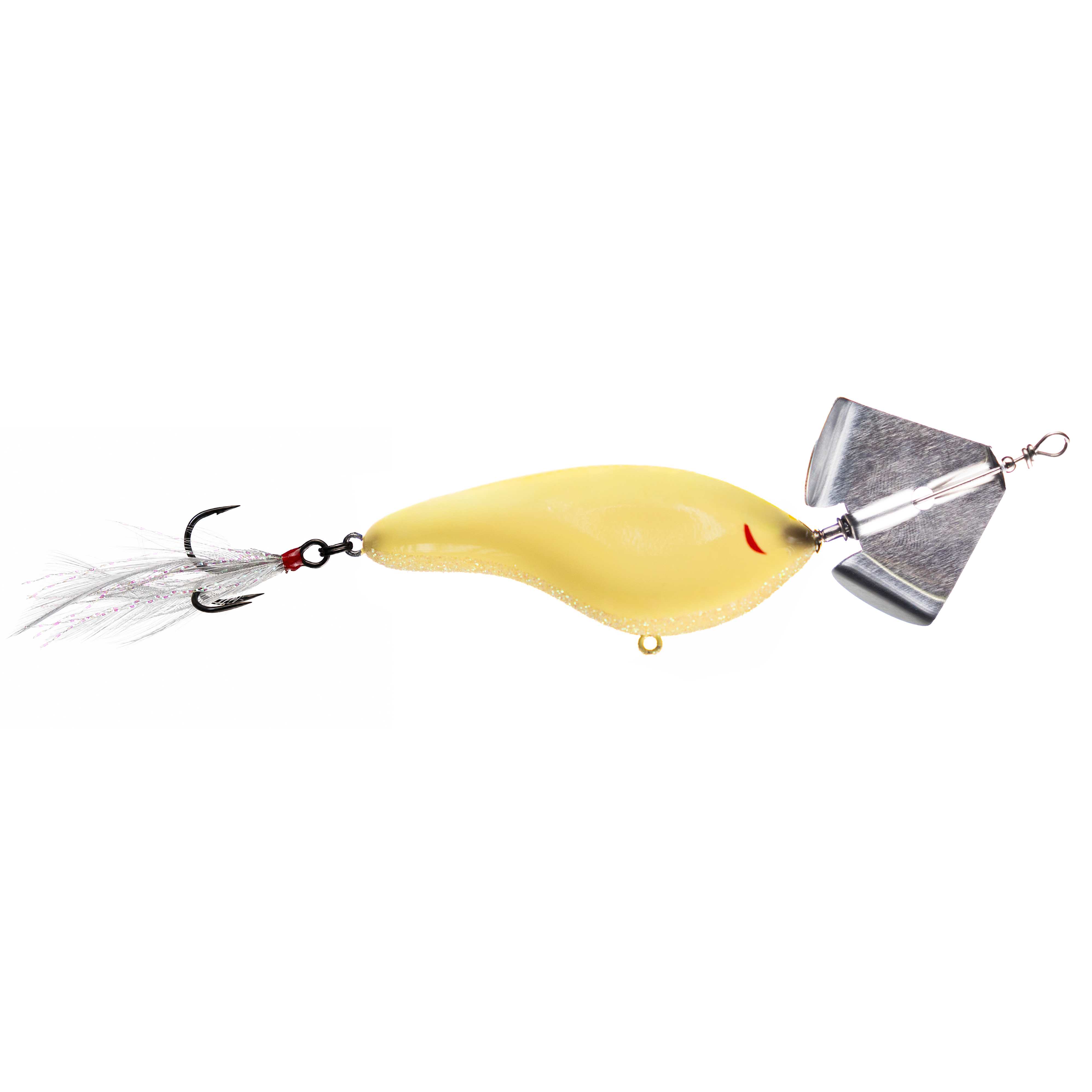
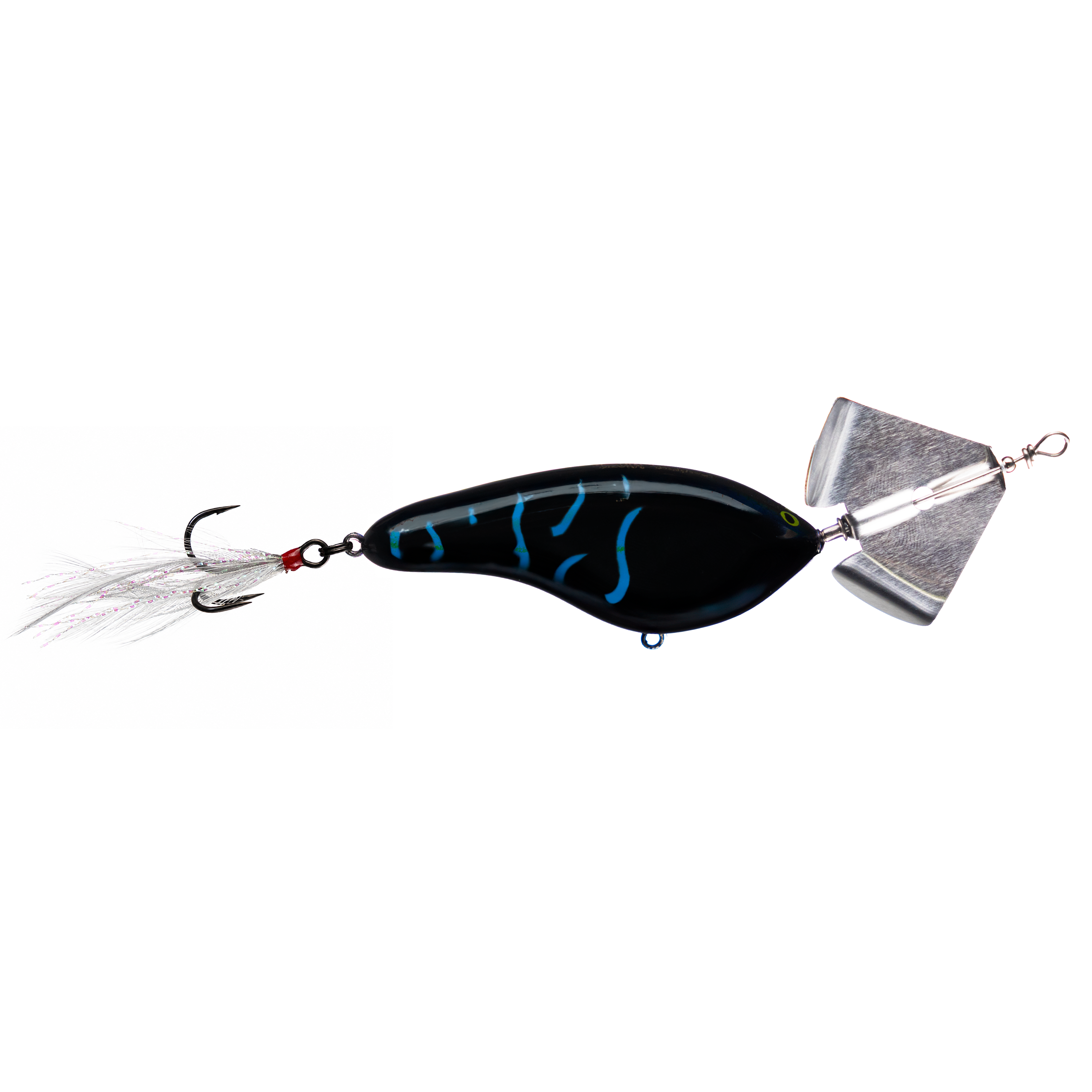
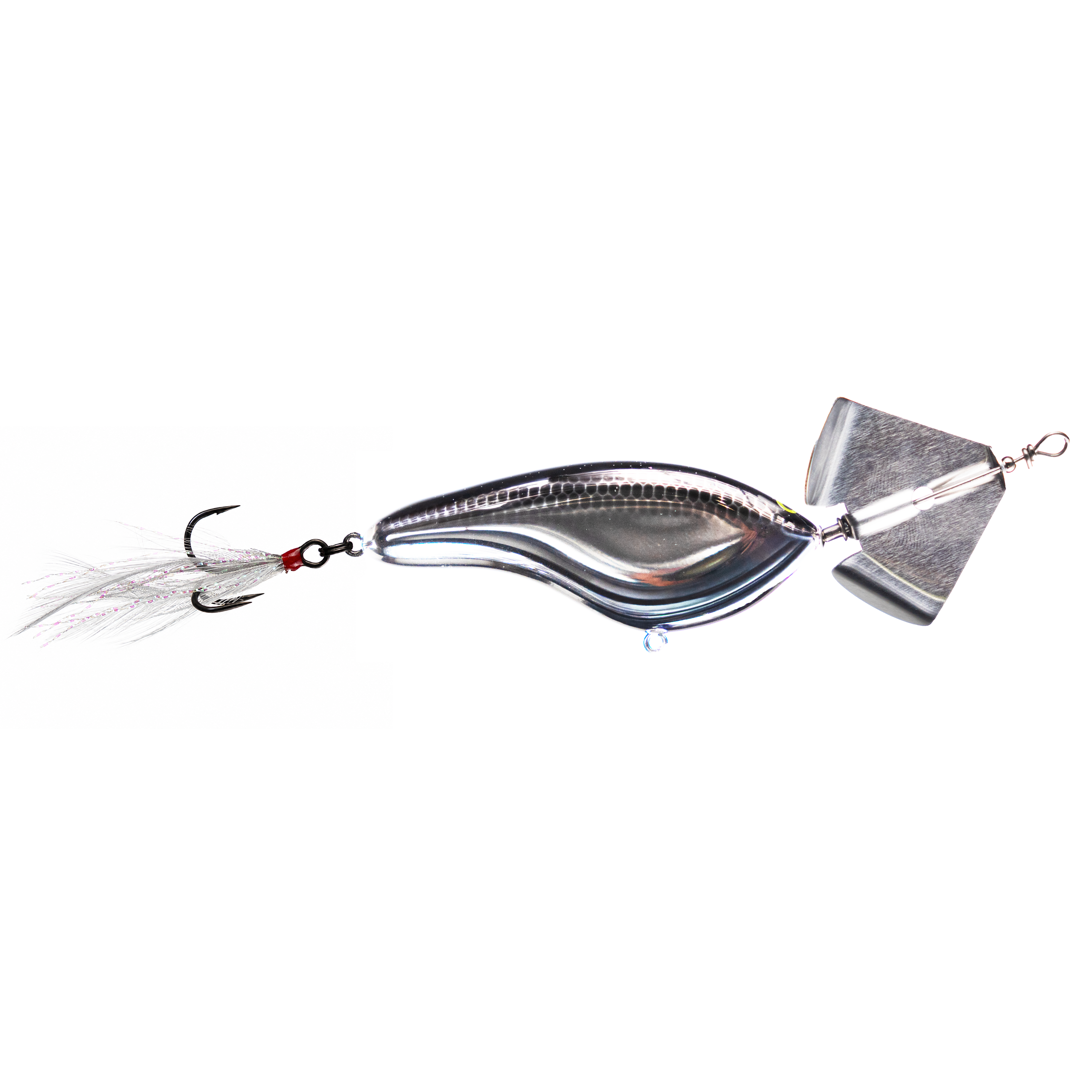
Skipping baits for docks year round, moving baits along dock lines and points in autumn, jigs and finesse plastics on deep docks in winter, and topwater around points before the traffic starts in summer. Our full bait lineup covers all four seasons.
Do I need a fishing license?
Yes, a Virginia freshwater fishing license from the Department of Wildlife Resources. Check current black bass regulations before you go.
Skipping, All Day
Five hundred miles of docks means thousands of skipped casts and a fish hooked three feet from a piling every time one eats. Level Rods builds models with the tip to skip cleanly under a low dock and the power to turn a good fish before she reaches the post she is sitting beside.
Tournament Winning Baits & Gear
Designed, crafted and tested by anglers who fish docks every week. Free shipping on orders over $75.
Shop All Baits