
Smith Lake Bass Fishing Guide
Smith Lake Bass Fishing, Season by Season
Three hundred feet deep, gin clear, and full of spotted bass mean enough to make you re-tie. Smith is unlike anything else in Alabama — a finesse lake in a state built on grass and current, where a five-pound spot is a real possibility on any cast.
Alabama's Deepest Water
Lewis Smith Lake was created in 1961 by damming the Sipsey Fork of the Black Warrior River, about an hour north of Birmingham across Cullman, Walker and Winston counties. It covers 21,200 acres with over 500 miles of shoreline, and it is deeper than any other reservoir in Alabama — roughly 300 feet at the dam.
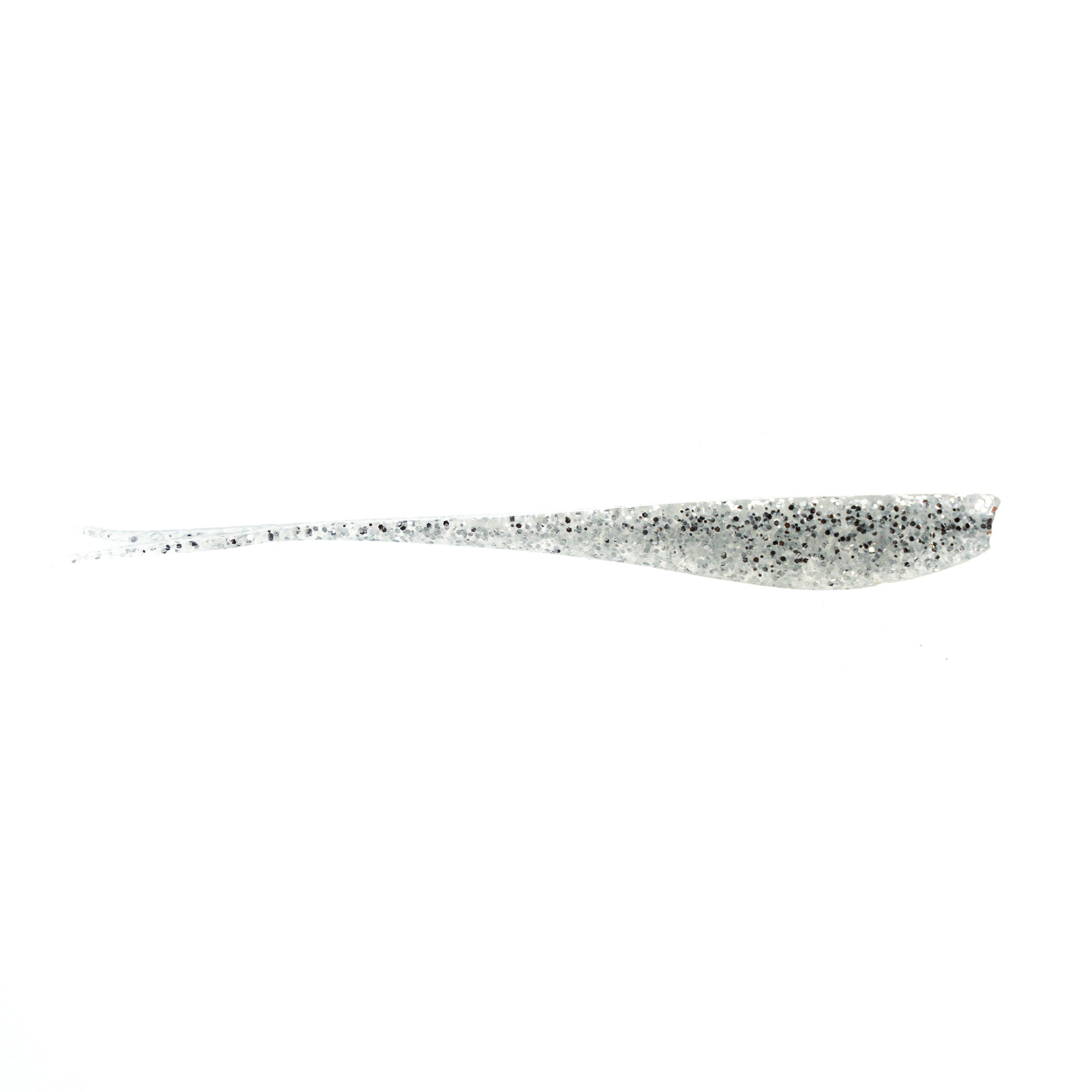
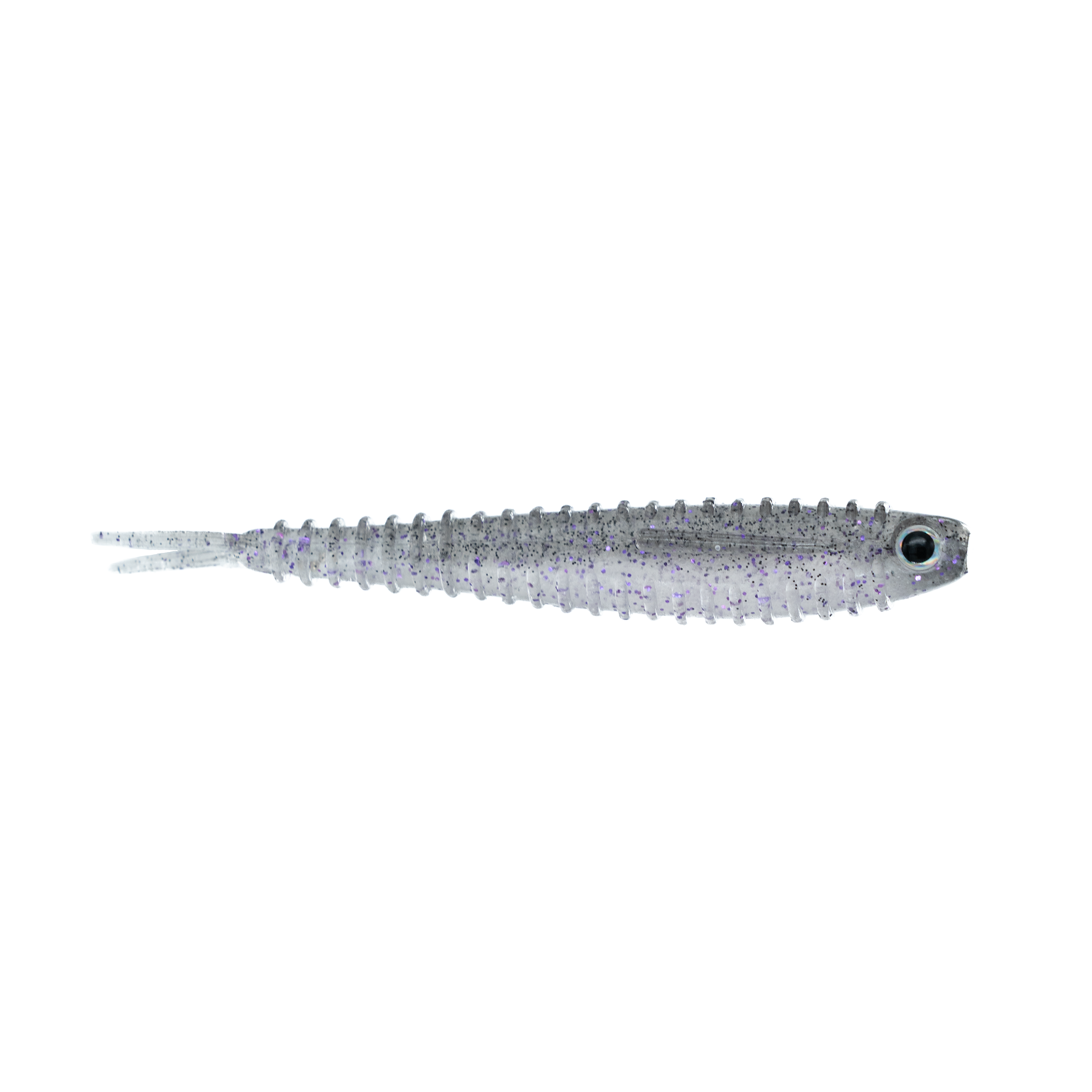
That depth and its clarity set it apart from everything else in the state. Alabama bass fishing generally means grass, current and stain. Smith means clear water, steep rock, and fish you have to convince rather than trigger. Tactics here are mostly finesse, and it's one of the better places in the South to learn a drop shot or a shakey head properly.
The spotted bass are the reason to come. Local guides talk about the possibility of a five or six pounder on any cast, and Smith spots are as aggressive as any in the region. Largemouth are present, and the striped bass fishery is genuinely serious — fish in the 30 to 40 pound range come out regularly, mostly near the dam.
Two practical quirks. Summer brings heavy recreational boat traffic, which is why a lot of serious anglers fish Smith at night. And Alabama Power draws the lake down substantially for winter pool — historically as much as thirty feet — which sounds catastrophic until you remember there's still two hundred feet under the boat. The fish adjust fine.
Clear Water, Deep Fish
Four patterns cover the year. Each one pairs the technique with the baits we'd actually tie on.
The Best Window of the Year
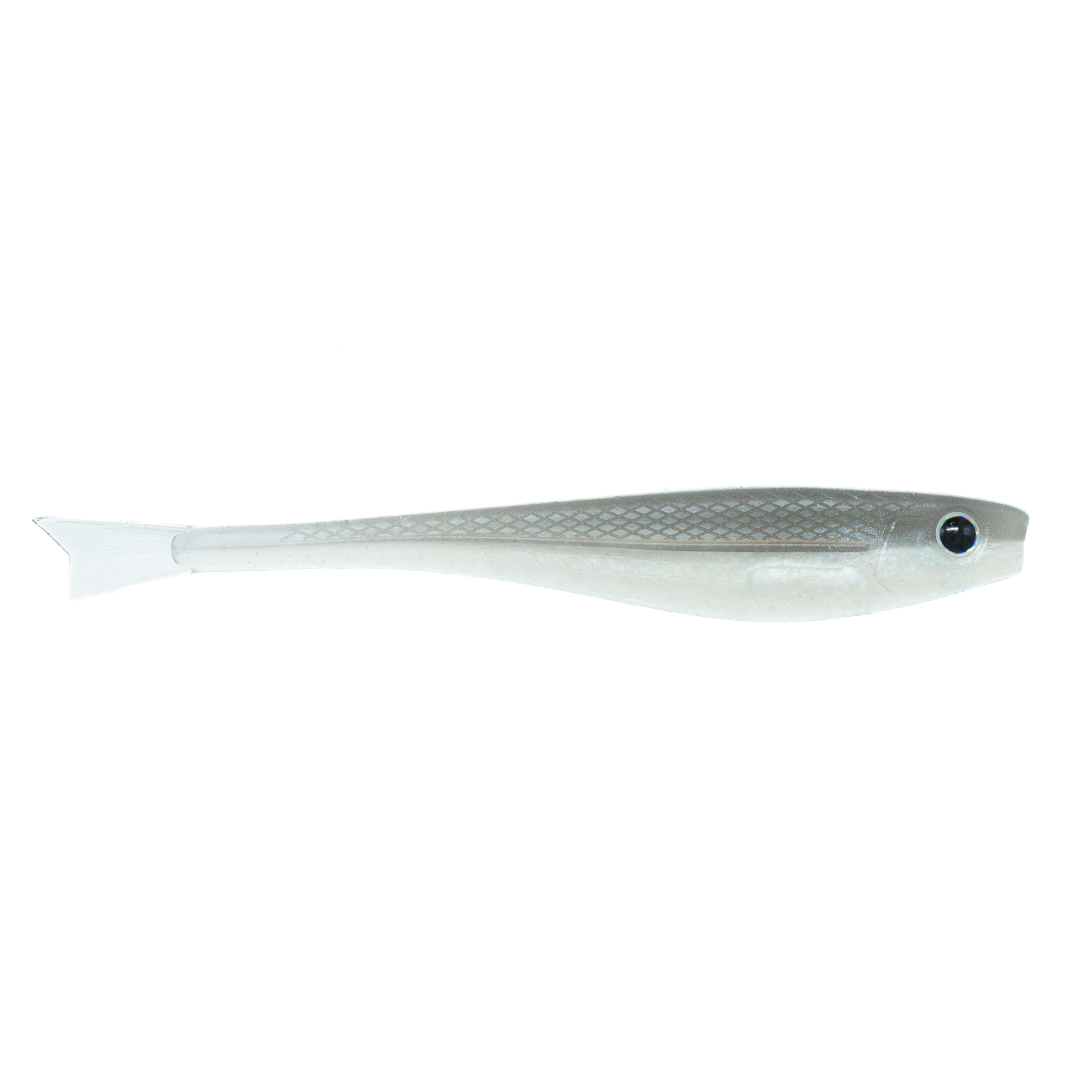
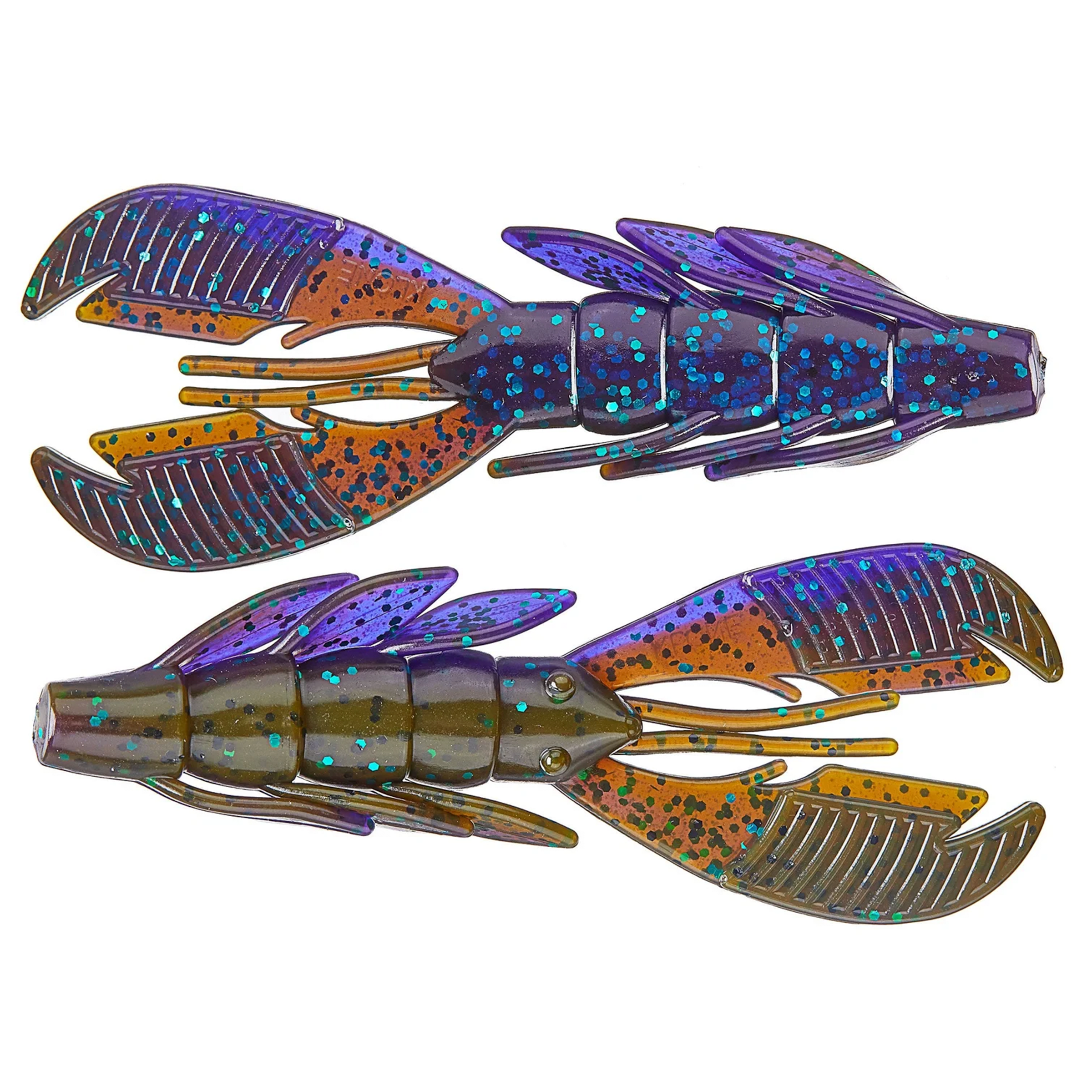
Spring is when Smith is at its most cooperative. Warming water pulls spotted bass and largemouth up out of the depths and into the pockets and creek arms, and the spawn brings genuinely shallow fish to a lake that otherwise keeps them down. Early morning and late afternoon are the productive windows.



Fish at Night
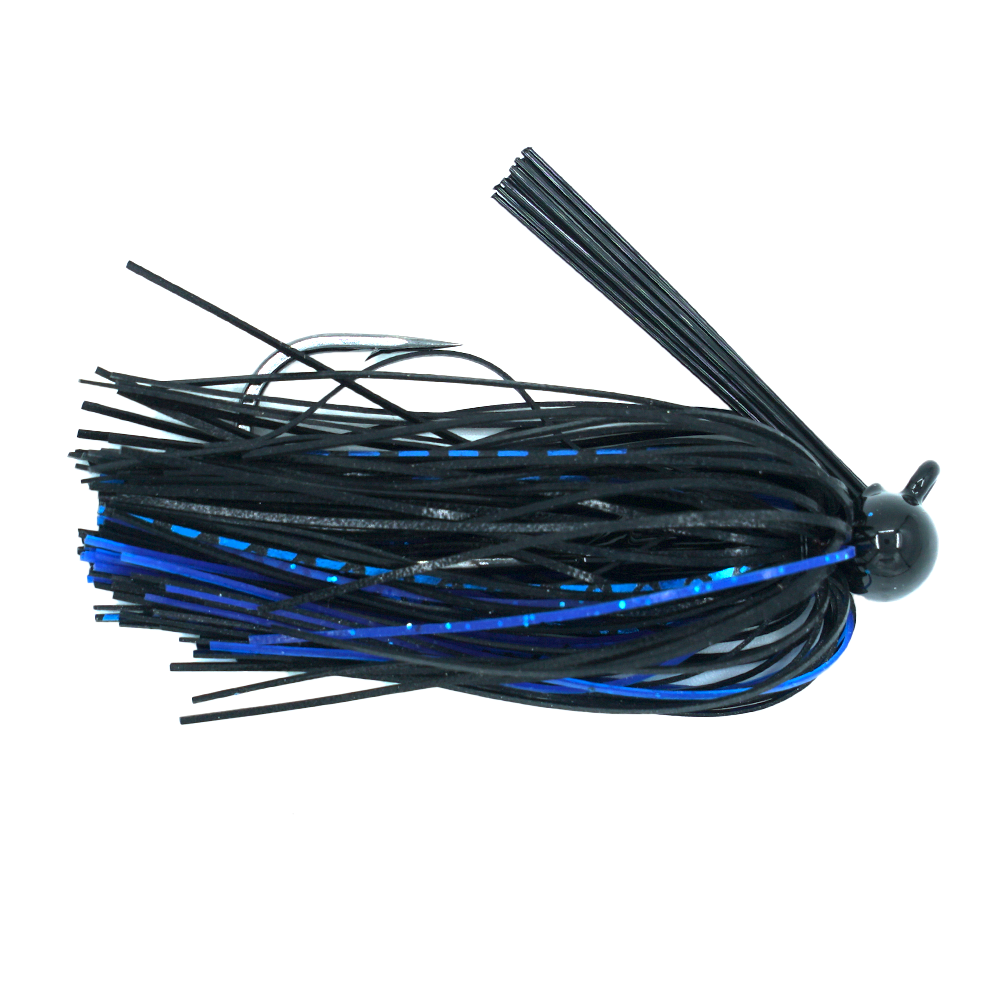
Summer heat pushes fish deep and the lake fills with recreational traffic. The answer most Smith regulars have arrived at is simple: fish at night. Spotted bass and stripers both feed well after dark, the water is quiet, and the fish come shallower than they will at any point during the day.


Bass Come Back Up
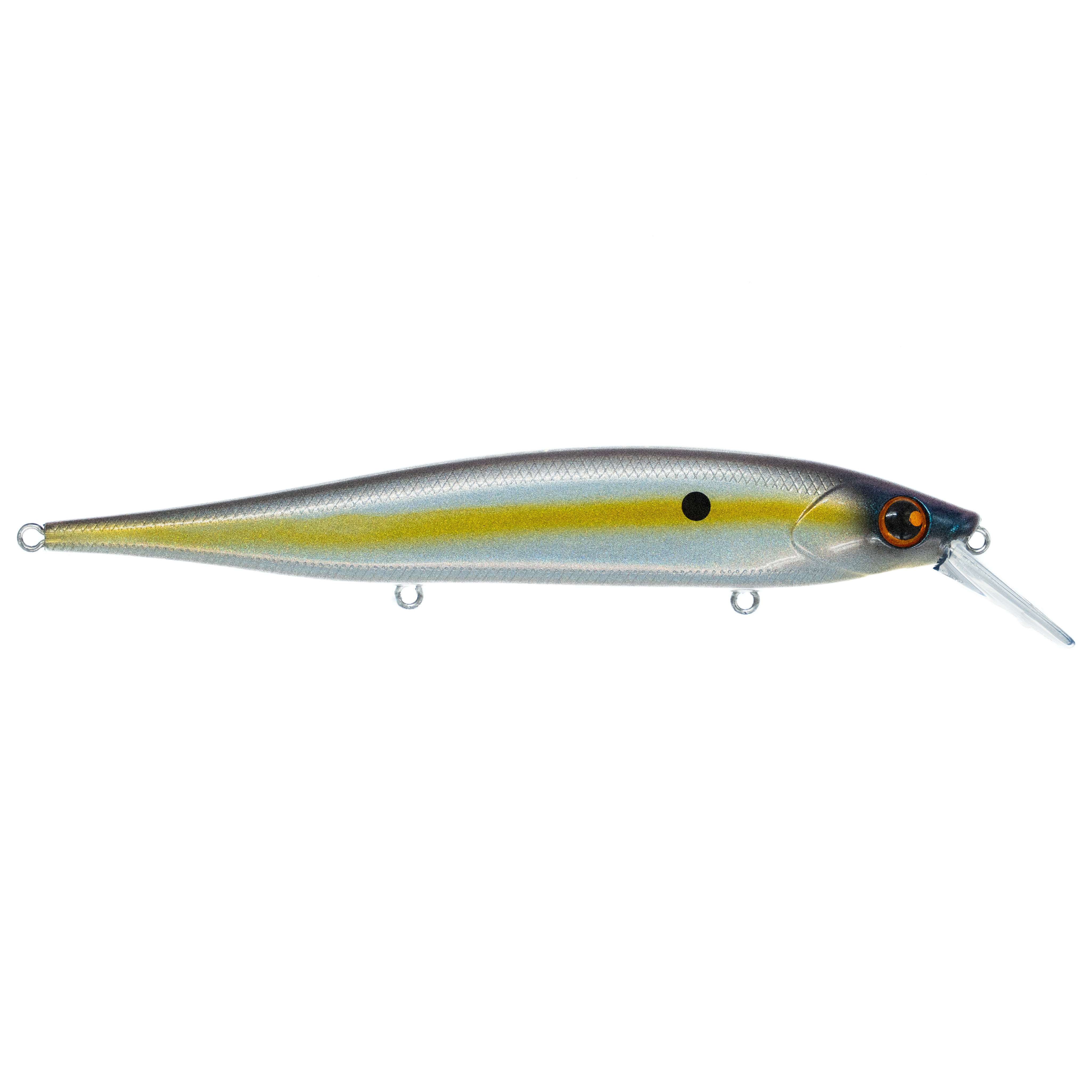
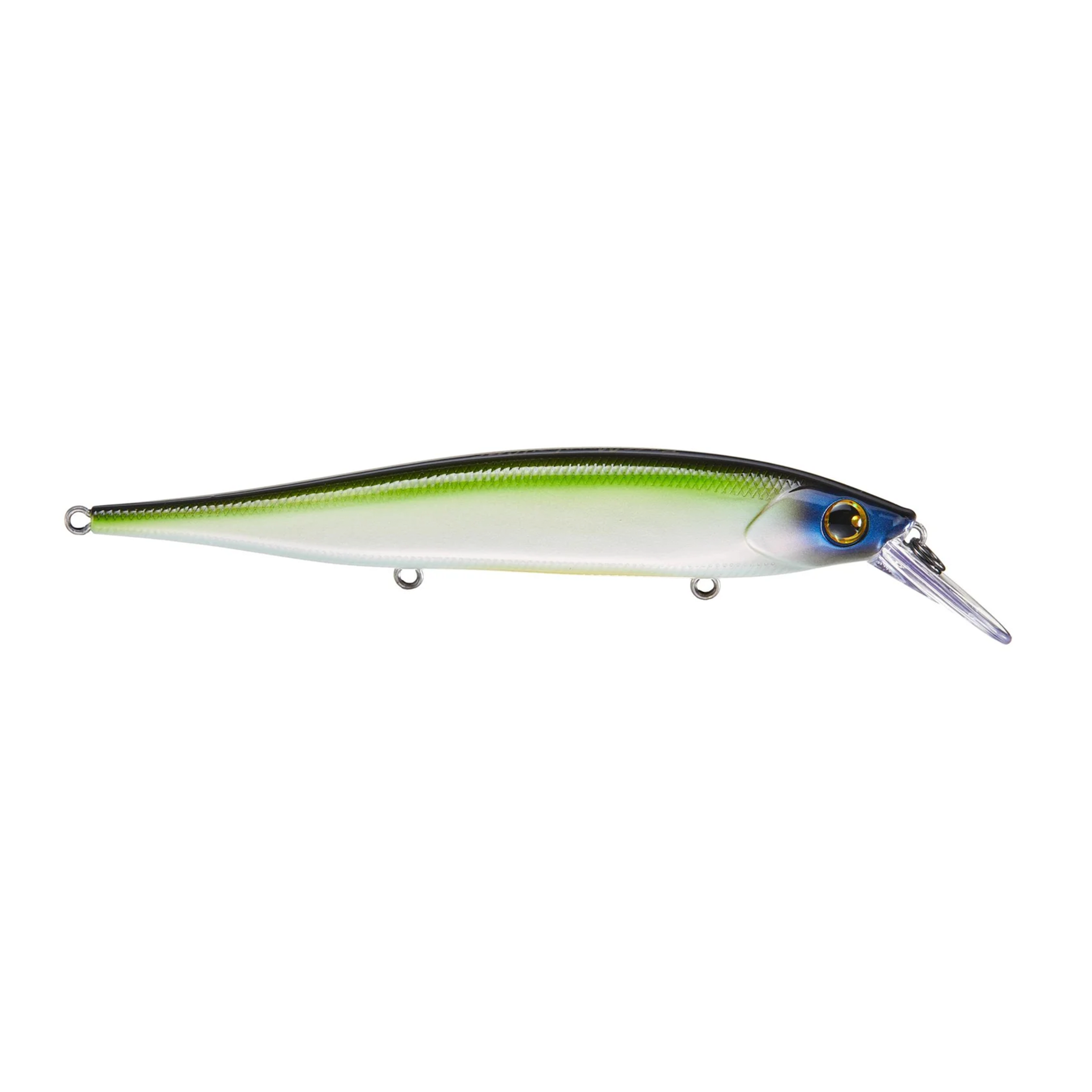
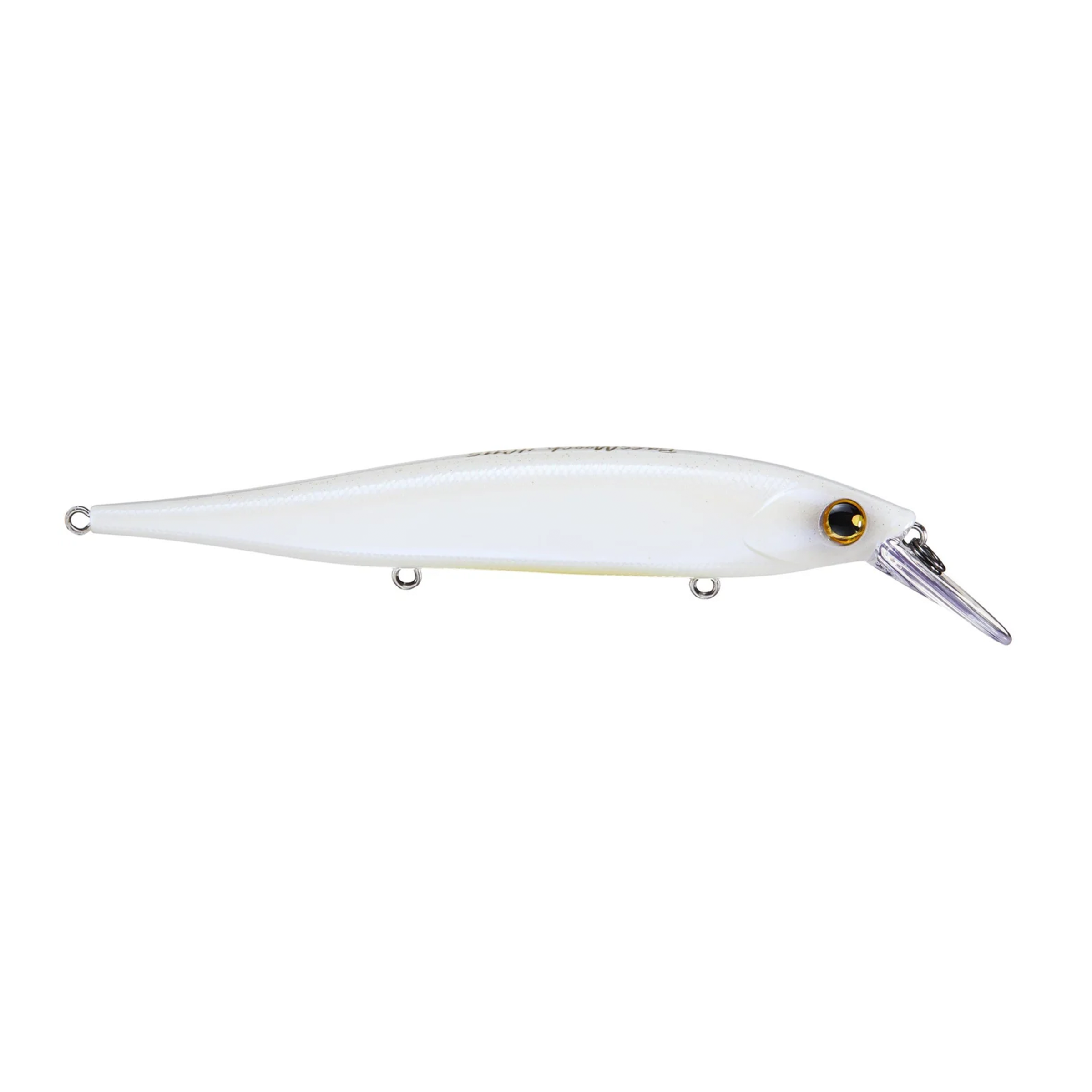
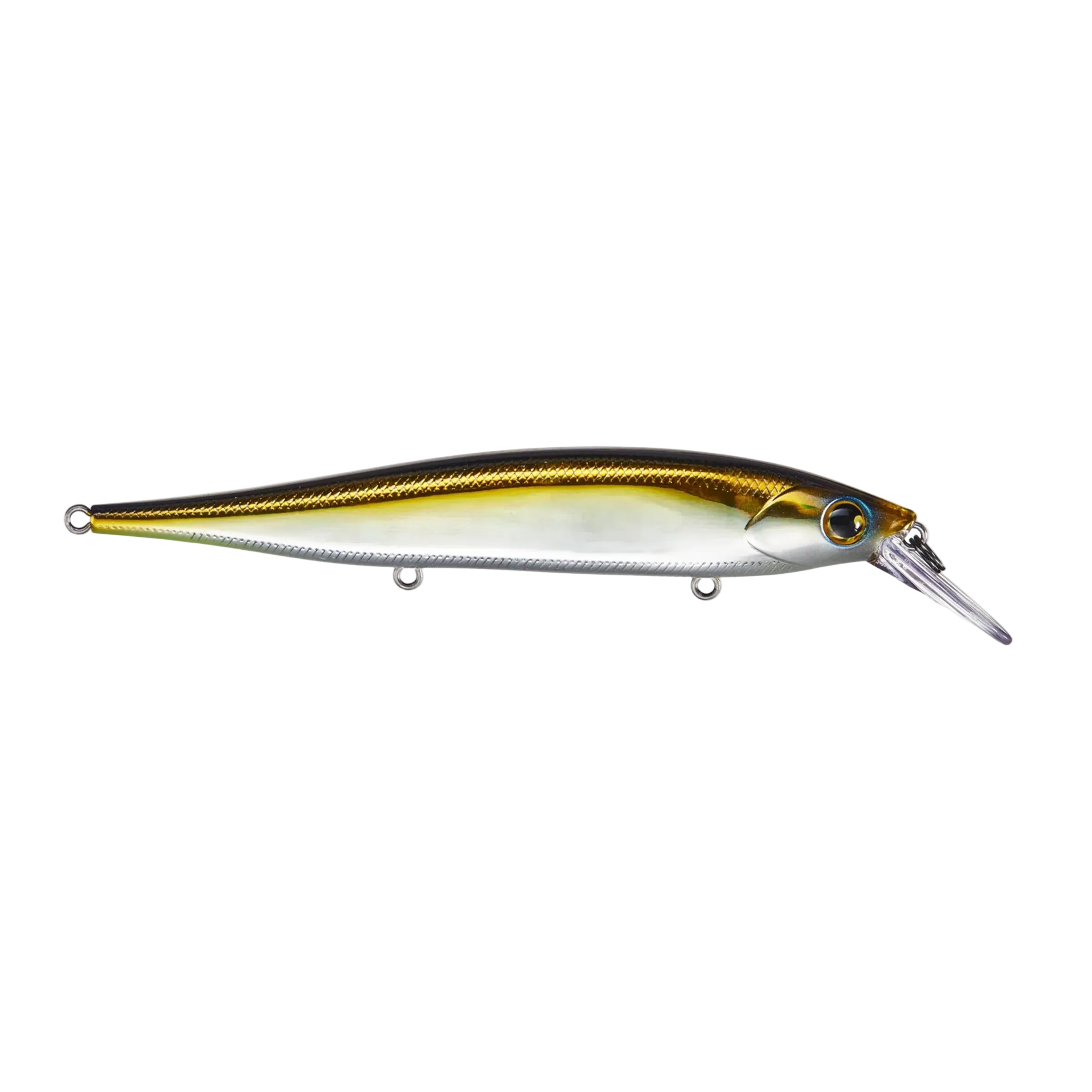
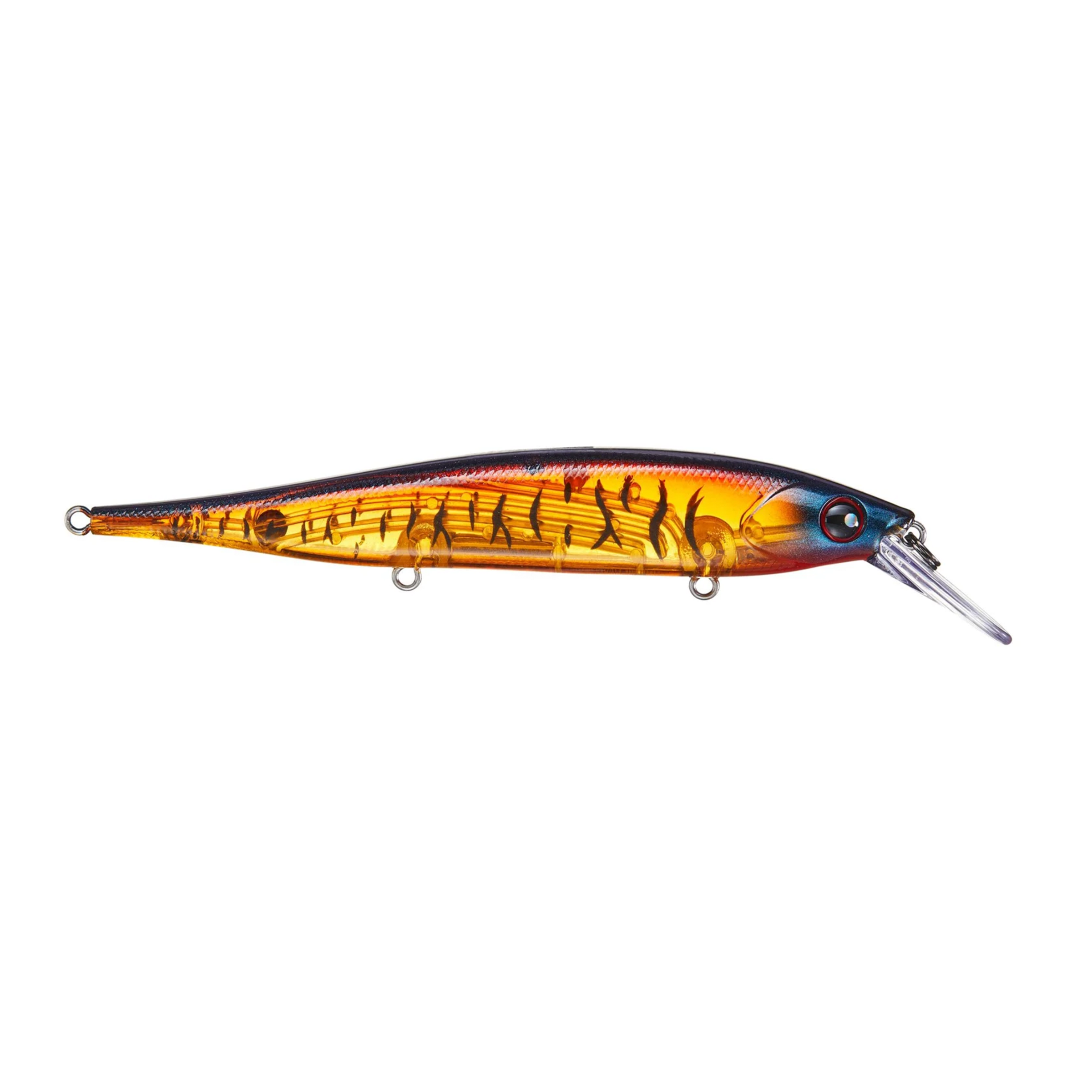
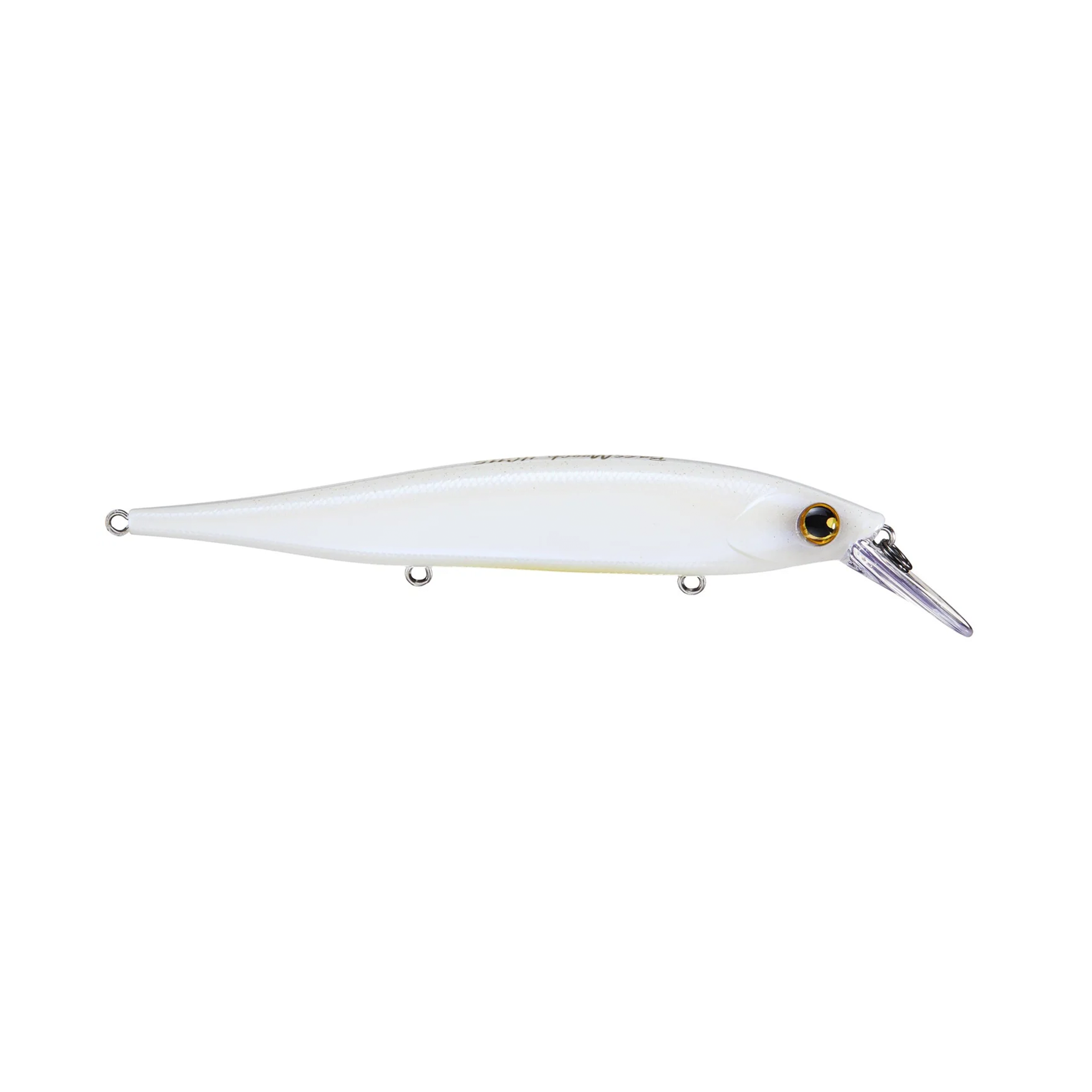
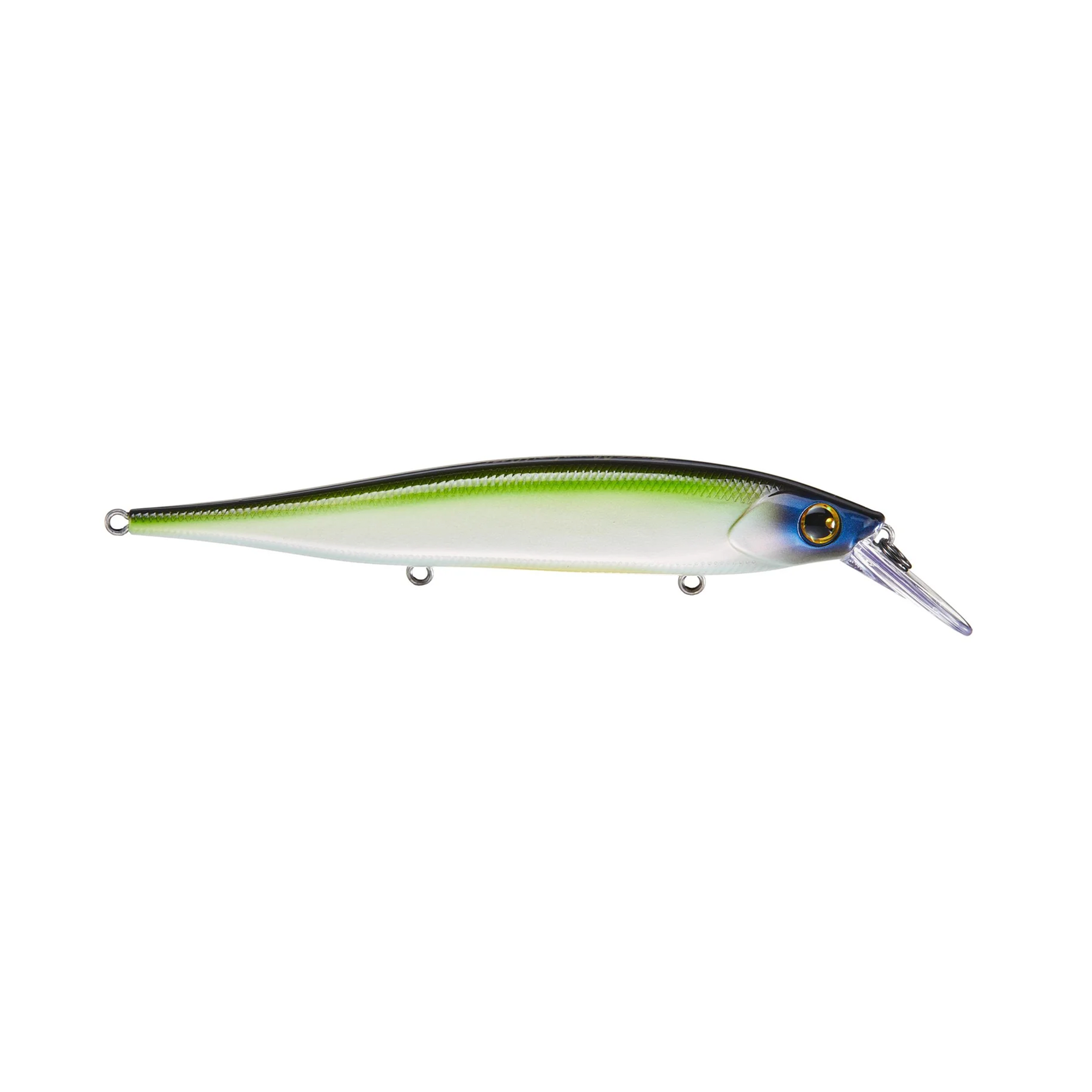
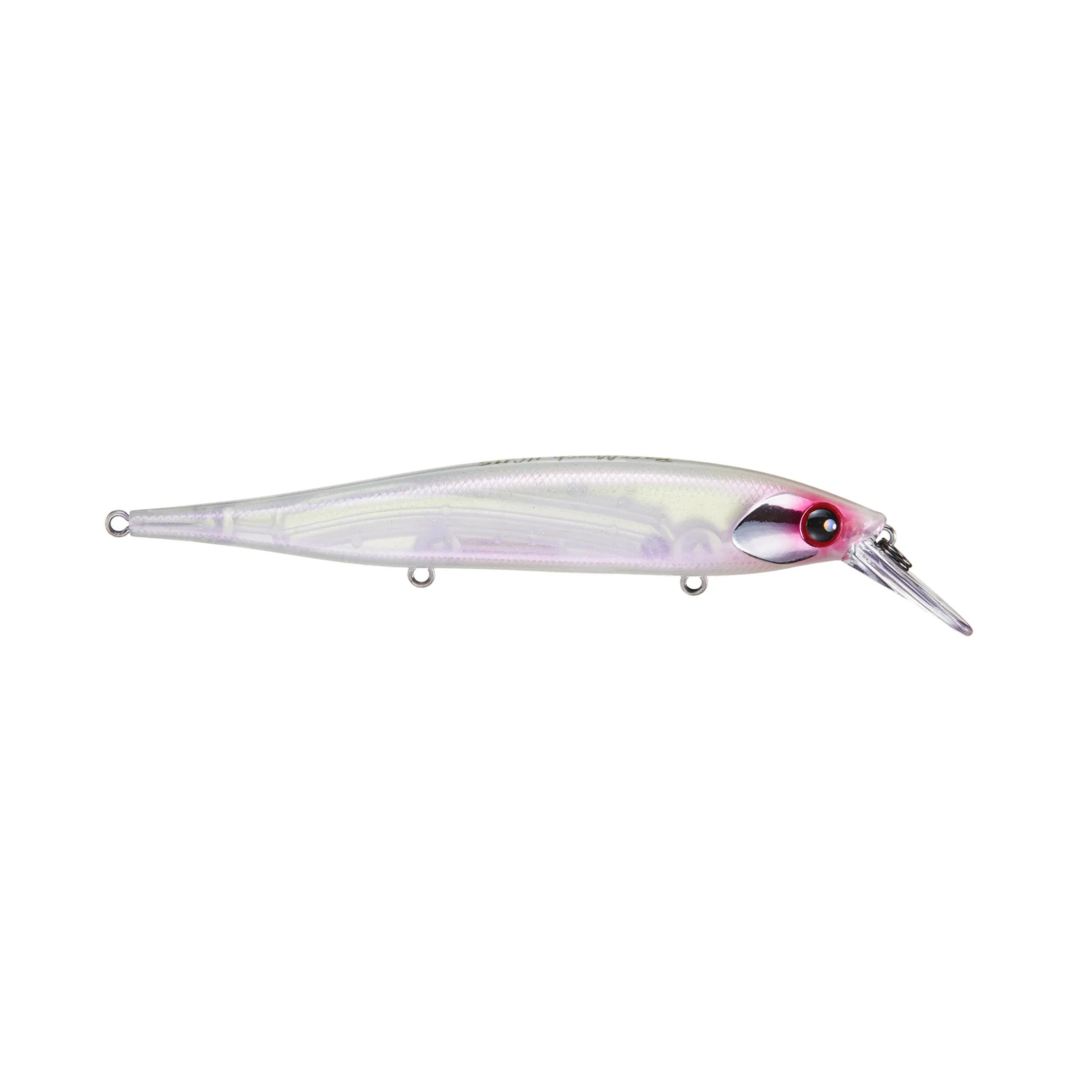
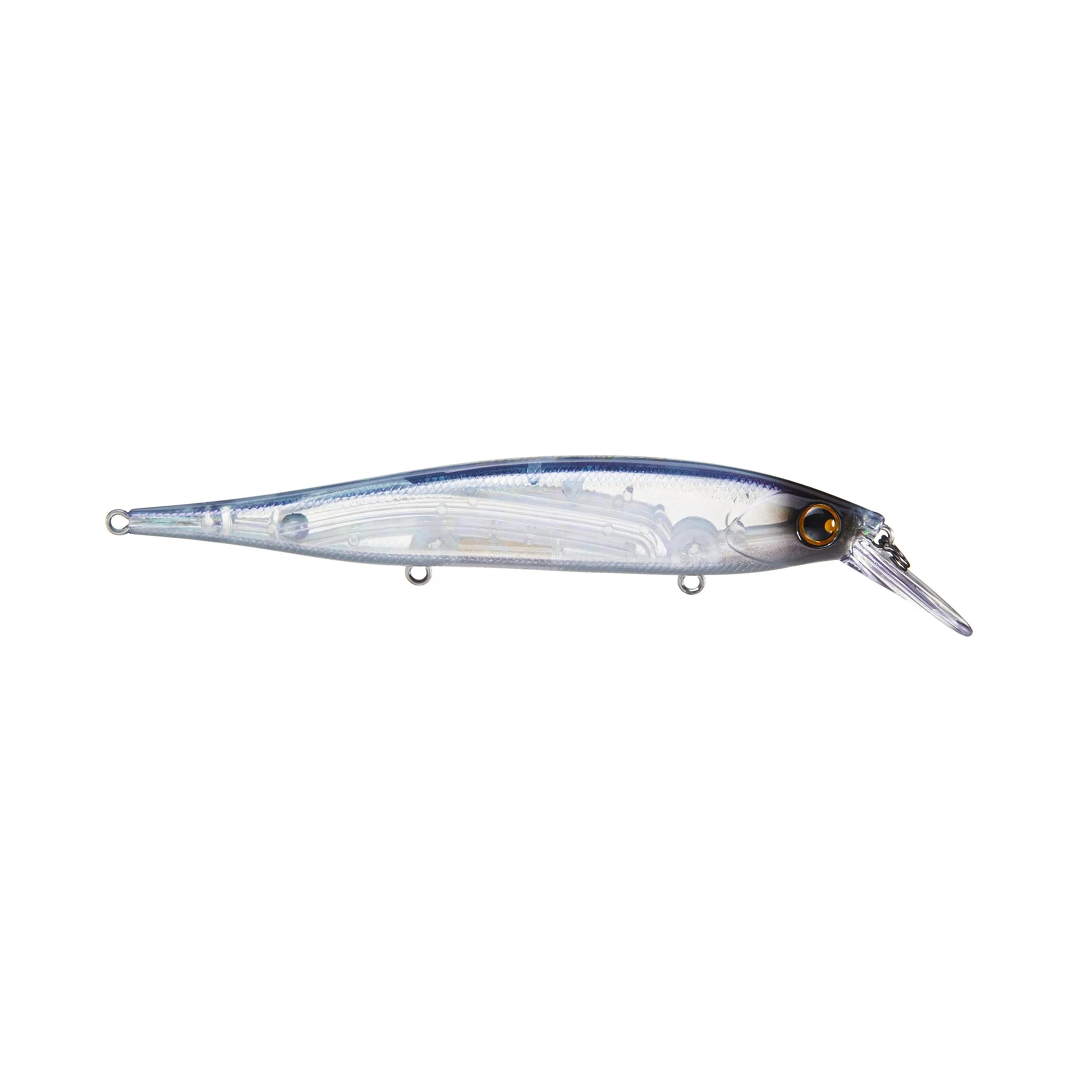
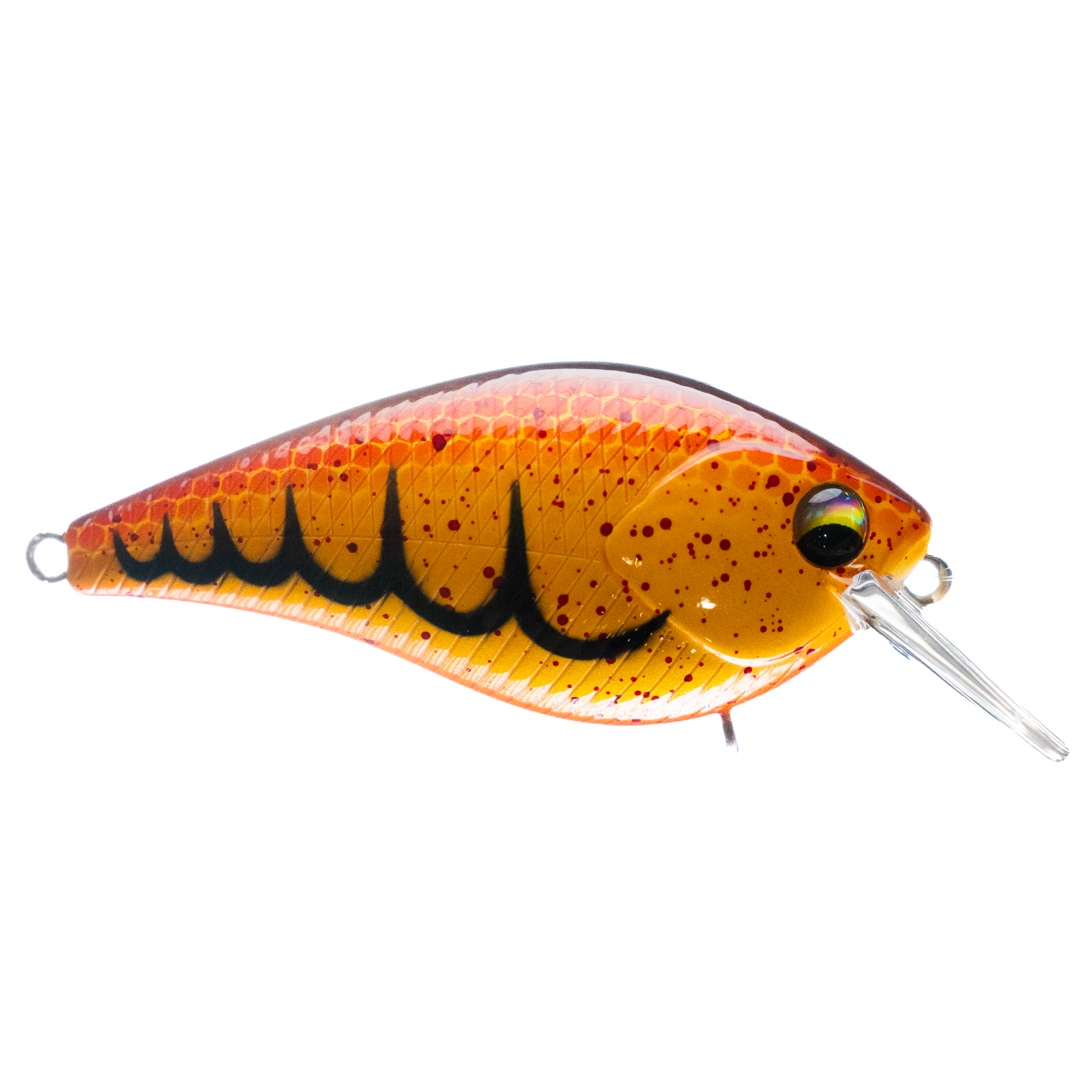
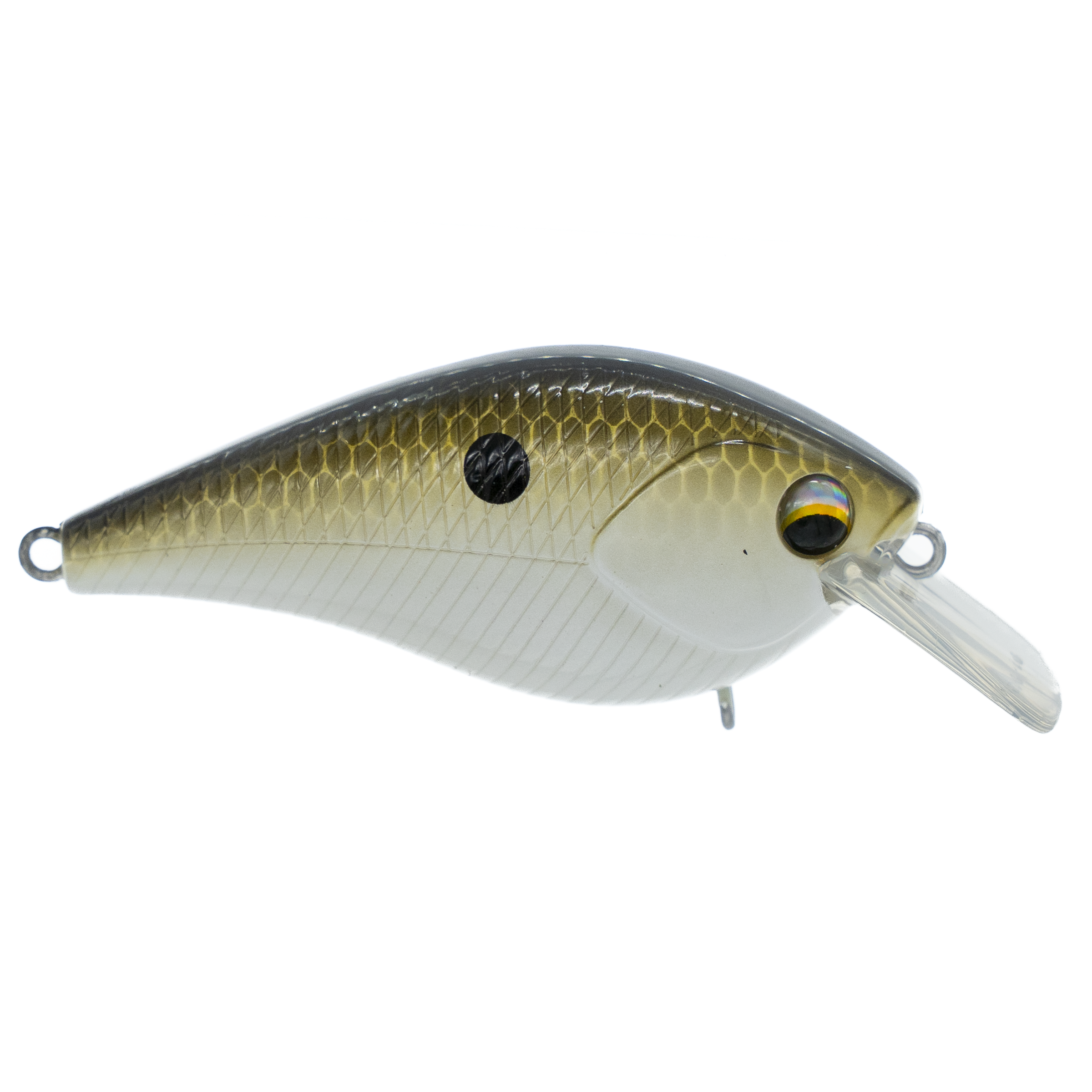
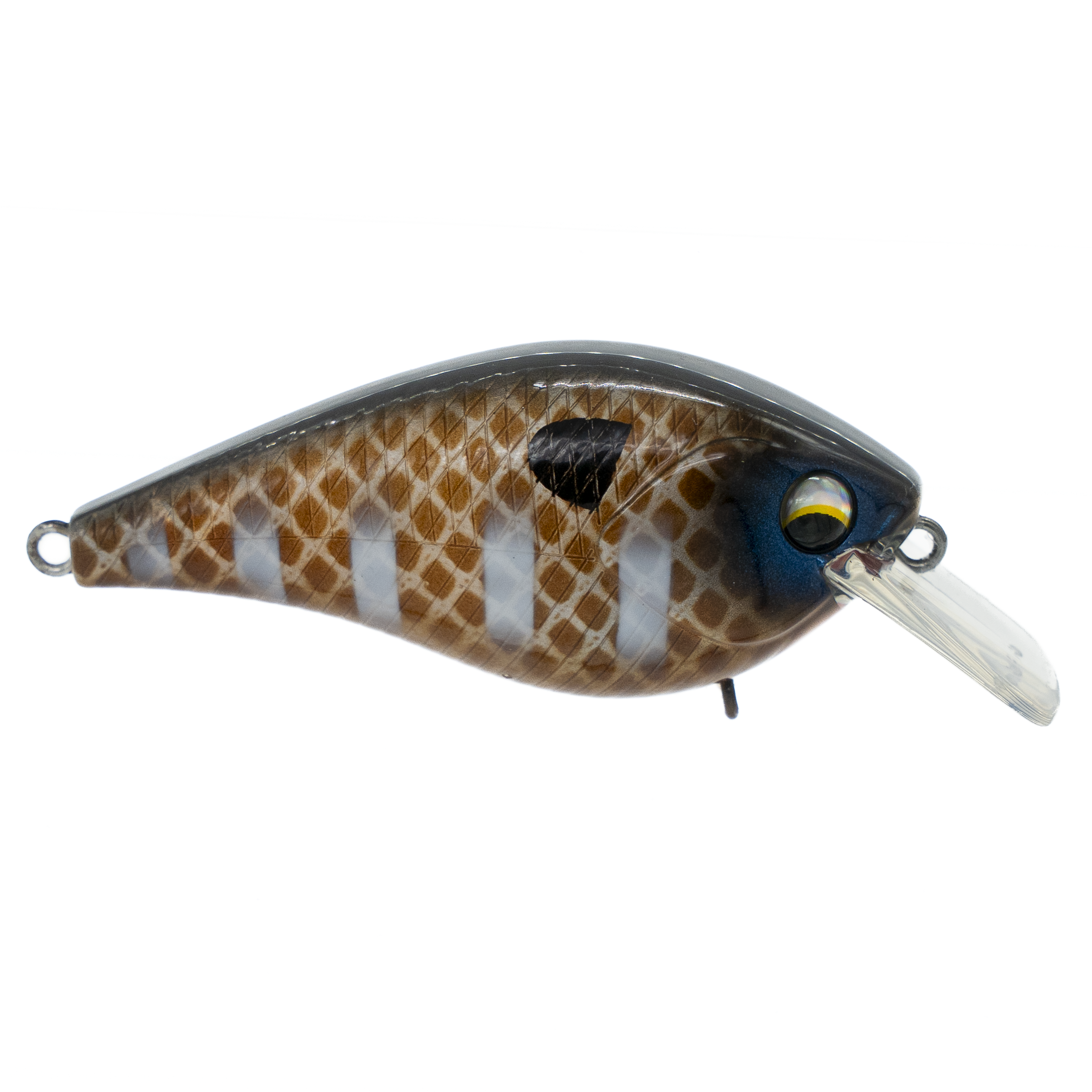
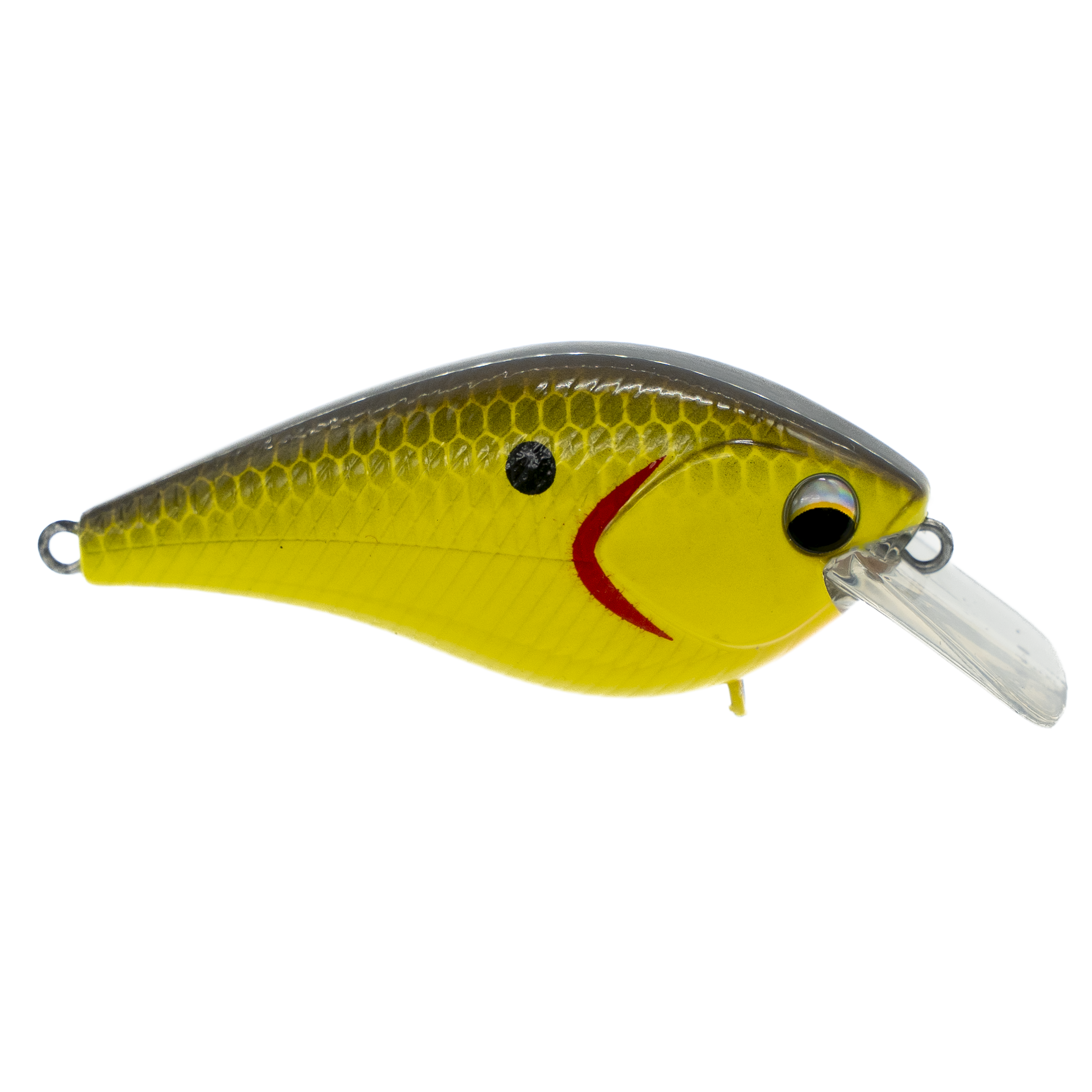
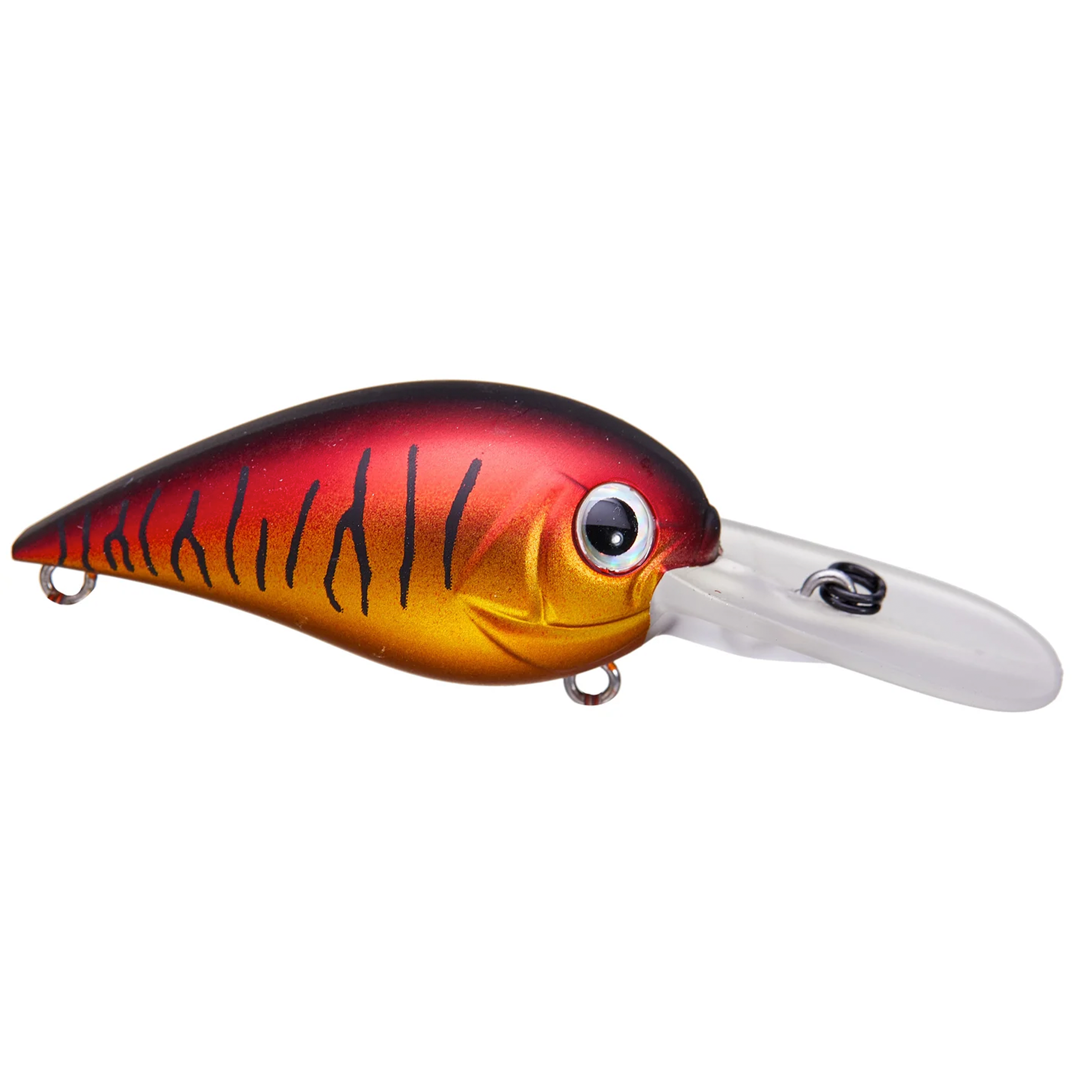
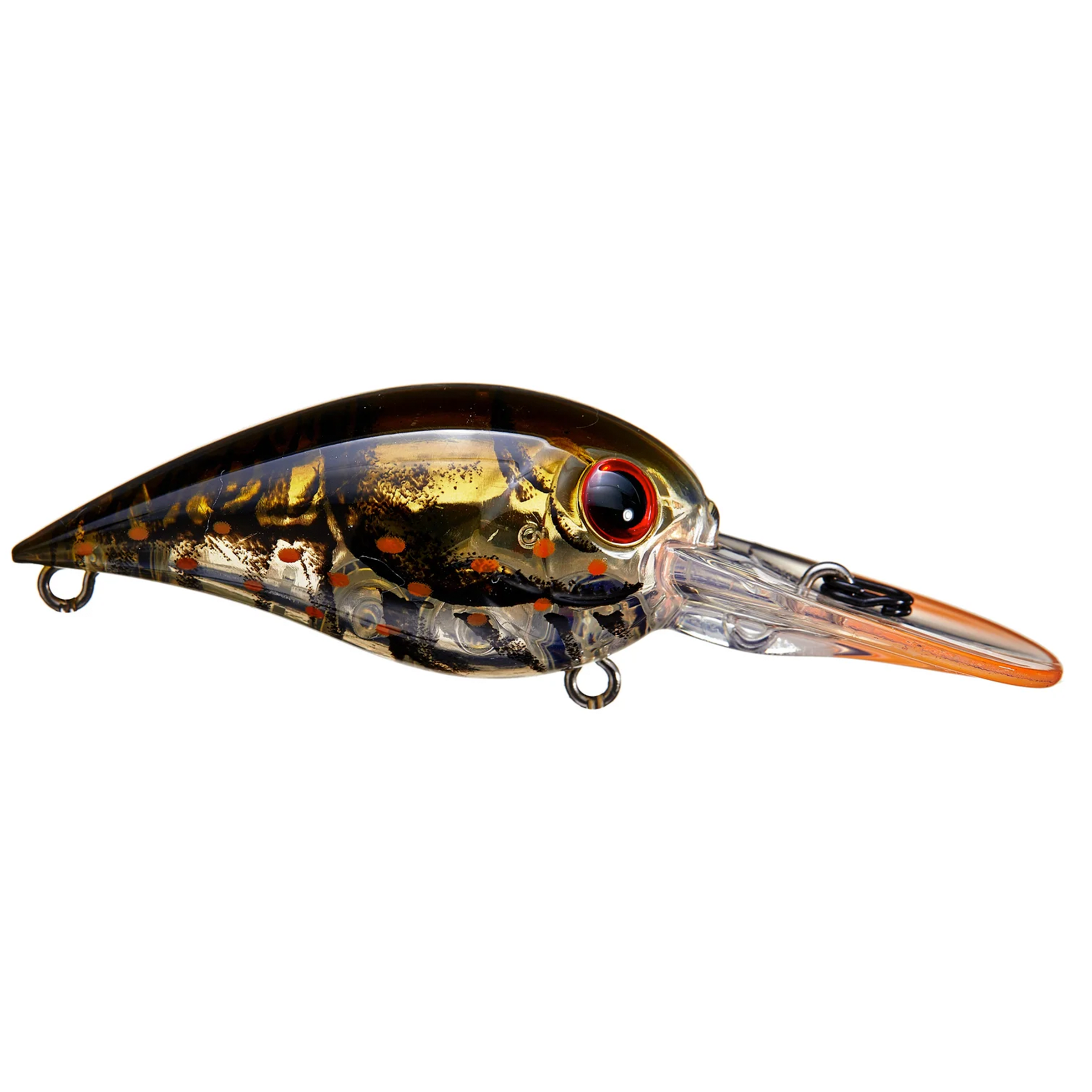
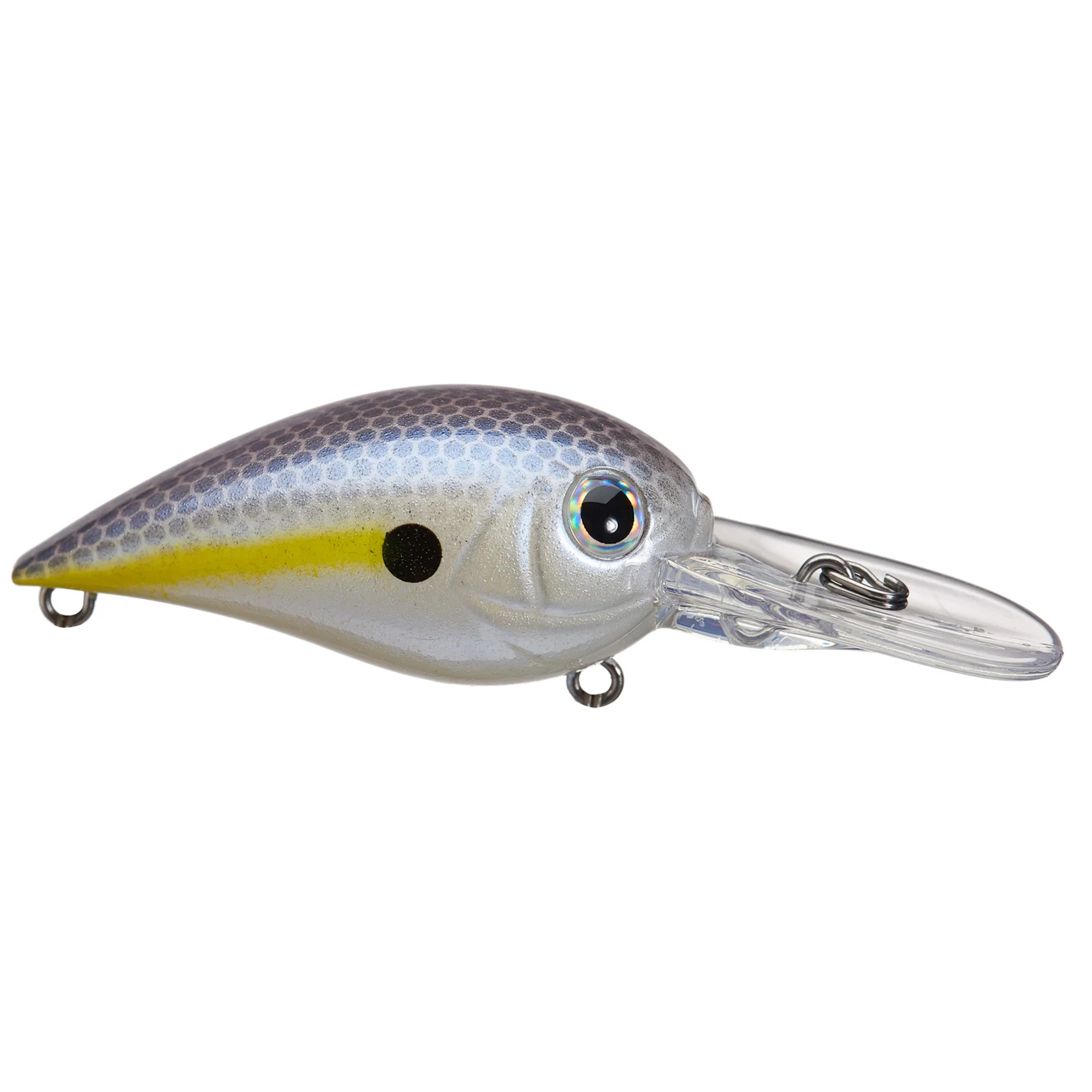
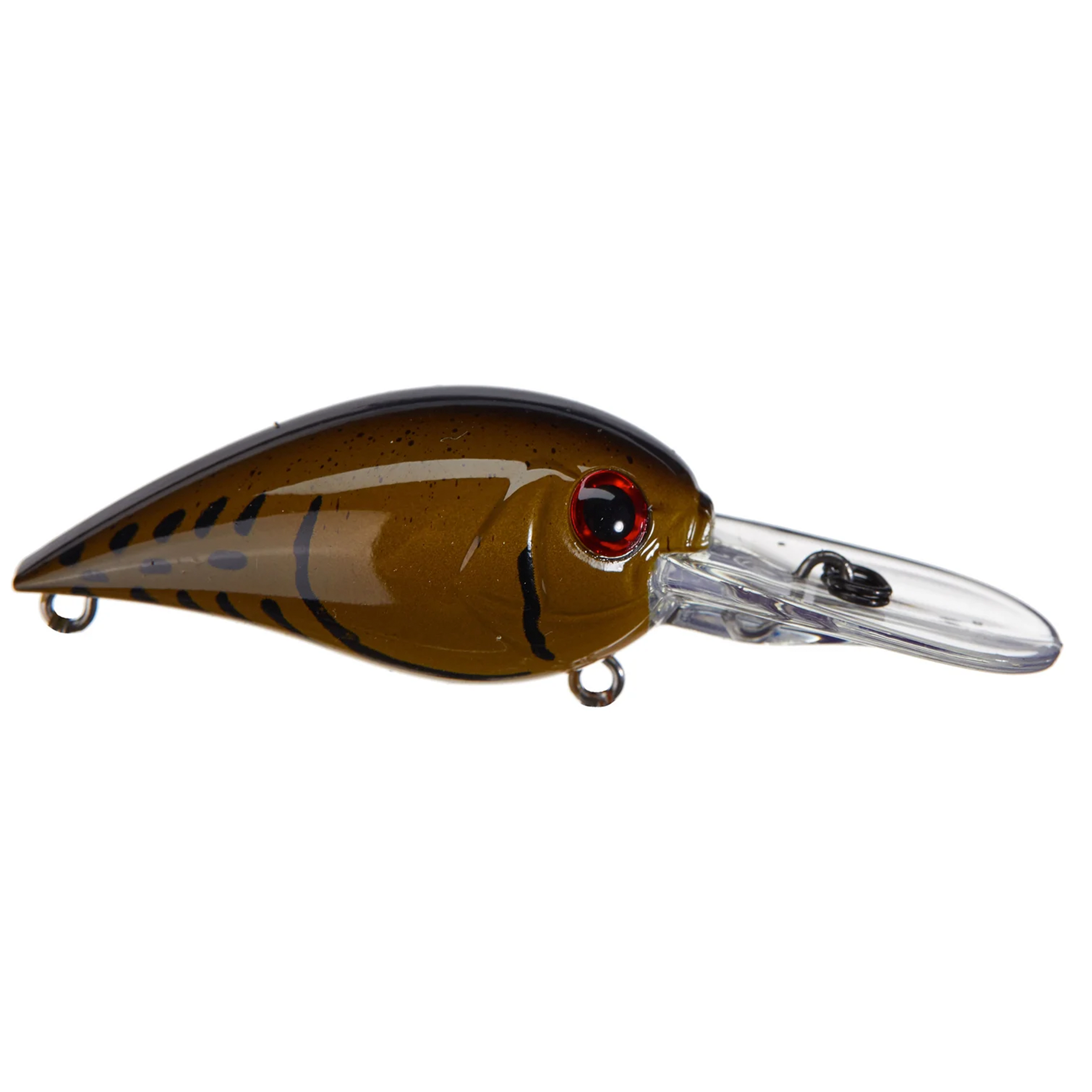
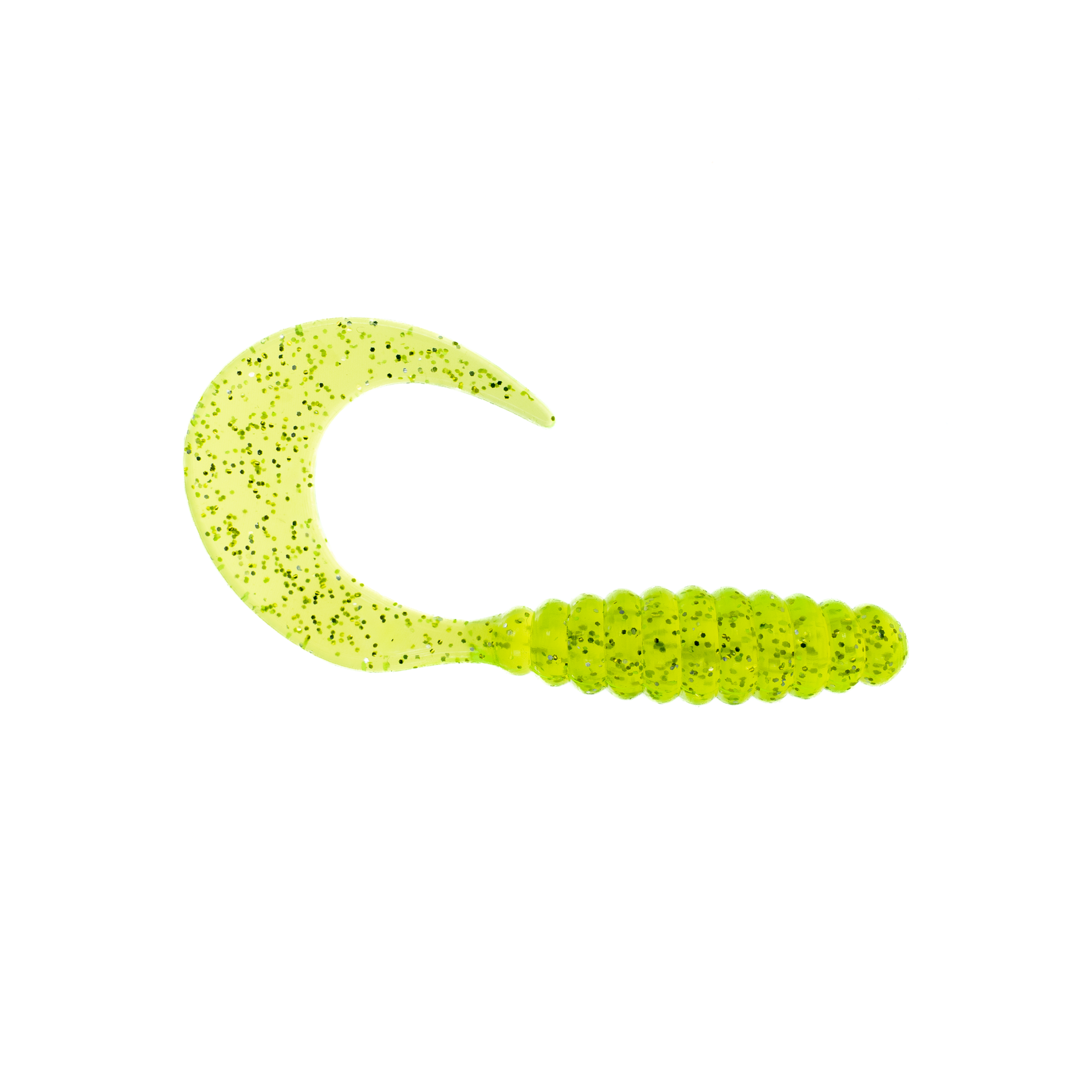
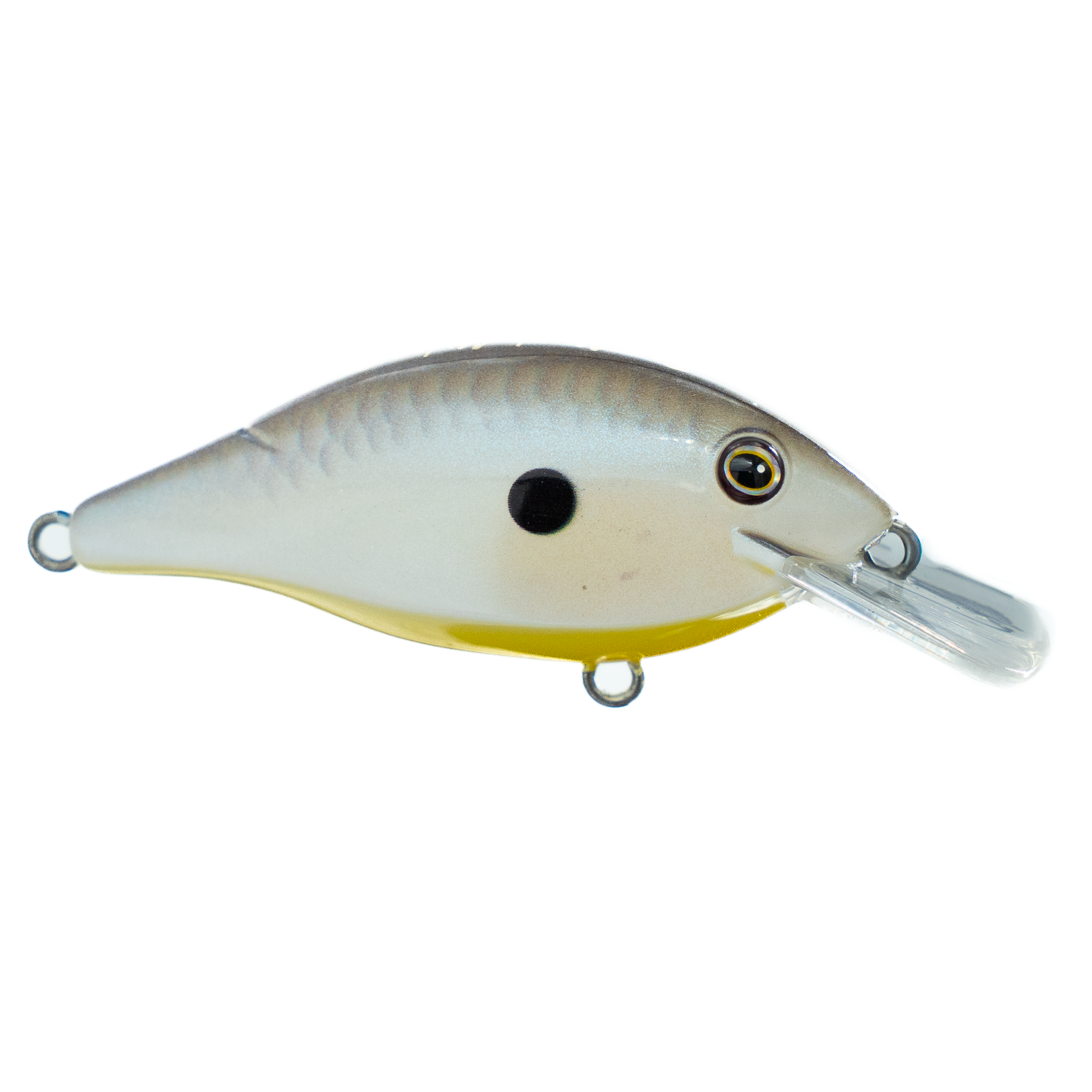
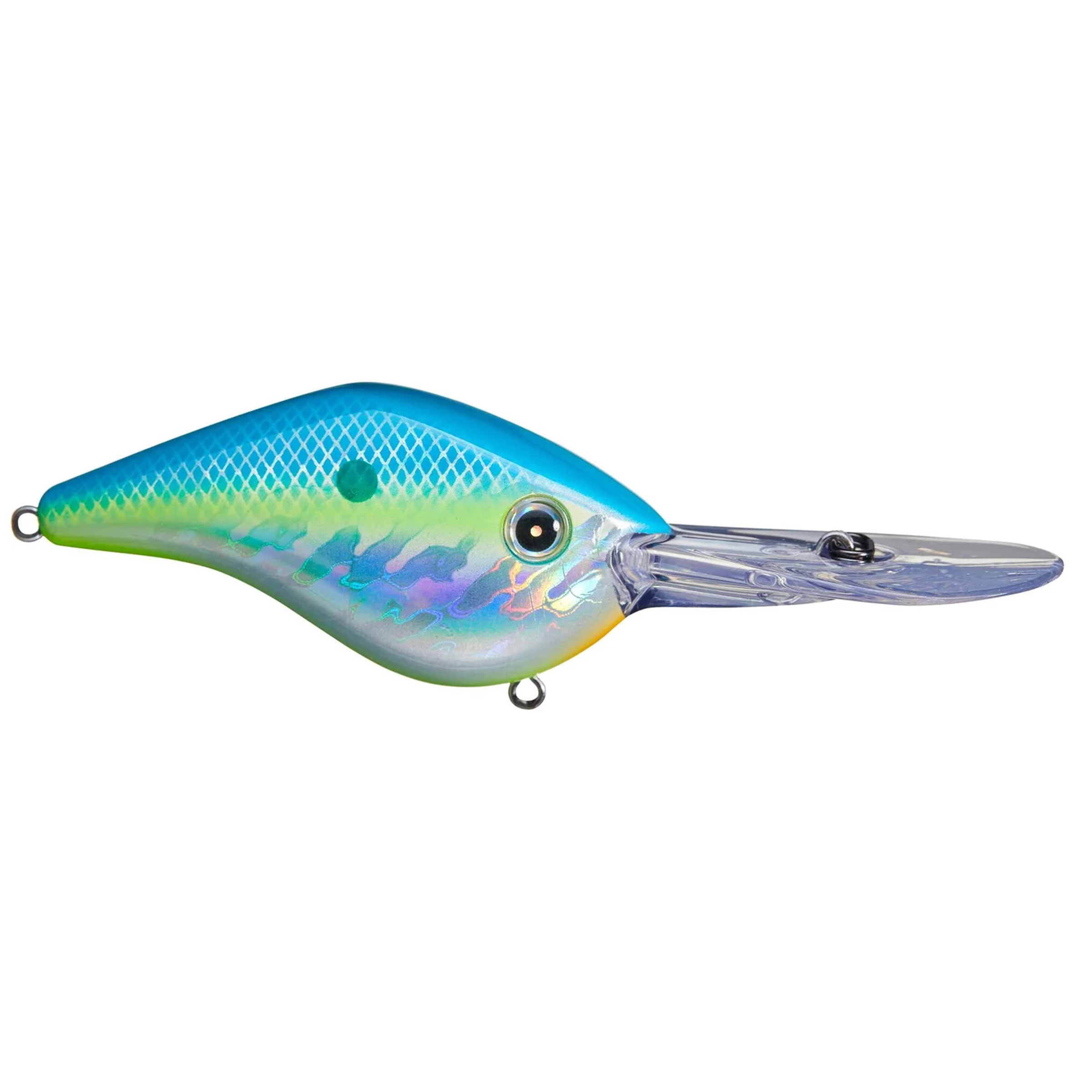
Autumn brings fish shallower again as they chase baitfish, and the topwater fishing in the river channels in spring and fall is the sort that stays with you. Crankbaits, moving baits and jerkbaits all come into their own as bass feed ahead of winter.



Deep, Slow, and Drawn Down
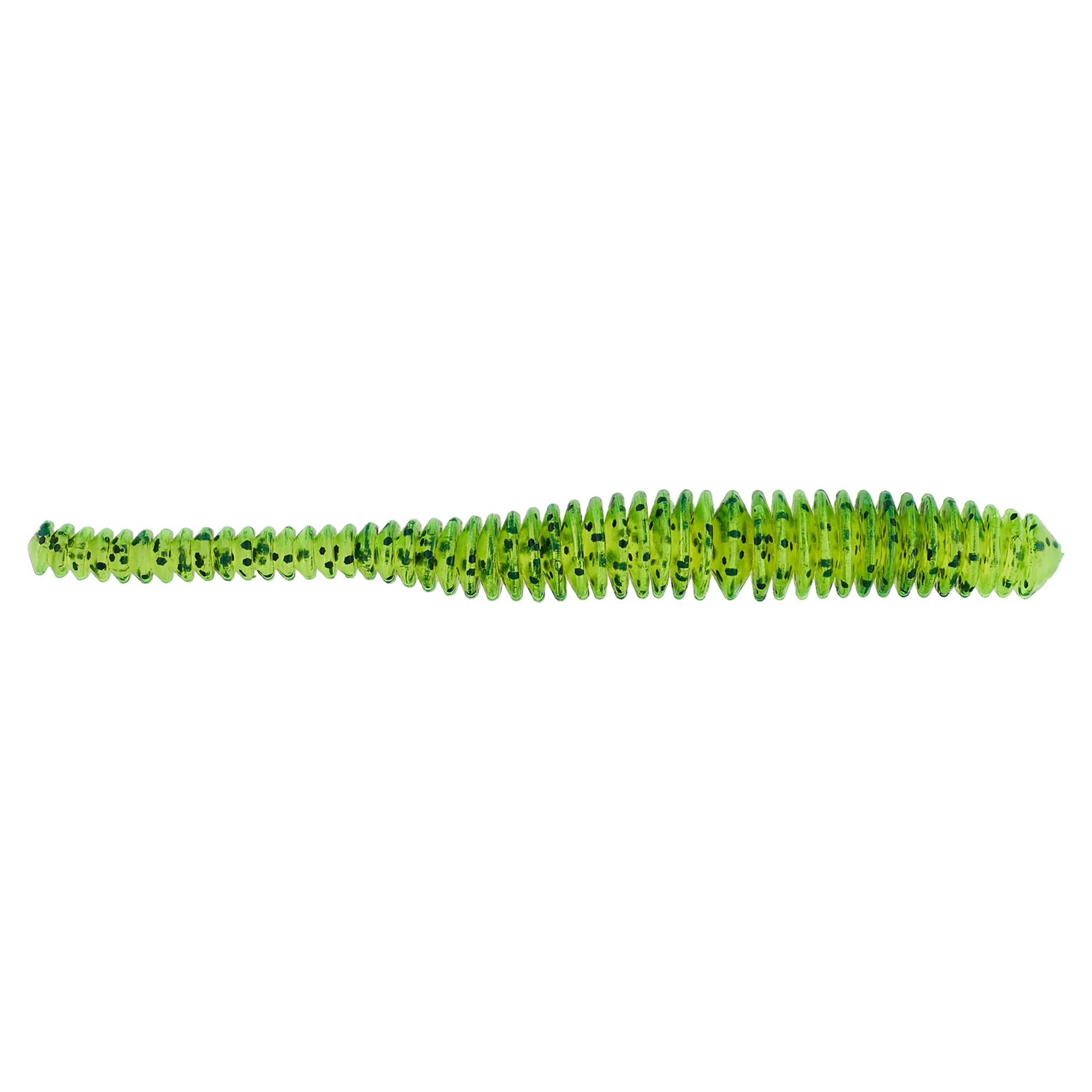
Alabama Power pulls Smith down for winter pool, sometimes a long way. On a lake with two to three hundred feet of water that matters less than it sounds, and the schools of spotted and largemouth bass adjust to it without much drama. They hold deep near drop-offs and submerged structure and feed slowly.


Smith Lake Access
Five hundred miles of shoreline on a lake shaped like a canyon system. Electronics matter more than local bank knowledge.
The Dam Area
Deepest water on the lake and the prime striped bass area — 30 to 40 pound fish come from here regularly. Also holds spotted bass deep through summer and winter.
Mid-Lake & Lower-Lake Points
Where schooling spotted bass show up and where the main-lake crankbait bite lives. Steep rock with deep water close by is the pattern to look for.
The Sipsey Fork Arm
The upper river end, shallower and with more current than the main lake. Spring and fall topwater in the river channels is some of the most enjoyable fishing on the lake.
Smith Lake Bass Fishing FAQ
How deep is Smith Lake?
Around 300 feet at its deepest, which makes it far and away the deepest reservoir in Alabama. Combined with exceptional clarity, that depth is what makes it fish so differently from the state's grass and current lakes.
Why do people fish Smith Lake at night?
Two reasons. Summer heat pushes bass deep during the day, and the lake gets extremely busy with recreational boats. At night the water is quiet, spotted bass and stripers feed actively, and they come shallower than they will in daylight. Plenty of serious Smith anglers fish almost exclusively after dark in summer.
What size spotted bass does Smith produce?
Good ones. Local guides describe the realistic possibility of a five or six pound spot on any cast, and Smith spots have a reputation for fighting as hard as any in the region. Largemouth are present too, though spots are what the lake is known for.
Does the winter drawdown hurt the fishing?
Not much. Alabama Power draws the lake down for winter pool, historically as much as thirty feet in some years. On water two to three hundred feet deep, the schools of spotted and largemouth bass adjust without much trouble — you just relocate them.
What tactics work on Smith Lake?
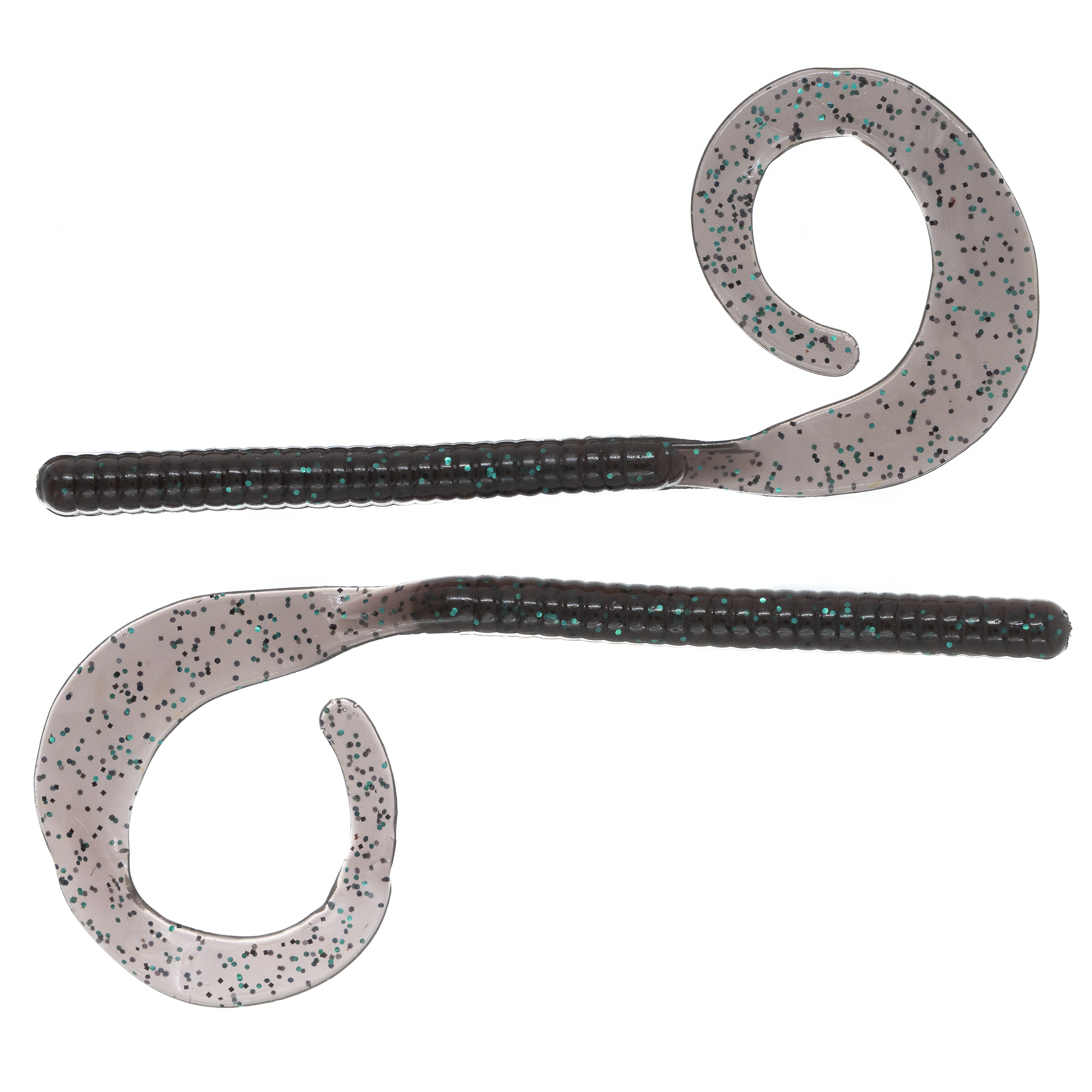
Mostly finesse. Drop shot and shakey head are the bread and butter, and Smith is one of the better places in the South to learn them properly. That said it's also a good topwater and crankbait lake, particularly in spring and fall when fish come up.
Are there trout below Smith Lake?
Yes, unusually for Alabama. Cold water drawn from deep in the lake and discharged through the dam keeps the Sipsey Fork tailwater below 70 degrees year-round, and rainbow trout have been stocked there monthly since the 1970s.
What baits work best on Smith Lake?
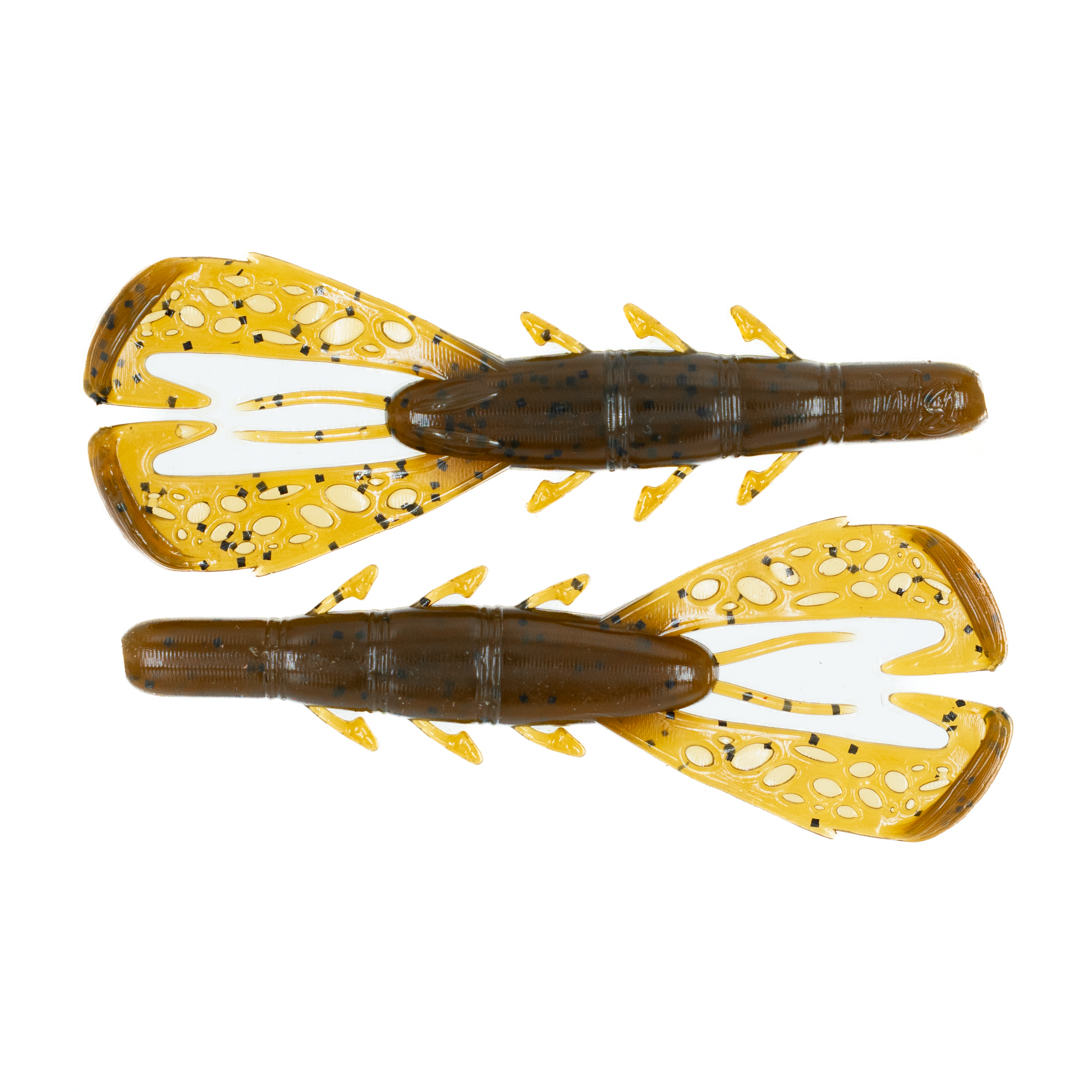
Spring is soft jerkbaits and finesse worms on points and in pockets. Summer is drop shot deep or topwater at night. Fall follows schooling fish with crankbaits and moving baits. Winter is slow vertical work near drop-offs. Our full bait lineup covers all four.
Finesse, in a State That Doesn't Fish It
Smith asks for light line, small baits and long casts in water clear enough that the fish get a good look at everything. Level Rods builds spinning models with the tip to register a spot inhaling a drop shot in forty feet and enough backbone to keep a five-pounder off the rock once it's angry.
Tournament Winning Baits & Gear
Designed, crafted and tested by anglers who fish clear water every week. Free shipping on orders over $75.
Shop All Baits