Sardis Lake Bass Fishing Guide
Sardis Lake Bass Fishing, Season by Season
Thirty-two thousand acres in the rolling hills of north Mississippi near Oxford, with steep bluffs, submerged timber and water deep enough to hold a thermocline. Sardis is the longest of the north Mississippi flood-control lakes and the one with the most vertical structure.
Depth and Vertical Structure
Sardis Lake sits on the Little Tallahatchie River in the rolling hills of north Mississippi near the towns of Sardis and Oxford. The Corps of Engineers project covers 98,520 acres in total, but the water anglers actually fish is around 32,500 acres. It is the longest and largest of the four north Mississippi flood-control lakes.
What separates it from its neighbours is depth and relief. Sardis averages around fourteen feet and reaches roughly fifty-nine near the dam, and the shoreline includes genuinely steep bluffs alongside submerged timber and expansive flats. That vertical structure is unusual in this part of the state and it changes how the lake fishes.
It runs deep enough to develop a thermocline in summer, which is a useful thing to know and something you will not need to think about on Ross Barnett. Locating structure that sits near the thermocline — stumps, submerged trees — is the summer game here, and it rewards electronics.
The lake's fame, like Grenada's and Enid's, is crappie. The bass fishing is good and quiet. Largemouth and spotted bass both live here, and the habitat variety — bluffs, timber, flats, creek channels — means several different approaches work rather than one dominant pattern.
The creek arms are the other half of the picture. Clear Creek and Thompson Creek are the names that come up most often, and trolling or working the mouths of the smaller cuts is a recognised way to find fish here.
Wind is a factor up around the dam, the same as on Grenada — it gets rough quickly on open water and the arms are the shelter.
Bluffs, Creeks and the Thermocline
Four patterns cover the year. Each one pairs the technique with the baits we'd actually tie on.
Creek Arms and Shallow Timber
Spring pulls fish up into the creek arms and onto the shallow timber and flats. Clear Creek and Thompson Creek warm and produce first, and the mouths of the smaller cuts concentrate fish moving in and out. Rising water floods shoreline cover and the bass go with it.


Structure Near the Thermocline
Summer is the season the depth matters. Sardis stratifies, and the productive approach is locating structure sitting near the thermocline — stumps and submerged trees at the right depth — rather than fishing shallow or fishing deep for their own sakes. Below the thermocline there is no oxygen and no fish.
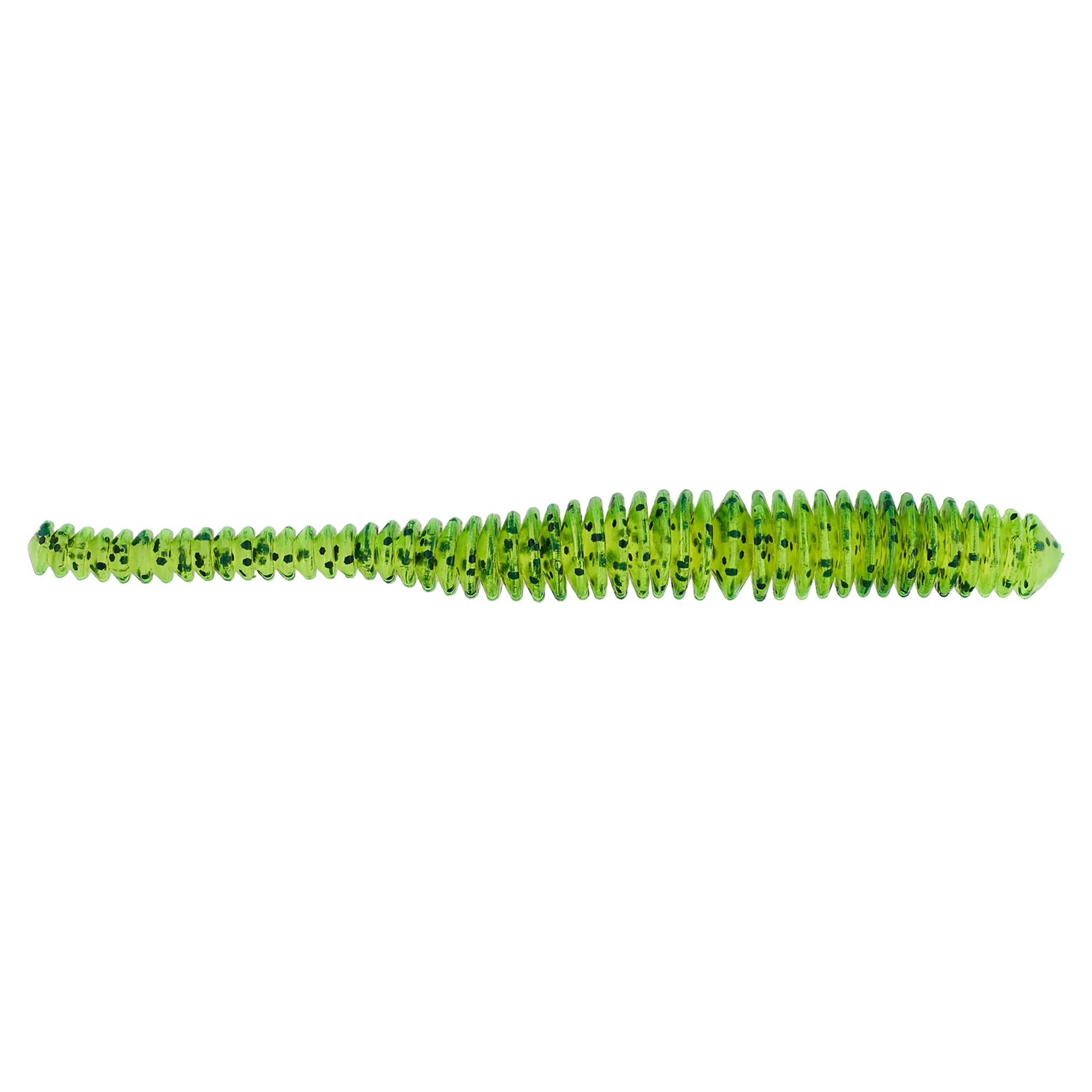
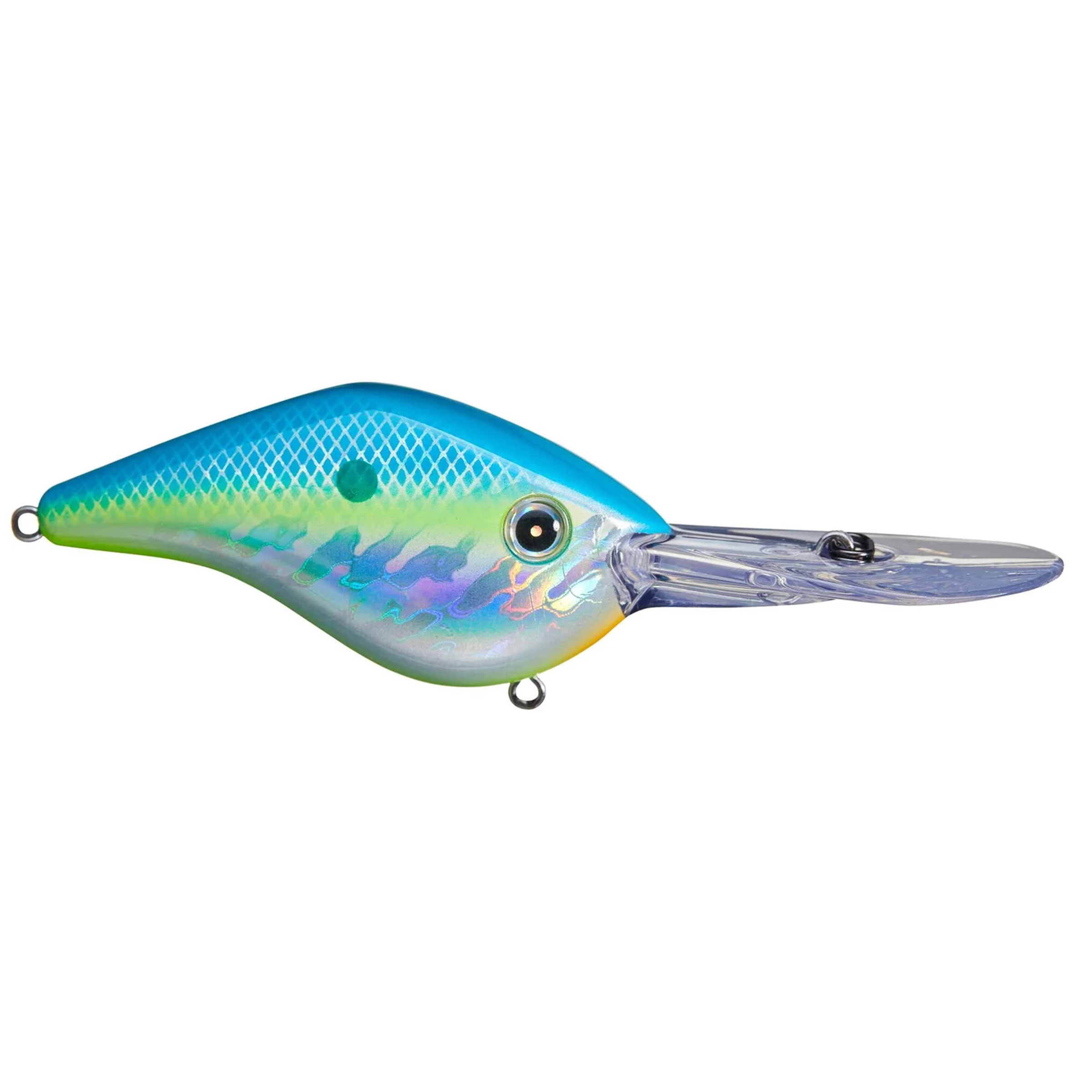


Bait in the Cuts
Autumn concentrates bait in the creek arms and the smaller cuts, and the bass follow. Trolling the mouths of the cuts is a recognised local method for finding them, and once located they can be worked properly. Cooling water breaks the thermocline and the whole water column becomes usable again.
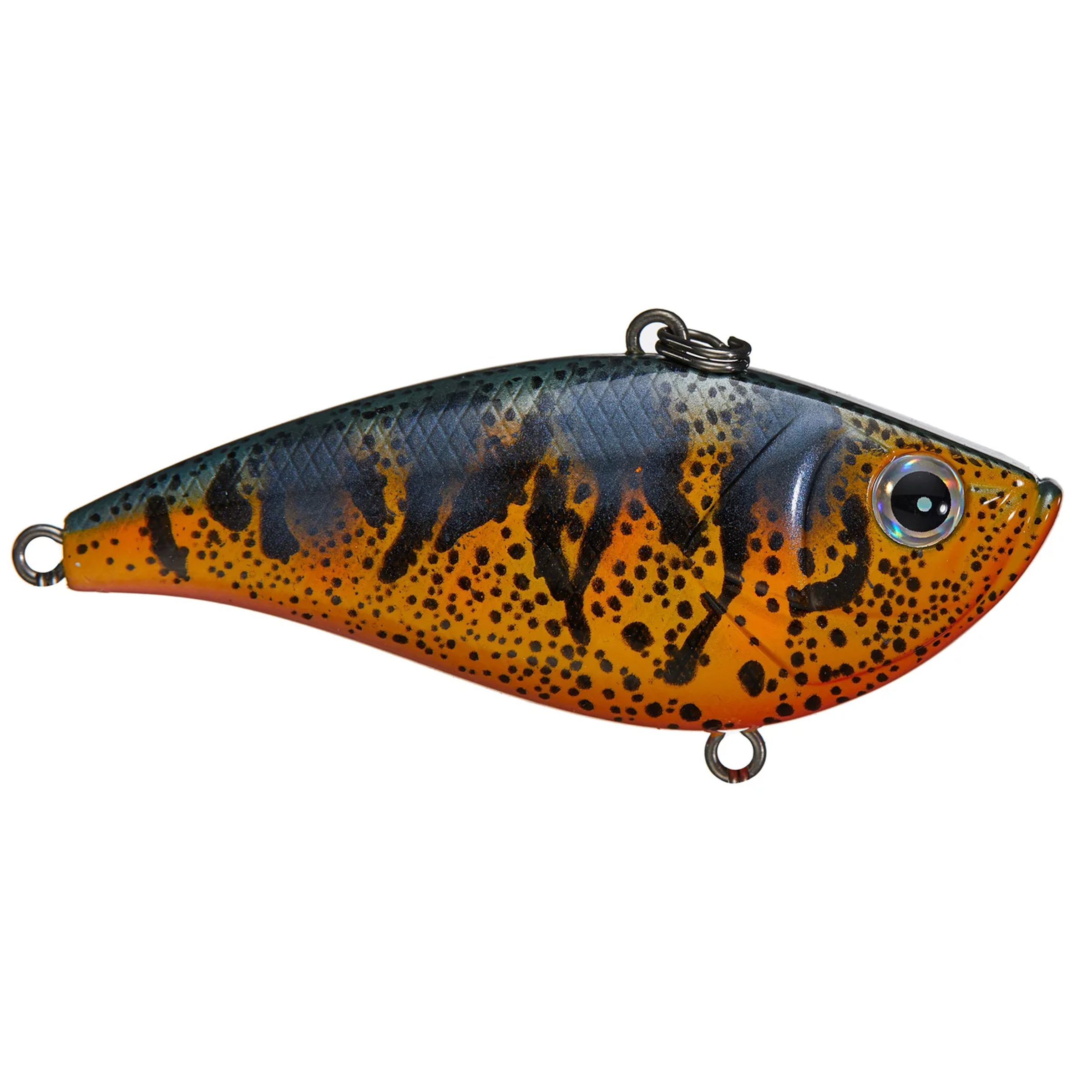
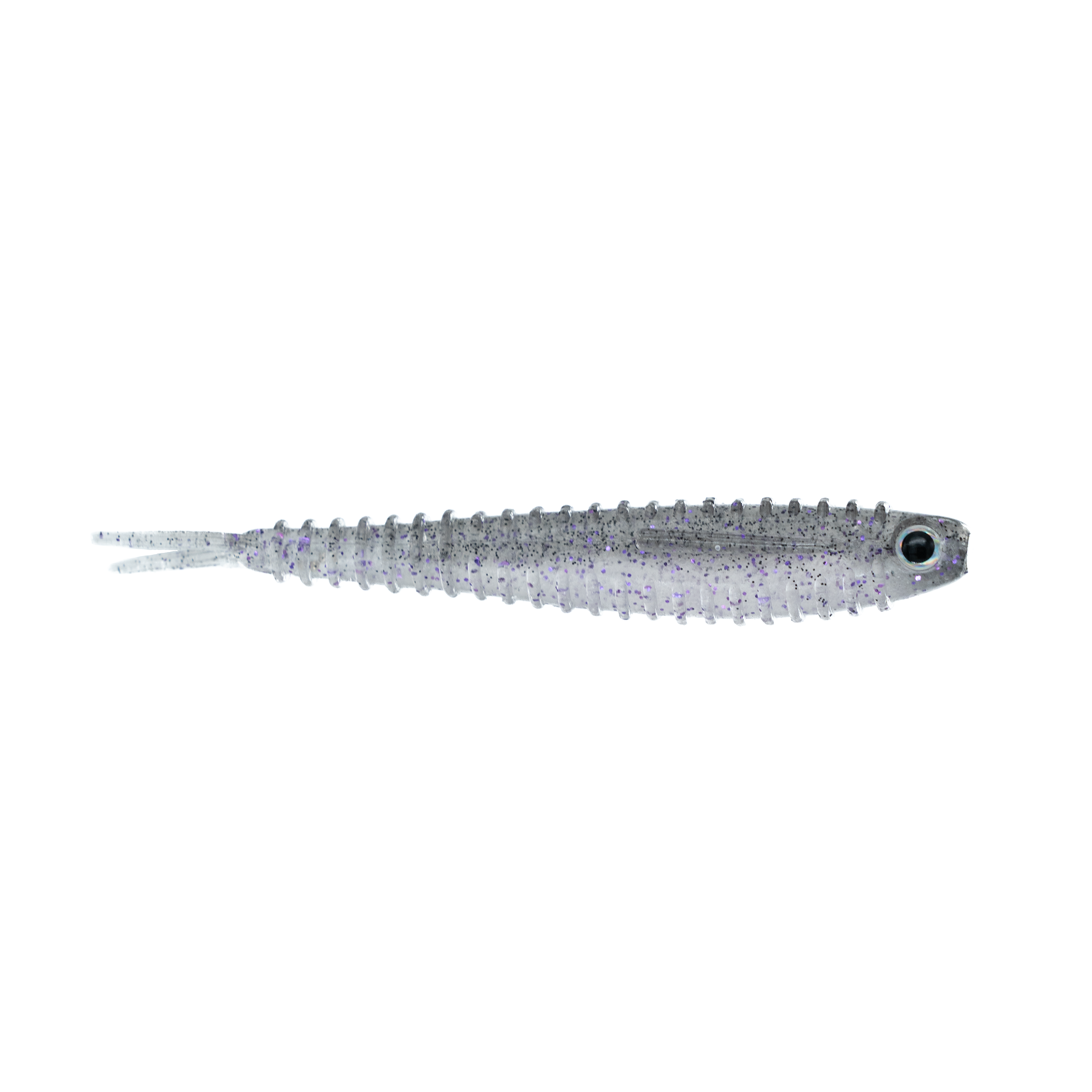
Bluffs and Deep Timber
Winter is where the bluffs earn their keep. Steep rock dropping into deep water lets fish move vertically without travelling, which means they stay catchable through cold fronts in a way they do not on shallow lakes. Deeper submerged timber holds the rest. Water levels are typically at their annual low.

Sardis Lake Access
The Corps of Engineers maintains ramps and campgrounds around the lake, with the main concentration near the dam and further access up the creek arms. Sardis and Oxford are the nearest towns, and the lake sits just off Interstate 55.
Engineer's Point
The area local anglers name first for structure fishing on this lake — submerged timber, fallen trees and weed beds worked with jigs or swimbaits. A reliable place to start if you are new to the water and want structure rather than a search.
Clear Creek and Thompson Creek
The two creek arms that come up most often. They warm first in spring, hold bait in autumn, and give shelter when the main lake and dam area get rough. Trolling the mouths of the smaller cuts off them is a recognised way to locate fish.
The Bluffs
Steep banks dropping into deep water, and the structure that distinguishes Sardis from Grenada, Enid and Arkabutla. Fish can move up and down without going anywhere, which makes bluff ends productive through cold fronts and summer heat alike.
Sardis Lake Bass Fishing FAQ
How big is Sardis Lake?
The Corps of Engineers project covers 98,520 acres, but the water anglers fish is around 32,500 acres. That gap causes confusion — the larger figure includes the full flood-control footprint, not the normal pool.
How deep is Sardis Lake?
It averages around fourteen feet and reaches roughly fifty-nine near the dam. That is deep for this part of Mississippi and deep enough to stratify in summer, which is why thermocline depth matters here and does not on the shallower lakes nearby.
What is the thermocline and why does it matter?
In summer the lake separates into layers, with warmer oxygenated water above a boundary and colder oxygen-poor water below. Bass hold above or at that boundary. Finding cover — stumps, submerged trees — sitting near that depth is the summer pattern on Sardis, and fishing below it is wasted effort.
Is Sardis better for bass or crappie?
Its fame is crappie, like the other north Mississippi flood-control lakes. The bass fishing is genuinely good and much quieter, with both largemouth and spotted bass present and more habitat variety — bluffs, timber, flats and creek channels — than its neighbours offer.
Where should I start on Sardis?
Engineer's Point for structure, Clear Creek and Thompson Creek for the arms, and the bluffs when conditions are difficult. Trolling the mouths of the smaller cuts is a recognised way to find fish if you do not know the water.
How does Sardis compare to Grenada and Enid?
Sardis is the longest and largest of the four north Mississippi lakes and has the most vertical structure thanks to its bluffs and depth. Grenada has two river arms and better-defined roadbeds. Enid is essentially a smaller Sardis and fishes much the same way. All four are crappie-famous and bass-overlooked.
What baits work best on Sardis Lake?
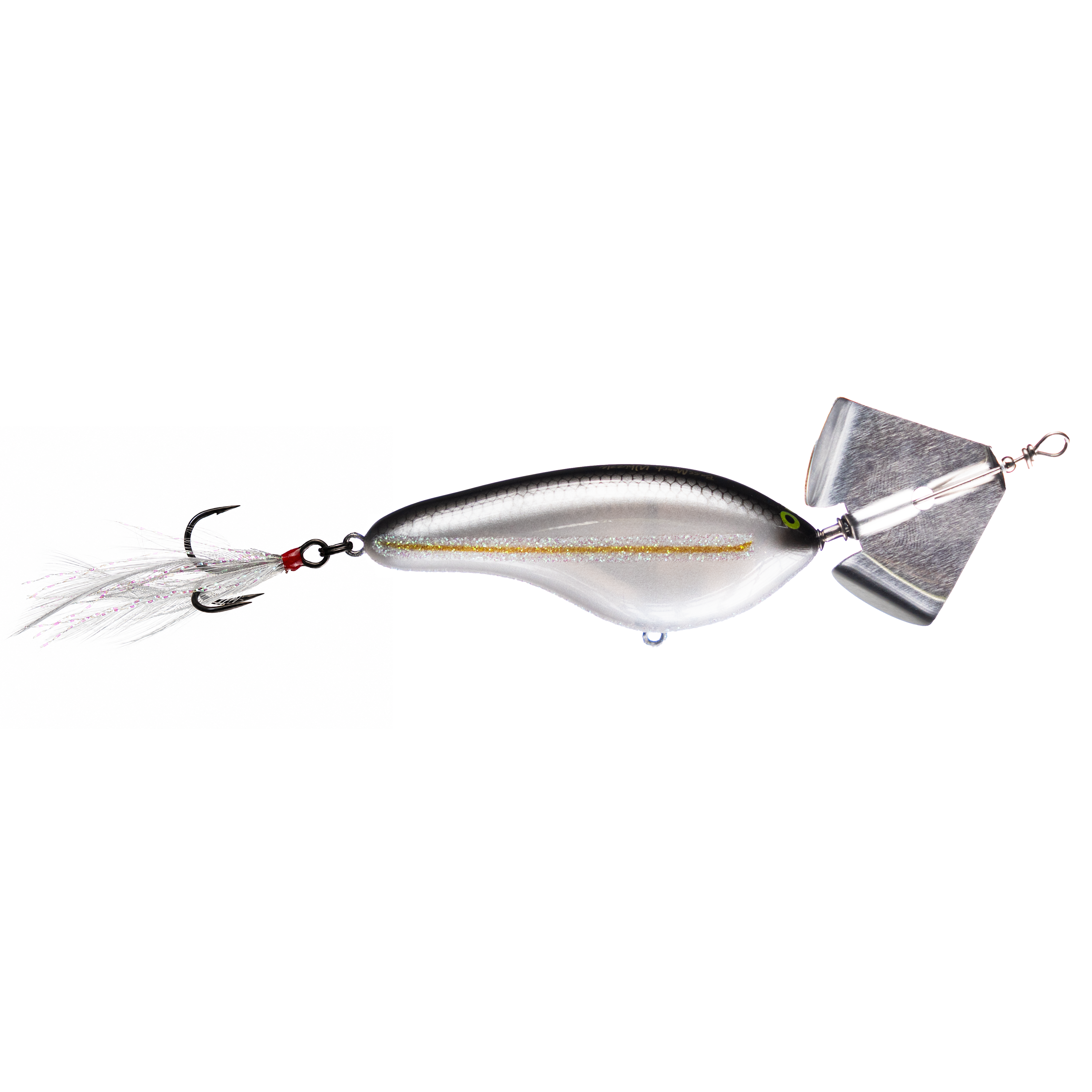
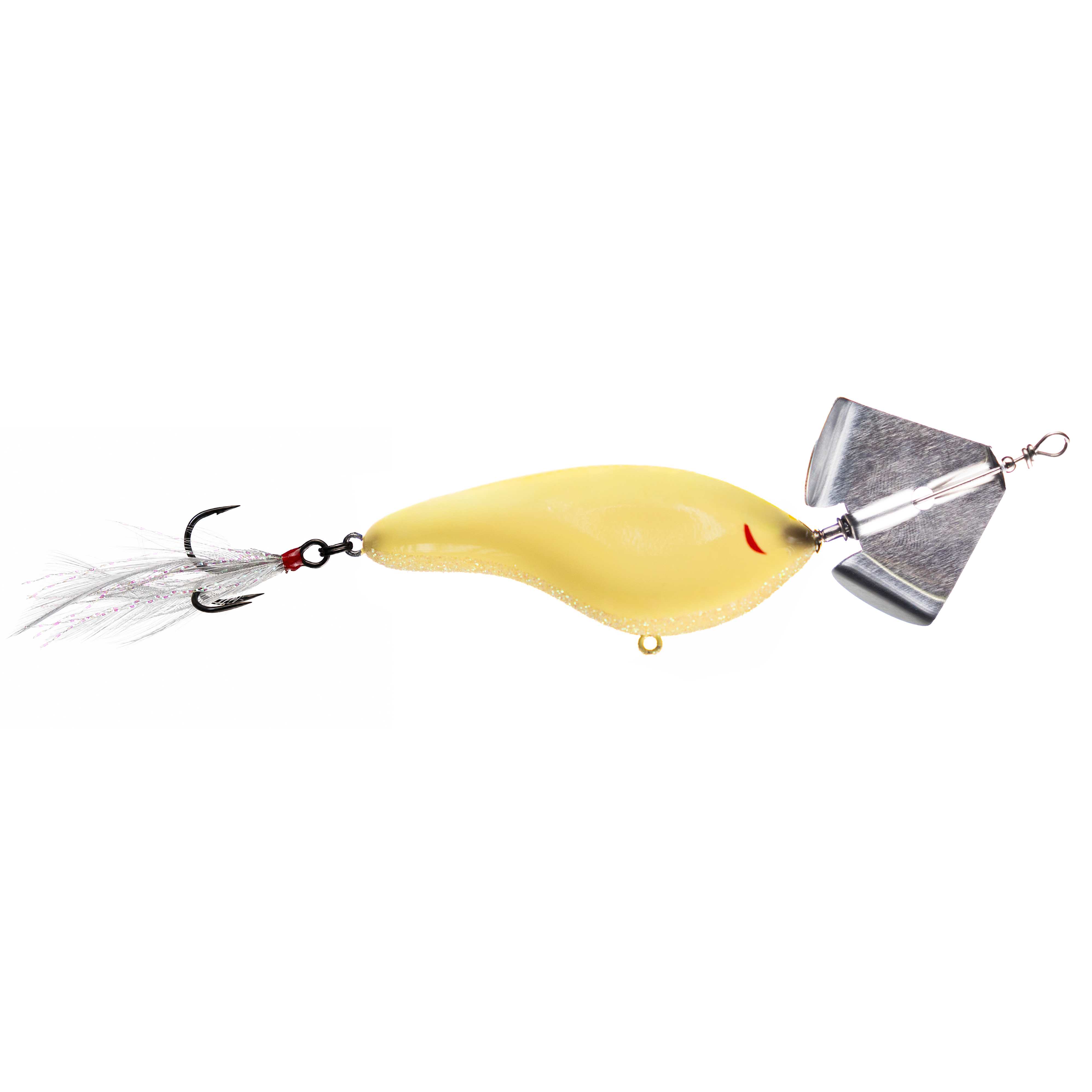
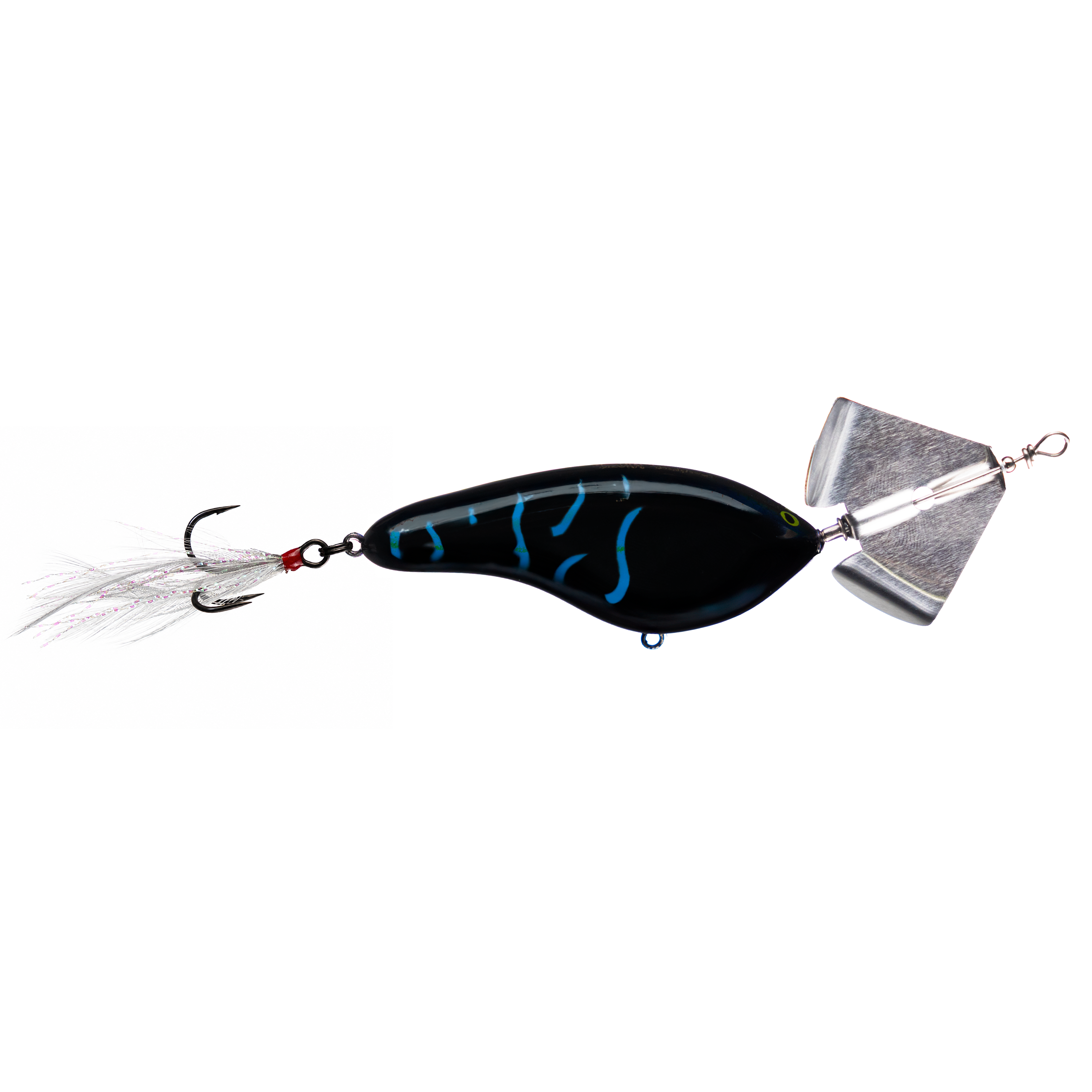
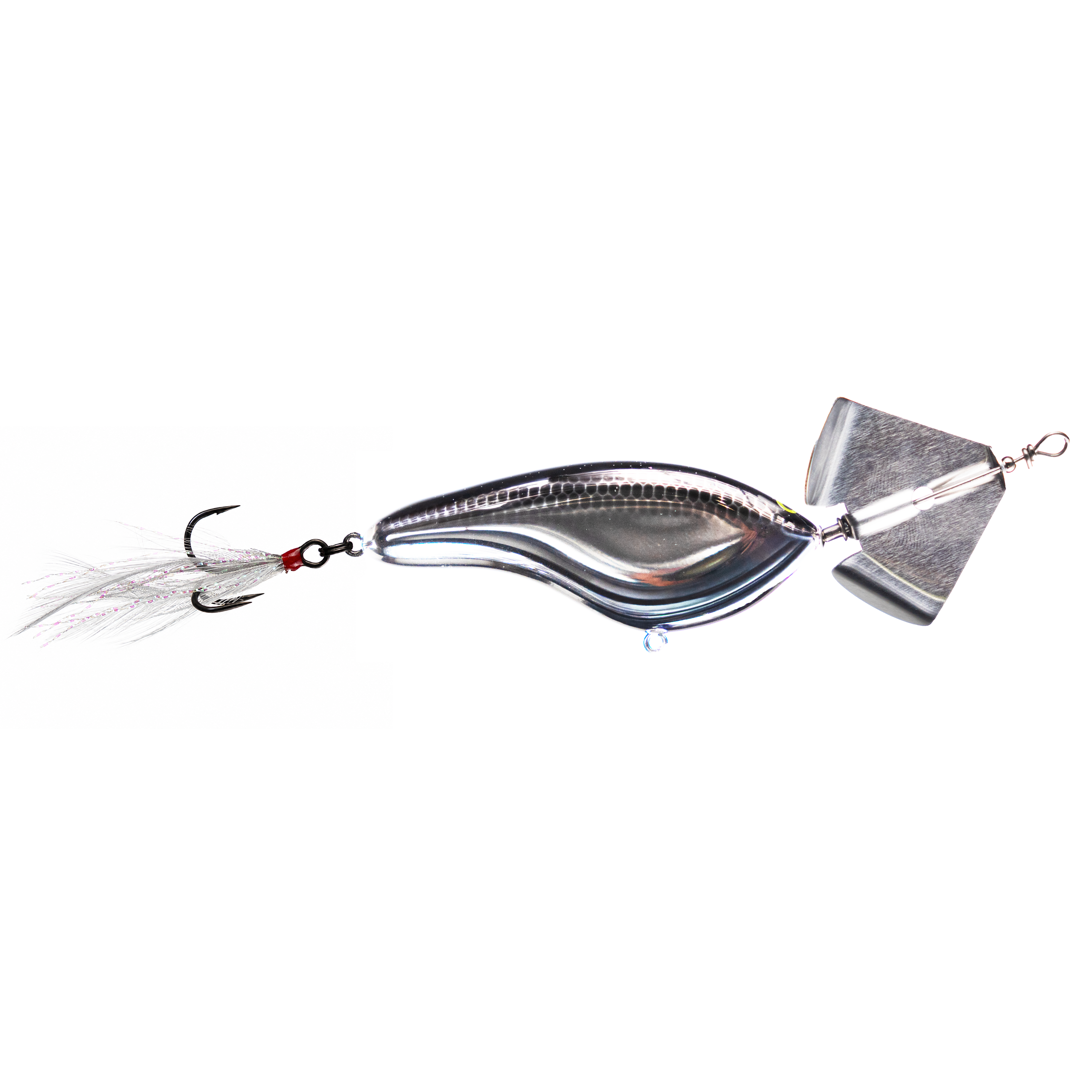
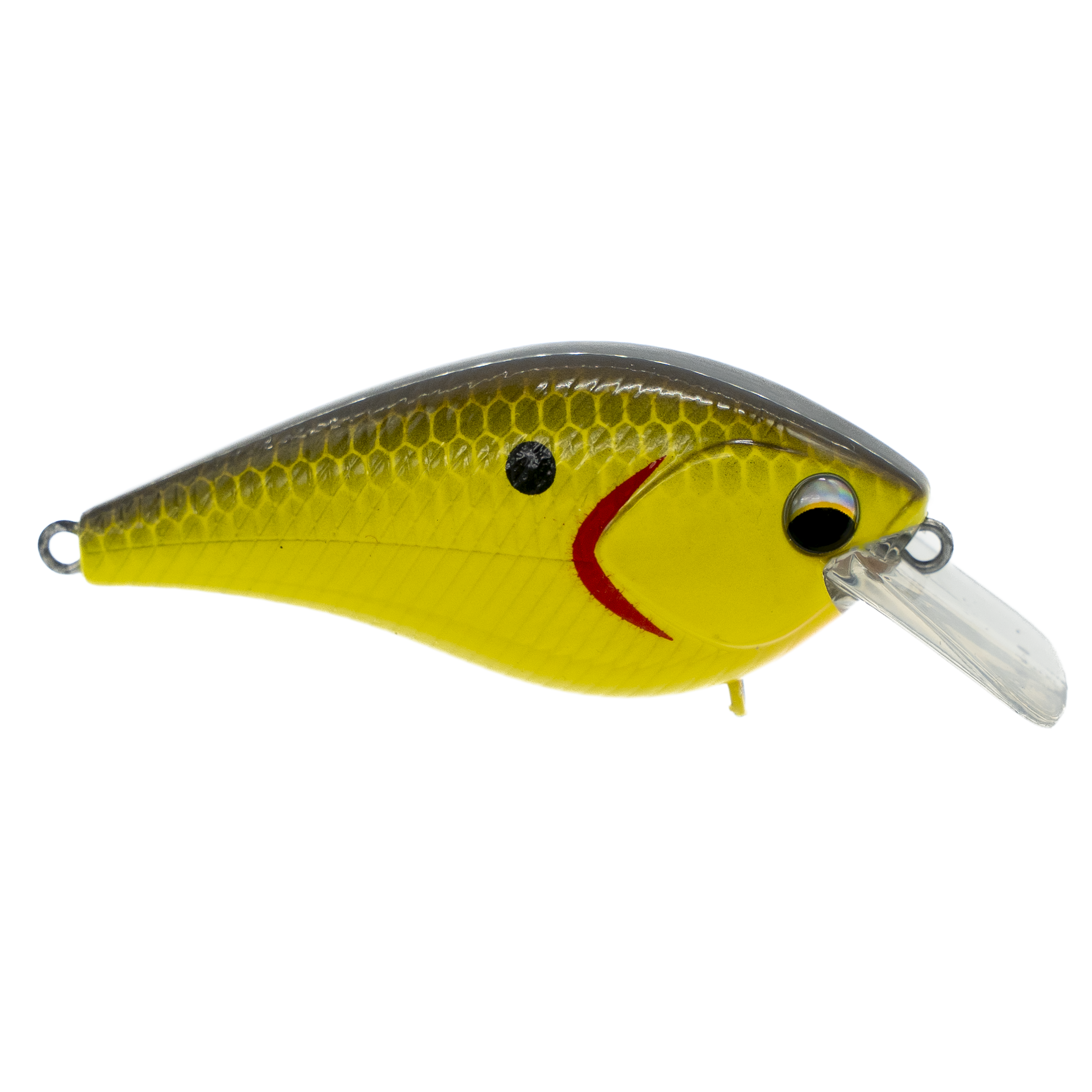
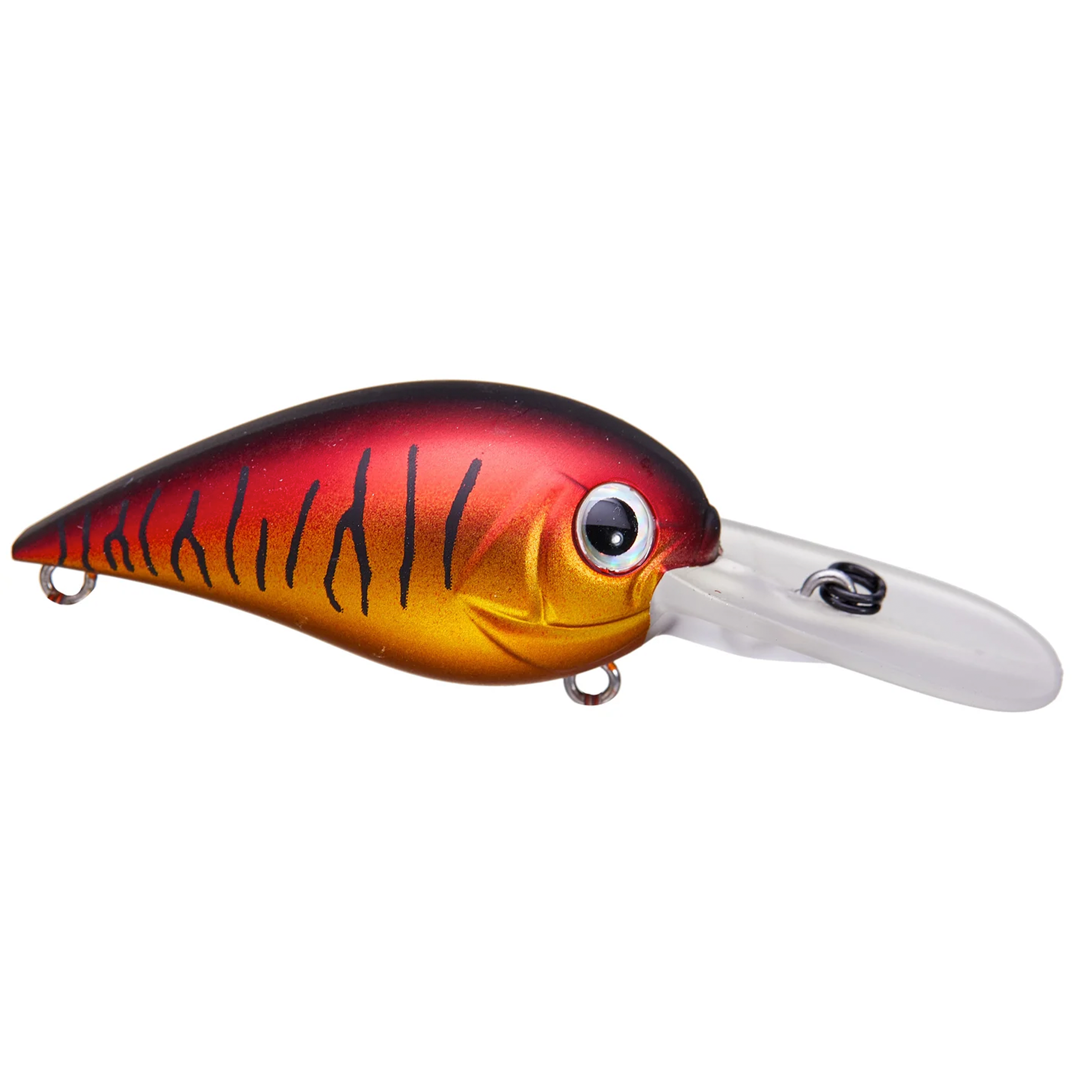
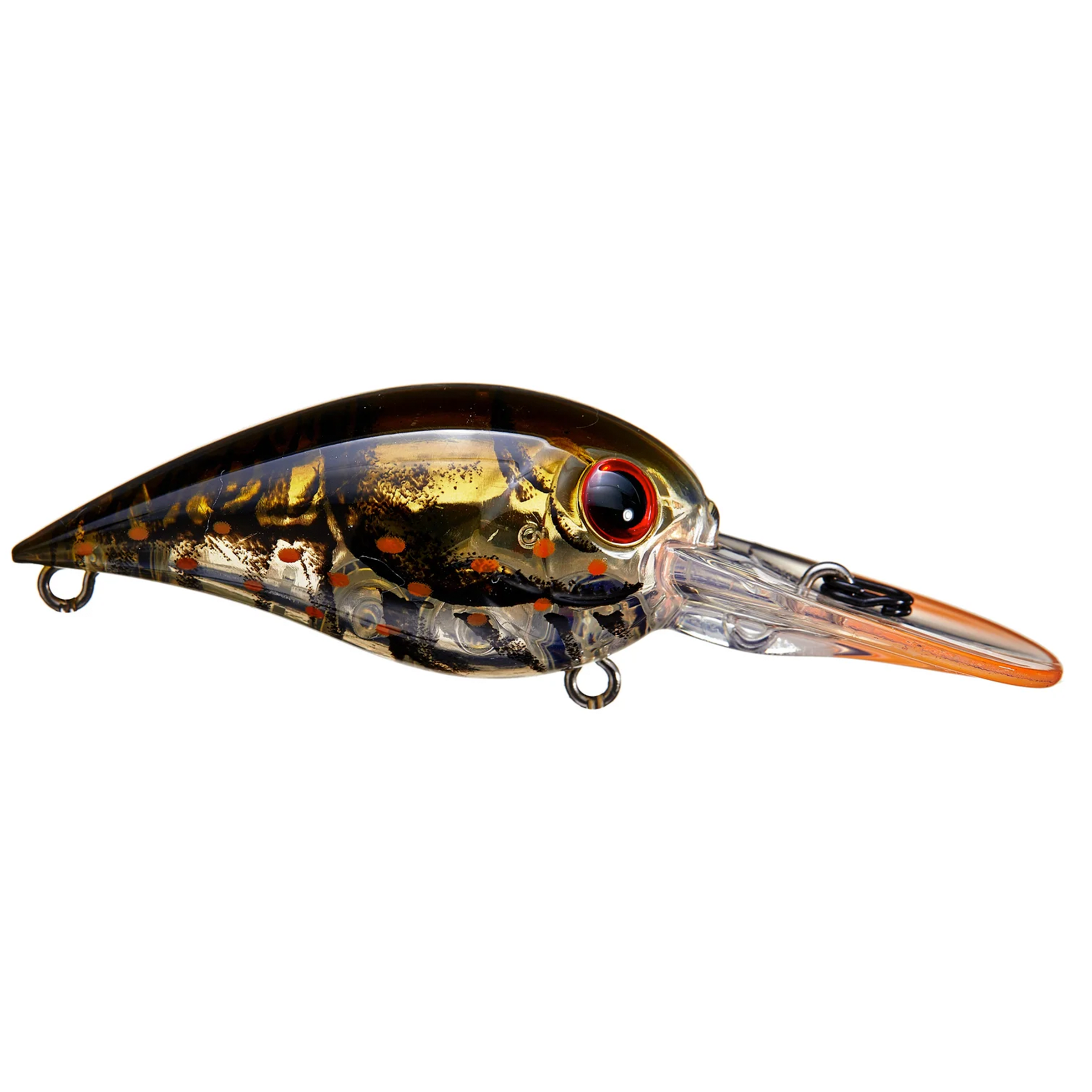
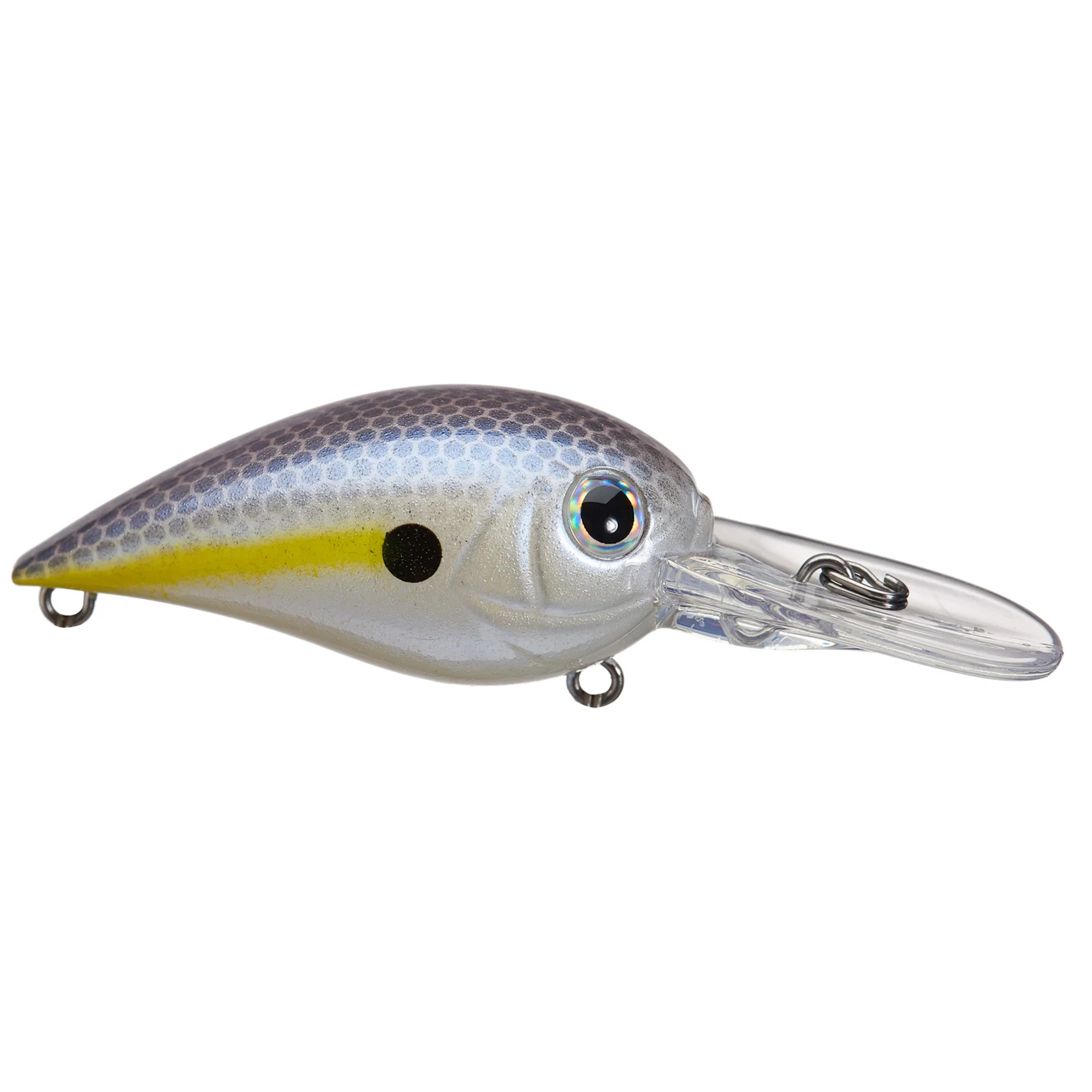
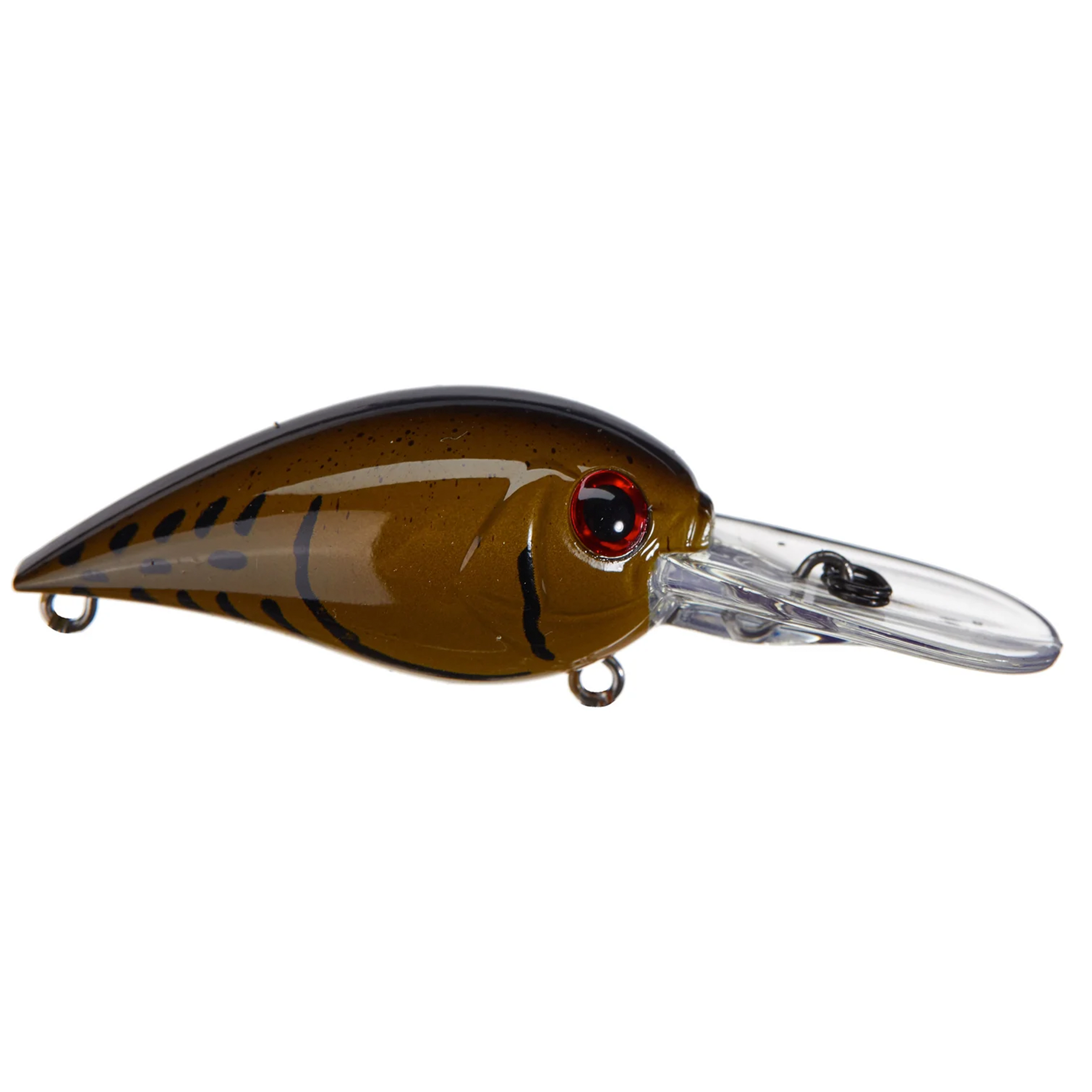
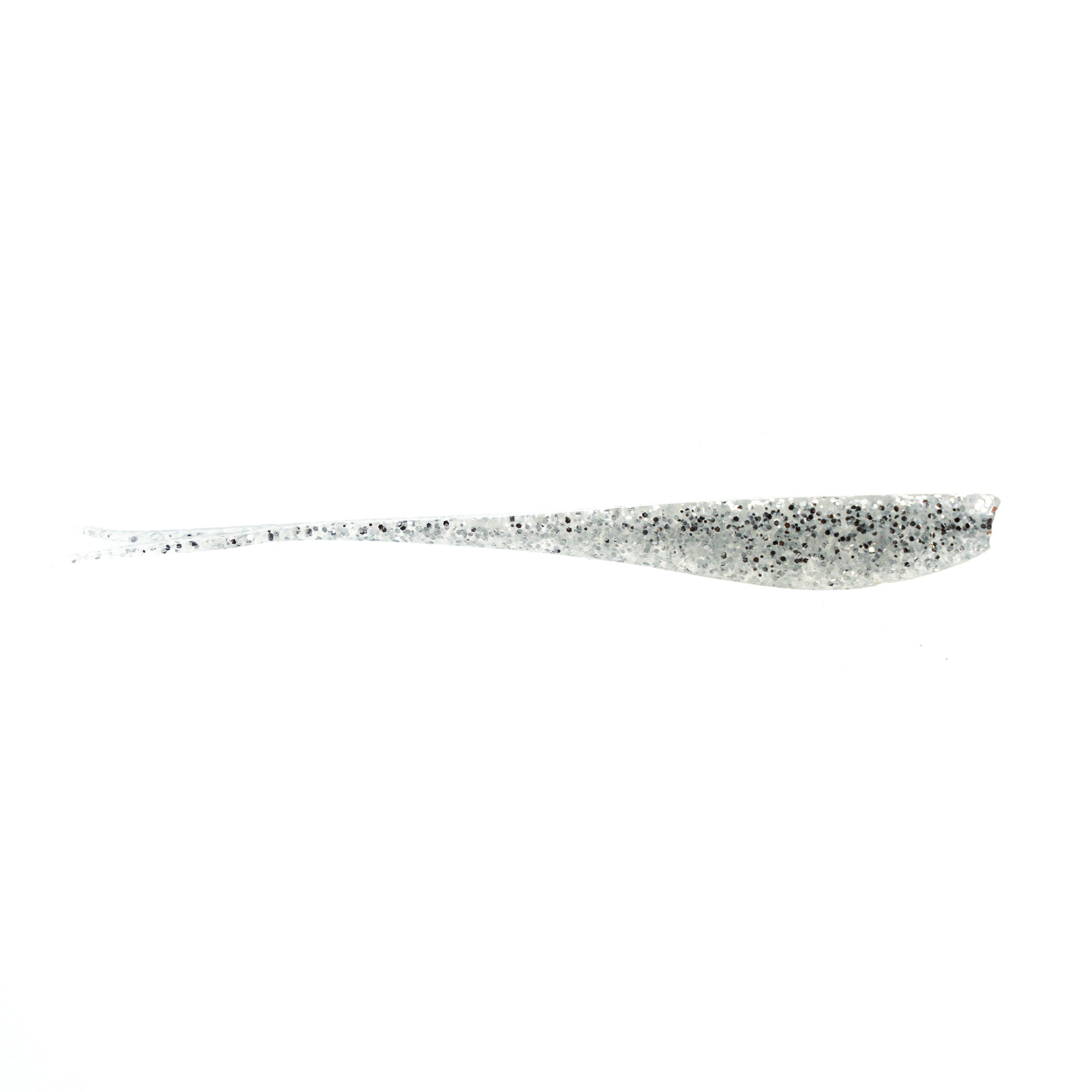
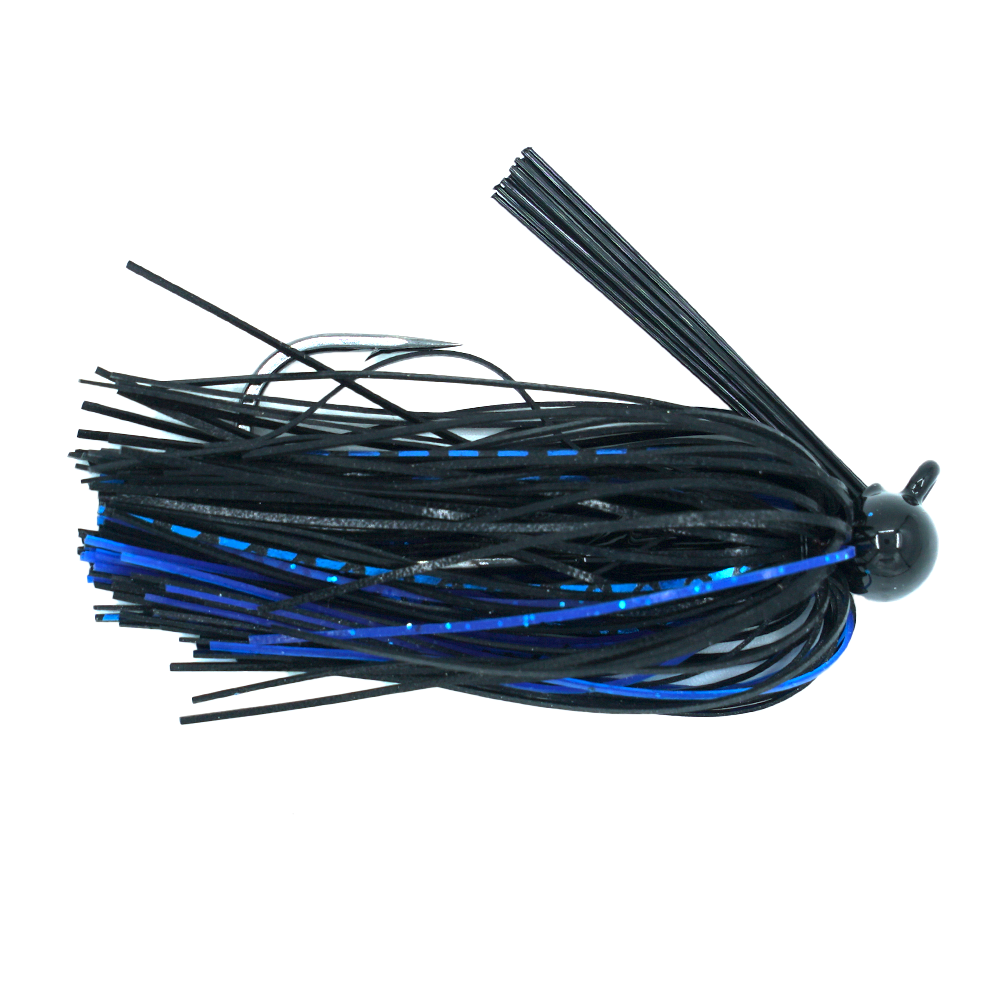
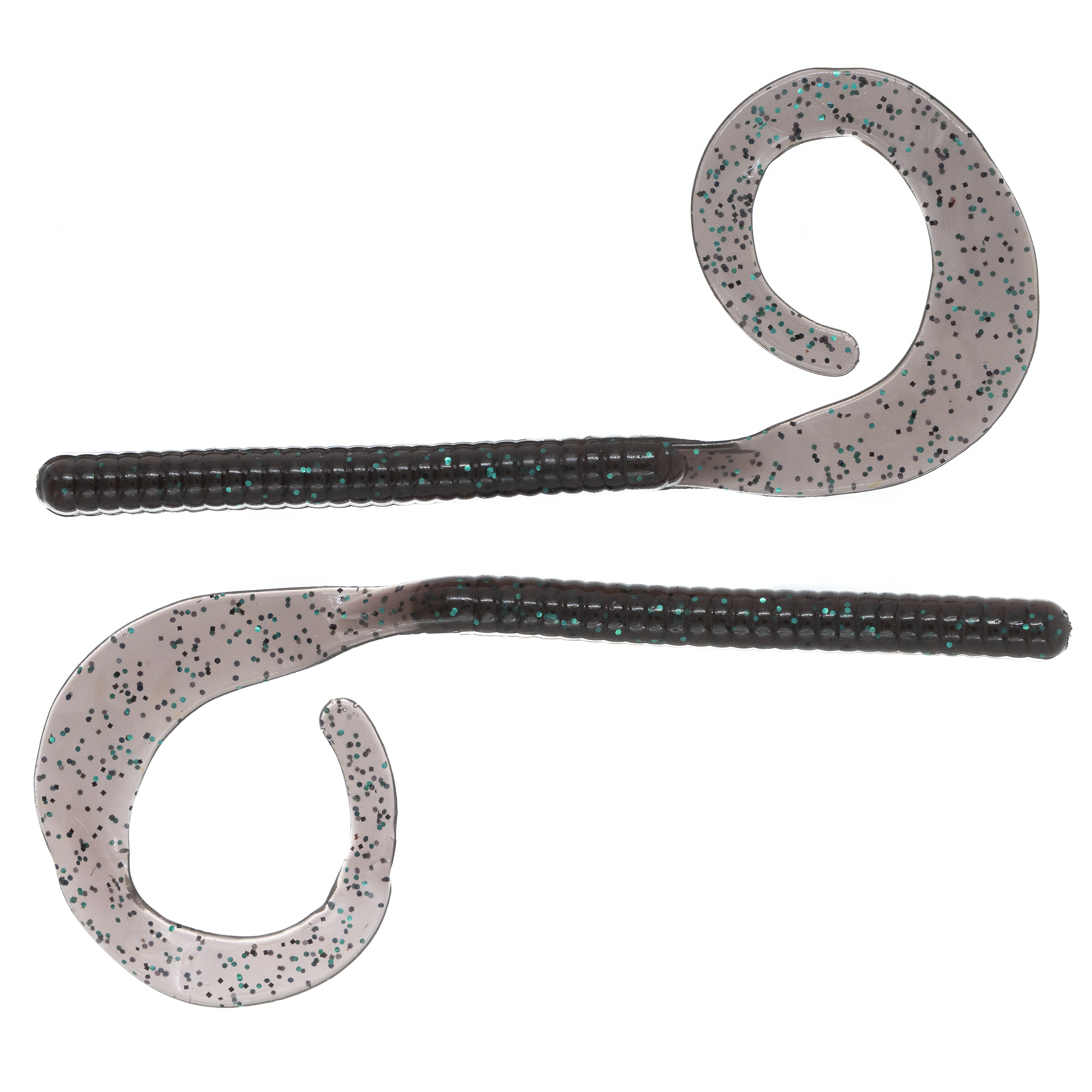
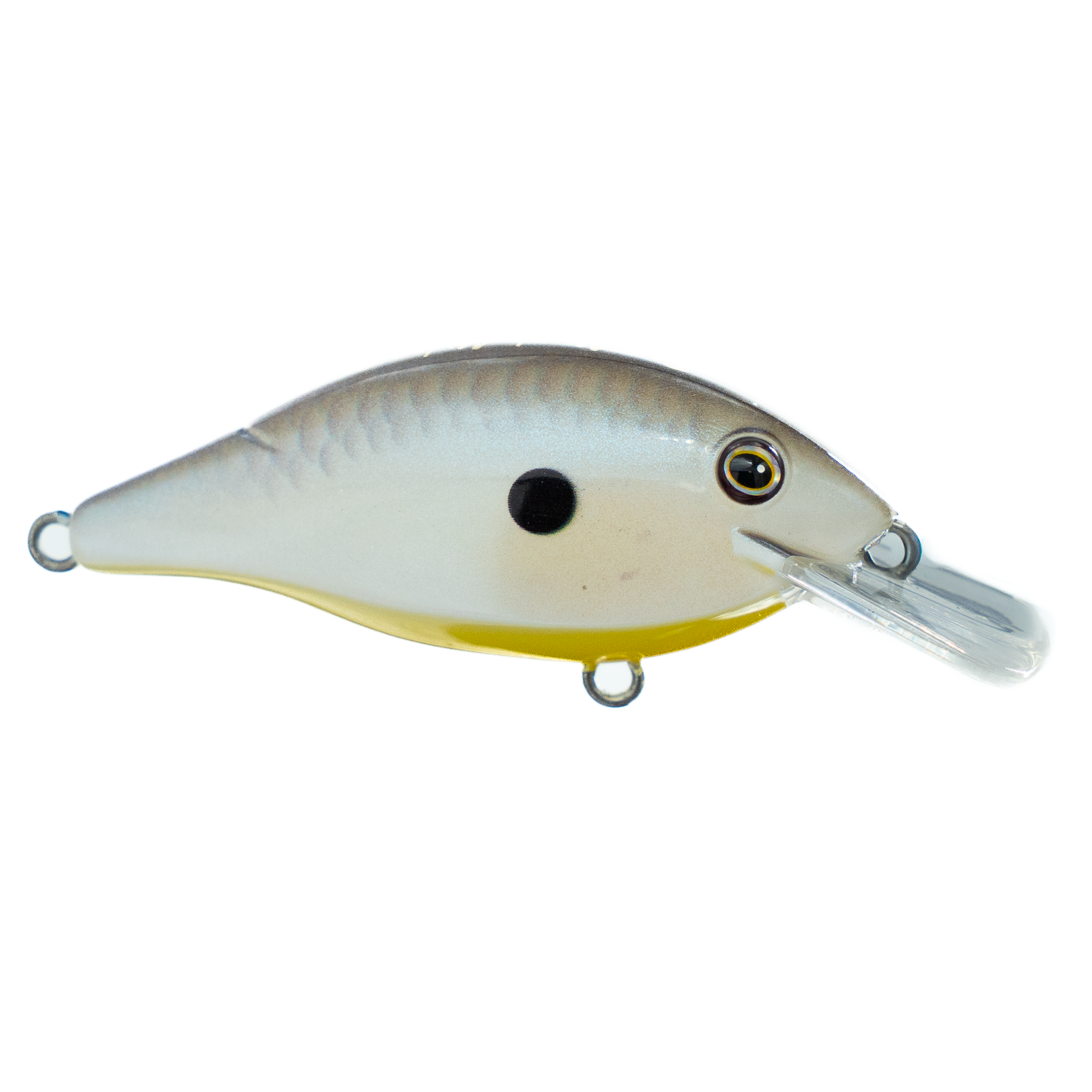
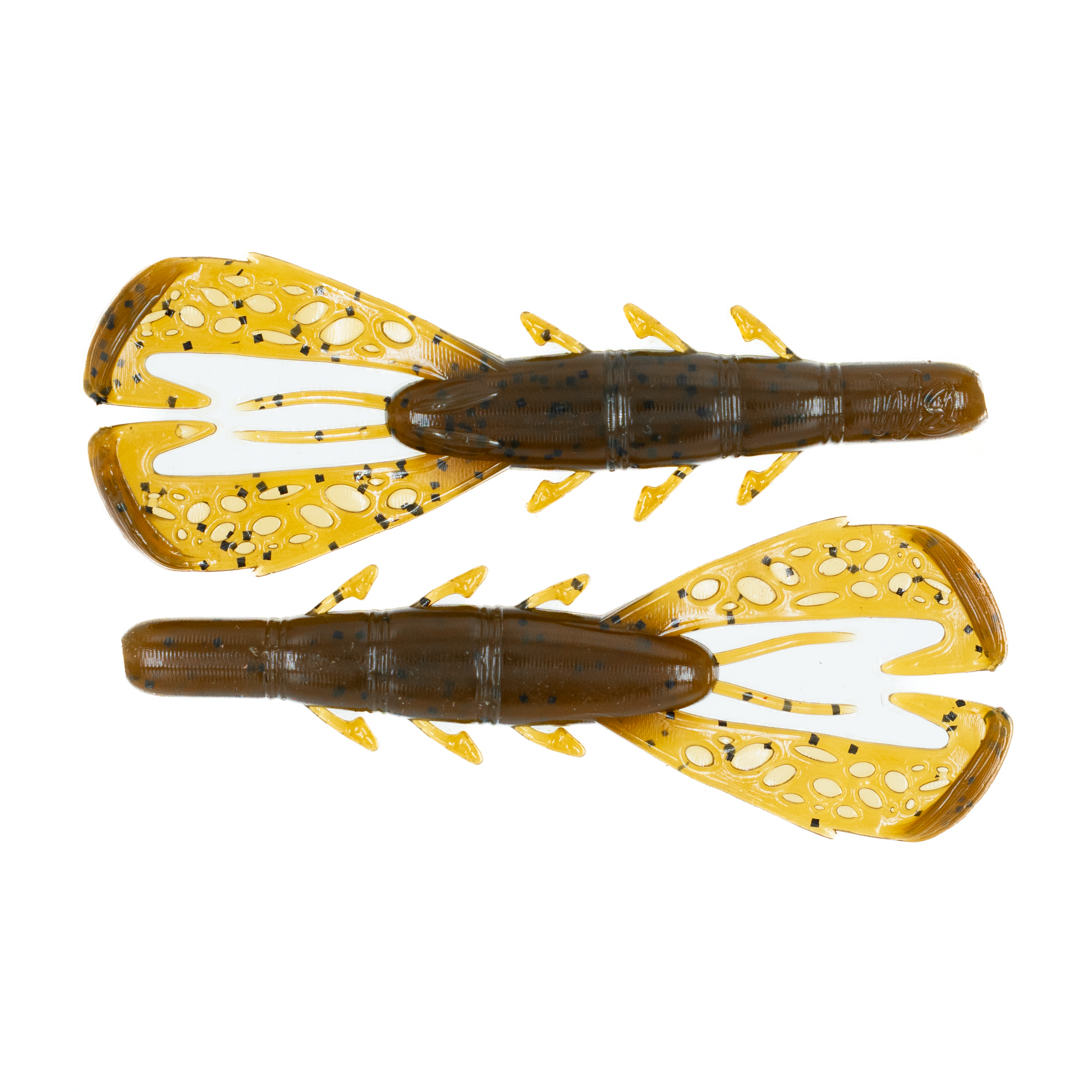
Soft plastics like worms and creature baits, crankbaits, topwater in the shallows at dawn and dusk, and jigs or swimbaits around submerged timber and fallen trees. In summer, whatever you can hold at thermocline depth. Our full bait lineup covers all four seasons.
Do I need a fishing license?
Yes, a Mississippi fishing license from the Department of Wildlife, Fisheries and Parks. Check current black bass regulations for the lake before you go.
Vertical Water, Deep Cover
Working a jig down a bluff wall or holding a bait at thermocline depth over submerged timber asks for sensitivity at range and the power to move a fish out of wood. Level Rods builds across that span without giving up either end.
Tournament Winning Baits & Gear
Designed, crafted and tested by anglers who fish deep structure every week. Free shipping on orders over $75.
Shop All Baits