Santee Cooper Bass Fishing Guide
Santee Cooper Bass Fishing, Season by Season
171,000 acres of Lowcountry swamp, cypress and stump field across two connected lakes. Marion kept its trees when they flooded it in 1941. Moultrie didn't. Eighty-five years later that one decision still tells you how to fish each half.
One System, Two Completely Different Lakes
Santee Cooper is two impoundments built between 1939 and 1942 to dam the Santee and Cooper rivers for hydroelectric power. Lake Marion, the upper lake, covers 110,600 acres. Lake Moultrie, the lower, covers 60,400. A 6.5-mile canal called the Diversion Canal joins them, and the whole system spreads across five South Carolina counties north of Charleston.
Here's the part that matters. When they flooded Marion, they left the forest standing. Thousands of stumps, dead trunks and living cypress remain in the water, with extensive swamp at the upper end and flooded timber running much of its length — though many of the main-lake trees have since broken off at water level, which makes them structure and hazard at the same time.
Moultrie was cleared before it was filled. No standing timber. Instead you get mile after mile of stump fields, an essentially round basin fourteen miles across at its widest, and a shoreline that turns into cypress flats and swampy margins with backwater ponds barely connected to the main lake.
So they fish nothing alike. Marion is a flooded forest you pick apart. Moultrie is open water where you find the stumps and the grass edges. And right now both are as good as they've been in years — a resurgence of eelgrass and hydrilla has put Santee Cooper at the top of Bassmaster's Southeastern rankings for 2026, with tournament weights to match. Outside California, Texas and Florida there aren't many places producing largemouth of this caliber.
What It Took to Win Here
Patterns that produced at the highest level on this water, and the baits to fish them with.
Chris Johnston — Shallow Main-Lake Docks
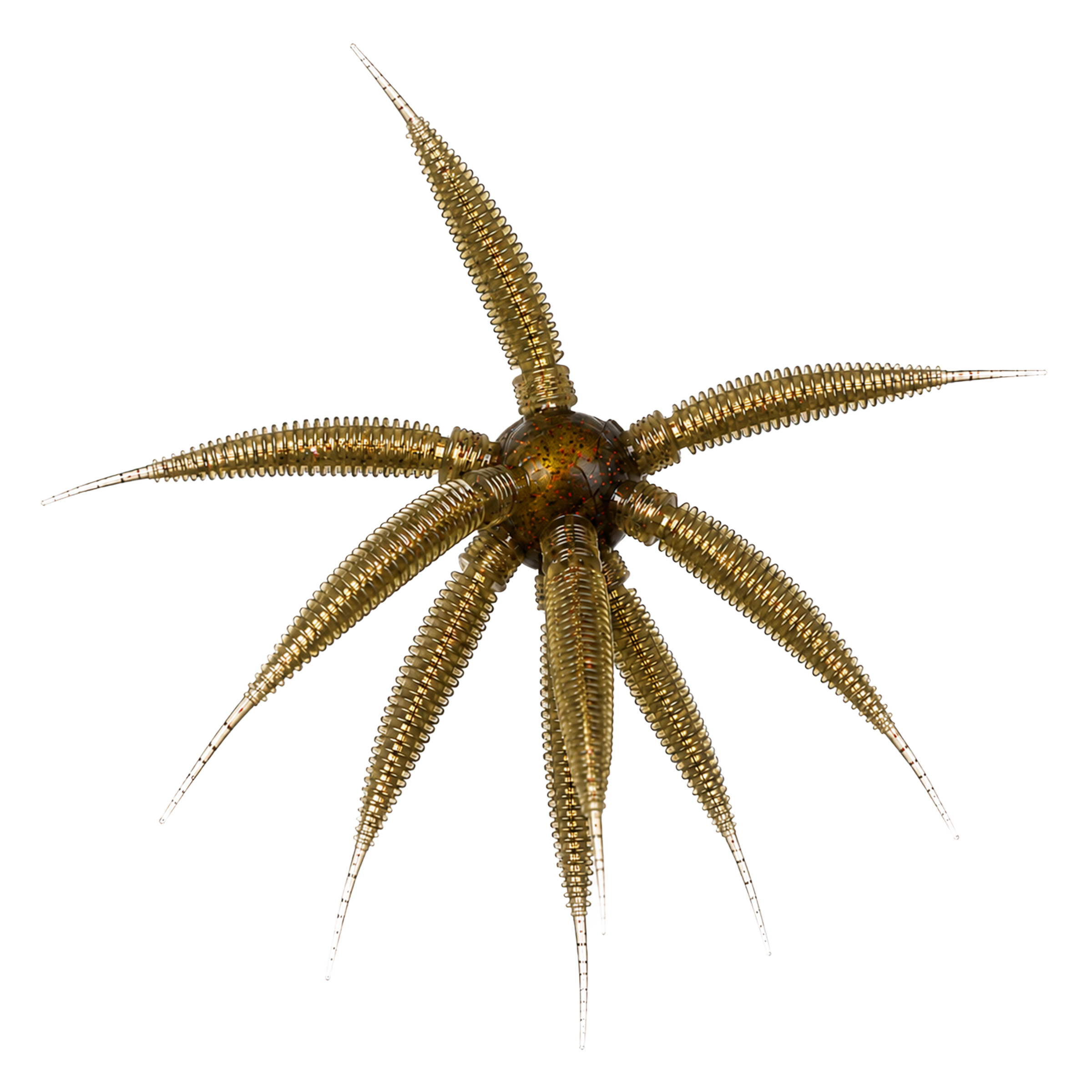
Johnston broke the century mark on Lake Marion with daily limits of 21-3, 32-8, 29-2 and 30-15, finishing nearly twenty pounds clear of the field. He fished main-lake docks in less than ten feet of water for the entire event, targeting resident and spawning largemouth — the same game plan that won him this fishery in 2022. It was contested without forward-facing sonar.
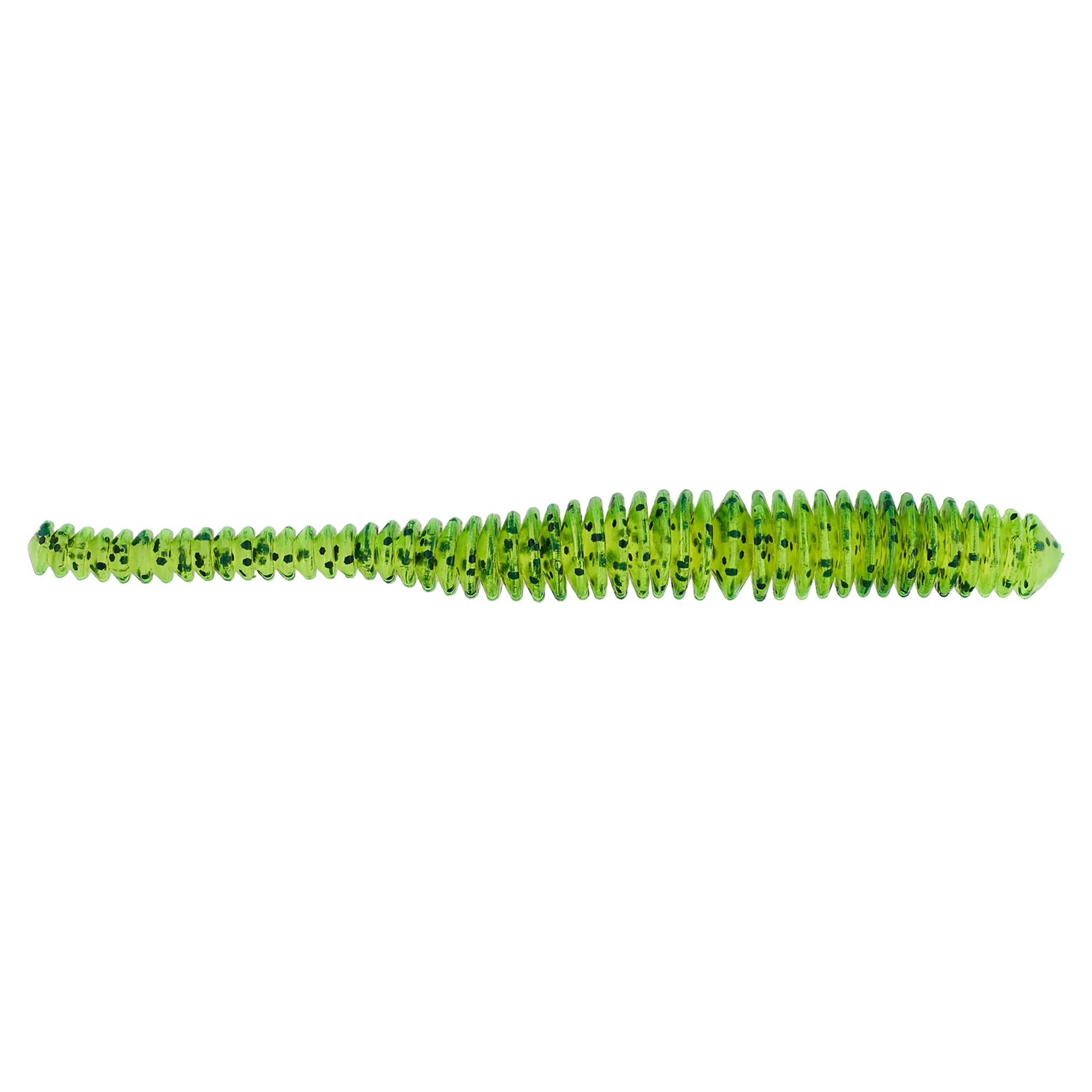
He caught them on an urchin-style bait — the spiny, weighted, bottom-contact category that took over professional bass fishing in 2026, and that fish here had never seen. The rig matters as much as the bait: a small tungsten weight pushed into the body so it sinks, hook riding clear of the cover. Skip it as far back under a dock as you can get it, count it down to the depth the fish are holding, then trigger with a sharp jerk followed by a double twitch. Getting deep under the structure is the whole thing.


Cypress, Grass and Stump Fields
Four patterns cover the year. Each one pairs the technique with the baits we'd actually tie on.
The Season Everything Is Built Around
February through May is when Santee Cooper does what it's famous for. Bass move into the cypress, the grass and the shallow backwaters to spawn, and the weights get silly — local team events in late winter have taken forty pounds to win, with multiple nine-pounders in a single limit. The upper Marion swamp and the Moultrie backwater ponds both load up.



Grass Mats and Shade
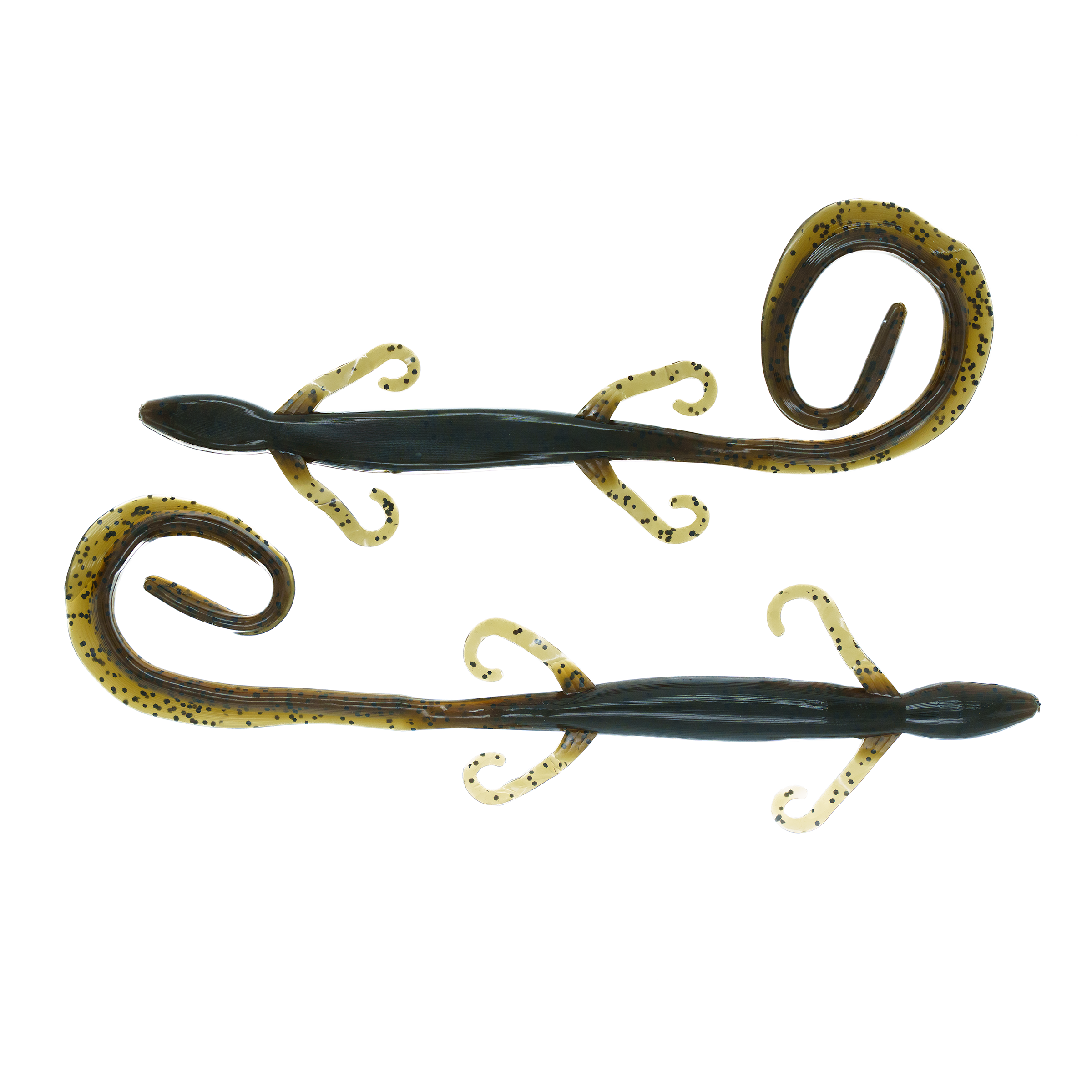
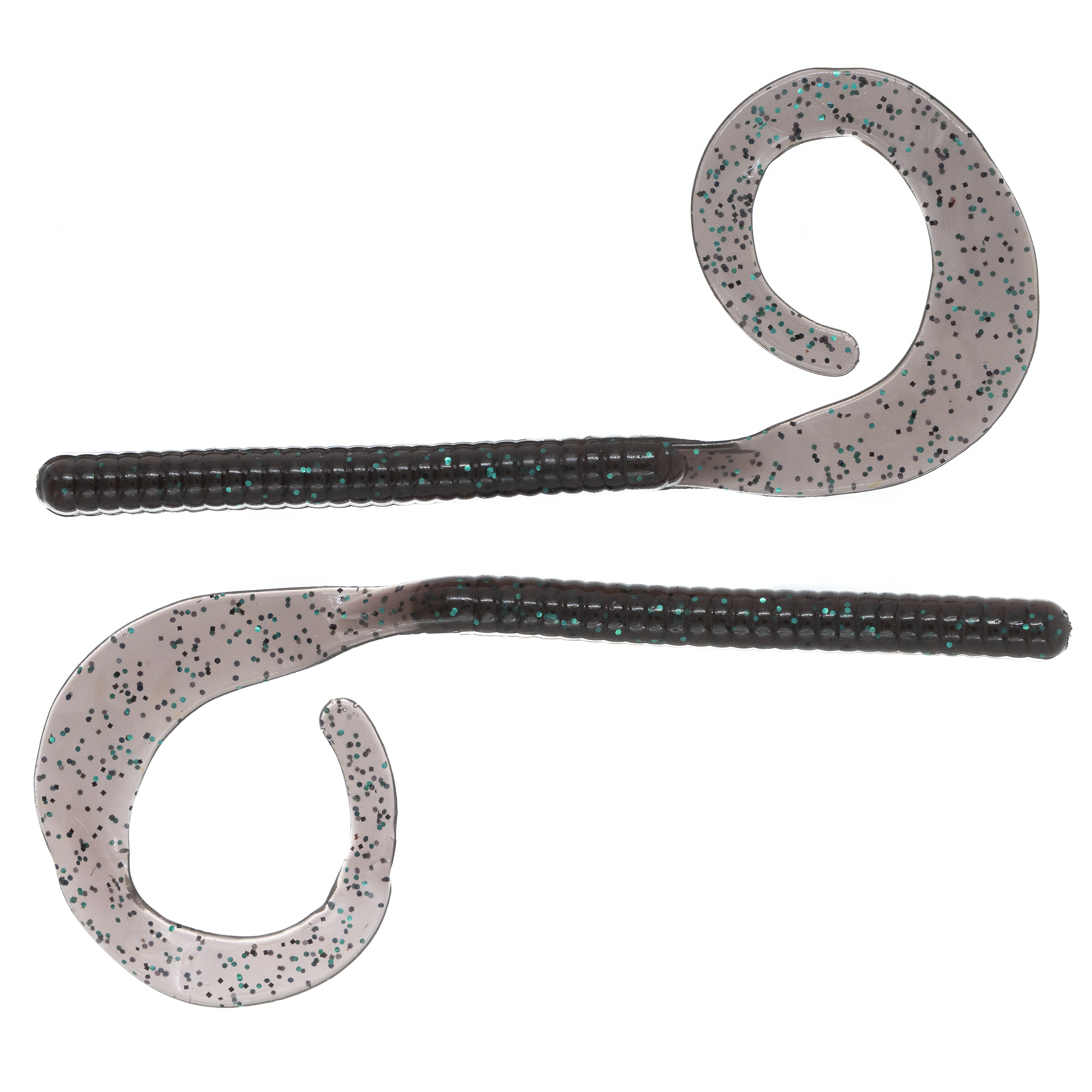
Summer belongs to the vegetation. The eelgrass and hydrilla that pushed these lakes back to the top of the rankings become the whole game — bass hold under mats and along grass edges where the water stays cooler and the bait stacks up. In Moultrie, the deeper stump fields and creek channels hold fish through the middle of the day.



Following an Enormous Forage Base
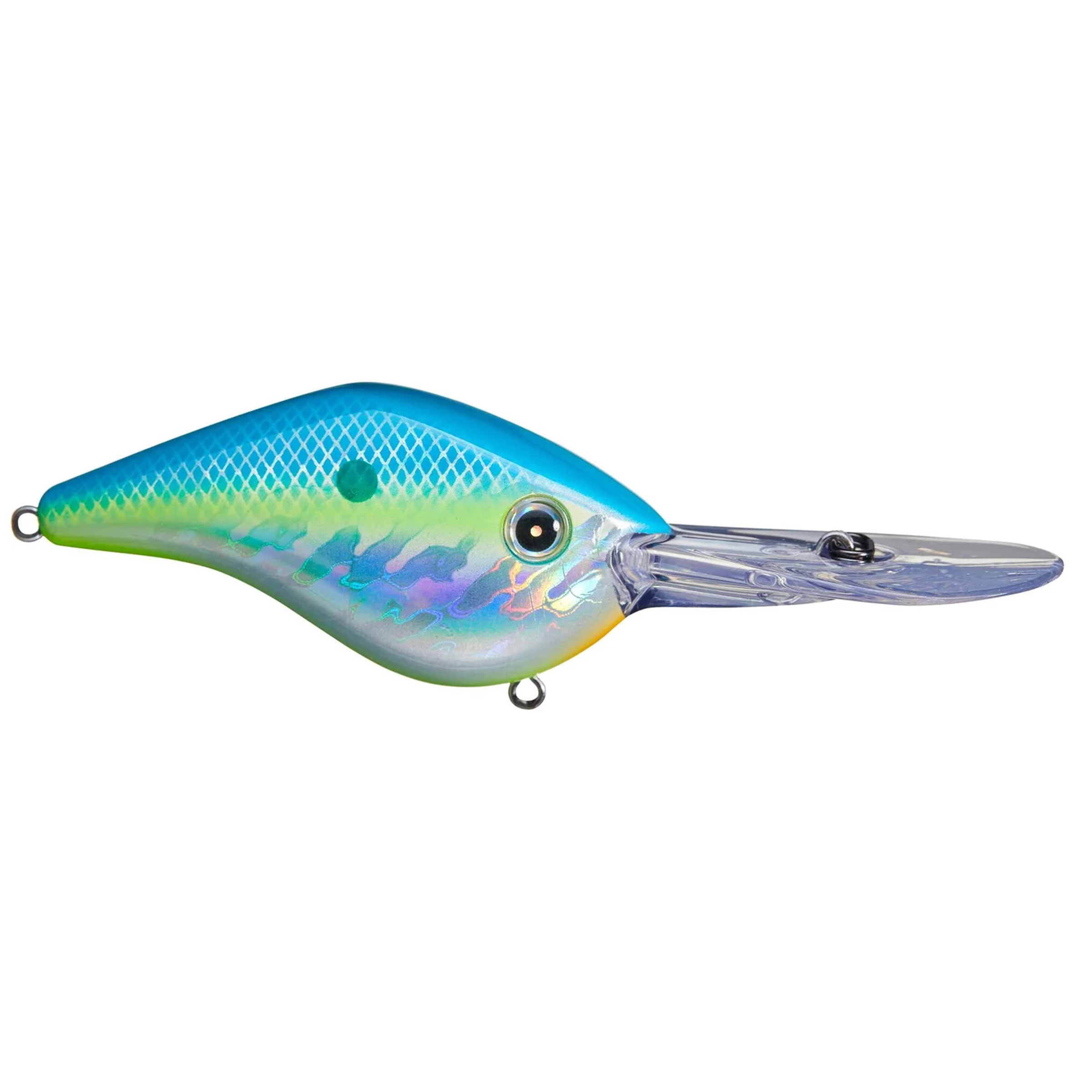
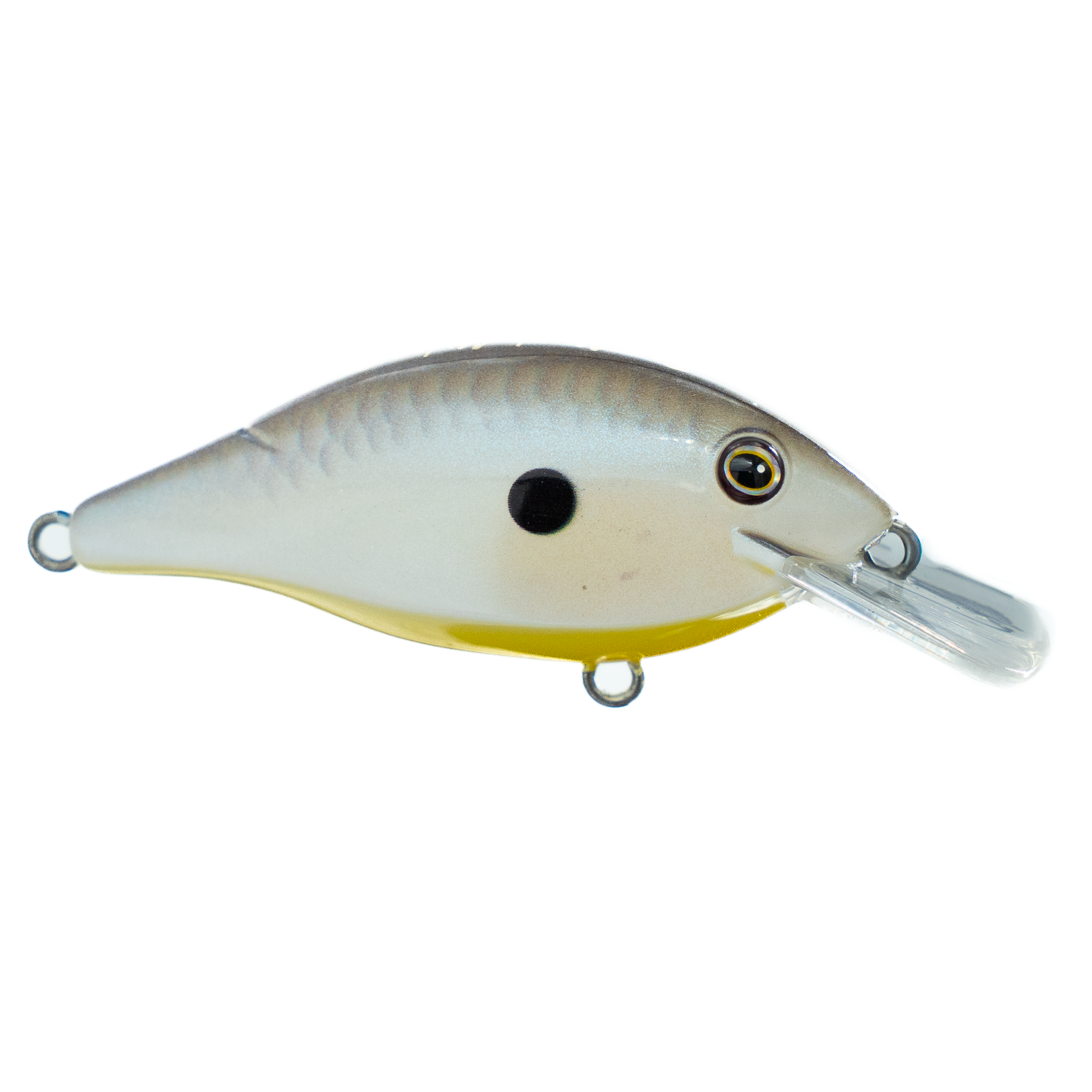
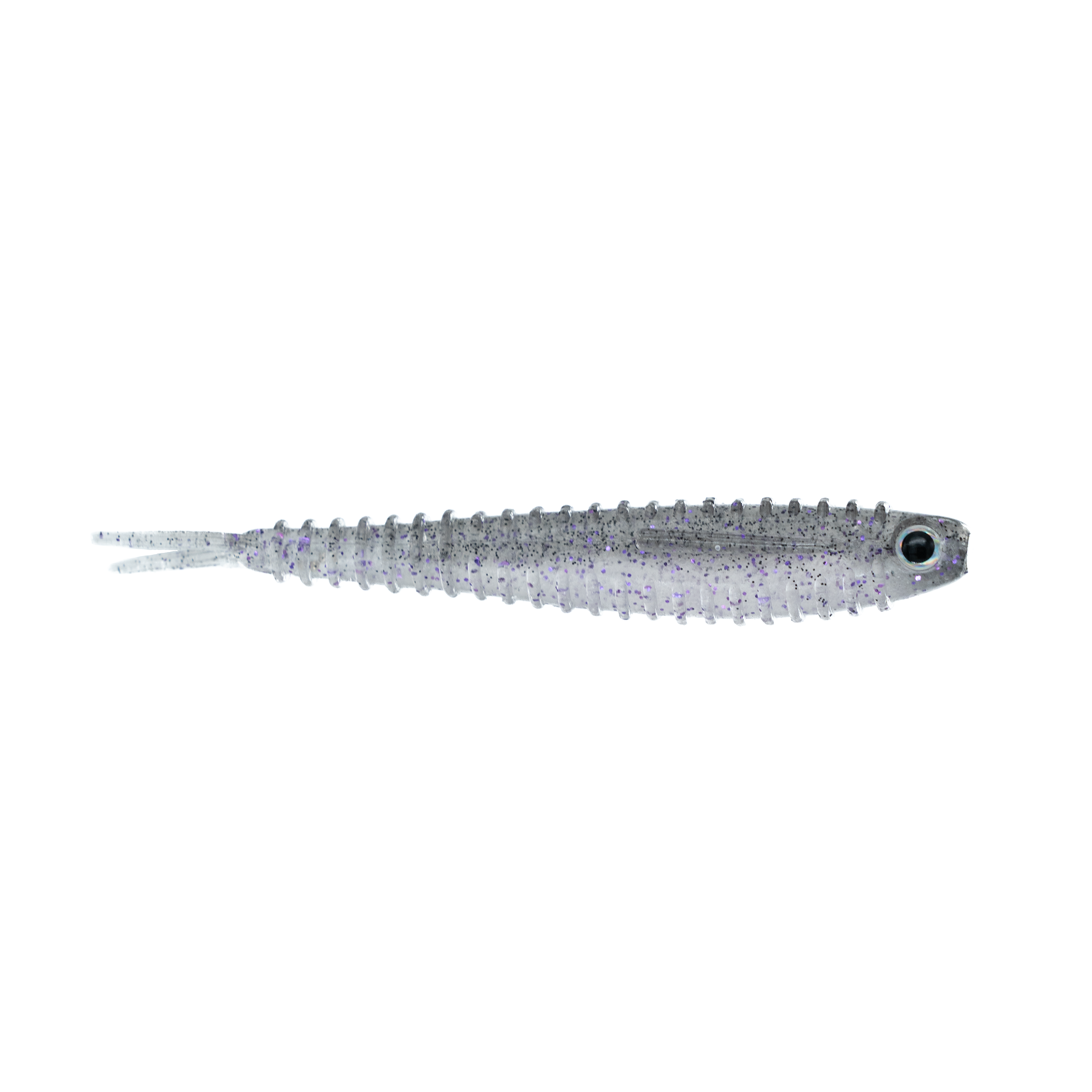
Santee Cooper supports five major baitfish species — gizzard shad, threadfin shad, American shad, blueback herring and menhaden — and some of them move in and out of the system seasonally. In autumn the bait pushes into the creeks and backwaters and the bass follow. With this much water, the job is finding which pocket the bait is in today.



No Ice, No Closed Season, Fewer Boats
These lakes sit far enough south that they don't freeze and there's no closed season, which makes winter a genuine option rather than a write-off. Fish pull to deeper stump edges, channel drops and the Diversion Canal, where current and depth give them somewhere stable to sit. The pressure drops off and the fish that eat are usually good ones.



Santee Cooper Access
More than two dozen ramps serve the system. Where you launch should follow which lake you intend to fish, because running between them takes real time.
The Diversion Canal
The 6.5-mile link between Marion and Moultrie, and the most flexible place to start since it opens onto both lakes plus extensive backwaters. Current through the canal concentrates fish, and it fishes well on cool or windy days when the open water is rough.
Upper Lake Marion
The swamp end, out of Summerton and the surrounding area. Flooded forest, cypress and blackwater. Slow going and easy to get turned around, but it holds fish when the main lake is tough.
Lake Moultrie / Cross & Pinopolis
Access to the open lower lake and its stump fields. Best fished in low light or under cloud, and worth watching the wind here since Moultrie is fourteen miles across and gets rough fast.
Santee Cooper Bass Fishing FAQ
What's the difference between Lake Marion and Lake Moultrie?
Marion was flooded with the forest left standing, so it's full of stumps, dead trunks and living cypress, with swamp at the upper end. Moultrie was cleared before filling, so it has no standing timber — instead you get mile after mile of stump fields in an open, round basin fourteen miles across, with cypress and swampy margins around the edges. They require different approaches.
Why is Santee Cooper fishing so well right now?
A resurgence of eelgrass and hydrilla. That vegetation gives bass cover, holds bait and cleans the water, and it's the main reason Bassmaster ranked the system first in its Southeastern division for 2026. Tournament weights have followed — forty-pound limits and multiple thirty-pound bags in a single event.
When is the best time to fish Santee Cooper for bass?
February through May. The pre-spawn and spawn windows produce the heaviest limits of the year, and local events in that stretch have been won with weights that would be remarkable anywhere in the country. Summer is a grass game, fall follows the bait, and winter fishes well because these lakes don't freeze.
What is the Diversion Canal?
A 6.5-mile canal connecting the lower end of Lake Marion to the upper end of Lake Moultrie. It carries current, holds fish year-round and gives you access to both lakes from one launch. A separate Rediversion Canal links Moultrie to the Santee River.
What baits work best on Santee Cooper?
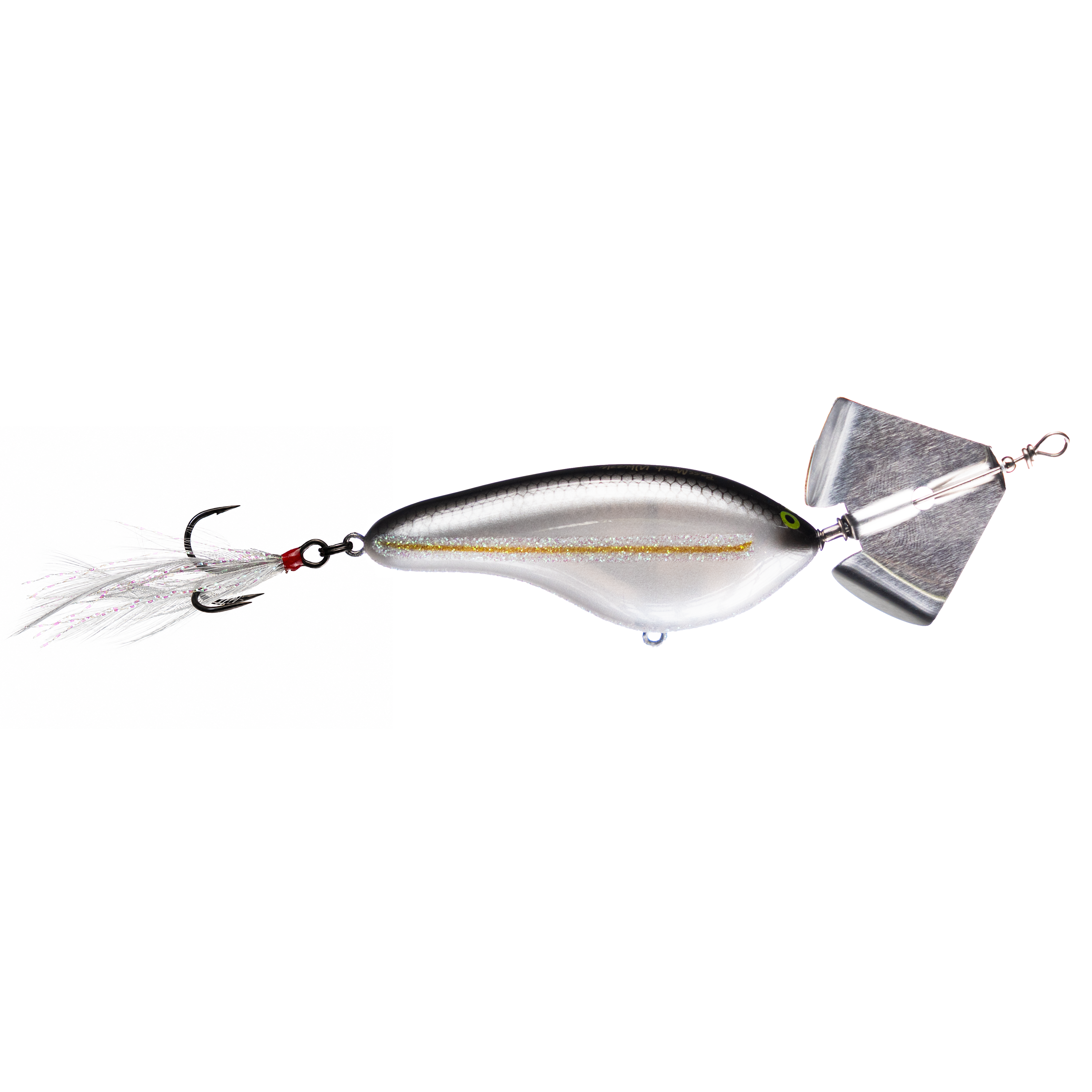
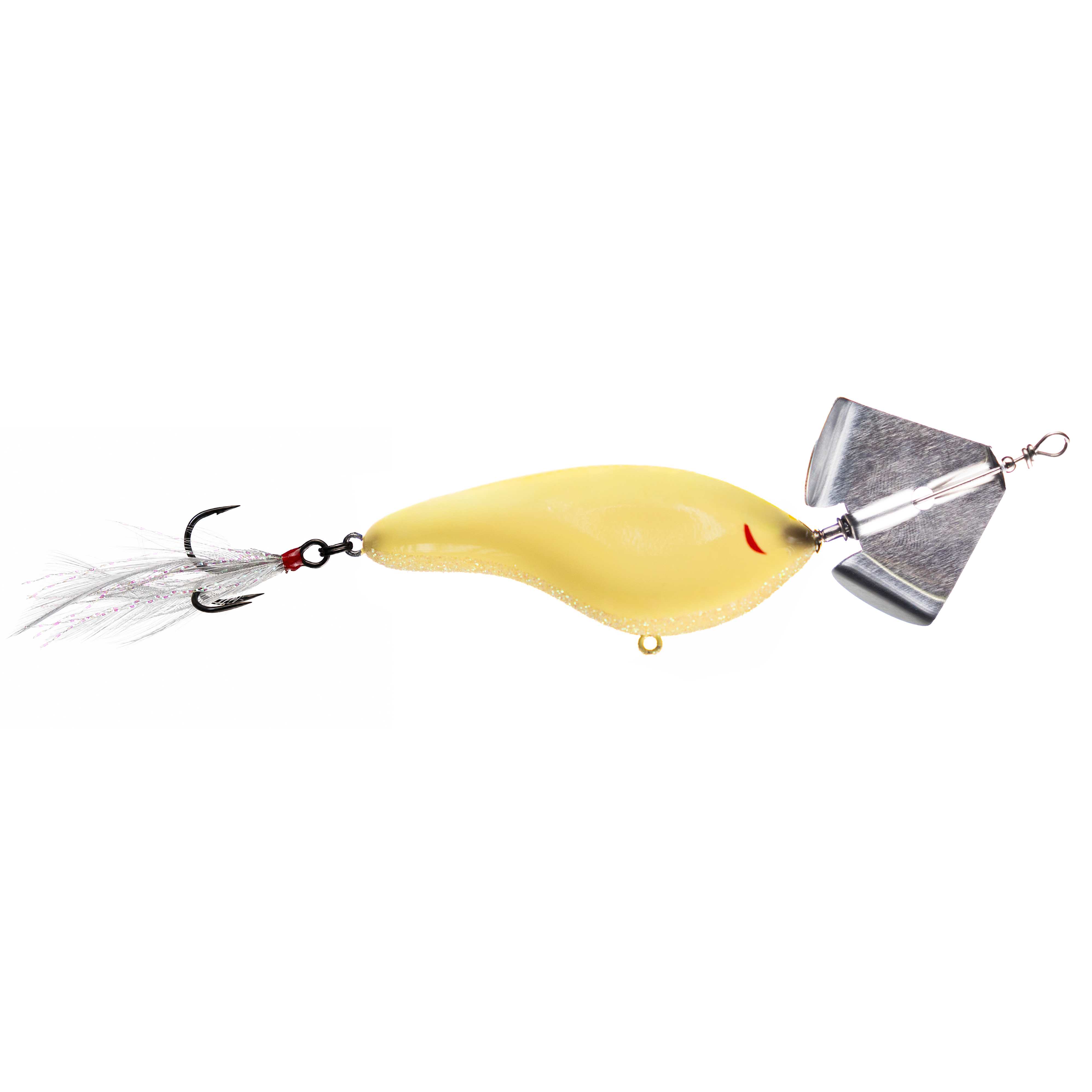
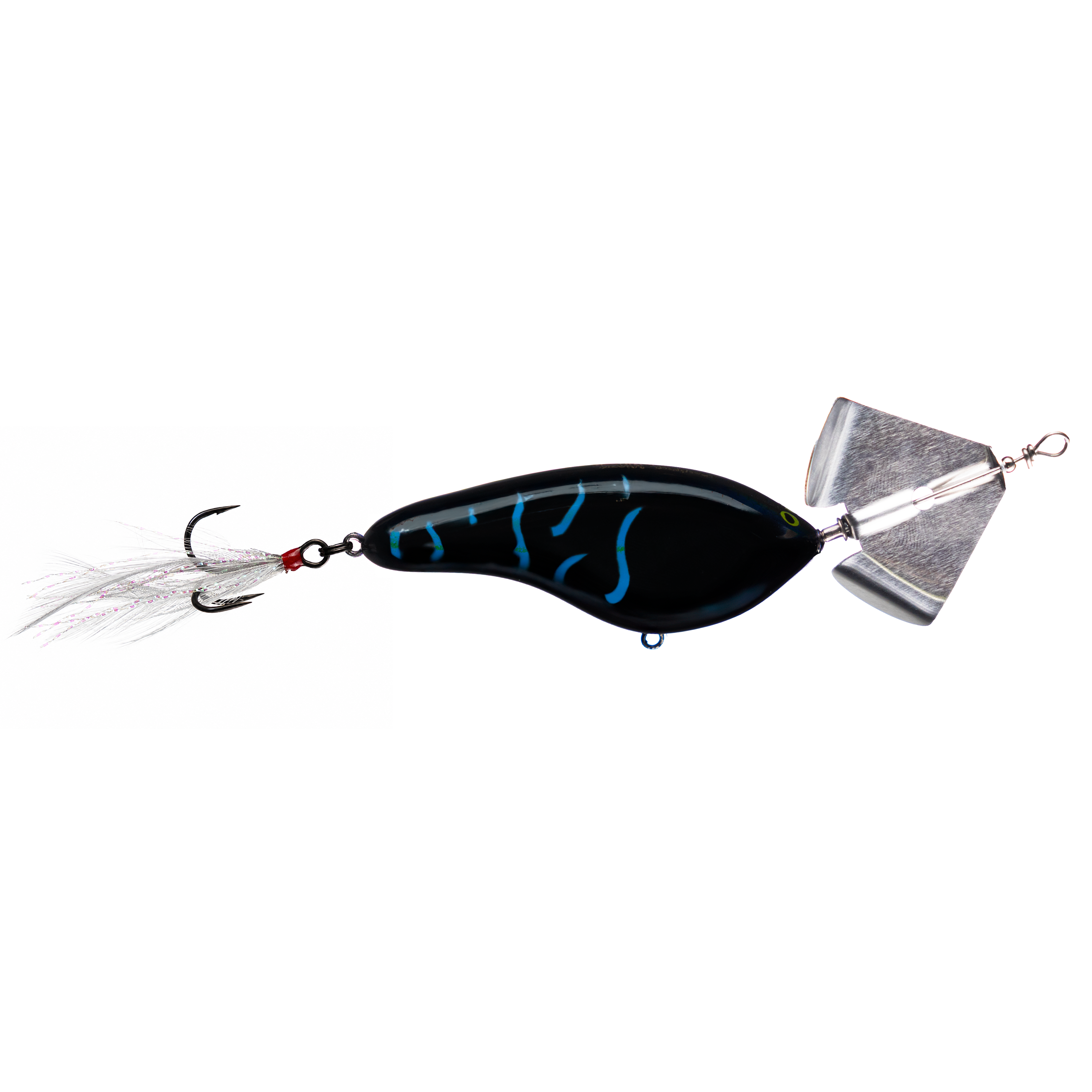
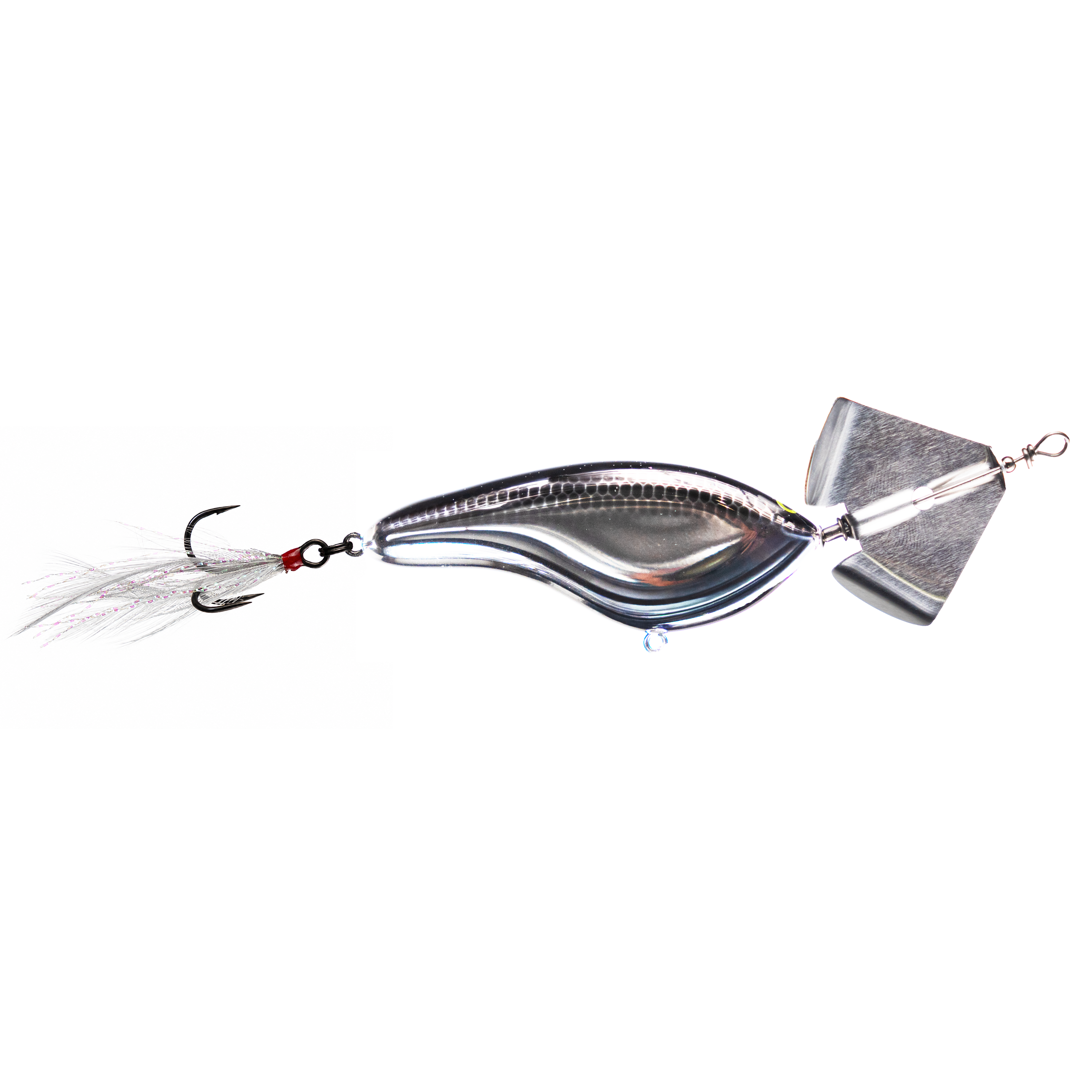
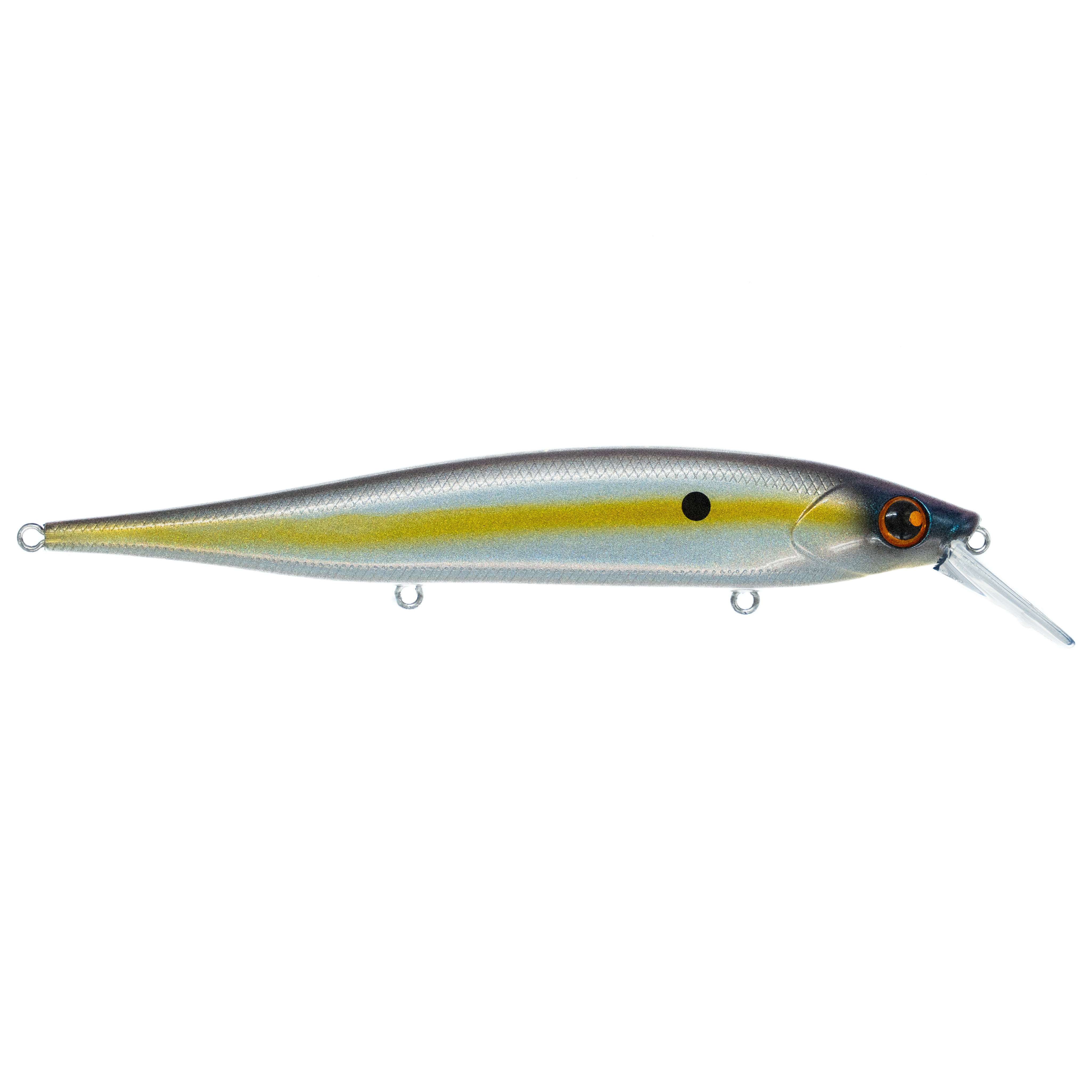
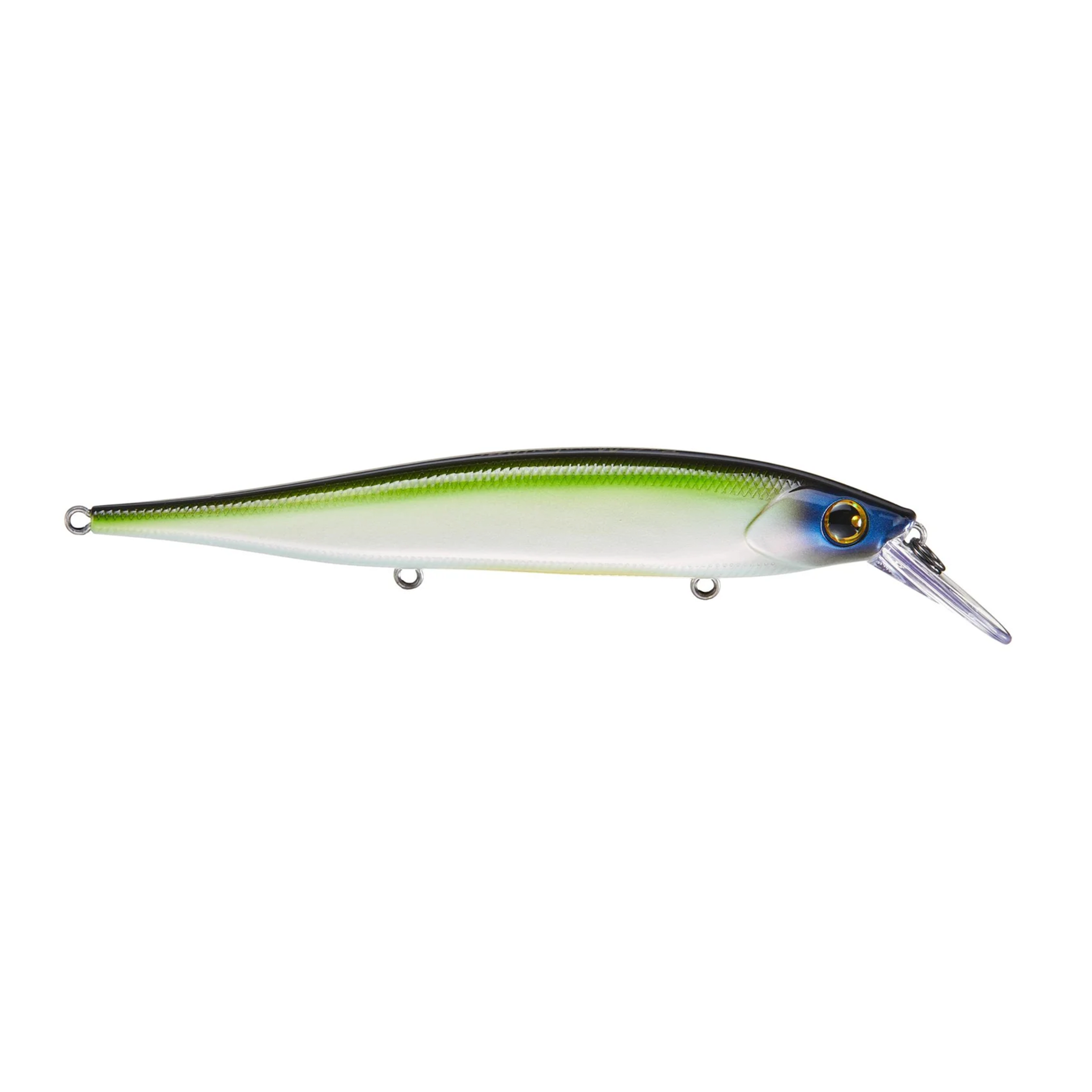
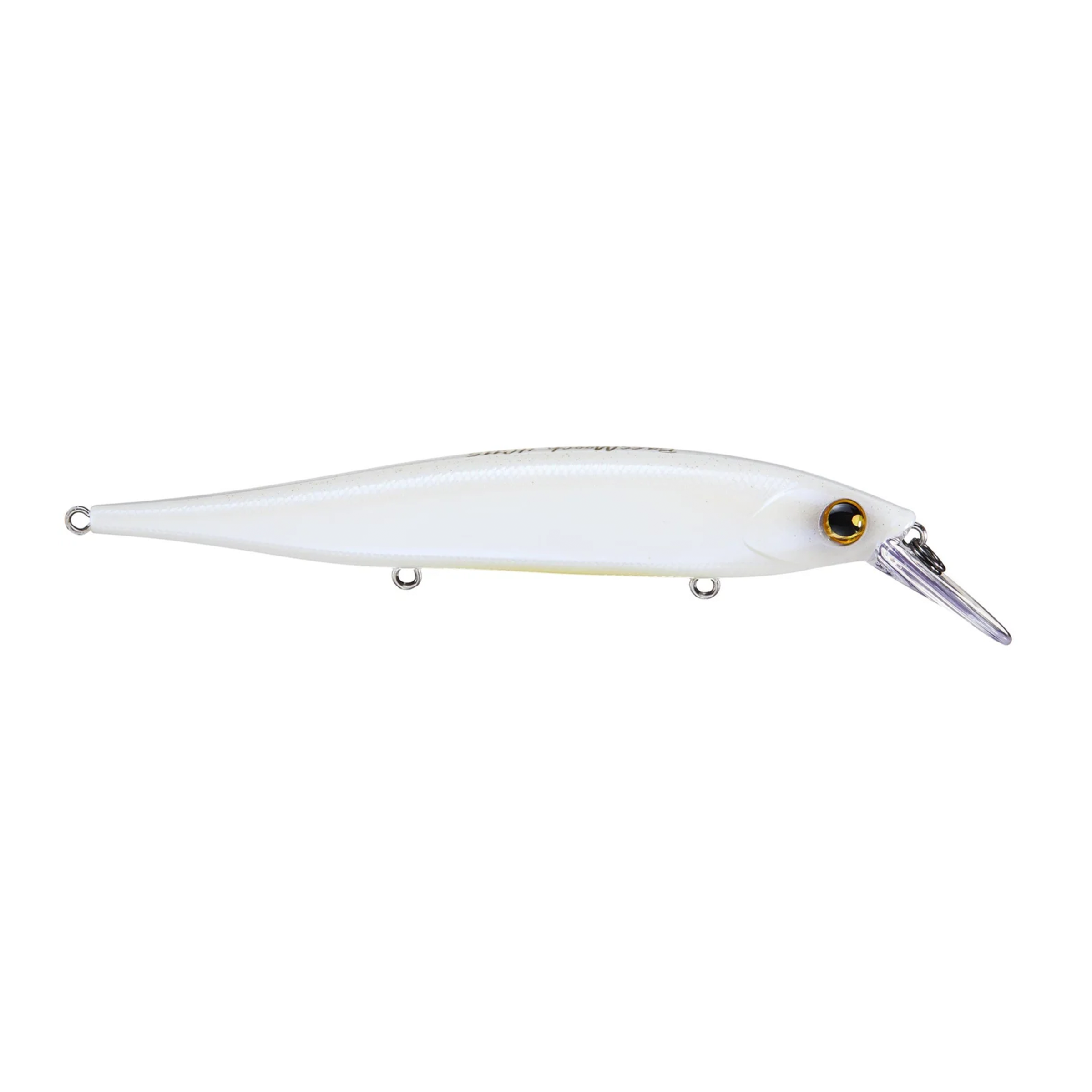
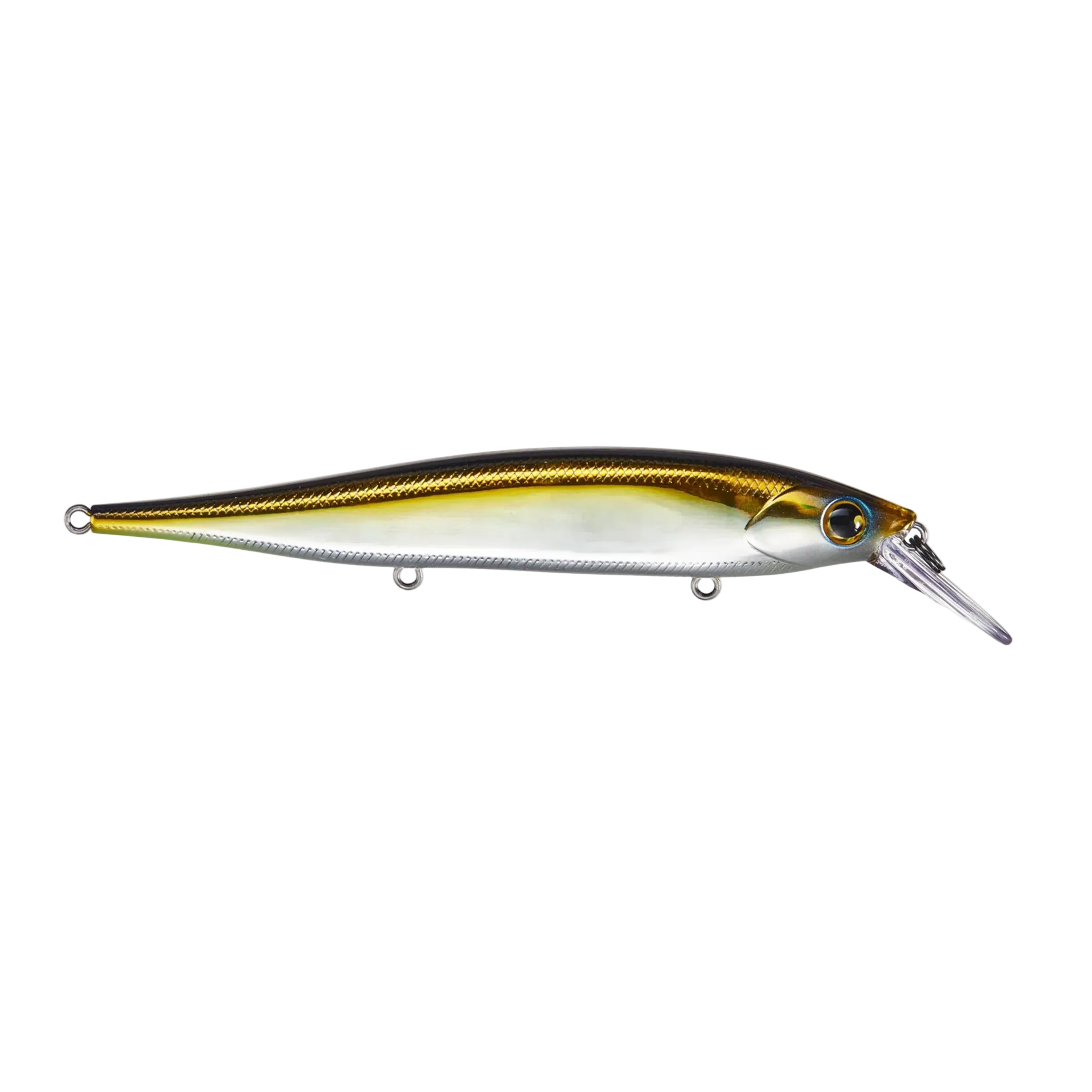
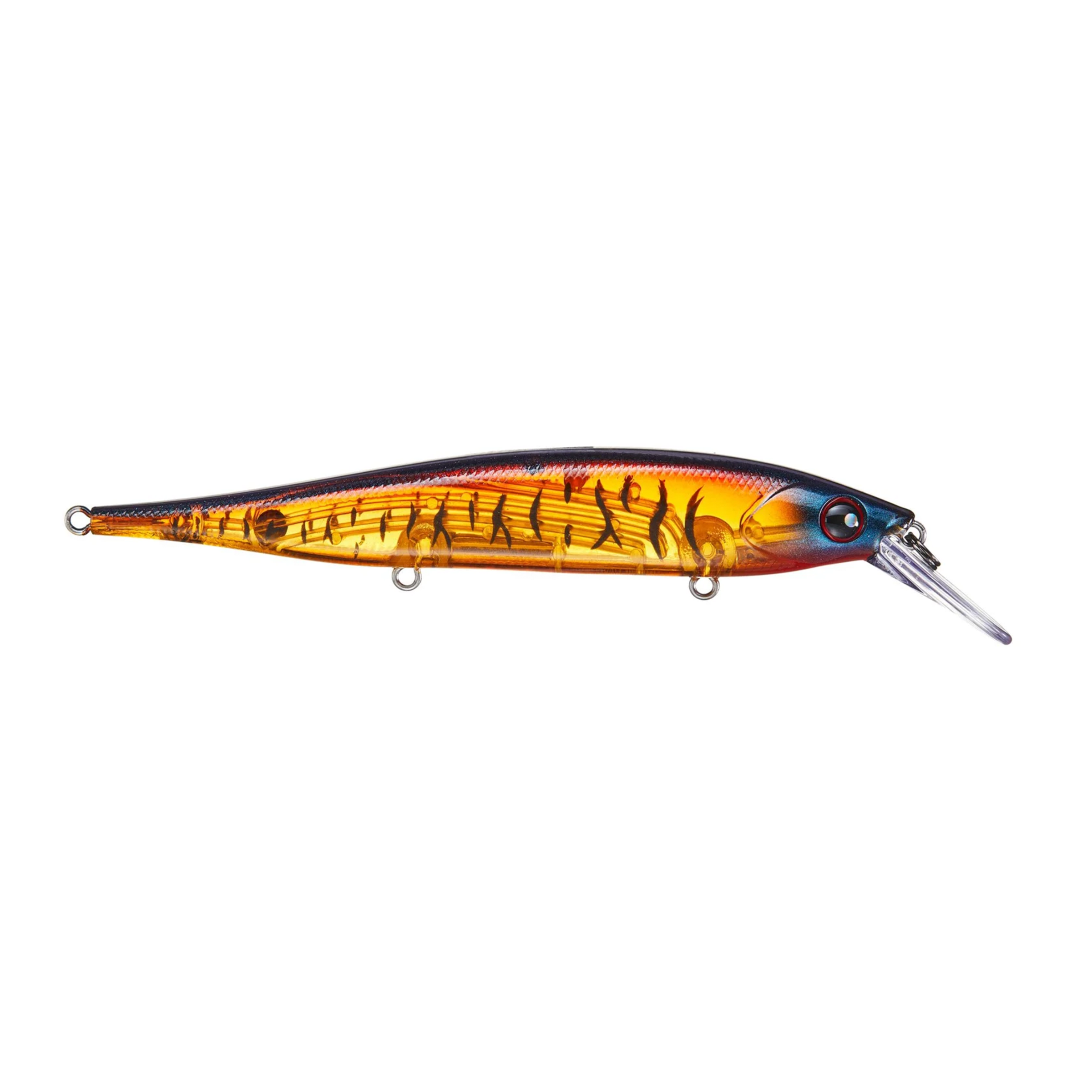
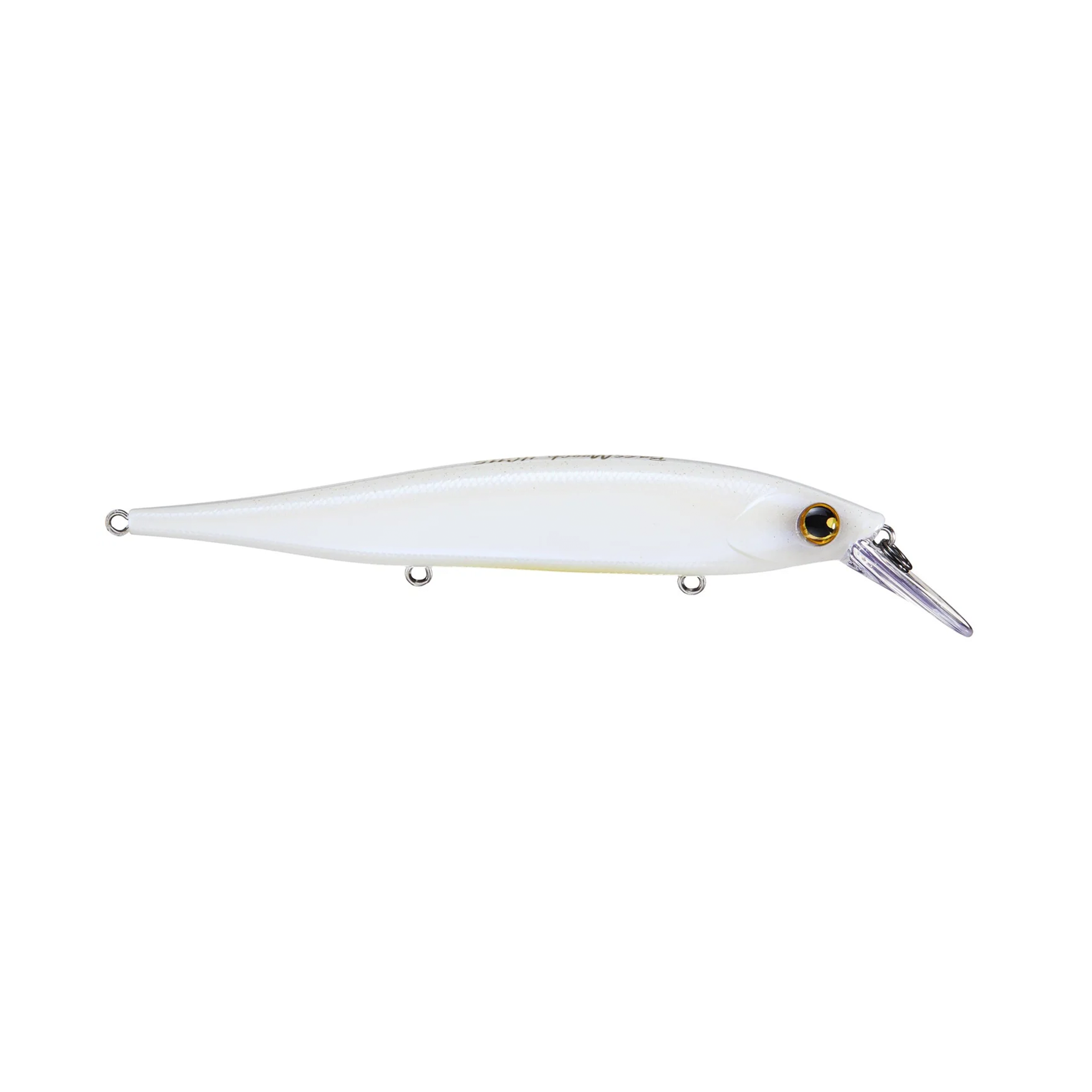
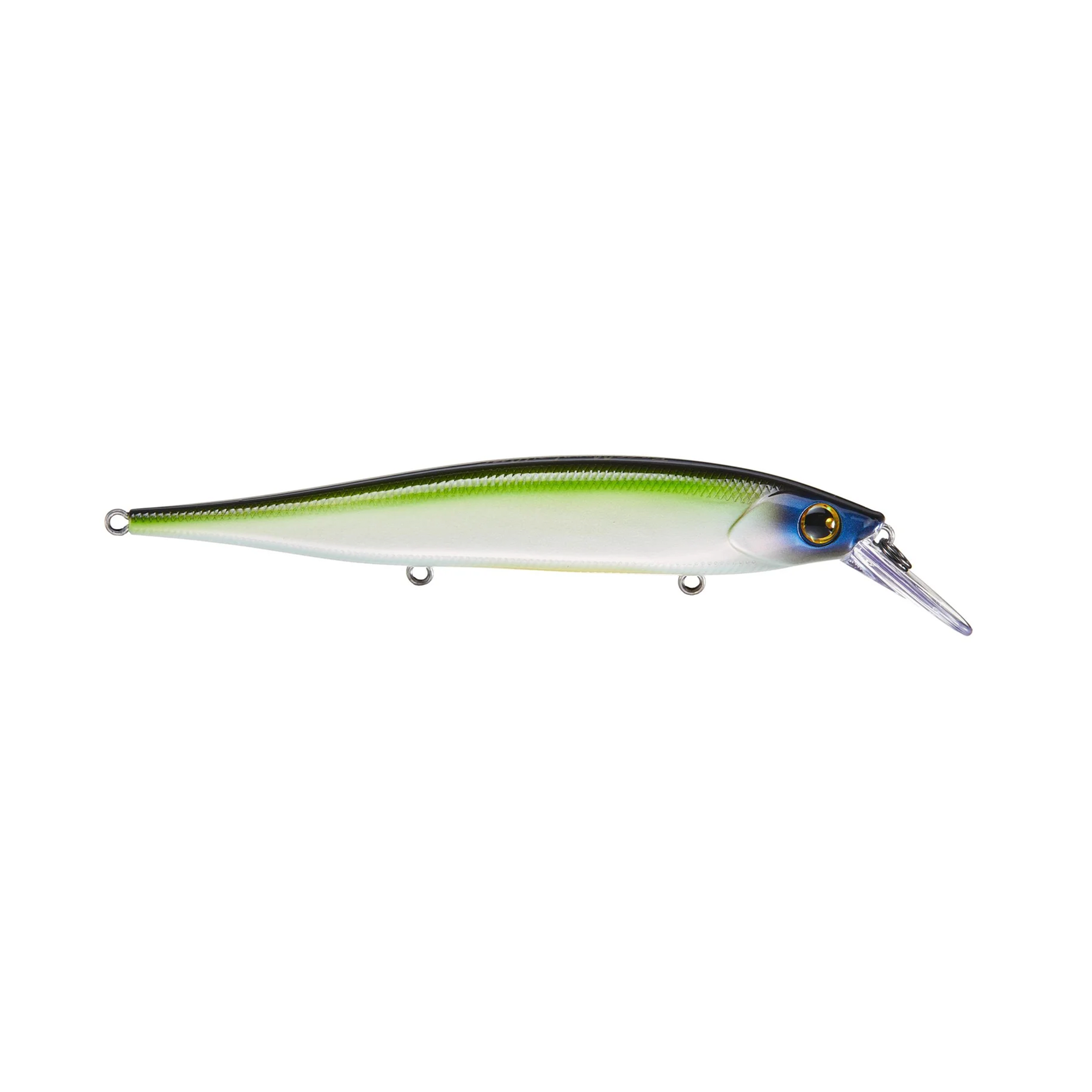
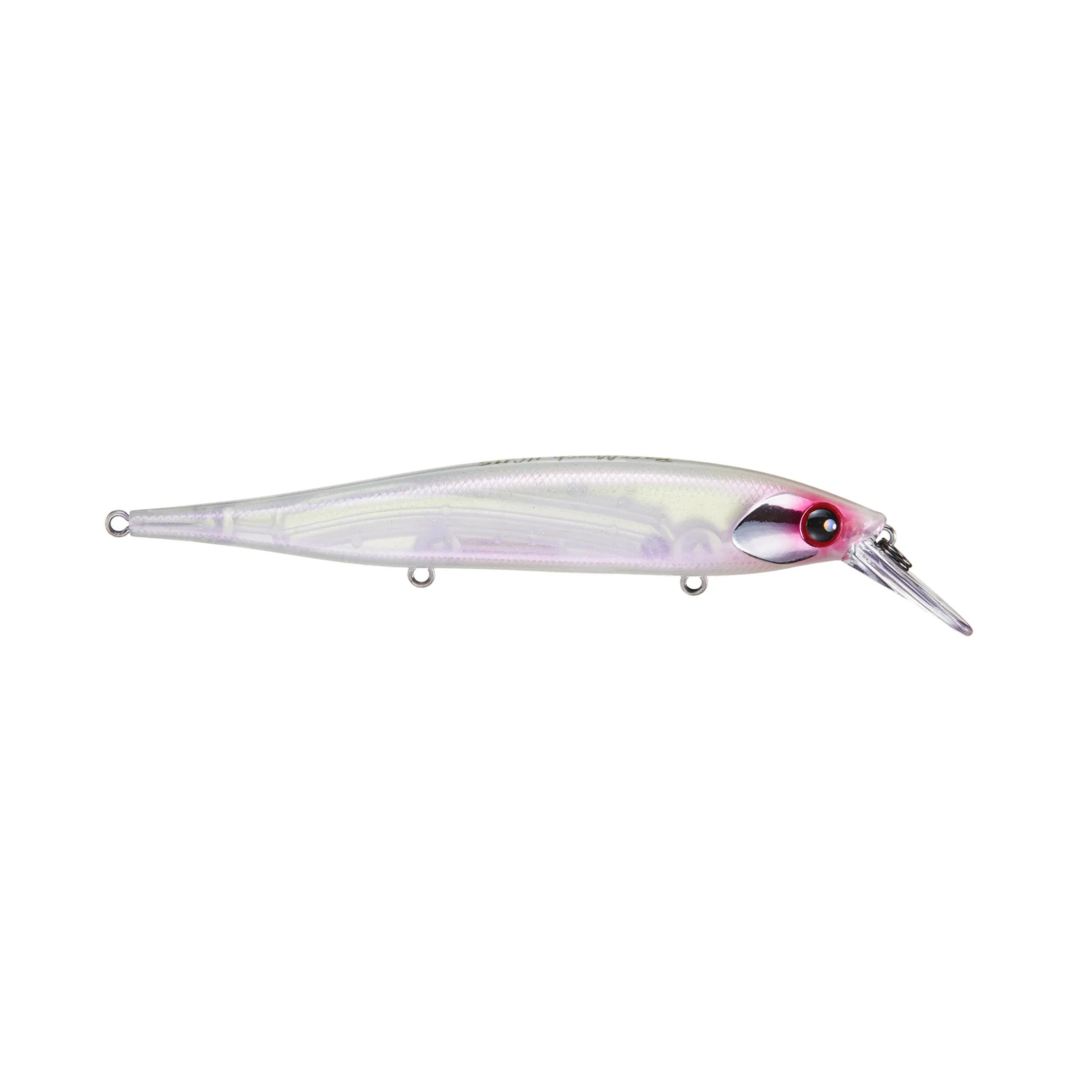
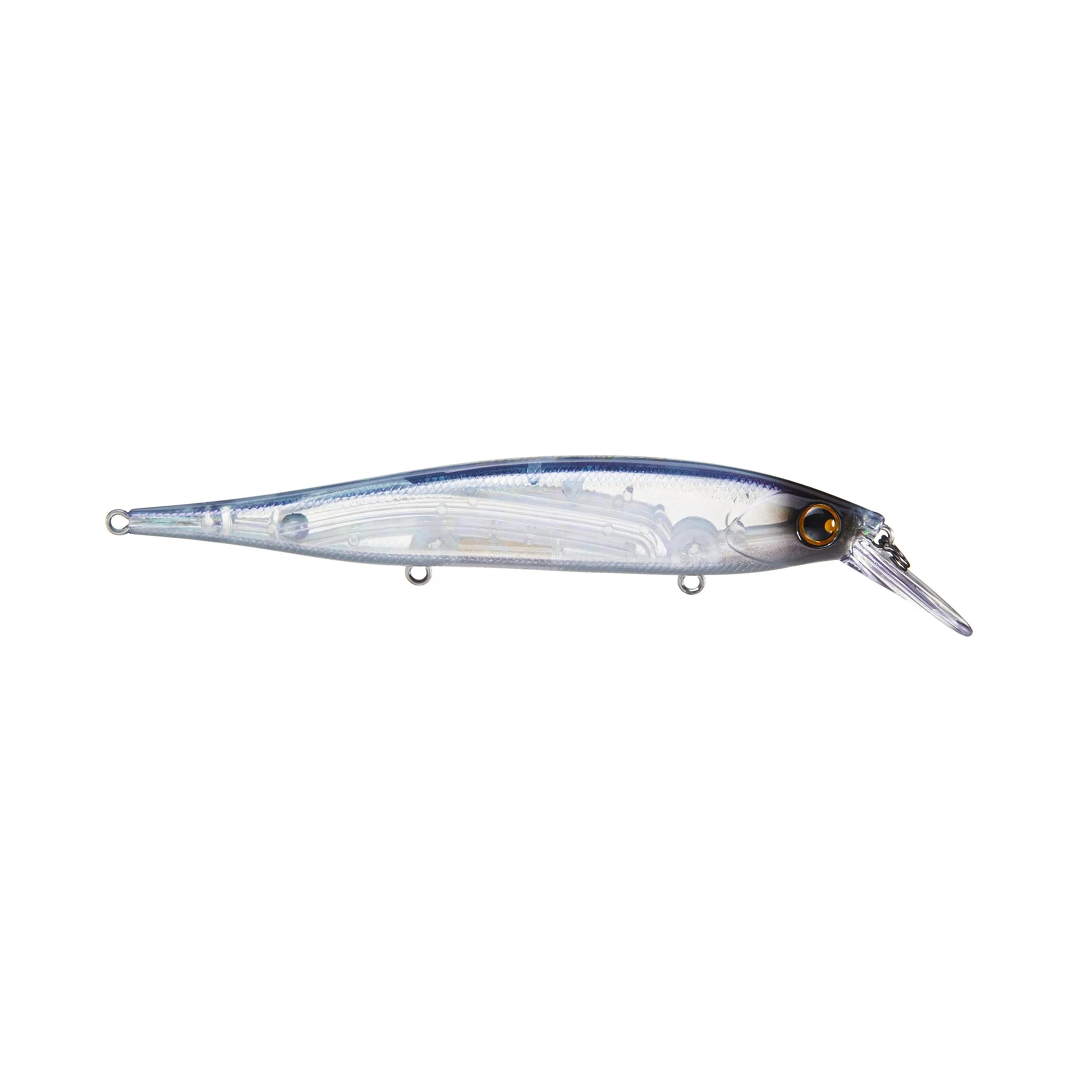
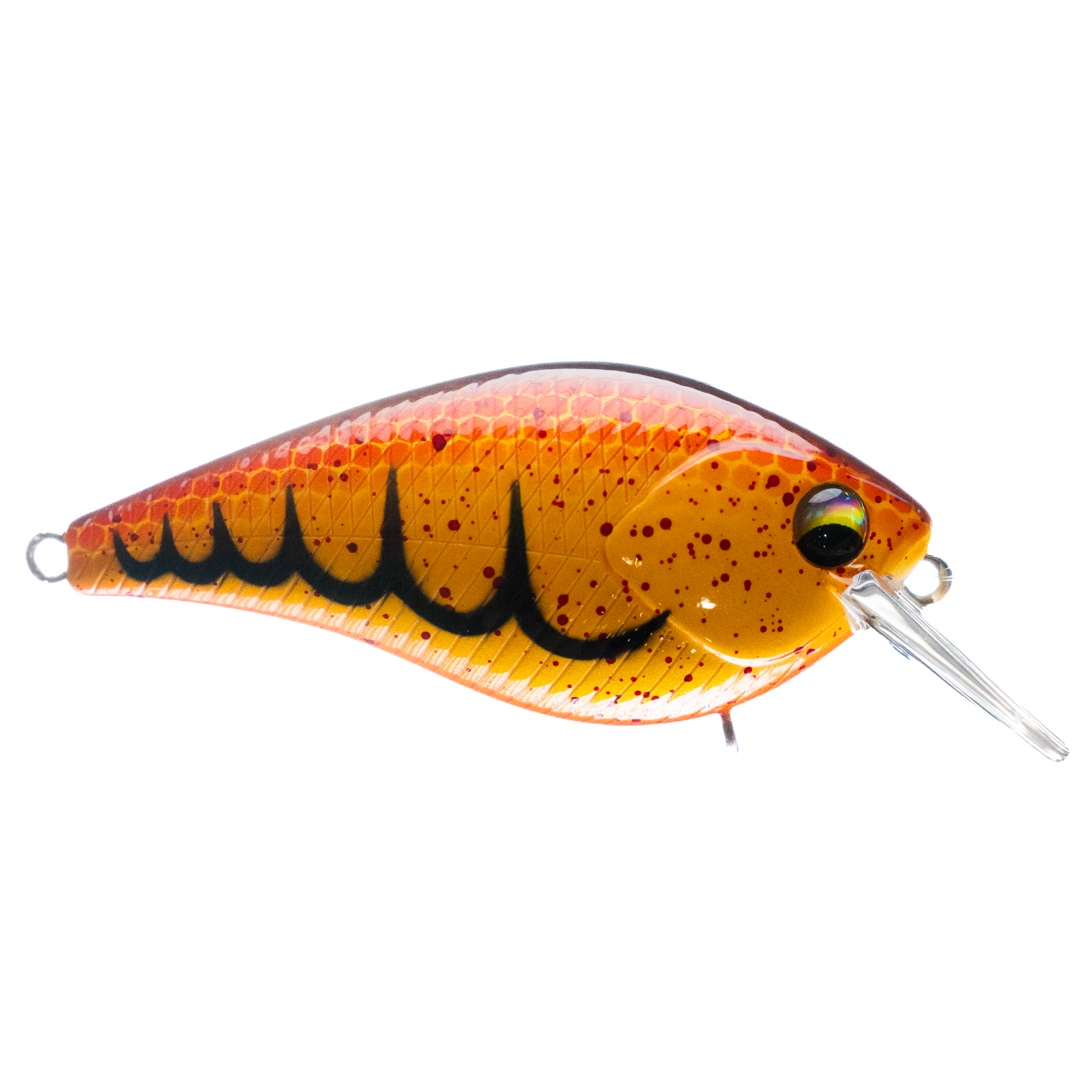
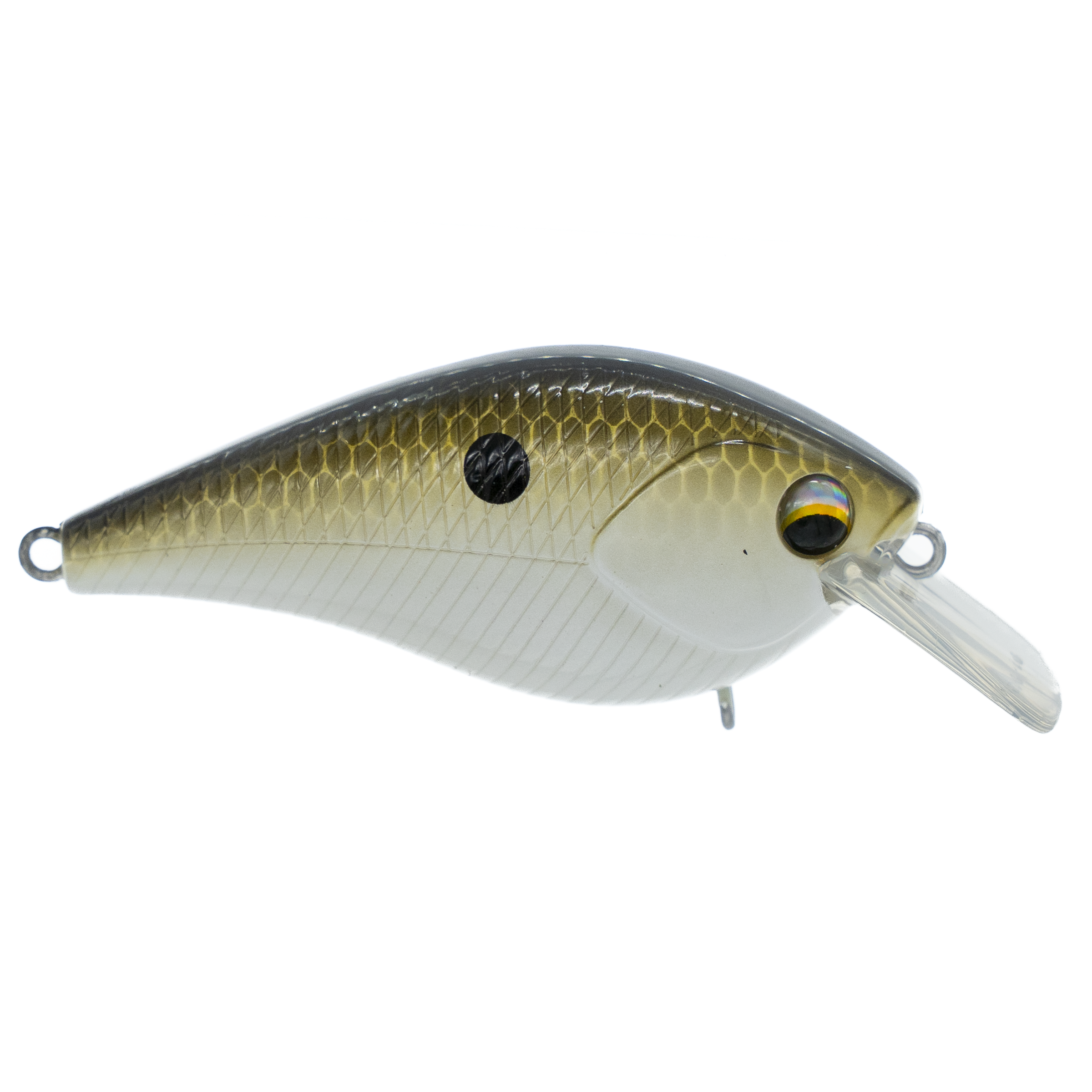
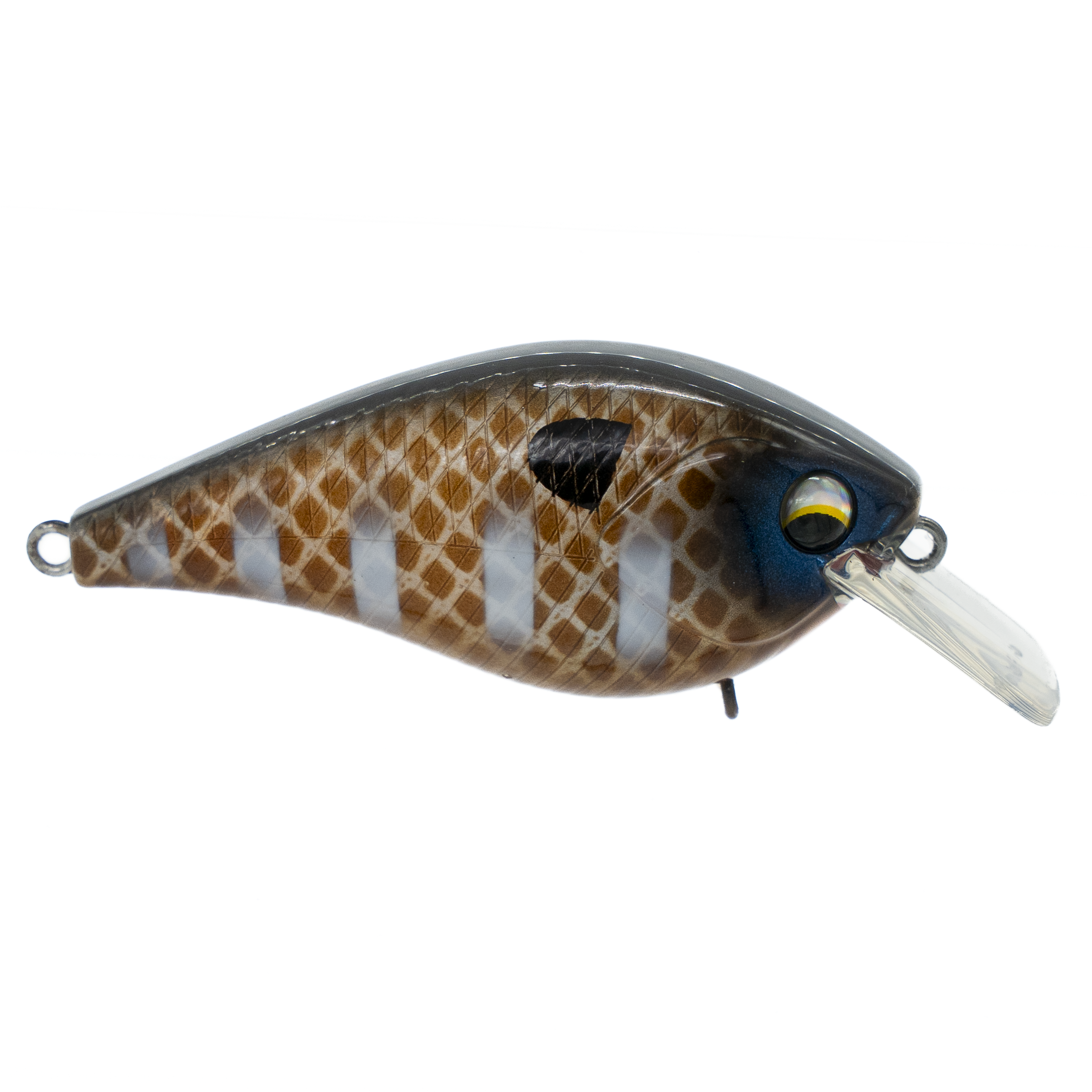
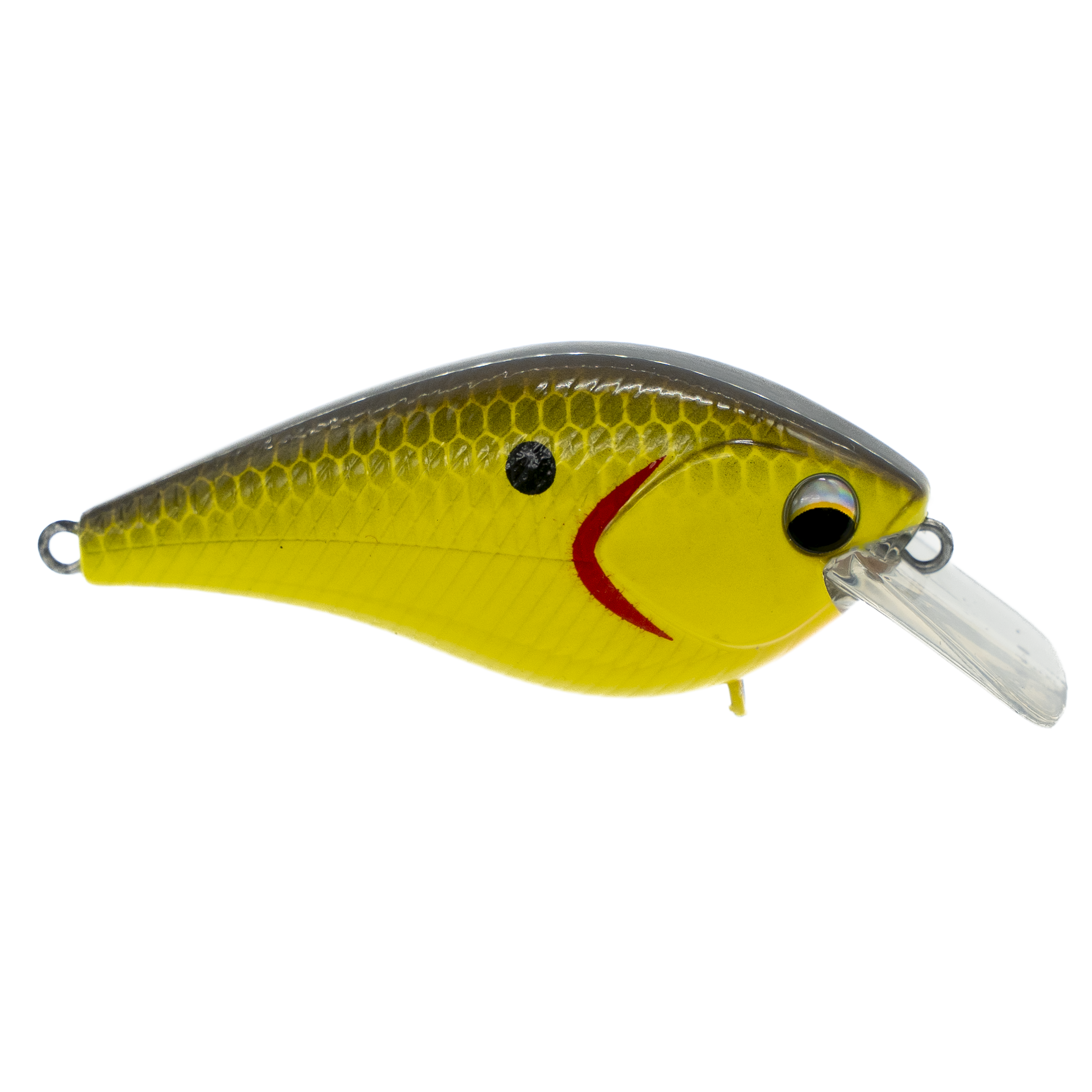
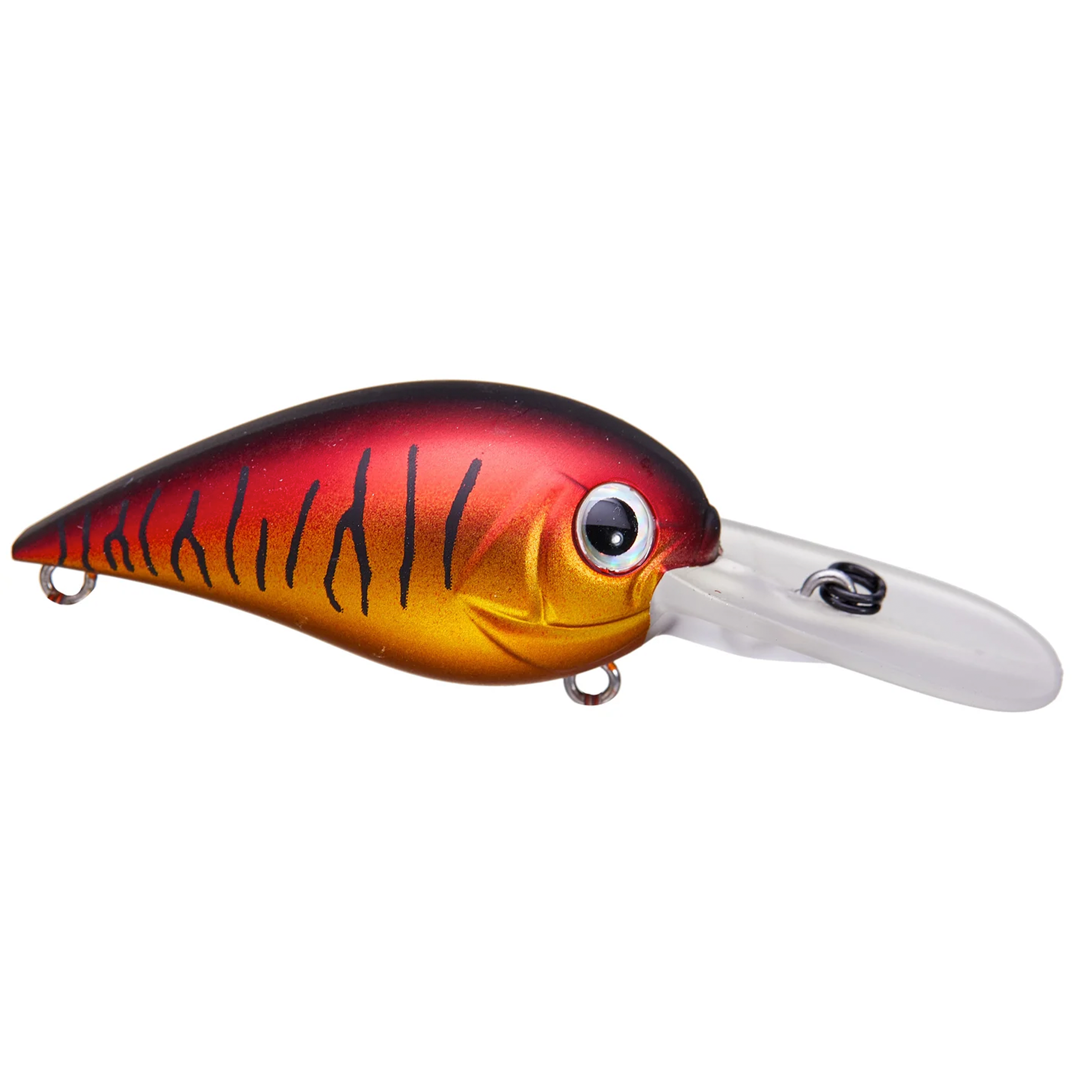
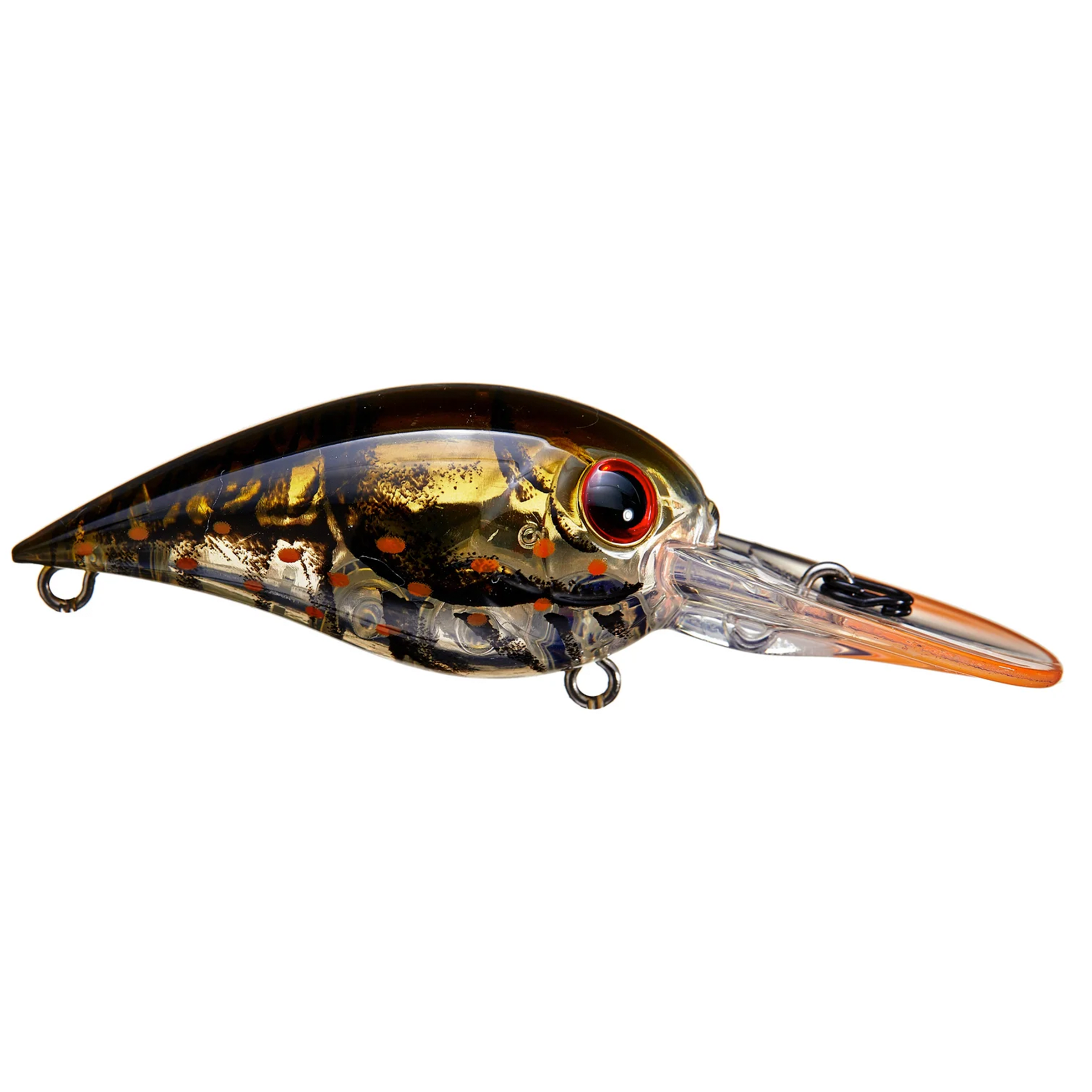
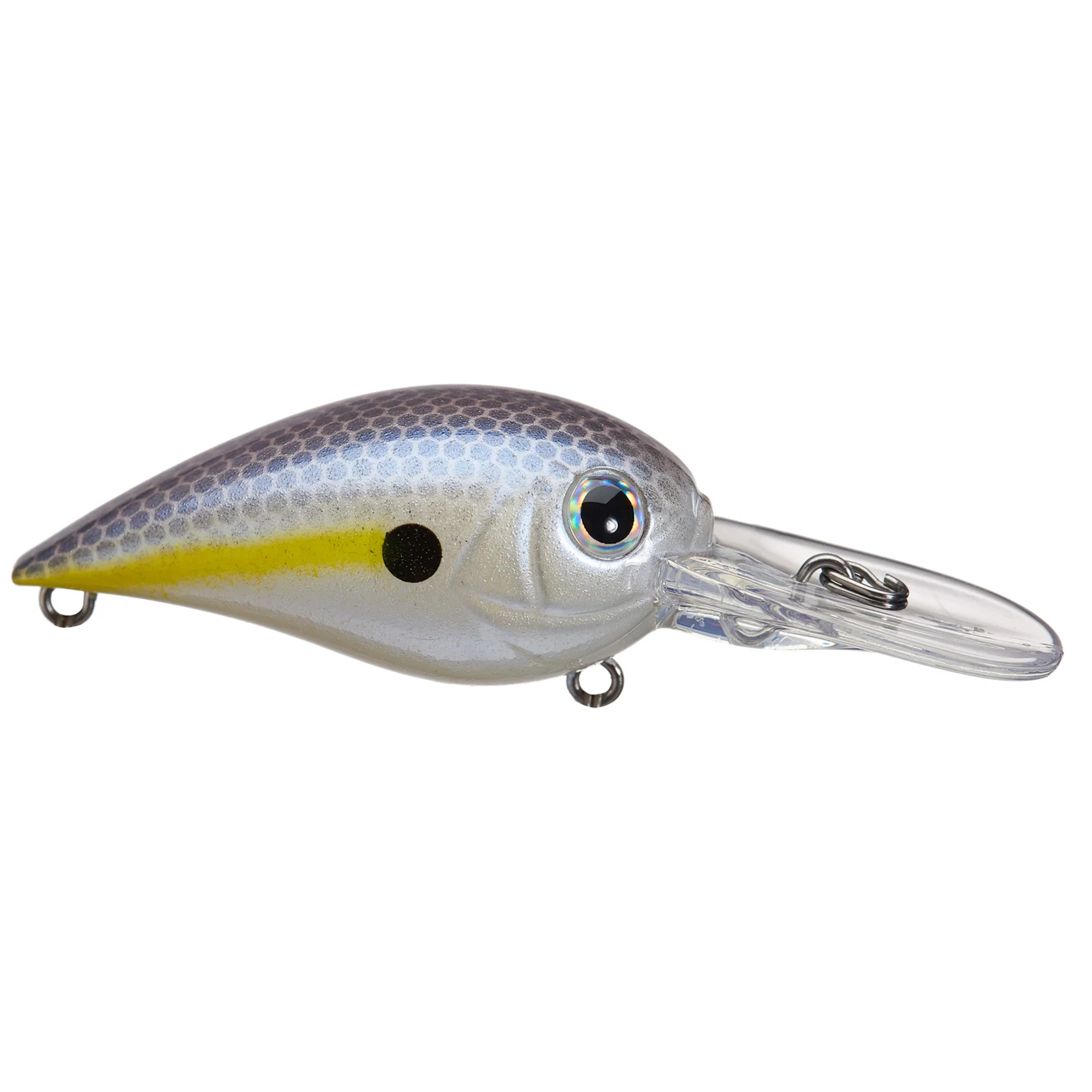
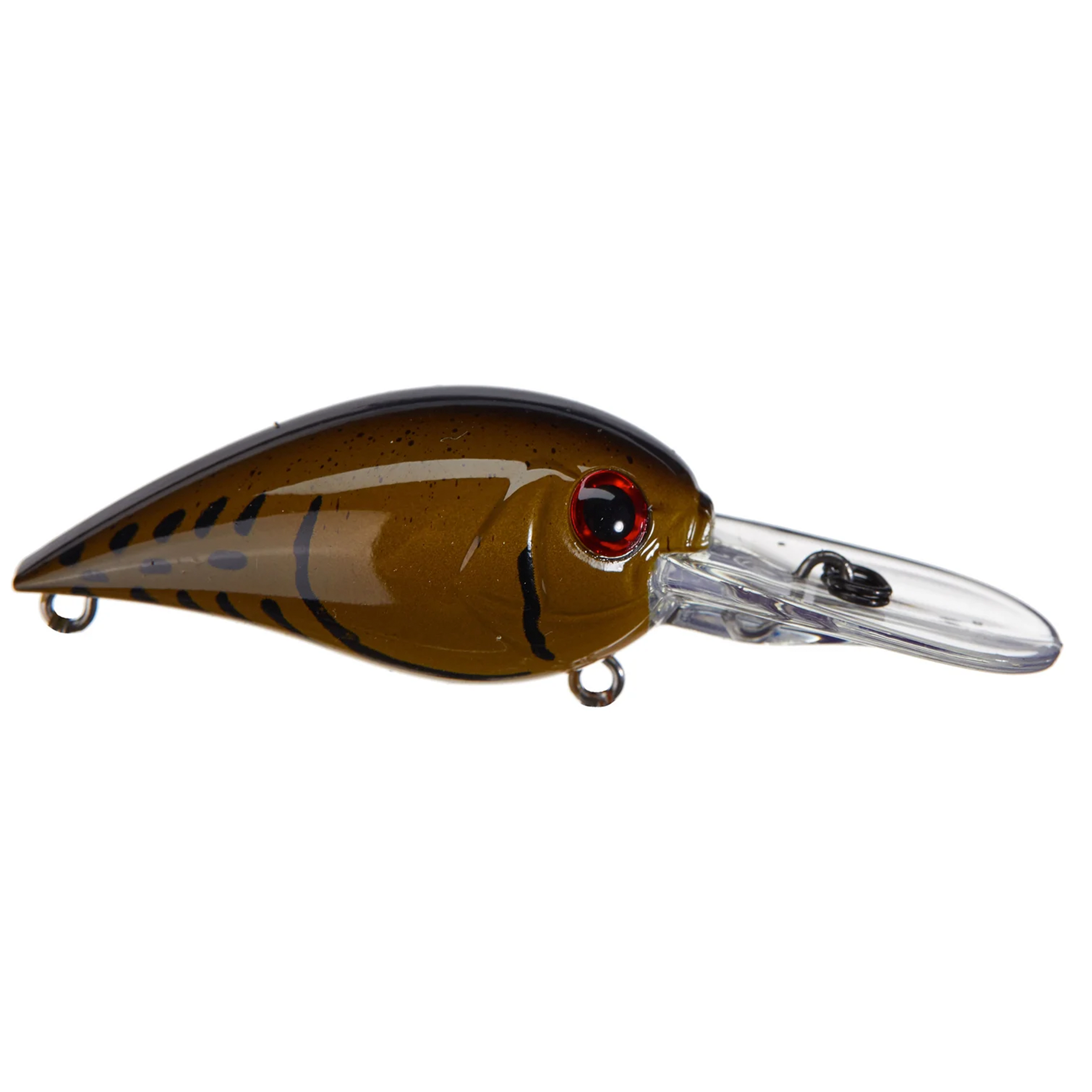
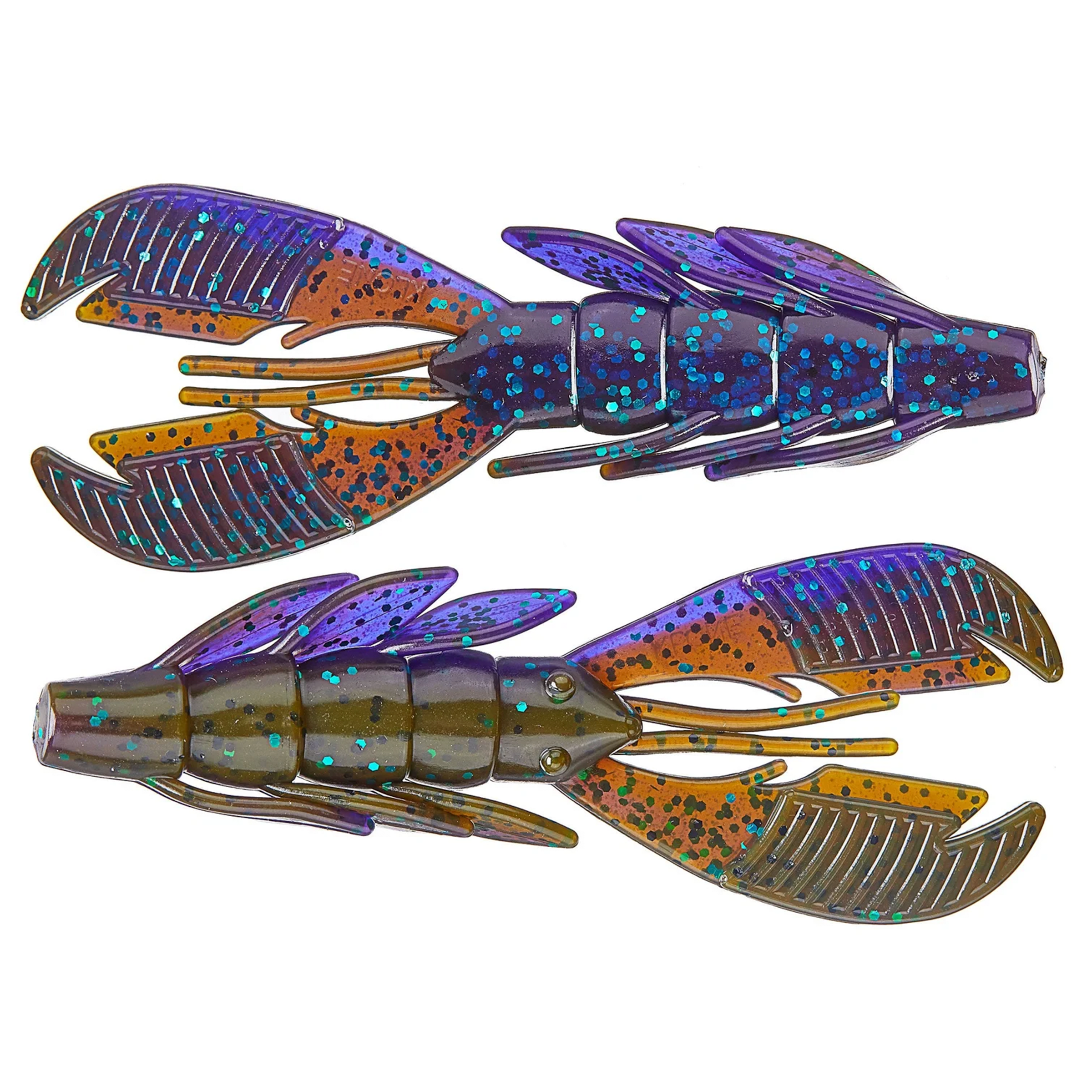
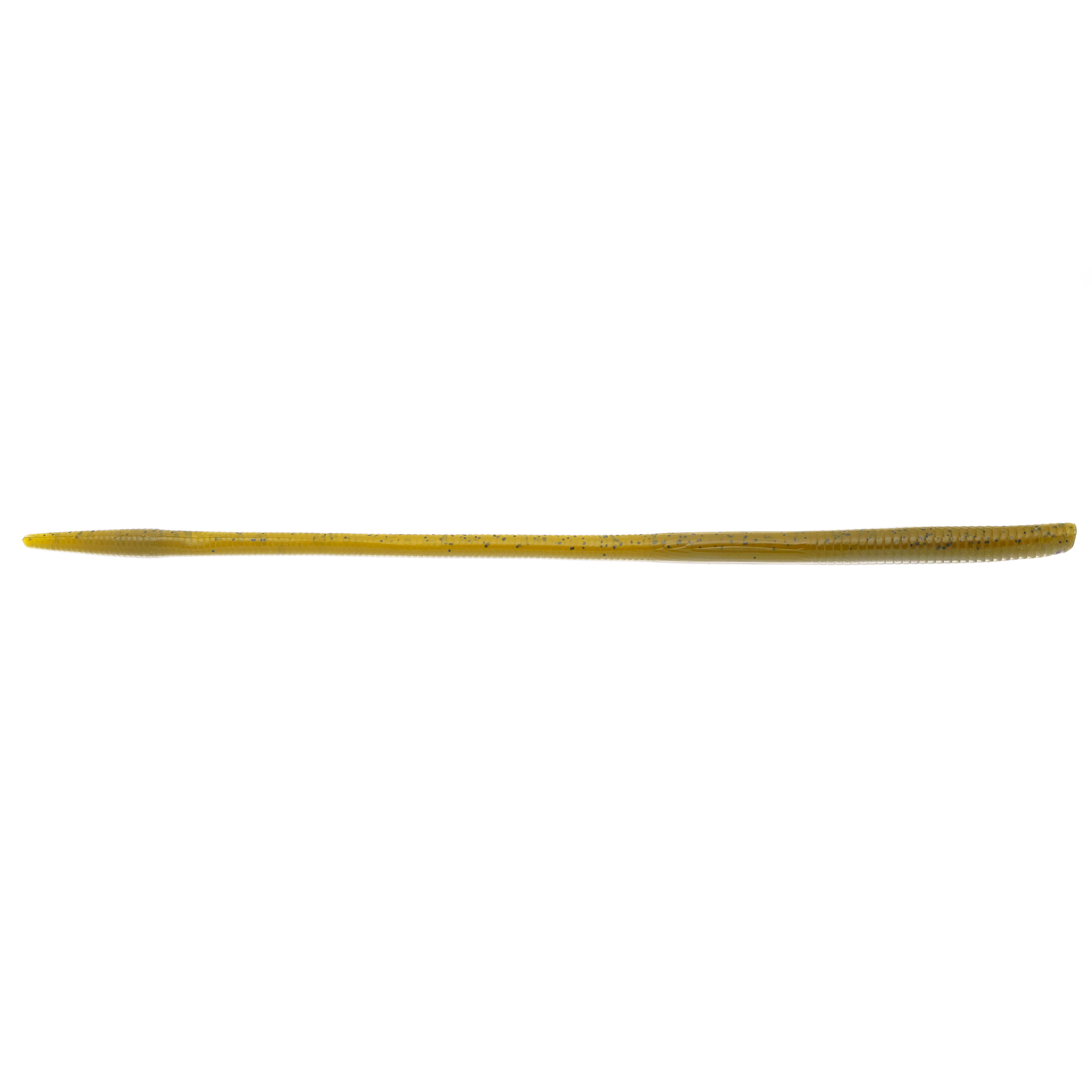
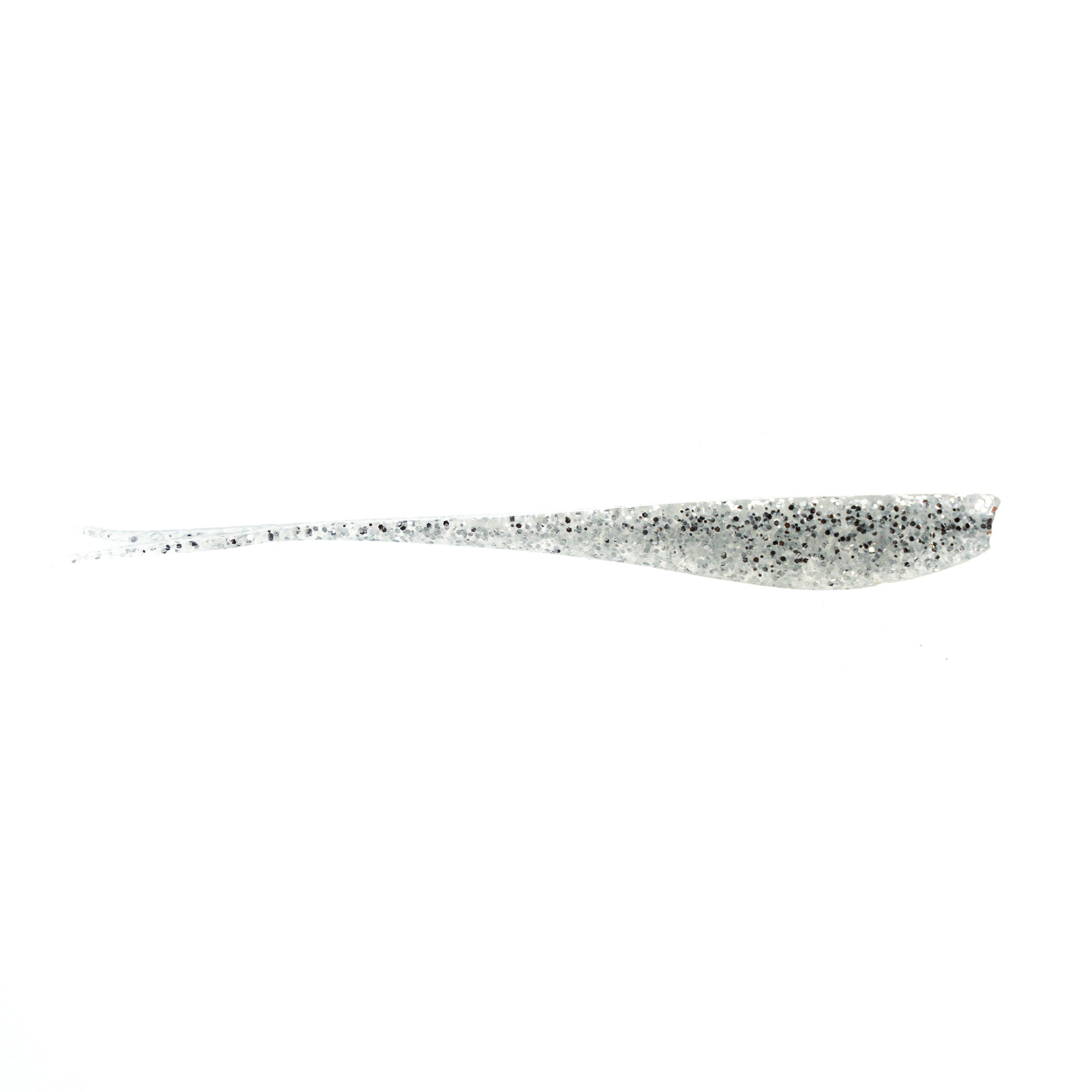
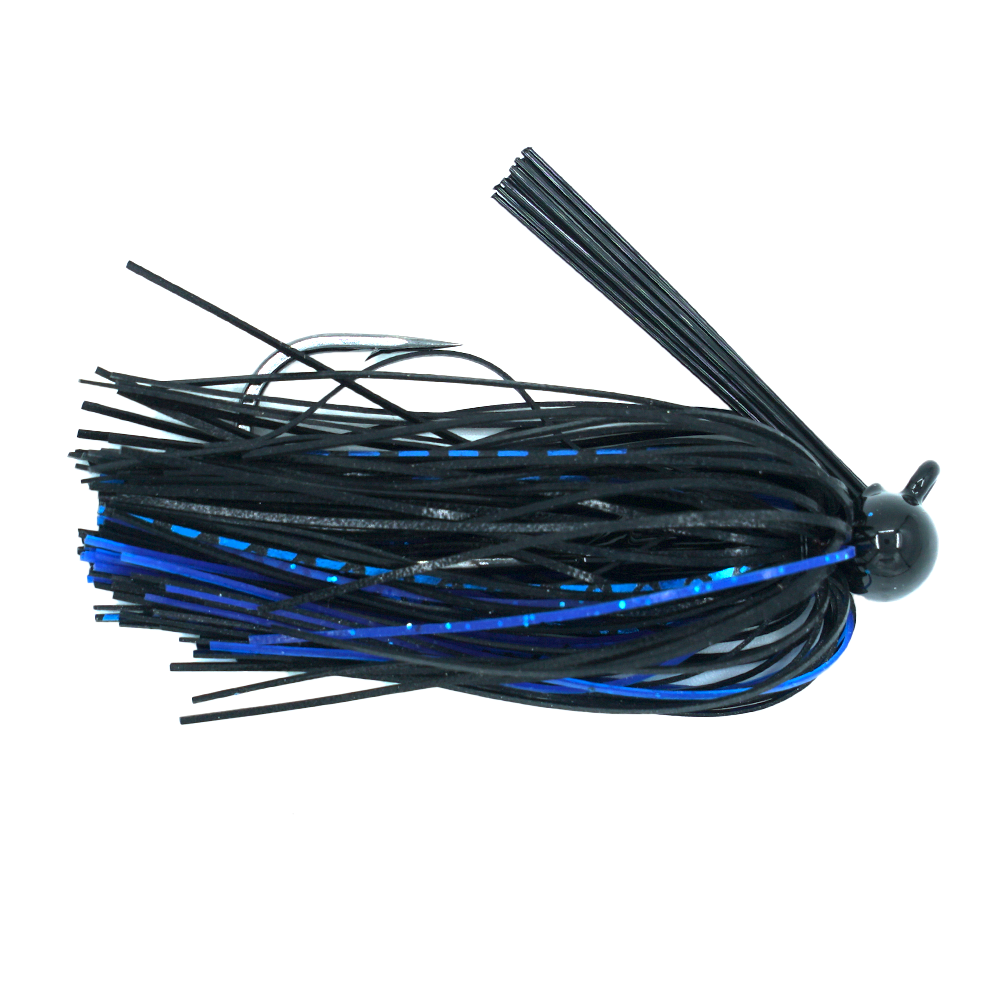
Spring is a flipping game — jigs into cypress and stumps, squarebills through the stump fields. Summer moves to topwater over grass mats and Texas rigs punched into them. Fall means shad-pattern moving baits wherever the bait has gone. Winter is slow jerkbaits and bottom presentations on deeper edges. Our full bait lineup covers all four.
How big is Santee Cooper?
About 171,000 acres combined — Lake Marion at 110,600 and Lake Moultrie at 60,400 — spread across five South Carolina counties north of Charleston. The system was built between 1939 and 1942 to impound the Santee and Cooper rivers for hydroelectric power.
Do I need a fishing license for Santee Cooper?
Yes. A South Carolina freshwater fishing license is required, with short-term and annual options for residents and visitors. Note that striped bass has a defined open season on this system, unlike bass, so check current South Carolina Department of Natural Resources regulations before you go.
Heavy Cover Asks a Lot of a Rod
Flipping cypress and punching hydrilla mats is the most demanding thing you can ask of a rod. Level Rods builds heavy models with the power to move a big fish out of grass before it buries, and enough sensitivity to know the difference between a stump and a bite when you can't see either.
Tournament Winning Baits & Gear
Designed, crafted and tested by anglers who fish Carolina water every week. Free shipping on orders over $75.
Shop All Baits