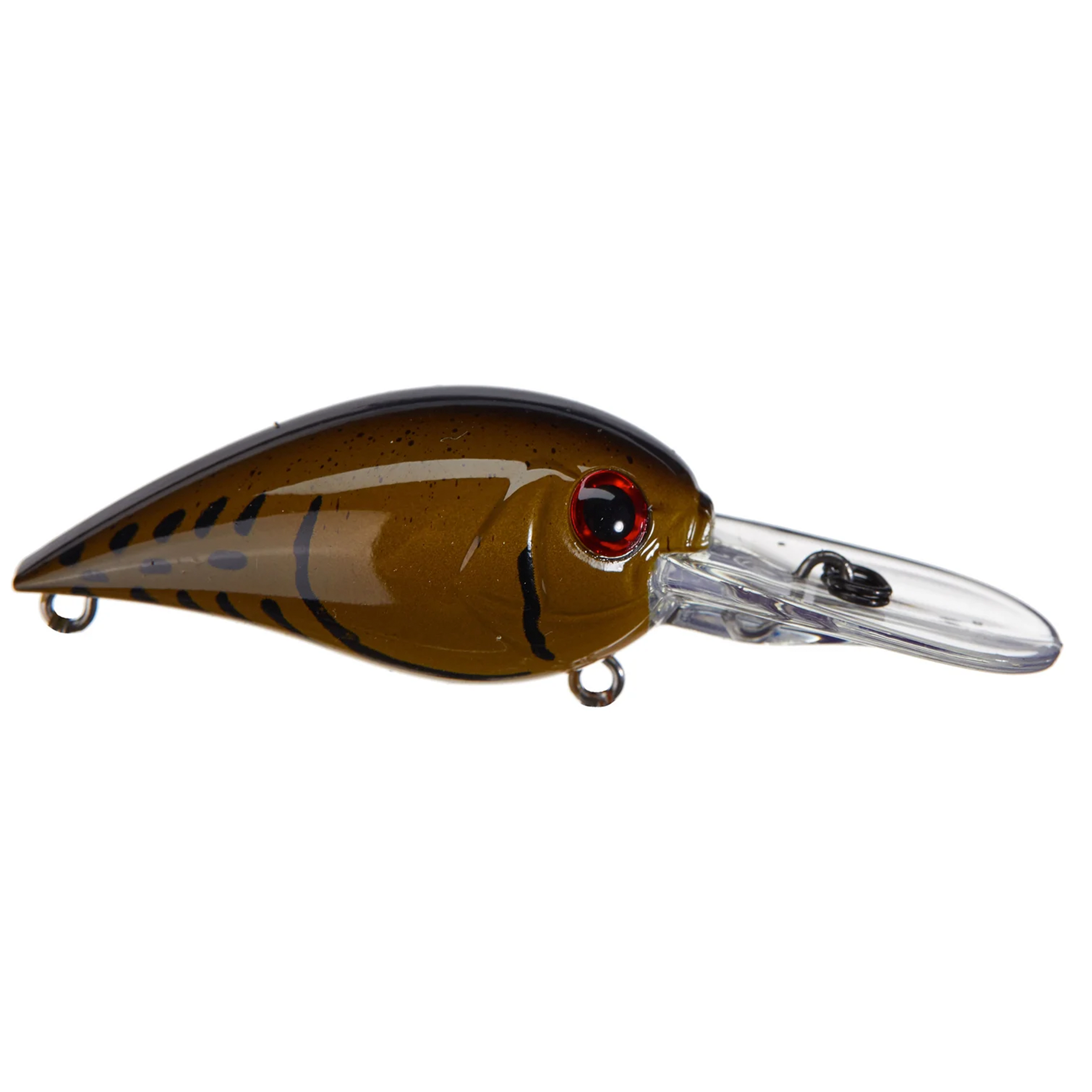
Sandhills Lakes Bass Fishing Guide
Sandhills Lakes Bass Fishing, Season by Season
Shallow natural lakes scattered through Nebraska's Sandhills, choked with vegetation and holding some of the fattest, prettiest largemouth you will see anywhere. No one of them carries a trip on its own. Together they are the most distinctive bass fishing in the state.
Natural Lakes in a Sea of Grass
The Sandhills are Nebraska's most distinctive landscape — a vast area of grass-stabilised dunes across the centre and north of the state — and scattered through them are hundreds of shallow natural lakes. They are not reservoirs, which makes them almost unique among the waters covered on this site.
Nebraska Game and Parks describe them plainly: some Sandhills lakes produce some of the fattest, prettiest largemouth you have ever seen. They also hold trophy bluegill, yellow perch, black crappie described as big as garbage can lids, and northern pike in abundance.
The defining characteristic is shallowness, and it cuts both ways. Because of their shallow depths, these lakes can be choked with an abundance of submerged aquatic vegetation through summer — which grows the fish and makes them difficult to reach at the same time.
Named waters worth knowing include Walgren Lake and Hackberry Lake on the Valentine National Wildlife Refuge, and Big Alkali. There are many more, and part of the appeal is that the region rewards exploring rather than following a list.
These lakes reward the frog and flipping game in a way most Nebraska water does not, which makes them a genuine change of pace from the state's clear reservoirs. They are also remote, with limited facilities and long distances between them.
Refuge waters can carry their own access rules and seasons on top of state regulations. Nebraska does not close black bass season, but bag and length limits vary by water and several reservoirs carry special regulations. Check the current Game and Parks Commission rules for this water before you go.
Vegetation, Shallow Water and Remoteness
Four patterns cover the year. Each one pairs the technique with the baits we'd actually tie on.
Shallow Water Warms Fast
Spring warms shallow natural lakes quickly once the ice goes, and largemouth move onto the emerging vegetation and shoreline cover to spawn. Sandhills spring runs late and windy, but when it arrives it moves fast on water this thin.


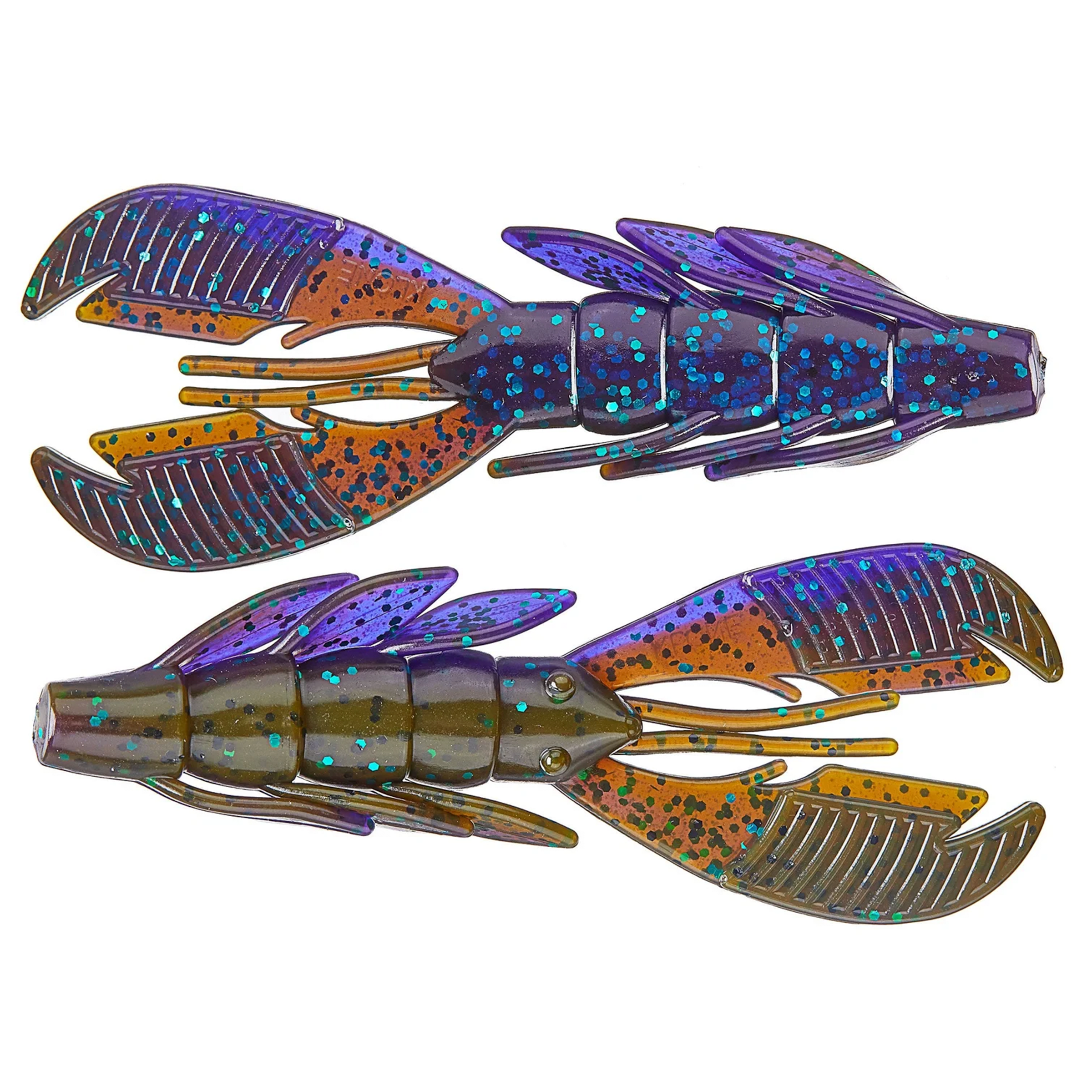
Choked With Vegetation
Summer is when these lakes become genuinely difficult and genuinely rewarding. Submerged aquatic vegetation can choke them completely, which is why the bass are as fat as they are and why reaching them takes the right approach. This is frog and flipping water.

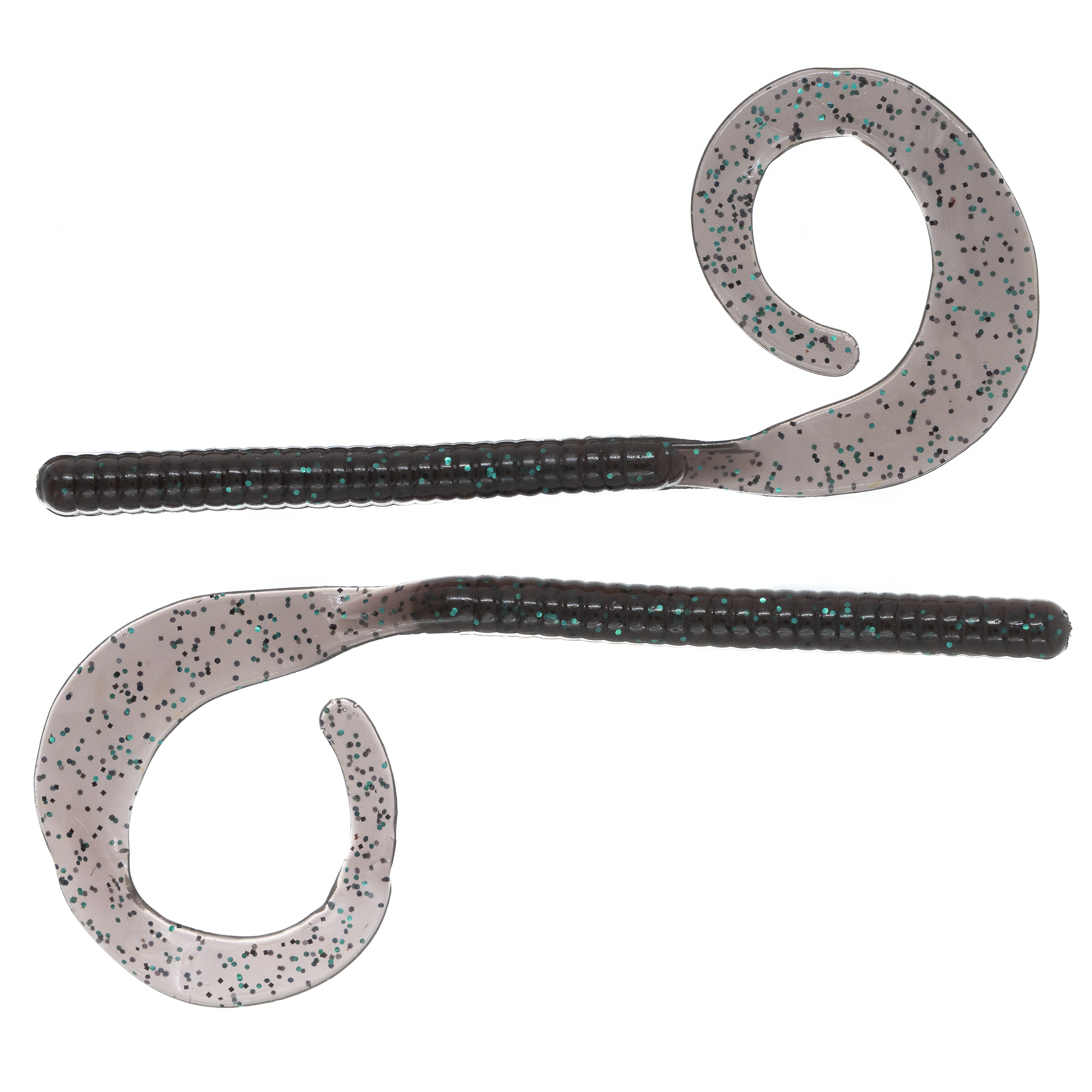

Vegetation Breaking Down
Autumn thins the vegetation and pulls fish onto the edges and into the open pockets, which makes them considerably easier to reach than in summer. The fish feed hard before a Sandhills winter and the country is empty and beautiful.
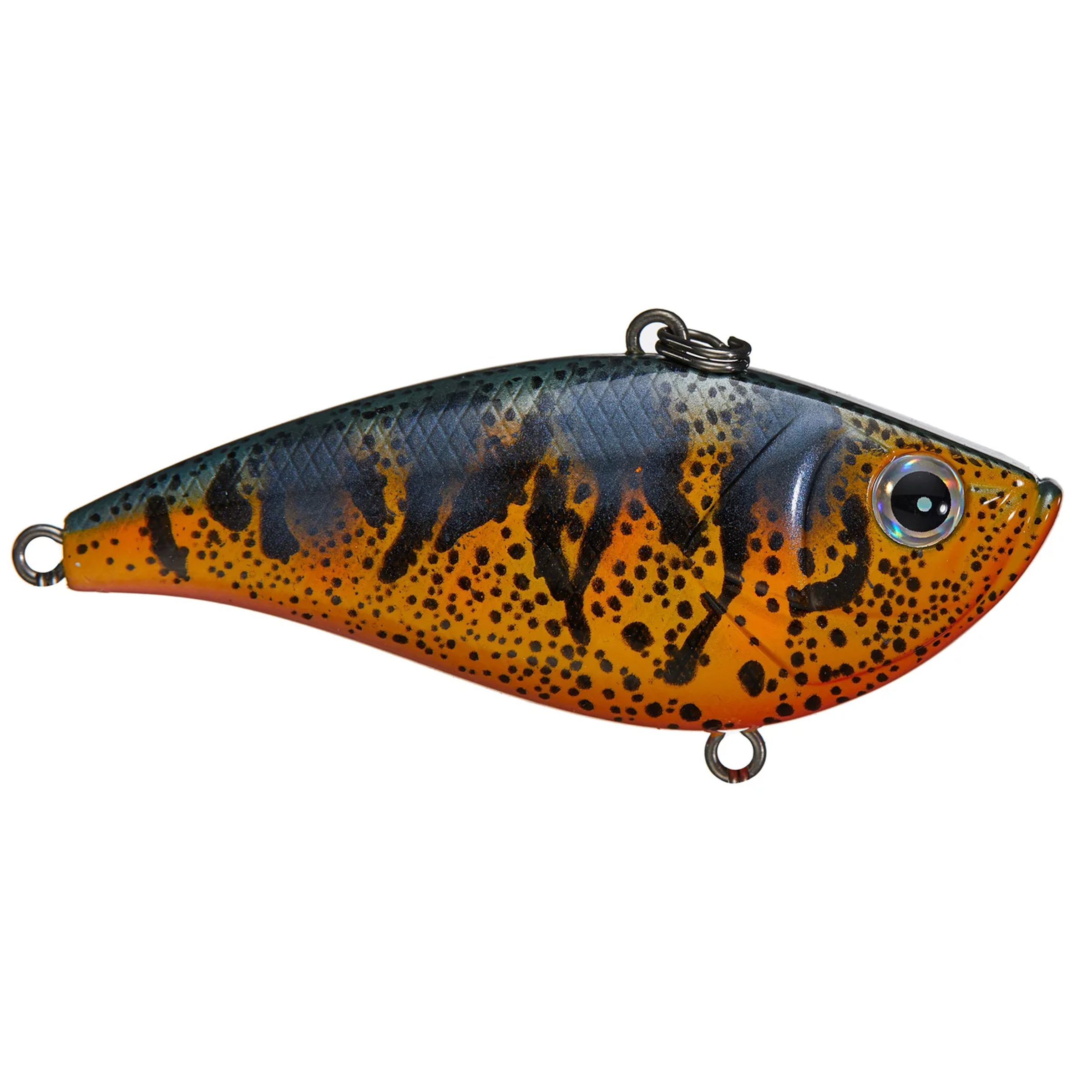
Frozen Solid
Sandhills winter freezes shallow natural lakes hard and early, and open-water bass fishing stops entirely. Ice fishing here is a serious tradition for the trophy panfish and pike these lakes hold. The bass season is genuinely ice-out to freeze-up.

The Sandhills Lakes Access
Access varies by lake. Valentine National Wildlife Refuge holds several including Hackberry, and Walgren Lake has its own state recreation area. Valentine is the practical base for the northern Sandhills. Facilities are limited and distances between lakes are long.
Valentine National Wildlife Refuge
Holds several of the named Sandhills bass lakes including Hackberry. Refuge waters can carry their own access rules and seasons on top of state regulations, so check before you go.
Walgren Lake
One of the two waters Nebraska Game and Parks name specifically for Sandhills bass fishing, with its own state recreation area. A sensible starting point for the region.
The Vegetation
On every one of these lakes, and effectively the whole fishery. Submerged growth thick enough to choke a shallow lake in summer is what grows fat bass and what makes them hard to reach.
The Sandhills Lakes Bass Fishing FAQ
What are the Sandhills lakes?
Hundreds of shallow natural lakes scattered through Nebraska's Sandhills, the grass-stabilised dune country across the centre and north of the state. They are natural lakes rather than reservoirs, which makes them unusual among the waters covered on this site.
How good is the bass fishing?
Nebraska Game and Parks put it directly — some Sandhills lakes produce some of the fattest, prettiest largemouth you have ever seen. They are not big-numbers waters in the way a reservoir is, but the individual fish are in exceptional condition.
Which lakes should I fish?
Walgren Lake and Hackberry Lake on the Valentine National Wildlife Refuge are the two the state names specifically, and Big Alkali is another. There are many more, and part of the appeal of the region is that it rewards exploring rather than following a list.
Why are the fish so fat?
Shallow, fertile natural lakes choked with submerged aquatic vegetation. That vegetation grows enormous quantities of forage and gives bass cover to ambush from. It also makes them hard to reach, which is the trade.
What else can I catch?
Trophy bluegill, yellow perch, black crappie the state describes as big as garbage can lids, and northern pike in abundance. Several of these lakes are better known for panfish than bass.
Are there special rules?
Possibly. Refuge waters can carry their own access rules and seasons on top of state regulations, and Nebraska sets bass limits by water. Check what applies to the specific lake you intend to fish before you go.
What baits work best?
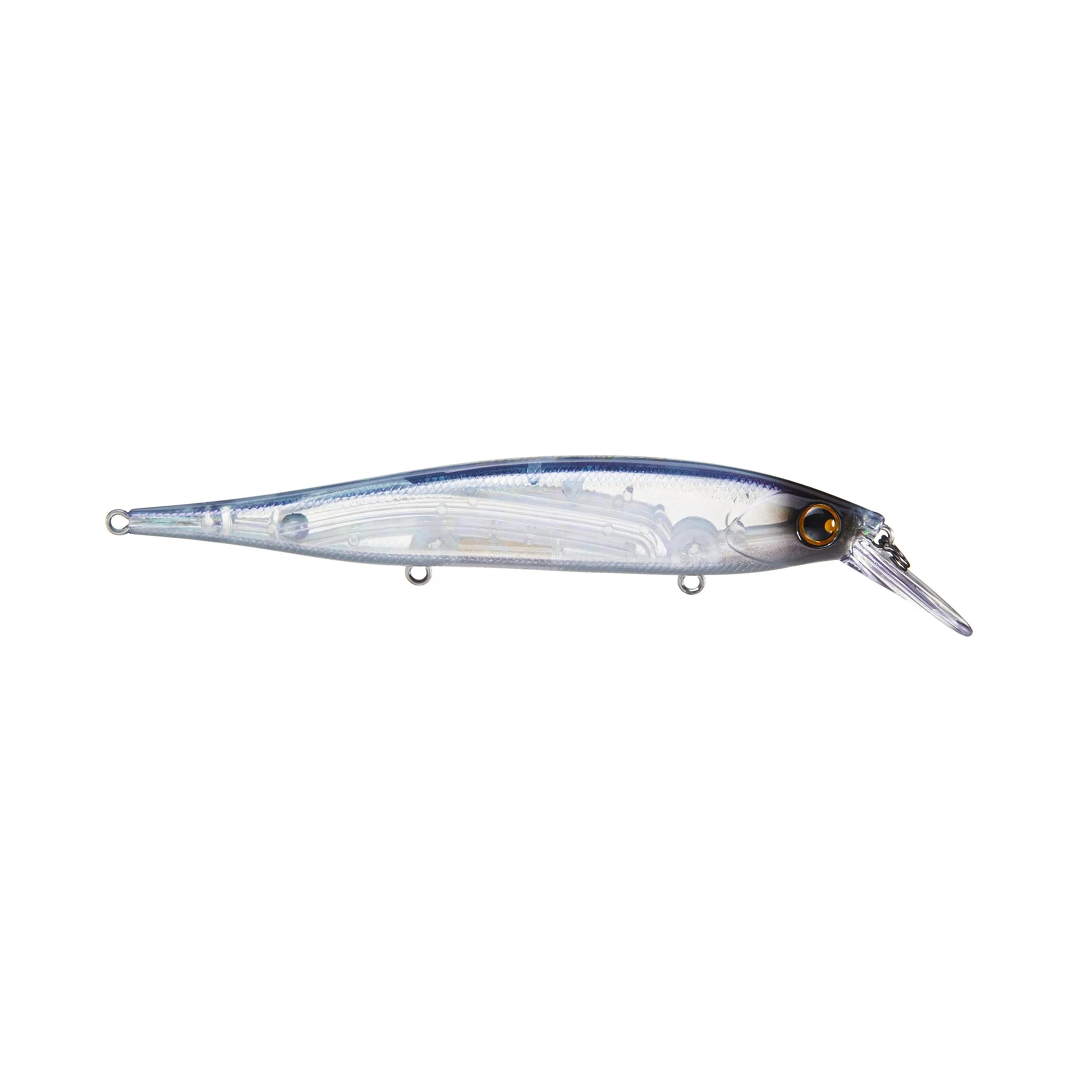
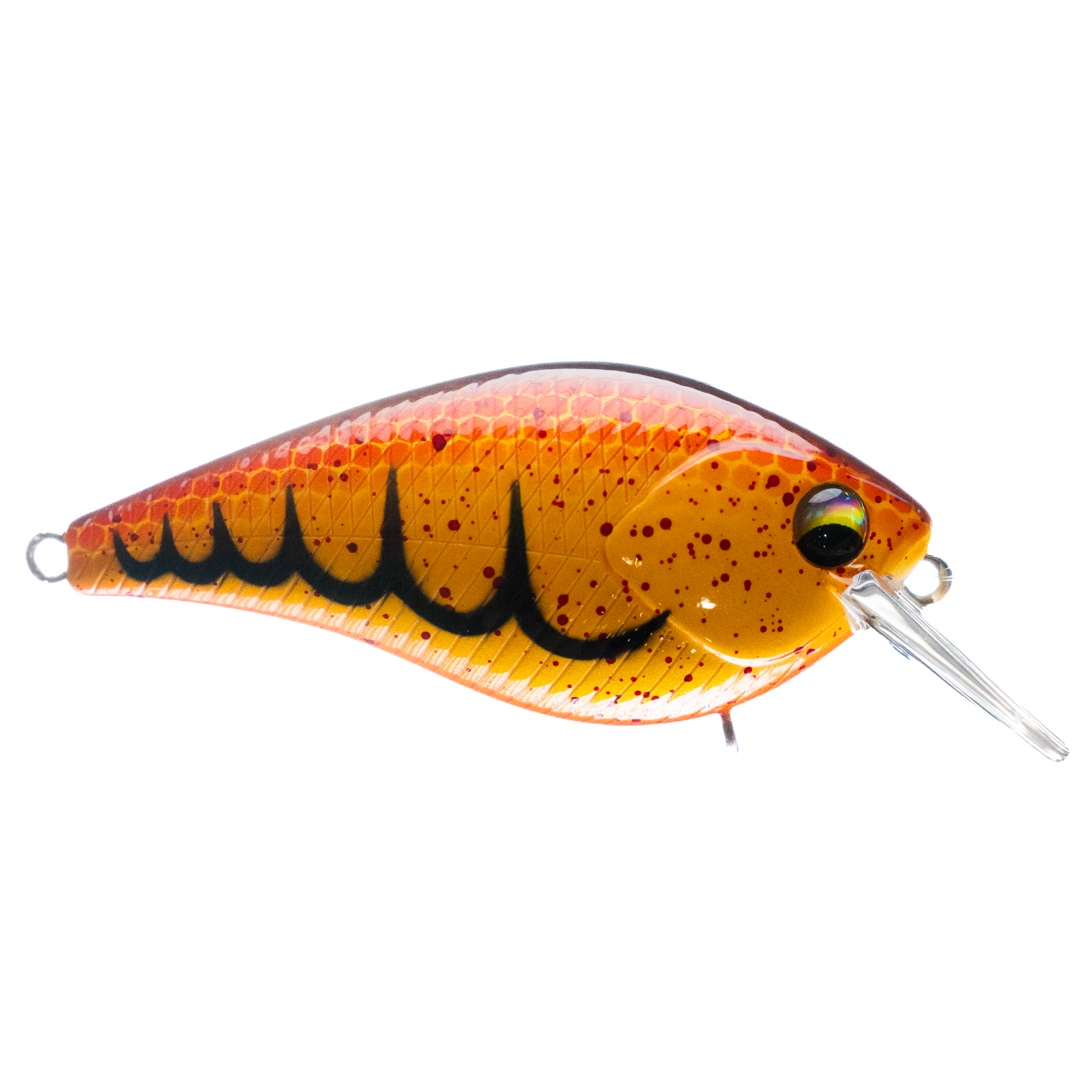
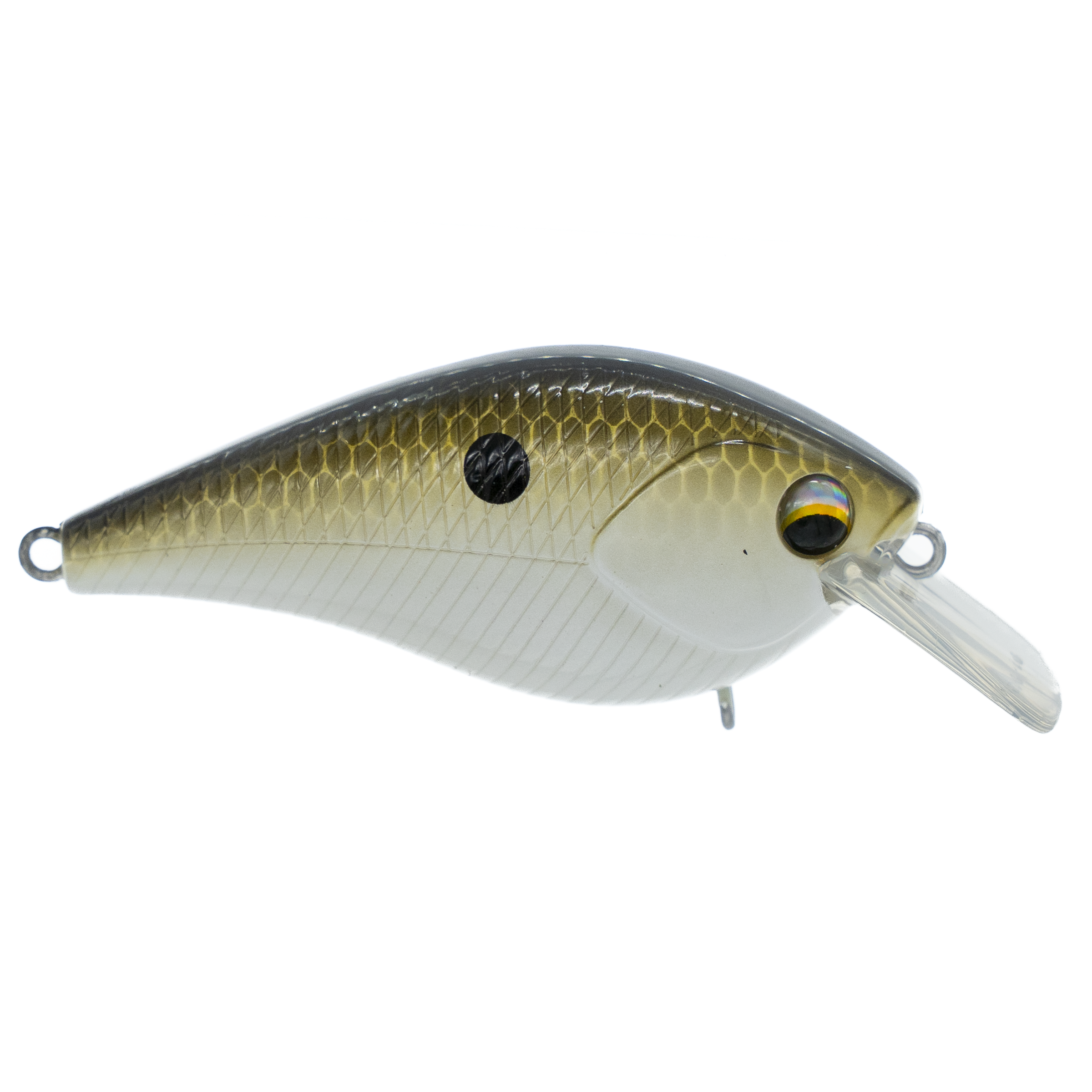
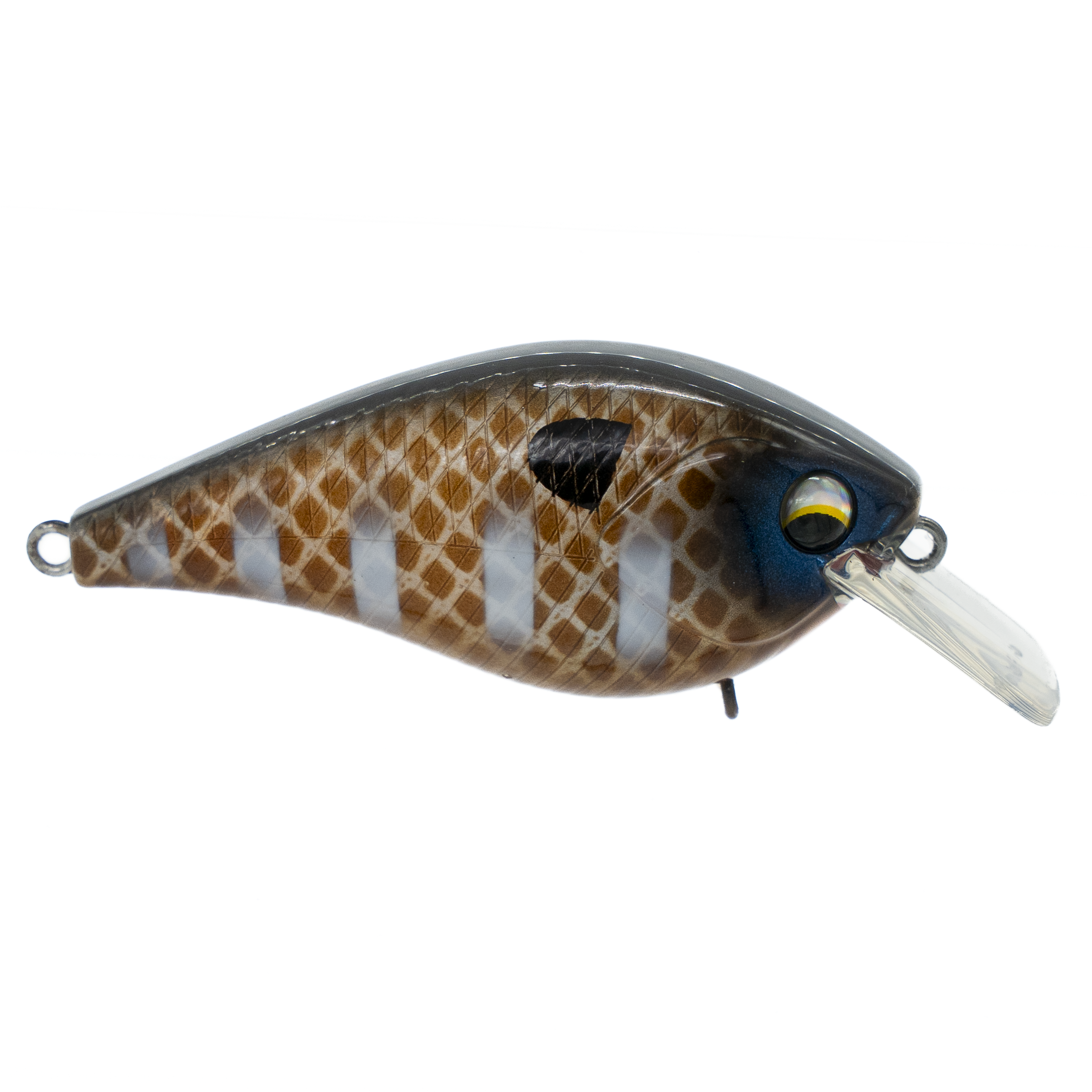
Frogs and toads over the vegetation at first light, punching and flipping gear for the thicker growth, and moving baits along the edges once the weeds thin in autumn. This is the one part of Nebraska where the frog game genuinely works. Our full bait lineup covers all of it.
Is it remote?
Yes. The Sandhills are sparsely populated with long distances between lakes and limited facilities. Valentine is the practical base for the northern part of the region. Plan the logistics rather than improvising.
Frogs, over Three Feet of Water
Lakes made almost entirely of vegetation ask for one thing above all: the power to drive a frog hook through matted weed and lift a fat bass straight up out of it. Level Rods builds heavy models for exactly that, in a state where almost nothing else needs them.
Tournament Winning Baits & Gear
Designed, crafted and tested by anglers who fish vegetation every week. Free shipping on orders over $75.
Shop All Baits