Ross Barnett Reservoir Bass Fishing Guide
Ross Barnett Bass Fishing, Season by Season
Thirty-three thousand acres of the Pearl River just northeast of Jackson, shallow enough to blow out in a light breeze and weedy enough to hold bass everywhere. Mississippi's flagship bass lake is a vegetation fishery, and Pelahatchie Bay is where it happens.
Shallow, Weedy and Wind-Blown
Ross Barnett Reservoir sits six miles northeast of Jackson, formed in 1965 when a three-and-a-half-mile dam and spillway blocked the Pearl River channel. It runs about sixteen miles long by seven wide across 33,000 acres, with more than 105 miles of shoreline once you count the backwaters. It is managed by the Pearl River Valley Water Supply District and is the state's largest drinking water resource.
The lake splits at State Route 43. South of it are roughly 24,000 acres of open-water lake; north of it, about 9,000 acres of riverine habitat where the reservoir reverts to its former river character with sloughs, islands, sandbars and weedy backwaters.
Depth is the thing to understand. Barnett averages about eleven feet and much of it runs under six. It drops to around sixty by the dam and some holes in the old Pearl River channel dip to fifty, but this is fundamentally a shallow impoundment, and everything about how it fishes follows from that.
Two consequences worth planning around. Wind: because the water is so shallow, the main channel and Pelahatchie Bay become genuinely rough in winds as low as five to ten miles an hour, and local anglers avoid both when it blows. Rain: heavy rain muddies the lake and the fishing suffers for two to four days afterwards.
The best bass water on the system, according to the state fisheries biologist who manages it, is Pelahatchie Bay and Pelahatchie Creek. That is where the thick vegetation is, and vegetation is the primary pattern here across most of the year.
Forage is excellent — bluegill, threadfin shad and gizzard shad all sample at high catch rates, which is what supports the bass and the lake's outstanding crappie fishery. Striped bass were added to the mix with stocking that began in 2022, and they concentrate at the spillway.
Vegetation, Ledges and Backwaters
Four patterns cover the year. Each one pairs the technique with the baits we'd actually tie on.
Finding Them Before They Settle
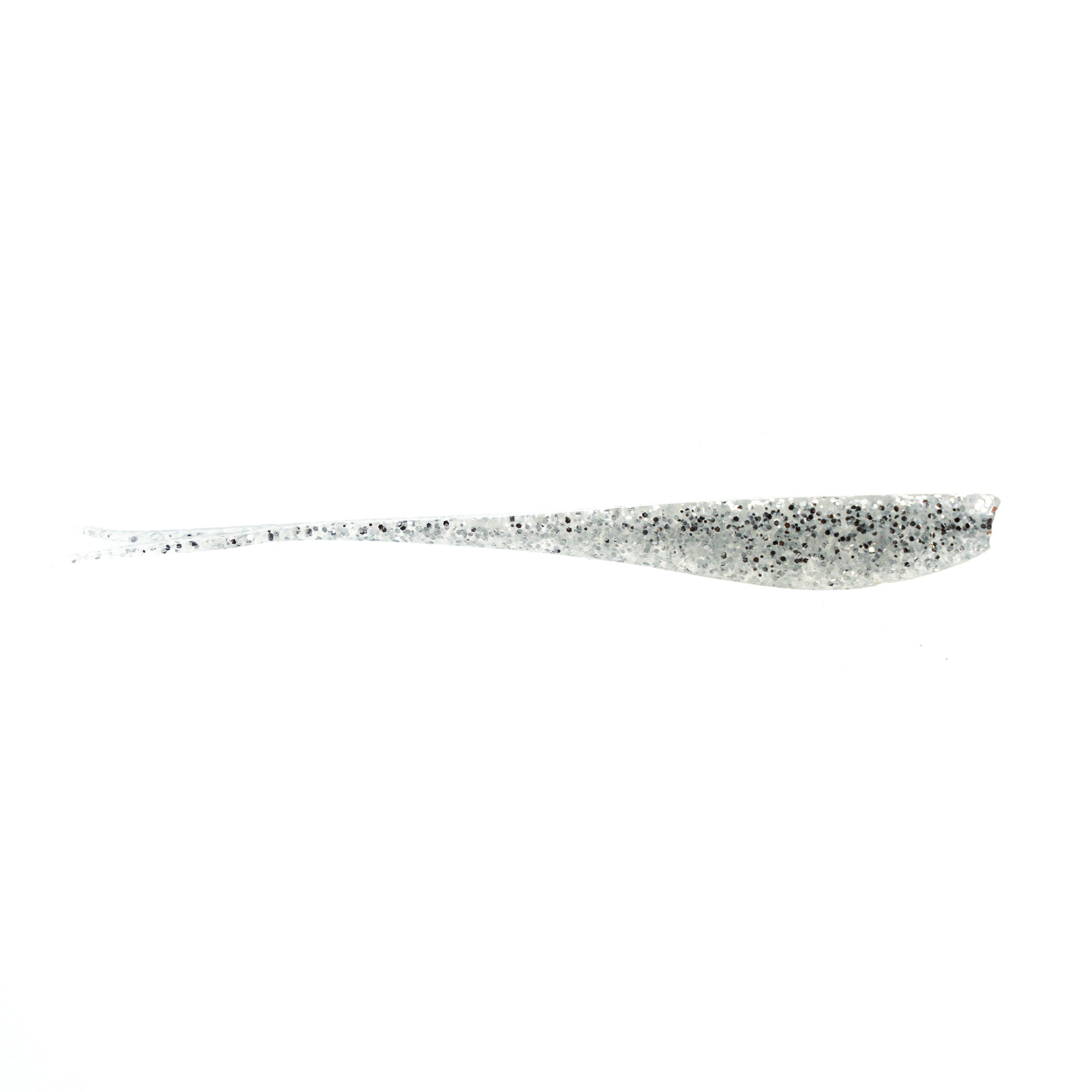
Spring moves fish shallow to spawn, and the honest local assessment is that locating them is the hard part — on a lake this shallow with this much cover, they can be almost anywhere. Plummer Slough in Pelahatchie Bay, the Mill Creek area on the east side, Horseshoe Lake and Cane Creek are the areas that consistently produce.




Grass, Pads and Schooling Fish
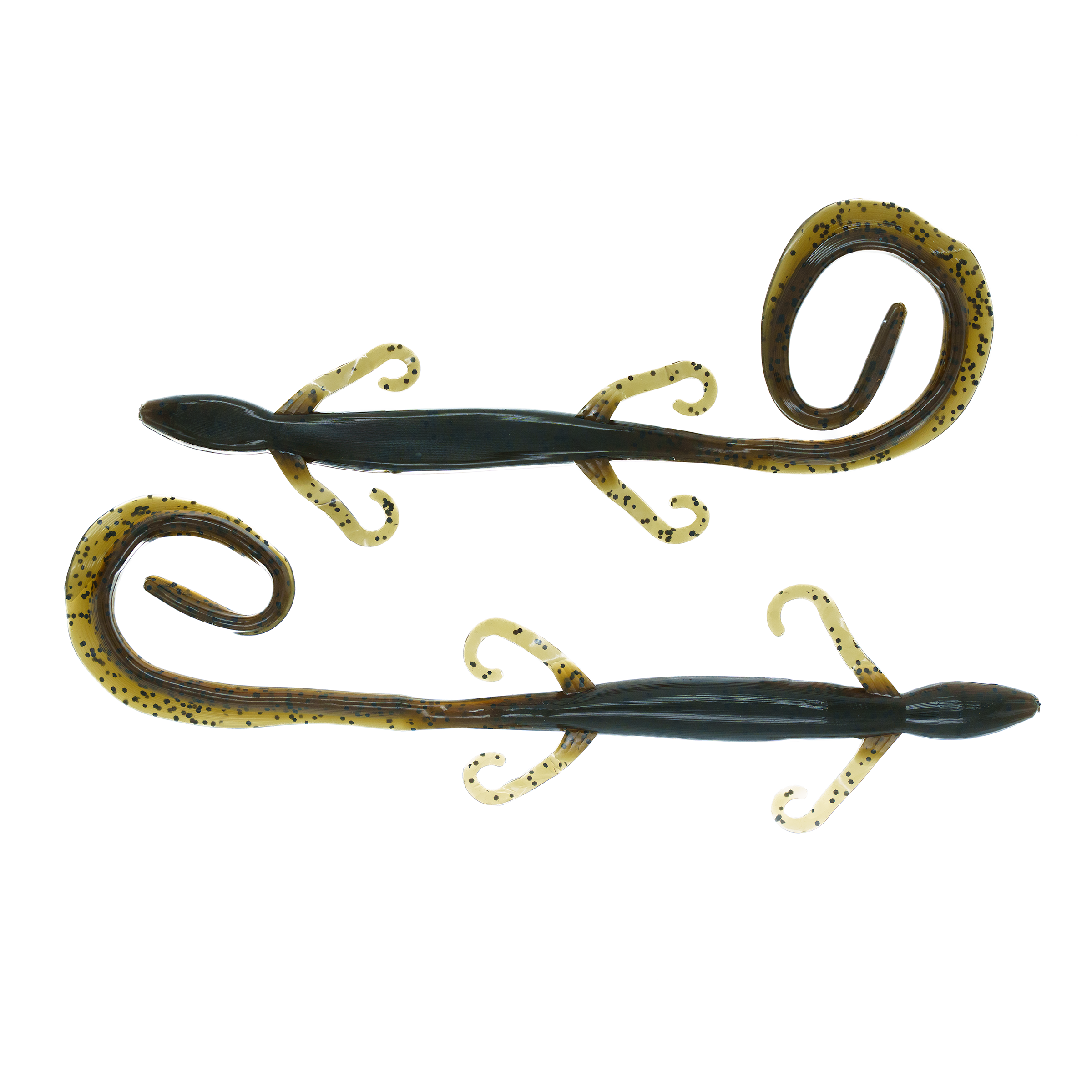
Summer brings a great deal of vegetation and three separate patterns at once. Anglers flip the thick stuff, run spinnerbaits along the edges, and drag frogs across the top. The lily pad areas above Highway 43 and near Gilligan's Island are the classic warm-month water. Meanwhile fish move out to the ledges, and schooling bass show up across the lake.


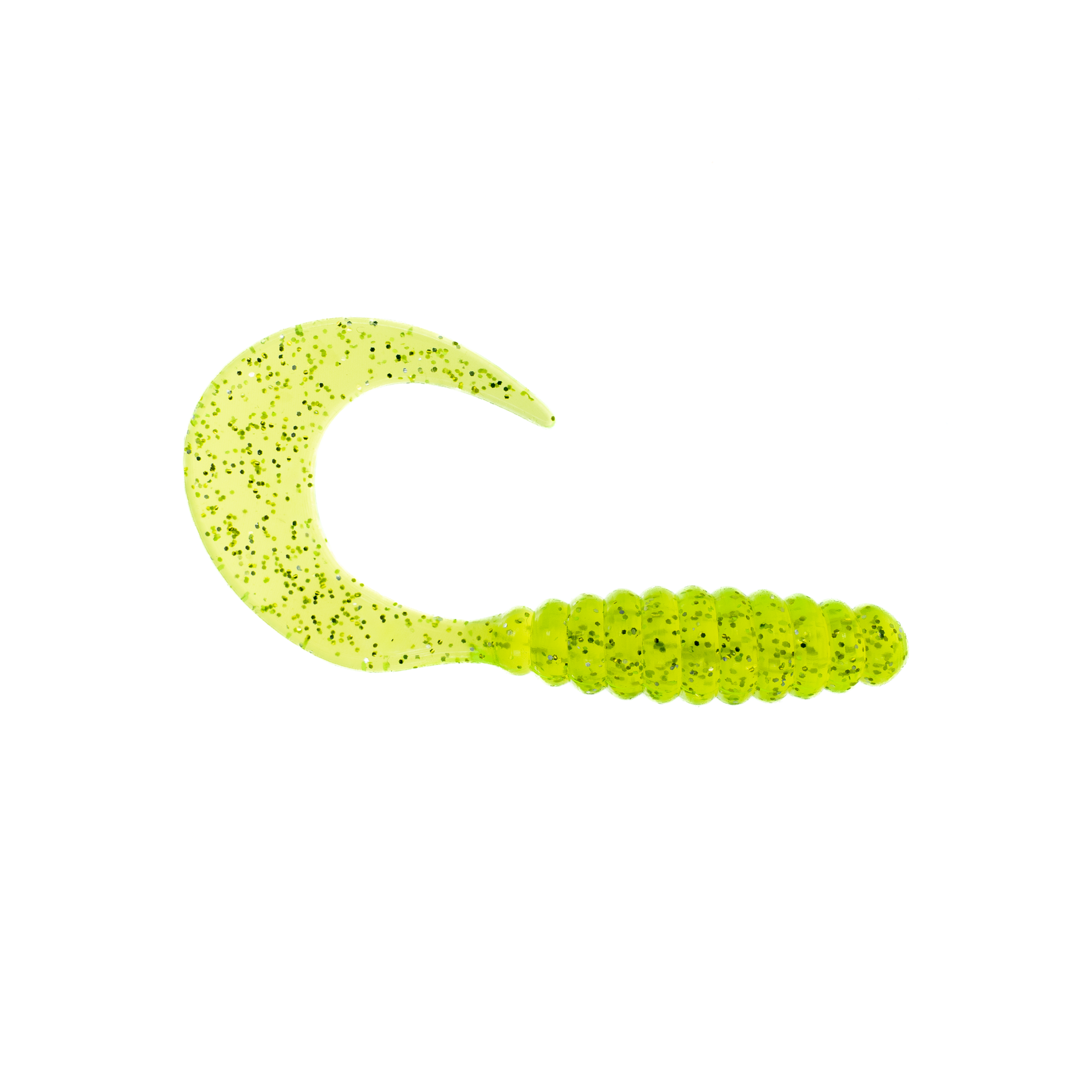
The Schooling Carries Over
Autumn keeps a lot of the summer going. The schooling bass carry over, and the same spinnerbait and vegetation patterns keep producing as the water cools. What changes is comfort and crowds — the recreational traffic that makes summer weekends difficult here disappears.
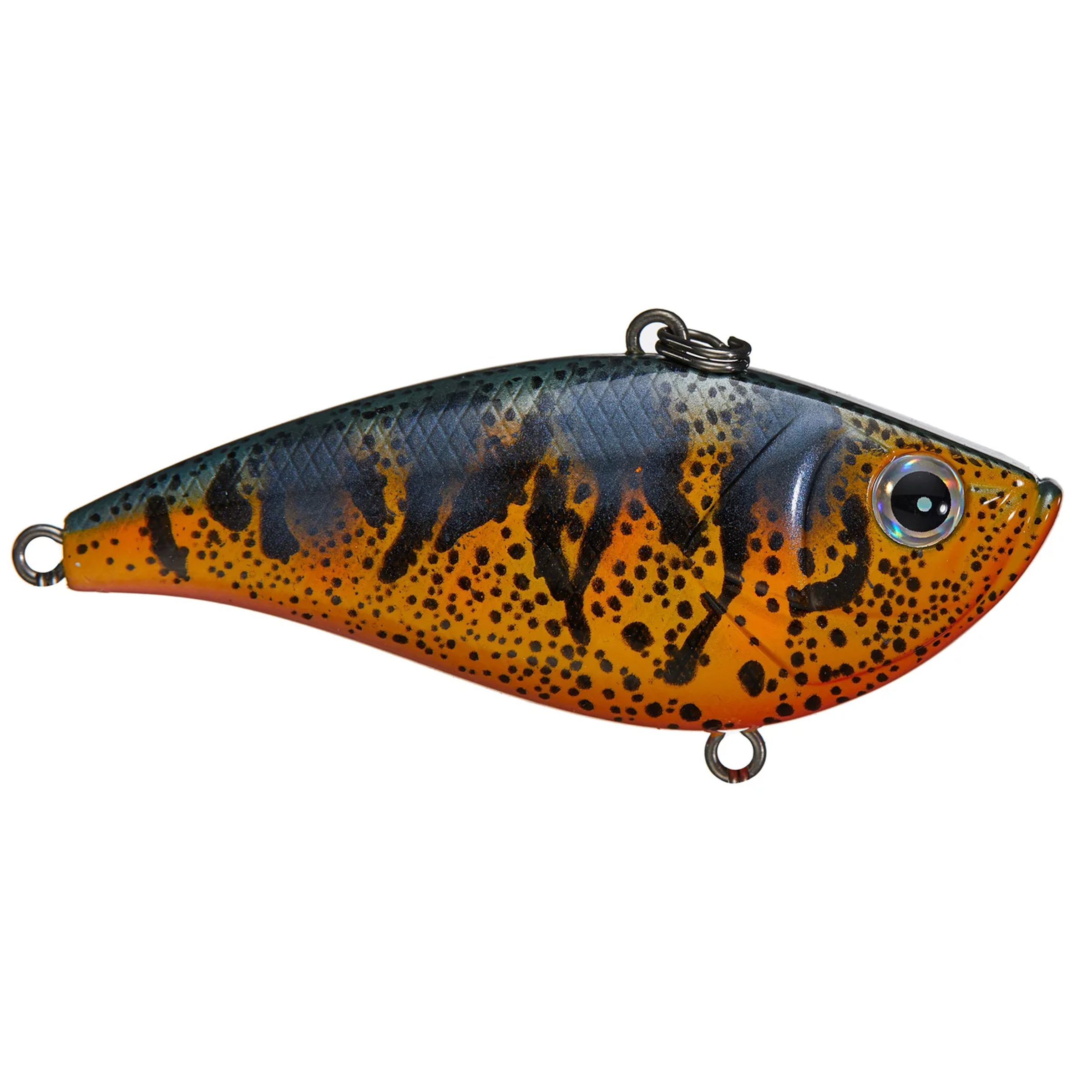
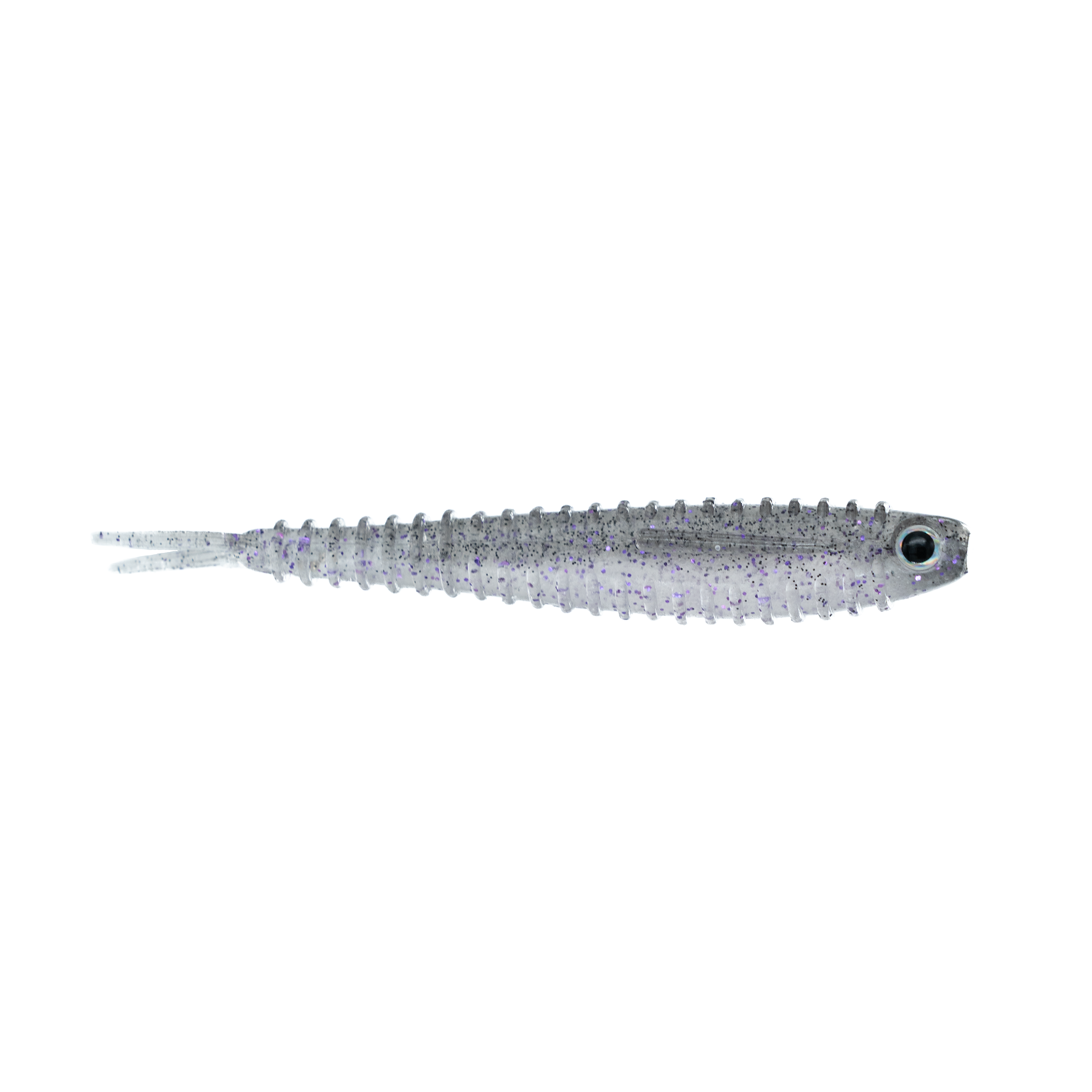

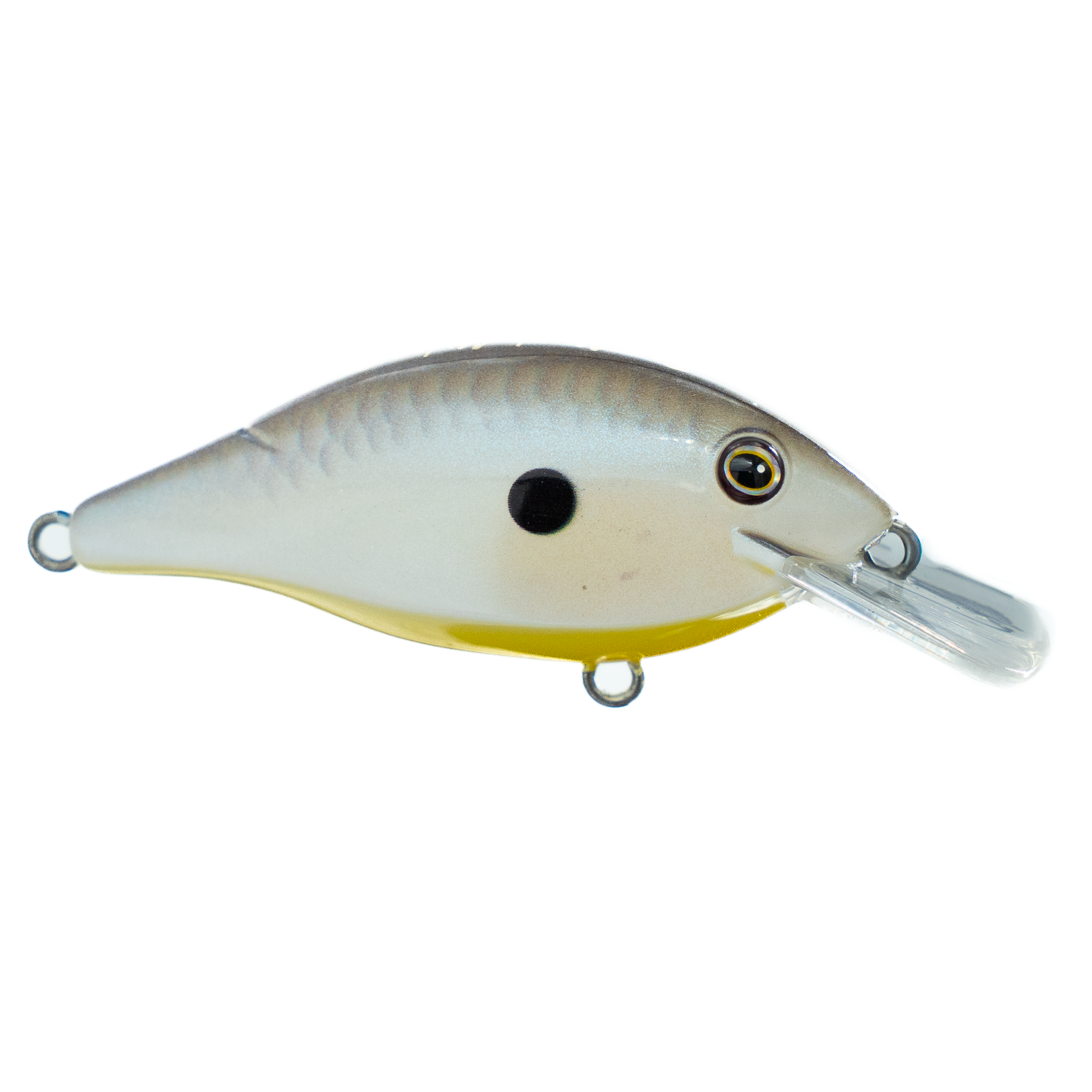
Channel Holes and Protected Water
Winter pulls fish to the deeper water — the old Pearl River channel holes down to fifty feet, the deeper water near the dam, and the channel edges. It is also the season when wind is most likely to keep you off the main lake, which makes the protected backwaters and Pelahatchie Creek valuable beyond their fish-holding.


Ross Barnett Access
Access is exceptional. The Pearl River Valley Water Supply District maintains twenty-two boat launches along with five campgrounds, sixteen parks and five marinas. Fishing piers off Highway 43 and Highway 471 in Pelahatchie Bay give bank anglers a genuine option.
Pelahatchie Bay and Pelahatchie Creek
The best bass water on the reservoir according to the state biologist who manages it, and the thickest vegetation on the lake. Giant bass hit topwater here through the warm months. The bay blows out in light wind, so fish it early or on calm days, and drop back into the creek when it kicks up.
Above Highway 43
Where the reservoir stops being a lake and goes back to being a river — nine thousand acres of sloughs, islands, sandbars and weedy backwaters. Lily pad fields up here are prime summer water, and the whole section is sheltered when the main lake is unfishable.
The Ledges and the Old Pearl Channel
The offshore side. Channel holes to around fifty feet and ledges that hold summer fish and winter fish alike. Underused on a lake where most anglers stay in the grass, and the answer when the shallow bite dies.
Ross Barnett Bass Fishing FAQ
How big is Ross Barnett Reservoir?
33,000 acres, about sixteen miles long by seven wide, with more than 105 miles of shoreline. Roughly 24,000 acres are open-water lake south of Highway 43 and about 9,000 acres are riverine habitat north of it.
Where is the best bass fishing on Ross Barnett?
Pelahatchie Bay and Pelahatchie Creek, according to the Mississippi state fisheries biologist who manages the reservoir. The thick vegetation in the bay holds big bass and produces topwater strikes throughout the warm months.
How deep is Ross Barnett?
It averages about eleven feet and much of it is under six. Near the dam it reaches around sixty, and holes in the old Pearl River channel dip to about fifty. It is a shallow impoundment and that shapes everything about fishing it.
Why does wind matter so much here?
Because the lake is so shallow. The main channel and Pelahatchie Bay get rough and genuinely unpleasant in winds as low as five to ten miles an hour. Local anglers plan around it, fishing early or moving into the protected creeks and backwaters when it picks up.
Does rain affect the fishing?
Yes, noticeably. Heavy rain muddies the water and the fishing is affected for two to four days afterwards. It is worth checking recent rainfall before making the drive rather than only checking the forecast for the day you are going.
Are there other species worth targeting?
The crappie fishing is outstanding — fish over two pounds are common and the lake produces good numbers over two and a half. There is also excellent bream fishing in the creek channels and around piers, abundant channel catfish, and flatheads and blues in the twenty-five to thirty pound range. Striped bass stocking began in 2022 and they concentrate at the spillway.
What baits work best on Ross Barnett?
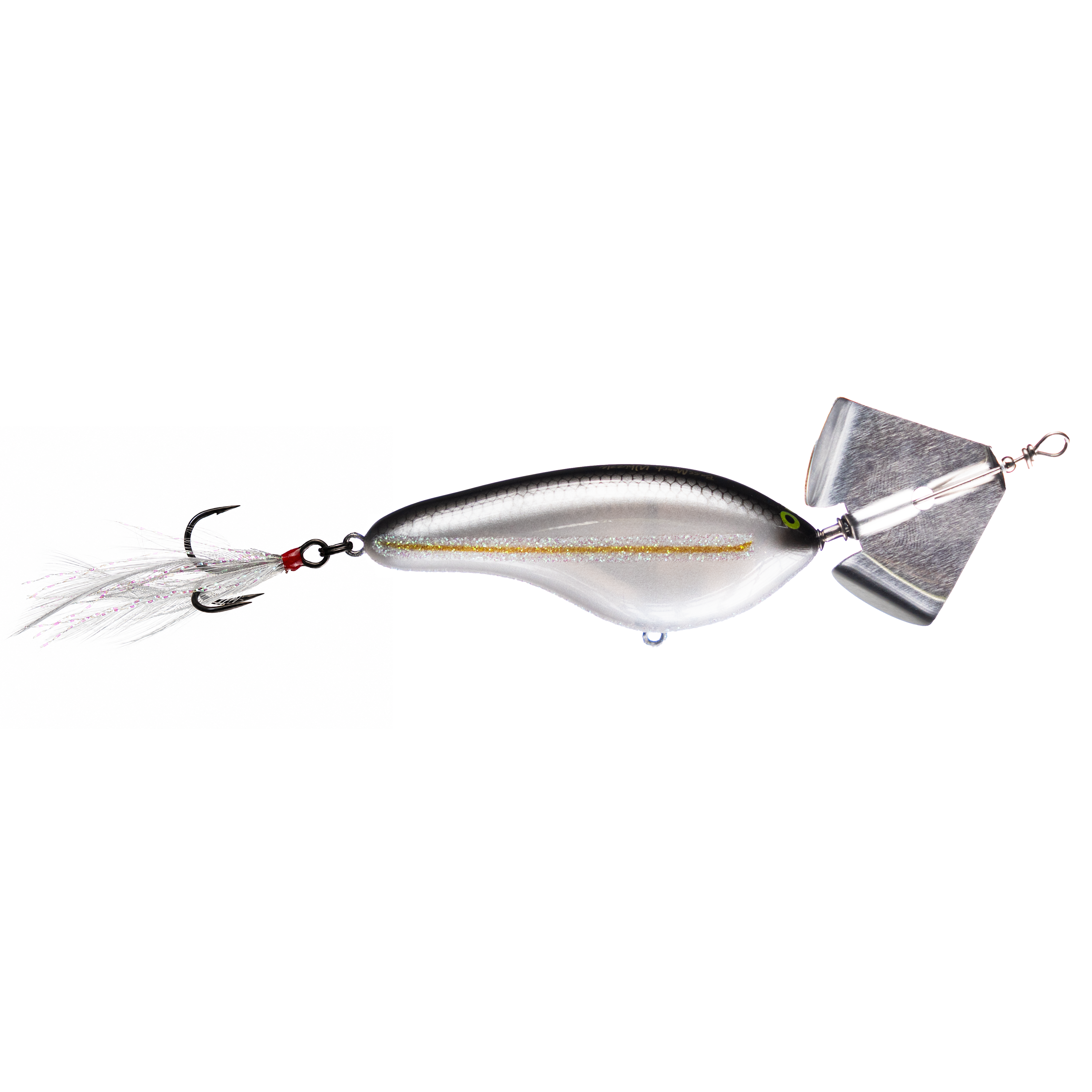
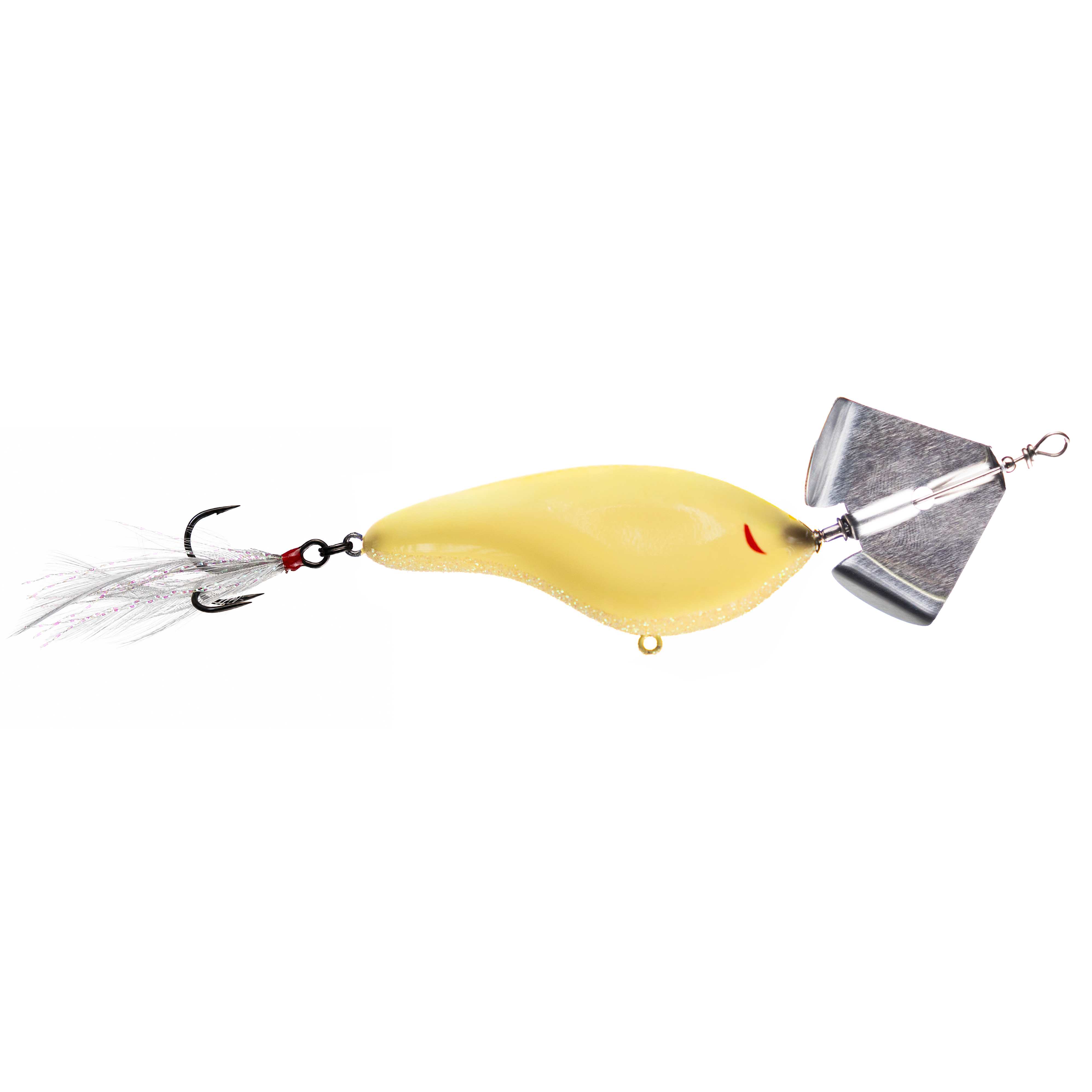
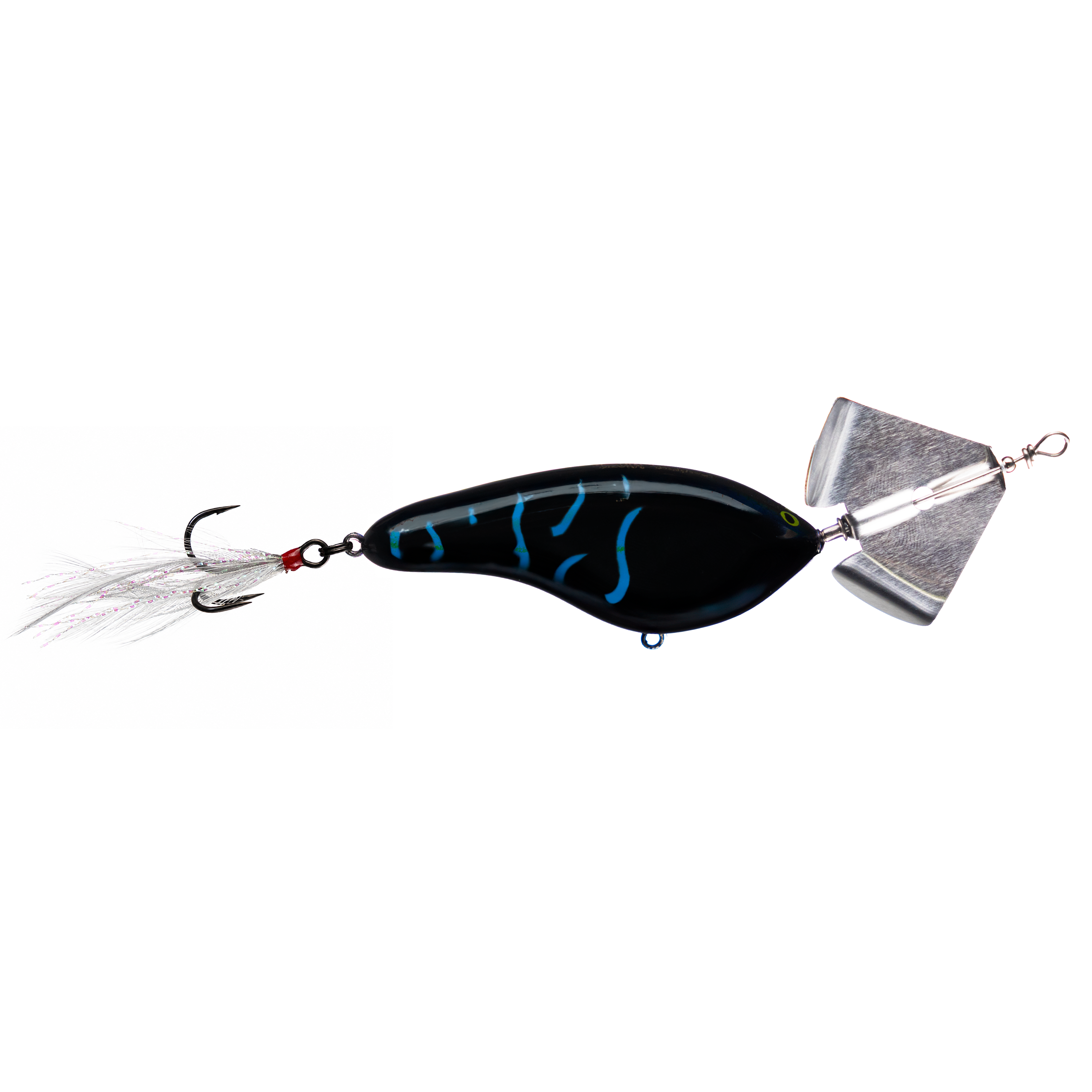
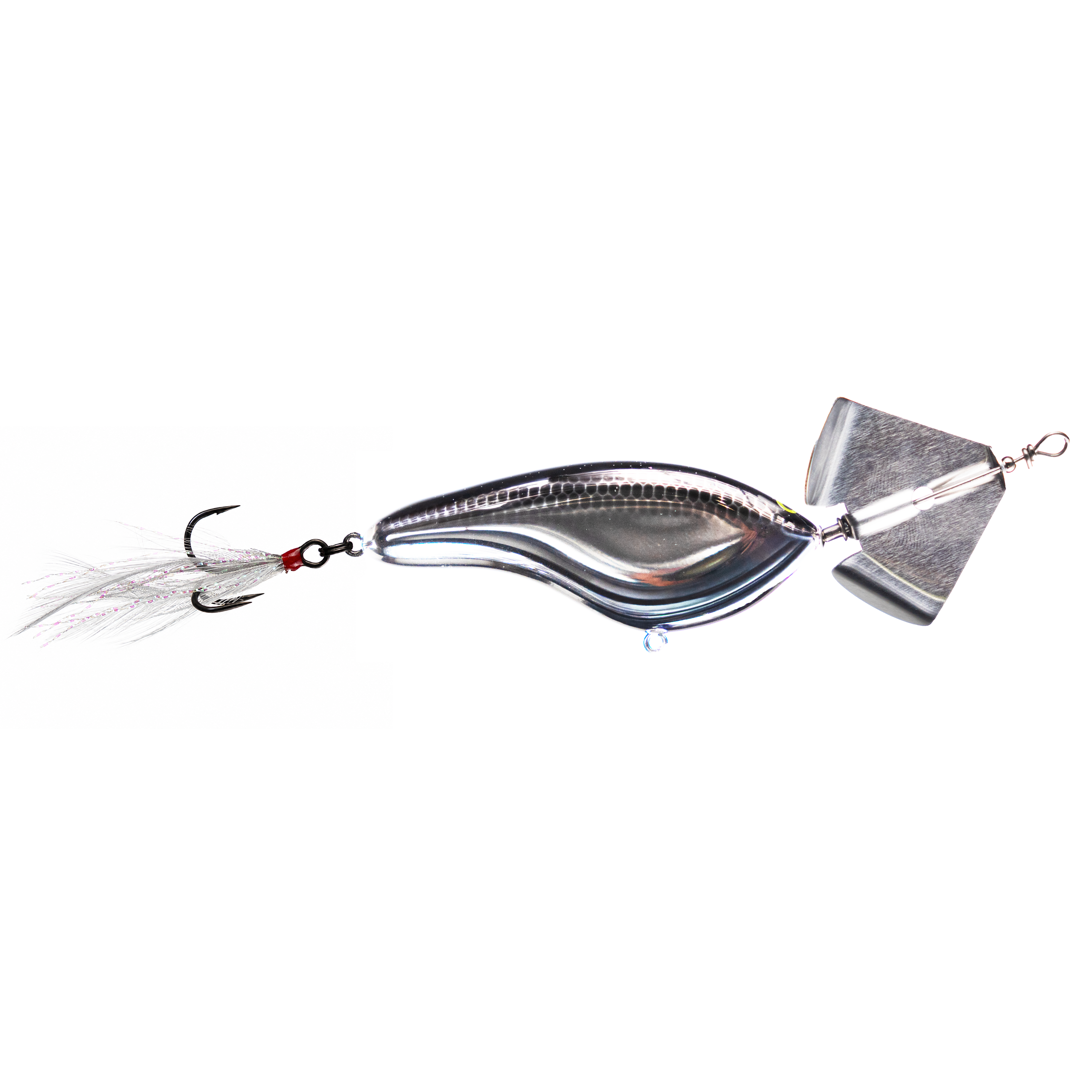
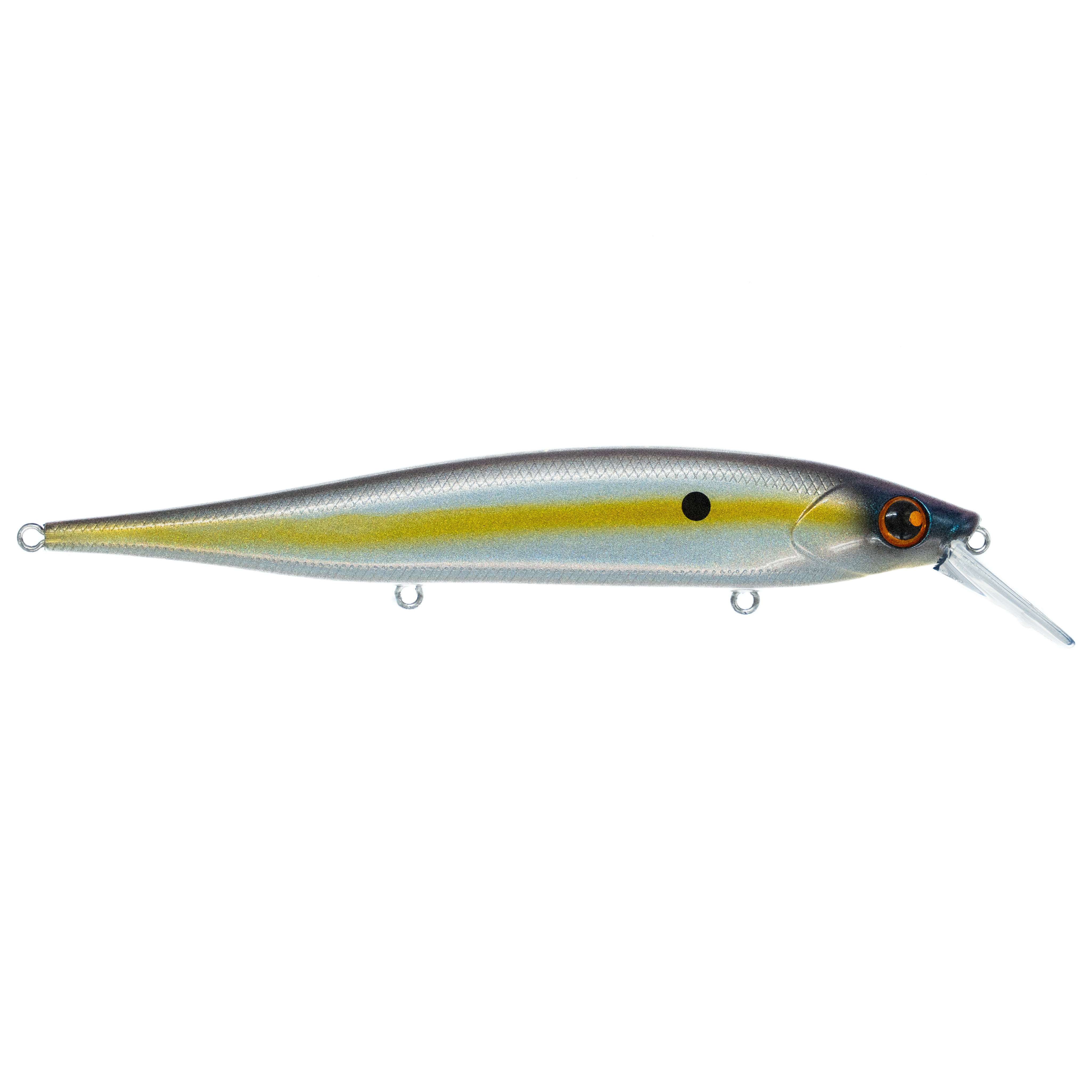
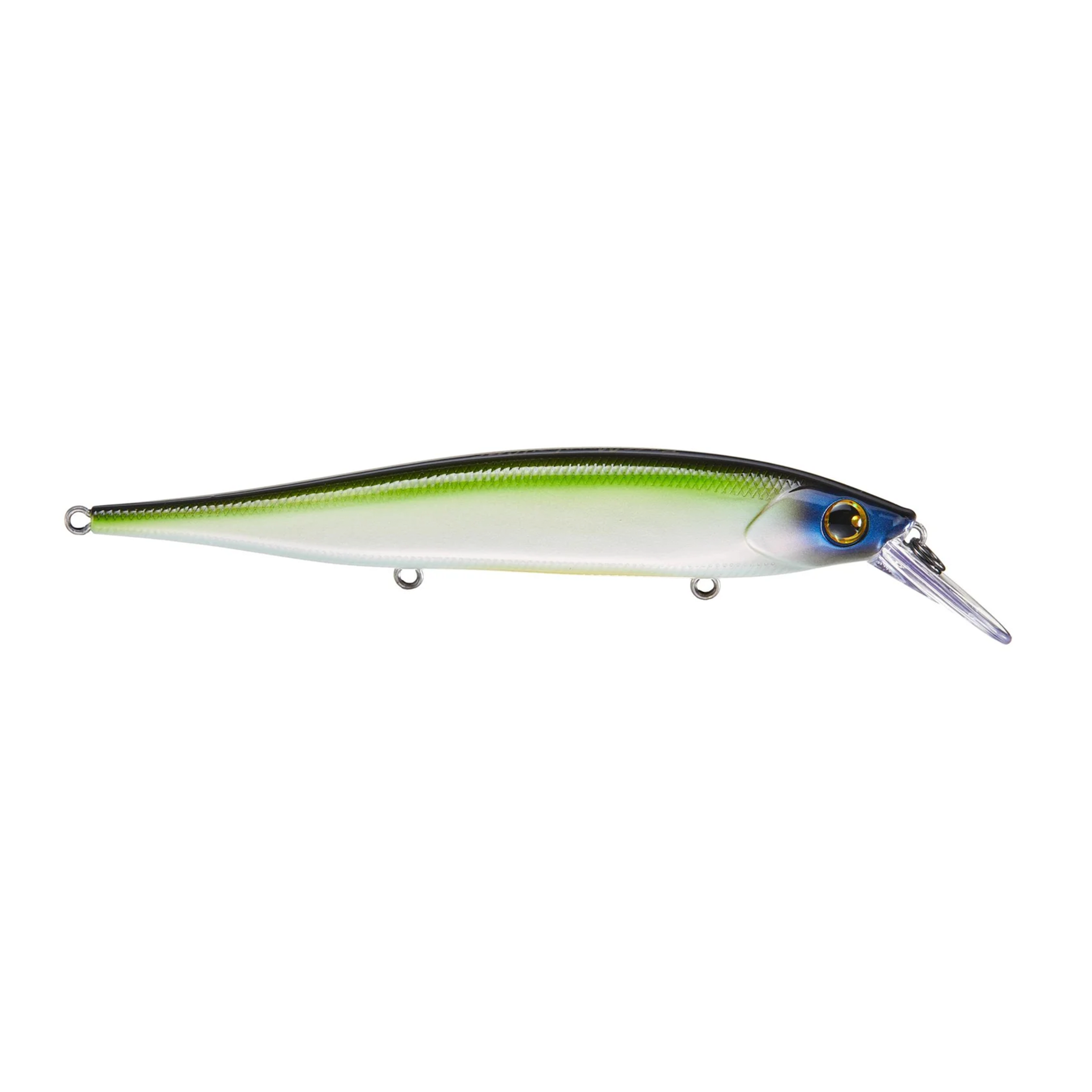
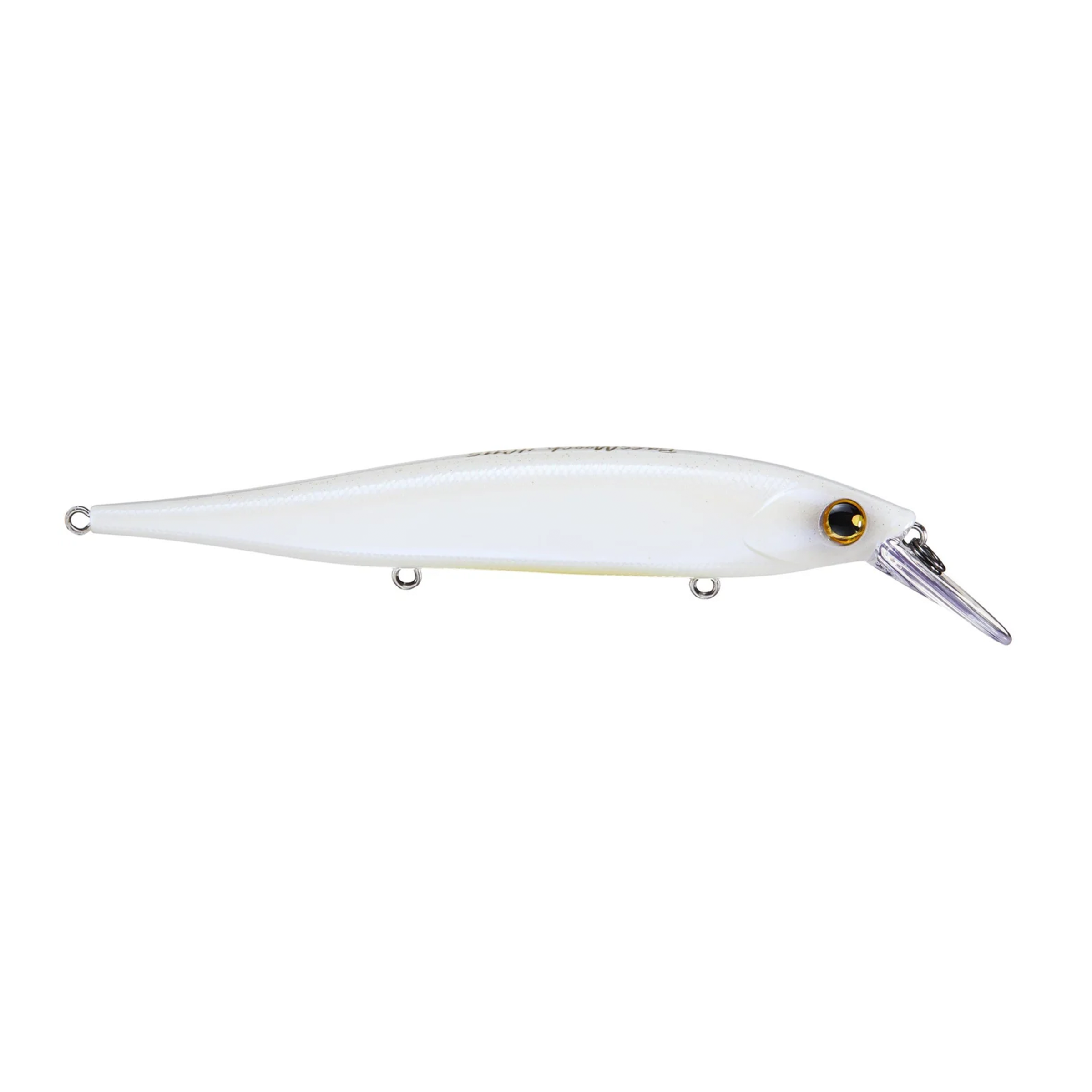
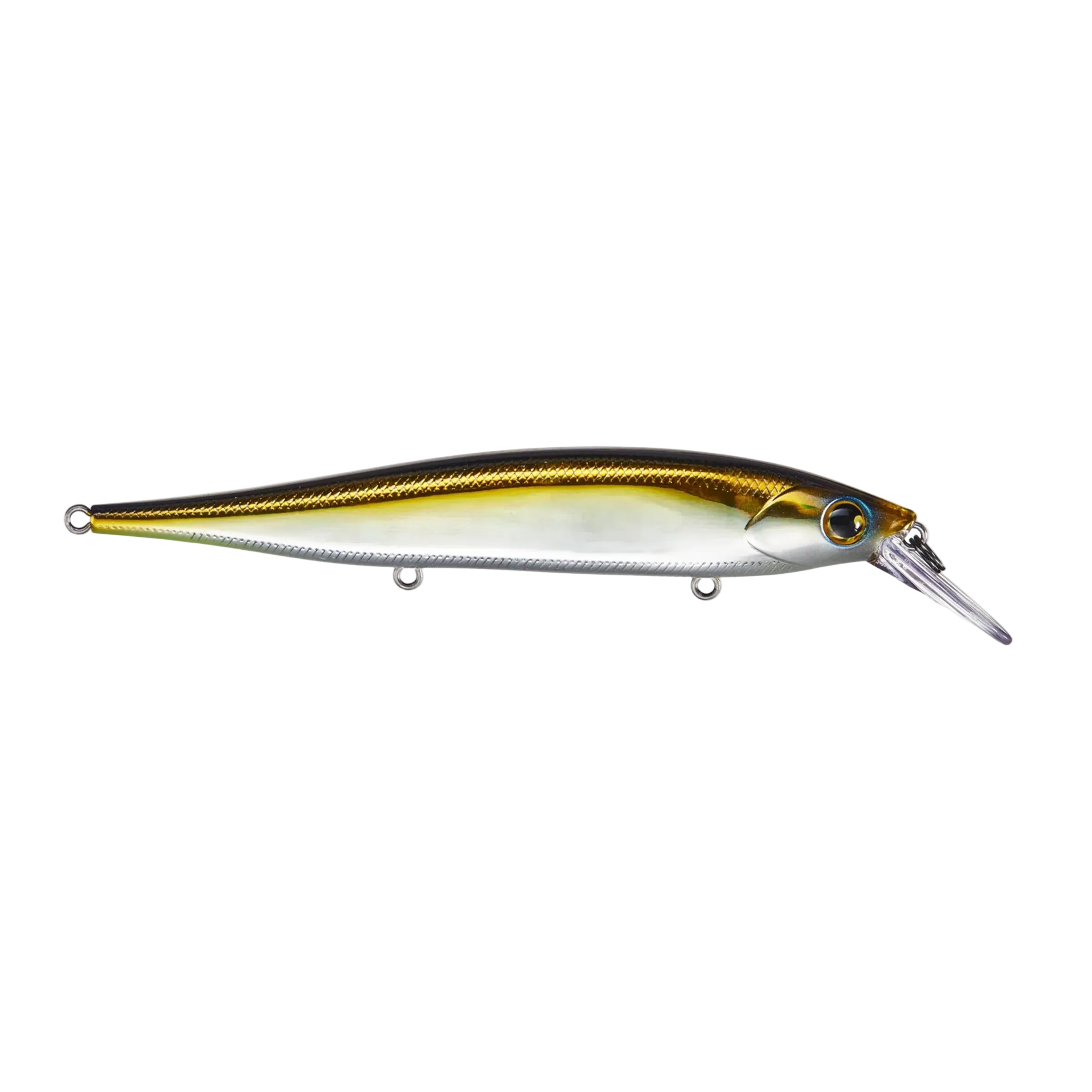
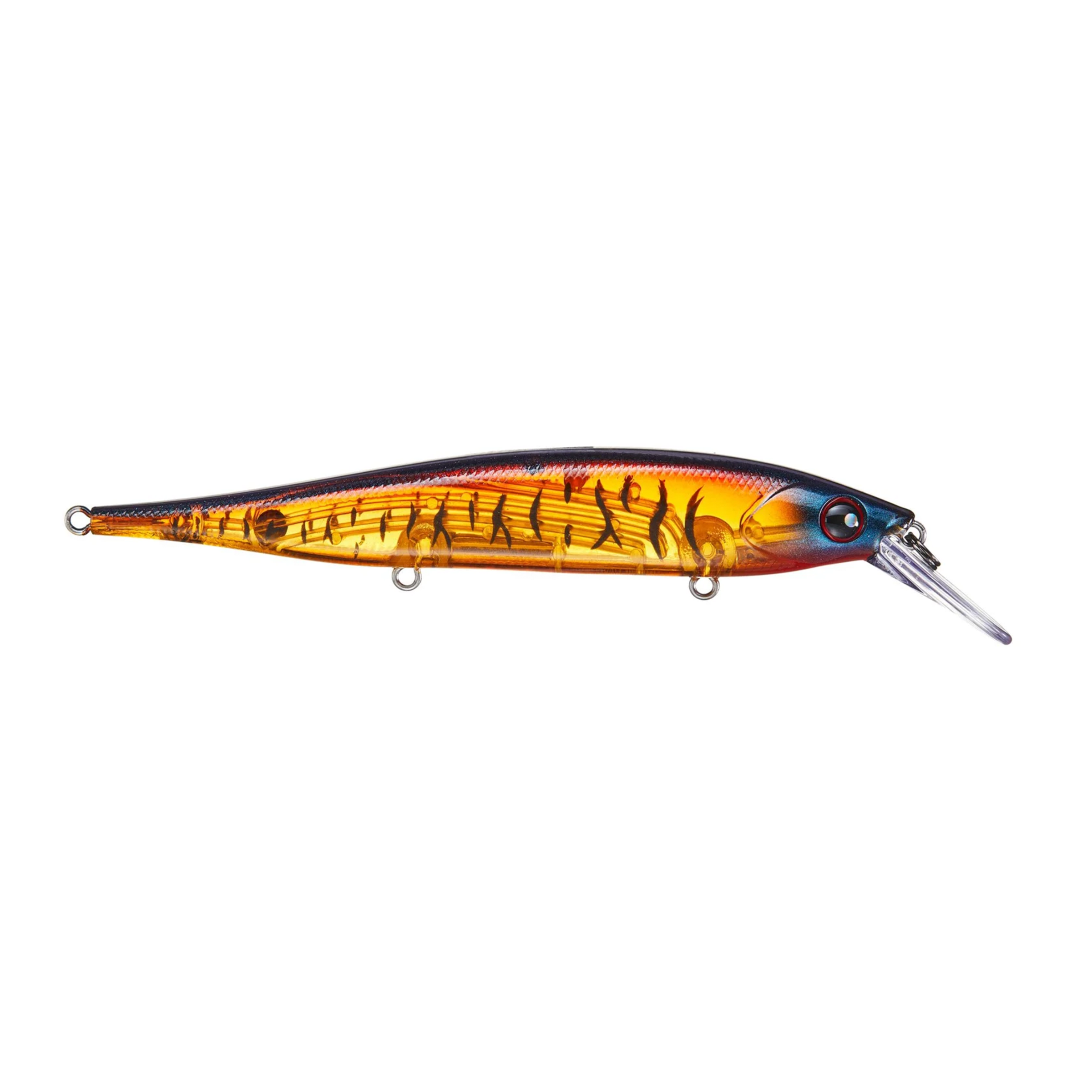
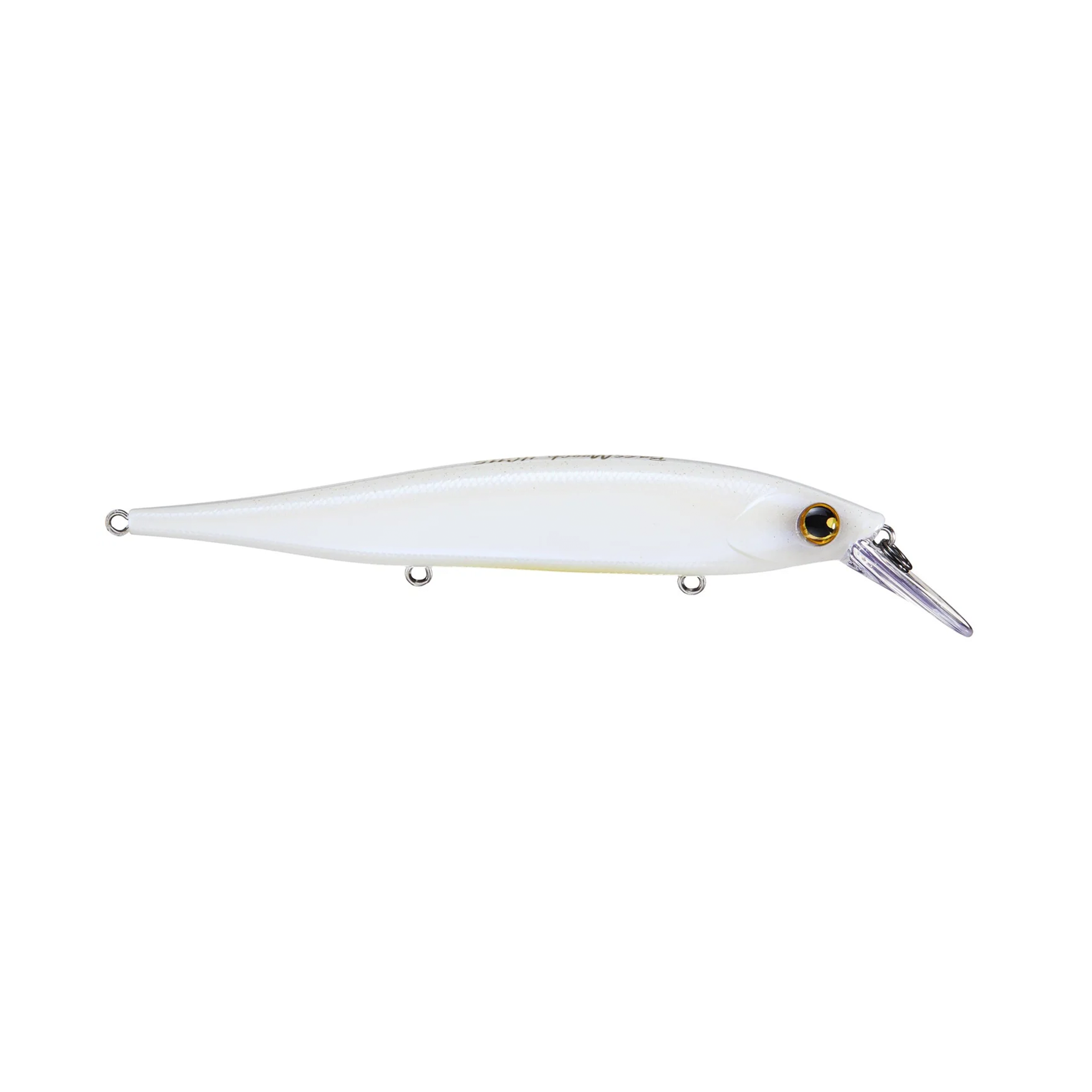
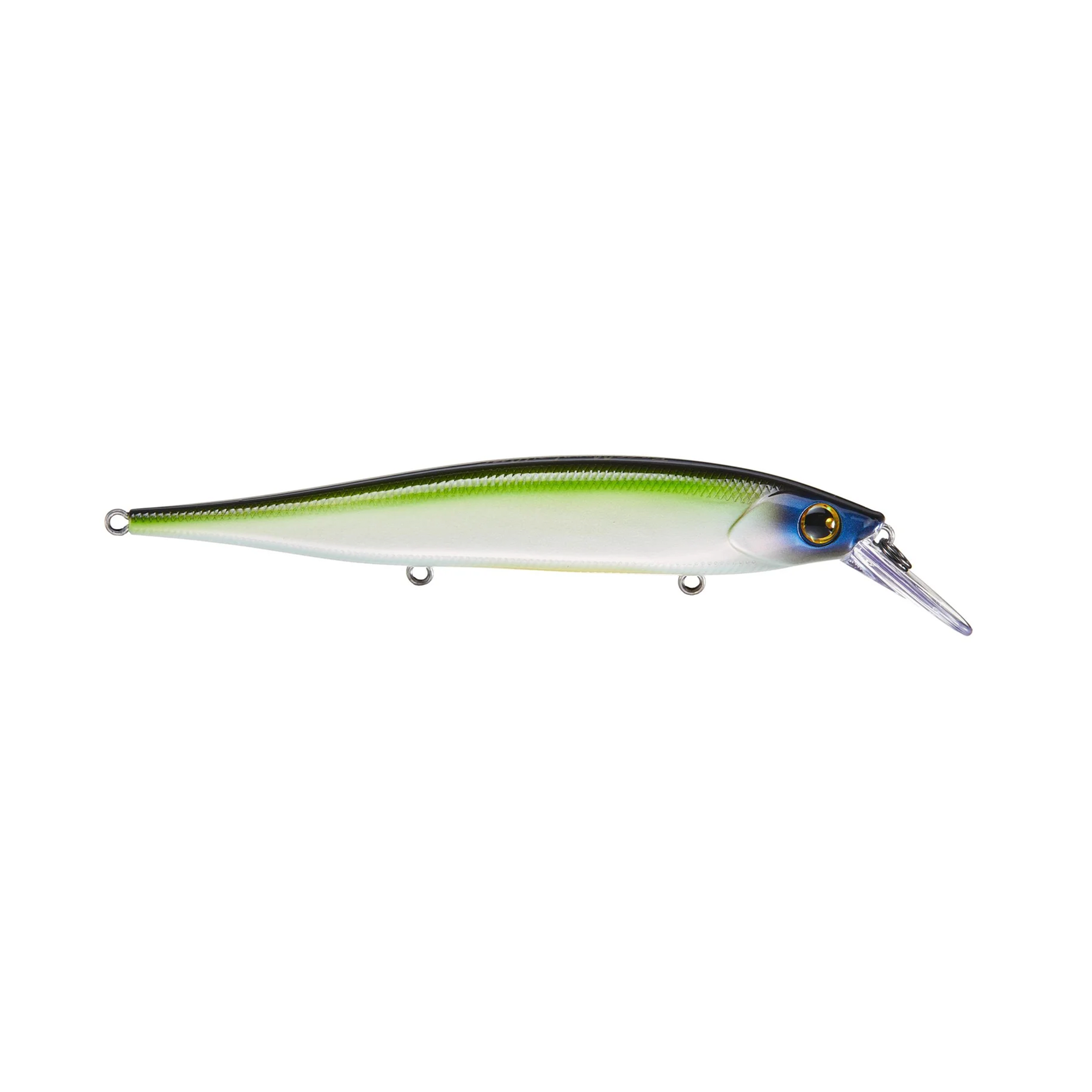
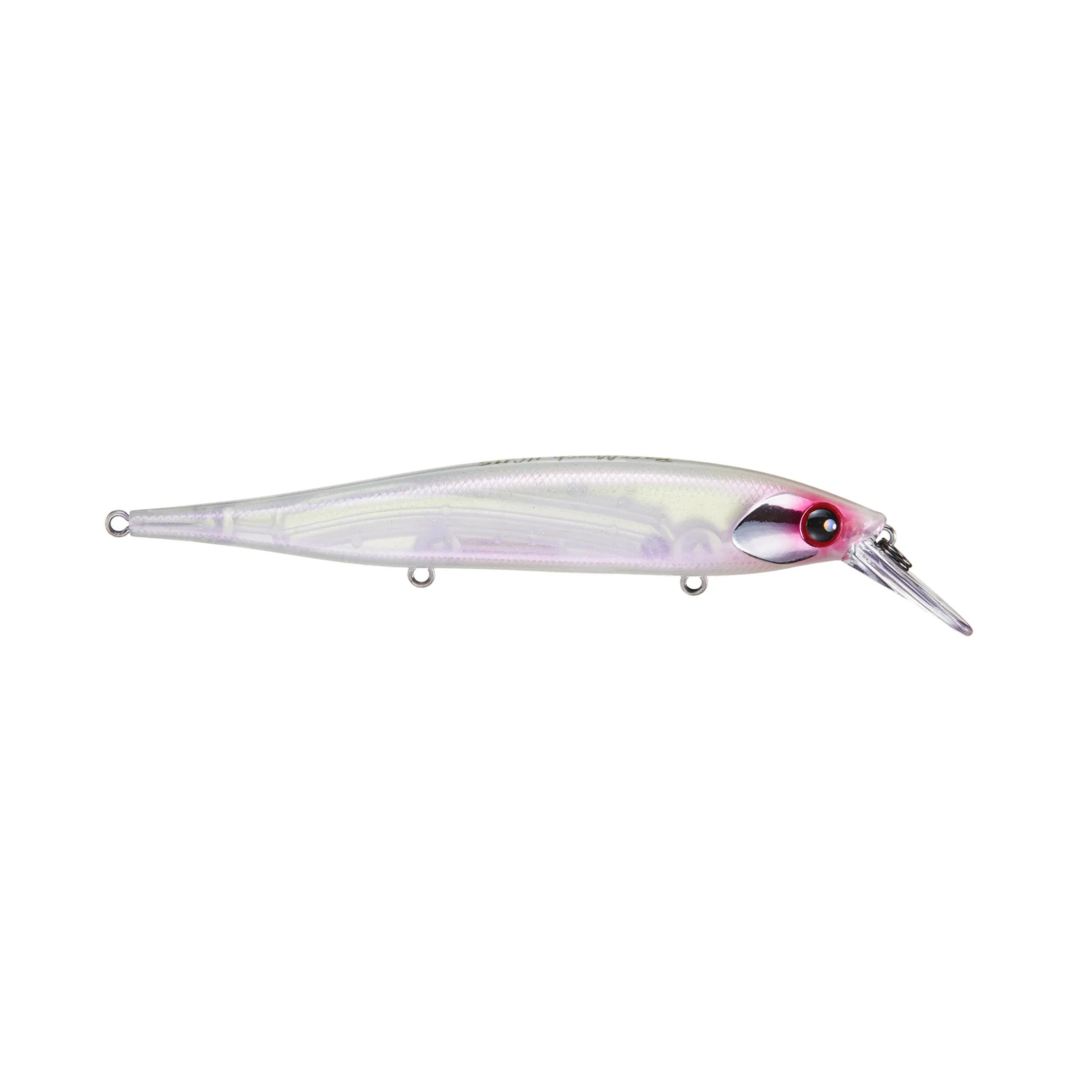
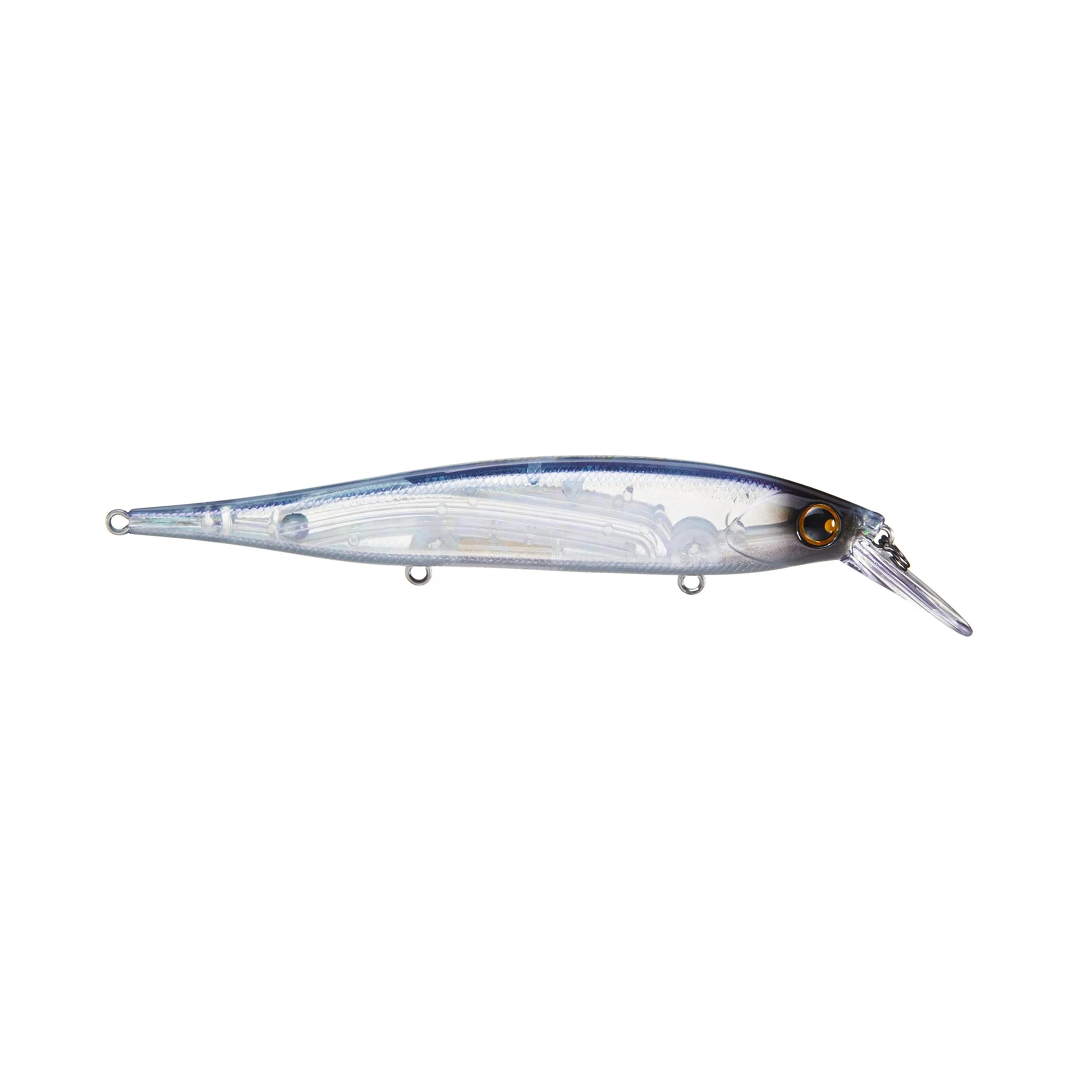
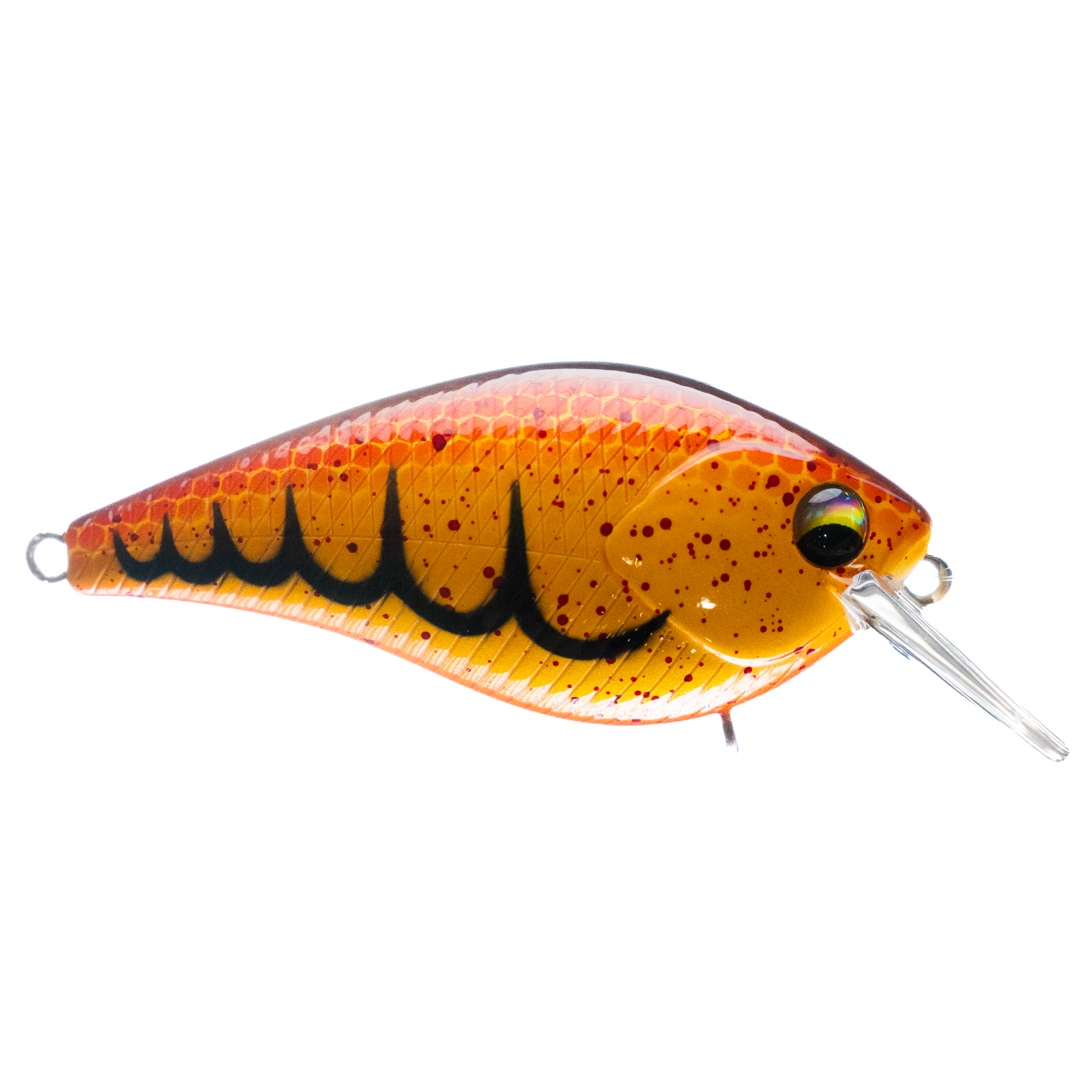
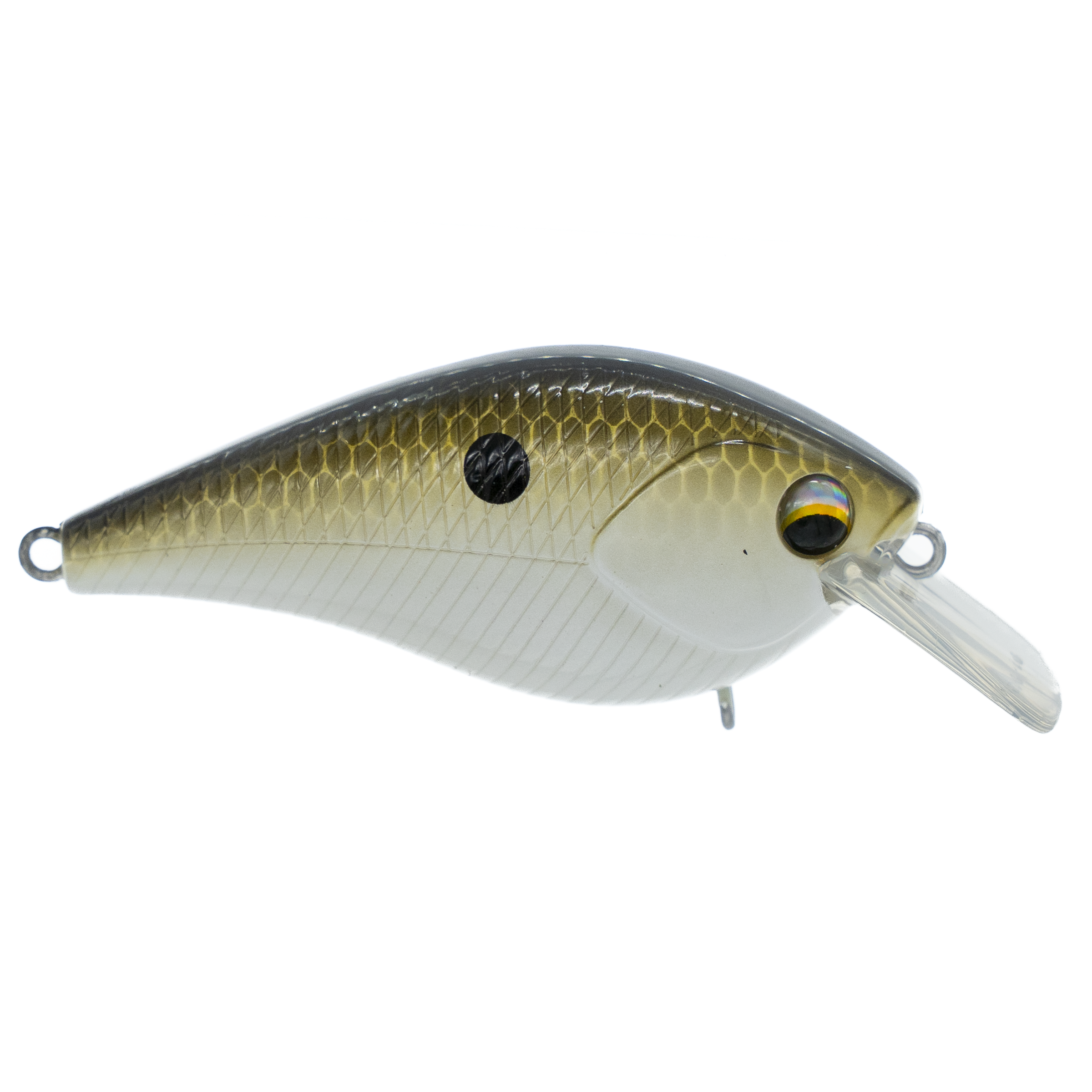
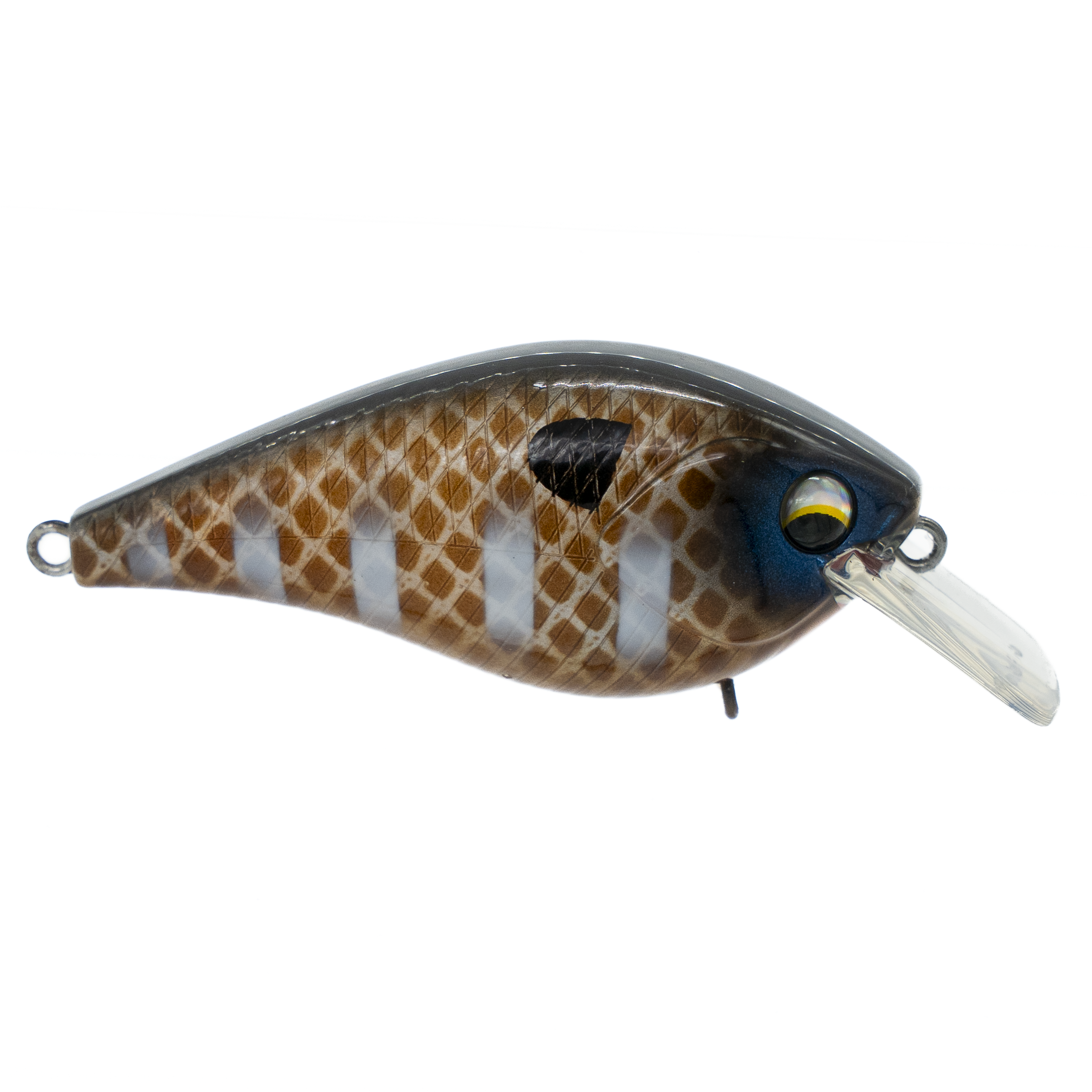
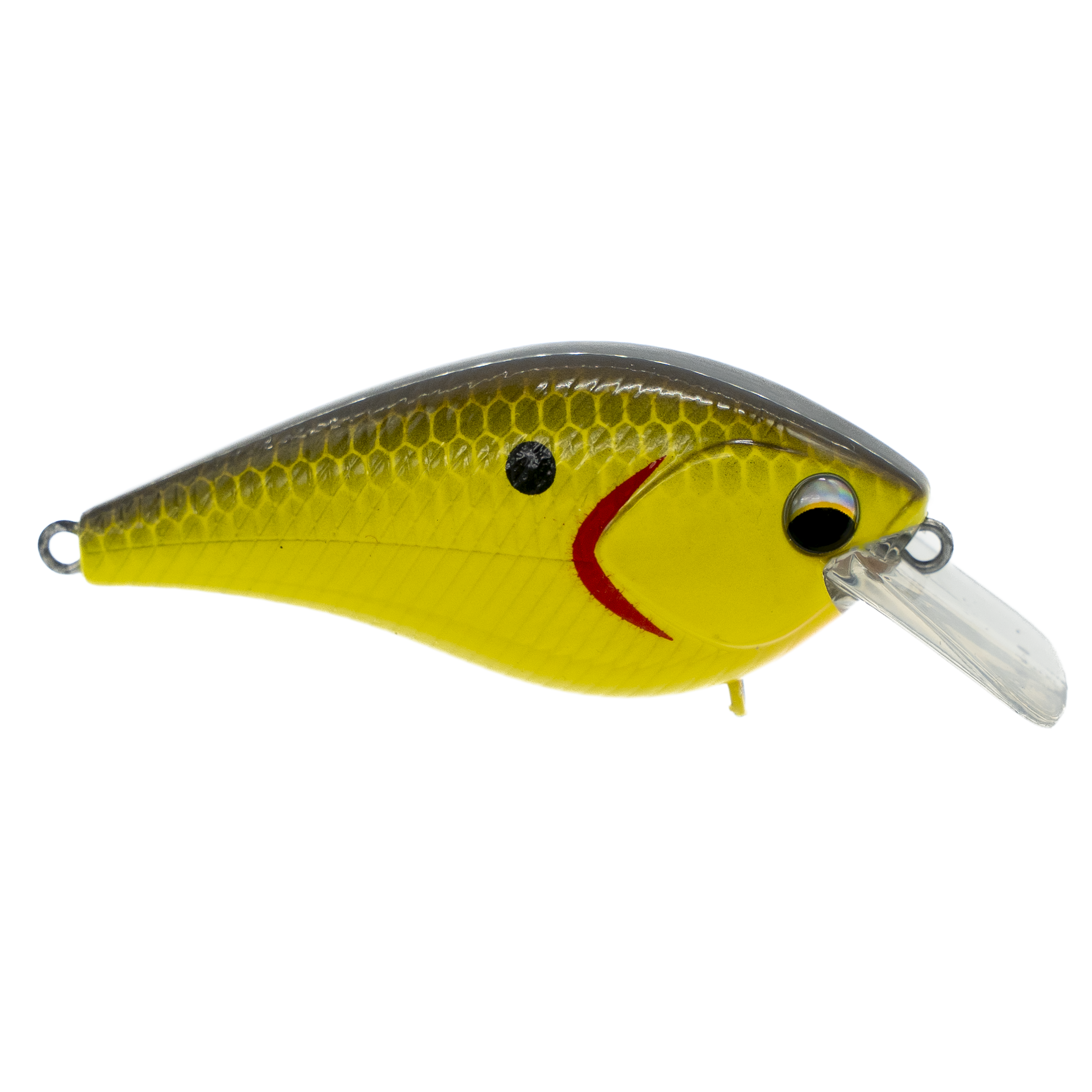
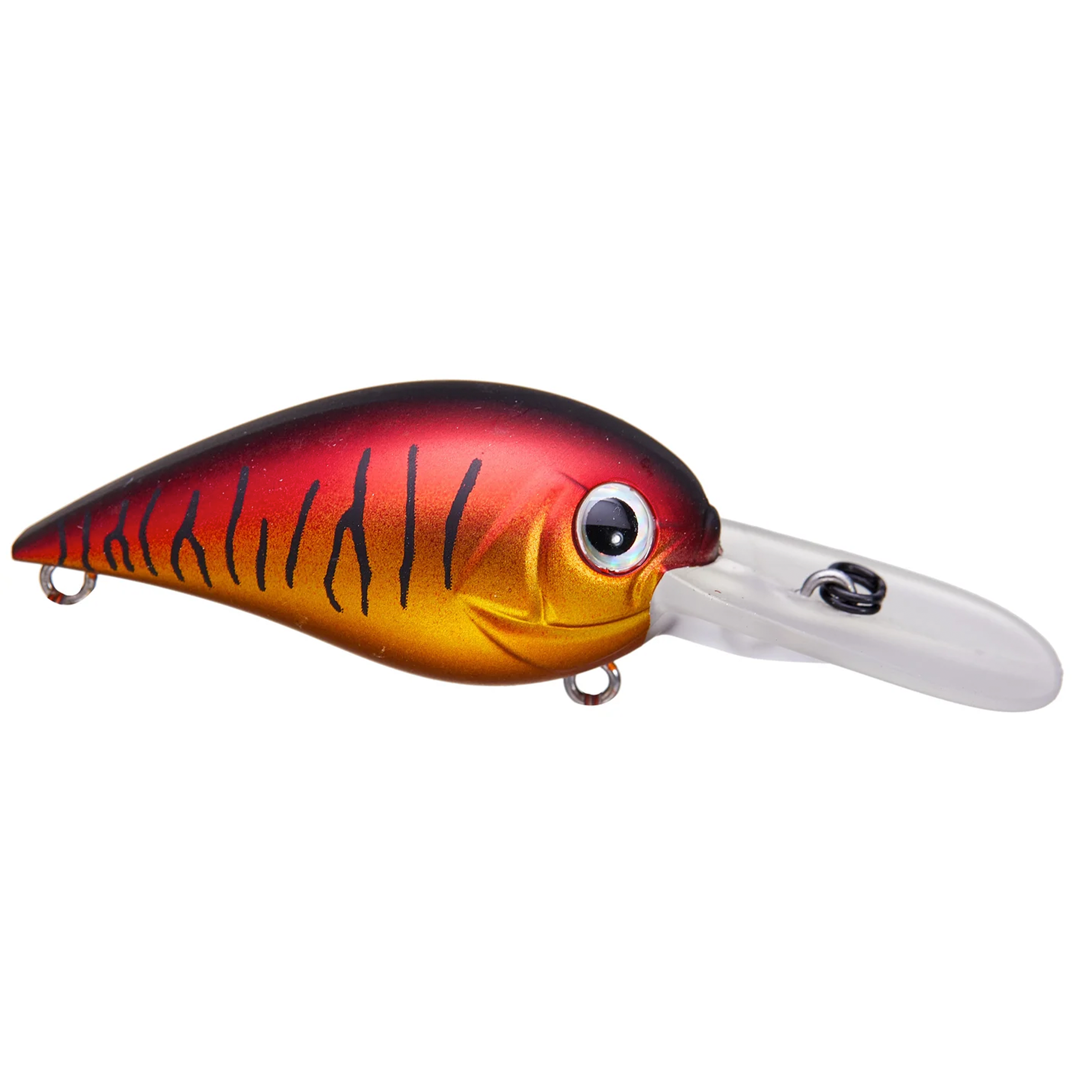
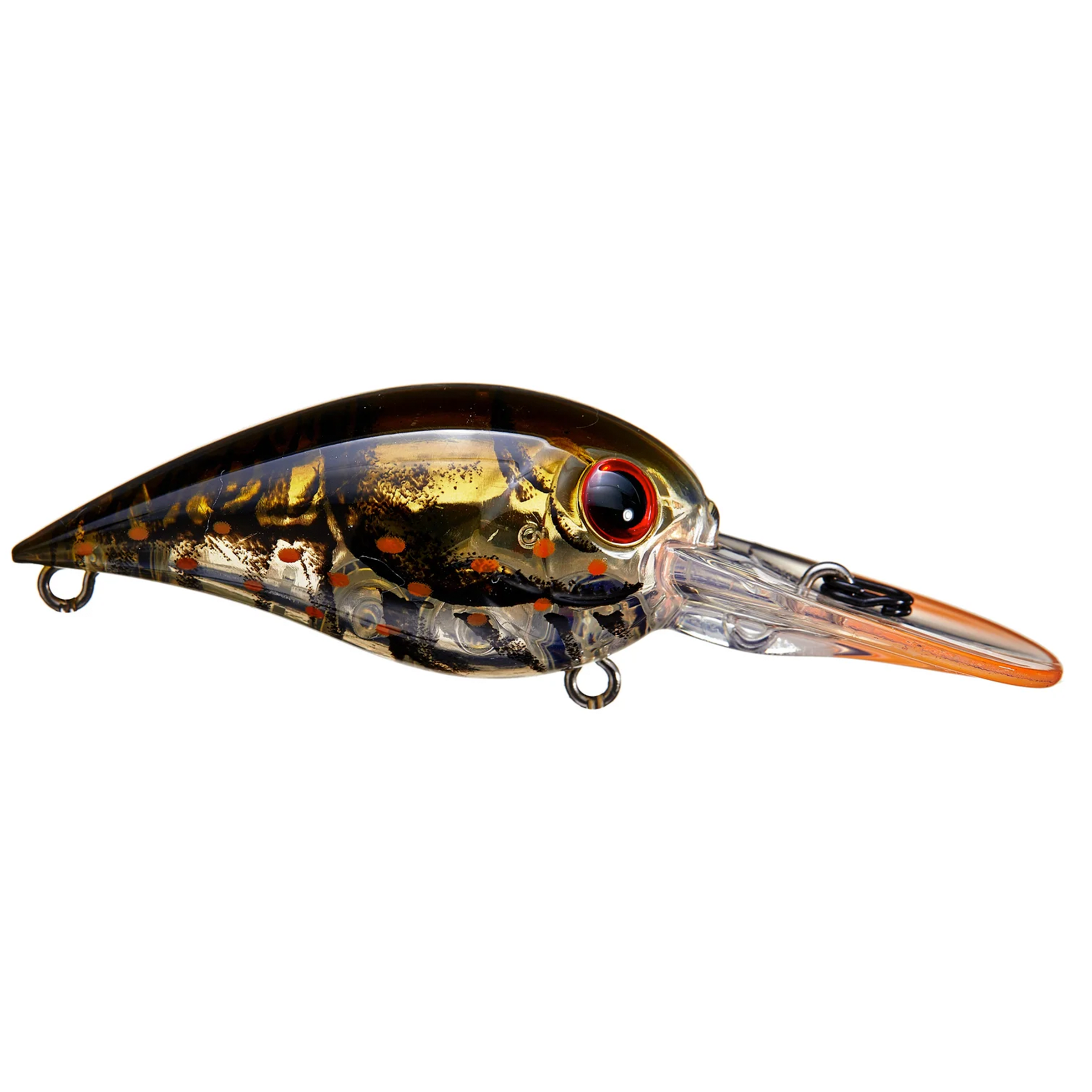
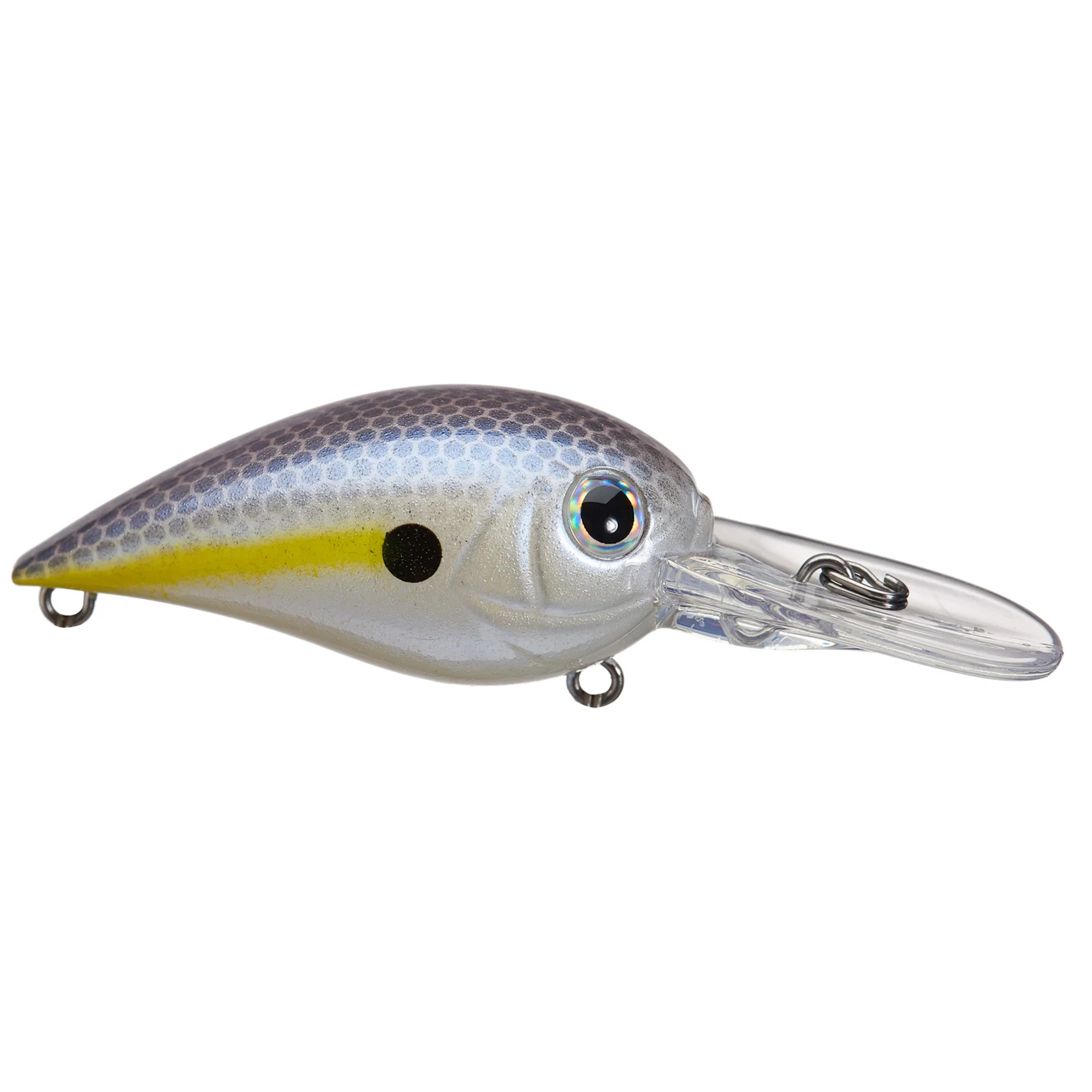
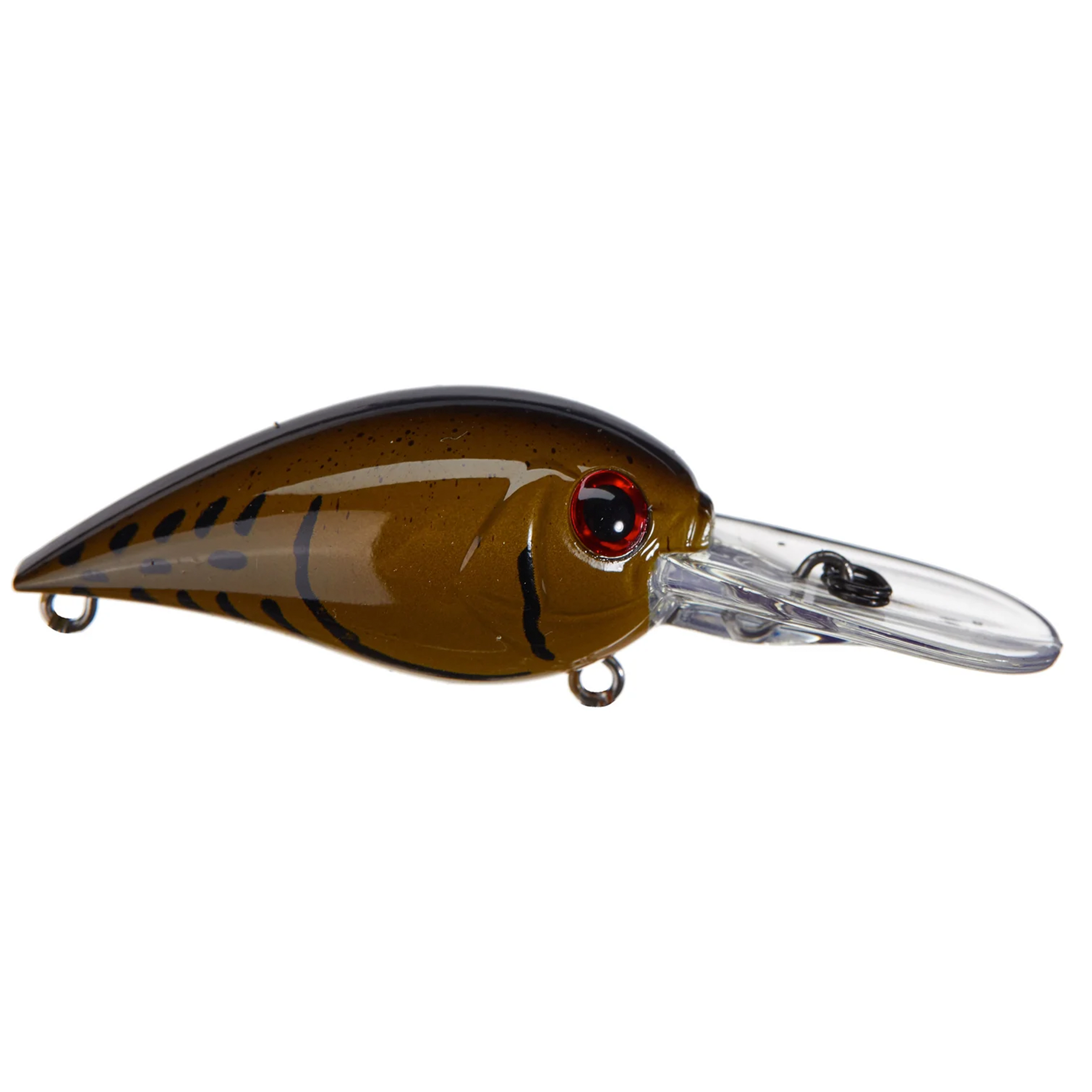
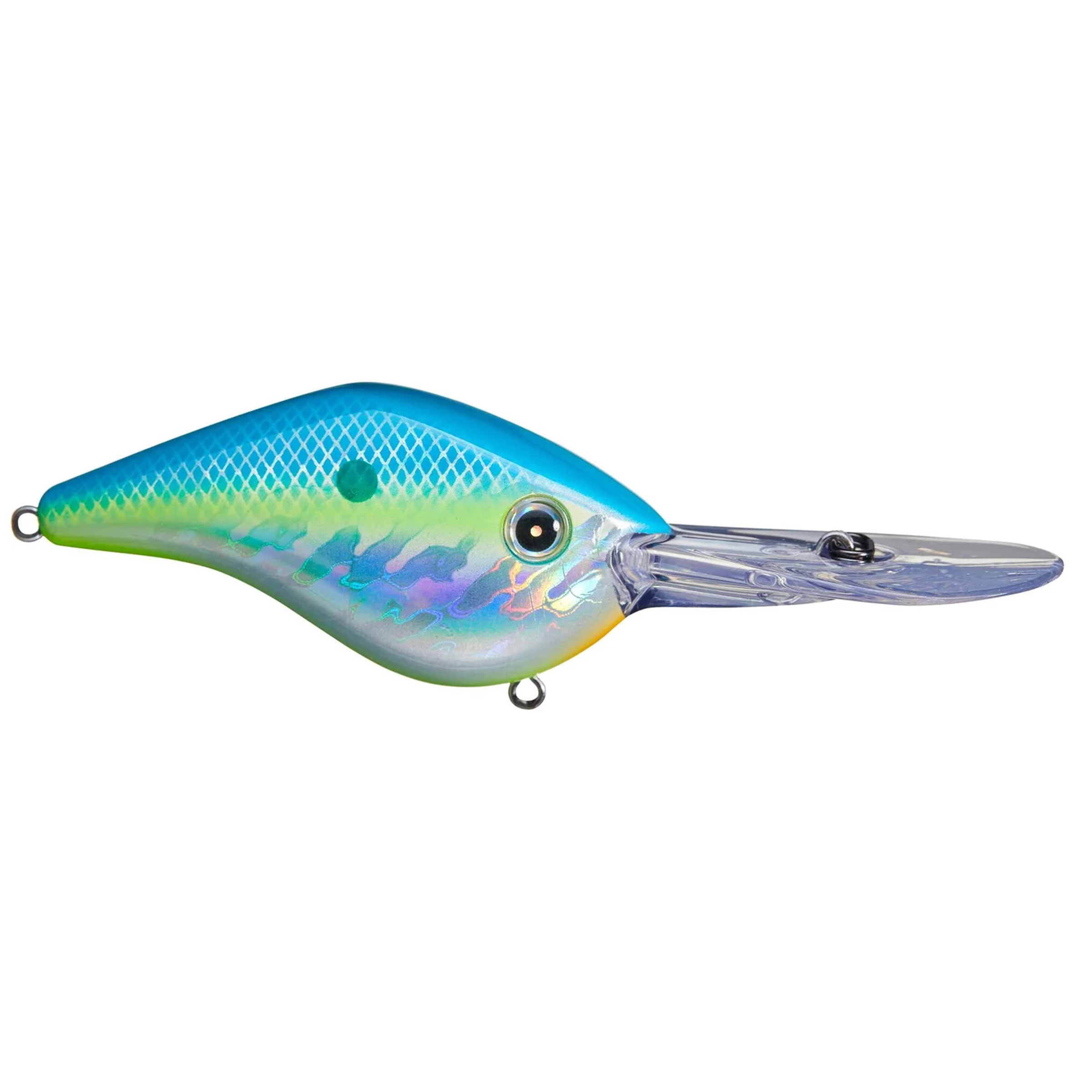
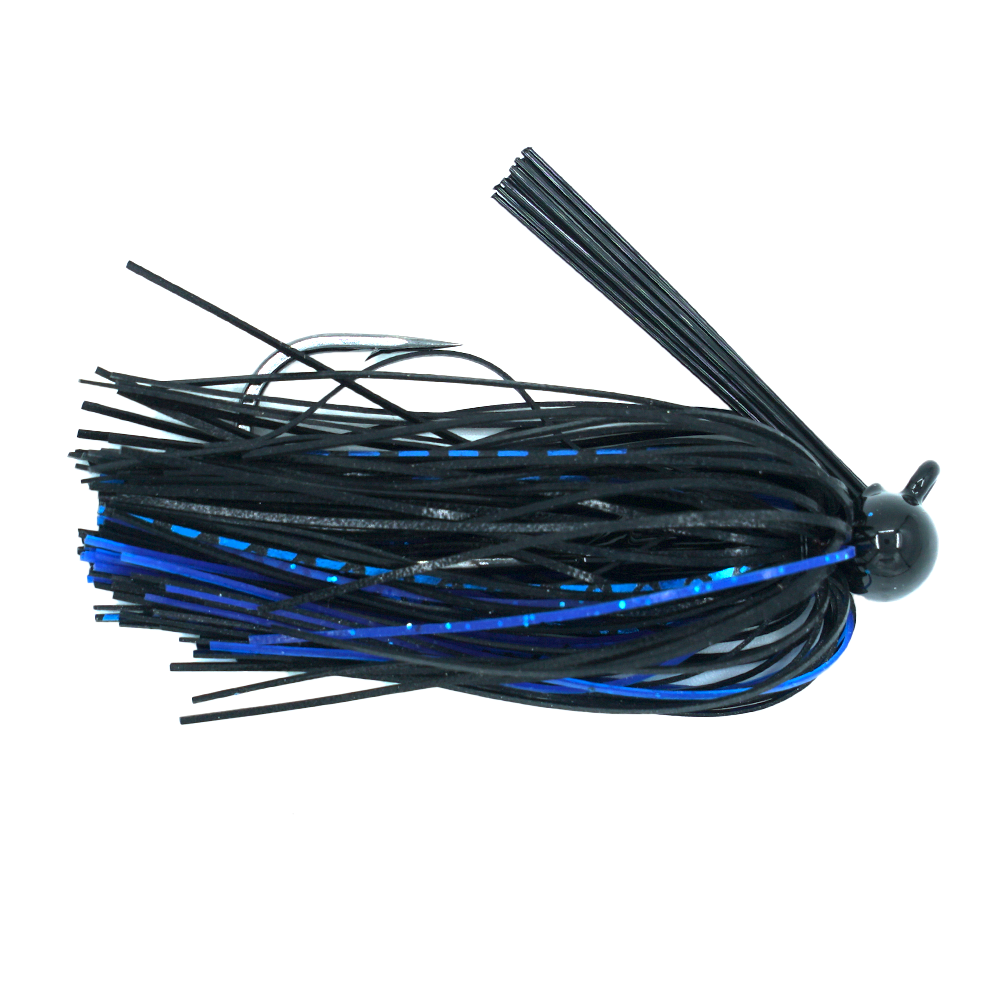
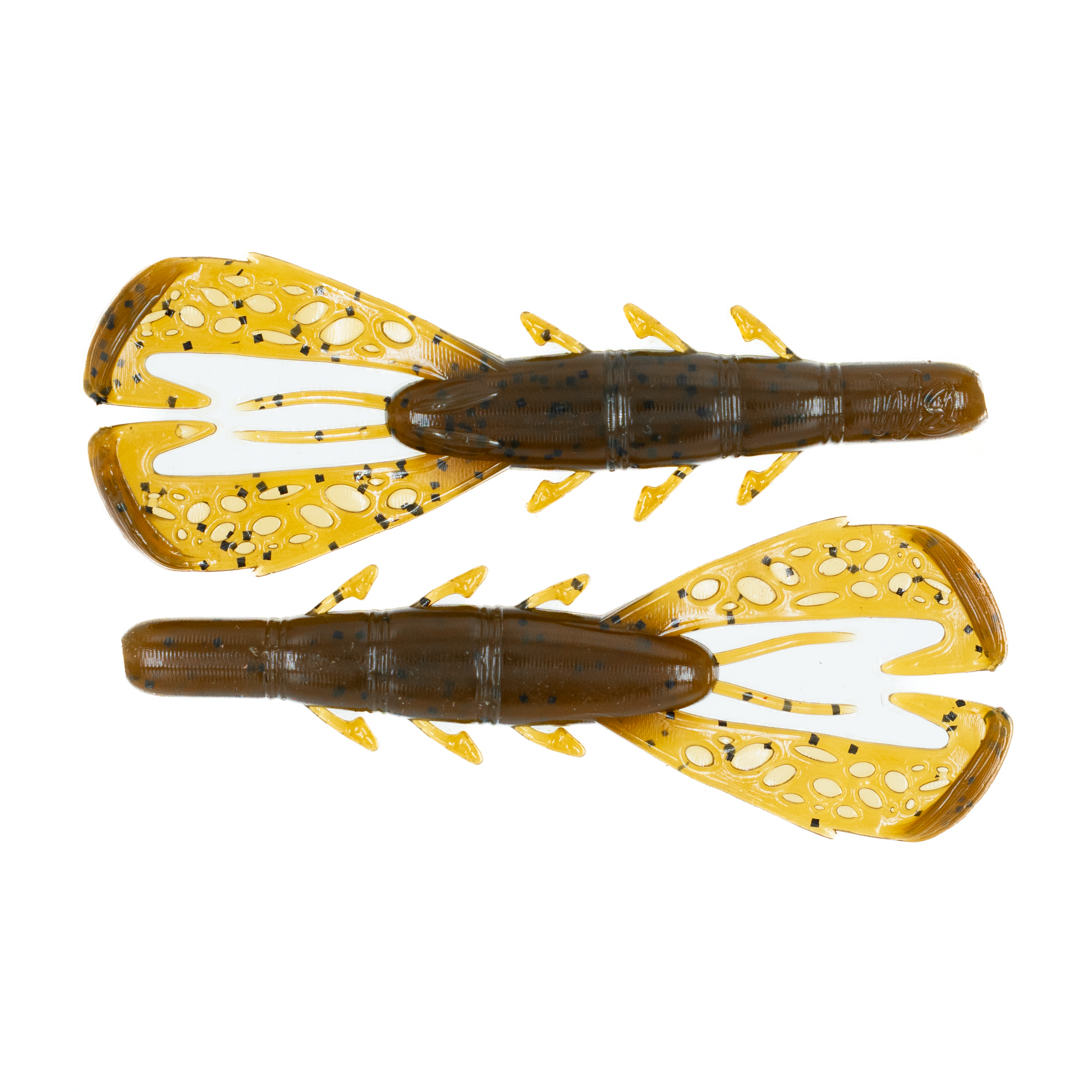
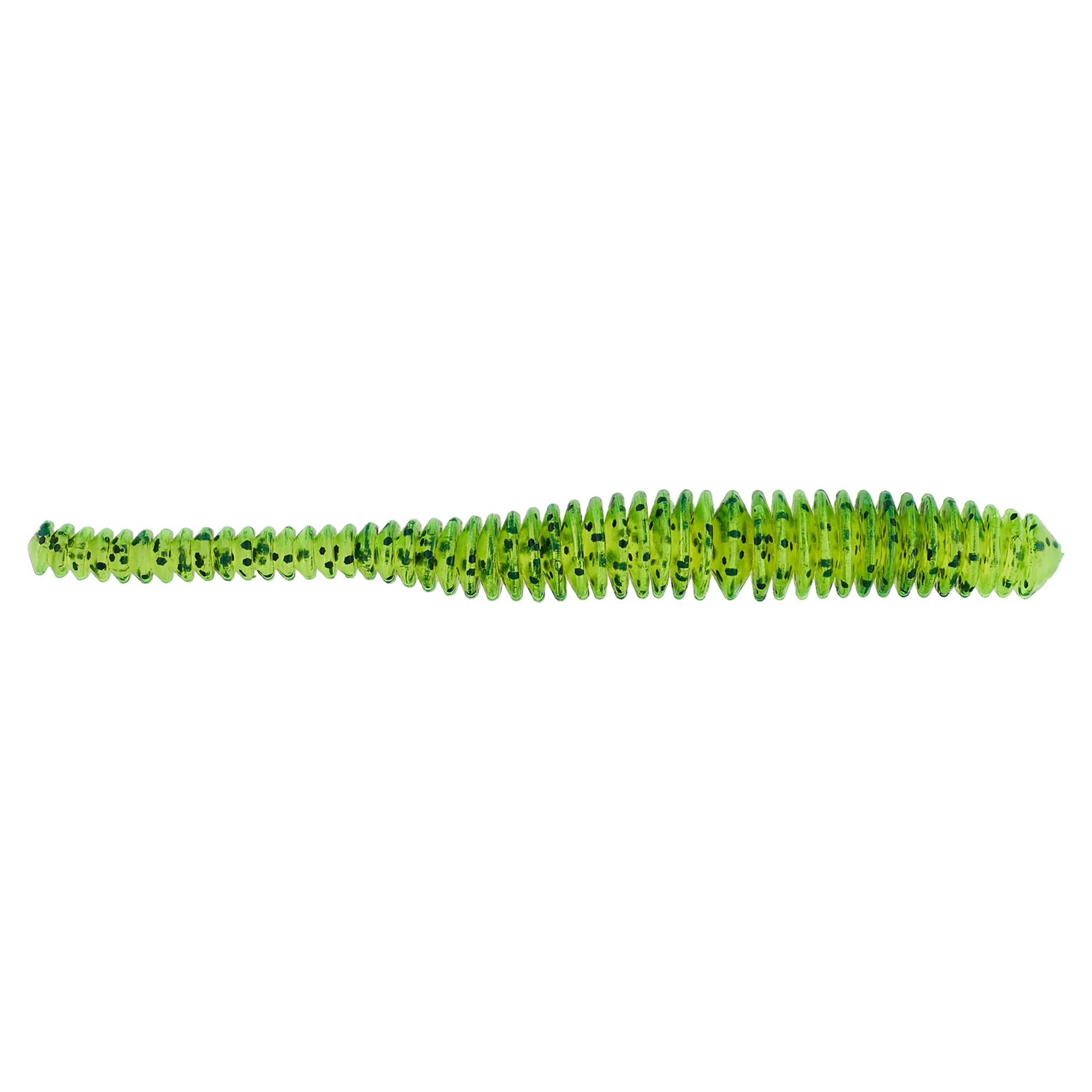
Weedless everything in the vegetation — frogs, flipping baits and spinnerbaits. Soft jerkbaits and floating worms in spring, topwater for the summer and autumn schoolers, and deep crankbaits and Carolina rigs on the ledges. Our full bait lineup covers all four seasons.
Do I need a fishing license?
Yes, a Mississippi fishing license from the Department of Wildlife, Fisheries and Parks. Check current black bass regulations for the reservoir before you go.
Frogs and Flipping
A lake defined by vegetation asks for two things from a rod: the power to drive a hook through a frog and a mat of grass, and the backbone to keep a big fish moving once she is hooked in it. Level Rods builds heavy models for exactly that job.
Tournament Winning Baits & Gear
Designed, crafted and tested by anglers who fish heavy vegetation every week. Free shipping on orders over $75.
Shop All Baits