Rodman Reservoir Bass Fishing Guide
Rodman Reservoir Bass Fishing, Season by Season
Nine and a half thousand acres of drowned river swamp south of Palatka, fifteen miles long, packed end to end with standing timber. Rodman has been synonymous with lunker bass since 1968 — and it is good enough that national tournaments regularly declare it off limits.
The Reservoir That Gets Ruled Off Limits
Rodman Reservoir — also called Lake Ocklawaha — was created in 1968 when the Army Corps of Engineers built an earthen dam across the Ocklawaha River in Putnam and Marion counties. It runs about fifteen miles and covers roughly 9,500 acres. The four-gate Kirkpatrick Dam controls the flow. Anglers coming from the St. Johns reach it through a seven-mile canal and the Buckman Lock.
Like Lake Rousseau, it was built for the Cross Florida Barge Canal and orphaned when that project was halted. The Corps cleared parts of the wooded riverbank with a machine called the crawler-crusher before flooding; a great deal more was left standing. What resulted is a flooded forest with a river running through it.
It fishes as three distinct zones. From the headwaters at Eureka Dam down to Paynes Landing it is flooded woodland. From Paynes Landing to Orange Springs it transitions into standing timber mixed with floating vegetation. From Orange Springs to Kirkpatrick Dam is the pool section, holding the river channel and the abandoned barge canal, where depths reach thirty feet and submersed hydrilla, coontail and eelgrass are common.
Springs feed the reservoir, and water visibility often runs eight to twelve feet or better — unusual clarity for a Florida bass fishery and a real factor in how you fish it.
The drawdown cycle is the thing that makes Rodman work. Every three to four years the water is dropped, often seven to nine feet below normal between December and March, exposing the bottom so accumulated muck oxidises away and hard bottom is restored for spawning. It also concentrates the fish into a fraction of the usual water, which makes drawdown years extraordinary and worth planning a trip around. FWC has imposed temporary catch-and-release rules during past drawdowns, so check current regulations before you go.
The reservoir has been politically contested for decades, with ongoing proposals to breach the dam and restore the Ocklawaha. Whatever the eventual outcome, the fishery as it stands is one of the best in the country.
What It Took to Win Here
Patterns that produced at the highest level on this water, and the baits to fish them with.
John Crews — Half a Day Here, Every Day
The event was officially on the St. Johns River, but the winner spent about half of every competition day inside Rodman, running the Buckman Lock to get there and back. Cool nights had pushed fish deeper, and Crews reasoned that in a reservoir where a lot of bass live in five to ten feet, a cold snap would push them out further still.
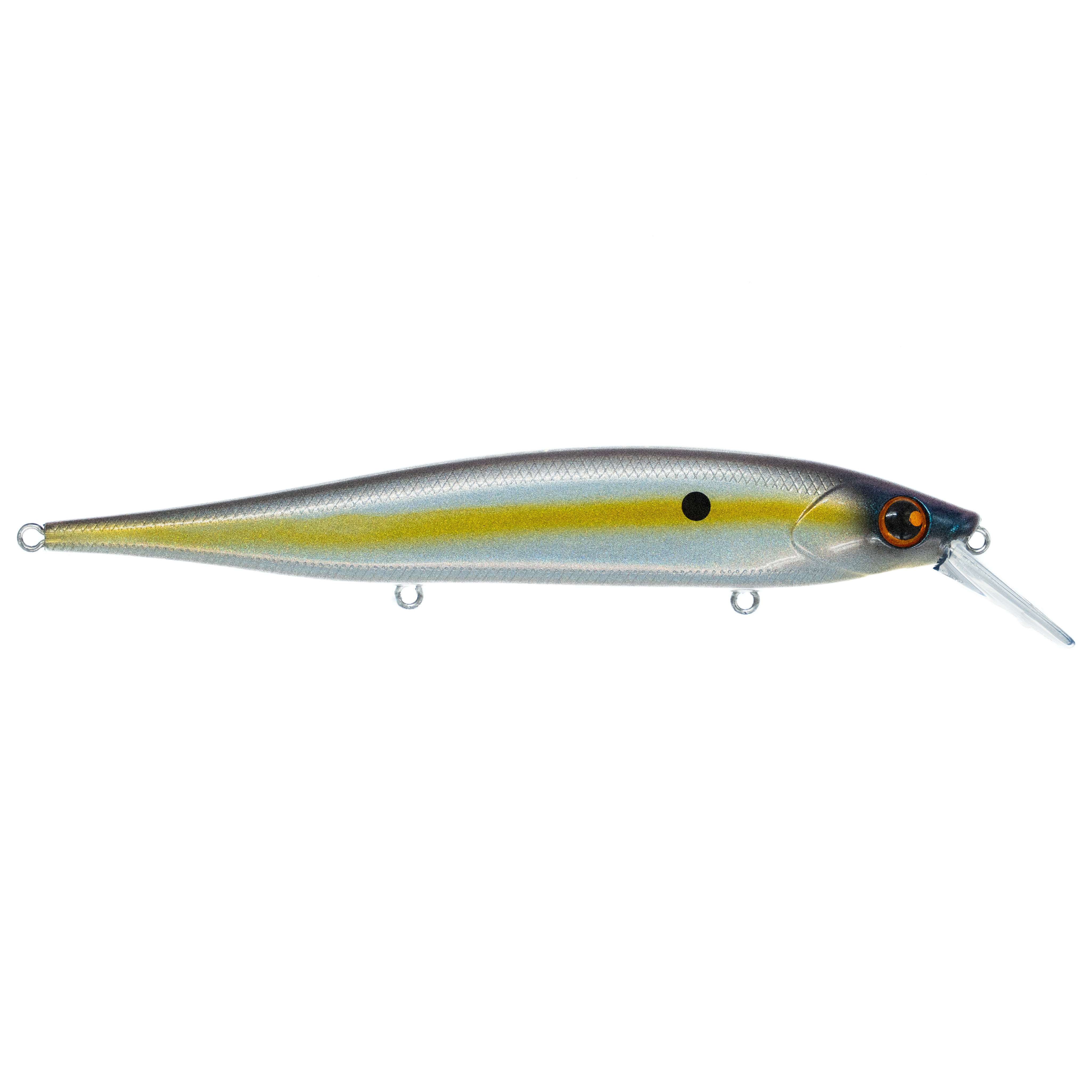
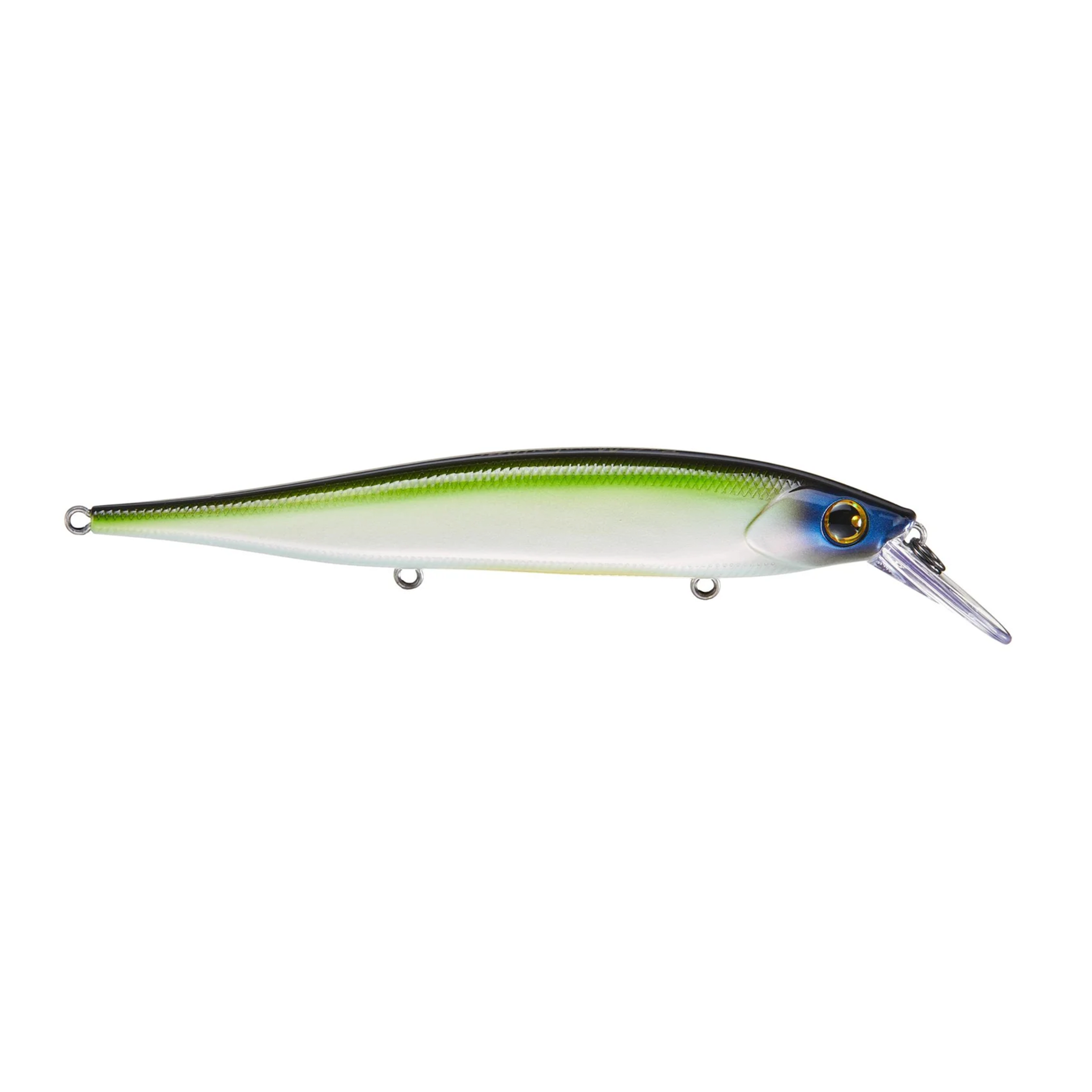
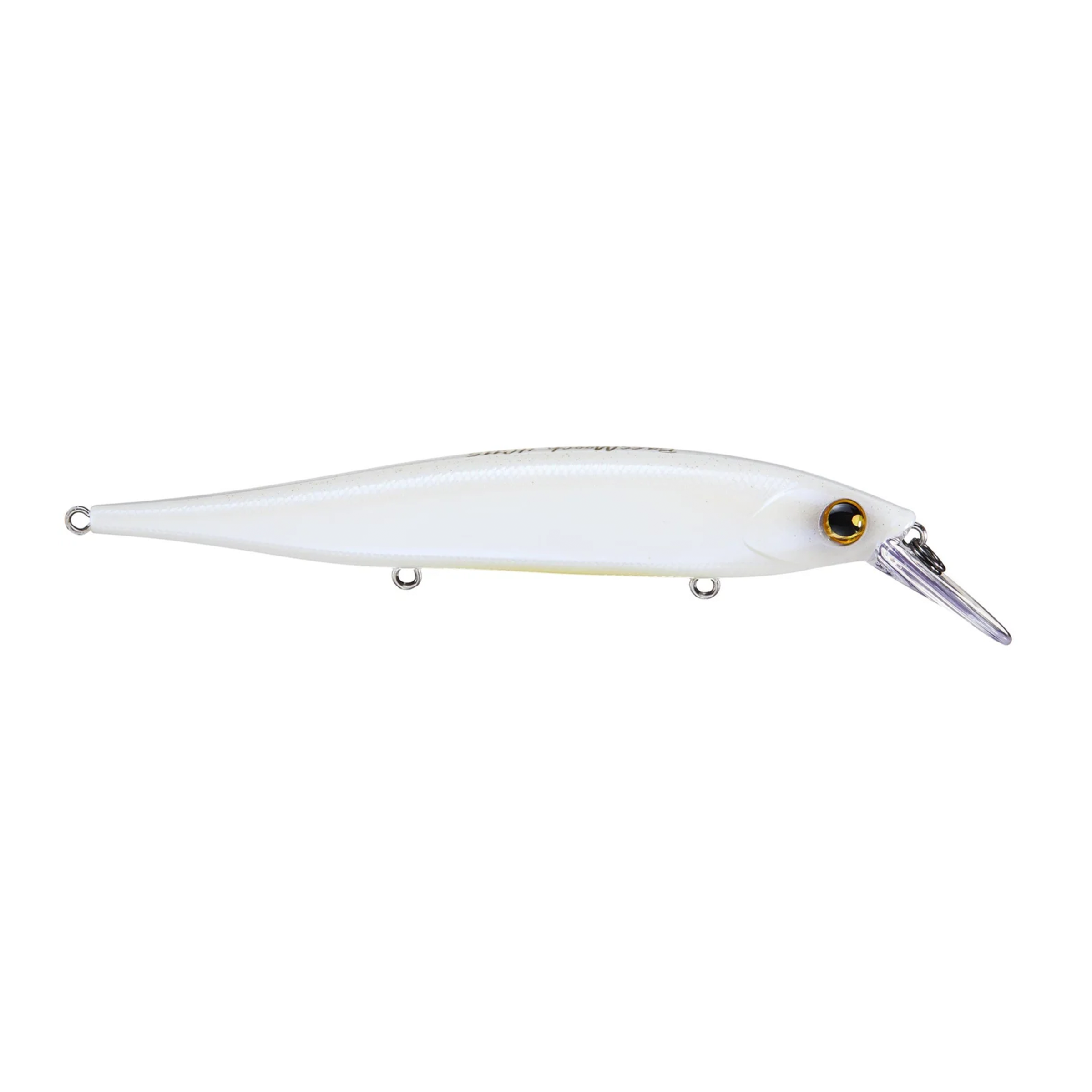
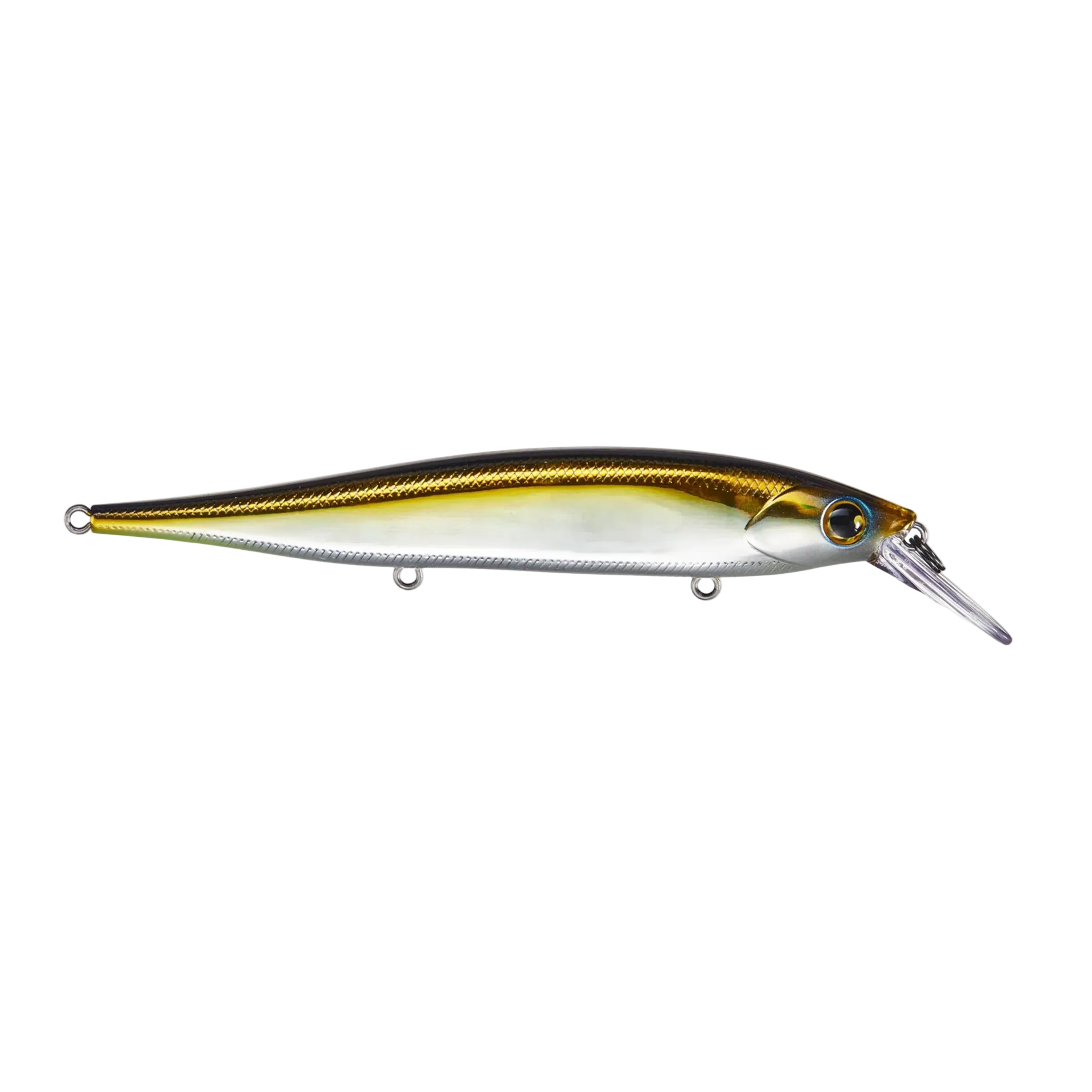
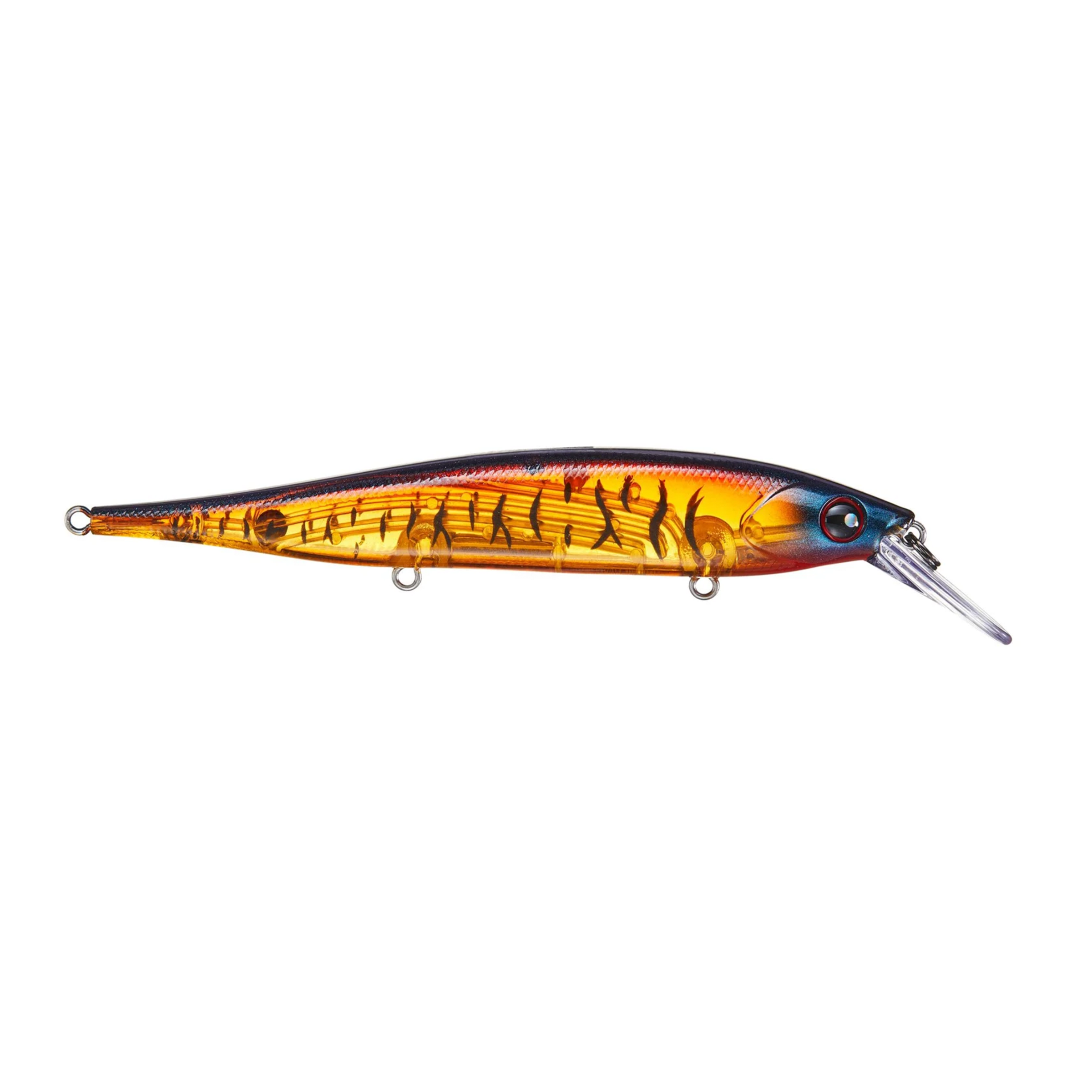
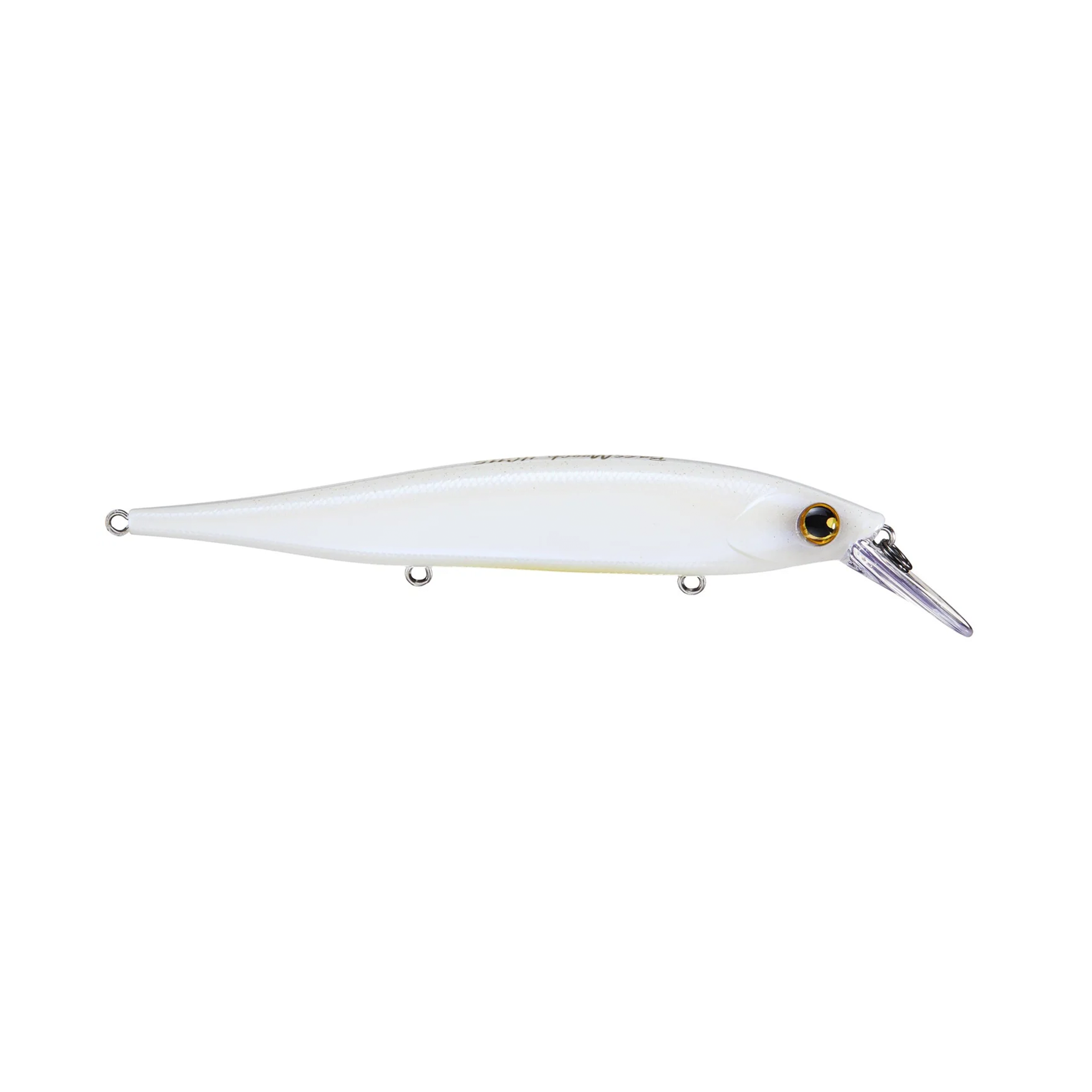
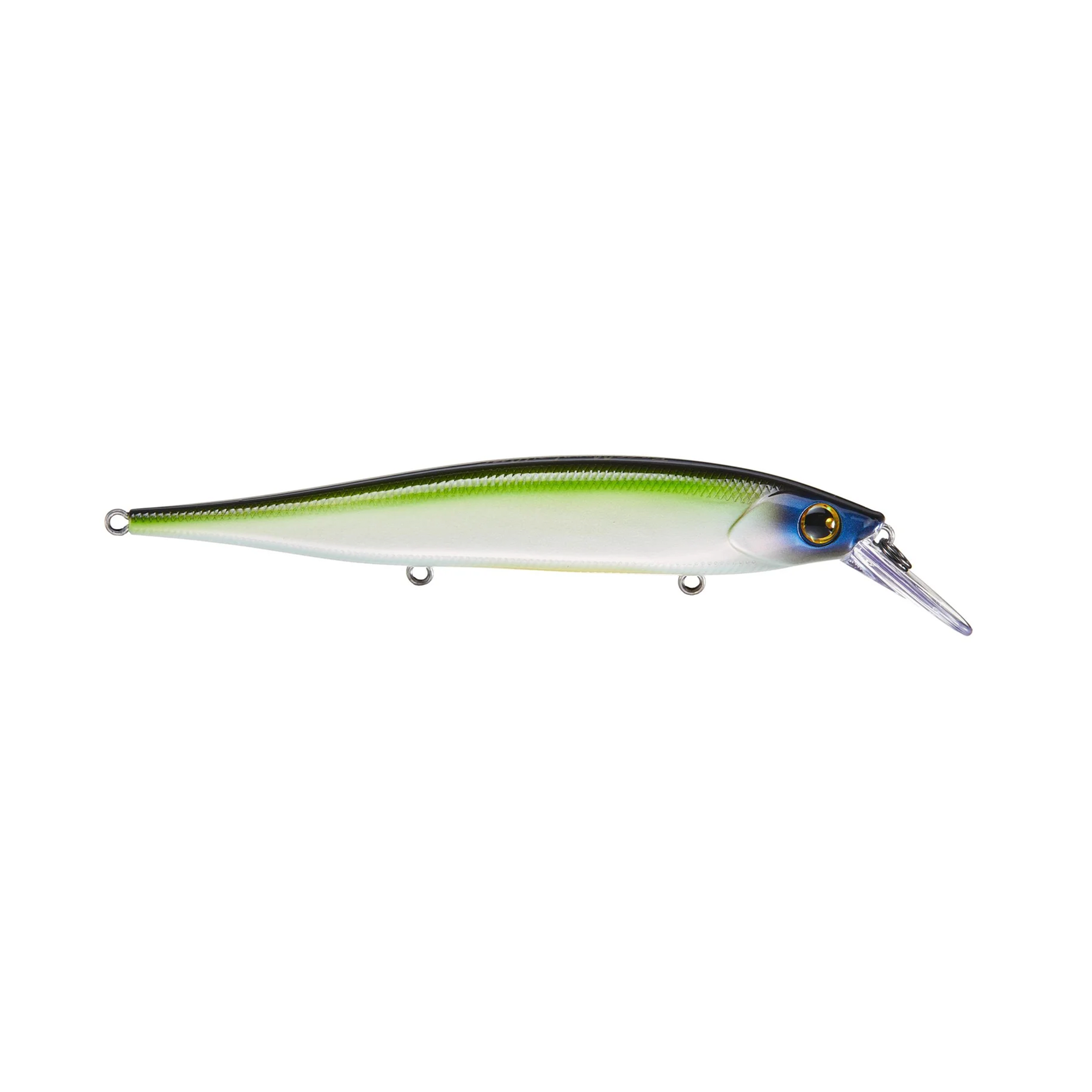
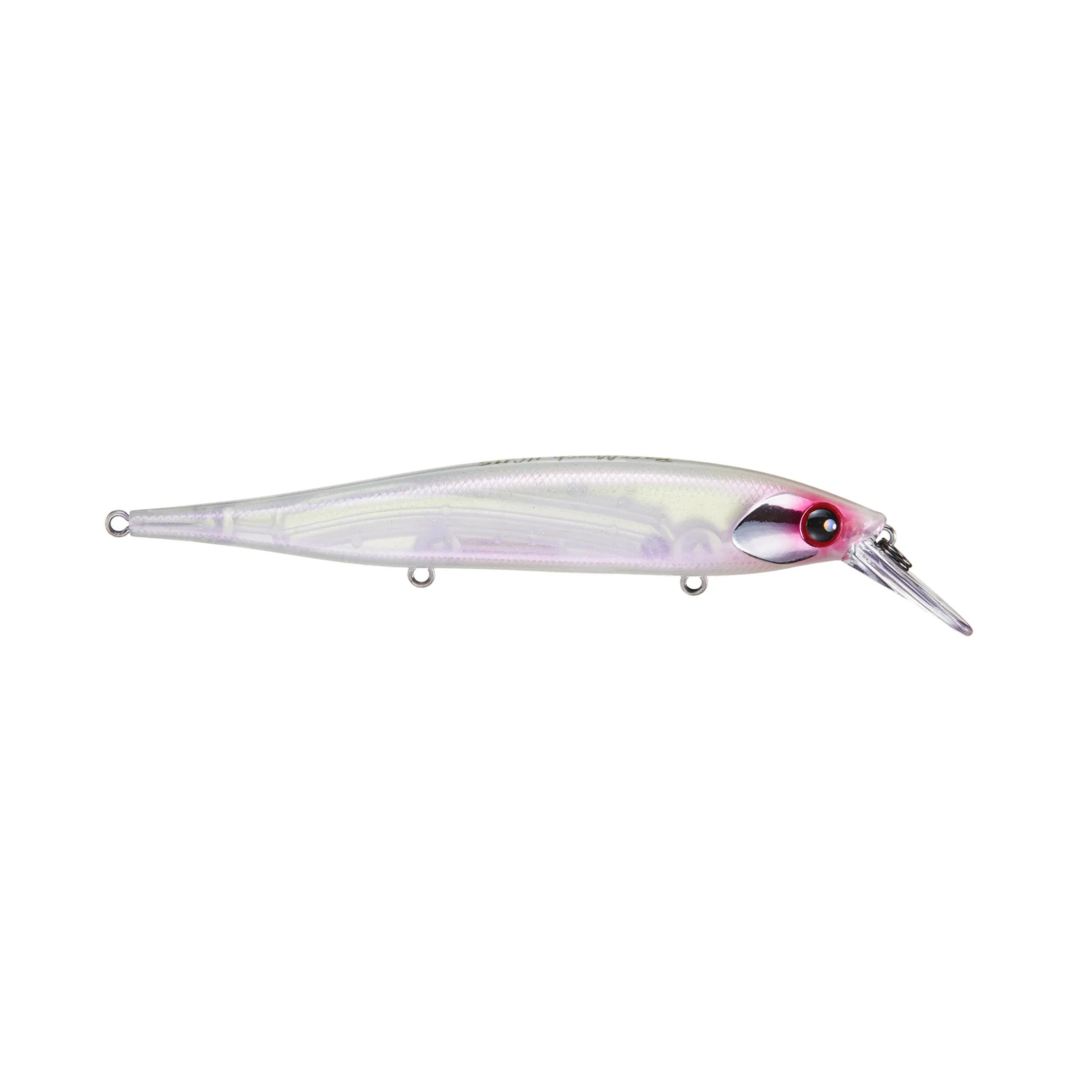
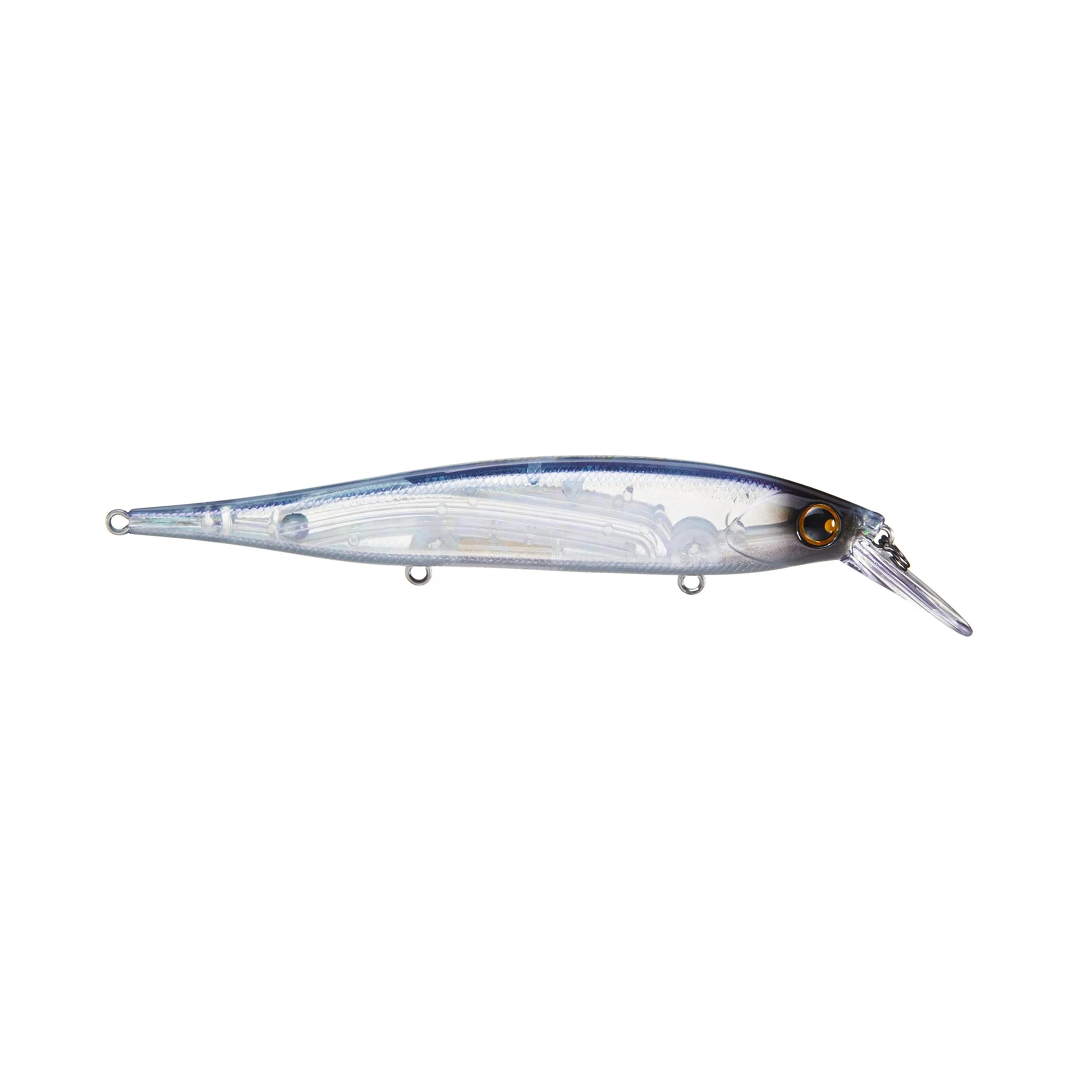
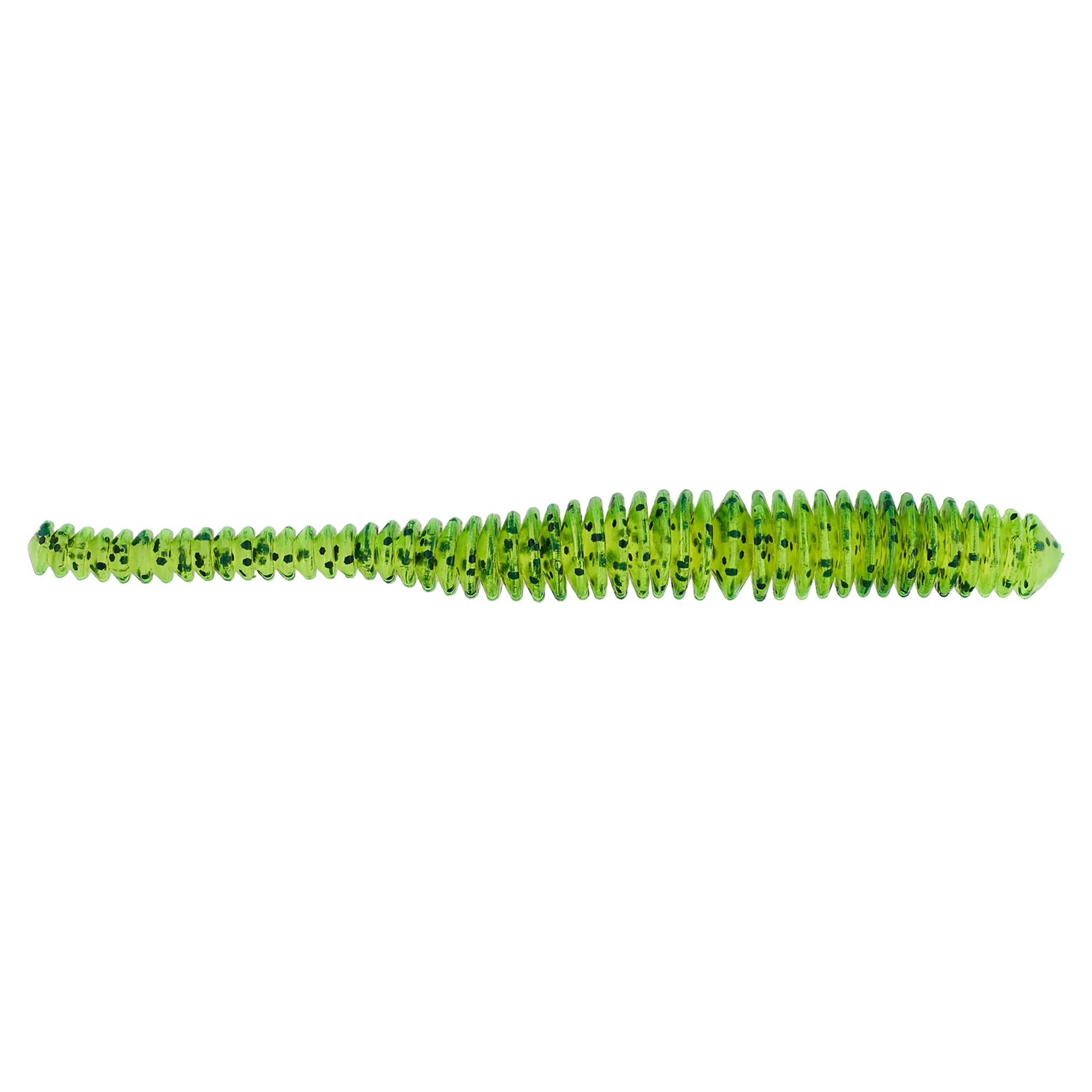
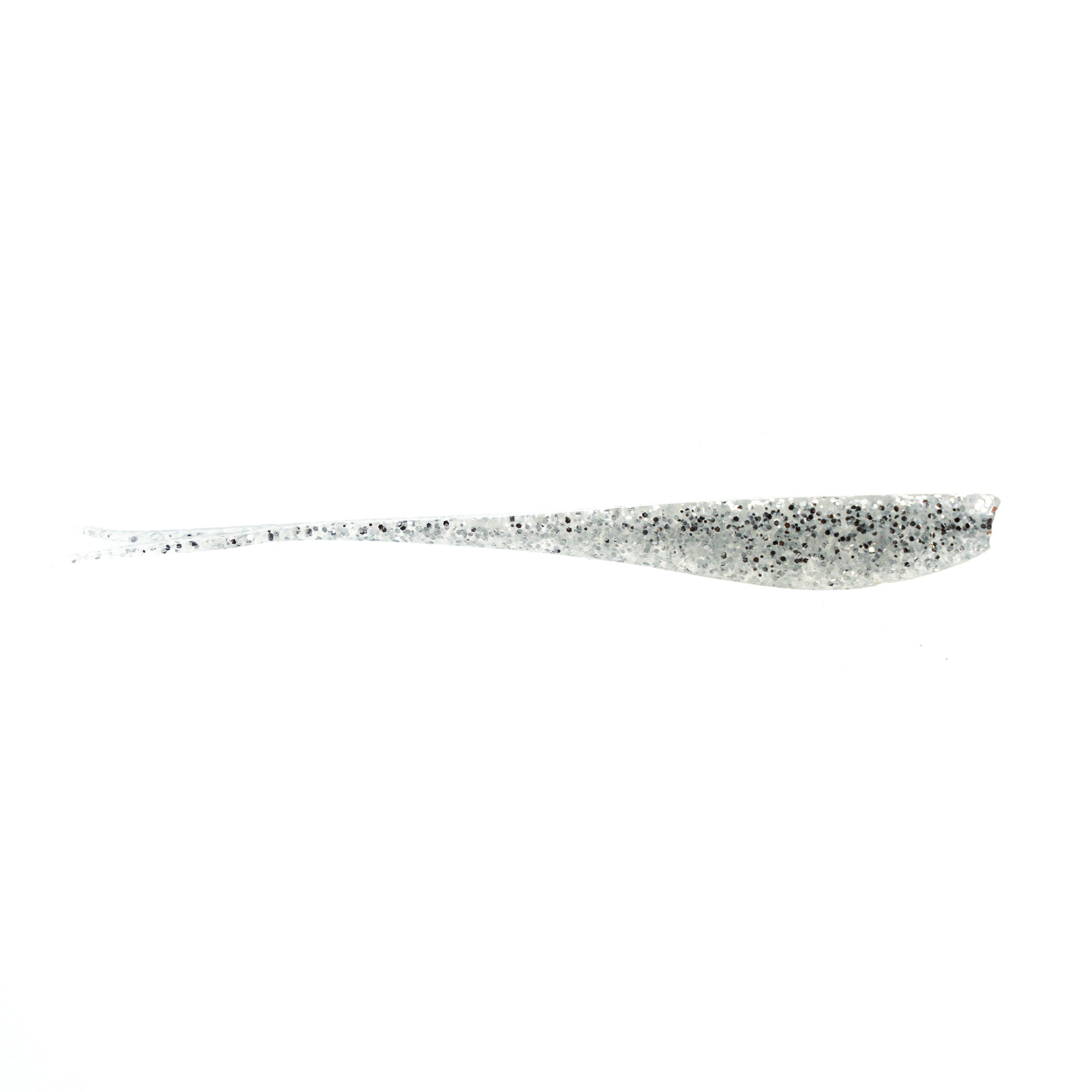
It did. He caught roughly twenty-six pounds on the opening day working deep with a drop shot inside Rodman, then culled with a four-and-a-half-pounder on the river for a 28-pound Day 1 bag — the third-heaviest of the entire tournament. In the reservoir's deeper water he alternated the drop shot with a suspending jerkbait; on the standing timber and pads he fished shallow targets instead.
The deeper bite faded by the second day, which is the part worth learning from. He kept rotating — reservoir, canal, main river, back to the reservoir — rather than defending a spot that was dying. A bladed jig and a white spinnerbait around pads in the river and the Rodman canal filled in the gaps.
He led all four days and won by a pound and a quarter. Note for anyone planning a trip around tournament results: Rodman is frequently declared off limits at Elite events precisely because it is good enough to decide them. When it is in play, it gets fished.


Timber, Channel and the Drawdown
Four patterns cover the year. Each one pairs the technique with the baits we'd actually tie on.
A Spawn That Starts in January
The largemouth spawn here typically begins in mid-January and runs through May depending on water temperature — a long window even by Florida standards. Fish move onto the hard bottom the drawdown cycle maintains, and the flooded woodland section from Eureka Dam down to Paynes Landing offers shade, shoreline cover and ambush points at scale.


Mats, Timber and the Channel
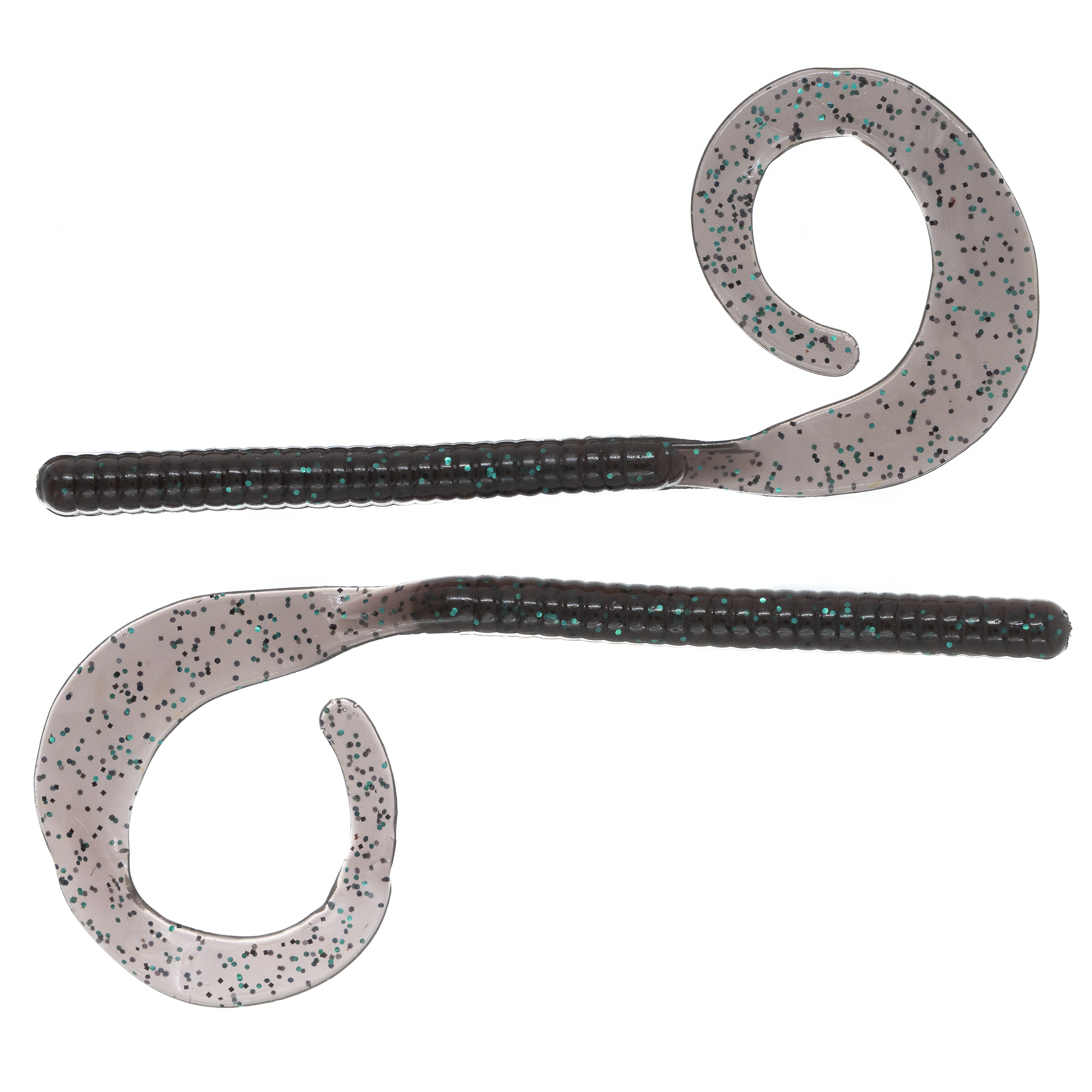
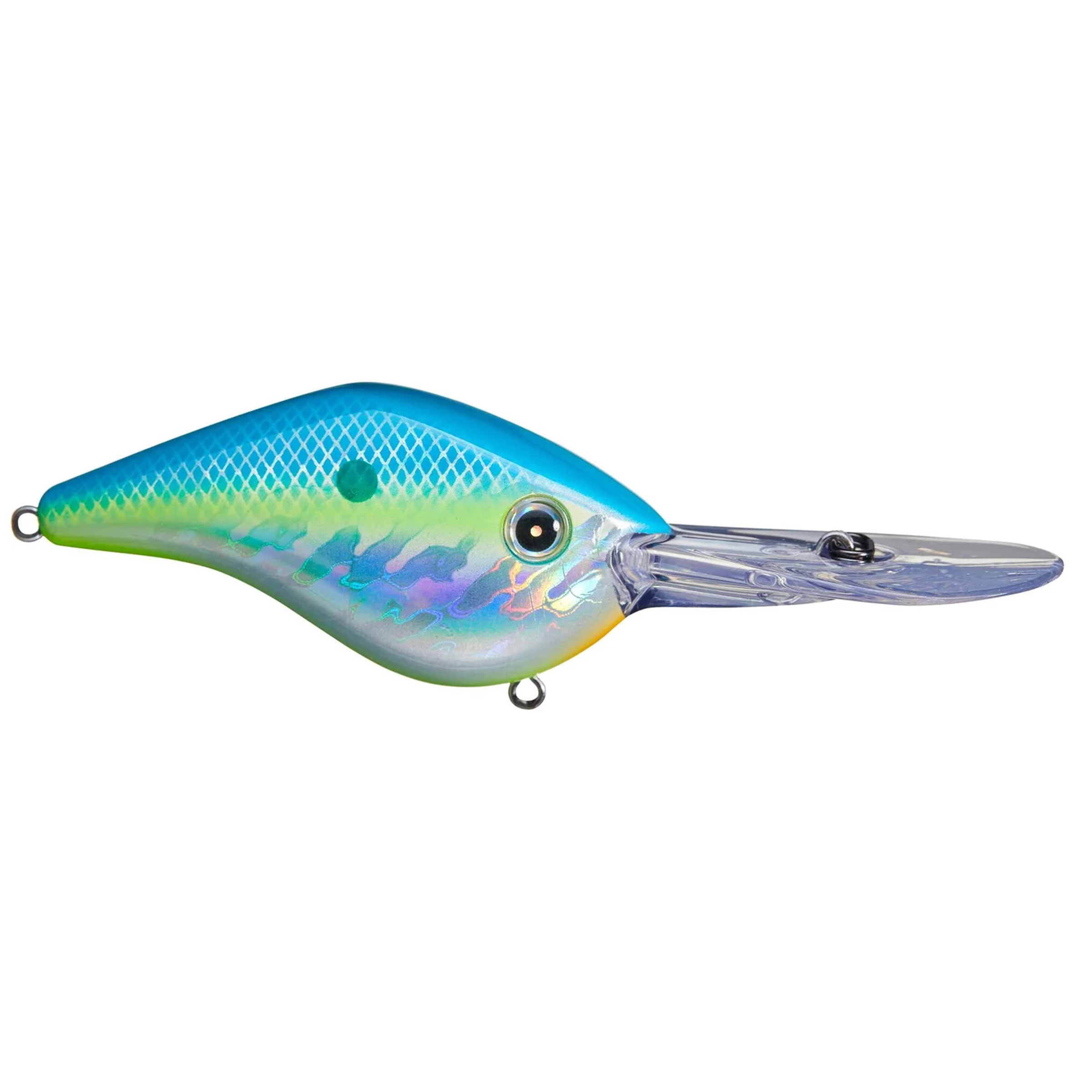
Summer splits the lake. Hyacinth mats and reeds hold fish shallow through the heat, and the barge canal and river channel — up to thirty feet — hold them deep. Rodman's spring-fed clarity keeps the deeper fish catchable in a way that most Florida deep water does not.


Vegetation Lanes and Standing Timber
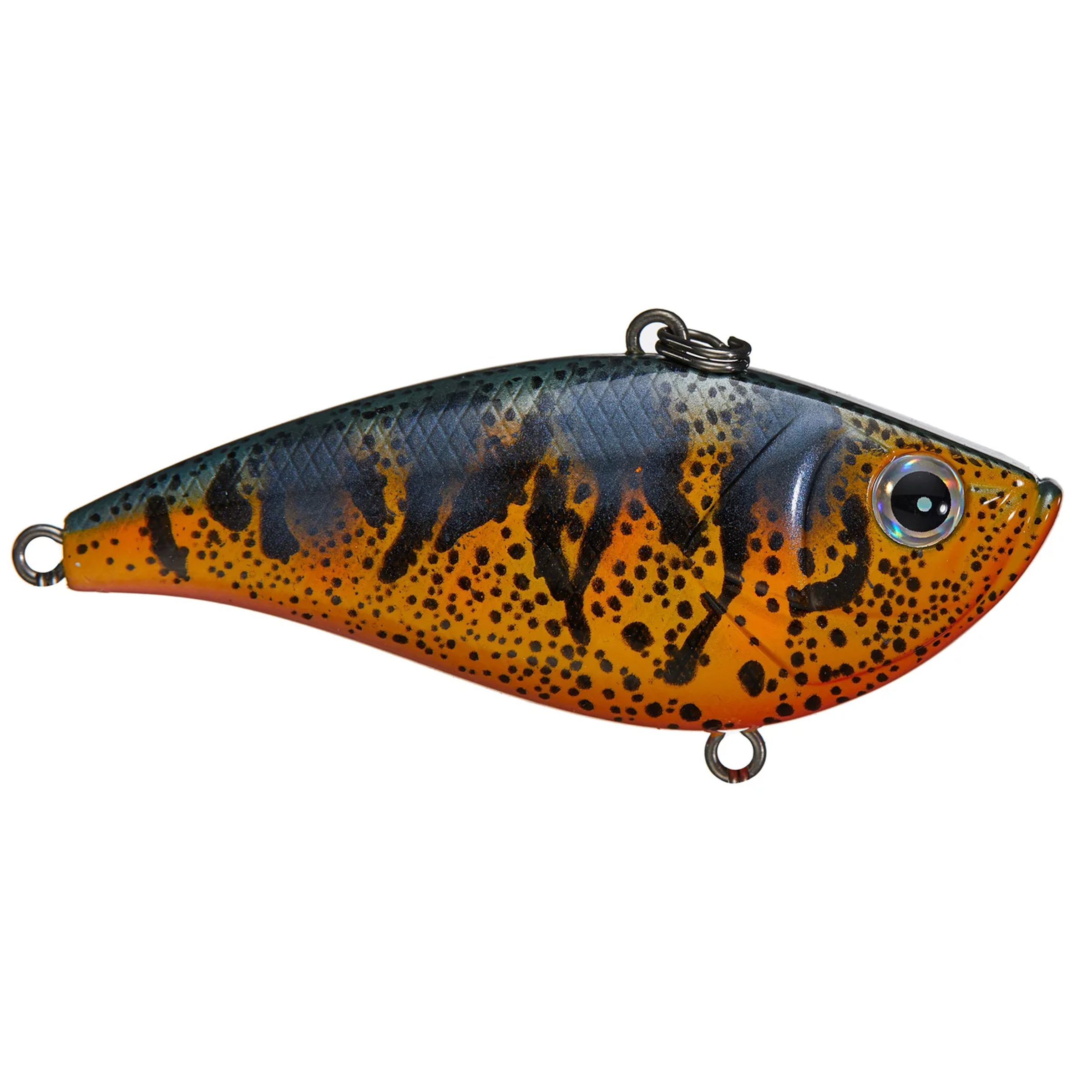
Autumn is when the transition section between Paynes Landing and Orange Springs earns its keep — standing timber mixed with floating vegetation, with lanes and edges that concentrate bait. Submersed hydrilla, coontail and eelgrass in the pool section create feeding lanes, and the fish use them predictably as the water cools.
Drawdown Season
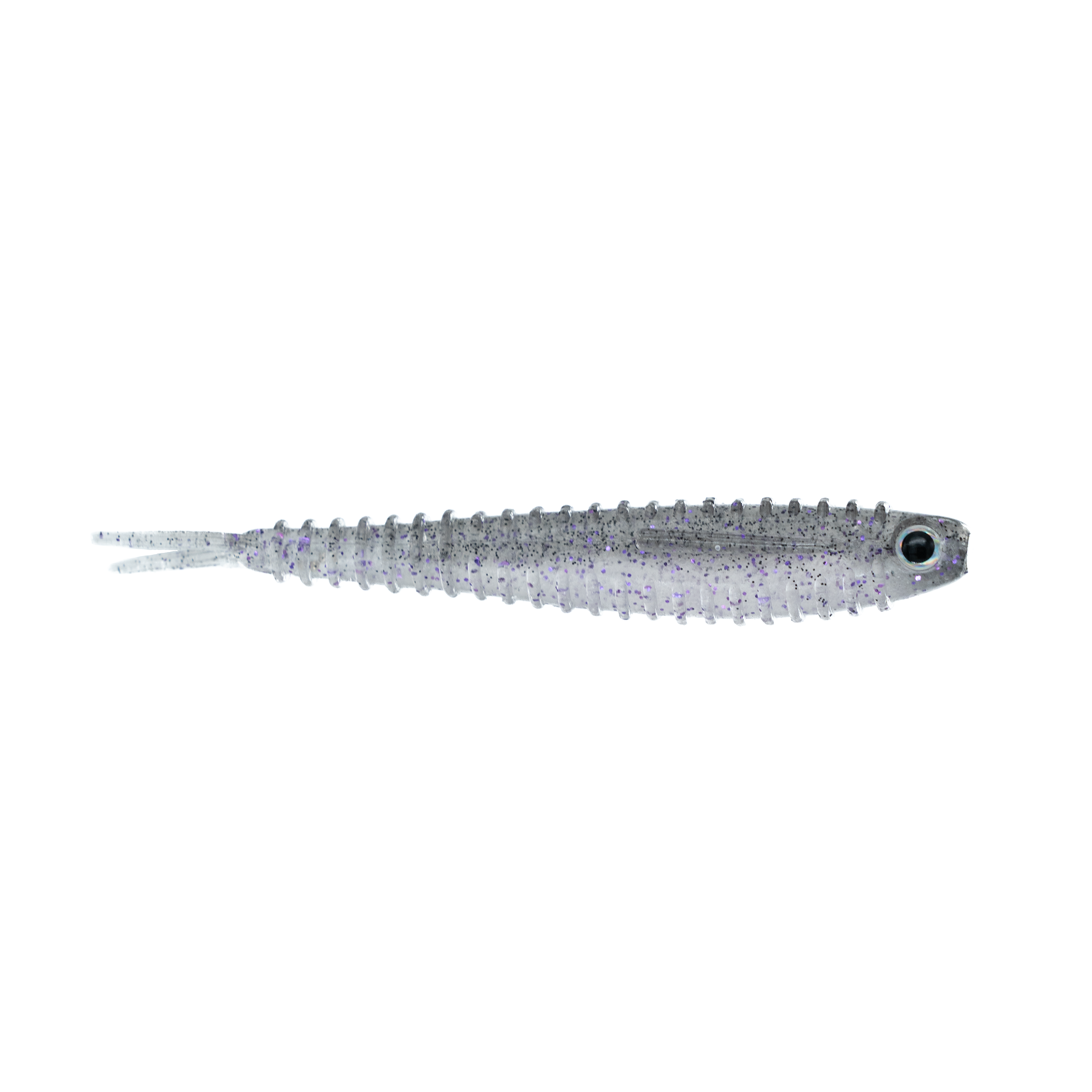
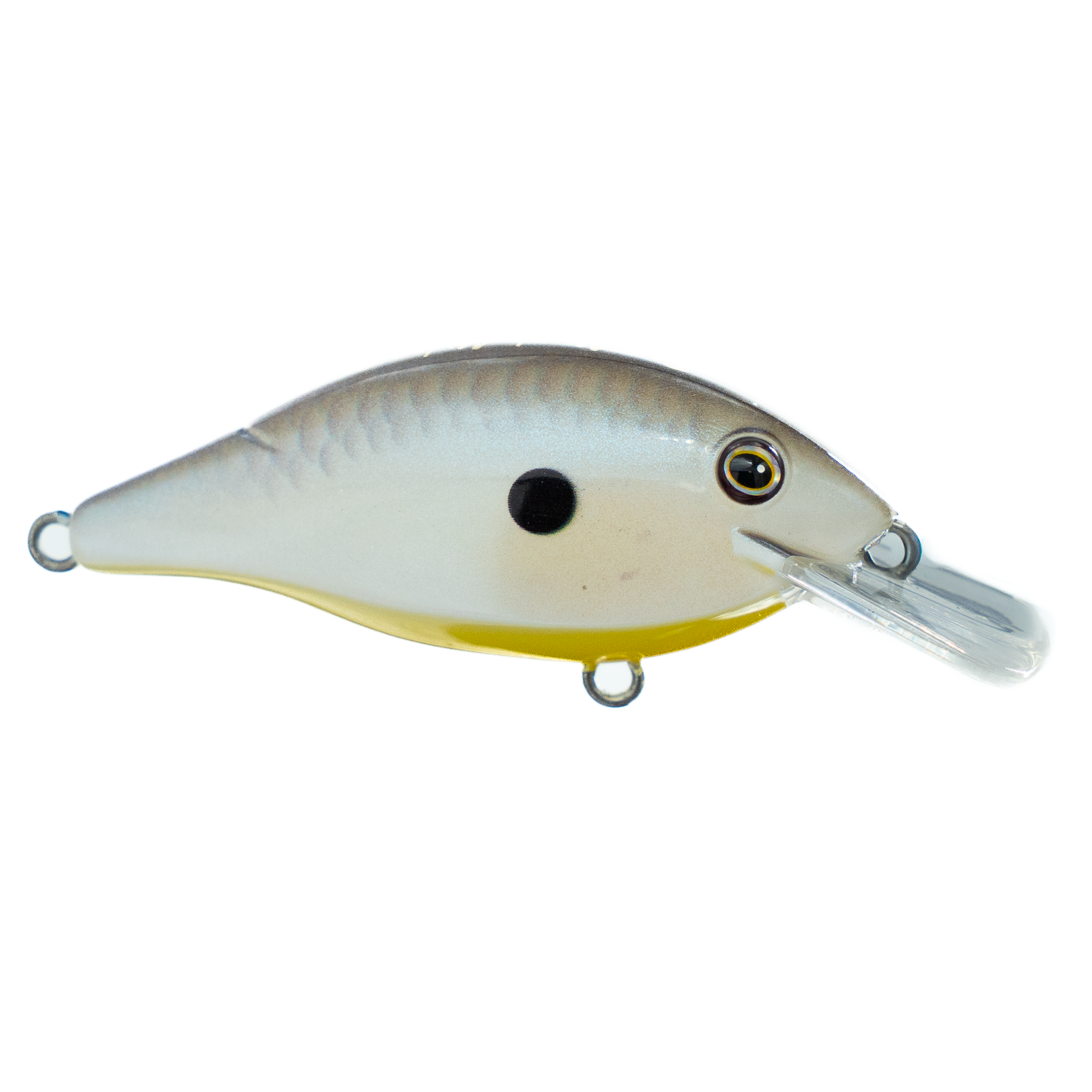
Winter is when Rodman becomes something else. In drawdown years the water drops seven to nine feet between December and March and the entire population compresses into the channel, the canal and whatever deep water remains. Fishing during a drawdown can be exceptional. In non-drawdown years the winter pattern is still deep — cold pushes fish off the shallow timber and into the thirty-foot water, exactly as it did during the 2022 Elite.
Rodman Reservoir Access
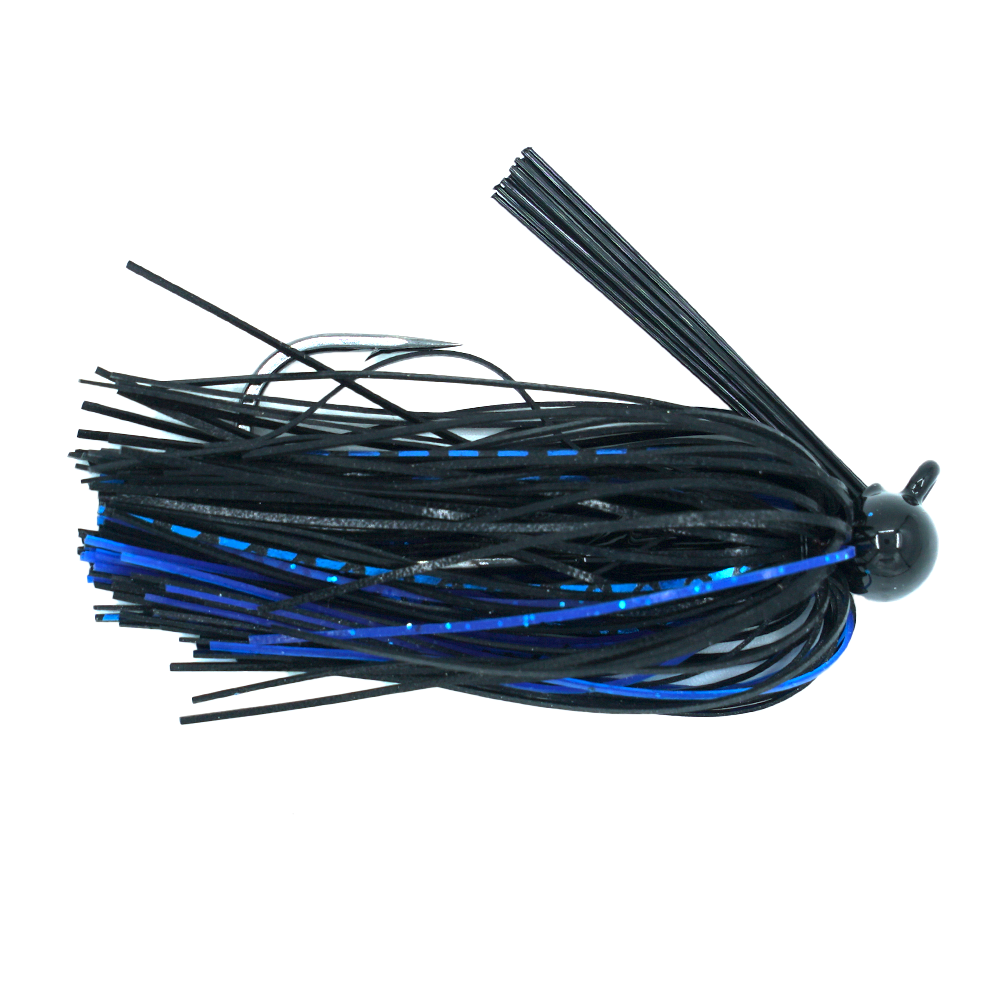
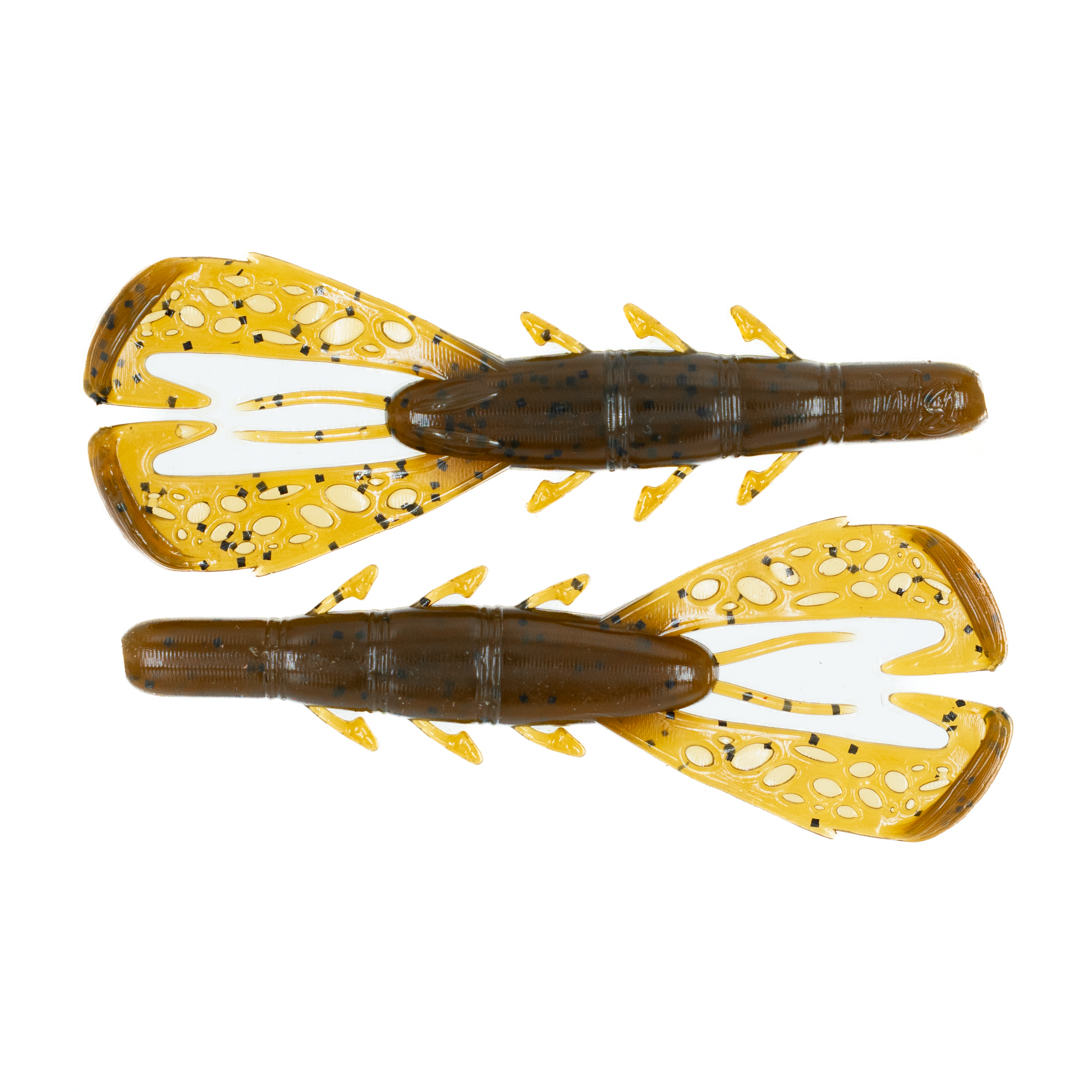
Rodman Recreation Area has a two-lane ramp with paved parking, water and restrooms, plus a ramp below the spillway giving access to the lower Ocklawaha. Anglers coming from the St. Johns run a seven-mile canal to the Buckman Lock. Check the FWC Boat Ramp Finder, and check current water levels first — drawdowns change what is reachable.
The Pool Section
Orange Springs down to Kirkpatrick Dam, holding the river channel and the abandoned barge canal with depths to thirty feet. Submersed hydrilla, coontail and eelgrass, dead standing timber and partially submerged stumps. This is the deep end and where cold-water and drawdown fish concentrate.
The Transition Section
Paynes Landing to Orange Springs — standing timber mixed with floating vegetation, and the most classically Rodman-looking water on the reservoir. Edges and lanes between the two cover types are the thing to fish.
The Flooded Woodland
From the headwaters at Eureka Dam down to Paynes Landing. Shade, shoreline cover and natural ambush points, shallower and more sheltered than the rest. Spring water, and the section to run to when the pool end is rough.
Rodman Reservoir Bass Fishing FAQ
Why is Rodman Reservoir so good for big bass?
A long growing season, abundant shad, bluegill and crayfish forage, permanent timber cover, and a drawdown cycle every three to four years that resets the habitat and maintains hard bottom for spawning. That combination has kept the reservoir producing since 1968 and made Rodman and lunker bass effectively synonymous.
What is the Rodman drawdown?
A managed water-level reduction conducted every three to four years for aquatic plant control and habitat enhancement. Levels are often dropped seven to nine feet below normal between roughly December and March. It oxidises accumulated muck, restores hard bottom, and concentrates the fish population into a much smaller area — which makes drawdown years exceptional fishing.
Are there special regulations during a drawdown?
There have been. FWC applied temporary catch-and-release rules for all largemouth bass during a recent drawdown period. Because the cycle repeats and the rules are applied per event, always check current regulations on myfwc.com before travelling.
How do you get to Rodman Reservoir from the St. Johns River?
Through a seven-mile canal leading to the Buckman Lock. That is the route tournament anglers out of Palatka use. There is also direct ramp access at Rodman Recreation Area.
How clear is the water at Rodman?
Clearer than most Florida bass water. The reservoir is fed by numerous natural springs, and visibility often runs eight to twelve feet or better. That changes your presentation choices considerably compared to a stained lake like Okeechobee.
Is Rodman Reservoir going to be removed?
It has been politically contested for decades, with ongoing proposals to breach the Kirkpatrick Dam and restore the Ocklawaha River. Nothing is settled. As it stands the reservoir remains open and remains one of the best bass fisheries in the country.
What baits work best at Rodman?
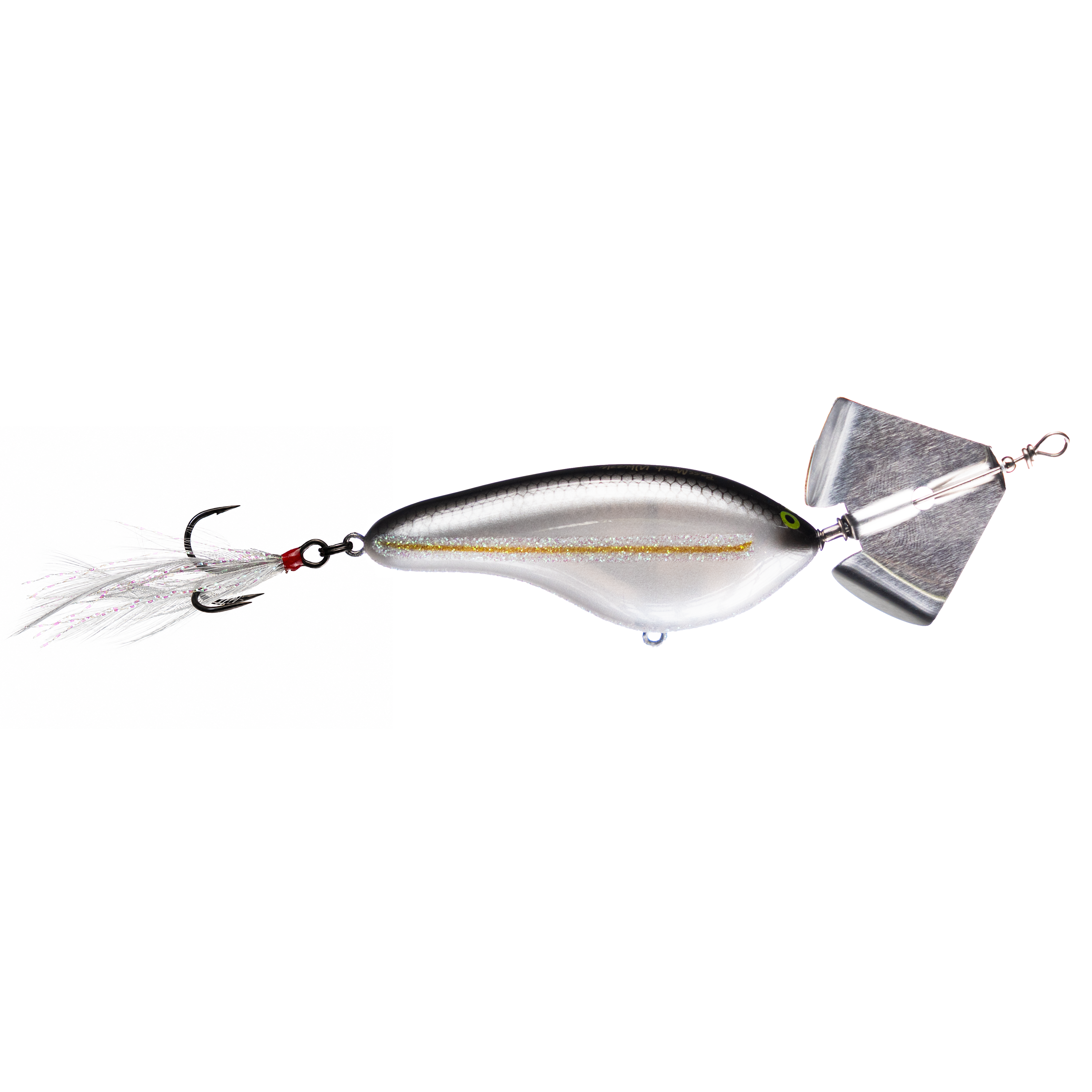
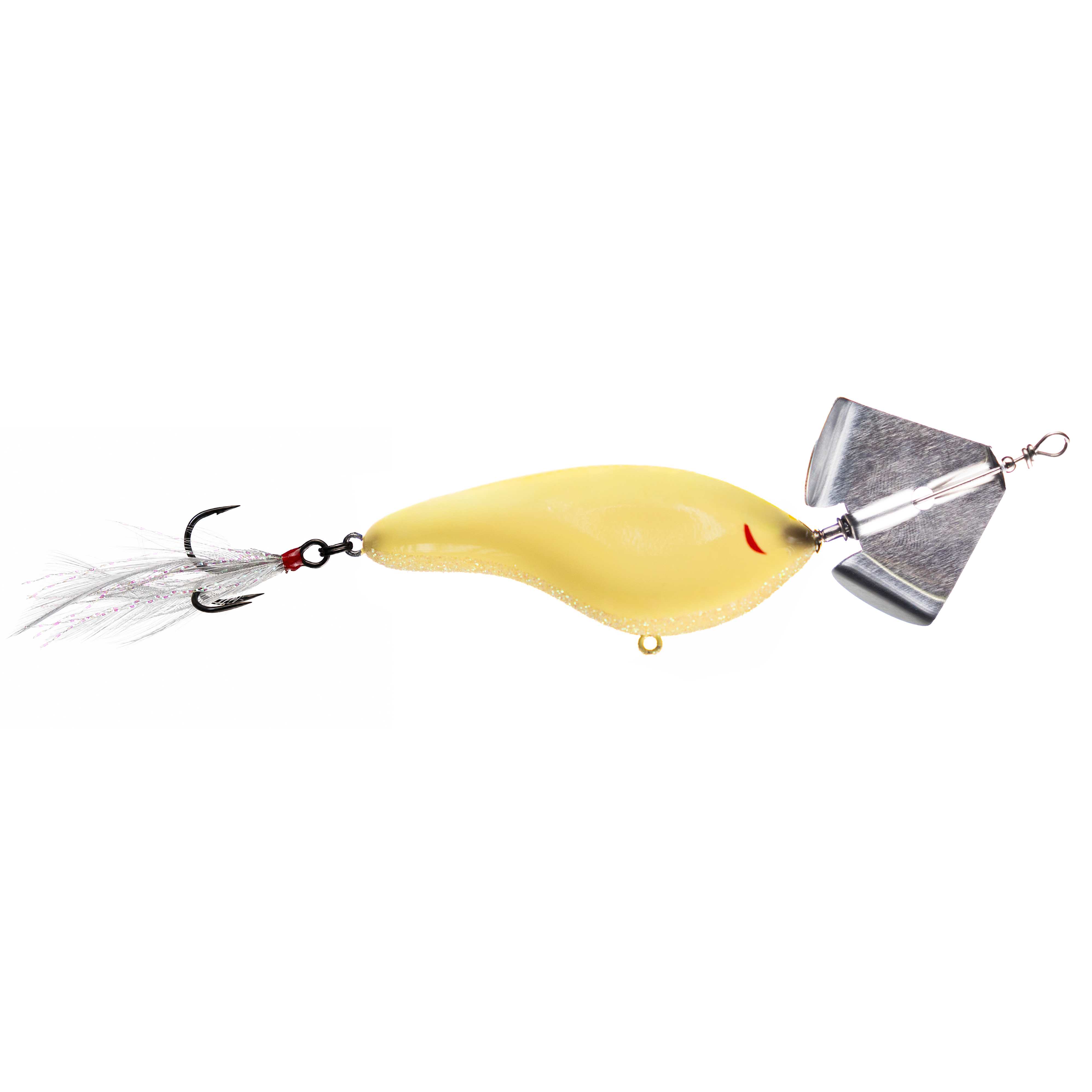
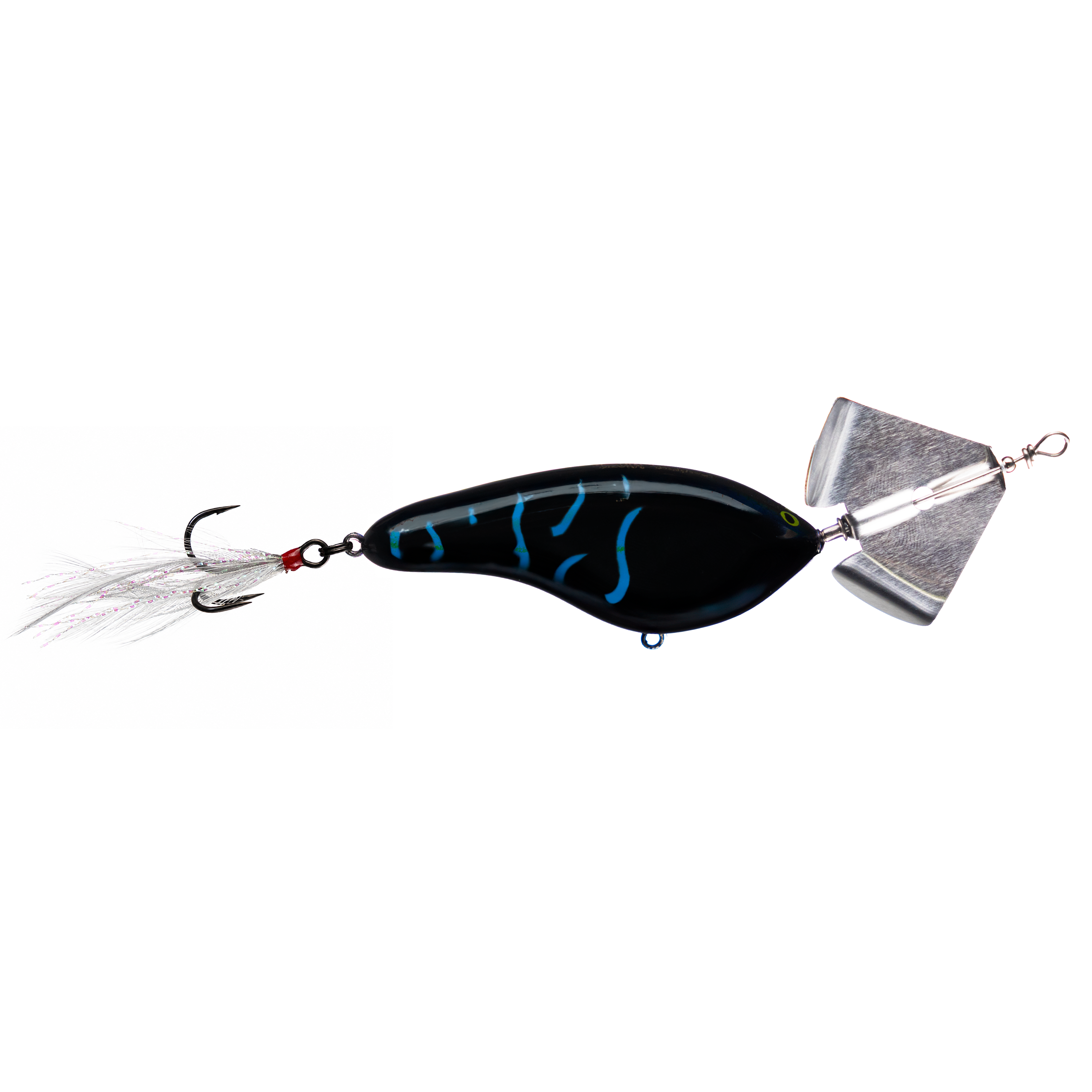
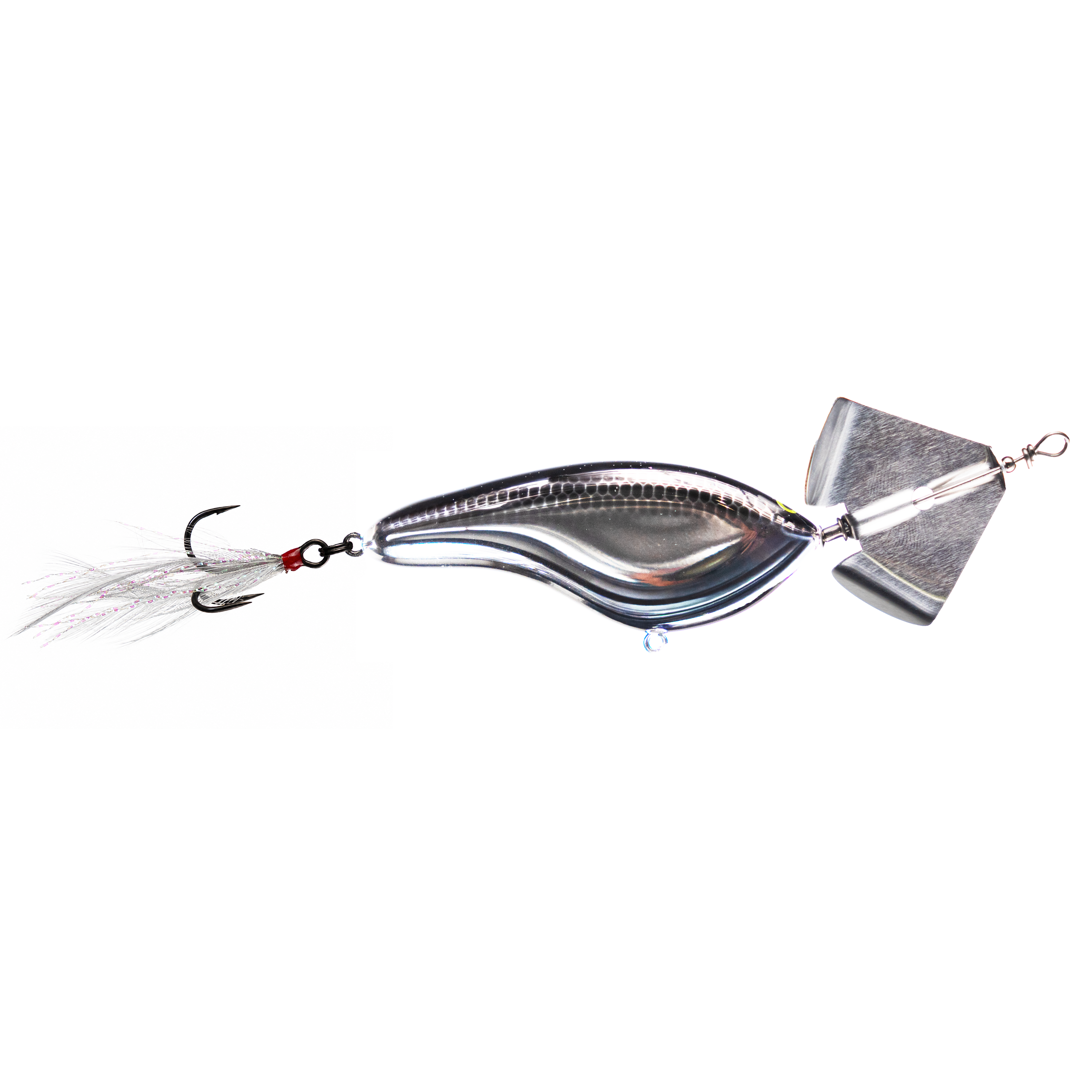
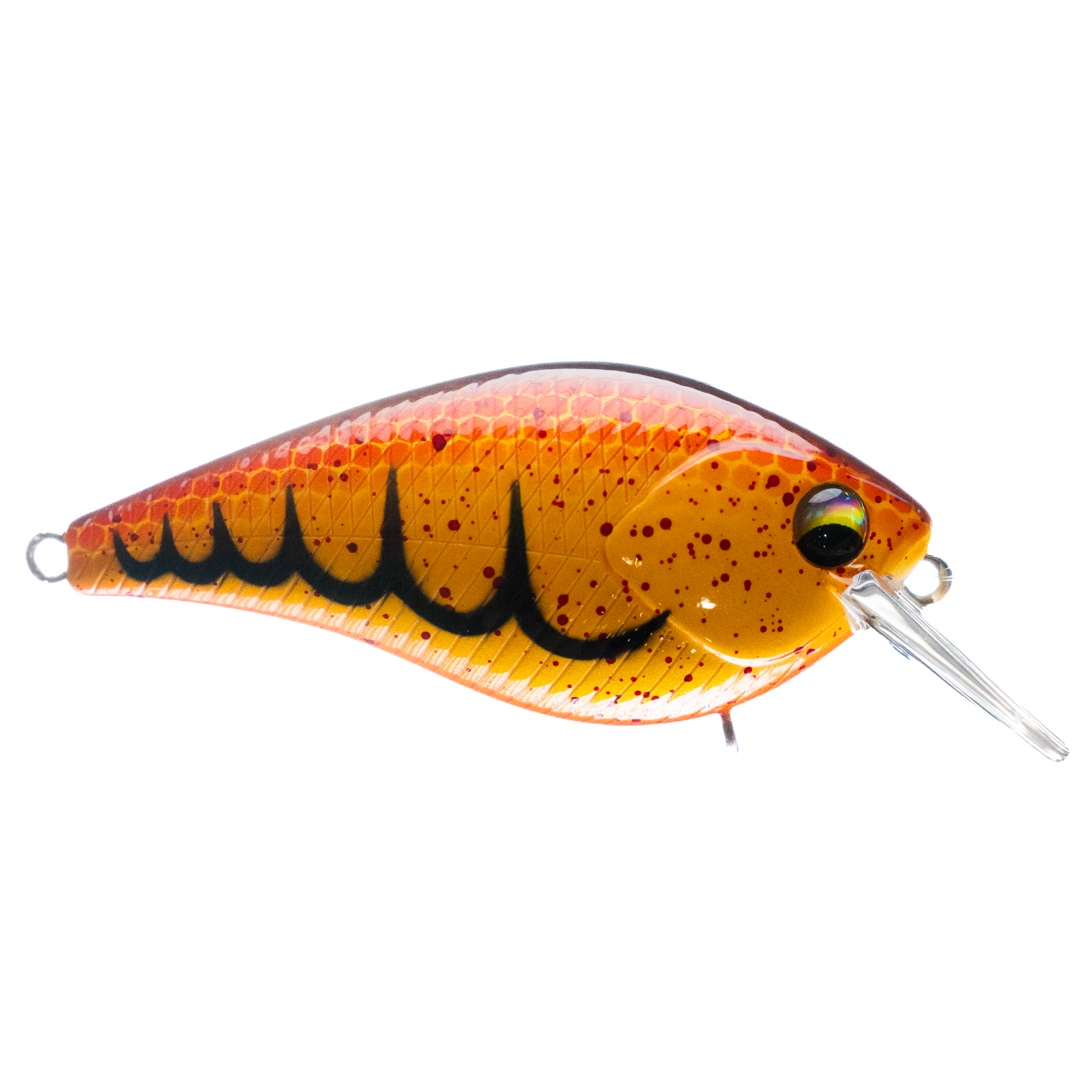
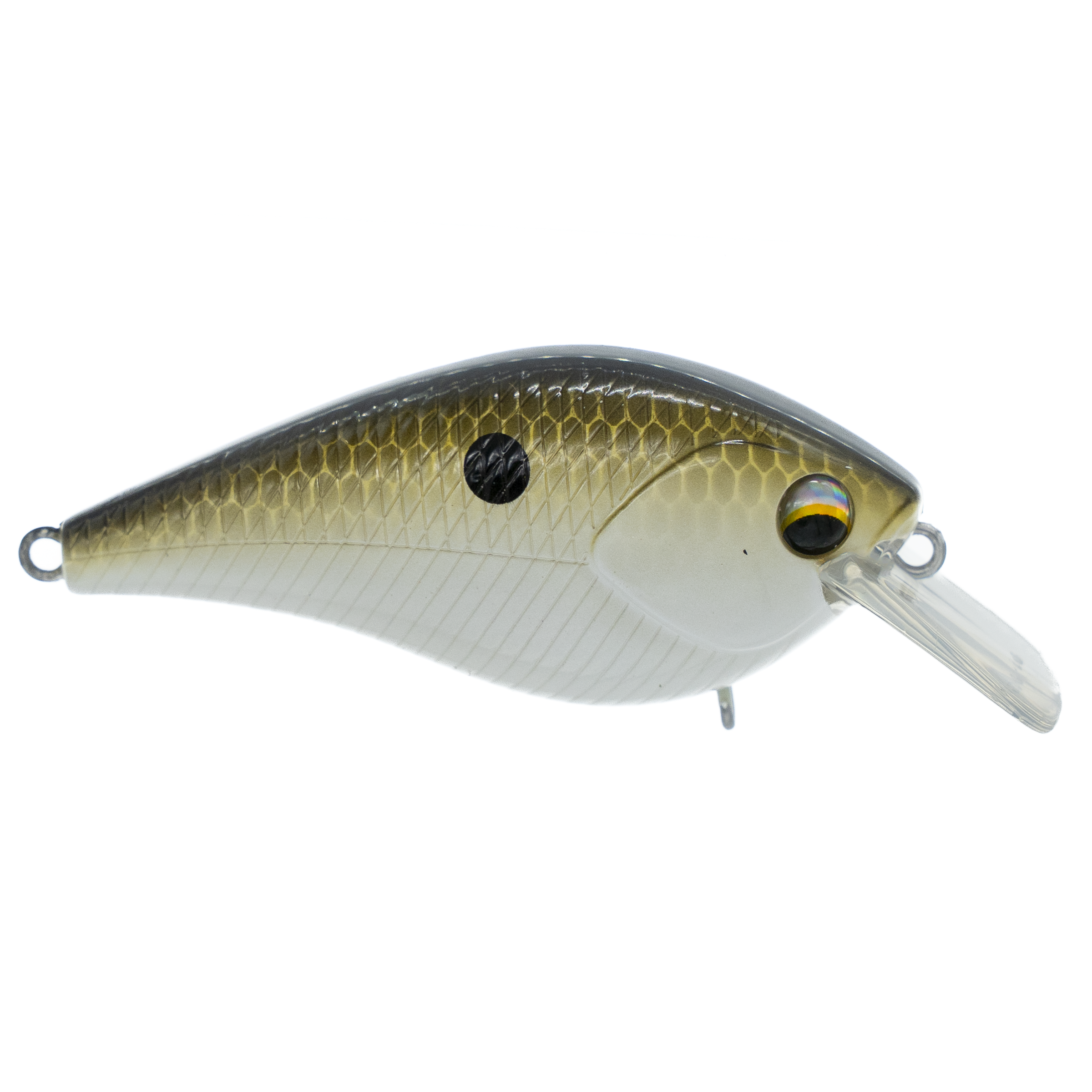
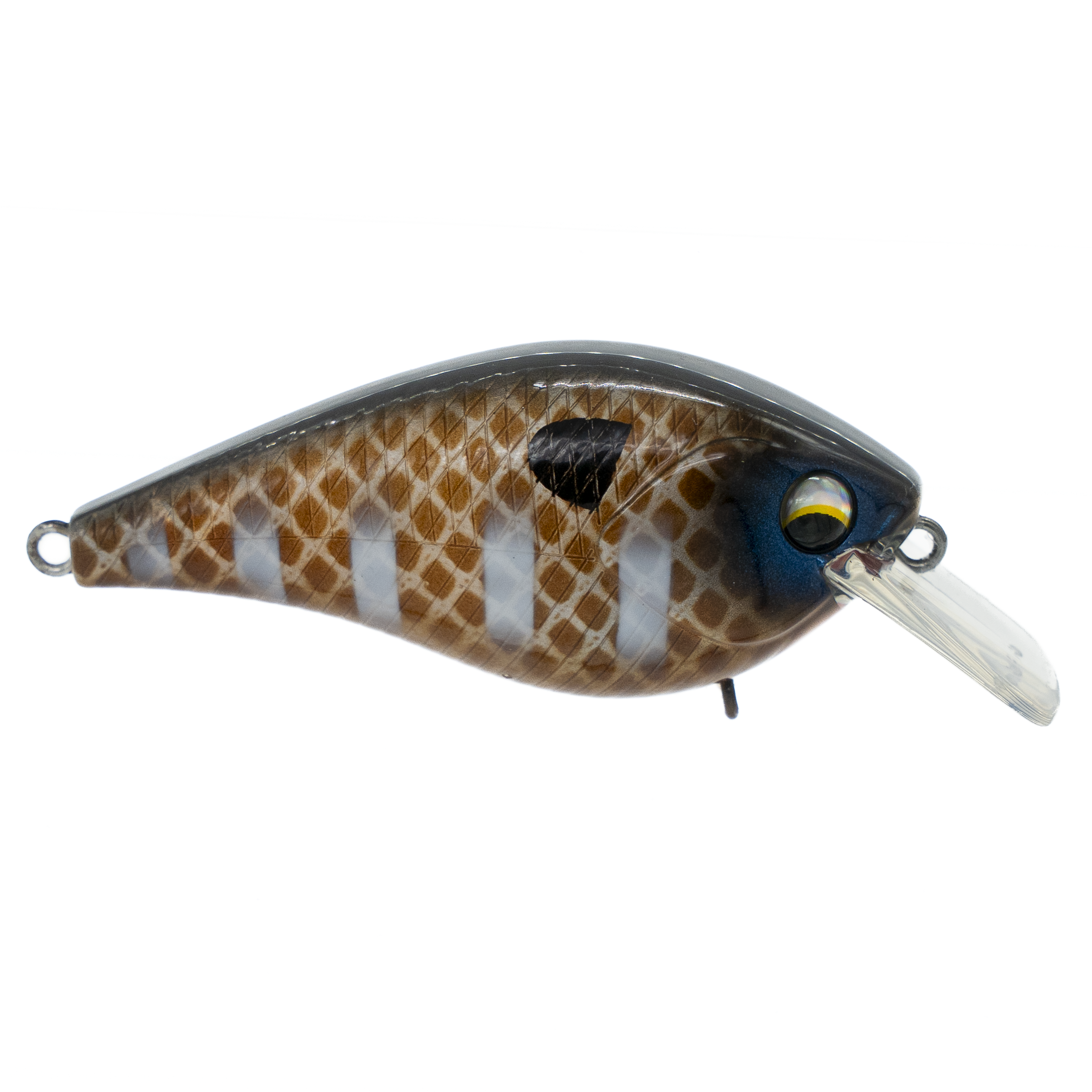
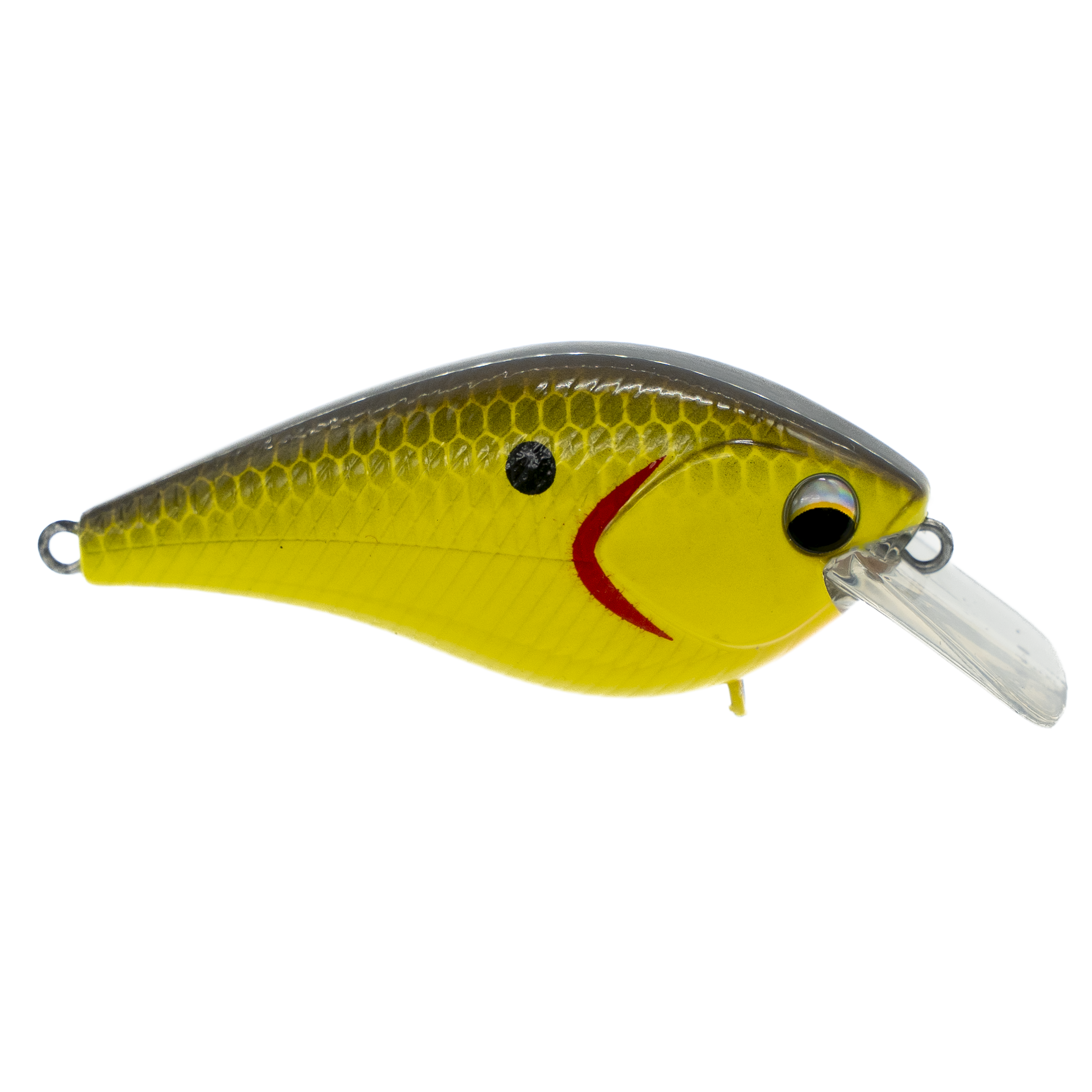
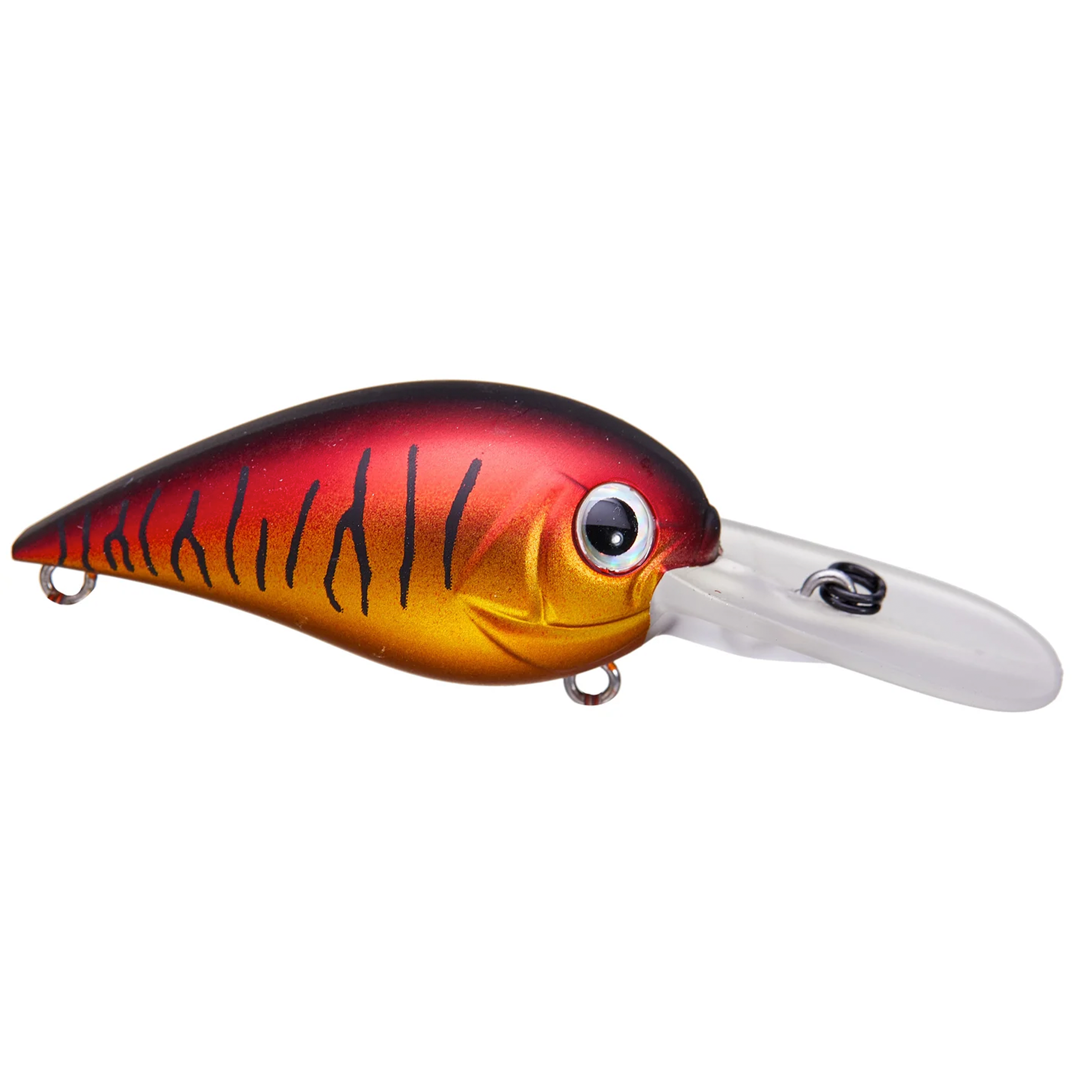
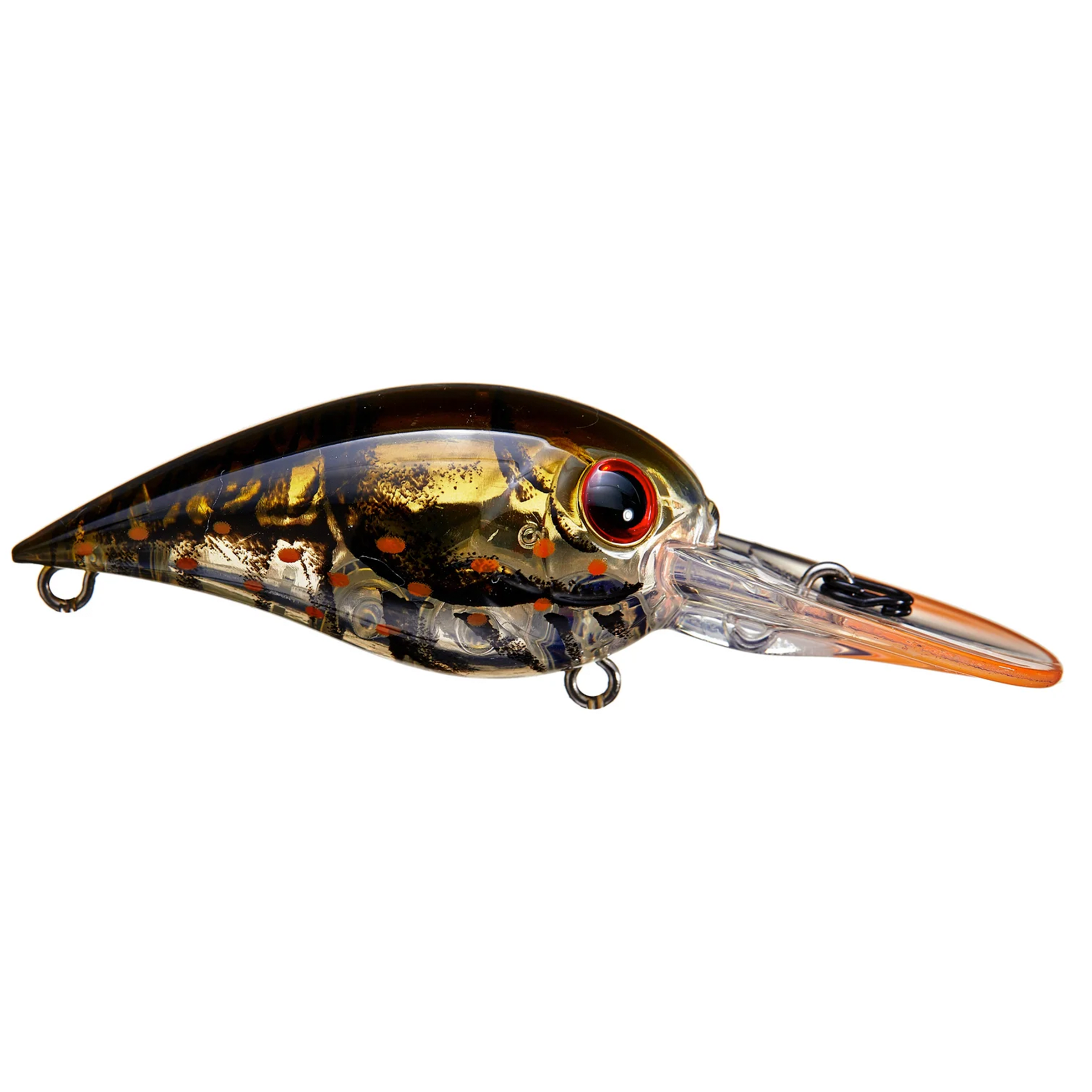
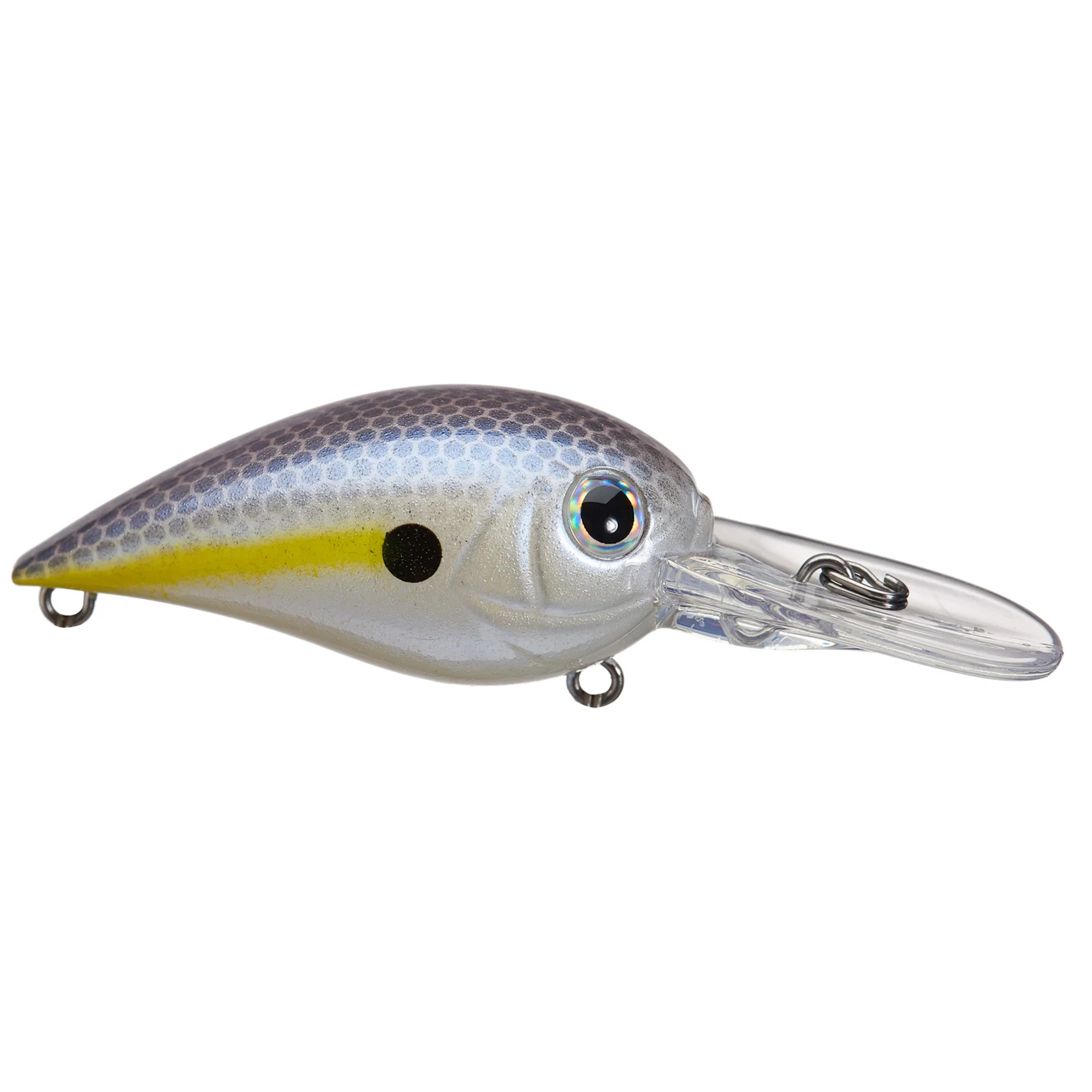
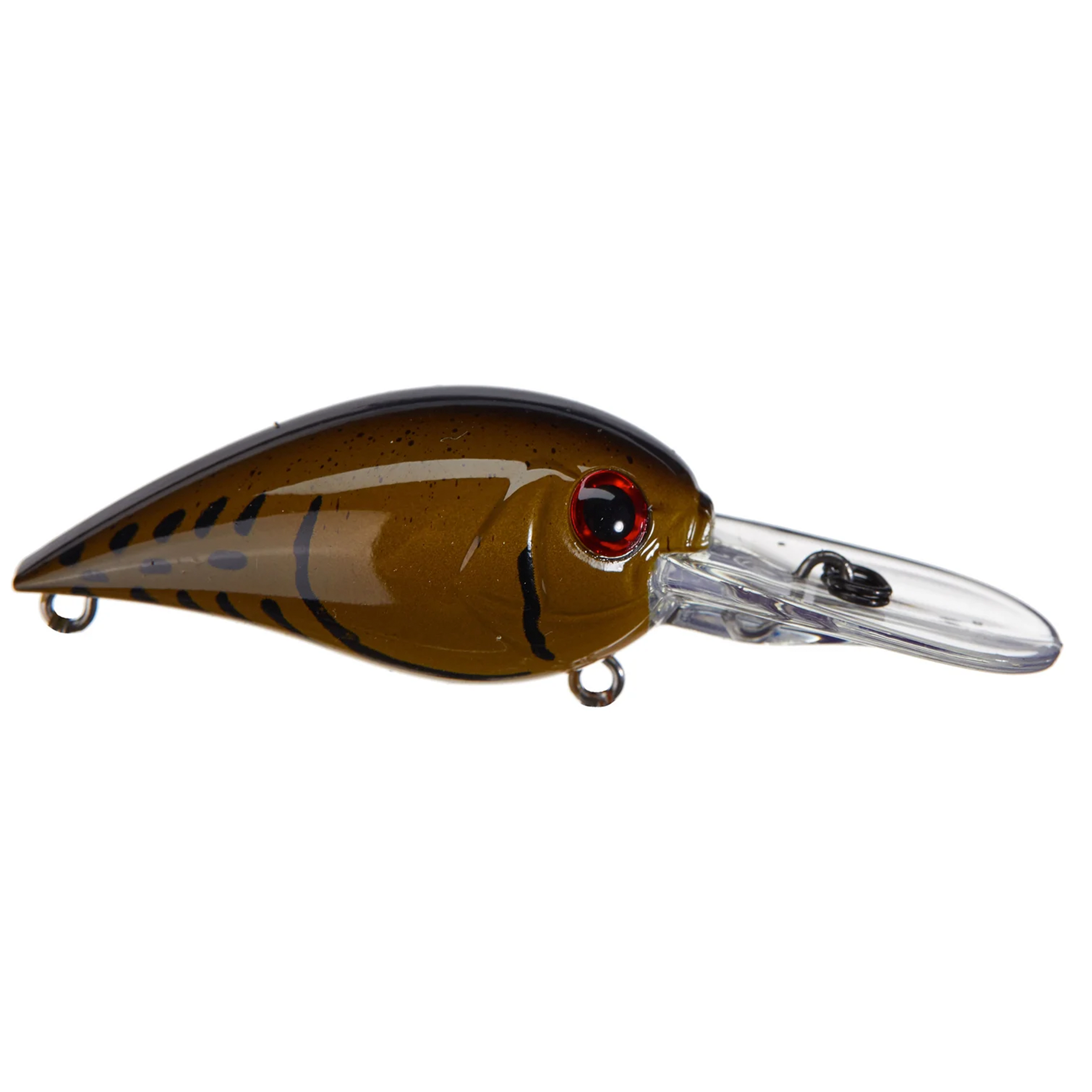
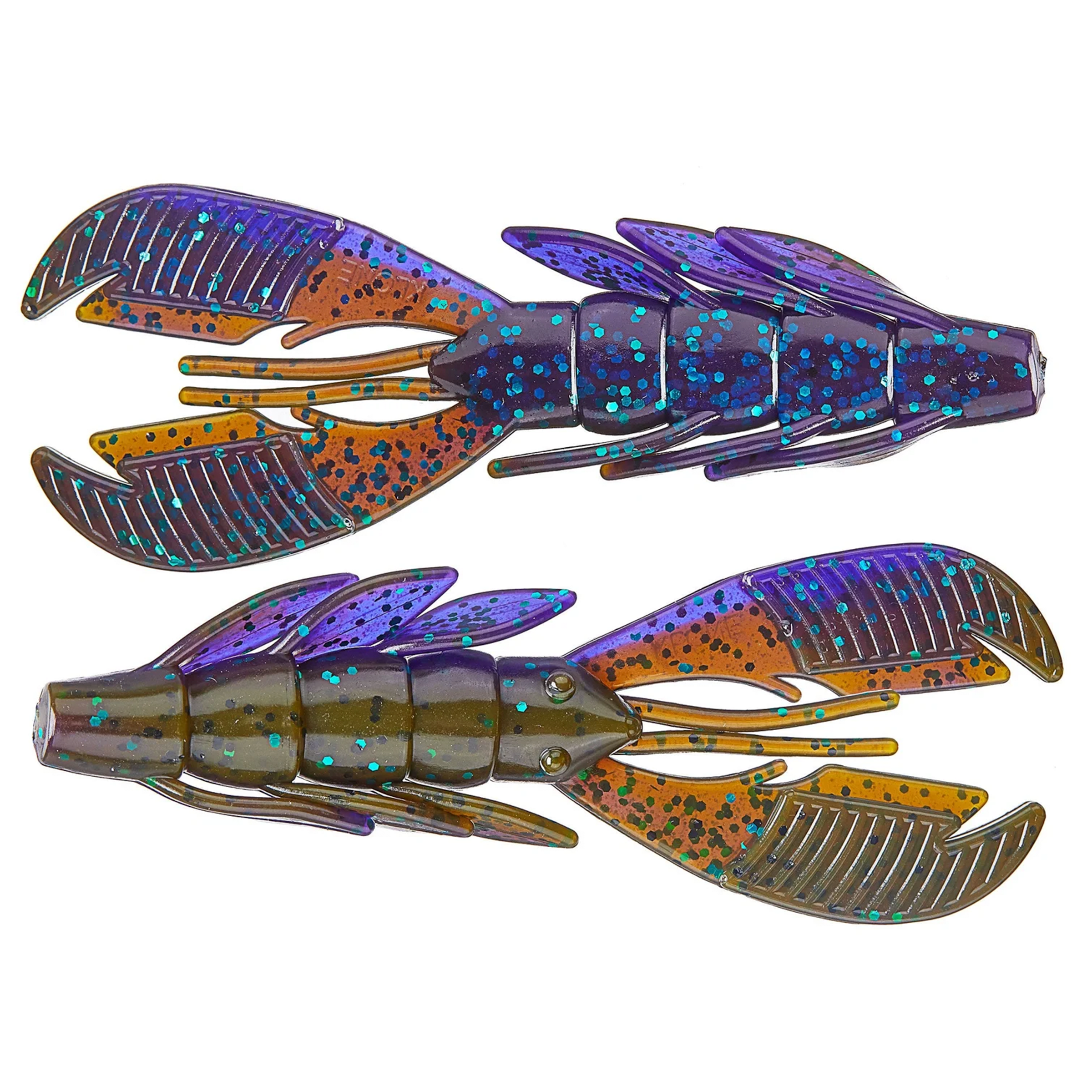
Flipping baits around timber and mats, a drop shot and a suspending jerkbait for the deeper channel and canal water, and moving baits along the vegetation lanes in autumn. The clarity rewards more natural presentations than most Florida lakes. Our full bait lineup covers all four seasons.
Do I need a fishing license?
Yes. A Florida freshwater fishing license is required for anglers 16 and older through the Florida Fish and Wildlife Conservation Commission. Rodman generally follows statewide black bass rules, but temporary regulations apply during drawdowns — verify before you go.
Timber, and Thirty Feet
Rodman asks for two rods that have nothing in common: something heavy enough to pull a fish out of standing timber, and something sensitive enough to feel a drop shot bite in thirty feet of spring-clear water. Level Rods builds across that range without compromising either end.
Tournament Winning Baits & Gear
Designed, crafted and tested by anglers who fish flooded timber every week. Free shipping on orders over $75.
Shop All Baits