Red River Bass Fishing Guide
Red River Bass Fishing, Season by Season
A red-tinted river divided into five pools by five dam systems, running through Shreveport and Bossier City and on toward Alexandria. The Red has hosted two Bassmaster Classics, and both were won in the backwaters — because on this river, that is where they are always won.
Five Pools and a Handful of Backwaters
The Red River runs across northwest Louisiana through Shreveport and Bossier City and on south toward Alexandria, divided into five sections by five dam systems. Each pool is its own fishery, and moving between them means locking through — which costs time and has to be planned around.
The main river channel is not where the fishing happens. What matters are the backwaters: the connected lakes, ponds, sloughs and cuts hanging off each pool. They hold the grass, the shallow flats and the Florida-strain largemouth that produce twenty-pound bags, and they are where every major tournament on this river gets decided.
Bassmaster put it plainly ahead of the 2012 Classic: the Red is notoriously stingy when it comes to areas that produce wins. The same names come up again and again — Sullivan's, Bobo's Hole, the White House. Most major tournaments in the first part of the year are won in a specific subset of backwaters, and everybody knows which ones.
That makes water level the controlling variable, more than season or weather. Level determines which backwaters are accessible at all, and whether the fish inside them are in a catchable mood. Wins here have come from anglers reaching less-pressured water when levels allowed — in one case by pulling an aluminium boat through a culvert into a lake nobody else could enter.
The water is stained to red-tinted throughout, which pushes bait choice toward bigger profiles and brighter colours than a clear reservoir would want.
The fish themselves are Florida-strain largemouth, which is worth knowing because it explains their behaviour: they are harder to catch in cold water than northern-strain fish, and a February or March Classic on this river is genuinely difficult even for the best anglers in the world.
What It Took to Win Here
Patterns that produced at the highest level on this water, and the baits to fish them with.
Chris Lane — Six Feet of Water and a 45-Degree Cast
Lane's programme was specific enough to copy. He fished backwater ponds with shallow flats that had a steep drop and at least seven feet of water nearby — a Florida angler's read of a Louisiana river, and one that worked because cool weather was holding the bass on outside grass edges exactly as it would have back home.
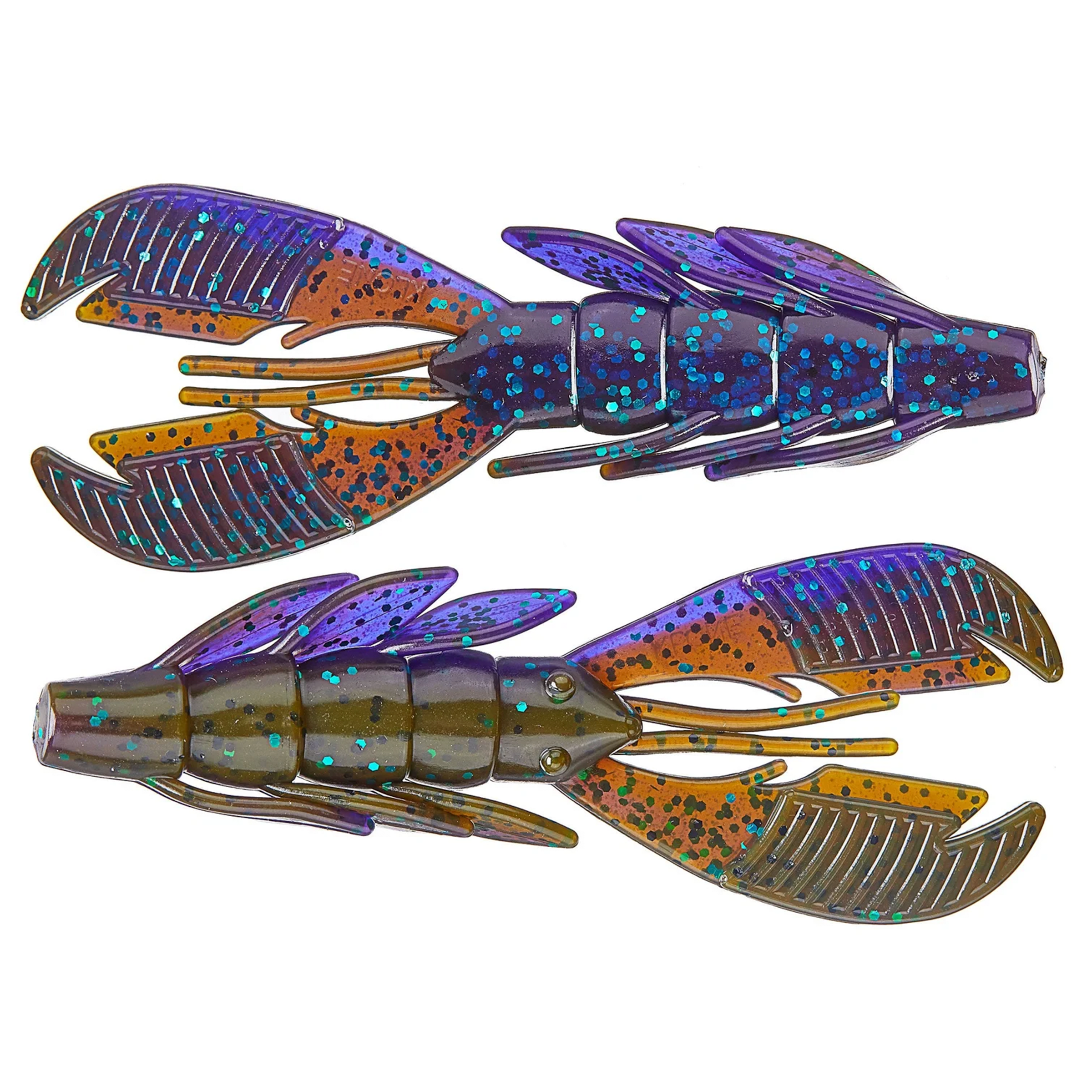
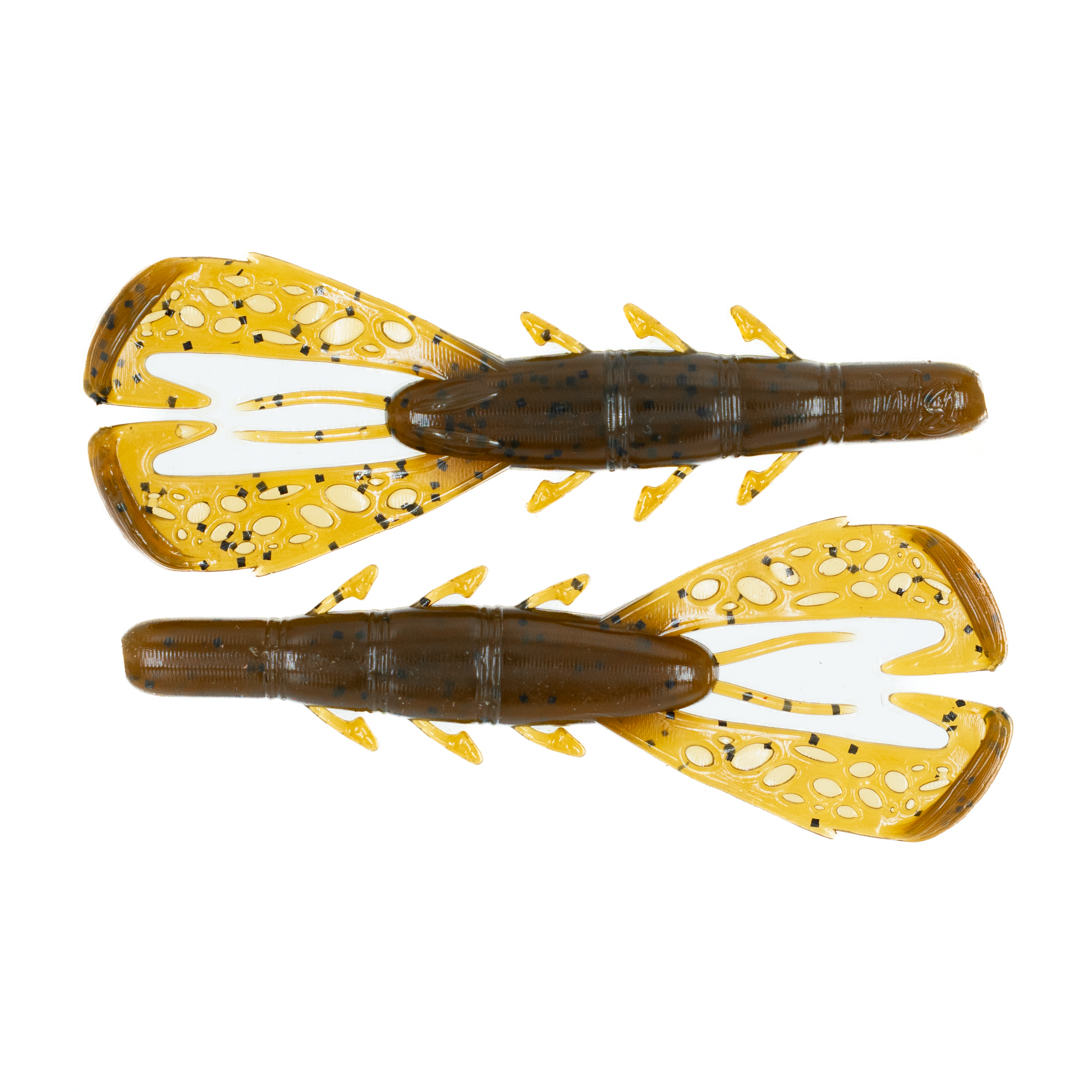
At Sullivan's in Pool 4 he dropped his Power-Poles in six feet just off the edge of a shallow sandy flat pocketed with milfoil. He worked a creature bait painfully slowly along the bottom, letting it feel its way into the grass. The detail he could not explain is the one worth remembering: he had to cast at forty-five degree angles to get bites. When the bait found what he called the sweet spot — a mixture of grass types — he could pop it free and get eaten.
On the final day he had almost nothing at Sullivan's and was on the point of running upriver to Pool 5. His instincts told him to stay a few more minutes. That produced a 6-10, the biggest bass of the entire tournament, and by the time he left Pool 4 he had most of his day's weight.
He weighed 15-14 that Sunday for 51-6 across three days, beating Greg Vinson by more than three pounds and taking $500,000. It was his second Bassmaster title of 2012.



Backwaters, Grass and Water Level
Four patterns cover the year. Each one pairs the technique with the baits we'd actually tie on.
The Backwater Window
Spring is when the Red is fished hardest and when both Classics were held. Bass move into the backwater lakes and ponds to spawn, holding on grass edges and shallow flats with deeper water beside them. Cool weather keeps them on the outside edges rather than up in the shallows — a distinction that decided the 2012 Classic.

Grass Mats and Current Breaks
Summer thickens the grass in the backwaters and pushes fish under it. The main river offers current breaks — wing dams, laydowns, riprap and barge structure — that hold fish when water is moving. Louisiana heat means the low-light windows carry most of the productive fishing.


Bait Into the Cuts
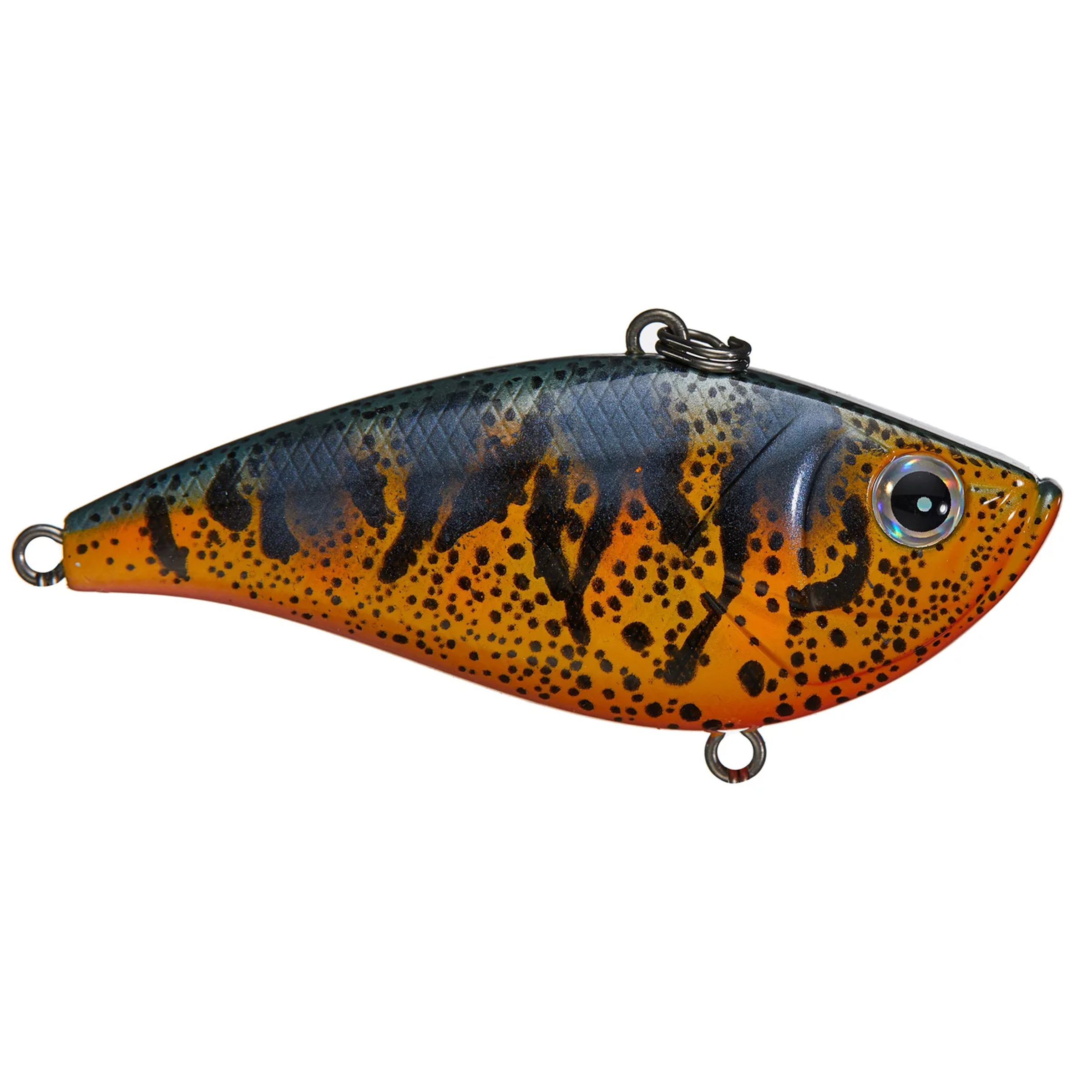
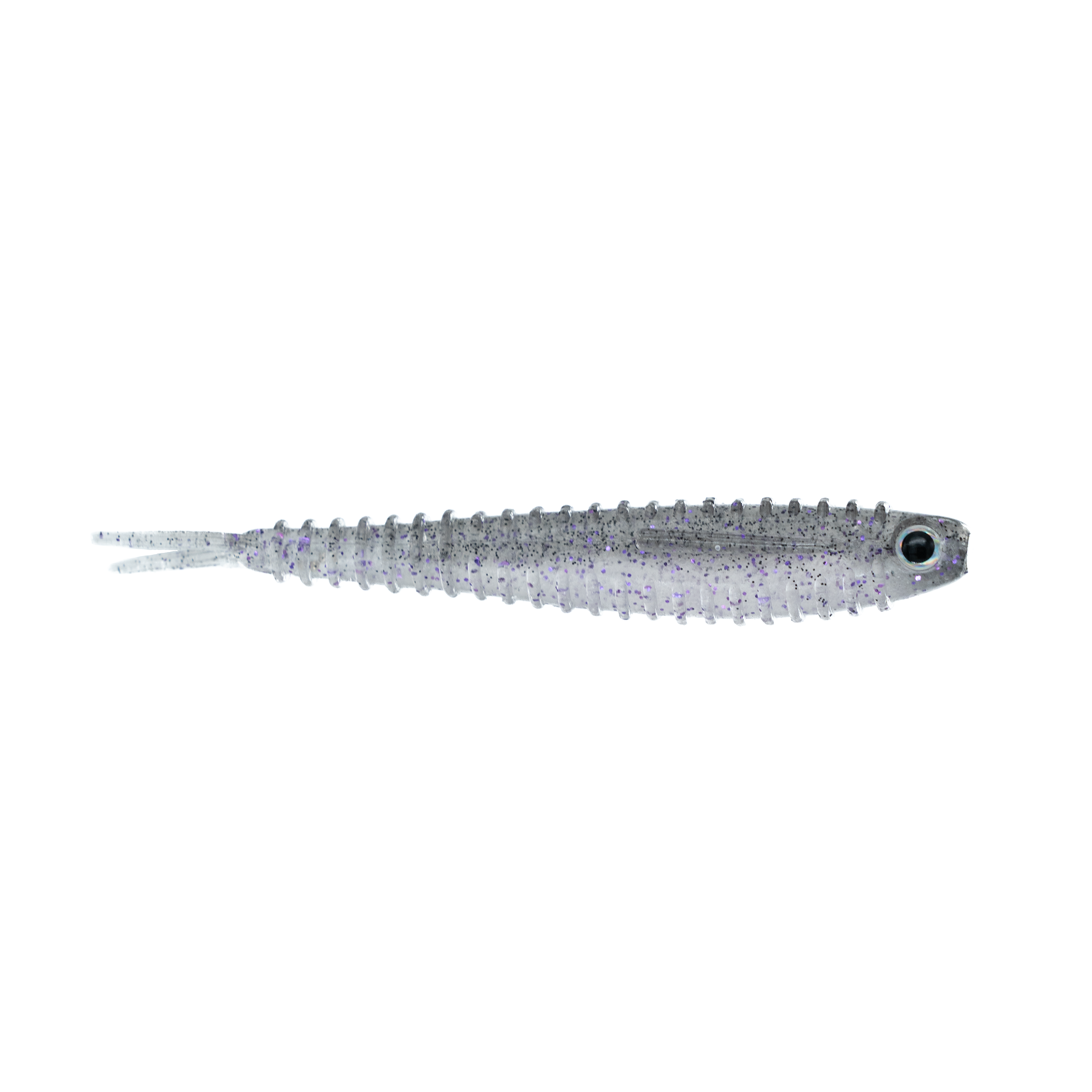
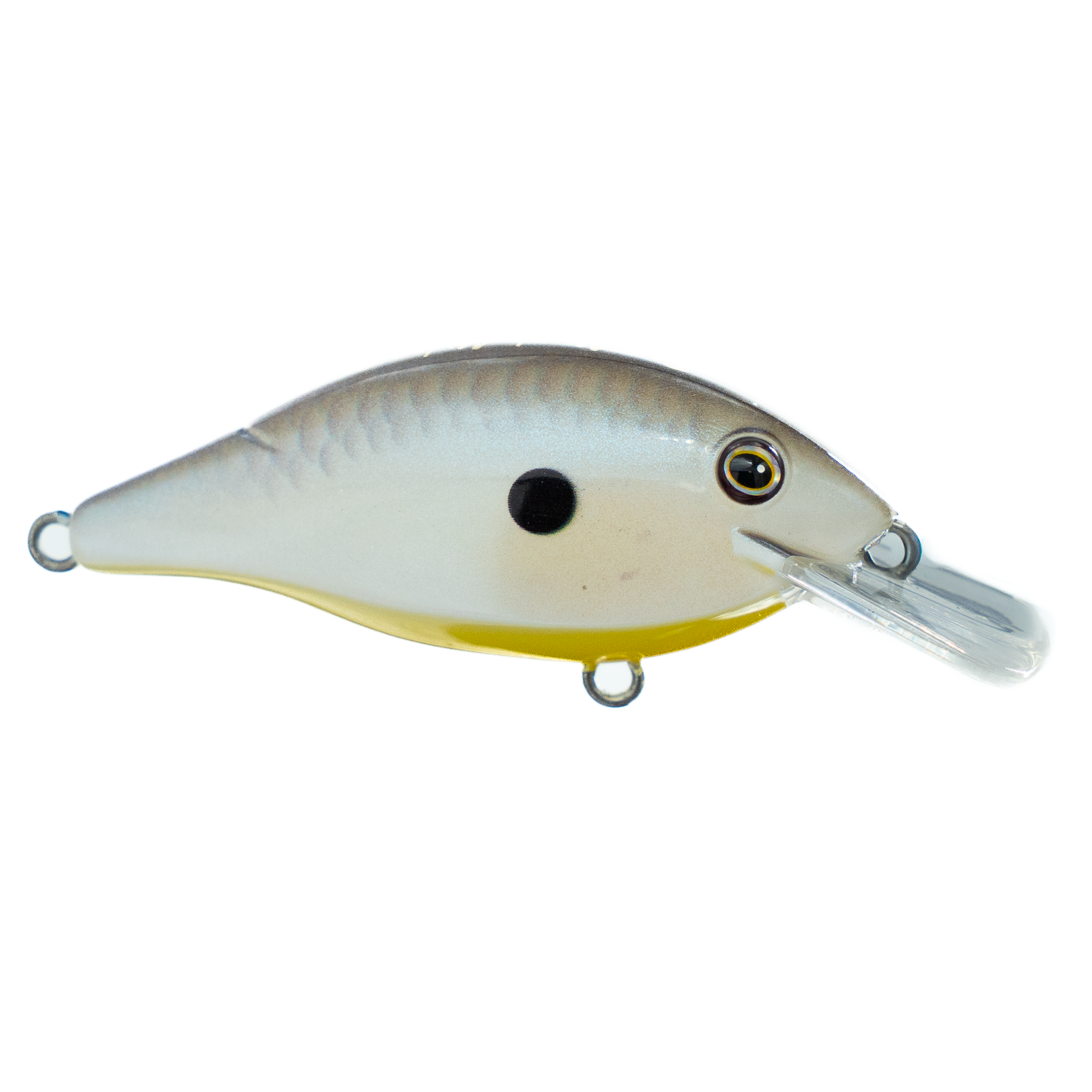
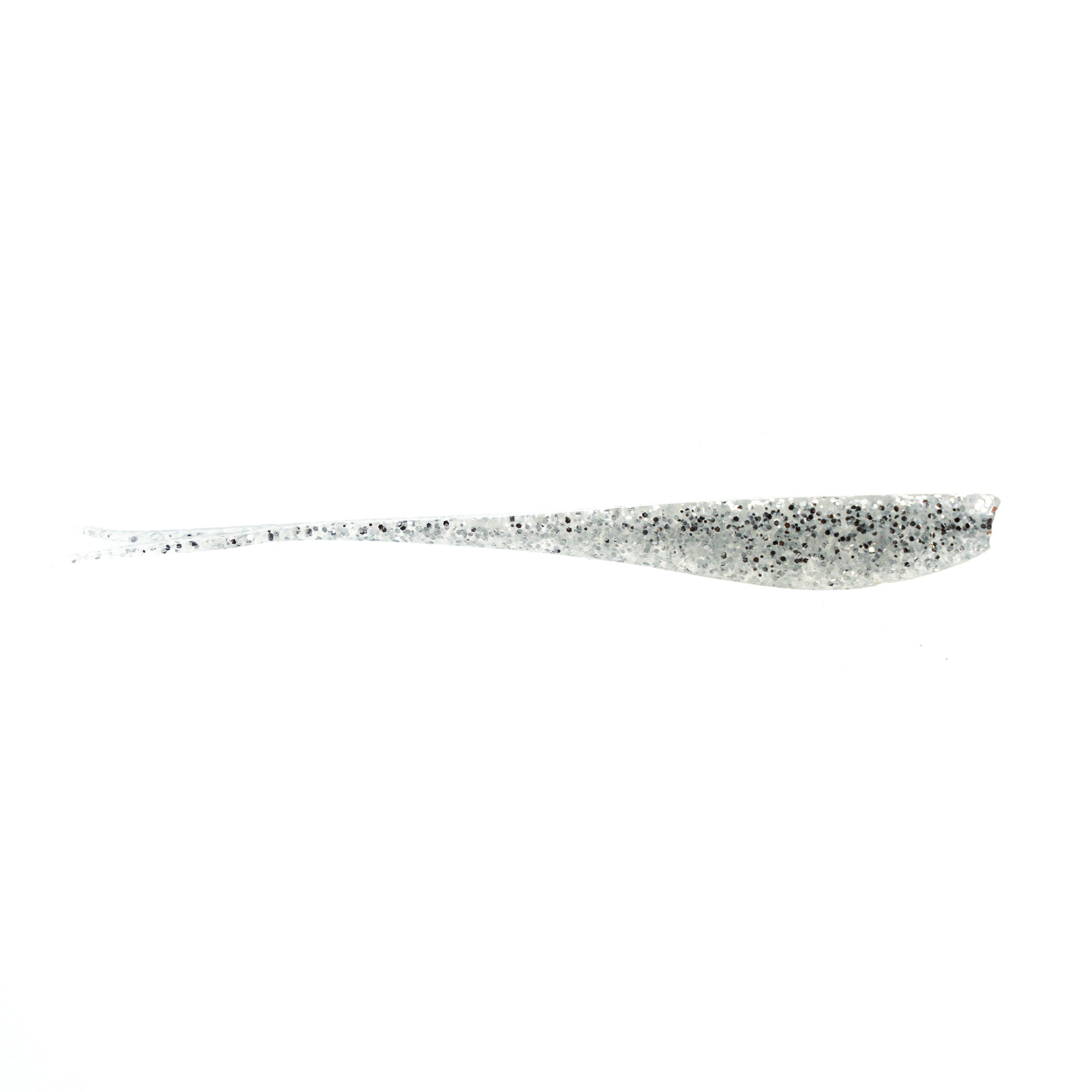
Autumn concentrates bait in the backwater cuts and along the grass edges, and cooling water brings the fish out of the heaviest cover. The tournament traffic has thinned and the river is at its most approachable. Moving baits work in a way they do not in the spring grind.
Florida-Strain Fish in Cold Water
Winter is difficult here and it is worth understanding why. These are Florida-strain largemouth, and they shut down harder in cold water than northern-strain fish do. The backwaters still hold them, but on the deeper edges rather than the flats, and everything has to be slowed down considerably.


The Red River Access
Red River South Marina at Bossier City is the traditional tournament launch, with additional public ramps throughout the pool system and further south toward Alexandria, including Fort Buhlow Recreation Area. Plan for lock times if you intend to move between pools.
Sullivan's and the Pool 4 Backwaters
The area that won the 2012 Classic and one of the handful of names that come up again and again on this river. Shallow sandy flats pocketed with milfoil, with six feet of water on the edge. Heavily fished and still productive.
The Pool 5 Backwaters
Where the tournament launch sits and where most anglers start. More pressure, but no lock time. McDade Lake in this pool offered the clearest backwater water during the Classic, with flats and points at the mouths of small drains holding staging fish.
The Main River Current Breaks
Wing dams, laydowns, riprap and barge structure. Not where tournaments are won, but the reliable fallback when water levels make the backwaters inaccessible or the backwater bite dies.
The Red River Bass Fishing FAQ
Has the Red River hosted the Bassmaster Classic?
Twice, in 2009 and 2012. The 2012 event was won by Chris Lane with 51 pounds 6 ounces, fishing backwater ponds in Pool 4 and Pool 5 and taking $500,000.
Where do you actually fish on the Red River?
The backwaters, not the main channel. The connected lakes, ponds, sloughs and cuts hanging off each pool hold the grass, the flats and the Florida-strain largemouth. Every major tournament here has been decided in them.
Why does water level matter so much?
Because it determines which backwaters you can get into and whether the fish inside are catchable. Wins here have come from anglers reaching less-pressured water when levels allowed — in one case by pulling an aluminium boat through a culvert into a lake nobody else could enter.
How was the 2012 Classic won?
In six feet of water off the edge of a shallow sandy flat pocketed with milfoil, at Sullivan's in Pool 4. A creature bait crawled painfully slowly along the bottom, cast at forty-five degree angles — the winner could not explain why the angle mattered, only that it did.
Do I have to lock through?
To move between pools, yes, and it costs real time. Most anglers pick a pool and fish it rather than planning to cover the river. The tournament launch sits in Pool 5, so Pool 4 requires a lock.
Why is the fishing tough in cold water?
Florida-strain largemouth. They shut down harder in cold water than northern-strain fish do, which is why a February or March event on this river is genuinely difficult even for the best anglers in the world.
What baits work best on the Red River?
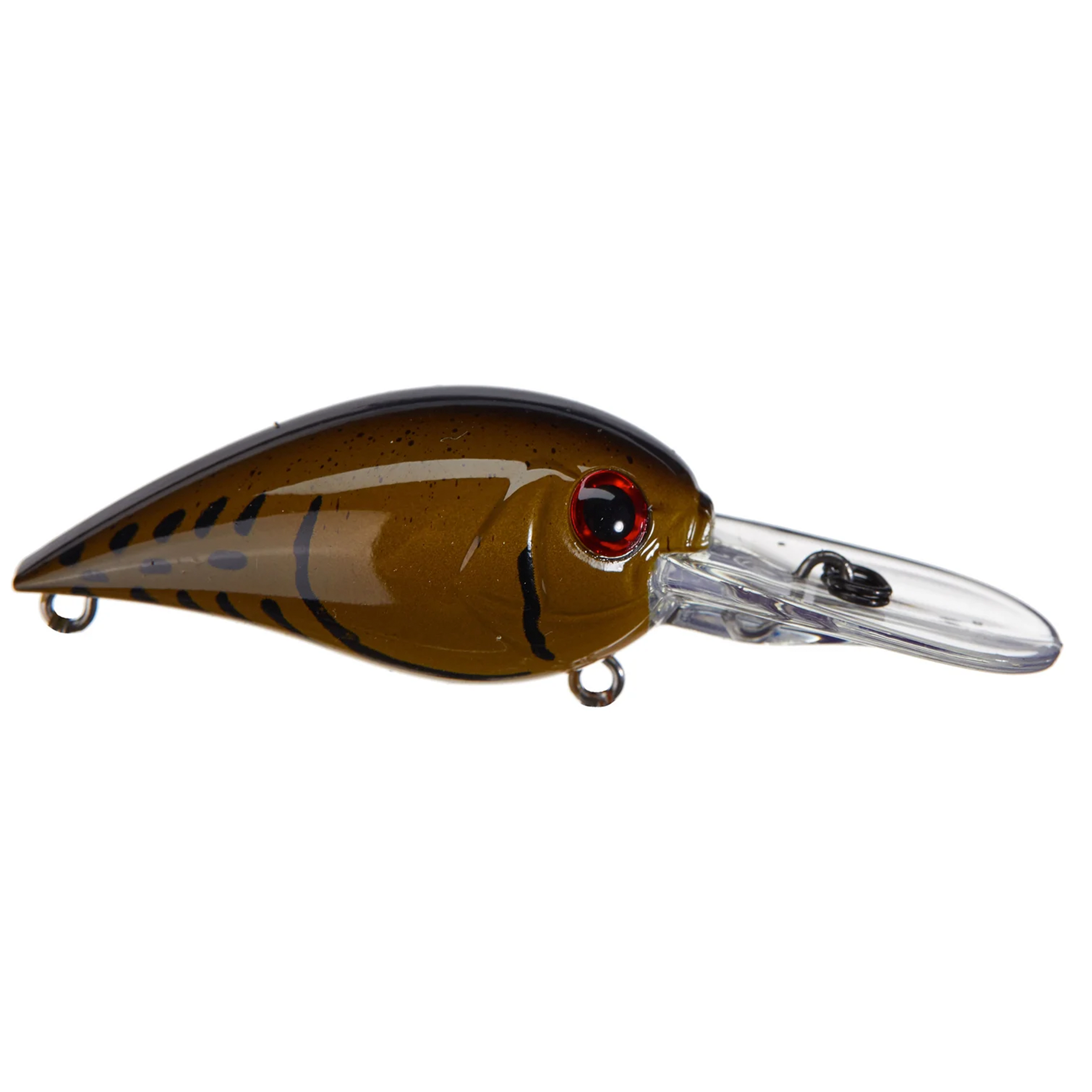
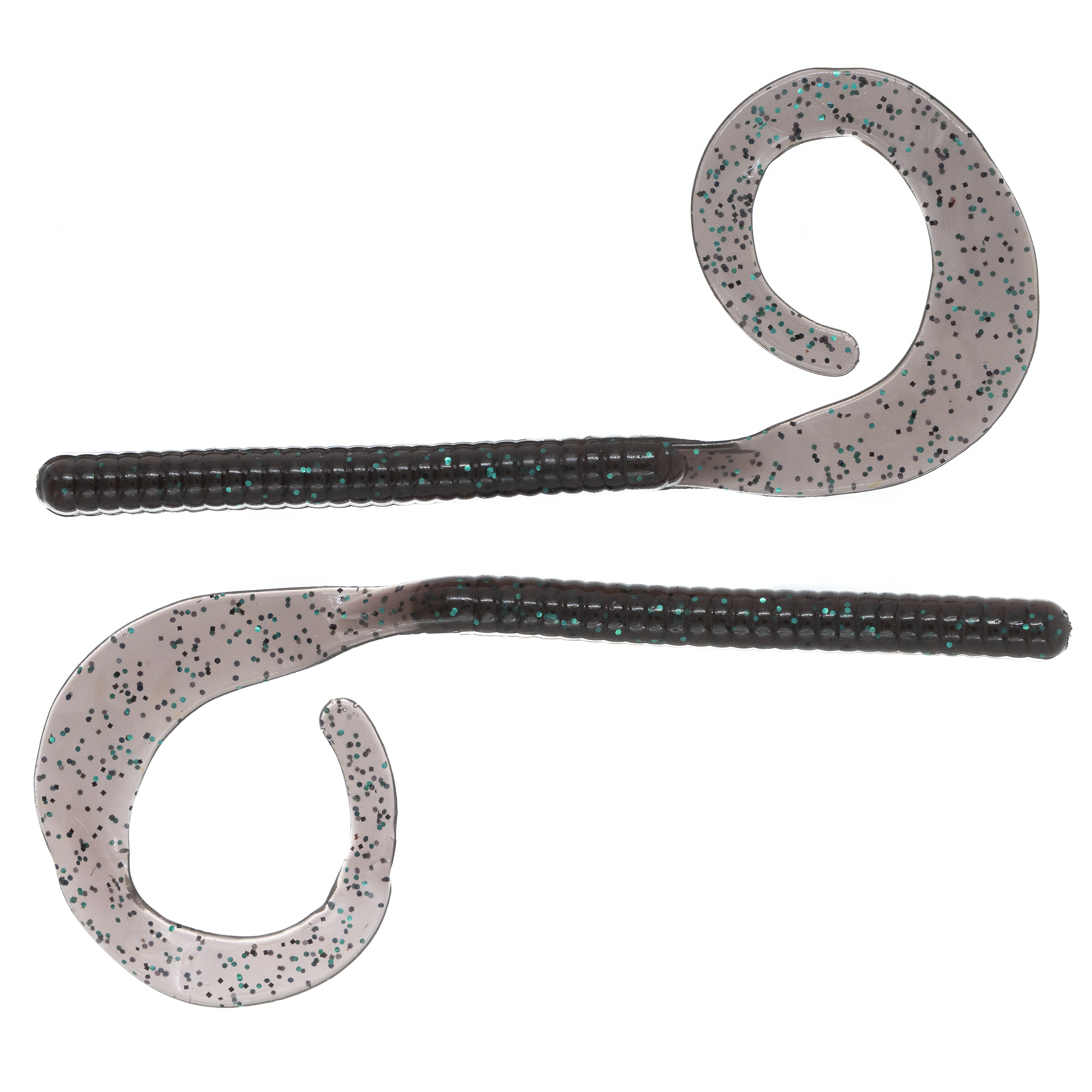
Creature baits and flipping baits crawled through backwater grass, frogs and punching gear for the summer mats, and moving baits along grass edges in autumn. Stained water means bigger profiles and brighter colours. Our full bait lineup covers all four seasons.
Do I need a fishing license?
Yes, a Louisiana fishing license from the Department of Wildlife and Fisheries. Check current black bass regulations before you go.
Crawling a Bait Through Grass
A Classic was won here by dragging a creature bait so slowly it felt its way into the grass, then popping it free at the right moment. That takes a rod sensitive enough to know what the bait is touching and strong enough to bury a hook the instant it stops. Level Rods builds exactly that.
Tournament Winning Baits & Gear
Designed, crafted and tested by anglers who fish backwater grass every week. Free shipping on orders over $75.
Shop All Baits