Pymatuning Reservoir Bass Fishing Guide
Pymatuning Bass Fishing, Season by Season
Seventeen thousand acres of shallow, weedy water straddling the Pennsylvania and Ohio line, and one of the most versatile largemouth lakes in either state. Pymatuning is also the rare water where bass harvest is legal year round.
Shallow, Weedy and Co-Managed
Pymatuning Reservoir sits on the northwestern border of Pennsylvania and Ohio, covering roughly 17,000 acres of shallow, fertile, weedy water. It is co-managed by both states and provides some of the best largemouth opportunities in either.
What anglers say about it most often is versatility. Whether you want to fish deep or shallow, slow or fast, the lake gives you somewhere to do it, which makes it an unusually good place to develop technique. That is a genuine compliment for a reservoir this shallow.
The habitat is vegetation, flats, stumps, creek channels and shoreline cover. There is limited deep water by the standards of Raystown or the Finger Lakes, and the fishing is correspondingly shallow-oriented. Weed beds and their edges are the primary structure across most of the year.
The regulation that sets it apart: bass harvest is legal year round here, with a twelve-inch minimum and five fish daily. Every other water in this Pennsylvania batch runs a spring no-harvest window. Pymatuning does not, because the two states manage it jointly under their own arrangement.
It is also famous for something other than bass. The spillway area draws visitors who throw bread to the carp in such numbers that the local phrase is that the ducks walk on the fish. Walleye and crappie fishing are both strong, and the lake sees heavy multi-species traffic as a result.
Some tributary nursery waters near the reservoir are closed to all fishing from 1 March through 1 May, so check the current rules for the specific area if you plan to fish the feeder creeks.
Flats, Weeds and Shallow Water
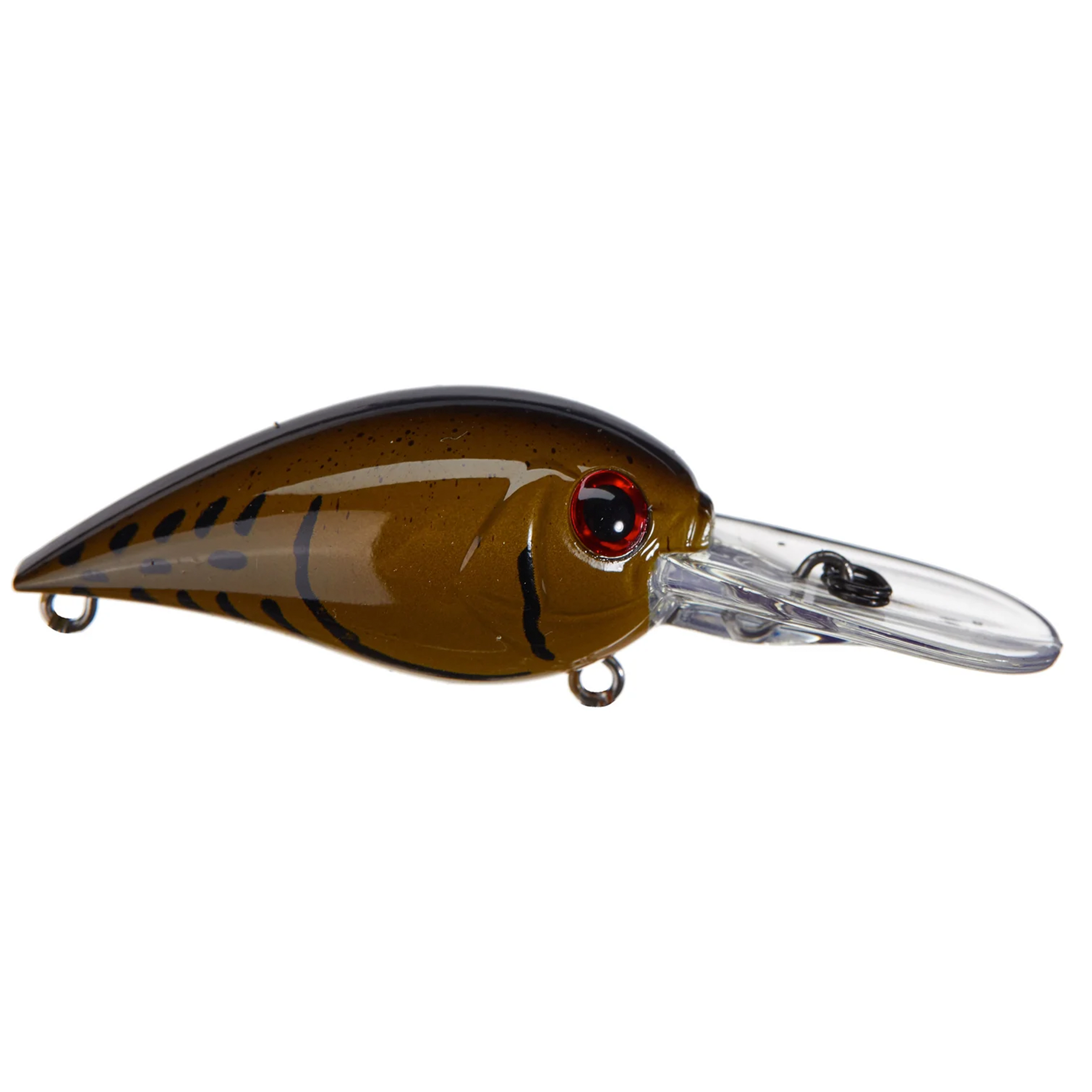
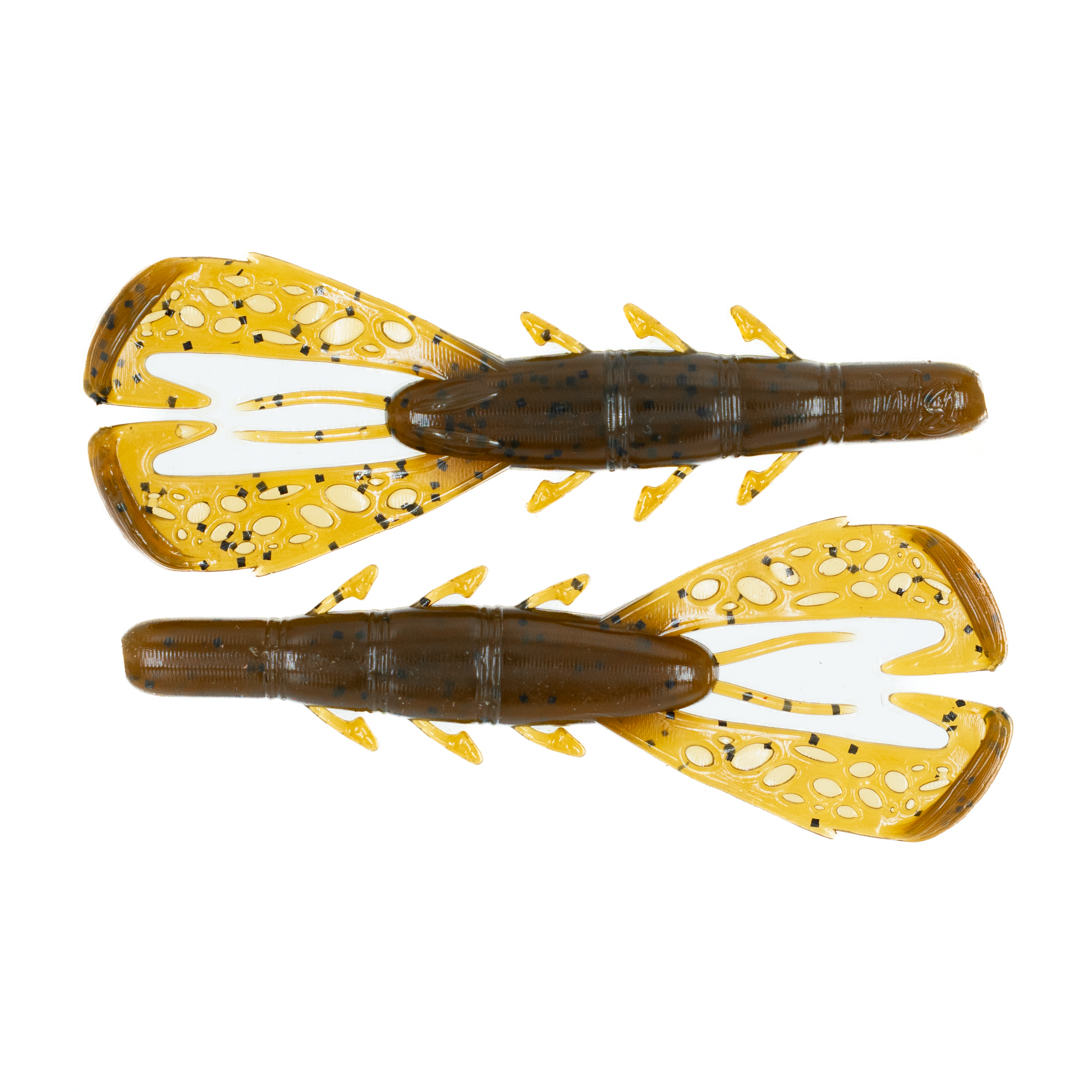
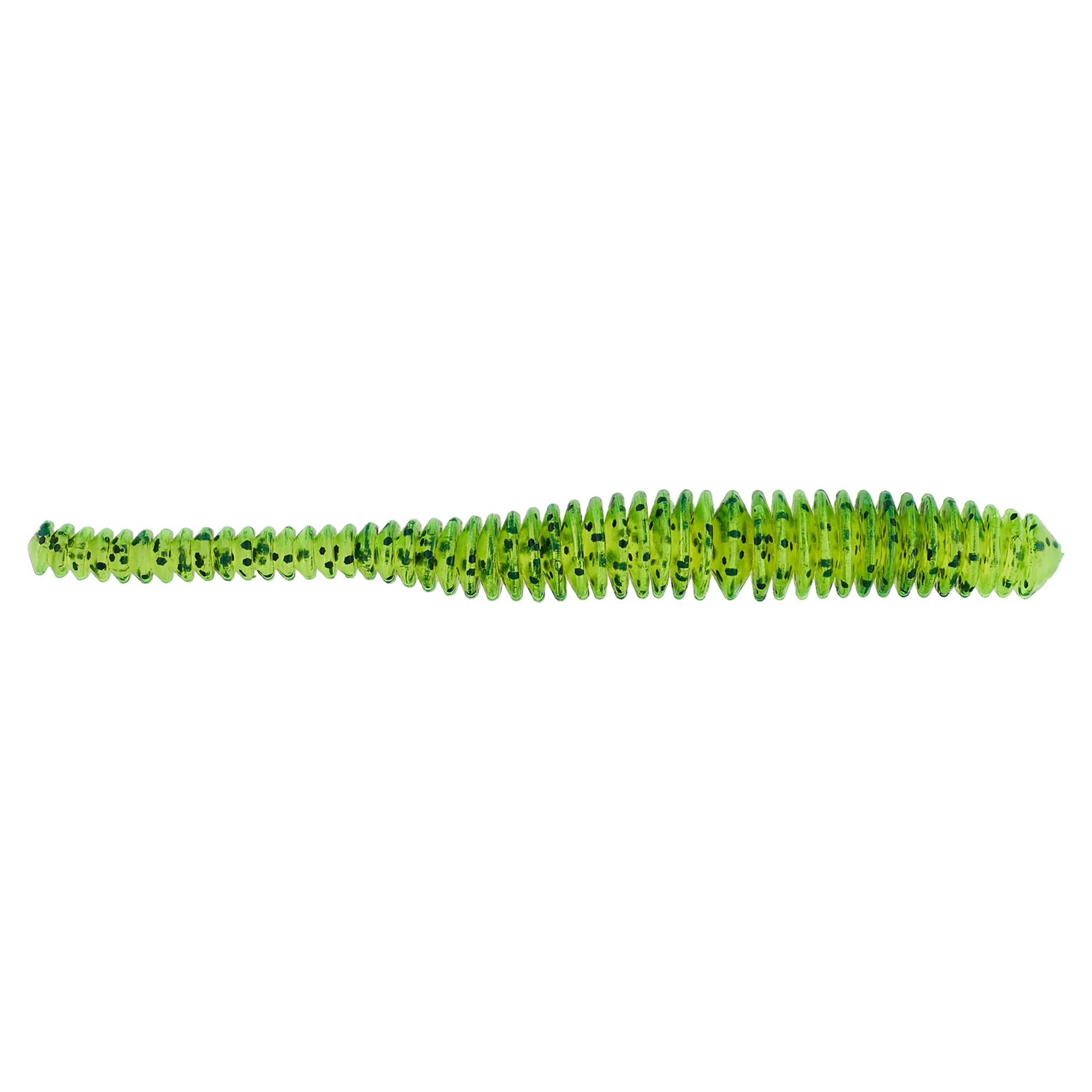
Four patterns cover the year. Harvest is legal year round here, unlike most Pennsylvania waters. Each card pairs the technique with the baits we'd actually tie on.
Warming Flats and Emerging Weeds
Spring warms a shallow fertile lake quickly, and the flats and emerging vegetation hold fish early. Largemouth move onto the shallow cover to spawn and the fishing gets going sooner here than on the deeper Pennsylvania lakes. Note that some tributary nursery waters are closed to all fishing from 1 March to 1 May.


Thick Weeds and Edges
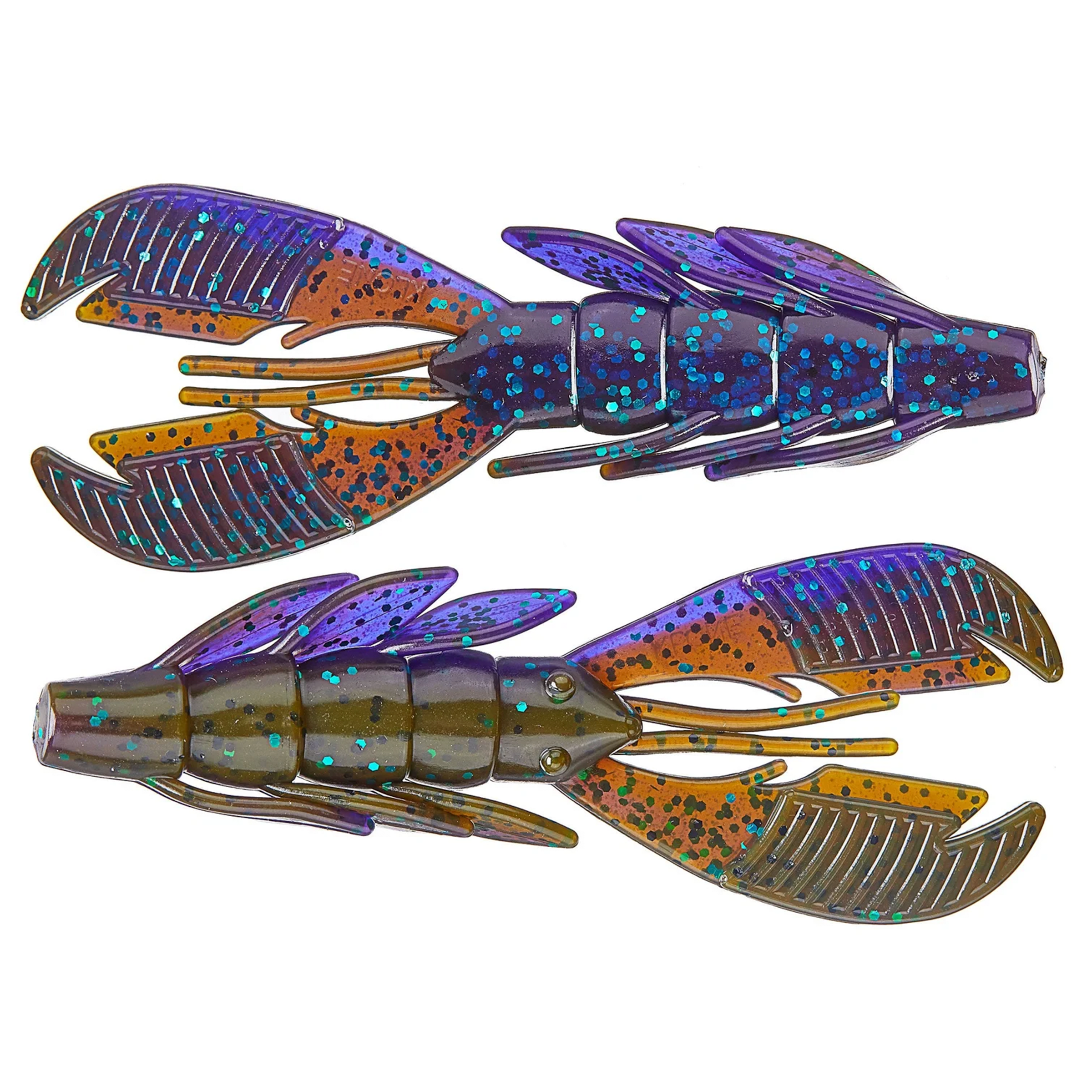
Summer thickens the vegetation substantially and the fish use it heavily. This is the season the lake's versatility shows — frogs over the mats, flipping the thicker growth, swim jigs along the lanes and edges, and moving baits over the outside grass lines all produce on the same day.


Weed Edges and Cooling Water
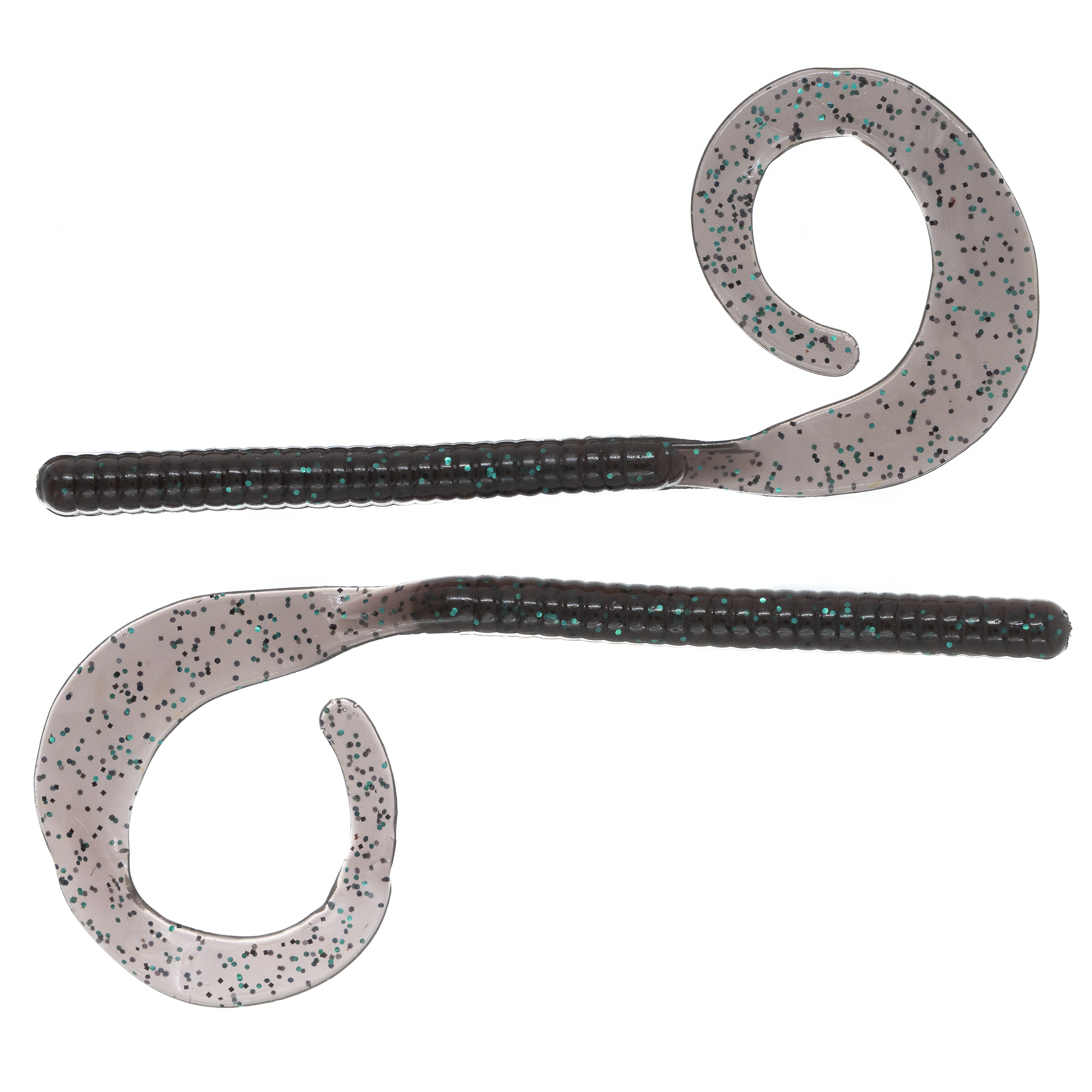
Autumn breaks down the vegetation and pulls fish onto the edges and into the open pockets. Bait concentrates, the fish feed hard, and moving baits do the work that patient flipping does in summer. The lake is quiet once the summer traffic goes.
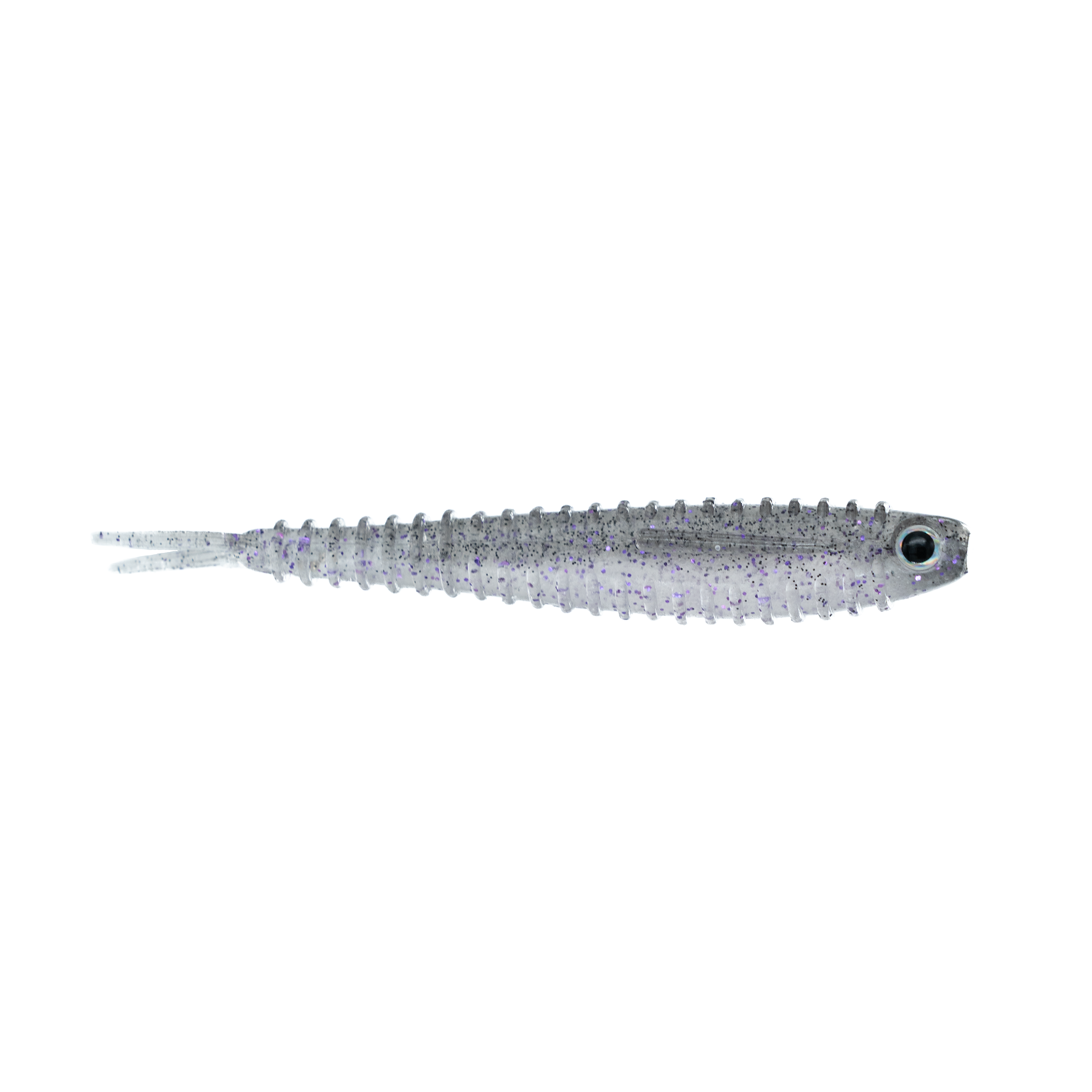
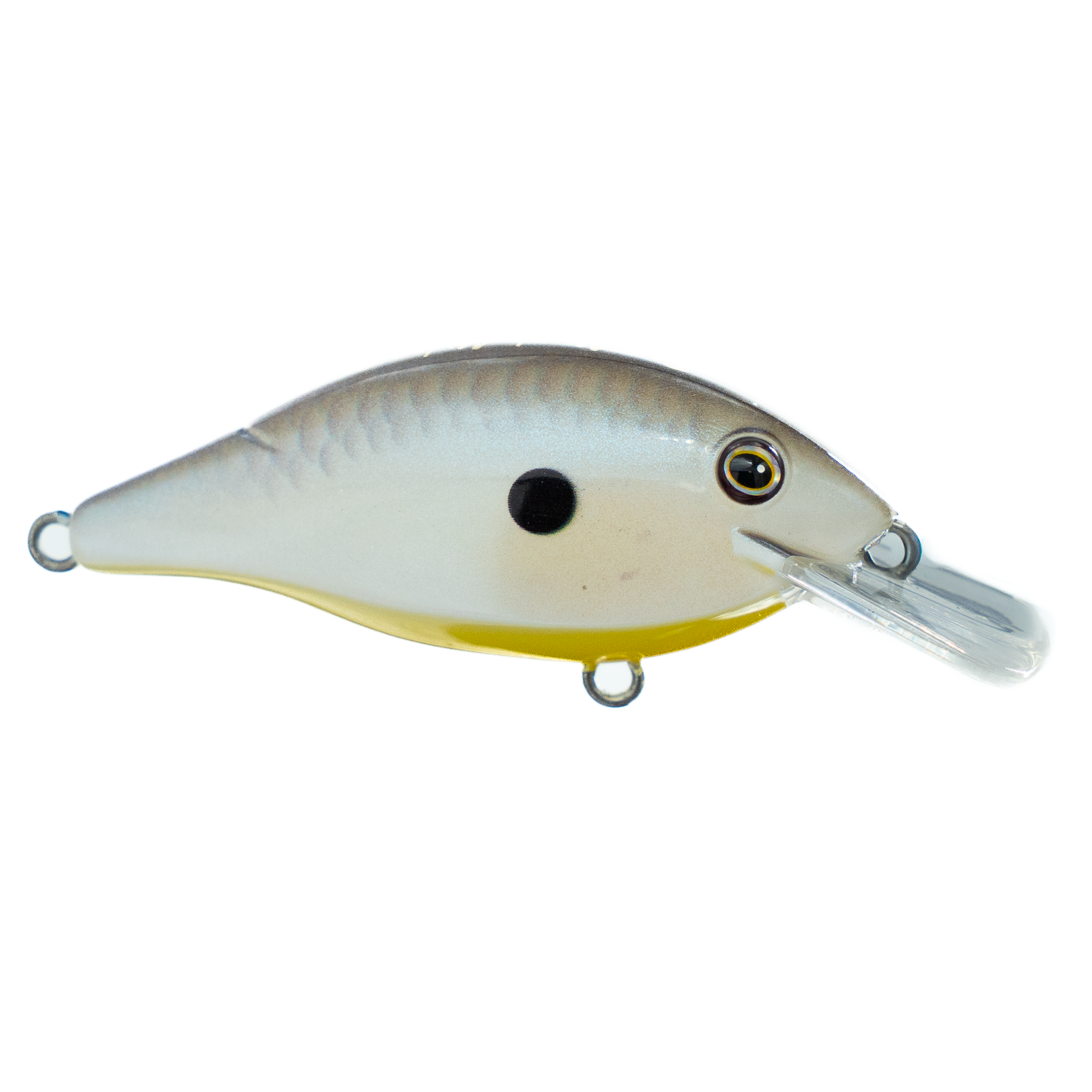
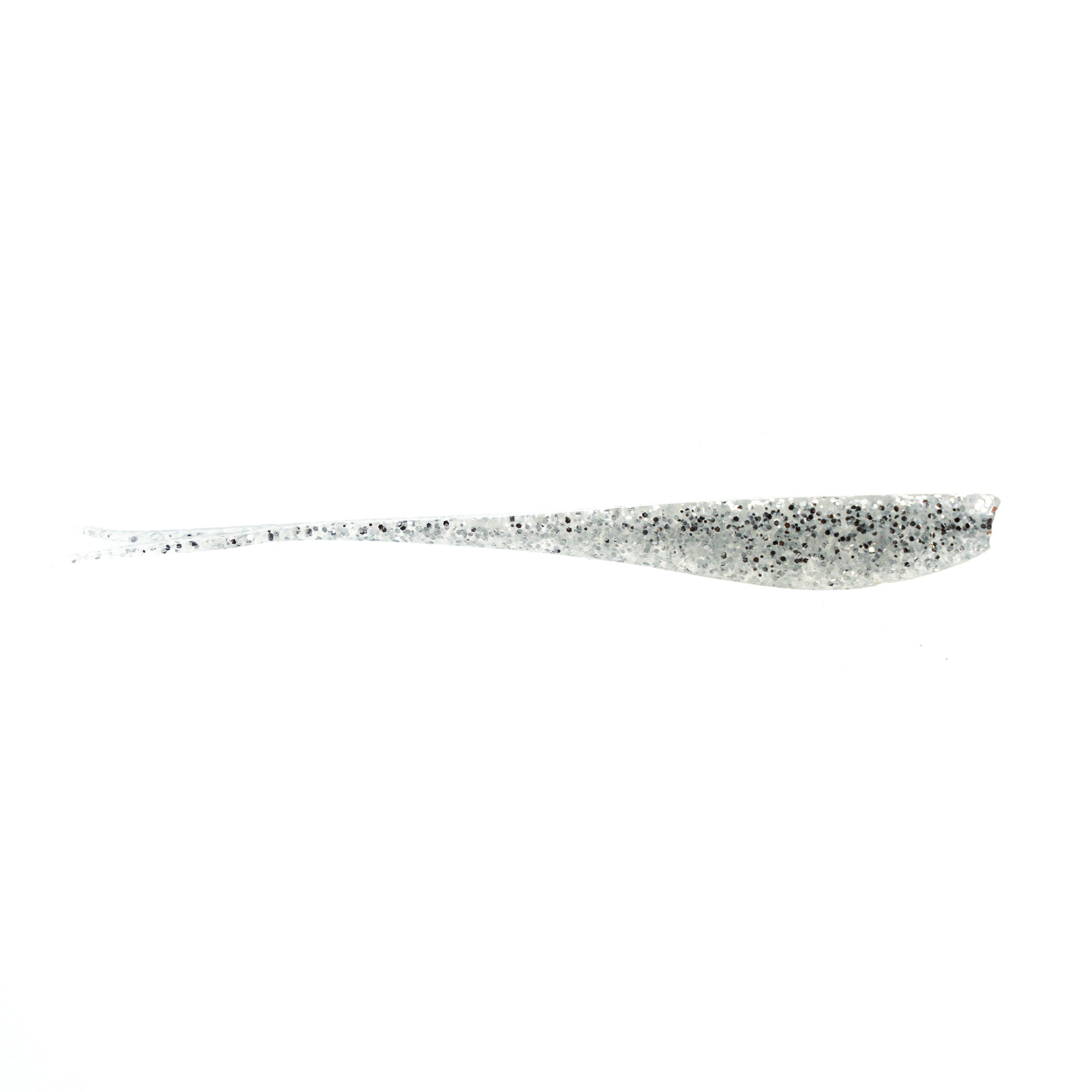
Deeper Water, and Harvest Still Open
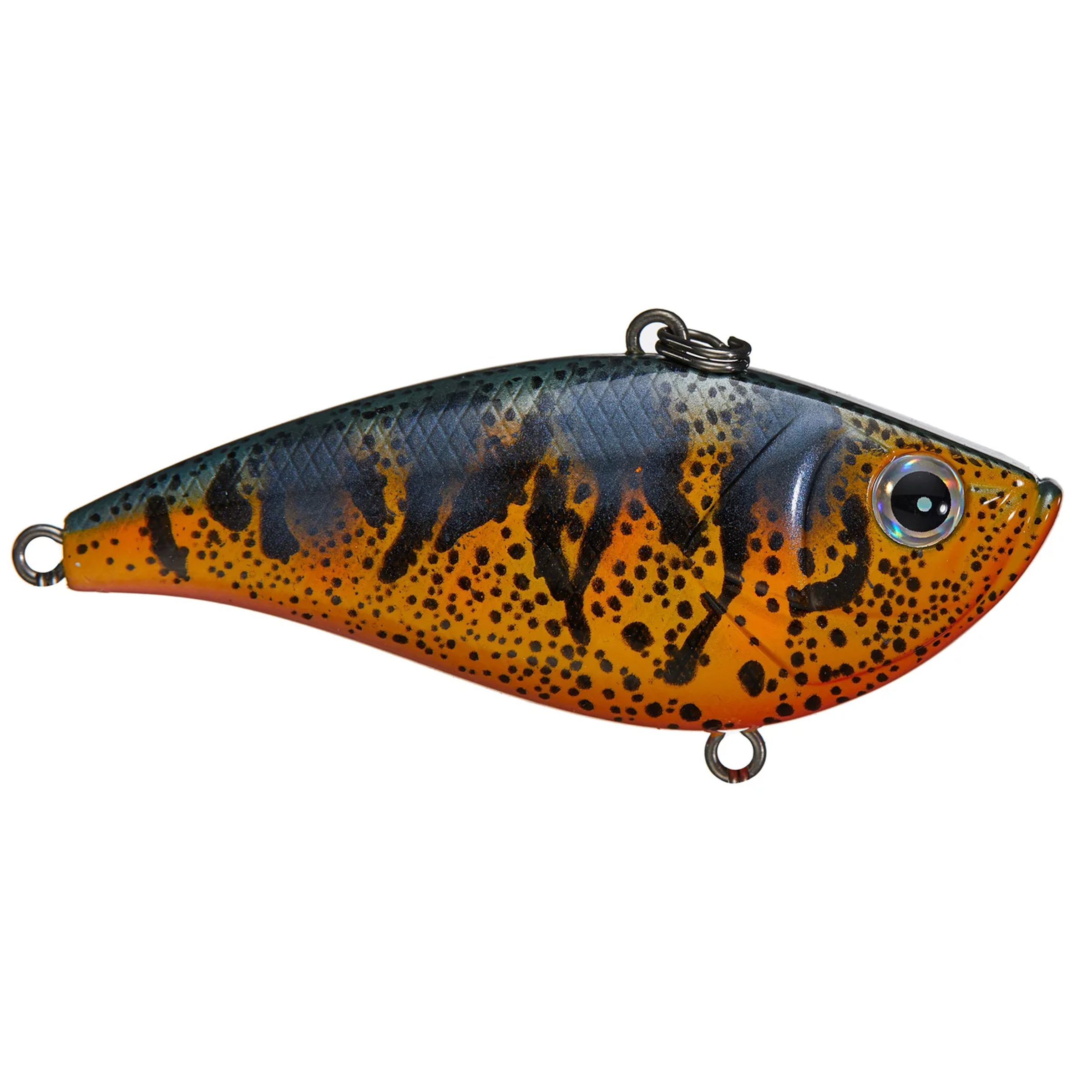
Winter pushes fish into the deeper channels and whatever depth a shallow lake offers, and northwestern Pennsylvania winters mean ice for part of it. Bass harvest remains legal year round here, which is unusual, though open-water access is weather-dependent.


Pymatuning Reservoir Access
Public ramps serve both the Pennsylvania and Ohio shorelines, with Pymatuning State Park facilities on both sides. Linesville and Jamestown are the Pennsylvania towns. Check which state's regulations apply where you intend to fish.
The Weed Beds and Flats
The primary structure across most of the year and the reason this lake fishes as versatilely as it does. Mats, edges and lanes all hold fish, and the vegetation thickens considerably through summer.
The Creek Channels and Stumps
What passes for structure on a shallow reservoir, and where fish concentrate in cold water. Also the routes fish use moving between the flats and the deeper water.
The Ohio Side
Co-managed water with its own access and its own state regulations. Worth knowing which side you are on, and worth fishing — the reservoir does not stop at the state line but the rules can.
Pymatuning Reservoir Bass Fishing FAQ
Can I keep bass at Pymatuning year round?
Yes. Bass harvest is legal year round here with a twelve-inch minimum and five fish daily, because the reservoir is co-managed by Pennsylvania and Ohio under their own arrangement. Every other Pennsylvania water in this guide runs a spring no-harvest window.
How big is Pymatuning?
Roughly 17,000 acres straddling the Pennsylvania and Ohio line in the northwest corner of the state. Shallow, fertile and weedy, with limited deep water.
Why is it good for learning technique?
Versatility. Anglers consistently describe it as a lake where you can fish deep or shallow, slow or fast, and find fish doing all of it. For someone trying to develop a technique rather than just catch fish, that range is genuinely valuable.
Do I need a Pennsylvania or Ohio license?
Depends where you fish. The reservoir is co-managed and each state licenses its own waters. Check before you launch, particularly if you plan to move across the line during the day.
Are there any closed areas?
Yes. Some tributary nursery waters near the reservoir — including sections of Paden Creek, Linesville Creek and the Shenango River near the sanctuary boundary — are closed to all fishing from 1 March through 1 May. Check current rules before fishing the feeders.
What is the spillway famous for?
Carp, in such numbers that visitors throwing bread have given rise to the local phrase that the ducks walk on the fish. It is a genuine tourist attraction and worth seeing even if you are there for bass.
What baits work best on Pymatuning?
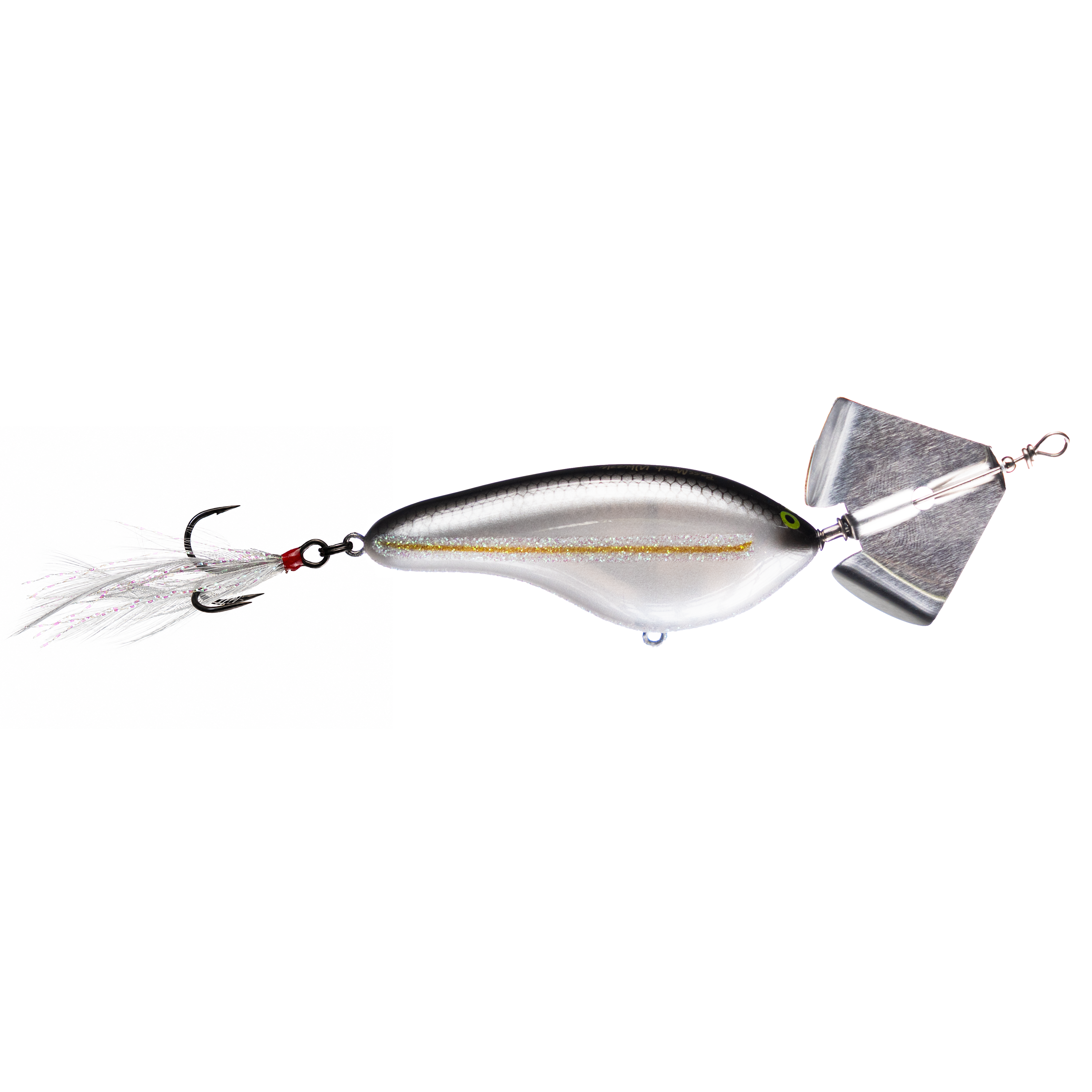
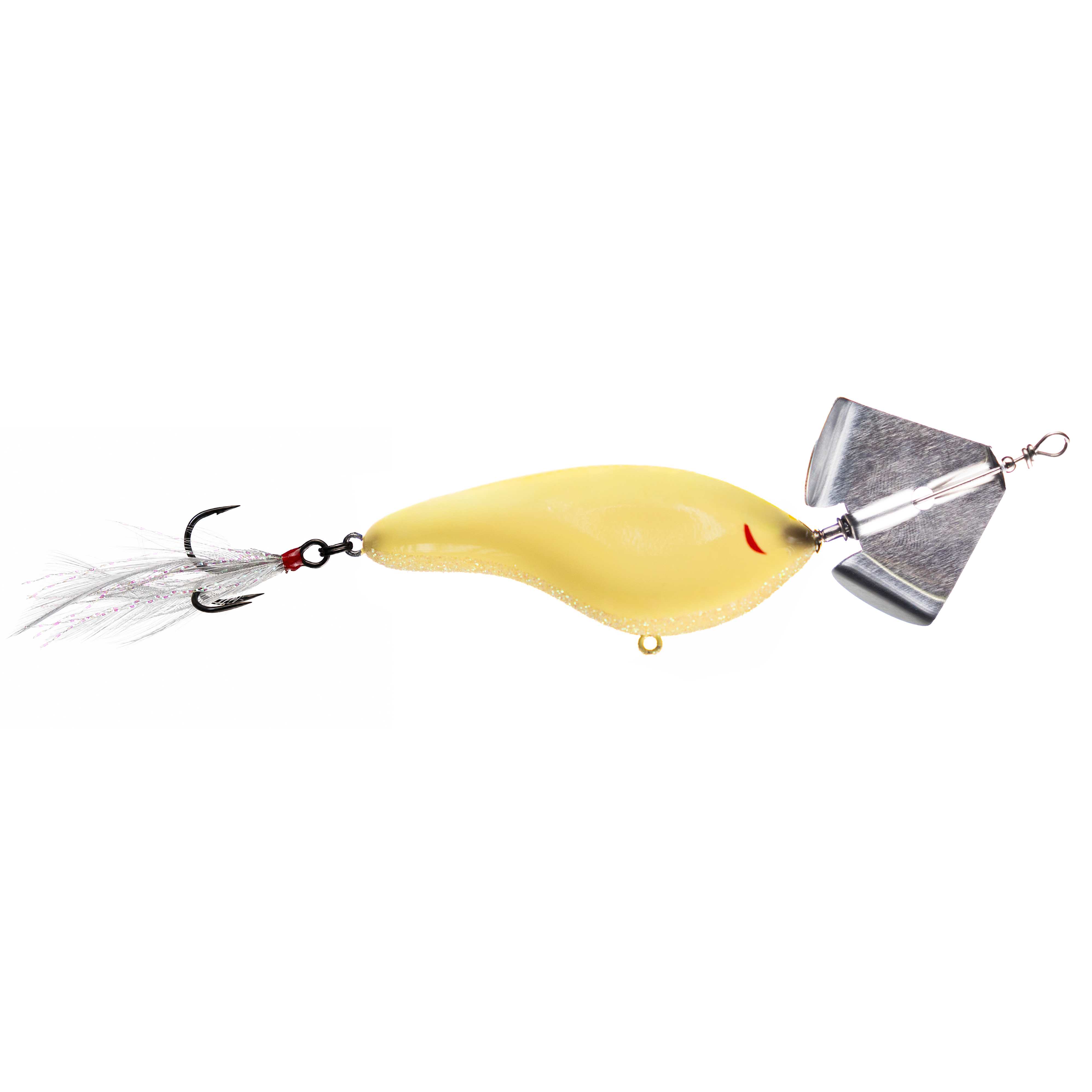
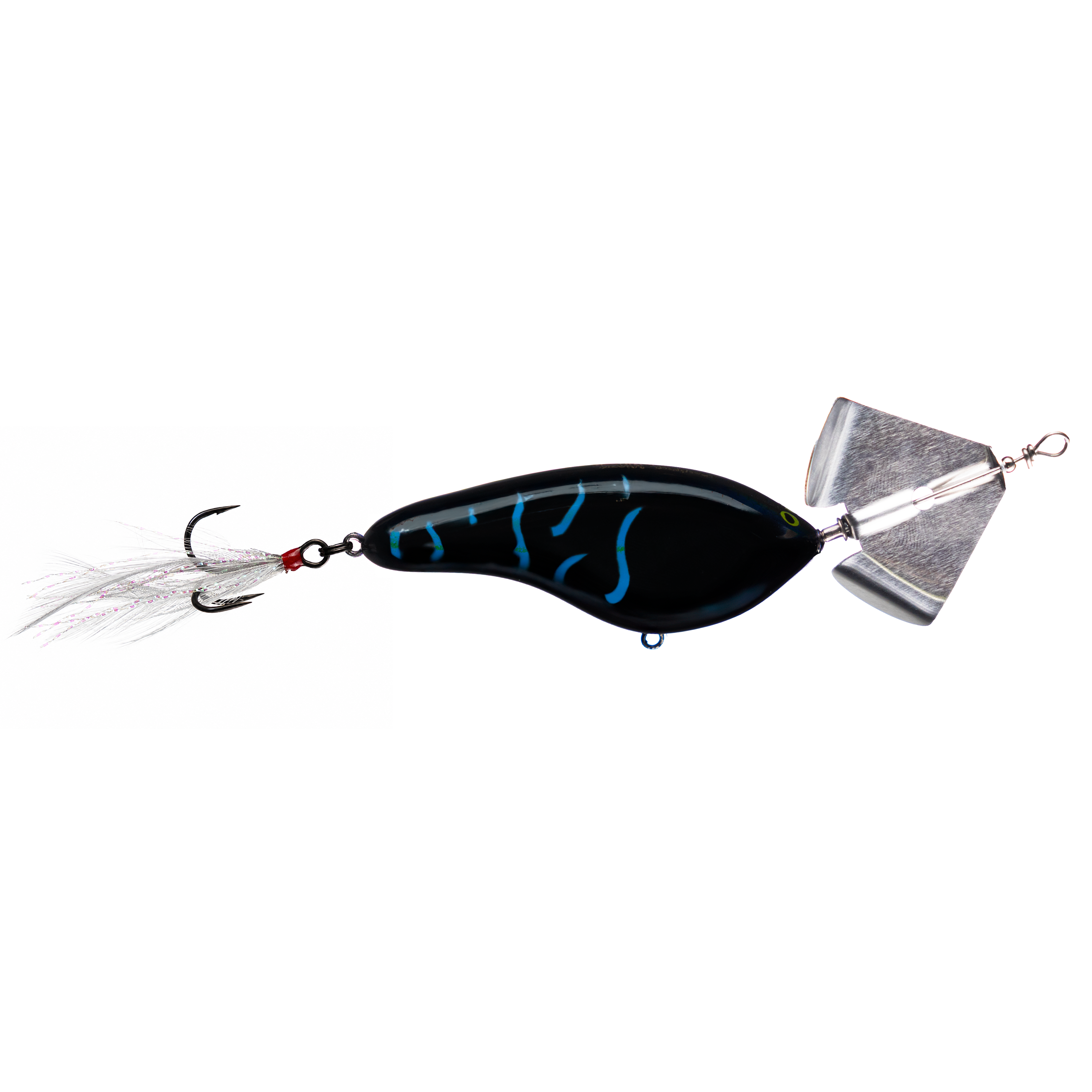
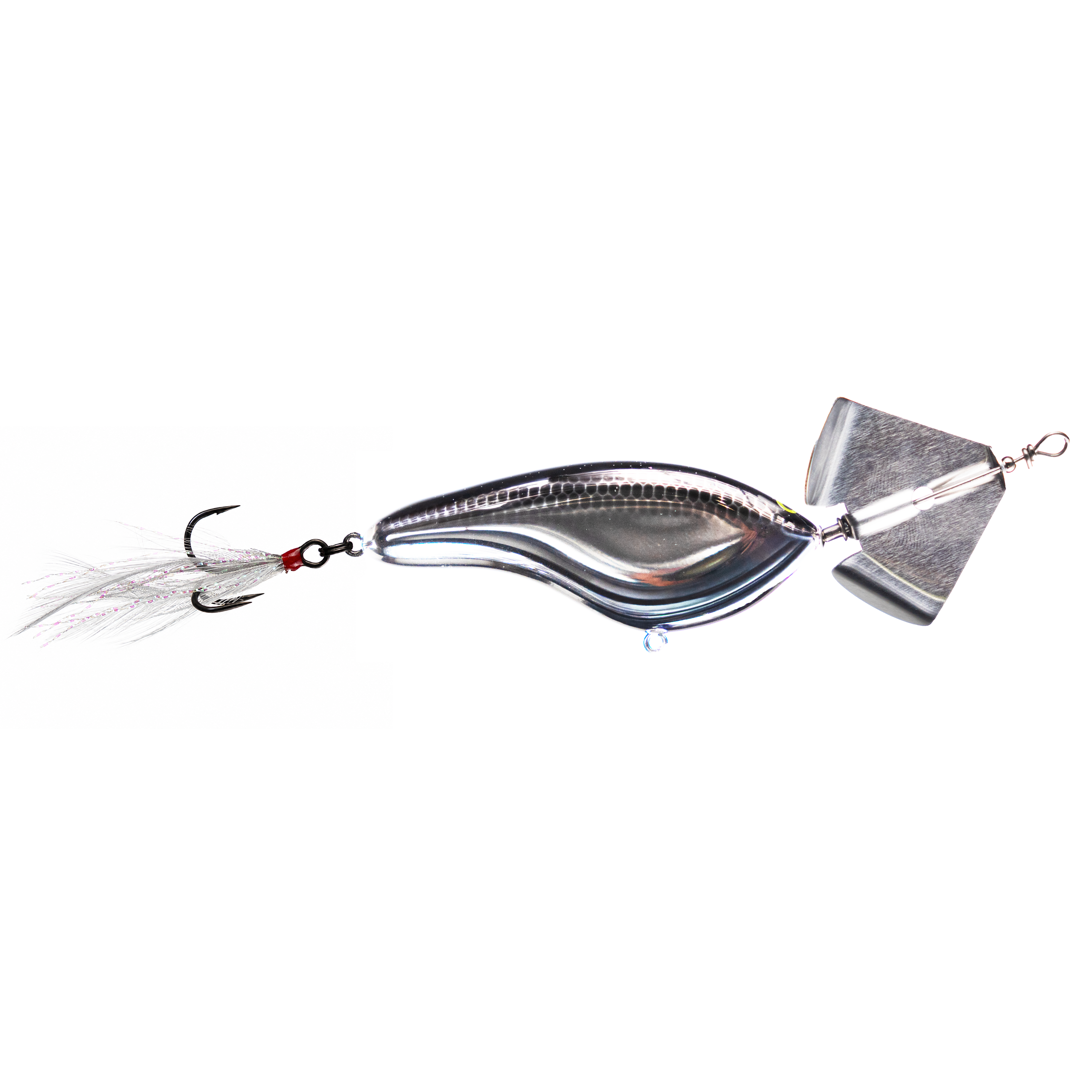
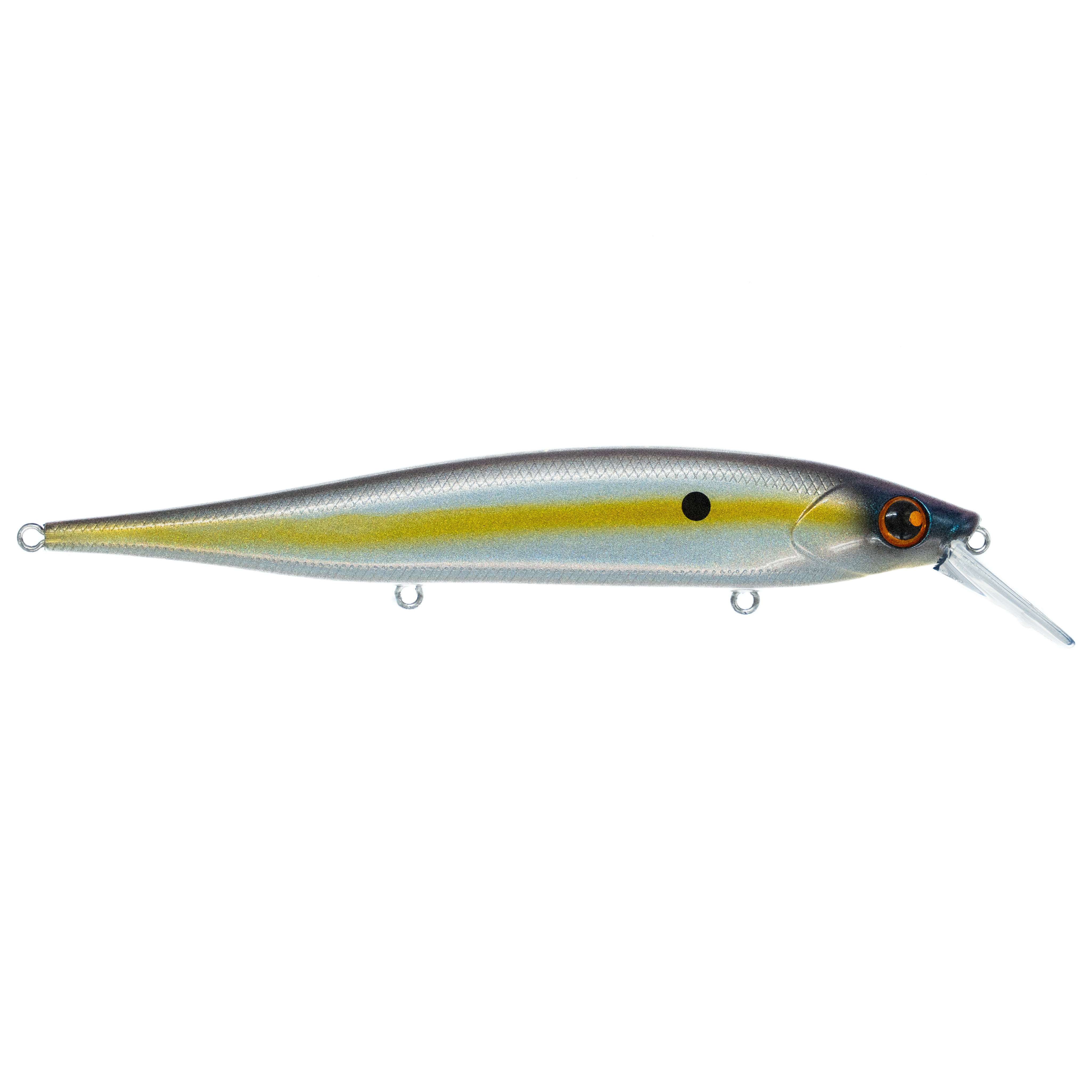
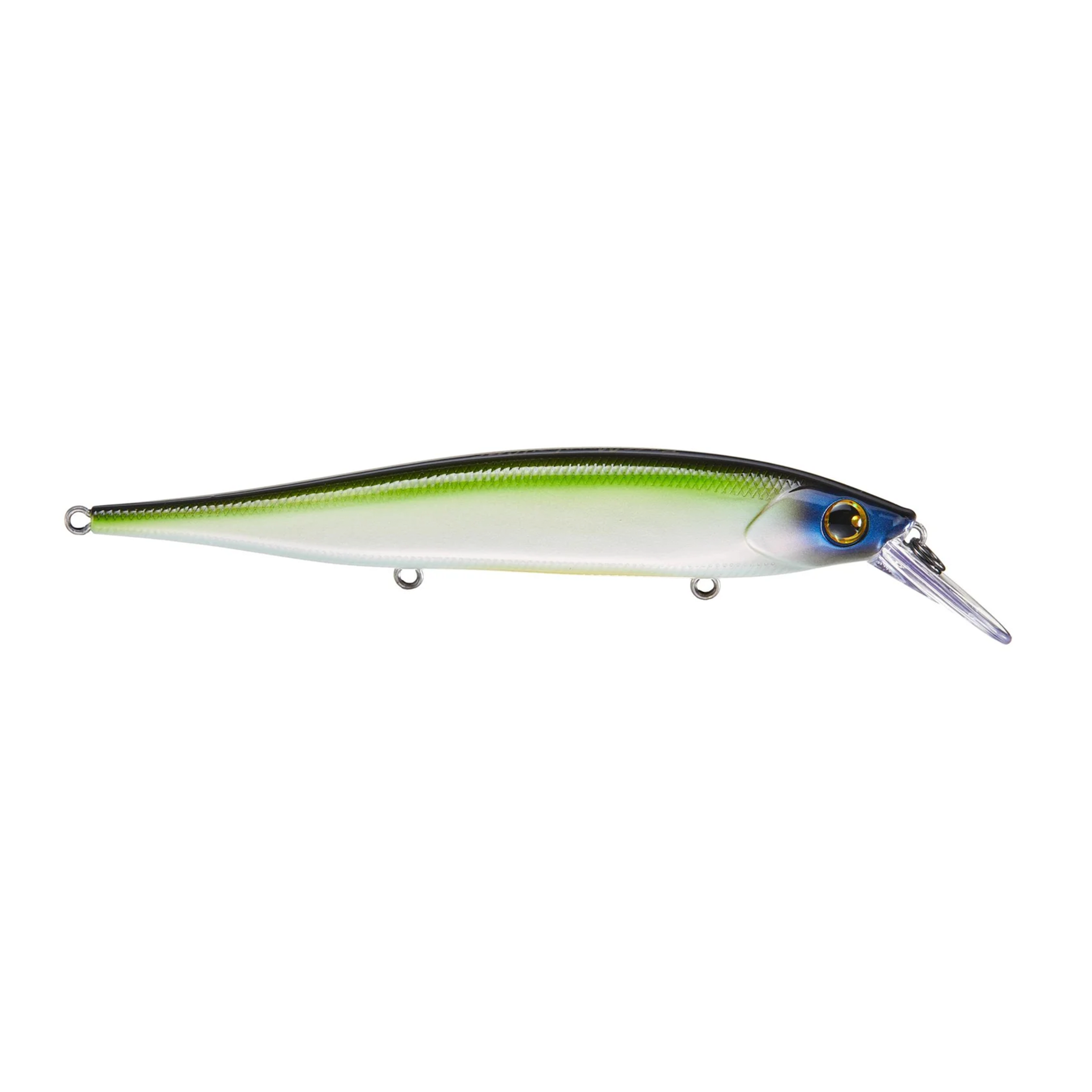
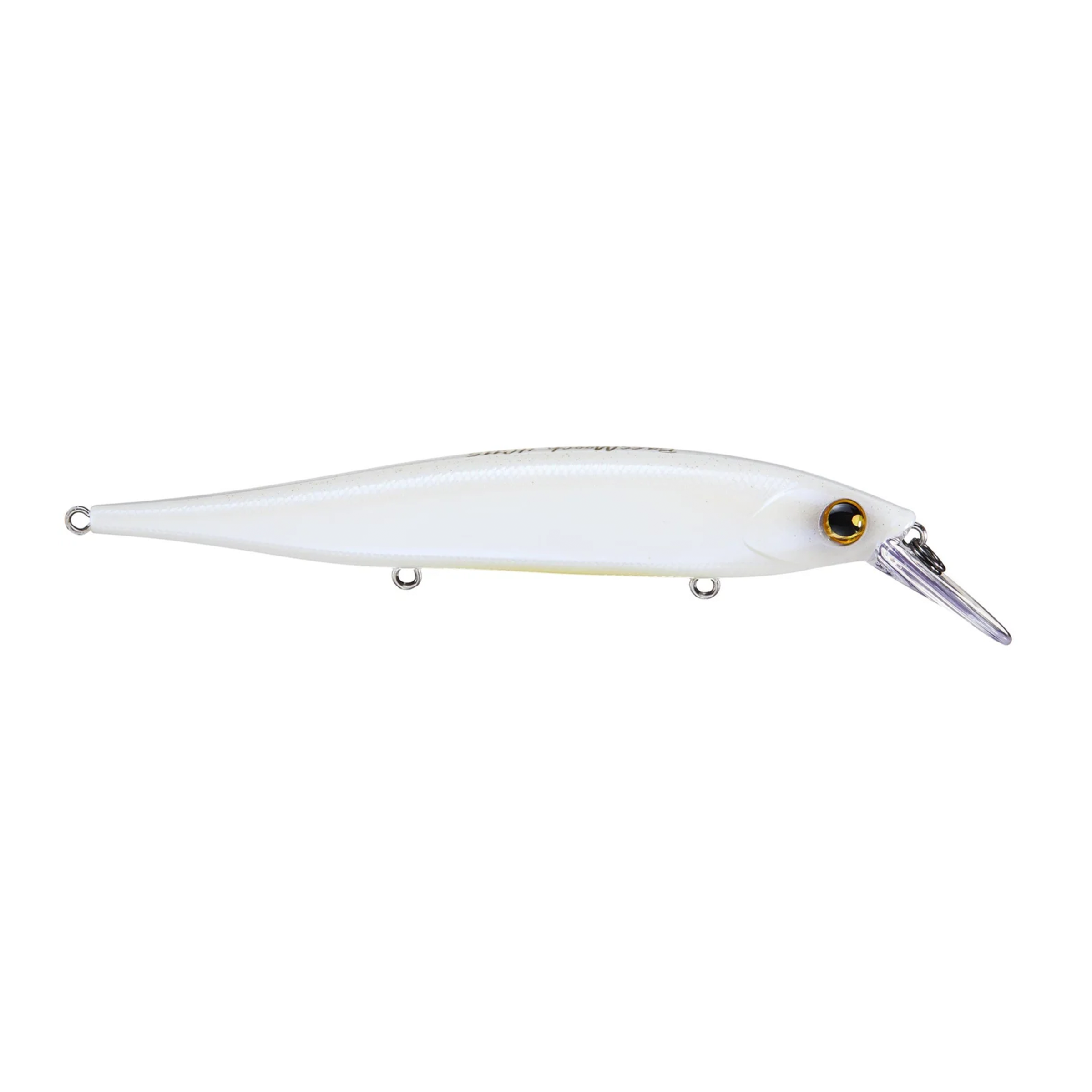
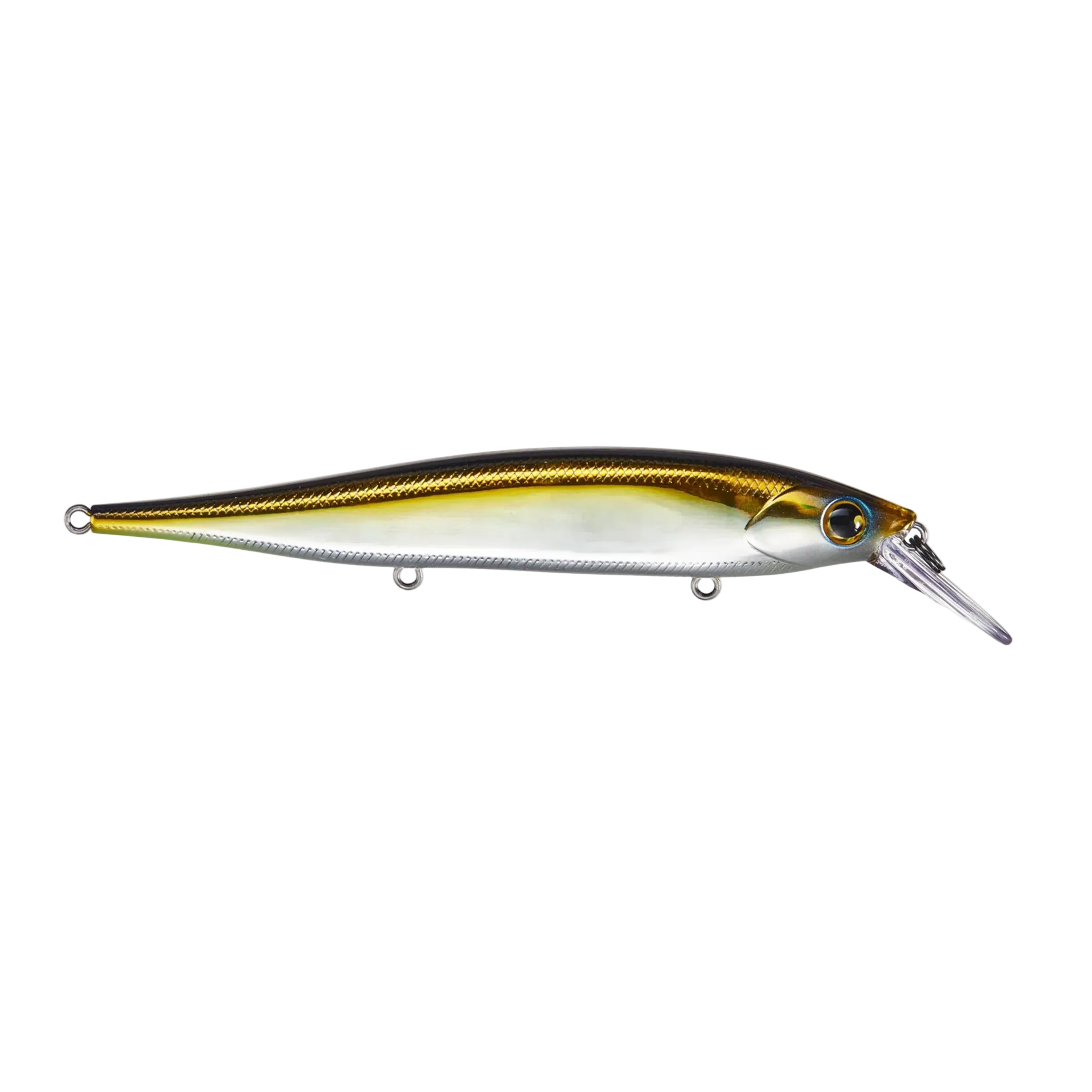
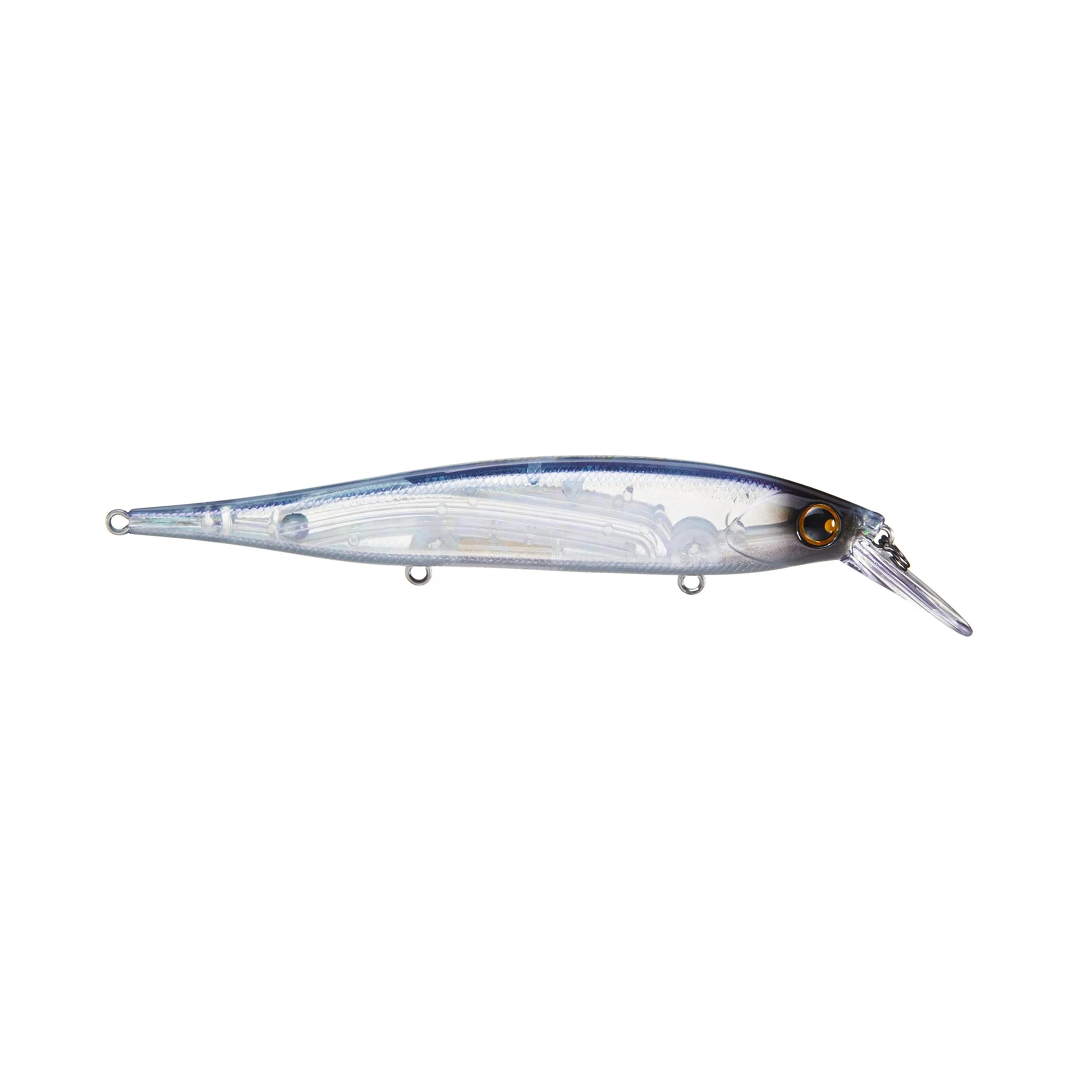
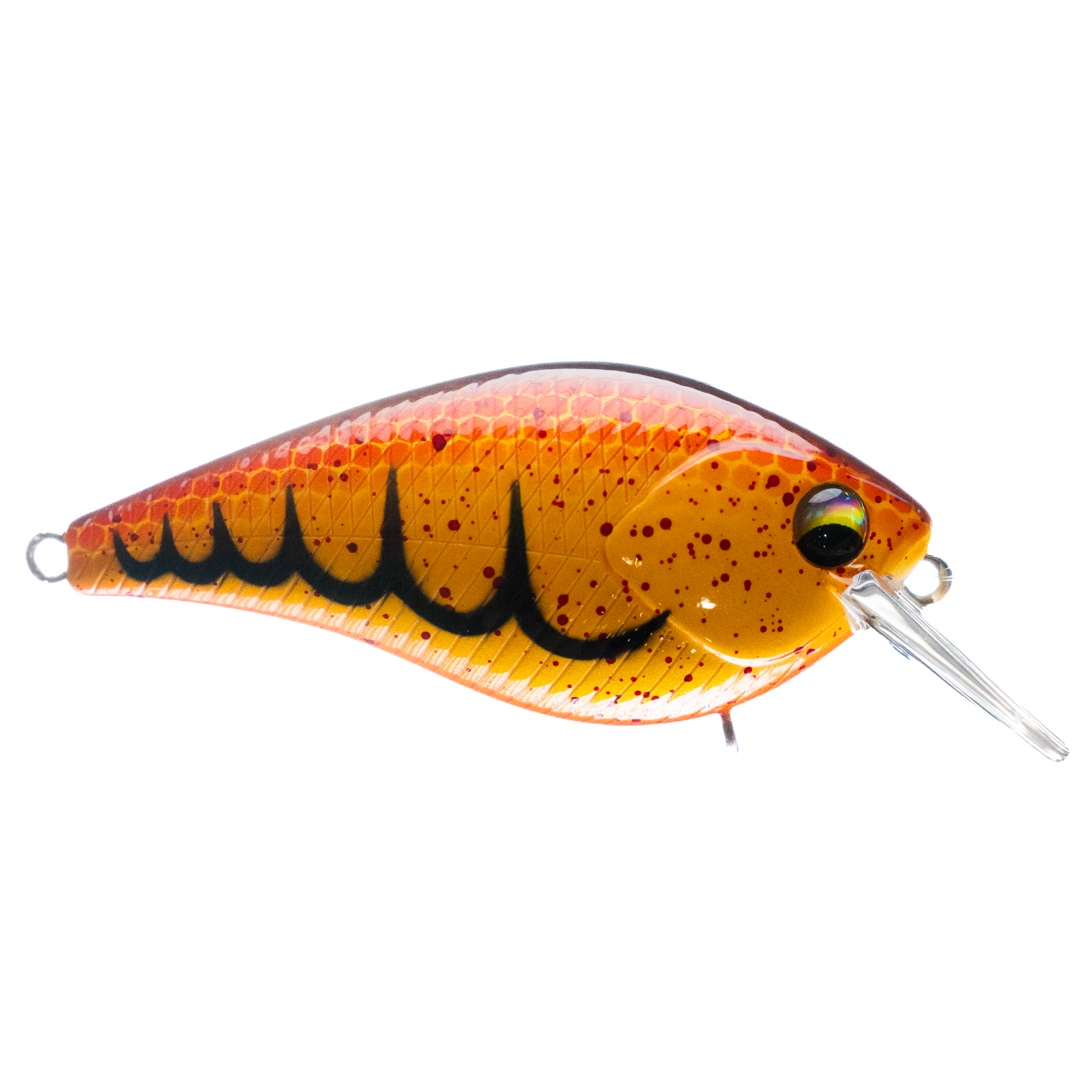
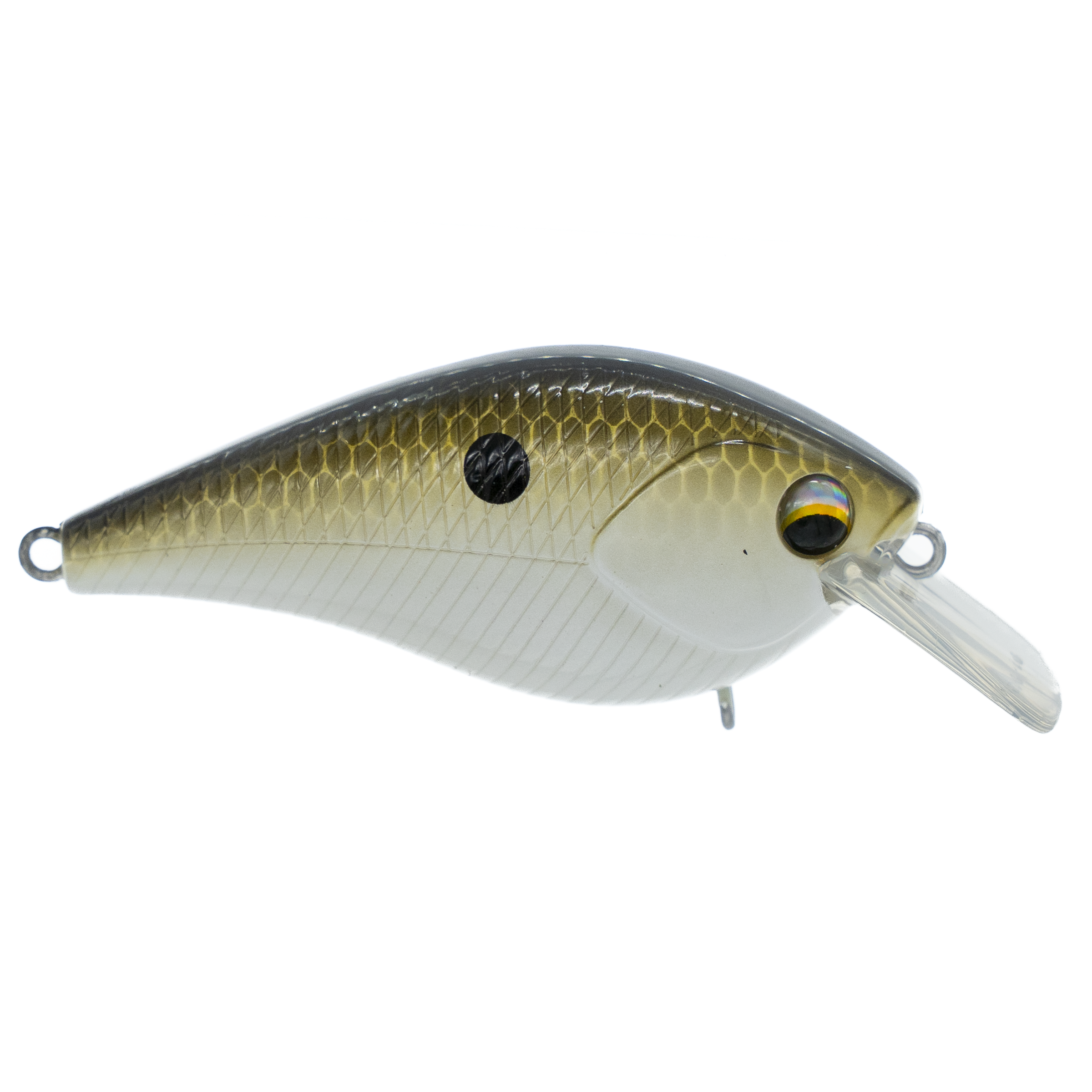
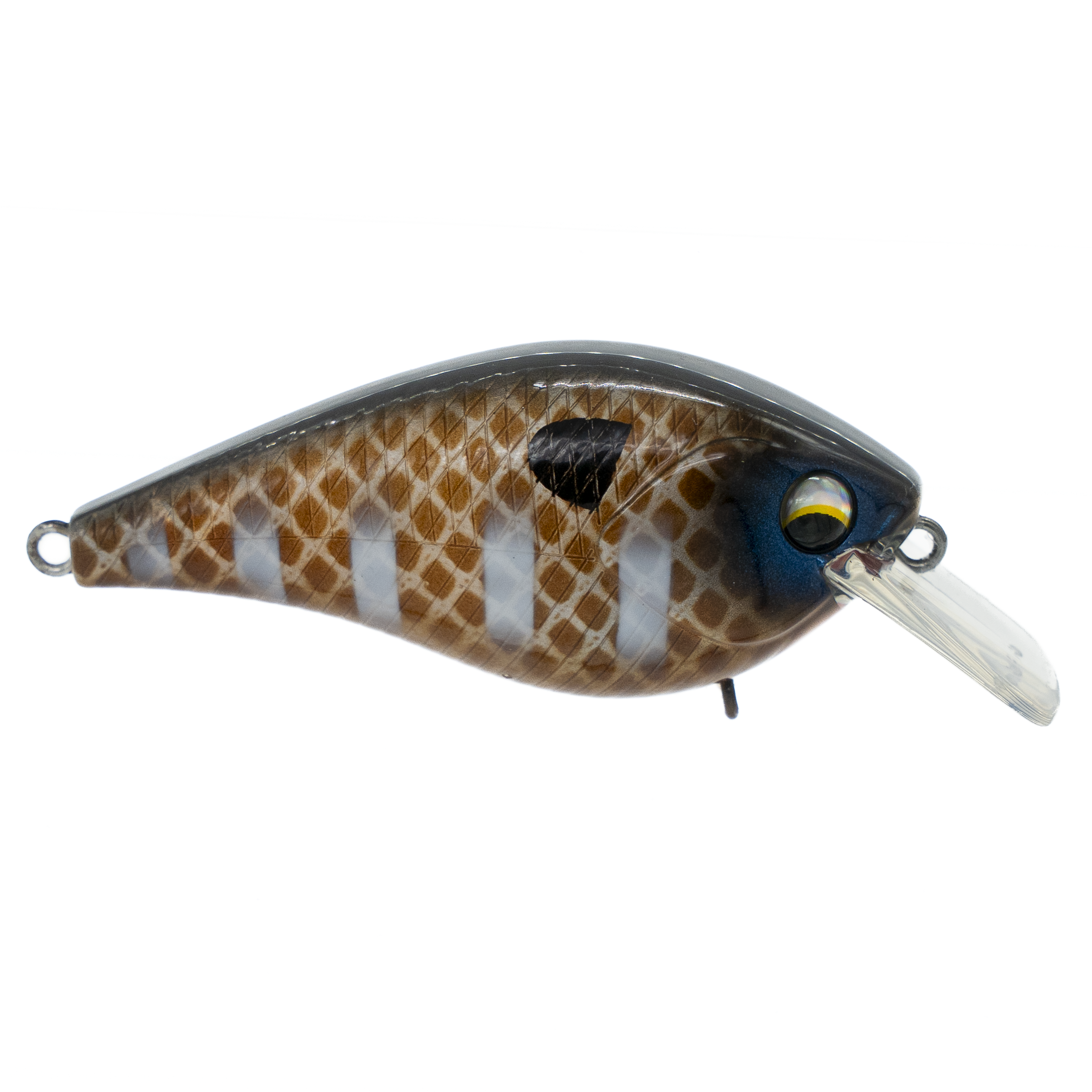
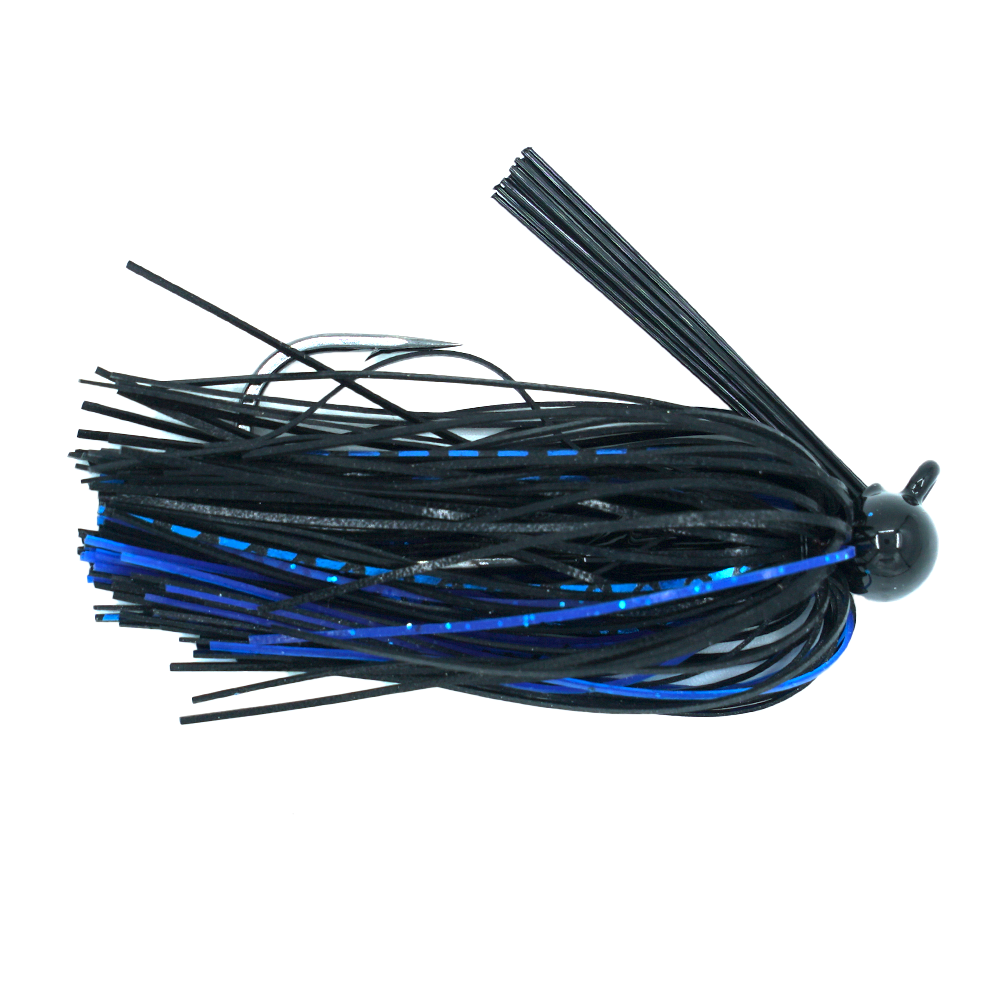
Frogs and punching gear over the summer weed beds, swim jigs and bladed jigs along the edges and lanes, moving baits over the flats in spring and autumn, and slow bottom presentations in the channels in winter. Our full bait lineup covers all four seasons.
What else can I catch?
Walleye and crappie are both strong here and draw substantial traffic, and the lake supports heavy multi-species pressure. If the bass are not cooperating there is always something else worth casting at.
Weeds, and Every Technique
A lake where you might frog a mat, flip a stump and swim a jig down a weed lane in the same morning asks for range rather than specialisation. Level Rods builds across it, so a single trip covers the shallow game properly without compromising on any part of it.
Tournament Winning Baits & Gear
Designed, crafted and tested by anglers who fish vegetation every week. Free shipping on orders over $75.
Shop All Baits