Potomac River Bass Fishing Guide
Potomac Bass Fishing, Season by Season
A tidal river running past Washington with hydrilla beds in the main channel and shallow cover up every tributary creek. B.A.S.S. has visited the Potomac more than two dozen times, and the tide relocates the fish twice a day every one of them.
Grass, Creeks and a Constant Game of Adjustment
The tidal Potomac runs from below Washington down toward the Chesapeake, and it is one of the most heavily visited tournament fisheries in the country — B.A.S.S. alone has been here more than two dozen times. Smallwood State Park at Marbury is the usual launch.
Bassmaster's own summary of how the river is fished has not changed in twenty years: pros either concentrate on the main river hydrilla beds or fish shallow cover in the tributary creeks. In both cases the tide relocates bass in and around that cover, so every day becomes a constant game of adjustment.
The grass matters more than anything. Milfoil is the preferred vegetation because it greens up in February and March and holds fish right through summer; coontail and water celery come in later and dominate further north. The main river hydrilla changes year to year depending on saltwater intrusion from the Chesapeake and how much muddy water comes down from above Washington.
Tidal movement helps in summer — it keeps water flowing and oxygen moving through the matted grass — but it also means a spot that is loaded on one stage can be empty two hours later. Anglers who plan around tide stages rather than a list of waypoints do considerably better.
The weights tell you what the river can do. Kelly Jordon won an Elite here with 60 pounds 9 ounces and took it by seven ounces, with every angler in the top ten breaking fifty pounds.
The river crosses Maryland, Virginia and the District of Columbia, and Maryland has run size restrictions on bass that differ from other states — at one point limiting anglers to one fish over fifteen inches out of five. Check current regulations for the water you intend to fish before you go.
What It Took to Win Here
Patterns that produced at the highest level on this water, and the baits to fish them with.
Justin Lucas — One Dock, and a Bait They Had Not Seen
Most Potomac tournaments are won by running the tide. Lucas won this one on a spot — a single back-channel dock on the upper end of the river that he found on the first day of practice while fishing a little water intake beside it.
The dock itself is worth describing because it explains everything. Five to eight feet deep on the end. Aquatic grass growing right up to the edge. And crucially, the dock sits so low to the water that it shades the ground beneath it and stops grass growing under it — which leaves a hard grass line running right against the structure, with old pilings scattered around.
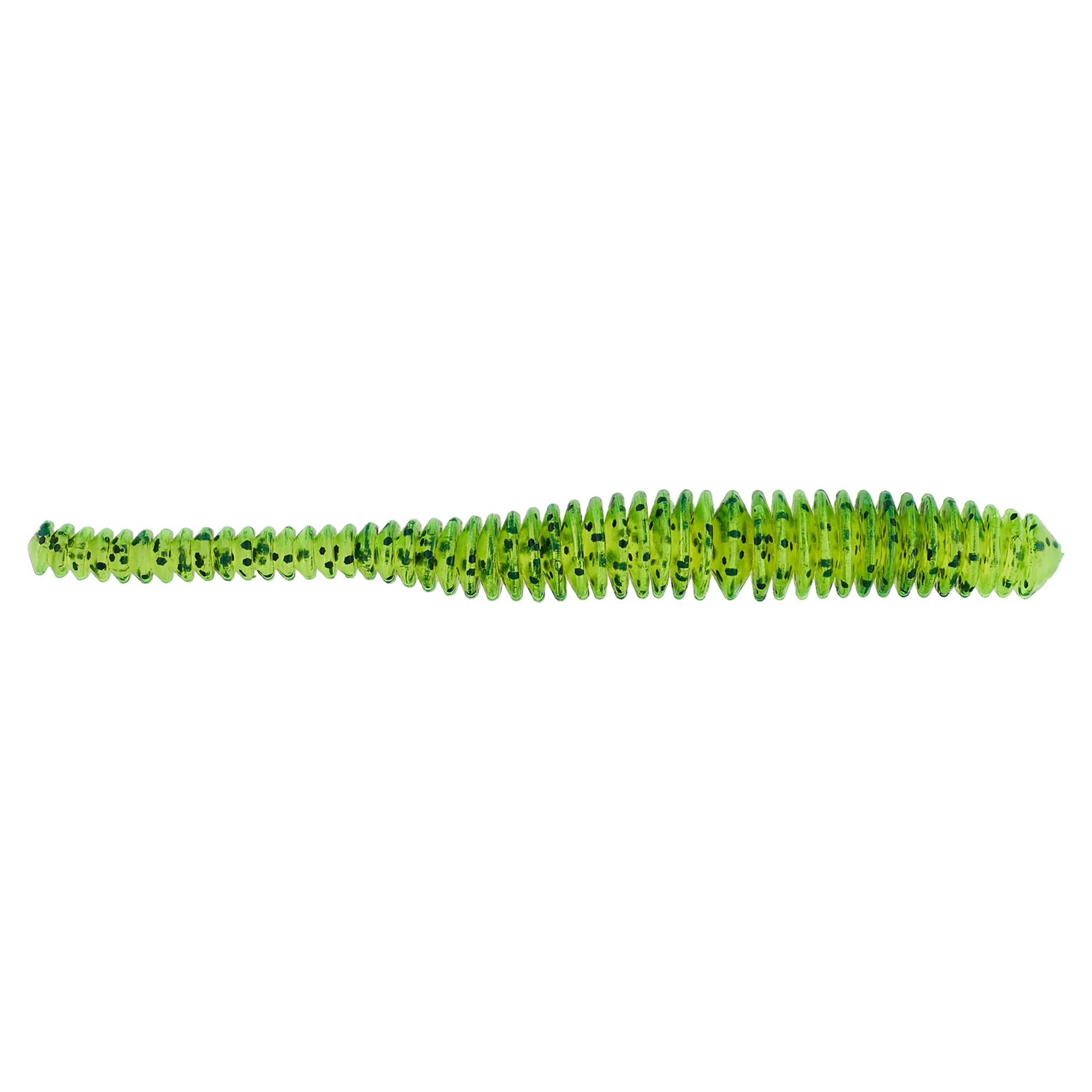
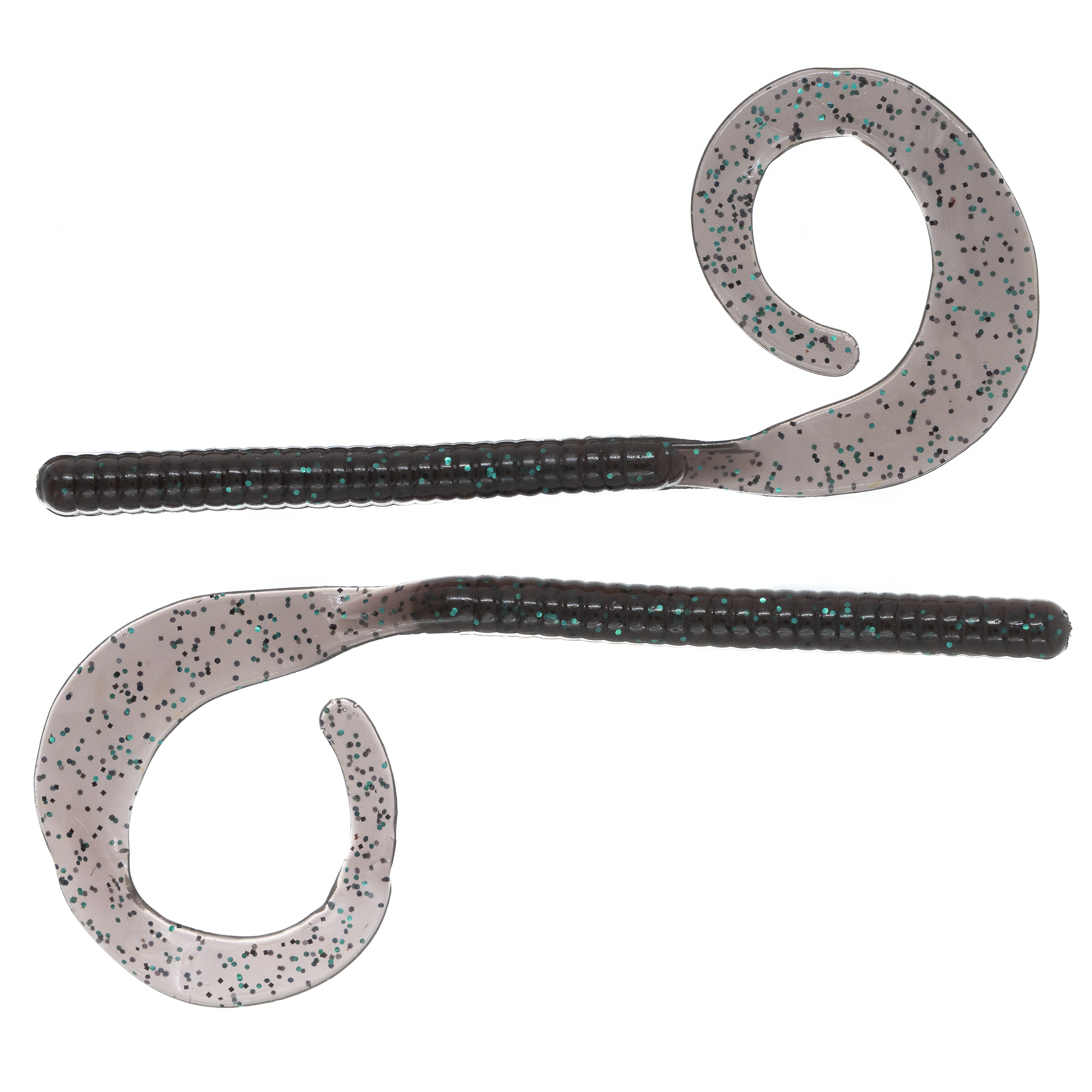
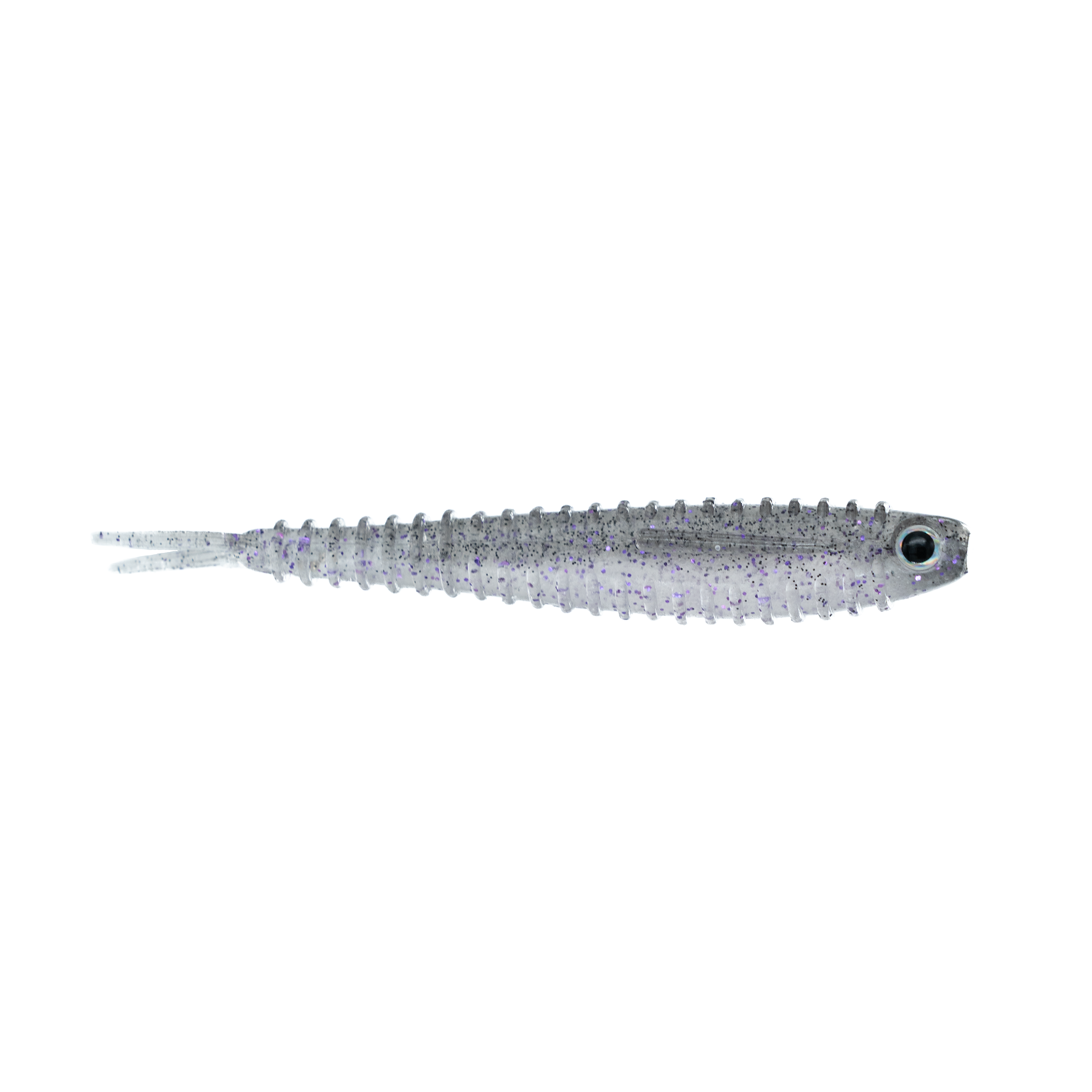
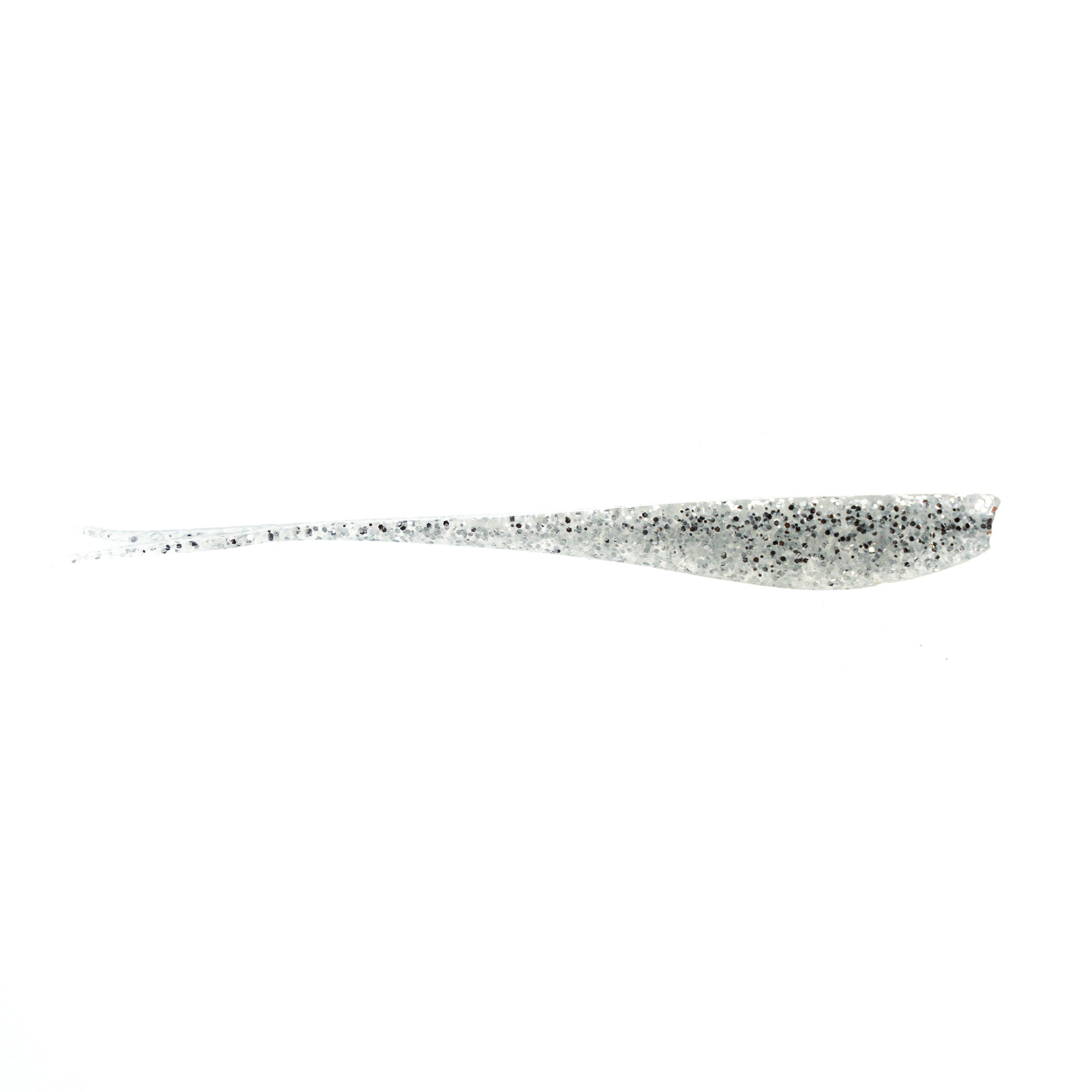
His primary bait was a drop shot, which he believed the fish there had simply not seen. A six-inch hand-poured worm in blue and brown on a light tungsten weight, fished along the pier where bass were suspended over eight feet of water. When that slowed he switched to a five-inch soft plastic stick bait worked along the grass beds running perpendicular to the pier, letting it free-fall through ten feet of water.
He led every day in a heat index above 112 degrees, and his smallest bag of the week — 12-15 on the Saturday — still left him nearly six pounds clear going into Sunday.


Grass, Creeks and Tide Stages
Four patterns cover the year. Each one pairs the technique with the baits we'd actually tie on.
Milfoil Greens Up First
Milfoil greens up in February and March, ahead of the other grasses, and the fish move into it and stay. That makes early-season milfoil beds the highest-percentage water on the river while coontail and water celery are still weeks away. Bass push up the tributary creeks to spawn as the water warms.


Matted Grass and Flipping
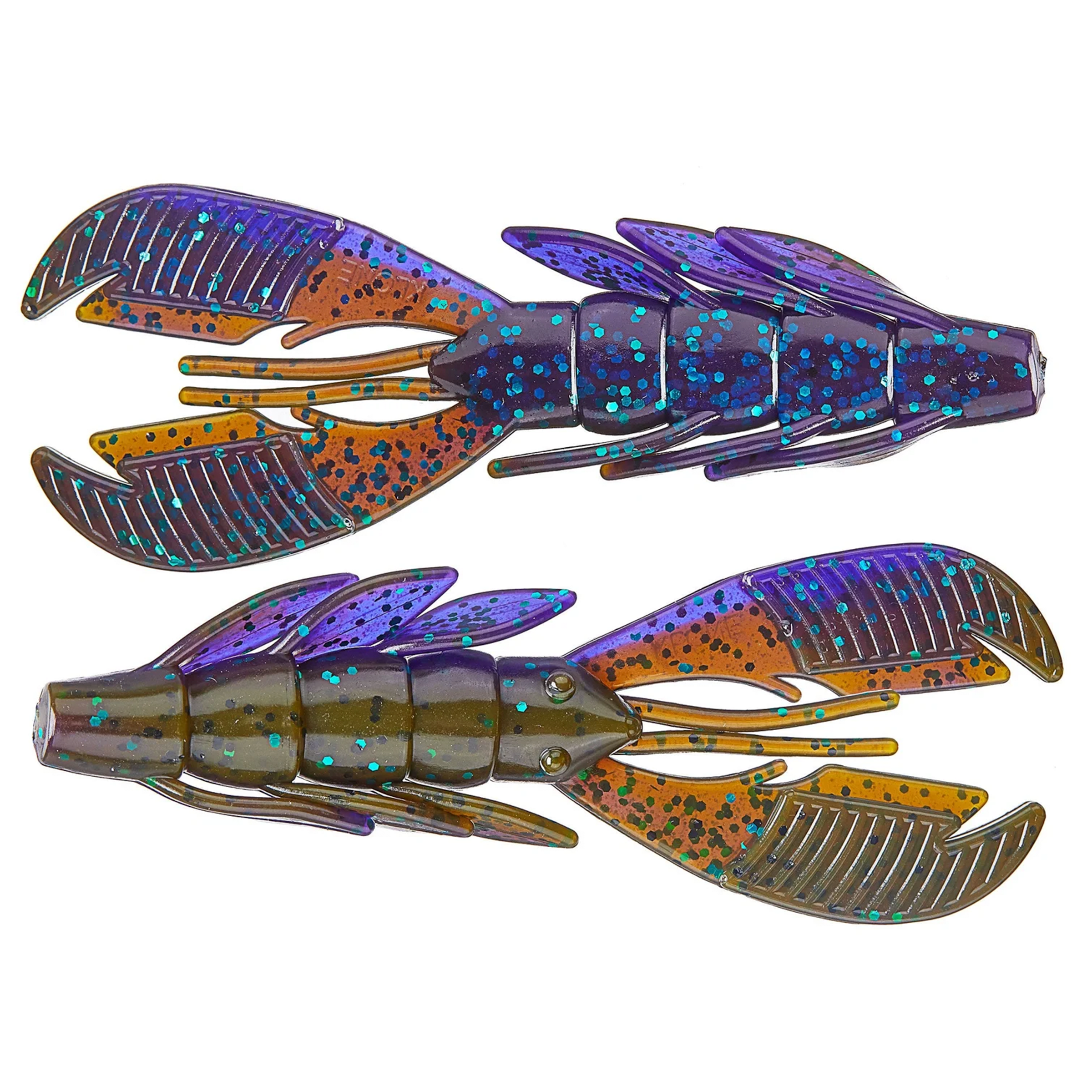
Summer is when the Elites come and when the river is at its heaviest. Matted grass along the main river holds fish, tidal flow keeps oxygen moving through it, and the standard approach is grass and wood, flipping and jigs. Docks matter too — a low dock that shades out the grass beneath it leaves a hard edge worth finding.

Creek Mouths and Cooling Water
Autumn concentrates bait in the tributary creek mouths and along the grass edges, and the fish feed hard. Tournament traffic has gone and the river is at its most approachable. Moving baits work in a way they do not through the summer grind.
Deep Creeks and Stable Water
Winter pushes fish into the deeper tidal creeks and holes where temperature holds better than on the flats. Cold fronts hit tidal water hard and the deeper creeks are the refuge. Milfoil that greened up early the previous year starts the cycle again in February.


The Tidal Potomac Access
Smallwood State Park at Marbury is the traditional tournament launch, with Sweden Point Marina on site. Additional public access serves the river through Charles County, Virginia and the District. Check which jurisdiction's rules apply to the water you intend to fish.
The Main River Grass Beds
Hydrilla and milfoil along the main channel, and one of the two ways this river is fished. Coverage changes year to year with saltwater intrusion from the Chesapeake and muddy water from above Washington, so what was good last season may not be this one.
The Tributary Creeks
Shallow cover up the feeder creeks, and the other way the river is fished. Piscataway Creek and the others hold fish and warm before the main river. Where the spring fishing happens and where the winter refuge is.
The Low Docks
Worth singling out because a national event was won on one. A dock sitting low enough to shade out the grass beneath it leaves a hard grass line running right against the structure, with pilings around it. Bass suspend there and very few anglers fish it deliberately.
The Tidal Potomac Bass Fishing FAQ
How is the tidal Potomac fished?
Two ways, according to Bassmaster's own long-standing summary: concentrate on the main river hydrilla beds, or fish shallow cover in the tributary creeks. In both cases tidal movement relocates bass constantly, which makes every day a game of adjustment.
Which grass matters most?
Milfoil, because it greens up in February and March and holds fish through summer. Coontail and water celery come in later and dominate north of Piscataway Creek. The main river hydrilla varies year to year depending on saltwater intrusion and muddy water from upstream.
How was the 2016 Elite won?
On a single back-channel dock on the upper river — not by running the tide, which is how most Potomac events are won. The dock sat low enough to shade out the grass beneath it, leaving a hard grass line right against the structure. The winning bait was a drop shot, which he believed the fish there had not seen.
What does it take to win here?
A lot. Kelly Jordon won an Elite with 60 pounds 9 ounces and took it by seven ounces, with every top-ten angler over fifty pounds. Other events have been closer to 13 to 17 pounds a day. It depends heavily on grass coverage that year.
Does the tide help or hurt?
Both. It keeps water flowing and oxygen moving through the matted grass, which helps in summer heat. But it relocates fish constantly, so a spot that is loaded on one stage can be empty two hours later. Plan around tide stages rather than waypoints.
Which state's rules apply?
Depends where you are — the river borders Maryland, Virginia and the District of Columbia. Maryland has run size restrictions differing from other states, at one point limiting anglers to one fish over fifteen inches out of five. Check current regulations before you go.
What baits work best on the Potomac?
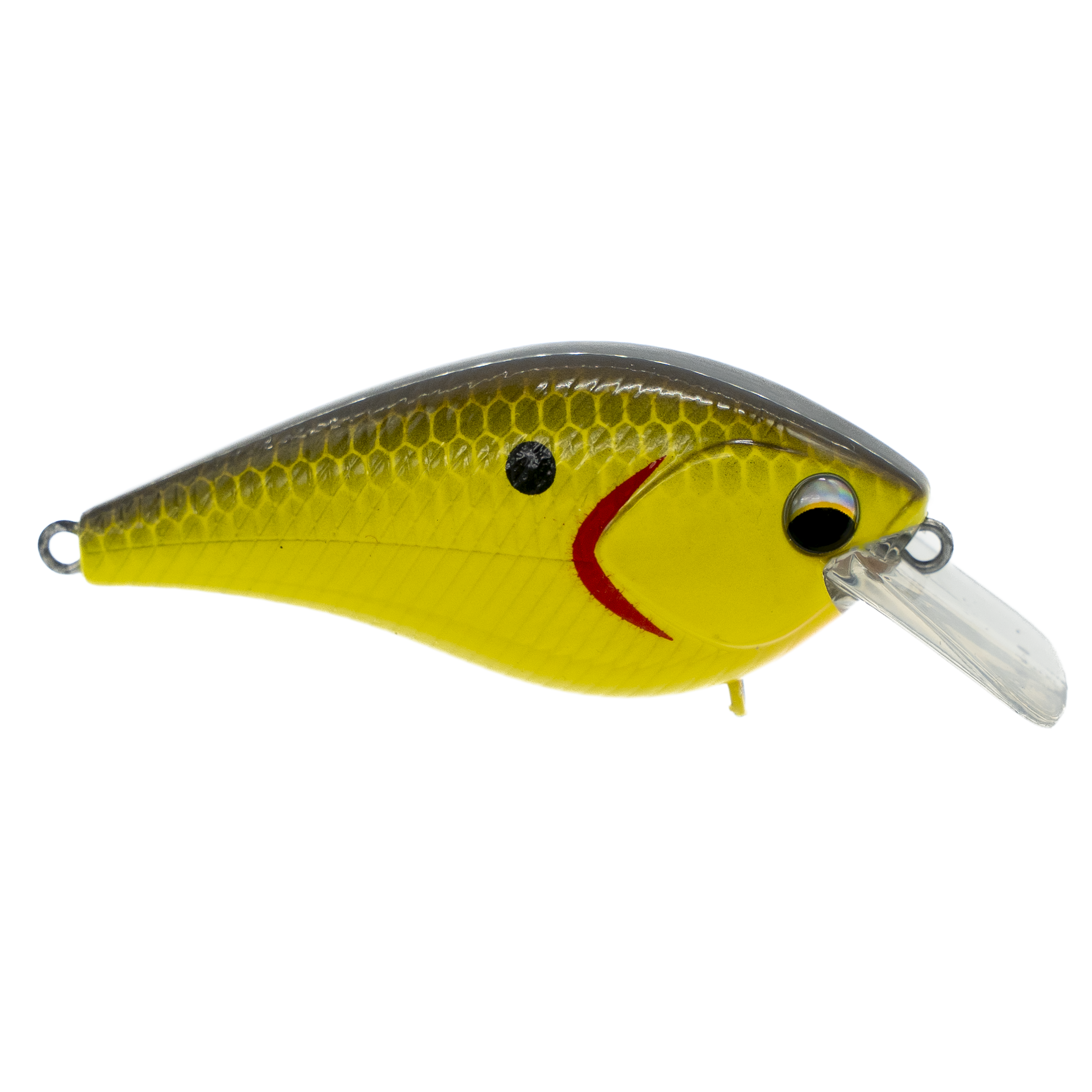
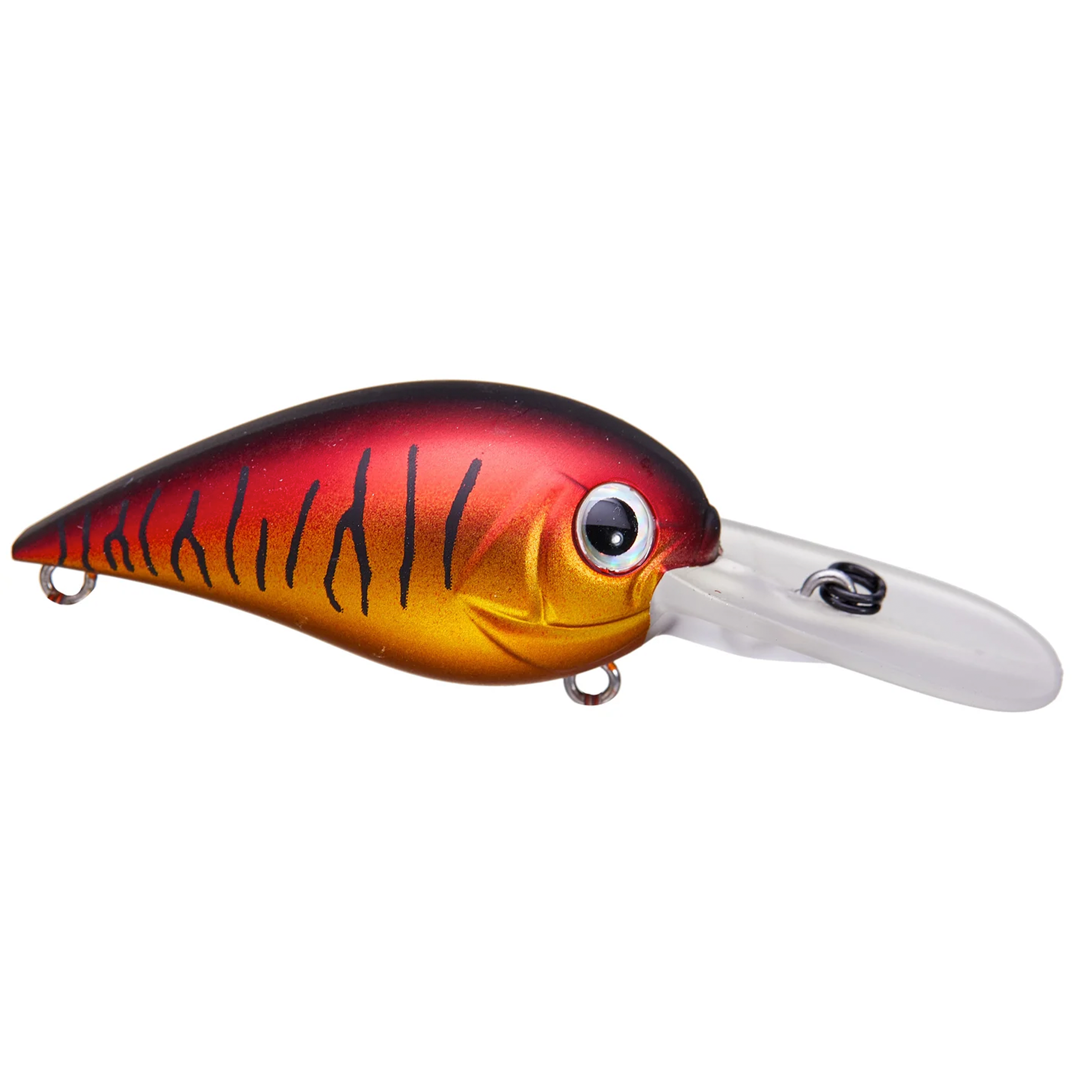
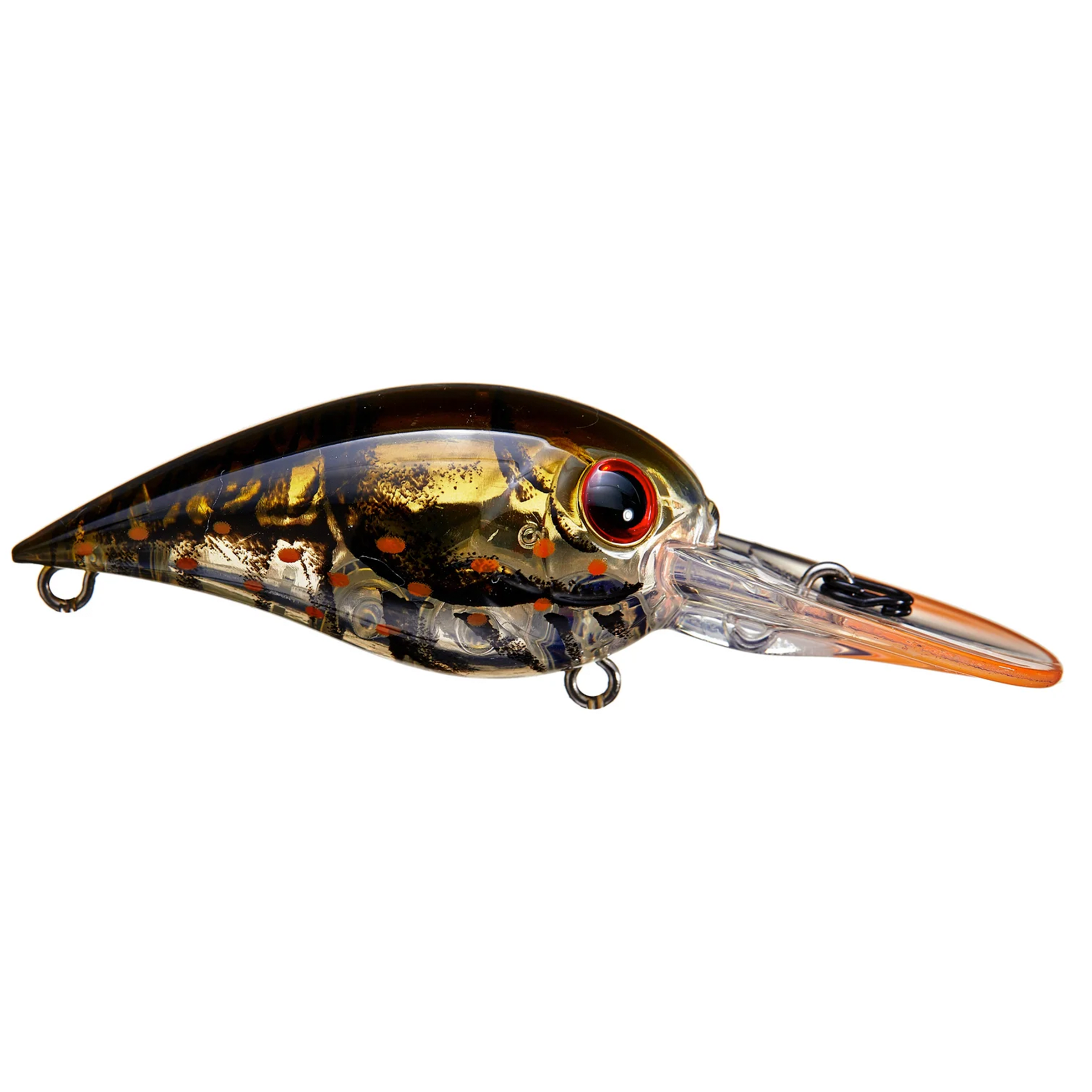
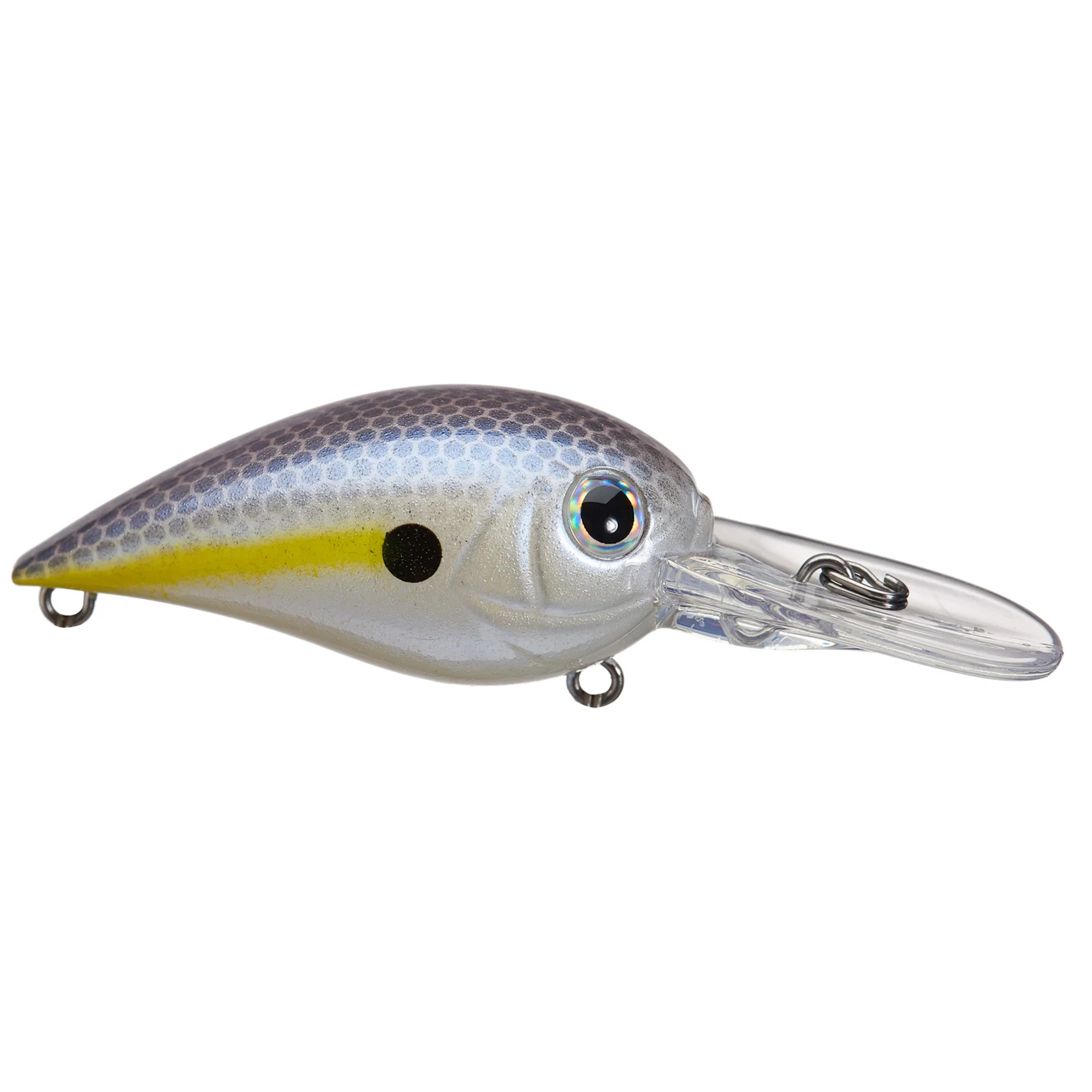
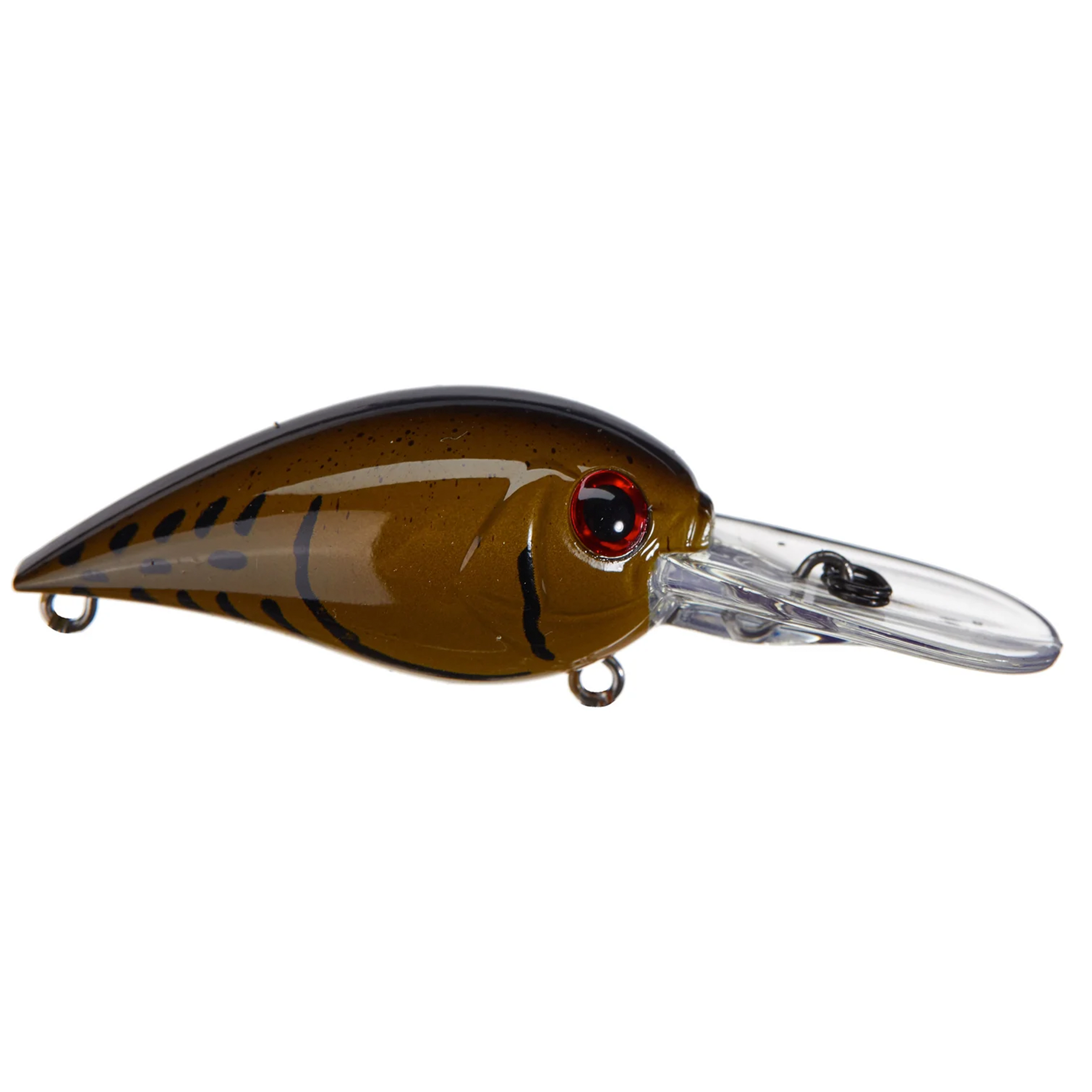
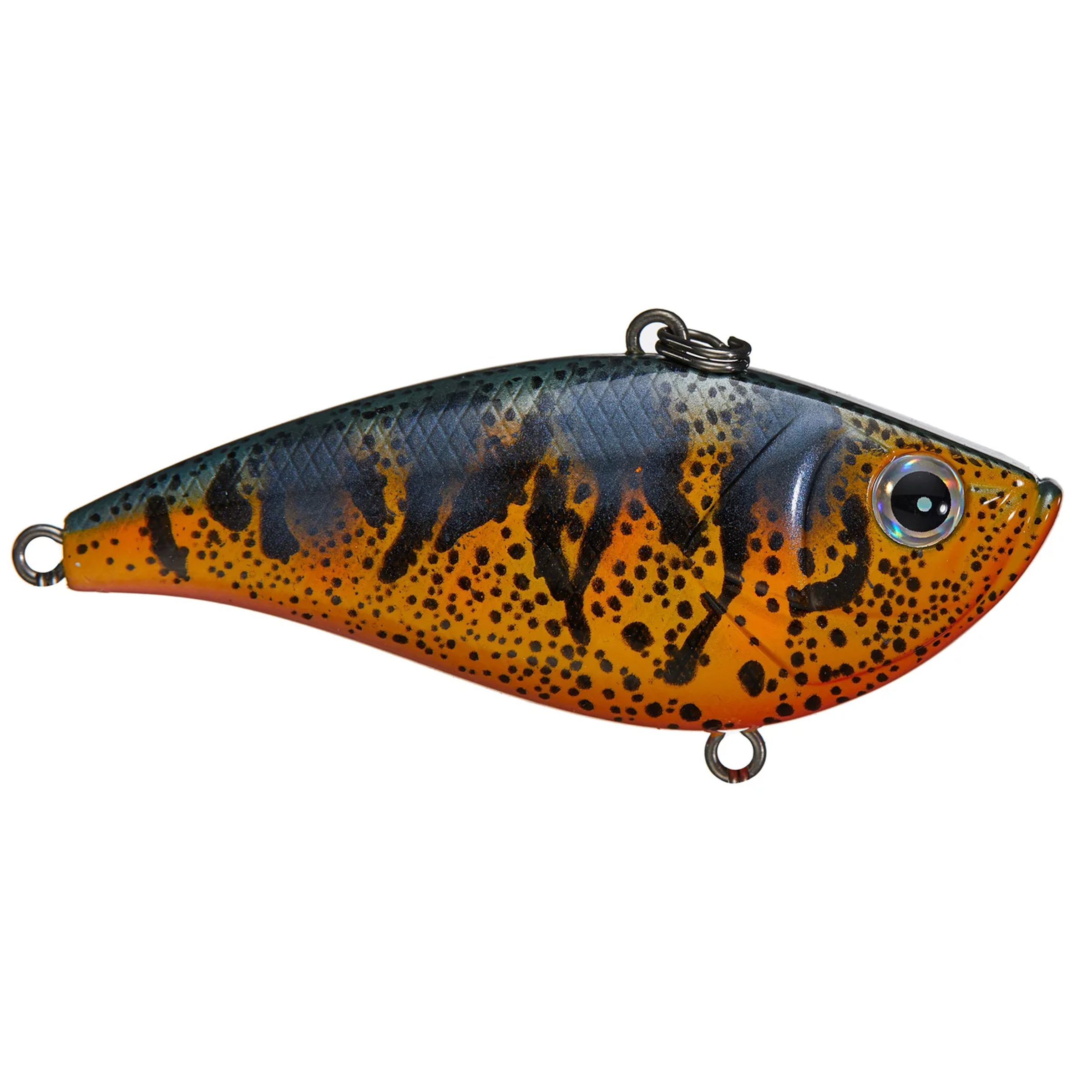
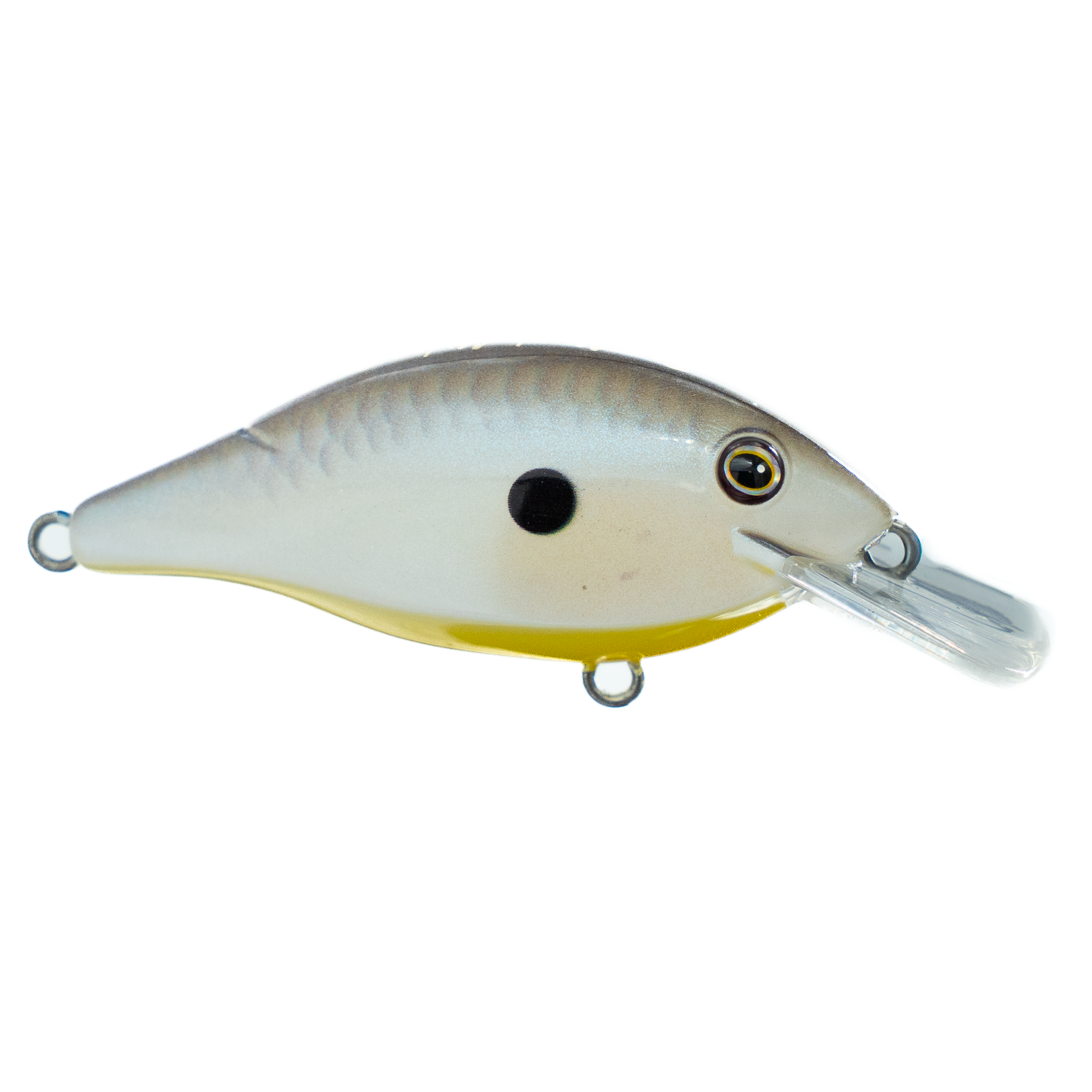
Flipping and punching baits for matted grass, jigs for wood and shallow cover, moving baits in the creek mouths in autumn, and a drop shot around docks and pilings. Stained tidal water rewards bigger profiles most of the time. Our full bait lineup covers all of it.
When is the best time to fish it?
Summer is when the tournaments come and when the grass is thickest, though the heat is serious. Autumn is more comfortable with bait in the creek mouths. Early spring milfoil is the most underrated window on the river.
Punching Grass, Reading Tide
A river where the day's work is flipping matted grass and adjusting to water that moves twice a day needs a rod that drives a heavy weight through vegetation and still tells you what the bait is touching. Level Rods builds heavy models for exactly that, alongside finesse models for the dock and piling work that won here.
Tournament Winning Baits & Gear
Designed, crafted and tested by anglers who fish tidal grass every week. Free shipping on orders over $75.
Shop All Baits