Pomme de Terre Bass Fishing Guide
Pomme de Terre Bass Fishing, Season by Season
Seventy-eight hundred acres wedged between Stockton and Truman, overlooked because of its neighbours and quietly producing well-fed largemouth. State survey data has more than half the sampled bass between thirteen and eighteen inches, and a third over fifteen.
Overlooked Because of Its Neighbours
Pomme de Terre Lake covers 7,800 acres in southwest Missouri, parked between Stockton Lake to the southwest and the giants — Truman Reservoir and Lake of the Ozarks — to the northeast. Being surrounded by better-known water is precisely why it gets overlooked.
The survey data says it should not be. Missouri Department of Conservation sampling found more than fifty percent of largemouth between thirteen and eighteen inches, with thirty percent over fifteen. That is a healthy size structure rather than a lake full of small fish.
The reason is forage. Shad production has been high in recent years, which has led to healthier and faster-growing largemouth. Well-fed bass on a lake nobody is targeting is a good combination.
It is also a genuine multi-species water. Largemouth are the top target but recent surveys suggest strong chances at muskie and crappie based on numbers, alongside spotted bass, catfish and walleye. The muskie fishery in particular has its own following.
The habitat is points, timber, brush, rock and creek arms with the old river channel through the middle, in the pattern typical of an Ozark-edge reservoir. Vegetation is limited.
At 7,800 acres it is small enough to learn properly in a few trips, which after Truman's nine hundred miles of shoreline is a genuine relief. Missouri sets black bass length and creel limits by water, and many Ozark lakes and streams carry special regulations that differ from the statewide rule. Check the current Department of Conservation summary for this water before you go.
Points, Brush and Well-Fed Fish
Four patterns cover the year. Each one pairs the technique with the baits we'd actually tie on.
Arms, Brush and Warming Water
Spring moves largemouth into the creek arms and onto the shallower brush and timber to spawn. On a lake this size you can cover the productive water in a day, which makes finding the fish considerably easier than on the neighbouring giants.



Deeper Brush and Points
Summer moves fish onto the deeper brush, the points and the channel edges. The lake is small enough that finding them does not take a whole day, and low pressure means a good area stays good. Heat pushes the best fishing into the low-light windows.
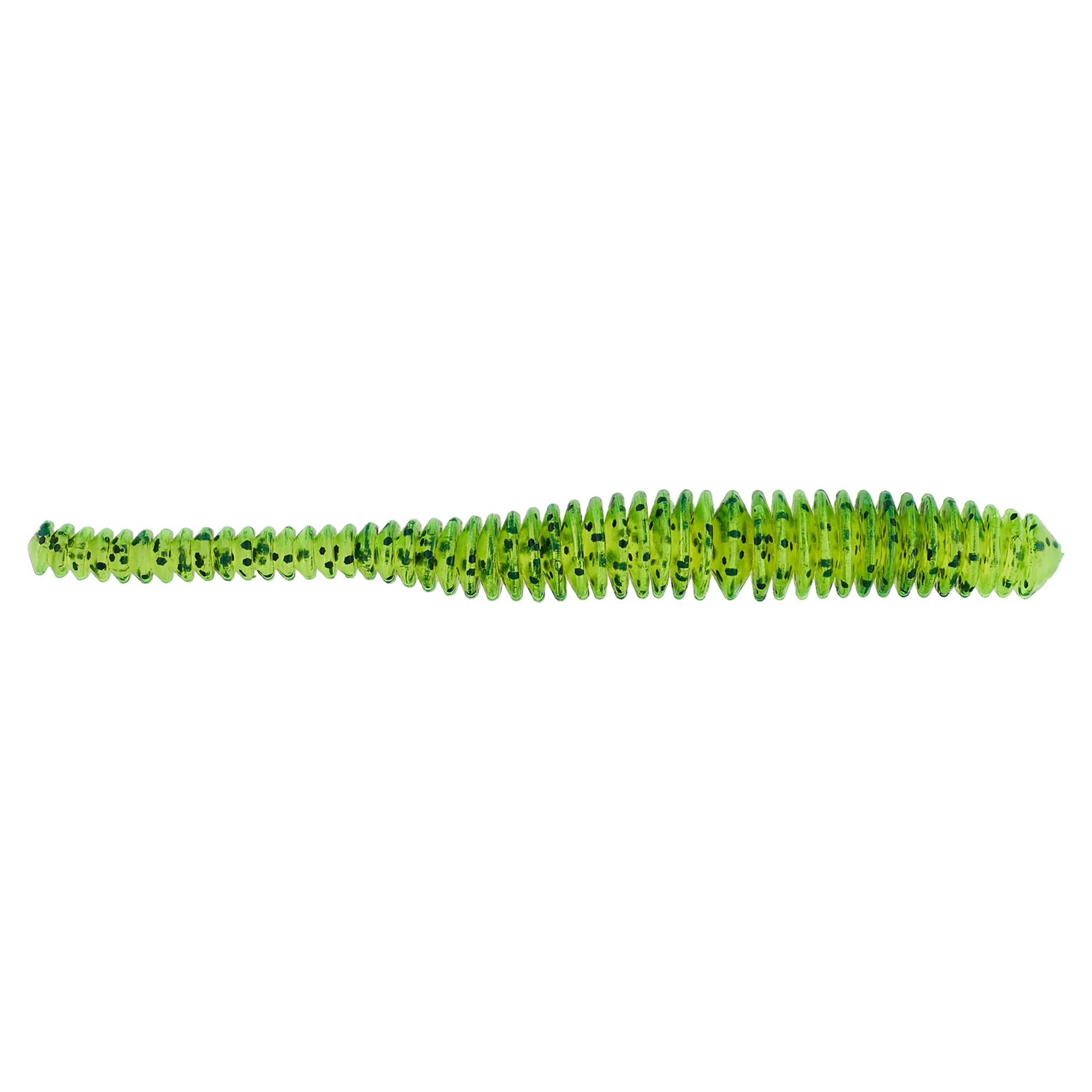
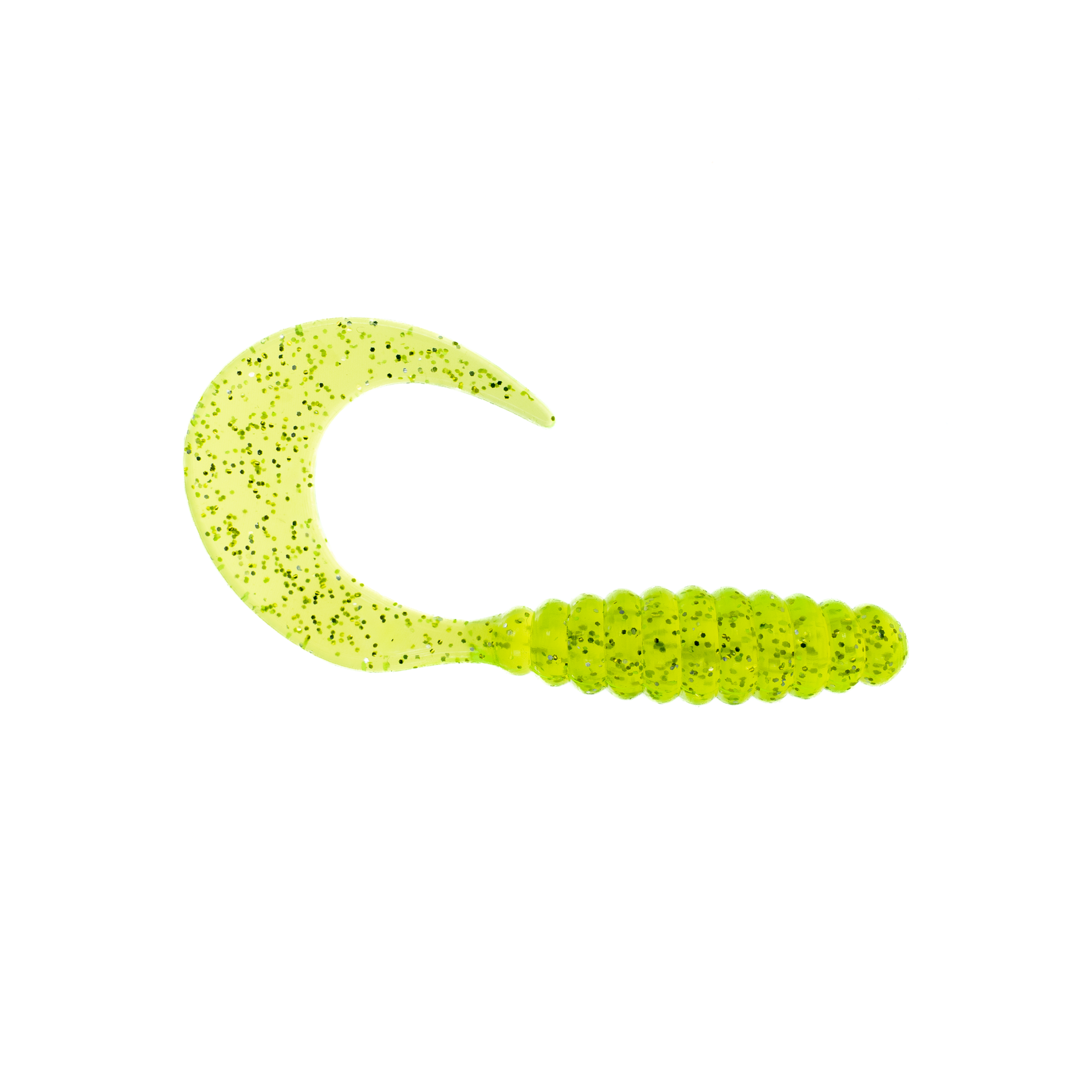
Shad Move, Bass Follow
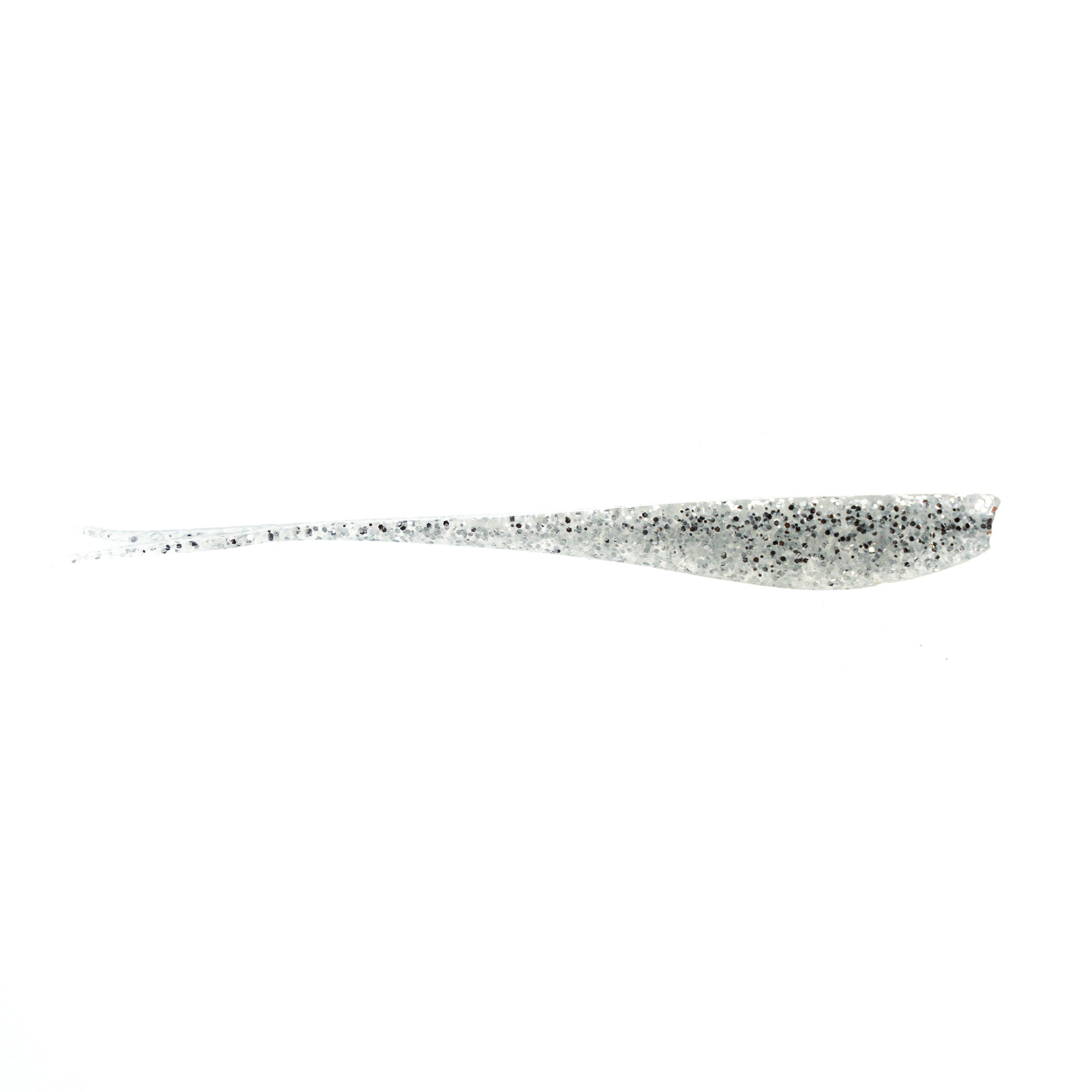
Autumn is when high shad production pays off most visibly. Bait moves into the arms and the well-fed bass follow, and moving baits work across most of the lake. The neighbours draw the crowds and this one stays quiet.
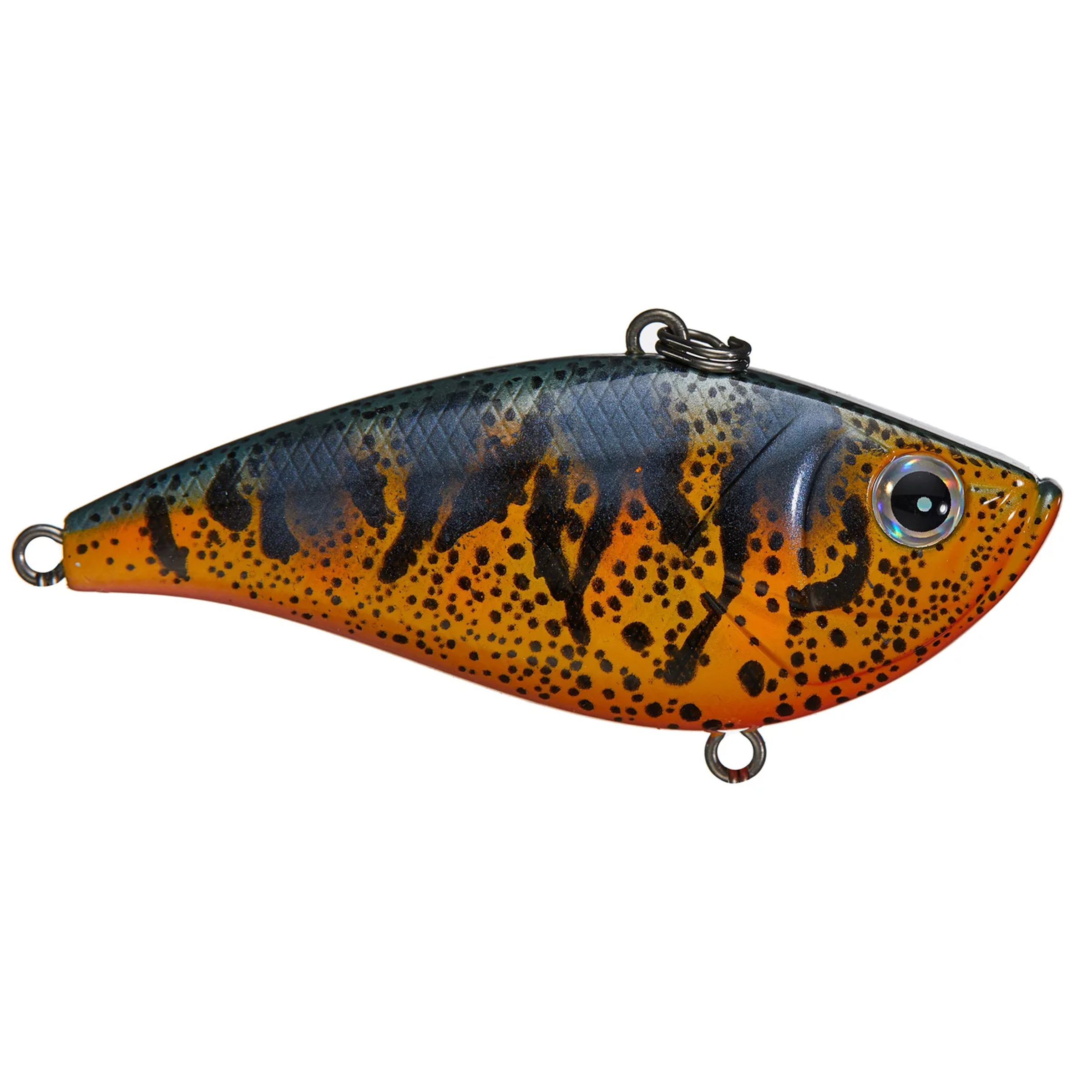
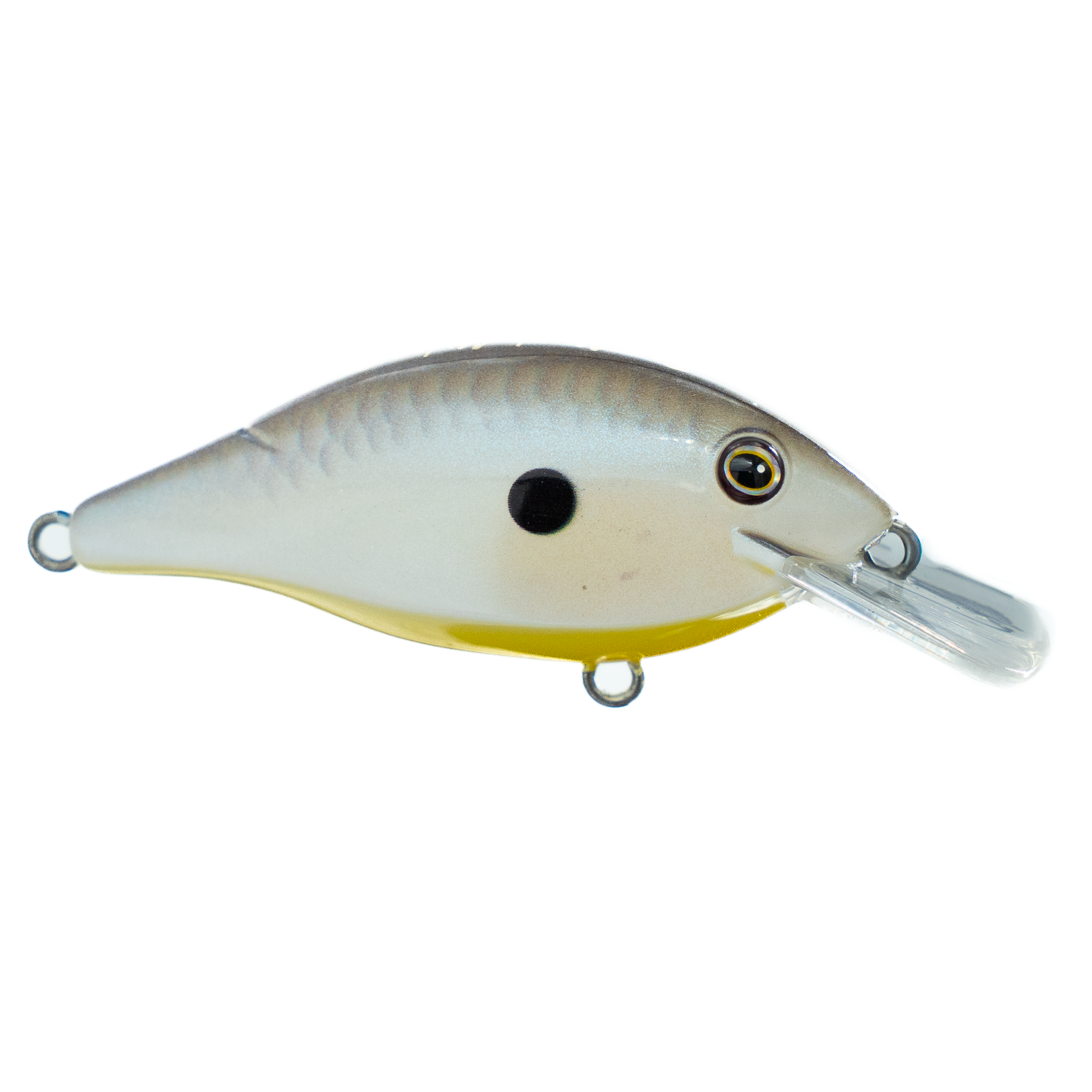
Deep Structure, Small Lake
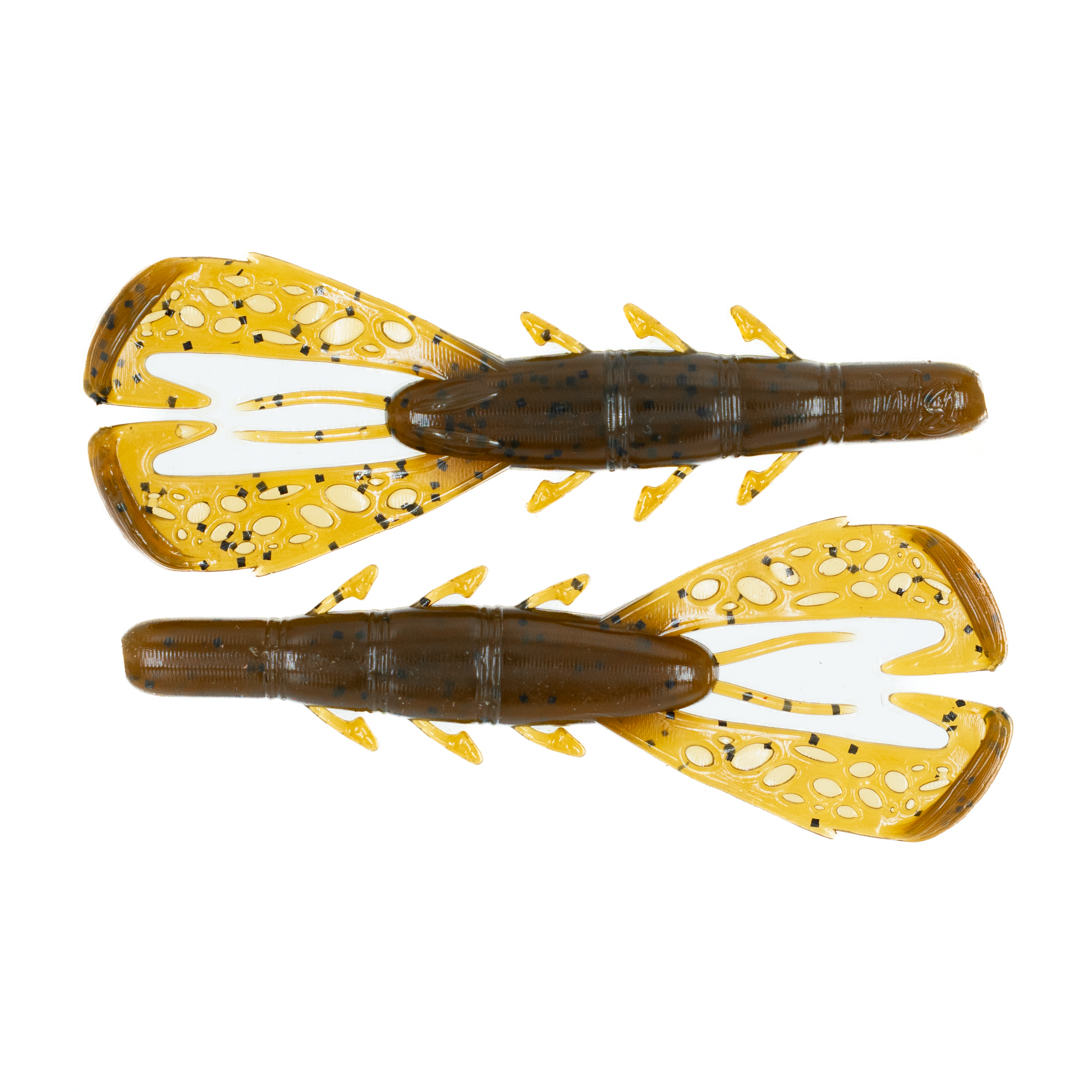
Winter concentrates fish on the deep brush, points and channel bends, and on 7,800 acres the productive area shrinks to something you can genuinely fish out. That makes locating them easier here than on Truman or Lake of the Ozarks.


Pomme de Terre Lake Access
Corps of Engineers ramps and campgrounds serve the lake along with Pomme de Terre State Park. Hermitage and Pittsburg are the local towns, in southwest Missouri between Stockton and Truman.
The Brush and Timber
The primary cover and where the well-fed largemouth hold. Limited enough in extent that you can learn it properly, which is not true of the neighbouring reservoirs.
The Points and Arm Mouths
Where staging fish hold in spring and where bait funnels through in autumn. On a lake this size these are quick to identify and repeatedly productive.
The Channel Edges
Deeper water through the middle, holding fish in heat and cold. The winter structure, and small enough in extent that finding the fish is a matter of hours rather than days.
Pomme de Terre Lake Bass Fishing FAQ
Why is Pomme de Terre overlooked?
Its neighbours. It sits between Stockton to the southwest and Truman and Lake of the Ozarks to the northeast, all of which are bigger and better known. Being surrounded by famous water is the only thing wrong with it.
How good is the size structure?
Good. Missouri Department of Conservation sampling found more than fifty percent of largemouth between thirteen and eighteen inches and thirty percent over fifteen. That is a healthy population rather than a lake full of small fish.
Why are the bass well fed?
High shad production in recent years, which has led to healthier and faster-growing largemouth. Abundant forage on a lake almost nobody targets is a good combination.
What else is in the lake?
Muskie and crappie, both with good numbers according to recent surveys, plus spotted bass, catfish and walleye. The muskie fishery has its own following and Pomme de Terre is one of Missouri's better muskie waters.
How big is it?
7,800 acres, which makes it small enough to learn properly in a few trips. After Truman's nine hundred miles of shoreline that is a genuine relief rather than a limitation.
When is the best time to fish it?
Autumn, when shad move into the arms and the well-fed bass follow them. Spring is strong in the creek arms. Winter is easier here than on the big neighbours because the productive water is small.
What baits work best on Pomme de Terre?
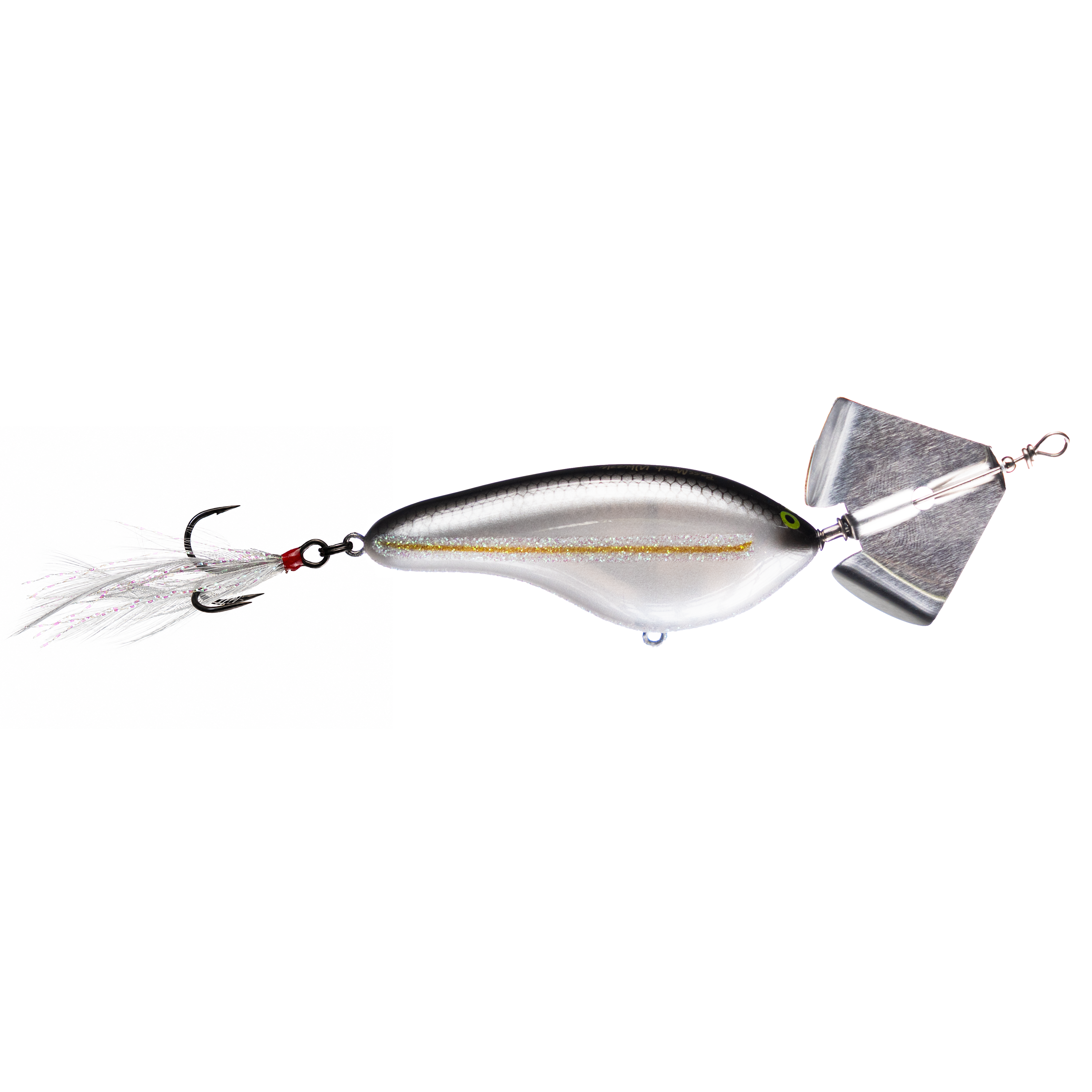
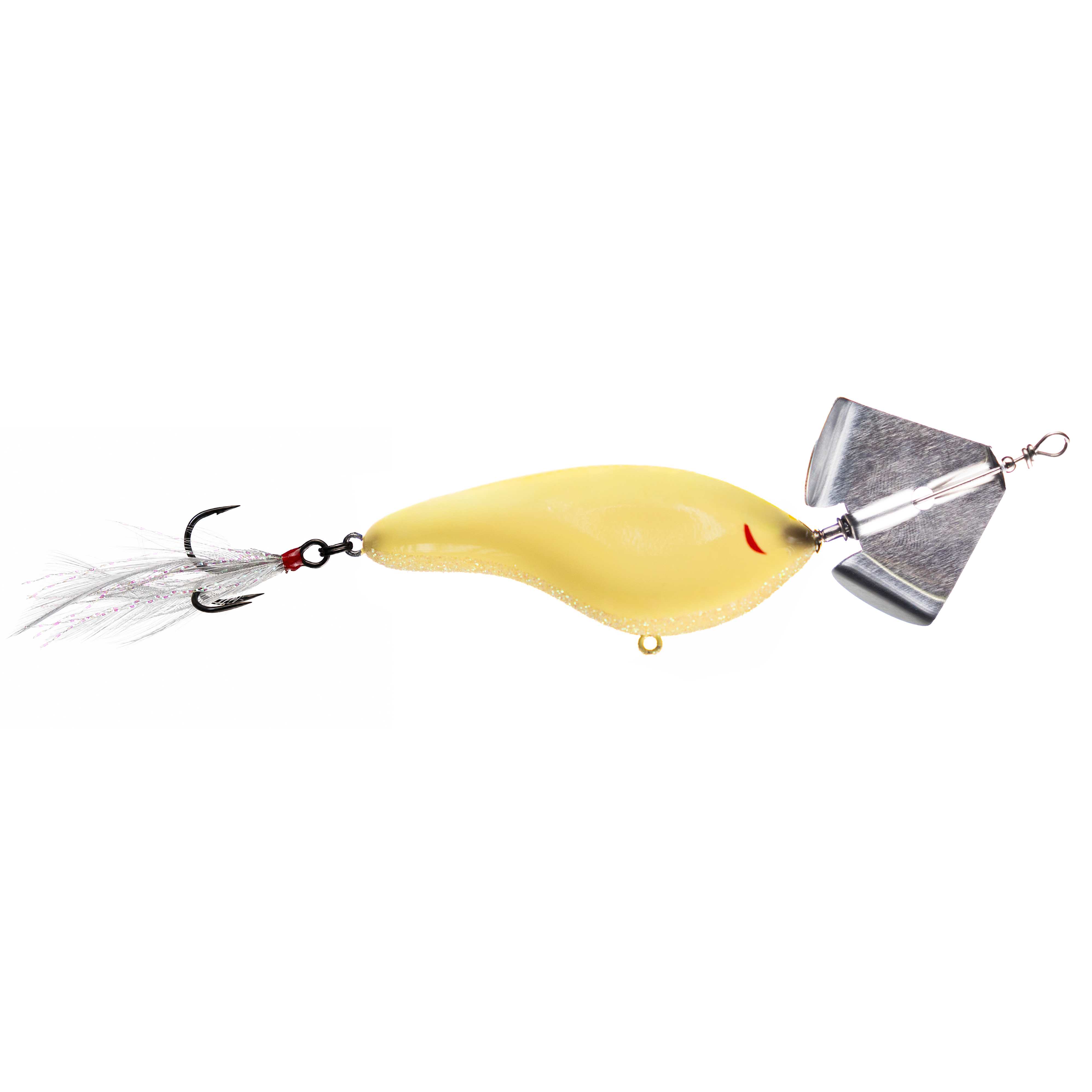
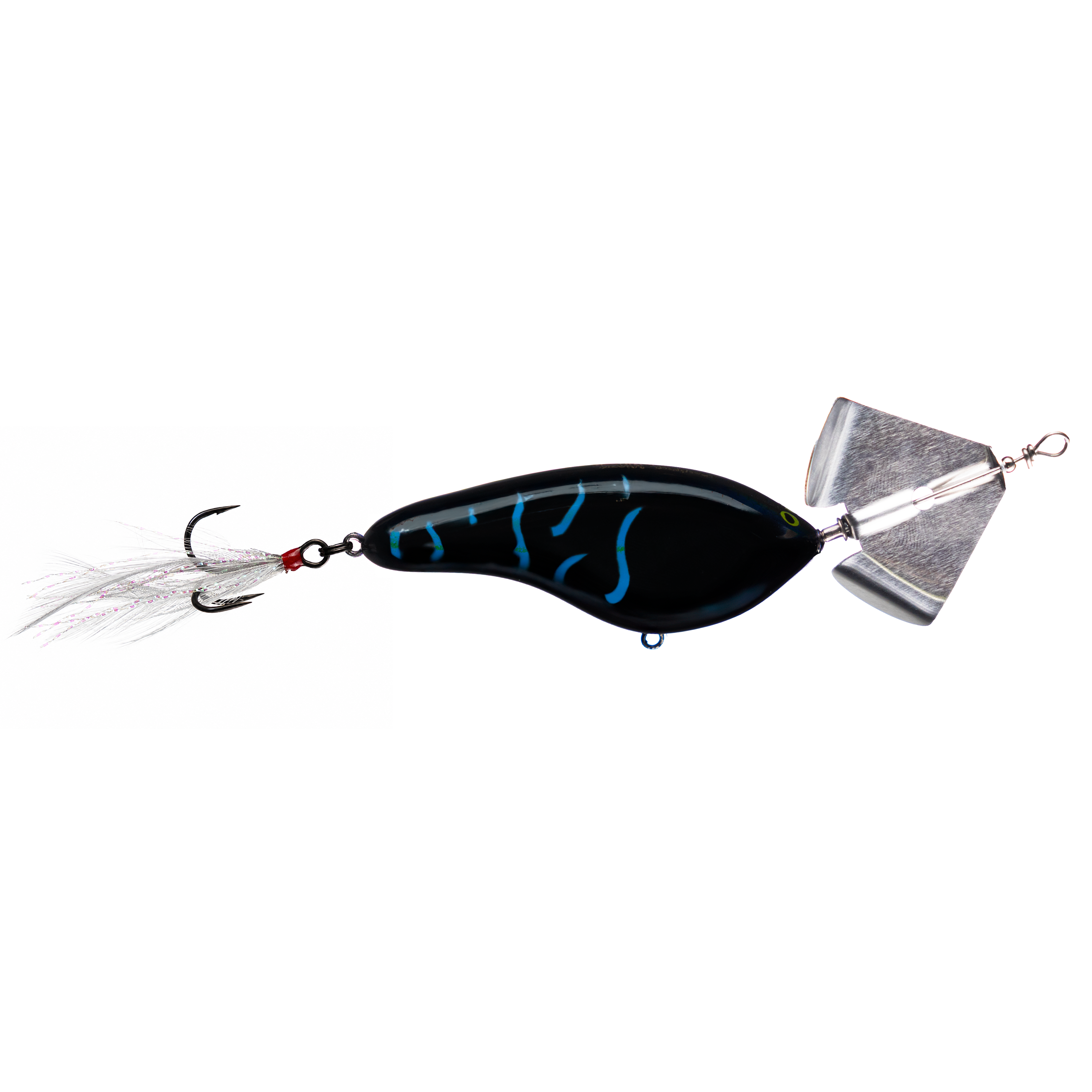
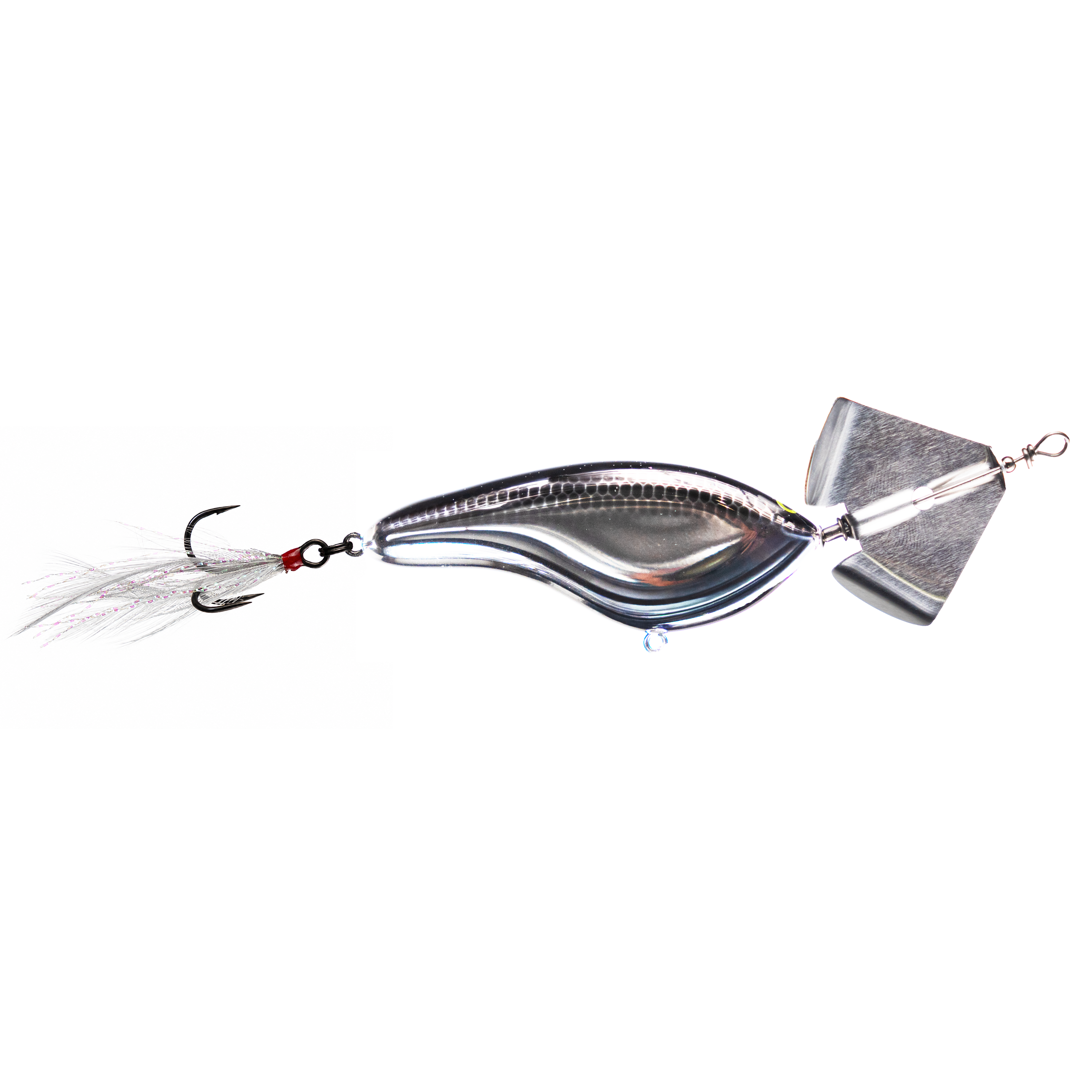
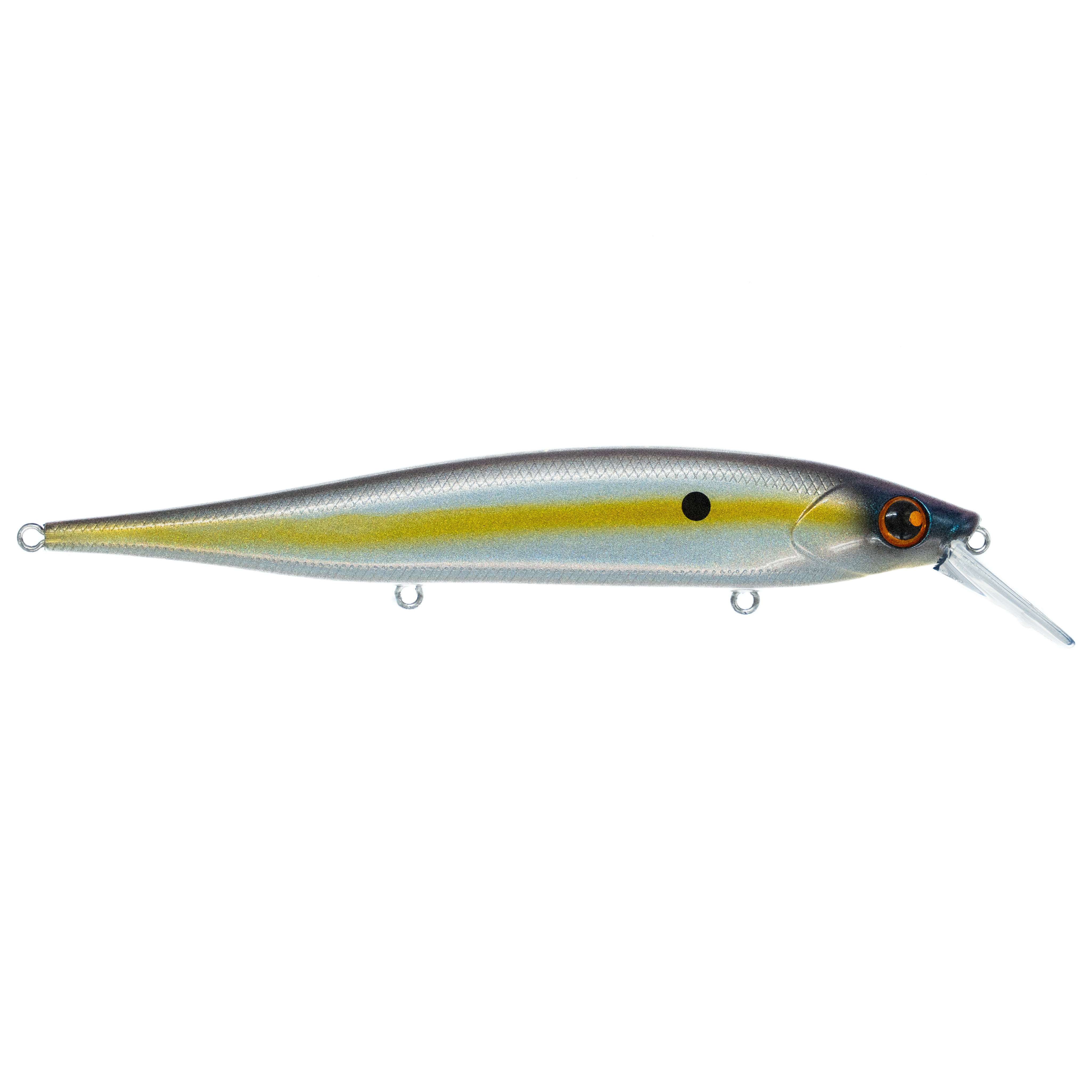
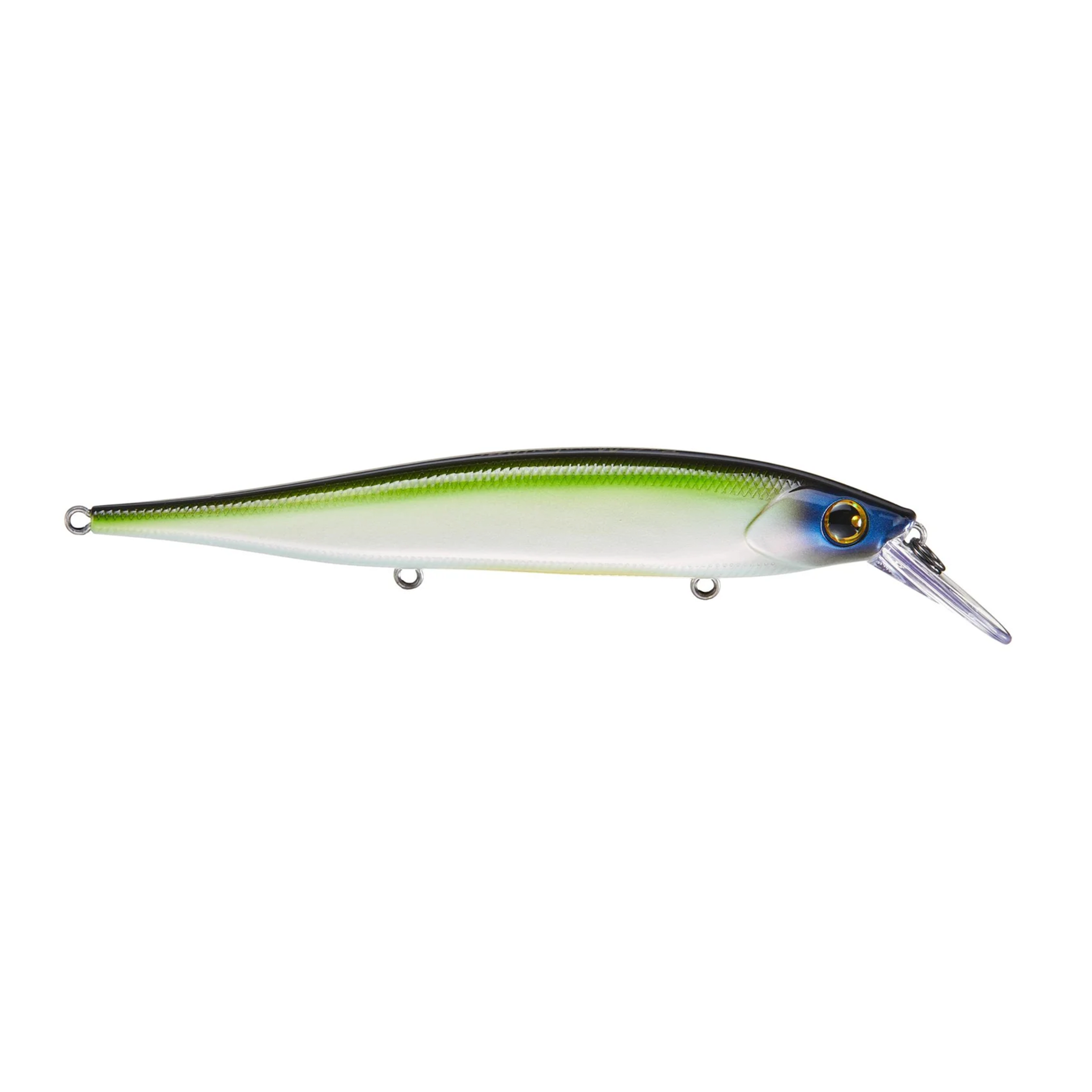
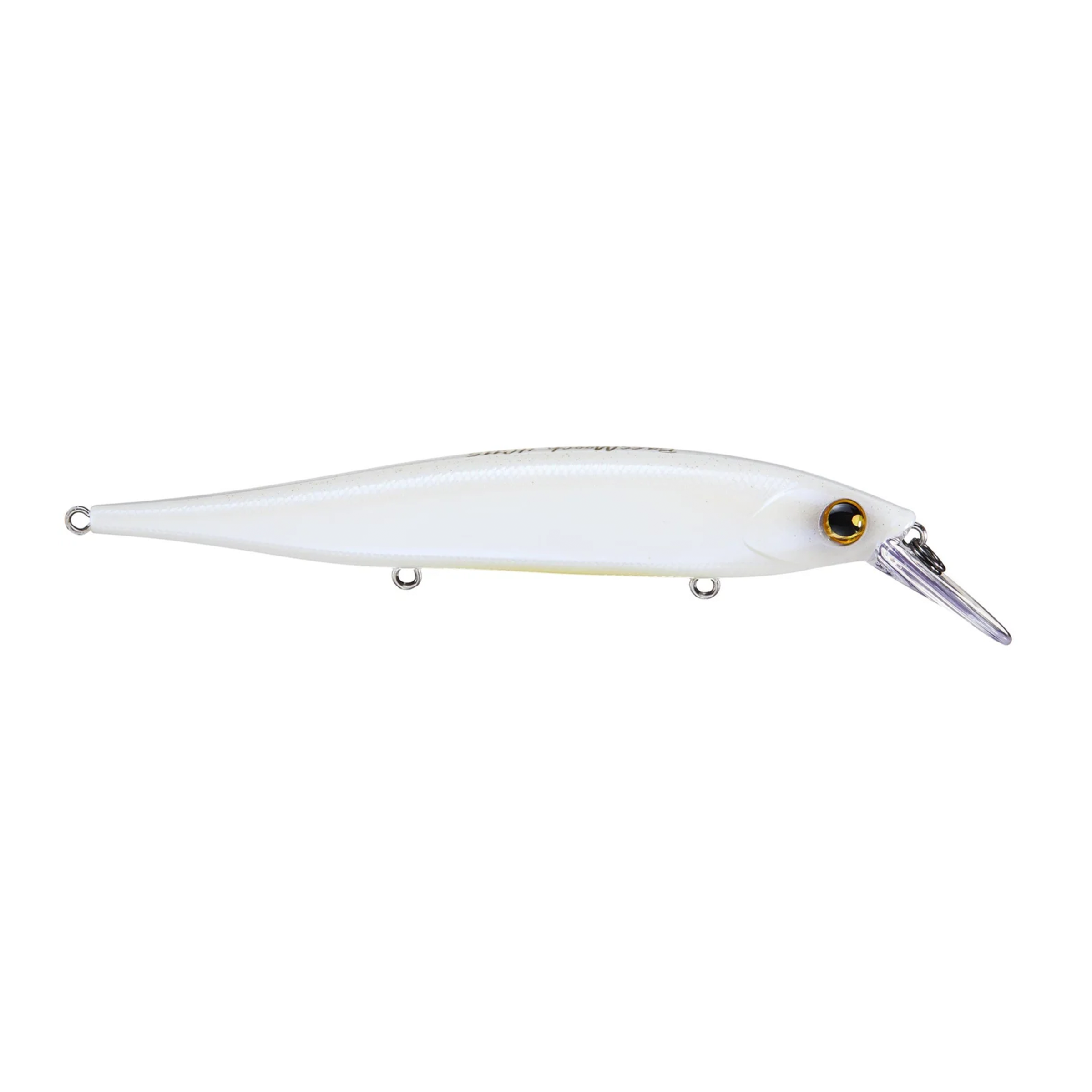
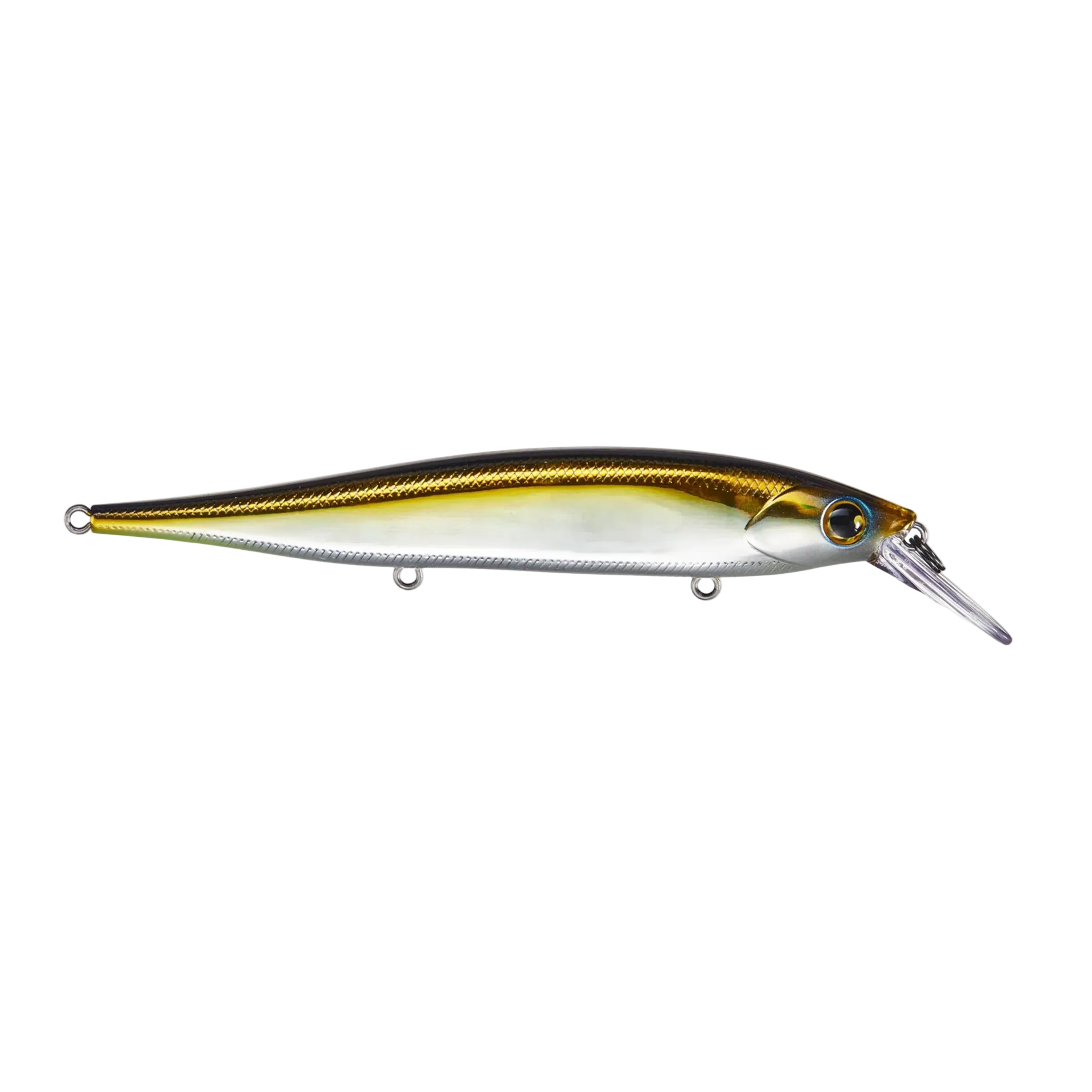
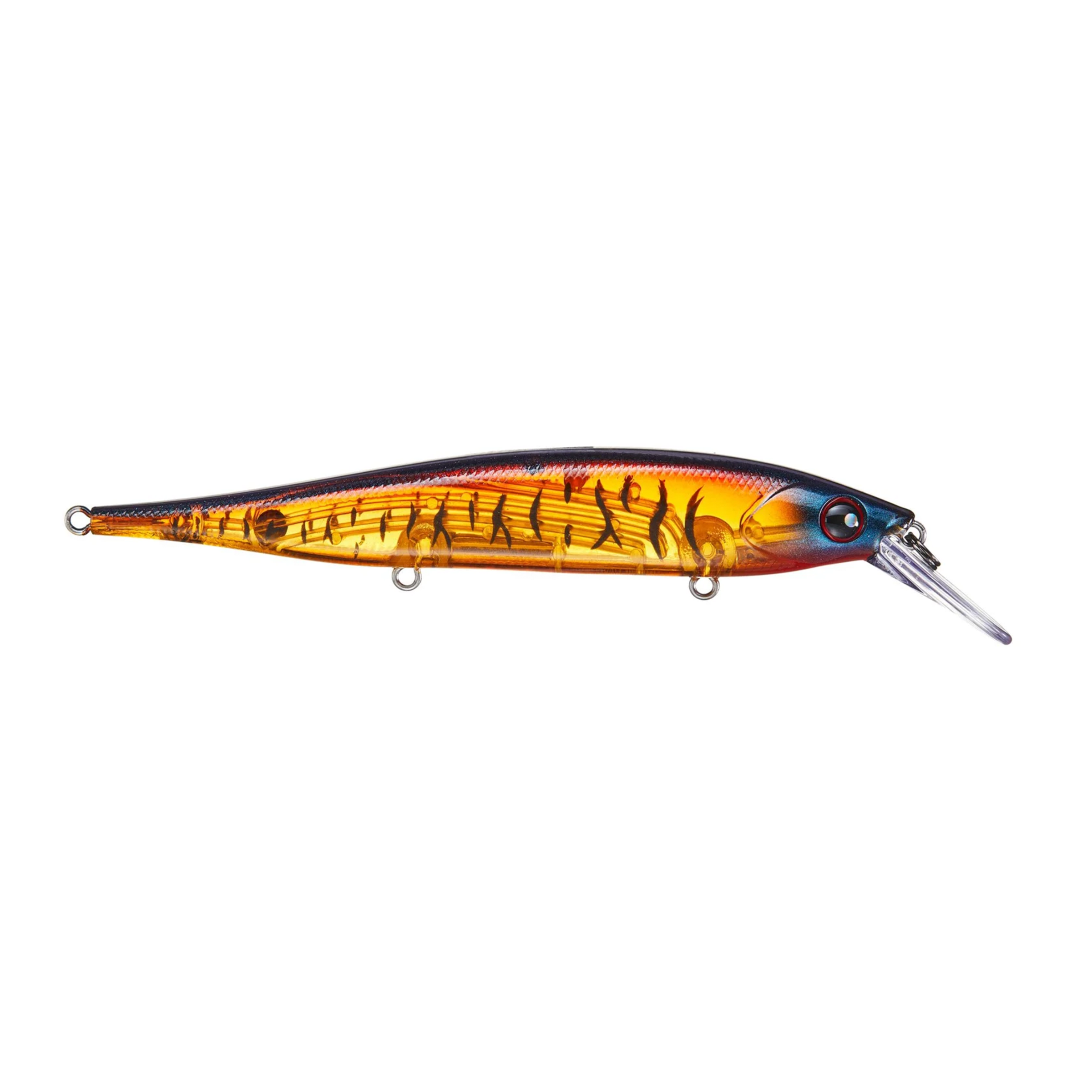
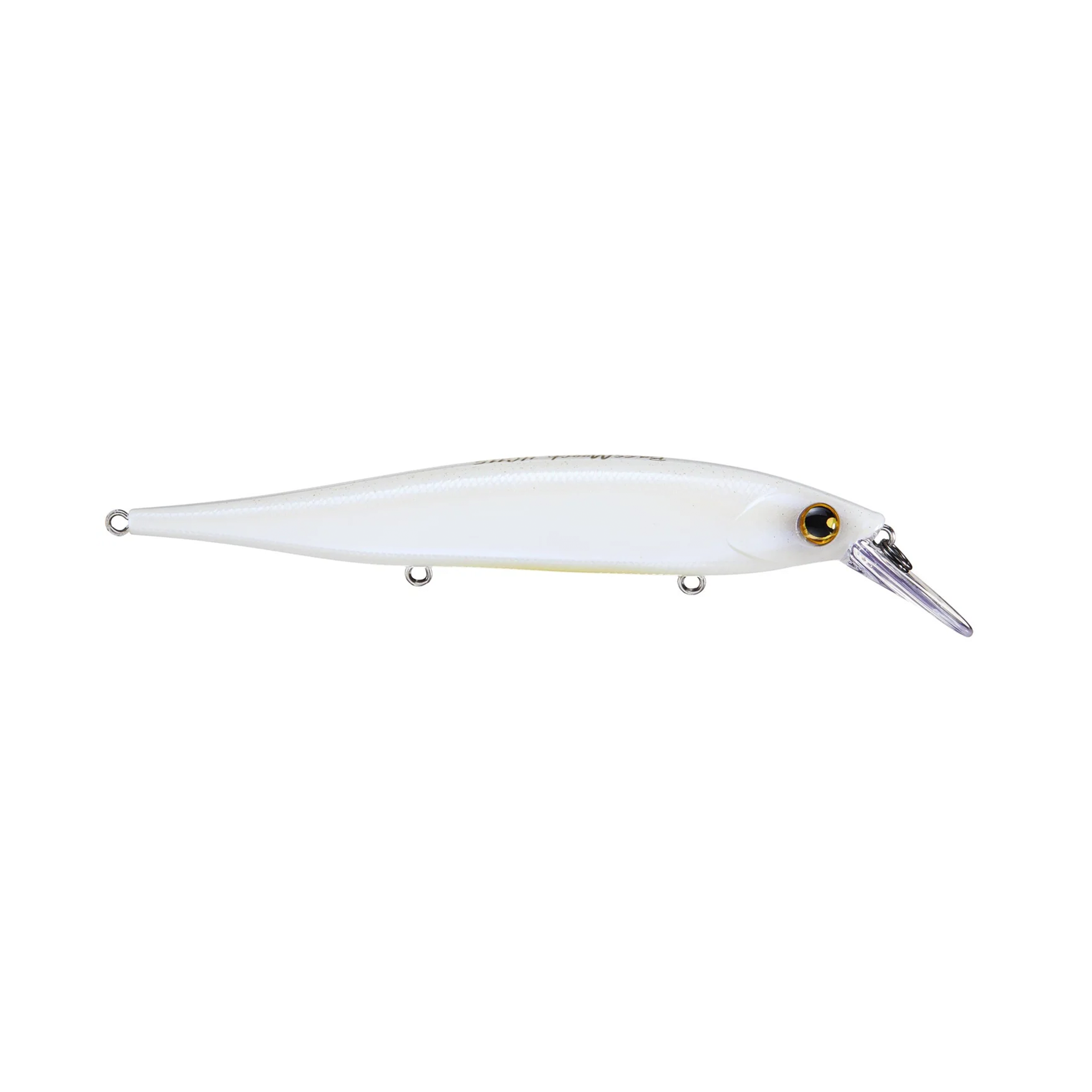
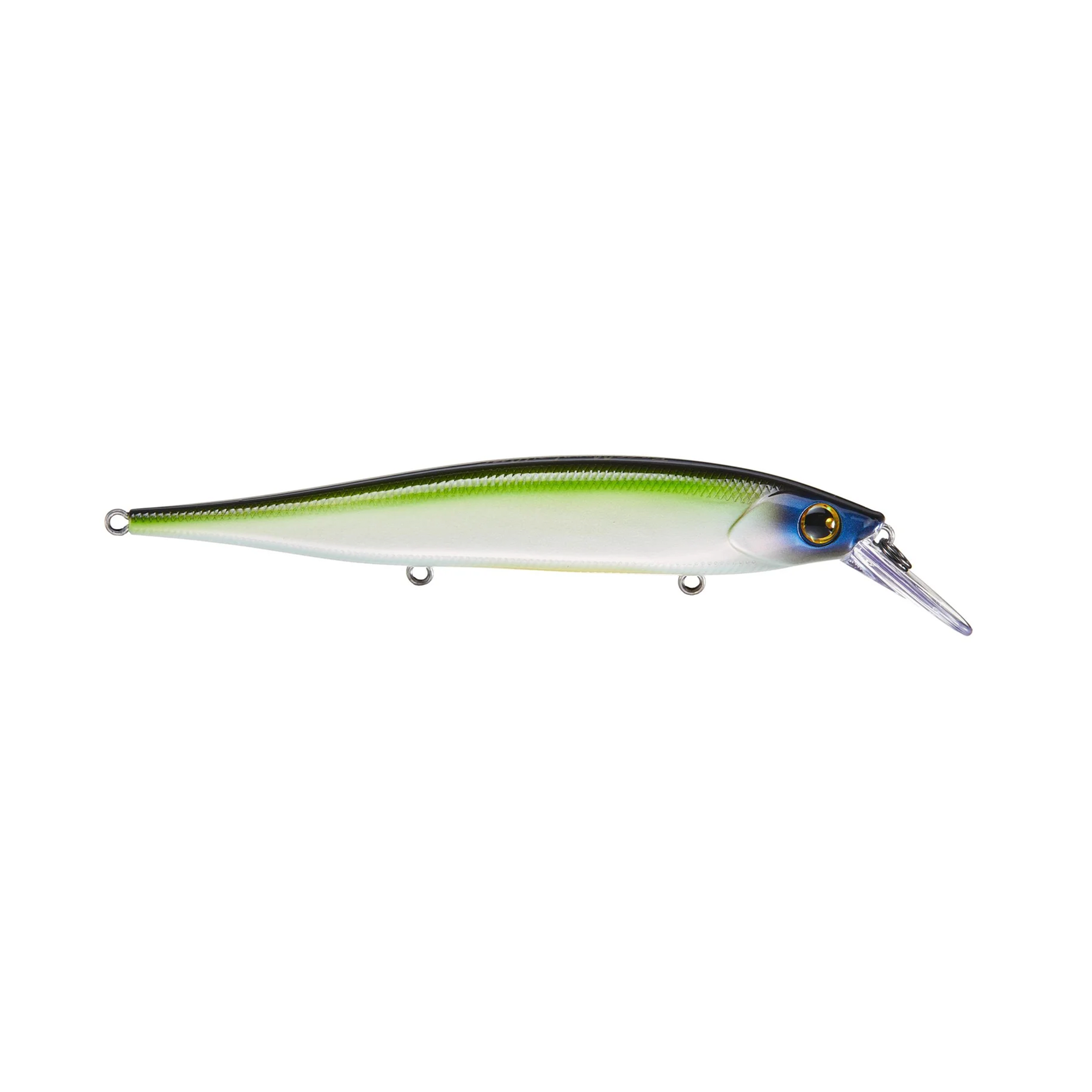
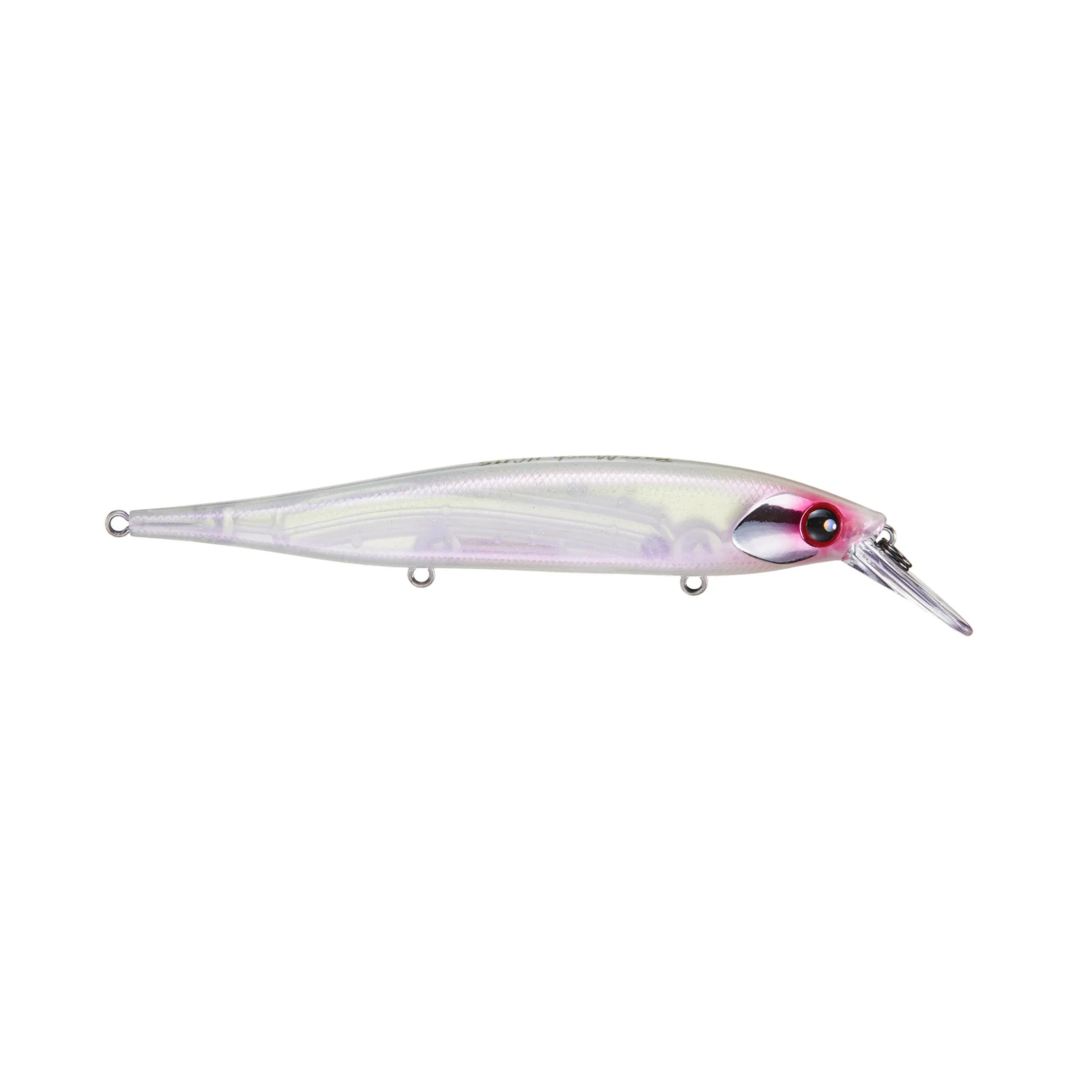
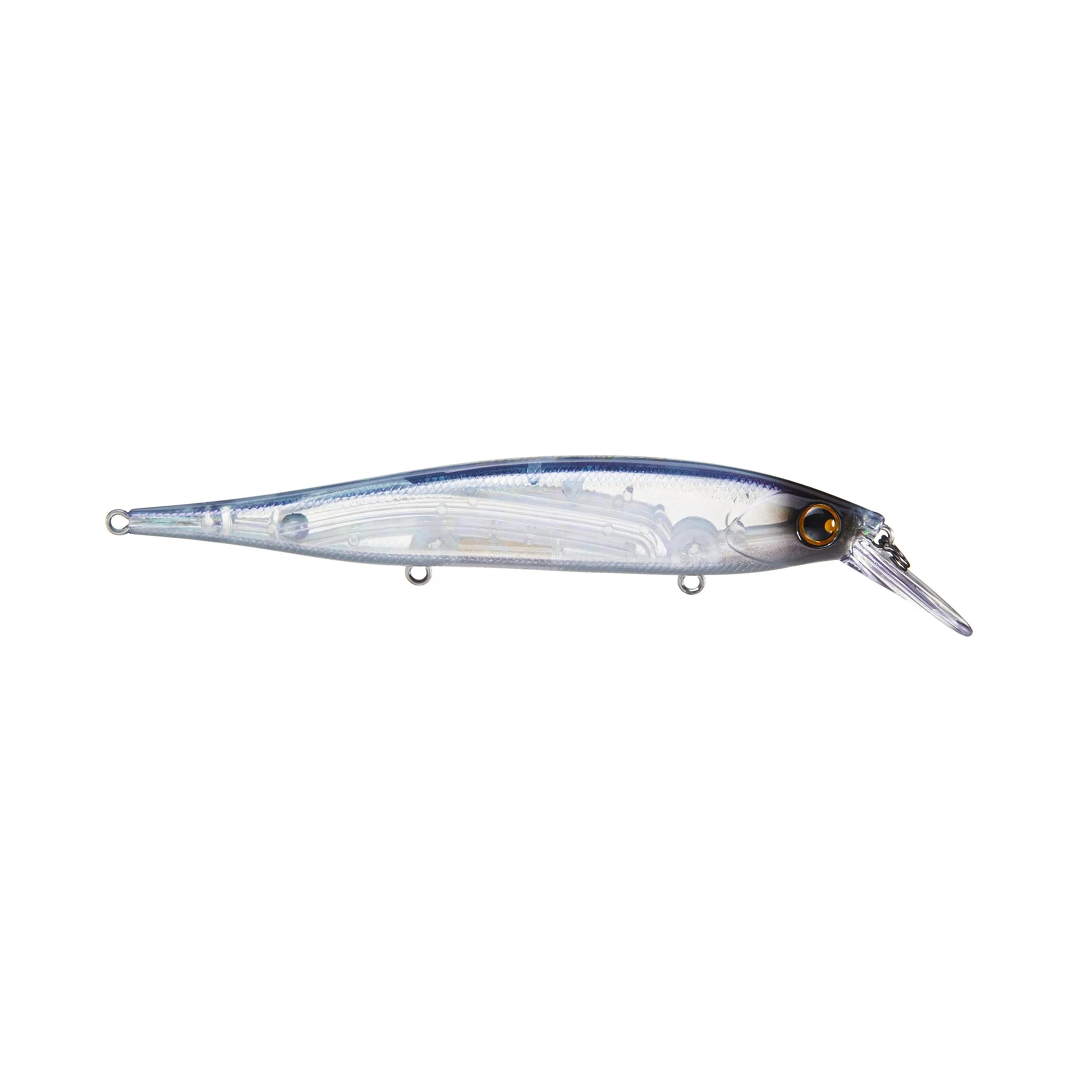
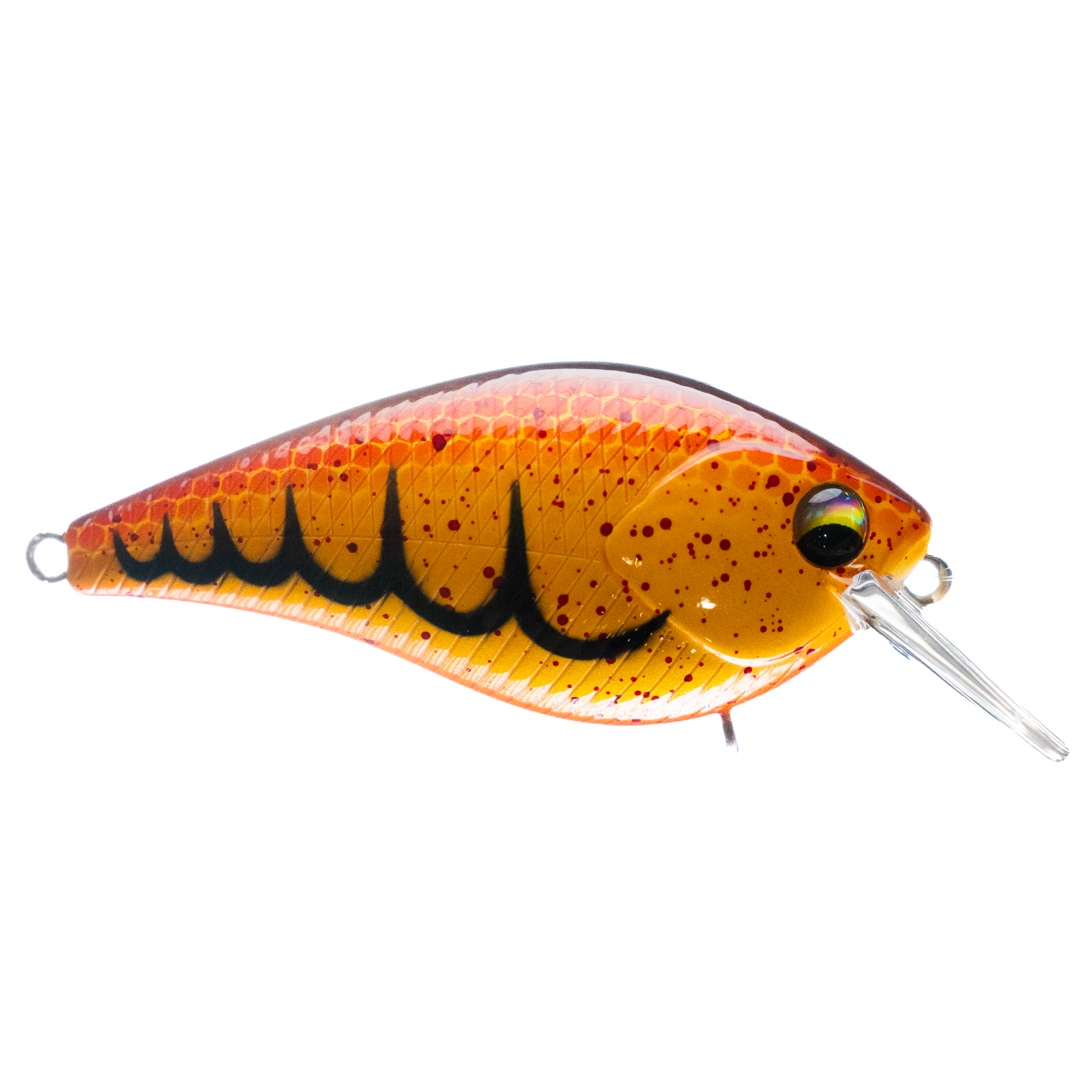
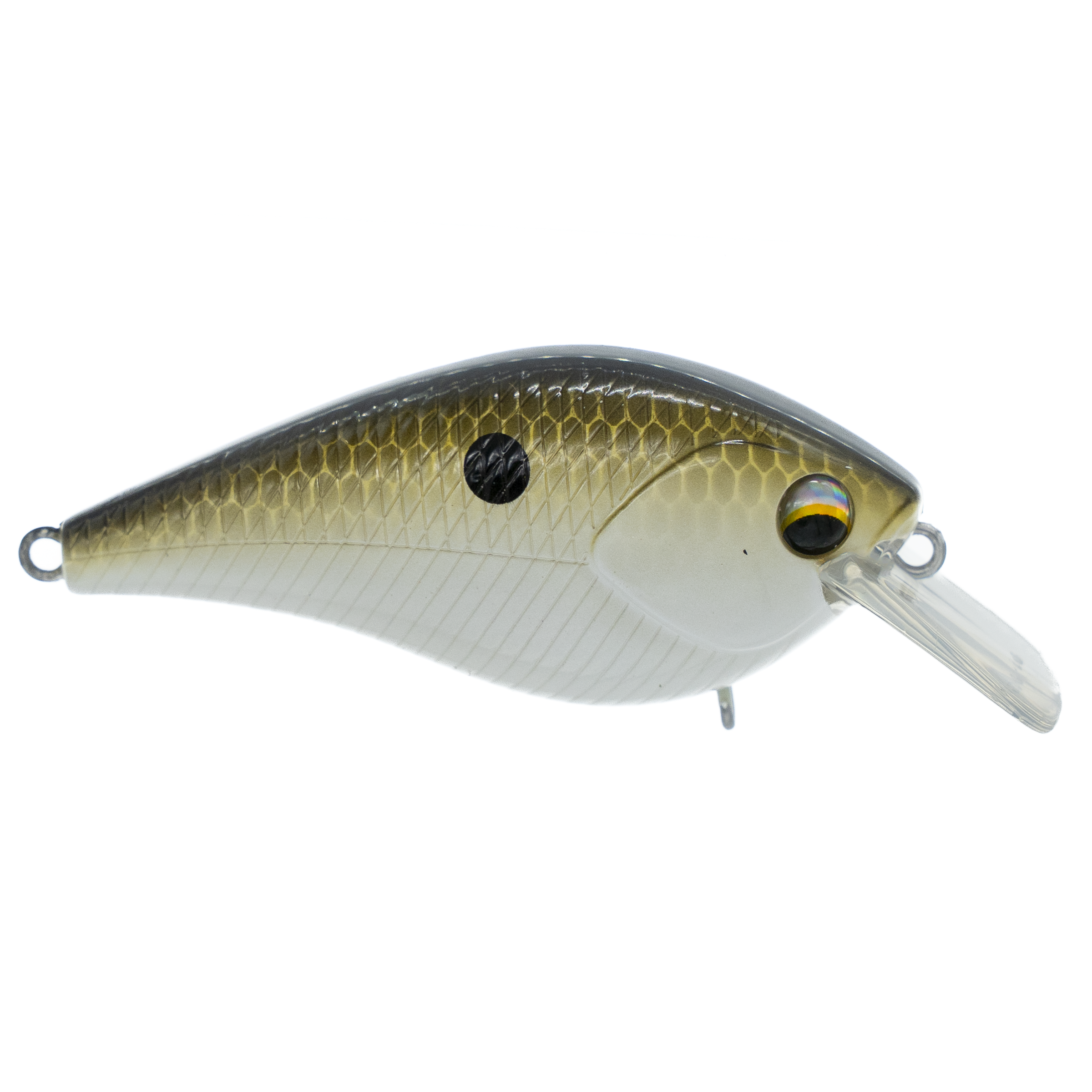
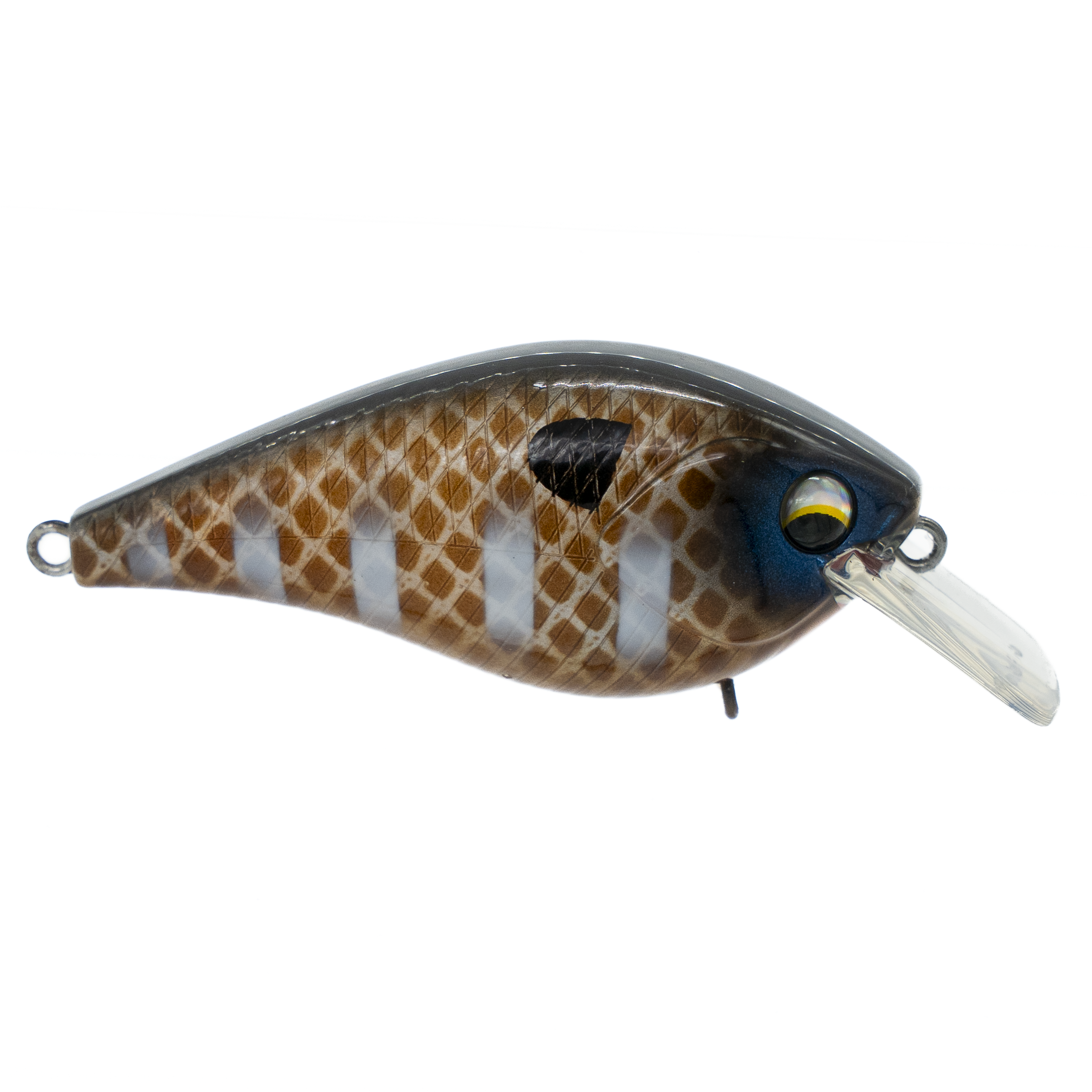
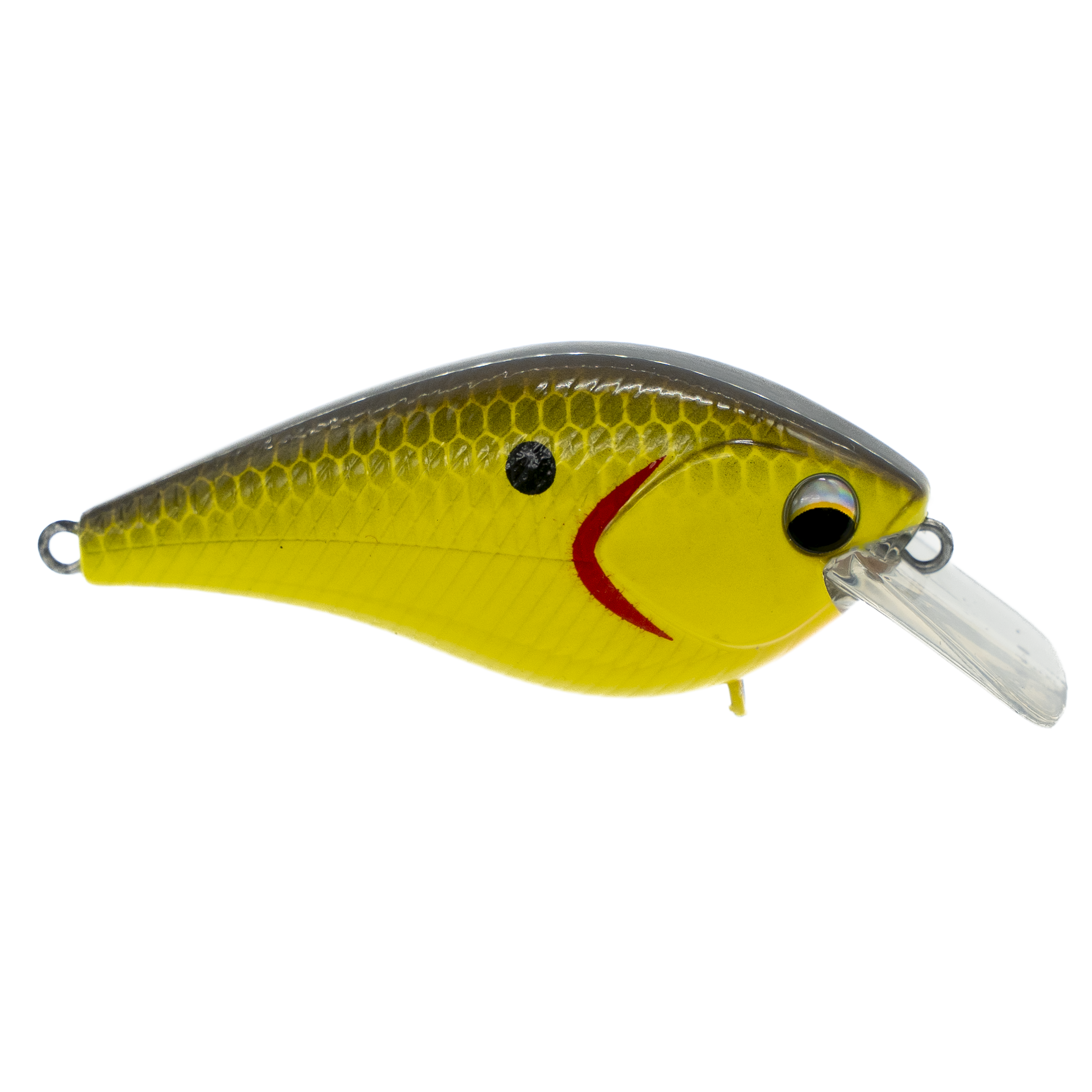
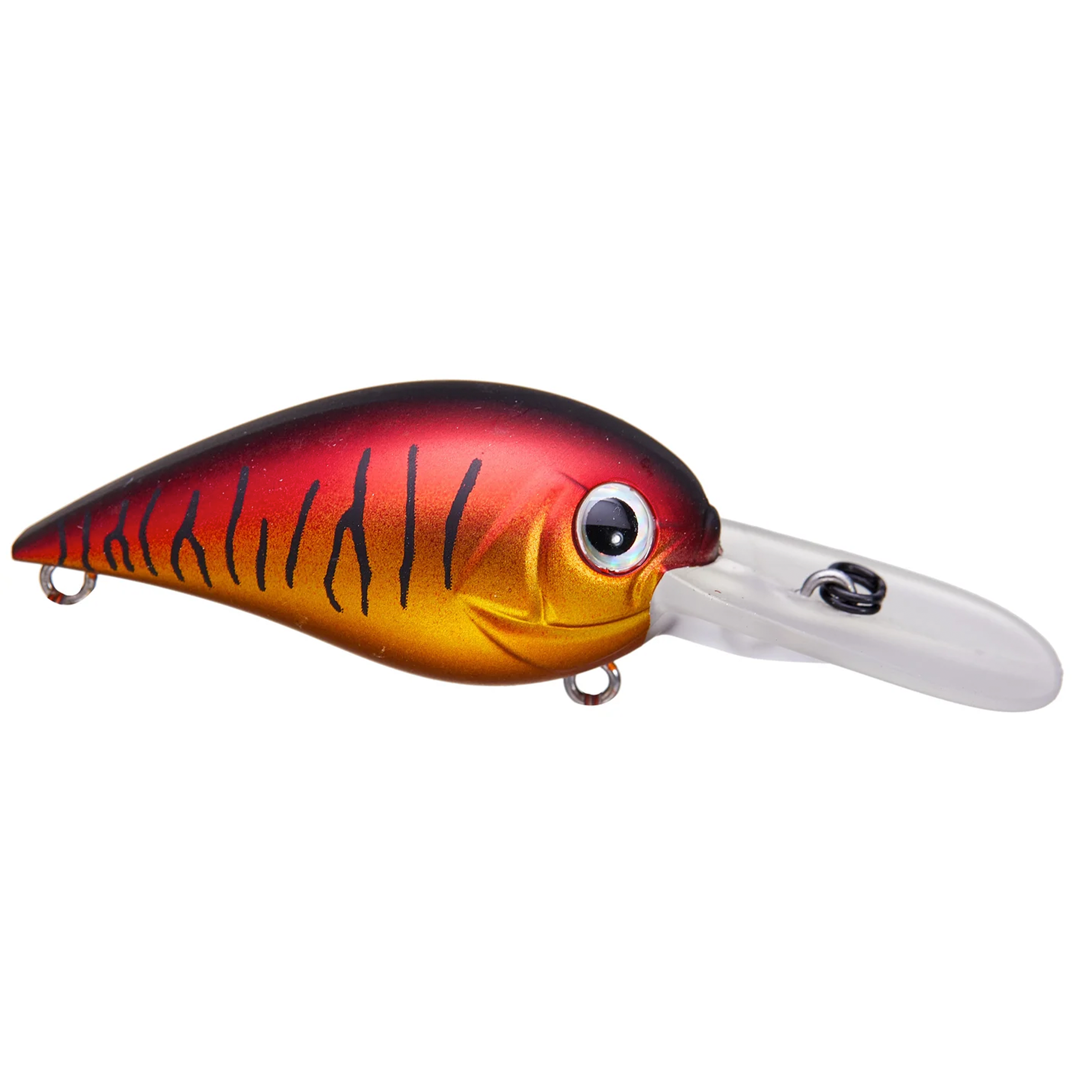
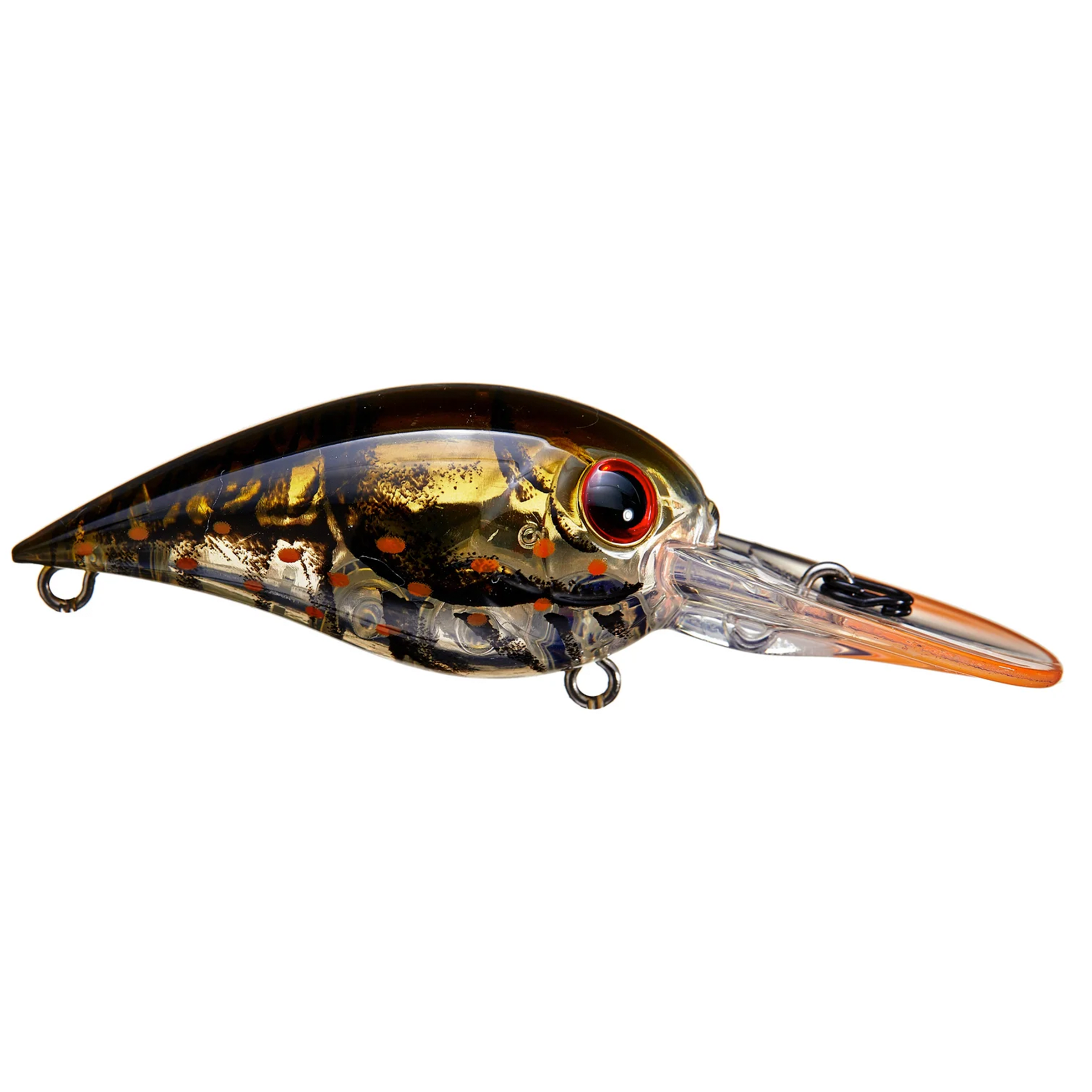
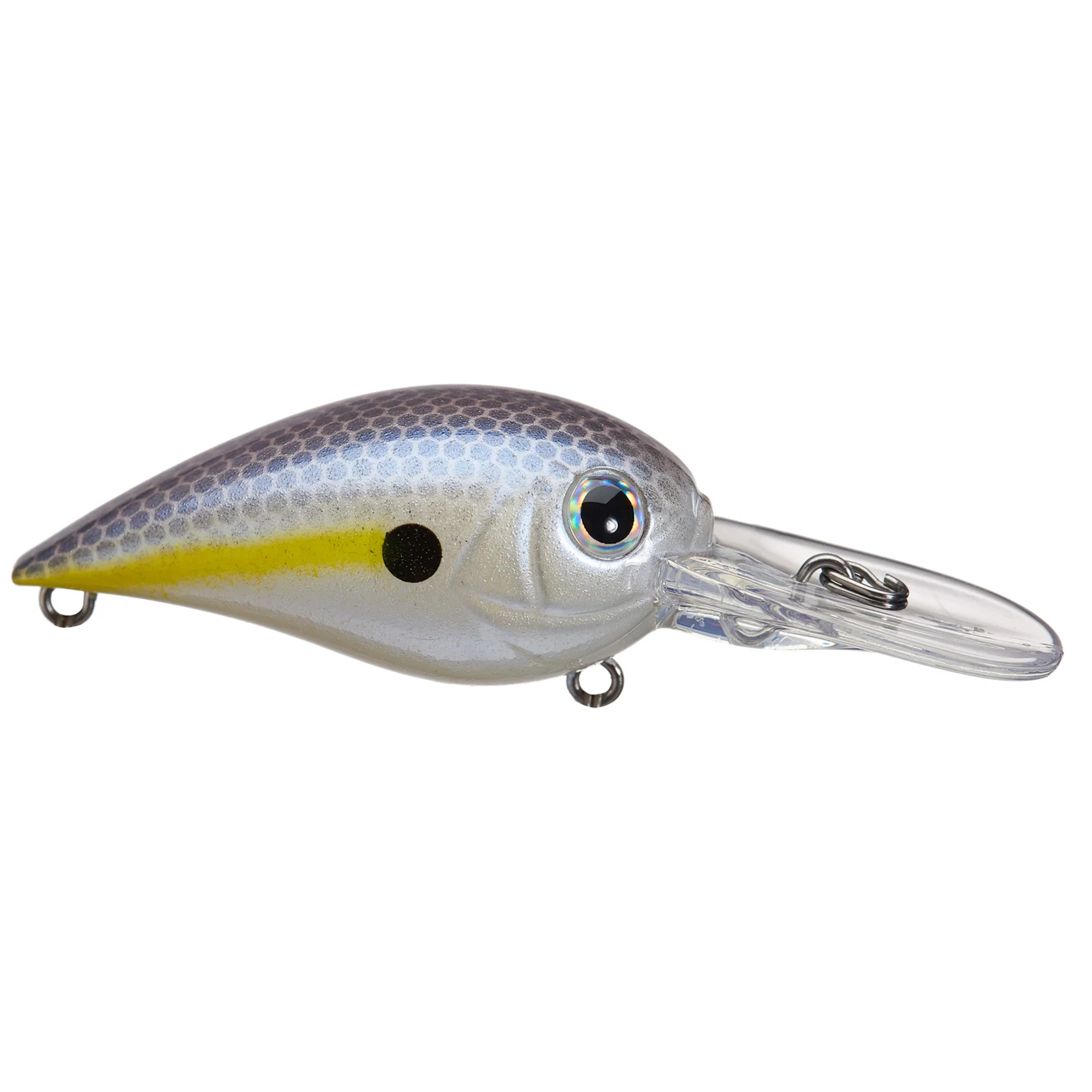
Baitfish profiles given the shad forage — swimbaits, squarebills and lipless crankbaits — plus jigs and Texas rigs on the deeper brush. Our full bait lineup covers all four seasons.
Do I need a fishing license?
Yes, a Missouri fishing permit from the Department of Conservation. Missouri sets black bass length and creel limits by water, and many Ozark lakes and streams carry special regulations that differ from the statewide rule. Check the current Department of Conservation summary for this water before you go.
A Small Lake, Well-Fed Fish
A reservoir you can learn in a few trips, holding bass that have been eating well, is worth fishing properly. Level Rods builds models that handle baitfish profiles on the points and jigs in the brush, so one trip covers what this lake asks for.
Tournament Winning Baits & Gear
Designed, crafted and tested by anglers who fish overlooked water every week. Free shipping on orders over $75.
Shop All Baits