Pickwick Lake Bass Fishing Guide
Pickwick Lake Bass Fishing, Season by Season
Fifty miles of Tennessee River across three states, and the best smallmouth water in the Southeast. The IGFA has certified multiple line-class world records off this lake. The upper half is a river, the lower half is a reservoir, and current decides both.
Half River, Half Reservoir
Pickwick runs 50 miles from Pickwick Landing Dam in Tennessee up to Wilson Dam at Florence, Alabama, covering roughly 47,500 acres and touching Tennessee, Alabama and Mississippi. A reciprocal licence agreement between the three states means a sport fishing licence from any one of them covers the impounded water — though you fish under the rules of whichever state you're actually in.
The lake changes character halfway along. From the Natchez Trace Bridge up to Wilson Dam it behaves like a river. From the bridge down toward Mississippi it becomes a conventional reservoir, and that lower half carries a phenomenal amount of ledges, grass flats and structure.
Its reputation rests on smallmouth. The habitat is good enough that the International Game Fish Association has certified several line-class records from this water, and the Shoals section directly below Wilson Dam — running down to the end of Seven-Mile Island — is the most famous piece of it. Generation discharge creates the strong current smallmouth want.
Current is the master variable here just as it is upstream on Wheeler, but the effect is more dramatic. When water flows through Wilson Dam it flushes baitfish downstream and starts a feeding frenzy, and current continues to position fish far below the dam. Smallmouth go deeper and sit in the eddies; largemouth take the grass and the bars.
What It Took to Win Here
Patterns that produced at the highest level on this lake, and the baits to fish them with.
High Water, Heavy Current — and Two Completely Different Answers
Pickwick met the field with high, stained water and stronger current than normal, and the bass were running behind their usual migration to the deep ledges. Jacob Wheeler won it the classic way, fishing deep main-river ledges. But most of the top ten never got that far out — they caught their fish on shad spawns, shallower ledges and river bars in seven to ten feet.
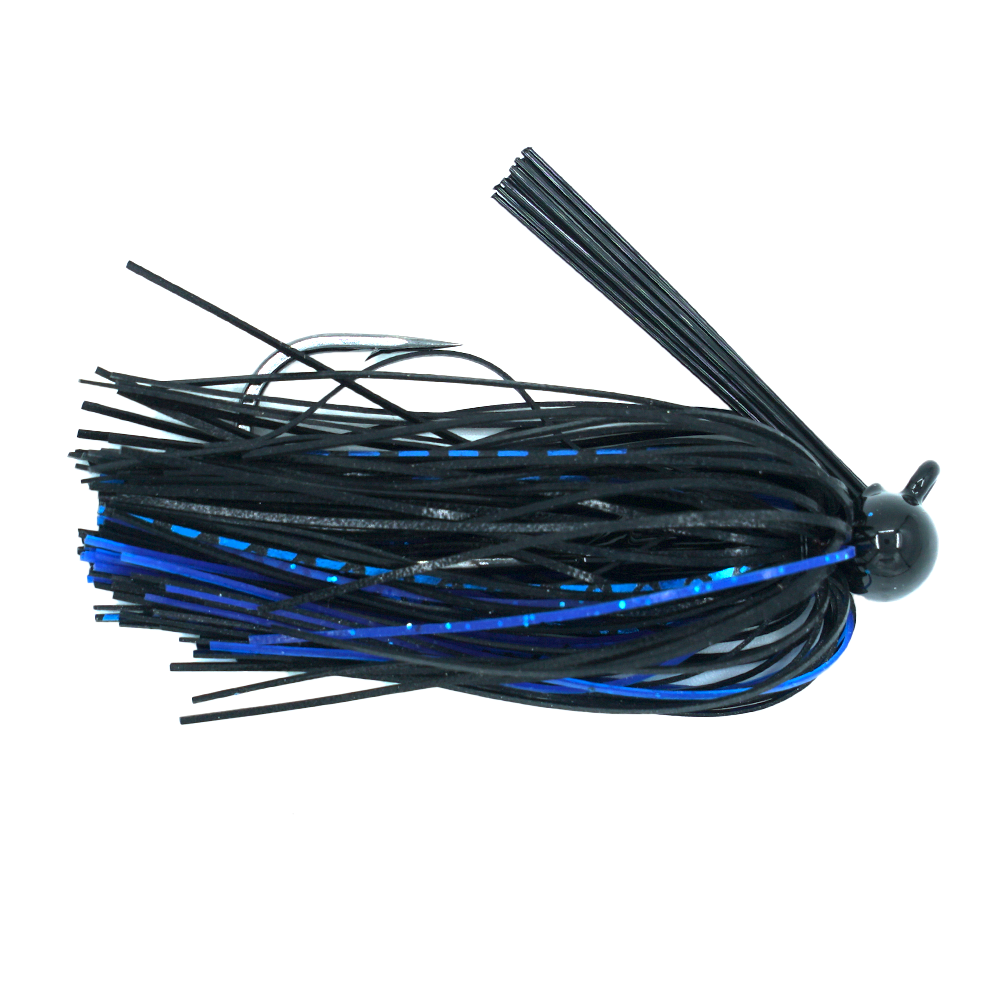
The most instructive finish came from an angler who weighed more smallmouth than largemouth across the week. He stayed up in the riverine section where the current was heaviest and worked two spots: a grassy river bar for largemouth, and a seventeen-foot eddy hole along the river that held big smallmouth. He fished the bar with a swimbait on a heavy head and the eddy with a three-quarter ounce football jig out in fifteen to twenty feet.
That's Pickwick in a sentence. The current does the work, and you can win from the ledges or from an eddy hole the size of a tennis court. What you can't do is ignore the generation schedule.

Current, Ledges and Bronzebacks
Four patterns cover the year. Each one pairs the technique with the baits we'd actually tie on.
Winter Fish Are the Biggest of the Year
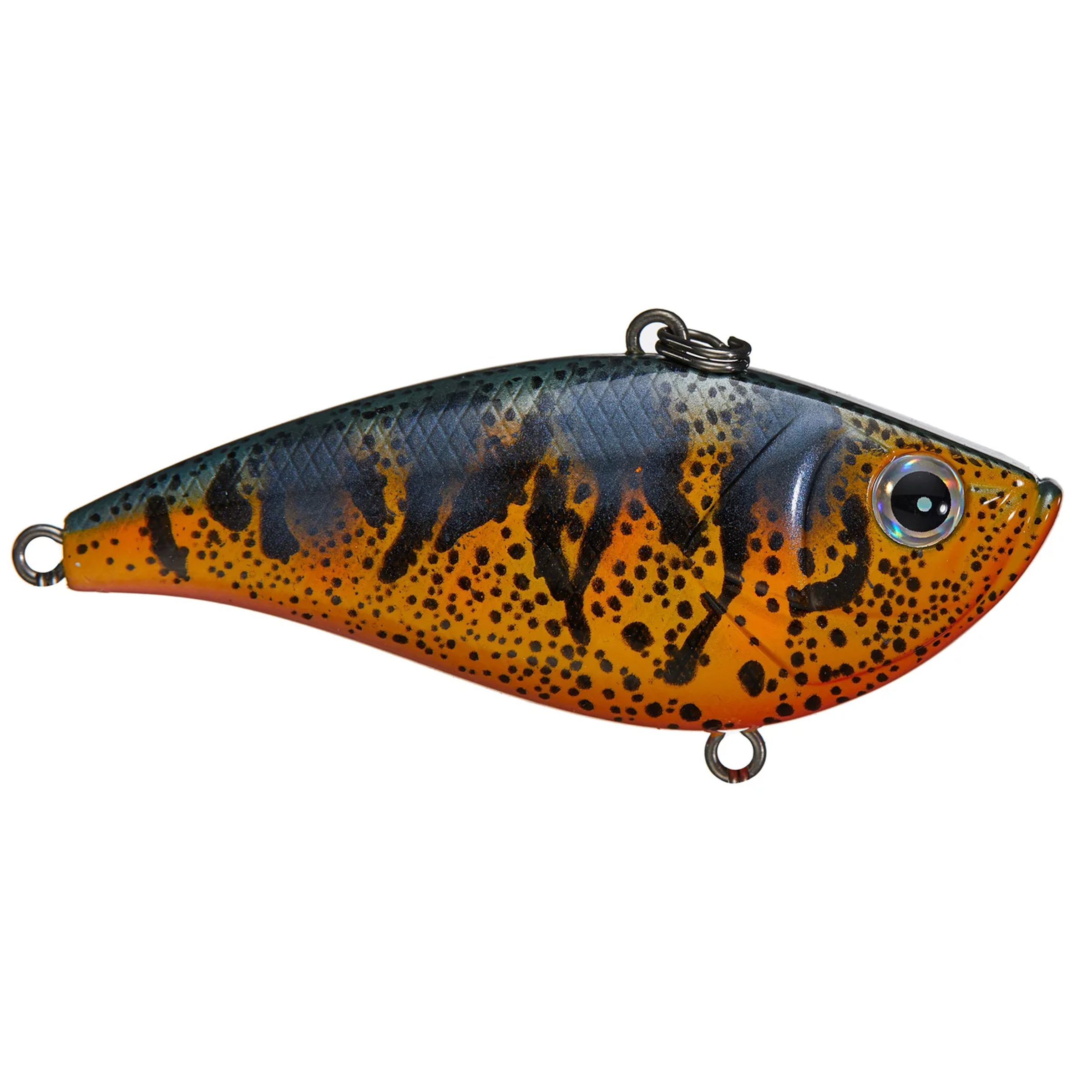
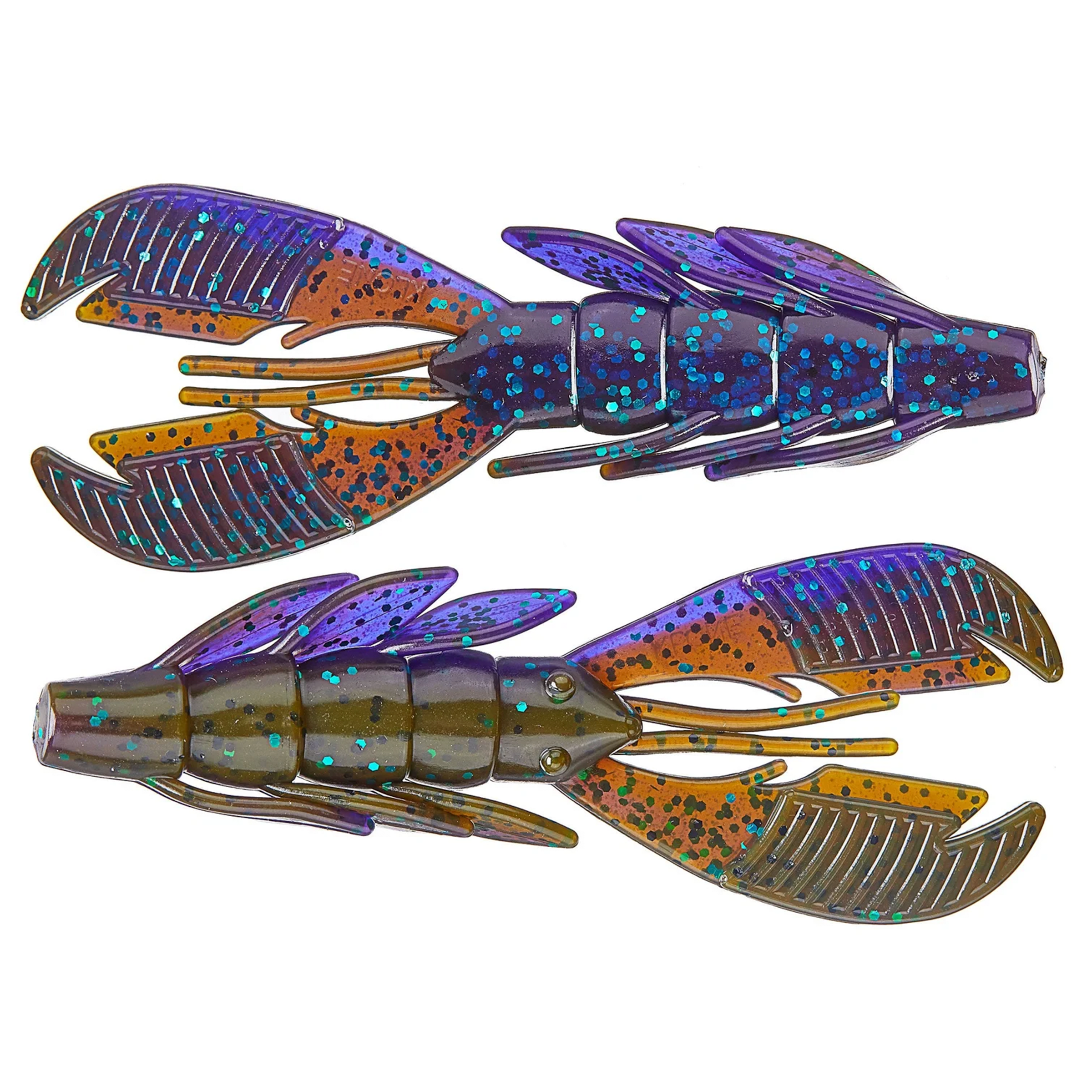
Anglers here often catch their largest bass of the year in late winter and early spring, before the spawn. Largemouth start staging to spawn around February in the stumps and mussel beds that line the ledges from Seven-Mile Island through Waterloo and back into Second Creek. Smallmouth stay closer to current and rock.



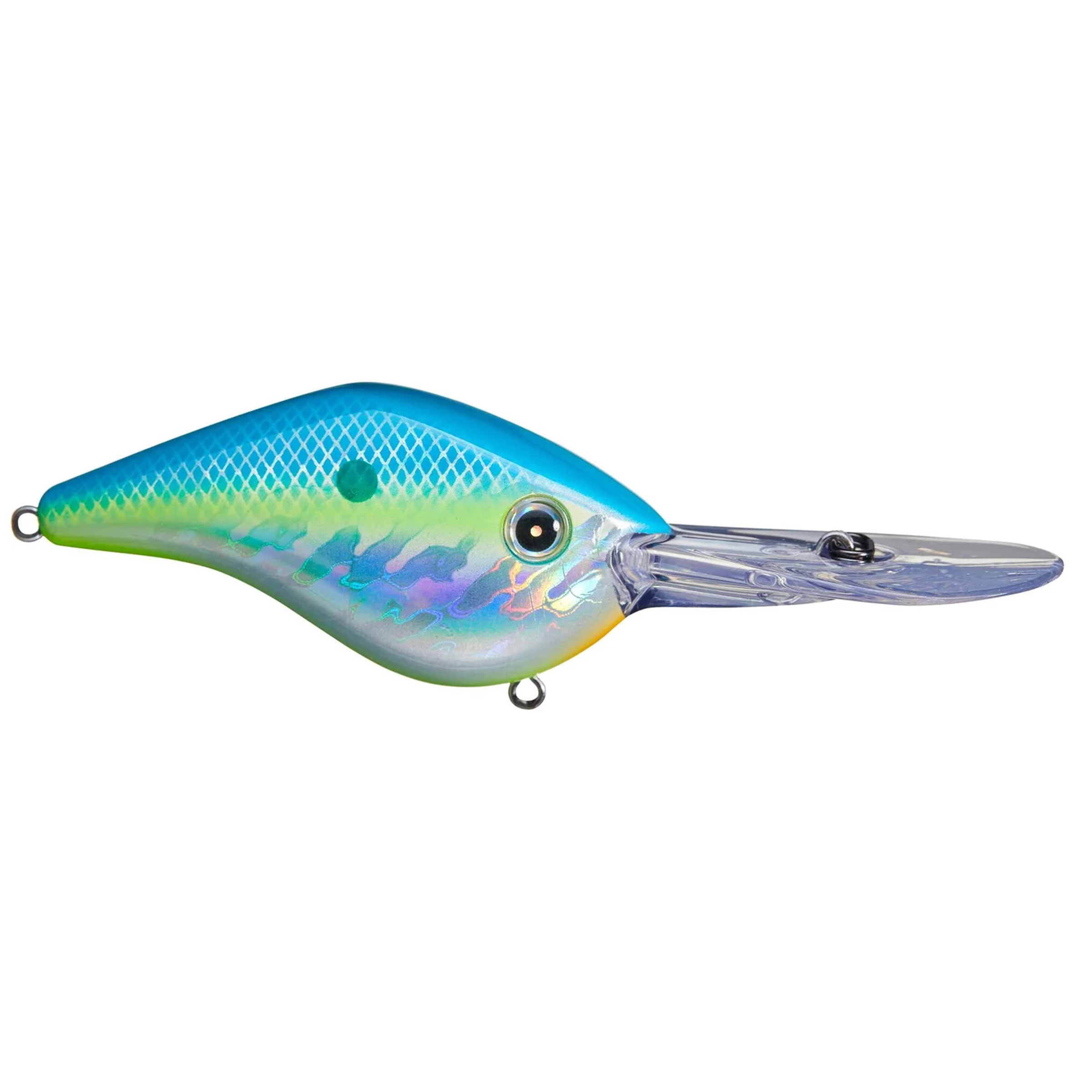
Deep Ledges and the Eddies
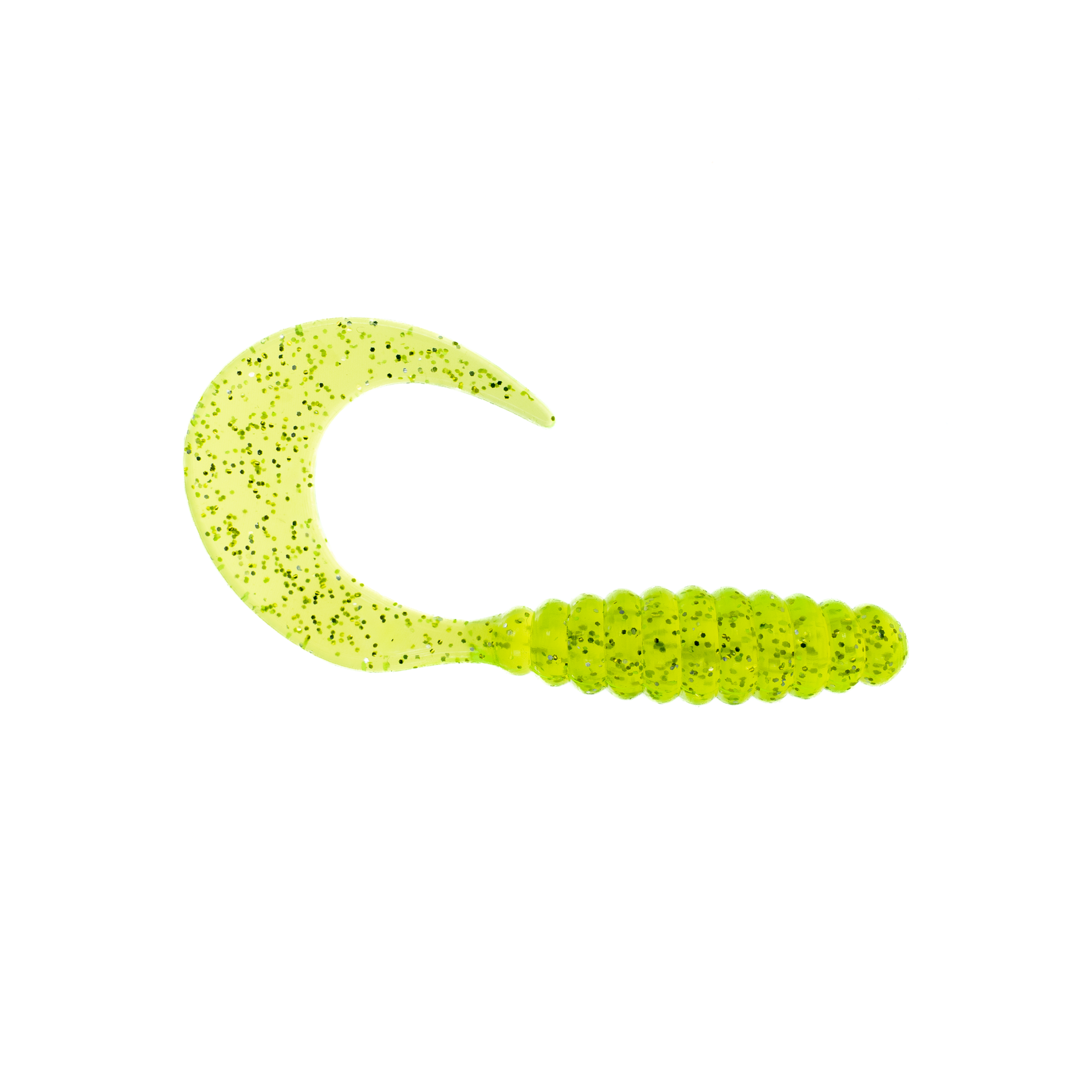
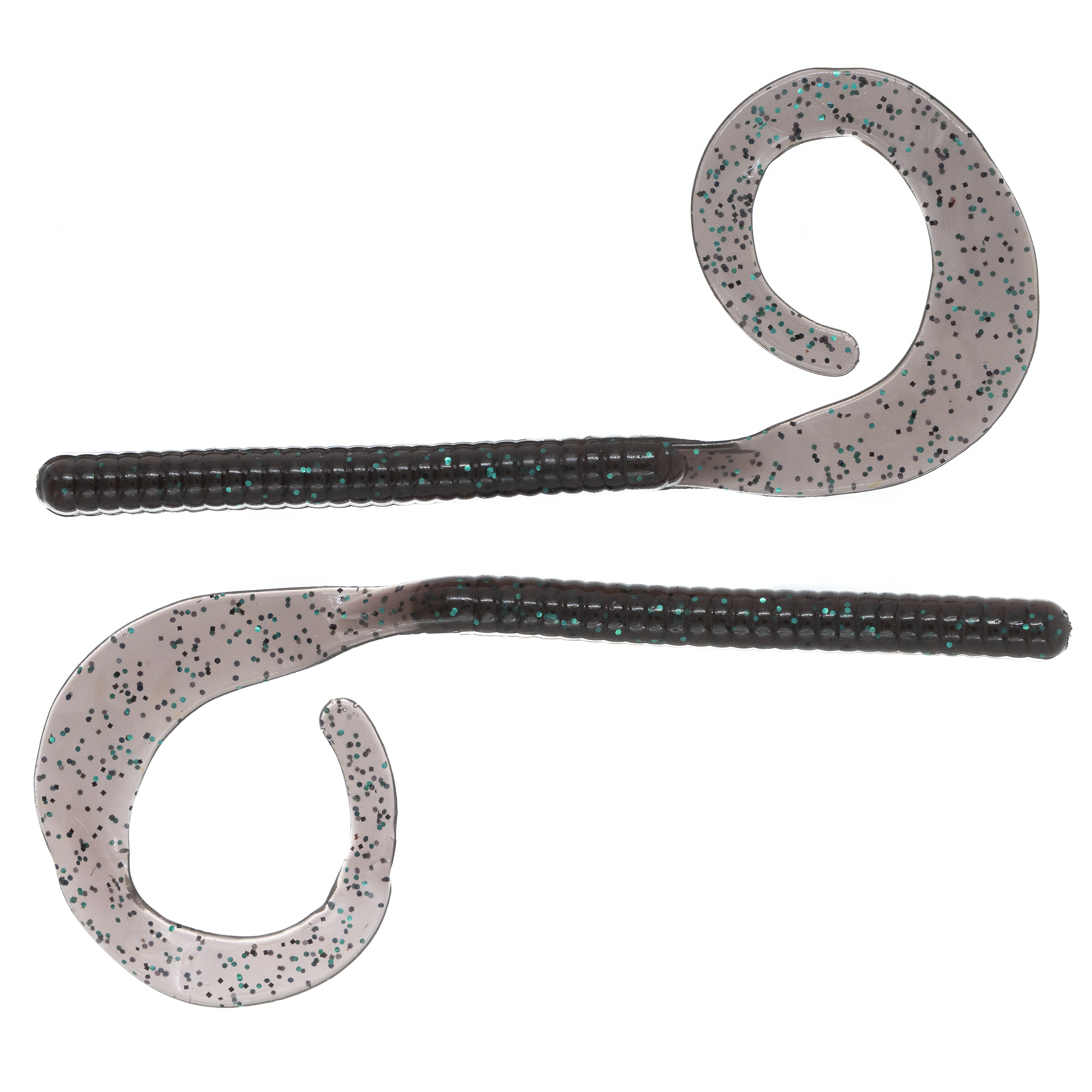
Post-spawn smallmouth move to deep points and ledges dropping into deep water — the islands upstream of Dry Creek and the deeper embayments on the north shoreline near the dam are the known areas. Largemouth take the ledges and grassy bars. Twenty-five feet is a normal working depth here by late May.

Feeding Up
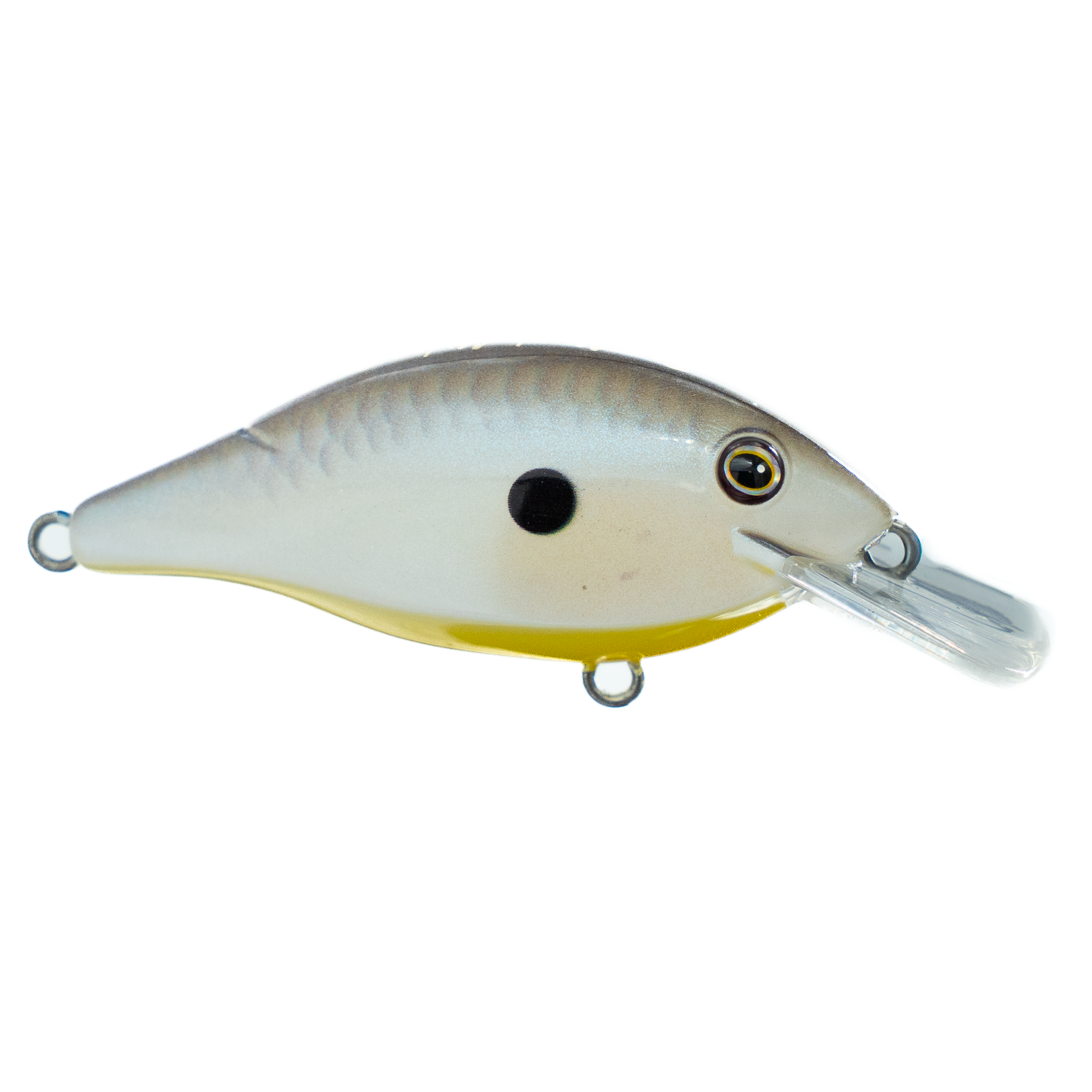
Autumn brings heavy feeding as bass prepare for winter, and it's one of the more forgiving seasons on a lake that can be demanding. Fish push shallower and get less wary, and crankbaits and moving baits that imitate baitfish do most of the work.


Finesse, and the Best Fish of the Year
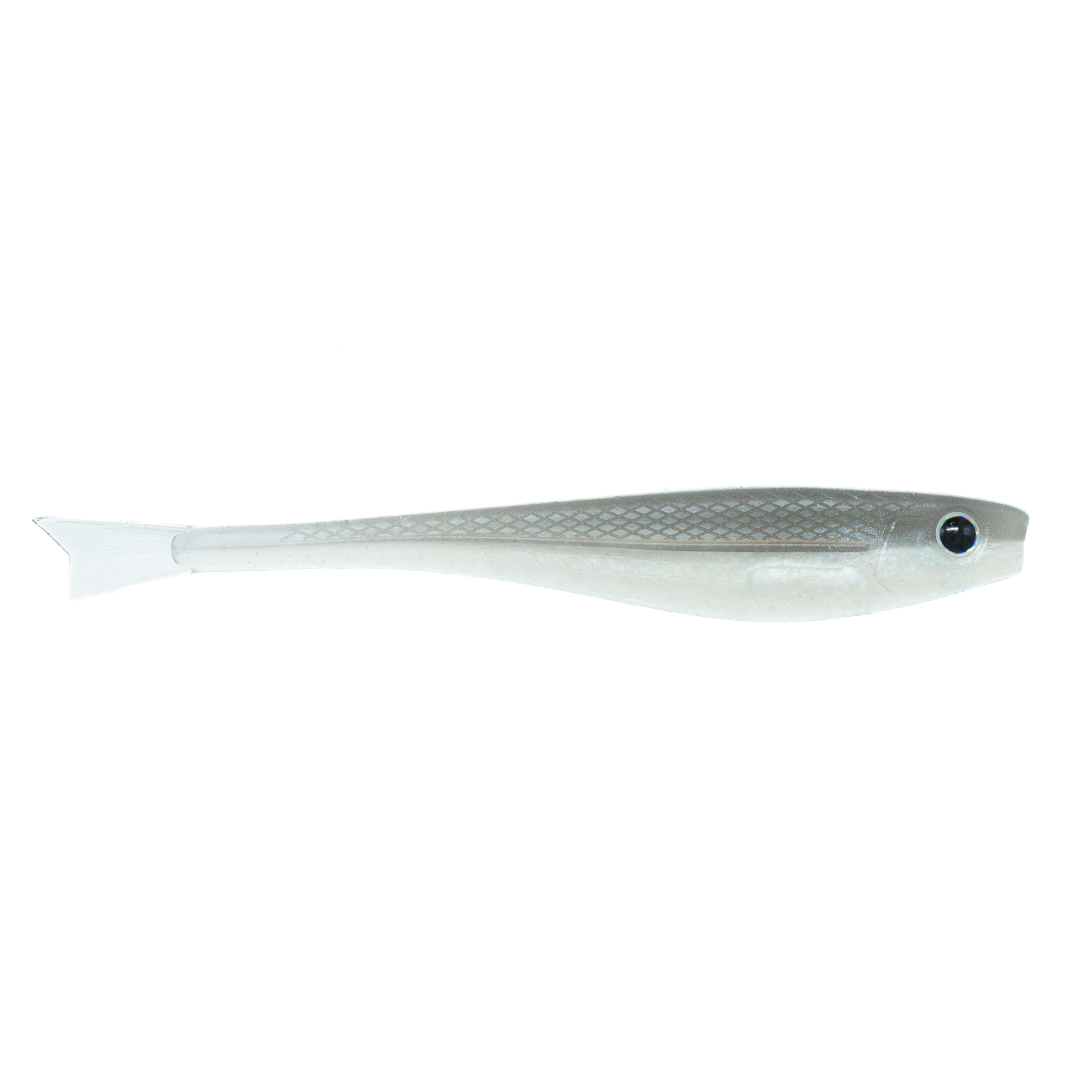
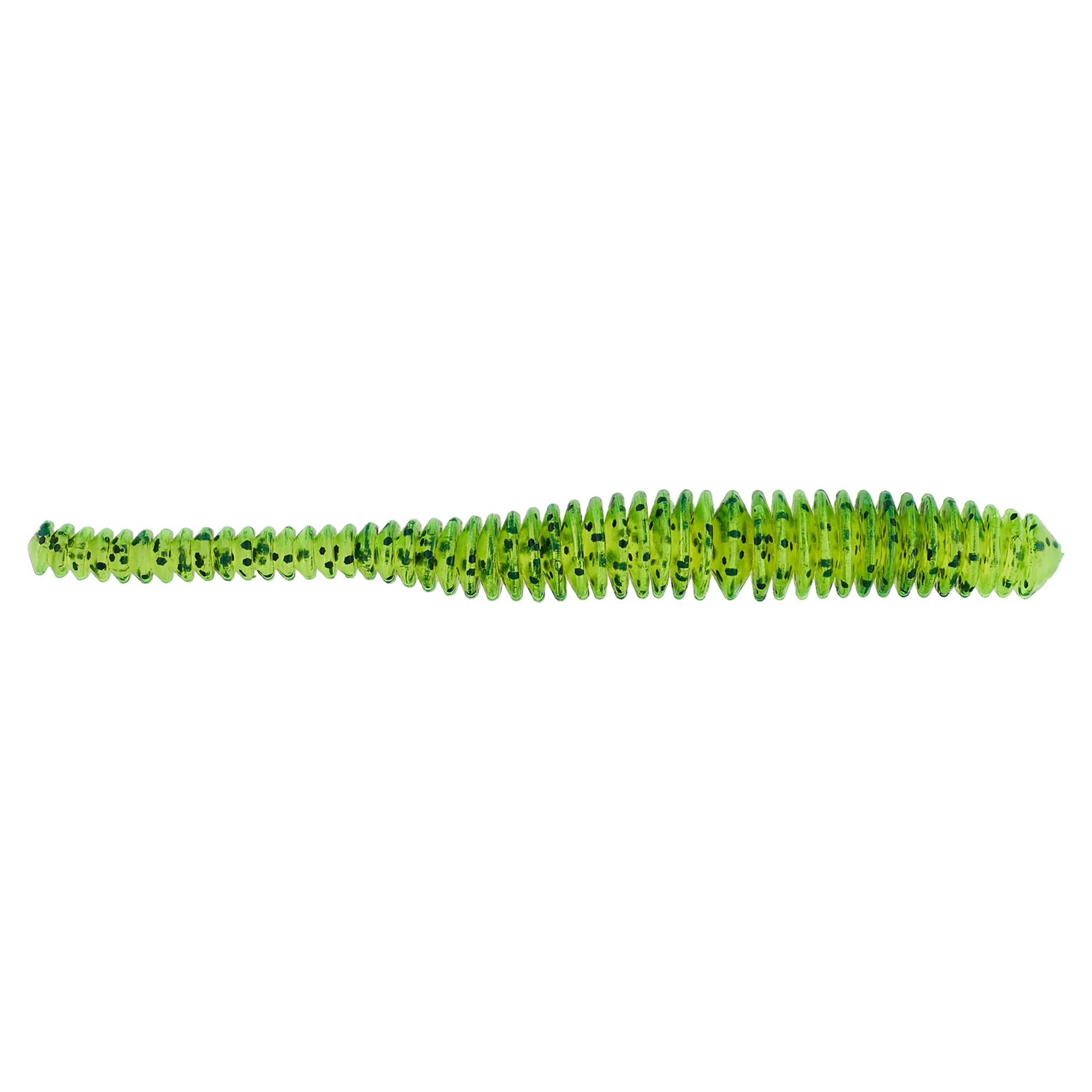
Winter slows everything down, and it's also when the biggest bass of the year get caught. Fish hold in warmer pockets and deeper water and feed lethargically. Below Wilson Dam the tailwaters draw sauger migrating upstream to spawn, which brings a different crowd and leaves the bass water quieter.



Pickwick Lake Access
Fifty miles, three states and two completely different halves. Decide whether you want the river or the reservoir.
The Shoals
Directly below Wilson Dam down to the end of Seven-Mile Island. Generation discharge creates the strong current smallmouth love, and this is the most famous smallmouth water on the lake.
Natchez Trace to Waterloo
Where the lake widens and the grass begins. Grass flats run from the end of Seven-Mile through Waterloo and back into Second Creek, with stumps and mussel beds lining the ledges throughout.
Colbert Fossil Plant Discharge
The basin west of Sheffield attracts fish and anglers year-round. Worth knowing when the rest of the lake is cold or slow.
Pickwick Lake Bass Fishing FAQ
Which state's fishing license do I need for Pickwick?
Pickwick lies in Tennessee, Alabama and Mississippi, and the three states have a reciprocal agreement — a sport fishing licence from any of them covers the impounded waters. You must, however, follow the regulations of whichever state you're actually fishing in. Confirm current rules before you launch.
Why is Pickwick so good for smallmouth?
Current, rock and depth. Smallmouth prefer cooler water, more flow, deeper water and rocky bottoms, and Pickwick offers all four in quantity. The habitat is good enough that the IGFA has certified several line-class world records from this lake.
How does current affect fishing on Pickwick?
Enormously. Fishing generally improves when water is flowing through Wilson Dam — the current flushes baitfish downstream and triggers a feeding frenzy. Even well downstream, flow continues to position fish. Smallmouth typically drop a little deeper and hold in eddies.
Where does Pickwick change from a river to a lake?
At the Natchez Trace Bridge. Above it, up toward Wilson Dam, Pickwick behaves like a river. Below it, heading toward Mississippi, it becomes a conventional reservoir with extensive ledges, grass flats and structure.
When are the biggest bass caught on Pickwick?
Winter and very early spring, before the spawn. It's not a numbers season, but anglers here consistently report catching their largest fish of the year in the cold months.
What baits work best on Pickwick?
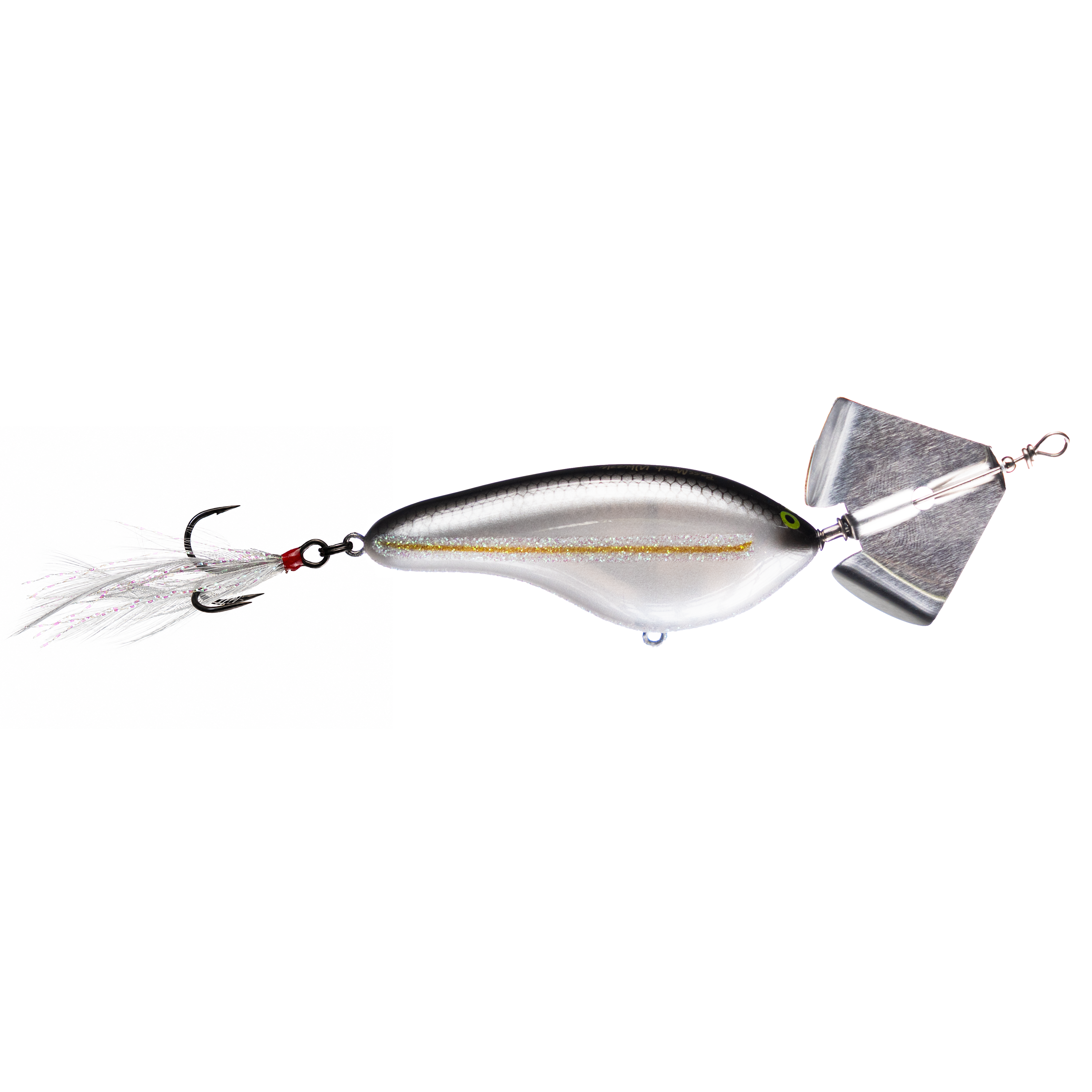
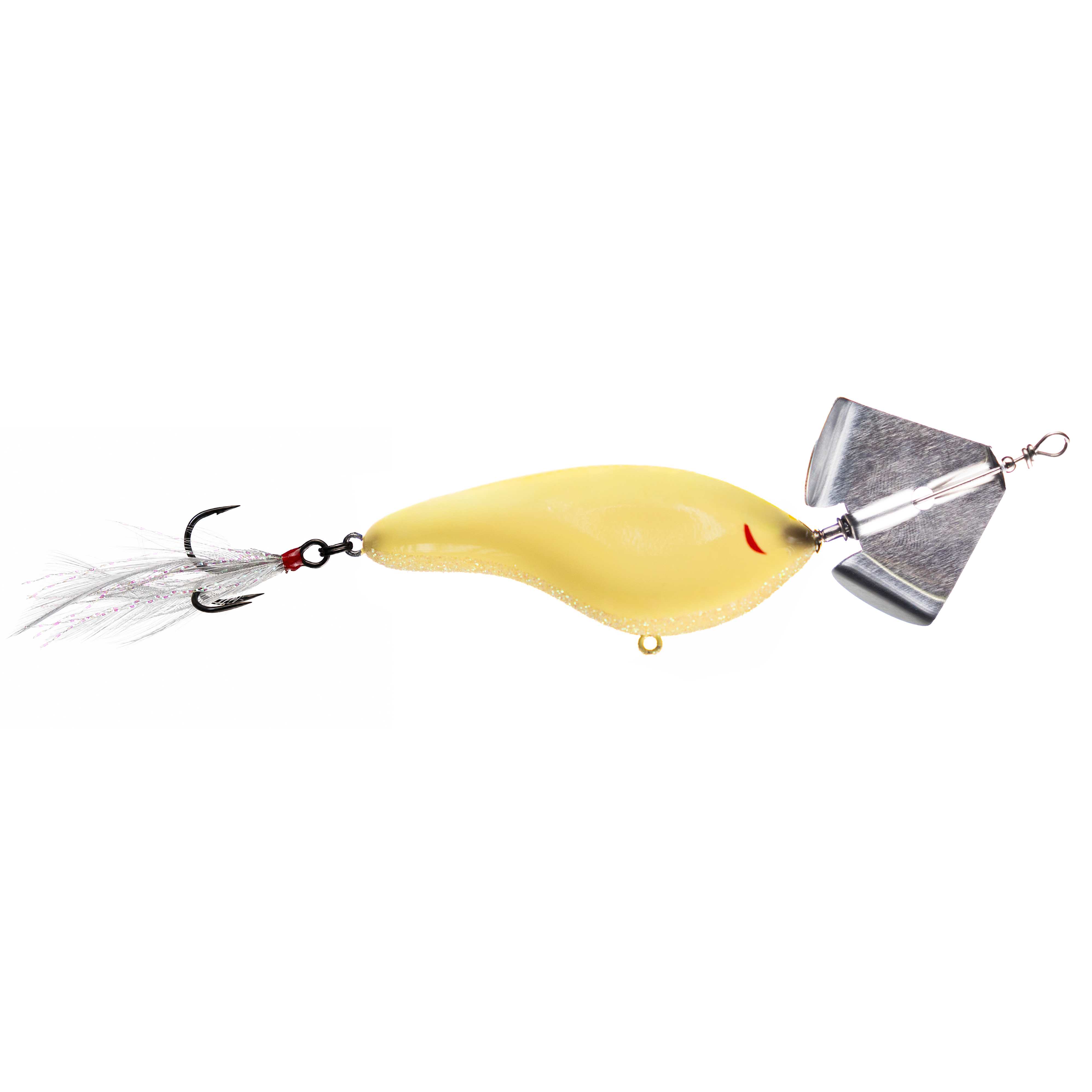
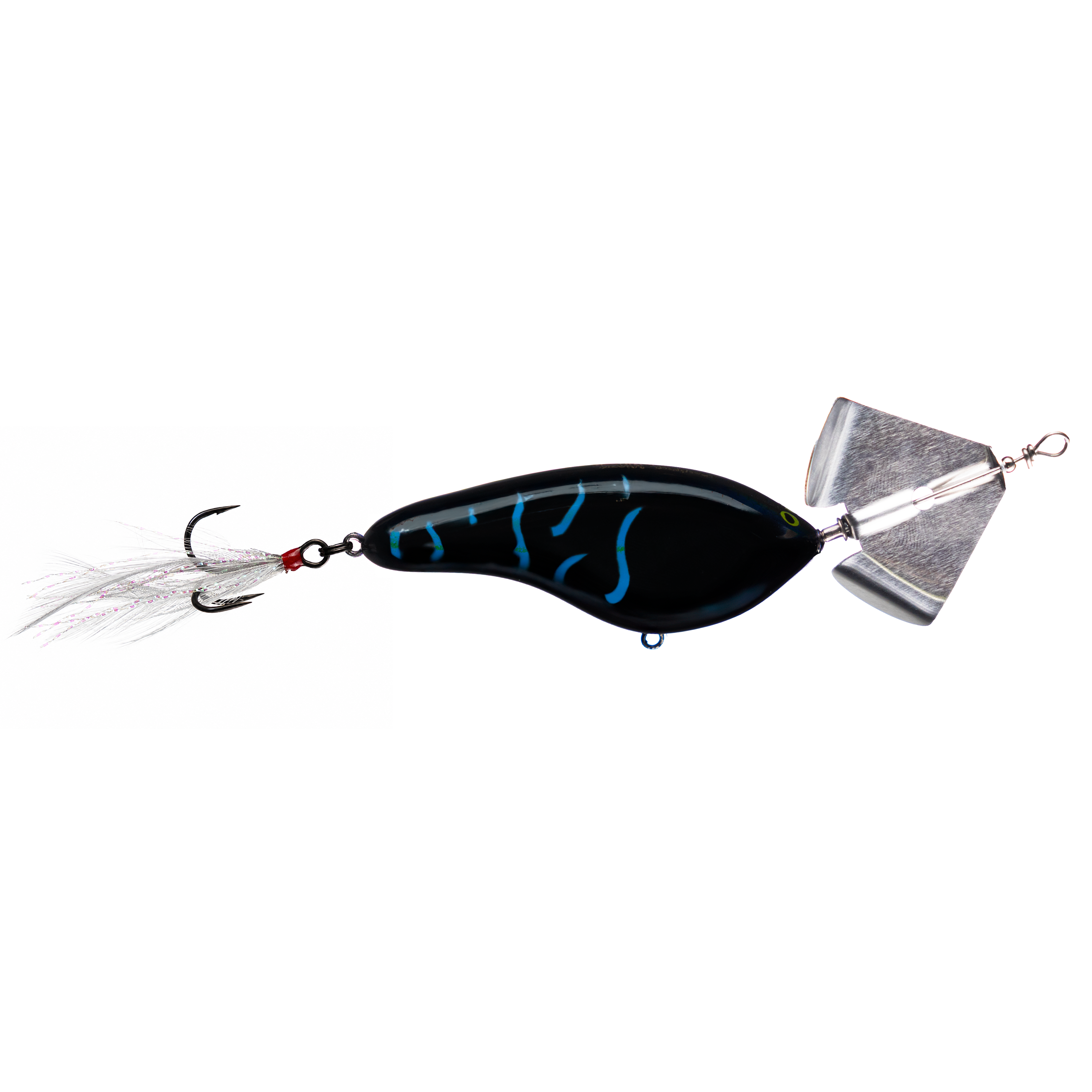
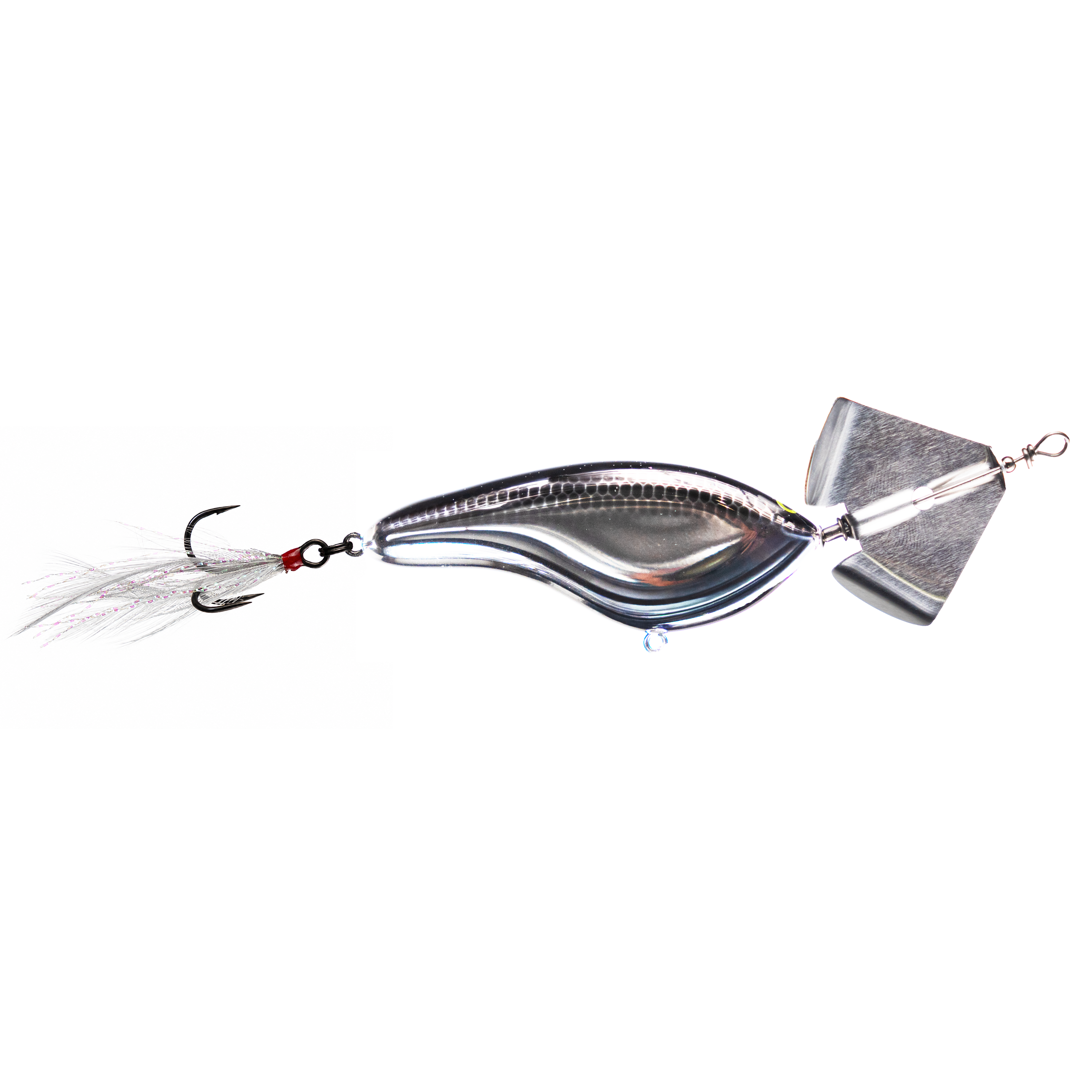
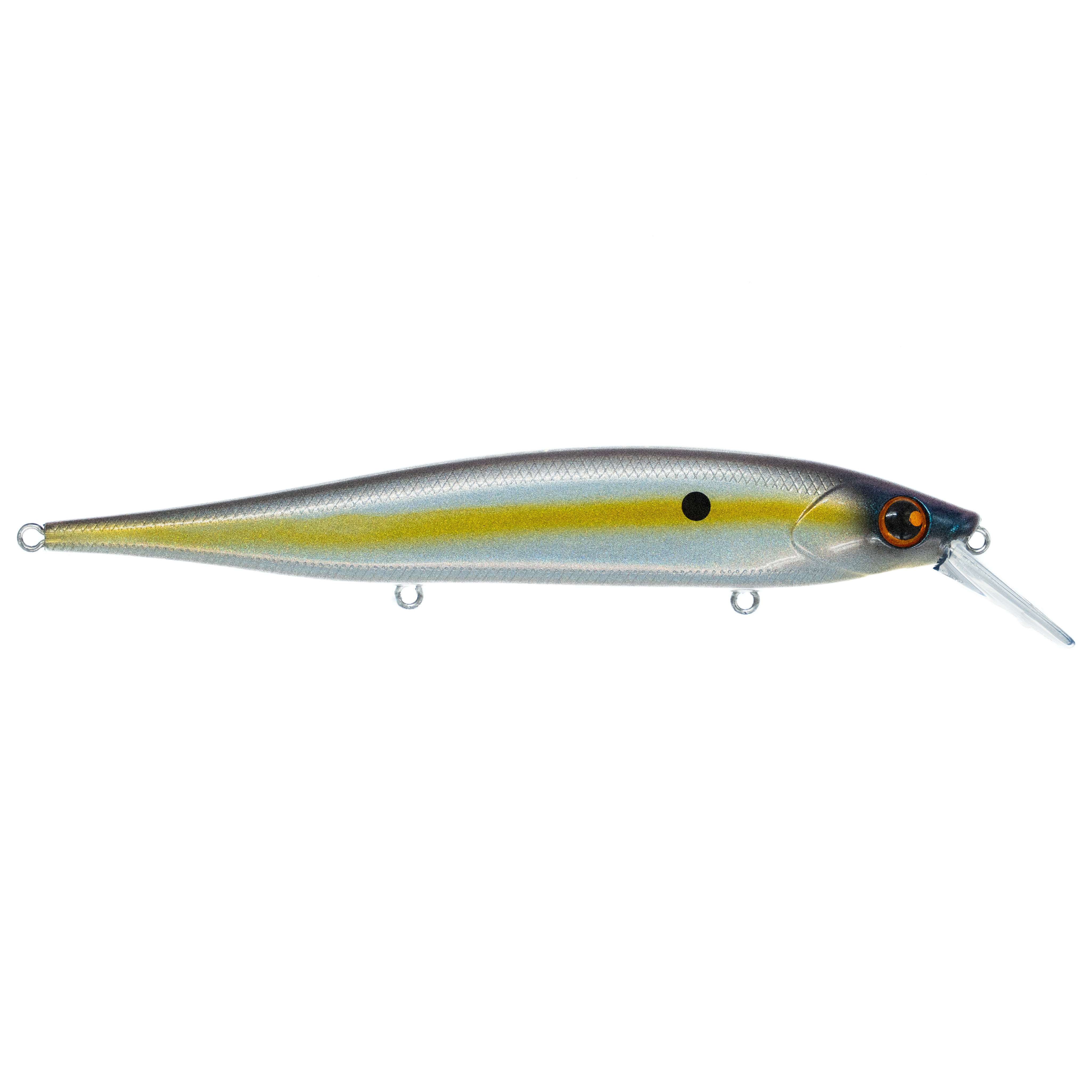
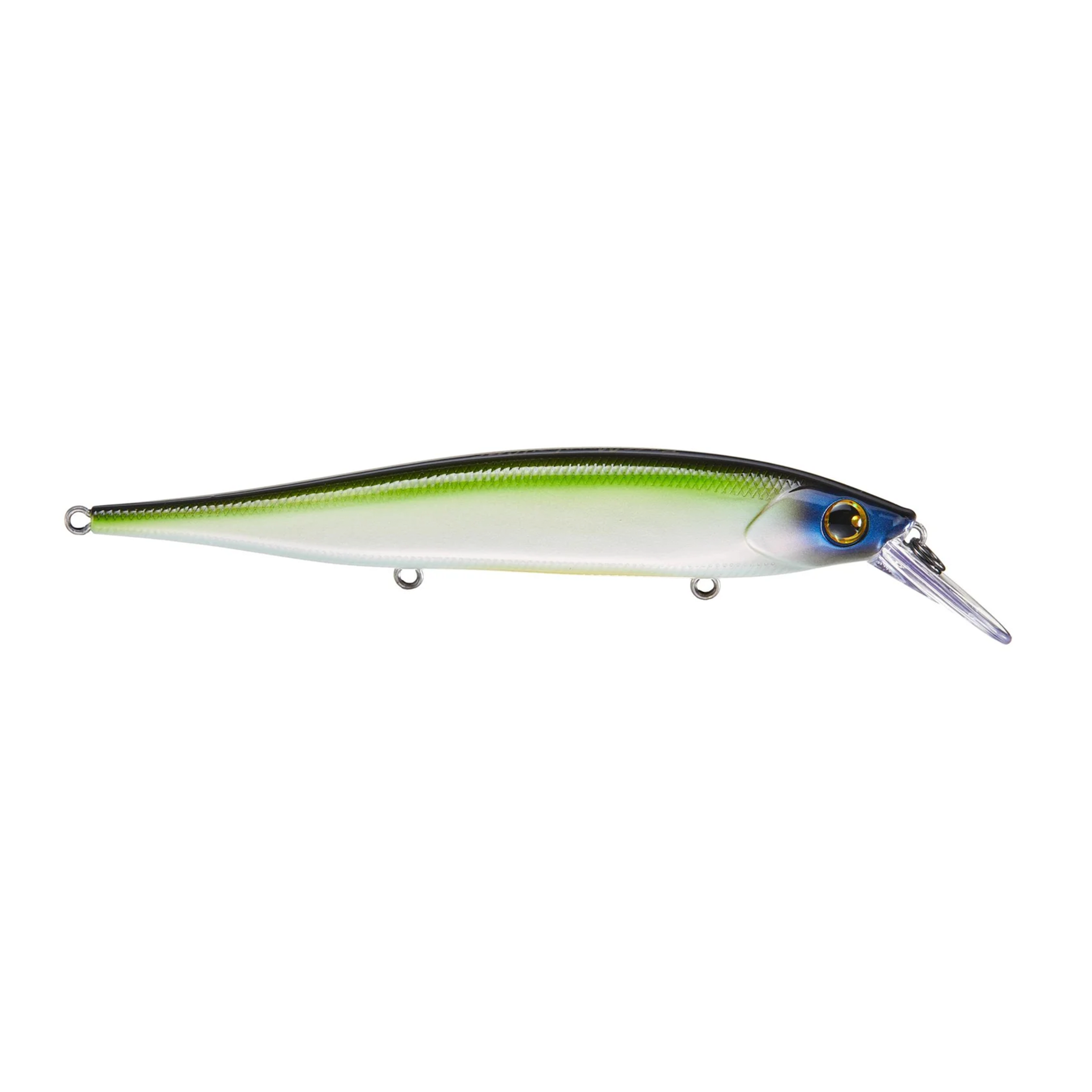
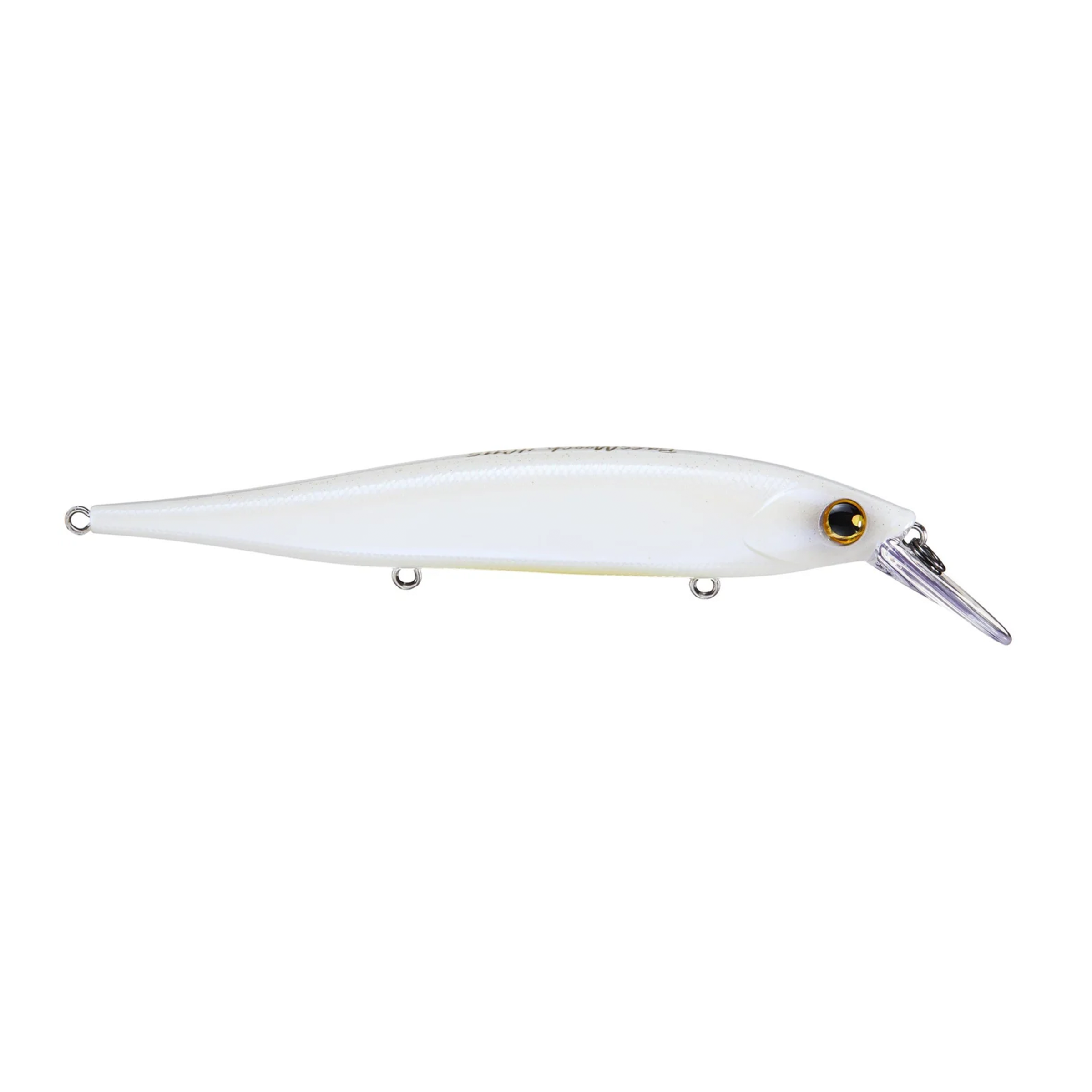
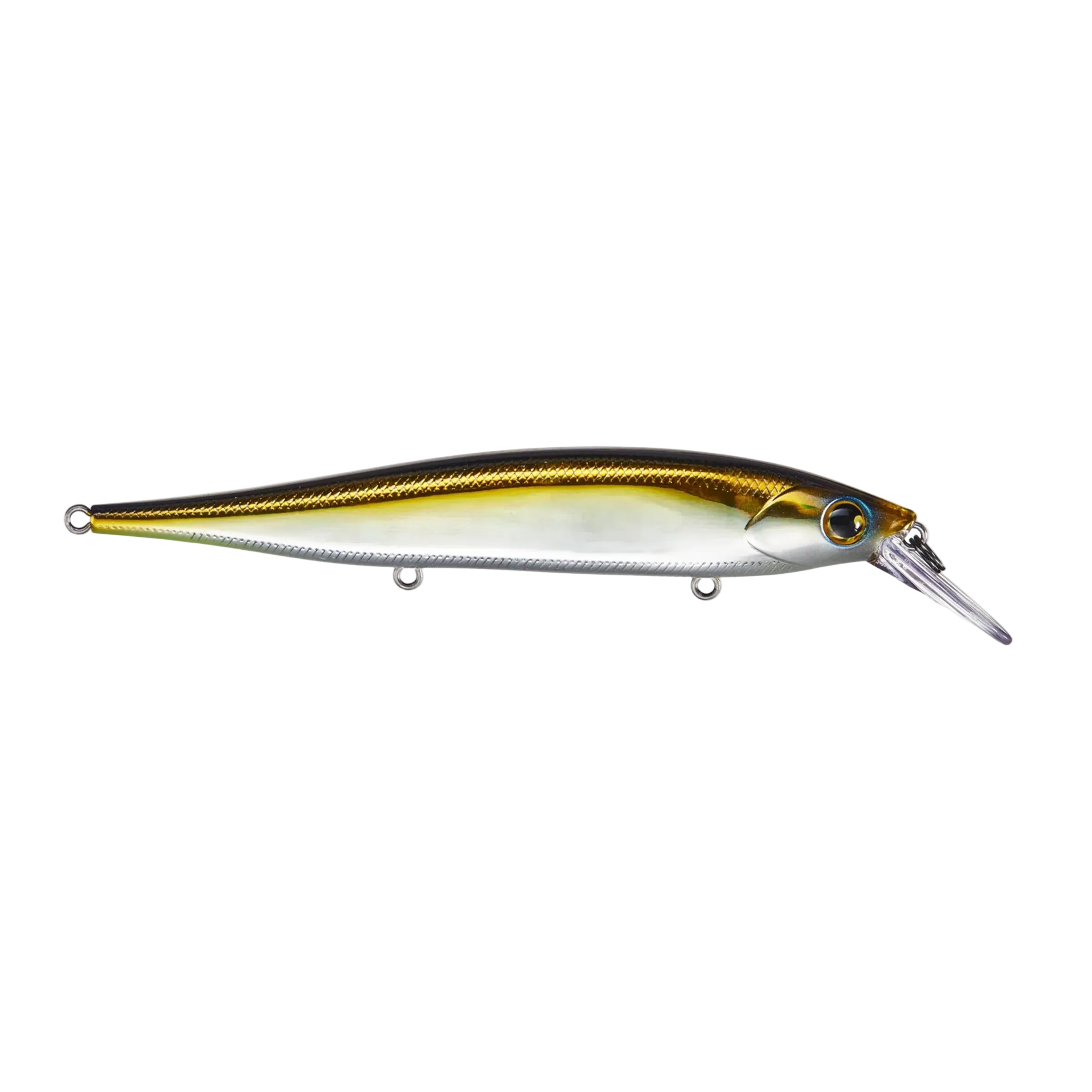
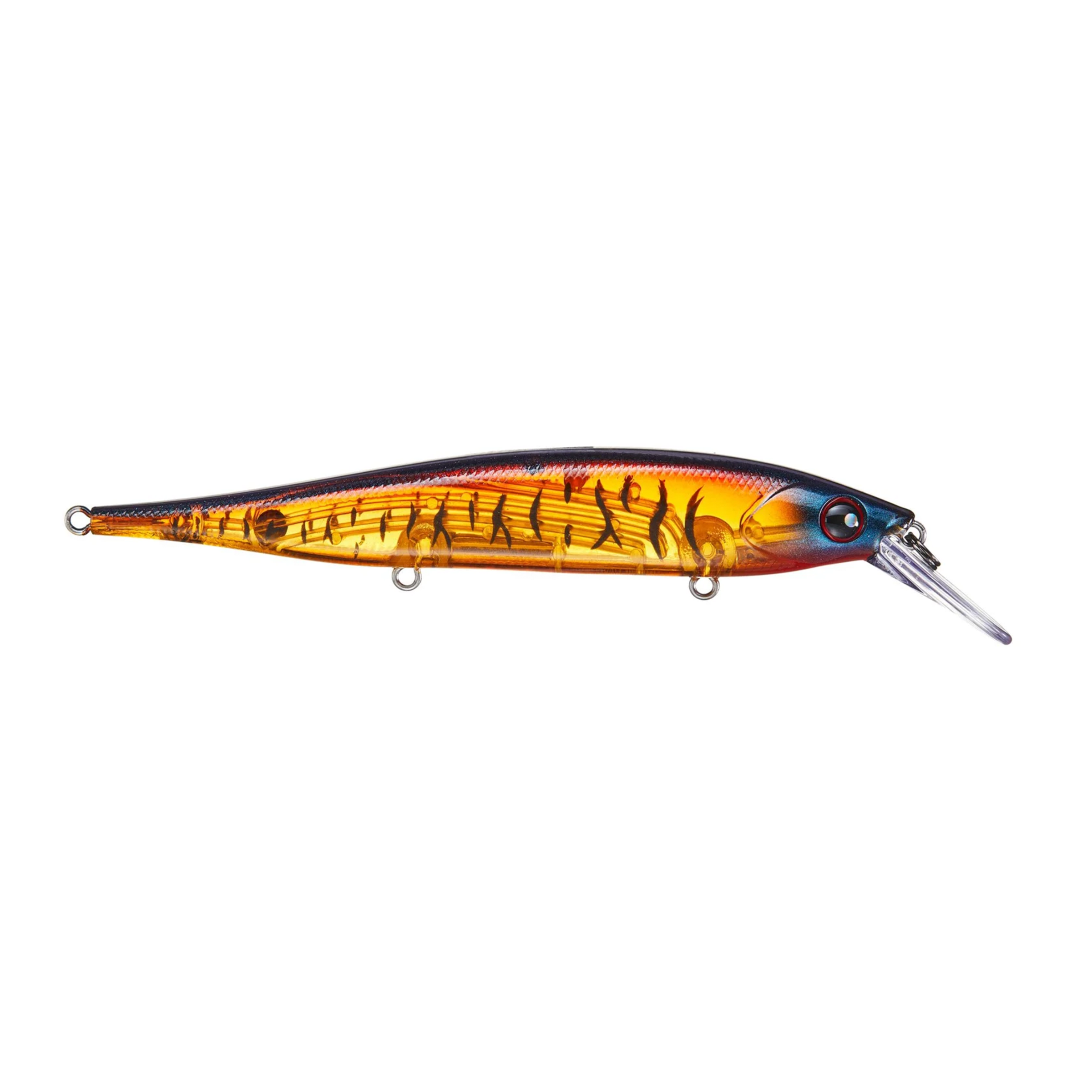
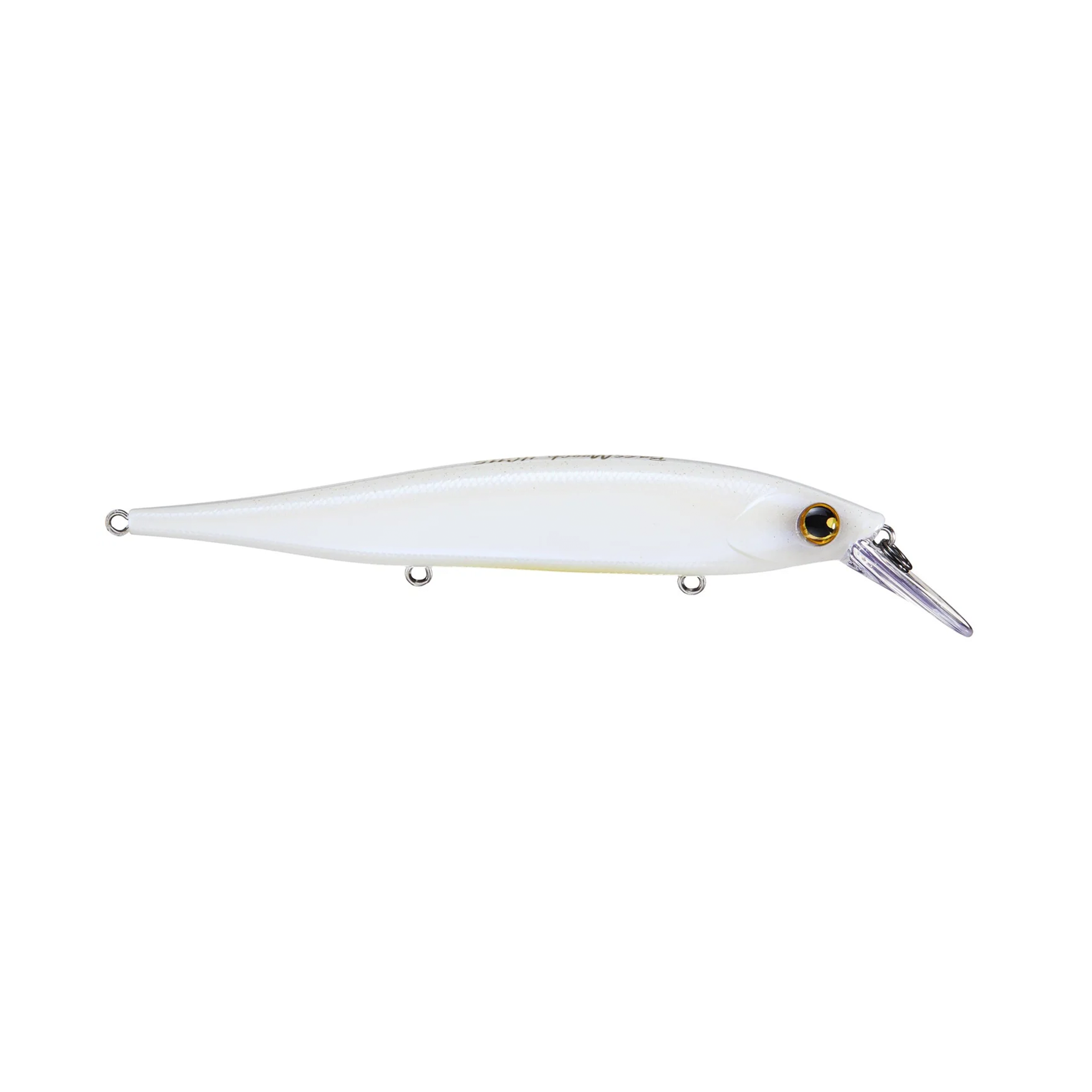
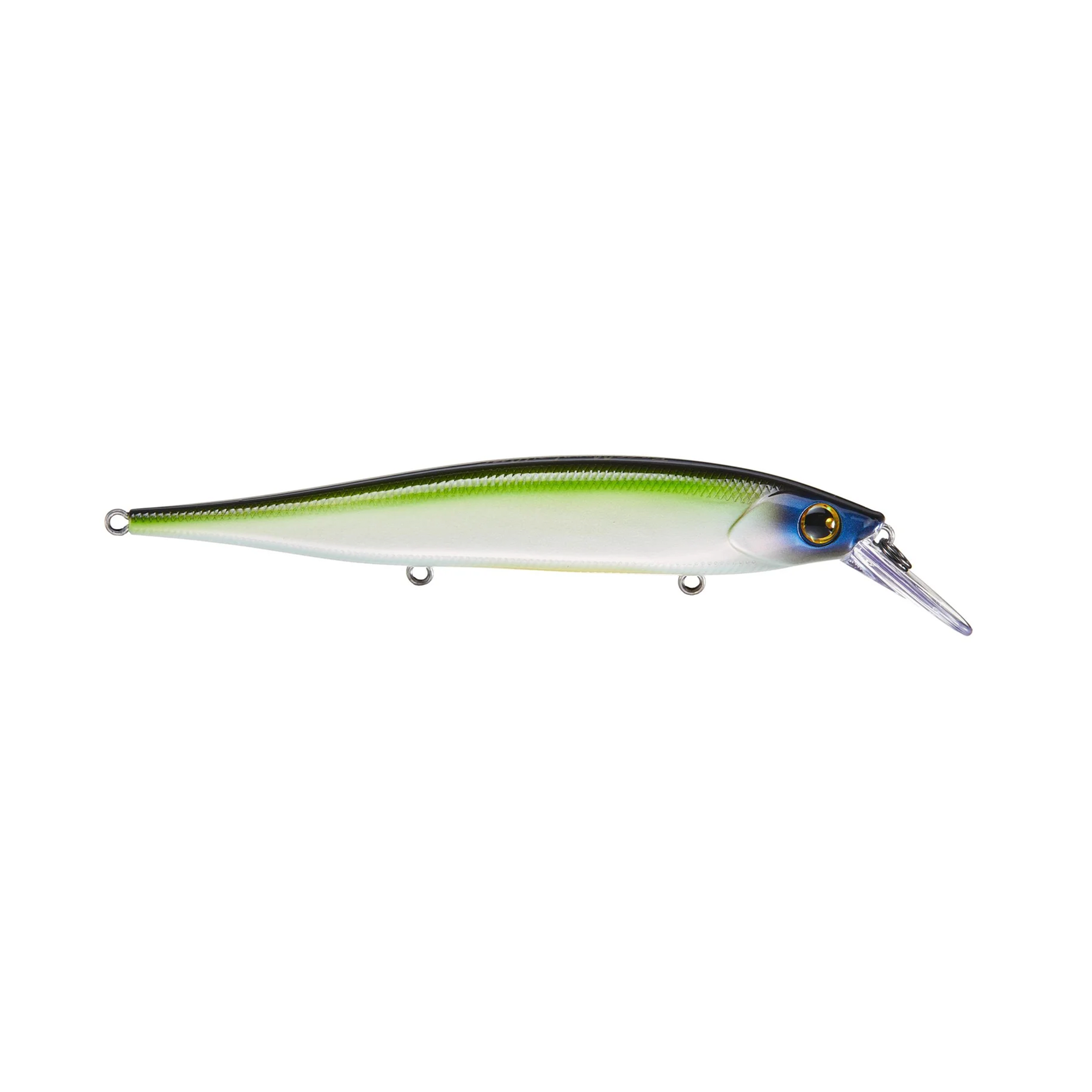
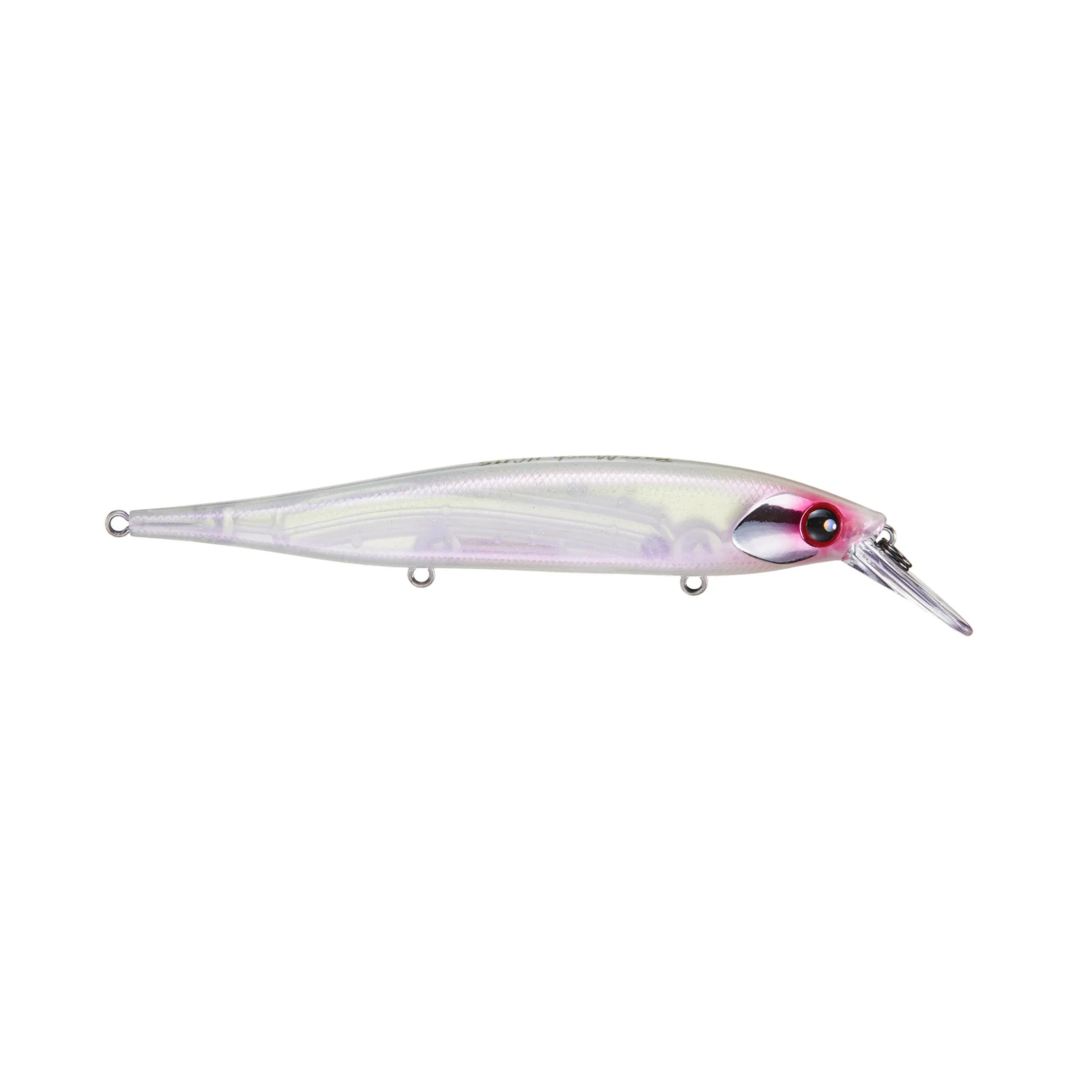
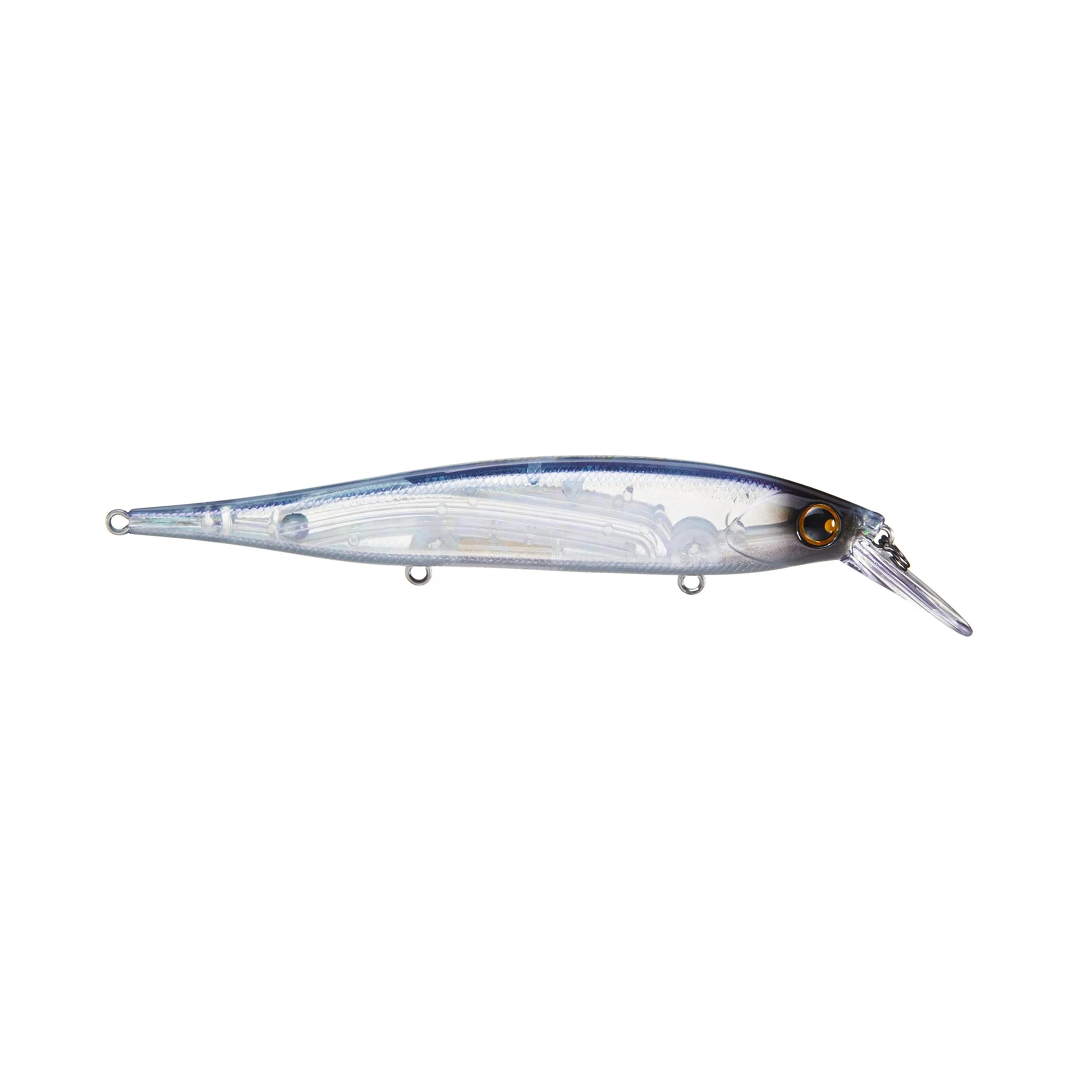
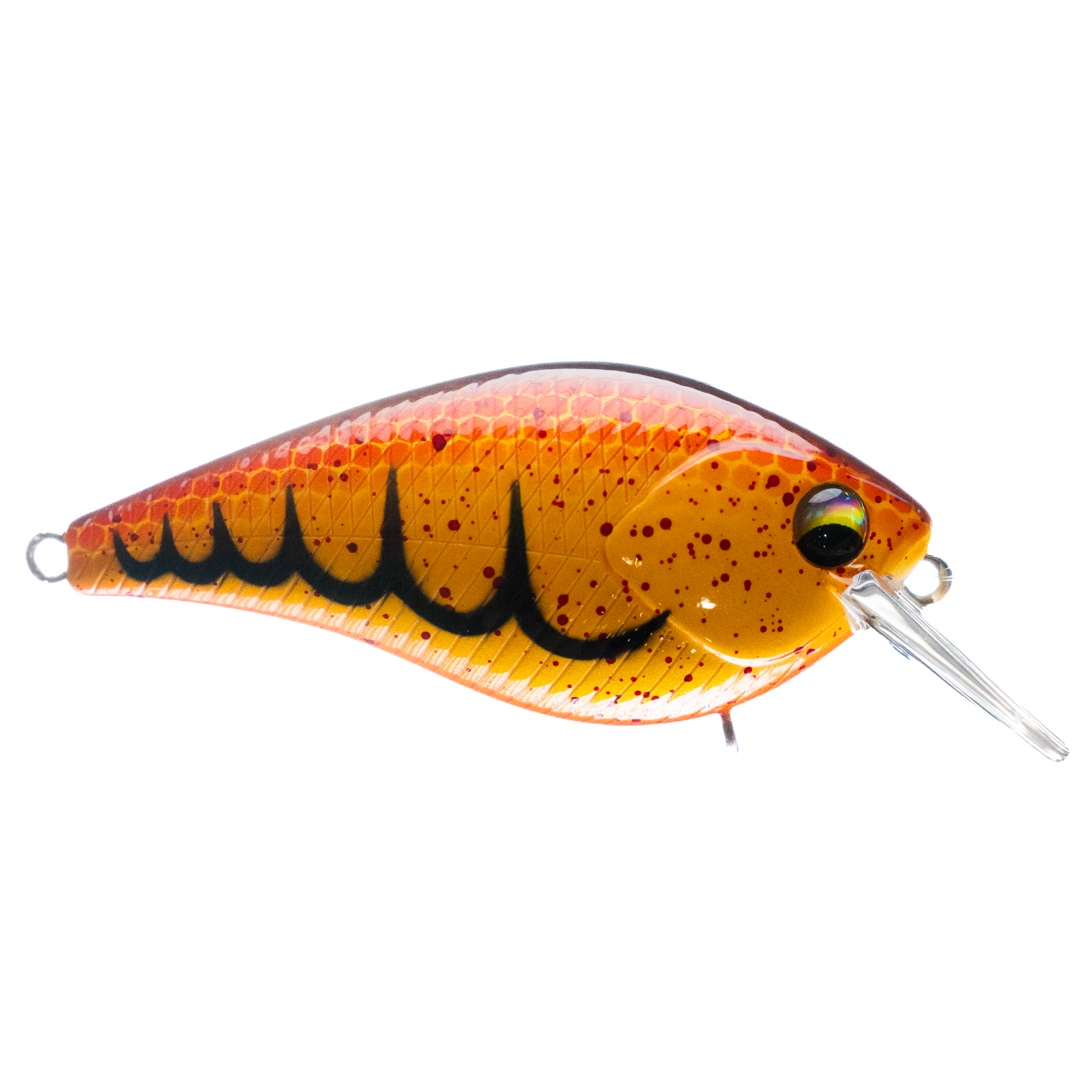
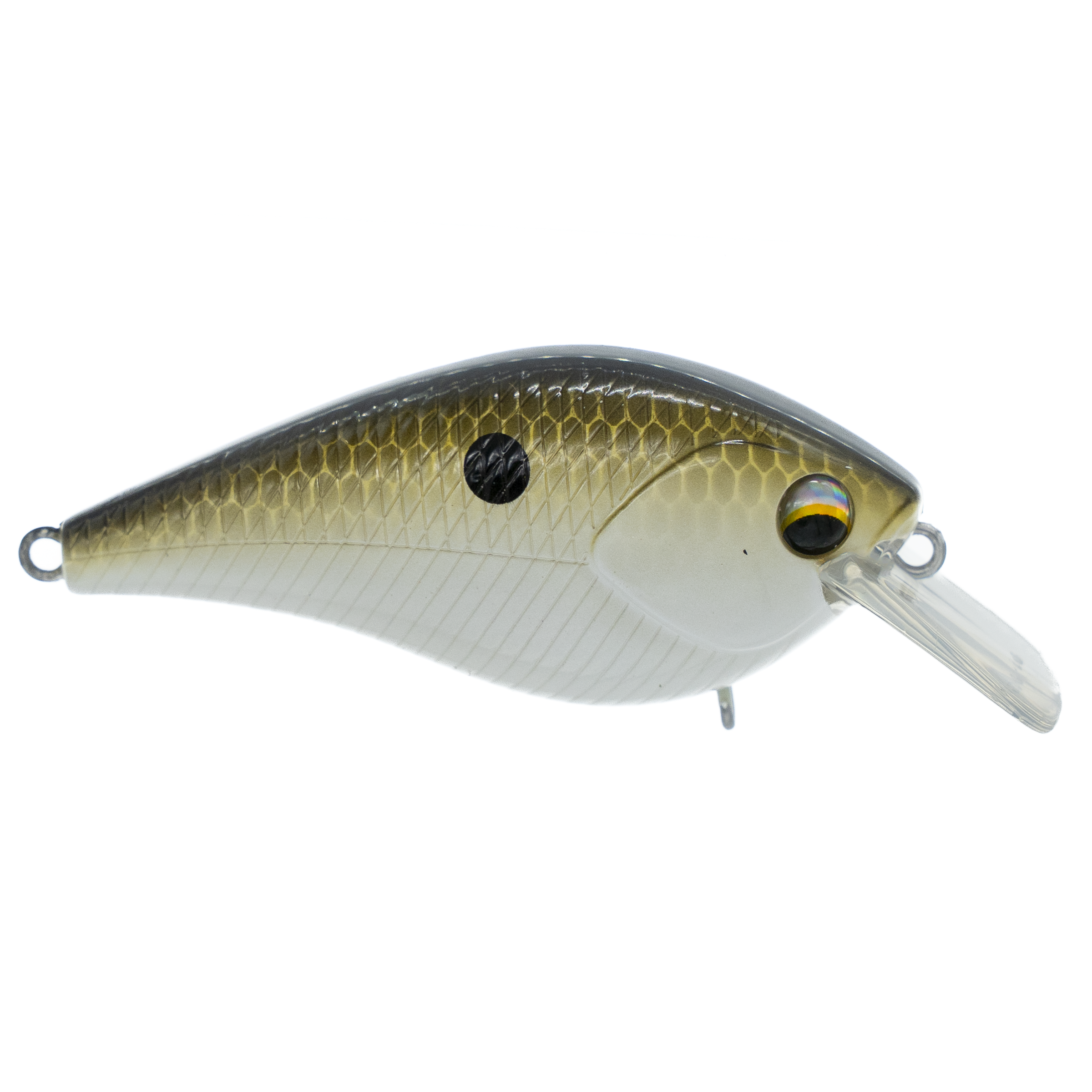
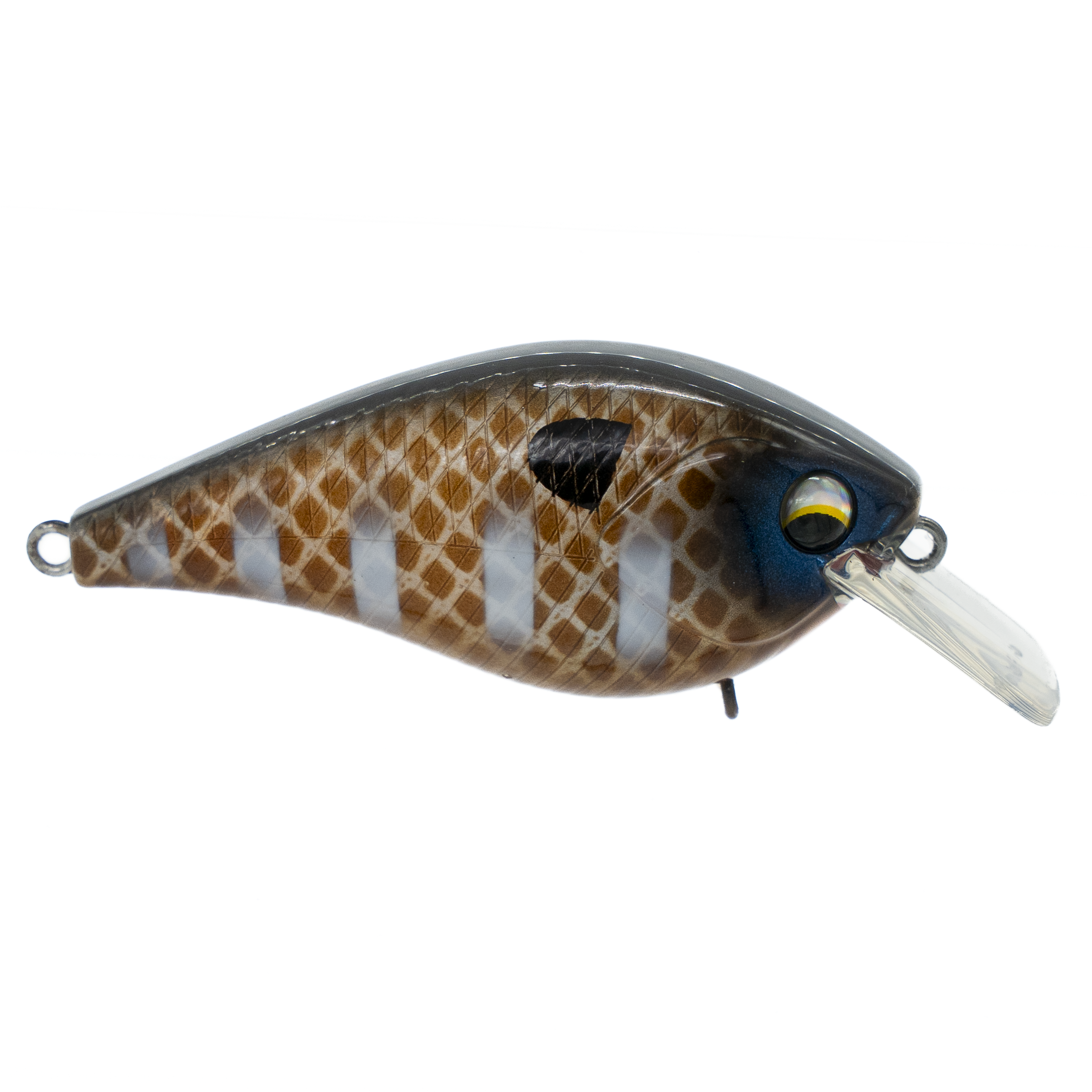
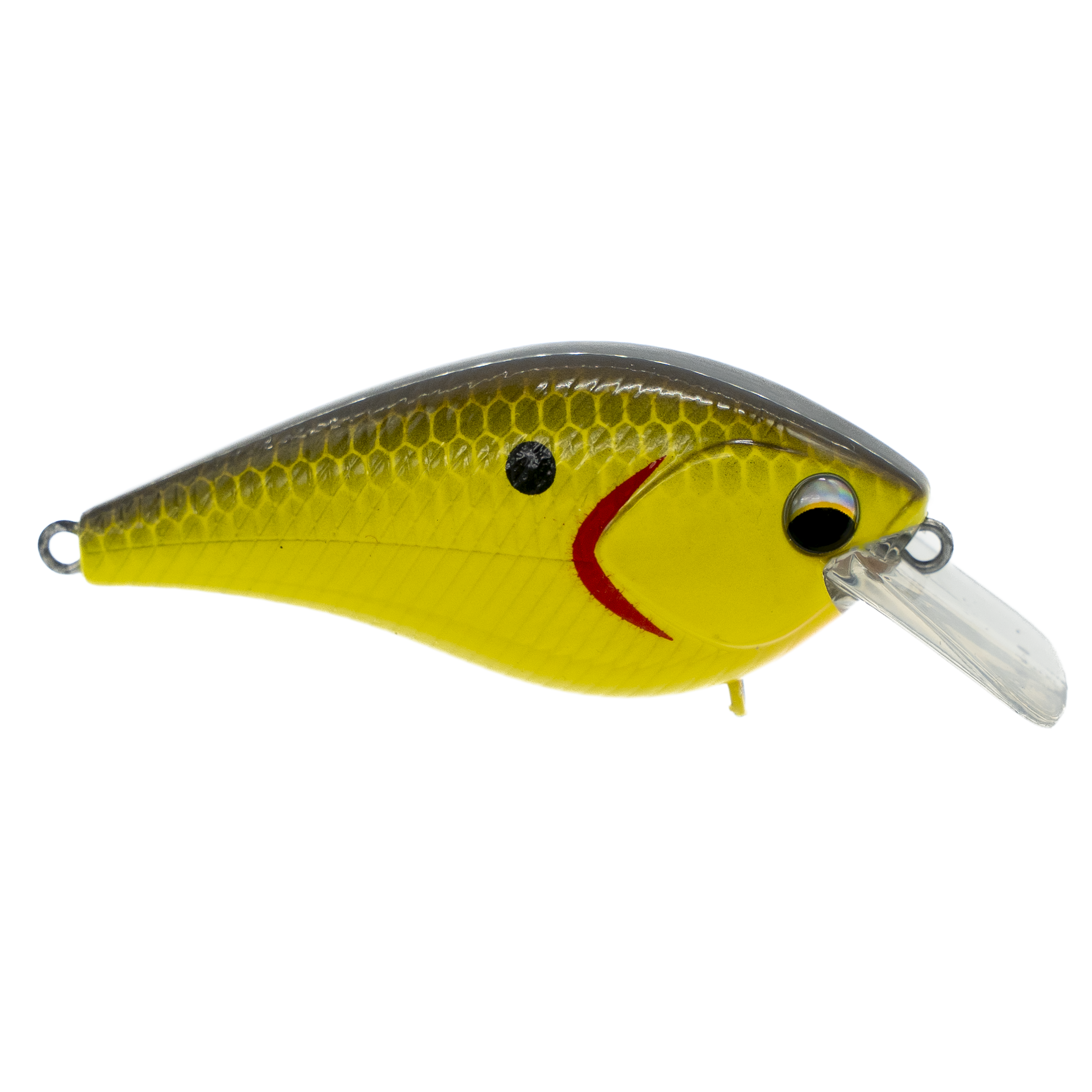
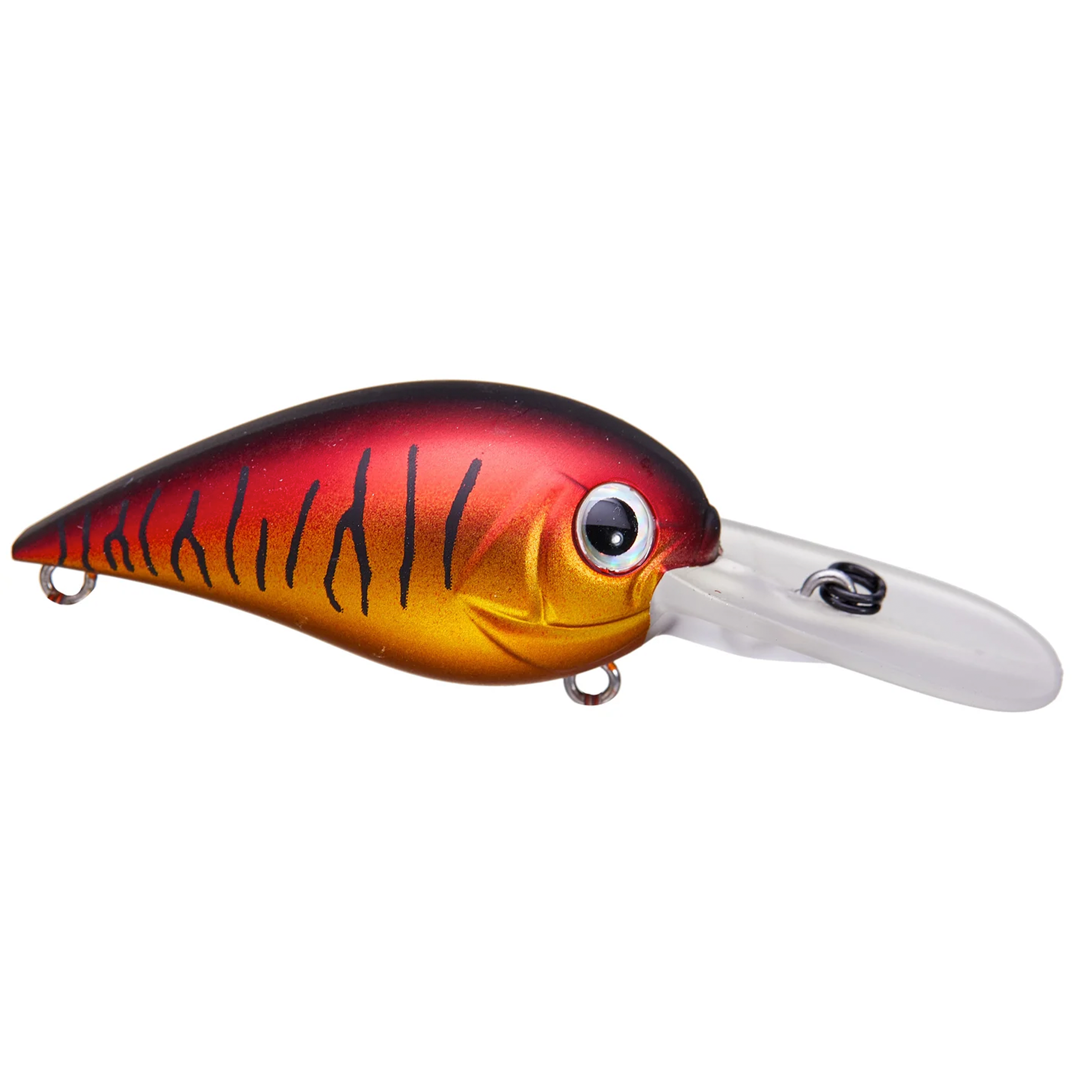
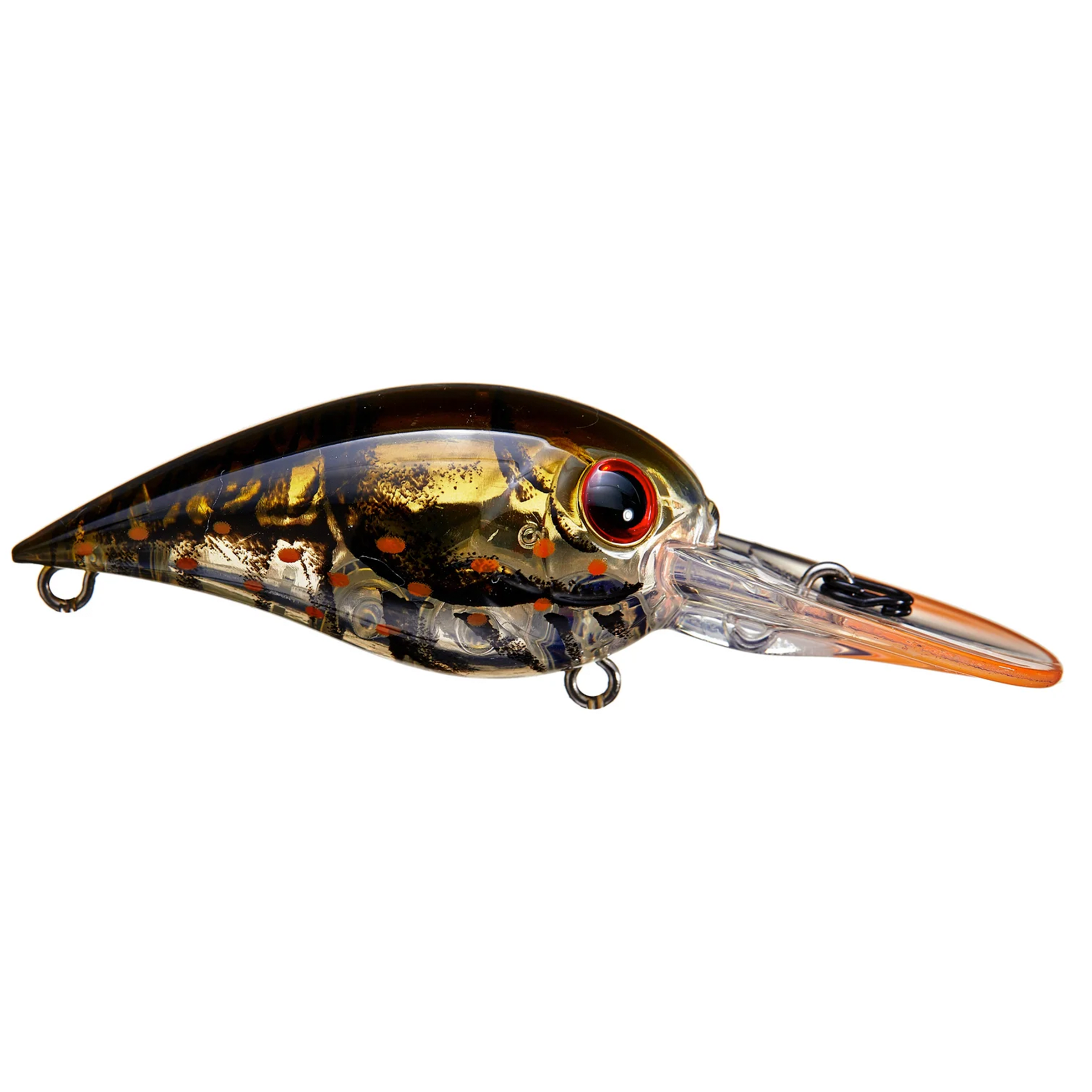
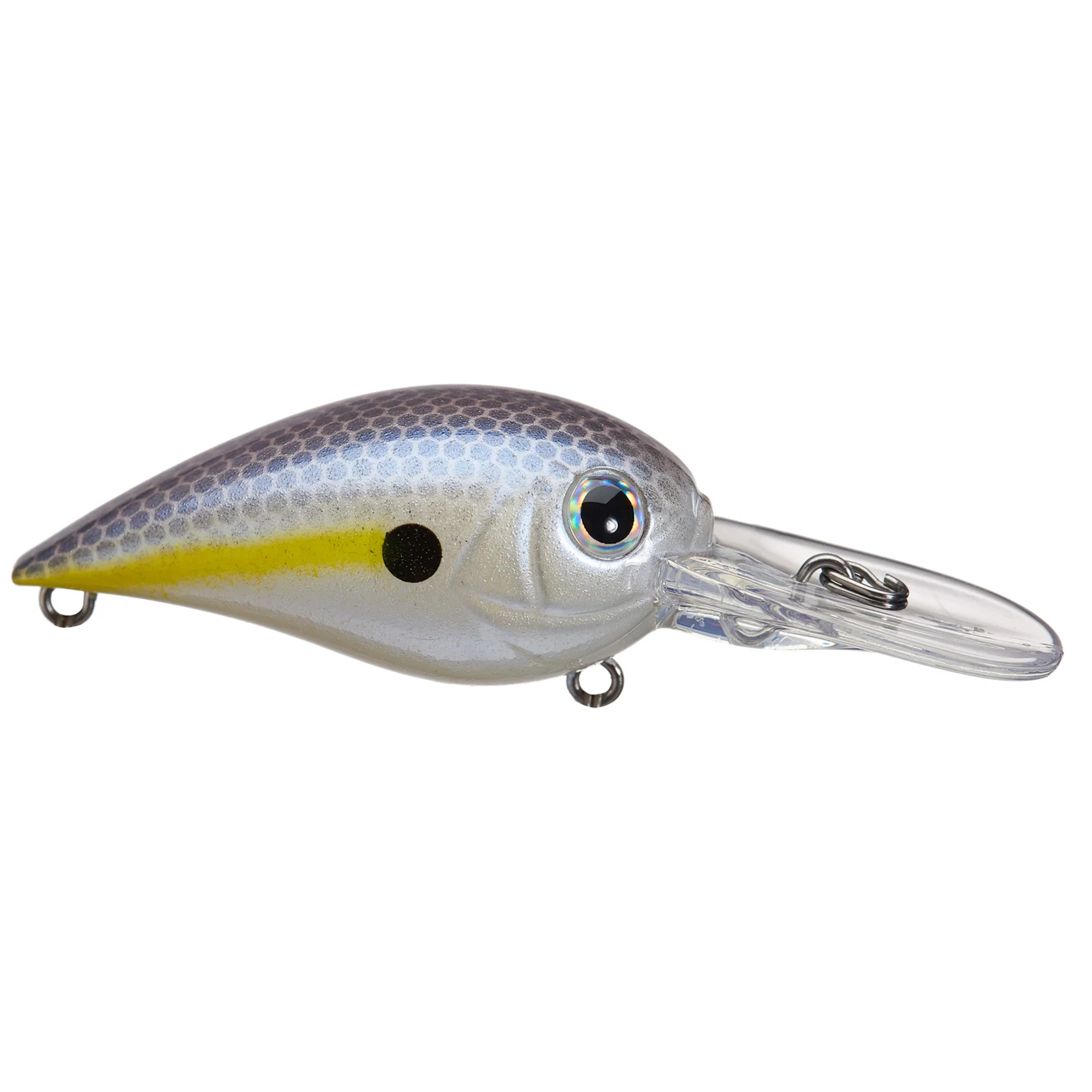
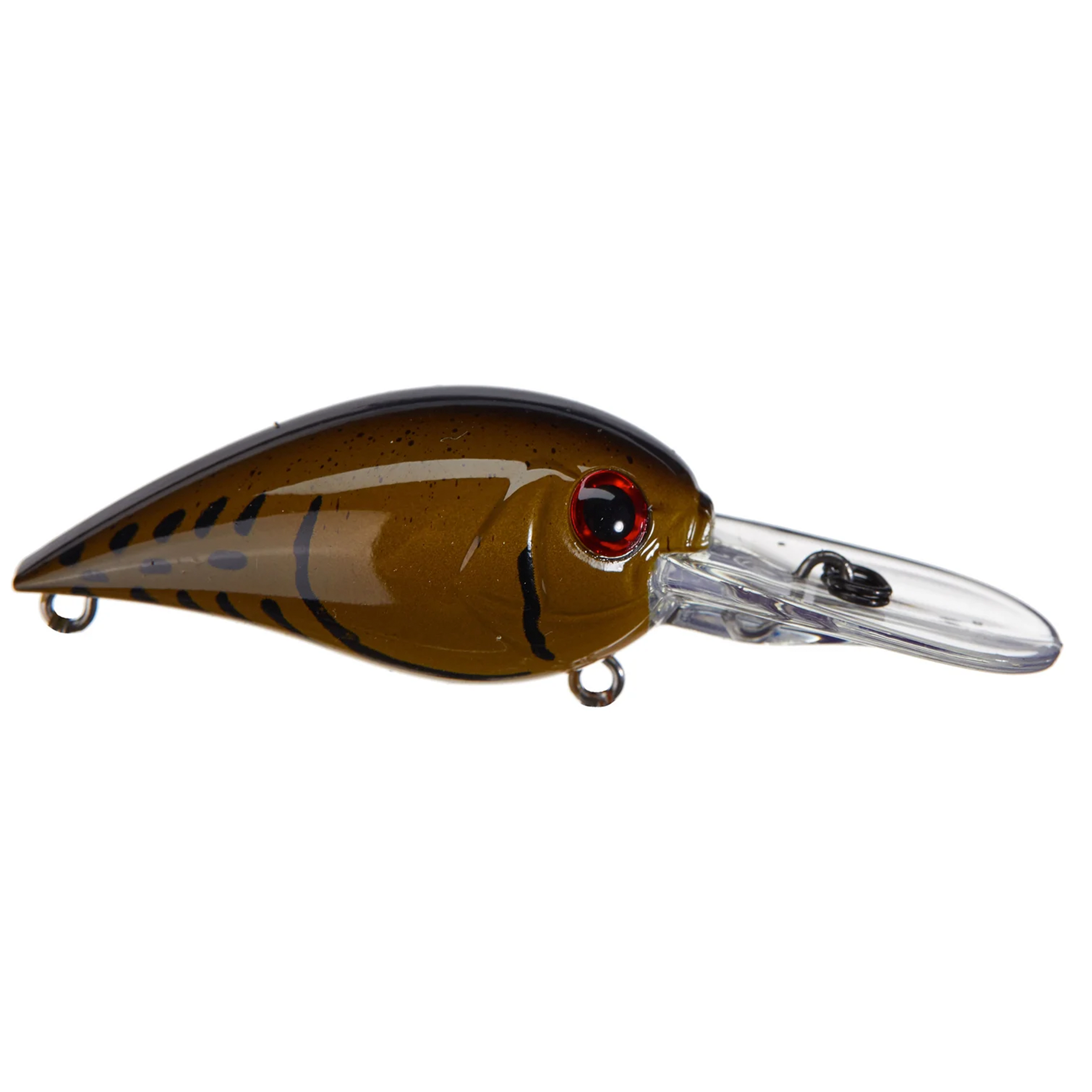
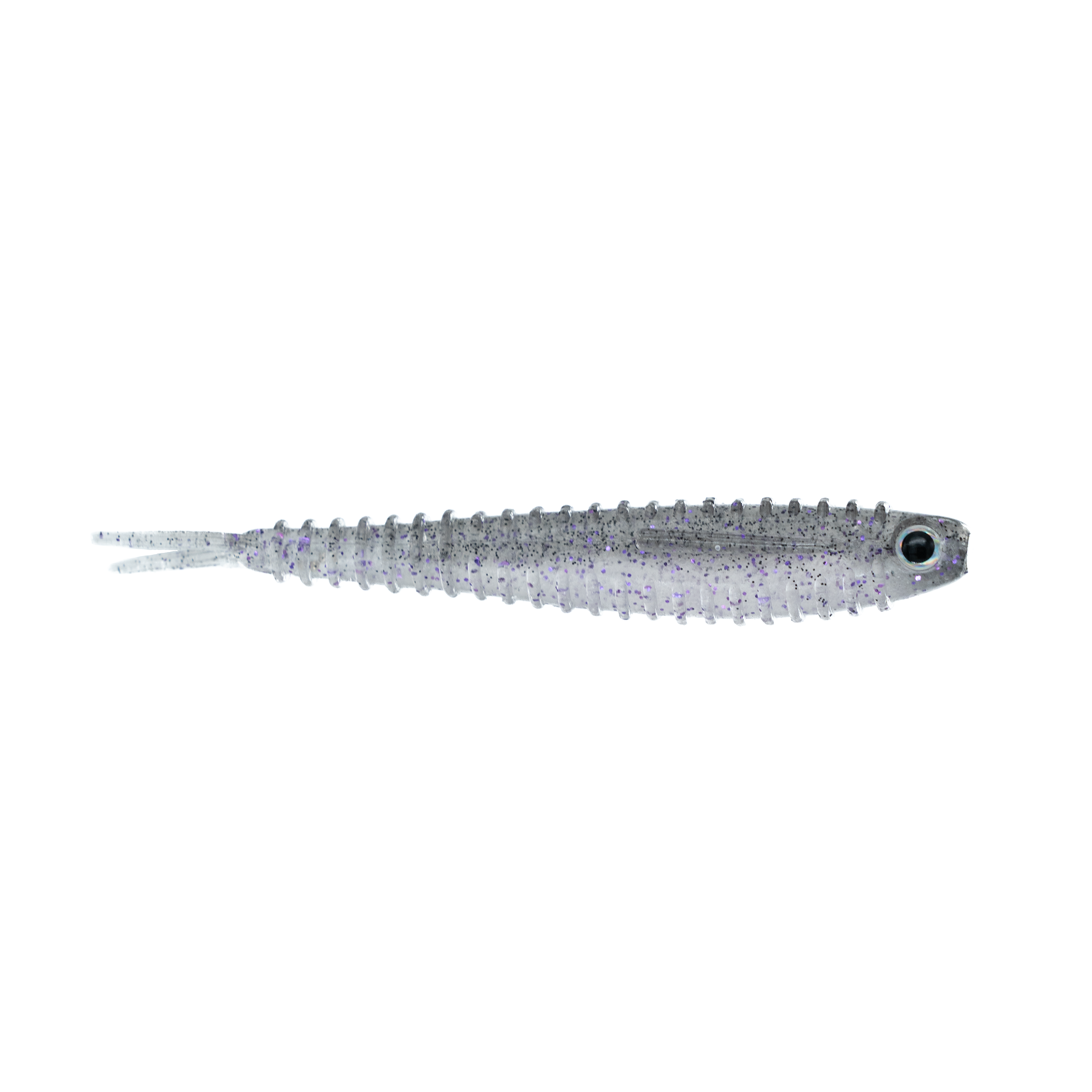
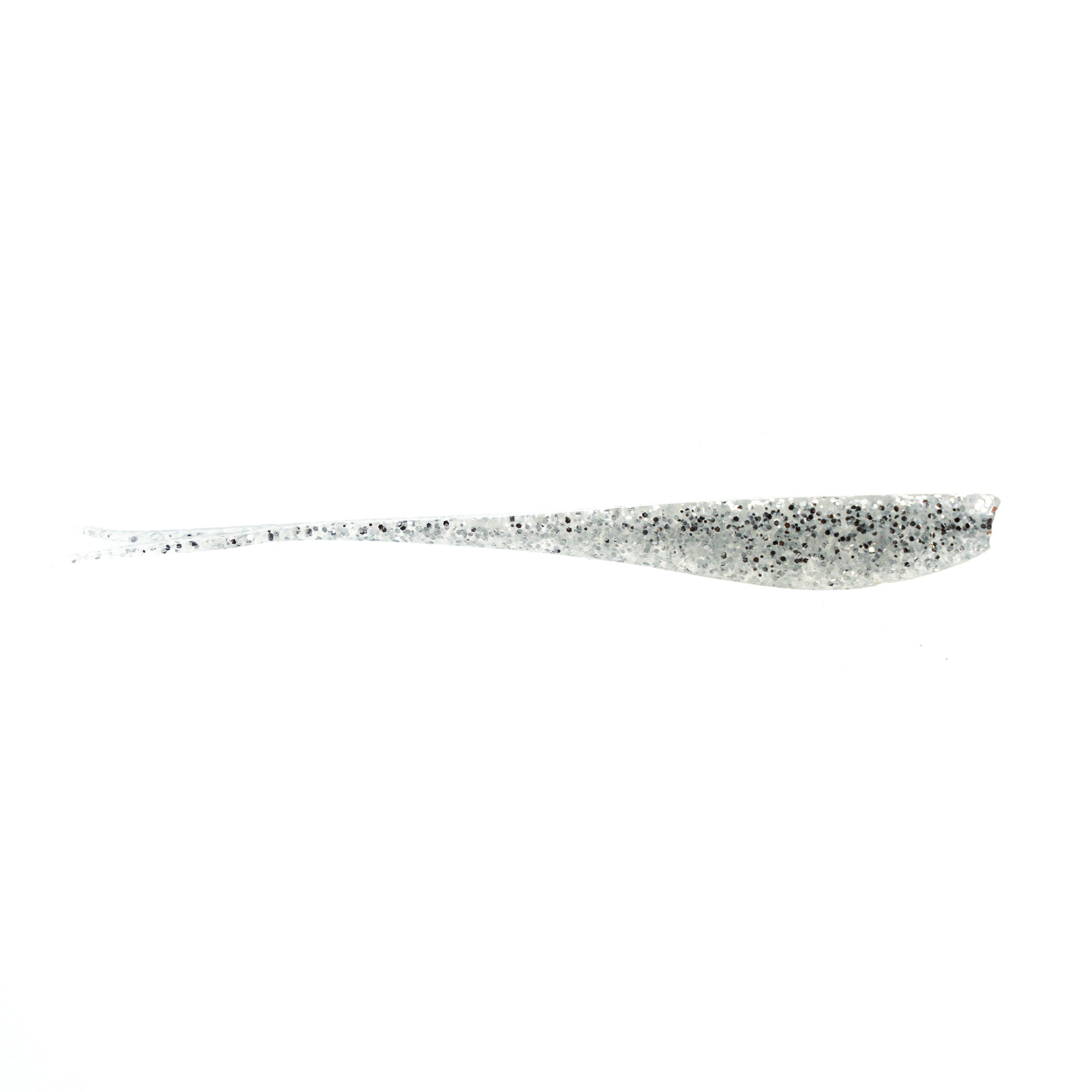
Spring is jerkbaits and jigs on bluff walls and drop-offs. Summer is deep crankbaits, football jigs and grubs drifted in current. Fall is shad-pattern moving baits in shallower water. Winter is finesse worked slowly. Our full bait lineup covers all four.
Are there largemouth in Pickwick too?
Plenty. Anglers often catch smallmouth and largemouth in the same places on the same lures. Largemouth favour the grass flats, bars and stumps; smallmouth take the current, rock and depth. The middle and lower reaches hold excellent populations of both.
Two Species, One Trip
Pickwick asks you to drag a football jig through fifteen feet of current for smallmouth and then flip a grassy bar for largemouth on the same afternoon. Level Rods builds models for both jobs, with the sensitivity to feel a bite in moving water and the backbone to land a four-pound smallmouth that's using the flow against you.
Tournament Winning Baits & Gear
Designed, crafted and tested by anglers who fish the Tennessee River every week. Free shipping on orders over $75.
Shop All Baits