
Penobscot River Bass Fishing Guide
Penobscot Bass Fishing, Season by Season
Maine's largest river system, running through the middle of the state with a smallmouth population that gets almost no national attention. The Penobscot is wading and drifting water, and the middle stretches are where it happens.
A Big River Nobody Writes About
The Penobscot is Maine's largest river system, draining a vast area of the interior and running south past Bangor to the sea. It carries a strong smallmouth population, particularly through the middle stretches, and it receives a fraction of the attention that Maine's big lakes do.
The fishing is classic river smallmouth: current seams, boulder runs, ledges, riffles dropping into pools and the eddies behind everything. Fish hold where the current does the work for them, and reading water matters far more than electronics.
Documented local guidance is direct — cast topwater at dawn and drift the current seams for the best action. That combination covers most of what this river offers and it works from June through early autumn.
Flow is the controlling variable, as it is on every river covered on this site. Spring high water makes long stretches unfishable; summer flows open the river for wading and drifting. Check conditions before planning a float.
The river also carries significant Atlantic salmon restoration work, and regulations differ by section as a result. Some stretches have rules that do not apply elsewhere. Read the current regulations for the specific water you intend to fish rather than assuming.
Maine's South Zone is open to bass year round under general law, with a limit of two fish of which only one may exceed fourteen inches. Rules differ by zone and by water — check current Department of Inland Fisheries and Wildlife regulations before you go.
Seams, Riffles and Dawn
Four patterns cover the year. Each one pairs the technique with the baits we'd actually tie on.
High Water and Waiting
Spring on a northern Maine river means high, cold water and limited access. Smallmouth are in the deeper pools and slower water and the fishing has not really started. Regulations in some sections are tighter in spring because of salmon restoration work.


Dawn Topwater and Drifted Seams
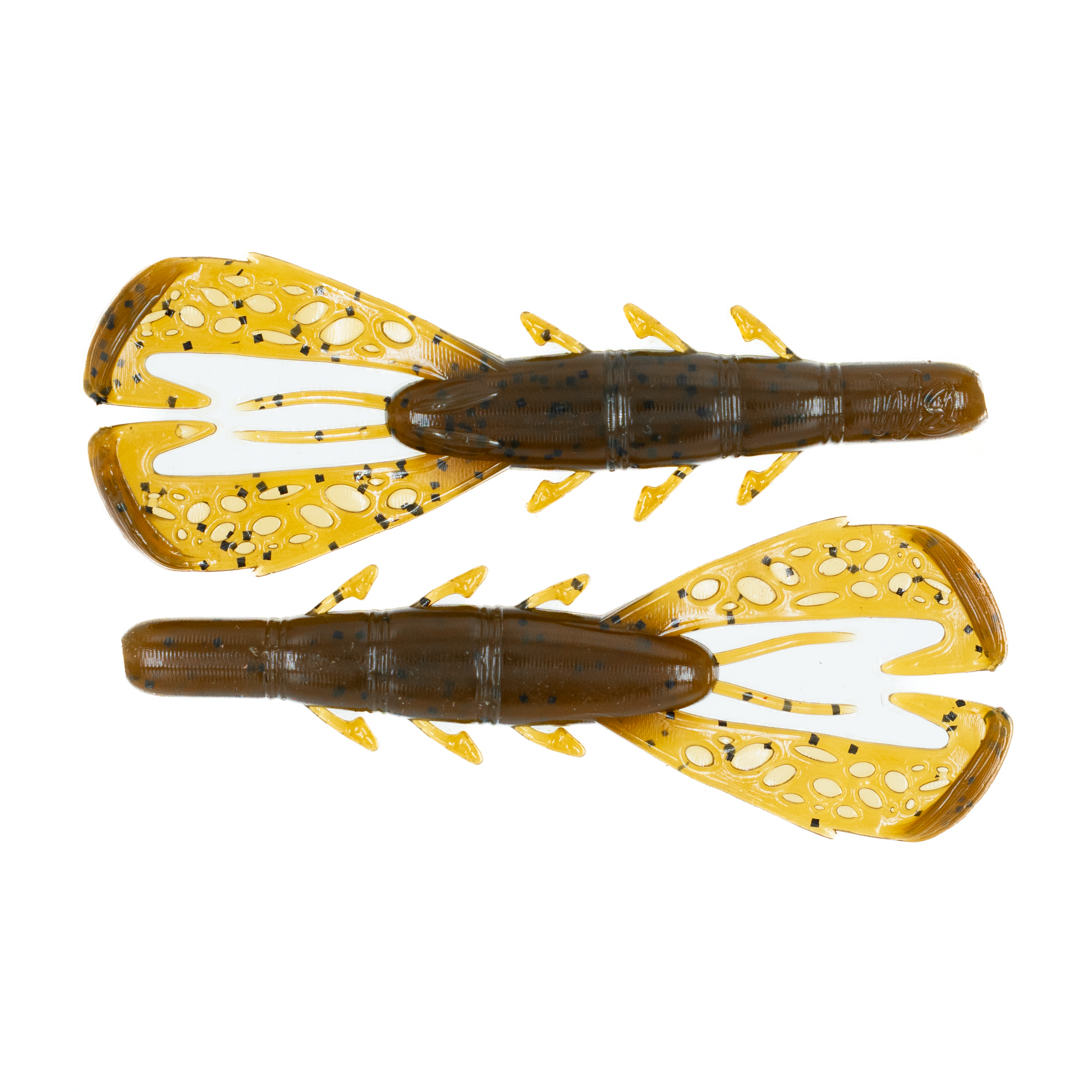
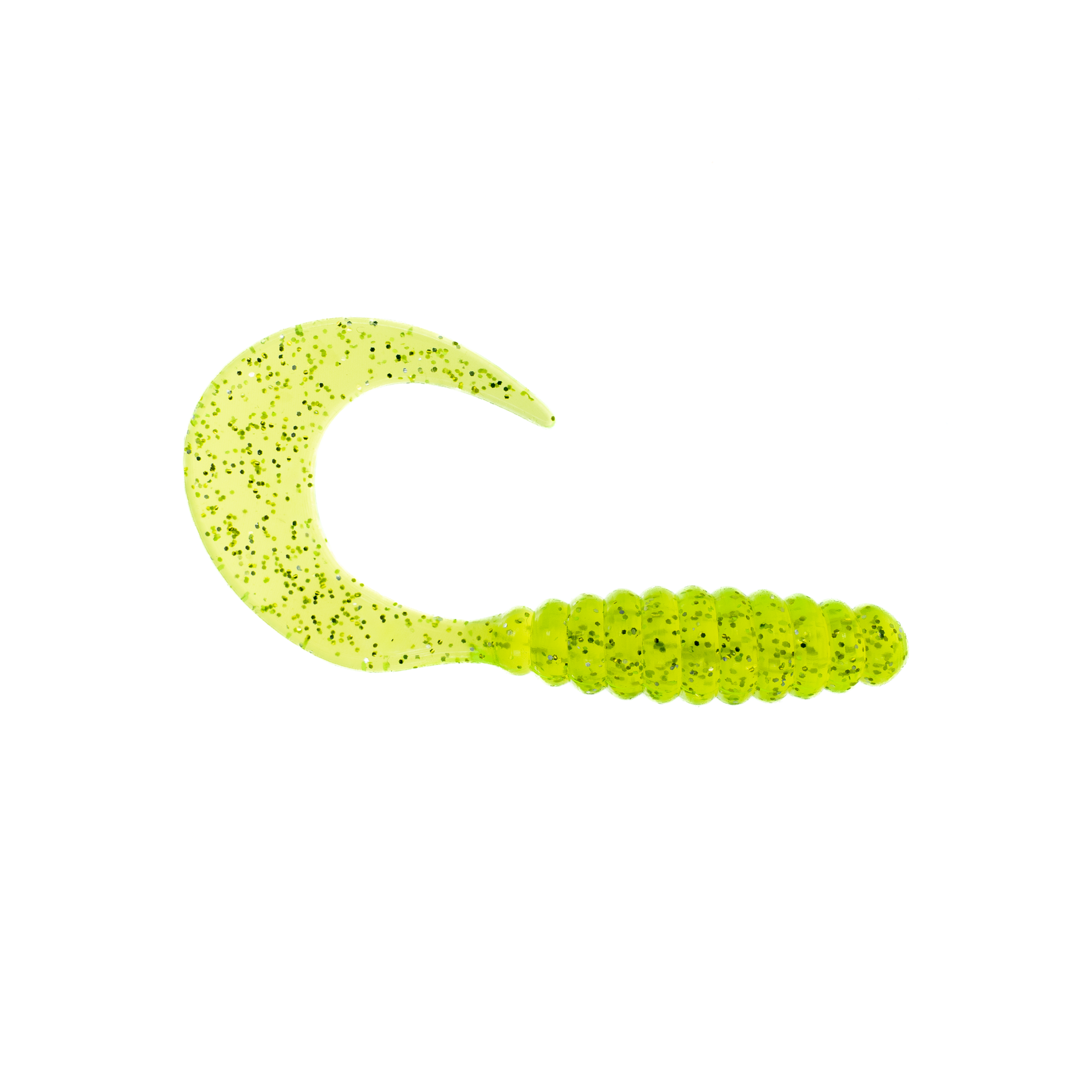
Summer drops the flows and opens the river. This is the season, and the documented local approach is specific: topwater at dawn, then drifting the current seams through the rest of the day. Smallmouth spread across the riffles, runs and boulder fields through the middle stretches.


Aggressive Fish, Short Season
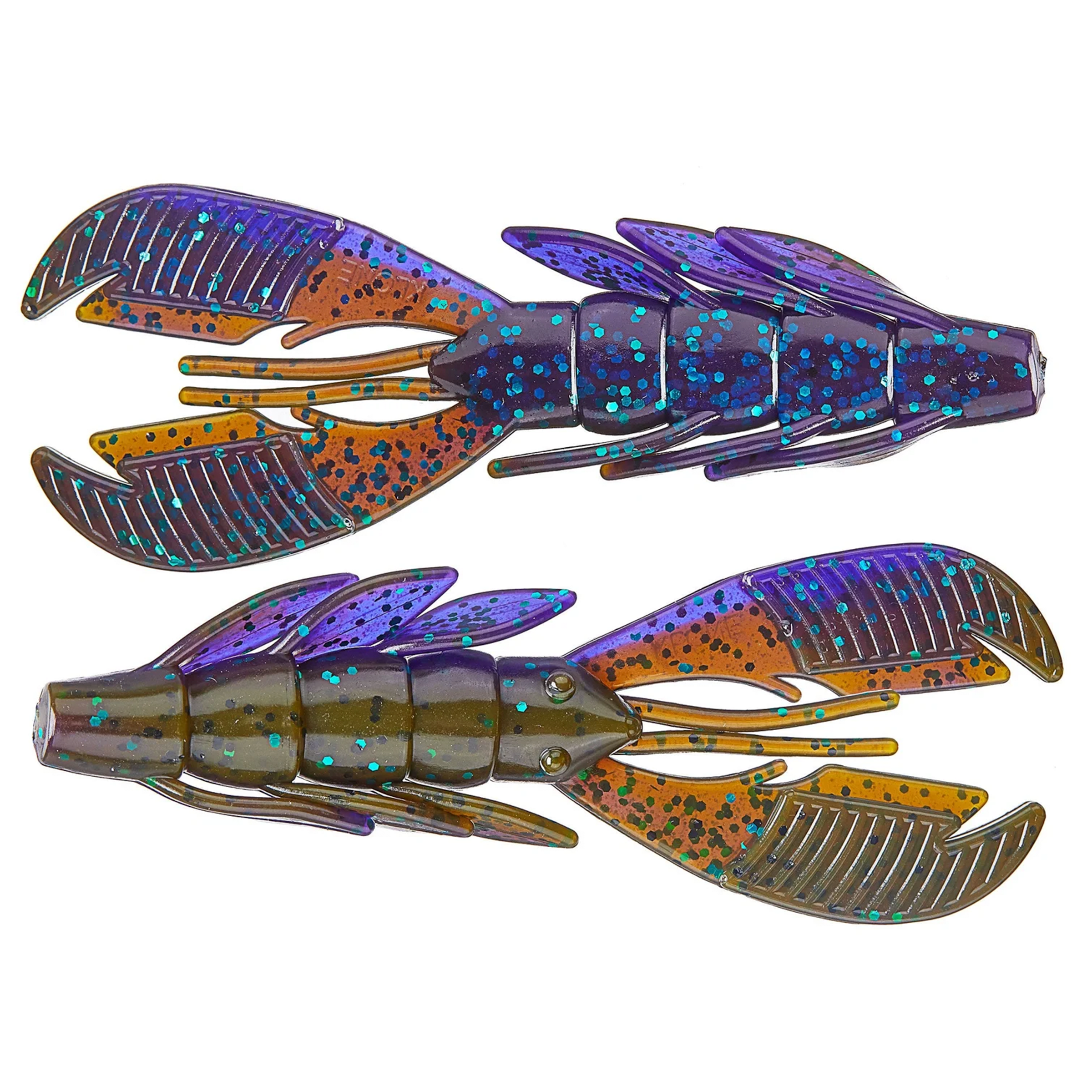
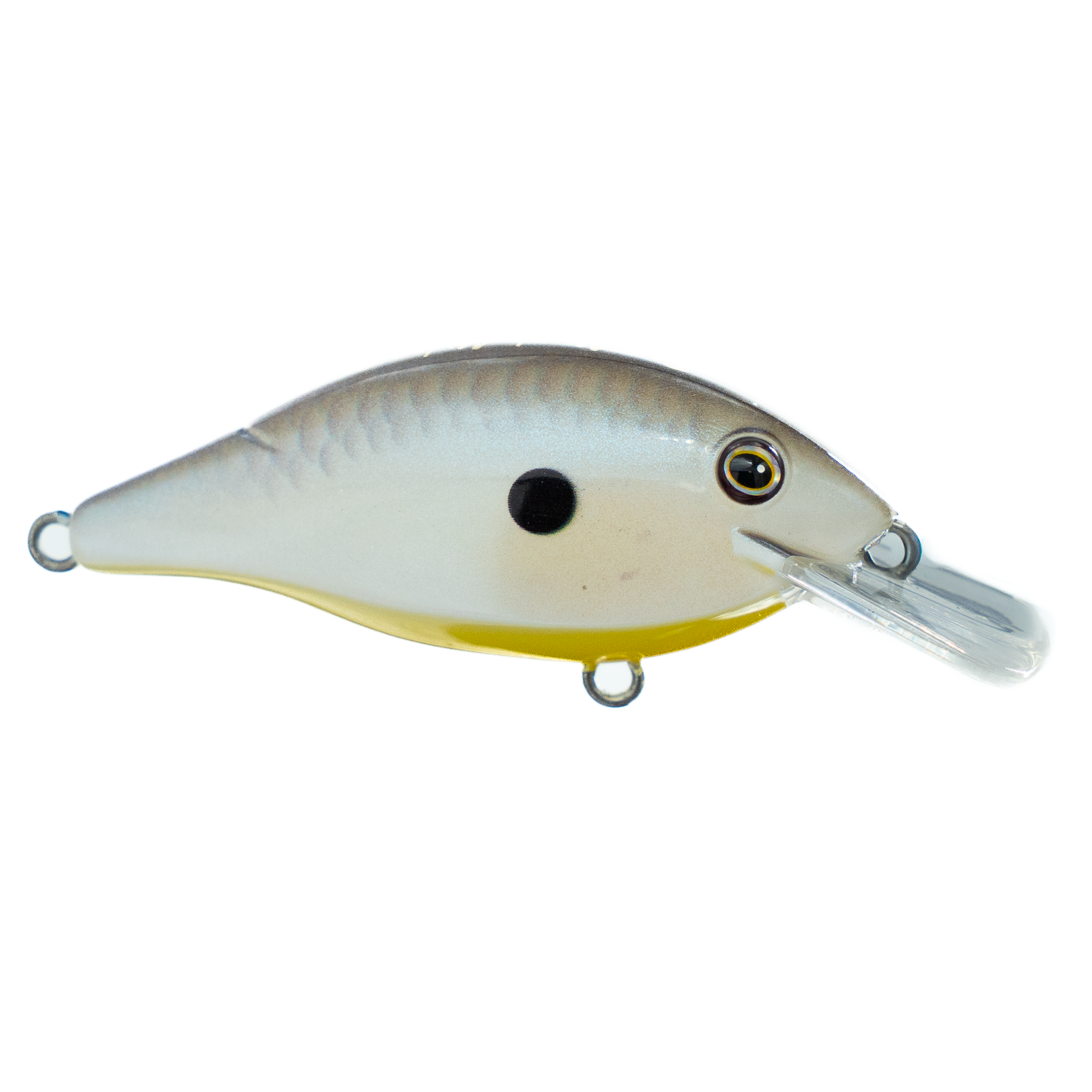
Autumn is brief in Maine and the smallmouth feed hard before winter. Flows are typically stable, the fish will chase, and the river valley in September is worth being on. The window closes fast.

Closed Down
Northern Maine winter ends river fishing. The Penobscot is a summer and autumn fishery and the season is short even by New England standards. Plan trips tightly around the June to September window.
The Penobscot River Access
Public access points serve the river through the middle stretches and around Bangor. Much of the river is wadeable at summer flows, with drifting between access points the other standard approach. Check section-specific regulations before you go.
The Middle Stretches
Where the smallmouth fishing is strongest, according to the guidance that exists. Boulder runs, riffles, ledges and pools with the current structure that river smallmouth want.
The Current Seams
Where fast water meets slow, and where the fish sit. Drifting a bait through them is the documented local method and it works throughout the season.
The Shallow Runs at Dawn
Topwater water, and the best hour of the day on this river through summer. Boulder fields and riffles in low light, before the sun gets on the water.
The Penobscot River Bass Fishing FAQ
Is the Penobscot good for smallmouth?
Yes, particularly through the middle stretches, and it gets a fraction of the attention Maine's big lakes receive. It is Maine's largest river system and the smallmouth population is strong.
What is the best approach?
Documented local guidance is direct: cast topwater at dawn and drift current seams for the best action. That combination covers most of what the river offers from June through early autumn.
Do I need a boat?
Not necessarily. Much of the river is wadeable at summer flows, and drifting between access points is the other standard approach. Spring high water makes both difficult.
Are there special regulations?
Yes, and they matter. The Penobscot carries significant Atlantic salmon restoration work and rules differ by section as a result. Read the current regulations for the specific stretch you intend to fish rather than assuming one set applies.
When is the best time?
Summer, once flows drop and the river opens up, through to early autumn. Spring is high, cold and largely unproductive. The season is short even by New England standards.
How does flow affect it?
It decides where and whether you fish. Spring high water makes long stretches unfishable; summer flows make wading practical and concentrate fish into runs and pools. Check conditions before planning a float.
What baits work best on the Penobscot?
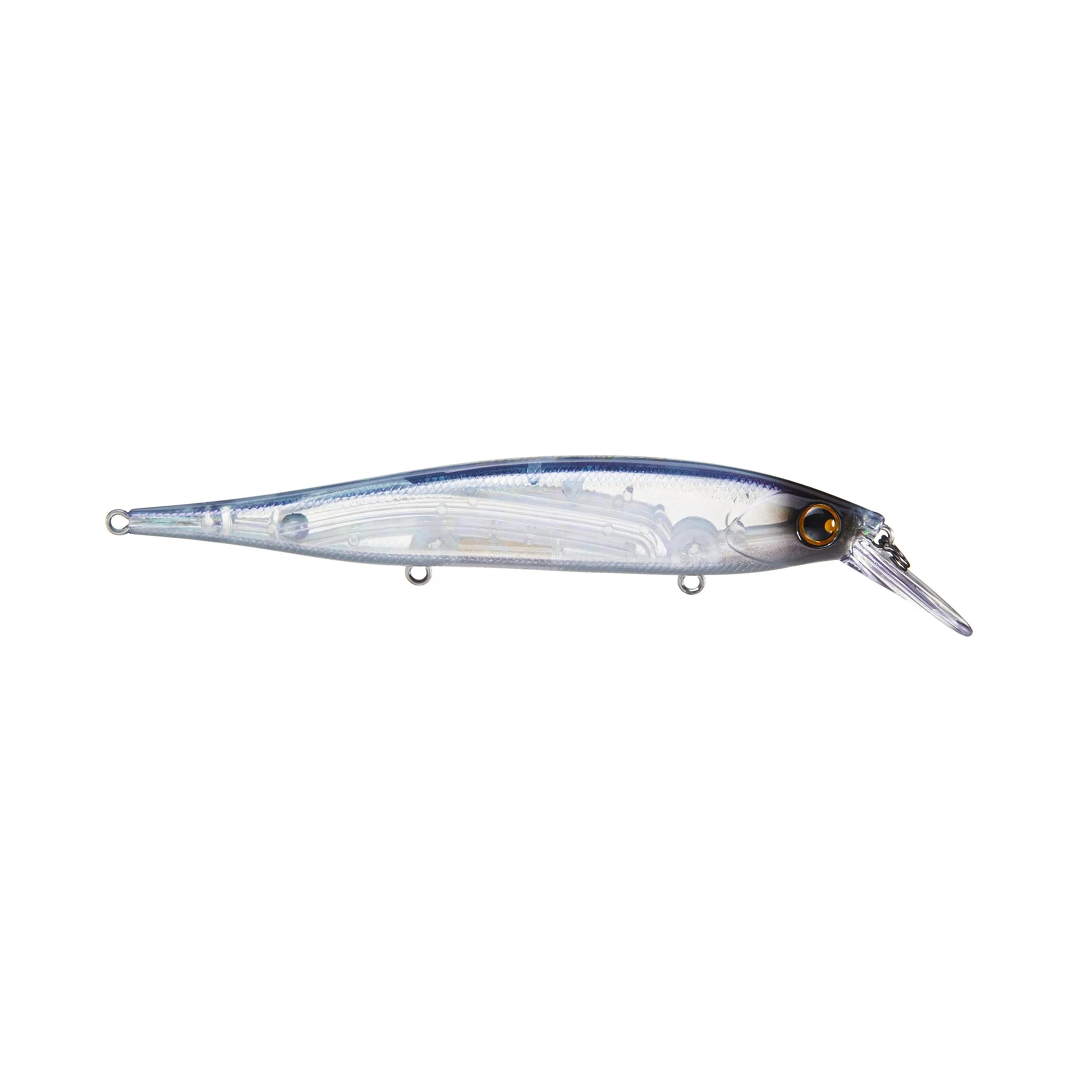
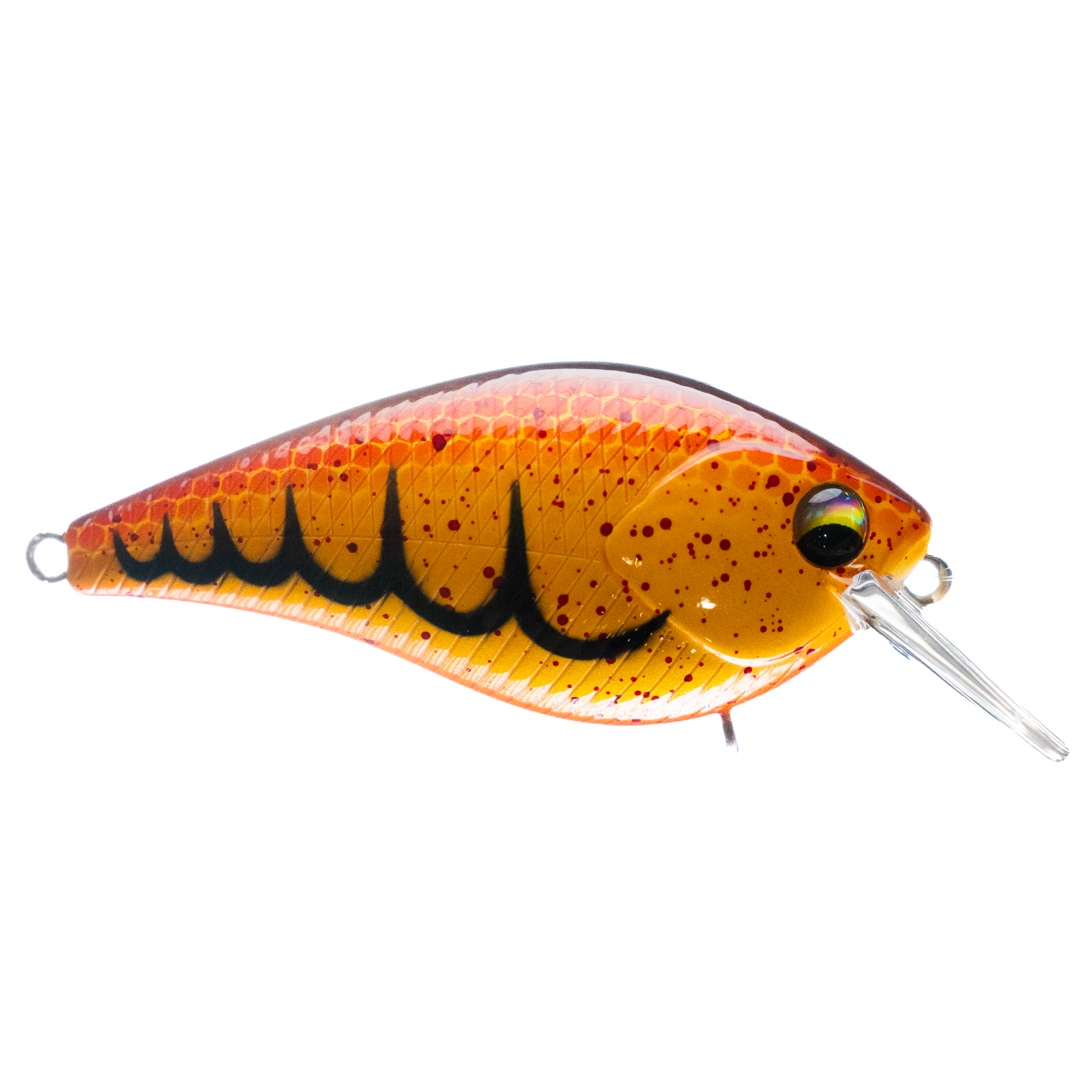
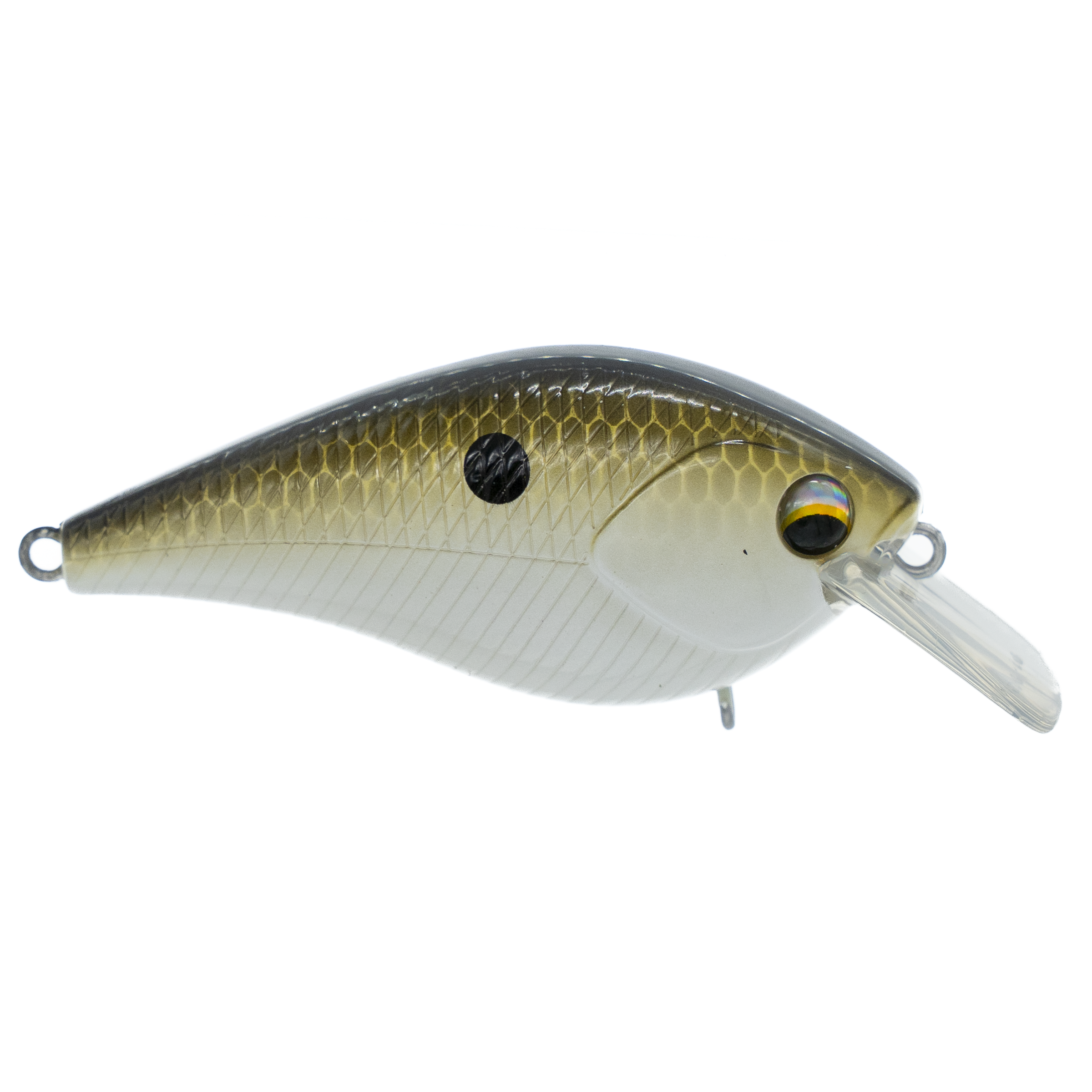
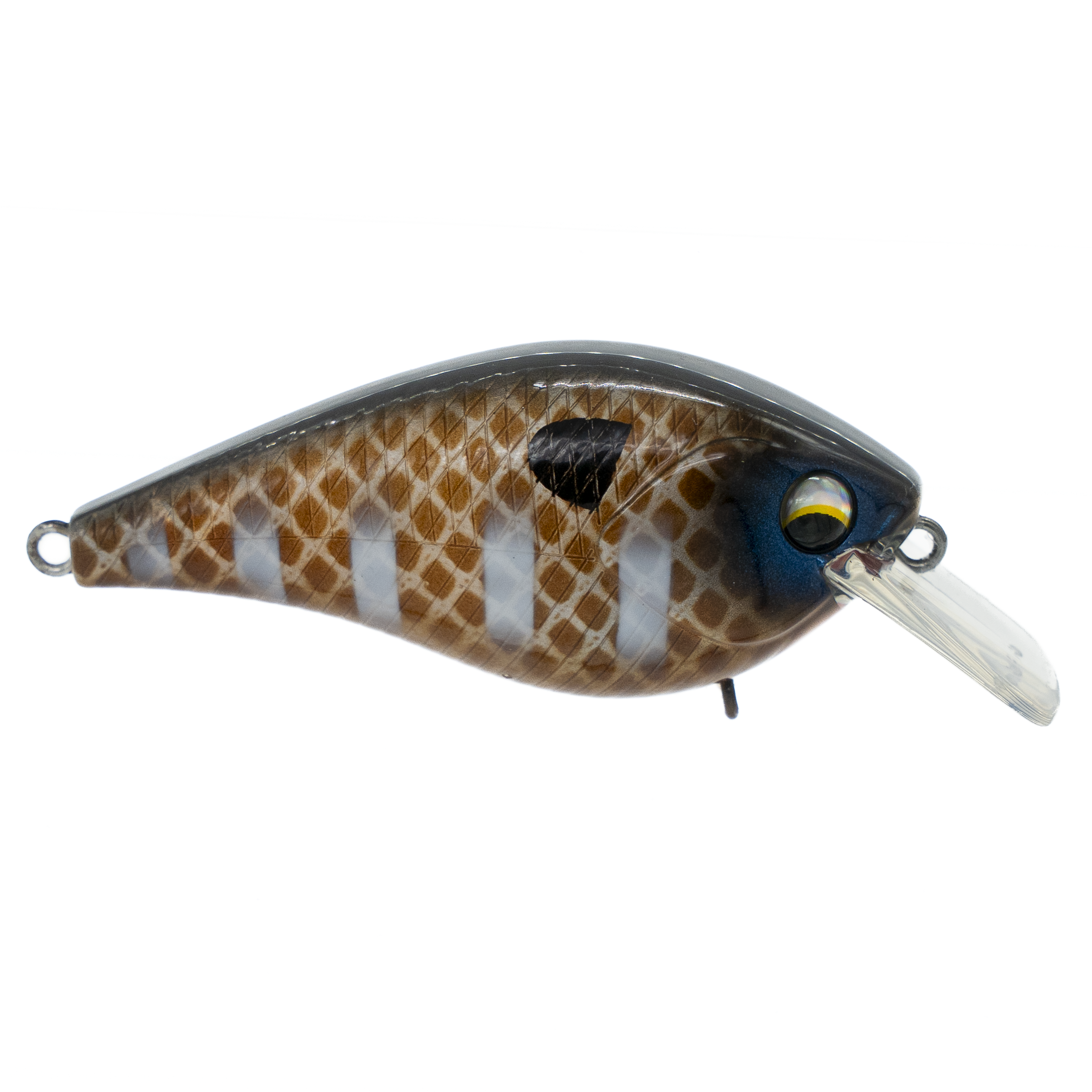
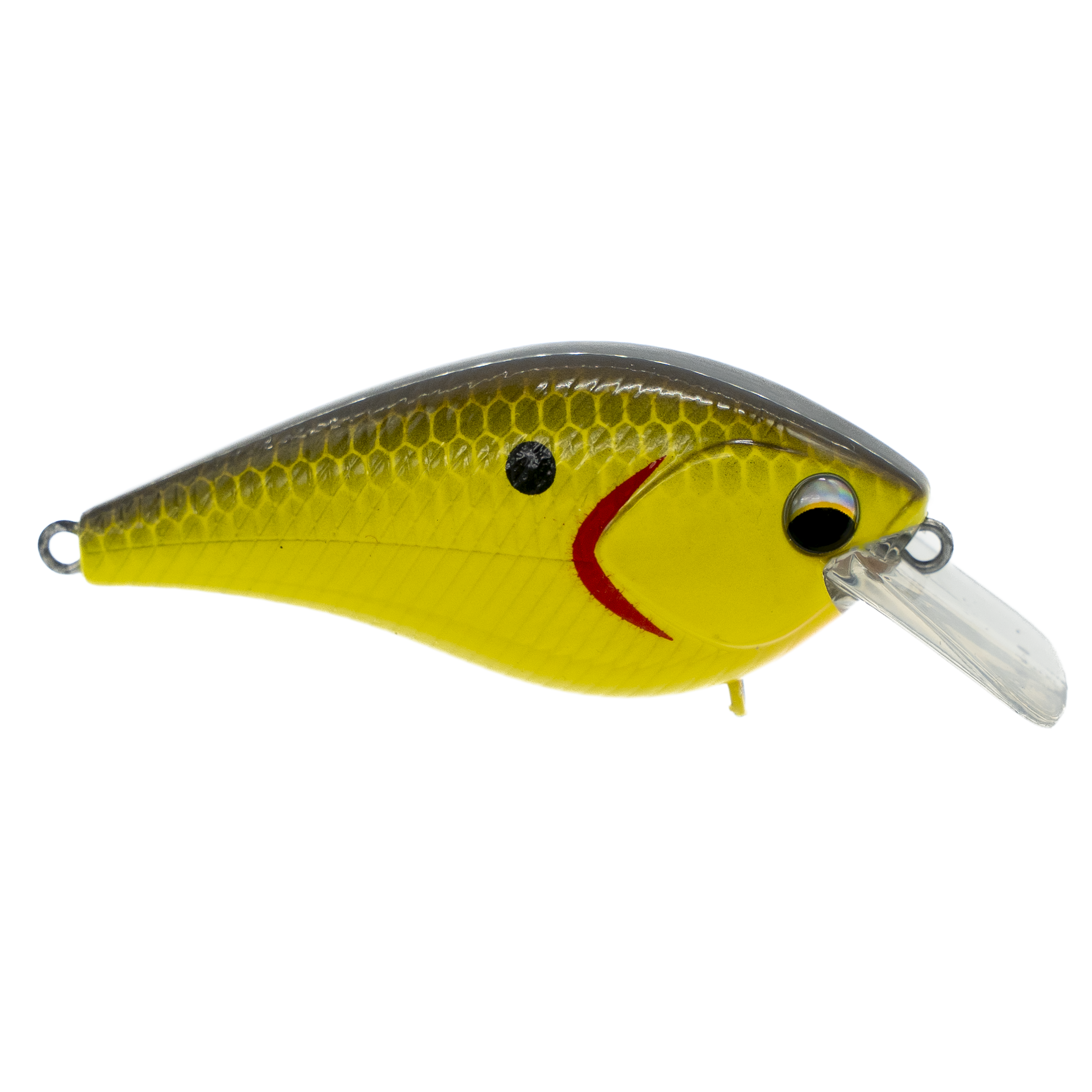
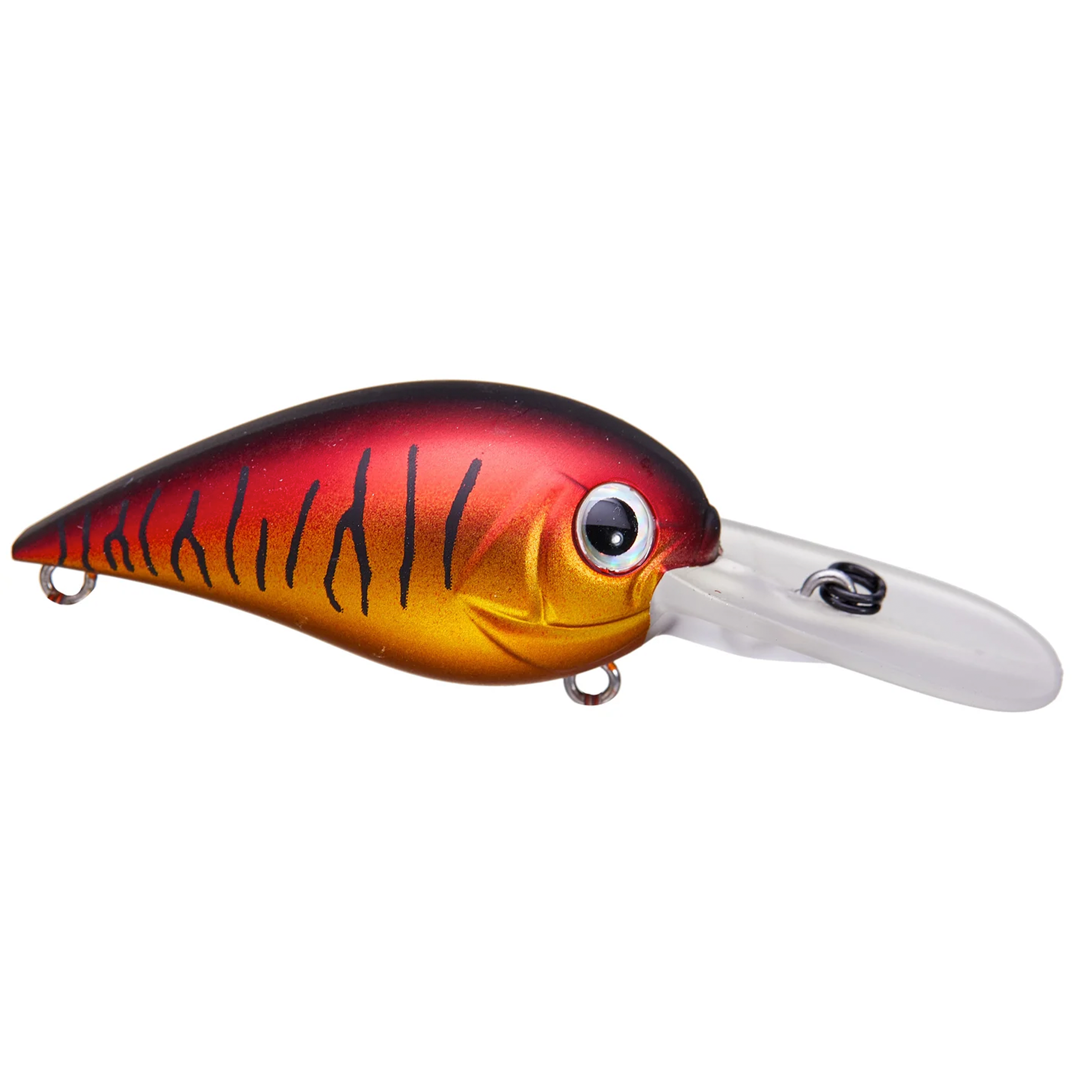
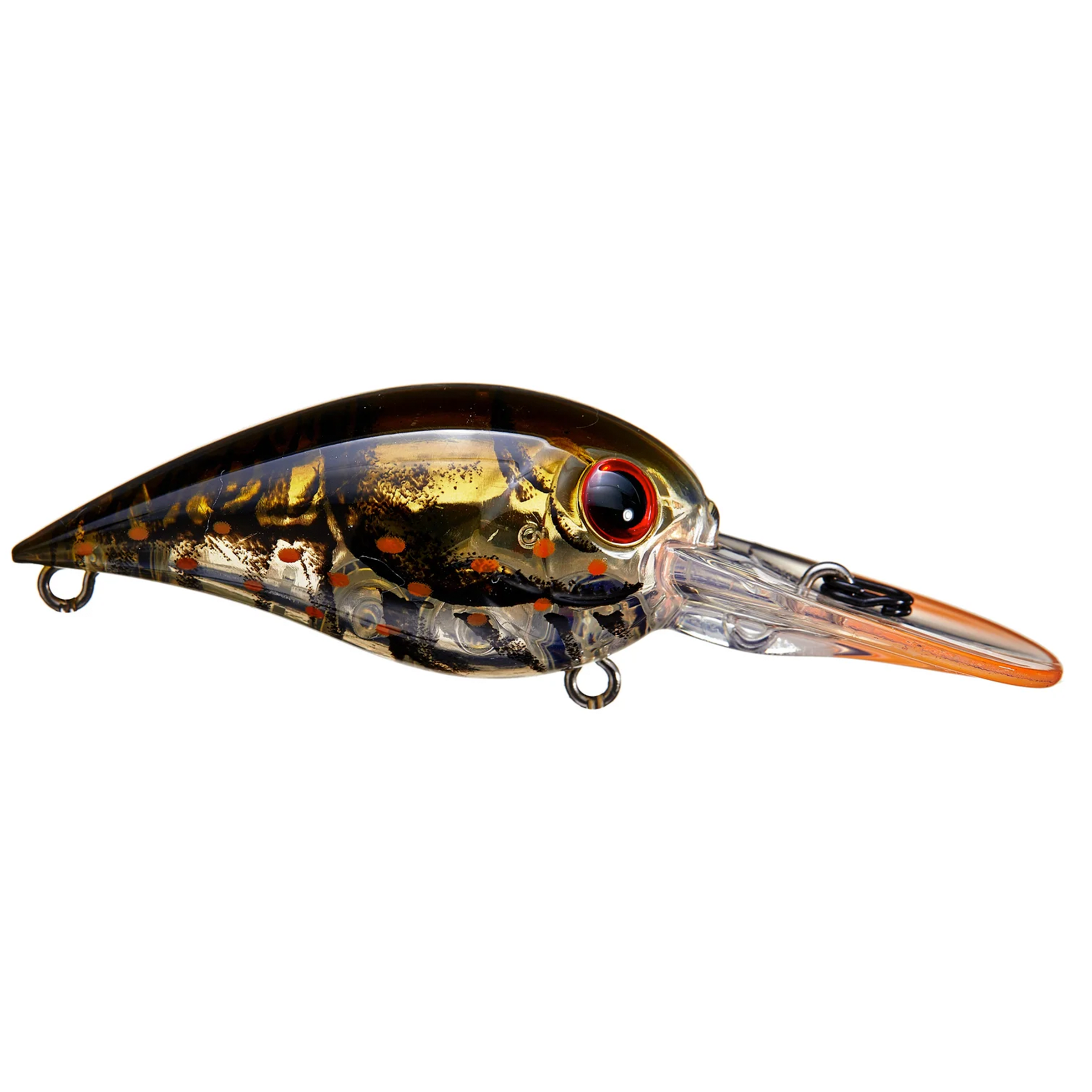
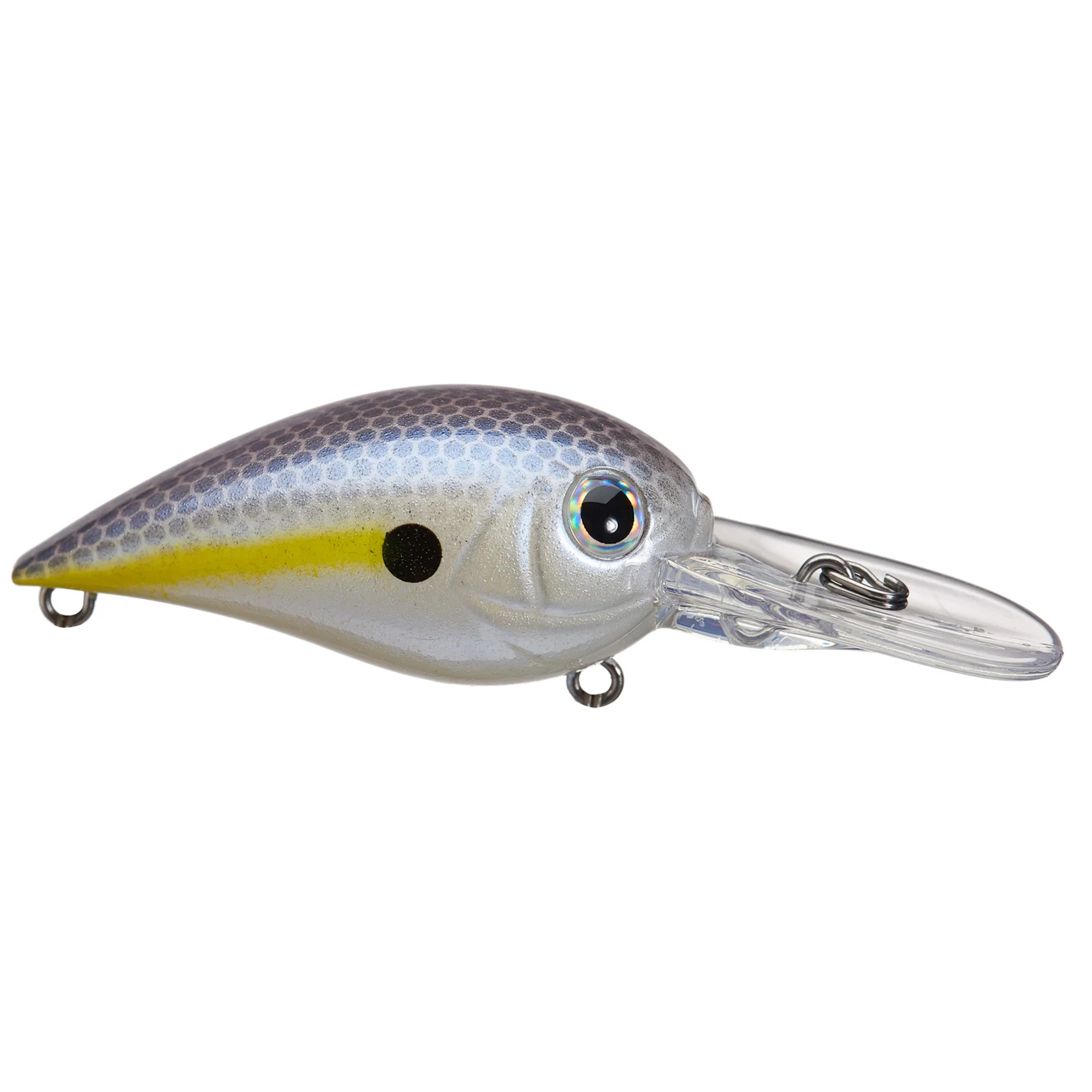
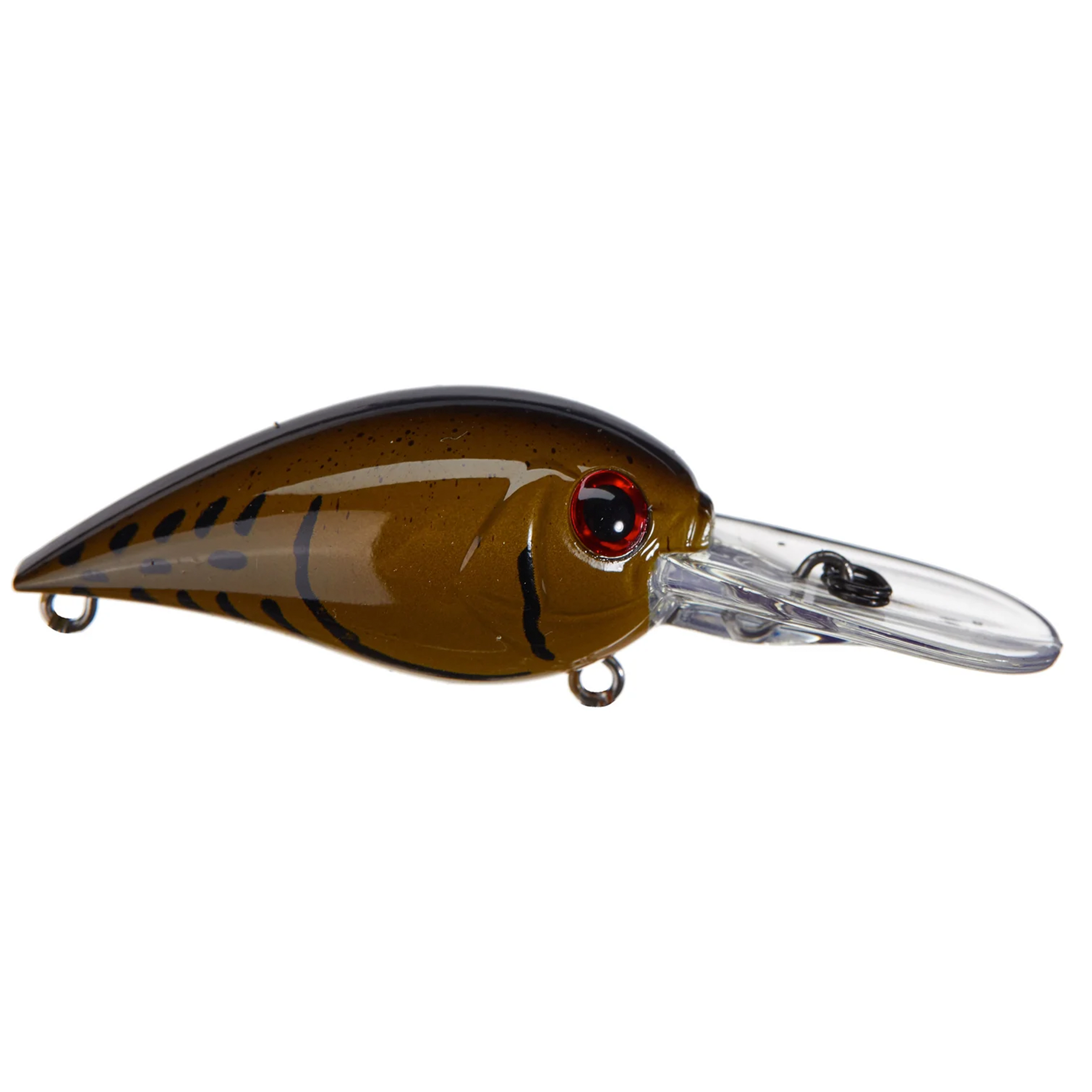
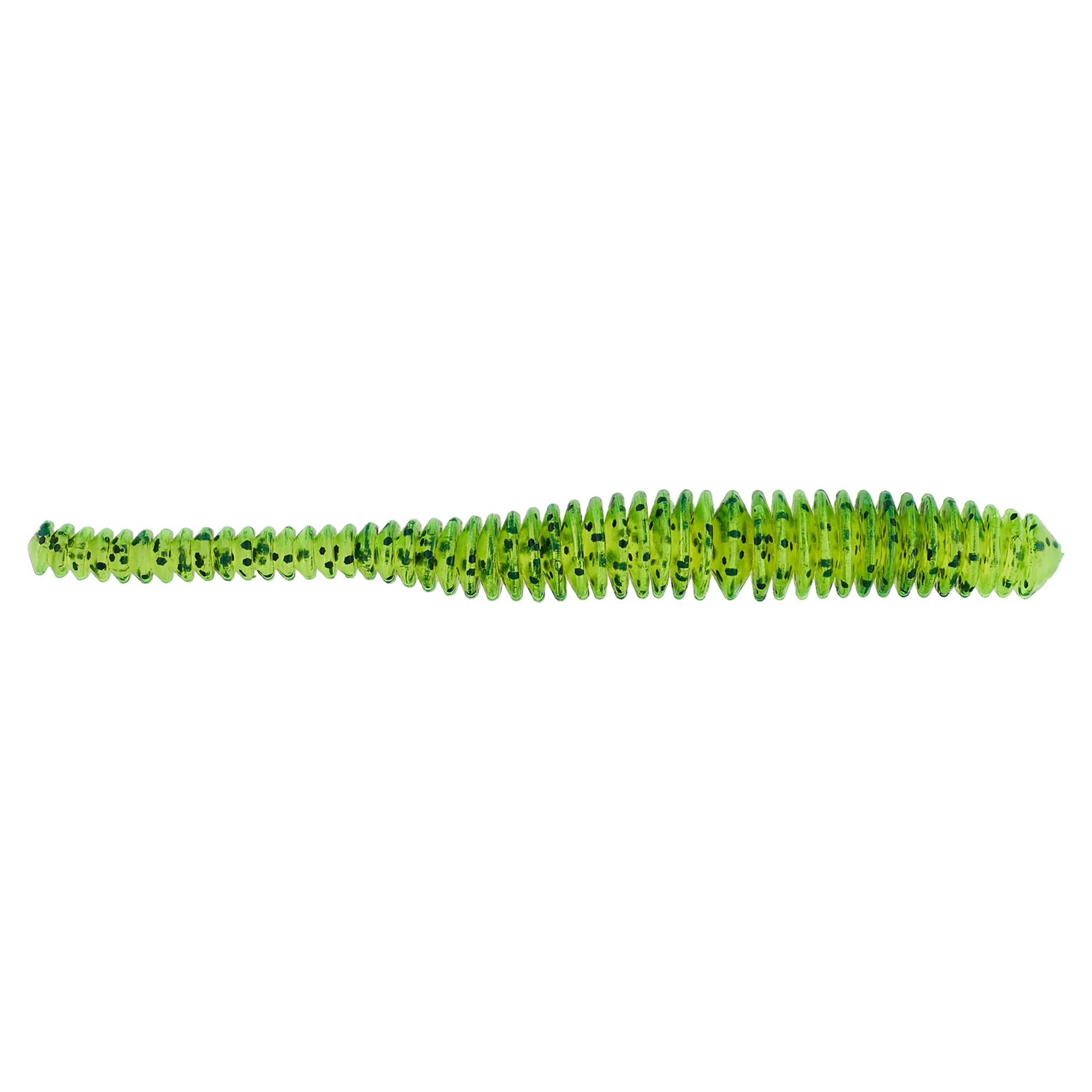
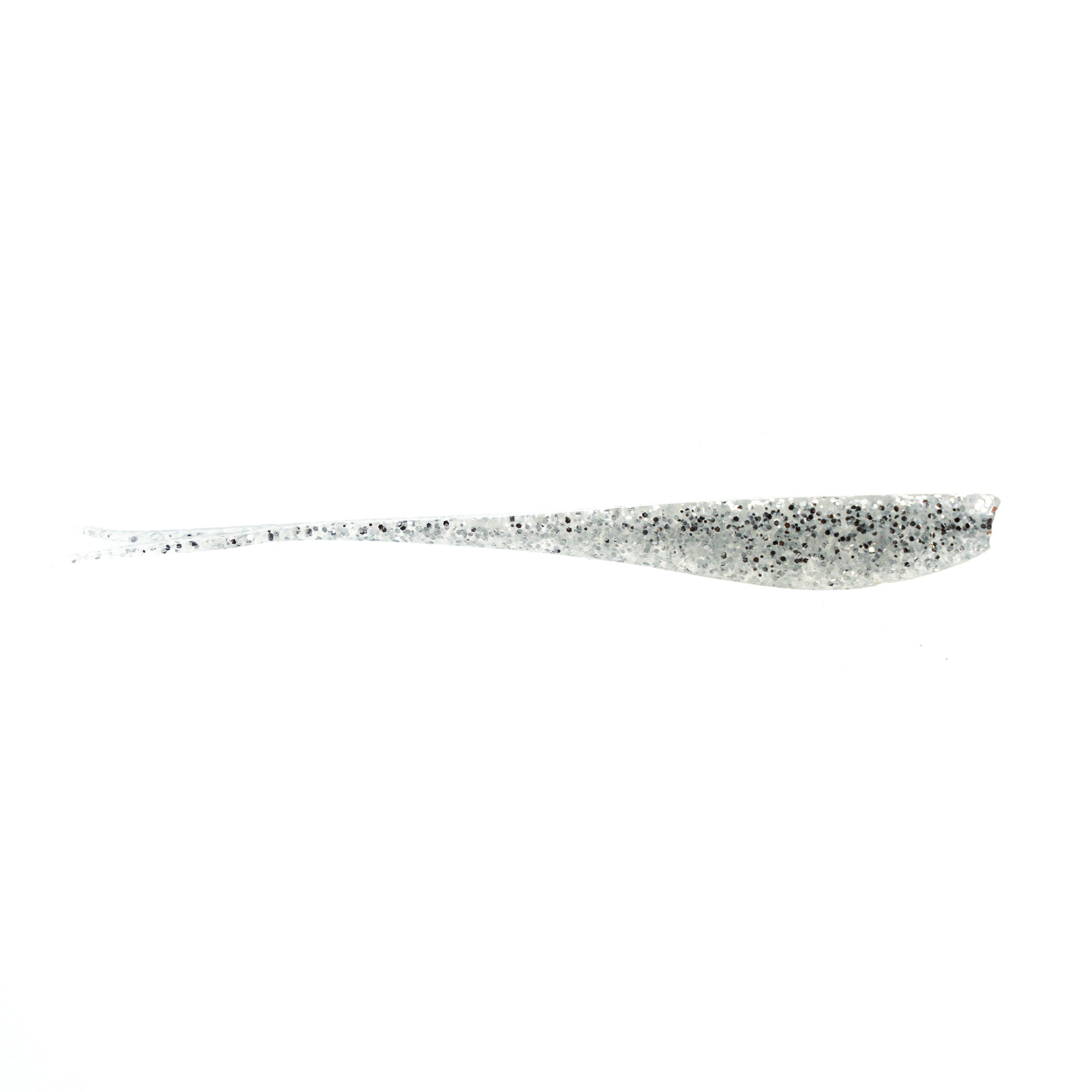
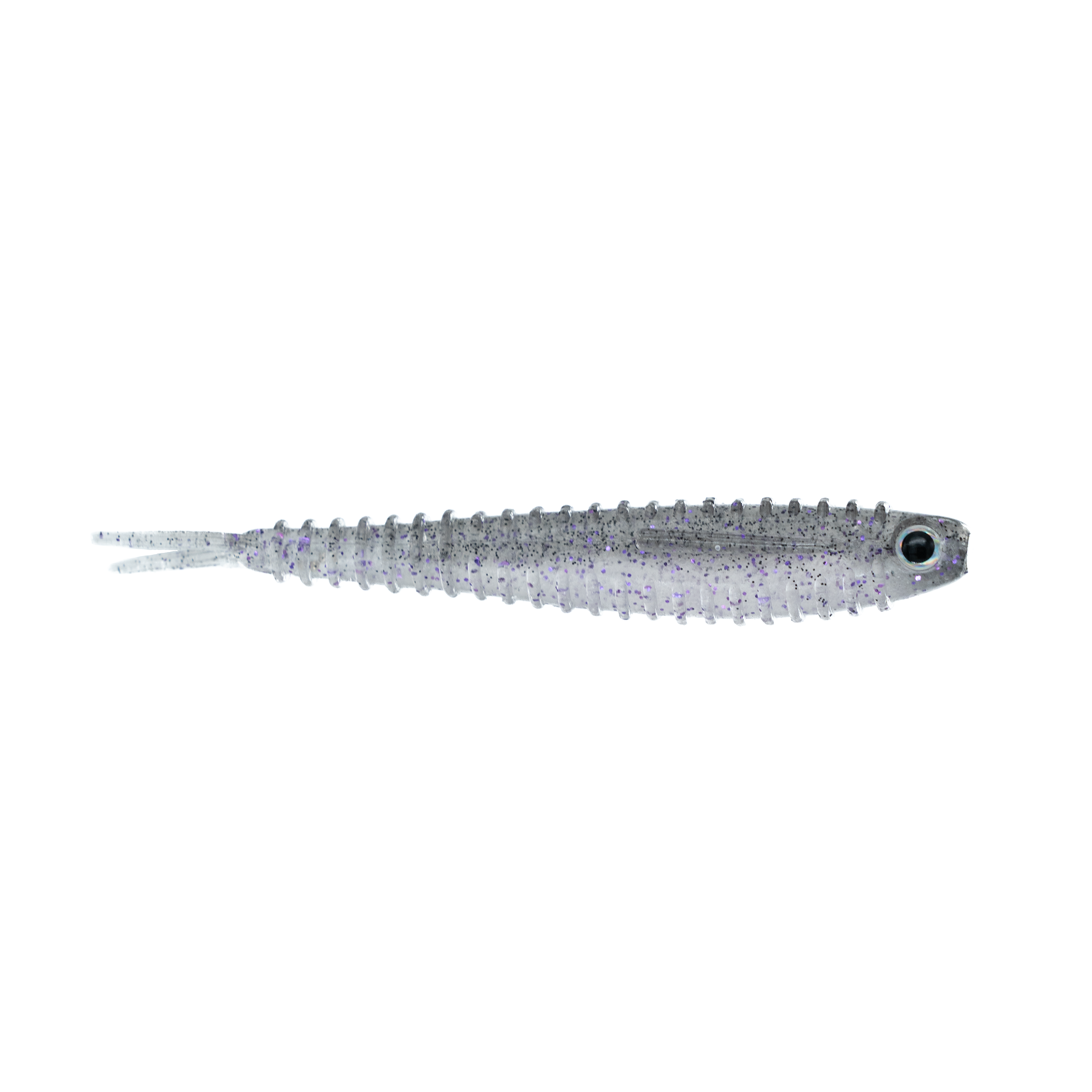
Topwater at dawn, crawfish imitations on the bottom, and finesse plastics drifted through current seams. River smallmouth want natural colours and baits that behave like something moving with the flow. Our full bait lineup covers all of it.
What are Maine's bass rules?
The South Zone is open year round under general law with a two-fish limit and only one over fourteen inches, but the Penobscot runs through multiple zones and carries section-specific rules. Check current Department of Inland Fisheries and Wildlife regulations for your stretch.
Drifting Seams at First Light
River smallmouth fishing is a topwater hour at dawn and then a long day of feeling a bait through current. Level Rods builds models that walk a topwater accurately in low light and stay sensitive enough to tell a rock from a bite in moving water.
Tournament Winning Baits & Gear
Designed, crafted and tested by anglers who fish moving water every week. Free shipping on orders over $75.
Shop All Baits