
Orange Lake Bass Fishing Guide
Orange Lake Bass Fishing, Season by Season
Twelve and a half thousand acres between Gainesville and Ocala that produce double-digit bass at a rate almost nothing else in the country matches. Orange Lake is shallow, weedy, prone to dramatic water-level swings — and when the water drops, it gets better rather than worse.
Shallow, Weedy and Full of Giants
Orange Lake straddles the line between Alachua and Marion counties in north central Florida, about ten miles south of Hawthorne. It covers roughly 12,550 acres with about twenty miles of shoreline, and it is the largest lake in the region. Water comes in from Lochloosa Lake through Cross Creek and from Newnans Lake through River Styx, and drains out through Orange Creek toward Rodman Reservoir.
It is shallow even by Florida standards — around five and a half feet on average and about twelve at its deepest, with a fixed-crest weir at Highway 301 controlling the outflow. Water levels move roughly two feet in a typical year and considerably more than that in a drought.
The vegetation is dominated by spatterdock and lily pads, with hydrilla appearing periodically, and the lake's signature feature is its floating tussocks — drifting rafts of plant material that move around with the wind and hold bass underneath them. Substantial areas of shallow marsh are simply too thickly vegetated to fish at all.
The big-fish record here is extraordinary. Since 2019, anglers have submitted twenty-one bass over thirteen pounds to Florida's TrophyCatch program from this lake, the largest weighing 15-13. Bassmaster has ranked it among the best bass lakes in the country, and Major League Fishing's 2026 Heavy Hitters event here produced the biggest bass in that tournament's history — twice in two days.
Water level is the thing to check before you tow. Extended drought has repeatedly pushed levels low enough to make launching difficult, and Marion County closed the Heagy-Burry ramp and fishing pier for repairs with reopening anticipated in April 2026. During low water, only smaller outboards, airboats, mudboats and paddlecraft have been able to get through Cross Creek. Counter-intuitively the fishing does not suffer — low water concentrates forage and improves growth rates, and 2026 produced ten submitted ten-pounders despite the access problems.
What It Took to Win Here
Patterns that produced at the highest level on this water, and the baits to fish them with.
Dave Lefebre — Two Hundred Yards of Hydrilla, Twice Over
Orange Lake was low and the field knew it would fish tough. It then produced giant bass every single day of a six-day tournament, including an 11-pounder and a 10-1 that both broke the event's all-time big-bass record inside twenty-four hours of each other.
Lefebre had found two stretches in practice and blanked on them the first day. Each was about two hundred yards long, sitting where the lake opens out of the boat channel near the takeoff area: a shallow ditch running about three feet deep with two and a half feet on either side, edged with straight runs of hydrilla. He had worked out that fish moving out of the bays funnelled through them, which meant the spots reloaded rather than being fished out.
He caught nearly everything on a three-eighths-ounce black-and-blue bladed jig with a blue craw trailer, worked methodically down those two stretches all week. His one significant adjustment was line: he moved from sixteen-pound fluorocarbon to twenty after losing fish that dug into the grass on the opening day.
It closed out his professional career. He took the event and the big-bass prize on the same day for a $200,000 finish. The wider lesson for anyone fishing Orange is in his spot selection — not the biggest grass, but the grass on a travel route that refills.




Pads, Tussocks and Falling Water
Four patterns cover the year. Each one pairs the technique with the baits we'd actually tie on.
Clean Water and Good Grass
The spring pattern on Orange is the standard Florida recipe with one refinement: find clean water next to good vegetation. The lake carries dirty water in the main basin, and the productive areas are the ones where mats or grass lines shelter cleaner water behind them. A good zone has a mix of sparse and thick grass rather than a solid carpet of either.

Early Topwater Over the Pads
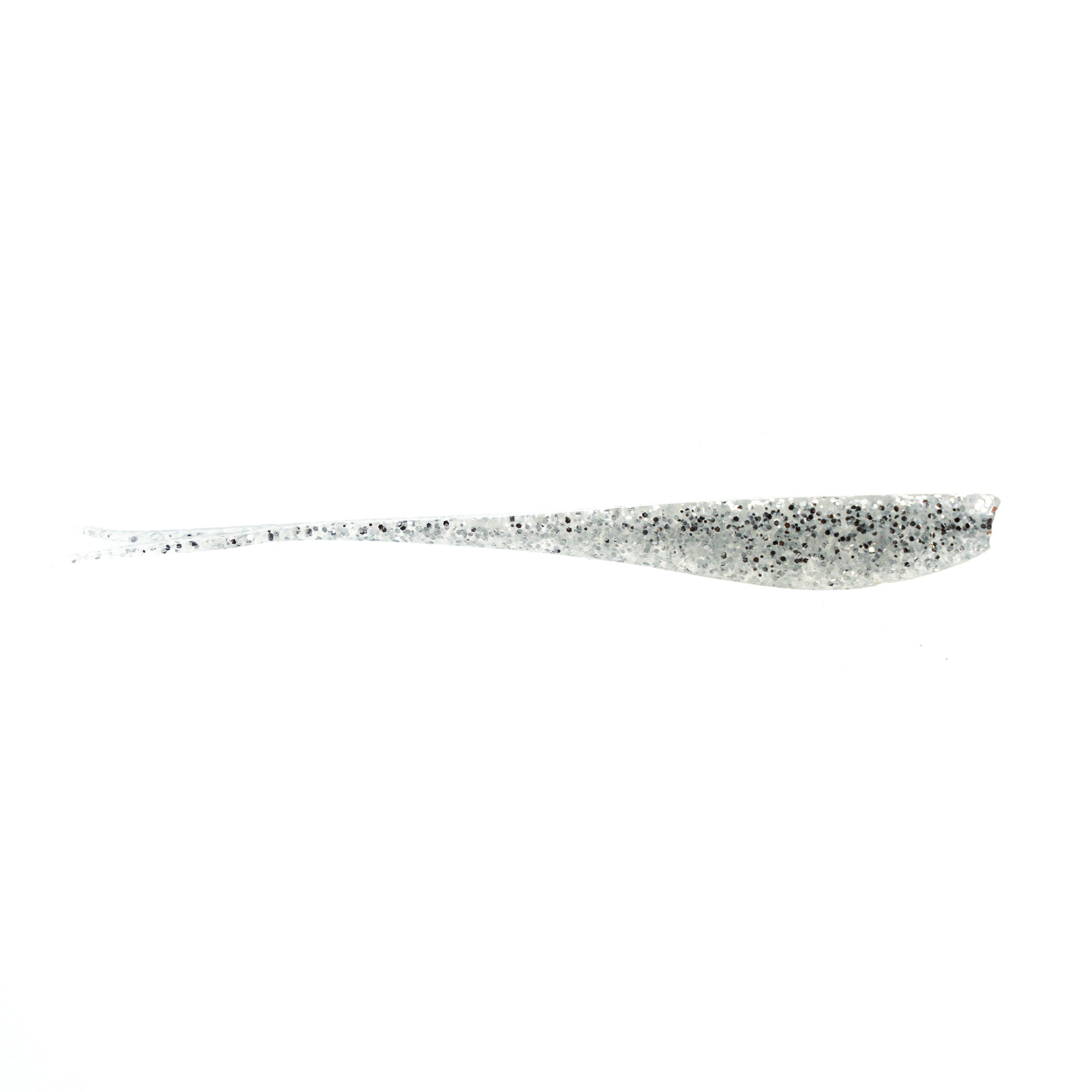
Summer is a first-light game. Orange is dominated by spatterdock and lily pad fields, and the early morning topwater window over them is the most productive hour of the day. Once the sun is up the fish tuck under the pads and the drifting tussocks, and the presentation has to go to them.

Shad, and Bass Under Them
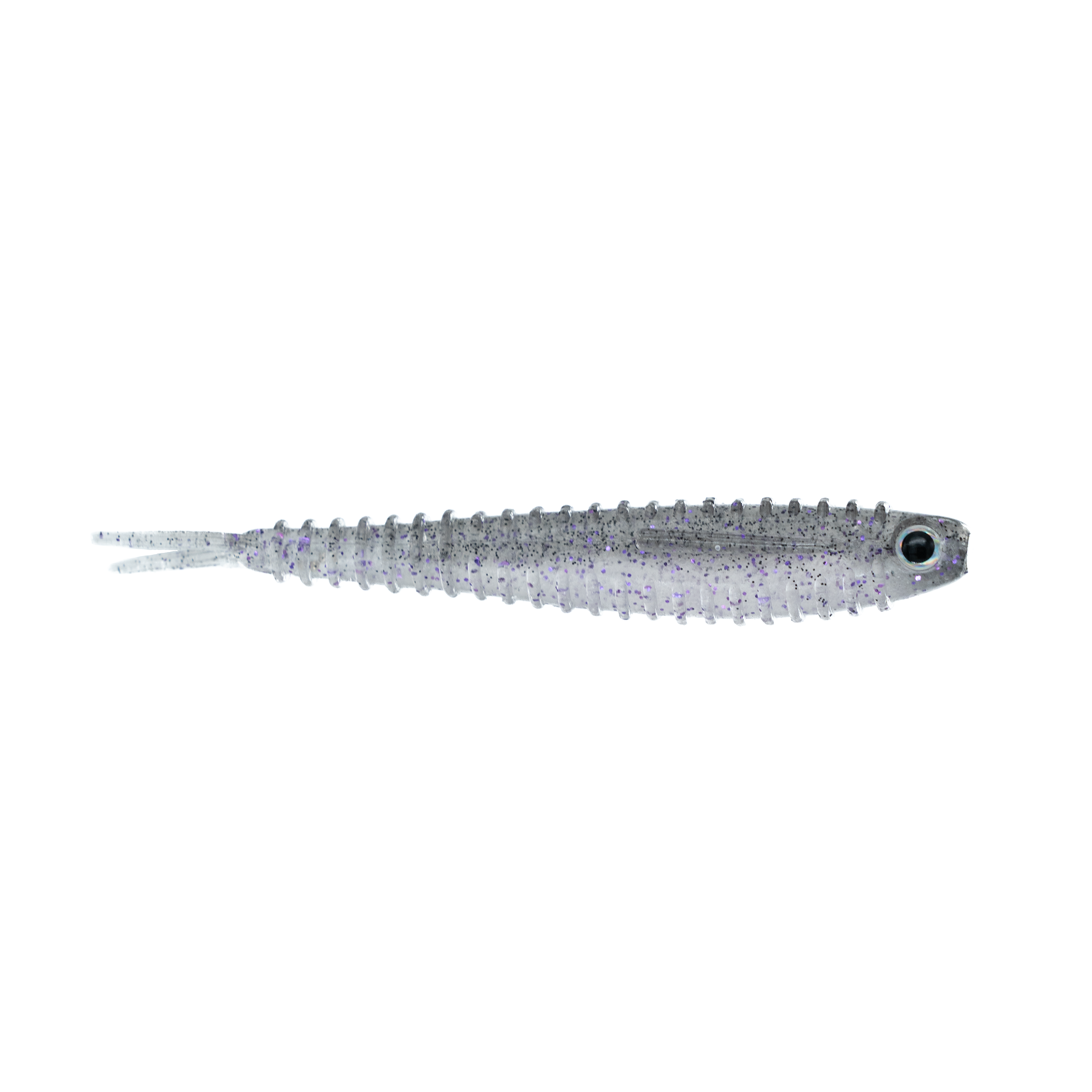
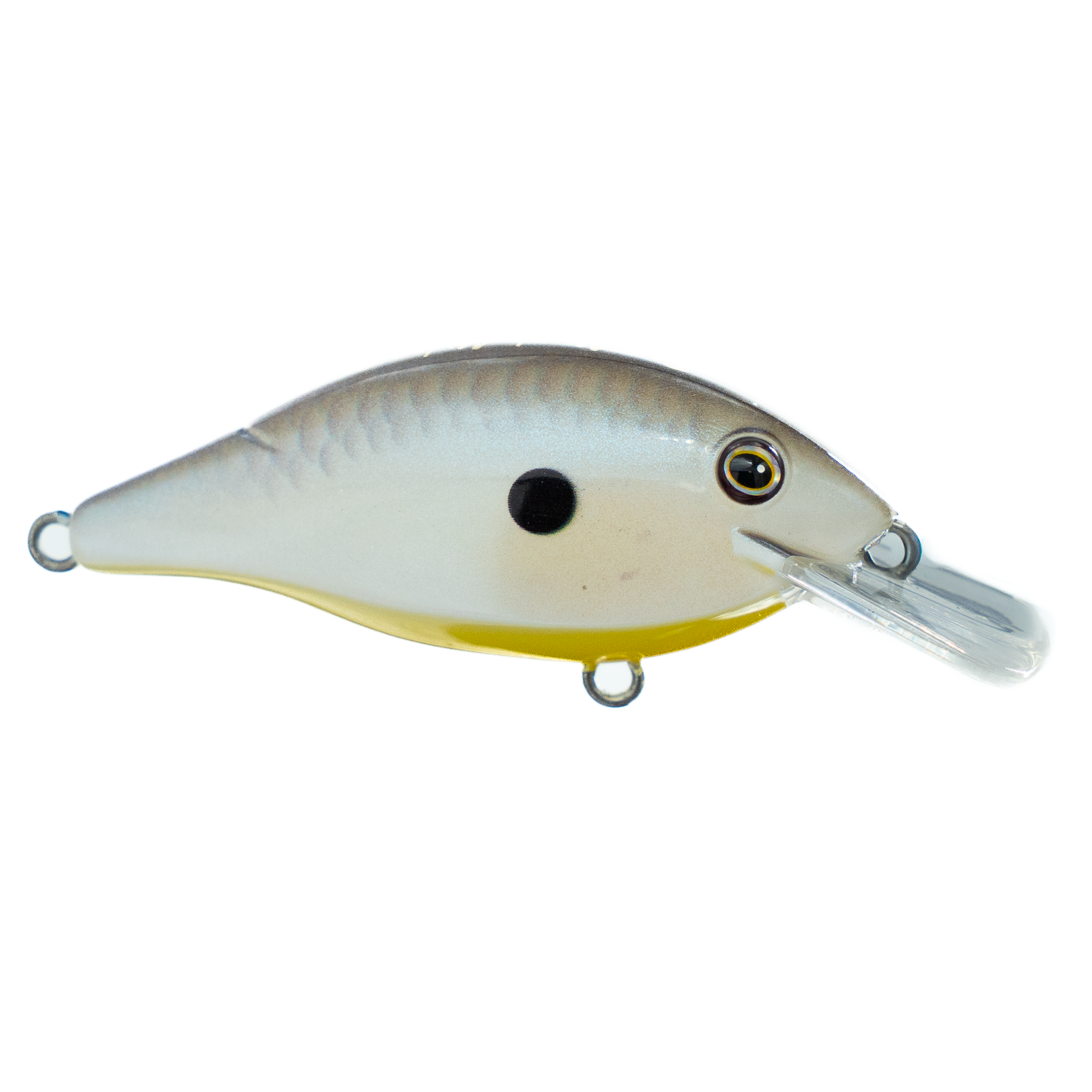
Autumn concentrates bait in the open pockets between the pad fields and along the vegetation edges, and the bass push it to the surface. This is the season where boils give the game away and covering water pays. Water levels are often at their lowest going into fall, which compresses the fishery and makes the fish easier to locate.

The Trophy Window
Winter into early spring is when the biggest fish in this lake get caught. Prespawn females move toward the shallow vegetation and hold on the edges, and the double-digit catches that give Orange its reputation cluster in this stretch of the calendar. It is also the least comfortable fishing of the year and the least crowded, which is a fair trade.

Orange Lake Access
Access depends heavily on water level and should be checked before you tow. The Heagy-Burry Park ramp and public fishing pier at 5005 Lake Ave, Citra sits on the southwest side. The Kate Barnes ramp at Marjorie Kinnan Rawlings Historic State Park is at Cross Creek. South Shore Fish Camp and Sportsman Cove can advise on current conditions.
Heagy-Burry Park
Southwest side of the lake, with a handicap-accessible fishing pier and an FWC fish attractor located near it. This is the best ramp for larger outboards when water is low, which makes its availability worth confirming in advance — Marion County closed it for repairs and upgrades with reopening anticipated in April 2026.
Cross Creek
The 1.8-mile connection to Lochloosa Lake, navigable to most boats at normal water levels and a genuinely famous piece of water in its own right thanks to Marjorie Kinnan Rawlings. During low water it becomes passable only to smaller craft. Worth fishing as well as travelling through.
The East Side Grass
Where the 2026 Heavy Hitters was decided. Long mats with troughs of cleaner water behind them, and clumpy broken hydrilla rather than solid carpet. The pattern that matters here is finding grass on a route fish travel rather than simply finding the thickest grass on the lake.
Orange Lake Bass Fishing FAQ
How big is Orange Lake?
About 12,550 acres with roughly twenty miles of shoreline, straddling Alachua and Marion counties. It averages around five and a half feet deep with a maximum of about twelve, and levels typically fluctuate two feet a year — considerably more in drought.
Can you launch a bass boat on Orange Lake?
It depends entirely on water level, and this is the single most important thing to check before travelling. In low water, only smaller outboards, airboats, mudboats and paddlecraft have been able to launch and get through Cross Creek. The Heagy-Burry ramp is the best option for a larger boat when water is down; confirm it is open before you tow.
Is the fishing worse when the water is low?
No, and often the opposite. Low water concentrates forage and improves bass growth rates. Even with drought limiting access, ten bass over ten pounds were submitted to TrophyCatch from Orange Lake in 2026, and Major League Fishing chose the lake for a major event that same year in full knowledge of the conditions.
How big do bass get in Orange Lake?
Very big. Twenty-one bass over thirteen pounds have been submitted to Florida's TrophyCatch program from this lake since 2019, the largest at 15-13. Recent tournament big-fish averages have run over nine pounds, and the 2026 Heavy Hitters produced an 11-pounder and a 10-1 on consecutive days.
What are tussocks?
Floating rafts of plant material that drift around the lake with the wind. They are a defining feature of Orange Lake and they hold bass underneath them, which means productive cover here is not always in the same place twice. Fish them like you would any overhead cover, and expect them to have moved by next trip.
What won the 2026 Heavy Hitters on Orange Lake?
A black-and-blue bladed jig, fished down two roughly two-hundred-yard stretches of hydrilla along a shallow ditch near where the lake opens out of the boat channel. The winner's insight was that fish moving out of the bays travelled through those stretches, so the spots refilled all week rather than getting fished out.
What baits work best on Orange Lake?
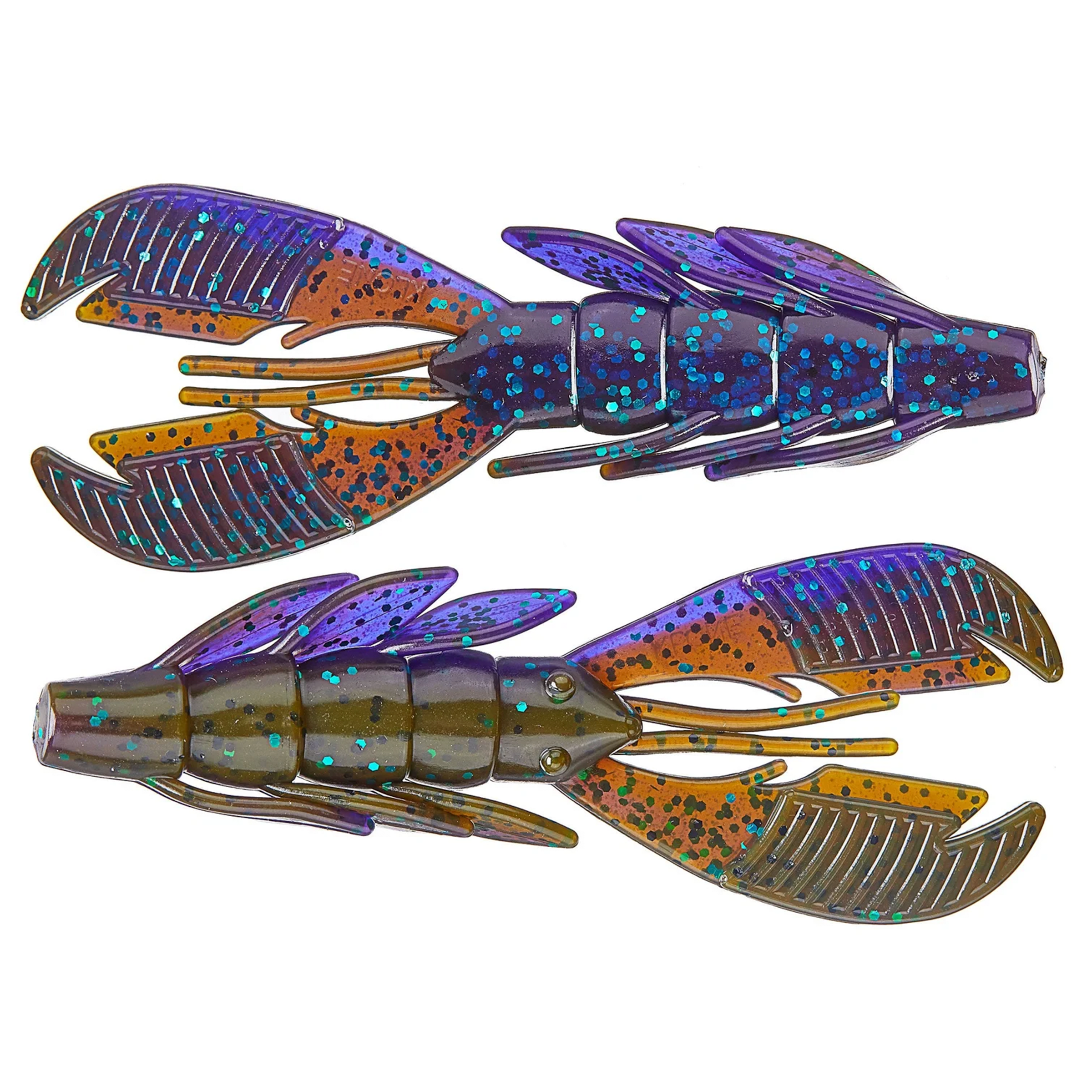
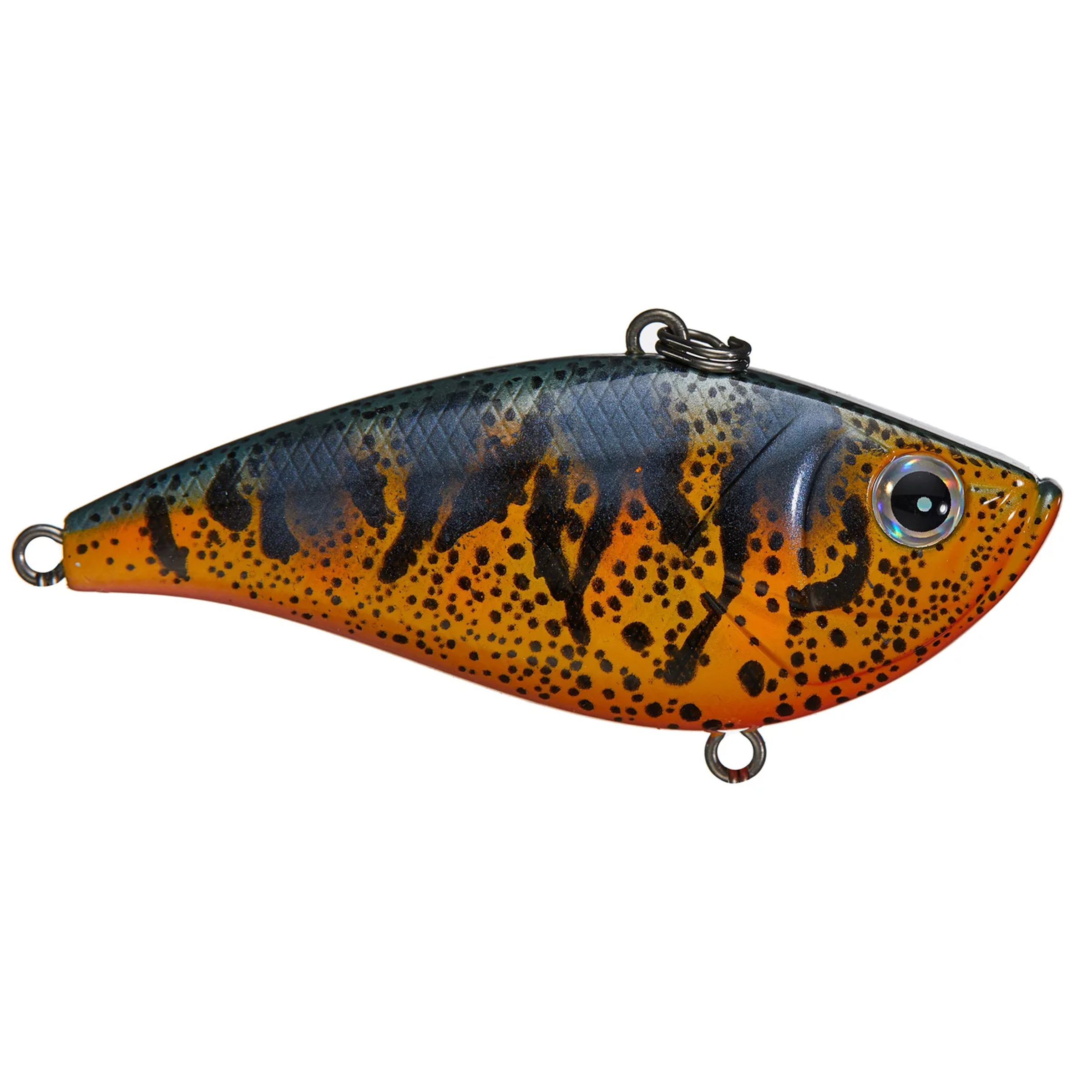
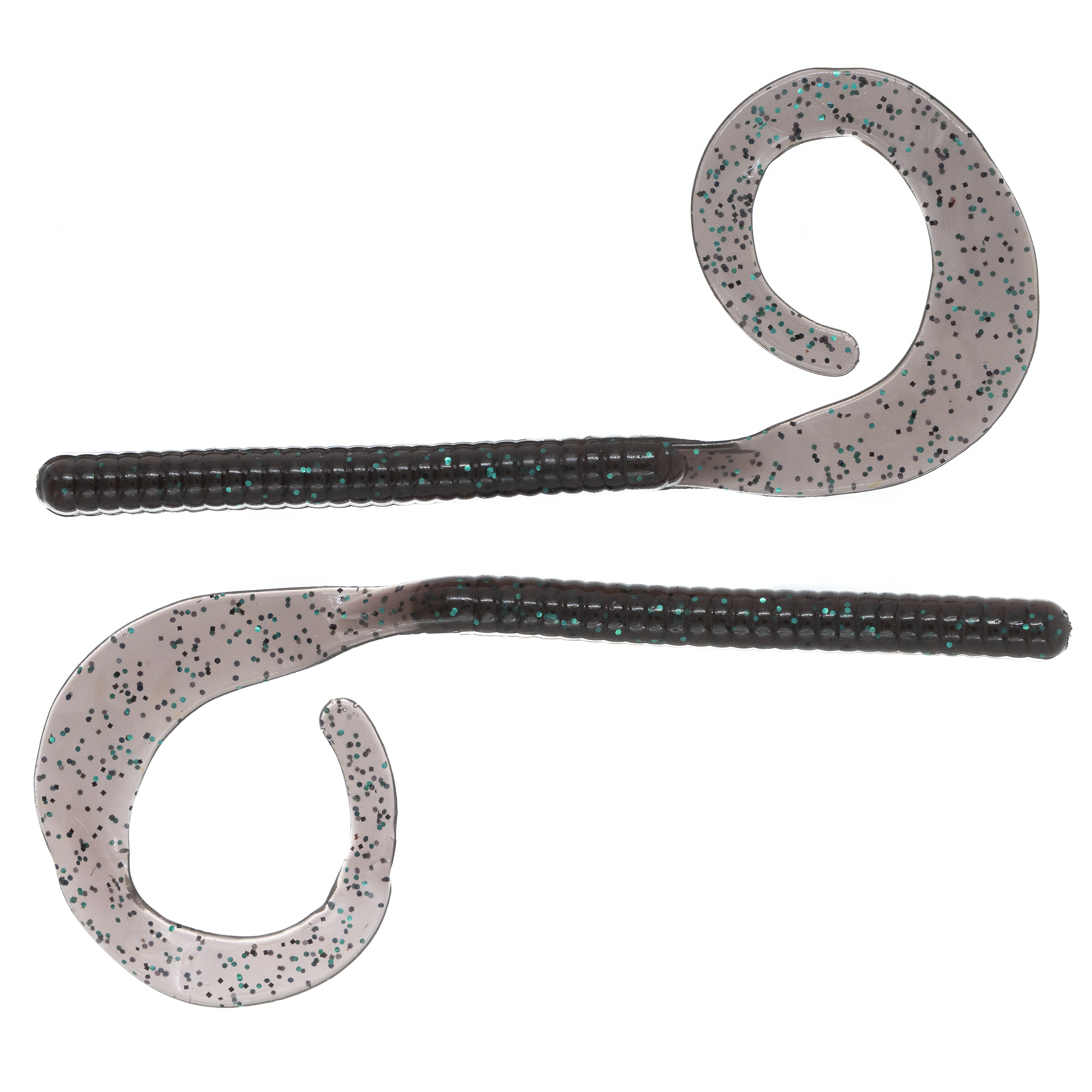
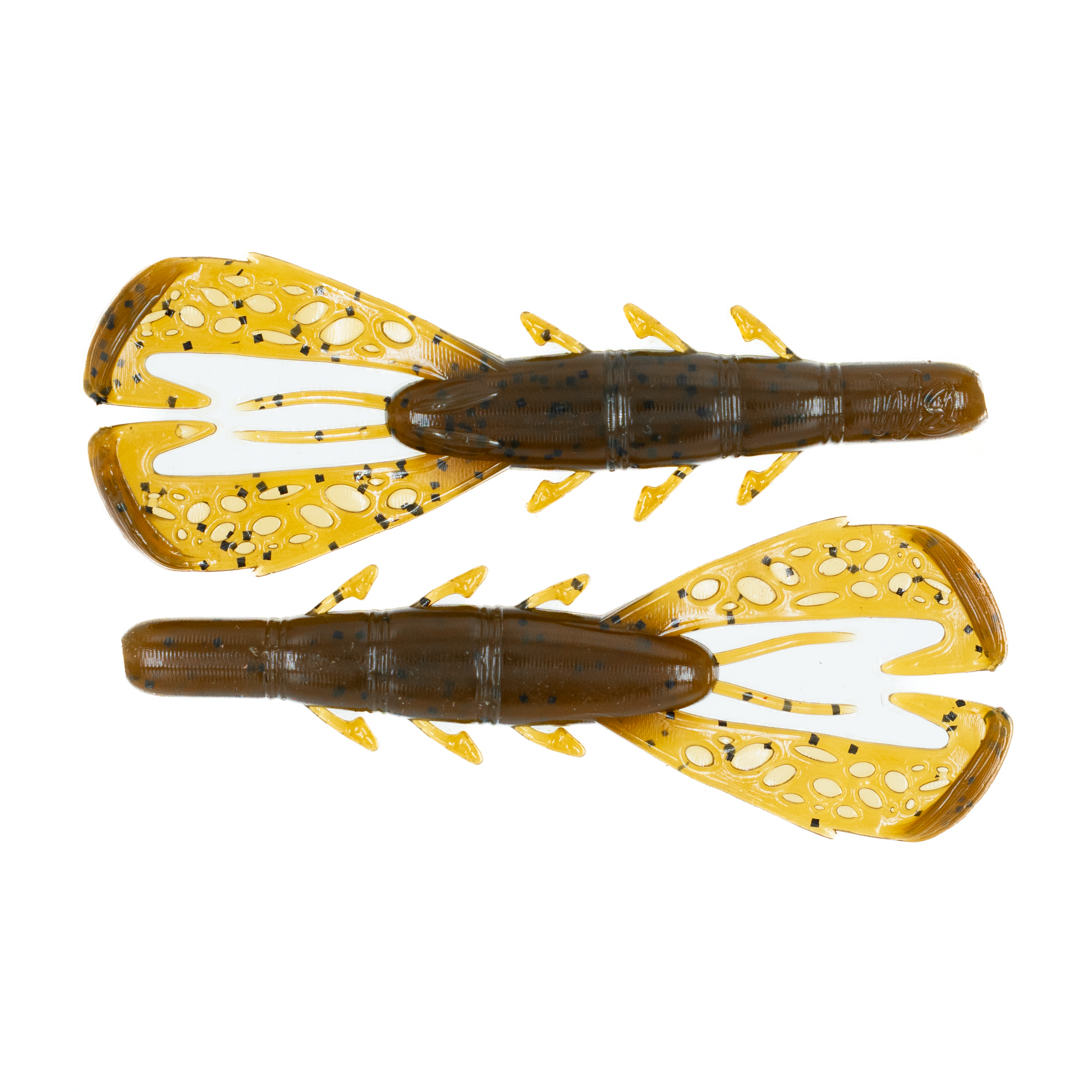
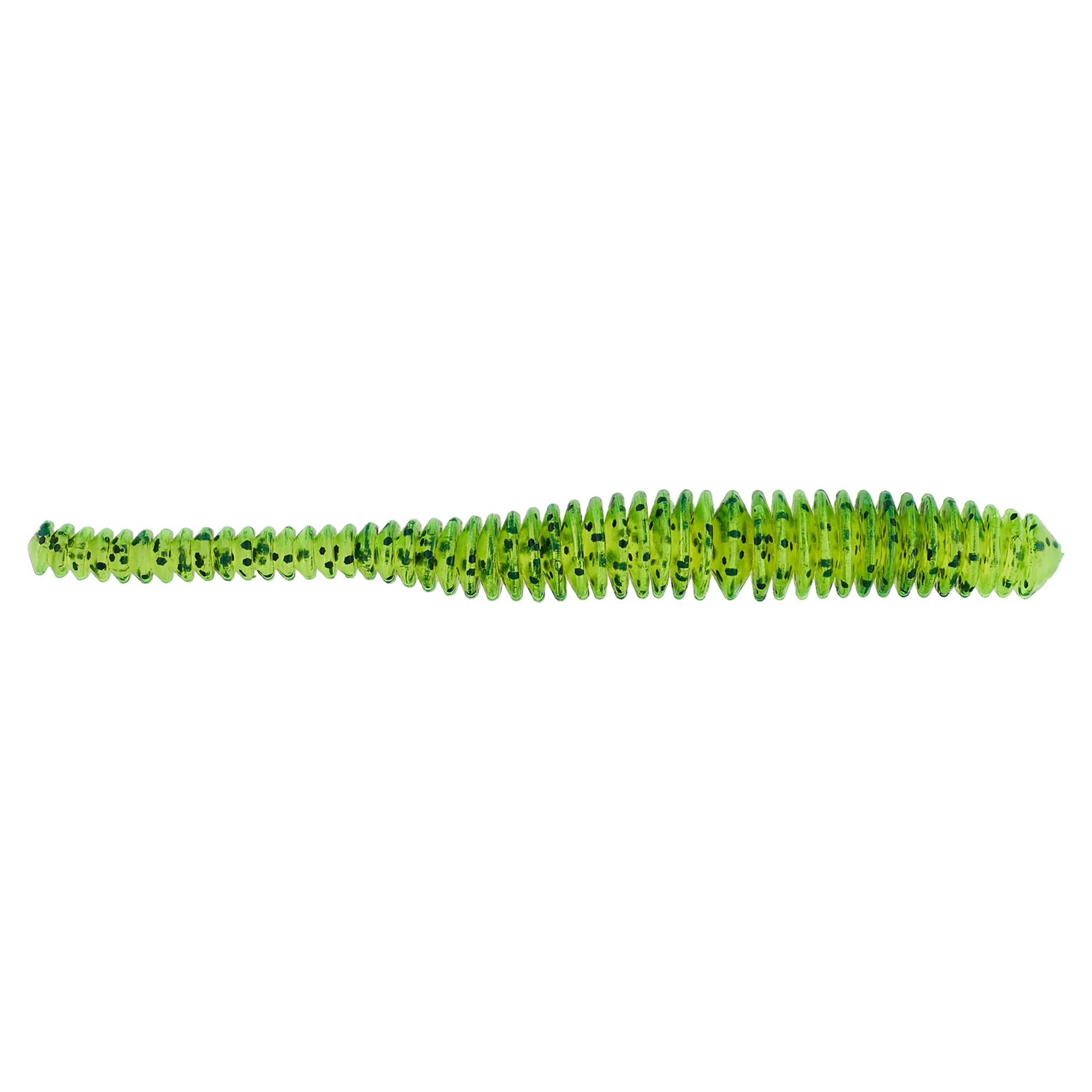
Bladed and swimming jigs through the hydrilla, frogs and topwater over the pad fields early, and punching or flipping the mats and tussocks once the sun is up. Swimming worms are a Florida staple that produces here too. Our full bait lineup covers all four seasons.
Do I need a fishing license?
Yes. A Florida freshwater fishing license is required for anglers 16 and older through the Florida Fish and Wildlife Conservation Commission. Orange Lake is a designated Fish Management Area, so check current regulations for the lake on myfwc.com — special bag limits and methods can apply on FMA waters.
Big Fish, Thick Cover
A thirteen-pounder in a lily pad field is a problem that lasts about two seconds and is usually decided in the first one. Level Rods builds heavy models with the power to turn a fish's head before she reaches the stems, and enough length to keep a bladed jig loaded through a long, slow retrieve down a grass line.
Tournament Winning Baits & Gear
Designed, crafted and tested by anglers who fish shallow grass every week. Free shipping on orders over $75.
Shop All Baits