O.H. Ivie Bass Fishing Guide
O.H. Ivie Bass Fishing, Season by Season
Nineteen thousand acres of clear water in the west Texas scrub south of San Angelo, and the most productive trophy bass lake in America over the last five years. Anglers fly in from other states in February for one reason: a genuine shot at a fifteen-pounder.
A Desert Lake That Grows Giants
O.H. Ivie sits on the Colorado and Concho rivers south of San Angelo, covering roughly 19,000 acres when full. It is an arid-region reservoir — the surrounding country averages only ten to fifteen inches of rain a year — and it was known for most of its life as a lake with yo-yoing water levels rather than as a fishery.
That changed completely. Over the last five ShareLunker seasons Ivie has produced fifty-nine Legacy Class entries, meaning bass of thirteen pounds or more. Between 2021 and 2024 alone, seventy-two largemouth over thirteen pounds came out of this lake, with fish over fifteen pounds showing up every single year. It set the single-season record for a Texas water with fifteen in 2023, and in 2024 twelve of the state's nineteen Legacy entries came from here.
Two things made it happen. The boom-and-bust water cycle repeatedly floods and exposes vegetation and structure, creating enormous productivity pulses. And the water is relatively clear and deep, which is the second ingredient — because it made the lake perfectly suited to forward-facing sonar.
That technology is genuinely central to how this lake is fished now. Surveys have found around two-thirds of anglers on Ivie using it, and the guide community here specialises in it almost exclusively. Anglers locate individual big fish suspended over deep water, then work them — sometimes for a long time — until they commit.
Understand what that means for expectations before you book a trip. Guides here routinely ignore five to eight pound fish they can see on the screen because they are hunting thirteen-plus. Even when you find one, getting it to eat is not guaranteed — big fish on this lake will follow a bait repeatedly without committing, and getting them to fire usually means changing something. The social media version of Ivie makes it look easier than it is.
The season that matters is January through March. That is when the giants are catchable and when every guide on the lake is booked.
The Most Productive Big-Bass Lake in America
What this lake has produced, and the baits to fish the water that produced it.
Fifty-Nine Legacy Class Bass in Five Seasons
Before 2020, O.H. Ivie was a lake people talked about for its water levels. Since then it has produced more thirteen-pound-plus largemouth than anywhere else in Texas, which effectively means anywhere else in the country. Twelve Legacy Class fish in 2021, twelve in 2022, a record-shattering fifteen in 2023, and it has kept going.
The biggest was ShareLunker 642, a 17.03-pounder — the eighth-heaviest largemouth ever caught in Texas and the sixth-heaviest ever donated to the programme.
The pattern that produces them is consistent enough to describe. Anglers work the clear main lake and the creeks with forward-facing sonar, locate an individual fish, and then work it. A Legacy entry from 2023 came in about ten feet of water casting into stick-ups, on a weedless swimbait, after a plastic worm drew a look and no commitment. Another came off the main lake on an A-rig after the angler spotted fish and followed them, casting repeatedly. TPWD's own account of the 2026 season finale describes a pair of anglers working a creek pattern and pulling up on a giant with sonar.
The common thread is not the bait. It is persistence on a located fish, and a willingness to change presentations until one triggers.
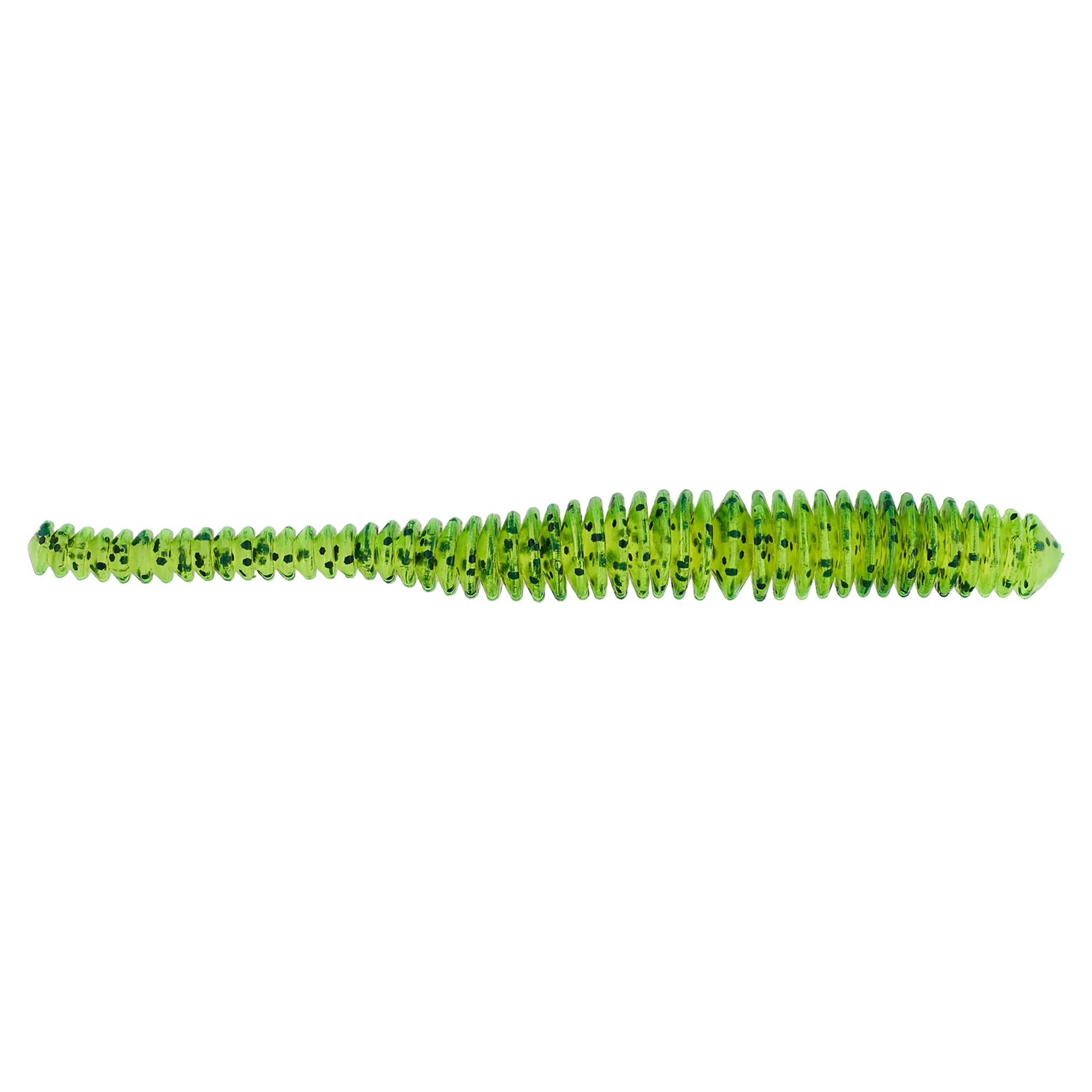


Clear Water, Deep Fish and a Short Window
Four patterns cover the year. Each one pairs the technique with the baits we'd actually tie on.
The Reason People Come
January through March is the trophy window and the only season most visiting anglers care about. Big prespawn females move up out of deep water toward the creeks and the main lake structure, and because the water is clear they are visible on electronics before they are catchable. This is when the fifteen-pounders get caught.

Deep, Clear and Difficult
Summer in west Texas is brutal and the lake goes deep and clear. Fish suspend over deep water and relate to main lake structure, rock and whatever standing cover the current water level has flooded. Early morning and late evening are the practical windows, and the trophy hunting largely stops until winter.
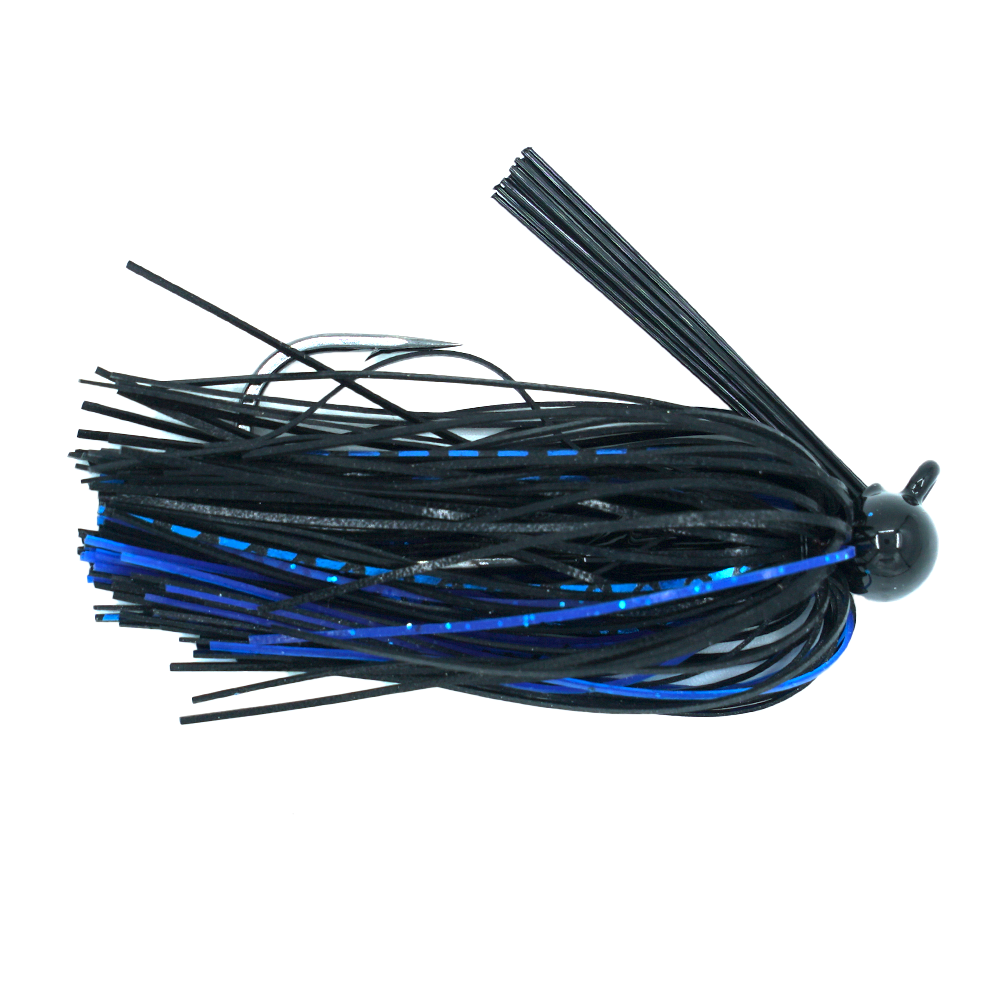
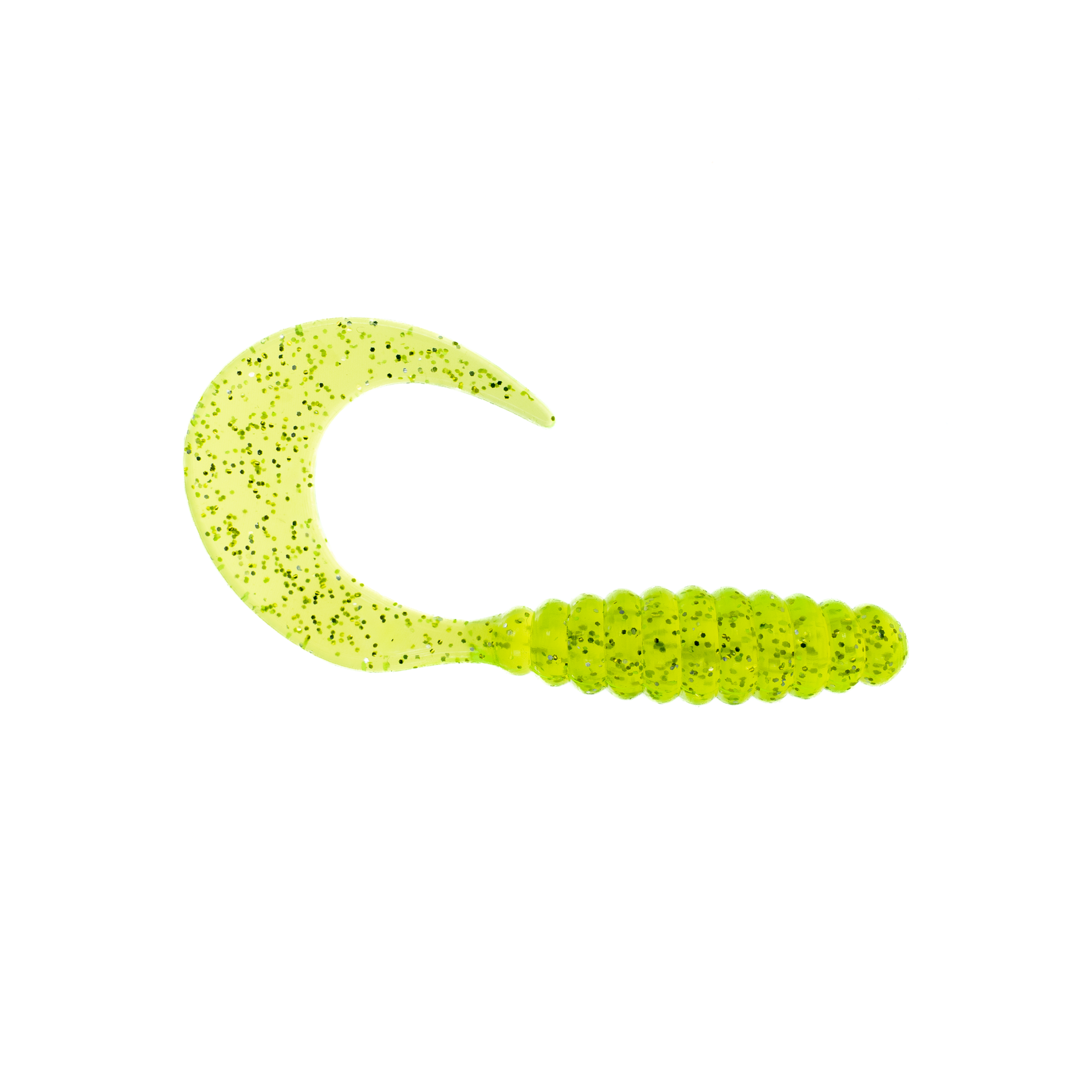
Cooling Water, Shallower Fish
Autumn brings fish back up as water temperatures drop, and they relate to whatever structure the current lake level has made available — flooded brush, rock, creek channel edges. The crowds have not arrived yet, which makes it the most pleasant fishing of the year even if the biggest fish are still weeks away.
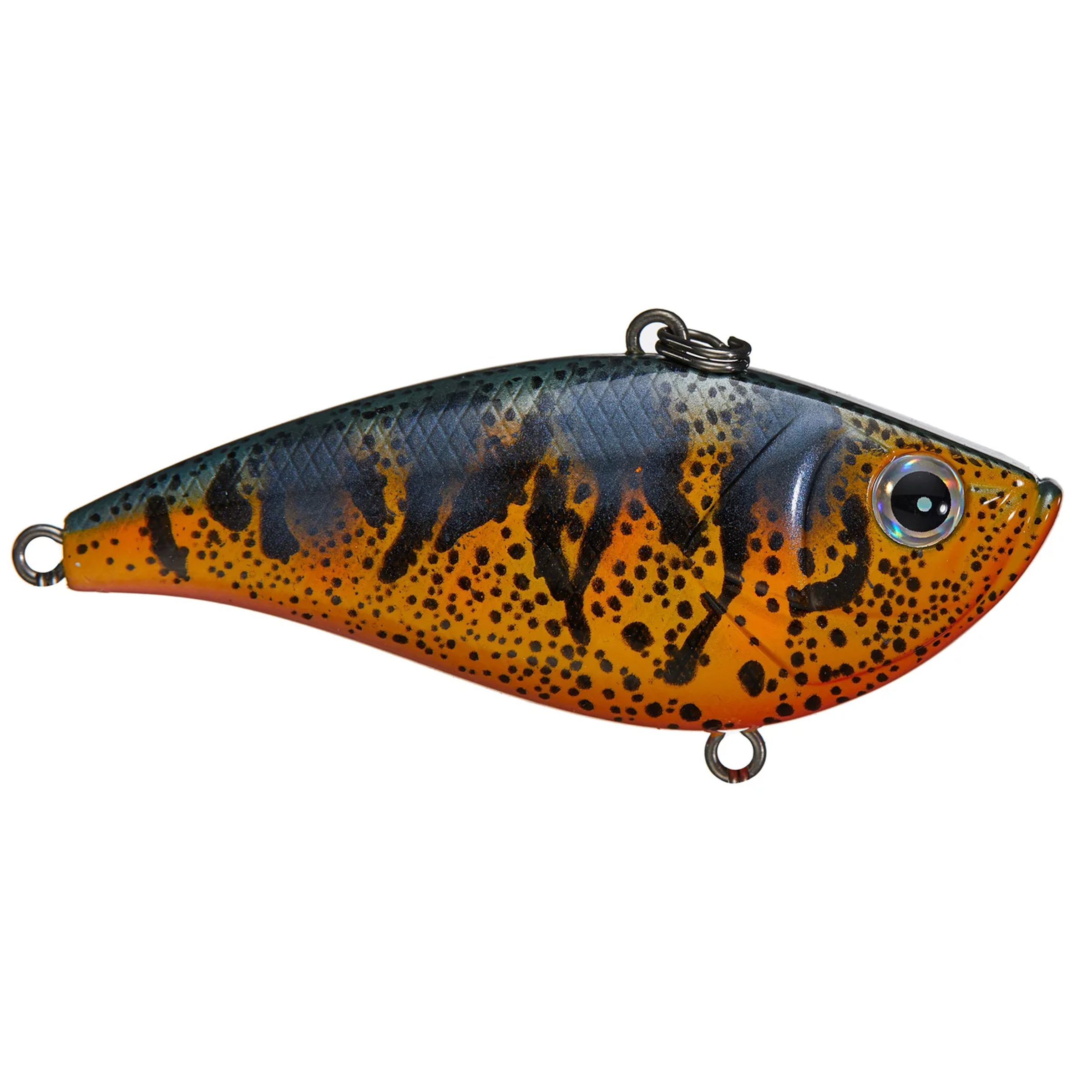

Prime Time
December into March is the whole point of this lake. Cold, clear water concentrates big fish and makes them locatable, and the trophy catches cluster in exactly this window. It is also when guides book out months in advance, so plan early. Weather timing matters enormously — anglers here watch fronts and plan trips around them.
O.H. Ivie Access
Ramps serve the lake from the Concho Park and Kennedy Park areas. San Angelo is the nearest city of any size and the practical base for a trip. Facilities are limited and water level determines which ramps are usable, so check before you tow.
The Creeks
Where the winter and spring trophy fishing happens. TPWD's own account of a recent Legacy Class catch describes anglers working a creek pattern and locating the fish on sonar. Creek channels give big prespawn fish a route from deep water to the shallows and are the highest-percentage water in the trophy window.
The Main Lake
Clear, deep and open, and where suspended giants live. Anglers here spot fish, follow them and cast repeatedly. It is a way of fishing that would be impossible on stained water and is the reason this lake became what it is.
Flooded Brush and Stick-Ups
Whatever the current water level has covered. The boom-bust cycle means this changes year to year, which is part of why the lake stays productive — newly flooded vegetation is a productivity pulse. A Legacy fish came off stick-ups in about ten feet on a weedless swimbait.
O.H. Ivie Bass Fishing FAQ
Why is O.H. Ivie so good for big bass?
A combination of boom-and-bust water levels that repeatedly flood new vegetation and create productivity pulses, clear deep water, Florida-strain genetics, and the arrival of forward-facing sonar, which made the suspended fish in that clear water catchable for the first time. Fifty-nine Legacy Class ShareLunkers in five seasons is the result.
When should I fish O.H. Ivie?
January through March. That is when the thirteen-pound-plus fish are catchable and it is the only window most visiting anglers target. Guides book out well in advance for it. Outside that period the lake fishes like a deep clear west Texas reservoir — fine, but not why you would fly in.
Do I need forward-facing sonar to fish O.H. Ivie?
Not to catch fish, but the trophy hunting here is built around it — surveys have found roughly two-thirds of anglers on the lake using it, and the guide community specialises in it. Without it you are fishing a clear deep lake with limited shallow cover, which is hard work.
How big do bass get at O.H. Ivie?
The biggest recorded is a 17.03-pounder, ShareLunker 642, which is the eighth-heaviest largemouth ever caught in Texas. Fish over fifteen pounds have shown up every year recently, and seventy-two bass over thirteen pounds came out between 2021 and 2024.
Is it as easy as it looks on social media?
No, and local guides say so directly. Big fish here follow baits without committing, and getting one to fire often means changing presentations repeatedly on a fish you can see. Guides routinely ignore five to eight pounders because they are hunting thirteen-plus. Expect a hunt, not a numbers day.
How does the water level affect fishing?
Enormously. This is an arid-region lake averaging ten to fifteen inches of rain a year, and levels swing dramatically. Those swings are part of why it is productive, but they also determine which ramps are open and which cover is flooded. Check the current level before you travel.
What baits work best at O.H. Ivie?
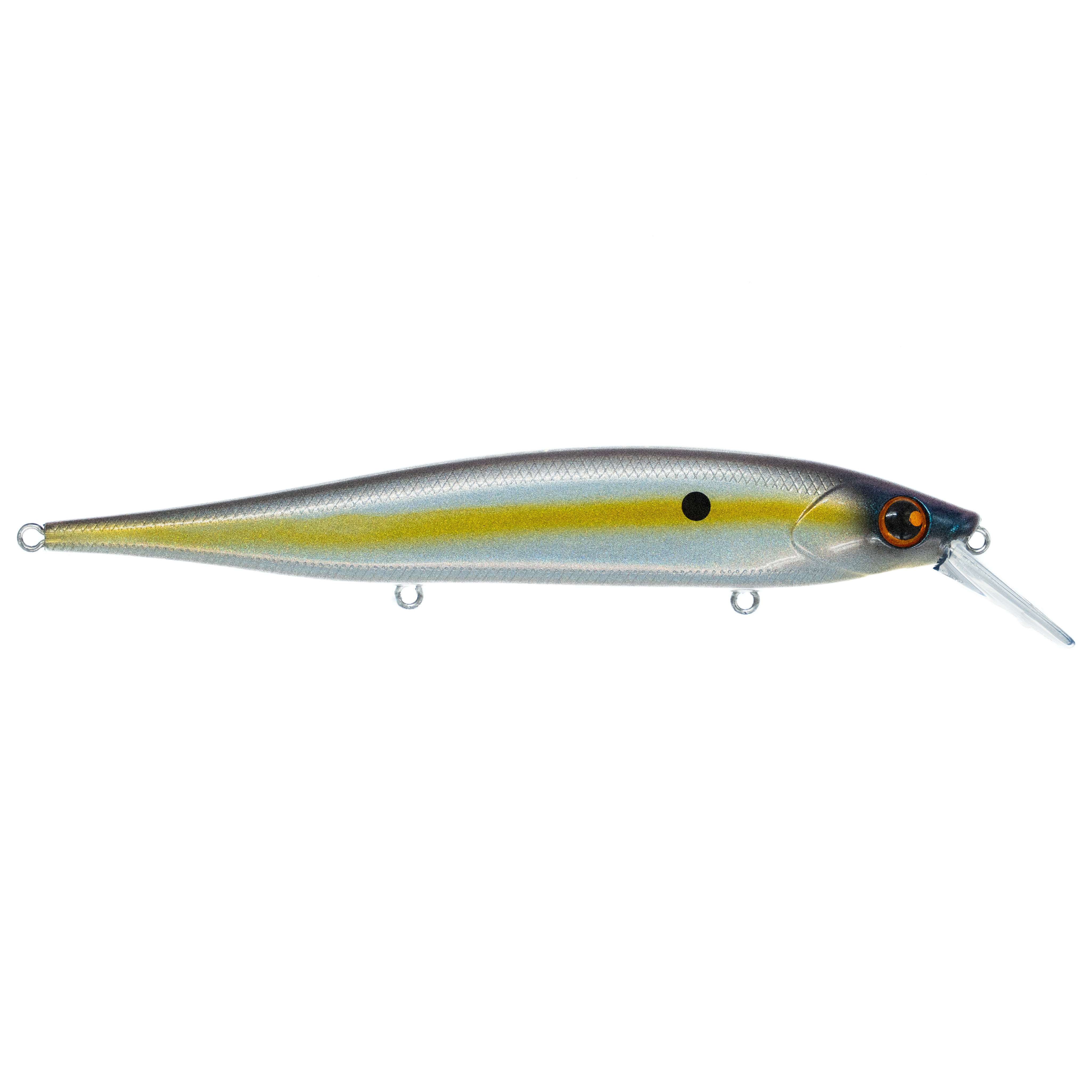
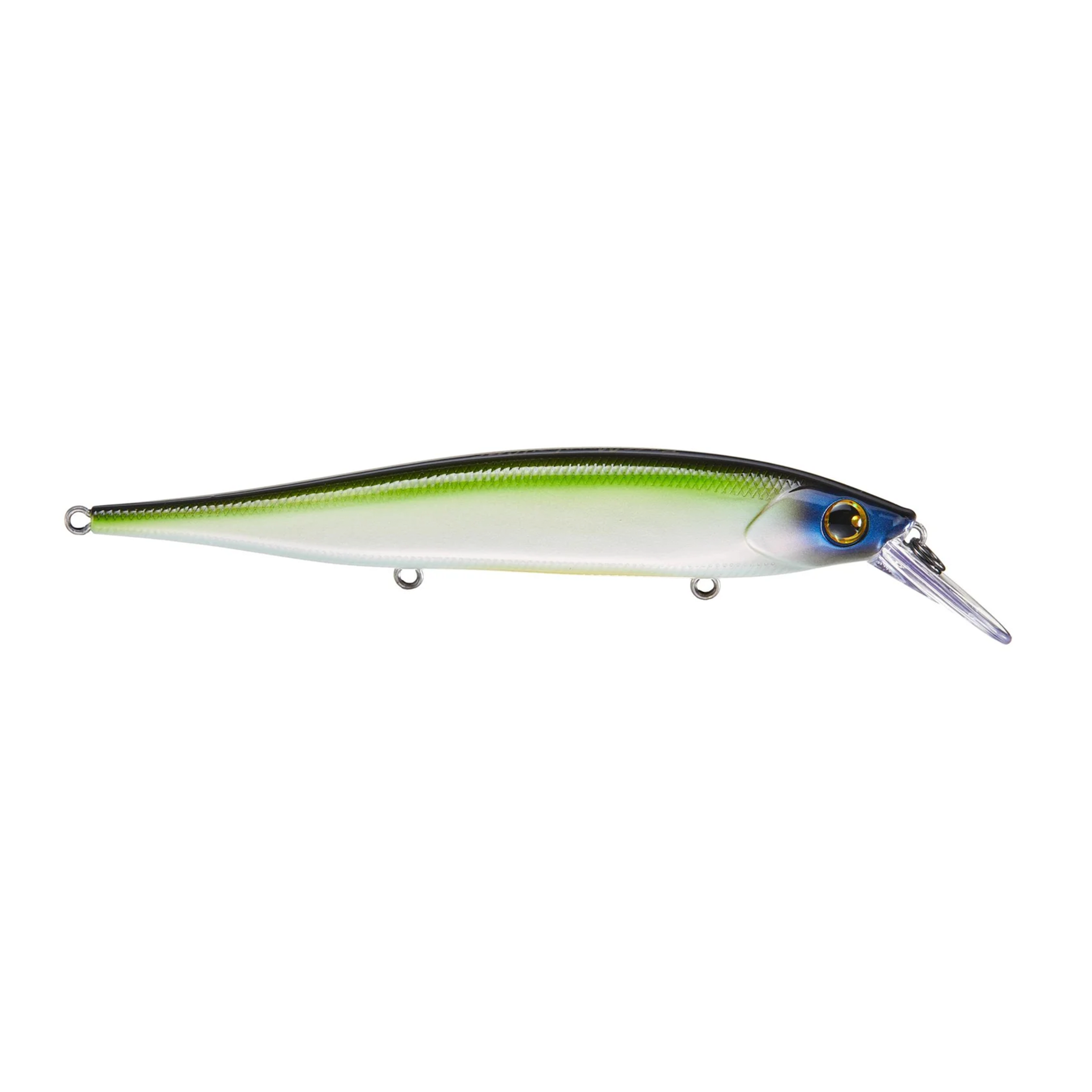
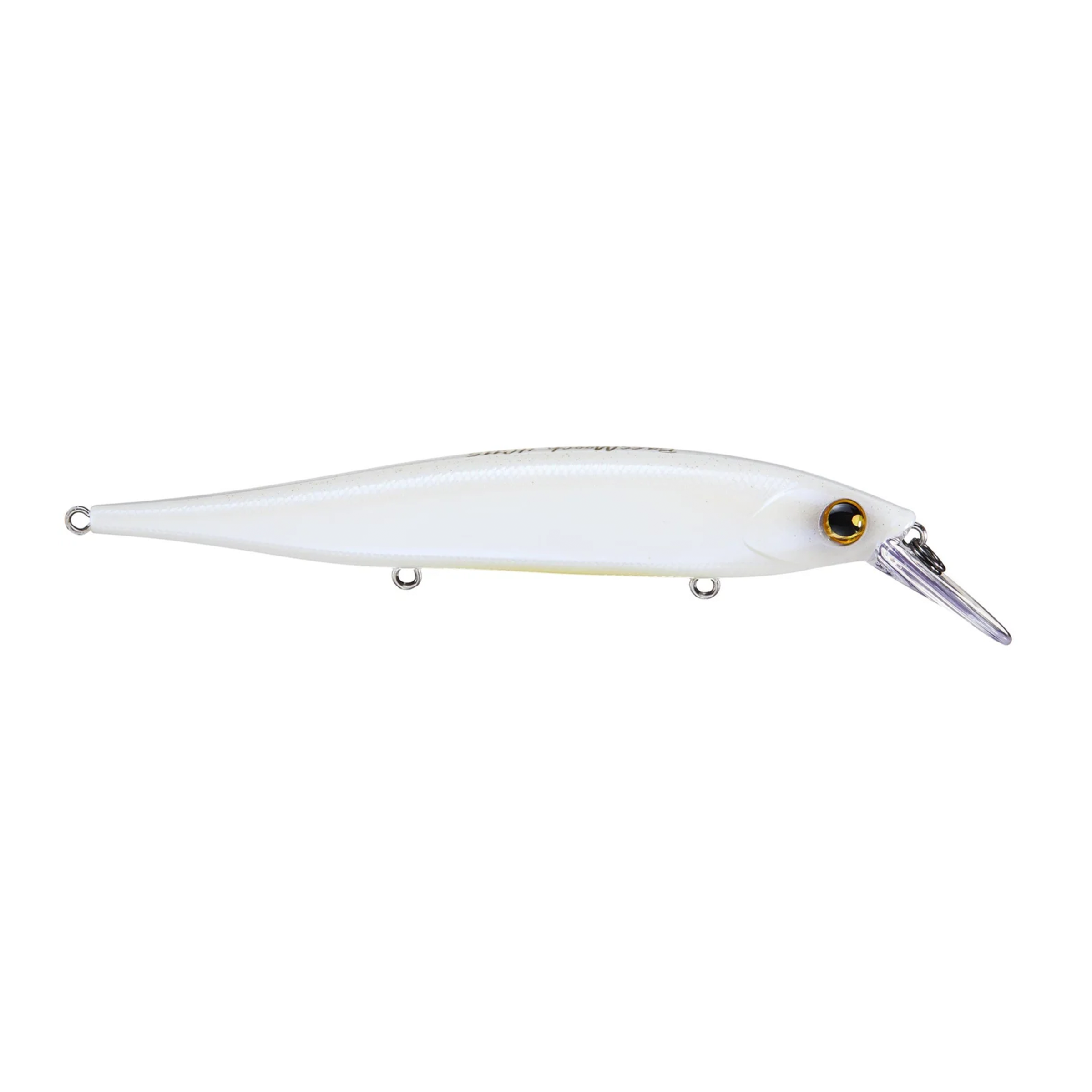
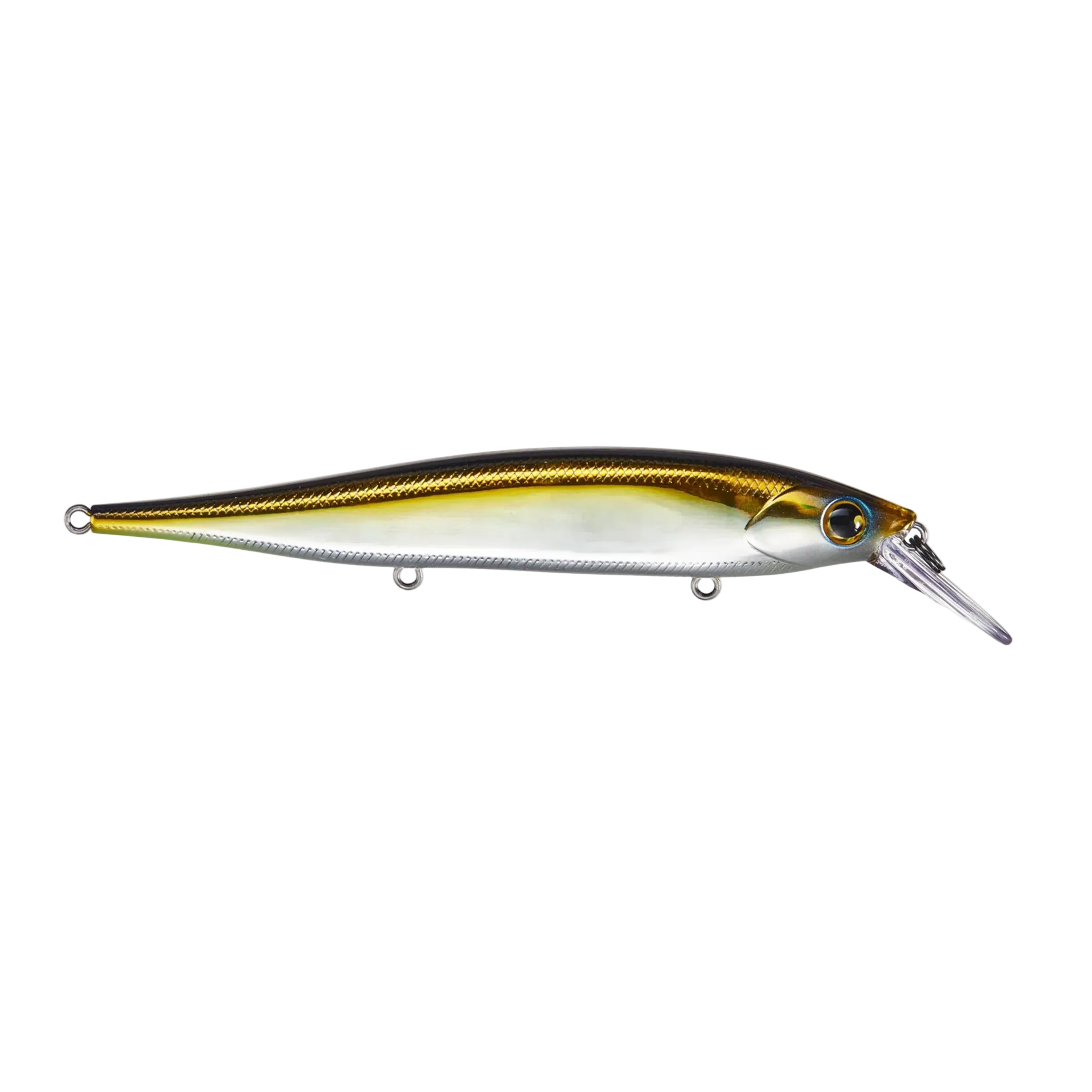
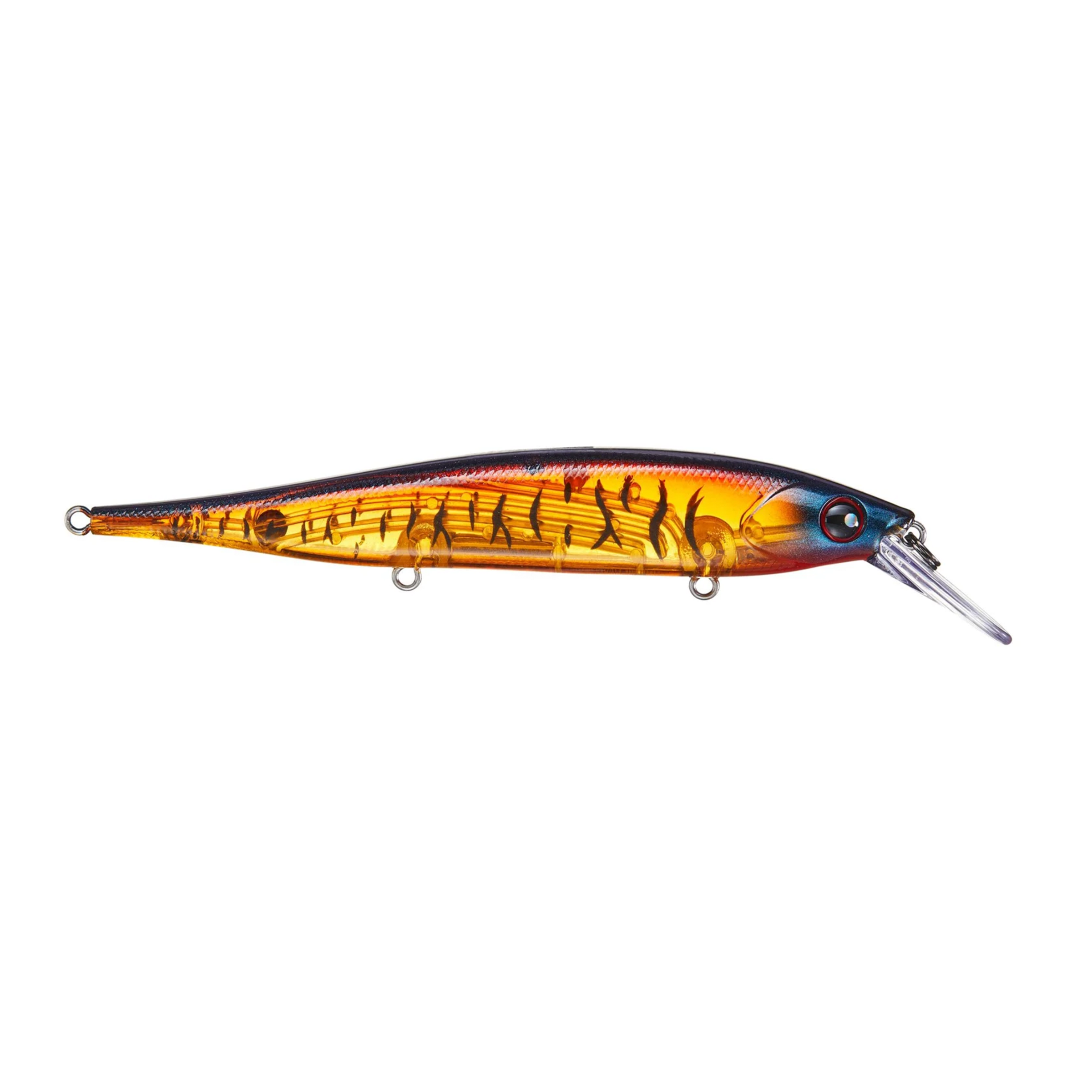
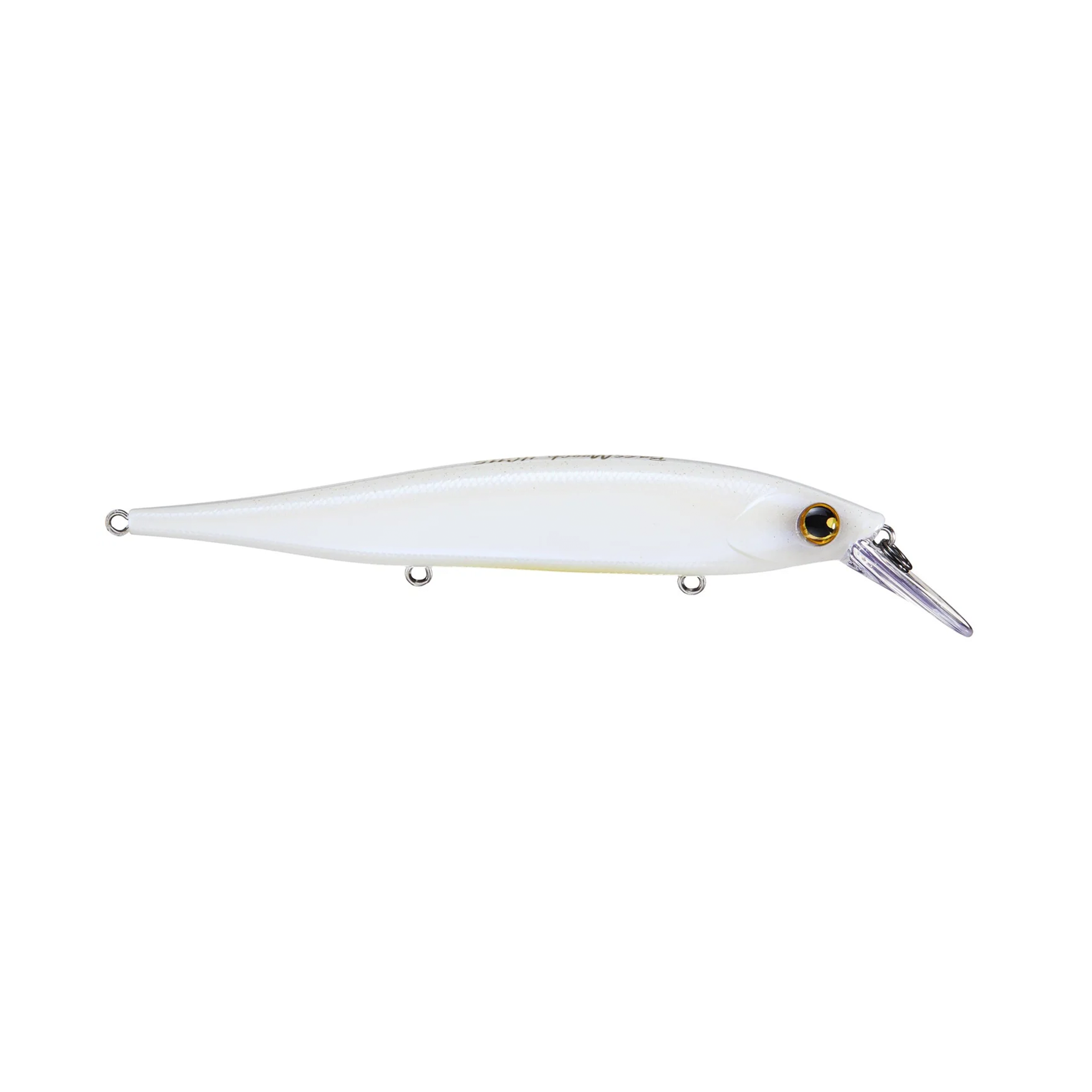
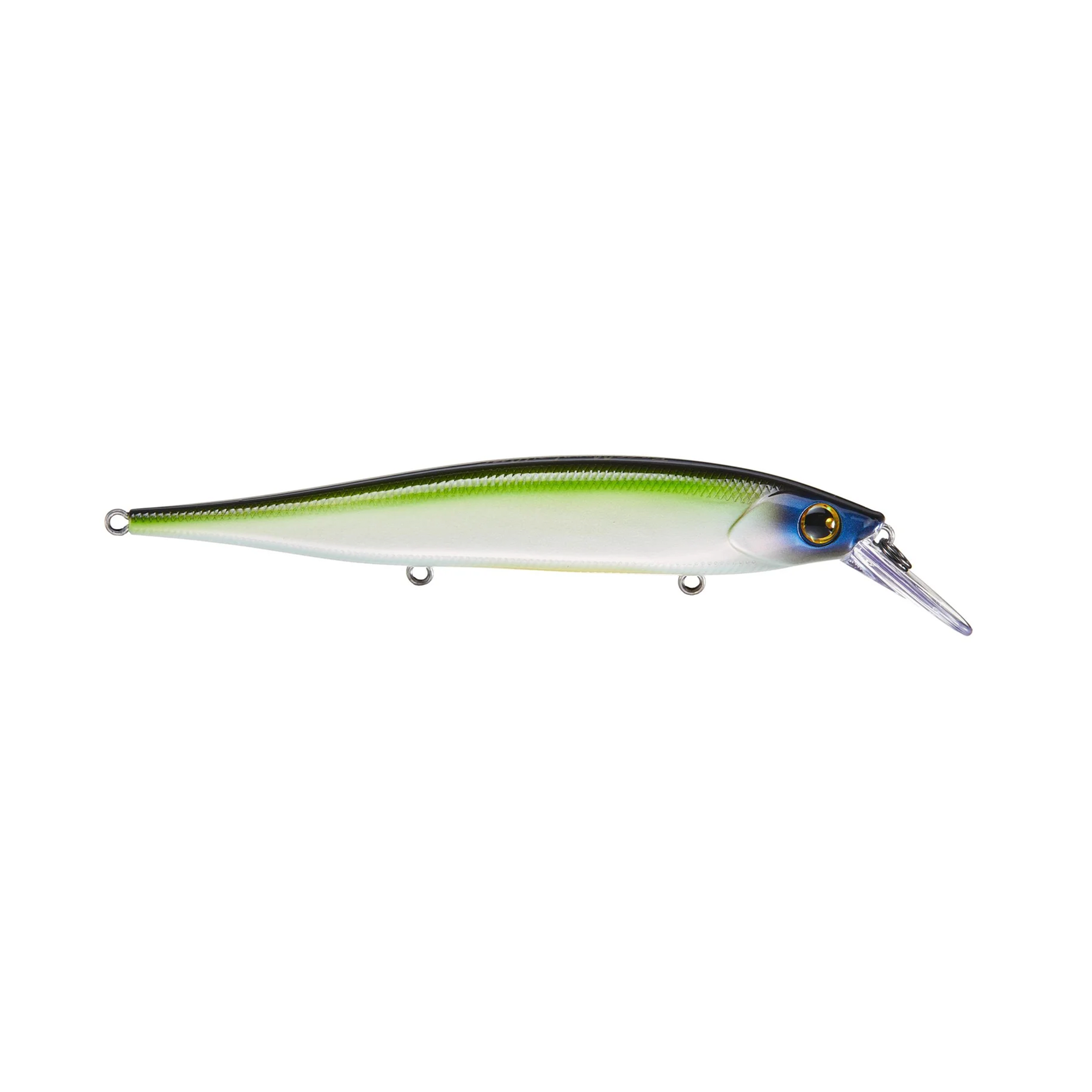
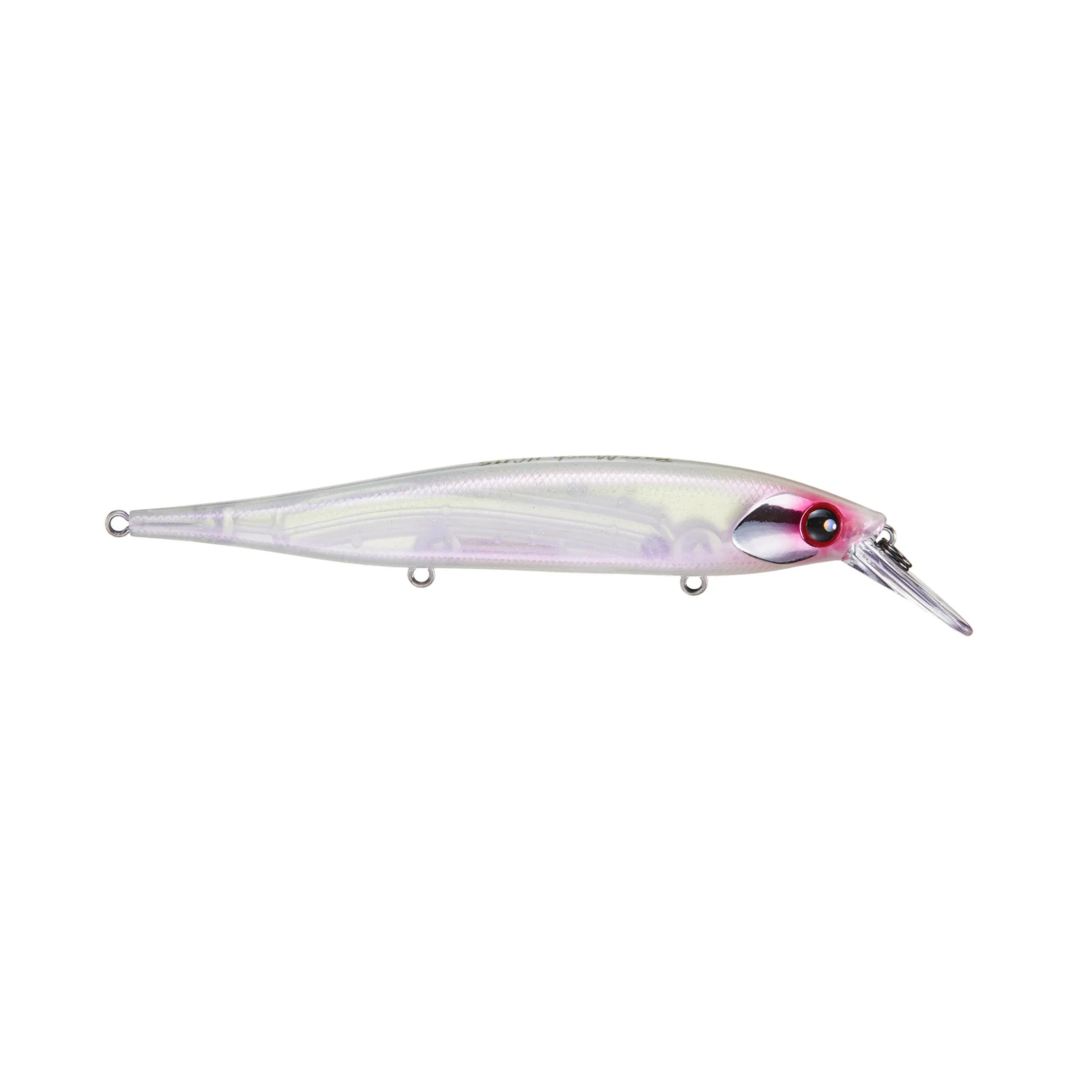
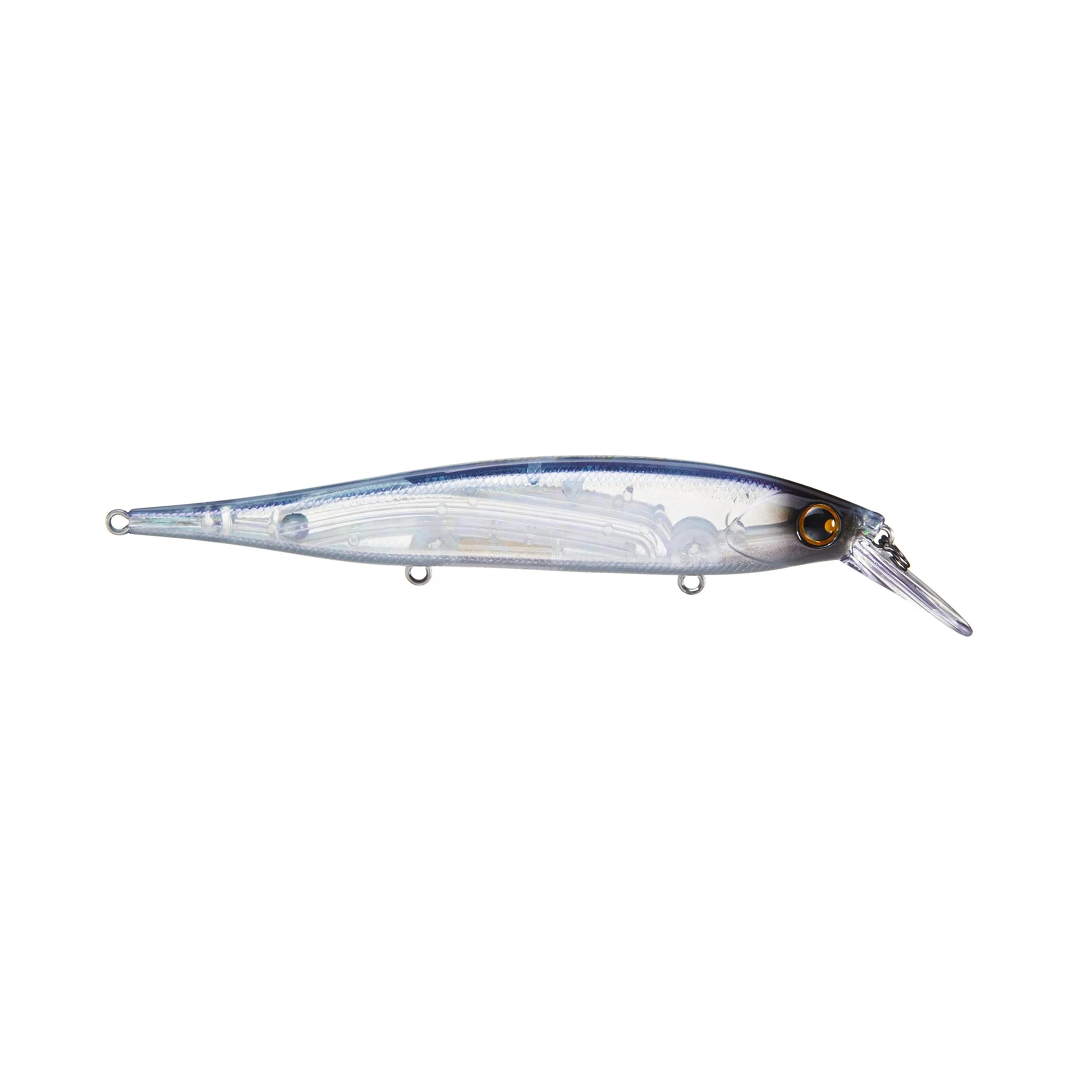
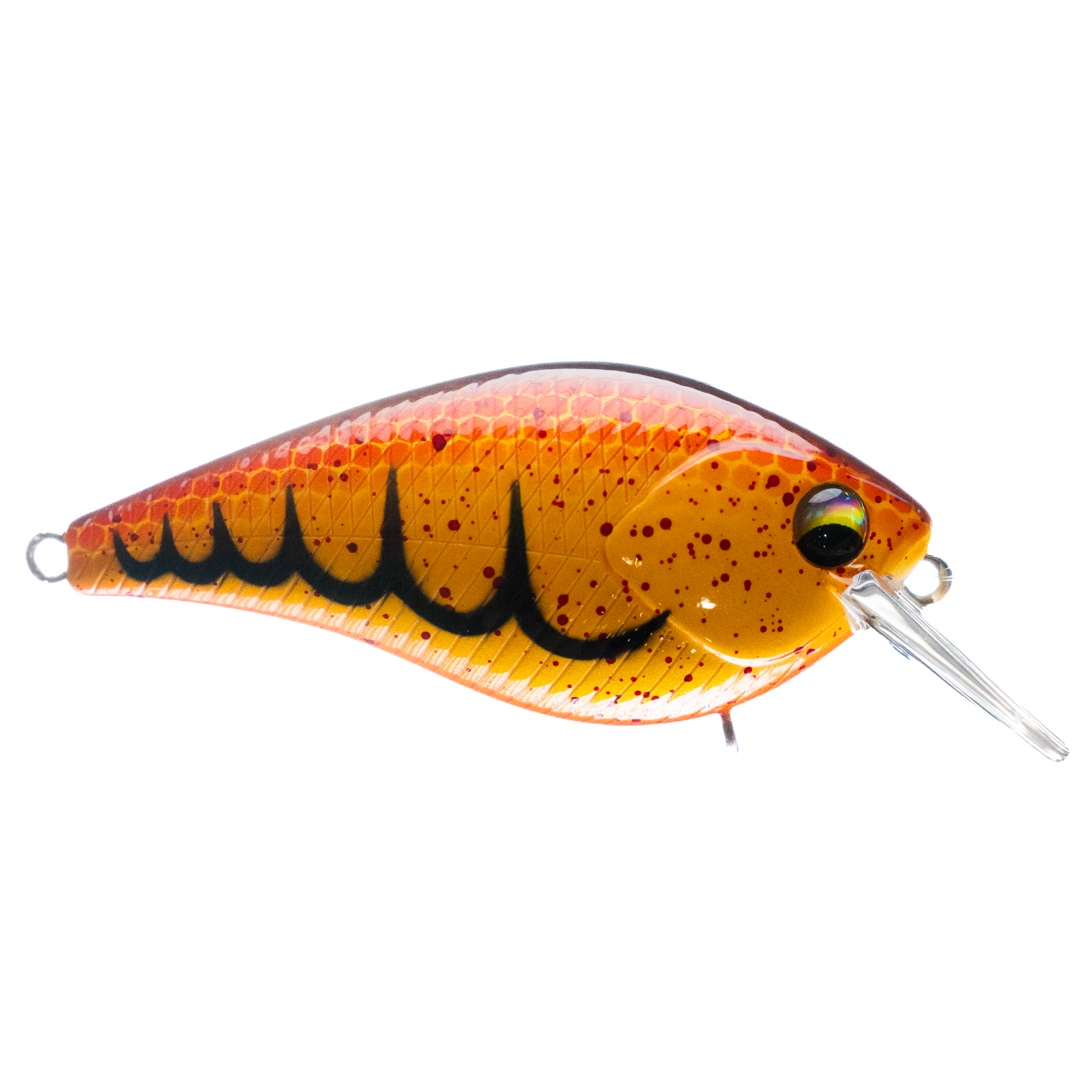
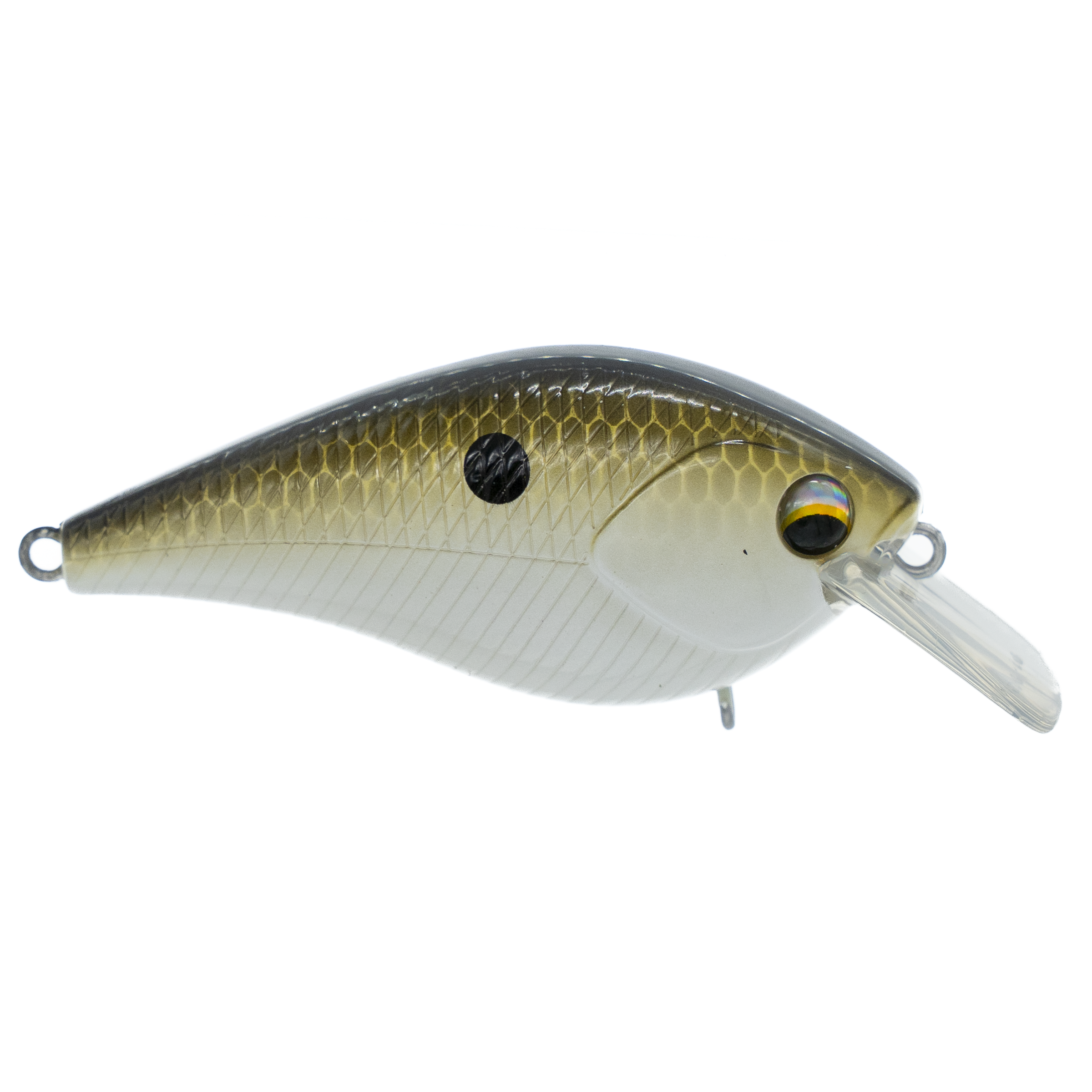
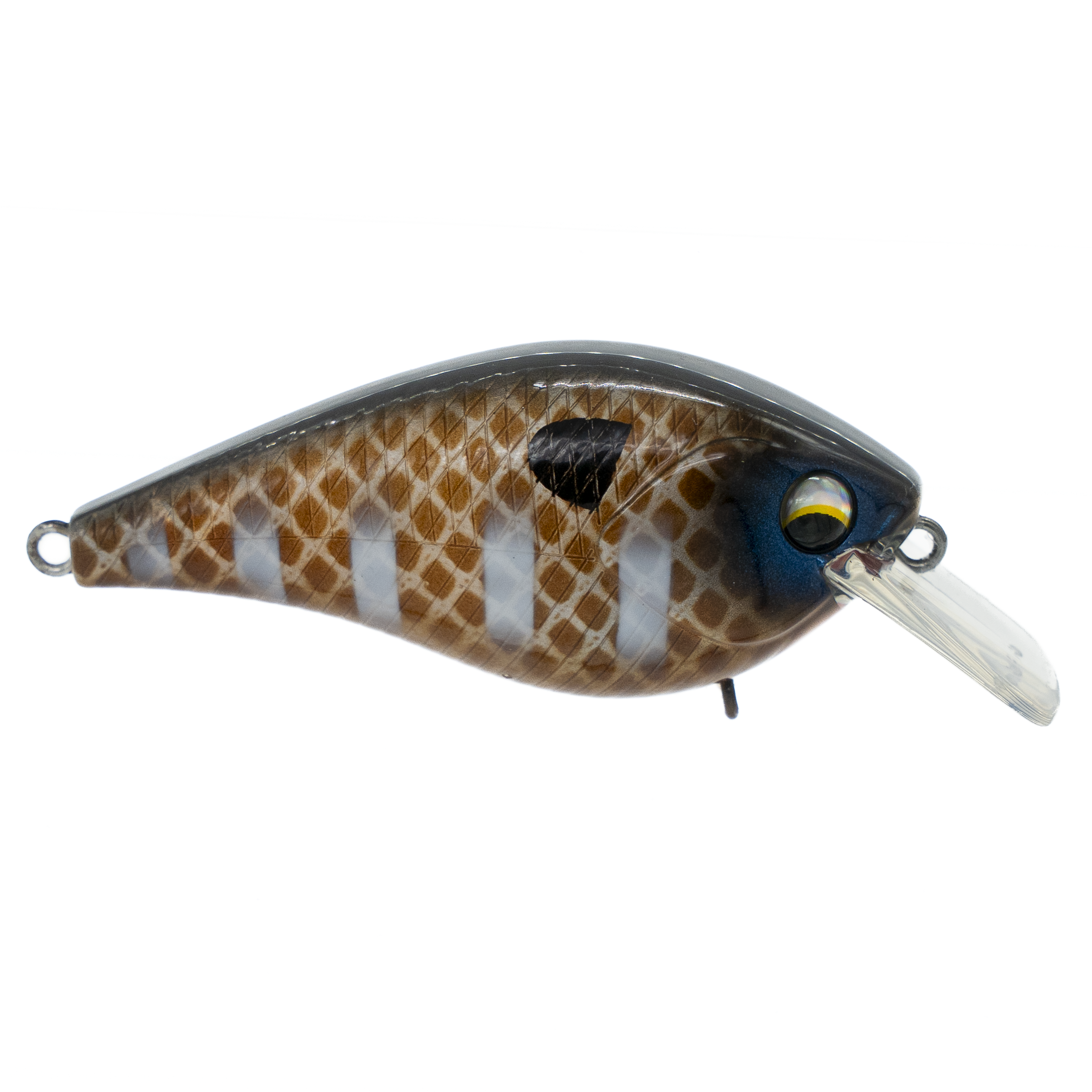
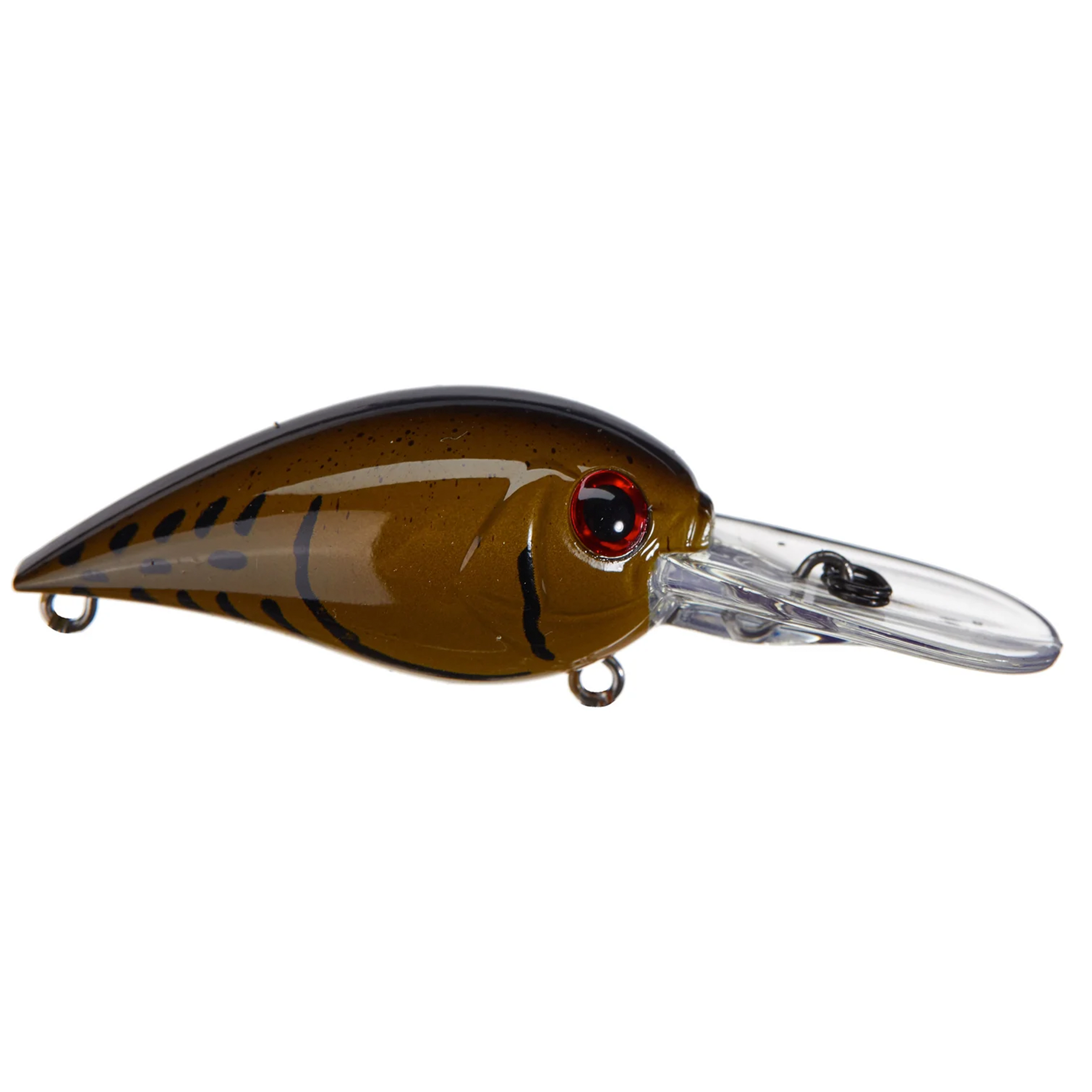
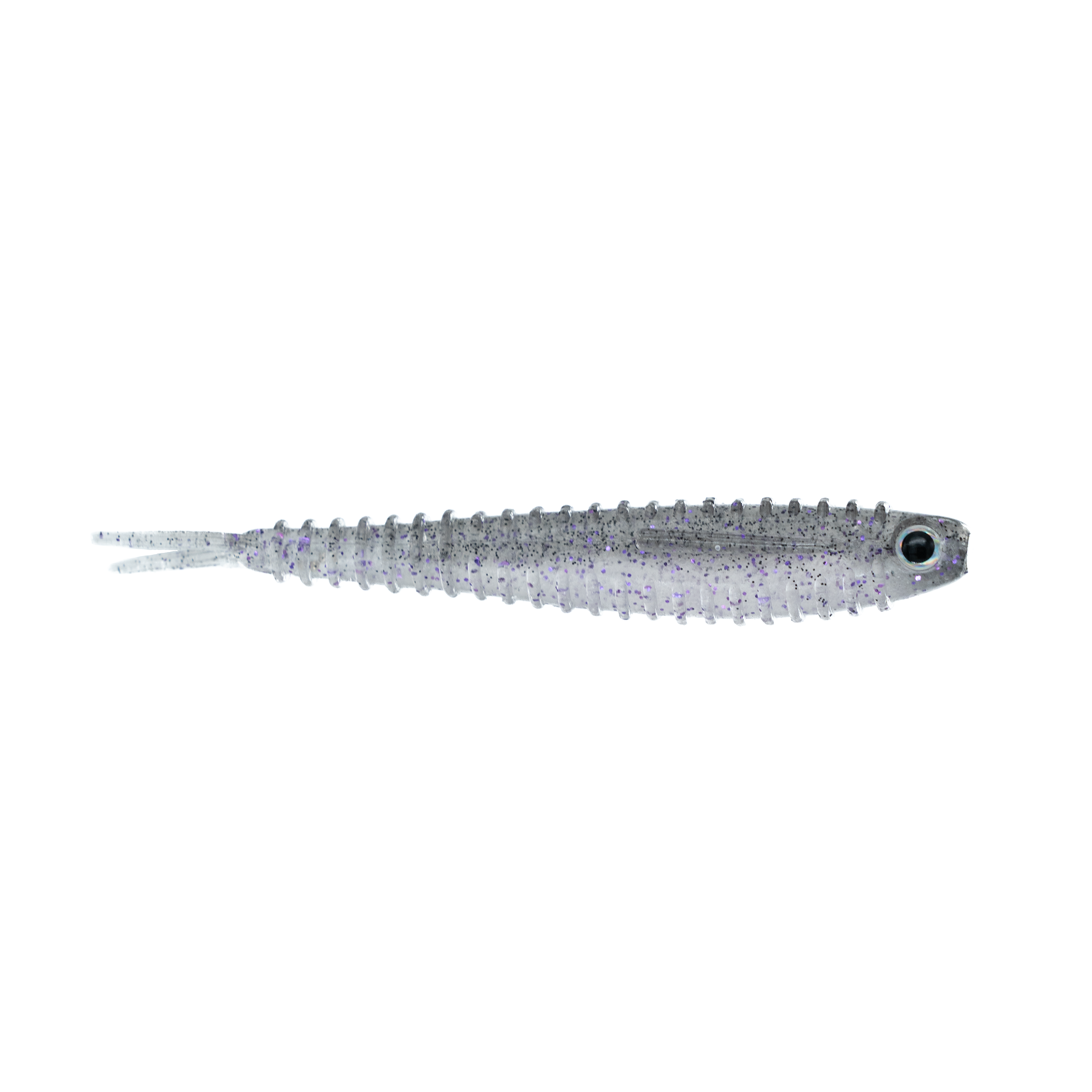
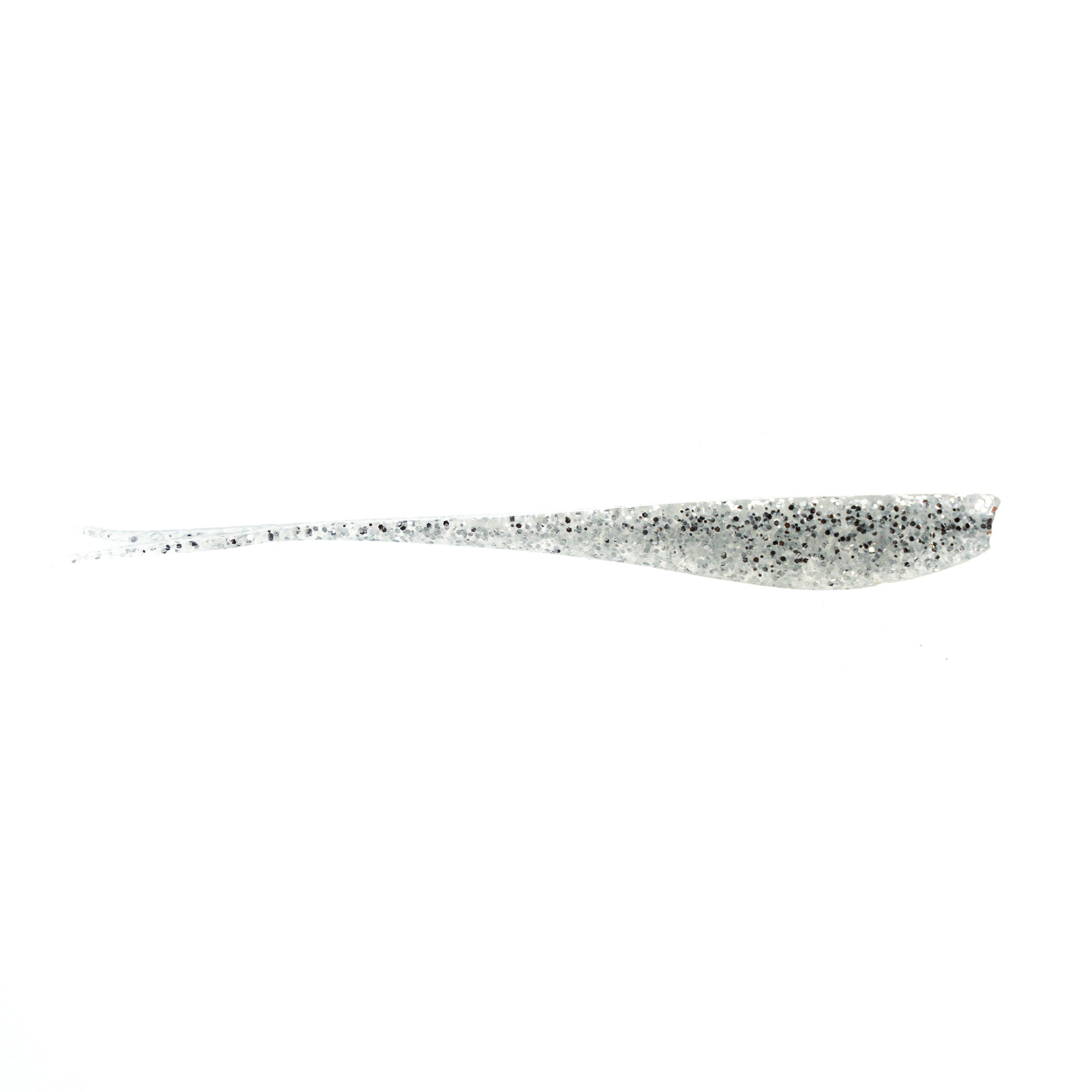
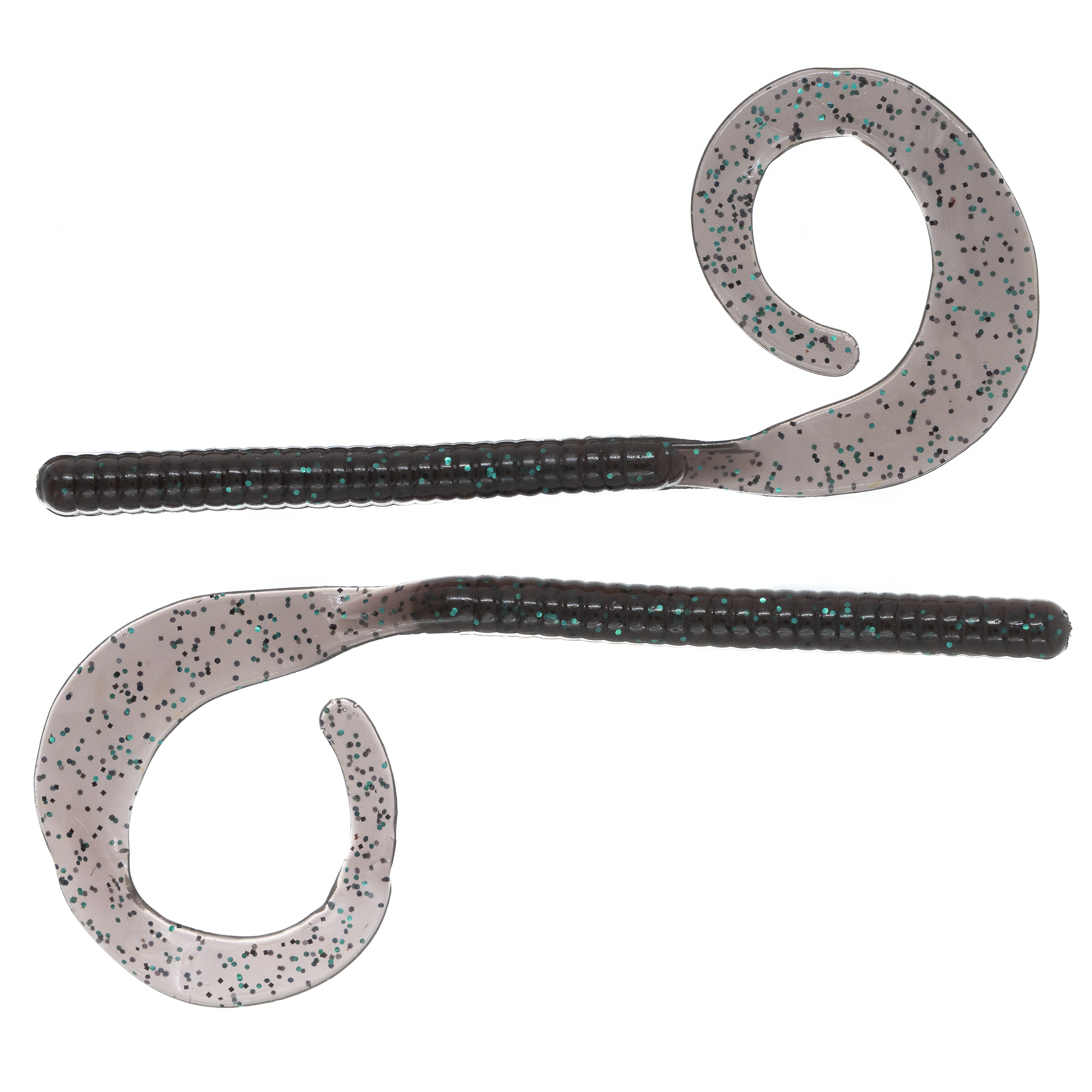
Weedless swimbaits, soft jerkbaits and plastics are what convert located fish. Documented Legacy Class catches have come on a weedless swimbait in about ten feet over stick-ups and on an A-rig over the main lake. The bait matters less than persistence on a fish you have found. Our full bait lineup covers the range.
Do I need a fishing license?
Yes, a Texas fishing license with a freshwater endorsement from Texas Parks and Wildlife. Statewide black bass regulations apply here — and if you catch a thirteen-pounder between January and March, the ShareLunker programme wants to hear from you.
One Fish, One Chance
When you have spent an hour on a single fifteen-pounder and she finally eats, nothing about the rod can be a question. Level Rods builds models with the sensitivity to detect a soft take at distance in clear water and the power to get her in the boat first time, because on this lake there is no second one.
Tournament Winning Baits & Gear
Designed, crafted and tested by anglers who hunt big fish every week. Free shipping on orders over $75.
Shop All Baits