New River Bass Fishing Guide
New River Bass Fishing, Season by Season
Three hundred and twenty miles of one of the oldest rivers on earth, running north through a national park, holding the best smallmouth fishing in West Virginia and some of the best anywhere. The New is a wading and floating river, and it fishes on flow rather than on the calendar.
An Ancient River Running the Wrong Way
The New River runs north for roughly 320 miles through North Carolina, Virginia and West Virginia, and despite the name it is among the oldest rivers in the world. Its West Virginia stretch cuts the New River Gorge, now one of the country's newest national parks, and it is the single best smallmouth fishery in the state.
The sections anglers care about most sit in Raleigh and Fayette counties. Numerous access points along the river make it ideal for float trips, which is how most serious fishing here gets done — you drift a section and work the water rather than running to spots in a bass boat.
Two areas stand out for anglers without a boat. Sandstone Falls offers extensive shoreline and wade fishing, and so does the section known locally as The Dries, downstream of Hawks Nest Dam near Hawks Nest State Park. Both are genuinely productive rather than consolation options.
The structure is river structure and nothing like a reservoir: ledges, boulder fields, current seams, eddies behind rocks, riffles dropping into pools, and grass beds where the flow slows. Smallmouth sit where current does the work for them, on the downstream side of anything that breaks it, and finding fish is mostly about reading water rather than electronics.
Flow is the controlling variable and the state says so plainly — check river conditions before you go and make sure levels are at a safe level. High water makes sections unfishable and unsafe; low water concentrates fish into the deeper pools and runs. Neither is a problem if you know which you are dealing with before you launch.
Alongside smallmouth the river holds walleye, musky and catfish, and the scenery through the gorge is the reason a lot of people book the trip in the first place.
Current Seams, Ledges and Flow
Four patterns cover the year. Each one pairs the technique with the baits we'd actually tie on.
High Water and Warming Pools
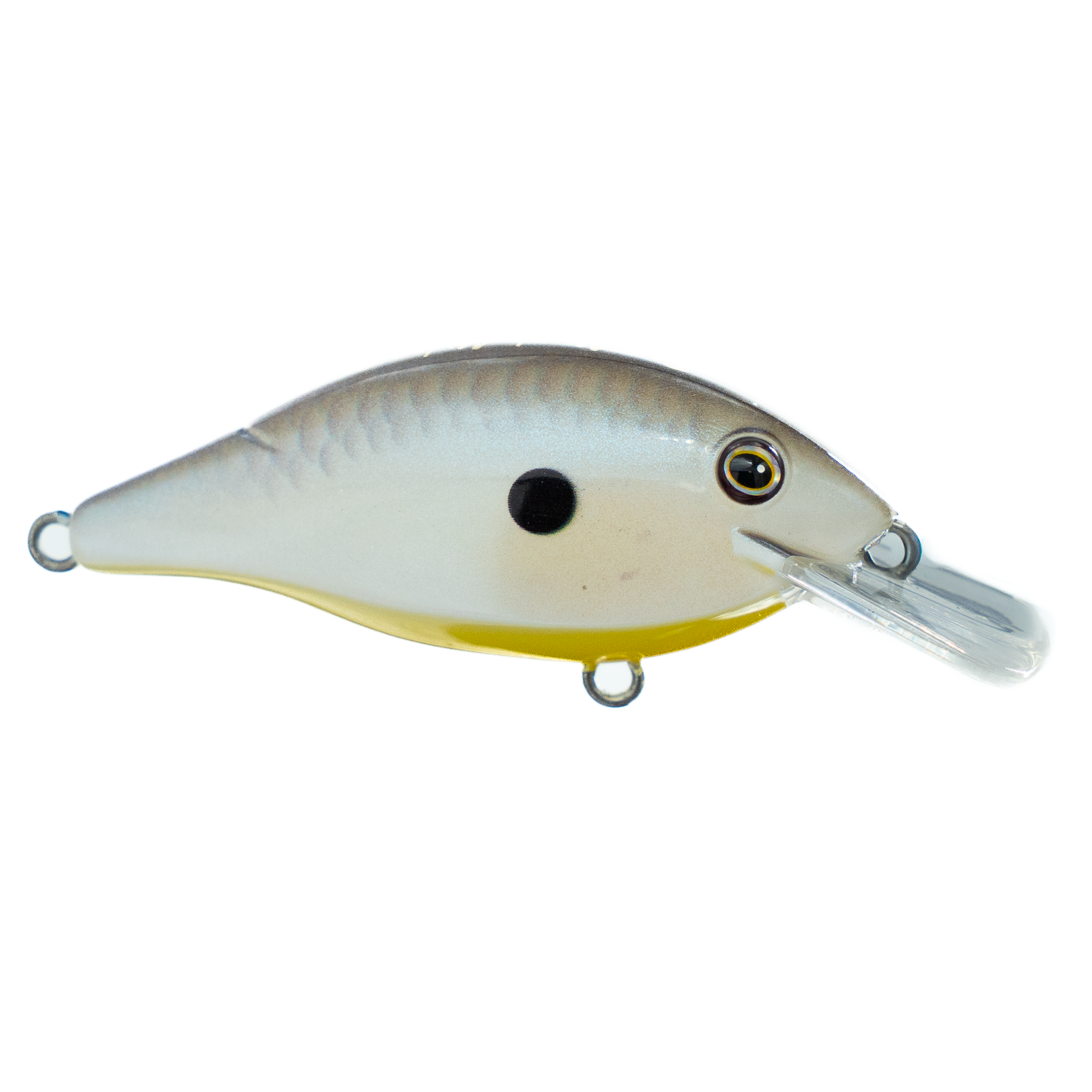
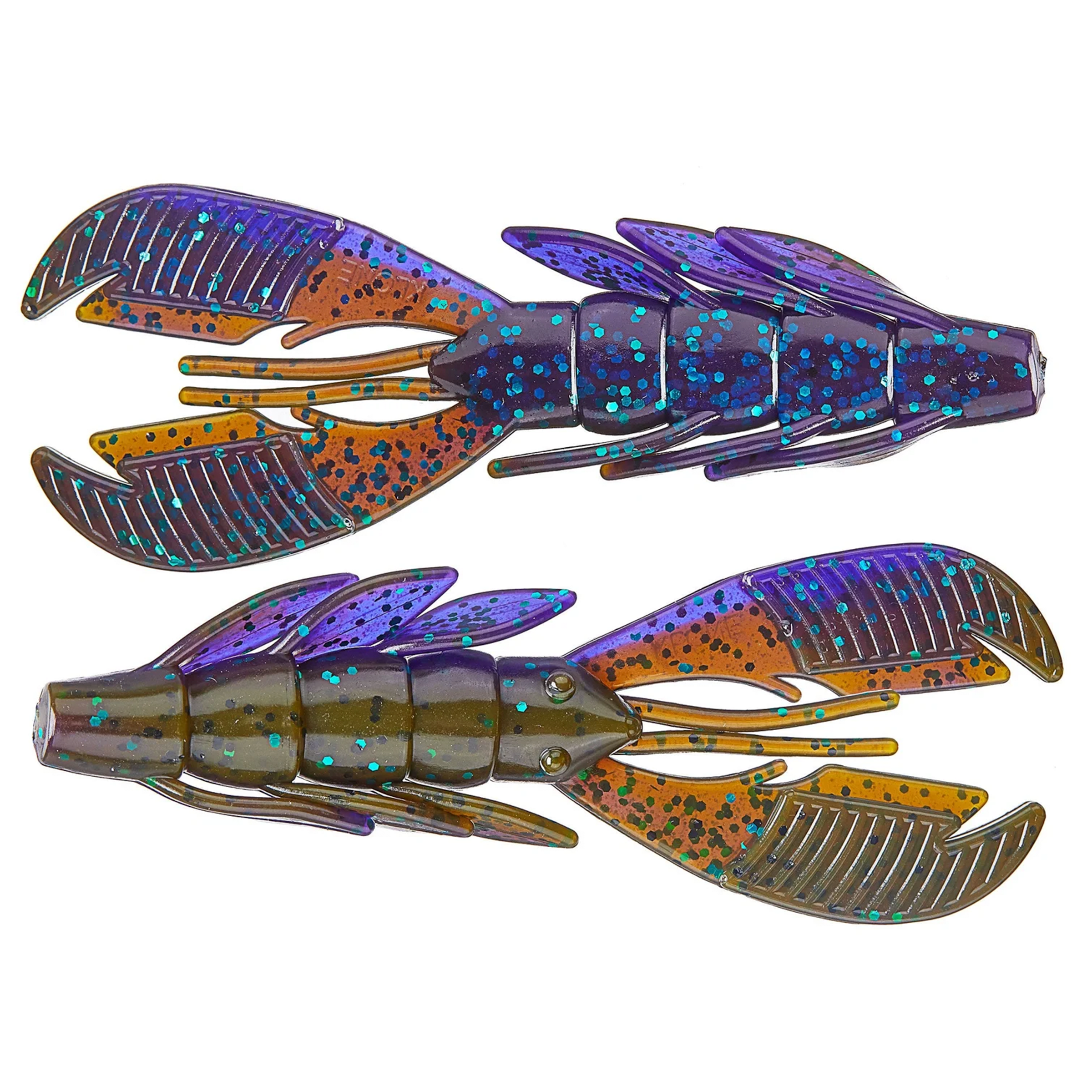
Spring is one of the two best windows for smallmouth here, but it is also when flows are highest and least predictable. As water warms, fish move out of the deep wintering pools onto the adjacent flats, ledges and slower runs to spawn. Check flow before committing to a float — a section that is perfect one week is dangerous the next.

Wading Water and Low Light
Summer brings the flows down and opens the river up for wading. This is when Sandstone Falls and The Dries are at their best and when a float trip covers the most water comfortably. Smallmouth spread across the riffles, runs and boulder fields, and the fishing is as good at first light and last light as it is anywhere.

The Best Weeks of the Year
Autumn is prime. Cooling water has the smallmouth feeding hard ahead of winter, flows are typically stable, the gorge is at its most spectacular and the summer rafting traffic has gone. If you are planning one trip to the New, plan it for October.

Deep Pools and Slow Presentations
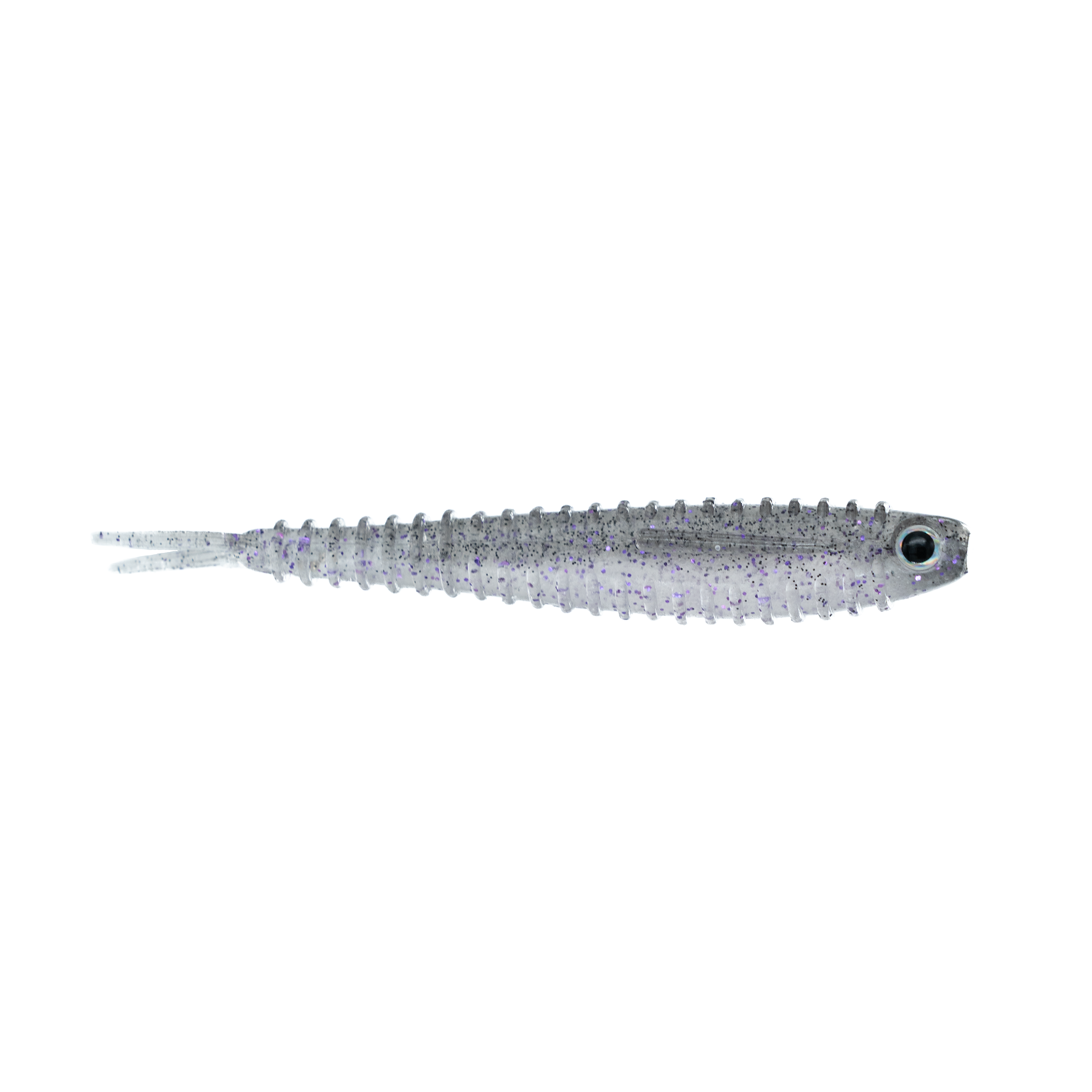
Winter concentrates the smallmouth in the deepest pools and the slowest water they can find, and they stay there. It is limited fishing, and access is harder with cold and high water, but the fish that are catchable tend to be the better ones. This is not float season.



The New River Access
Numerous public access sites line the river, which is what makes it such good float-trip water. Sandstone Falls and The Dries below Hawks Nest Dam offer the best shoreline and wade access. Hawks Nest State Park, Sandstone and the New River Gorge National Park visitor centres are the practical bases.
Sandstone Falls
The widest point on the river and the best shoreline and wade fishing on it. Ledges, braided channels and pockets that hold smallmouth without needing a boat, plus boardwalk access. The obvious starting point for anyone fishing the New for the first time.
The Dries
The section downstream of Hawks Nest Dam near Hawks Nest State Park, named for what happens when water is diverted for power generation. Excellent shoreline and wade fishing, and a very different character from the free-flowing sections upstream. Flow here depends on what the dam is doing.
The Gorge Floats
The Raleigh and Fayette county sections, fished by drifting between access points. This is how the river is best fished — work a section thoroughly on the drift rather than running between spots. Check flows before committing; the gorge is not somewhere to misjudge water levels.
The New River Bass Fishing FAQ
Is the New River good for bass fishing?
It has the best smallmouth bass fishing in West Virginia and is regarded as one of the better smallmouth rivers anywhere. It also holds walleye, musky and catfish. The scenery through the New River Gorge National Park is a genuine part of the appeal.
Why is it called the New River if it is so old?
The name is a historical accident — it is among the oldest rivers in the world. It also runs north, which surprises people, through North Carolina, Virginia and West Virginia across roughly 320 miles.
Do I need a boat to fish the New River?
No. Sandstone Falls and The Dries below Hawks Nest Dam both offer extensive shoreline and wade fishing. That said, the river is ideally suited to float trips thanks to the number of access points, and floating covers water that walking cannot.
When is the best time to fish the New River?
Autumn, and October in particular — cooling water has the smallmouth feeding hard, flows are usually stable and the summer traffic is gone. Spring is the other strong window but flows are less predictable. Summer wading is excellent in low water.
How does river flow affect the fishing?
It controls everything. The state advises checking river conditions to ensure flows are at a safe level before fishing, and that is a safety warning as much as a fishing one. High water makes sections unfishable and dangerous; low water concentrates fish into deeper pools and runs.
Where should I start on the New River?
Sandstone Falls if you are on foot — extensive wade access, obvious structure and reliable fish. If you have a boat or can arrange a shuttle, float a section in Raleigh or Fayette county and work it thoroughly rather than trying to cover the whole river.
What baits work best on the New River?
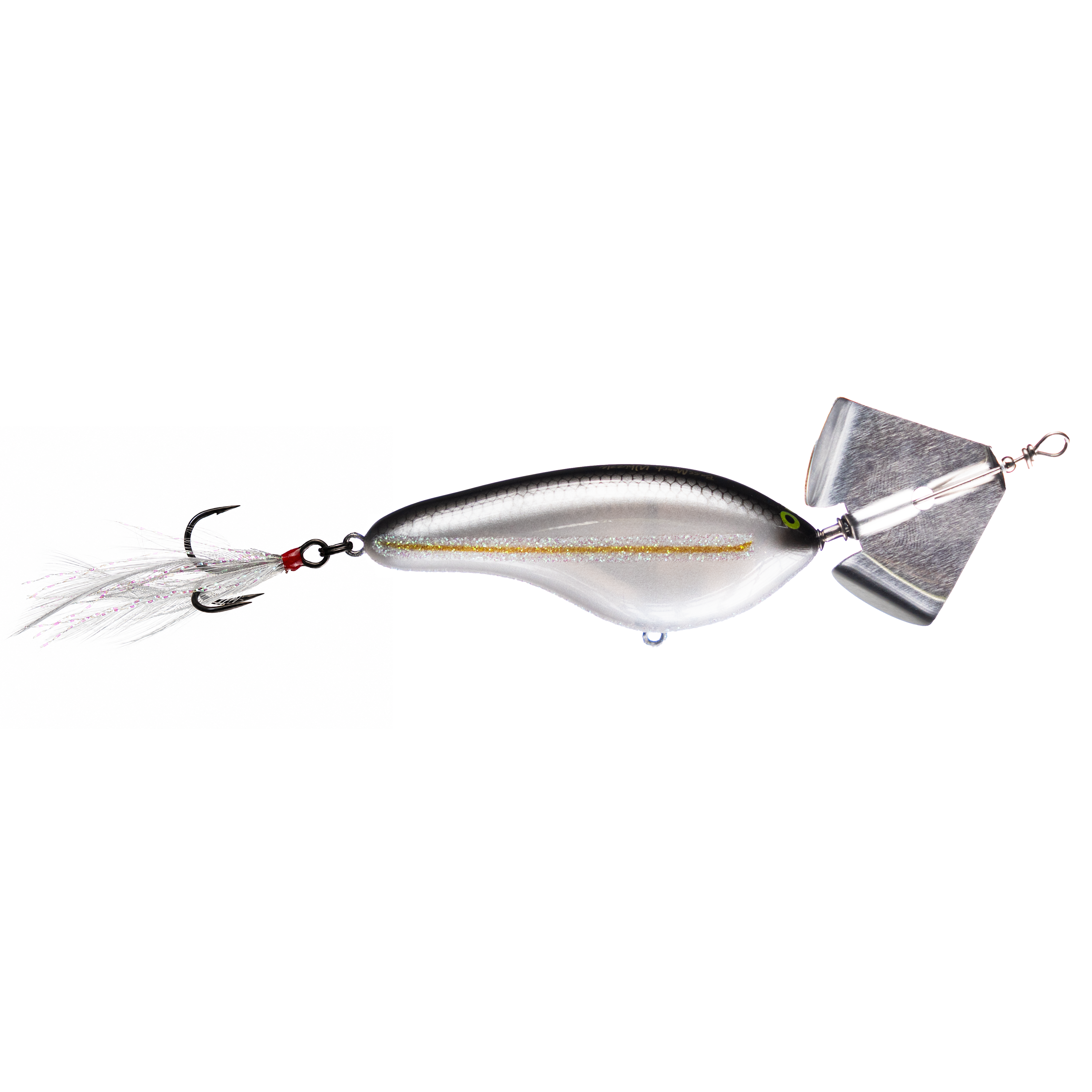
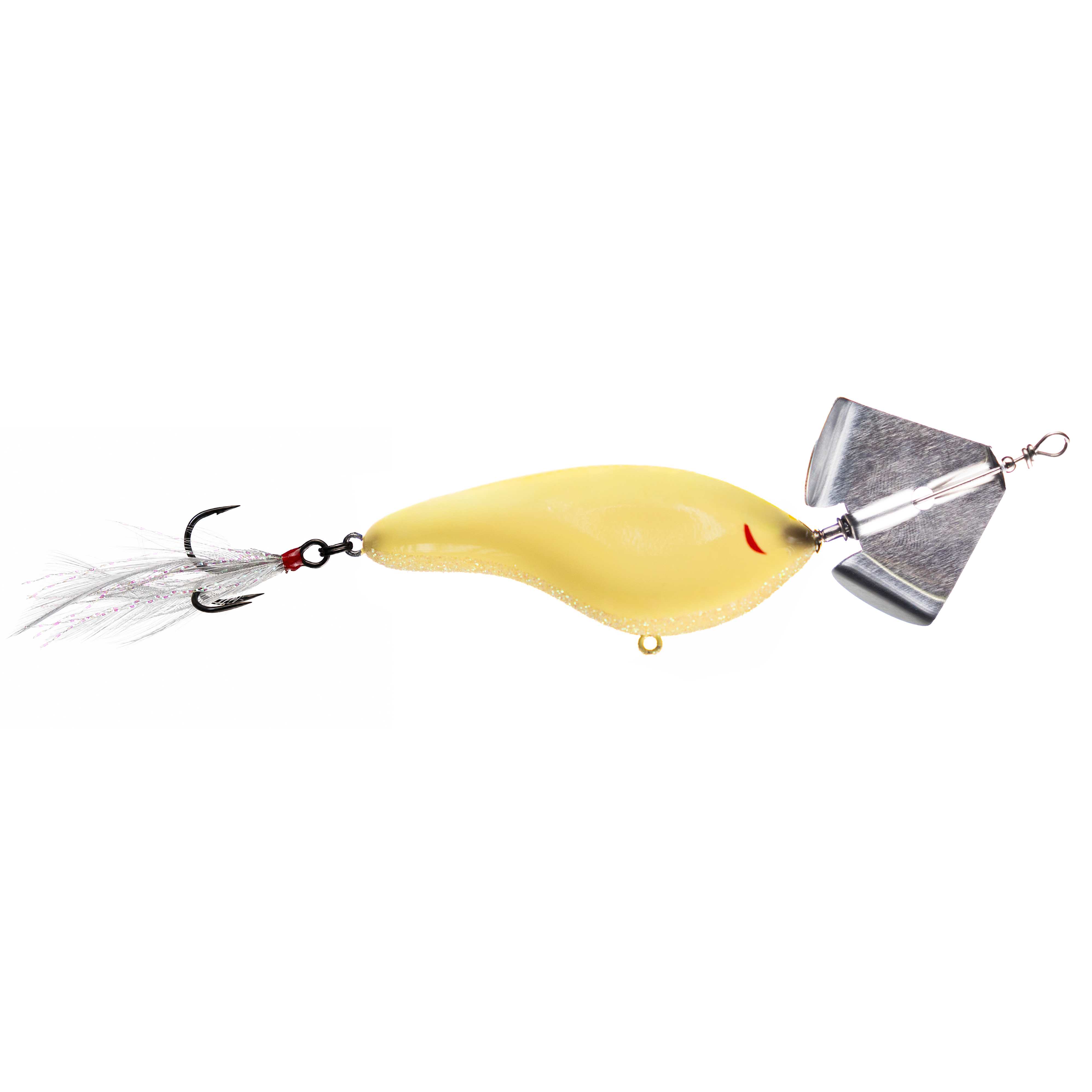
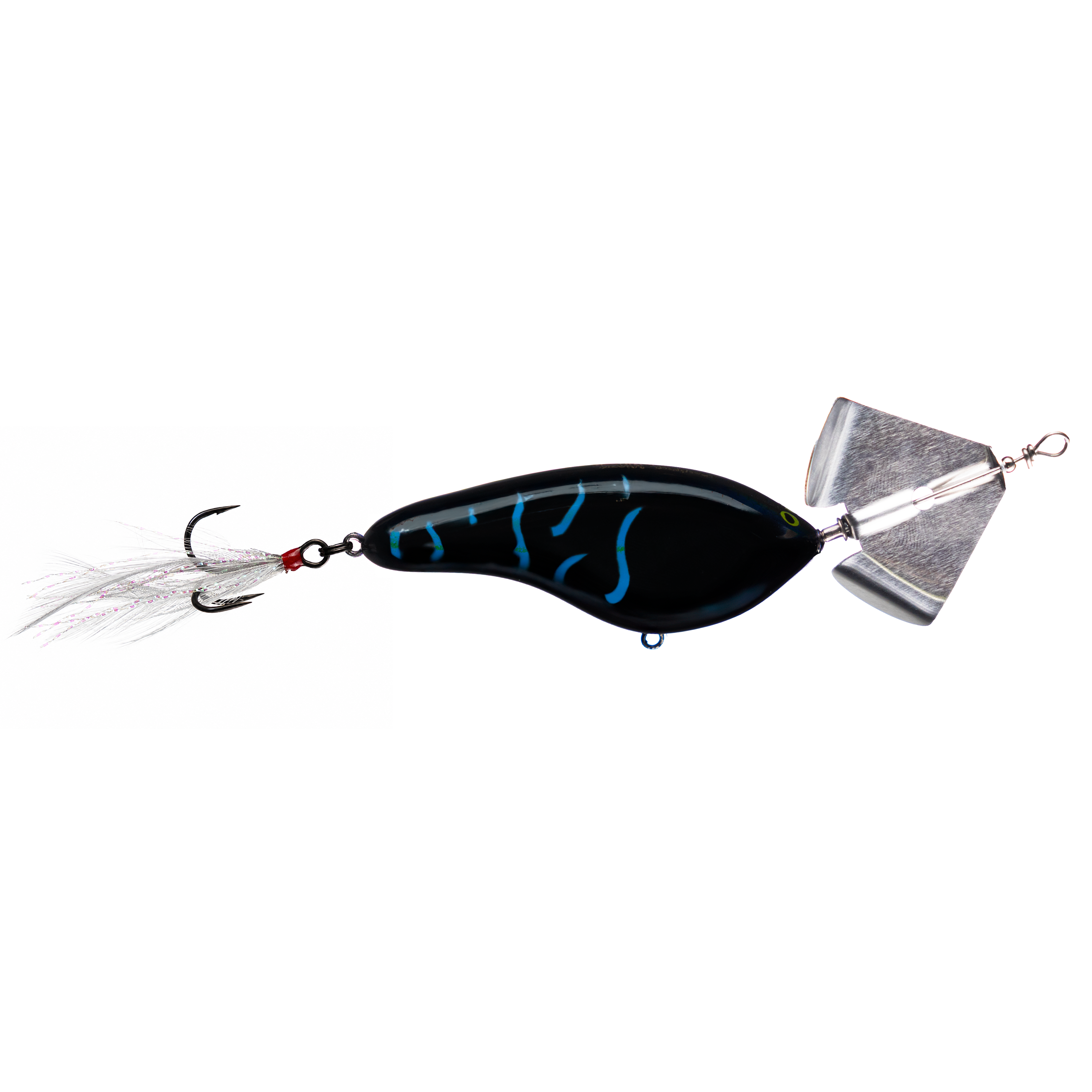
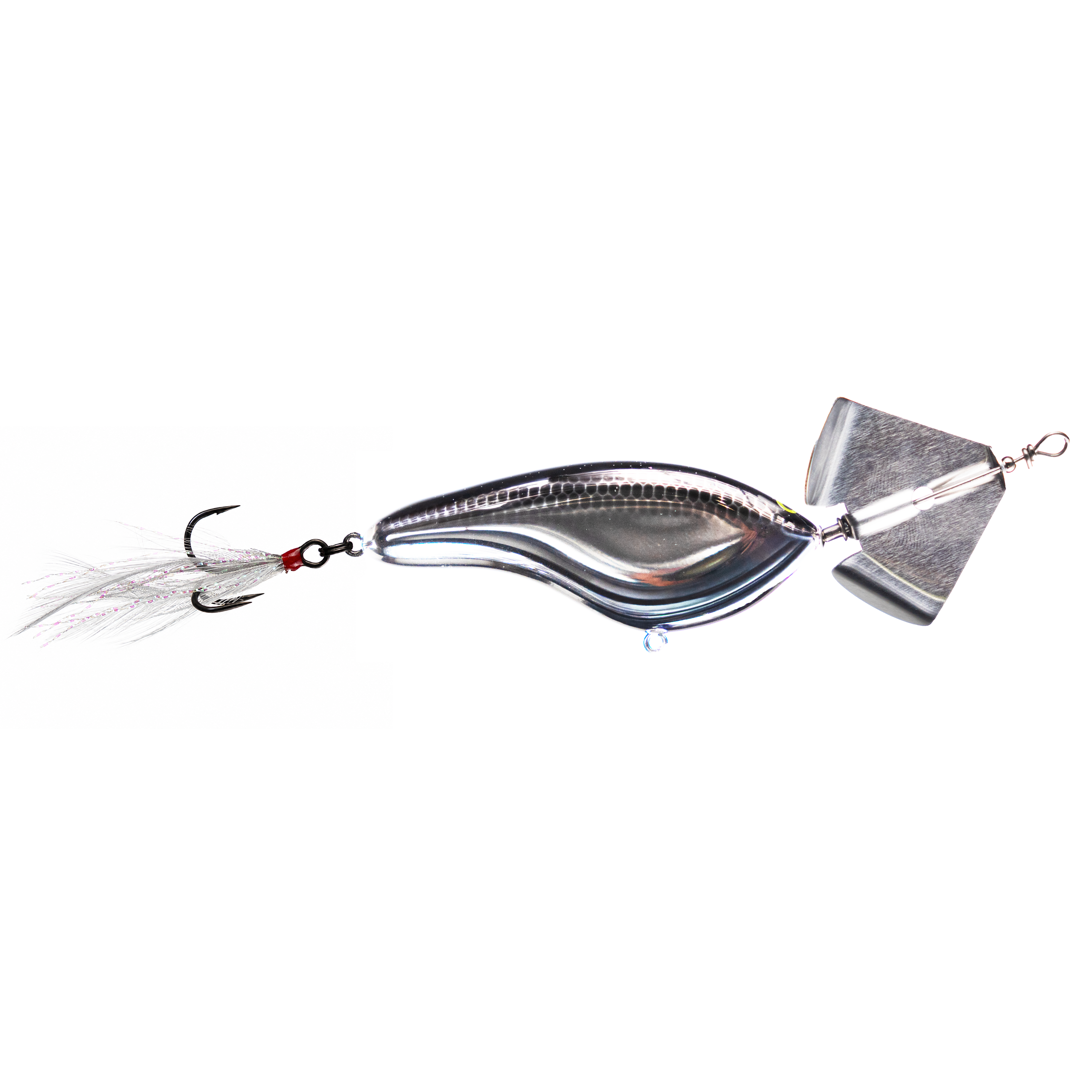
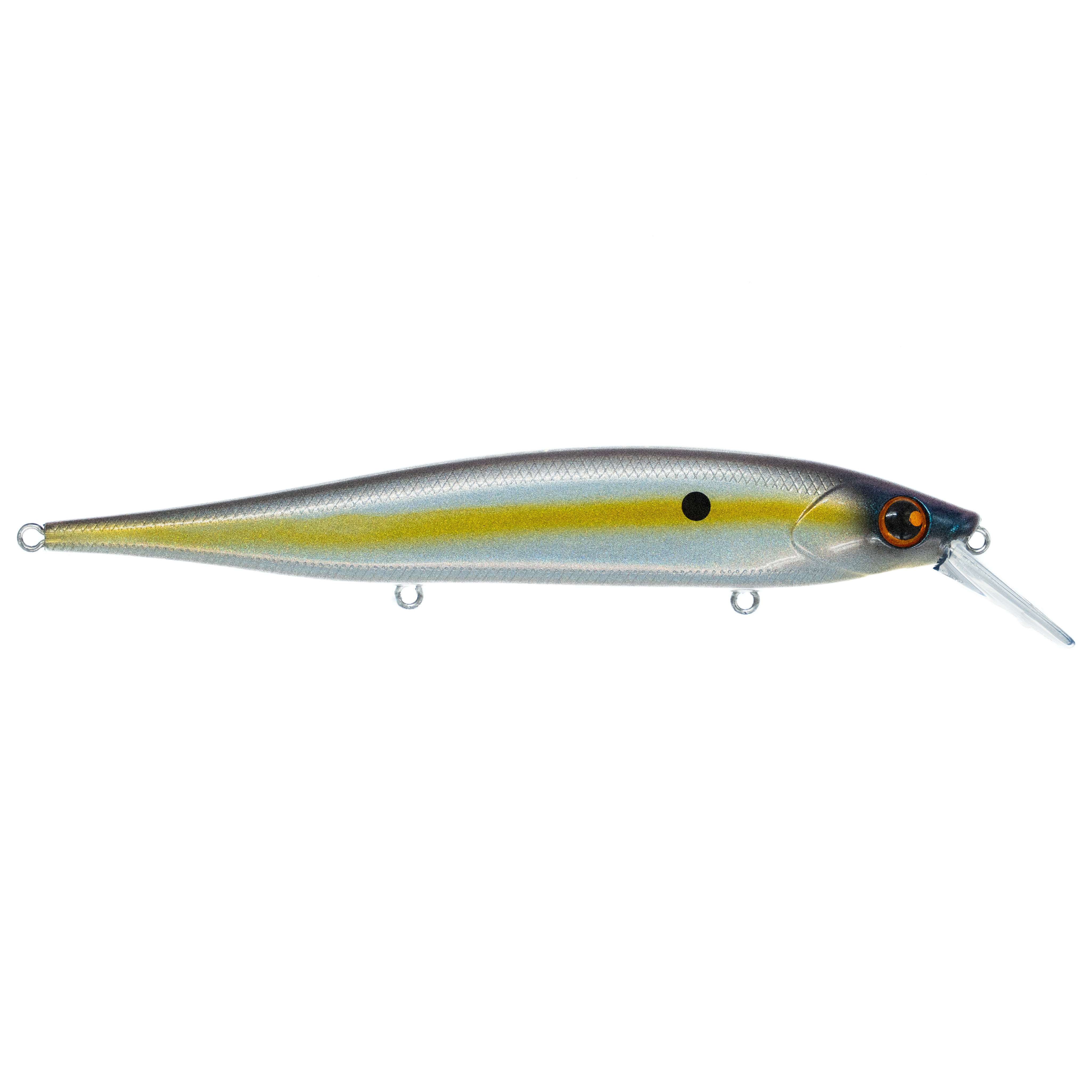
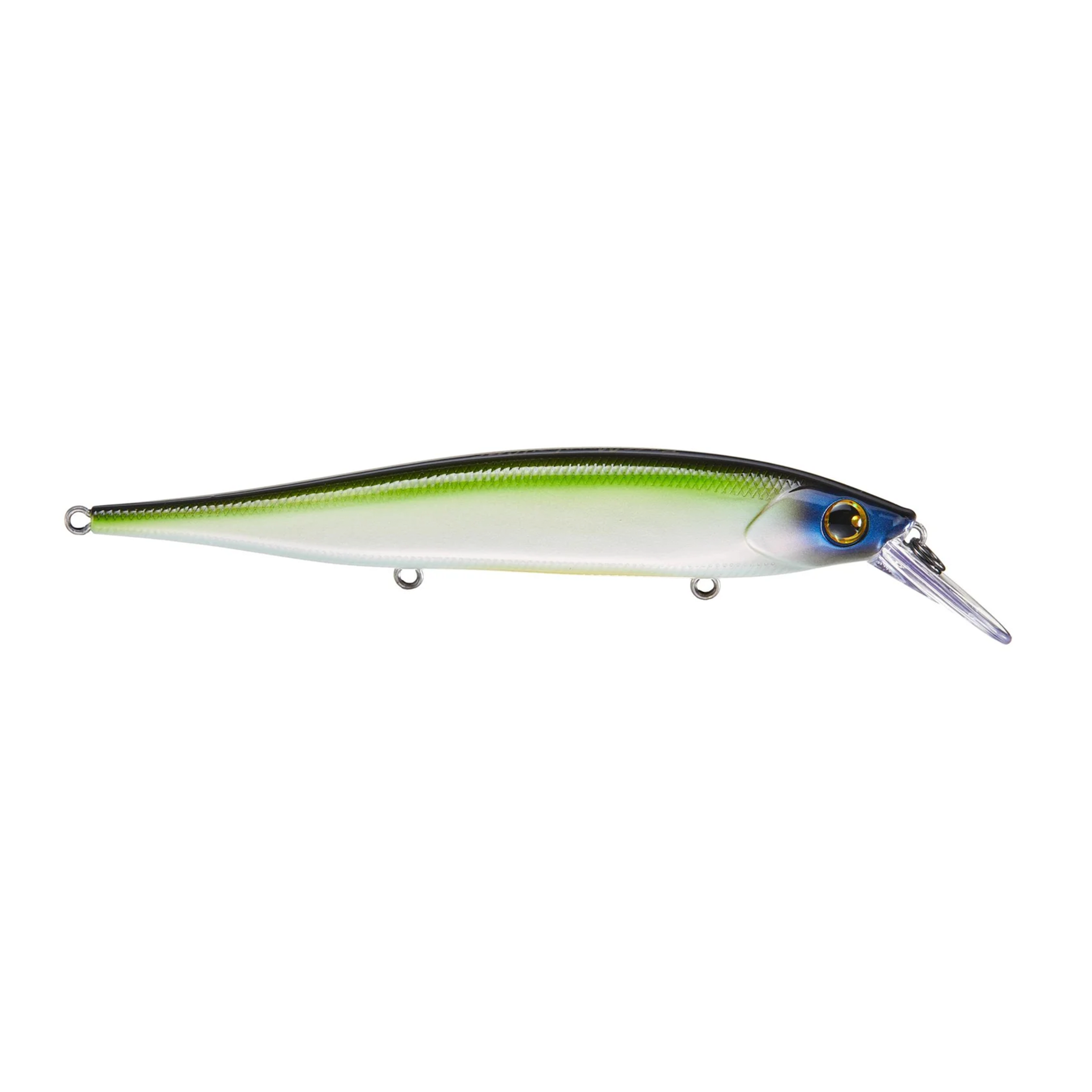
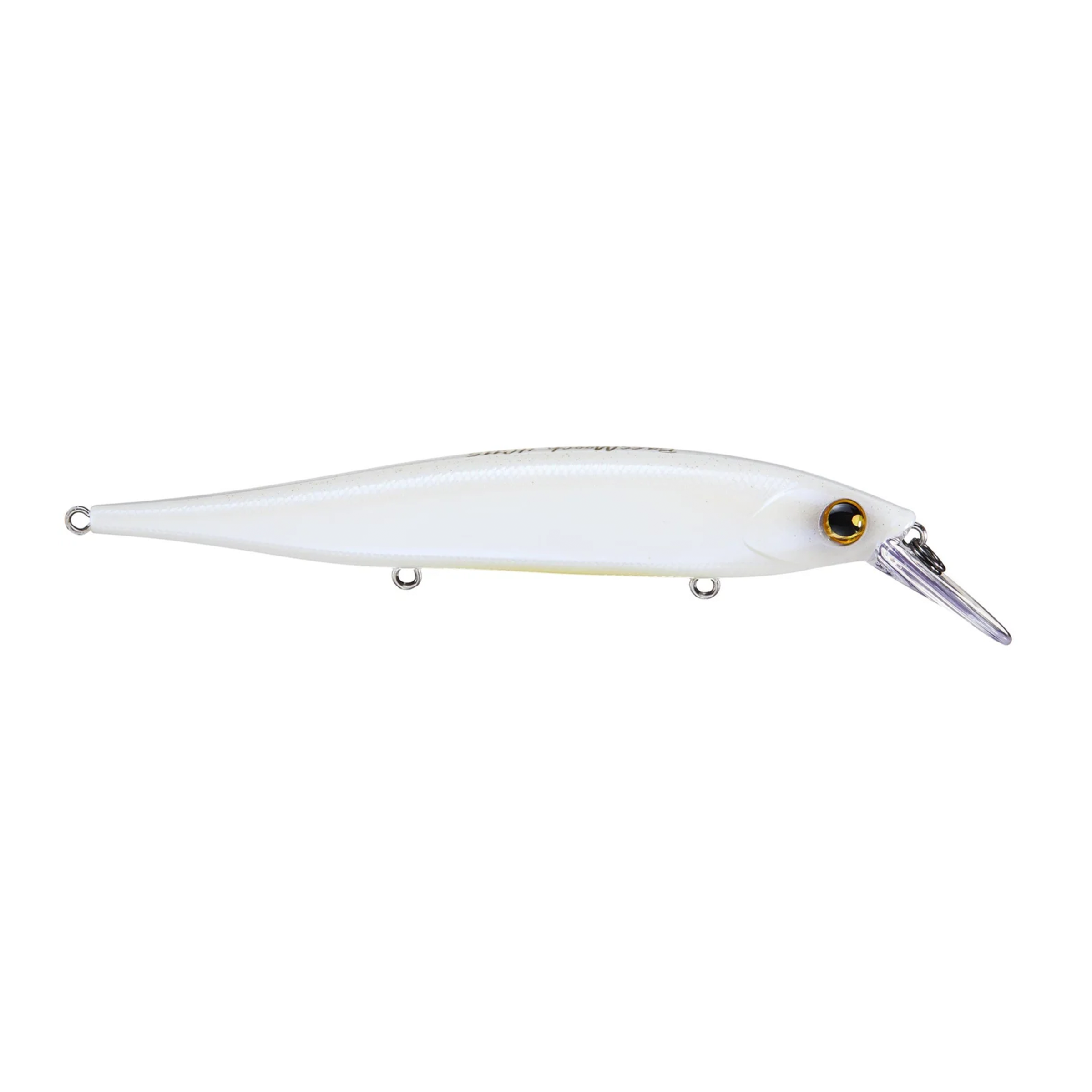
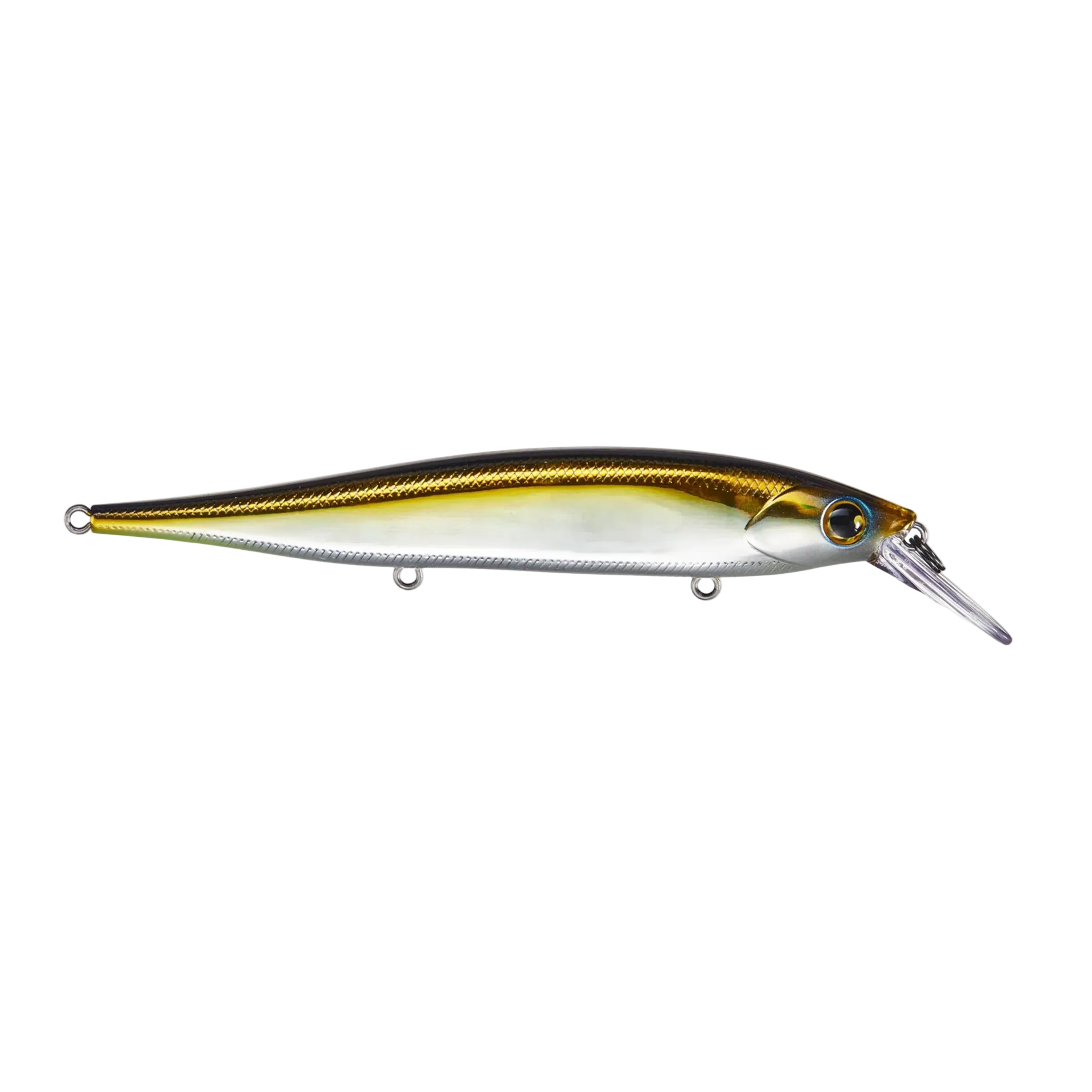
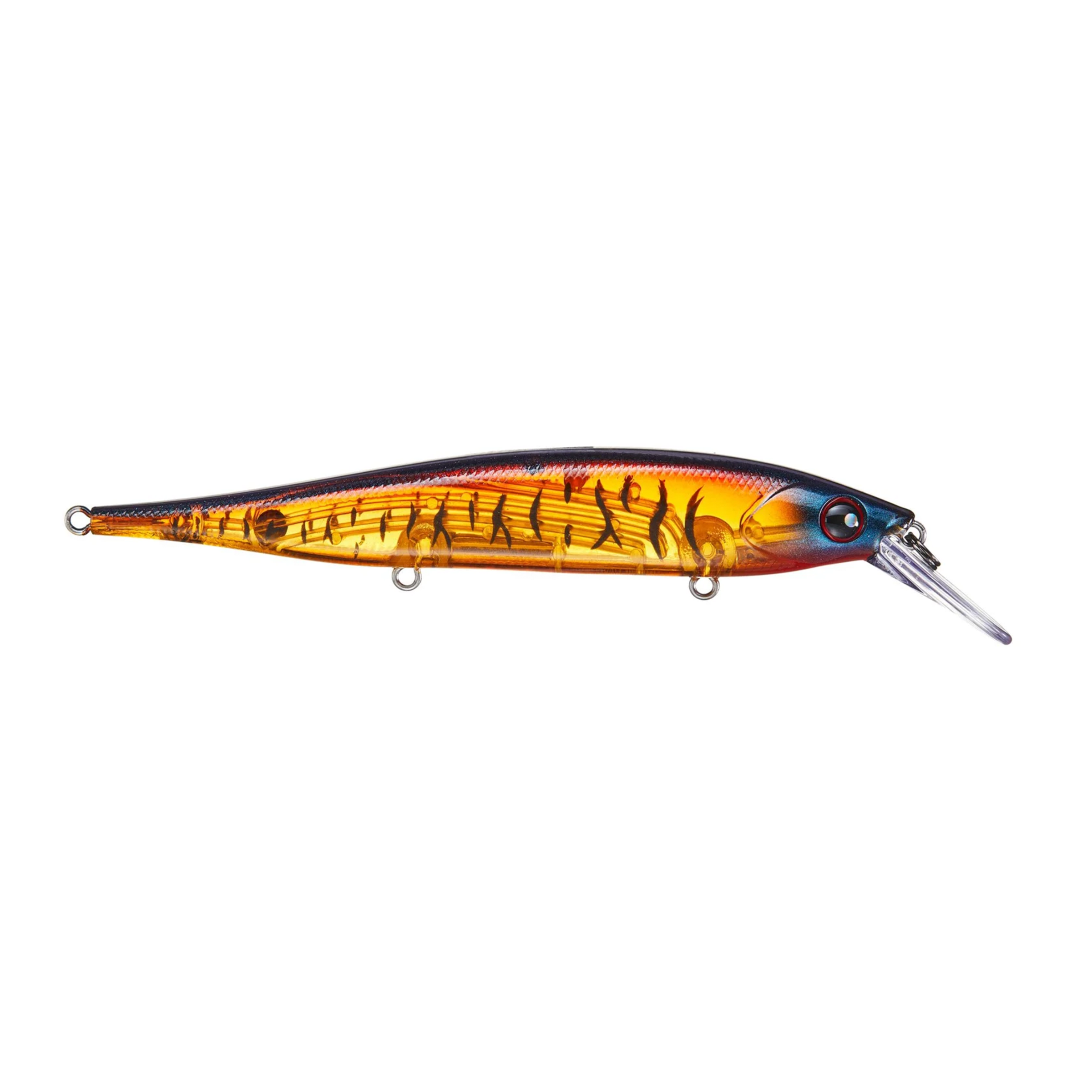
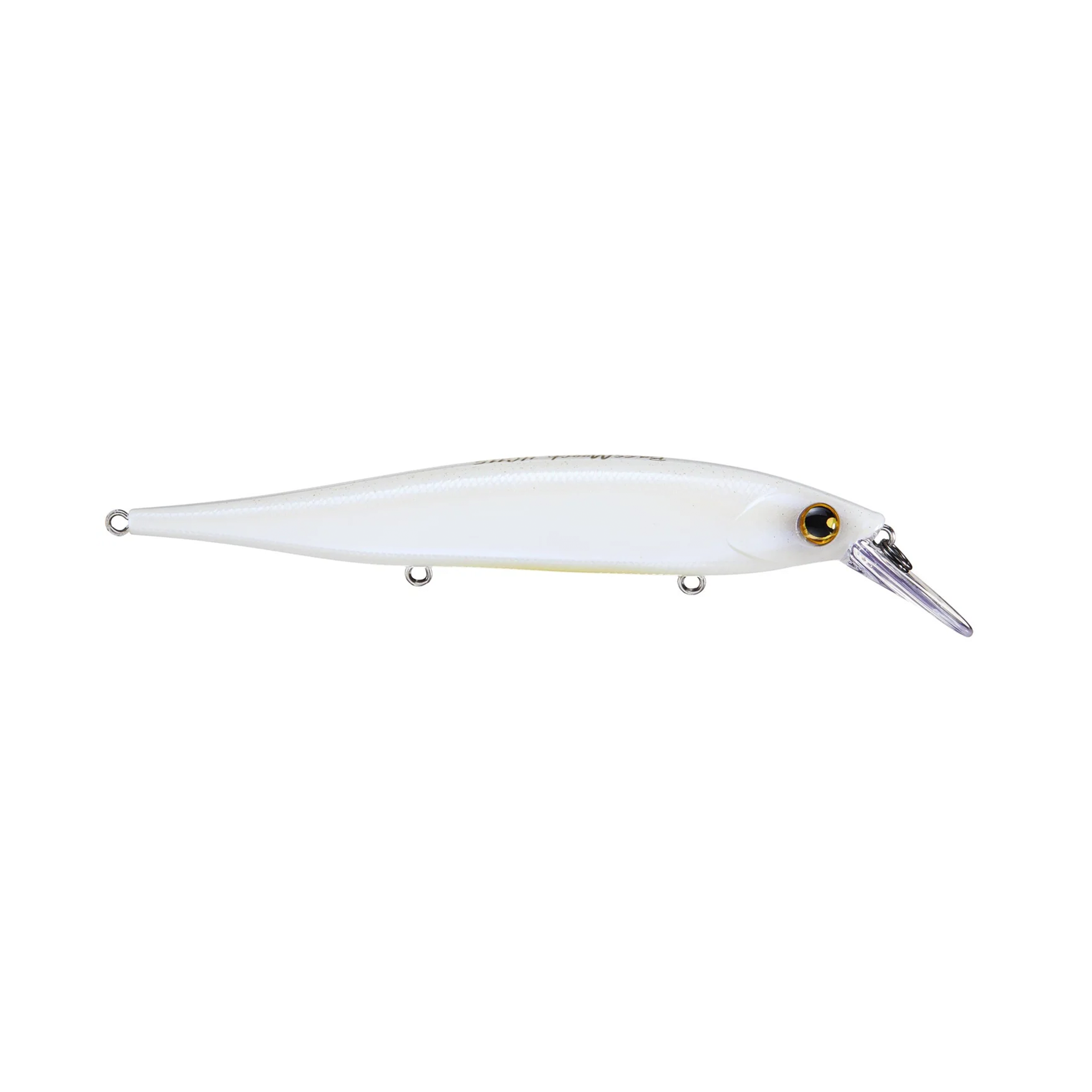
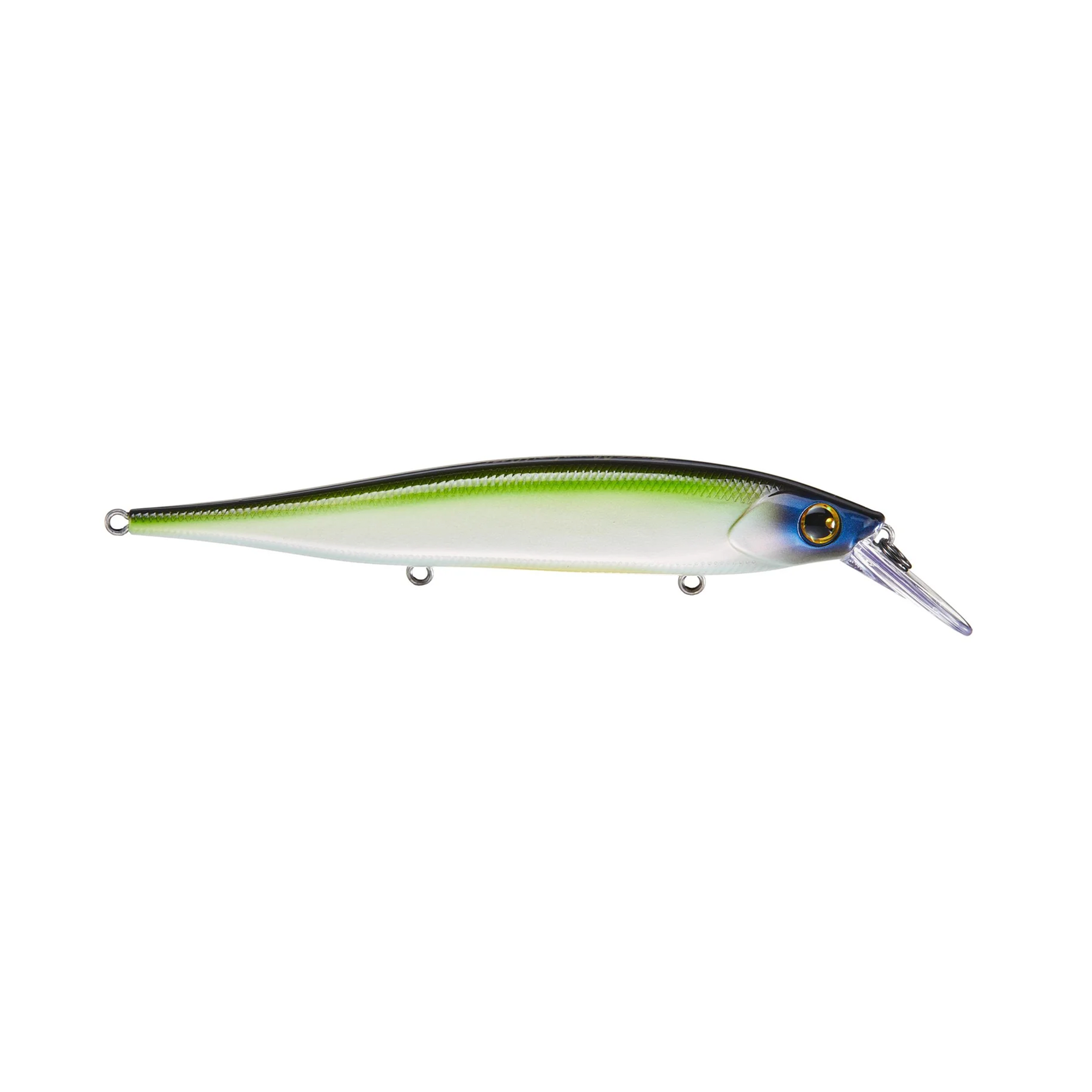
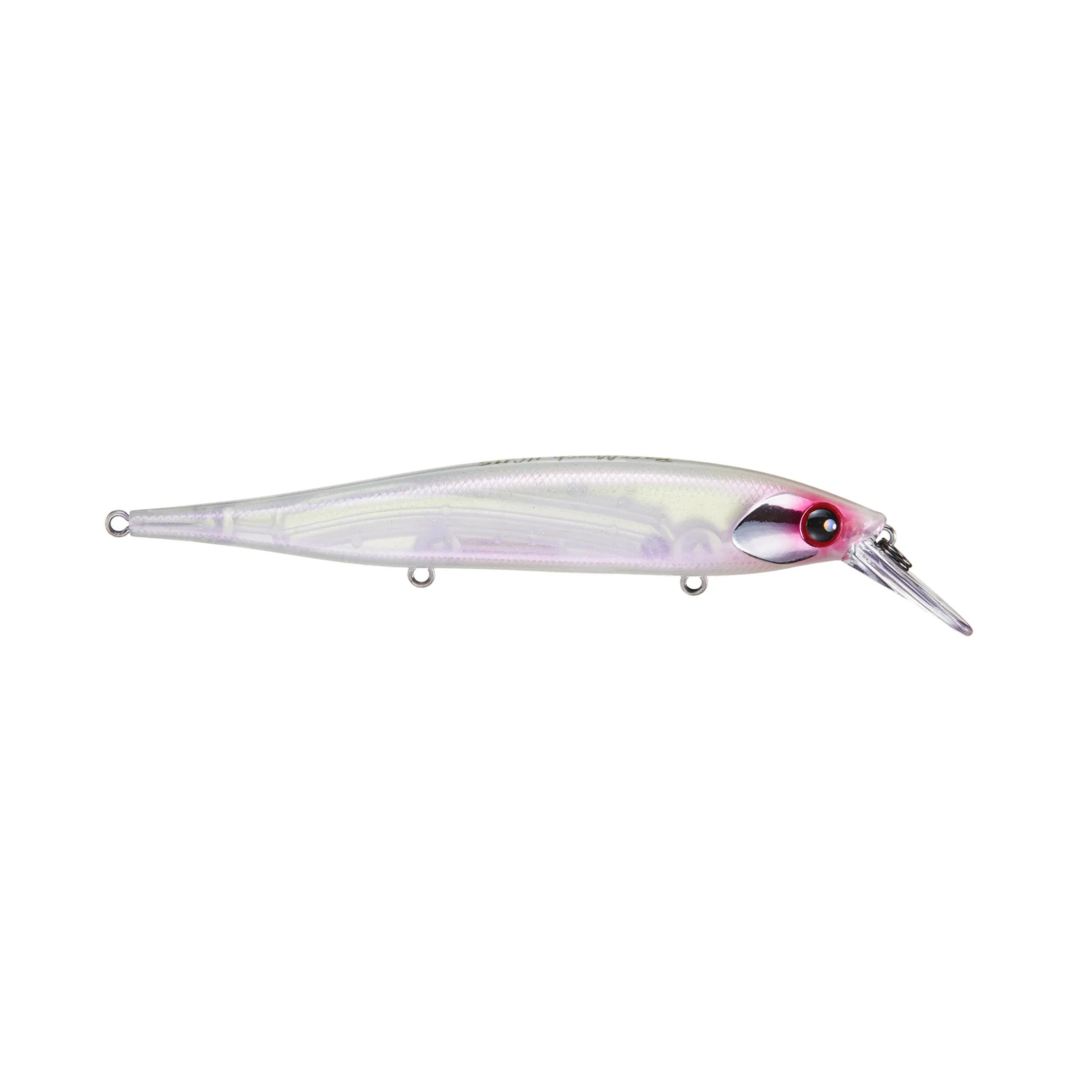
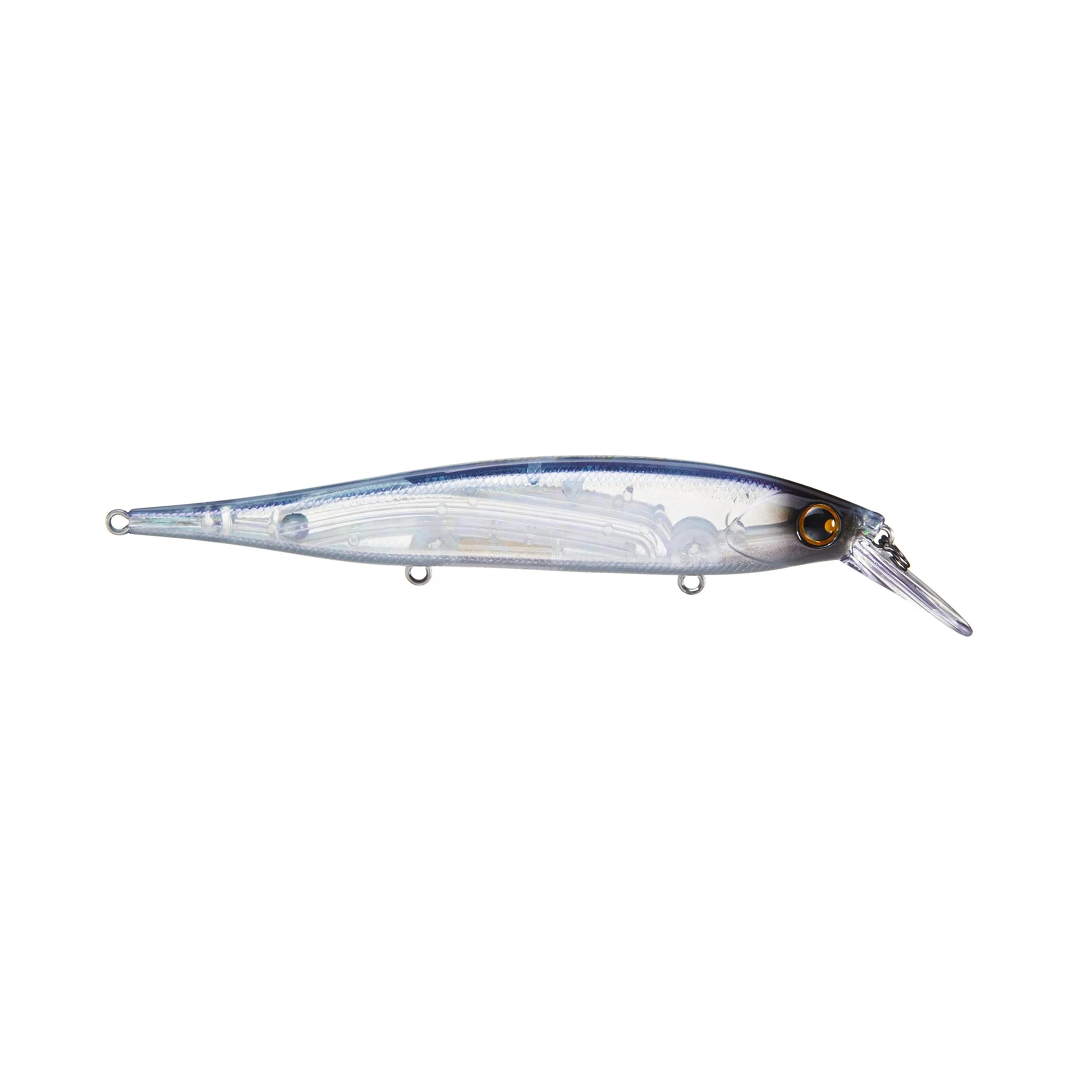
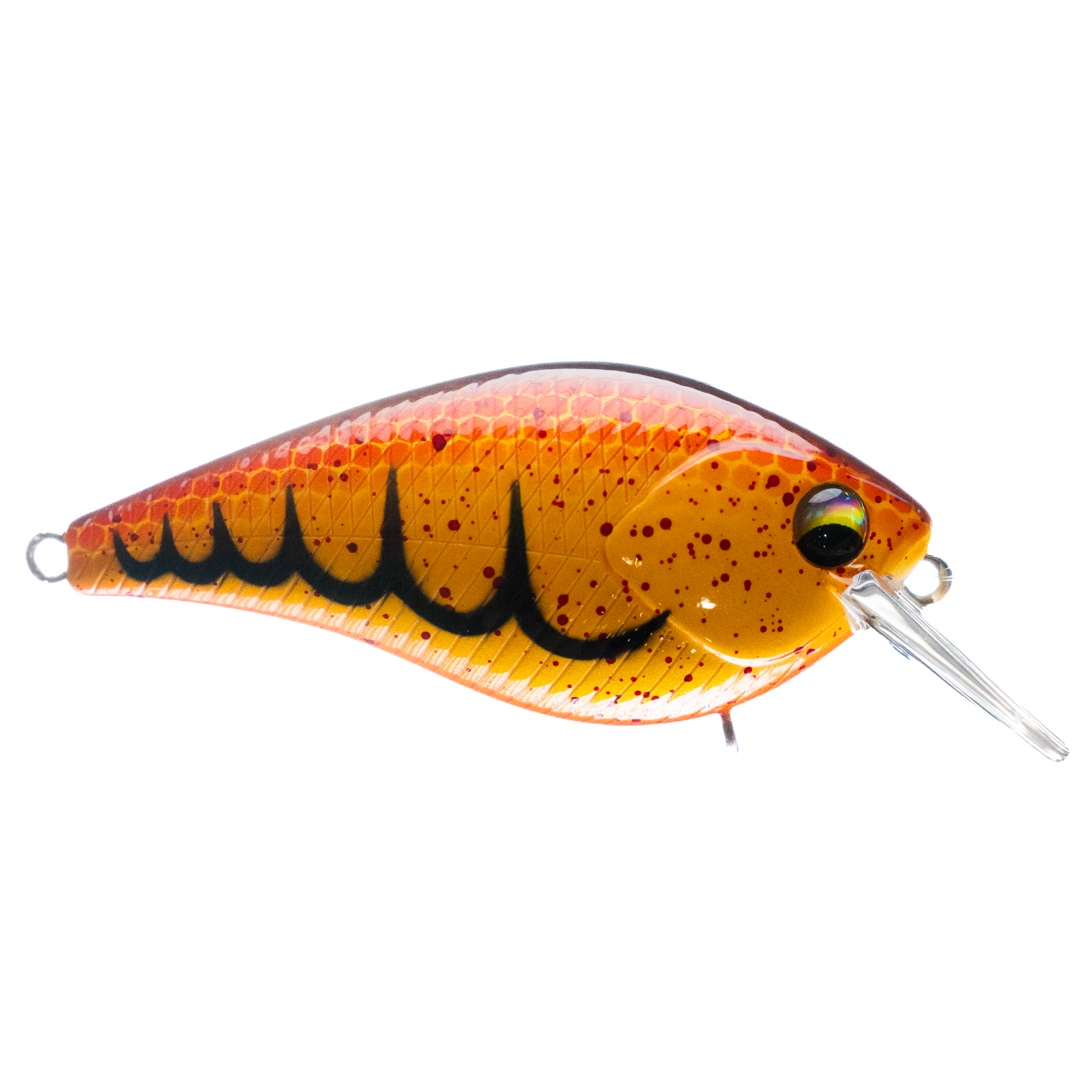
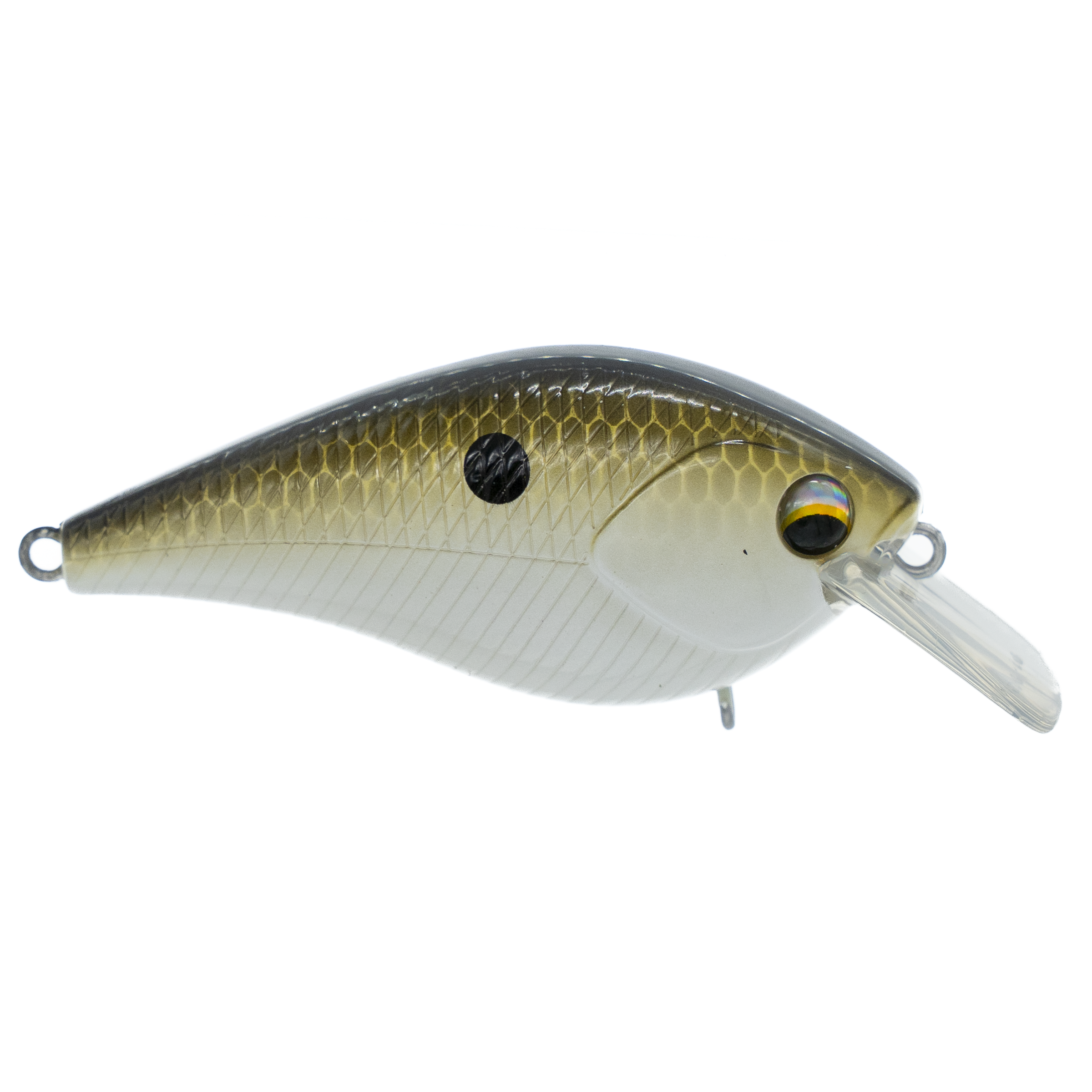
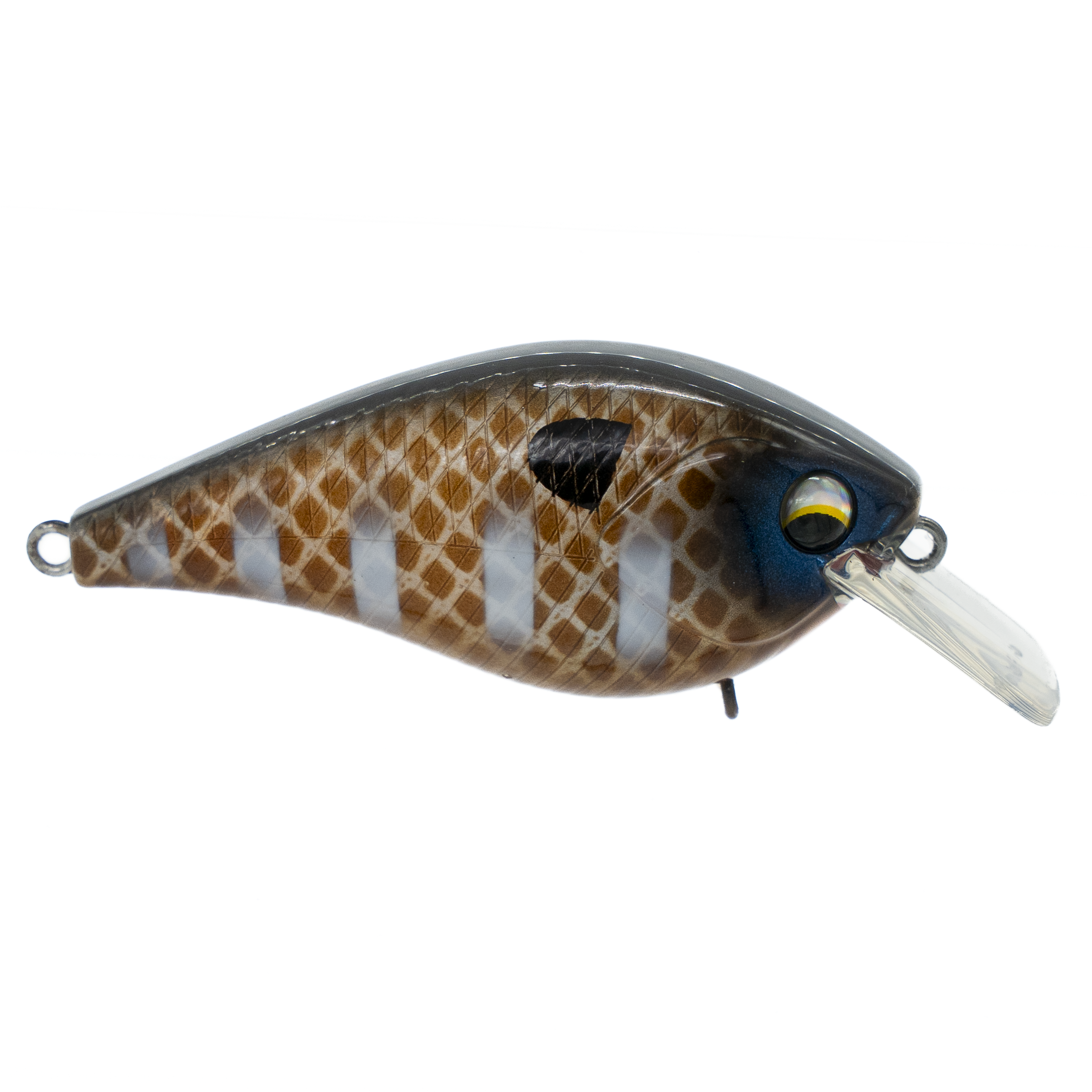
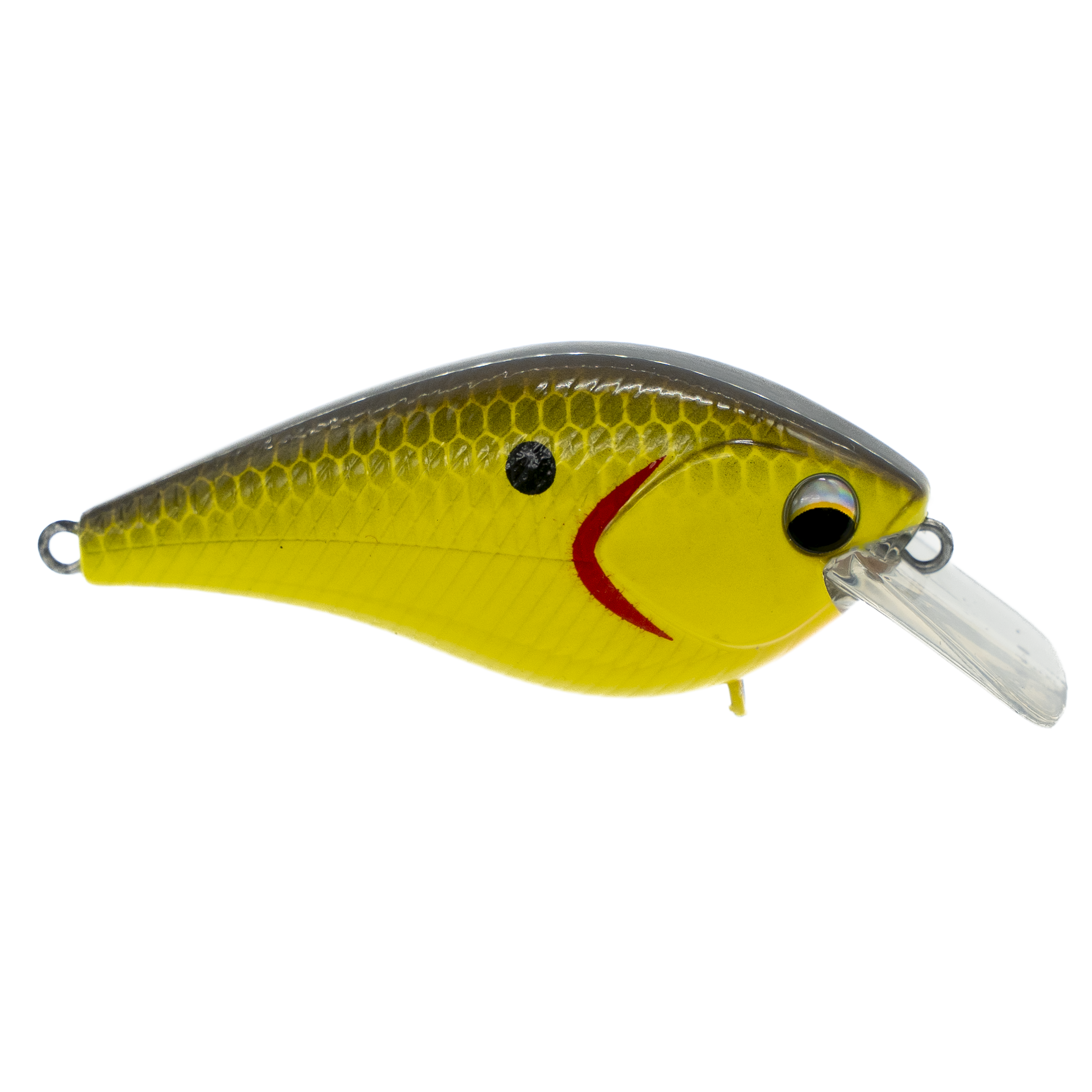
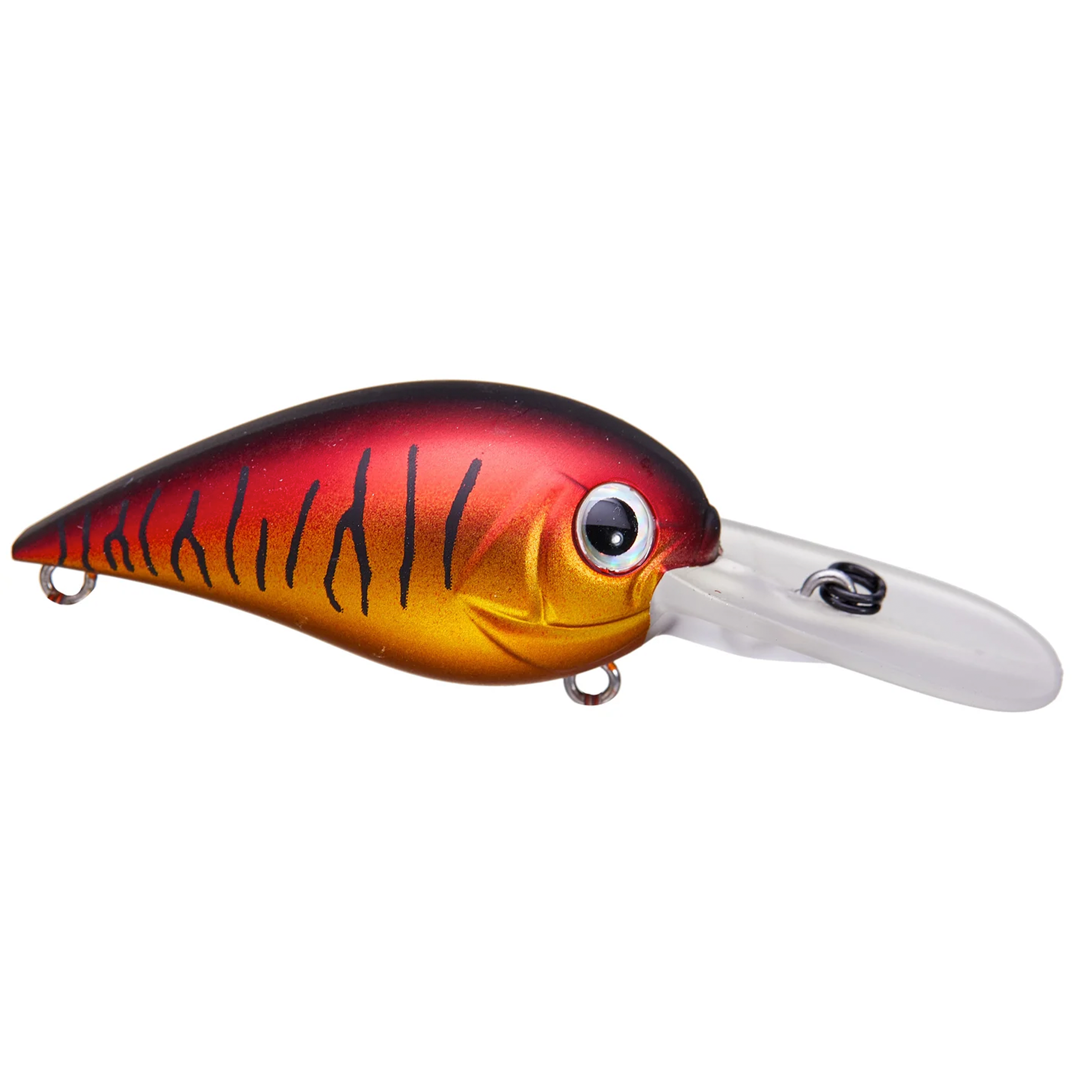
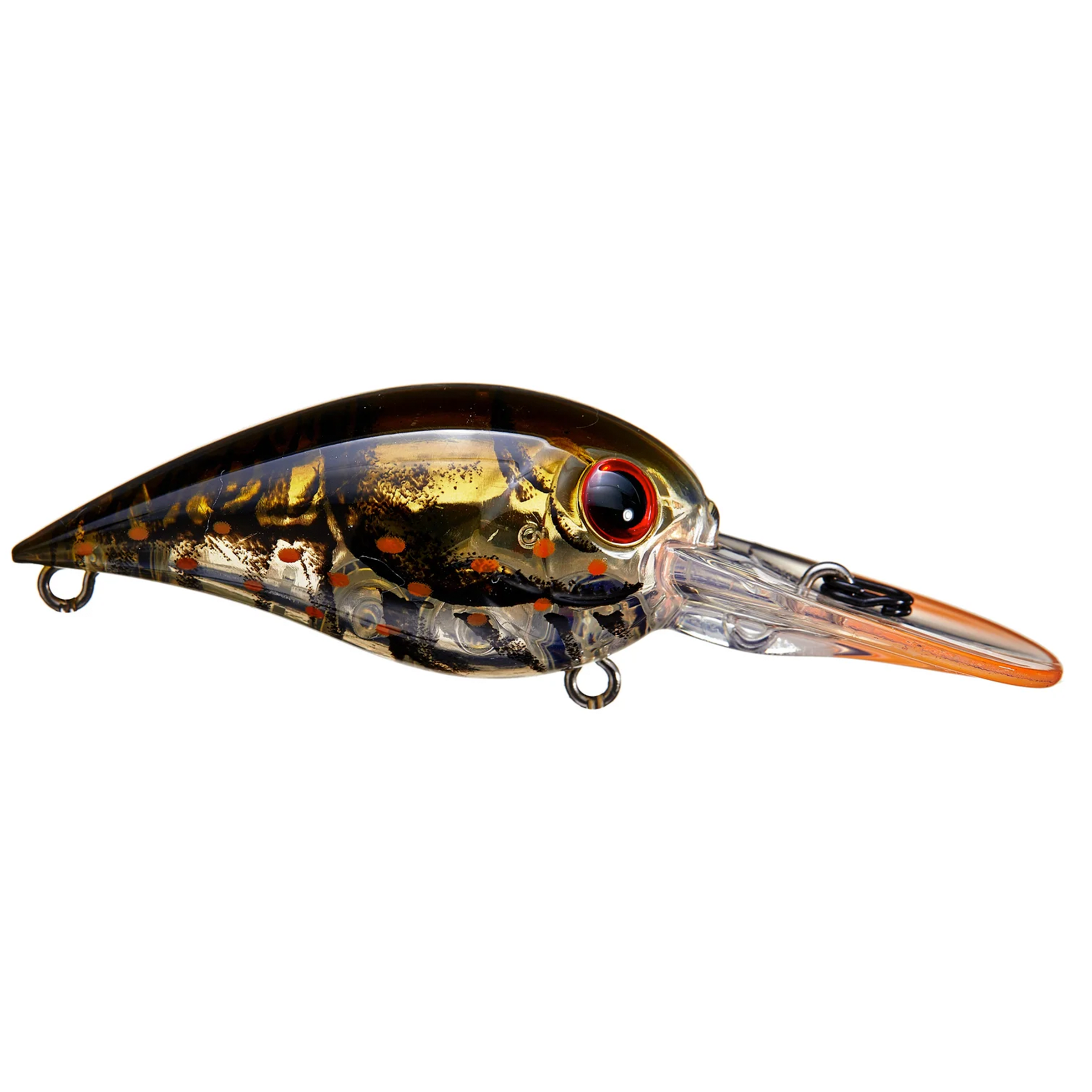
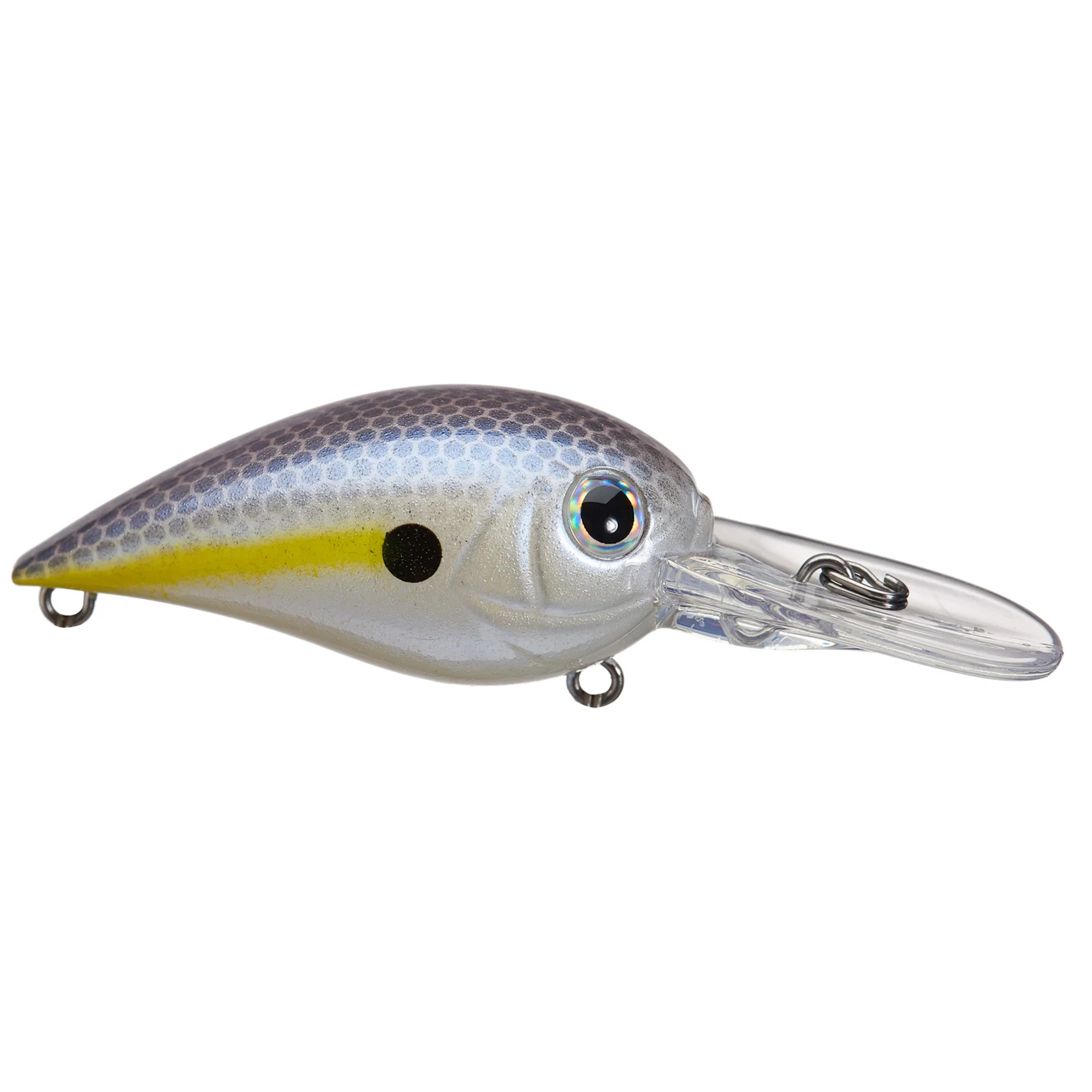
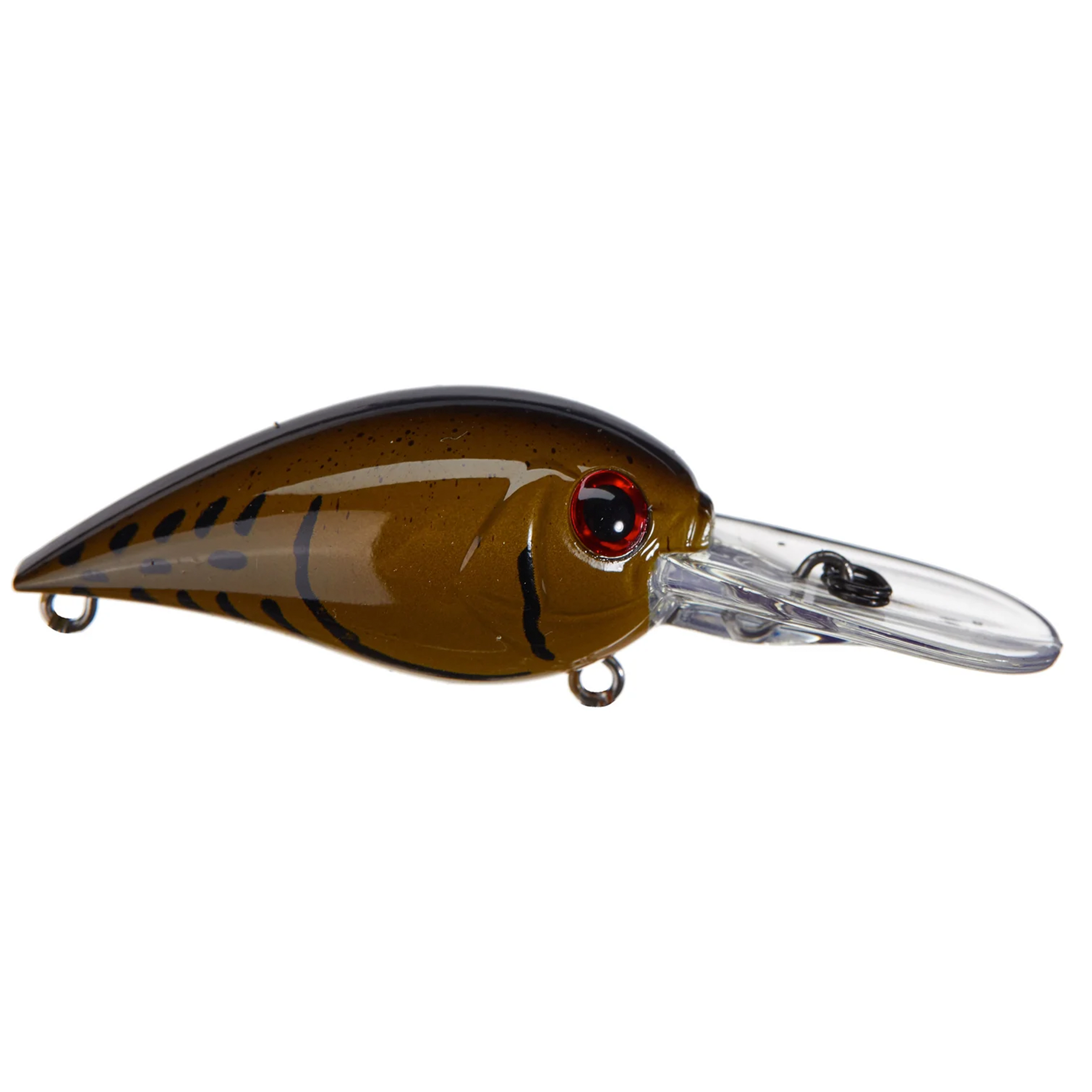
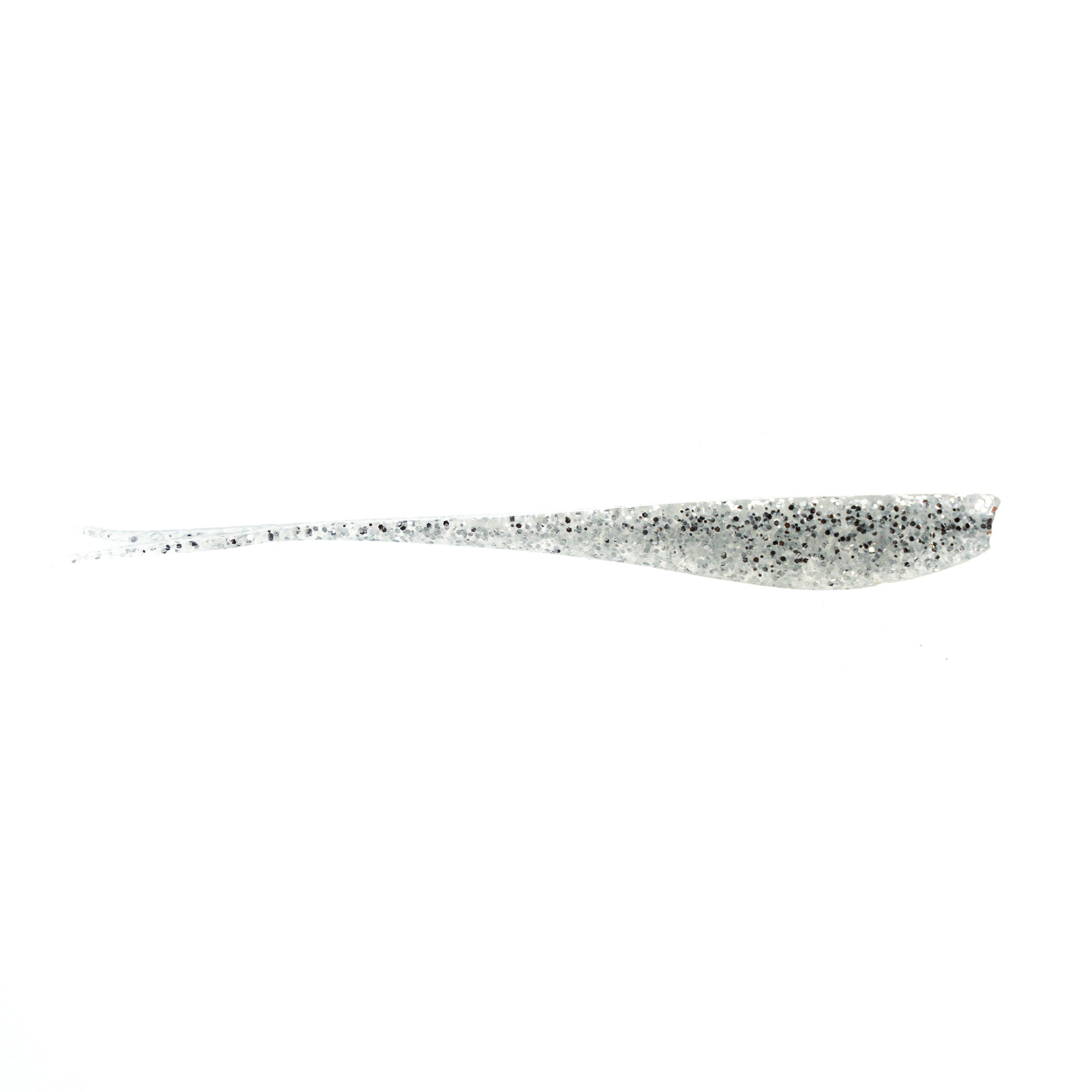
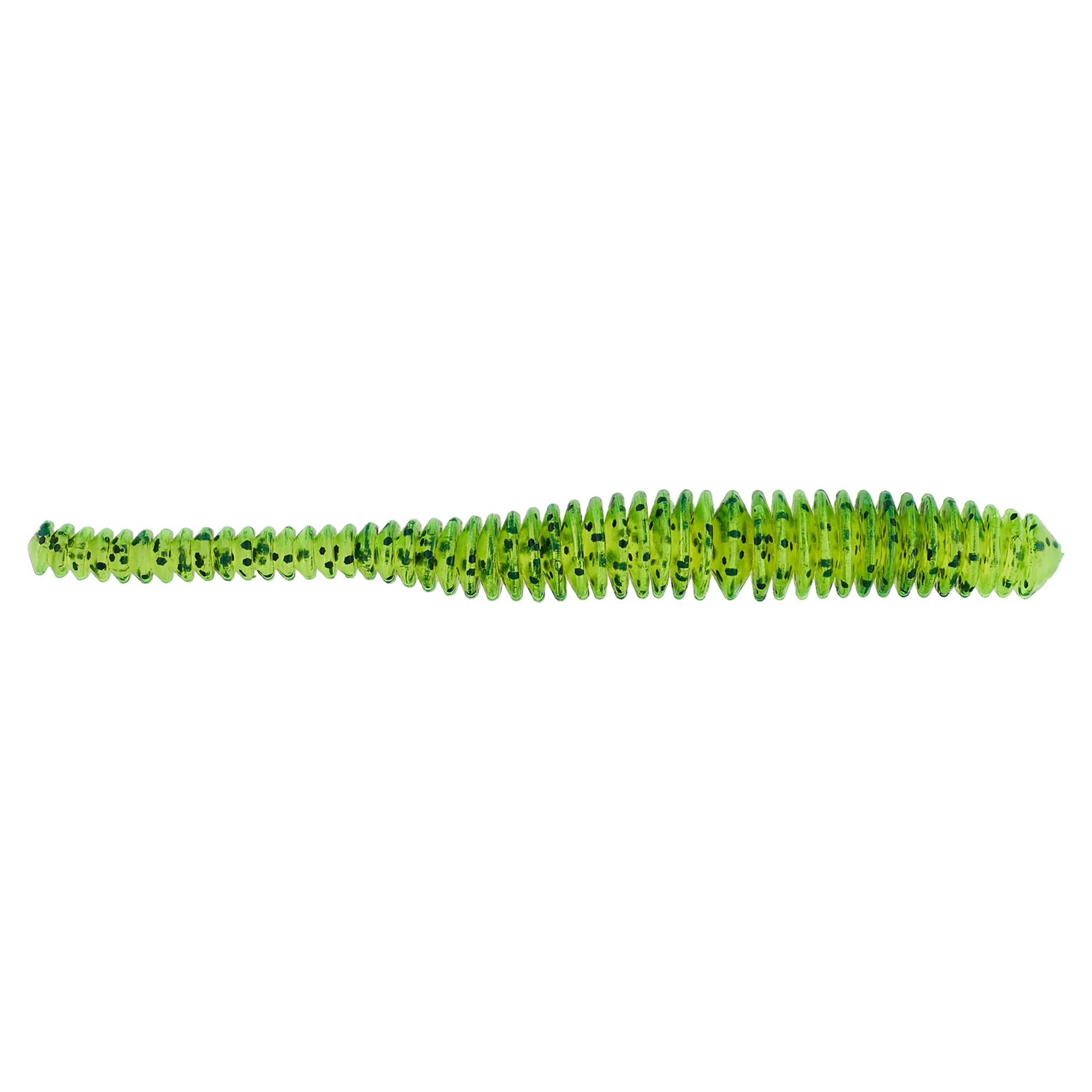
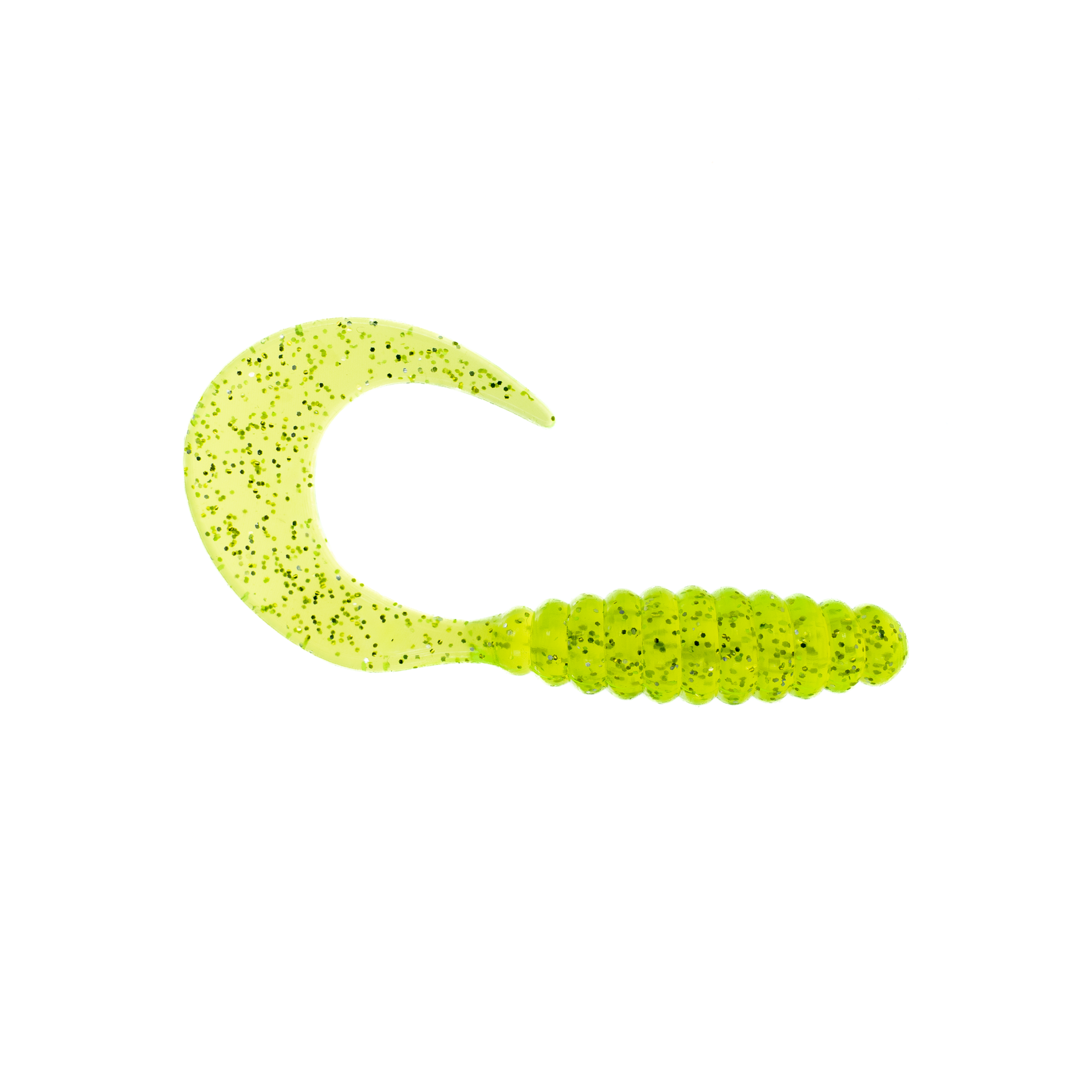
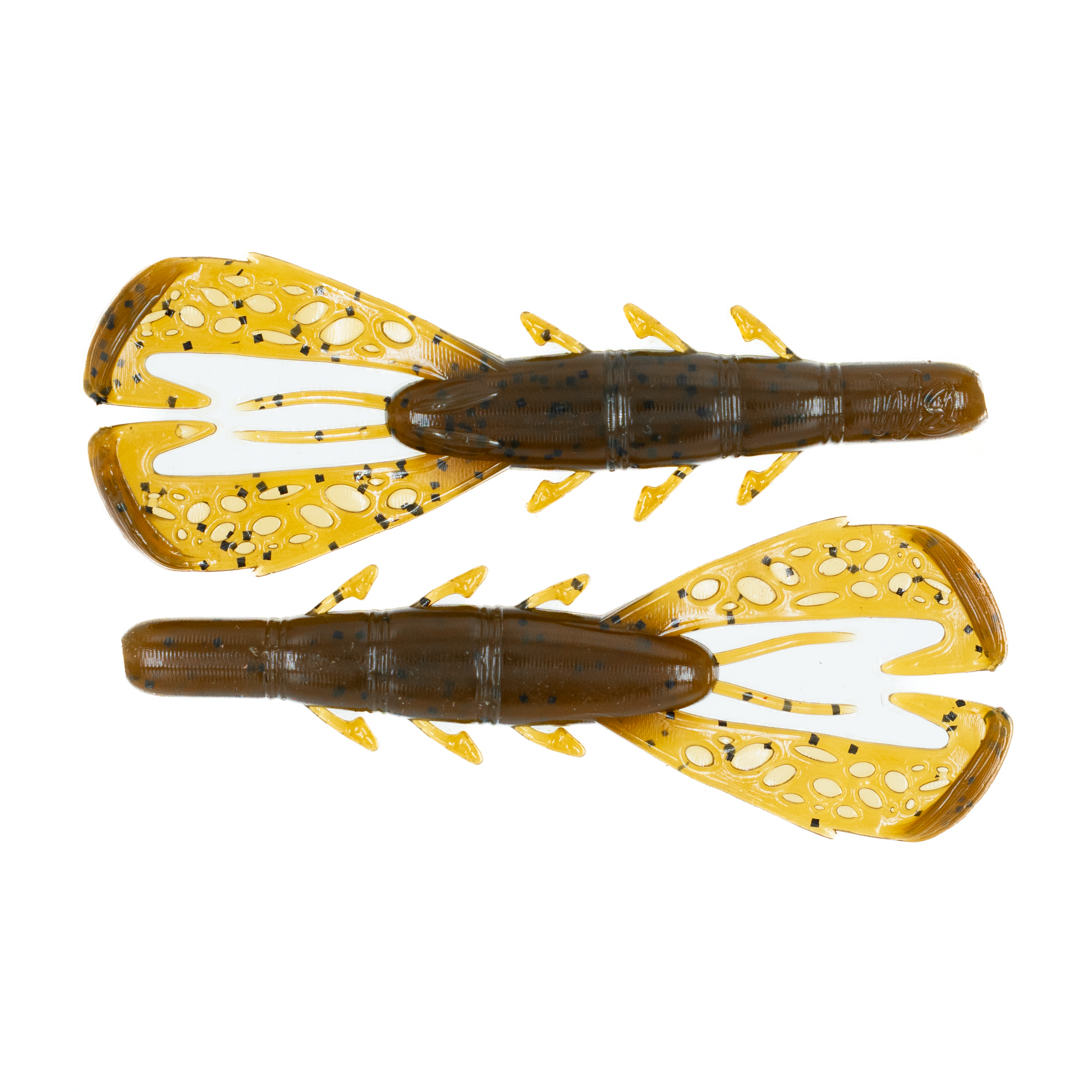
Crawfish imitations on the bottom, finesse plastics through the seams, topwater over riffles in low light, and a suspending jerkbait in cold water. River smallmouth want natural colours and baits that behave like something drifting in current. Our full bait lineup covers all four seasons.
Do I need a fishing license?
Yes, a West Virginia fishing license from the Division of Natural Resources. Check current black bass regulations before you go, as river sections can carry rules that differ from statewide limits.
Reading Water, Not Electronics
River smallmouth fishing is about putting a bait into a seam from thirty feet and feeling what happens as it drifts through. Level Rods builds models sensitive enough to tell a rock from a bite in moving water and forgiving enough to keep a hot smallmouth pinned when she uses the current against you.
Tournament Winning Baits & Gear
Designed, crafted and tested by anglers who fish moving water every week. Free shipping on orders over $75.
Shop All Baits