
Nanticoke River Bass Fishing Guide
Nanticoke Bass Fishing, Season by Season
A tidal Eastern Shore river running out of Delaware into Maryland, with wood, grass and a network of creeks that fish above their size. The Nanticoke fishes big, and the local rule is simple: the last half of the falling tide and the first of the incoming.
A Tidal River That Fishes Big
The Nanticoke rises in Delaware and runs southwest through Seaford into Maryland and on to the Chesapeake. It is tidal throughout the fishable water, and it is the one bass fishery in Delaware that clearly stands on its own.
Anglers who fish it describe the river as fishing very big — there is more water than you can cover, and tournament anglers routinely make a forty-five-minute run out of the Nanticoke into the Wicomico to gain an edge. Within the system itself, the areas that come up are Broad Creek, the Seaford and main river stretch, and Marshy Hope Creek. All three produce, but tide and seasonal patterns make a substantial difference between them.
The tide rule here is specific and worth committing to memory: like most Eastern Shore rivers, the last half of the falling tide and the first of the incoming is best. Many of the smaller creeks become hot spots at those stages and fall quiet at others.
Cover is wood, grass, shoreline structure and dock pilings, in stained tidal water. There is no meaningful hard structure and no depth to speak of — this is a shallow cover fishery governed by moving water.
Because the system crosses the Delaware and Maryland line, check which state's rules apply to the water you intend to fish. Both license their own portions and the limits differ.
Delaware is a genuinely small state for bass fishing. Lums Pond, Noxontown Pond and the smaller millponds are the next tier if you want more of it.
Creeks, Wood and Tide Stages
Four patterns cover the year. Each one pairs the technique with the baits we'd actually tie on.
Up the Creeks to Spawn
Spring pushes largemouth up into Broad Creek, Marshy Hope and the smaller feeder creeks to spawn. Delmarva warms early compared with the rest of the Northeast, so the season starts sooner here than anywhere else covered in this region.


Grass, Wood and Falling Water
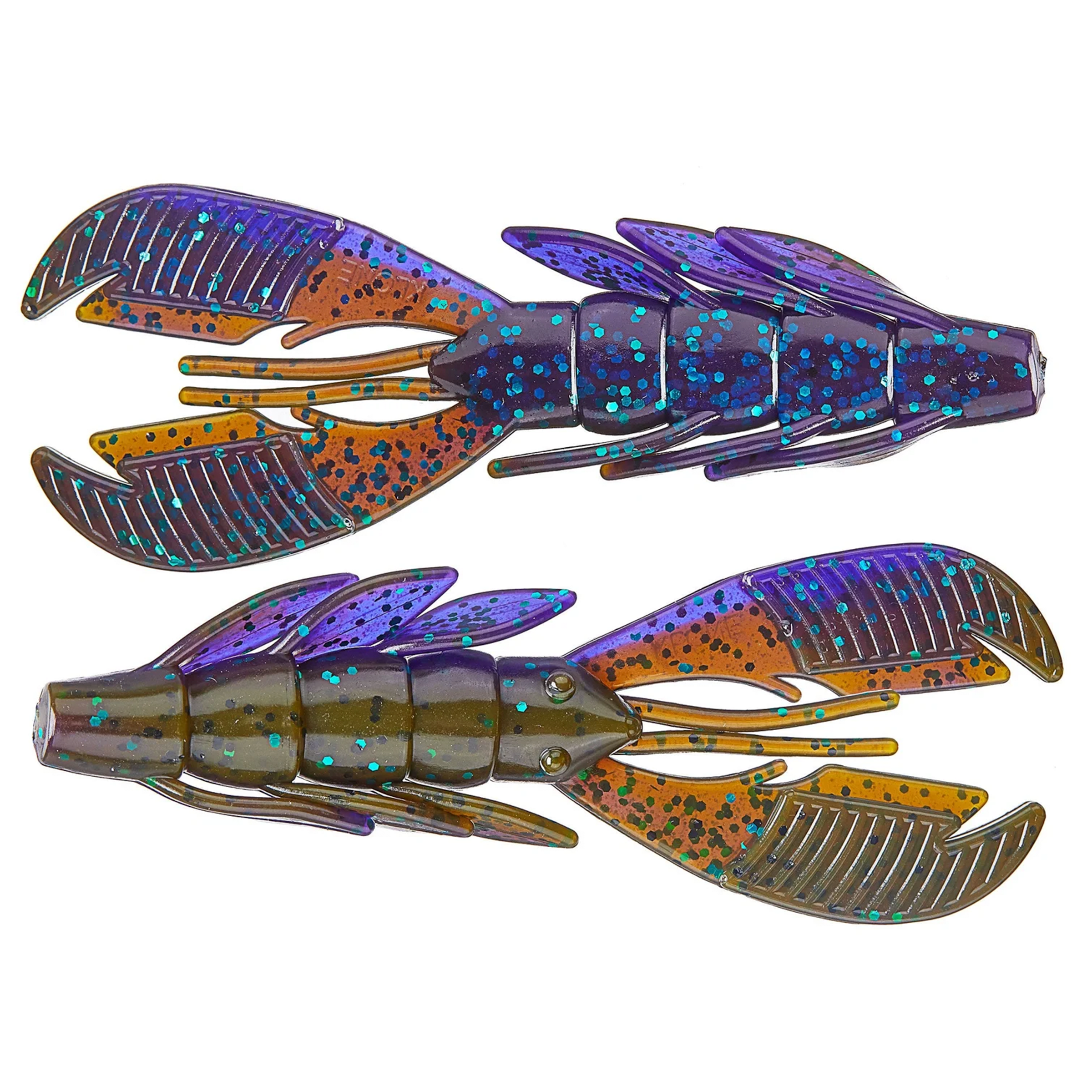
Summer grows the grass and the fish use it alongside the wood and dock structure. Eastern Shore heat is serious and humid, and the productive fishing follows the tide more than the clock — the last half of the fall and the first of the incoming.


Bait in the Creek Mouths
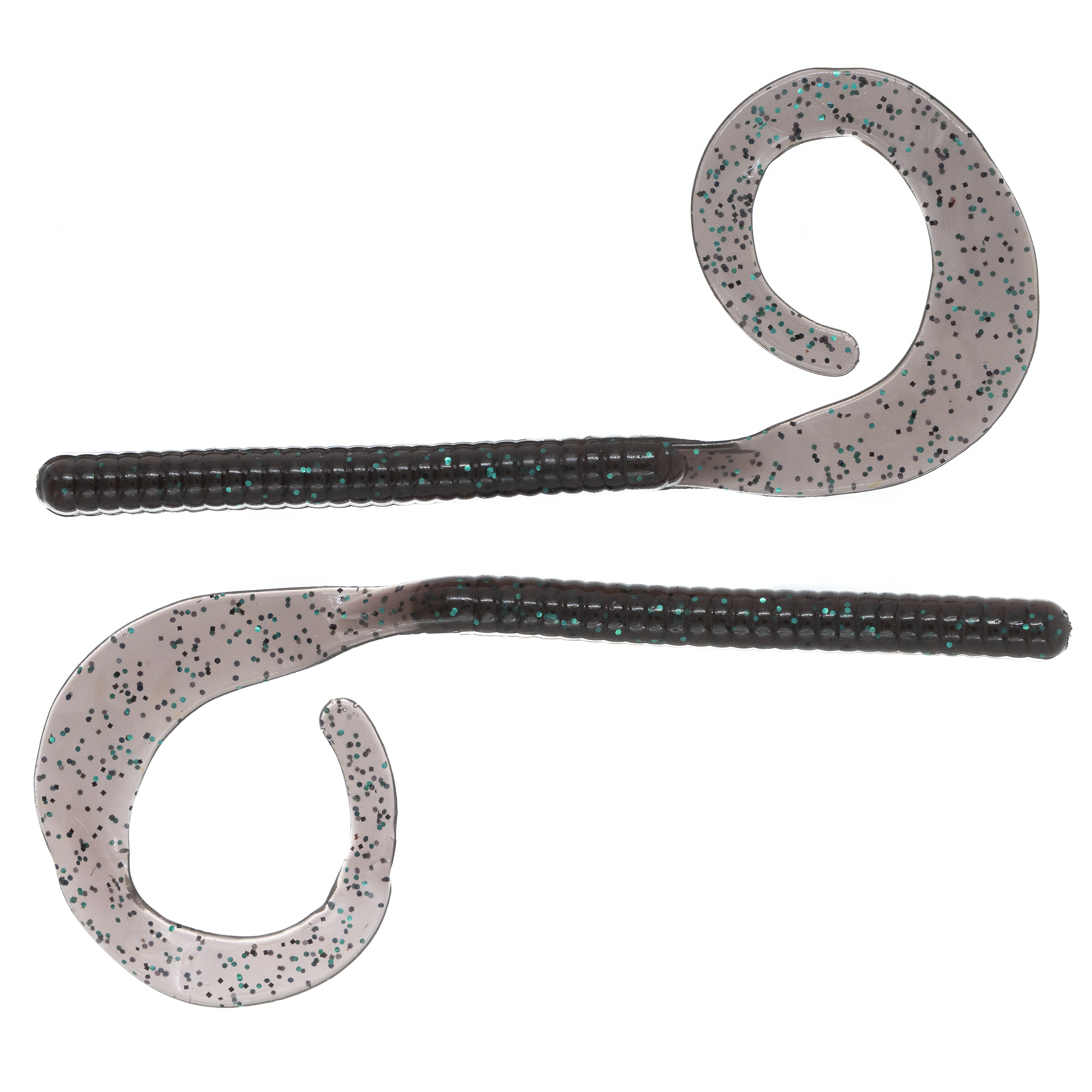
Autumn concentrates bait in the creek mouths and along the current seams, and the fish feed hard. Cooling water and stable conditions make this the most comfortable and most forgiving fishing of the year on the Nanticoke.
Deeper Creek Water
Winter pushes fish into the deeper creek water and the holes where temperature holds better than on the shallow flats. Delmarva winters are mild by Northeast standards, which means more fishable days here than anywhere else in this region.


The Nanticoke River Access
Public ramps serve the river at Seaford and at points down into Maryland. The system is large enough that tournament anglers make long runs, including into the Wicomico, so plan fuel and time accordingly.
Broad Creek
One of the three areas anglers name on this system, and productive across the seasons. Creek water with wood and grass, fishing best on the last half of the falling tide and the first of the incoming.
Seaford and the Main River
The middle of the system and the practical base. Main river cover and access to everything else, and where most trips start.
Marshy Hope Creek
The third named area, and worth knowing when the other two are crowded or the tide is wrong for them. Smaller creeks off the main stems become hot spots at the right stages.
The Nanticoke River Bass Fishing FAQ
What is the best tide stage on the Nanticoke?
The last half of the falling tide and the first of the incoming, which is the rule on most Eastern Shore rivers. Many of the smaller creeks become hot spots at those stages and fall quiet at others.
Where should I fish?
Broad Creek, the Seaford and main river stretch, and Marshy Hope Creek are the three areas anglers name. All three produce, but tide and seasonal patterns make a substantial difference between them on any given day.
How big is the fishery?
Bigger than it looks. Anglers describe the river as fishing very big, and tournament fishermen routinely make a forty-five-minute run out of the Nanticoke into the Wicomico to gain an edge on the field.
Which state's rules apply?
Depends where you fish. The system runs through Delaware and Maryland and both license their own portions, with different limits. Check before you launch.
Is there other bass water in Delaware?
Not much that stands on its own. Lums Pond, Noxontown Pond and the smaller millponds are the next tier. Delaware is a genuinely small state for bass fishing and the Nanticoke is the one water that clearly merits a trip.
When is the best time to fish it?
Spring, when Delmarva warms earlier than the rest of the Northeast and fish push up the creeks to spawn. Autumn is the second window. Winters here are mild enough that more days are fishable than anywhere else in the region.
What kind of cover is there?
Wood, grass, shoreline structure and dock pilings in stained tidal water. No meaningful hard structure and very little depth — this is a shallow cover fishery governed entirely by moving water.
What baits work best on the Nanticoke?
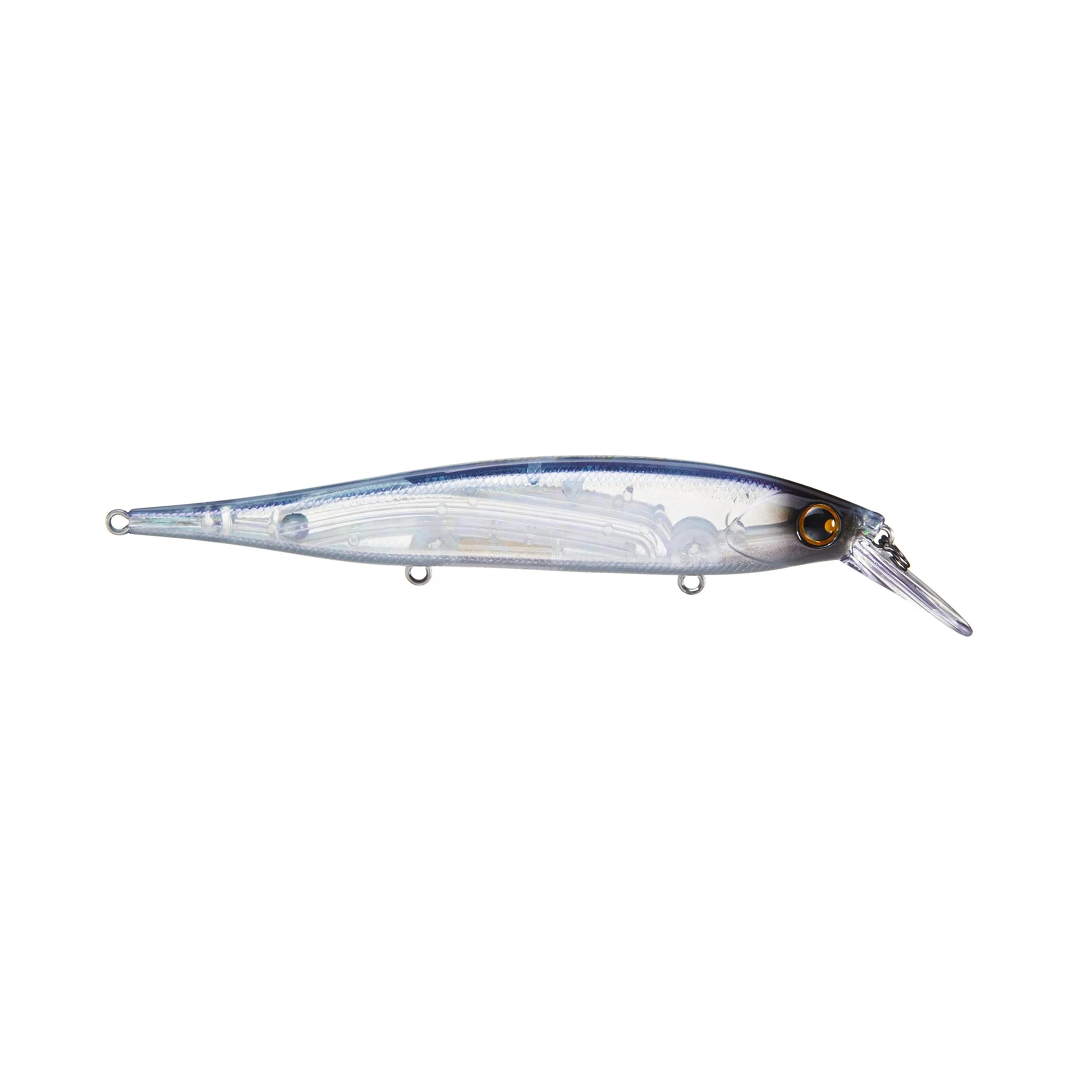
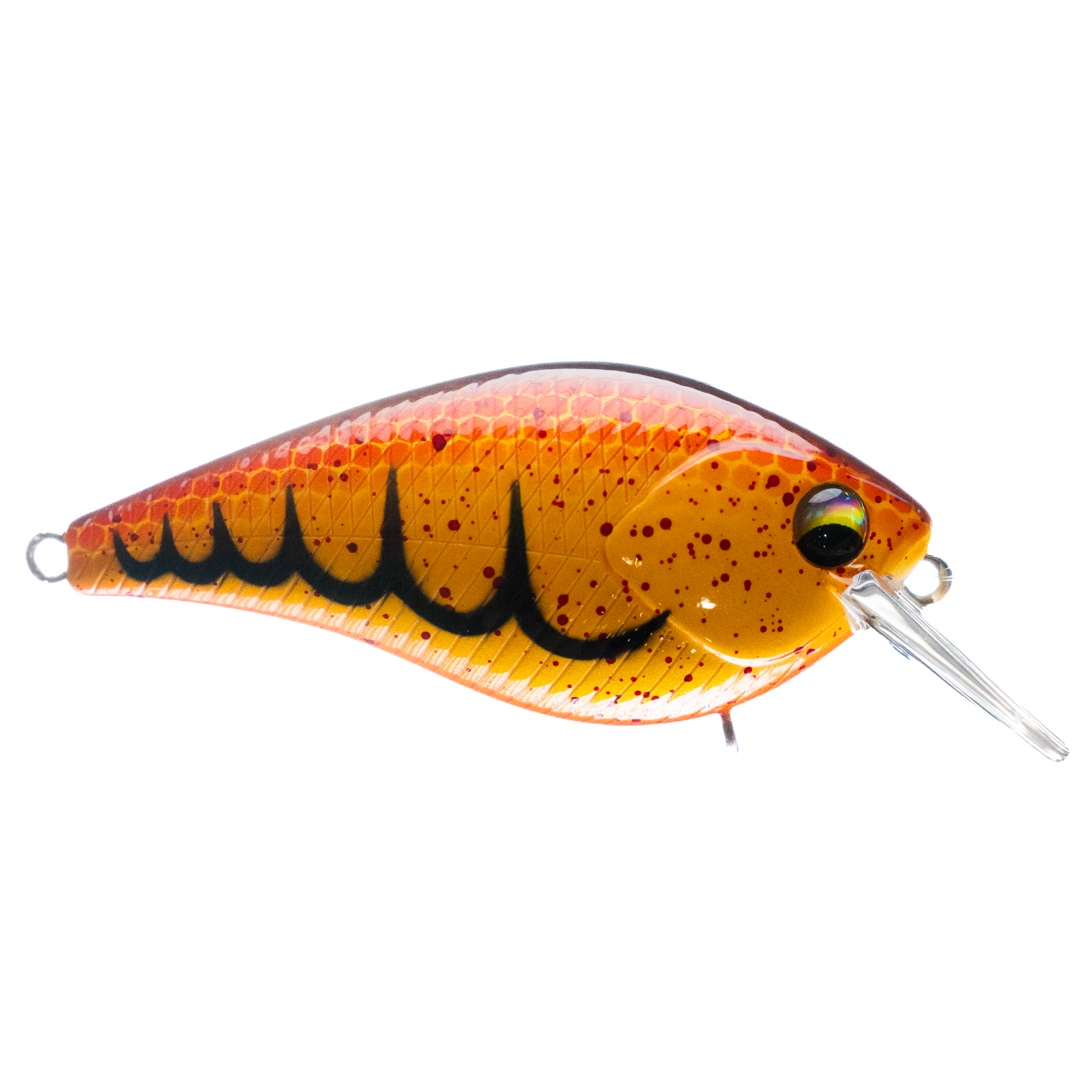
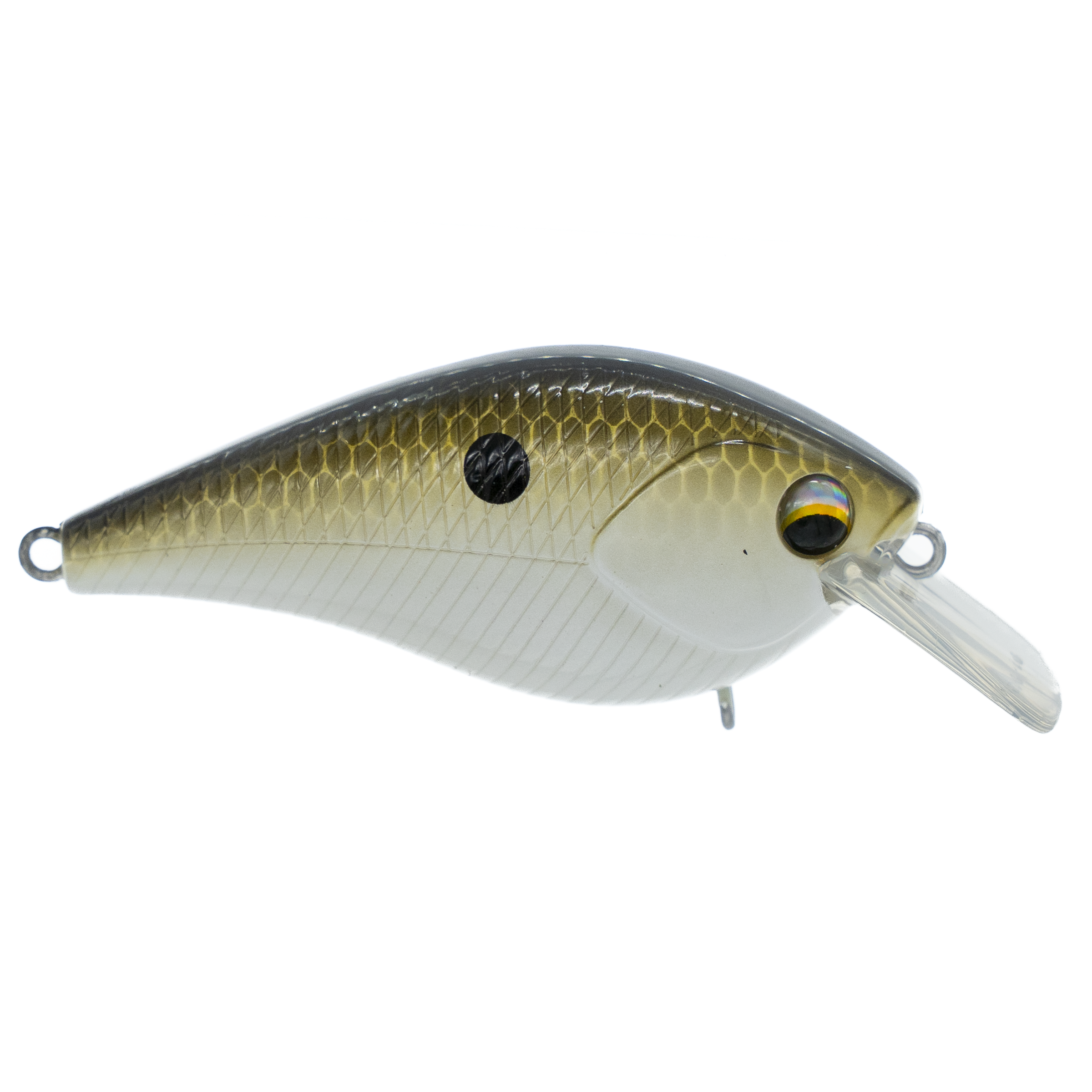
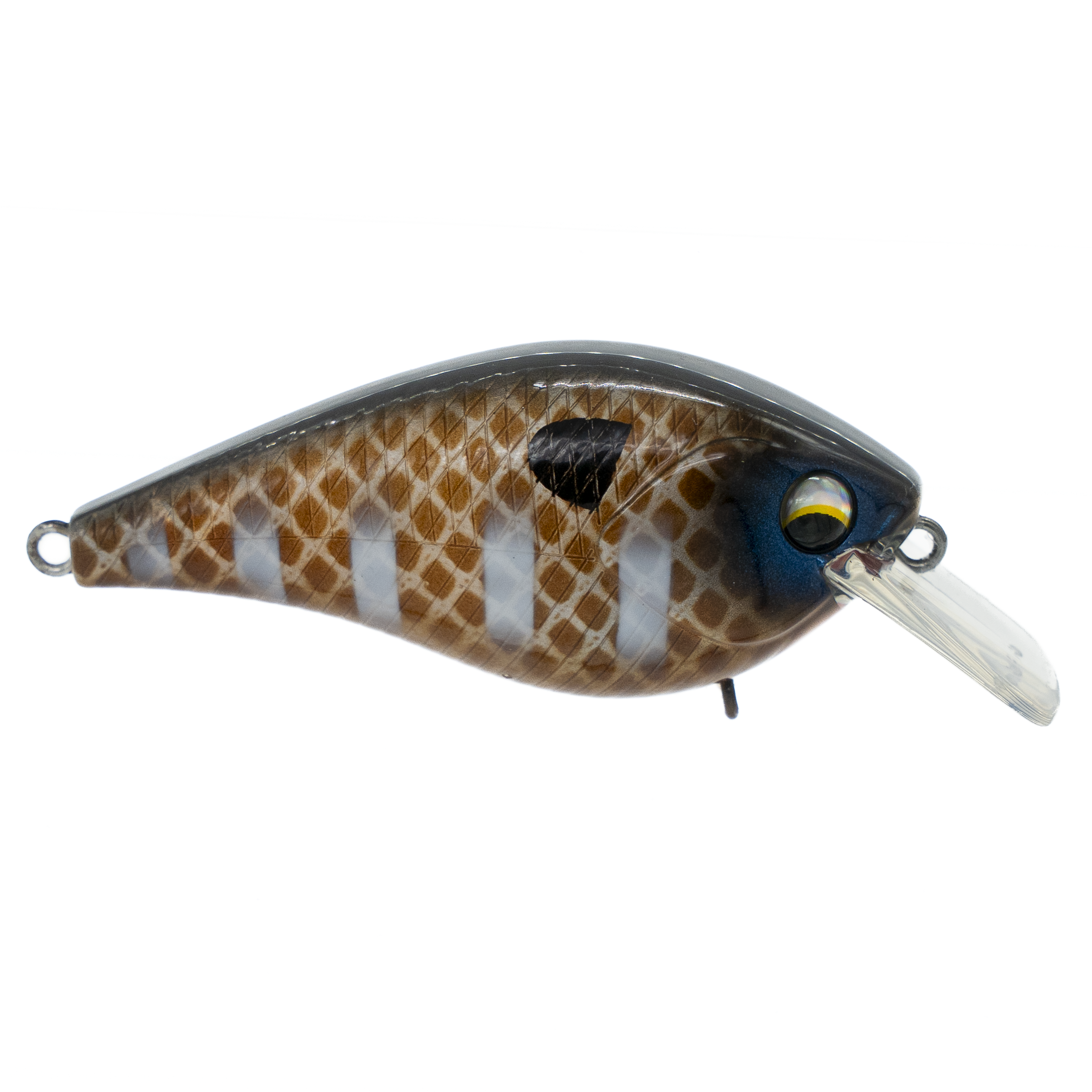
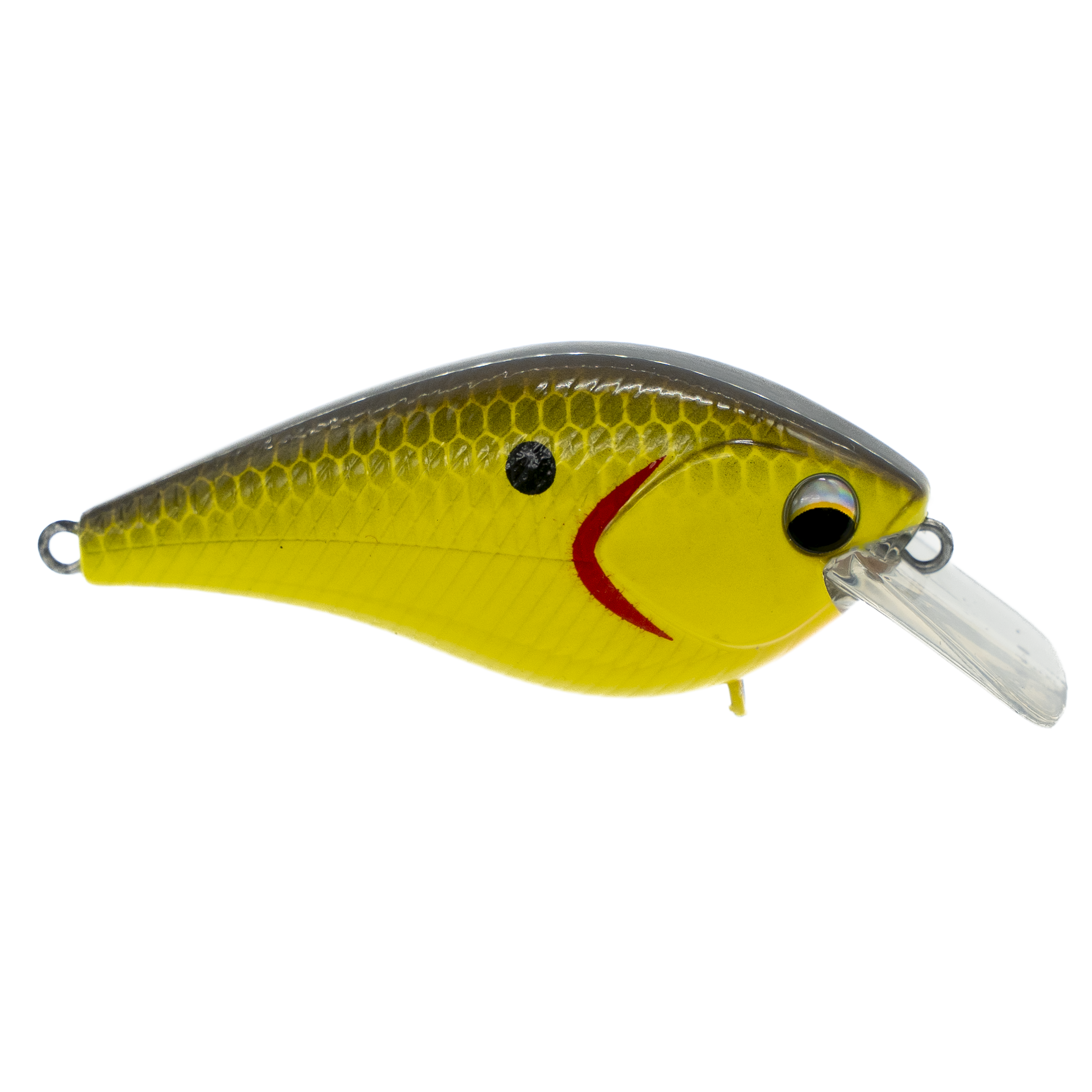
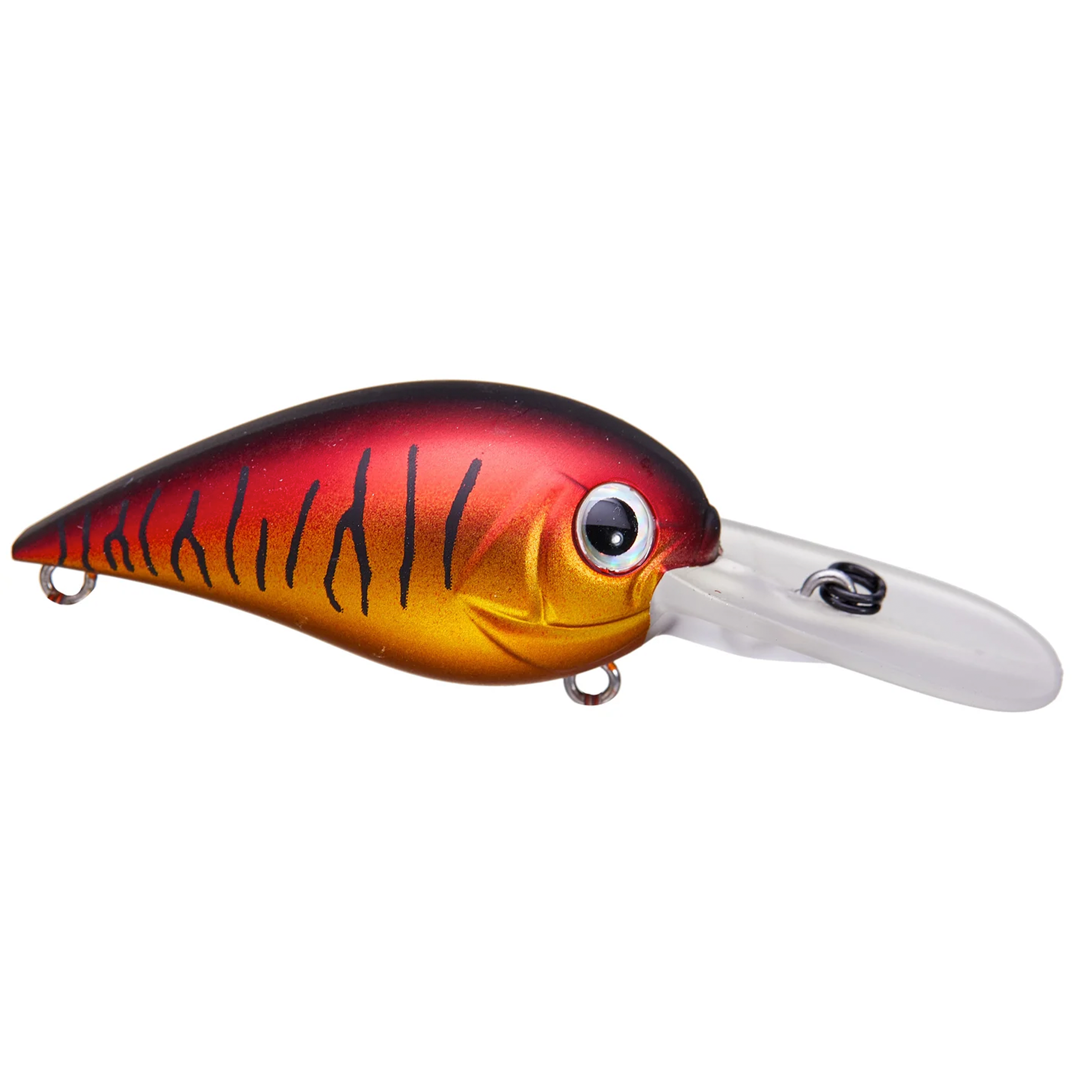
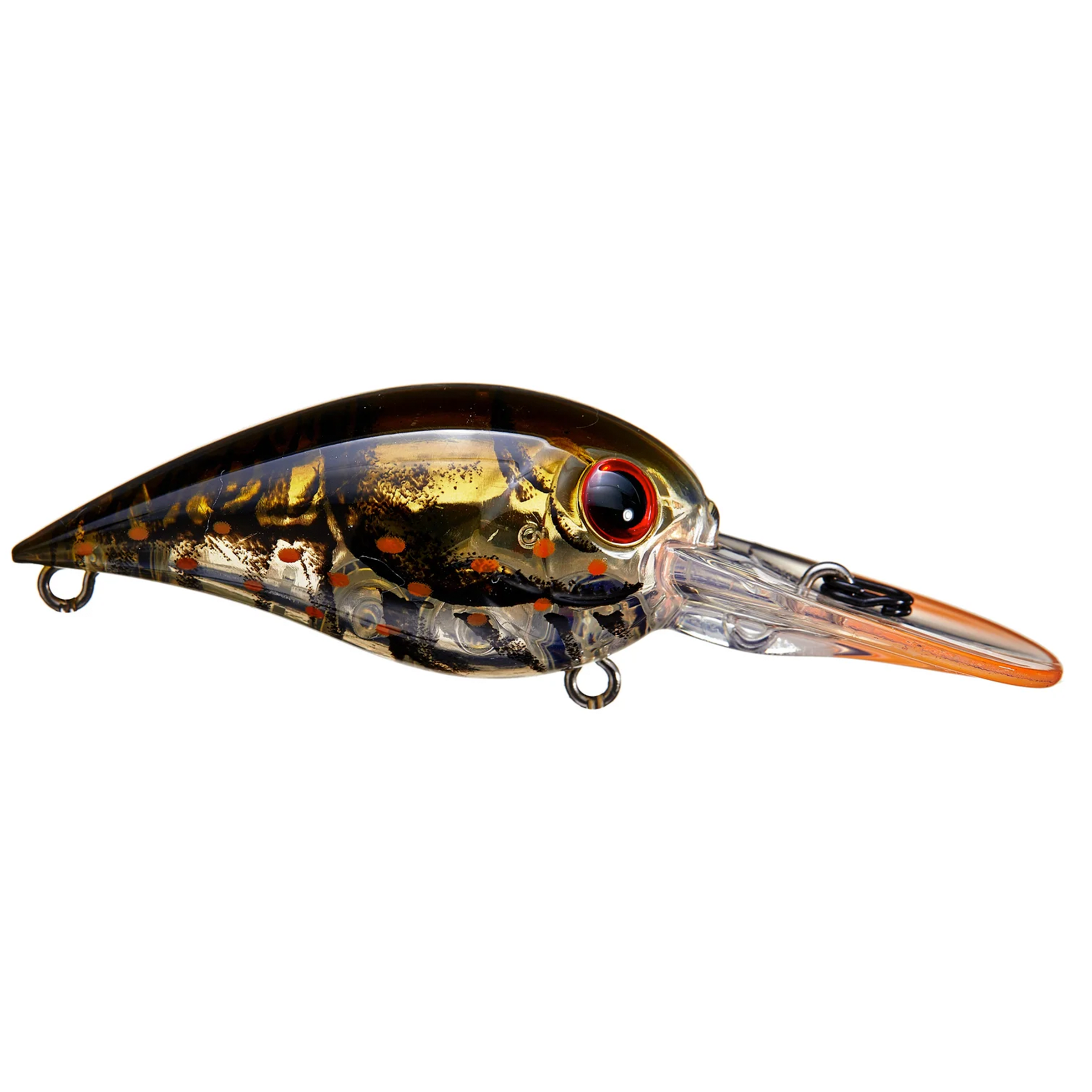
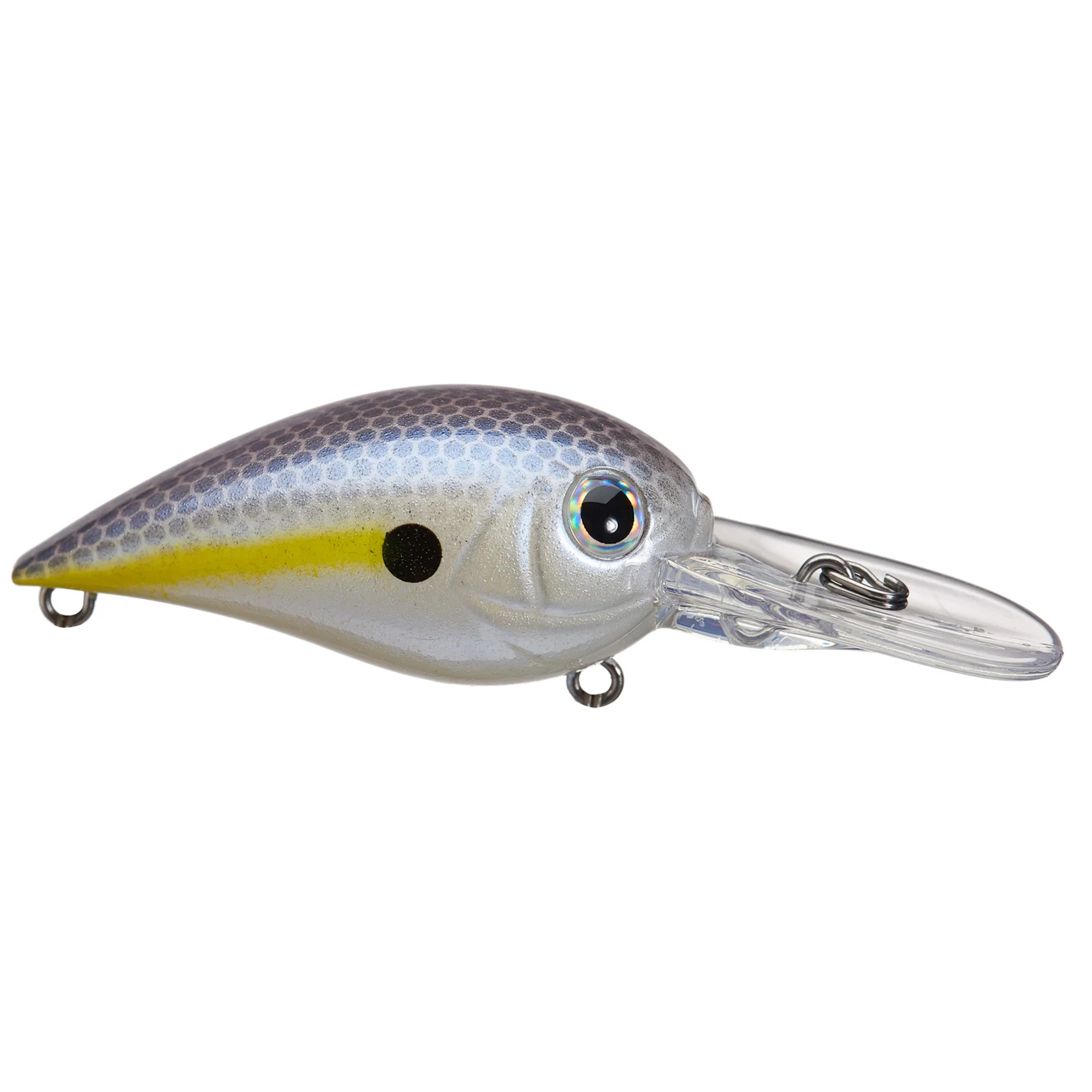
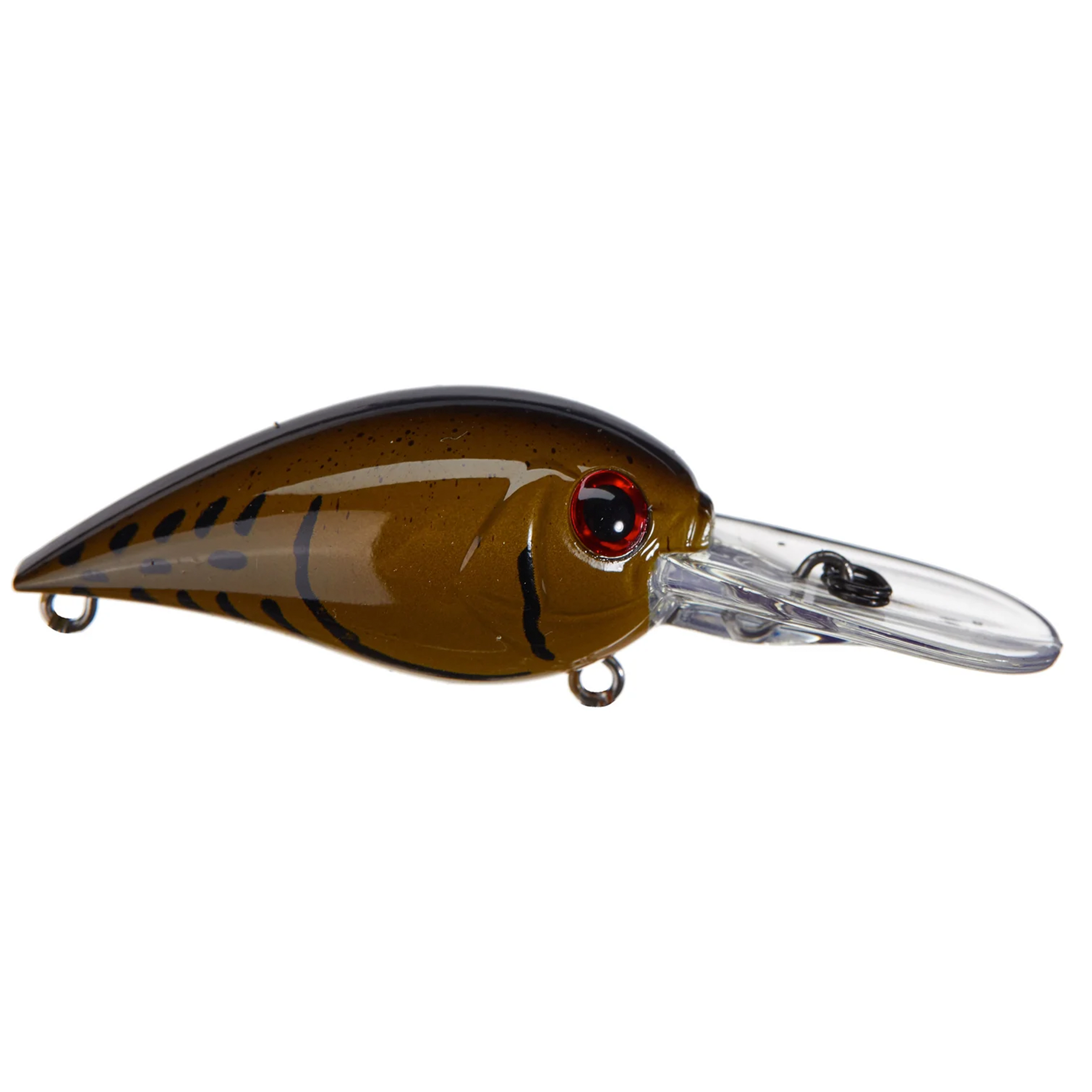
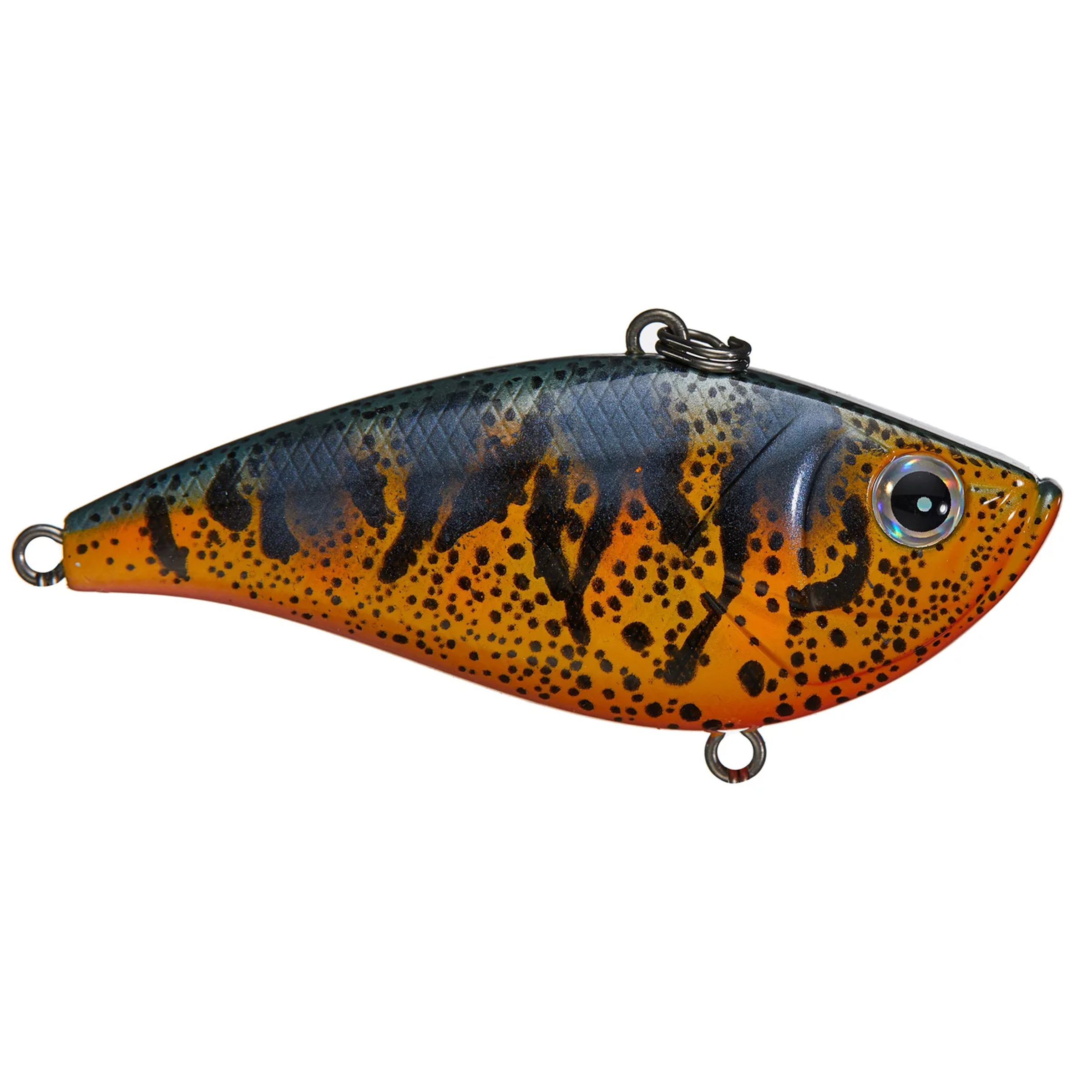
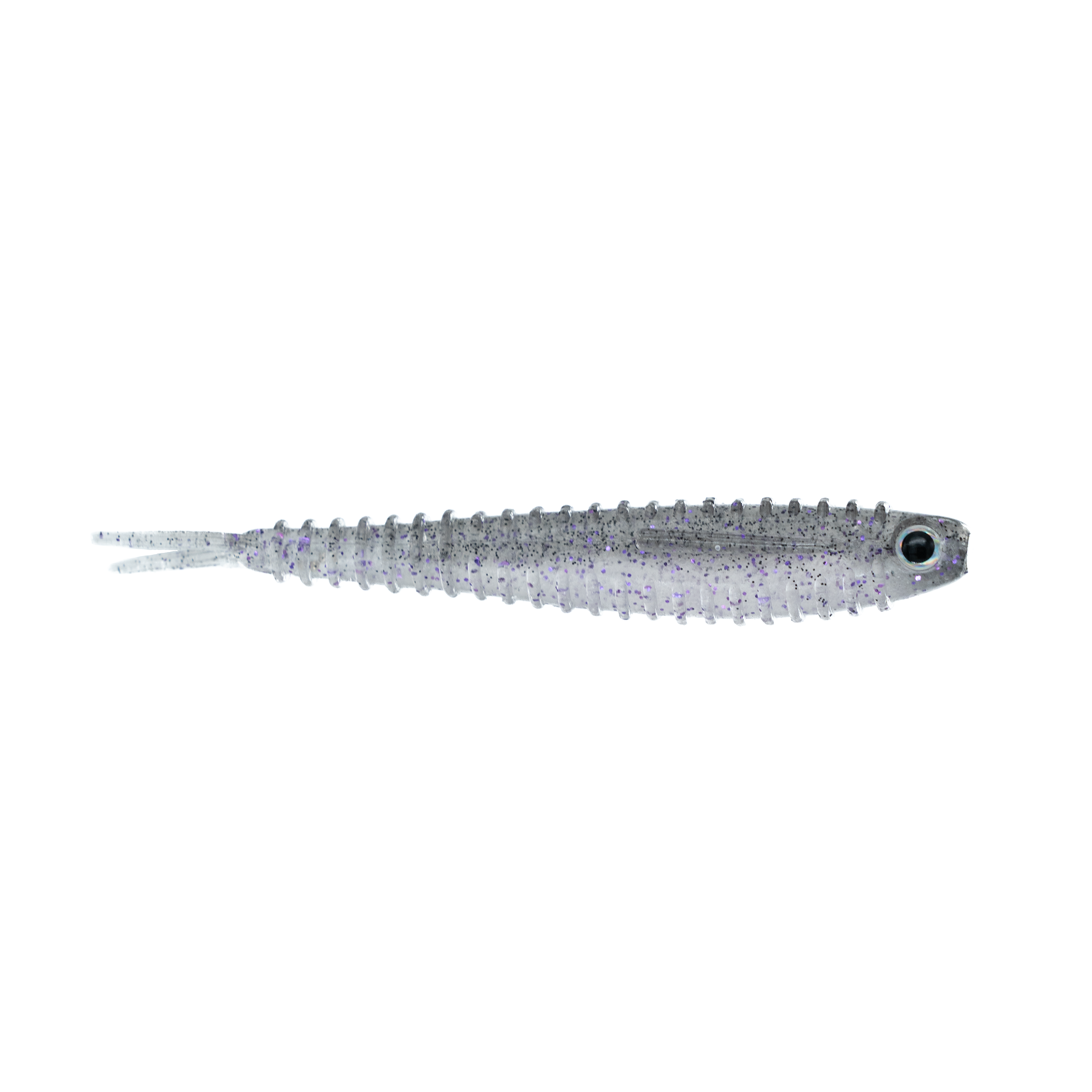
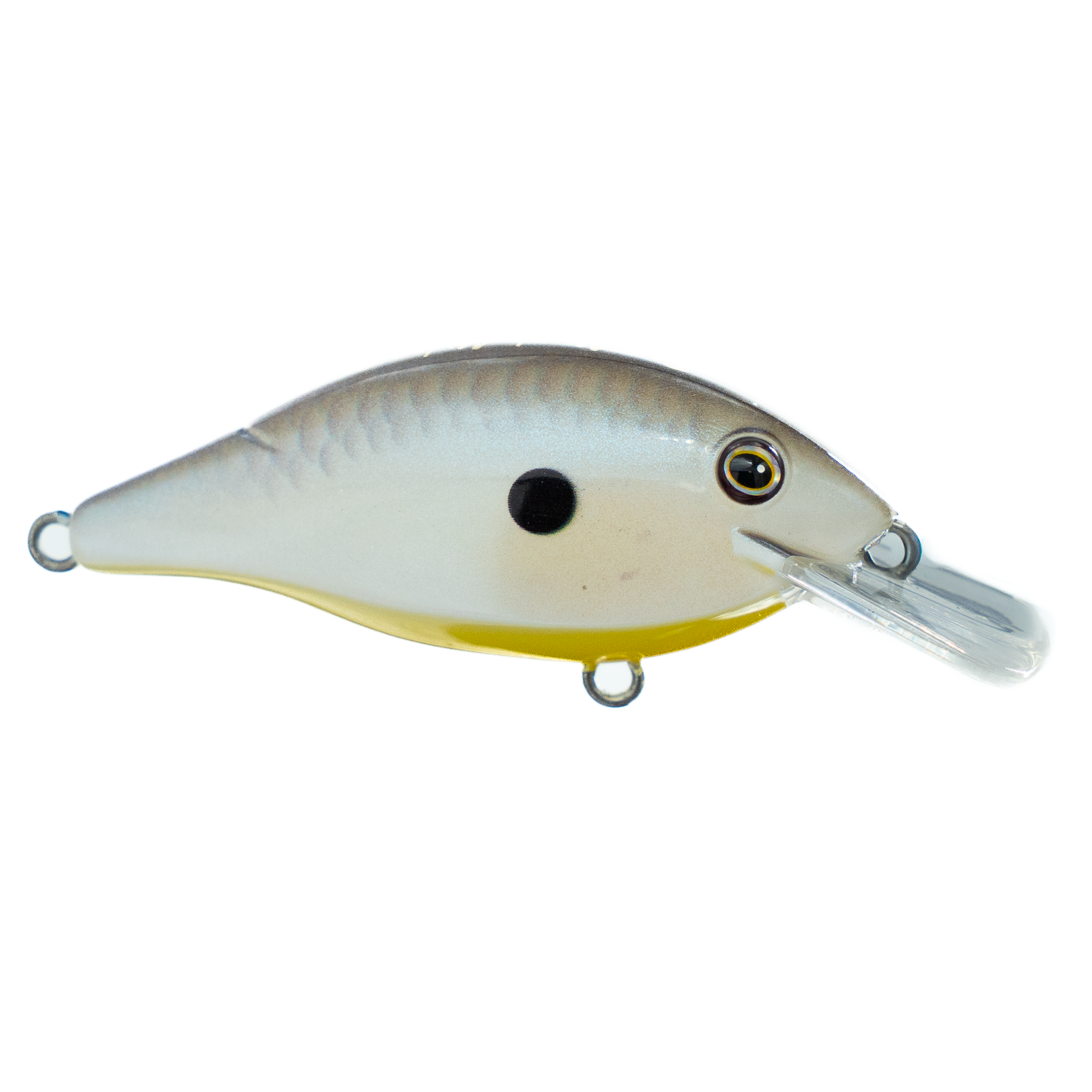
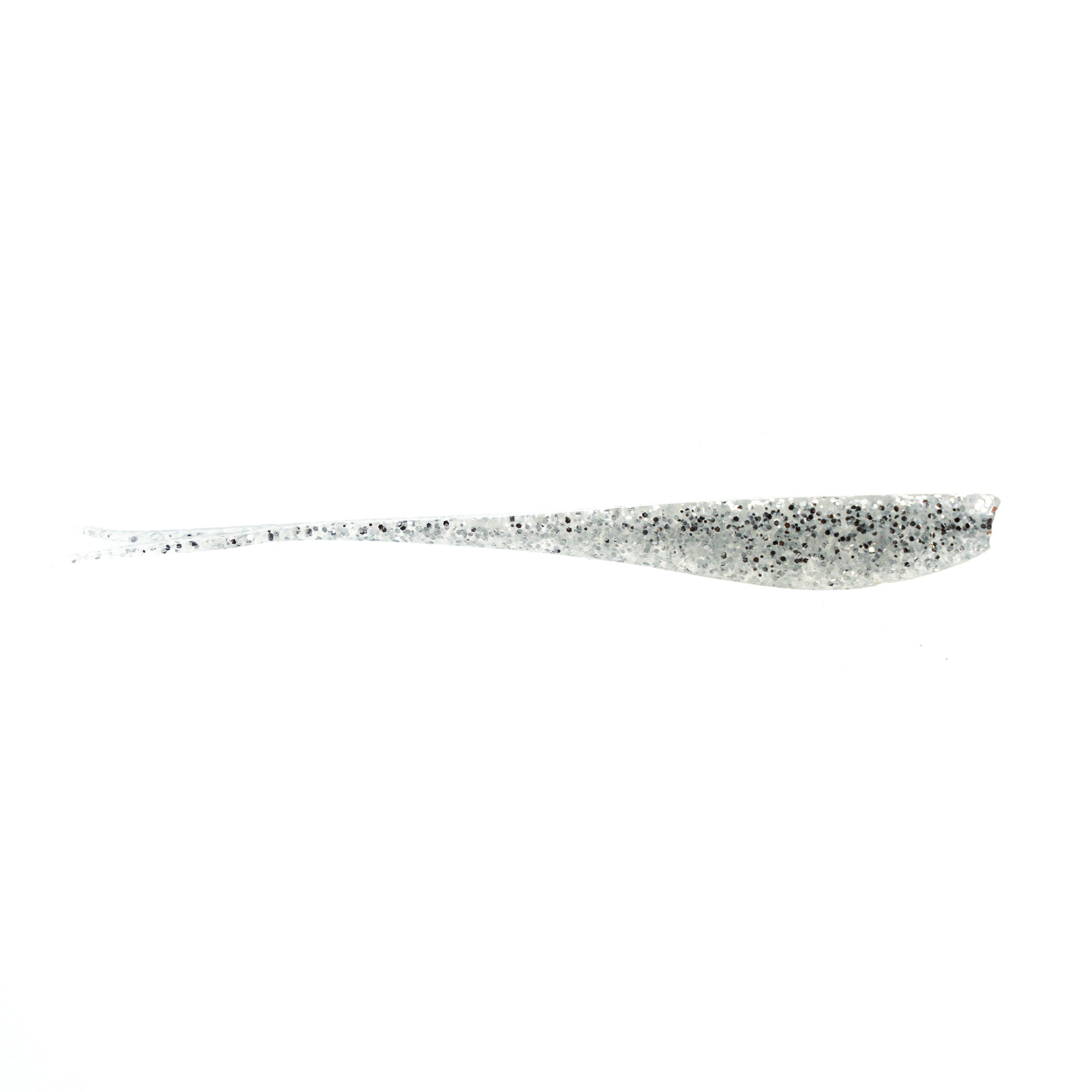
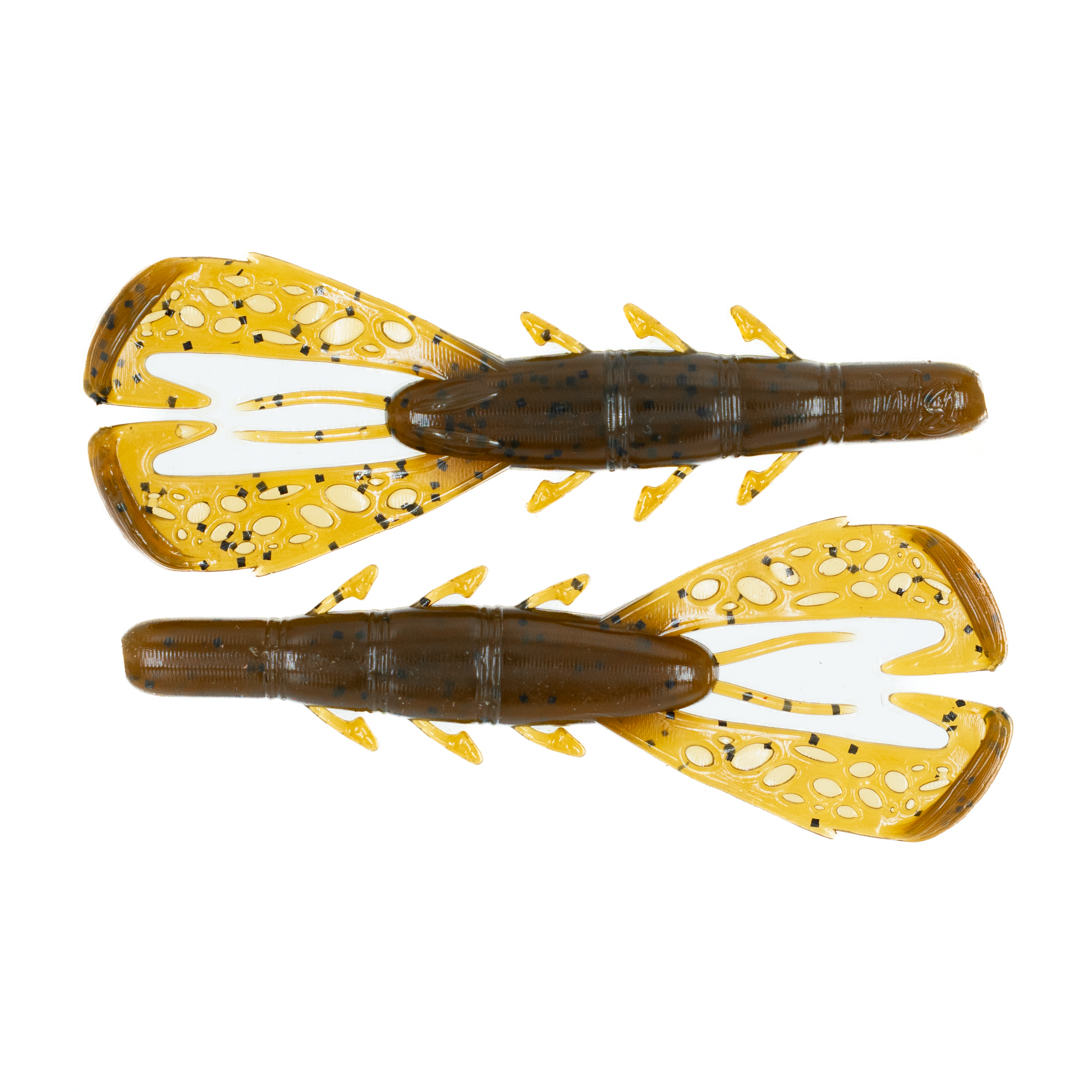
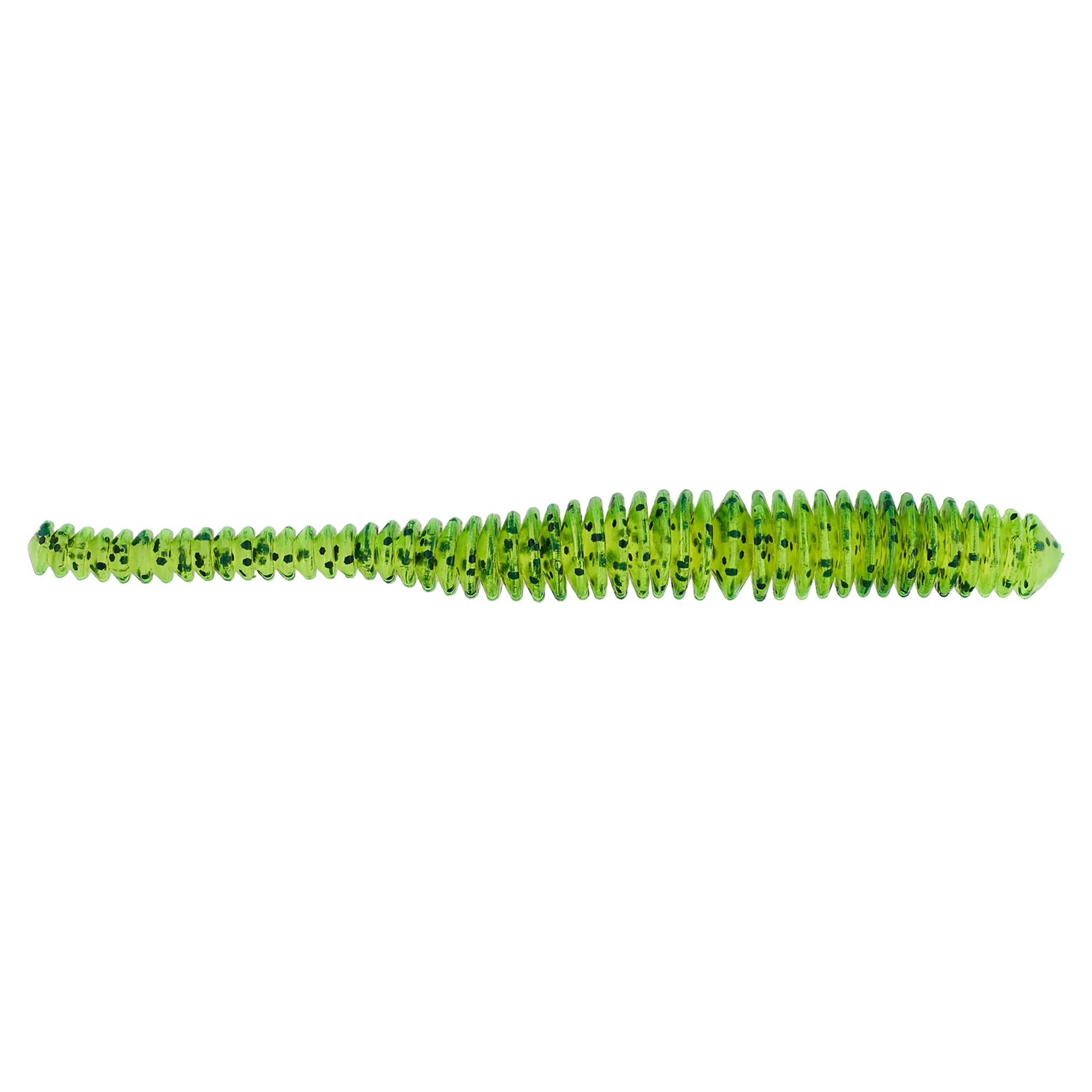
Flipping baits for wood, frogs and punching gear for summer grass, and moving baits in the creek mouths in autumn. Stained tidal water rewards bigger and more visible profiles. Our full bait lineup covers all four seasons.
Wood, Grass and Moving Water
Tidal creek fishing means putting a bait into wood with current pushing your line and getting a fish out before the tide helps her. Level Rods builds models with the accuracy to place it and the backbone to finish it quickly.
Tournament Winning Baits & Gear
Designed, crafted and tested by anglers who fish tidal water every week. Free shipping on orders over $75.
Shop All Baits