Millwood Lake Bass Fishing Guide
Millwood Bass Fishing, Season by Season
Twenty-nine thousand acres of shallow timber and grass in southwest Arkansas, and the state's most reliable trophy largemouth water. Ten-pounders are not rare on Millwood, four and five pound fish are common, and every bit of the cover is visible.
Shallow, Timbered and Full of Big Fish
Millwood Lake covers roughly 29,500 acres in the southwest corner of Arkansas, and it is a completely different animal from the clear highland reservoirs that dominate the rest of the state. Where Ouachita, Bull Shoals and Beaver are deep, clear and rocky, Millwood is shallow, stained and full of wood.
The reputation is trophy largemouth and it is earned. Bass over ten pounds are described as not rare here, and four to five pound fish are common. For an Arkansas angler who wants a genuinely big largemouth rather than a numbers day, this is the answer.
The cover is the reason. Millwood has diverse visible cover and a great deal of timber and structure — standing wood, stumps, laydowns, brush, grass beds, lily pads and cypress. Bassmaster describes it as an interesting lake to fish with a lot of prime spots, which is a polite way of saying you can see where the fish should be.
That visibility changes how you fish. On the deep clear lakes elsewhere in Arkansas, electronics do the searching. On Millwood you fish with your eyes, working targets and cover rather than hunting structure at depth. It suits anglers who like flipping and pitching, and rewards accuracy over technology.
The water is stained, which means brighter and bigger profiles work here in a way they would not on Ouachita or Greers Ferry. It also means the fish are less spooky and more willing to eat a reaction bait.
Ranked twentieth in Bassmaster's Central Division, second among Arkansas lakes behind Dardanelle, and the highest-ranked lake in the state that is genuinely about big fish rather than tournament weights.
Timber, Grass and Shallow Water
Four patterns cover the year. Each one pairs the technique with the baits we'd actually tie on.
The Trophy Window
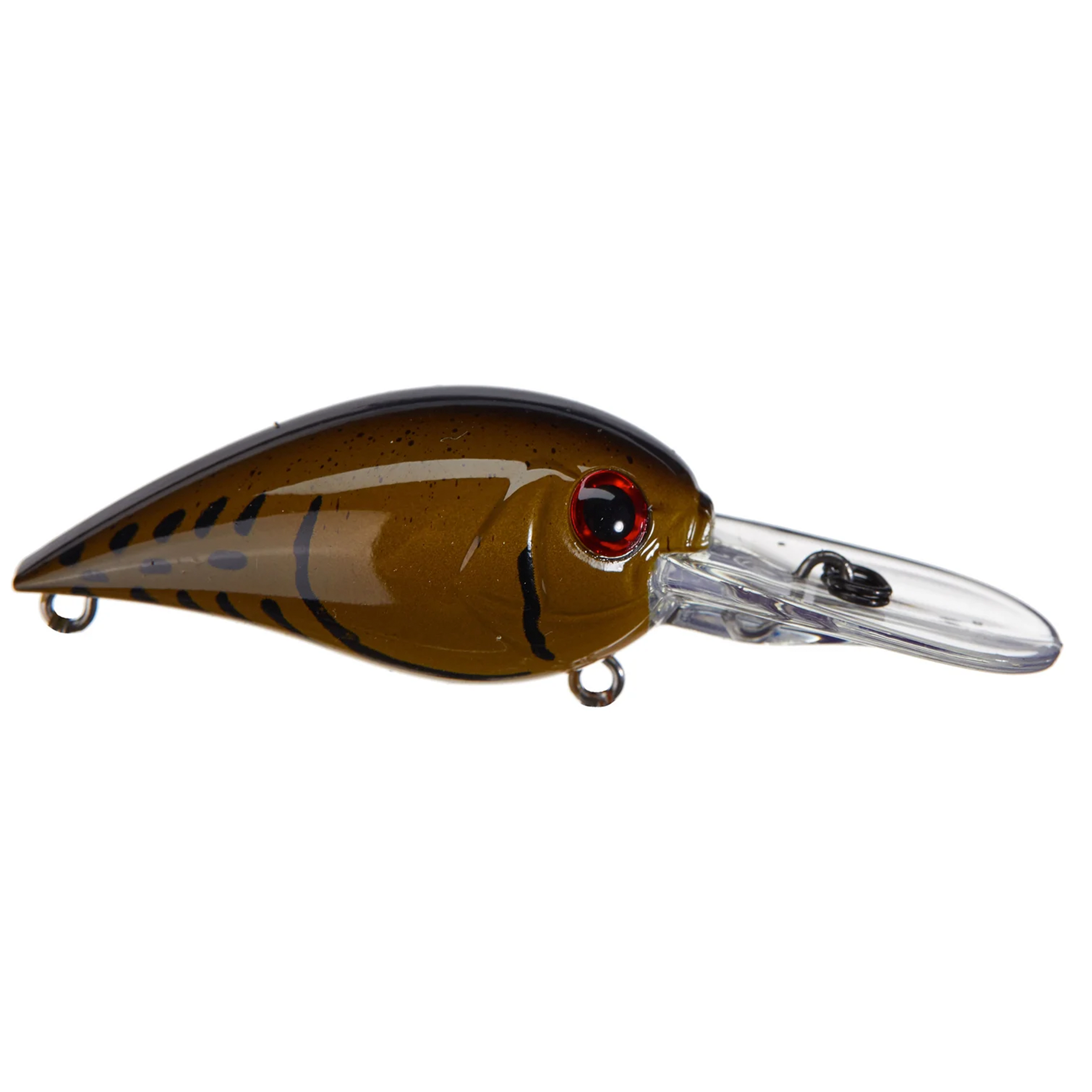
Spring is when the biggest fish on this lake get caught. Prespawn and spawning largemouth move into the shallow timber, the grass and the backs of the creeks, and southwest Arkansas warms early. If a ten-pounder comes out of Millwood, it is most likely to be now.



Grass, Pads and Shade
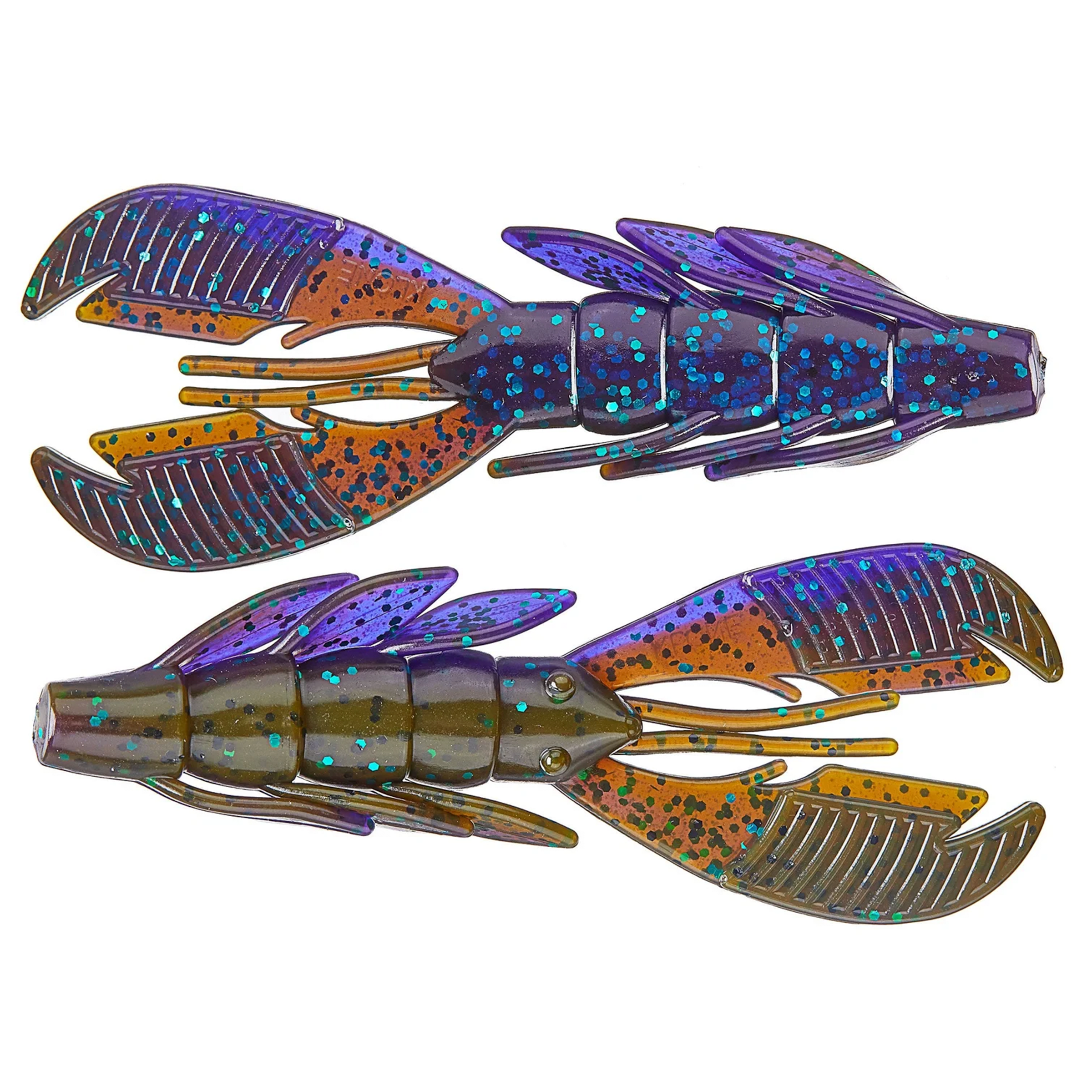
Summer is a heavy-cover and low-light game. Grass beds, lily pads and matted vegetation hold fish through the heat, and the timber provides shade. Southwest Arkansas summers are severe, which pushes the productive fishing into the early and late windows.

Bait, Edges and Cooling Water
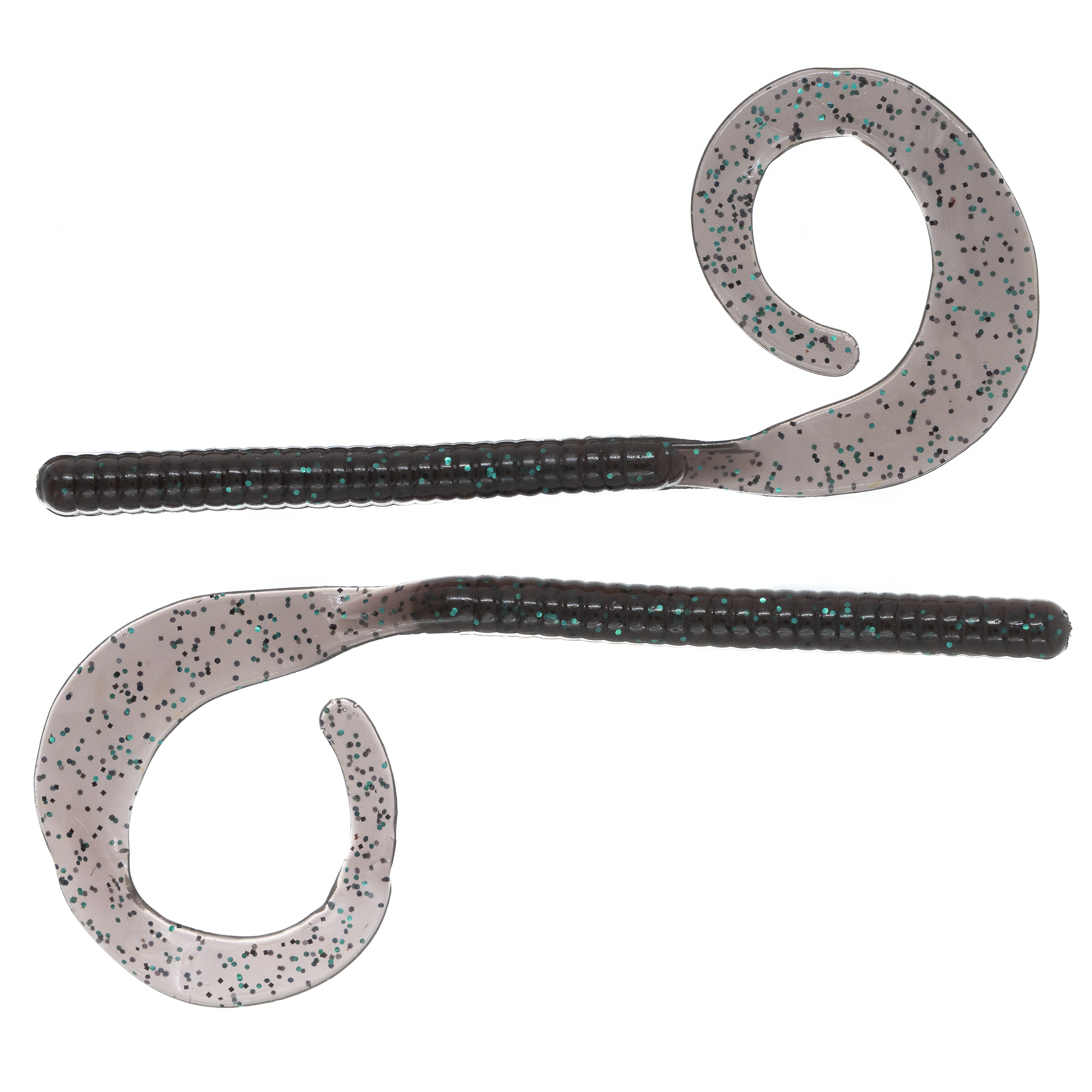
Autumn cools the water and brings fish out of the heaviest cover onto the edges and into the open pockets. Bait concentrates and the fishing becomes considerably more forgiving than the summer punching game. It is the most comfortable season out here.

Deeper Cuts and Slow Presentations
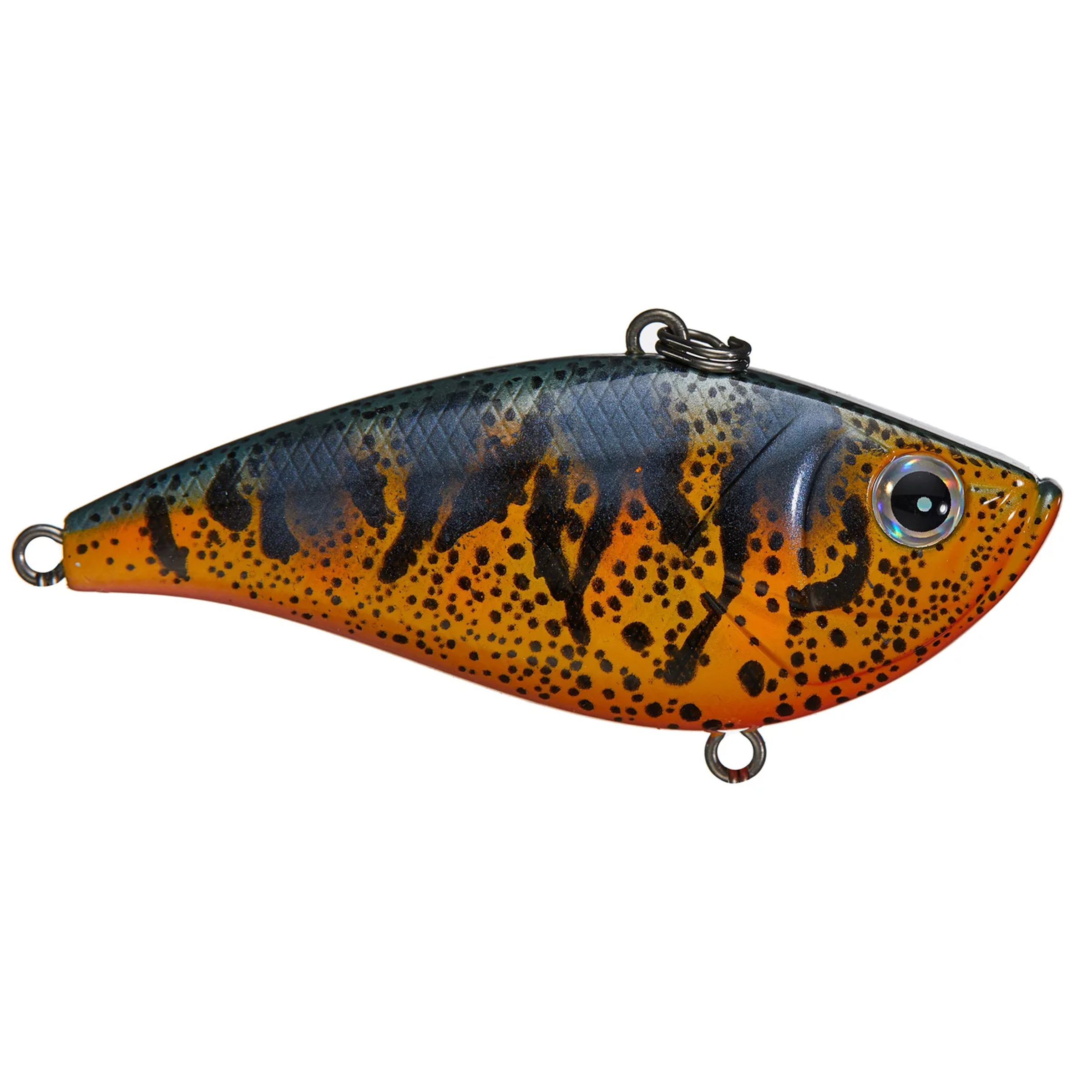
Winter concentrates fish in the deeper channels, the cuts and whatever deeper water a shallow lake offers. There is not much of it, which makes the fish easier to locate than on the deep highland lakes. Cold fronts have a pronounced effect on water this thin.


Millwood Lake Access
Millwood State Park sits on the lake with ramps and camping, and additional public ramps serve the reservoir. Ashdown is the nearest town, in the southwest corner of Arkansas close to the Texas line.
The Standing Timber
Diverse visible cover and a great deal of it, which is what makes this lake what it is. Stumps, laydowns and standing wood across the shallow water, holding fish year round and offering targets you can see rather than structure you have to find.
The Grass and Pad Fields
Vegetation beds and lily pads holding fish through the summer heat. Topwater water at first light, punching water once the sun is up, and where the spawn happens in the sheltered backs.
The Deeper Channels and Cuts
What passes for deep water on a shallow lake, and where the fish concentrate in winter. Limited enough that finding them in cold water is easier here than on Ouachita or Bull Shoals.
Millwood Lake Bass Fishing FAQ
Does Millwood produce big bass?
Yes — it is Arkansas's most reliable trophy largemouth water. Fish over ten pounds are described as not rare here and four to five pounders are common. If you want a genuinely big Arkansas largemouth rather than a numbers day, this is where to go.
How big is Millwood Lake?
Roughly 29,500 acres in the southwest corner of Arkansas near Ashdown, close to the Texas line. It is shallow throughout, which makes it completely different from the deep clear reservoirs elsewhere in the state.
How is Millwood different from Arkansas's other lakes?
Almost entirely. Ouachita, Bull Shoals, Beaver and Greers Ferry are deep, clear, rocky highland reservoirs where electronics do the searching. Millwood is shallow, stained and full of visible timber and grass, where you fish with your eyes and work targets.
What kind of cover is there?
Diverse and visible — standing timber, stumps, laydowns, brush, grass beds, lily pads and cypress. Bassmaster describes it as an interesting lake with a lot of prime spots, which is another way of saying you can see where the fish ought to be.
When is the best time to fish Millwood?
Spring, for the prespawn and spawn, when the biggest fish of the year get caught and southwest Arkansas warms early. Autumn is the second window and the most comfortable. Summer is a heavy-cover game in serious heat.
Is the water clear?
No, stained — which works in your favour. Bigger and brighter profiles produce here, and the fish are less spooky and more willing to take a reaction bait than they are on the clear-water lakes elsewhere in Arkansas.
What baits work best on Millwood?
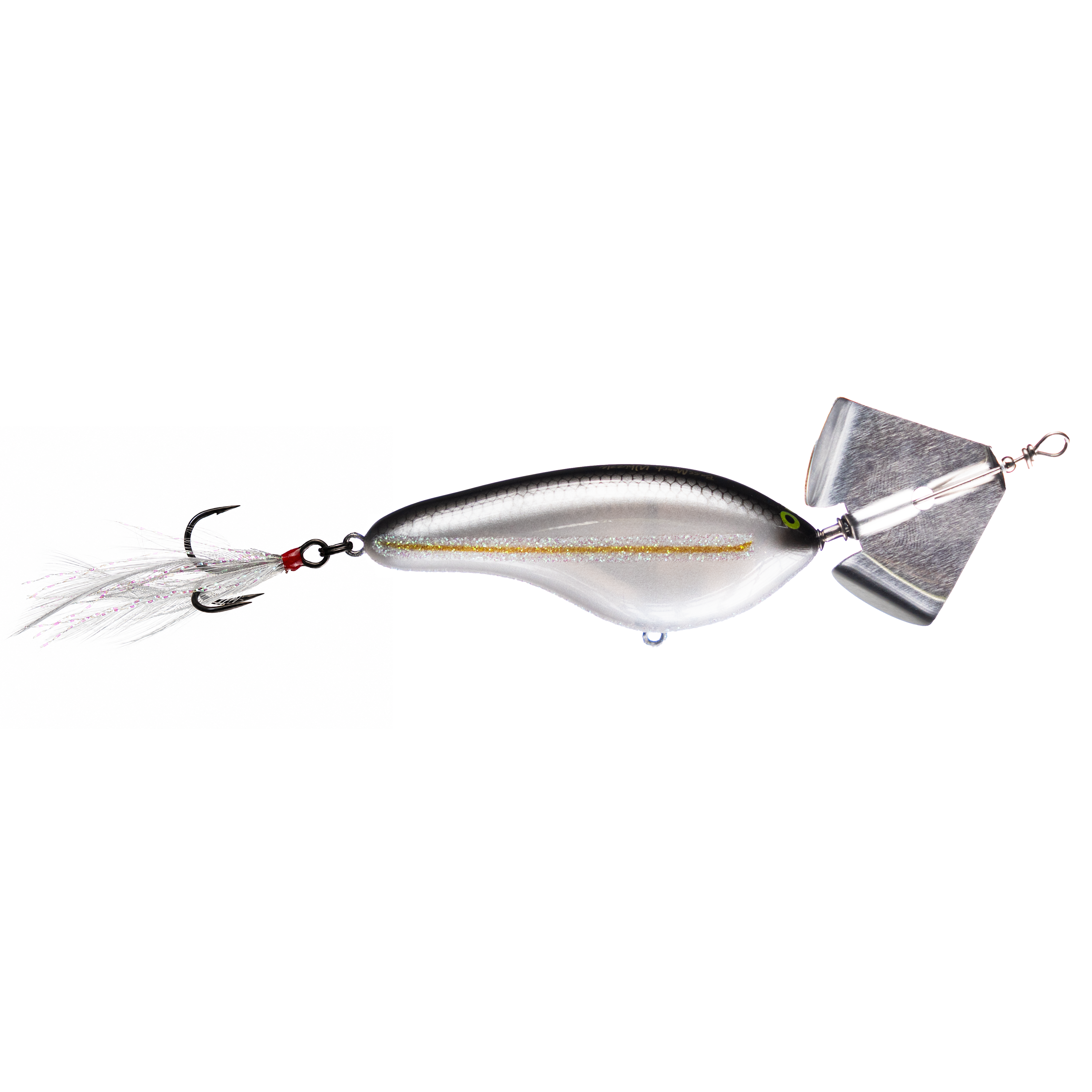
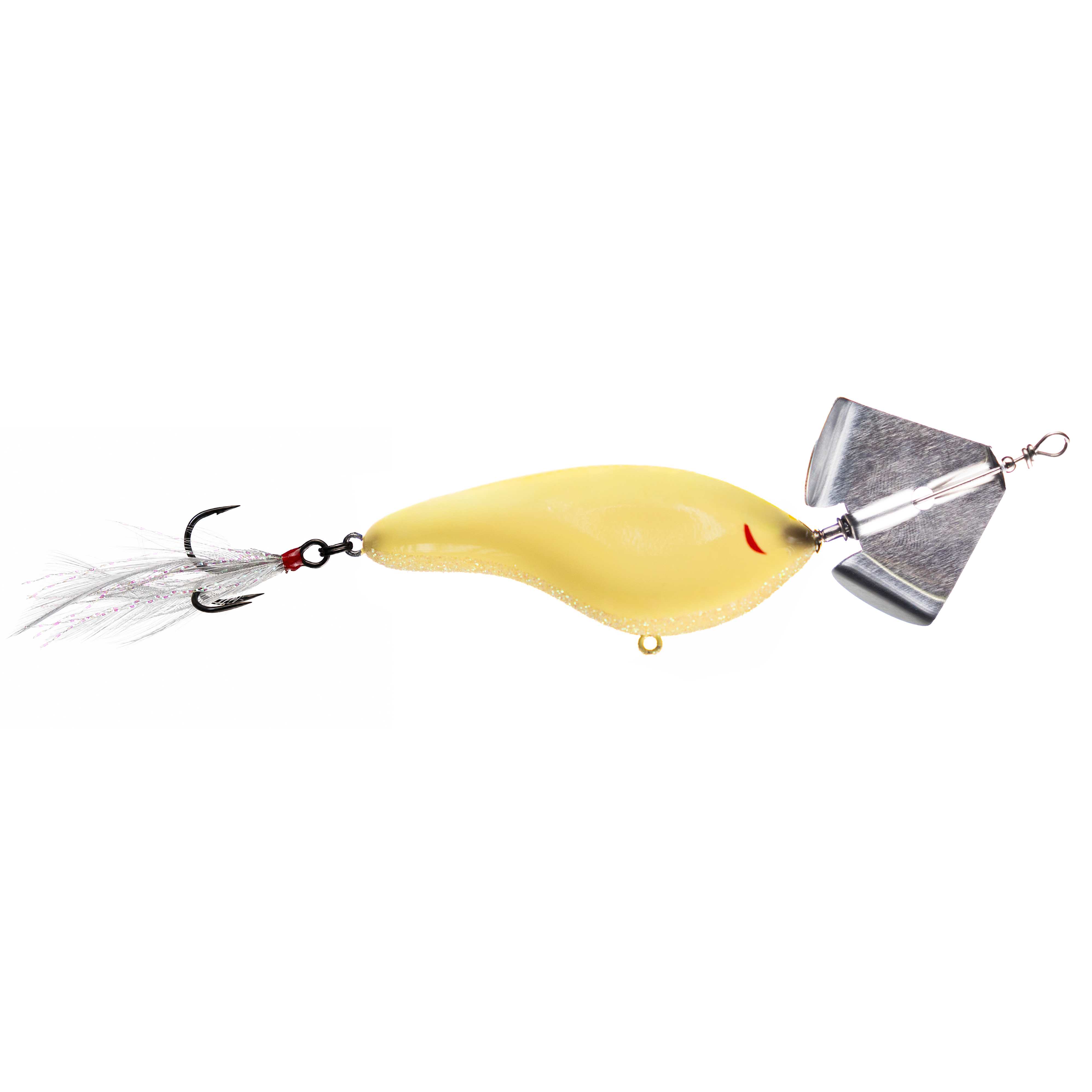
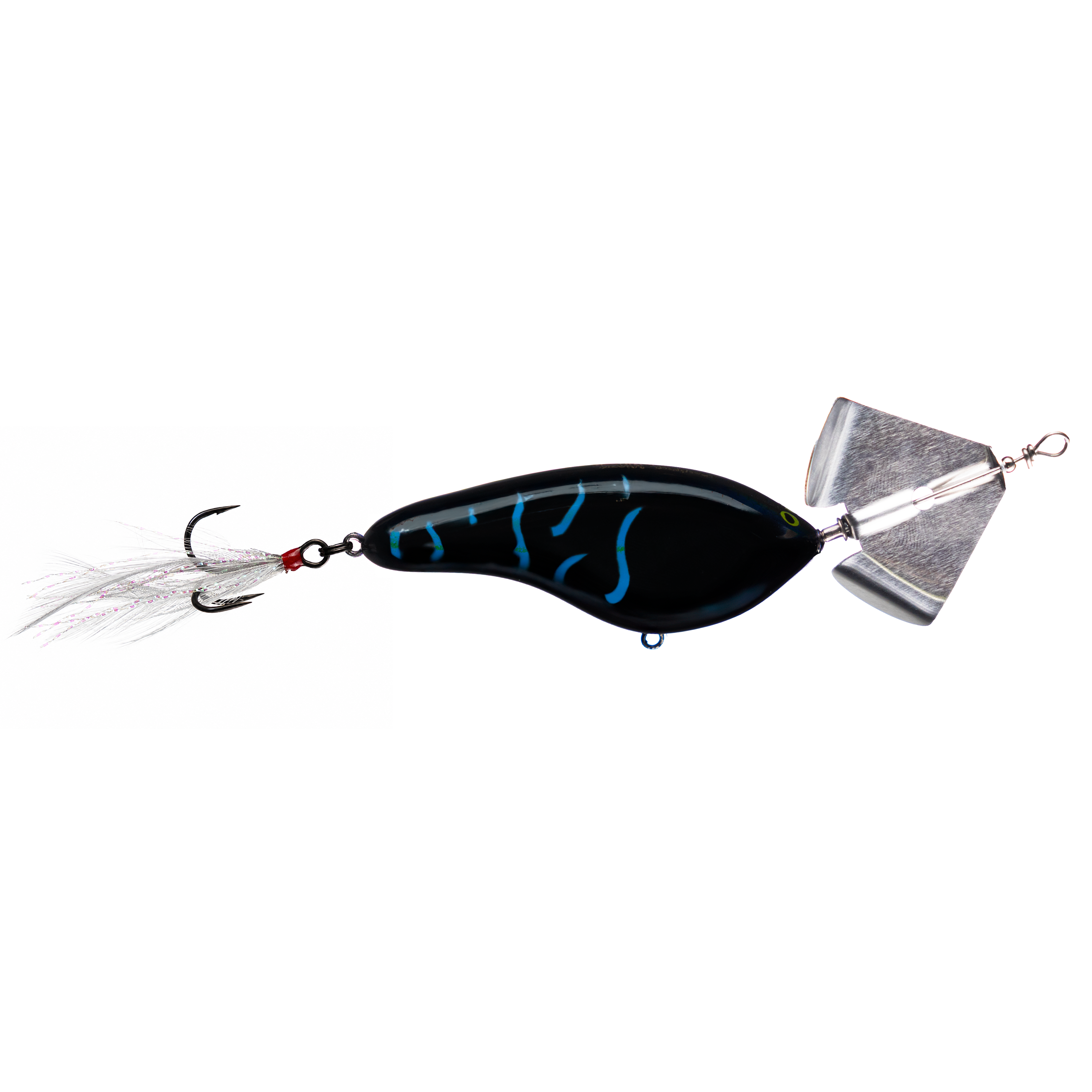
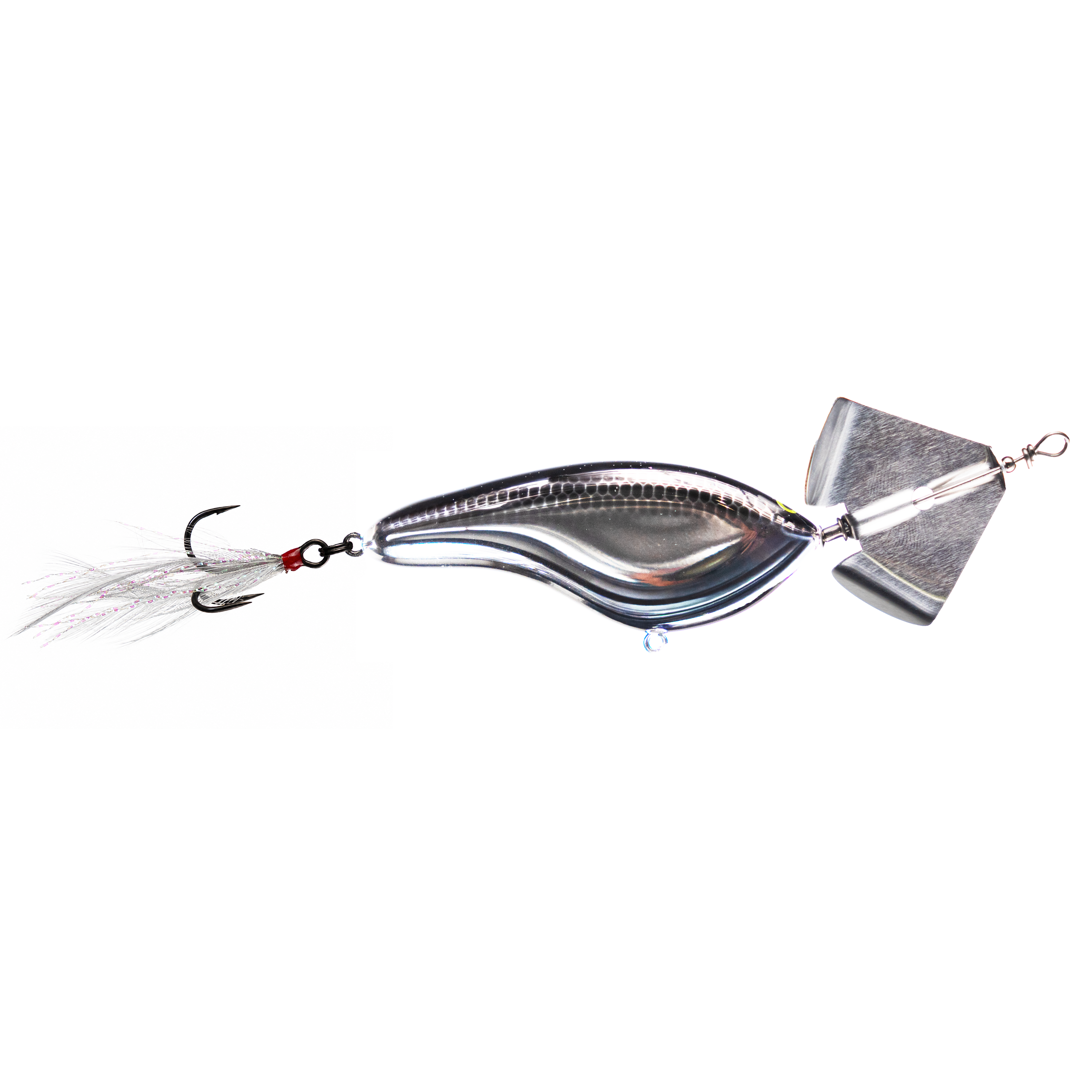
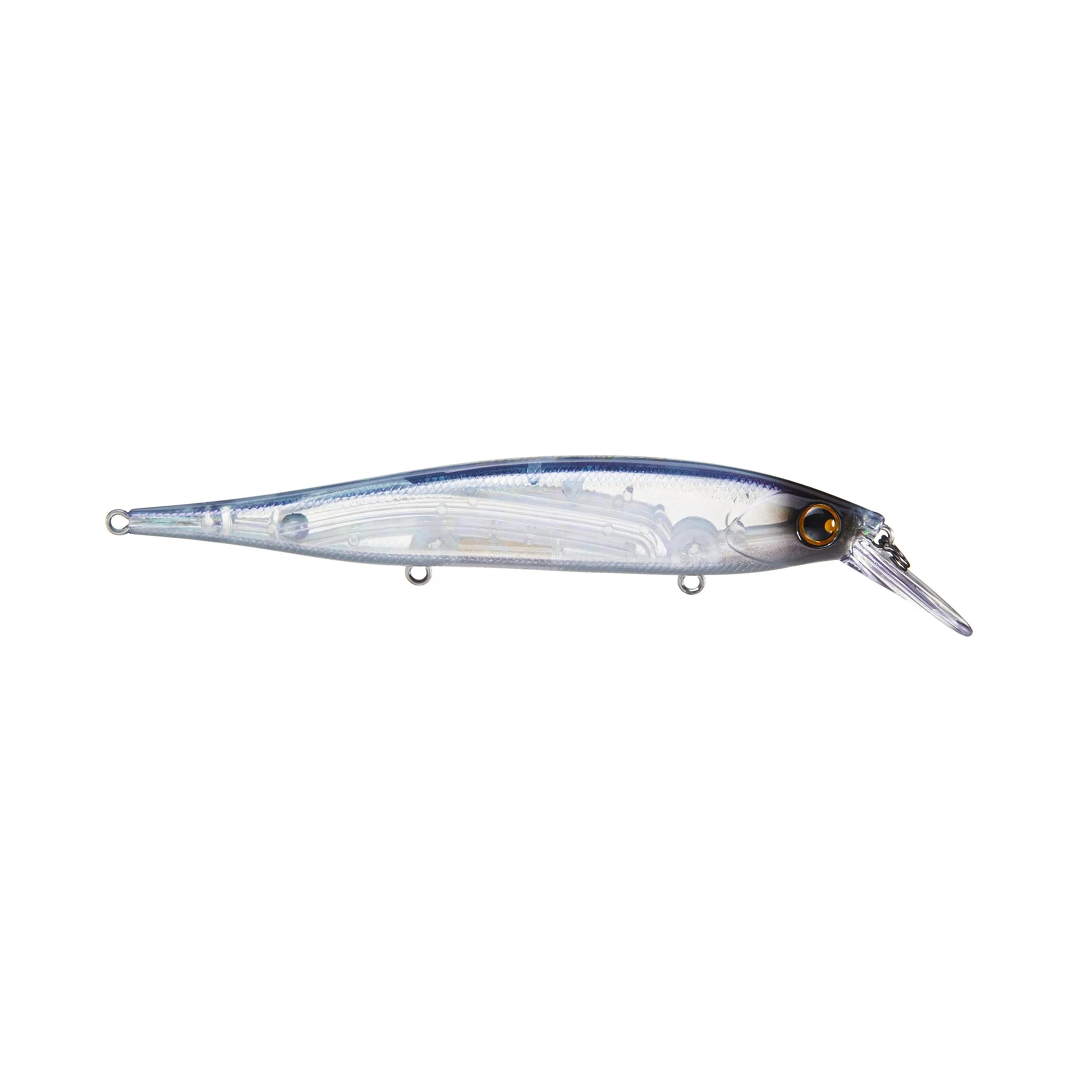
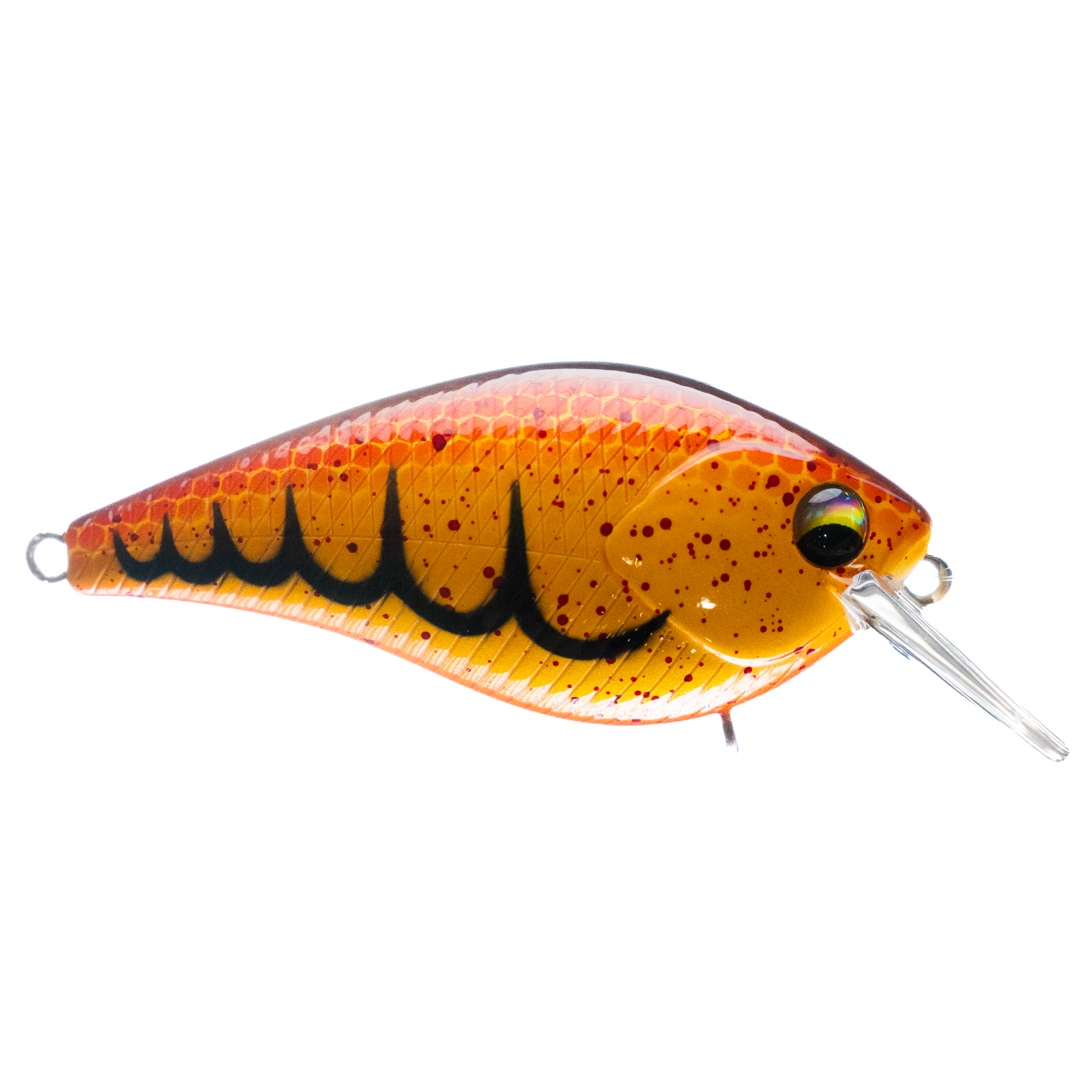
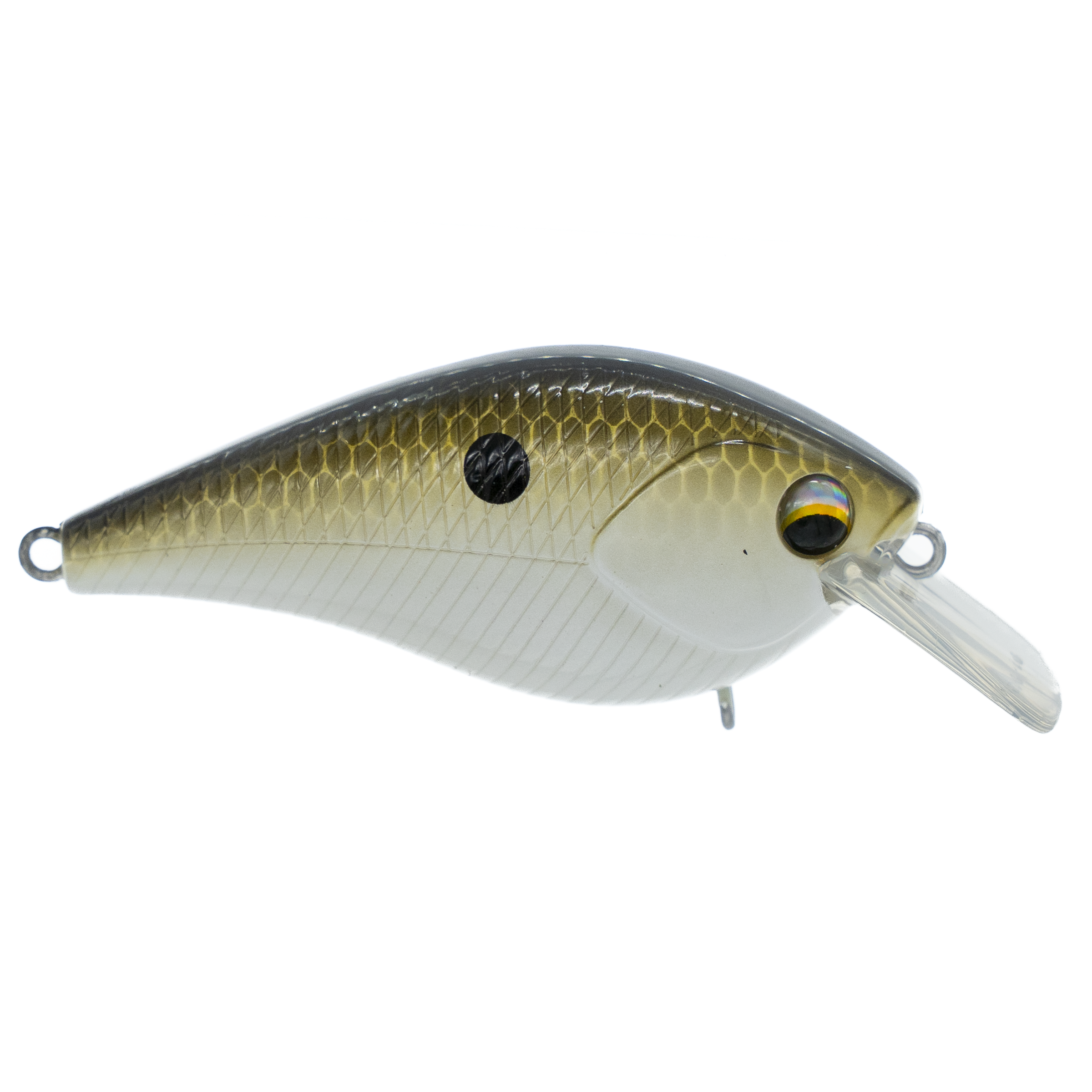
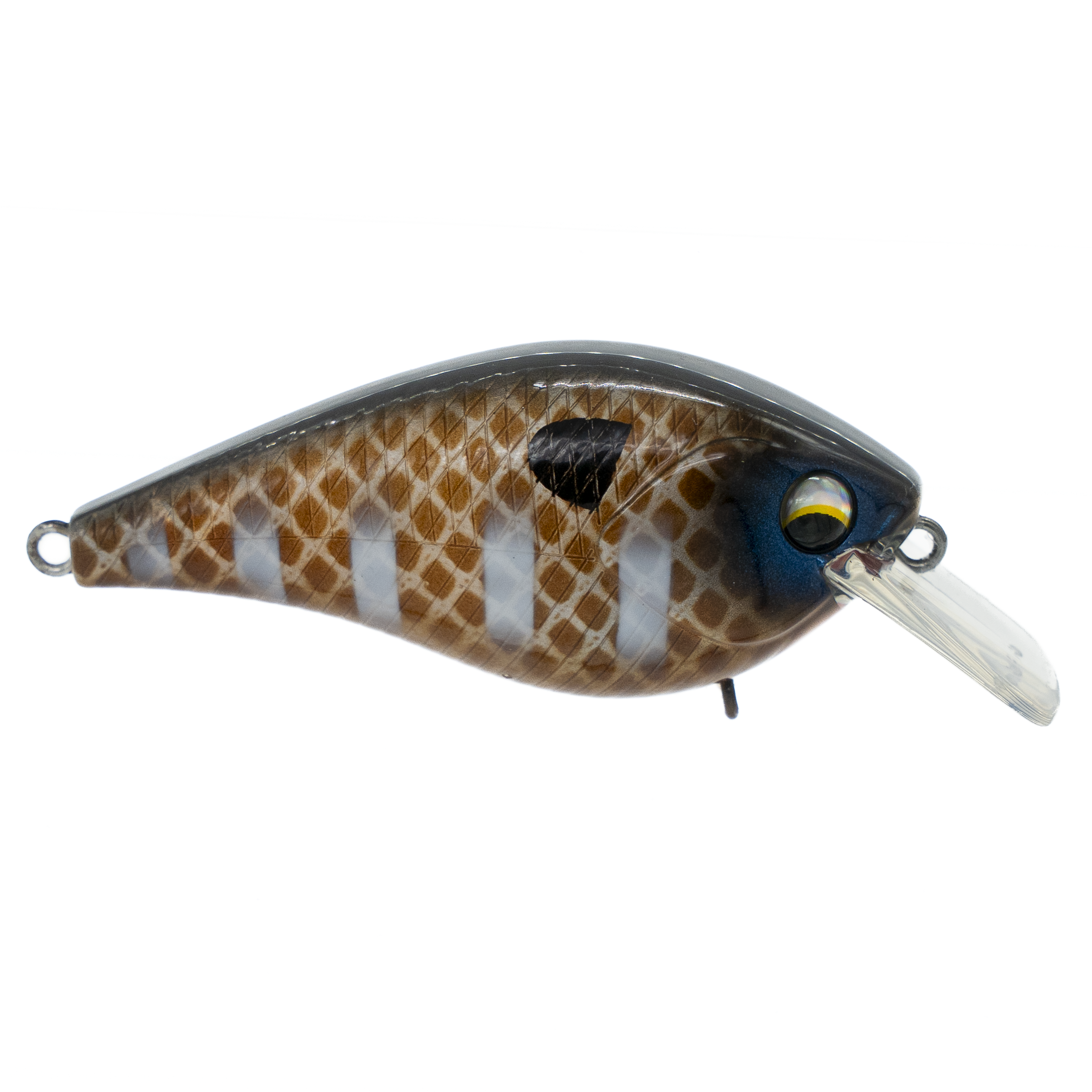
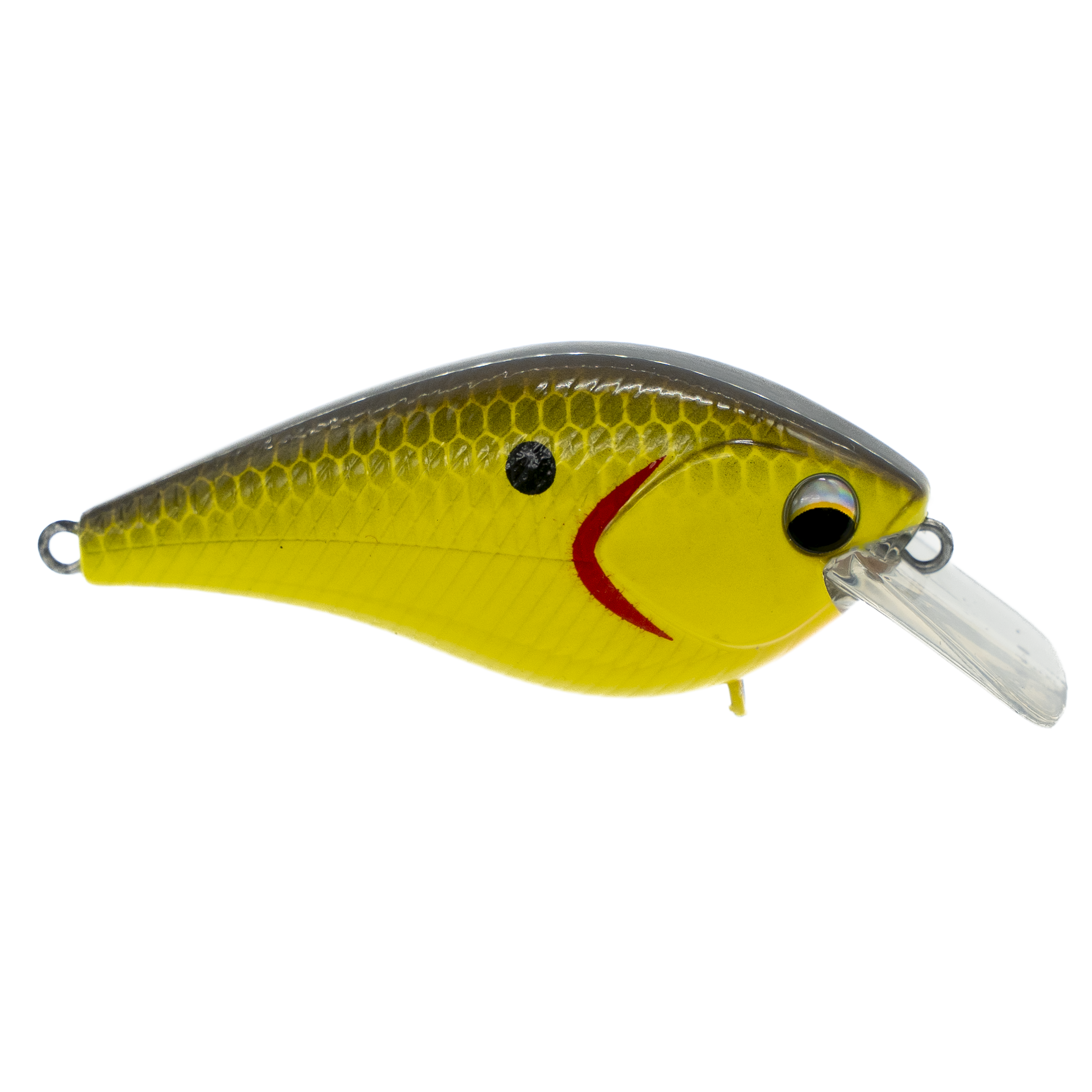
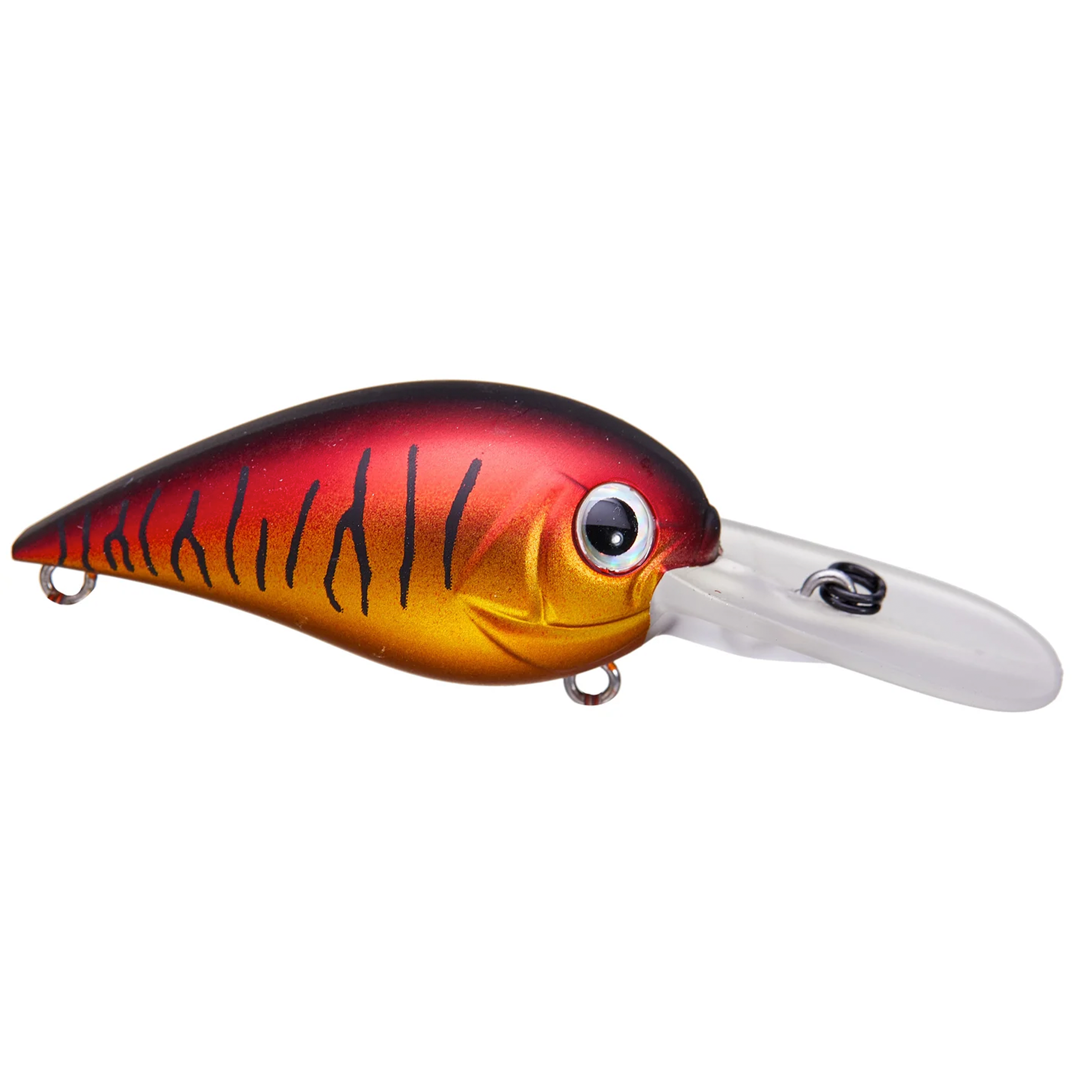
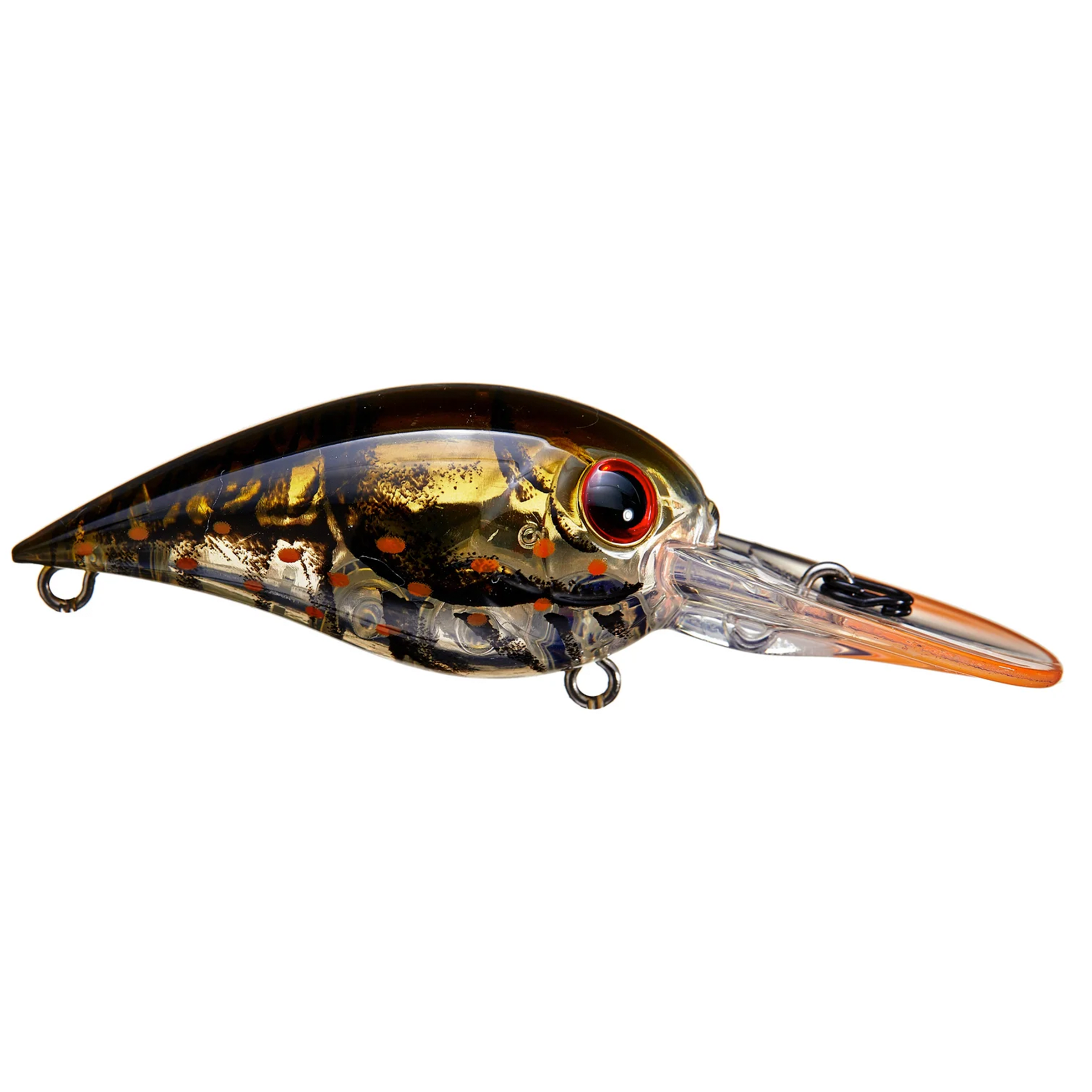
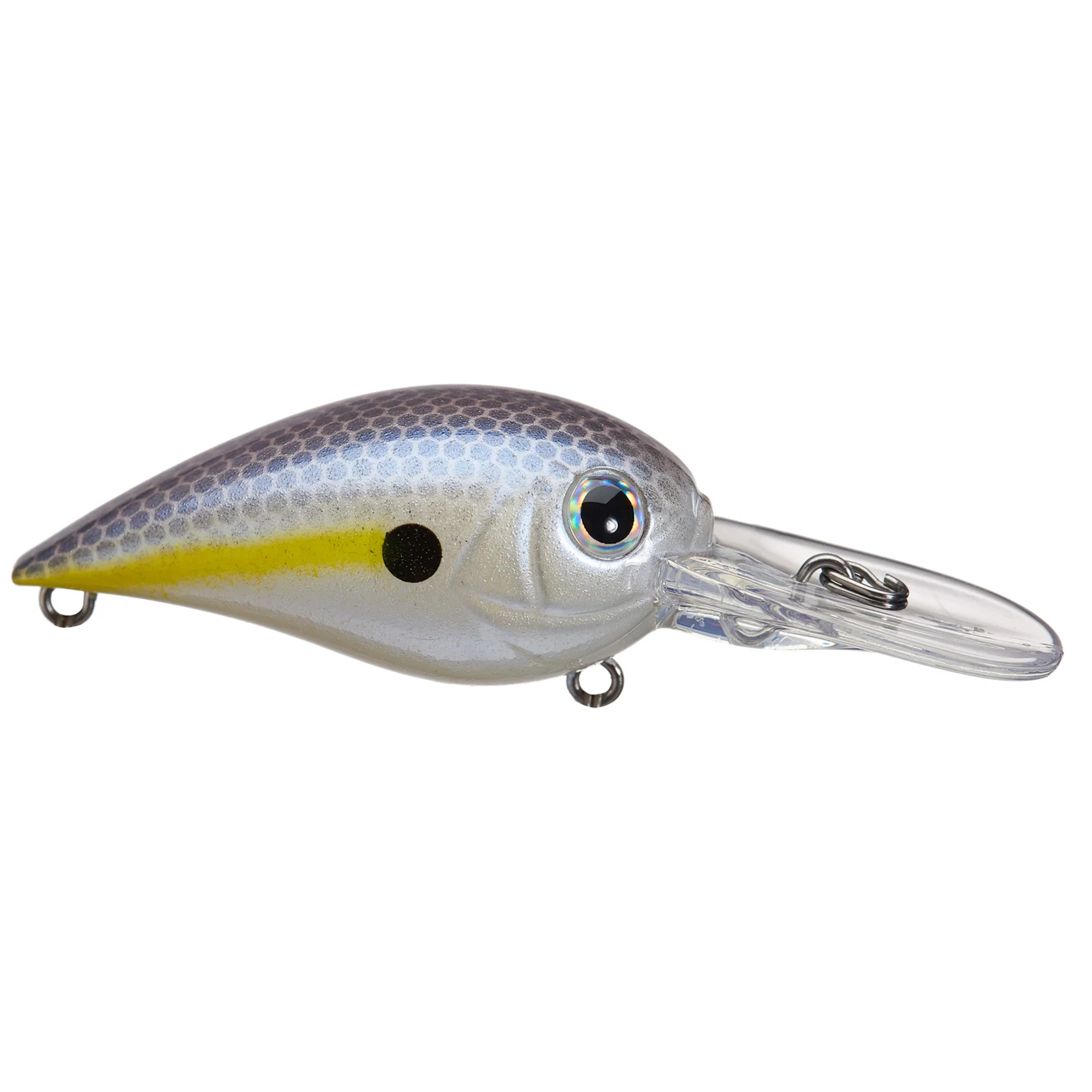
Flipping and pitching baits for the timber and grass, frogs and topwater over the pads at first light, punching gear for the summer mats, and spinnerbaits and squarebills through the wood in autumn. Our full bait lineup covers all four seasons.
Do I need a fishing license?
Yes, an Arkansas fishing license from the Game and Fish Commission. Check current black bass regulations before you go.
Big Fish, Heavy Cover
A ten-pounder hooked in standing timber in four feet of water is a problem decided in the first second. Level Rods builds heavy models with the backbone to turn her immediately and the accuracy to place a bait tight to the stump she was sitting against.
Tournament Winning Baits & Gear
Designed, crafted and tested by anglers who fish heavy cover every week. Free shipping on orders over $75.
Shop All Baits