
Milford Lake Bass Fishing Guide
Milford Bass Fishing, Season by Season
Fifteen thousand seven hundred acres near Junction City, the largest lake in Kansas and known locally as Kansas' Ocean. Milford has submerged brush, rocky shorelines and standing timber across enough water that you can spend a season learning one arm of it.
Kansas' Ocean
Milford Lake covers 15,700 acres on the Republican River near Junction City, which makes it comfortably the largest lake in Kansas and earns it the local nickname Kansas' Ocean. It averages around twenty-one feet with a maximum near sixty-five.
The structure is varied in a way that suits a lake this size: submerged brush piles, rocky shorelines, standing timber, points, creek arms and the old river channel running through. Both largemouth and smallmouth are present in quantity and the lake supports a strong multi-species fishery alongside them.
The most useful local guidance is about where rather than what. Focus on the transitions between shallow and deep water, particularly near drop-offs and submerged structure, because that is where bass patrol for prey. On a lake this size, knowing what kind of spot to look for matters more than knowing a list of spots.
The other documented tip is seasonal: a slow retrieve with soft plastic baits through the cooler months is remarkably effective, because the fish become lethargic and want an easy target. That is straightforward advice and it holds.
Scale is the practical challenge. Fifteen thousand acres of open prairie reservoir is a great deal of water to search, and the wind that comes with it can make half of it unfishable on a given day. Pick an arm, learn it, and come back to it.
Kansas does not close black bass season, but many reservoirs carry lake-specific length limits that differ from the statewide rule. Check the current Department of Wildlife and Parks regulations for this water before you go.
Transitions, Brush and Scale
Four patterns cover the year. Each one pairs the technique with the baits we'd actually tie on.
Up the Arms and Onto the Transitions
Spring warms the creek arms and the shallower rock first, and fish move up through the transitions to spawn. Kansas spring swings hard between warm spells and cold fronts, and on a lake this size the fish reposition across the transitions rather than leaving them.


Brush Piles and Deeper Structure
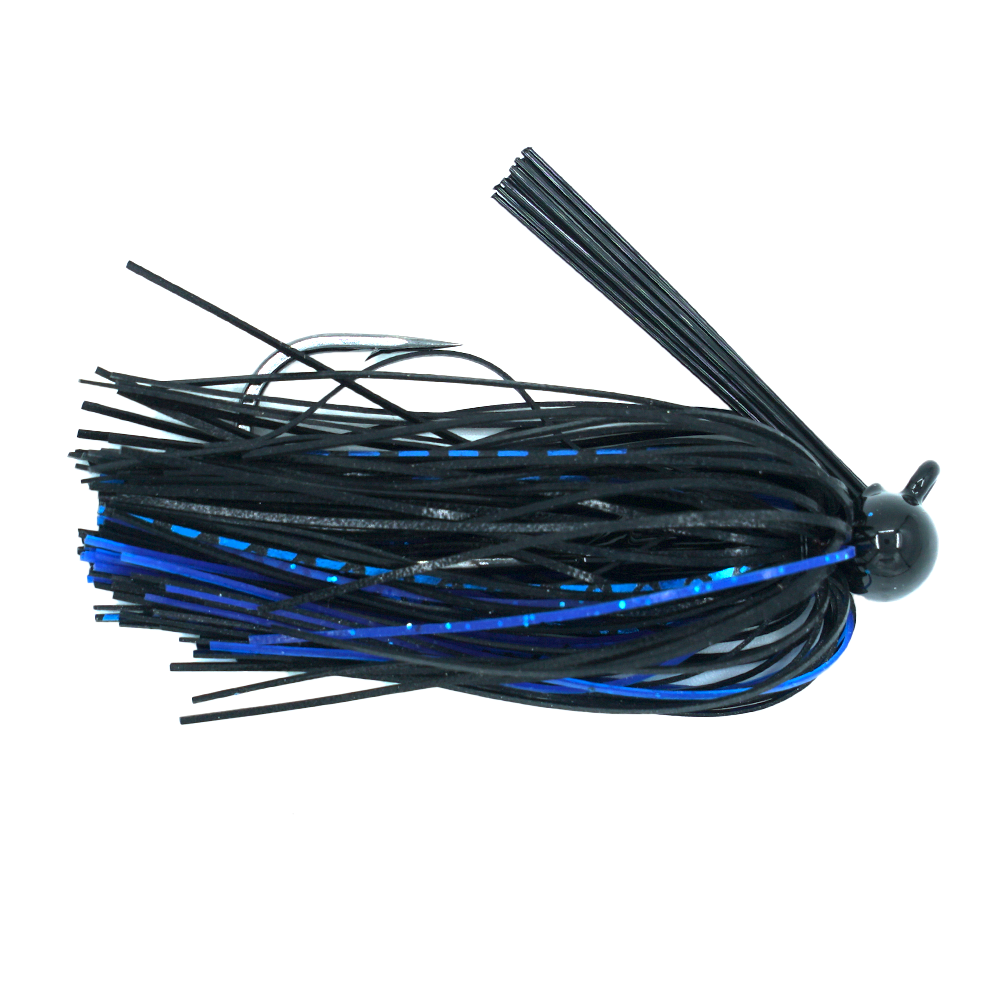
Summer moves fish onto the submerged brush piles, standing timber and deeper structure along the channel. Heat and recreational traffic push the productive fishing into the early and late windows, and the sheer size of the lake means finding your own water is realistic.
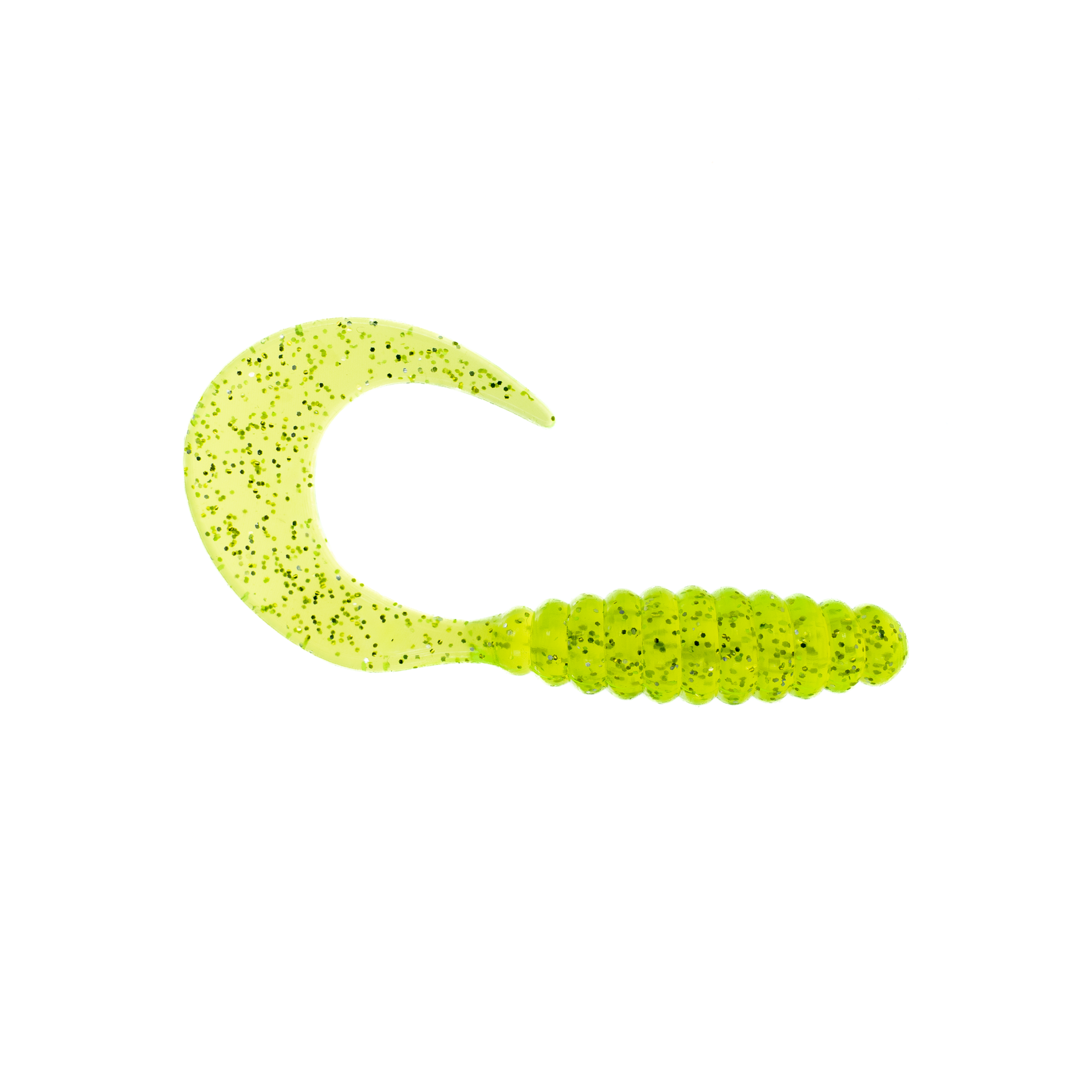
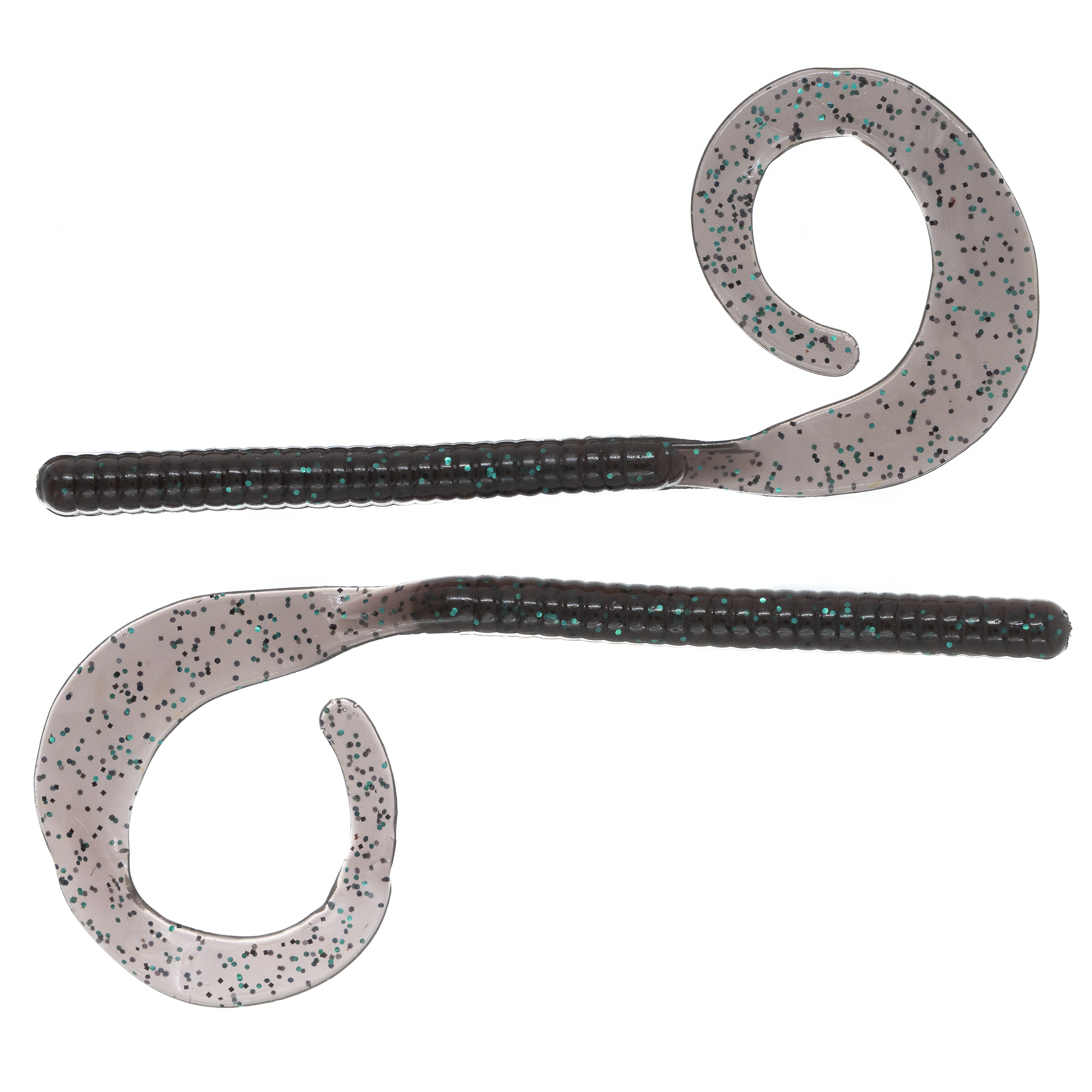
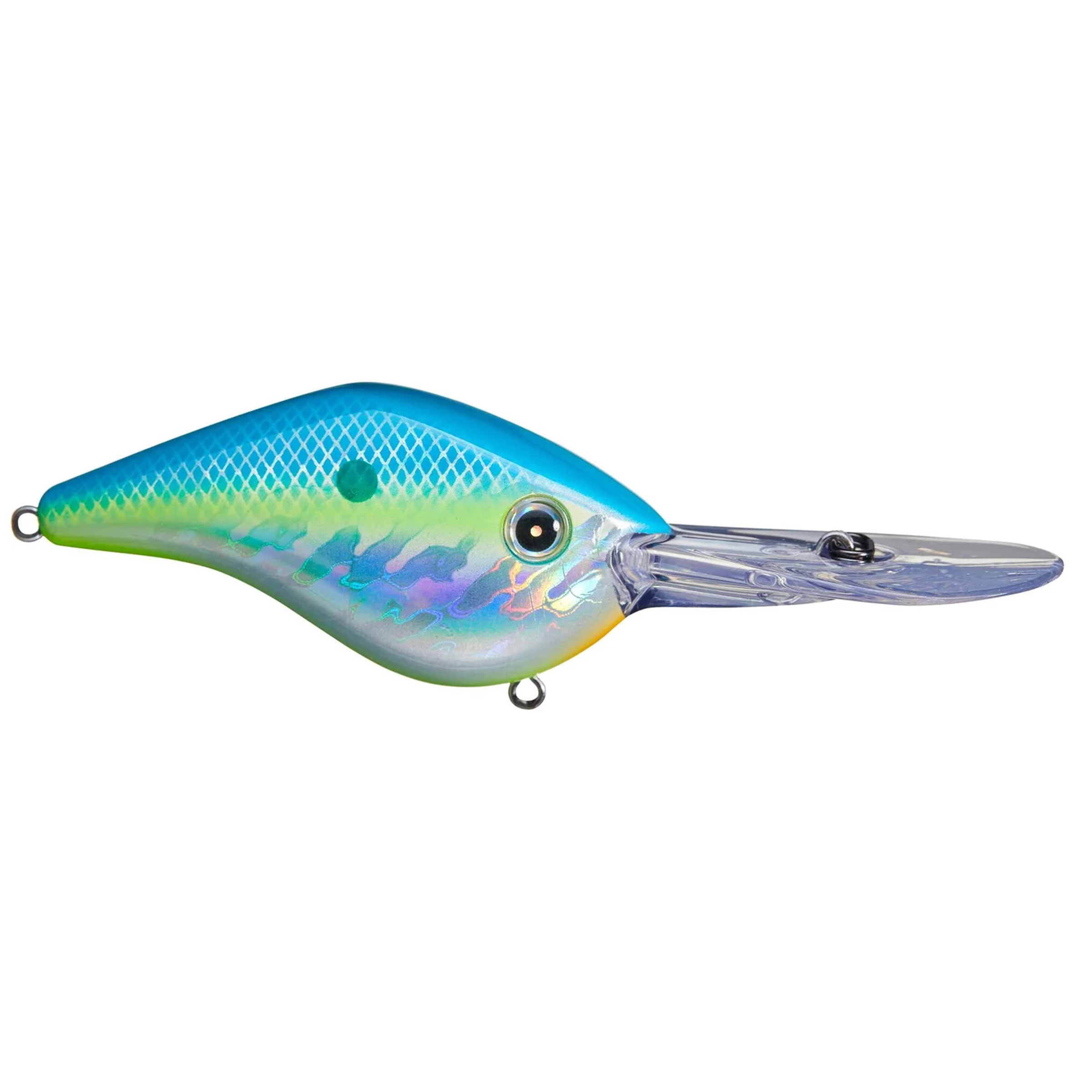
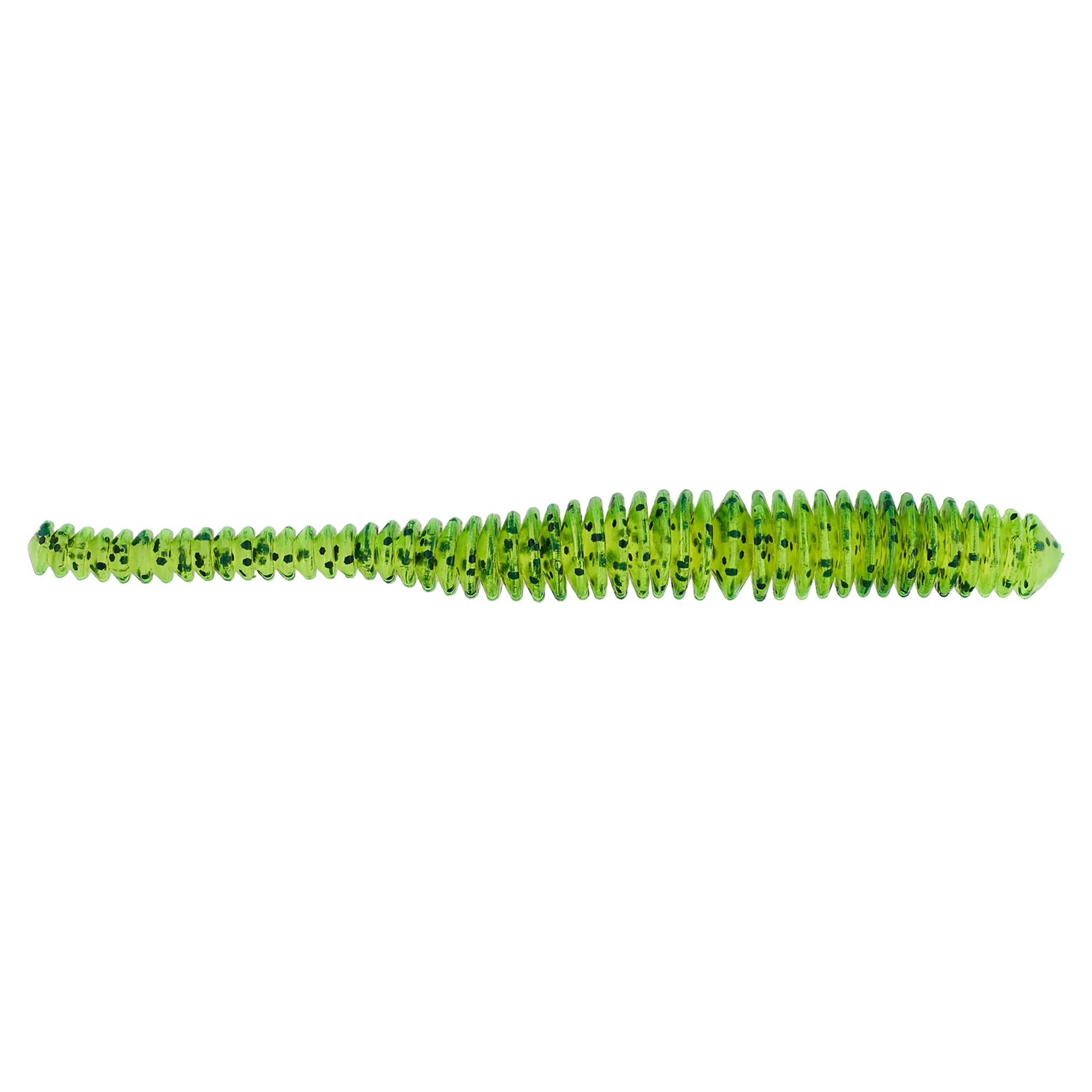
Shad and the Creek Arms
Autumn pulls shad into the creek arms and the bass follow. On fifteen thousand acres this is genuinely an exploration season — the fish are aggressive, spread out and catchable on moving baits, and there is plenty of water nobody has touched.
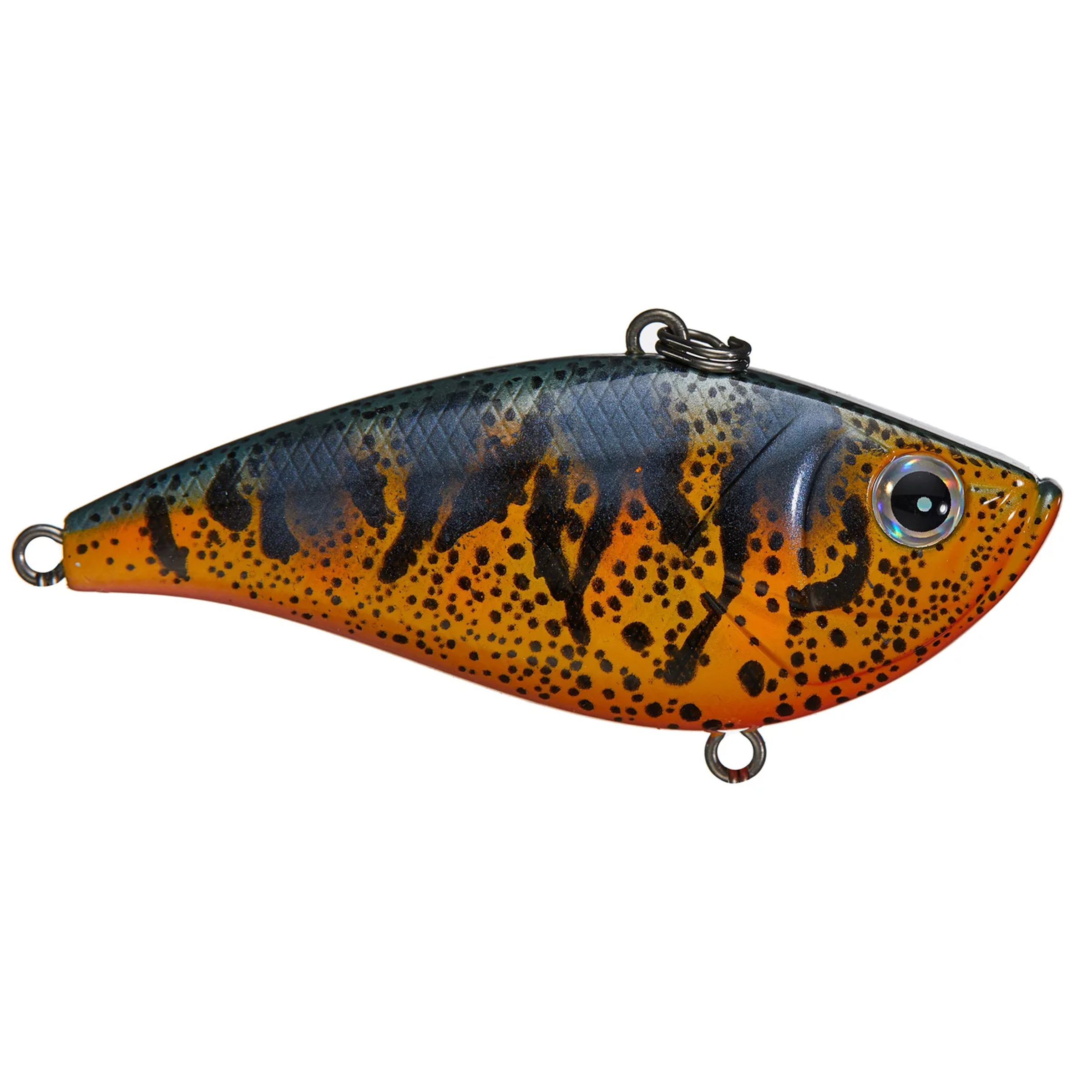
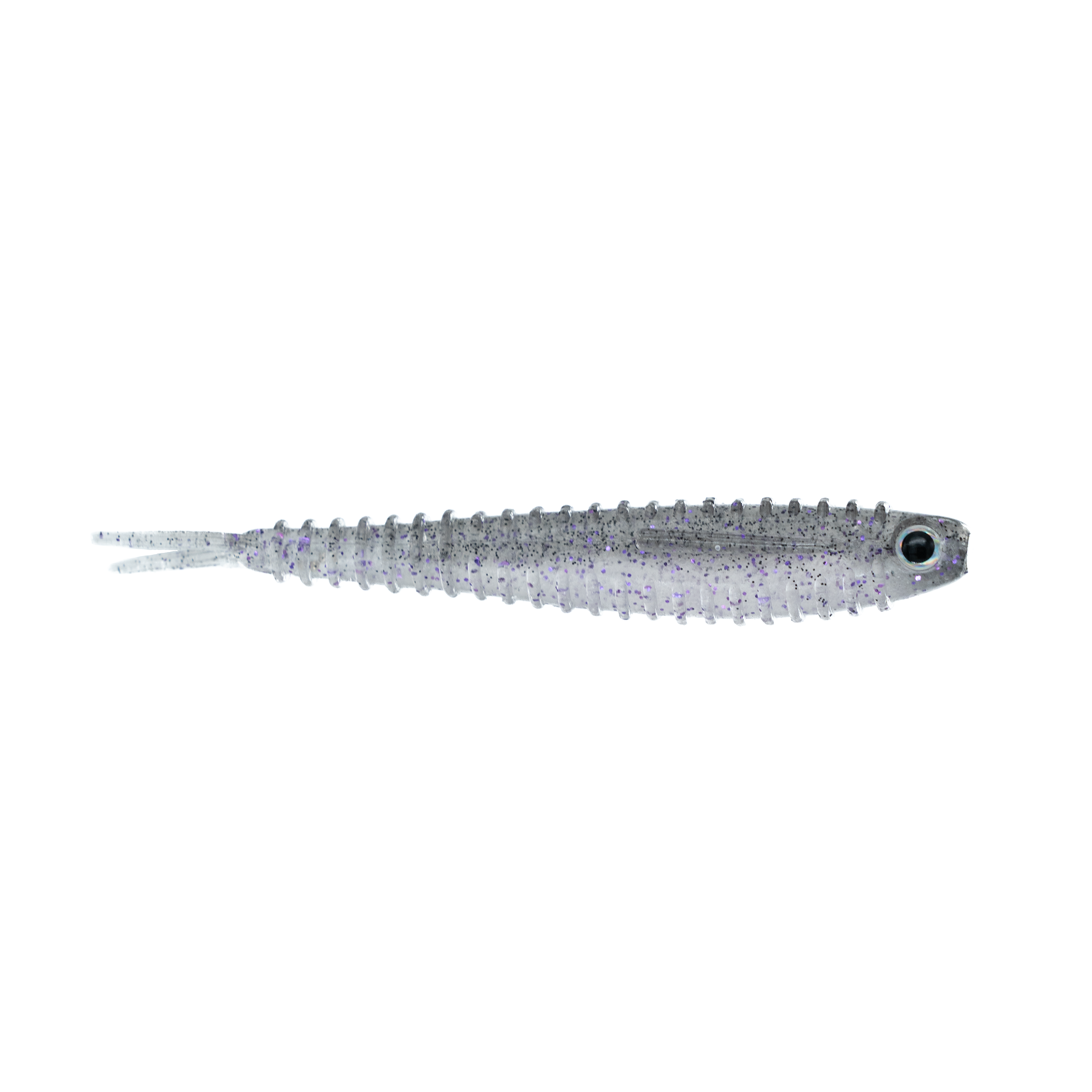
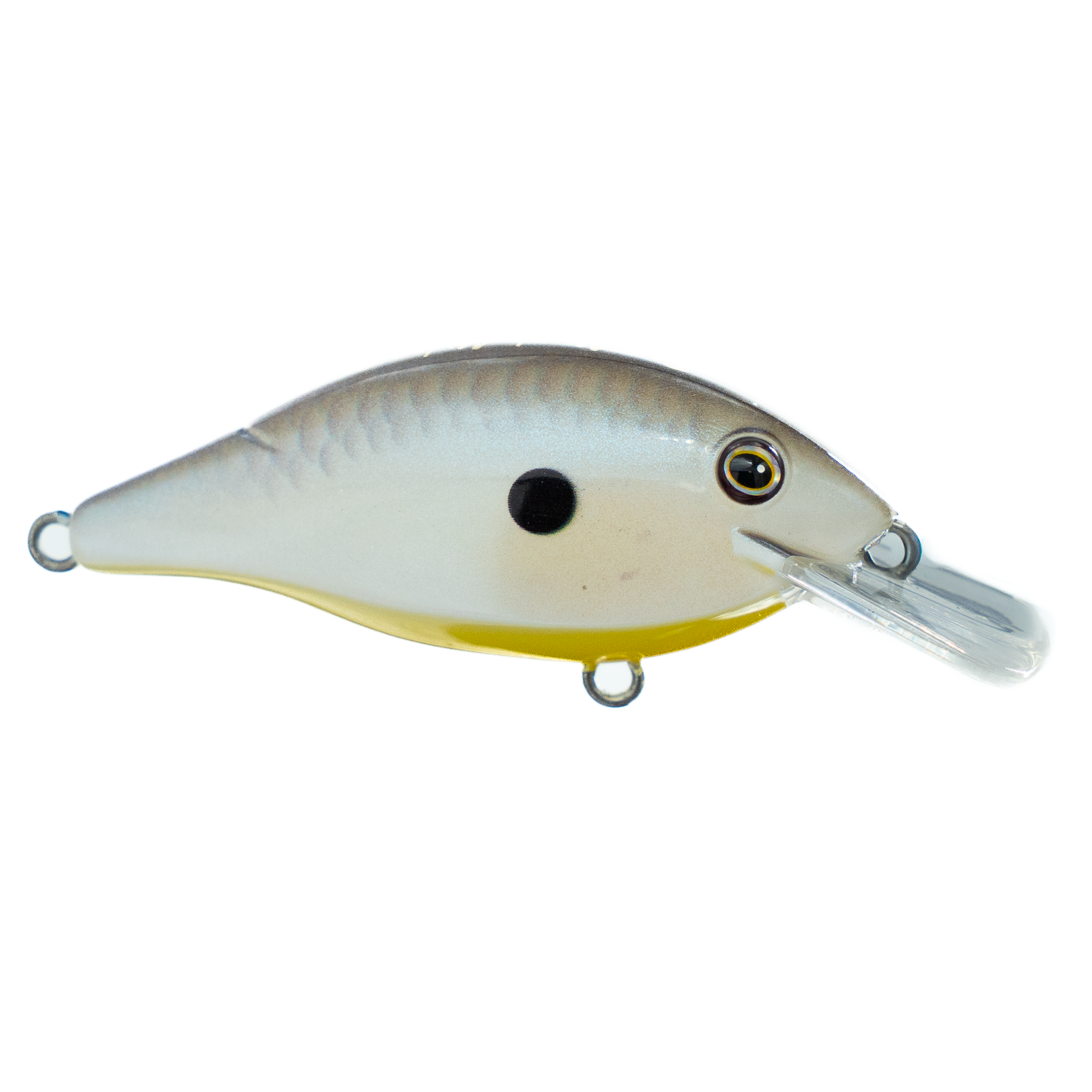
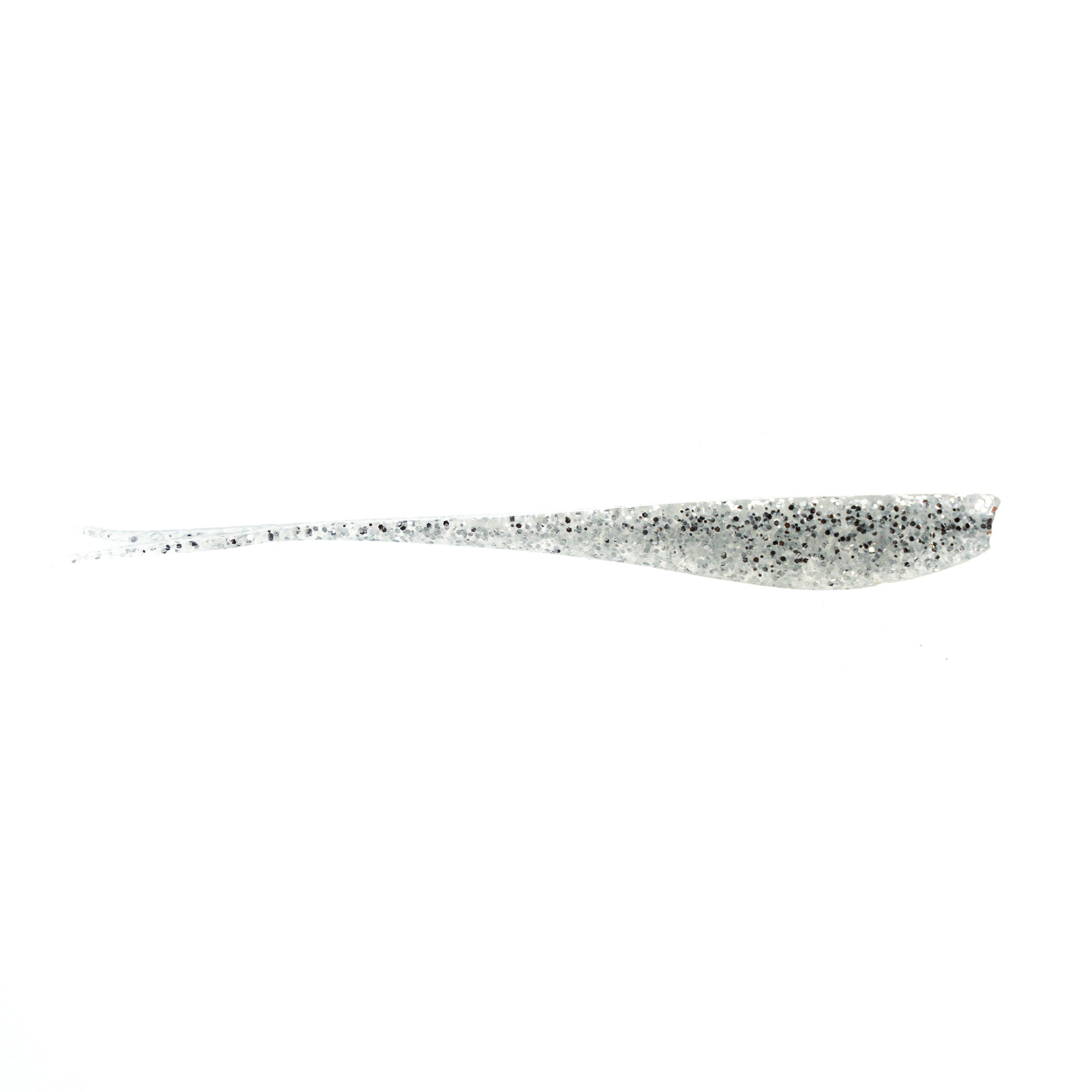
Slow Plastics on Deep Structure
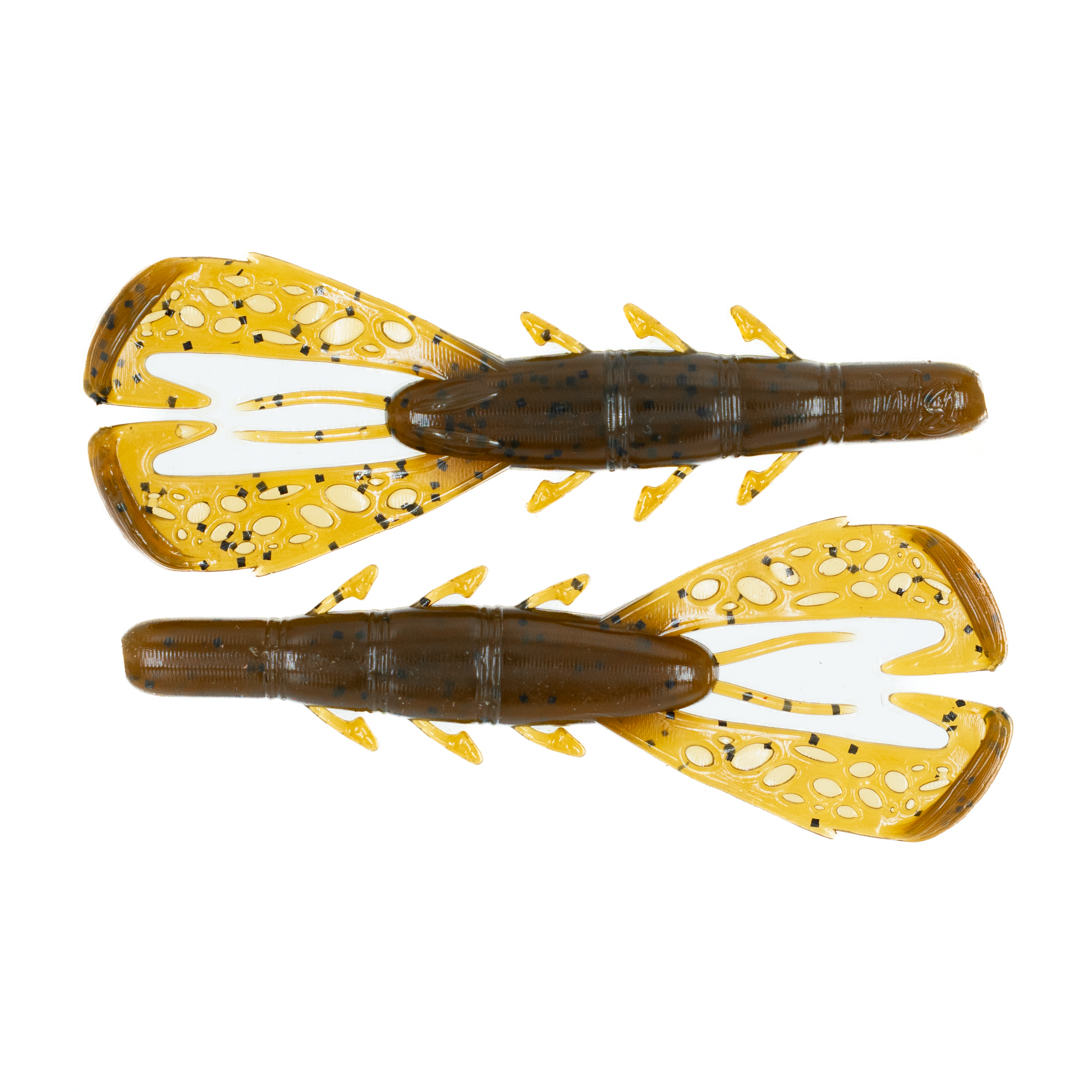
Winter concentrates fish on the deep structure, the channel edges and the brush along them. The documented local approach for this lake is specific and worth following: a slow retrieve with soft plastics, because the bass become lethargic and want an easy target.


Milford Lake Access
Milford State Park and Corps of Engineers areas provide extensive public access with ramps and camping. Junction City is adjacent and Manhattan is nearby. Given the scale, pick an arm and launch into it rather than planning to cover the lake.
The Transitions
Where shallow water meets deep, particularly near drop-offs and submerged structure. The documented local guidance points here first, and on fifteen thousand acres knowing what kind of spot to look for beats memorising a list.
The Submerged Brush Piles
Fish-holding cover across the lake, best found with electronics. Where the better fish spend summer and winter, and disproportionately valuable on a reservoir with limited vegetation.
The Creek Arms
Warming first in spring, holding bait in autumn, and offering shelter when the main lake is blown out. On a prairie lake that gets as windy as this one, sheltered water is worth knowing.
Milford Lake Bass Fishing FAQ
How big is Milford Lake?
15,700 acres on the Republican River near Junction City, which makes it the largest lake in Kansas. It averages about twenty-one feet with a maximum near sixty-five, and it is known locally as Kansas' Ocean.
Where should I start on a lake this size?
The transitions between shallow and deep water, particularly near drop-offs and submerged structure — that is the documented local guidance and it works because bass patrol those edges for prey. Beyond that, pick one arm and learn it properly.
What is the best cold-water approach?
A slow retrieve with soft plastic baits. Local guidance is explicit that this is remarkably effective in cooler months because the bass become lethargic and prefer an easy target. Slower than feels right is usually about right.
What kind of cover is there?
Submerged brush piles, rocky shorelines, standing timber, points, creek arms and the old river channel. Limited vegetation, so hard cover and structure do the work grass does on southern lakes.
Smallmouth or largemouth?
Both, in quantity. The varied structure supports both species, with smallmouth favouring the rock and largemouth the brush and timber. Milford also holds a strong multi-species fishery alongside them.
How windy does it get?
Windy enough to matter. Fifteen thousand acres of open prairie reservoir generates real chop, and on a breezy day half the lake can be effectively unfishable. Know your sheltered arms before you need them.
What baits work best on Milford?
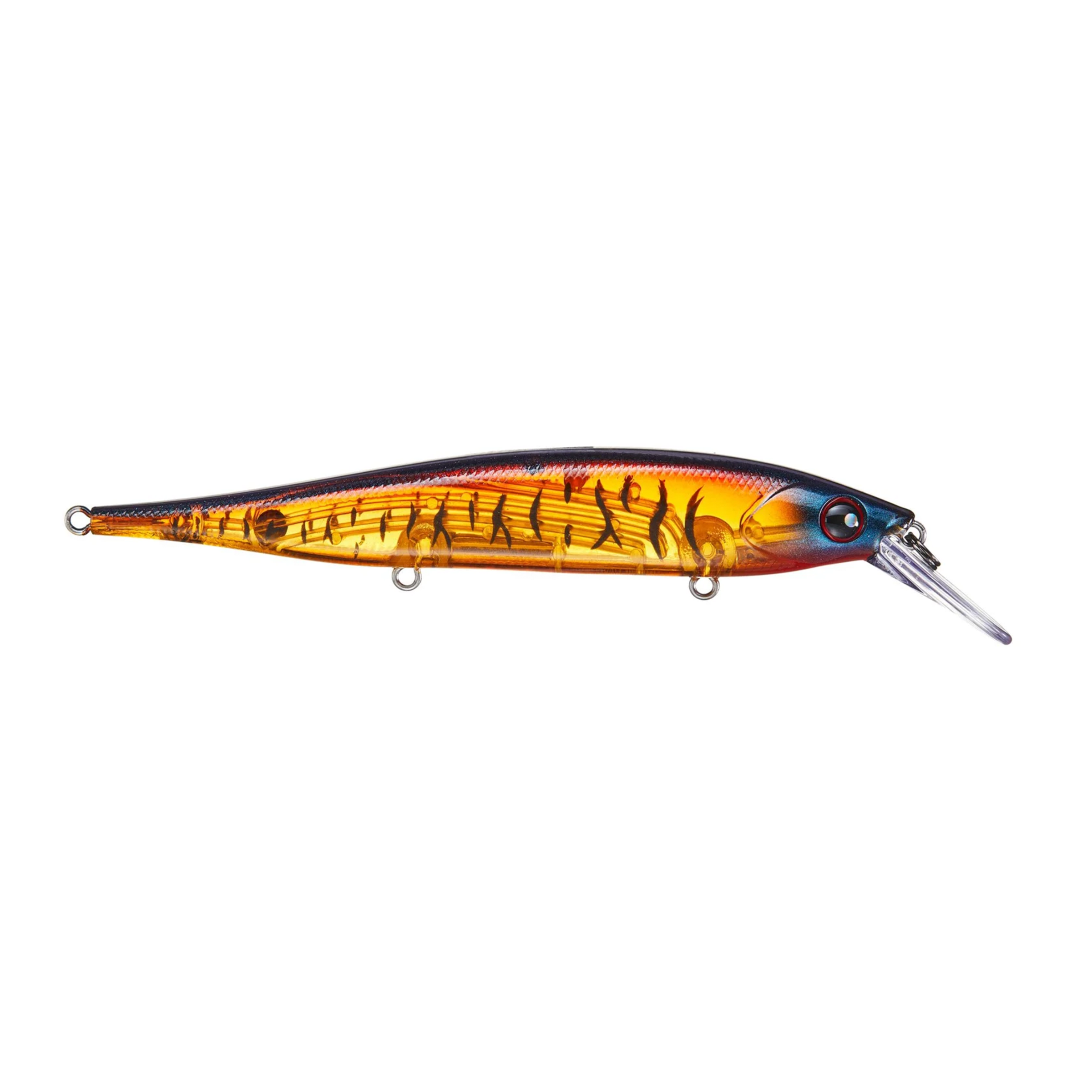
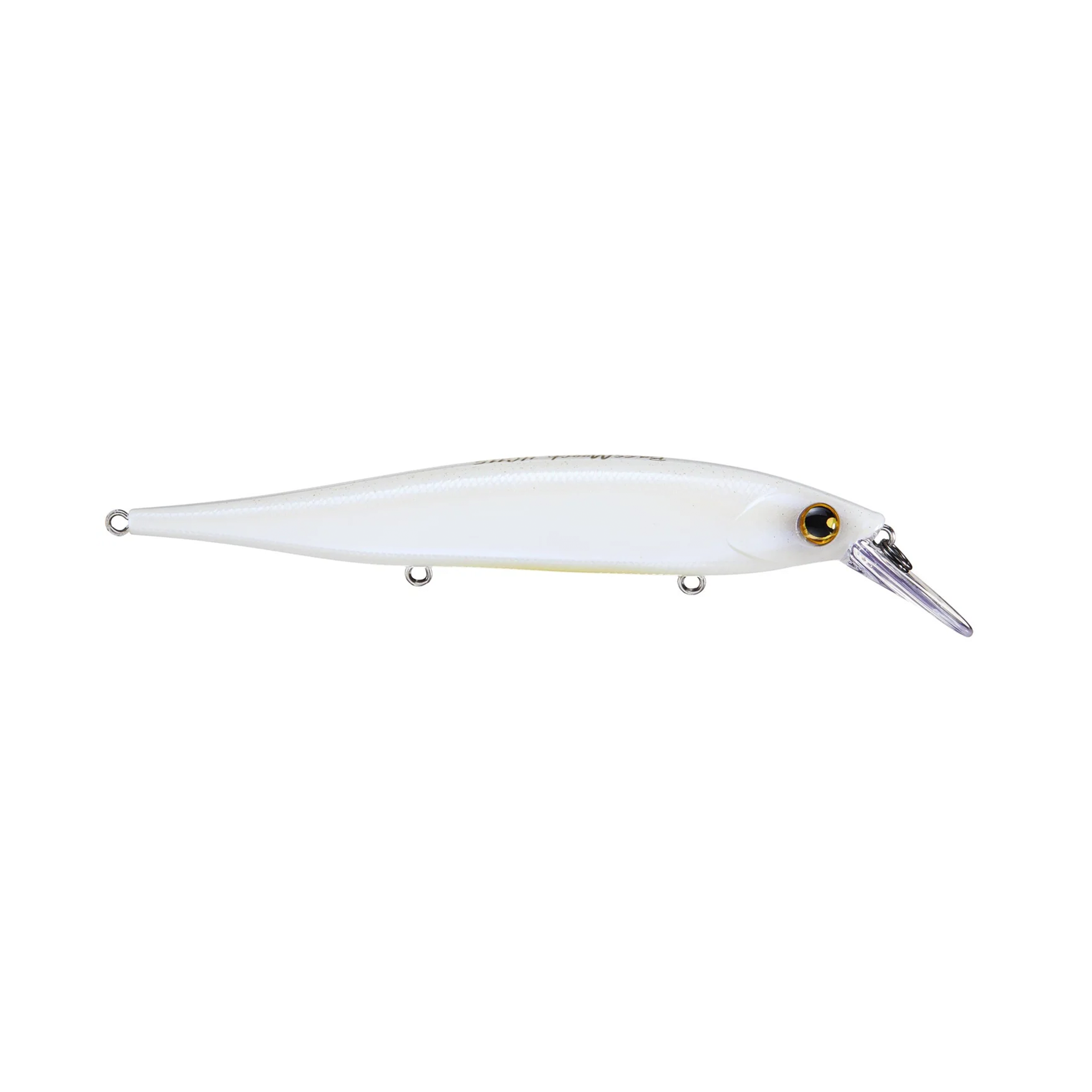
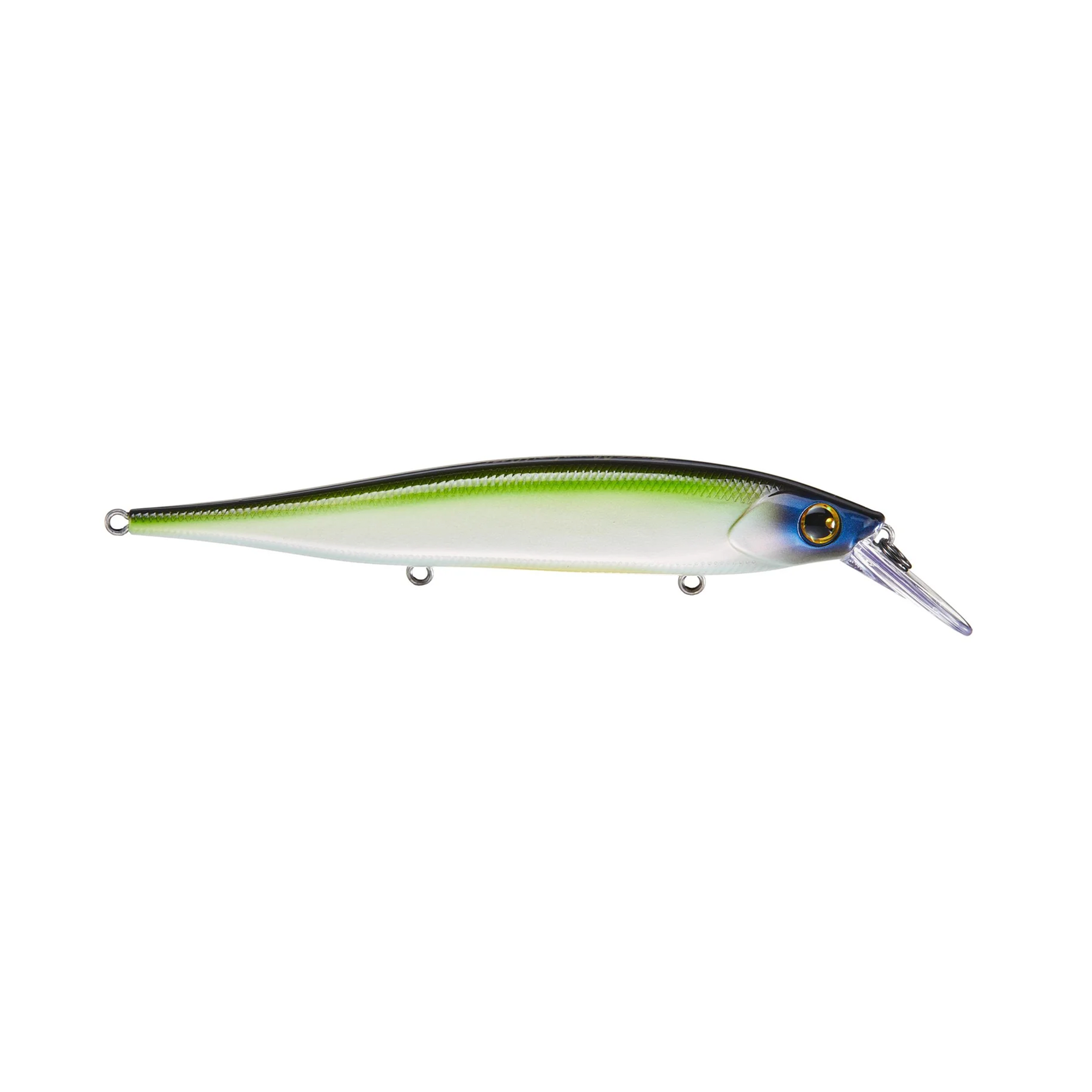
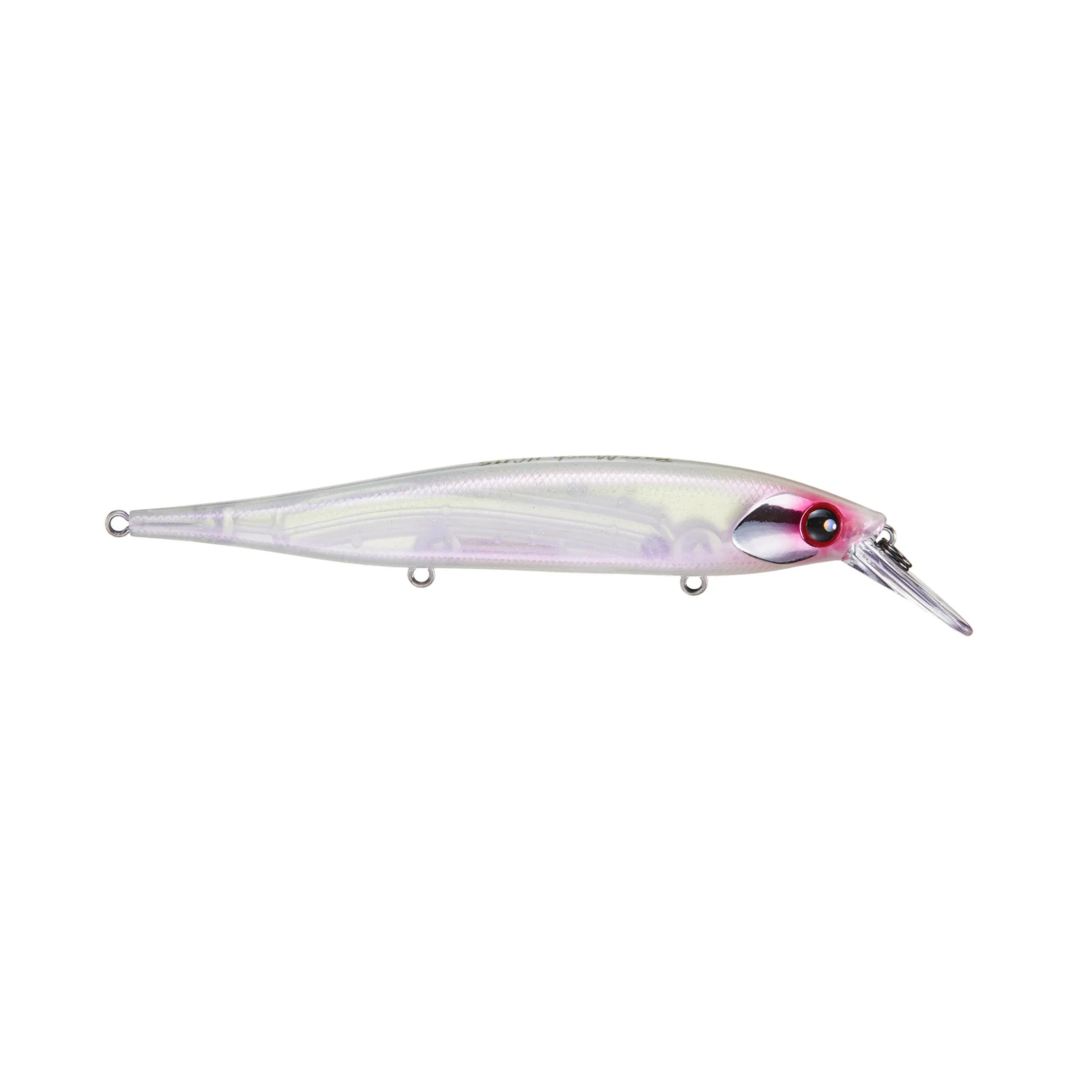
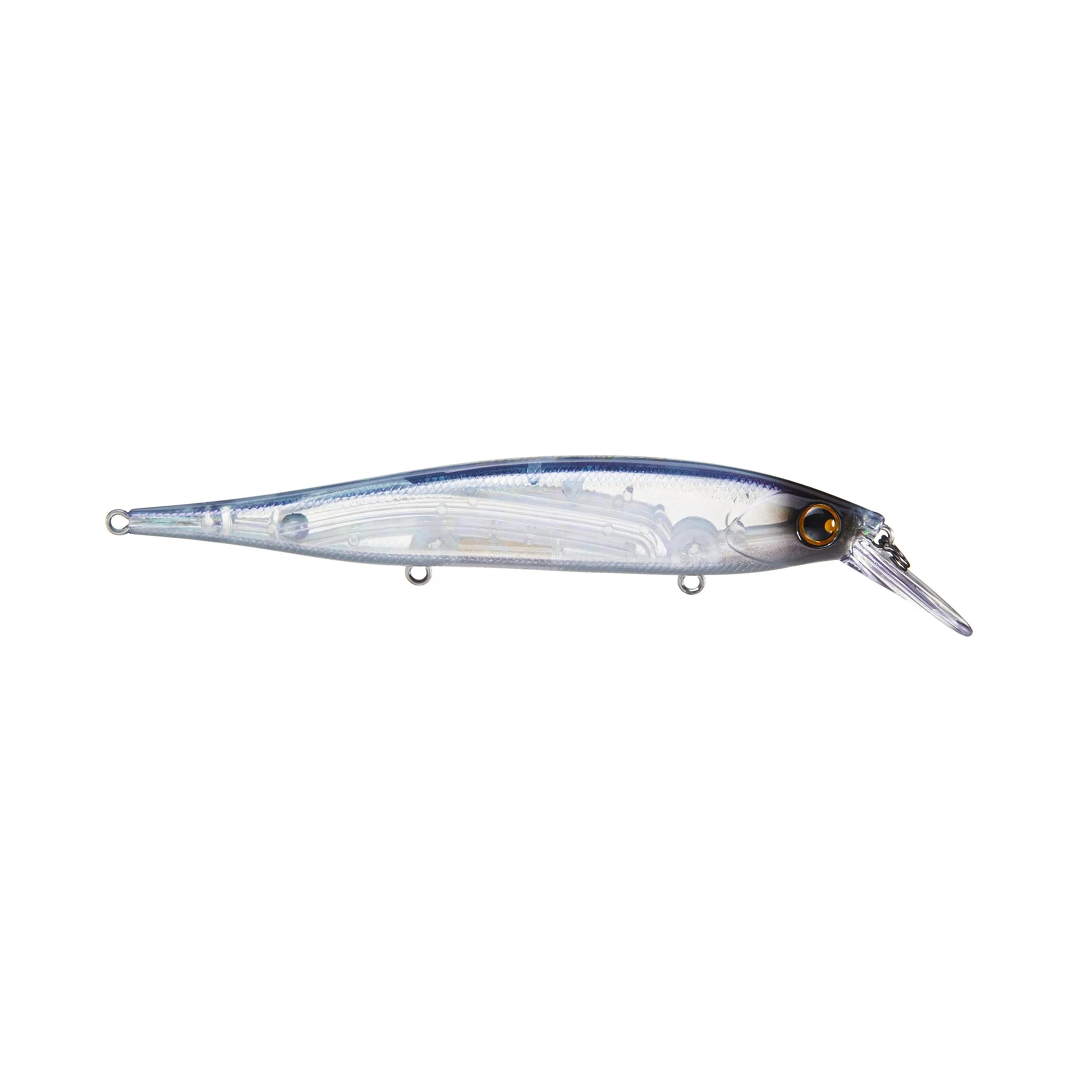
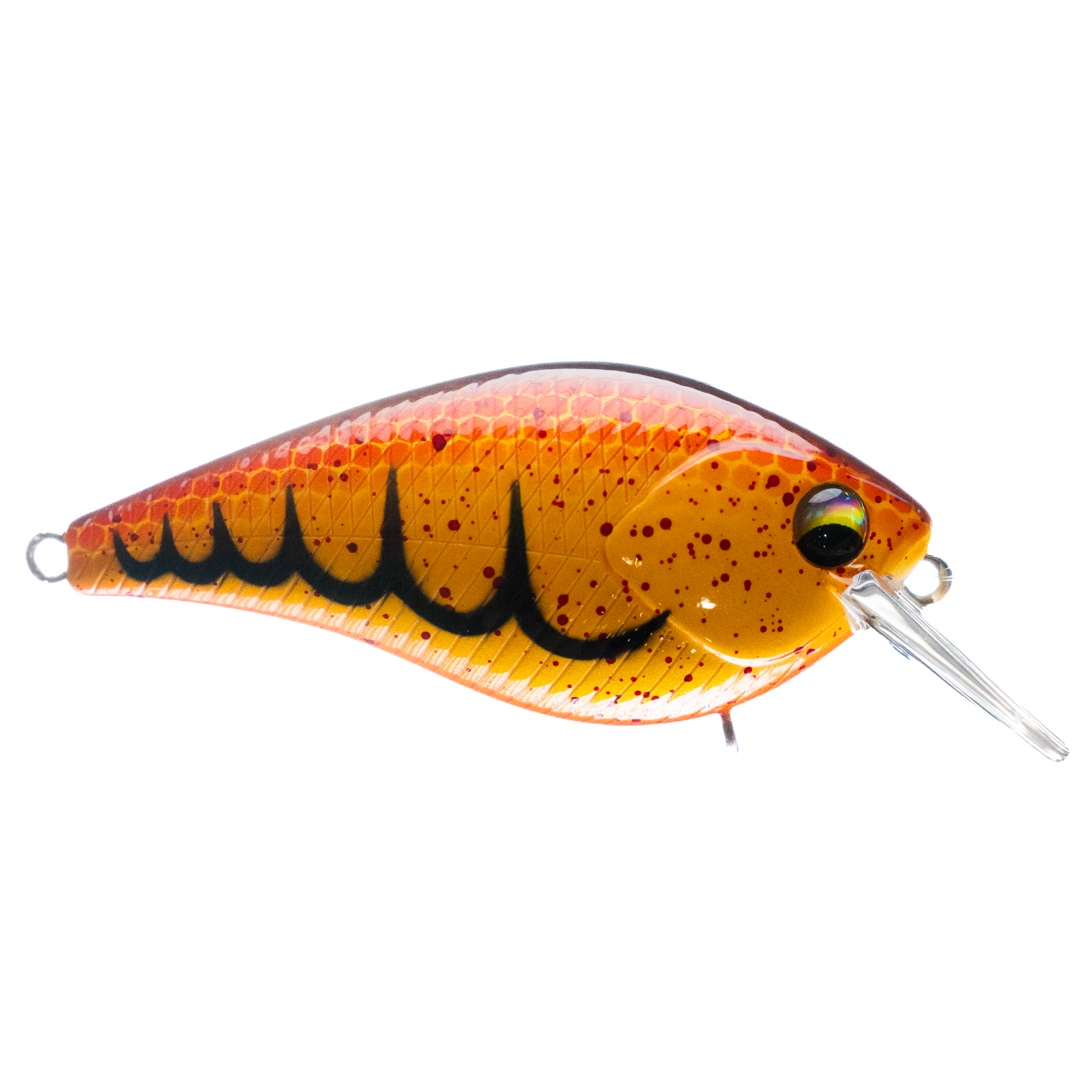
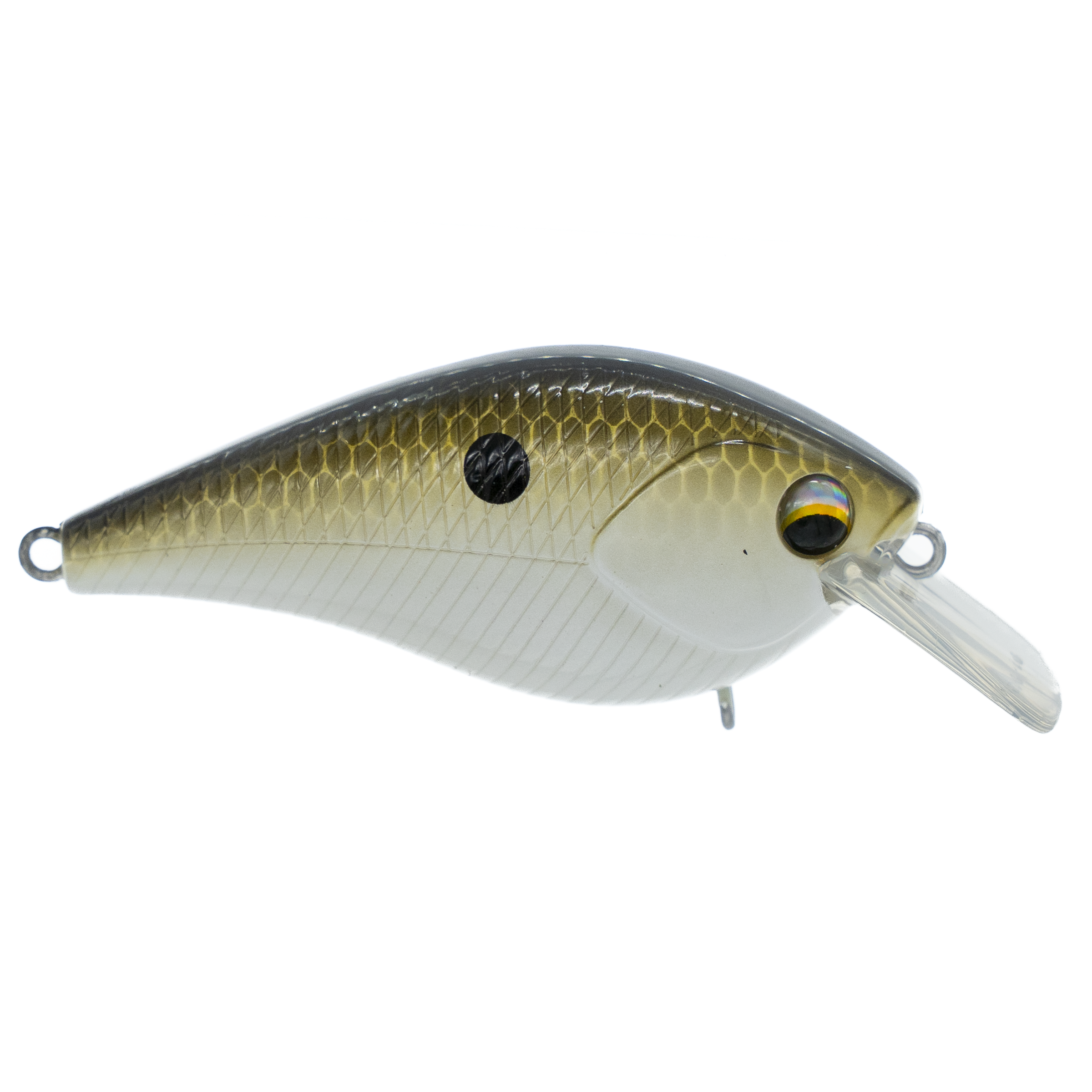
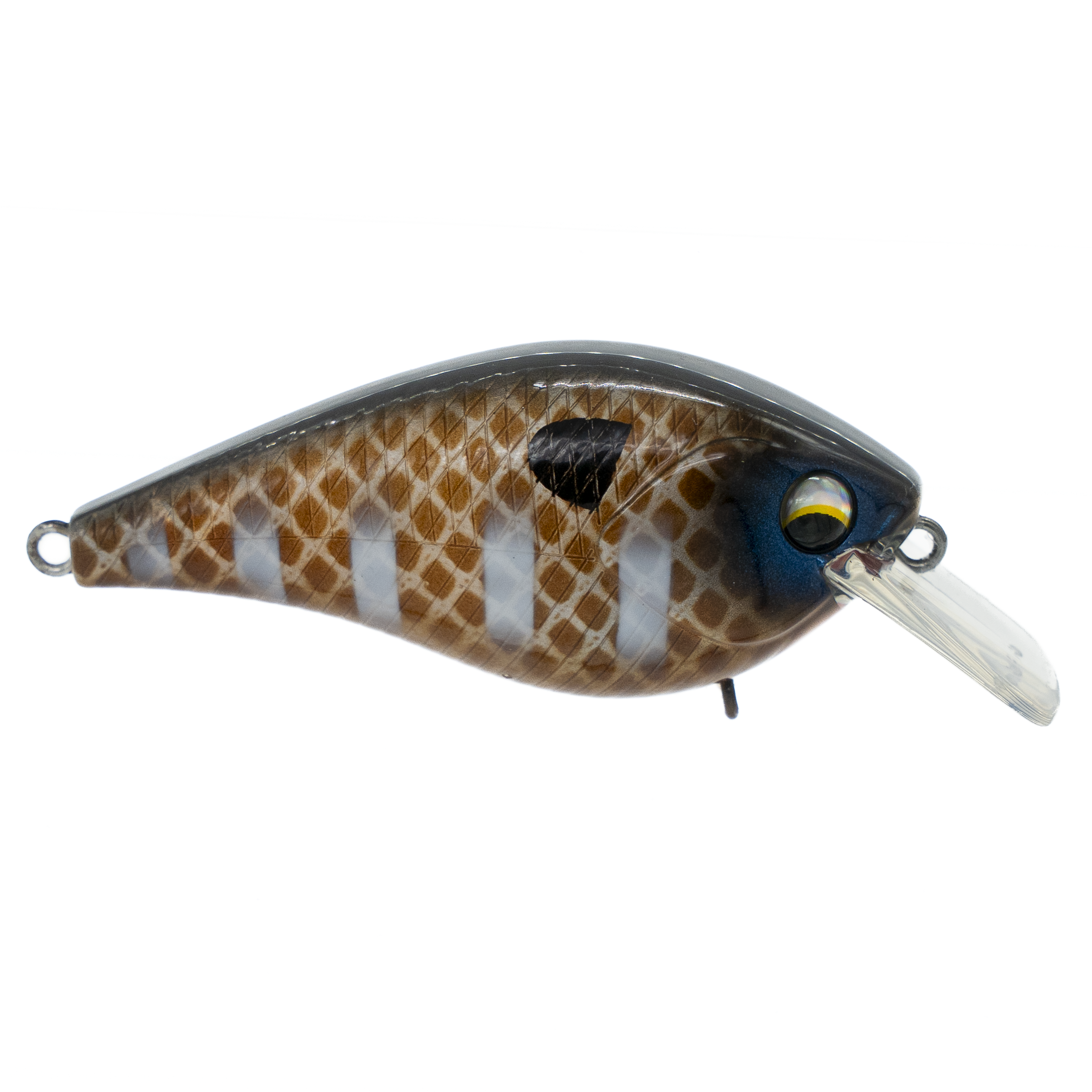
Moving baits on the transitions in spring and autumn, jigs and Carolina rigs on brush and deep structure in summer, and slow soft plastics through the cold months. Our full bait lineup covers all four seasons.
Do I need a fishing license?
Yes, a Kansas fishing license from the Department of Wildlife and Parks. Kansas does not close black bass season, but many reservoirs carry lake-specific length limits that differ from the statewide rule. Check the current Department of Wildlife and Parks regulations for this water before you go.
Big Water, Slow Baits
A lake where the winning approach in half the year is dragging a soft plastic slowly across a drop-off asks for sensitivity above everything. Level Rods builds models that tell you what the bait is touching at depth and still have the backbone to set a hook at the end of a long cast.
Tournament Winning Baits & Gear
Designed, crafted and tested by anglers who fish big water every week. Free shipping on orders over $75.
Shop All Baits