
Logan Martin Lake Bass Fishing Guide
Logan Martin Lake Bass Fishing, Season by Season
Fifteen thousand acres and 275 miles of shoreline thirty minutes east of Birmingham, and they call it the Lake of a Thousand Coves for a reason. Logan Martin is a dock lake with a split personality — riverine largemouth water up top, spotted bass creeks and sloughs down low.
A Thousand Coves and a Restless Fish
Logan Martin is the third lake on the Coosa chain, built by Alabama Power in the mid-1960s and running 48.5 miles from Logan Martin Dam upstream to Neely Henry Dam. It covers 15,263 acres across St. Clair and Talladega counties, about thirty miles east of Birmingham straight out the I-20 corridor — which makes it the closest serious bass water to the metro.
The shoreline is a maze of pockets, coves, docks and boathouses, and that dock-and-cover character defines how the lake fishes. Skipping baits well under docks is the core skill here. But the lake also splits: the upper end is riverine and holds excellent largemouth habitat, while the lower end is full of creeks and sloughs where spotted bass dominate.
And the spots are the reason people come. State surveys have recorded spotted bass numbers in the 17 to 20 inch range at the highest levels ever measured here, with magnum fish reaching about five pounds. One local guide describes the species memorably: a spotted bass packs its bags every day. They may be in a spot today and gone tomorrow, and that is especially true in autumn when they are chasing bait.
Current is the other constant. Coosa River bass are conditioned to feed when water moves, and when Alabama Power generates through one or both dams it pushes bait across the flats and points to waiting fish. Find the combination of current and stained water and it is possible to catch twenty bass from one spot. Too much current, though, and the upper lake gets difficult.
Docks, Current and Moving Fish
Four patterns cover the year. Each one pairs the technique with the baits we'd actually tie on.
Staging, and Then Everything Warms
When water temperatures climb into the high 50s in March, Logan Martin gets predictable in a way it is not the rest of the year. Bass move to shallow staging areas ahead of the spawn. Choccolocco, Clear and Blue Eye creeks warm first and hold cover, and they are where most people start.



Skip Docks, Then Go Find Current
The lake rises to summer pool through May and the fish follow the water up and stay shallow through the post-spawn. After that, summer is dock-skipping and spotted bass season. Shaded docks, seawalls and main-lake points hold fish, with topwater early and late and deeper ledges and current breaks through the middle of the day.


They Pack Their Bags
Autumn is when the spotted bass become genuinely nomadic, following baitfish and abandoning yesterday's spots without notice. It is also when they are eating hardest and growing broad. Expect to relocate fish rather than return to them, and treat every day as a fresh search.



Deeper Holes and Slow Hands
Winter pulls Logan Martin's bass out of the coves and into deeper wintering holes, and the fishing slows to match. Spotted bass group up on rock and structure with deep water nearby, and current still matters — generation days remain the better days even in January.



Logan Martin Lake Access
Pell City is the obvious base. Beyond that, pick an end — the upper river or the lower creeks — and match it to the species you want.
Choccolocco Creek
One of the major creek arms and a reliable early-spring target. Warmer water and abundant cover pull spawning fish in ahead of the main lake.
Clear & Blue Eye Creeks
The other two creeks locals name first in spring. Points leading into the spawning flats are the water to work as fish stage.
The Lower End Docks
Endless docks, seawalls and boathouses through the creeks and sloughs. This is spotted bass country and the place to practise skipping.
Logan Martin Lake Bass Fishing FAQ
Why do Logan Martin's spotted bass move so much?
Because that is what Coosa spots do. A local guide puts it best — a spotted bass packs its bags every day. They are here today and gone tomorrow, particularly in autumn when they follow baitfish. Plan on relocating fish rather than returning to yesterday's spot.
How important is current on Logan Martin?
Very. Coosa River bass are conditioned to feed when water moves, and generation through either dam pushes bait to waiting fish. Look for the combination of current and stained water, which is when bass stack up. Too much current, though, and the upper lake gets tough.
Should I fish for largemouth or spotted bass?
You can choose. The upper end is riverine with excellent largemouth habitat; the lower end is creeks and sloughs where spots dominate. Broadly, spots hold on points and rock while largemouth take docks, seawalls and the backs of coves.
How big do Logan Martin spotted bass get?
Magnum fish reach about five pounds, and the lake holds thousands of smaller ones. State surveys have recorded spotted bass in the 17 to 20 inch range at the highest levels ever measured here, with growth and condition rated good to excellent.
Why is it called the Lake of a Thousand Coves?
Because of the shoreline. Two hundred and seventy-five miles of it, folded into an endless series of pockets, coves and dock-lined shoreline. That cover is what makes skipping baits under docks the defining tactic on this lake.
What baits work best on Logan Martin?
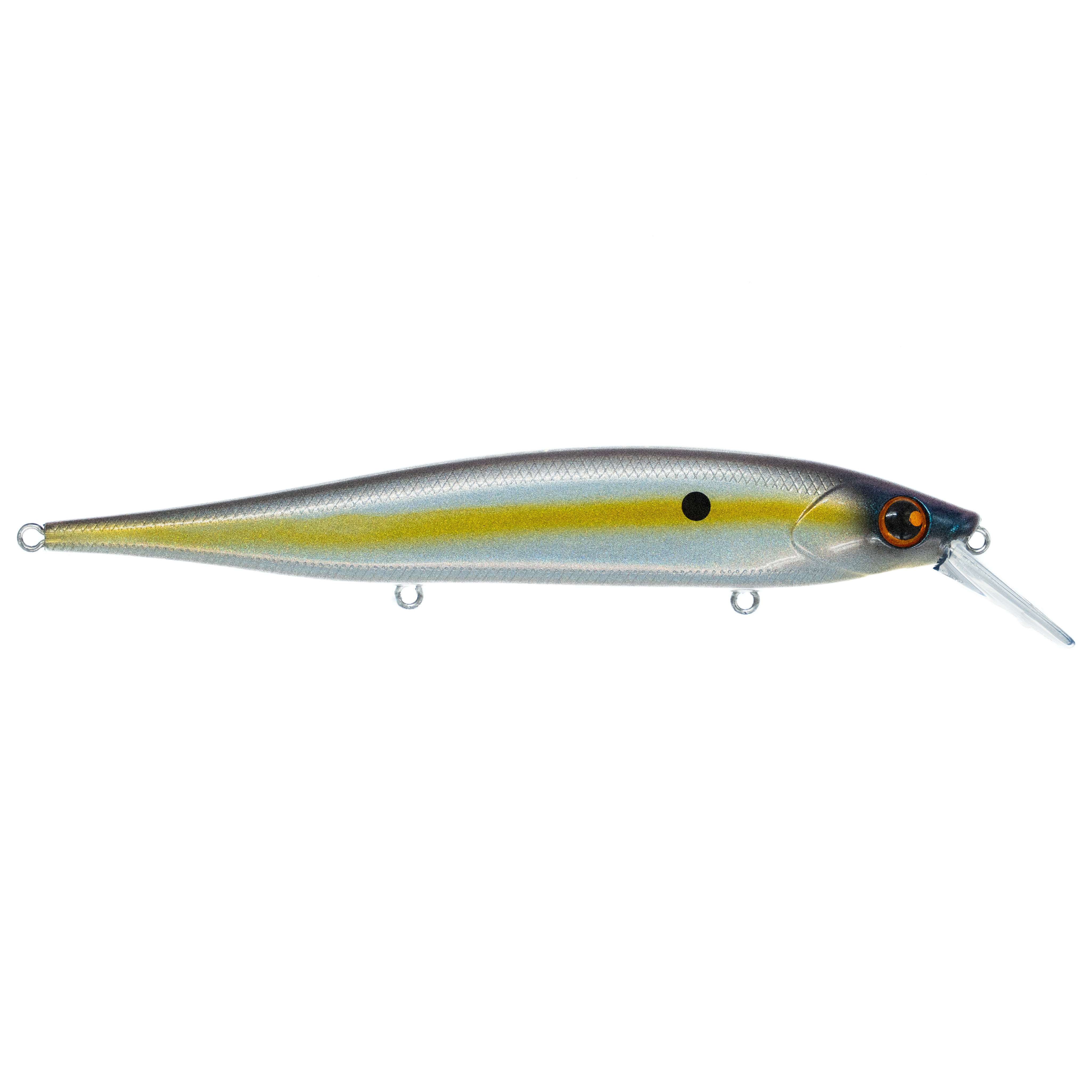
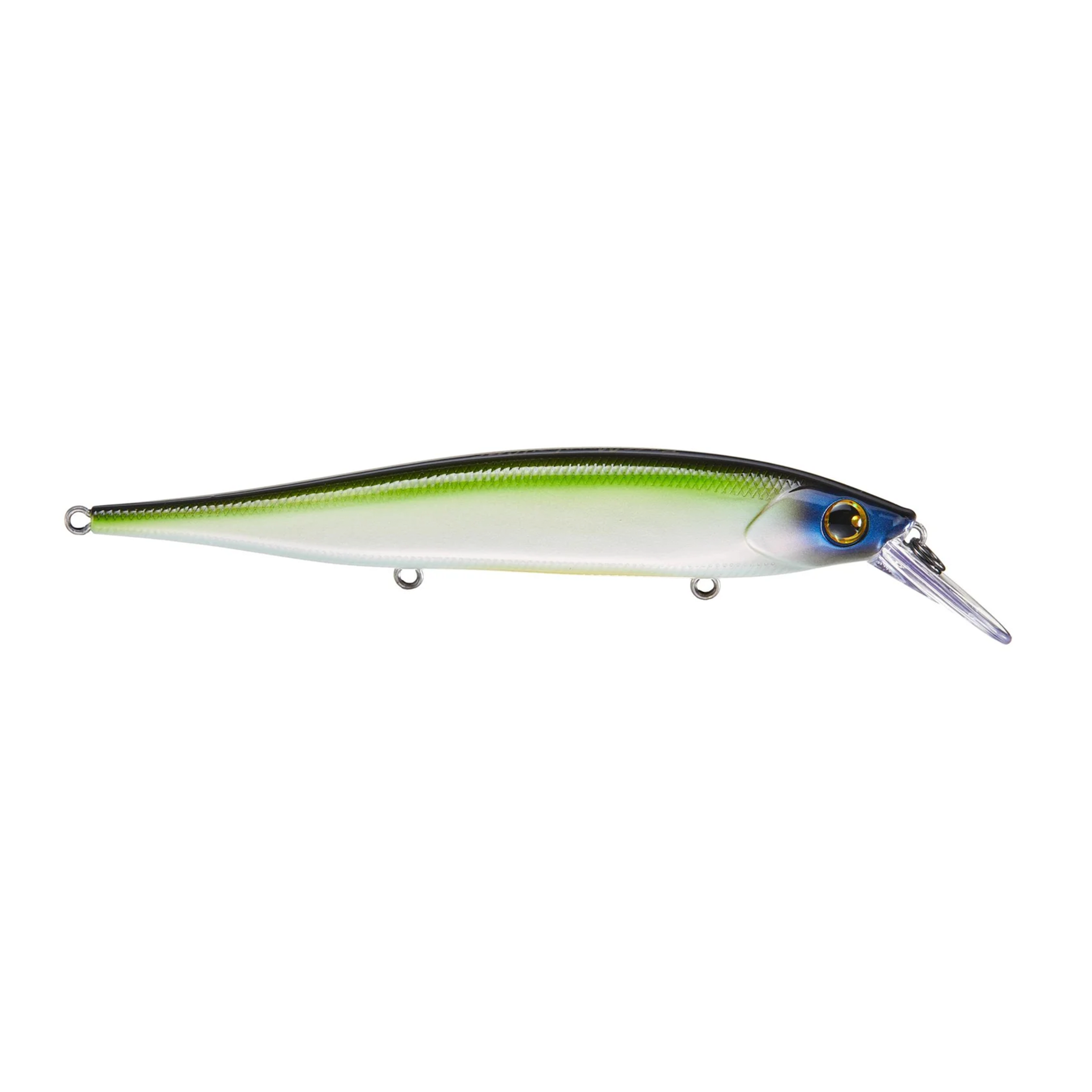
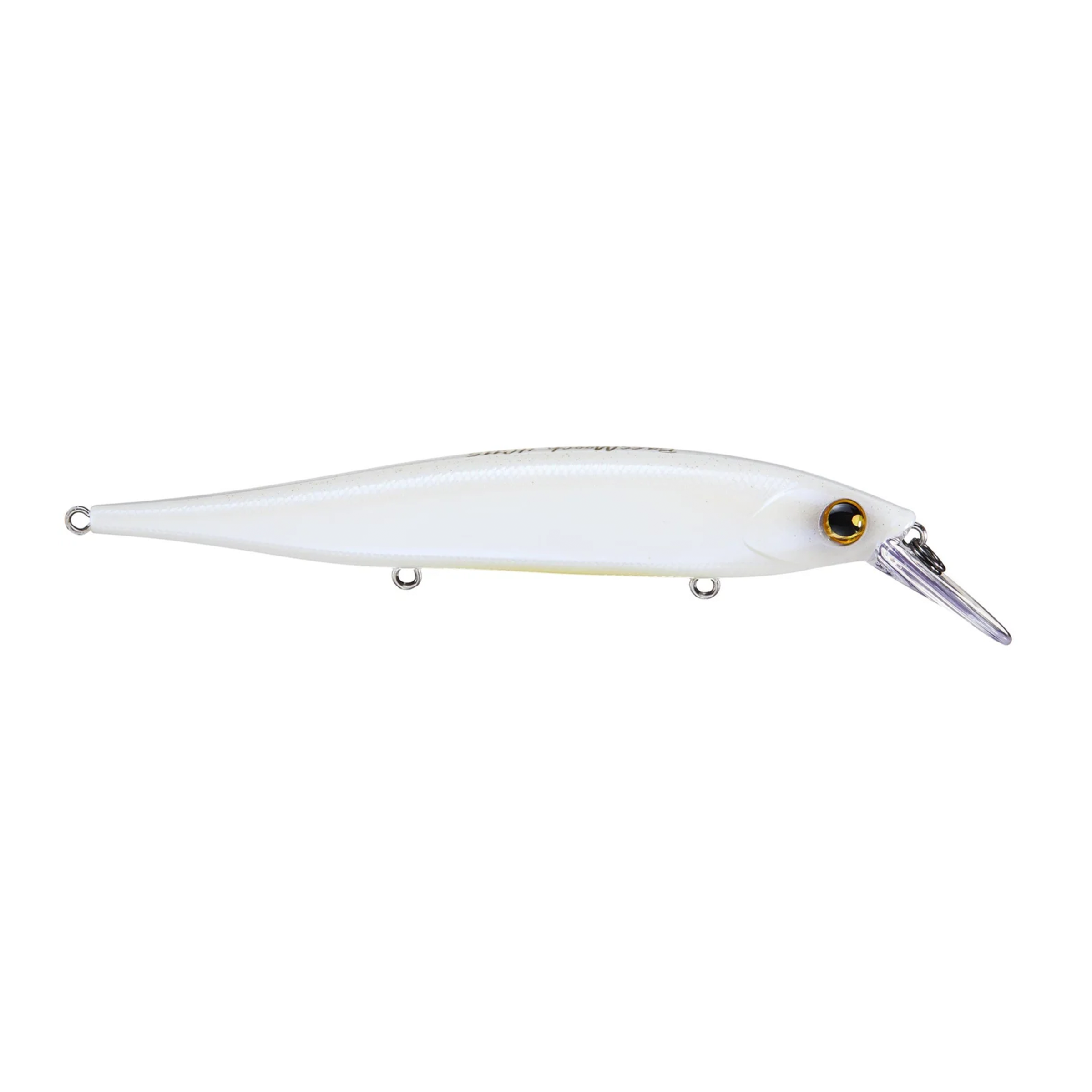
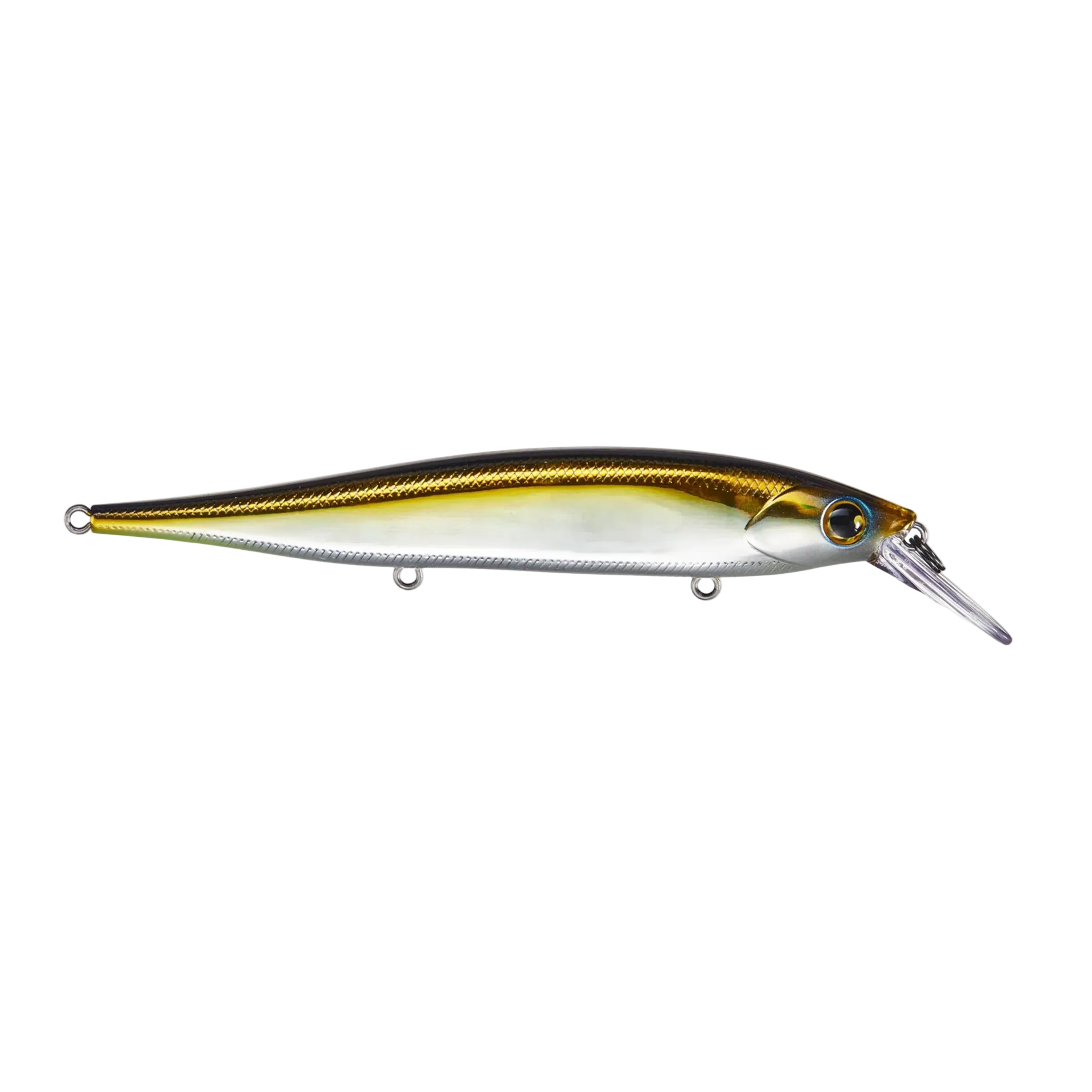
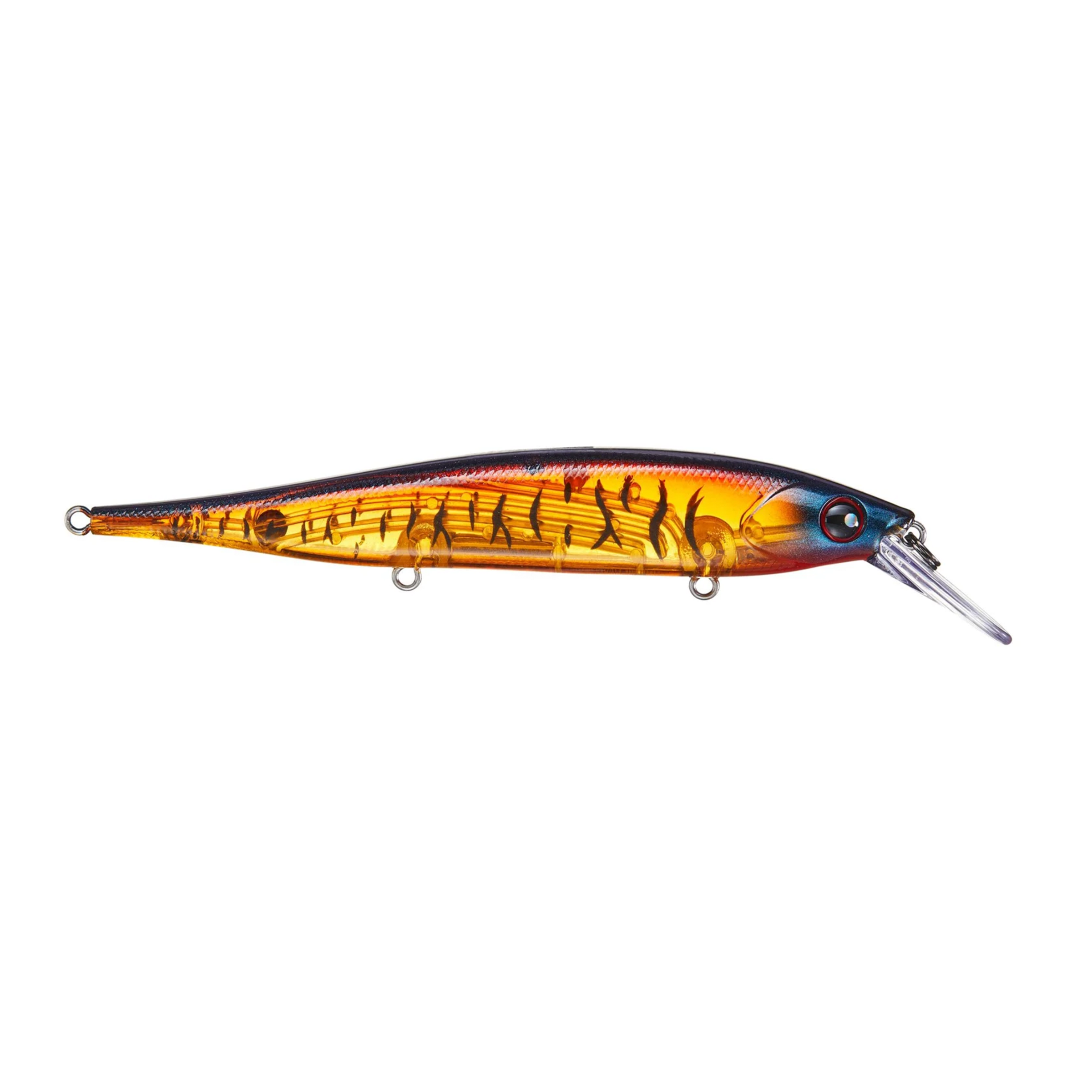
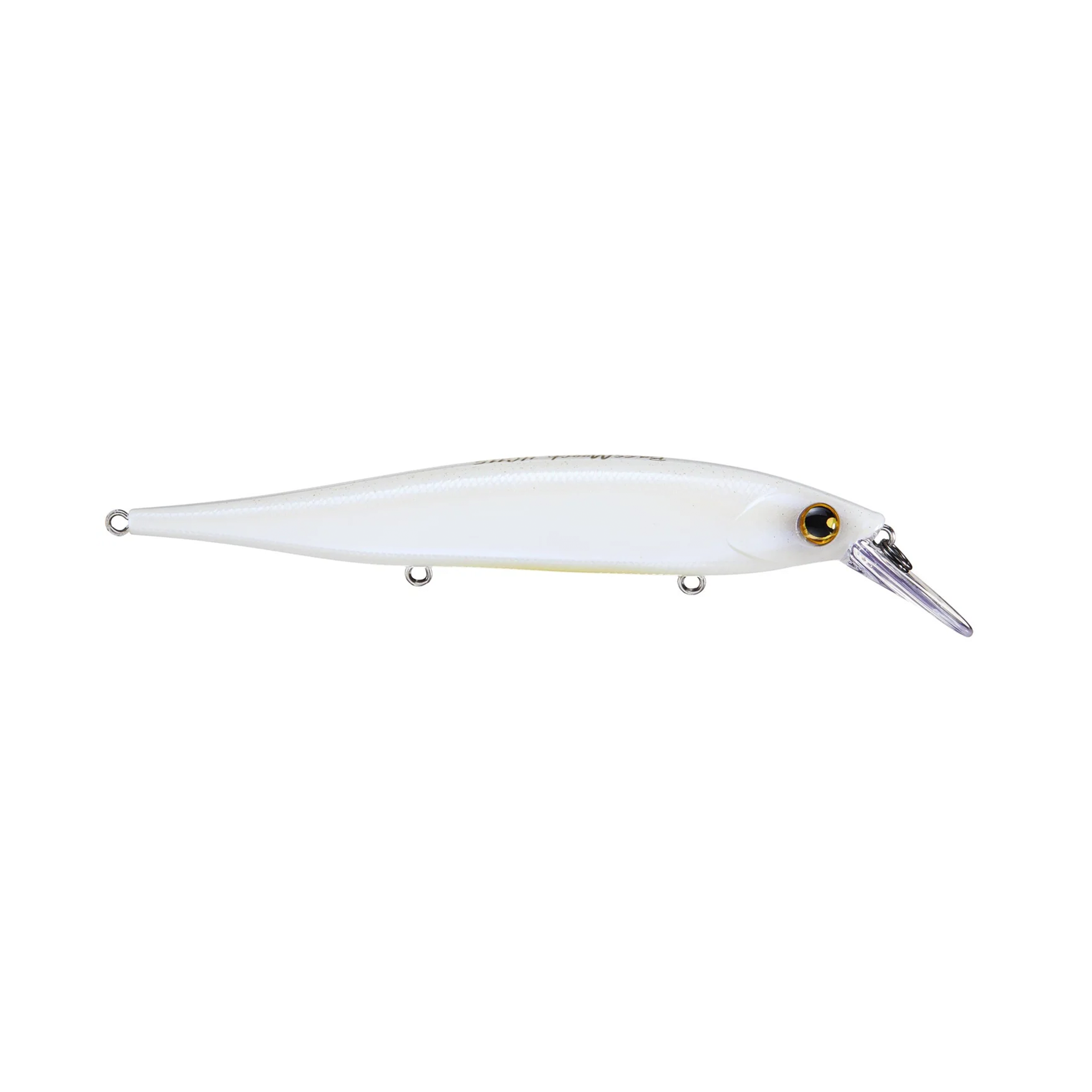
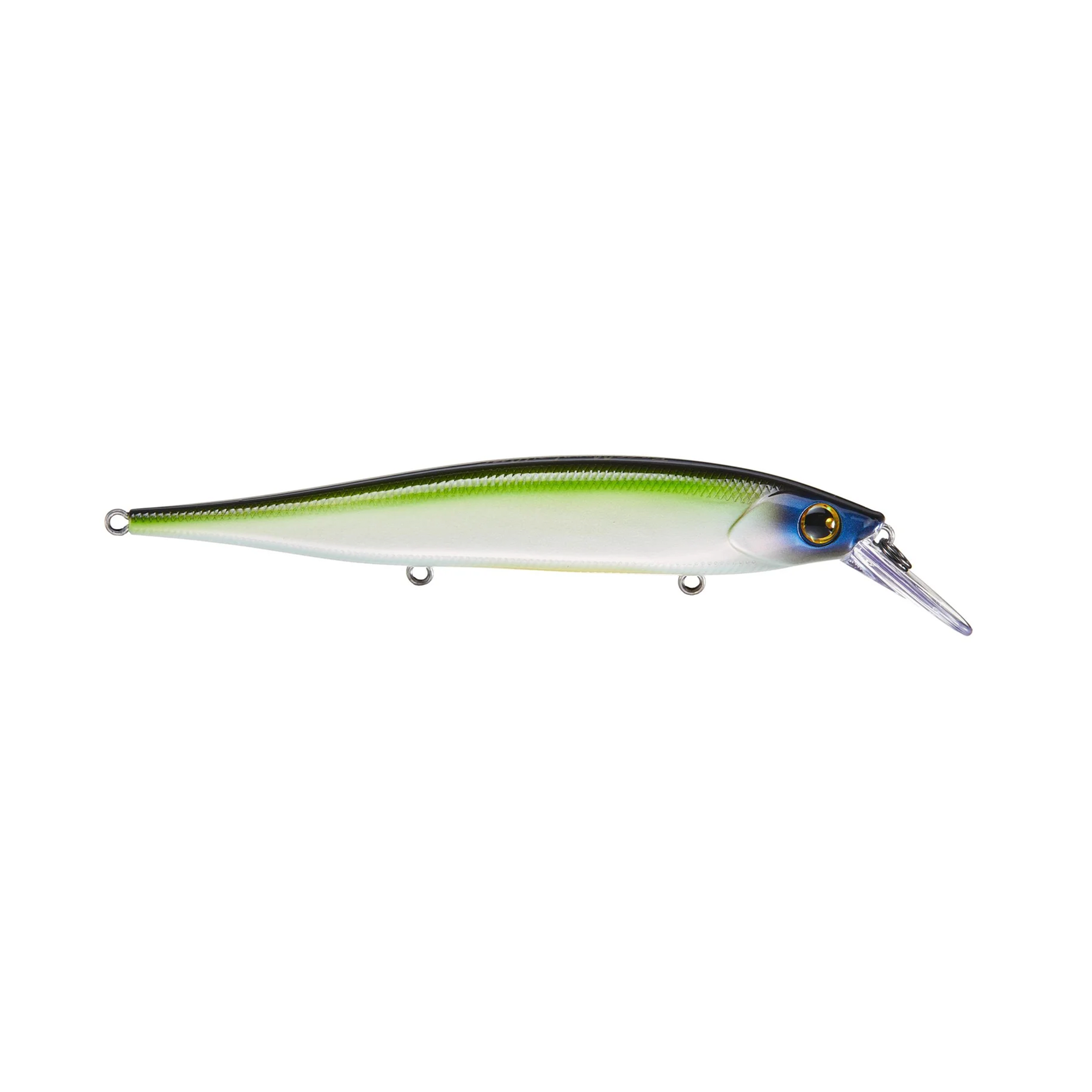
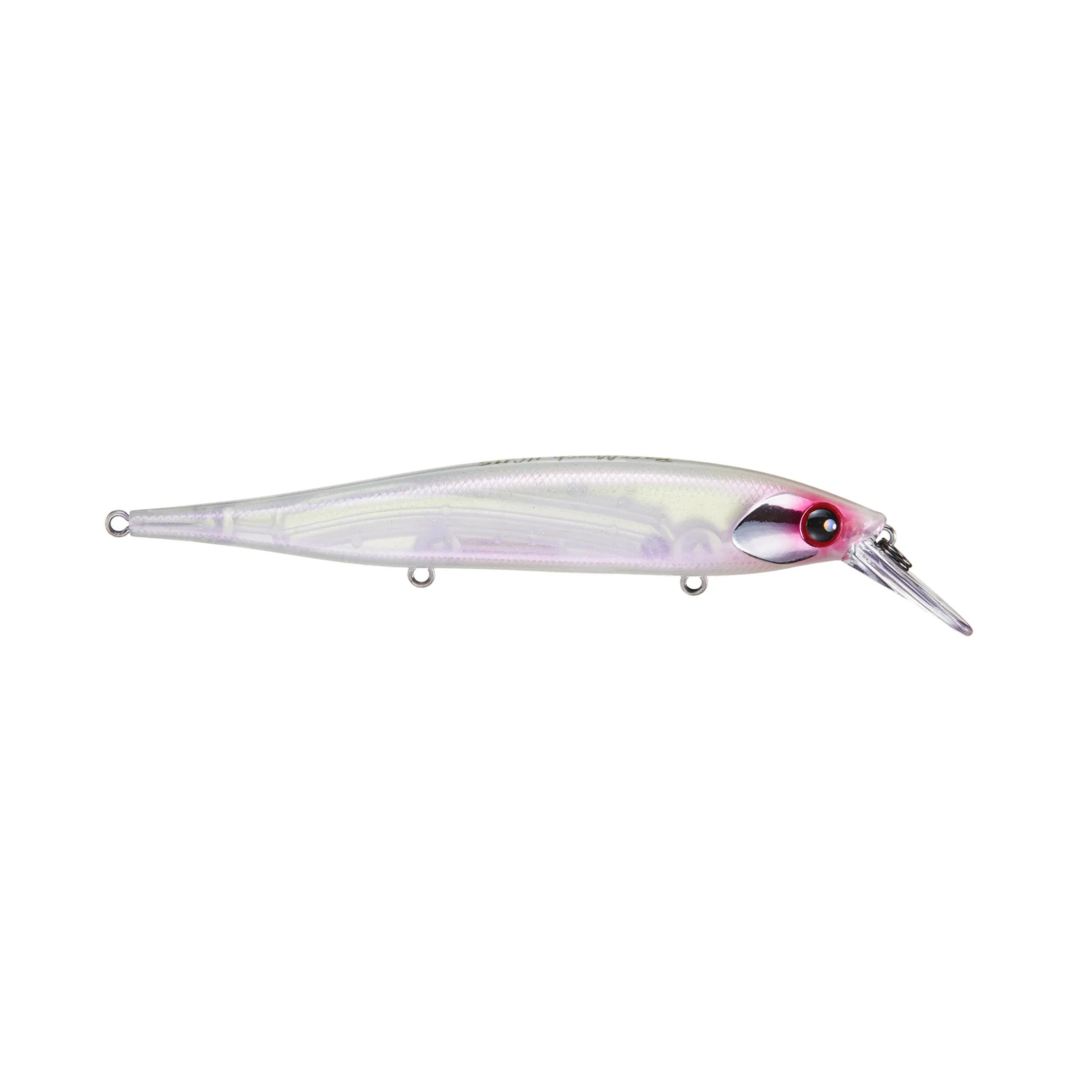
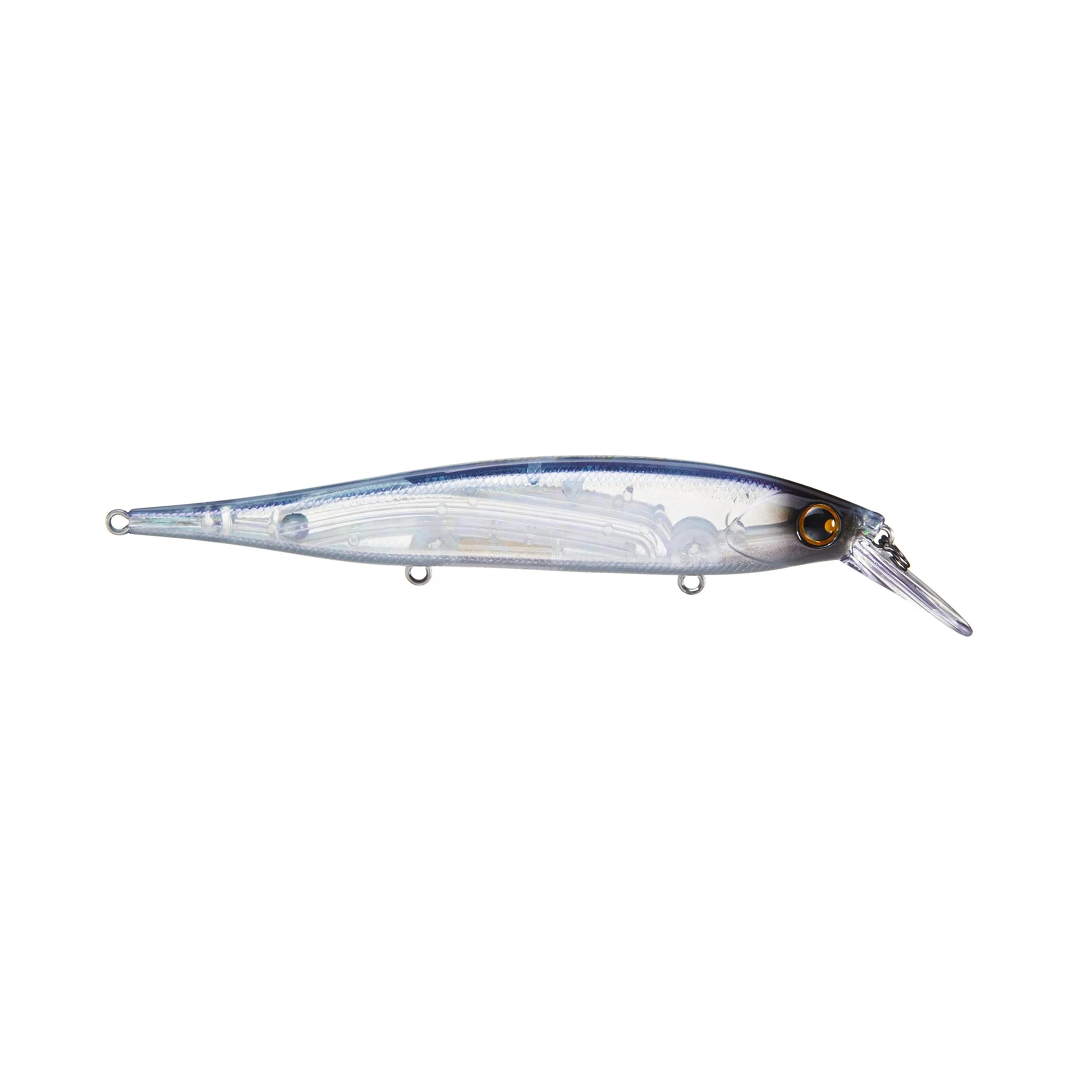
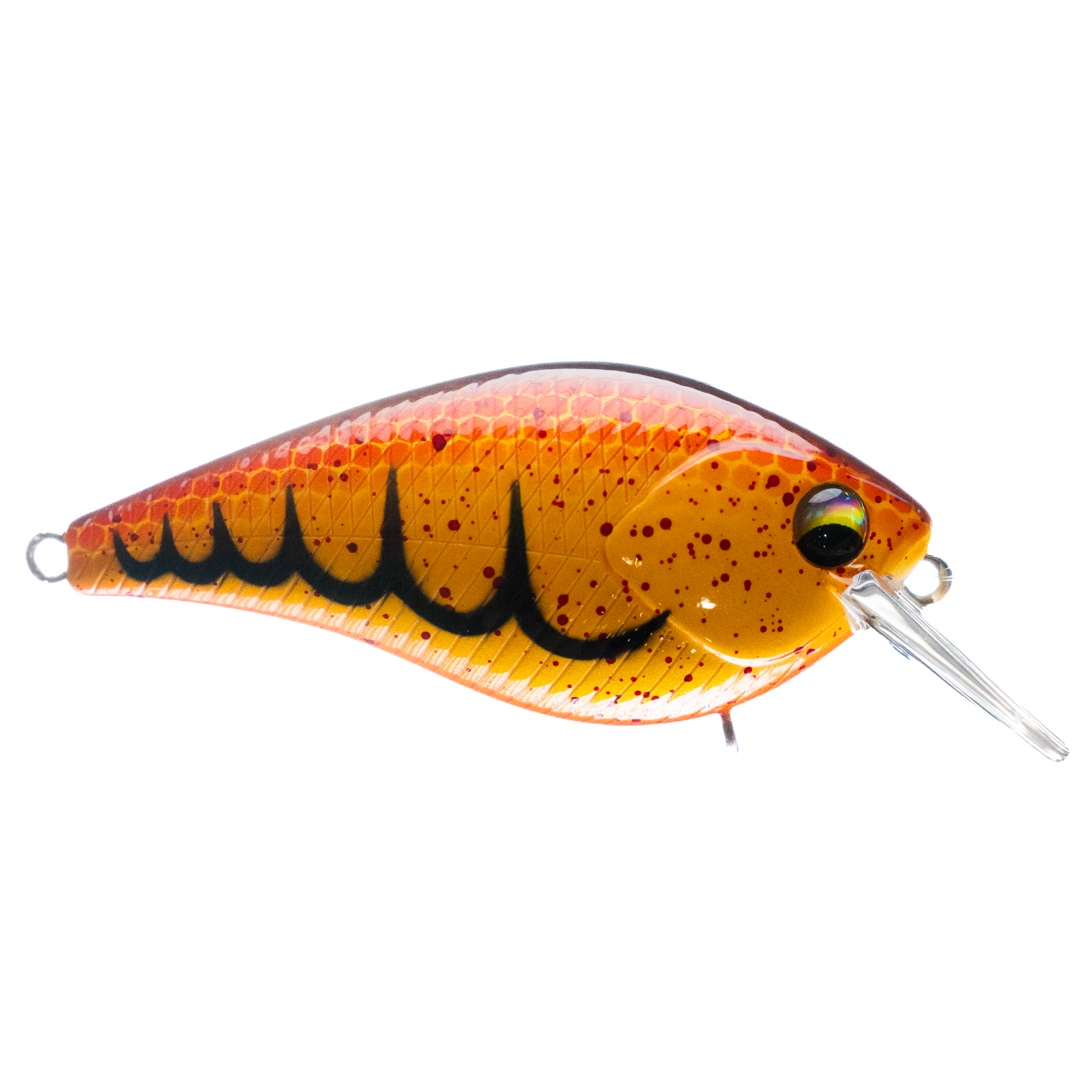
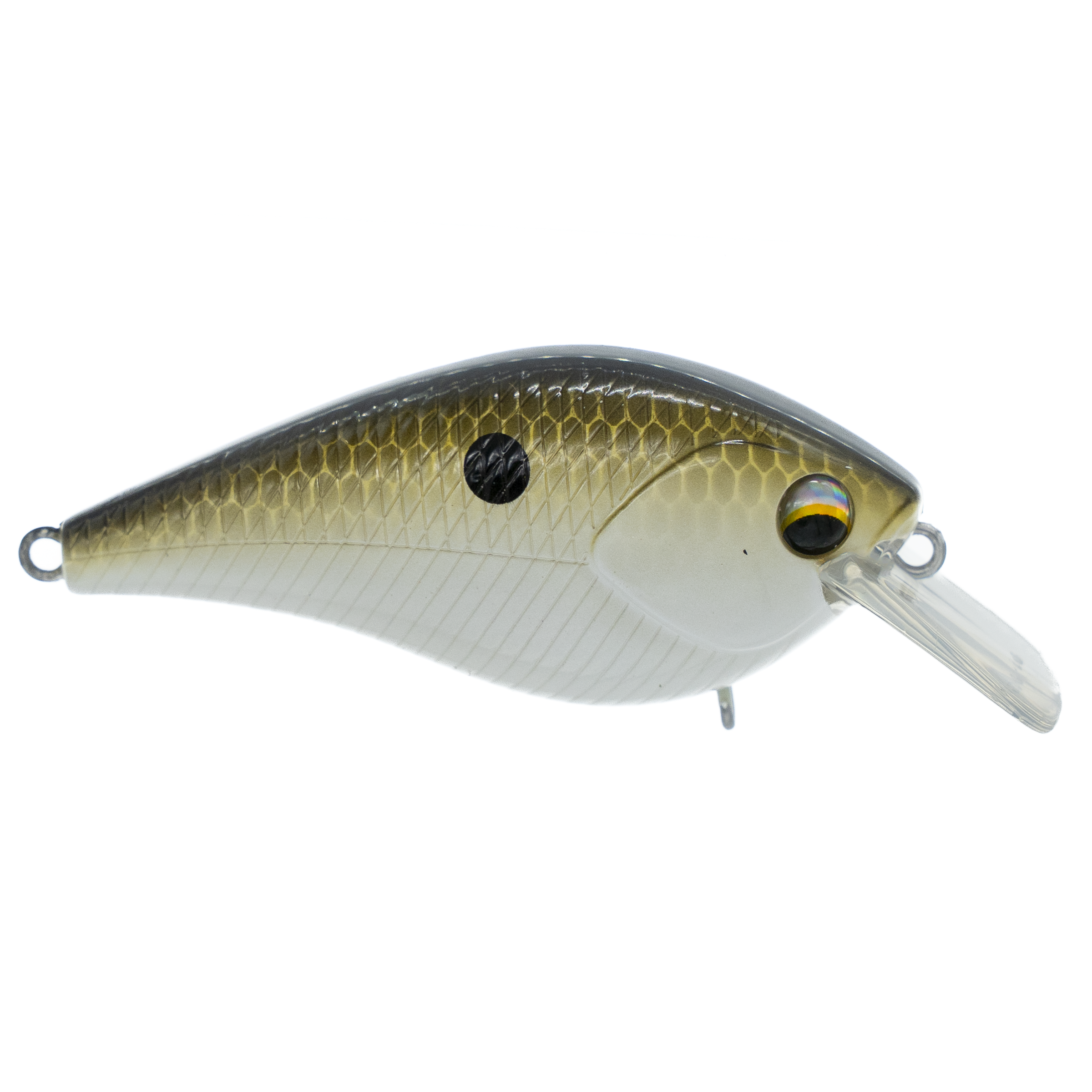
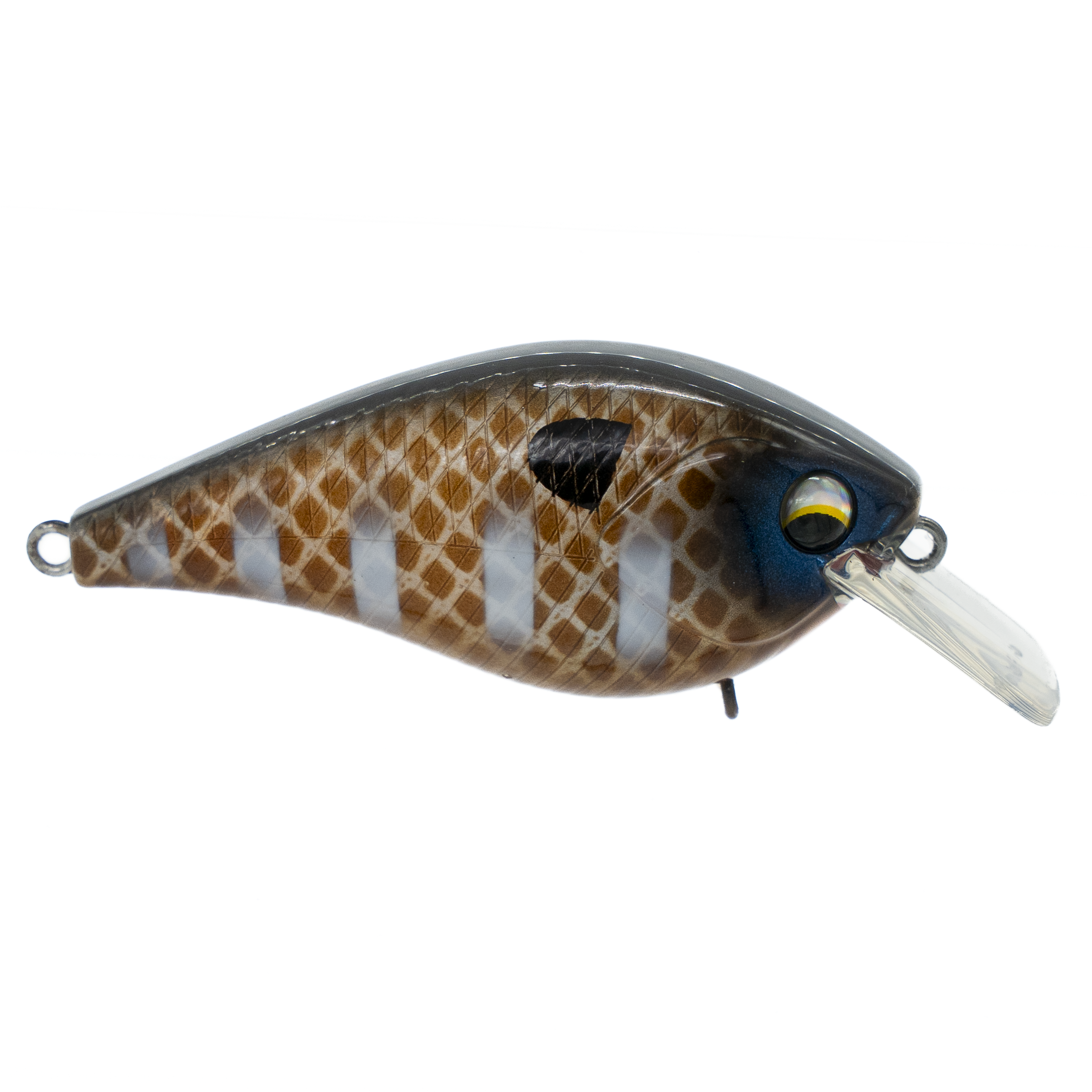
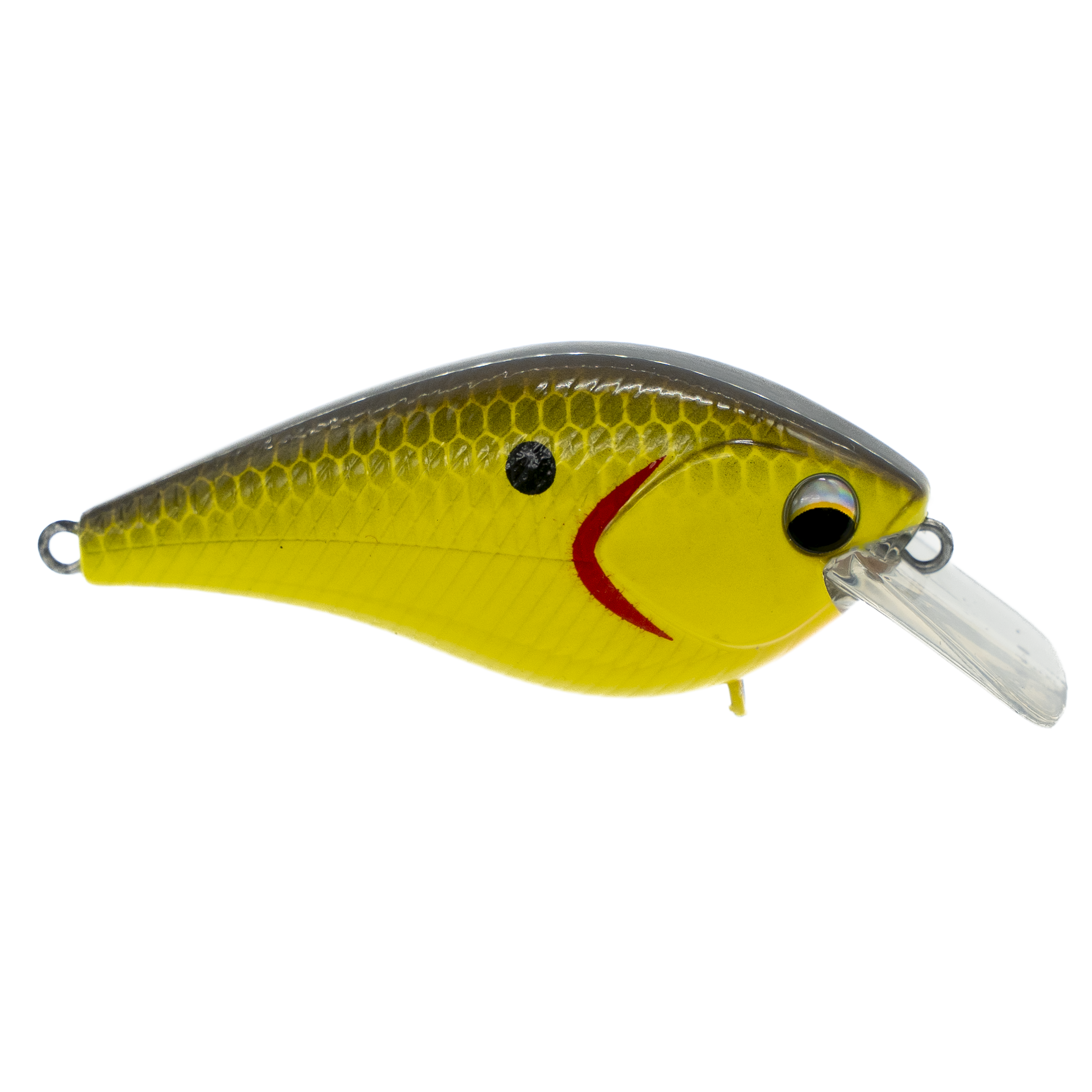
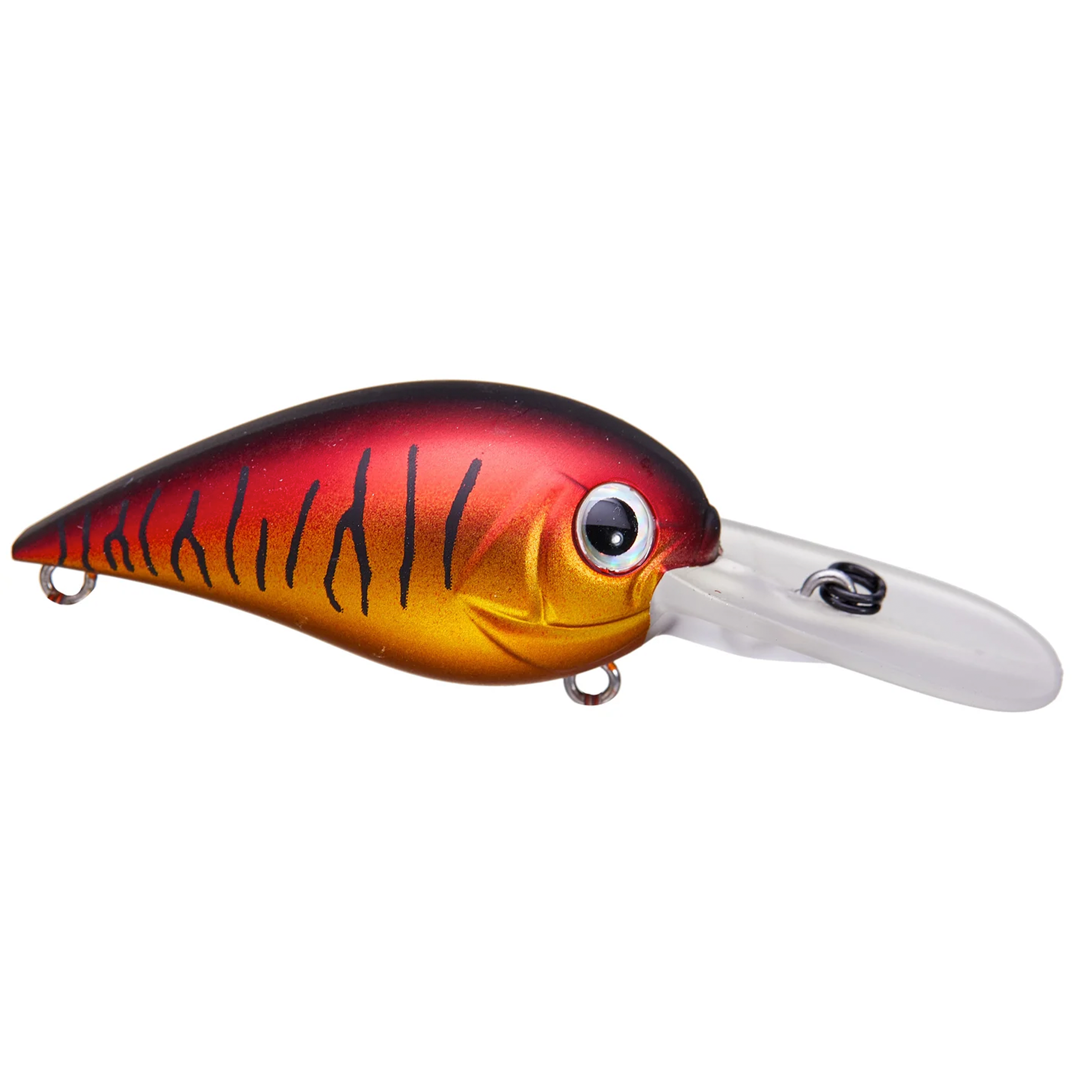
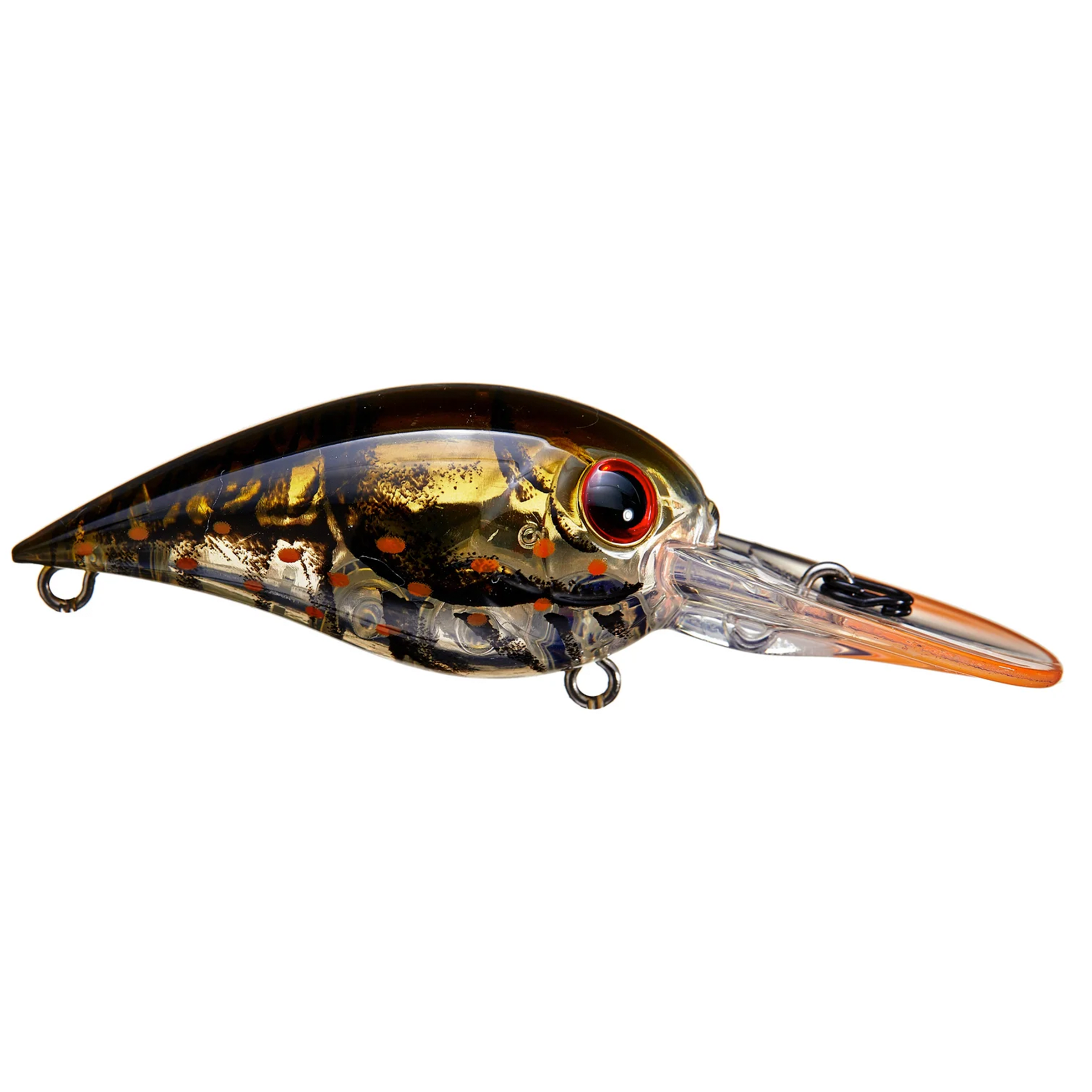
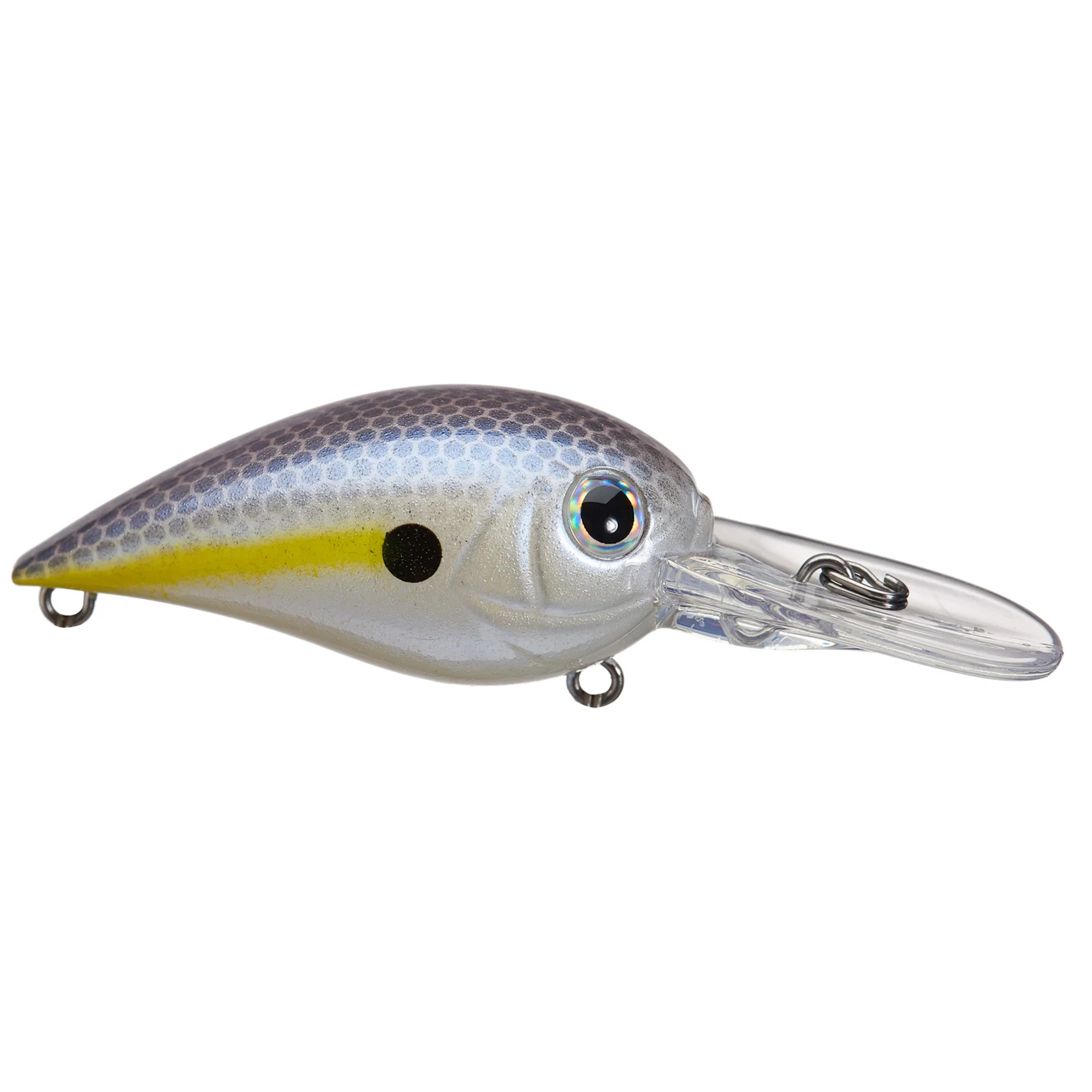
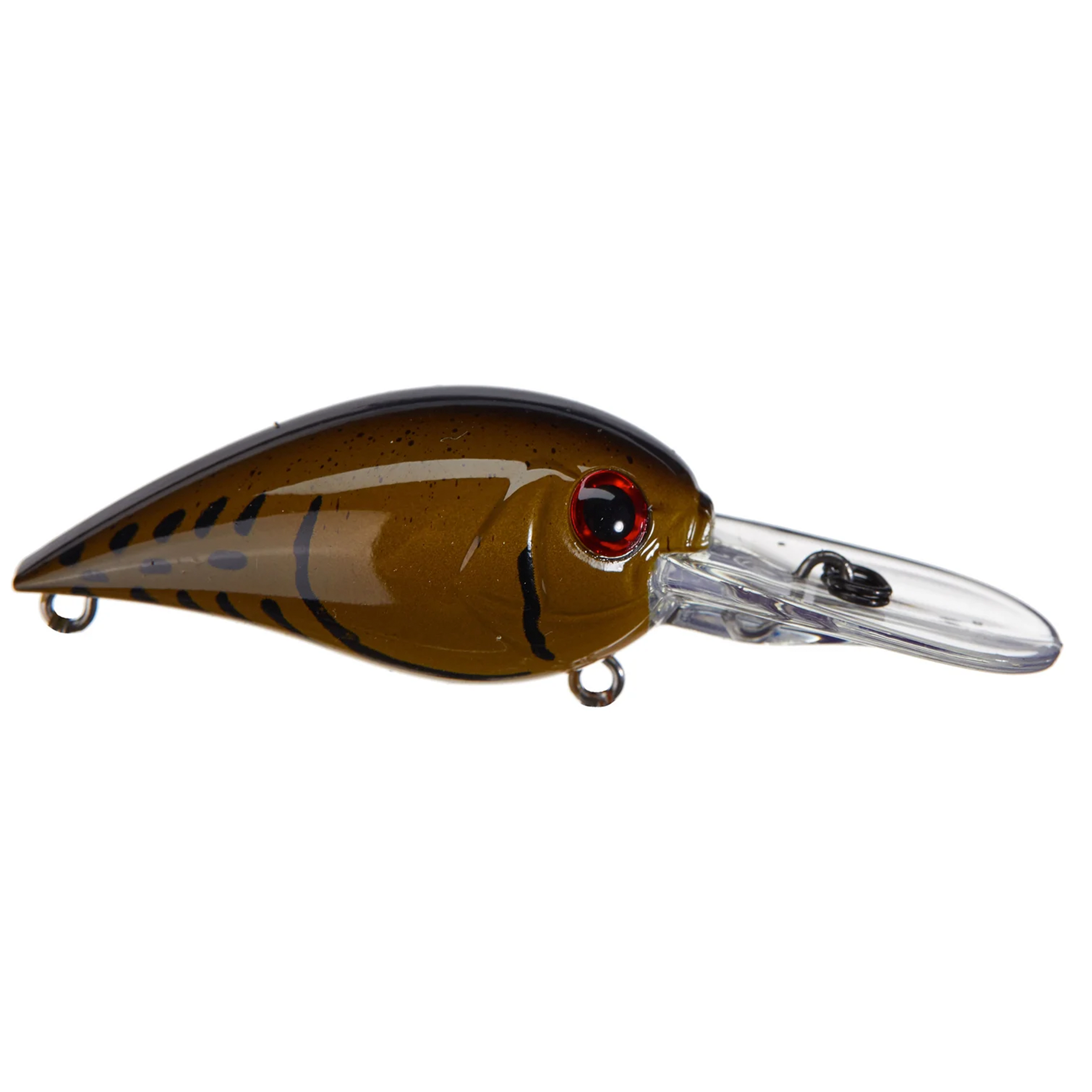
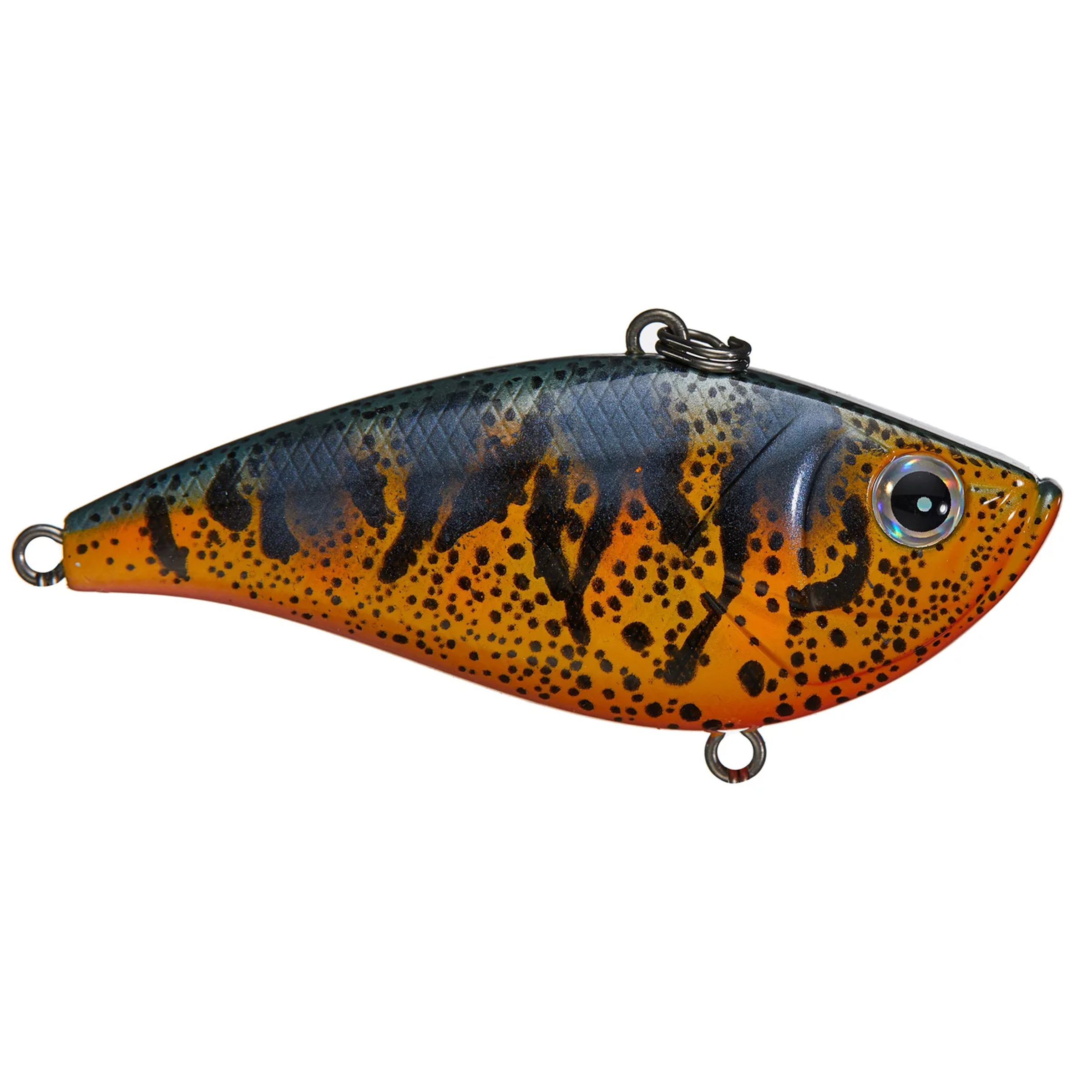
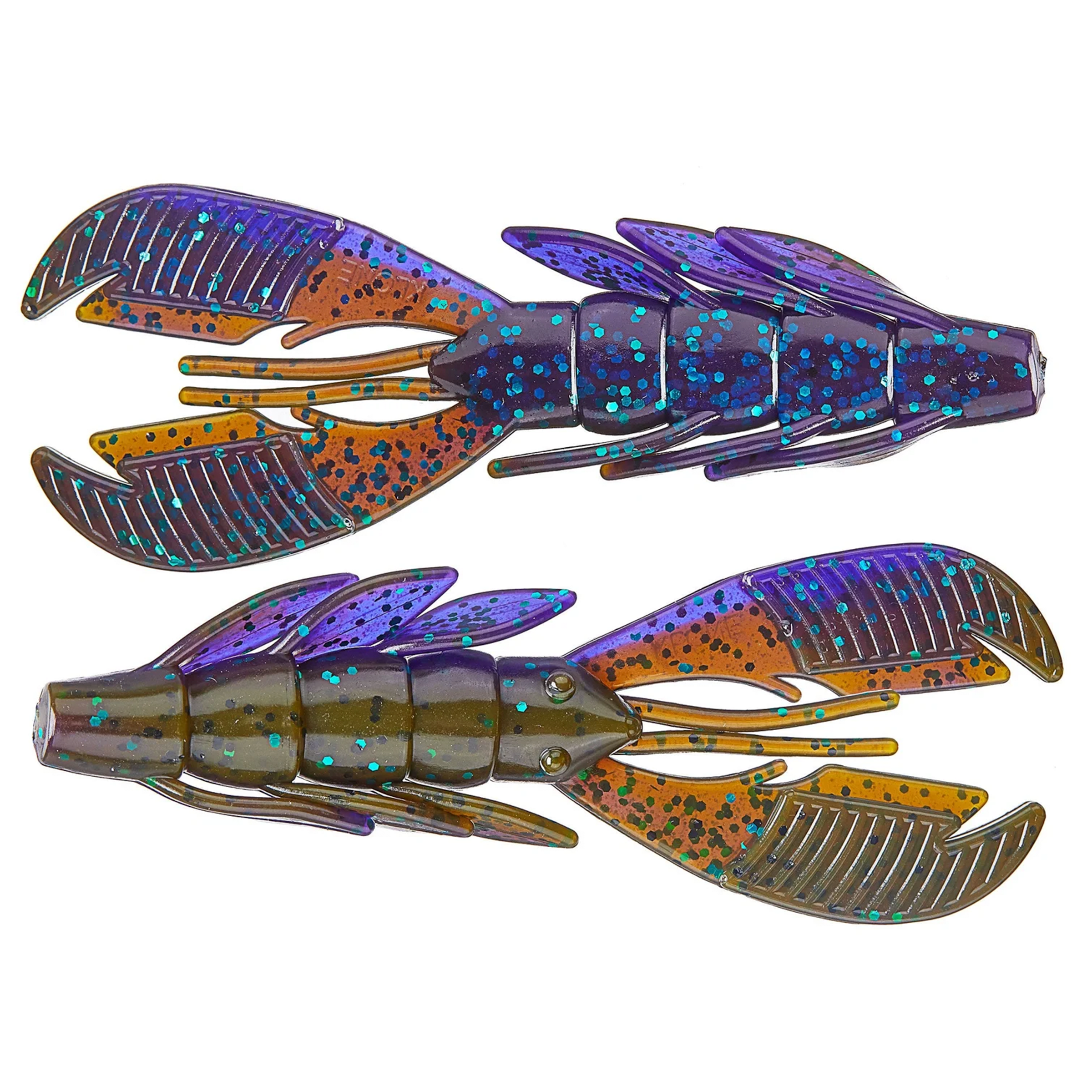
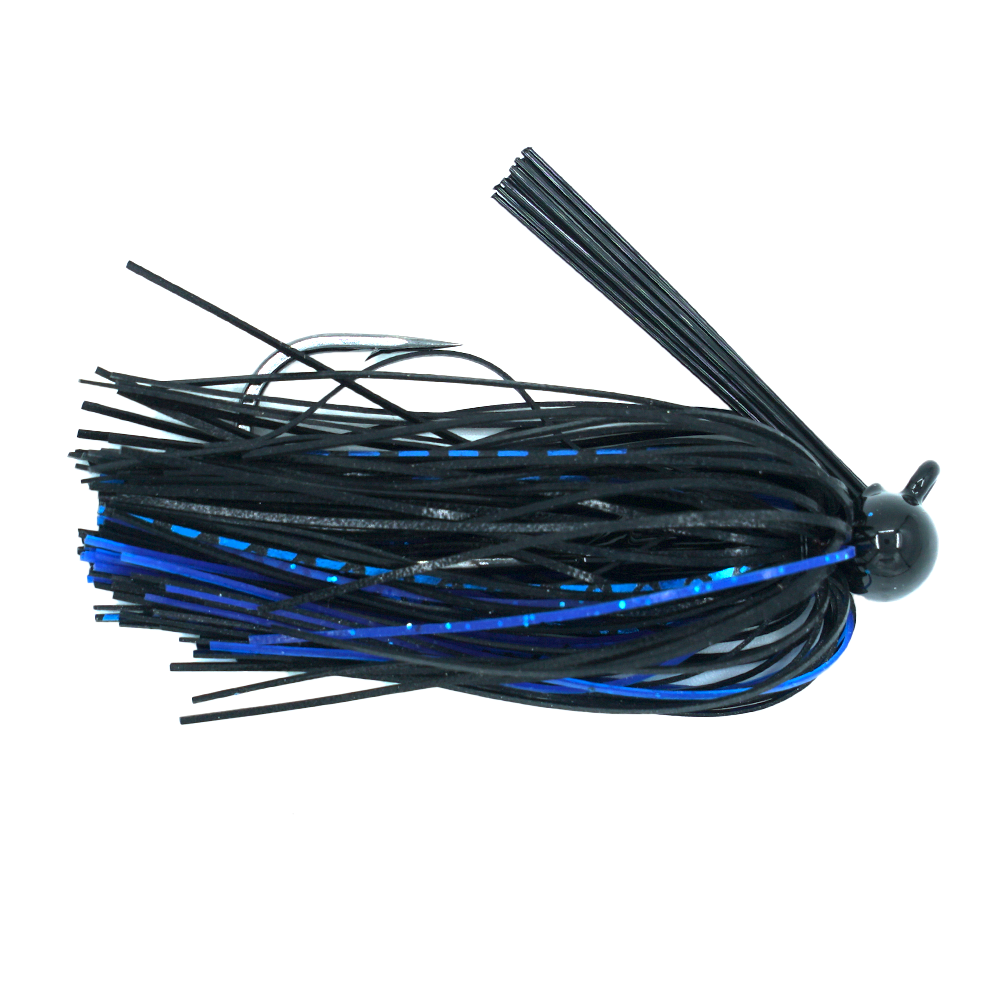
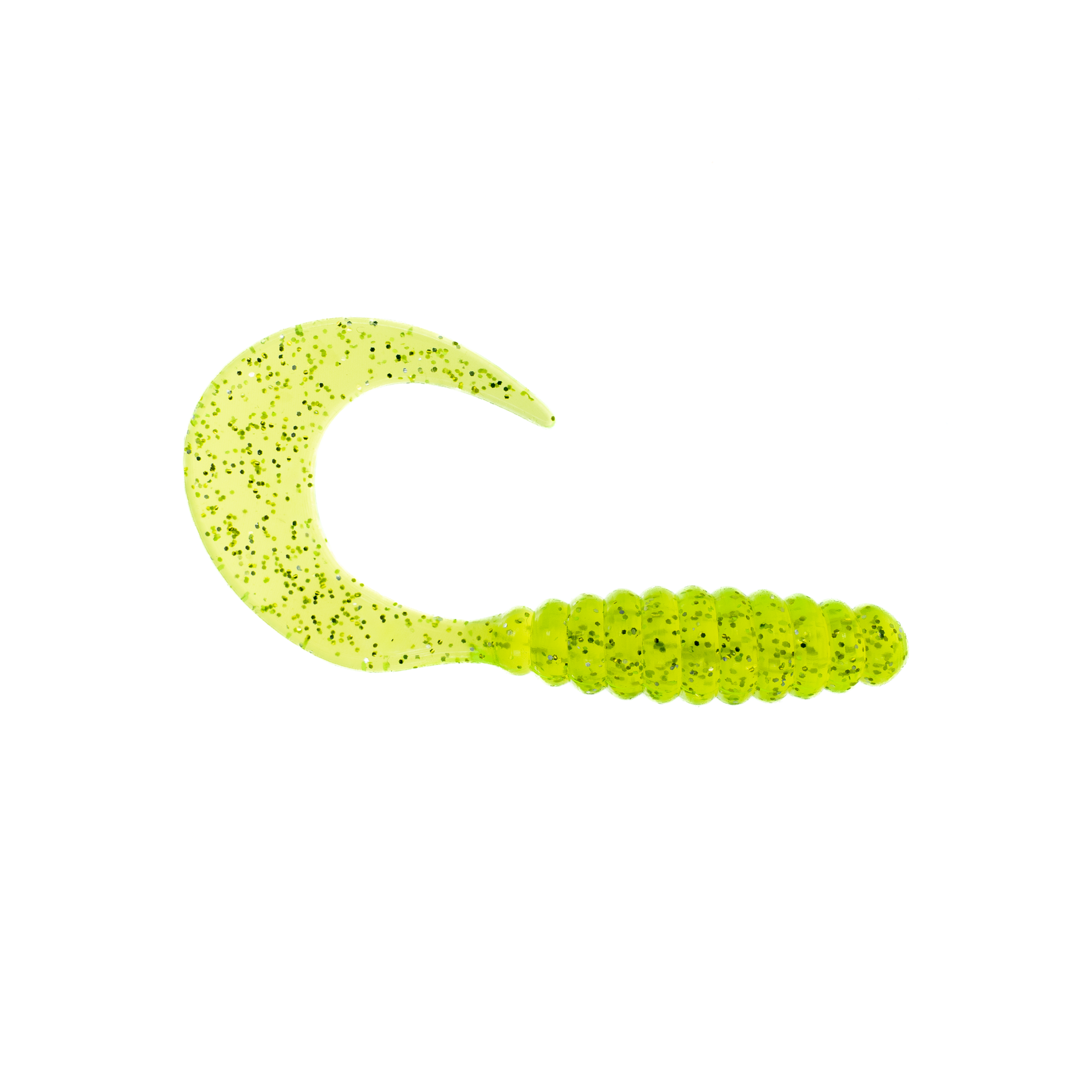
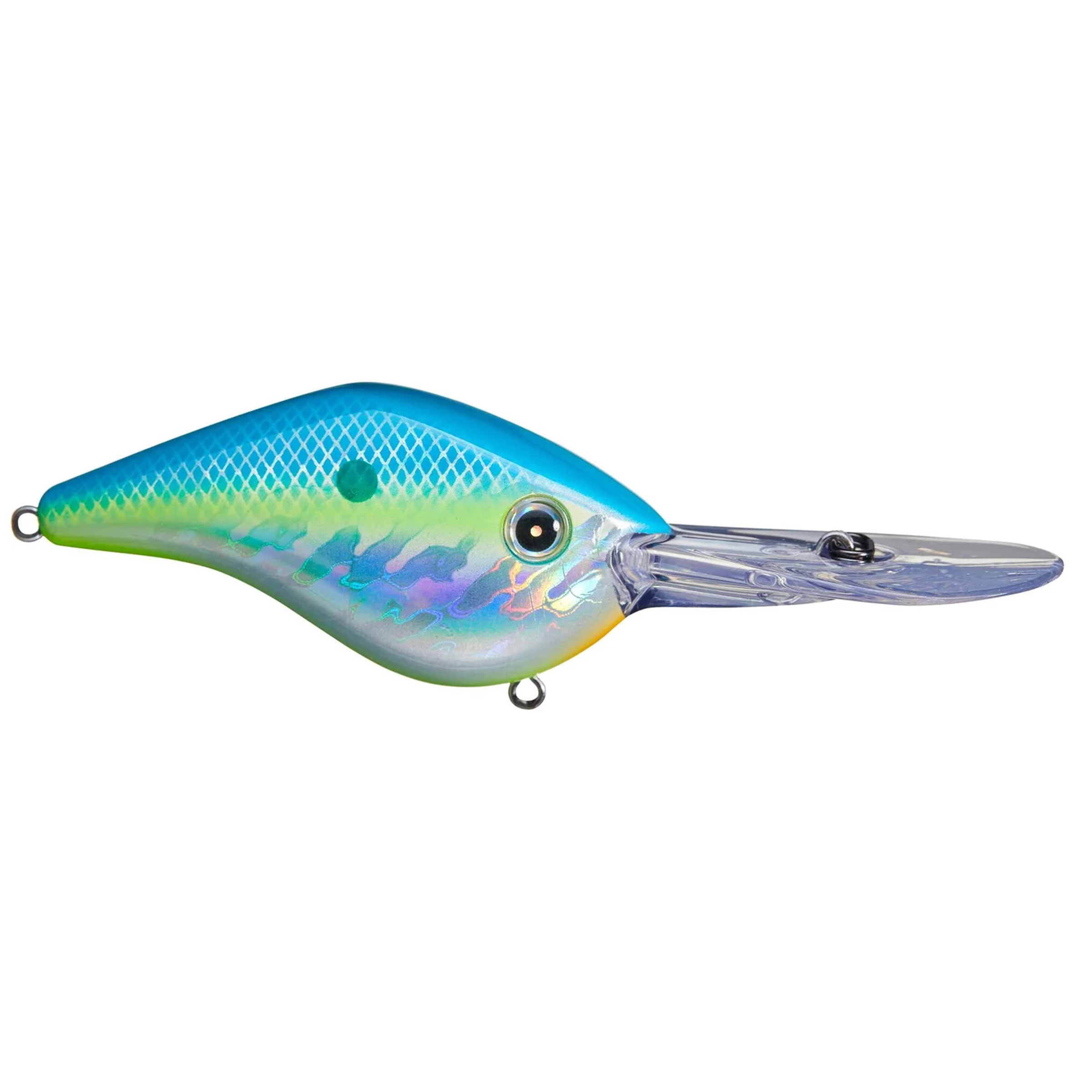
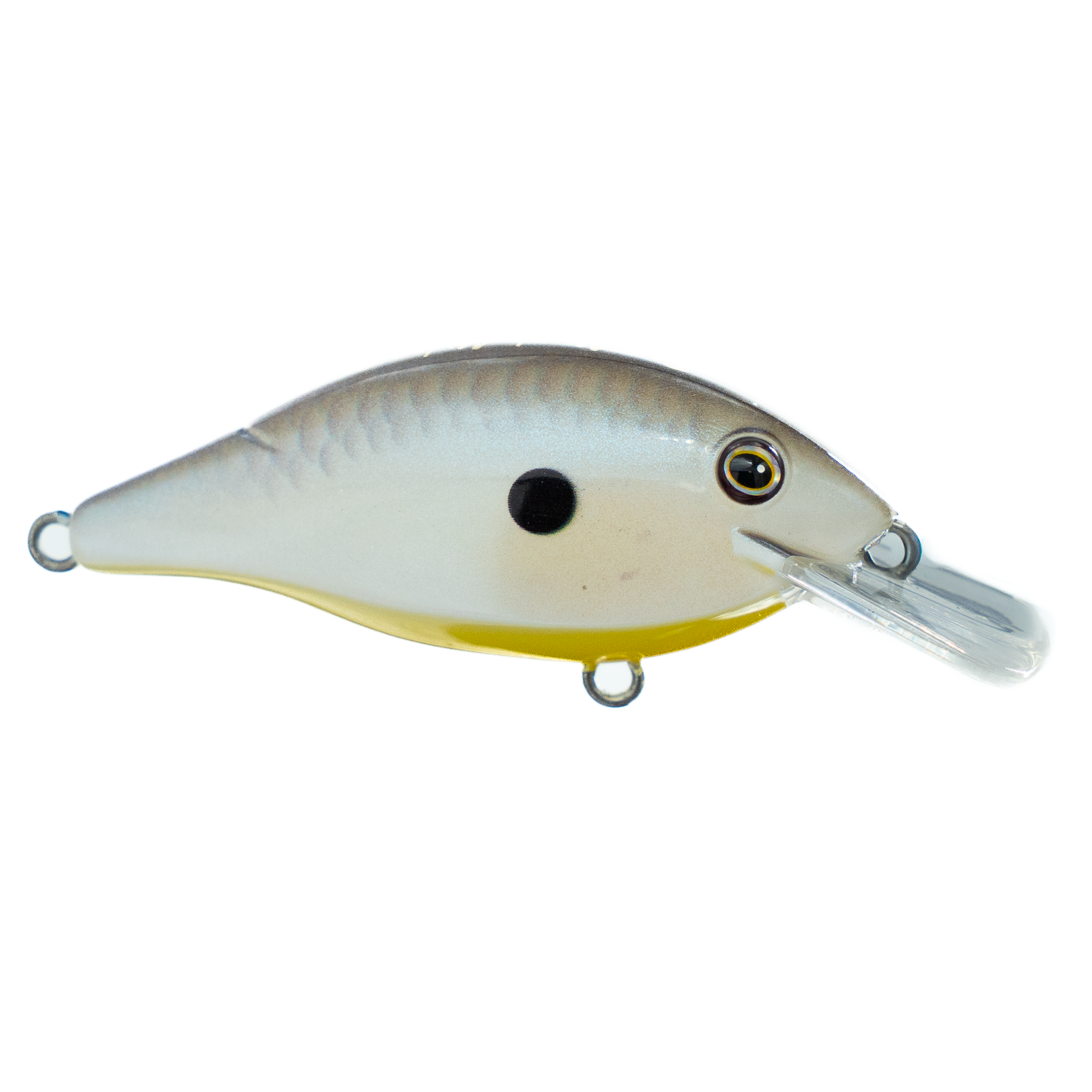
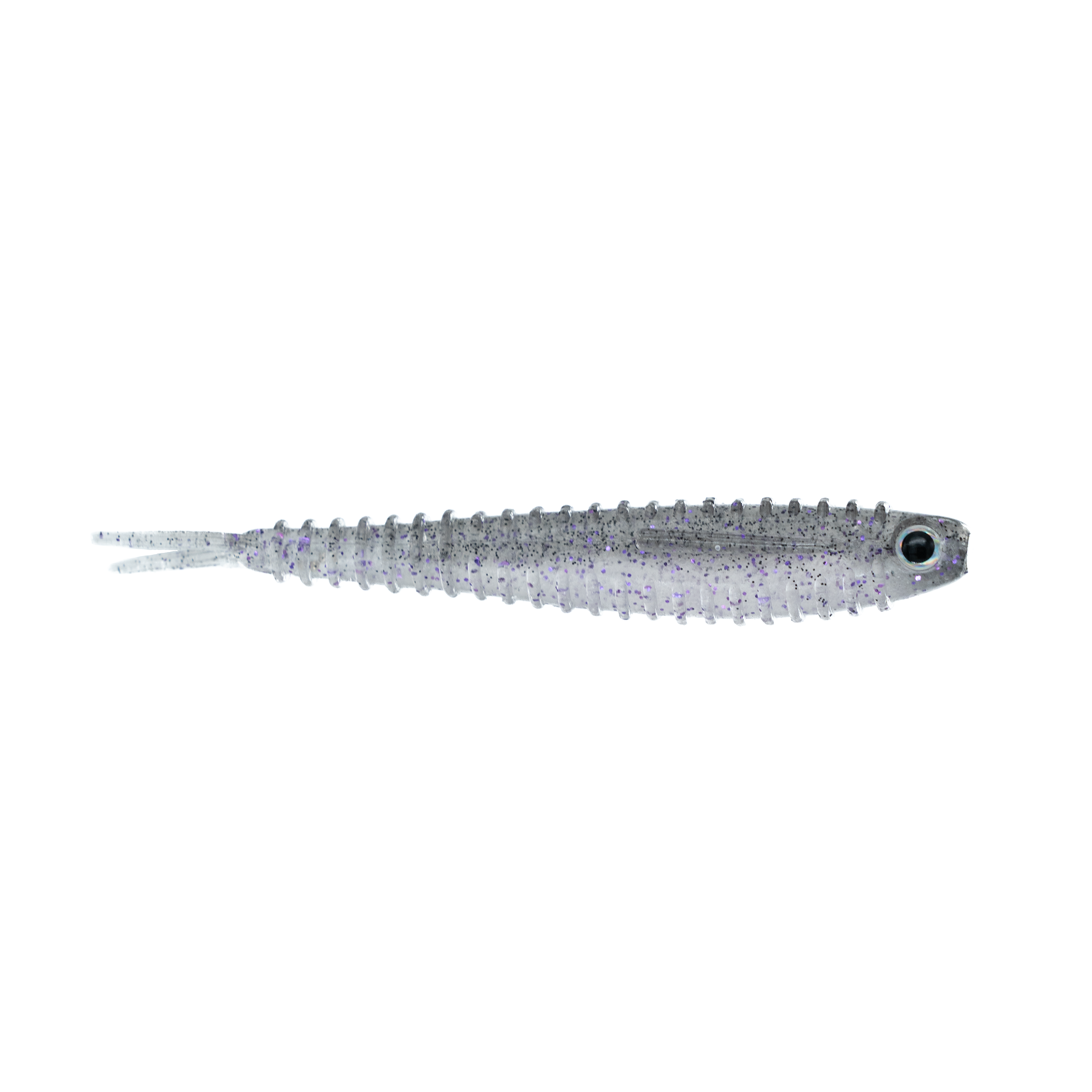
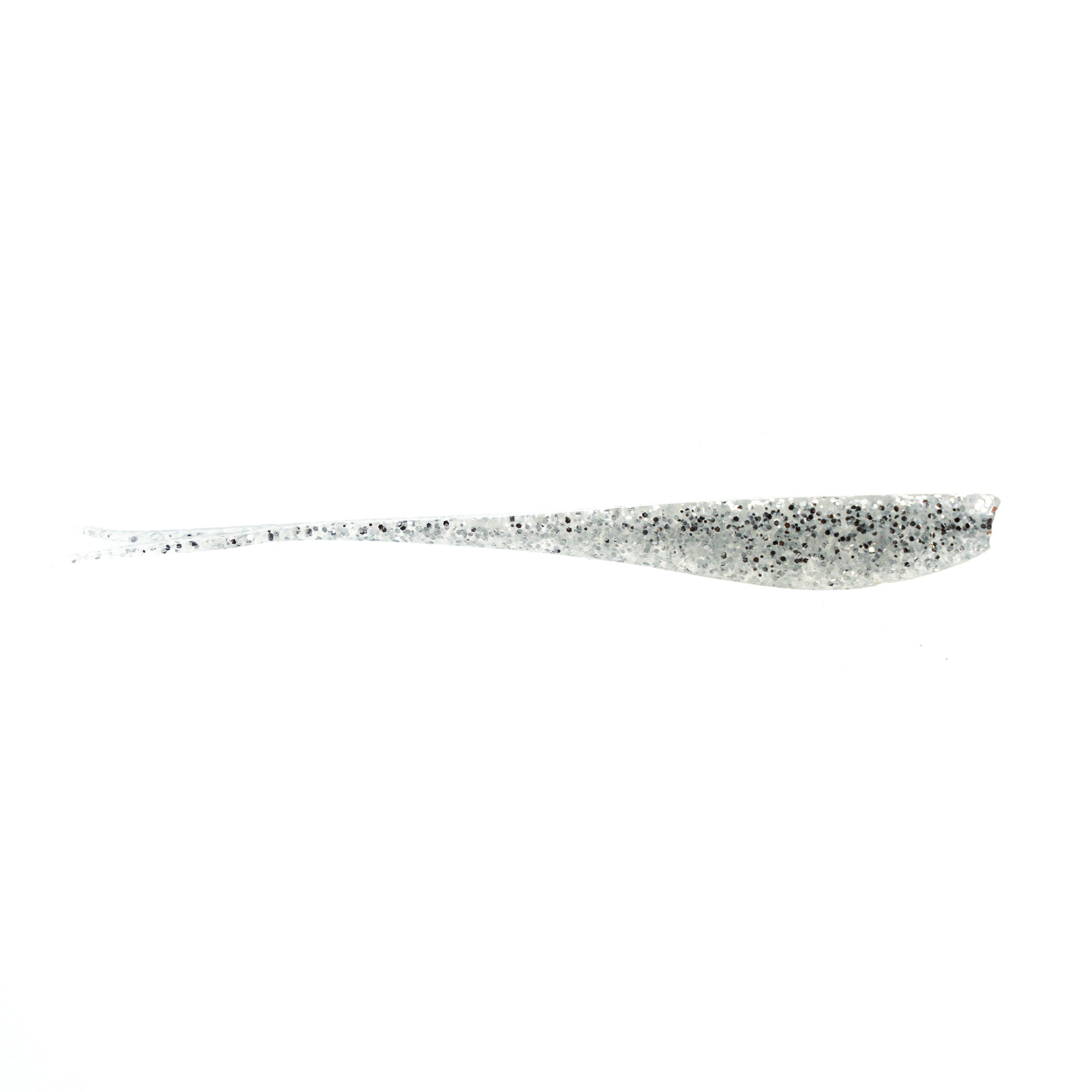
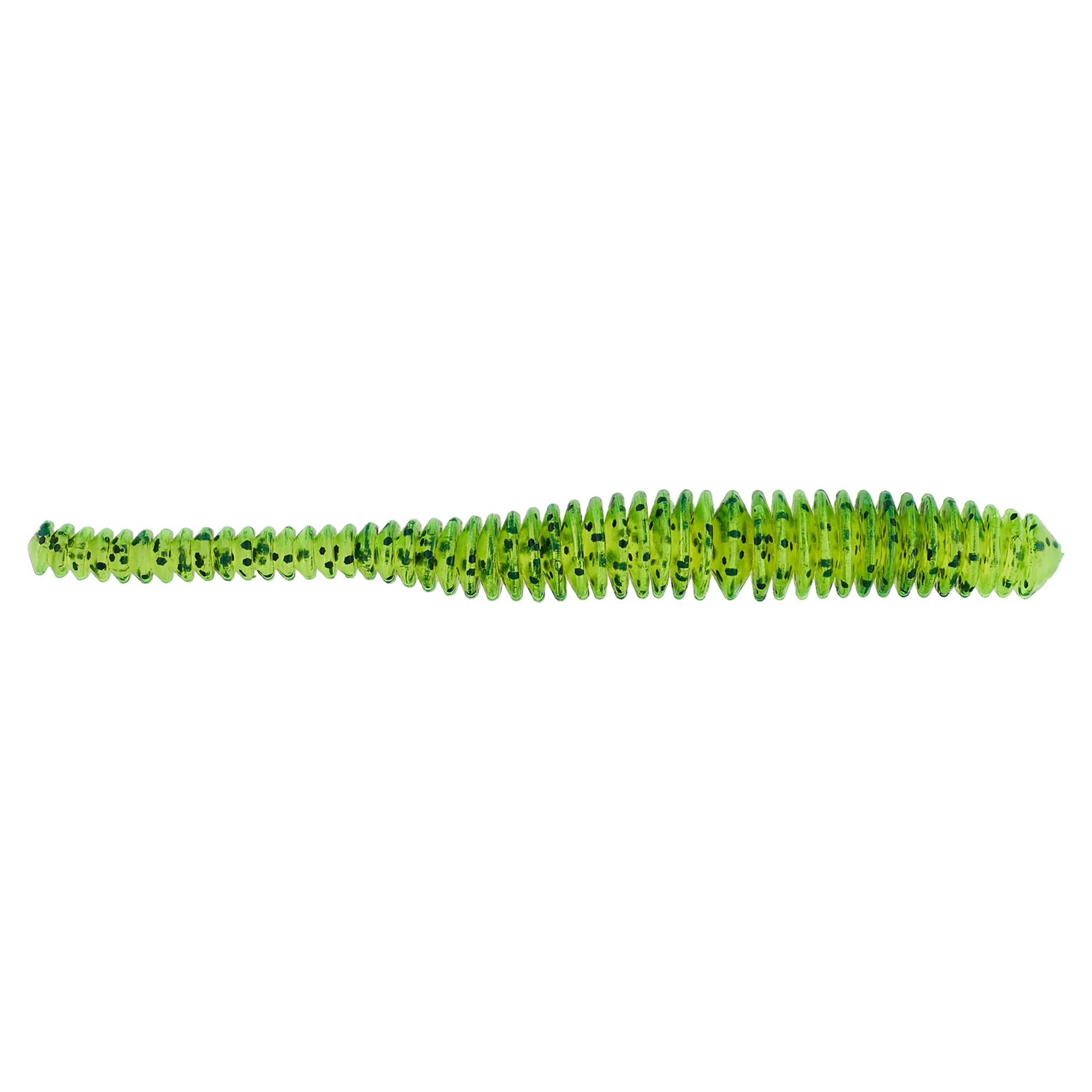
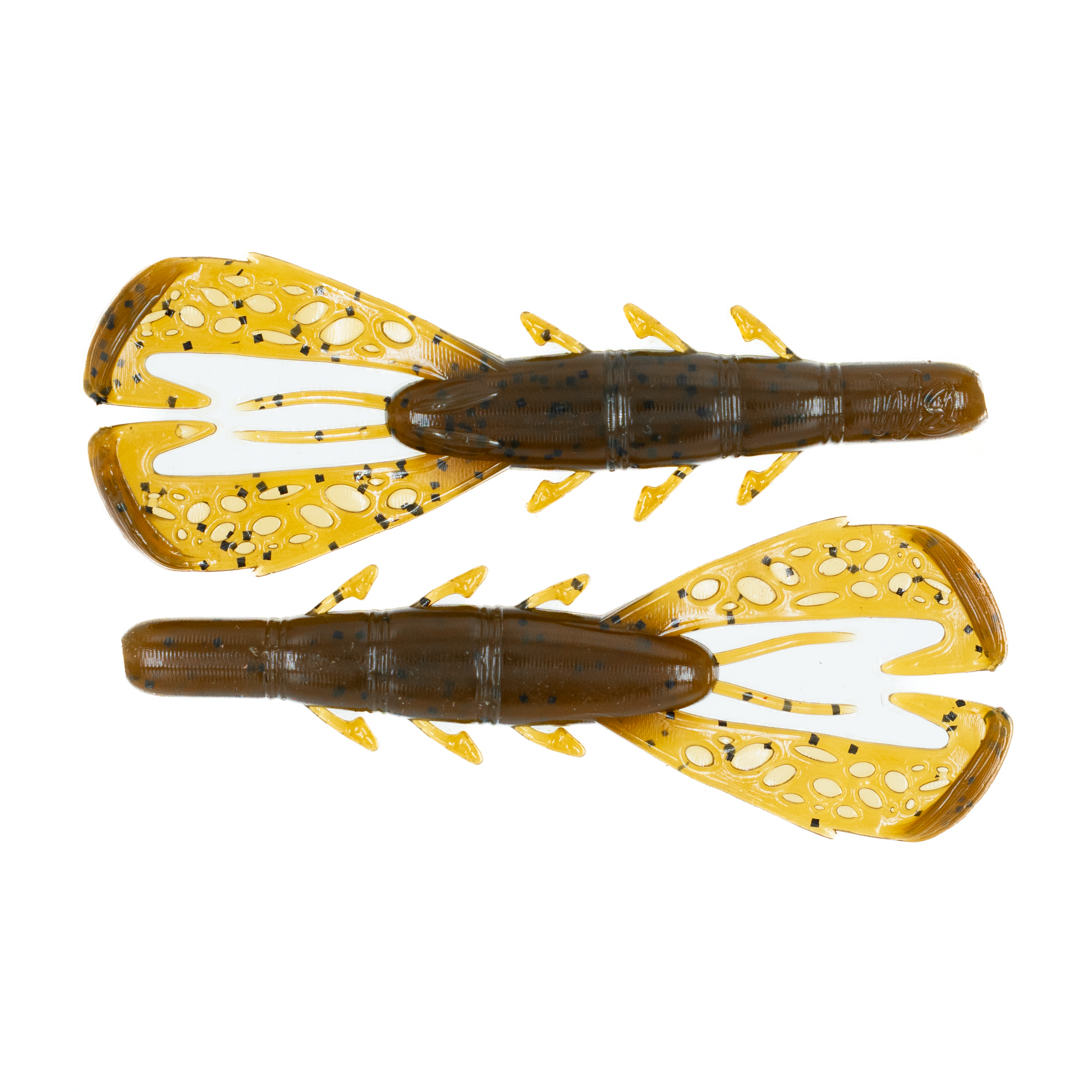
Spring is jerkbaits, bladed jigs and jigs on staging points and docks. Summer is dock skipping and swim jigs, with current breaks midday. Fall is shad-pattern moving baits and a lot of searching. Winter is slow finesse on deeper structure. Our full bait lineup covers all four.
Do I need a fishing license for Logan Martin?
Yes. An Alabama fishing license is required, available through the Alabama Department of Conservation and Natural Resources. Check current size and creel limits before you go.
Skipping Is the Whole Job
On a lake with a thousand coves and a dock in most of them, the angler who can put a jig fifteen feet back under a low boathouse catches fish the rest of the field never sees. Level Rods builds models with the length and load to skip cleanly and the backbone to pull a five-pound spot back out through the pilings.
Tournament Winning Baits & Gear
Designed, crafted and tested by anglers who fish the Coosa every week. Free shipping on orders over $75.
Shop All Baits