
Lewis and Clark Lake Bass Fishing Guide
Lewis and Clark Bass Fishing, Season by Season
A Missouri River impoundment on the Nebraska and South Dakota line, with rock and depth at one end and shallow water at the other. The river that feeds it holds Nebraska's state record smallmouth, and the lake fishes for both species.
Missouri River Water on the State Line
Lewis and Clark Lake sits behind Gavins Point Dam on the Missouri River, straddling the Nebraska and South Dakota border near Yankton. It is one of the larger waters available to Nebraska anglers and it fishes as two distinct fisheries within one lake.
The split is straightforward. Smallmouth are the primary bass in the deeper and rockier sections; largemouth stay in the shallows most of the time. Knowing which you are after tells you which water to fish, and the two are different enough that trying both in a day rarely works well.
The Missouri River itself is worth knowing about beyond the reservoir. It offers some of Nebraska's best smallmouth fishing, and the state record smallmouth came out of it. Both the lake and the river also hold excellent catfish.
The habitat is rock, riprap, points, sandbars, shallow flats and backwater areas, with substantial current influence from the river depending where you fish. Vegetation is limited compared with the Sandhills lakes.
Because the lake crosses a state line, check which state's rules apply to the water you intend to fish. Both license their own portions and the limits differ.
Campgrounds serve the Nebraska side including Lewis and Clark State Recreation Area, and the nearest hotels are in Yankton, South Dakota. Nebraska does not close black bass season, but bag and length limits vary by water and several reservoirs carry special regulations. Check the current Game and Parks Commission rules for this water before you go.
Rock, Shallows and River Influence
Four patterns cover the year. Each one pairs the technique with the baits we'd actually tie on.
Rock for Brown, Shallows for Green
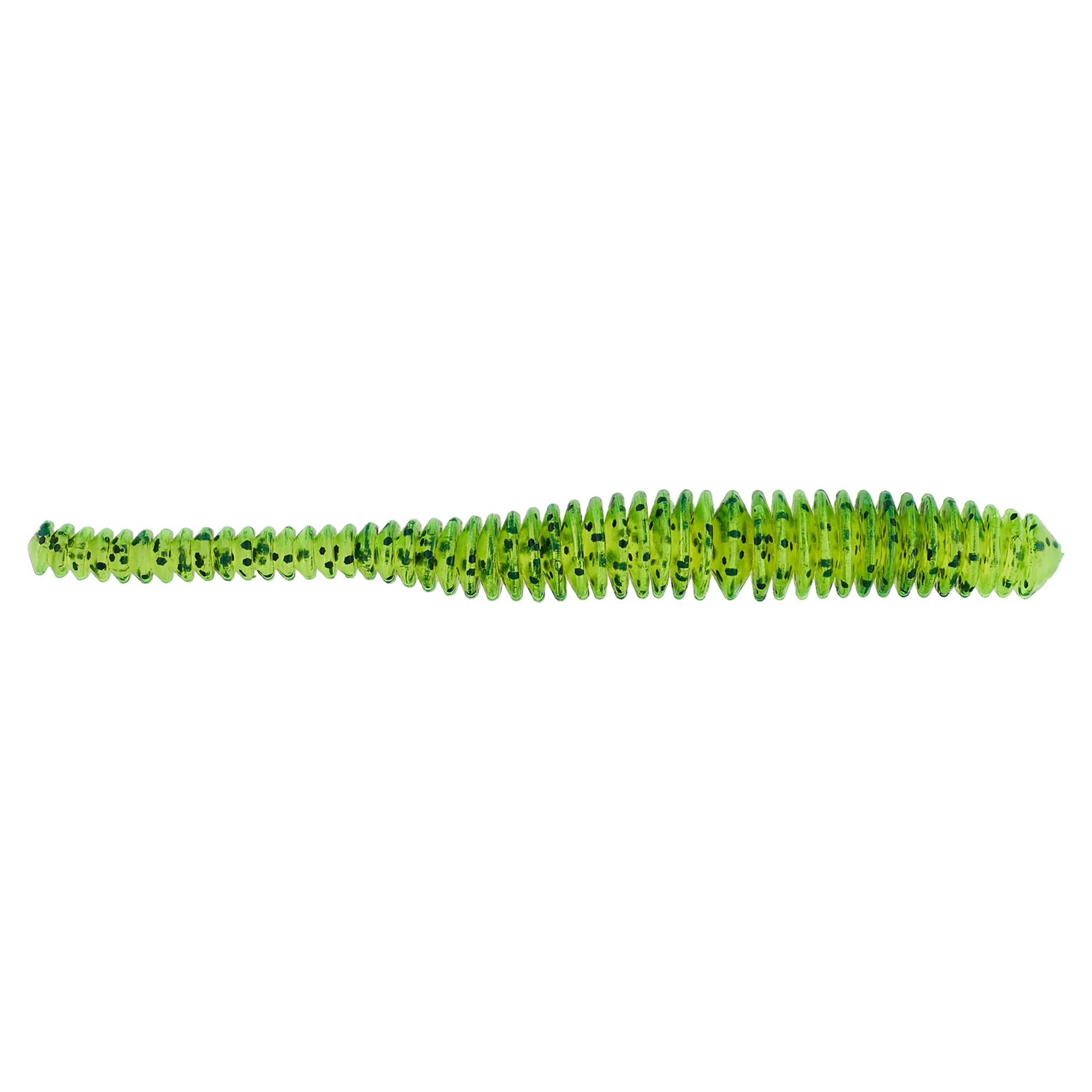
Spring brings both species up — smallmouth onto the rock and riprap in the deeper sections, largemouth into the shallow flats and backwaters. Missouri River spring flows can be high and cold, which pushes the timing later than the smaller Nebraska reservoirs.



Deep Rock and Current
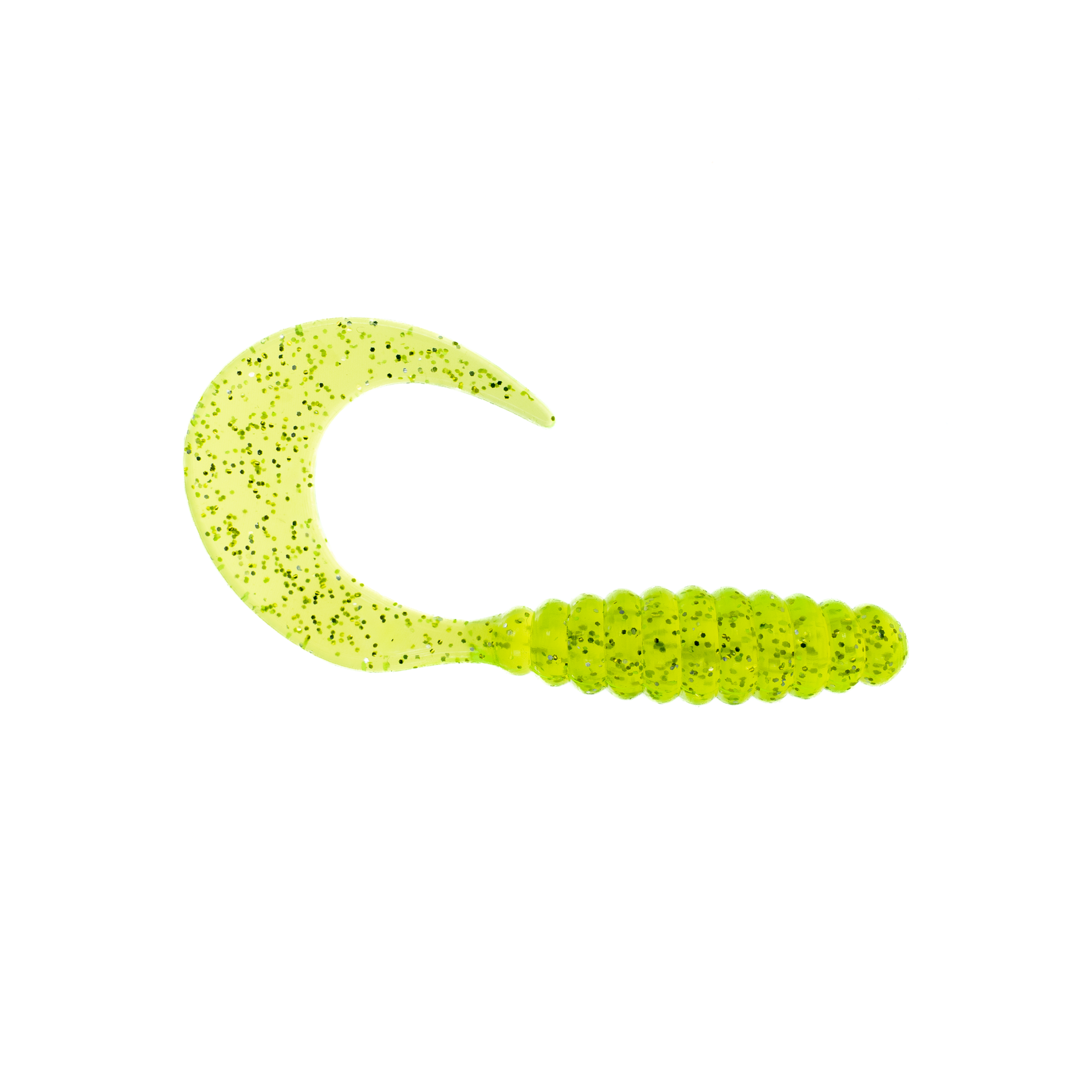
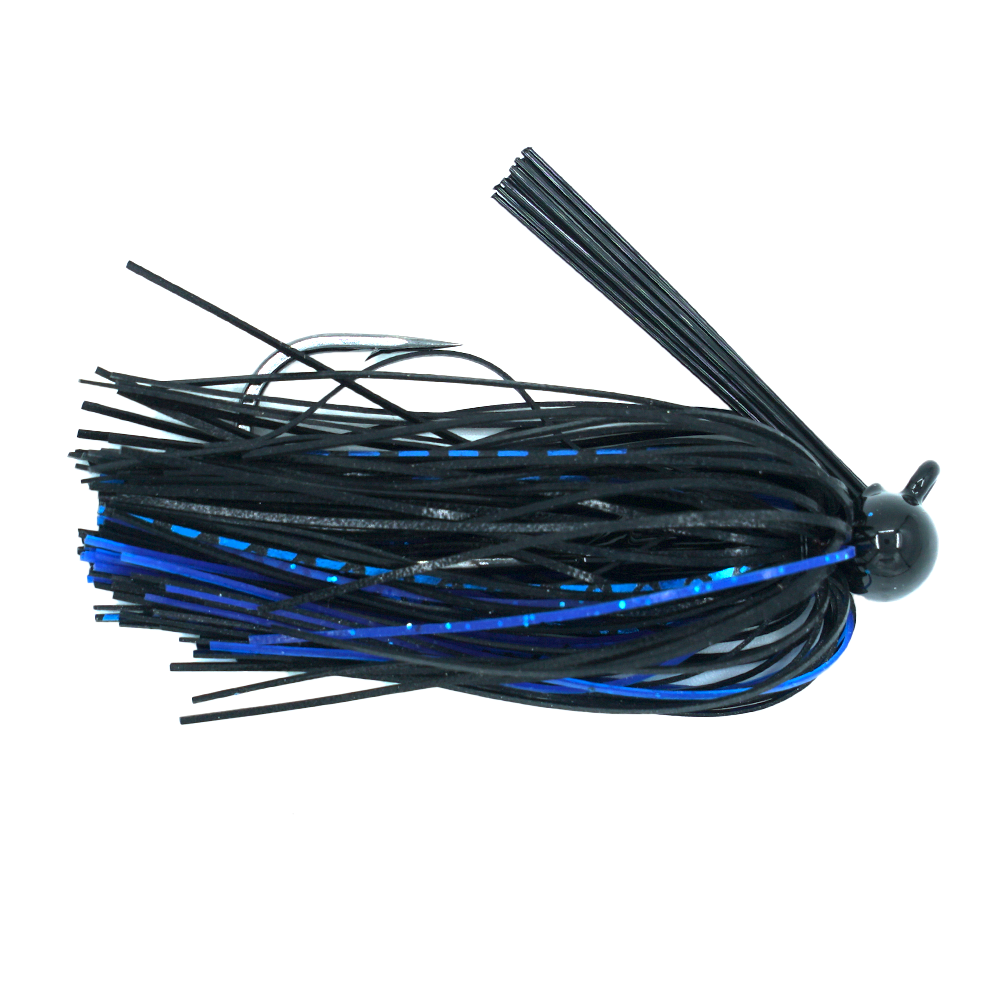
Summer moves smallmouth onto the deeper rock and current-influenced structure while largemouth hold in the shallows and whatever cover exists. Current from the river keeps fish more active than they would be on still water, which is a genuine advantage in the heat.


Both Species Feeding
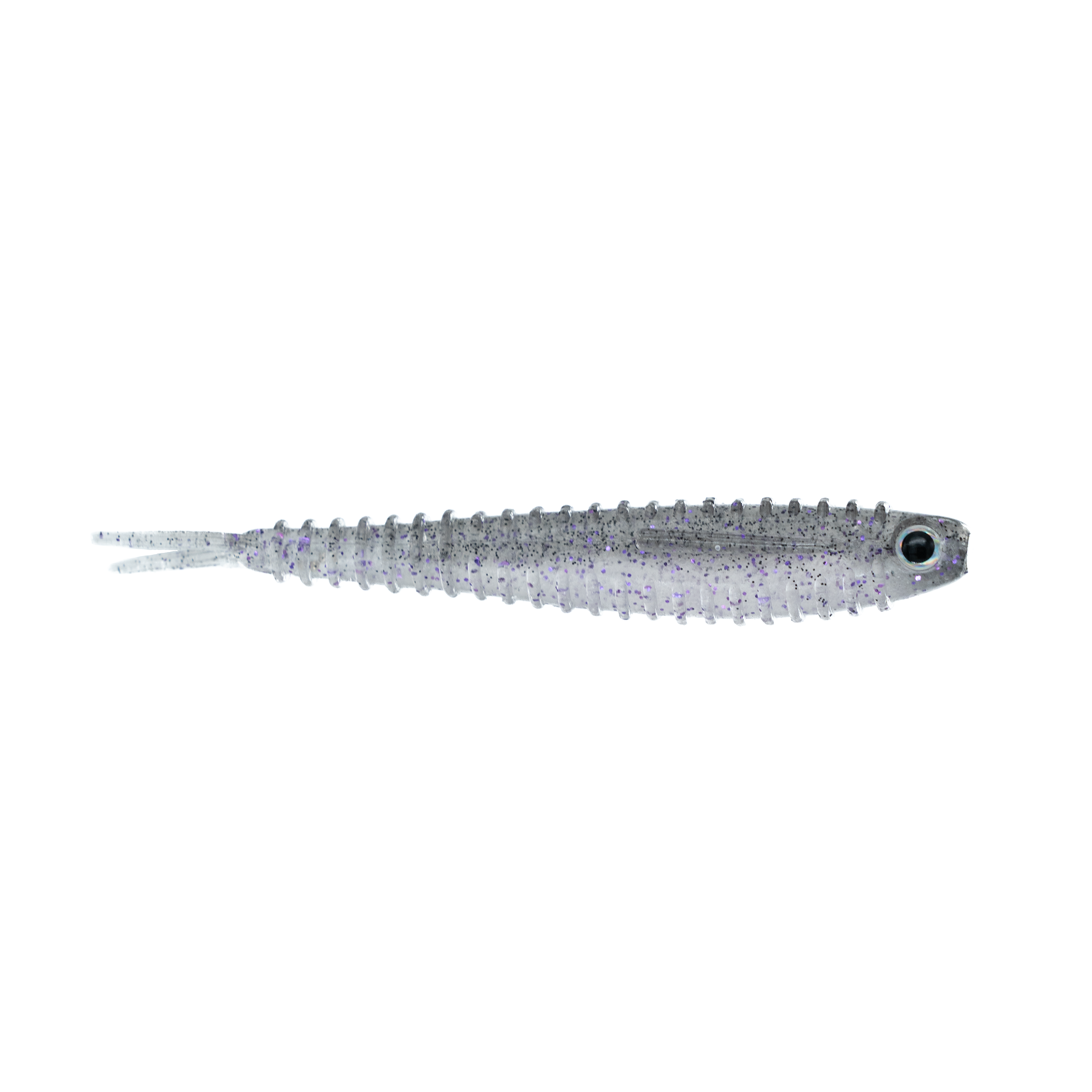
Autumn has both populations feeding hard before a northern Plains winter. Smallmouth group on the rock, largemouth work the remaining shallow cover, and the summer traffic thins. This is the most productive stretch of the year.
Ice on the Plains
Northern Plains winter brings ice and open-water bass fishing largely stops. Ice fishing is a serious tradition here for walleye and perch. When open water is available it is on the deepest rock and the current-influenced areas near the dam.
Lewis and Clark Lake Access
Lewis and Clark State Recreation Area and other Nebraska-side areas provide campgrounds and ramps, with the nearest hotels in Yankton, South Dakota. Check which state's regulations apply to the water you intend to fish.
The Deeper Rocky Sections
Where the smallmouth are, in the harder-bottomed parts of the lake closer to the dam. Rock, riprap and current-influenced structure, and the most reliable smallmouth water available to Nebraska anglers on a lake this size.
The Shallows and Backwaters
Where the largemouth stay most of the time. Shallow flats, sandbars and backwater areas with what cover exists. A completely different game from the rock.
The Missouri River Itself
Worth a trip in its own right — it offers some of Nebraska's best smallmouth fishing and produced the state record. Current, rock and sandbars, fishing more like a river than a reservoir.
Lewis and Clark Lake Bass Fishing FAQ
Smallmouth or largemouth?
Both, in different water. Smallmouth are the primary bass in the deeper and rockier sections; largemouth stay in the shallows most of the time. The two areas are far enough apart that picking one for the day works better than splitting.
Do I need a Nebraska or South Dakota permit?
Depends where you fish. The lake straddles the state line behind Gavins Point Dam and each state licenses its own waters with different limits. Check before you launch.
Is the Missouri River worth fishing?
Genuinely. It offers some of Nebraska's best smallmouth fishing and produced the state record smallmouth. It fishes like a river rather than a reservoir — current, rock and sandbars — and it is worth a day of its own.
Where should I stay?
Campgrounds serve the Nebraska side including Lewis and Clark State Recreation Area, and the nearest hotels are across the line in Yankton, South Dakota.
Does current matter?
Yes, particularly nearer the dam and in the river above the lake. Current keeps fish more active than still water does, which helps in summer heat and extends the productive season into the cold.
When is the best time to fish it?
Autumn, when both species feed hard before winter. Spring is good once Missouri River flows drop and warm, which happens later here than on the smaller Nebraska reservoirs.
What baits work best here?
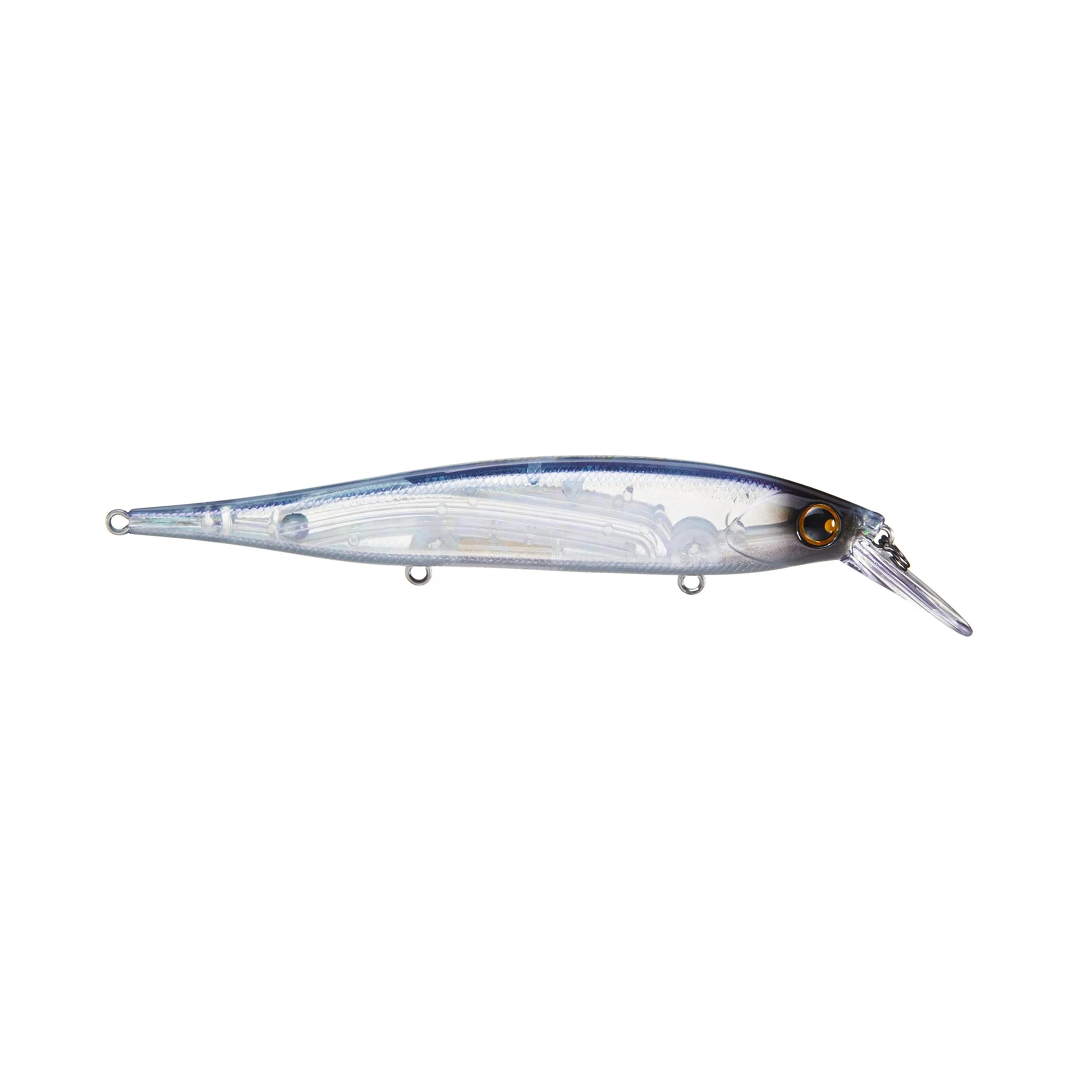
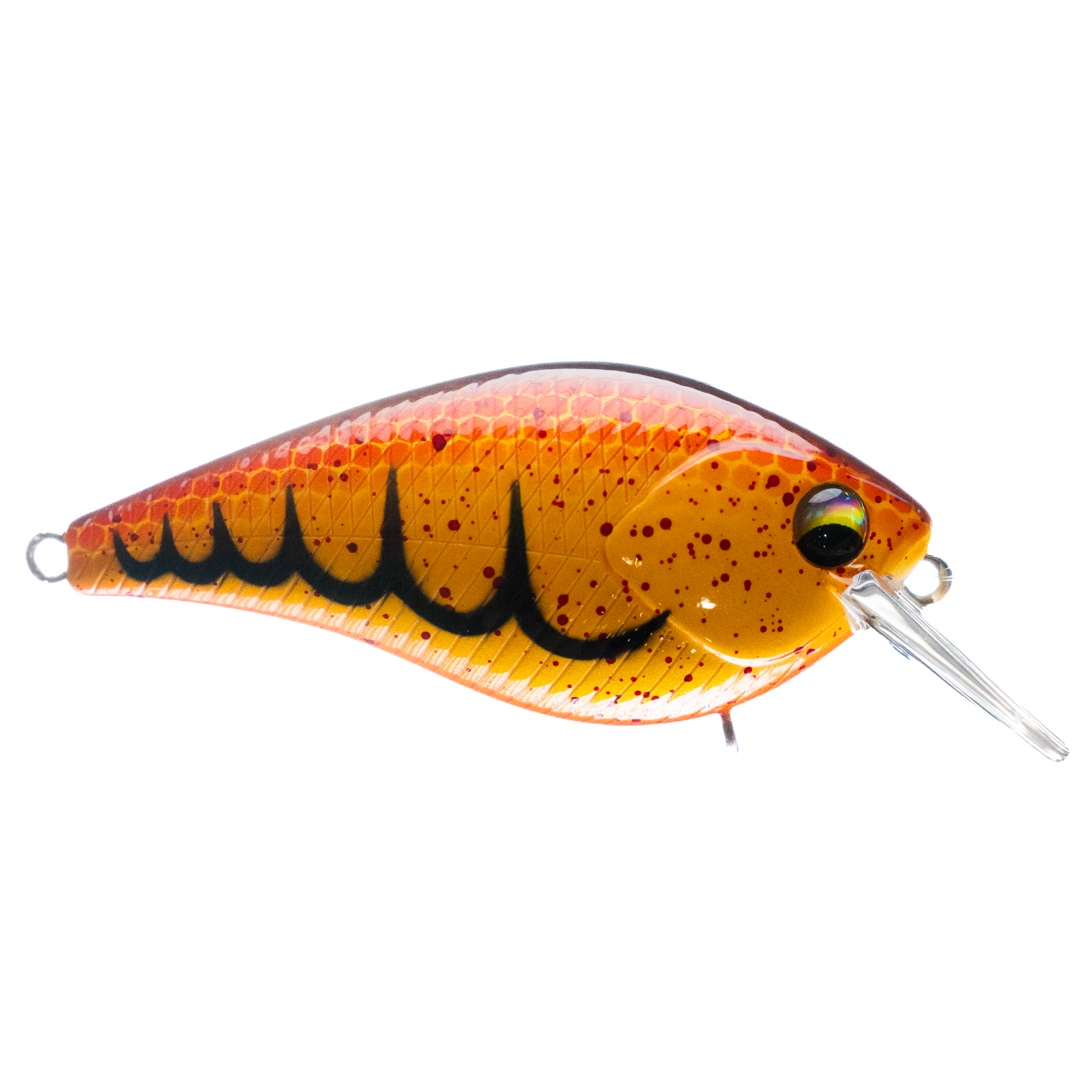
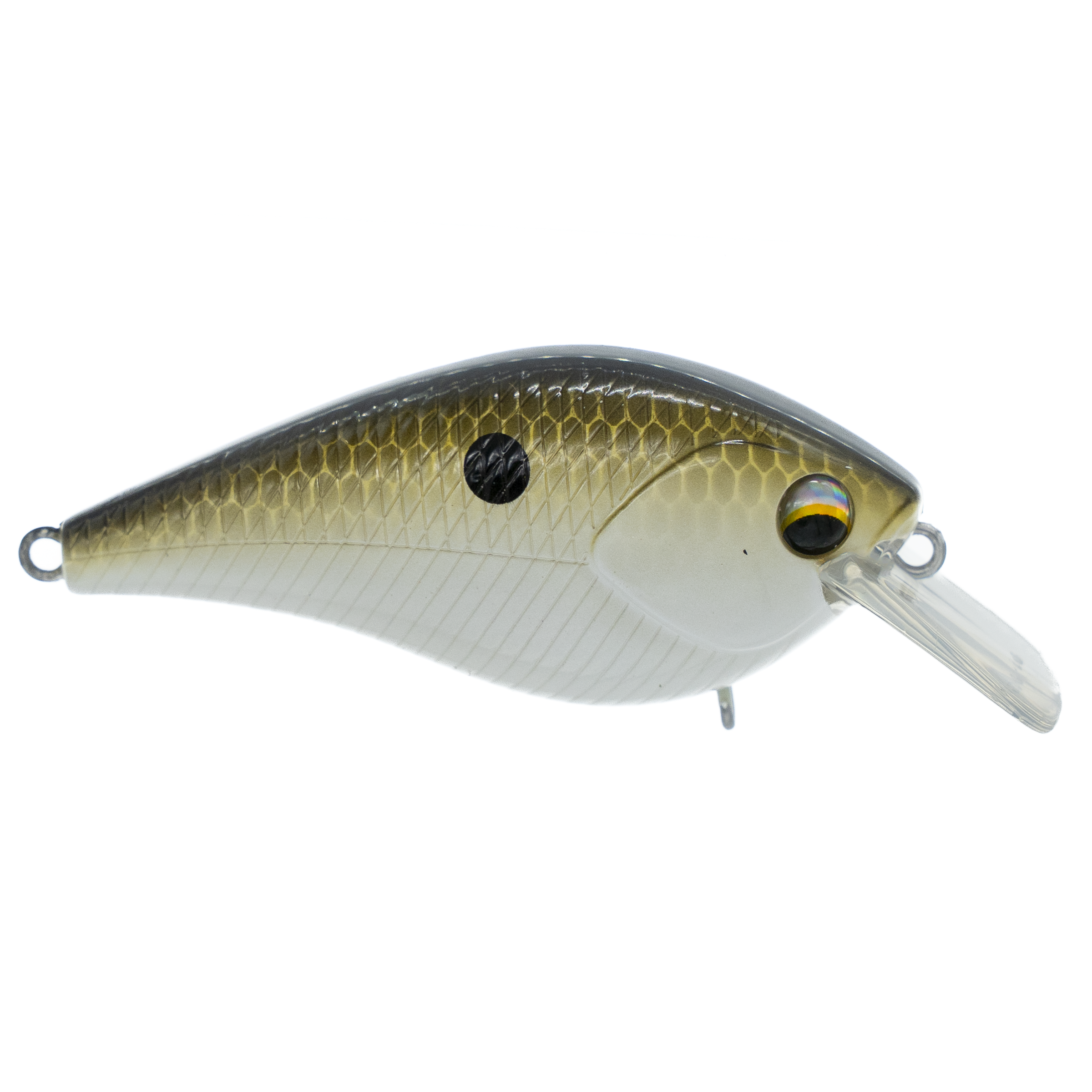
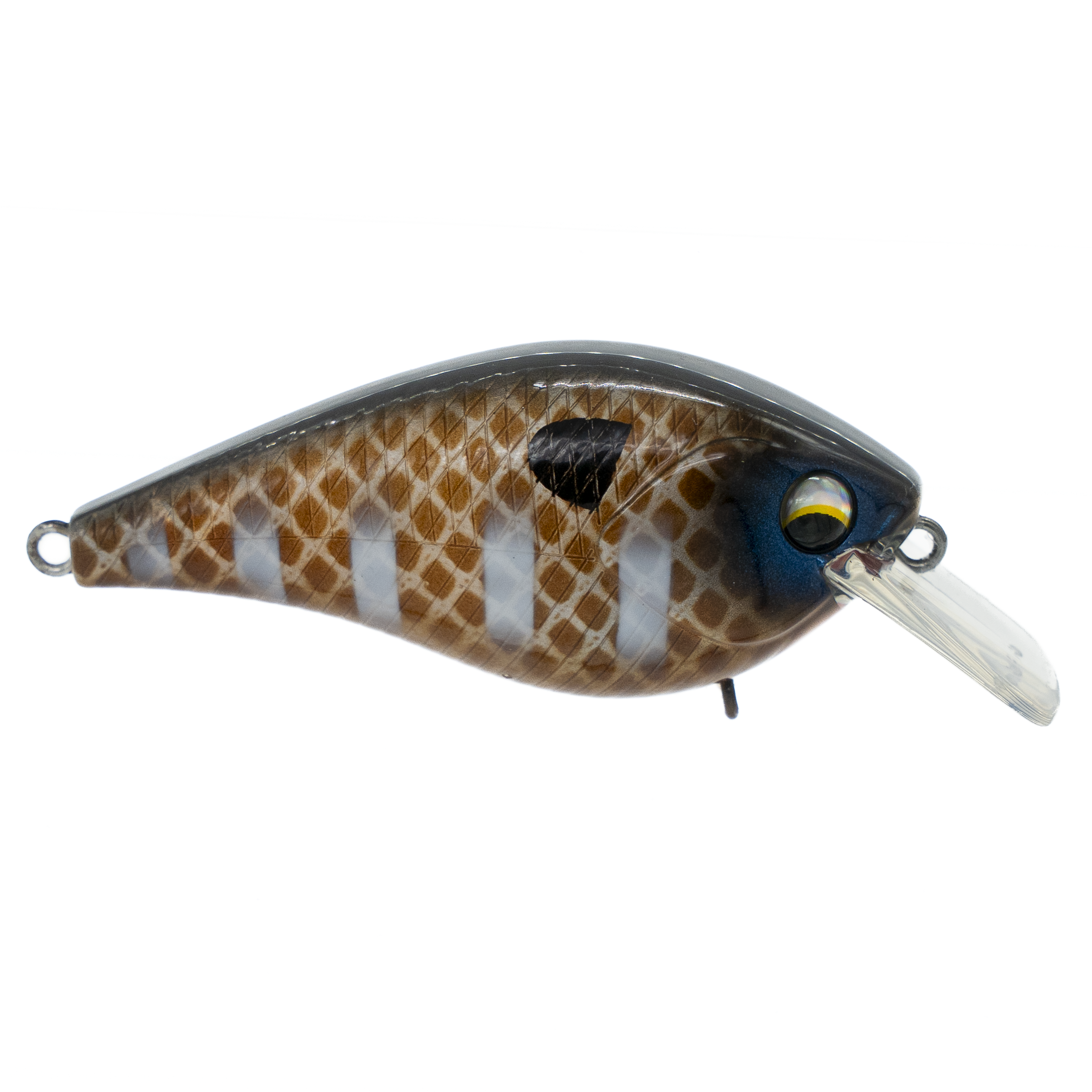
Jerkbaits and finesse plastics on rock for smallmouth, moving baits and soft plastics in the shallows for largemouth, and finesse presentations on deep rock in summer. Our full bait lineup covers both.
Do I need a fishing license?
Yes, for whichever state's water you fish. Nebraska does not close black bass season, but bag and length limits vary by water and several reservoirs carry special regulations. Check the current Game and Parks Commission rules for this water before you go.
Two Species, One Border
A lake where smallmouth hold on rock at one end and largemouth sit in the shallows at the other needs tackle for both. Level Rods builds finesse models for the rock and heavier models for shallow cover, so the whole lake is covered in one trip.
Tournament Winning Baits & Gear
Designed, crafted and tested by anglers who fish river impoundments every week. Free shipping on orders over $75.
Shop All Baits