
Lay Lake Bass Fishing Guide
Lay Lake Bass Fishing, Season by Season
Twelve thousand acres of Coosa River thirty-five minutes south of Birmingham, and the oldest impoundment on the chain — it was filled in 1914. Lay has hosted four Bassmaster Classics, tying Hartwell and the Louisiana Delta for the most ever, and it earned every one of them.
Four Classics, and Beeswax Creek
Lay Lake was created in 1914 to generate hydroelectric power, which makes it the oldest impoundment on the Coosa River and one of the older reservoirs anywhere in the South. It covers 12,000 acres with about 290 miles of shoreline, runs 48 miles, averages 22 feet deep with a maximum near 88, and sits thirty-five minutes south of Birmingham off I-65.
It has hosted the Bassmaster Classic four times — 1996, 2002, 2007 and 2010 — which ties it with Lake Hartwell and the Louisiana Delta for the most in the event's history. Beeswax Creek has been the stage for a remarkable amount of that, including 2010 when the leaders all famously ended up in it.
It is a run-of-the-river lake, so the level stays fairly consistent year-round and the variable that matters is flow rather than pool. When Alabama Power generates, the bite turns on. Wherever the river channel makes a turn on the main lake, spotted bass cluster on the upstream sides of humps and creek-mouth depressions waiting for it.
The recurring question here is which species to chase. Largemouth live in the water willow — and the biggest summer bass on this lake come out of it. Spotted bass, described locally with some affection as mean-spirited, hold deeper on the current-swept structure. Grasslines, channels, shell beds and stumps give you enough variety to fish either.
What It Took to Win Here
Patterns that produced at the highest level on this lake, and the baits to fish them with.
Boyd Duckett — Six Hours a Day for Two Bites
Duckett had a pattern going into the week — cranking spotted bass in eight to nine feet. A warming trend was forecast, and he threw it out. What he replaced it with was two things at opposite ends of the lake's personality.
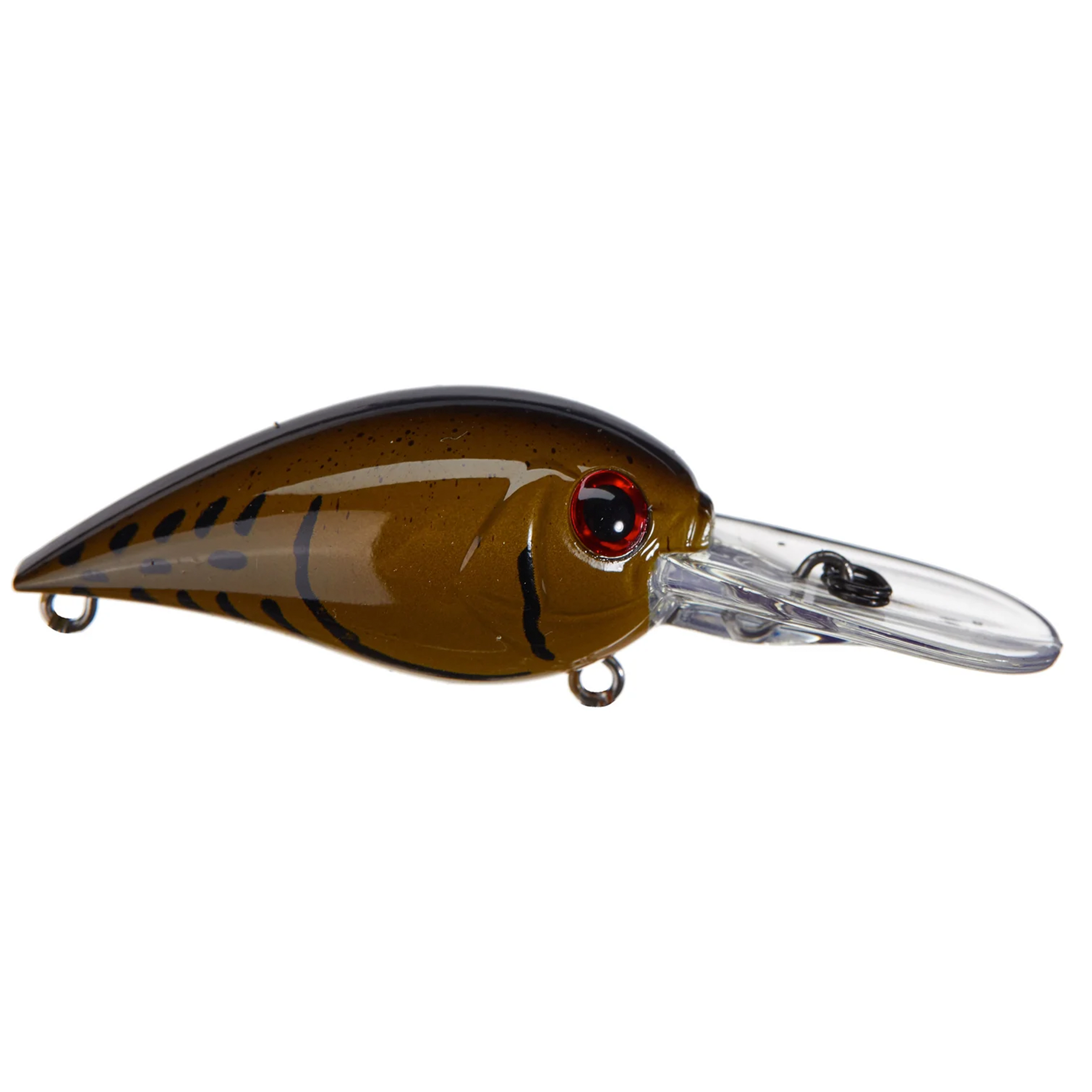
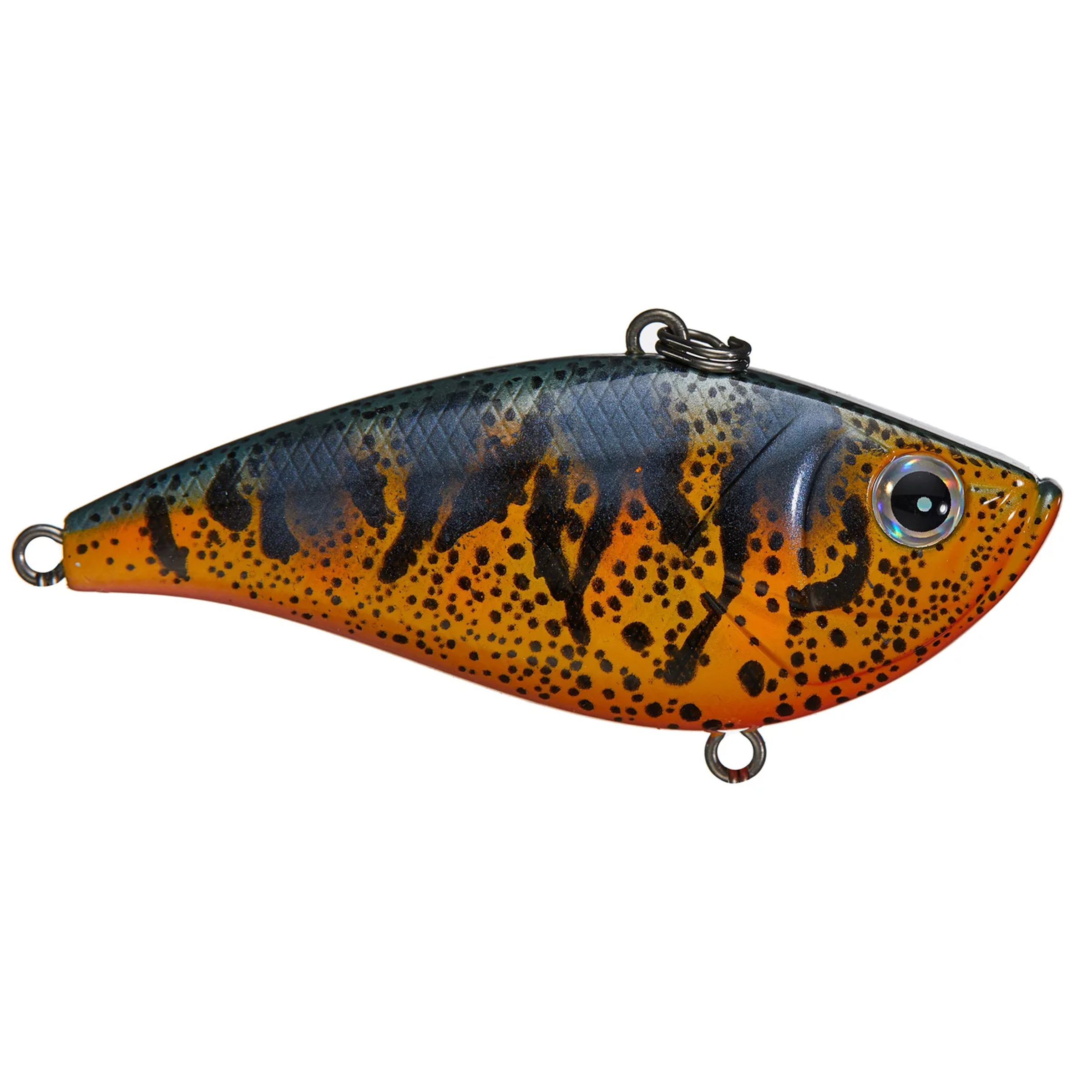
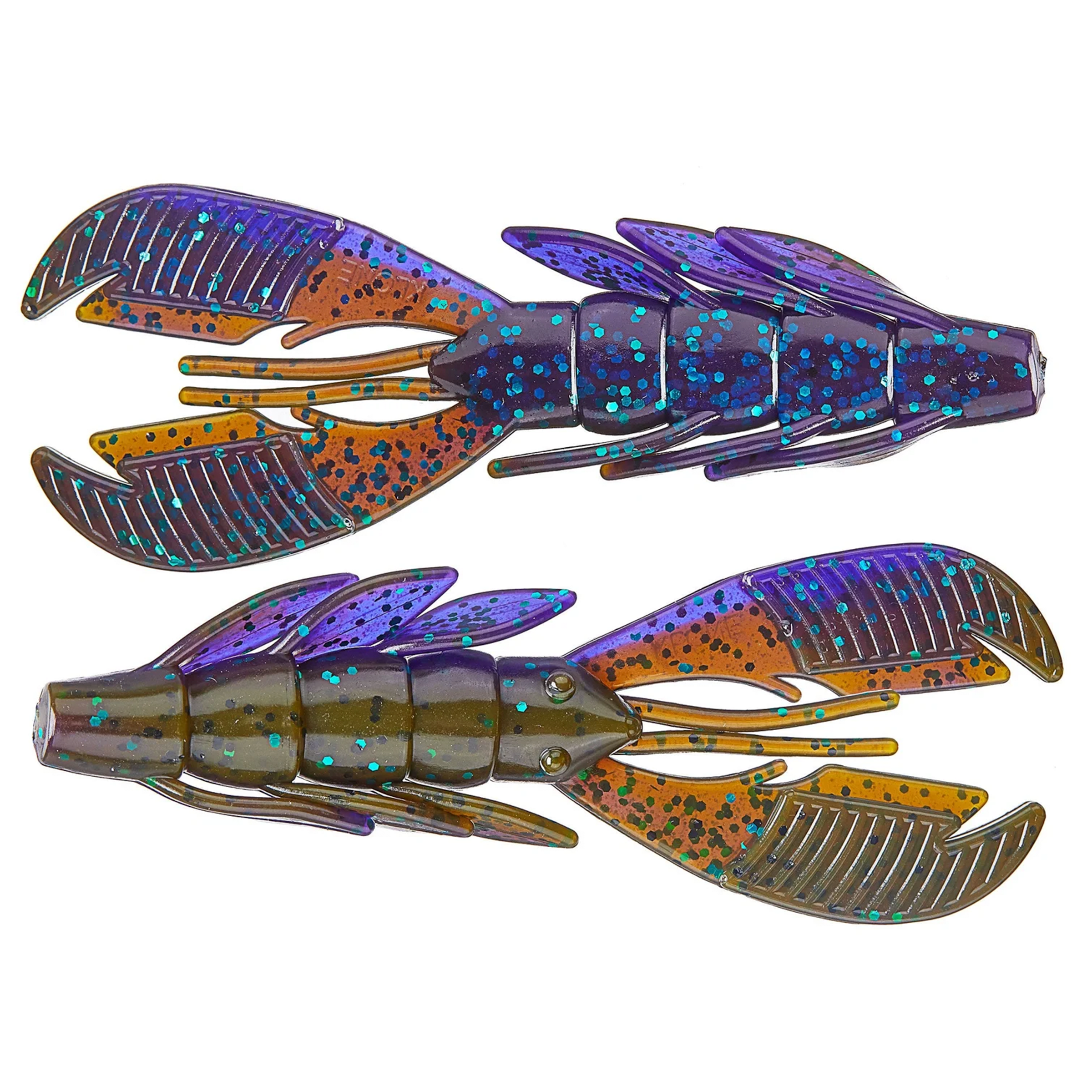
Early each morning he crawled and banged a half-ounce lipless crankbait across the gravel on a couple of small secondary points, picking off spots cruising in two to four feet. Then he ran to the back of Cedar Creek and spent the rest of the day flipping and pitching a craw into water willow growing in one to three feet, hunting largemouth. Two bites a day out of six hours of flipping, and those bites won the Classic by six ounces over Skeet Reese.
He was blunt about what it cost him: it took guts to keep a flipping stick in his hands for six hours knowing he would get two bites. It also made him the first angler ever to win a Classic in his home state. Lay has hosted four Classics in total — 1996, 2002, 2007 and 2010 — tying Hartwell and the Louisiana Delta for the most ever.

Water Willow and Generation Schedules
Four patterns cover the year. Each one pairs the technique with the baits we'd actually tie on.
Pitch the Bank
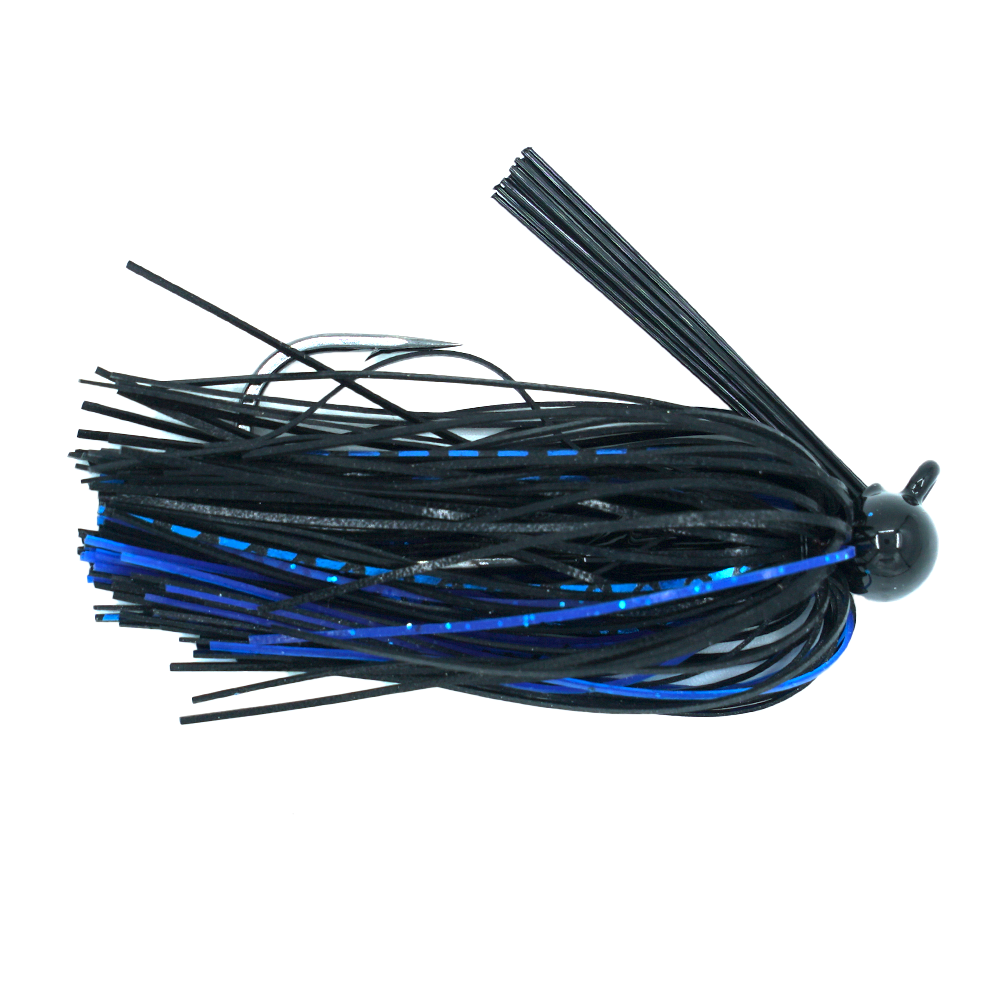
Spring is when pitching a jig to the bank pays on Lay, and it is the season the Classics were repeatedly scheduled around for good reason. Warming water sends largemouth into the shallows in a classic pre-spawn movement, and spotted bass cruise the gravel on small secondary points in two to four feet.


Willows for Big Ones, Depth for Numbers
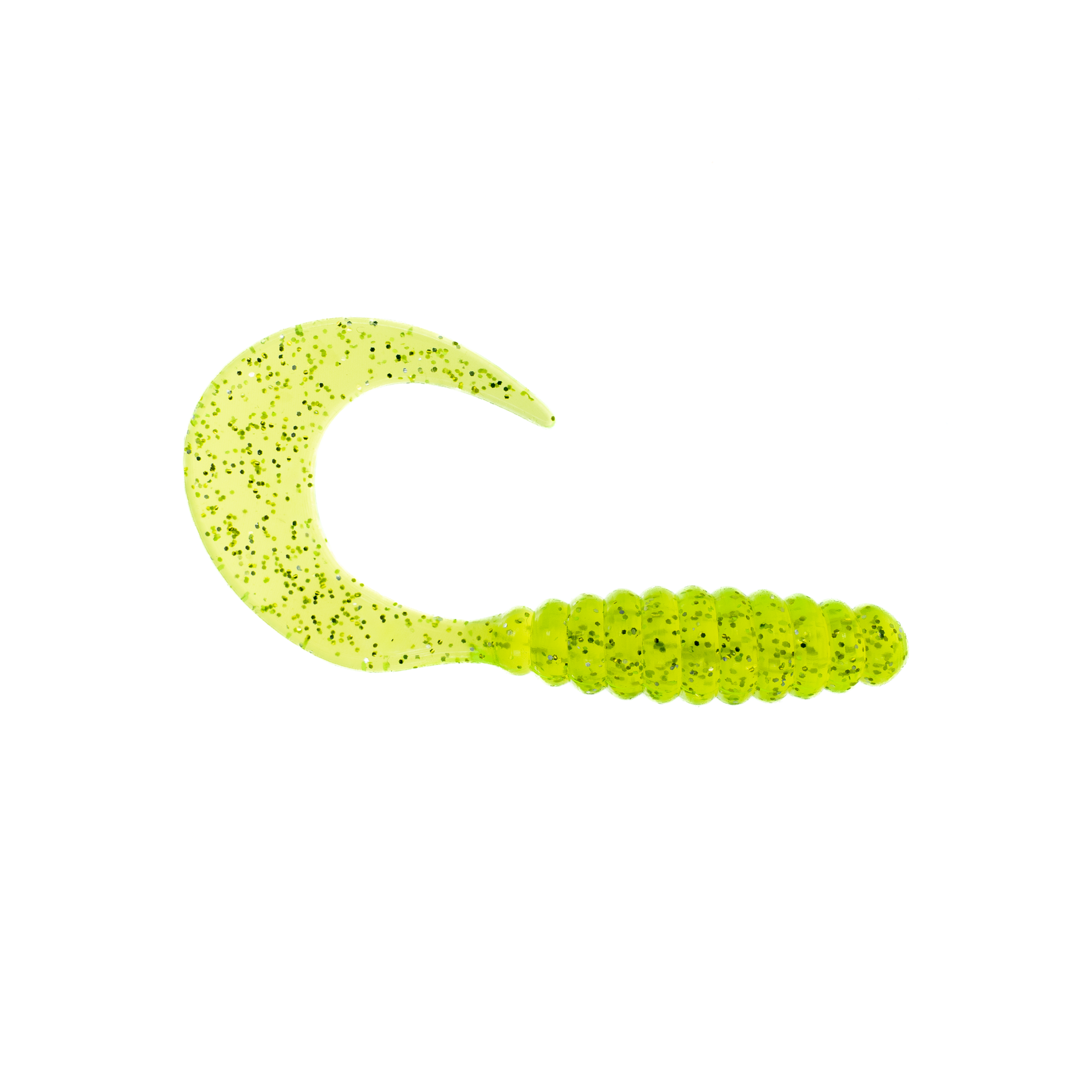
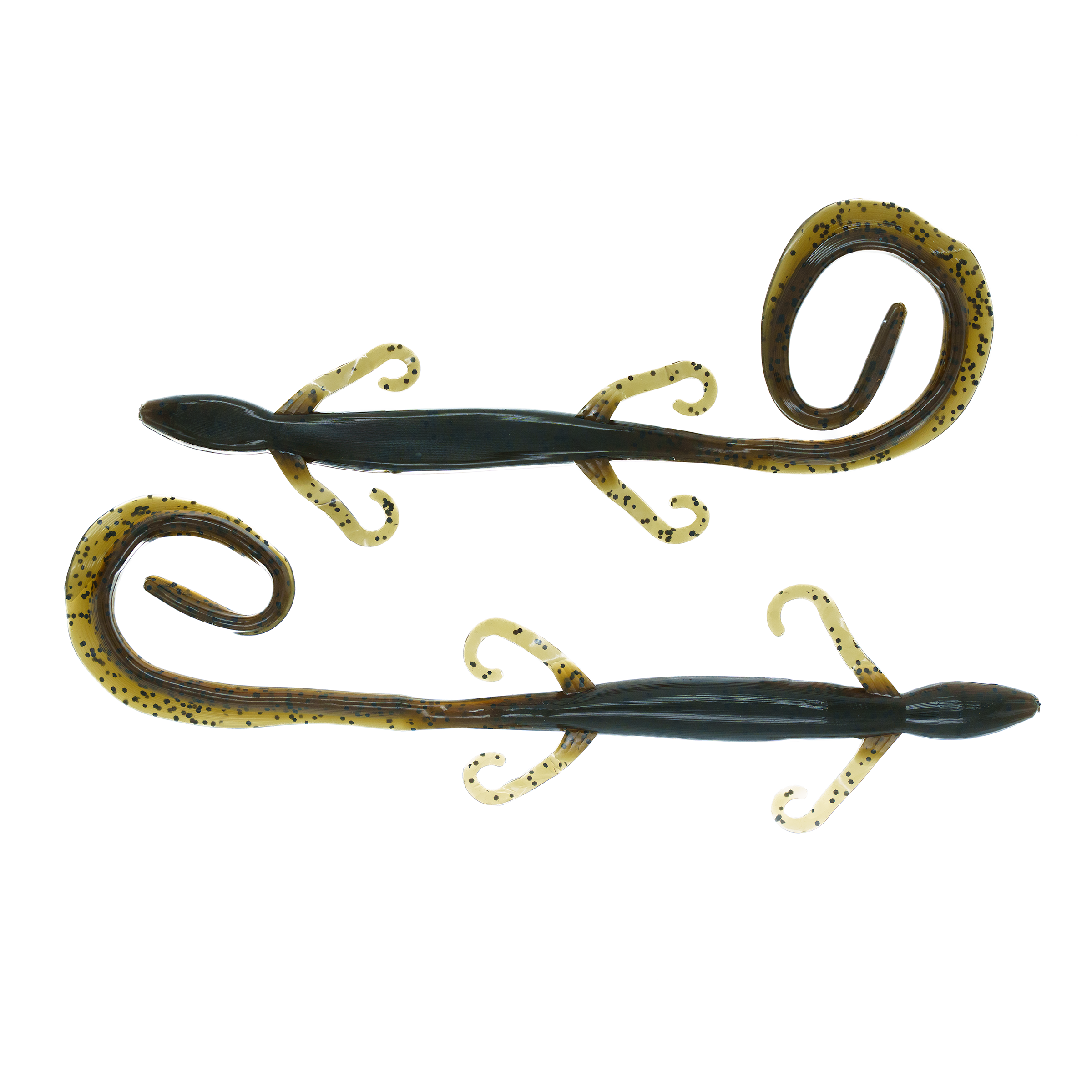
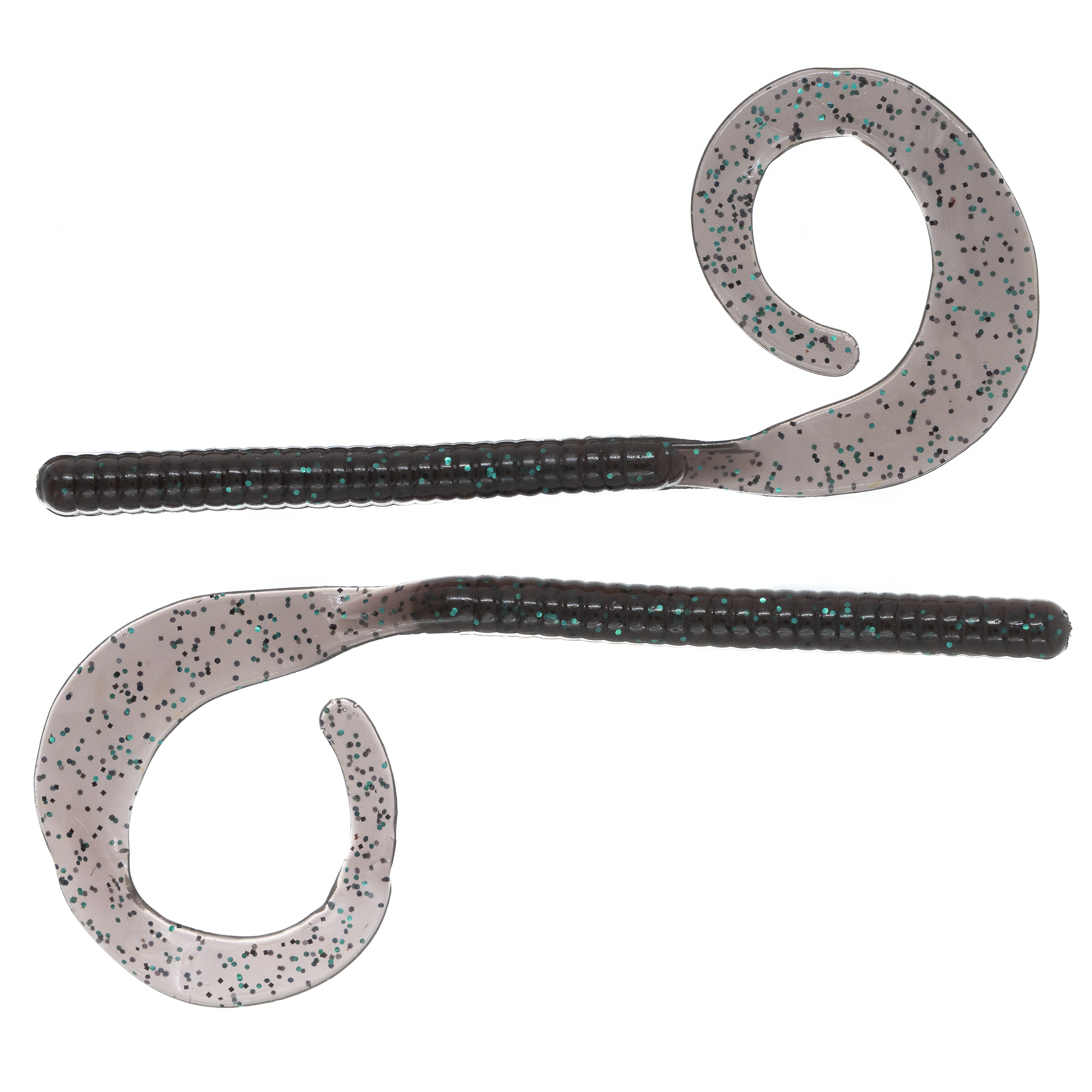
Summer splits Lay cleanly. The biggest bass of the season come out of the water willow, shallow. The spotted bass go the other way — 18 to 25 feet, because that is where the shad are in summer, clustered on the upstream sides of humps and creek-mouth depressions where the channel turns.


Shad, and Less Company
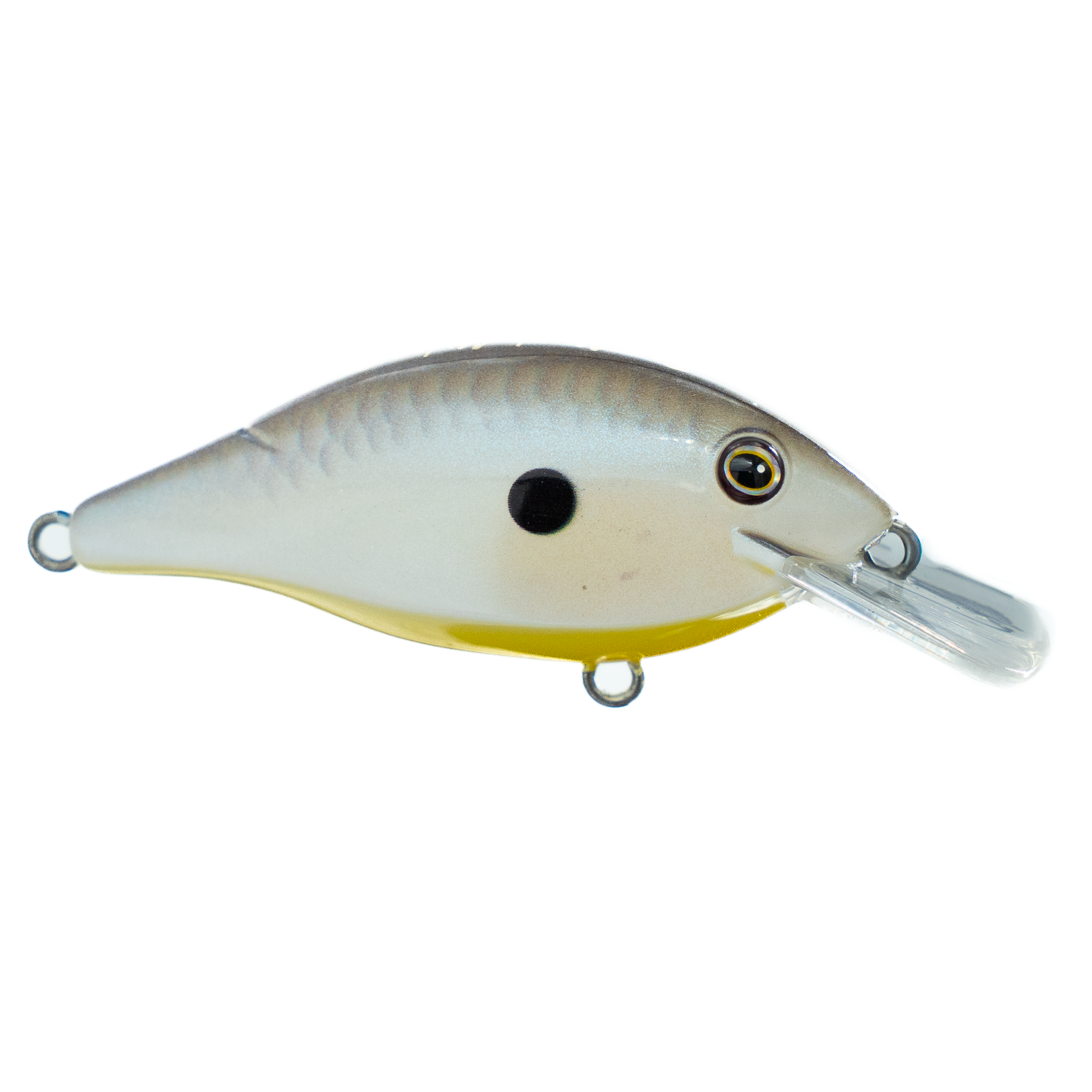
Autumn brings shad into the creeks and the bass with them, and the lake quietens down after a busy summer. Grasslines and creek mouths are the obvious water, and the fishing gets more forgiving than it is in the heat.


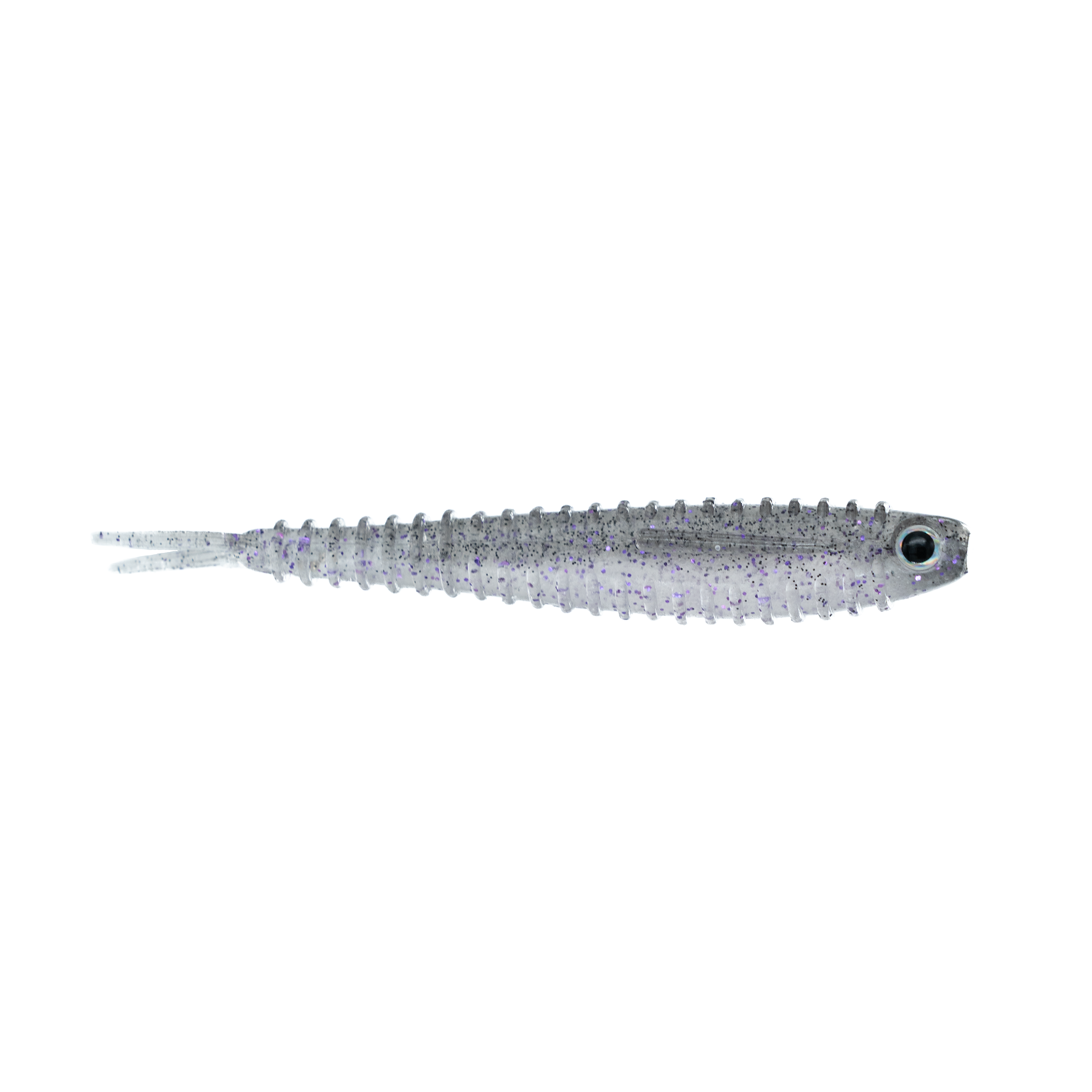

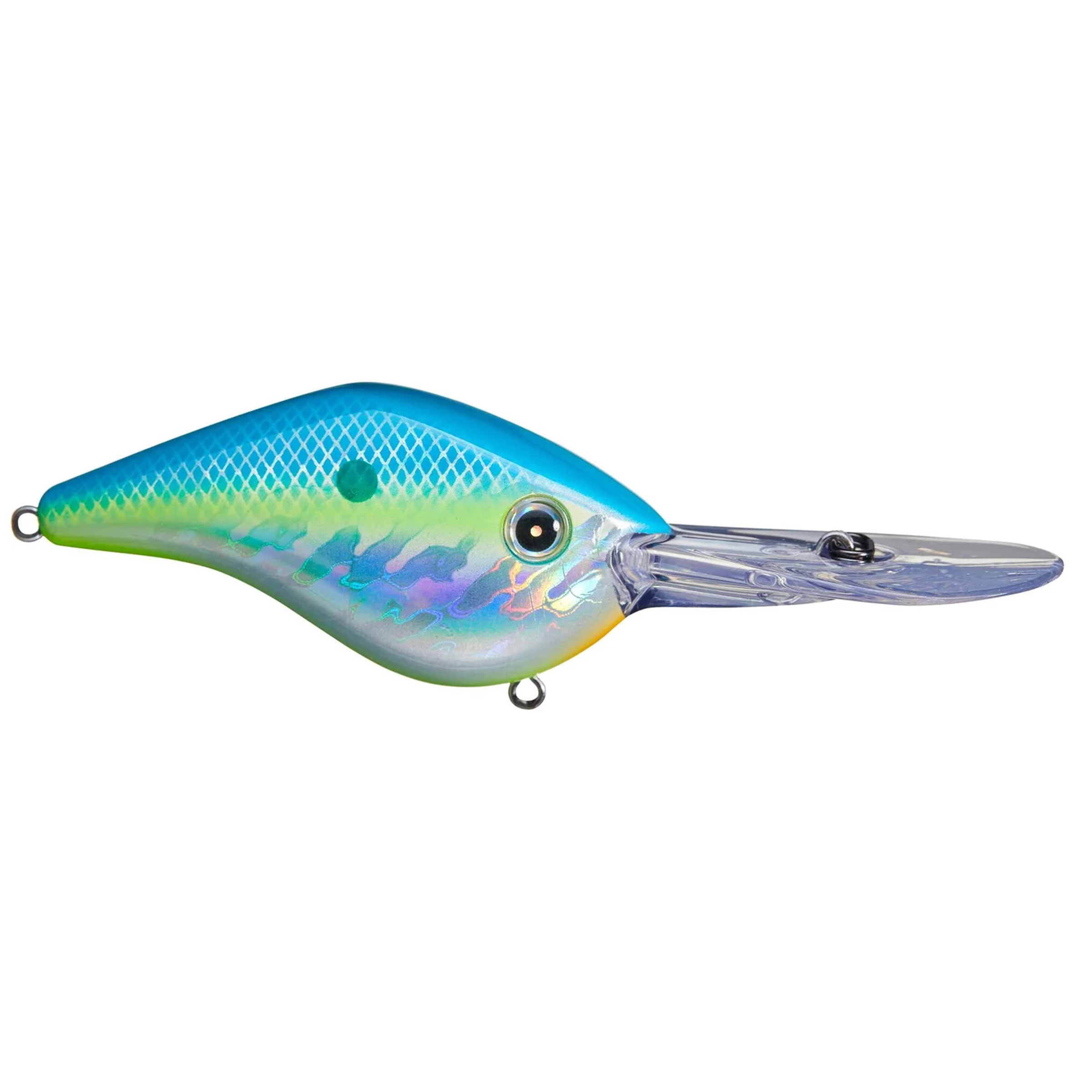
Cold, and Sometimes Muddy
Winter on Lay can be excellent or brutal, and the difference is usually mud. Cold water alone is fishable. Cold and muddy together is the combination that has broken good anglers on this lake — it takes away the deep bite and wrecks the shallow one at the same time.

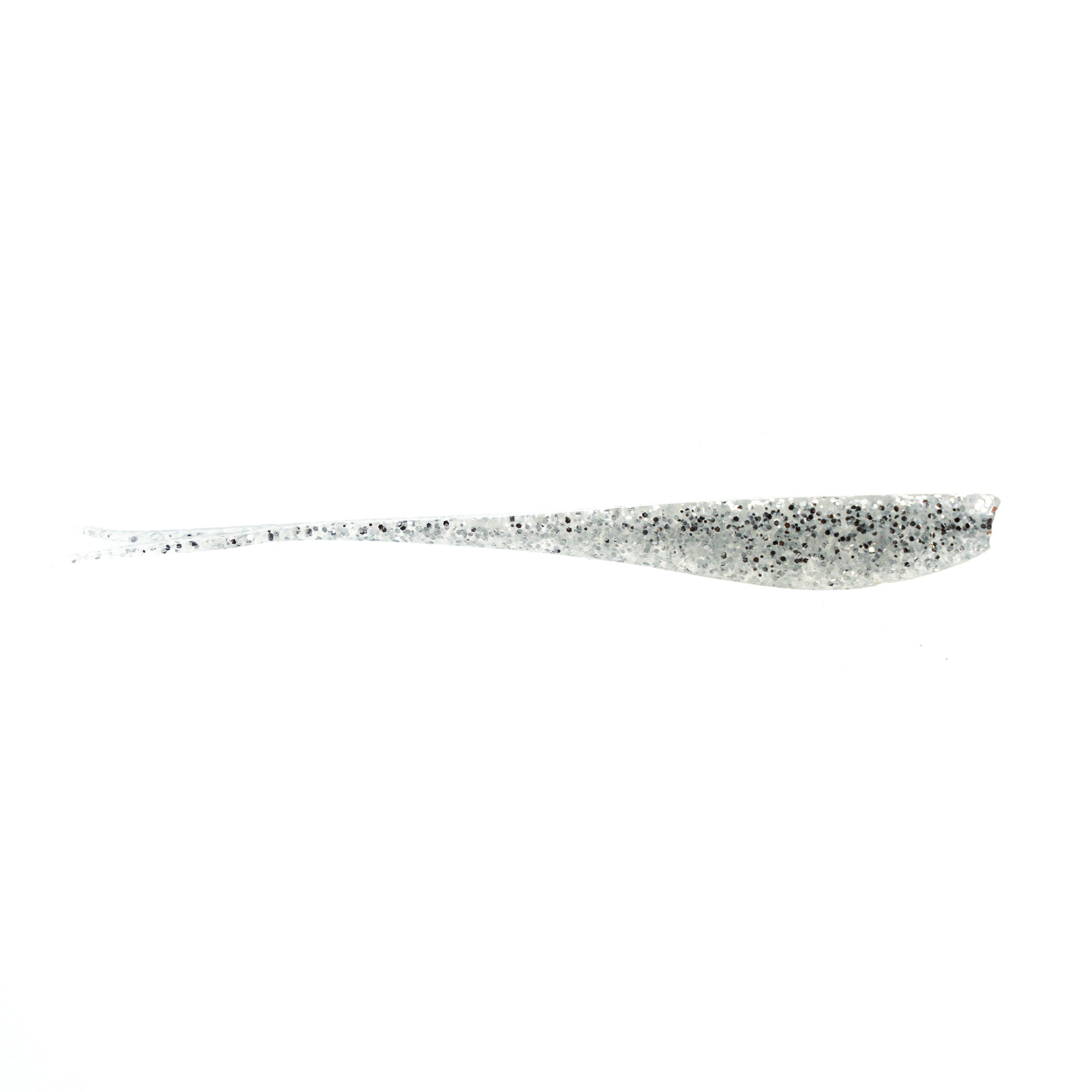

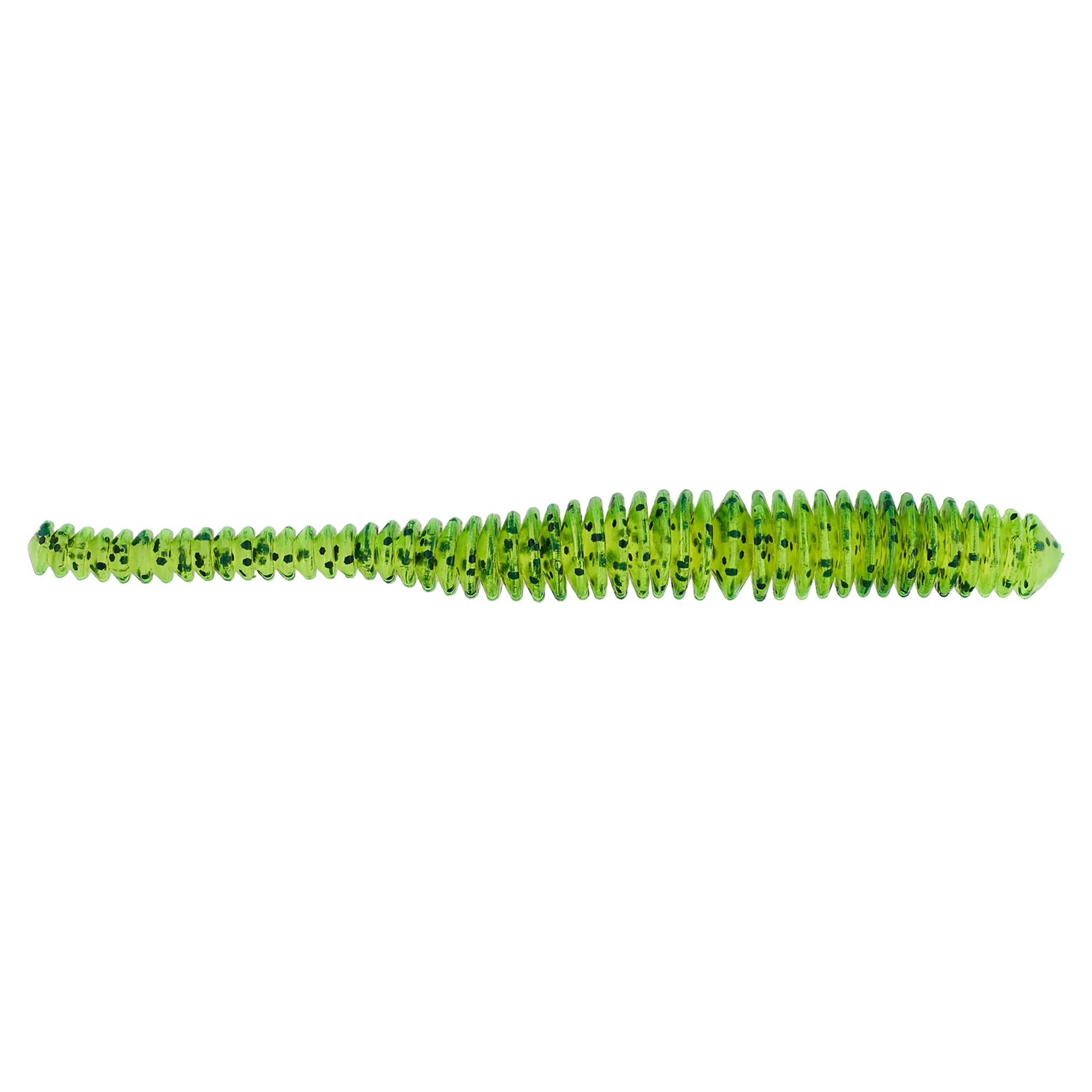


Lay Lake Access
Beeswax Creek is the historic launch and still the obvious base. Beyond that, decide whether you are fishing willow or current.
Beeswax Creek
The most famous water on the lake, and the launch site for multiple Classics. In 2010 the leaders all ended up fishing it. Worth your time for the history alone, and it still produces.
Cedar Creek
Where the 2007 Classic was effectively won, flipping water willow in one to three feet of water. Big largemouth country when you are willing to fish slowly for few bites.
Main-Lake Channel Turns
Wherever the river channel swings on the main lake, spotted bass stack on the upstream sides of humps and creek-mouth depressions. These are the current spots, and they need generation to fire.
Lay Lake Bass Fishing FAQ
How many Bassmaster Classics has Lay Lake hosted?
Four — 1996, 2002, 2007 and 2010. That ties Lay with Lake Hartwell and the Louisiana Delta for the most Classics hosted by any fishery. George Cochran, Jay Yelas, Boyd Duckett and Kevin VanDam are the winners.
What is Beeswax Creek?
The most storied piece of water on the lake. It has been the Classic launch site and the setting for a number of the event's defining moments, most memorably in 2010 when the leaders all converged on it. It remains a productive creek in its own right.
Does current matter on Lay Lake?
It is the main variable. Lay is a run-of-the-river impoundment, so the level stays consistent and what changes is flow. When Alabama Power generates, bait moves and the bass feed — particularly the spots stacked on the upstream sides of humps where the channel turns.
Where do the biggest summer bass come from on Lay?
The water willow. Shallow, in one to three feet, and you catch them by flipping and pitching into it rather than by fishing deep. The spotted bass go the other way in summer, down to 18 to 25 feet following the shad.
How old is Lay Lake?
It was impounded in 1914, making it the oldest reservoir on the Coosa River chain and one of the oldest in the region. For context, it predates most of the lakes anglers think of as historic Southern bass water by several decades.
What baits work best on Lay Lake?
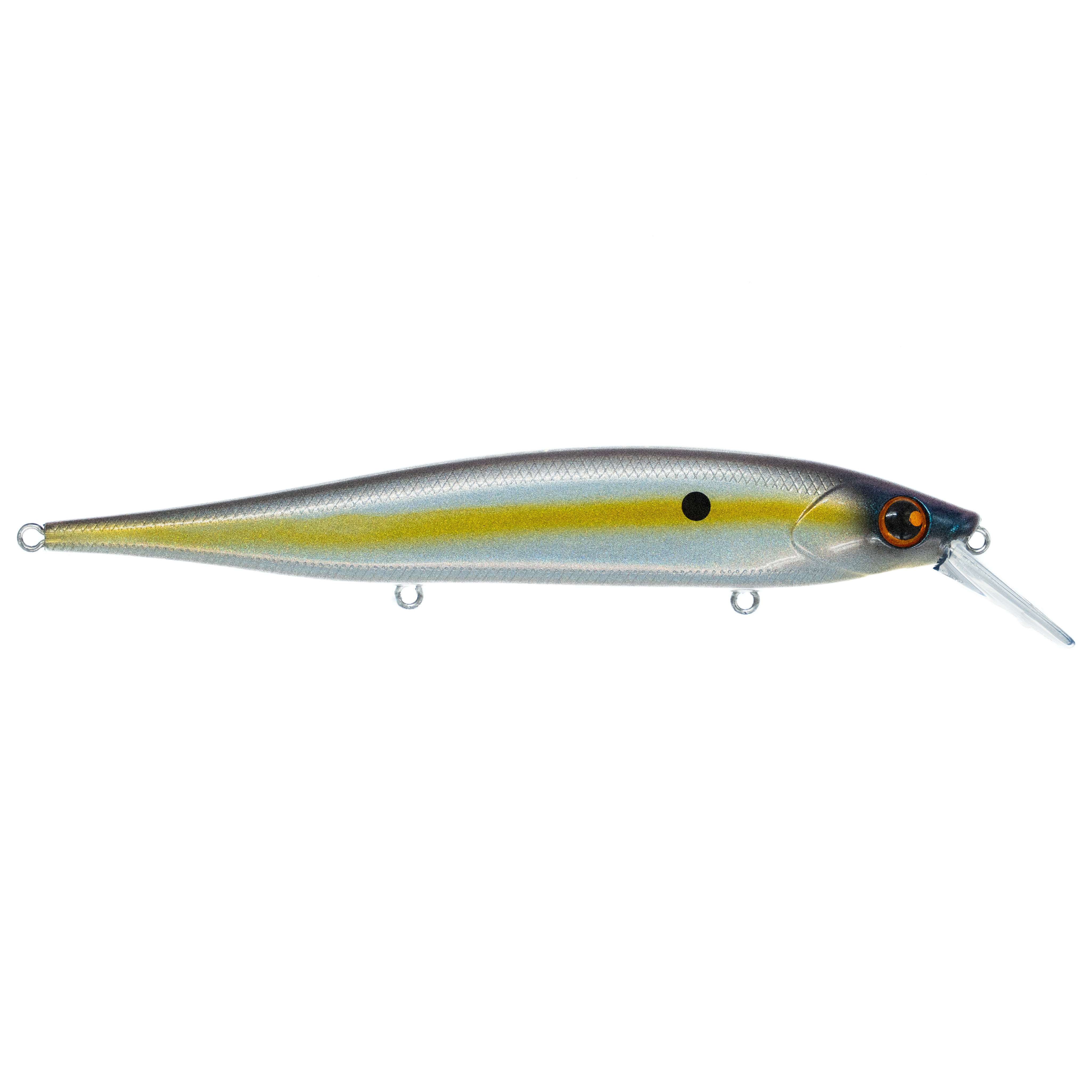
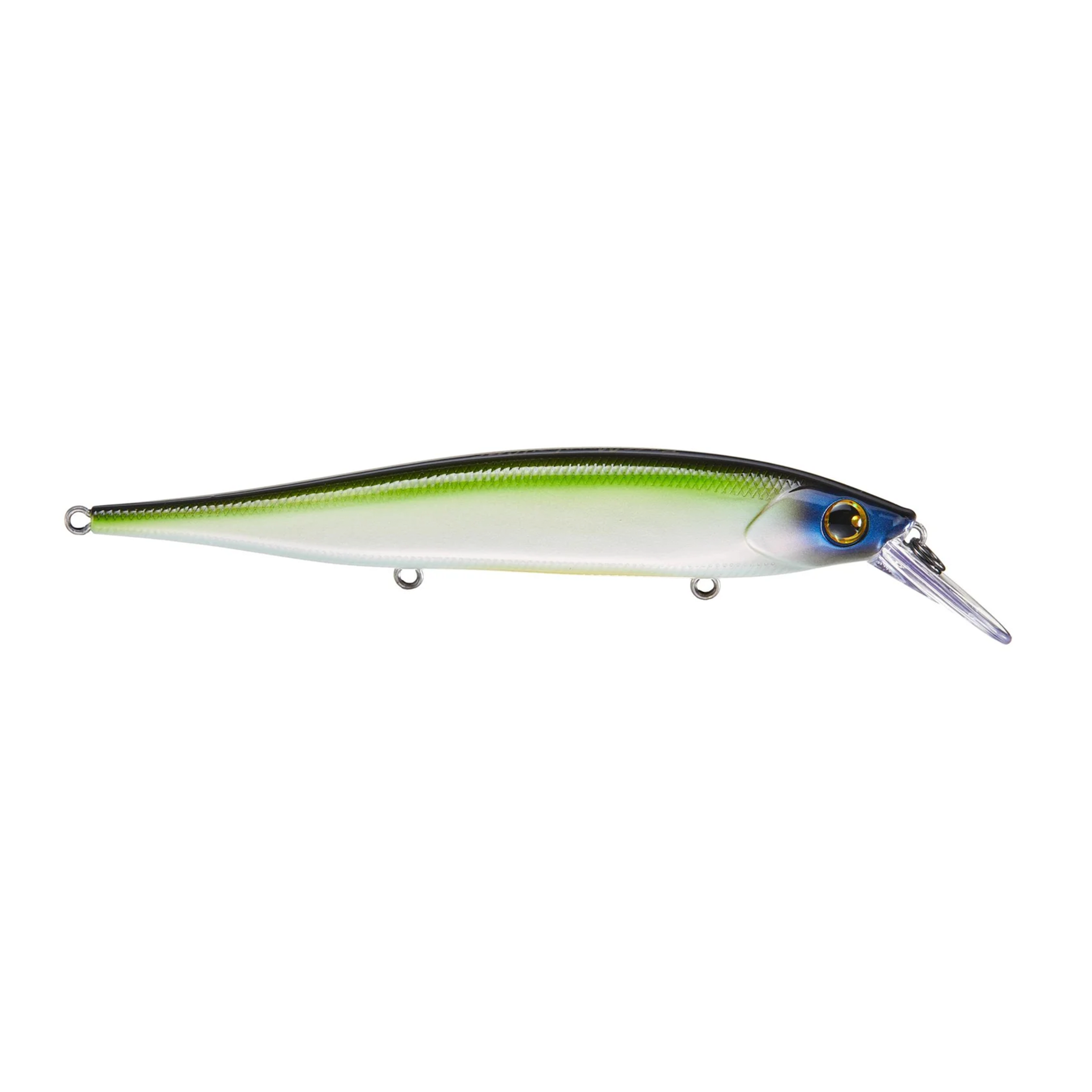
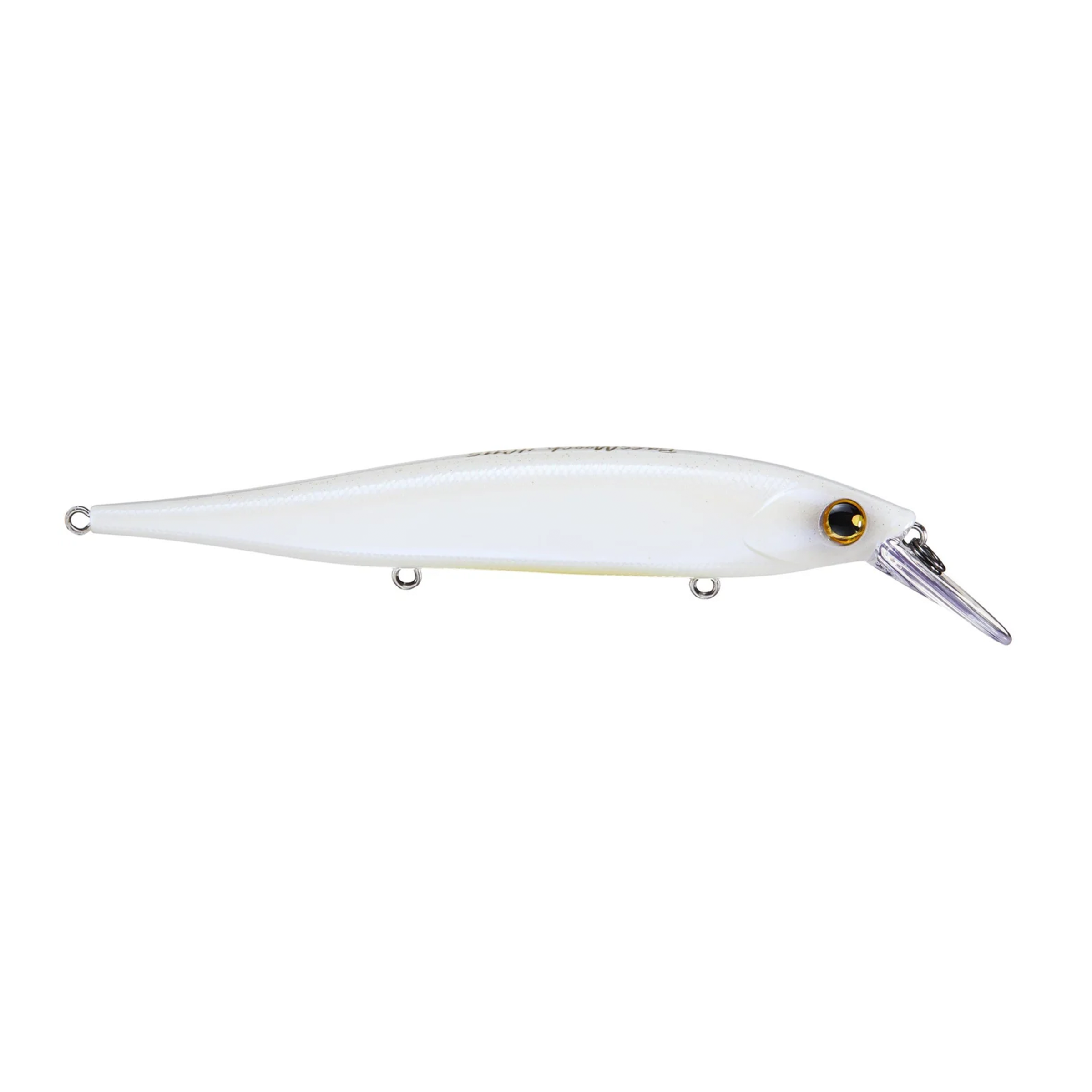
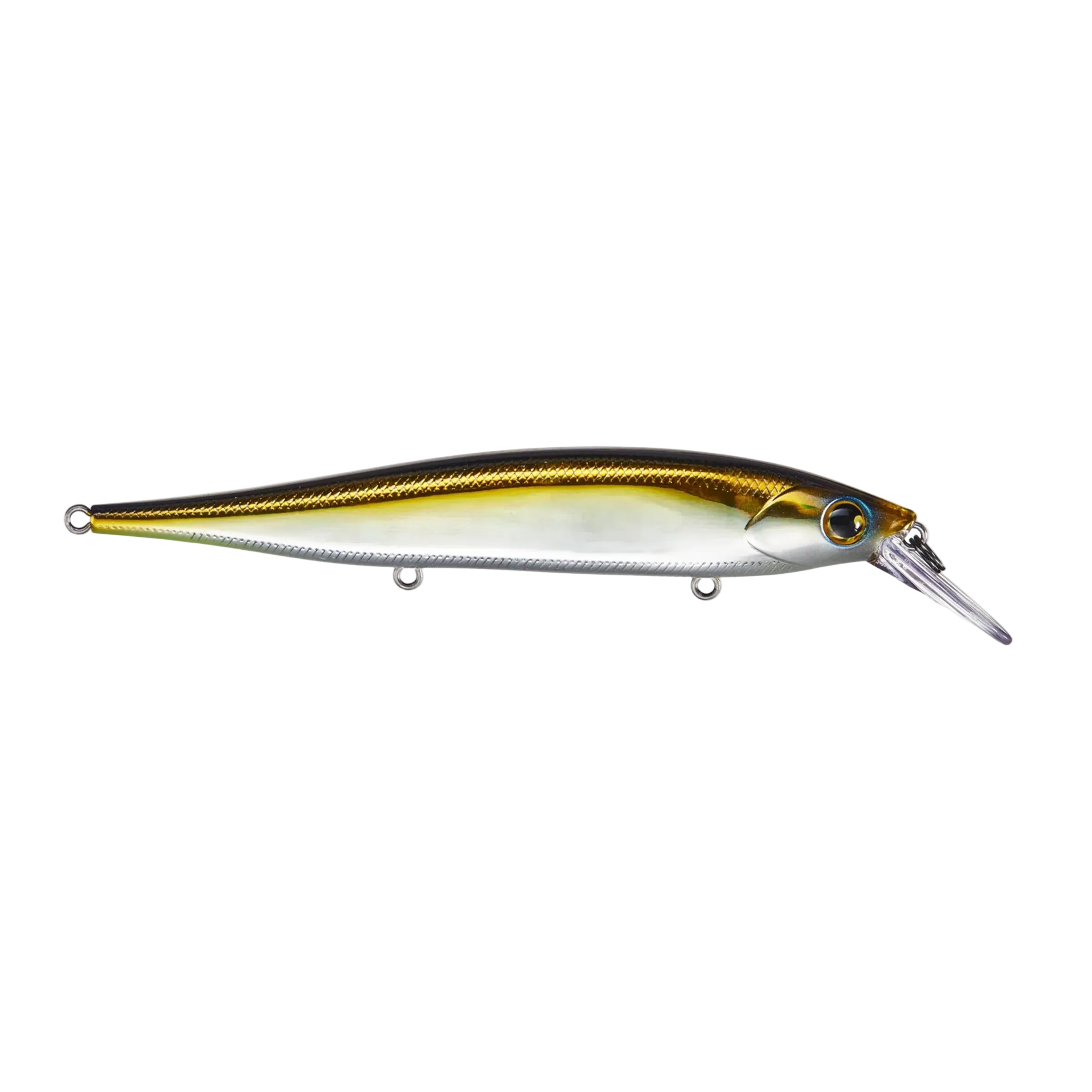
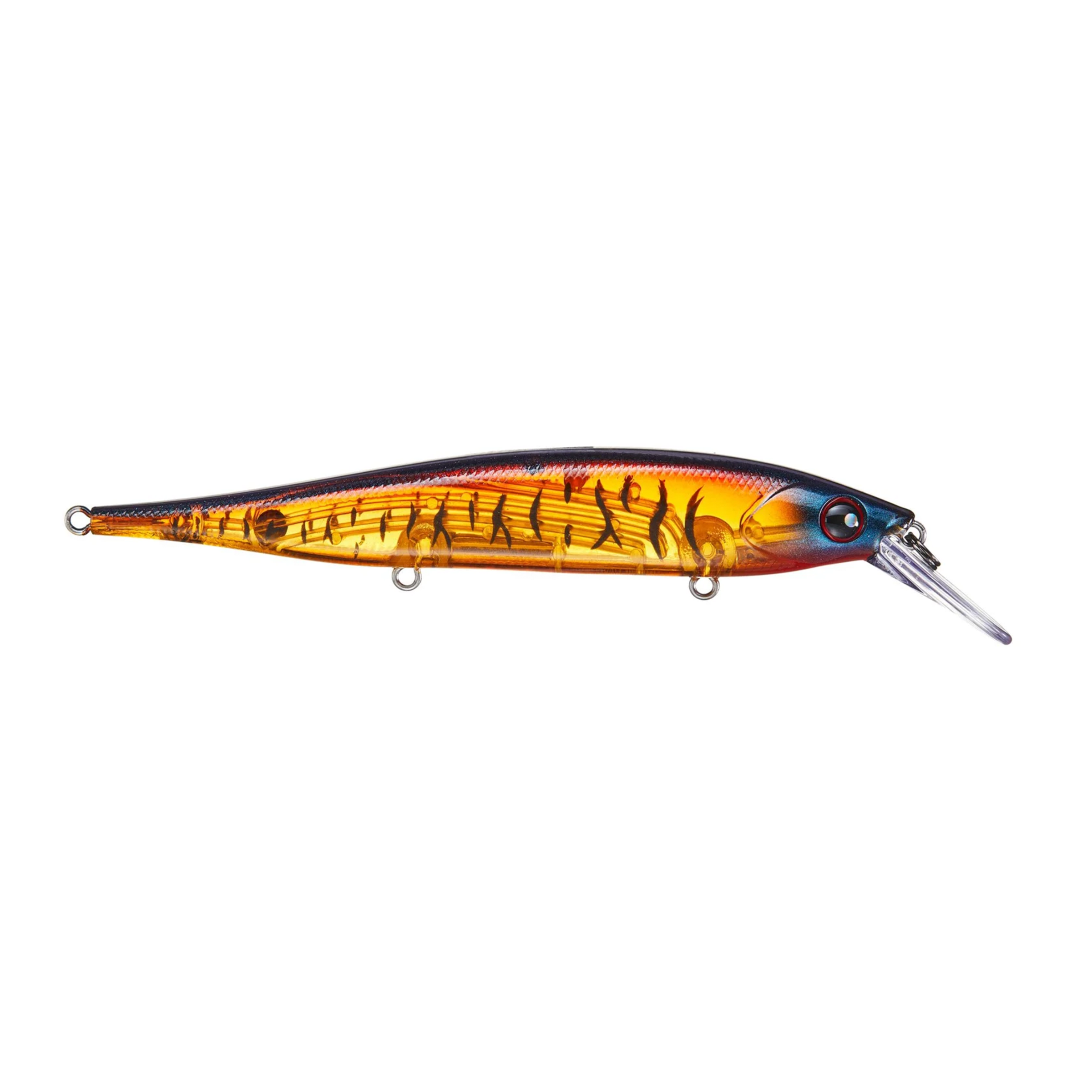
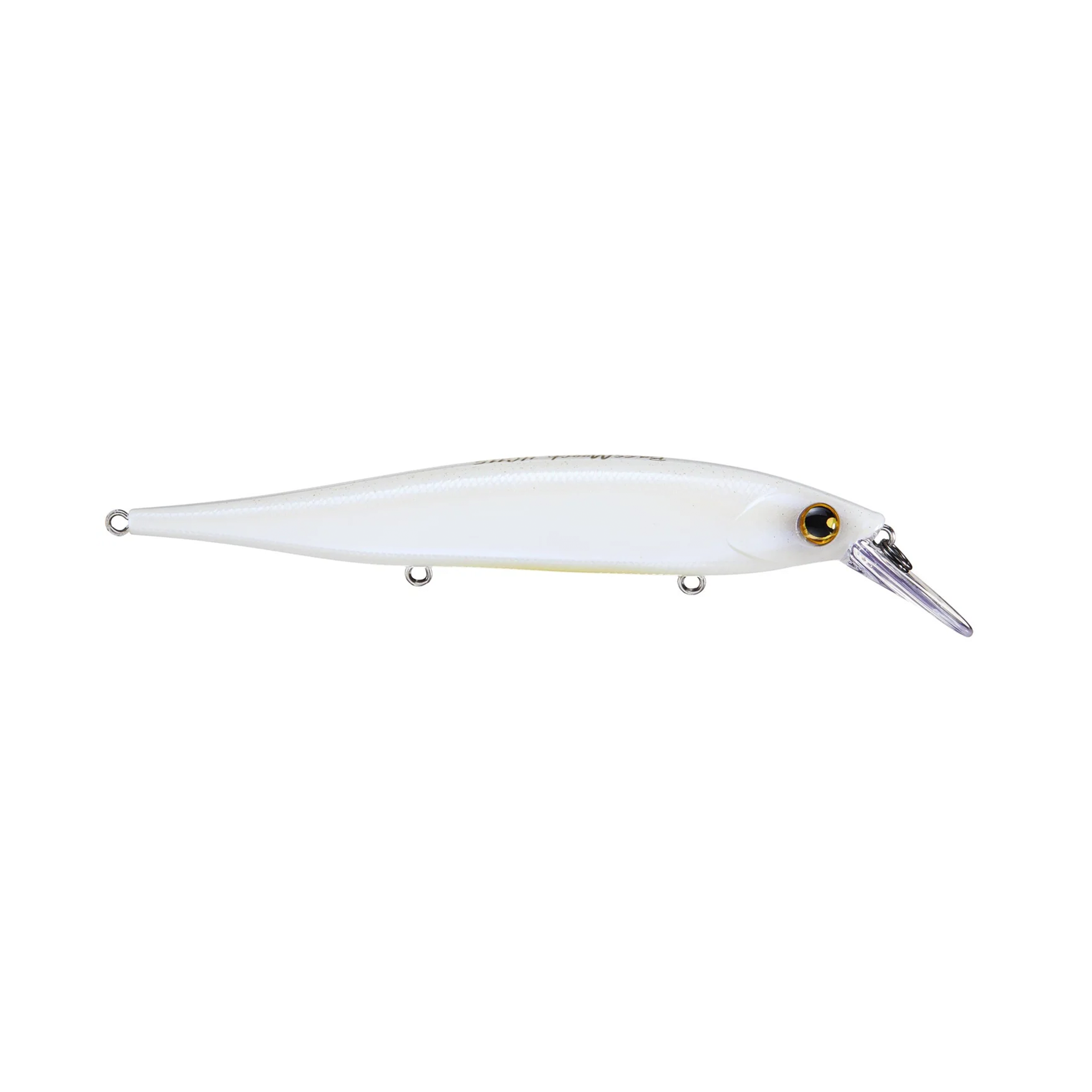
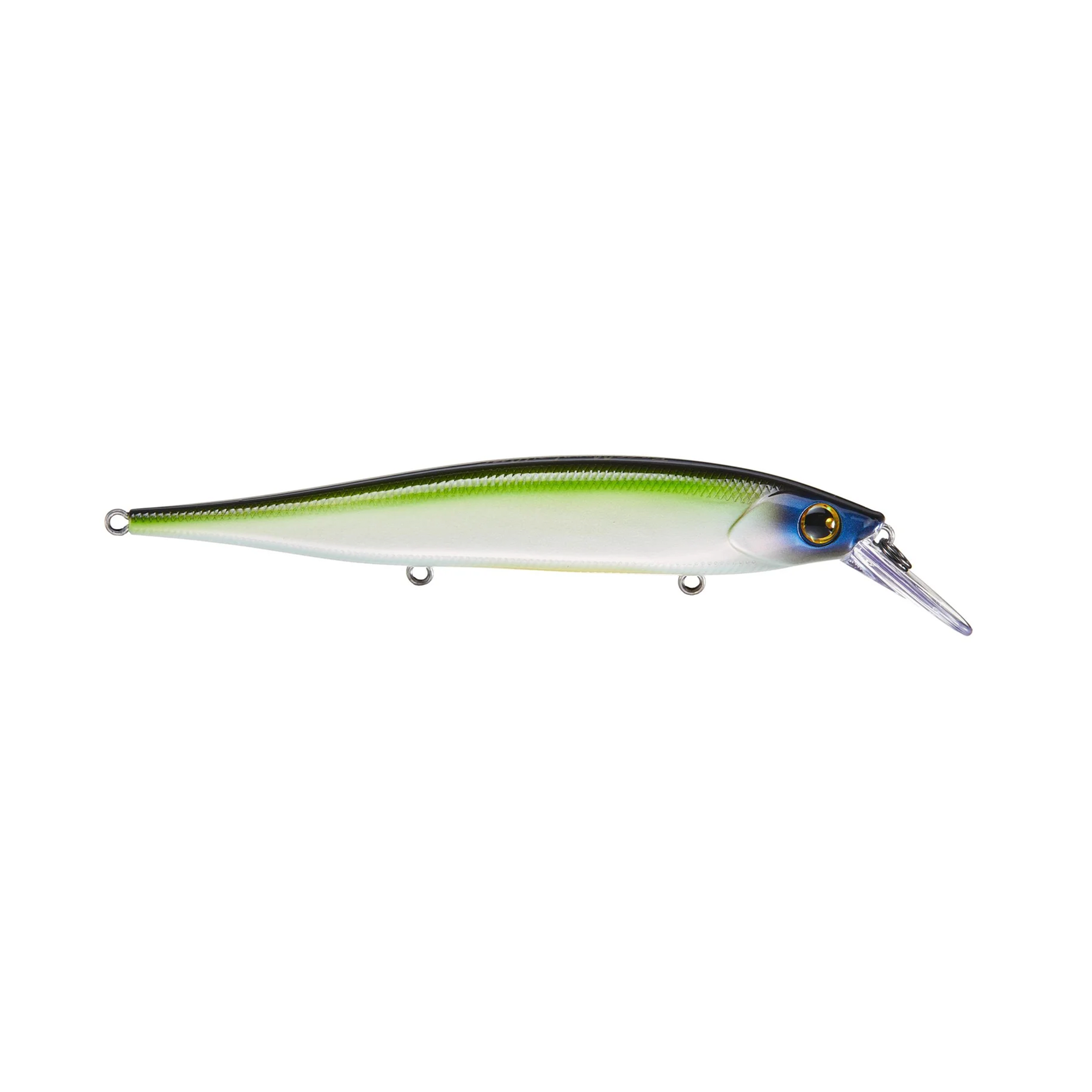
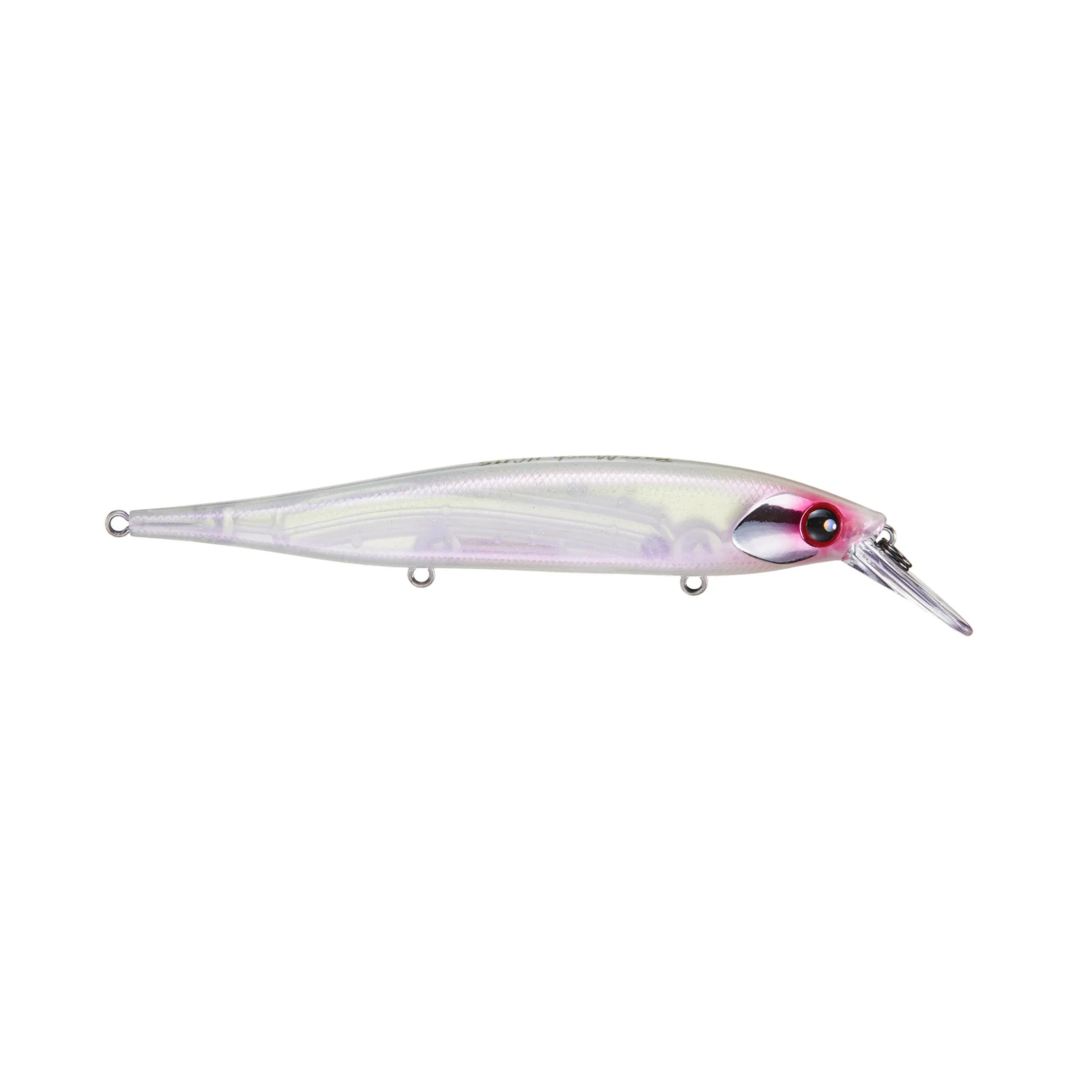
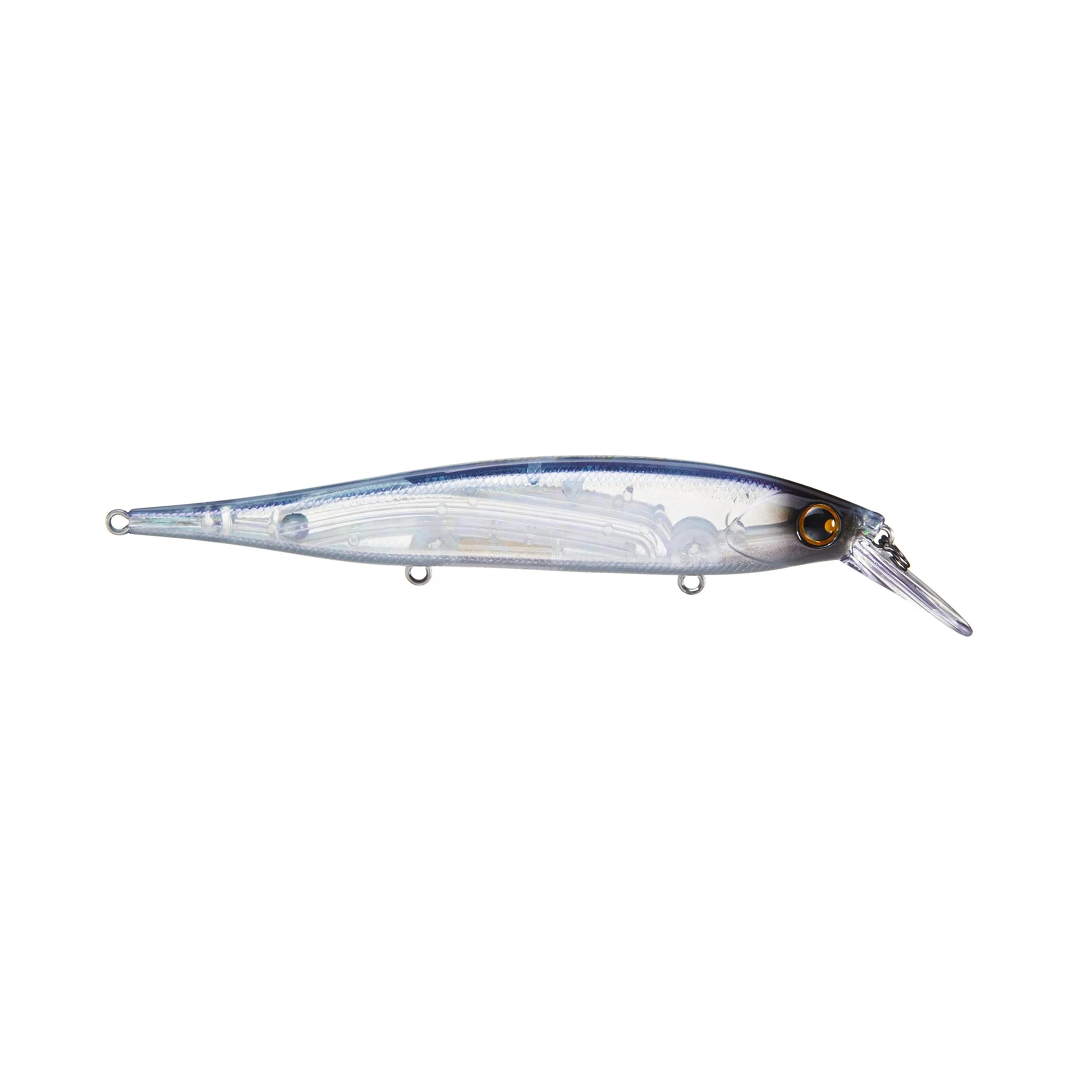
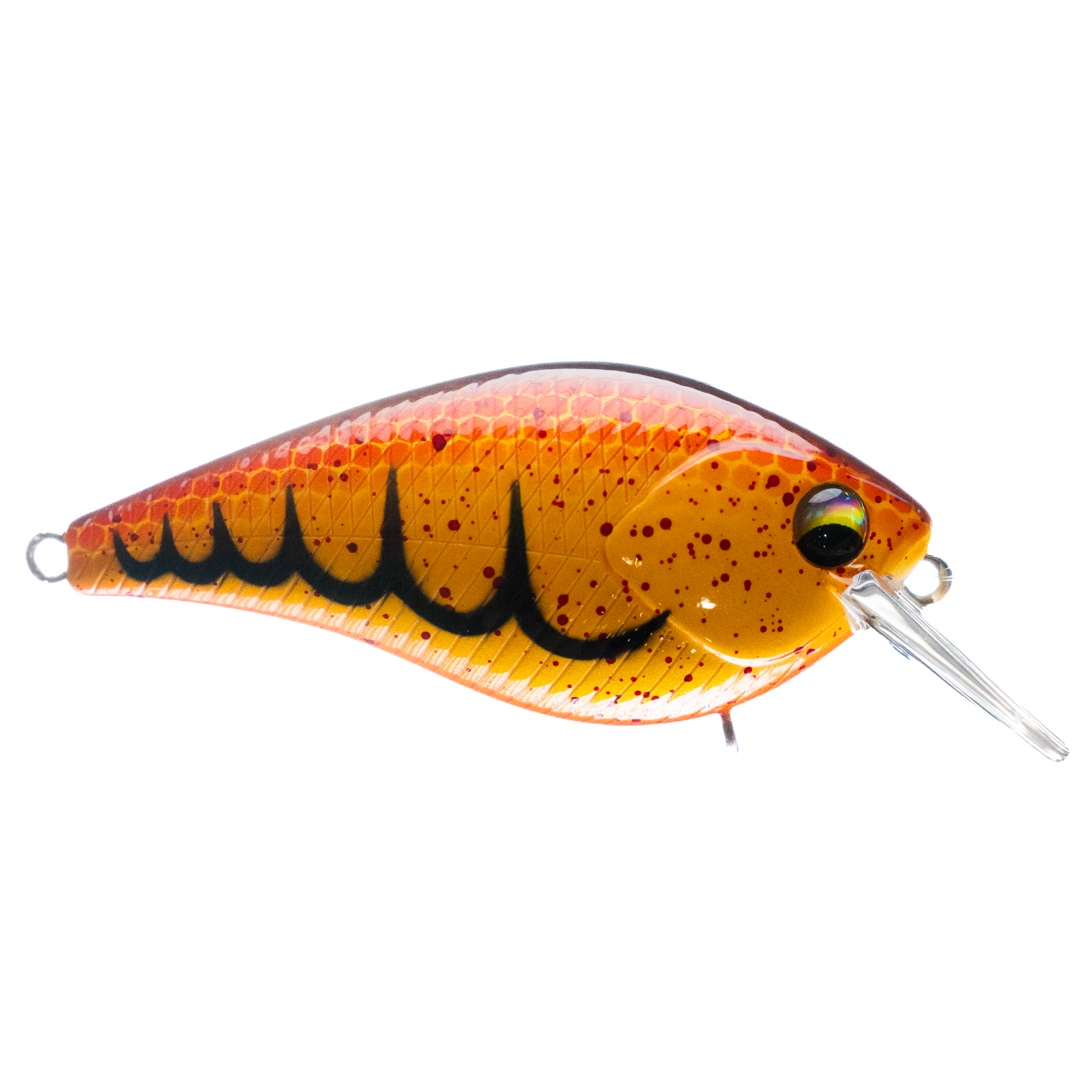
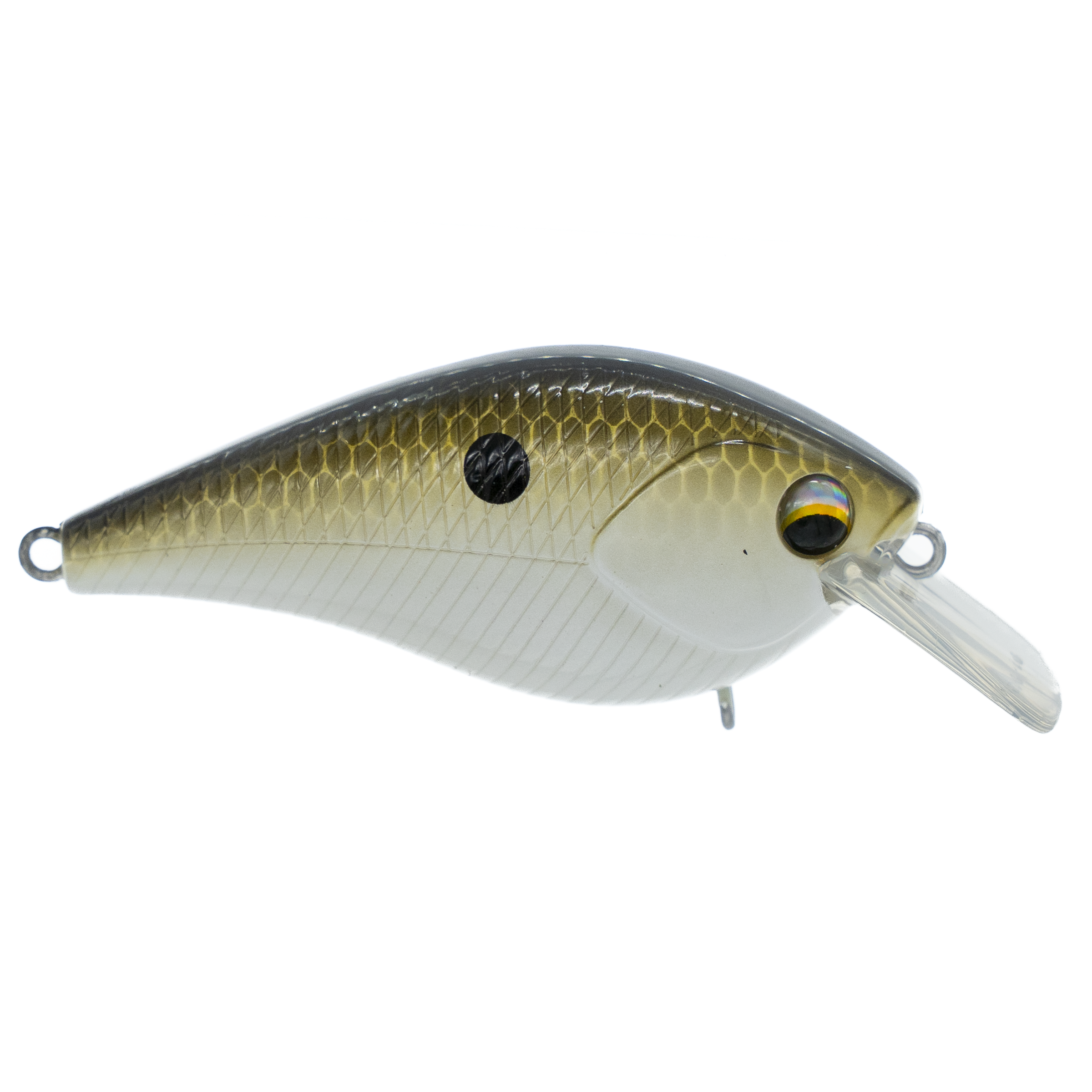
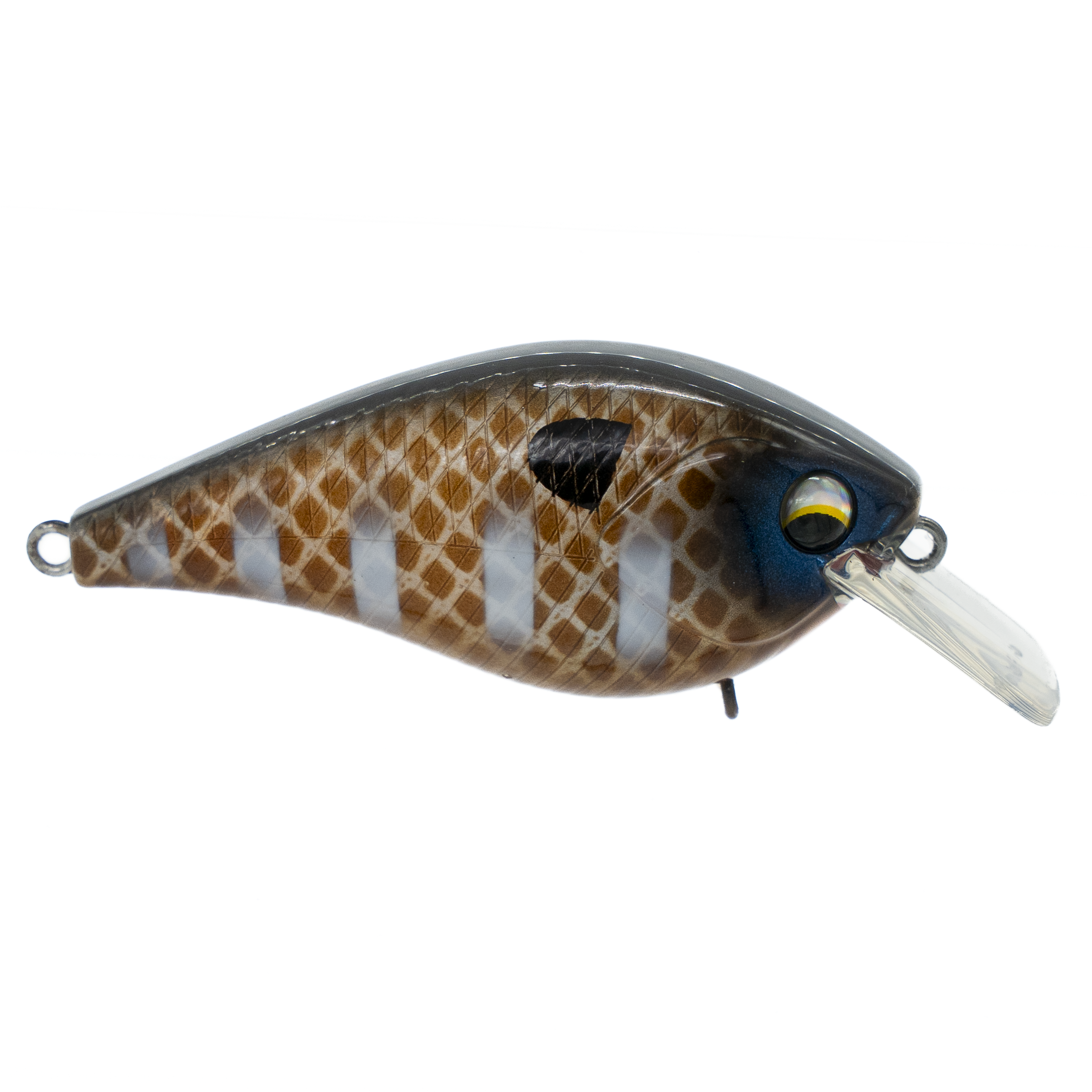
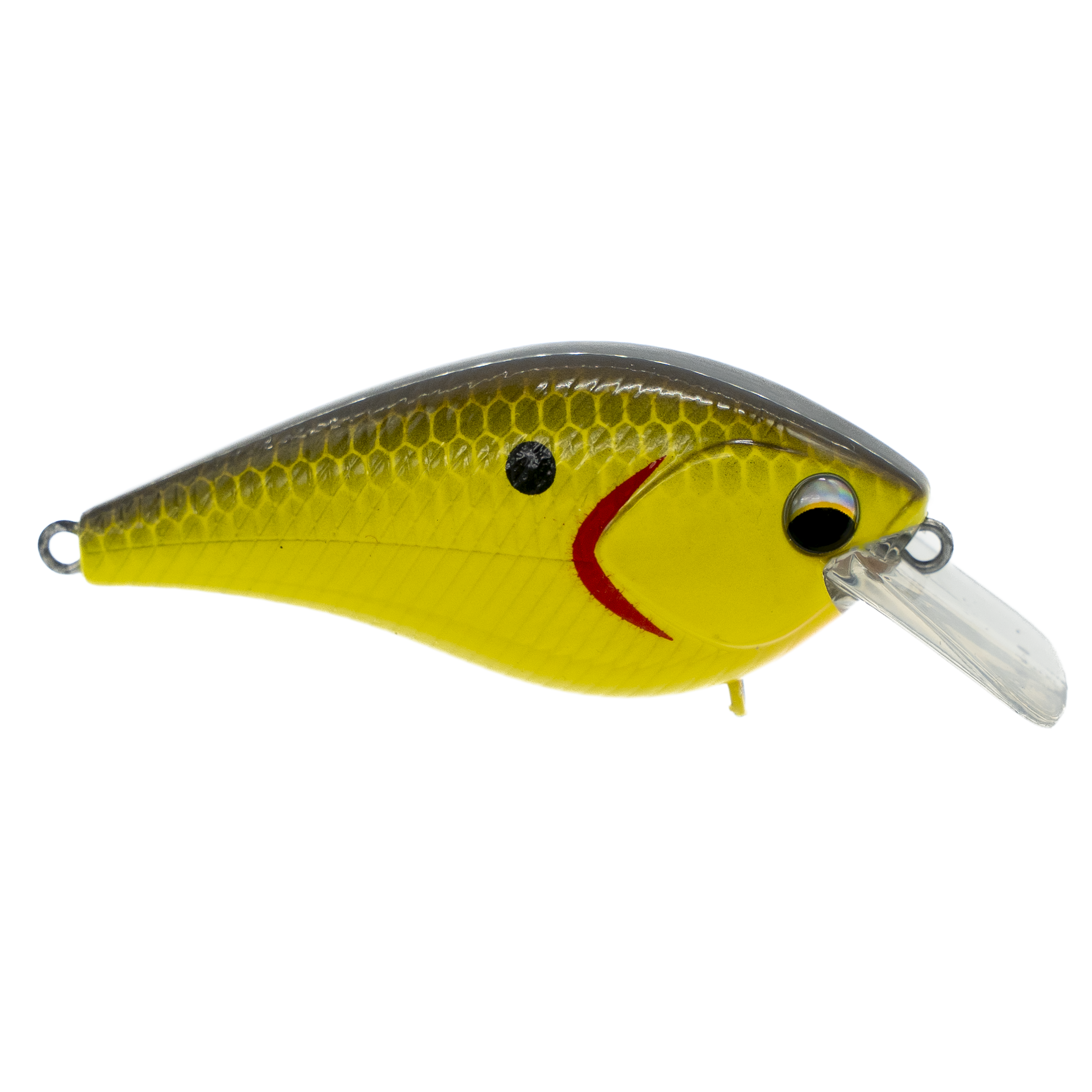
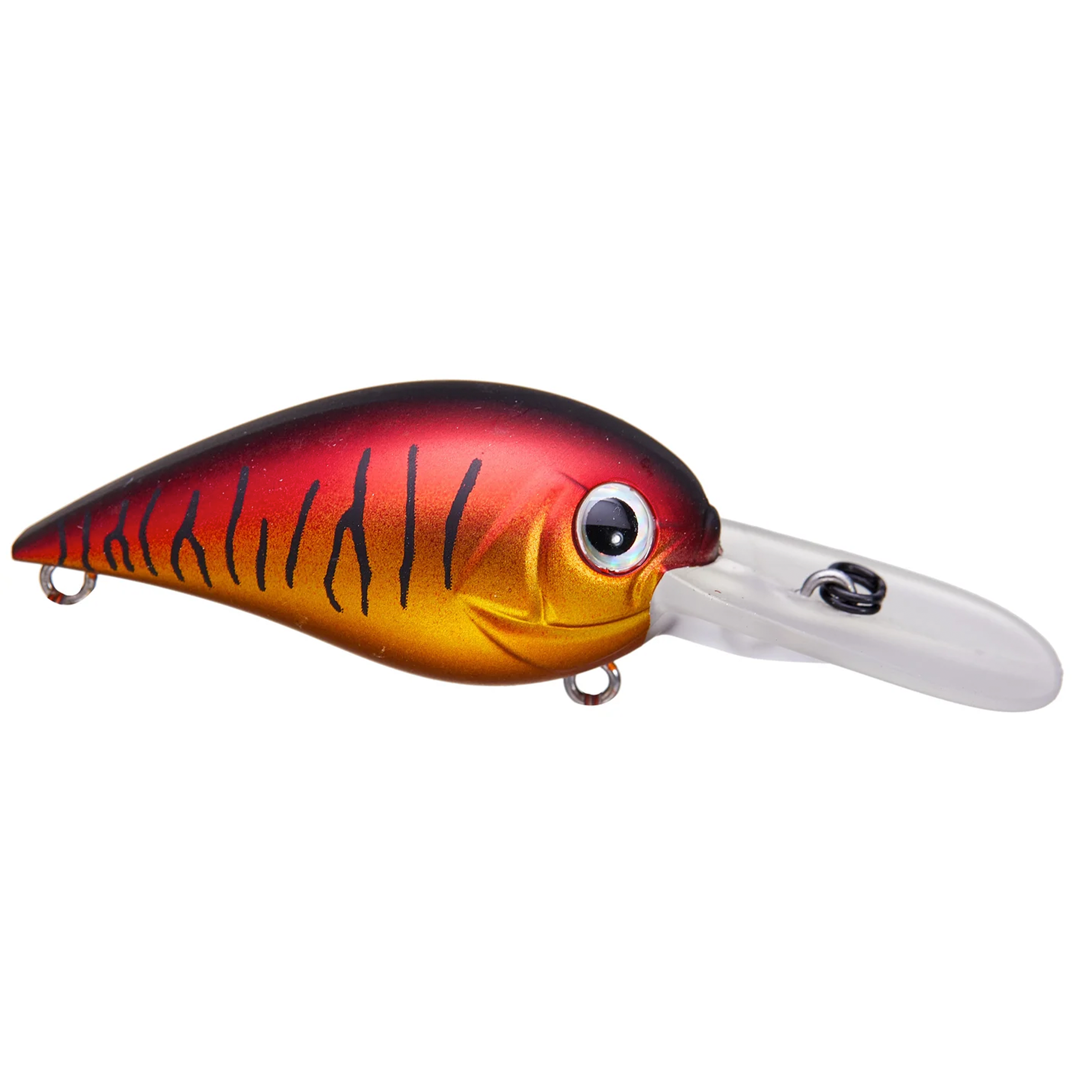
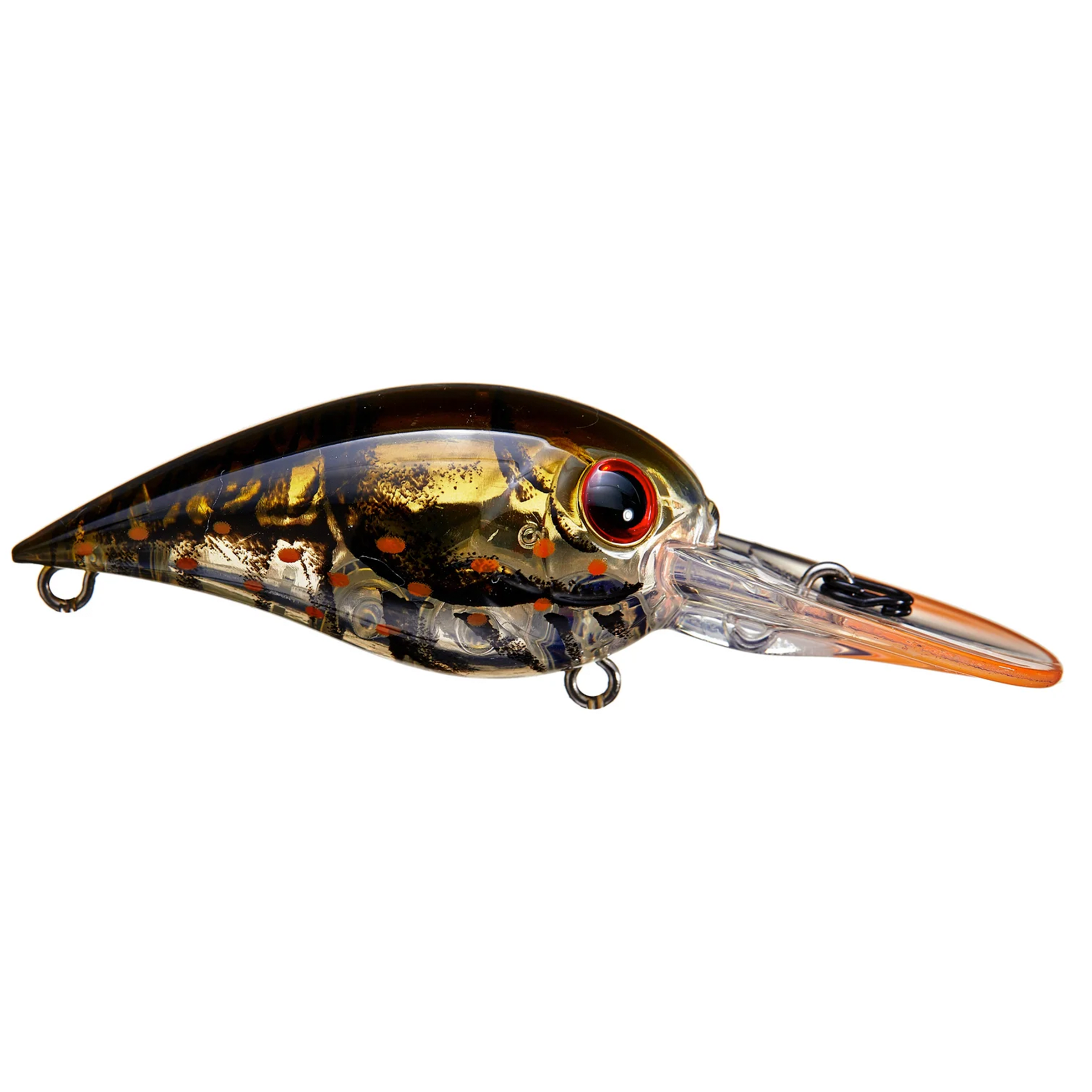
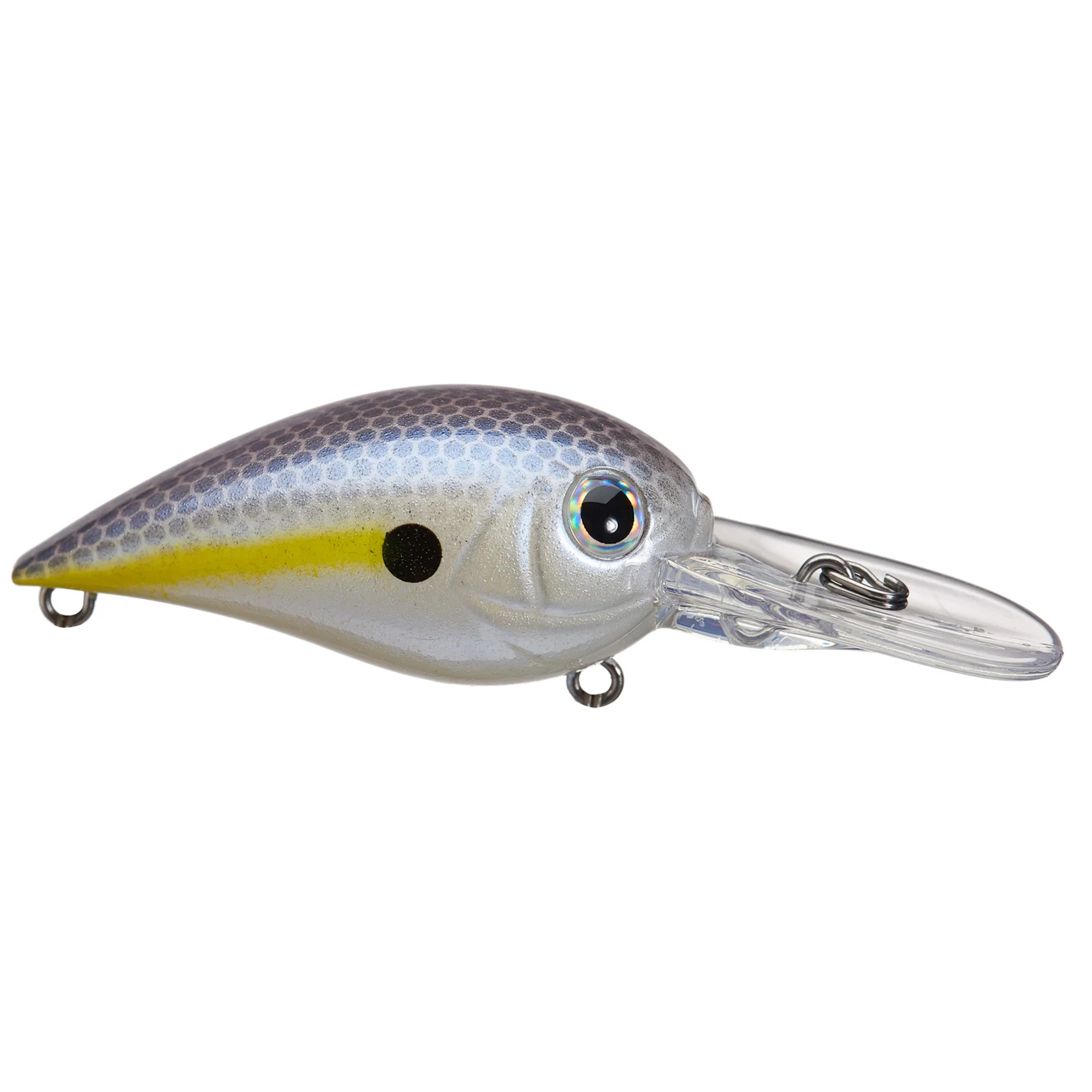
Spring is lipless crankbaits on gravel points and craws flipped into water willow. Summer is deeper presentations on current-swept humps, plus willow for the big ones. Fall is shad-pattern moving baits. Winter is jerkbaits and slow bottom work. Our full bait lineup covers all four.
Do I need a fishing license for Lay Lake?
Yes. An Alabama fishing license is required, available through the Alabama Department of Conservation and Natural Resources. Check current size and creel limits before you go.
A Flipping Stick and Patience
A Bassmaster Classic was won on this lake by keeping a flipping stick in hand for six hours a day knowing it would produce two bites. That is a rod you need to trust. Level Rods builds heavy models with the power to drive a hook and turn a fish out of water willow, balanced well enough that six hours does not wreck you.
Tournament Winning Baits & Gear
Designed, crafted and tested by anglers who fish the Coosa every week. Free shipping on orders over $75.
Shop All Baits