Lake Wylie Bass Fishing Guide
Lake Wylie Bass Fishing, Season by Season
The oldest lake on the Catawba, sitting on Charlotte's doorstep with 325 miles of shoreline and a dock on most of it. Wylie is shallow, urban and shad-driven — and the structure you're looking for was built by homeowners, not geology.
A Lake Where the Structure Was Built, Not Formed
Lake Wylie was impounded in 1904, which makes it the oldest reservoir on the Catawba River and one of eleven Duke Energy impoundments on the Catawba–Wateree chain. It covers roughly 13,400 acres with 325 miles of shoreline, straddling the South Carolina–North Carolina line in York County, southwest of Charlotte.
The number that tells you the most is the average depth: about 20 feet, with a maximum near 82 at the dam. Wylie is shallow. Compared with Norman just up the chain, it's a different animal entirely — less water column, more shoreline per acre, and fish that live tight to cover rather than roaming offshore.
And the cover, overwhelmingly, is docks. Charlotte's growth has put houses on most of those 325 miles, and in a lake this shallow the piers and boat lifts become the primary bass habitat. Wylie has a real claim to being one of the best urban bass fisheries in the country, and the reason is that thousands of people each built a little piece of structure on it.
One more thing worth knowing before you tie anything on: Wylie has no blueback herring. The forage base is threadfin and gizzard shad. If you've been fishing Murray or Lanier and arrive with a head full of herring tactics, put them away. This is a shad lake and a dock lake, and it rewards a completely different approach.
What It Took to Win Here
Patterns that produced at the highest level on this lake, and the baits to fish them with.
Takahiro Omori — Twenty-Seven Minutes
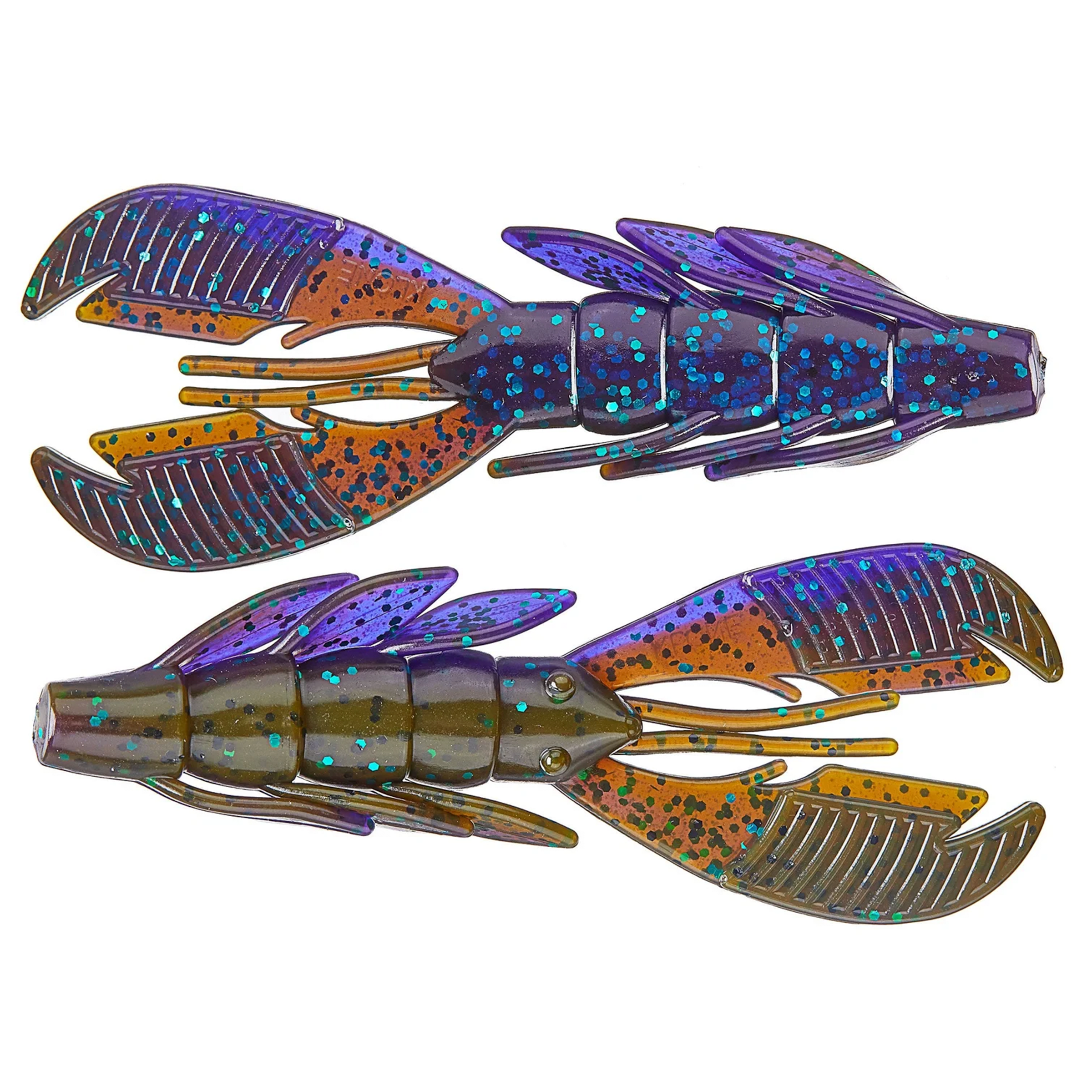
Wylie hosted the Bassmaster Classic in 2004, and it produced one of the most famous finishes in the event's history. Omori spent two days fishing shallow laydowns and stumps in the muddy water up the Catawba arm, catching them on creature baits and a jig. Going into the last hour of the final day he thought he'd lost it.
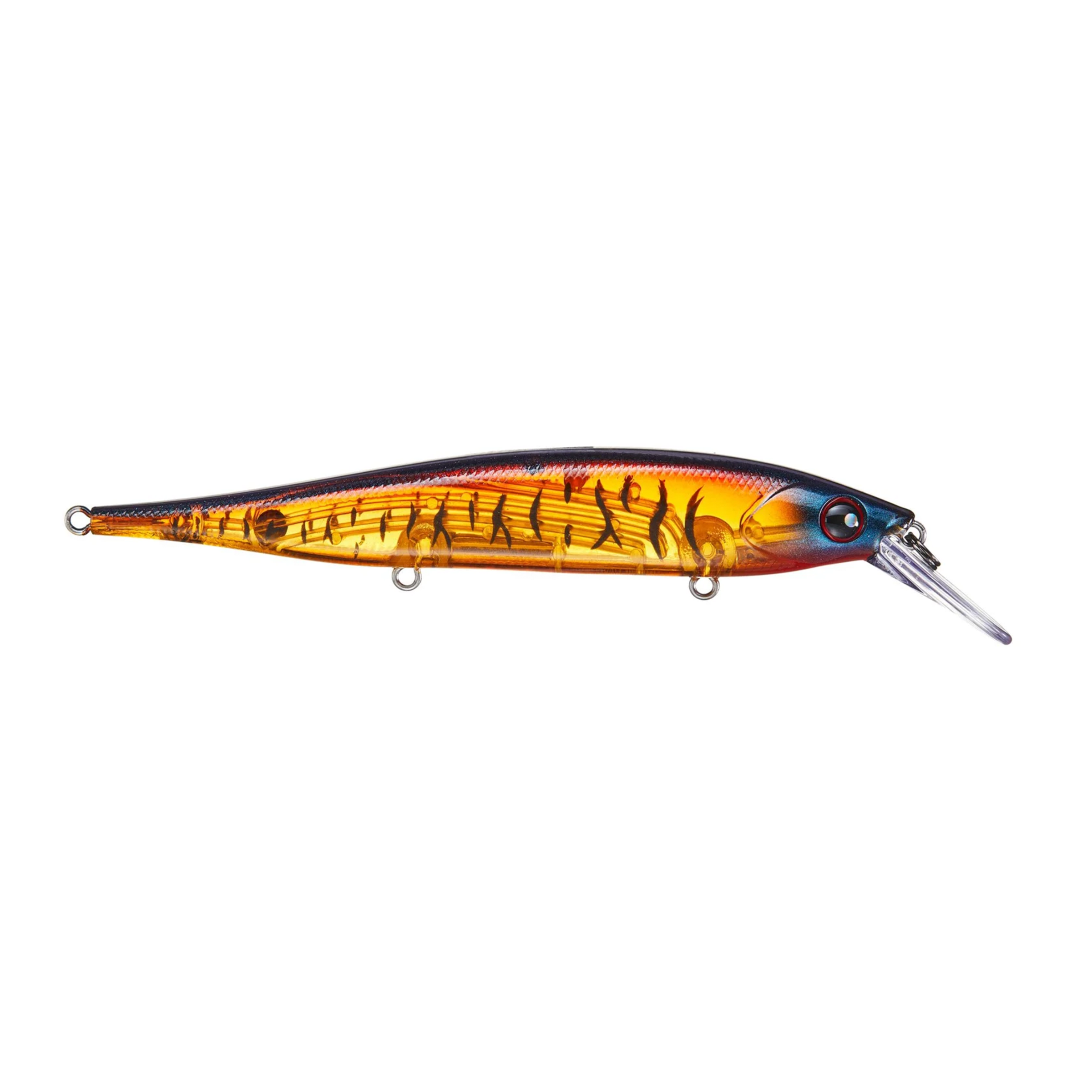
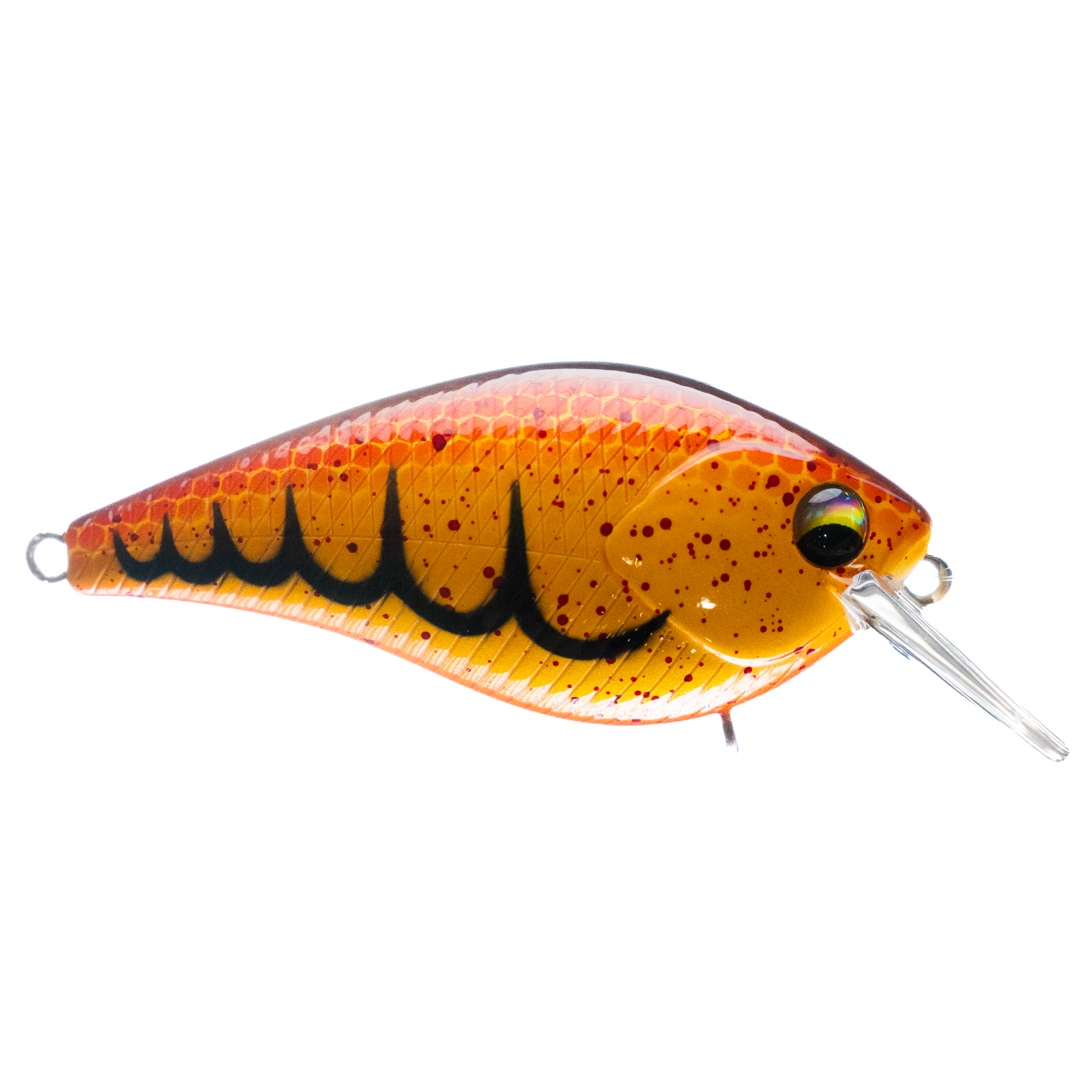
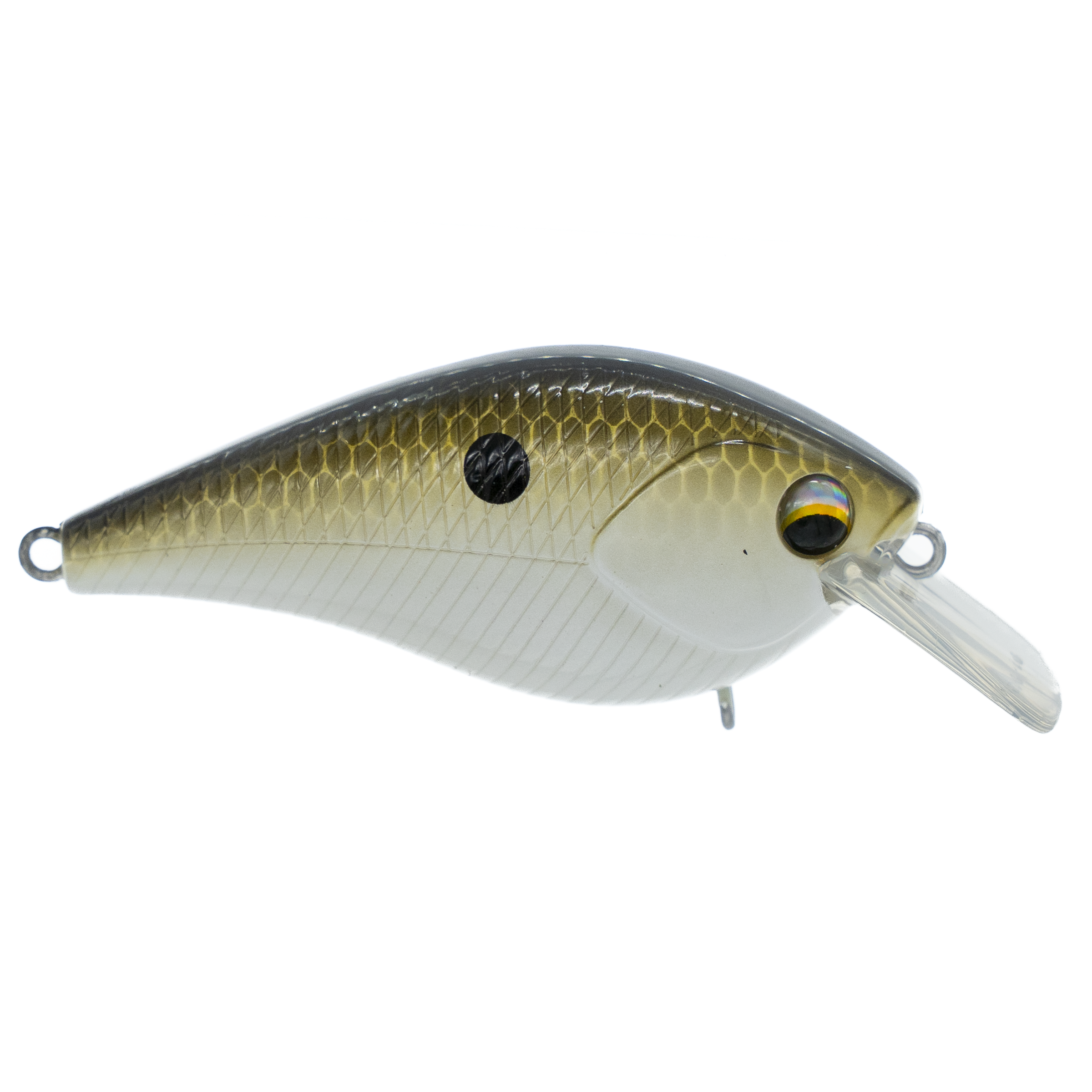
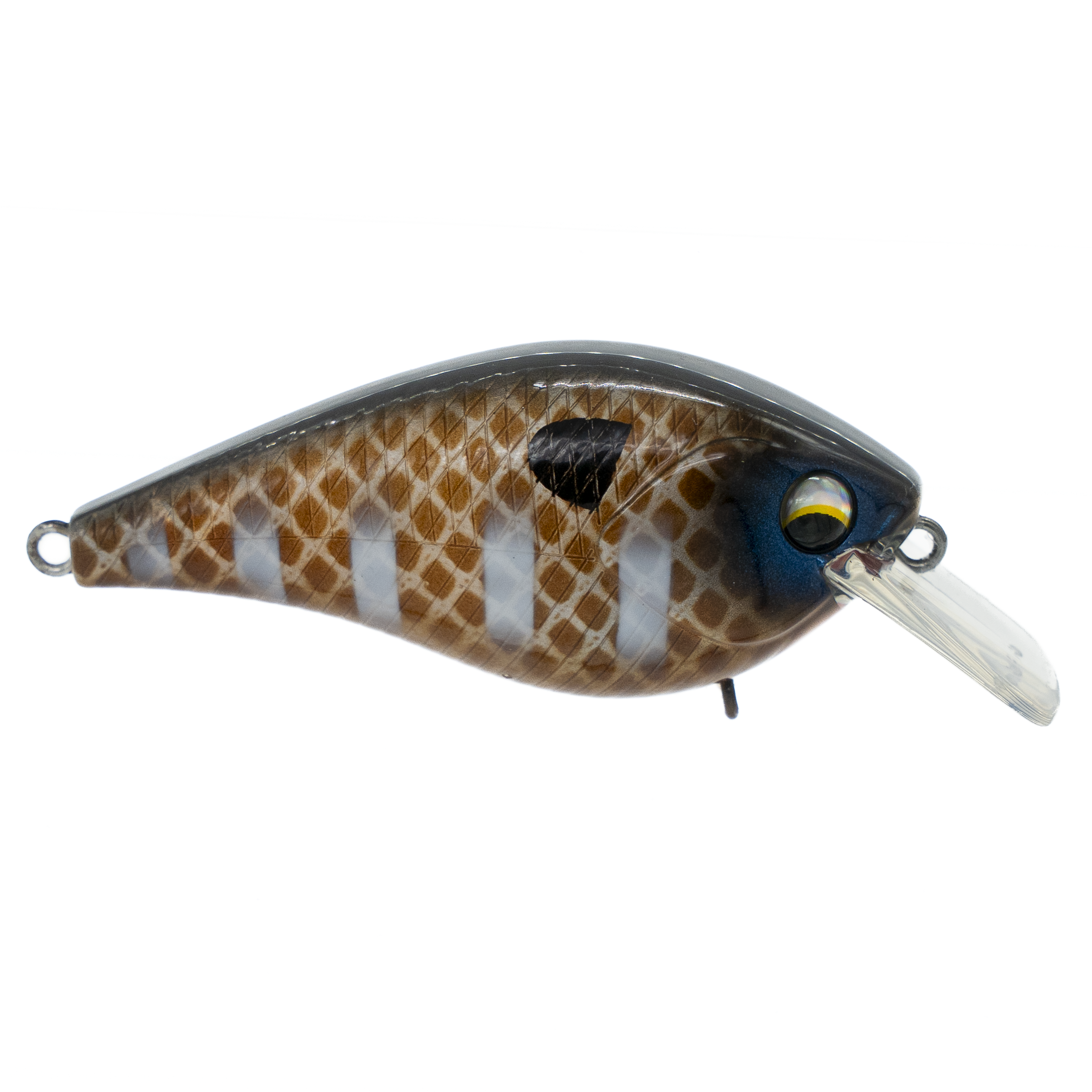
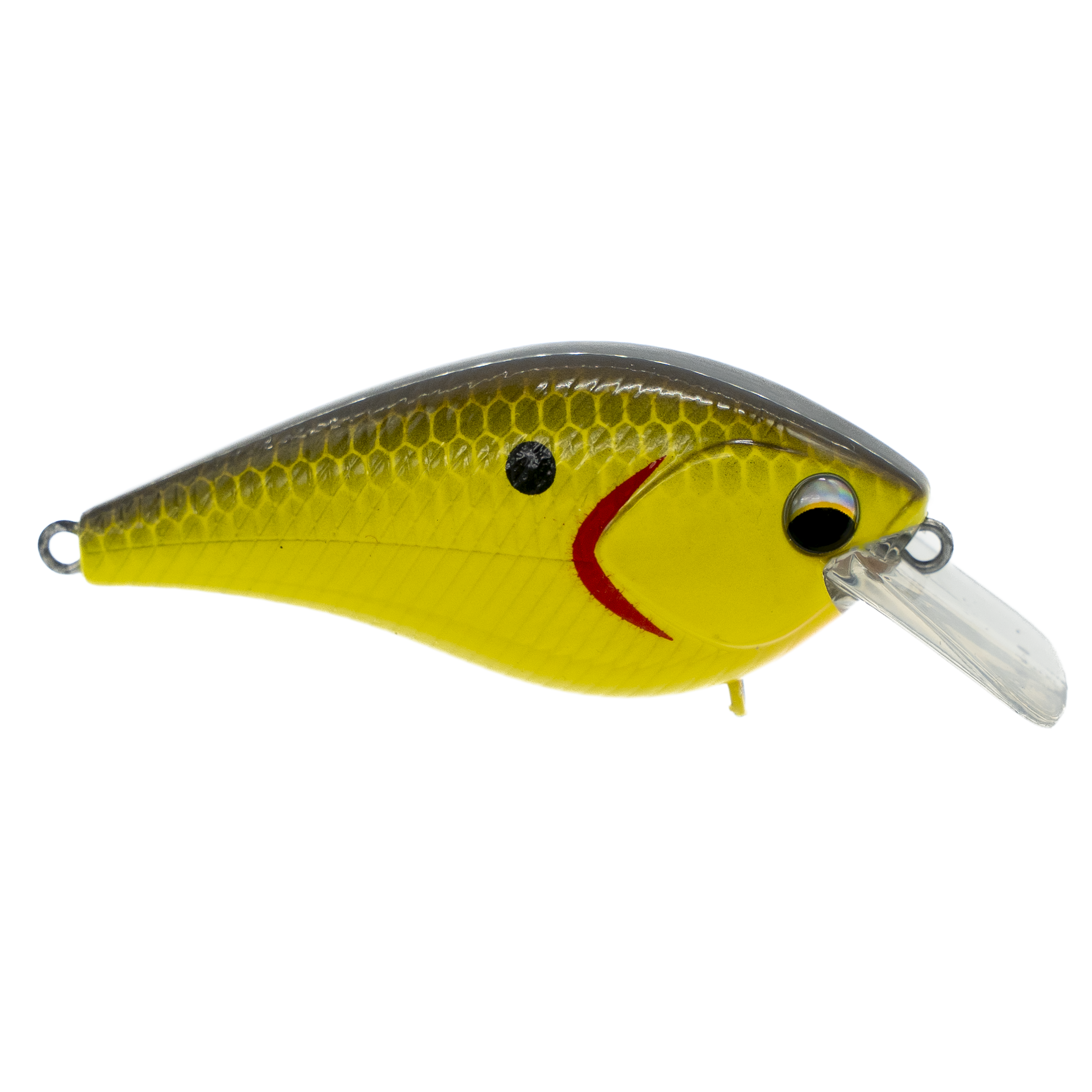
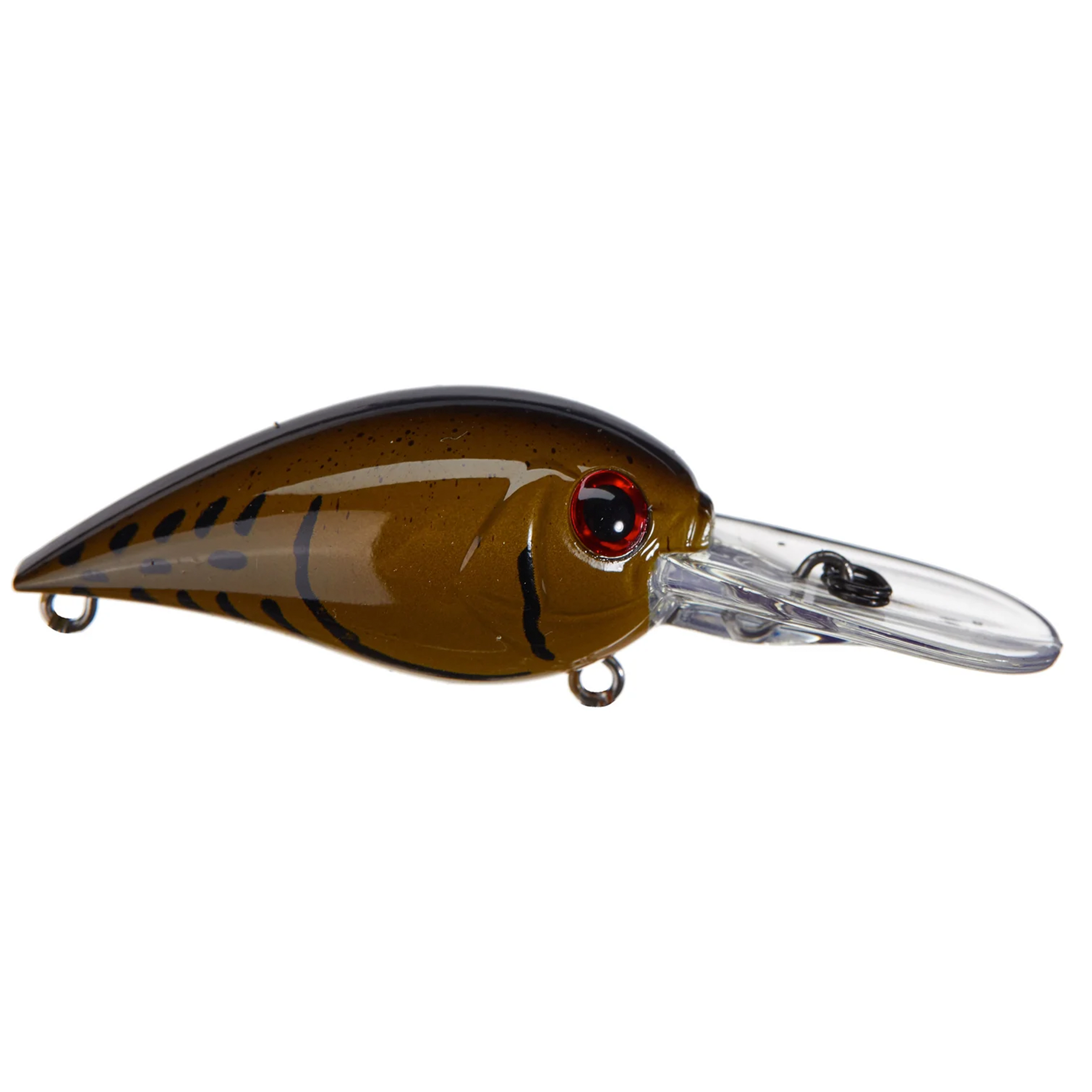
Then he read the water. The level was falling and there was current moving — and he worked out that the fish had slid off the shallow wood to the deeper outside edge of the same laydowns. He backed the boat off, picked up a shallow-running balsa squarebill, and caught his three biggest bass of the day between 1:45 and 2:12. He quit at 2:15 to make the run back to Buster Boyd by the deadline, and won by under three pounds.
That is the single most useful thing ever demonstrated on this lake. Duke moves water through the Catawba chain and the level shifts during the day. When it drops, the fish don't leave the cover — they move to the other side of it. Same laydown, deeper edge, different bait.


Docks, Shad and Shallow Water
Four patterns cover the year. Each one pairs the technique with the baits we'd actually tie on.
March Is the Month
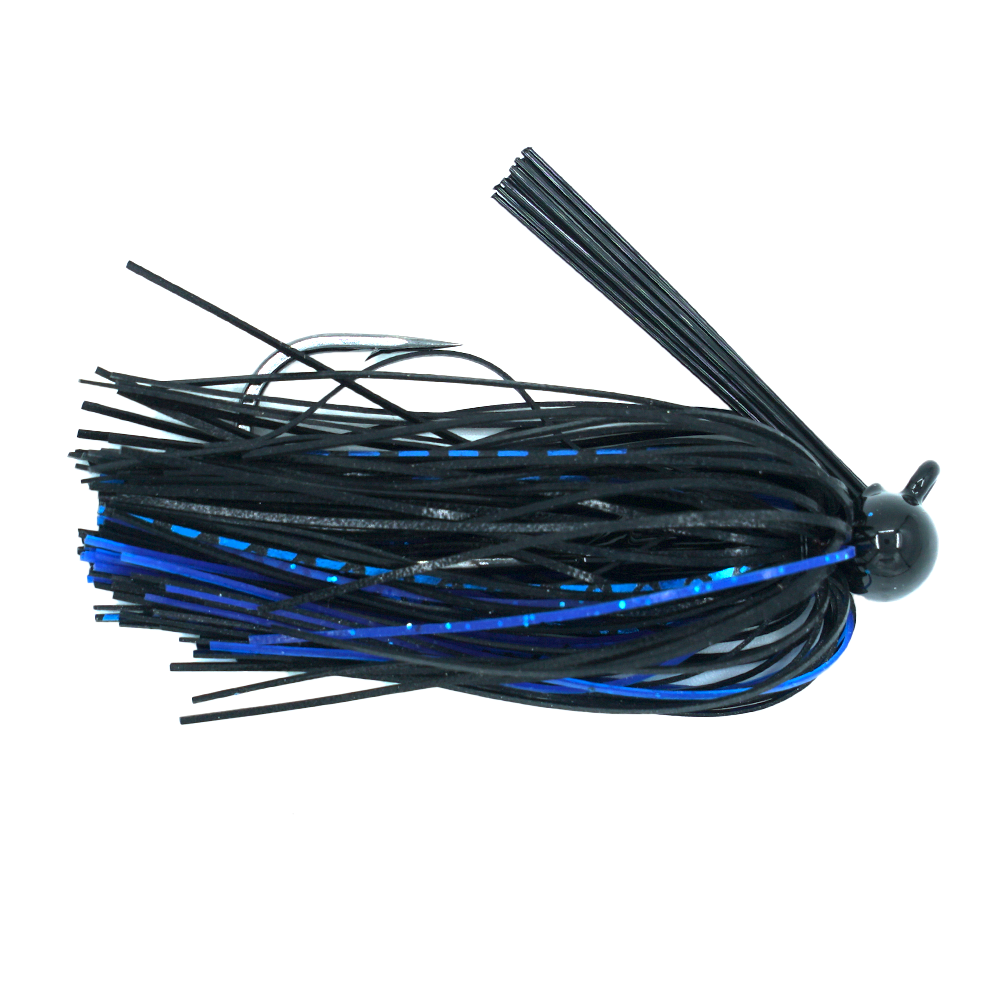
Pre-spawn on Wylie is as good as this lake gets. Through March and into April, hungry largemouth stage on and around dock pilings and walkways before pushing back to spawn in the pockets and creek arms. Big Allison Creek and the other feeder arms warm first. The stain that comes with spring rain works in your favour here — fish commit rather than inspect.


Shade, Early Light and Boat Traffic
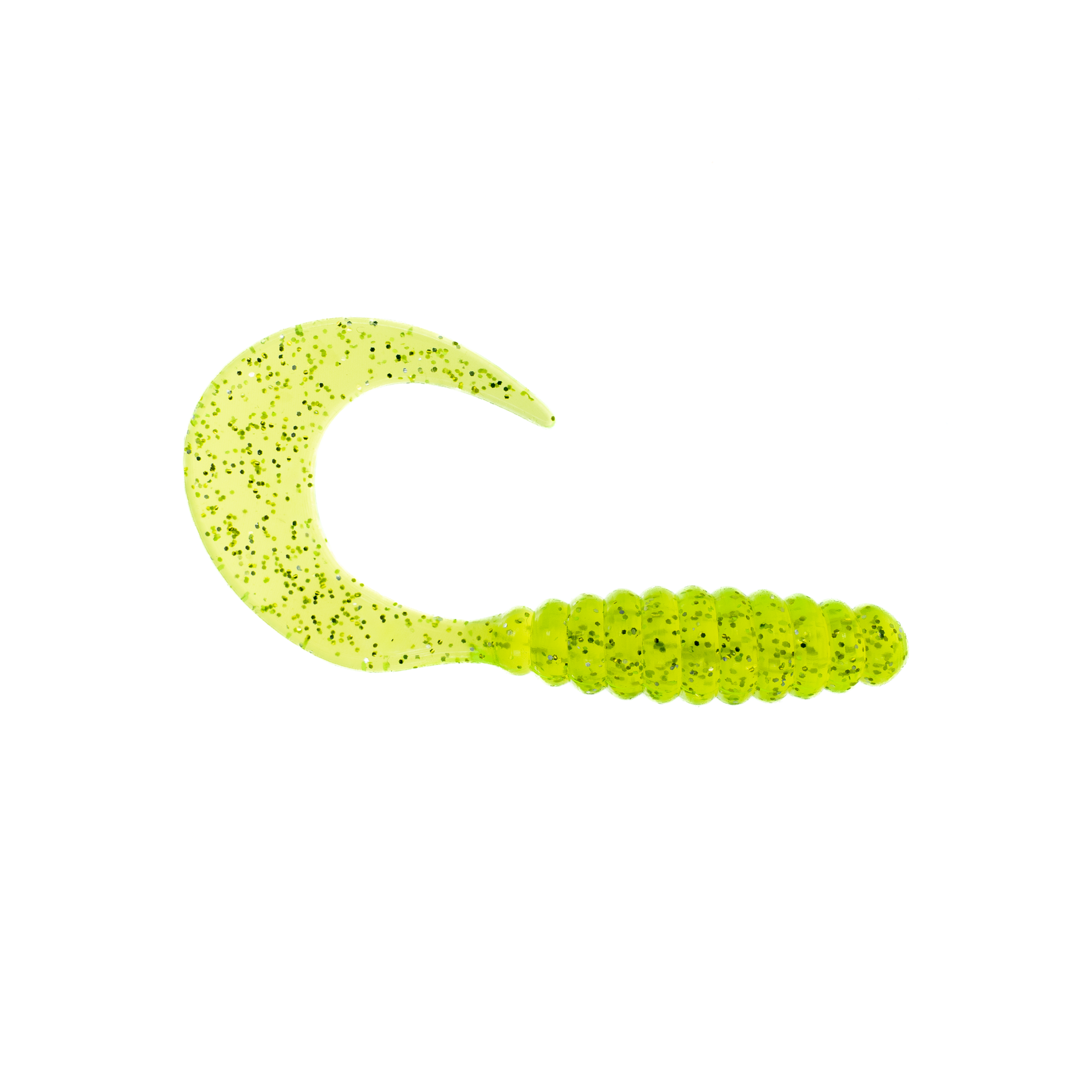
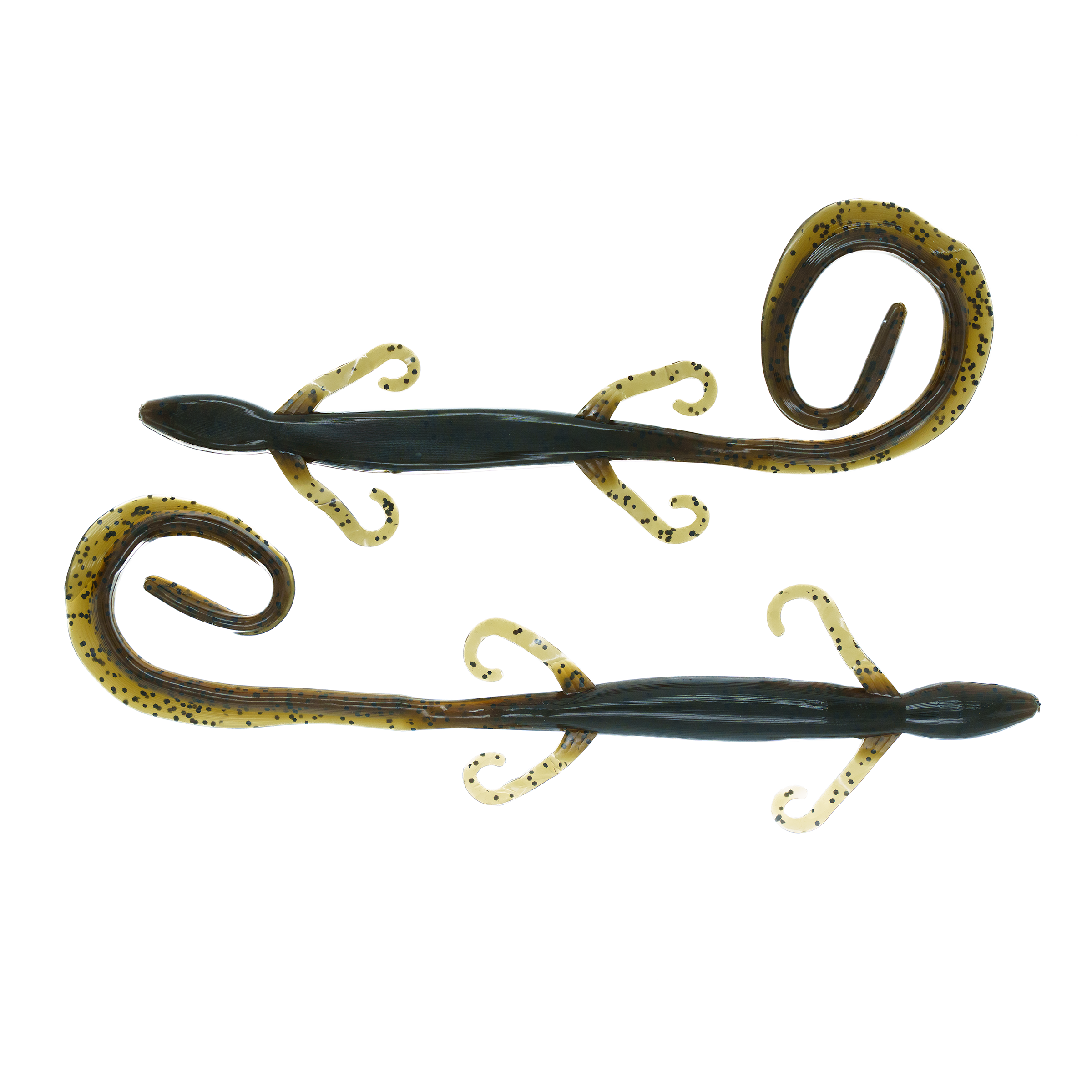
Summer on Wylie means two things: fish looking for shade, and a lake full of recreational boats. Both push you toward the same answer, which is fishing early. First light brings genuine topwater along grass lines, seawalls and points. After that the bass sit in dock shade or slide out to the deeper creek channel edges and the handful of brush piles people have sunk.


Shad Push Into the Creeks
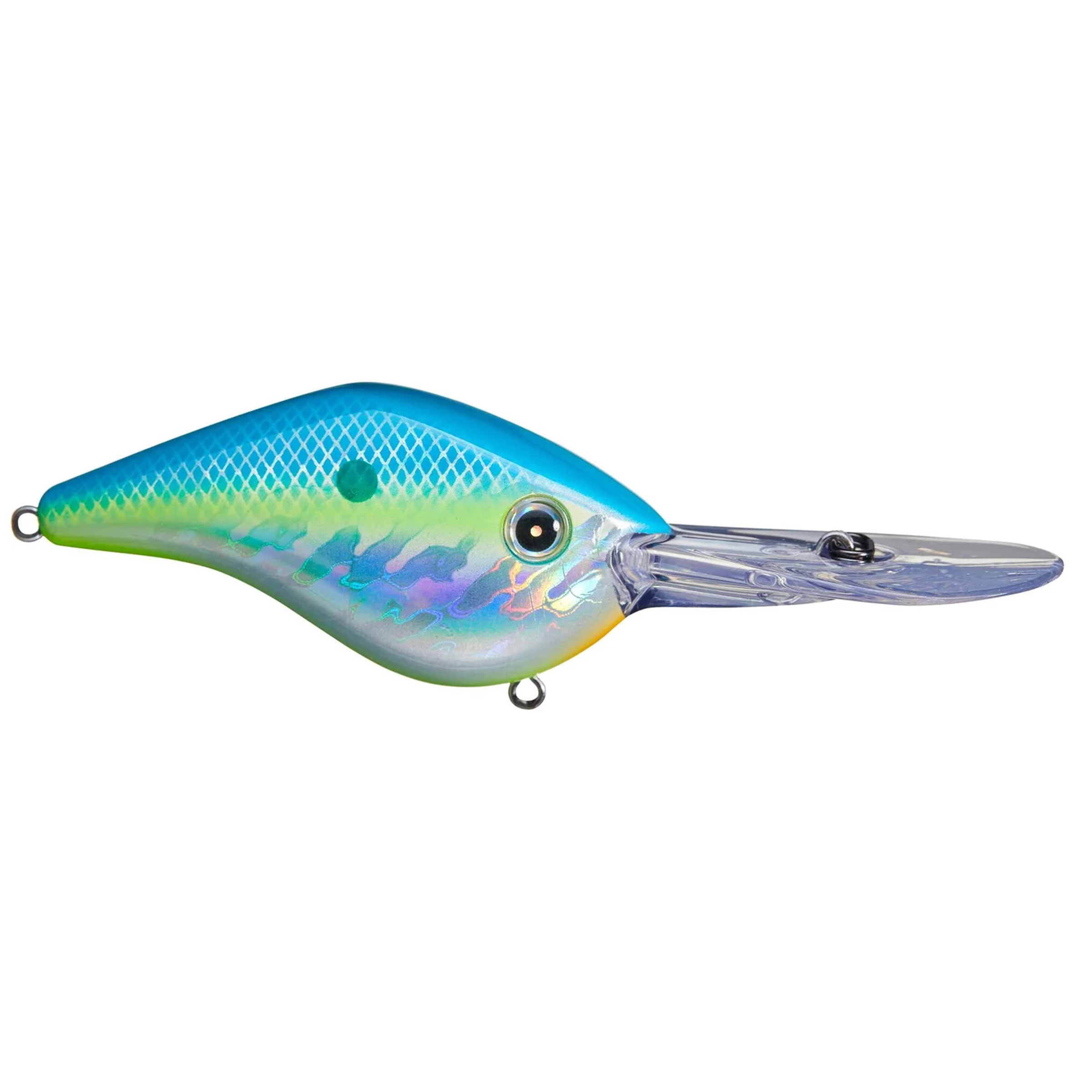
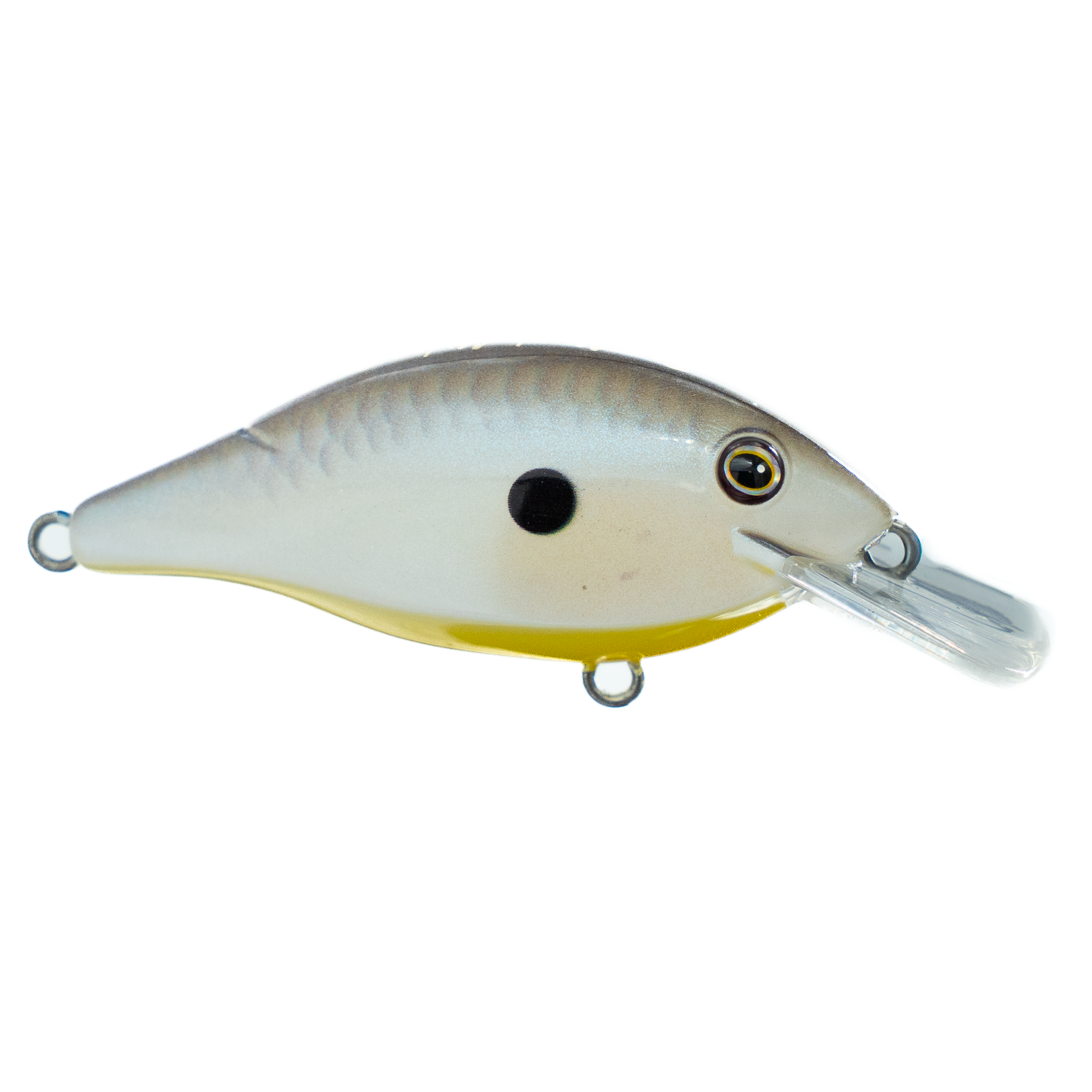
As the water cools, threadfin and gizzard shad move back into the creek arms and the bass follow. Big Allison Creek, Crowders Creek and the South Fork arm all turn on. This is the season Wylie feels least like a dock lake — fish are chasing bait, moving, and willing to eat something with speed on it. The boat traffic also drops off, which helps.




The Allen Steam Station Bite
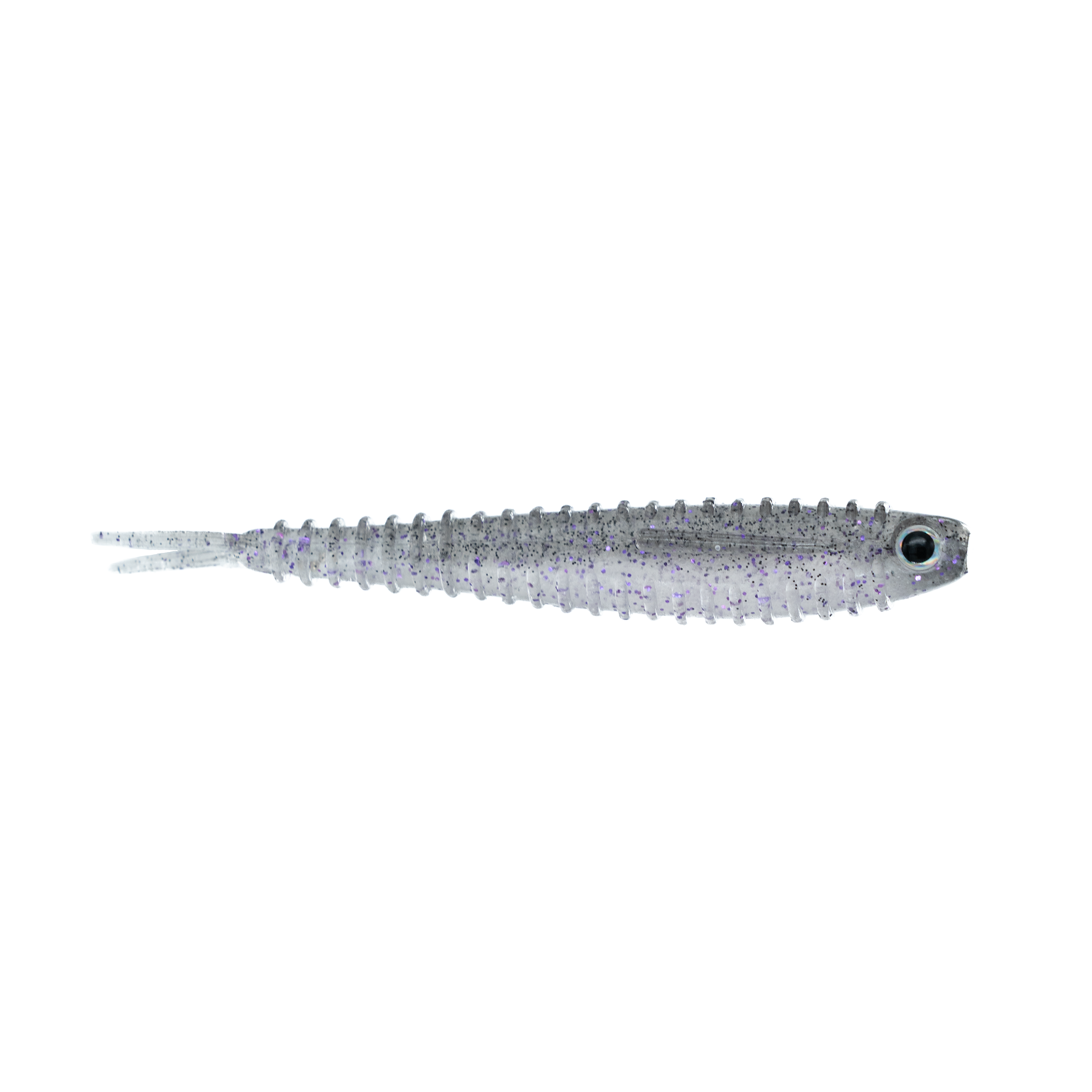
Wylie's winter ace is the warm-water discharge from Allen Steam Station on the North Carolina end. It concentrates baitfish and gamefish through the cold months and makes for one of the more reliable winter bites anywhere near Charlotte. Away from the warm water, bass hold on channel-adjacent cover and the deeper dock lines, and everything happens slowly.




Lake Wylie Boat Ramps & Access
Duke Energy maintains six public access areas around the lake. These three cover the water most worth fishing.
Buster Boyd Bridge
Mid-lake access off Highway 49 and the practical starting point for most trips. The bridge itself holds fish, and you can reach both the main lake and the creek arms from here.
Big Allison Creek
One of the better creek arms on the South Carolina side, and a reliable early-spring and late-fall target for largemouth and crappie alike.
South Fork Catawba Arm
The upper river end, carrying more colour and current than the main lake. Produces largemouth and smallmouth year-round, and worth the run when the main lake is bright and calm.
Lake Wylie Bass Fishing FAQ
Why are docks so important on Lake Wylie?
Because the lake is shallow and the shoreline is heavily developed. With an average depth around 20 feet and 325 miles of shoreline, most of it built on, the piers and boat lifts become the primary bass habitat — shade, ambush points and vertical structure all in one. On many Wylie trips, dock fishing isn't a pattern, it's the whole plan.
Does Lake Wylie have blueback herring?
No. The forage base is threadfin and gizzard shad. That matters if you're coming from a herring lake like Murray or Lanier, because the open-water, follow-the-bait approach that works there doesn't translate. On Wylie, fish relate to cover.
How does Lake Wylie compare to Lake Norman?
They're neighbours on the same river and fish nothing alike. Norman is bigger, deeper and clearer, with fish that move offshore in summer. Wylie averages about 20 feet, carries more colour, and holds fish tight to docks and shoreline cover most of the year. Wylie is also the older lake by roughly sixty years.
Where is the best winter bass fishing on Lake Wylie?
Around the warm-water discharge from Allen Steam Station on the North Carolina end. It concentrates baitfish and gamefish through the cold months and gives Charlotte-area anglers one of the more dependable winter bites in the region. Away from it, work the deeper dock lines and channel-adjacent cover slowly.
Which state's fishing license do I need for Lake Wylie?
Wylie straddles the South Carolina–North Carolina line, so it depends where you fish and where you launch. A South Carolina license is required for anglers 16 and older on the South Carolina portion. Check current rules with both the South Carolina Department of Natural Resources and the North Carolina Wildlife Resources Commission before you go — border water arrangements change.
What baits work best on Lake Wylie?
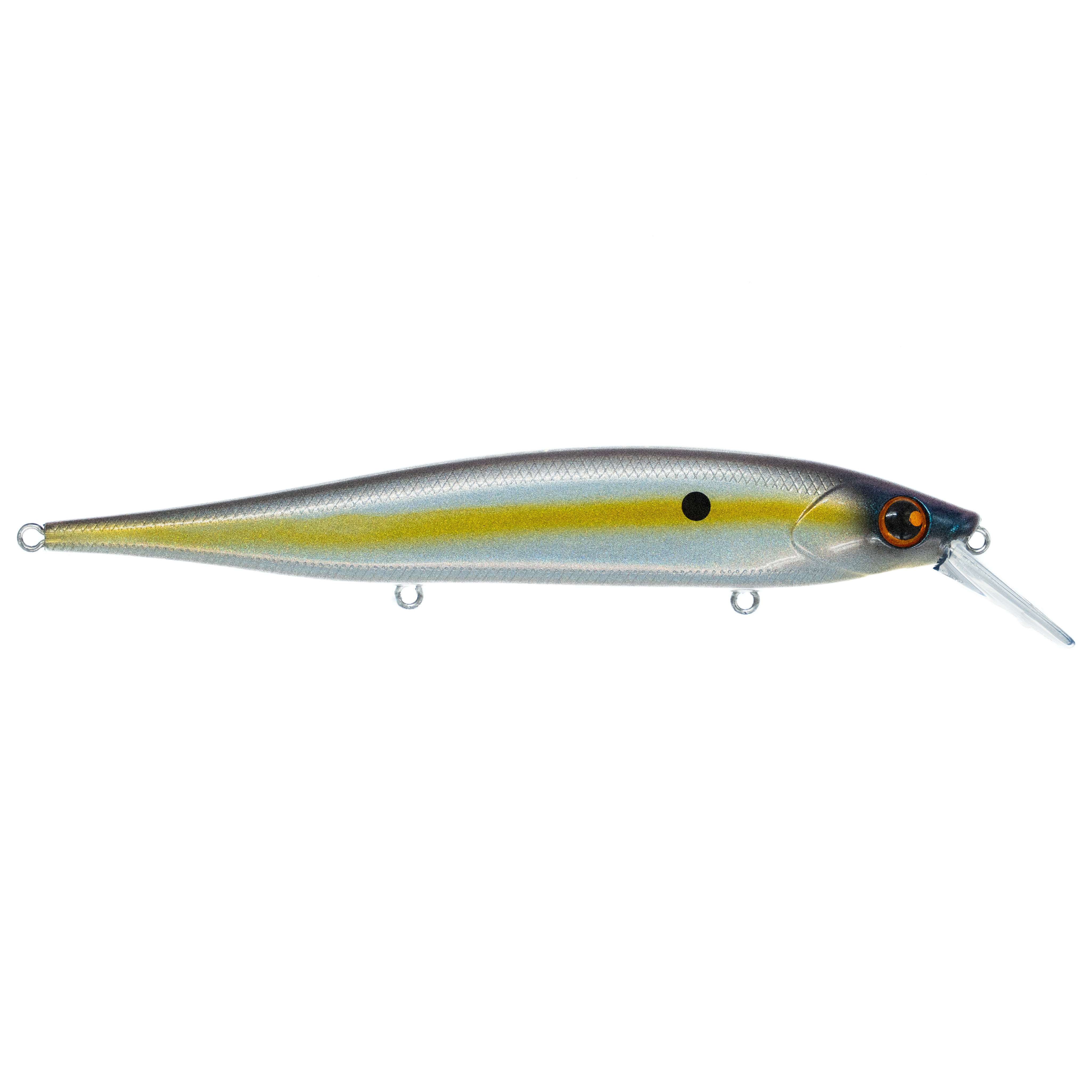
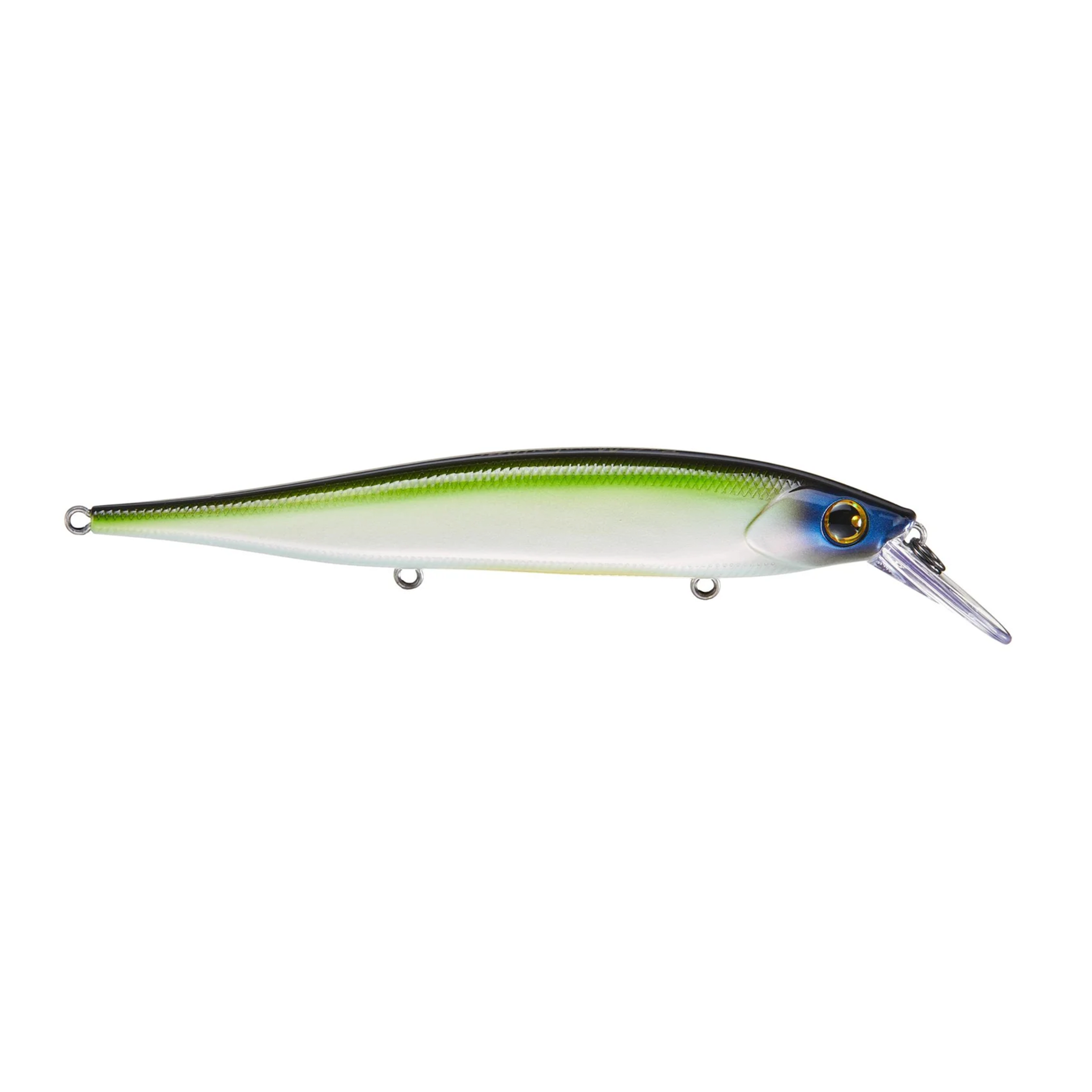
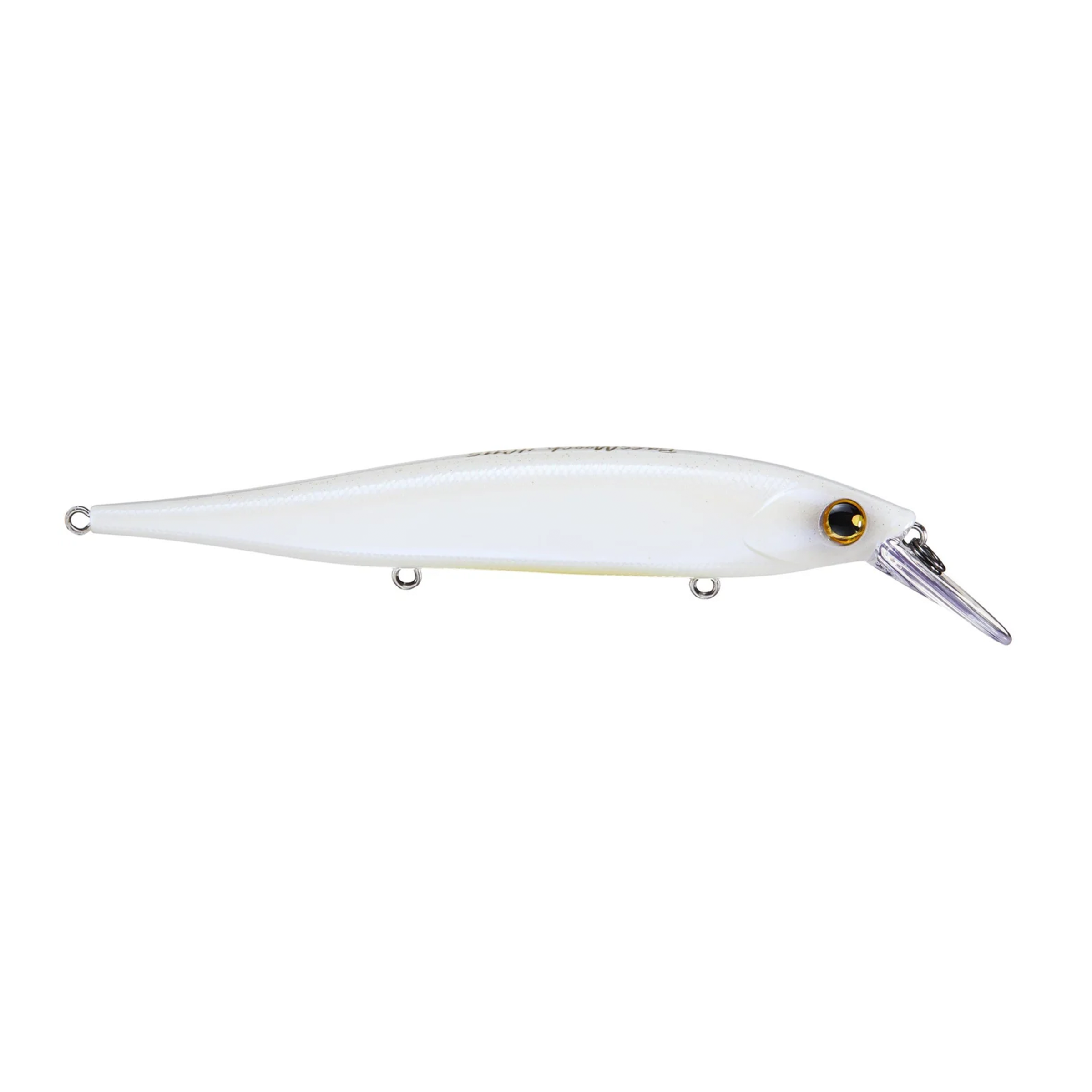
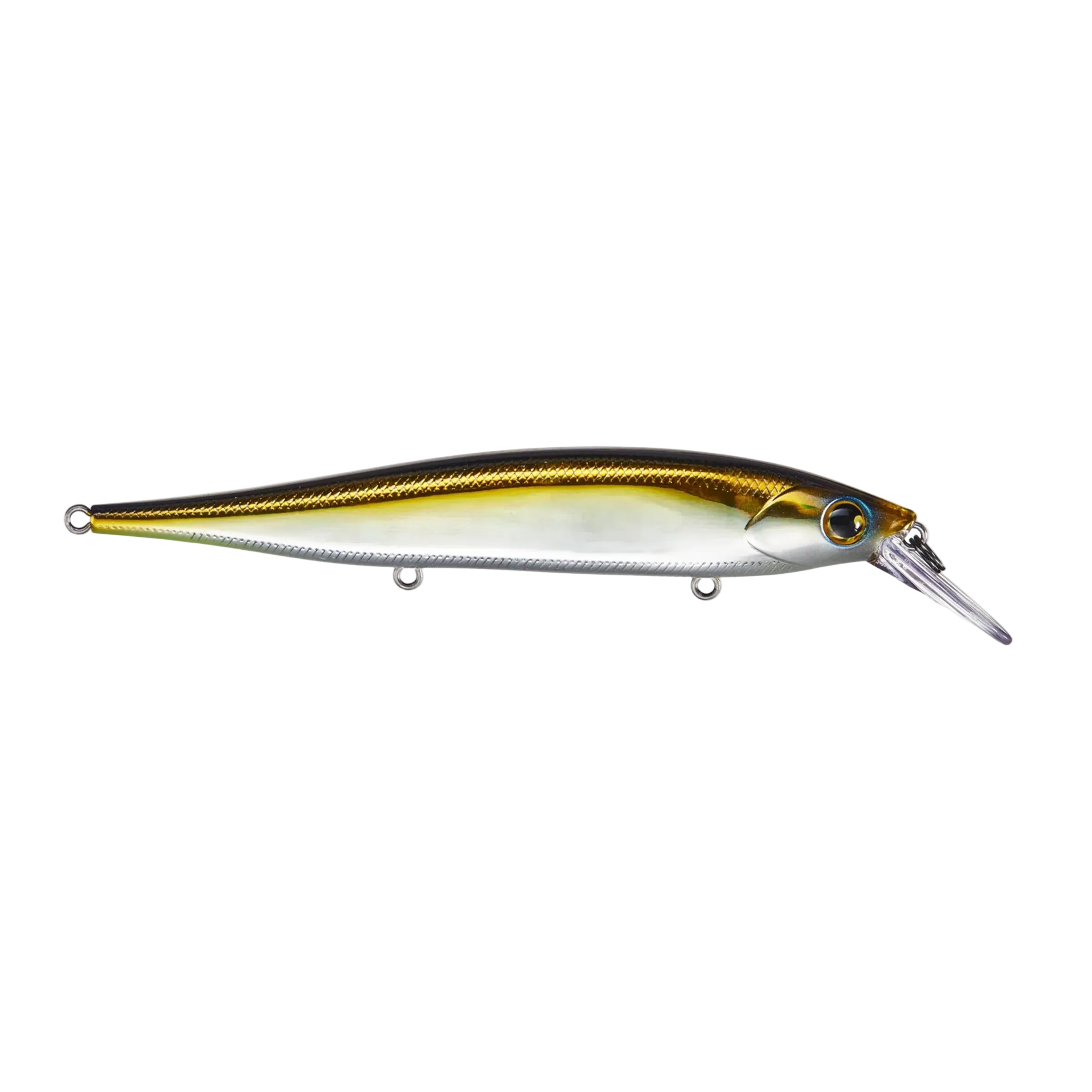
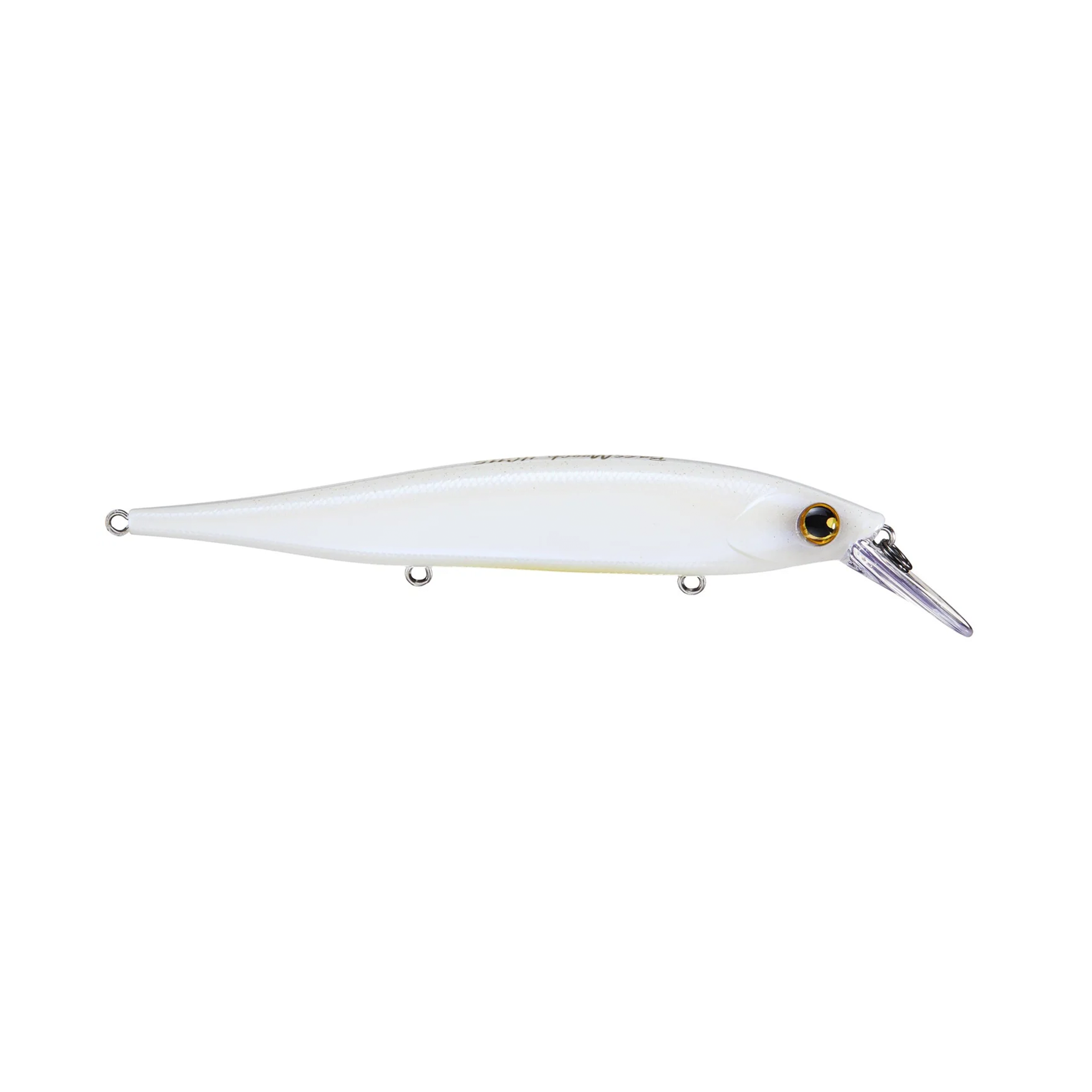
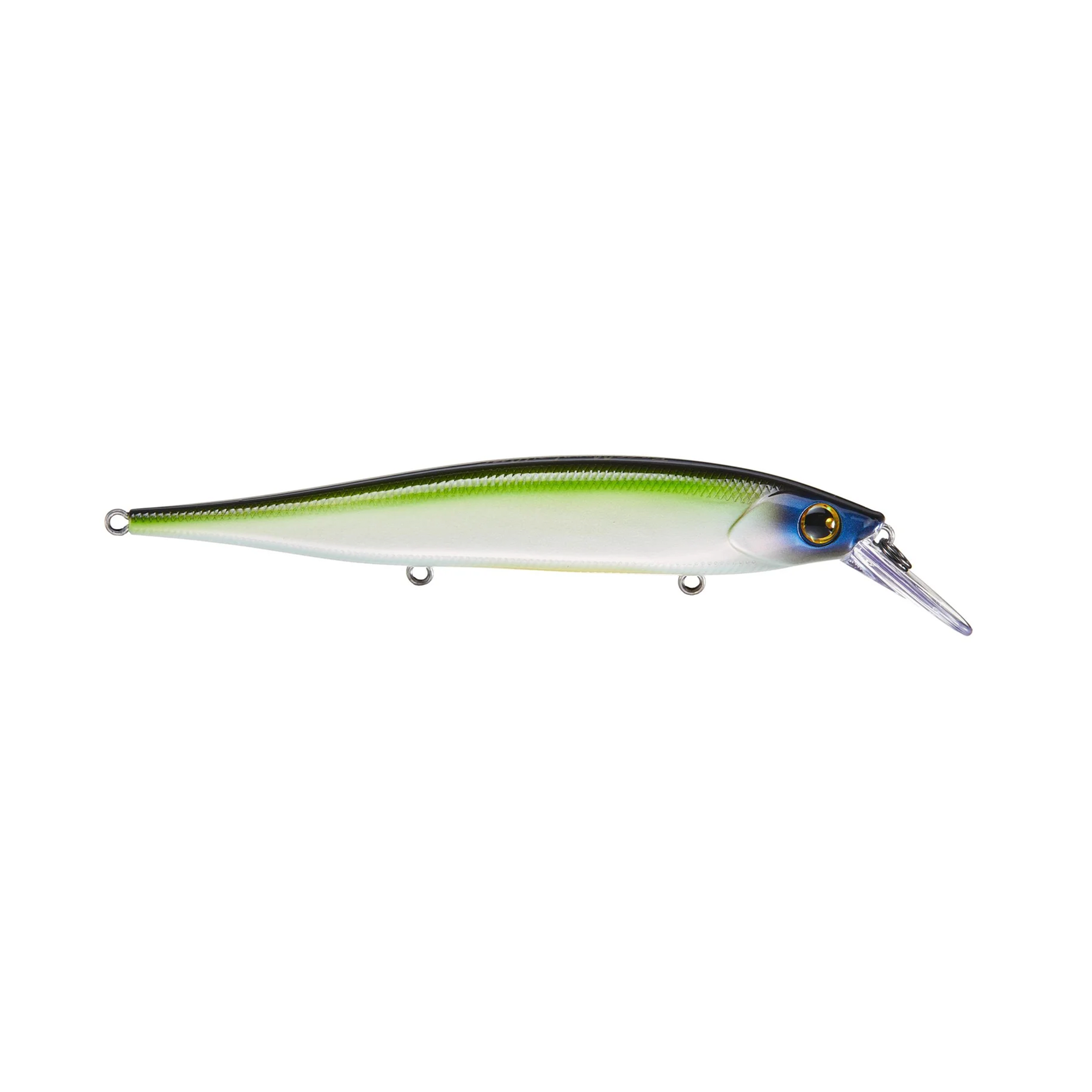
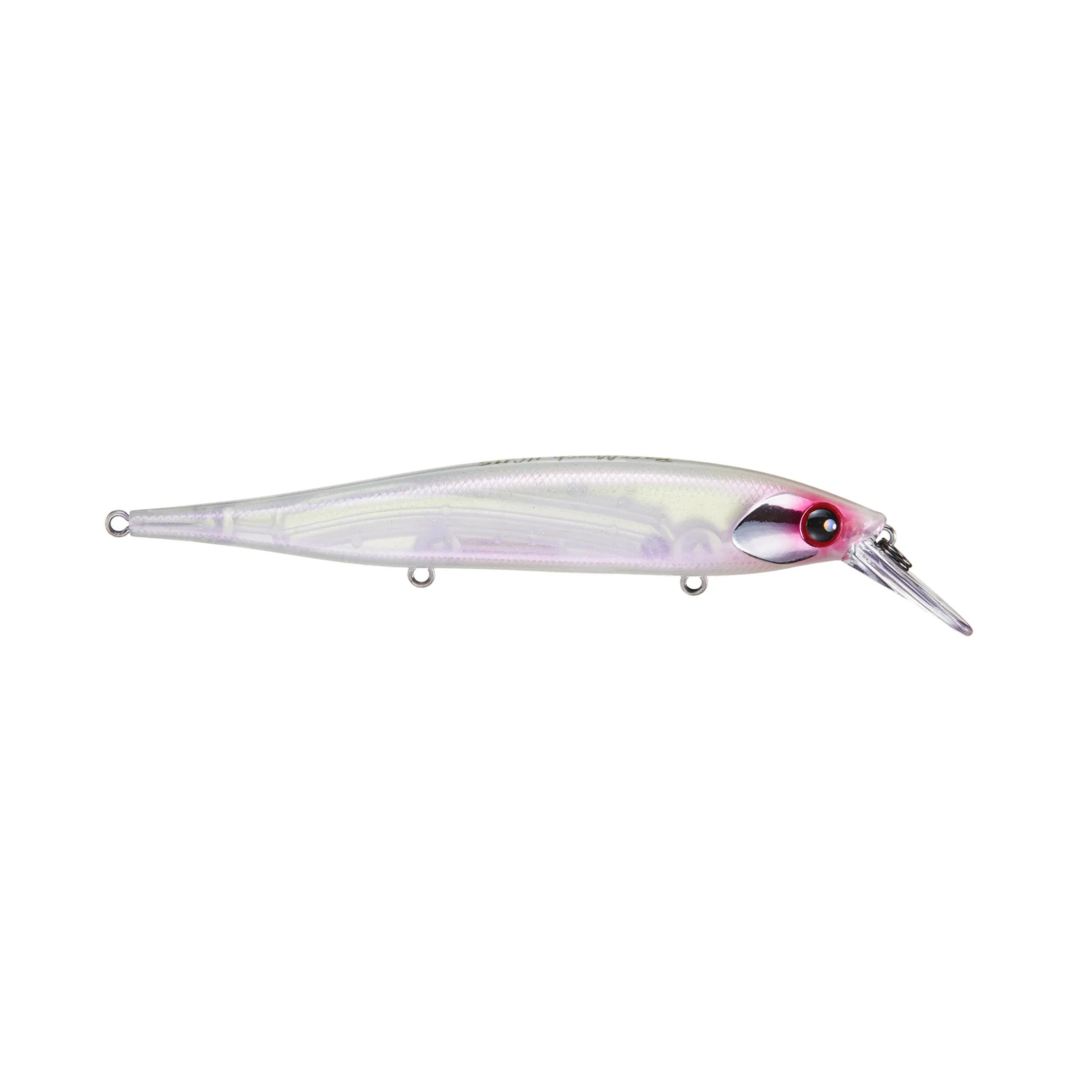
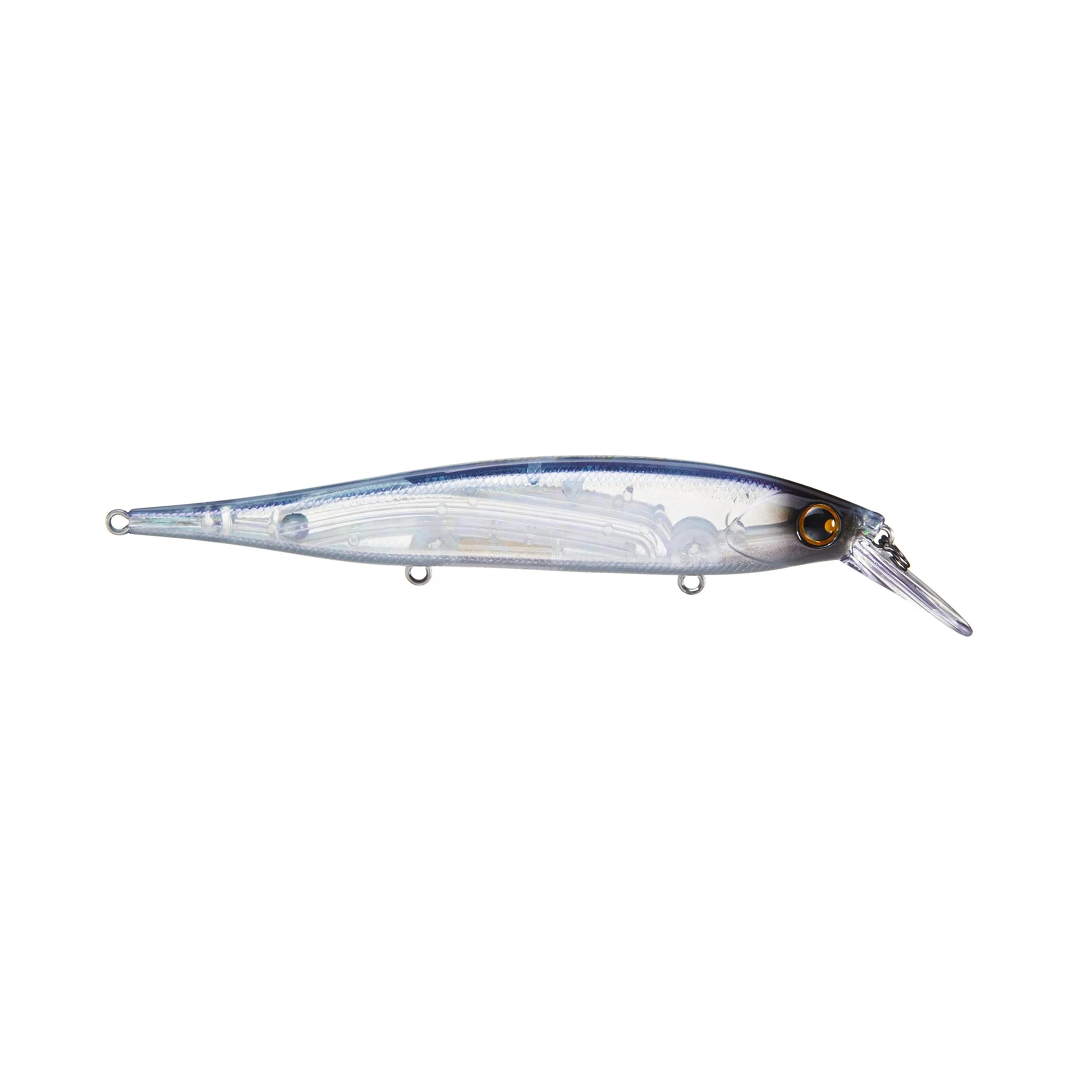
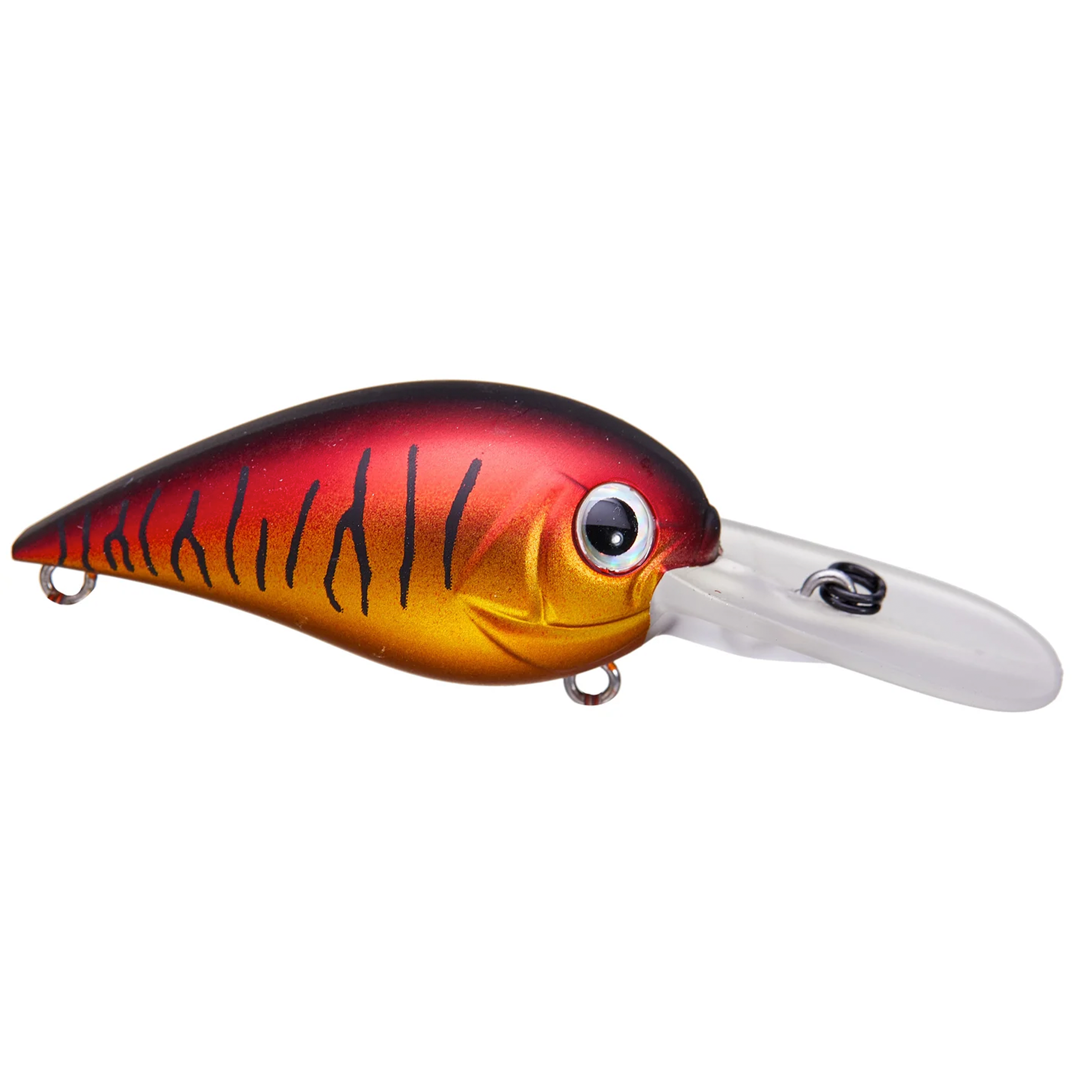
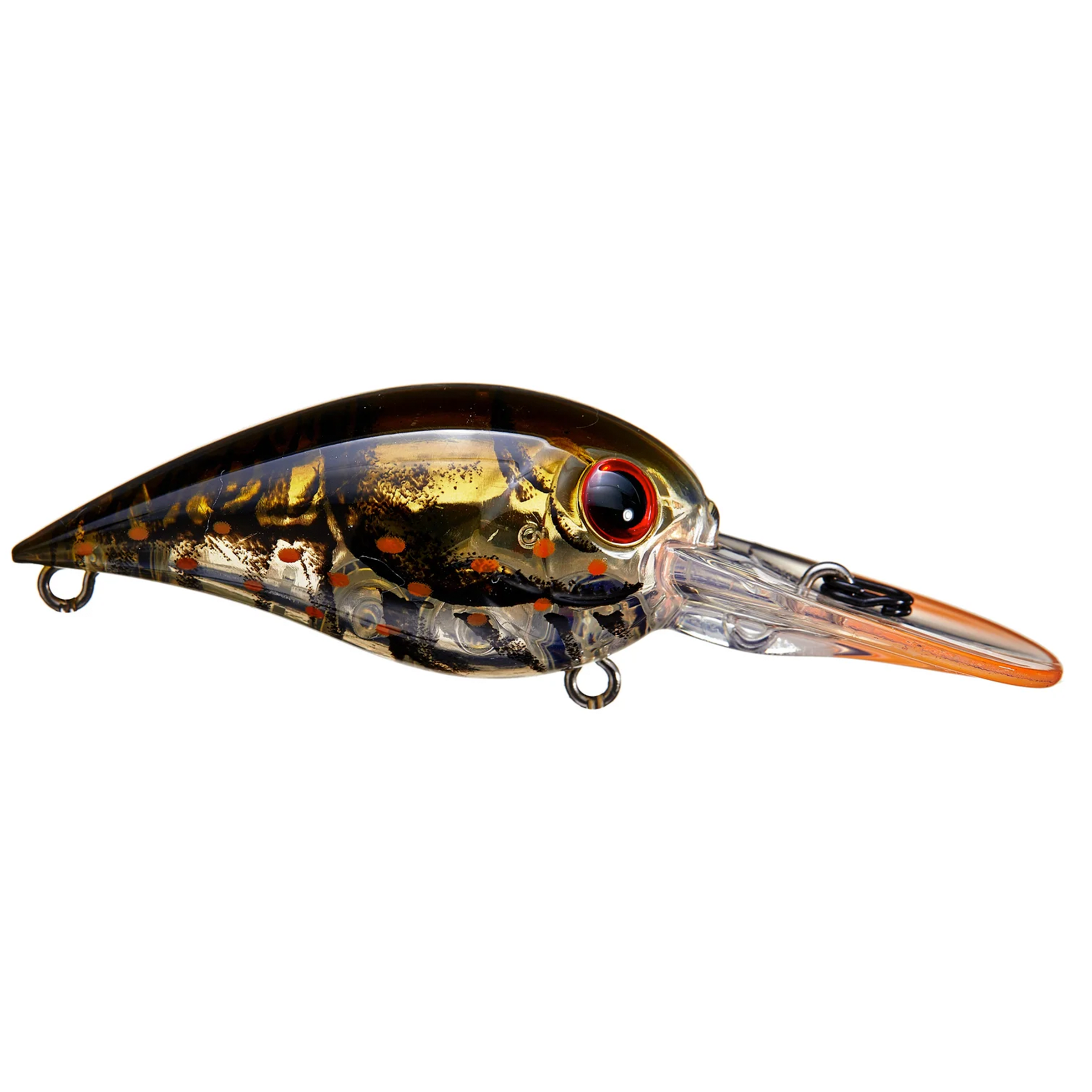
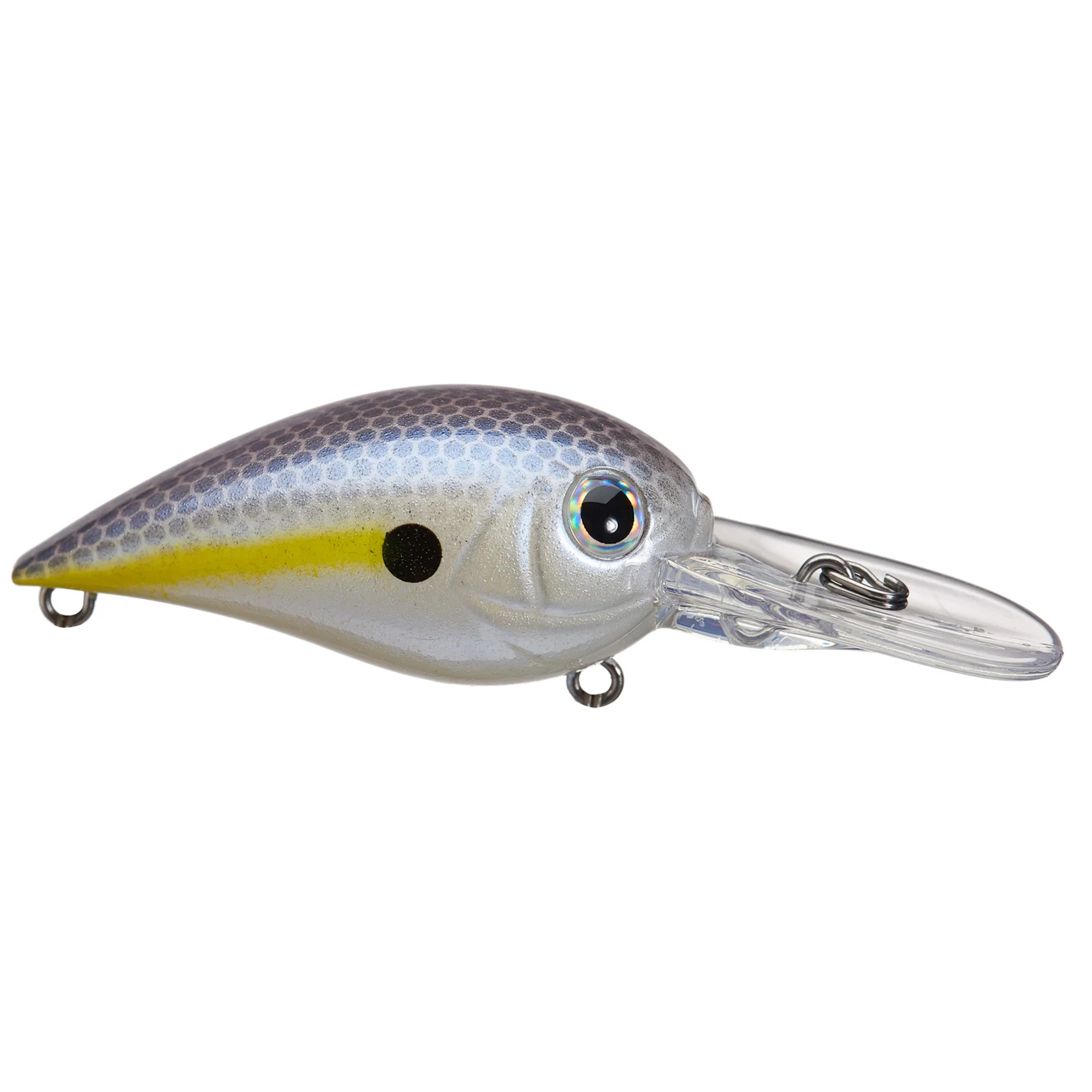
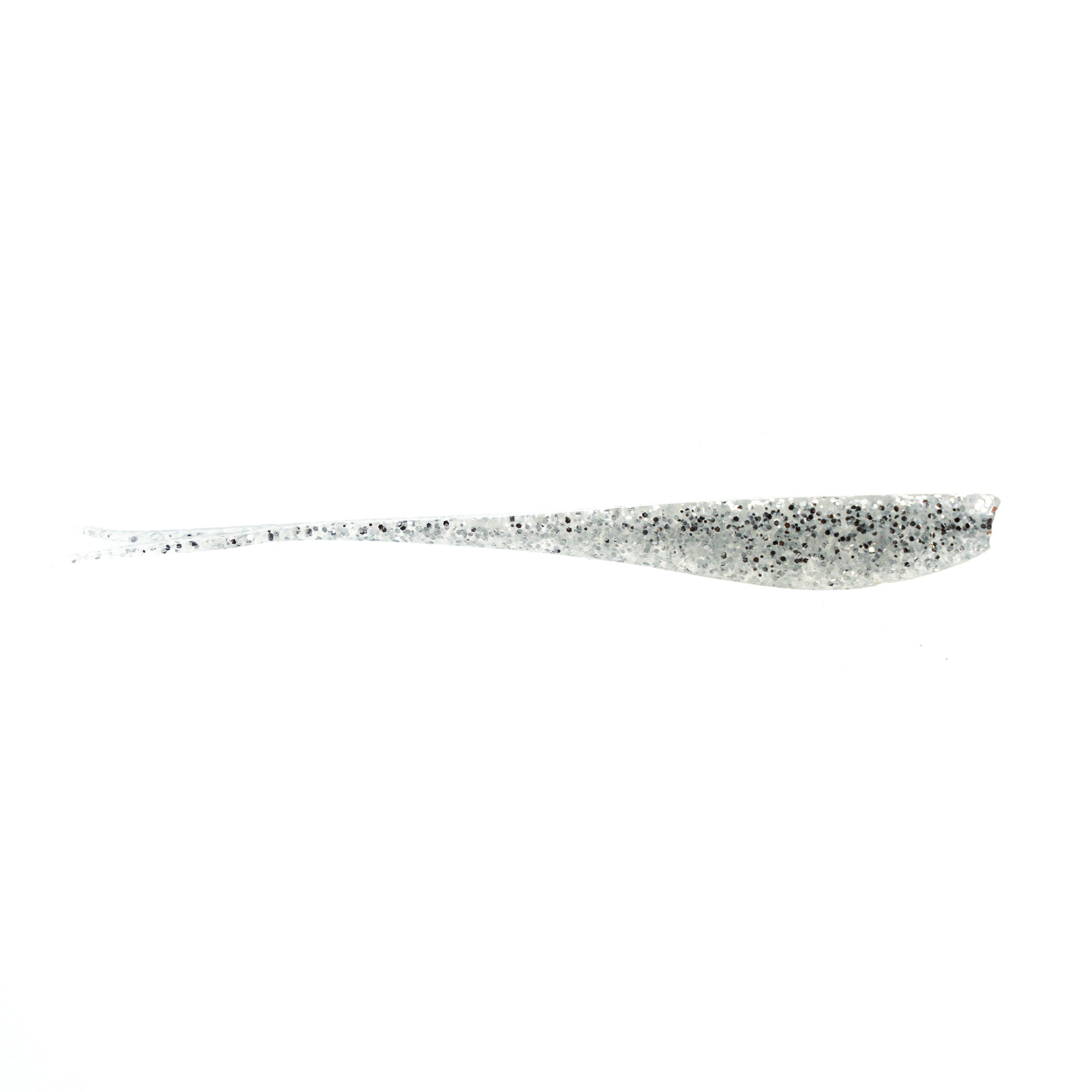
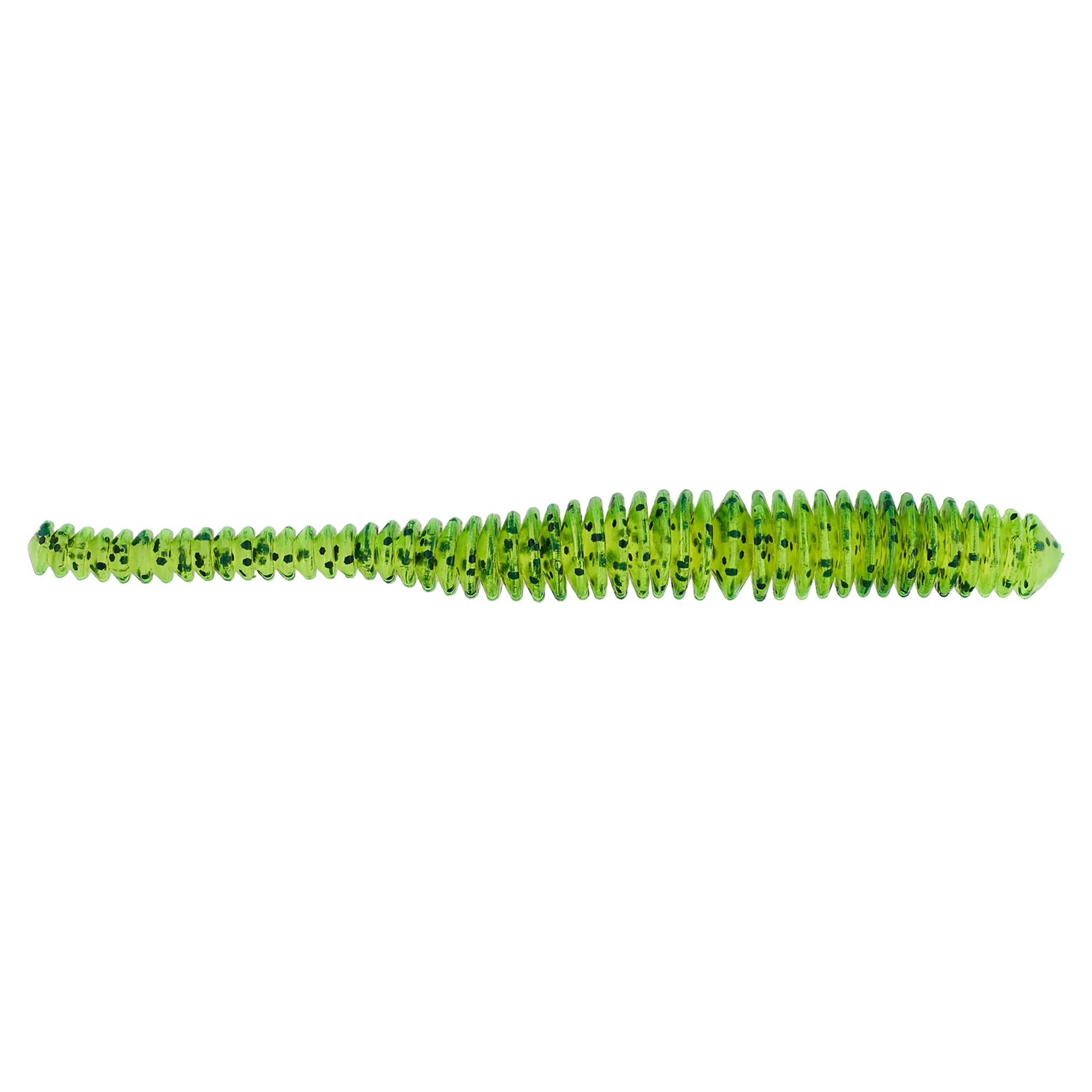
Spring is a jig-skipping game around docks, with squarebills on seawalls and craws pitched to laydowns. Summer means topwater at first light and then shade or channel edges. Fall follows shad into the creek arms with lipless crankbaits and other moving baits. Winter is jerkbaits and slow finesse work near the warm-water discharge. Our full bait lineup covers all four.
How big and how deep is Lake Wylie?
About 13,400 acres with 325 miles of shoreline. It averages roughly 20 feet deep and reaches around 82 feet near Wylie Dam. Impounded in 1904, it's the oldest of the eleven Duke Energy reservoirs on the Catawba–Wateree chain.
Skipping Docks Is a Rod Problem
Getting a jig twenty feet back under a low boat lift, on a flat trajectory, without backlashing, comes down to the rod as much as the thumb. Level Rods builds models with the length and load to skip cleanly, and the backbone to pull a good fish back out through the pilings once it eats.
Tournament Winning Baits & Gear
Designed, crafted and tested by anglers who fish the Catawba chain every week. Free shipping on orders over $75.
Shop All Baits