Lake Wallenpaupack Bass Fishing Guide
Wallenpaupack Bass Fishing, Season by Season
Fifty-seven hundred acres in the Pocono Mountains, thirteen miles long with a rocky shoreline and both bass species throughout. Wallenpaupack is the biggest lake in northeastern Pennsylvania and the one most weekend anglers in the region know.
The Poconos' Big Lake
Lake Wallenpaupack covers about 5,700 acres in the Pocono Mountains of northeastern Pennsylvania, running roughly thirteen miles with fifty-two miles of shoreline. It is the largest lake in this corner of the state and the one most anglers in the region fish, sitting within easy reach of Scranton, the Lehigh Valley and the New York metropolitan area.
The habitat is mountain-reservoir: rocky points and shoreline, drop-offs, coves, some timber and limited vegetation. Smallmouth take the rock and the deeper structure; largemouth use the coves, the shallower cover and the boat docks. Both are present in quantity and neither dominates.
The lake is a hydroelectric impoundment, which means water level moves with generation as well as with rainfall. That is worth checking before a trip — it affects shallow access and where fish are holding along the shoreline.
The honest caveat is traffic. Wallenpaupack is a Pocono recreation destination with substantial summer boat and tourist use, and weekends from June through August are busy. Fishing early, late, midweek or in the shoulder seasons changes the experience entirely.
Pennsylvania's spring no-harvest period applies here, with fishing in or near spawning beds prohibited during it. Regular inland harvest season and limits apply otherwise — check the current Fish and Boat Commission summary before you go.
Autumn is the season locals rate highest. The tourism ends, the water cools, both species feed hard, and the Poconos are worth seeing.
Rock, Coves and Two Species
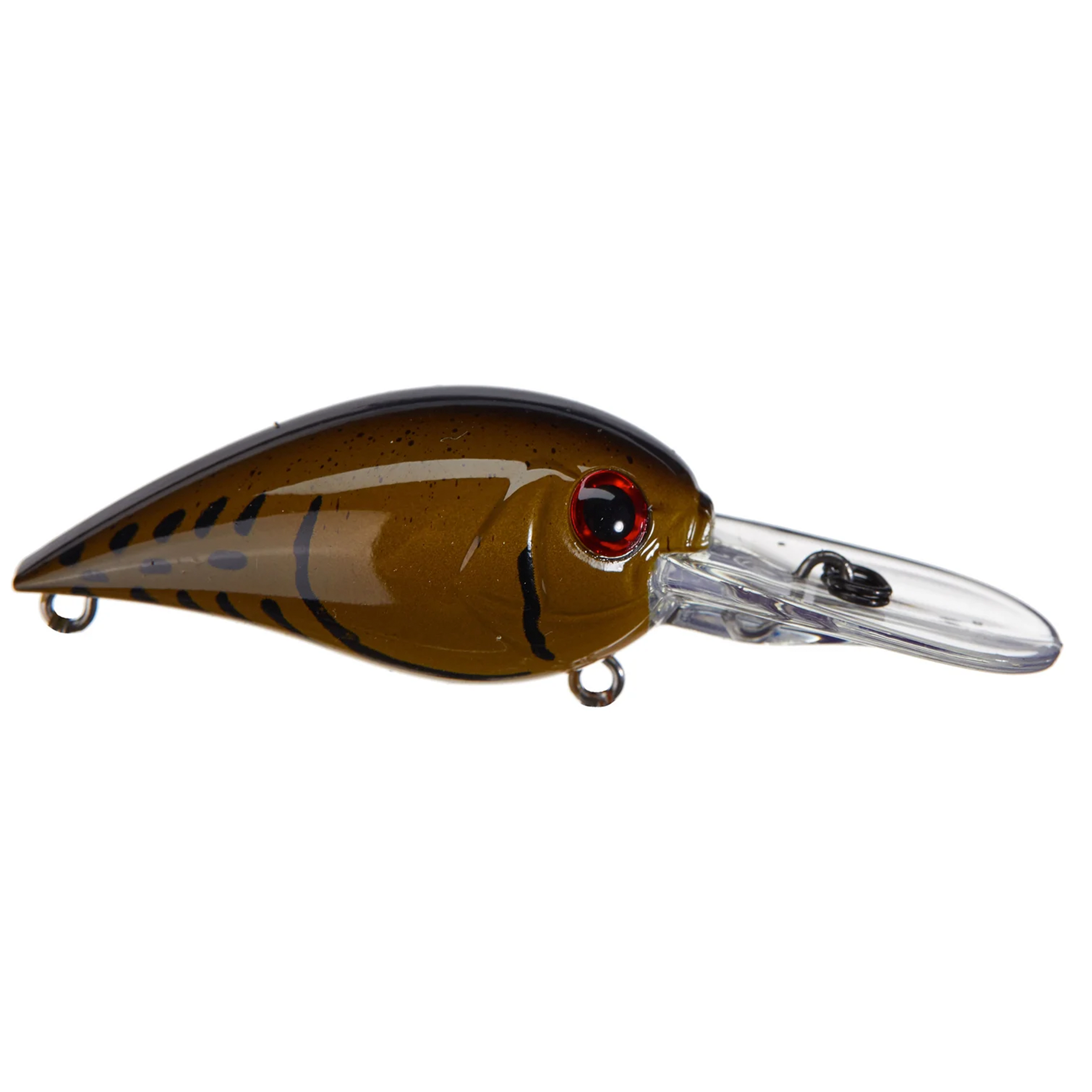
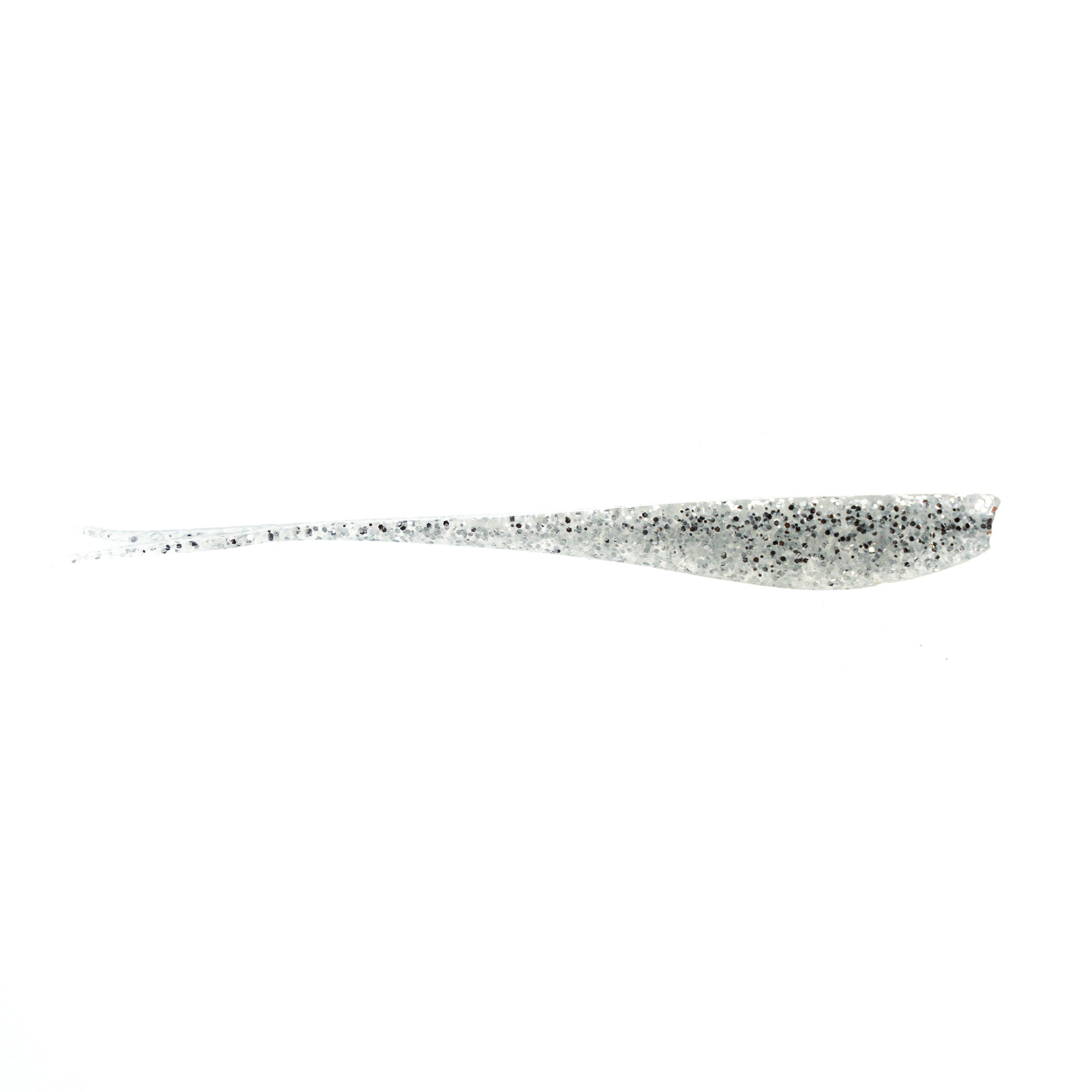
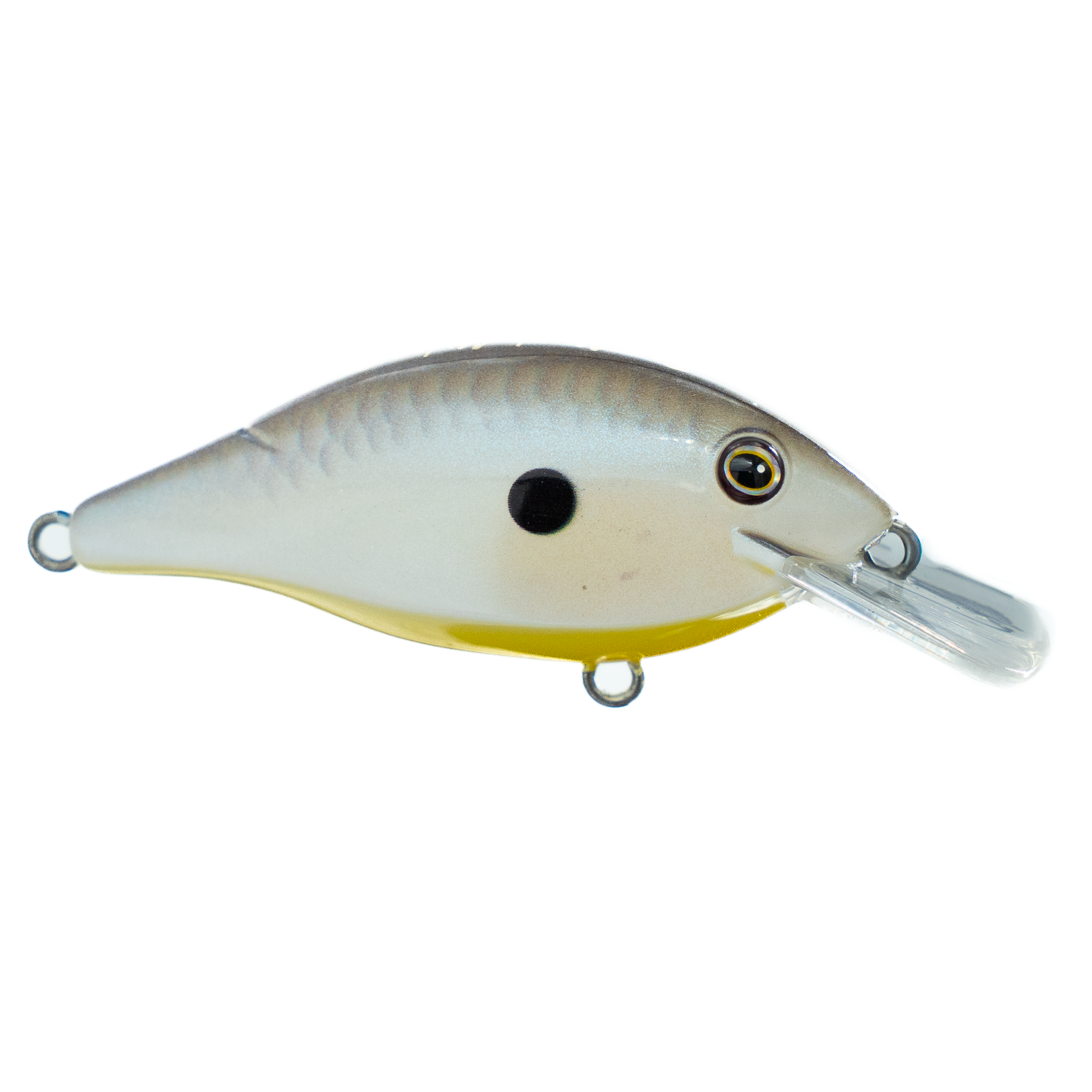
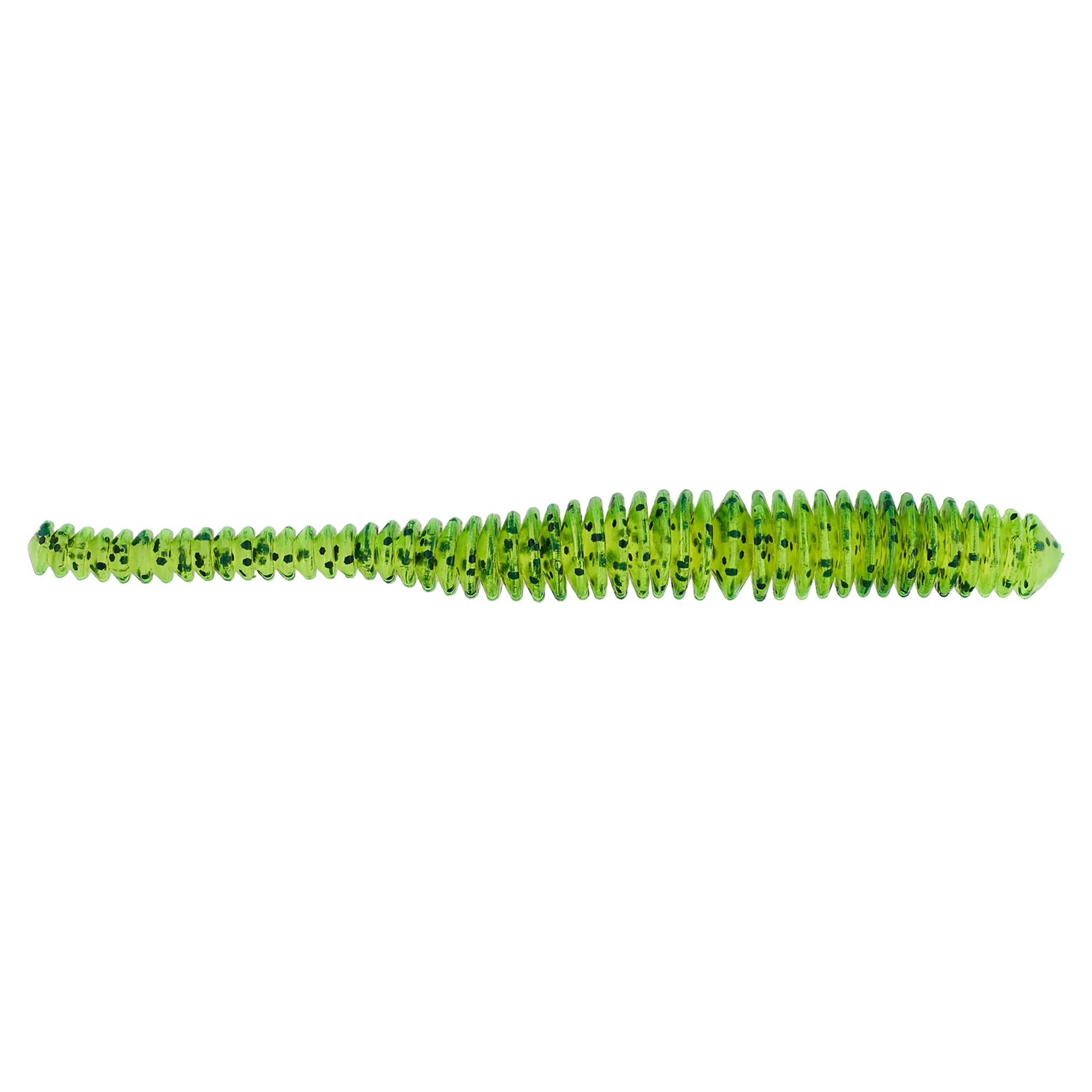
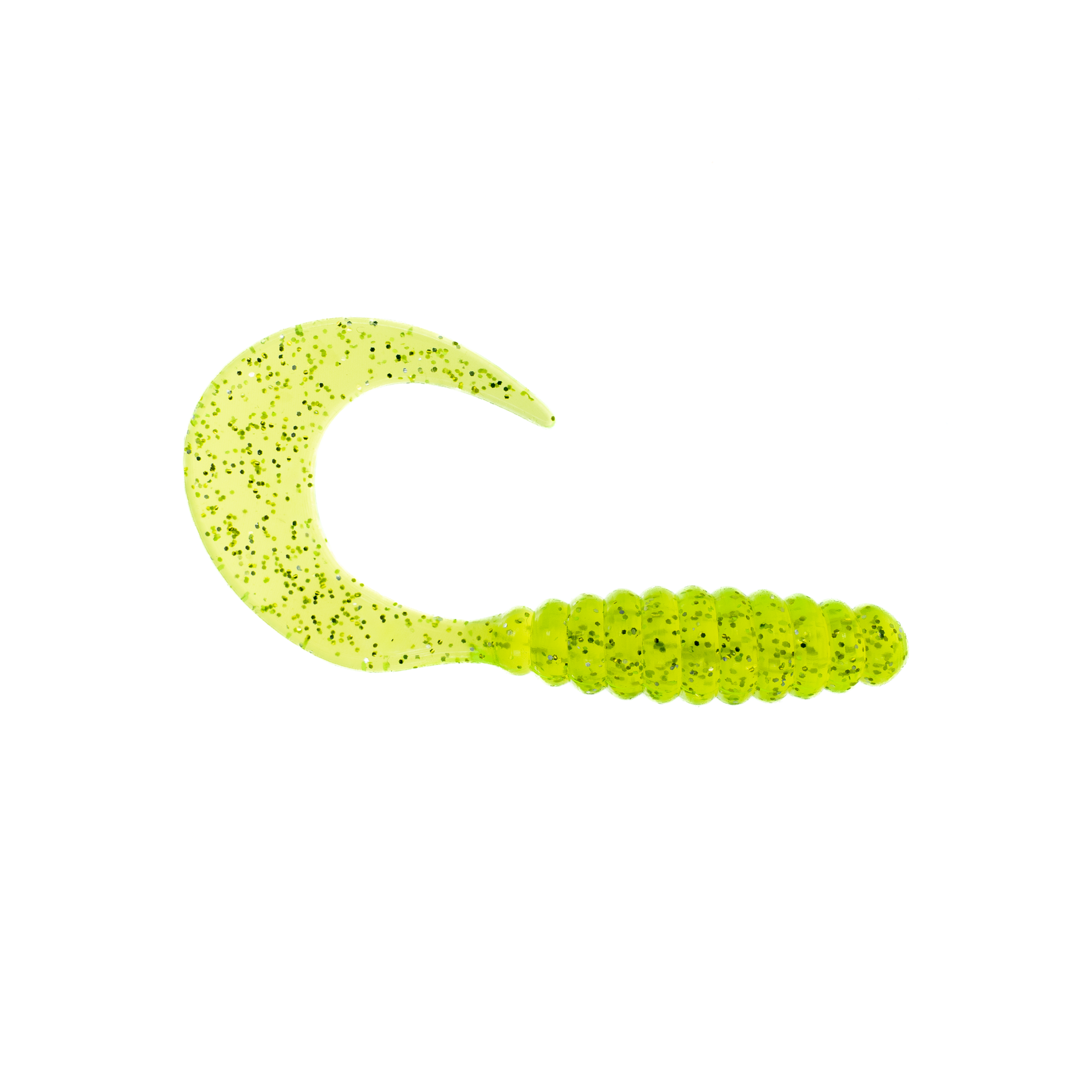
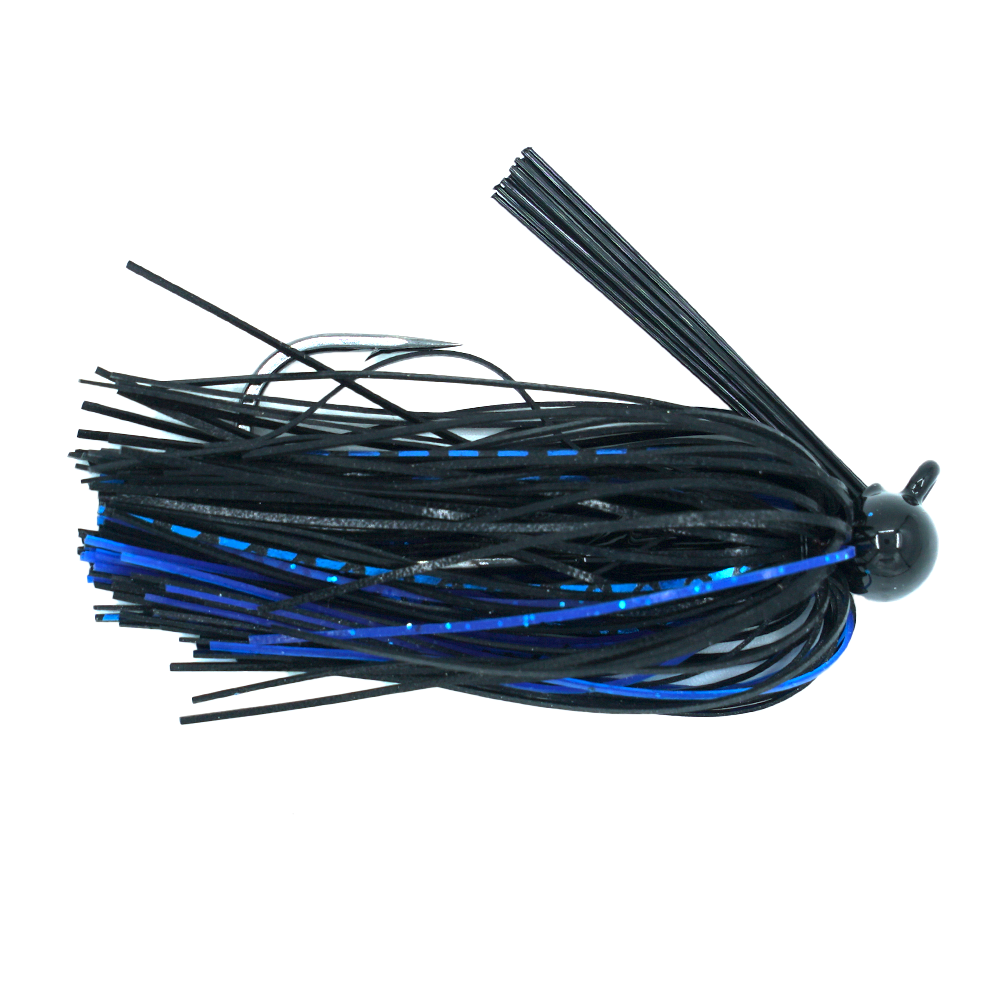
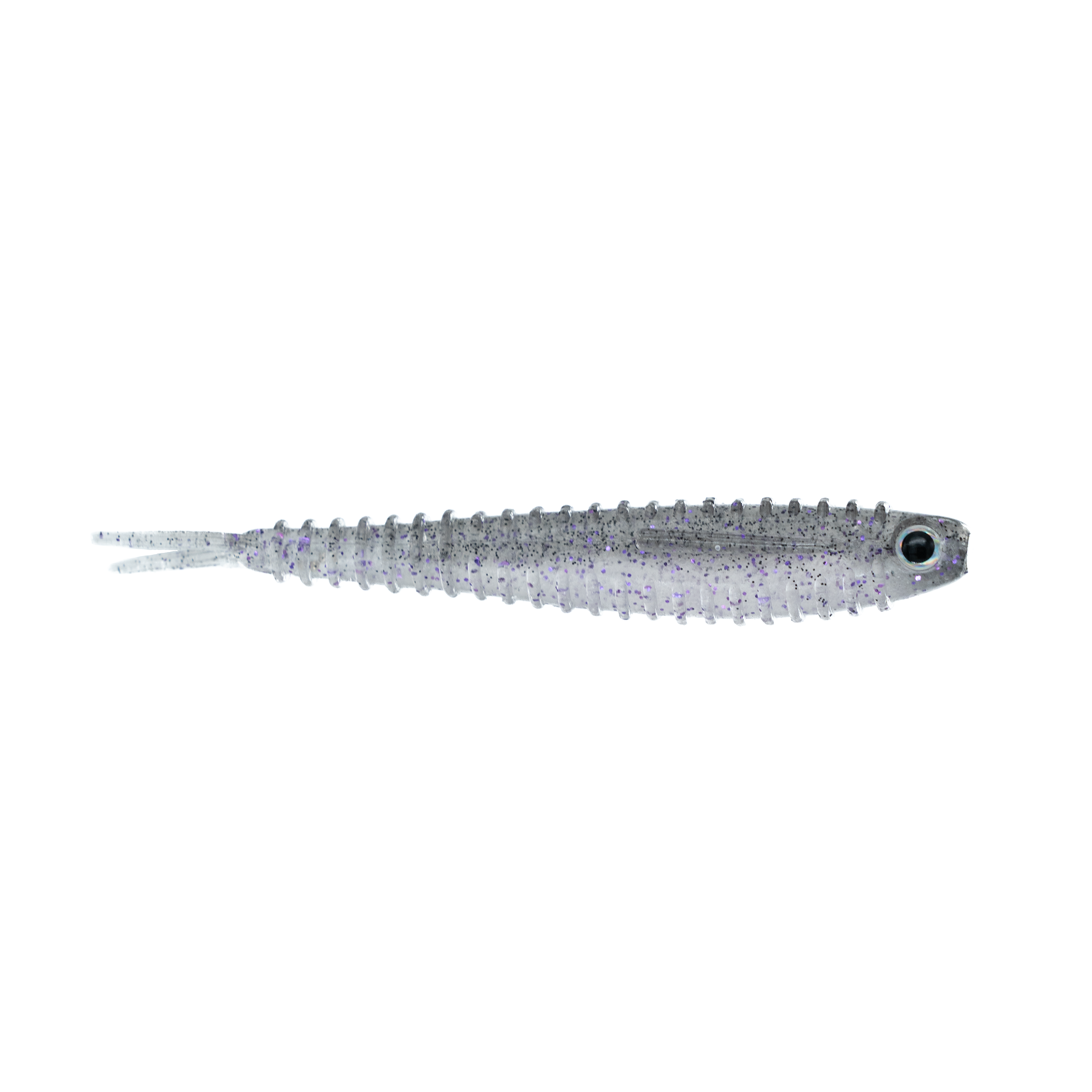
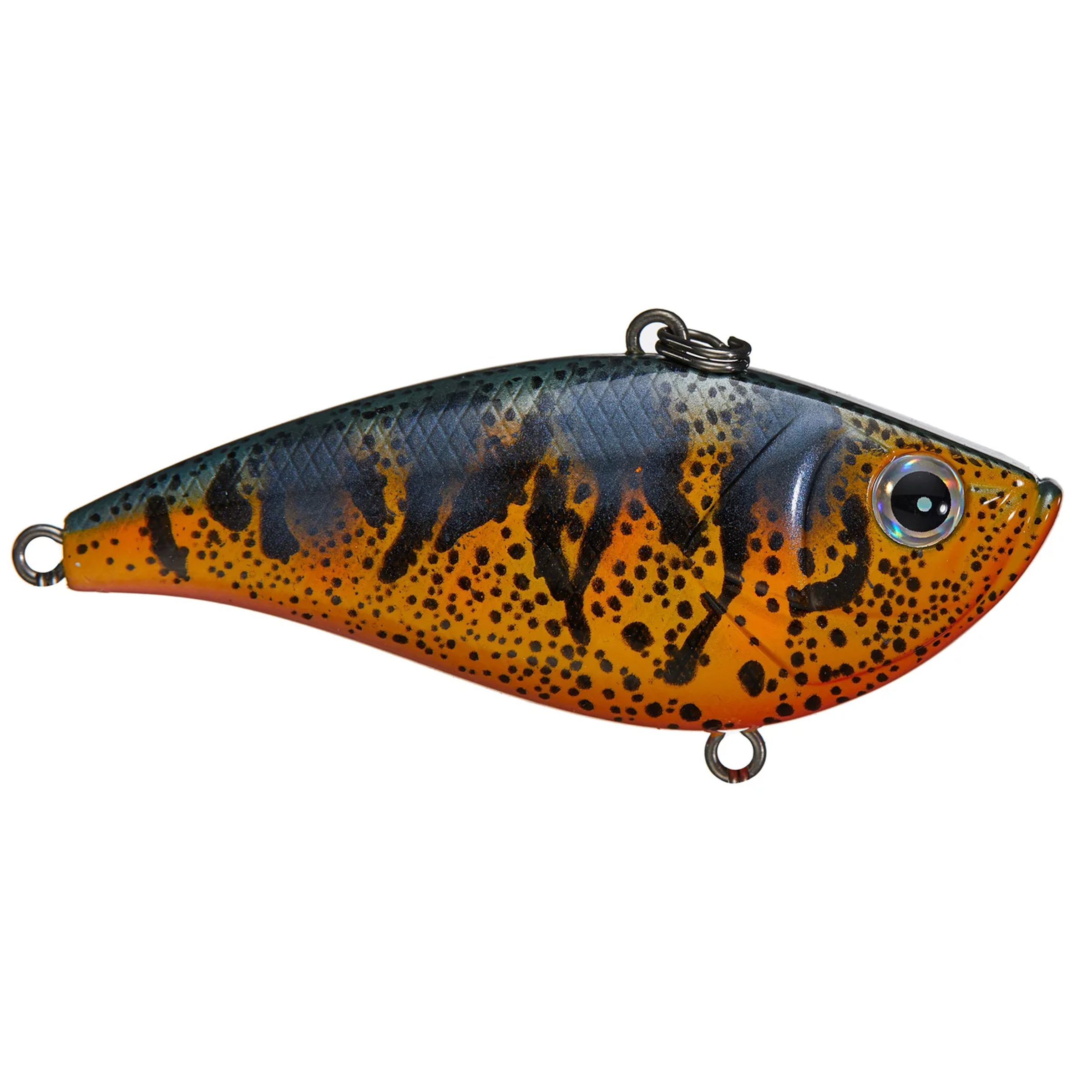
Four patterns cover the year, under Pennsylvania's spring no-harvest rules. Each card pairs the technique with the baits we'd actually tie on.
Rock First, Then Coves
Spring warms the rock first and the coves shortly after. Smallmouth move onto gravel and chunk rock to spawn while largemouth push into the coves and shallower cover. Pennsylvania's no-harvest window applies and fishing in or near spawning beds is prohibited during it, so work the adjacent structure rather than visible beds.



Early, Late, or Midweek
Summer brings the Pocono crowds and the fishing compresses accordingly. Both species move to deeper structure through the day — rocky points, drop-offs and deeper docks — with the low-light windows offering shallow opportunities. Midweek is a different lake from Saturday.


The Season Locals Pick
Autumn is when Wallenpaupack is at its best. The tourist traffic stops, water cools, and both species feed hard ahead of a genuine mountain winter. Bait moves into the coves and the fish follow, and the Poconos in October are a reason to go on their own.

Deep Rock and Ice
Winter concentrates fish on the deepest rock and structure, and Pocono winters bring ice to a lake at this elevation. Open-water fishing is weather-dependent and short. The average size is good when you can get out.

Lake Wallenpaupack Access
Public ramps serve the lake at several points around its fifty-two miles of shoreline, with marinas and state park facilities throughout. Hawley is the main town. Scranton is close and the New York metropolitan area is within weekend reach.
The Rocky Points
Where the smallmouth are, and the structure that defines a mountain reservoir. Points and rock transitions hold fish across the seasons and fish best in spring and autumn when the crowds are thinner.
The Coves and Docks
Largemouth water, and where the shade is in summer. Shallower cover, boat docks and the sheltered ends of the lake. Skipping docks is productive here and gets you out of the recreational traffic.
The Deeper Structure
Drop-offs and deeper rock holding both species through the heat and the cold. Requires electronics, and it is where the better fish spend the difficult months on a lake that gets this busy.
Lake Wallenpaupack Bass Fishing FAQ
How big is Lake Wallenpaupack?
About 5,700 acres running roughly thirteen miles, with fifty-two miles of shoreline. It is the largest lake in northeastern Pennsylvania, in the Pocono Mountains.
Is it crowded?
In summer, yes. Wallenpaupack is a Pocono recreation destination with heavy boat and tourist traffic from June through August, particularly at weekends. Early, late, midweek and the shoulder seasons are completely different experiences.
Smallmouth or largemouth?
Both, in quantity, and neither dominates. Smallmouth take the rocky points and deeper structure; largemouth use the coves, shallower cover and docks. You can reasonably target either.
Does water level change?
Yes. It is a hydroelectric impoundment, so level moves with generation as well as rainfall. That affects shallow access and where fish hold along the shoreline, and it is worth checking before a trip.
When is the best time to fish it?
Autumn, comfortably. The tourist traffic ends, the water cools, both species feed hard, and the Poconos are at their best. Spring is the other strong window once mountain water warms.
What are the season rules?
Pennsylvania's spring no-harvest period applies, with fishing in or near spawning beds prohibited during it. Regular inland harvest season and limits apply otherwise. Check the current Fish and Boat Commission summary before you go.
What baits work best on Wallenpaupack?
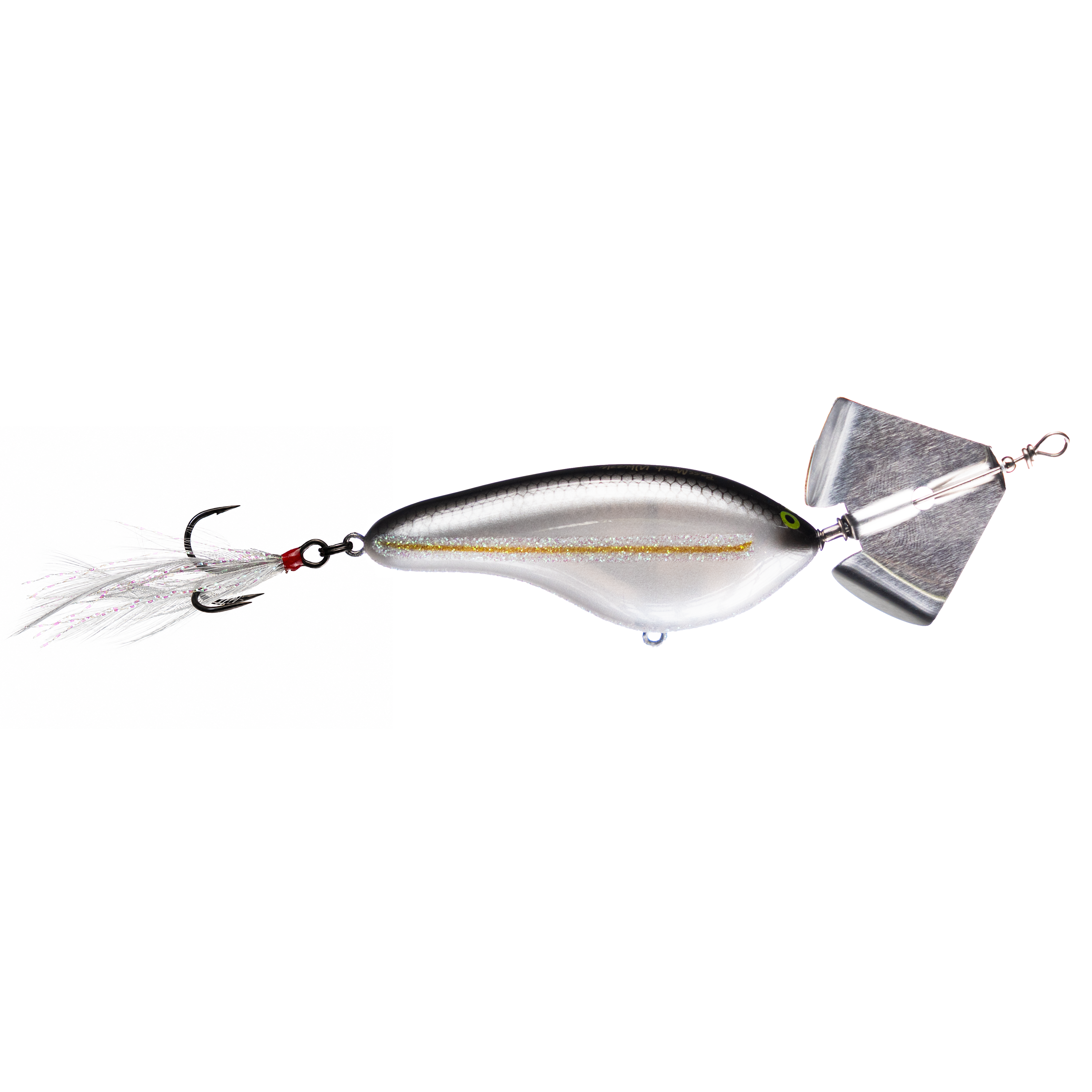
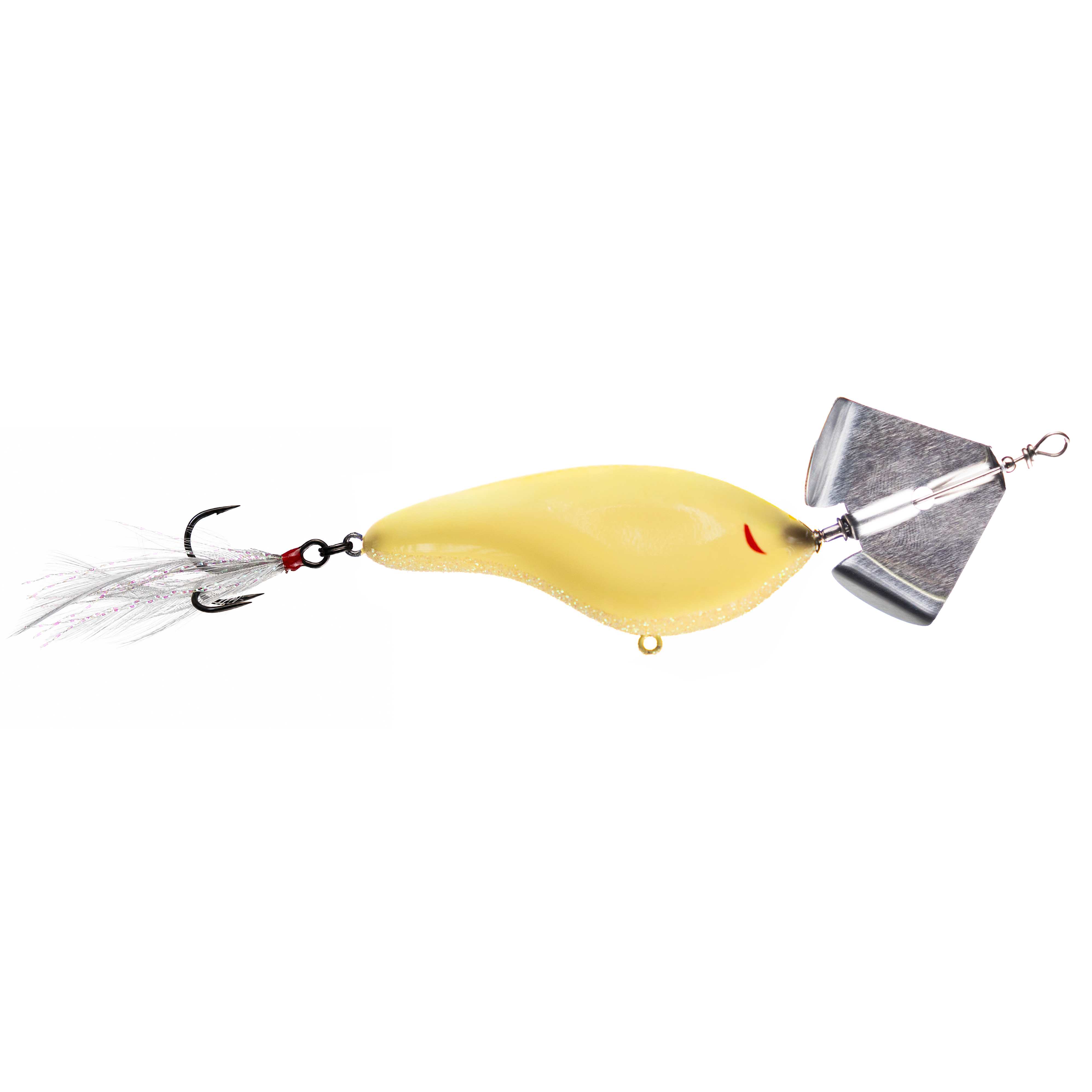
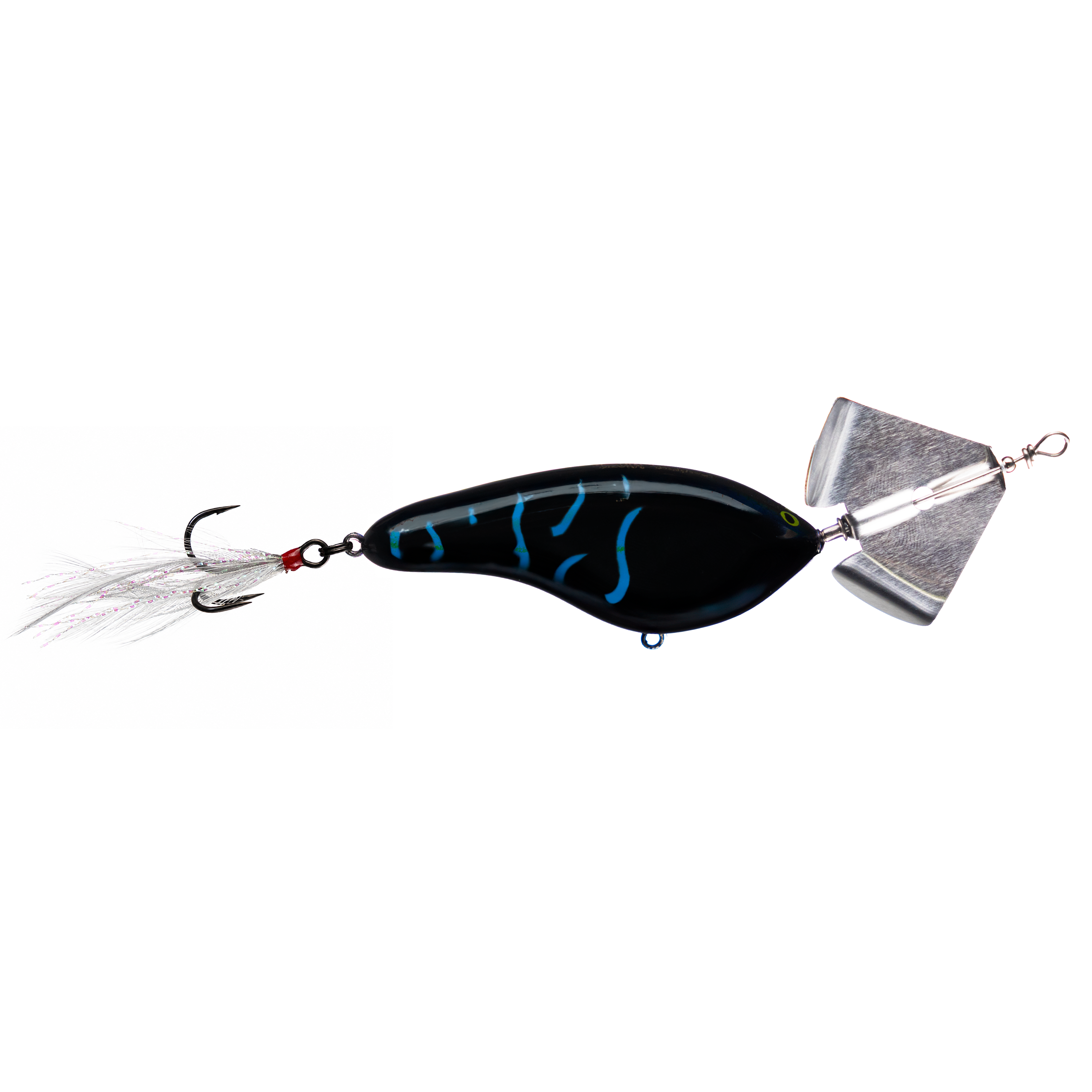
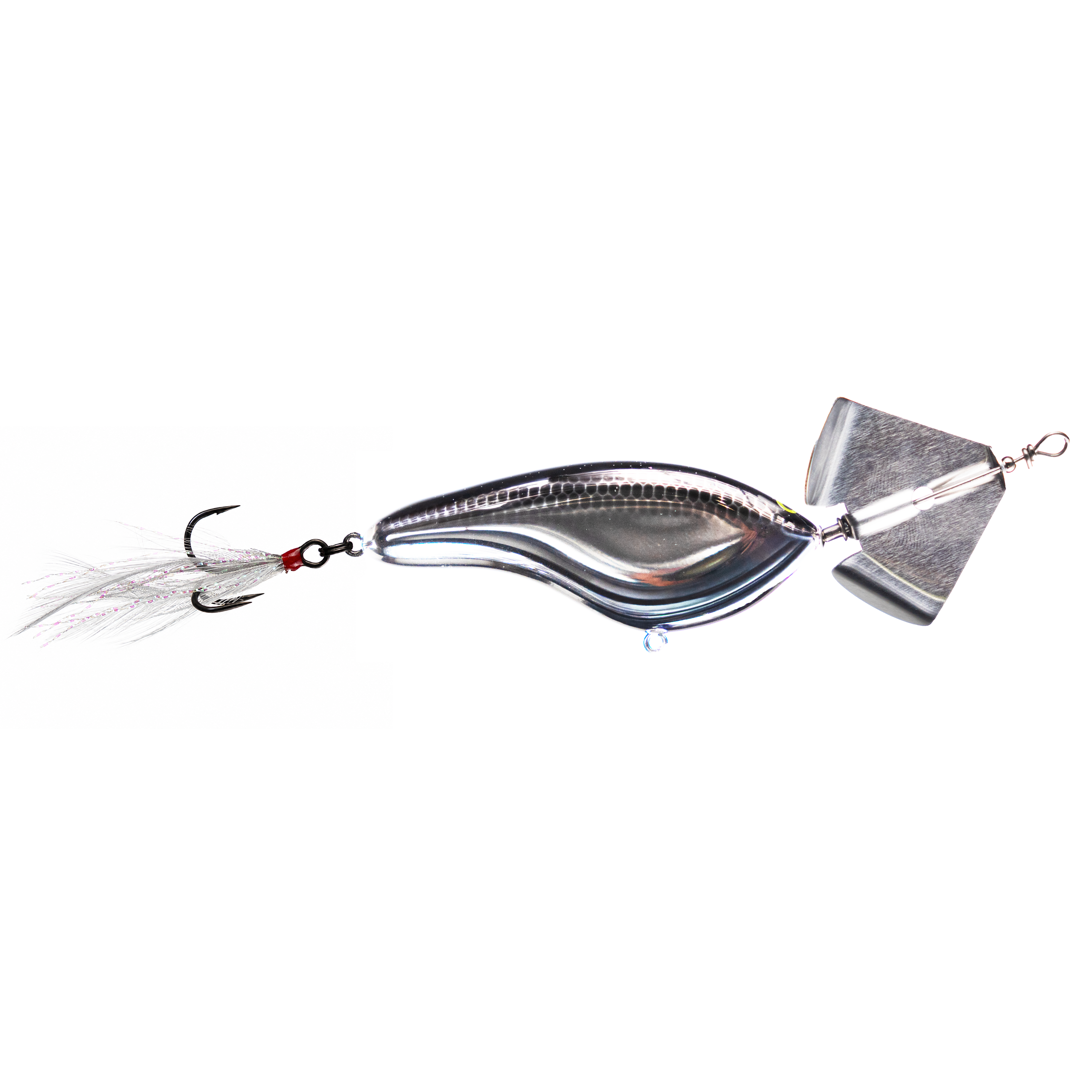
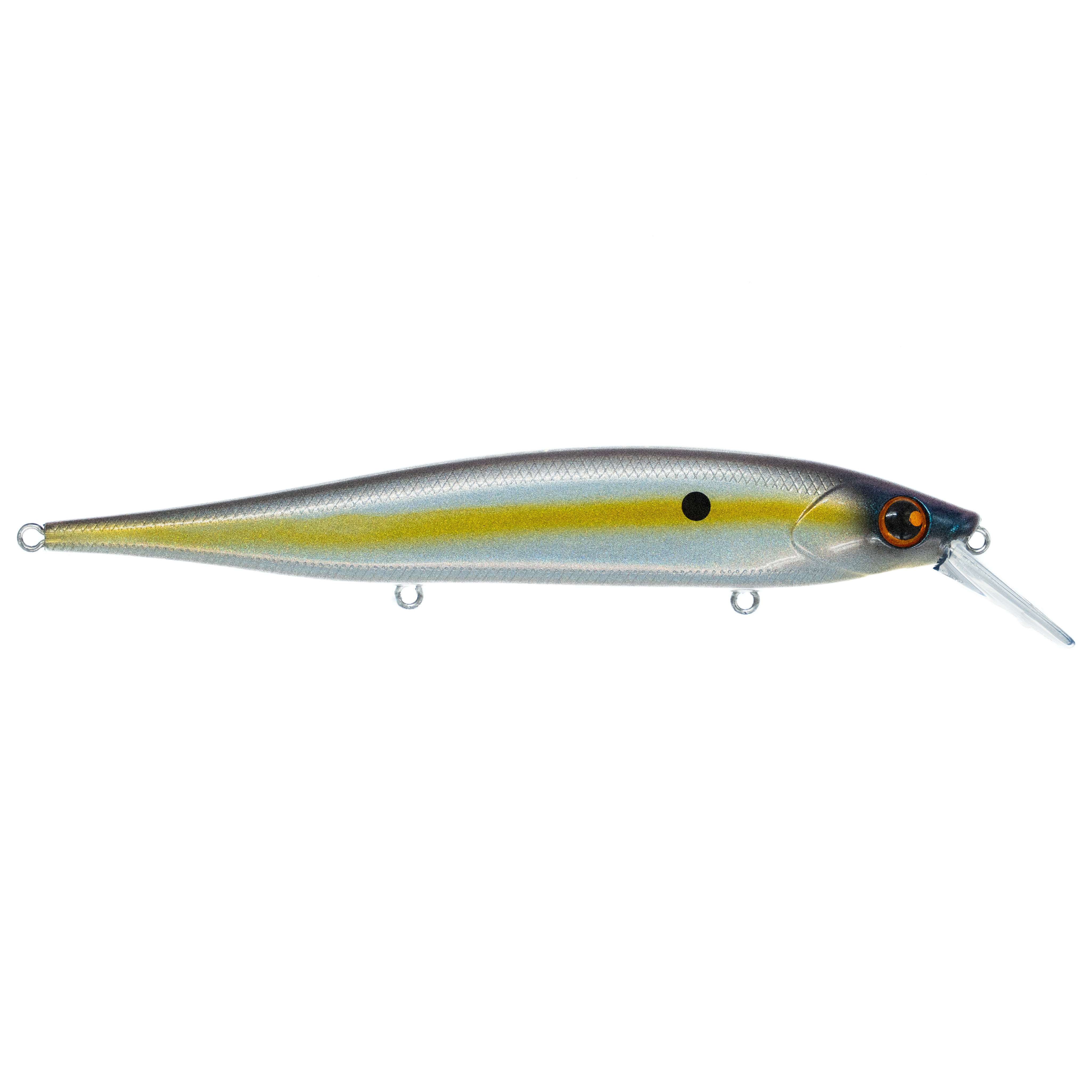
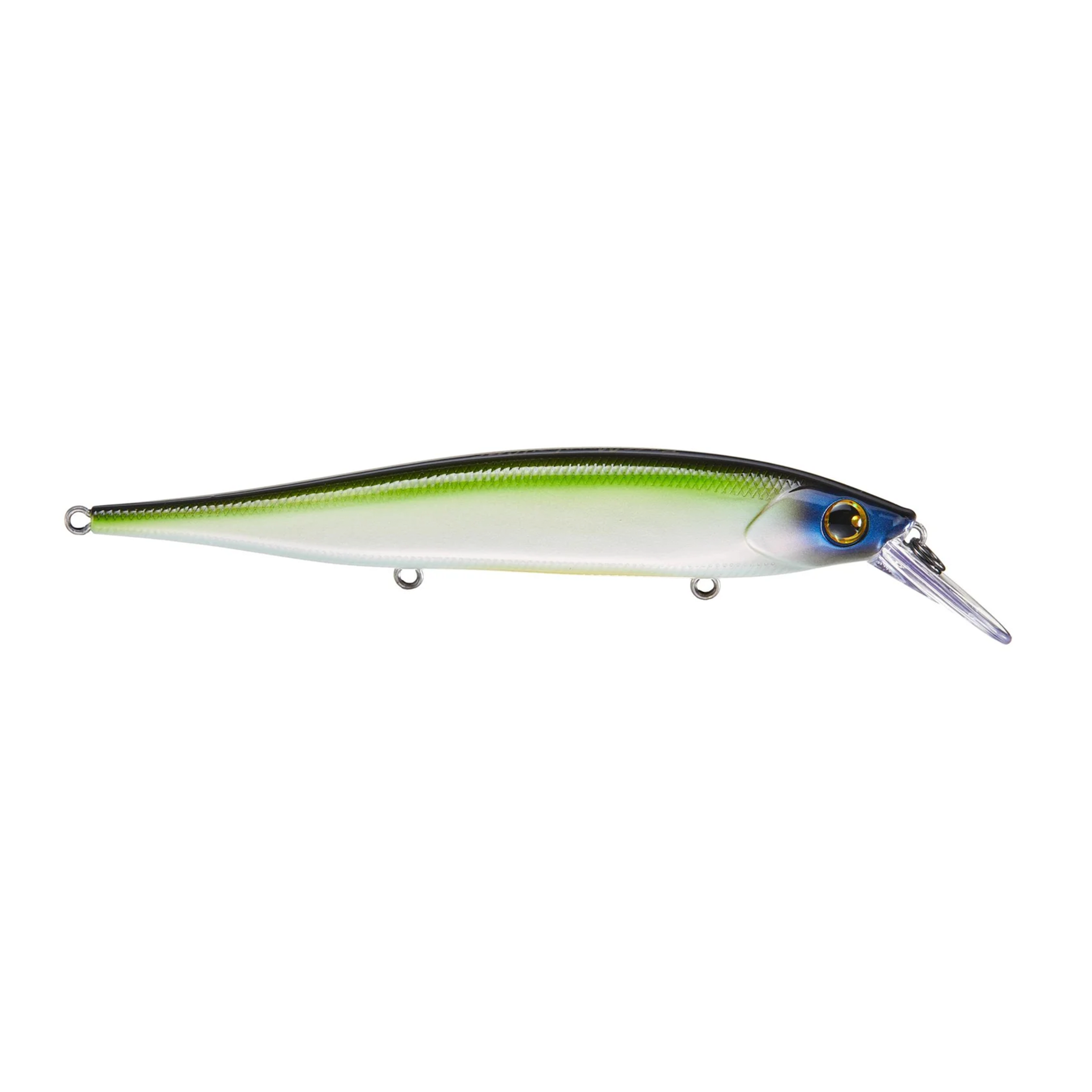
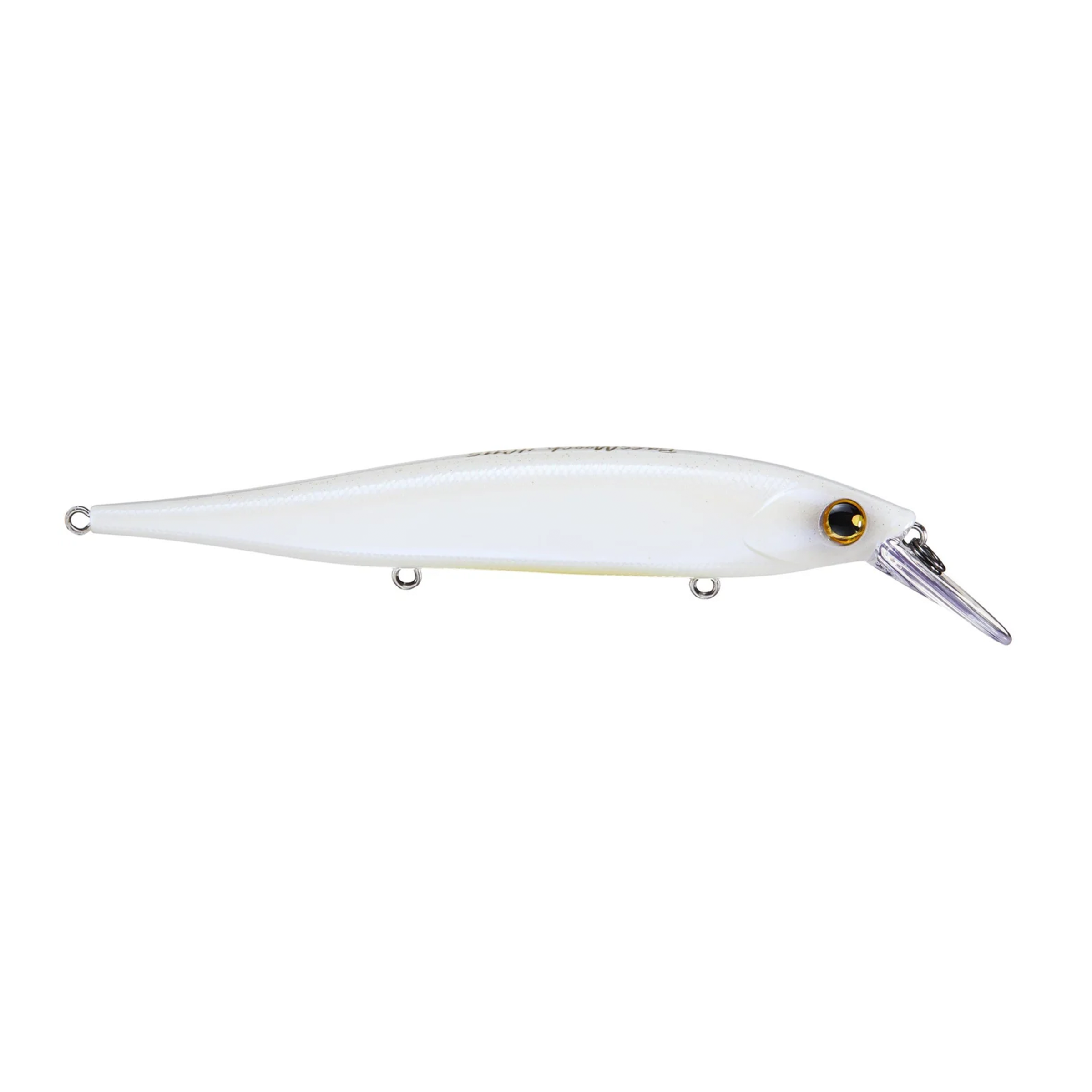
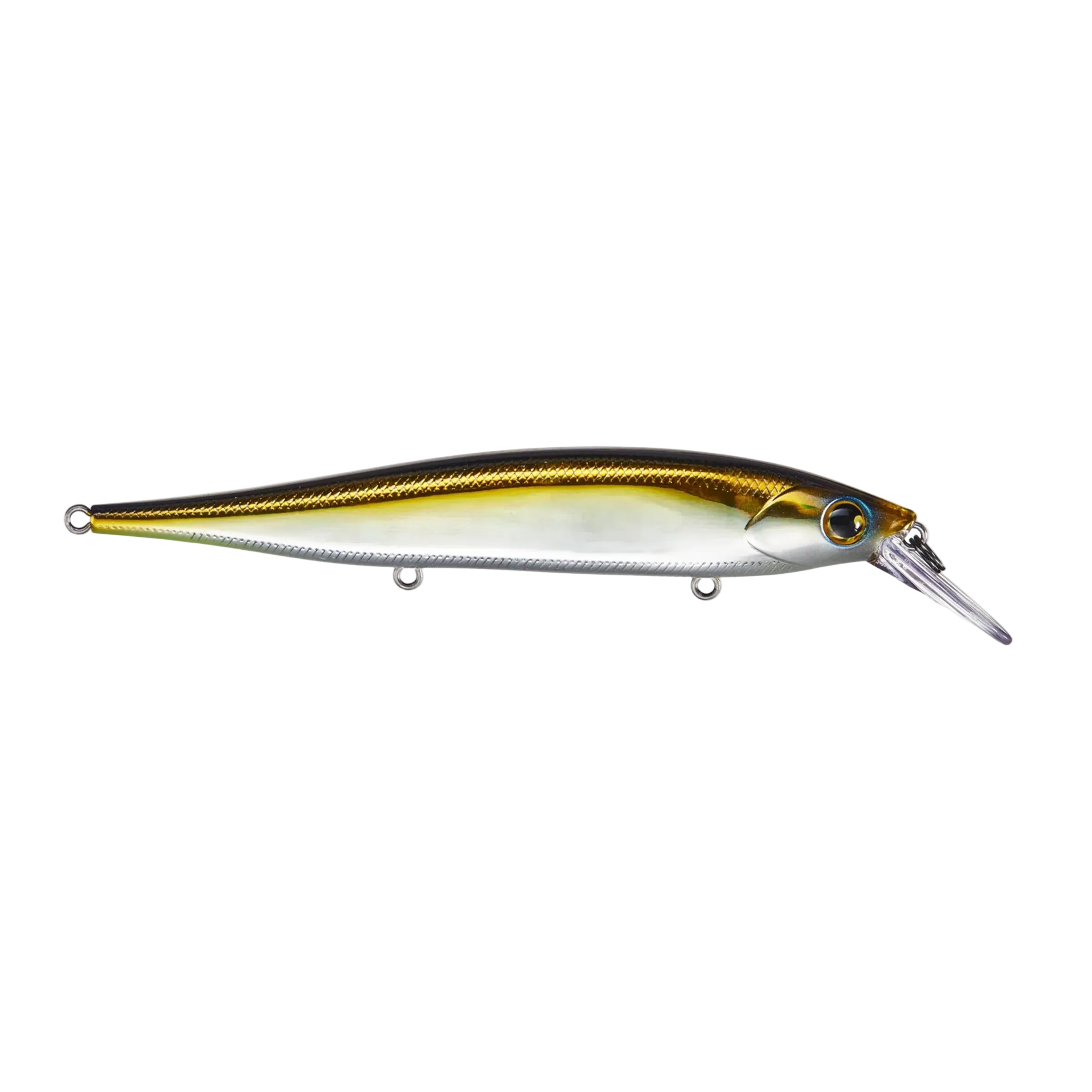
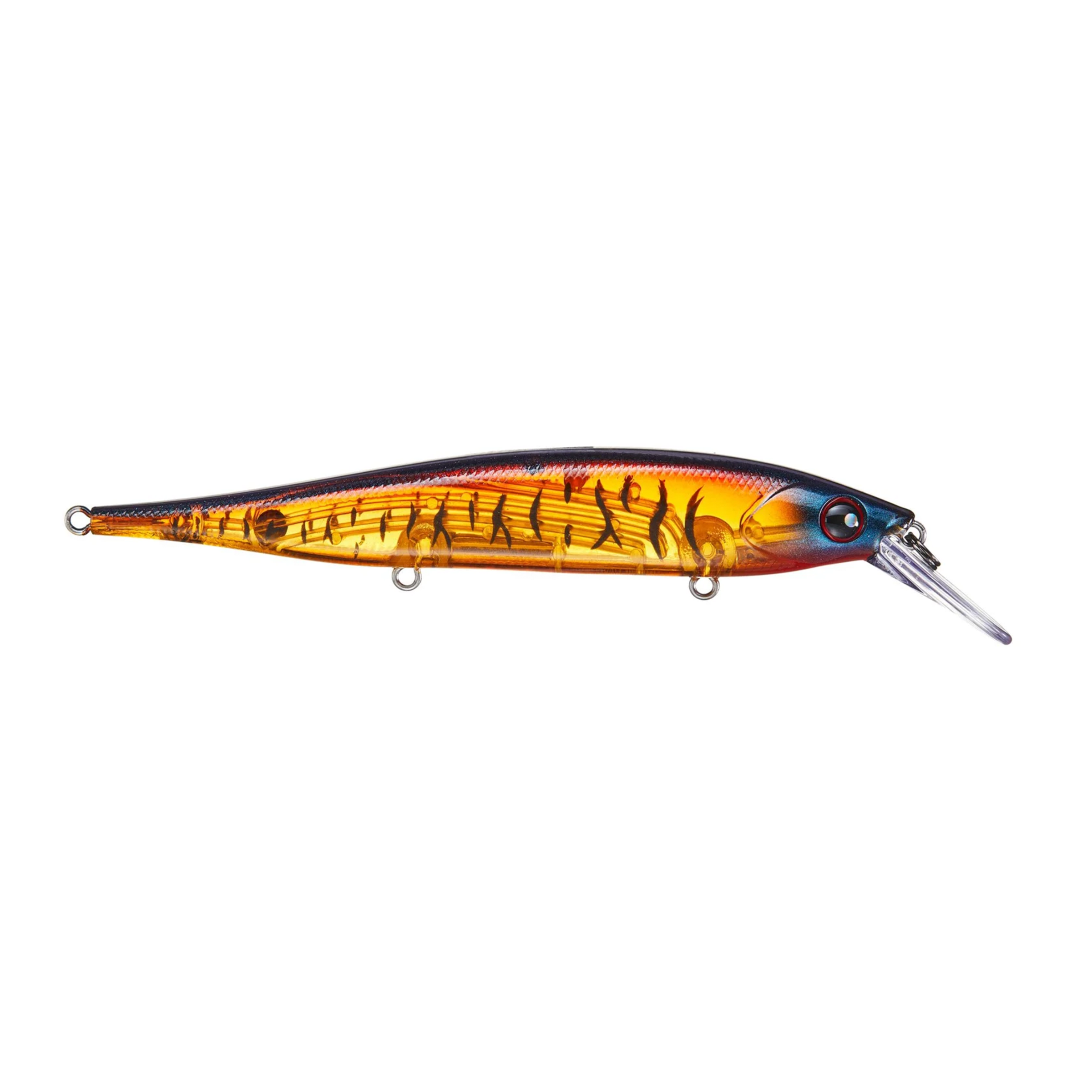
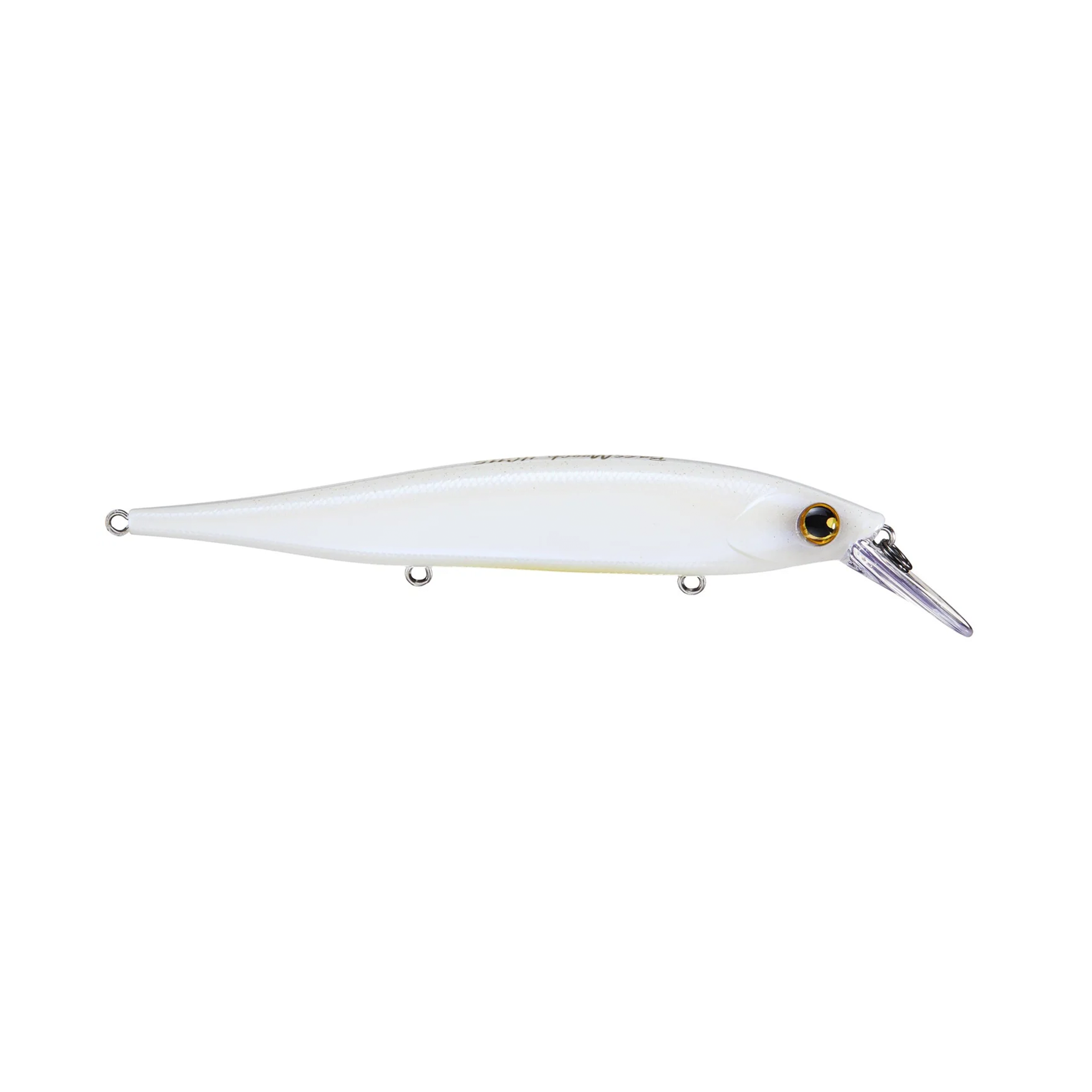
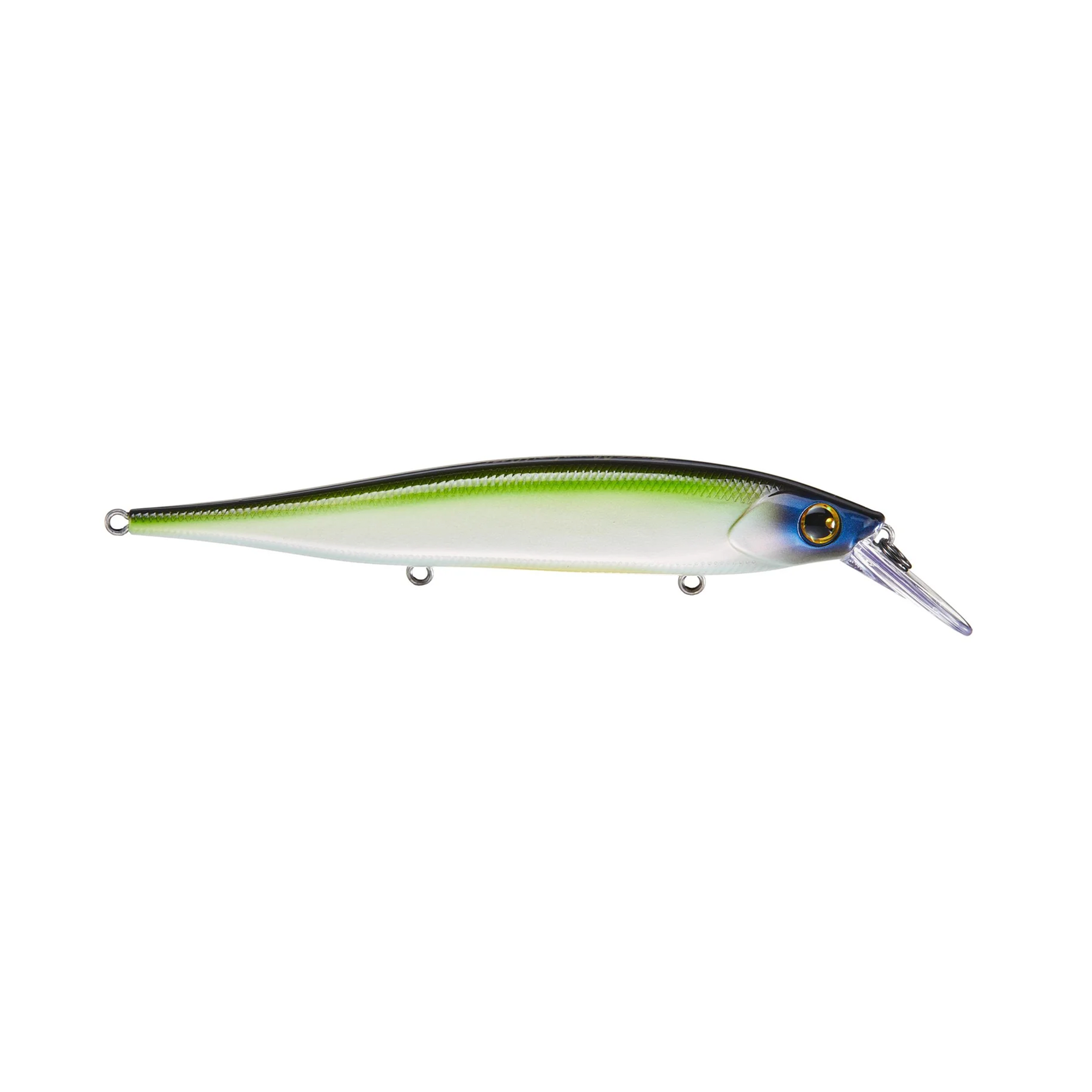
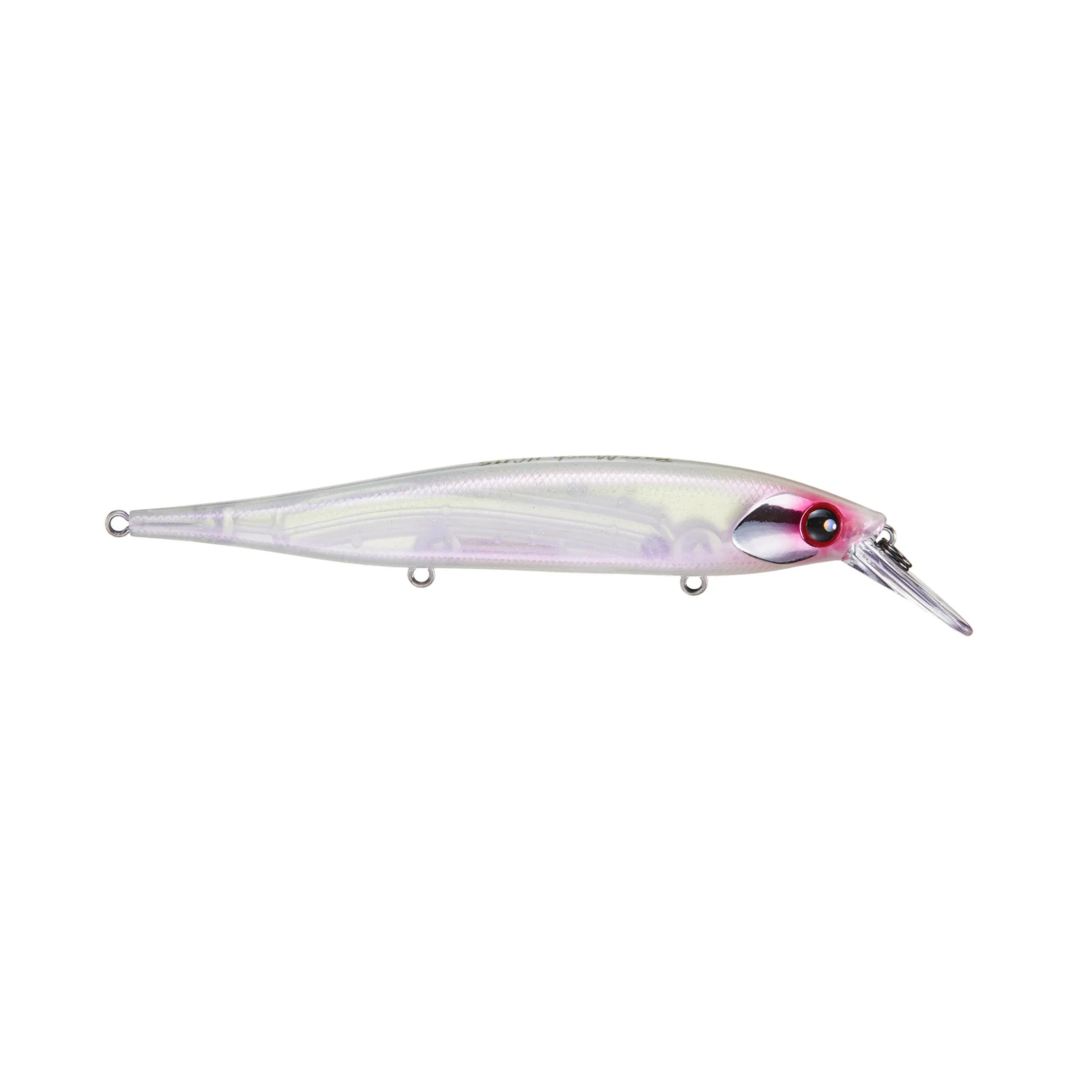
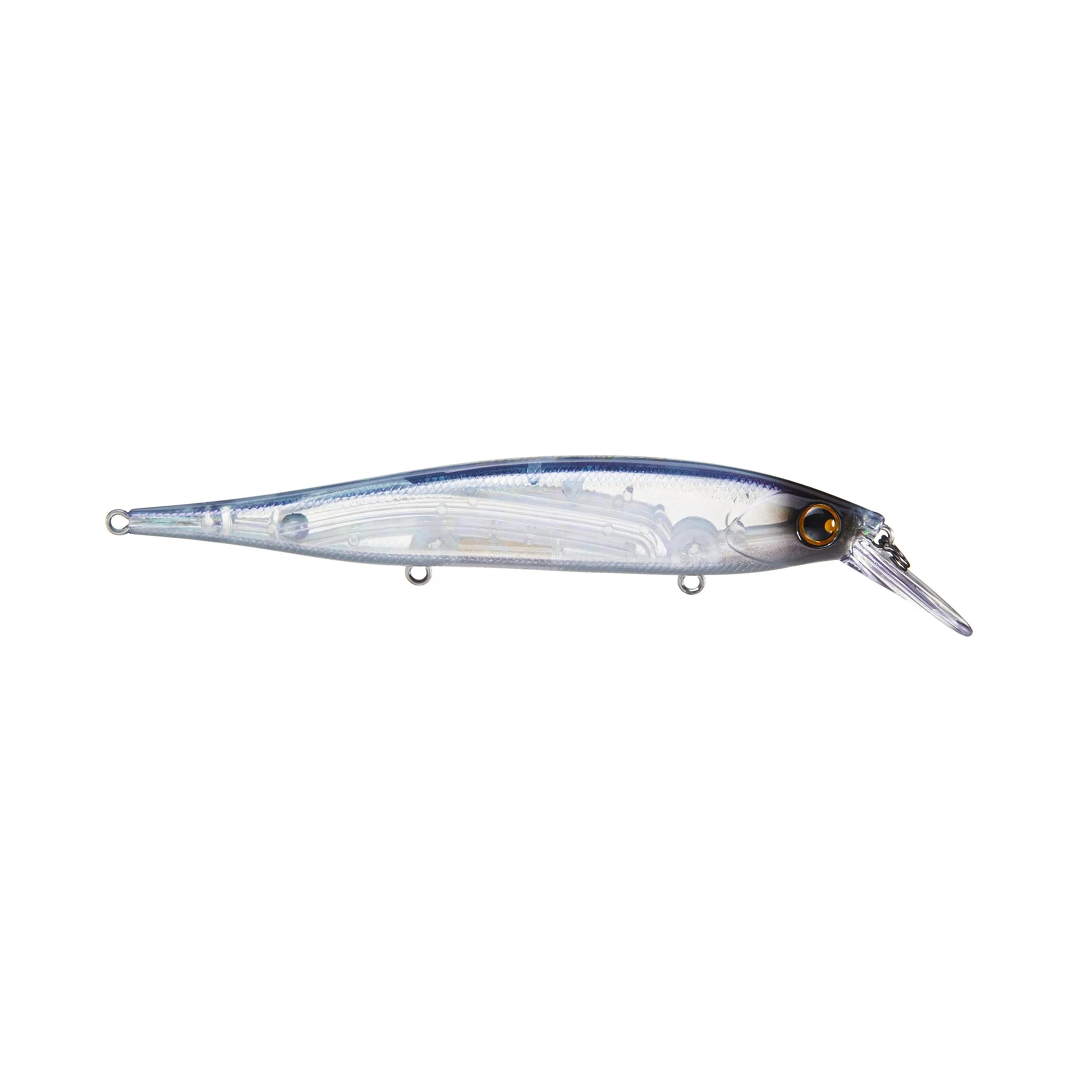
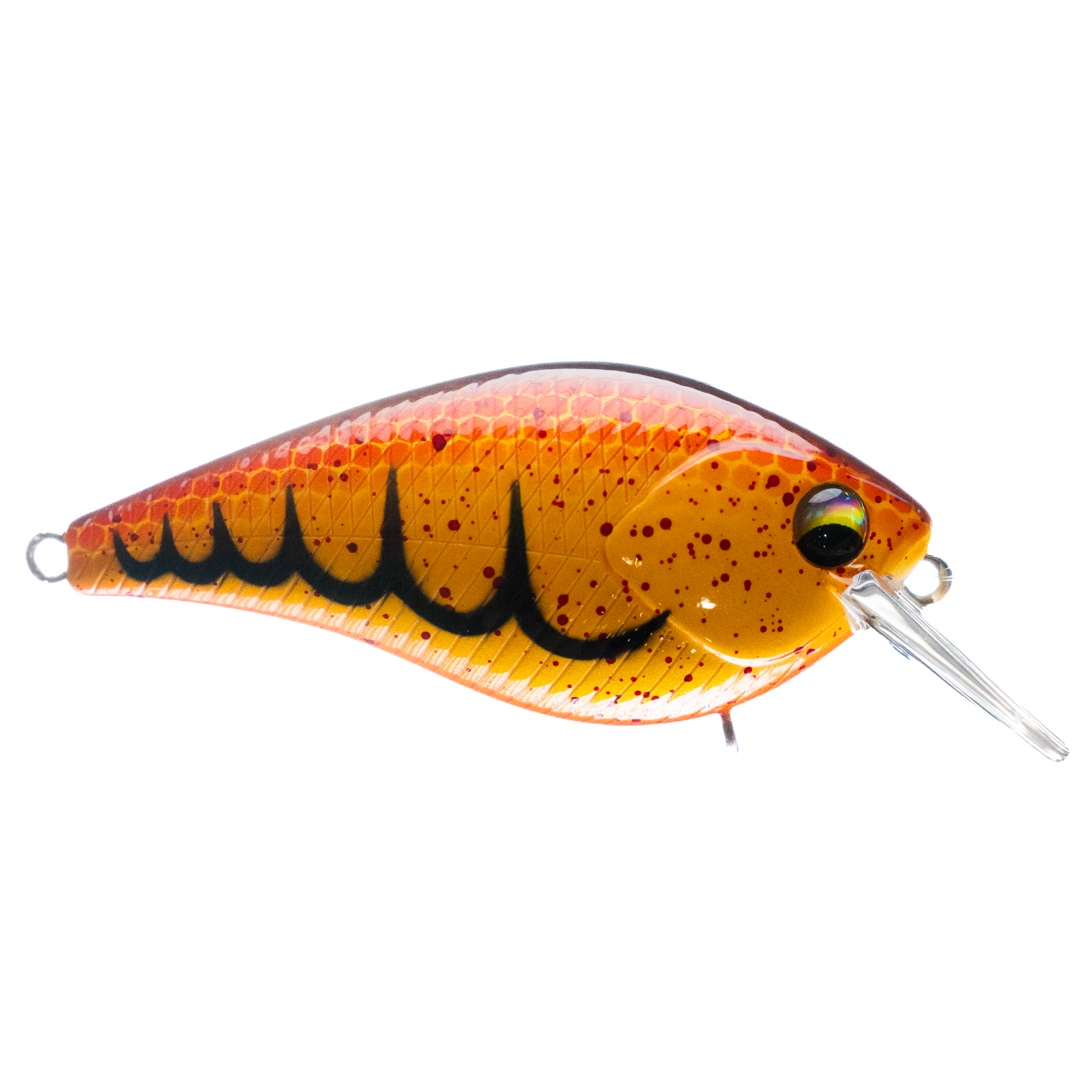
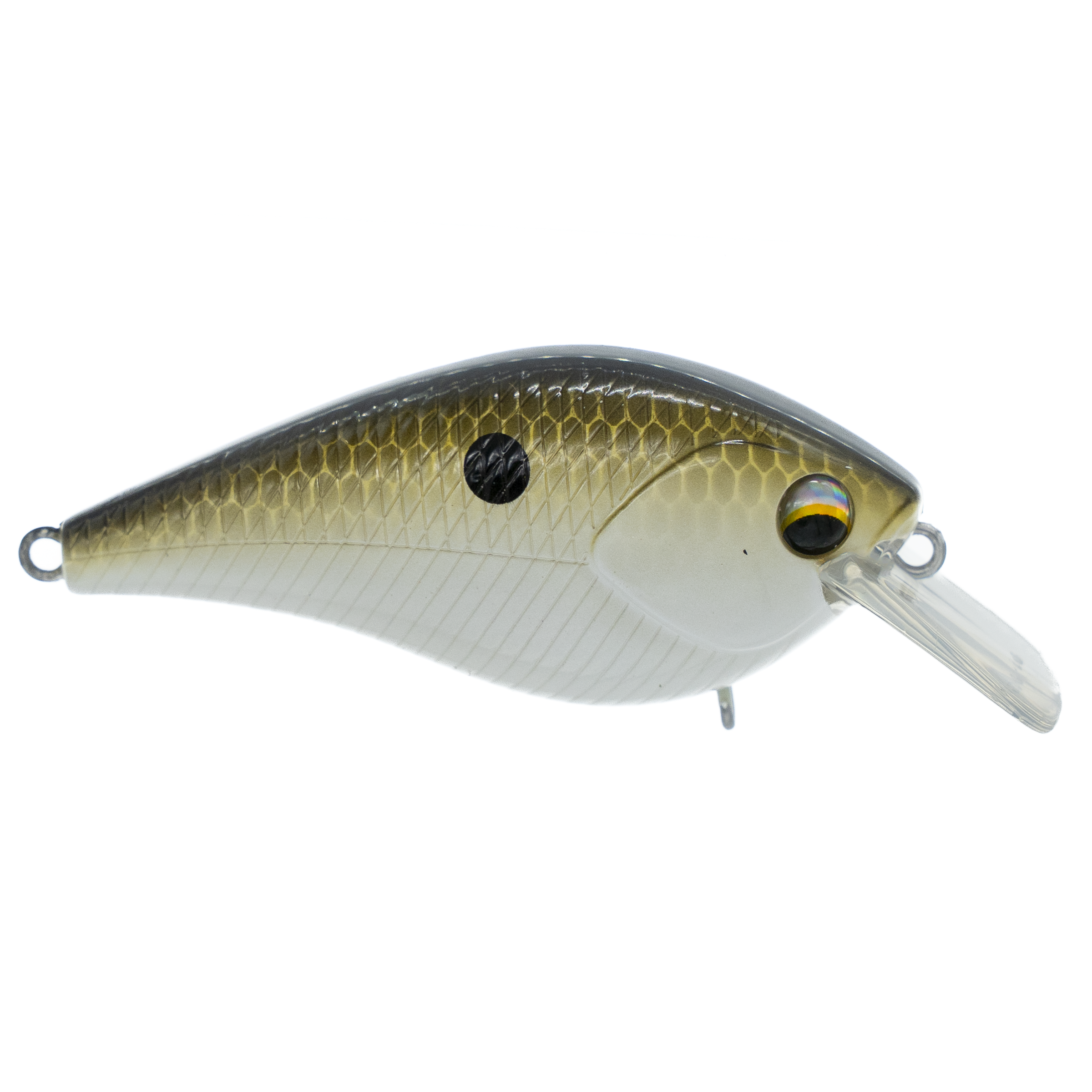
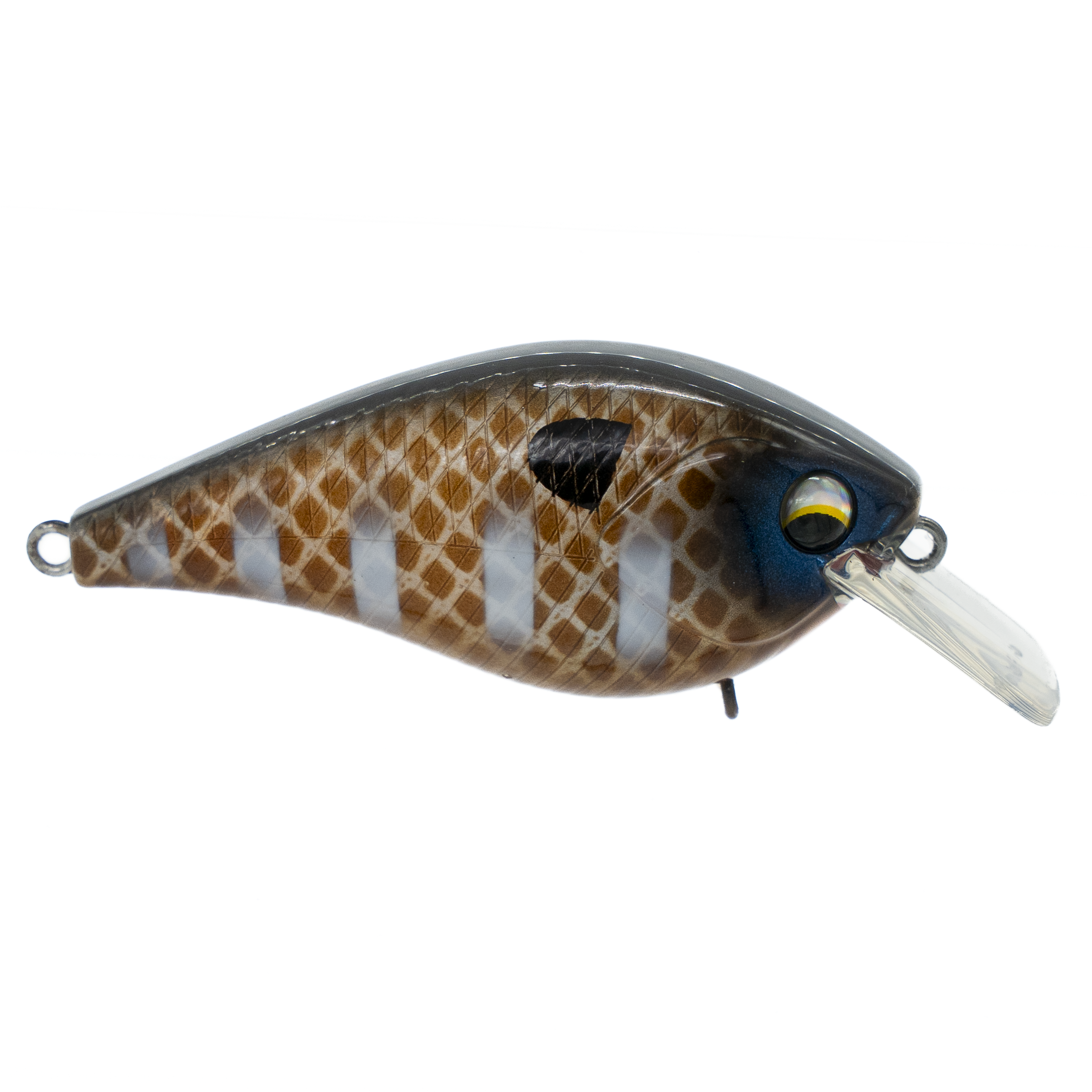
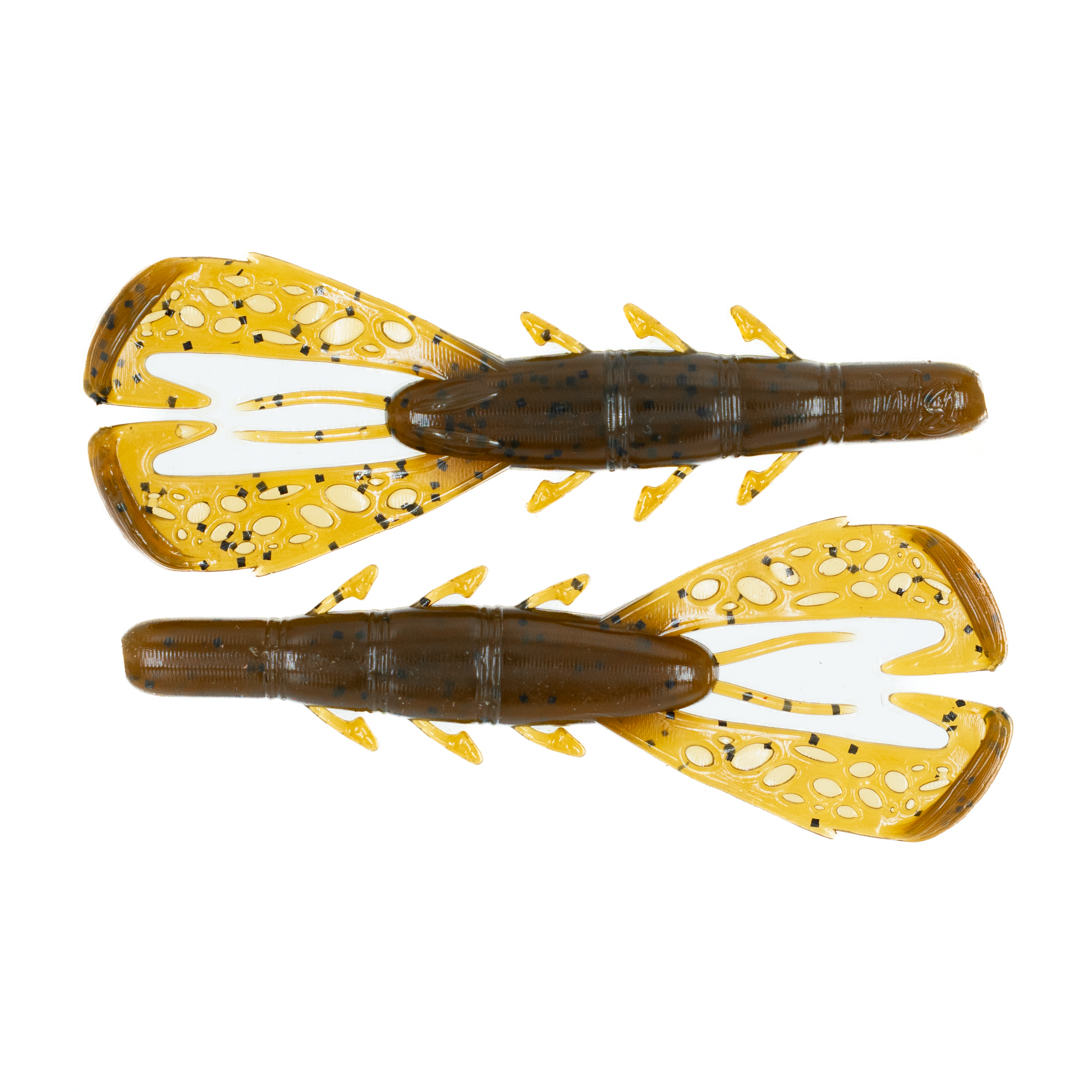
Jerkbaits and finesse plastics on the rock for smallmouth, skipping baits and soft plastics around docks and coves for largemouth, and moving baits on the points in autumn. Our full bait lineup covers both.
Do I need a fishing license?
Yes, a Pennsylvania fishing license from the Fish and Boat Commission. Check current black bass regulations before you go.
Two Species, One Weekend
A lake where the morning might be smallmouth on a rocky point and the afternoon largemouth under a dock needs tackle that covers both without apology. Level Rods builds finesse models for the rock and shorter, faster models for skipping docks, so one trip handles the whole lake.
Tournament Winning Baits & Gear
Designed, crafted and tested by anglers who fish mountain reservoirs every week. Free shipping on orders over $75.
Shop All Baits