
Lake Toho Bass Fishing Guide
Lake Toho Bass Fishing, Season by Season
Eighteen thousand acres at the head of the Kissimmee Chain, twenty minutes from Orlando, and one of the few places in the country where a ten-pounder is a realistic goal rather than a fantasy. Toho is a grass lake with a manufactured bottom — and that is exactly why it produces.
A Grass Lake with an Engineered Bottom
Lake Tohopekaliga sits southeast of Kissimmee and covers 18,810 acres. It is the top lake of the Kissimmee Chain, fed by Shingle Creek from the north and by the St. Cloud Canal out of East Lake Toho, and it drains south toward Cypress Lake and eventually Lake Kissimmee.
The cover is standard Florida — Kissimmee grass, bulrush, maidencane, hydrilla, eelgrass, peppergrass and lily pads — but the bottom is not. Toho has been through repeated extreme drawdowns in which bulldozers scraped accumulated muck off the shoreline, simulating a natural drought. What is left behind is hard sand, and hard sand is what bass need to spawn on. The scraped areas are the single most useful thing to know about this lake.
The other half of the picture is offshore. Hydrilla grows in clumps out away from the bank in six to ten feet, particularly around the channel markers and the northern third of the lake where it grows thickest. Those isolated clumps hold the biggest fish in the lake during the prespawn, and they are where national-level tournaments here get decided.
Set your calendar around January through March. Local guides put the ten-pound window squarely in those three months, and the lake record sits just over seventeen pounds. April through June is the numbers period — the fish are aggressive and feeding hard, just not as heavy.
One practical note that catches visitors out: the seasonal water drop begins in June. What was a navigable grass line in March can be a prop-fouling flat by July, and hydrilla in the warmer months gets thick enough in places to make whole sections difficult to run.
What It Took to Win Here
Patterns that produced at the highest level on this water, and the baits to fish them with.
Cody Stahl — One Spot, Three Days, Twenty-Two Pounds Clear
A severe cold front hit the Kissimmee Chain right before the January event and shut the shallow bite down for most of practice. The fish that had been pushing up to spawn backed off. Most of the field went looking. Stahl went offshore and stayed there.
He had found a prespawn staging area at the south end of Toho in practice — a mix of grass species he believed would hold the right size fish. What he actually caught there in practice was three bucks around a pound. He fished it anyway, on the reasoning that a full moon was coming and this was the last stop before those females moved up to lay eggs.
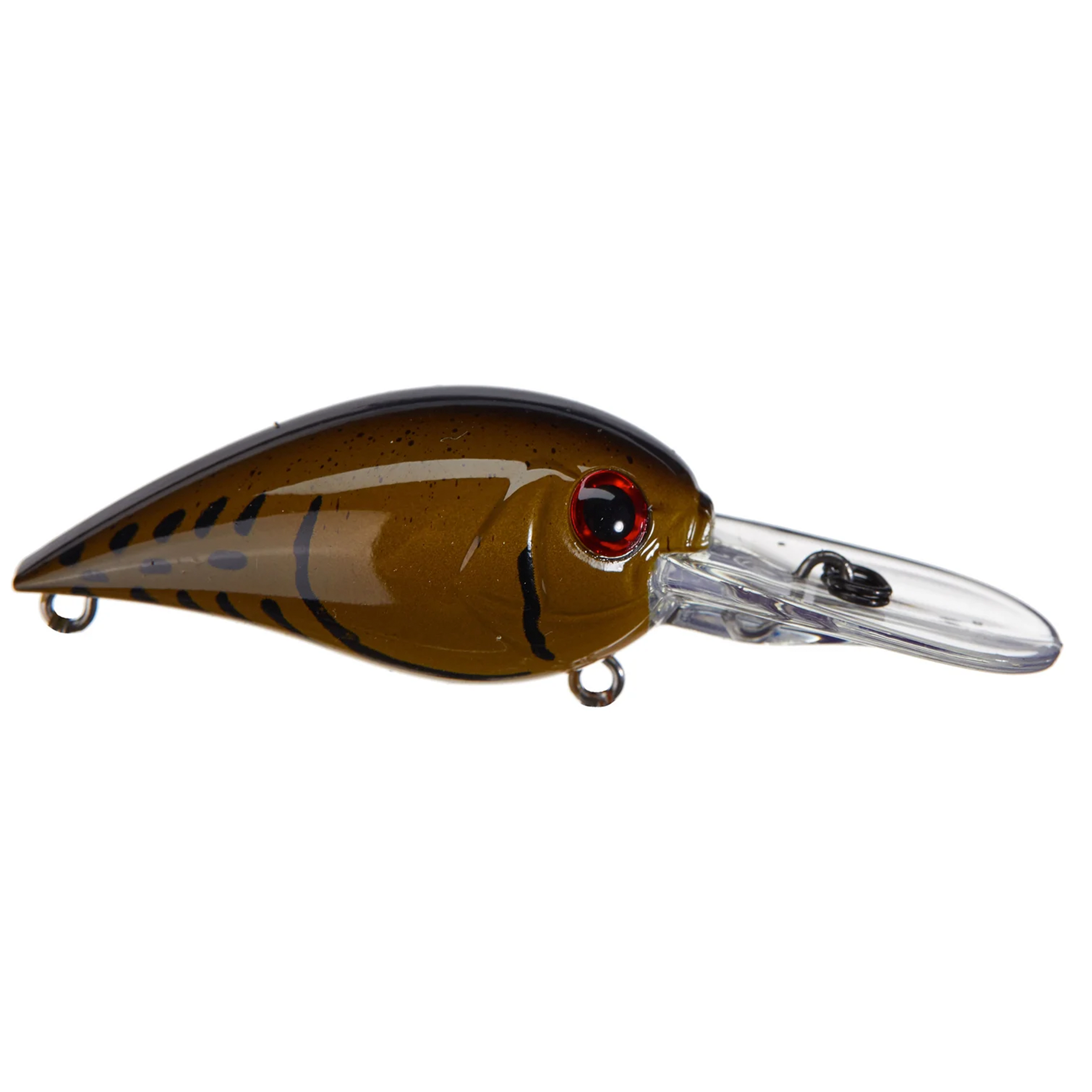
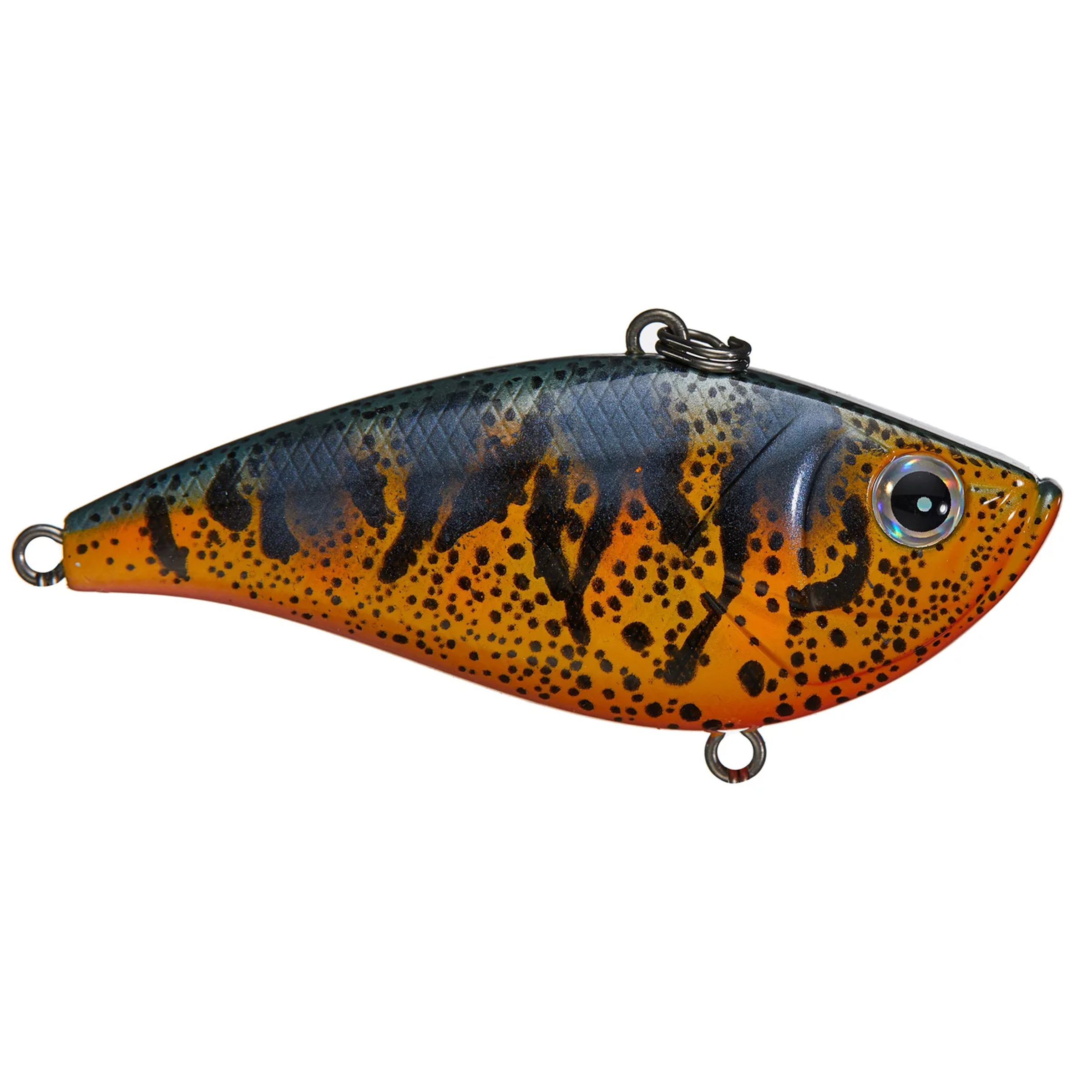
He put the trolling motor down on Day 1 and never left. Back-to-back bags over twenty-eight pounds, a 9-6 and an 8-14 anchoring them, most of it caught by ripping a three-quarter-ounce lipless crankbait through the grass and letting it fall. The winning margin was twenty-two pounds.
It is worth knowing that Toho has form for this. In 2001 Dean Rojas set the single-day B.A.S.S. record here with 45-2 and finished the event at 108-12 — numbers that have not been beaten on this lake in a quarter century.



Hydrilla, Hard Bottom and a Long Spawn
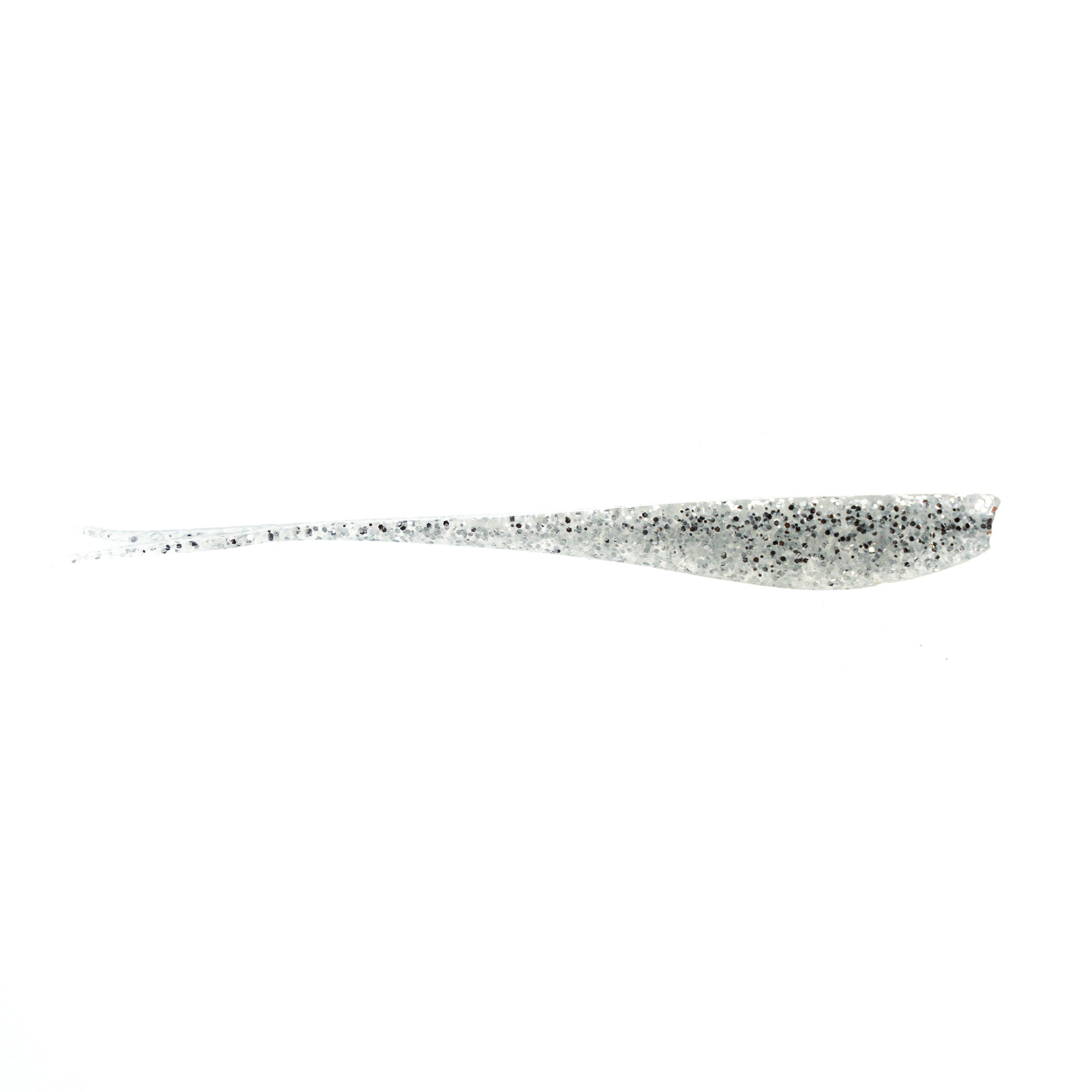
Four patterns cover the year. Each one pairs the technique with the baits we'd actually tie on.
Bedding Fish on Scraped Bottom
February and March are the peak. The water is tannic enough that genuine sight fishing is limited compared to a clear lake, so most of the bedding game here is fishing the right bottom rather than eyeballing individual fish. Work the enhanced shorelines — Whaley's Landing, Goblets Cove, inside Brown's Point, the Granada area and inside North Steer Beach are all scraped, hard-sand areas that fish spawn on year after year.



Outside Grass Lines and an Early Alarm
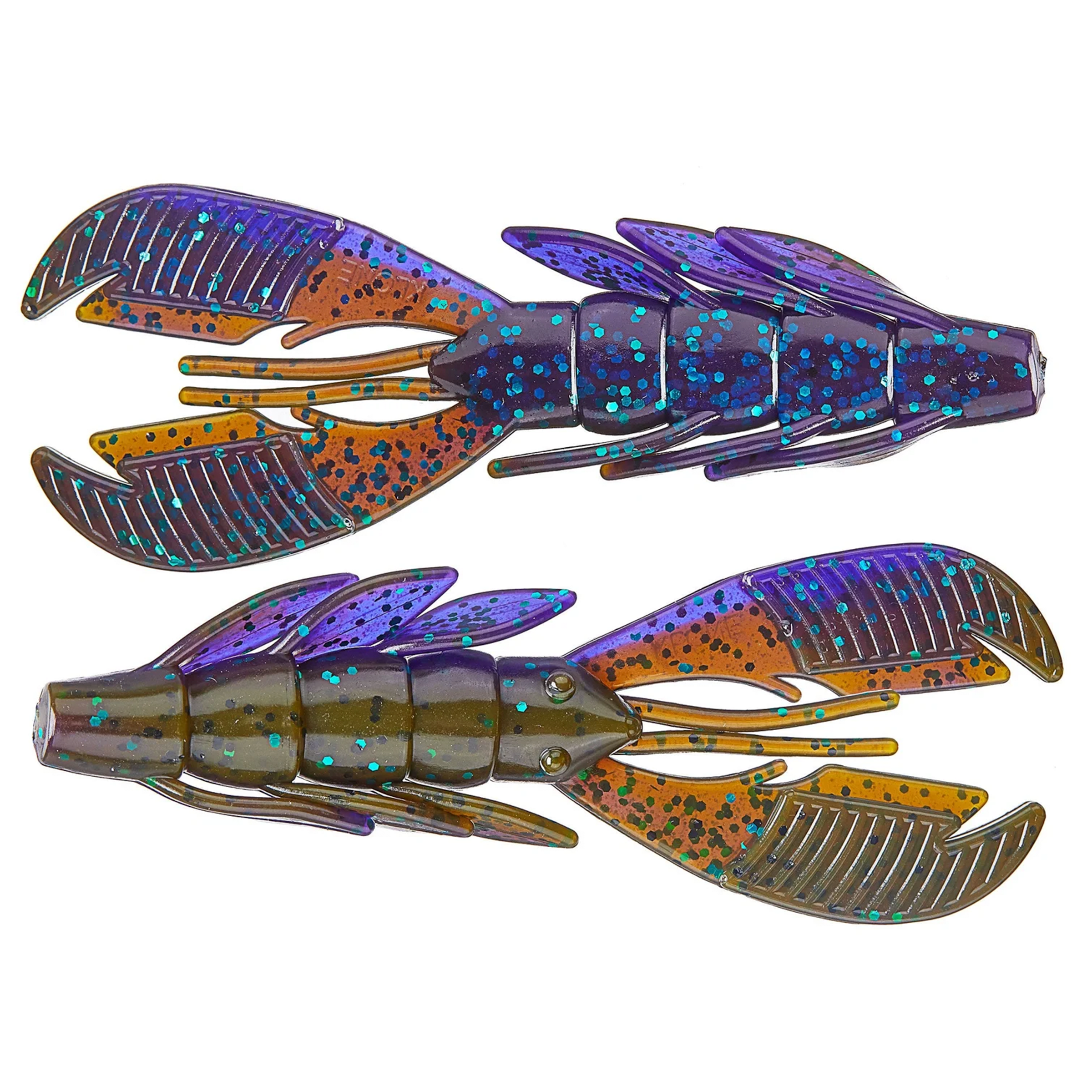
From mid-April the seasonal drawdown begins and the fish pull off the bank into the outside hydrilla and Kissimmee grass edges. The morning window is the real one — topwater, swimbaits and lipless baits before the sun is up properly, then flipping the thick clumps through the middle of the day. Florida afternoons bring thunderstorms on schedule, which is another reason to be out early.

Scattered, and Worth Chasing
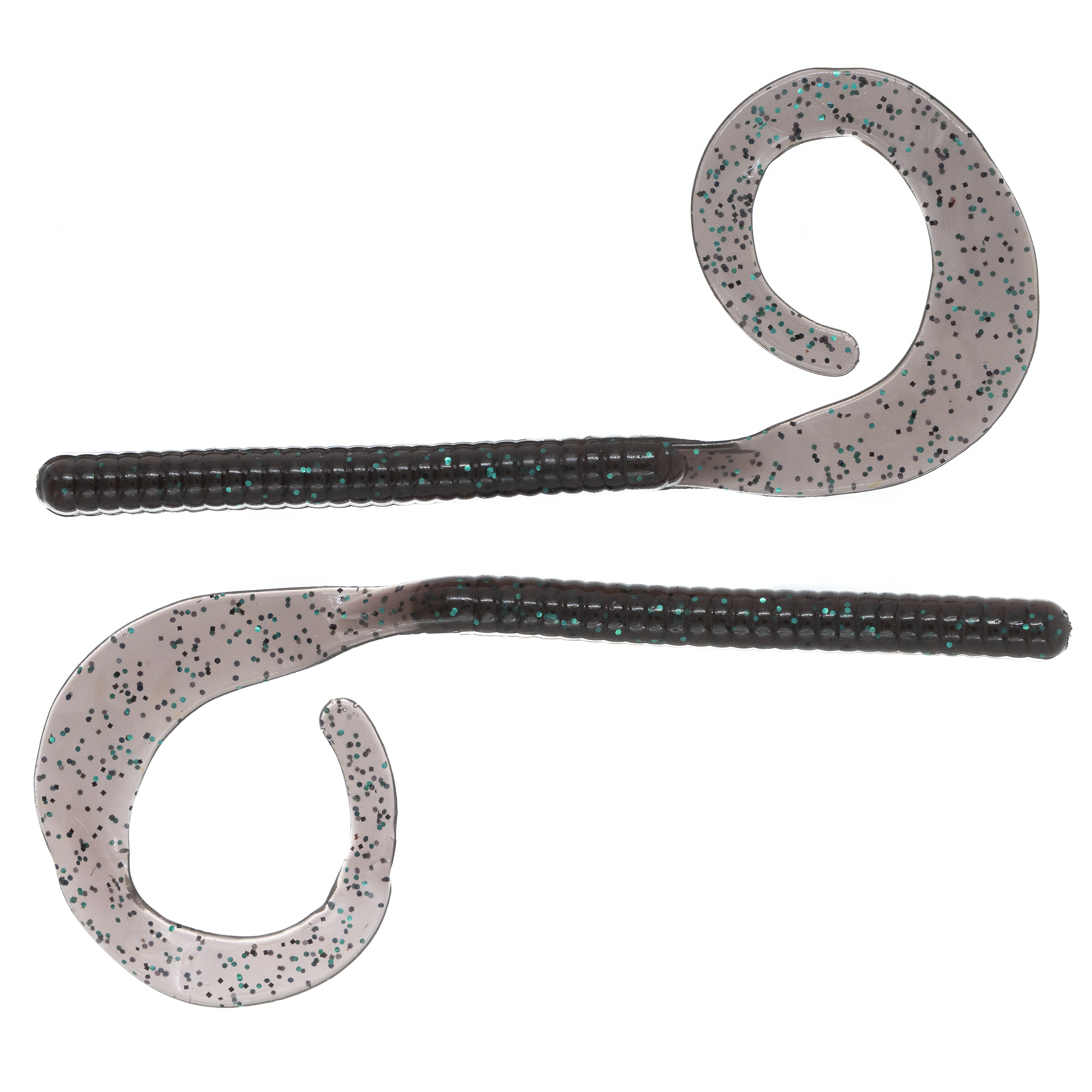
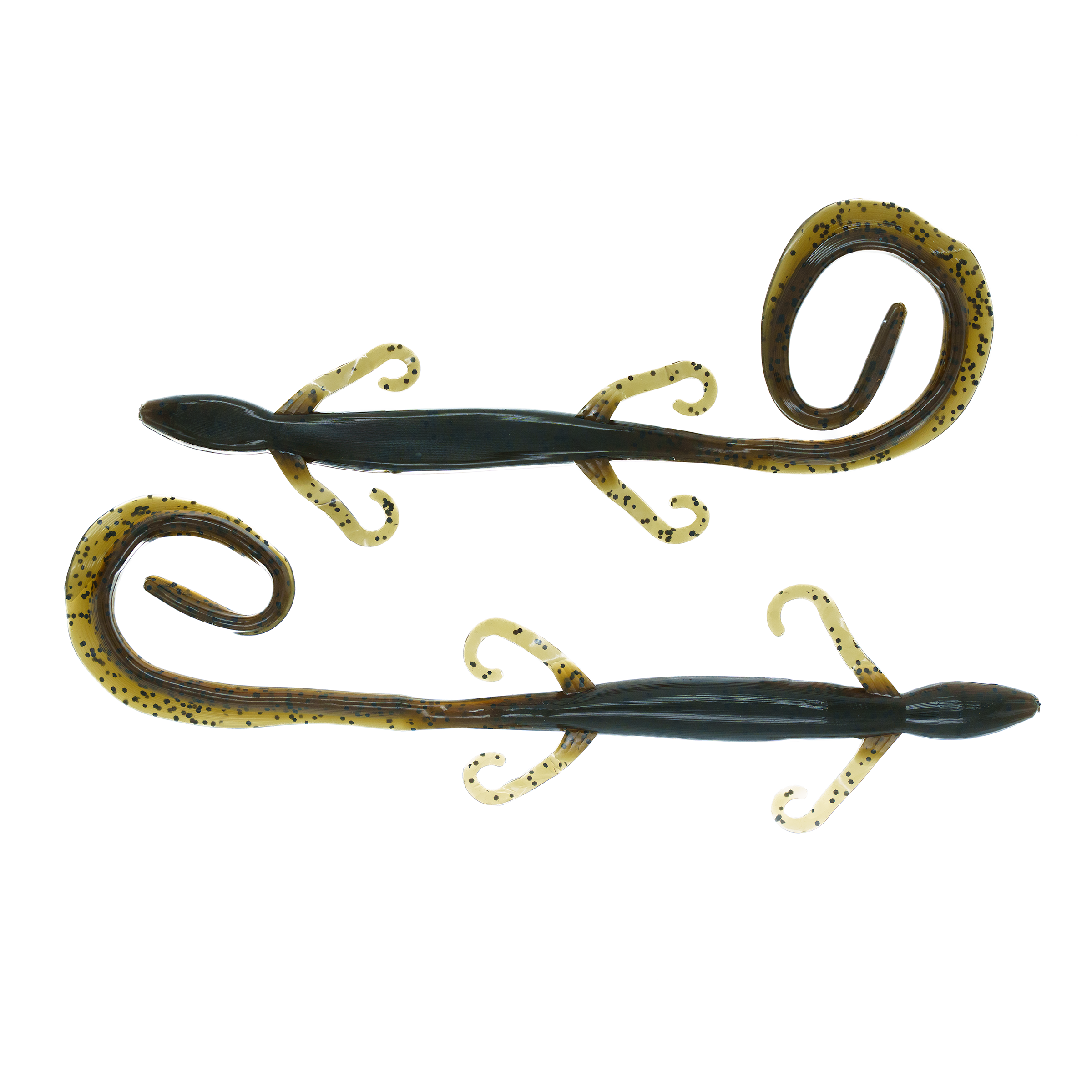
From September the fish spread out across the lake and stop being where they were last week. This is the season that rewards covering water rather than committing to a spot. The edges of the hydrilla beds fish well early and late, and shad activity on the surface is the thing to watch for — when they start busting, the bass are underneath.


Offshore Clumps and the Biggest Fish of the Year
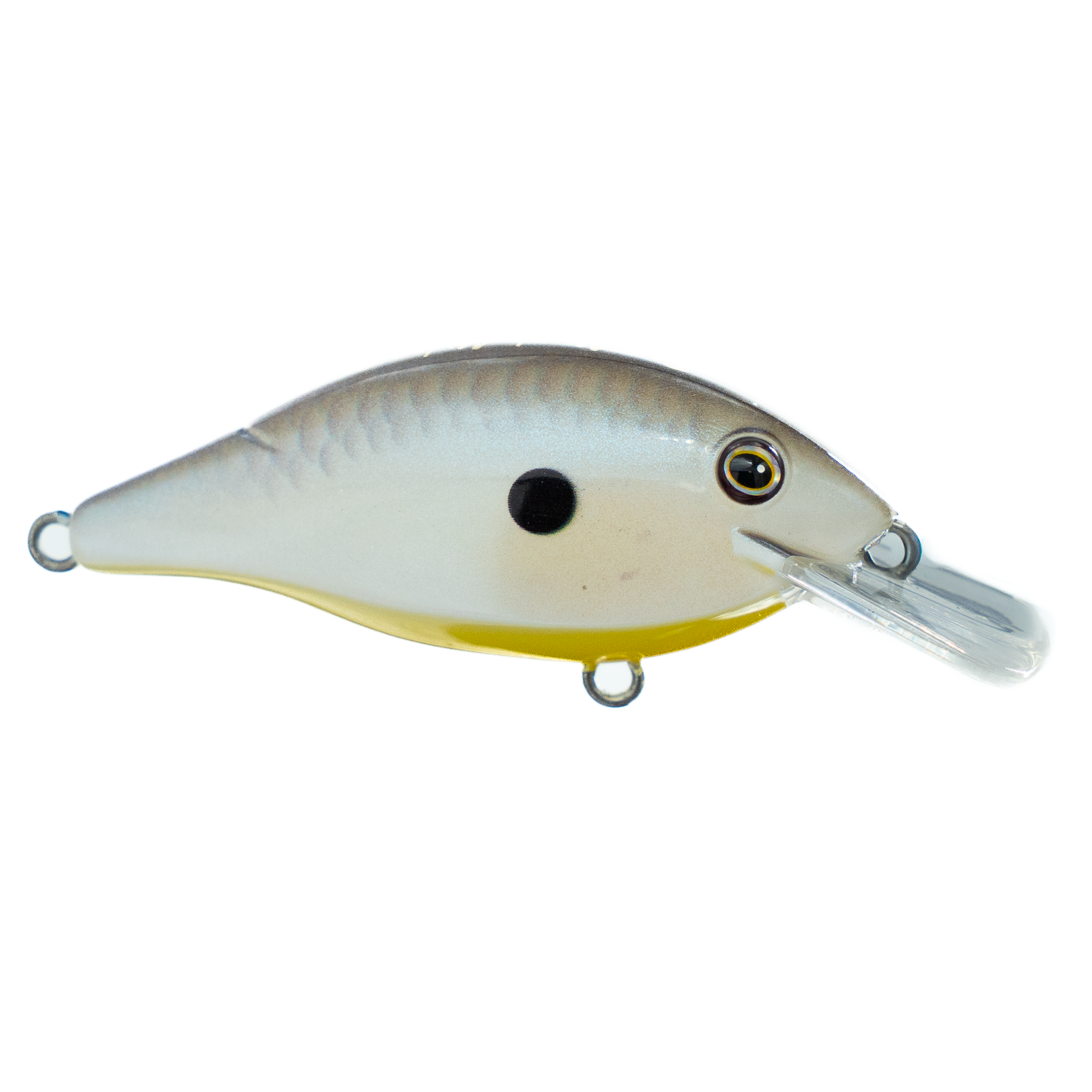
December through March is when Toho gives up its giants, and a good share of them come from offshore rather than the bank. Isolated hydrilla clumps in six to ten feet — the water around the channel markers and Goblets Cove is the classic example — hold staging prespawn females that have not moved up yet. Cold fronts push them out and back repeatedly through the winter.


Lake Toho Access
Big Toho Marina at Kissimmee Lakefront Park (69 Lakeview Drive, Kissimmee) is the main public ramp and sits at the north end in downtown Kissimmee. Southport Park covers the south end, and Granada and Whaley's Landing give access to the middle of the lake.
Goblets Cove
West side, and the name that comes up most often in connection with this lake. Enhanced hard bottom with grass over it, plus offshore hydrilla nearby in the six-to-ten-foot range. Spawning area in spring and a staging area in winter, which makes it useful for a long stretch of the year.
Big Grassy, Brown's Point and Lanier Point
The central and southern shoreline. Miles of Kissimmee grass and maidencane with pockets and potholes inside it. Reliable summer water and a good place to learn how the grass sets up on this lake before you go looking for the offshore stuff.
Shingle Creek and the North End
The northern third holds the thickest hydrilla on the lake, and Shingle Creek brings moving water in from the north. Worth checking any time after rain, and the first place to look when the shad get active in the fall.
Lake Toho Bass Fishing FAQ
How big is Lake Toho?
FWC lists Lake Tohopekaliga at 18,810 acres. You will see 22,700 quoted on some guide sites, which appears to include connected water. It runs roughly six to ten feet deep, with the productive grass in two to six.
When is the best time to fish Lake Toho?
January through March for size. That is the window local guides point to for double-digit fish, and the lake record of just over seventeen pounds came from that stretch of the calendar. April through June is better for numbers and aggression, and October and November are quietly good if you are willing to keep moving.
What is the drawdown and why does it matter?
Toho has been through repeated extreme water-level drawdowns during which heavy equipment removed muck from the shoreline, mimicking a natural drought. The result is hard sand bottom where there used to be soft mud. Bass spawn on hard bottom, so the scraped areas are the most productive spawning water on the lake — Whaley's Landing, Goblets Cove, inside Brown's Point and the Granada area among them.
Where do the tournaments get won on Toho?
Increasingly offshore. Isolated hydrilla clumps in six to ten feet hold staging prespawn fish, and a single good clump can carry a multi-day event — the 2026 Bassmaster Open here was won from one south-end staging area by better than twenty-two pounds. The shallow grass produces numbers; the offshore grass produces the winning bags.
Do I need a boat to fish Lake Toho?
It helps enormously. There is bank and pier access at Kissimmee Lakefront Park, but the productive water is the grass lines and the offshore clumps, and both are hard to reach from shore. If you are visiting without a boat, a guide day is the efficient answer on a lake this size.
What baits work best on Lake Toho?
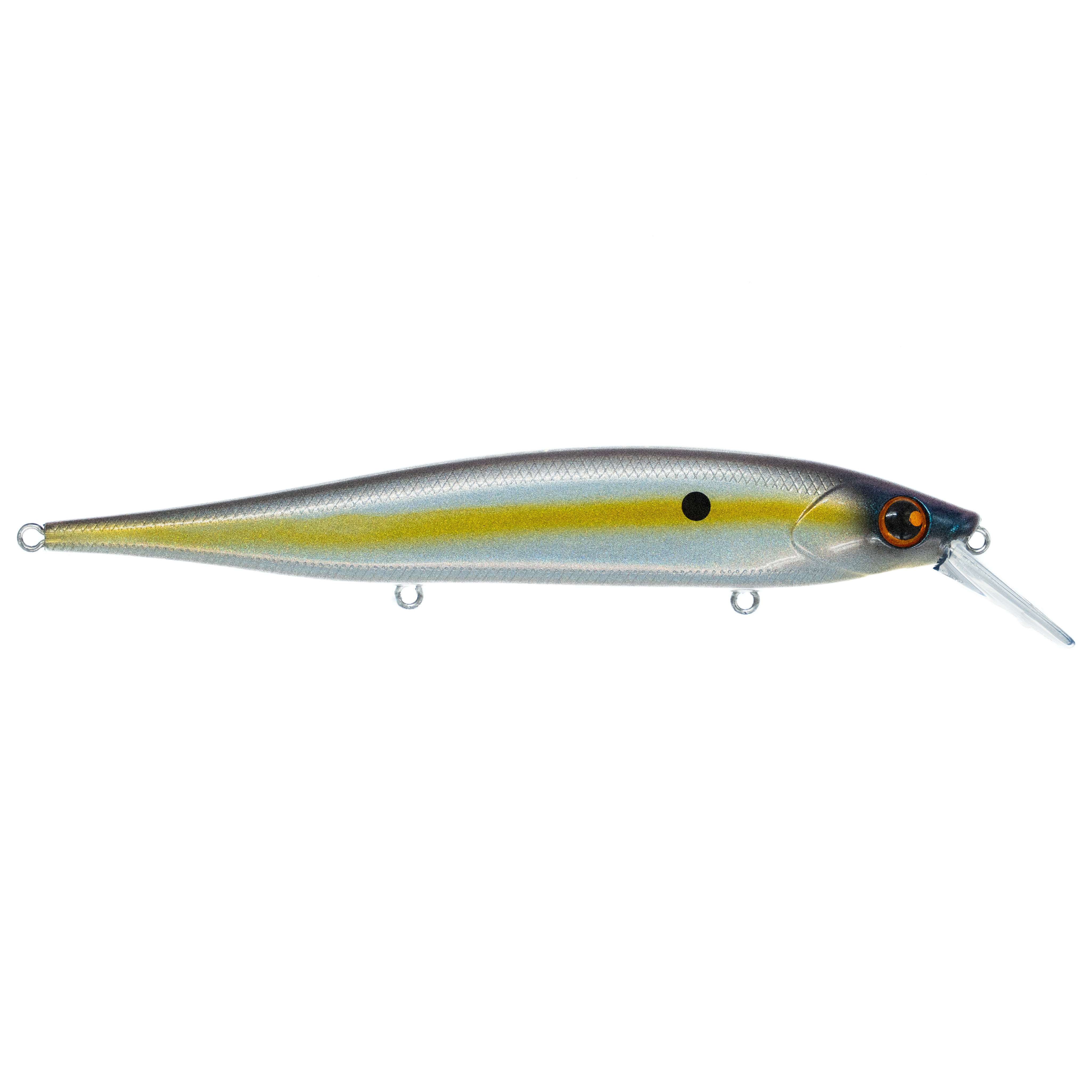
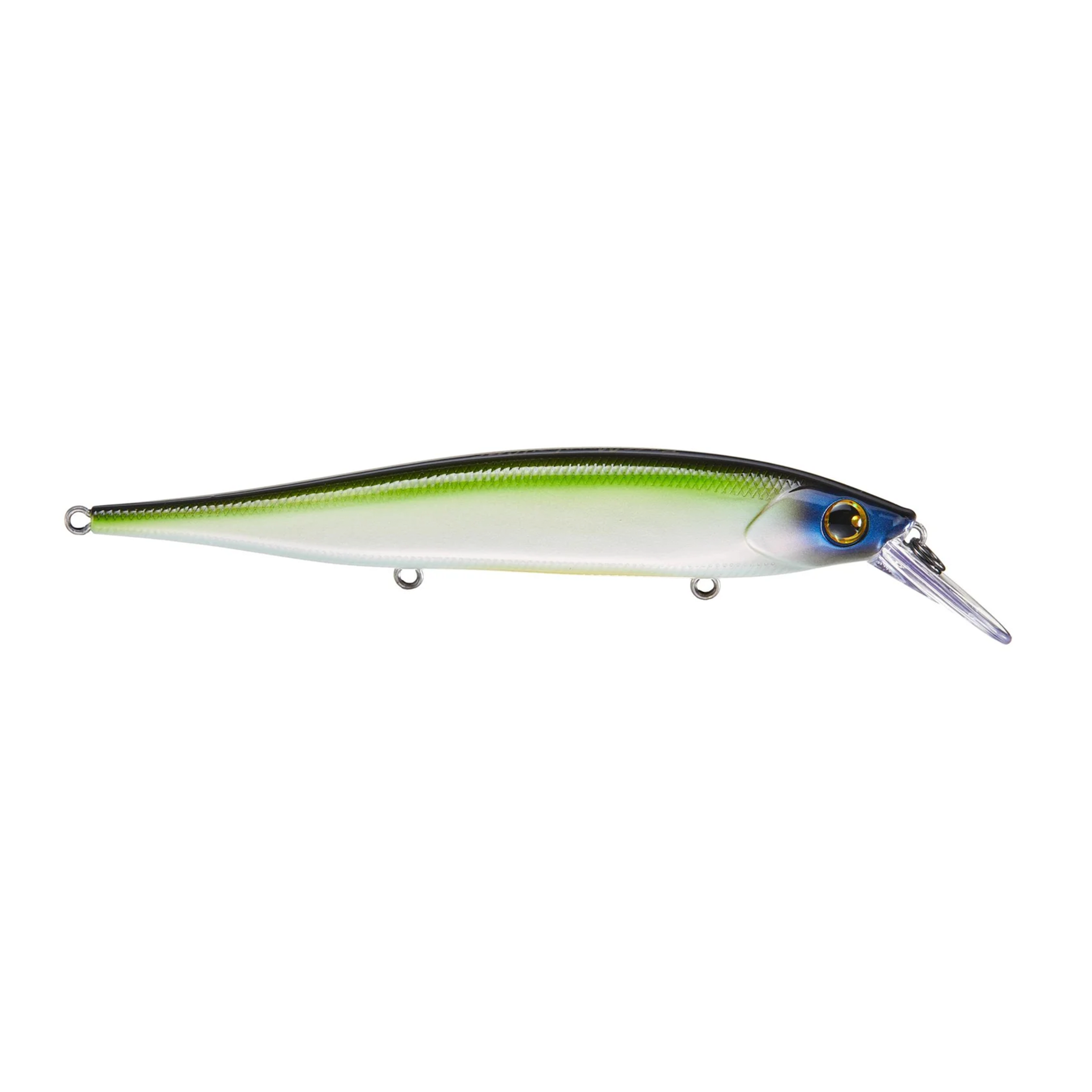
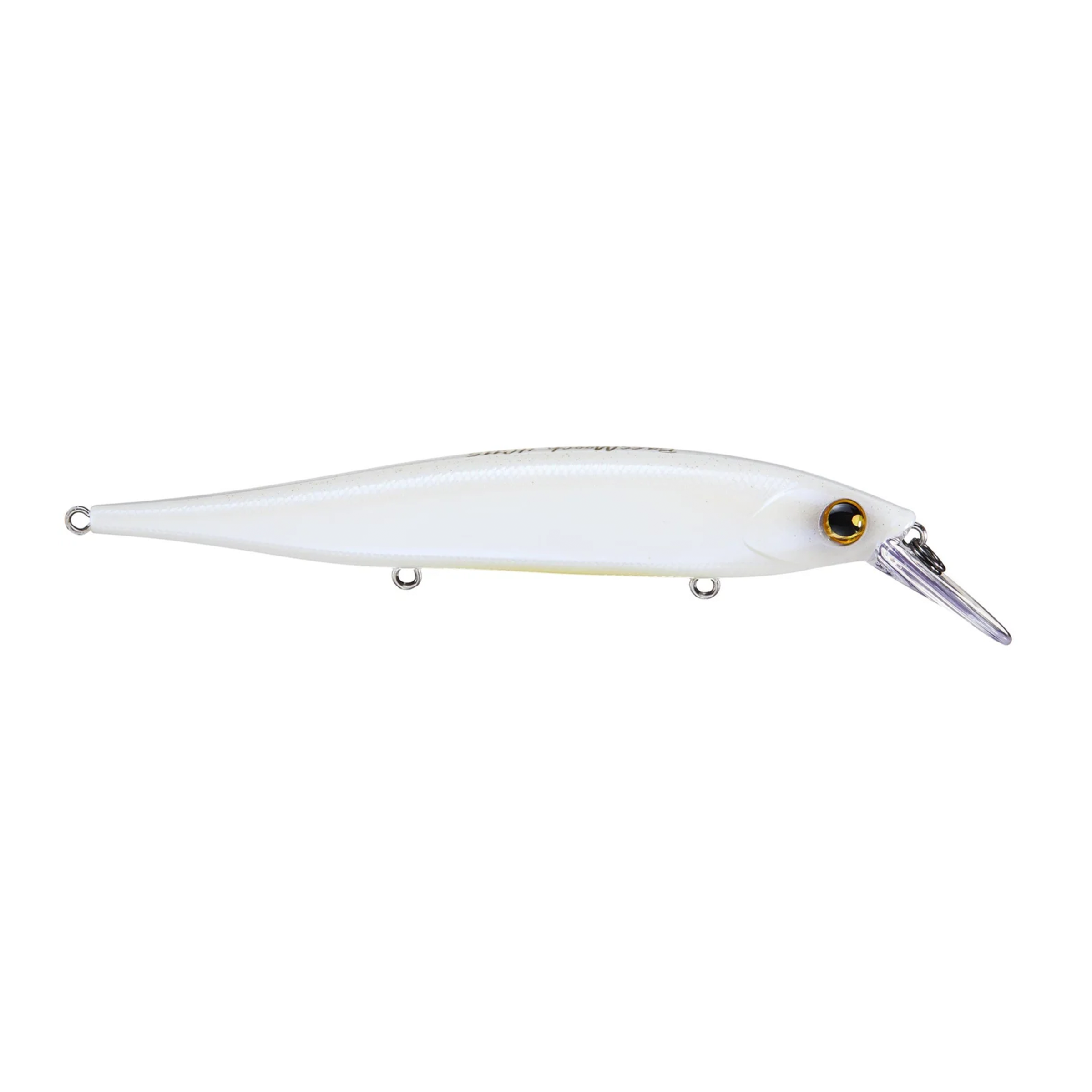
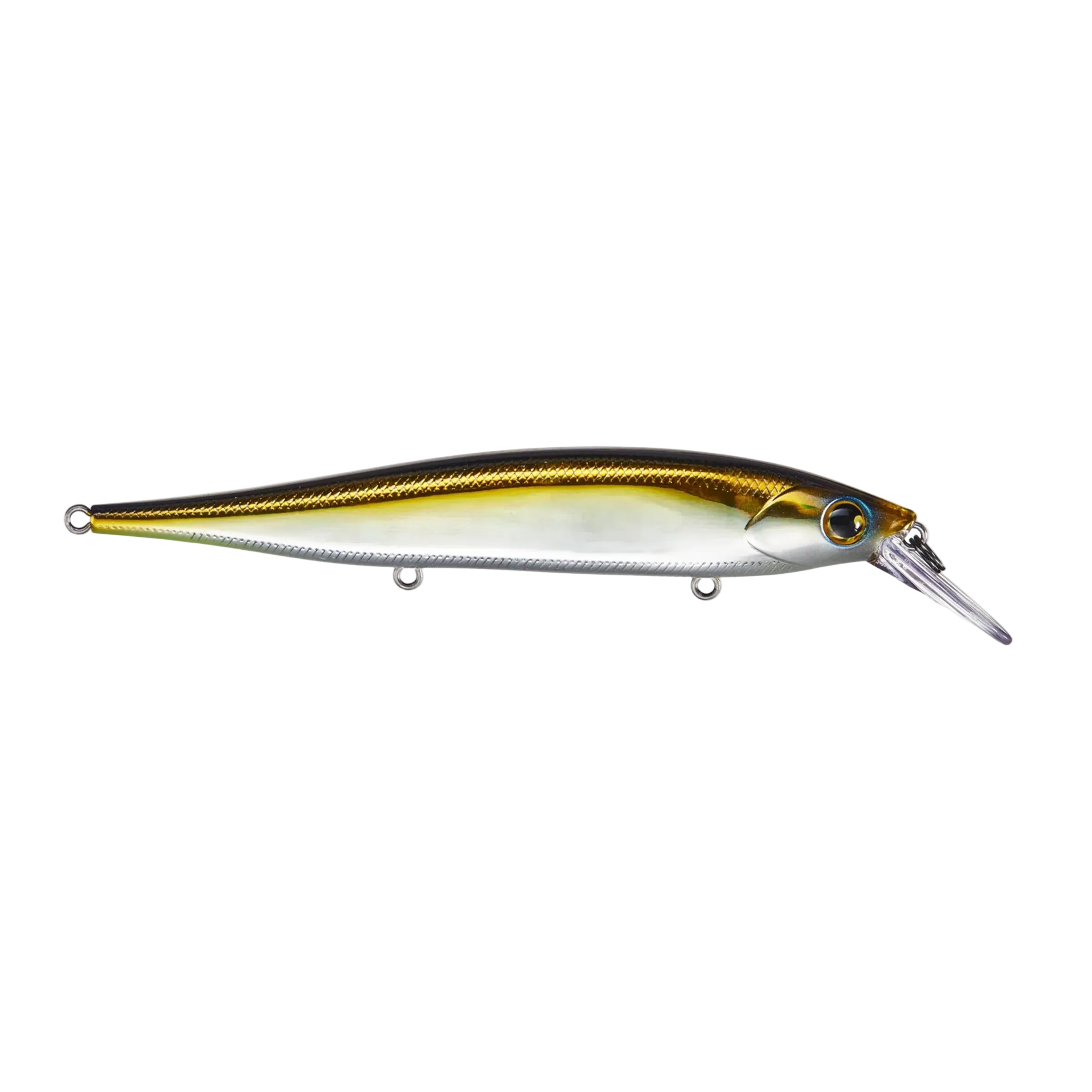
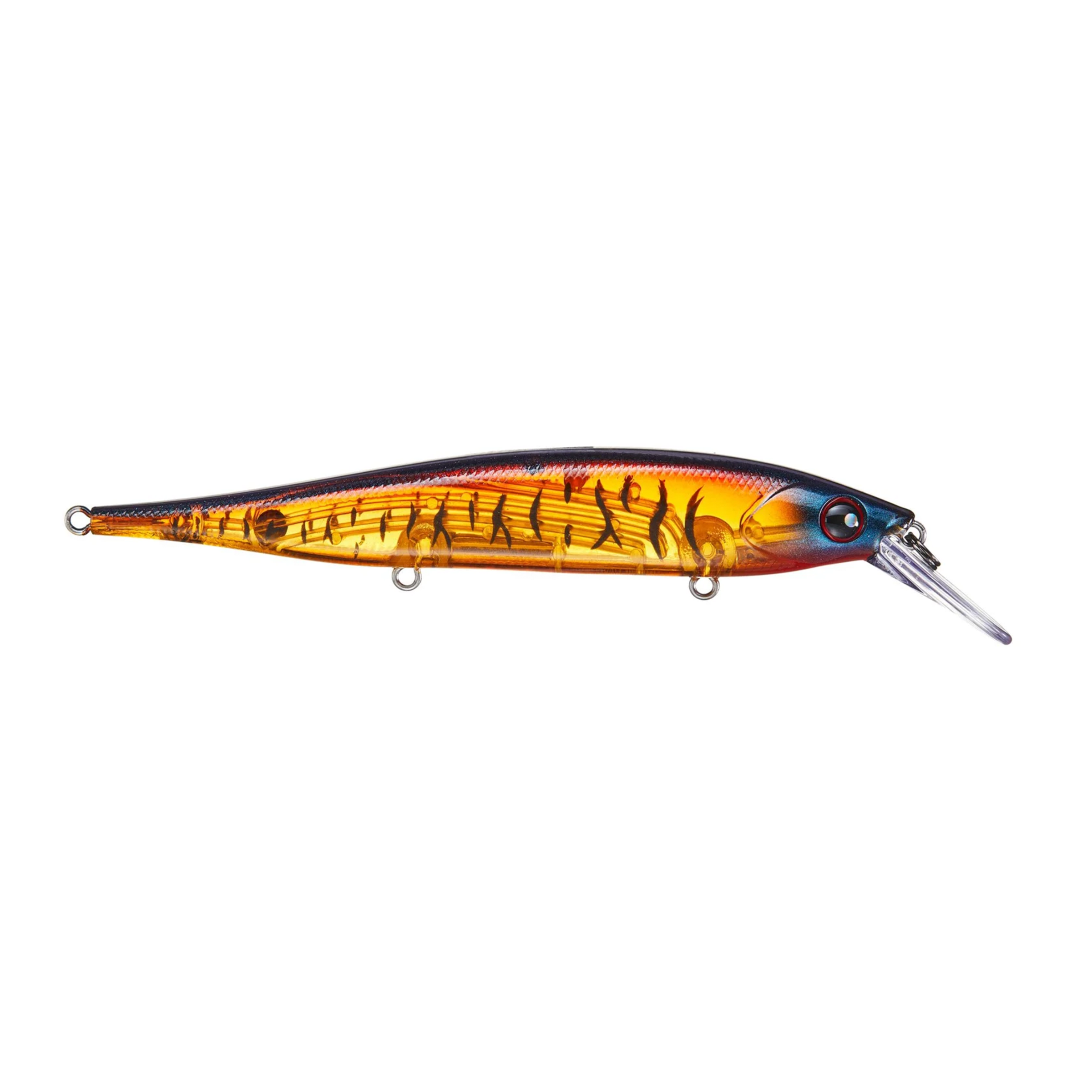
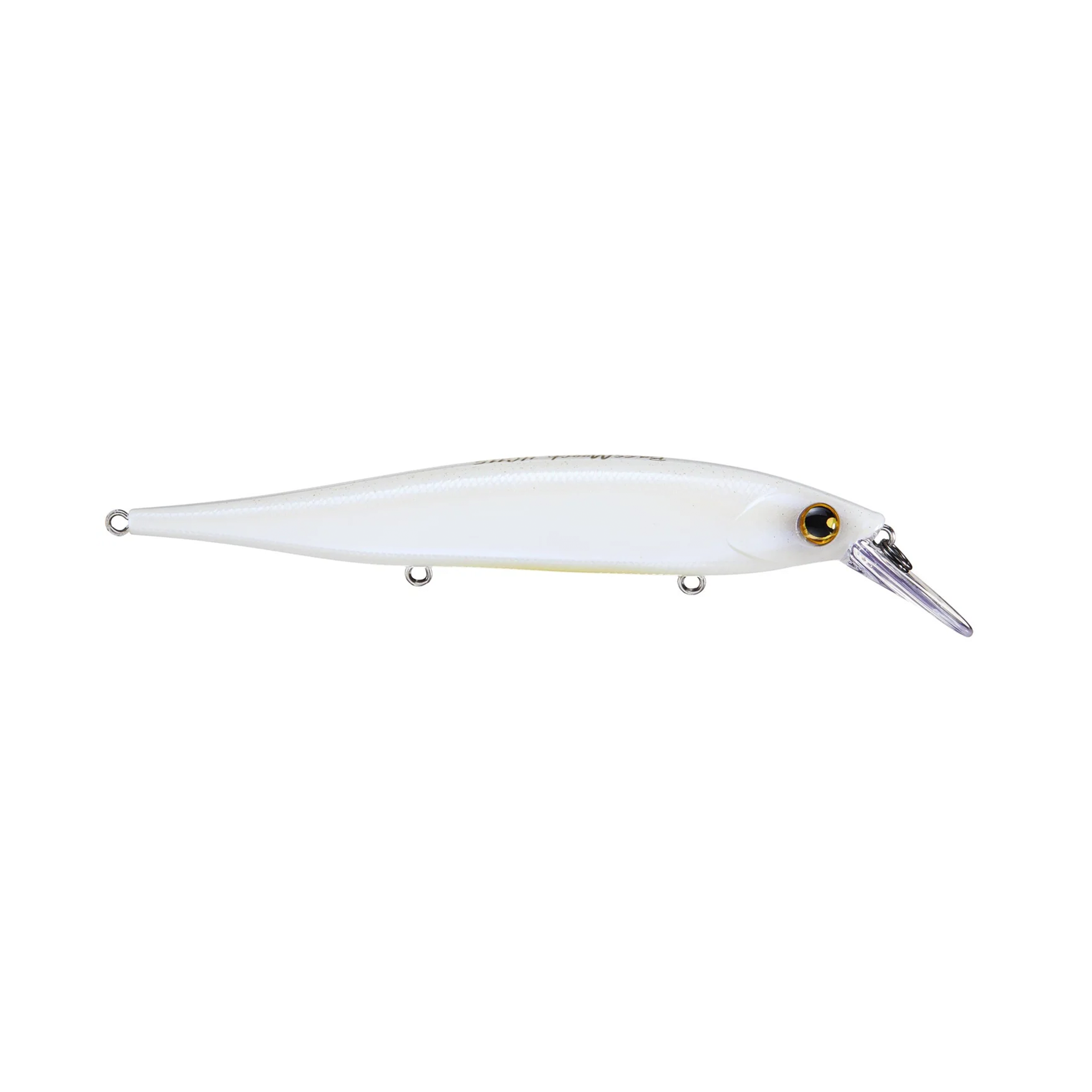
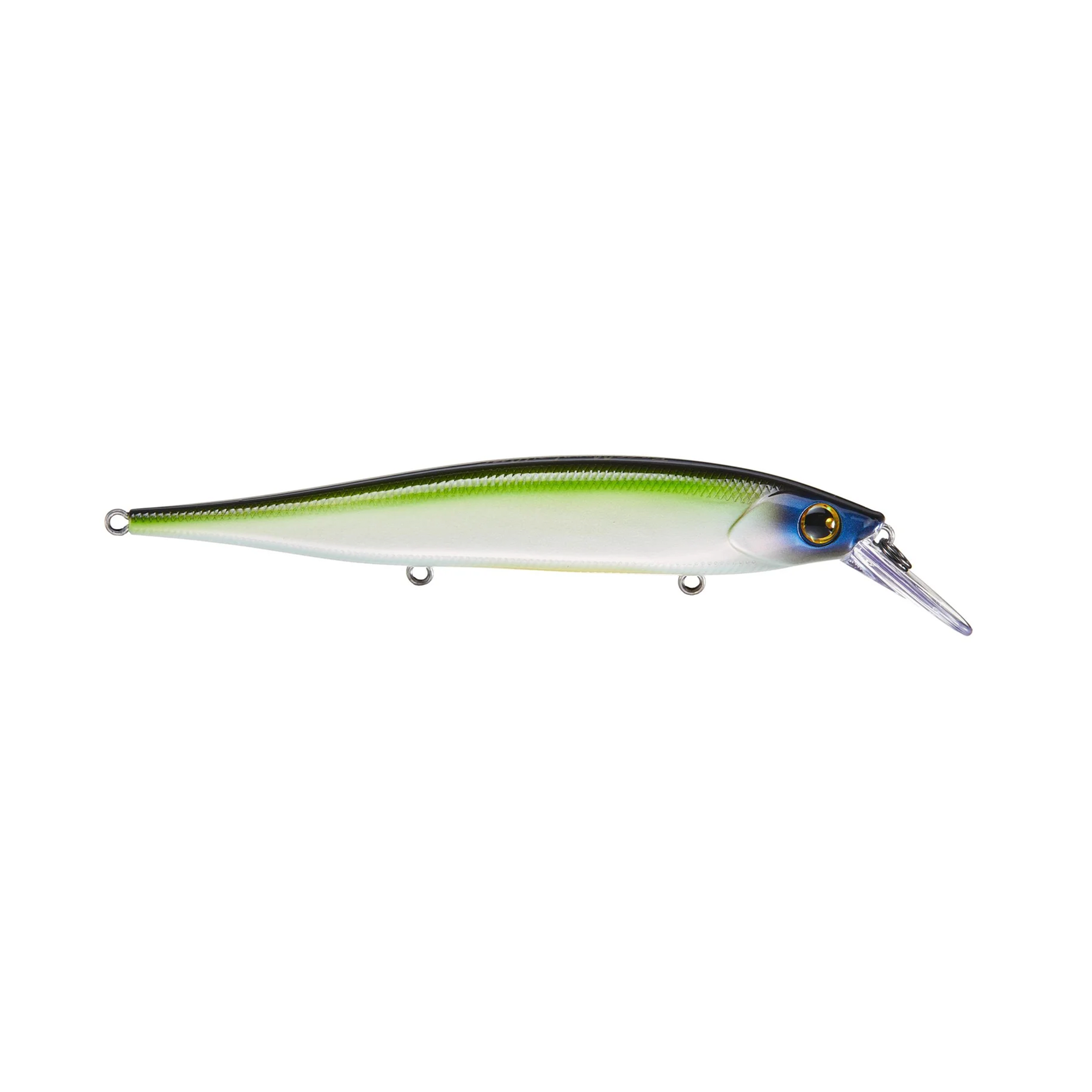
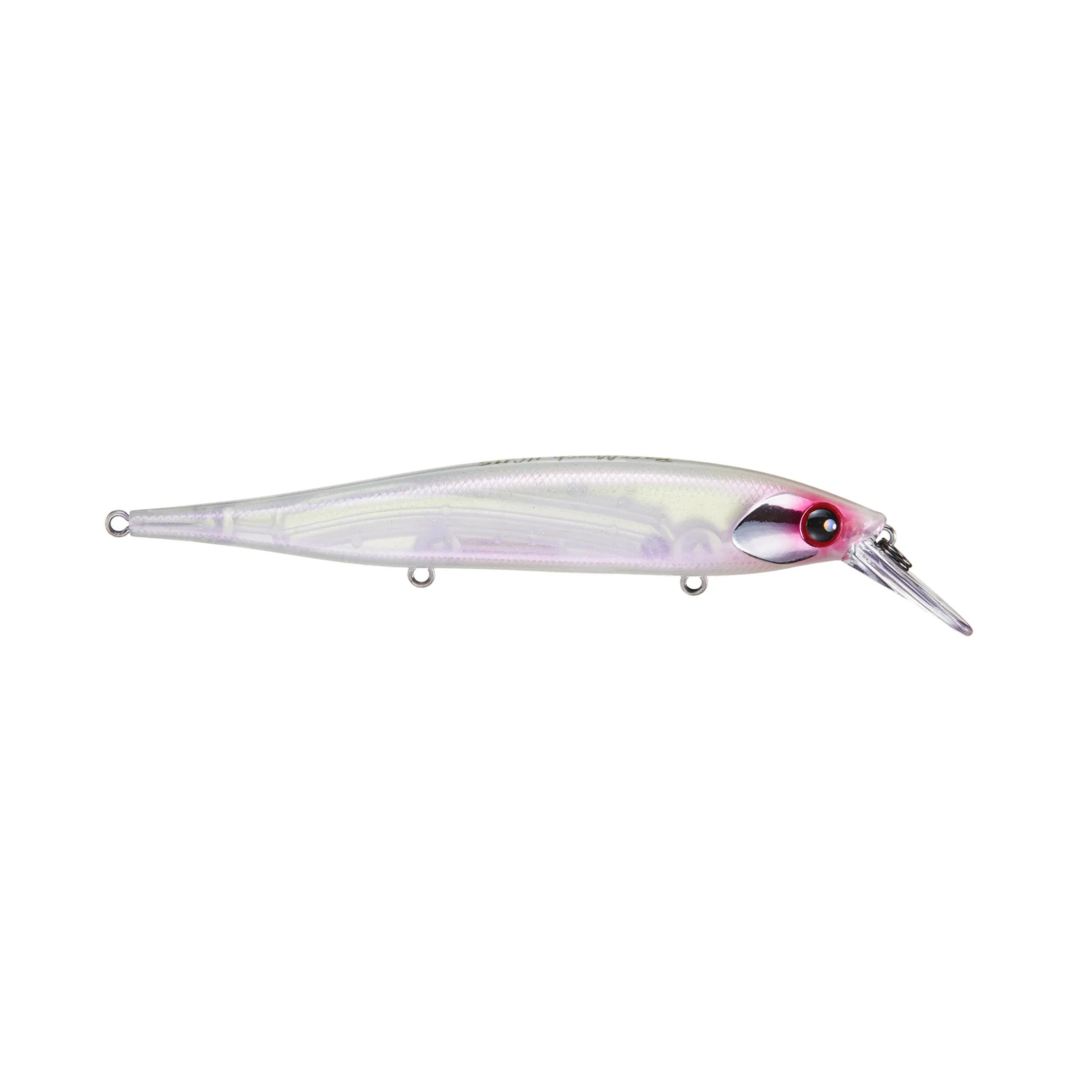
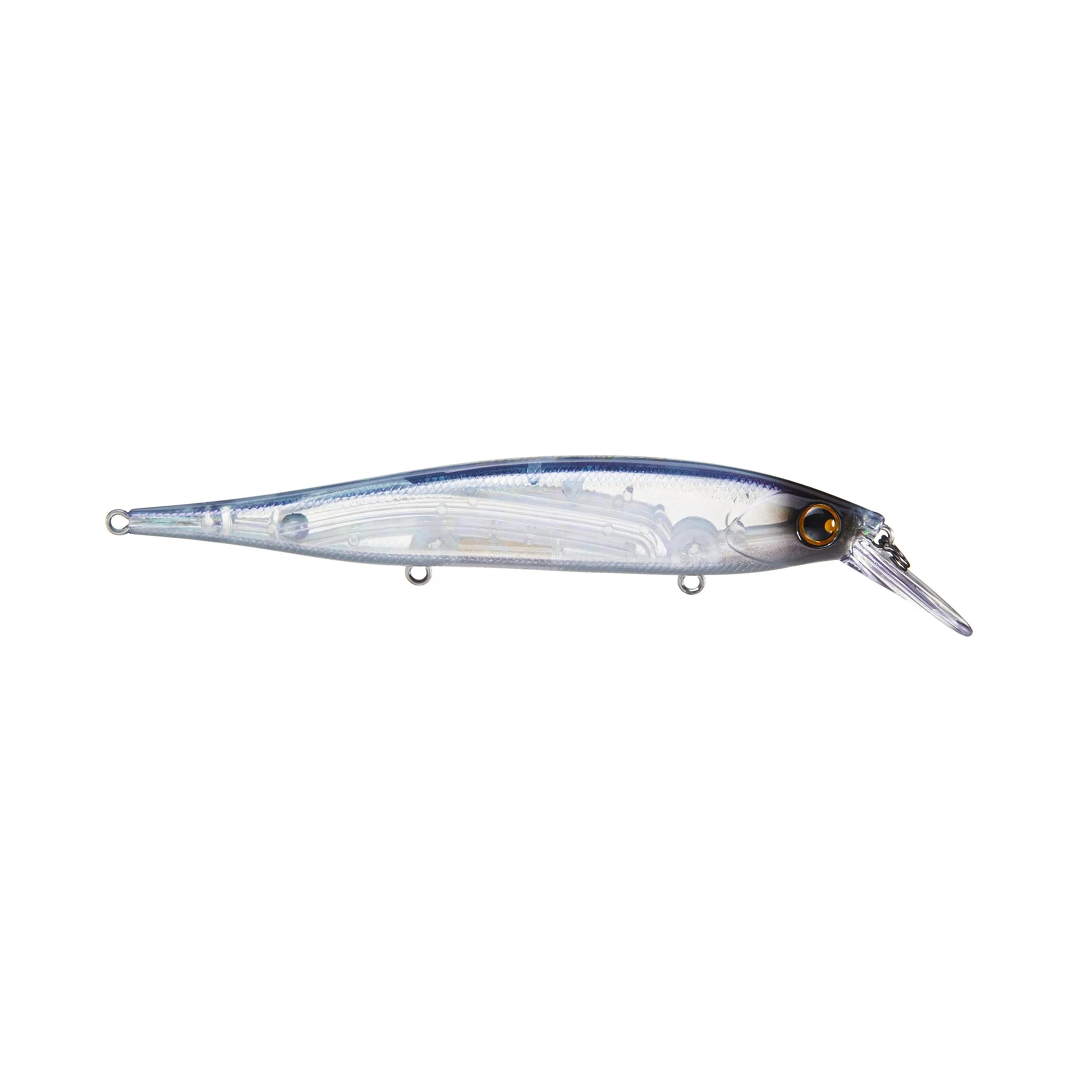
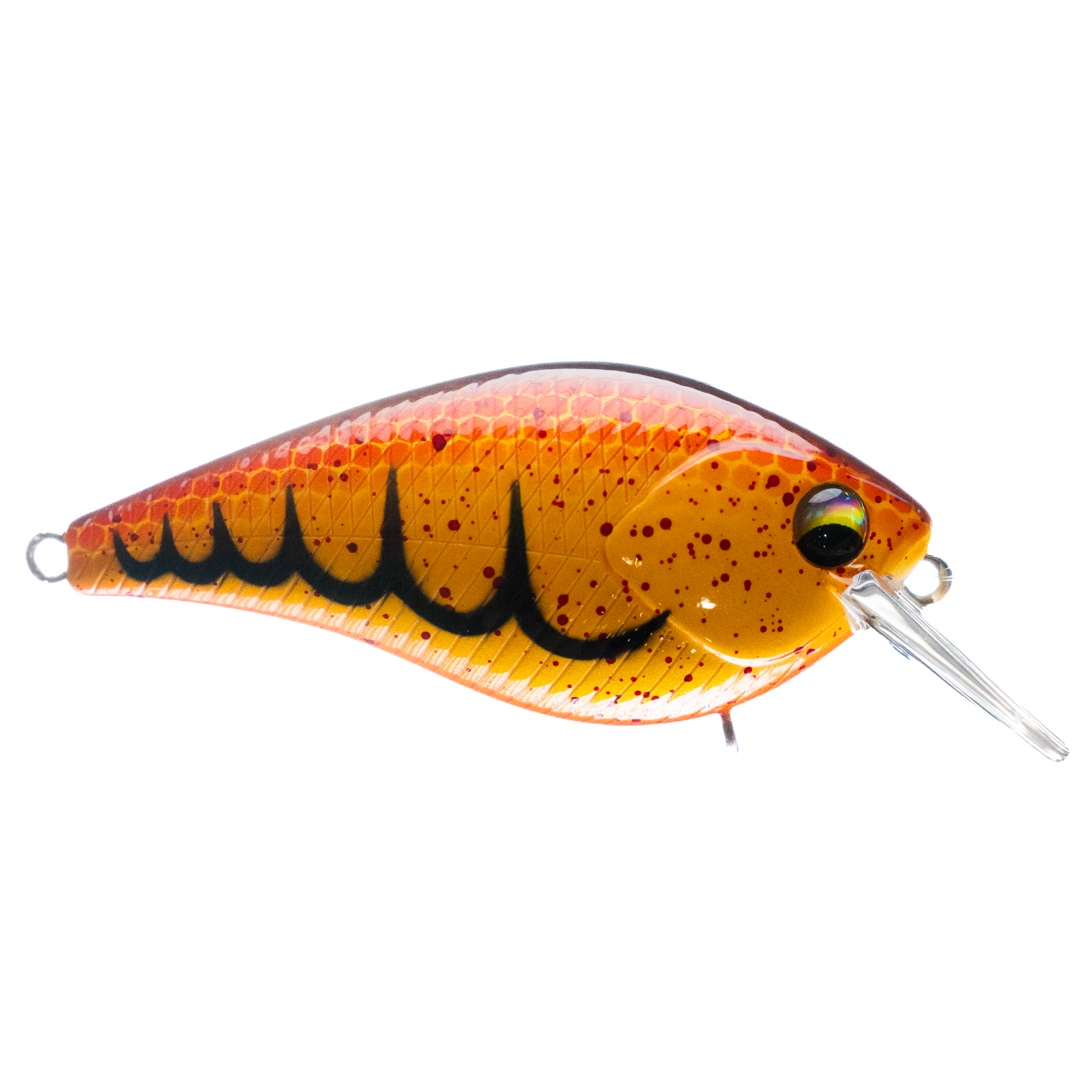
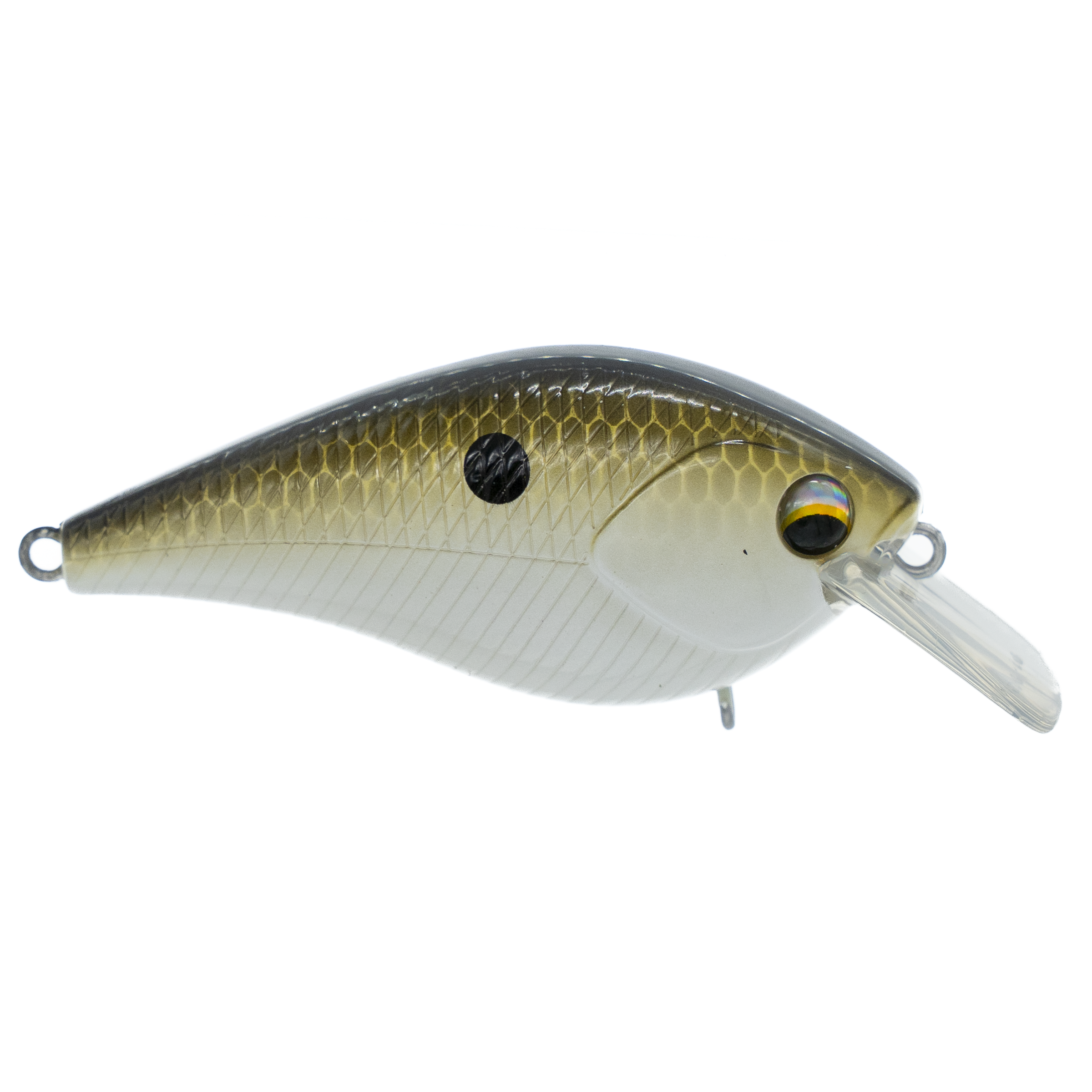
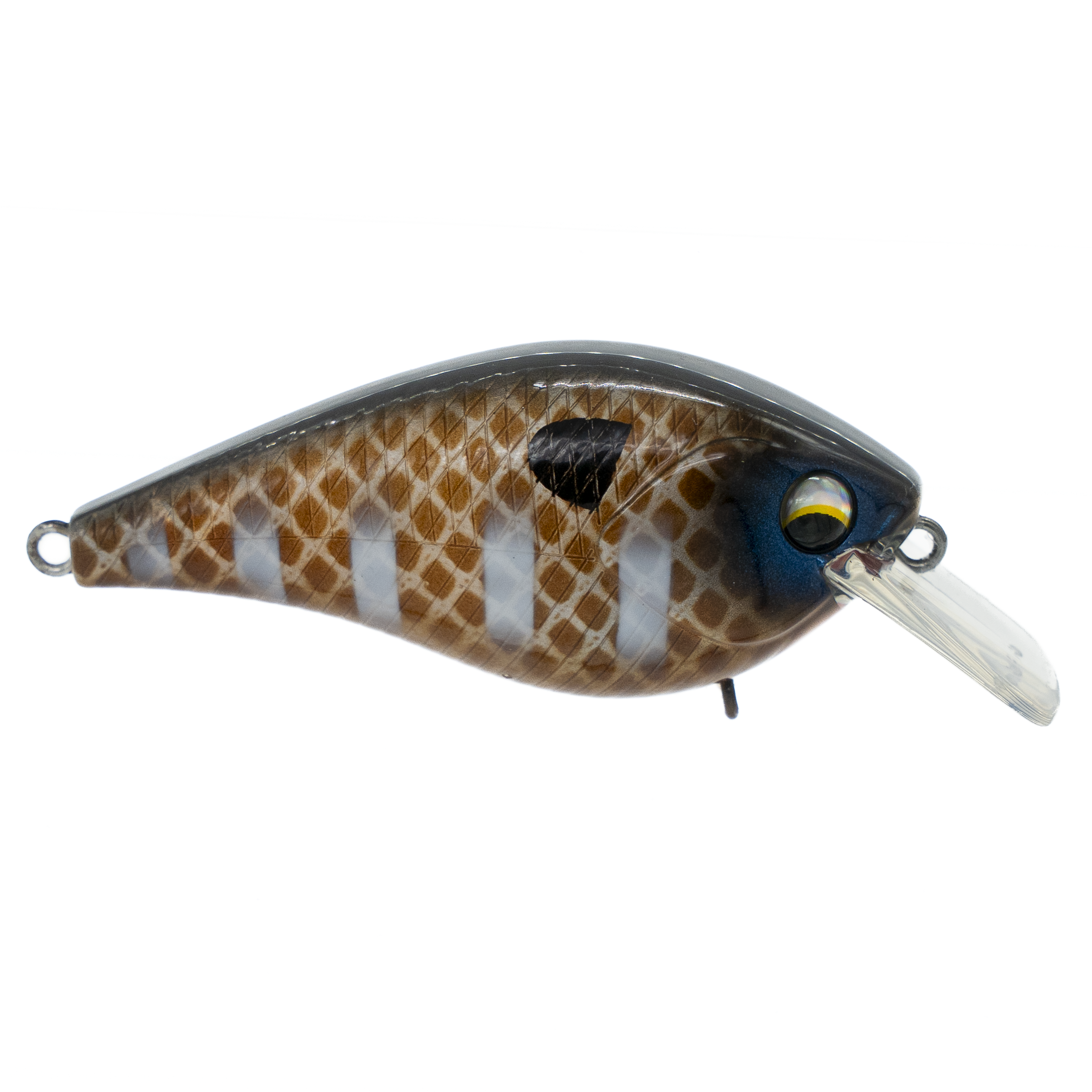
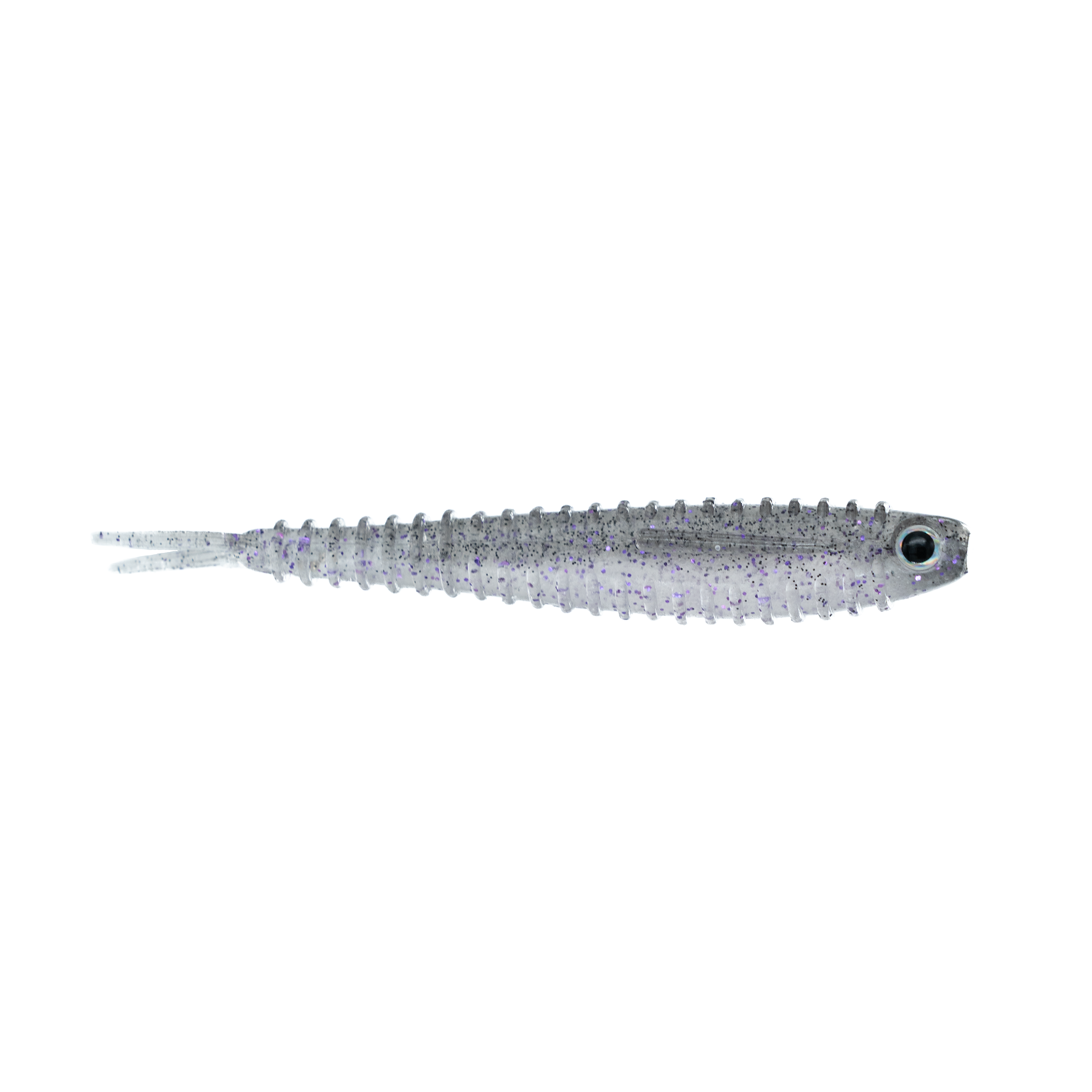
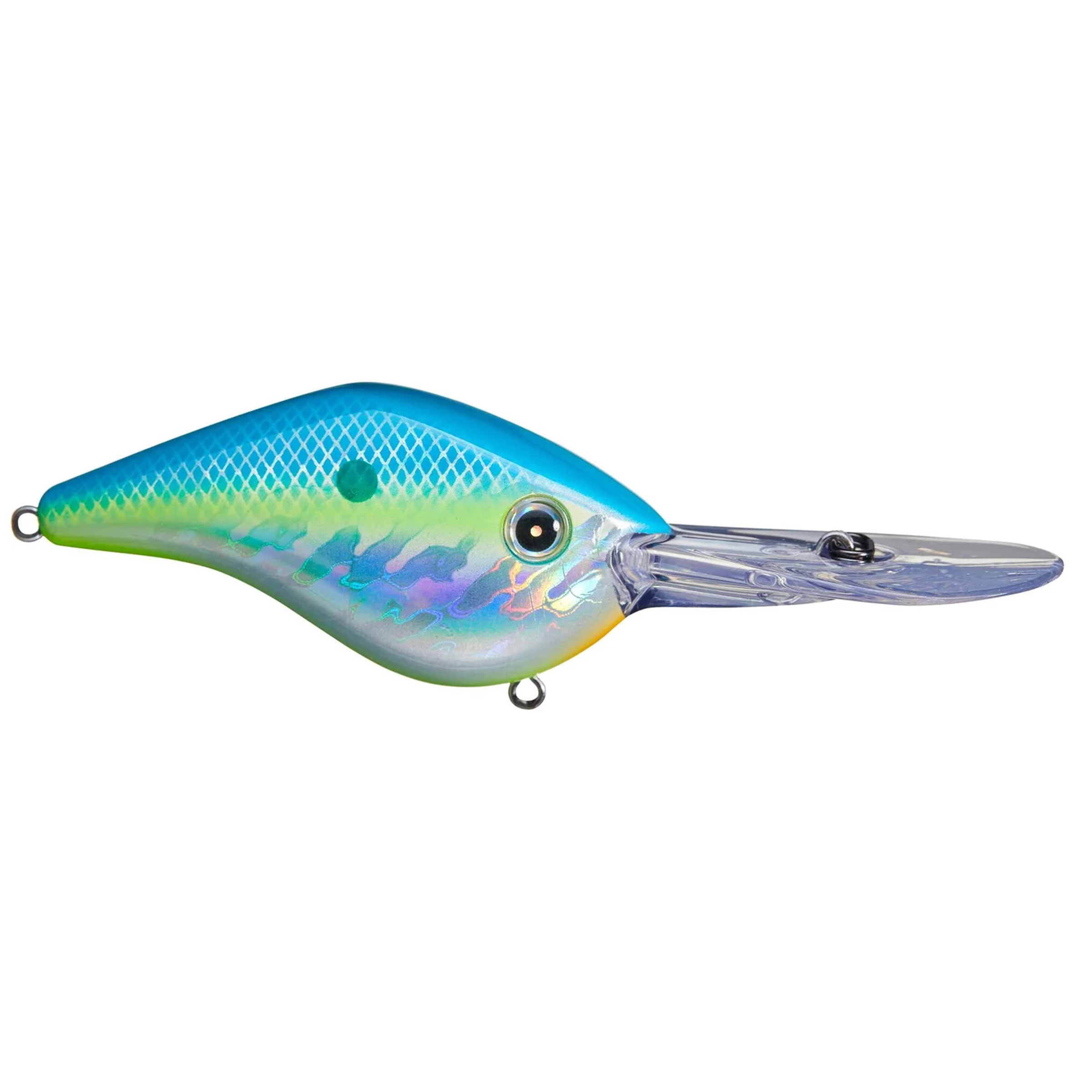
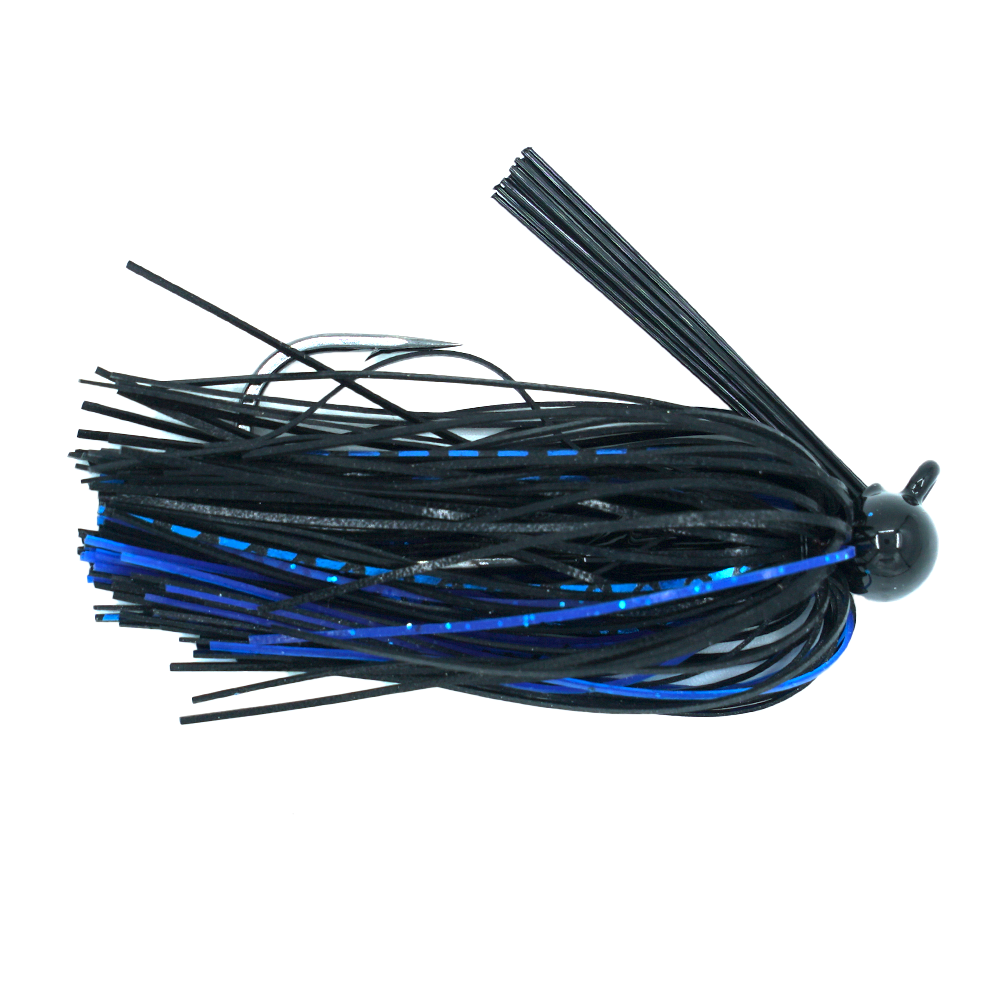
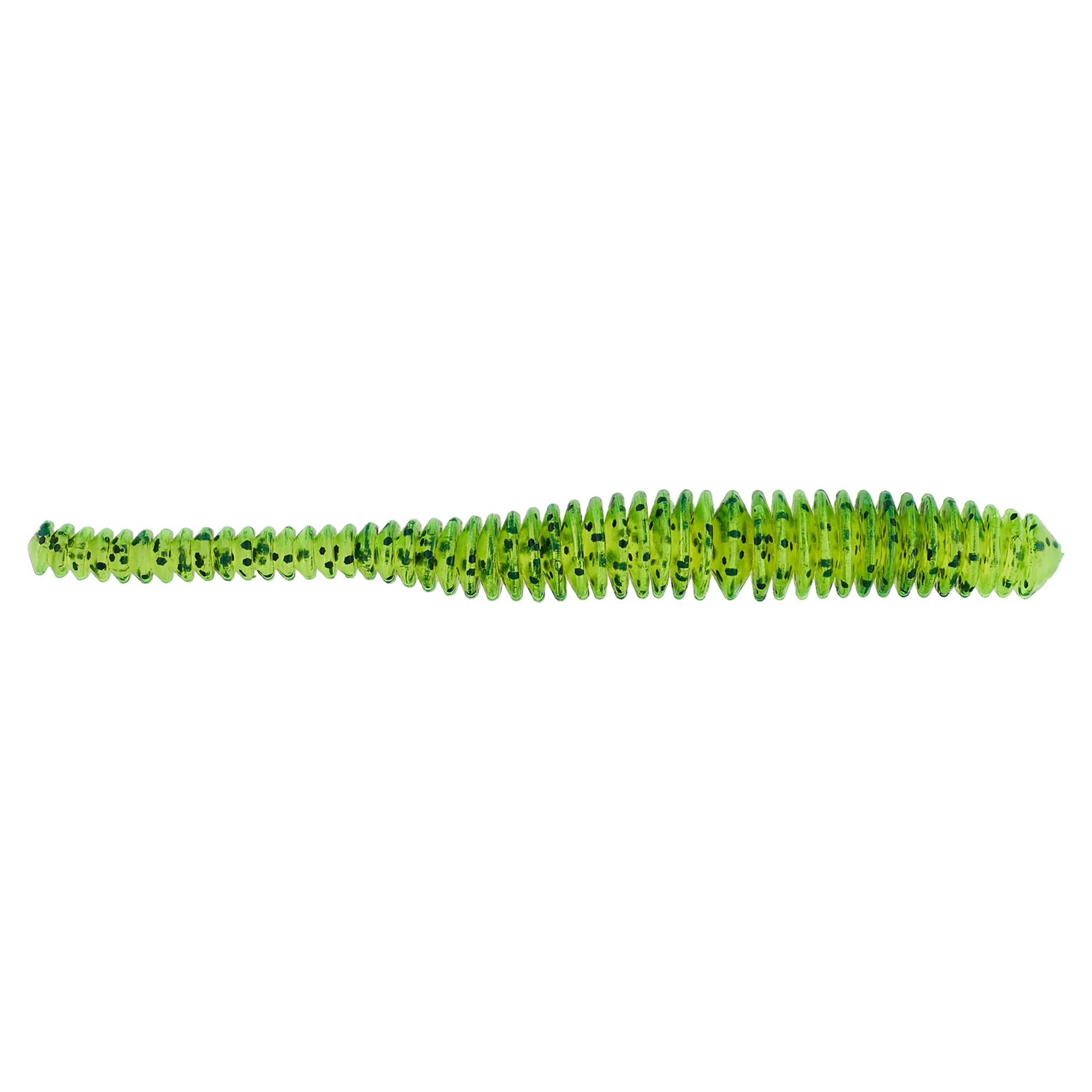
Soft plastics around grass, all year. Spring is flipping hard-bottom pockets. Summer is topwater early and heavy cover midday. Fall is reaction baits on scattered fish. Winter is a lipless crankbait ripped through offshore hydrilla. Our full bait lineup covers all four.
Is Lake Toho the same as East Lake Toho?
No. Locals call this lake Toho or West Lake; East Lake Tohopekaliga is a separate, smaller water body to the northeast that drains into it through the St. Cloud Canal. Guide services and tournaments almost always mean West Lake when they say Toho.
Do I need a fishing license?
Yes. A Florida freshwater fishing license is required for anglers 16 and older, available through the Florida Fish and Wildlife Conservation Commission, with short-term options for visitors. Statewide bass limits apply here — check current size and bag rules before you go.
Pulling Fish Out of Grass
Ripping a lipless crankbait free of hydrilla and then keeping a nine-pounder pinned on the way back through it asks two different things of a rod at the same time: enough tip to load the bait and rip it clean, and enough backbone to turn a big fish before she buries. Level Rods builds models that do both.
Tournament Winning Baits & Gear
Designed, crafted and tested by anglers who fish Florida grass every week. Free shipping on orders over $75.
Shop All Baits