Lake Texoma Bass Fishing Guide
Lake Texoma Bass Fishing, Season by Season
Eighty-nine thousand acres on the Red River between Texas and Oklahoma, best known for striped bass and quietly excellent for black bass. Texoma is one of the few Texas lakes where largemouth and smallmouth share the same rock.
Rock, Wind and Two Species
Lake Texoma was formed in 1944 when the US Army Corps of Engineers completed Denison Dam on the Red River, and it sits astride the Texas–Oklahoma border about an hour north of Dallas. It covers roughly 89,000 acres with around 580 miles of shoreline, making it one of the largest reservoirs in the country and one of the most visited.
The national reputation is striped bass. Texoma is one of the few lakes in the United States where stripers reproduce naturally, and the striper fishery draws most of the guides and most of the attention.
That leaves the black bass fishing quieter than it should be. Texoma holds largemouth and smallmouth in the same water, which is unusual in Texas — the rocky shorelines, riprap, bluff ends and gravel points that make it striper country are exactly what smallmouth want. Spotted bass are present too.
The lake is windy and it is big, and both matter. Open water on Texoma builds quickly and the fetch is long, which is a safety consideration and also a fishing one — wind-blown rock is where the bass are, and learning to use that rather than hide from it is most of the game here.
The other defining feature is water clarity and colour, which varies enormously between the Red River and Washita arms and the main lake. Red River water carries suspended clay; the main lake and the eastern end run considerably clearer. Pick the colour you want to fish and go to it.
Because it crosses the state line, licensing works differently here than on other border lakes. Check the current arrangement before you launch.
Riprap, Points and Wind
Four patterns cover the year. Each one pairs the technique with the baits we'd actually tie on.
Rock Warms First
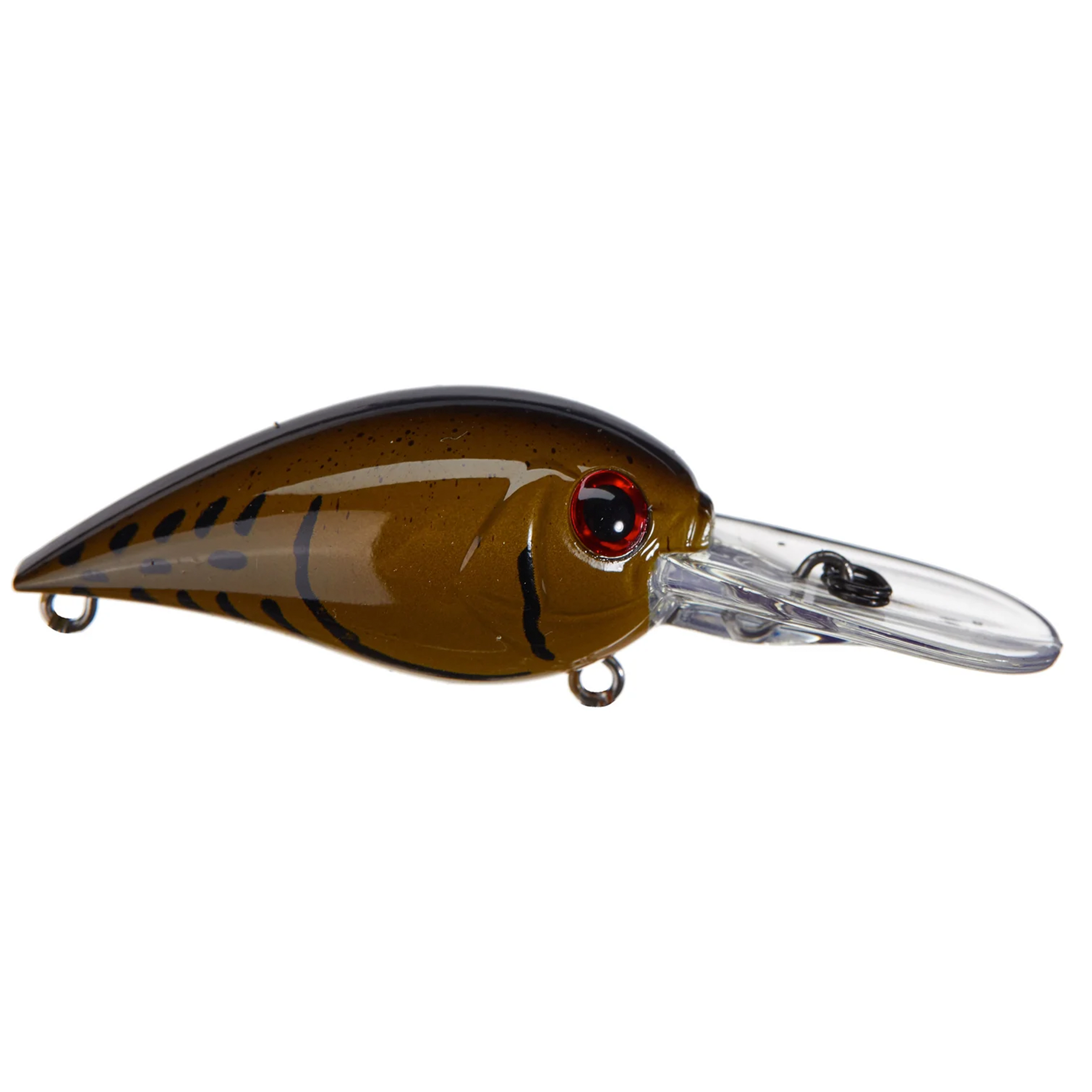
Spring is the strongest season and it happens on rock. Largemouth push into the creeks and the shallow cover while smallmouth stage on gravel and chunk-rock points and the riprap. Rock holds heat, and on a windy lake it is also where the wind pushes bait, so the two things stack.



Deep Structure and Early Starts
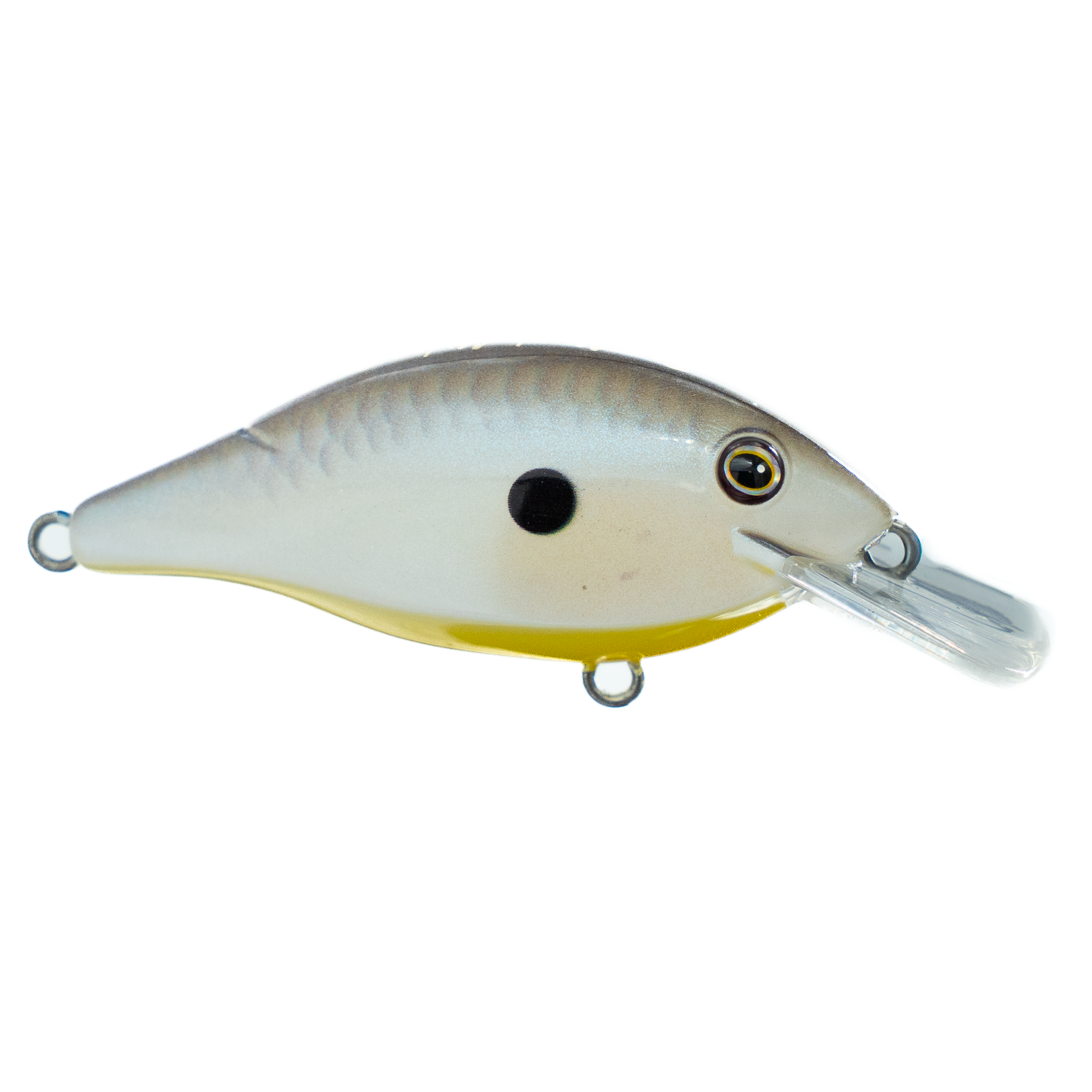
Summer heat and heavy recreational traffic push the fishing into the early hours. Bass move onto deeper structure — humps, points, ledges and the deeper rock — and hold there through the day. This is also peak striper season, so expect company.

Following the Shad
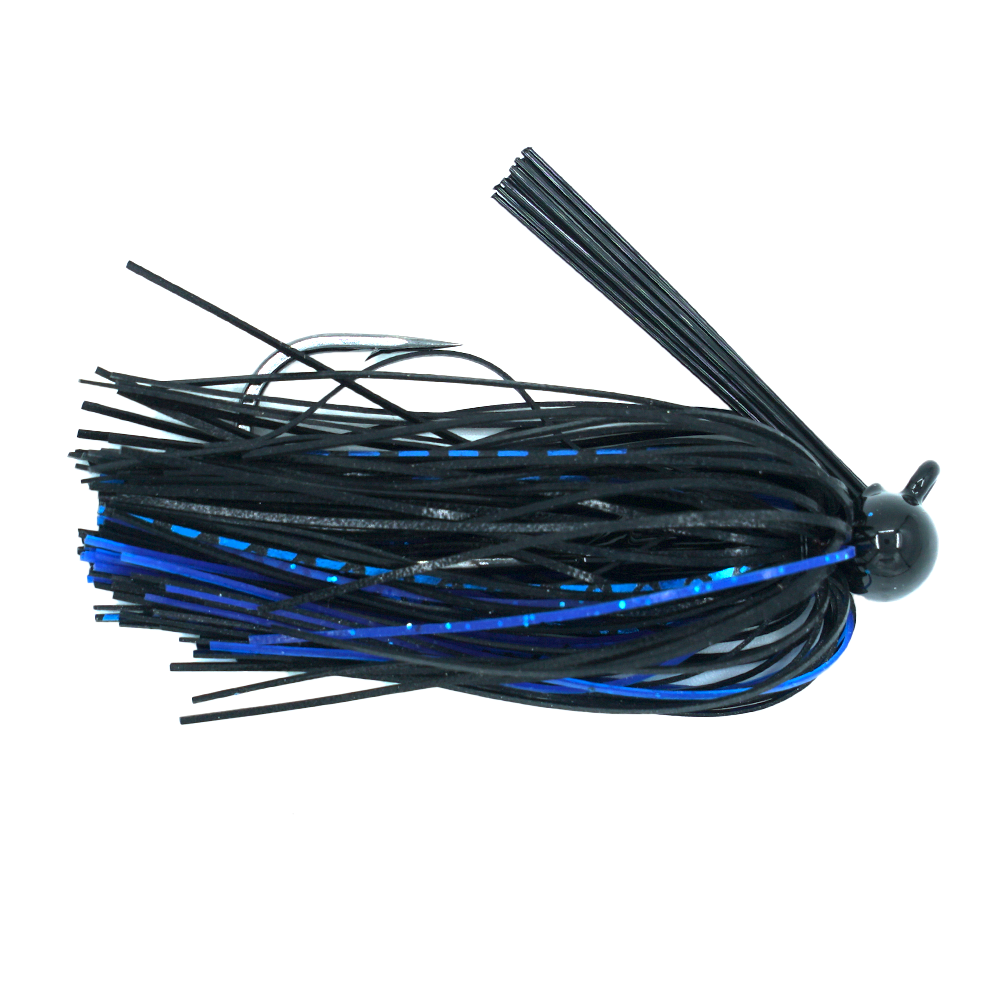
Autumn is the other strong window. Shad move into the creeks and the bass follow, and both species become catchable on moving baits along the rock and in the backs of the creeks. Boat traffic drops off sharply after the summer, which makes it the most pleasant fishing of the year.
Smallmouth Weather
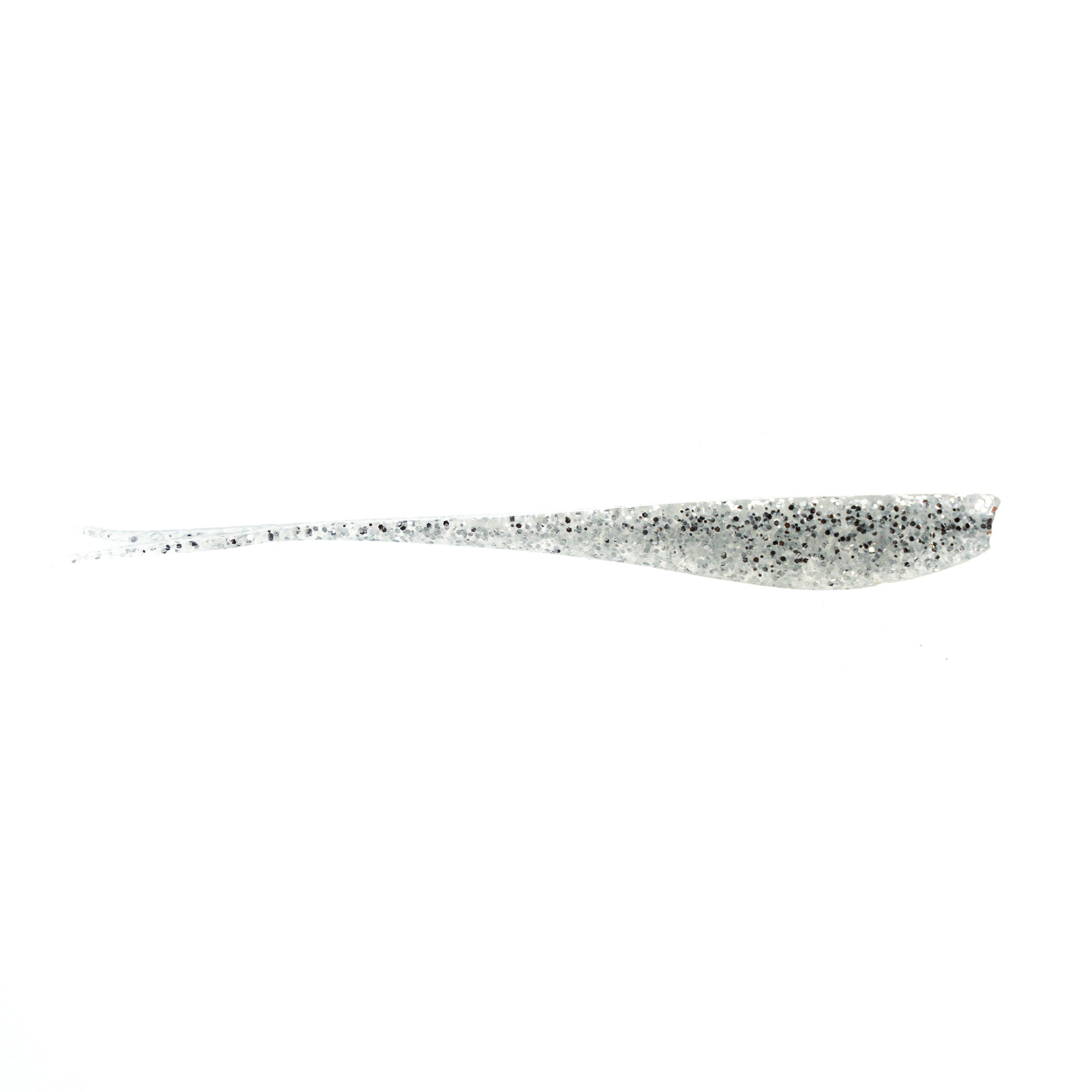
Cold water is when the smallmouth fishing here is at its best, and it is the least crowded time on a lake that gets very busy. Fish hold on deep rock, bluff ends and channel swings, and they group up tightly. Largemouth go deep as well and the two often overlap on the same structure.

Lake Texoma Access
Ramps and marinas serve both the Texas and Oklahoma shorelines, with heavy development around the Denison Dam end and along the southern shore. Denison and Sherman are the nearest Texas towns, and the lake is roughly an hour north of the Dallas metroplex.
The Riprap and Rocky Points
The defining structure on this lake and the reason smallmouth thrive here. Rock warms first in spring, holds bait, and concentrates both species. Fish the windblown side even when it is unpleasant — that is where the fish will be.
The Red River and Washita Arms
Stained water, current influence and a different fishery from the clear main lake. Worth running to when the main lake is bright and difficult, and the place largemouth are more reliably shallow.
The Main Lake Humps and Ledges
Deep structure holding summer and winter fish, and the offshore side of Texoma. Bait stacks on them and both bass and stripers use them, so a good hump can produce a great deal in a short time.
Lake Texoma Bass Fishing FAQ
Do I need a Texas or Oklahoma license for Lake Texoma?
Texoma has a specific arrangement rather than the usual border-lake rules — a Lake Texoma fishing licence is available that covers the reservoir's waters in both states. Check current requirements with Texas Parks and Wildlife and the Oklahoma Department of Wildlife Conservation before you launch, as the details matter and can change.
Is Lake Texoma good for bass fishing?
Yes, and it is underrated because the striper fishery gets all the attention. Texoma holds largemouth, smallmouth and spotted bass, and the rocky structure that supports the striper population is excellent smallmouth habitat — a rare combination in Texas.
Are there smallmouth in Lake Texoma?
Yes, and it is one of the better smallmouth fisheries in Texas. The rocky points, riprap, bluff ends and gravel transitions give them the habitat they need. Cold water in winter is when the smallmouth fishing is at its best.
How big is Lake Texoma?
About 89,000 acres with around 580 miles of shoreline, formed in 1944 by Denison Dam on the Red River. It sits on the Texas–Oklahoma border roughly an hour north of Dallas and is one of the most visited reservoirs in the country.
Why is the water different colours?
The Red River and Washita arms carry suspended clay and run stained, while the main lake and eastern end are considerably clearer. That gives you a genuine choice — fish clear water with finesse presentations or stained water with reaction baits, on the same trip.
Is Texoma windy?
Very. The lake is large and open with a long fetch, and wind builds quickly. That is a safety consideration on open water and a fishing consideration too, because windblown rock is where the bass concentrate. Learn to use it rather than avoid it.
What baits work best on Lake Texoma?
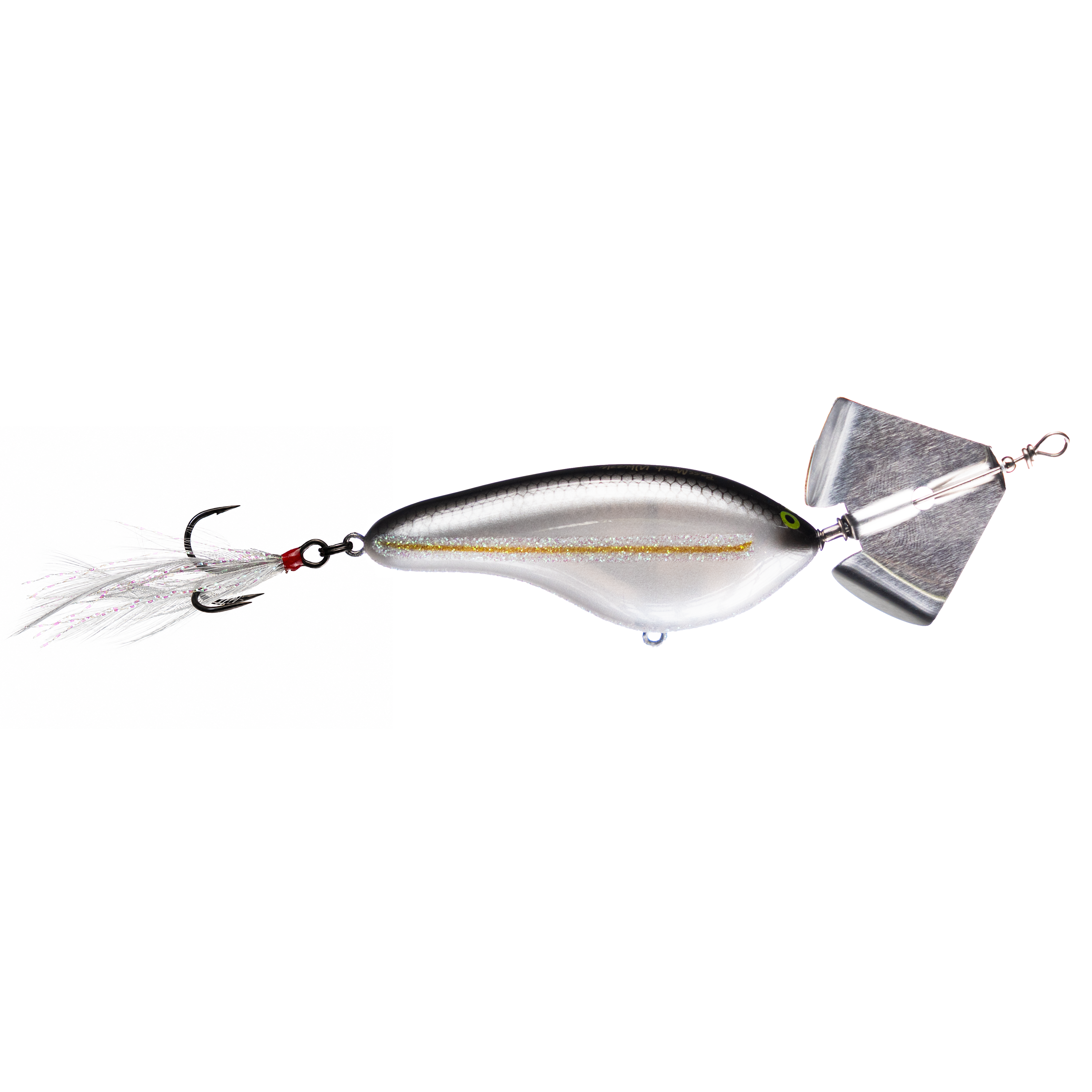
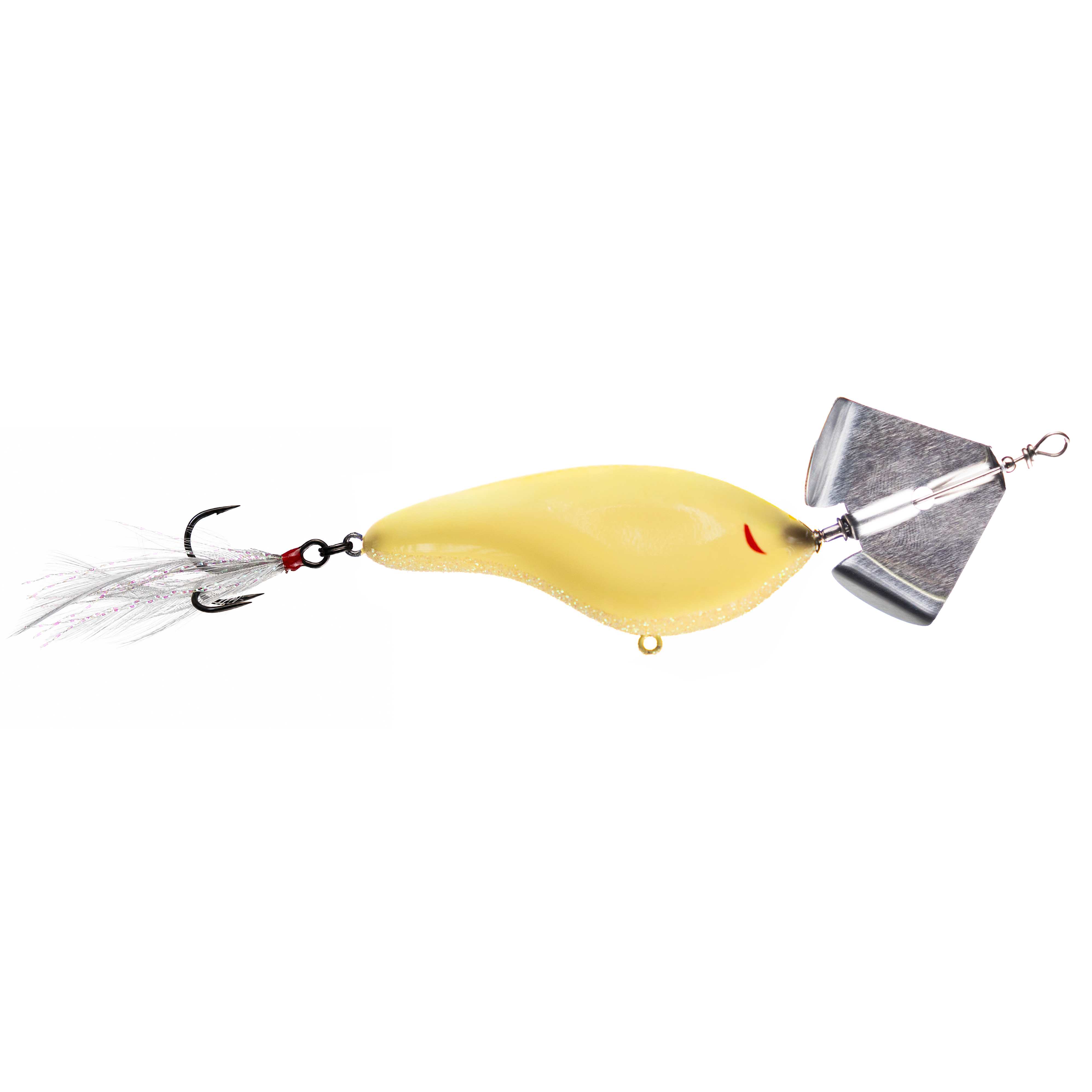
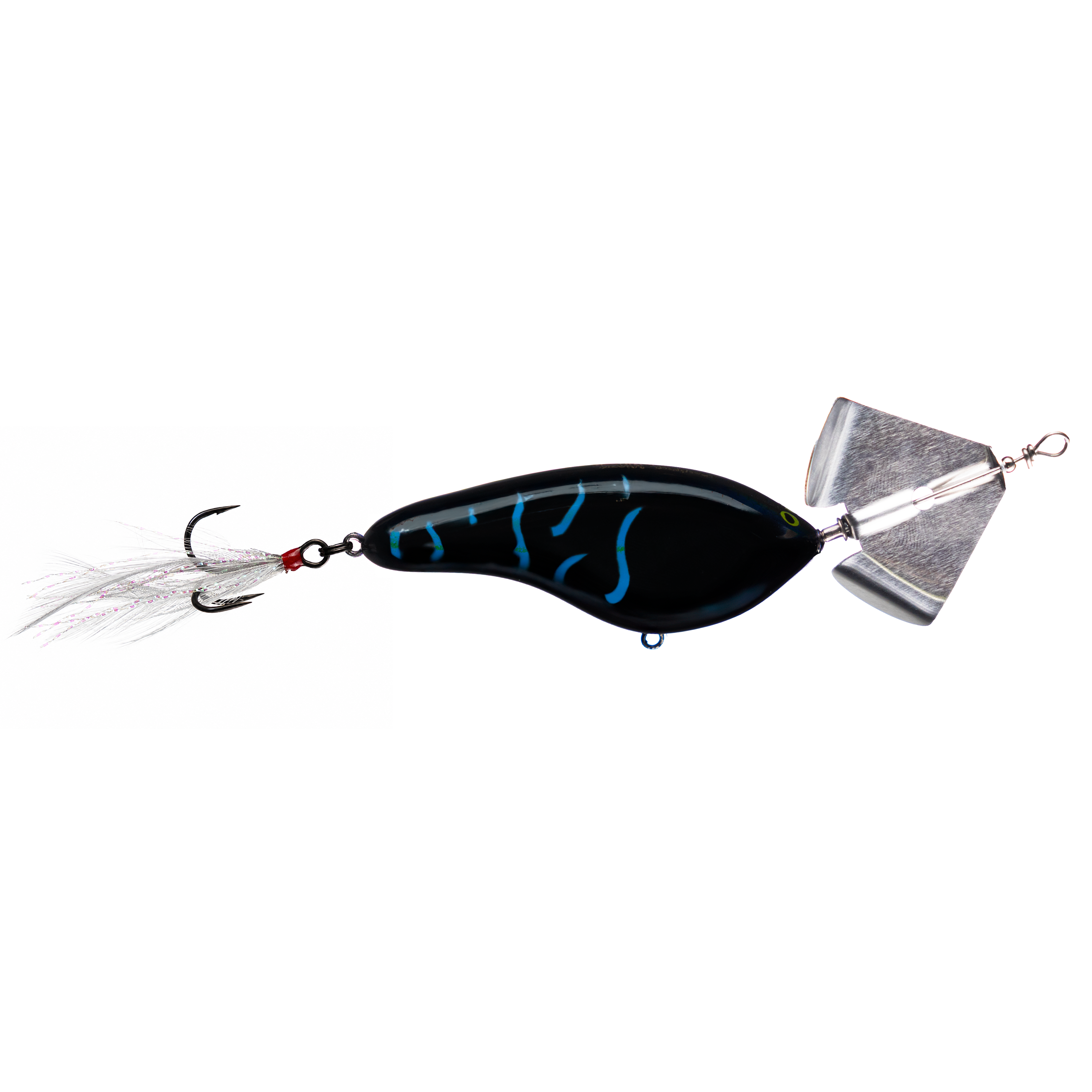
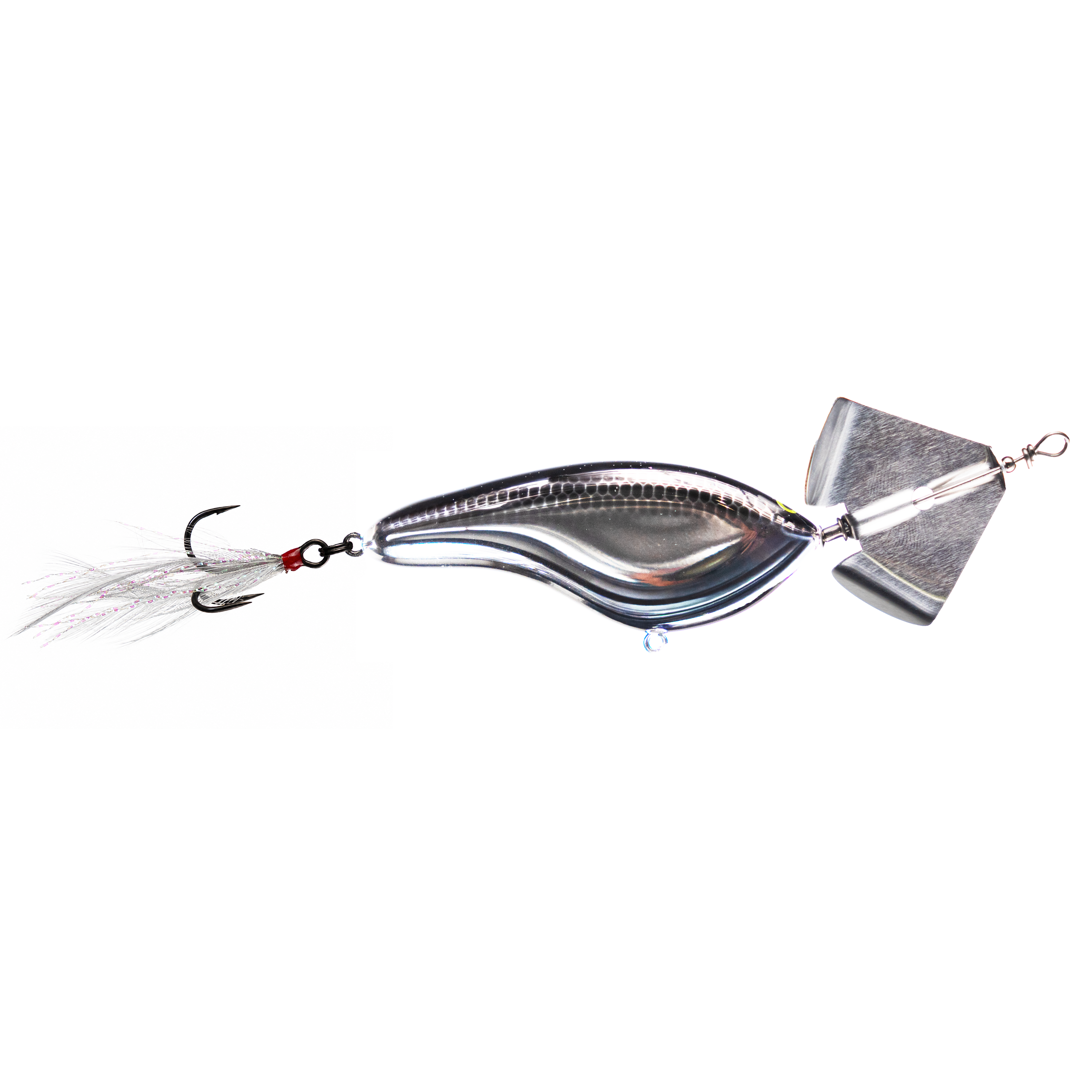
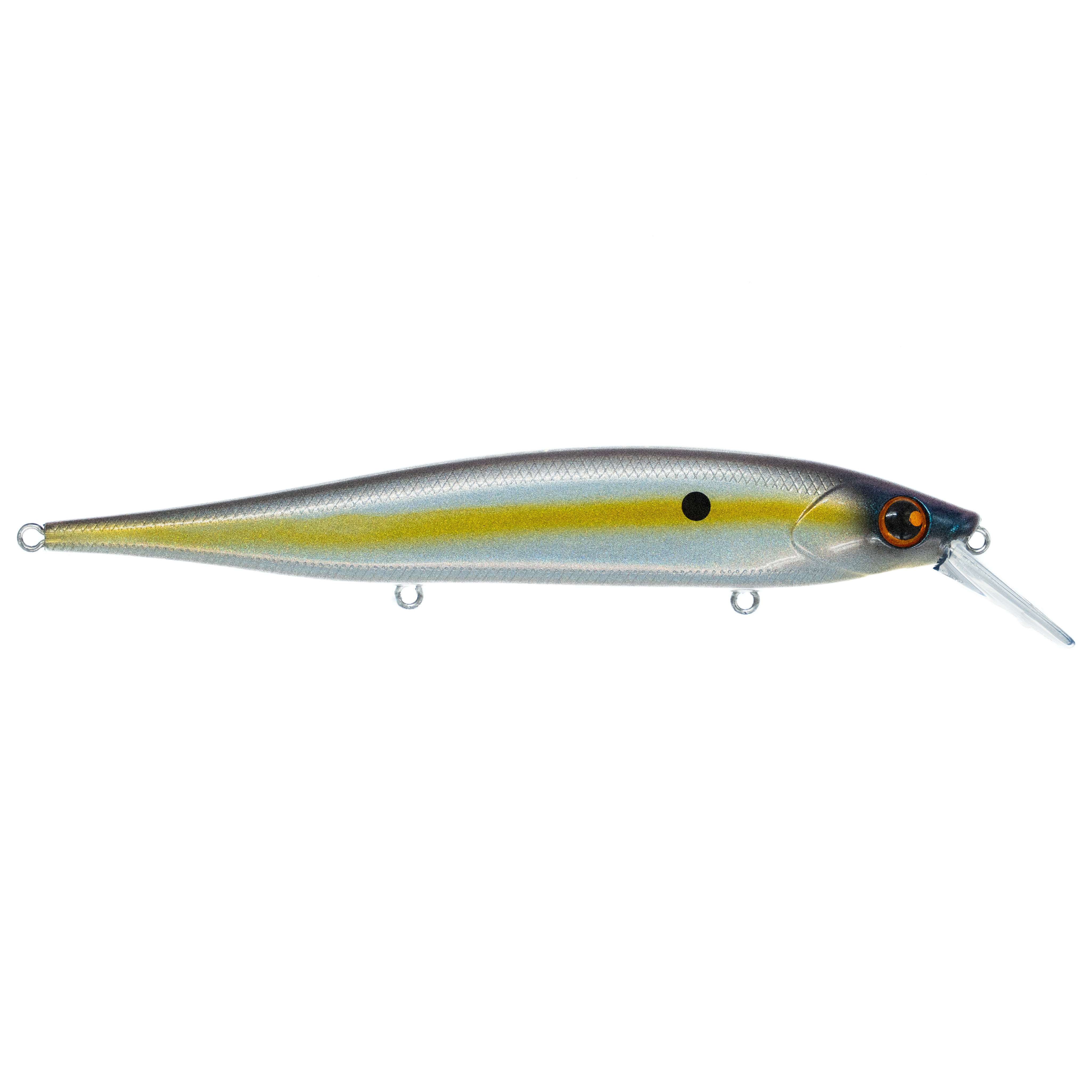
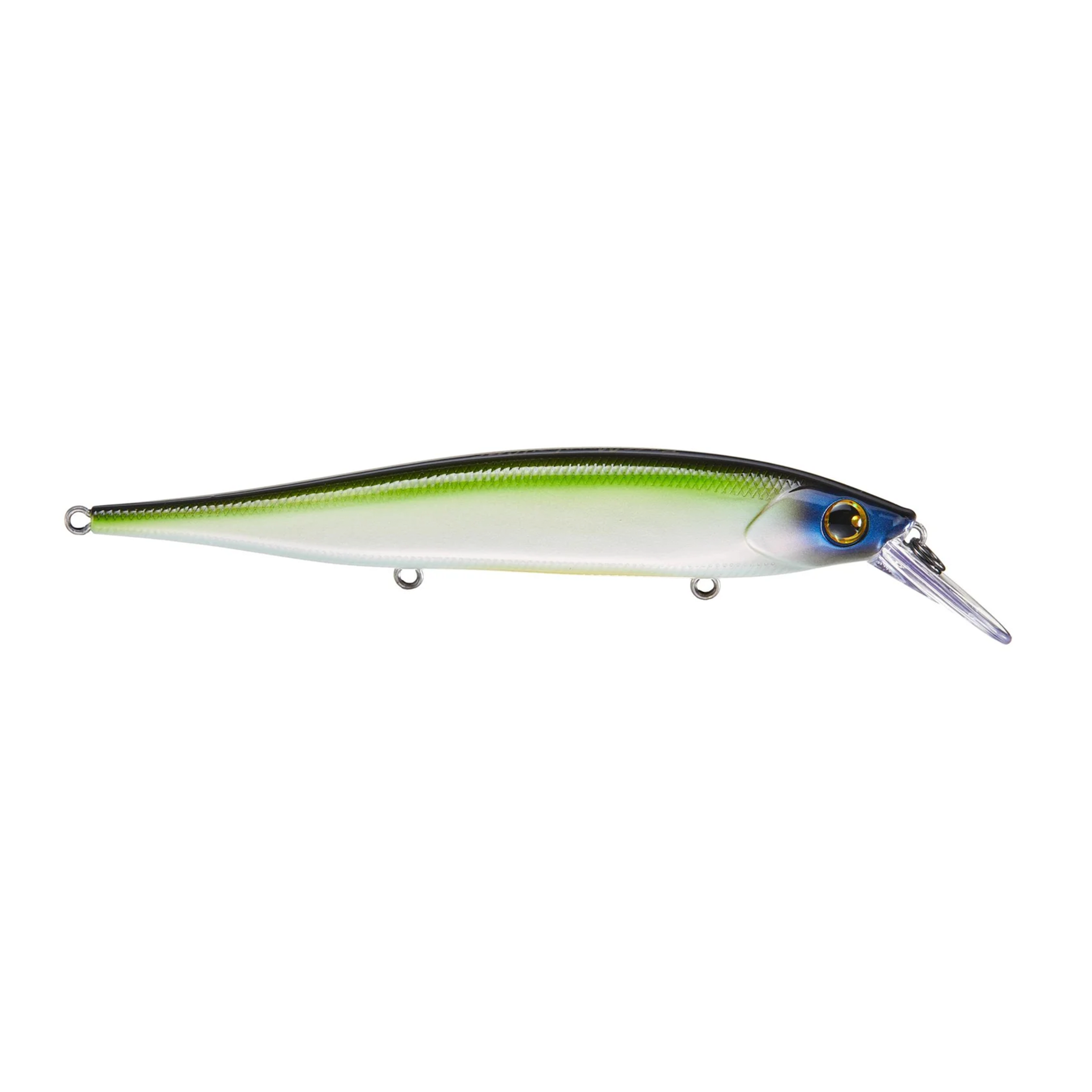
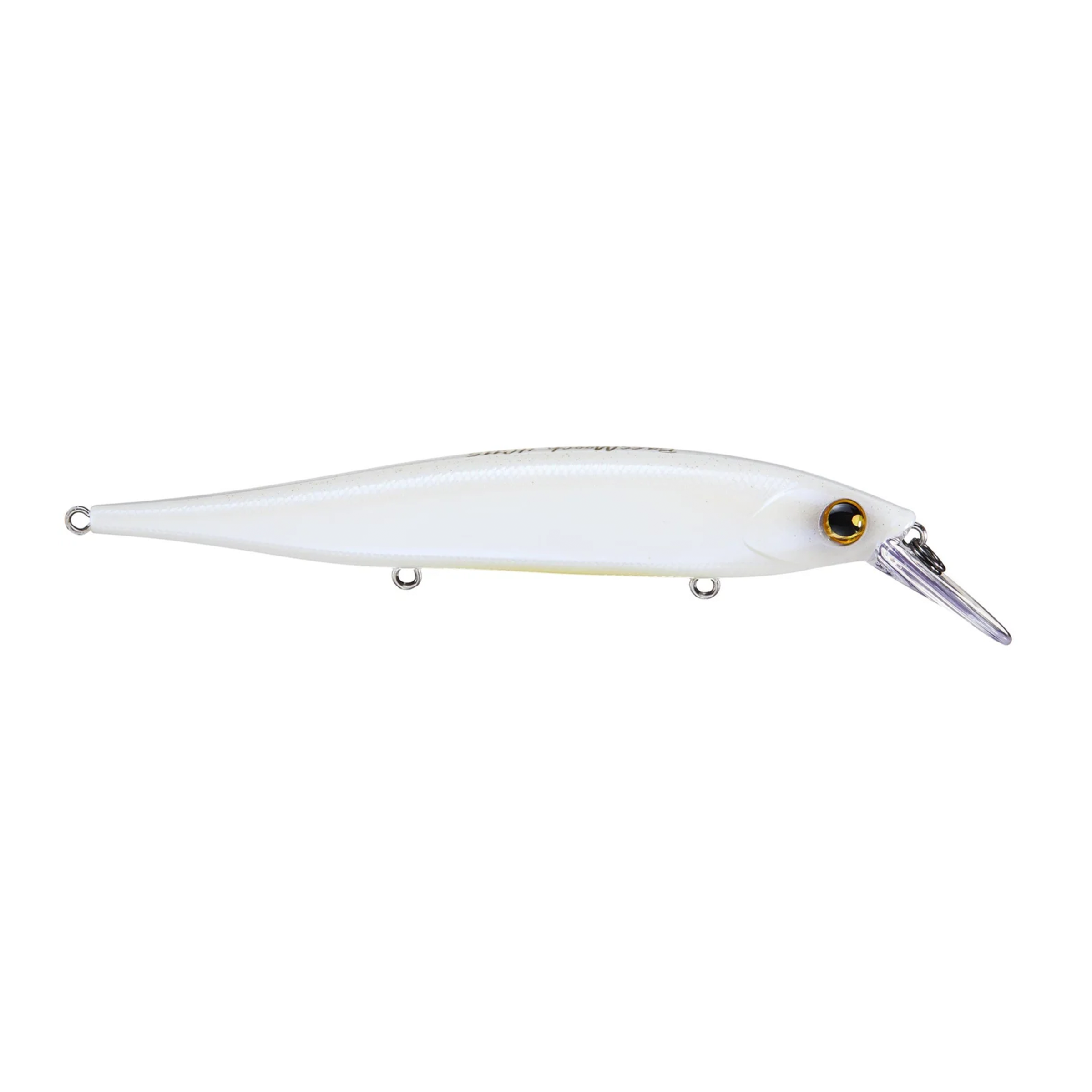
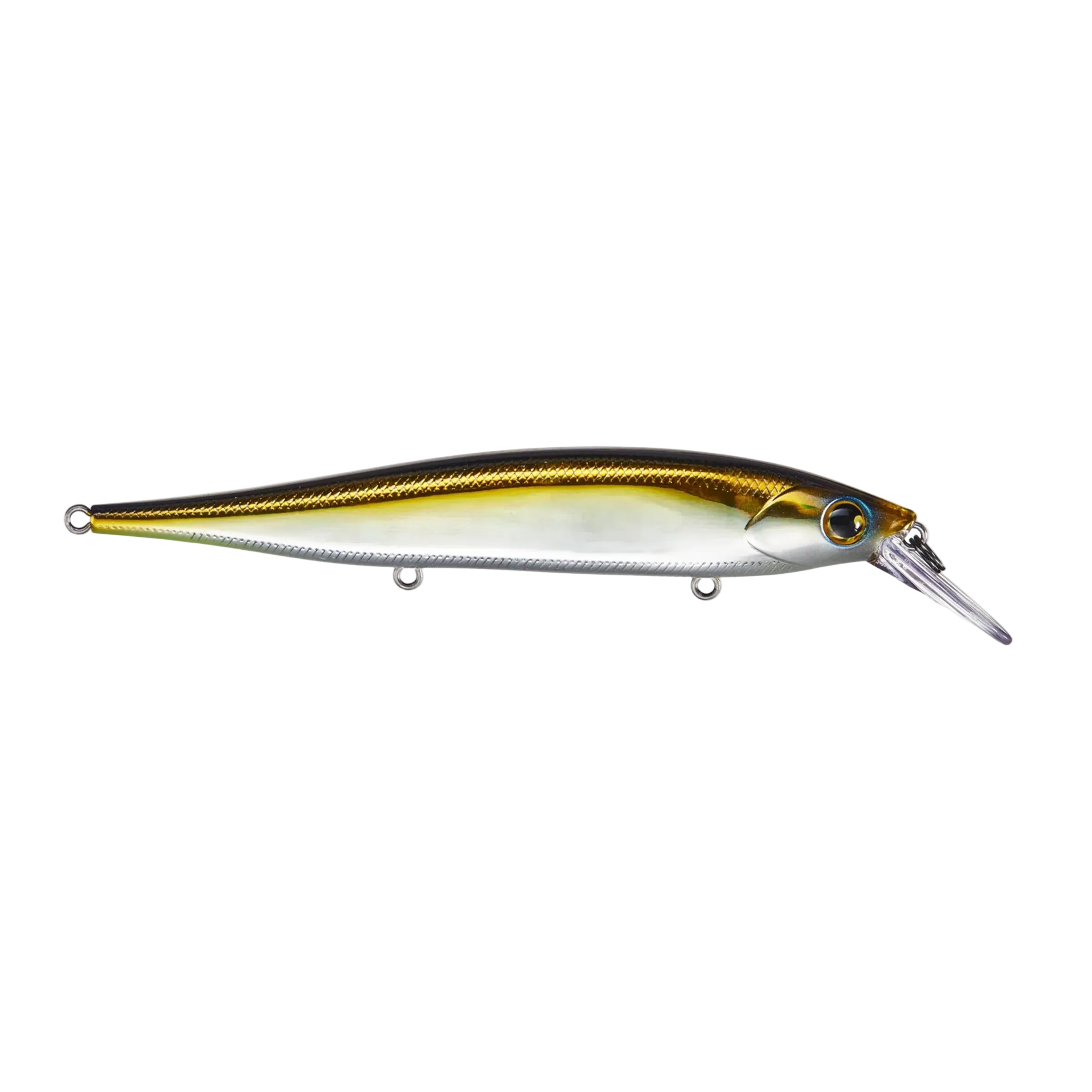
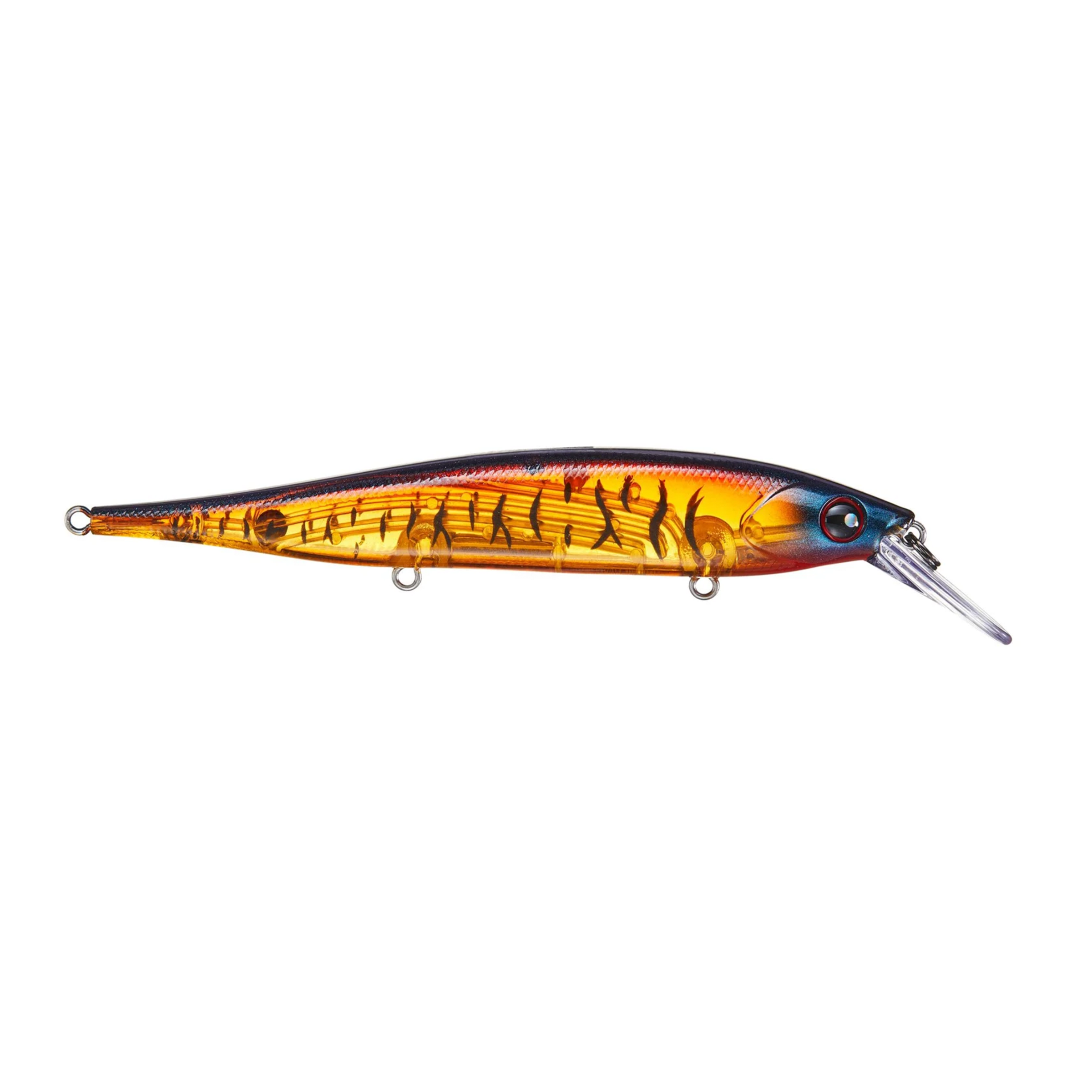
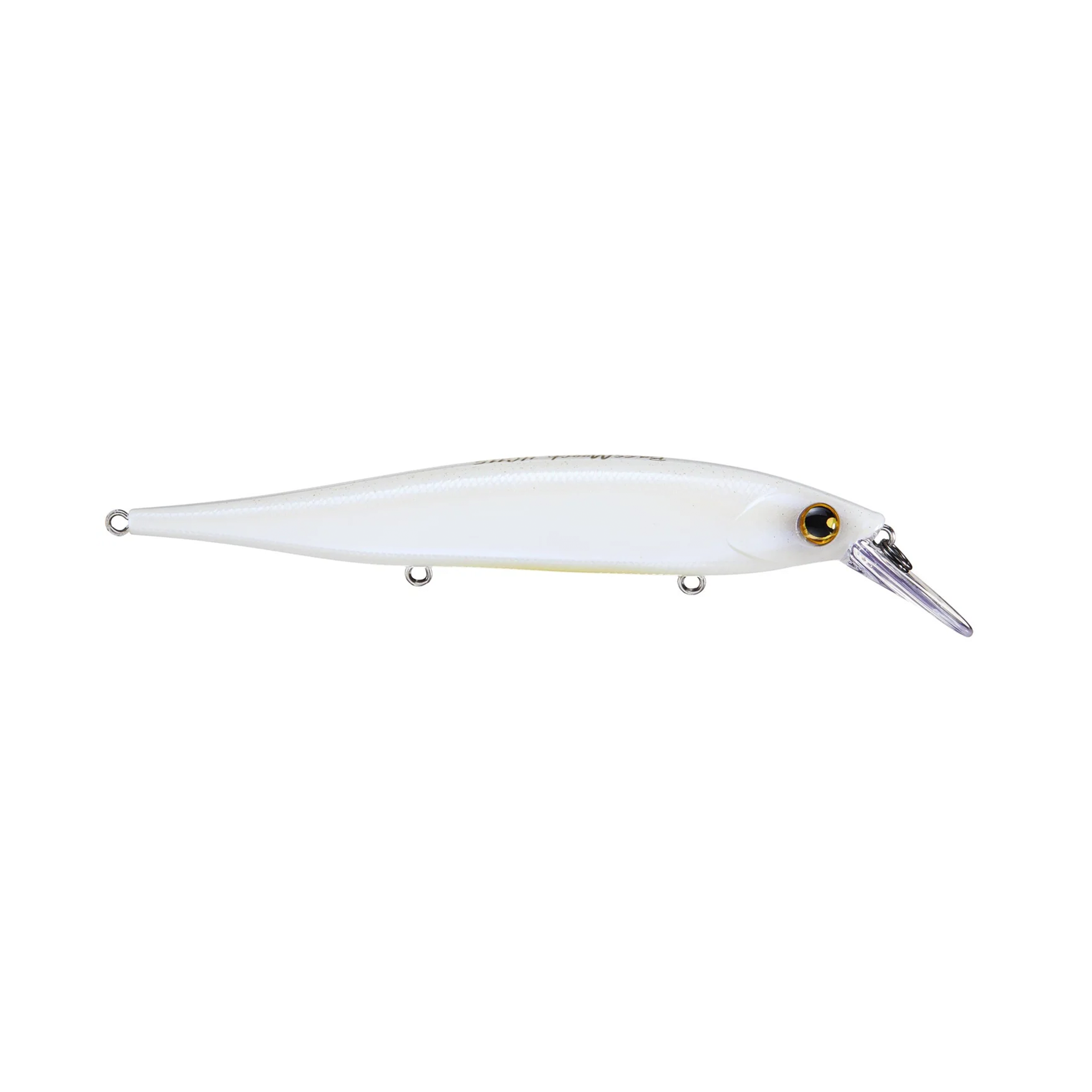
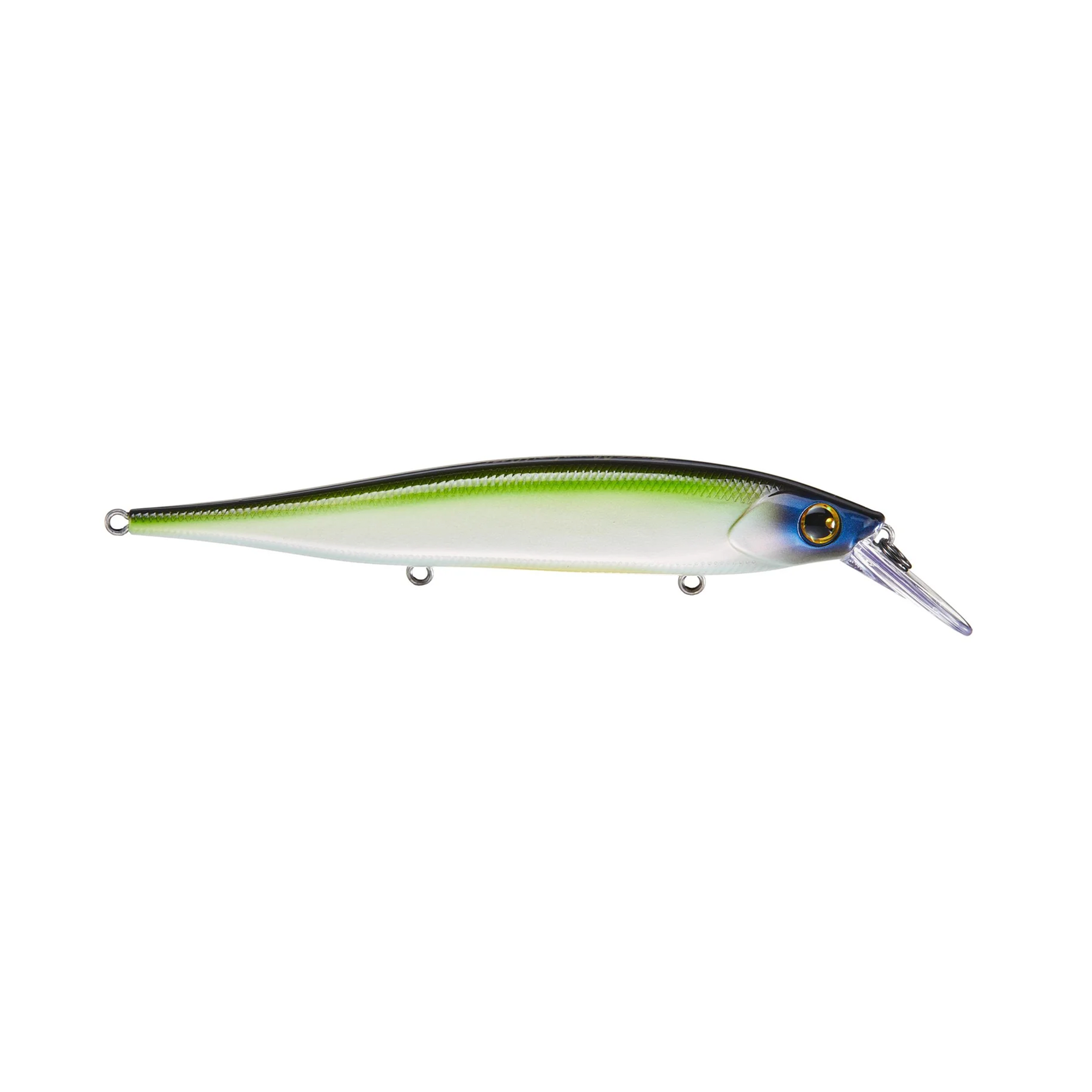
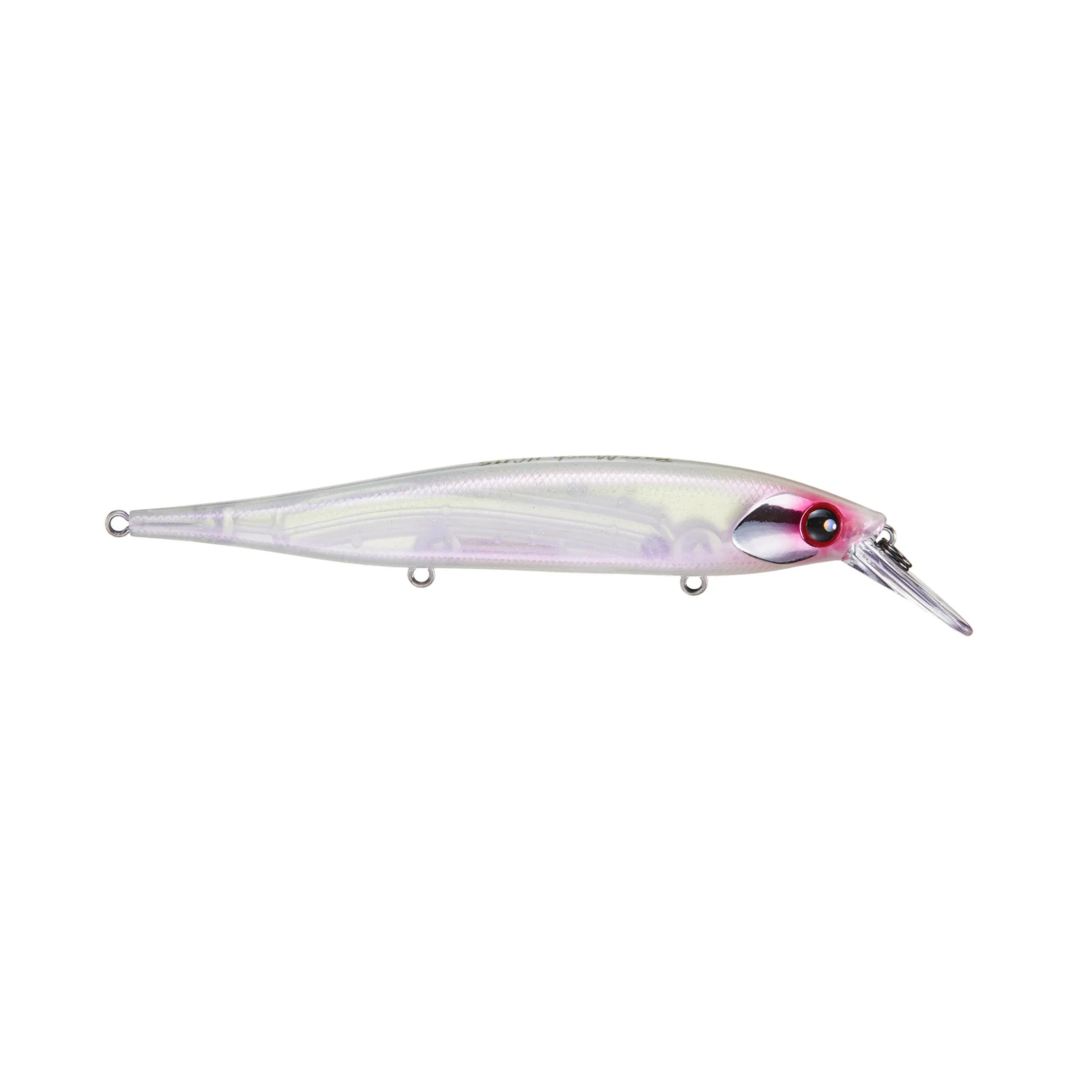
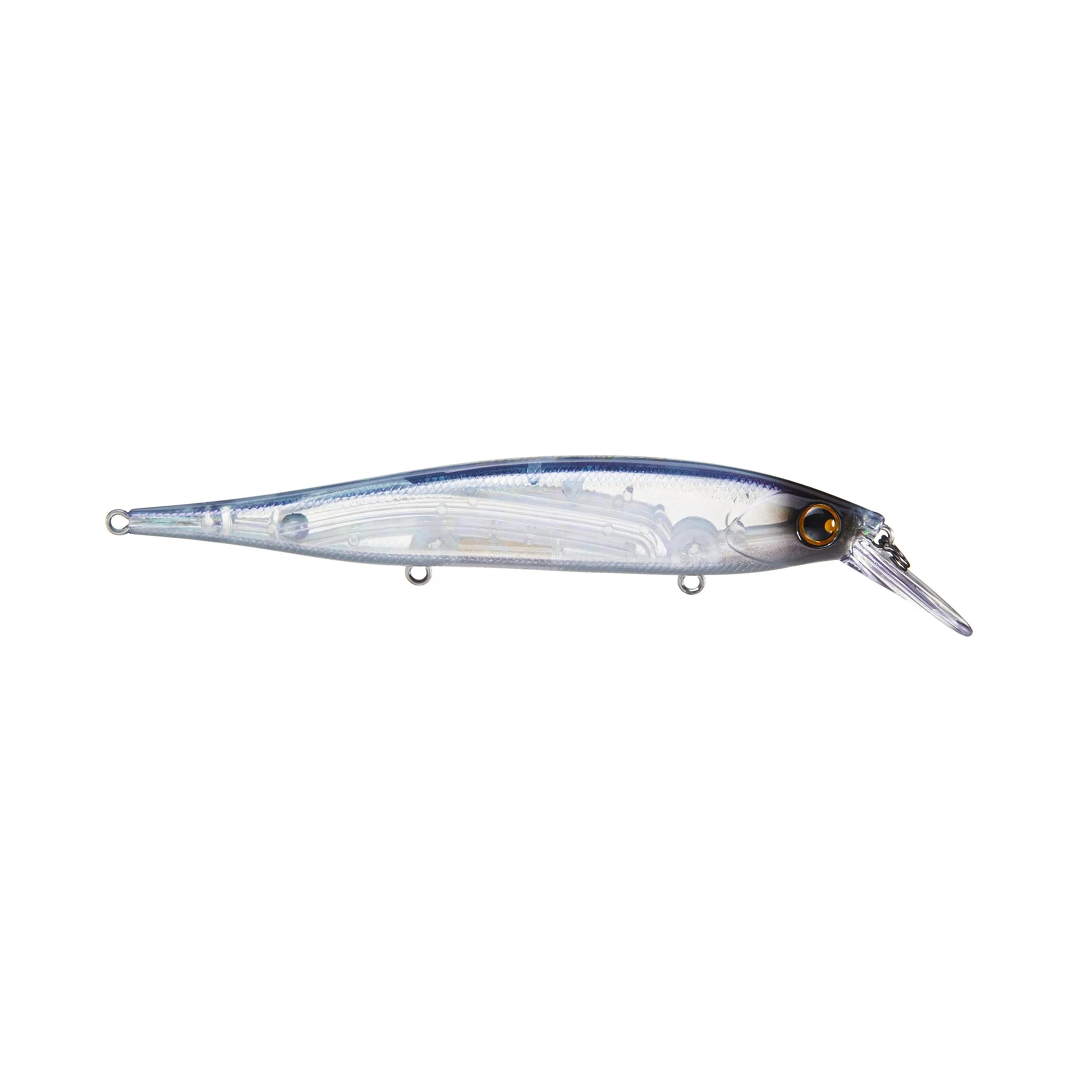
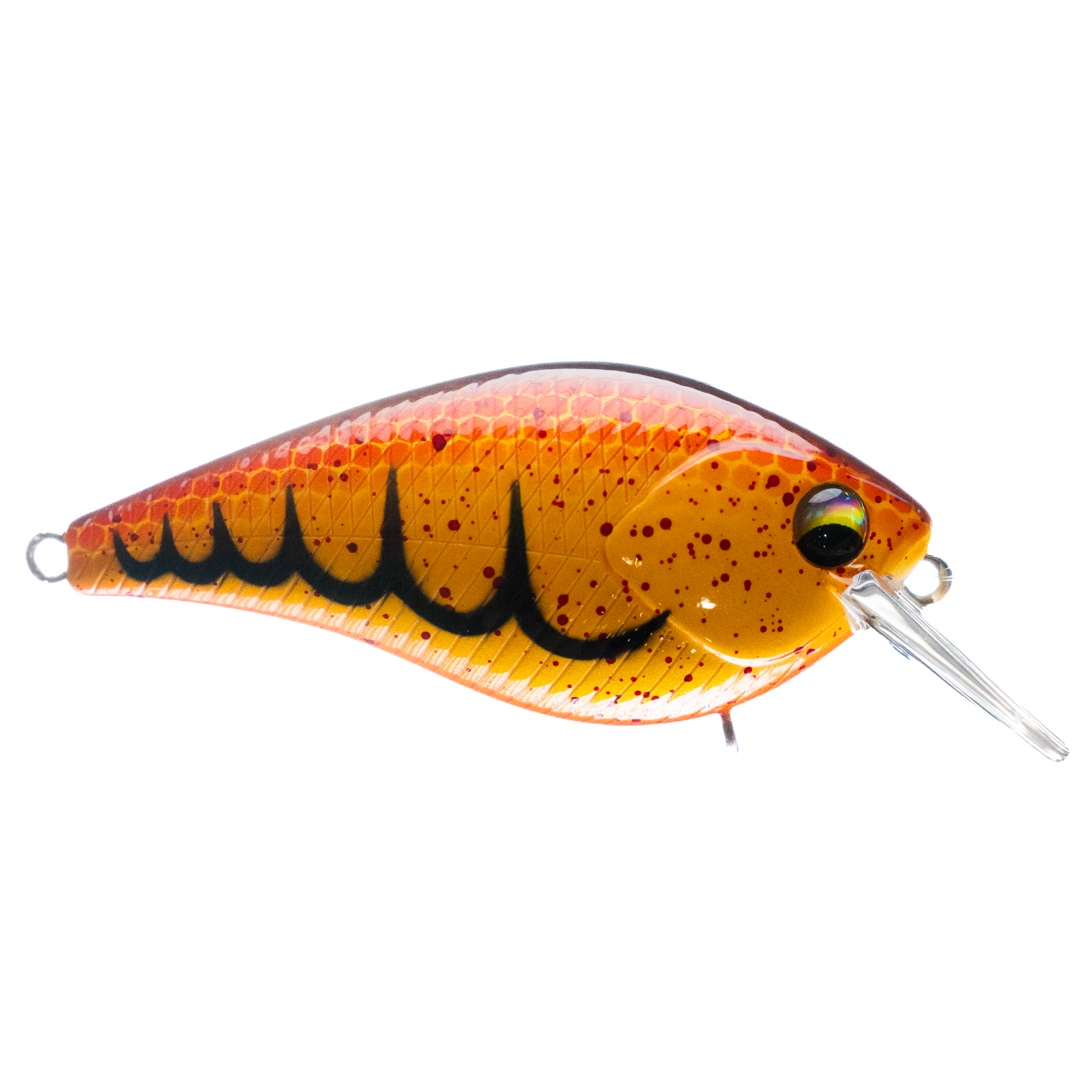
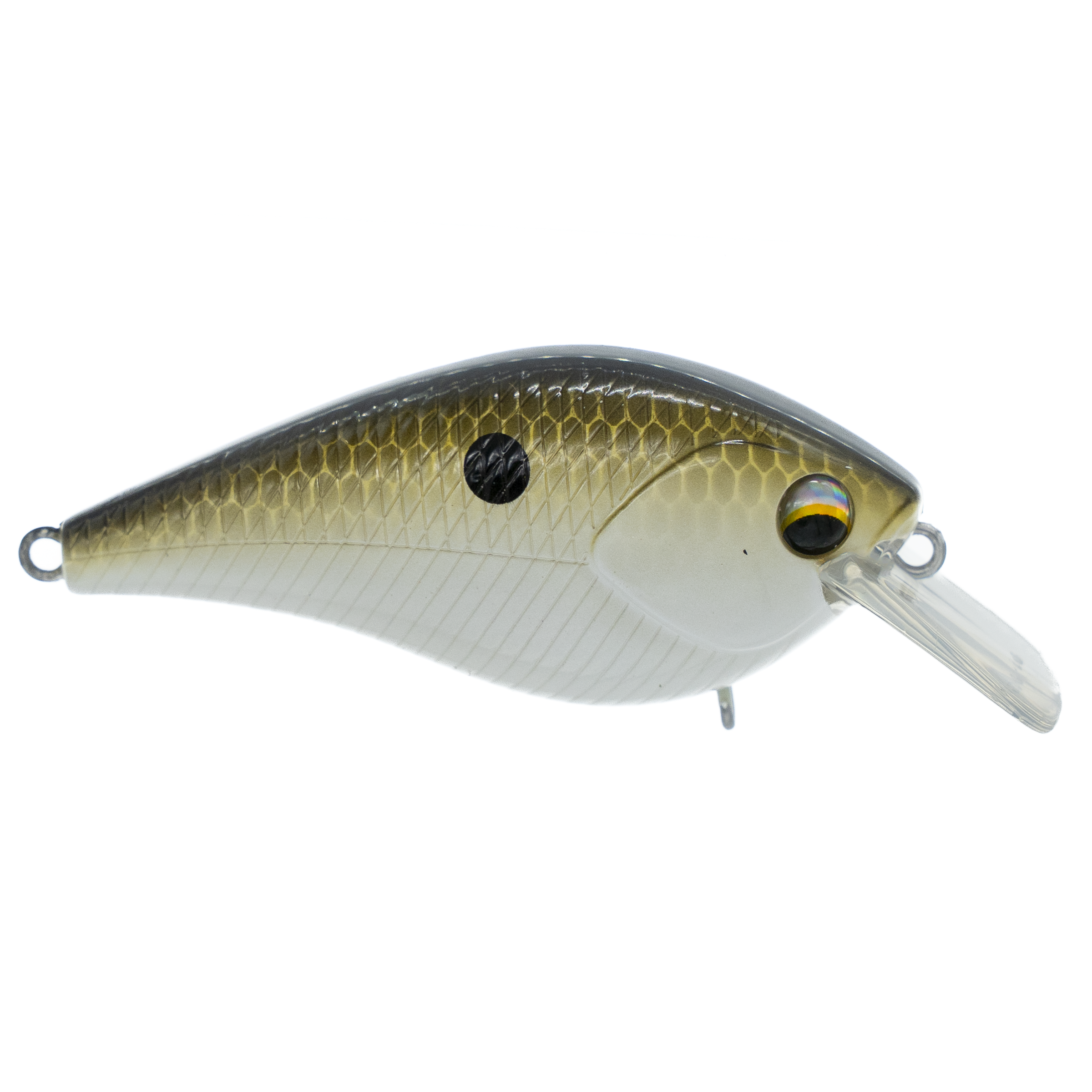
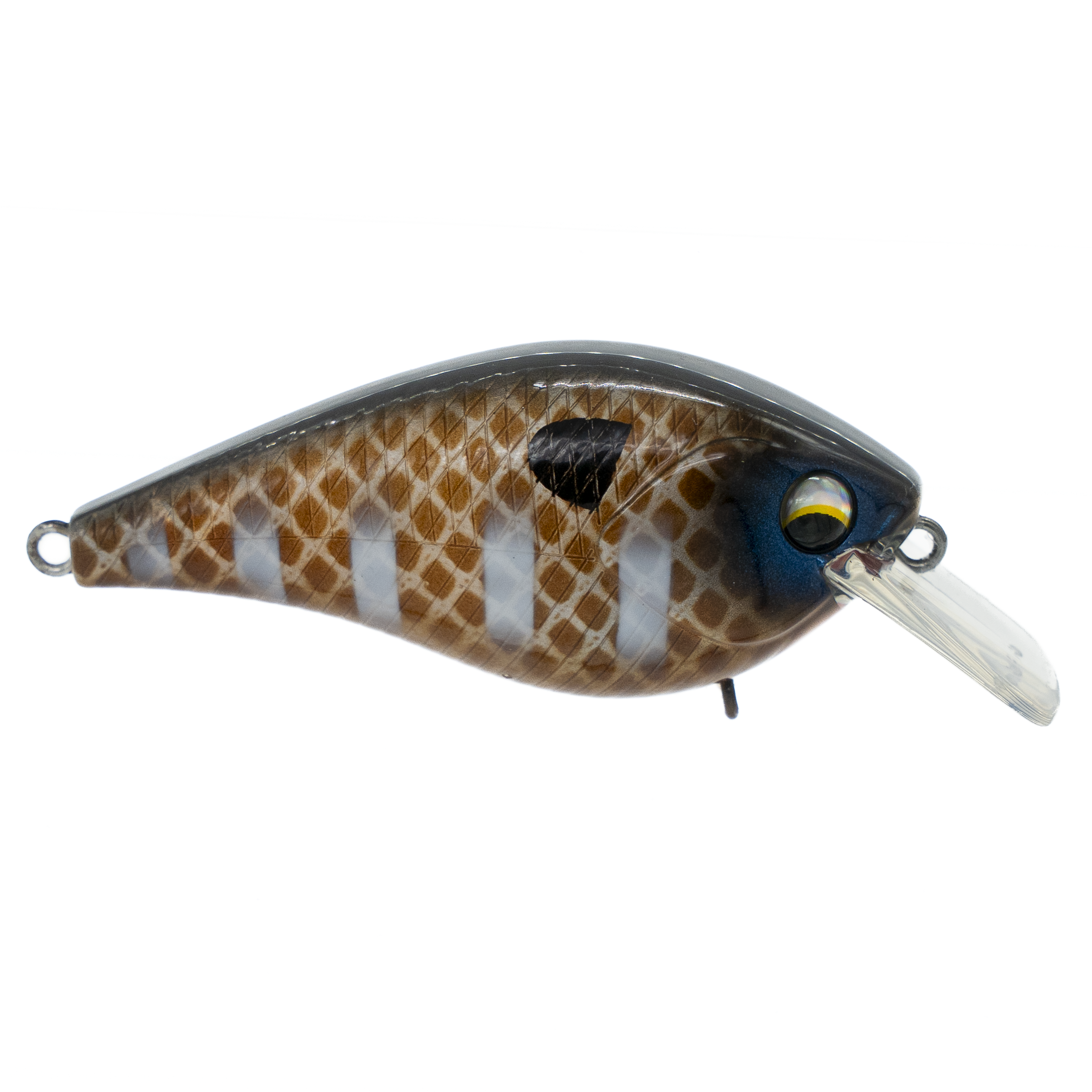
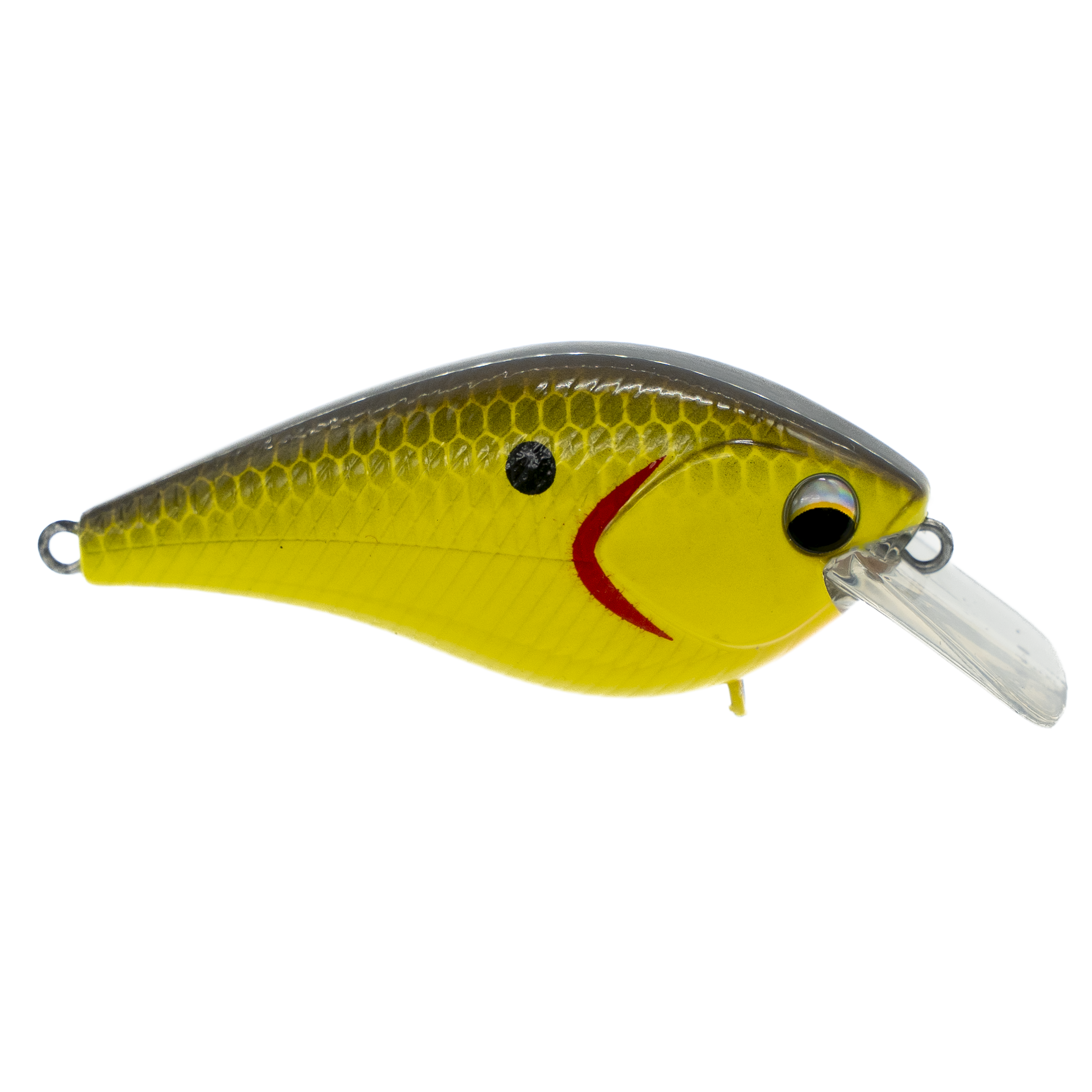
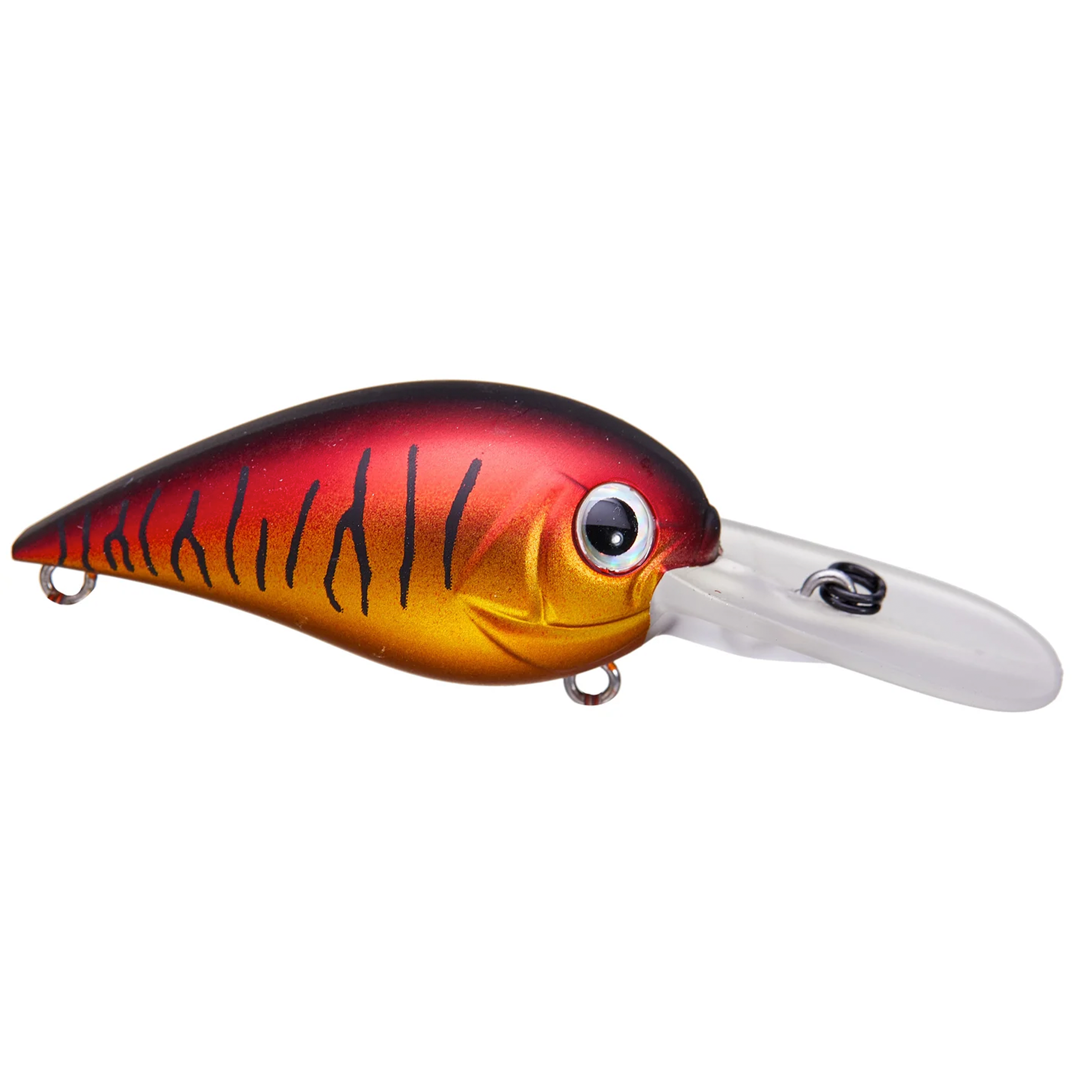
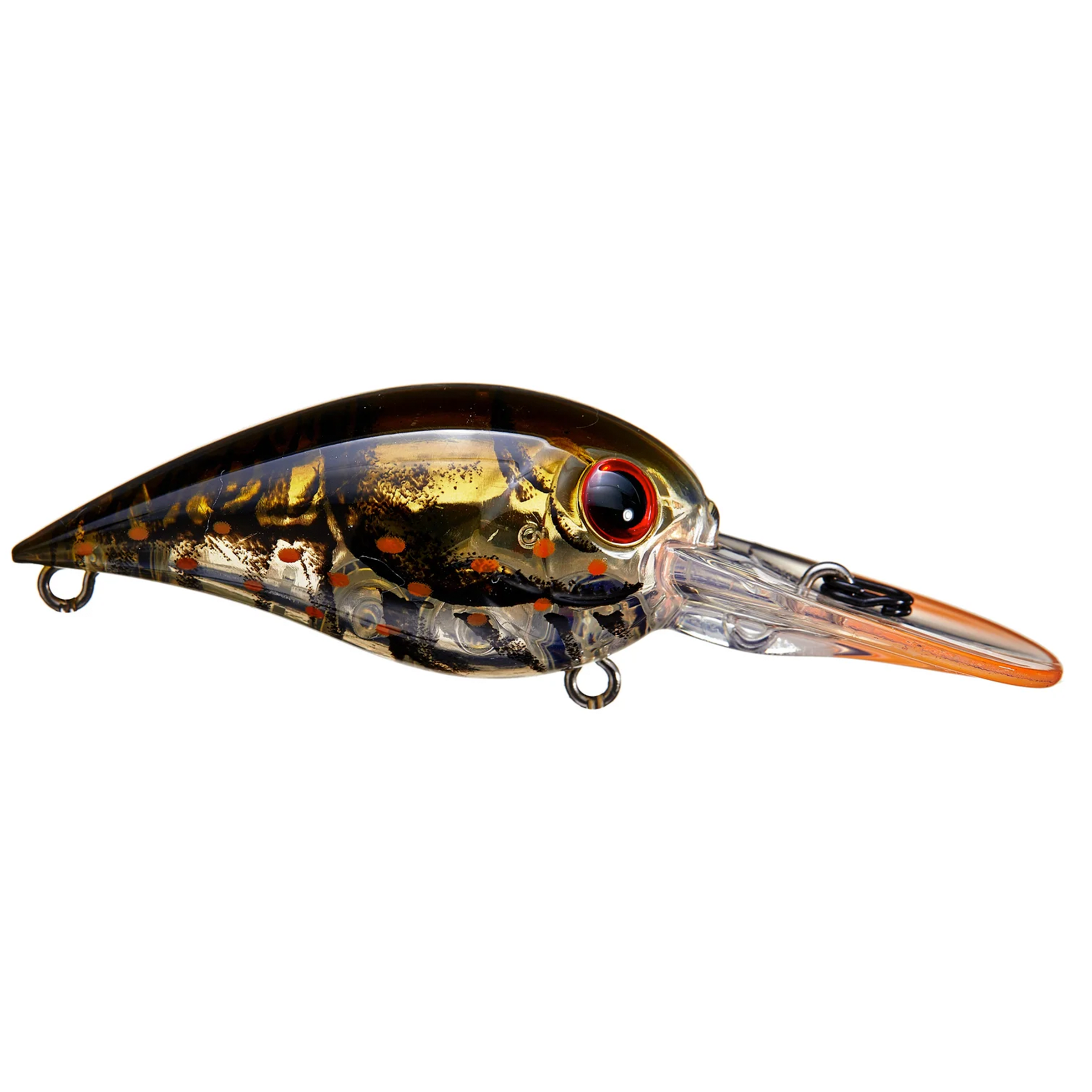
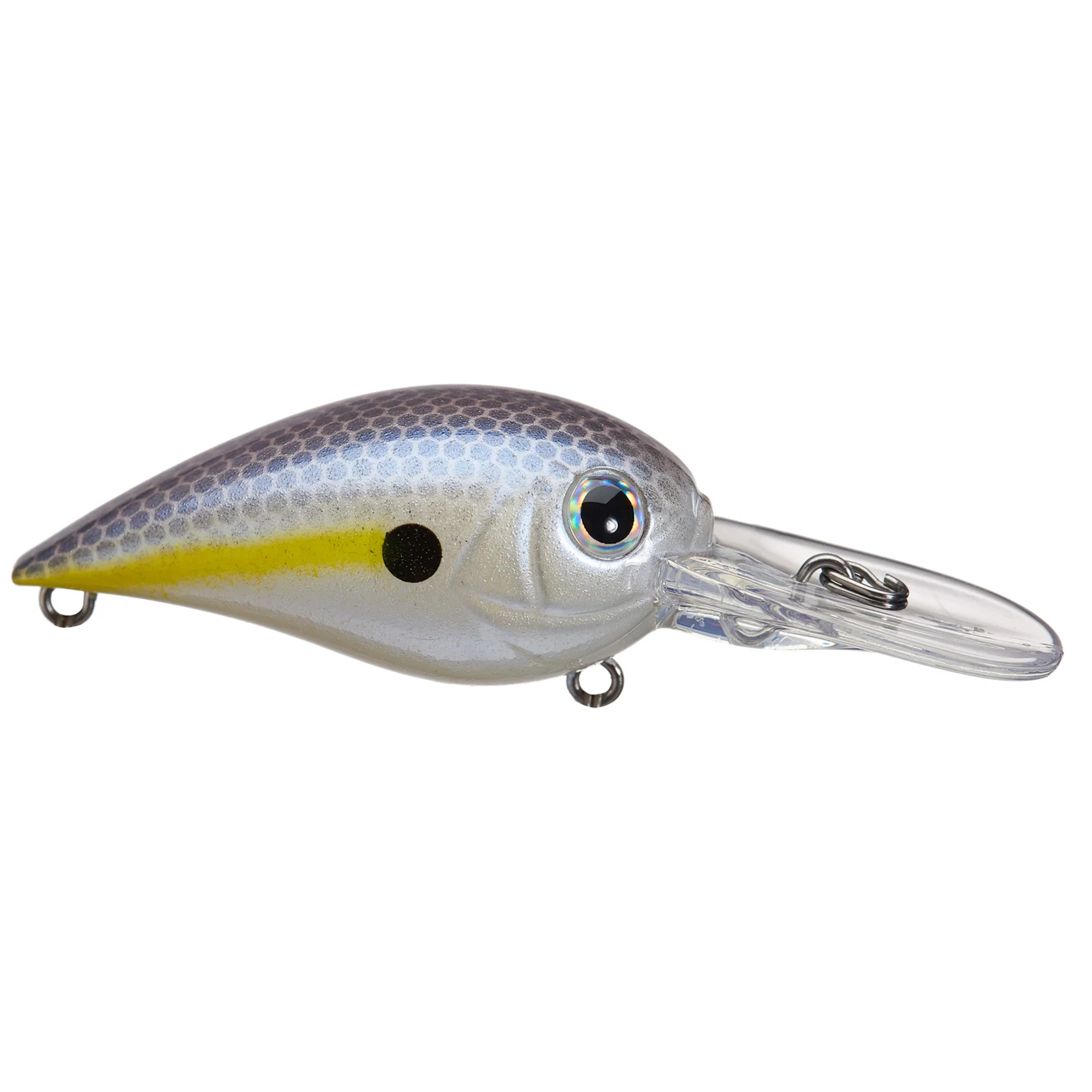
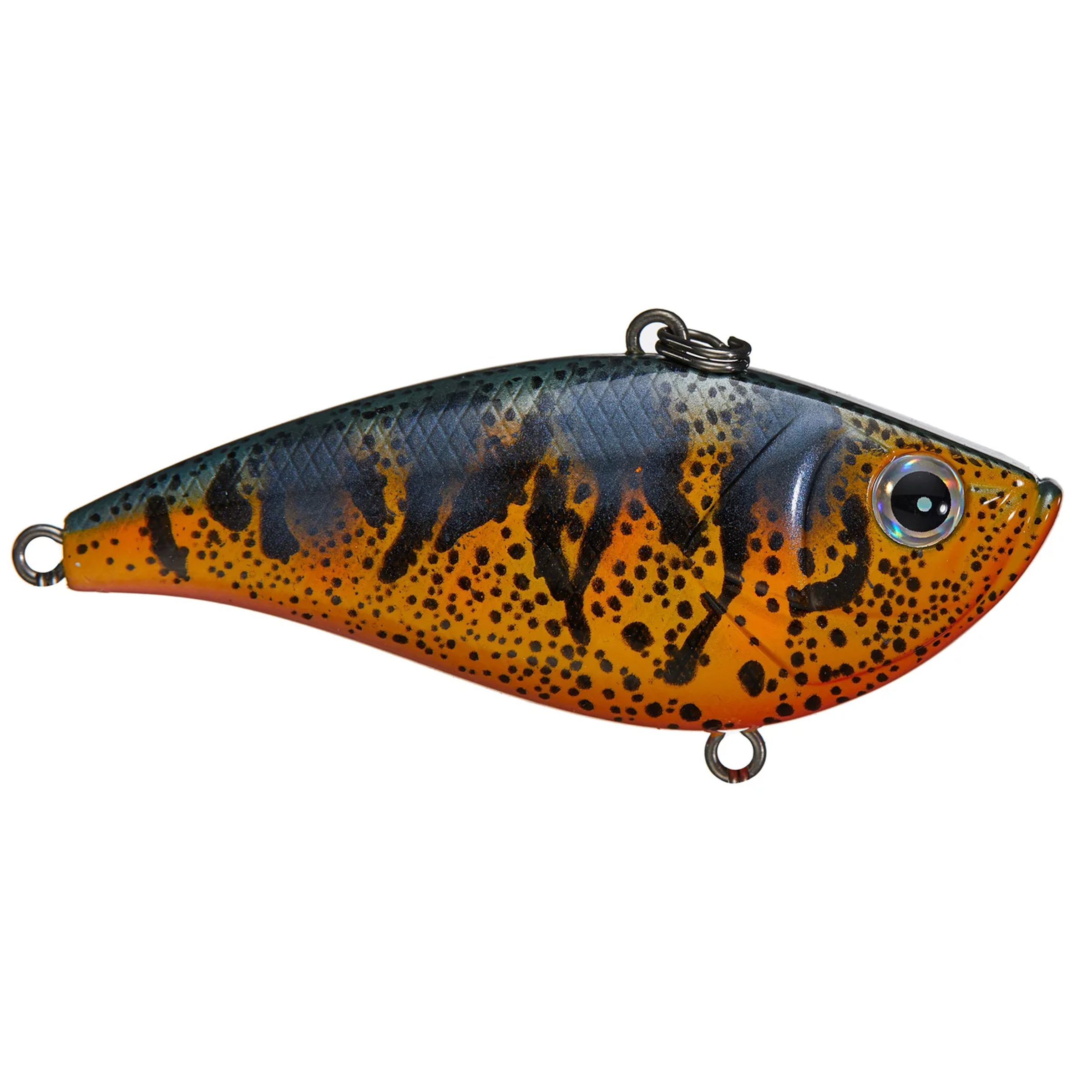
Moving baits on rock in spring and autumn — squarebills, lipless baits and jerkbaits. Football jigs and Carolina rigs on deep structure in summer. Suspending jerkbaits with long pauses for cold-water smallmouth. Our full bait lineup covers all four seasons.
When is the best time to fish Texoma for bass?
Spring and autumn. Spring puts largemouth in the creeks and smallmouth on the rock, and autumn brings both up behind the shad with far less boat traffic than summer. Winter is the best smallmouth window if you can handle the conditions.
Two Species, One Rock Bank
A lake where the same riprap bank can produce a five-pound largemouth and a four-pound smallmouth needs tackle that handles both without apology. Level Rods builds across that range — power for a largemouth in cover, forgiveness for a smallmouth's run in open water.
Tournament Winning Baits & Gear
Designed, crafted and tested by anglers who fish rock every week. Free shipping on orders over $75.
Shop All Baits