
Lake Talquin Bass Fishing Guide
Lake Talquin Bass Fishing, Season by Season
Eight thousand acres of flooded river bottom between Tallahassee and Quincy, and the deepest water on this side of Florida. Talquin has almost no vegetation and an enormous amount of standing timber — which makes it the one Florida lake where the usual grass playbook does not apply.
Florida, but Deep
Lake Talquin sits about fifteen miles west of Tallahassee, straddling Leon and Gadsden counties. The name is a portmanteau of Tallahassee and Quincy, the two towns it lies between. It was formed in 1927 when the Jackson Bluff Dam went in on the Ochlockonee River to generate hydroelectric power, flooding fourteen miles of river valley.
The numbers are what make it different. Talquin averages fifteen feet deep and reaches forty — genuinely deep by Florida standards, where a peninsula lake averaging nine feet counts as normal. The floodplain it covers is shallow, but the old river channel runs through it and holds real depth.
There is very little vegetation. What there is instead is wood: thousands of dead trees, stumps and logs left standing from the floodplain forest that was here before the dam. If you have fished Florida grass your whole life, this lake will feel like somewhere else entirely, and the techniques that work here have more in common with a Georgia reservoir than with Okeechobee.
It is nationally known for black crappie rather than bass, and that reputation cuts both ways — the speck anglers are thick in winter, but the bass fishing gets less pressure than a lake this good deserves. All crappie under ten inches must be released; largemouth fall under statewide regulations.
The lake has been climbing. In 2026 Bassmaster moved it into the Southeast top 25 on the strength of its bass results, including a 33.70-pound limit anchored by a 10.32 that won a 93-boat open in April, and a February event that took better than 28 pounds. Three arms — Hammock Creek, Ocklawaha Creek and the Little River — add water that fishes differently from the main lake.
Navigation warning, and locals will tell you the same thing unprompted: watch the stumps. Some of the ones that surprise people are close to the dam.
Timber, Channel and Creek Arms
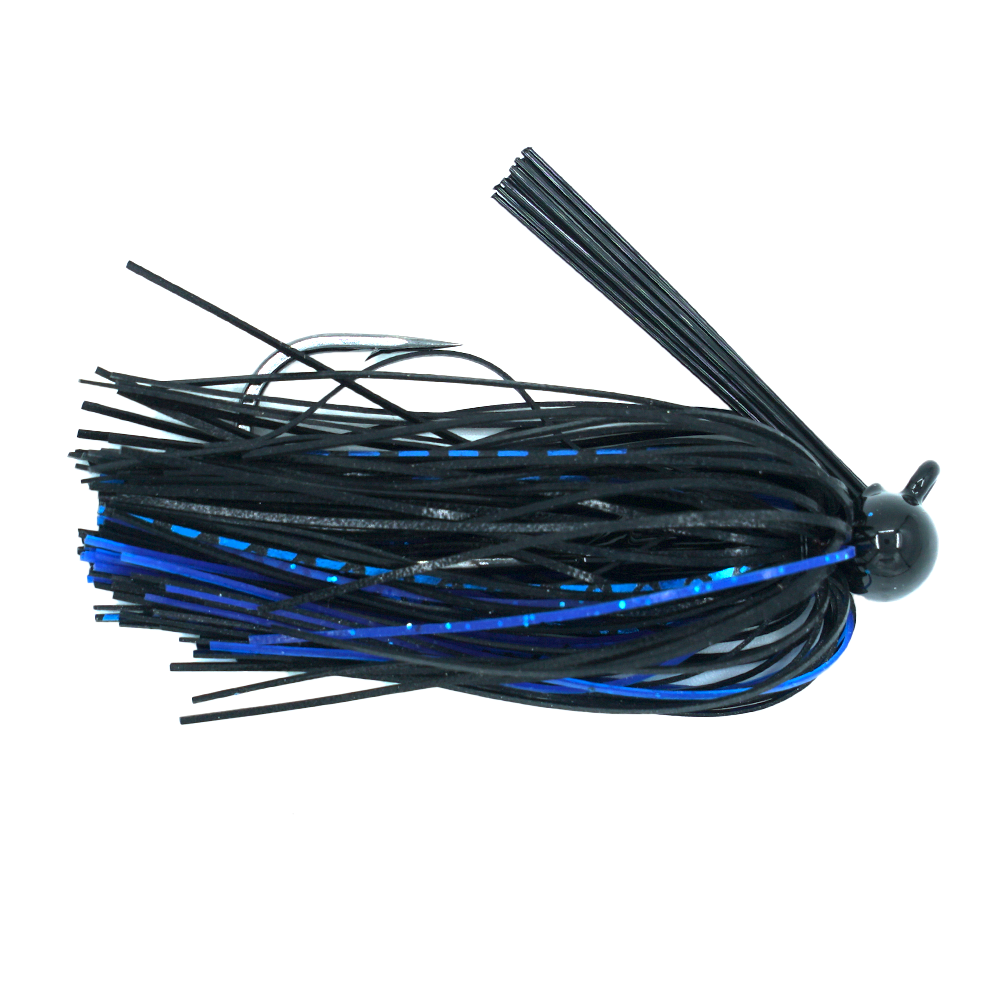
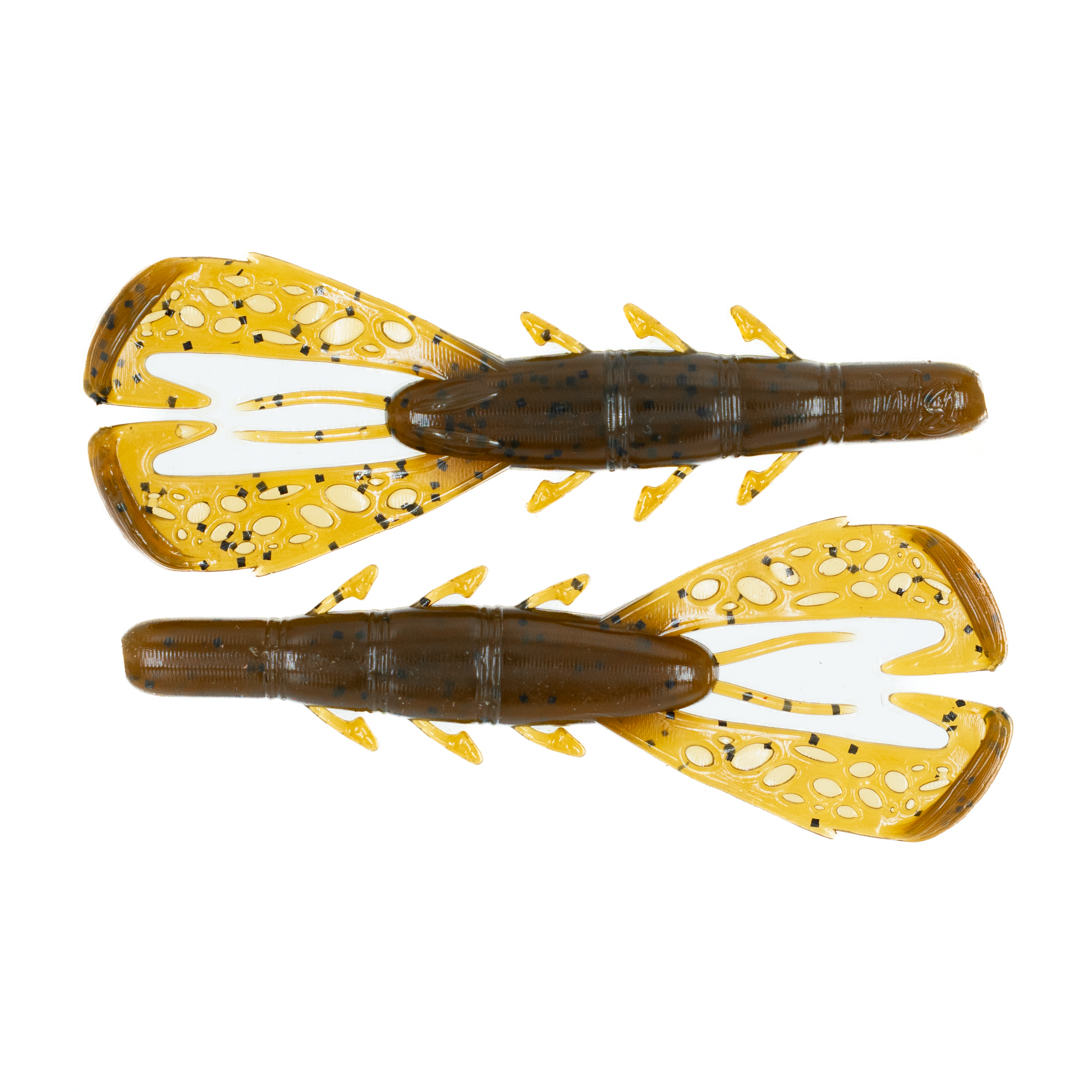
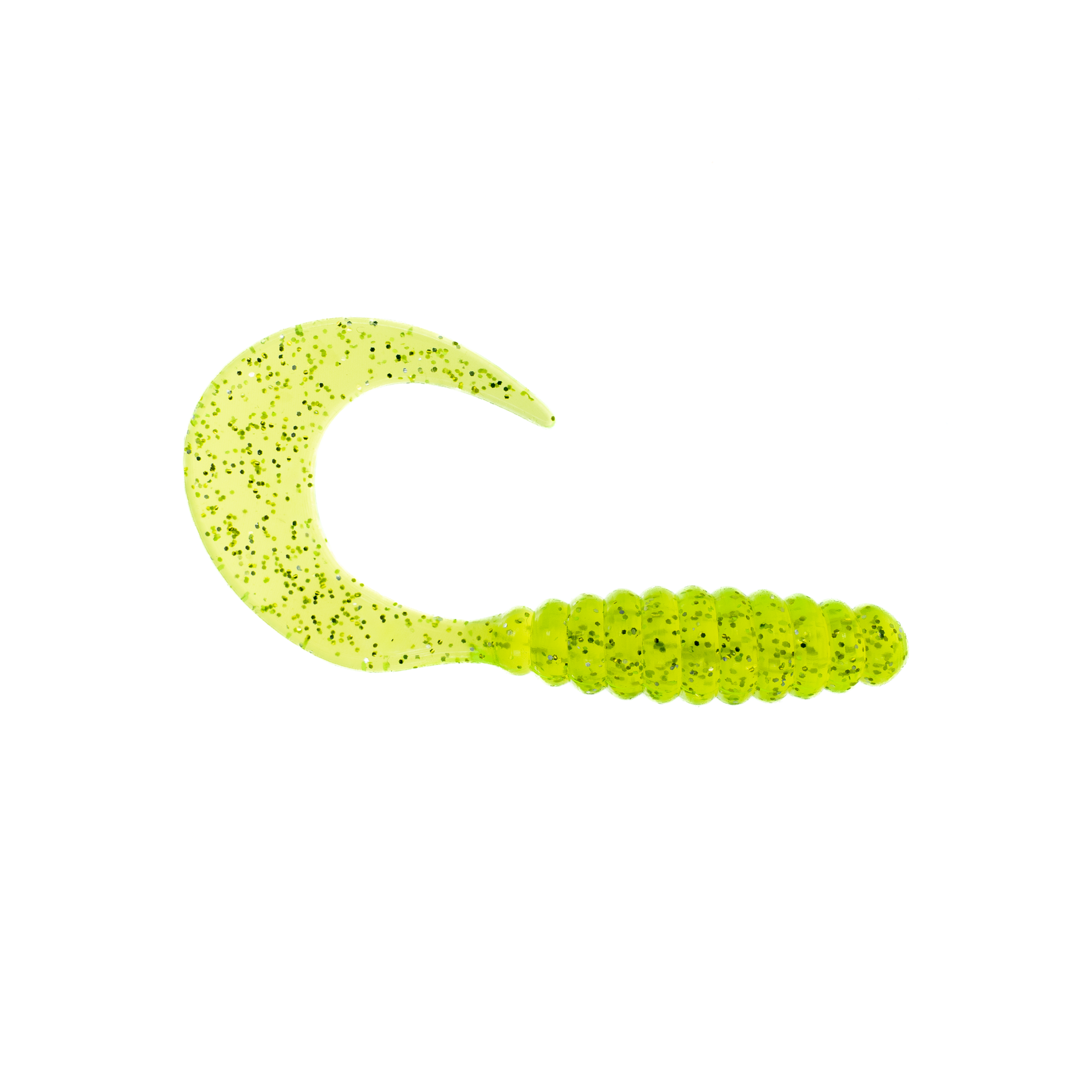
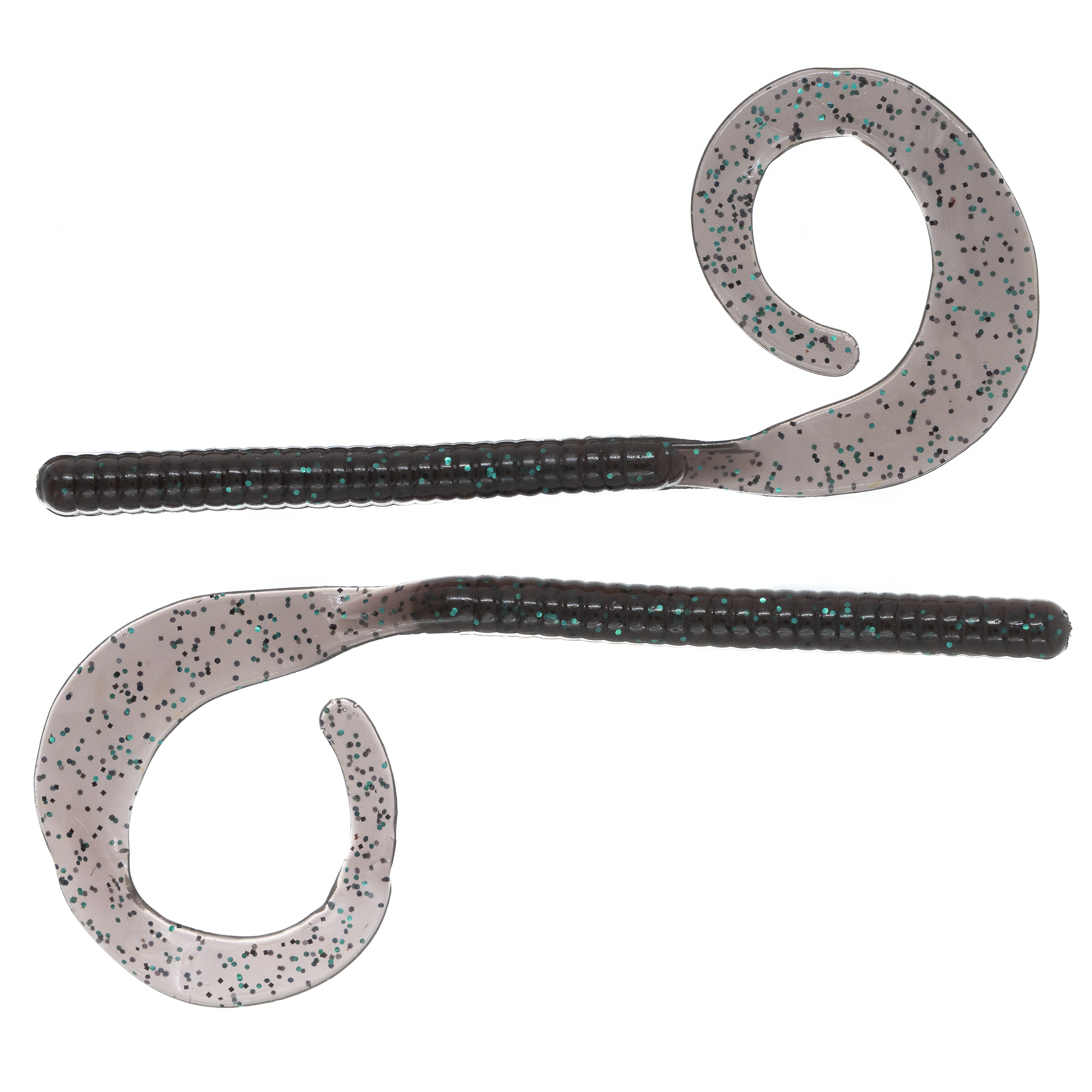
Four patterns cover the year. Each one pairs the technique with the baits we'd actually tie on.
Shallow, and Staying Shallow
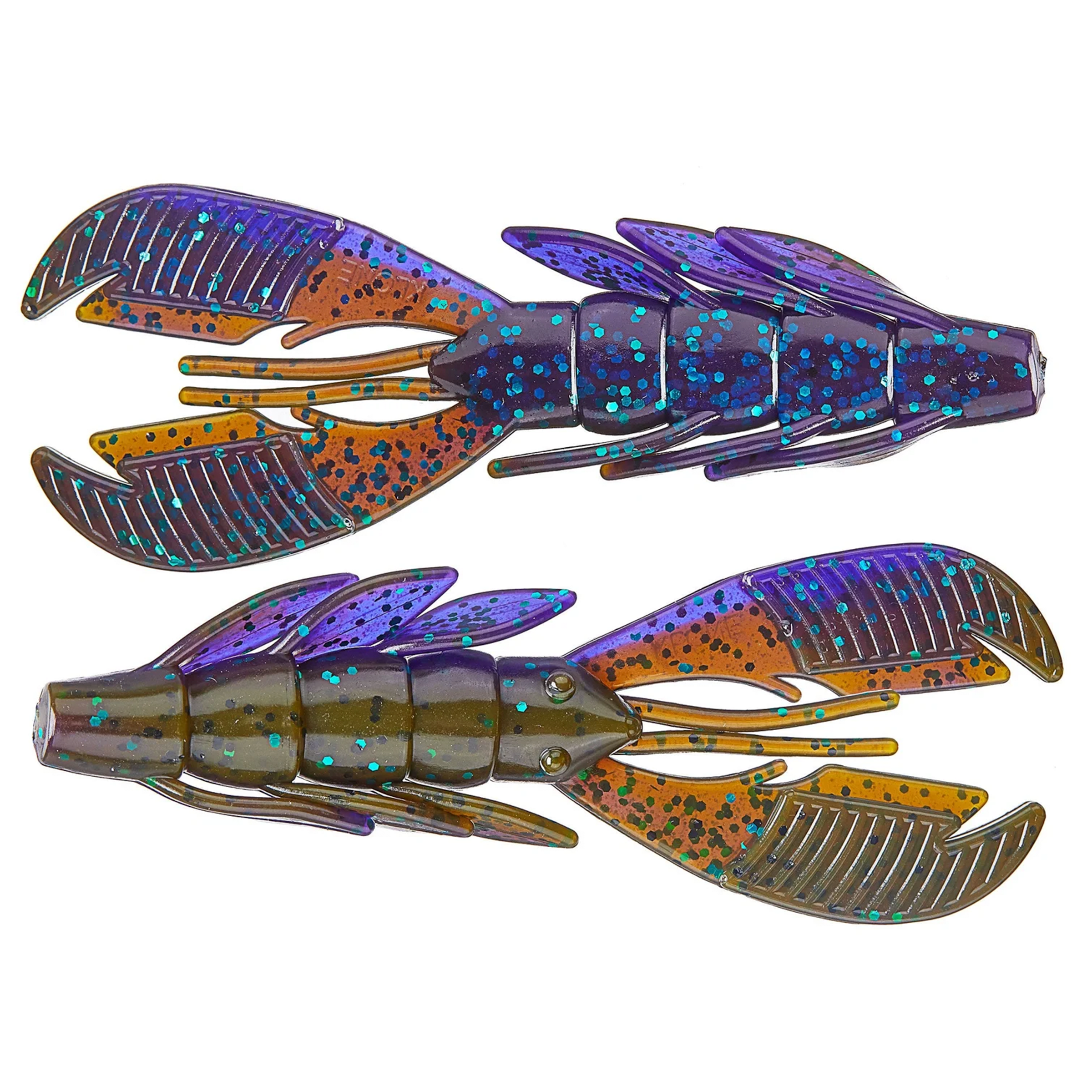
Spring pushes bass into the shallows and they hold there through April, which is a longer shallow window than most anglers expect on a lake this deep. Fish are plentiful in under six feet, working the wood and what limited vegetation exists. The creek arms warm first and are worth checking before the main lake turns on.



Down the Channel Edges
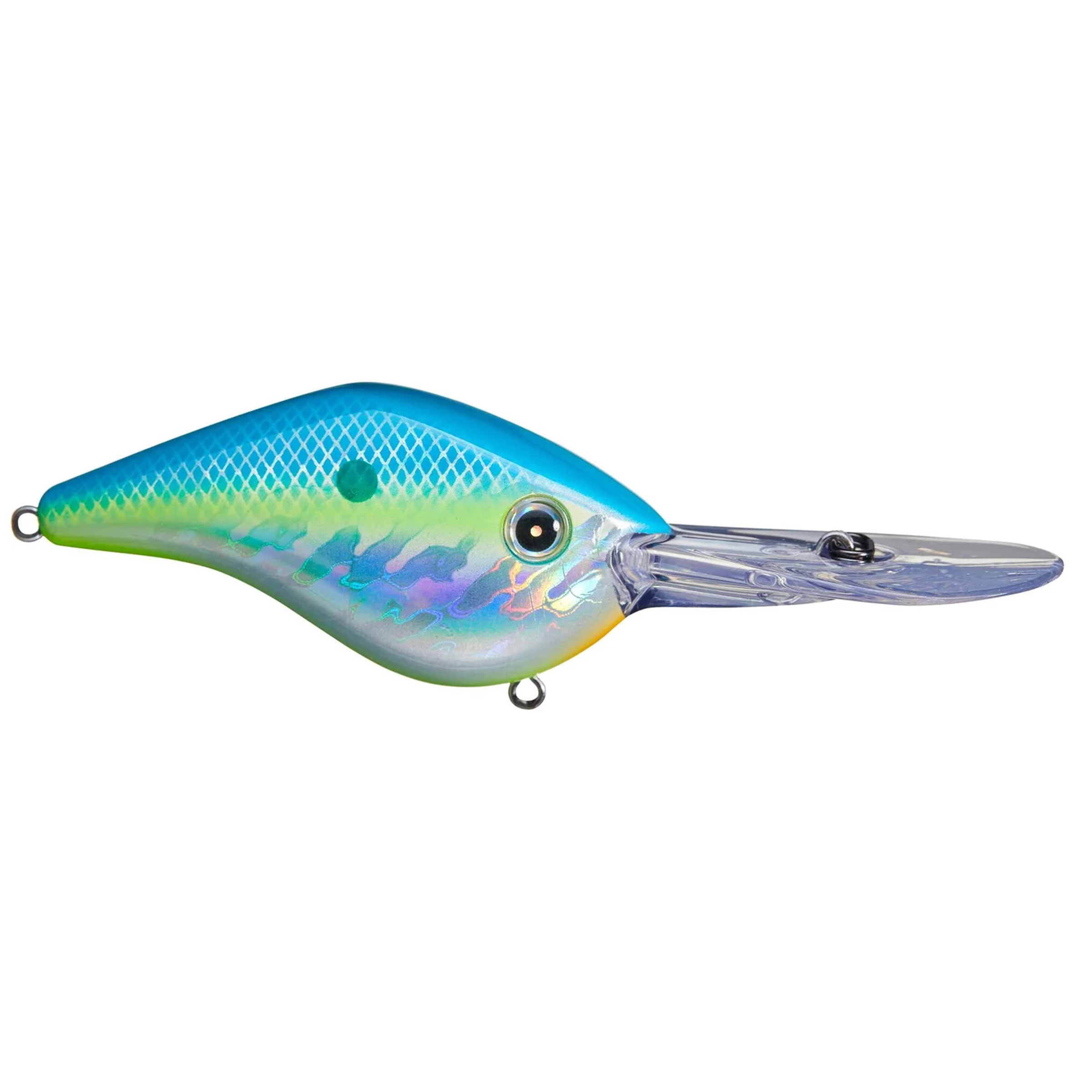
Summer is where Talquin's depth changes the game. As the shallows heat, fish pull to the old river channel and the deeper timber along it, and the lake starts fishing like a reservoir rather than a Florida lake. Catfish anglers own the nights; bass anglers own the low-light windows and the deeper structure through the day.
Creek Arms and Bait
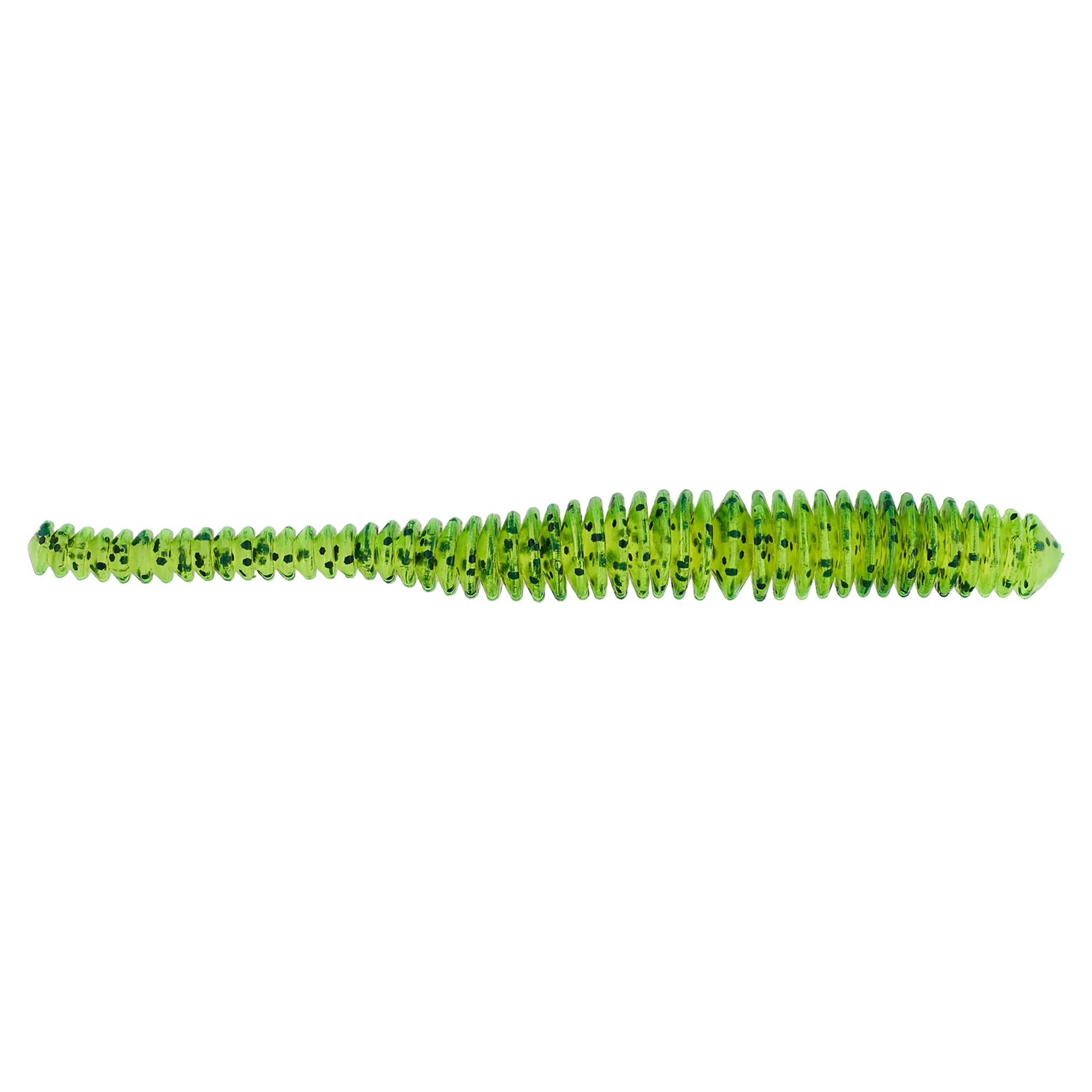
Autumn moves bait into the creek arms and the bass follow. Hammock Creek, Ocklawaha Creek and the Little River all fish well as the water cools, and the upper end where the Ochlockonee comes into the lake is worth the run. This is the season to cover water rather than commit to structure.

Deep Wood, and Everyone Else Is Crappie Fishing
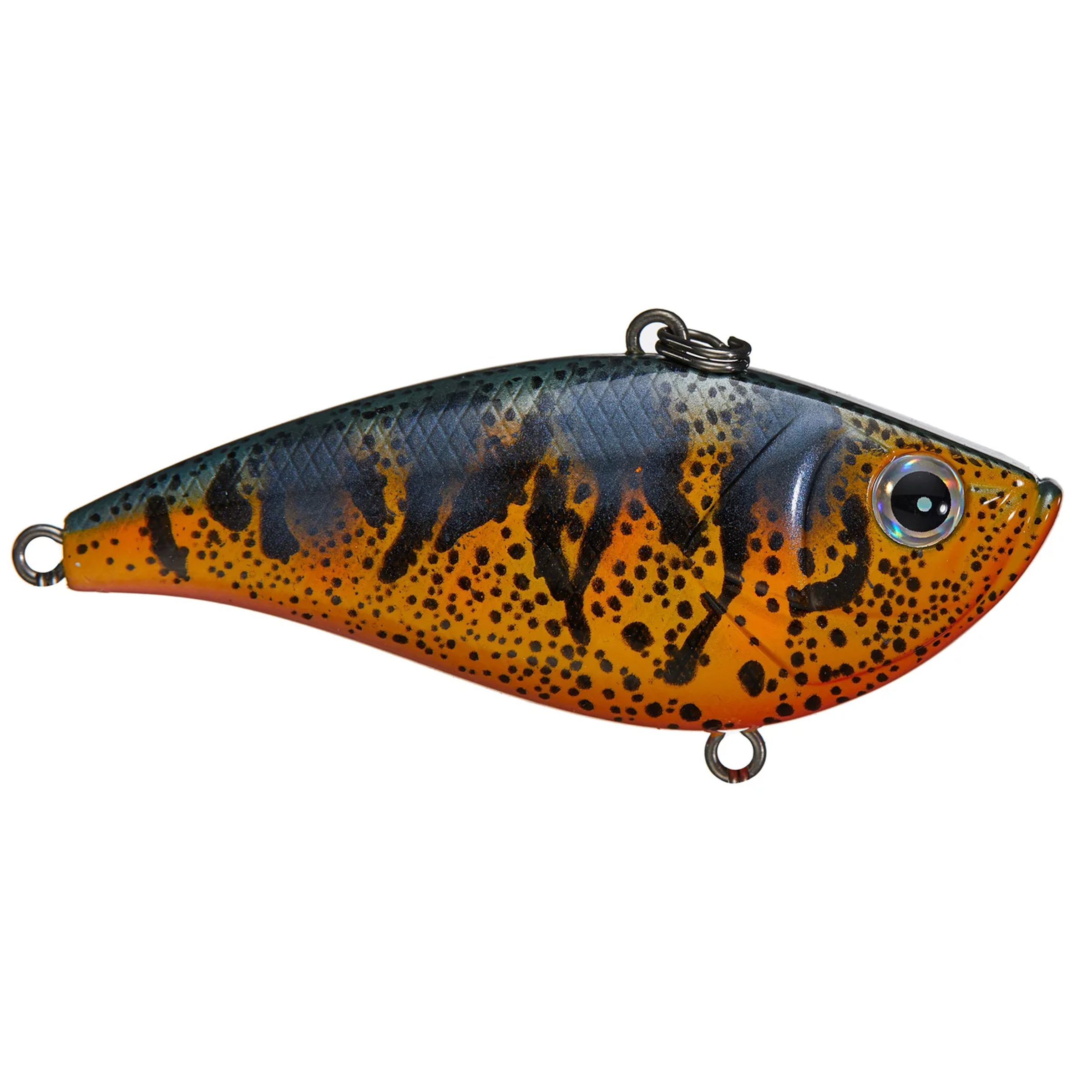
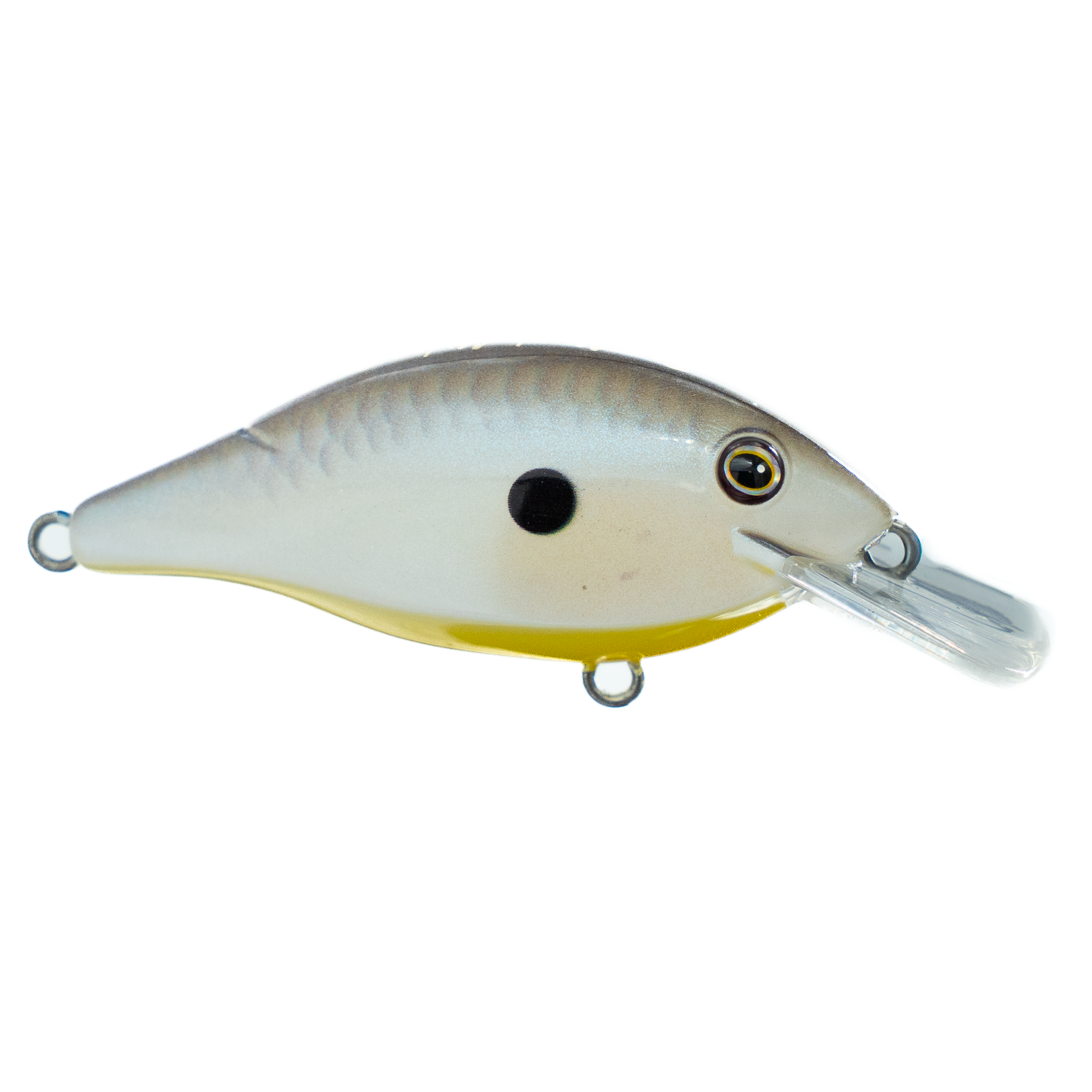
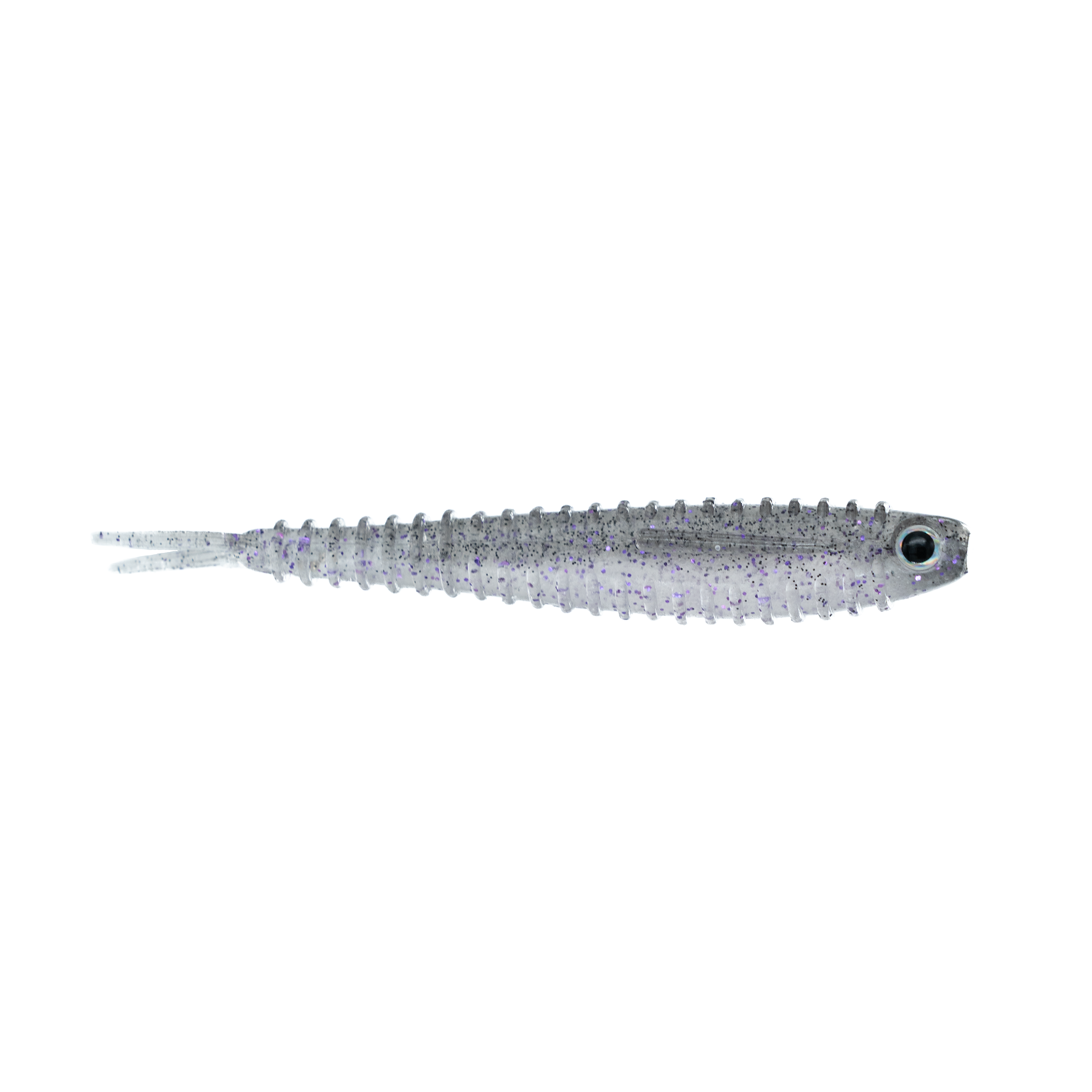
January through April is peak crappie season here and the lake fills with speck anglers, most of them drifting open water and leaving the bass alone. Meanwhile Talquin is the best bet in the region for a trophy largemouth, and the deep water gives fish somewhere stable to sit through a cold front — a luxury most Florida lakes cannot offer.


Lake Talquin Access
Access is good and public. There are seven public boat ramps and five public fishing piers on the Leon County side along Highway 20, and three ramps plus two piers on the Gadsden County side. Six fish camps surround the lake, and there is a fishing dock at the River Bluff area for anglers without a boat.
The Old Ochlockonee Channel
The single most important feature on the lake. It runs the length of the flooded valley and holds the deep water — up to forty feet — that everything relates to in summer and winter. Its bends and the standing timber along its edges are where the deep-structure fishing happens.
Hammock Creek, Ocklawaha Creek and the Little River
The three arms, and effectively three smaller fisheries inside the bigger one. They warm first in spring, hold bait in autumn, and offer protection when the main lake is rough. FWC has sunk brush piles near several piers around the lake as well.
The Upper End
Where the Ochlockonee River feeds the lake. Current, moving bait and shallower water, and the section that fishes most like a river. Worth the run in autumn and after rain, and a good place to be when the main lake goes flat.
Lake Talquin Bass Fishing FAQ
How deep is Lake Talquin?
Average depth around fifteen feet and a maximum of about forty, which is deep for Florida. The flooded floodplain is shallow, but the old Ochlockonee channel running through it holds real depth. That single fact is why Talquin fishes unlike anywhere else in the state.
Where is Lake Talquin?
About fifteen miles west of Tallahassee, between Leon and Gadsden counties in the Florida panhandle. The name combines Tallahassee and Quincy, the two towns it sits between.
Is there vegetation in Lake Talquin?
Very little. Instead there is an enormous amount of wood — dead standing trees, stumps and logs from the floodplain forest that was here before the dam went in in 1927. Come prepared to fish timber rather than grass.
Is Lake Talquin better for crappie or bass?
It is nationally known for black crappie, with the best fishing January through April during the prespawn and spawn. But it is also the best bet in the region for a trophy largemouth, and it entered Bassmaster's Southeast top 25 in 2026 on bass results — a 33.70-pound limit with a 10.32 big bass won a 93-boat open in April. The crappie reputation means the bass see less pressure than they should.
Are there stumps in Lake Talquin?
A great many, and they are a genuine hazard. Local anglers warn about them without being asked, and some of the ones that catch people out sit close to the dam. Stay in known water or go slowly until you learn it.
What other fish are in Lake Talquin?
Bluegill, redear sunfish, channel catfish in abundance, white bass, and a striped bass fishery that runs into the lower Ochlockonee below the Jackson Bluff dam. The upper river above the lake also holds white bass in late winter and spring, plus Suwannee bass.
What baits work best on Lake Talquin?
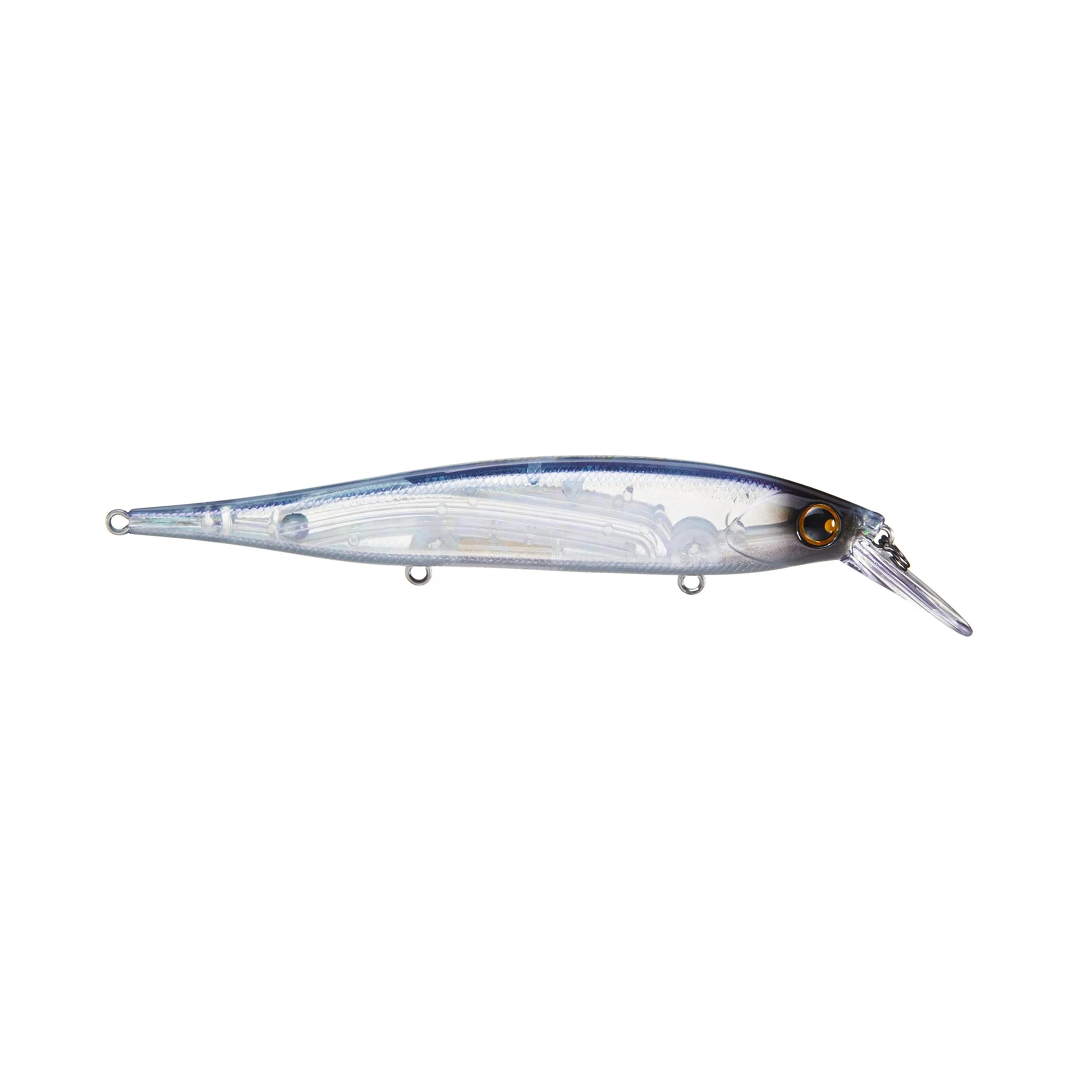
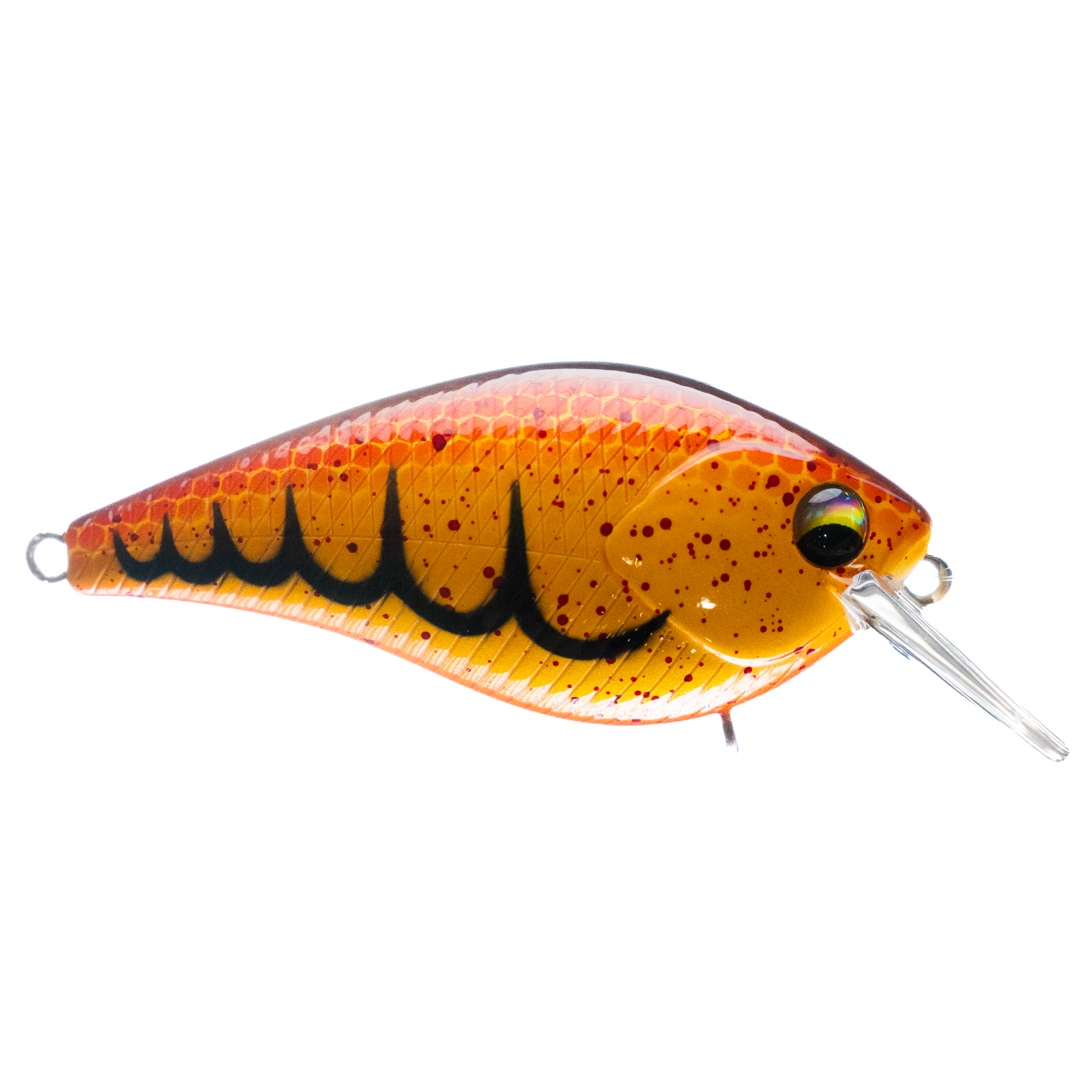
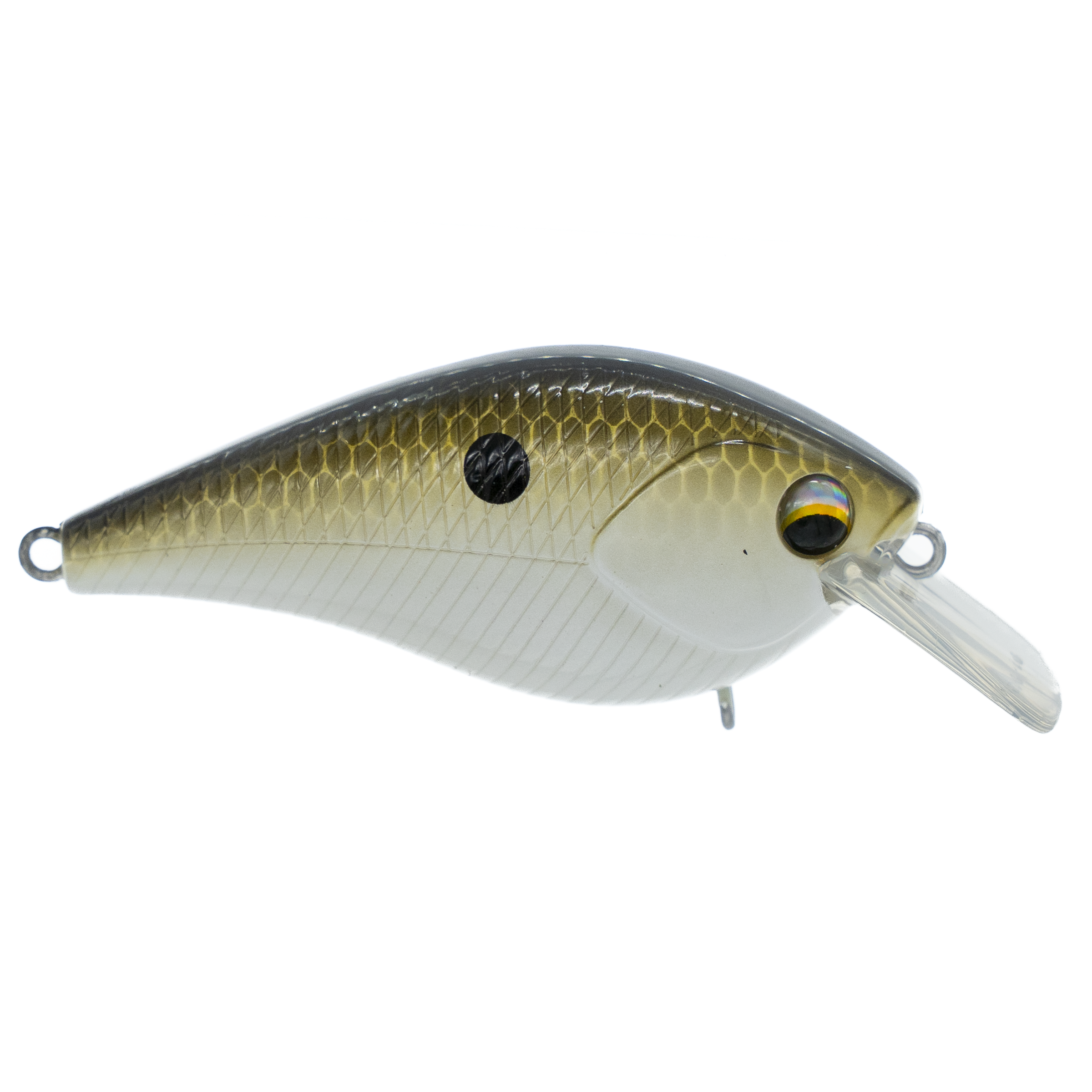
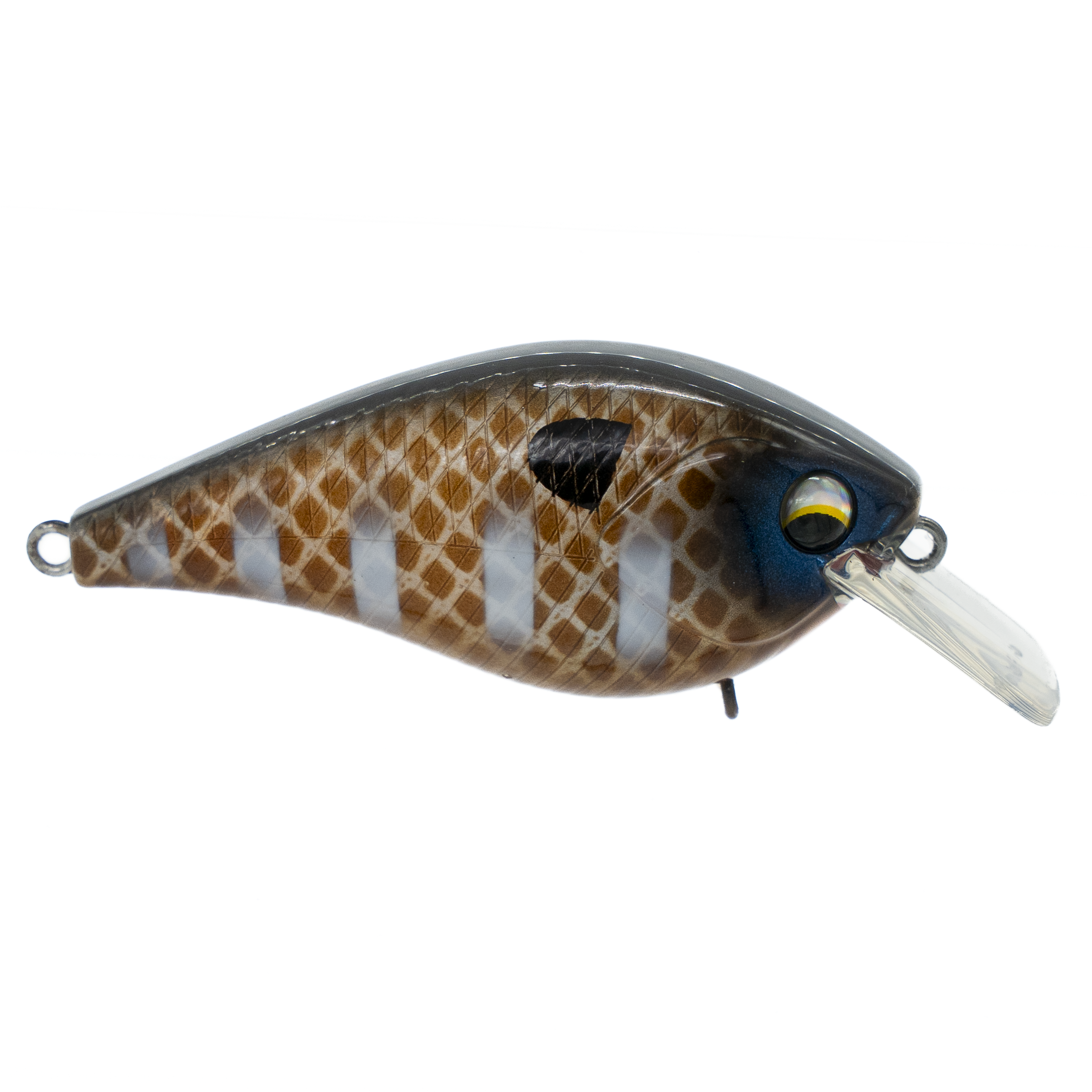
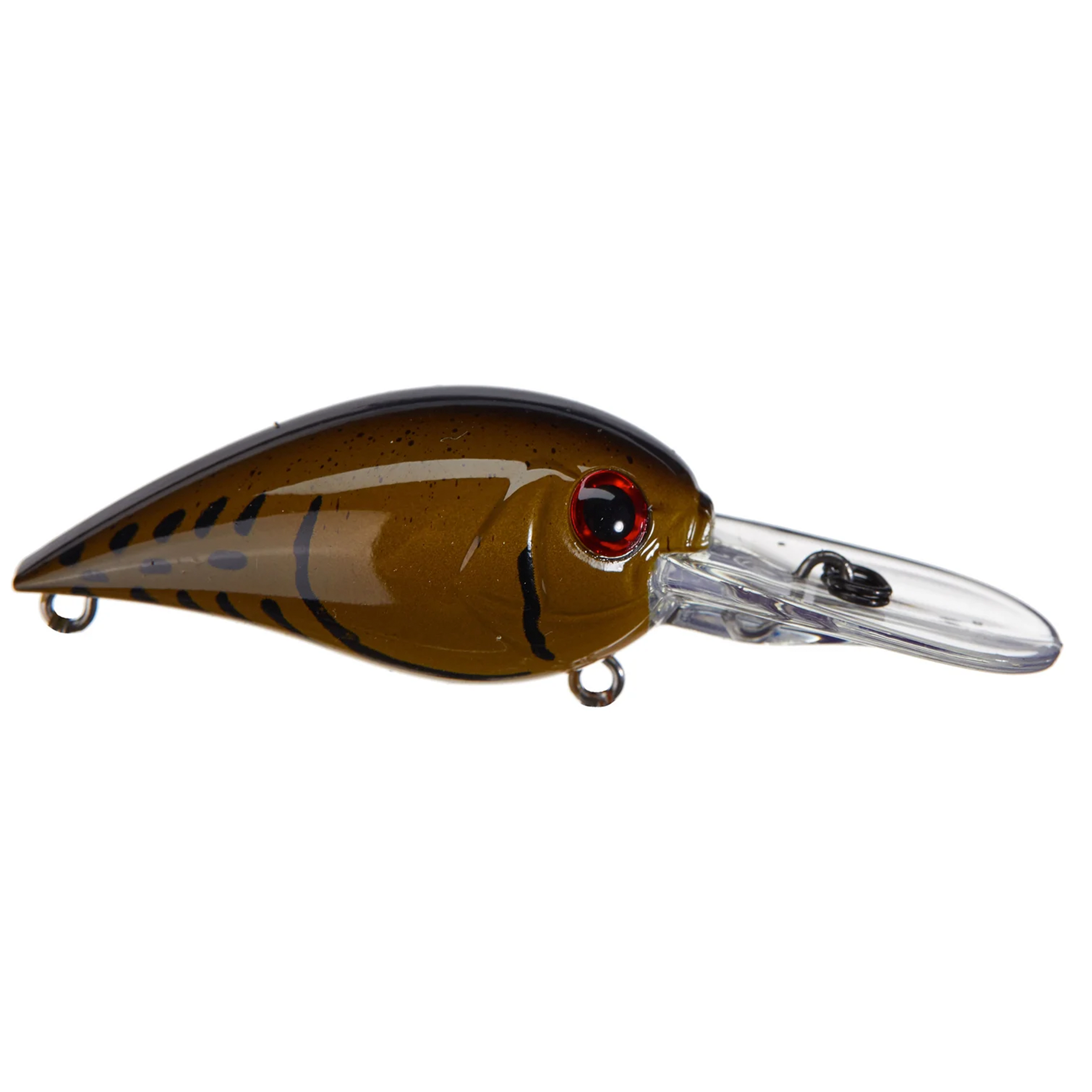
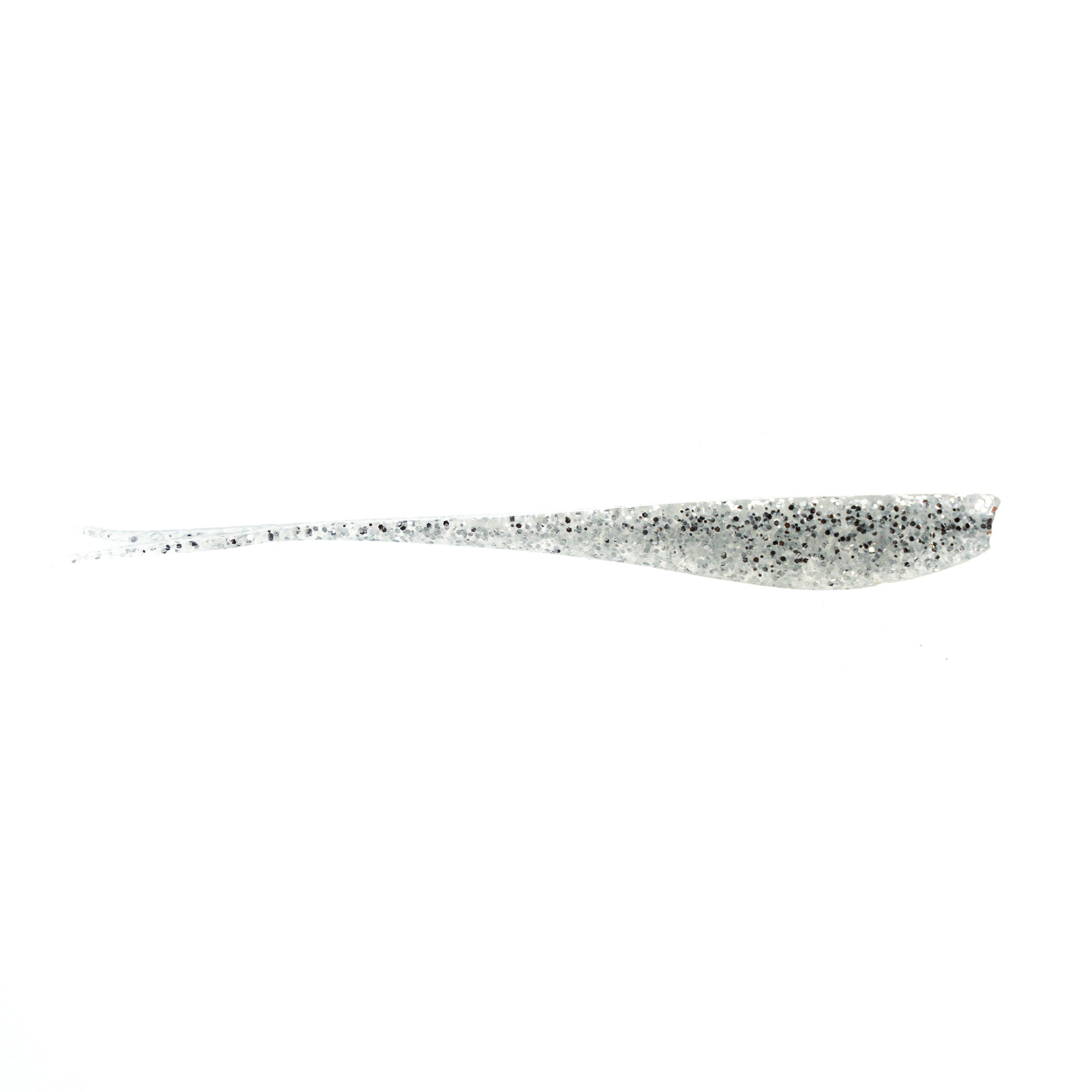
Jigs and Texas-rigged plastics around the wood in spring, deep crankbaits and football jigs along the channel in summer, moving baits up the creek arms in autumn, and slow deep presentations in winter. Closer to a Georgia reservoir playbook than a Florida one. Our full bait lineup covers all four.
Do I need a fishing license?
Yes. A Florida freshwater fishing license is required for anglers 16 and older through the Florida Fish and Wildlife Conservation Commission. Note the local crappie rule — all crappie under ten inches must be released immediately. Largemouth fall under statewide regulations.
Deep Water, Hard Cover
Dragging a football jig down a forty-foot channel edge and feeling a bite through that much line is a different discipline from flipping a Florida reed line. Level Rods builds models with the sensitivity to register a soft pickup at depth and the power to drive a hook home at the end of a long cast.
Tournament Winning Baits & Gear
Designed, crafted and tested by anglers who fish deep structure every week. Free shipping on orders over $75.
Shop All Baits