Lake Seminole Bass Fishing Guide
Lake Seminole Bass Fishing, Season by Season
37,500 acres of shallow, grass-choked water where the Flint and the Chattahoochee meet on the Georgia–Florida line. Three rivers feed it and each one brings different water — muddy, moderate and gin clear — so on Seminole you get to choose the conditions you fish.
Three Rivers, Three Different Lakes
The Jim Woodruff Lock and Dam backed up the Flint and the Chattahoochee in the corner of Georgia where they meet, creating 37,500 acres with 376 miles of shoreline across three states — about eighty percent Georgia, with parts in Florida and some Chattahoochee shoreline in Alabama. Below the dam the two rivers become the Apalachicola and run to the Gulf.
What makes Seminole unusual is that its three arms carry three completely different waters. The Chattahoochee to the west is the dirtiest and most riverine, with noticeable current. The Flint to the east is clearer and behaves more like a lake. And Spring Creek, sitting in the middle, is spring-fed and runs clean year-round.
The reason is upstream. The Chattahoochee and the Flint both start in the Piedmont near Atlanta and carry sediment several hundred miles before they get here. Spring Creek is only about 75 miles long and fed by springs, so it never picks up that load. Tournaments on this lake have mostly been won out of the Spring Creek arm, and it's the water most anglers head for — which is worth knowing in both directions.
Beyond the channels, Seminole is shallow almost everywhere and full of hydrilla, lily pads, milfoil and eelgrass, over stump fields and standing timber. All of that vegetation holds bass, but different grass in different places produces at different times of year. This is a grass lake first, and learning to fish plant beds is the whole game here.
Fishing the Grass
Four patterns cover the year. Each one pairs the technique with the baits we'd actually tie on.
Sight Fishing in Spring Creek
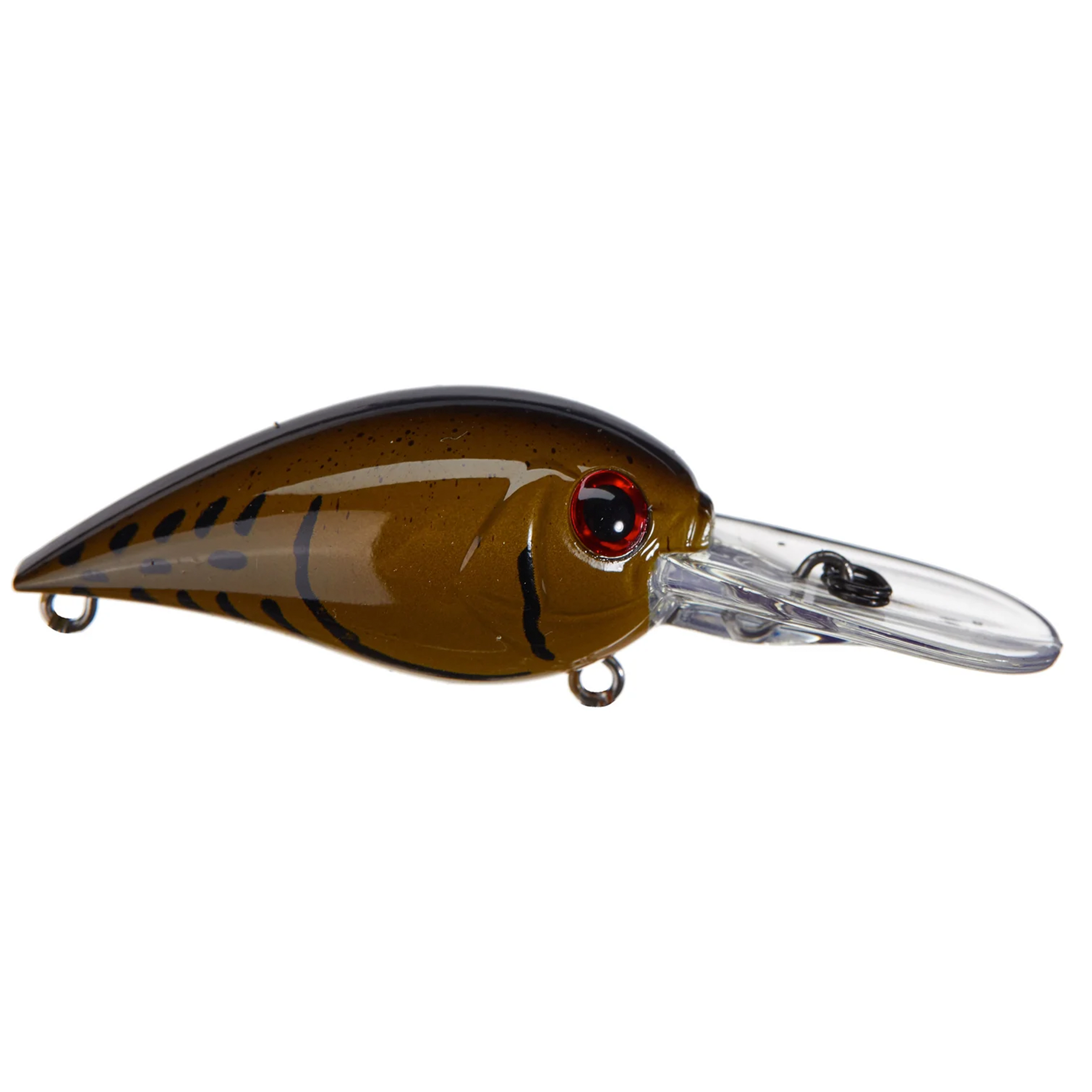
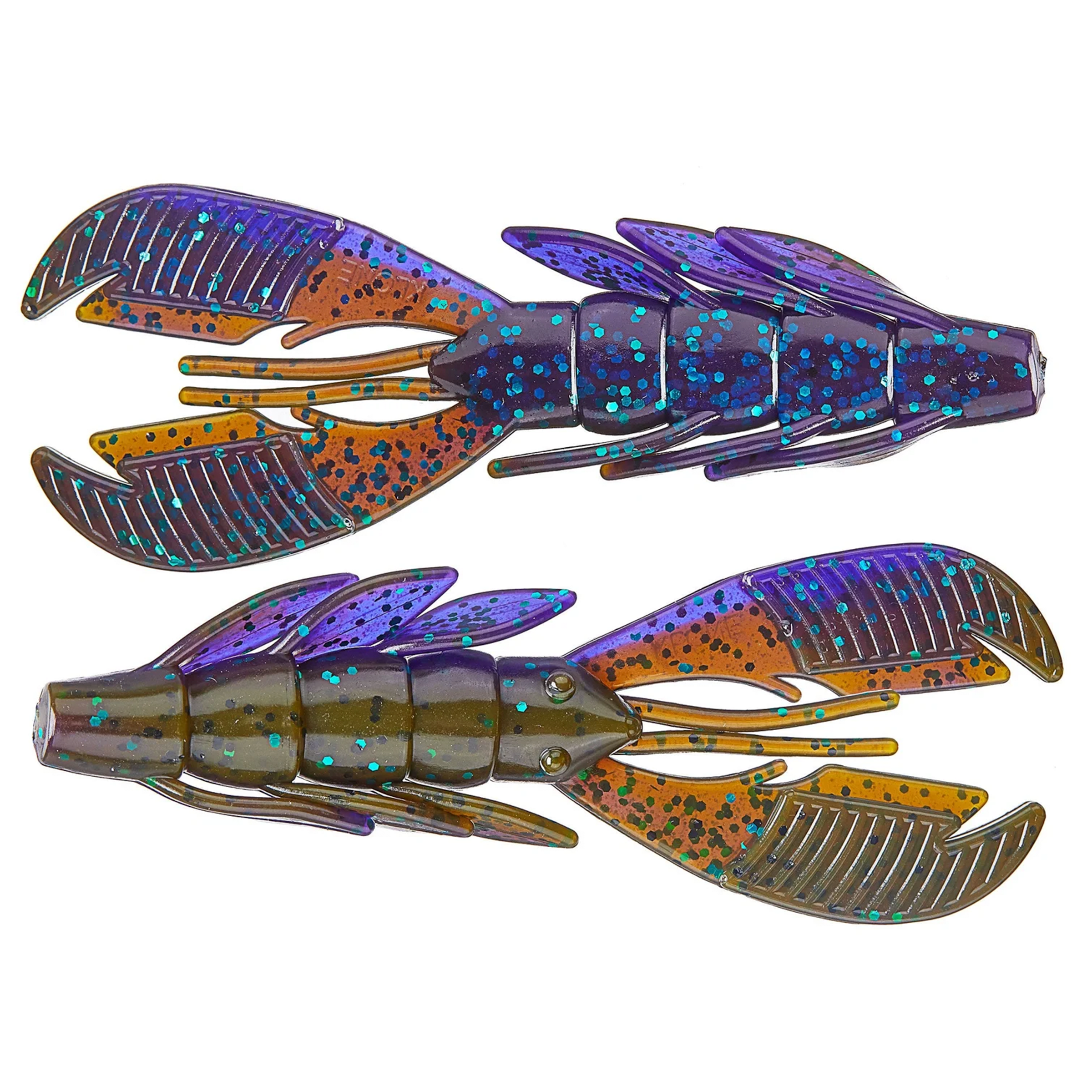
March and April are why people drive to Seminole. Bass bed on shallow reeds, grass beds, brush and stumps across the whole system, but Spring Creek is where most anglers go — its spring-fed water stays clear enough to actually see them. Earlier, in late winter and the first weeks of spring, the backwaters up the Flint and Spring Creek arms hold staging fish.



Mats, Frogs and Vertical Channels
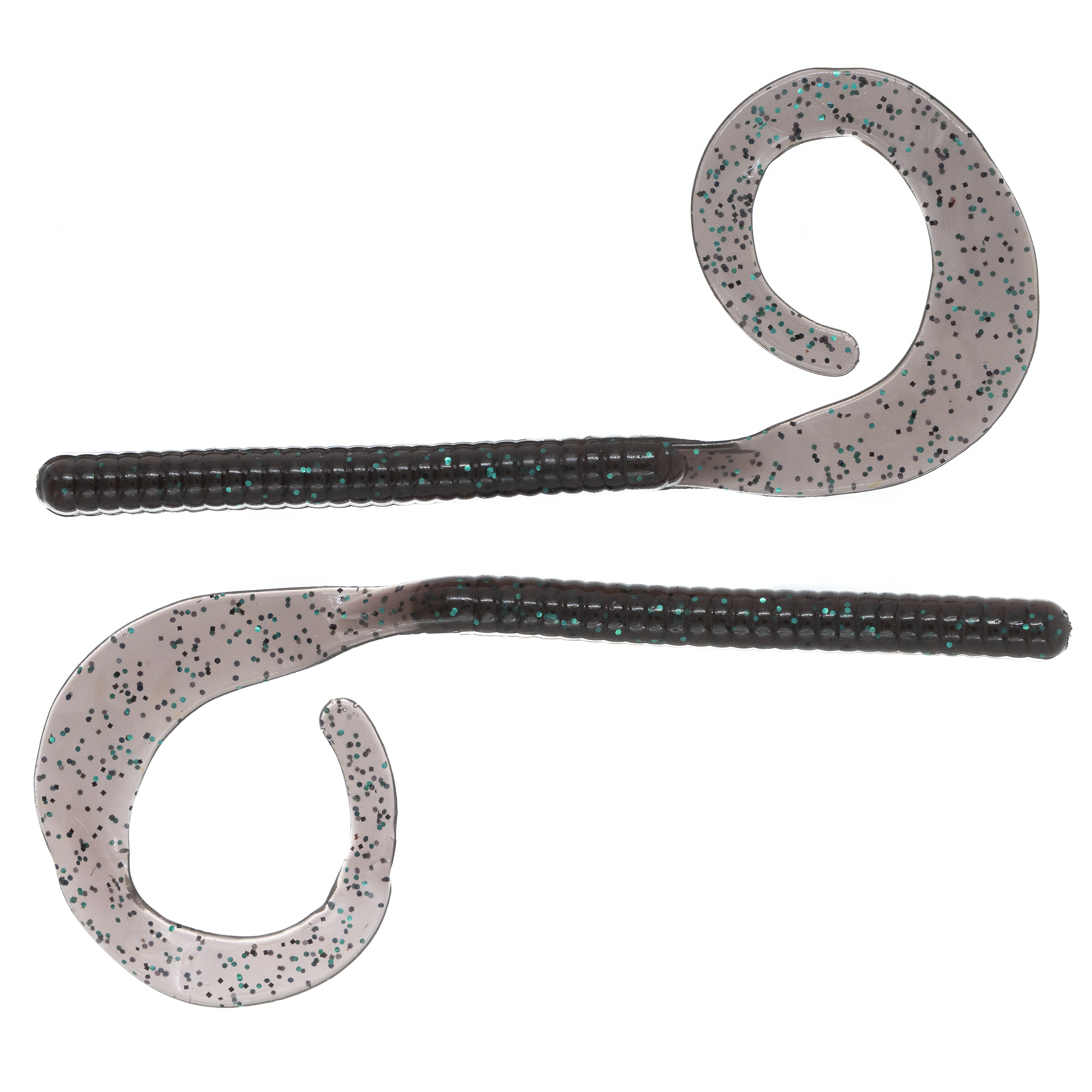
By May the hydrilla is up and it stays productive through September. Seminole is shallow almost everywhere except the river and creek channels, so summer splits between fishing the grass early and late and going vertical on the channel edges through the middle of the day. Late in summer the hydrilla reaches the surface and the channels become the only easily navigable water.



Topwater Peaks
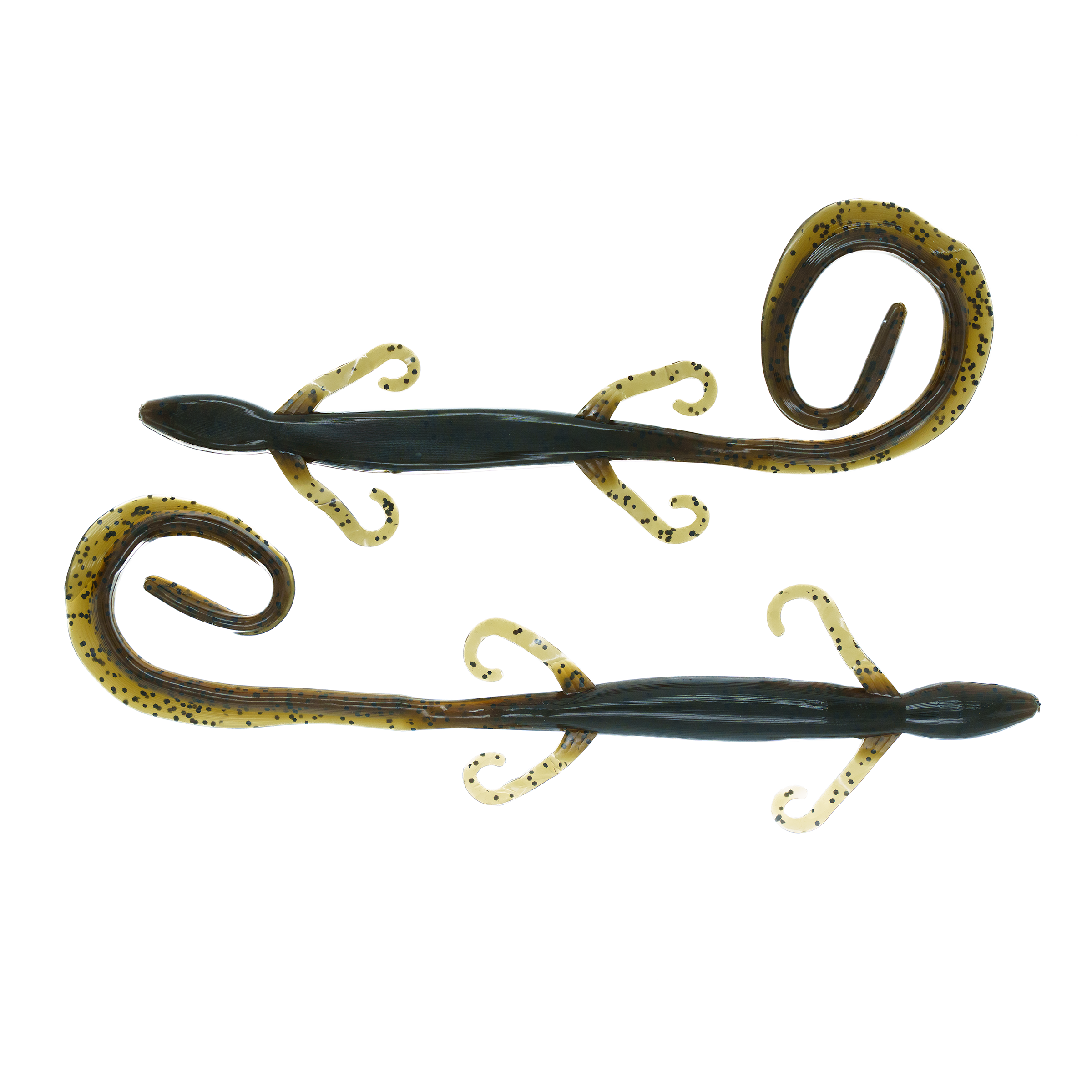
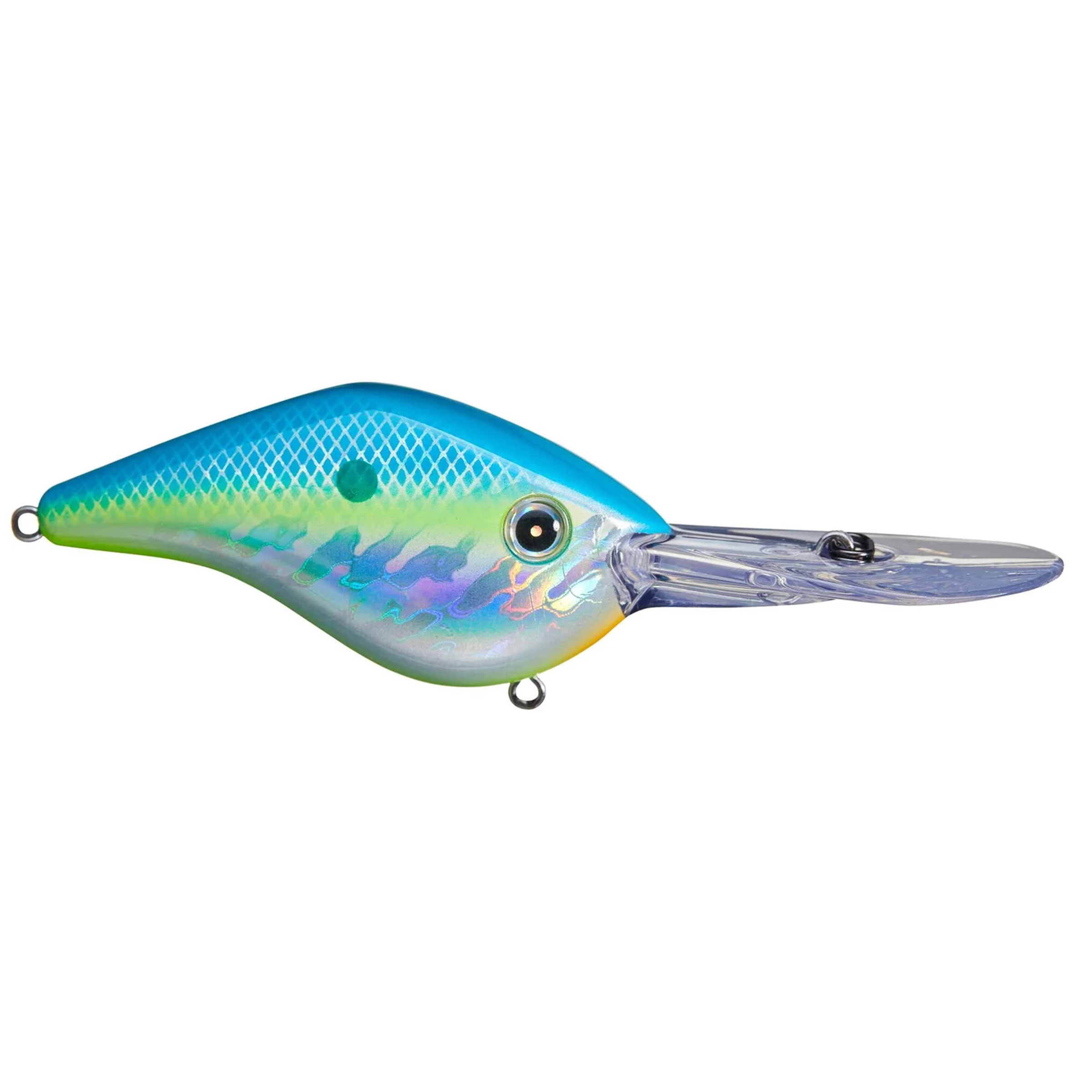
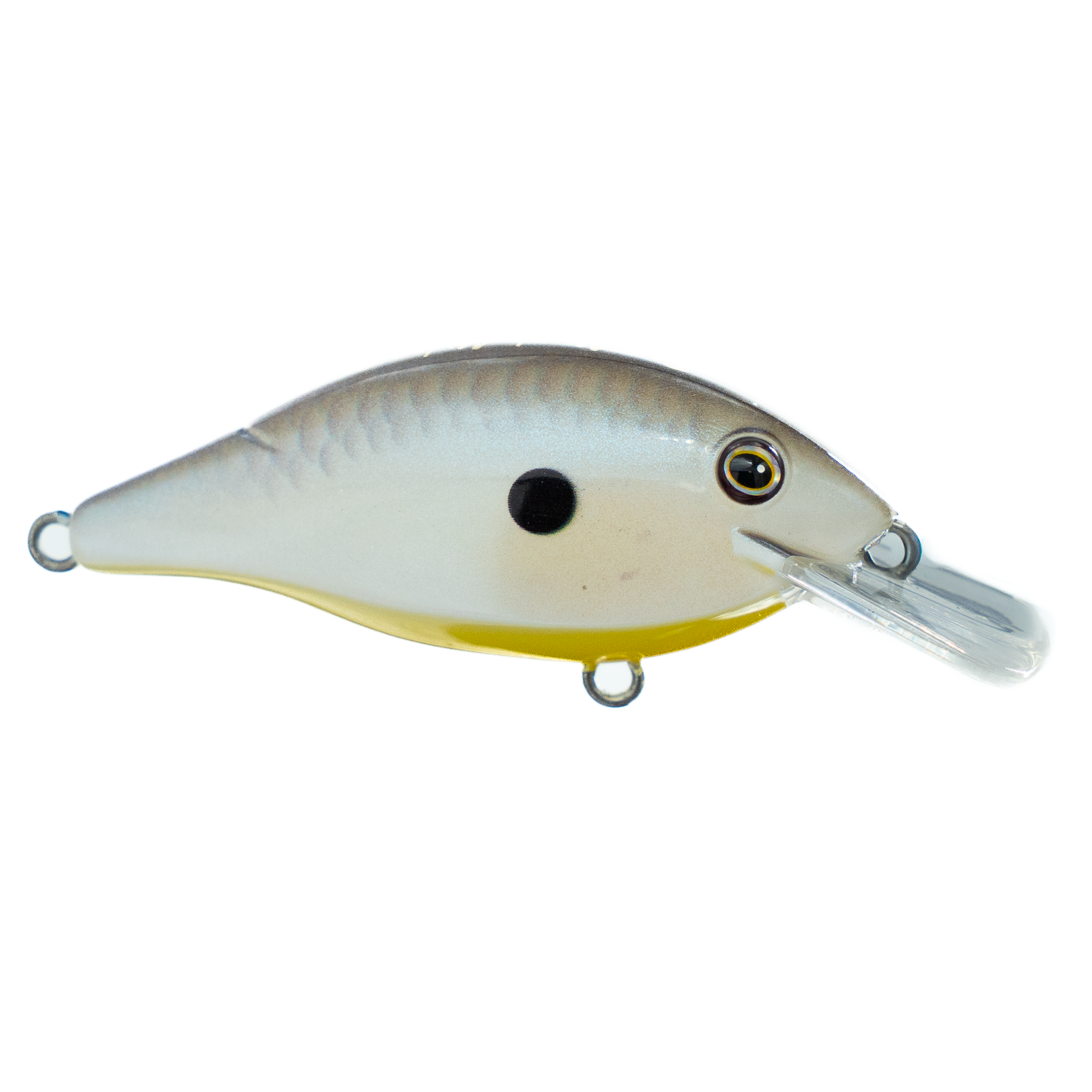
Fall is the other window worth planning around. Cooling water pulls shad and bass together and the topwater bite peaks as the lake cools. Grass edges remain the highest-percentage water on the lake — if you're unsure where to start, find an edge, because on Seminole they produce more often than not.



Points Next to River Channels
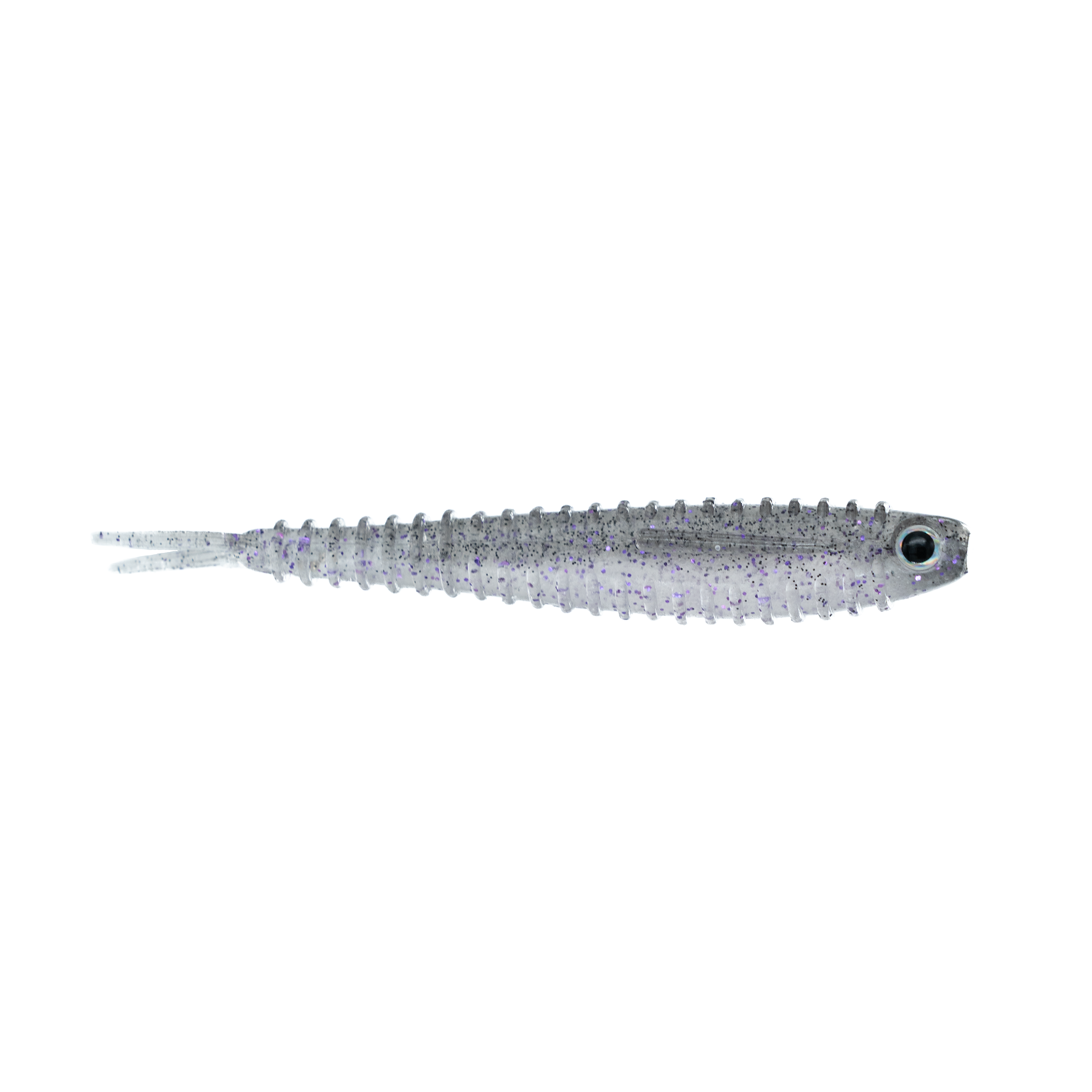
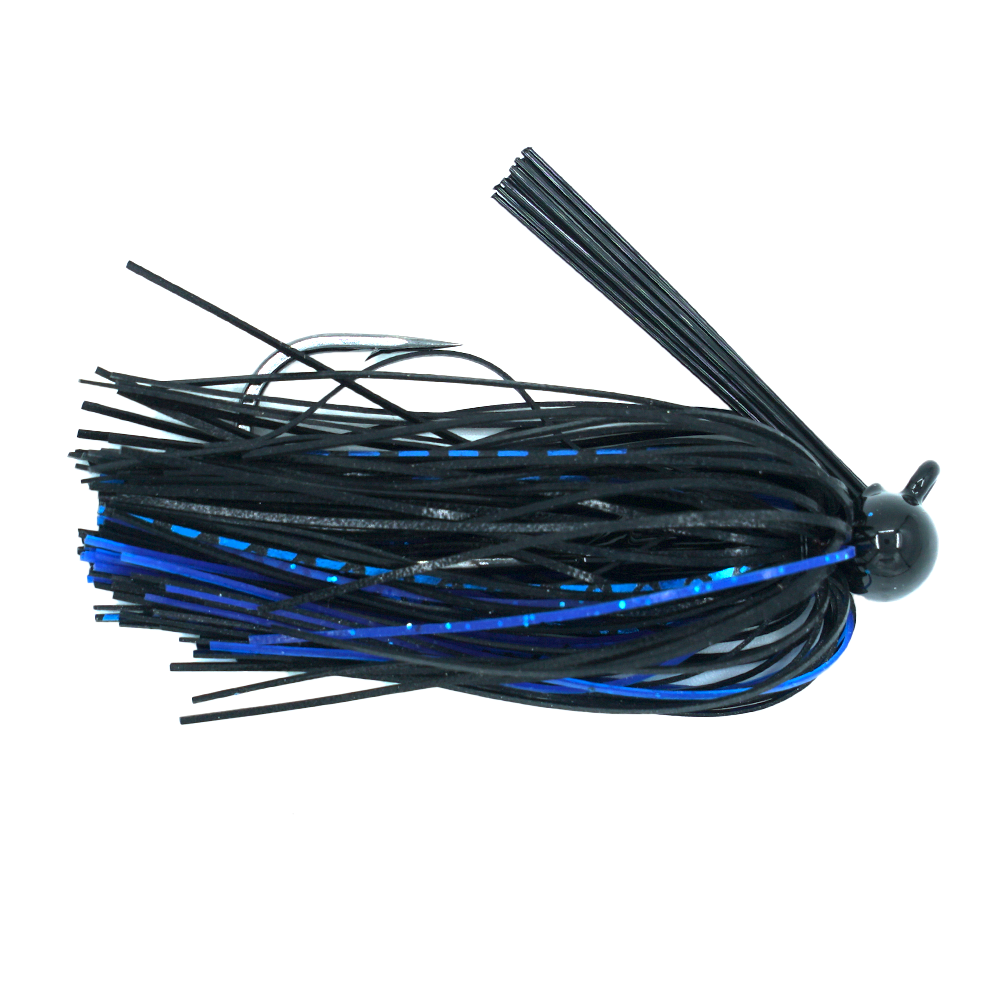
December and January push Seminole's bass onto main-lake points adjacent to the river channels. The grass has died back, the crowds have gone, and the fish group tightly on the few pieces of structure that offer deep water close by. Clarity is at its best in the Flint and Spring Creek arms, which changes what you can get away with.



Lake Seminole Access
Takeoff at Bainbridge is a long way from most of the best water — it's about fourteen miles just to where the Flint broadens, and farther to Spring Creek or the Chattahoochee. Plan the run.
Spring Creek Arm
Clear, spring-fed water in the middle of the system, thick with vegetation on the bank and submerged grass throughout. Where most tournaments get won and the best place on the lake to sight fish in spring.
Flint River Arm
Clearer than the Chattahoochee and more lake-like, with grass flats, shallow points running out near the channel, and shoal bass in the river itself above the lake.
Chattahoochee Arm
The dirtiest and most riverine water, with current and turbidity. Channels between the islands near Apalachee WMA and Parramore Landing can be excellent, and the colour helps you when the rest of the lake is bright and slick.
Lake Seminole Bass Fishing FAQ
Which arm of Lake Seminole should I fish?
It depends what water you want. The Chattahoochee arm to the west runs dirtiest, with real current and a riverine feel. The Flint arm to the east is somewhat clearer and behaves more like a lake. Spring Creek, sitting between them, is spring-fed and runs clear year-round. FLW Series events on this lake have mostly been won out of the Spring Creek arm, and it's the most obviously fishable-looking water on the system.
Why is Spring Creek so much clearer than the rest of Lake Seminole?
Because of where the water comes from. The Chattahoochee and the Flint both originate in the Georgia Piedmont near Atlanta and carry sediment several hundred miles before they arrive. Spring Creek is only about 75 miles long and spring-fed, so it stays clean year-round. Same lake, three completely different water types.
When is the best time to fish Lake Seminole?
March and April for the spawn, when Spring Creek's clarity makes sight fishing genuinely possible, and again in fall when the topwater bite peaks as the water cools. The grass fishes well from May through September. Winter concentrates fish on main-lake points next to the river channels.
How big do the bass get in Lake Seminole?
Largemouth average around two pounds, with good numbers of five and six pounders. Seminole consistently ranks near the top of Georgia's large reservoirs for bass over five pounds. There are also shoal bass in the Flint — they don't usually compete with the largemouth fishing, but they've been known to decide a tournament.
Are there areas of Lake Seminole closed to fishing?
Yes, and it catches people out. Five marked fish refuges on the lake are closed to all fishing, including spear fishing, from May 1 through October 31 each year. There are also seasonal striped bass closures on sections of the Flint, Chattahoochee and Spring Creek. Check current Georgia regulations before you launch.
What baits work best on Lake Seminole?
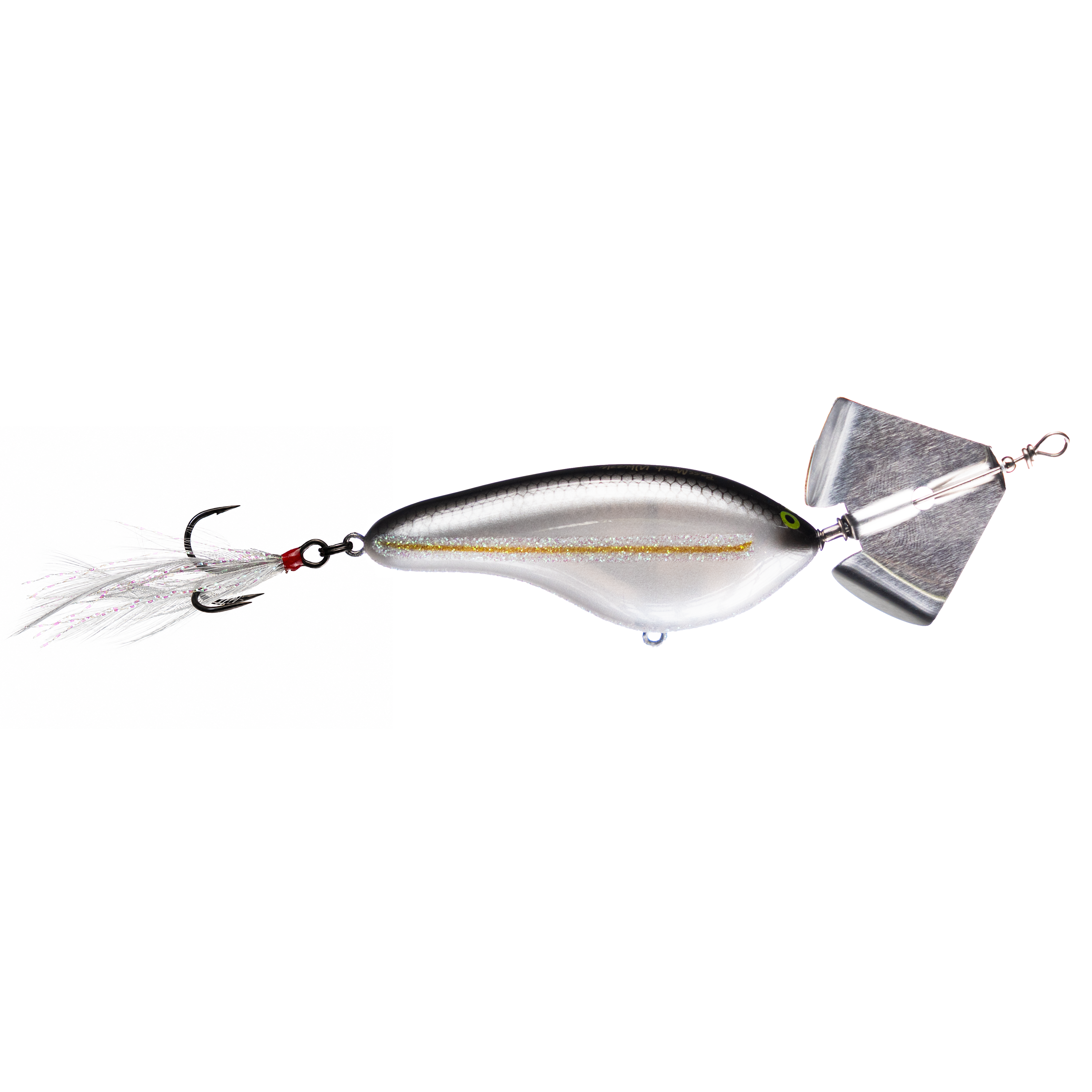
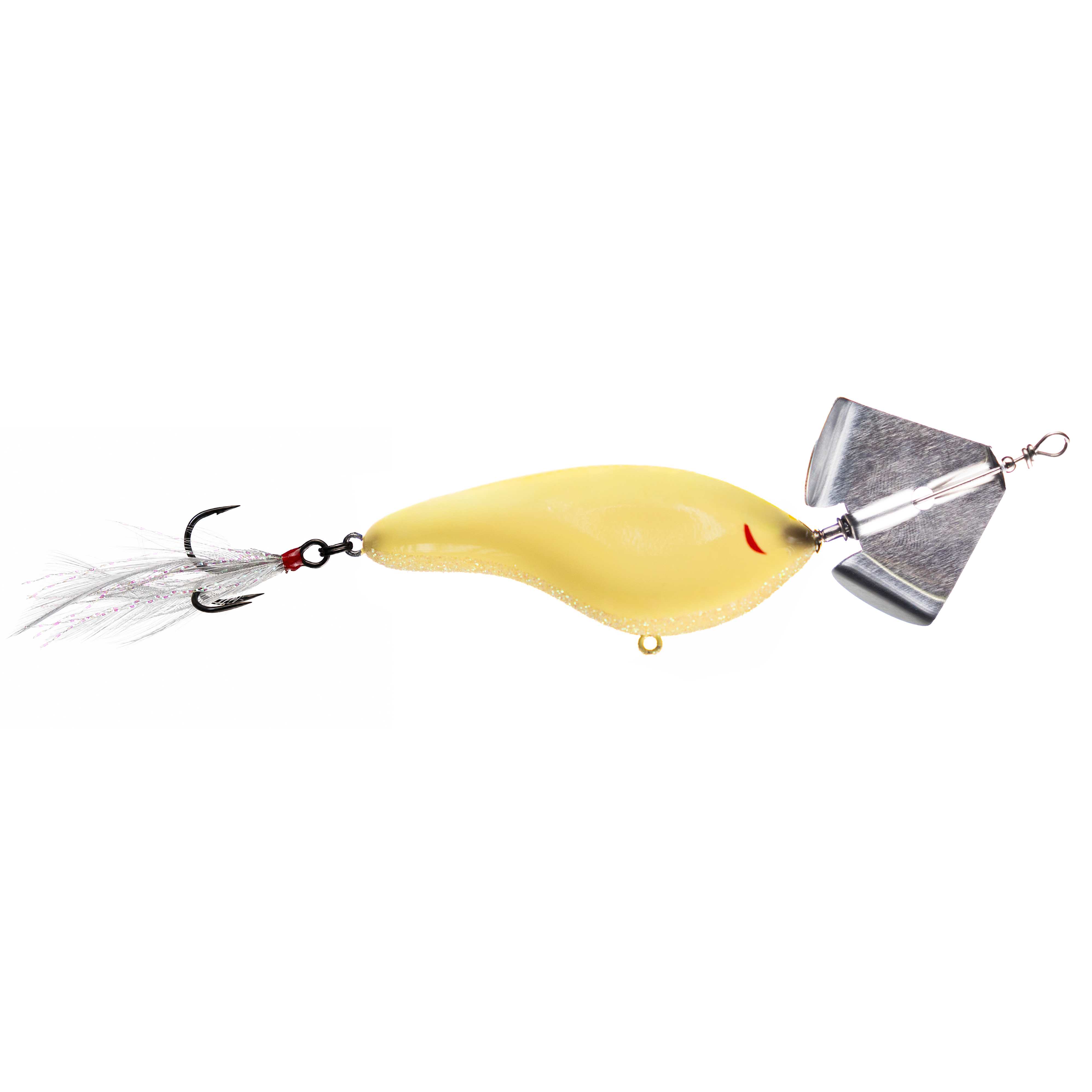
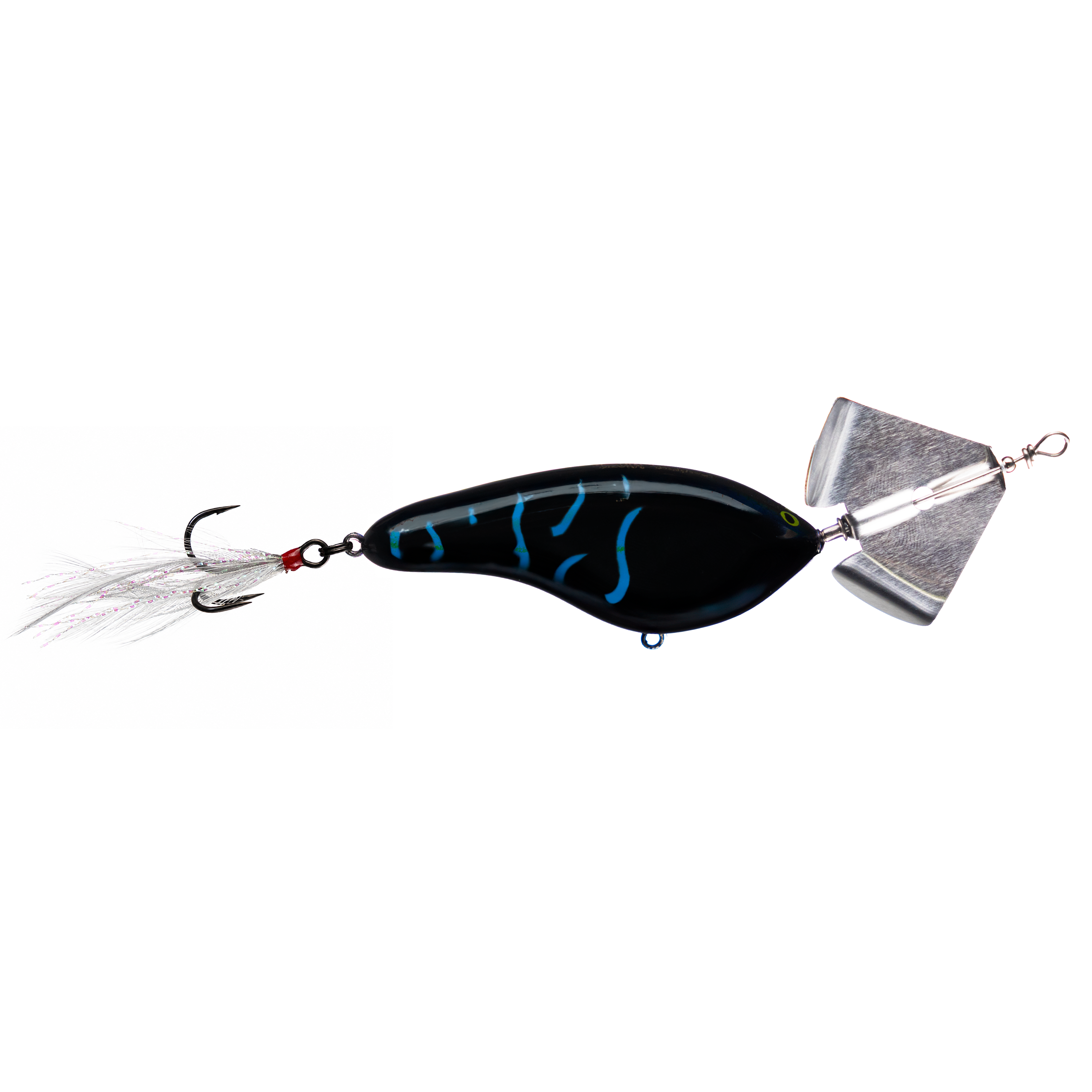
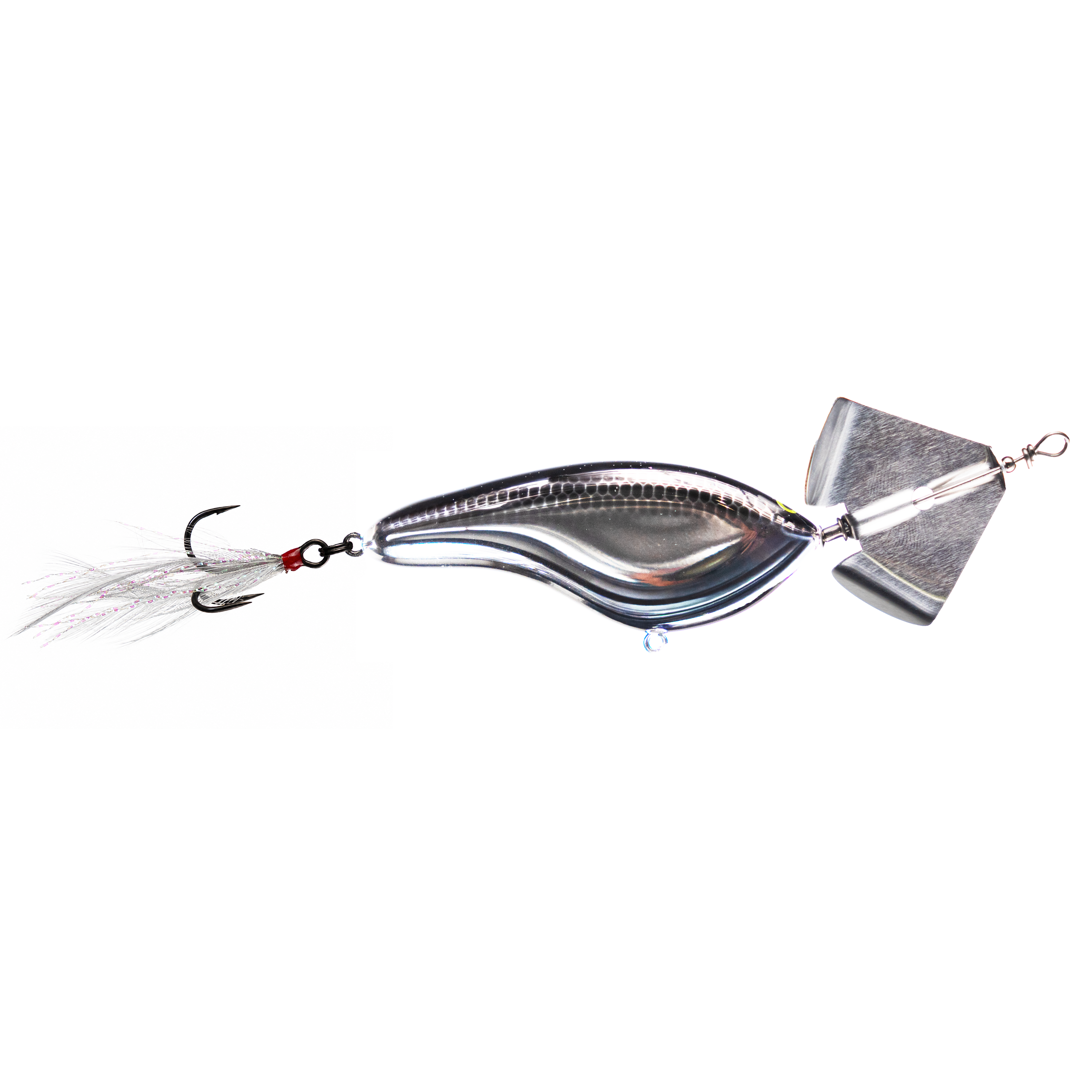
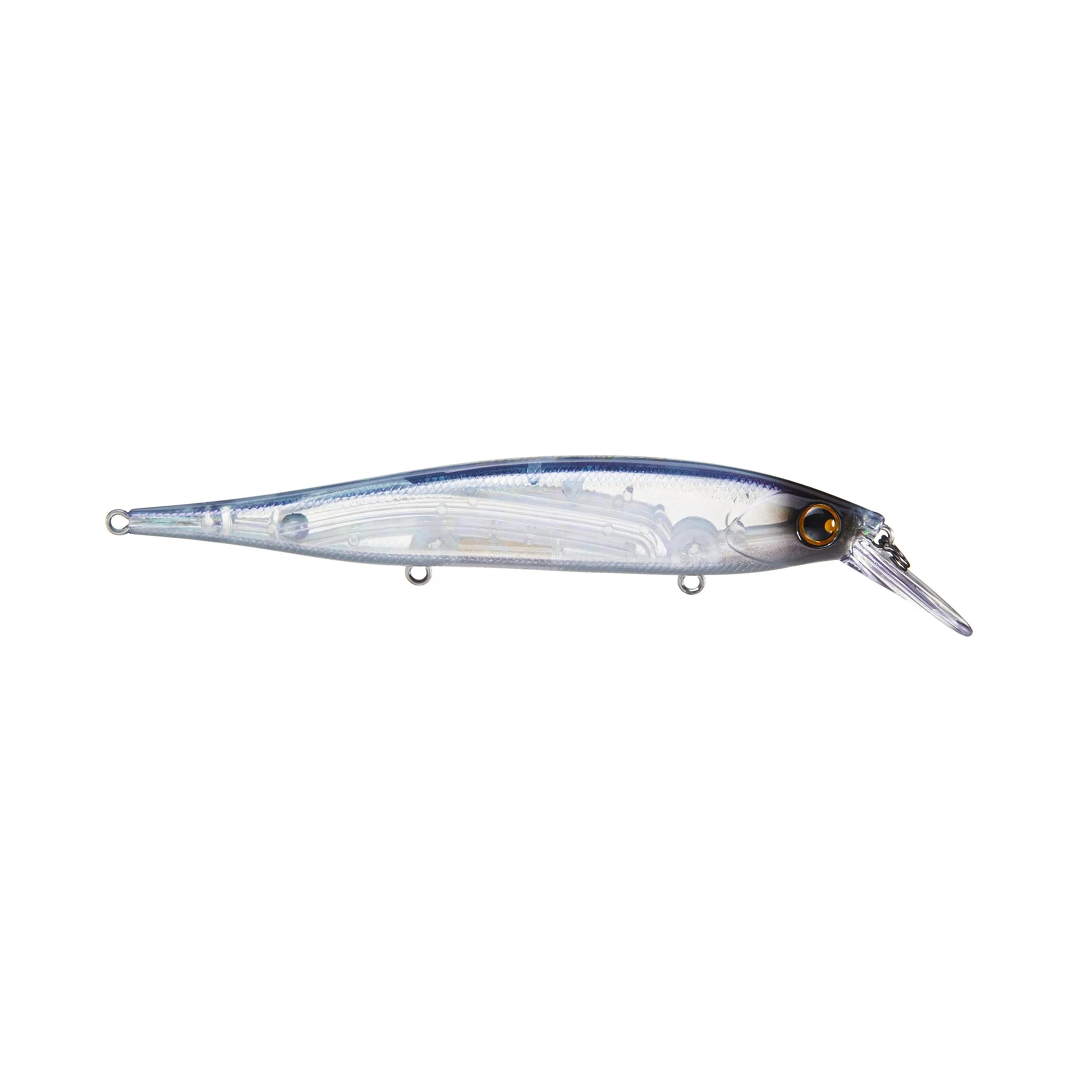
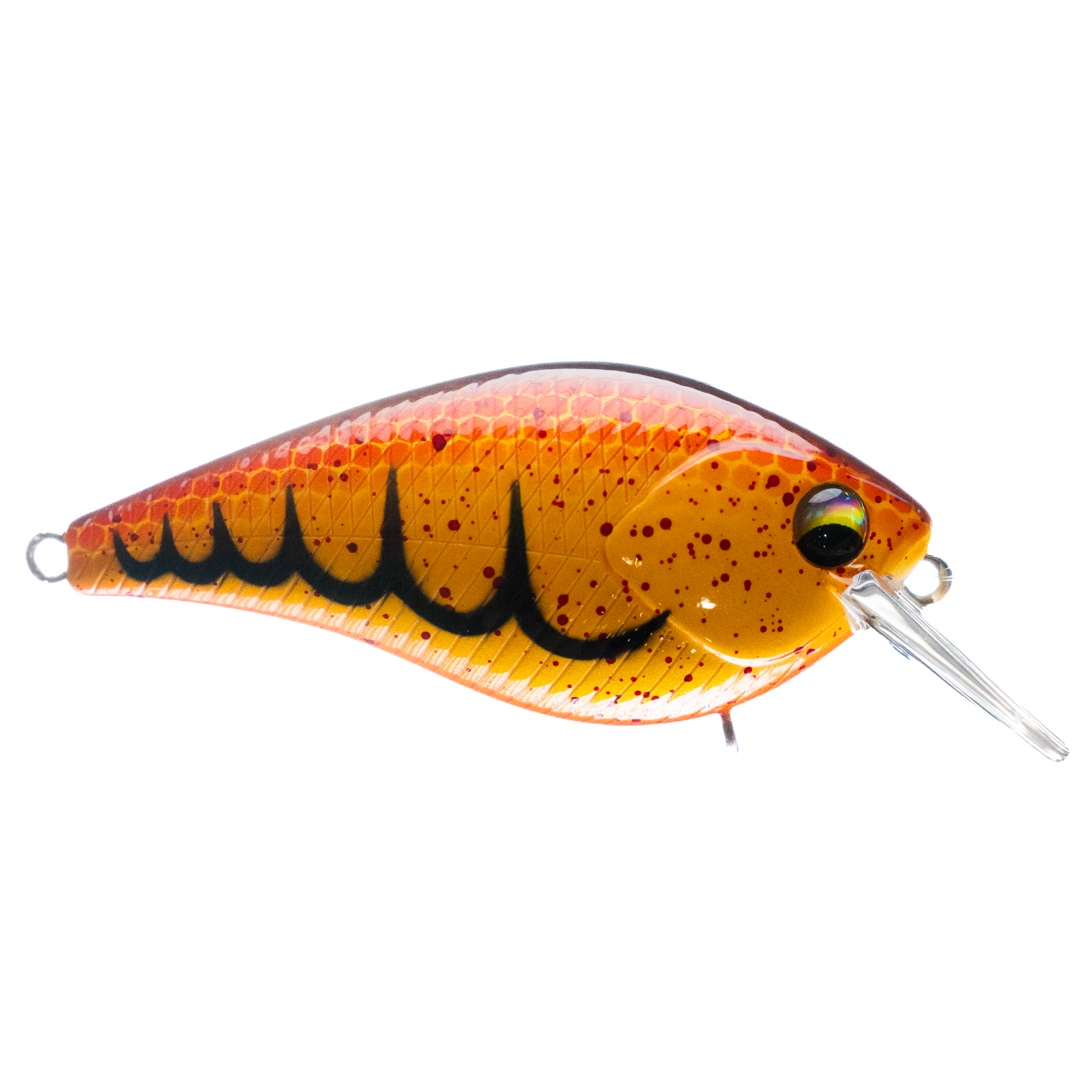
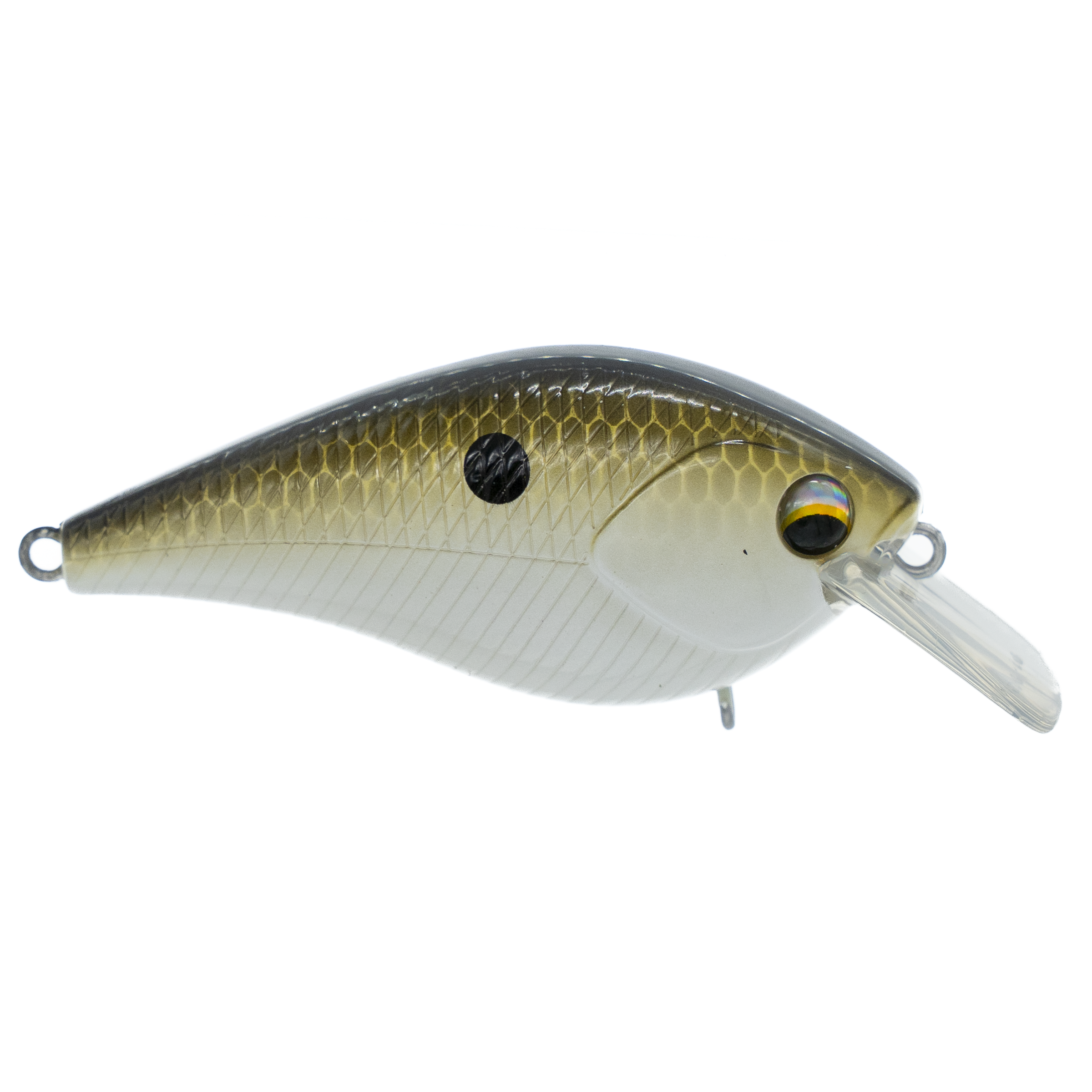
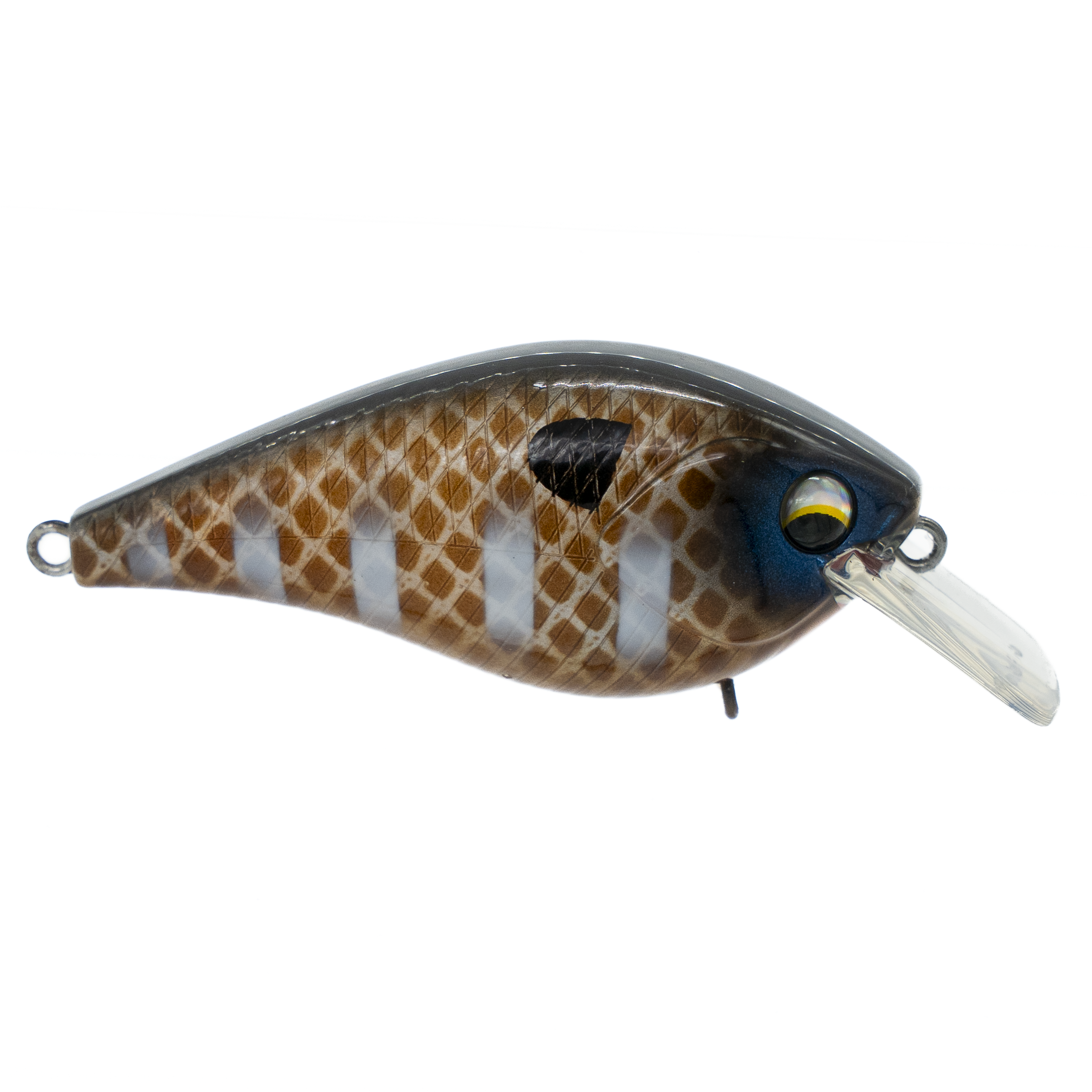
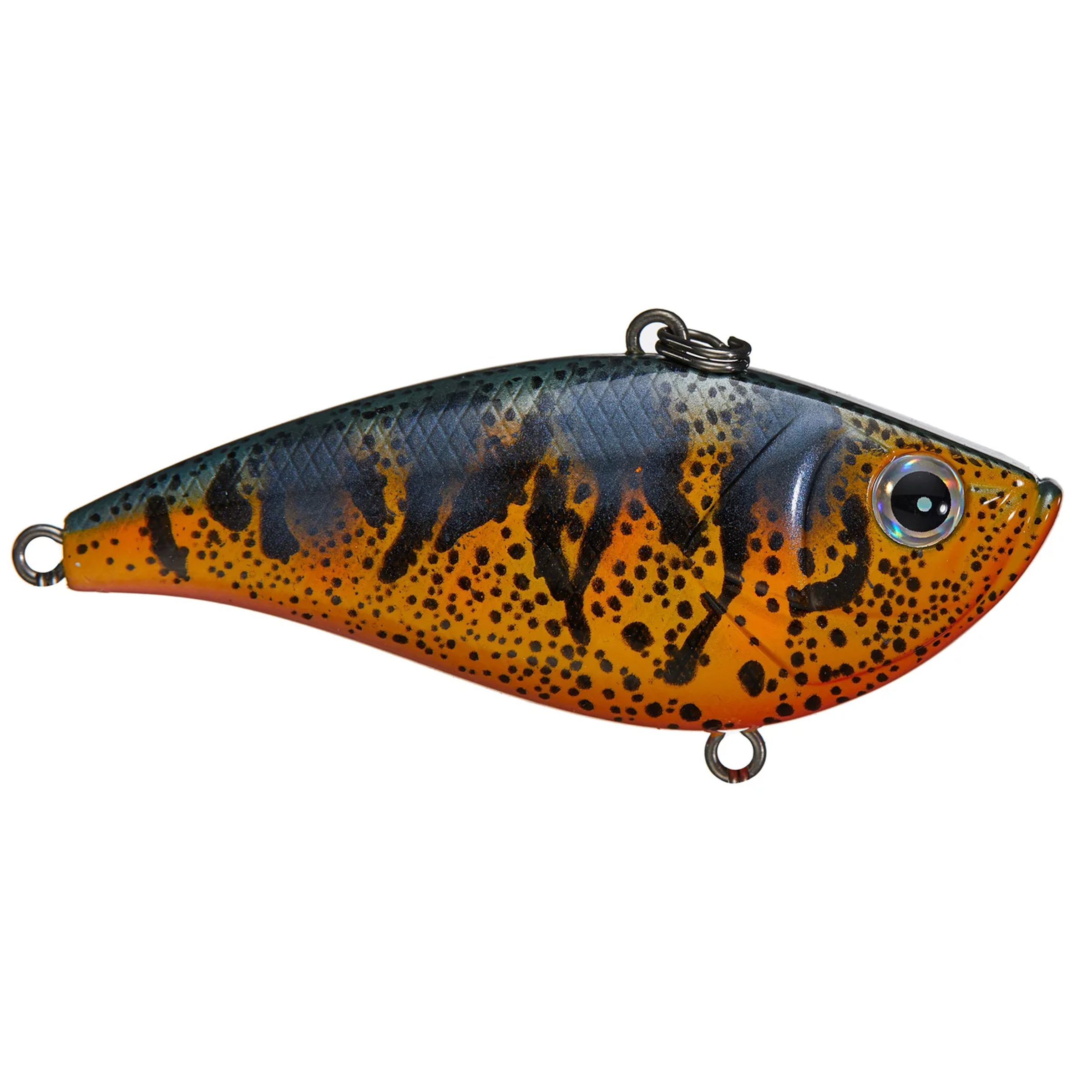
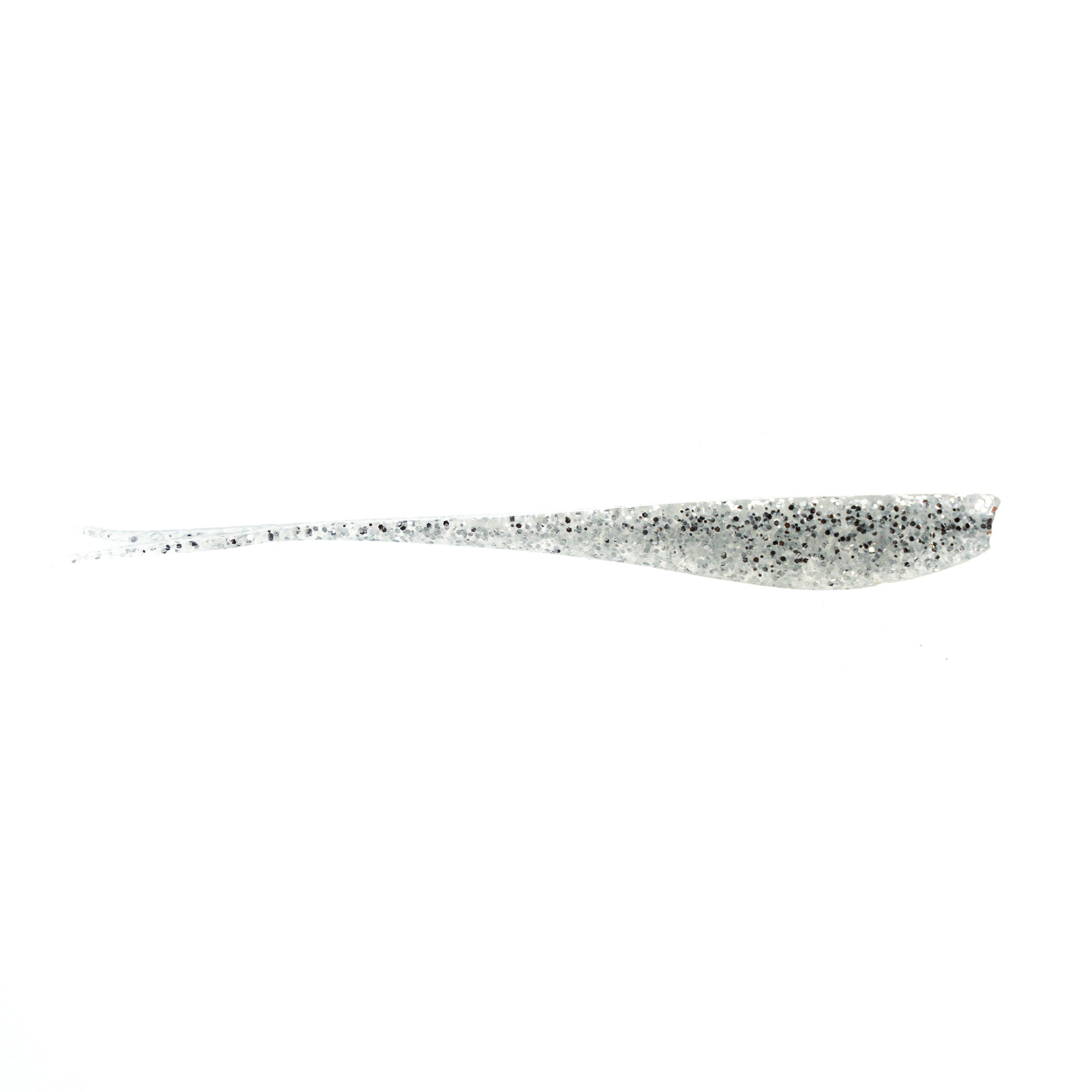
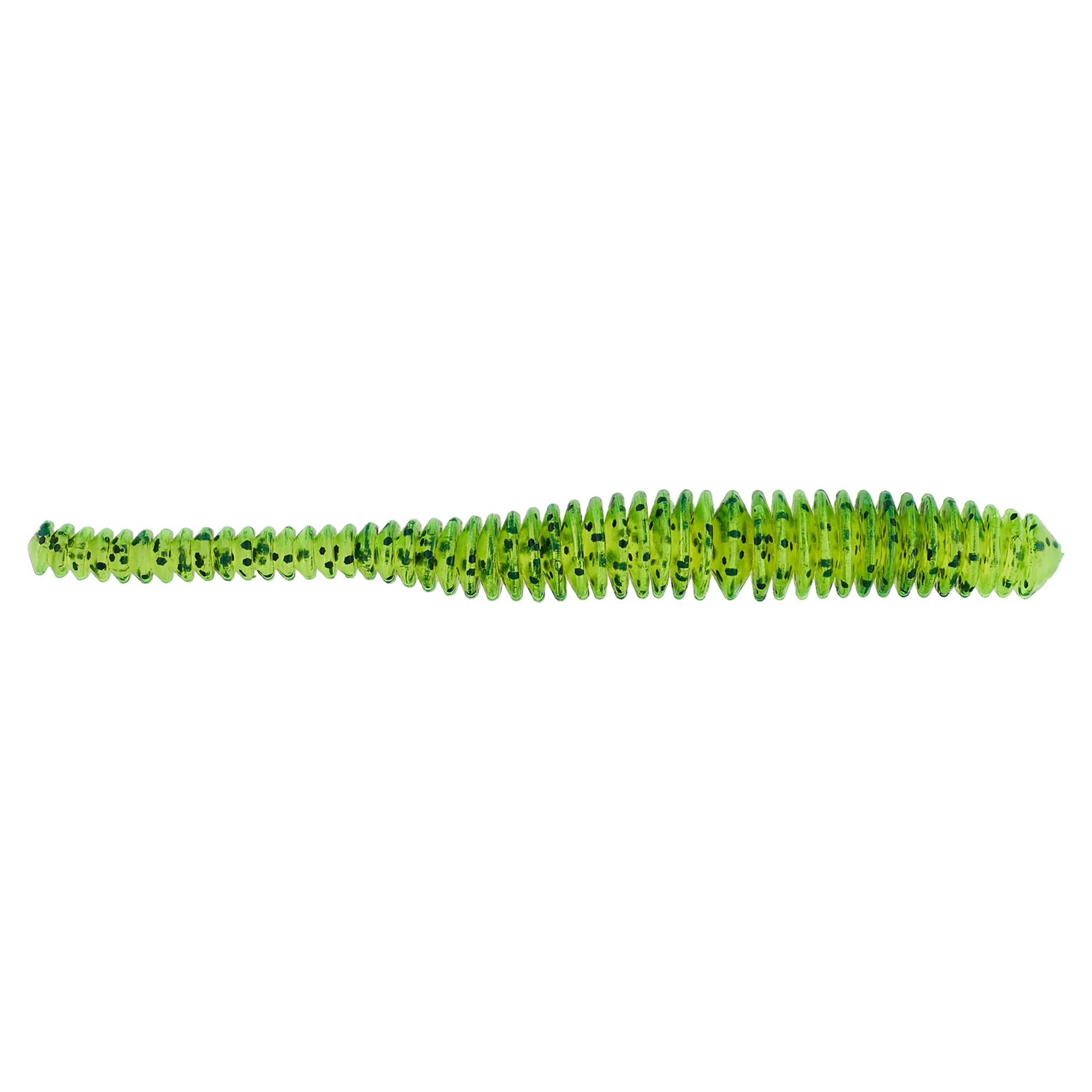
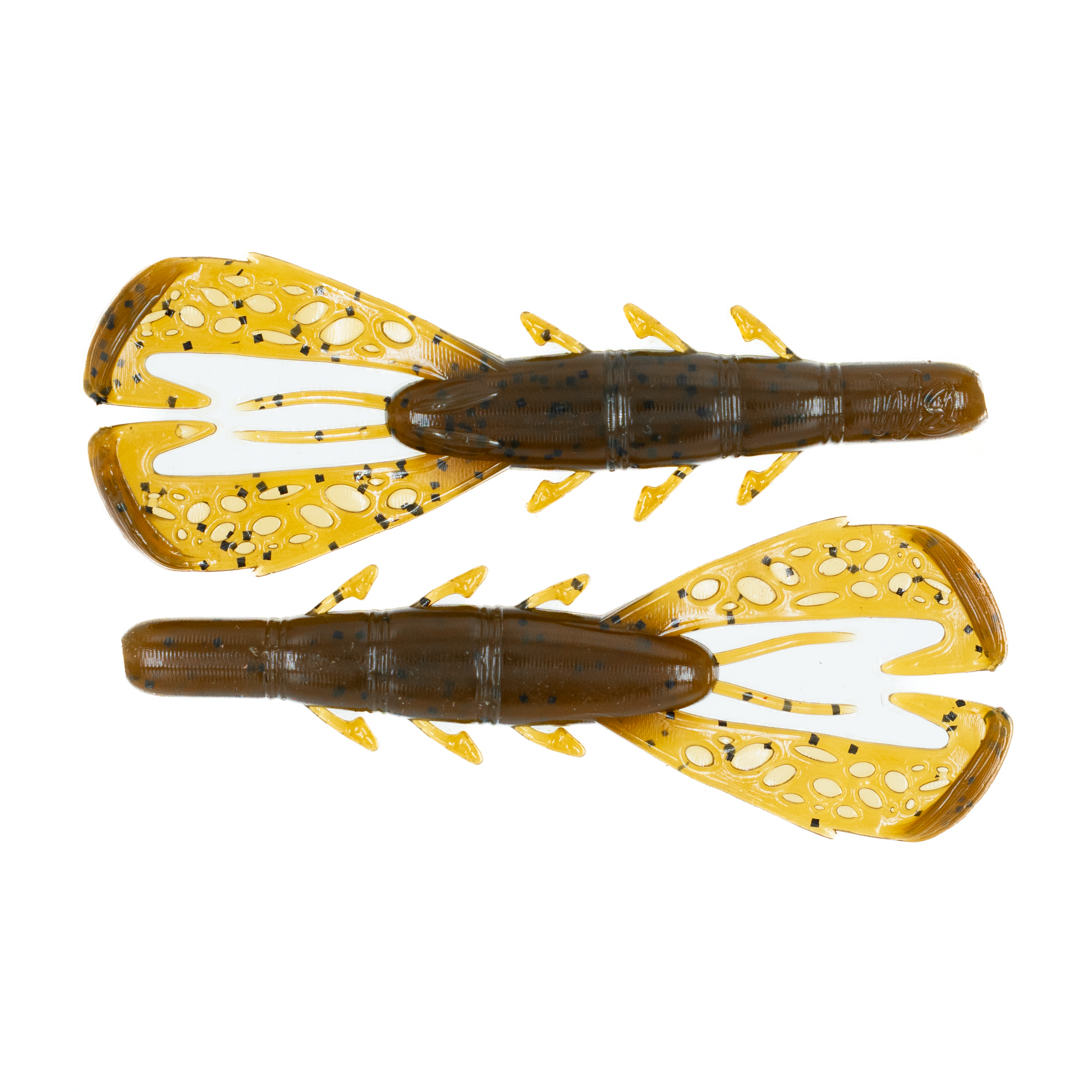
Grass baits, mostly. Spring is lipless crankbaits ripped through emerging hydrilla and jigs flipped into stumps and thicker cover, with soft plastics for bedding fish. Summer means frogs and toads over the mats and vertical presentations on the channels. Fall is moving baits along grass edges. Winter is points next to river channels. Our full bait lineup covers all four.
Which state's fishing license do I need for Lake Seminole?
About eighty percent of the lake is in Georgia, and a Georgia licence covers almost all of it. Parts sit in Florida and some Chattahoochee shoreline is in Alabama. Florida-licensed anglers can fish a defined portion south and west of an artificial boundary. Check current Georgia DNR and Florida FWC rules before you go.
Built to Pull Fish Out of Grass
Punching a mat and then turning a six-pounder's head before it buries in hydrilla is about as much as you can ask of a rod. Level Rods builds heavy models with the power to do it and enough sensitivity to tell the difference between a stalk and a bite when everything you touch feels like both.
Tournament Winning Baits & Gear
Designed, crafted and tested by anglers who fish grass lakes every week. Free shipping on orders over $75.
Shop All Baits