Lake Rousseau Bass Fishing Guide
Lake Rousseau Bass Fishing, Season by Season
A flooded woodland west of Dunnellon that Bassmaster ranked the third best fishery in the entire Southeast for 2026 — ahead of Guntersville, ahead of Murray. Rousseau is a stump lake, and the stumps are the whole point.
A Drowned Forest with a River Running Through It
Lake Rousseau is a manmade impoundment of the Withlacoochee River in west central Florida, formed in the 1920s when a dam went in near Inglis. Levy County and Inglis sit to the north, Citrus County and Crystal River to the south, and Dunnellon and Marion County bound the northeast. The Withlacoochee and the spring-fed Rainbow River both feed it.
It was later swept into the Cross Florida Barge Canal project, which was halted before completion. The idle barge lock at the west end is still there, and the discontinued canal is now simply part of the fishery.
The lake is a flooded forest and it never stopped being one. Cypress trees, submerged stumps, pennywort islands and periodic hydrilla fill it, and it is one of only a handful of Florida lakes genuinely riddled with stumps from end to end. The old Withlacoochee channel cuts through from Dunnellon in the east to the Inglis Dam in the west and is well marked; the maintained river channel and the side channels along the south side are effectively the only parts of the lake that are not stumped up.
Locals split it in two. The broad water from the Inglis Dam running about five miles east to the Pig Pen area is what people mean when they say Lake Rousseau. East of that the impoundment narrows and becomes river again, and the wider expanse away from the channel gets called the flats or the backwaters.
The trophy numbers are what put it on the map in 2026. Rousseau alone registered eight bass over ten pounds with Florida's TrophyCatch program in the first weeks of the year, the biggest an 11-7 in early February, with two more 11-pounders and a 10-15 coming out of the Withlacoochee proper. FWC has recorded better than one trophy entry a week here.
One safety note that is not boilerplate. Follow the marked channel and the marked boat lanes. Away from them this is a submerged woodland, and running it at speed is how people end weekends early.
Stumps, Channel Bends and Backwaters
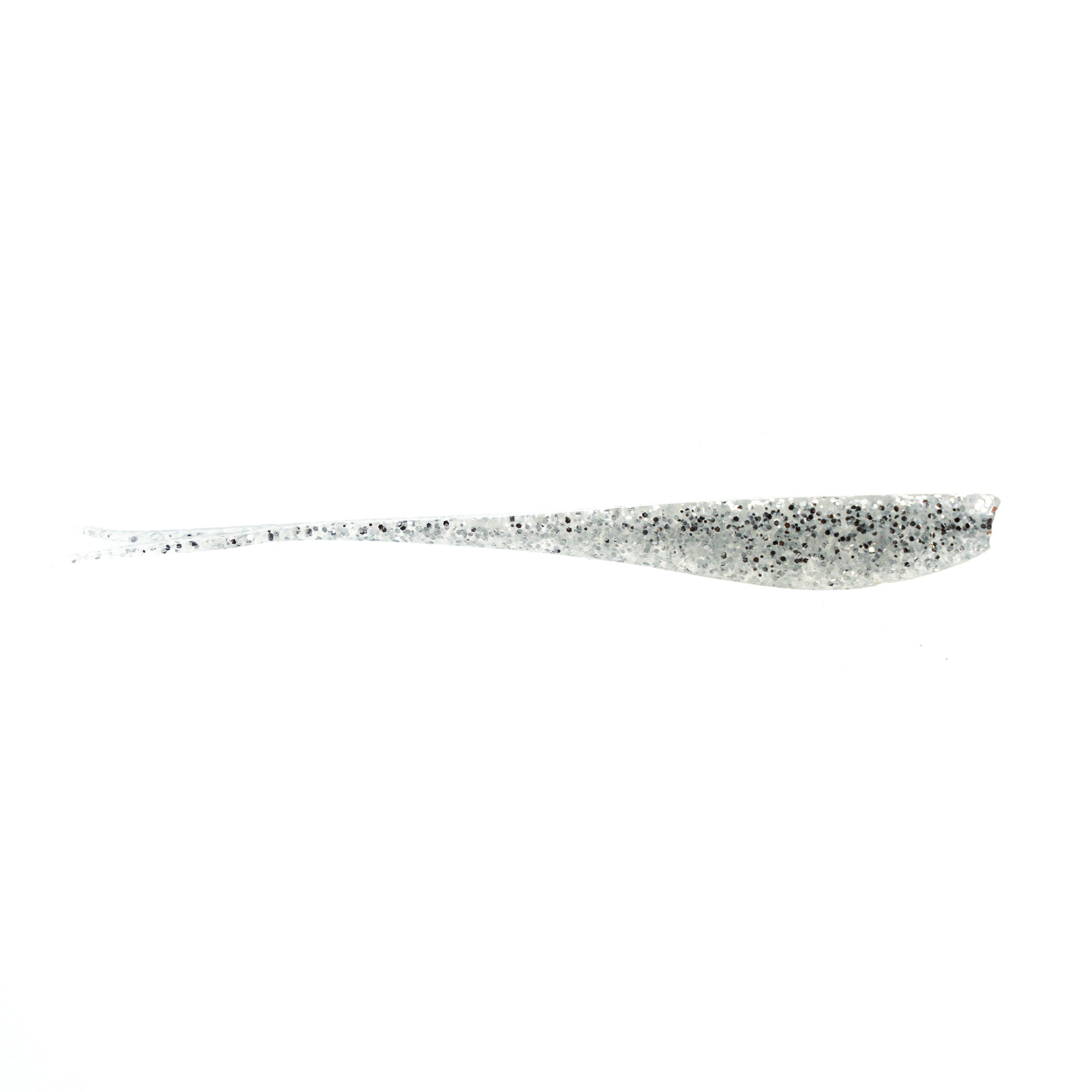
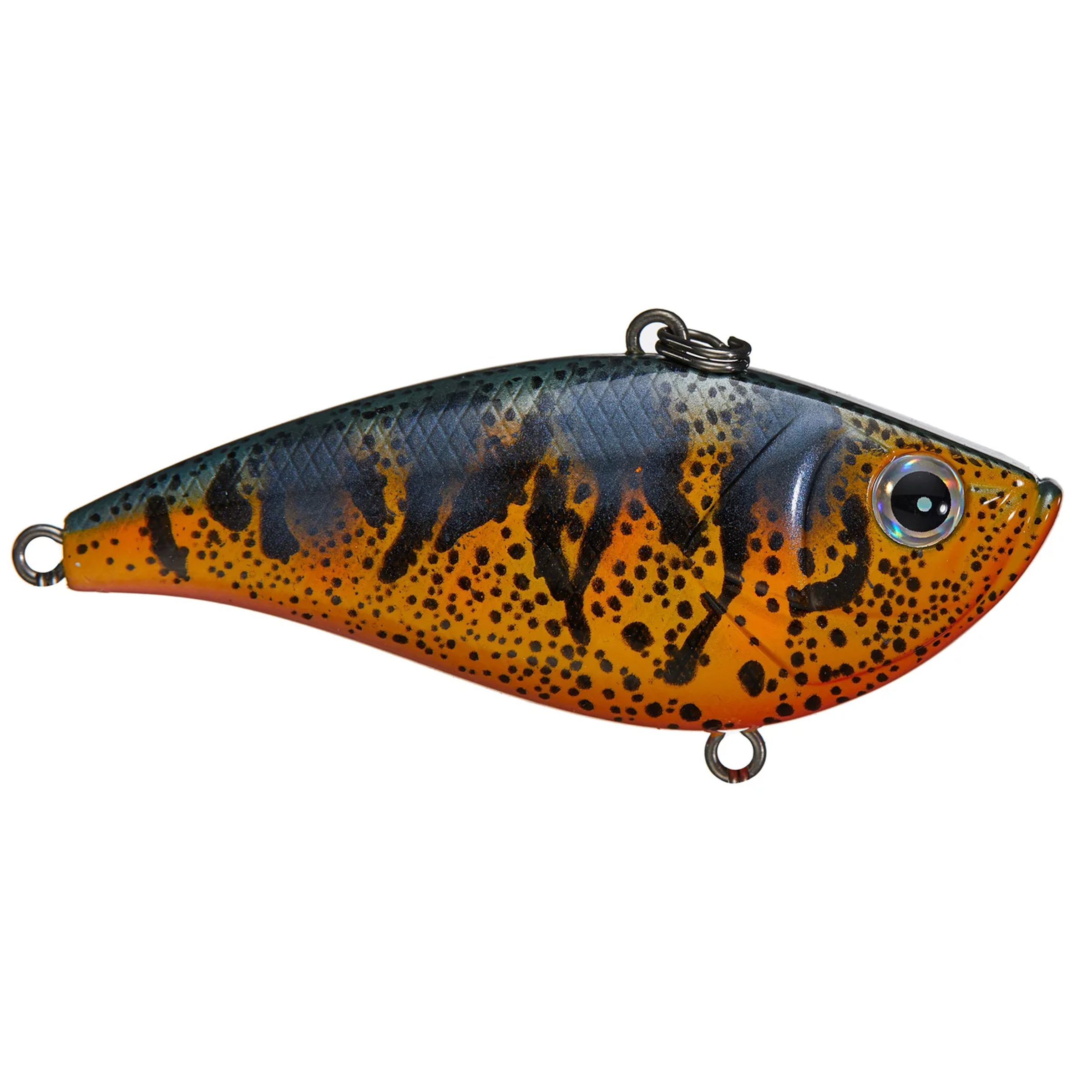
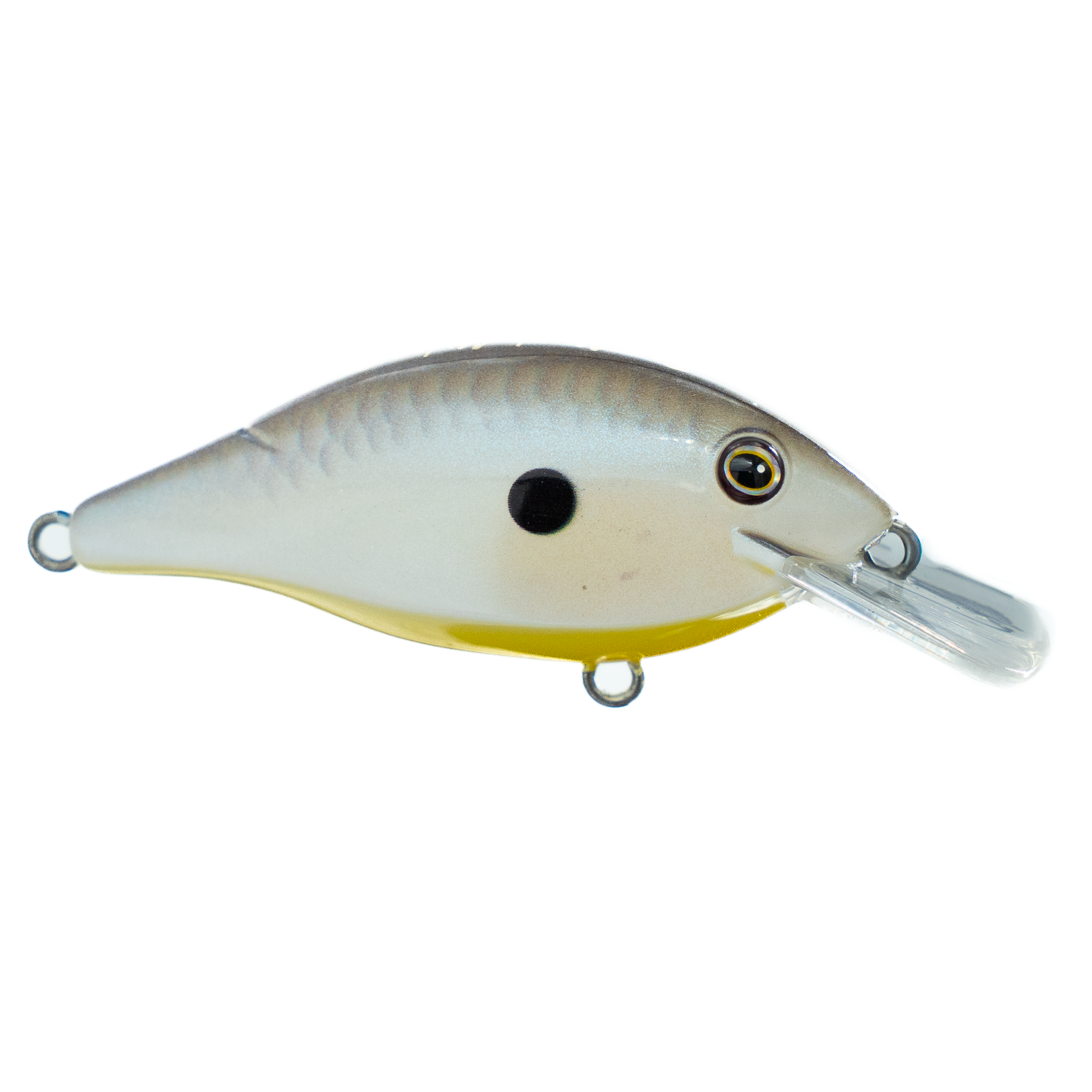
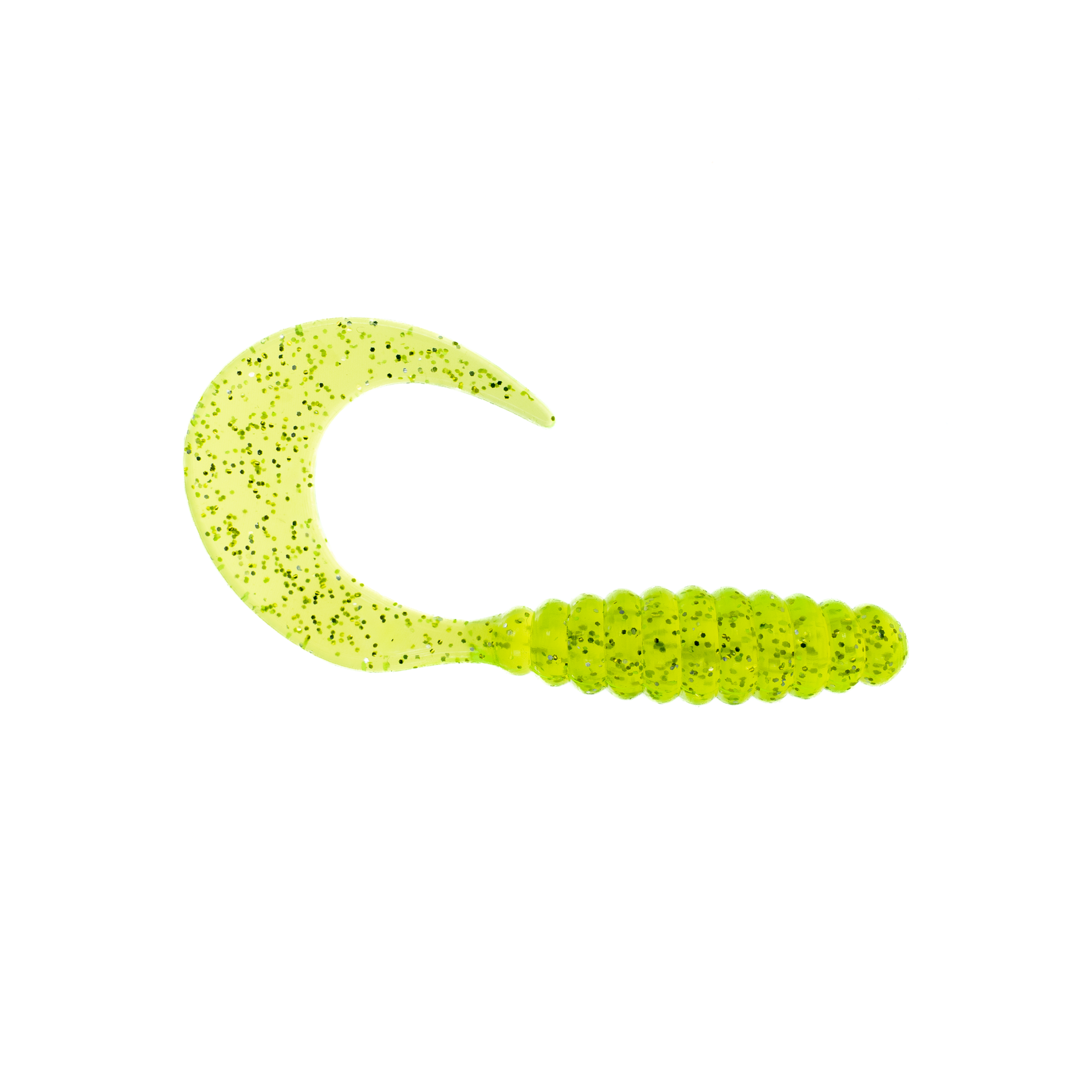
Four patterns cover the year. Each one pairs the technique with the baits we'd actually tie on.
Stump Fields on the West End
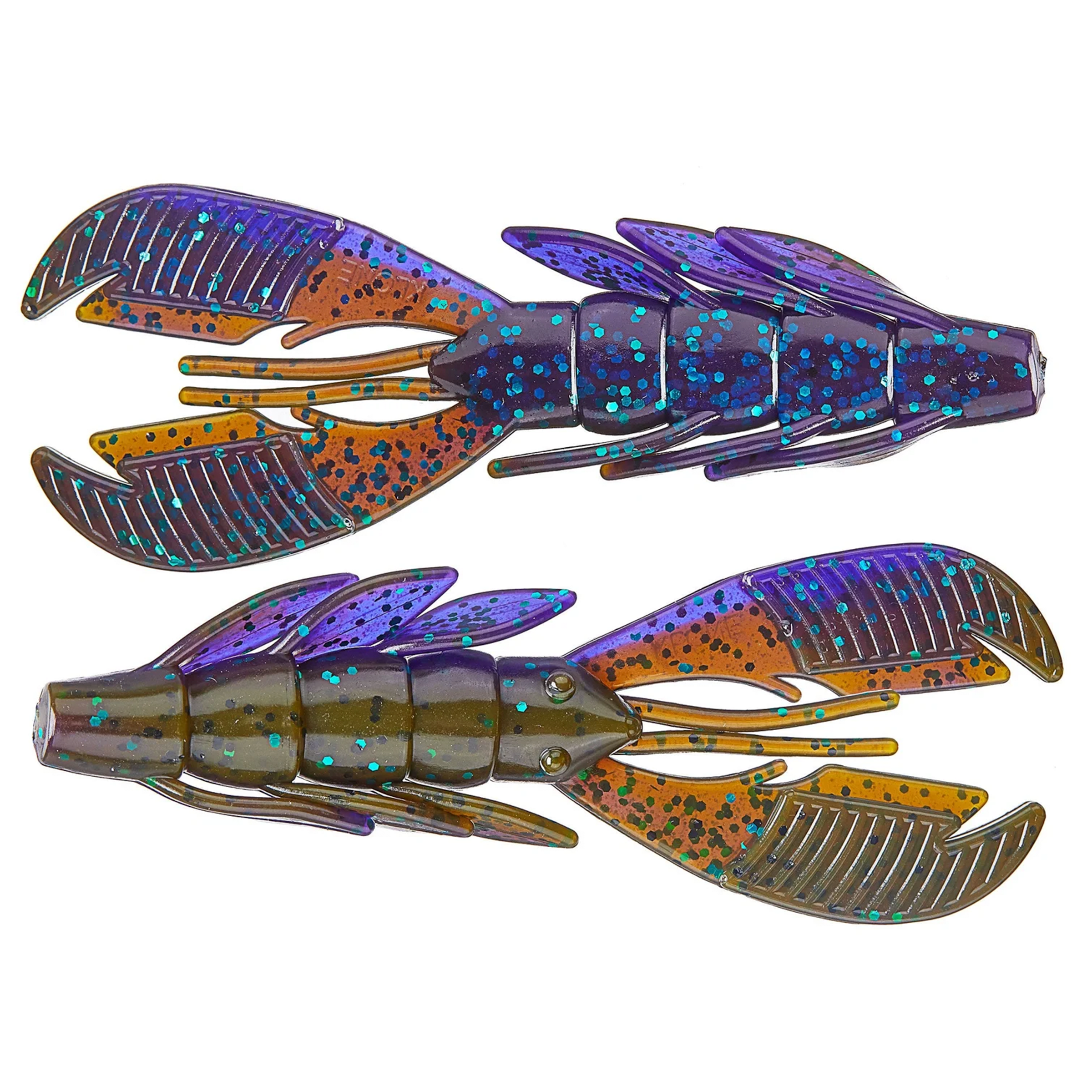
Spring puts fish shallow across the west end, and the productive water is where stumps and vegetation occur together rather than either one alone. FWC's own guidance points anglers to the stump fields and the edges of the boat channels on that end of the reservoir, and areas mixing wood with grass are consistently the best of it. Panfish bed on sandy bottom around the stumps at the same time, which brings the bass with them.


Pads, Pennywort and Early Light
Through the heat the fish push into the floating cover — pennywort islands, hyacinth, matted vegetation — and to the shade the cypress throws. The bite is an early and late proposition. Water clarity here is better than most Florida lakes thanks to the spring flow coming down the Rainbow River, which makes topwater worth more than it is elsewhere in the state.


Working the Old Channel
Autumn is the season to fish the river channel itself. The old Withlacoochee cut runs the length of the lake, and the underwater bends in it concentrate fish as the water cools and the bait moves. It is the one piece of genuine structure in a lake otherwise defined by cover, and it is under-fished by anglers who stay in the stumps.
Trophy Season in the Backwaters
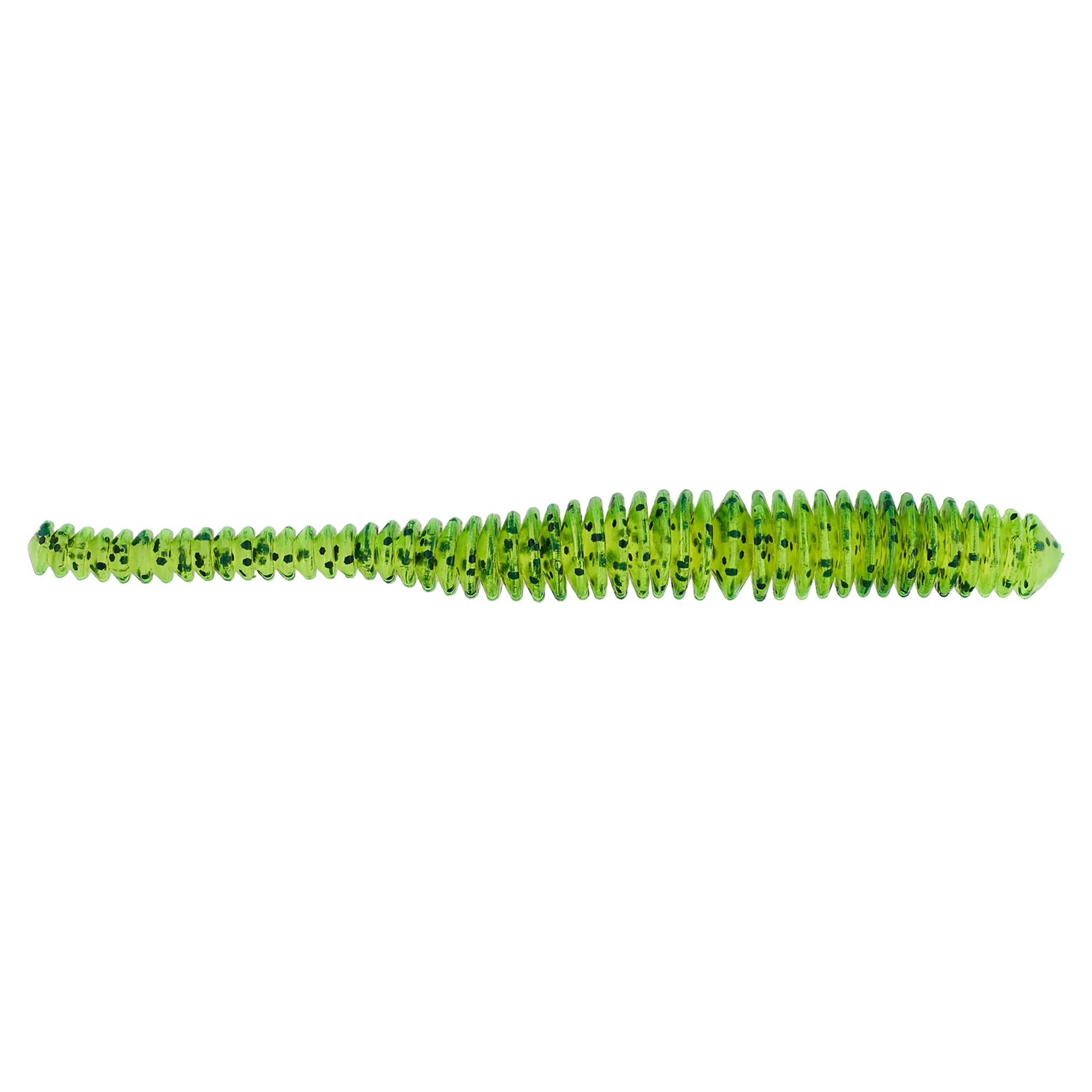
The big-fish months. The eleven-pounders that put Rousseau near the top of the national rankings come out in winter and early spring, and they come from the quieter water — the flats and backwaters away from the main channel, and the protected pockets in the eastern river section. Crappie stack in the open water in front of the dam and in the barge canal at the same time.


Lake Rousseau Access
The Inglis Dam and Island Recreation Area on the west end has paved parking and ramps, including one below the dam giving access to the lower Withlacoochee. Several other ramps serve the lake and the river, and Dunnellon covers the east end.
The West End Stump Fields
From the Inglis Dam running east toward the Pig Pen area — roughly five miles of the broad water that people mean when they say Lake Rousseau. Stumps and vegetation together, edges of the boat channels, and the most consistently productive water on the lake according to FWC's own reporting.
The Old River Channel
The Withlacoochee cut runs from Dunnellon in the east to the Inglis Dam in the west and is well marked. Underwater bends in it are the closest thing this lake has to structure, and they hold fish when the shallow bite is off. It is also the safe route — the channel and the maintained side channels along the south side are the only parts of Rousseau not heavily stumped.
The Flats and Backwaters
Everything away from the channel, and where the giants live. Slow going and hazardous at anything above idle, which is exactly why it is under-fished. Bring a push pole and a spare prop, and take your time.
Lake Rousseau Bass Fishing FAQ
How big is Lake Rousseau?
About 3,657 acres, formed in the 1920s by a dam on the Withlacoochee River near Inglis. It is not a large lake by Florida standards, but the boating restrictions and the stumps make it fish considerably bigger than the acreage suggests.
Why is Lake Rousseau so full of stumps?
It is a flooded woodland. The forest was never cleared before the dam went in, so the cypress and stumps that were there in the 1920s are still there. It is one of only a few Florida lakes like this, and it is the single biggest reason the fishery is as good as it is — permanent cover everywhere.
Is Lake Rousseau safe to navigate?
In the marked channel and boat lanes, yes. Outside them, treat it as a submerged forest, because that is what it is. The Withlacoochee channel through the lake is well marked, and the river channel plus the maintained side channels on the south side are the only parts of Rousseau not heavily riddled with stumps.
What is the Cross Florida Barge Canal?
An abandoned federal project to cut a shipping canal across the state. Rousseau was pulled into it, construction was halted, and the idle barge lock still stands at the west end. The discontinued canal is now just another piece of water to fish.
How good is the big-bass fishing?
Very good, and getting national attention. Bassmaster ranked the Withlacoochee River and Lake Rousseau system third best in the entire Southeast for 2026. Rousseau alone had eight bass over ten pounds registered with Florida's TrophyCatch program in the first weeks of the year, topped by an 11-7.
Can you fish below the Inglis Dam?
Yes, and it is a different fishery. The stretch below the dam runs about a mile and a half to the barge canal channel, can be tidally influenced from the Gulf, and holds both fresh and saltwater species. Manatees turn up there in the warmer months.
What baits work best on Lake Rousseau?
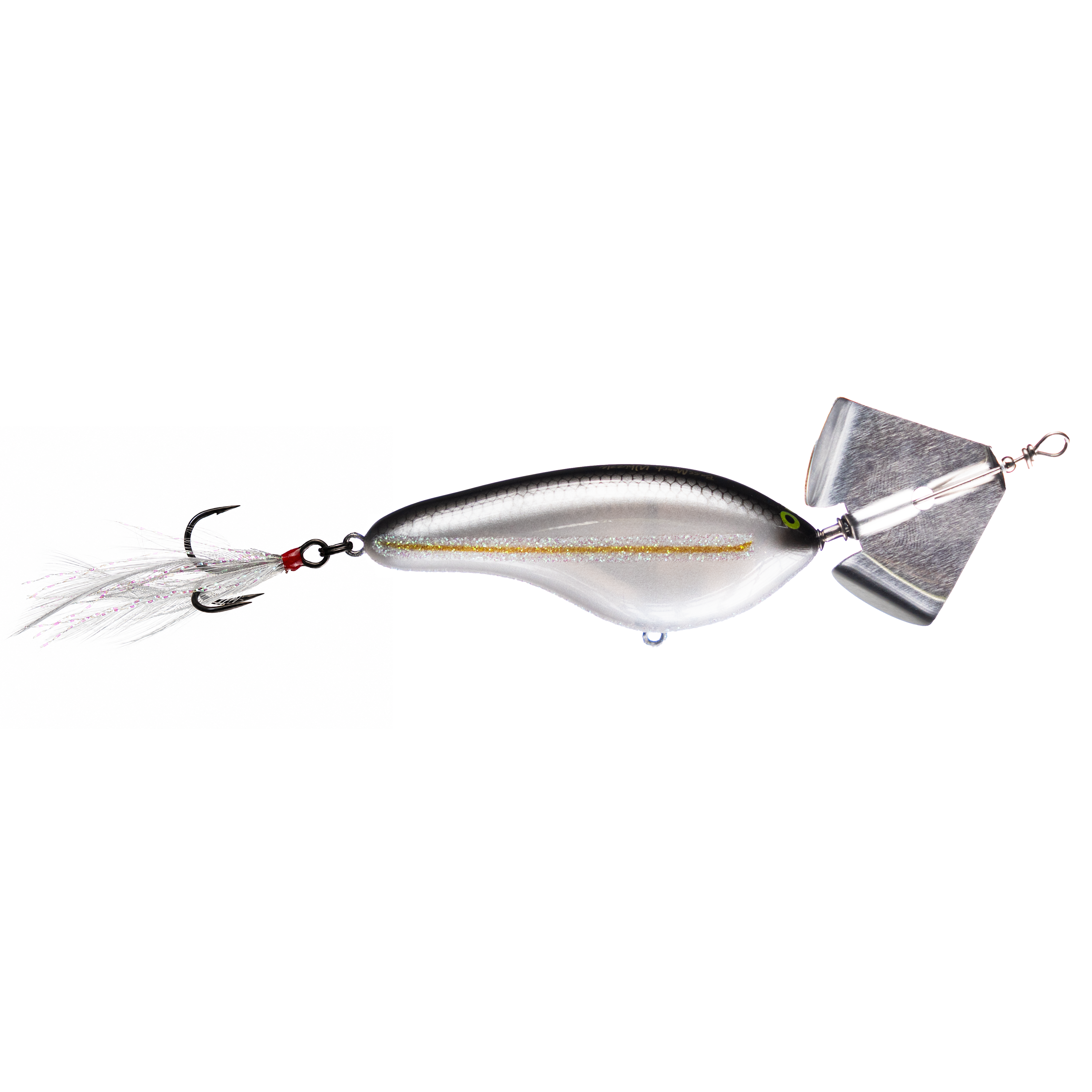
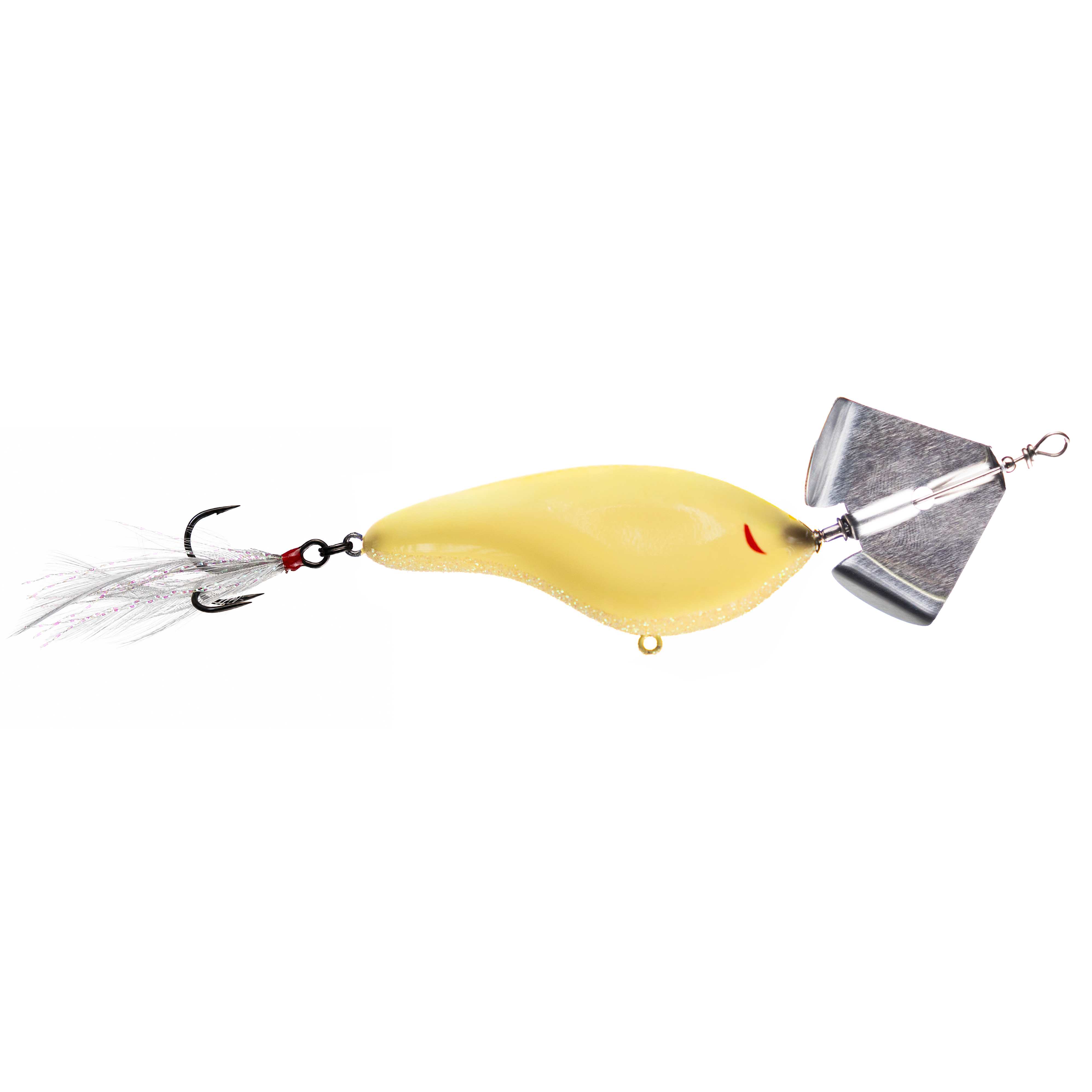
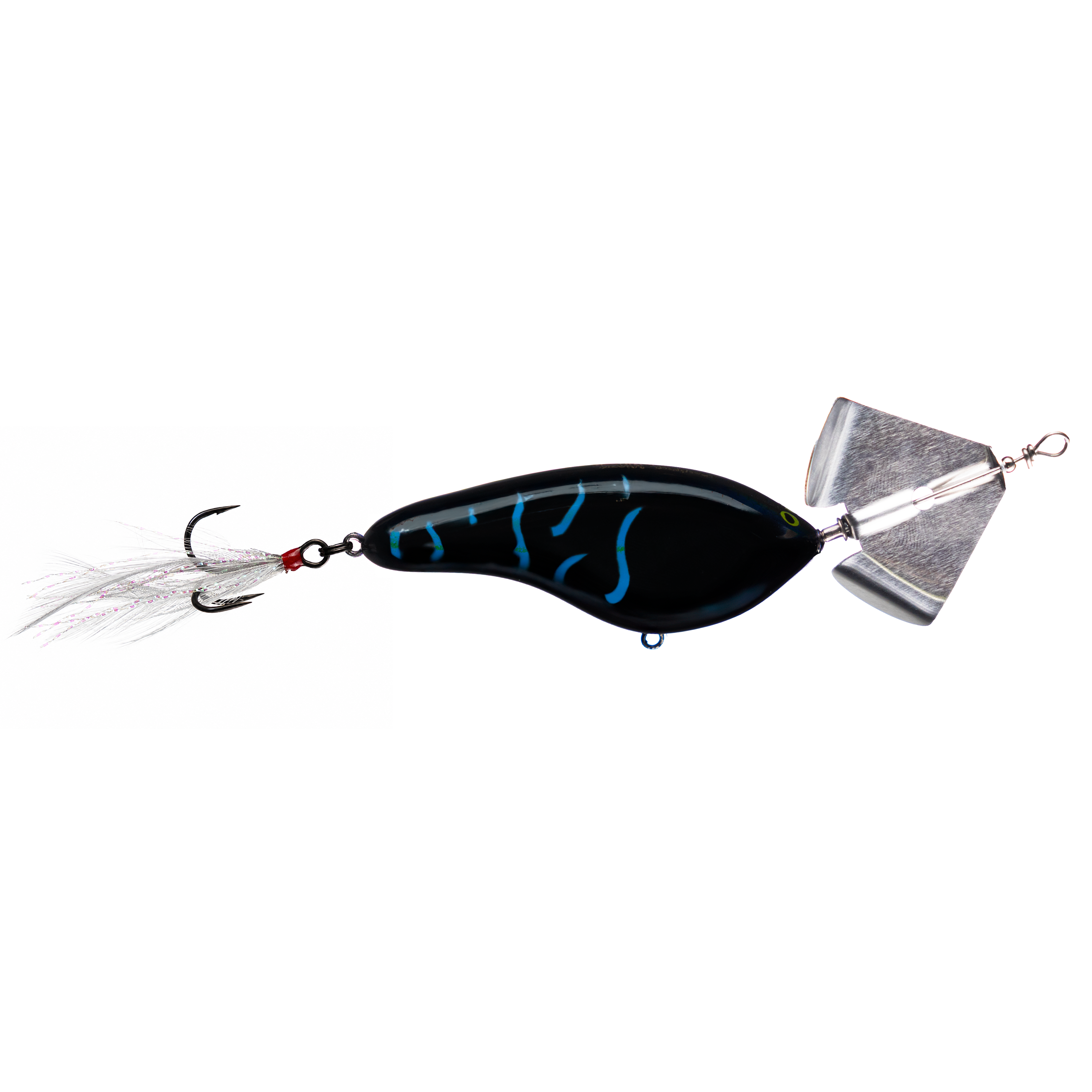
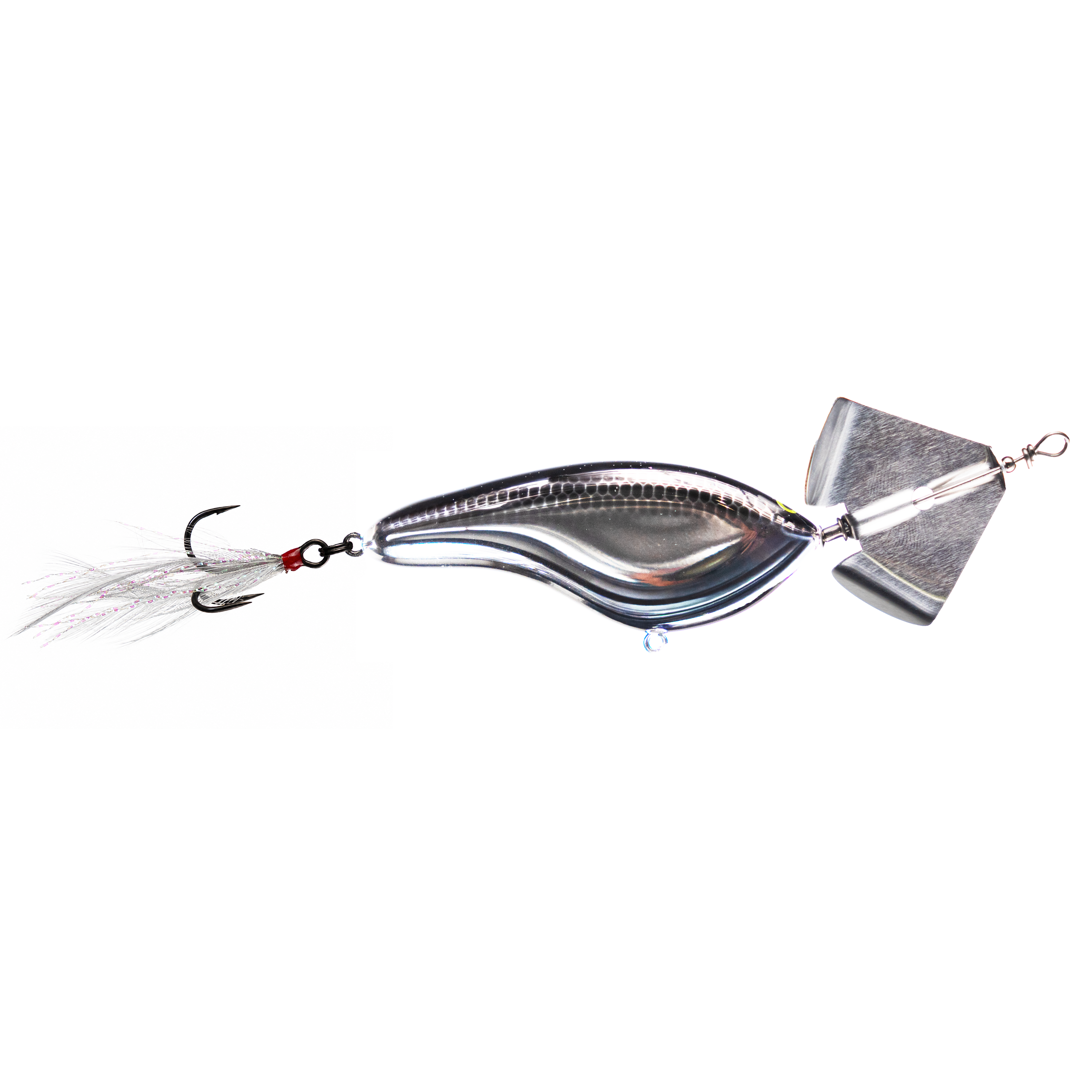
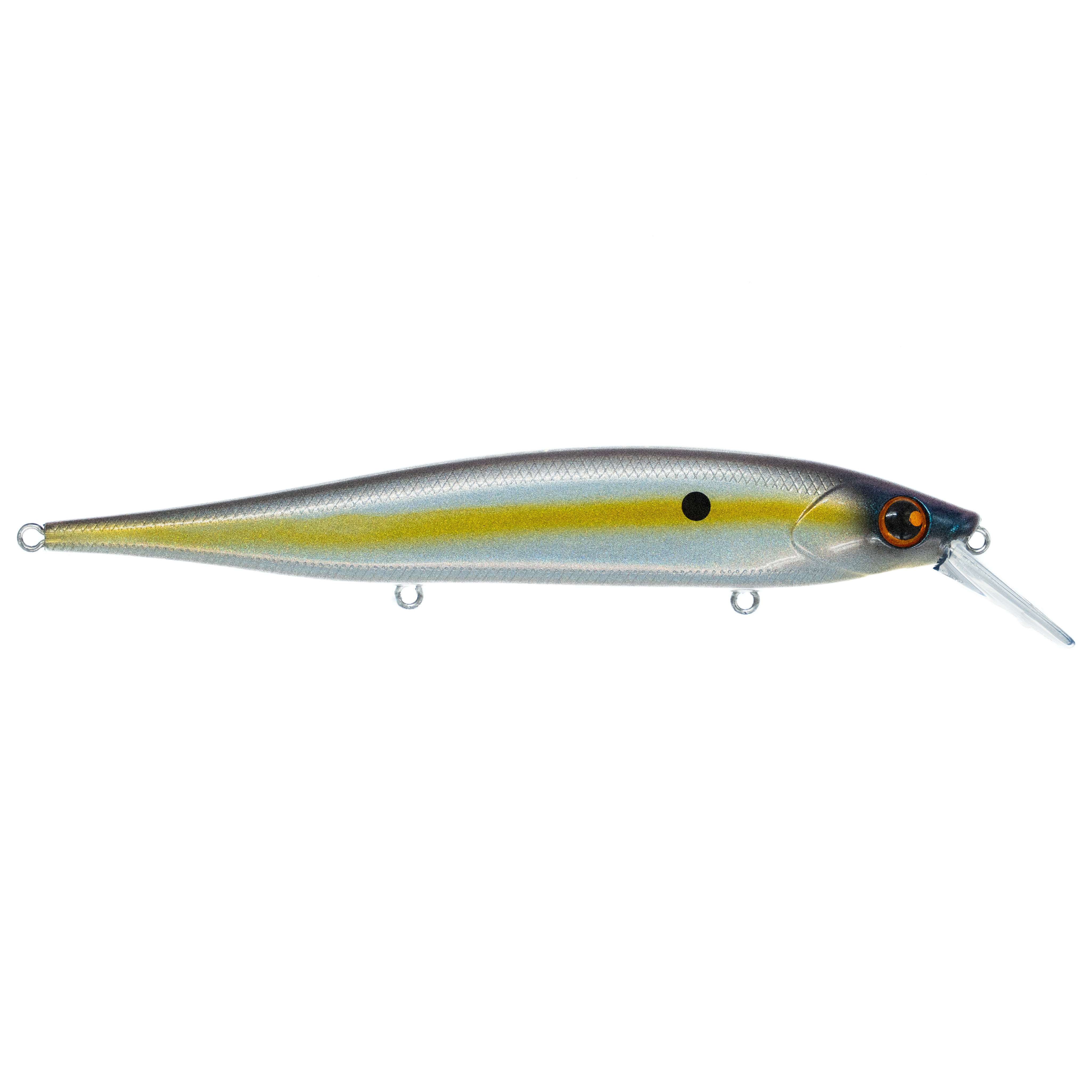
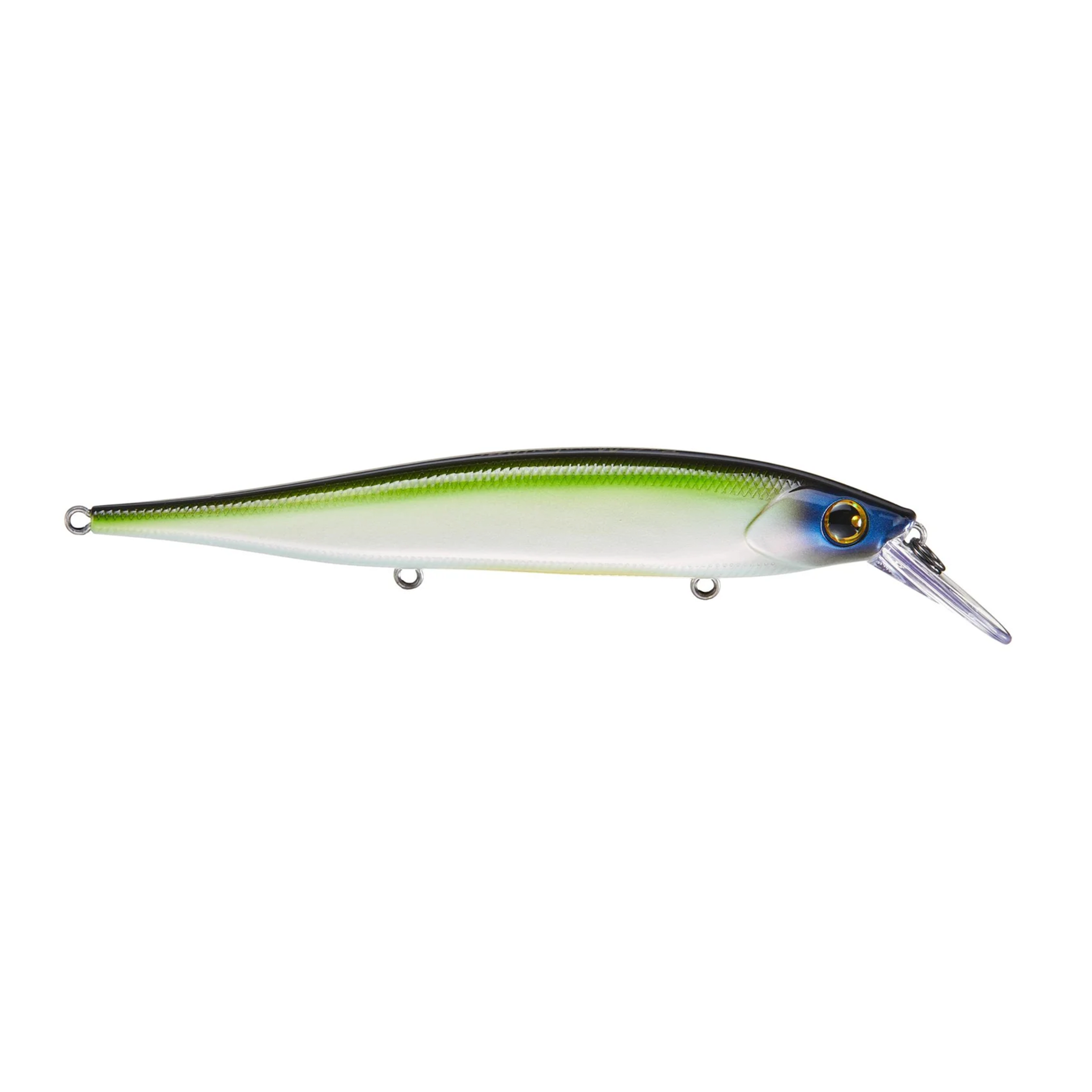
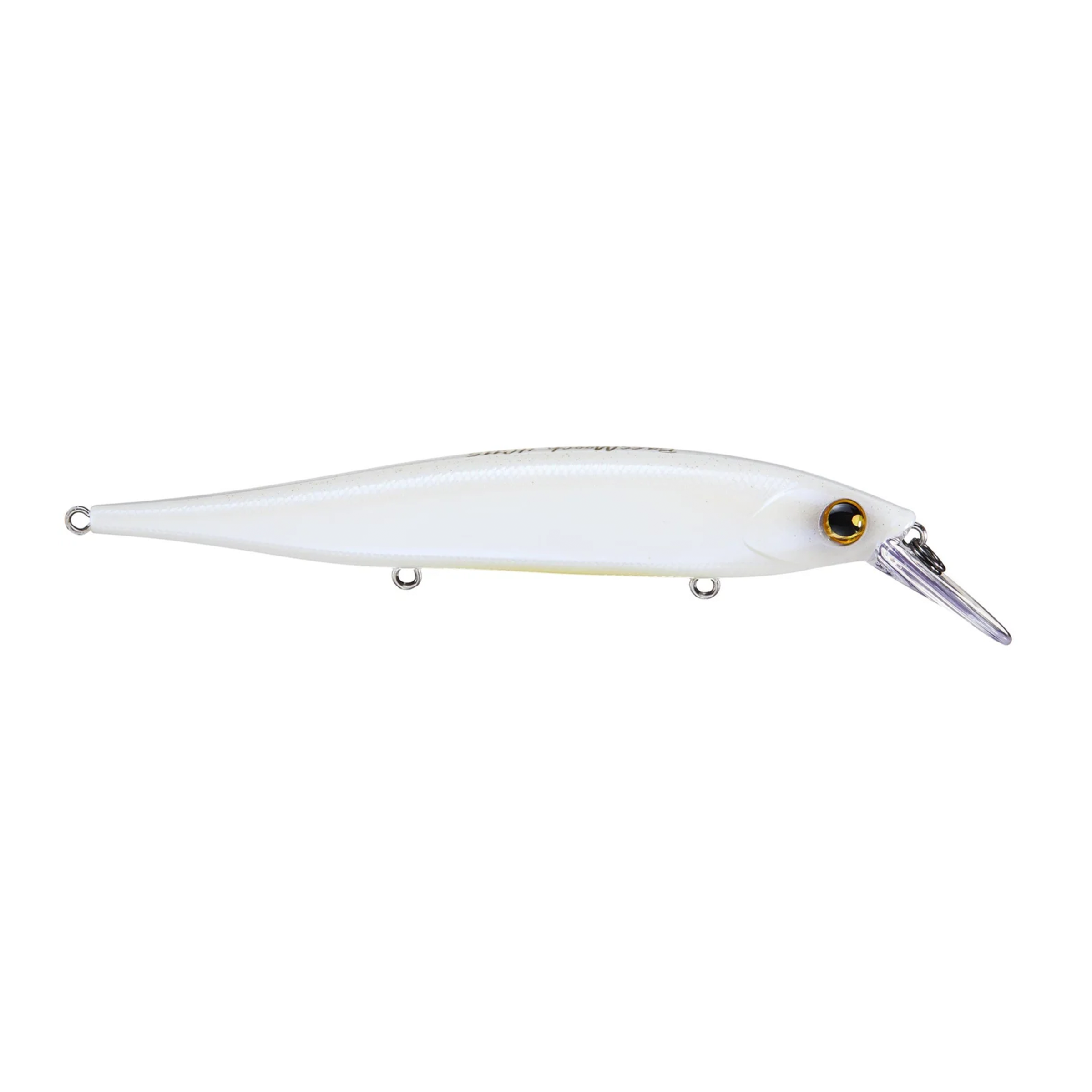
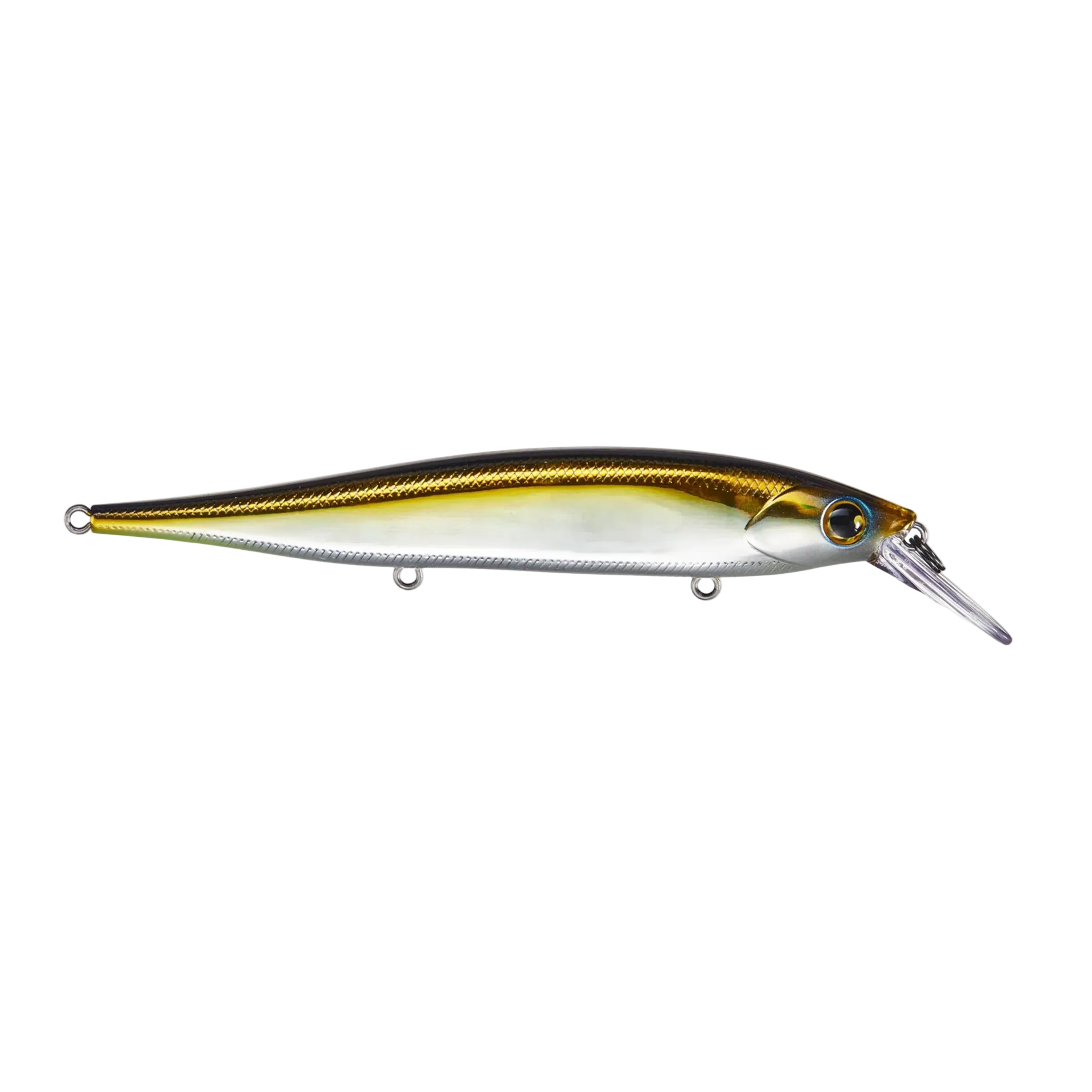
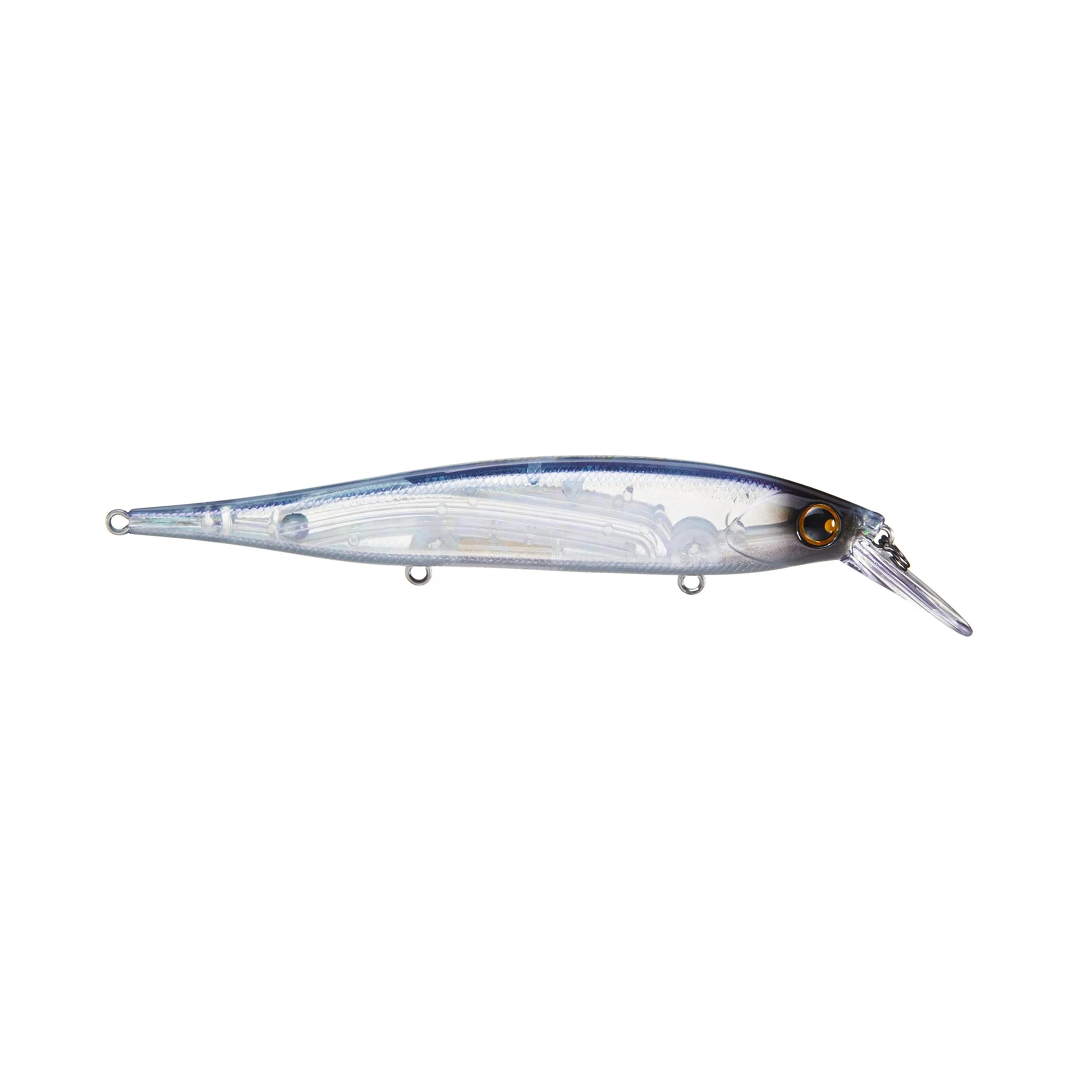
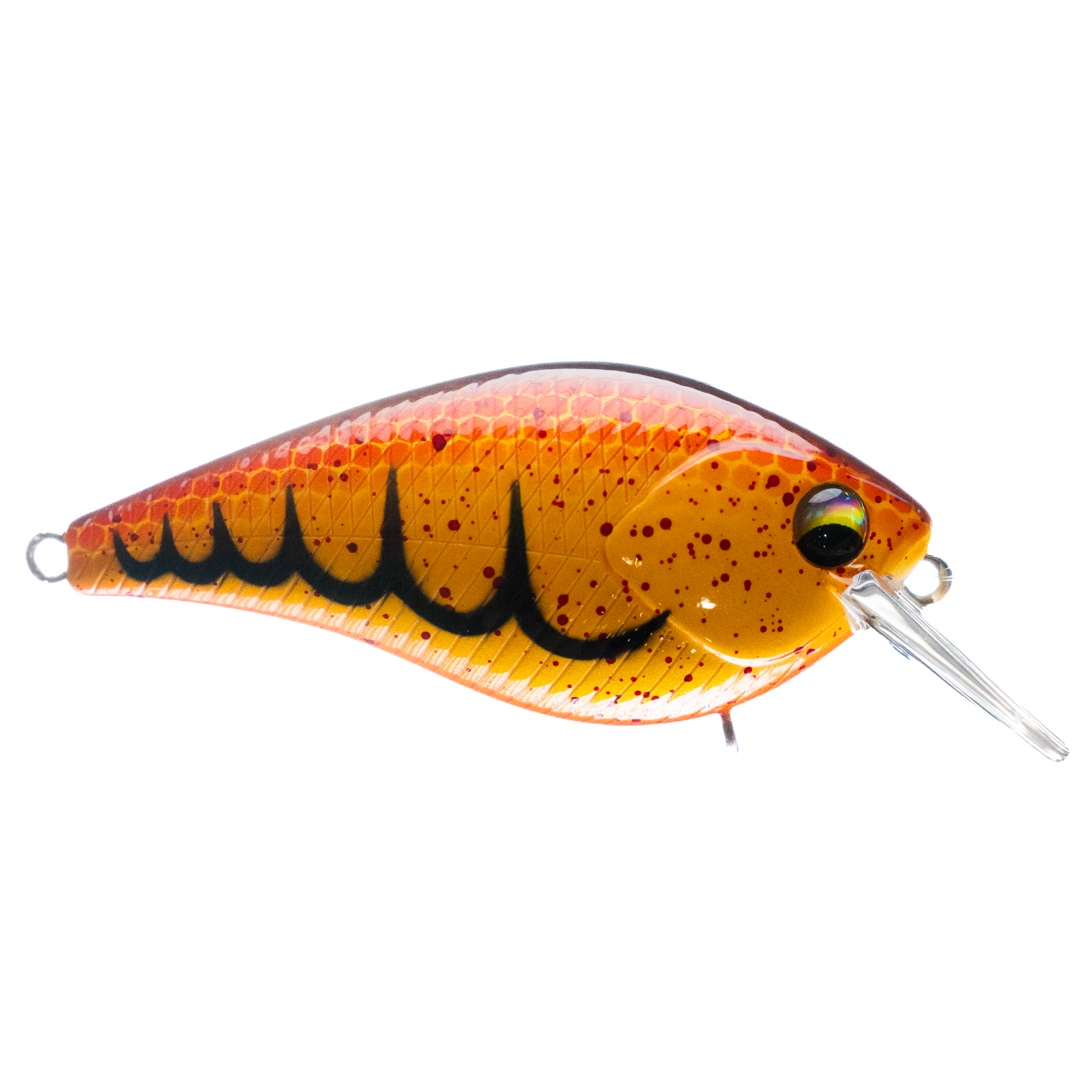
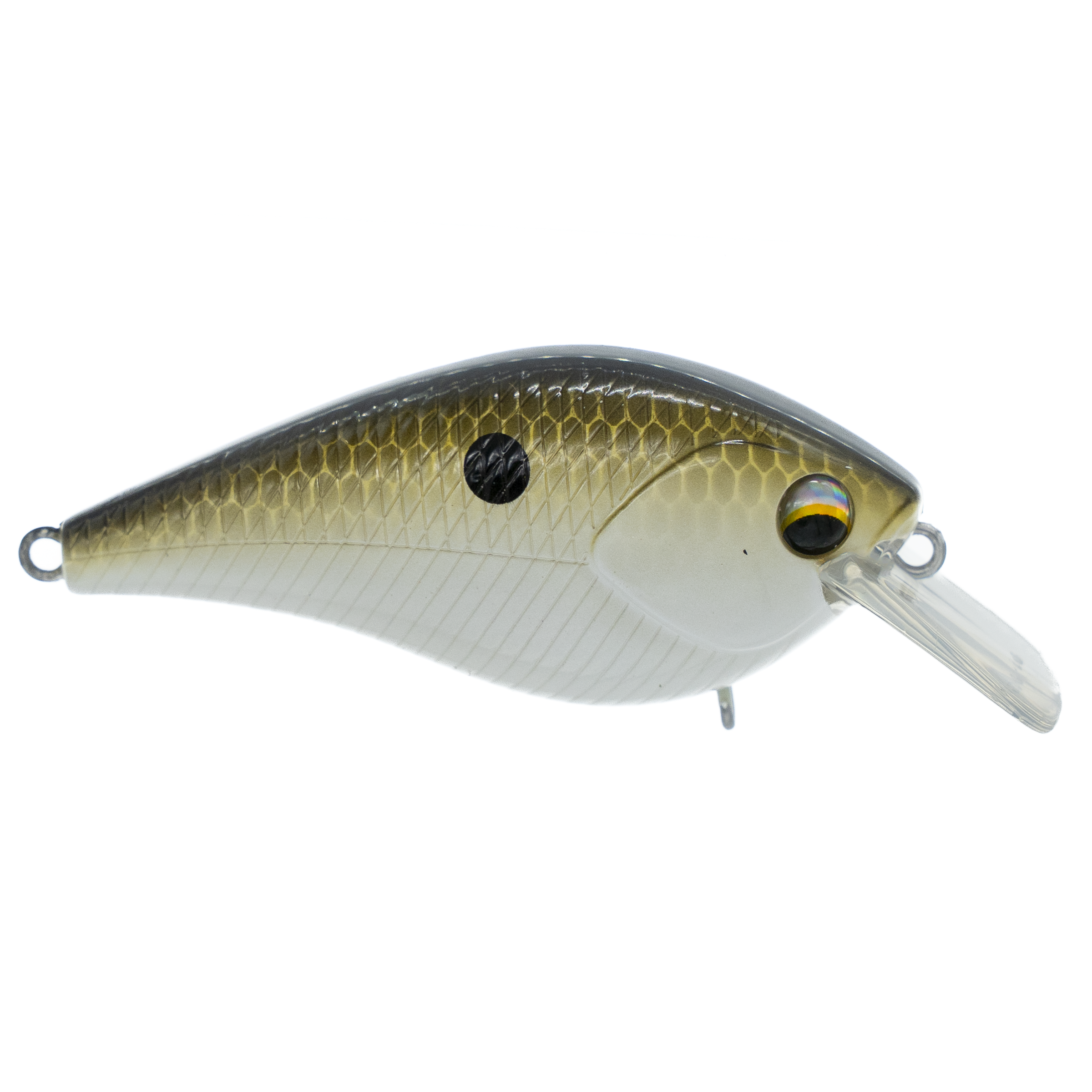
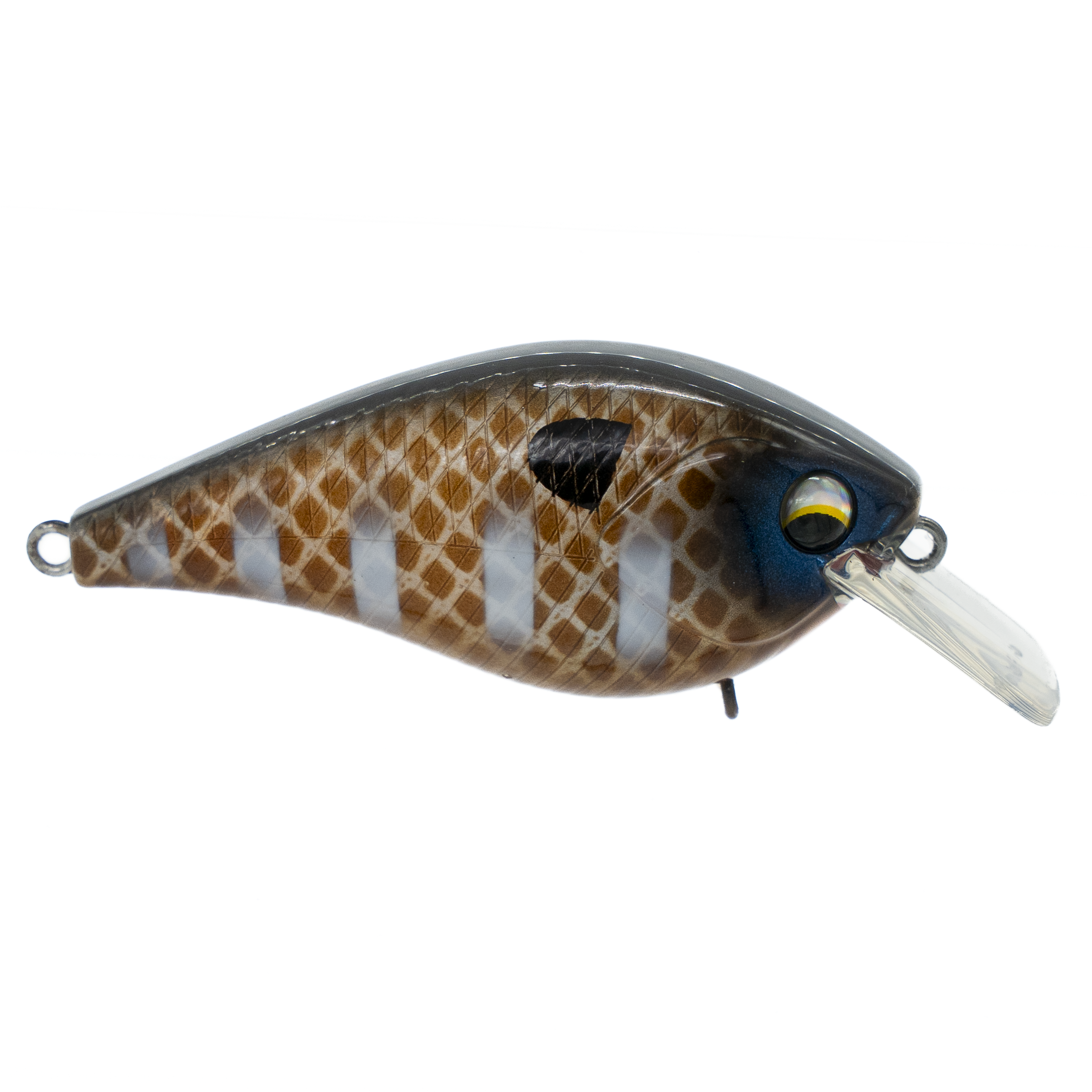
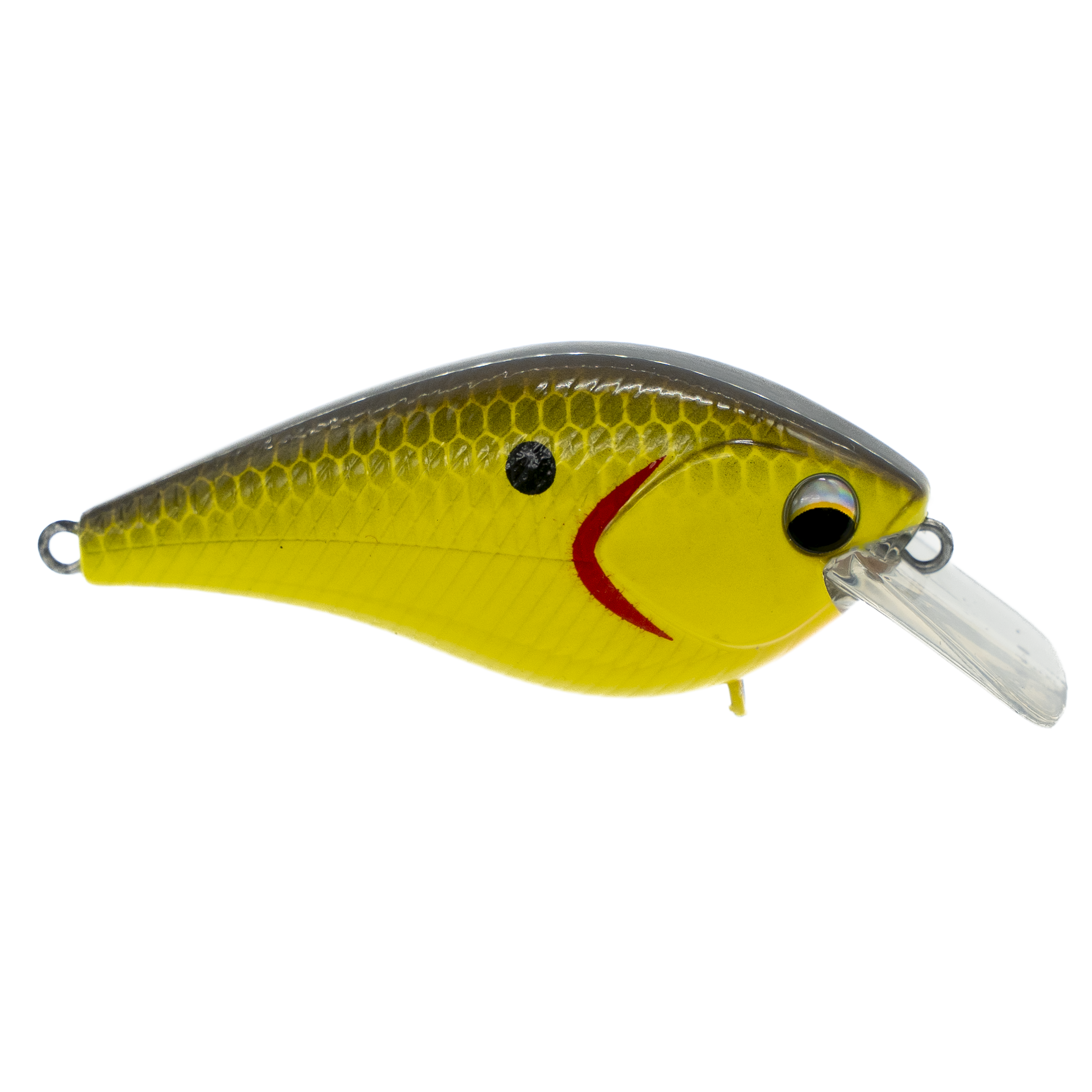
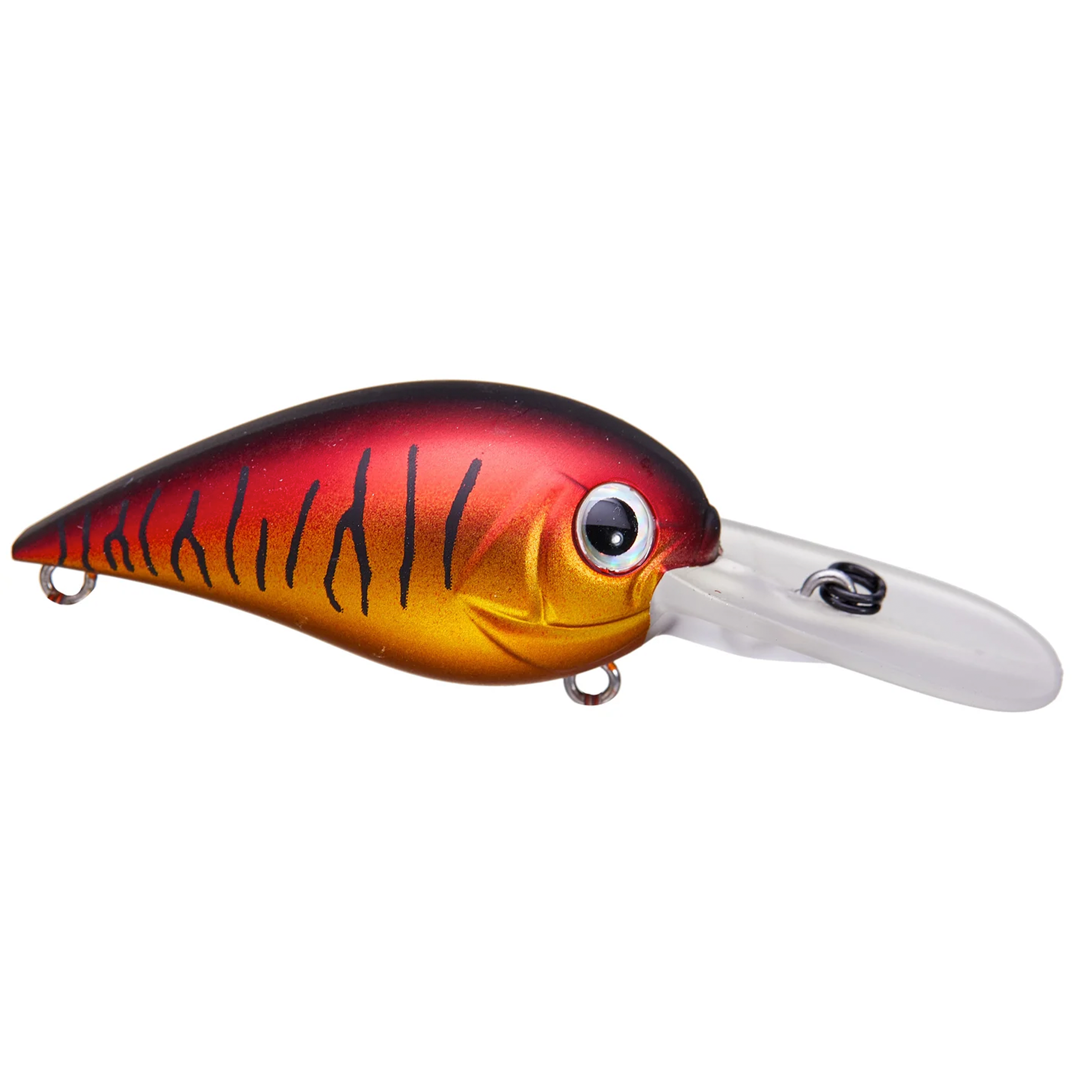
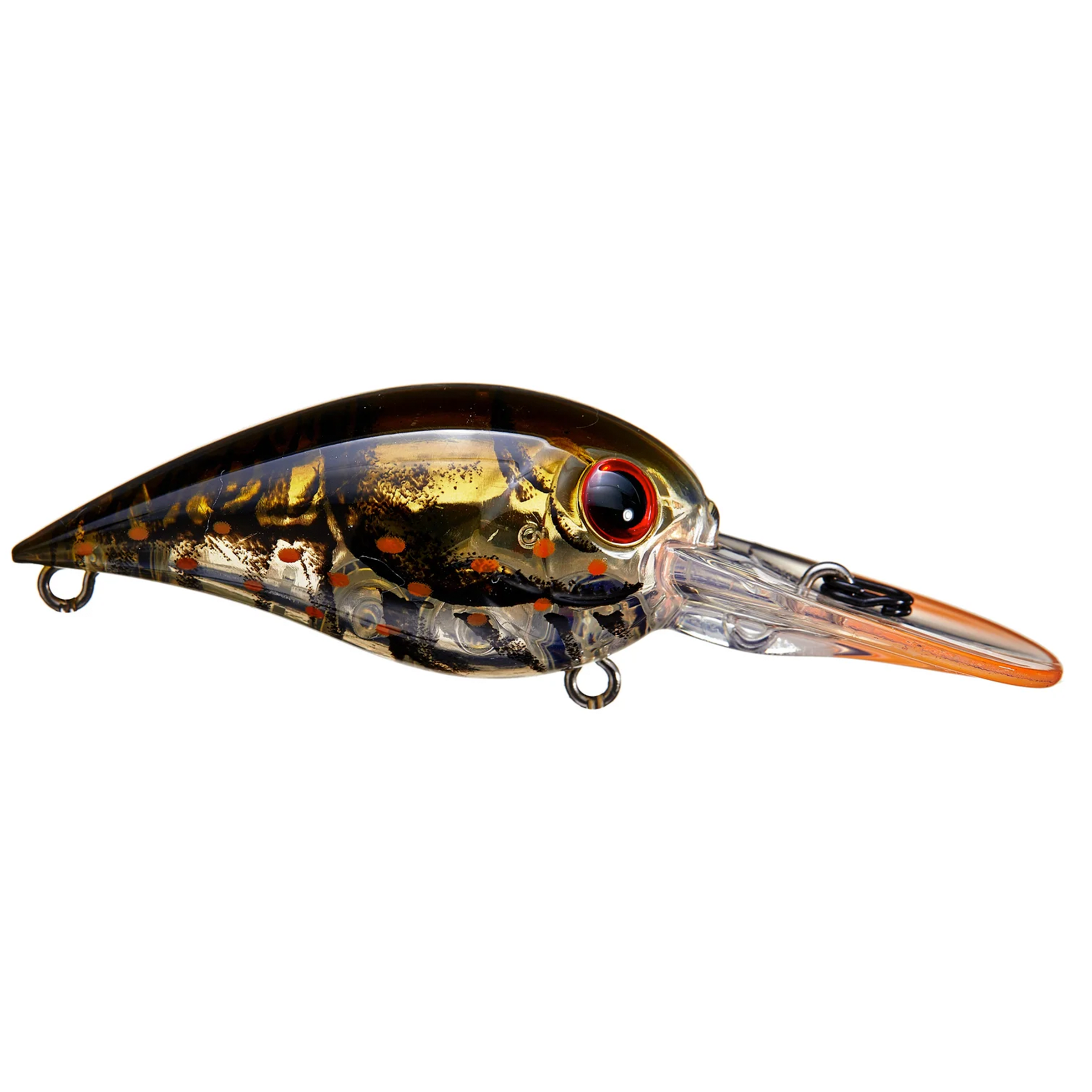
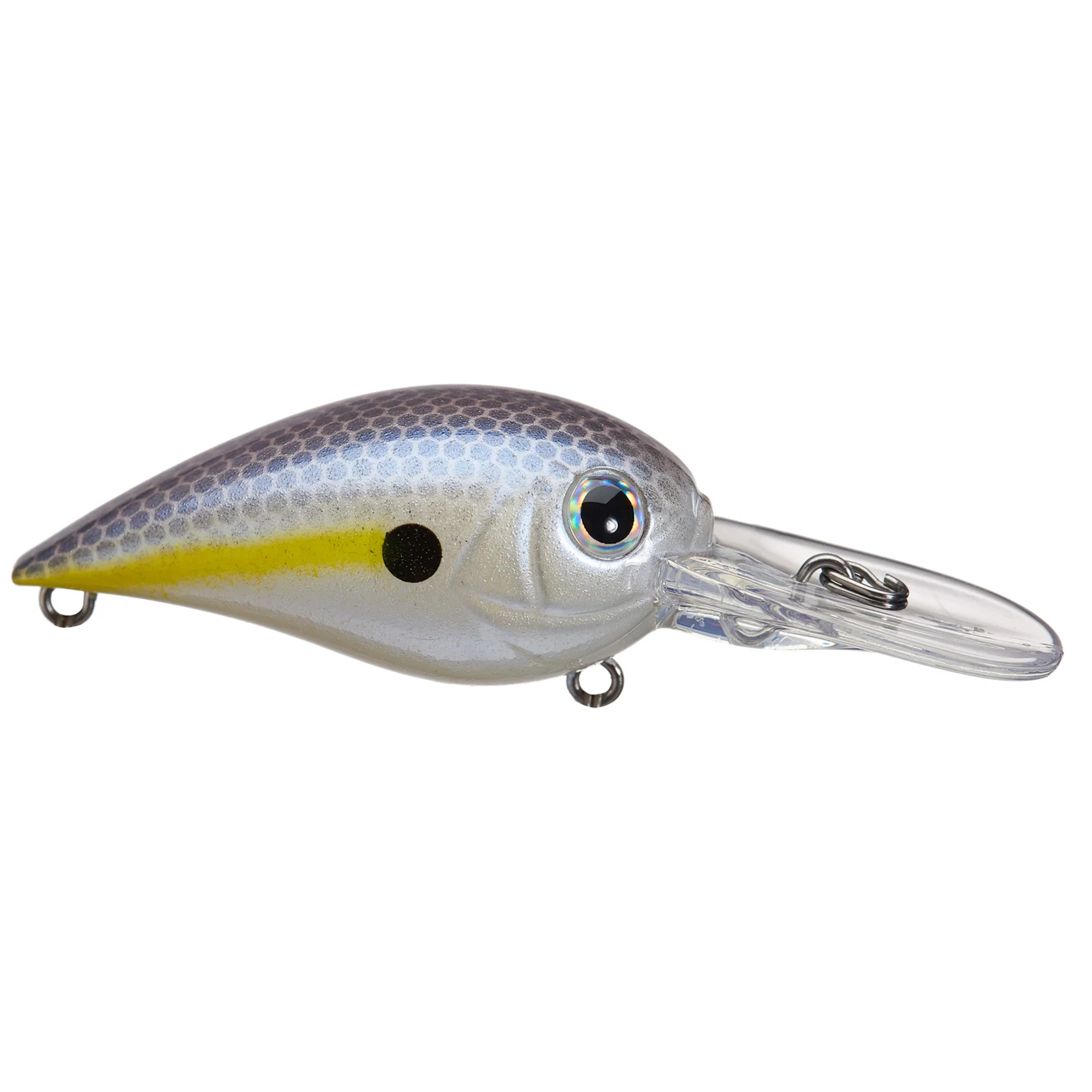
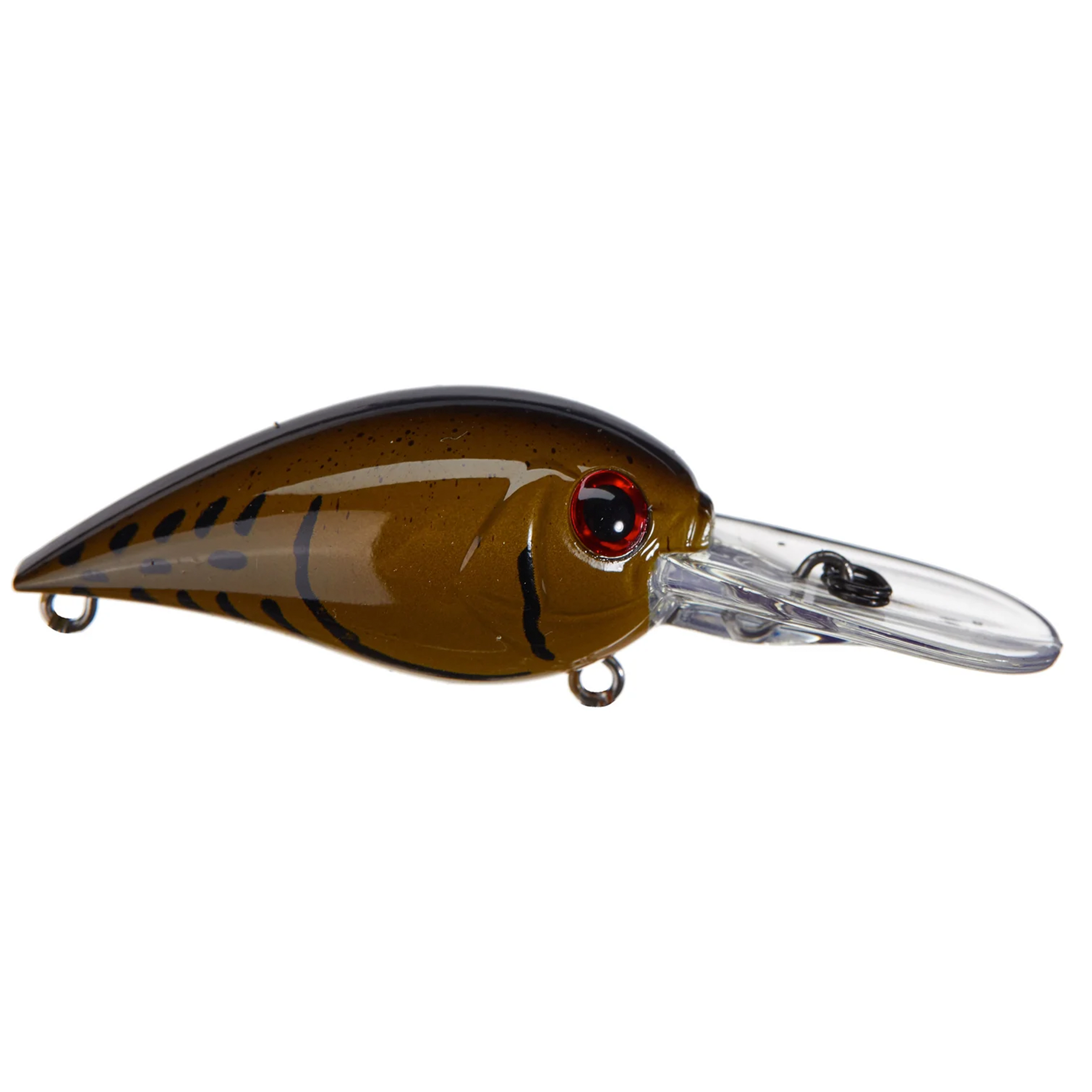
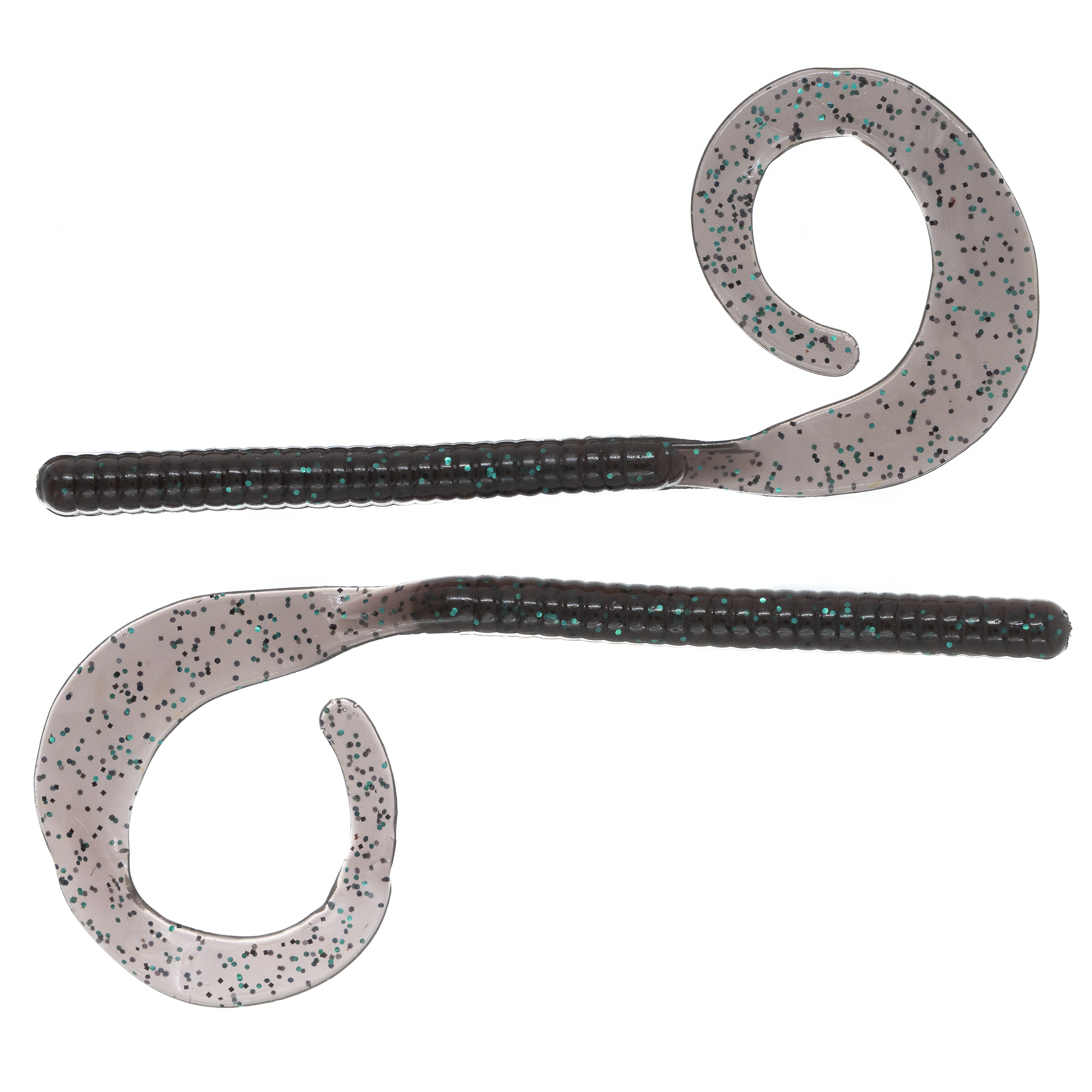
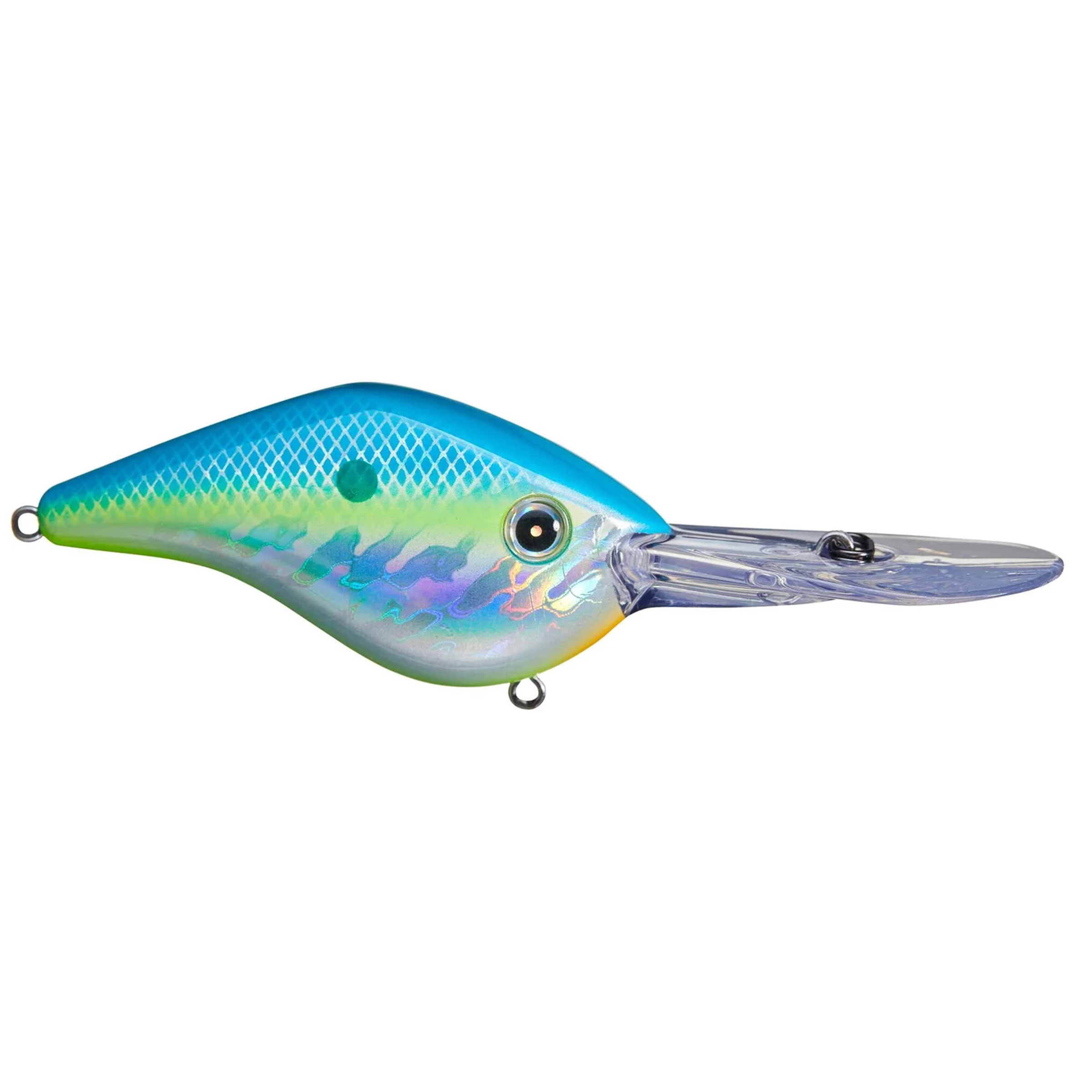
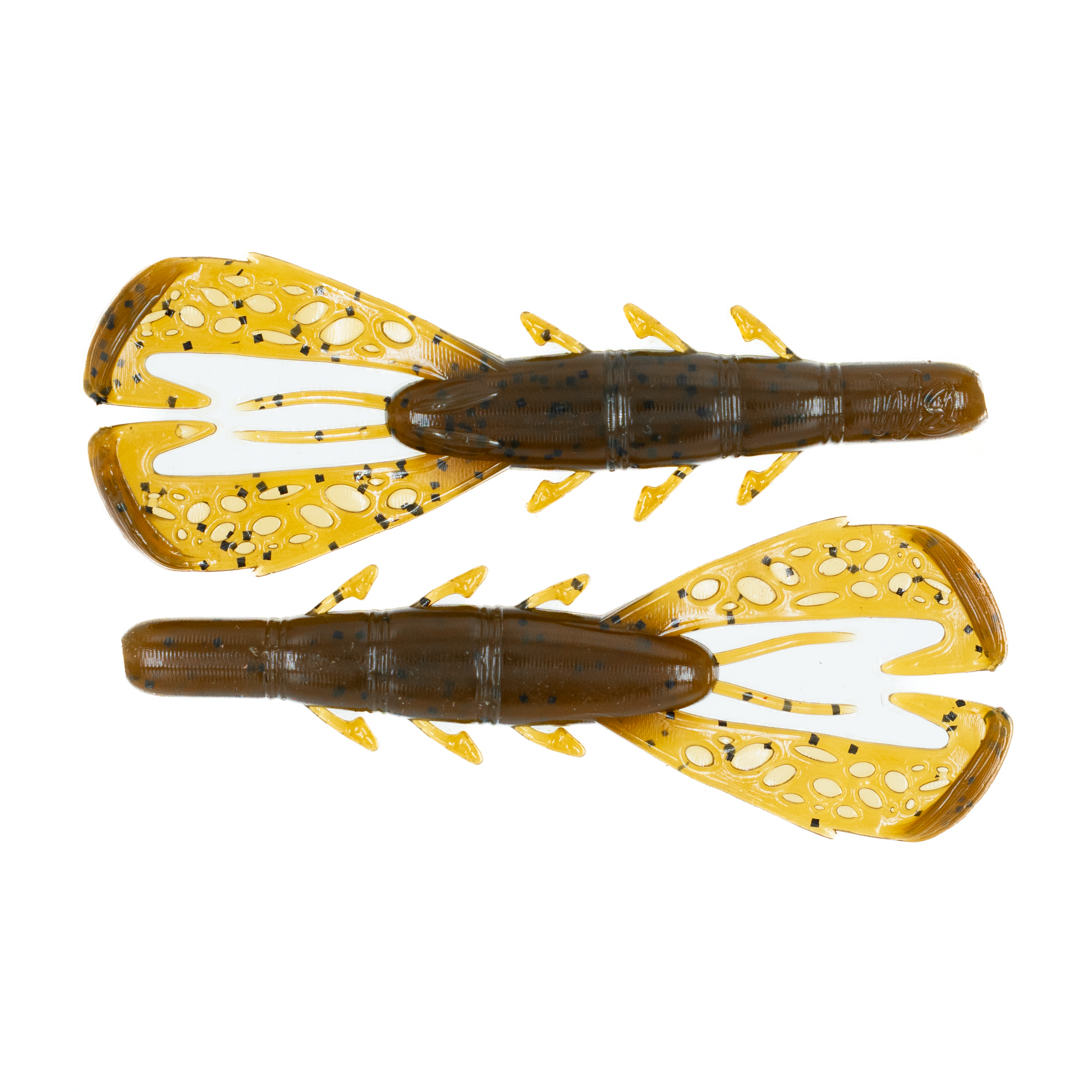
Anything weedless enough to survive wood. Texas-rigged worms and creature baits around stumps, topwater over the floating cover early, a crankbait along the channel bends, and a jig worked slowly through the winter. Our full bait lineup covers all four seasons.
Do I need a fishing license?
Yes. A Florida freshwater fishing license is required for anglers 16 and older through the Florida Fish and Wildlife Conservation Commission, with short-term options for visitors. Statewide bass regulations apply.
Wood Eats Tackle
Every cast on this lake lands near something hard, and a hooked fish will find it in about a second and a half. Level Rods builds heavy models with the backbone to pull a big fish clear of a stump before she gets there, and enough sensitivity to tell a bite from the thousandth piece of timber you have touched that day.
Tournament Winning Baits & Gear
Designed, crafted and tested by anglers who fish flooded timber every week. Free shipping on orders over $75.
Shop All Baits