
Lake Ray Roberts Bass Fishing Guide
Ray Roberts Bass Fishing, Season by Season
Twenty-nine thousand acres an hour north of Dallas, with flooded timber, hydrilla and a genuine big-fish reputation. Ray Roberts is the best bass lake within easy reach of the metroplex, and it fishes like a lake much further from a city.
Big Water, Close to Home
Lake Ray Roberts sits on the Elm Fork of the Trinity River in Denton, Cooke and Grayson counties, roughly an hour north of Dallas. It covers about 29,350 acres, impounded in 1987 by the US Army Corps of Engineers as a water supply for the growing metroplex.
Its usefulness is partly geographic. Several million people live within an hour, and Ray Roberts is the best bass water any of them can reach on a weekday evening. That does mean pressure — the community spots get fished hard, and weekend recreational traffic is heavy in summer.
The habitat is a mix that suits a range of approaches. Flooded timber remains across large sections, particularly up the creek arms and in the northern half. Hydrilla and other submerged vegetation grow in the shallower flats. Creek channels, points, humps and riprap around the dam and bridges give the offshore side of the lake structure to work.
Water clarity is generally moderate, running stained up the river arms and clearer toward the dam. Level fluctuates enough to matter for shallow cover but is managed more tightly than a west Texas reservoir.
The fishery is a genuine mix of numbers and size. Ray Roberts has produced ShareLunker-class fish and it holds a solid population of quality bass, which makes it a rare thing — a metro lake where a serious angler can compete rather than just pass the time.
One planning note: state parks on both the Isle du Bois and Johnson Branch sides provide good access, camping and facilities, which makes this an easy lake to fish across a weekend without booking anything complicated.
Timber, Grass and Creek Channels
Four patterns cover the year. Each one pairs the technique with the baits we'd actually tie on.
Timber and the Backs of the Creeks
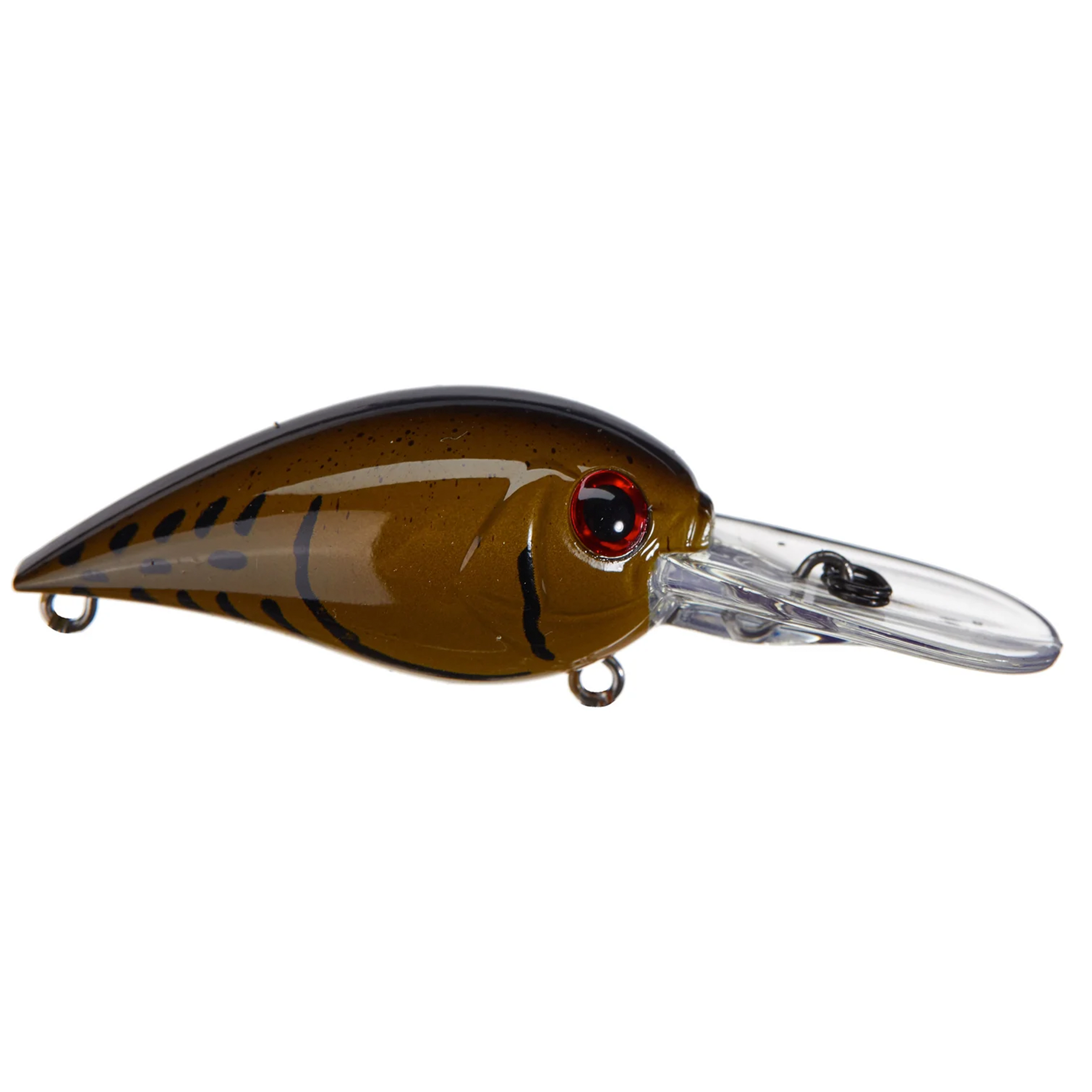
Spring is the best fishing of the year and it happens shallow. Fish move up the creek arms into the timber and onto the flats to spawn, and the northern half of the lake with its heavier wood warms and produces first. Prespawn fish stage on the creek channel edges leading in.



Deep Structure and Early Mornings
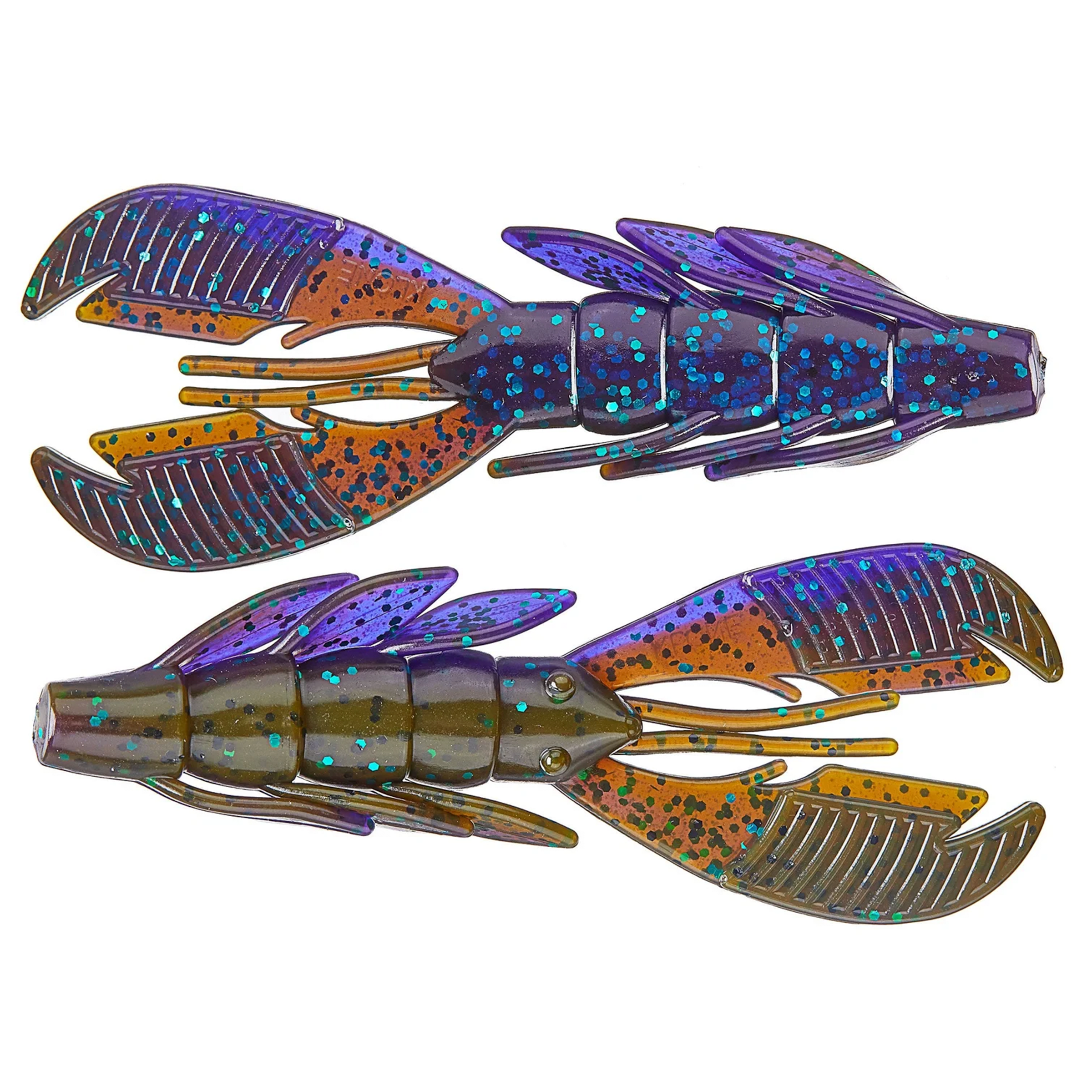
Summer pushes fish onto the deeper structure and pushes anglers into the early hours, because recreational traffic on a metro lake in July is substantial. Creek channel edges, humps, points and the riprap around the dam and bridges all hold fish through the day.

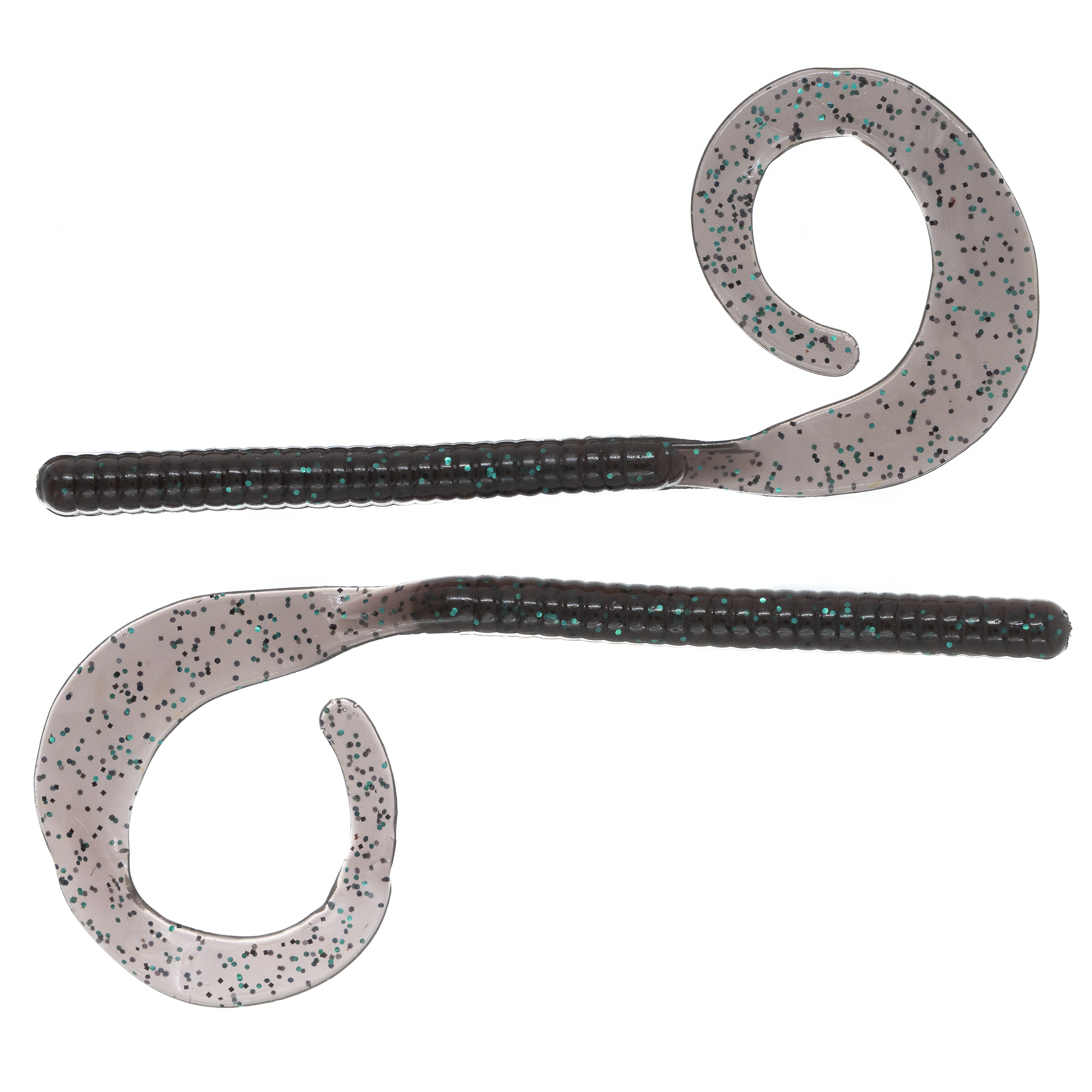
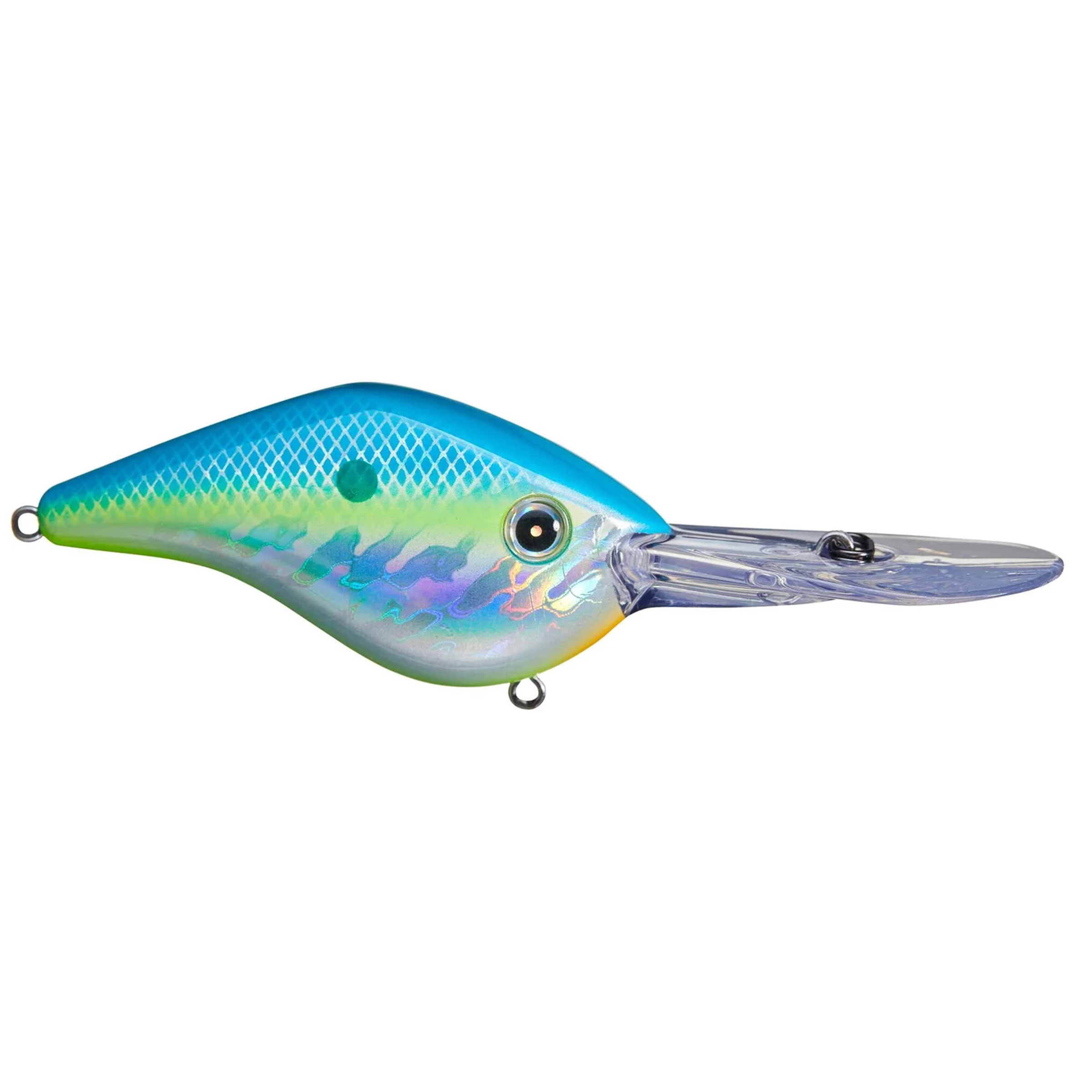
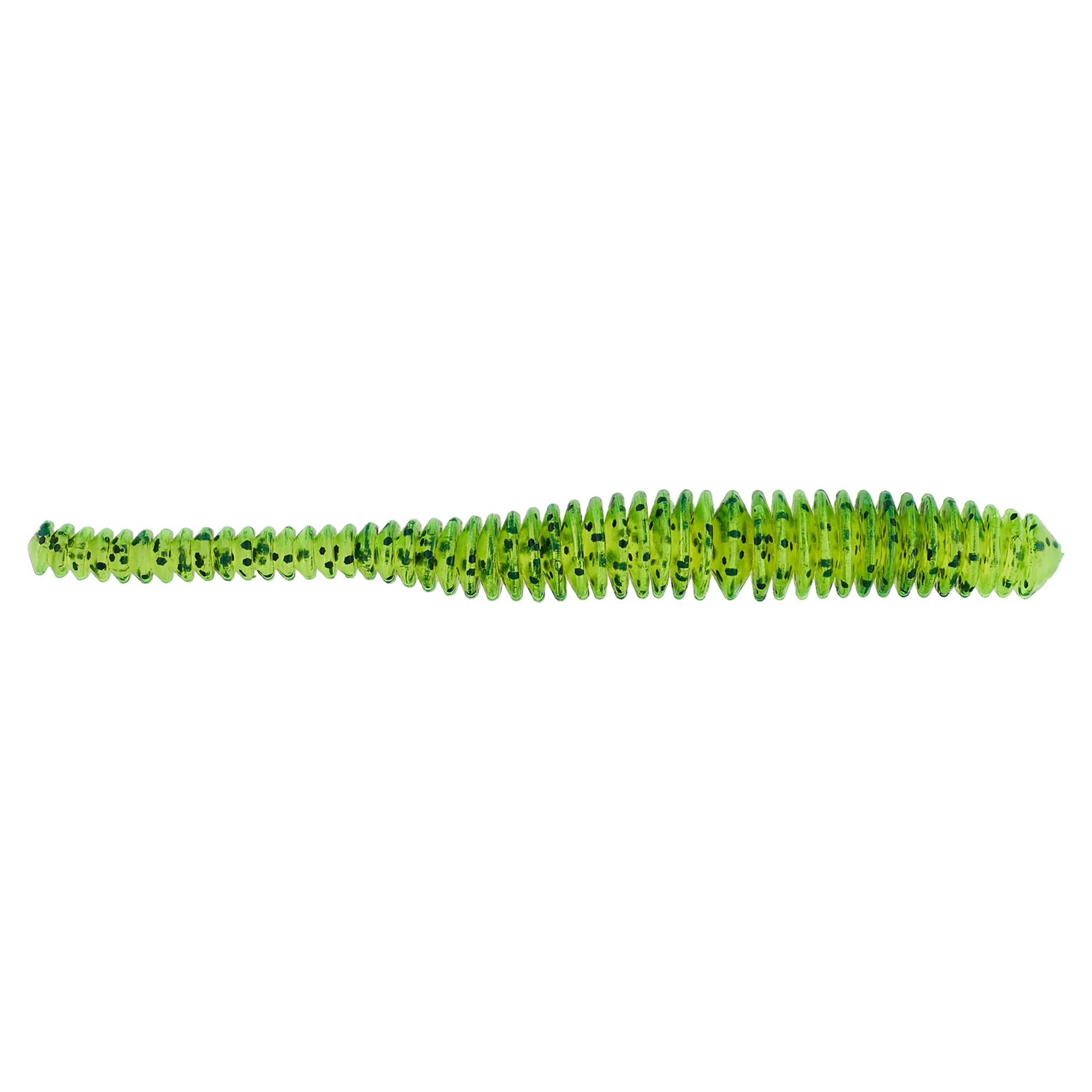
Shad in the Creeks
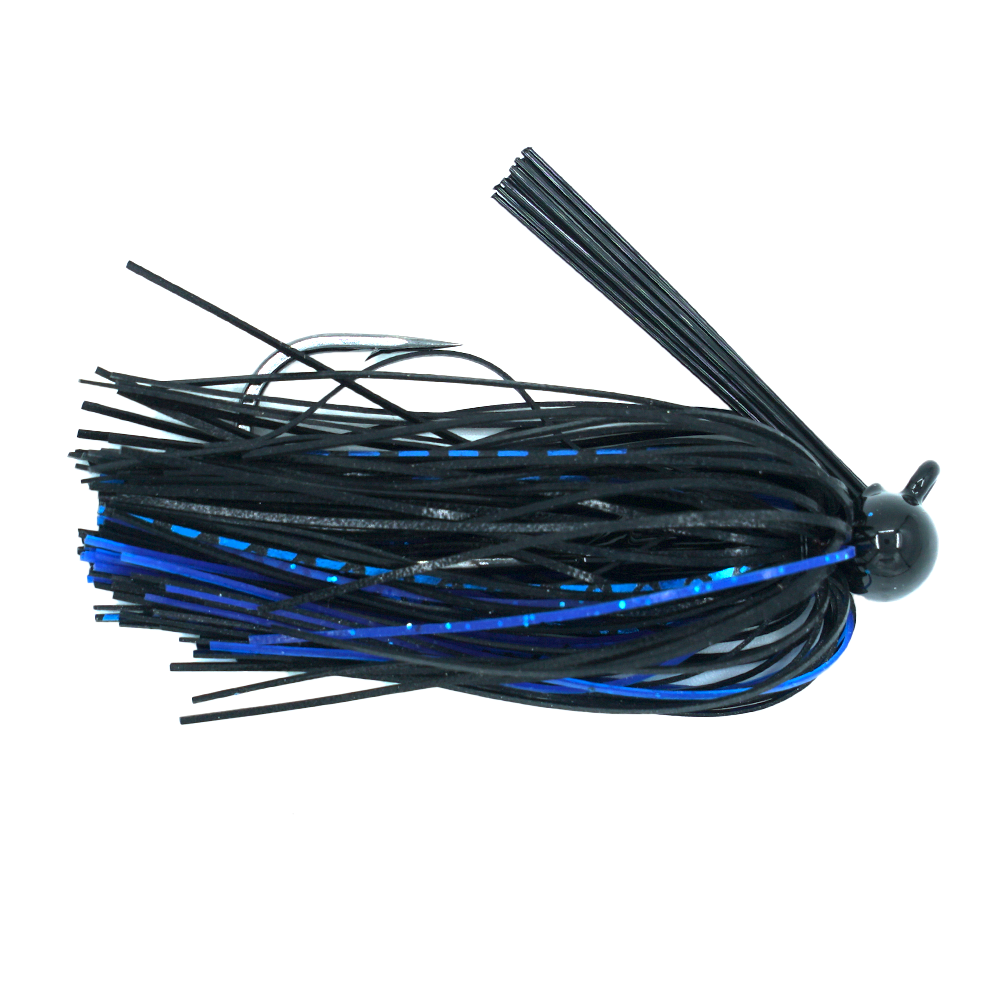
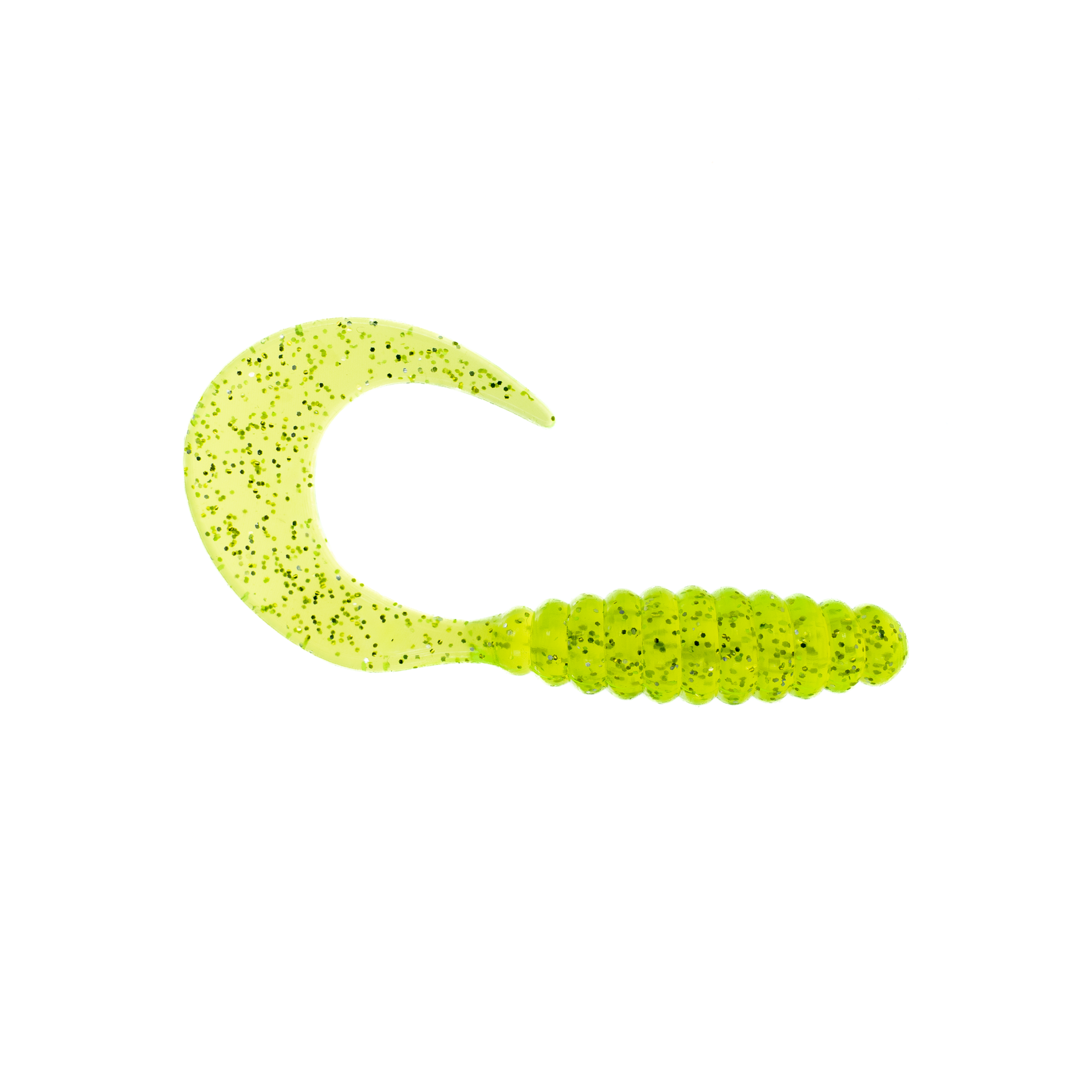
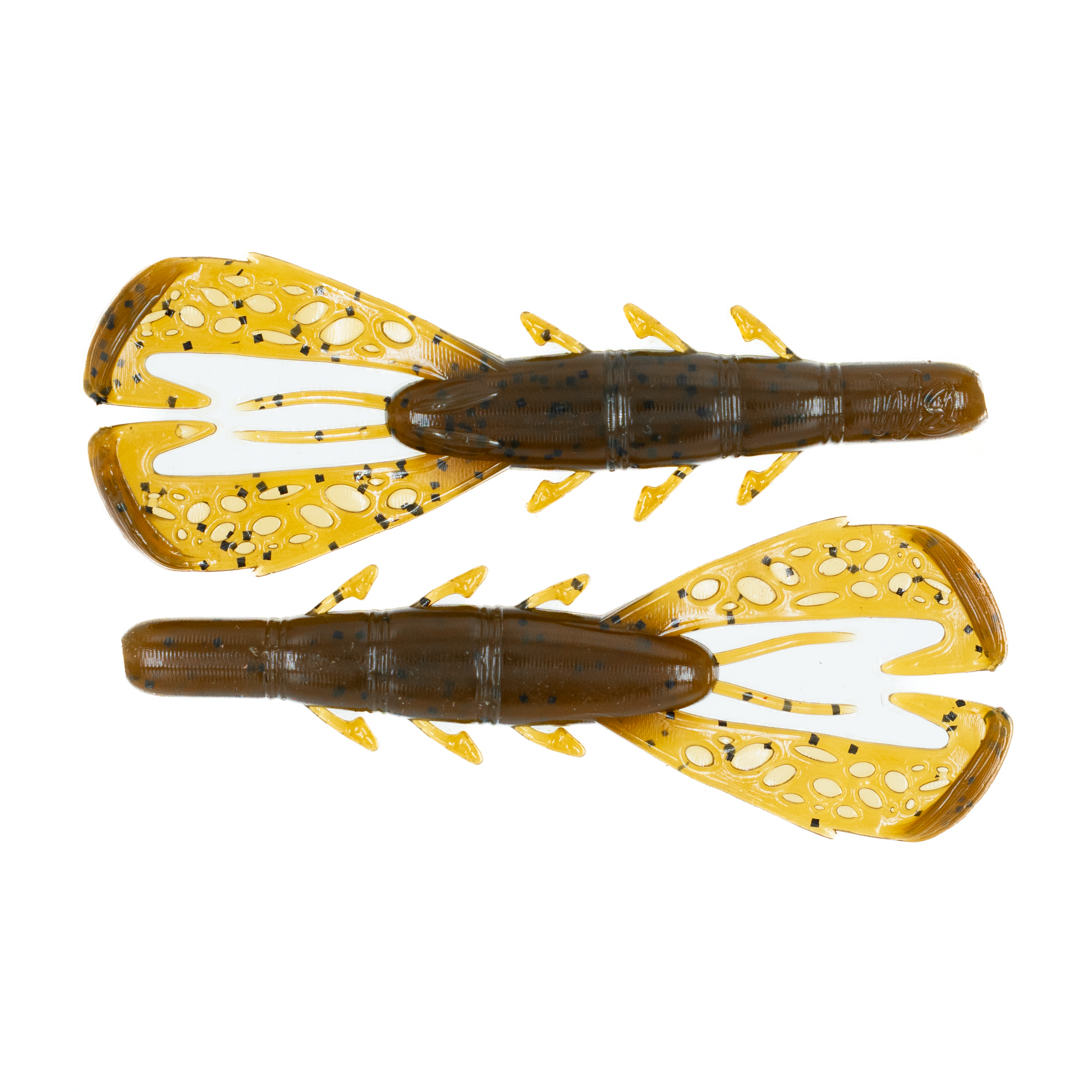
Autumn is the second-best window and the most comfortable. Shad move into the creek arms and the bass go with them, and the summer boat traffic disappears. Grass edges near deeper water and the timber in the creeks both produce.
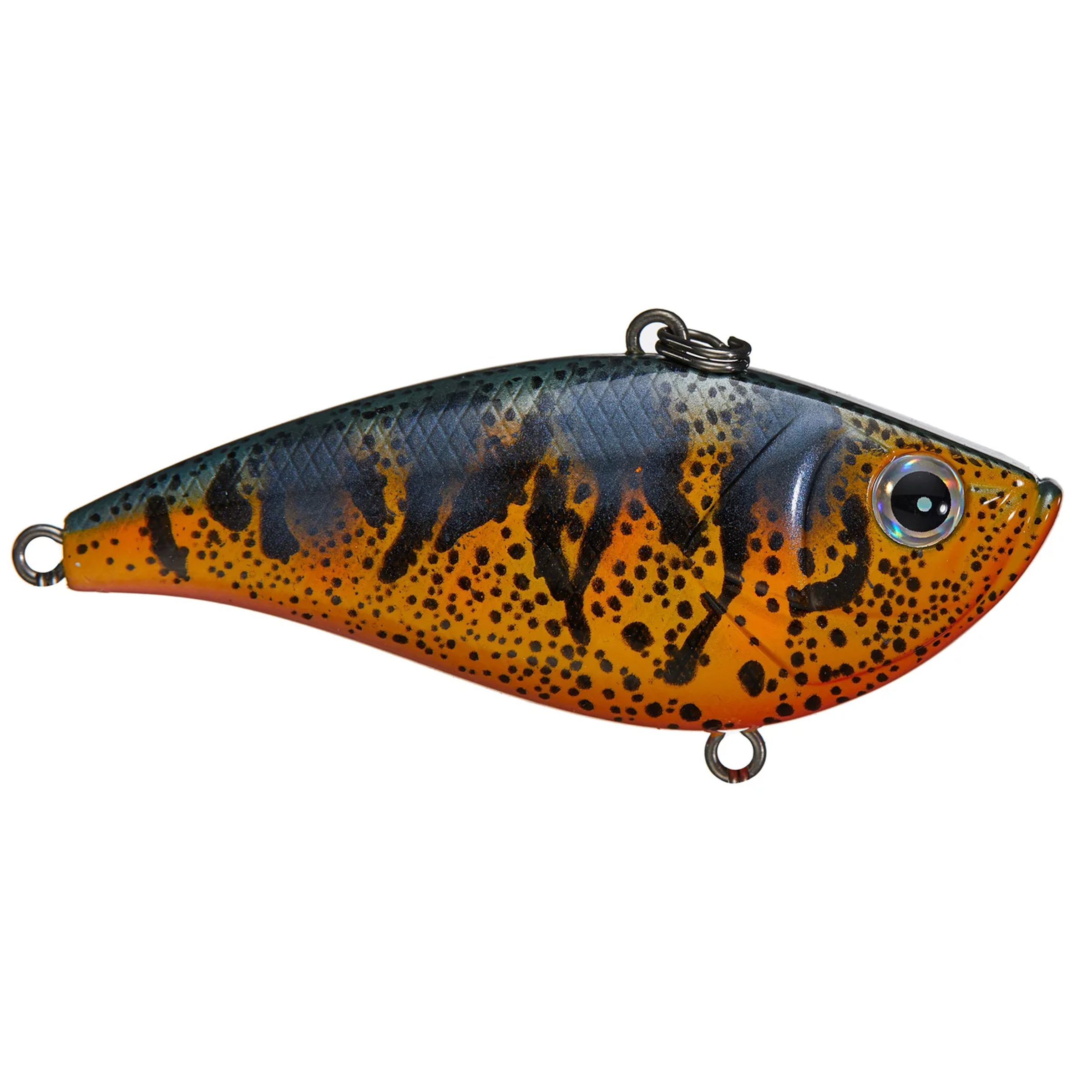

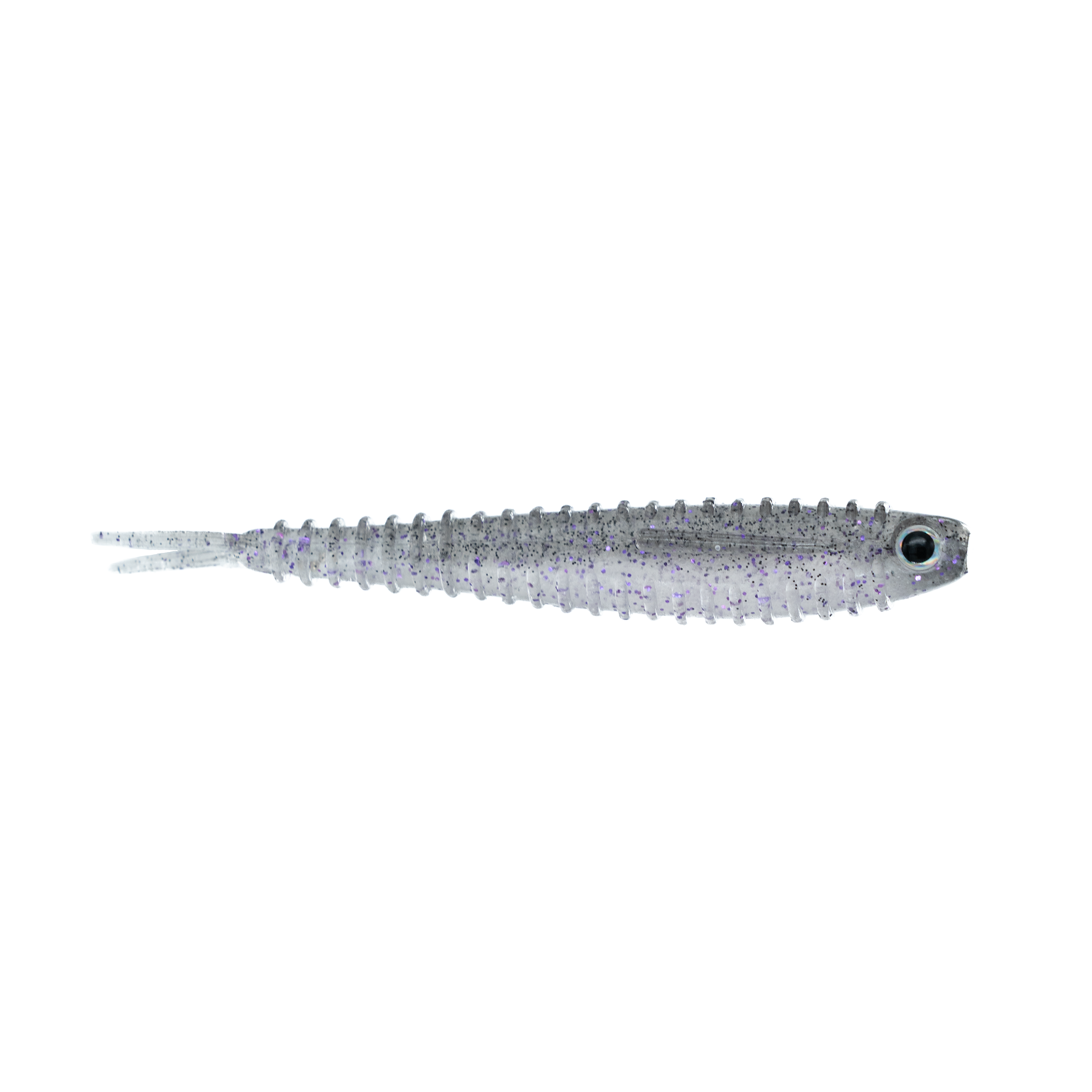
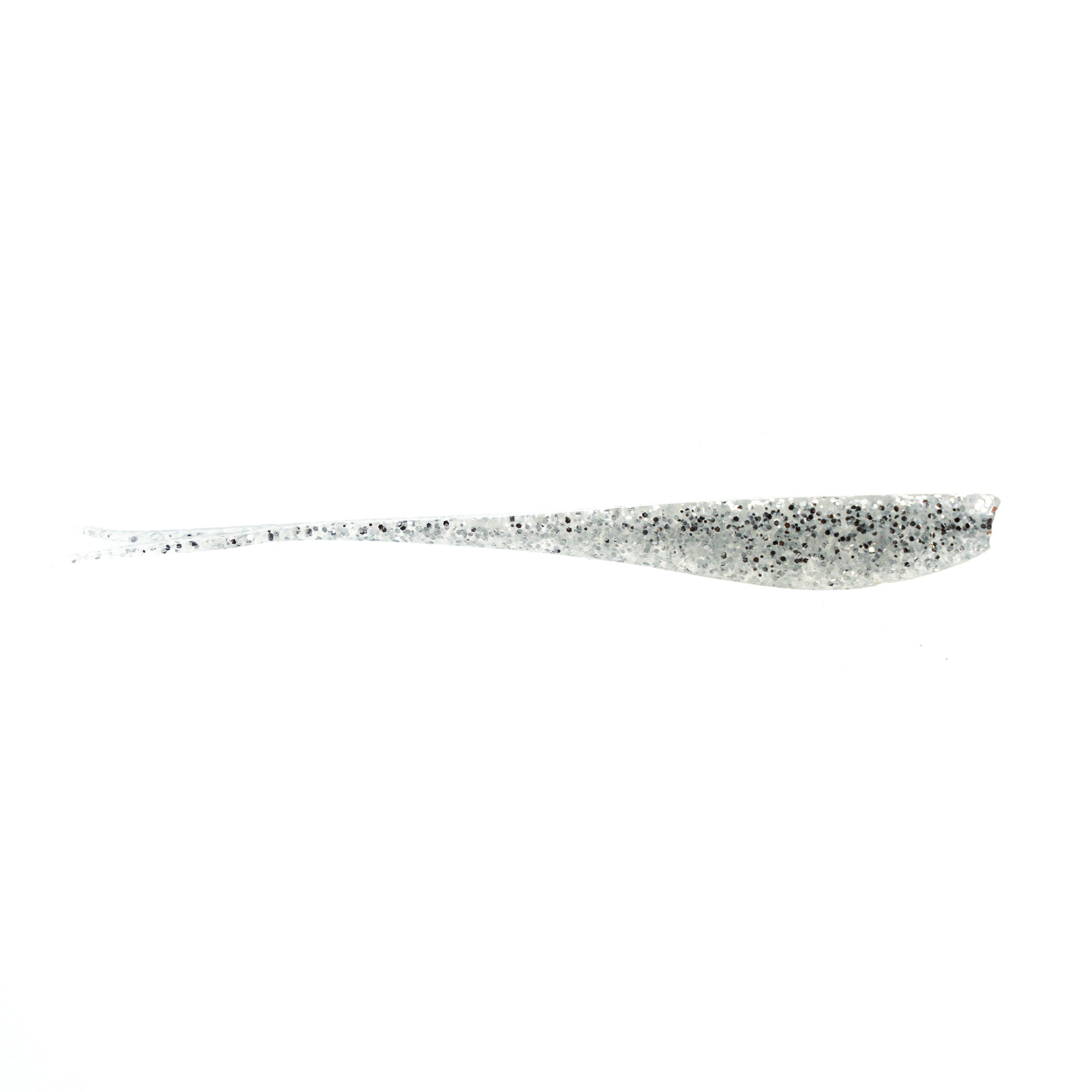
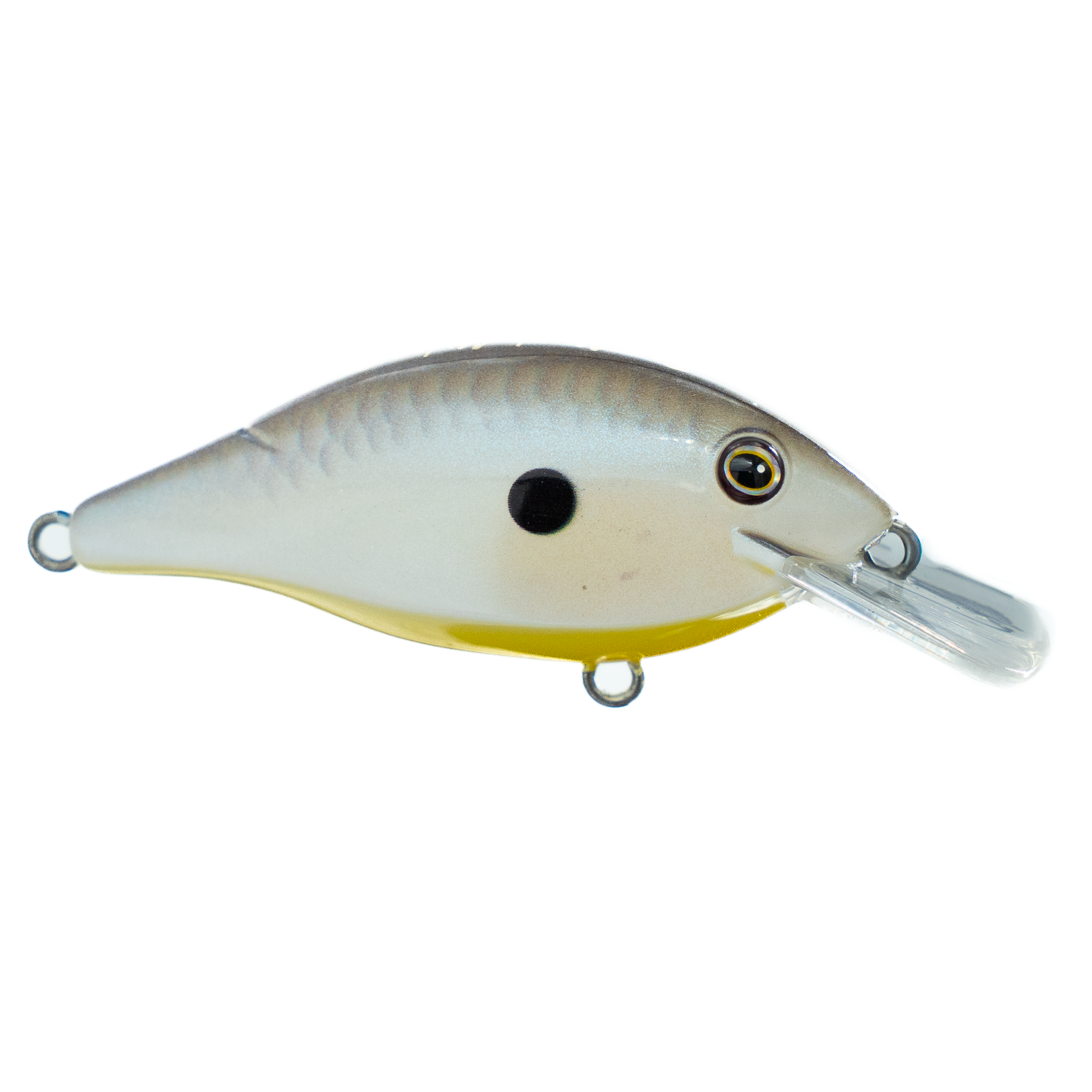
Slow, Deep, and Big
Winter thins the crowds to almost nothing and produces the biggest average fish of the year. Bass hold on deep structure — channel bends, points, deeper timber — and group up tightly. Prespawn staging starts earlier than most anglers expect on this lake.


Lake Ray Roberts Access
Ray Roberts Lake State Park has units at Isle du Bois on the south side and Johnson Branch on the north, both with ramps, camping and facilities. Additional ramps serve the lake around the dam and the various arms, and Denton is the nearest town of size.
The Flooded Timber
Large sections of standing wood, heaviest up the creek arms and in the northern half. The primary spring cover and a year-round holding area. On a pressured metro lake, thoroughness in the timber beats speed.
The Creek Arms
Elm Fork and the various feeder creeks, warming first in spring and holding bait in autumn. More stained than the main lake, which makes them the better option when bright sun makes the clearer water difficult.
The Dam and Bridge Riprap
Rock that holds bait and bass year round and is fishable in almost any conditions. The reliable stop when the rest of the lake is not cooperating, and one of the better winter areas on the lake.
Lake Ray Roberts Bass Fishing FAQ
How far is Ray Roberts from Dallas?
About an hour north, in Denton, Cooke and Grayson counties on the Elm Fork of the Trinity River. That proximity is the point — it is the best bass fishing within reach of the metroplex on a weekday evening.
How big is Lake Ray Roberts?
Roughly 29,350 acres, impounded in 1987 by the Corps of Engineers as a water supply for the growing Dallas-Fort Worth area.
Is Ray Roberts pressured?
Yes. Several million people live within an hour and the community spots get fished hard, with heavy recreational traffic on summer weekends. The fish are still there — it simply rewards anglers who work water others skip and who fish early, late or in winter.
Does Ray Roberts produce big bass?
It has produced ShareLunker-class fish and holds a good population of quality bass. It is not Fork or O.H. Ivie, but for a metro lake it is genuinely strong, and it is realistic to fish it seriously rather than just casually.
Where should I start on Ray Roberts?
The flooded timber up the creek arms in spring, the deeper channel edges and riprap in summer, and the backs of the creeks behind the shad in autumn. If you only have an evening, the riprap around the dam and bridges is the most reliable water on the lake.
Is there camping at Ray Roberts?
Yes. Ray Roberts Lake State Park has units at Isle du Bois on the south side and Johnson Branch on the north, both with ramps, camping and facilities, which makes a weekend trip straightforward to organise.
What baits work best on Ray Roberts?
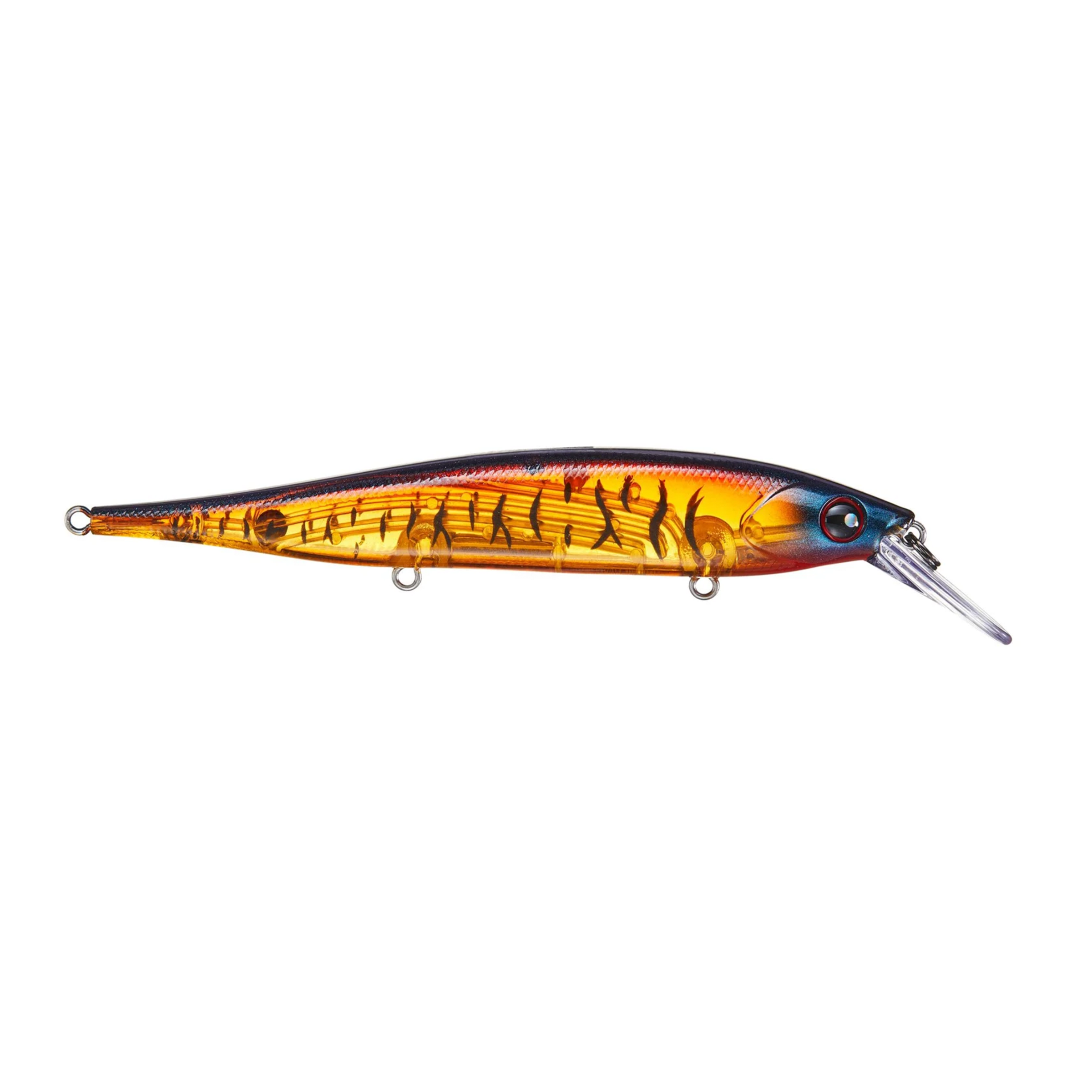
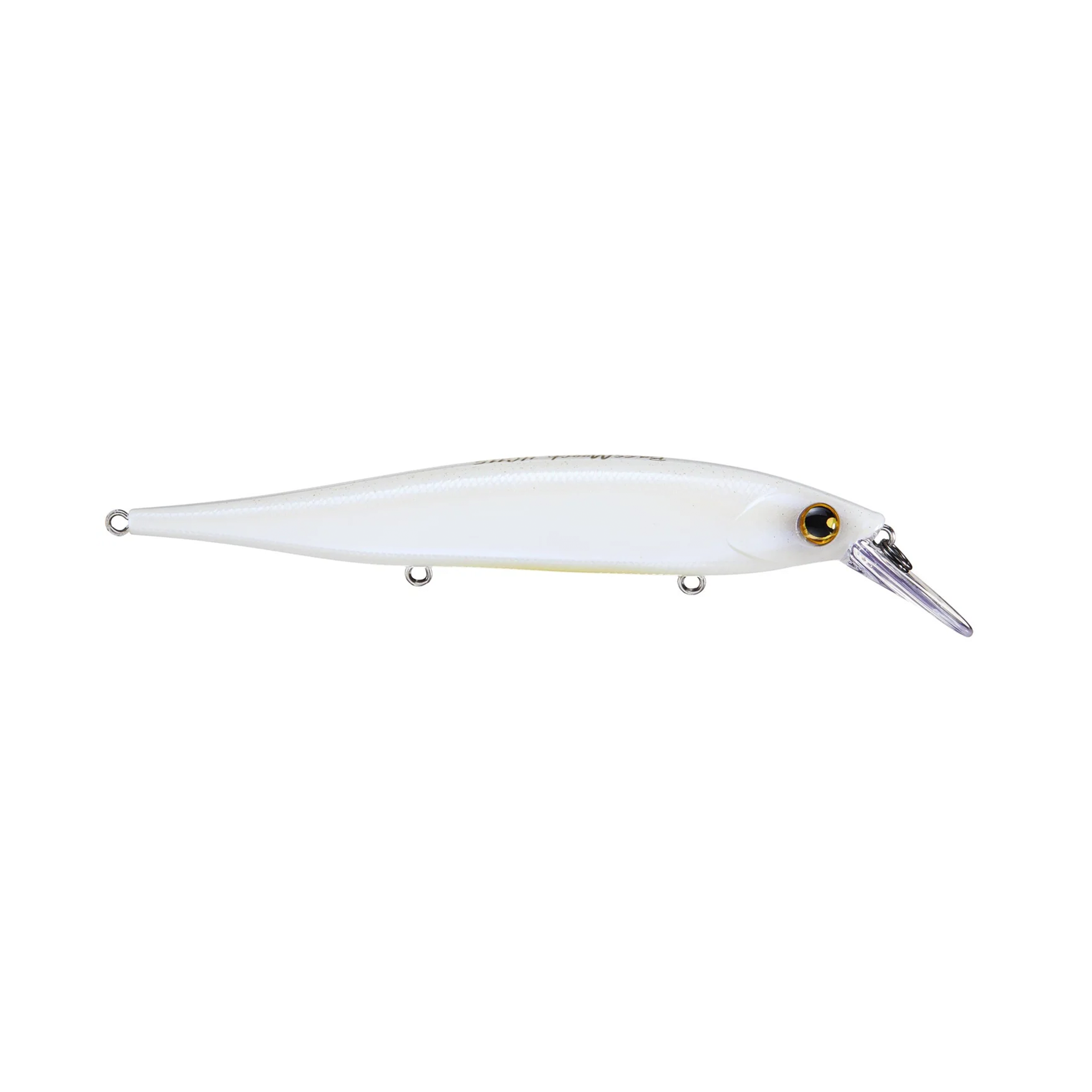
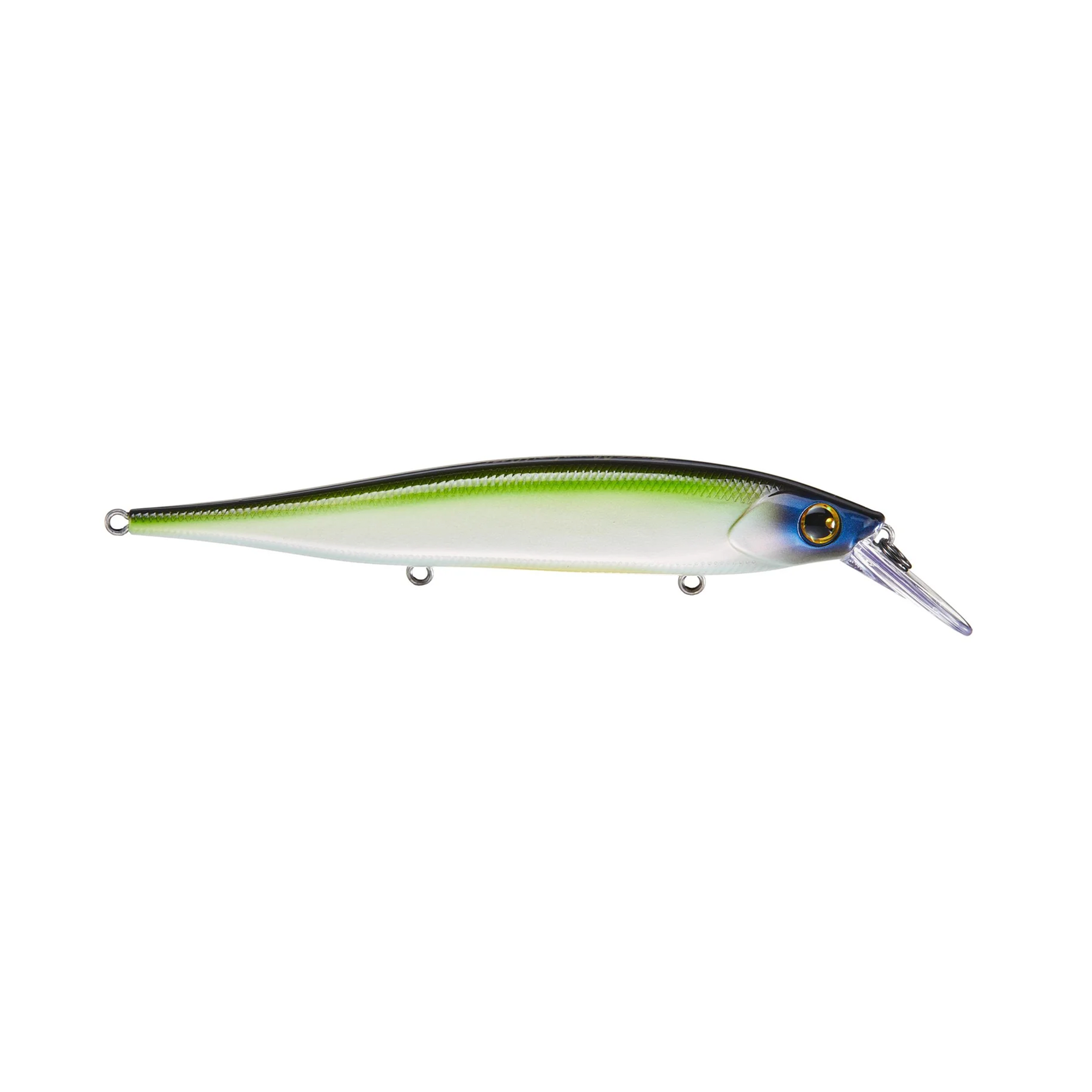
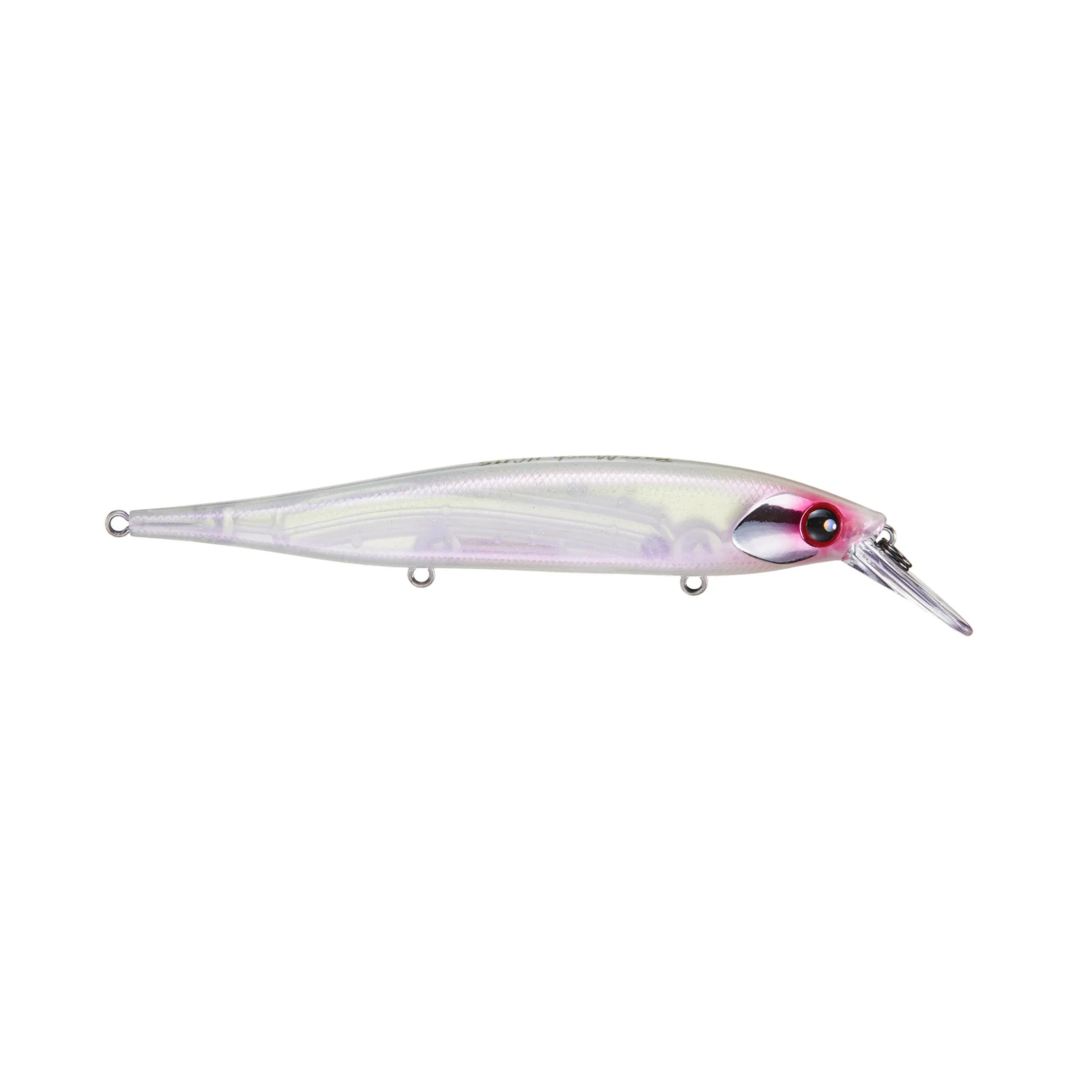
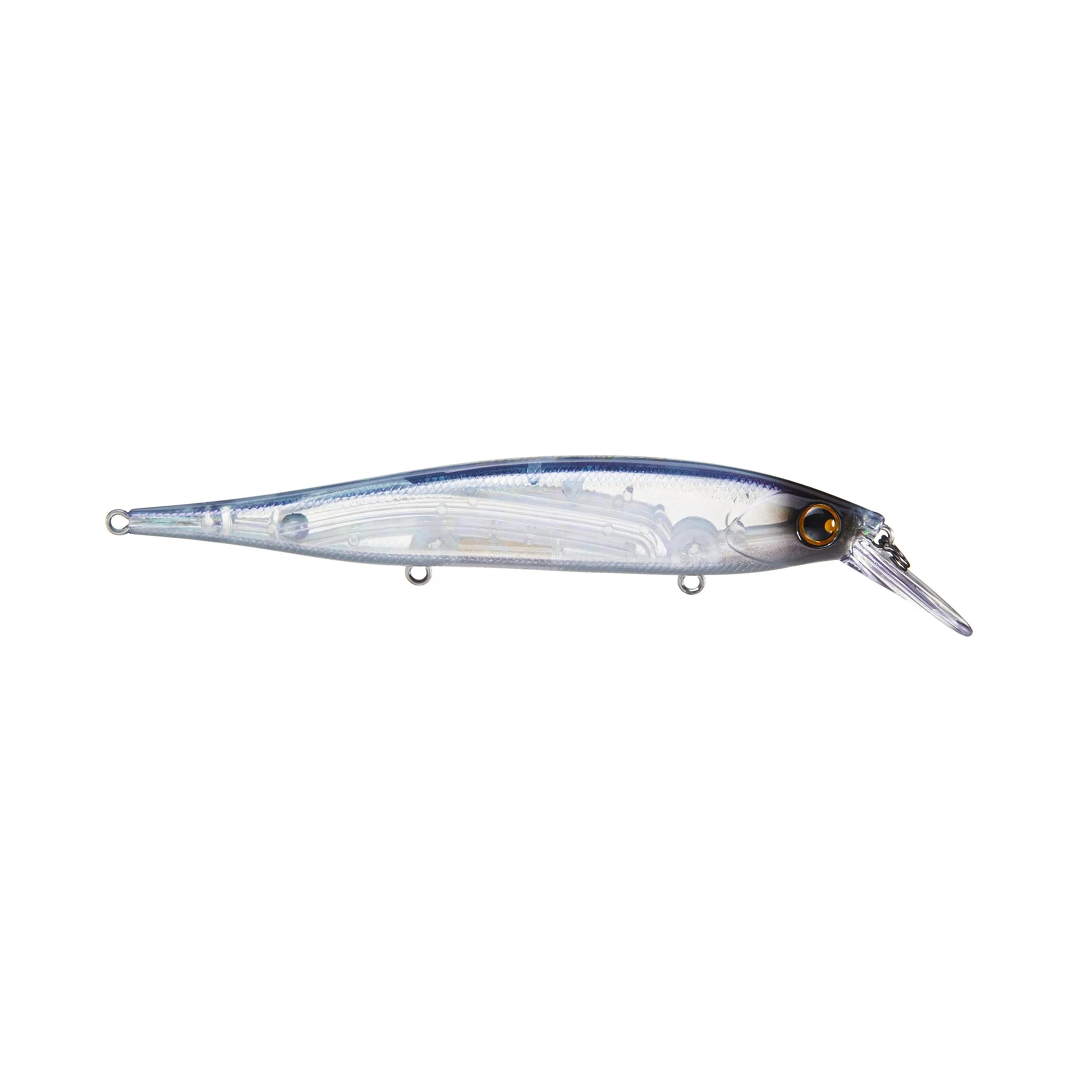
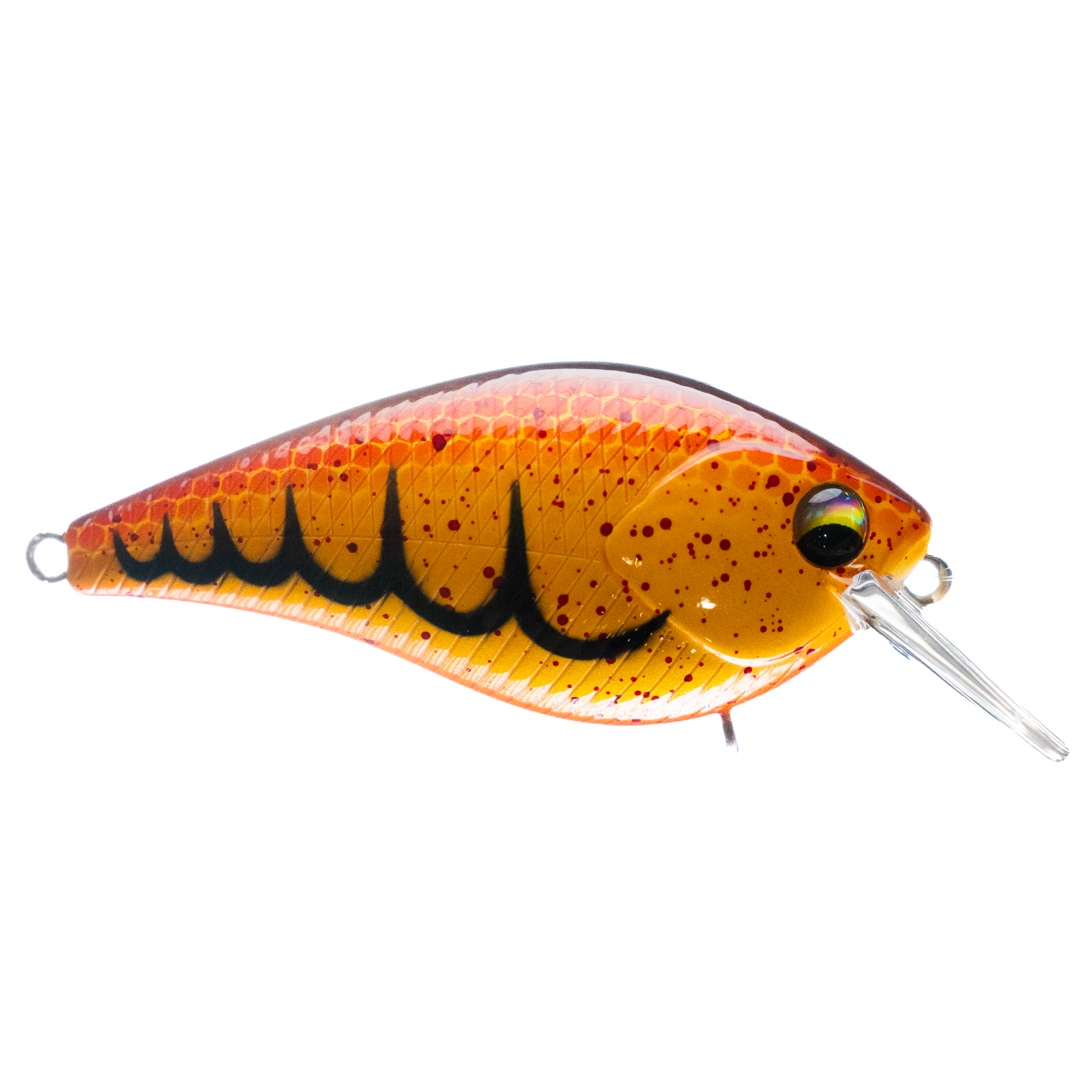
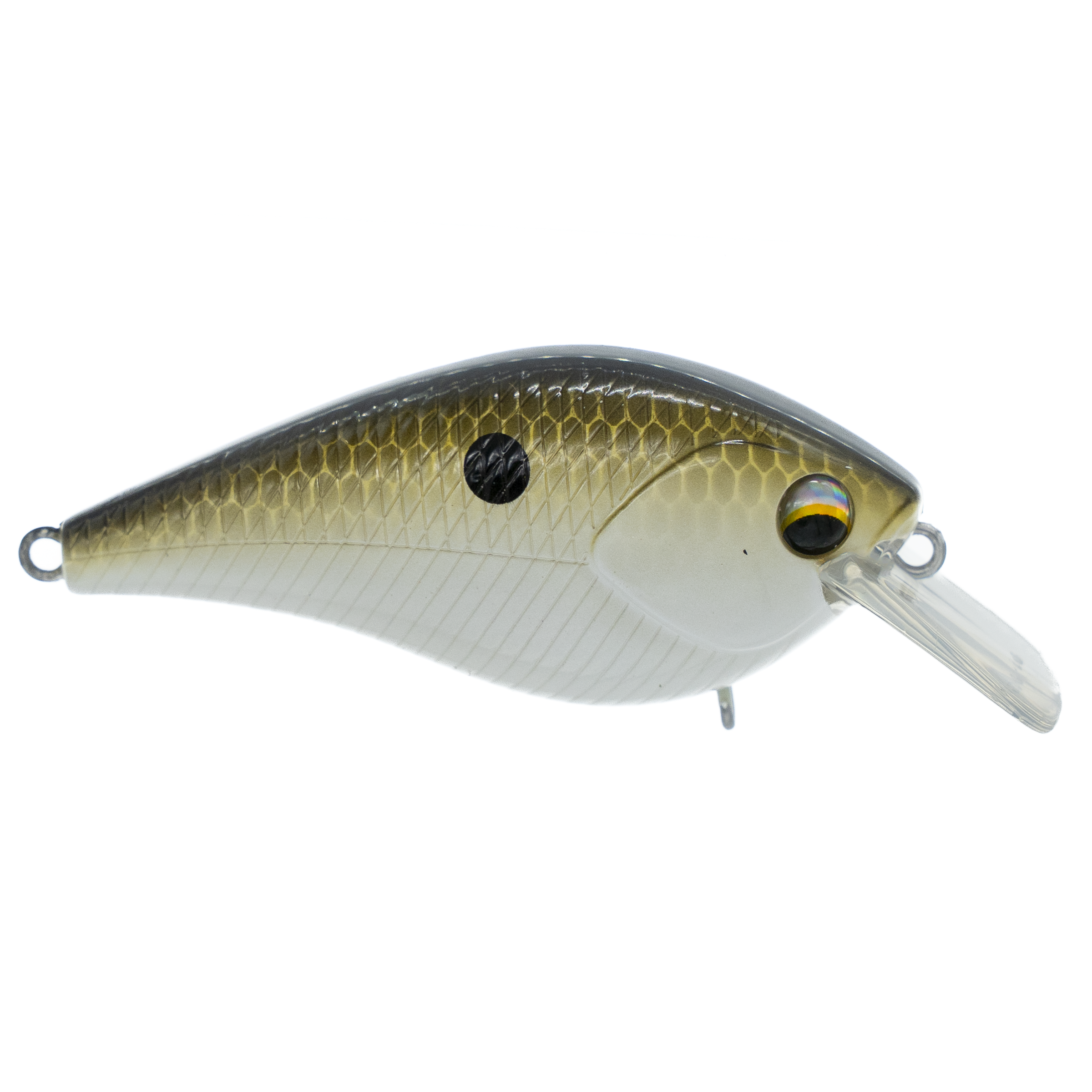
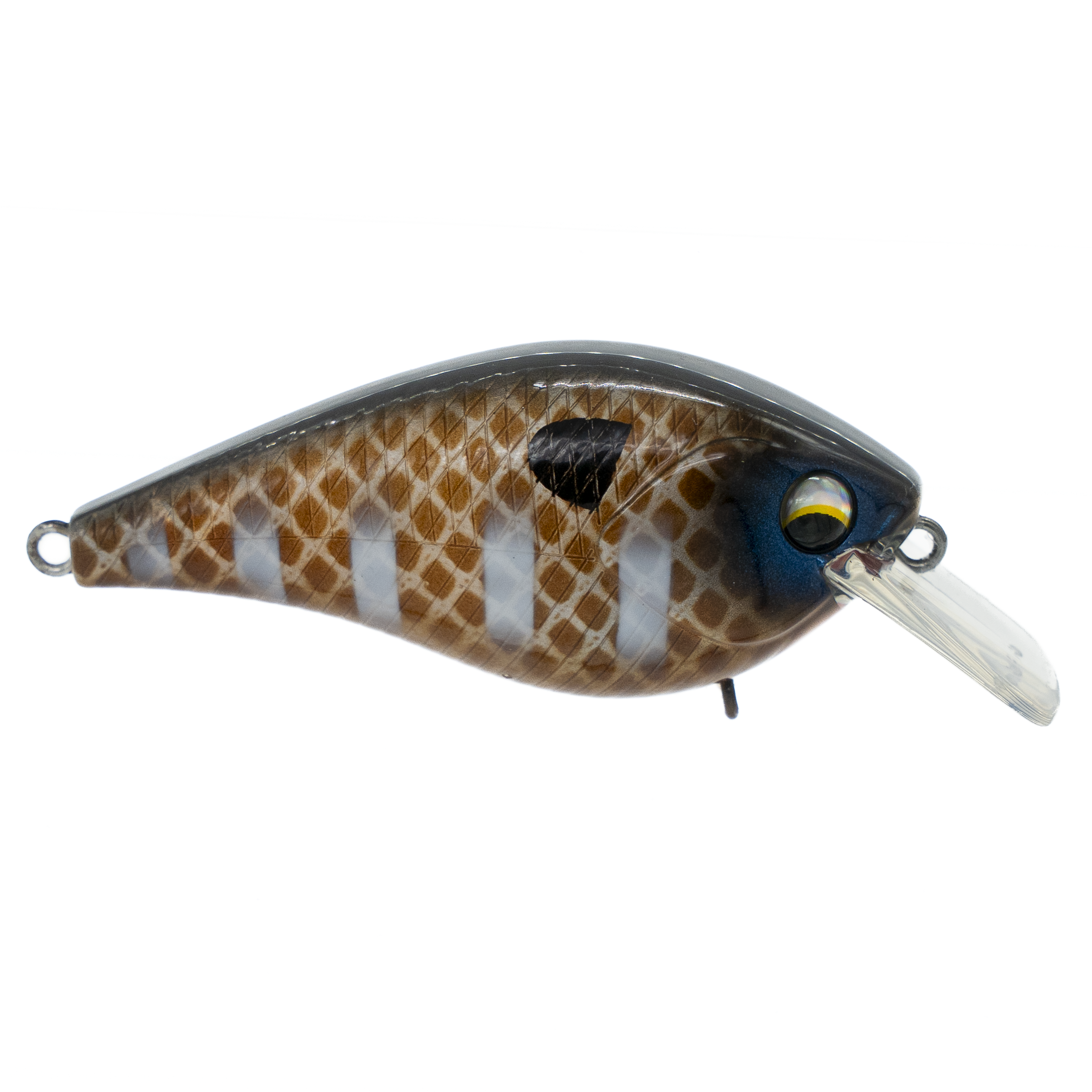
Soft plastics and jigs in the timber in spring, football jigs and Carolina rigs on deep structure in summer, moving baits behind the autumn shad, and slow bottom presentations plus a jerkbait in winter. Our full bait lineup covers all four seasons.
Do I need a fishing license?
Yes, a Texas fishing license with a freshwater endorsement from Texas Parks and Wildlife. Check current bag and length limits for this lake before you go.
Wood, and Pressured Fish
Picking apart flooded timber on a lake that gets fished every day means a lot of accurate pitches and a lot of subtle bites. Level Rods builds models with the accuracy to put a bait beside a trunk on the first try and the backbone to get a good fish clear of it immediately.
Tournament Winning Baits & Gear
Designed, crafted and tested by anglers who fish timber every week. Free shipping on orders over $75.
Shop All Baits