Lake Ouachita Bass Fishing Guide
Lake Ouachita Bass Fishing, Season by Season
Forty thousand acres of clear water in the Ouachita National Forest, the largest lake wholly inside Arkansas and one of the cleanest in the country. Ouachita has no lakefront development, two hundred feet of water at its deepest, and all three species of black bass.
Clean Water in a National Forest
Lake Ouachita sits in the heart of the Ouachita National Forest in west-central Arkansas, covering around 40,100 acres. It is the largest lake entirely within the state, and the most striking thing about it is what is not there — no lakefront property, no residential development, nothing but forest to the waterline.
The consequence is water quality. Ouachita is famously clean and clear, and it is regularly named among the cleanest lakes in the country. That clarity, combined with an average depth around fifty feet and a maximum near two hundred, makes it a genuine deep clear-water fishery.
The topography is complex: countless coves, more than two hundred islands, underwater springs, submerged structure, standing timber in places, and steep rock. There is a great deal to learn, and electronics matter here more than on most Arkansas water.
Largemouth, smallmouth and spotted bass are all present. The lake is also a striper destination, with the classic method being trolling downriggers along the river channel from near the dam to where the Little Blakely and Big Blakely creek channels come in.
Clear deep water sets the terms. Lighter line, natural colours, longer casts and more attention to depth than the stained lakes elsewhere in the state require. On bright flat days the shallow fishing gets genuinely difficult, and the answers become early, late and deeper.
Ranked twenty-second in Bassmaster's Central Division. Worth noting that acreage figures for this lake vary between roughly 40,000 and 48,000 depending on the source and the pool level being quoted.
Islands, Coves and Depth
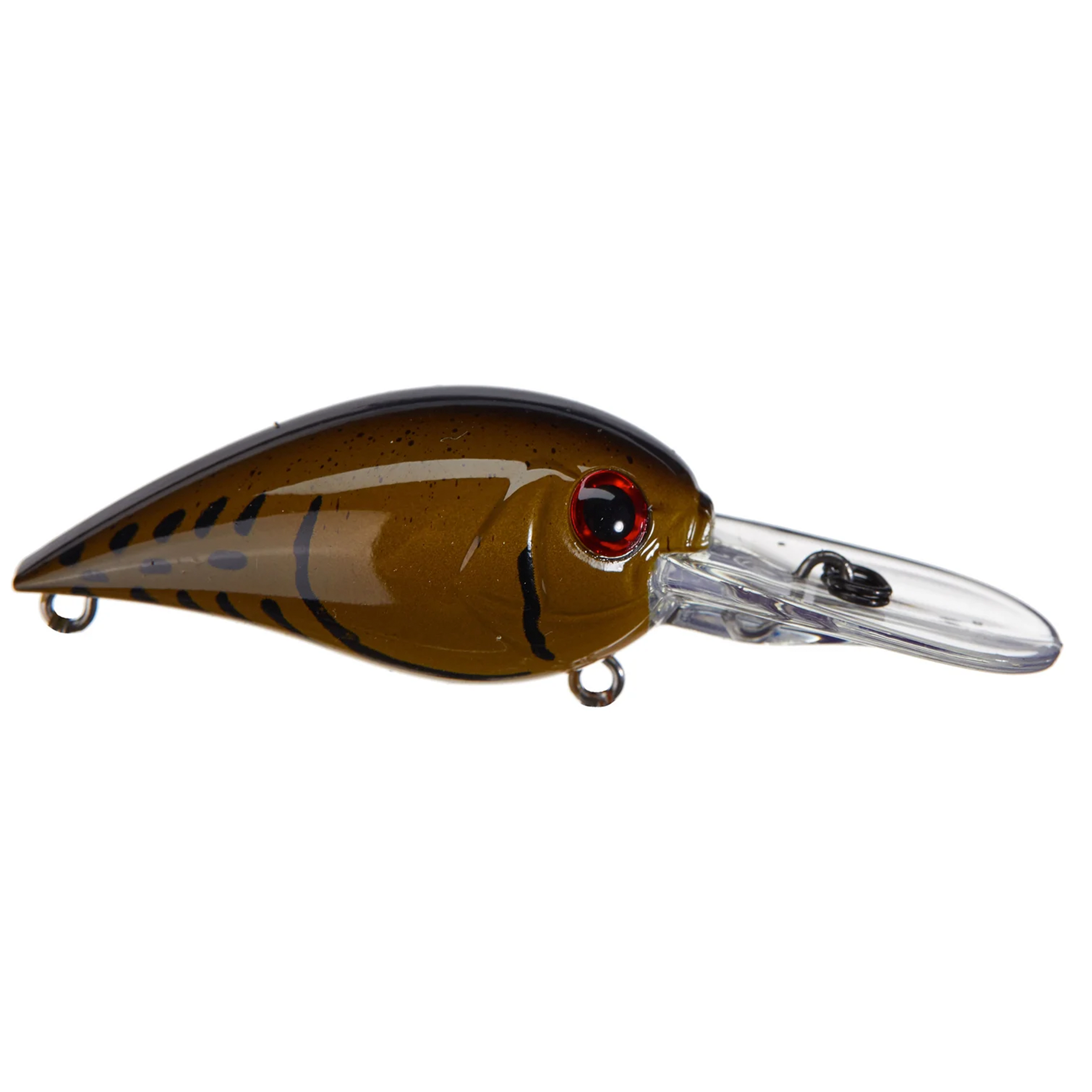
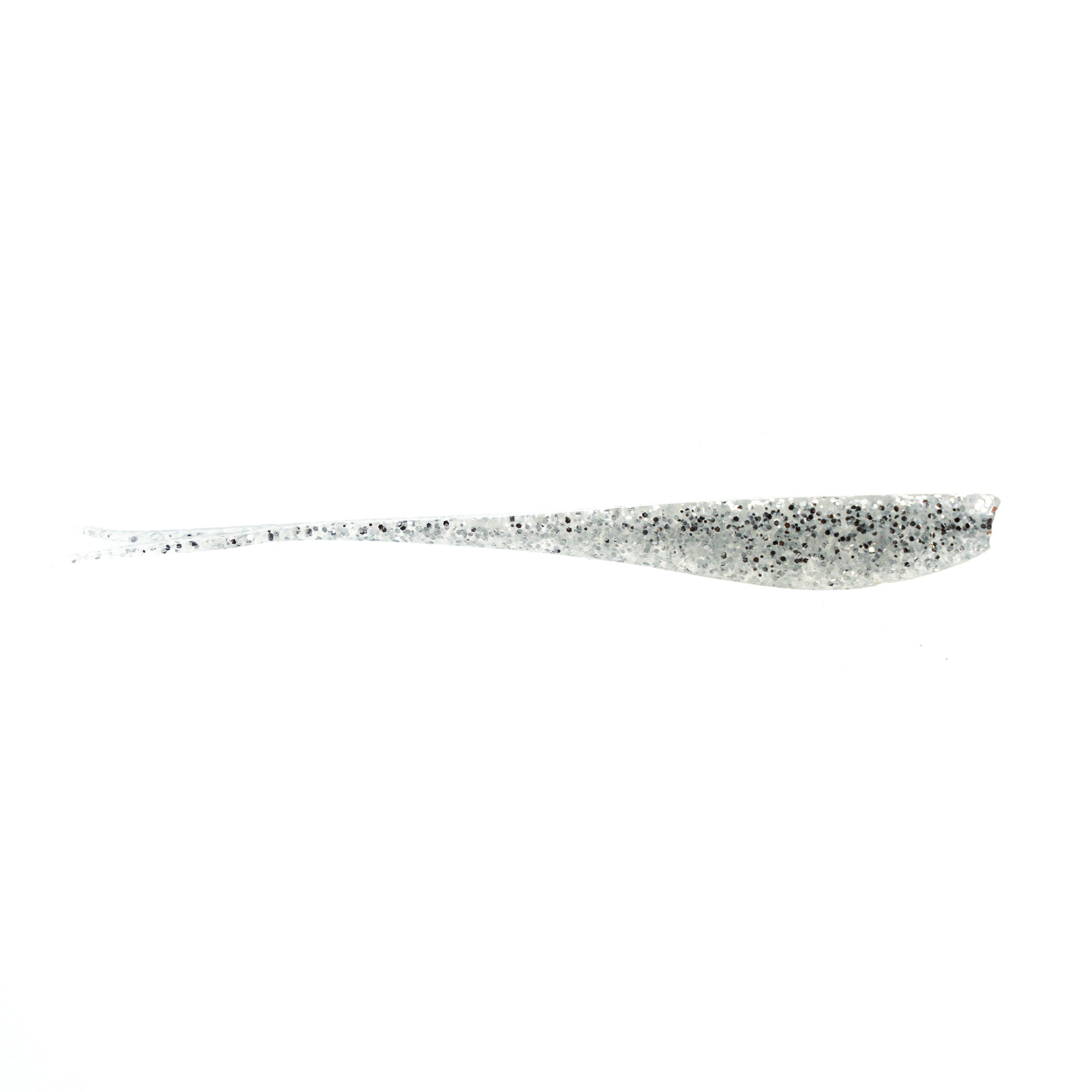
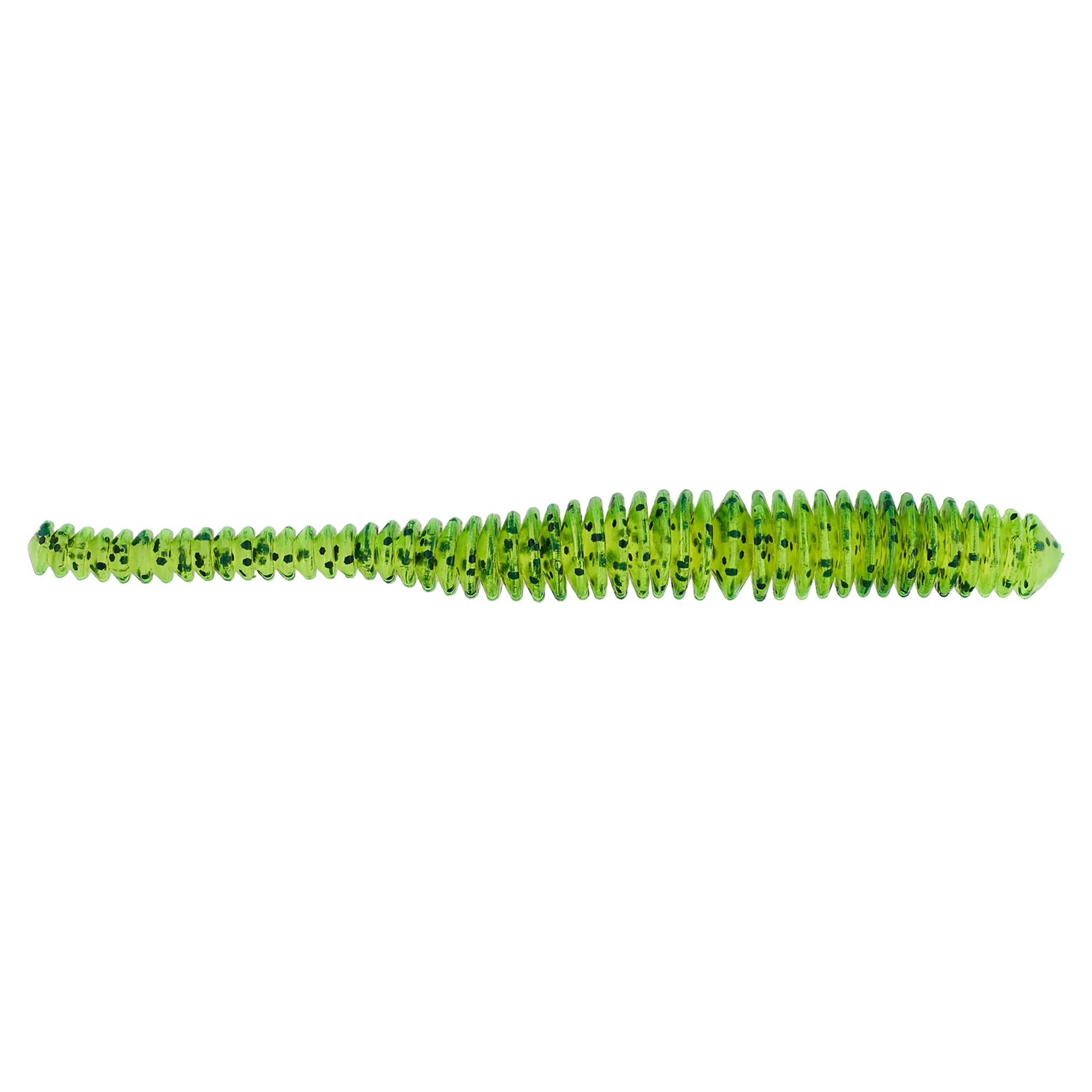
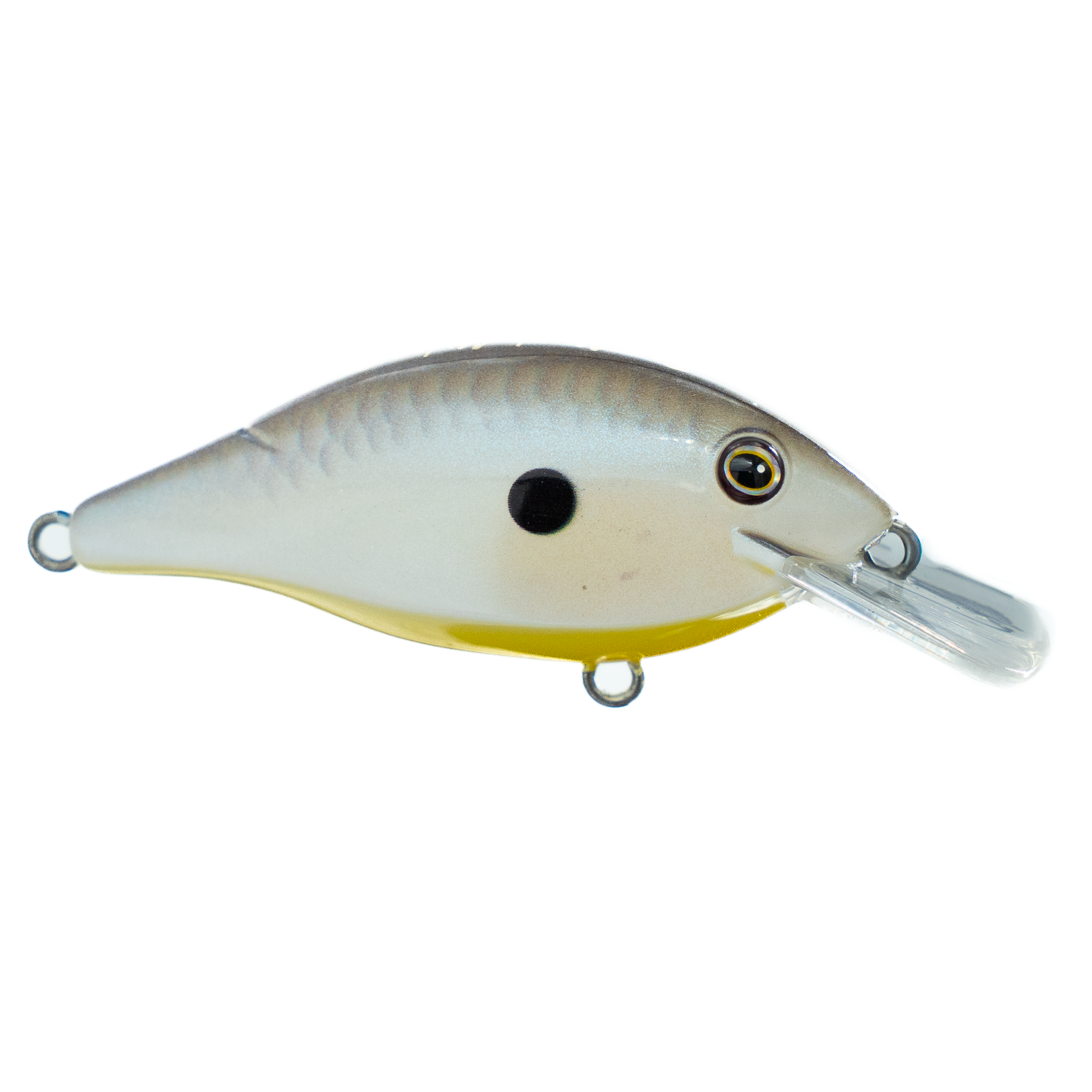
Four patterns cover the year. Each one pairs the technique with the baits we'd actually tie on.
Coves, Islands and the Spawn
Spring pulls fish into the coves and onto the shallower structure around the islands to spawn. With this many coves and this many islands, the challenge is choosing where to start rather than finding cover. Clear water means fish can be shallow and still be difficult to approach.



Deep, Clear and Technical
Summer pushes fish deep on a lake that has plenty of deep water to offer. Underwater springs, submerged structure, steep rock and the old river channel all hold fish, and bright flat days make anything shallow very hard. Recreational traffic is substantial on a lake this attractive.

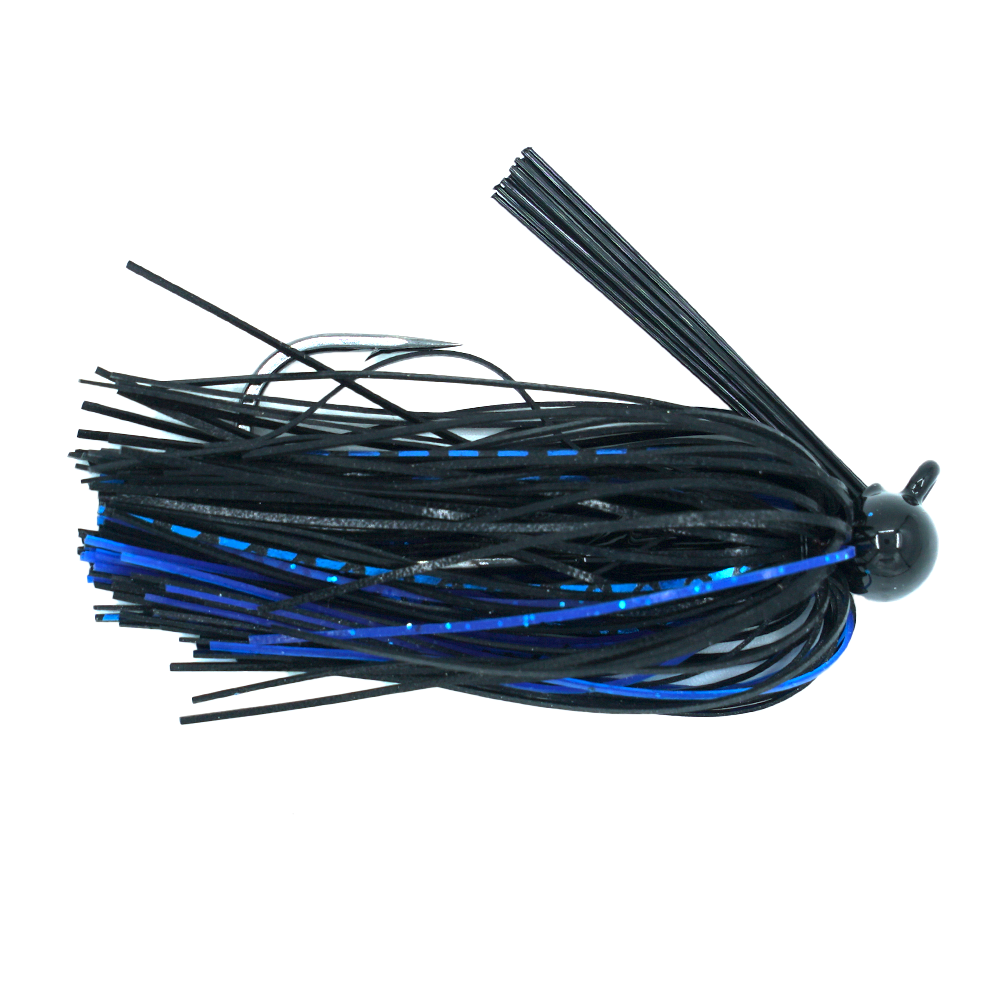
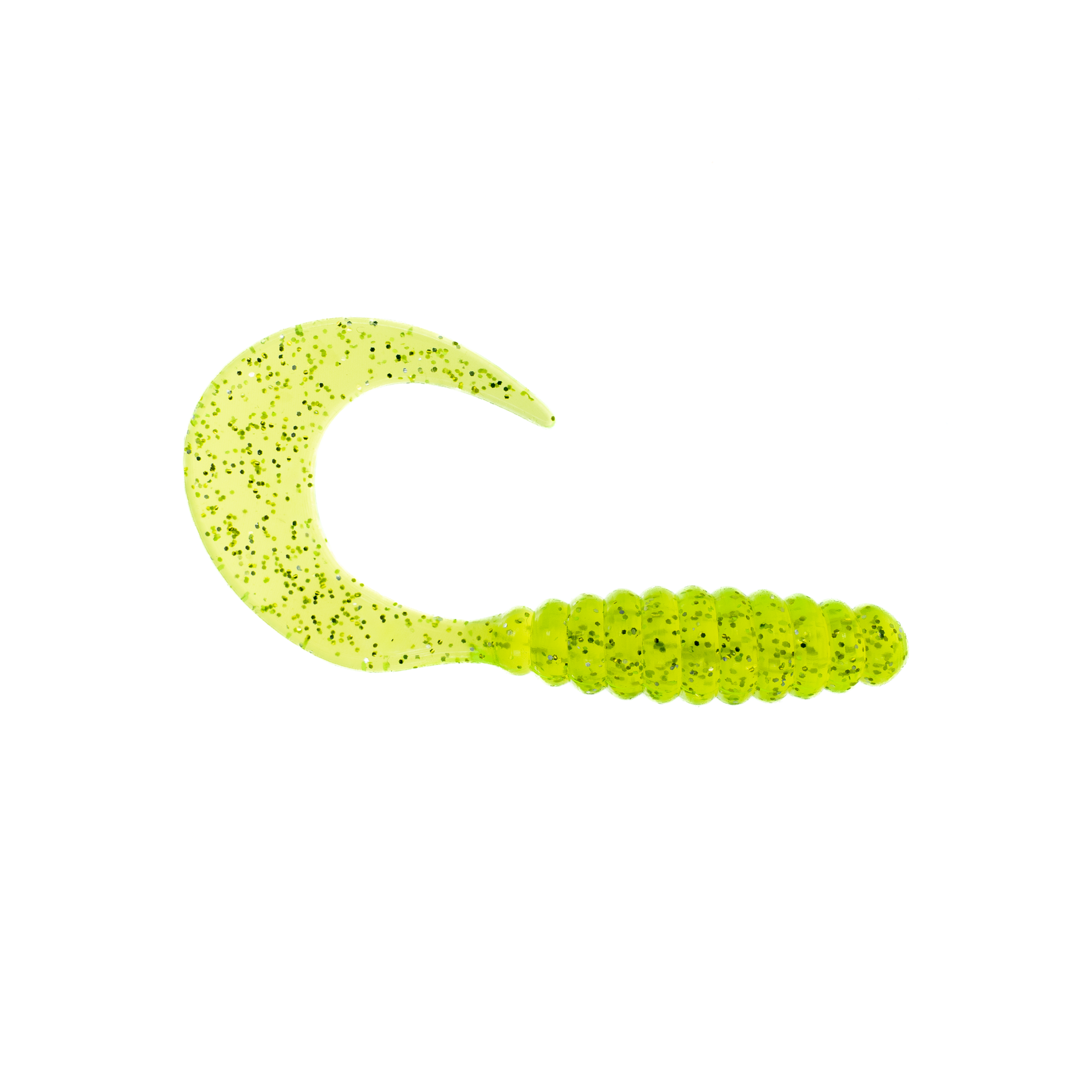

Bait Into the Coves
Autumn cools the water and brings fish back up and into the coves behind the bait. The forest around the lake turns, the summer traffic goes, and clear water with active fish means moving baits work in a way they do not in July.
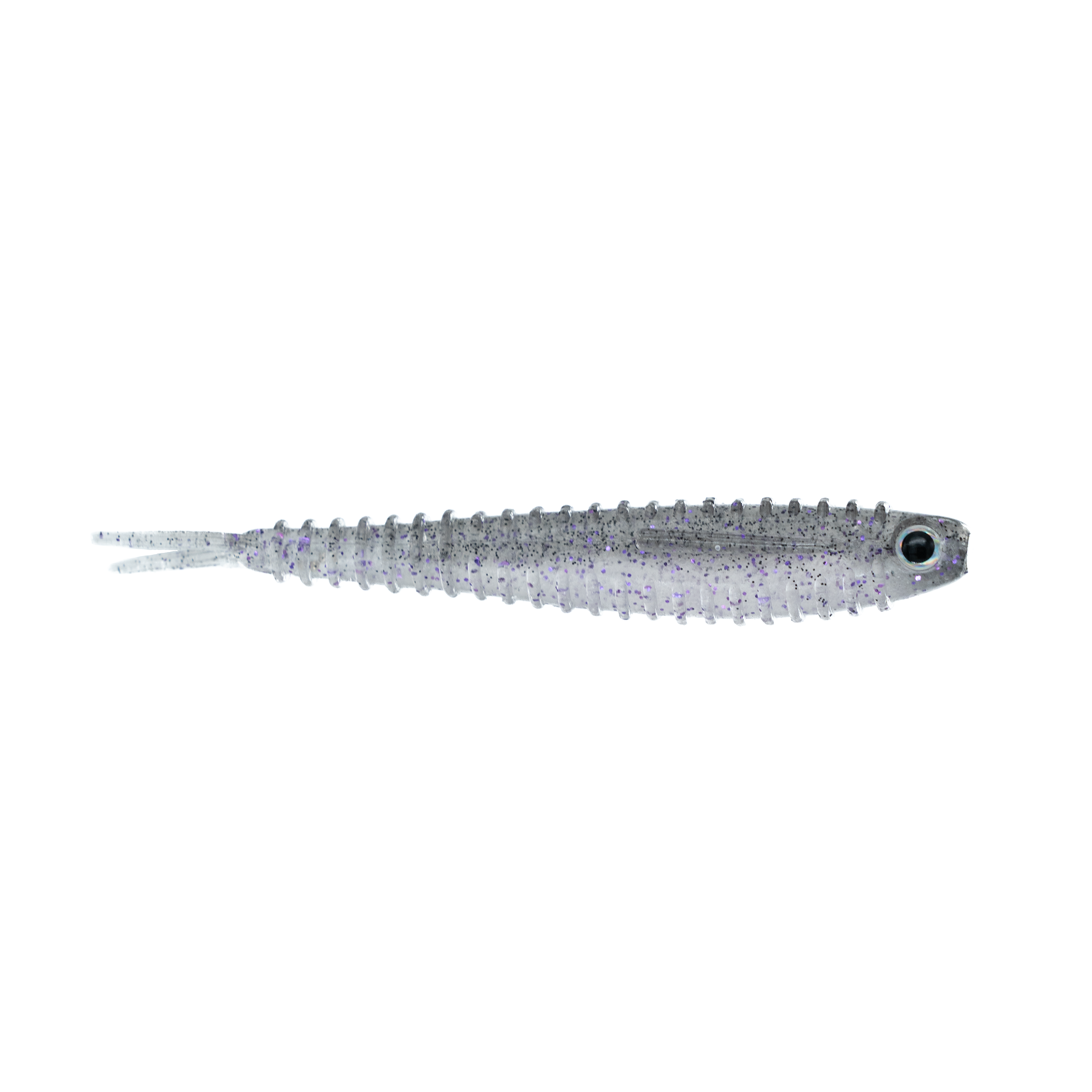

Deep Holes, and a Shallow Exception
Winter concentrates most of the fish in deep water and most anglers go after them there. It is worth knowing that a February event here was won by doing the opposite — while much of the field fished deep for bass still in their winter holes, the winner went shallow and caught early prespawners. On a lake this deep, that is a real edge.
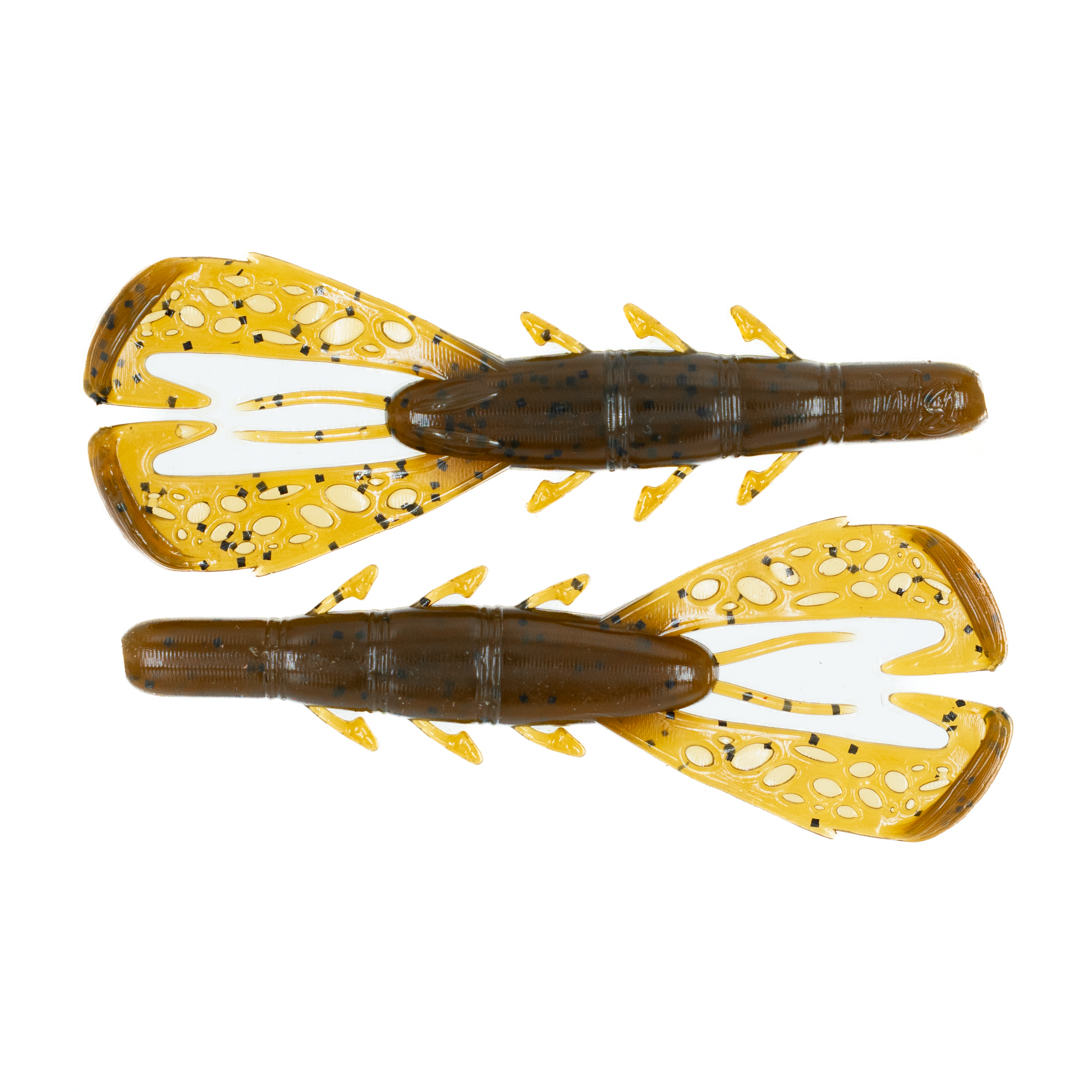
Lake Ouachita Access
Corps of Engineers ramps and recreation areas ring the lake, along with Lake Ouachita State Park and several marinas. Hot Springs is close and covers everything else. There is no private lakefront development, so access is entirely public.
The Islands
More than two hundred of them, with points, rock and shoreline that hold fish across the seasons. The defining feature of the lake and the most obvious place to start, though the number of them means picking a section rather than trying them all.
The Coves
Countless, and where the spring fishing happens. Sheltered, warming earlier than the main body, and holding bait in autumn. On a lake with no development, the backs of these coves feel genuinely remote.
The River Channel and Deep Structure
The old Ouachita channel, underwater springs and submerged structure running through the middle, with depths to around two hundred feet. Where the summer fishing happens and where the stripers are trolled for.
Lake Ouachita Bass Fishing FAQ
How big is Lake Ouachita?
Around 40,100 acres, though you will see figures up to 48,300 depending on the source and the pool level quoted. It is the largest lake entirely within Arkansas, sitting in the Ouachita National Forest in the west-central part of the state.
Why is the water so clean?
Because there is no lakefront development. The lake sits inside the Ouachita National Forest with no private property on its shoreline, and it is regularly named among the cleanest lakes in the country. Average depth around fifty feet with a maximum near two hundred adds to the clarity.
What bass species are in Lake Ouachita?
All three — largemouth, smallmouth and spotted bass. It is also a well-known striper lake, with trolling downriggers along the river channel from near the dam toward the Blakely creek channels the traditional method.
How does the clear water change the fishing?
Lighter line, natural colours, longer casts and much more attention to depth. On bright flat days the shallow fishing becomes genuinely difficult, and the answers are early, late and deeper rather than harder.
Where should I start on a lake this size?
Pick a section. With more than two hundred islands and countless coves, trying to learn all of Ouachita is a multi-year project. Choose an area with islands, coves and access to the channel, and work it across the seasons.
Is winter worth fishing here?
Yes, and there is an edge available. A February event on this lake was won by going shallow for early prespawners while most of the field fished deep for bass still in their winter holes. On a lake this deep, checking the shallow water on a warming trend is worth doing.
What baits work best on Lake Ouachita?
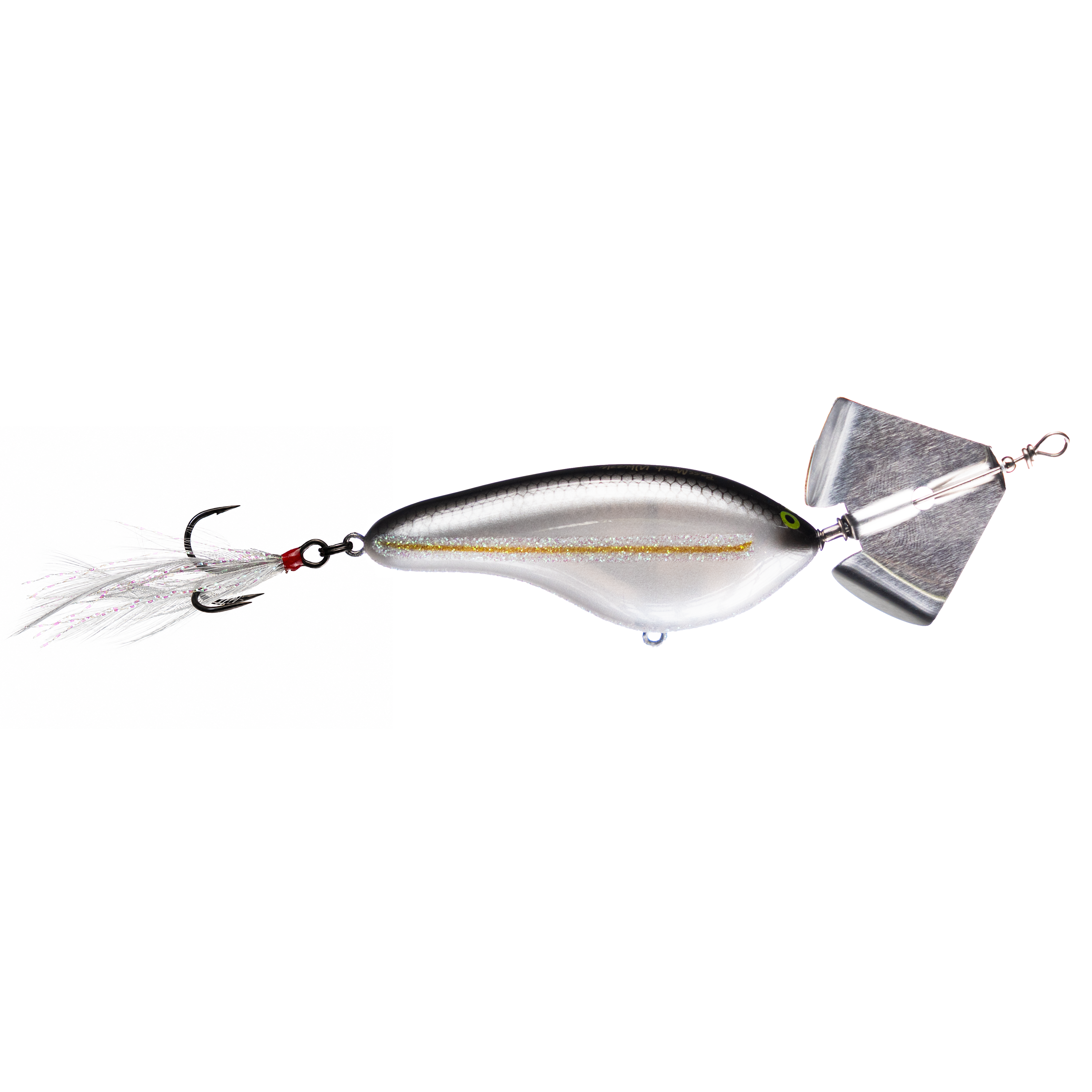
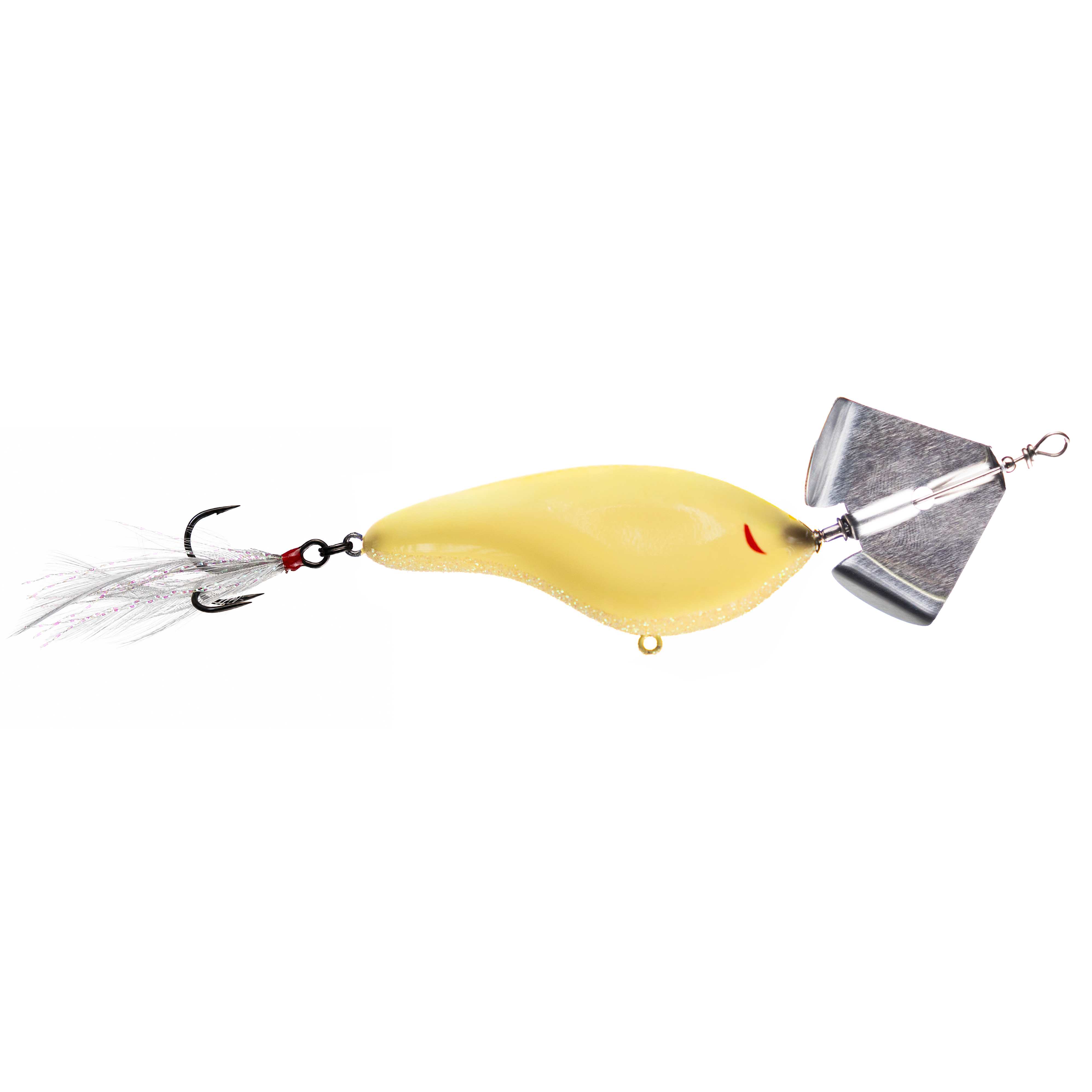
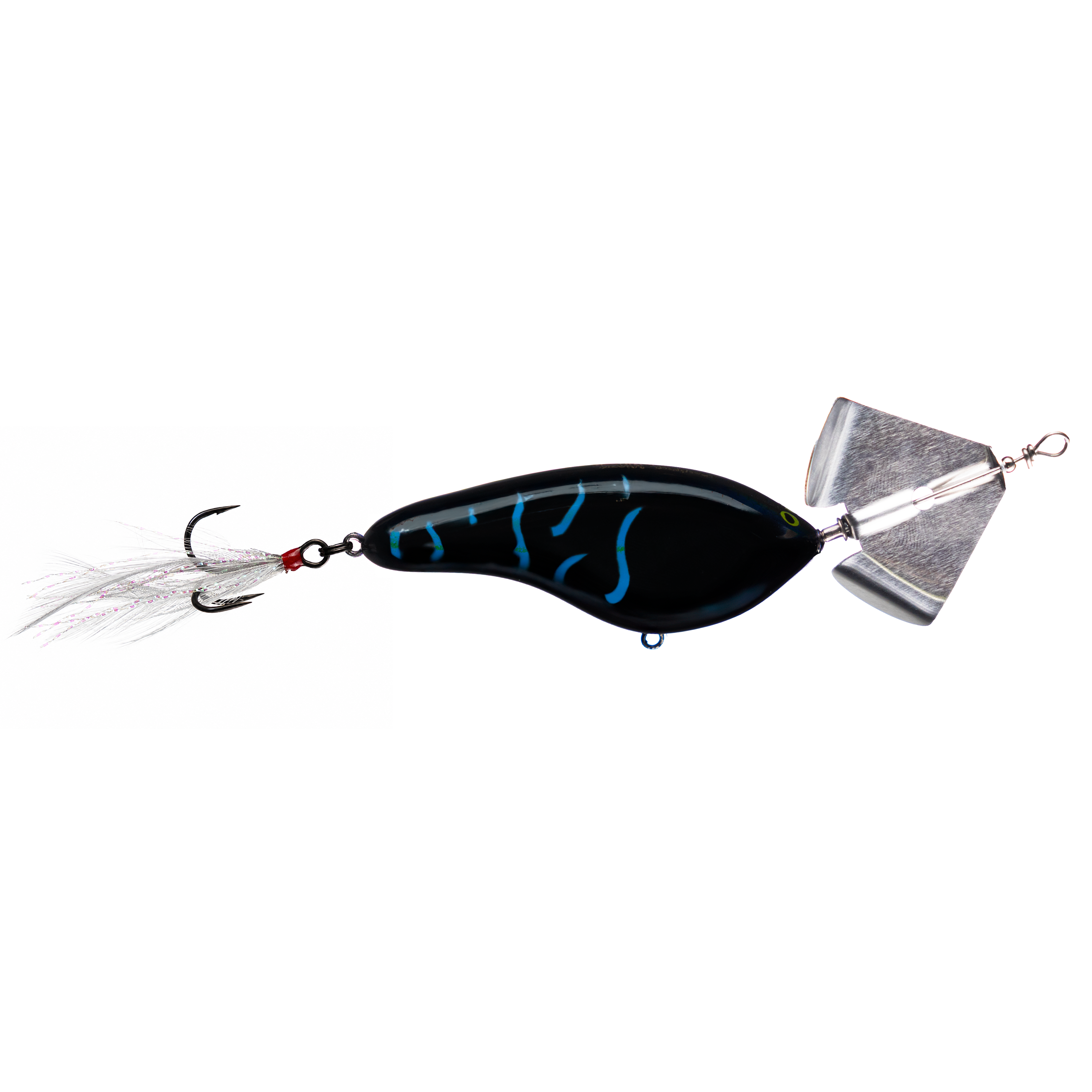
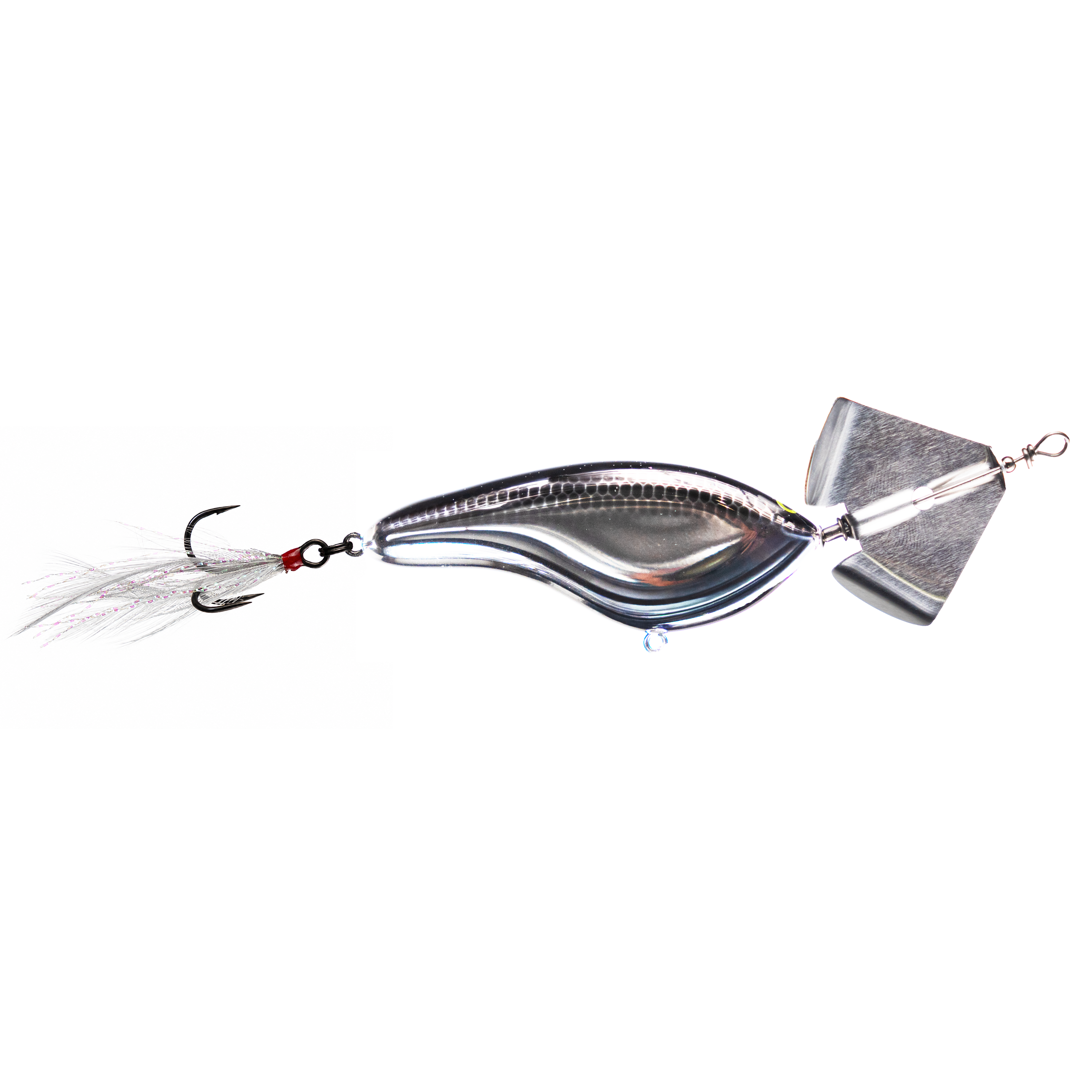
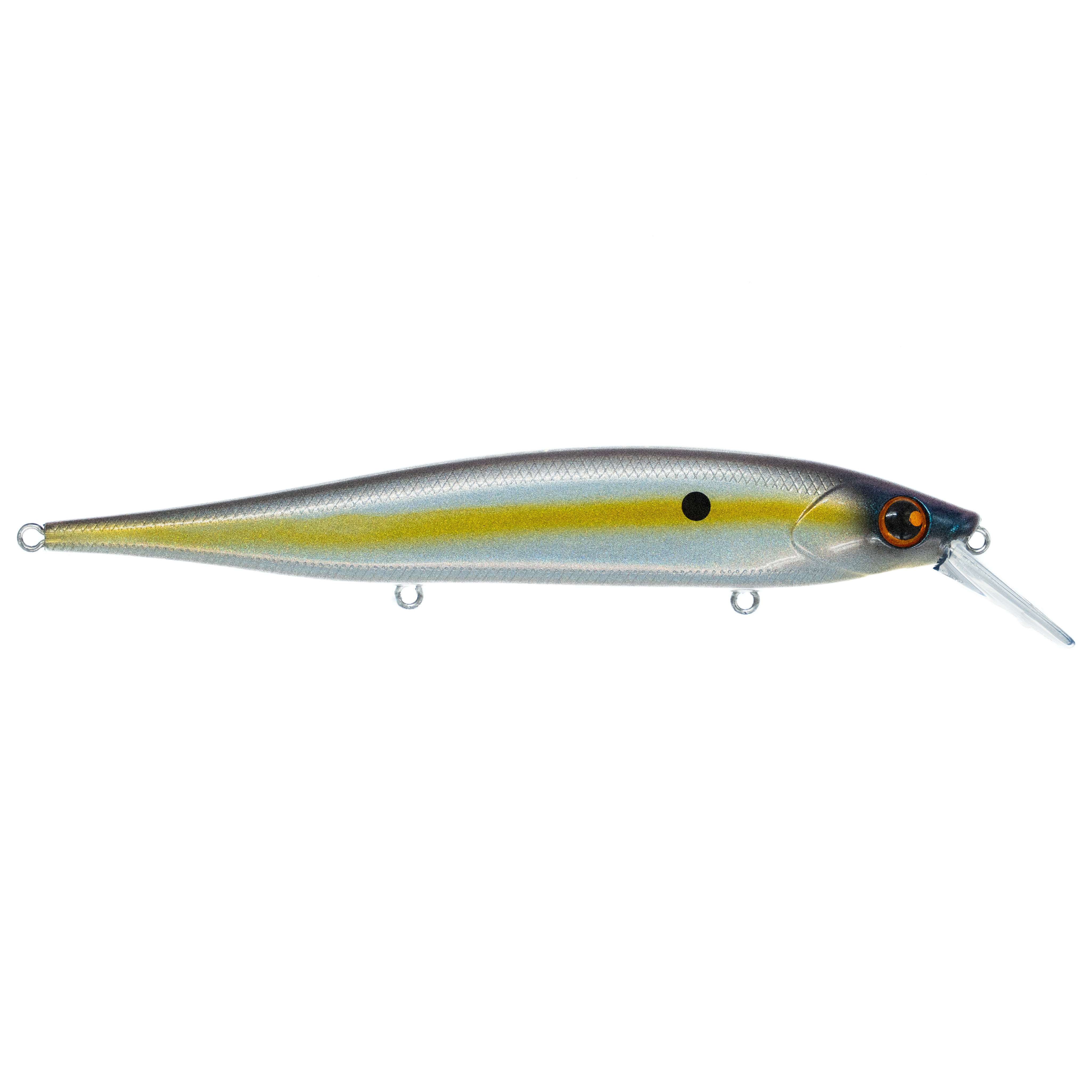
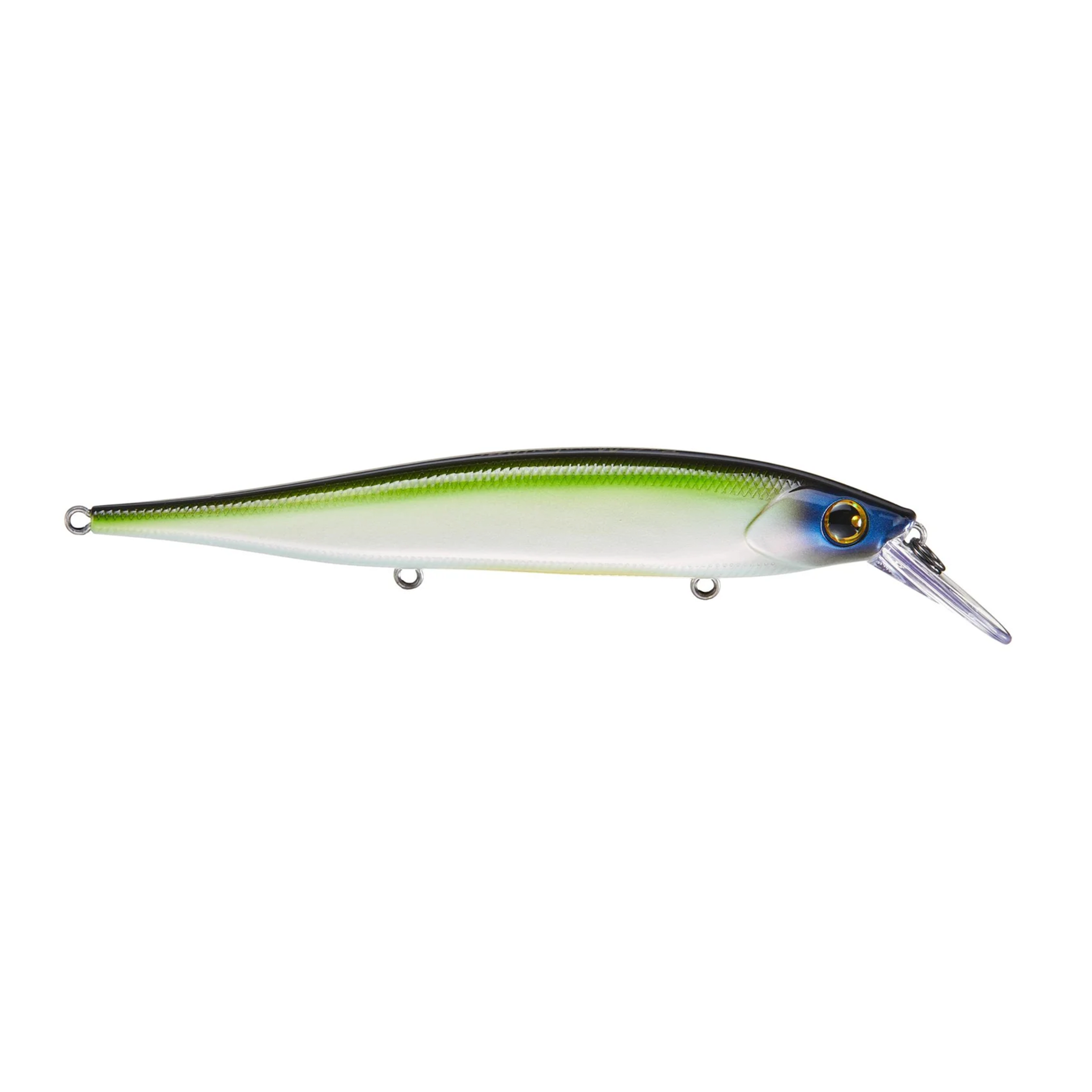
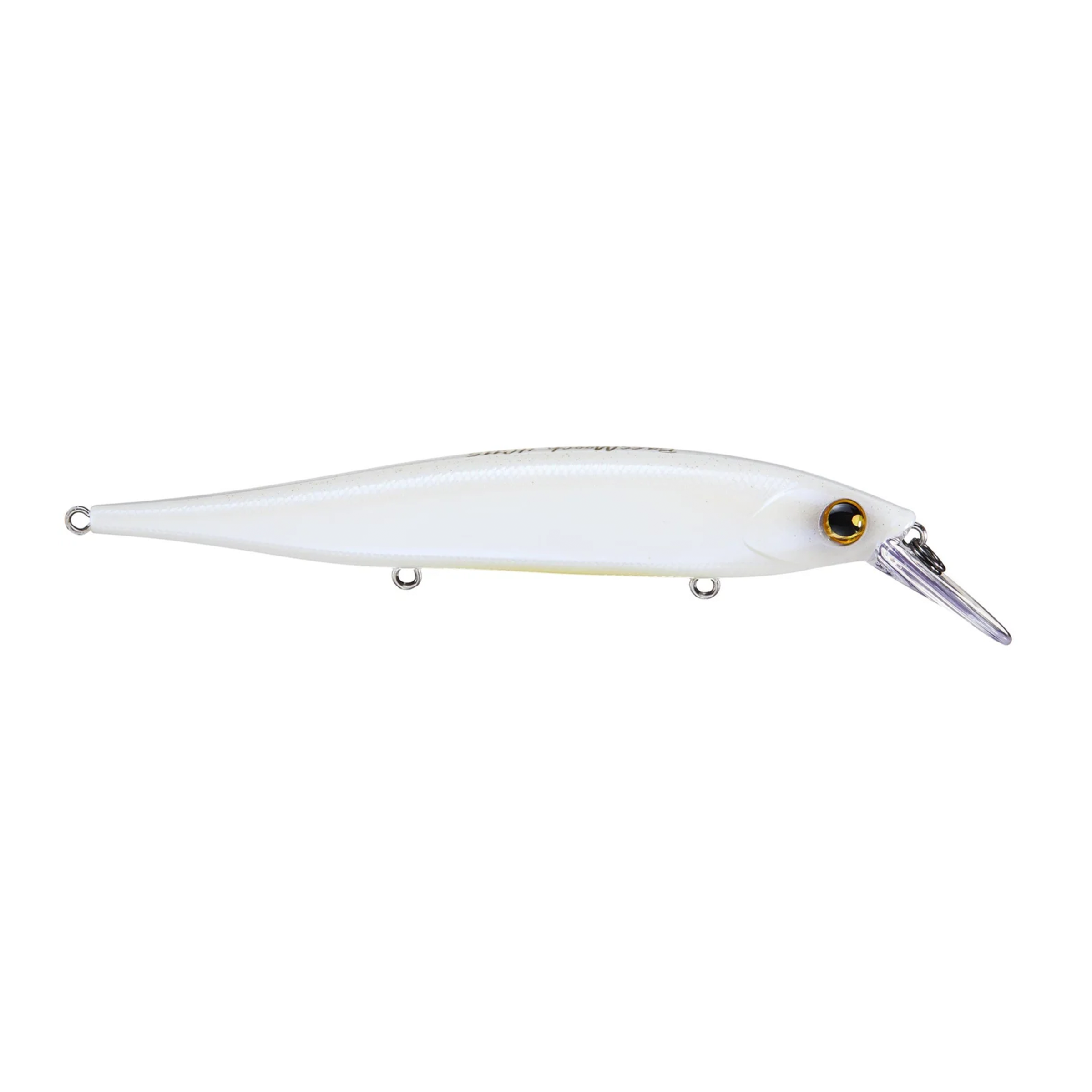
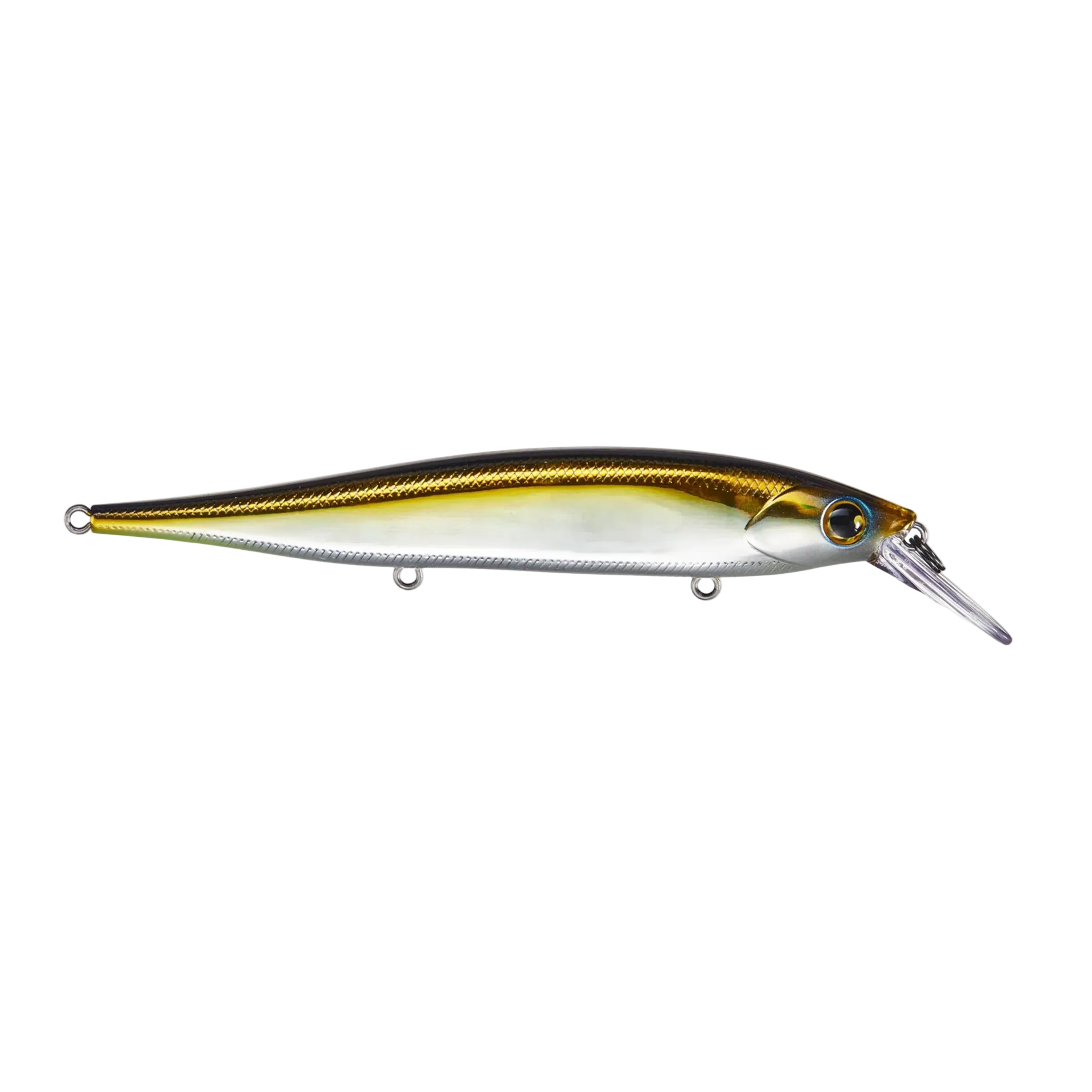
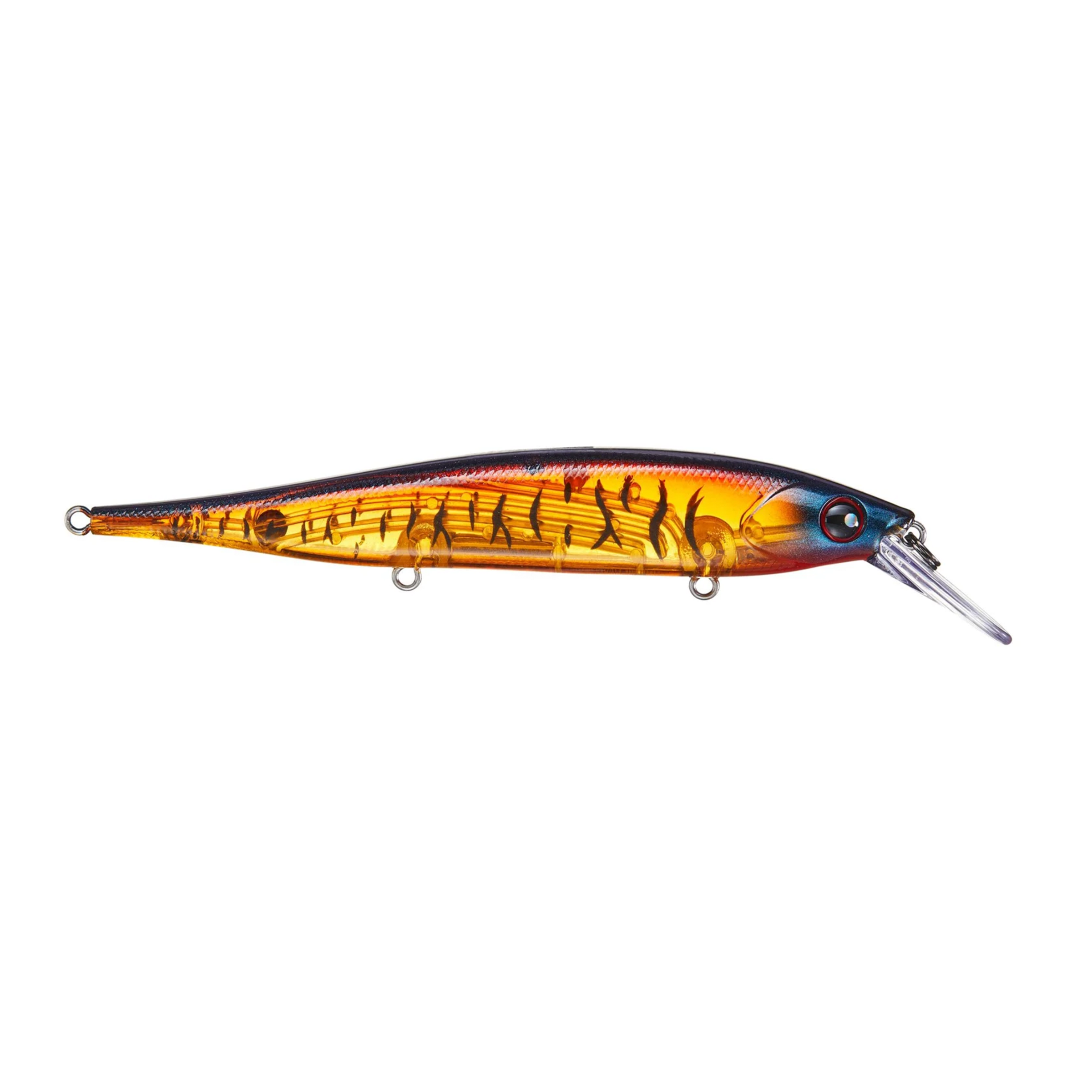
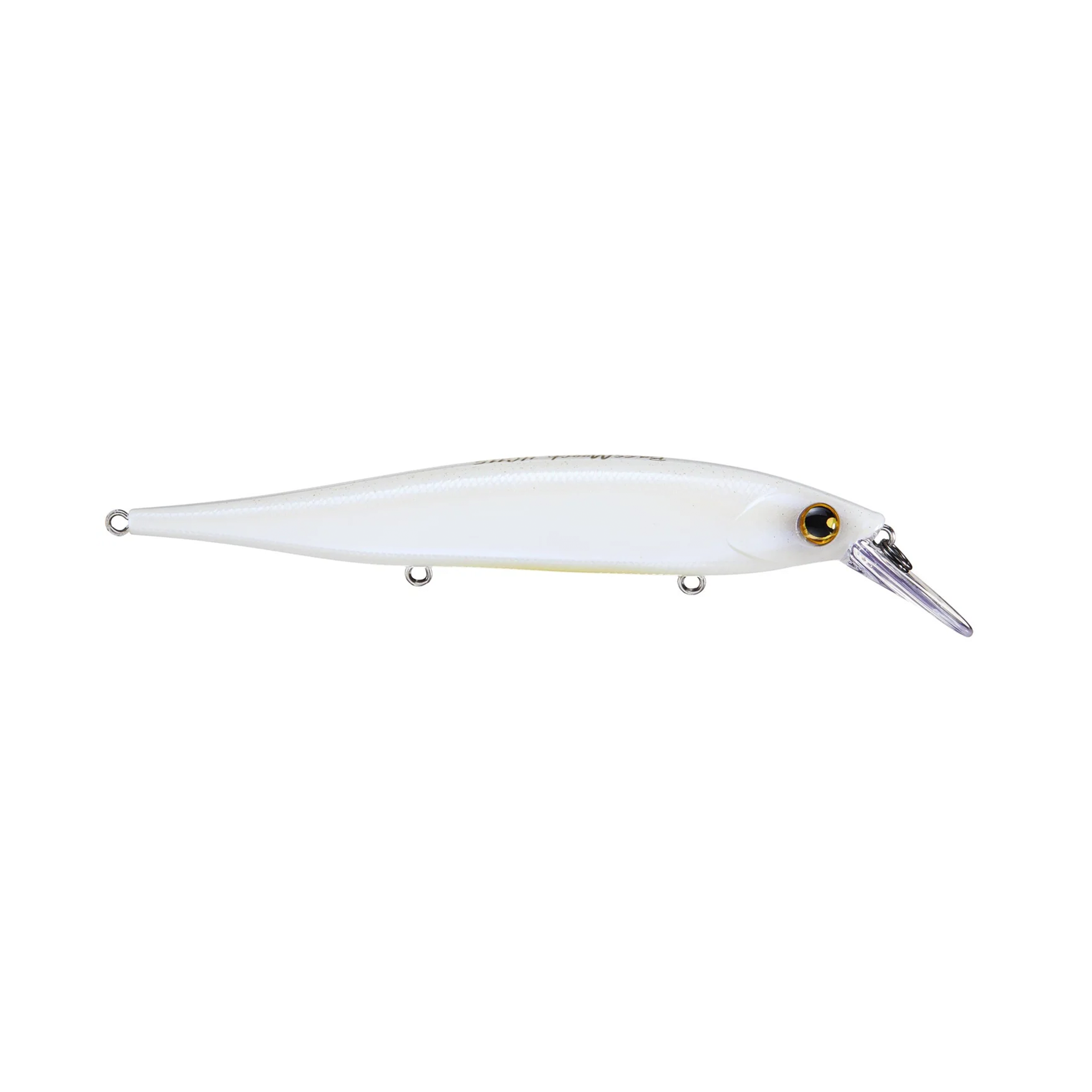
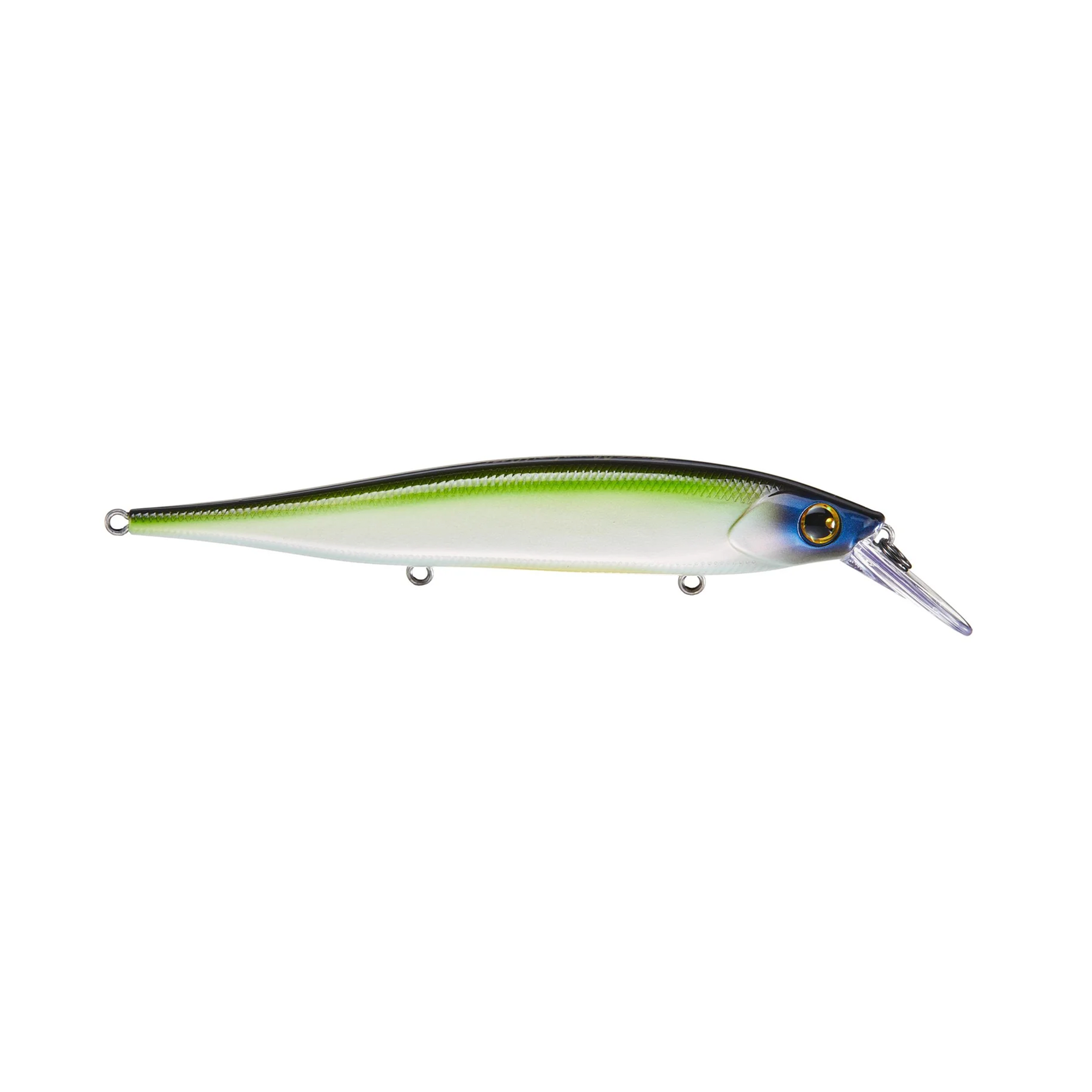
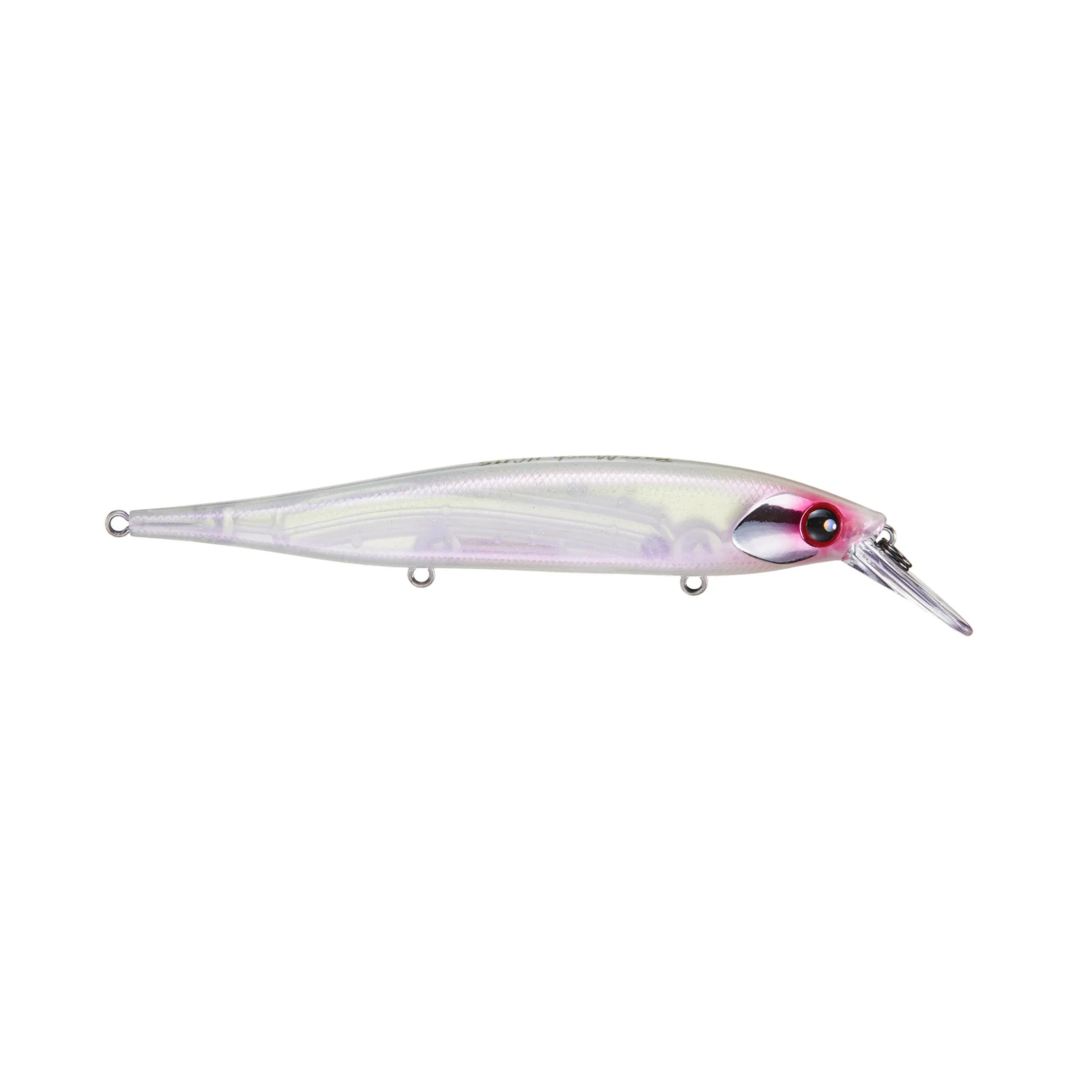
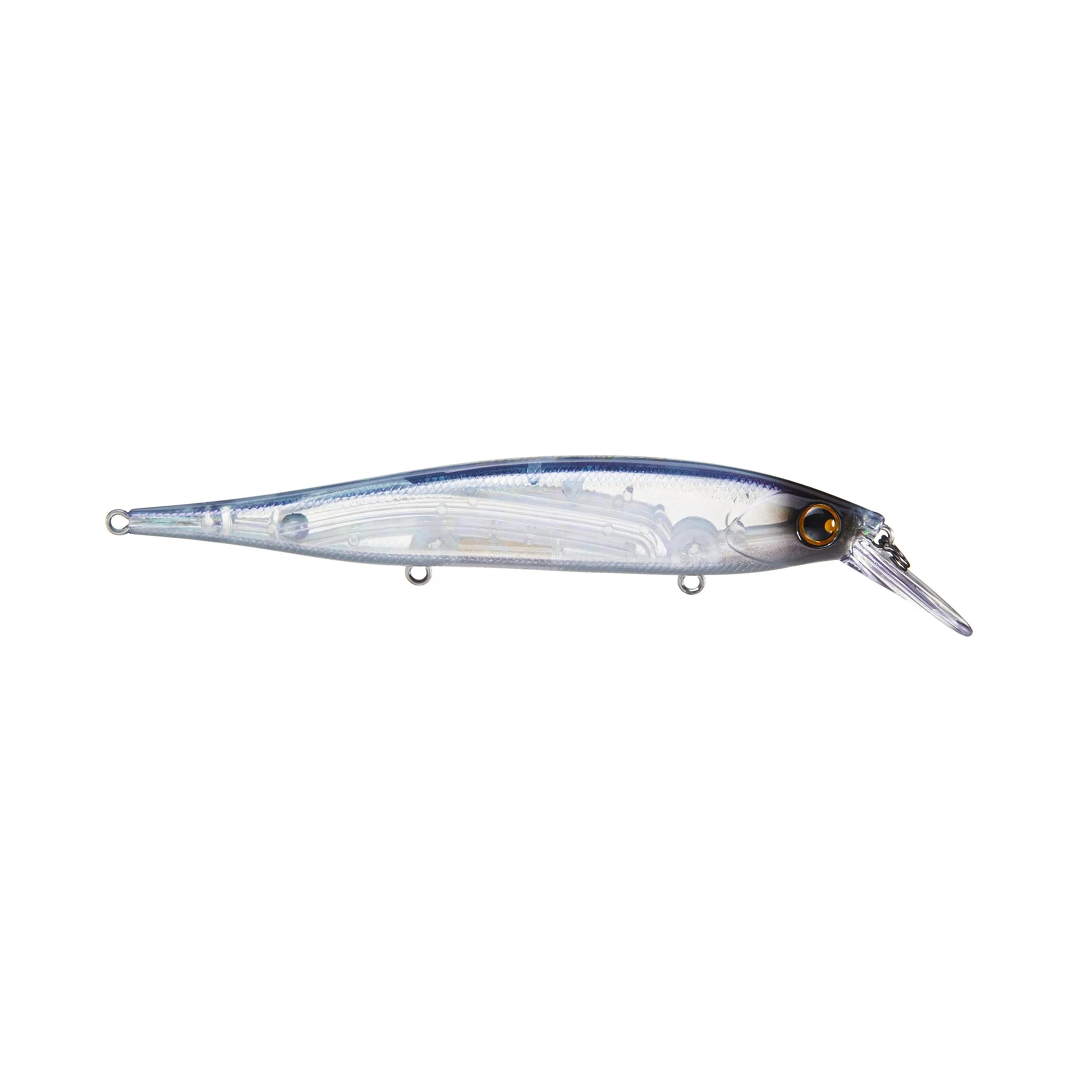
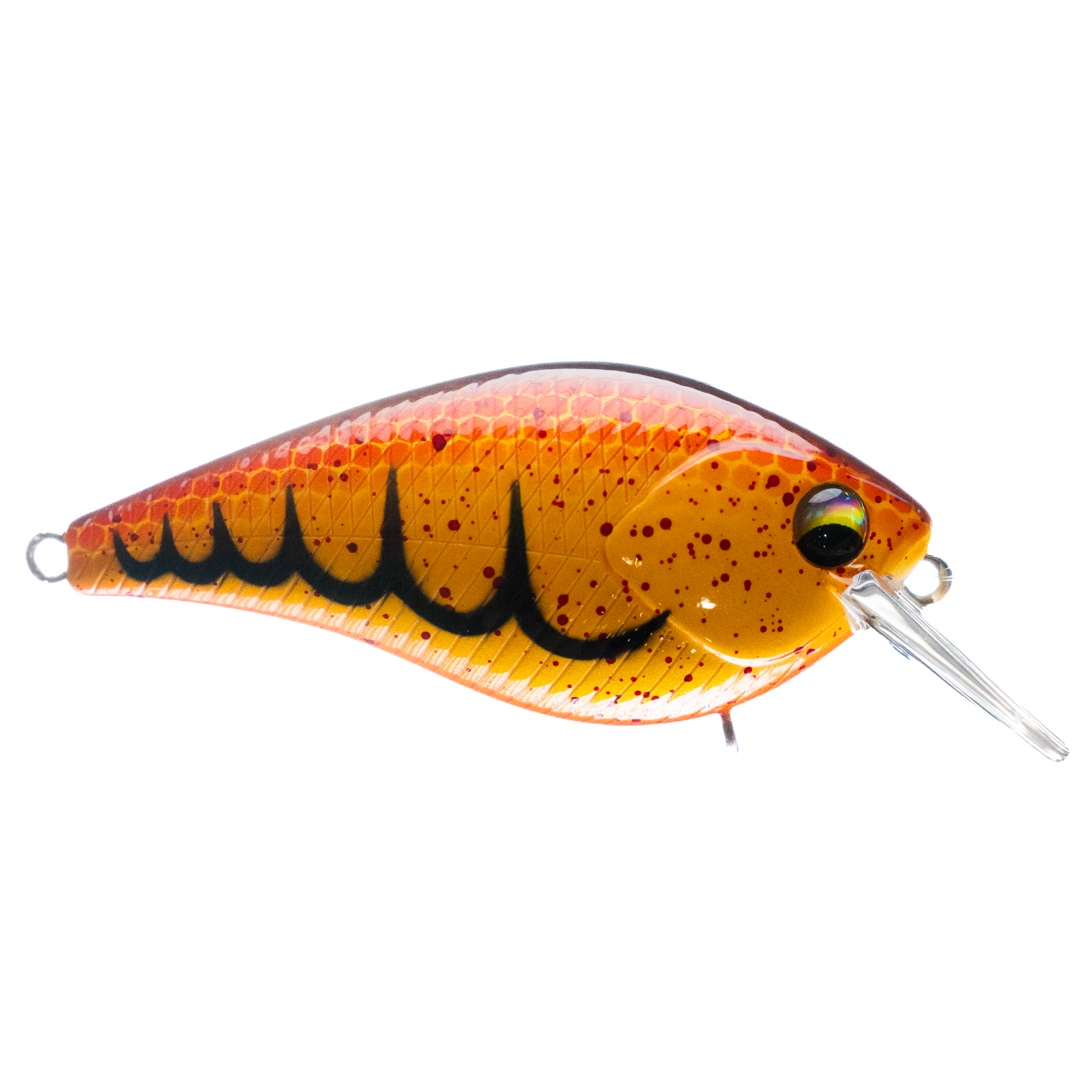
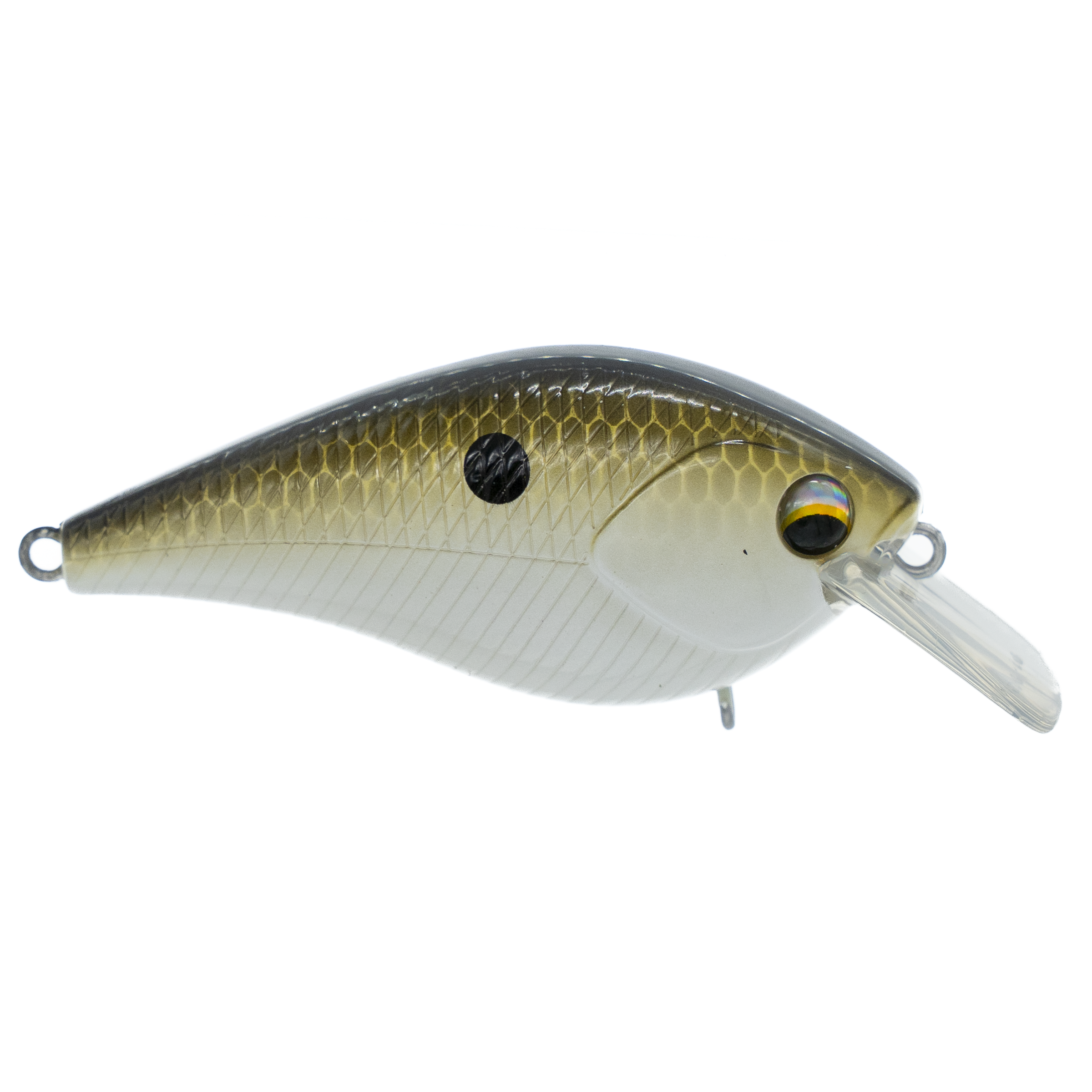
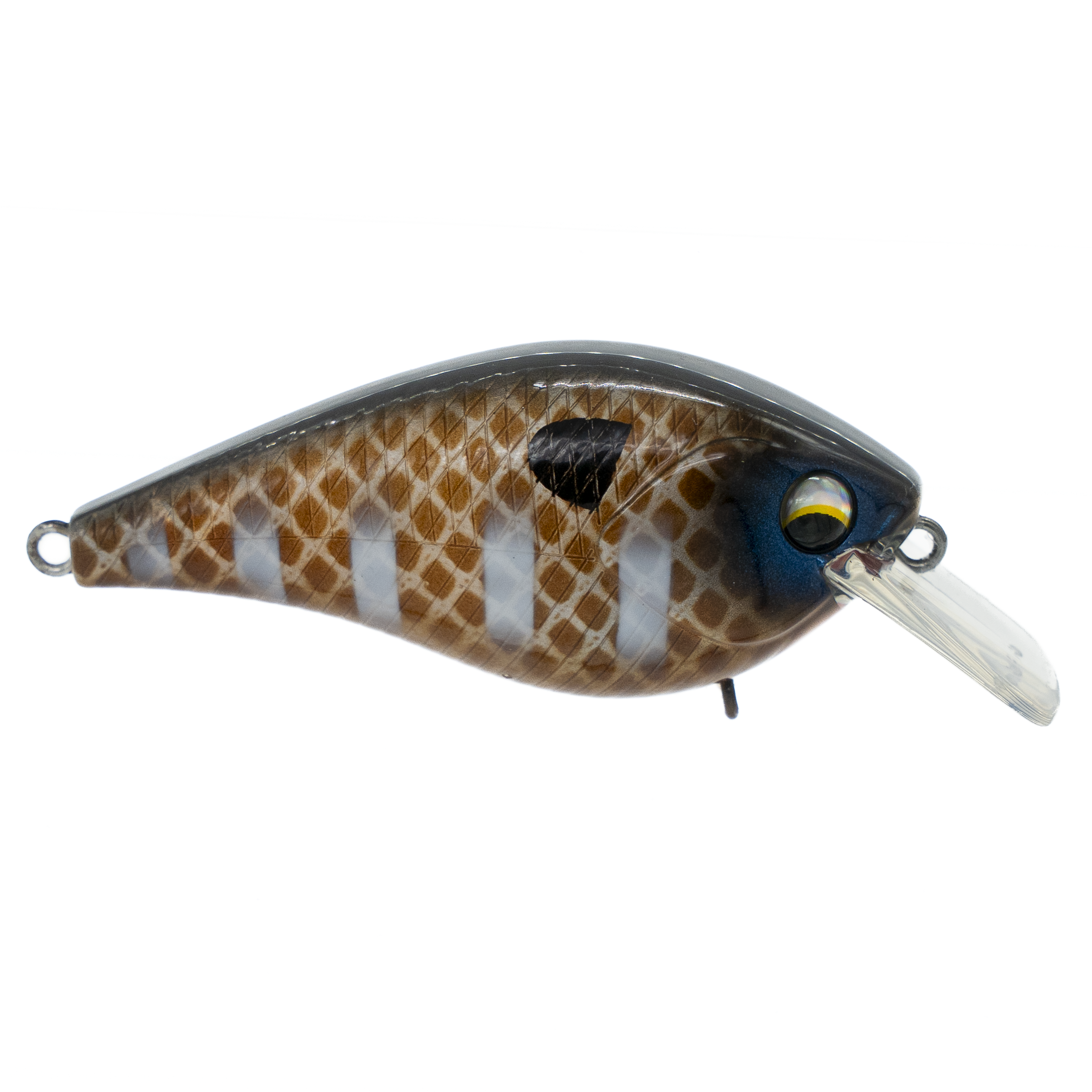
Suspending jerkbaits and finesse plastics on the rock and islands, drop shots and small worms at depth in summer, and moving baits in the coves in autumn. Clear water rewards natural colours and light line. Our full bait lineup covers all four seasons.
Do I need a fishing license?
Yes, an Arkansas fishing license from the Game and Fish Commission. Check current black bass regulations before you go.
Clear Water, Deep Structure
Two hundred feet of clean water means finesse presentations at depth and long casts on light line in the shallows. Level Rods builds spinning models with the sensitivity to detect a drop-shot bite forty feet down and the forgiveness to protect light line when a good smallmouth runs.
Tournament Winning Baits & Gear
Designed, crafted and tested by anglers who fish clear water every week. Free shipping on orders over $75.
Shop All Baits