Lake Okeechobee Bass Fishing Guide
Lake Okeechobee Bass Fishing, Season by Season
Four hundred and fifty thousand acres averaging nine feet deep. The Big O is the largest lake in Florida and the most famous bass water in America, and it works on a logic all its own — the bass here are either spawning or schooling, and the spawn runs for months.
A Shallow Bowl the Size of a County
Okeechobee covers roughly 730 square miles and averages about nine feet deep. That combination is the whole story: it is enormous and it is shallow, ringed by the Herbert Hoover Dike, with a rim canal running most of the way around it for flood control and safe navigation when the main lake turns rough.
There are no ledges here, no current to read, no thermocline. What there is instead is vegetation — Kissimmee grass, bulrushes, maiden cane, eelgrass, hydrilla, hyacinth mats, lily pads and cattails — over hard bottom in some places and muck in others. Fishing Okeechobee means learning to read grass, and specifically learning to read the open pockets and potholes inside it that bass use as ambush points.
A local way of putting it that has stuck with us: Florida bass really only have two phases, spawning and schooling. When they are not spawning, they are schooling. And the spawn on this lake is not an event, it is a season — fish bed from late autumn well into spring, which means there is almost always somewhere on 450,000 acres where they are shallow.
Set your expectations accordingly. On most lakes a five-pounder is a trophy. Here it is a decent starter fish. Local guides define a genuine trophy as eight pounds, and ten is the number that brings people back year after year.
One serious practical note. Low water exposes limestone rock formations, sand bars, an infamous rock reef and sunken barges, and this lake has destroyed a great many lower units. Outside marked channels, idle — particularly around the Monkey Box and the outside grass lines — unless you genuinely know the bottom.
Grass, Mats and Two Phases
Four patterns cover the year. Each one pairs the technique with the baits we'd actually tie on.
Sight Fishing, and the Spawn Won't End
By early March fish are bedding in numbers, and the clearer water in the Monkey Box makes genuine sight fishing possible — which is rare on a lake this stained. The east and west walls and stretches of the rim ditch hold spawners too. The Monkey Box combination of hard bottom and vegetation is why they gather there; Moonshine Bay becomes a major spawning area when water is high.




Punch It, and Be Off the Water by Nine
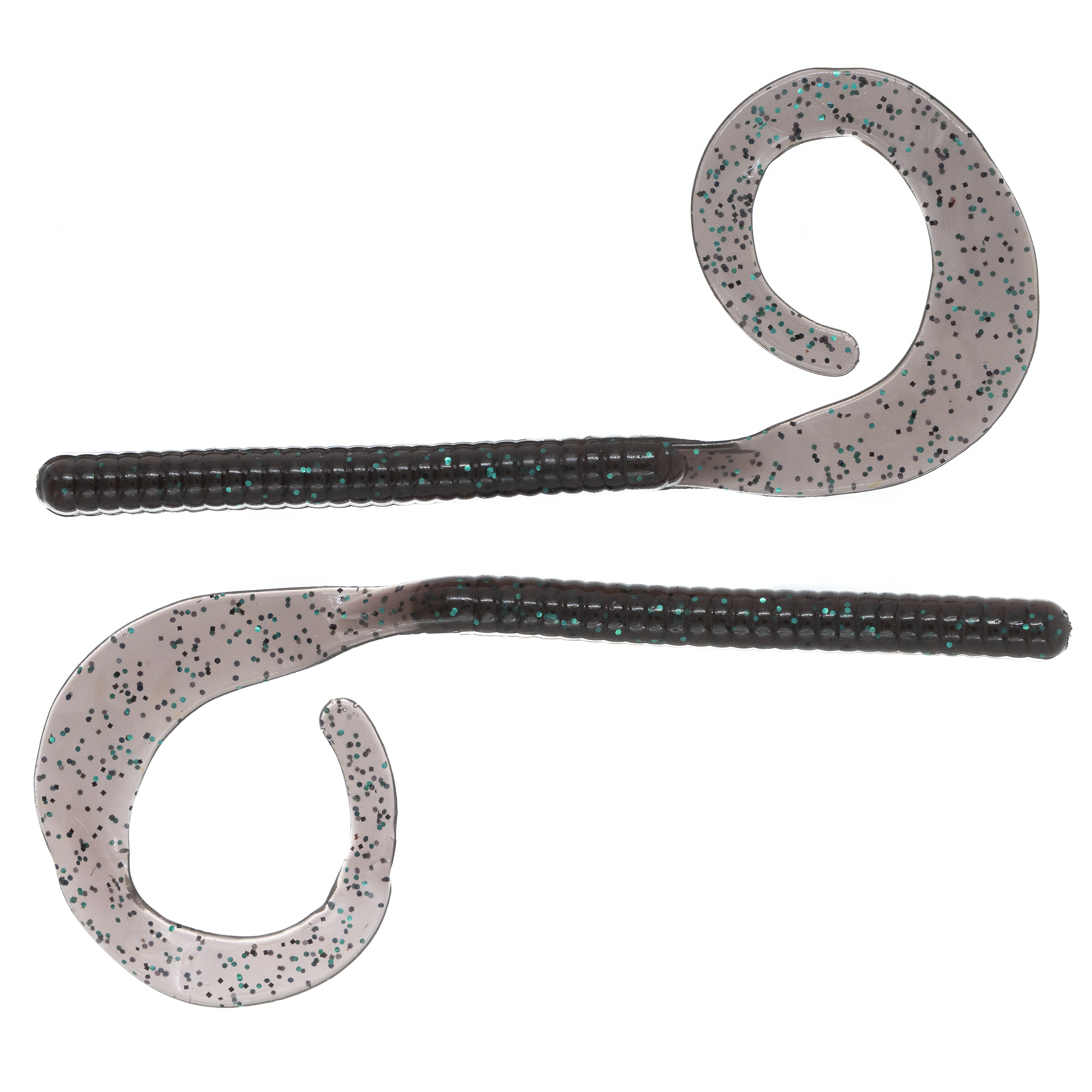
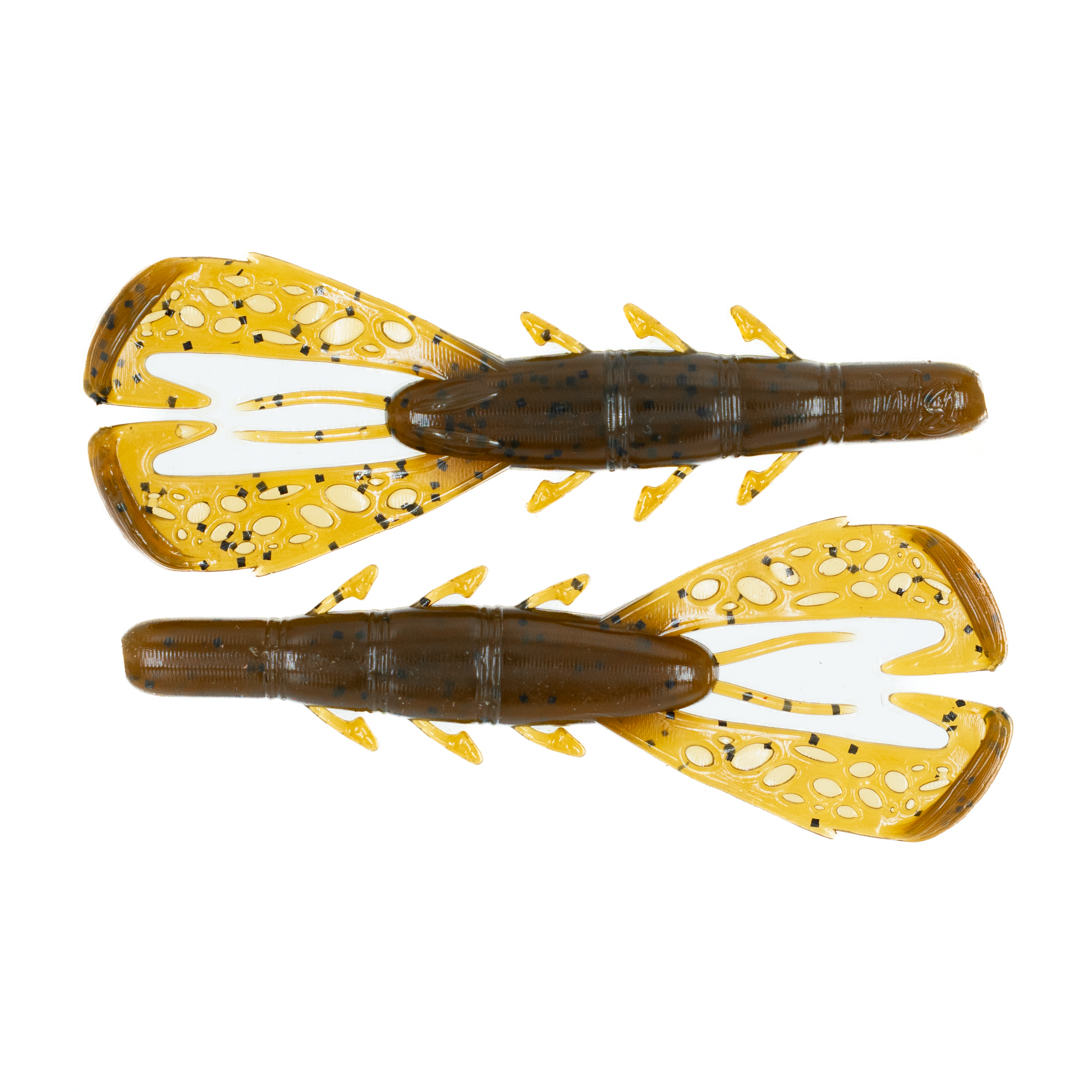
From June the fish get into the heavy stuff and stay there. Matted hyacinth and thick grass hold them through the heat, and the productive window is early — frogs and swim jigs over the mats before nine in the morning, then punching once the sun is up. Florida afternoons bring thunderstorms with real reliability, which is another reason to start at first light.



The Sleeper Season
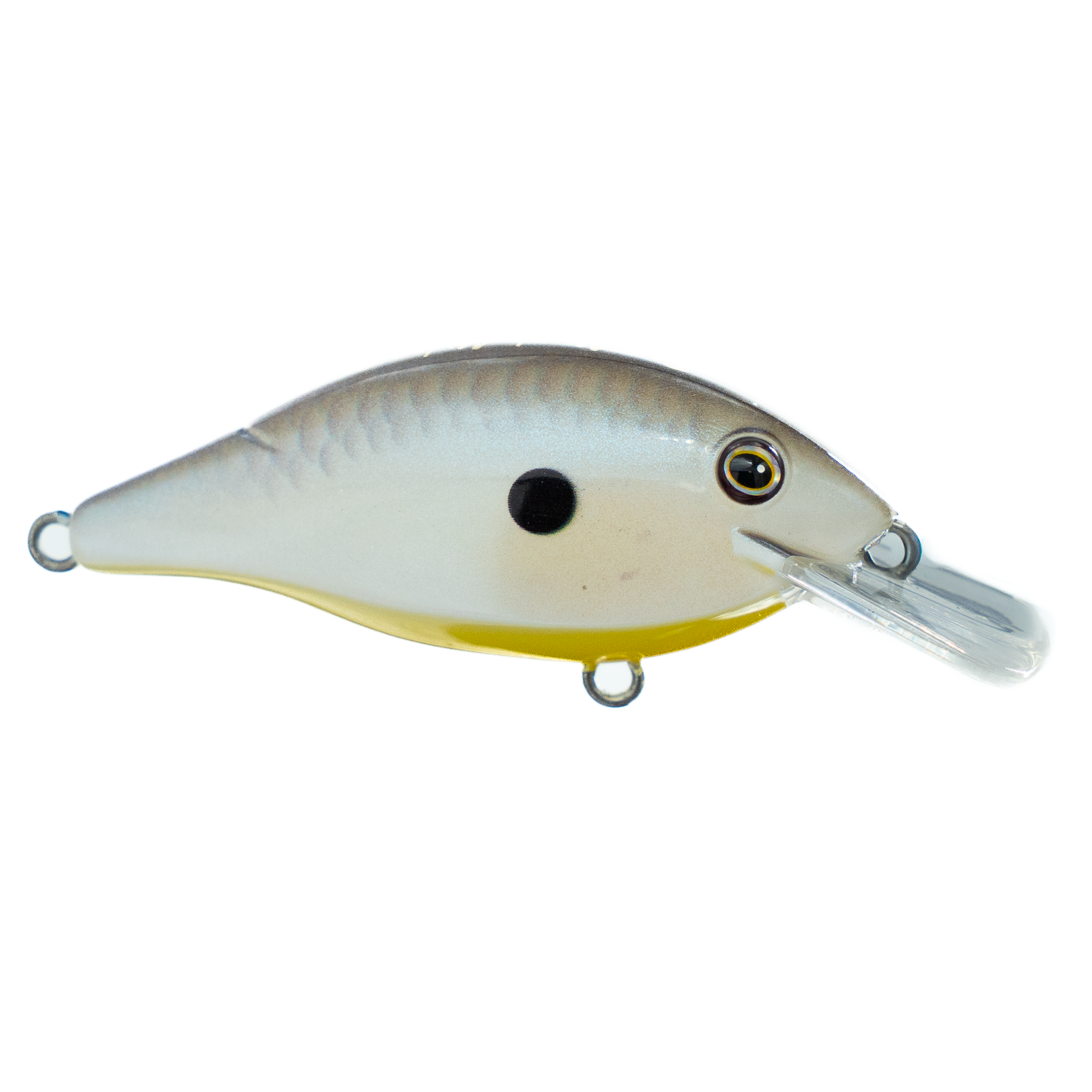
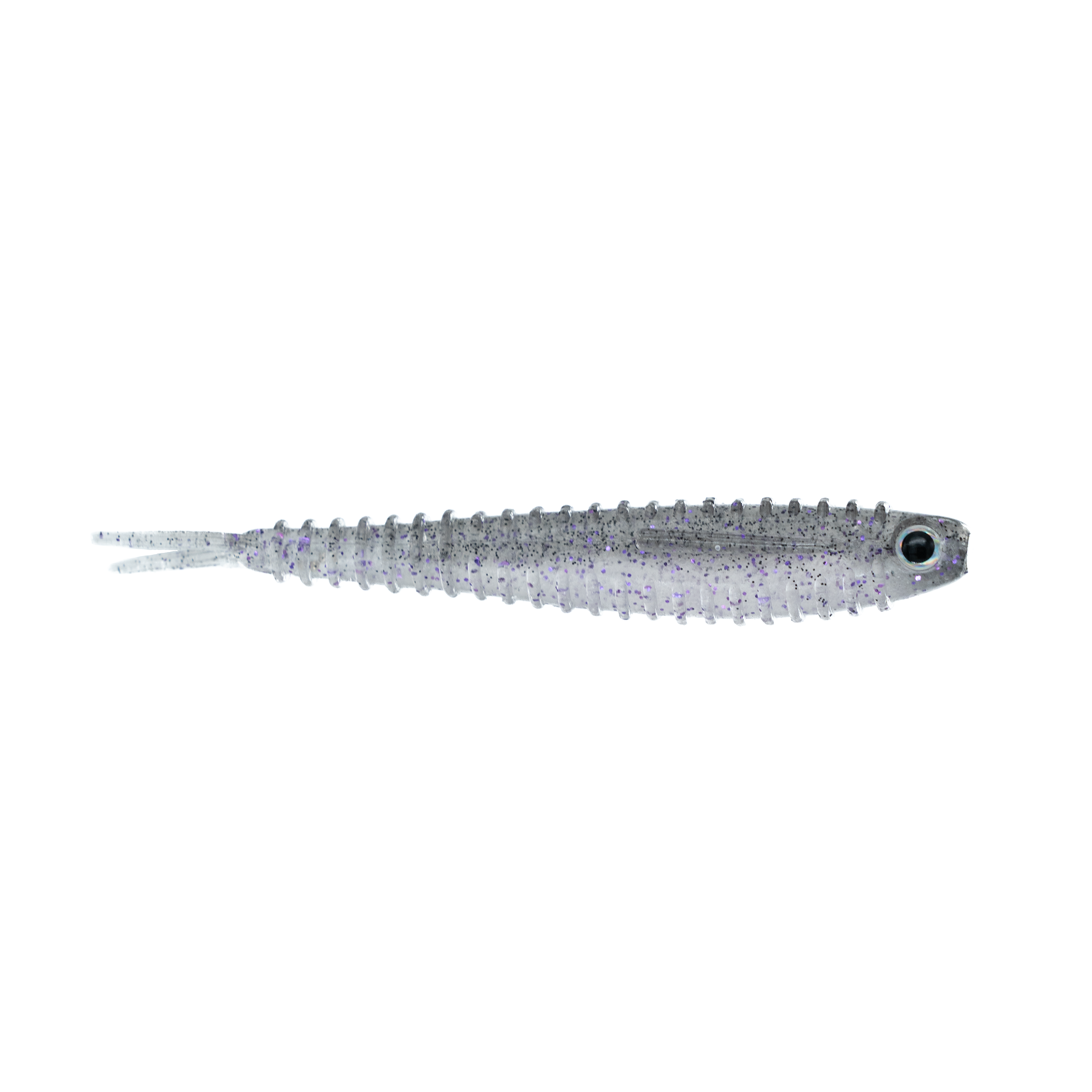
October and November are the months most visiting anglers skip, and locals treat that as a gift. Shad migrate in enormous schools toward the mouth of the Kissimmee River, the bass follow, and thirty to forty fish in an afternoon is a realistic day. The winter crowds have not arrived yet.



Big Females in the Reeds
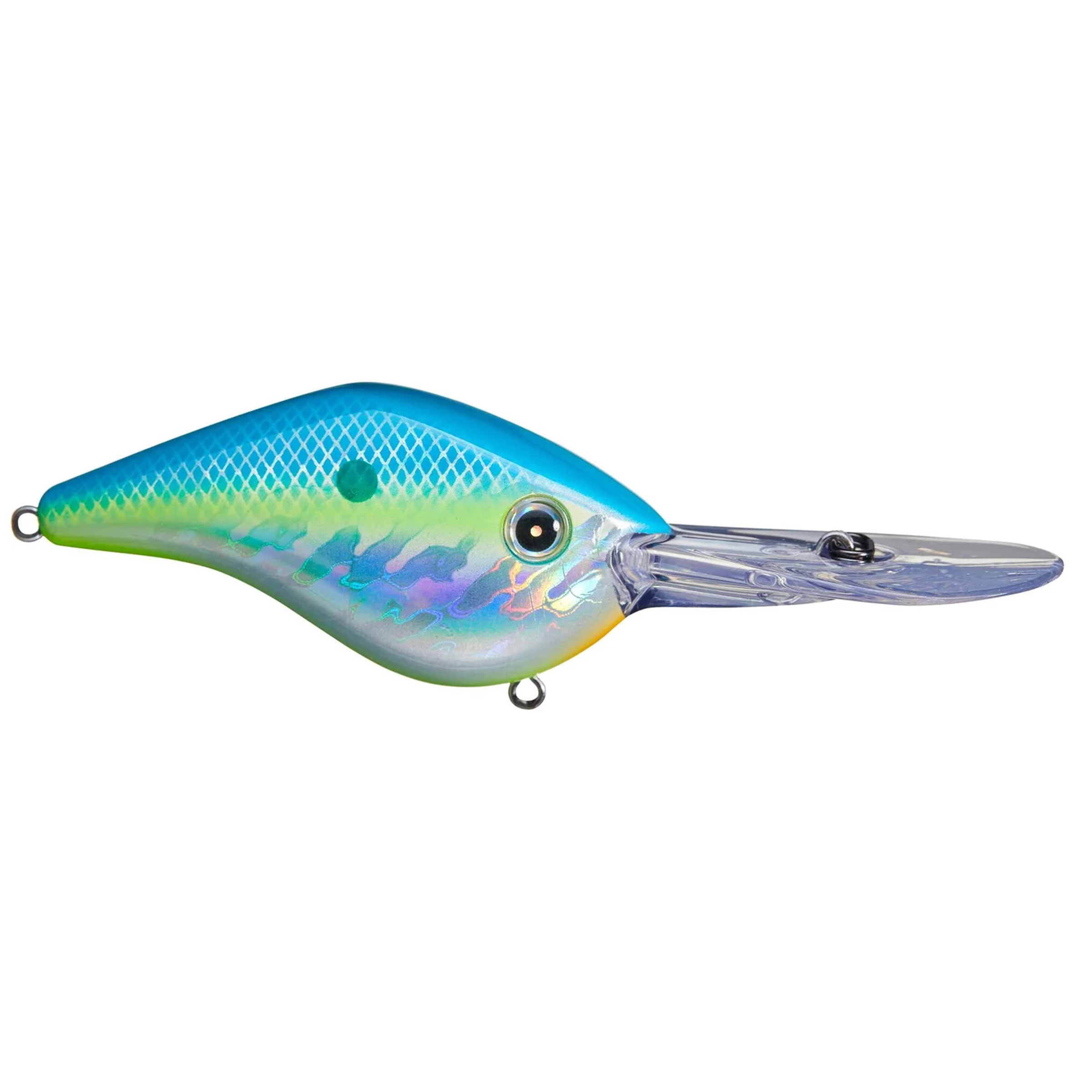
Winter is trophy season, and it is why the lake fills with visitors. Big pre-spawn females move into the reeds, and the Clewiston end tends to fish best. The rim canal is the other winter option — its rocky banks make for genuinely good crankbait water, and it gives you somewhere to fish when wind makes the main lake unmanageable.


Lake Okeechobee Access
Ramps ring the lake. C. Scott Driver Park on the Kissimmee River, Harney Pond Canal for the Monkey Box, Indian Prairie Canal off FL-78, and Clewiston for the south end.
The Monkey Box
On the west side near where the westward canals enter, fed by Fisheating Creek and the Harney Canal. Named for a navigational beacon that once sat in a wooden box on a marker pole and looked like a monkey's head; the marker is long gone and the name stuck. Miles of bulrush and maiden cane over hard bottom, and the premier spawning area on the lake.
South Bay
East of Clewiston through Lake Harbor to Belle Glade. Vast open fields of vegetation with pockets and potholes throughout, and the best area on the lake for a first-time visitor to make sense of.
North Shore & the Kissimmee Mouth
From the Monkey Box up to the Kissimmee River. Water generally runs cleaner here than elsewhere, with weeds and cattails for cover, and it is where the fall shad migration concentrates.
Lake Okeechobee Bass Fishing FAQ
How deep is Lake Okeechobee?
About nine feet on average, across 450,000 acres. It is essentially an enormous shallow bowl. There is no thermocline, no ledge fishing and no meaningful current — the entire game is vegetation and how bass relate to it.
When do bass spawn on Lake Okeechobee?
Over several months rather than in a single window. Fish bed from late autumn well into spring, which means at almost any point in that period there are bass shallow somewhere on the lake. Early March is when it peaks and when sight fishing decides tournaments.
What is the Monkey Box?
An area on the west side of the lake near where the westward canals come in, named for a navigational beacon housed in a wooden box on an old marker pole that resembled a monkey's head. The marker is gone; the name is not. It combines hard bottom with miles of bulrush and maiden cane, which makes it the lake's premier spawning area.
What size bass is a trophy on Okeechobee?
Higher than you are used to. A five-pounder is a solid starter fish here. Local guides define a real trophy as eight pounds, and ten pounds is the milestone anglers return year after year chasing.
When is the best time to fish Lake Okeechobee?
Winter and early spring for size — big pre-spawn females in the reeds, then bedding fish in March. But autumn is the underrated one: the shad migrate toward the Kissimmee River mouth in October and November, the bass follow, and you can catch thirty or forty in an afternoon with almost nobody else on the water.
Is Lake Okeechobee dangerous to navigate?
Yes, and it deserves respect. Low water exposes limestone rock, sand bars, a well-known rock reef and sunken barges, and the lake has wrecked a great many lower units. Outside marked channels, idle — especially around the Monkey Box and the outside grass lines. The rim canal exists partly as a safe route when the main lake gets rough.
What baits work best on Lake Okeechobee?
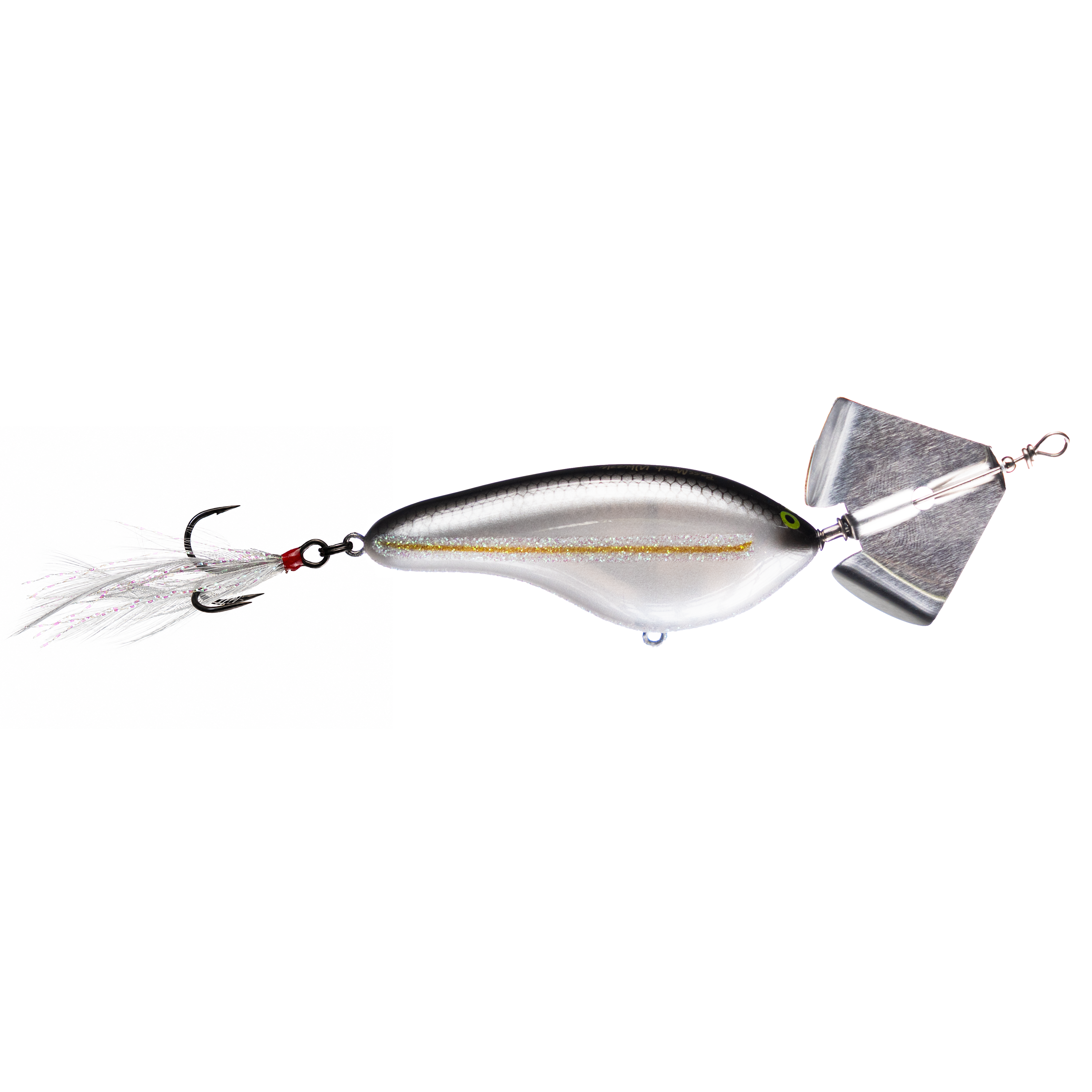
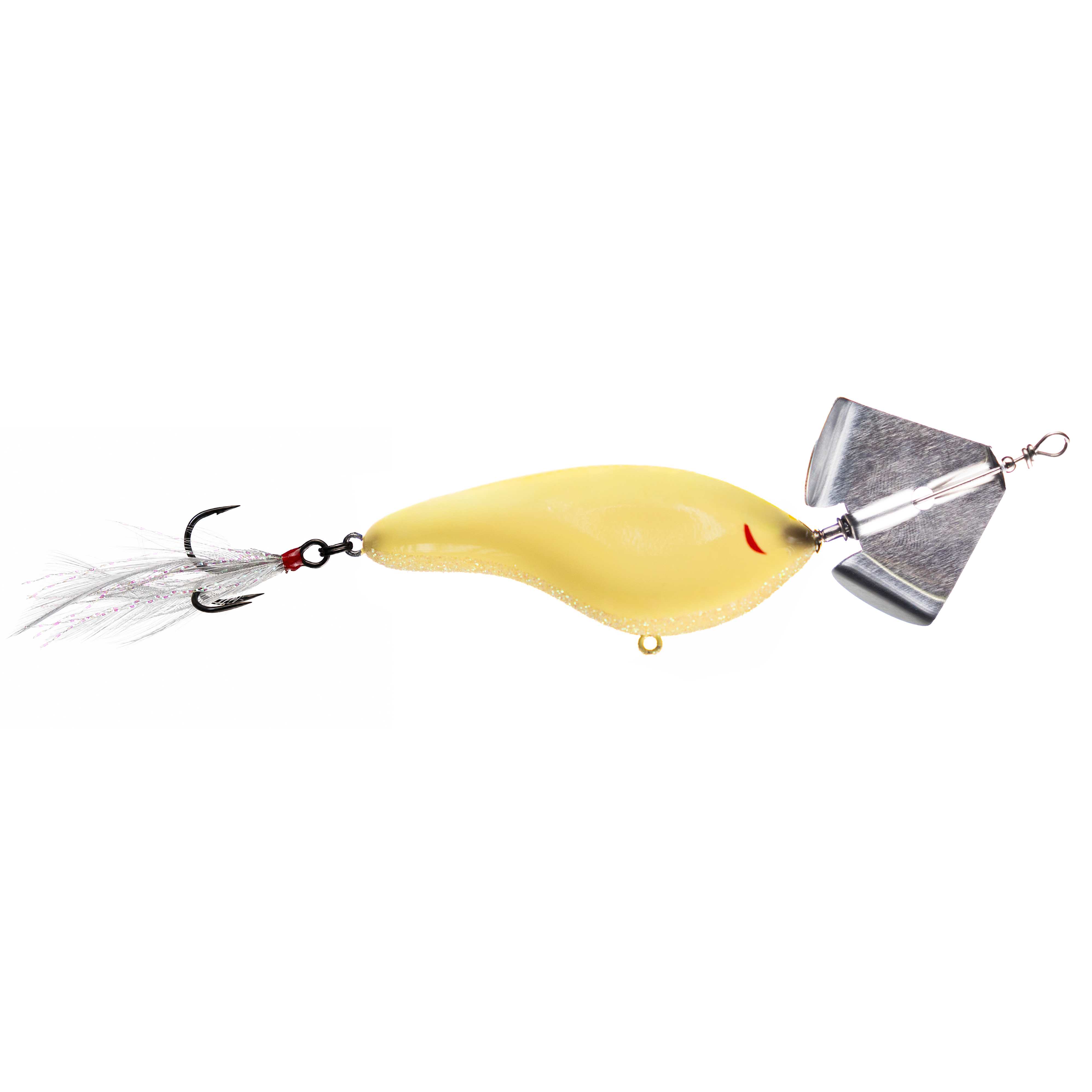
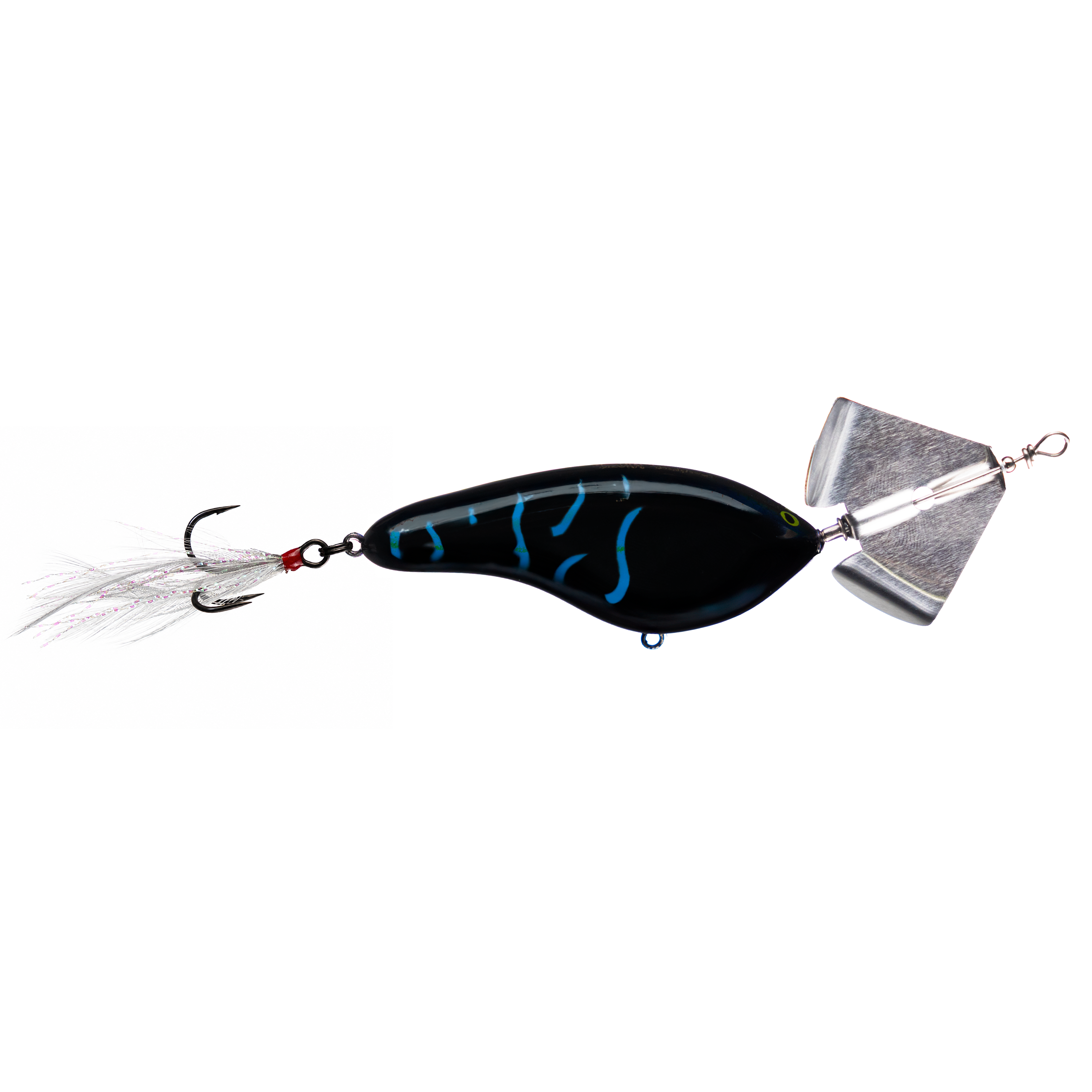
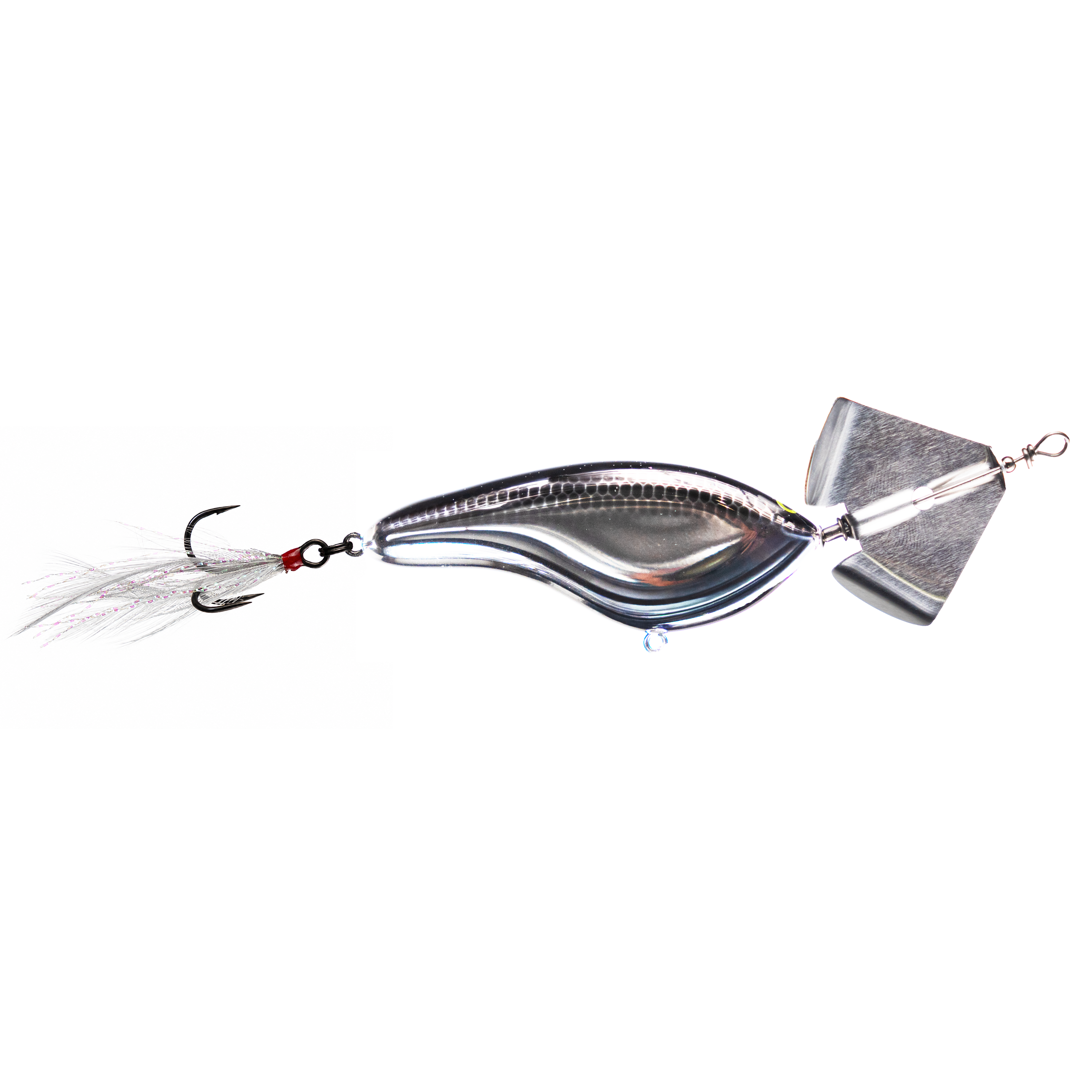
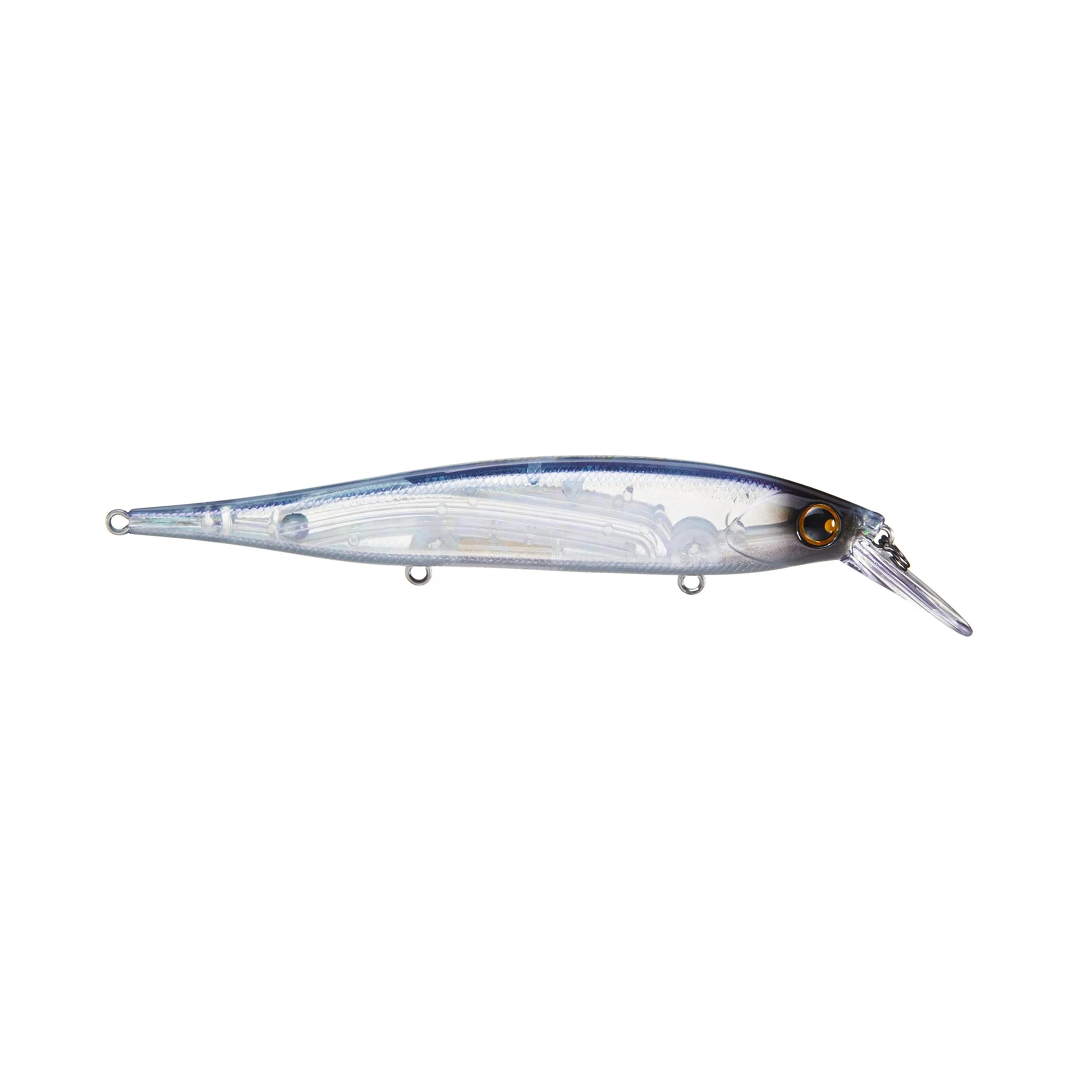
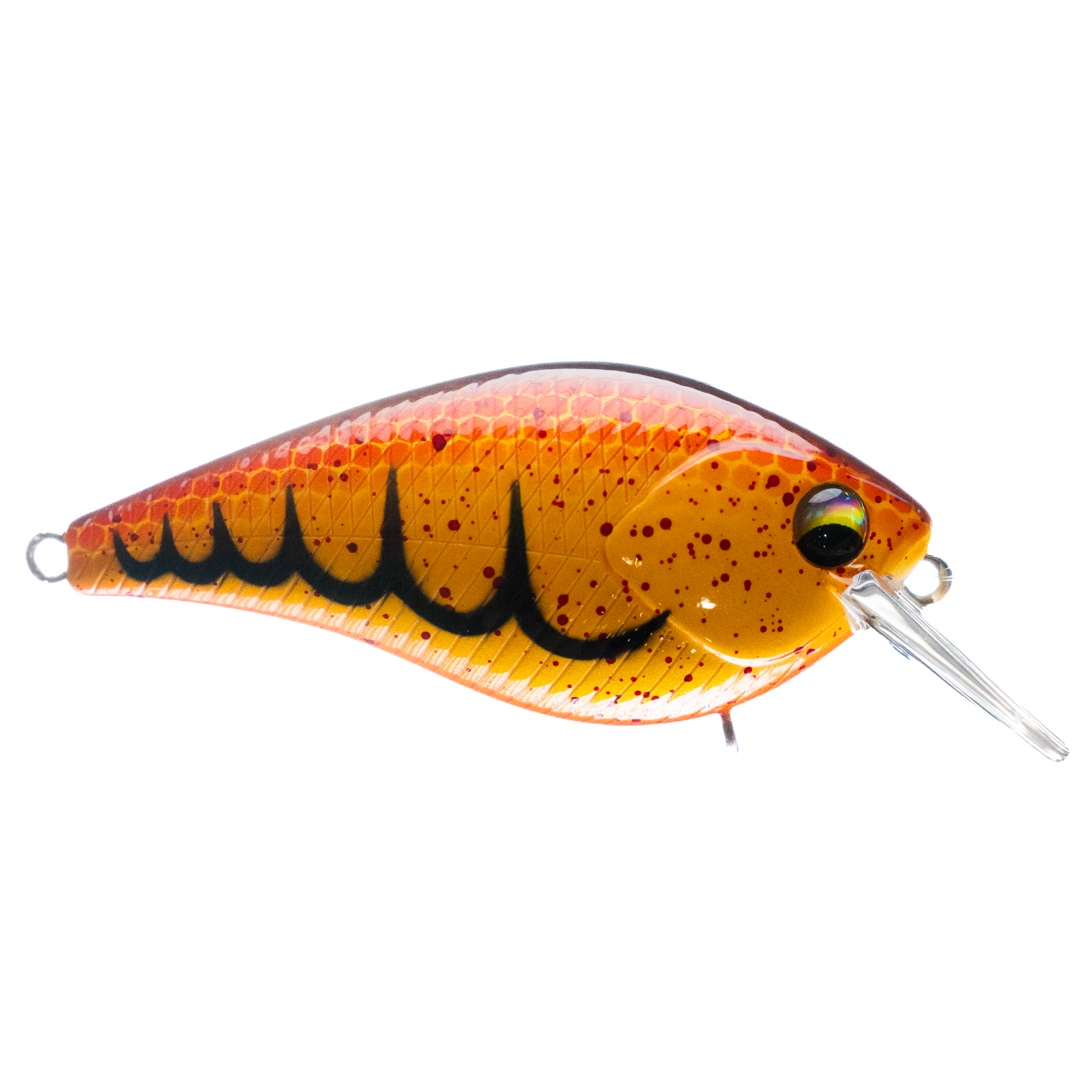
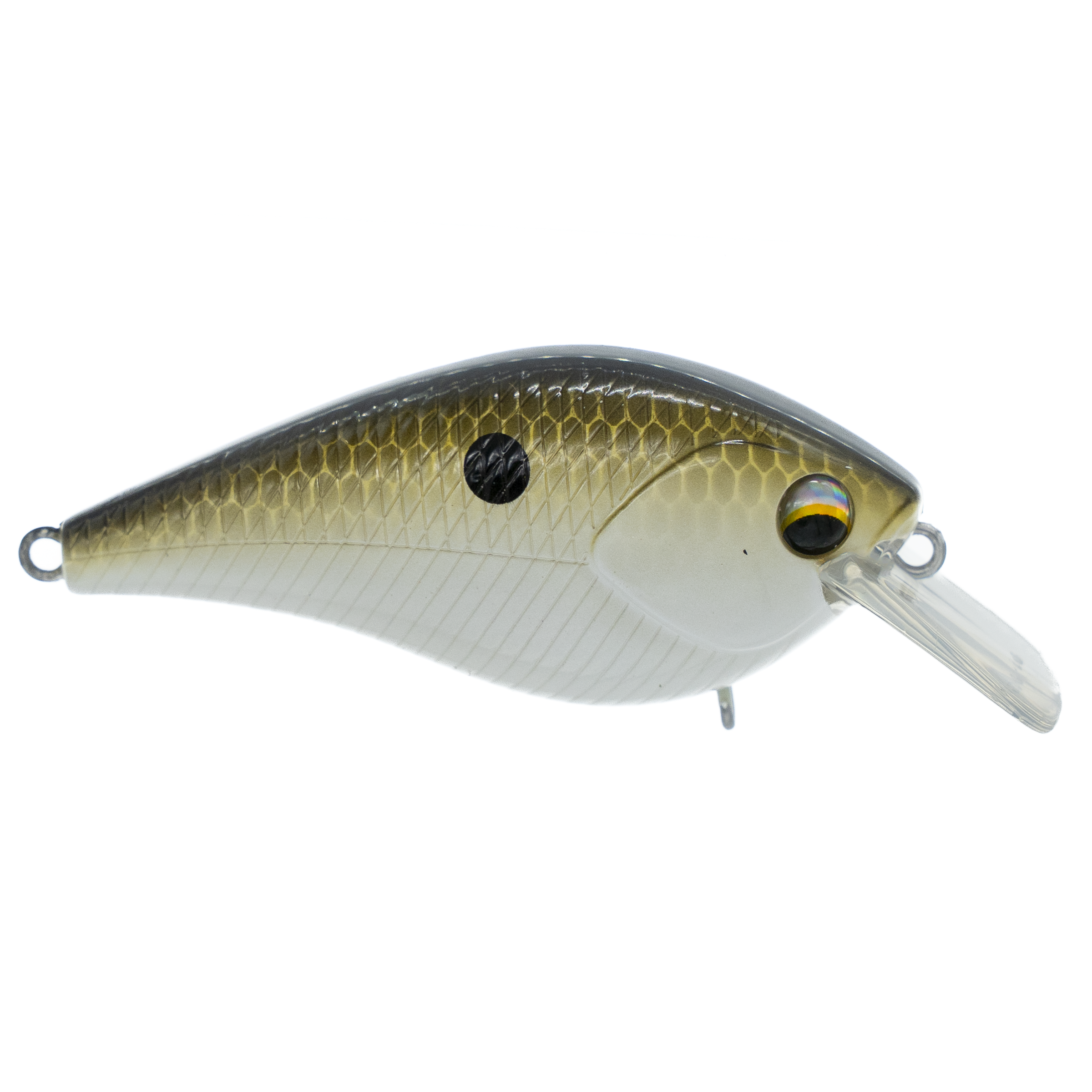
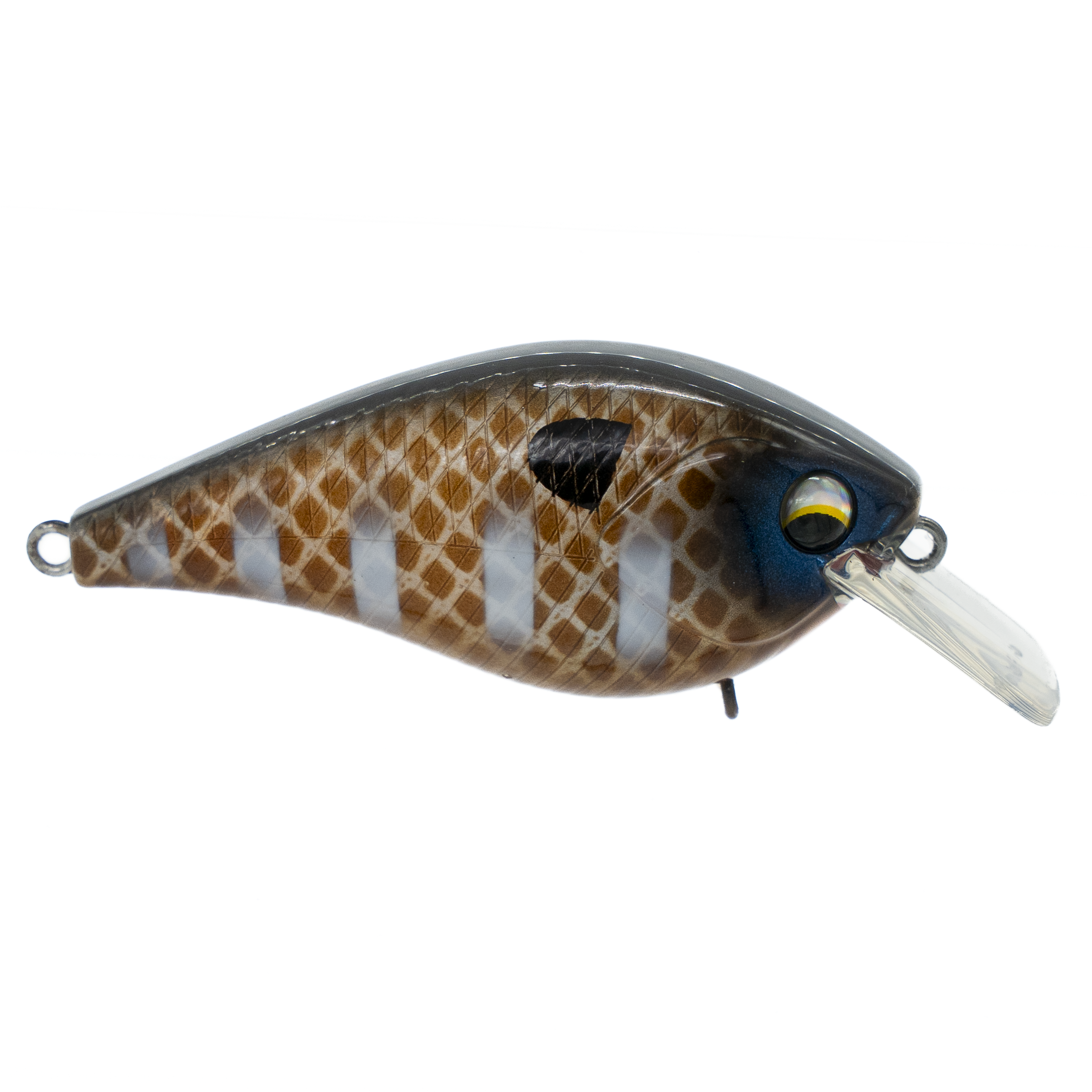
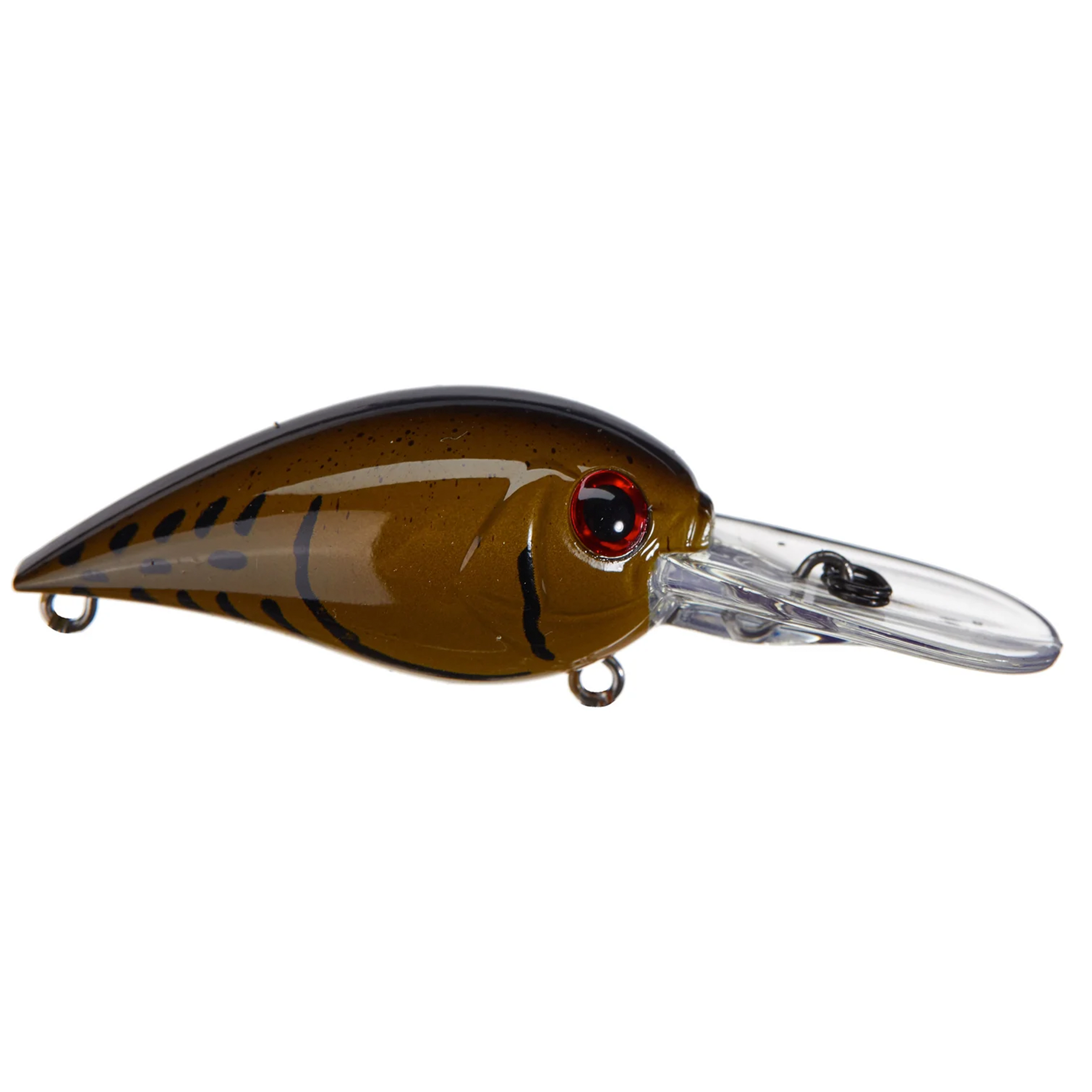
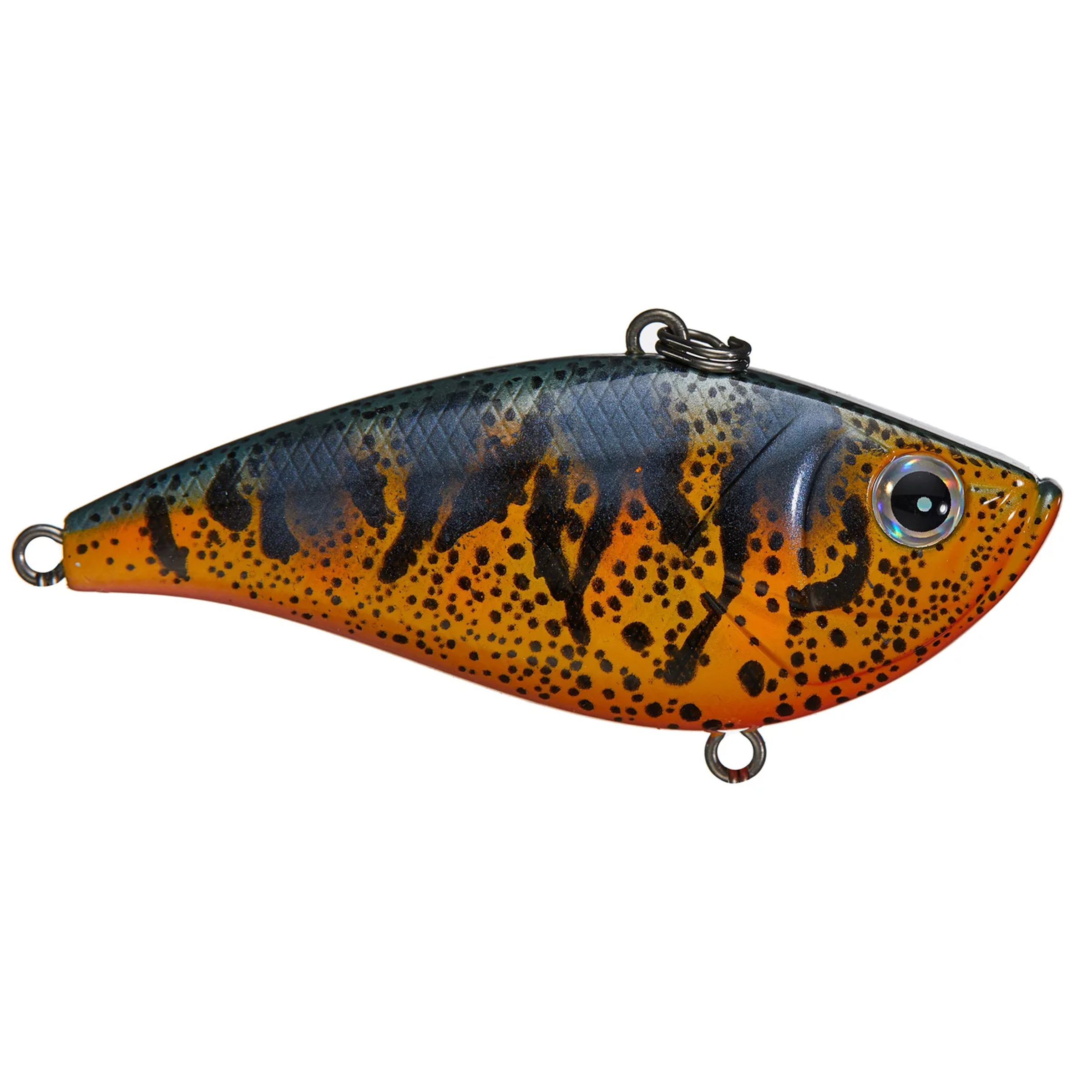
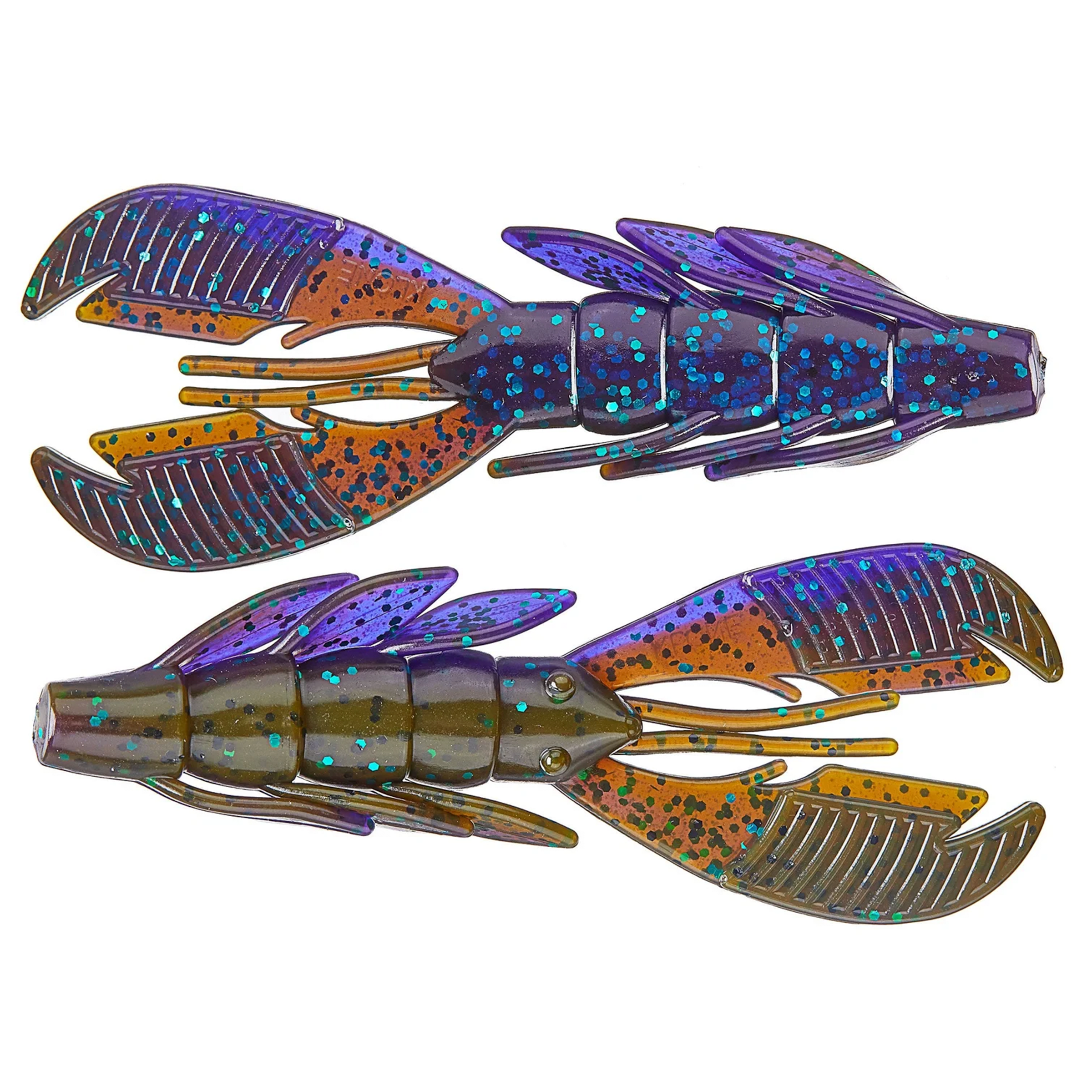
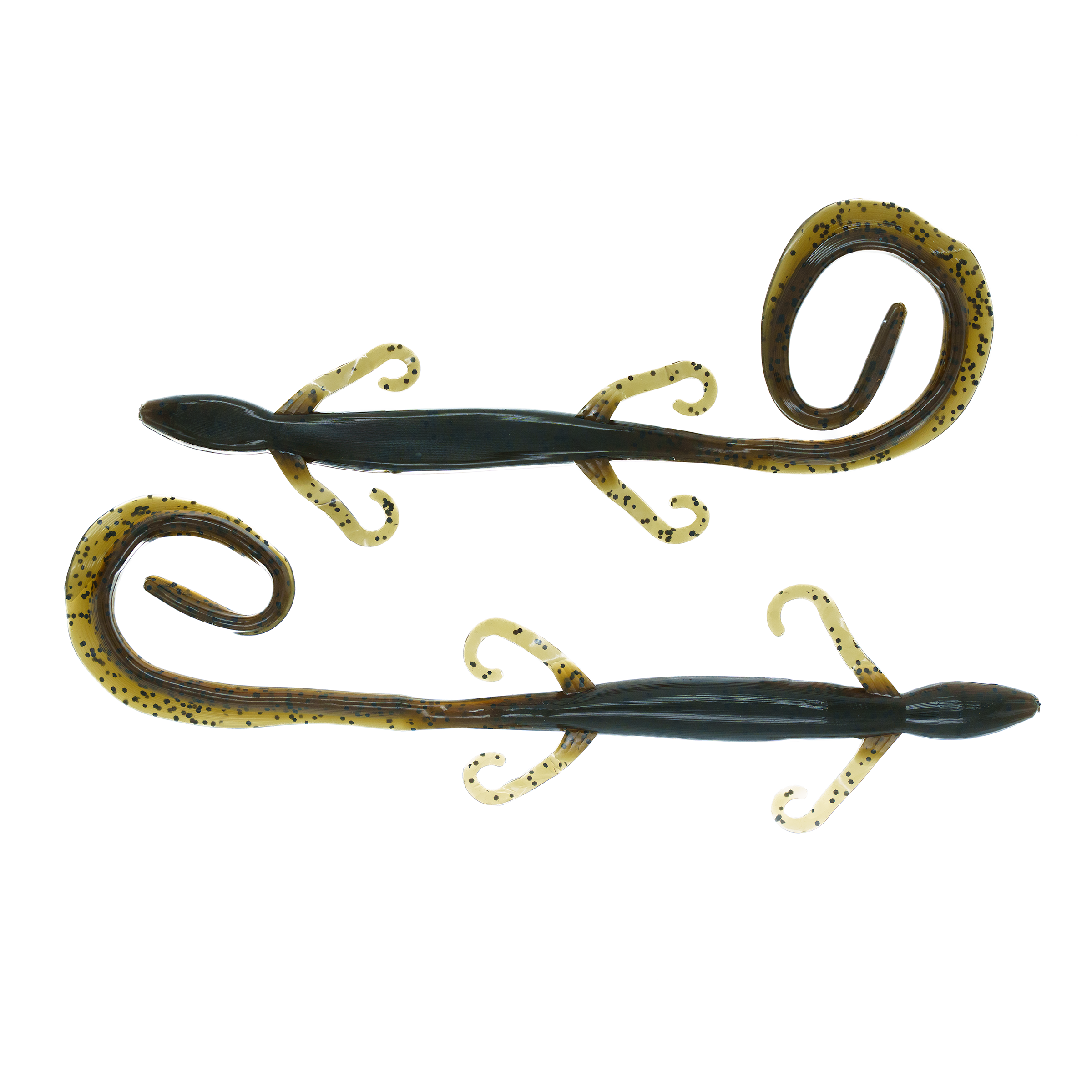
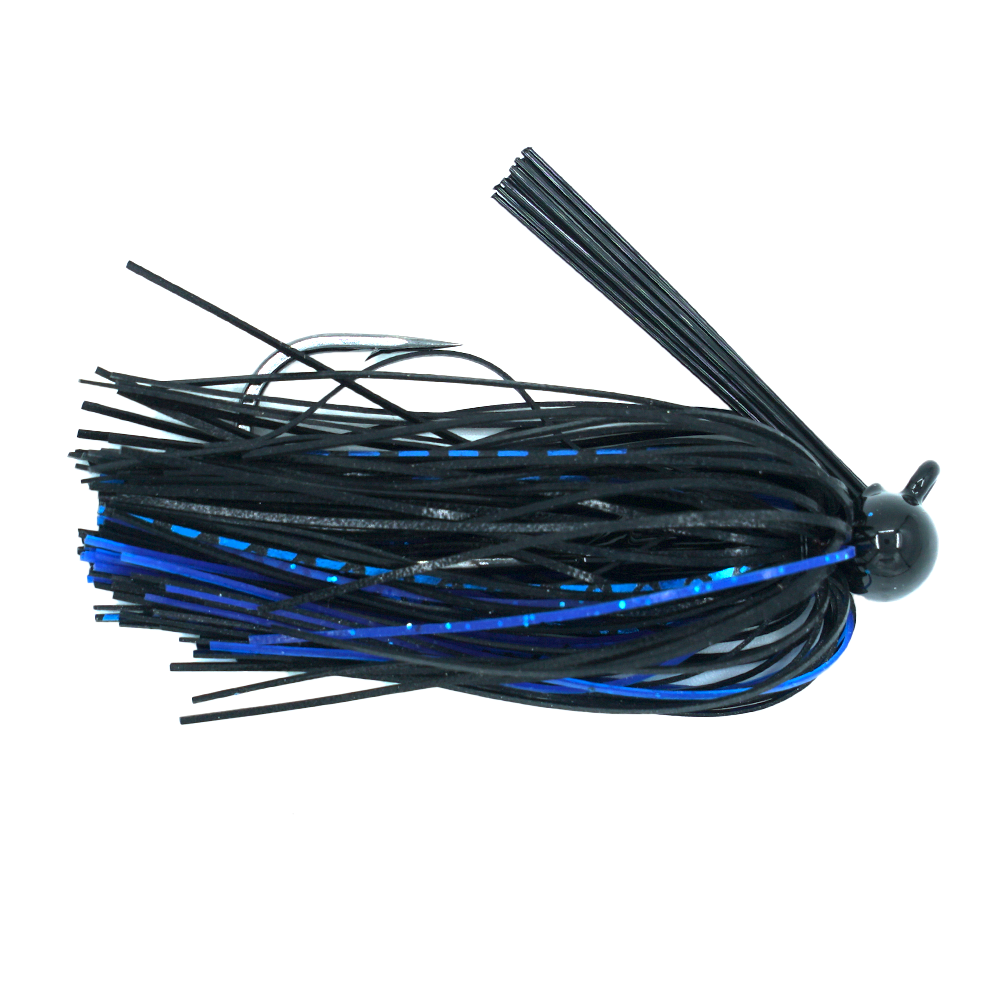
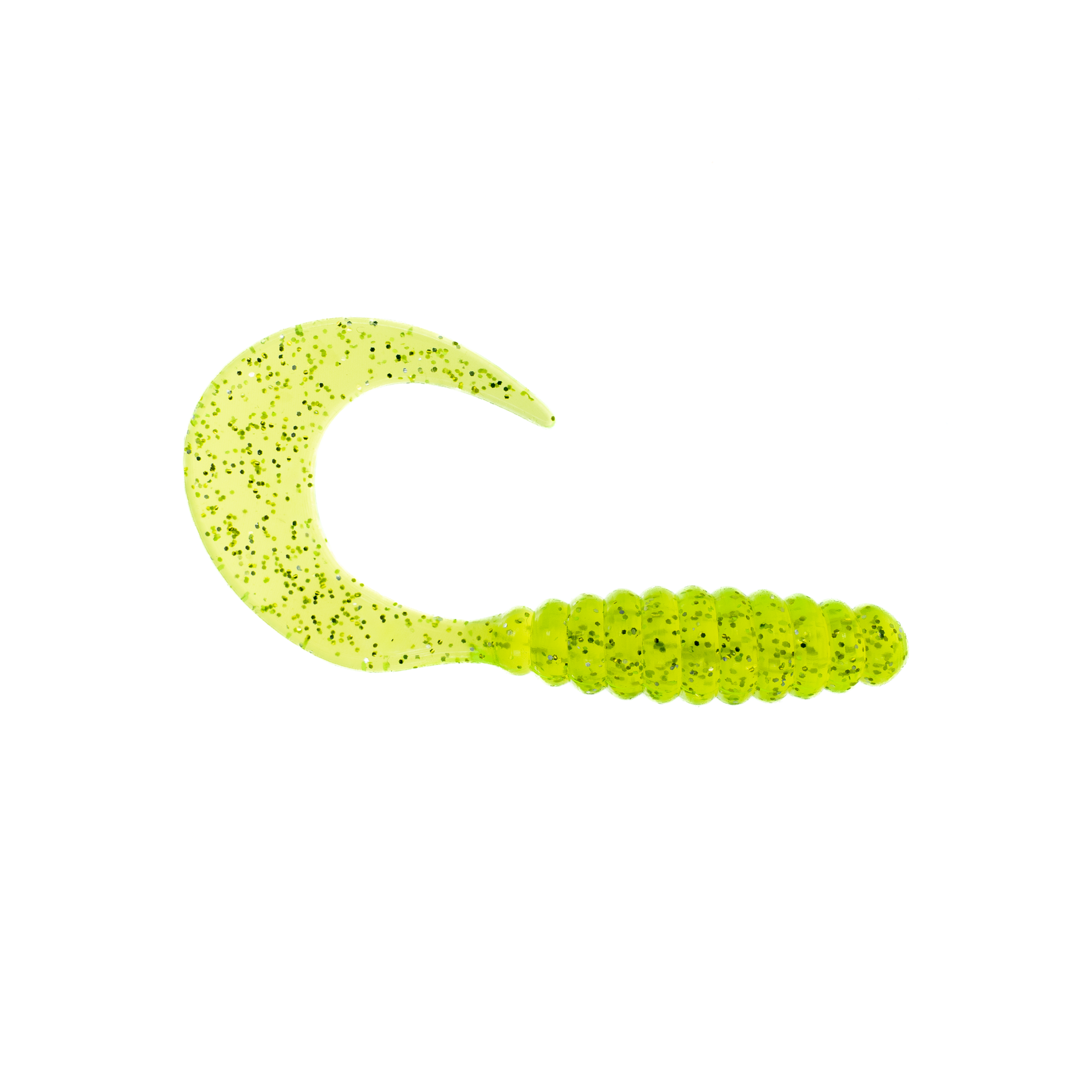
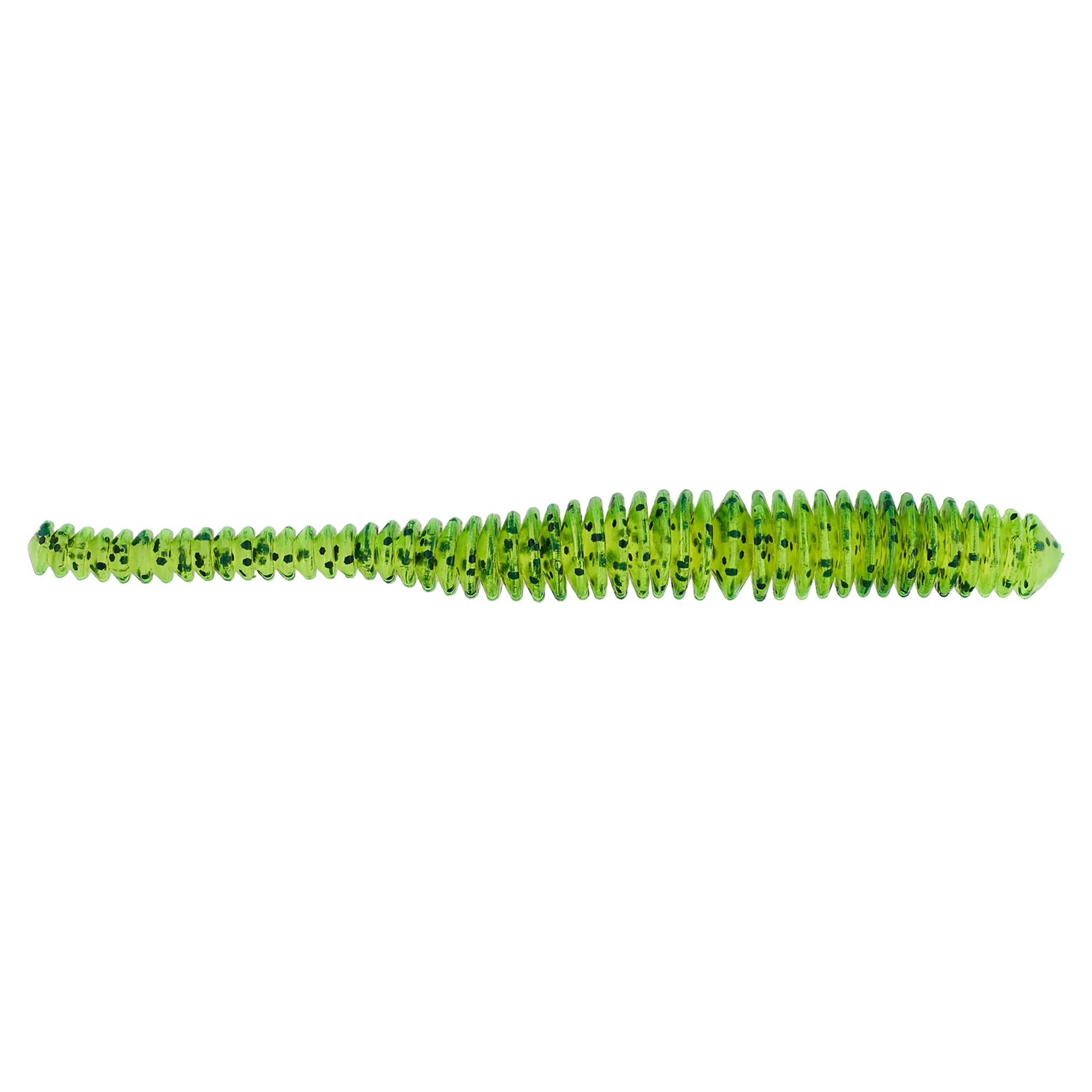
Soft plastics around vegetation are the all-round answer. Spring is flipping and sight fishing. Summer is punching mats with a heavy tungsten weight and frogs over the tops early. Fall is swimbaits and lipless crankbaits on migrating shad. Winter is flipping reeds for big females and cranking the rim canal rock. Our full bait lineup covers all four.
Do I need a fishing license for Lake Okeechobee?
Yes. A Florida freshwater fishing license is required for anglers 16 and older, available through the Florida Fish and Wildlife Conservation Commission, with short-term options for visitors. FWC does check.
Heavy Cover, Heavier Rods
Driving an ounce of tungsten through a matted hyacinth field and then pulling an eight-pounder up through it is about the most a bass rod ever gets asked to do. Level Rods builds heavy models with the power to move a fish immediately and the durability to do it a hundred times a day without complaint.
Tournament Winning Baits & Gear
Designed, crafted and tested by anglers who fish heavy cover every week. Free shipping on orders over $75.
Shop All Baits