Lake of the Ozarks Bass Fishing Guide
Lake of the Ozarks Bass Fishing, Season by Season
Fifty-four thousand acres and eleven hundred and fifty miles of shoreline, most of it lined with docks. Lake of the Ozarks is Missouri's largest lake and a dock-filled bass factory — skipping is not one technique here, it is the technique.
A Dock-Filled Bass Factory
Lake of the Ozarks impounds the Osage River in central Missouri, covering roughly 54,000 acres with about eleven hundred and fifty miles of shoreline. It is the largest lake in the state and its shape — long, winding and branching, described locally as dragon-shaped — is why the shoreline figure is so extraordinary for the acreage.
Nearly all of that shoreline is developed, and the practical consequence is docks. Thousands of them. The lake is described as a dock-filled bass factory, and skipping baits under and around dock structure is the defining technique rather than one option among several.
Brush piles are the other half. Property owners sink brush around their docks, which creates permanent fish-holding cover that does not shift or grow over. Learning which docks have brush under them is most of the local knowledge on this lake.
Species-wise it holds lunker largemouth alongside a genuinely healthy spotted bass population, which is what makes it a strong tournament venue — the spots provide the numbers and the largemouth provide the weight. The lake has a nationally recognised tournament scene as a result.
It is also a serious recreational destination, and summer weekend traffic on a lake this developed is heavy. Early morning, evening and midweek are meaningfully different experiences, and the branching shape means you can usually find a quieter arm.
Missouri sets black bass length and creel limits by water, and many Ozark lakes and streams carry special regulations that differ from the statewide rule. Check the current Department of Conservation summary for this water before you go.
Docks, Brush and Eleven Hundred Miles
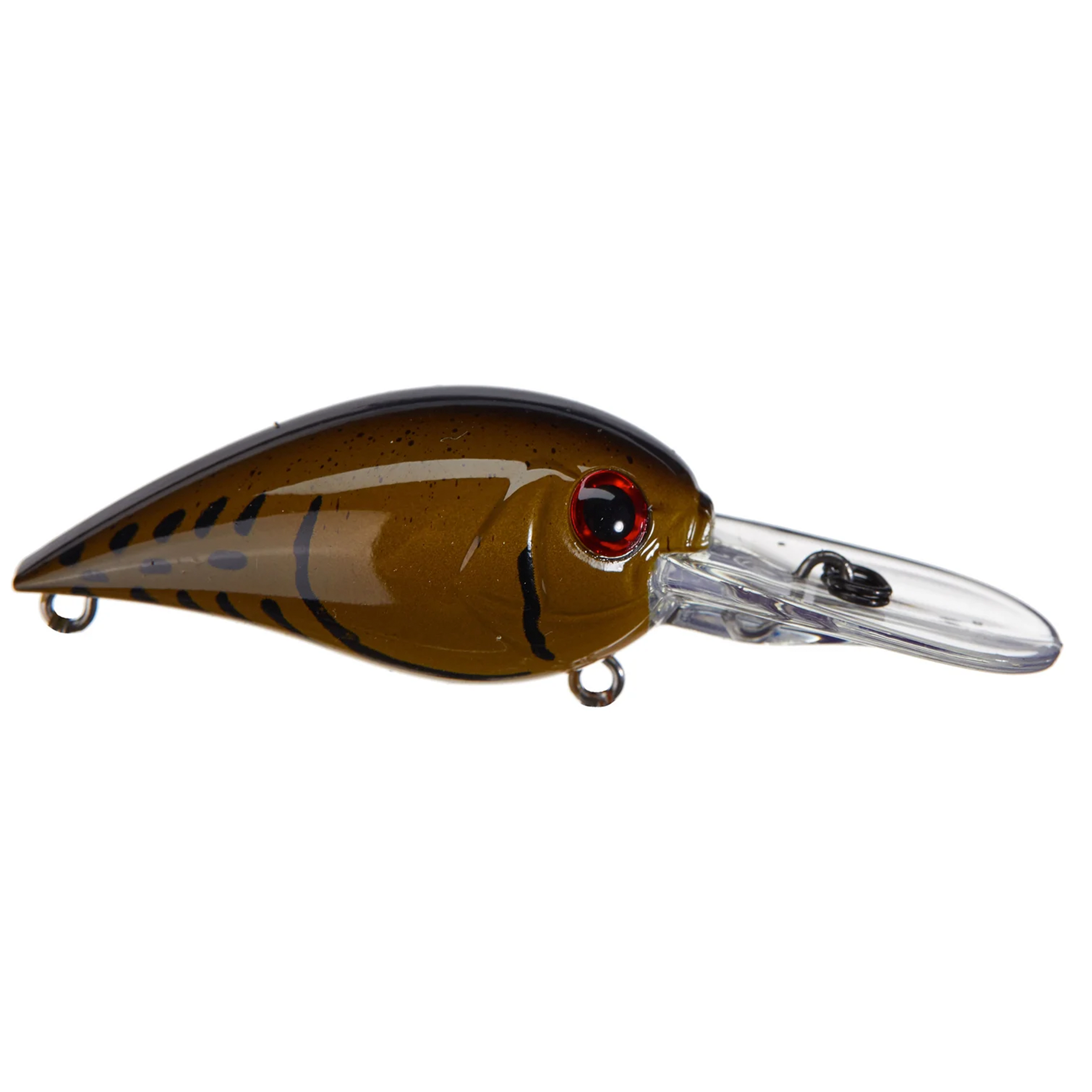
Four patterns cover the year. Each one pairs the technique with the baits we'd actually tie on.
Docks in the Spawning Pockets
Spring pushes fish into the creek arms and the backs of the coves, and on a lake this developed that means docks in the spawning pockets. Prespawn fish stage on the docks and points outside them, then move up. The upper arms warm before the main lake.


Shade, Brush and Early Starts
Summer makes the docks valuable as shade as much as cover, and puts serious recreational traffic on the water. Deeper brush piles and channel-adjacent docks hold fish through the day. This is a lake where being on the water at dawn genuinely matters.

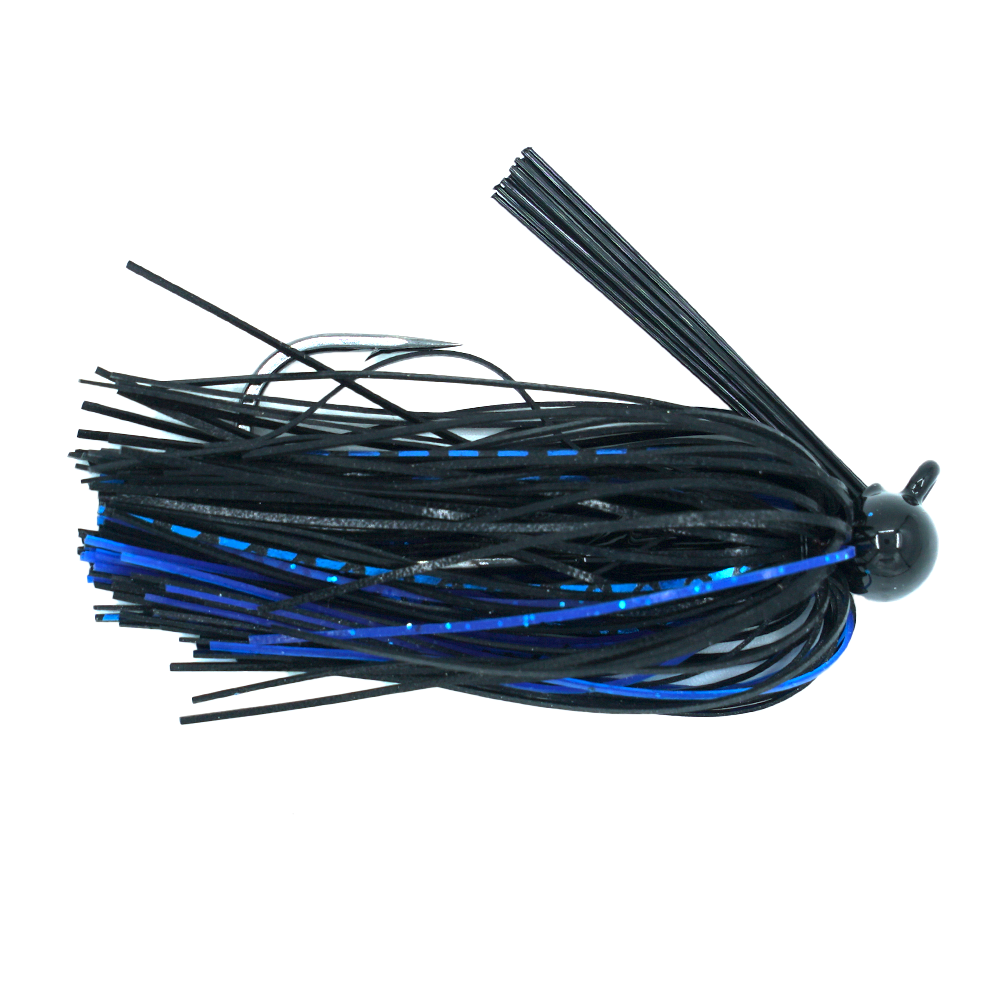
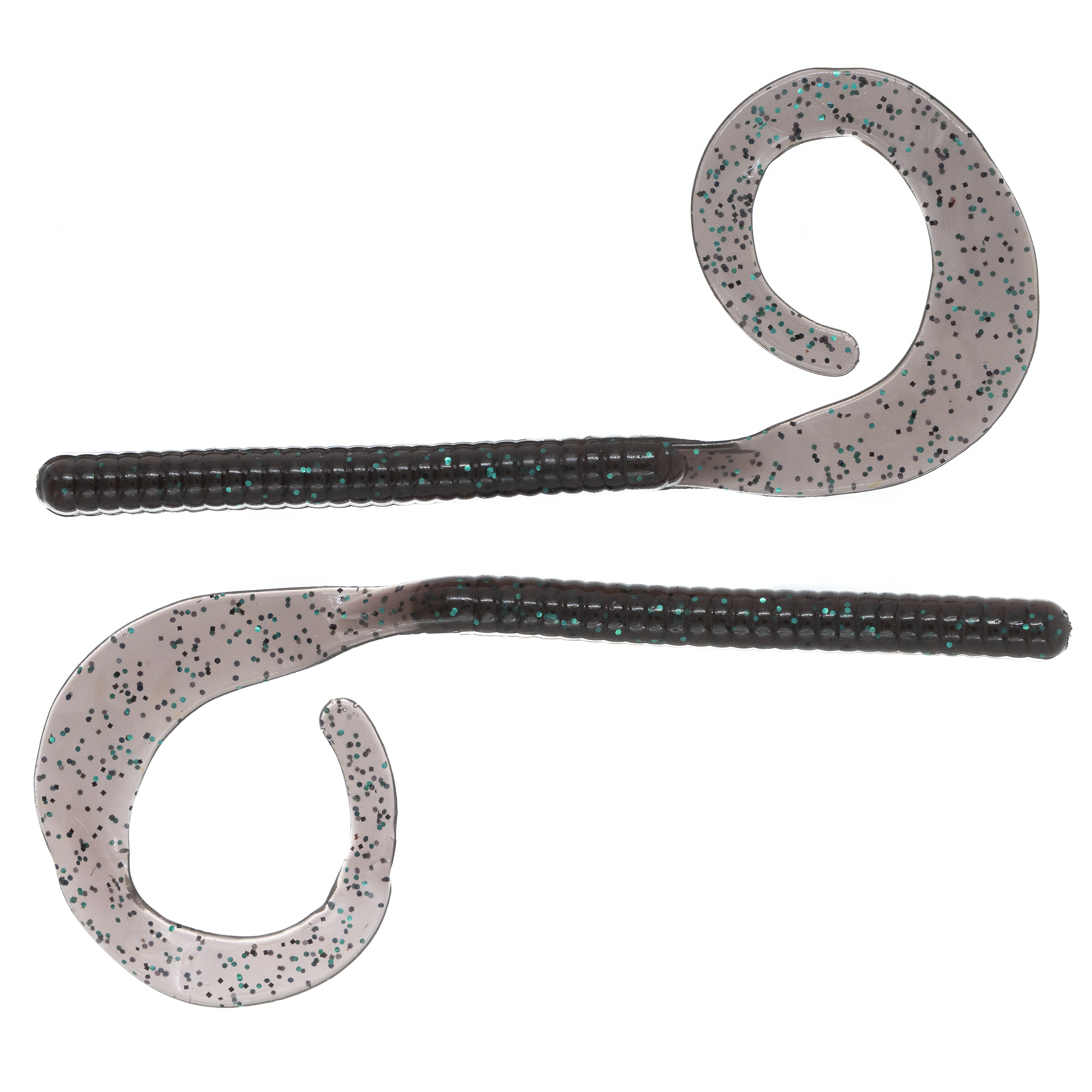
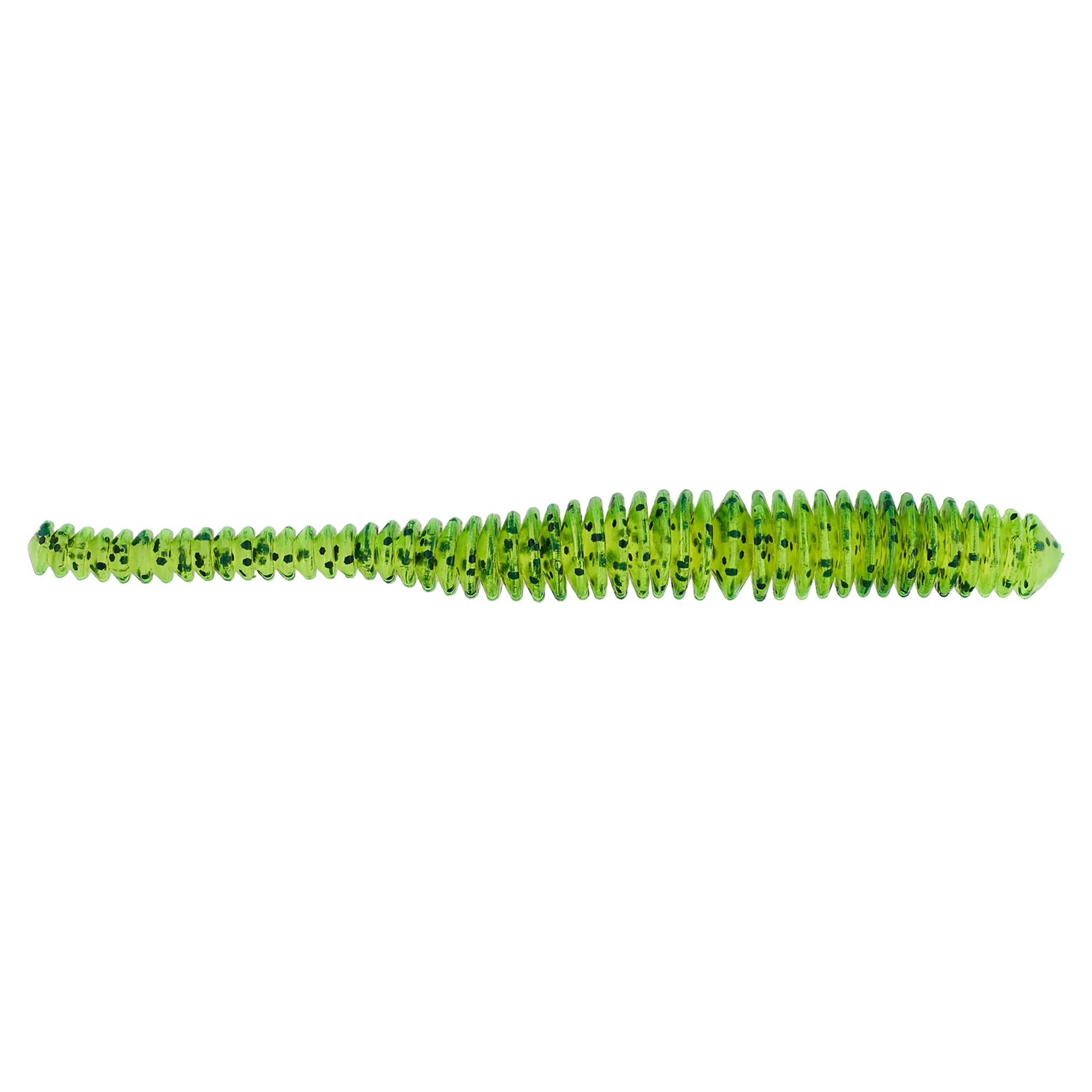

Bait Into the Arms
Autumn moves shad into the creek arms and the coves and the bass follow, and the summer traffic disappears. Both largemouth and spotted bass become catchable on moving baits along the dock lines, which makes this the most forgiving fishing of the year.
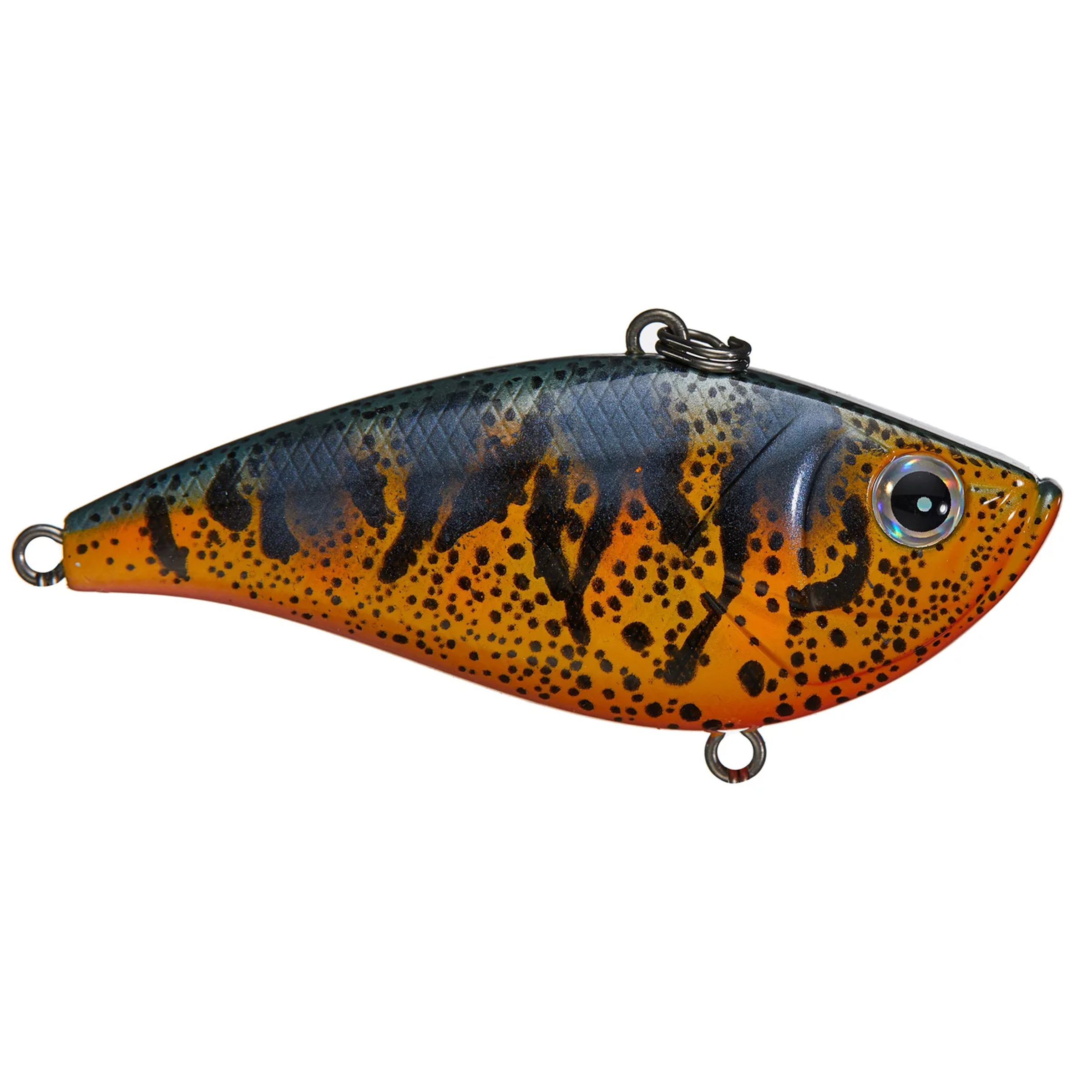
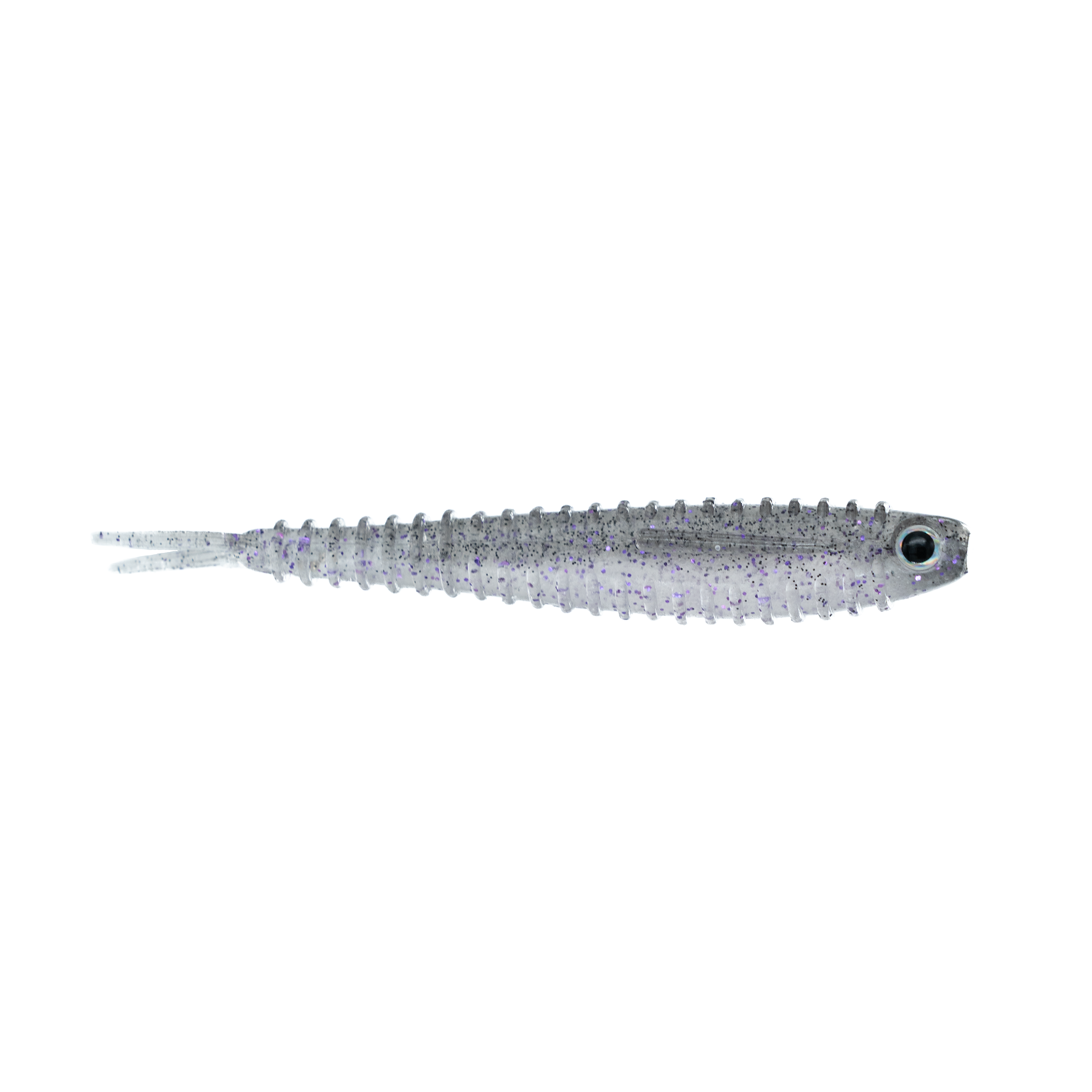
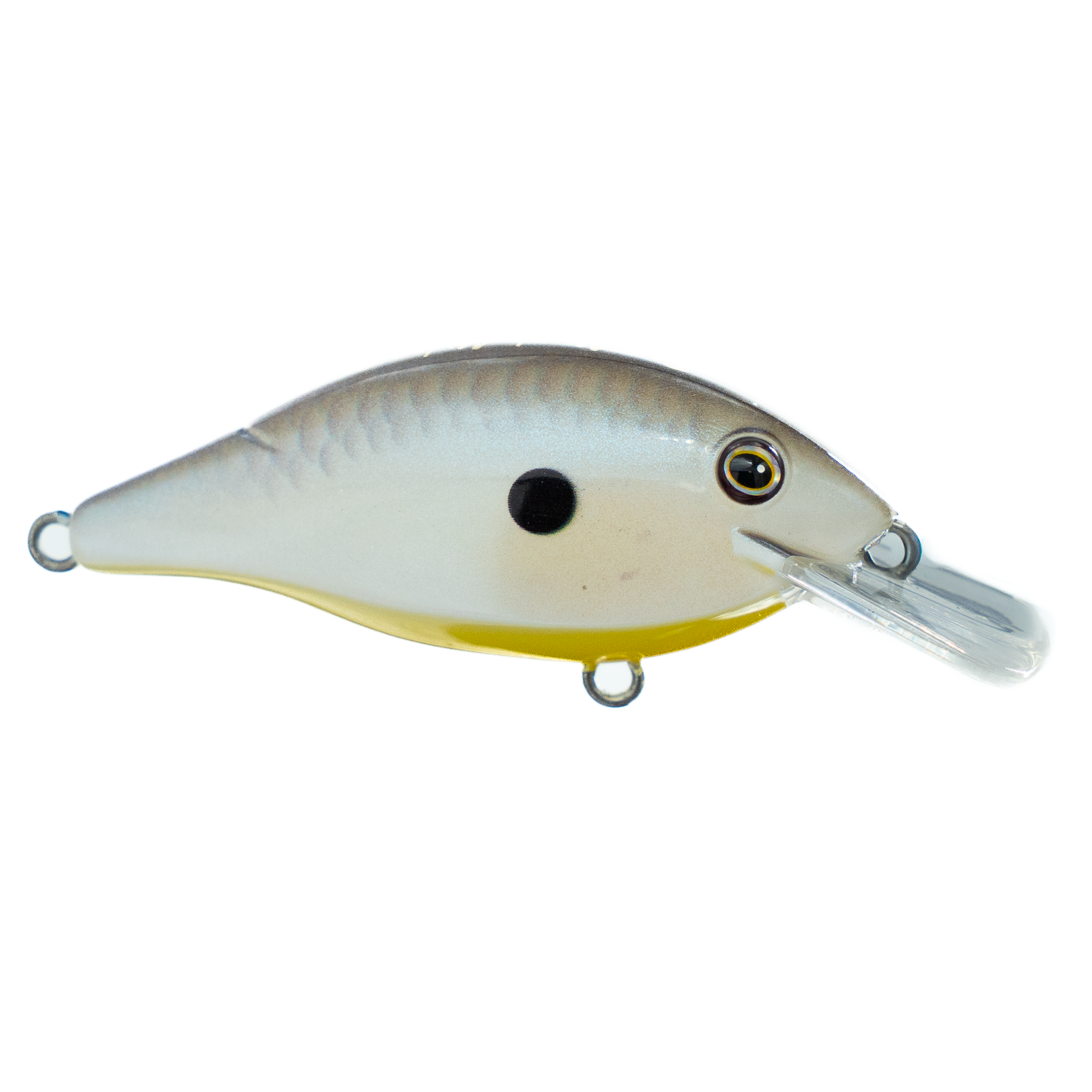
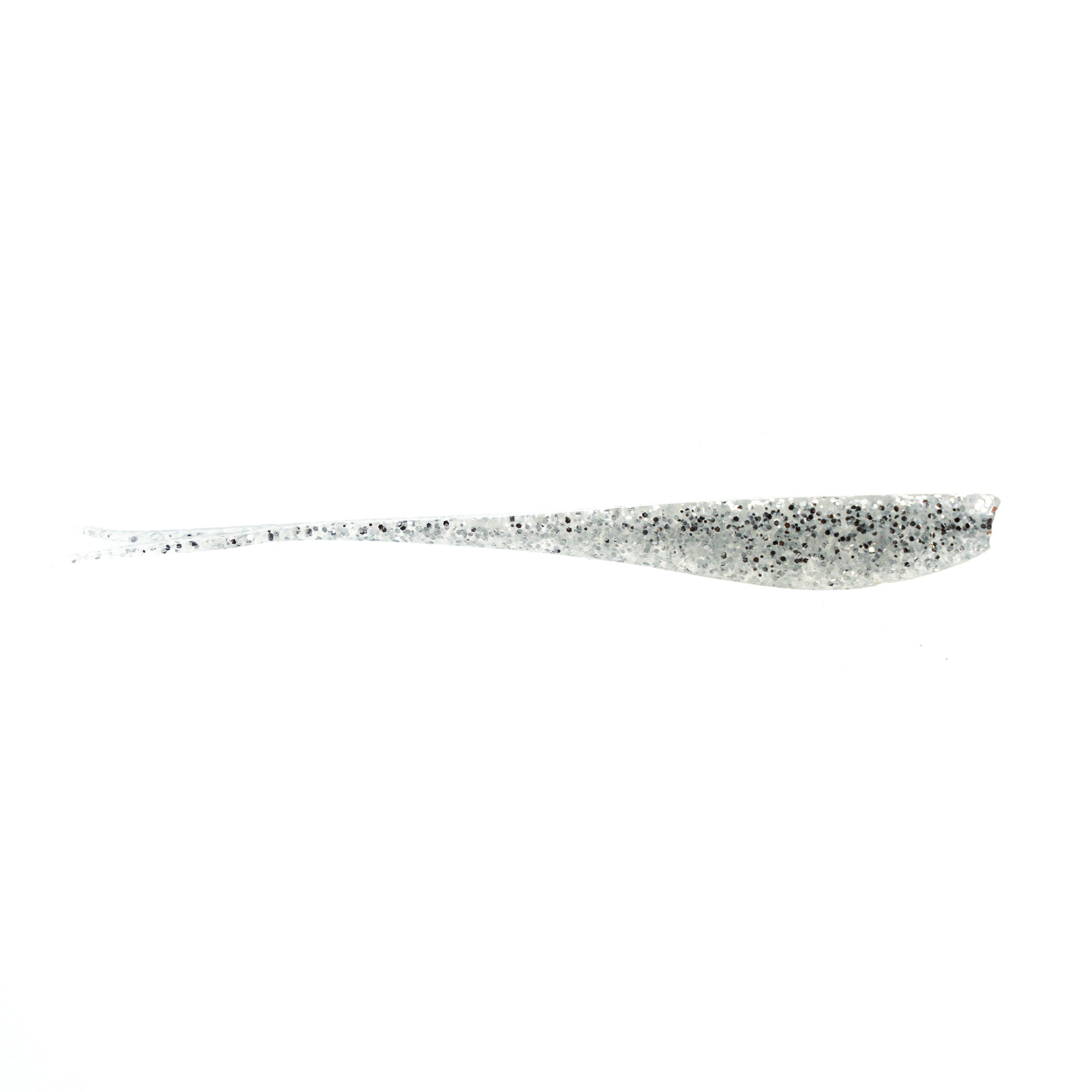
Deep Docks and Brush
Winter empties the lake and pushes fish onto the deepest docks, the brush at depth and the channel edges. It is slow fishing with the best average size of the year, and the pressure that defines this lake for eight months of the year is entirely gone.


Lake of the Ozarks Access
Public ramps and marinas serve the lake throughout its eleven hundred and fifty miles of shoreline, with Osage Beach, Camdenton, Lake Ozark and Warsaw among the access points. Lake of the Ozarks State Park provides additional public access.
The Dock Lines
Thousands of docks across eleven hundred and fifty miles of shoreline, and the defining cover on this lake. Skipping is the core skill and the difference between anglers is knowing which docks are worth the cast.
The Brush Piles
Sunk by property owners around their docks, creating permanent cover that does not shift or grow over. Learning which docks have brush beneath them is most of the local knowledge here, and it holds fish year round.
The Creek Arms
The branching shape gives you dozens of them, warming first in spring and holding bait in autumn. Also where you go to escape the summer recreational traffic that a developed lake this size generates.
Lake of the Ozarks Bass Fishing FAQ
How big is Lake of the Ozarks?
About 54,000 acres with roughly eleven hundred and fifty miles of shoreline, which makes it the largest lake in Missouri. The long branching shape is why the shoreline figure is so large relative to the acreage.
Why so many docks?
Nearly the whole shoreline is developed. That makes docks the defining cover on the lake, and skipping baits under and around them the defining technique rather than one option among several.
What are the brush piles?
Cover sunk by property owners around their docks. It creates permanent fish-holding structure that does not shift or grow over, and knowing which docks have brush beneath them is most of the local knowledge on this lake.
Largemouth or spotted bass?
Both, and the mix is what makes it a good tournament lake. Spotted bass provide the numbers and lunker largemouth provide the weight. The lake has a nationally recognised tournament scene as a result.
Is it crowded?
In summer, very. It is a serious recreational destination and the shoreline is developed throughout. Early, late and midweek are considerably different, and the branching shape means you can usually find a quieter arm.
When is the best time to fish it?
Autumn, when shad move into the arms and the traffic goes. Spring is strong in the spawning pockets. Winter has the best average size and almost nobody on the water.
What baits work best on Lake of the Ozarks?
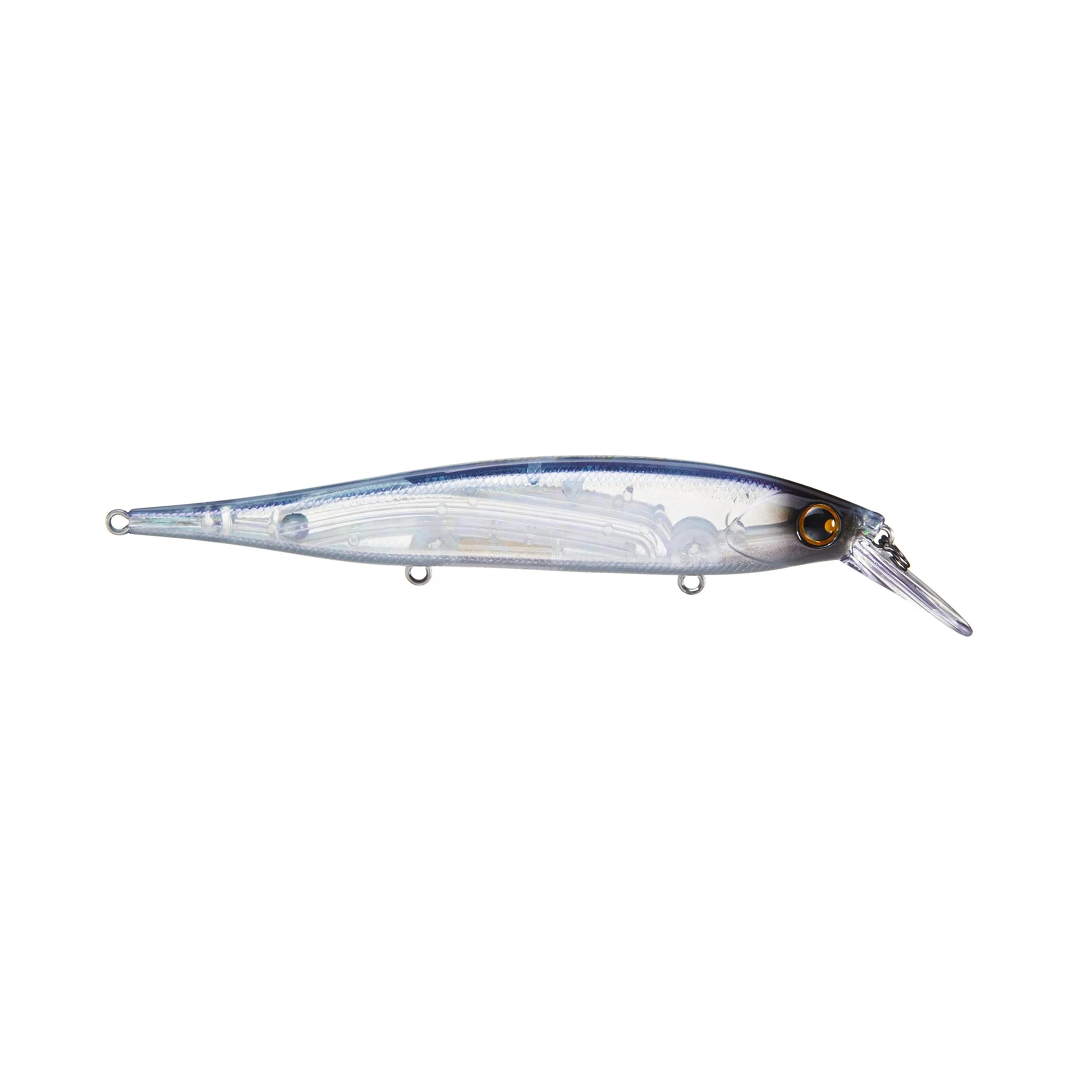
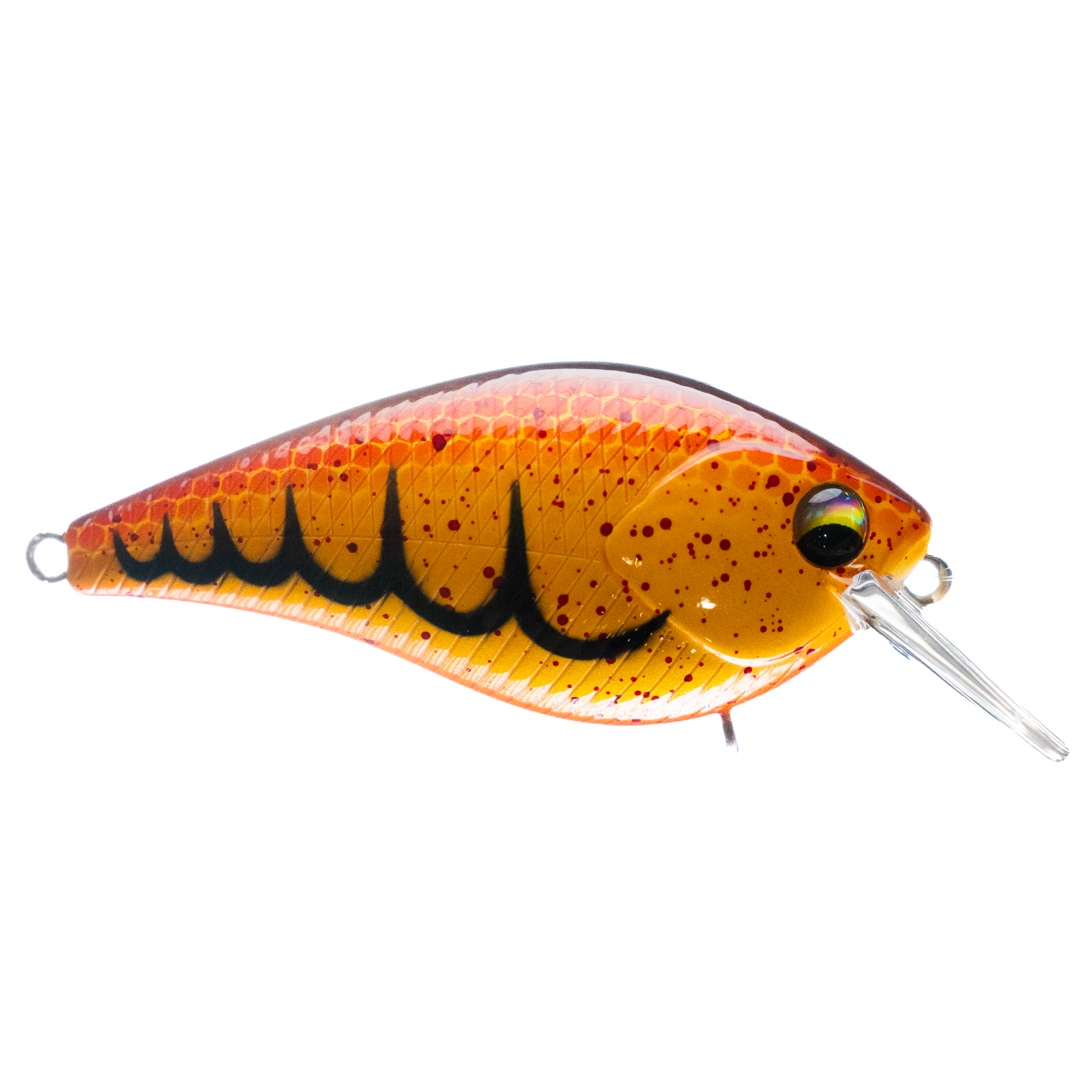
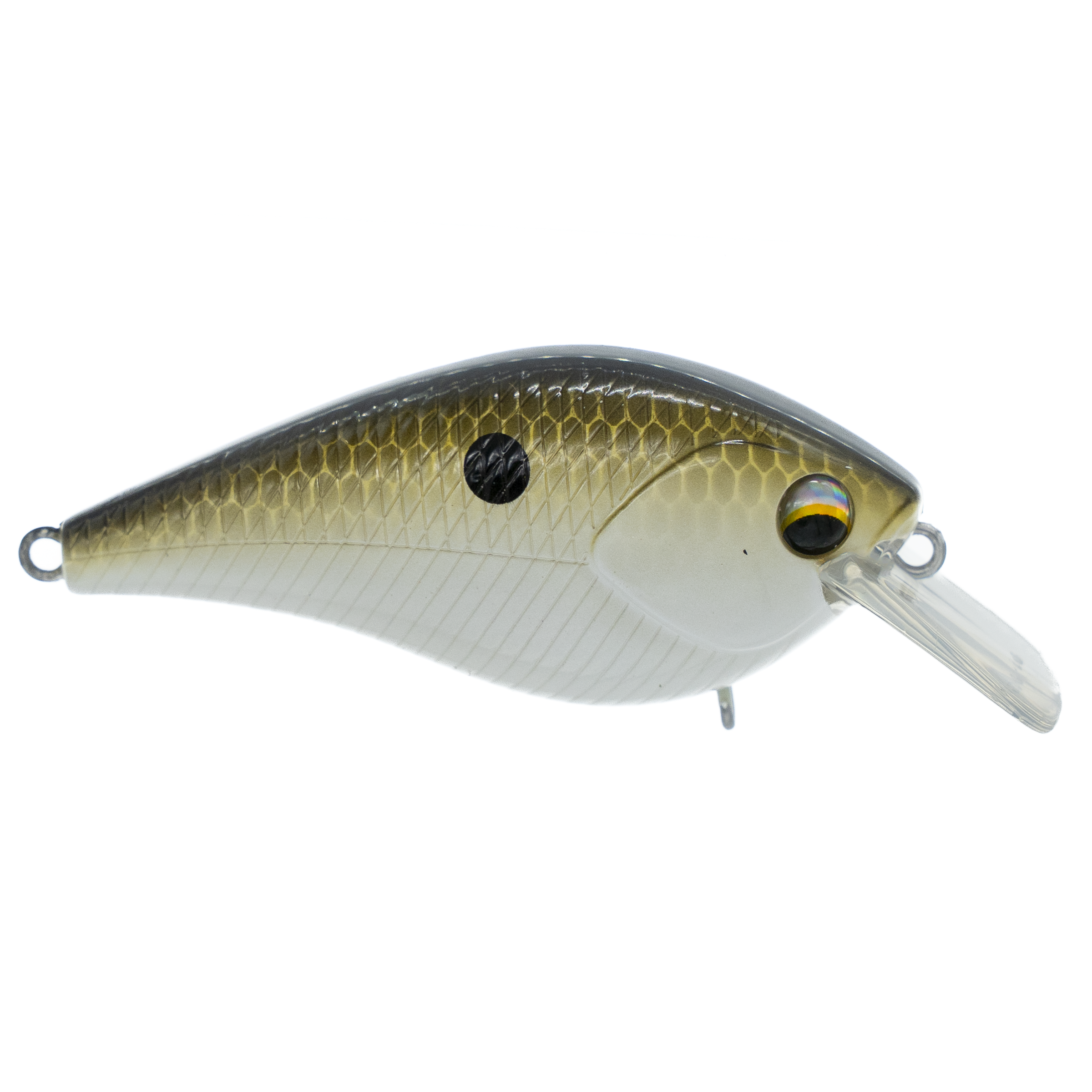
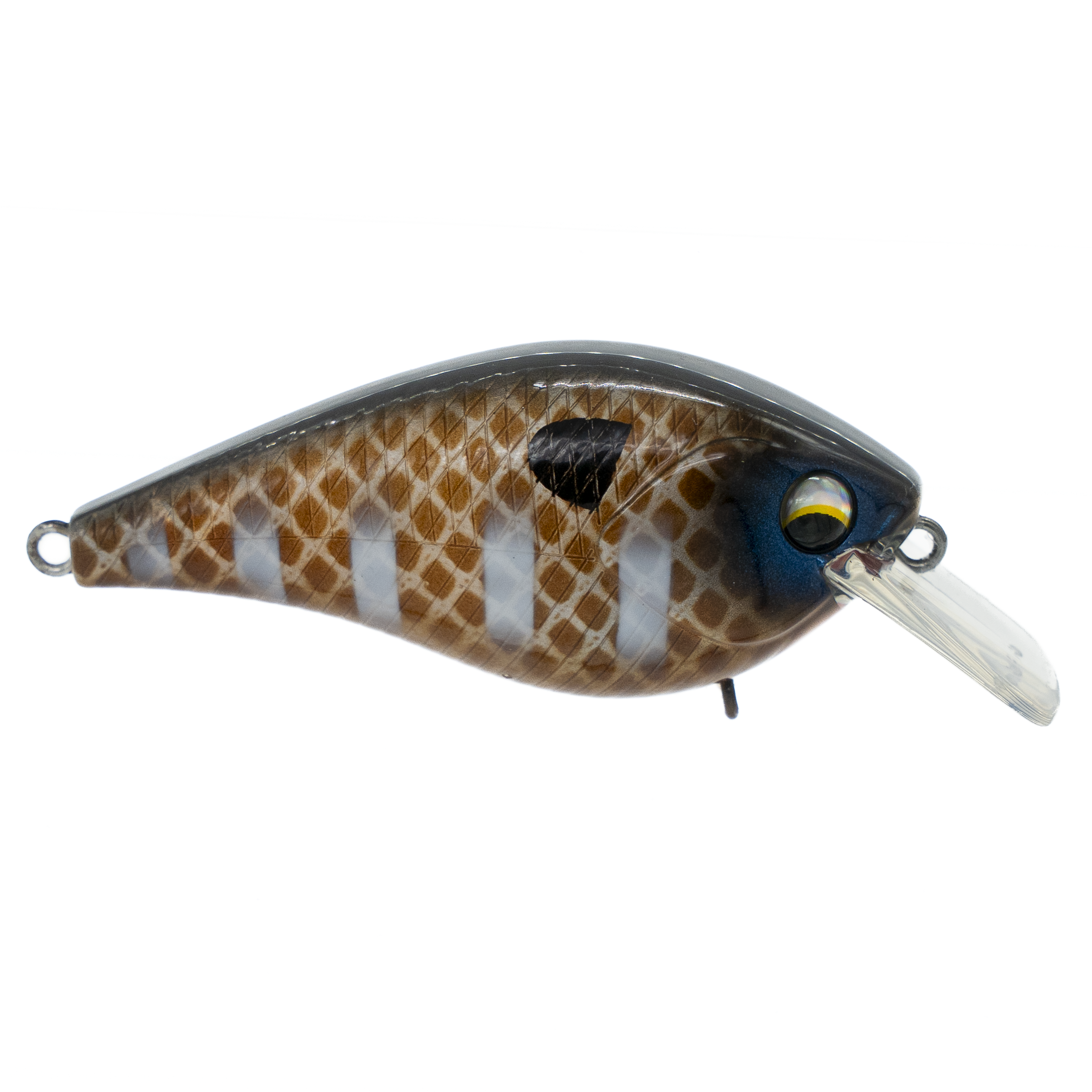
Skipping baits for docks year round, jigs and worms in the brush, moving baits along dock lines in autumn, and slow presentations on deep docks in winter. Our full bait lineup covers all four seasons.
Do I need a fishing license?
Yes, a Missouri fishing permit from the Department of Conservation. Missouri sets black bass length and creel limits by water, and many Ozark lakes and streams carry special regulations that differ from the statewide rule. Check the current Department of Conservation summary for this water before you go.
Skipping, All Day
Eleven hundred and fifty miles of docks means thousands of skipped casts and a fish hooked three feet from a piling every time one eats. Level Rods builds models with the tip to skip cleanly under a low dock and the power to turn a good fish before she reaches the post.
Tournament Winning Baits & Gear
Designed, crafted and tested by anglers who fish docks every week. Free shipping on orders over $75.
Shop All Baits