
Lake McConaughy Bass Fishing Guide
Big Mac Bass Fishing, Season by Season
Thirty thousand acres on the North Platte with seventy miles of shoreline, sand beaches and water clear enough to see your prop wash. Big Mac is Nebraska's largest reservoir, and the two ends of it hold different species.
One Lake, Two Ends
Lake McConaughy impounds the North Platte River near Ogallala in western Nebraska, covering more than 30,000 acres with about seventy miles of shoreline. Locally it is Big Mac, and it has been the fishing destination for generations of Nebraska anglers.
The reputation is walleye, and that is fair — it consistently ranks among the state's best. But the bass fishing is genuinely worth the trip, provided you understand that the lake splits into two fisheries and you pick one.
The clear, deep water near the dam is smallmouth country. Rock, drop-offs and submerged structure hold them, and early morning and late evening are the prime windows. The western end, where the river comes in and vegetation is more abundant, is where the largemouth live.
The organising principle for either species is the same: focus on areas with submerged structure or drop-offs, where bass wait to ambush prey. On a lake this size with this much clear water, structure does the work that cover does elsewhere.
Spring and autumn are the best windows, with the fish more active in cooler water. Summer is hot, bright and busy — Big Mac's sand beaches make it a serious recreation destination and the traffic reflects that.
Wind deserves a mention. Seventy miles of shoreline on an open western Nebraska plain produces genuine chop, and there is very little shelter. Nebraska does not close black bass season, but bag and length limits vary by water and several reservoirs carry special regulations. Check the current Game and Parks Commission rules for this water before you go.
Rock, Vegetation and Two Fisheries
Four patterns cover the year. Each one pairs the technique with the baits we'd actually tie on.
Pick Your Species
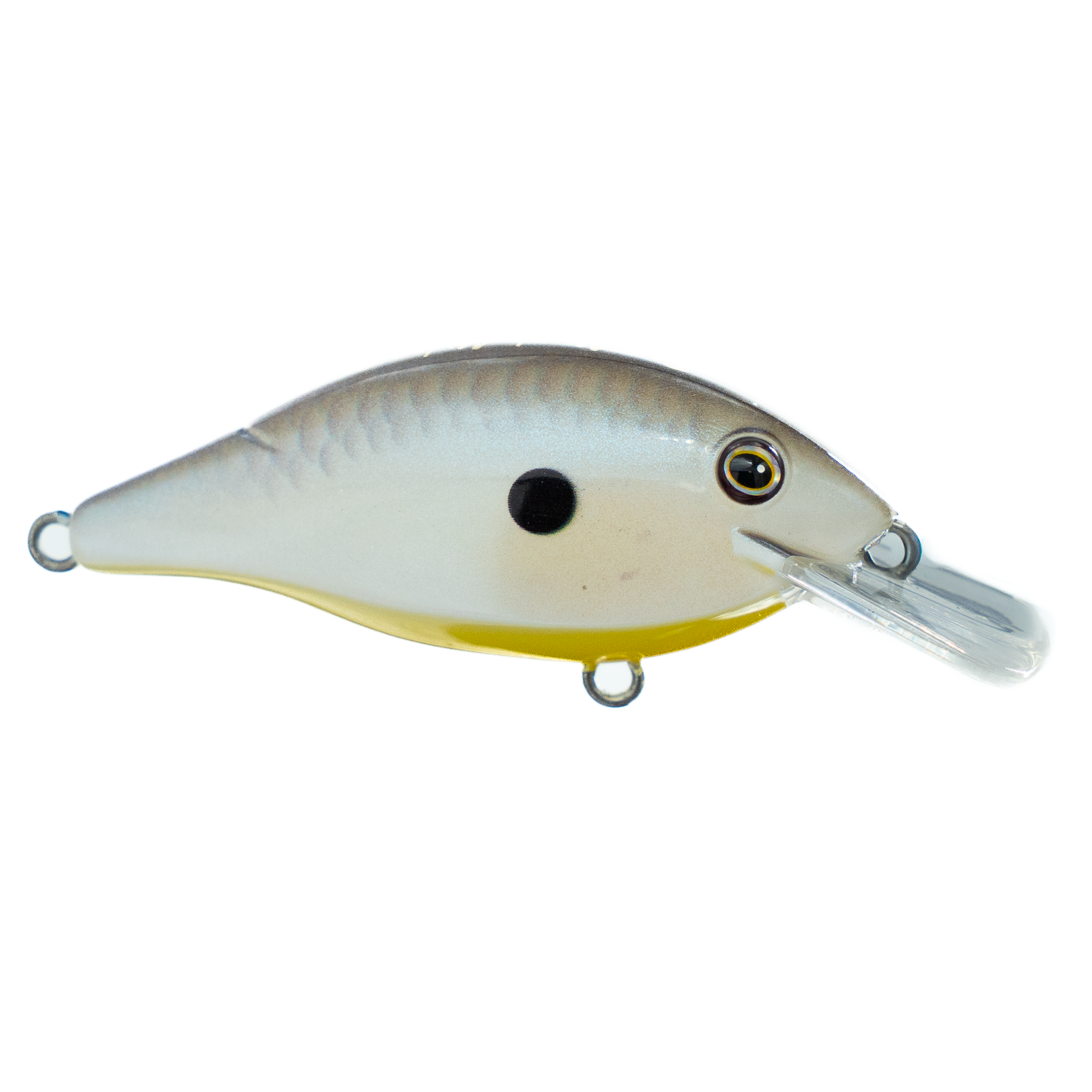
Spring is one of the two best windows, and it is when the lake's split becomes most useful. Smallmouth move onto the rock and drop-offs near the dam; largemouth push into the vegetation at the western end. Decide which you want before you launch, because they are a long way apart.


Early, Late and Deep
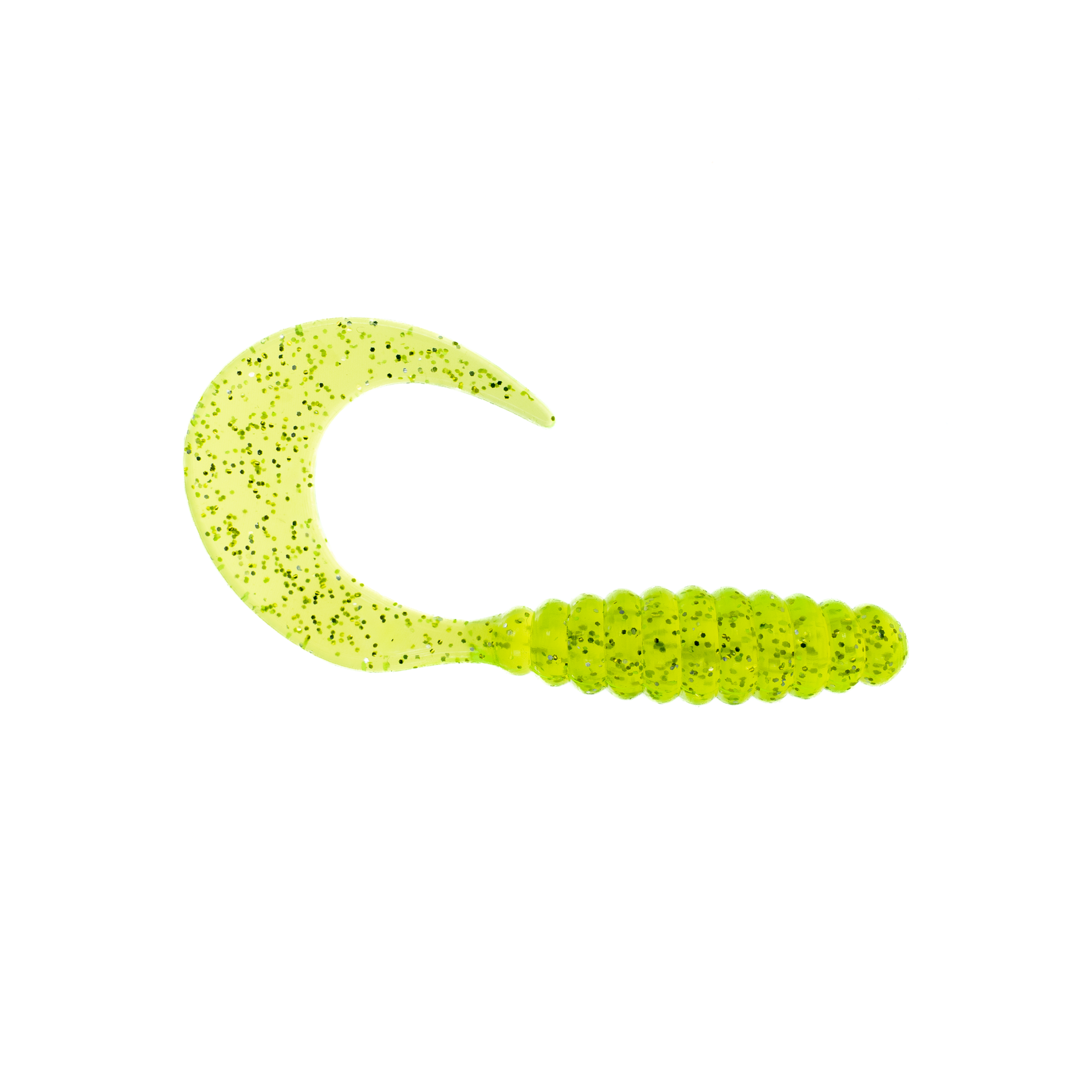
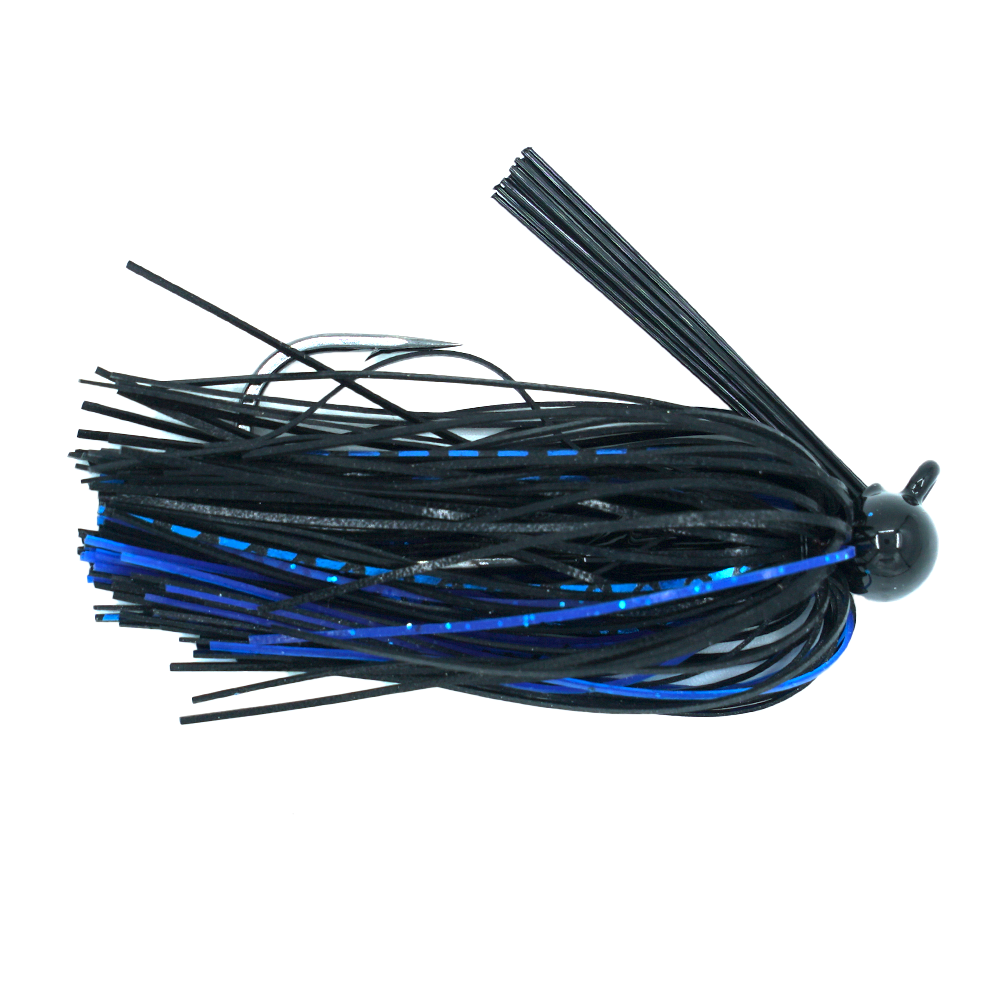
Summer brings heat, bright clear water and heavy recreational traffic to a lake famous for its beaches. Both species go deeper and the productive fishing compresses into early morning and late evening — the windows local guidance names specifically for the smallmouth near the dam.



The Other Good Window
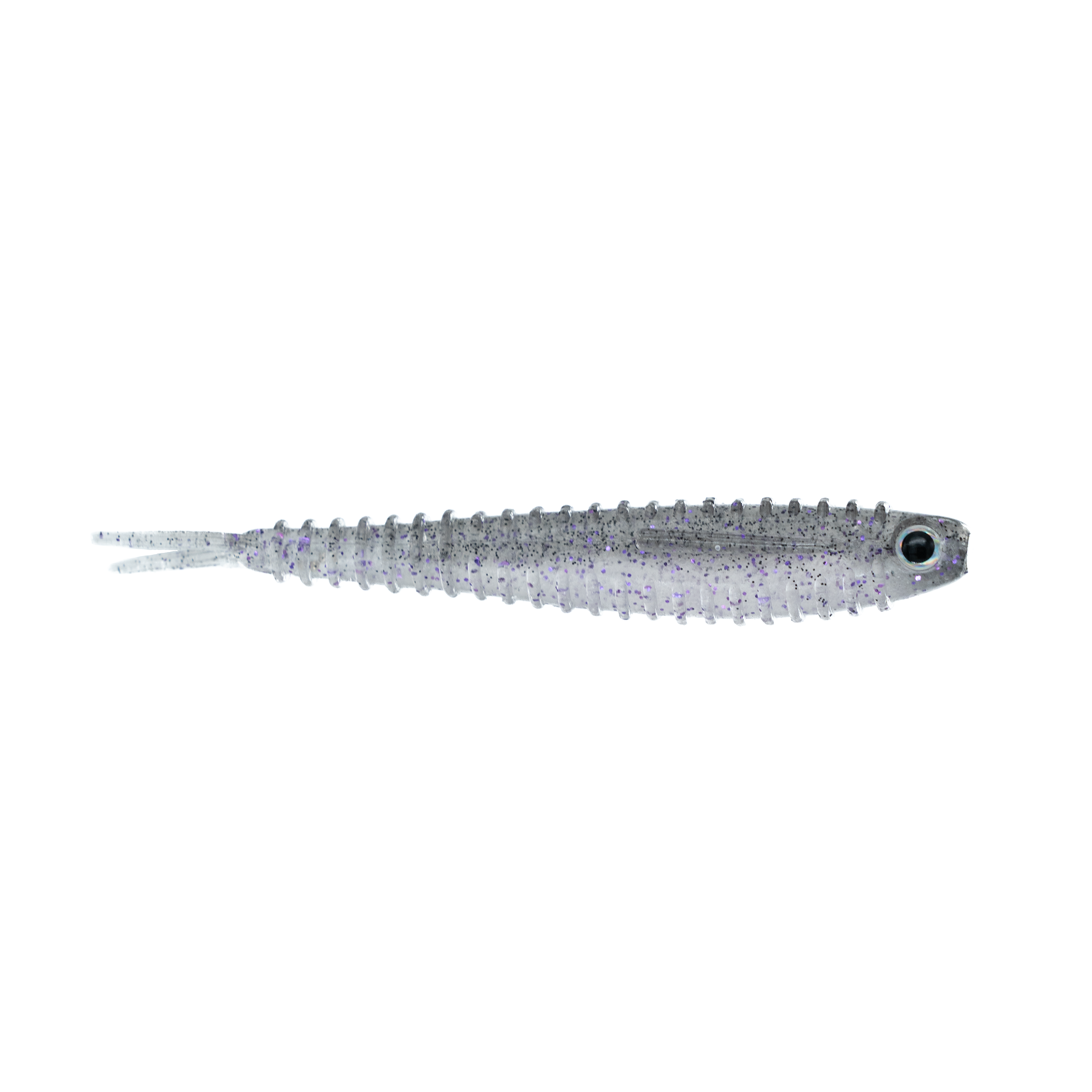
Autumn cools the water and both species become more active, which is exactly what local guidance points to. The beach traffic disappears, the fish move back toward reachable structure, and the fishing is as forgiving as it gets on Big Mac.
Ice and Deep Structure
Western Nebraska winter brings ice to most of the lake, and open-water bass fishing largely stops. Ice fishing here is a serious tradition for pike and perch. When open water is available, fish are on the deepest structure.
Lake McConaughy Access
Lake McConaughy State Recreation Area provides extensive public access with campgrounds around the lake, and Ogallala is the nearest town with hotels and supplies. Access is good across seventy miles of shoreline.
The Dam End
Clear, deep water over rock and drop-offs, and where the smallmouth are. Early morning and late evening are the prime windows here according to local guidance, and the clarity means fishing further from the boat than instinct suggests.
The Western End
Where the North Platte comes in and vegetation is more abundant. Largemouth water, and a completely different game from the rock at the dam. Worth the run if green fish are what you want.
The Submerged Structure
Drop-offs and structure across the lake, and the organising principle for either species. Bass wait on these to ambush prey, which on clear open water is where they can be found reliably.
Lake McConaughy Bass Fishing FAQ
How big is Lake McConaughy?
More than 30,000 acres with about seventy miles of shoreline, on the North Platte River near Ogallala. It is Nebraska's largest reservoir and locally known as Big Mac.
Smallmouth or largemouth?
Both, at opposite ends. The clear deep water near the dam holds smallmouth on rock and drop-offs; the western end where the river comes in has more vegetation and holds largemouth. Pick one before you launch — they are a long way apart.
When is the best time to fish it?
Spring and autumn, when the cooler water has bass more active. Summer is hot, bright and busy on a lake famous for its sand beaches, and the fishing compresses into early morning and late evening.
Where should I look?
Submerged structure and drop-offs, for either species. On clear open water this size, structure does the work that cover does on a vegetated lake, and bass use it to ambush prey.
Isn't it a walleye lake?
Primarily, yes, and it consistently ranks among Nebraska's best for walleye. That reputation takes pressure off the bass, which are genuinely worth targeting if you know which end of the lake to fish.
How windy is it?
Windy. Seventy miles of shoreline on an open western Nebraska plain with very little shelter produces real chop, and it can put substantial areas out of reach for a small boat.
What baits work best on Big Mac?
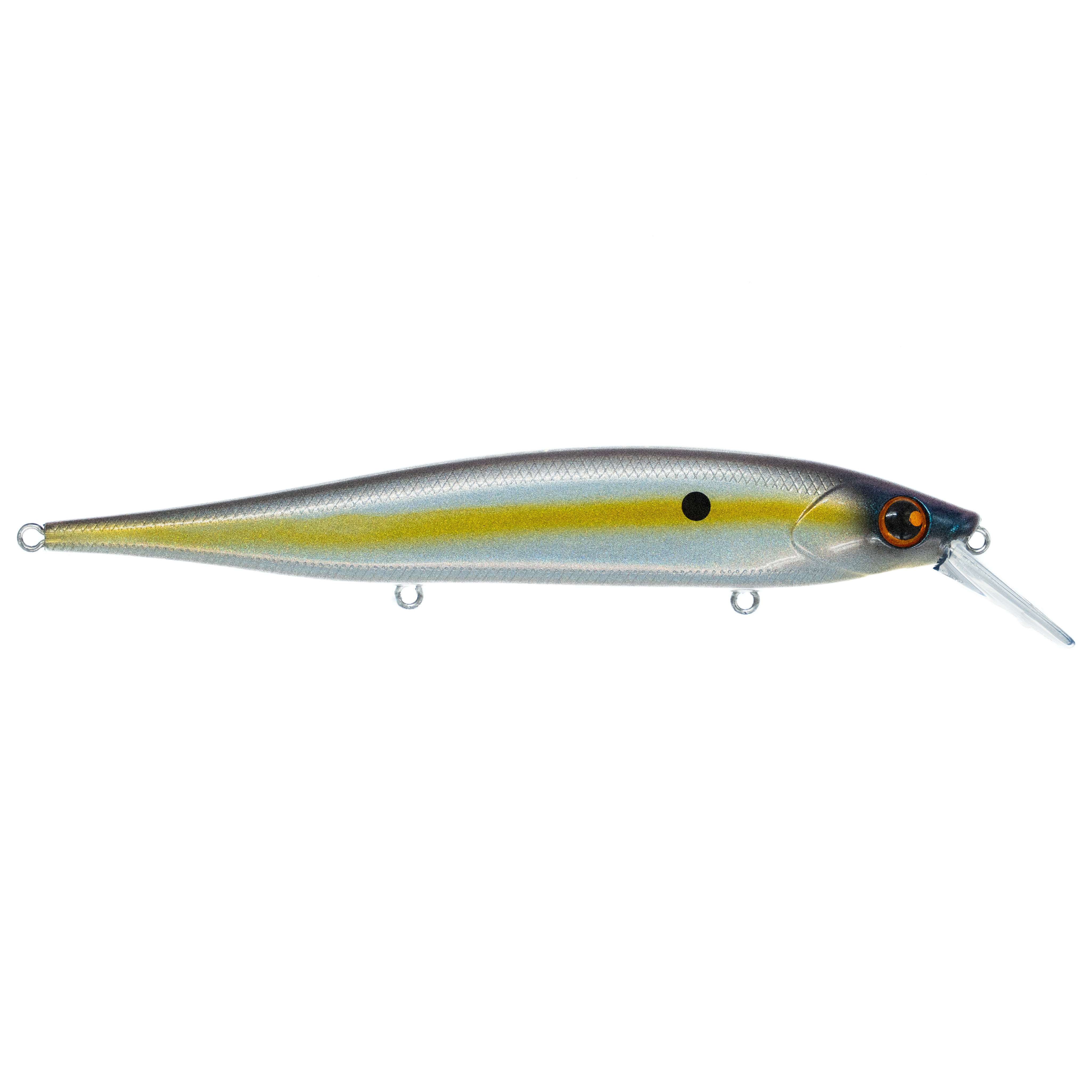
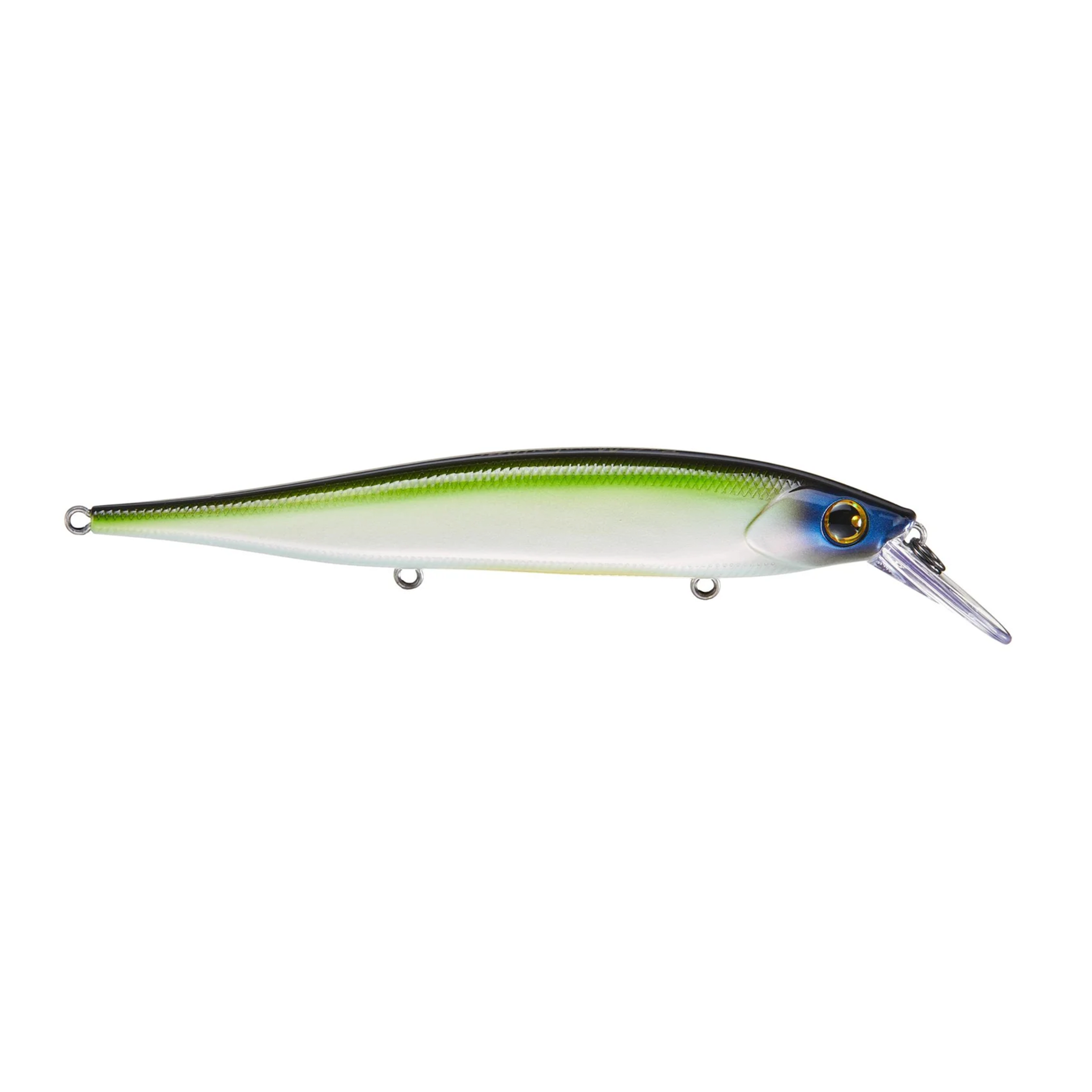
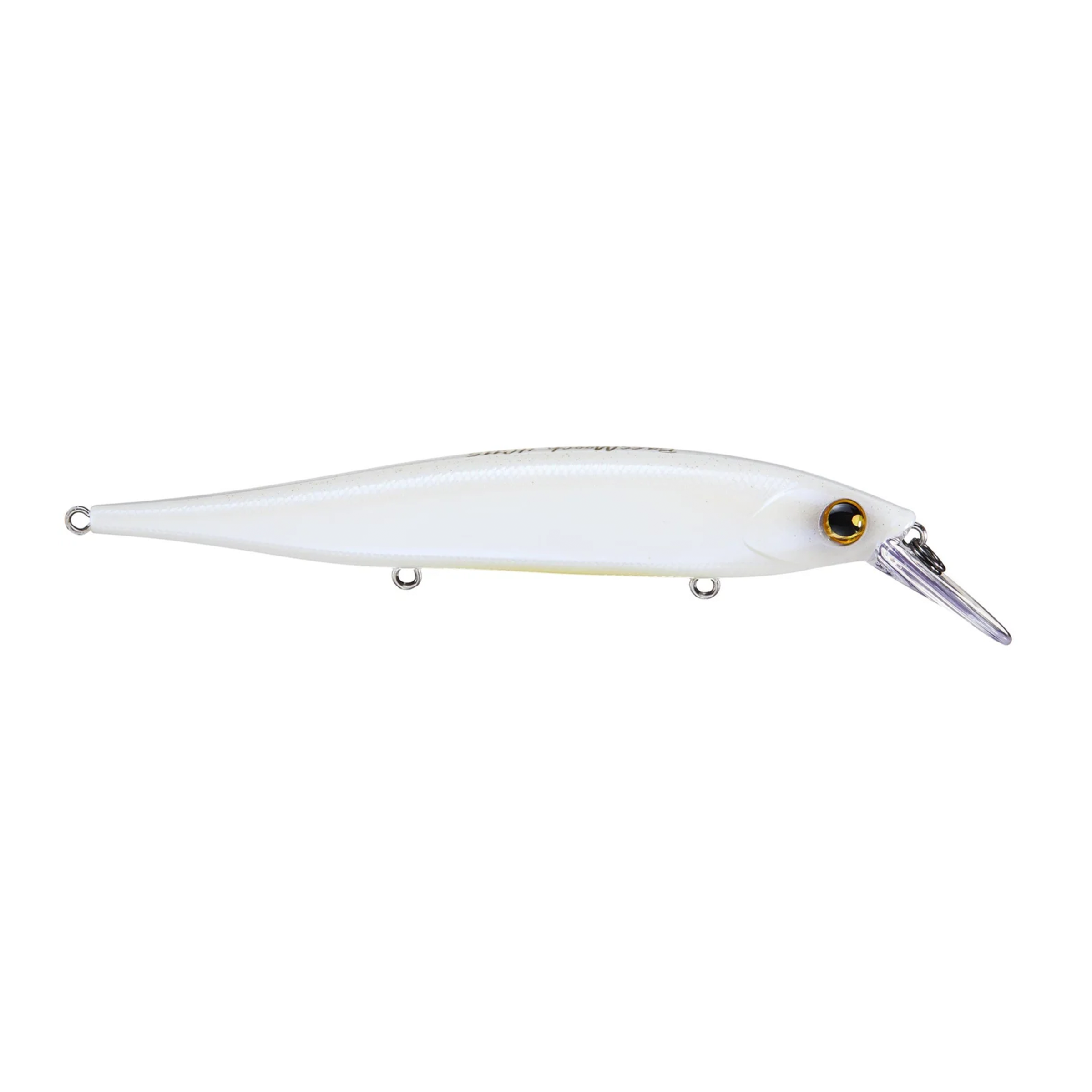
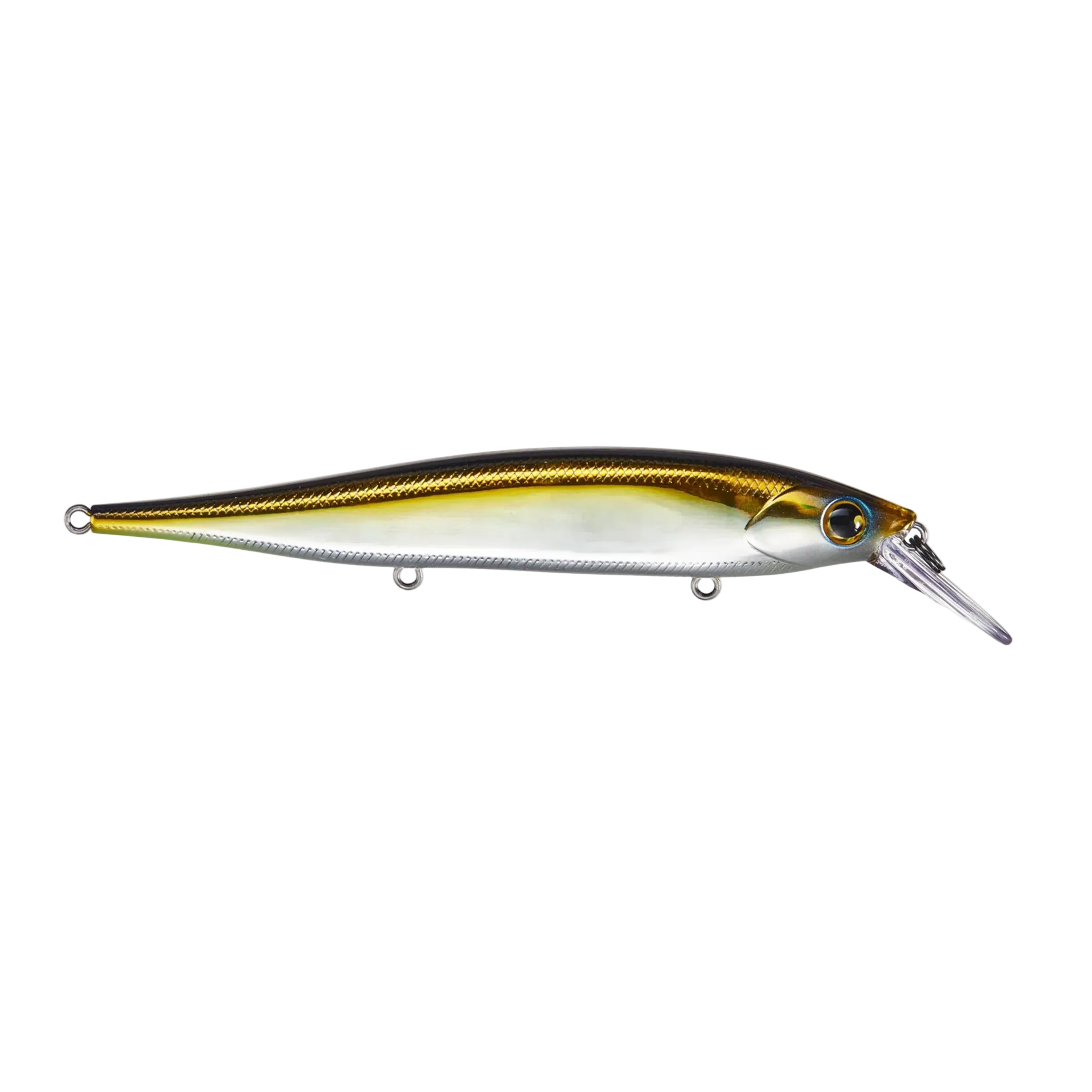
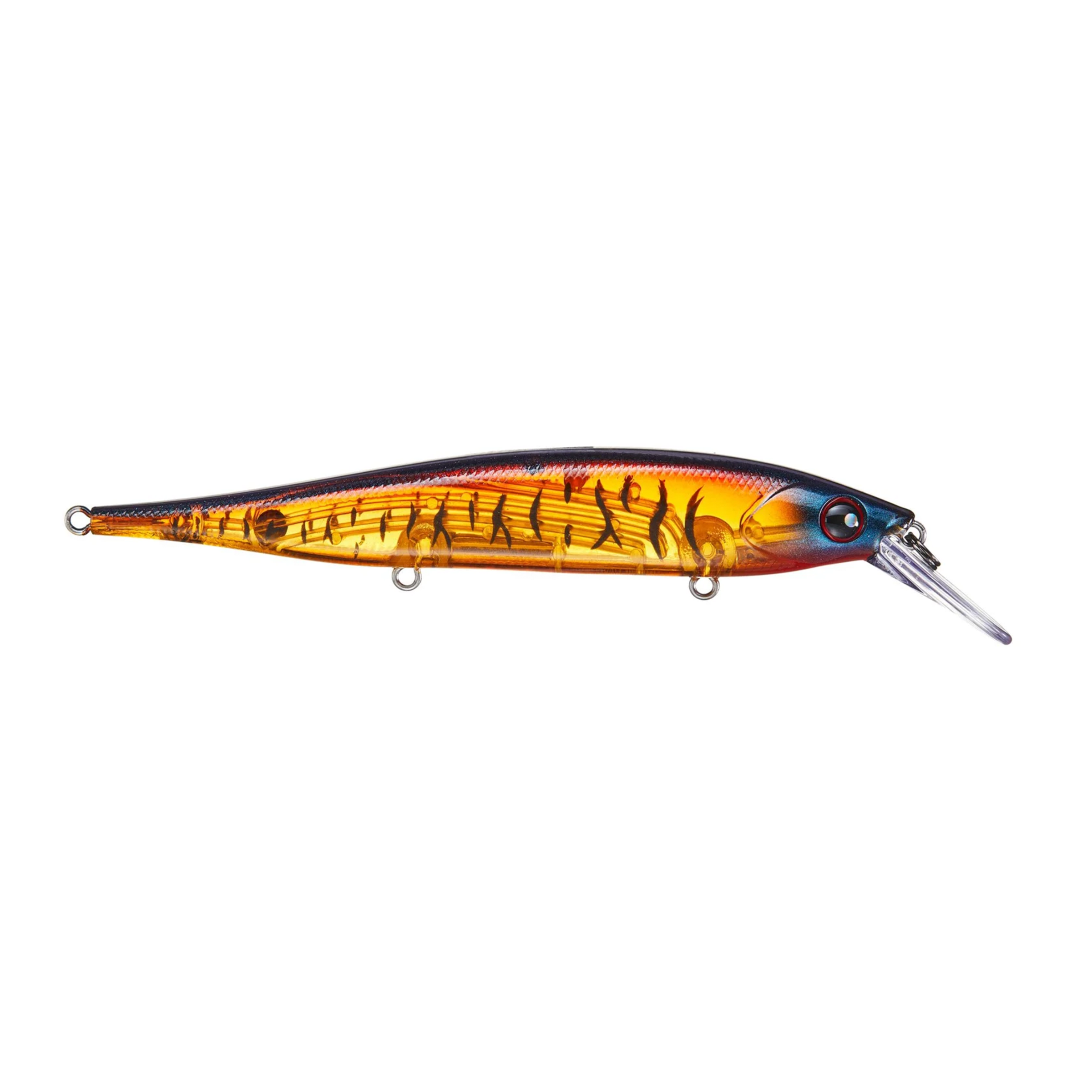
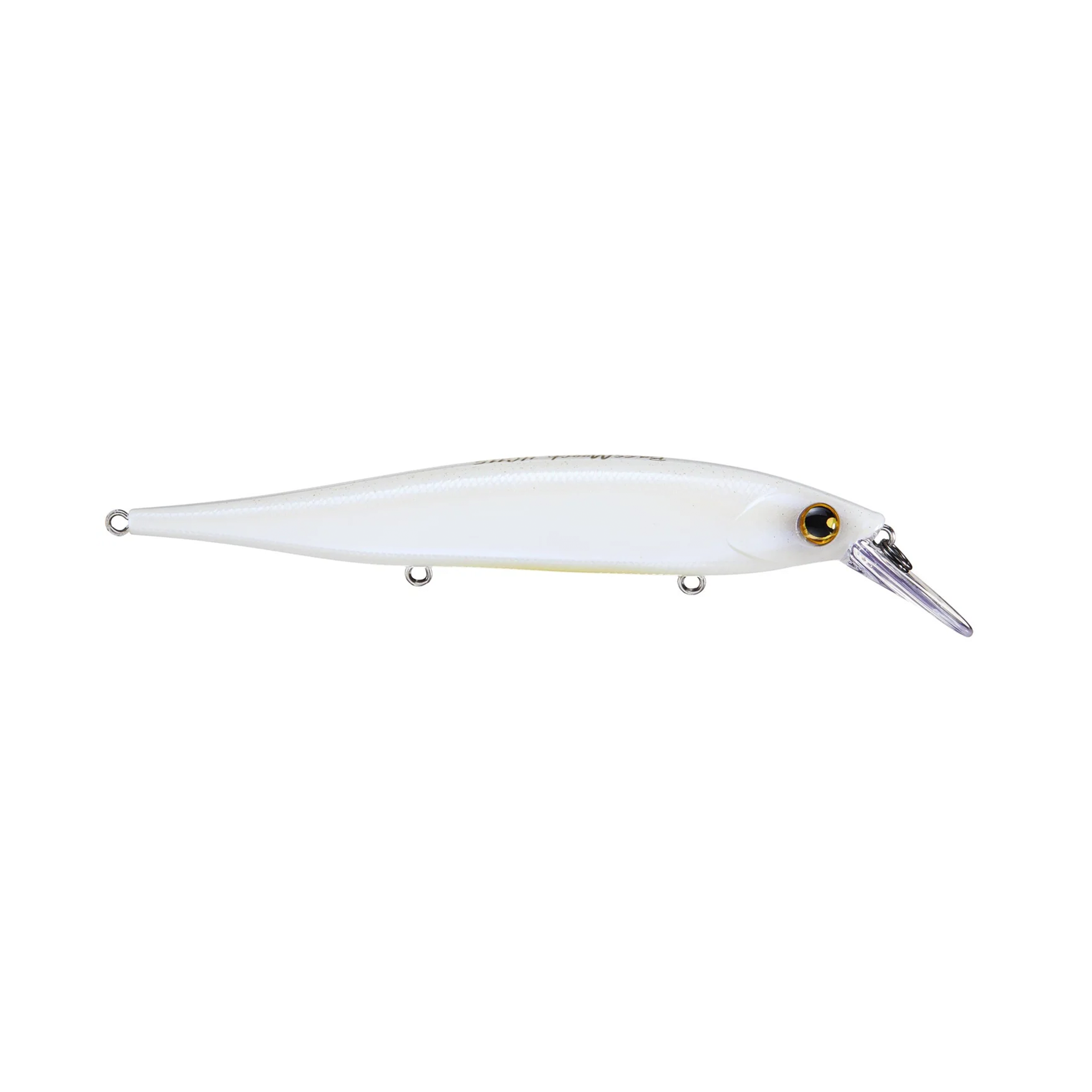
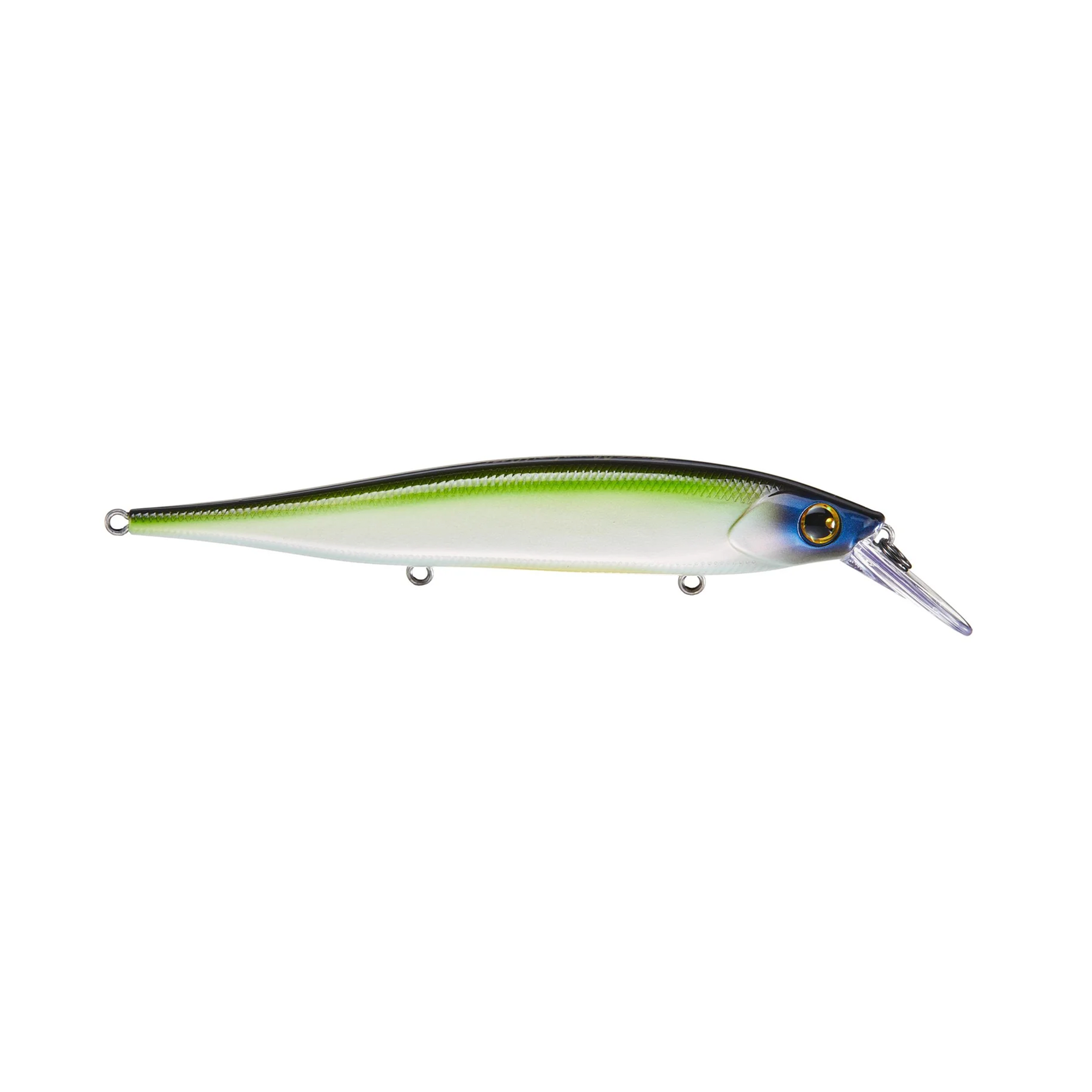
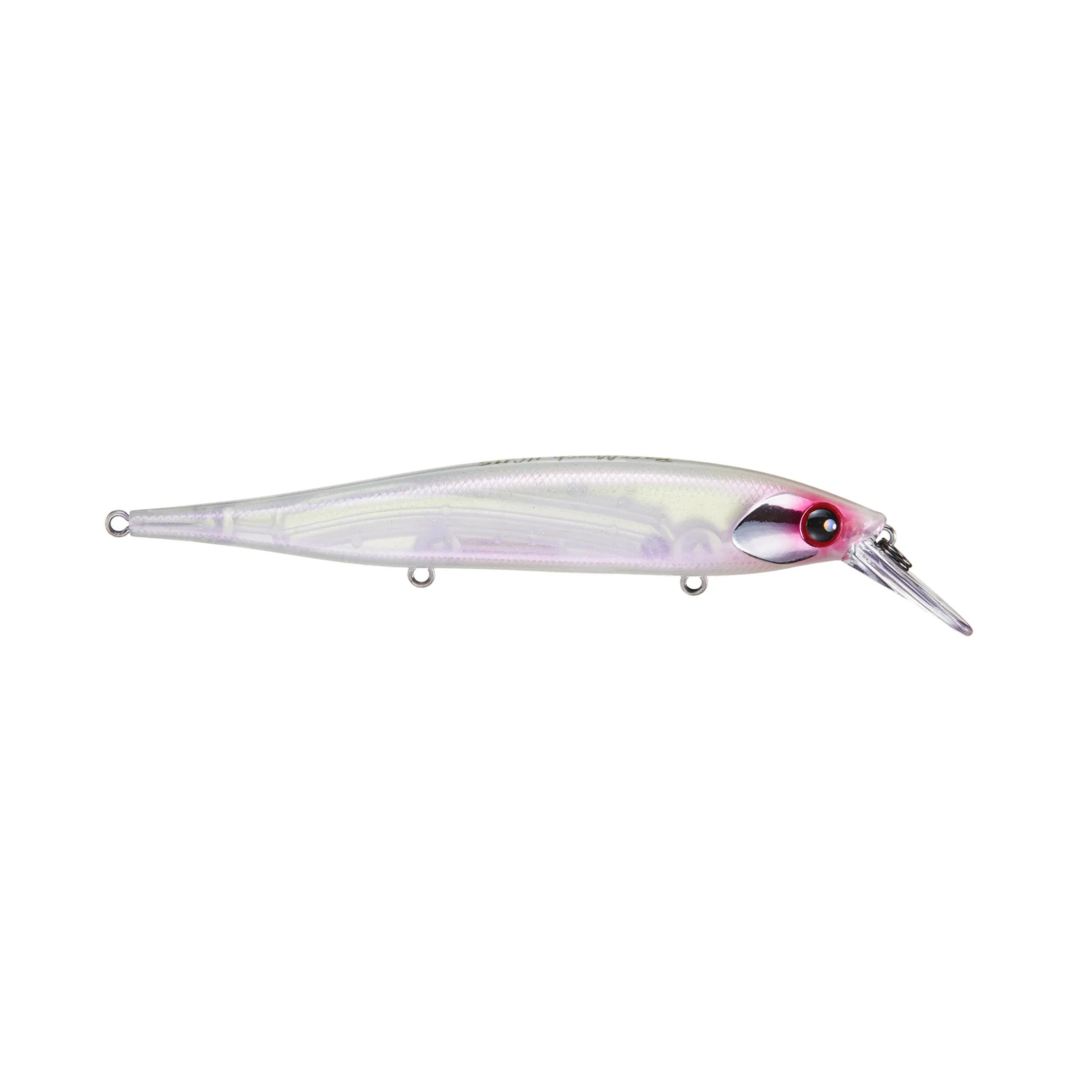
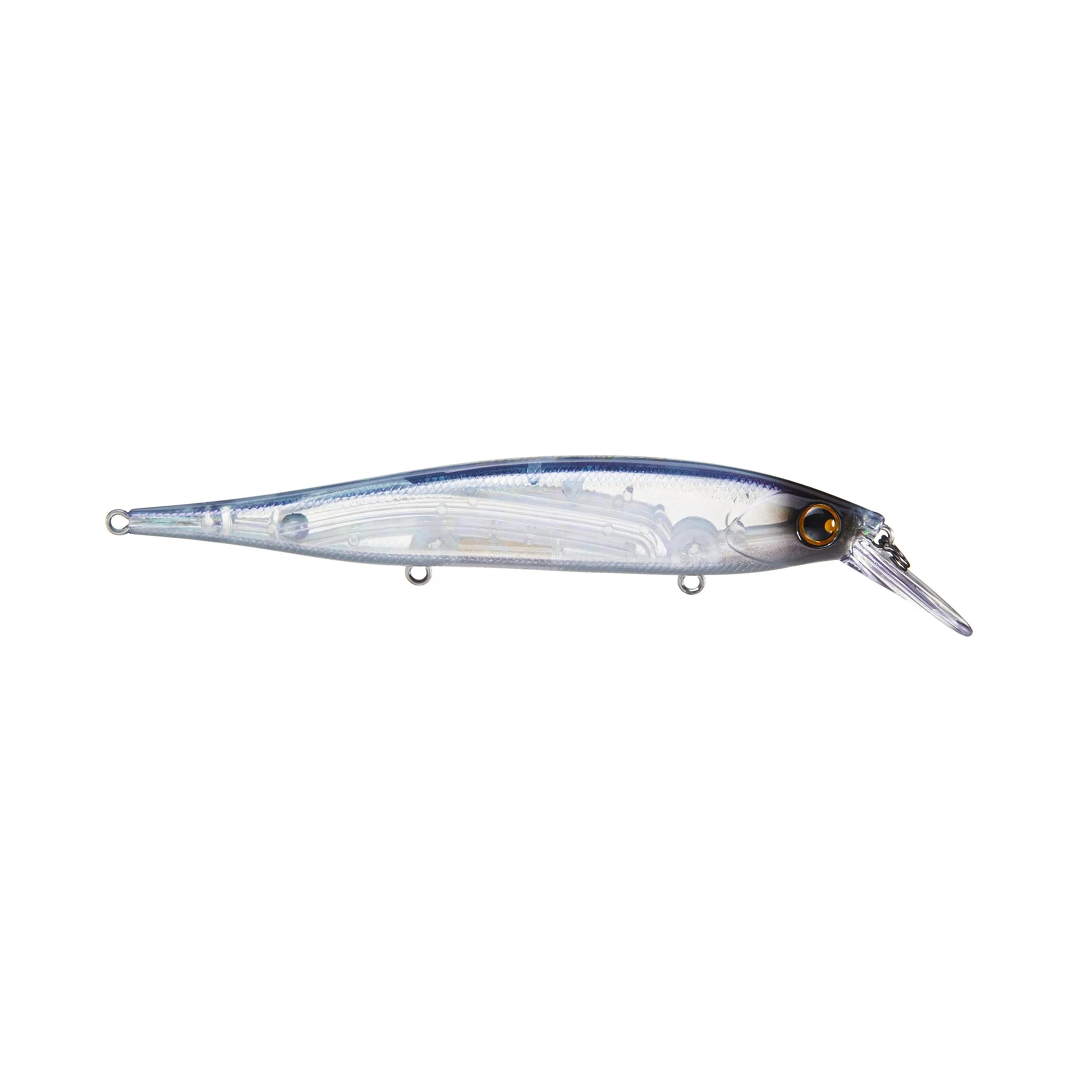
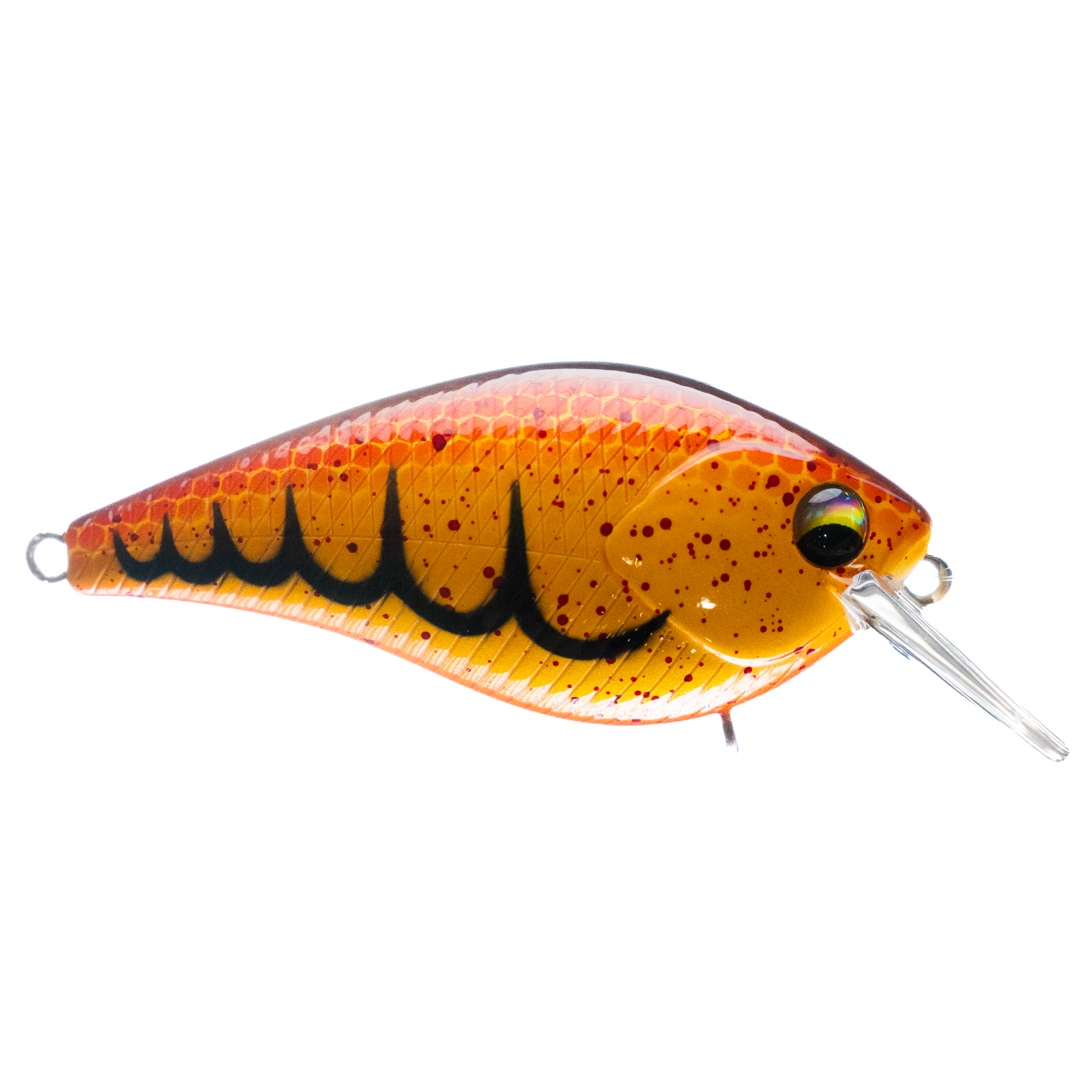
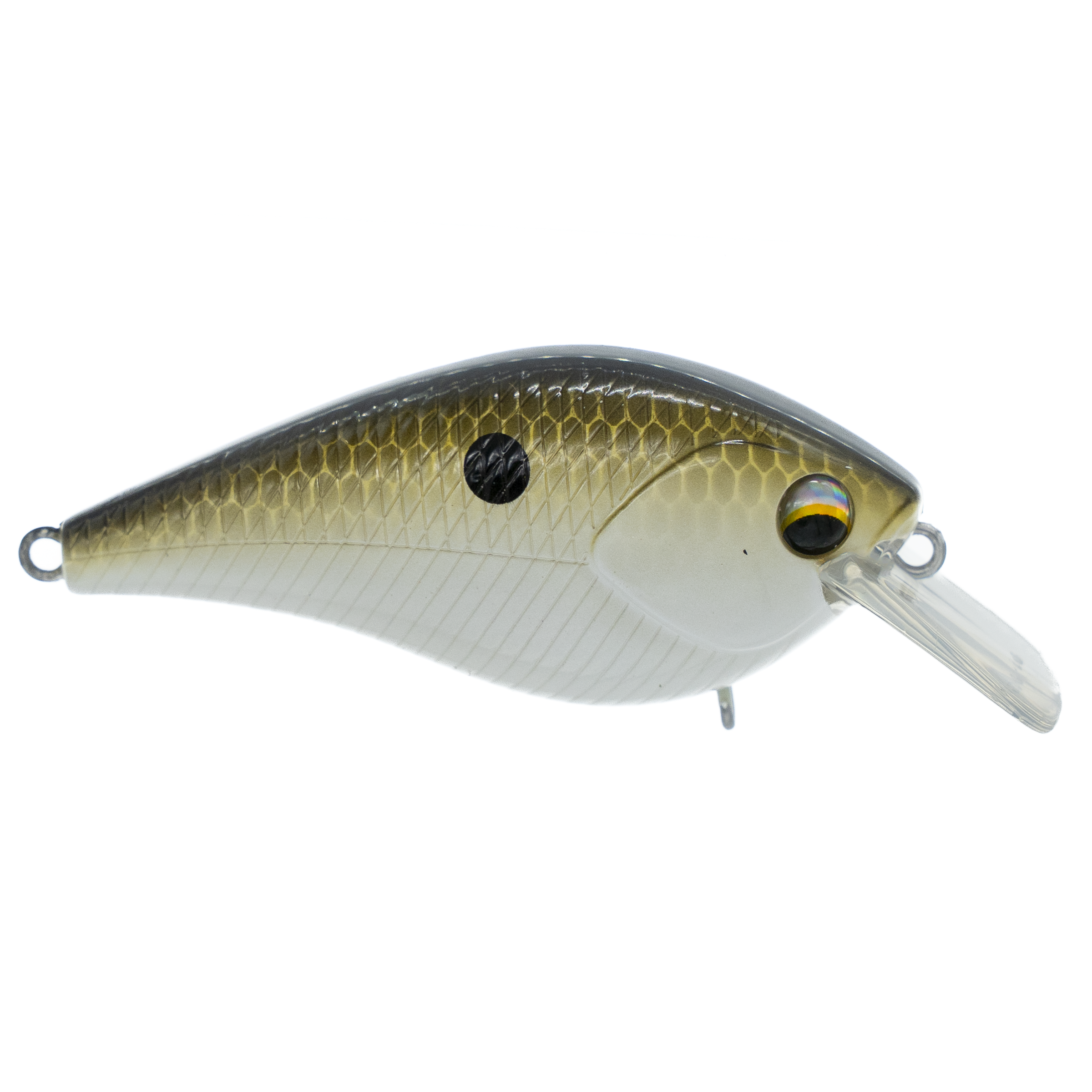
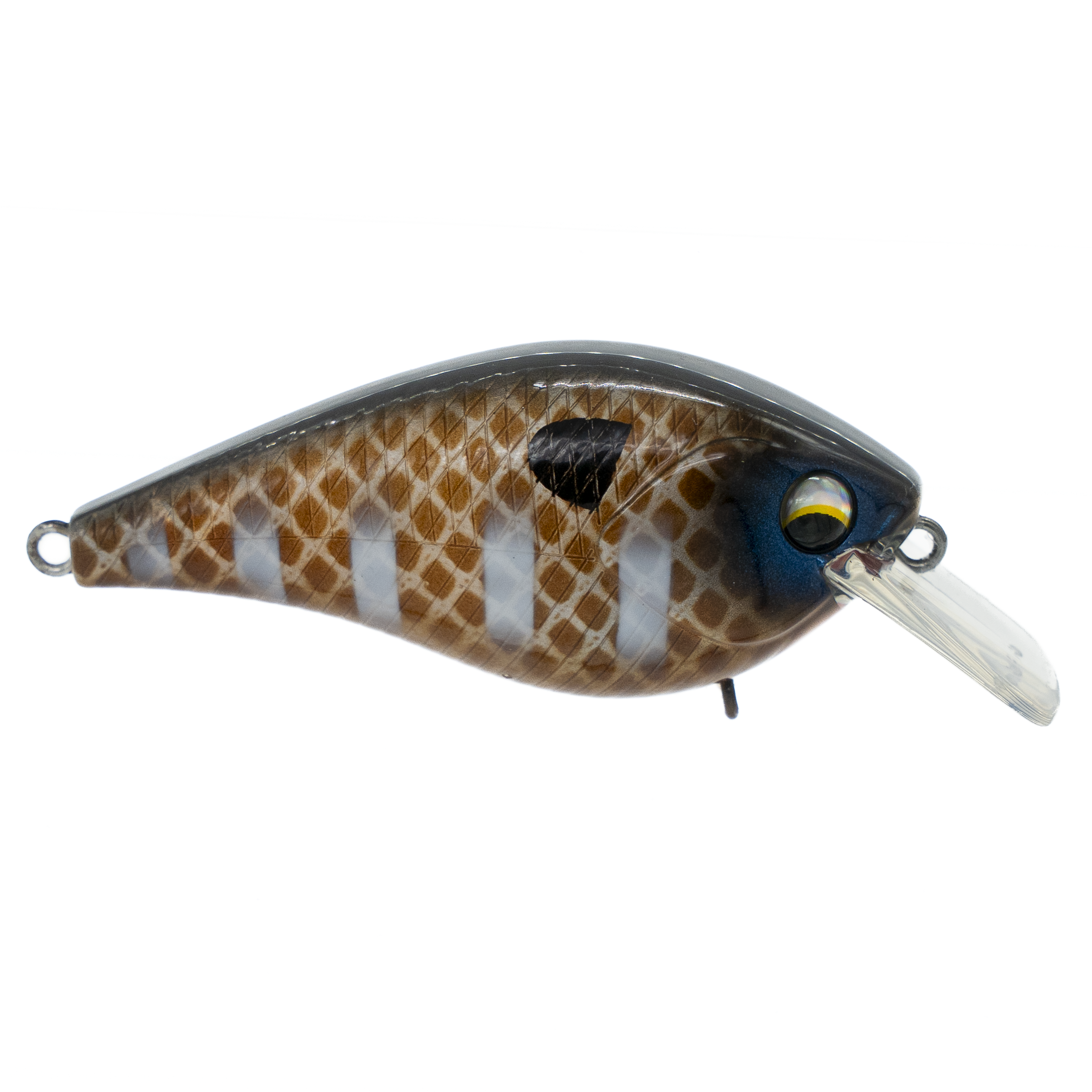
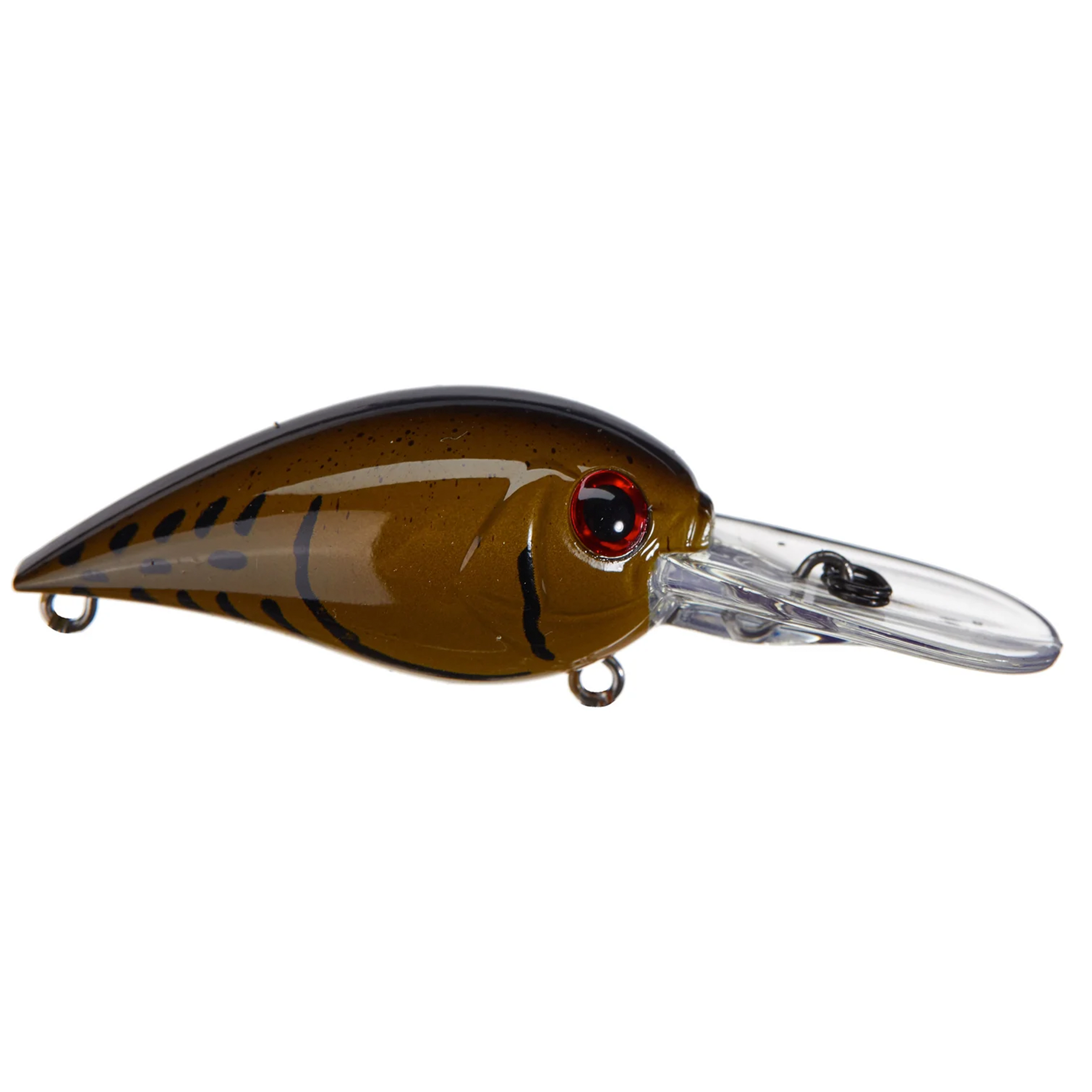
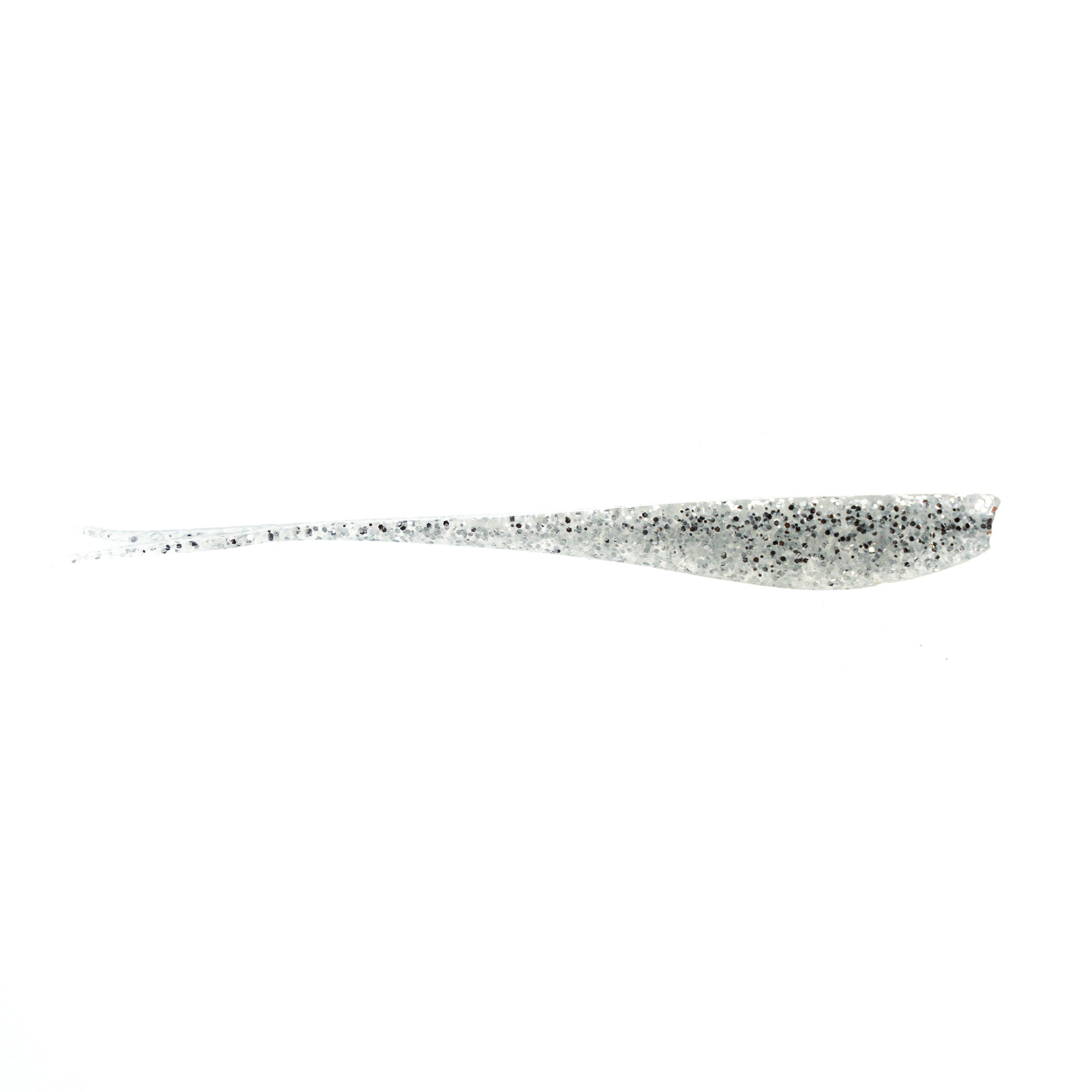
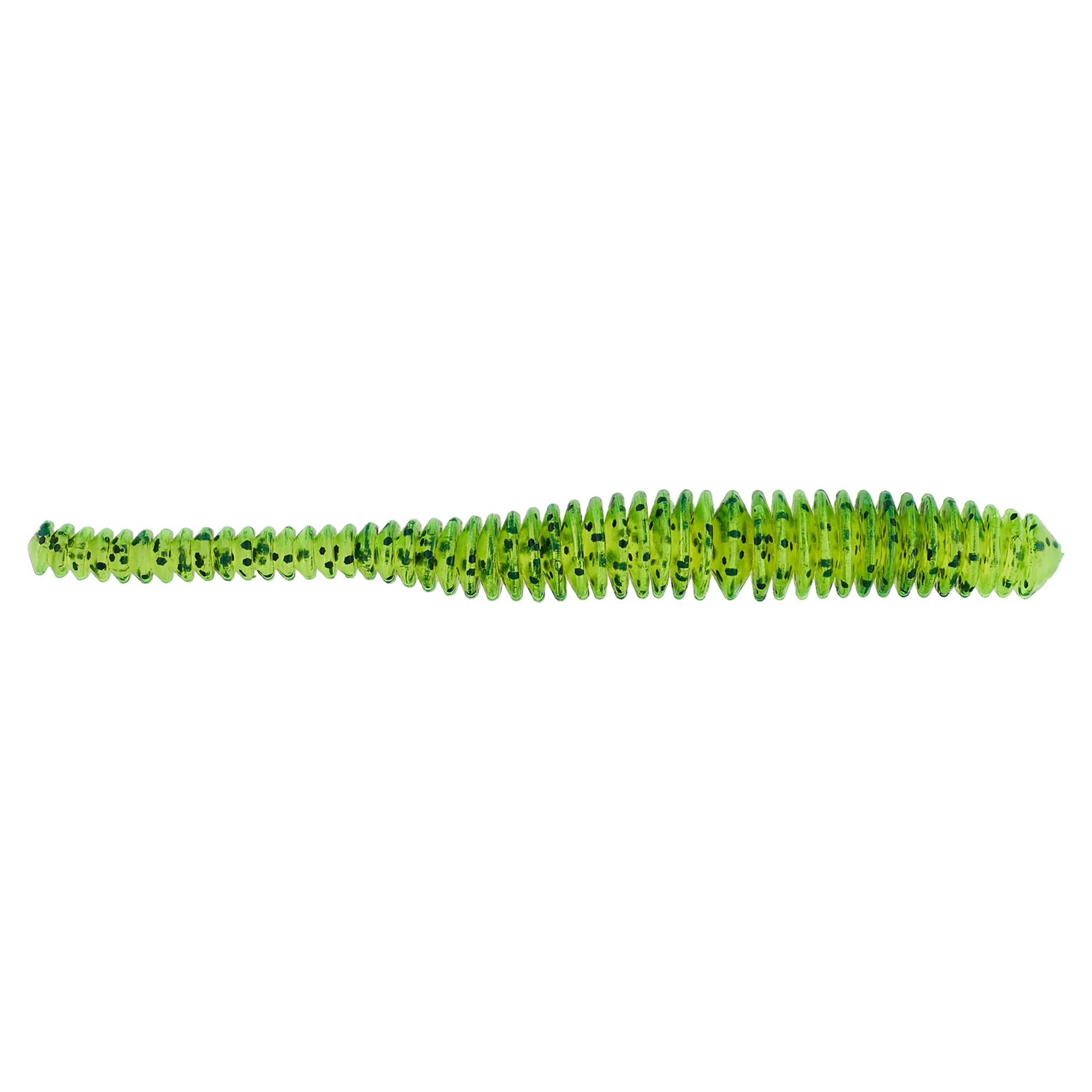
Jerkbaits and finesse plastics on the rock near the dam, moving baits and soft plastics in the western vegetation, and finesse presentations on deep structure in summer. Clear water rewards natural colours. Our full bait lineup covers both ends.
Do I need a fishing license?
Yes, a Nebraska fishing permit from the Game and Parks Commission. Nebraska does not close black bass season, but bag and length limits vary by water and several reservoirs carry special regulations. Check the current Game and Parks Commission rules for this water before you go.
Clear Water, Open Country
Thirty thousand acres of clear water in a place with no shelter means long casts into wind and finesse presentations at depth. Level Rods builds spinning models that cast well in a breeze and stay sensitive at the end of it.
Tournament Winning Baits & Gear
Designed, crafted and tested by anglers who fish clear water every week. Free shipping on orders over $75.
Shop All Baits