Lake Lillinonah Bass Fishing Guide
Lillinonah Bass Fishing, Season by Season
A narrow, steep-sided impoundment of the Housatonic River in western Connecticut, with current running through it and timber along the banks. Lillinonah is twenty minutes from Candlewood and fishes nothing like it.
A River Pretending to Be a Lake
Lake Lillinonah is an impoundment of the Housatonic River in western Connecticut, formed by the Shepaug Dam. It is long, narrow and steep-sided — more a flooded river gorge than a conventional lake — and it runs for several miles through wooded hill country.
That shape defines the fishing. Current moves through the impoundment, particularly when water is being generated or after rain, and it positions fish the way it would on a river: on the downstream side of points, laydowns, rock and any break in the flow.
Cover is timber, laydowns, rock and steep banks, with limited shallow flat water. Both largemouth and smallmouth live here, with largemouth favouring the wood and the coves and smallmouth taking the rock and the deeper current-swept structure.
The contrast with Candlewood twenty minutes away is worth understanding before you choose where to launch. Candlewood is a big clear reservoir with submerged structure and eighty-five feet of water; Lillinonah is a narrow river impoundment with current and wood. They reward different anglers.
Connecticut sets its own season dates and rules can vary by water. New England states set their own black bass season dates and several restrict harvest during the spawn. Check the current state regulations for this water before you go.
Current, Timber and Steep Banks
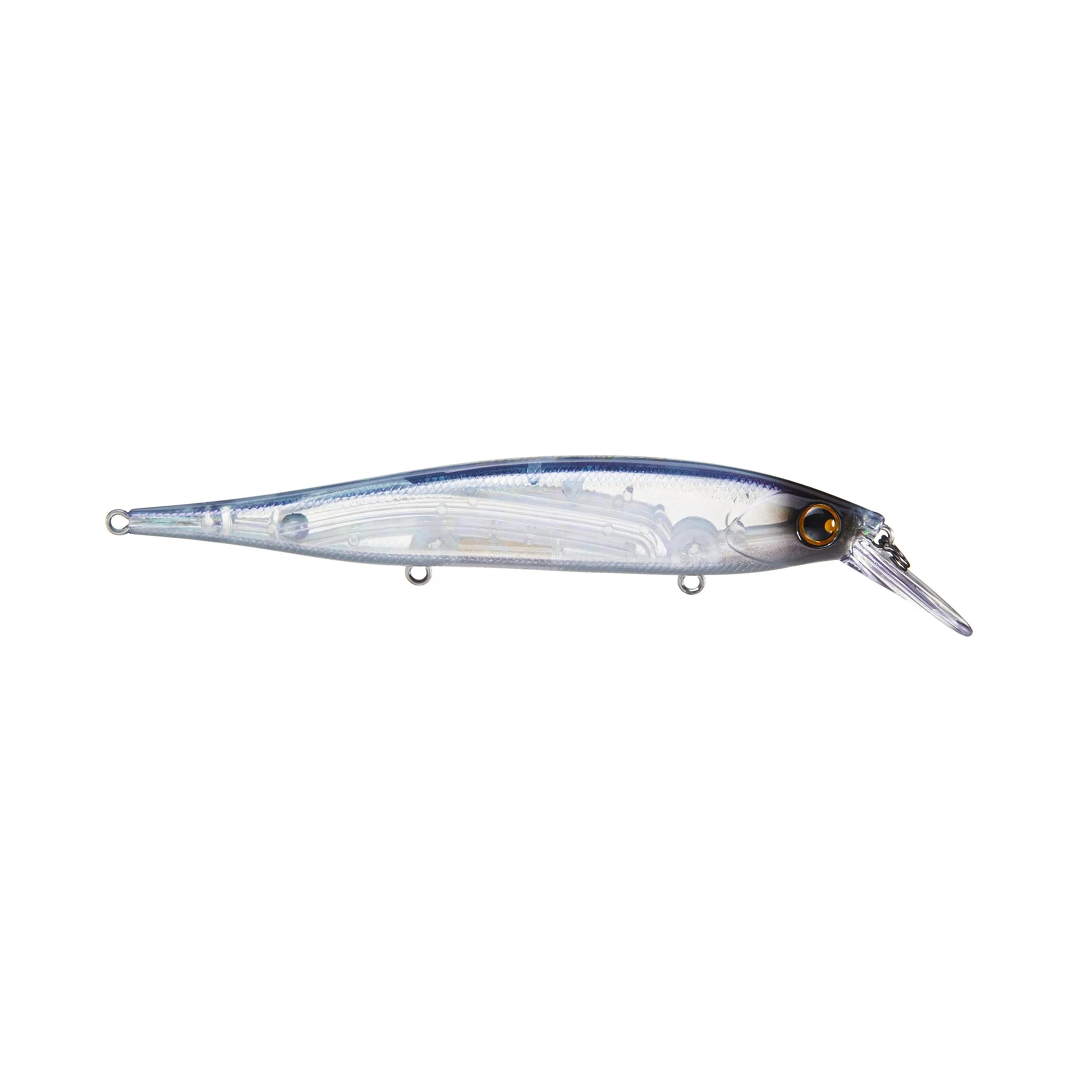
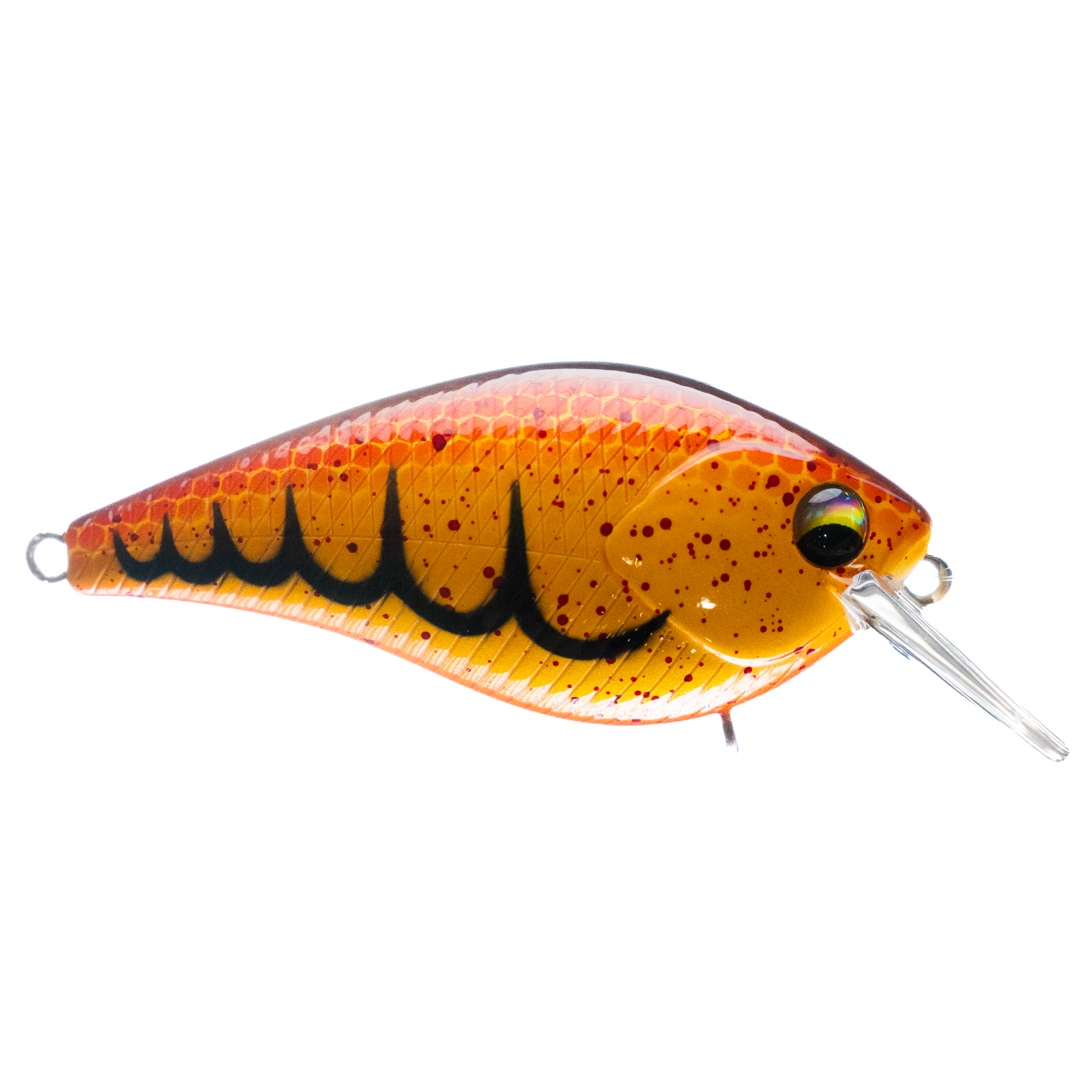
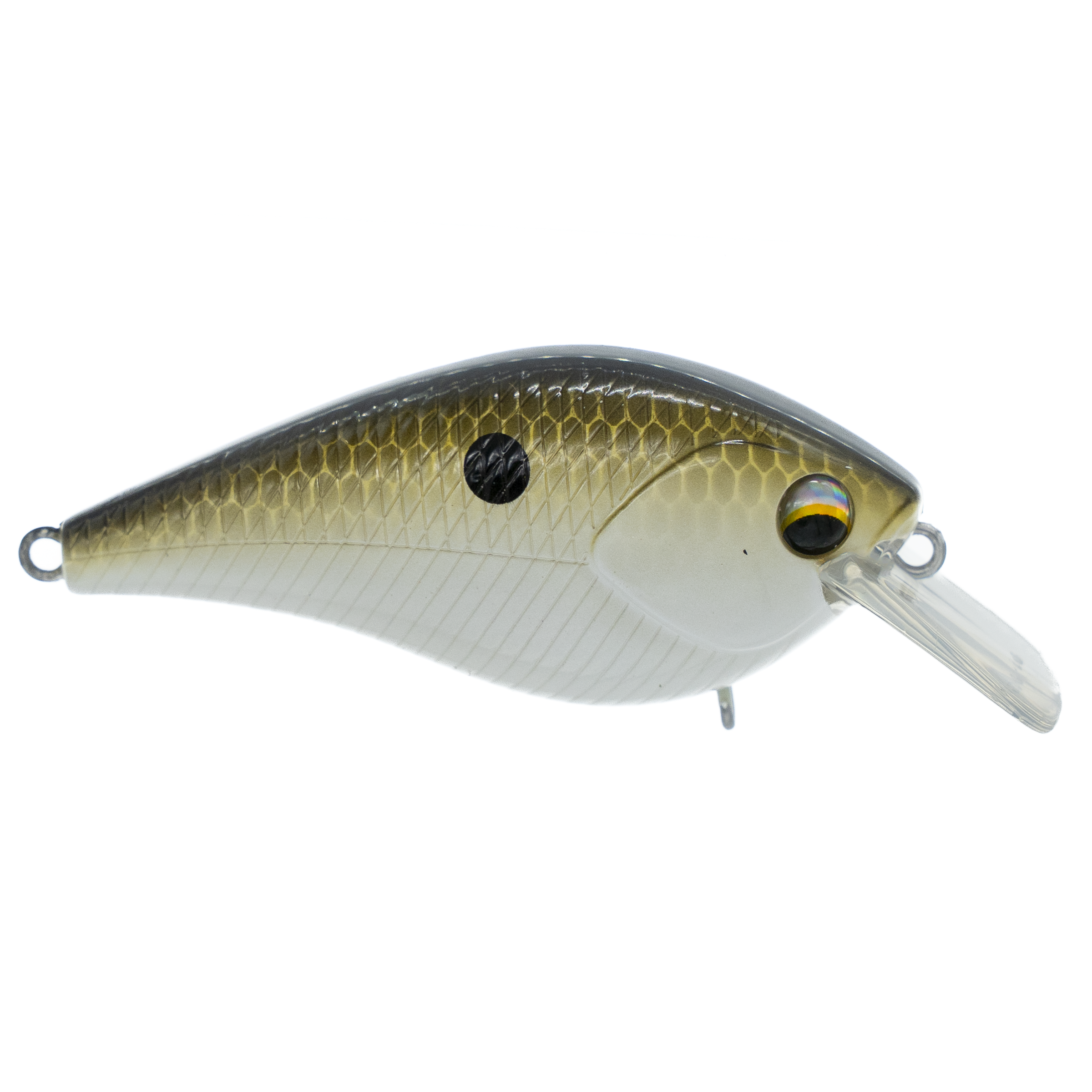
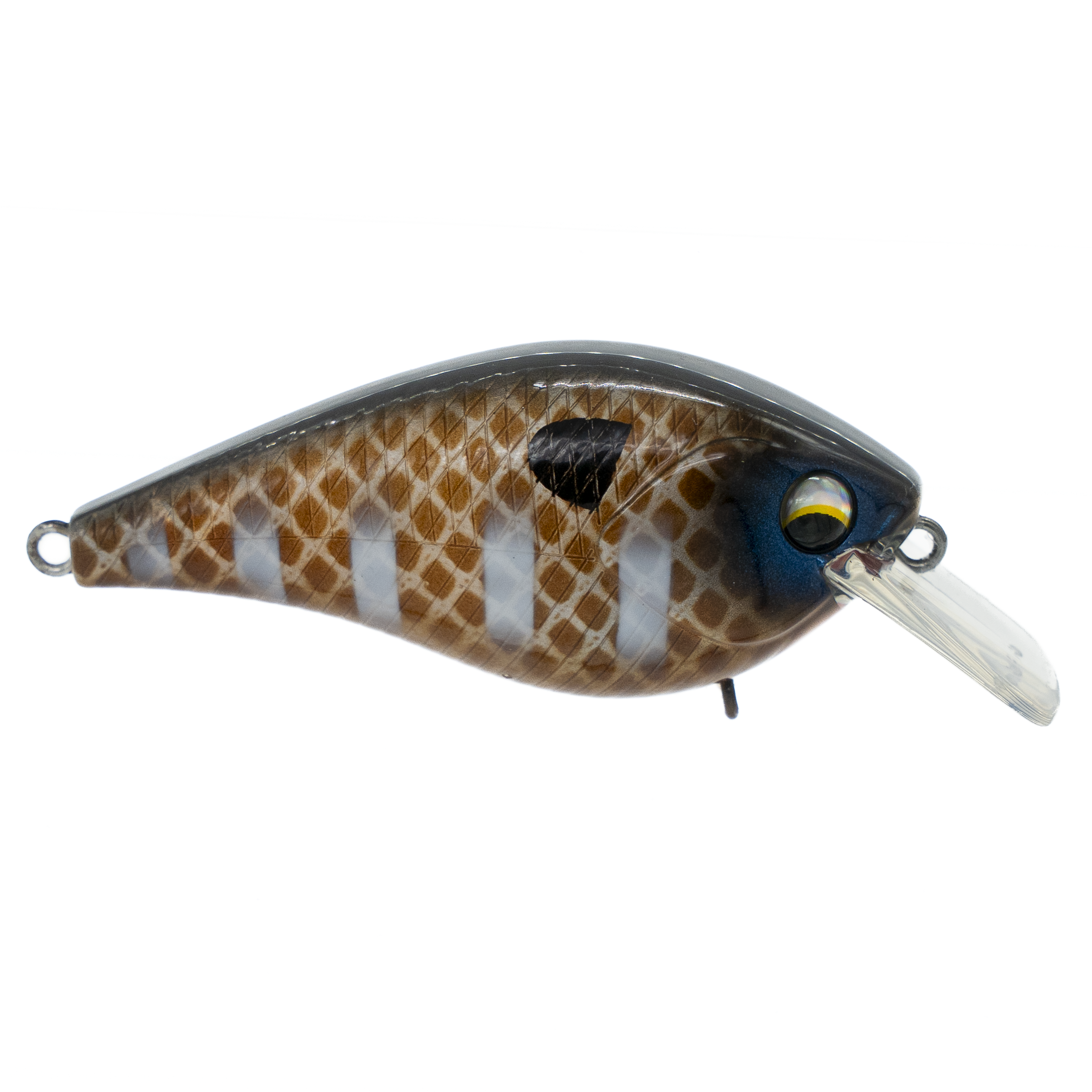
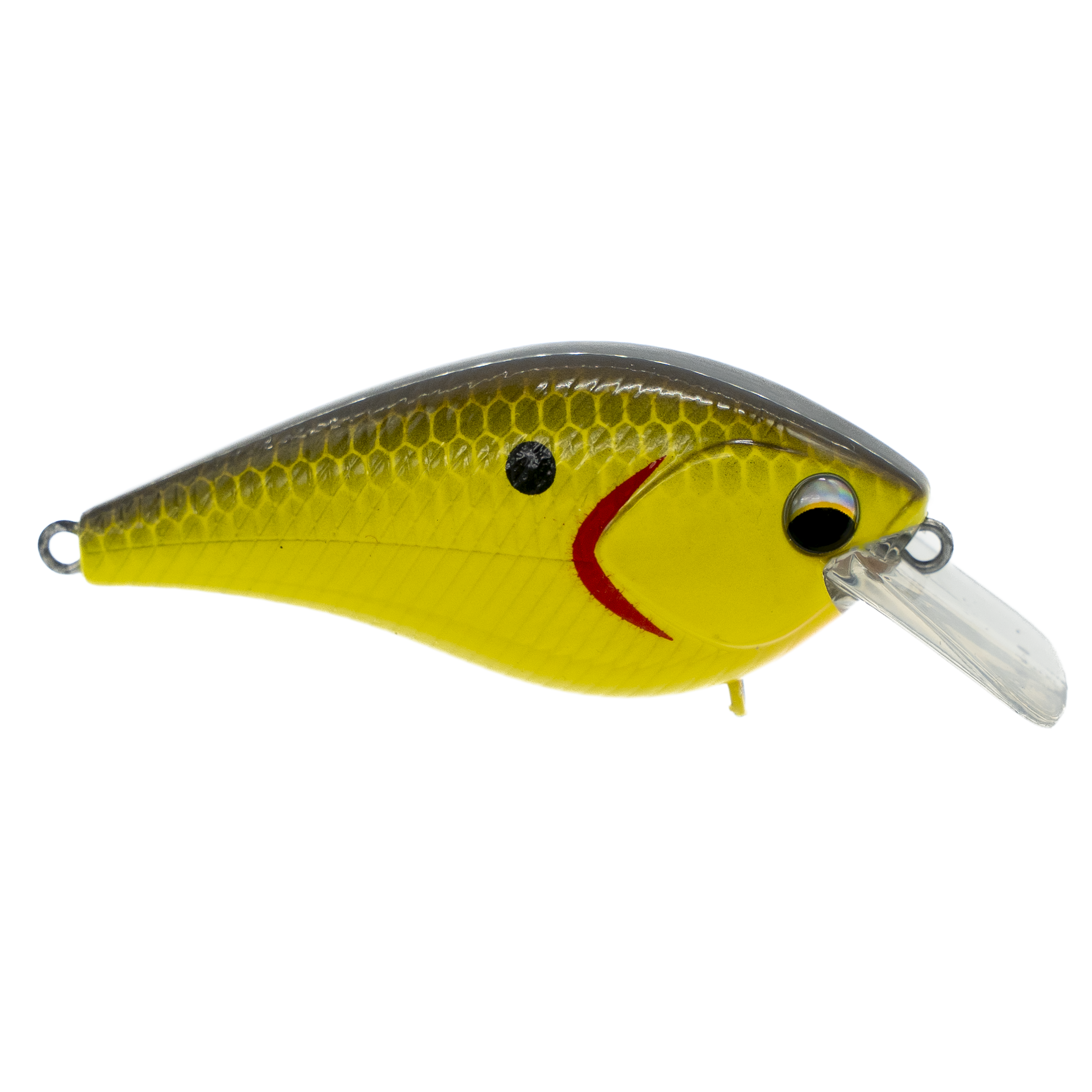
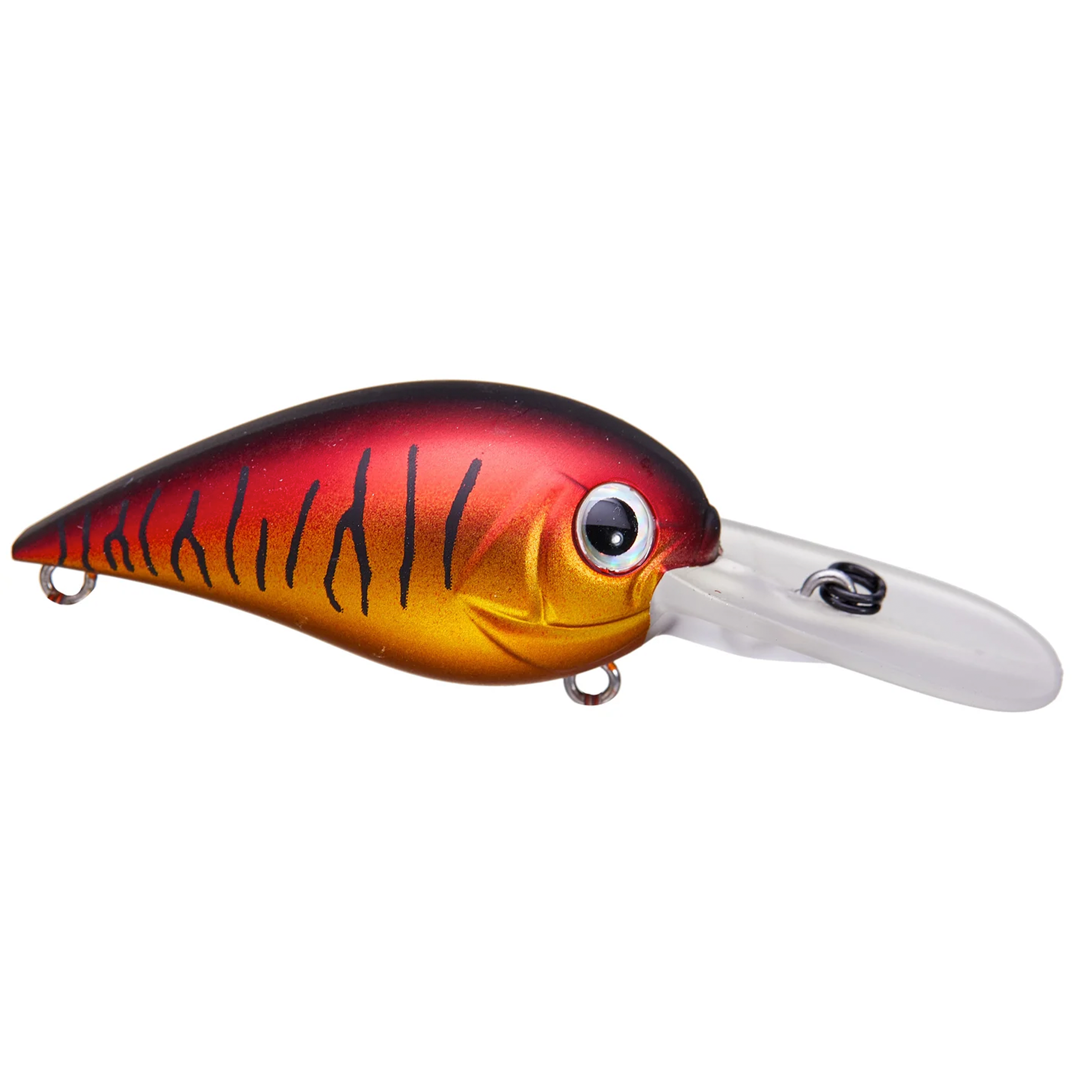
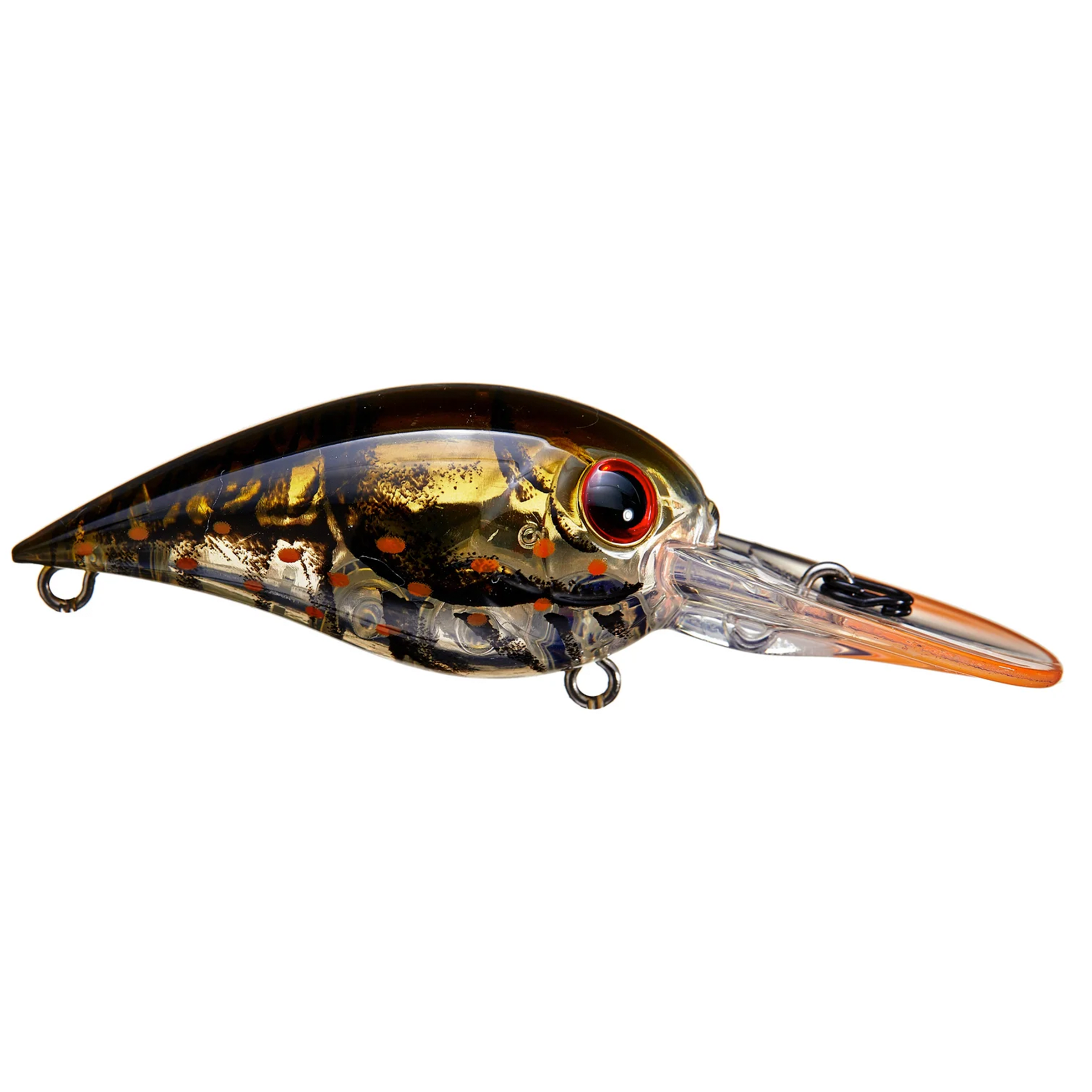
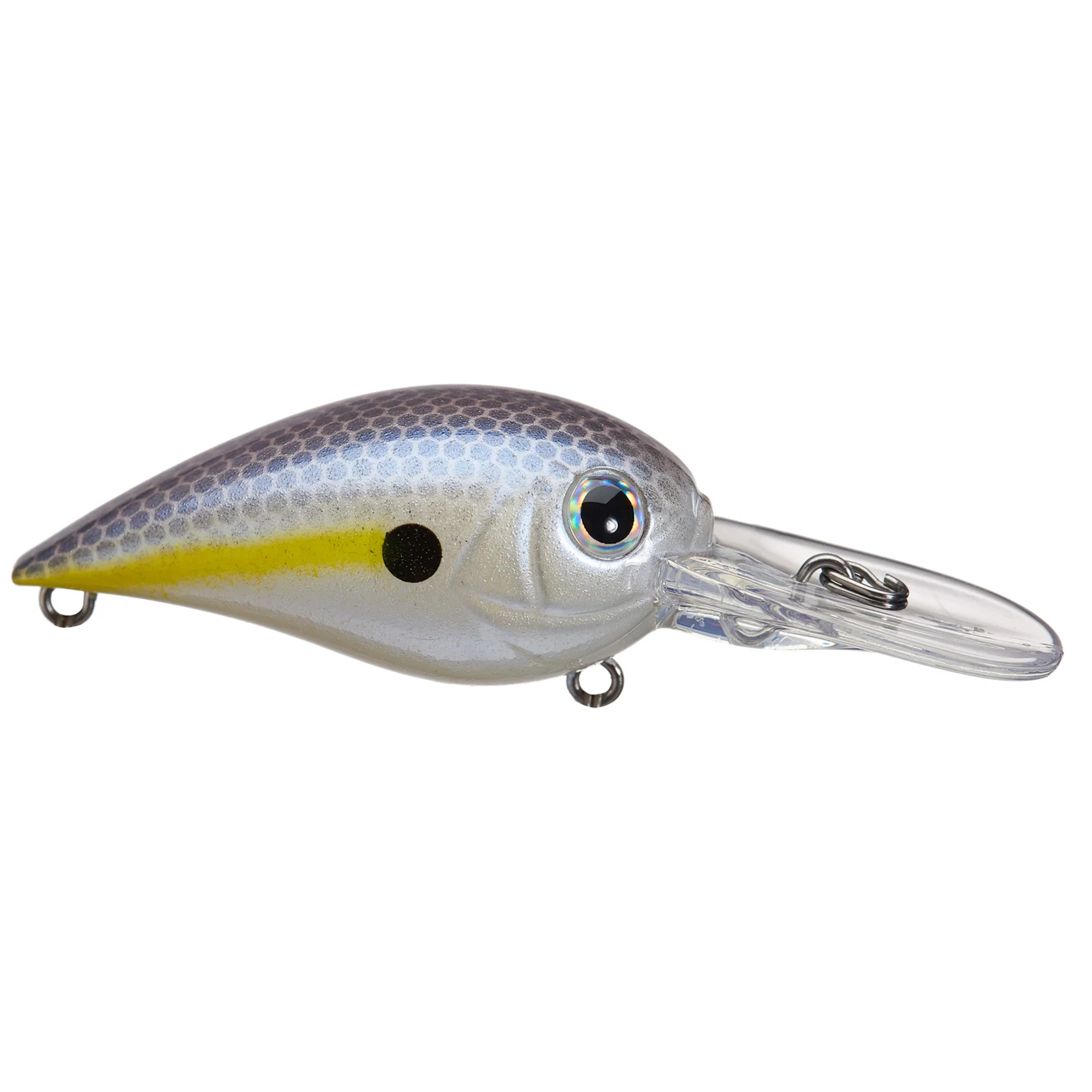
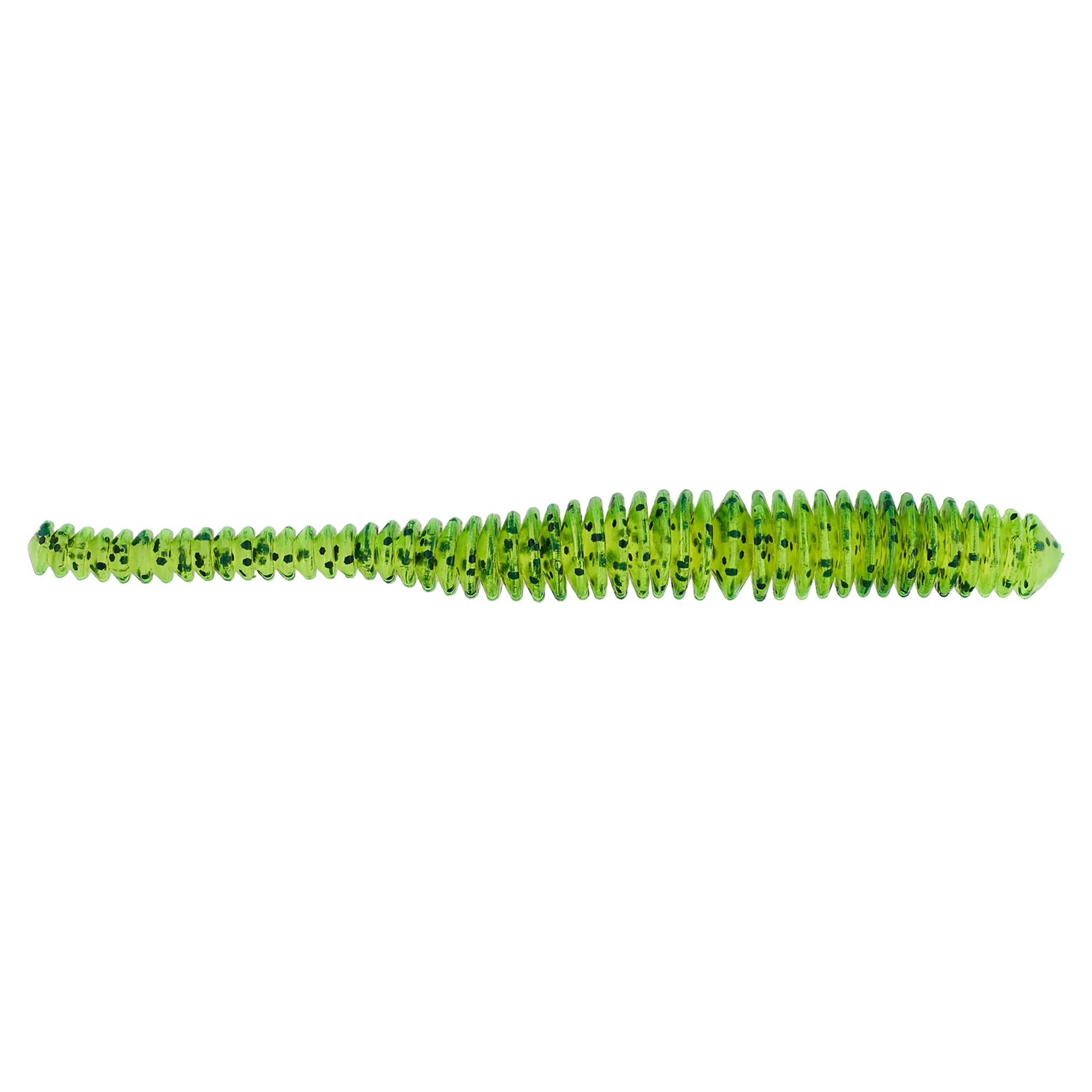
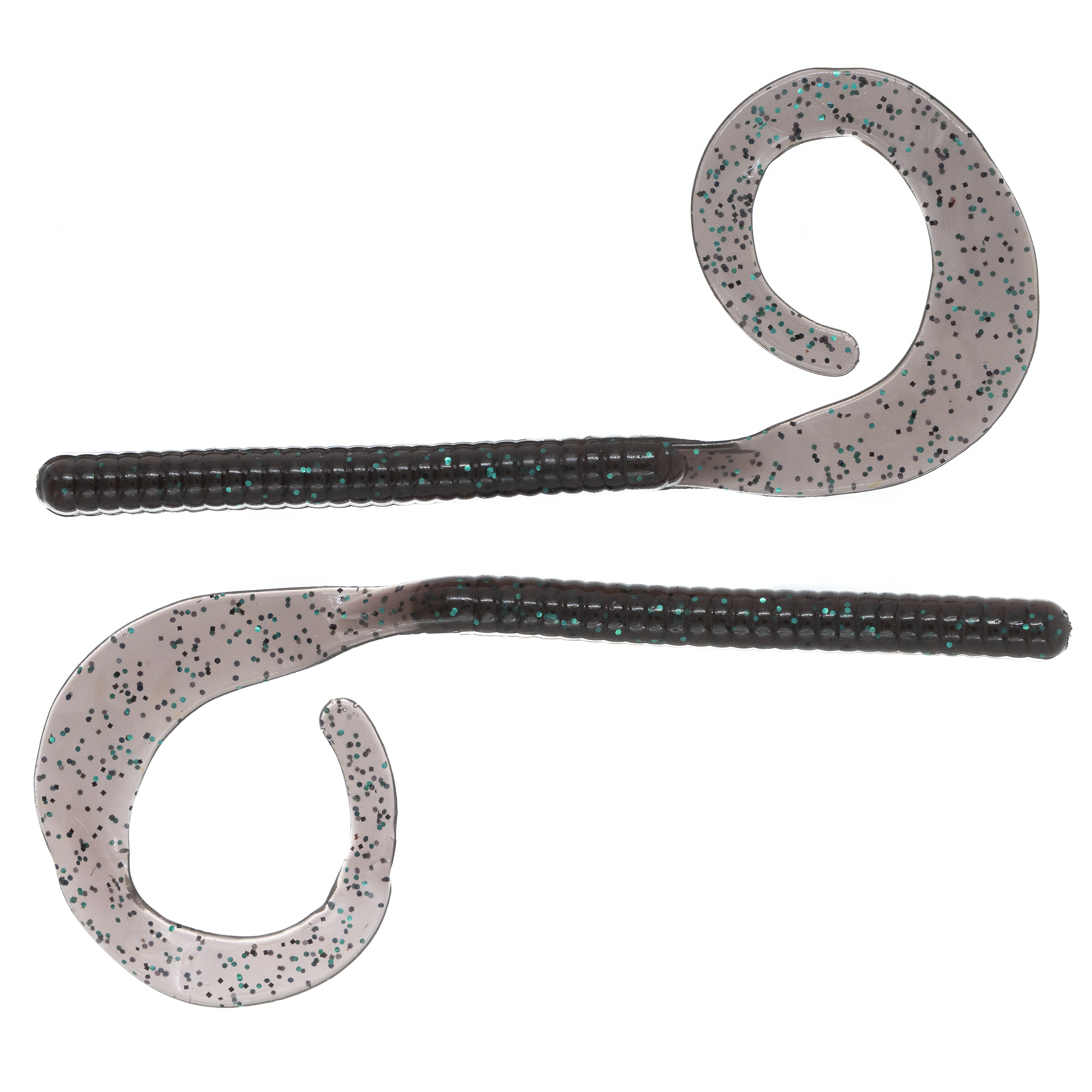
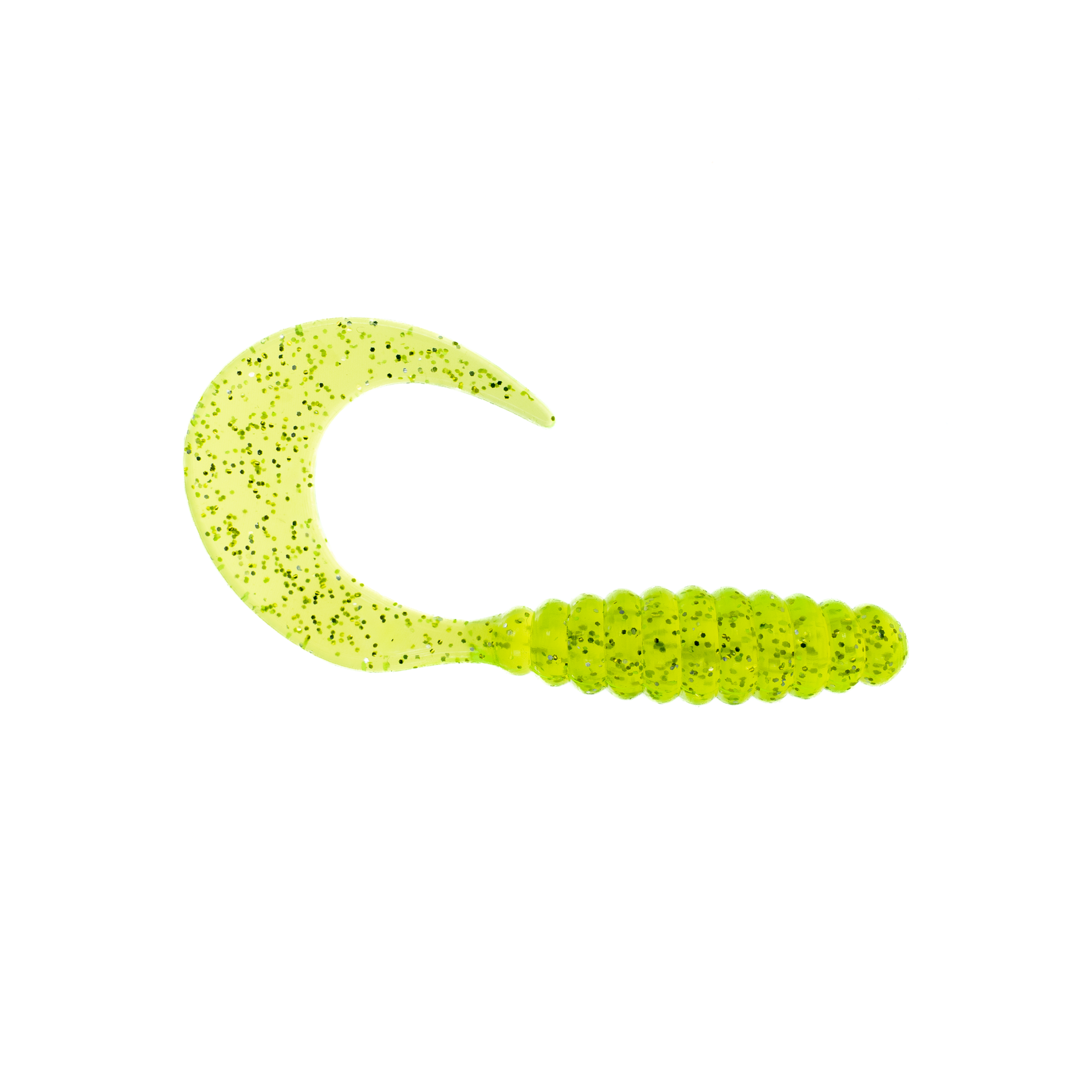
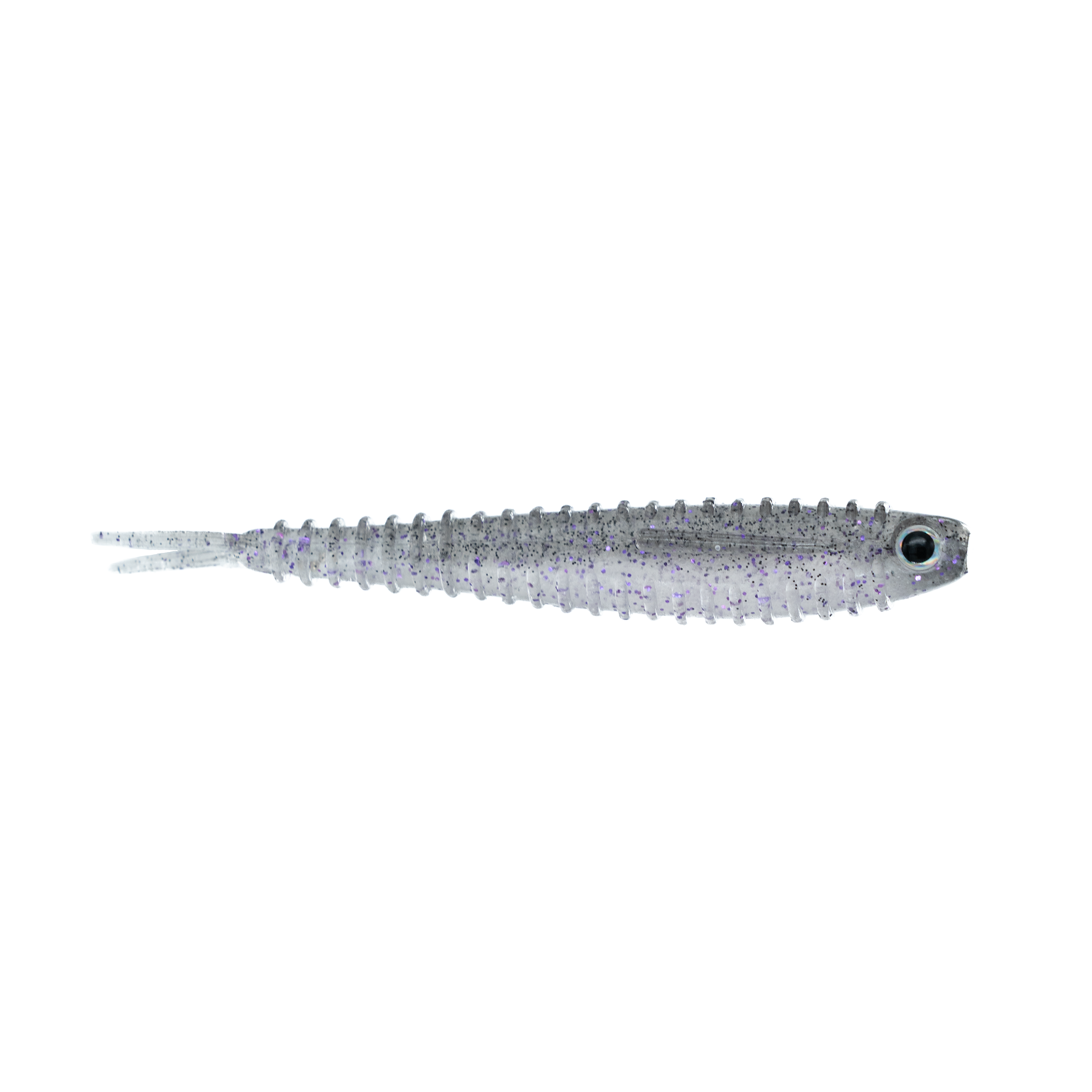
Four patterns cover the year. Each one pairs the technique with the baits we'd actually tie on.
Coves and the First Warm Water
Spring pushes fish into the coves and the shallower pockets off the main channel, which warm before the current-swept water does. Largemouth spawn in the sheltered ends; smallmouth use the rock and gravel closer to the flow. High spring water and generation can make the main channel difficult.



Current Breaks and Shade
Summer makes the current genuinely useful. Fish stack on the downstream side of laydowns, points and rock where flow brings food past them, and the steep wooded banks throw shade for much of the day. The narrow shape means recreational traffic concentrates rather than spreading out.


Bait and Falling Leaves
Autumn concentrates bait in the coves and along the channel edges, and both species feed hard. The steep wooded banks in a Connecticut October are worth the trip on their own, and the summer traffic has gone from a lake that gets crowded for its size.


Deep Channel and Slow Baits
Winter pushes fish into the deeper channel water and the slack behind structure. On a narrow impoundment the productive area shrinks to something manageable, which makes locating fish easier than on a big open reservoir. Access is weather-dependent.


Lake Lillinonah Access
State boat launches serve the impoundment, with access at Pond Brook and Lillinonah among others. Brookfield, Newtown and Southbury surround the water. Water level and flow vary with generation at the Shepaug Dam.
The Coves
Sheltered water off the main channel, warming first in spring and holding bait in autumn. Where the largemouth spawn and where the fishing is most conventional on an otherwise current-driven impoundment.
The Current Breaks
Laydowns, points and rock along the main channel, holding fish on their downstream side whenever water is moving. The summer pattern, and better when generation is running.
The Steep Wooded Banks
Shade for much of the day and timber in the water. Limited shallow flat water means these banks carry a disproportionate share of the fish.
Lake Lillinonah Bass Fishing FAQ
What kind of lake is Lillinonah?
An impoundment of the Housatonic River behind the Shepaug Dam — long, narrow and steep-sided, more a flooded river gorge than a conventional lake. Current runs through it, which makes it fish like a river.
How is it different from Candlewood?
Almost entirely, despite being twenty minutes away. Candlewood is a big clear reservoir with eighty-five feet of water and submerged town structure. Lillinonah is narrow, current-driven and full of timber and rock. They suit different anglers.
Does current matter here?
Yes, and it is the organising factor in summer. Fish hold on the downstream side of laydowns, points and rock whenever water is moving, and the fishing improves noticeably when generation is running at the dam.
What species are there?
Largemouth and smallmouth both. Largemouth favour the wood and the coves; smallmouth take the rock and the current-swept structure. Neither dominates.
When is the best time to fish it?
Autumn for comfort and aggressive fish, spring for the spawn in the coves. Summer produces well on current breaks if you fish the shade and check the generation schedule.
Is it crowded?
For its size, yes — the narrow shape concentrates recreational traffic rather than letting it spread out. Early, late and the shoulder seasons are considerably better.
What baits work best on Lillinonah?
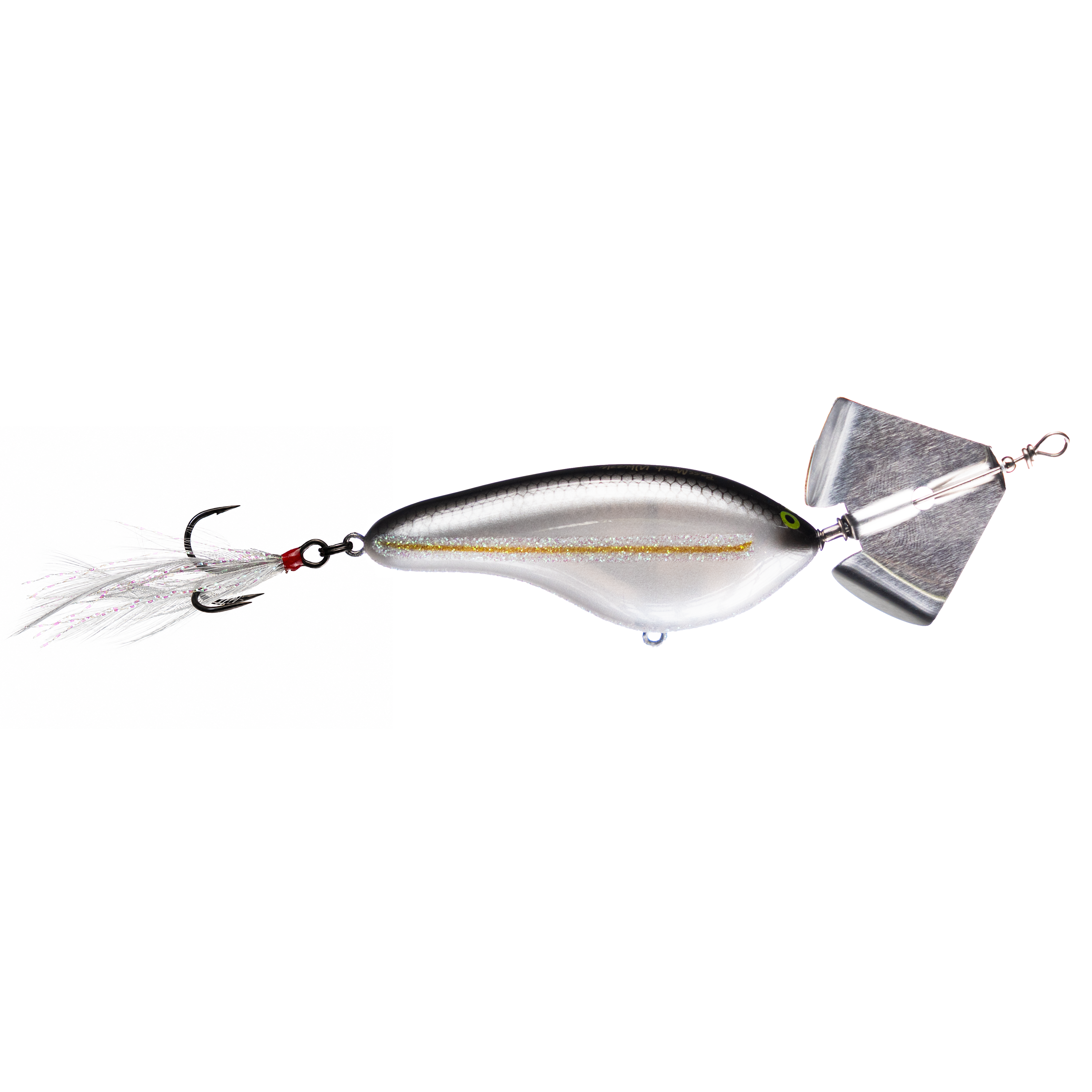
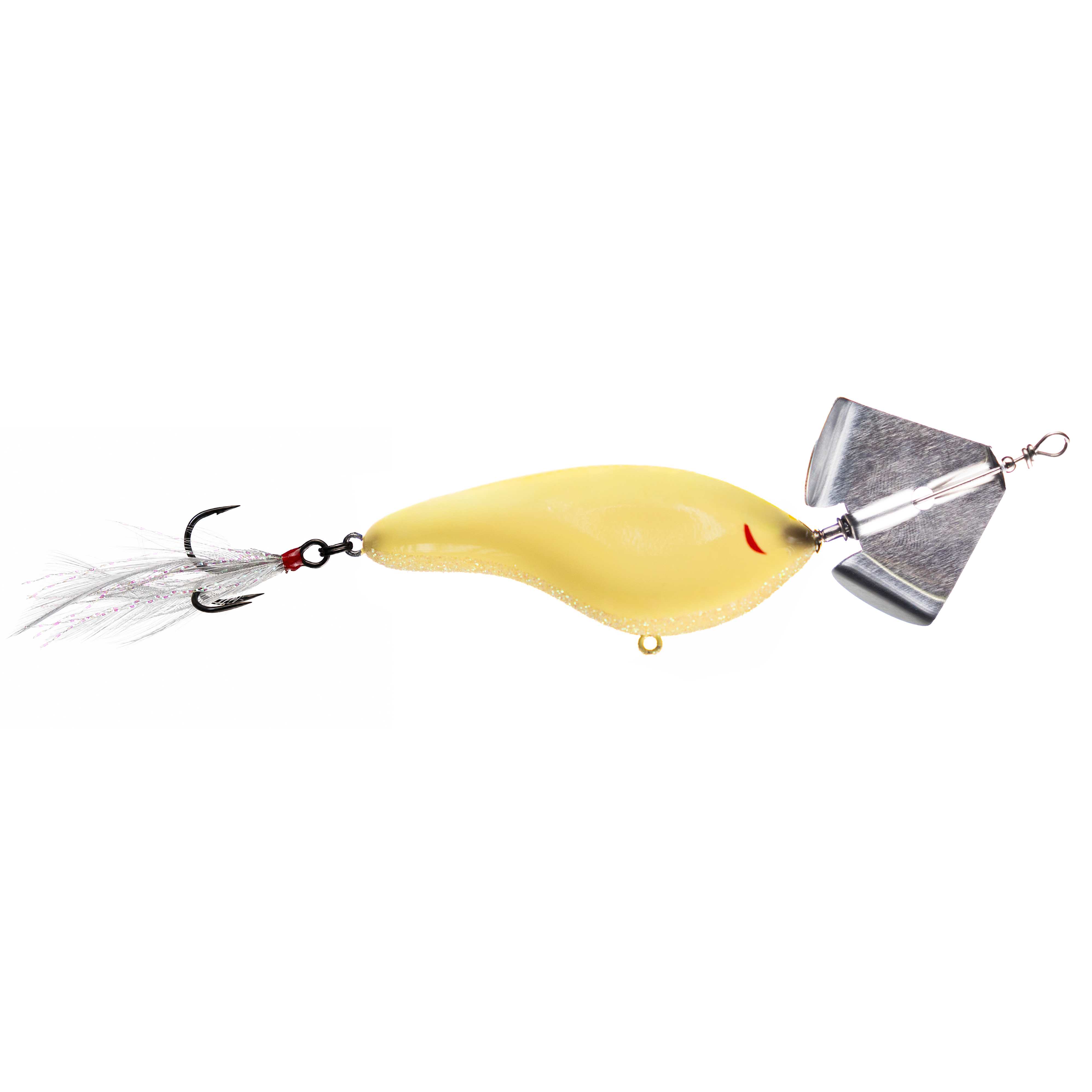
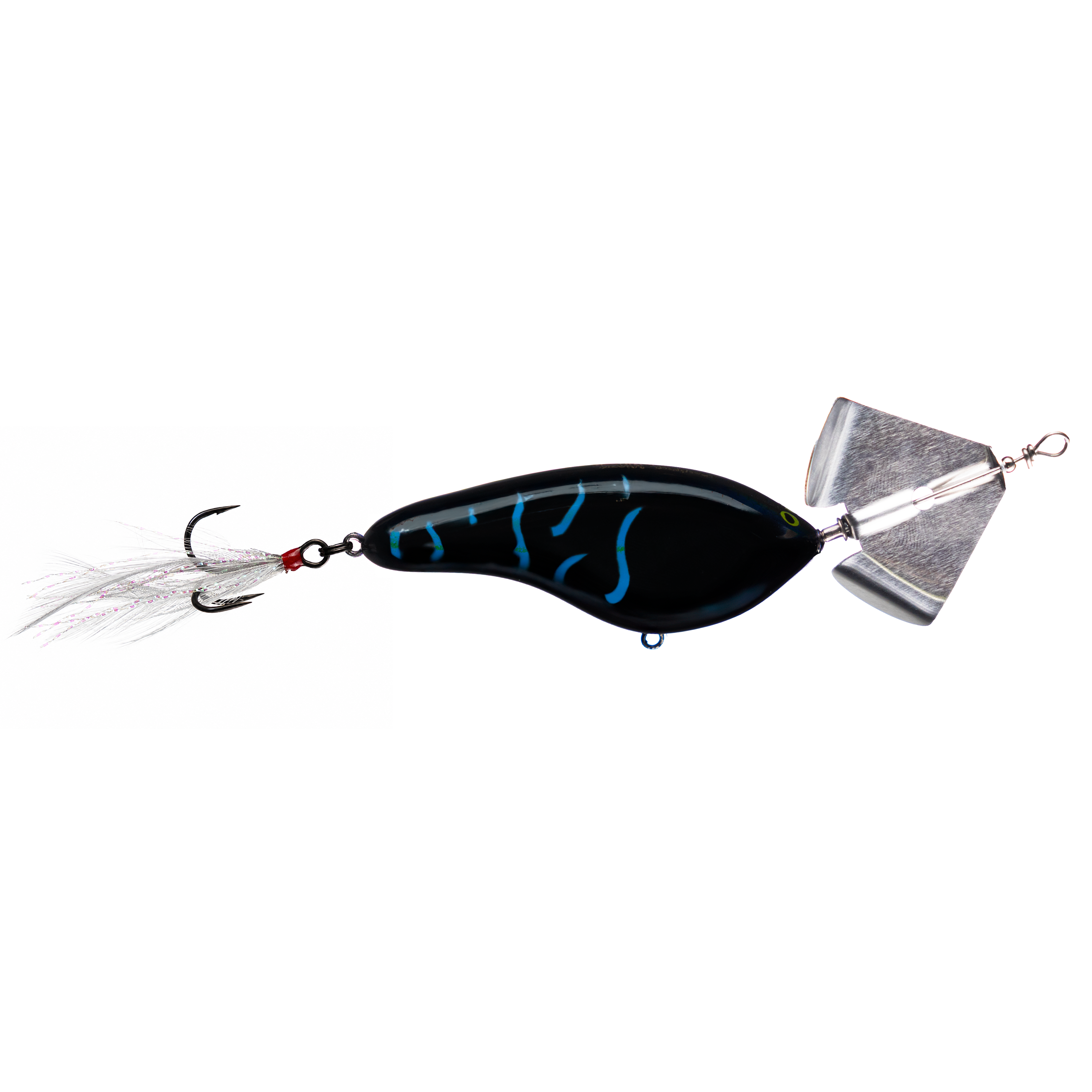
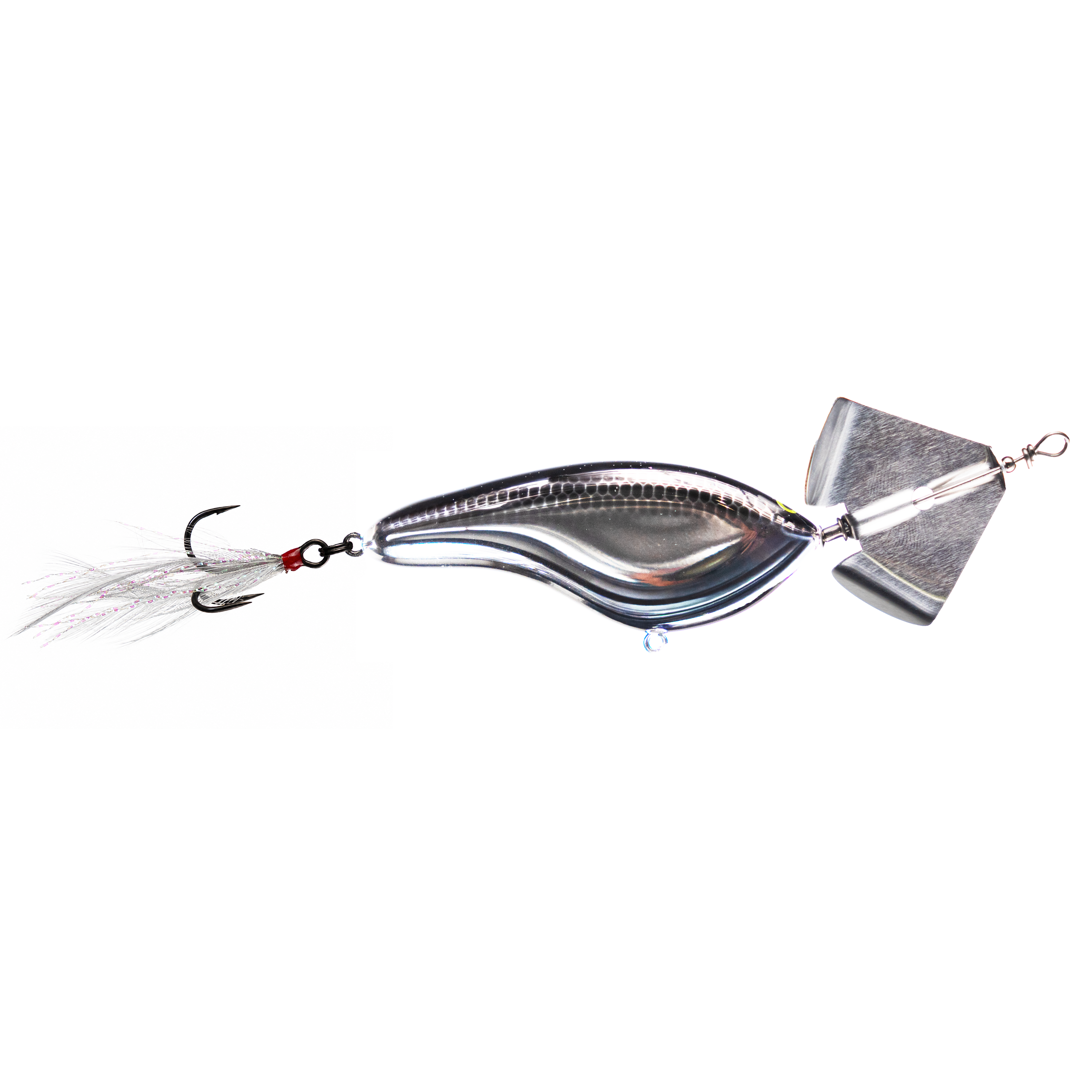
Jigs and creature baits around wood, finesse presentations on rock, and moving baits along the banks in autumn. Current-oriented fishing rewards keeping a bait in the strike zone as it passes a break. Our full bait lineup covers all four seasons.
Do I need a fishing license?
Yes, a Connecticut fishing license for anyone sixteen and over, from CT DEEP. New England states set their own black bass season dates and several restrict harvest during the spawn. Check the current state regulations for this water before you go.
Wood and Moving Water
Fishing timber in current means putting a bait tight to a break and keeping contact as the flow takes it. Level Rods builds models with the accuracy to place it and the backbone to pull a fish out of a laydown before the current helps her.
Tournament Winning Baits & Gear
Designed, crafted and tested by anglers who fish moving water every week. Free shipping on orders over $75.
Shop All Baits