Lake Lanier Bass Fishing Guide
Lake Lanier Bass Fishing, Season by Season
38,000 acres of clear, deep Chattahoochee water north of Atlanta, and the best spotted bass fishery in the country. The catch: for roughly eighty percent of the year those fish are nowhere near the bank. Learn to fish offshore brush and Lanier opens up.
A Spotted Bass Factory Built by Accident
Lake Lanier is a Corps of Engineers reservoir on the Chattahoochee and Chestatee rivers northeast of Atlanta, covering 38,000 acres with nearly 700 miles of shoreline and depths past 160 feet. Spotted bass were stocked almost as soon as it was dammed, and for years they did what spots usually do when introduced somewhere they aren't native: grew slowly and stayed small.
Then blueback herring arrived. Lanier turned out to be close to a perfect machine for growing spots — deep clear water, rock, standing timber, and now an open-water baitfish that let them feed out in the middle of nowhere. Three and four pound spotted bass became routine. Six-pounders show up every year. To put that in perspective the way local anglers do: if a lake grew largemouth in the same proportion to the world record that Lanier grows spots, thirty-five pound tournament limits would be ordinary.
The practical consequence is that Lanier is a vertical lake, not a horizontal one. Spotted bass spend roughly eighty percent of the year offshore — on humps, underwater islands and in brush on the lower two-thirds of the lake — because that's where the oxygen and the herring are. Fishermen have sunk hundreds of brush piles over the years, most of them in twenty to forty feet, and finding them is the whole game.
Largemouth are here too, mostly well up the creeks and rivers where the water carries some colour. But most people who fish Lanier seriously are fishing the main lake for spots.
What It Took to Win Here
Patterns that produced at the highest level on this lake, and the baits to fish them with.
Paul Mueller — One Deep Ridge, Four Days
The first Elite Series event ever held on Lanier, and it turned into a spotted bass shootout. Mueller edged Chris Zaldain by less than a pound with 69 pounds even, and he did it by finding one deep ridge and refusing to leave it.
That ridge produced most of his big spots all week. On the final day he ran out of options, went back to his primary spot for the last time, and pulled a five-and-a-quarter and a four off it. Without those two fish he doesn't win. He alternated between crankbaits and a six-inch shaky head worm the whole event, and when he finally left the spot for good, there were still fish on it.
The number that tells you what Lanier is: 917 bass were weighed across the four days, averaging over two and three-quarter pounds apiece. On a spotted bass fishery, that is remarkable. All 917 went back alive.


Following Spots and Herring
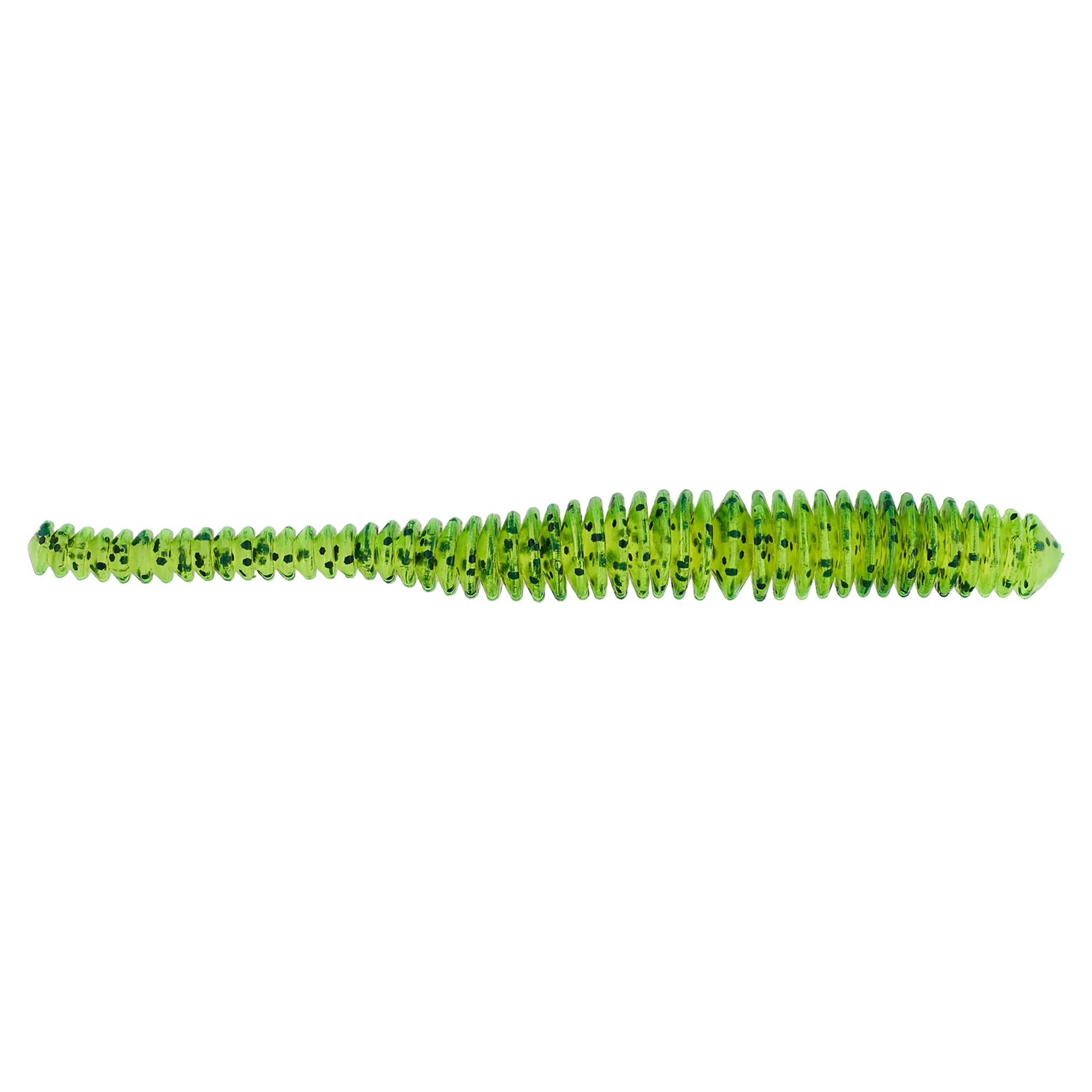
Four patterns cover the year. Each one pairs the technique with the baits we'd actually tie on.
A Spawn That Happens at Every Depth
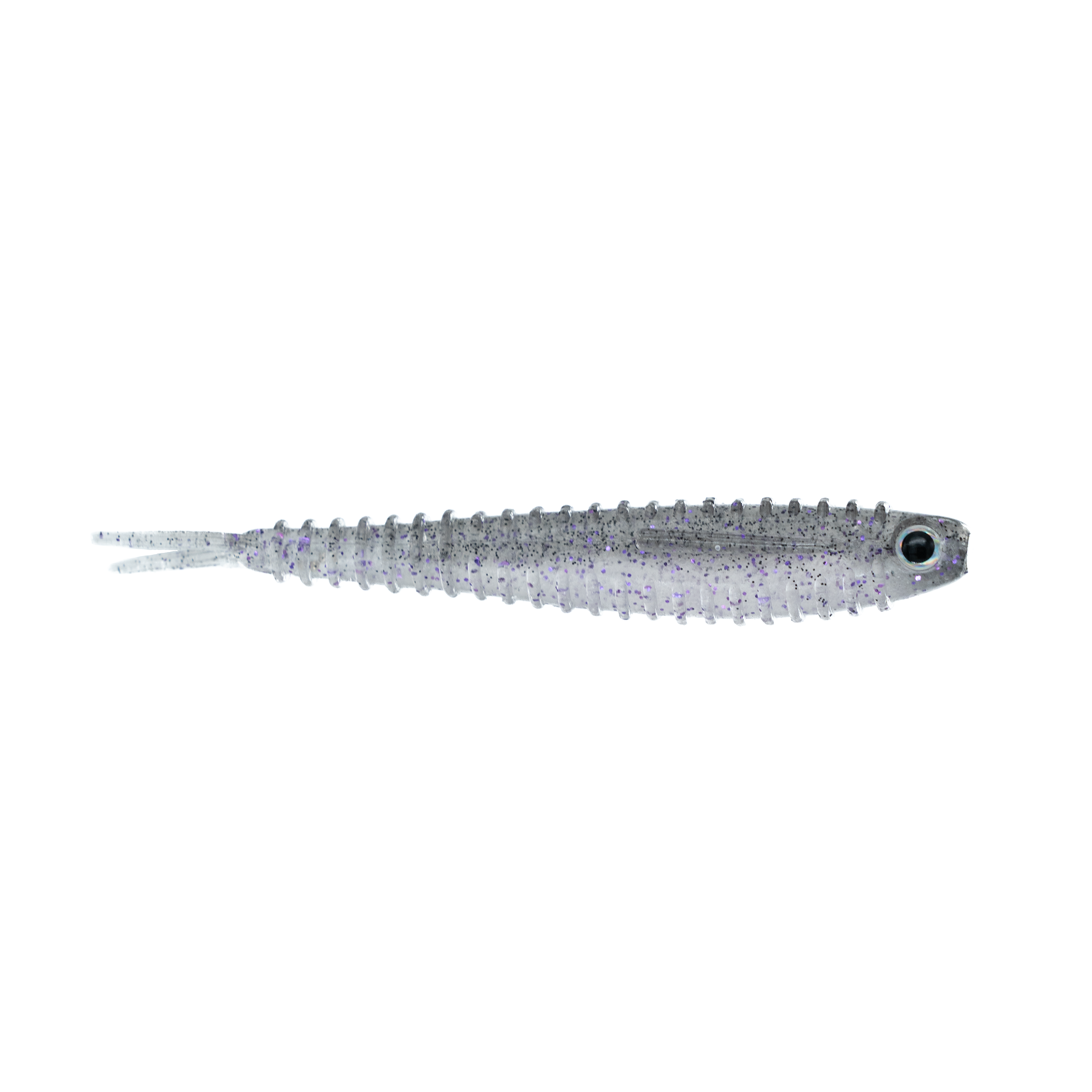
Lanier's spawn is unusual because spotted bass spawn deeper than largemouth and time it to the herring. From late March into June you can catch bedding fish in two feet of water and, the same afternoon, catch others off brush in twenty-five. Main-lake points and bars are the primary targets, and herring will spawn on hard structure like marina seawalls with bass feeding up on them.



Brush Piles, Twenty to Forty Feet
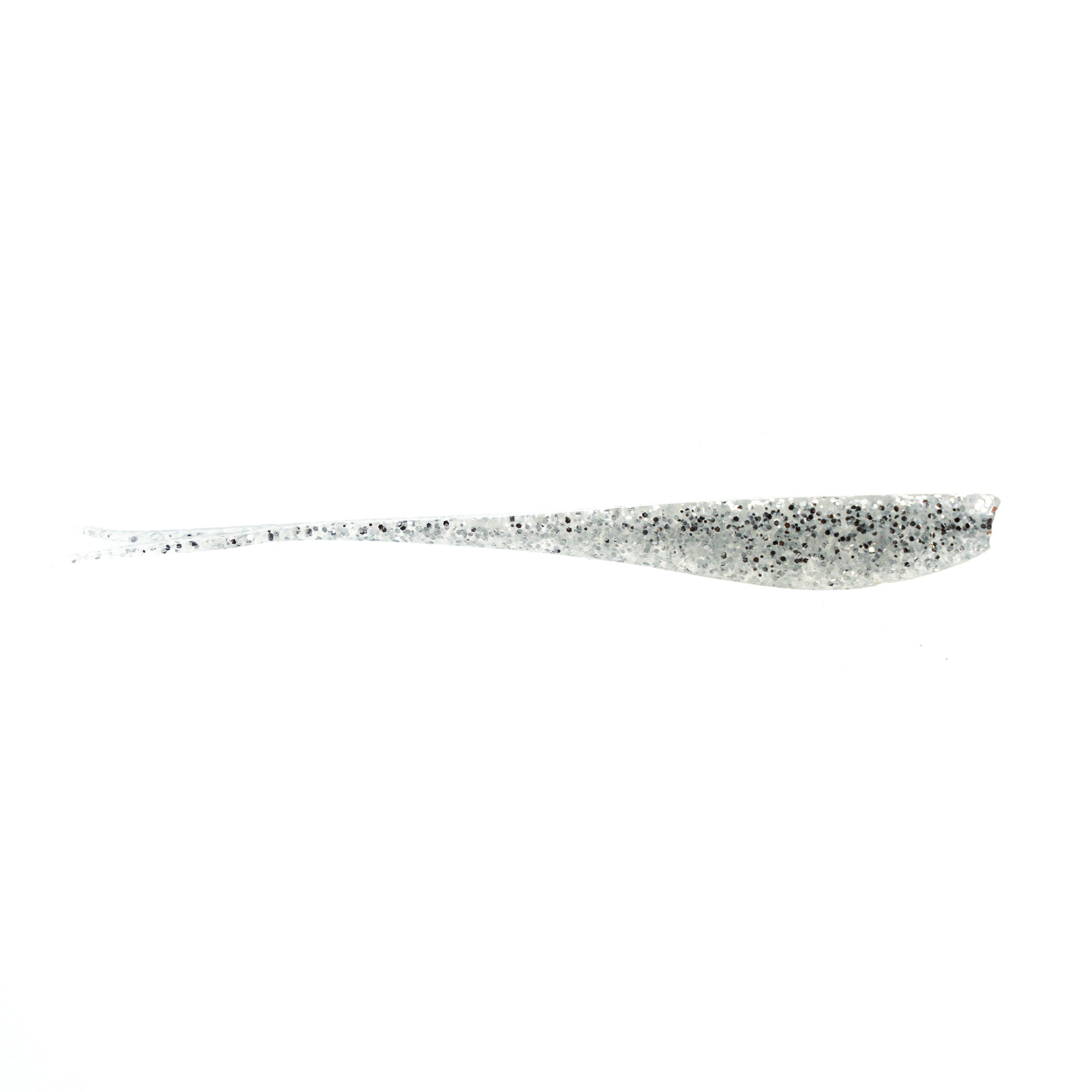
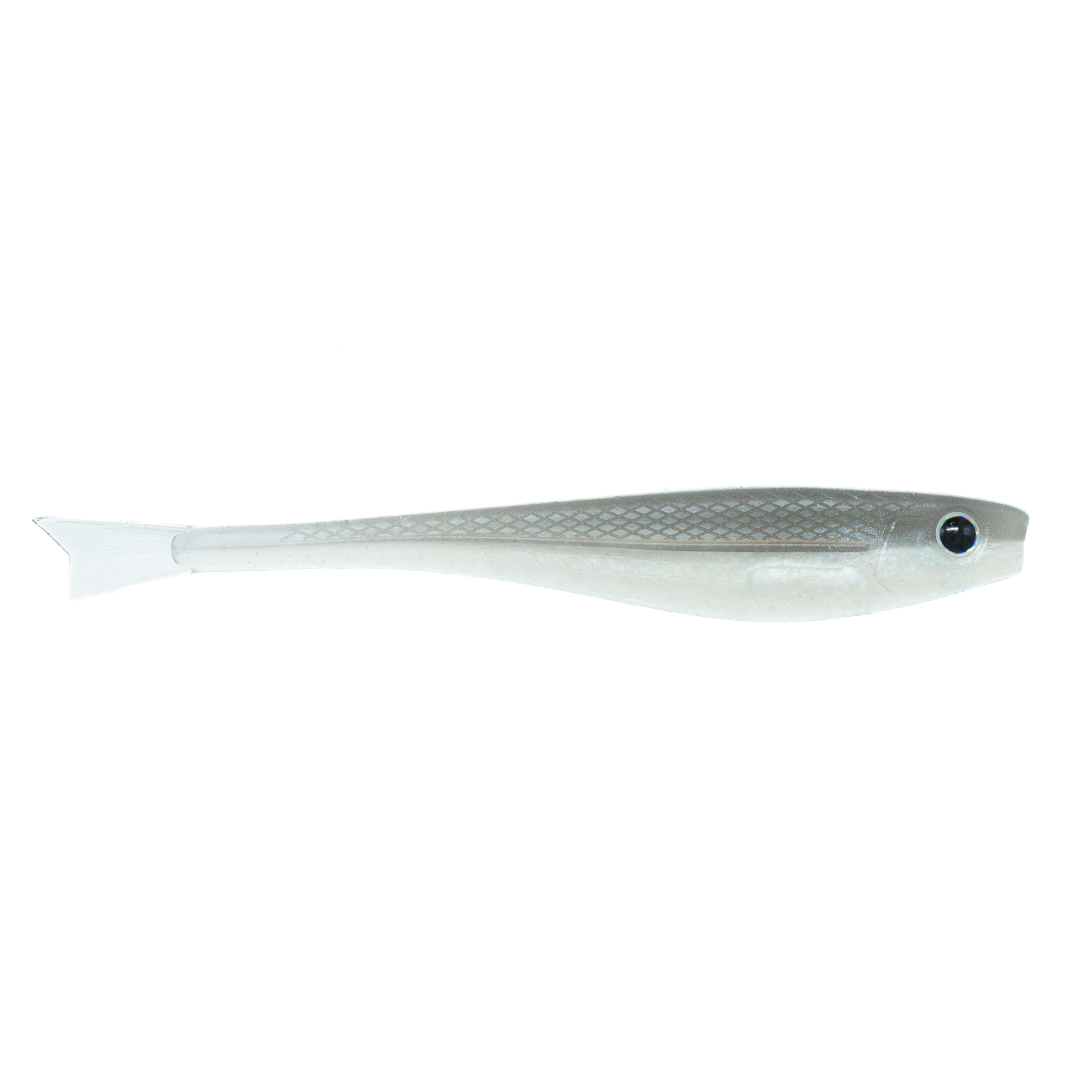
Post-spawn spots move out to brush on main-lake points and humps and stay there. Early morning brings genuine topwater as they push herring and small shad to the surface, but once the sun is up the fish are down. This is electronics fishing — find the brush, find the bait on it, then work it thoroughly rather than running from spot to spot.

The Whole Water Column
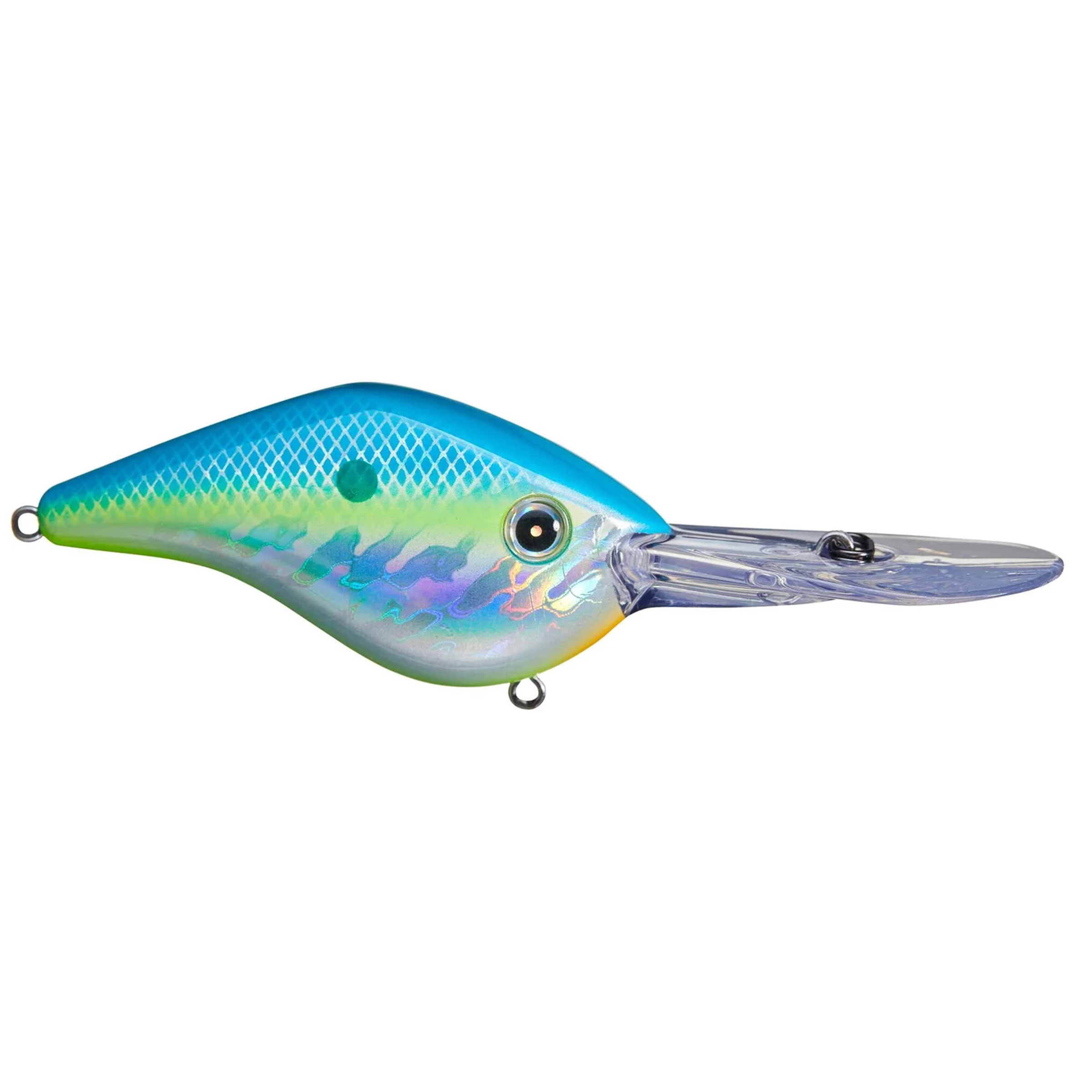
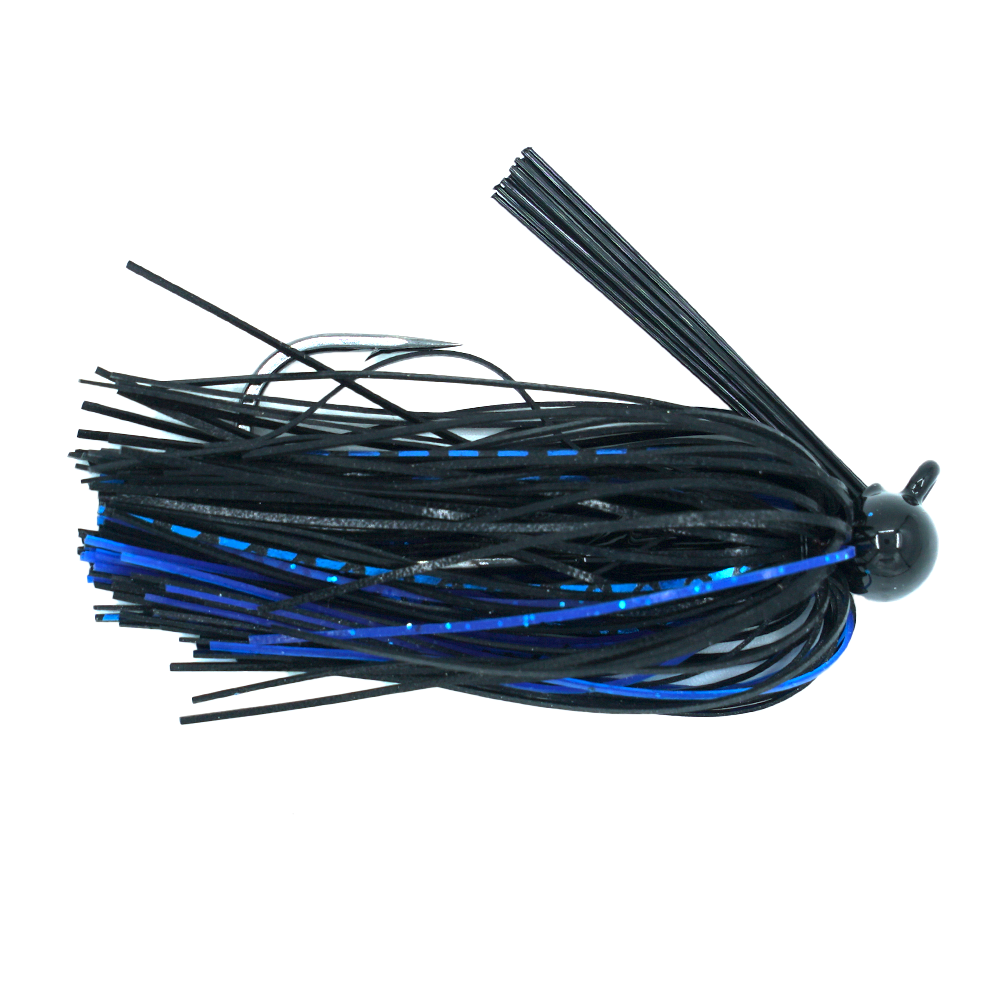
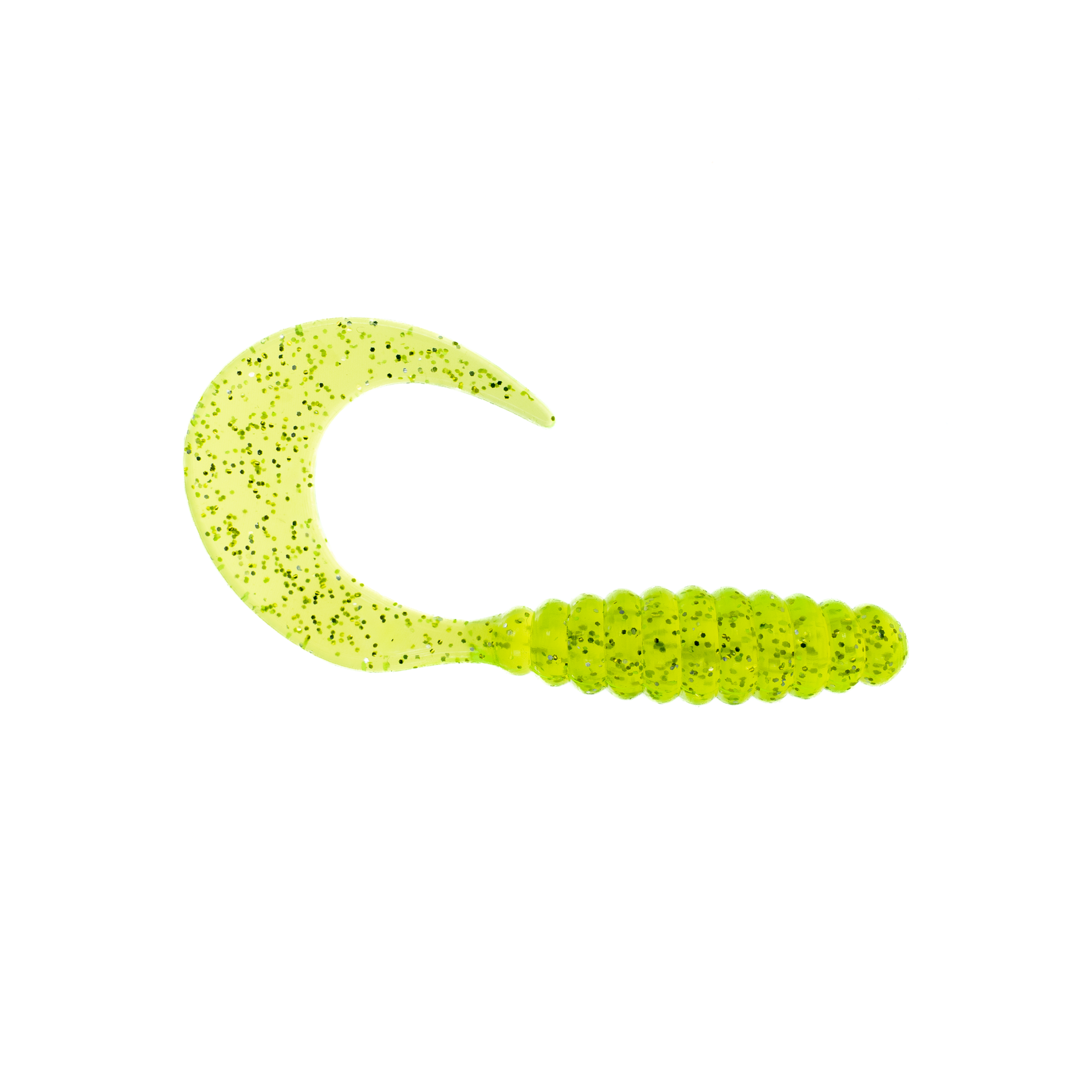
Late September still fishes like summer, with fish out on deep main-lake brush. By October they follow the bait into the creeks and coves and set up shallower. October is the month you can catch good spots anywhere from the surface down to thirty-five feet, and because they're eating both small shad and full-grown herring, bait size matters as much as bait type.


Hunkered in the Brush
Winter puts Lanier's spots right back where they spent the summer — tight to brush piles and structure with vertical relief, holding deep and moving very little. The water is at its clearest, which cuts both ways: they can see your bait from a long way off, and they can also see everything wrong with it.


Lake Lanier Access
Seven hundred miles of shoreline and a lot of it looks the same from the surface. Start where the structure is known.
Browns Bridge
Deep, clear and rocky, and a longstanding favourite among spotted bass anglers. Comes into its own in summer when fish push out to deeper structure.
Bald Ridge Creek
Southeast side of the lake, with dock lines that give quick access to deeper water. A practical starting point when you want cover and depth close together.
Upper Chattahoochee & Chestatee Arms
Where the river water still carries some colour, and where the largemouth live. Worth the run when the main lake is bright, calm and difficult.
Lake Lanier Bass Fishing FAQ
Why does Lake Lanier grow such big spotted bass?
A rare combination. Deep clear water with rock and timber is ideal spotted bass habitat, and blueback herring gave them an abundant open-water food source. Spots that used to grow slowly now reach three and four pounds routinely, with six-pounders caught every year. That combination doesn't exist on most lakes, which is why introducing herring elsewhere often does more harm than good.
Where do the bass live on Lake Lanier?
Offshore, most of the time. Spotted bass spend roughly eighty percent of the year on humps, underwater islands and brush piles on the lower two-thirds of the lake, because that's where the oxygen and the herring are. If you fish only the bank on Lanier you'll miss most of the fish.
How do I find brush piles on Lake Lanier?
With electronics and patience. Anglers have sunk hundreds of them over the years, most in twenty to forty feet on the lower half of the lake, and almost none are marked. Once you find one, work every fishable inch of it rather than making a few casts and moving on.
When do bass spawn on Lake Lanier?
Late March into June, and not all at once. Spotted bass spawn deeper than largemouth and time it around the herring spawn, so you can find bedding fish in two feet of water and others holding on brush in twenty-five feet on the same day. Main-lake points and bars are the primary spawning areas.
What baits work best on Lake Lanier?
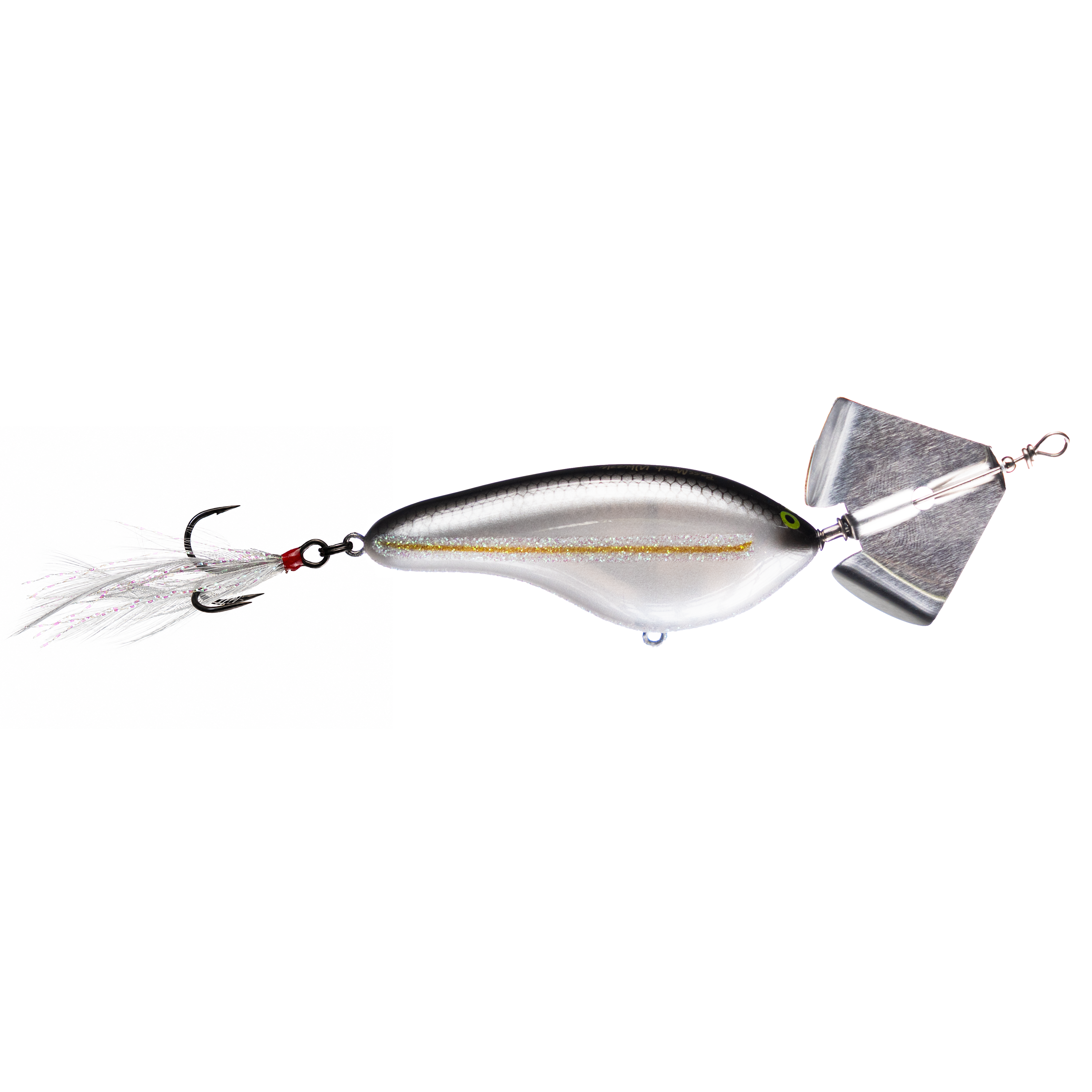
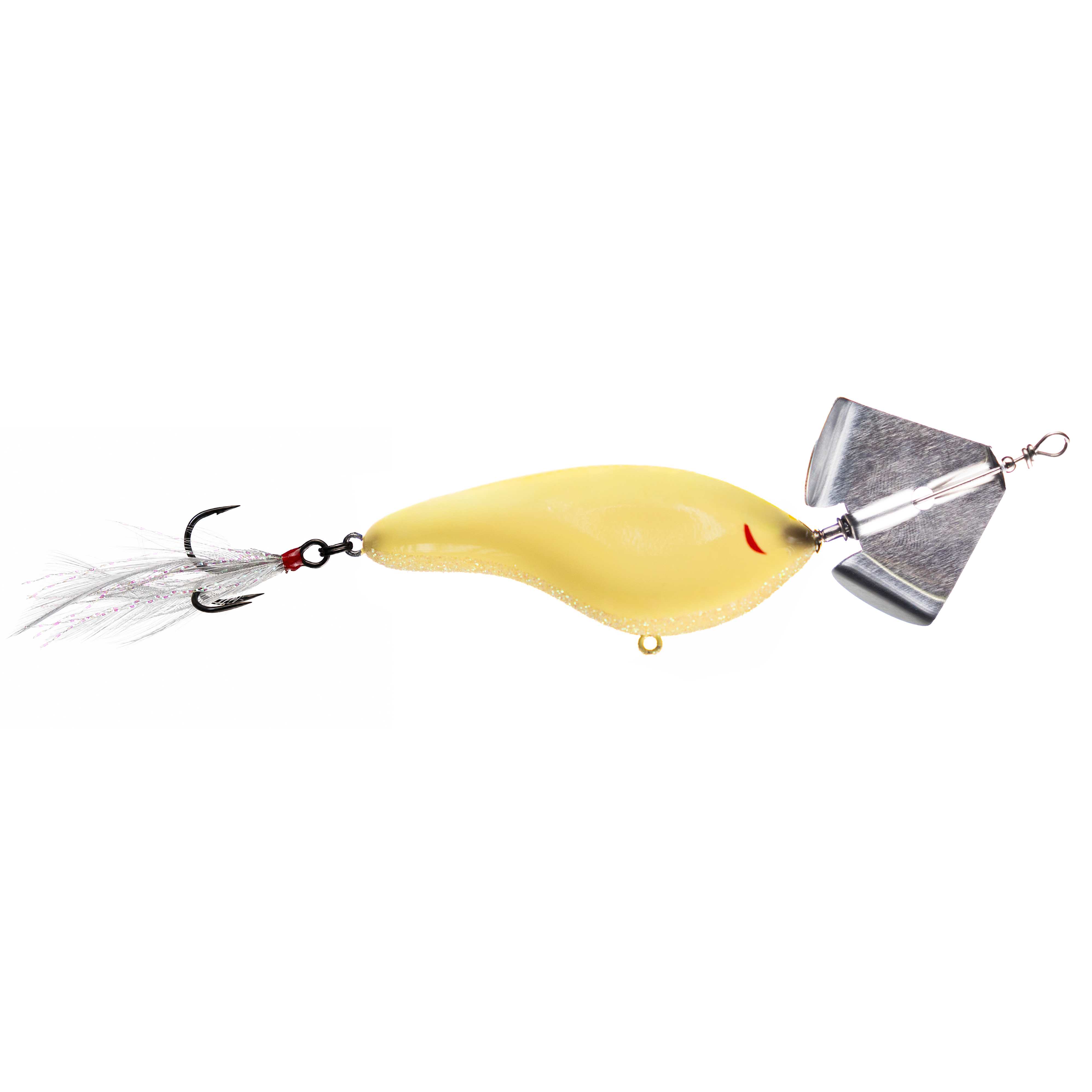
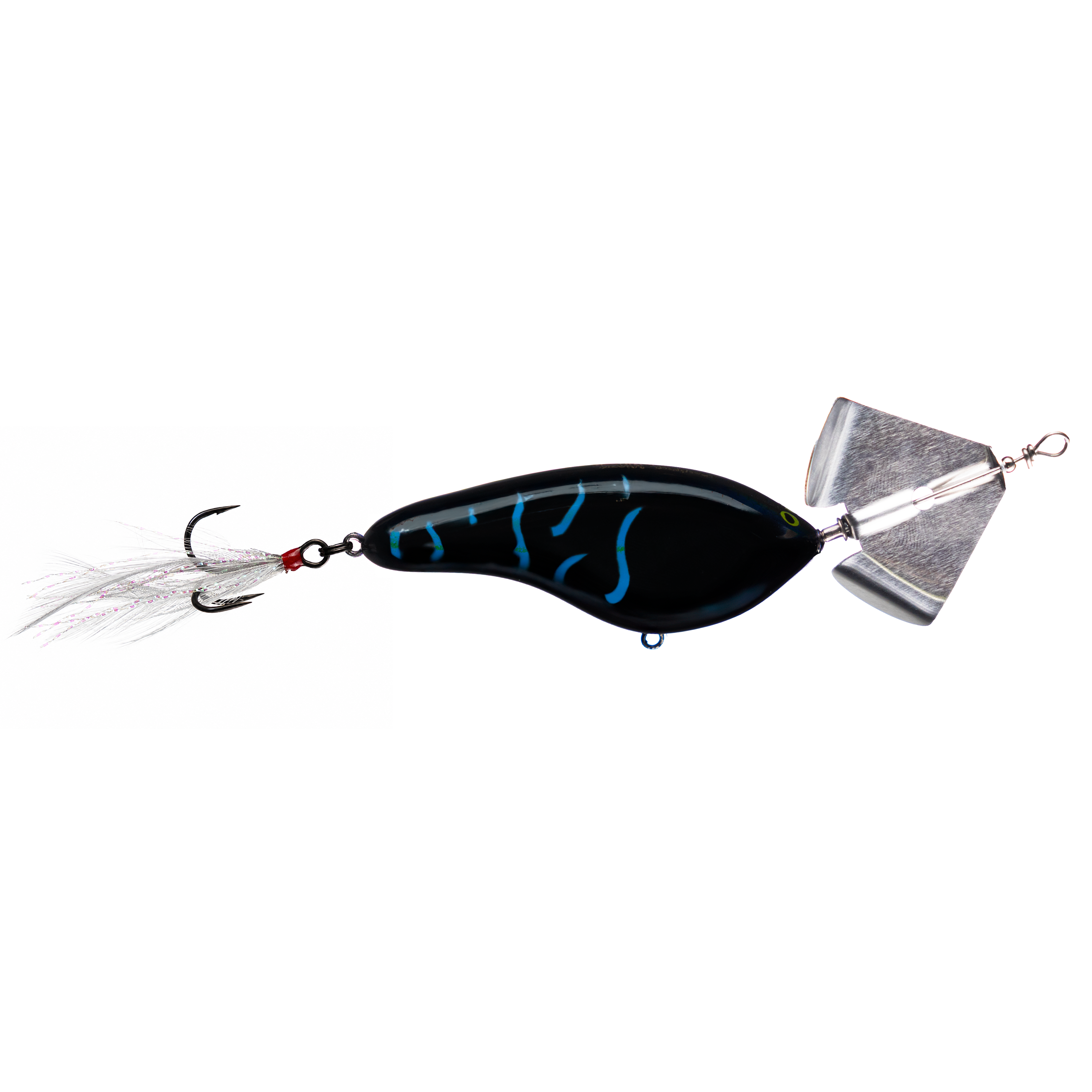
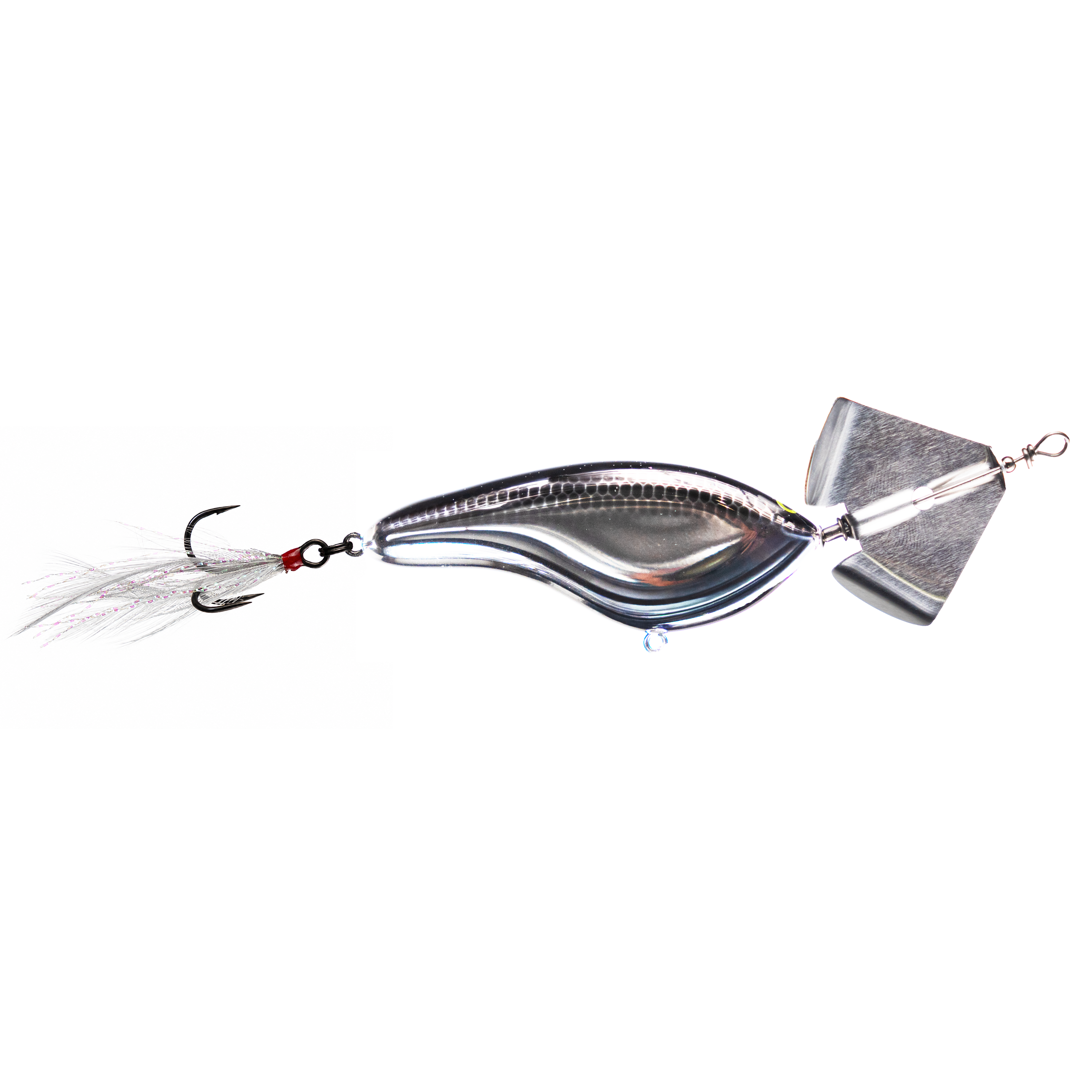
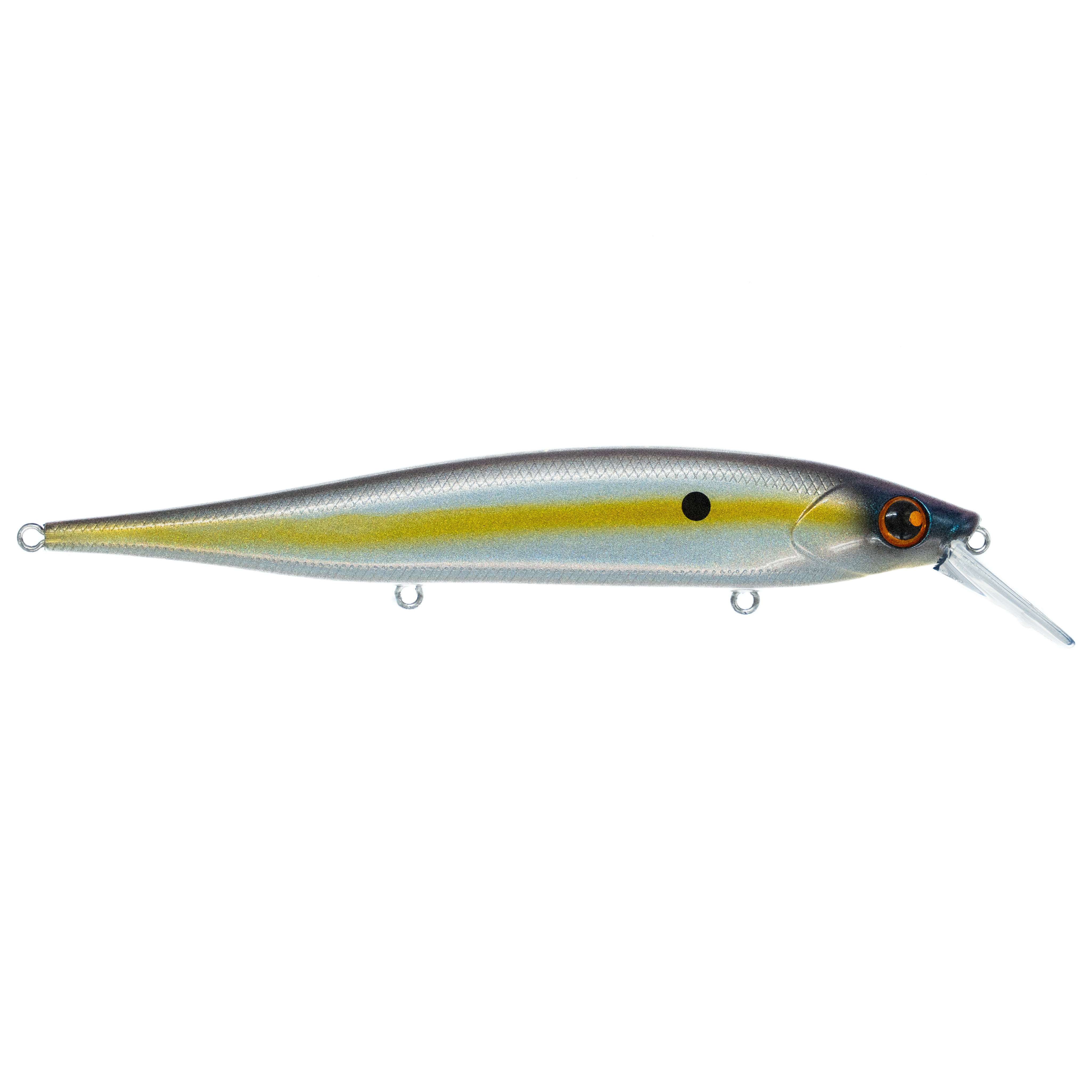
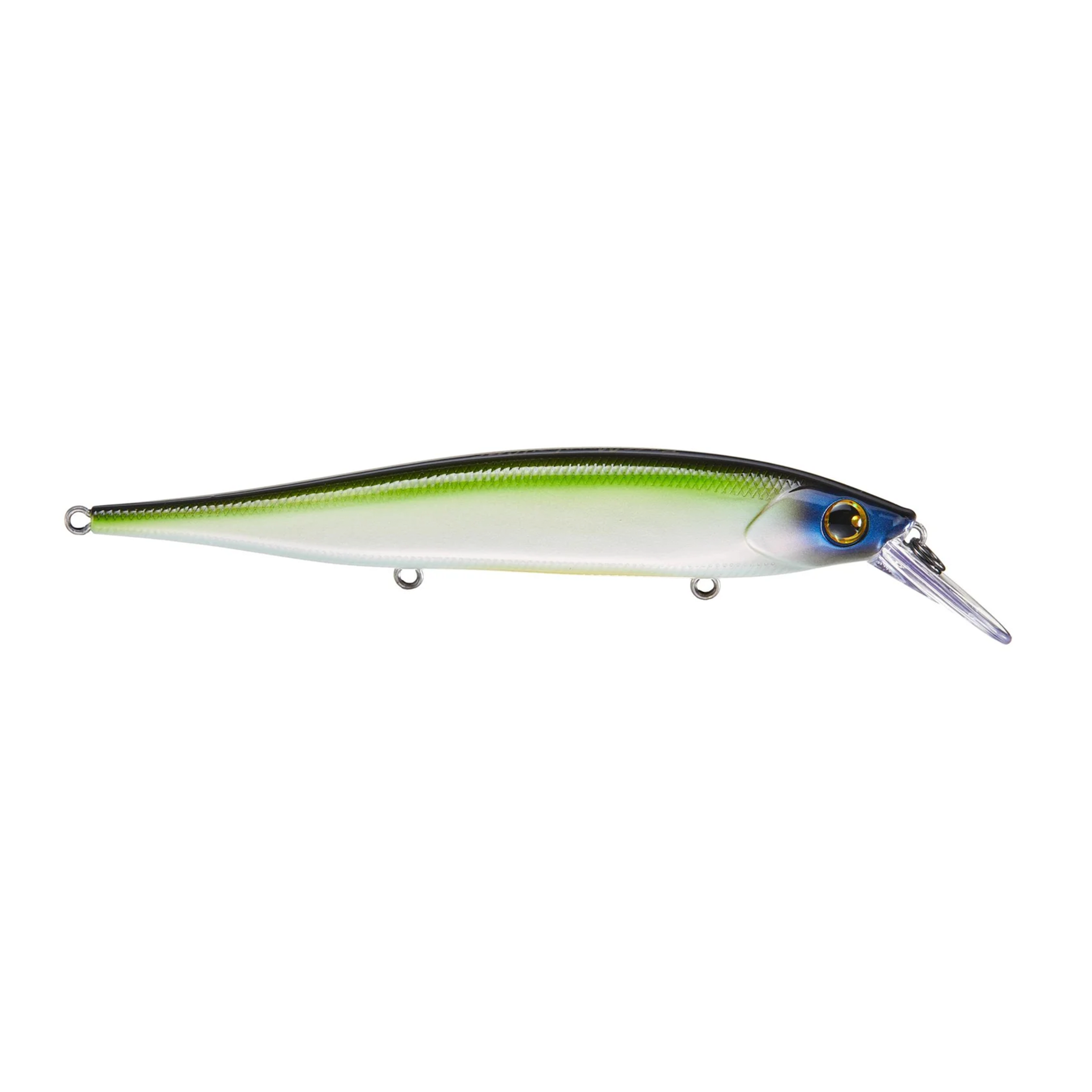
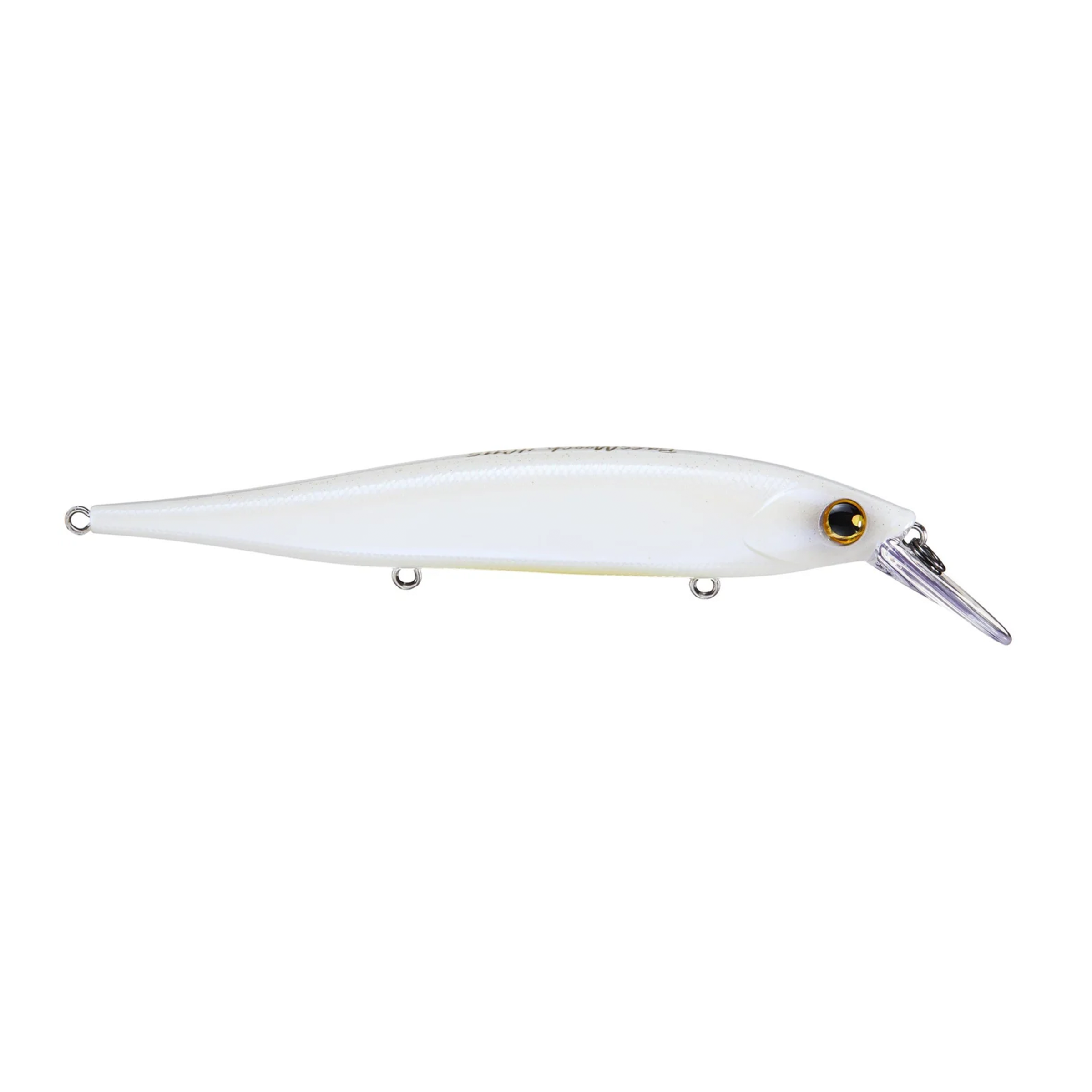
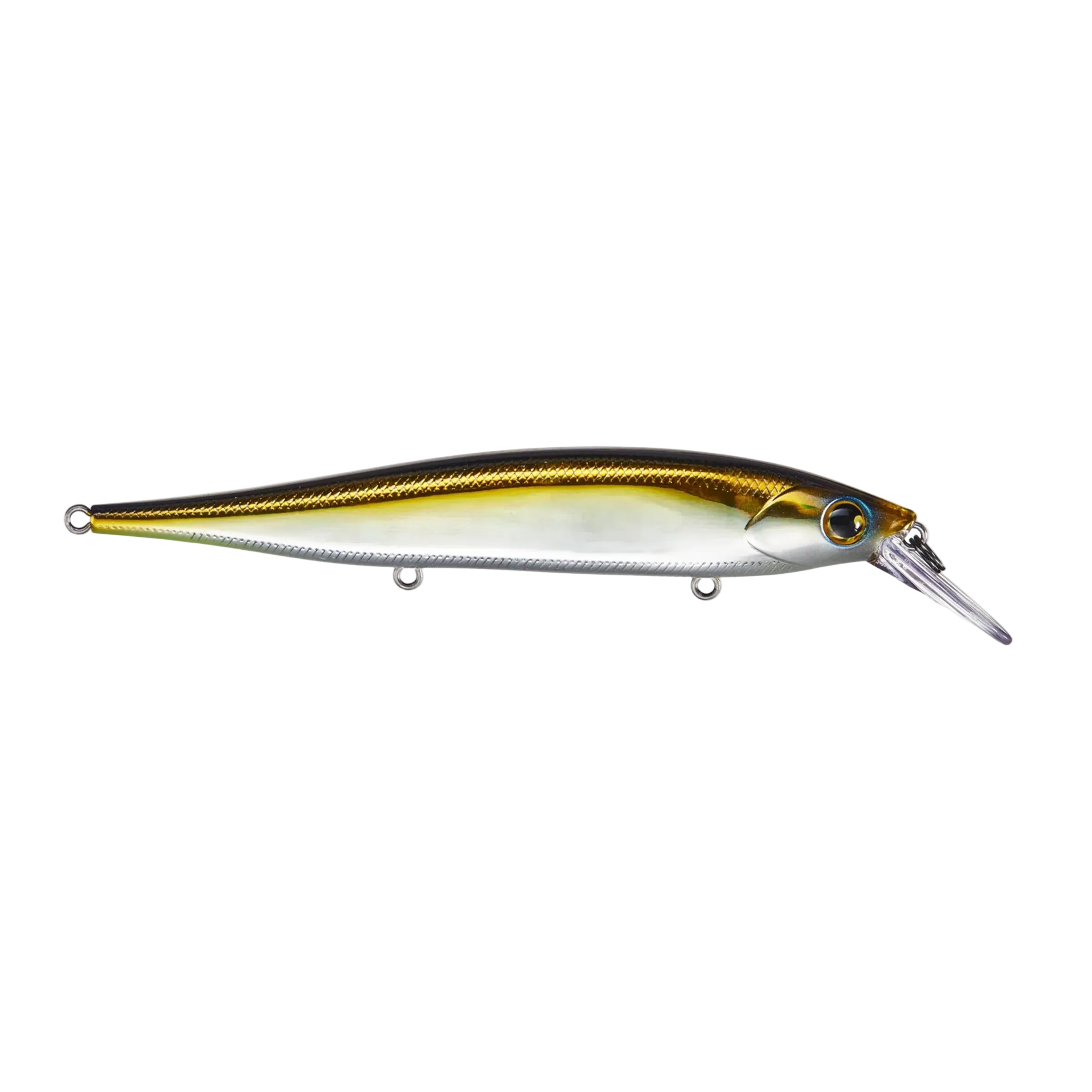
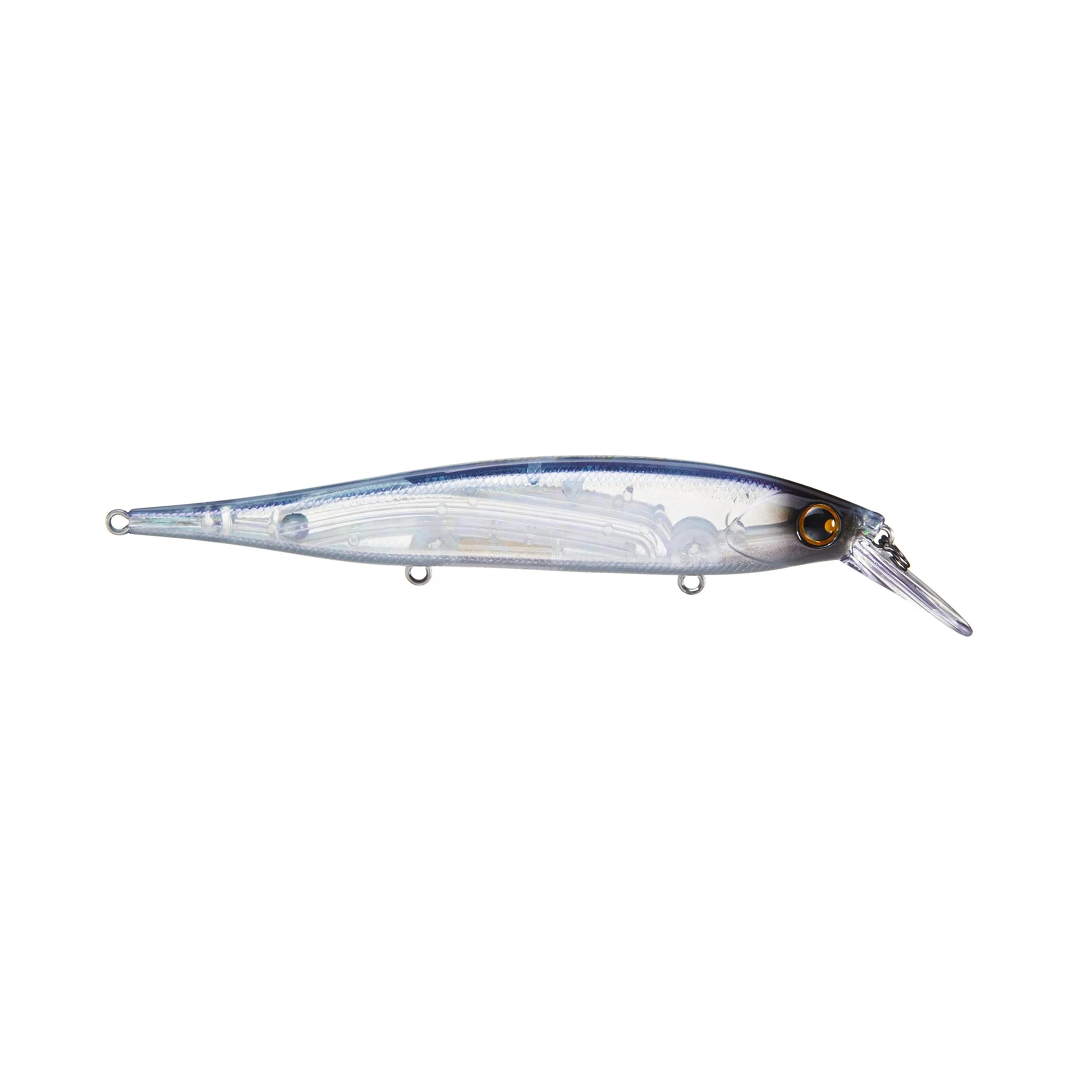
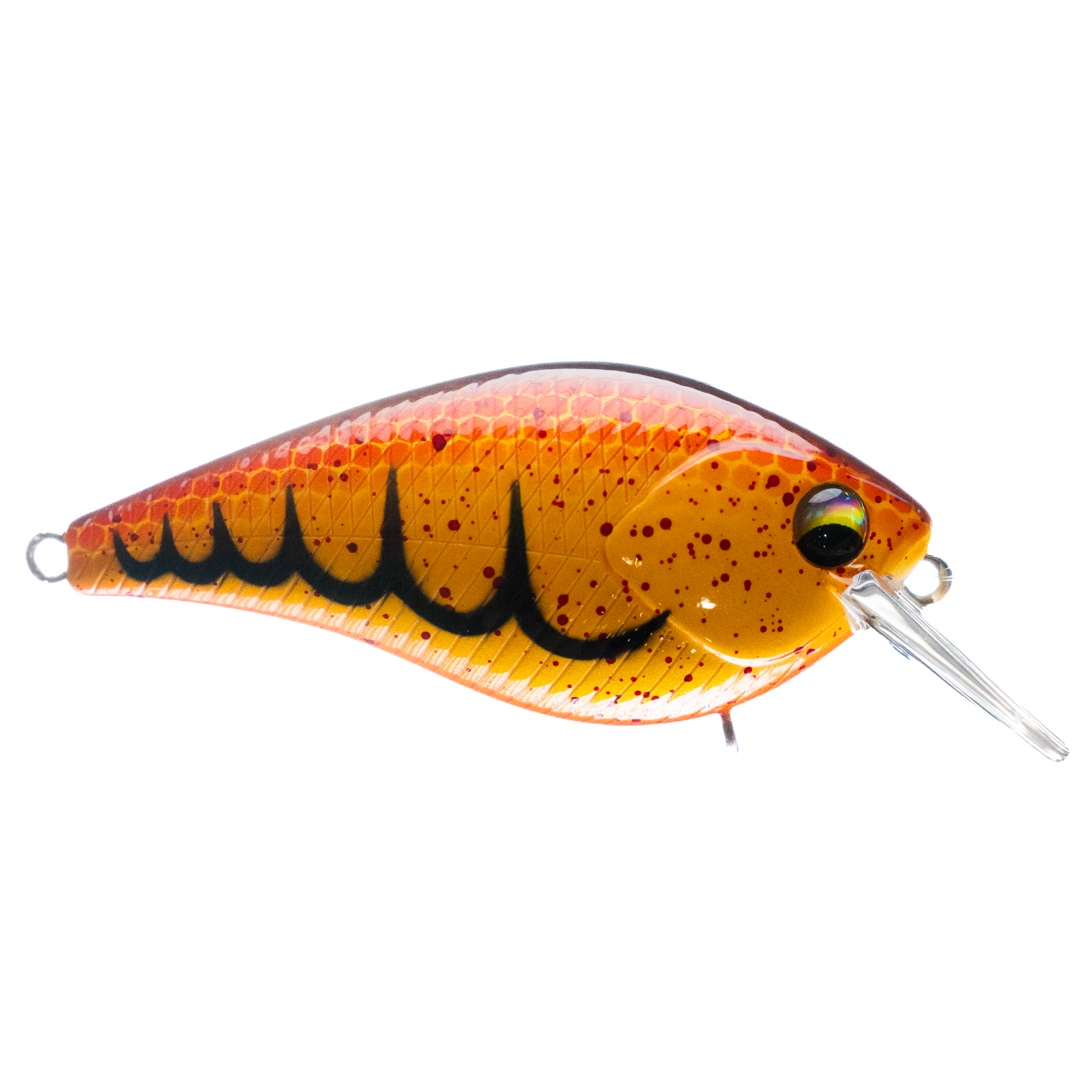
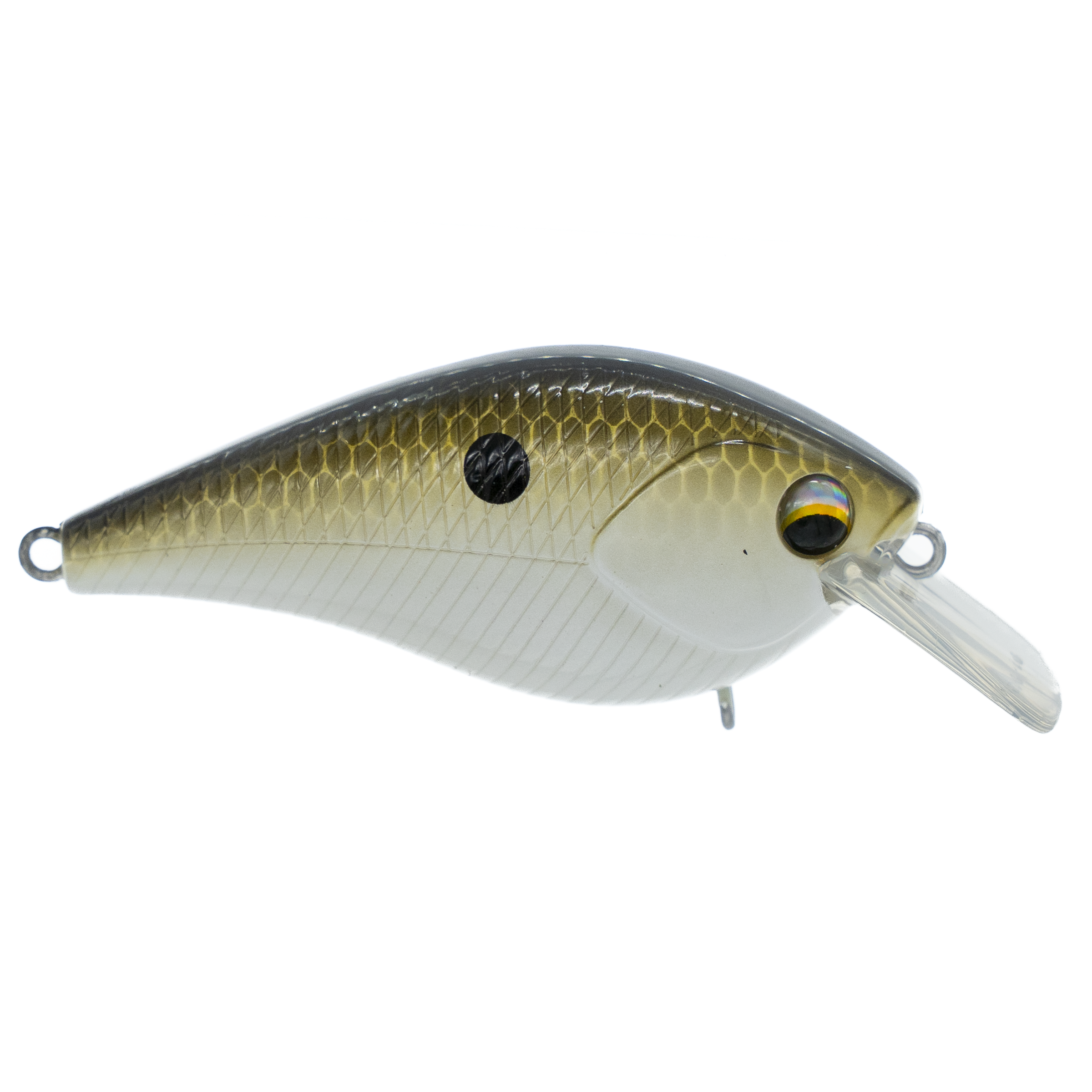
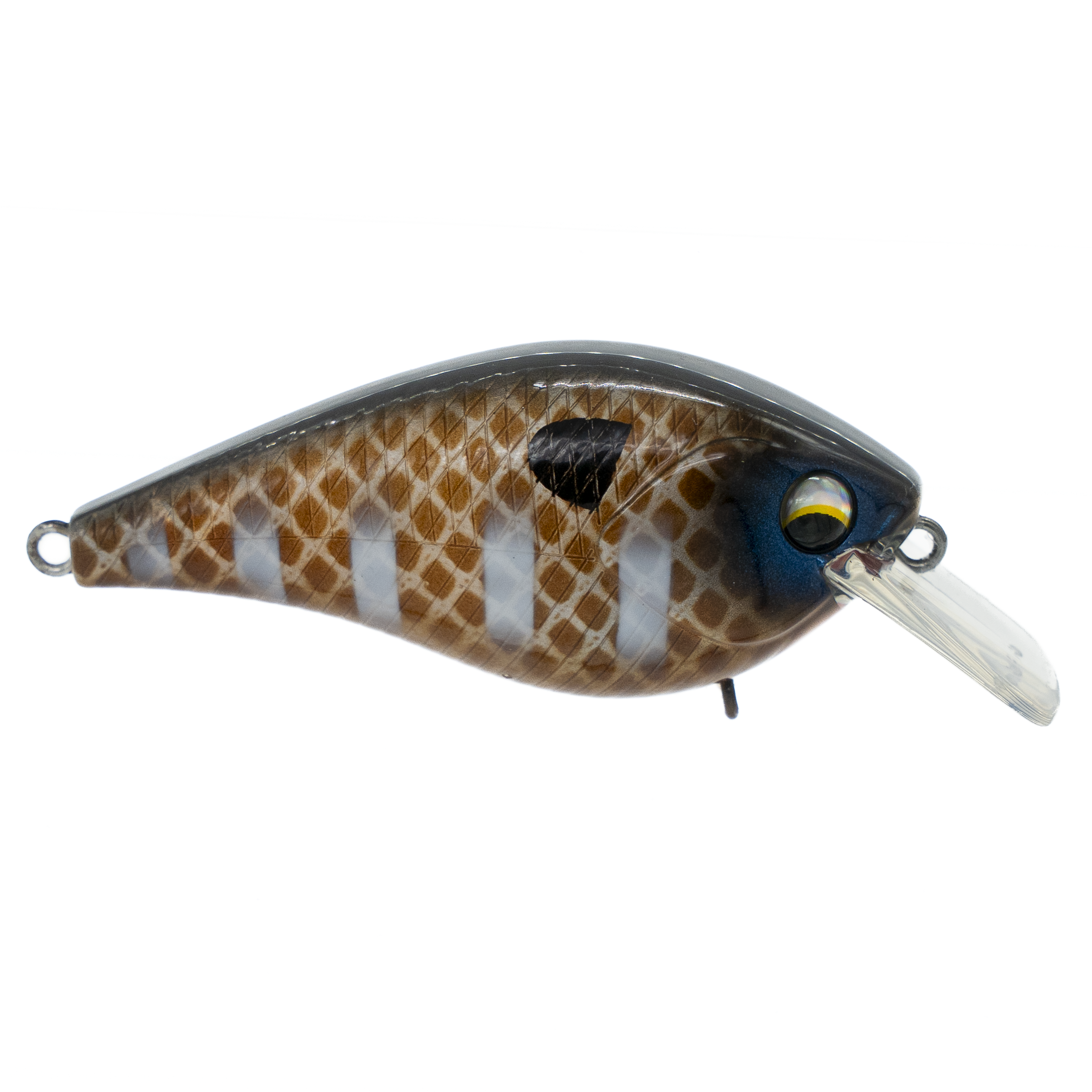
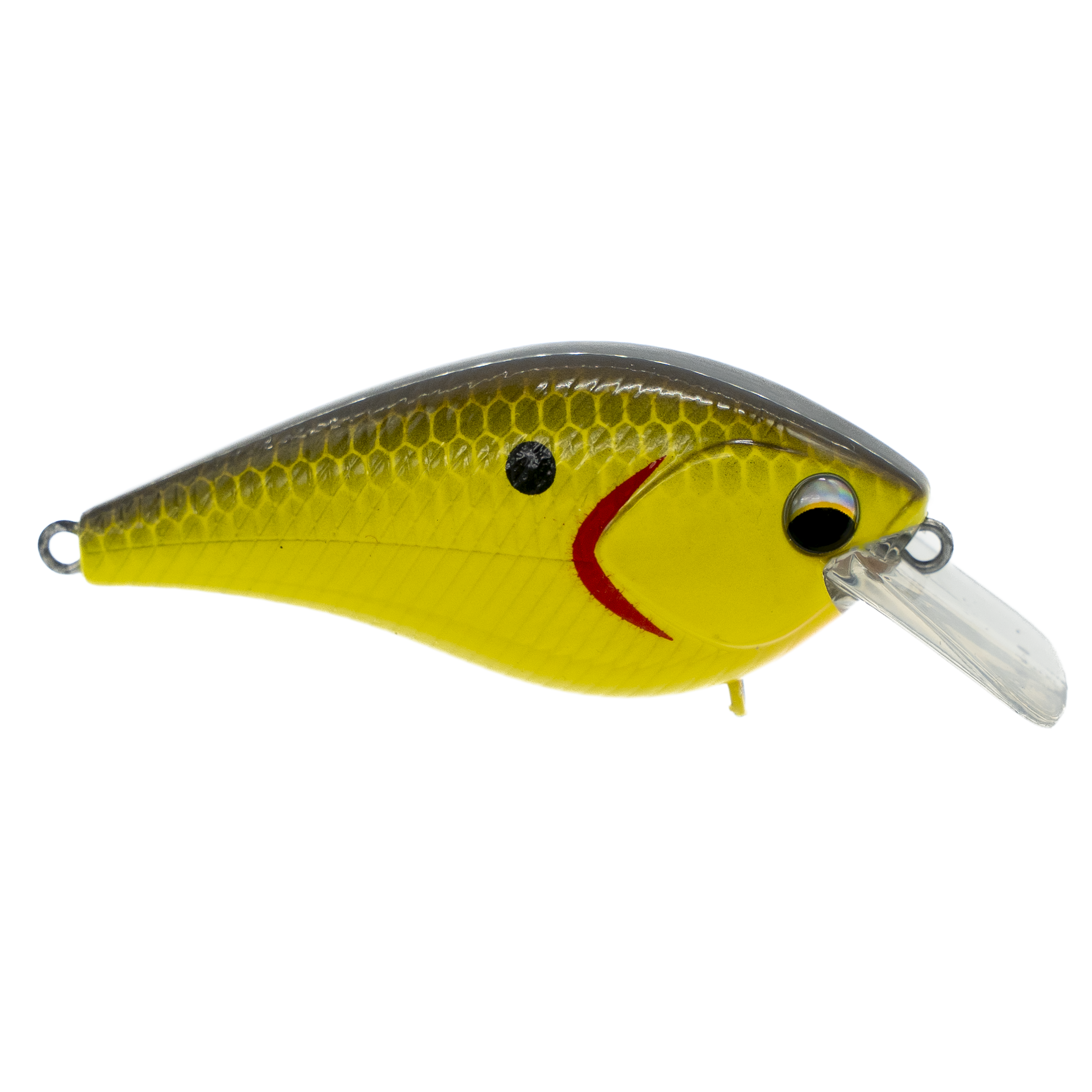
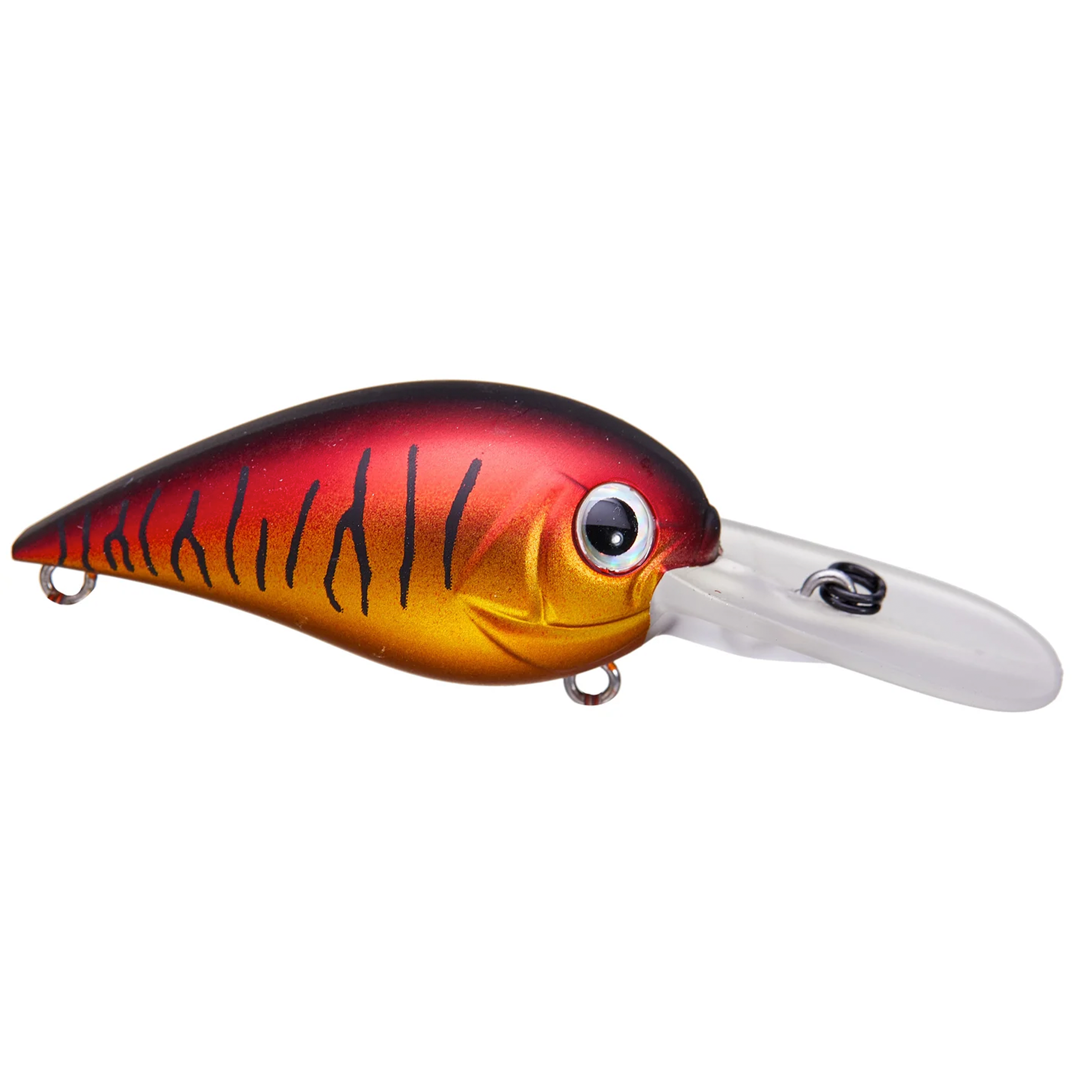
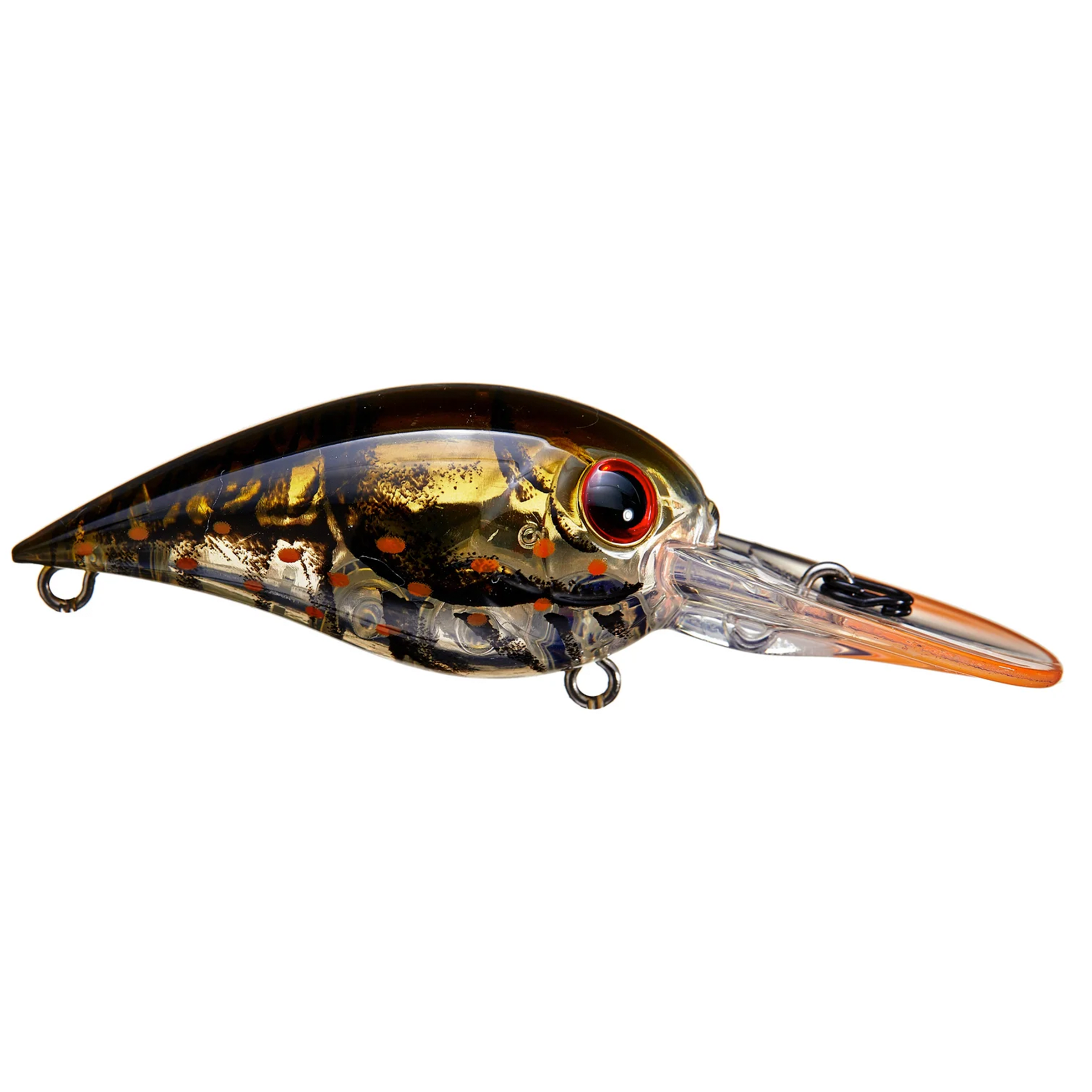
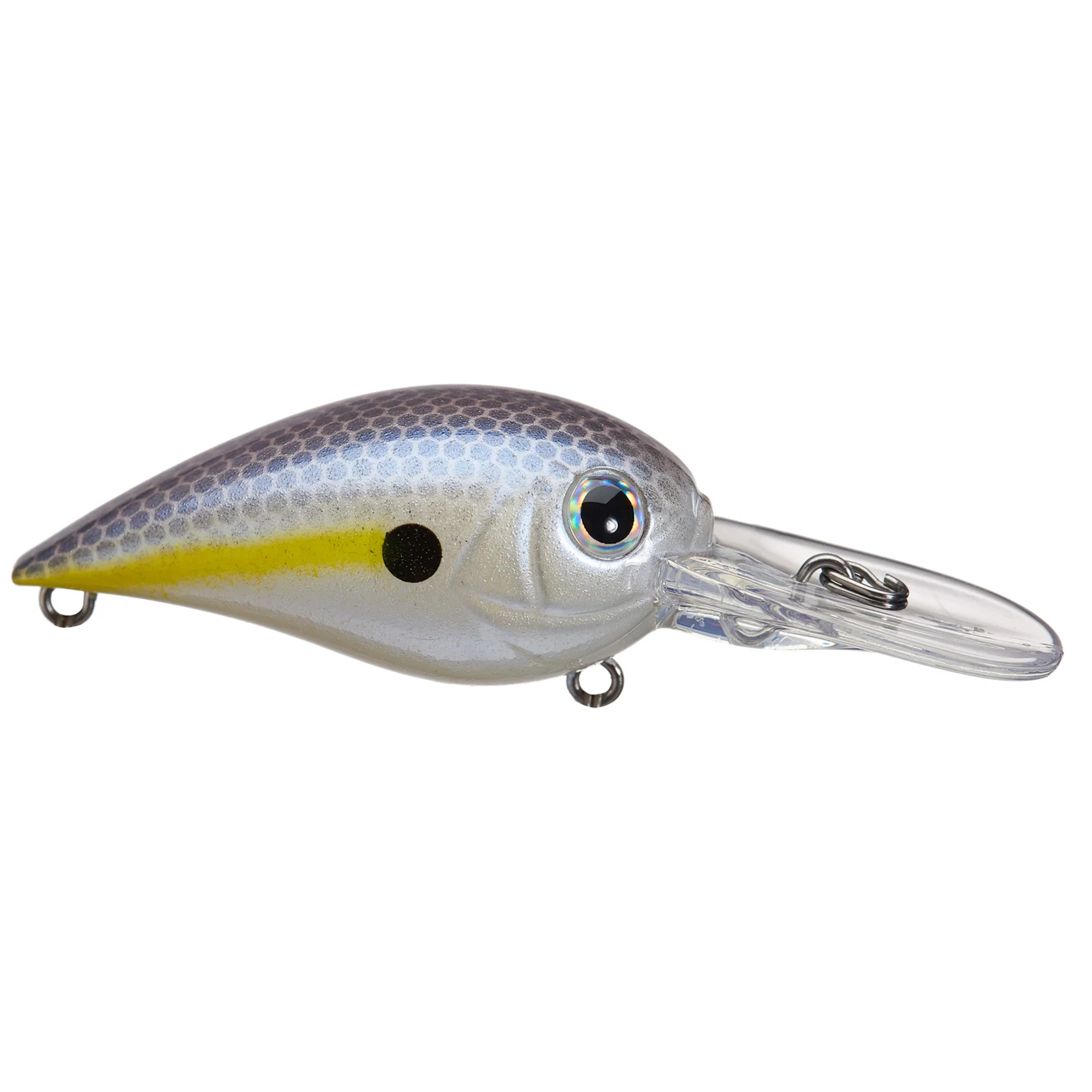
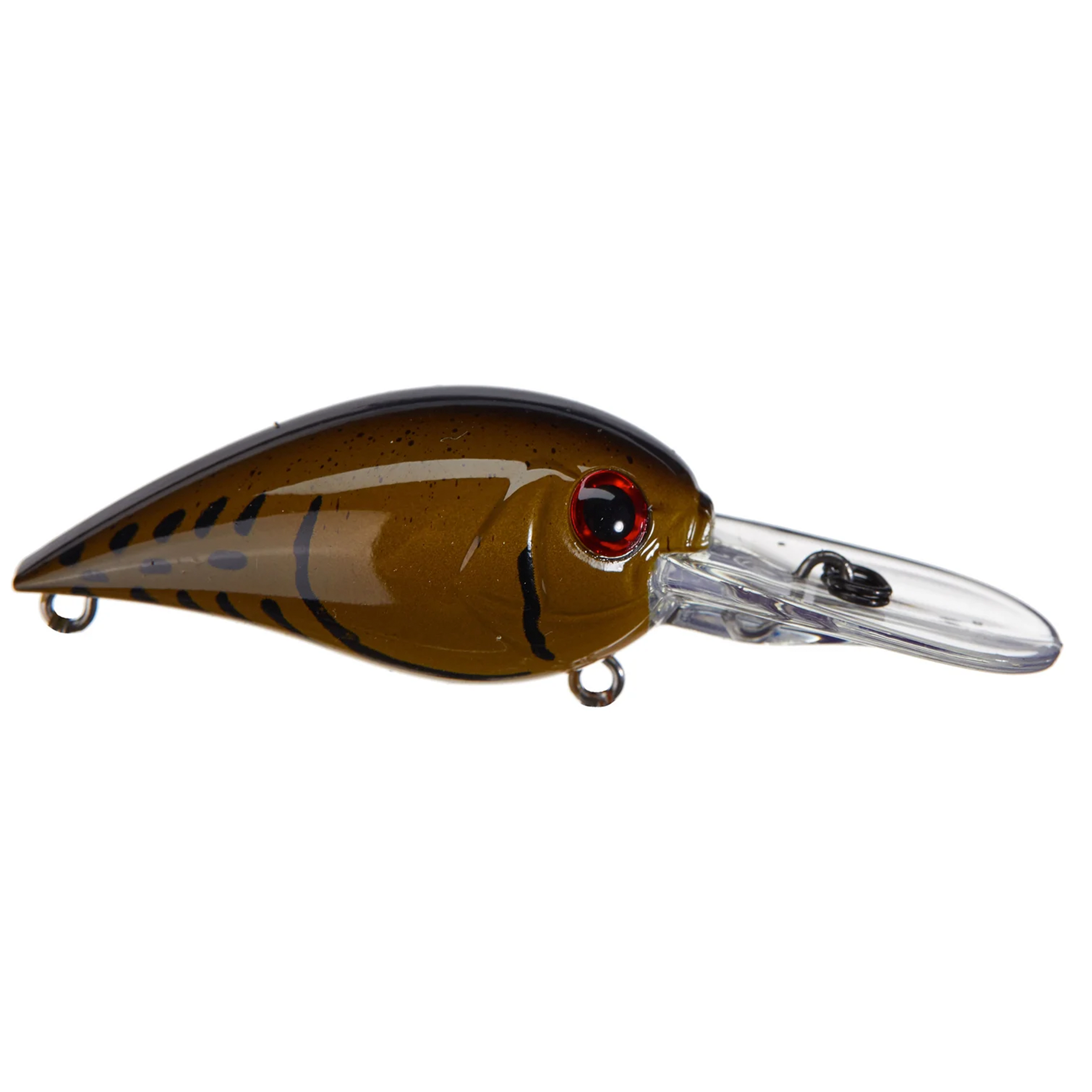
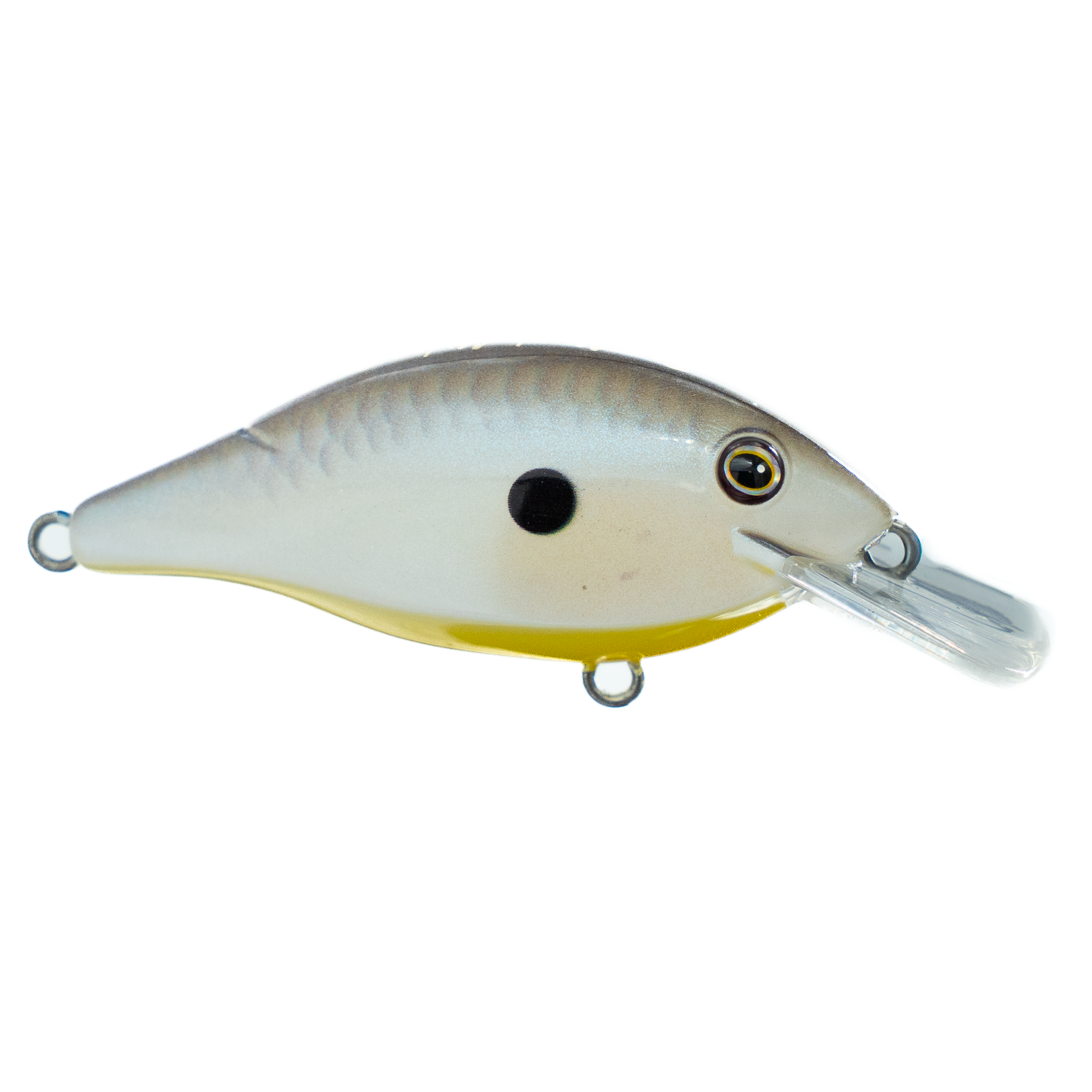
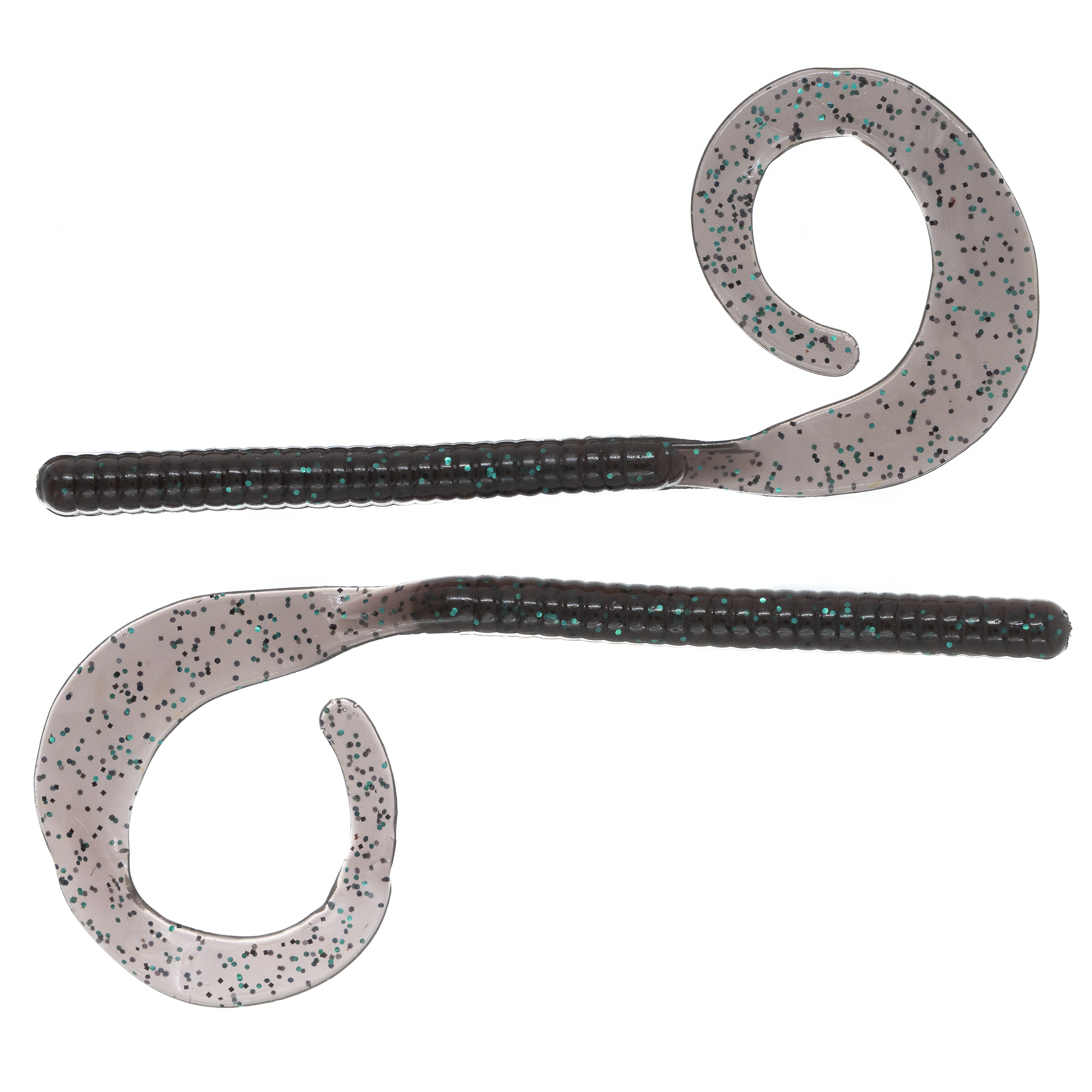
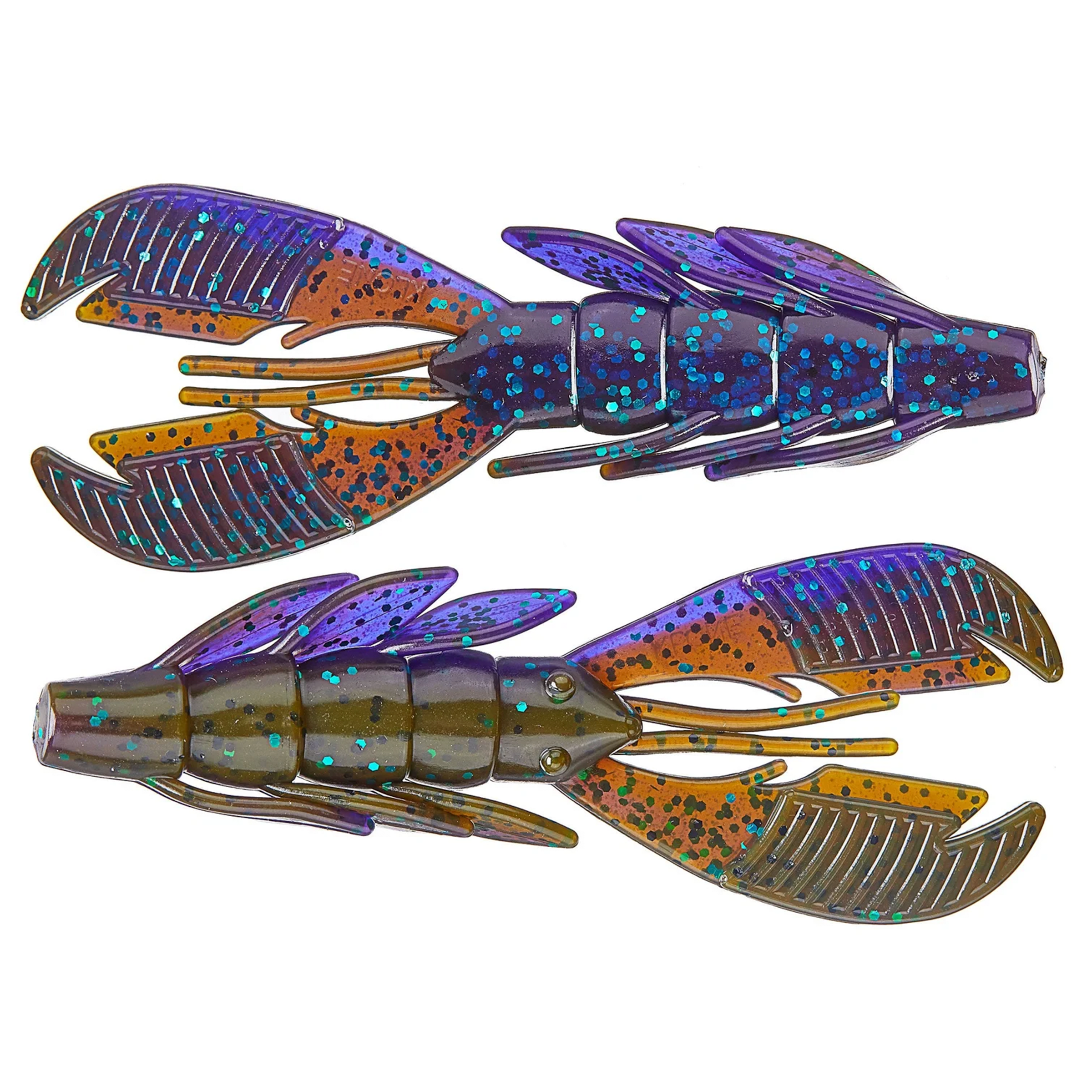
Spring is soft jerkbaits and hard jerkbaits worked fast to imitate herring, plus topwater over points. Summer means drop shot on deep brush with a surface window early. Fall spreads fish through the whole water column. Winter is finesse worms and long-pause jerkbaits in very clear water. Our full bait lineup covers all four.
Are there largemouth in Lake Lanier?
Yes, though they're a secondary target for most anglers. Largemouth concentrate well up the Chattahoochee and Chestatee arms where the water carries more colour and there's more shallow cover. Local tournaments are sometimes won on all spots and sometimes on mostly largemouth.
Do I need a fishing license for Lake Lanier?
Yes. A Georgia fishing license is required, available through the Georgia Department of Natural Resources, with short-term and annual options. Check current size and creel limits for black bass before you go.
Sensitivity Is the Whole Game Here
Working a drop shot through brush in thirty-five feet of clear water means feeling the difference between a limb, a leaf and a bite you can't see. Level Rods builds spinning models with the tip to detect it and the backbone to get a four-pound spot up and out of the cover before it wraps you.
Tournament Winning Baits & Gear
Designed, crafted and tested by anglers who fish herring lakes every week. Free shipping on orders over $75.
Shop All Baits