Lake Kissimmee Bass Fishing Guide
Lake Kissimmee Bass Fishing, Season by Season
Thirty-five thousand acres of reeds, islands and open grass forty miles south of Orlando. Kissimmee is the biggest lake on the chain and the least pressured of the big Florida names — there is simply more water here than anglers to cover it.
More Water Than Anyone Can Fish
Lake Kissimmee covers 34,948 acres roughly forty miles south of Orlando and eighteen miles east of Lake Wales. It is the last and largest of the main lakes on the Kissimmee Chain, taking the Kissimmee River in at the north end and letting it out at the south toward Okeechobee.
The layout is what sets it apart. Where Okeechobee is a bowl and Toho is a fairly conventional lake basin, Kissimmee is broken up by big islands, deep coves and long points until it fishes like several separate lakes joined together. Brahma Island alone runs about 5,000 acres. Grassy, Storm, Rabbit and Bird islands, Philadelphia and Lemon points, North Cove and Tiger Cove all fish differently from each other.
The practical consequence is light pressure. There is more productive shoreline here than a tournament field can cover, and there are corners of this lake — the far ends of the airboat trails, the backs of the marshy coves — that a conventional boat cannot physically reach. Fish grow old here without meeting many anglers.
The habitat is native grass rather than hydrilla-dominated: knotgrass, maidencane, bulrush and lily pads, with expansive stands at Philadelphia Point, North Cove and around Brahma Island. A 1996 restoration project enhanced nearly twenty-four miles of shoreline by stripping out accumulated organic sediment, and the native grasses that came back in on the firm sand are the spawning and nursery habitat the lake runs on today.
One local detail worth carrying: when water is running out of Jack's Slough, the fishing across from it can be excellent. Moving water is scarce on a Florida lake and the bass know where it is.
Reed Lines, Islands and Moving Water
Four patterns cover the year. Each one pairs the technique with the baits we'd actually tie on.
Flipping the Grass Stands
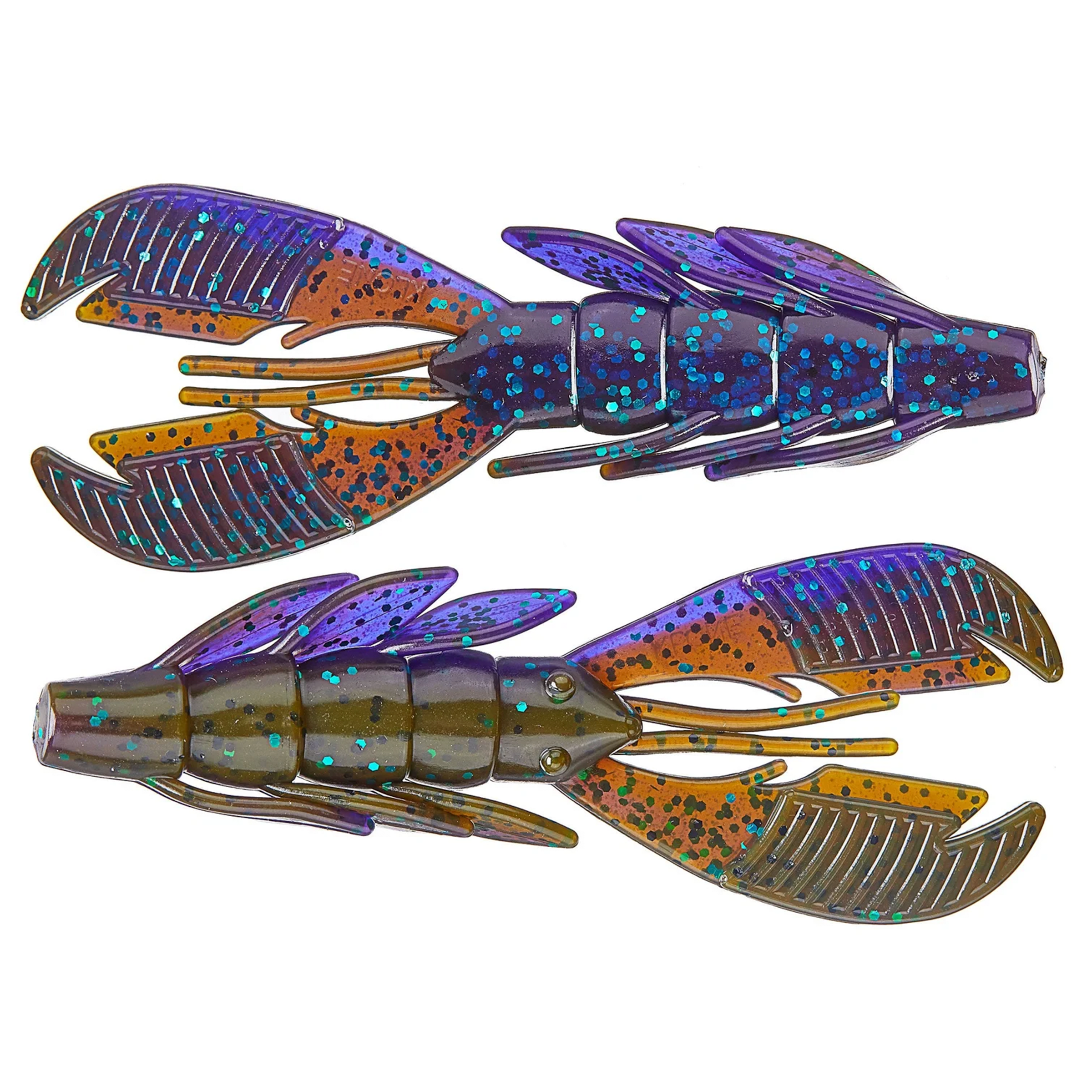
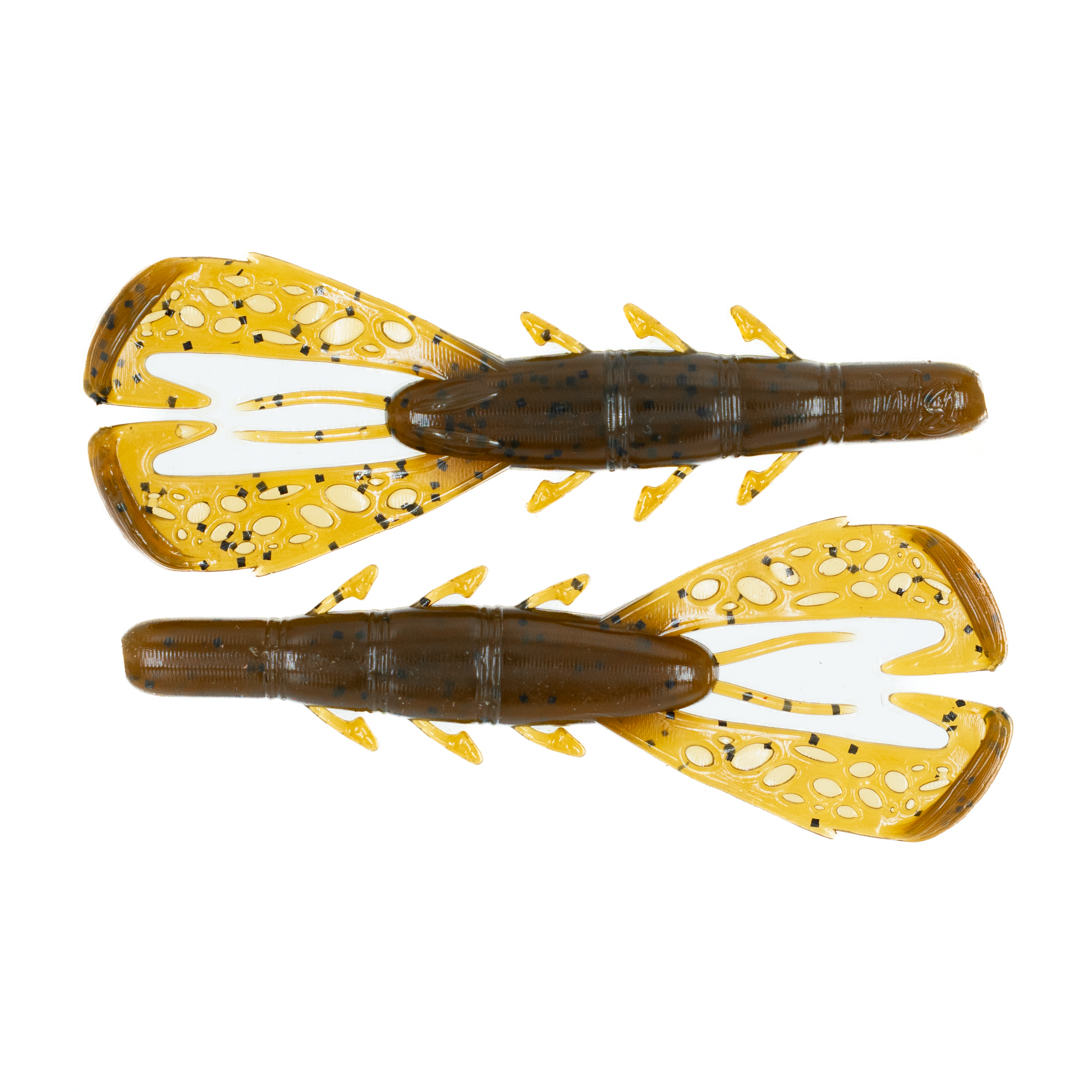
Winter and spring are the money months, and the pattern is straightforward: the expansive native grass at Philadelphia Point, North Cove and Brahma Island holds spawning fish, and you flip it. The 1996 shoreline enhancement left firm sand under a lot of that grass, which is precisely what bass want to bed on. The southwest ends of Brahma and Bird islands and the shoreline along the state park are the classic stretches.




Grass Edges and Open Water
Late spring into summer the fish spread into the open-water vegetation and along the edges. Warmer water means more feeding, and the bass move onto the outside grass lines, brush and mussel bars off the bank. The south shore of Brahma Island, the knotgrass and maidencane around Seven Palms in North Cove, and the mouth of Tiger Cove all produce through this stretch.


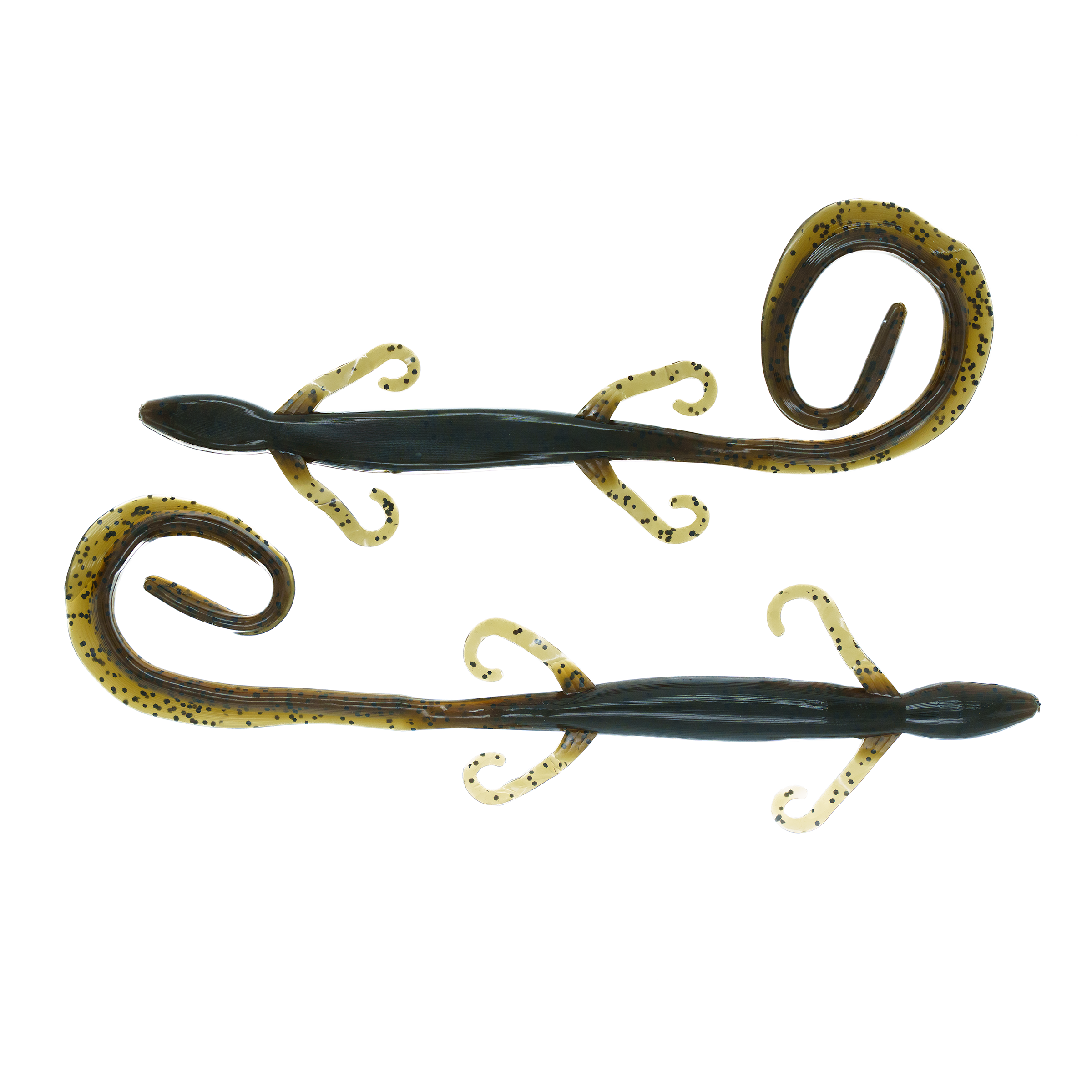

Rattles and Soft Jerkbaits
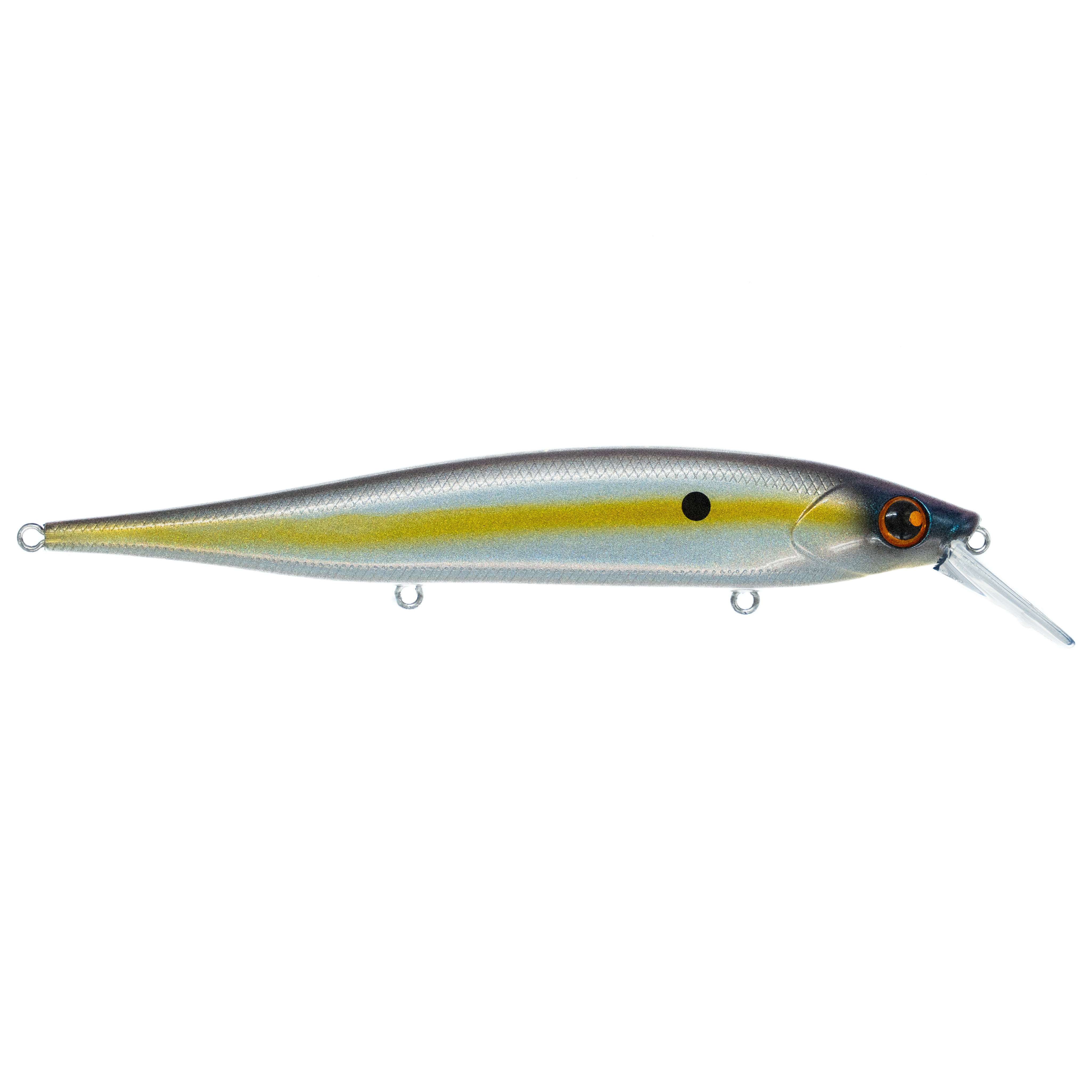
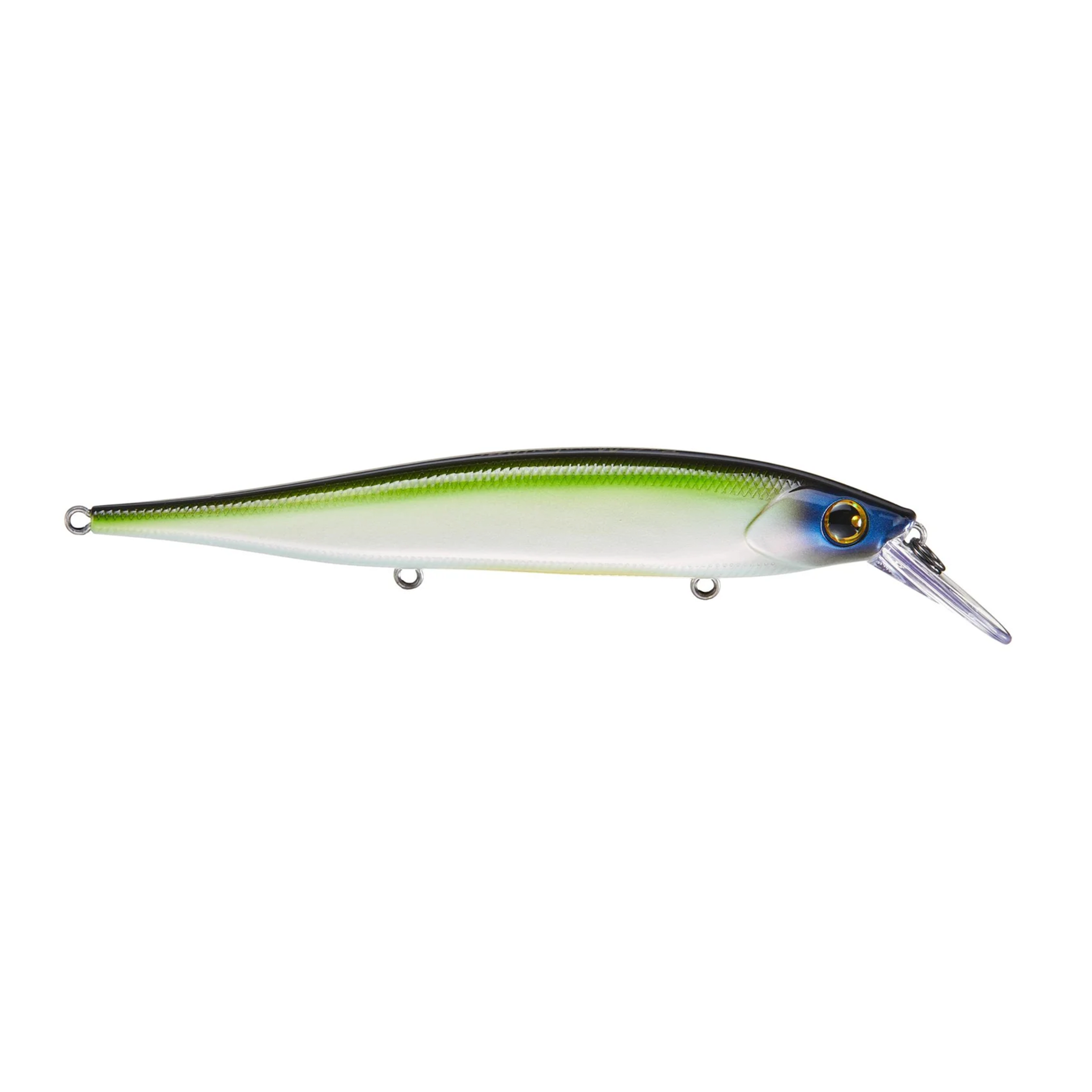
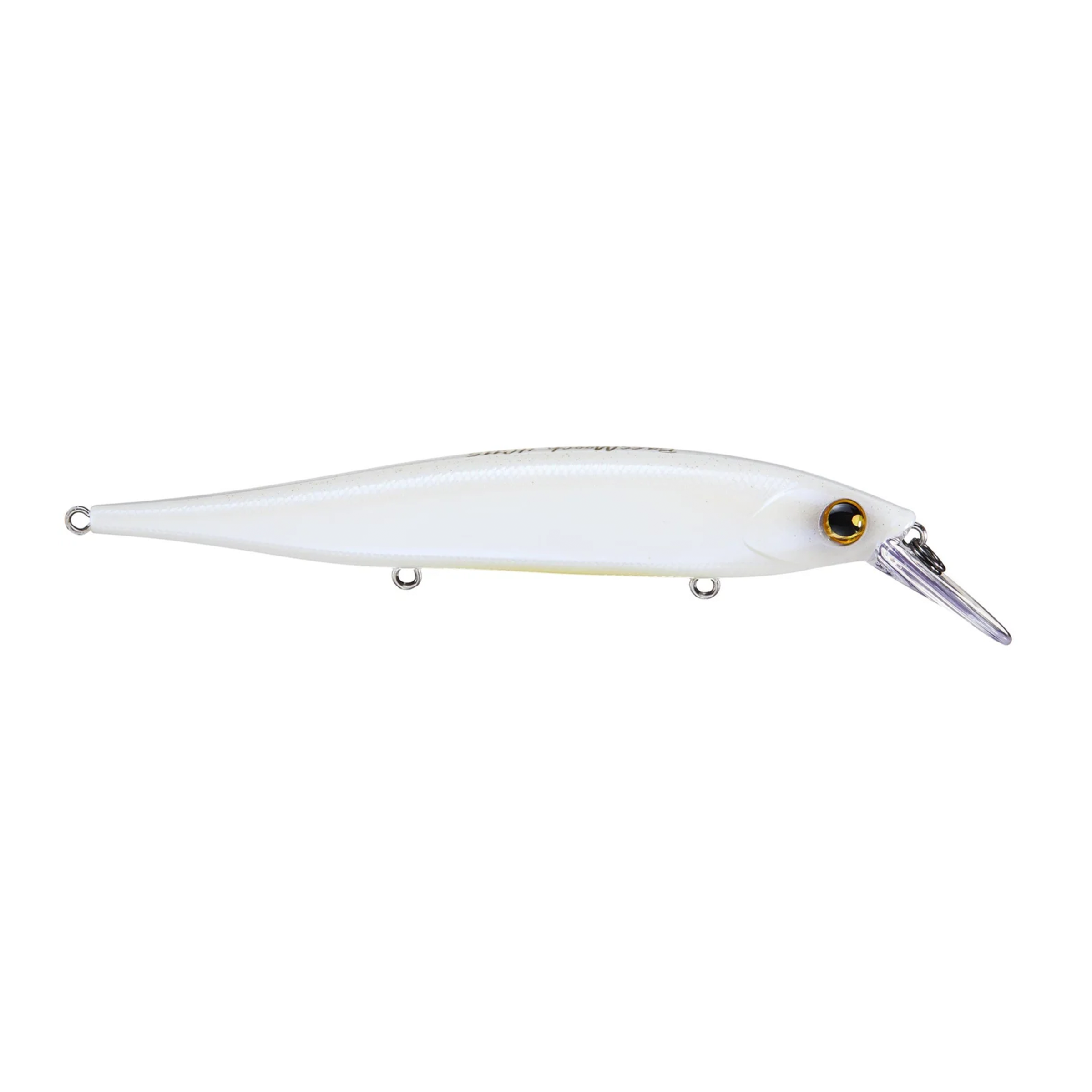
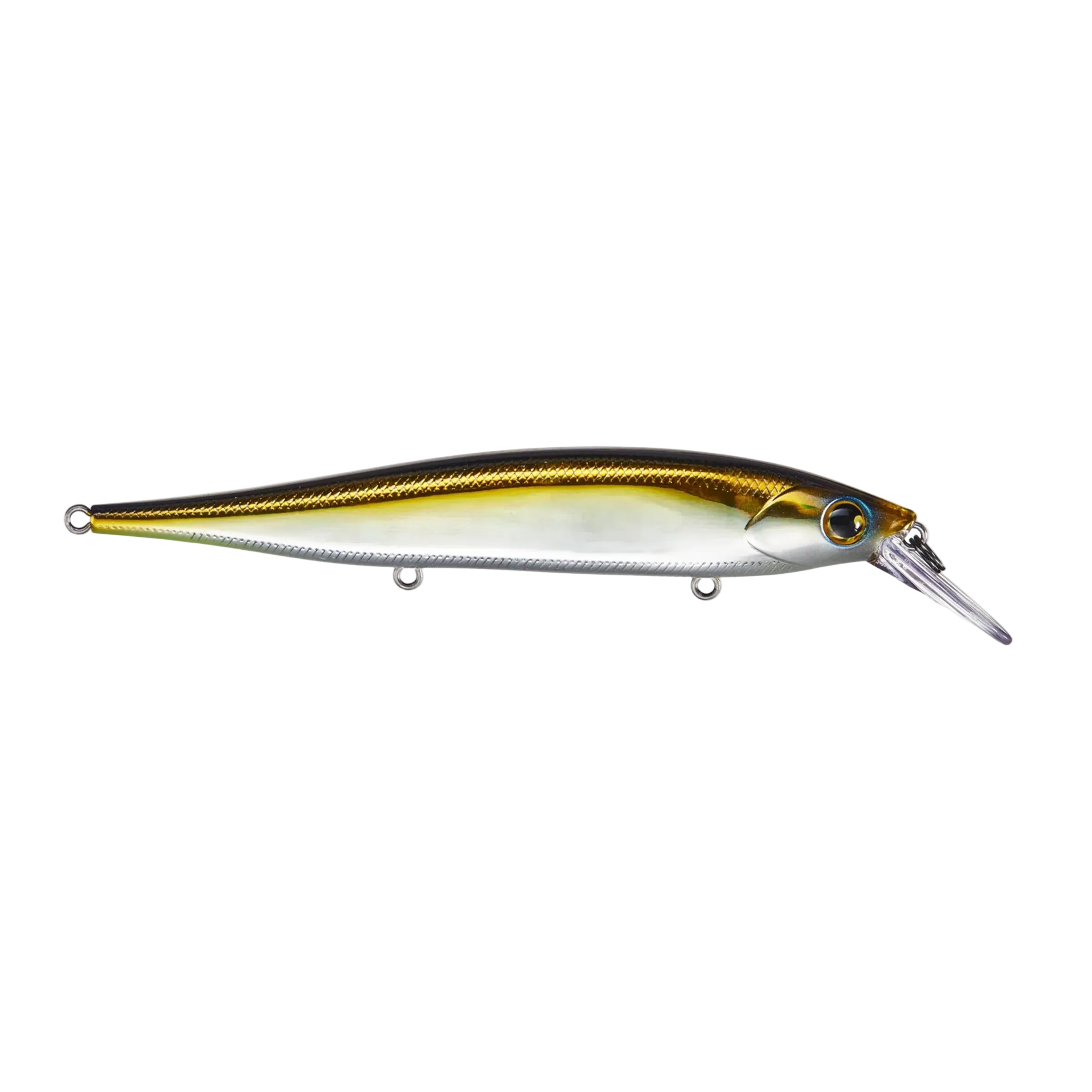
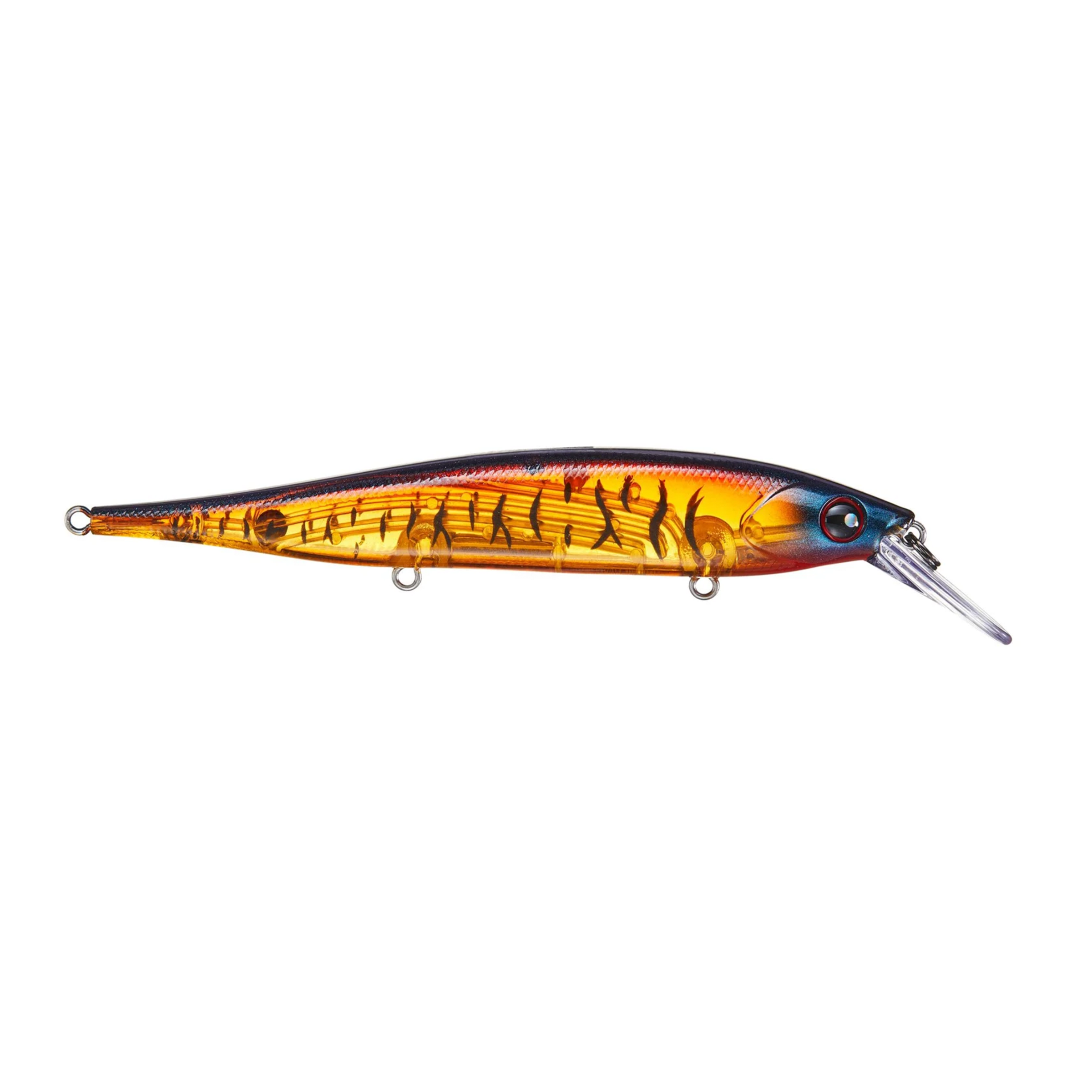
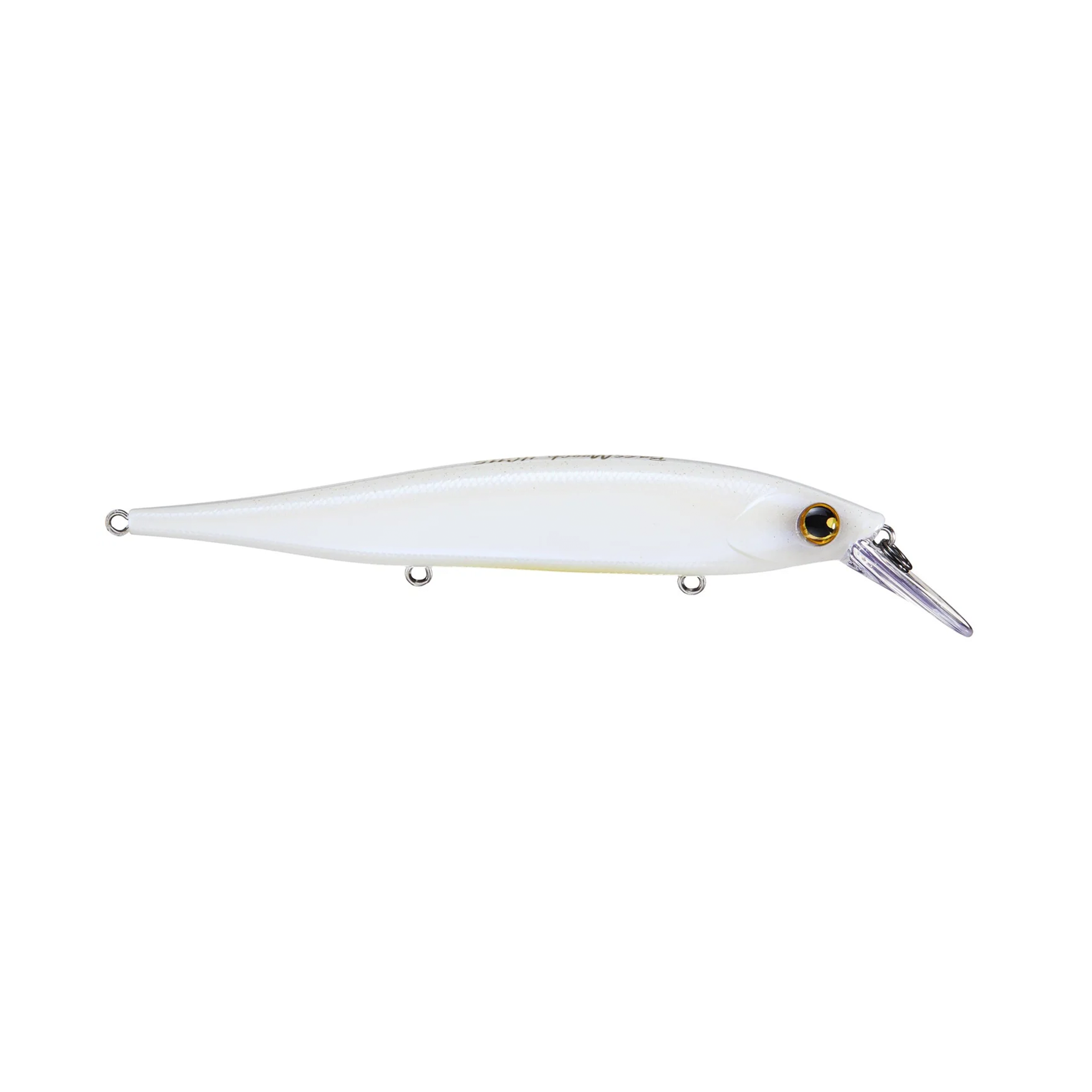
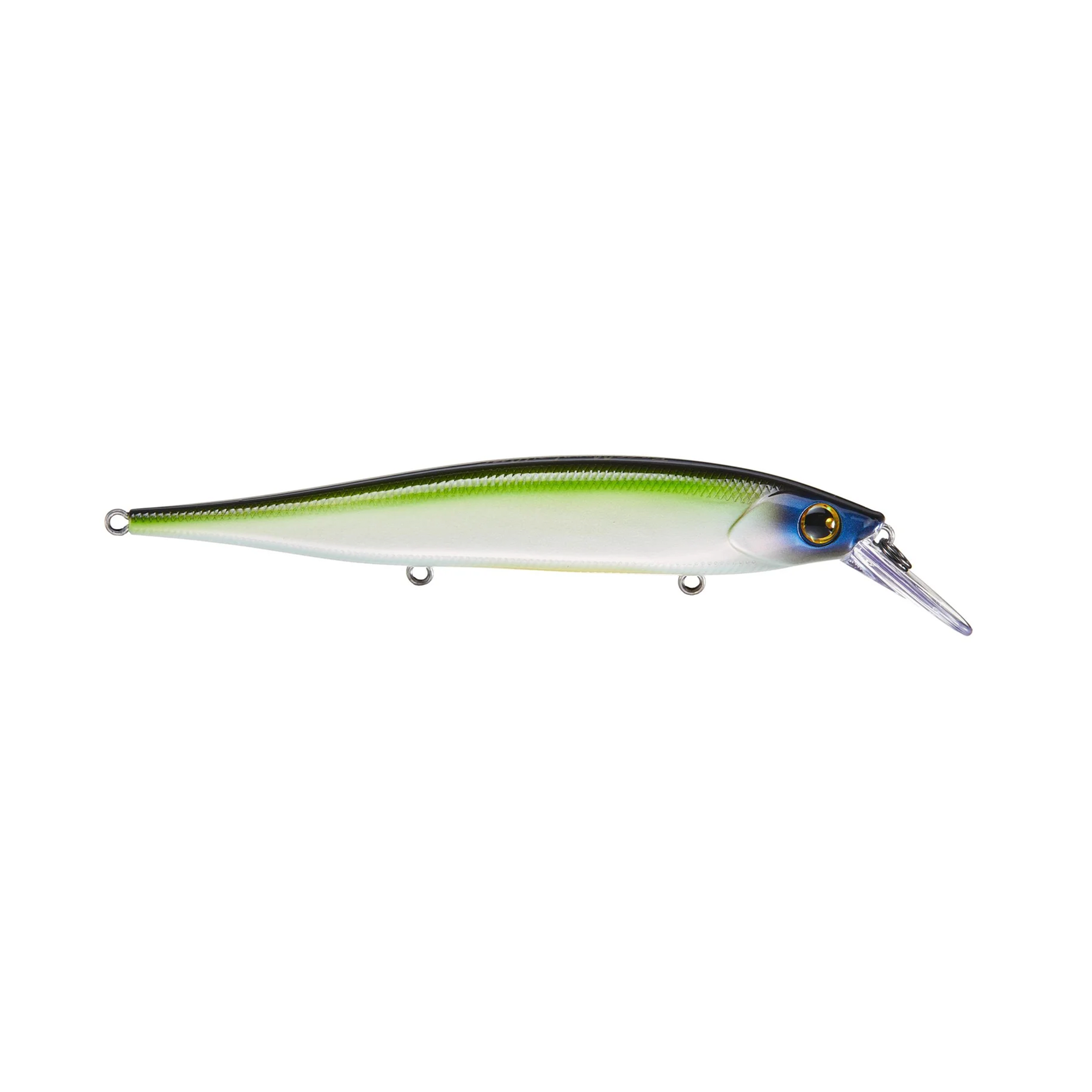
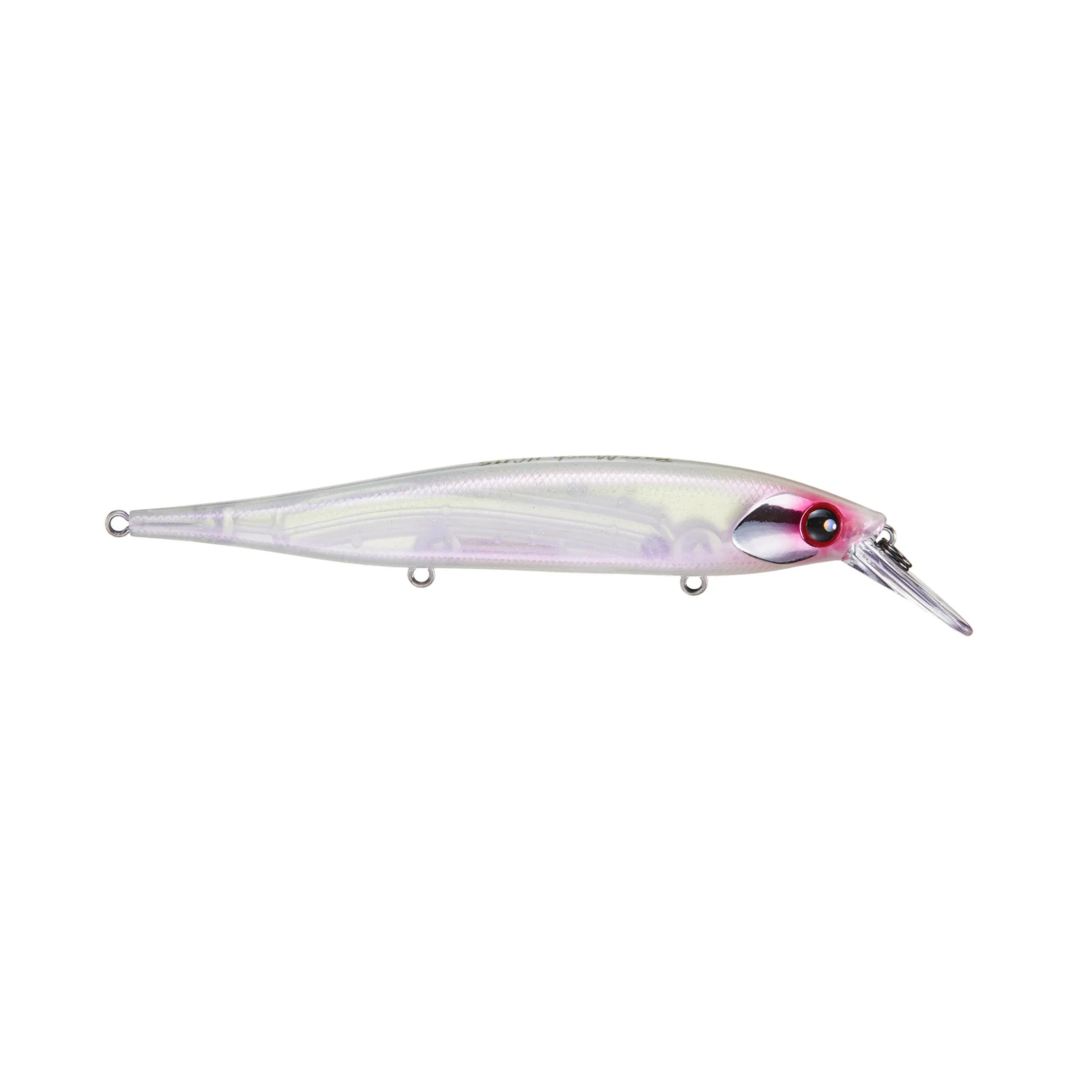
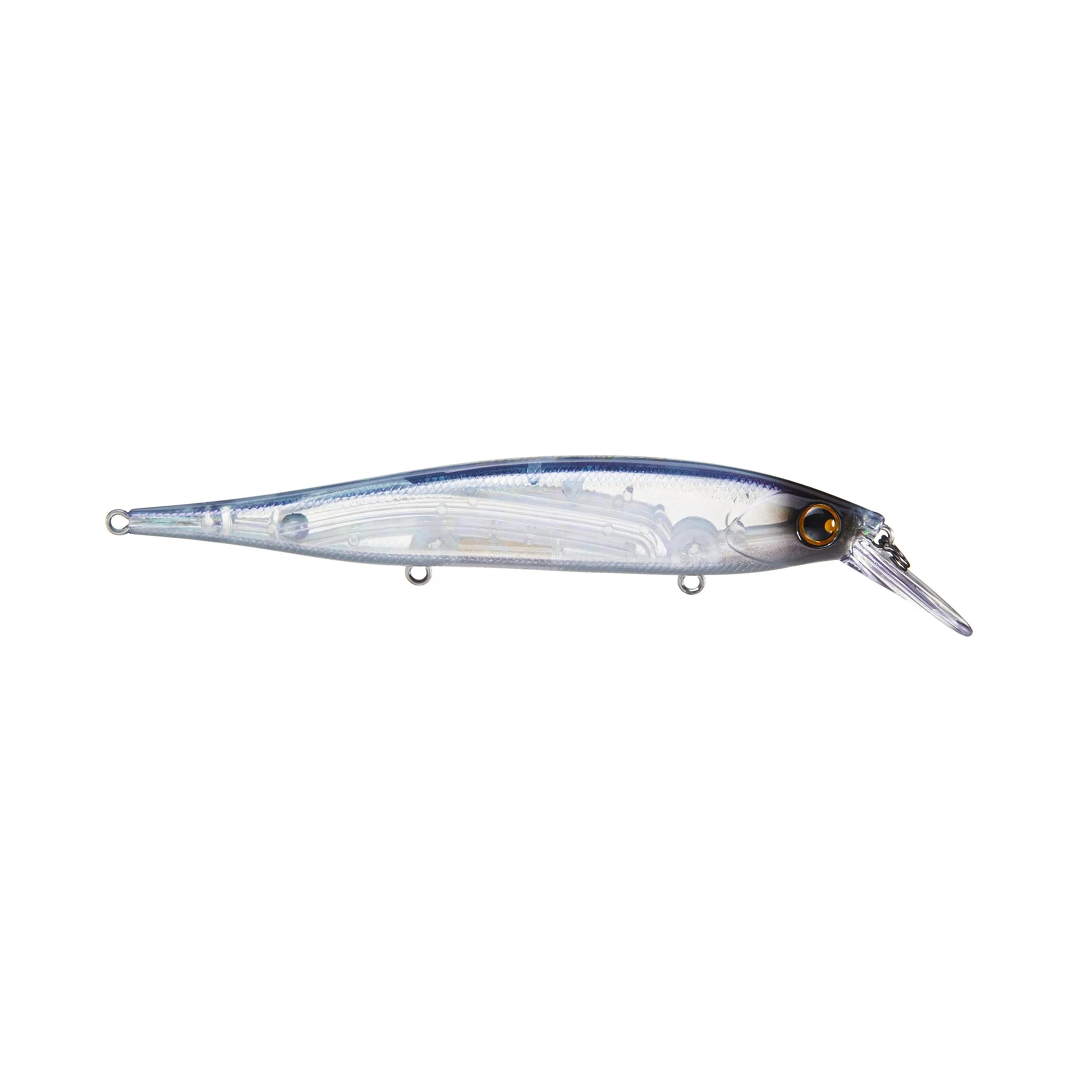
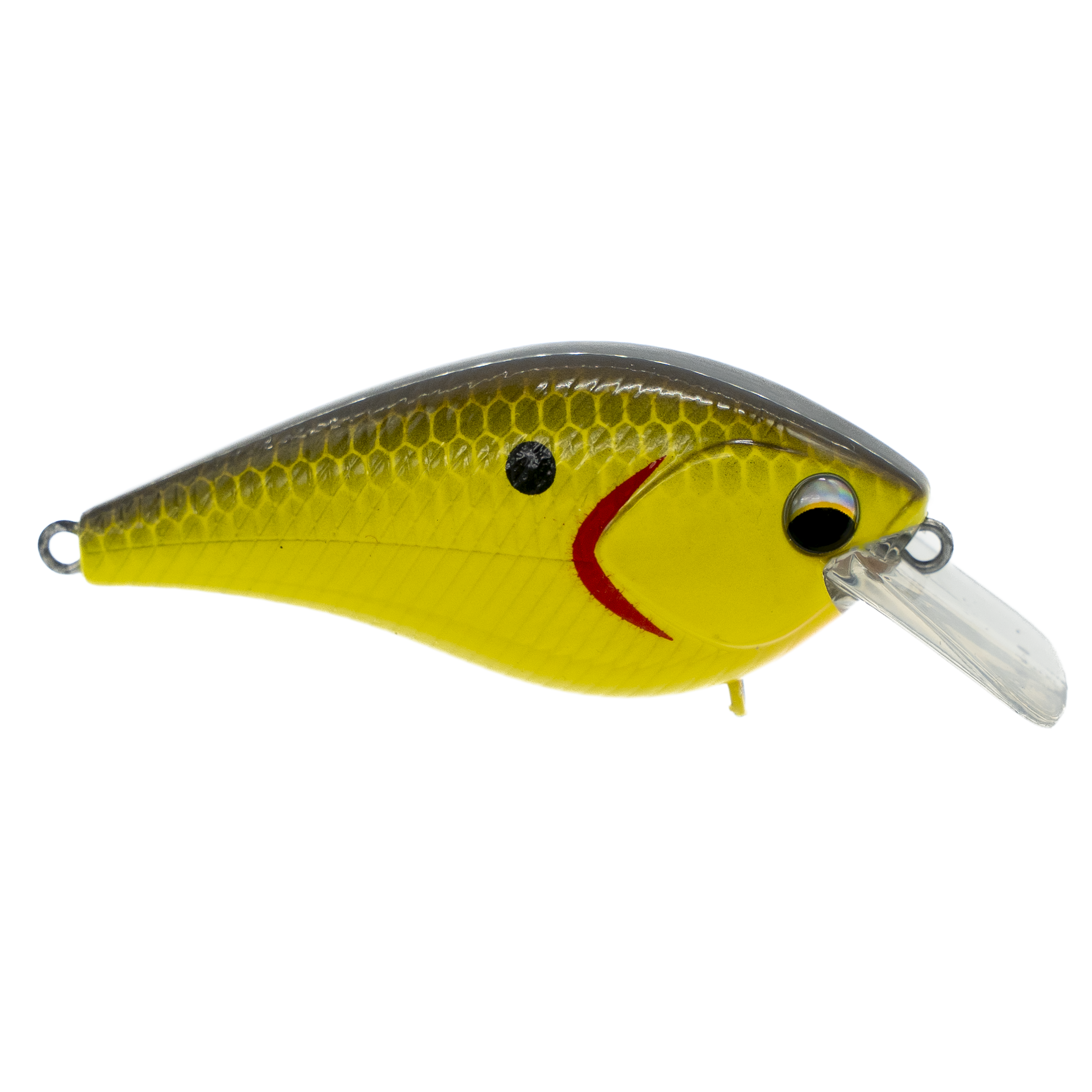
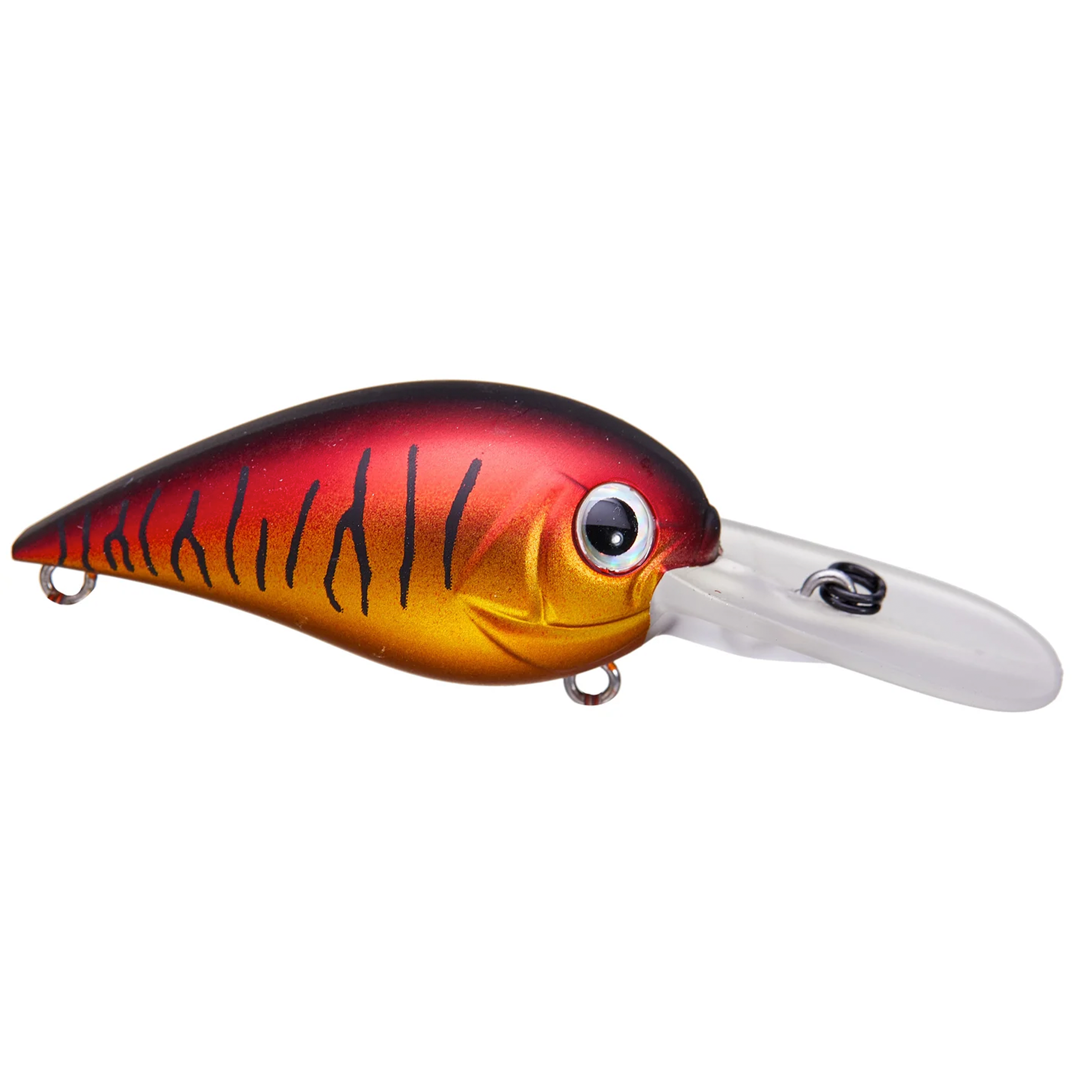
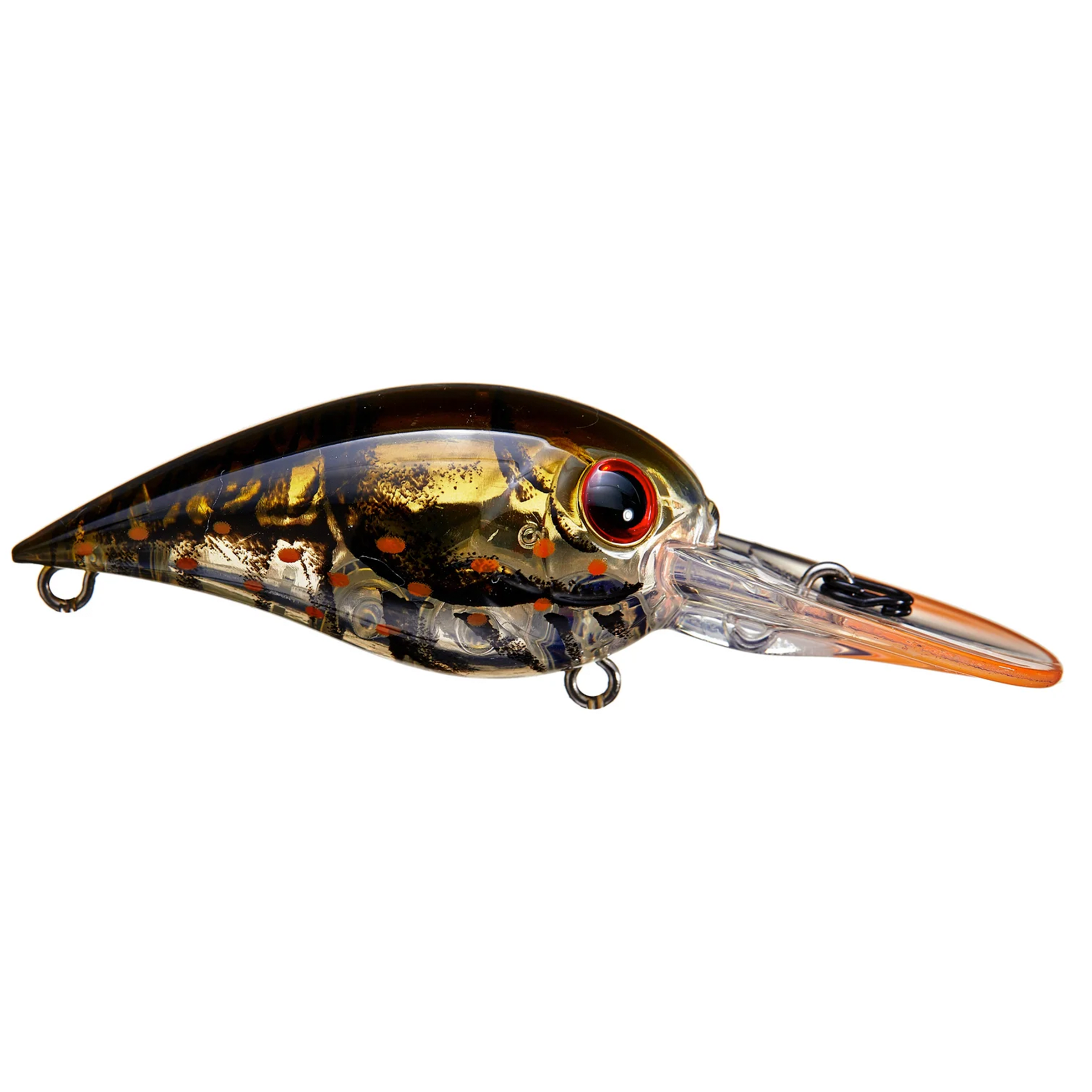
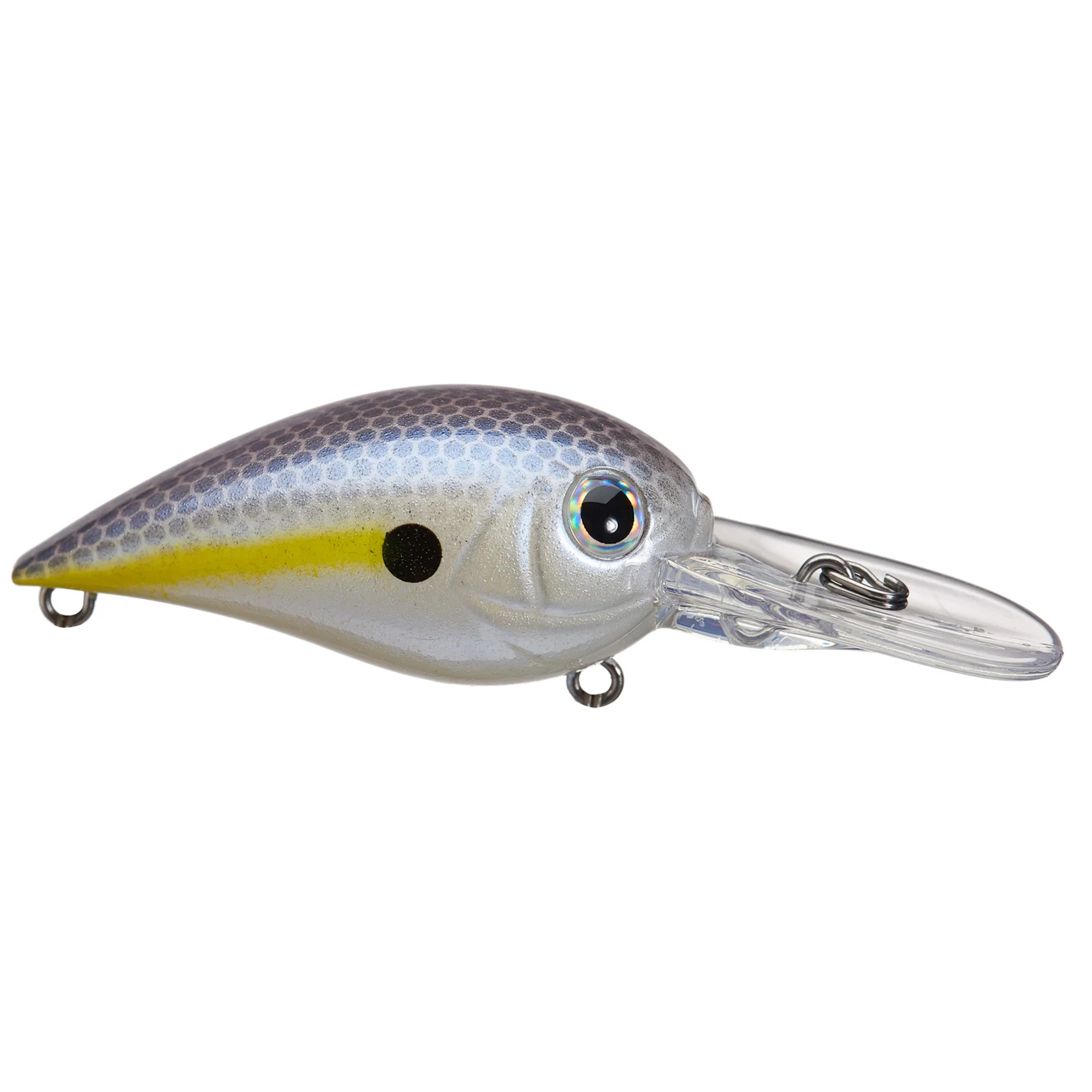
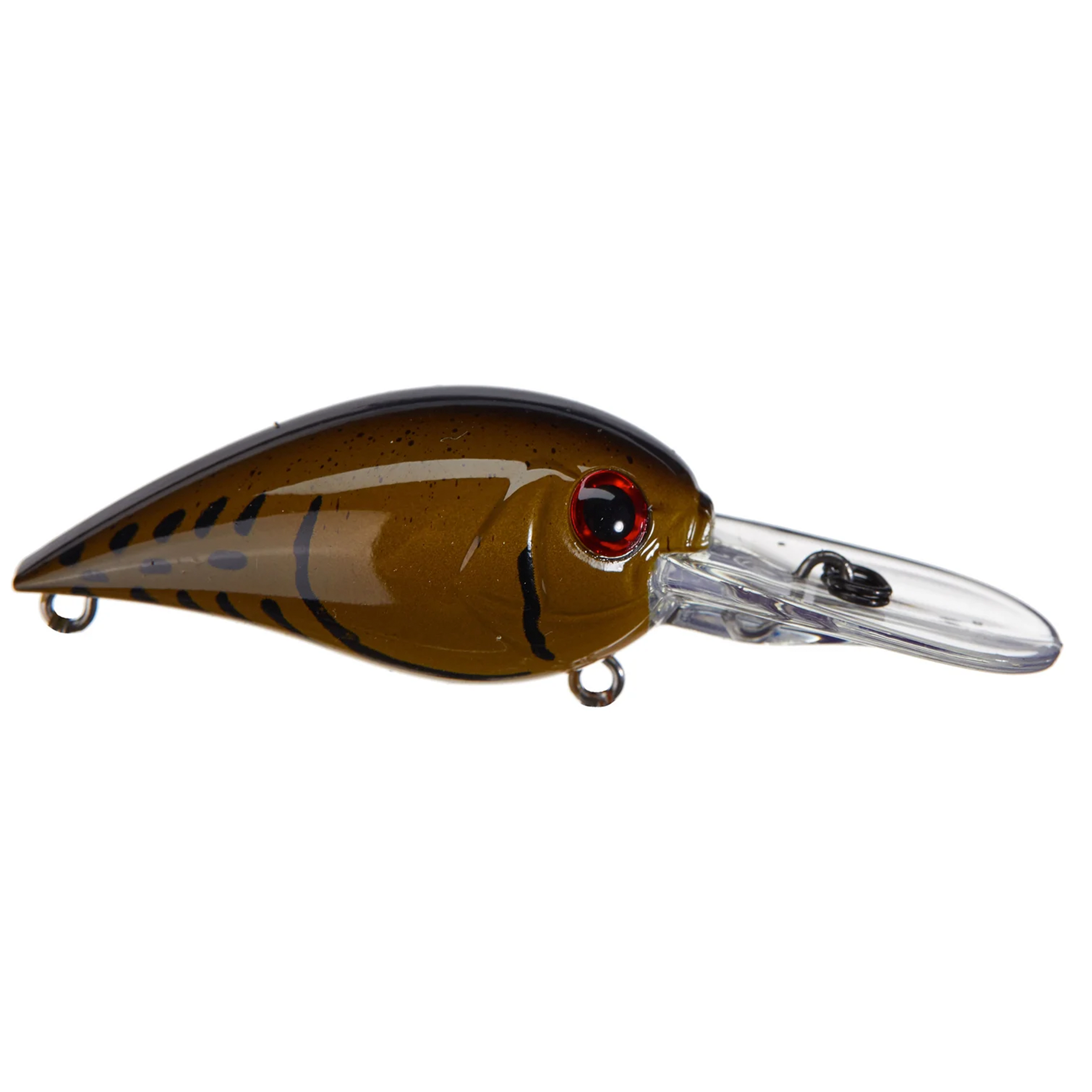
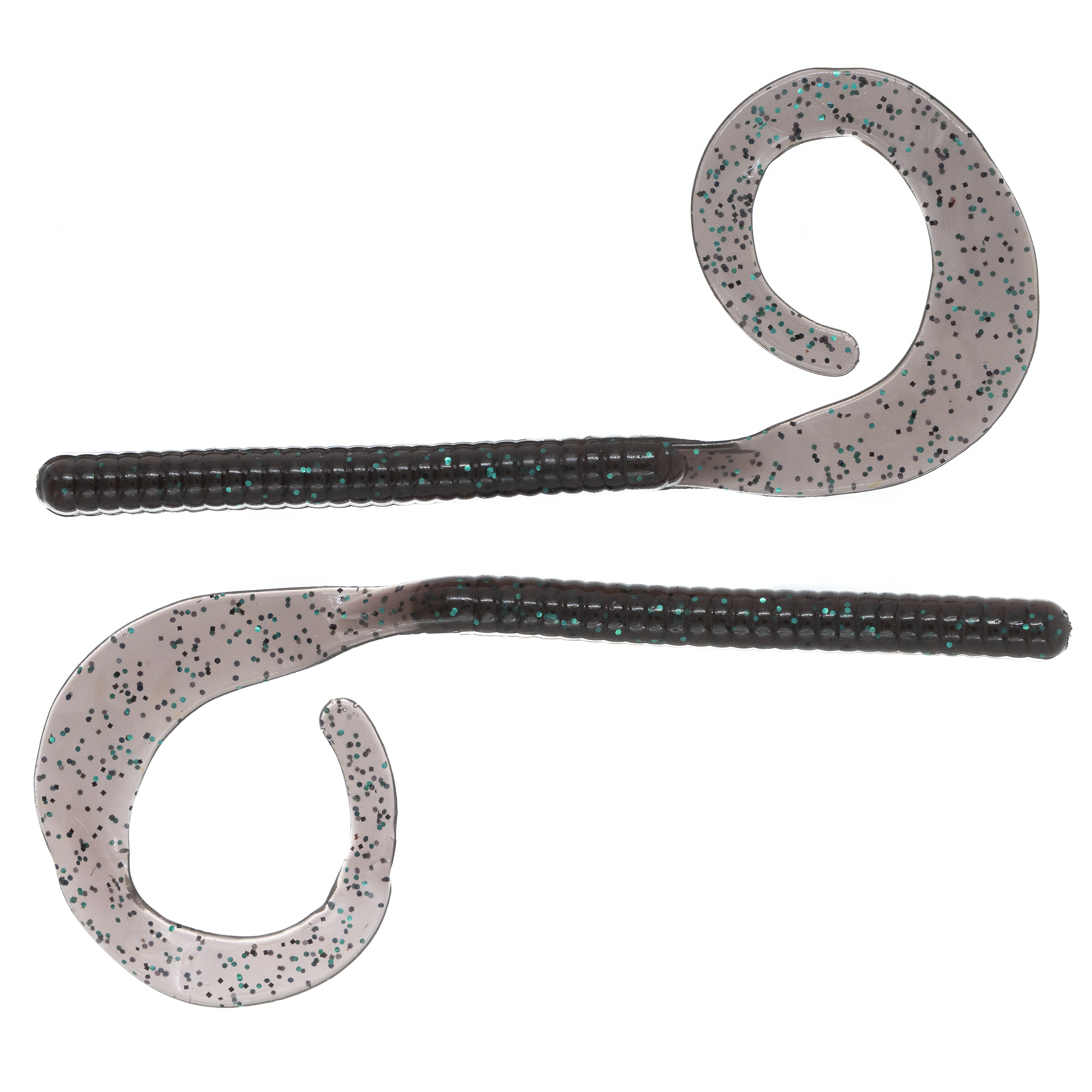
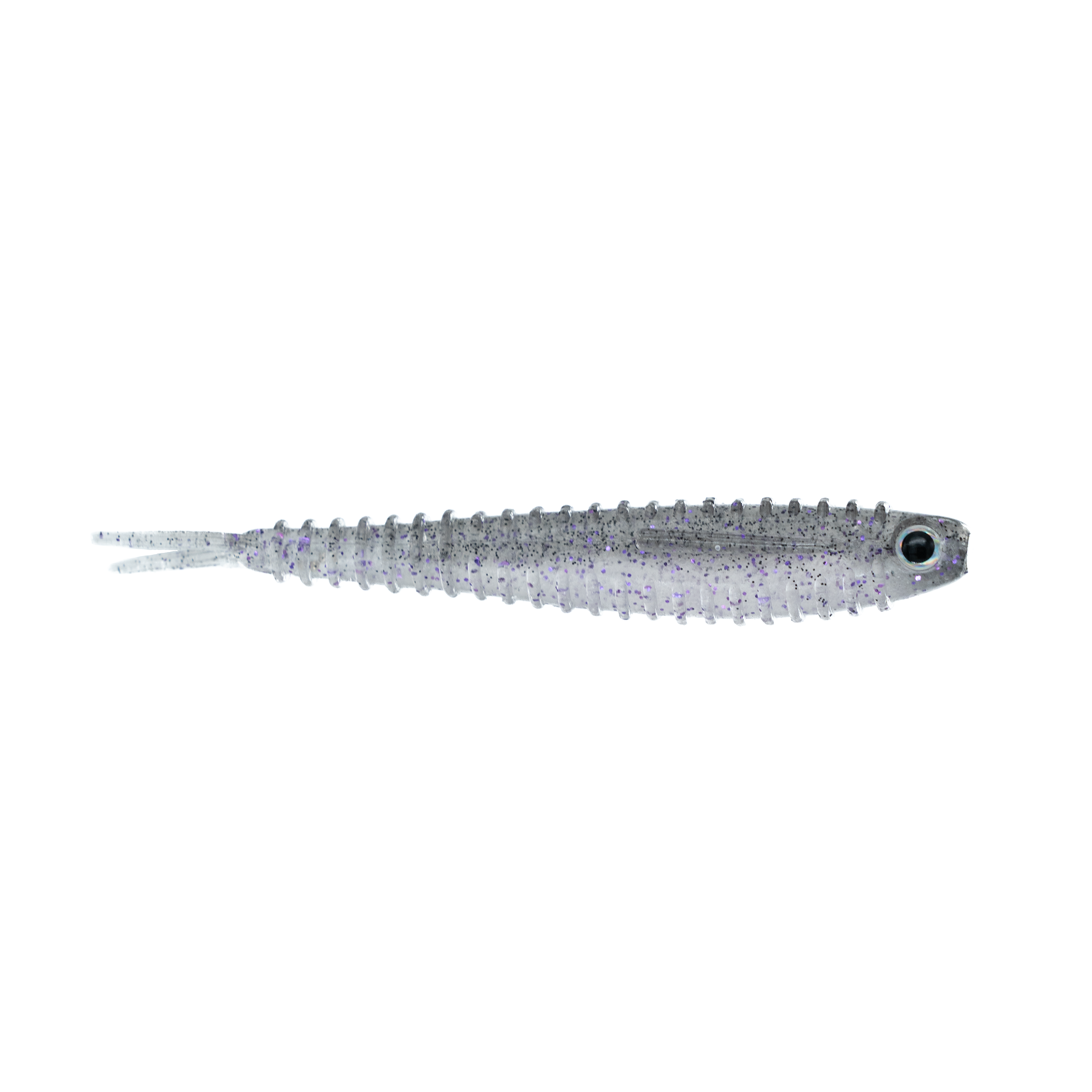
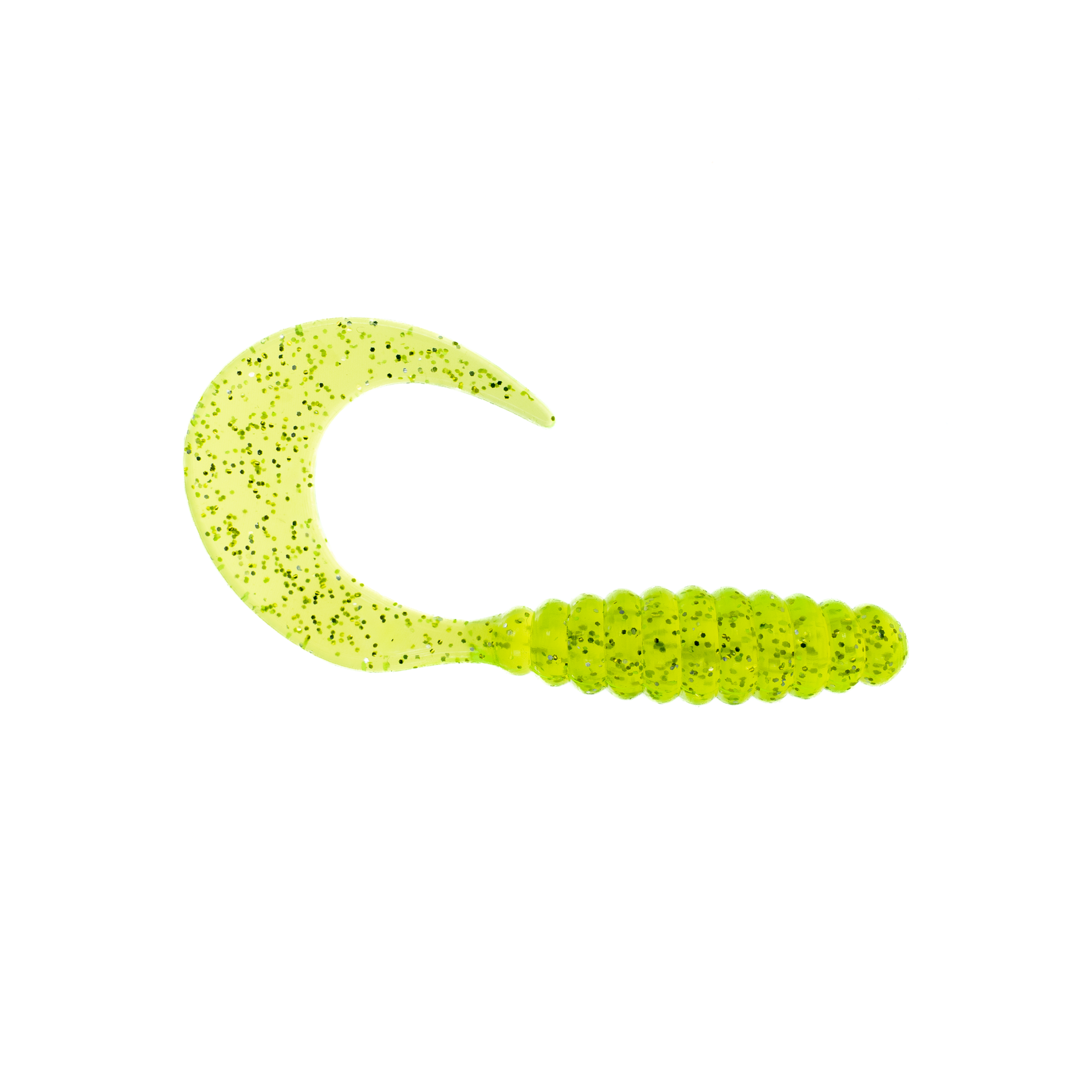
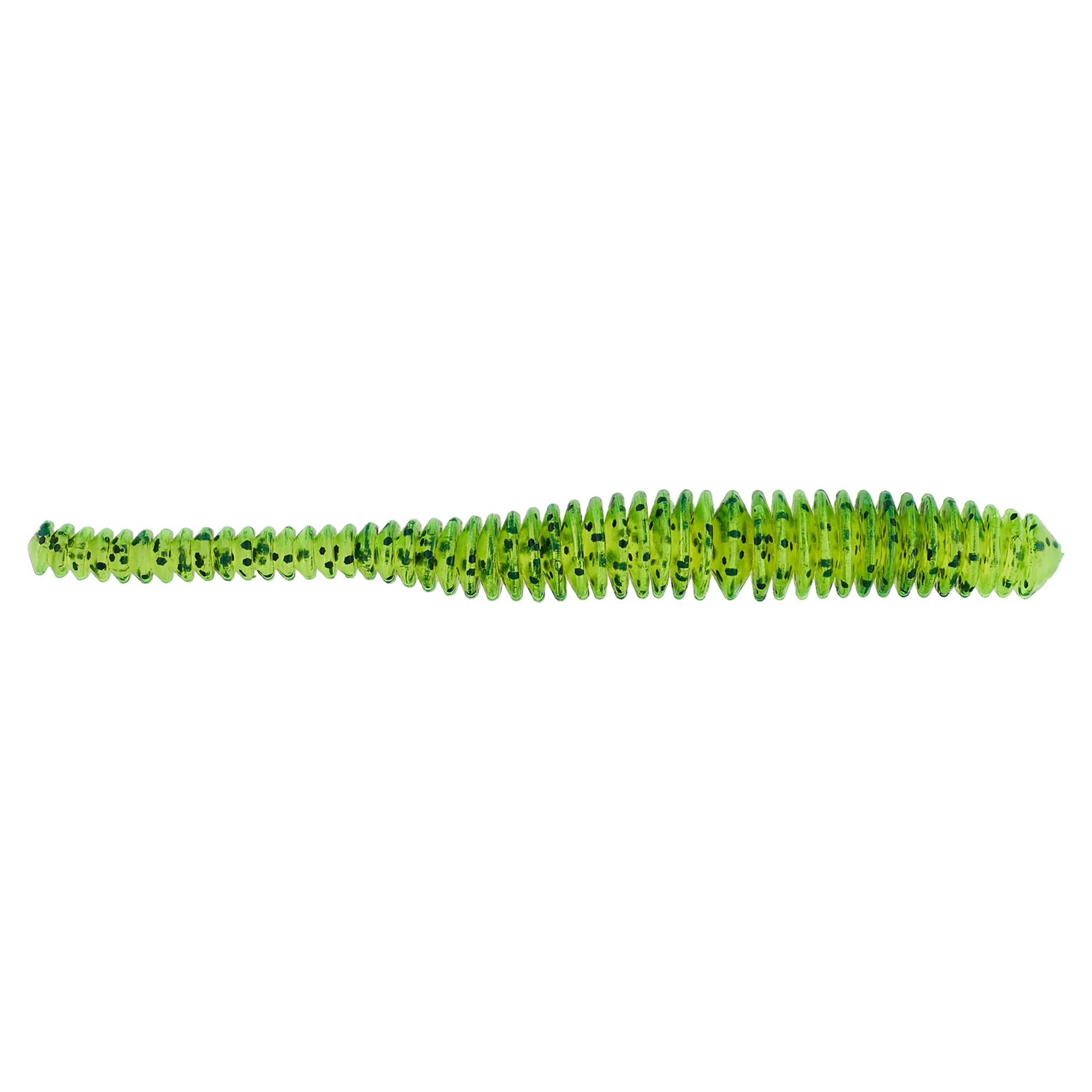
Autumn on Kissimmee is an open-water game. The fish are chasing bait along the vegetation edges and in the open pockets between the islands, and the crowds are thin. Rattling crankbaits, soft jerkbaits and rigged worms fished in open water or along the edge of the grass are the local answer, and have been for decades.
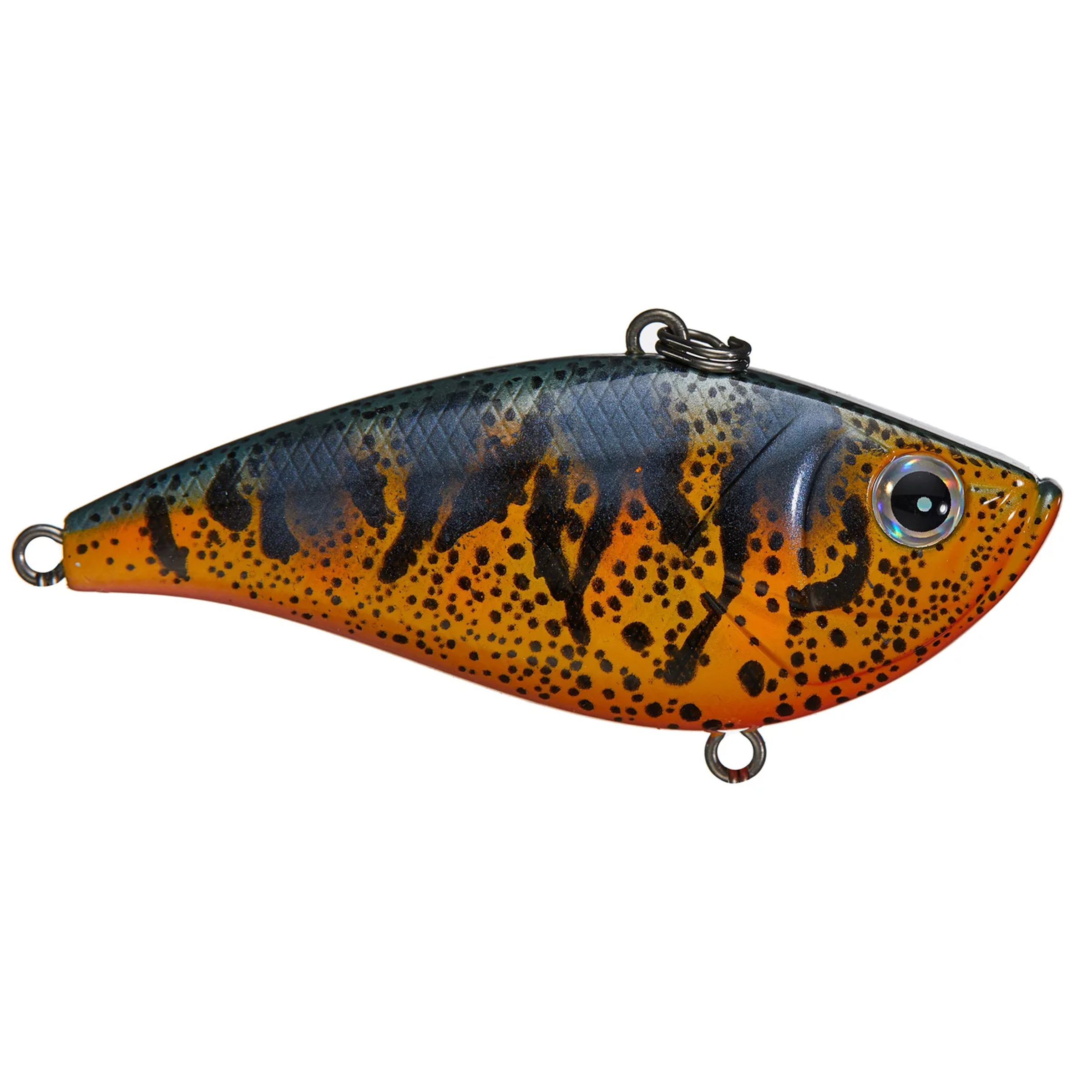
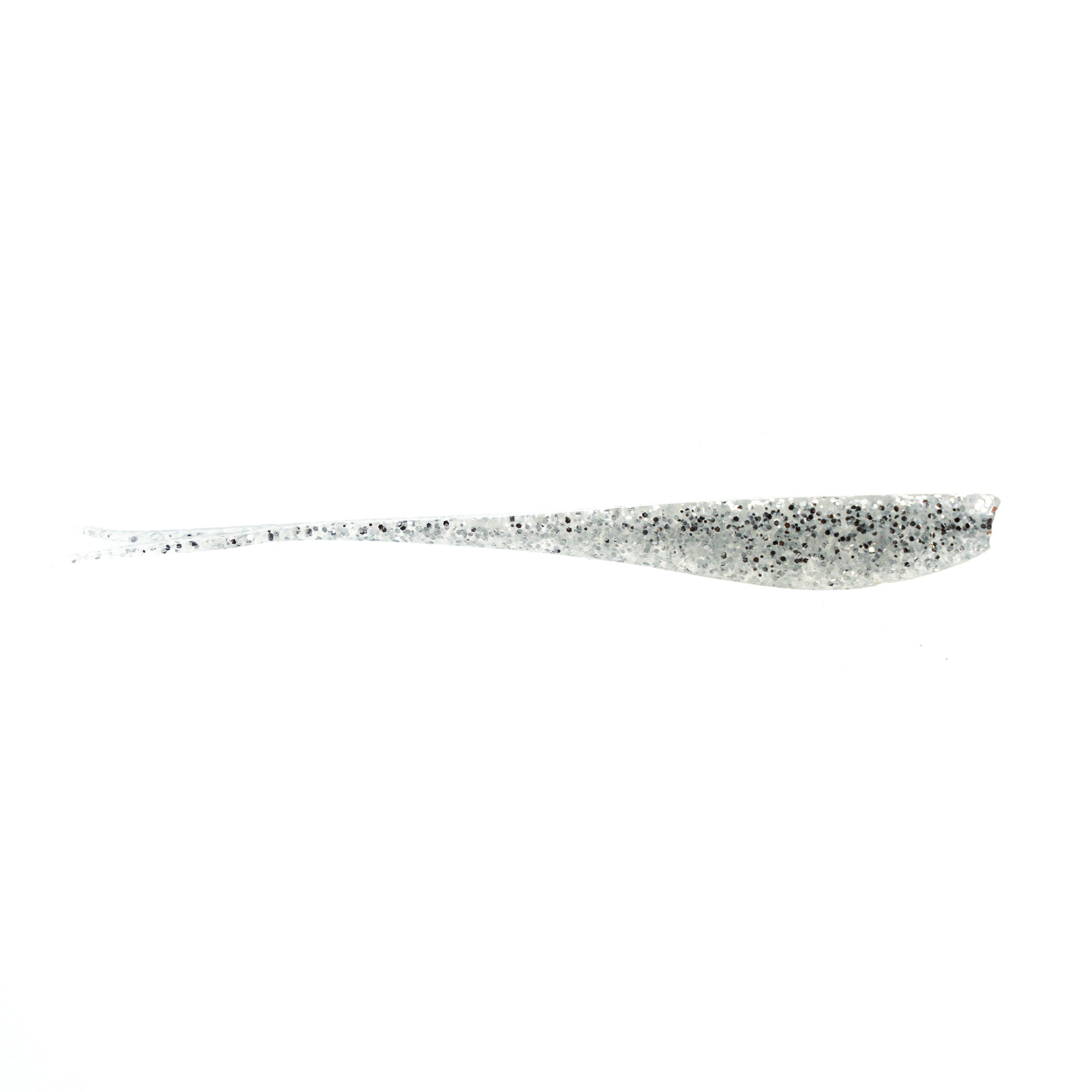
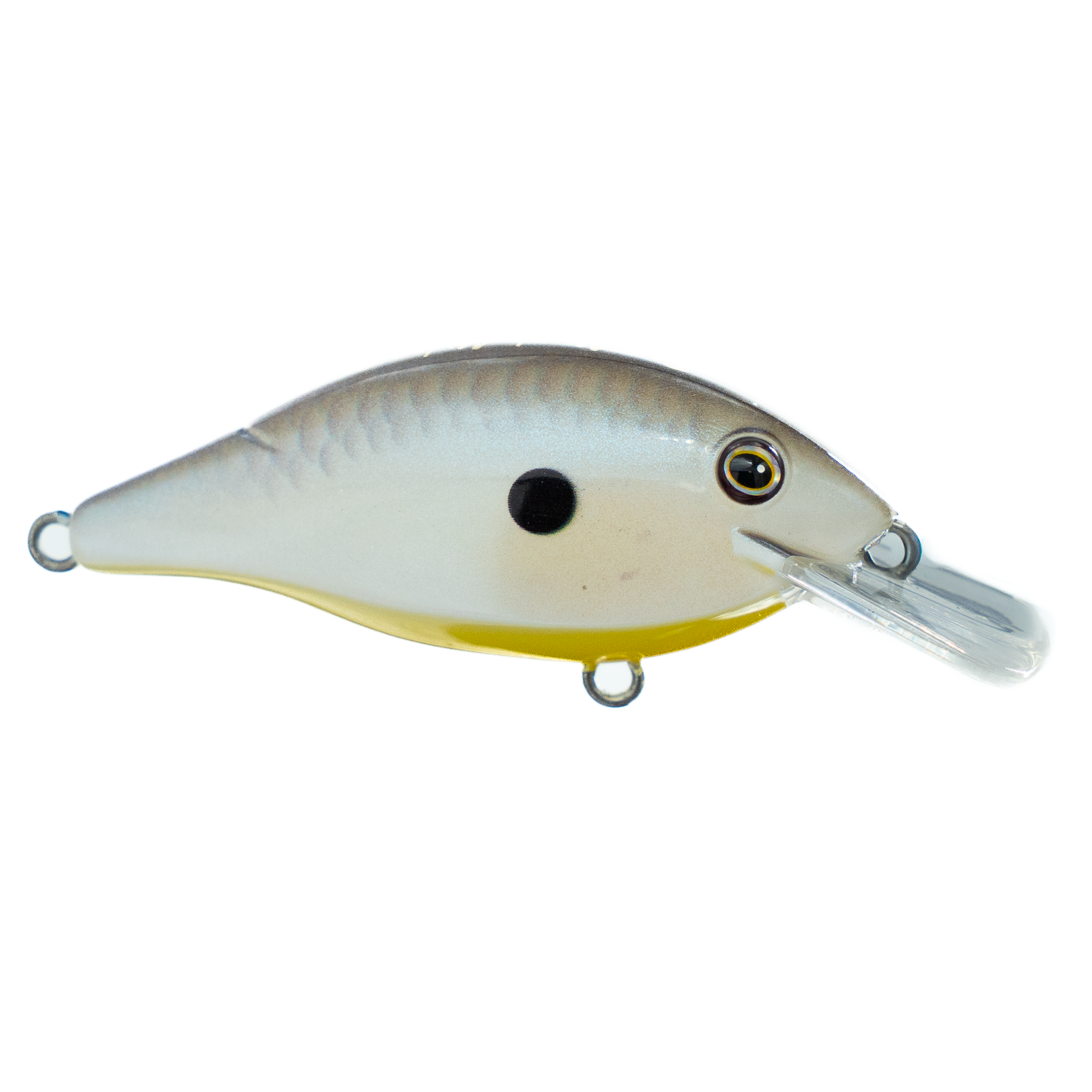
Prespawn Females in the Reeds
December through February is when the big ones show up in shallow water. Prespawn females stage against the outside reed lines and then push into them, and the same expansive grass stands that hold the spawn in March hold the staging fish before it. Cold fronts move them in and out repeatedly, but they do not go far.


Lake Kissimmee Access
Camp Mack and Grape Hammock on the west side are the traditional fish camps. Overstreet Landing on the northeast shore is accessible from St. Cloud on a partially paved road, and Lake Kissimmee State Park provides access on the western shoreline.
Brahma Island
Five thousand acres of island splitting the south end of the lake, across from Jack's Slough. The protected end is the place to fish when the wind is up, and the lily pads on the southwest end hold fish through the warm months. When water is running out of Jack's Slough, the water in front of it is worth everything you have.
North Cove and the Pig Trail
An airboat trail — the pig trail, locally — runs behind Storm Island and leads into North Cove. Expansive knotgrass, maidencane and bulrush around Seven Palms. It is protected, it is productive, and a fair amount of it is out of reach of a conventional boat, which is exactly why the fish in there are the size they are.
Philadelphia Point and Lemon Point
The big native grass stands on the west side, and the first place most guides start in the spring. Firm sand under grass, spawning habitat at scale, and enough shoreline to spread out on even during a tournament week.
Lake Kissimmee Bass Fishing FAQ
How big is Lake Kissimmee?
34,948 acres, which makes it the fourth largest lake in Florida and the largest on the Kissimmee Chain. You will see 38,000 quoted in places, measuring from the Kissimmee River mouth at the north end to the river exit near US 60 at the south.
Is Lake Kissimmee better than Lake Toho?
They fish differently rather than one being better. Toho is a hydrilla lake with an engineered hard-sand shoreline and an increasingly offshore tournament game. Kissimmee is native grass, islands and reed lines with far more water and far less pressure. If you want numbers of fish in unpressured water, Kissimmee. If you want the biggest single fish on the chain, historically Toho.
What is the Pig Trail?
An airboat trail running behind Storm Island into North Cove. The name is local. It is a route into productive protected water that would otherwise be a long way around, and North Cove is one of the better areas on the lake.
When do bass spawn on Lake Kissimmee?
Winter into spring, with the peak generally February and March. Guides slow-troll shiners and flip plastics through the native grass stands at Philadelphia Point, North Cove and Brahma Island during that stretch. Full and new moons concentrate the bedding activity.
Why is fishing pressure lighter here?
There is simply more water than anglers. The lake is broken up by big islands and deep coves into what feels like several separate fisheries, and substantial areas — the backs of the marshy coves, the far ends of the airboat trails — cannot be reached in a conventional bass boat at all.
What baits work best on Lake Kissimmee?
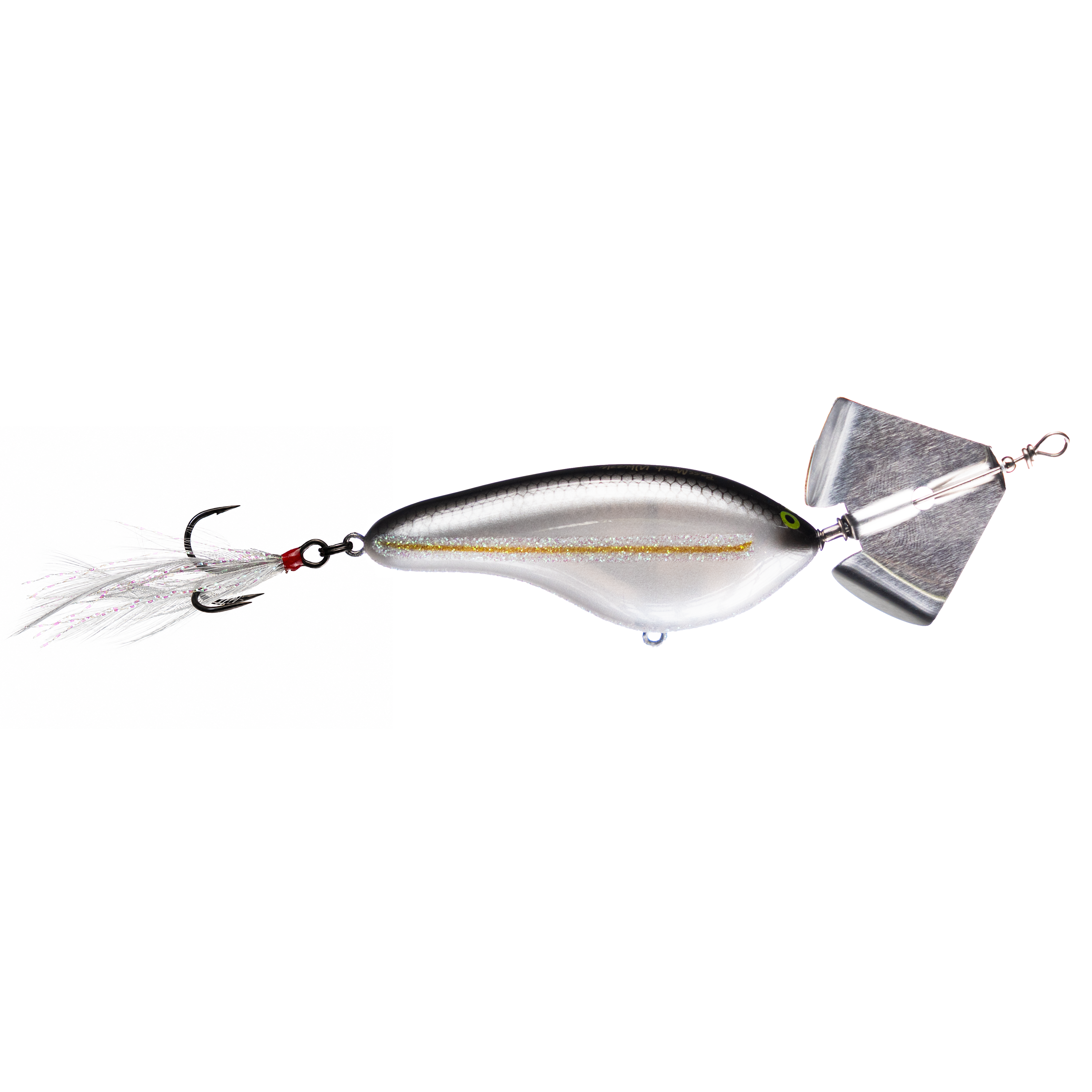
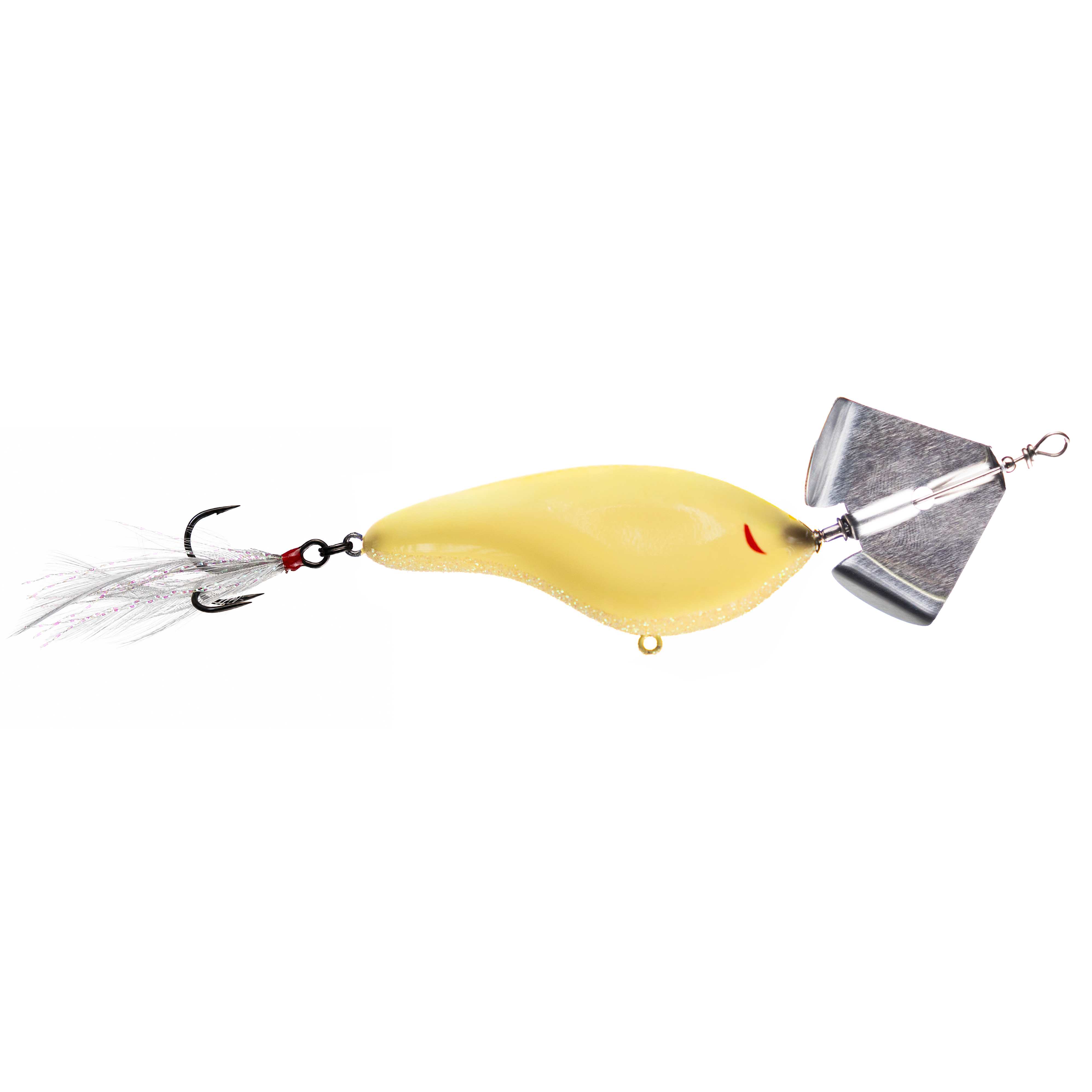
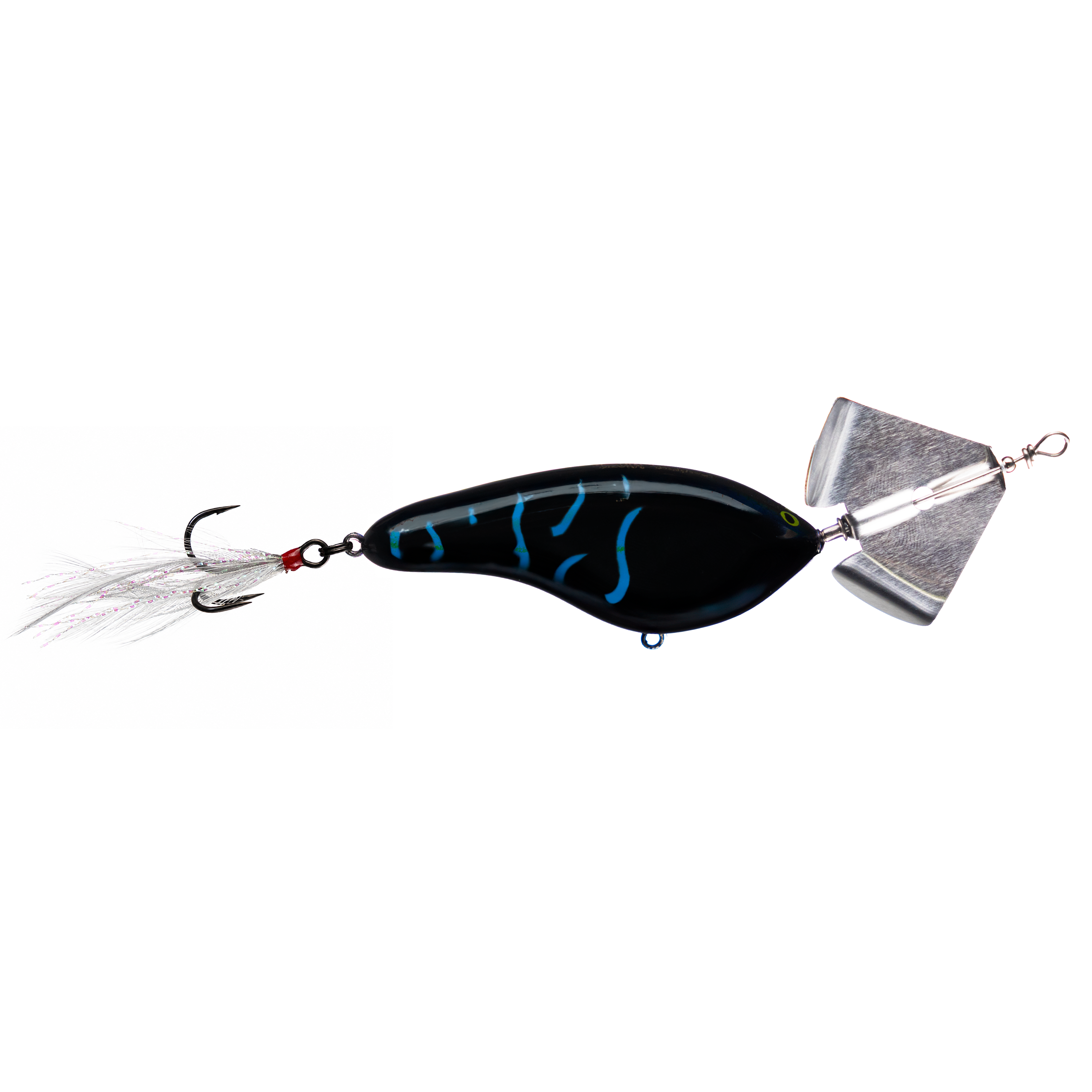
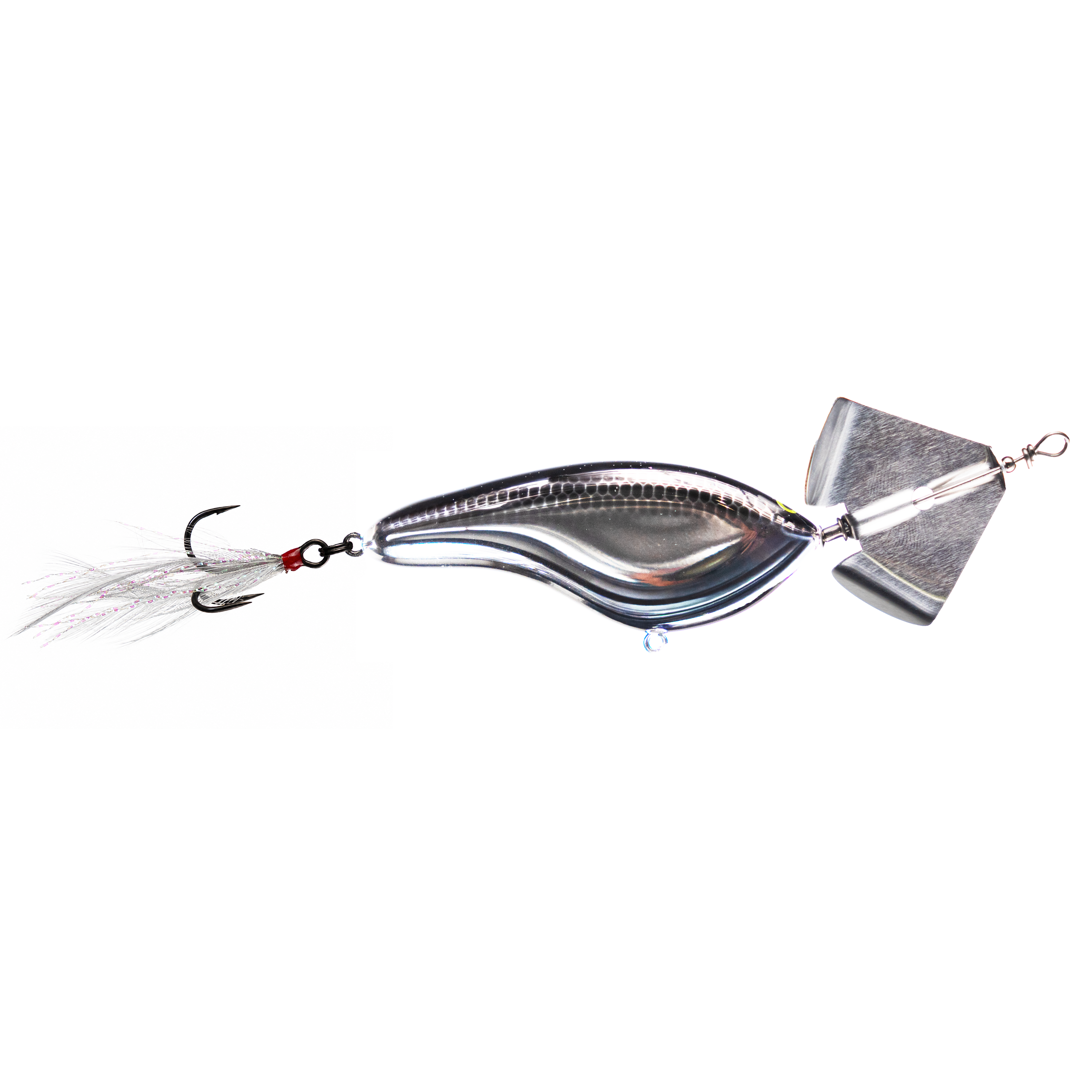
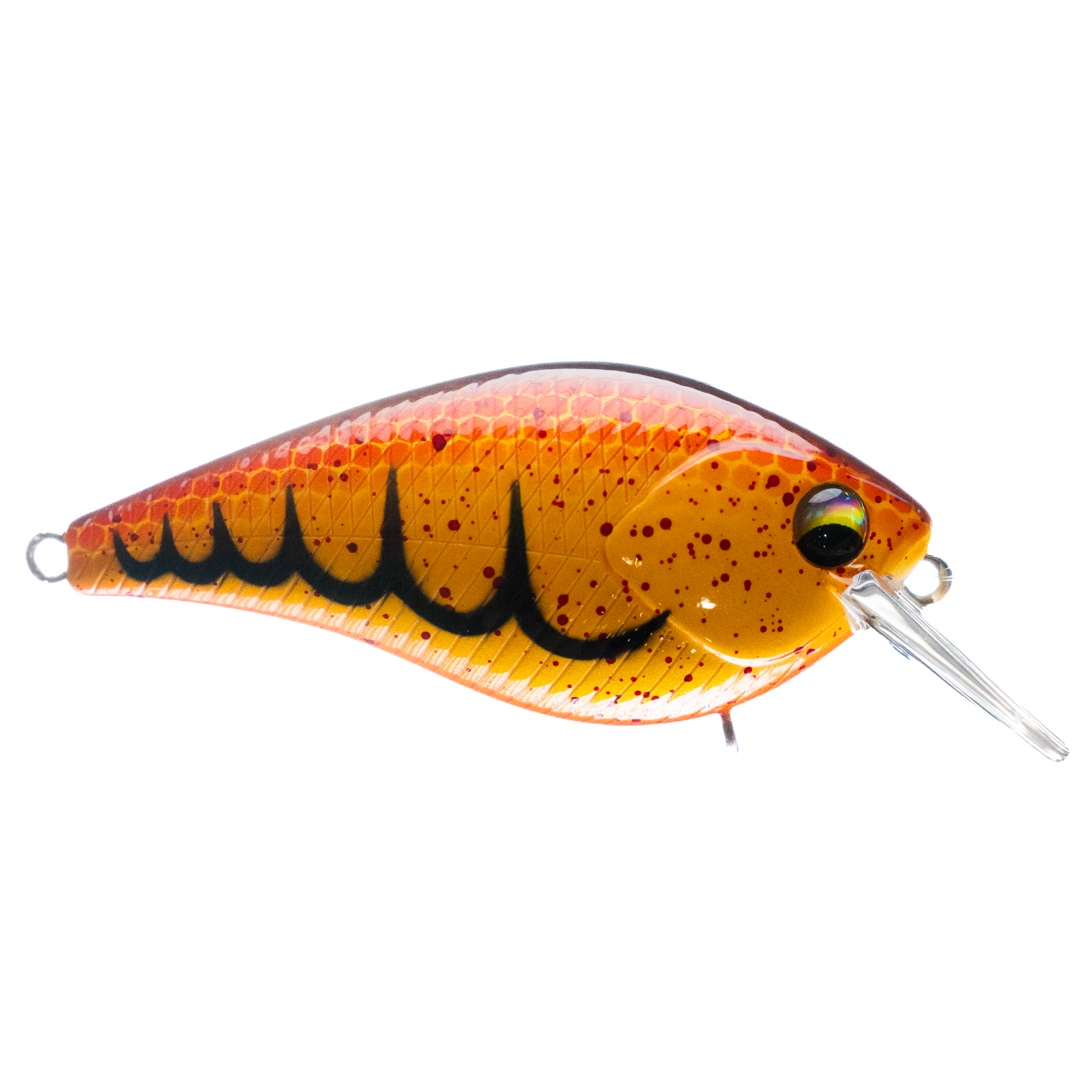
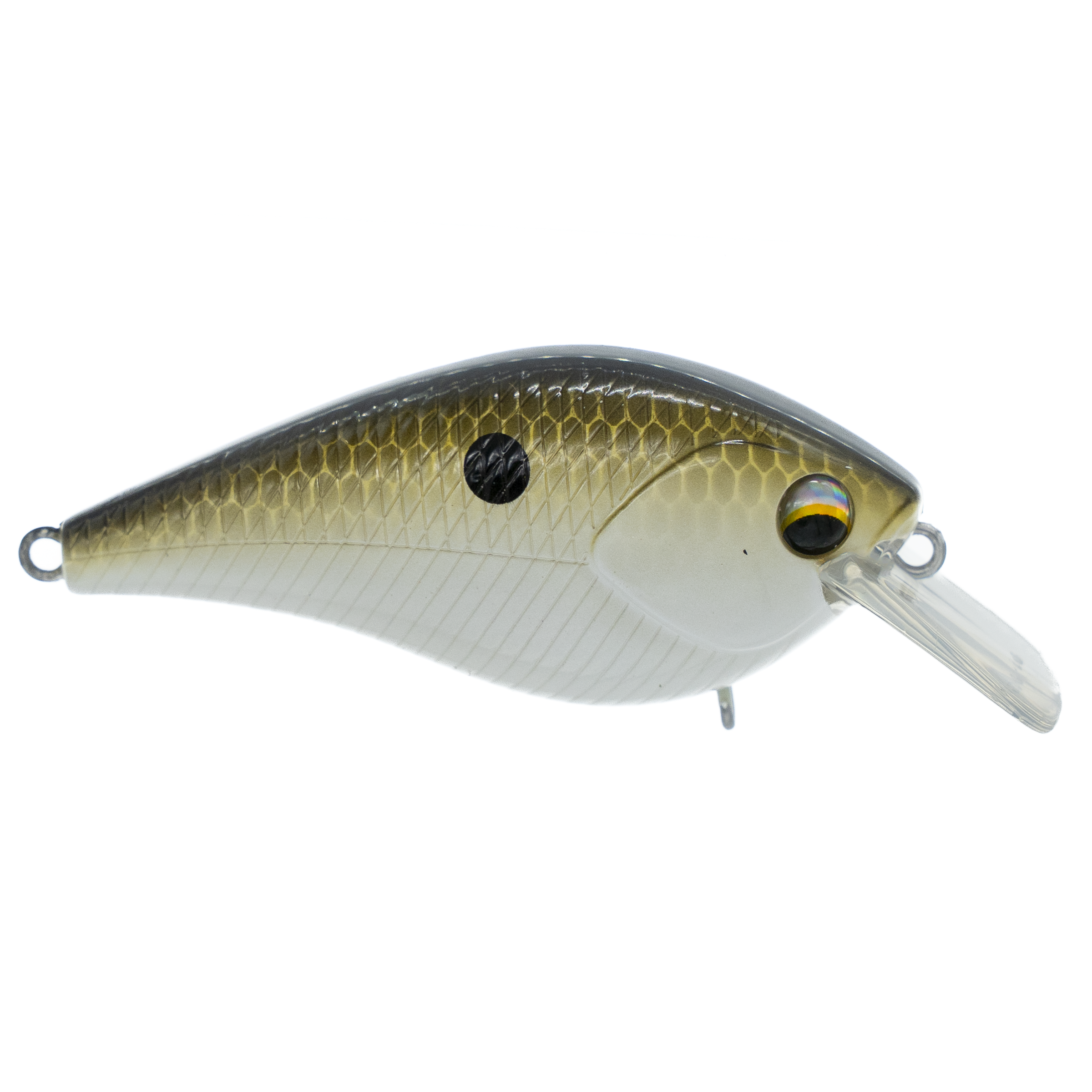
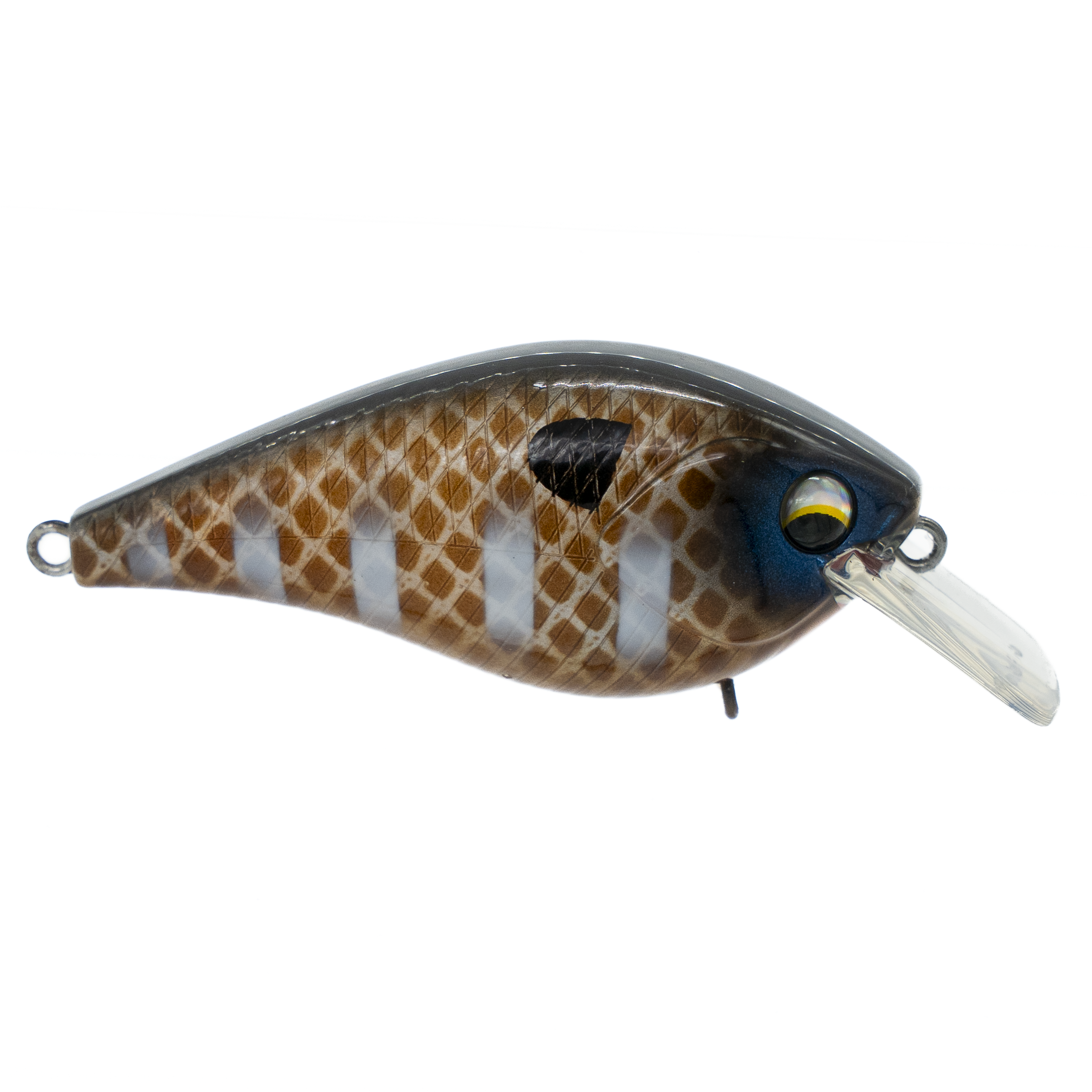
Flipping baits through the grass in winter and spring, then edges and open water the rest of the year with rattling crankbaits, soft jerkbaits and rigged worms. It is a native-grass lake rather than a hydrilla lake, so the presentations skew slightly less heavy than Okeechobee. Our full bait lineup covers all four seasons.
Are there alligators?
Plenty, along with a great deal of other wildlife — it is bordered by Lake Kissimmee State Park and largely undeveloped. They are not a practical problem for anglers in a boat, but do not wade the shallows and do not leave a fish hanging over the side.
Do I need a fishing license?
Yes. A Florida freshwater fishing license is required for anglers 16 and older through the Florida Fish and Wildlife Conservation Commission, with short-term options for visitors. Statewide bass regulations apply.
Reaching Into Cover
Pitching a jig thirty feet down a reed line, hour after hour, and then having the backbone in hand when an eight-pounder eats it a foot inside the grass is the whole job on this lake. Level Rods builds flipping and pitching models with the accuracy for the first part and the power for the second.
Tournament Winning Baits & Gear
Designed, crafted and tested by anglers who fish heavy cover every week. Free shipping on orders over $75.
Shop All Baits