Lake Jordan Bass Fishing Guide (Alabama)
Lake Jordan Bass Fishing, Season by Season
Sixty-eight hundred acres of Coosa River twenty-five miles north of Montgomery, and the lake locals point to when you ask where the big spots are. Jordan has never hosted a Classic and does not get the traffic its upstream neighbours do — which is exactly the appeal.
The Coosa Spot Factory
Lake Jordan sits twenty-five miles due north of Montgomery, a 6,800-acre Alabama Power impoundment on the Coosa with 188 miles of shoreline. It was filled in 1928, and in 1967 Bouldin Dam impounded an adjacent basin that connects to it by a short canal. It is the smallest lake in this set and one of the most consistent.
It does not get the publicity. Logan Martin and Lay both hosted Bassmaster Classics and absorbed the influx of visiting anglers that follows. Jordan did not, and locals around Wetumpka and Prattville have a standard line about it: if you really want to catch a big Coosa River spot, come to Jordan. State fisheries staff have been careful not to declare it outright the best spot factory on the chain, but their own fishing habits suggest something.
The water is very fertile and supports high densities of both sport fish and forage. Largemouth and spotted bass are similar in abundance with fairly stable recruitment, and growth of both exceeds the statewide average. Bass fishing here has stayed consistent for two decades, and in a state ranking of reservoirs by tournament quality Jordan came sixth of twenty.
The upper end is the Mitchell Dam tailwater, which is a popular area with a lot of bank access. It is also the part of the lake most affected by generation — heavy current after regional rainfall can make the upstream fishing genuinely difficult rather than just different.
Current, Rock and Big Spots
Four patterns cover the year. Each one pairs the technique with the baits we'd actually tie on.
Staging on Rock
Spring pulls Jordan's bass out of the deeper water and onto the rock and points as they stage. The lake's fertility means fish are in good condition coming out of winter, and both largemouth and spots are catchable at the same time. The Mitchell Dam tailwater at the top end draws a lot of attention this time of year.



Deep Rock, Current Breaks
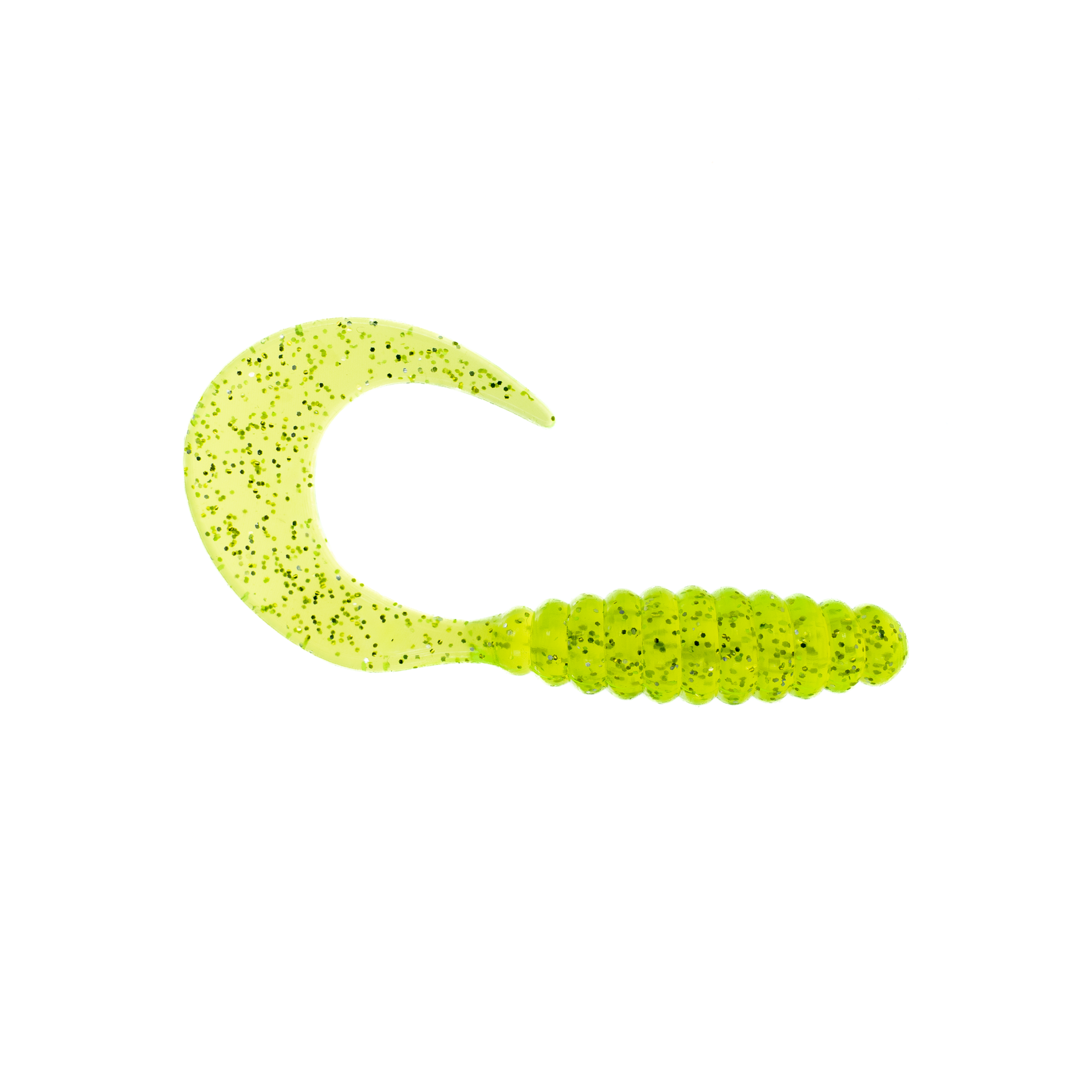
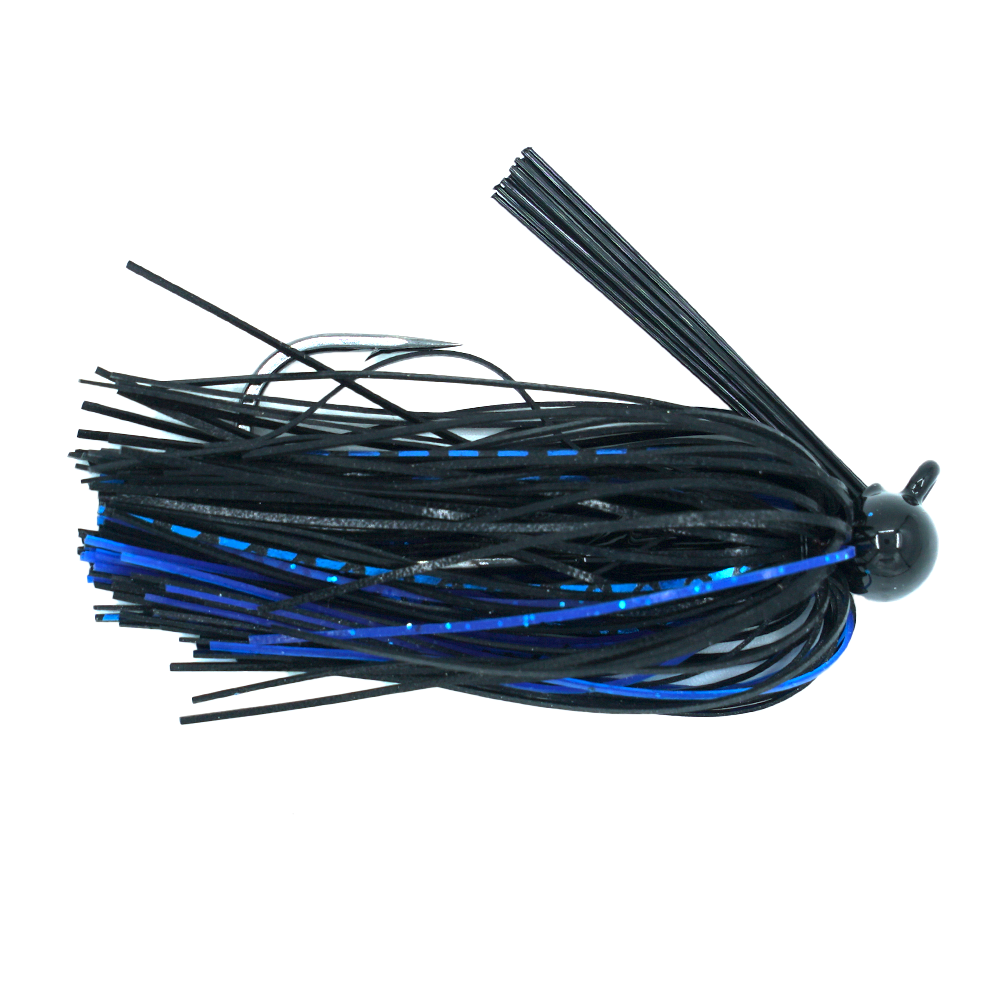
Summer puts the spots on rock and structure with current moving past it. Jordan is small enough that you can cover a meaningful share of it in a day, which suits a lake where the fish relate to specific pieces rather than broad areas. Largemouth take the shallower cover and the backs of pockets.


Following the Bait
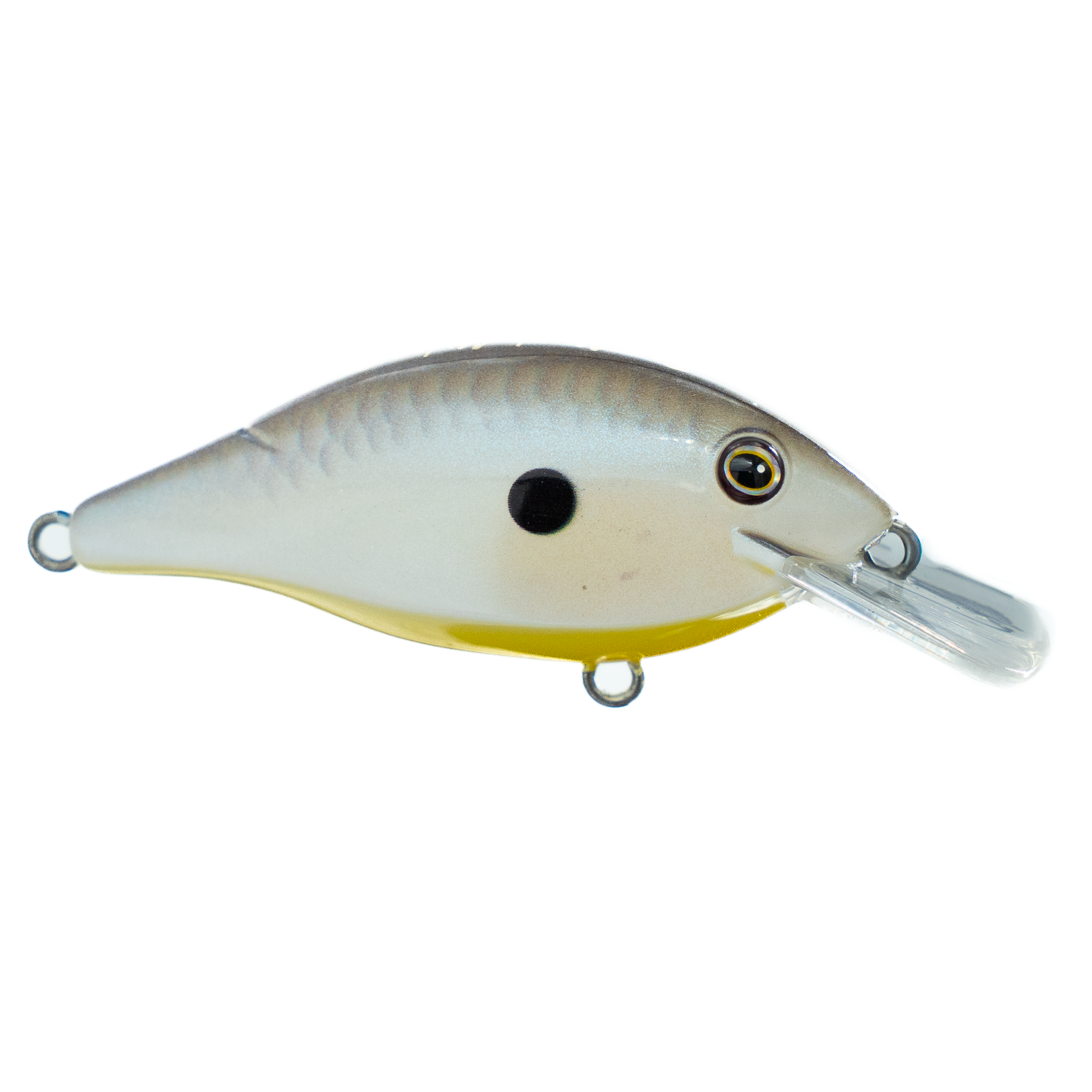
Autumn moves bait and bass together, and on a fertile lake with high forage density that can mean concentrated fishing if you find them. Spots roam more than largemouth do, so expect to search rather than return to spots that produced last week.



Small Lake, Few Boats
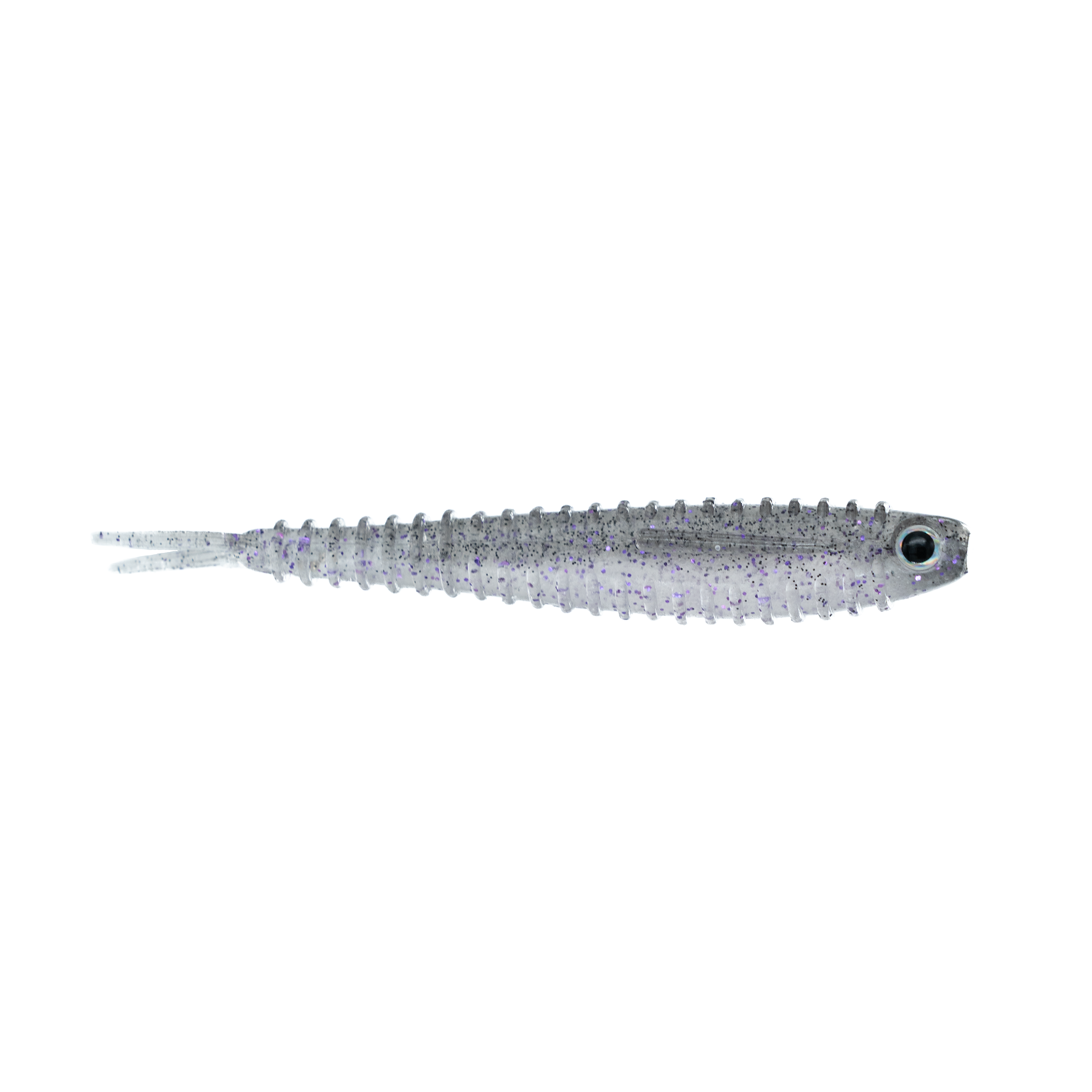
Winter is when a 6,800-acre lake with modest traffic becomes genuinely attractive. Bass hold deep on rock and structure and feed slowly, and the fertility that drives growth here means the fish you do catch tend to be in good condition.



Lake Jordan Access
Wetumpka is the base. Bonner's Landing and Rotary Landing are the usual ramps, and bank access at the upper end is unusually good.
Mitchell Dam Tailwater
The upper end of the lake, and a popular area with ample bank fishing access. Highly current-dependent — excellent on moderate generation, difficult when they are pushing hard water after rain.
Bonner's Landing & Rotary Landing
The two ramps most tournaments launch from, both near Wetumpka. Convenient access to the mid and lower lake.
The Bouldin Basin
The adjacent basin impounded in 1967 and connected by a short canal. Different water from the main lake and worth exploring when the river end is blown out.
Lake Jordan Bass Fishing FAQ
Is this the same as Jordan Lake in North Carolina?
No. This is Lake Jordan in Alabama, a 6,800-acre Coosa River impoundment north of Montgomery, filled in 1928. Jordan Lake in North Carolina is a 13,940-acre Corps of Engineers reservoir on the Haw River southwest of Raleigh. Same name, different states, completely different fisheries.
Is Lake Jordan really the best Coosa lake for big spotted bass?
Locals around Wetumpka and Prattville say so, and they say it consistently: if you want a big Coosa spot, come to Jordan. State fisheries staff stop short of declaring it outright, though their own fishing choices are suggestive. What is certain is that Jordan means spotted bass more than the reservoirs immediately upstream do.
Why is Lake Jordan underfished?
Mostly a lack of publicity. Logan Martin and Lay both hosted Bassmaster Classics and got the visiting-angler traffic that comes with that. Jordan never did. The fishing has been consistently good for twenty years regardless.
How does current affect Lake Jordan?
Significantly at the upper end. The Mitchell Dam tailwater is excellent on moderate generation, but heavy current after regional rainfall can make that section genuinely difficult to fish. Check flows before you plan to run up there.
How good is the bass fishing on Lake Jordan?
Consistent, which is the compliment that matters. Largemouth and spotted bass are similar in abundance with fairly stable recruitment, and growth for both exceeds the Alabama statewide average. In a ranking of twenty state reservoirs by overall bass quality, Jordan placed sixth.
What baits work best on Lake Jordan?
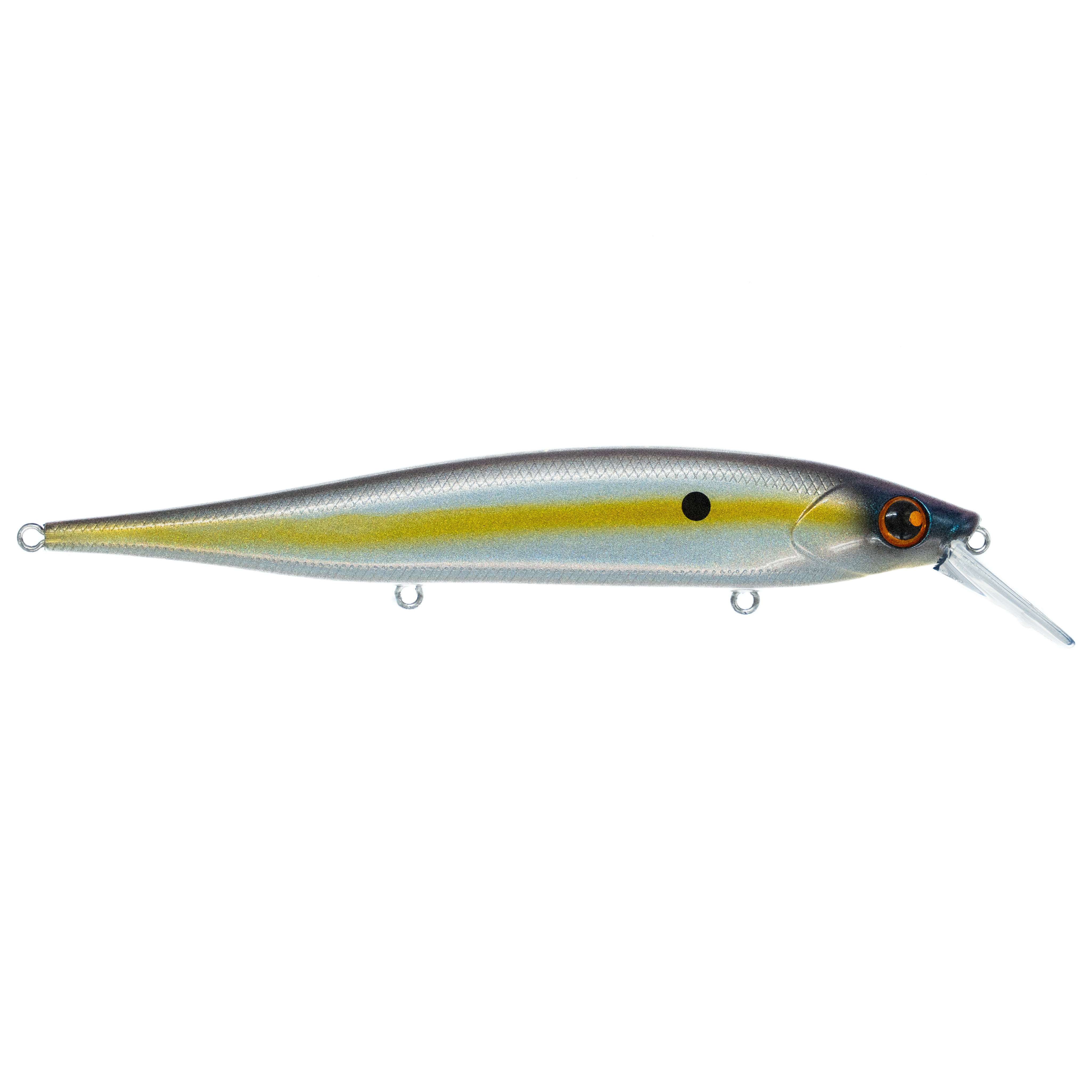
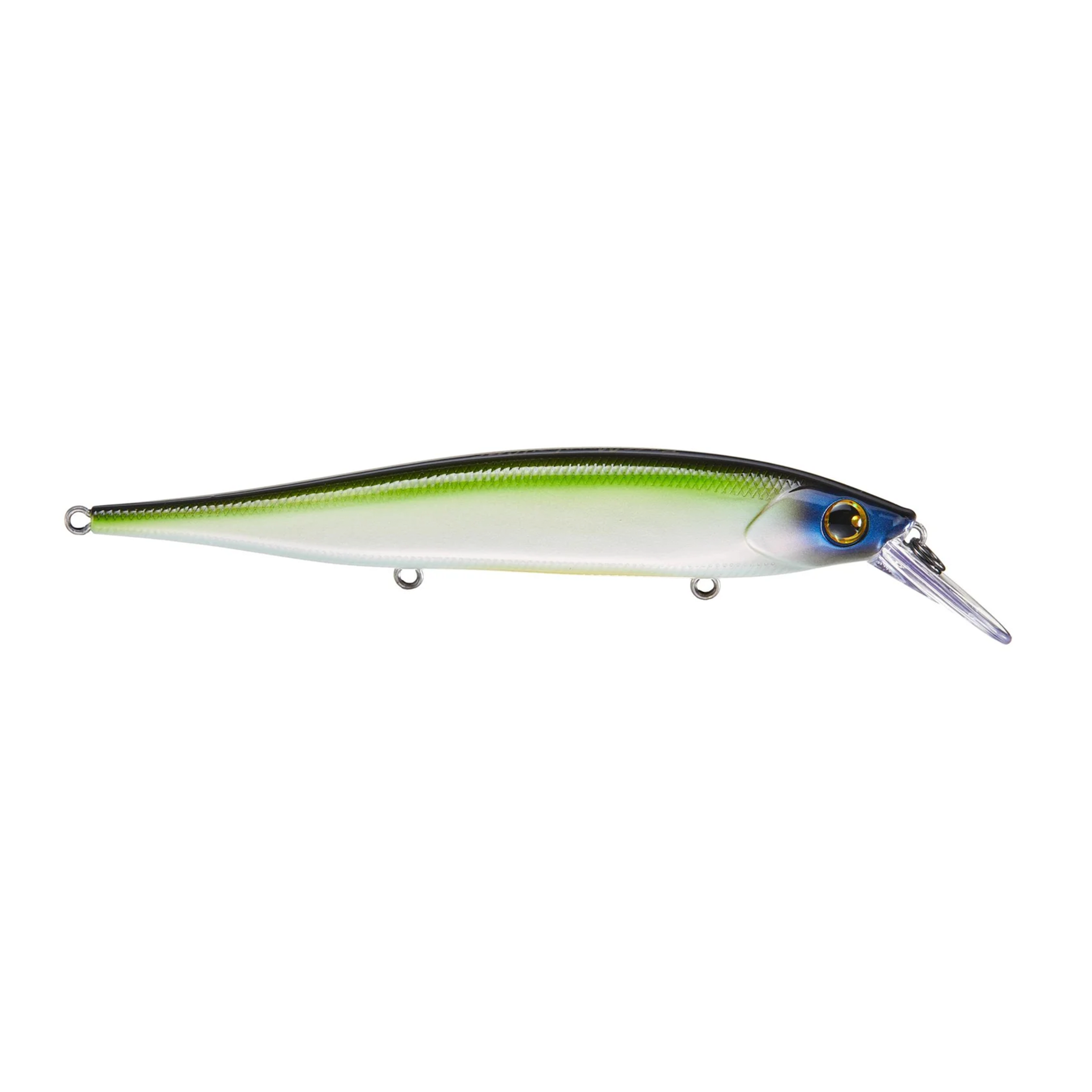
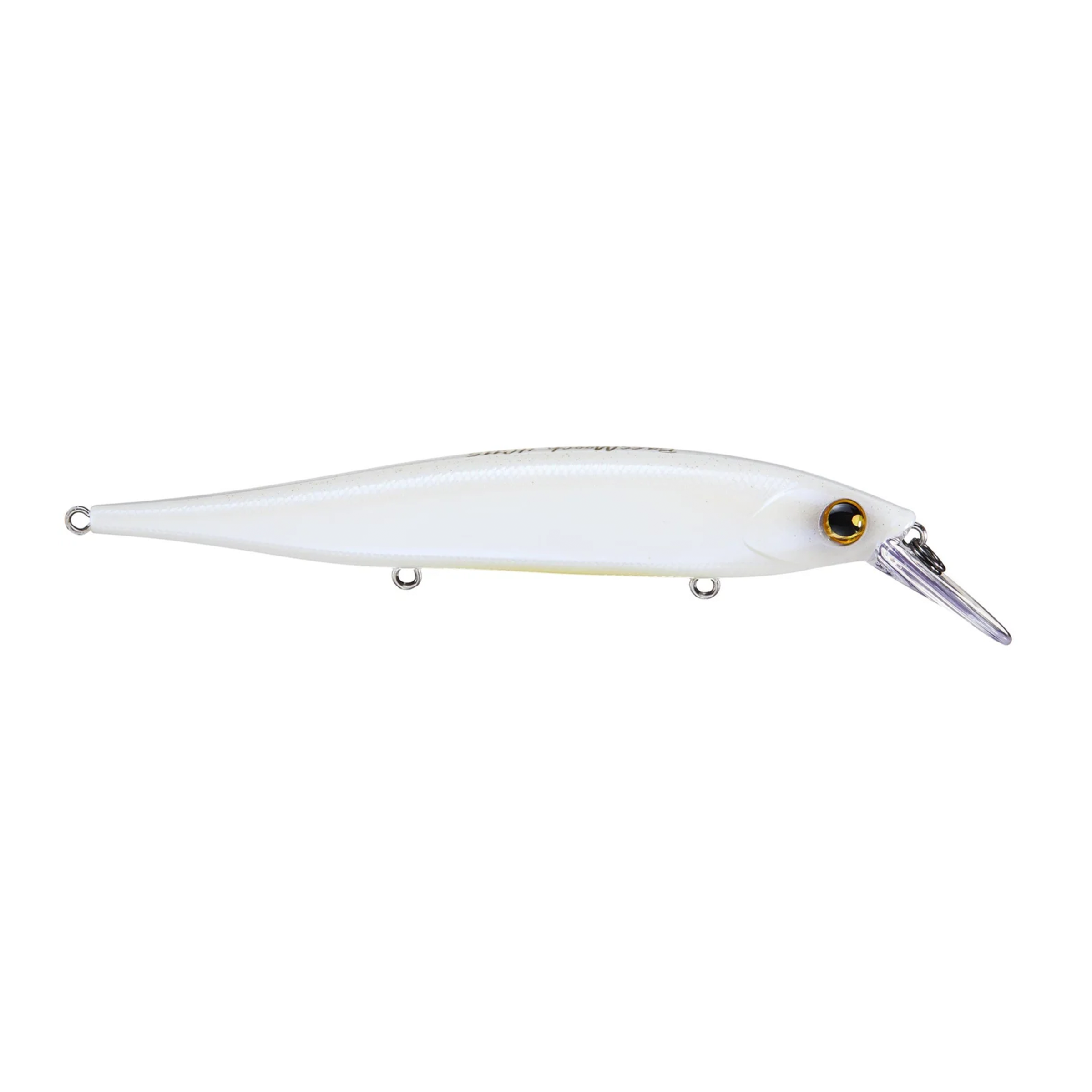
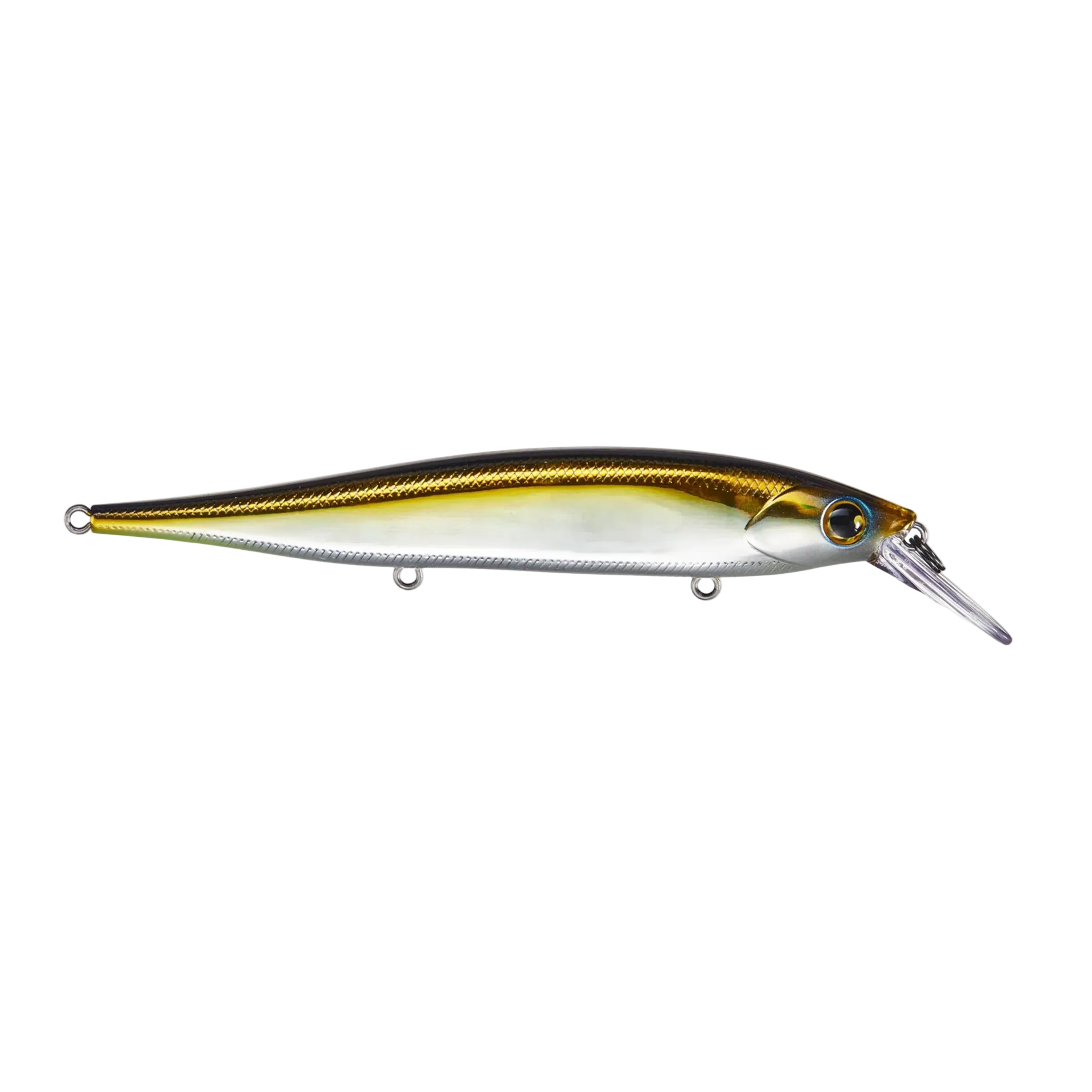
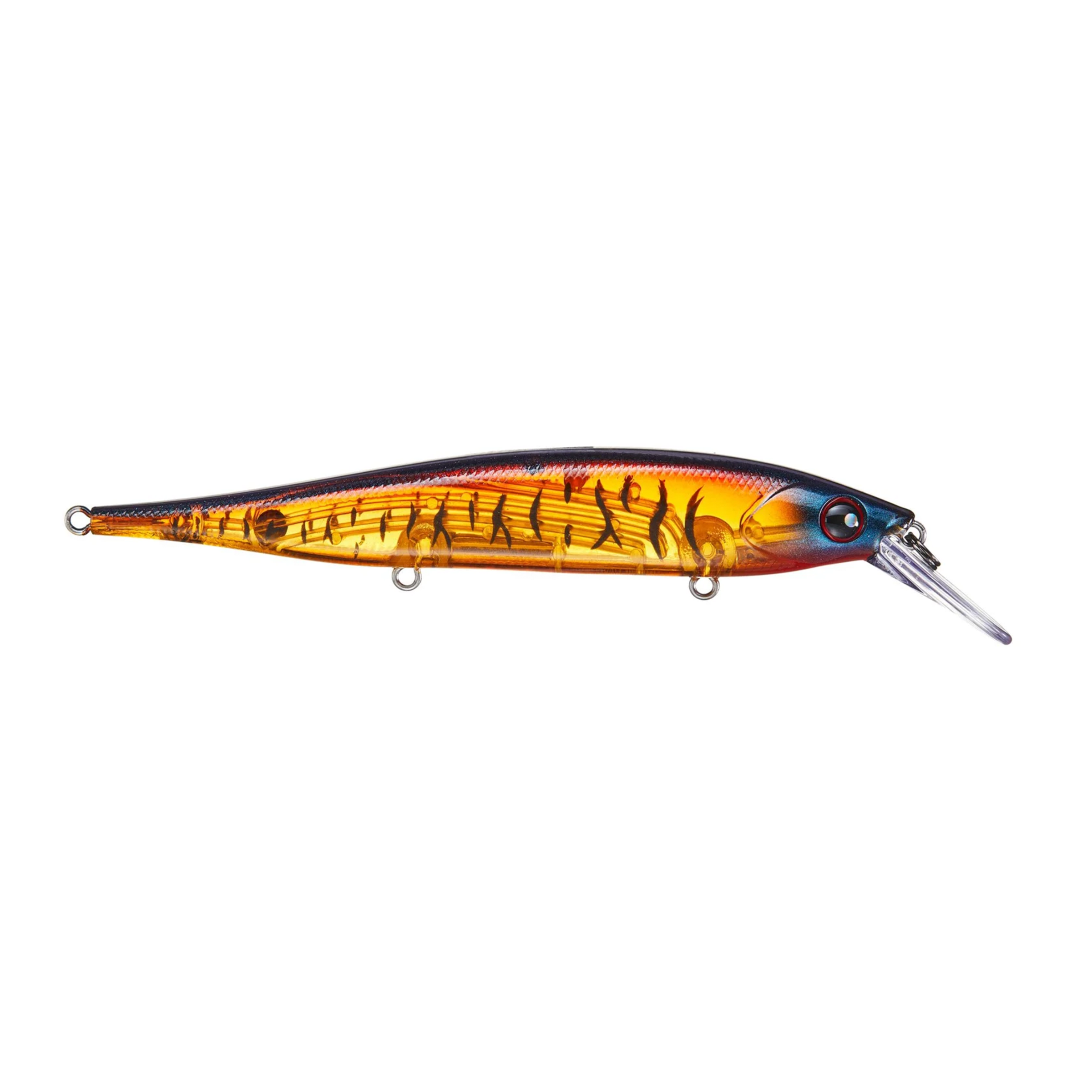
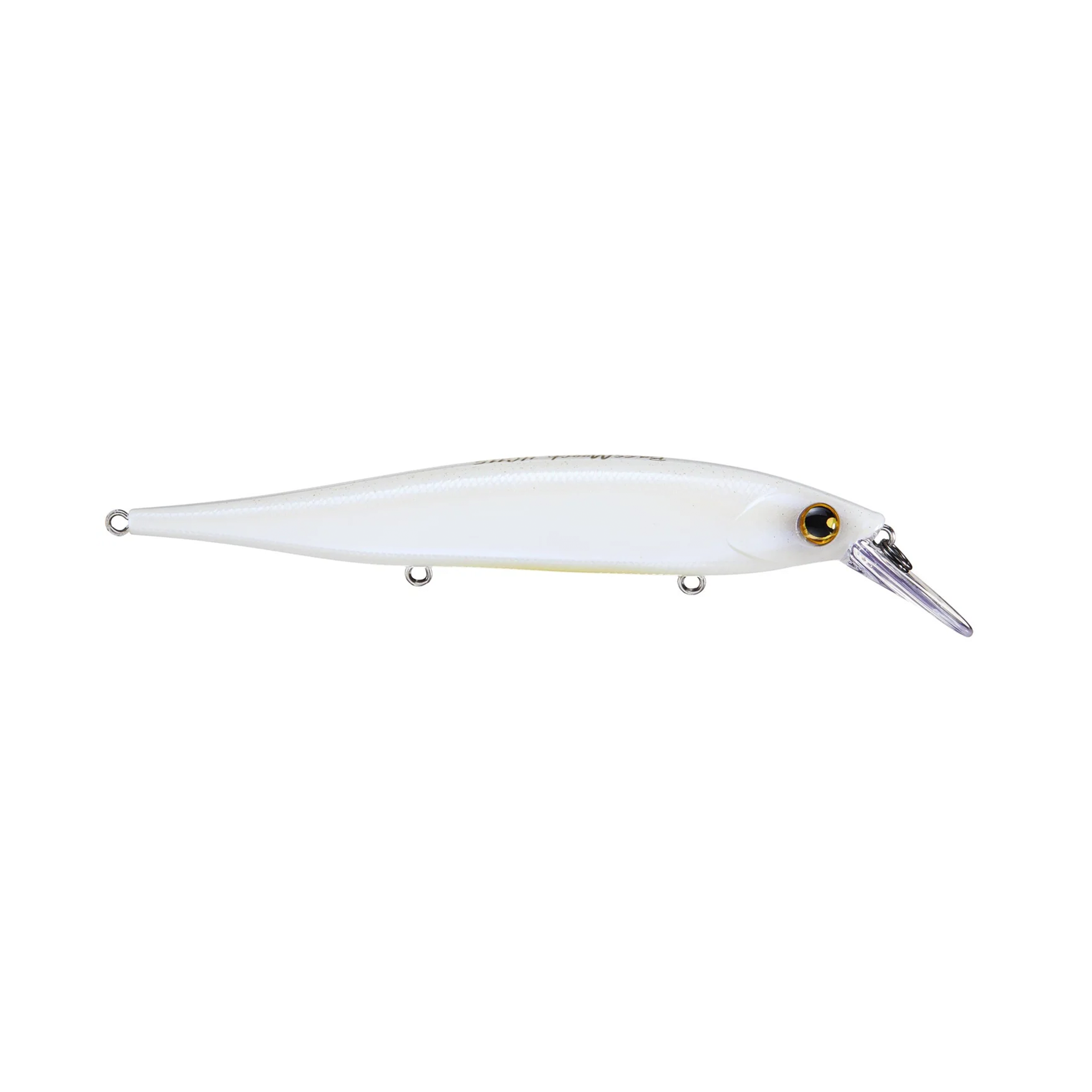
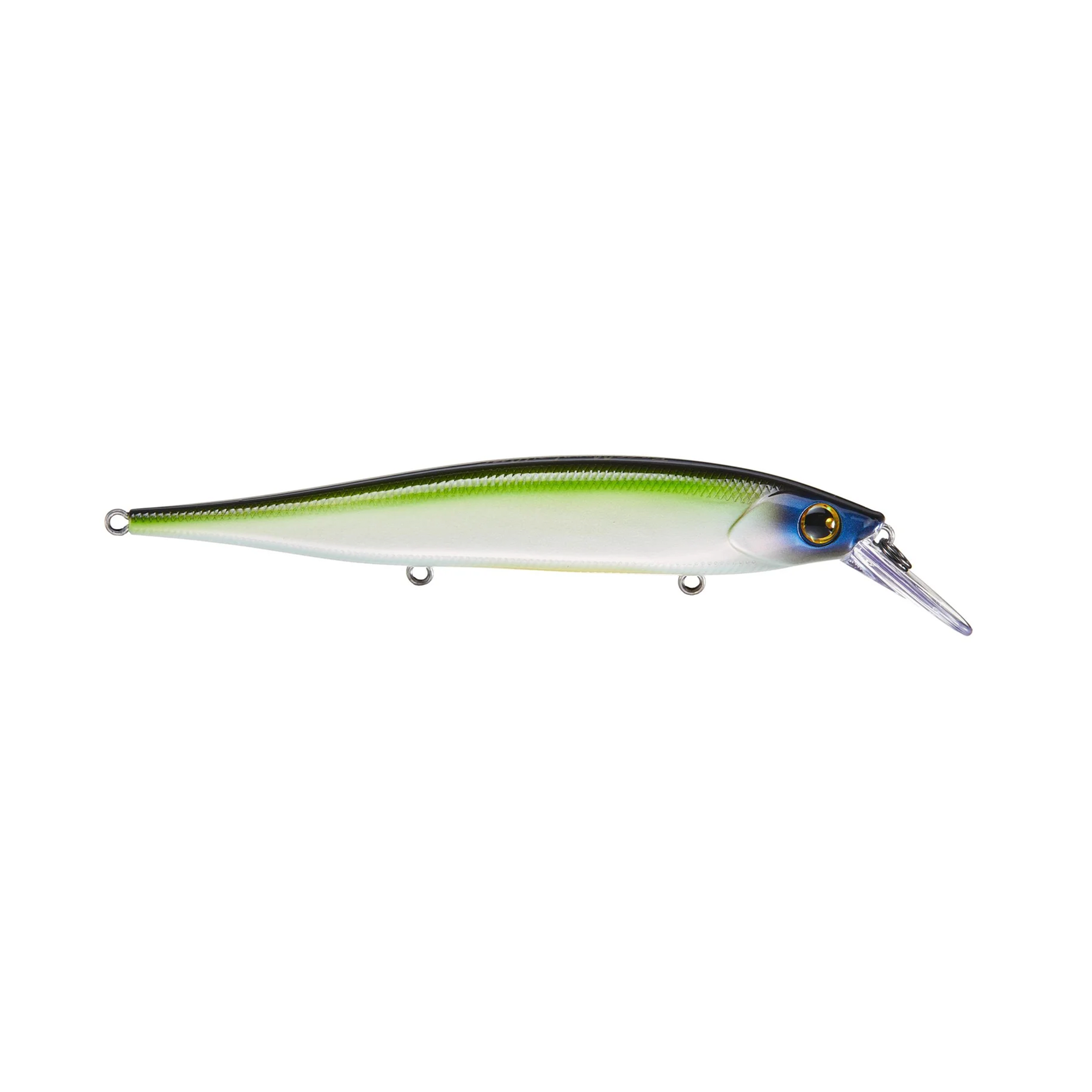
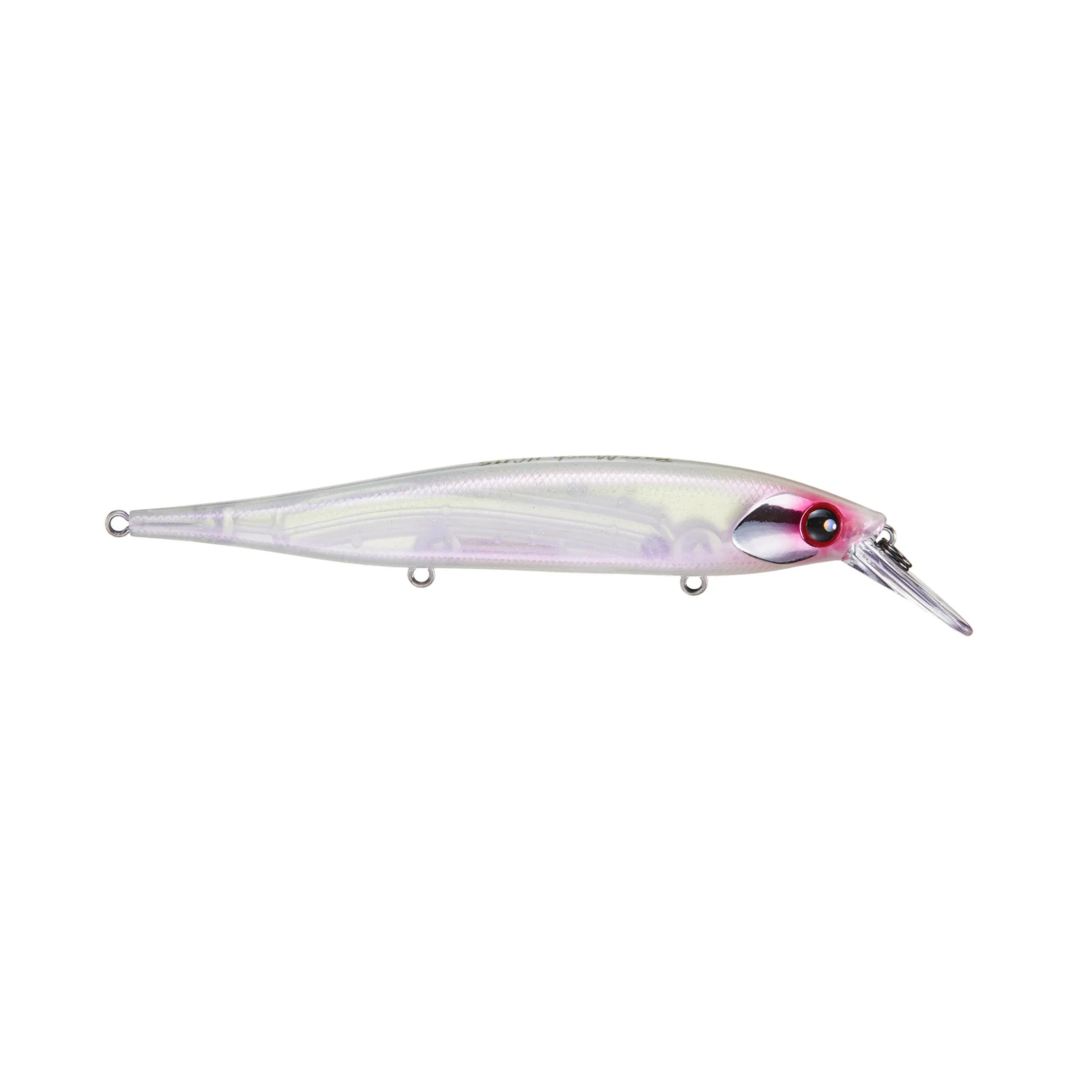
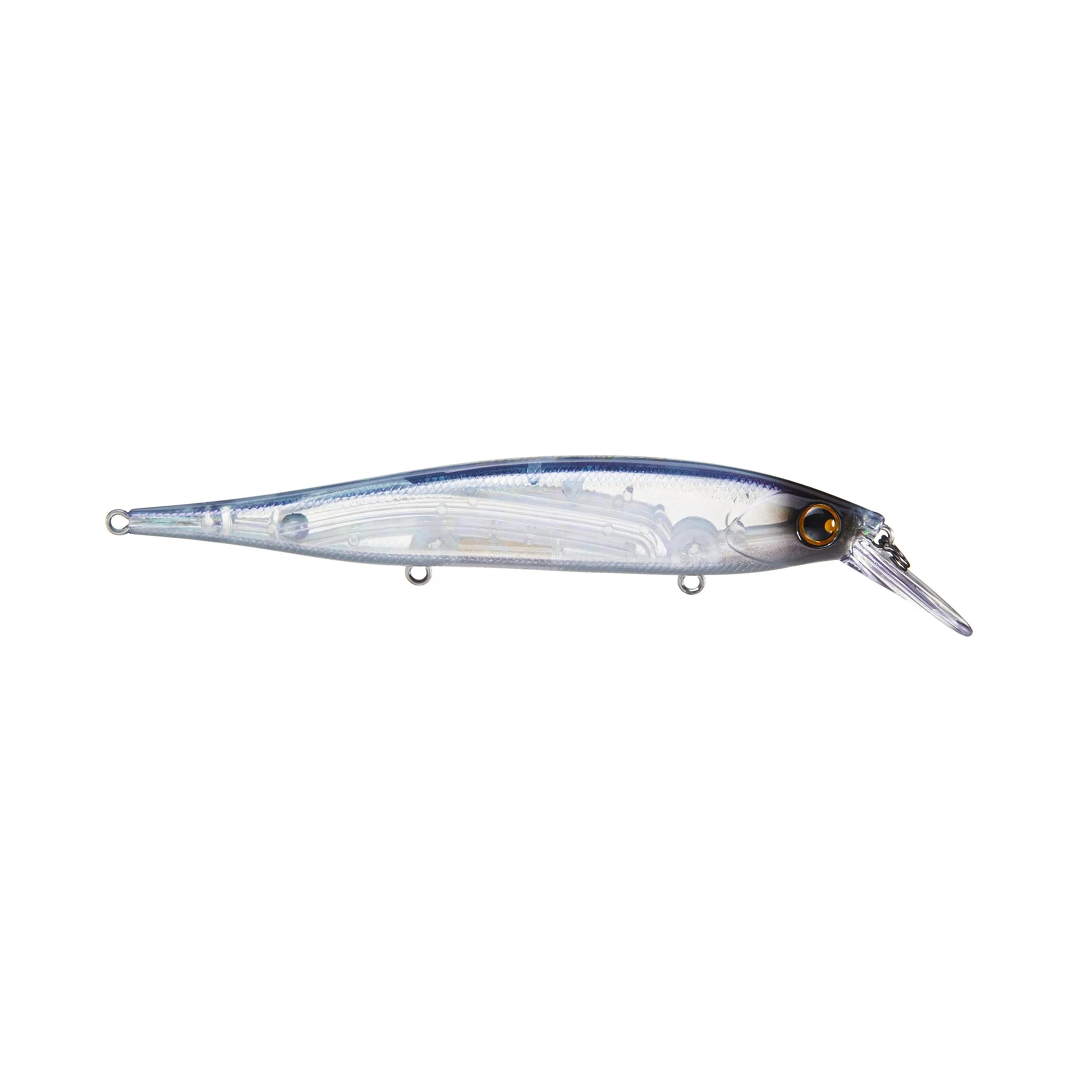
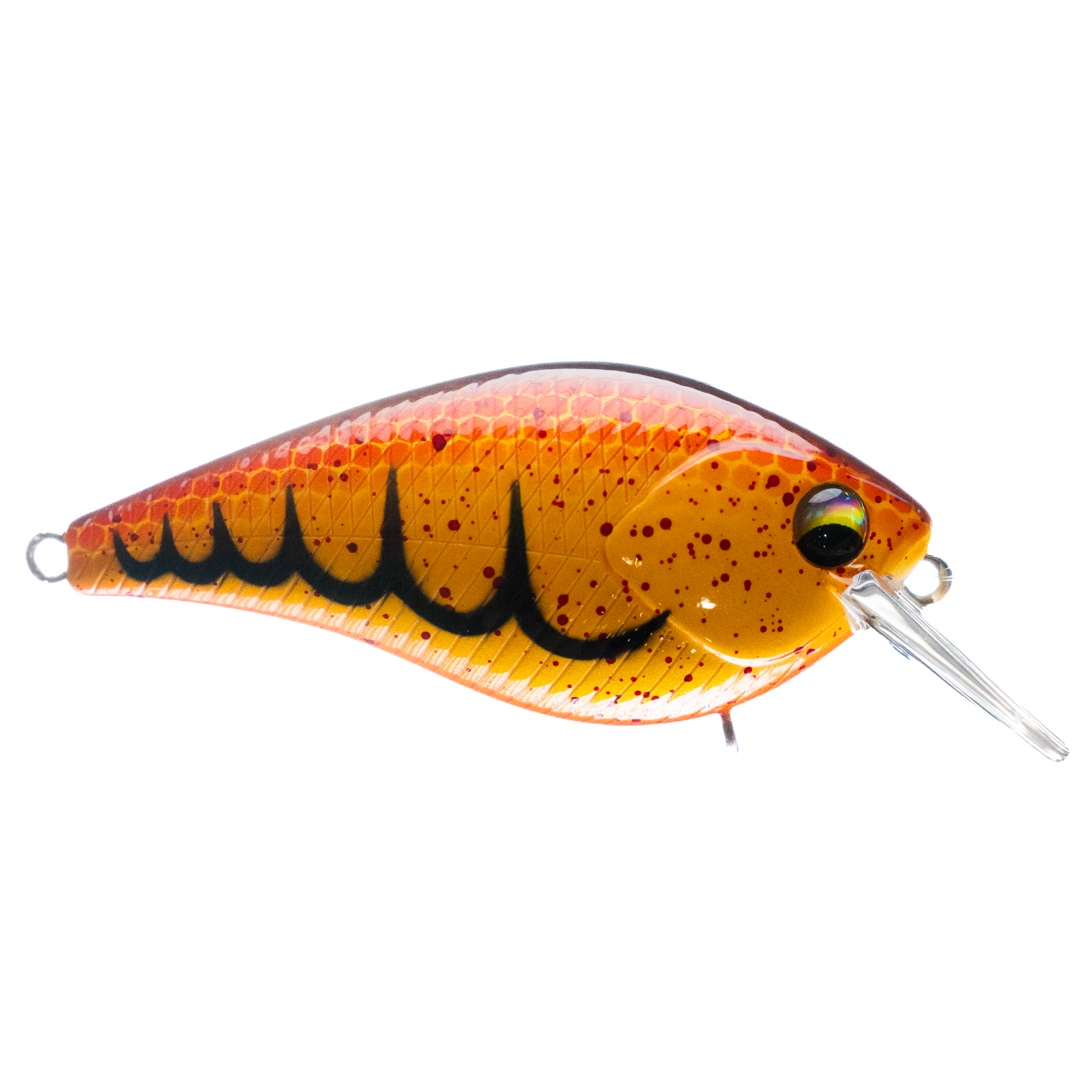
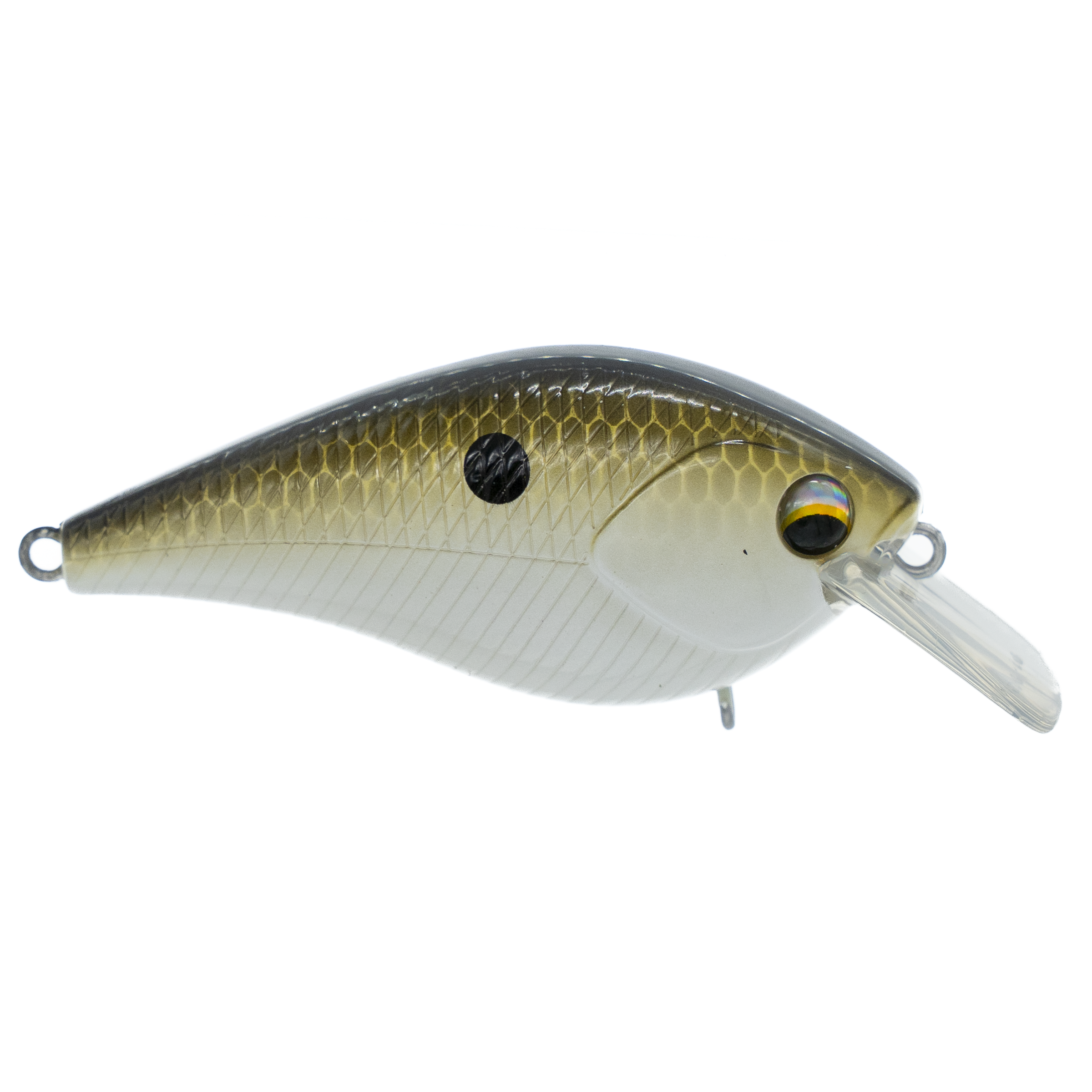
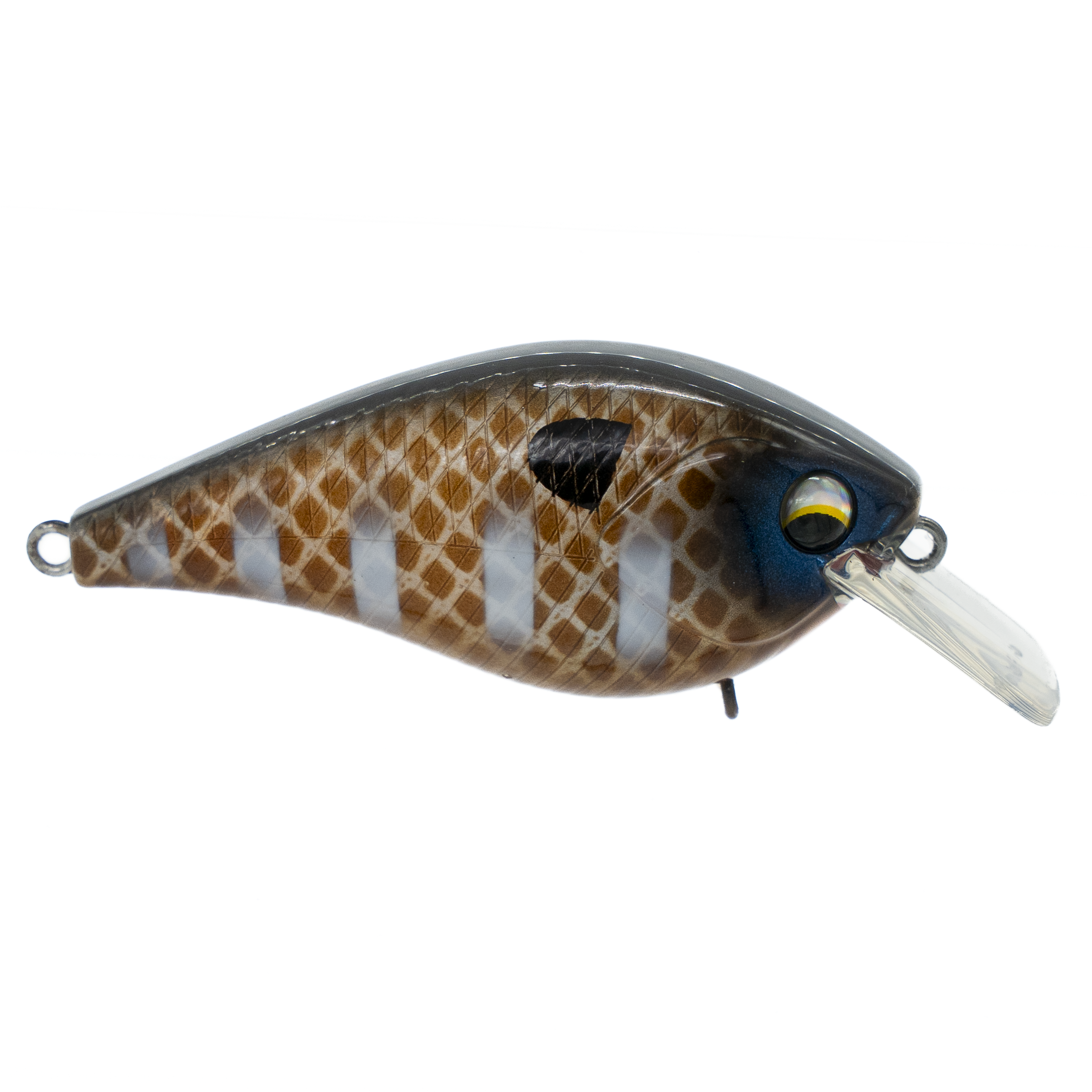
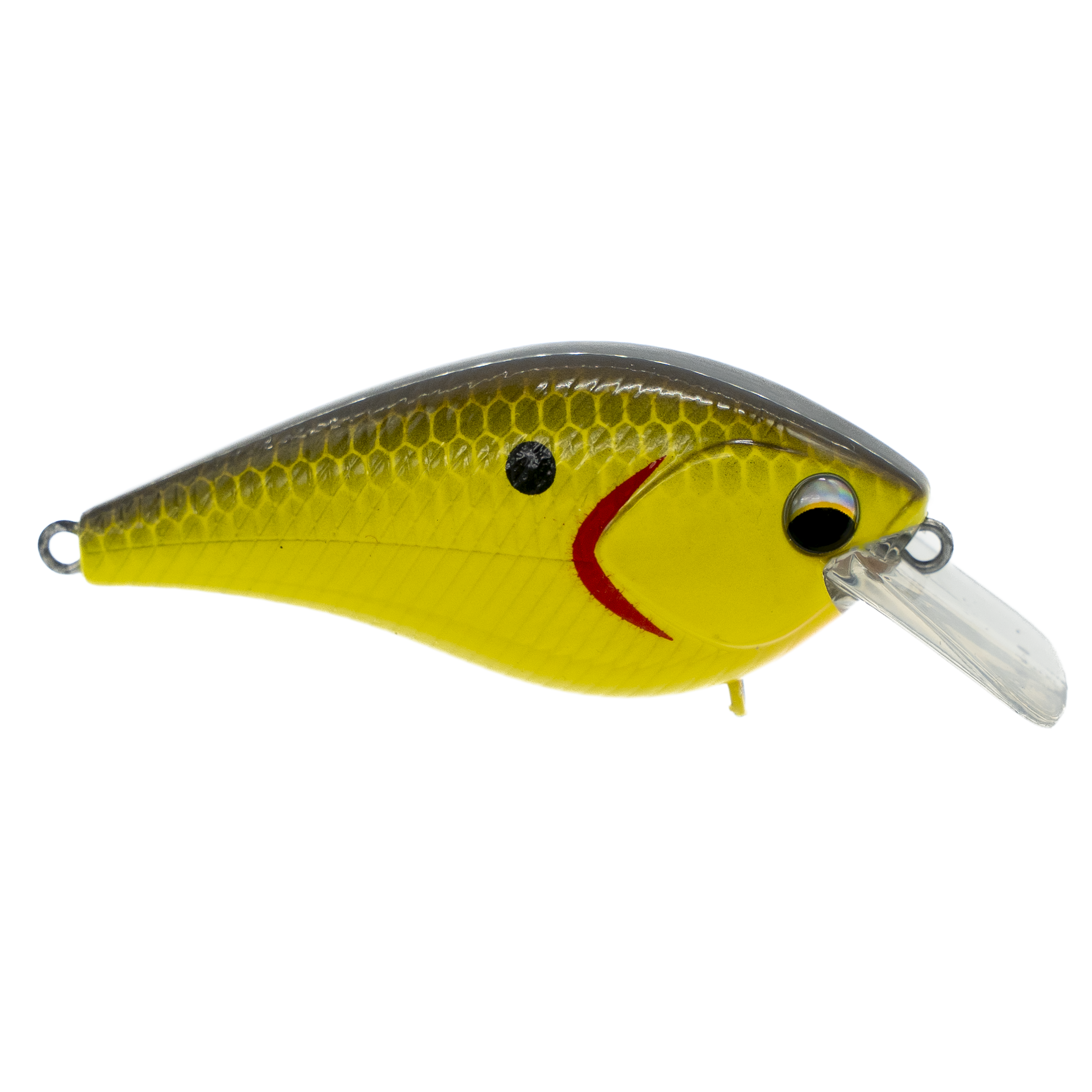
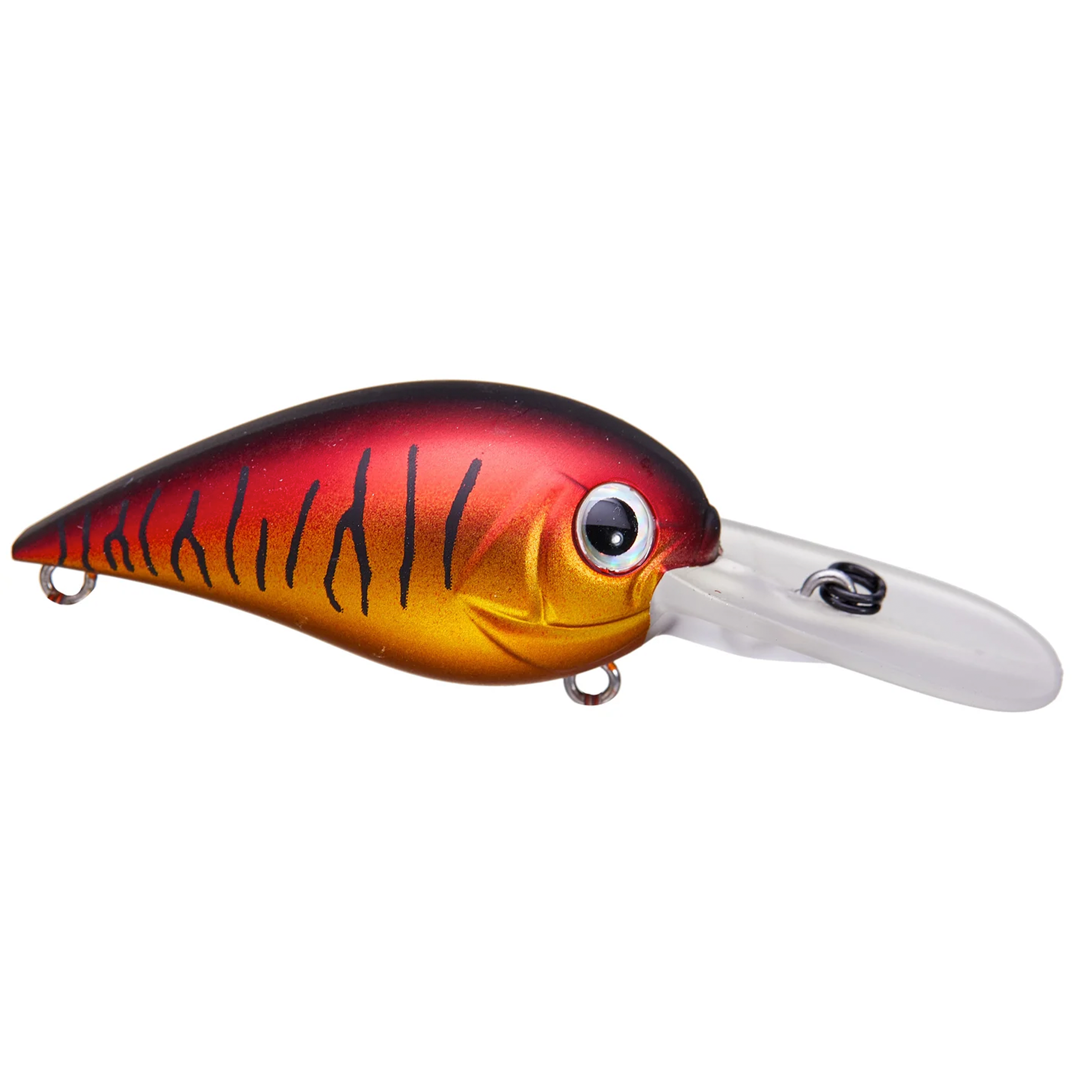
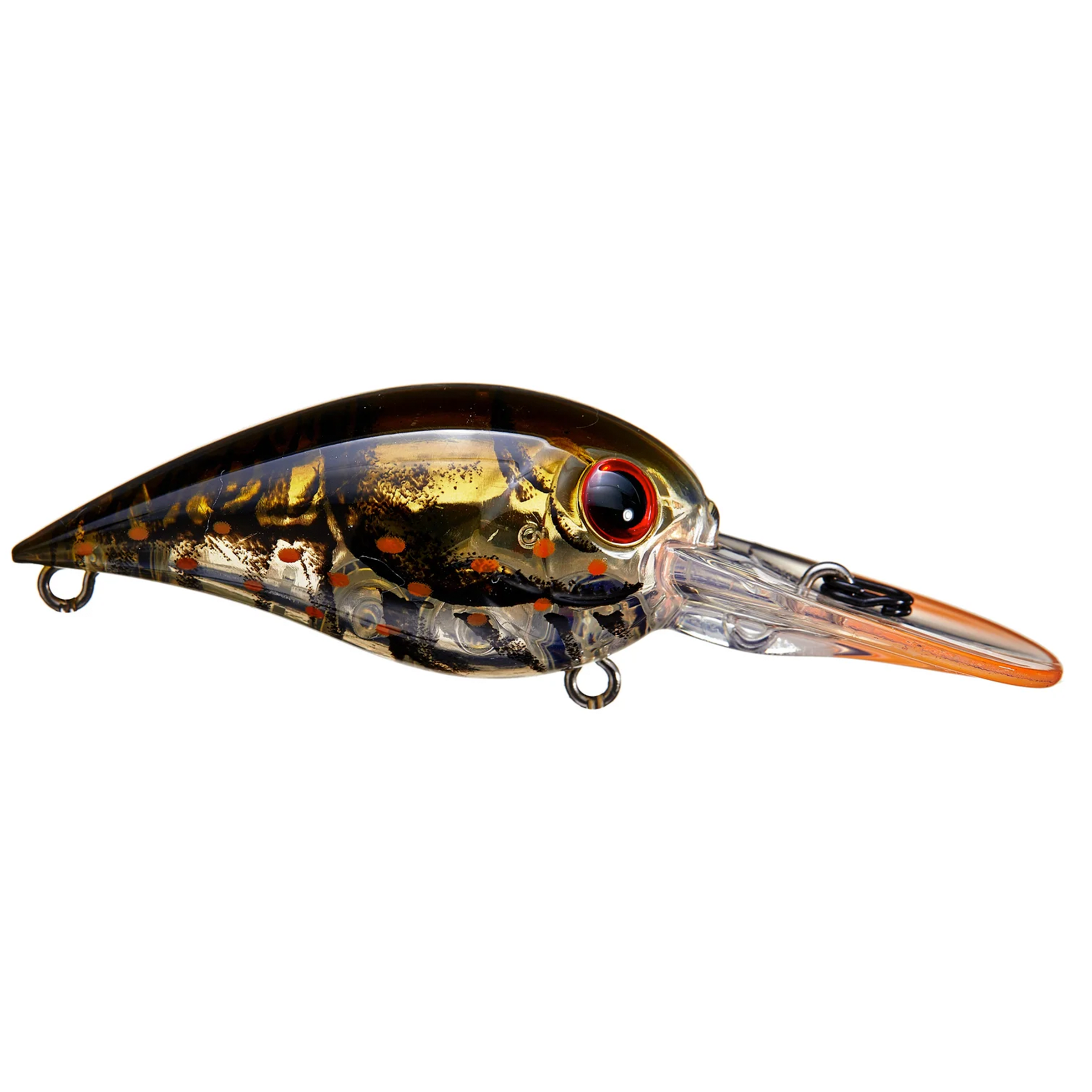
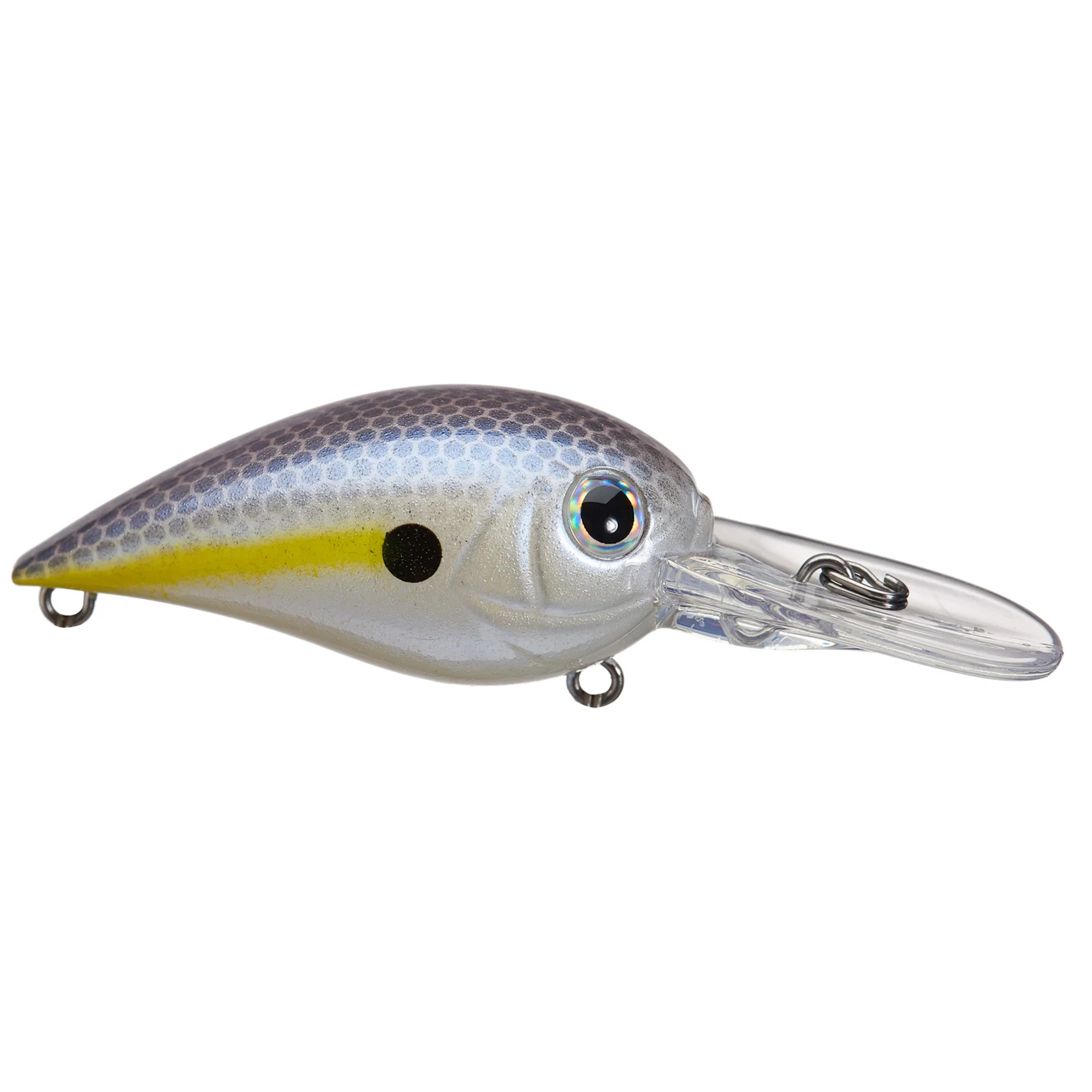
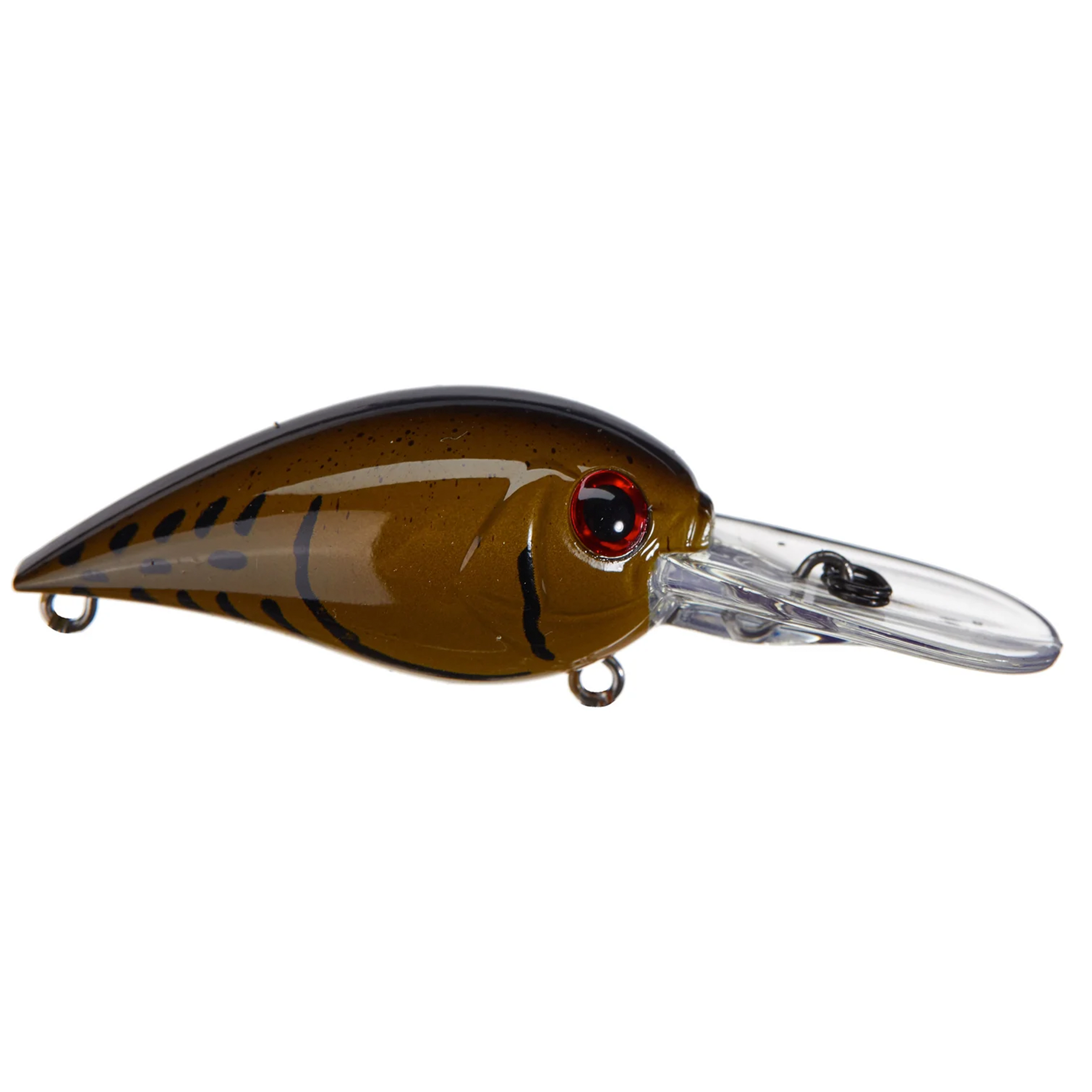
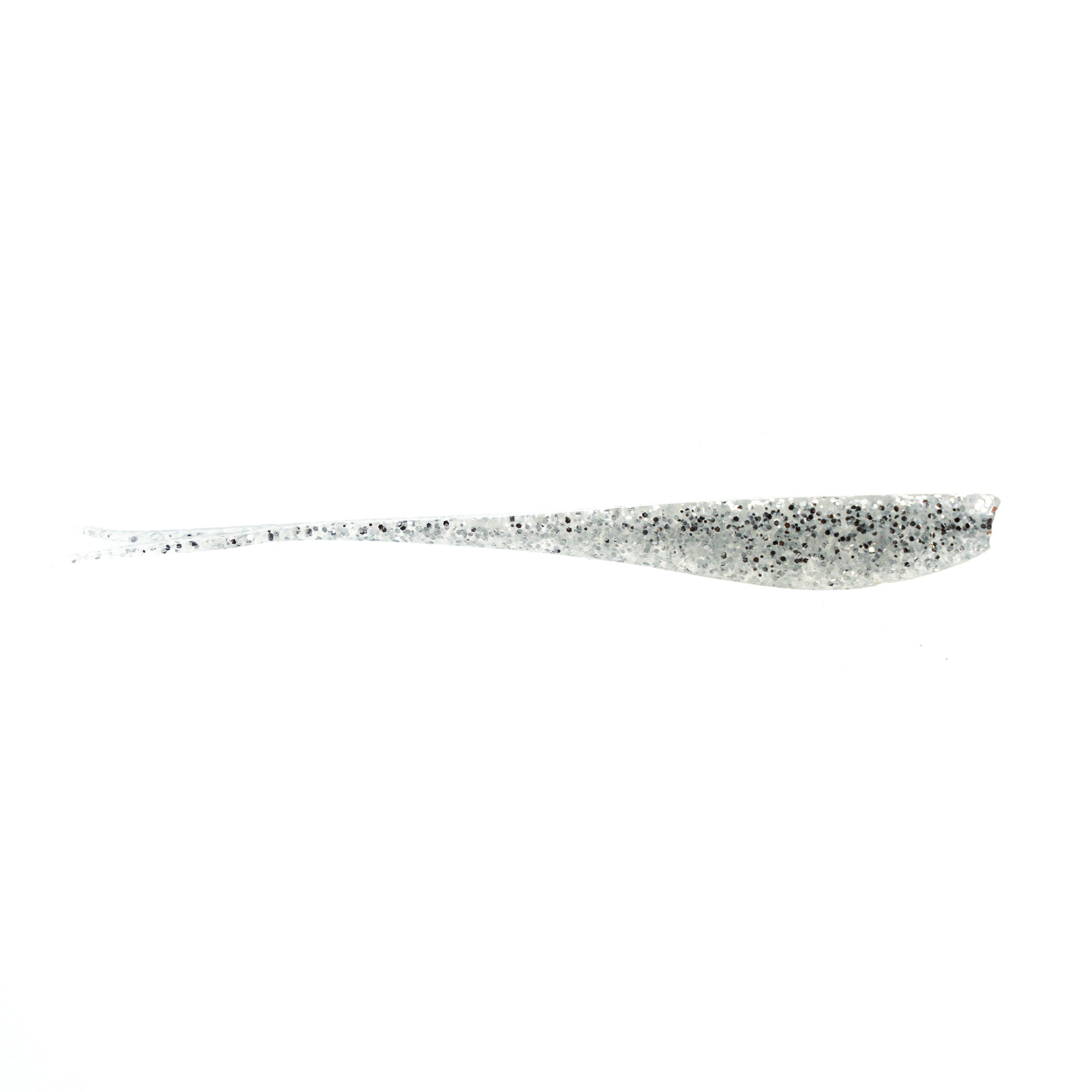
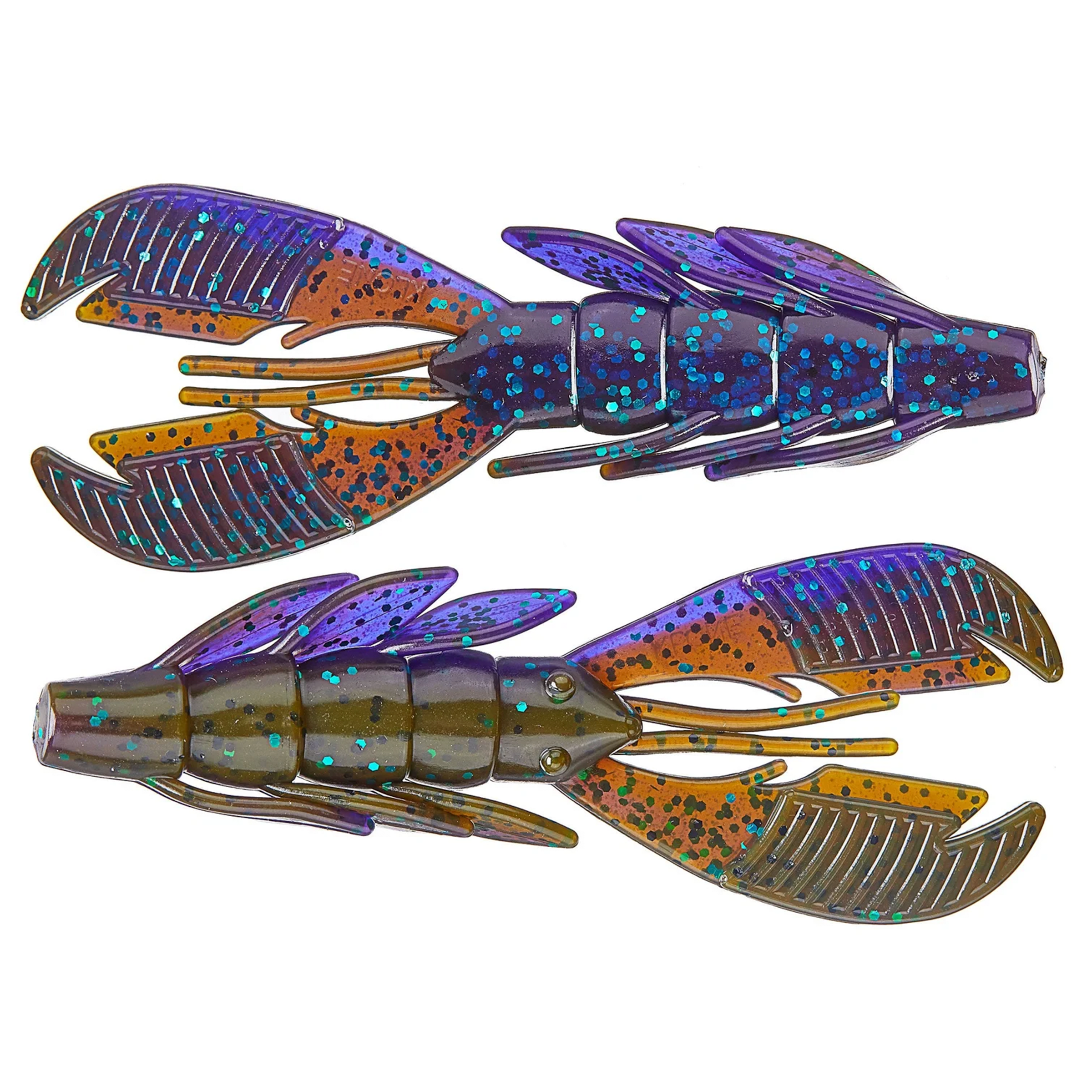
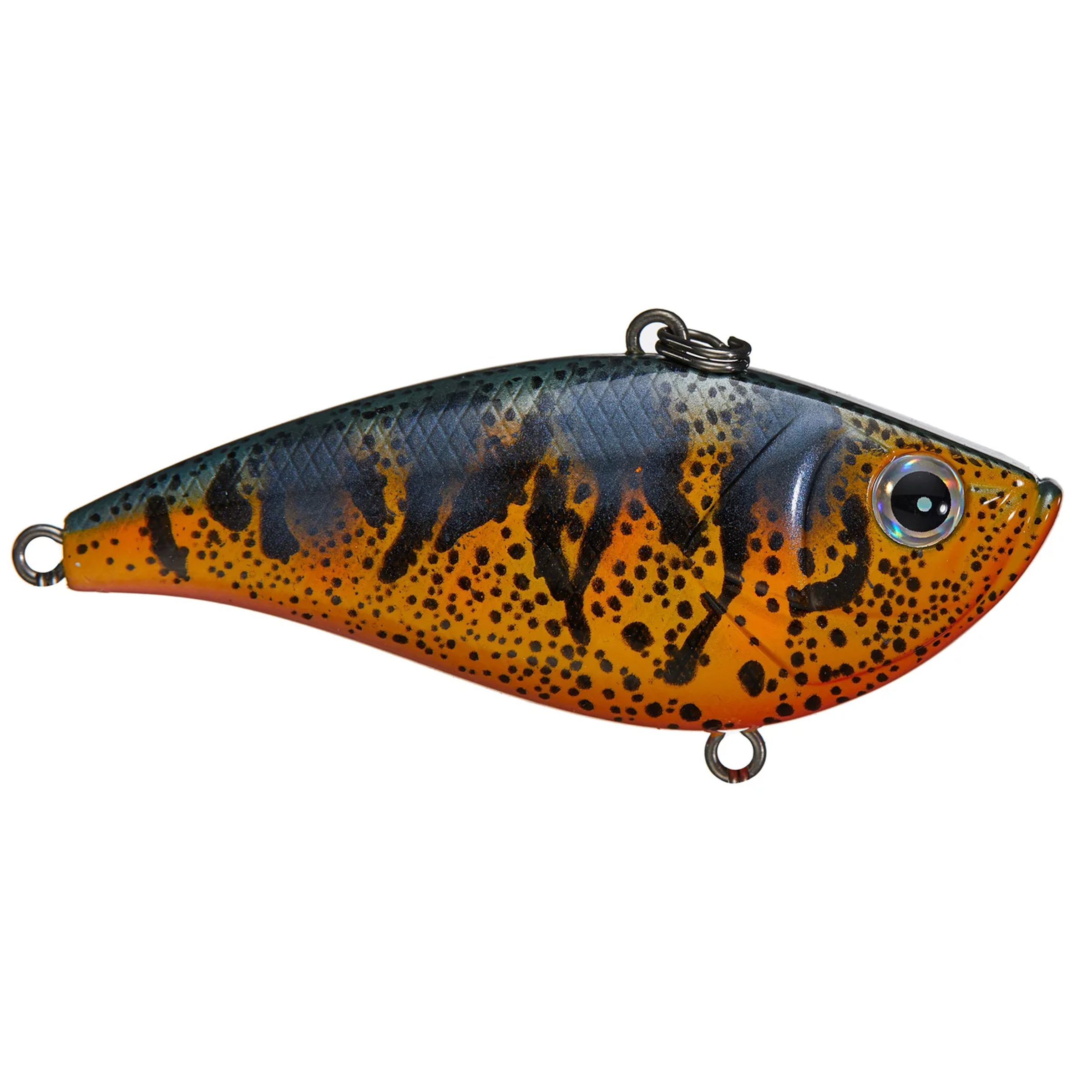
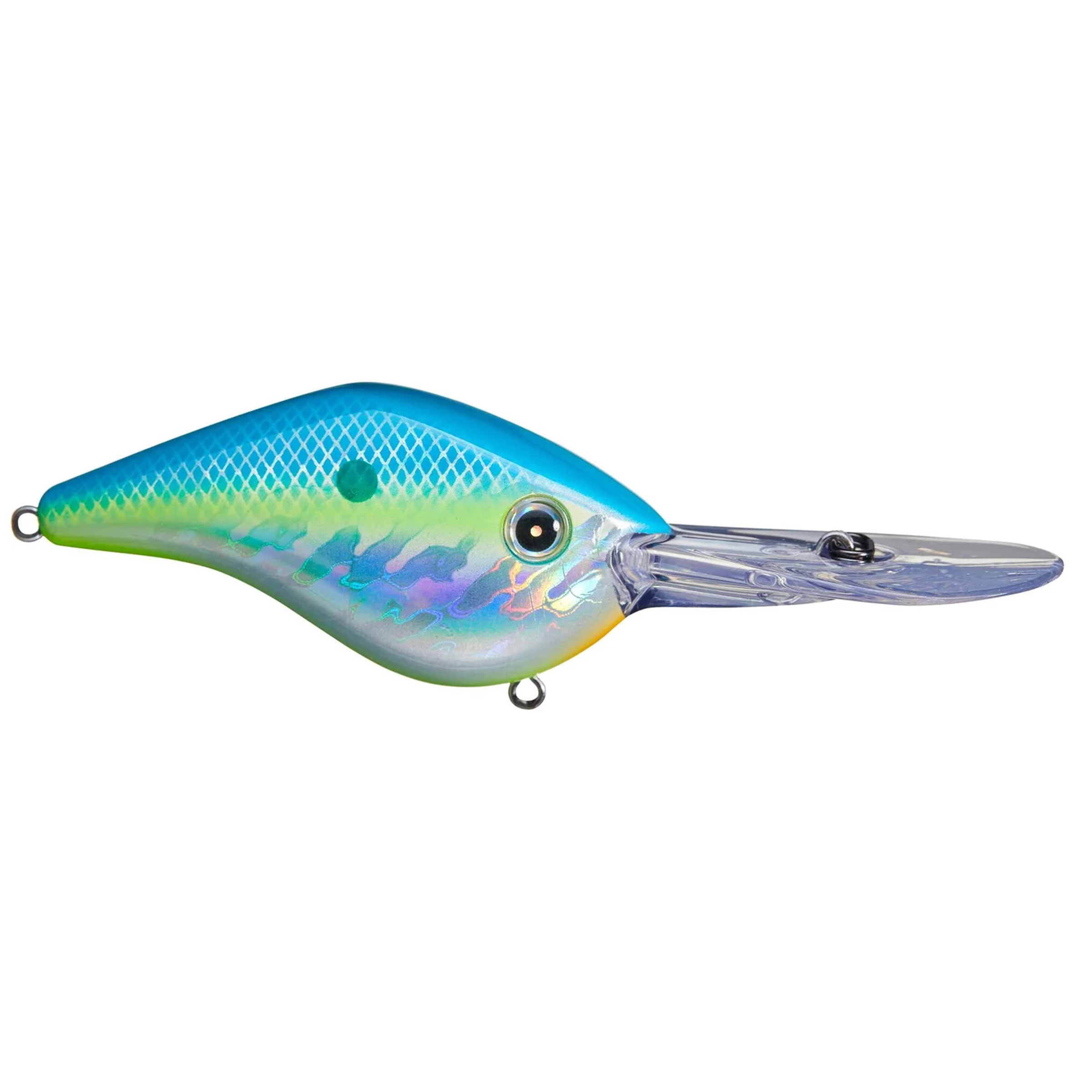
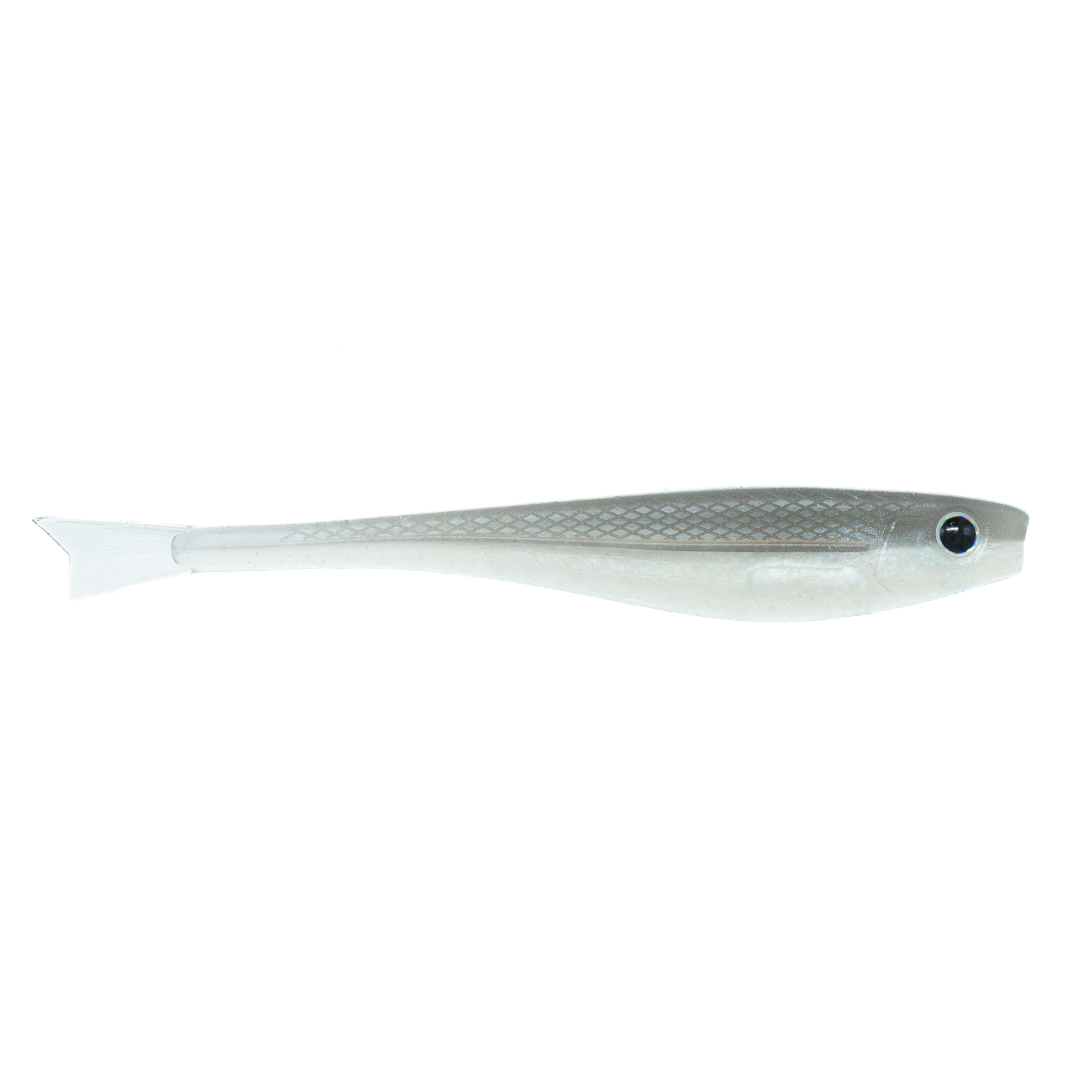
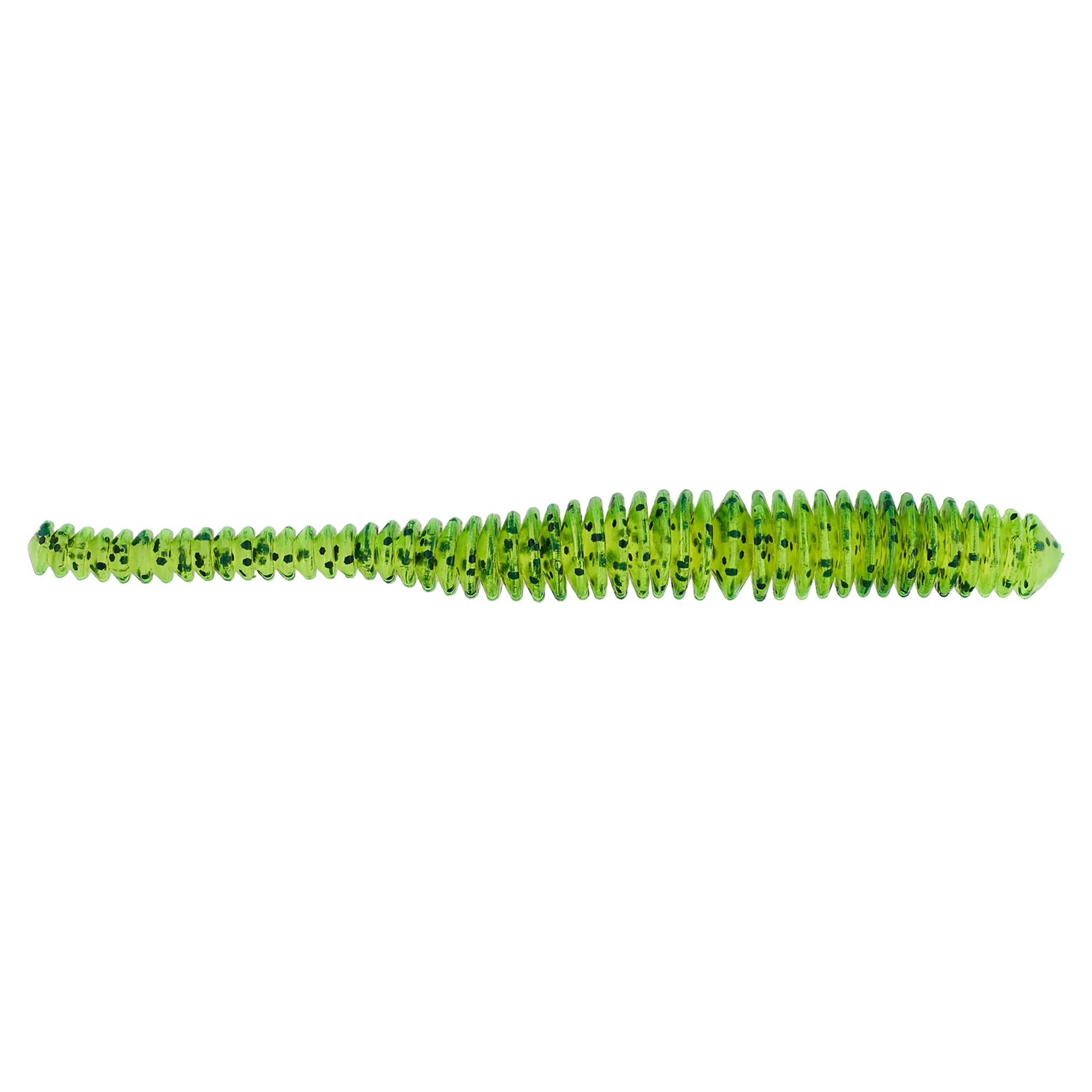
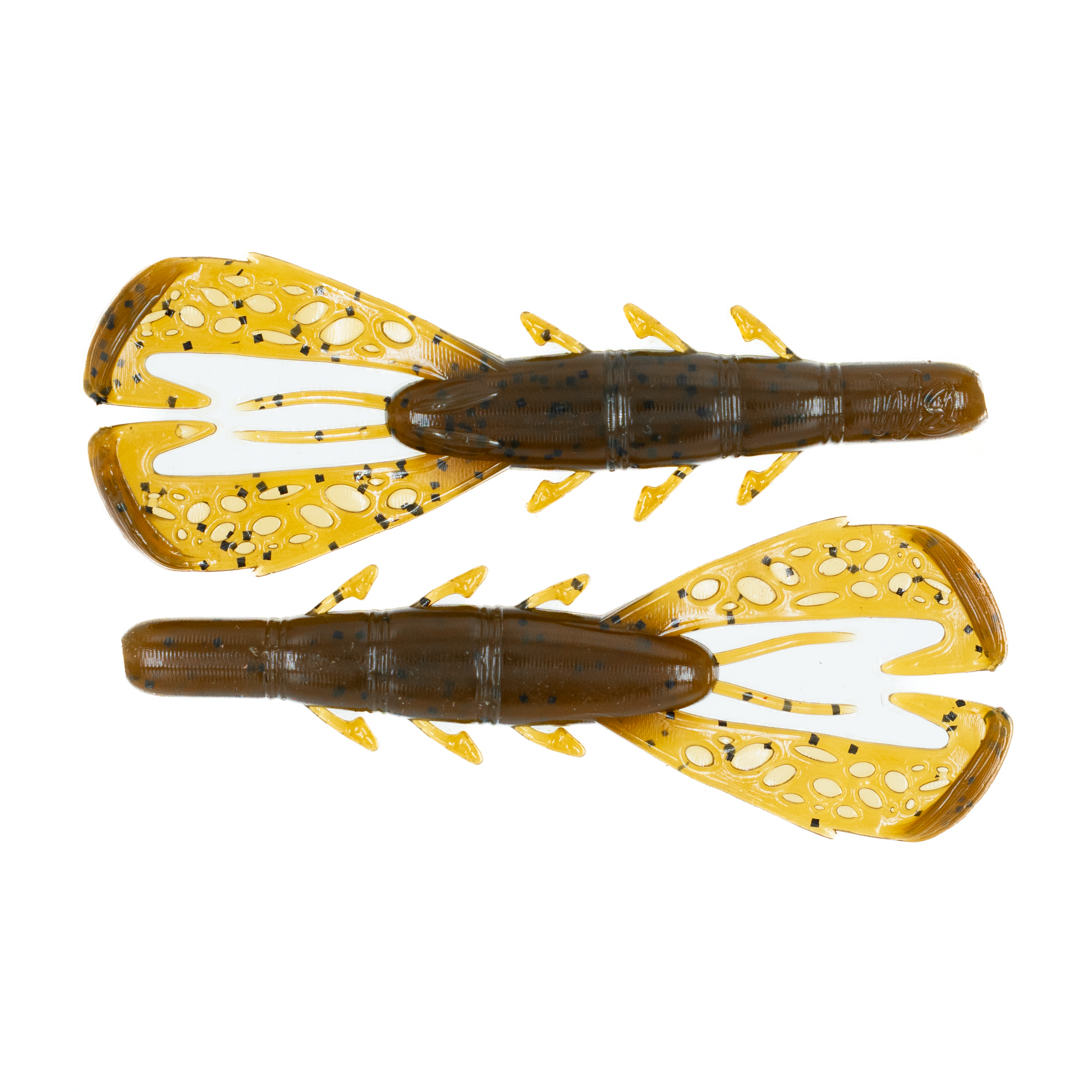
Coosa staples. Spring is jerkbaits and jigs on staging rock. Summer is grubs and football jigs on current-swept structure, with topwater early. Fall is shad-pattern moving baits. Winter is slow finesse on deep rock. Our full bait lineup covers all four.
Do I need a fishing license for Lake Jordan?
Yes. An Alabama fishing license is required, available through the Alabama Department of Conservation and Natural Resources. Check current size and creel limits before you go.
Small Lake, Big Spots
A five-pound Coosa spot in current is one of the harder fights in freshwater, and you will usually hook it on a grub or a jig in deep rock on light line. Level Rods builds models with the sensitivity to feel that bite on a slack line and the backbone to keep the fish out of the structure it is trying to reach.
Tournament Winning Baits & Gear
Designed, crafted and tested by anglers who fish the Coosa every week. Free shipping on orders over $75.
Shop All Baits